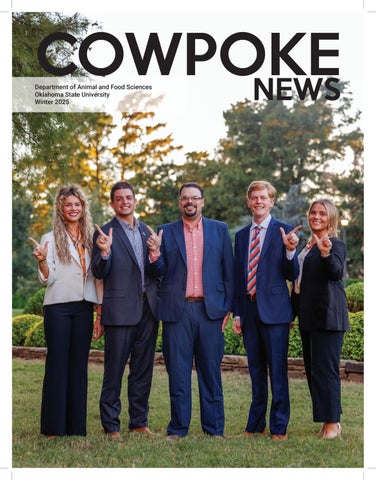
COWPOKE NEWS
COWPOKE NEWS
Welcome to the Winter 2025 edition of Cowpoke News!
We put this publication together several times a year to share what’s happening in the Oklahoma State University Department of Animal and Food Sciences. Inside, you’ll find updates on student achievements, faculty highlights, research, events, and moments that make our department special.
We’re glad you’re here, and we hope you enjoy catching up with our students, alumni, and friends.
COWPOKE NEWS
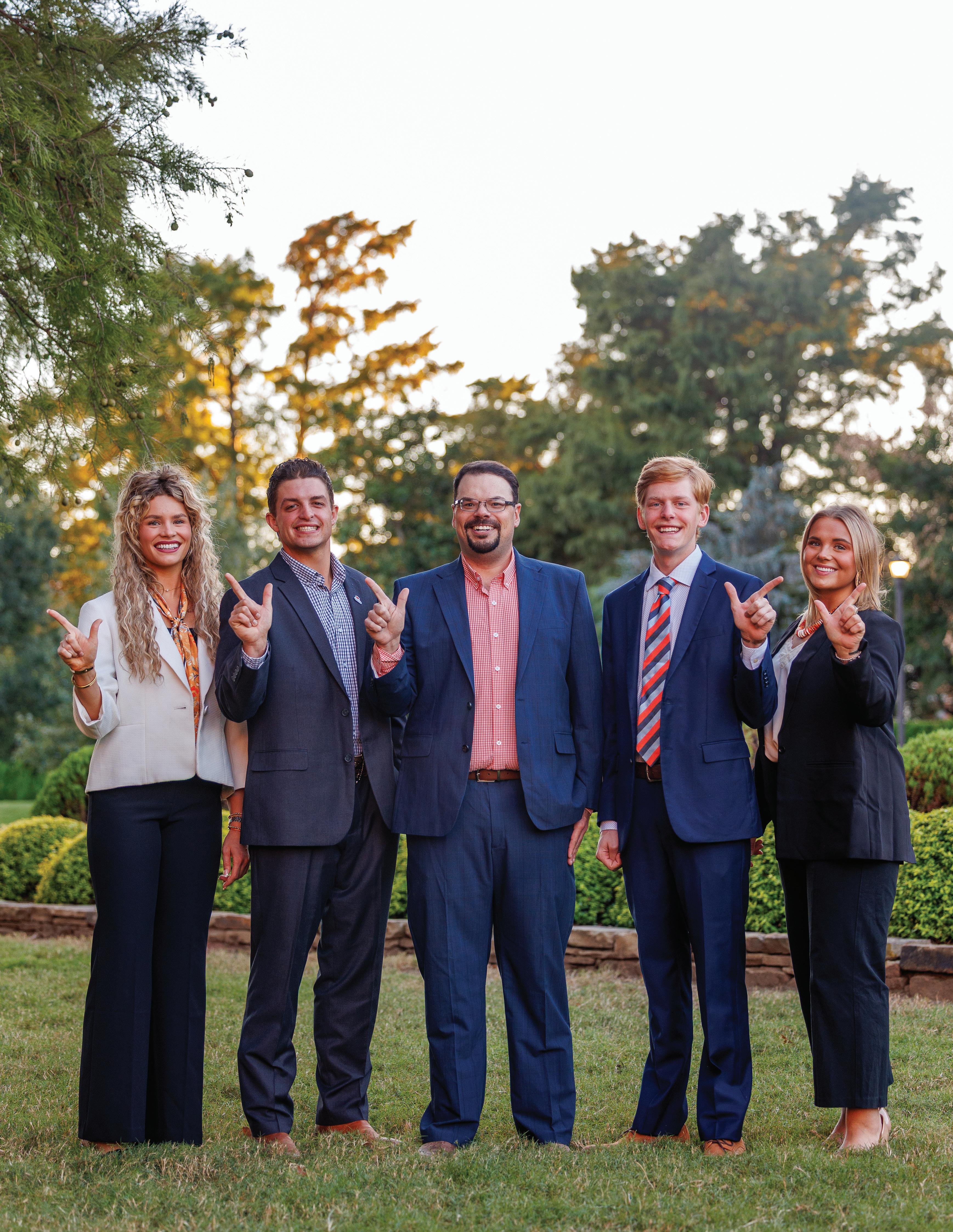
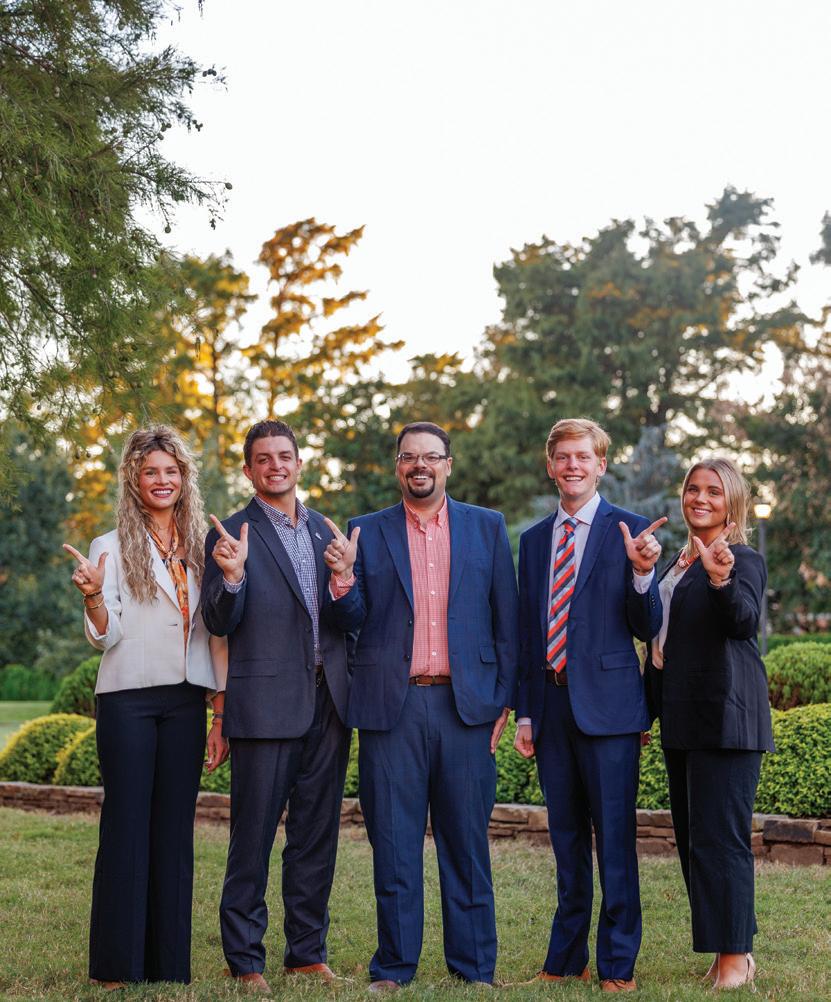
The first OSU Dairy Challenge Team is debuting this spring at the National Dairy Challenge event. Photo by Jacey Bordwine.
Contact Us
Editor: Clancey Krahn Dr. Morgan Pfeiffer Department of Animal and Food Sciences 101 Animal Science Building Stillwater, Okla. 74078 405.744.6062 cowpokenews@okstate.edu www.afs.okstate.edu
Subscribe
To subscribe, please email us or mail in your request. Please give us your full name and either your email or mailing address.
Cowpoke News is distributed through both email and mail and is available online at https://agriculture.okstate.edu/departments-programs/ afs/about/cowpoke-news.html
Want to receive more information and updates about our department?
Follow us on social media! @okstateafs
Oklahoma State University as an equal opportunity employer, complies with all applicable federal and state laws regarding non-discrimination. Oklahoma State University is committed to a policy of equal opportunity for all individuals and does not discriminate based on race, religion, age, sex, color, national origin, marital status, disability, or veteran status with regard to employment, educational programs and activities, and/or admissions.
DEPARTMENT HEAD letter from the
Greetings alumni, friends, and supporters! I hope you had a wonderful Christmas and your new year is off to a good start. Faculty and students alike look forward to the holiday break to rest and recharge their batteries following the spring semester. The Spring semester will soon be underway and before we know it summer will be upon us.
As you all know, our department is blessed to attract students from the across the U.S. and the world who come to OSU to pursue their Animal Science or Food Science degrees. Amazingly, we have undergraduate students from 42 different states, and our graduate students come from 16 different states and eight different countries. I doubt that many (if any) of our peer institutions can compare to this broad reach of students. When our students complete their degrees, they become employed in a variety of jobs across the livestock and foods industries, local and state governmental agencies, and academia. Our students are known for being well-trained and the kinds of employees that make a difference in their jobs.
The winter and fall are when a variety of different events occur that provide the department’s faculty and staff to interact with our alumni and stakeholders. Included in these events are Cattlemen’s Congress, NCBA’s Annual Convention and trade show, Oklahoma Youth Expo, the department’s annual Scholarship and Awards Banquet, the Animal Science Alumni Association Gala, and the Cowboy Classic Beef Cattle Sale, just to name a few. I look forward to seeing many of you at these various events.
As you all know, the department’s animal facilities are critical to our teaching, research, and outreach missions. As you also know, some of our facilities are showing their age and need major updates or complete replacement. Over the past several months we have worked with OSU Long-Range Planning and an independent architect to develop plans for some new swine, dairy, and sheep/goat facilities. In 2026 I will begin working in earnest with the OSU Foundation on fundraising to bring these new facilities to fruition. I look forward to sharing these new facility plans with you and will be looking to you all to help us make these plans a reality.
You will also find in this edition of Cowpoke News a call for nominations for awards we will present in April during the department’s annual Scholarship and Awards Banquet. These awards include our Graduates of Distinction, Advance Degree Graduates of Distinction, Distinguished Service Award, Recognition Award and Master Breeder. There are numerous alumni and supporters of the department that deserve these recognitions, so please take time to nominate those you know that we should consider honoring with these awards.
As always, I hope you will stop by the department any time you are in Stillwater to say hello and catch up on all that is happening. We always want to hear from our alumni and friends, and value your thoughts and ideas on how we can better serve our students and stakeholders. Finally, please do not hesitate to reach out to me if I or the department can ever be of support or service to you.
GO POKES!
Richard Coffey Head, Department of Animal and Food Sciences
OUR FACULTY
RICHARD COFFEY - Department Head
SABRINA AMORIM - Quantitative Genetics and Genomics, Research and Teaching
PAUL BECK - Beef Cattle Nutrition, Research and Extension
SCOTT CARTER - Swine Nutrition, Waste Management, Teaching and Research
STEVEN COOPER - Equine, Teaching
JUSTIN CROSSWHITE - 4-H Youth Livestock, Extension
MELLISSA CROSSWHITE - Reproductive Physiology, Teaching
UDAYA DESILVA - Molecular Genetics, Teaching and Research, Graduate Coordinator
JERRY FITCH - Sheep, Teaching and Extension, Teaching Coordinator
ANDREW FOOTE - Ruminant Nutrition, Teaching and Research
DARREN HAGEN - Animal Genomics, Teaching and Research
PARKER HENLEY - Teaching and Extension, Livestock Judging
MASON HENSON - Sustainable Livestock Production, Teaching and Research
KRIS HINEY - Equine, Teaching and Extension
KHURSHEED IQBAL - Reproductive Biology, Research and Teaching
RAVI JADEJA - Food Safety, Teaching and Extension
LOGAN JOHNSON - Food Science, Teaching and Research
MARK JOHNSON - Animal Breeding, Teaching and Extension
DAVID LALMAN - Beef Cattle Nutrition, Research and Extension
GRETCHEN MAFI - Meat Science, Teaching and Research, Advising Coordinator
RILEY MESSMAN - Reproductive Physiology, Microbiome, Teaching and Research
MEAGHAN MEYER - Poultry Science, Animal Welfare and Behavior, Teaching
JOAO MORAES - Physiology, Teaching and Research
PETER MURIANA - Food Microbiology, Research, Teaching and Extension
ADEL PEZESHKI - Monogastric Nutrition, Teaching and Research
MORGAN PFEIFFER - Meat Science, Teaching and Research, Scholarship Coordinator
RANJITH RAMANATHAN - Meat Science, Teaching and Research, Research Coordinator
RYAN REUTER - Range Beef Cattle Nutrition, Teaching and Research
DAN STEIN - Livestock Production, Teaching and Extension
JASON WHITE - Dairy Cattle Science, Teaching
BARRY WHITWORTH - Food and Animal Health, Extension, BQA State Coordinator
BLAKE WILSON - Beef Cattle Nutrition, Teaching and Research
GLENN ZHANG - Animal Molecular Biology, Research and Teaching
EMERITI FACULTY
JOE BERRY - Poultry, Extension
DAVID BUCHANAN - Animal Breeding, Teaching Coordinator
DAVE FREEMAN - Equine, Extension, Extension Coordinator
DON GILL - Beef Cattle Nutrition, Extension
GERALD HORN - Beef Cattle Nutrition, Graduate Coordinator
FREDRIC OWENS - Animal Food Products, Extension
GLENN SELK - Reproductive Physiology, Extension
LEON SPICER - Reproductive Physiology, Research and Teaching
ROBERT TEETER - Poultry Nutrition
DON WAGNER - Department Head
BOB WETTEMANN - Reproductive Physiology
WE NEED YOUR HELP cow-calf producers
Researchers with the Oklahoma State University Department of Animal and Food Sciences are conducting a survey to assess the current reproductive practices of beef cow-calf producers. With special interest in assisted reproductive technologies (ART), such as artificial insemination and embryo transfer, this study aims to quantify and analyze ART utilization as well as explore the barriers in its adoption and implementation within beef cow-calf operations.
We invite you to participate in our survey questionnaire and optional followup interview and/or operational observation. The survey questionnaire takes approximately 10 minutes of your time to complete. Participation is completely voluntary, and responses will remain confidential. To participate, you must be 18 years or older and own or manage a beef cow-calf operation. For full completion of the 10-minute questionnaire, you’ll receive one entry into a raffle for a chance to win two paid registrations to NCBA CattleCon 2027 – one for you and a guest.
We believe this information is invaluable in further developing extension education programs so we may continue to adopt, enhance, and innovate industry methods, especially as our production resources are continuing to diminish.
Thank you for your considered participation, as we deeply appreciate any feedback you would be willing to provide.
To participate, please scan the QR code below to complete the consent form and take the survey questionnaire.
If you have any questions, please contact Riley Messman at riley.messman@okstate.edu. This study has received approval from the Oklahoma State University Institutional Review Board.
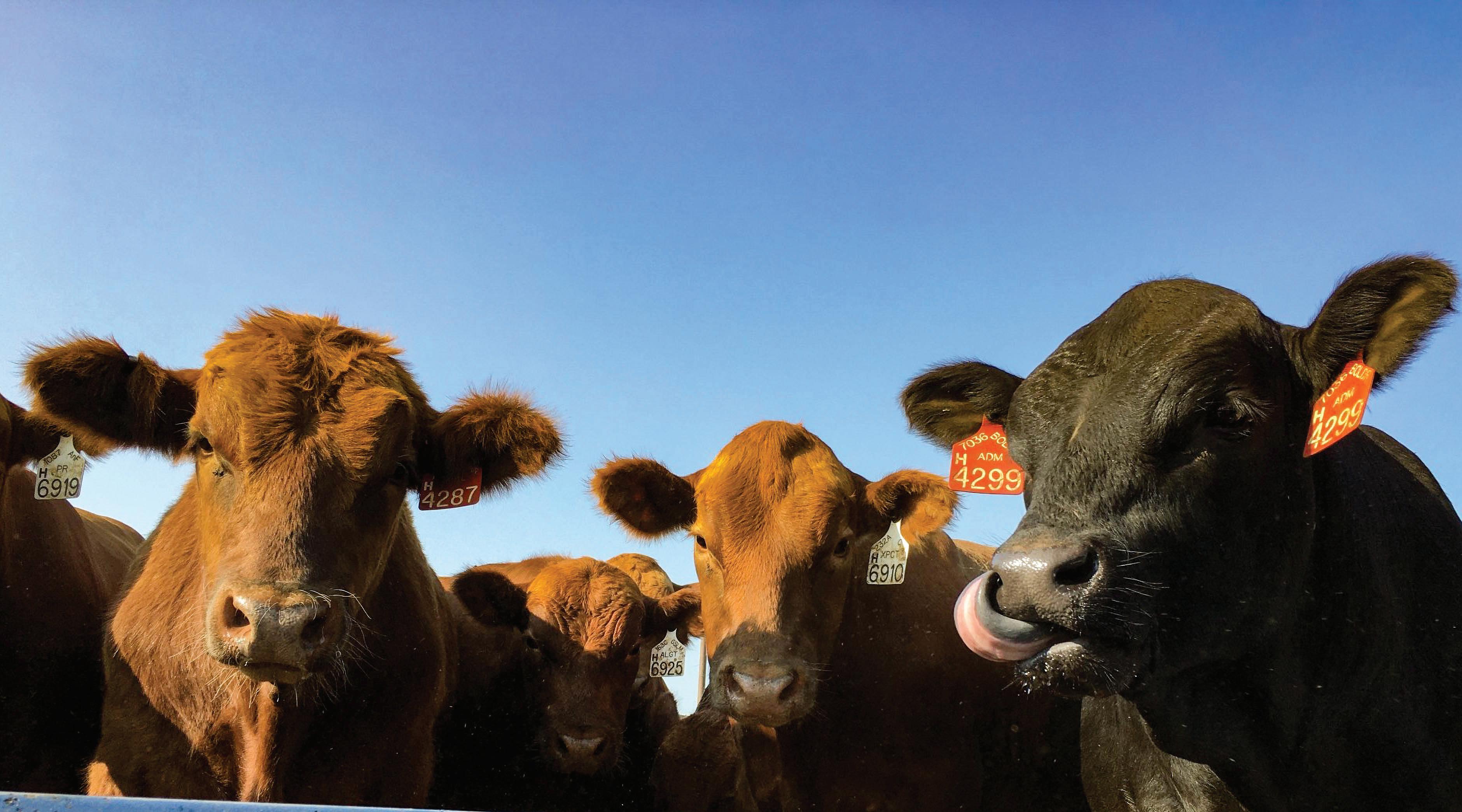
Cow-calf producers are invited to participate in a survey assessing reproductive practices. Photo courtesy of Mamie-Cate Haydon.
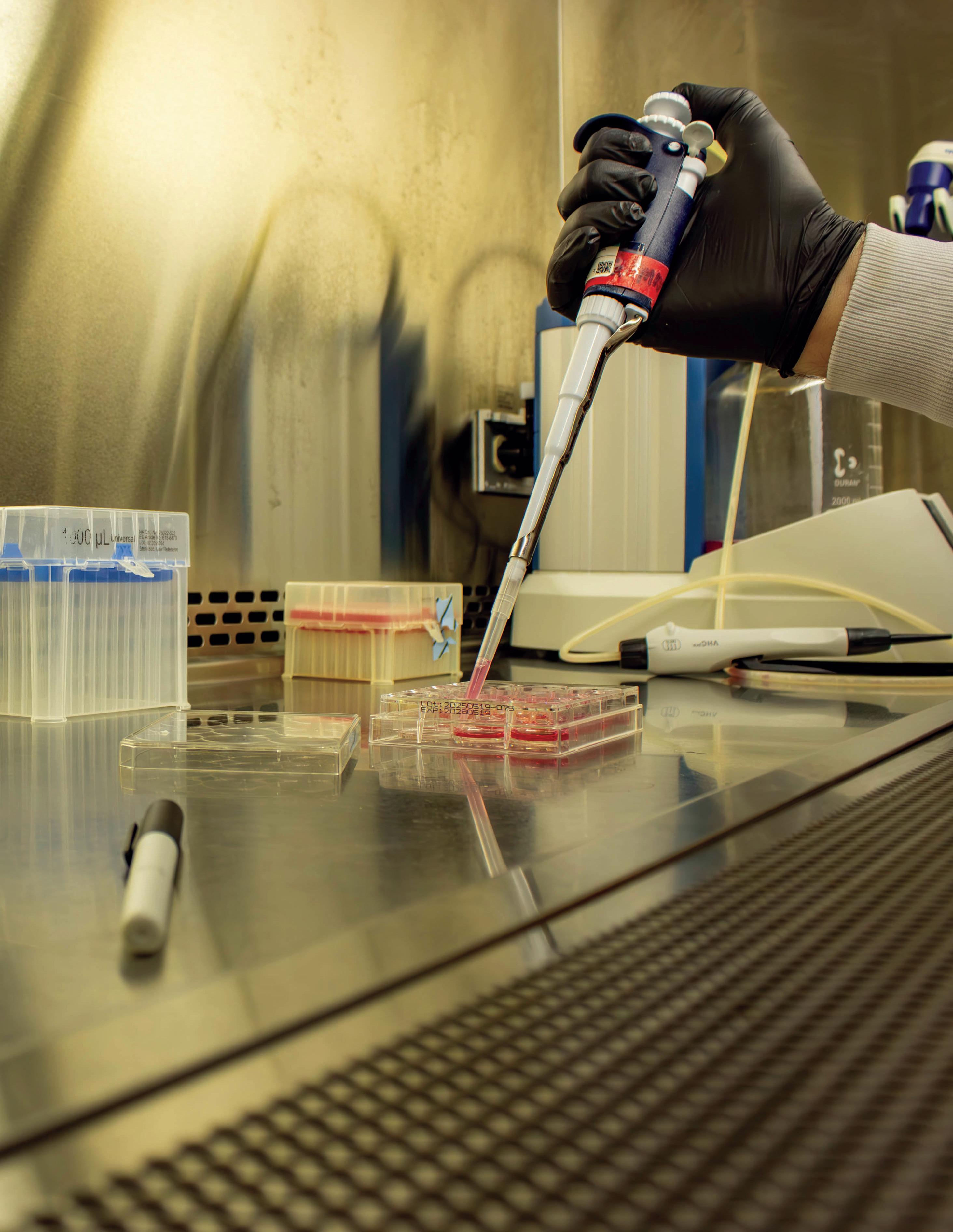
in the Nutritional Biochemistry Lab. Photo by Clancey Krahn.
The Oklahoma State University Nutritional Biochemistry laboratory is overseen by Dr. Adel Pezeshki in the Department of Animal and Food Sciences.
Five graduate students and five undergraduate researchers staff the laboratory. Together, the group investigates hepatic pathways involved in the metabolic effects of dietary branched-chain amino acid (BCAA) restriction.
The liver plays a central role in maintaining systemic glucose homeostasis. Through the insulin signaling pathway, it suppresses gluconeogenesis and promotes glycogenesis under physiological conditions.
Impaired insulin signaling leads to hepatic insulin resistance, a condition that can result in hyperglycemia, a hallmark of type 2 diabetes. The Pezeshki lab has demonstrated that dietary restriction of BCAA enhances glucose tolerance and insulin sensitivity, increases hepatic insulin signaling, and suppresses gluconeogenesis in the liver.
Several proteins are predominantly and exclusively secreted by the liver. These liver-derived proteins or hepatokines have some inconclusive roles in hepatic glucose metabolism and insulin signaling. The Pezeshki lab is interested in unraveling the hepatic pathways that can define the compelling metabolic effects of dietary BCAA restriction by focusing on known and novel hepatokines.
The lab is focused on examining whether known or novel hepatokines are required for improvement induced by BCAA restriction in glucose metabolism and insulin signaling in the liver; characterizing the pathways by which BCAA restriction induces these hepatokines; and assessing the role of these hepatokines or new liver-derived factors in the regulation of systemic glucose homeostasis when BCAA-restricted diets are offered.
To this end, they employ a variety of techniques such as genome editing in cell culture-based systems and animal models, and transcriptomics. The long-term goal of our program is to identify novel therapeutics for the treatment of diabetes. Each team member contributes specialized expertise.
Matthew W. Gorton is a doctoral candidate in Dr. Pezeshki’s lab. In his previous studies, he investigated the role of dietary insulinogenic amino acids (IAA) in contributing to insulin resistance. Although excessive IAA intake has been associated with impaired glucose control, it remains unclear
whether restriction improves insulin sensitivity, particularly in peripheral tissues.
Gorton’s initial project used neonatal piglets to examine the effects of reduced IAA intake on glucose and lipid metabolism, both of which are closely linked to insulin resistance. The targeted IAA included alanine, arginine, isoleucine, leucine, lysine, threonine, phenylalanine, and valine.
The research team observed that IAA restriction improved glucose tolerance and insulin sensitivity in piglets without affecting body weight, likely due to improved skeletal muscle insulin signaling, and activation of FGF21 in the liver and hypothalamus. Building on these findings, ongoing work investigates the combined effects of BCAA and IAA depletion in cell cultures and mice, with a focus on their impact on glycemic control, insulin sensitivity, and lipid metabolism in human liver cell lines. This research advances understanding of the links between amino acid metabolism and systemic energy balance.
Amir Hossain investigates the nutritional and metabolic regulation of hepatic glucose metabolism in type 2 diabetes, evaluating the role of FGF21 on the metabolic benefits of BCAA depletion.
Keegan Carrera analyzes RNA-seq data from mice and pigs fed BCAA-restricted diets to identify gene expression changes associated with metabolic health, with a focus on pathways related to diabetes. His goal is to discover novel hepatokines that regulate human metabolic gene expression.
Amber Pierce uses bioinformatics to assess the gut microbial community structure of pigs and mice fed low BCAA diets, aiming to gain a deeper understanding of the gut microbiota’s composition and diversity under BCAA deprivation.
Brityn Bobo, a new graduate student, uses mouse models to study how novel hepatokines regulate glycemic control. Her research integrates genomic data, RNA sequencing, and gene expression analyses to examine how the liver responds to metabolic demands.
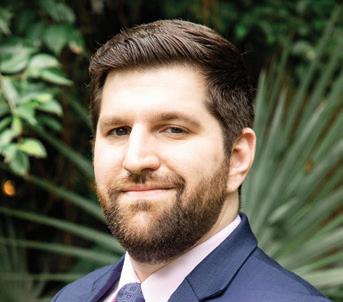
MATTHEW GORTON PhD candidate
THE CHAIN REACTION tracing the outbreak
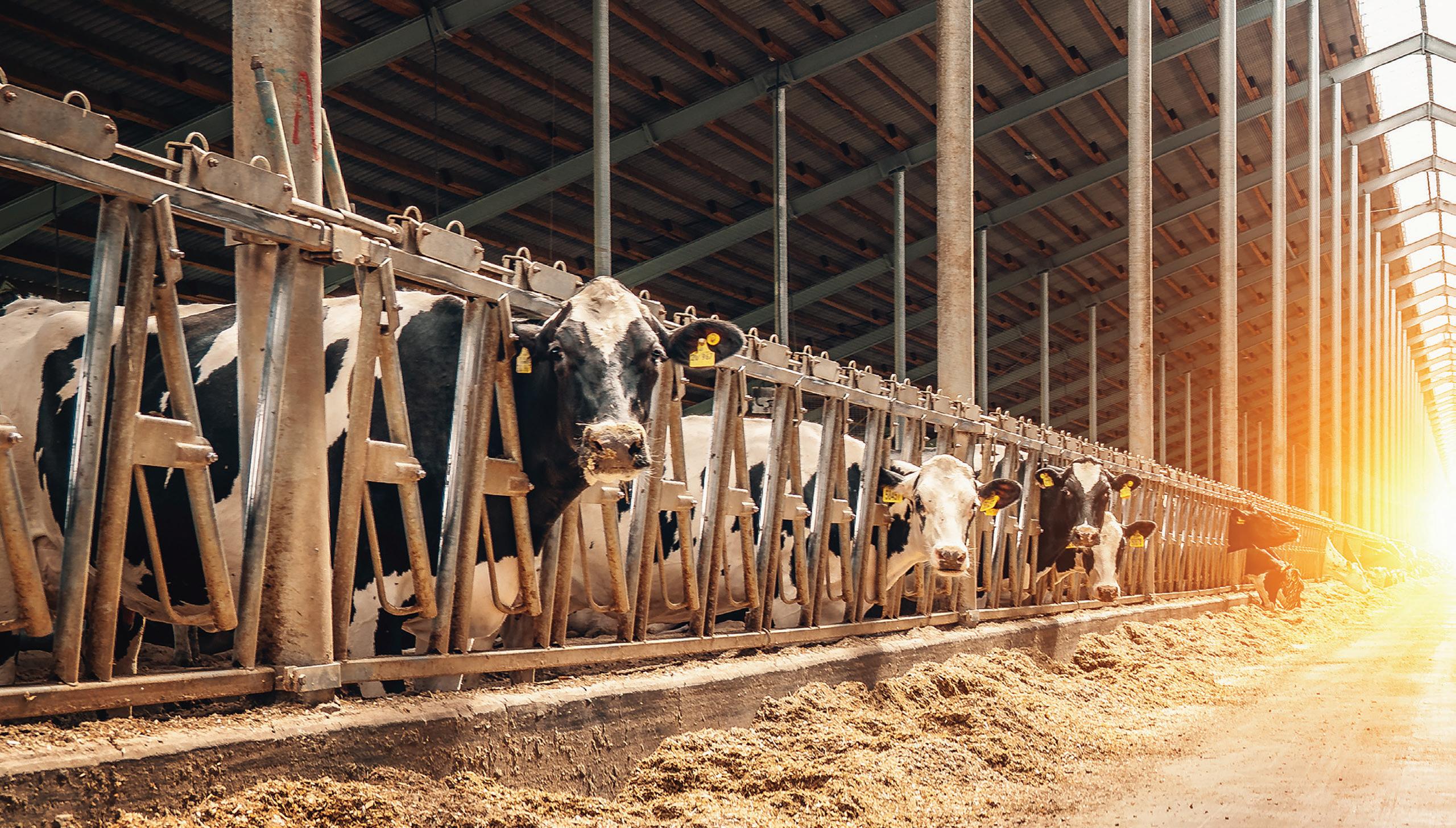
Dairy farmers nationwide face new struggles as they learn to work within regulatory protocols to protect their herds from avian influenza A. According to the American Veterinary Medical Association, Avian Influenza A, also known as H5N1, appeared in Texas and Kansas on March 25, 2024. However, cattle transportation quickly spread the virus across the country.
“[H5N1] has been confirmed in dairy cattle in 16 states: 720 herds in California, 64 in Colorado, 35 in Idaho, 30 in Michigan, 27 in Texas, 13 each in Iowa and Utah, nine each in Minnesota and New Mexico, seven in South Dakota, four in Kansas, two in Oklahoma, and one each in Nevada, North Carolina, Ohio, and Wyoming,” according to AVMA.
Dr. Ryan Scholz, Oregon Department of Agriculture State
Veterinarian, said, “H5N1 is a virus that, once infecting the cow, lives in their udder. It decreases appetite by 25% and milk production by 25%.
The virus is still very young and unknown, but right now, we know that 2% to 15% of the cows who get it die (depending on herd health). Of the herds it enters, 20% of the herd usually gets infected.”
“Until California became infected, there were just a few cases that we had to work from to learn about the virus.” Dr. Scholz said, “Now that the USDA requires infected milk tests to be submitted, much more information is getting released to collect research.”
Willem De Boer, Willem Deboer Dairy owner and operator, described his days leading up to the initial infection on his herd in Tulare County, Calif., as “waking up every morning ready to go to battle over it.” De Boer said he knew the grim shadow of H5N1 would soon be standing at his farm
gates when his neighbor’s herd contracted the virus.
The day before their herd tested positive, De Boer saw two dead crows on the dairy, a sure sign of what would come. The first official case tested positive on September 14, 2024. Because of the virus’s bovine-to-bovine spread, De Boer assumed it would not be long before the whole dairy was infected.
De Boer saw the common signs of H5N1: low appetite, reduced milk production, and abnormal milk appearance. This led to a daily drenching protocol for 450-500 cows.
De Boer reported that 45 cows died within the first month, and at the peak of the virus, the dairy lost two truckloads of milk daily.
Assuming a standard tanker holds 3,000 gallons of milk and has a mailbox price of $24 per hundredweight (per 100 pounds),
OF H5N1 IN DAIRIES
this results in an economic loss of $12,384 per load, said Ben Krahn, Oregon Department of Agriculture, CAFO specialist.
“[The mailbox price is] the net price received by dairy farmers for milk, including all payments received for milk sold and deducting costs associated with marketing the milk,” according to Federal Order 30.
Movement permits are required for all cattle coming from infected premises; this includes anything from the IP to the slaughterhouse to movement out of the state, according to the California Department of Food and Agriculture.
“Due to the quarantine placed on the dairy,” De Boer explained. “The most significant toll on their herd was the extreme steps that had to be taken to transport or send cattle to the auction yard.”
A federal order has been in effect since April 29, 2024, which requires testing of lactating dairy cattle for H5N1 before interstate movement, according to AVMA.
“The only weapon we have against H5N1 is biosecurity,” said Dr. Chuck Estill, Oregon State University Extension veterinarian and theriogenology professor. “While the virus does not live outside the cow for long, it is easily spread by people who see multiple cattle herds daily. Simply put, the worst thing you could do for your dairy during this time is to go to the auction, buy a lactating cow and immediately introduce it into your lactating herd.”
Willem Deboer Dairy officially tested negative (after three negative milk tests) on January 24, 2025, after over four agonizing months.
De Boer looks forward to selling his cattle to neighbors, consigning them to the auction yard, and moving them to the Wyoming ranch without the
extra precautions the dairy had to take because of the quarantine.
“Influenza mutates constantly; creating a vaccination for this virus will be very difficult,” said Scholz. The impact that H5N1 has on dairy farming across the country is still unknown, Scholz reported.
The cows who calved back in after recovering from the virus only rebounded 60% of their milk production from before the infection, he added.
Editor CLANCEY KRAHN
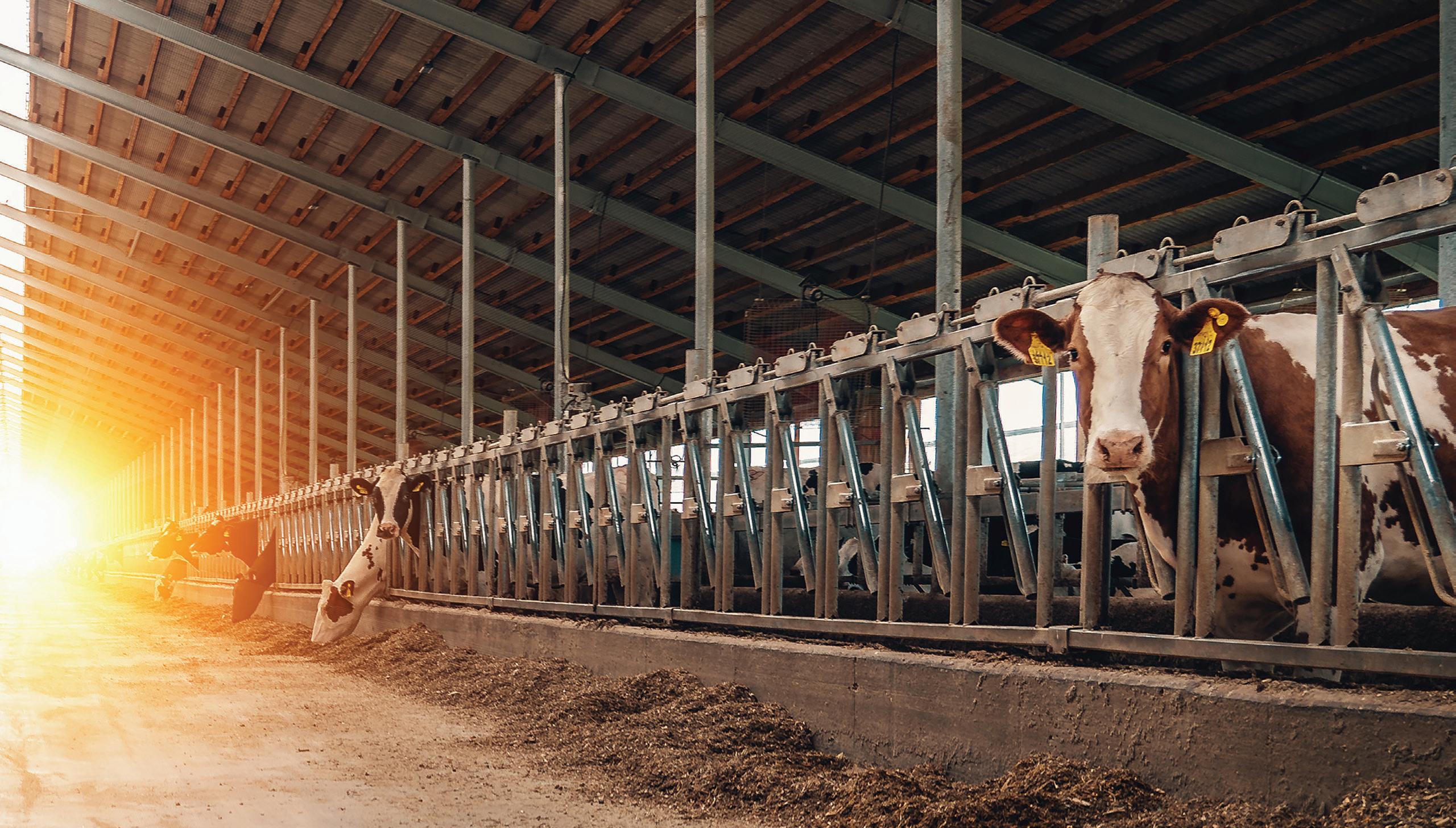
Dairy cattle stand in a freestall barn as producers adapt to new H5N1 biosecurity protocols. Photo courtesy of Adobe Stock.
A TEAM THAT NEVER
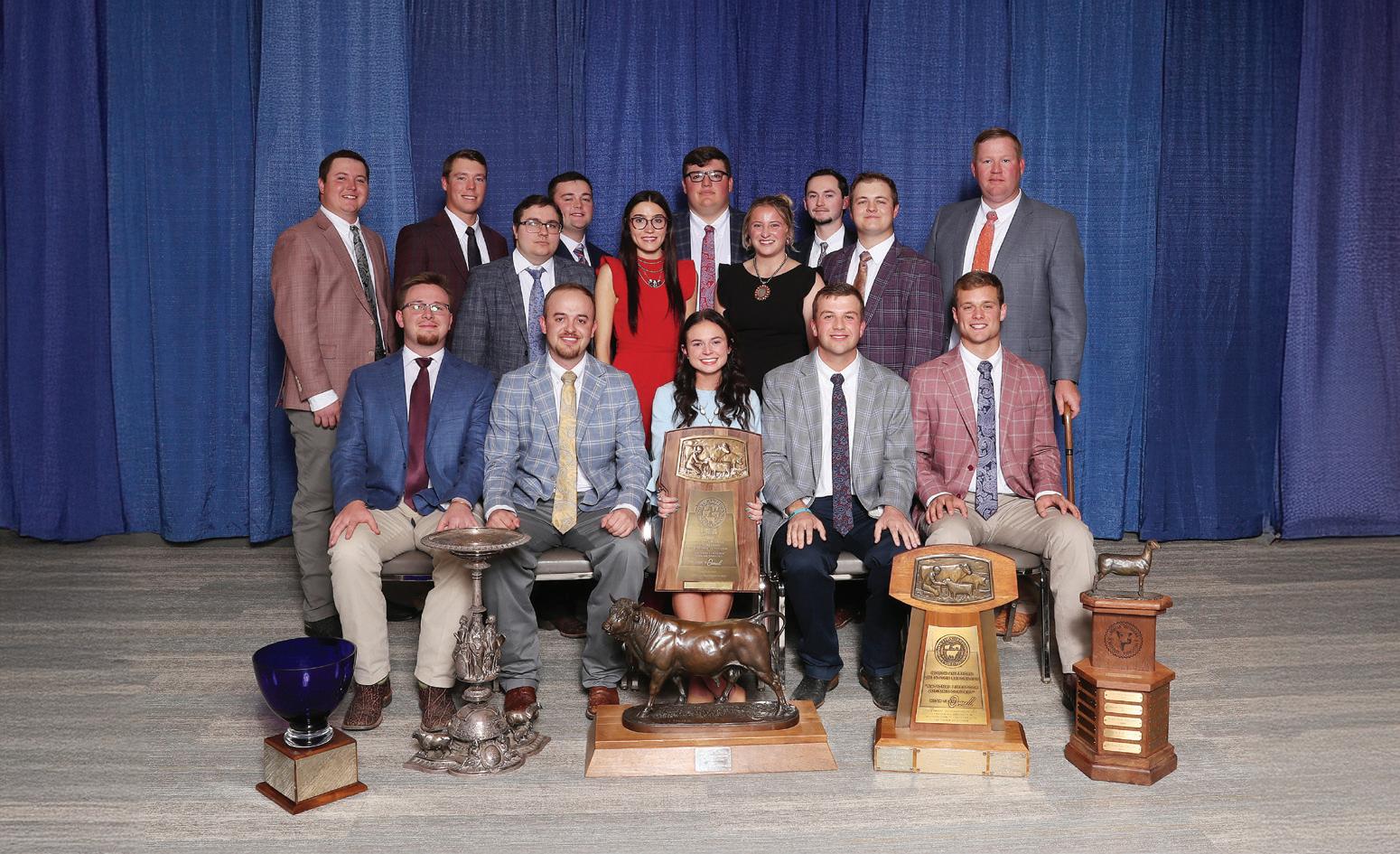
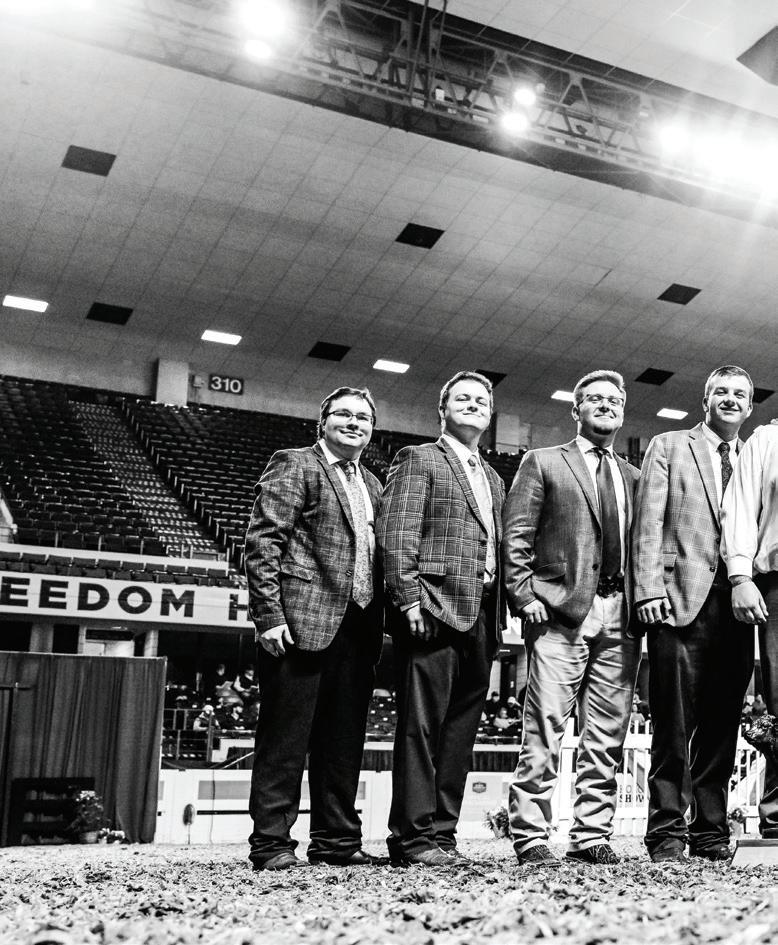
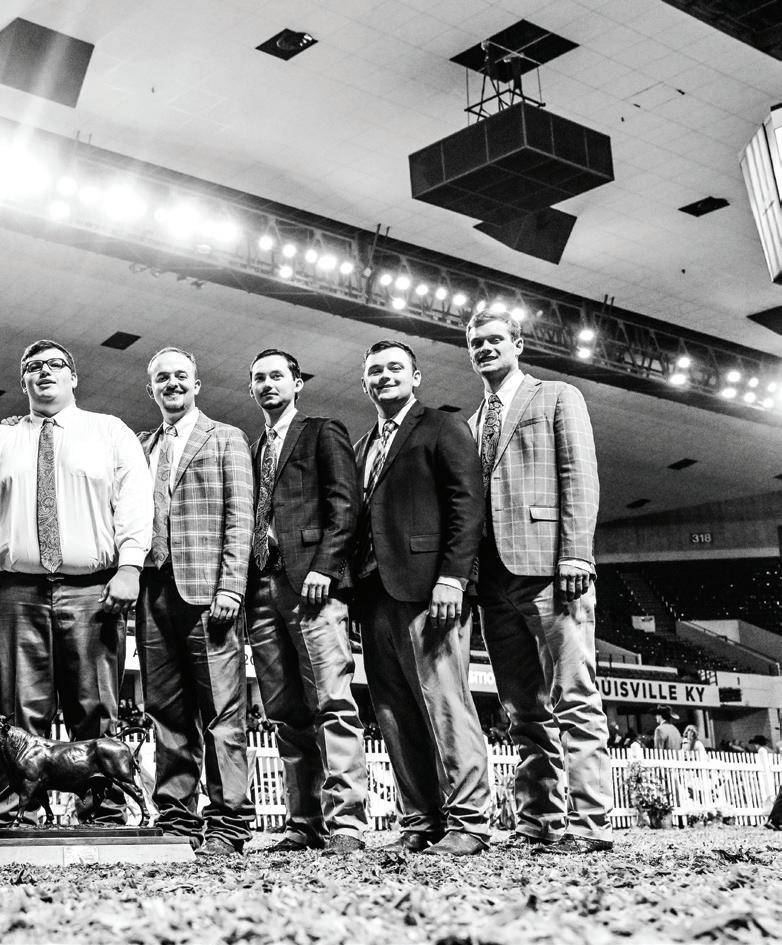
Walking into the iconic Freedom Hall at the North American International Livestock Exposition, walking through the renowned green shavings, and feeling the history—the pressure—they behold: This is the moment the Oklahoma State University Livestock Judging Team has spent more than a year preparing for. And when asked to step up to the massive challenge set before them, the team did so without flinching, ensuring the coveted bronze bull trophy returned to OSU.
The National Livestock Judging Championship represents strength, tradition, and the pursuit of perfection, said Parker Henley, OSU livestock judging head coach.“When a team earns the bronze bull, it demonstrates that they invested an exceptional amount of time, maintained selfawareness, and worked together to get as close to perfection as possible,” Henley said. “It’s not just a trophy; it’s proof of what
dedication and teamwork can achieve.”
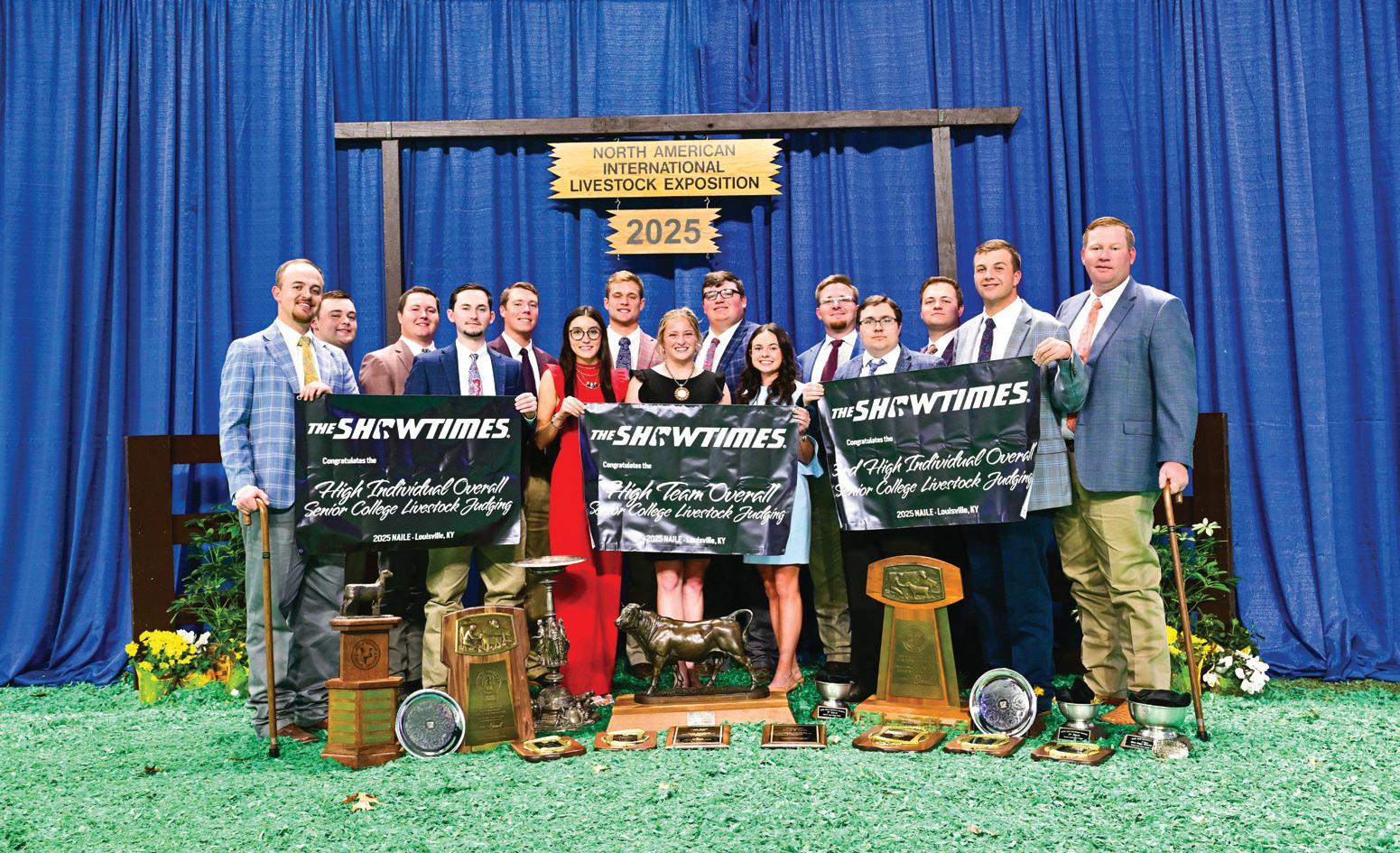
The National Livestock Judging Championship at the NAILE is a decades-old competition where Oklahoma State University has become a cornerstone. OSU holds the current title as the most winning university in contest history. OSU’s most recent NAILE victory marks the 24th National Championship title for the university and is the 18th time OSU has had the high individual overall of the contest.
“This team was resilient,” Henley said. “They faced one of the most competitive seasons in recent history and embraced every challenge head-on. Their ability to work together, push through adversity, and stay focused on the ultimate goal made them exceptional.”
Throughout the 2025-2026 contest season, the team has competed in 14 contests across the state and nation, earning seven overall team championship titles and
numerous individual accolades. Being a part of a well-versed program with deep roots in tradition and success comes with a certain pressure, said Preston Rhode, current OSU livestock judging team member. “At Oklahoma State, livestock judging isn’t just an extracurricular—it’s a legacy, a standard, and a responsibility,” Rhode said.
Being a member of this prestigious program comes with an added level of expectation and pressure for every practice, workout, critique, and set of reasons given. Everything the team does not only reflects them but also everyone who has come before, he said.
“This pressure has never been a burden,” Rhode said. “More so, it’s a reminder that I get to be part of something special— something I once looked up to as a kid just starting to judge a decade ago.”
Rhode explains livestock judging requires students to be
NEVER FLINCHED
disciplined, mentally tough, and detail-oriented. It instills critical thinking, decision-making skills, and the ability to handle pressure, he added.
Each contest in which the team competes includes a mixture of 12 total classes of swine, sheep, goats, and cattle, along with eight sets of oral reasons. During contests, students are not allowed to talk to one another or use their cell phones.
The first few contests of this season did not end with victory for this team. Instead, they lost by more than one hundred points at their first two major contests. Yet, the team persisted, kept working hard, and instilled trust in each other.
“The adversity that our team faced only made us closer,” said Kolton Lake, OSU livestock judging team member and NAILE high individual award winner. “I truly believe it’s what elevated us and required each individual to step up to the challenge.”
Winning the acclaimed high individual championship and high team honors is more than just a belt buckle or title, Lake said. It is a culmination of a year’s worth of early mornings, long practices, and so many sacrifices paying off.
“This win is a representation of our coaching staff, my teammates, and the institution that I’m honored to be a part of,” Lake said.
“When I look at who I am today, standing on the floor in Louisville with a national championship, I can say without hesitation that livestock judging has been one of the most defining experiences of my life,” Lake said.
It’s similar to life—when it gets tough, just have faith, work hard, and keep moving forward, he added.
Similar to Lake, Rhode said livestock judging has been the key driver of his personal and professional growth.
While in 10 years many may
not remember this team of OSU students winning the National Livestock Judging Championship, they will certainly remember the values, traditions, and standards of excellence this program upholds year after year.
“The 2025-2026 team was unique in its grit and its ability to understand livestock production at a very high level,” Henley said. “More importantly, though, they embodied the core values that have made OSU livestock judging a legacy program: integrity, passion, loyalty, and work ethic.”

OSU’s Livestock Judging Team celebrates a national championship at NAILE in Louisville. Photo courtesy of Parker Henley.
BEHIND THE awards why OUR
Recognizing excellence in service, leadership and scholarship
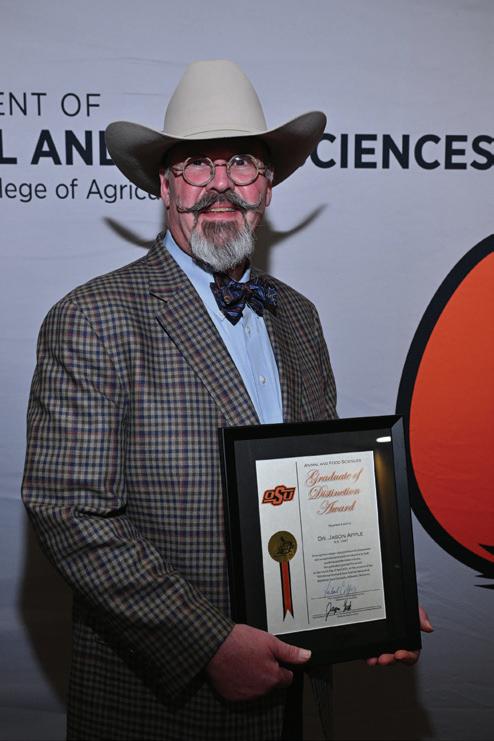
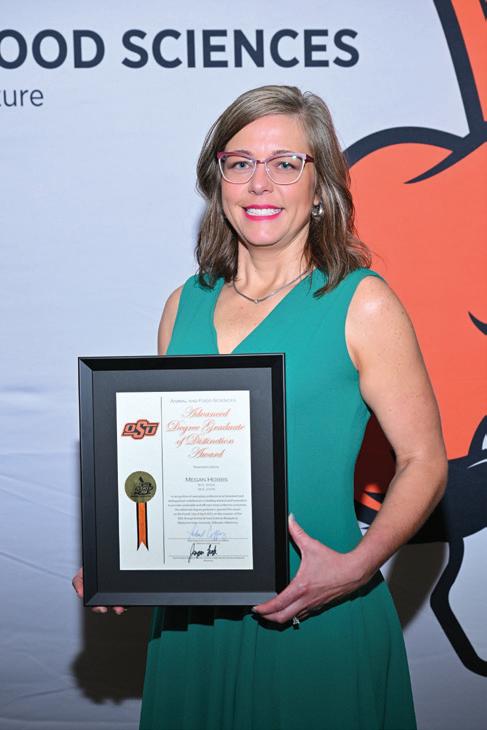
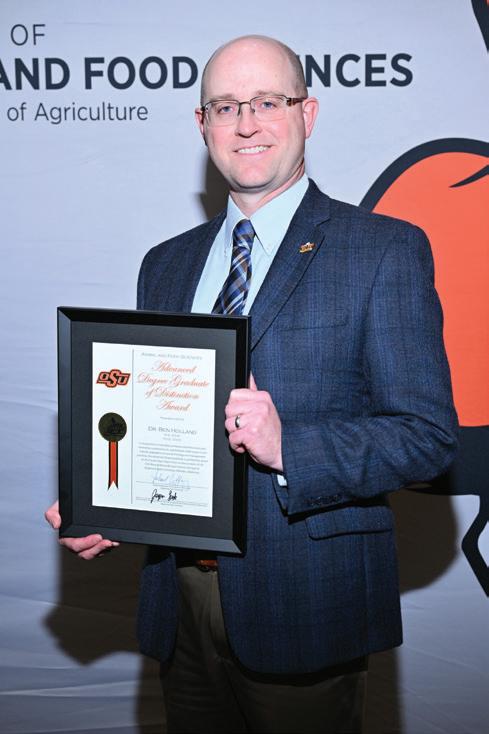
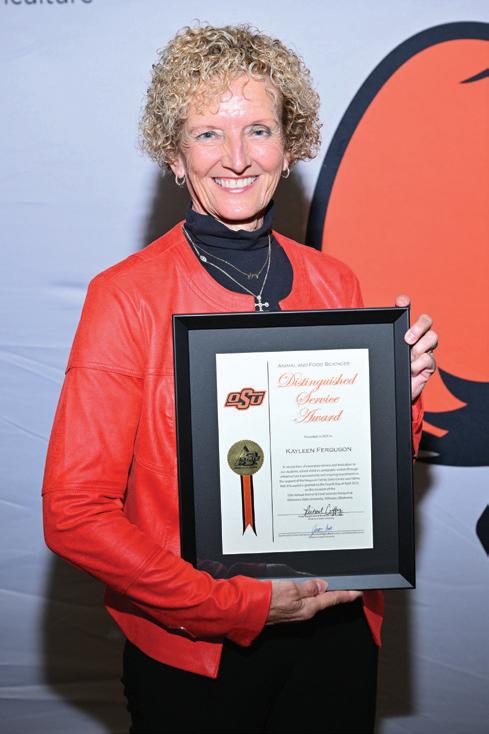
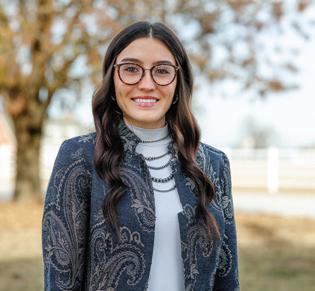
Award recipients from last year’s Department of Animal and Food Sciences banquet.
Photos by Genesee Photo
Graduate of Distinction
Impact that extends beyond the classroom
The Graduate of Distinction Award recognizes an undergraduate alumnus whose career and contributions reflect exceptional leadership, service, and professional achievement. Honorees have leveraged their education to make meaningful impacts within agriculture, allied industries, or broader society, demonstrating a commitment to excellence well beyond their time as a student.
Recipients exemplify the values of the Department of Animal and Food Sciences through integrity, innovation, and influence. Whether through industry leadership, community engagement, advocacy, or entrepreneurship, these individuals advance the land-grant mission by applying knowledge in ways that strengthen people, systems, and communities. This award celebrates graduates whose work continues to elevate the profession and inspire future generations.
Advanced Degree Graduate of Distinction
Where advanced study meets real-world influence
The Advanced Degree Graduate of Distinction Award honors alumni who have earned a graduate or professional degree and whose advanced education has led to sustained contributions in research, education, industry, or service. Recipients demonstrate intellectual curiosity, leadership, and a dedication to advancing knowledge within their field.
These individuals are recognized for translating advanced training into real-world impact, whether through scientific discovery, teaching and mentorship, policy development, or industry innovation. Their work reflects a deep commitment to excellence and lifelong learning, and their influence extends across institutions, disciplines, and communities. This award highlights the powerful role advanced education plays in shaping leaders who move agriculture and the food system forward.
Additional awards and further information are outlined on the following page.
Distinguished Service Award
A legacy built through service
The Distinguished Service Award recognizes individuals who have provided exceptional and sustained service to agriculture, humankind, or the Department of Animal and Food Sciences. Honorees are defined by their long-standing commitment, generosity of time, and dedication to strengthening programs, people, and partnerships.
Recipients have made a lasting impact through mentorship, advocacy, philanthropy, volunteerism, or professional service. Their efforts have supported students, faculty, and the broader agricultural community in meaningful ways. This award celebrates those whose service extends beyond obligation, leaving a legacy rooted in stewardship, leadership, and a deep belief in the value of giving back.
Recognition Award
Contributions that move the industry forward
The Recognition Award honors individuals whose distinct contributions have significantly benefited animal agriculture, the food industry, or a department program. This award acknowledges impactful efforts that may be project-based, innovative, or highly specialized, yet influential in advancing education, outreach, or industry practices.
Recipients may come from a variety of professional backgrounds and are recognized for strengthening connections between the department and the communities it serves. Through collaboration, innovation, or advocacy, honorees help expand the department’s reach and relevance. This award highlights the importance of partnership and recognizes those whose contributions create meaningful progress and positive change.
Master Breeder Award
Shaping genetics. Defining excellence.
Established in 1971, the Master Breeder Award recognizes individuals who have made extraordinary, long-term contributions to the genetic improvement of a livestock breed. Honorees are distinguished by their commitment to excellence in breeding programs, innovation in genetic advancement, and measurable impact on animal performance and productivity.
Recipients have demonstrated vision, consistency, and leadership over the course of their careers, shaping industry standards and influencing breeding practices at regional, national, or international levels. This award honors those whose dedication to genetic progress has left a lasting imprint on the industry and continues to benefit producers and livestock populations for generations.
Someone to nominate?you want
Scan to suggest a nominee!
Oklahoma State University Horse Judging Team Wins World Championship
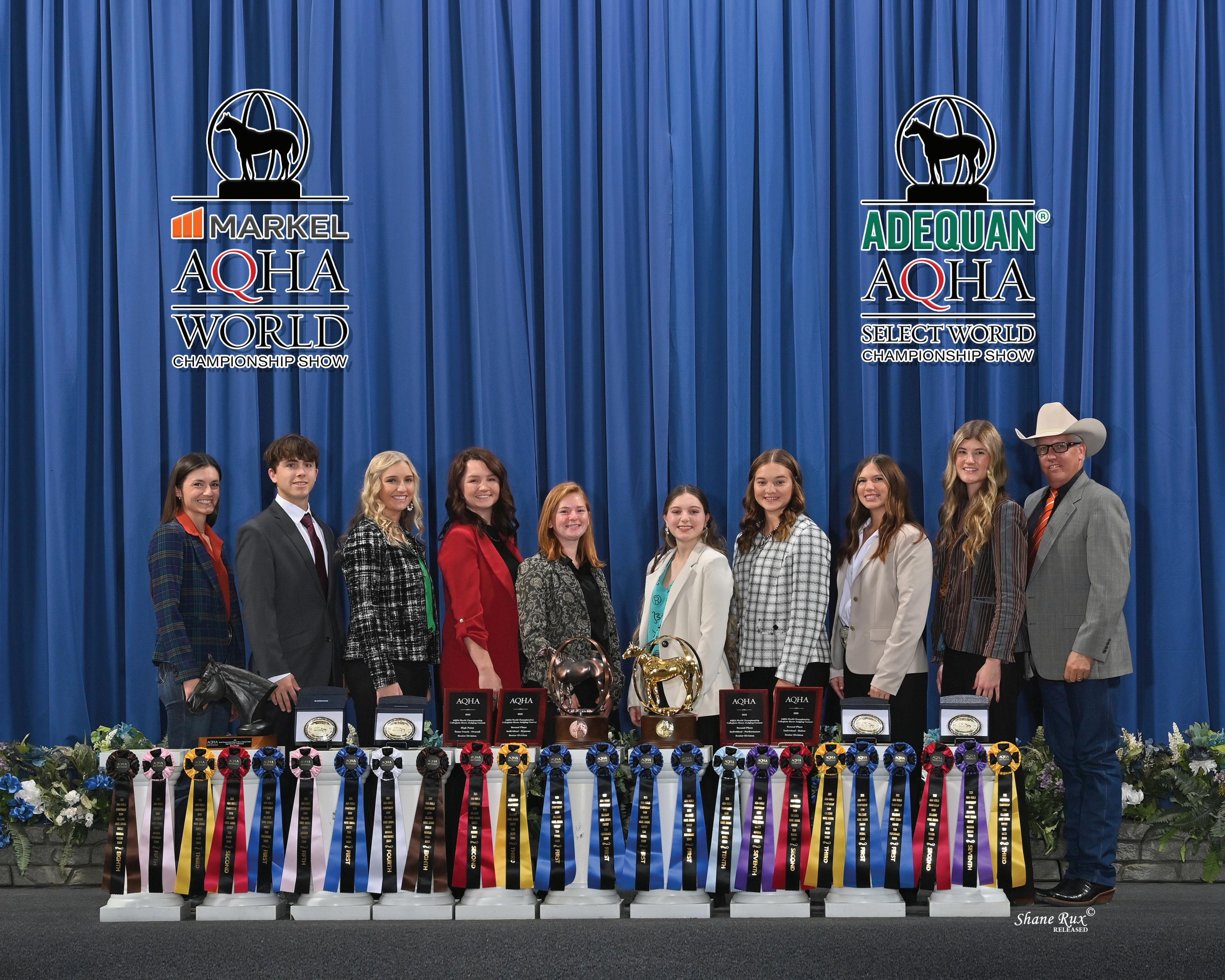
The 2025 Horse Judging Team finished the season strong, claiming the American Quarter Horse Association World Champion Horse Judging Team title. This marks the fifth world championship title in the past 10 years.
Oklahoma State fielded its first horse judging team in 1980
and has since earned 11 world championship titles. Students competing over the years have come from several states and represent diverse backgrounds within the horse industry.
In addition to success in the judging arena, team members excel academically. In 2008, the National Horse Judging Team Coaches’ Association
began presenting Academic AllAmerican Awards to students who maintain a cumulative GPA of 3.5 and place in the top 10 overall at major contests. Since then, 49 Oklahoma State horse judging team members have received the honor.
Students in the judging program develop traits valued by future employers, including
The OSU Horse Judging Team won the AQHA World Championship. Photo courtesy of Steven Cooper.
Championship
dependability, work ethic, time management and teamwork.
“Horse judging has given me grit, made me mentally tougher and prepared me for life in ways I never expected,” said Cheyenne Hawley, a plant and soil science sophomore.
Animal science sophomore Morgan Day added that the experience goes far beyond competition.
“Horse judging didn’t just give me something to put on my resume, it gave me a team,” Day said. “I didn’t work for a grade; I worked for my teammates.”
Judging team members also learn to manage adversity, overcome disappointment and work toward a common goal. After early contests did not go as planned, the team used those setbacks as motivation.
“After being disappointed with our placings at our initial contests, we knew we had to work even harder to earn the AQHA world title,” said Adrian Treat, an animal science junior, and Autumn Fisher, an agricultural economics junior.
Fisher said the experience strengthened the team dynamic.
“This created a true family atmosphere,” Fisher said. “We weren’t just determined to win together in the judging pen. We were also committed to supporting each other as friends outside of it.”
Students interested in joining the horse judging team can enroll in two complementary evaluation courses offered during the academic year. The spring Advanced Equine Evaluation course introduces industry standards across horse show disciplines, focusing on both conformation and performance-
growth is more important than competition results.
“These skills are far more important than simply learning how to line up four head of horses,” coaches said.
Coaches also stress that contest results do not define success. A championship, they say, is simply a bonus.
“Horse judging didn’t just give me something to put on my resume, it gave me a team. I didn’t work for a grade; I worked for my teammates.”
Morgan Day, Animal science sophomore, horse judging team member
based classes while providing a foundation for competitive judging.
The fall Advanced Competitive Evaluation course builds on that foundation, emphasizing scoring systems, discipline progression and the development of competitive oral reasons.
The horse judging program is open to any undergraduate student at OSU, regardless of prior judging experience, background or major. Program leaders emphasize that personal
“The time we put into preparing not only helped us be successful but also turned us into family,” said Kelsey Peper, an animal science sophomore.
Members of the 2025 world champion team include Kaytly Clift of Stratford, Texas; Morgan Day of Farmersville, Texas; Autumn Fisher of Gravette, Arkansas; Katelyn Grantham of Gilbert, Arizona; Cheyenne Hawley of Plymouth, Indiana; Kelsey Peper of Adair, Oklahoma; Adrian Treat of Coweta, Oklahoma; and Colton Voge of Whitesboro, Texas.
The team was coached by Amy Hoffmann, an animal science graduate student from West Bend, Wisconsin, and Dr. Steven Cooper.
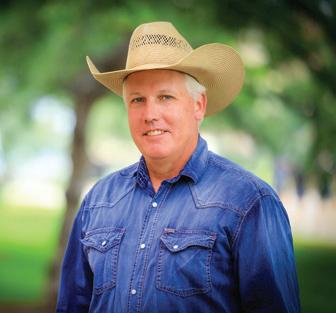
STEVEN
Coach, Faculty
COOPER
OSU JUDGING TEAMS
Orange at the highest level
Three
OSU students earn high individual honors at national judging competitions.
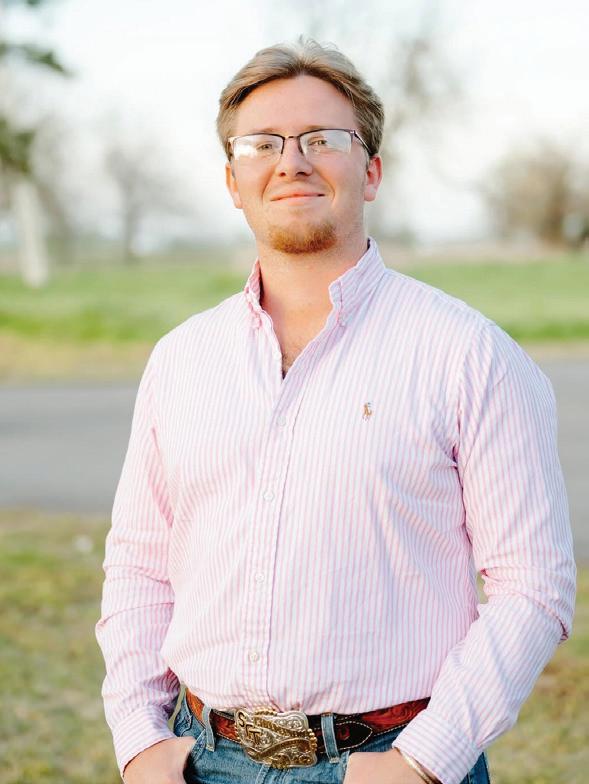
Connor Pell
Winning high individual at the American Royal Livestock Judging Contest is a milestone few livestock judges experience. For Connor Pell, the honor carried added meaning as it marked the final livestock judging contest held at the iconic Hale Arena.
“It was very surreal,” Pell said. “It’s something, as a judger, that you dream about. To accomplish that at such a prestigious major was really special.”
The contest featured several unconventional classes that challenged competitors to slow down and work carefully through each decision. Pell said his approach was to focus on one class at a time and trust his process.
“For me, it was about judging one class at a time and then putting it behind me,” he said. “Trying to find logic where there is logic.”
While swine remains his strongest species, Pell emphasized the importance of avoiding bias. “It’s probably what I’m most comfortable with,” he said, “but it’s also where bias can sneak in.” Pell credited the Oklahoma State University Livestock Judging Team with building confidence and sharpening skills that extend beyond the arena.
AMERICAN ROYAL LIVESTOCK JUDGING CONTEST | HIGH INDIVIDUAL
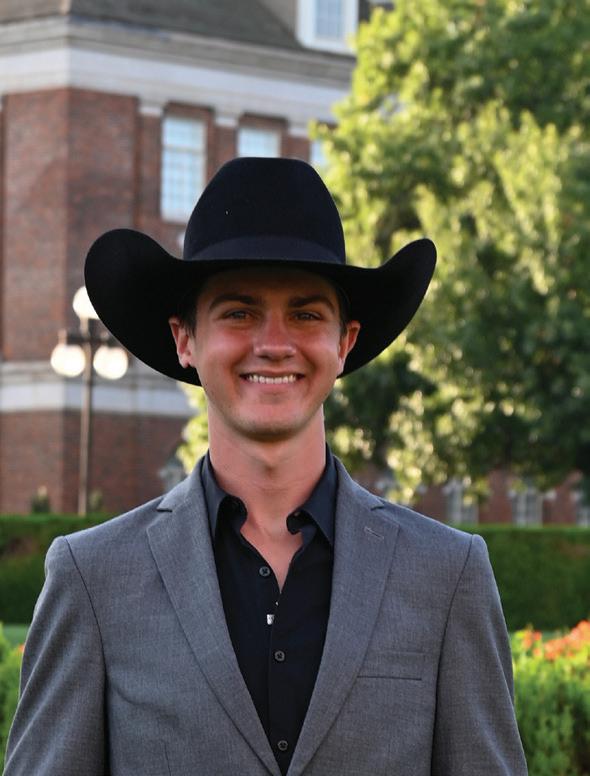
Weston Brooks
Earning high individual honors at Eastern Nationals Meat Judging Contest and at the International Meat Judging Contest, along with being named to the All-American first team, felt almost unreal for Weston.
“It was kind of surreal, honestly,” Weston said. “I knew I had a good day, but I didn’t expect it to be that good.”
Coming from a background in livestock judging, Weston said meat judging presented a new challenge when he arrived at Oklahoma State. Despite never having meat judged before college, he found success through repetition, preparation and a willingness to learn.
“One of the things I really enjoy is the people,” he said. “Meeting students from other schools and getting to tour industry facilities has been really cool.”
Within the contest, yield grading became an unexpected strength. “It’s definitely the hardest thing we do,” Weston said, “but it’s something I felt like I had a good grasp on.”
Weston credited the OSU Meats Judging Program with building mental toughness and focus that extend beyond the contest floor.
EASTERN NATIONAL AND INTERNATIONAL MEAT JUDGING CONTESTS | HIGH INDIVIDUAL
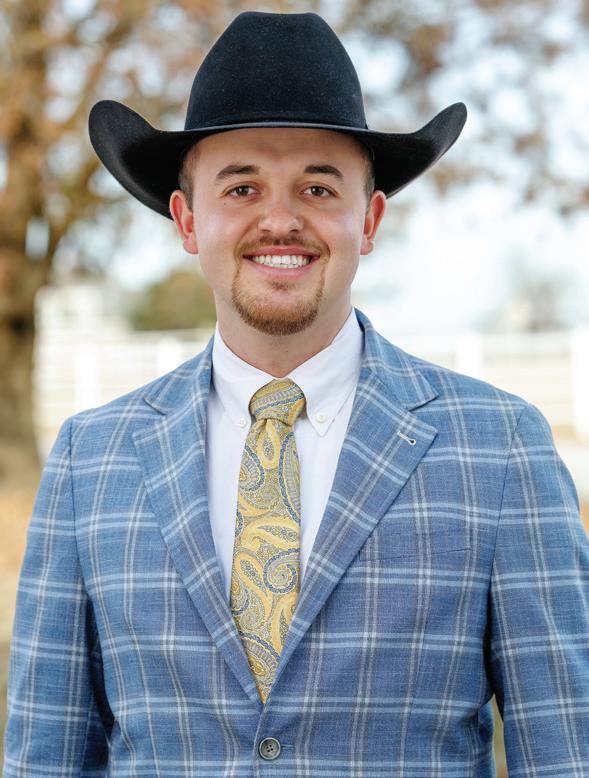
Kolton Lake
Winning high individual at the North American International Livestock Exposition Livestock Judging Contest was a moment Kolton Lake described with one word: honored.
“It felt like all of the years of hard work, frustration and long hours had finally paid off,” Lake said. “I was incredibly proud to end on such a high note.”
Preparation played a key role in his success. Lake credited the Oklahoma State University Livestock Judging Team’s coaching staff with creating an environment that allowed him to enter the contest confident and focused.
“I felt incredibly prepared and relaxed,” he said. “A lot of that comes from our coaching and how intentional they are about getting us ready.”
Being part of an OSU judging team comes with expectations, Lake said, and embracing that standard pushed him to elevate his performance. While cattle remain his strongest species, shaped by a lifetime of raising cattle in Wyoming, Lake said the relationships built through judging have been just as valuable as the results.
A CAREER WITHOUT BORDERS
Written by: Clancey Krahn
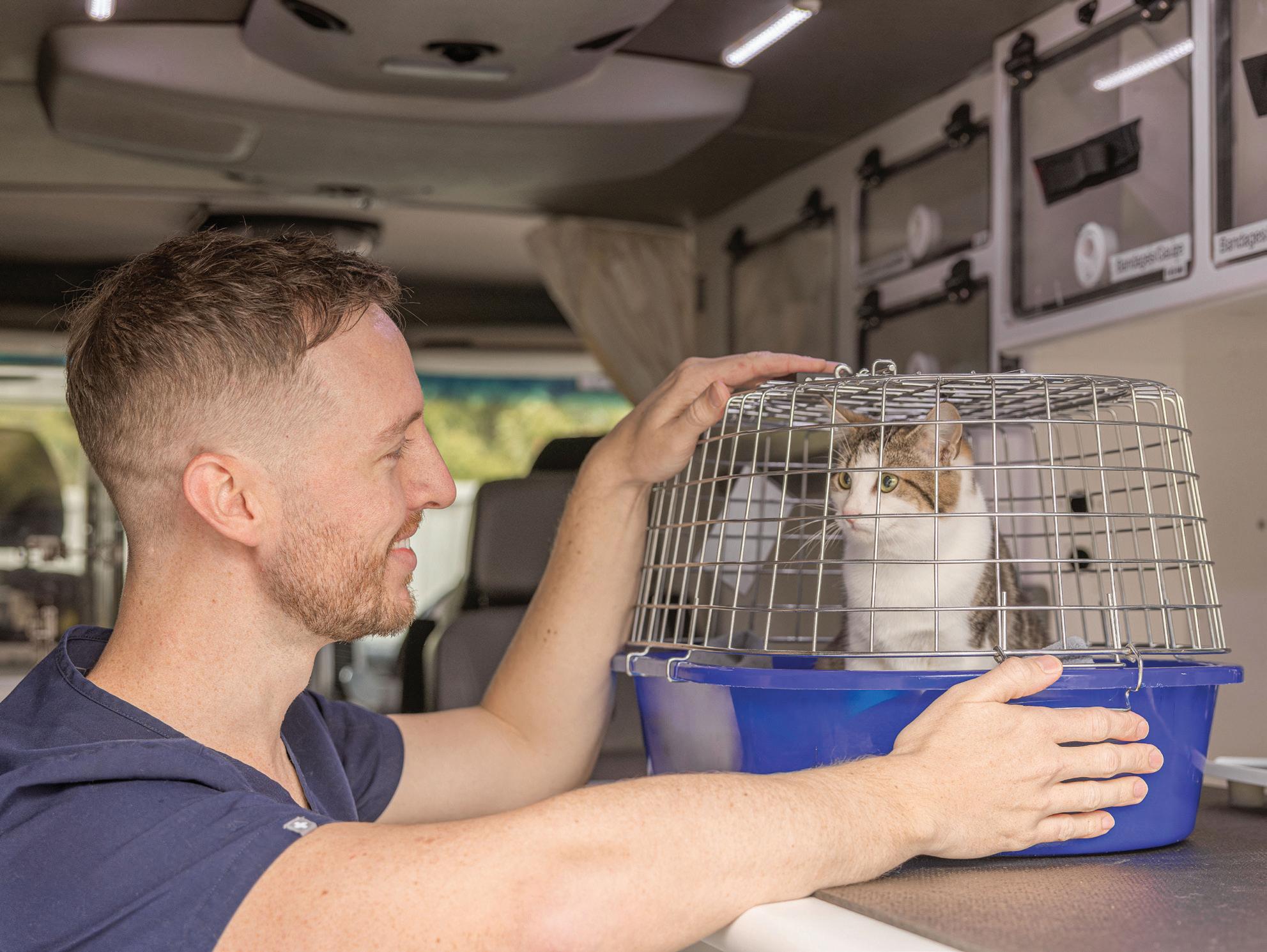
Paul Cunningham’s career did not unfold in a straight line, and that is exactly what makes it remarkable.
What began in a small town in northwest Oklahoma has taken him across continents, into emergency rooms and intensive care units, and now onto the streets of Melbourne, Australia, where he helps operate a mobile veterinary emergency service. At every step, Cunningham said the foundation for that journey was built at Oklahoma State University.
Cunningham grew up in Laverne, Oklahoma, before moving to Stillwater to pursue a bachelor’s degree in animal science. He later earned early admission into OSU’s College of Veterinary Medicine, completing an accelerated path that blended his final undergraduate year with his first year of vet school. He graduated from the College of Veterinary Medicine in 2017.
“It was nerve-wracking,” Cunningham said. “Basically had to not fail out of vet school and also lose my chance to get my bachelor’s.”
While demanding, the experience shaped his confidence and direction. Cunningham said OSU’s smaller program size allowed for close interaction with faculty and hands-on exposure that proved critical later in his career.
He credits several individuals in the Department of Animal and Food Sciences and the College of Veterinary Medicine with helping shape the veterinarian he would become. During his undergraduate years, the late Dr. Bob Kropp stood out as an example of professionalism and integrity.
“He was a gentleman and a scholar,” Cunningham said. “Someone who was proud of his contribution to animal science.”
Paul Cunningham operates a mobile veterinary emergency service in Melbourne, Australia. Photo courtesy of Paul Cunningham.
Dr. DeSilva also played a key role, Cunningham said, offering perspective and mentorship that emphasized the importance of diverse voices and backgrounds within the profession. In the veterinary hospital, specialists and pathologists he worked alongside gave him early insight into diagnostic thinking and quality medicine.
Those influences culminated in one of the most meaningful moments of his time at OSU.
As a senior, Cunningham was named the recipient of the Dean Clarence H. McElroy Award, one of the college’s highest honors.
The recognition came as a complete surprise.
“It was very humbling,” Cunningham said. “It gave me a lot of professional selfesteem that I didn’t really have at that point.”
The award validated years of quiet effort and reinforced that his work ethic and approach to medicine were being noticed.
After graduation, Cunningham matched into a small animal rotating internship at Michigan State University’s College of Veterinary Medicine in East Lansing, Michigan. There, he refined his clinical skills in emergency and critical care under leaders in the field.
“I was working 70 to 80 hours a week,” he said. “I probably
wasn’t getting paid very well, but I would do it all over again.”
That training helped open international doors. During vet school, Cunningham traveled to Melbourne for a clinical rotation through an international student opportunity. What started as a month abroad quickly became a turning point.
“I happened to go to Australia for a month, and I loved it,” he said.
Today, Cunningham is based
The idea grew from a case that stayed with him: a dog that likely would have survived with oxygen support during transport between clinics. Cunningham and his fiancée, Nick, a human nurse with a paramedic background, built Ready Vet Go to help close that gap.
“A big part of it is trying to prevent preventable deaths,” Cunningham said.
Looking back, Cunningham said OSU prepared him for far more than a single career path. It taught him how to adapt, think critically and step confidently into unfamiliar environments.
“We’ve been the reason some animals are still alive. That’s why I wake up every day and do what I do.”
Paul Cunningham, Oklahoma State University Graduate
in Melbourne, where he coowns Ready Vet Go, a mobile veterinary urgent care and transport service. The practice operates like a pet ambulance, responding to emergency calls and helping transport animals whose owners cannot safely get them to a hospital.
“It’s kind of like urgent care on wheels,” Cunningham said.
“Oklahoma State sets you up to do whatever you want,” he said. “There really are no borders or walls.”
From Laverne to Stillwater to Melbourne, Cunningham’s journey reflects the reach of an Oklahoma State education. Wherever OSU graduates go, they carry with them the skills, perspective and confidence to build careers that evolve far beyond what they first imagined.
veterinary care to the world
PAUL CUNNINGHAM, OSU ALUMNUS BRINGING
Written by: Clancey Krahn
History in the Making
Oklahoma State University Launches Its First DAIRY CHALLENGE TEAM
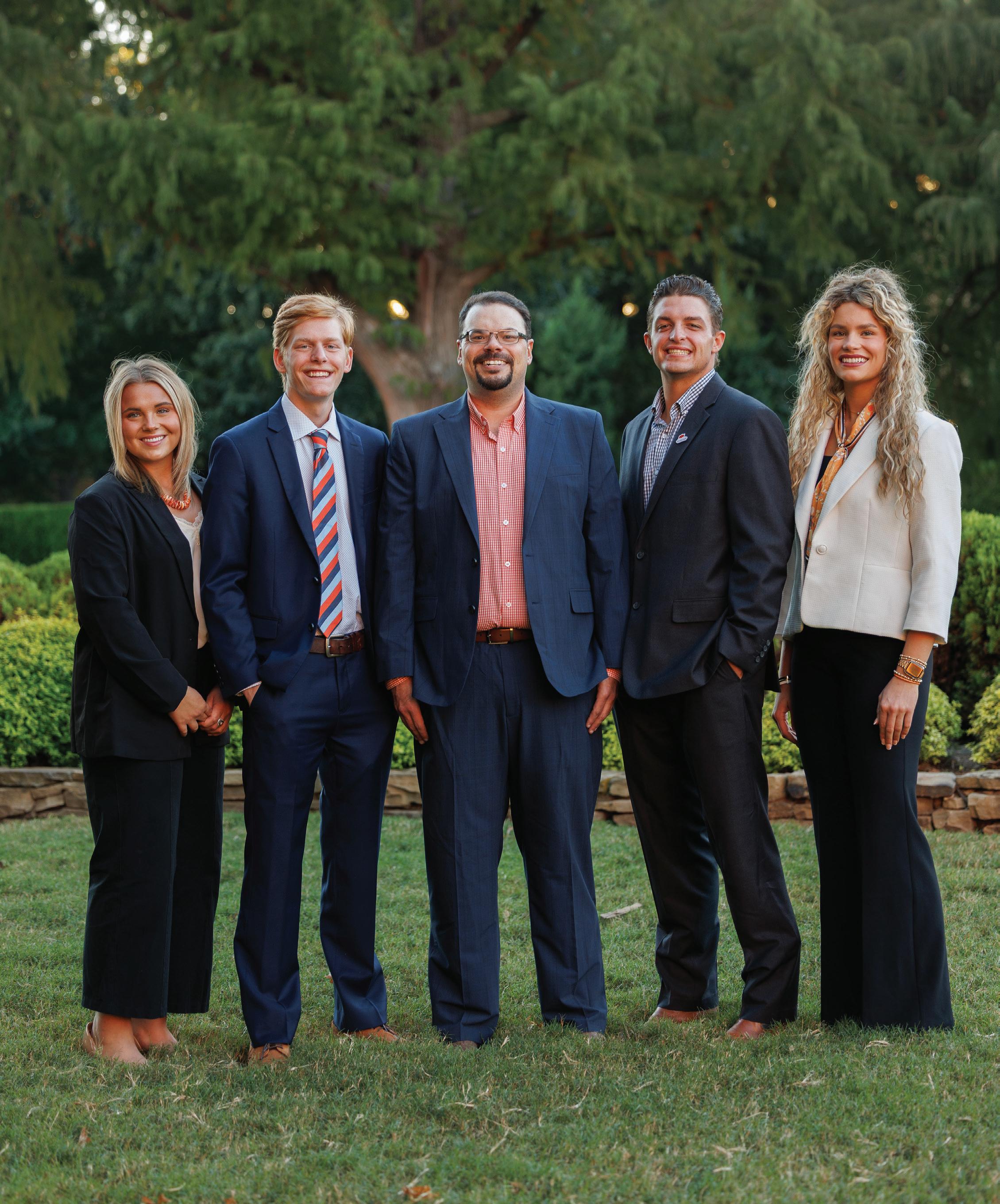
OSU’s inaugural Dairy Challenge Team and faculty coach gather on campus. Photos by Jacey Bordwine.
For decades, Oklahoma State University has been recognized for excellence across animal agriculture, but rarely has the word “dairy” led the conversation. That perception is beginning to shift.
This year, four students and one faculty mentor set out to build something new from the ground up: Oklahoma State University’s first Dairy Challenge Team. What began as a question has quickly become a statement, one rooted in initiative, collaboration and a belief that opportunity belongs to those willing to pursue it.
“This team exists because students believed it should,” said Jason White, OSU Dairy Challenge coach and dairy science teaching instructor. “They saw a gap, they saw potential and they decided to step into it.”
The North American Intercollegiate Dairy Challenge sends college students to real dairy farms, where they evaluate management practices and present recommendations to a panel of industry judges. The contest blends classroom knowledge with real-world application, emphasizing decision-making, communication and teamwork under pressure.
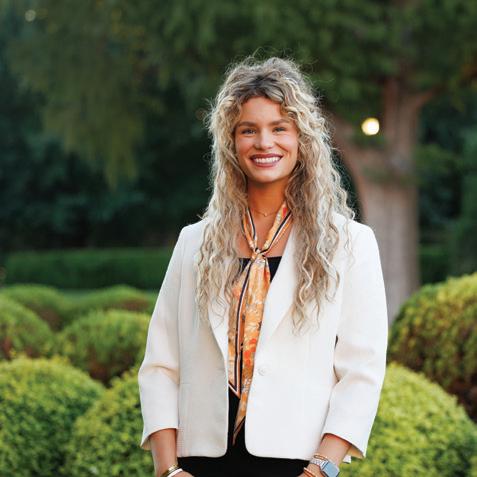
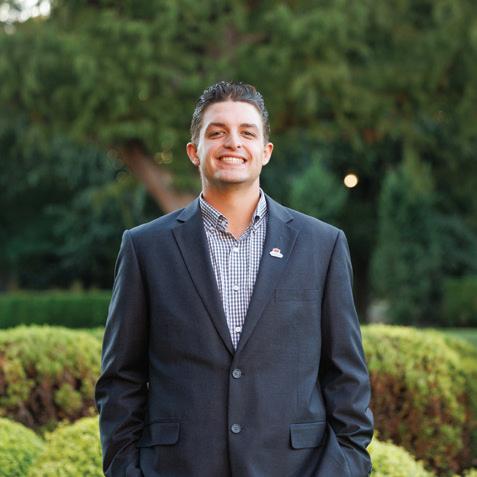
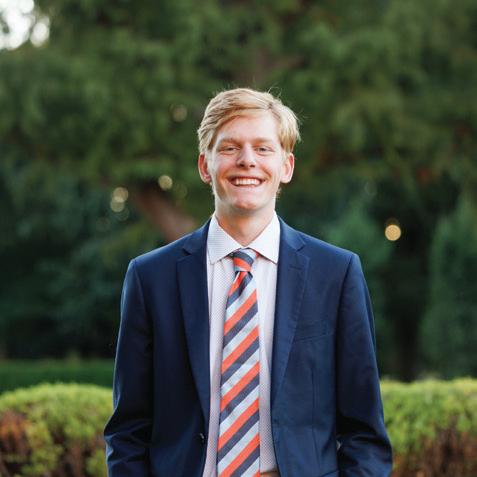
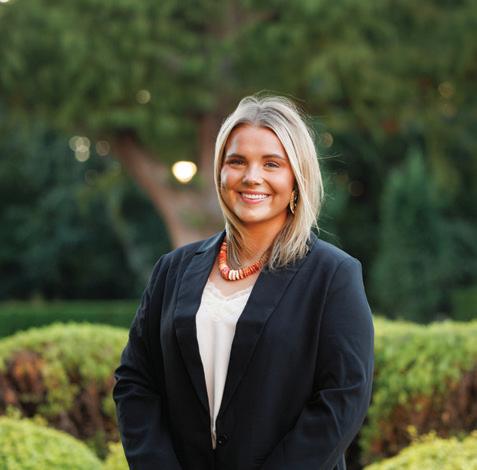
background to the table: Carmen Kuiper, a junior pursuing a dual degree in animal science with a production and operations focus and agribusiness from Hico, Texas; Krahn, from Albany, Oregon; Derek DeGroot, a senior studying agricultural systems technology with minors in animal science and agribusiness and economics from Fresno, California; and Thomas Palla, an animal science pre-veterinary major from Clovis, New Mexico.
“I grew up on a dairy farm in Central Texas, so this industry has always been a part of who I am,” Kuiper said. “When I came
“Finding other students who shared the same dedication and excitement for dairy has been incredibly rewarding,” Kuiper said. “Especially at a university that isn’t traditionally known for dairy, having an outlet to compete and gain experience is huge.”
All four team members grew up around dairy, but no two experiences look the same. That diversity, White said, strengthens every practice discussion and mock presentation.
“When you put people together who see the industry differently, the conversation improves,” White said. “That’s exactly what Dairy Challenge is designed to test.”
“The solutions we suggest have to work in the real world. Dairy Challenge pushes us to think like producers, not just students.”
Derek DeGroot, Dairy Challenge Team Member
to Oklahoma State, I wanted a broader agricultural experience, but I never wanted to lose that connection to dairy.”
“Dairy Challenge forces you to think beyond the classroom,” said Clancey Krahn, a junior majoring in agricultural communications and animal science. “You’re not just learning concepts, you’re learning how to communicate them clearly, defend them confidently and work as a team when it matters most.”
OSU’s inaugural team is made up of four students from different regions of the country, each bringing a distinct
Kuiper said the idea for a Dairy Challenge Team had lived in the back of her mind for years. When she realized OSU did not yet have one, she decided to ask the question.
“I reached out to Jason and asked if he would even consider coaching a team,” Kuiper said. “When he said yes, everything changed.”
From there, Kuiper contacted students she knew shared a passion for dairy. The response exceeded expectations.
Krahn said those differences have become one of the team’s greatest strengths. “What makes this team special is that we don’t all come from the same place or approach problems the same way,” Krahn said. “Dairy Challenge forces us to listen to each other and turn different perspectives into one strong recommendation.”
DeGroot, the only team member outside of animal science, brings an engineering-driven mindset shaped by both his academic training and his family’s fourthgeneration dairy operation in California’s Central Valley.
“A big part of my background is problem solving,” DeGroot said. “We’re taught to use the resources available to create efficient, effective solutions. In Dairy Challenge, time is limited, so you have to be intentional.”
DeGroot said growing up on a family dairy milking 6,000 cows across two facilities has also influenced how he approaches recommendations.
“I’ve seen many types of dairy operations,” he said. “That allows me to put myself in the producer’s shoes. The solutions we suggest have to work in the real world.”
The Dairy Challenge competition is divided into two levels: regional and national. Oklahoma State will compete in the Western Regional Contest in Cambridge, Alberta, in April.
“We’re excited to work alongside teams that have been doing this for years,” said Palla. “Being new doesn’t intimidate us, it motivates us.”
While students compete individually at regionals, collaboration becomes central at the national contest. Palla said the team’s varied perspectives have already become an advantage.
Beyond competition, the team has already begun to influence dairy engagement on campus. Kuiper said interest has surged since the team’s formation.
“The Dairy Science Club has seen record numbers, and students are reaching out wanting to be involved next year,” she said. “There’s real momentum building.”
the national dairy conversation.” White agreed.
“Oklahoma State doesn’t put walls around students,” White said. “We give them space to explore, to grow and to lead.”
As underdogs entering a wellestablished competition, the Oklahoma State Dairy Challenge Team represents more than a contest debut. It reflects a department culture that encourages students to pursue bold ideas and see them through.
“This team exists because students believed it should. They saw a gap, they saw potential and they decided to step into it.”
“Everyone of us approaches a problem differently,” Palla said. “That pushes us to ask better questions and build stronger solutions.”
White said watching the team grow together has been one of the most rewarding parts of the experience.
“They’ve learned how to challenge each other respectfully,” White said. “That’s a skill that will serve them far beyond this contest.”
Jason White, Dairy Challenge Coach
Krahn said that momentum reflects the culture of the Department of Animal and Food Sciences.
“Oklahoma State may not be the first school people think of when they think ‘dairy,’ but that’s exactly why this matters,” Krahn said. “We have the foundation, the people and the work ethic. This team gives students a place to apply what they’re learning and prove that OSU belongs in
“This experience has pushed me to grow not just technically, but as a teammate,” Krahn said.
“When you’re supported by faculty who believe in your ideas, it gives you the confidence to try something new.”
For Kuiper, that confidence is the story’s takeaway.
“This team started as an idea,” she said. “Now it’s something bigger than us.”
And for Oklahoma State University, it may be just the beginning of a new chapter in the national dairy conversation.
Carmen Kuiper
Derek DeGroot
Thomas Palla Clancey Krahn
CANTIBIOTIC ALTERNATIVES:
OSU RESEARCH LEADING THE WAY TO PROTECT THE POULTRY INDUSTRY
hicken is the most consumed meat in the United States, and with the world population expected to grow another 2 billion by 2050, global demand for poultry will significantly increase.
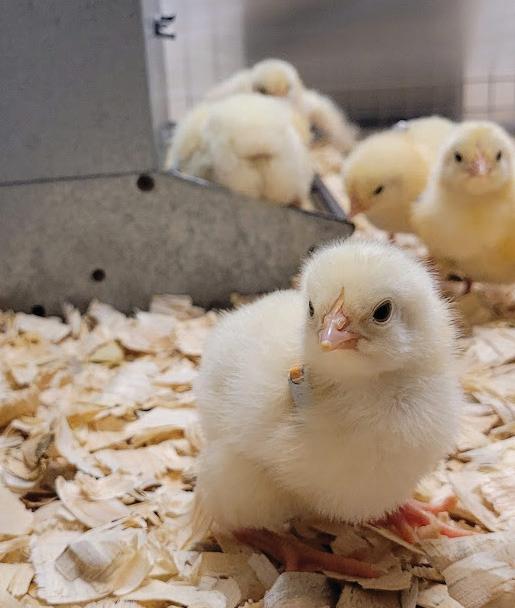
To keep our food supply sustainable, the poultry industry depends on healthy and productive birds. However, in recent years, necrotic enteritis (NE), an intestinal inflammatory disease caused by the overgrowth of a harmful bacterium, has been plaguing poultry flocks across the world.
NE causes symptoms in chickens ranging from diarrhea to weight loss, and in severe cases can result in mortality. For decades, NE was largely kept under control with antibiotics. However, as the industry reduces antibiotic use, the prevalence of NE is significantly increasing, creating an urgent need for new therapies.
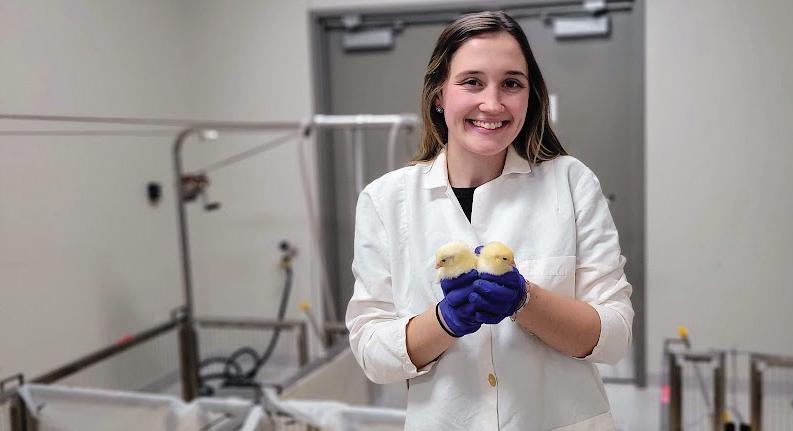
Isabel Tobin, a Ph.D. student studying in Dr. Glenn Zhang’s lab, has been working on developing novel alternatives to traditional antibiotics. In particular, her approach involves harnessing the gut microbiome, the community of beneficial microbes that naturally reside within the intestine — to prevent NE. Normal gut microbes are not only essential for digestion but also serve as a natural protective barrier to prevent harmful bacteria from taking over to cause disease.
With help from fellow graduate students in the lab, Isabel has found that transfer of the
gut microbial community from naturally NEresistant chicken breeds was able to prevent NE in commercial meat chickens. She has further identified several individual bacterial species that can provide significant prevention to chickens against NE. One study reported that supplementation with one beneficial bacterium, Megasphaera stantonii, improved the survival rate of NE-challenged birds from 47% to 93%.
Isabel is currently supported by a highly prestigious, nationally competitive USDA NIFA Predoctoral Fellowship to develop commensal bacteria, such as M. stantonii, as novel probiotics for disease control and prevention. Ultimately, Isabel’s research aims to support animal health, reduce reliance on antibiotics, and maintain production efficiency as the poultry industry works to meet the world’s growing food needs. By leveraging the power of the microbiome, her research is helping safeguard the future of poultry production — one microbe at a time.
ISABEL TOBIN
PhD candidate
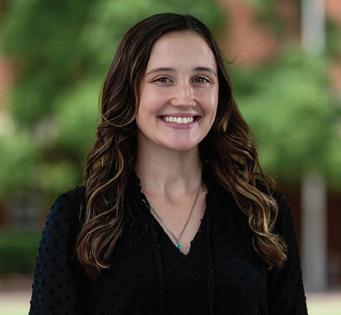
Isabel Tobin, Ph.D. candidate, researches probiotic alternatives to antibiotics in poultry production. Photos courtesy of Isabel Tobin
OKLAHOMA STATE UNIVERSITY RANCH HORSE TEAM
Blazes New Trails
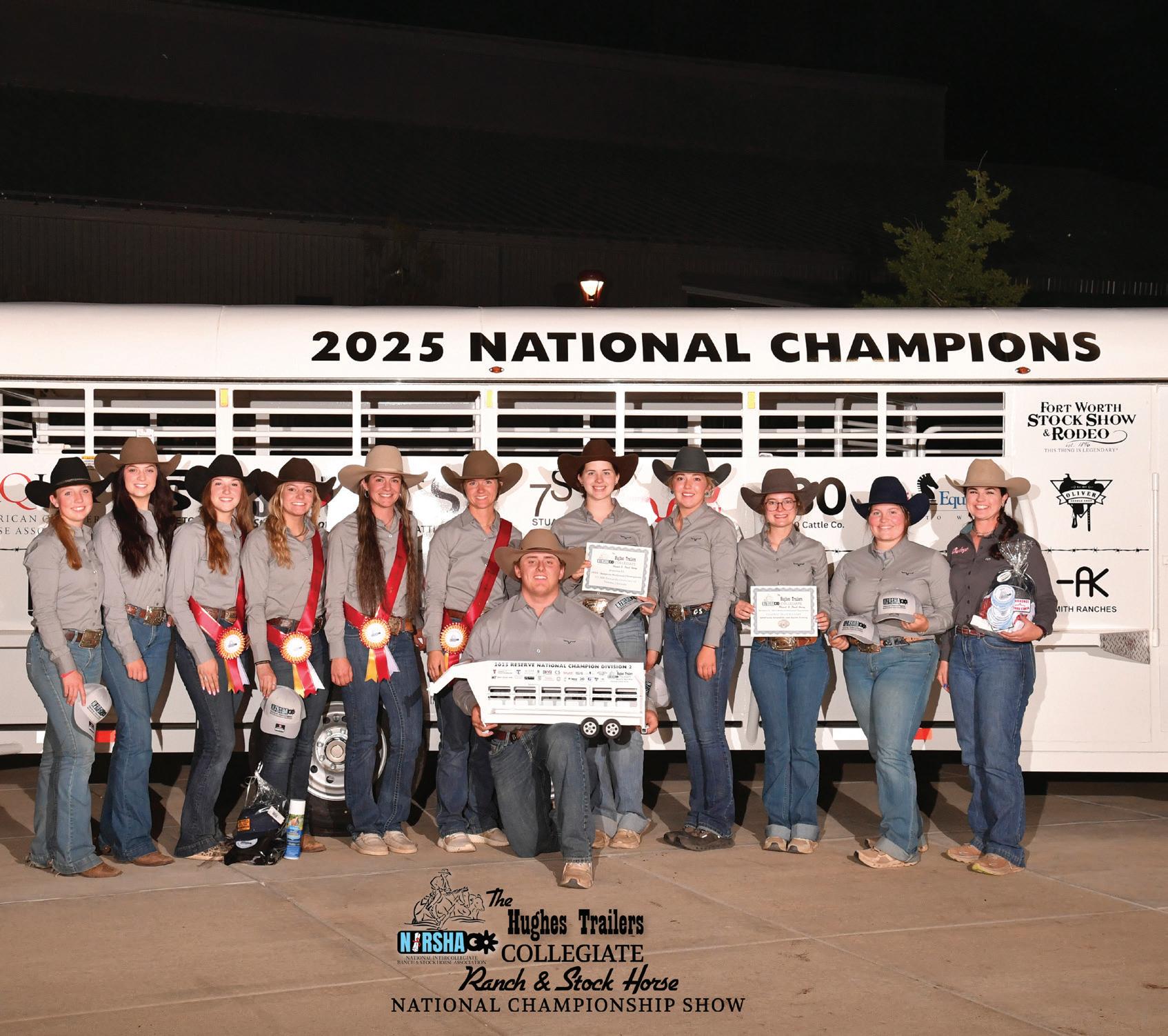
Continuing the tradition of excellence in the Department of Animal and Food Sciences, the OSU Ranch Horse Team fully understood the assignment. This team brings Oklahoma State’s unique, charismatic, and passionate culture everywhere they go. They are recognized not only for the brand on their backs but also for the way they carry themselves with integrity, support their peers, and display competitive spirit.
Since the teams’ competitive debut in 2022, they have claimed the titles of D2 Champion Team and D2 Reserve Champion Team at the two most significant nationally recognized events, the Stock Horse of Texas World Show and the NIRSHA National Intercollegiate Show, respectively. In just three
years, they have risen to the top, but that isn’t all that makes this team special. At shows, you won’t find them zoning out, zeroing in on just their own preparations. You will find them side by side with their teammates, helping care for horses, watching each other warm up, and cheering each other on during their runs. They are each other’s greatest advocates and cheerleaders. Their mutual charisma is infectious. Other exhibitors take notice, commenting on their smiling faces and enthusiasm.
As a coach, there is nothing more rewarding than seeing a group of young people have a passion for others and equestrian sport. The fruits of their labor, recognized on a national scale, are that much sweeter.
Team member Abby Steffee comments, “I think what sets our team apart is our attitude. We hold each other to a high standard, but at the end of the day, we’re there to have fun. That is what we always carry home.”
Team member Abby Scoma relays, “The best part about being on the team is the energy the whole team brings. Everyone is always so positive and encouraging, even at shows, which can be stressful. Each member always tries their best to build each other up.”
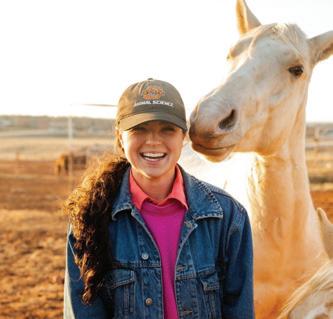
Herd Manager, Coach
MARISSA CHAPA
The OSU Ranch Horse Team earned national titles while building a culture of teamwork. Photo courtesy of Marissa Chapa.
TOP TWENTY freshman
Two students from the Department of Animal and Food Sciences earned recognition as 2025 Top Twenty Freshmen, including one who was selected as a Top Ten Freshman.
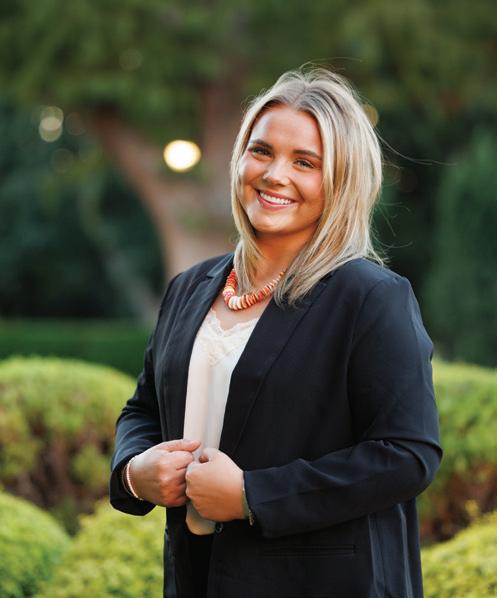
For Clancey Krahn, studying animal science at Oklahoma State University meant becoming part of a community she already believed in. Drawn to the Department of Animal and Food Sciences by the people within it, she is pursuing a dual major in animal science and agricultural communications, with plans to attend graduate school in agricultural communications. Her goal is to connect producers and consumers through clear, honest advocacy. Animal nutrition has been her favorite class, blending science with real-world application in the dairy industry. Krahn credits her success to the constant support of her family, friends and mentors, noting she would not be where she is without them. Being named a Top Ten Freshman affirmed both her direction and the community that helped her get there. top ten freshman honoree
CLANCEY KRAHN
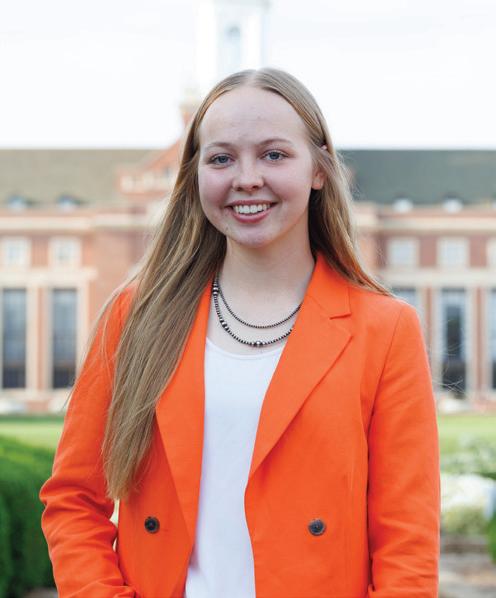
ELLIE DRACH
For Ellie Drach, majoring in animal science at Oklahoma State University was an easy decision. Raised around agriculture and inspired by her brother’s path, she said the choice felt natural. Drach’s interests span animal and meat science, with future plans intentionally left open. She is considering careers in animal health, cattle production or pursuing a master’s degree in meat science. One of her favorite experiences has been working in the meat science lab, where no two days are the same. Drach credits the accessibility of faculty and close-knit department culture for her success. Being named a Top Twenty Freshman affirmed that she is on the right path and motivated her to keep moving forward.
OKLAHOMA STATE UNIVERSITY
MeatJudgingTeam
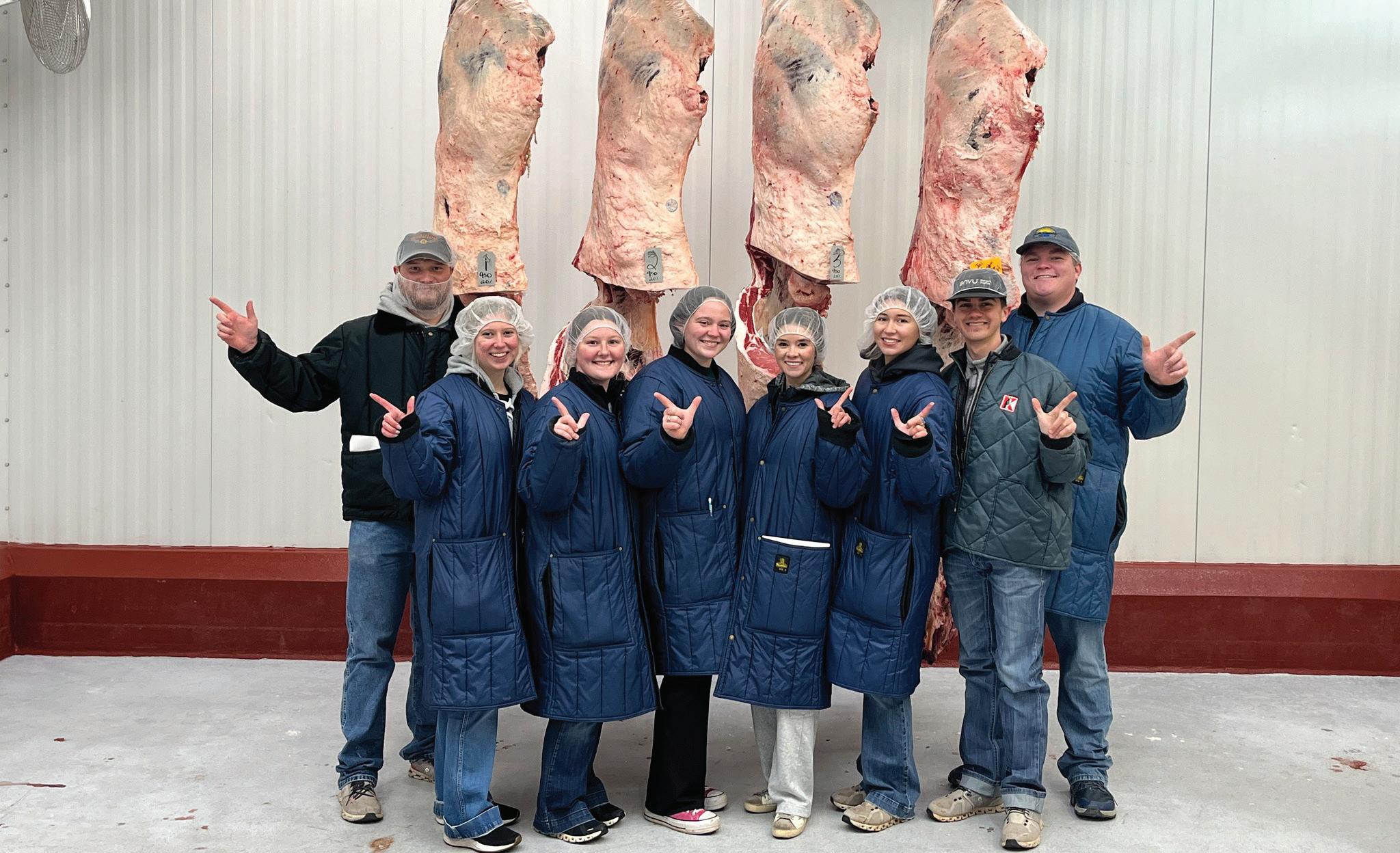
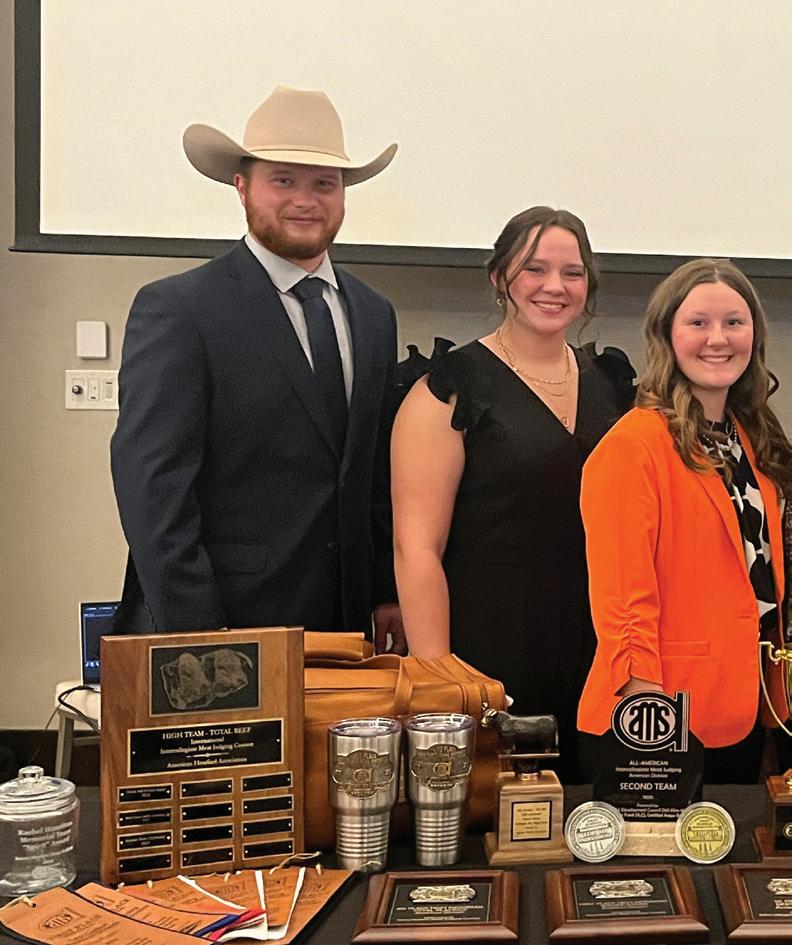
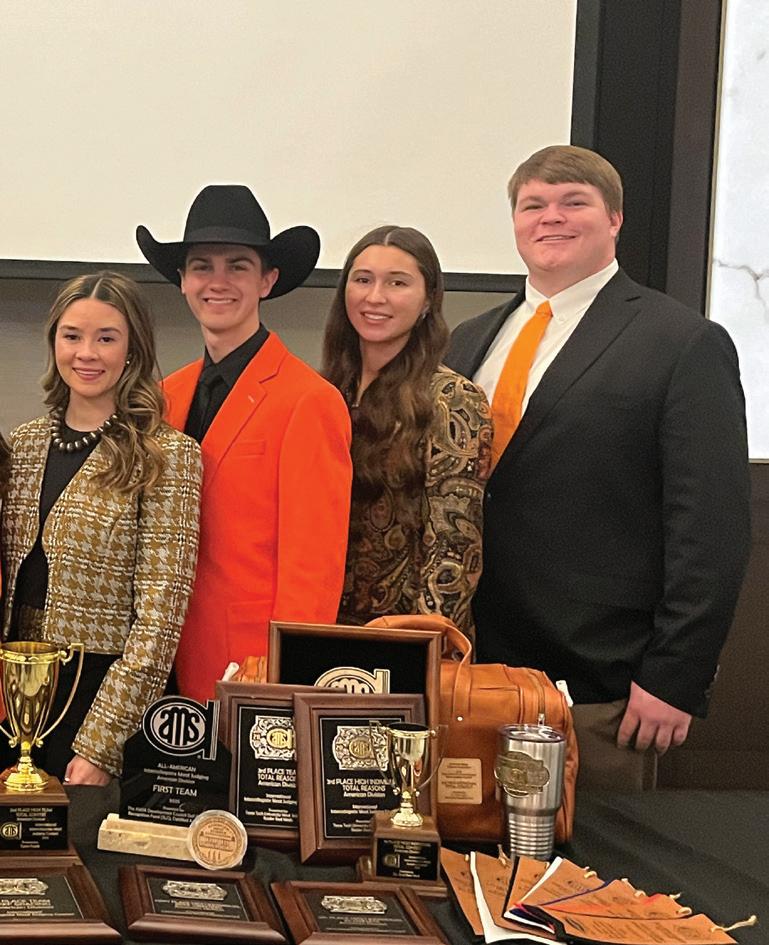
Intercollegiate Meat Judging has strong roots within the Oklahoma State University Animal and Food Sciences Department. Since the first contest in 1926, students have been representing OSU in coolers across the country, competing with passion and pride. In addition to competing with excellence, OSU’s Meat Judging Team allows students to develop decision-making and critical thinking skills, technical knowledge, and create lasting bonds with their teammates.
Throughout the year, the team spends most weekends at the Robert M. Kerr Food and Agricultural Products Center looking at beef, pork, and lamb carcasses and wholesale cuts. “A typical weekend practice is structured a lot like a real contest, which is something I really enjoyed,” said Kelsey Dowdle, 2025 team member. “We judge several classes along with multiple rails of specifications. After, we’ll write reasons
and once those are graded, we talk through everything as a group about what went well and what to improve on.”
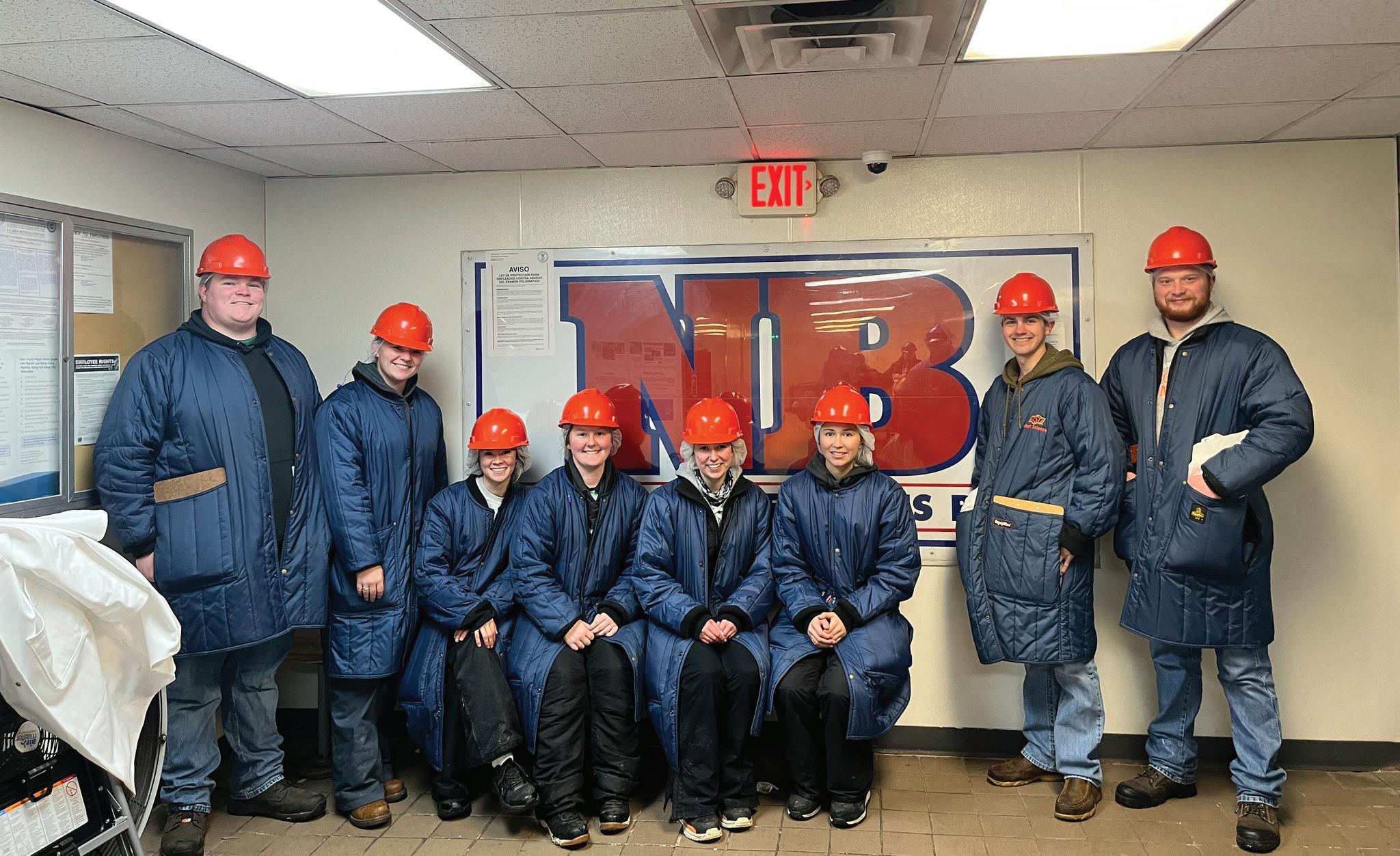
While contests have evolved over Intercollegiate Meat Judging’s 100-year span, there are currently eight contests, four in the spring, and four in the fall. “My favorite contest to compete in was the Eastern Nation in Wyalusing, Pennsylvania,” said Emma Fox, 2025 team member. “It was so interesting to compete in an entirely different part of the country, and the places we got to see were unlike any other we’d seen throughout the year.”
Among the eight contests is the coveted International Intercollegiate Meat Judging Contest, where the 2025 team was named Reserve National Champions. “It was my favorite contest,” said Jayde Perea, 2025 team member, “and if you had asked me immediately after the contest, that probably wouldn’t have been my answer at all.”
JudgingTeam
Looking back, she believes that trip helped her team truly become a family. “Even in the lows, we were there for each other,” she said. “We pulled through together, and that sense of unity and shared resilience is what made the experience unforgettable.”
Although success in contests is always the goal, many students say the relationships formed within the team have left the most lasting impression. “The people make the atmosphere,” said Weston Brooks, 2025 team member. “Having a tight-knit group that’s willing to sacrifice their own time to build one another up is truly something special.”
The spirit of support becomes most visible when challenges arise, said Perea. “The year came with many highs and lows – like any competitive team – but what sets our program apart is how we continually lift each other up,” she said. “Regardless of the circumstances, we always encourage one
another to give our best.”
Aside from lifelong bonds with teammates, students on the OSU Meat Judging Team come away with new abilities and personal growth that extend far beyond the cooler. “Being on the OSU Meat Judging Team taught me much more than how to evaluate product. It taught me how to defend my decisions with confidence, make important choices under pressure, and push through moments when it feels like everything is working against you,” said Perea.
Other teammates have found value in the resiliency and hard work they’ve learned from being on a collegiate judging team. “I learned that you can do anything if you put your mind to it and work at it,” said Dowdle. “Seeing my skills grow week after week and reflecting back on where I was when I started on the team has made me realize that hard work truly does pay off.”
Masters Student GRACE BRYSON
Members of the OSU Meat Judging Team evaluate classes during national competition. Photo courtesy of Grace Bryson.
Seniors
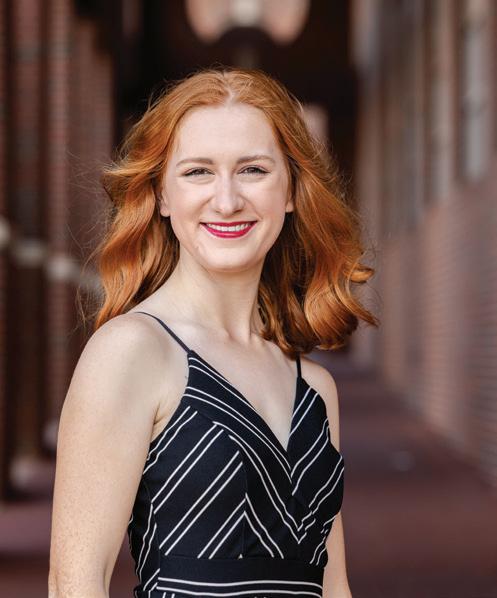
ABBEY STEELHAMMER
As a senior in Oklahoma State University’s Department of Animal and Food Sciences, Abbey Steelhammer reflects on a college experience shaped by curiosity and handson learning. A pre-veterinary student, she is especially interested in equine medicine and currently works at a horse racing track. Steelhammer’s time at OSU includes equine extension work, bovine respiratory disease research and an honors thesis on fetal skeletal development. She credits these experiences with helping her grow as a researcher and problemsolver. Steelhammer said the department’s culture of accessibility and mentorship prepared her for veterinary school and beyond. Her advice to younger students is to focus on meaningful opportunities and avoid over-committing. She leaves OSU confident, prepared and grateful for the community that shaped her journey.
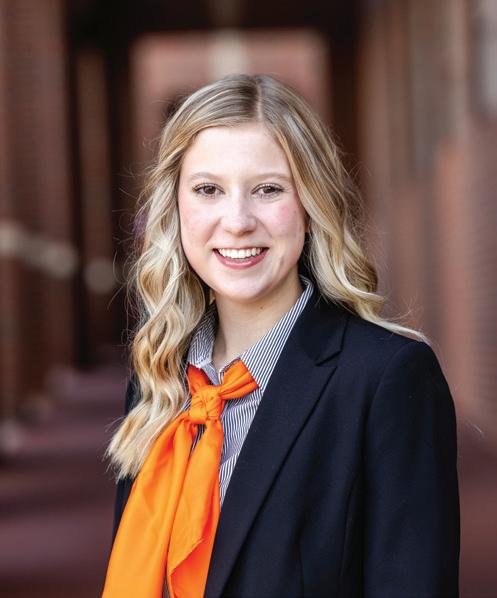
Jacie Wolfinger’s time in Oklahoma State University’s Department of Animal and Food Sciences has been defined by exploration and growth. An animal science major with a business pre-law option, Wolfinger discovered her interests through hands-on experience in the meat science lab and on the meats judging team. Those experiences helped her realize she wanted to focus more closely on livestock, genetics and reproduction. Working in the meat science research lab gave her exposure to research, industry and academic paths, while judging strengthened her timemanagement skills. Coming to OSU from out of state pushed her outside her comfort zone and built confidence. Wolfinger said the department’s close-knit culture and emphasis on experiential learning prepared her for life beyond graduation.
JACIE WOLFINGER
Seniors
of significance
Three Animal and Food Sciences students were named Seniors of Significance.
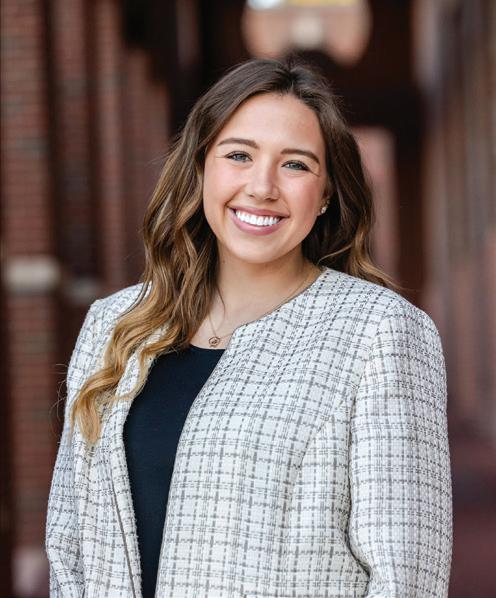
REGAN SMITHWICK
For Regan Smithwick, success at Oklahoma State University has been less about recognition and more about personal growth. A pre-law animal science major, Smithwick plans to attend law school and pursue a career in oil and gas law, working at the intersection of agriculture, energy and policy. Early in her freshman year, a professor’s openness set the tone for her college experience, reminding her she was supported. Throughout her time in the department, Smithwick learned resilience, humility and confidence in tackling difficult challenges. She finds the most fulfillment in mentoring others and helping younger students see their potential. Smithwick credits the Animal and Food Sciences community for shaping her into a leader who values people as much as achievement.
WITH GRATITUDE FOR YOUR CONTRIBUTIONS TO OUR DEPARTMENT.
HAVING A Banner Year
OSU SWINE RESEARCH AND EDUCATION CENTER CELEBRATES A STANDOUT 2025
The OSU Swine Research and Education Center had a tremendous 2025. As many alumni and supporters know, the OSU Swine Farm is well known for producing elite purebred swine and exhibiting them at a high level nationally. A tradition of competitive purebred livestock is something those who bleed orange have come to expect and appreciate, and 2025 proved no different.
The OSU Swine Farm is run by Dr. Scott Carter, faculty supervisor; Jim Coakley, herd manager; Christian Hammons, assistant herd manager; and, most importantly, the student workers who handle the dayto-day management of the herd. Without their tireless dedication, none of these accomplishments would be possible.
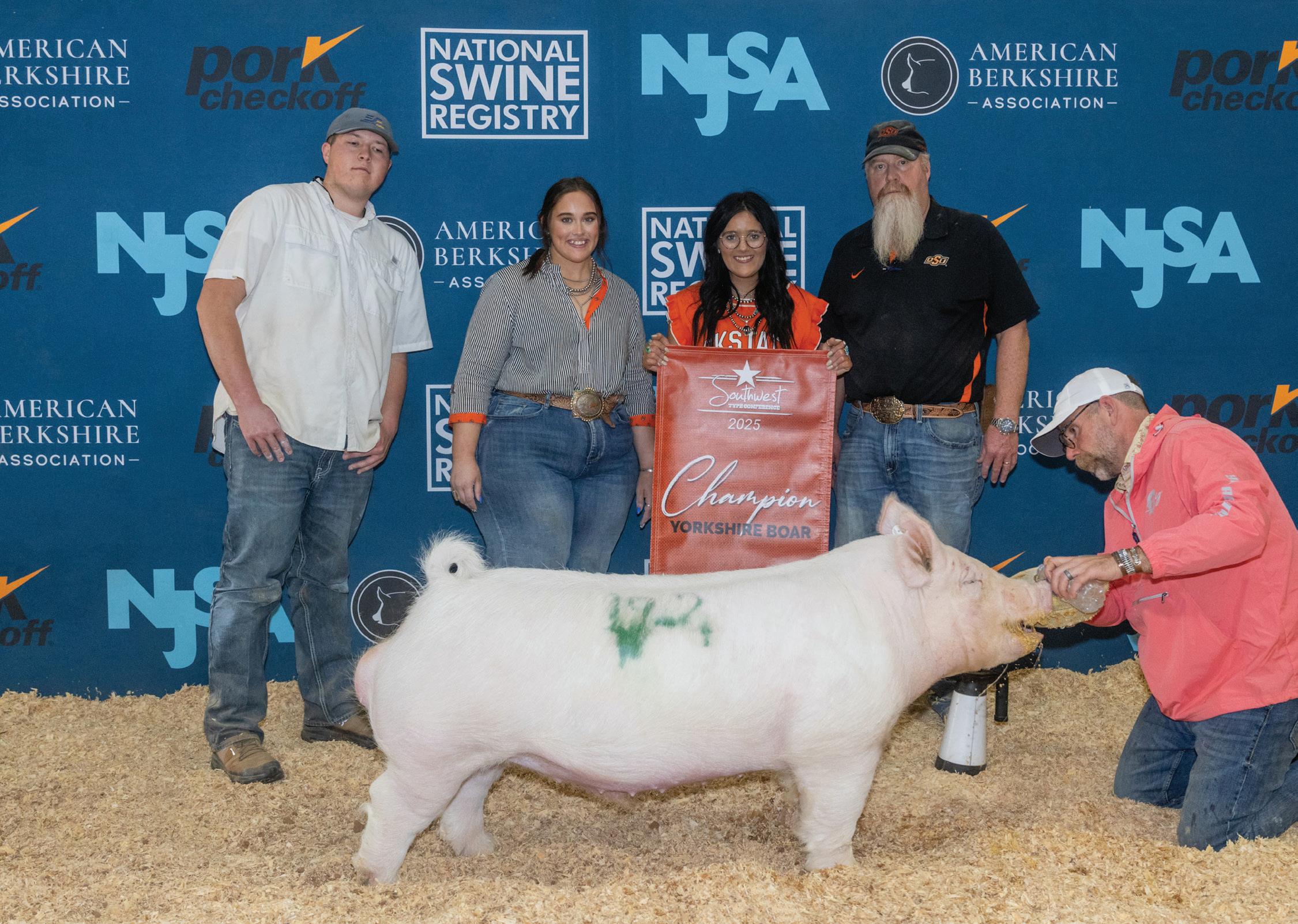
The exhibition season began in late February at the Southwest Type Conference in Belton, Texas. The farm exhibited and sold the champion Yorkshire boar for $10,500 to Olsen Yorkshires in Irene, South Dakota; the reserve champion Yorkshire gilt for $1,200; the first-place Class 3 Duroc boar; and the second-highest-selling Berkshire gilt for $1,900. The OSU Swine Farm appreciates
OSU Swine Research and Education Center celebrates a standout year at national swine exhibitions. Photo courtesy of Jim Coakley.
the positive feedback regarding the quality of livestock presented at this respected show and sale.
In May, the farm submitted an entry to the highly competitive NSR Draft Sale, an online event conducted by the National Swine Registry. Oklahoma State Universities entry sold for $5,250 to Huinker Yorkshires in Decorah, Iowa.
Preparations then began for the National Barrow Show, held annually in Austin, Minnesota, on September 1. The show was one for the record books. OSU exhibited the champion and reserve champion Yorkshire boars, champion and reserve champion Yorkshire gilts and, for the first time in decades, a bred female — earning champion bred Yorkshire gilt. The university also received the Premier Yorkshire Exhibitor Award for 2025. This historic event remains a major draw for swine enthusiasts across the country.
September marked the start of a busy sale season for 4-H and FFA pigs. The farm welcomed numerous customers and marketed a record number of pigs while attending several live sales. The OSU Swine Farm appreciates the invitation to the Coveted Queens Pig Sale in Chandler, Oklahoma, where a purebred Hampshire weanling gilt sold for $3,500 and a
Yorkshire weanling gilt sold for $1,300. Thanks are extended to Austin Kindschi and Garret Weldon for the invitation, and the farm looks forward to many years with this sale.
A special thank you also goes to longtime friend and OSU alumnus Stu Dildine for hosting the farm at the Breeders Best Pig Sale in Bullard, Texas, where Oklahoma-bred pigs were well received. The farm also attended the Congregation Pig Sale for the second consecutive year, followed by the Fall Classic Pig Sale in Duncan, Oklahoma, to round out a successful live sale season.
One of the most exciting newer initiatives is the Oklahoma Pork Partners Derby, held in conjunction with the Oklahoma Youth Expo, Oklahoma Pork Council and the OSU Swine Research and Education Center. The derby reinforces key industry expectations, including average daily gain, swine knowledge, showmanship, husbandry, loin eye area and recordkeeping. The event is designed for first-time exhibitors in sixth grade or older who have never shown pigs. This year, 48 pigs were selected — the largest participation to date.
Special thanks go to the Oklahoma Pork Council for its continued support. The program, led by Kylie Deniz
and Matti Carlisle, included workshops on biosecurity, husbandry, swine selection led by Dr. Parker Henley, daily care and management, and swine nutrition led by Dr. Scott Carter. Oklahoma FFA Adviser Scott Nemecek orchestrated the day’s activities. Justin Crosswhite prepared the draft, with Kass Pfieffer of the OYE staff assisting with nominations and pedigrees. Dr. Coffey, Animal and Food Sciences department head, was also on hand to support the event. Special thanks to James Scifres for donating a bag of feed to each new exhibitor. It truly takes a village.
Finally, the OSU Swine Research and Education Center sincerely appreciates the support of alumni, friends and the dedicated Friends of the Farm who make this program possible.
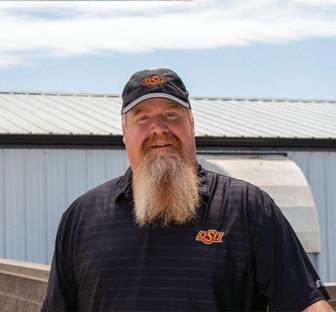
Farm Manager
JIM COAKLEY
Photo by Clancey Krahn
ANIMAL SCIENCES at Oklahoma State University? Why
As an out-of-state student, one question I get asked more than any other is, “Why Oklahoma State?”
It’s one of those questions that I don’t ever have an answer prepared for; I normally can’t help but smile and tell them, “You have to come visit; you’ll understand.”
There’s nothing complicated about it. You can look up rankings, programs, and facilities online, and OSU’s Animal Science department checks all the boxes. But none of that explains why students feel so connected to this place, or why so many people struggle to put that feeling into words.
It’s not something you’d pick up right off. It’s noticeable in little ways. Teachers who know your name.
Advisors who are willing to listen to you. Employees who can recall where you come from and ask about your day. You realize you’re not going through the program by yourself, which is an important part of it that you won’t appreciate at first.
As an out-of-state student, I expected to feel like a stranger for a while. This never occurred. Through classes, animal units, and unexpected conversations, this department has begun to feel like home. Not because it was trying to impress me, but because people truly were invested in being there. The reflection is intended as a kind of thank-you to the faculty and staff who are present every day, working
for their students, even though the results of that work are not obvious in the press or in recognition through awards. It is evident in the accounts the students relate.
That is why OSU makes sense once you have visited its campus. And that is also why many of us have chosen to stay.
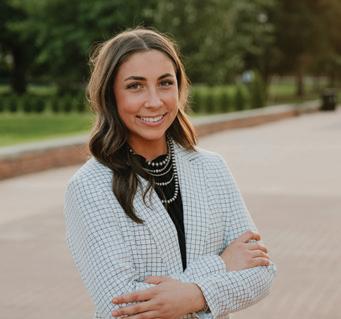
Pontiac, Illinois | Animal Science | Junior
ELLIE DRACH
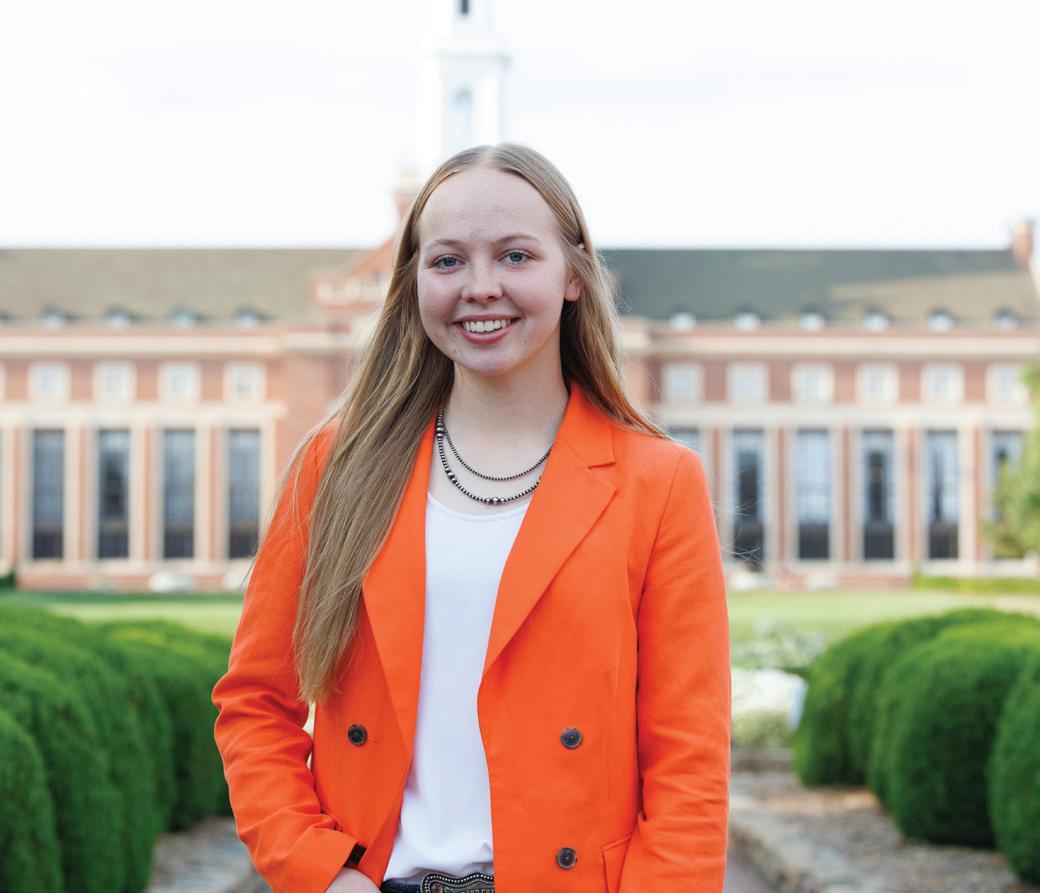
“Being part of the Animal Science department showed me that what we’re learning goes far beyond the classroom. The experiences and relationships here helped me understand the real impact this field can have.”
Pattonville, Texas | Animal Science | Senior
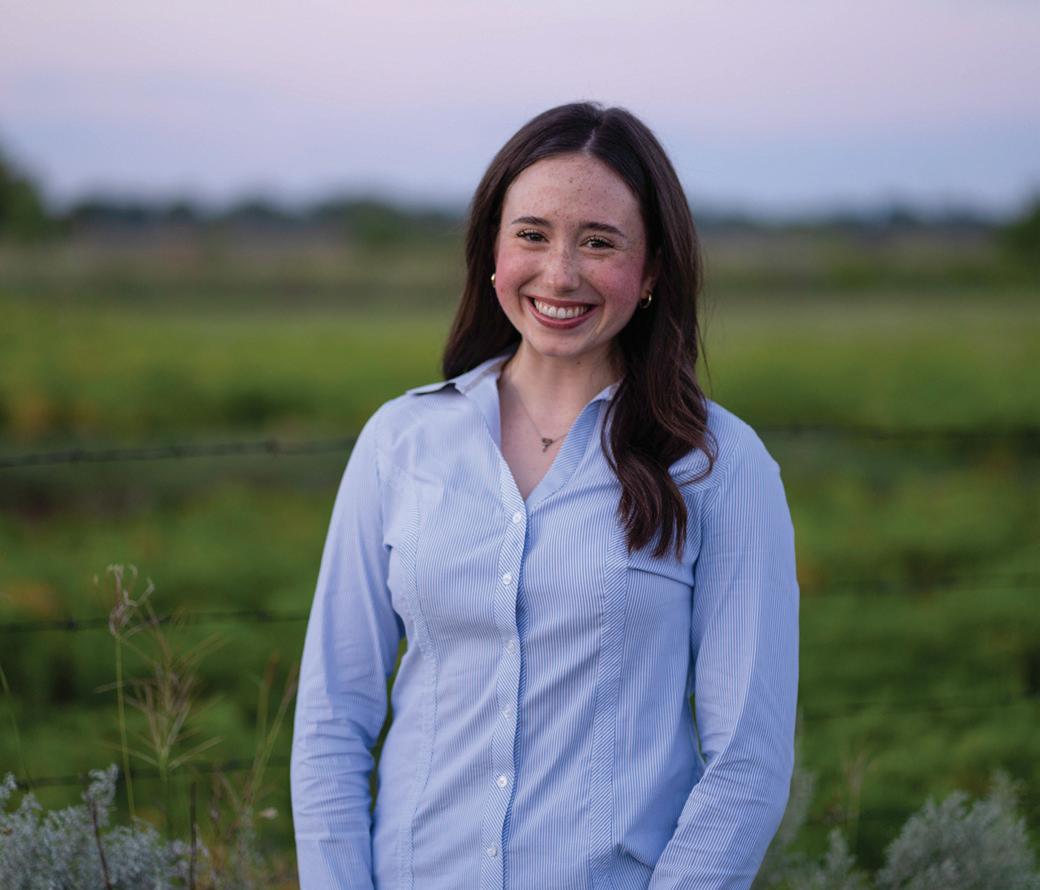
REESE BASSANO
“As students, we’re fortunate to be surrounded by faculty and staff who truly care about our success. They’re always willing to help, answer questions, and provide guidance when it matters most.”
WHY WE CHOSE ANIMAL SCIENCE AT OSU.
Washington, Missouri | Meat Sciences | First-year Master’s Student
GRACE BRYSON
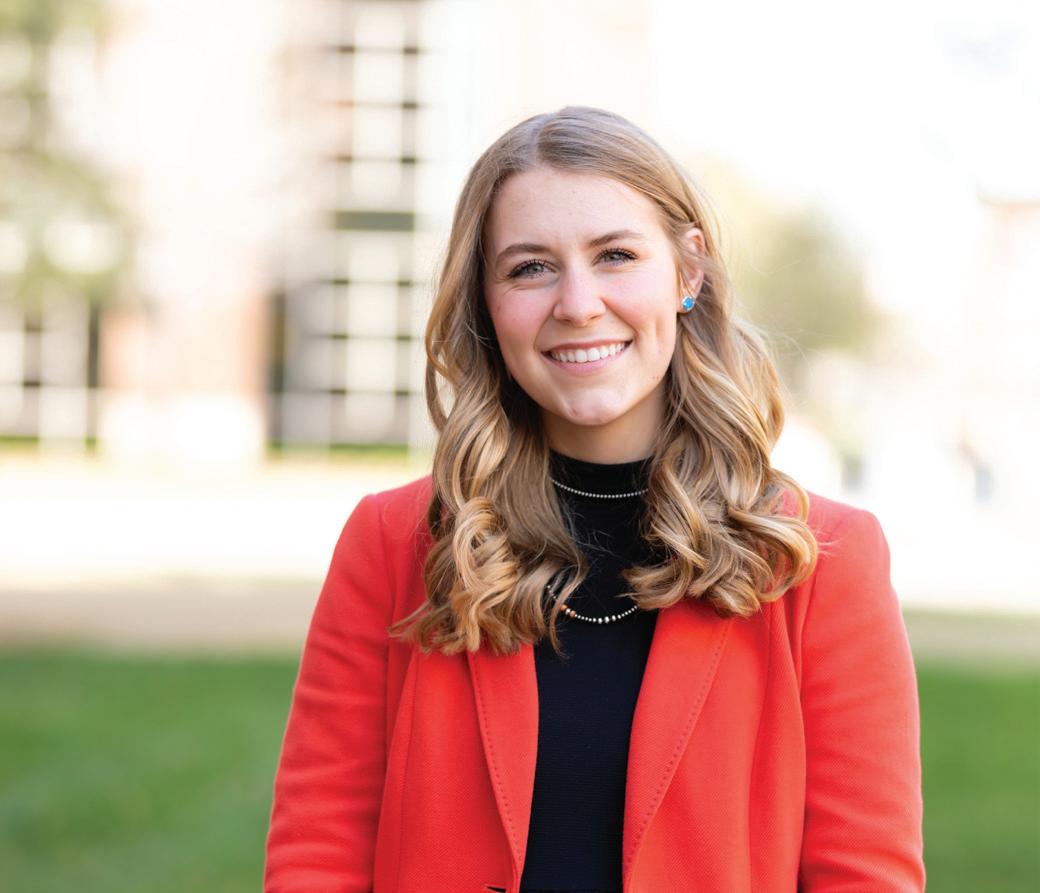
“What stands out most to me is how supportive the community is. Everyone is encouraged to work hard and improve, but it never feels competitive in a negative way. Instead, it feels like people genuinely want to see each other succeed.”
Miles, Texas | Animal Sciences | Senior
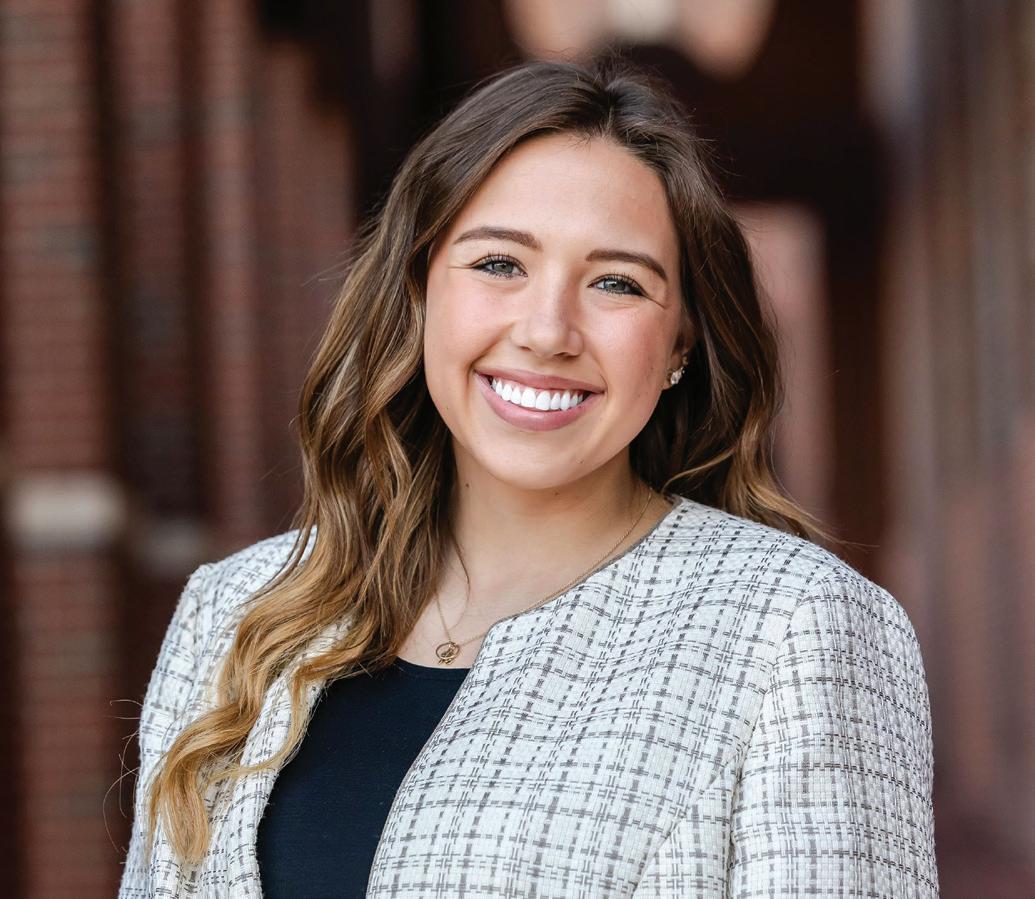
REGAN SMITHWICK
“The
faculty truly set the tone for the department. They push you to work hard and expect a lot from you, but they also take the time to support you and help you grow as a person, not just as a student.”
Adair, Oklahoma
| Animal Science | Senior
CONNOR PELL
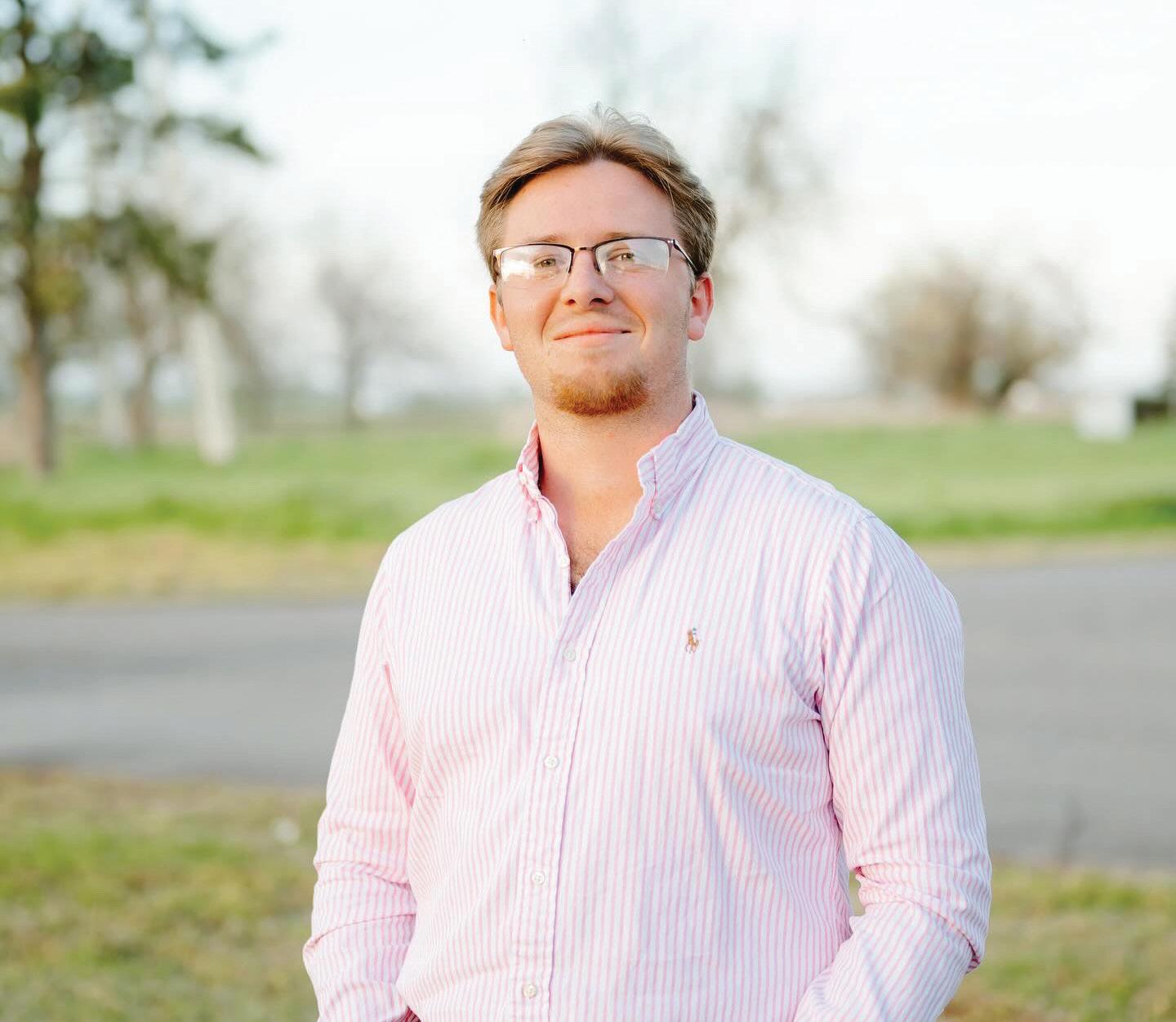
“The family-like atmosphere within the department is something you don’t find everywhere. From faculty to fellow students, there’s a genuine sense that people care about you and want to see you succeed. That support makes this place feel like more than just a program.”
College Station, Texas | Animal Science | Junior
LUKE SANDERS
“The hands-on opportunities offered through the department played a huge role in shaping my confidence. Being able to apply what I’ve learned helped me better understand where I want to go next and what I’m capable of doing.”
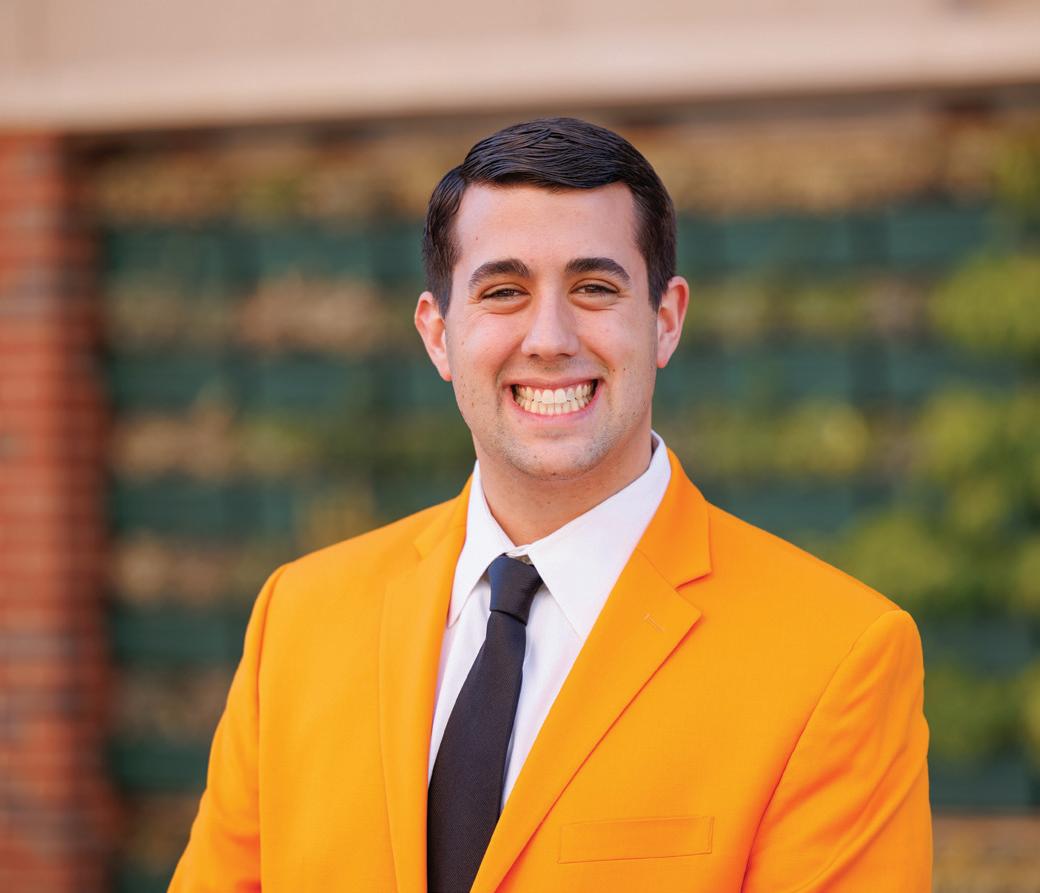
Stratford, Oklahoma | Animal Sciences and Agricultural Communications | Senior
PRESLEY PULLEN
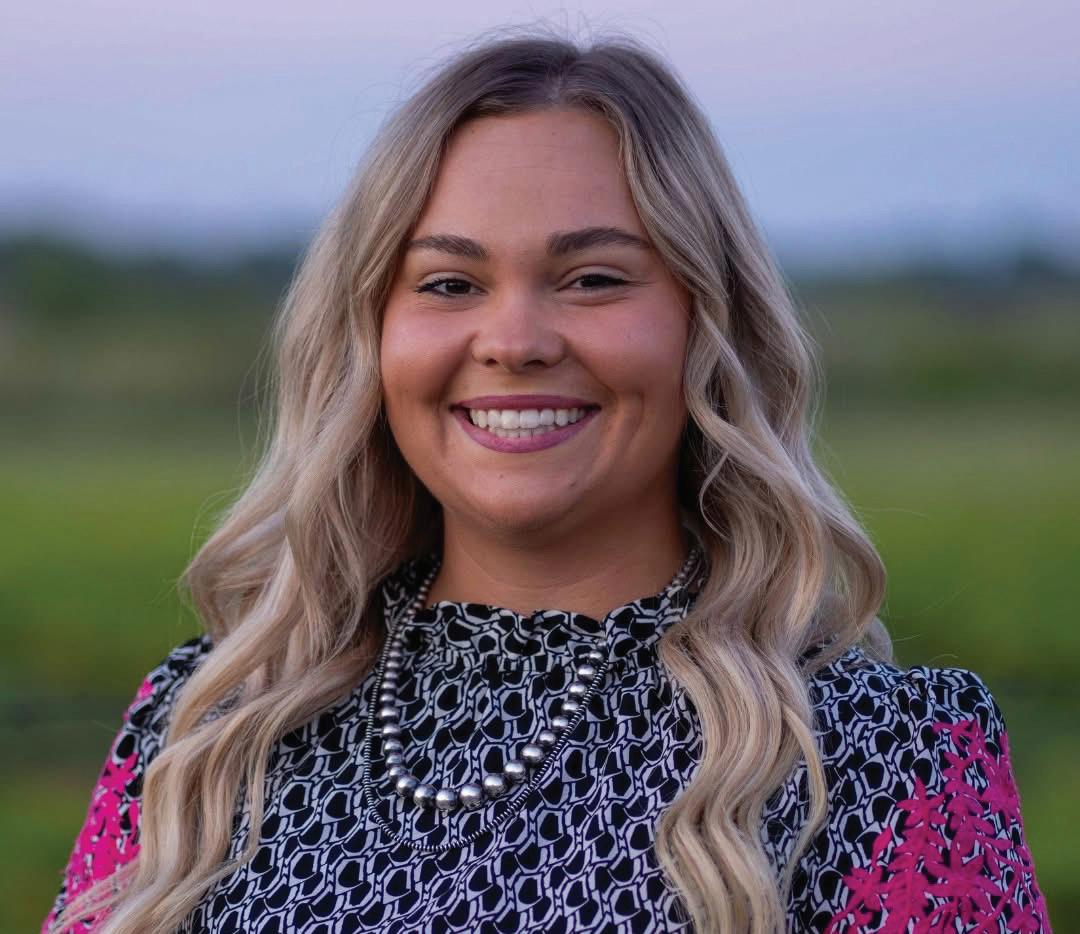
“Throughout my time in the department, I’ve felt encouraged to step into leadership roles, try new opportunities, and grow both personally and professionally. That support has made a lasting impact on my experience at OSU.”
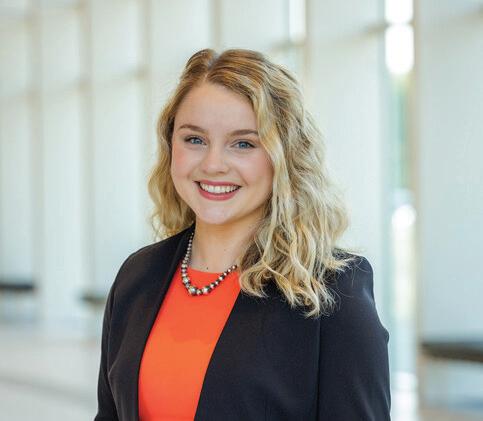
Powers, Oregon | Animal Science | Senior
JONWYN AYRES
“I love the competitive spirit across Animal Science teams. It pushes everyone to give their best, but what makes it special is that we’re all working toward the same goal. We support each other, celebrate wins together, and grow as a team. Being part of that shared passion and drive is something I’m truly grateful for.”
ANIMAL SCIENCES AT OSU. WHERE STUDENTS ARE KNOWN, CHALLENGED AND SUPPORTED.

For Oklahoma State University alumna Meredith Walker, choosing food science expanded her career options rather than limiting them, eventually leading her to a role at NASA.
Originally from Kansas City, Walker’s interest in food science began at home. Her mother worked in communications at Dairy Farmers of America, where early exposure to product development introduced Walker to the idea that food products are created by teams of scientists, not just brands on store shelves.
“That was the first time I realized there are real people behind the products you see in grocery stores,” Walker said. “It made me curious about how those products are created and how someone could build a career around that work.”
That curiosity, paired with an interest in problem-solving and creativity, led Walker to pursue food science at OSU.
At OSU, Walker developed a strong technical foundation in food chemistry, microbiology and food safety through coursework, while
FROMStillwater TO SPACE.
State food science
laboratory classes emphasized hands-on application. Those experiences allowed her to connect theory to practice and build confidence in her abilities.
“The classroom gave me the technical foundation,” Walker said. “But the labs and projects helped me learn how to design experiments, analyze results and work as part of a team. That combination made a big difference.”
Undergraduate research further strengthened her skill set. While working in Dr. Danielle Bellmer’s lab, Walker evaluated the viability of a probiotic under different processing conditions. The project involved designing bench top experiments, conducting microbial plating, collecting data and troubleshooting results.
“It was a valuable opportunity to apply what I had learned in class,” she said. “It was also a space where asking questions and learning through mistakes was encouraged.”
Today, Walker works as a space food production scientist at NASA Johnson Space Center, where
she oversees freeze-dried food production for spaceflight and research studies. Her role includes batch formulation, process control and compliance with NASA food safety and quality standards. “When I chose food science, I wanted a career that combined creativity, hands-on experimentation and a clear mission,” Walker said. “Making food for astronauts brings all of that together.”
Walker credits OSU with providing industry-relevant experience and support from faculty invested in student success. She encourages current and prospective students to take advantage of handson learning and research opportunities whenever possible.
“Never turn down a chance to learn something new,” Walker said. “Go Pokes.”
CLANCEY KRAHN
Editor
How an Oklahoma
education prepared Meredith Walker for NASA.
A Milestone Year
FOR THE PUREBRED BEEF CENTER AT CATTLEMEN’S CONGRESS
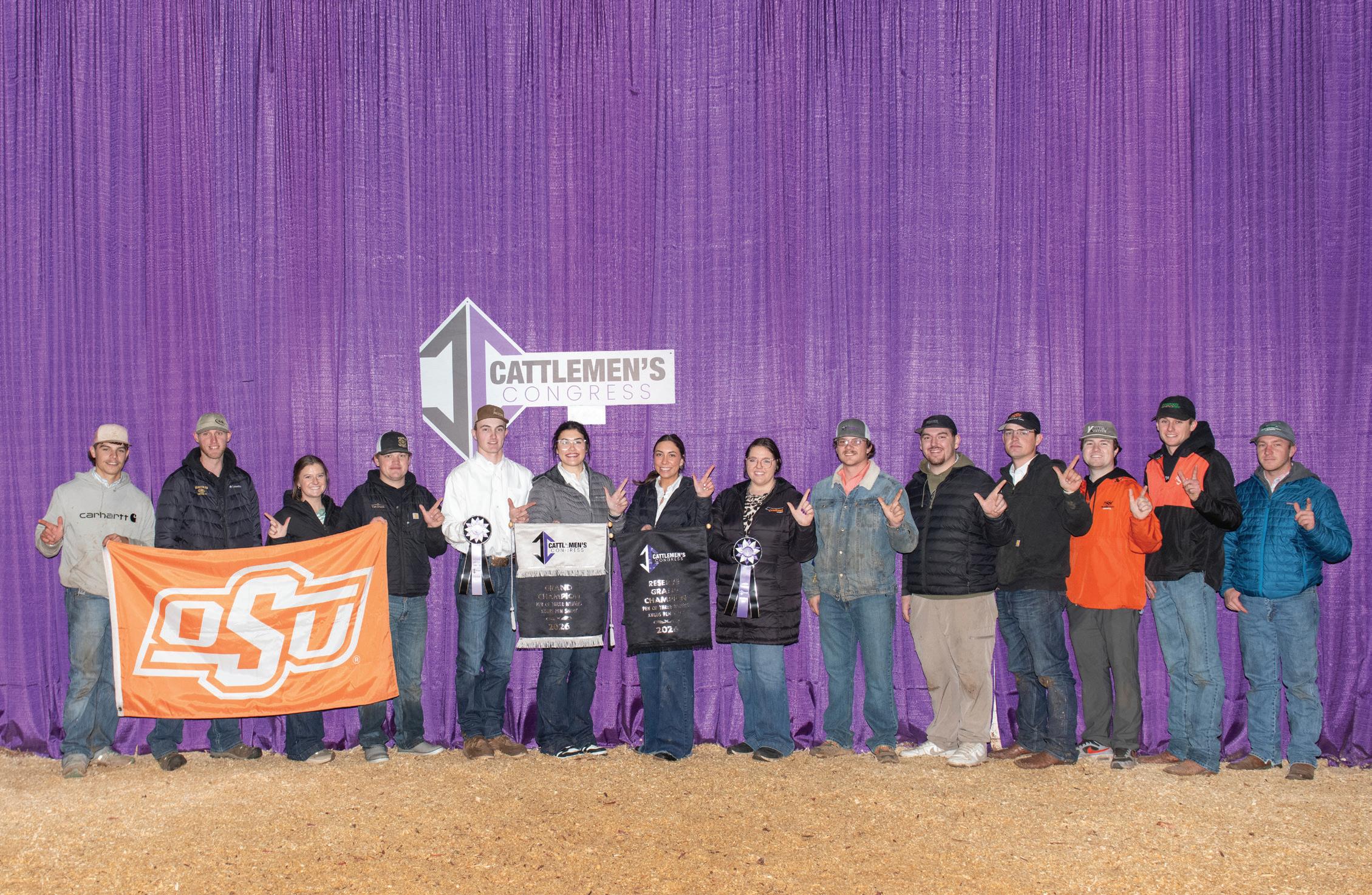
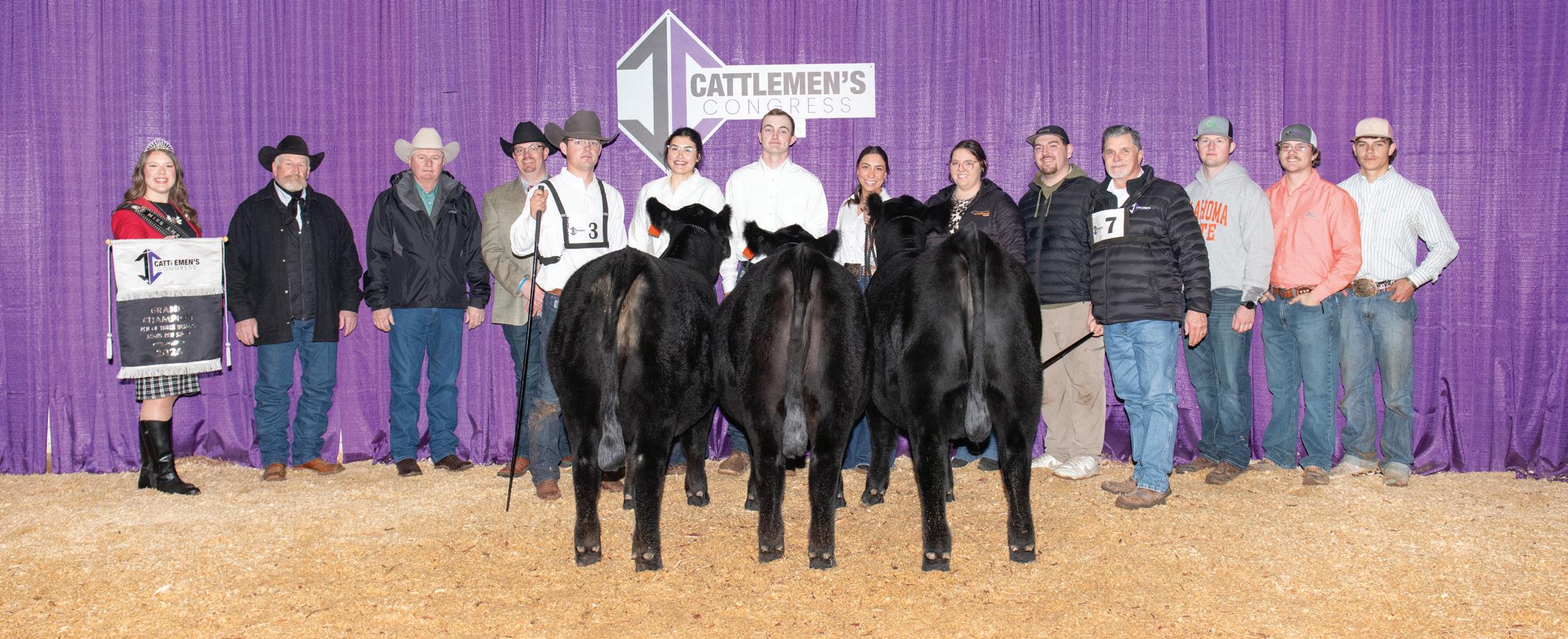
Representing the Oklahoma State University Department of Animal and Food Sciences at the 2026 Cattlemen’s Congress showcased not only elite Angus cattle, but the daily work and teamwork behind OSU’s Purebred Beef Center Show Barn. The achievement reflected months of preparation, hands-on student involvement and a program dedicated to developing both high-quality cattle and future industry leaders.
Preparation for Cattlemen’s Congress began in August. Quinn Stafford, a senior animal science student and lead show barn worker, started halter breaking approximately 12 Angus heifers. With guidance from herd manager Grant Hubbard and facility supervisor Dr. Mark Johnson, the group was evaluated and narrowed to eight heifers with the potential to compete at a high level. Selection emphasized structural correctness, phenotype and genetic merit.
“We start early because consistency is everything,” Stafford said. “You can’t wait until show season to expect a heifer to behave in the ring. The daily work months ahead of time is what separates a good show string from a great one.”
Throughout the fall semester, the heifers were worked with daily. Student employees carried out halter training, washing, rinsing and hair care, building consistency in both cattle and handlers. Each
Student workers of the OSU Purebred Beef Center Show Barn prepare cattle for the 2026 Cattlemen’s Congress. Photo courtesy of Quinn Stafford.
day in the barn served as a classroom, giving students experience in animal handling, show preparation and livestock management.
“Our student crew takes a lot of pride in these cattle,” Stafford said. “They’re here every day putting in the time. By the time we get to a national show, they’re confident, prepared and invested in the outcome.”
Student labor is a core component of the Purebred Beef Center, which employs undergraduates through OSU career development programs to provide realworld training alongside academic coursework. The center operates as both a teaching and breeding unit for the university. Located west of Stillwater with additional range facilities near Lake Carl Blackwell, the Purebred Beef Center maintains purebred Angus, Hereford and Charolais herds used for research, instruction and seedstock production. Cattle developed through the program
are marketed through annual sales, connecting OSU directly with commercial and registered beef producers.
Following final clipping and preparations, the heifers were hauled to Oklahoma City for the 2026 Cattlemen’s Congress.
of Angus heifers — one spring pen and one fall pen — and earned both Grand Champion Pen of Angus Heifers and Reserve Grand Champion Pen of Angus Heifers. It marked the first time OSU captured the top two banners in the Angus heifer pen show.
“From the first day of halter breaking to walking into the ring at Congress, working with these heifers every day built a level of trust and pride that made the outcome even more meaningful. Getting to see them succeed at that level was something I’ll never forget.”
Over four days, cattle were continuously maintained, presented to prospective buyers and readied for competition. In a historic showing for the Purebred Beef Center Show Barn, OSU exhibited two pens
“When they announced both banners for OSU, it was a moment I’ll always remember,” Stafford said.
“It showed what can happen when a group of students commits to something bigger than themselves.”
The heifers will sell at the Cowboy Classic Purebred Beef Center Sale on March 29, continuing a project built on discipline, teamwork and hands-on learning.
Quinn Stafford, Head of the Show Barn
Undergrad student
QUINN STAFFORD
OSU’s Purebred Beef Center Show Barn earned Grand Champion Pen of Angus Heifers at the 2026 Cattlemen’s Congress. Photo courtesy of Quinn Stafford.
DATES TO REMEMBER













Cowpoke News