



One Oversight Could Cost Millions

One Oversight Could Cost Millions
At first glance, the work of OSPEM’s five units may appear unrelated. But together, we help to define how the Campus functions strategically. OSPEM’s role is about enabling the Campus to perform better, respond faster and plan smarter in an increasingly complex environment.
In this issue of OSPEM360, we provide a glimpse into how those connections come to life with a focus on risk management, planning & research and safety management. We highlight how a single risk oversight could have serious financial, legal or reputational consequences and share how we are improving the risk culture. Strong safety management depends on that same risk awareness not reacting after an incident, but anticipating and preparing in advance. By systematically identifying, assessing and managing risks proactively and maintaining robust plans, systems and protocols, the Campus can reduce exposure, limit losses and speed up recovery.
Meanwhile, planning and research play a critical role in turning data into direction Data-driven insights help to guide priorities, allow leaders to anticipate challenges, allocate resources and make informed decisions that support the long-term goals of the Campus. When risk awareness, safety preparedness and evidence-based planning work together, supported by effective security and well-managed projects, the Campus becomes more resilient, accountable and better positioned to deliver on its strategic objectives
That is the essence of OSPEM’s work: connecting systems, people and information so that our Campus today can become even stronger for a sustainable future.



As part of its safety and prevention mandate, the Campus Security Unit provides Safety and Medical Escort Services.
This includes mobile and pedestrian escorts for students and staff (especially at night) to support safe travel between Campus locations and nearby residences.
The Unit also conducts regular security risk assessments, such as lighting surveys, landscaping checks and reviews of building access points to identify potential hazards and reduce safety risks across Campus.


Risk isn’t just a buzzword — it’s the shield that protects our Campus from financial loss, reputational damage and legal exposure. Most of the time, risk doesn’t look dramatic. It’s hidden underneath haphazard decisions, improper procedures, outdated systems or assumptions that “someone else will handle it.”
Thinkaboutthis:whatifaservicecontractforacriticalITplatformorfacilitiesmaintenanceexpireswithouttimely revieworrenewal?TheconsequencescanescalateveryquicklyAmajordisruptioninthepayroll,studentbillingor studentregistrationsystemsduetoexpiredsoftwarelicencesormaintenanceagreements,meansthat:
Salarypaymentsmaybedelayed Studentfeeprocessingmaystall Accesstocriticaldatasystemsmaybesuspended Backupservicesmaybeinterrupted Recoverysupportmaynotbeguaranteed
DowntimeofanycriticalITsystemcanhavecascadingoperational,financial andreputationaleffects.Thiscanleadtotensofmillionsofdollarsinlost productivity,unplannedexpenditureduetocostlydatarecoveryefforts,audits andemergencyupgradesorregulatorypenaltiesifadatabreachoccurs duringtheinterruption.
Theoverallimpact?
Cashflowdisruptions
Lossofrevenue
Reputationaldamageweakenssupplierconfidenceandreducesfuture negotiatingleverageforbetterpricingandpaymentterms
Erosionoftrustamongpartners,donorsandgovernments
So,oneoversight...millionsatrisk.Managingriskeffectivelyisnot aboutfear—itisaboutforesight.

RISK&OPPORTUNITY: TWOSIDESOFTHE SAMECOIN
Whenmanagedproperly,risk becomesastrategicadvantage.
Cyberriskspushusto strengthendigital infrastructure.
Regulatoryrequirementsdrive betterdocumentationand transparency
Marketpressuresencourage programmeinnovation.
Financialriskssharpen resourceprioritisation.
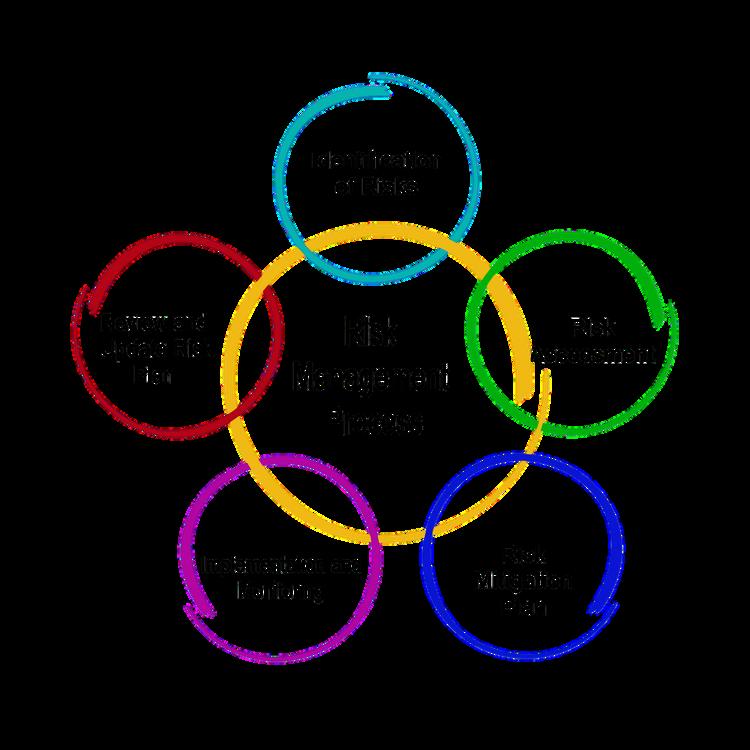
In January 2025, the Campus strengthened its governance framework with the establishment of a dedicated Risk Steering Committee, bringing together leaders from Security, ICT, Registry, Bursary, Estate Management, Legal, Academic Departments and OSPEM. This cross-functional oversight seeks to ensure that risk is integrated as a strategic decision-making tool.

Financial Risk
Promote financial literacy across all staff categories. Embed risk considerations into budgeting and business cases.
Encourage early escalation of financial pressures or variances.
Student Experience & Development Risk
Use student feedback as an early risk indicator, not just satisfaction data. Train staff to recognize and escalate student wellbeing and safety risks. Communicate clearly with students during incidents or disruptions.
Information Technology Risk
Build a cyber-aware culture, not just technical defenses. Conduct regular phishing simulations and cyber awareness campaigns. Encourage reporting of IT incidents and near-misses without fear
Academic Risk (Teaching, Learning and Research)
Embed risk awareness into curriculum design, assessment and research ethics. Foster open discussions about academic risks (quality, reputation, integrity). Balance innovation with assurance processes that are proportionate.
People & Partnerships Risk
Promote a “speak-up” culture supported by trust and confidentiality
Conduct due diligence on partners while maintaining relationship trust.
Encourage cross-functional collaboration to avoid siloed (working in isolation) risk ownership. Support staff wellbeing to reduce burnout-related risks.


In a university environment rich with information, data only becomes powerful when it guides decisionmaking The Planning & Institutional Research Unit transforms surveys, research reports and metrics into insight that informs planning, policy and action.
Institutional research supports mandatory reporting to external agencies such as the Planning Institute of Jamaica (PIOJ) and the Jamaica Tertiary Education Commission (JTEC), while also supplying data for internal decision-making, annual reporting and strategic planning.
Beyond compliance, data is also driving smarter practice. For example, in the Faculty of Sport, we used existing evaluation data to replace the need for a new tracer study; saving time and reducing survey fatigue. Departmental research reports are also analysed to inform Research Day publication metrics, ensuring that recognition is evidence-based and transparent.
Survey response rates have improved in recent cycles, which is a signal of growing trust in how feedback is used. Our staff and students are increasingly seeing the link between what they say and what changes.
As we prepare for the 2026 survey cycle, let’s remember that a data-informed culture grows when feedback leads to action, decisions are grounded in evidence and insights are shared openly.
Thenumbersarepointingintheright direction.Recentstaffandstudent surveysindicatesteadyprogressacross theCampus.
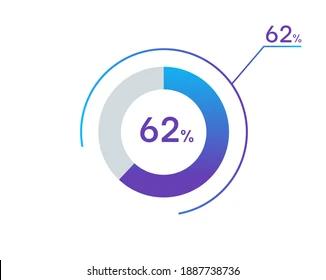
2025 Student Satisfaction Survey Score
Target = 60%
2025 Staff Engagement Survey Score Target = 60%
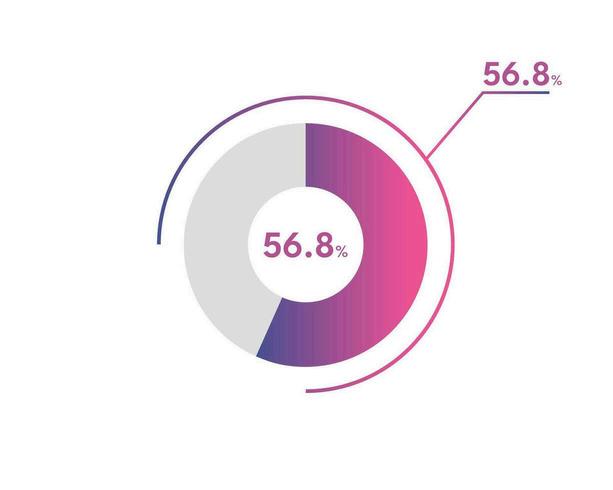
Staff Engagement moves closer to the 60% institutional target, climbing from 46.2% in 2023 to 56.8% in 2025.
Gains across areas such as supervisory management, peer relationships and working conditions suggest that changes in everyday workplace experiences are making a difference.
Student Satisfaction exceeds the 60% institutional target, increasing from 54% in 2023 and 52.3% in 2024 to 62% in 2025.
Improvements in academic and support services, the overall university experience and graduate attributes confirm that student focused initiatives are translating into tangible results.

momentswheredelayscanhavelifeanddeathconsequences
Preparednessisnotonlyaboutplansonpaper;itisalsoabout ensuringthatthetoolsusedtomanagerisksarefitforpurpose
StrengtheningthesefoundationsreinforcestheCampus’abilityto respondcalmlyandeffectivelywhenitmattersmost

Preparedness in Practice: Lessons from Hurricane Melissa
The response to Hurricane Melissa highlighted the value of preparation and collective action. Staff solidarity assessments, Mona Recovery outreach and the provision of psycho‑social support, ensured that recovery addressed both physical and emotional needs. Student participation in the Melissa Community Assessment Program and continued engagement with the Higher Education Disaster Resilience Task Force further reinforced the importance of collaboration and shared learning.
Major events require the same level of strategic planning as emergencies. Through active involvement on the Graduation Planning Committee, Emergency Management has focused on training safety monitors and ushers, and coordinating the deployment of emergency medical crews. These behind‑the‑scenes efforts ensure that celebrated moments unfold safely, smoothly and with confidence, for graduands, families, staff and visitors alike. Such planning underscores a key principle: safety does not interrupt important moments, it enables them.

Fire Safety: Prevention That Protects
Fire safety remains a core pillar of preparedness. Recent servicing, maintenance and procurement of fire extinguishers across key areas (including the Faculties of Law, Social Sciences and Medical Sciences as well as Chancellor Hall and Merlene Hamilton Hall) represent a practical investment in prevention. These upgrades may go unnotices in daily
operations, but in an emergency, they are decisive.

EarthquakeAwareness:APriority,notaPossibility

The goal isn’t fear — it is readiness.

EarthquakesofferlittlewarningPreparationisthereforethestrongestformofprotectionPlannedpresentations, drillsandsimulationexerciseswillbuildconfidenceandreinforcepracticalresponsebehavioursacrosstheCampus. Thegoalisn’tfearitisreadinessKnowingwhattodo,wheretogoandhowtorespondreducespanic,saveslives andacceleratesrecovery.
BuildingaCultureofPreparedness:What’sNext?
UpcomingBusinessContinuityPlansimulationsto testinstitutionalreadinessunderpressure
Ongoingstudentengagementthroughmulti-hazard trainingandcollaborationwithHallStudent Management
Campus-widemulti-hazardaudittofurtherstrengthen skillsandsharedresponsibilityacrosstheCampus.
Know your nearest fire extinguisher
Participate in drills
Familiarise yourself with evacuation routes
Practice “Drop, Cover and Hold On”
Do routine safety checks


Academic Programme Development

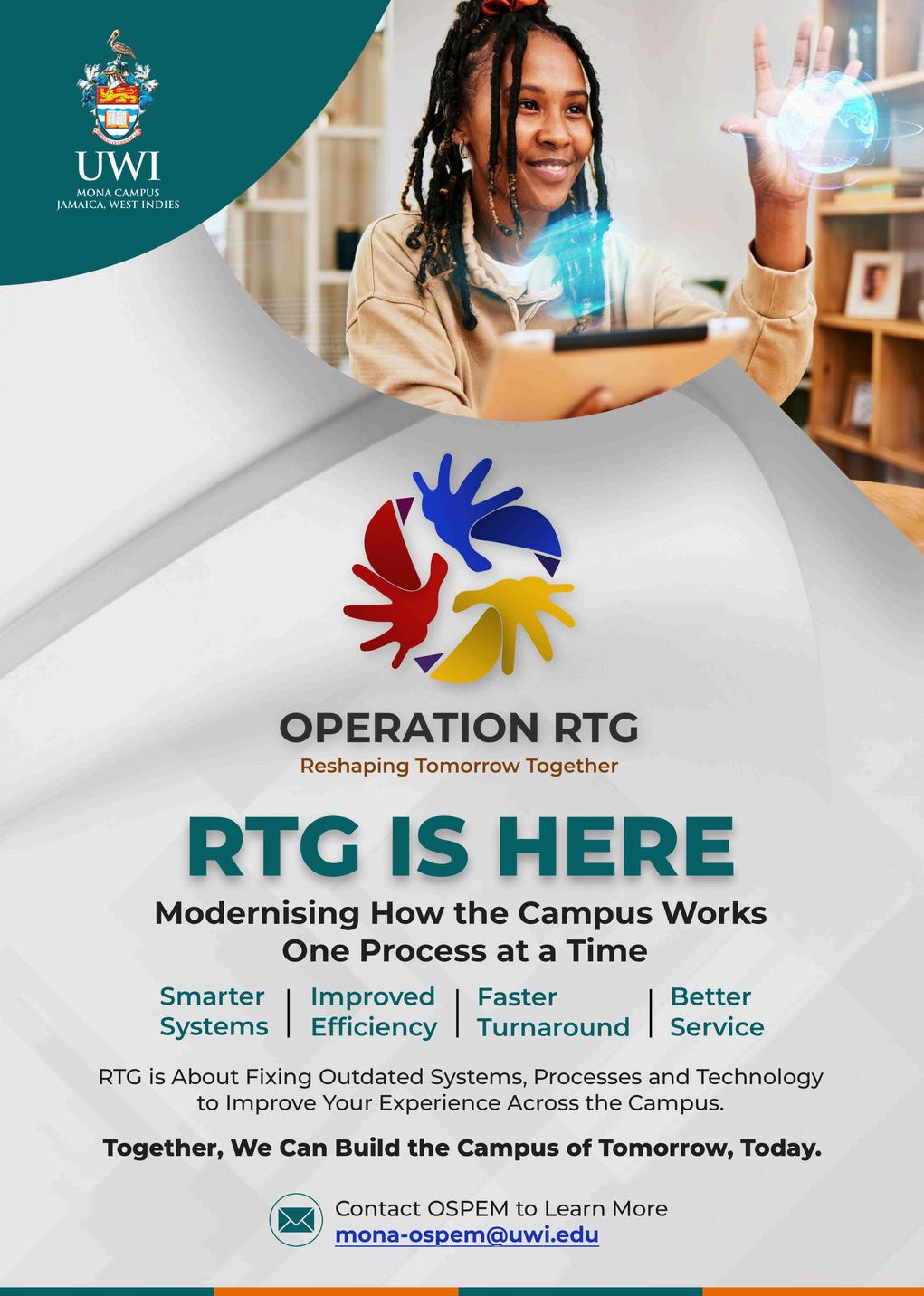
Operation RTG is redesigning key administrative processes to remove bottlenecks, simplify workflows and improve service delivery across the Campus. Here is a quick look at some of the priority processes currently being reengineered.
Hiring processes are being streamlined to reduce approval delays and improve coordination between units The goal is a faster, more transparent recruitment process that helps departments fill positions more efficiently
This project focuses on simplifying how staff access and manage their benefits Improved workflows and clearer documentation will help ensure faster processing and better service support
These financial workflows are being redesigned to reduce delays, improve coordination between units and strengthen internal controls, ensuring payments to vendors and partners are processed more efficiently
Enhancements to billing accuracy, tracking and collections will strengthen financial management and improve how payments are processed and recorded
This redesign aims to clarify roles, streamline approval stages and support the timely introduction of new academic programmes aligned with emerging needs
Special Needs Student Support
Improvements will focus on better coordination between units, clearer processes and more consistent support for students requiring specialised services
Work Control Centre Operations
Maintenance and facilities requests will be managed through improved tracking systems and streamlined workflows to support faster response times across the Campus

We appreciate your support and hope you enjoyed this second edition of OSPEM360. Stay tuned for our next issue!
Share comments and questions at mona-ospem@uwi.edu
INFORMED. STAY CONNECTED.