

• Miami Beach’s Lincoln Road Continues to Build as a Culinar y Destination
PAGE 4
• M2 Ingredients, Regenerative Organic Alliance to Launch Mushroom Project
PAGE 6
• Keygea’s New Compostable Coffee Pod to Perk Up North American Market
PAGE 7
• UC Berkeley Showcases the ‘Future of Food’
PAGE 8
• Gracious Gourmet Returns to Beginnings
PAGE 12
• Sura Suhi’s ‘Sustainable Restaurant’ Opens
PAGE 14
• Lakeview Farms, noosa
Merge as Novus Foods
PAGE 15
• Featured Products
PAGE 19
• Advertiser Index
PAGE 22
BY A.J. FLICK
The push by states to ban synthetic dyes in foods is building momentum after West Virginia became the first to ban a handful in school menus and eventually, the entire state
On March 24, West Virginia Gov Patrick Morrisey signed a bill banning Red Dye No 3, which the U S Food and Drug Administration banned in foods in January; Yellow Dye No 5; Yellow Dye No 6; Blue Dye No 1; Blue Dye No 2; and Green Dye No 3
“West Virginia ranks at the bottom of many public health
metrics, which is why there’s no better place to lead the Make America Healthy Again mission,” Morrisey said “By eliminating harmful chemicals from our food, we ’ re taking steps toward improving the health of our residents and protecting our children from significant long-term health and learning challenges ”
The ban goes into effect for schools Aug 1 and for the state Jan 1, 2028
With other states poised to pass their own food dye bans, the food and beverage industr y is watching with great interest because the implications could upend food manufacturing
The problem is, critics say, the movement to ban synthetic dyes is long on anecdotal evidence and short on scientific evidence
Even the scientist whose industry-funded 1987 study led to the Biden Administration banning Red Dye No 3, which is effective starting 2027, says science doesn’t support any harm to humans caused by the dye
“If I thought there was a problem, I would have stated it in the paper, ” Joseph Bor zelleca, 94, a professor emeritus of pharmacology and toxicology at Virginia Commonwealth University, told
Continued on PAGE 17
BY A J FLICK
The scallops industry already was looking at an uncertain year, given the disproportionate number of imports exceeding U S landings in 2024, exports at historically low levels and five years of declining U S landings
But President Donald J Trump’s whirlwind of tariff impositions leaves the industry wondering what, if any, impact there will be Traditionally, scallop imports have enjoyed low to zero tariffs under the Harmonized Tariff Schedule of the United
As of this writing, Trump’s widespread tariff of 10 percent on most countries was suspended until June, although an announced tariff of 125 percent on China stood Most of Japan’s scallop landings are usually shipped frozen to China, which processes them and ships them to the United States
According to Bristol’s 2025 forecast, Japan is the top importer of scallops to the United States, exceeding U S landings Excluding China, imports
from all other nations (primarily Japan, Canada and Peru) came in at 46 million pounds, more than double the total landed in the United States, according to Bristol
“For the first time on record, there are more Japanese scallops in the United States than U S scallops (after deducting exports),” according to the report “Japan took the No 1 spot, followed by U S , China, then Canada ”
BY KELLY DEVOS Special to Gourmet News
Arizona is the nation’s winter lettuce capital, producing approximately 90 percent of the country’s supply from November to April, according to the Arizona Farm Bureau
But before those crispy, crunchy, leafy greens can be tossed into salads and used to top sub sandwiches, they must be transported from coast to coast, arriving fresh from Portland, Ore , to Portland, Maine
Deniz Berfin Karakoc is an assistant professor of industrial engineering in the School of Computing and Augmented Intelligence, part of the Ira A Fulton Schools of Engineering at Arizona State University She researches agri-food flow networks, or how agricultural products are made, stored and moved, to best connect those who produce food with those who need it Karakoc has co-authored a groundbreaking paper on food transportation systems that was published in the peer-reviewed journal Nature Food
For the work, “Trade-offs between resilience, sustainability
Continued on PAGE 18
for the industry
The Olive Oil World Congress continues to see promising opportunities in the United States
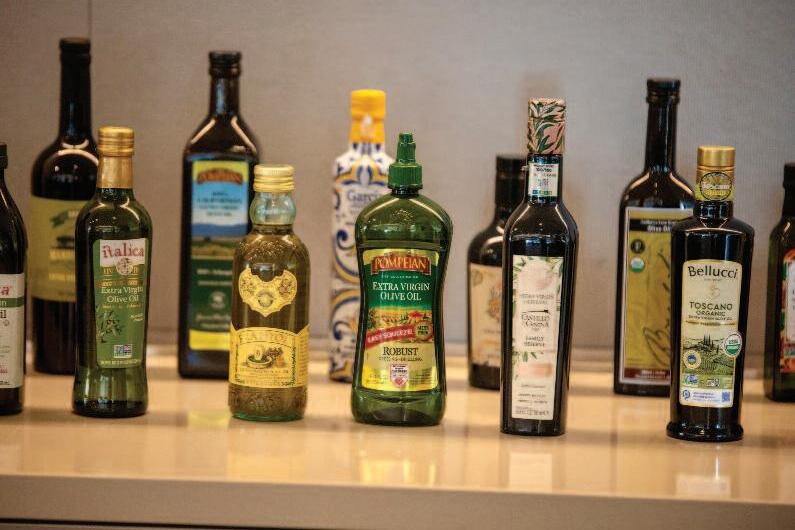
As part of its planned efforts for “On the Road to OOWC 2026,” the Olive Oil World Congress organized the conference “Drops of Health: Olive Oil in the United States” in Washington, D C The event was organized in conjunction with the North American Olive Oil Association and in collab-
oration with the Mediterranean Diet Foundation, FoodTank and the CIHEAM of Zaragoza to educate policymakers and health leaders about the benefits of olive oil
Organizers chose to hold the event in the United States because it is second only to Italy in olive oil consumption, showing the importance that American society is starting to attribute to this product for its health benefits
Still, about half of U S households do not use olive oil, indicating an opportunity to
introduce the product to more Americans
Joseph R Profaci, executive director of NAOOA, provided a market analysis of olive oil use in the United States, highlighting that 368,000 tons were consumed in 2024, representing an increase of a 32 percent increase since 2013 About half of all U S consumption occurs on the East Coast And surprising to many, the production of olive oil in the United States can meet only

The Private Label Manufacturers Association held its annual meeting and conference in Scottsdale, Ariz , in April Since it was just up the road from us in Tucson, I couldn’t pass up the opportunity to attend Thanks to PLMA for not only allowing me to go, but also for asking me to participate in a panel discussion on Authenticity and Ethnicity in the Private Label Marketplace I learned so much, but you’ll have to wait until the July issue to read all about it; those articles aren’t ready yet!
The ethnic aisle panel was moderated by Kevin Coupe from Morning News Beat, who describes himself as Content Guy Here’s the synopsis of the discussion:
As multicultural households continue to grow and consumer awareness of diverse cultures and global flavors rises, retailers are increasingly introducing authentic products to meet the evolving demands of ethnic shoppers This panel discussion will explore the opportunities for both food and nonfood retailers and suppliers to tap into the ethnic market by adapting their private label offerings and marketing strategies Panelists will share insights on how tailoring private label portfolios to reflect cultural authenticity can attract ethnic consumers as well as create a “halo effect” that resonates with mainstream shoppers and drive growth and innovation in today’s private label marketplace
Dr Lupillo Ramirez, senior director of innovation and product development at Northgate Gonzalez Markets also was on the panel He discussed the company ’ s Mercado supermarket in Costa Mesa, Calif , which is modeled after the traditional Mexican markets that feature a variety of merchants The Costa Mesa store operates in the same way, as its specialized areas – puestos – are
self-contained so shoppers pay at each station as if it were a separate vendor
Not only can shoppers get authentic ingredients to cook Mexican cuisine at home, but also enjoy food and drinks Street tacos and an agua fresca (fruity, sweet water), anyone? Sounds like a great concept I couldn’t help suggesting that if they build one in Arizona, to put it in Tucson
One of the questions Kevin posed to us was that given the state of affairs regarding tariffs, how can private label manufacturers appease a growing segment of consumers craving authentic ethnic foods? I said it’s a great opportunity for private labels to jump in because while there will always be consumers particular about the origins of ingredients, what most people really want is authentic taste If they can get that taste from ingredients sourced in the United States, which presumably would have the lower price point they expect from private label food, they’ll buy it It occurred to me while I was attending the PLMA conference that one of the reasons I enjoy going to trade shows and conferences is that they are the ultimate behind-the-scenes looks in the industry And who doesn’t like to be on the inside? One of the questions posed during the ethnic foods panel was about what we saw on the horizon I’ve been seeing more interest in African foods and specifically mentioned soursop, which is an unfortunate name because it’s not sour at all It reminds me of a pear
“How about guanabana?” Dr Ramirez said, adding that Northgate sells soursop under its Spanish name Good to know! Until next time, take care and stay safe GN
AJ Flick, Senior Editor aj f@oser com

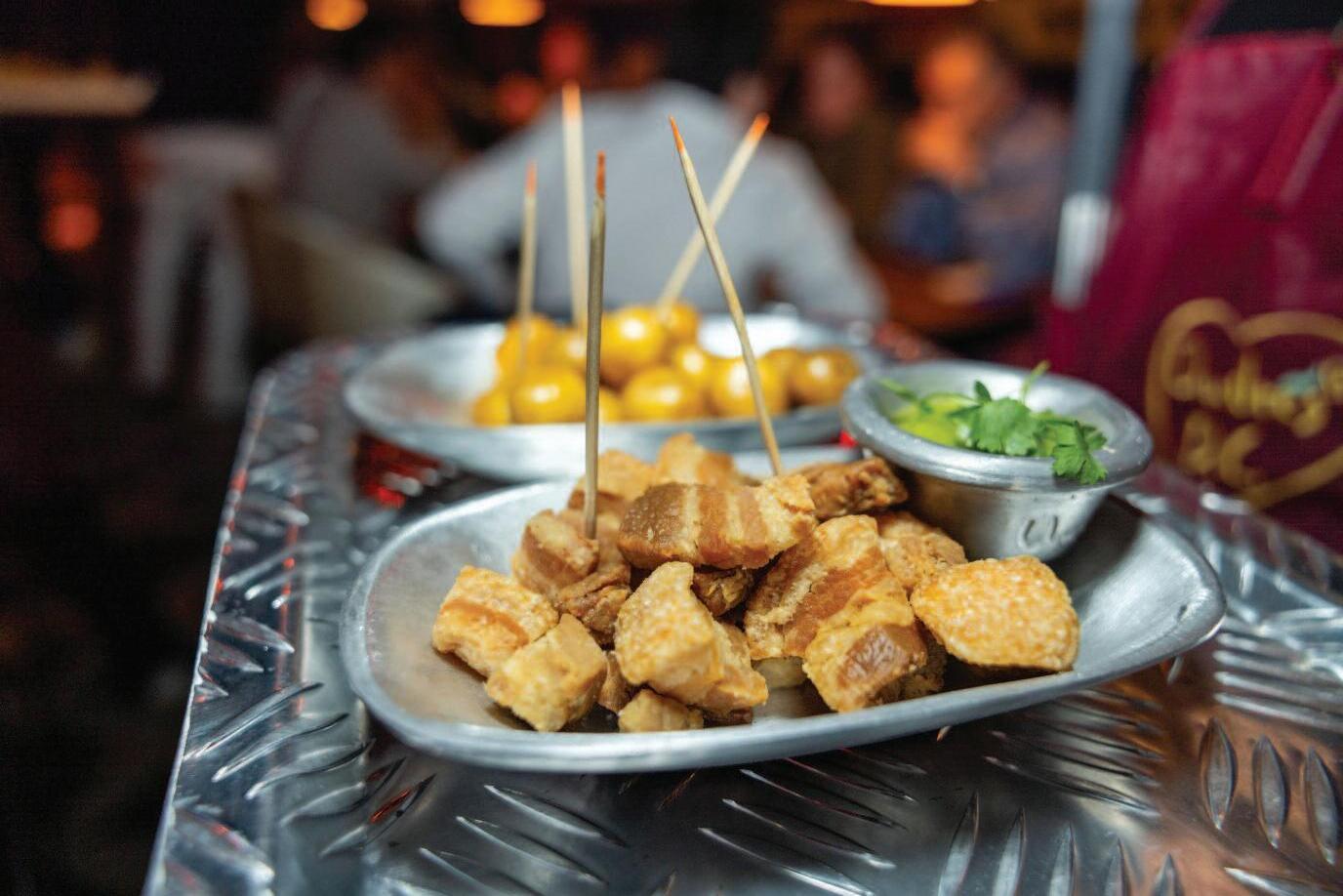
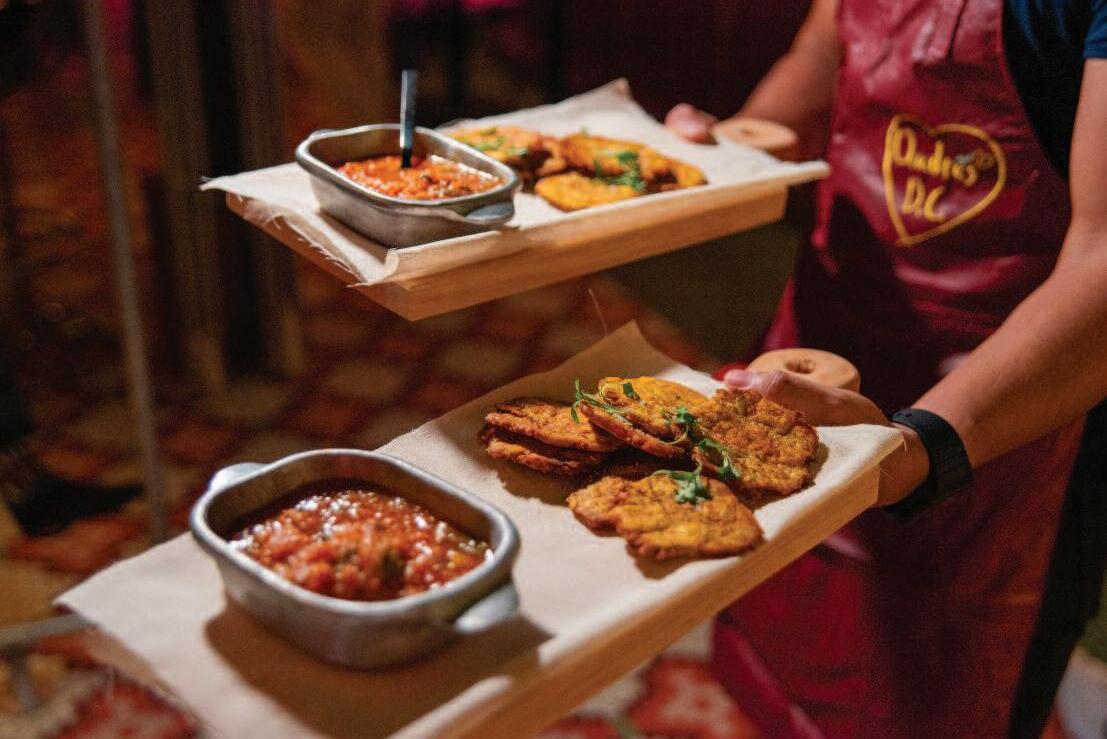
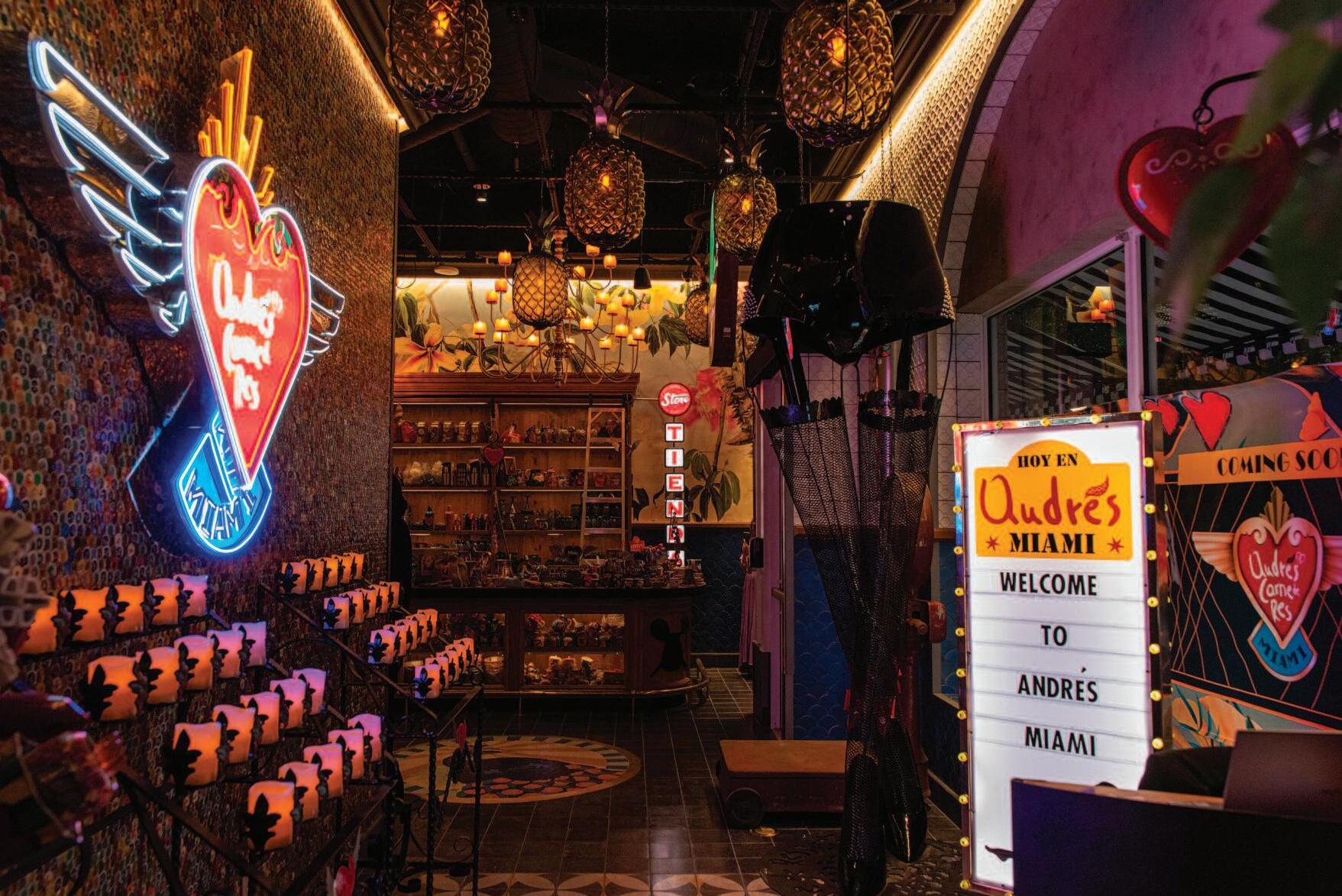
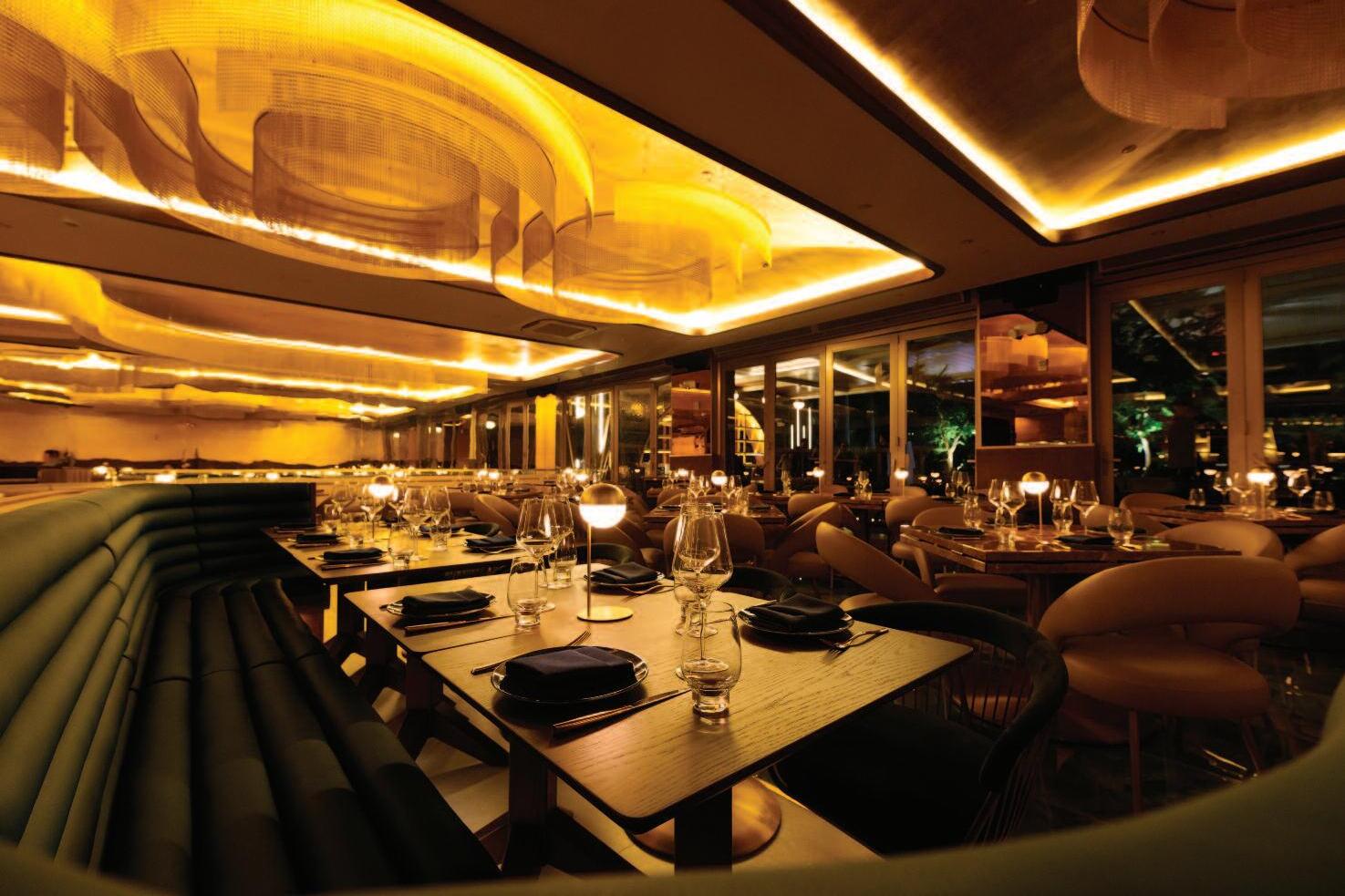
L i n c o l n R o a d , M i a m i B e a c h ’ s i c o n i c p e d

o u t p o s t w i l l m a r k i t s f i r s t b r i c ka n d - m o r t a r l o c a t i o n i n F l o r i d a , s e r v i n g u p i t s i c o n i c , c u l t - f av o r i t e re c i p e s i n t h e h e a r t o f M i a m i B e a c h
e v e r b e f o re , e x p a n d i n g i t s
o r t f o l i o w i t h e i g h t h i g h l y a n t i c i p a t e d re s t a u r a n t l a u n c h e s a n d m o re o n t h e
h o r i z o n F ro m C o l o m b i a ’ s l e g e n d a r y A n -
d r é s C a r n e d e R e s t o c o n c e p t s b y g l o b a l
h o s p i t a l i t y g ro u p s , i n c l u d i n g T h e h w o o d G ro u p ’ s u l t r a - e x c l u s i v e T h e N i c e
G u y a n d N o b l e 3 3 ’ s p ro j e c t e d 2 0 2 6
o p e n i n g o f M d ü z M e d i t e r r a n ï a , t h e d i s -
t r i c t ’ s n e w e s t t e n a n t s a re t r a n s f o r m i n g
L i n c o l n R o a d i n t o a d i n i n g m e c c a f o r l o -
c a l s a n d v i s i t o r s a l i k e “ L i n c o l n R o a d i s a t t h e e p i c e n t e r o f
M i a m i B e a c h ’ s o n g o i n g t r a n s f o r m a t i o n , ”
s a i d Ly l e S t e r n , p re s i d e n t o f L i n c o l n
R o a d B u s i n e s s I m p ro v e m e n t D i s t r i c t “ Wi t h t h e i n f l u x o f l u x u r y d e v e l o p m e n t s
o n B i l l i o n a i re s ’ R o w a n d t h e re v i t a l i z a -
t i o n o f t h e d i s t r i c t , n o w i
l i s h m e n t s i n c l u d e
p re s t i g i o u s n a m e s and beloved national
b r a n d s s p a n n i n g a l l l e v e l s o f d i n i n g ,
f ro m u p s c a l e e s t a bl i s h m e n t s l i k e

G o l d e n E r a H o s p i t a l i t y ’ s O ro t o c a s u a l
c o n c e p t s s u c h a s t h e f a m e d P r i n c e S t re e t
P i z z a ’ s f i r s t F l o r i d a l o c a t i o n
N e w re s t a u r a n t t e n a n t s i n c l u d e :
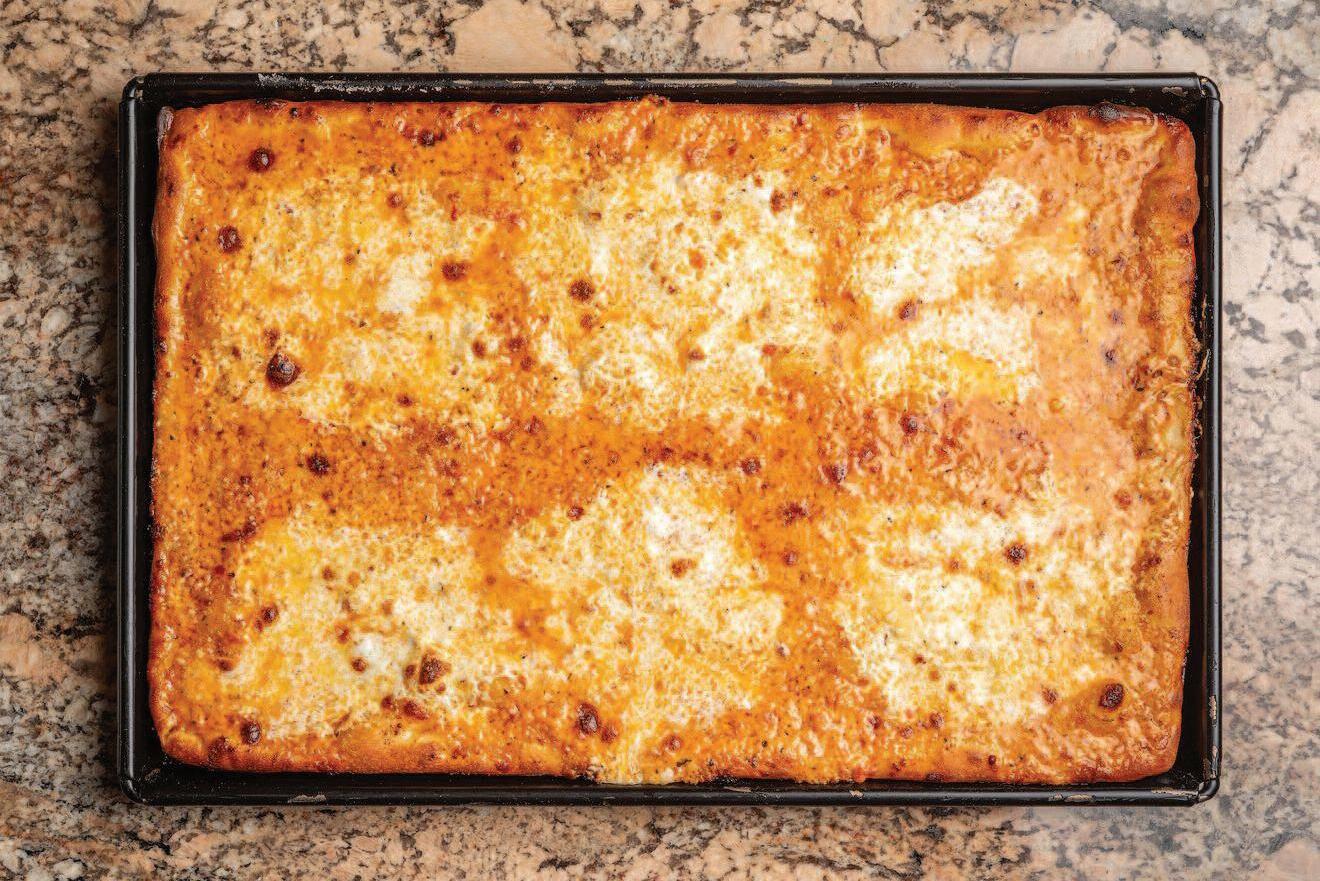
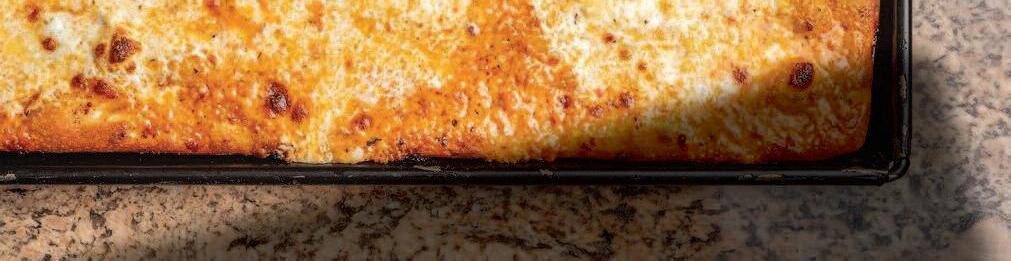
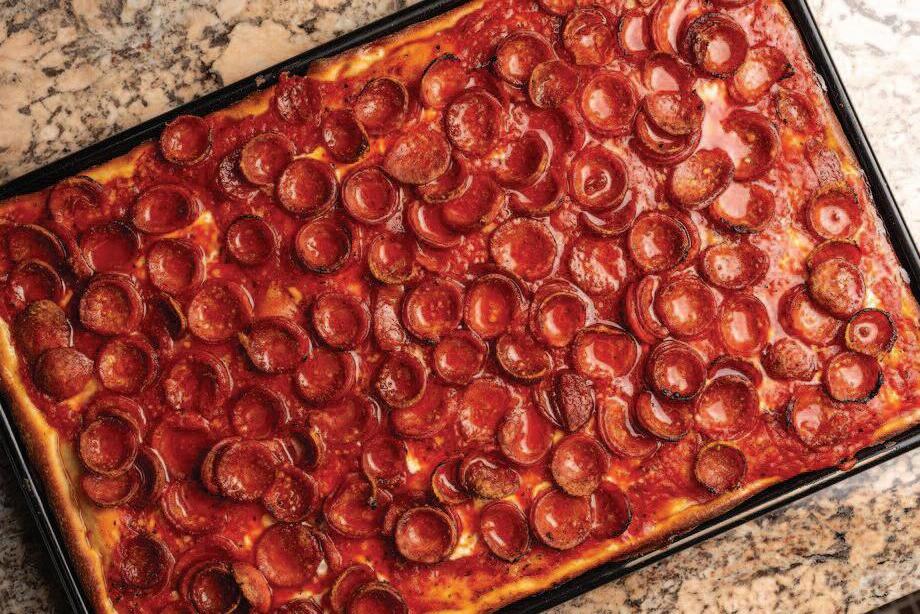
• P r i n c e S t re e t P i z z a ( o p e n i n g l a t e
s p r i n g ) , 5 2 1 L i n c o l n R o a d – F o l l o w i n g
t h e s u c c e s s o f i t s M i a m i p o p - u p , t h e re n o w n e d N Y C p i z z e r i a P r i n c e S t re e t
P i z z a i s b r i n g i n g i t s f a m o u s S i c i l i a n - s t y l e
s l i c e s a n d N e a p o l i t a n - i n s p i re d p i e s t o
L i n c o l n R o a d S i n c e d e b u t i n g i n N e w
Yo r k C i t y i n 2 0 1 2 , t h e b r a n d h a s e xp a n d e d t o l o c a t i o n s i n N e w Yo r k C i t y,
To ro n t o , C h i c a g o , L a s Ve g a s a n d a c ro s s
S o u t h e r n C a l i f o r n i a T h e L i n c o l n R o a d
• N e g ro n i C a ff e & S u s h i B a r ( o p e n i n g
J u l y ) , 4 2 0 L i n c o l n R o a d – F a n s o f N eg ro n i ’ s w i l l s o o n e n j o y i t s n e w e s t l o c a -
t i o n f e a t u r i n g a b re a k f a s t - t o - d i n n e r
c o n c e p t Wi t h n a t i o n a l l o c a t i o n s s p a nn i n g b o t h c o a s t s f ro m S o u t h F l o r i d a t o
B e v e r l y H i l l s , a n i n t e r n a t i o n a l p re s e n c e

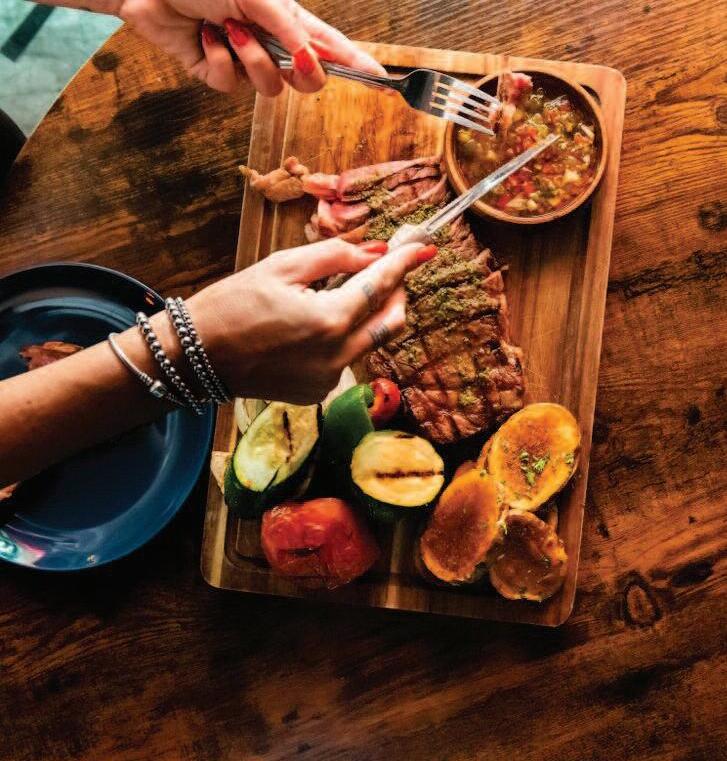
i n U r u g u a y, A rg e n t i n a a n d m o re , N e g ro n i C a f f e i s t h e
u l t i m a t e e l e v a t e d y e t a p -
p ro a c h a b l e d e s t i n a t i o n T h e

L i n c o l n R o a d l o c a t i o n w i l l f e a t u re a l f re s c o d i n i n g o n a l i v e l y o u t d o o r t e r r a c e a n d a
f a m i l y - f r i e n d l y a t m o s p h e re , t r a n s f o r m i n g i n t o a w a r m ,
c a n d l e l i t , e l e v a t e d s e t t i n g
b y n i g h t • O ro ( o p e n e d J a n u a r y ) ,
8 1 8 L i n c o l n R o a d – T h i s u p s c a l e re s t a u r a n t f ro m
G o l d e n E r a H o s p i t a l i t y
d r a w s i n s p i r a t i o n f ro m t h e
w o r l d ’ s m o s t s t u n n i n g
c i t i e s , o f f e r i n g a n e l e v a t e d d i n i n g a n d
i
• T h e N i c e G u y
( o p e n i n g 2 0 2 6 ) ,
o
o
i n
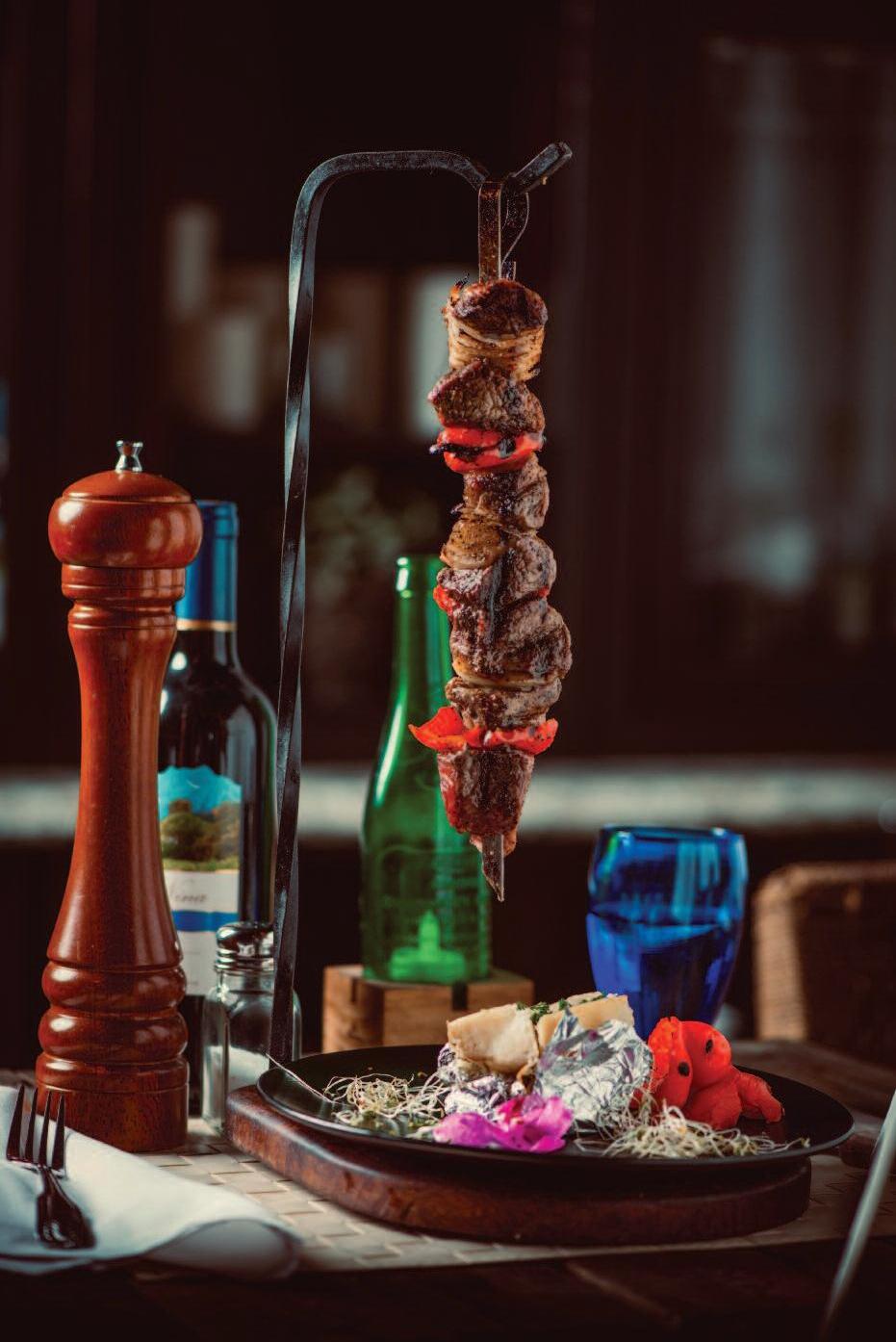
g e t i c B r a z i l i a n s e t t i n g G u e s t s w i l l e n j o y
l i v e e n t e r t a i n m e n t o n s e l e c t n i g h t s , i n -
c l u d i n g s a m b a a n d b o s s a n o v a p e rf o r m -
a n c e s t h a t w i l l c a p t u re t h e s o u l • Z a y t i n y a a t T h e R i t z C a r l t o n , S o u t h
B e a c h ( o p e n e d N o v e m b e r 2 0 2 3 ) , 1 L i n -
c o l n R o a d – A s t h e b r a i n c h i l d o f J a m e s
B e a rd Aw a rd - w i n n i n g J o s é A n d r é s , Z ay t i n y a o ff e r s a n i n n o v a t i v e m e z z e m e n u
s h a p e d b y t h e a c c l a i m e d c h e f ’ s d e e p e x -
p e r t i s e i n M e d i t e r r a n e a n c u i s i n e L o -
c a t e d a t T h e R i t z - C a r l t o n , S o u t h B e a c h ,
Z a y t i n y a o ff e r s a b re e z y, e l e g a n t s e a s i d e
e s c a p e , c o m p l e m e n t i n g i t s p o p u l a r
c o u n t e r p a r t s i n Wa s h i n g t o n , D C , a n d
N e w Yo r k I t s m e n u s h o w c a s e s s h a re d
s m a l l p l a t e s i n s p i re d b y Tu r k i s h , G re e k
a n d L e b a n e s e f l a v o r s , a l o n g s i d e c re a t i v e
c o c k t a i l s a n d a u n i q u e s e l e c t i o n o f
M e d i t e r r a n e a n w i n e s I m a g e s c o m i n g
s o o n T h e s e r e s t a ur a n t s j o i n L i n c o l n
R o a d ’ s n o t e w o rt h y
r o s t e r o f d i n i n g d e s t i n a t i o n s , i n -
c l u d i n g R o s i n e l l a ,
a n I t a l i a n r e s t a u -
r a n t t h a t o p e n e d
o n t h e s t r e e t 2 8 y e a r s a g o , G r a s p a
G r o u p ’ s S p r i s
P i z z a a n d
S e g a f re d o ; H a r r y ’ s P i z
e f o r d i v e r s e d i n i n g e x p e r ie n c e s A d d i t i o n a l l y, t h e a re a ’ s h o s p i t a l i t y l a n d s c a p e i s b e i n g t r a n s f o r m e d w i t h t h e c o n s t r u c t i o n o f t h e n e w G r a n d H y a t t C o n v e n t i o n
C e n t e r H o t e l , t h e u p c o m i n g s u m m e r 2 0 2 5 o p e n i n g o f t h e T h o m p s o n H o t e l a n d m o s t re c e n t l y o p e n e d C i t i z e n M ,


w h i c h w i l l f u r t h e r i n c re a s e p e d e s t r i a n f l o w a n d b o o s t t h e d e m a n d f o r p re m i u m
d i n i n g o p t i o n s i n t h e L i n c o l n R o a d D i s -
t r i c t
L i n c o l n R o a d ’ s c u l i n a r y re v i v a l c o i n -
c i d e s w i t h t h e b i l l i o n s o f d o l l a r s ’ w o r t h
o f n e w h o s p i t a l i t y a n d l u x u r y r e s i d e n -
t i a l i n v e s t m e n t b e i n g p o u r e d i n t o
M i a m i B e a c h ’ s c e n t r a l d i s t r i c t N o t a b l e
p r o j e c t s i n c l u d e r e a l e s t a t e d e v e l o p e r
M i c h a e l S h v o ’ s P e t e r M a r i n o - d e s i g n e d
Sprouts Farmers Market announced a deeper commitment to its program, PowHERed by Sprouts, with the addition of eight individual Name, Image and Likeness deals with female college athletes
As the college sports and NIL landscape continues to evolve, Sprouts remains a leader as the first natural grocery retailer to make a commitment to sponsor women ’ s collegiate athletics – whether it’s through empowering and fueling female athletes in the communities it ser ves or partnering with athletes and organizations changing the game in women ’ s sports
“
women both on and off the field, fueling performance through nutrition and partnering with athletes who are changing the
k Konat, president and chief operating officer of Sprouts “We’re excited to welcome
build a healthier and stronger future for all female athletes ”
Eight Sprouts female NIL athletes will share their personal Sprouts experience, in-store visits and their favorite nutritious snacks and meals via social media content:
• Hailey Hernandez, Diving (Austin, Texas) Hernandez is a three-time NCAA
National runner-up, a five-time All-American and a five-time Big 12 Champion She is also a three-time Big 12 Diver of the Year and a two-time U S Senior National Champion
• Amari Whiting, Basketball (Stillwater, Okla ) Whiting led her team in assists and steals per game as a freshman – and in steals as a sophomore She started all games as both a freshman and a sophomore
• Haleigh Br yant, Gymnastics (Baton Rouge, La ) Br yant is the 2024 Honda Sport Award Winner, the 2024 NCAA AllAround Champion and a Scholastic AllAmerican She was also a 2024 All-American, the 2024 SEC gymnast of the year, 2024 SEC Champion and named to the All-SEC team four times
• Zoe Summar, Swimming (Tempe, Ariz ) Summar was the 2024 Big 12 Champion (Team), Big 12 Championship 200 IM runner-up and competed in three events at the 2023 NCAA Championships
• Megan Grant, Softball (Los Angeles) Grant is a NFCA second-team All-American and a two-time All-Conference firstteam She has 99 RBIs, 65 runs scored and started in all 113 games played
• Mjracle Sheppard, Basketball (Baton Rouge, La ) Sheppard averages 4 1 points per game and 1 1 steals per game She and
her team finished third place in the 2024/25 SEC regular season
• Delaney DeMartino, Soccer (College Park, Md ) DeMartino appeared in all 19 matches last season, scoring three goals (tied for most on the team), including a go-ahead goal
• Evie Minella, Field Hockey (Philadelphia) Minella appeared in 13 games as a freshman and was a first team All-American in high school
Since 2022, Sprouts has helped fuel the health and performance of more than 160 female athletes via NIL partnerships Sprouts also plays a role in elevating women ’ s sports through its sponsorships of Arizona State University, University of Southern California, University of Texas, Big 12 Conference, Southeastern Conference and the professional women ’ s soccer team, Angel City Football Club GN
ProAmpac is advancing its ProActive Intelligence platform by launching innovative solutions in its Moisture Protect series Building on the success of the Moisture Protect platform, ProAmpac now offers a range of moisture-adsorbing films, providing tailored solutions for diverse applications
Foil-based flexible packaging has long been the gold standard for moisture protection, offering exceptional barrier properties that preserve product integrity However, ProAmpac recognizes the growing demand for more
sustainable alternatives
To address this need, the Moisture Protect series now includes foil-based (MP-
1000 series) and foil-free options (MP2000 and MP-3000 series), enabling customers to select the best solution based on their specific moisture protection and sustainability needs

“ProAmpac’s Moisture Protect series represents a significant step forward in flexible packaging technology,” said Samuel Kessler, senior innovation engineer –active/intelligent packaging at ProAmpac “By expanding our offerings, we provide our customers with options that balance highperformance moisture protection with their sustainability objectives ” MP-2000 series is a foil-free option with
the same moisture adsorption capacity and performance as the MP-1000 series The MP-3000 series, a mono-polyolefin-based structure, is designed for Recycle Ready and shows significant improvement in product stability compared with a regular foil-based structure
Each solution in the Moisture Protect series integrates Aptar CSP Technologies’ 3-Phase Activ-Polymer technology into the film structure, delivering fully integrated moisture protection and eliminating the need for traditional desiccant packets This innovation streamlines the packaging process by reducing inventory, improving production efficiency, and extending product shelf life – all while meeting consumer and regulatory expectations for sustainable packaging GN
A new era for sustainable coffee begins with Keygea, the innovative compostable singleserve pod born from the synergy between FLO Group, a leading European player in the vending and food packaging sector, and NatureWorks, the world’s largest producer of PLA-based biopolymers
Designed to meet the growing demand for renewable solutions in the North American market, Keygea combines sustainability and outstanding performance, ensuring flawless coffee extraction without compromise on quality M
Keygea is a sustainable
FLO’s innovation team has developed a pod that optimizes water flow during extraction, delivering a premium sensory experience Engineered with high-barrier properties, Keygea effectively protects against oxidation, preser ving the coffee’s aroma and freshness for longer, ensuring a perfect cup every time
Thanks to revolutionary thermoforming
technology, Keygea stands out as one of the lightest pods on the market, only 2 6g, without compromising on strength and full compatibility with high-speed filling and sealing lines A perfect balance between practicality and sustainability, meeting the needs of the most innovative coffee roasters
“This pod marks a breakthrough for the coffee market, a new chapter in our journey of innovation,” says Erika Simonazzi, marketing director of FLO Group “Thanks to our key partnership with NatureWorks, with Keygea we are entering the North American market with a revolutionary solution that combines sustainability and high performance
“We’re proud and grateful for the
Williams Sonoma launched a food collaboration with Michelin-starred restaurateur, author, TV personality and Iron Chef, Masaharu Morimoto Known for his distinctive fusion-style creations, bridging Japanese flavors with the American palate, Morimoto partnered with Williams Sonoma
President Felix Carbullido “We are honored to bring Chef Morimoto’s world-class culinary expertise to our customers, empowering them to explore new flavors and elevate their home dining experience ”
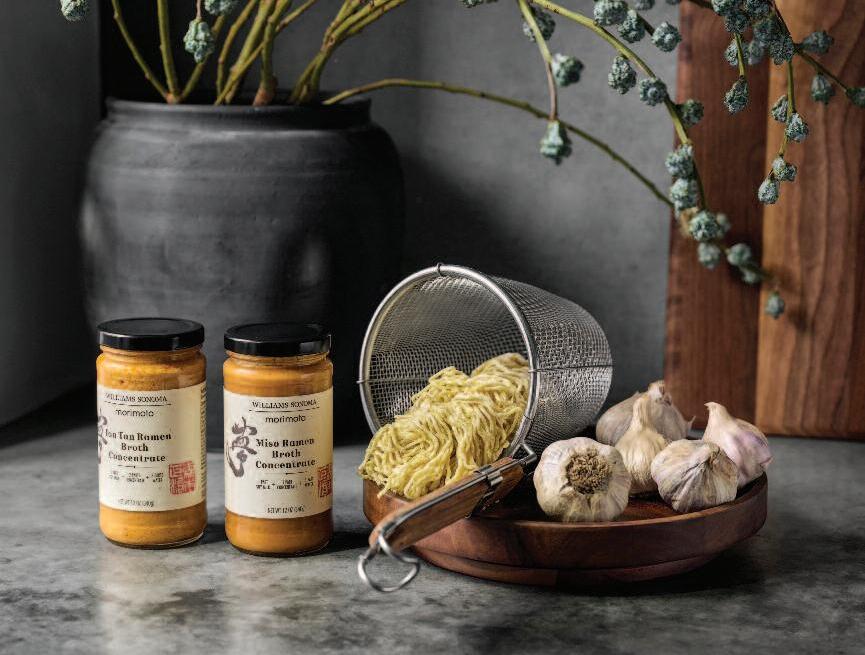
to create a collection of sauces and ramen bases that are meticulously crafted using the finest ingredients that elevate everyday meals with bold-Asian-fusion flavors
“Whether you ’ re a seasoned chef or just starting your culinary journey, The Morimoto Collection for Williams Sonoma will bring bold flavors and authentic techniques to your kitchen,” said Williams Sonoma
“I am thrilled to be partnering with Williams Sonoma, blending the authentic taste of Japanese cuisine with the simplicity of everyday cooking,” said Morimoto “Together, we ’ ve created the Morimoto Collection, which reflects my passion for blending accessible cuisine with the unique flavors of Japanese cooking
“My hope is that these sauces and ramen bases will inspire both new and experienced cooks to discover the joy of cooking with bold, authentic flavors ”
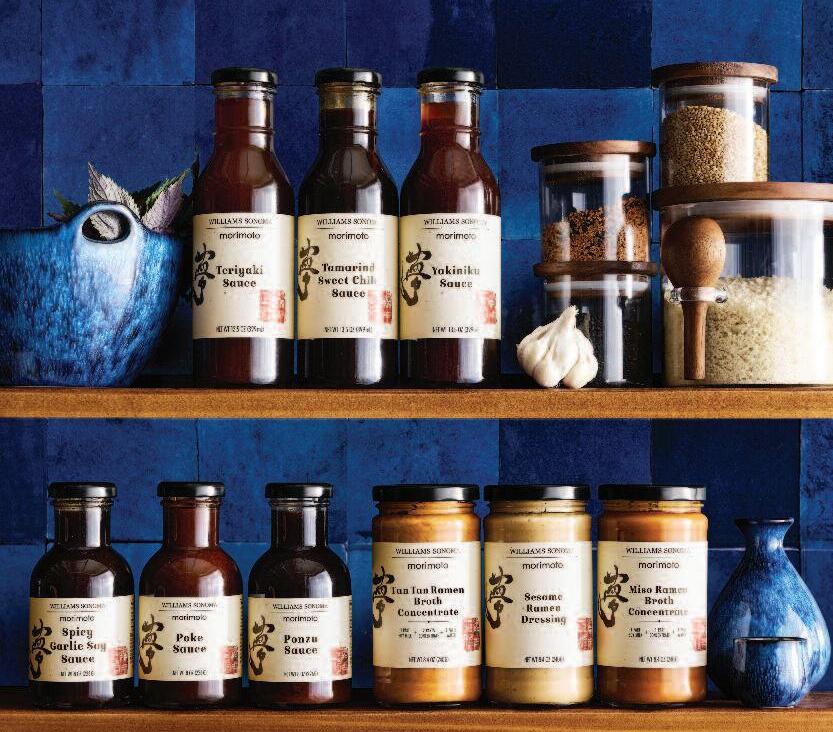
The Morimoto Collection for Williams Sonoma is crafted to bring the authentic flavors of Japan into the home kitchen and uses the same ingredients featured at Morimoto’s celebrated restaurants located around the world The collection includes:
• Poke Sauce – A bold blend of
Chedraui, one of Mexico’s premier grocery retailers, is teaming with Toshiba Global Commerce Solutions to expand the adoption of the Self Checkout System 7 in its stores to align with the evolving needs of the retail industry and enhance the overall checkout experience and options for its consumers
“We are honored to continue our work with Chedraui delivering the innovative Self Checkout System 7 to help reimagine their front-end checkout offering for a more personalized and customer-focused, self-ser vice experience,” says Eugene Shvartsman, senior vice president head of sales at Toshiba Global Commerce Solutions “Chedraui has been a valued client for more than 20 years, and we ’ re excited to support them in their growing success with world-class retail technology solutions for their business and customers ”
Self-checkout has become a standard in the grocer y industr y The broader Latin American Region and shoppers expect more checkout options and an enhanced customer experience from retailers Understanding these industry trends was important for Chedraui to adopt self-checkout systems to satisfy customers quickly and connect with their current point-of-sale system infrastructure
“Our customers are our priority, and we know that we had to integrate a self-check-
sweet tamari, mirin, sesame, and spicy-sweet notes perfect for drizzling on raw or grilled fish, stir-fries and rice dishes, $14 95
• Ponzu Sauce – Balanced blend of tart yuzu, tangy vinegar and umami-rich soy, ideal for dipping, dressings and marinades, $14 95
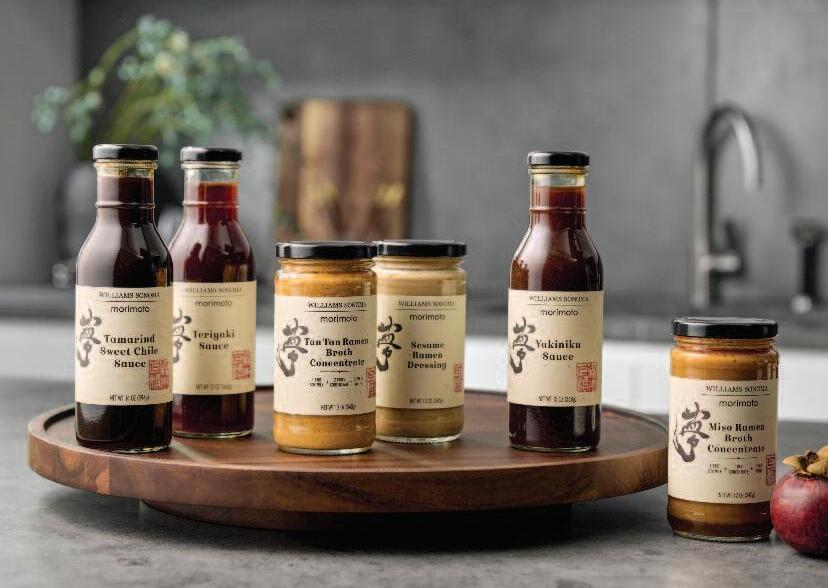
• Spicy Garlic Soy Sauce – Rich, umami-packed sauce with garlic and a kick of cayenne heat, great as a dip for vegetables or finishing touch for roasted meats, $14 95
• Tamarind Sweet Chili Grilling Sauce
out solution to meet the needs of our shoppers to stay competitive with other grocery retailers,” says Pilar Rojas, CIO at Chedraui “We evaluated multiple selfcheckout options from other companies
Toshiba is a trusted strategic partner, and we decided on the Self Checkout System 7 because the pilot proved that it is more intuitive and easier for consumers to use
“We look forward to implementing selfcheckout in more of our stores across Mexico and providing consumers an innovative shopping experience while enhancing our current in-store technology systems ”
The installation roll-out, nearly completed in late 2023, was supported by Rhiscom and LODES Consultores, Toshiba’s premier business partners Rhiscom is the solutions integrator implementing Toshiba’s intuitive user interface LODES Consultores, a long-time Chedraui partner, has focused on fulfilling the hardware and software requirements
Retailers like Chedraui are increasingly adopting self-checkout technology, according to Toshibal A study by Incisiv reported that 94 percent of grocers currently or plan to offer self-checkout options To meet evolving consumer desires for self-service options, retailers are applying solutions to make shopping more accessible, more informative and engaging GN
– Featuring chili peppers, soy, and a spicysweet tamarind base, this grilling sauce elevates meats, poultr y, vegetables and noodles, $16 95
• Teriyaki Grilling Sauce – The classic flavors of soy and sweet teriyaki shine in this versatile glaze, marinade or dip, $16 95
• Yakiniku Grilling Sauce – An aromatic balance of sesame, ginger, garlic and soy, perfect for grilling meat, fish and vegetables, inspired by the Japanese yakiniku tradition, $16 95
• Miso Ramen Broth Concentrate – A rich, umami-packed base for ramen, soups or stews, with complex notes of sake, red miso and blend of vegetables, $29 95
• Tan Tan Ramen Broth Concentrate –A spicy and aromatic broth starter blending coconut, Thai chiles, tamarind, fish sauce and red curry, inspired by Laksa style noodles, $29 95
• Sesame Ramen Dressing – A creamy sesame dressing with ginger, garlic and umami soy sauce, perfect for hot or cold noodles, tofu and meats, $29 95 GN
Jinx has launched a suite of premium dog food offerings This expanded lineup includes Small Breed Kibble, Grass-Fed Lamb Kibble, Bone Broth Stews (wet dog food), Single-Serve Homemades Meal Toppers and Kibble Sauce – all designed to enhance a dog’s mealtime with whole nutrition and flavor
Jinx Small Breed Kibble is available in the brand’s best-selling Grain-Free Salmon recipe and features smaller kibble pieces tailored for small mouths The new grainfree, pasture-raised Grass-Fed Lamb recipe is Jinx’s first poultry-free offering, ideal for dogs with allergies or sensitivities
Additionally, Jinx is introducing its new line of Bone Broth Stews, a wet canned food featuring premium, whole cuts of high-quality protein and vegetables in nutrient-rich, savory bone broth
Expanding beyond traditional formats, Jinx is also launching Single-Serve Home-
mades Meal Toppers in three recipes: Chicken, Beef & Chicken, and Salmon & Chicken These protein-rich toppers are designed to add a nutrient-dense, flavorful boost to a dog’s bowl
Additionally, Jinx is unveiling an all-new, innovative product: Kibble Sauce – a flavor-boosting meal topper made with bone broth Drizzle it over kibble for an extra burst of savor y goodness, available in both Chicken and Beef flavors
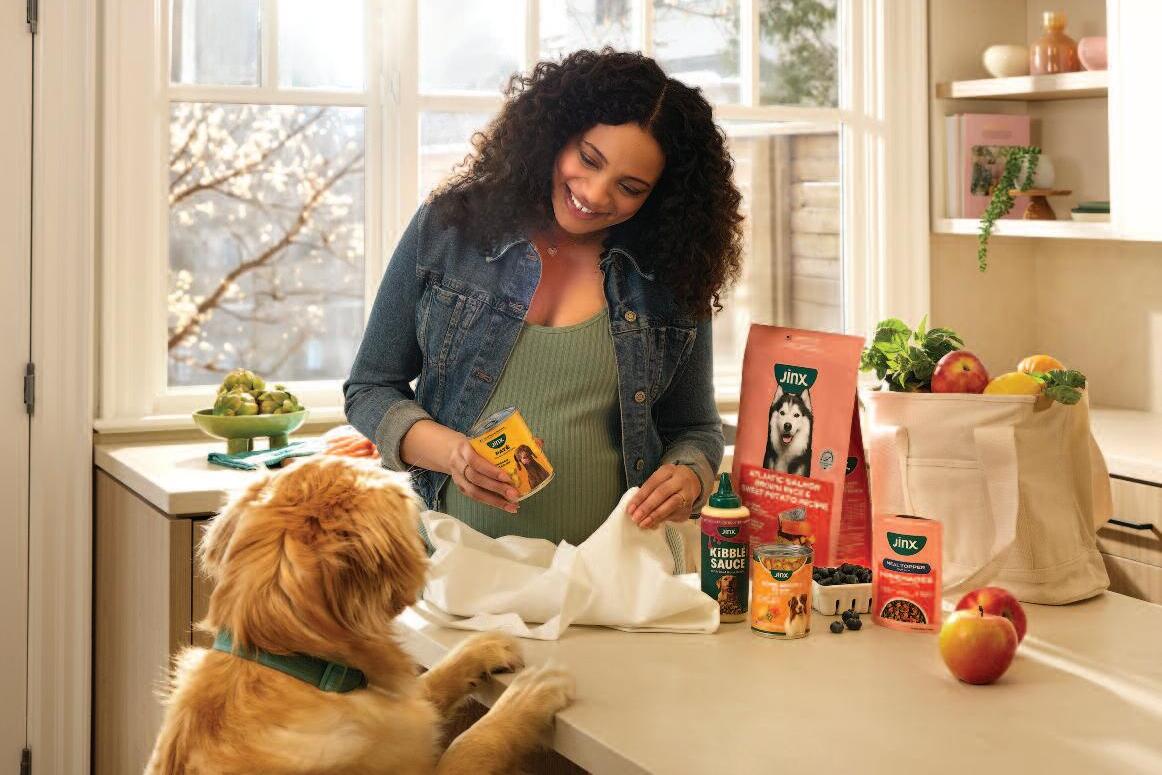
Jinx was founded on the belief that happier, healthier dogs start with better nutri-
new products, each expertly formulated to deliver premium nutrition with exceptional ingredients while solving ever y potential pain point for dog parents At our core, we are always designing products centered on the idea that your dog is a part of your family,” said Kyle Banahan, president “We love the idea of pet parents layering their dog’s bowl – starting with Jinx kibble as a base, adding our premium wet food or Homemades Meal Toppers, and finishing with Kibble Sauce
“This collection was designed to work cohesively for the ultimate mealtime experience for your best friend ”
Pet parents can now shop Jinx’s full collection of kibble, wet food, treats, and meal toppers at thinkjinx com and at retailers nationwide GN
The Pets Table, the healthy pet food brand by HelloFresh, has launched at Walmart
cations and on Walmart com This marks the first in-store retail distribution for the
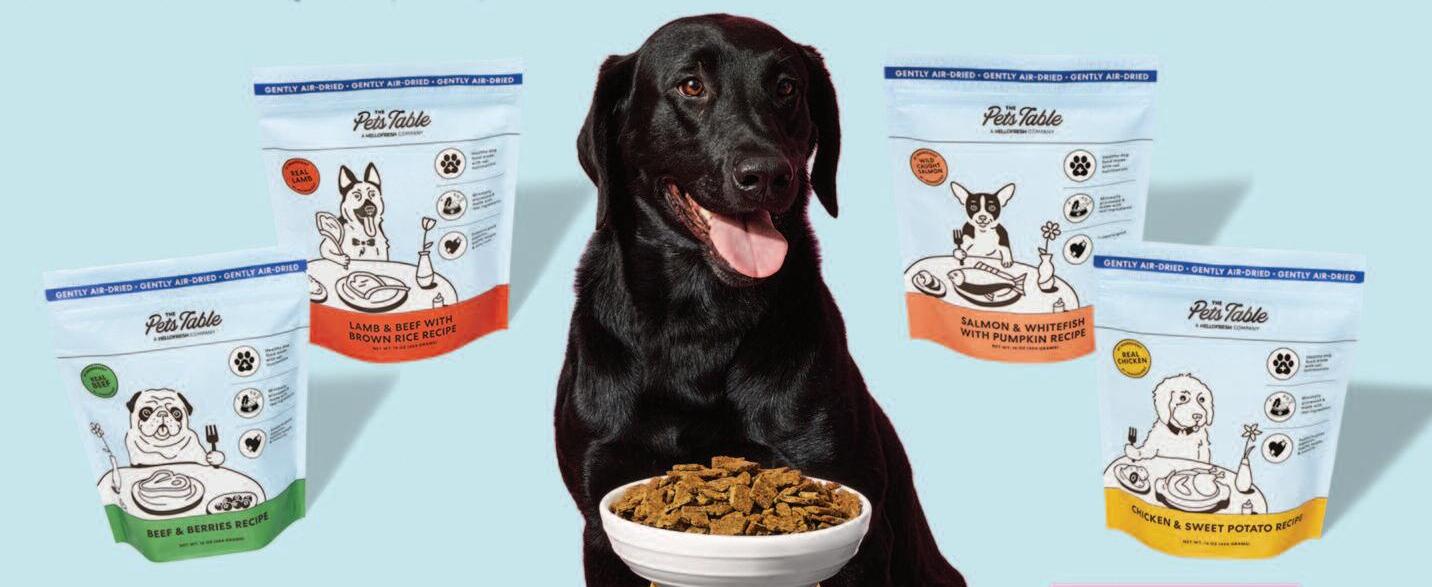
The Pets Table’s high quality and minimally processed air-dried recipes will be available both in-store across 201 U S lo-
pet food brand
Developed with vets and vet nutritionists, The Pets Table’s air-dried dog food is
made with real ingredients – without any fillers, colors or flavors – and gently cooked at a low heat allowing for better nutrition and flavor Customers can purchase Chicken & Sweet Potato and Salmon & Whitefish with Pumpkin dog food recipes in select stores In addition to those options, Beef & Berries and Lamb & Beef With Brown Rice dog food recipes are available online
“By launching at Walmart, we are taking a significant step to expand our accessibility and presence where our beloved pet parents shop,” said Laurent Guillemain, co-founder and CEO “Through Walmart’s convenient and seamless shopping experience in-stores and online, we look forward to introducing our affordable healthy products to help pet parents find the best
quality products for their pups ”
The Pets Table delivers human grade fresh recipes, delivered frozen, as well as air-dried recipes Customized subscription plans are available through the website, specially tailored to meet the unique caloric needs of each dog The recipes are developed with expertise from a Board Certified Veterinar y Nutritionist and designed to meet the nutritional needs of dogs at all life stages
Syngenta and PepsiCo are working in collaboration with the aim of boosting regenerative and traceable agriculture in the food industry value chain in a transparent and verifiable way
During the first year of joint work, Syngenta provided PepsiCo with 4,000 tons of sunflower oil from fields of farmers in the province of Buenos Aires, La Pampa, San Luis and Santa Fe, who applied regenerative agriculture practices
In a second stage, it is expected to increase the hectares that implement these practices by at least 25 percent Through Syngenta’s Sustainable Sourcing Program, farmers can trace the good practices carried out on their fields such as crop rotation, cover crops, irrigation efficiency, use of biological products and pollinator habitat development, among others with constant support and monitoring from Syngenta, and obtain an additional value per ton, which is granted by the verifica-
tion of these practices The process includes third-party validation, ensuring security throughout the entire commercial chain
The commercialization of sunflower grain is carried out through Syngenta’s Agriculture Value Chain program, which facilitates the exchange and export of oil
The traceability of field practices is executed through Syngenta’s Cropwise digital platform, with which farmers can measure and verify their regenerative practices and implement continuous improvement plans, to ensure compliance of these practices
“At Syngenta, sustainability is embedded in the business Regenerating soil and nature through practices that aim to leave the system better than we found it, is a commitment we assume ever y day,” said Mariale Álvarez, head sustainability & corporate affairs LATAM at Syngenta “This time, together with a strategic partner like
PepsiCo, with whom we share this same vision, we are taking this commitment one step further: farmers who join our Sustainable Sourcing Program receive an economic benefit by demonstrating the adoption of regenerative farming practices in their production process, which has a positive impact not only on the environment but also on their profitability ”
“Companies have a great responsibility to care for and improve the way we produce food At PepsiCo, ever ything we do is driven by sustainability at its core, within the framework of pep+, our global transformation strategy that aims to create and inspire positive change on the planet and in people,” said

Takeoff and Knapp announced an evolved and integrated partnership to accelerate hardware and software innovation for egrocer y fulfillment through a new network-strategy oriented product suite and a joint voice in the industry
Rollout of a comprehensive product portfolio is designed to meet evolving industr y needs Further integration of key functions from commercial to technical teams will streamline delivery of seamless end-to-end e-grocery fulfillment solutions
Plans include a coordinated technology roadmap with additional R&D collaboration for continued innovation at the cutting edge of e-grocery fulfillment
Takeoff and Knapp have expanded their partnership to offer a modular product portfolio to provide food retailers with right-sized automation and customized capabilities for their operation With profitdriving fulfillment models for high-, midand low-volume operations, retailers can choose different technologies and solutions to realize their e-grocery strategy and fulfill their promises to the end customer
Retailers will be empowered to con-
struct an intelligent, interconnected fulfillment network without being constrained to a single solution, having to engage with different hardware and software providers, or compromising on operational excellence
“After operating alongside and growing with our retail partners over the past seven years, we are excited to offer our retail grocer y partners new solution modularity with our partner Knapp,” said Takeoff cofounder Jose Aguerrevere
“Automation remains foundational in addressing rising labor costs and offering an optimal customer experience at the lowest cost to ser ve, ” said Knapp Group VP of Food Retail Solutions Rudolf Hansl “Through Takeoff ’ s expertise, we were able to further develop our modular solution for micro fulfillment
“In addition, we will enhance our existing portfolio within this new, intensified partnership to make it easier than ever to deploy rightsized automation for any retailer, anywhere ”
In the next phase of their partnership, Takeoff and Knapp will bring their sales,
solutions engineering and technical product teams closer together Together, this will provide retailers with a unified, streamlined experience and access to the industry’s largest dedicated team enhancing e-grocery fulfillment
Seven years ago, Takeoff created the hyperlocal fulfillment categor y with a custom, grocer y-native platform Micro Fulfillment Centers were born After extensive technology evaluation, Takeoff partnered with Knapp, a globally recognized leader in intelligent automation and specialized software solutions
Together, Takeoff and Knapp offer an unmatched experience, global reach, flexible architecture, industry-leading operator productivity and ultimately, e-grocer y profitability
Takeoff Technologies offers e-grocer y solutions that empower grocers to thrive online using hyperlocal fulfillment
Founded in 2016, Takeoff ’ s solutions range from fully manual fulfillment technology to highly automated Micro Fulfillment Centers powered by a seamless integration with global automation leader
Oasthouse Ventures has begun constructing the largest greenhouse to be built in the United States in Hillsville, Va , after successfully securing the required investment
Over the past 20 years, the United States has become increasingly dependent on imported fresh produce to meet growing consumer demand Oasthouse plans to help restore food security in the country by creating the largest and most technologically advanced greenhouse cluster, situated in a region with optimal growing conditions
Existing supplies of fresh produce to the Eastern Seaboard – especially tomatoes –are largely imported from Mexico and Canada with long transportation times, affecting taste, nutrition and quality Hillsville is four days’ drive closer to major
markets, enabling superior quality fresh produce to be delivered to consumers, according to Oasthouse
Phase 1 of this new industrial scale growing cluster will create 118 jobs, with additional positions as the project expands, and bring an estimated $1 1 billion of prosperity to the region
The 65 acres of Phase 1 is set to start growing in 2026
As a Virginia Value Veterans company, Oasthouse is recruiting veterans to join its team, as well as supplying the many servicemen and women of Virginia with fresh produce
“I am immensely grateful to the governor of Virginia, VA Secretary of Agriculture
Matt Lohr, Sen Mark Warner, and Congressman Morgan Griffiths for their sup-
port in developing this project,” said Ben Alexander, project director “International collaboration between industry leaders from the U K , Netherlands, Finland and the U S has been crucial to our success, establishing a new benchmark for quality and sustainability in the U S agriculture sector ”
Knapp Takeoff Technologies is driven by a mission to transform the grocery industry by making online grocery operations as efficient and cost effective as traditional brickand-mortar stores With over 180 employees and approximately $1 billion in sales processed through Takeoff fulfillment centers, Takeoff is building on a meaningful track record to continue driving innovation in a rapidly growing e-grocer y industry

to the end consumer
“We are excited to get building Phase 1 of our greenhouse cluster, which we believe will in time grow to be of strategic national importance to the U S , ” said Andy Allen, co-founder “This first 65 acres will be world-beating in the quality and quantity of fresh produce it will grow, all close
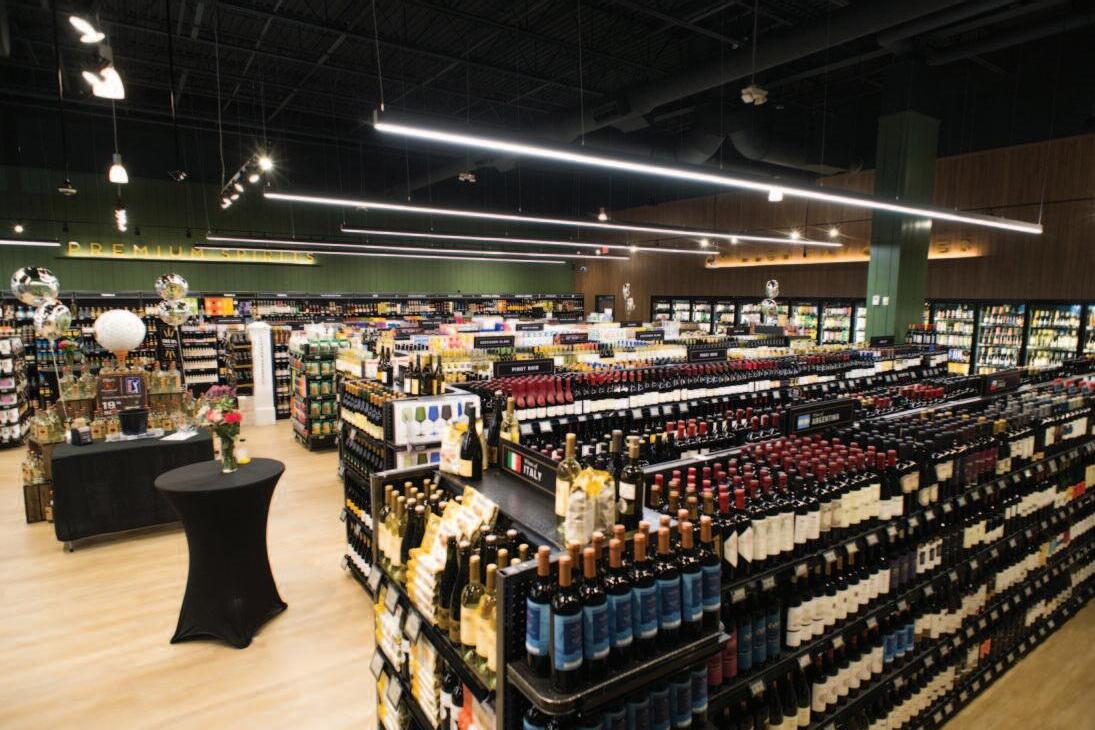
The Fresh Market opened its first Spirits & Wine store in March, aiming to bring the same exceptional shopping experience to its adult beverages concept
The new Spirits & Wine store is located adjacent to The Fresh Market’s Ponte Vedra Beach, Fla , grocery store location It features a wide selection of premium spirits, wines and craft beer, plus assorted mixers, snacks, glassware, and wine by the glass
Guests can expect more than 7,000 square feet of retail space dedicated to a curated range of spirits including bourbon, whiskies, rums and vodkas, alongside a comprehensive wine selection ranging from European to domestic offerings, craft beers and chilled beverage coolers
“The opening of our Spirits & Wine store is an incredible opportunity to expand on our popular beverage program,” said The Fresh Market CEO Brian John-
son “Our guests already trust us to provide the highest quality ingredients and finest flavors from around the world
?Now, with our Spirits & Wine store, they can enjoy the same impeccable hospitality paired with our
“We extend our gratitude to the U K Embassy for their support and to the Virginia and U S administrations for their progressive trade and financing policies that facilitate large agricultural projects like ours, ” Allen said
“We are looking forward to the first produce coming out of the greenhouse in early 2026 and playing our part in reversing the decline of U S food production ” GN
for busy consumers to enhance their meals without spending hours in the kitchen
Better Than Marinade helps consumers easily infuse rich, complex flavors into dishes and add a gourmet touch to everyday meals Use the premade marinades to help cut down on prep time – without sacrificing quality or taste – by adding them to meats, seafood and vegetables to tenderize and enhance flavor before cooking All Better Than Marinade products are made from carefully selected, premium, whole ingredients, and use vinegar as the primary ingredient rather than water to ensure a robust foundation They are also free from high-fructose corn syrup and do not use artificial flavors or colors
With a focus on convenience and flavor to satisfy a range of consumer tastes and preferences, the full Better Than Marinade lineup includes Prime Steakhouse, Honey Sesame Teriyaki, Honey Bourbon Barbeque, Lemon and Garlic Butter and Everything Seasoning
“Leveraging our expertise in creating premium flavor bases, we developed Better Than Marinade to take the complexity out of flavor and offer consumers an elevated taste experience,” said Steve Goodyear, President and CEO, Summit Hill Foods
“We are excited to introduce Better Than Marinade just in time for grilling season and bring our fans a highquality, convenient solution for adding complex flavors to their favorite dishes and recipes ”
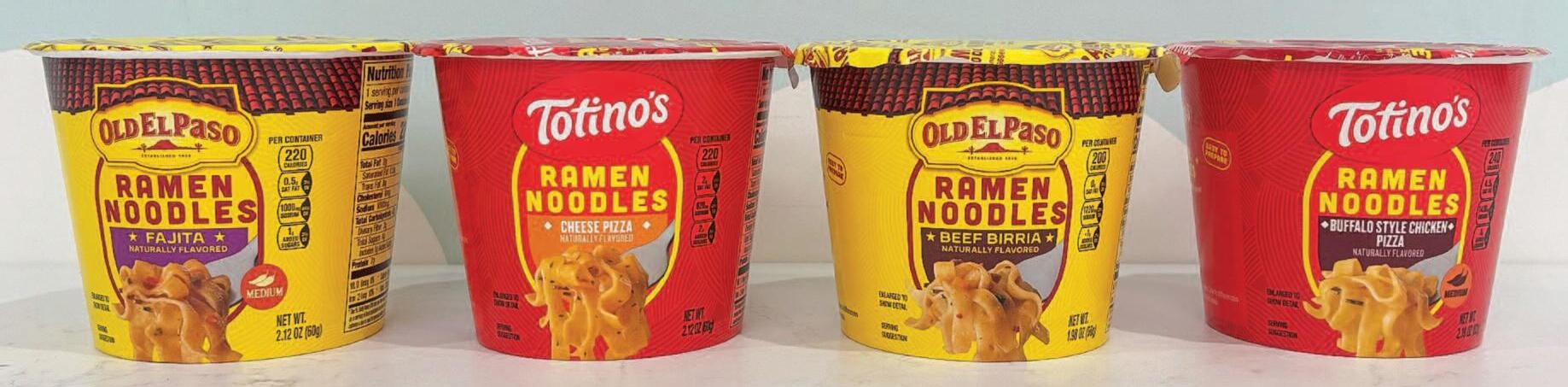
Sometimes, taste trends create strange bedfellows General Mills made its debut in the world of noodle-filled comfort food with its first ramen varieties, bringing fla-
vors from two fan-favorite brands – Old El Paso and Totino’s
Totino’s Ramen Noodles hit shelves this April and General Mills is cranking up the flavor by introducing Old El Paso Ramen Noodles to spice up the instant noodle aisle
The two lines include Old El Paso
Ramen Noodles – Fajita, Old El Paso
Ramen Noodles – Beef Birria, Totino’s
Ramen Noodles – Cheese Pizza and Totino’s Ramen Noodles – Buffalo-Style Chicken Pizza
Garden Veggie Snacks has introduced two varieties of its Flavor Burst Tortilla Chips: Flavor Burst Smoky BBQ and Flavor Burst Sweet Tangy Chili
Flavor Burst Smoky BBQ Tortilla Chips deliver a rich, smoky flavor that captures the essence of a classic barbecue experience
Flavor Burst Sweet Tangy Chili Tortilla Chips feature a combination of sweet tangy chili, corn and vibrant veggies
Flavor Burst Tortilla Chips are certified gluten-free, combining the goodness of five kinds of vegetables (spinach, beet, red bell pepper, carrot and tomato) and other
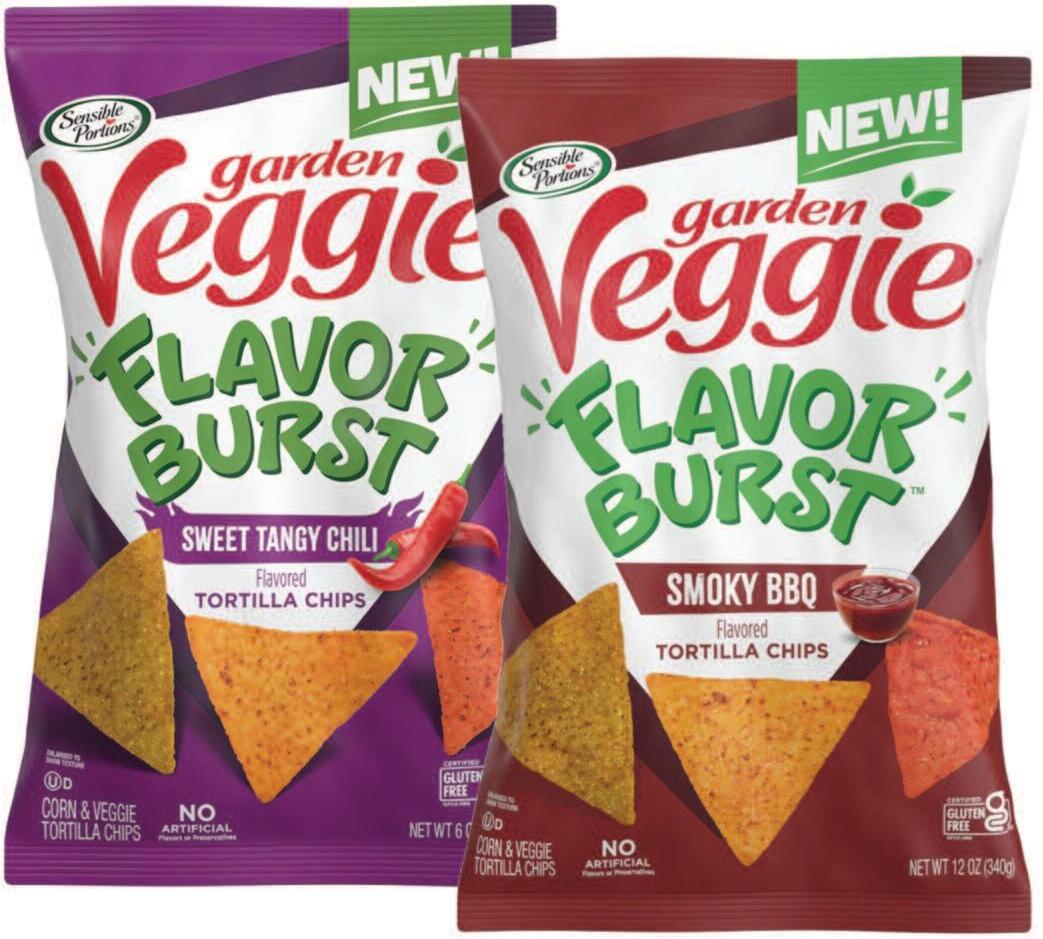
wholesome ingredients, such as non-GMO corn
Flavor Burst Tortilla Chips contain no artificial flavors and no artificial preser vatives, with color coming only from natural sources
Joining a portfolio that also includes Nacho Cheese and Zesty Ranch varieties, Flavor Burst Smoky BBQ Tortilla Chips are exclusively available at Walmart in a 12ounce size, while Flavor Burst Sweet Tangy Chili Tortilla Chips are available at Kroger in a 6-ounce size
Earth’s Best is launching a new line of organic “play + learn” finger foods designed specifically to help little ones practice and develop their motor skills throughout the weaning journey The threestage platform includes Organic Crunchy Sticks, Organic Melty Hoops and Organic Munchy Fingers, each of which offers a fun and wholesome way to help little ones grow a love of good food
transition to solid foods is a perfect time and place to start,” said Emily Rosen, senior director of marketing “We know that our little ones learn through play, so we ’ ve created finger foods that make the earliest of mealtime experiences engaging and yummy, while giving parents and caregivers a helpful and convenient option along the feeding journey ”
Organic Crunchy Sticks, which debuted in 2024, are designed to encourage little ones aged 6+ months to practice the palmar grasp, learning to grab and bring food to their mouths This organic corn-based finger food comes in a variety of flavors, including Strawberry Banana, Garden Veggie and Cheddar Cheese
forefinger, also known as the pincer grip
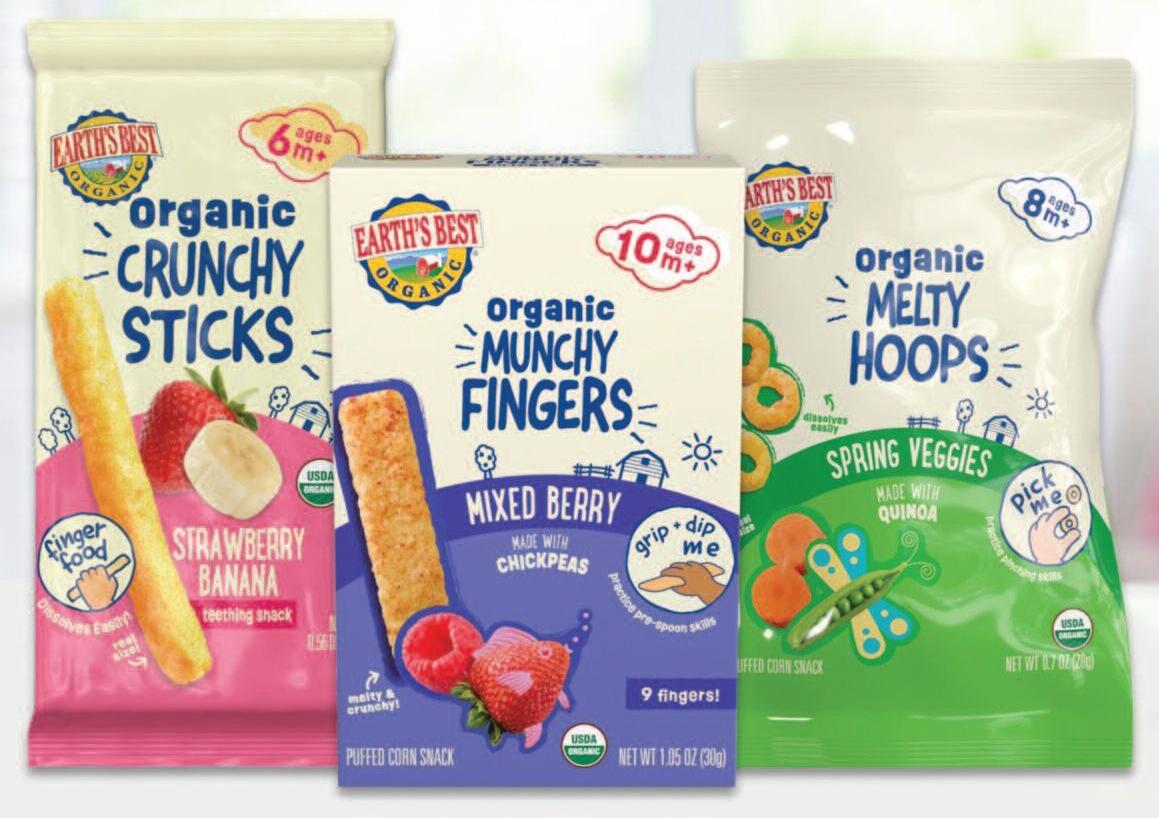
The brand’s new organic play + learn finger foods continue that commitment, providing a range of fun, tasty and nutritious foods that encourage key grasp and selffeeding skill development as little ones grow, from age 6 months and up
Developed using established childhood
“At Earth’s Best, our mission is to help little ones build healthy habits, and the
Organic Munchy Fingers, also launching this spring, are perfect for food explorers aged 10+ months Munchy Fingers help little ones master holding flat objects – the radial digital grasp – and practice hand-eye coordination on the way to using a spoon Made with puffed corn and chickpea, Munchy Fingers in Mixed Berry and Mango Carrot flavors are perfect for eating on their own or dipping into other foods
Earth’s Best Organic Play + Learn Finger Foods are available beginning this spring at retailers nationwide GN
ProAmpac is supporting United Dair y Farmers in enhancing its fresh food-to-go offerings with ProAmpac’s HandRap, resulting in a notable boost in sales and improved customer satisfaction
Seeking to enhance product presentation and improve customer appeal, UDF turned to ProAmpac for an innovative solution
HandRap’s clear film wrap, and curbside recyclable carton board design showcased UDF’s fresh offerings and maintained their
quality during extended hold times
“The HandRap has been a game-changer for our food-to-go offerings,” said Chuck Kronyak, UDF’s senior category manager, fresh foods & bakery “The improved visibility and quality have been well-received by our customers, and the results speak for themselves with significant sales growth ”
The clear film wrap enhances product visibility, drawing customers’ attention and boosting sales, according to ProAmpac It
maintains food freshness in both hot and chilled applications
The carton board is curbside recyclable when the film is removed
HandRap is shipped flat for easy assembly
Designed for sandwiches, paninis, burgers, and pastries, HandRap combines functionality with a handcrafted aesthetic, offering a premium presentation for foodto-go items
ProAmpac emphasized the importance of meeting customer needs
“HandRap is designed to help our partners deliver an exceptional experience to their customers,” said Chad Murdock, president, fiber division at ProAmpac “We’re thrilled that UDF has seen such strong results, and we remain committed to providing innovative and sustainable packaging solutions that align with their goals ” GN
Regional grocer K-VA-T has implemented the SymphonyAI CINDE Connected Retail platform to deepen customer insights across all key business functions including supply chain, merchandising, shelf planning, assortment and promotion optimization With CINDE Connected Retail, K-VA-T is expanding its customer data-driven operations with greater speed to insights at scale internally and in collaboration with its CPG supplier ecosystem
With SymphonyAI software, K-VA-T closely tracks its most loyal shoppers to increase satisfaction and engagement As KVA-T continues to expand its market presence with new store openings, CINDE Connected Retail provides AI-driven shelf planning that helps to attract and retain shoppers in the new locations
Across the Southeastern United States company ’ s operations, the marketing team relies extensively on SymphonyAI software to create marketing campaigns that best engage shoppers
For categor y managers, K-VA-T uses CINDE Connected Retail shopper insights
dashboards across categories in weekly business review meetings In vendor meetings and categor y planning, K-VA-T and their suppliers collaborate using CINDE Connected Retail to identify key business drivers within each category and create optimal promotions designed to deepen shopper engagement and achieve category goals
K-VA-T is also integrating CINDE Connected Retail into strategic categor y reviews to make data-driven decisions on assortment strategies In collaborating with CPGs, K-VA-T and suppliers can use CINDE Connected Retail as a single source of truth, speaking the language of the customer and using the same metrics to assess business performance and define new goals and measures of success
“We are pleased to continually deepen our strong, strategic partnership with SymphonyAI as we progress in our data-driven AI journey,” said Dan Glei, EVP of merchandising and marketing for K-VA-T “SymphonyAI focuses explicitly on aligning with us across all our business processes to achieve our strategic perform-
ance goals and be a strong business ally
“CINDE Connected Retail provides our categor y management, marketing, and vendor teams the shopper data-driven insights they need to meet business goals and give shoppers the selection and offers they value most ”
“At SymphonyAI, we are proud to lead the market with AI-driven retail insights K-VA-T’s embrace of the CINDE Connected Retail platform shows how innovative retailers can use sophisticated capabilities for speed to insights that meet shopper and business priorities,” said Manish Choudhary, president of the SymphonyAI retail-CPG division “We continue to invest aggressively in predictive, generative, and agentic AI to revolutionize retail for innovators like K-VA-T ”
The SymphonyAI CINDE Connected Retail platform and AI SaaS products give retailers a seamless flow of data and insights to strengthen retail operations from the supply chain to the shelf SymphonyAI’s connected retail software breaks down operational silos so retailers can make swift, optimal decisions confidently
without blind spots
Through a source-agnostic data onboarding framework, the SymphonyAI CINDE Connected Retail platform delivers AI-powered insights across critical functions, including customers, sales, promotions, assortment, space, supply chain, and real-time shelf and store conditions, for efficiency and profitability at every level
Headquartered in Abingdon, Va , K-VAT Food Stores (Food City’s parent company) operates 158 retail outlets throughout Kentucky, Virginia, Tennessee, Georgia and Alabama with more than 18,500 dedicated associates The company continues its strong tradition of actively supporting nonprofits and fundraisers in the communities it serves
As part of its commitment to providing shoppers with a range of quality options, Food City offers multiple private label lines through its participation in the Topco Cooperative With private-label brands spanning entr y level, first tier and premium, Food City shoppers have access to hundreds of own-brand product options store wide GN
Lakeview Farms, a portfolio company of CapVest Partners LLP, announced the successful completion of its merger with noosa Holdings, Inc The combined businesses will operate as a new company, Novus Foods, a name that reflects the company ’ s vision to become the leading consumer packaged goods company for the refrigerated perimeter of the grocery store
The merger, first announced on Nov 12, was finalized following the receipt of all necessar y regulator y approvals and customary closing conditions noosa yoghurt will operate as a stand-alone division of Novus Foods
“We are thrilled to join the noosa yoghurt business with Lakeview Farms as we create Novus Foods,” said Tom Davis, CEO of Lakeview Farms “This represents a huge opportunity for both businesses to leverage their strengths and innovate within the growing yogurt categor y and beyond
“Novus Foods will embody the companies’ combined expertise and passion for delivering high-quality, innovative fresh foods to consumers ”
Novus Foods is well positioned to drive categor y growth and retail success The company ’ s products are available at major
retailers including Walmart, Kroger, Albertson’s, Publix and more The rebrand to Novus Foods will be completed in the second half of 2025
noosa is known for its premium wholemilk, Australian-style, high-quality yoghurt products, celebrated for their rich, creamy texture and unique flavors The merger includes noosa ’ s outstanding portfolio of products, a talented team with deep yogurt expertise, and a state-of-theart production facility in Bellvue, Colo Approximately 240 current noosa team members have joined Novus Foods as a result of the merger
“We are excited to join Lakeview Farms, a company that shares our deep commitment to quality and a passion for the refrigerated snacking space, ” said Paula Benedetto, noosa SVP/general manager “Together as Novus Foods, we have a stronger platform to continue growing and delivering exceptional products to our customers and consumers ”
Citi, Truist, and TD Securities served as joint lead arrangers in the financing for the merger Citi acted as lead financial advisor to Lakeview Farms, with Truist and TD Securities also advising the company The terms of the merger were not disclosed GN
NSF has launched NSF Certification Guideline 537: PFAS-Free Products for Nonfood Compounds and Food Equipment Materials The new guideline leverages NSF’s extensive laboratory and testing capabilities to confirm that products are free of per- and polyfluoroalkyl substances (PFAS), a group of synthetic or man-made materials that resist degradation also known as forever chemicals
Due to their oil and water-repellent properties, PFAS are often used to make water or stain-resistant, nonstick and grease-proof products, including consumer goods, food equipment and nonfood compounds such as food-safe lubricants, cleaners and sanitizers At the same time, PFAS are known to be carcinogenic and have been linked to detrimental health conditions, including liver disease, certain types of cancers and delayed devel-
According to the National Institute of Environmental Health Sciences, people are most likely exposed to PFAS by consuming contaminated water or food
“With growing concerns and new regulations being introduced on PFAS in our environment and food supply, NSF 537 represents a significant leap for ward in consumer safety and transparency,” said Sam Cole, director of food contact evaluation at NSF “This certification will empower forward-thinking manufacturers to clearly distinguish PFAS-free products, giving both retail and food businesses and consumers confidence and peace of mind ”
Key features of NSF Certification Guideline 537: PFAS-Free Products for Nonfood Compounds and Food Equipment Materials (NSF 537):
• Evidence-based: The guideline is
backed by decades of specialist food industry knowledge and standards development and is based on existing limits in state regulations
• Thorough Formulation Review: Technical review of product ingredients, confirming there are no intentionally added PFAS
• Comprehensive Testing: Ensures minimal to no detected total organic fluorine levels with retesting every year
• Rigorous Disclosures: This requirement requires the manufacturer to attest that no PFAS additives or post-consumer recycled material are used in the product and that manufacturing facilities minimize cross-contamination
• Certification Mark: NSF PFAS-Free certified products are accompanied by the relevant official NSF certification mark, signifying compliance with the guideline
to retailers and consumers
• Public Listing: Certified nonfood compounds are listed in the NSF White Book and certified food equipment materials are listed in NSF’s Certified Food Equipment listing
Designed by food safety specialists, NSF 537 is based on industry needs, in-depth food industr y knowledge and decades of standards development To achieve certification, nonfood compound products must first be registered under NSF’s Nonfood Compounds Guidelines or certified by NSF to ISO 21469, Safety of Machiner y, Lubricants with Incidental Product Contact-Hygiene Requirements
Food equipment materials must be certified to NSF/ANSI Standard 51: Food Equipment Materials to ensure that products meet minimum public health and sanitation requirements GN
Mattson is introducing the world of foodservice to Chef Insights AI This purposebuilt AI model includes 40 chef personas, each with a resumé of decades of experience in the foodservice industry from QSR to fast casual to casual dining to non-commercial to bars
The benefits of Chef Insights AI include the ability to provide guidance and exploration in multiple areas: to collaborate instantly with up to 40 highly experienced c h e f s ; g
sights; provide innovative concept devel-
C P G products; explore flavors; and give guid-
ducts
Most Mattson innovation engagements involve the generation of insights from clients’ customers, be they consumers or operators But it’s always been difficult to get enough insights from a substantial number of culinary operators to guide decision-making
It would be incredibly difficult and expensive to recruit and engage with as varied a group of human operators, not to mention time-consuming This is where Mattson Chef Insights AI plays a role
Continued from PAGE 1
Meantime, according to Bristol, “Exports of U S scallops remain at historically low levels ”
However, last year, the aggregate supply of scallops in the United States increased by three million pounds, thanks to imports increasing faster than landings decreased Last year ’ s hopes that scallop landings would increase appear to be overly optimistic, according to the report
Continued from PAGE 1
about 3 percent of what Americans consume
“Olive oil is the cornerstone of the Mediterranean Diet, and if more Americans adopted it, even modestly, it would have a big impact,” said Profaci “For example, research found that even a 20 percent increase in adherence to the Mediterranean Diet would save the American healthcare system $20 billion each year ” Ricardo Miguelañez, general coordinator of the OOWC, pointed out
Silicon Valley-based Mattson, the country’s leading food and beverage innovation firm, is enhancing its 47 years of business in the foodser vice channel with ser vices that bring new benefits to the industry via powerful new AI technology – tools that are primed to help menu innovators from chefs to marketers to insights professionals
To introduce the foodservice industry to the power of Mattson AI capabilities, the company will be hosting an event at the Mattson Innovation Center in Chicago, called, “Meet The Chefs of Mattson Chef Insights AI ” It will take place the same week of the National Restaurant Association show
The event will include a hands-on demonstration of the powerful combination of Chef Insights AI + ProtoThink Foodservice AI, a separate model built for ideation and conceptual development Guests will be able to generate insights to create a new food or beverage product or menu item at the event This is a natural extension into foodser vice innovation since Mattson’s launch of AI ser vices in 2024
“We’ve been partners to the foodservice
“The New England Fisheries Management Council had projected the U S scallop fishery would see its first increase in landings in four years during 2024, nudging up to 27 million pounds from 25 million pounds in the prior season, ” the report states “In2024, catch rates in the fishery missed the NEFMC’s projections, making 2024 a down year for landings ”
NEFMC is forecasting 2025 landings at 19 75 million pounds, down from the 23 million estimated for 2024
U S scallop landings usually peak in May through July and bottom out in January
that olive oil is rich in healthy monounsaturated fats, like oleic acid, that help lower bad cholesterol and protect your heart
“Its benefits go far beyond that, though,” he said “Scientific studies prove olive oil can help to enhance memory and even reduce the risk of neurodegenerative diseases such as Alzheimer’s Its antioxidant and anti-inflammatory properties make it a daily ally for a longer and healthier life ”
The event featured recognized health professionals including Dr Mike Cirigliano, professor at the University of Pennsylvania and medical contributor at Fox29 Philadelphia, who gave a lecture titled “Health Benefits of Olive Oil: Fighting Obesity, Inflammation, Heart Disease, Dementia and Cancer ”
The meeting continued with a panel discussion on “The Need to
industry for 47-plus years, ” said Mattson’s 28-year veteran Barb Stuckey, “but our new AI tools enable foodser vice professionals responsible for innovation initiatives: both operators and suppliers We welcome them all ”
At the May event, Mattson will be utilizing Chef Insights AI to create the food and beverage menu for the event, which will be brought to life and served by the Mattson culinary team
Chef Insights AI offers the ability to tap Chefs’ expertise anytime, for any question, and is unmatched in terms of speed, engagement, and cost-effectiveness AI-powered market insights can unlock deeper and faster understanding of guest and operator behavior at a fraction of the time and cost of legacy techniques Mattson AI models tap into billions of guest and operator behavior insights available via AI, which holistically utilizes a vast array of sources, from sites, blogs, social media, scientific papers, and recipes, to provide rapid intelligence on foodser vice needs and wants
M a t t s o n C h i
drum has spent much of his time over the
Before Trump announced a 90-day suspension of the 10 percent tariffs, the U S Customs and Border Protection announced importers had until May 27 to ship product into the United States to avoid additional fees In addition, products in which 20 percent of the value comes domestically can avoid any reciprocal tariff, although the 10 percent tariff would still apply
“Despite rumblings to the contrary, the aggregate supply of scallops in the United States increased by 3 million pounds,” according to the Bristol report
Increase Olive Oil Production in the U S and How to Achieve It,” featuring U S olive industry experts Samantha Dorsey, president of McEvoy Ranch; Mouna Aissaoui, CEO of Pompeian; Denise Andre’, vice president and marketing specialist for Capay Valley Ranches; and Paolo Colavita, CEO of O Olive Oil & Vinegar and vice president of operations, Colavita California at Colavita USA The panel was moderated by Danielle Nierenberg, president of Food Tank
and potential clients across the CPG and foodser vice channels He’s seen as an AI
clients
“Chef Insights AI is the first innovation ser vice specifically leveraging AI for the culinar y and menu innovation needs of foodservice operators and suppliers,” said Gundrum
Combined with Mattson’s ProtoThink Foodservice AI, the two services are built to amplify the insights gained from Chef Insights AI and turn them into new growth-focused restaurant concepts, products, menu strategy, and more
in creating fuel for future growth for our clients ”
Meet The Chefs of Mattson Chef Insights AI is set for May 19 from 5:30-8:30 p m CDT in Chicago For invitation inquiries, email contact@mattsonco com GN
“Scallop prices rose sharply despite the uptick in supply, suggesting consumer demand strengthened ”
Consumer demand is one of the key metrics Bristol is watching in 2025, in addition to the strength of the U S dollar and the size mix
“Last season, scallop sizes were smaller than expected, a sharp contrast to the season prior when they came in big,” Bristol’s report states “We’re seeing unprecedented premiums for landings of U10s relative to 10/20s, and it is unclear when we should expect the distribution of sizes in landings
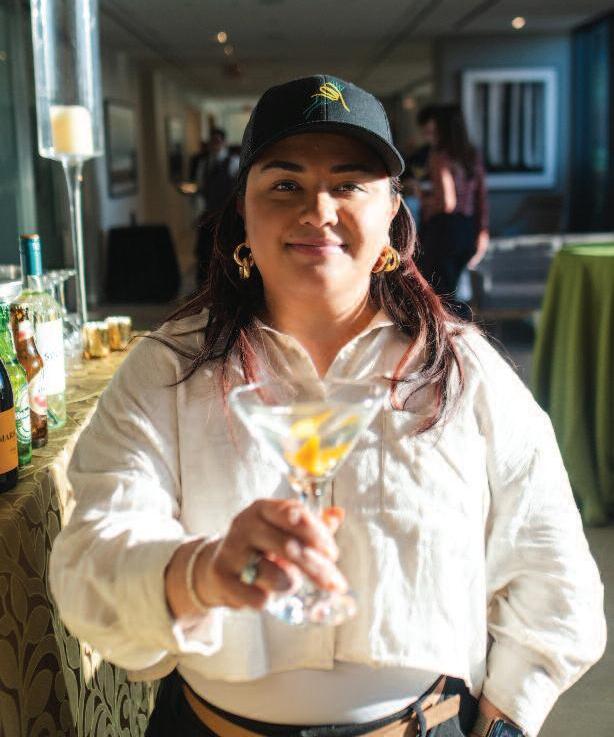
All the panel participants agreed on the need to promote olive oil production in the United States to make the product more accessible to American consumers, increasing their quality of life and life expectancy
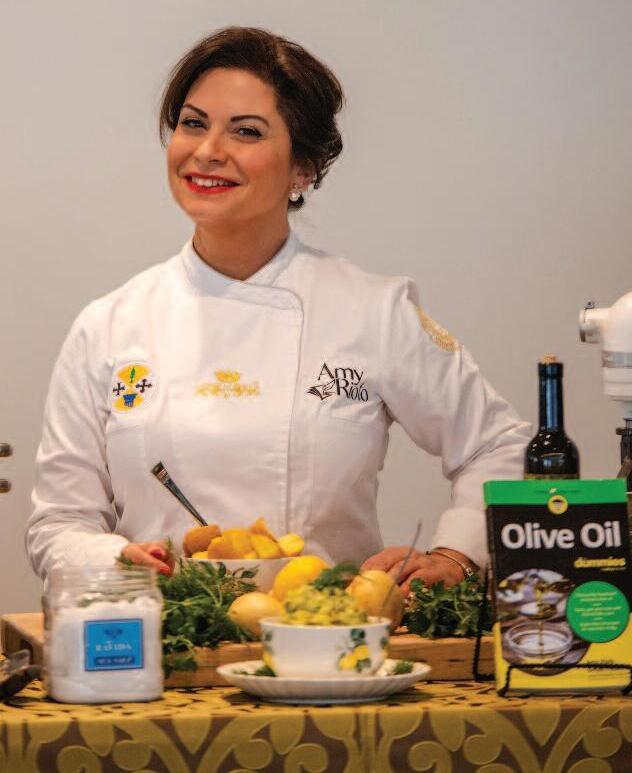
Finally, a cooking demonstration was led by chef and author Amy Riolo Atten-
dees had the chance to see the possibilities offered by olive oil in dinner, dessert and even cocktails So far, the OOWC has been sponsored by the International Olive Council, CIHEAM Zaragoza, the Mediterranean Diet Foundation, Junta de Castilla-La Mancha through its brand Campo y Alma, the project SOM Gastronomy promoted by Generalitat de Catalunya, the Spanish Ministr y of Agriculture, Fisheries and Food through its brand Alimentos de España and the Madrid Institute for Research and Rural Development, Agriculture and Food, as Institutional Sponsors At a private level, the congress has the support of the AgroBank segment from Caixabank as Platinum Sponsor and GEA as Gold Sponsor GN
cludes:
York Botanical Garden, featuring
collec-
piercing through
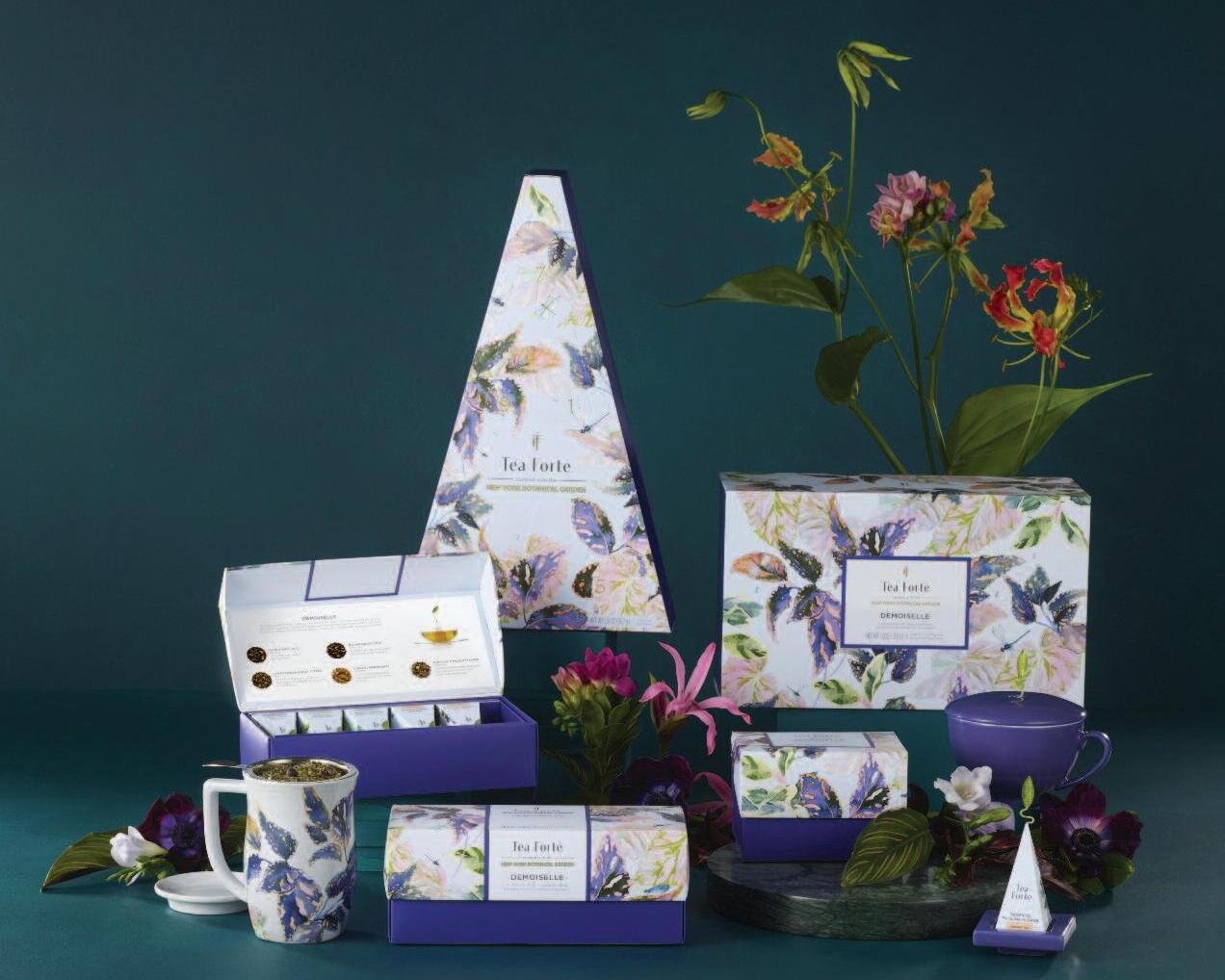
The calming collection features a soothing combination of teas perfect to relax and restore – all while supporting NYBG’s work in plant research and conservation, horticulture and education
“Demoiselle is a remarkable collection of blends which foster tranquility,” explains Meaghan Hildreth, senior brand director of Tea Forté “Sip and savor Demoiselle’s delicious offerings, each providing a peaceful escape from the world’s busy demands
“The collection’s beautiful offerings – from the Demoiselle Advent 12 Days of Blissful Teas to its inspiring Presentation Boxes –are wonderful to give and receive, all while supporting the New York Botanical Garden’s important work ”
• Citrus Earl Grey, an Earl Grey black tea with a creamy finish
• Mountain Oolong, a deep, dark oolong tea, punctuated by the lush taste of peach
• Wildflower Honey Citrus, a sweet and
• New Tropical Passion Flower, an herbal tea layered with tropical notes of passion fruit and coconut melded with refreshing lemongrass
Selections from the Demoiselle Collection include limited-edition Demoiselle Advent 12 Day of Blissful Teas (MSRP $35); Gift Set Box showcasing a limitededition indigo café cup, tea tray to hold the pyramid infuser after steeping and a mini presentation box of 10 infusers (MSRP $60); Presentation
delicate green tea with notes of honeyed citrus and spring flowers
The tranquil Demoiselle Collection in-
Continued from PAGE 1
KFF Health News, an independent news outlet specializing in health policy “I have no problem with my family – my kids and grandkids – consuming Red 3 I stand by the conclusions in my paper that this is not a problem for humans ”
Nevertheless, legislators are forging ahead with food dye bans, encouraged by Health and Human Services Secretary Robert F Kennedy Jr and, in large part, a documentary created by parents who say their child’s behavior was affected by food dyes
In early March, Kennedy met with food industry executives and said if they don’t eliminate synthetic food dyes, the FDA would
One of the West Virginia legislators who co-sponsored that state’s bill said he was inspired by the documentar y, “To Dye For,” which his wife showed him
“After discovering their child’s life-altering sensitivity to synthetic dyes, parents and first-time filmmakers Brandon and Whitney Cawood set out to uncover the impacts of these additives,” the film’s website states “They journey to meet with the world’s leading synthetic dye experts, conducting in-person inter views with scientists, researchers and impacted families This exploration reveals a series of shocking stories and surprising discoveries ”
The film features a community college psychology professor who, as with the film-
• Ginger Lemongrass, citrus notes are balanced by cool spearmint and mellow licorice in this herbal tea
makers, noticed aberrant behavior in her child and said it improved after removing synthetic food dyes from his diet She mentions her credentials, including three degrees, and research she’s done, without citing specific studies that support her views
Still, the documentary impressed West Virginia Delegate Evan Worrell, who noted in a press conference that he also looked at what other countries were doing For instance, he claimed, Kellogg’s Froot Loops sold in Canada have natural food dyes while those sold in the United States don’t
“It’s past time to step up, ” he said “They already make these products in other countries ”
The Froot Loops example was offered by Kennedy on NBC, but quickly debunked That hasn’t stopped his claim from being restated on social media as if it were fact
Noted dietitian Connie Diekman said social media buzz further complicates a problem that has been building for several generations
“It goes back to the fact we haven’t educated the younger generations about food and chemicals,” she said, noting that Kennedy included riboflavin as an example of unpronounceable and suspicious food ingredients Riboflavin is vitamin B2, which promotes growth, producing red blood cells and building metabolism
“People say we shouldn’t eat chemicals,” Diekman said, “well, H2O is water ”
Diekman, a food and nutrition consultant, is a former director of University Nutrition at Washington University in St
featuring 10 infusers (MSRP $28); and a Fiore Steeping Cup & Infuser (MSRP $28)
Box featuring 20 infusers (MSRP $38); Petite Presentation Box
With its understated luxuriousness, Tea Forté has become an everyday indulgence of tea connoisseurs in over 35 countries and is served at the world’s leading hotels, restaurants, resorts and retailers GN

Louis, past president of the Academy of Nutrition and Dietetics and former chair of the Missouri affiliate of the American Heart Association
Diekman said a combination of recent events have fueled the movement to ban food dyes
“Since we ’ ve come out of COVID, where there was a lot of misinformation and disinformation, people’s trust levels went down,” she said “People began to question Is the government telling the truth?
“And, unfortunately in today’s world, social media and the internet haven’t helped Yes, some things are banned in Europe, but the body of evidence doesn’t show that some claims of cancer or the risk of organ damage are supported ”
Diekman noted that anecdotal evidence that removing foods and beverages with synthetic dyes results in behavior improvement isn’t scientific evidence Synthetic dyes haven’t been proven to cause behavior issues such as hyperactivity, although they could trigger behaviors in a person sensitive to synthetic dyes
While industry critics warn that removing synthetic dyes from foods and beverages could result in higher prices for consumers, there are more options in stores for those seeking natural foods
Consumers are eager for foods that help them manage their health and well-being, which bodes well for the natural and organic product industry
“Natural and organic is a big and growing space today, and it’s only going to get
bigger and more important and more and more relevant,” said Ashley Roehm, president of headquarters sales at Acosta Group at Natural Products Expo West in Anaheim, Calif
Sales of natural and organic products were up 5 7 percent in 2024, according to data from New Hope Network Sales were up across all key categories, including food and beverages Although the sales pace growth for natural and organic products is expected to waver in the next few years, it is expected to remain in the 4 percent to 6 percent range
While some big food manufacturers have removed artificial ingredients in their products sold overseas, thus implying they can do that for U S sales, many smaller manufacturers find that never putting them in foods in the first place means no reformulation is necessary
On the heels of the FDA’s Red No 3 ban, Lori Levine, co-owner and inspiration for Scott’s Protein Balls, said such moves could be a good thing for consumers
“The ban serves as a reminder of the importance of reading ingredient labels and being mindful of artificial additives in ever yday products,” Levine wrote in a blog “While eliminating Red Dye #3 is a positive step, many other synthetic and chemical additives remain in processed foods Opting for naturally colored foods and minimally processed products like Scott’s Protein Balls can help reduce exposure to potentially harmful substances and support overall health ” GN
BOOTH #6214
By Greg Power, Chief Executive O fficer, Las Olas Confections and Snacks
I t ’s been a year since Las Olas Confections and Snacks introduced Oh!asis, and what an incredible journey it has been! Our rebranding from Anastasia and Coconut Island into a unified, vibrant identit y has exceeded ex-
p e c t a t i o n s , dr iving excitement, increasing brand visibilit y and dr iving strong sales growth, all while evok ing the brand promise of “the tropical indulgent treat that transpor ts you to a paradise getaway with ever y bite ”
Continued on Page 14
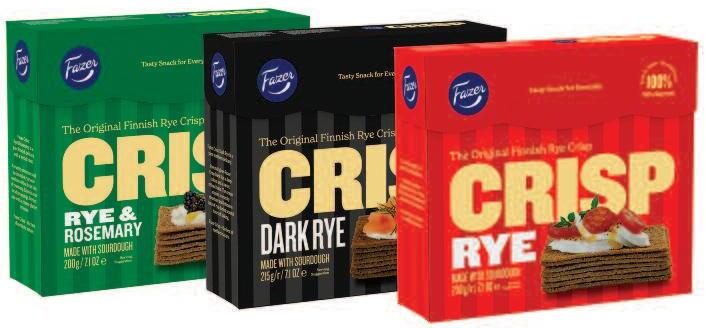
Chicago Impor ting Company, a national impor ter of specialty foods and confections and the exclusive U S distributor of Fazer, announces the expansion of the Fazer brand into the savor y snack categor y Fazer, based in Finland, is widely recognized in the United States for its delec table chocolate treats. However, in Finland and globally, it also has a strong reputation as a leading producer of high- quality grain produc ts
“Having introduced its savor y snack
BOOTH #2515
BOOTH #1730
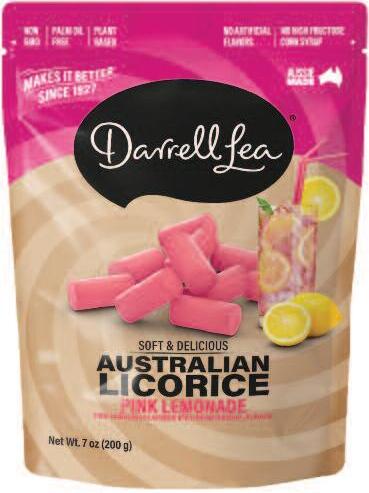
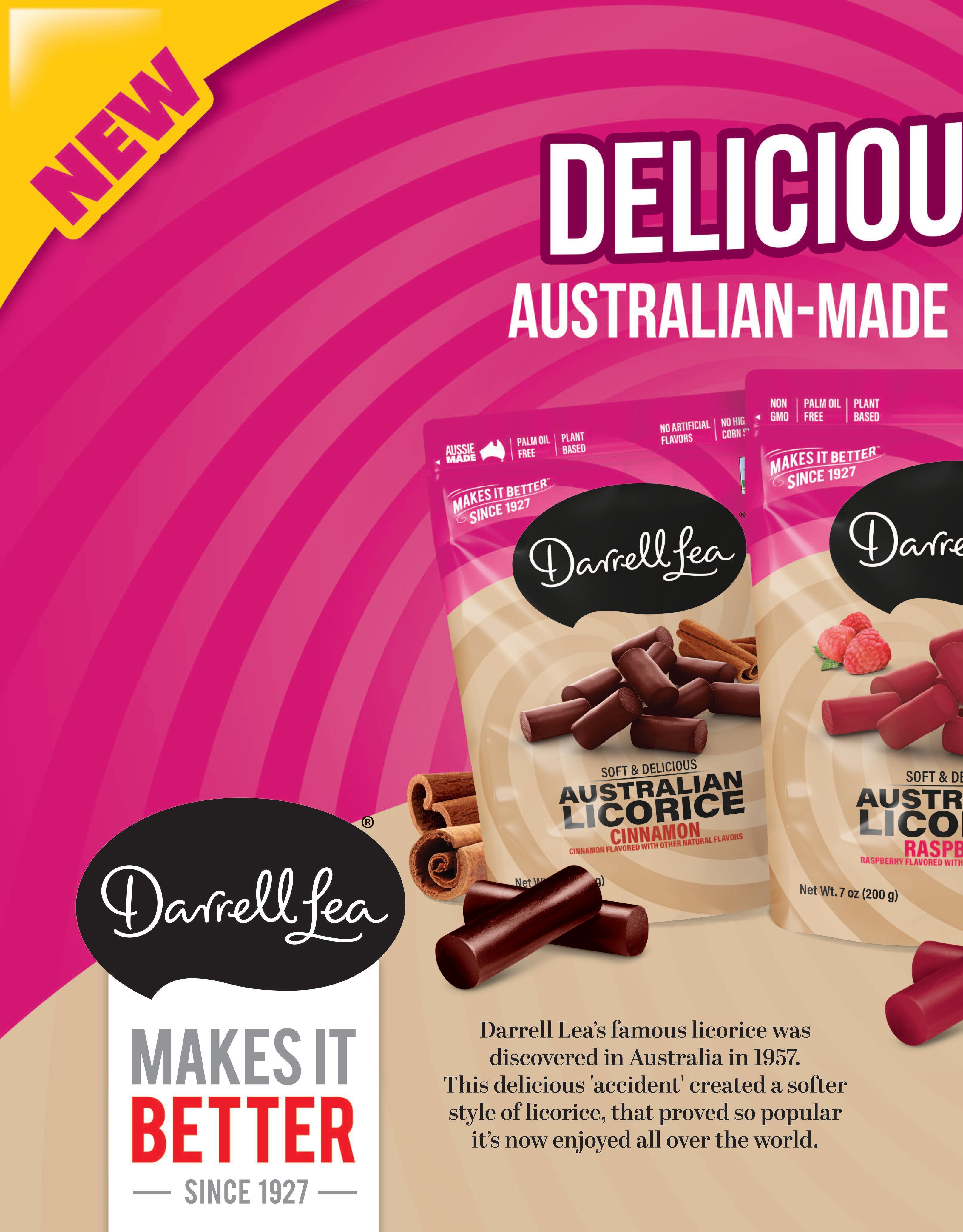
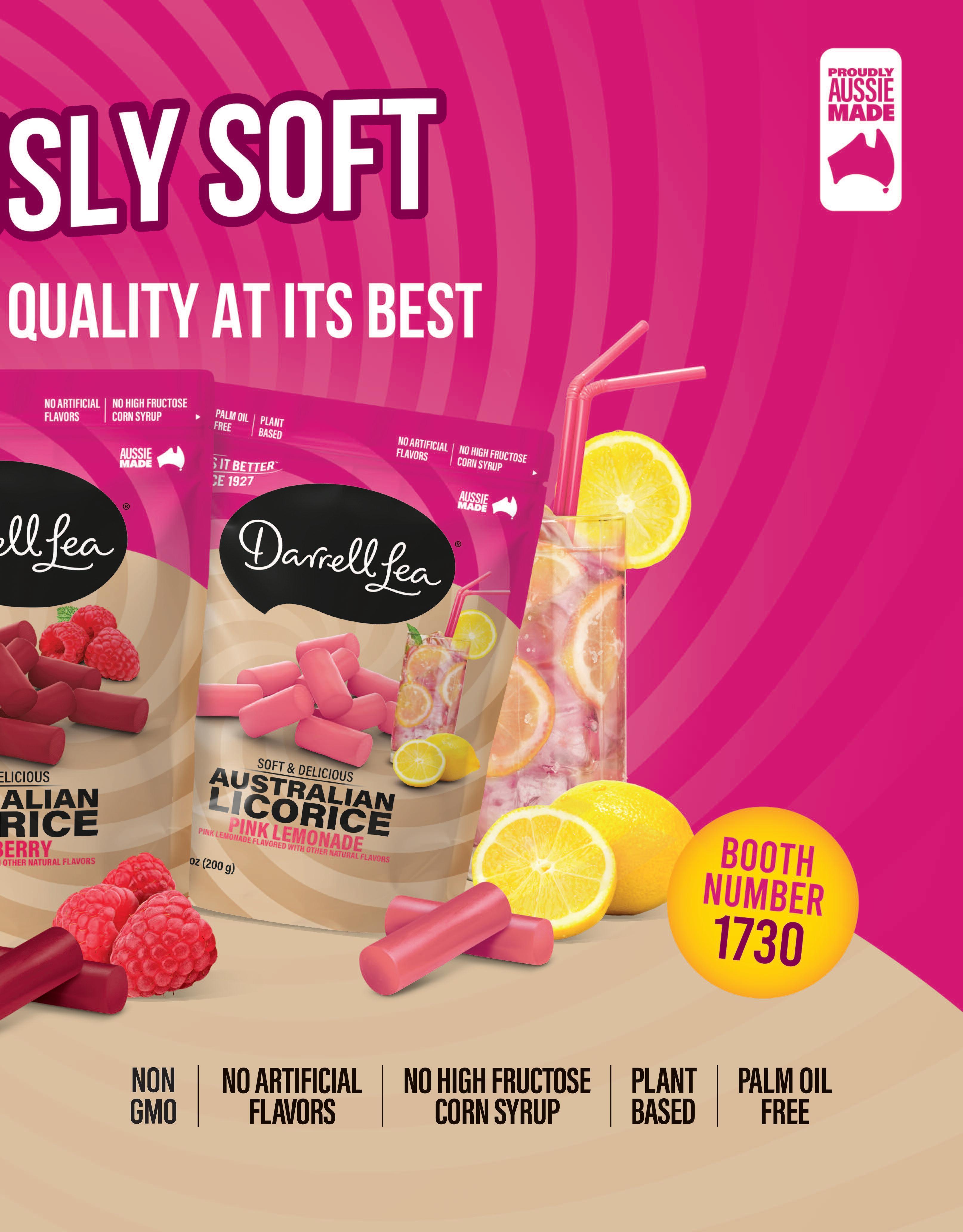
Dar rell Lea, the renowned candy company k nown for its premium, Australianmade licor ice is mak ing waves as the fastest-growing premium licor ice brand in the United States. According to a recent study by Future M ar ket Insights, the U S licor ice mar ket is on a steep r ise, expec ted to grow from $278 5 million to $403.4 million in the nex t 10 years. The r ise in popular it y can be attr ibuted in par t to consumers’ preferences for nostalgic treats in fresh flavors and betterfor-you ingredients

Tor tuga Spir it Cakes, the pioneer ing brand k nown for its exceptional gourmet and spir it cakes, celebrates four decades of innovation and culinar y ar tistr y in the industr y Since its inception, Tor tuga has remained at the forefront of the mar ket, continuously pushing boundaries and delighting consumers with an array of delectable offerings
O ver the past 40 years, Tor tuga Spirit Cakes has solidified its position as a global leader, captivating the palates of discerning consumers worldwide With a relentless commitment to quality, innovation and a keen understanding of evolving consumer preferences, Tor tuga has consistently raised the bar in the gourmet and spirit cakes categor y
BOOTH ##6150
on Page 16
An inter view with Nicole Noori, Sales Suppor t Manager, Prince of Peace
ST: Prince of Peace is k nown as the No 1 Ginger Chews brand in Amer ica What makes your produc ts so popular?
NN: It all comes down to quality, authenticit y and flavor. Our Ginger Chews are made with real ginger, giving them that signature sweet heat and func tional benefits like digestive suppor t and immuneboosting proper ties. People love them because they are not just a candy – they are a

Continued on Page 18 Continued on Page 18
CPA S

on Page 16 Continued on Page 14
An inter view with Aytur Aksu, President, Just The Fun Par t
ST: Tell us a little about your company
AA: Just The Fun Par t is a brand created by my company, EverGreen USA, which I founded af ter moving to the United States from Tur key in 2007 We developed this snack to capture ever yone’s favor ite par t of a classic sundae cone – the chocolate -filled bottom This is our four th year exhibiting at the Sweets &

Cold Stone Creamer y ® , one of the nation's premier ice cream creameries, revealed its strategic plans to expand its presence in Ok lahoma Cit y and Tulsa, Ok lahoma. The two largest cities in the state provide an oppor tunity for entrepreneurs in the populated mar kets to grow with an experienced brand in an industr y that continues to increase in revenue each year The brand plans to open eight stores in the two markets in
Ok lahoma Cit y and Tulsa are progressing cities with unique economic development jour neys to create jobs, ex tend regionally and provide new and diverse business oppor tunities for these communities These development goals coupled with the ice cream industr y's $11B impac t on the U S economy and the nearly $2B it generates in direc t wages, create a unique oppor tunity for
Jake, a four th-generation member of the Jasper Family, is proud to continue the farming traditions of his great- grandfather that have been passed down for over 75 years Since 1948, a commitment to quality and innovation has propelled many fine Jasper Specialty Foods produc ts into the hands of health- conscious almond lovers around the world
Jake’s Nut Roasters is a creative line of specialt y almond snacks with distinctively bold and unique flavors, which include Bleu Cheese Cracked Pepper,
Bloody M ar y, M esquite Smoked, Hatch Chile, M aple, Bar becue, Buffalo, and Brine & Dill.
New to the Jake’s 7- ounce can lineup are its single ser ve 1 5- ounce snack packs, available in its most popular flavors, including Bleu Cheese Cracked Pepper, Bloody Mar y, Mesquite Smoked and Buffalo These packs are the per fec t snacks to throw in your lunch bag or an easy grab on your way out the door. These almonds are in fac t “Straight from Jake’s Orchard,” showcasing the com-

business growth in these cities with Cold Stone Creamer y's proven business model and track record for success " With more than 30 years of business experience contributing to the thriving ice cream industr y, and more than 1,000
Continued on Page 18
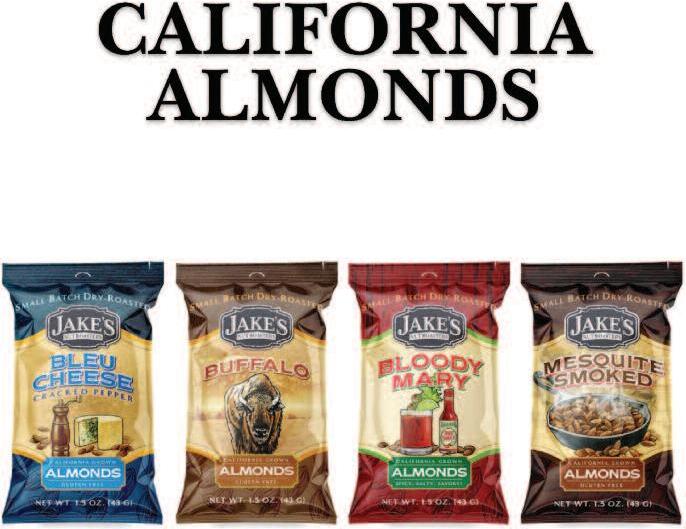
pany ’s ver tical integration and commitment to sustainable growing prac tices
Continued on Page 18

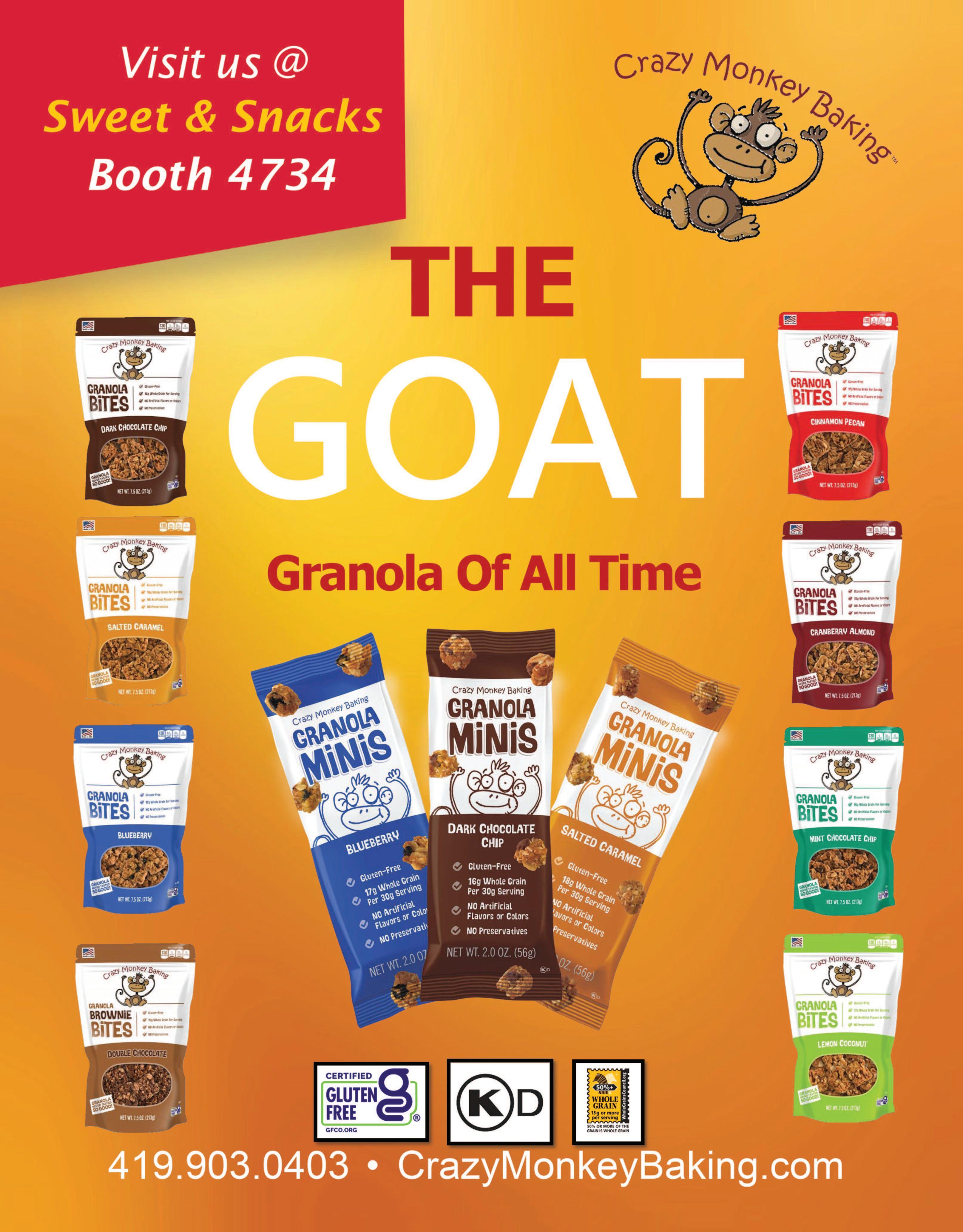
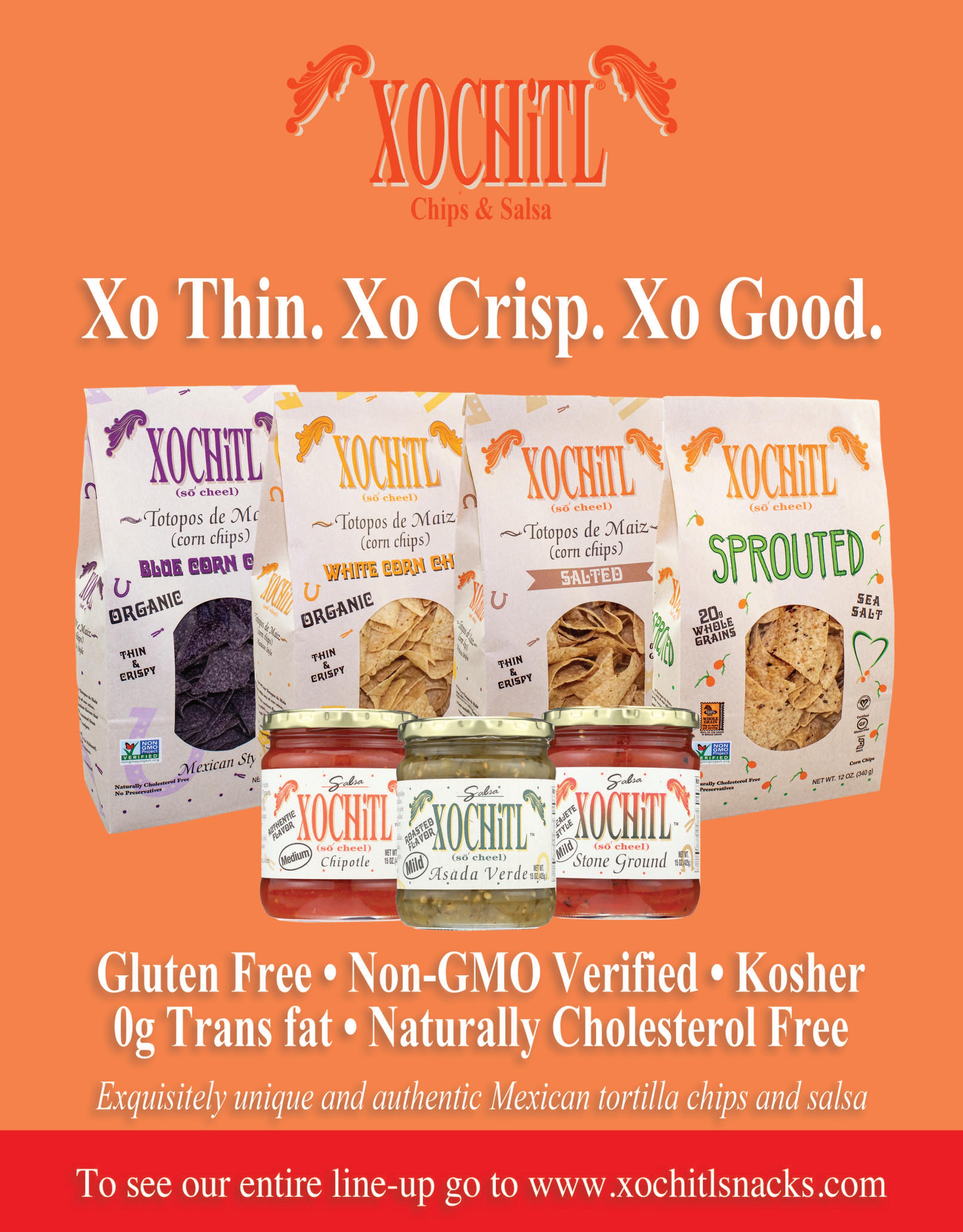
By Mathew Rubinstein, Vice President of Sales, Billie-Ann Plastics Pkg Corp
We are a Brook lyn-based and familyowned manufac tur ing company that
winter holidays to bir thdays, anniversaries and more I t's a versatile pack aging solution that suits any event. Our Star Pack aging adds a touch of magic to any item.
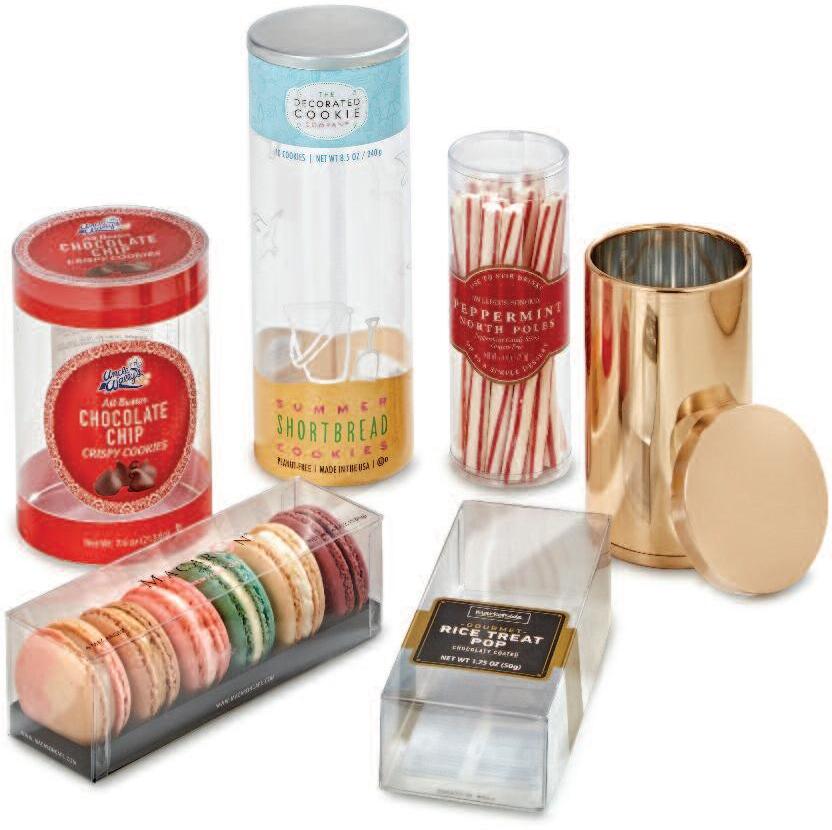
specializes in round, oval, rec tangular and square transparent plastic containers, in combinations of all plastic, plastic and cardboard, and plastic and metal, as well as vacuum form trays and inser ts.
Our visual pack aging enables you to show off your great produc ts Whether it is keeping it sleek and simple or going full on graphical, either option will enable you to show off your great produc ts I f leveraging your brand equit y is par t of your strategy, then four- color process or offset printing direc tly onto the pack age will cer tainly do that.
Our newest produc t will romanticize both you and your customers It is a vacuum formed pack age in the shape of a star The clear rec yclable pack age with a gold or silver edge provides a sneak peek into the produc t within, creating an allur ing anticipation that enhances the overall customer exper ience. I t is per fec t for a variety of occasions – from
Two other produc t lines can help you achieve higher perceived values One is a produc t line that will offer surprises I t is a c ylinder that looks like a metal can, but it is not a metal can As the company is named Billie -Ann Plastics, the material that is used to replicate this look is plastic This allows you to provide a package that achieves a greater perceived value without the added cost of metal The second is the unCANNY CAN This cylinder style has a ring-pull design that spor ts an aluminum r ing-pull on one end and a unique tamper evident form-fitting base on the other As you can see on the company website, w w w billieannplastics com, the sk y is the limit for the number of uses for this new and exciting pack aging What a way to make your produc t pop!
We can custom run to your size requirements We have a low minimum of only 1,000 pieces Our smallest diameter c ylinder is 1 5 inches increasing to 7 inches in increments of approximately 0 5 inches For t wo -piece boxes, all lengths, widths and heights are adjustable to your requirements in 1/32inch increments. Vacuum form trays and inser ts using var ying gauges and colors can be as small as 2 x 1 or much larger Star ted in 1973, we are constantly changing the way we do business to help your business Billie -Ann Plastics is a miB Company (made in Brook lyn)
For more information, go to w w w .billieannplastics.com.
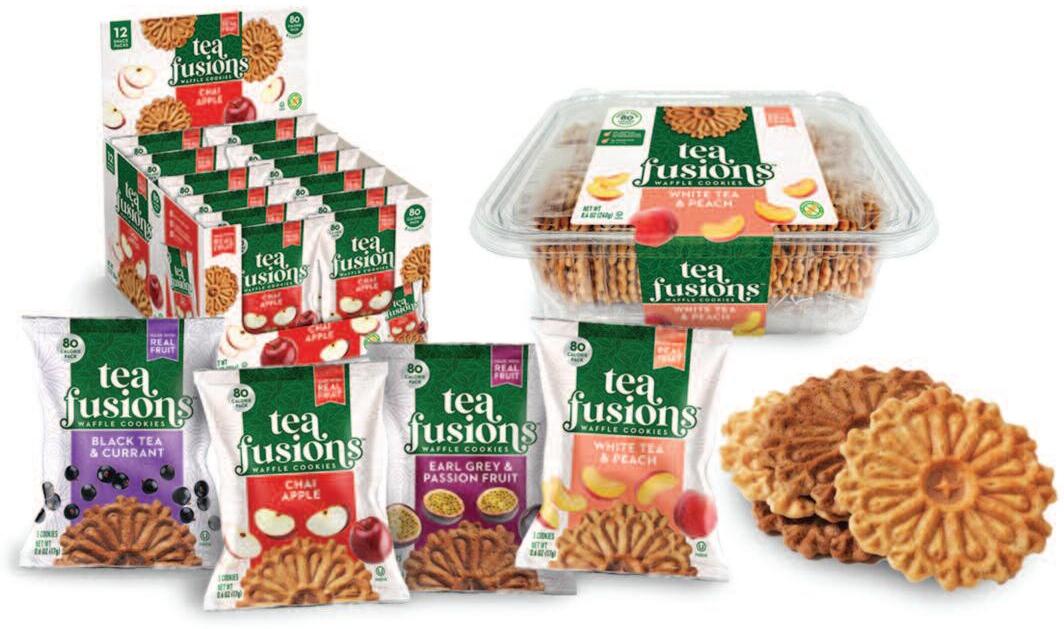
TeaFusions Waffle Cook ies are available in four unique fusion flavors: Chai Apple, Black Tea & Currant, Earl Grey & Passion Fruit, and White Tea & Peach. Made with real fruit, these innovative, flavor ful treats are peanutfree, have 0g trans

Global, family- owned food company R ich Produc ts (R ich's) and house -hold staple Funfetti® are expanding their lineup of creative desser t solutions with a new Funfetti 5" Uniced R ound Cake Layer
Fully baked with color ful candy bits and bir thday cake flavor, this versatile cake layer is designed to help bakeries deliver custom creations for any occasion – from color ful master pieces and personalized designs to I nstagramable layer cakes With a shelf life of 365 days frozen and five days refrigerated, it offers baker ies both convenience and qualit y, helping retailers keep cases stocked with fun, sweet offer ings all year long
"We're thrilled to expand our por tfolio of Funfetti products, bringing new offerings to mar ket that will help in-store bakeries drive excitement among consumers," said Alvino Battistoni, Vice President, ISB&D Direc t Chains, R ich Products "We know consumers love the Funfetti brand – it's fun, versatile and nostalgic This cake layer delivers on that brand sentiment, while giving bakeries a canvas to create unique, custom desser ts without the added labor, time or cost "
The Canvas for Any Celebration
This new cake layer expands Rich's por tfolio of Funfetti produc ts, which was introduced in 2024 as the first and only Funfetti desser t solutions for in-store bakeries and the only fully finished Funfetti produc ts on the market The por tfolio is designed to help baker ies cut down on time, labor and cost with a var iet y of versatile desser t offer ings, including:
• R ich's Funfetti Ice Cream Cake features a round design that ser ves up to nine people and is made with bir thday cake -flavored vanilla ice cream, classic Funfetti cake, whipped icing and colorful sprink les.
fats, and do not contain any ar tificial flavors, colors or preser vatives With the growing popularity of drink ing tea and snack ing trends suppor ting fusion flavors, TeaFusions delivers the per fec t complementar y snack for tea and other beverages
The exciting new TeaFusions Waffle Cook ies are ideal for grocer y front of store and lunchbox depar tments, delis and convenience stores. The produc ts
• A quar ter-sheet white cake loaded with color ful candy bits and topped with Buttercreme icing and spr ink les, R ich's Funfetti Celebration Cake is per fec t for any occasion
• R ich's Funfetti Cheesecake is packed with bir thday cake flavor, featuring color ful candy bits on top of a rich graham cracker crust and drizzled with decorative white icing Available as individually wrapped 3 25- ounce slices, this treat is per fec t for any occasion – from effor tless ser ving to on-the - go enjoyment
• A fully baked, nine -inch message cook ie, filled with color ful candy bits and bir thday cake flavor, Rich's Funfetti Cook ie Cake comes ready to personalize, making it easy for bakeries to deliver custom treats
• R ich's Funfetti Cake Par fait Cups feature white cake with color ful candy bits and come topped with icing and sprink les. Per fec t for grab -and- go, they offer shoppers instant indulgence with no added time or labor for bakeries
• M ade with R ich's iconic B ettercreme ® whipped icing, R ich's Funfetti Bettercreme features vanilla flavor, Funfetti sprinkles and smooth, light, creamy taste Versatile for many applications, it can help bring any desser t to life – from cakes and cupcakes to cook ies.
"At Funfetti, our goal is to help bring joy to families by transforming ever yday moments into celebrations," said Dan Anglemyer, Chief Operating O fficer, Hometown Food Company "R ich's shares our passion for innovation, celebration and qualit y, offering strong industr y leadership and a diverse por tfolio of creative solutions. Together, we're excited to create more special moments for families through our par tnership "
All products are currently available for in-store bakeries
For more information, go to funfetti.richusa.com.
are available in individual single -ser ve 80- calorie packets, 12- count multipack boxes and in-store baker y containers. For foodser vice, packets come in 72- count and 180- count bulk cases, per fec t for corporate cafeterias, breakrooms, universities, travel/hospitalit y, and health and fitness facilities
For more information, go to w w w .rekopizzelle.com.

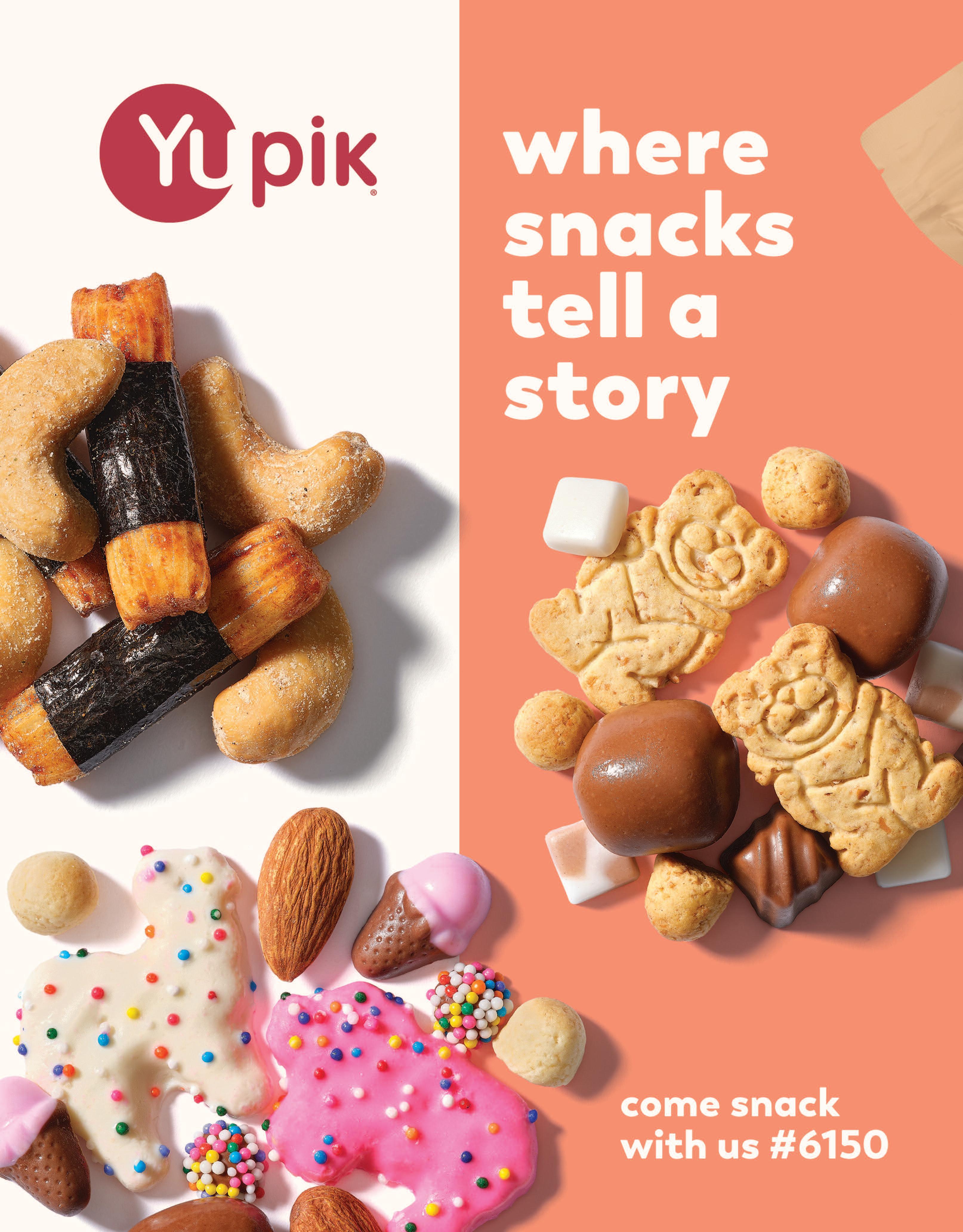
U tz®, a leading U S salt y snack brand, has introduced Sour Cream & Onion flavor to its M ixed M inis® Pretzel line. The new flavor is inspired by the brand ’s top -selling flavored potato chip and br ings the bold taste to U tz ’s crunchy, bite -sized pretzels
S our Cream & Onion M ixed M inis,
available in 12- ounce pack ages, feature a savor y blend of tangy sour cream and bold onion flavors, creating a deliciously balanced bite. The Utz Mixed Minis Pretzel line first launched in Februar y 2024 and brings a fun twist to classic Utz Pretzels in the for m of three bite -sized shapes: Twists, R ings and Waffles Sour
Cream & Onion joins two existing flavors in the line, including:
• G ar lic Butter : D eliciously seasoned pretzels covered with a rich and savor y flavor combination of garlic and butter
• M ike’s Hot Honey®: The per fec t balance of sweet heat from M ike’s Hot Honey combined with the satisfying crunch of Utz pretzels
“At U tz, we are always look ing for ways to br ing bold flavors to snack lovers,” said Stacey Schultz, Senior Vice President of M ar keting, U tz Qualit y
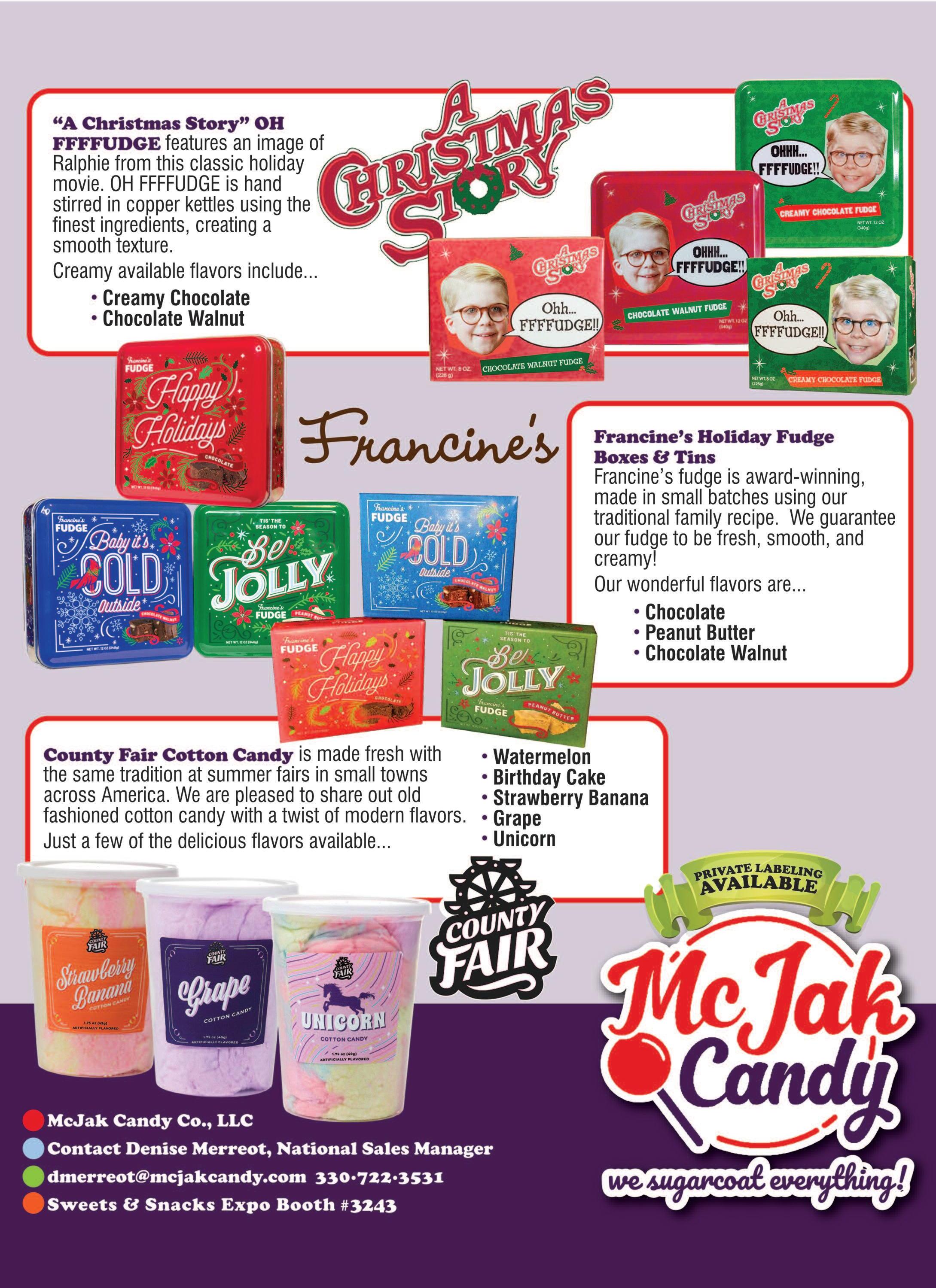
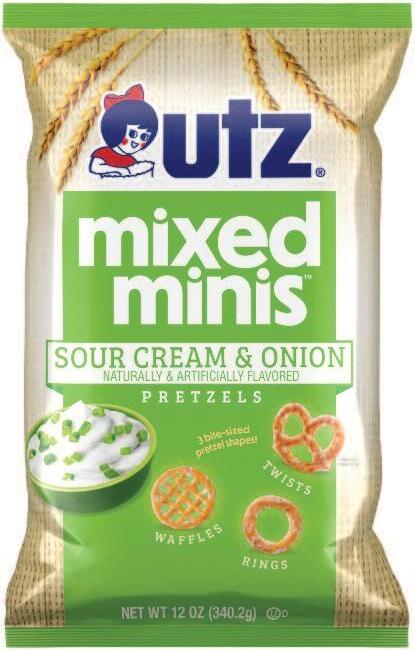
Foods, LLC, a subsidiar y of U tz Brands, Inc “By bringing one of our most beloved potato chip flavors into our M ixed M inis Pretzel line, we’re giving fans a whole new way to enjoy that ir resistible taste and crunch they love.”
I n addition to expanding the M ixed M inis line, U tz recently added M ini Twists Pretzels in a new 16- ounce size to its lineup These bite -sized twists showcase U tz ’s commitment to unmatched flavor, using treasured family recipes to create the most flavor ful snacks Crafted through a per fec ted process that ensures the r ight amount of crunch in ever y bite, these pretzels can be enjoyed straight from the bag or paired with dips for ex tra flavor U tz produc ts are available online at utzsnacks com and at leading retailers nationwide
For more information, go to w w w utzsnacks com
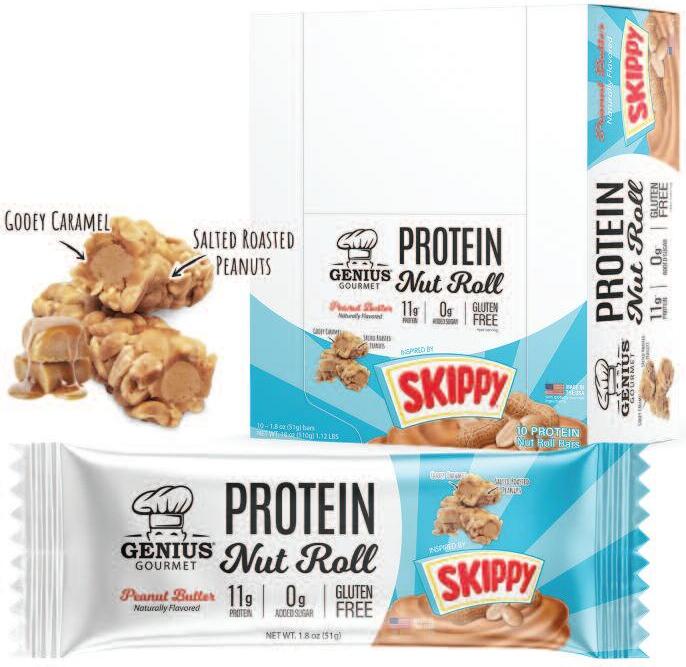
Genius Gourmet®, the fast- growing creator of “D eliciously Smar t Protein Snacks®”, announced a par tnership with the makers of SKIPPY® peanut butter I t also launched its first protein bar bringing the flavor inspiration of SKIPPY brand’s iconic peanut butter: the G enius G our met SKIPPY I nspired Protein Nut R oll with 0 grams of added sugar
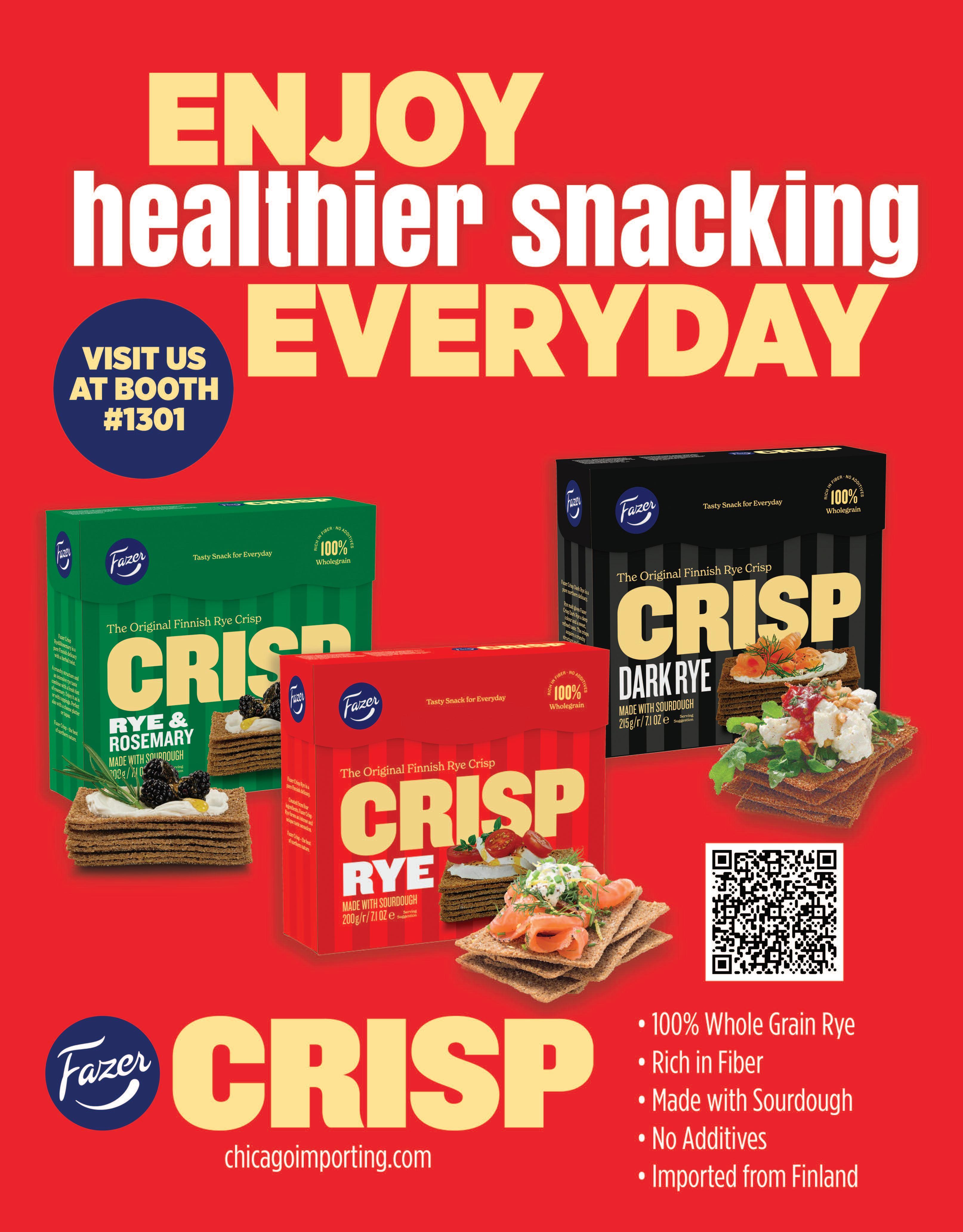
G enius G our met, the fast- growing cre
i e r o p t i o n s ”
Lance R ank in, Genius Gourmet Chief Executive O fficer and for mer Chief Executive O fficer and Founder of Premier Protein, added: “ This has been a dream of ours for a long time, and the technol-
s h a k e W i t h a c r i s p, b u b b l y f i n i s h i n
e v e r y s i p, t h i s l i g h t a n d i n v i g o r a t i n g
b e v e r a g e d e l i v e r s b o t h f l a v o r a n d
f u n c t i o n Av a i l a b l e i n t h re e b r i g h t , re -
f re s h i n g f l avo r s – B l u e R a s p b e r r y, Fr u i t
P u n c h , a n d O r a n g e – e a c h r e a d y - t o -
d r i n k , 1 2 - o u n ce c a n b o a s t s 2 0 g o f p ro -
t e i n , 1 g o f c a r b s , 0 g o f s u g a r, 0 g o f
l a c t o s e a n d n o a r t i f i c i a l p re s e r v a t i ve s
o r a r t i f i c i a l c o l o r s “ T h e w a y c o n s u m e r s w a n t t o c o n -
s u m e p r o t e i n i s c o n s t a n t l y e v o l v i n g,”
s a i d Pe te Va s D i a s, Pre s i d e nt o f G e n i u s
G our met. “As innovators, we wanted to r e i m a g i n e w h a t f u n c t i o n a l p r o t e i n
l o o k s l i k e b e yo n d s h a k e - t y p e p ro t e i n
d r i n k s M o s t i m p o r t a n t l y, w e w a n t e d
to craf t a beverage that ’s accessible for
e v e r y o n e , w h e t h e r y o u’r e a s e r i o u s at h l e te o r a p a re nt l o o k i n g fo r h e a l t h -
1)
Licorice You’ll Love to Eat
Co n s u m e r s h ave s h ow n a n i n c re a s e d desire for things that feel nostalgic I nd u l g e n ce s s u c h a s c a n d y w i t h b e t te rfo r-yo u i n gre d i e nt s h ave b e e n o n t h e
r i s e a s m o re p e o p l e a re l o o k i n g fo r
o g y i s f i n a l l y h e re M a d e w i t h h i g h -
q u a l i t y w h e y i s o l ate, t h e s e d r i n k s a re unlike anything else on the market, and we’re excited for people to get their first taste ”
Genius Gourmet Clear Protein Drinks (12-Count Packs)
• Spark ling clear protein: Say goodbye to chalk y protein shakes and hello to smooth, ultra-filtered whey protein isolate
• Innovative carbonation process for a crisp, bubbly finish with ever y sip.
• Fo r m u l a t e d f o r a c t i v e l i
q u i r e d
• Three refreshing flavors: Blue R aspberr y, Fruit Punch and Orange
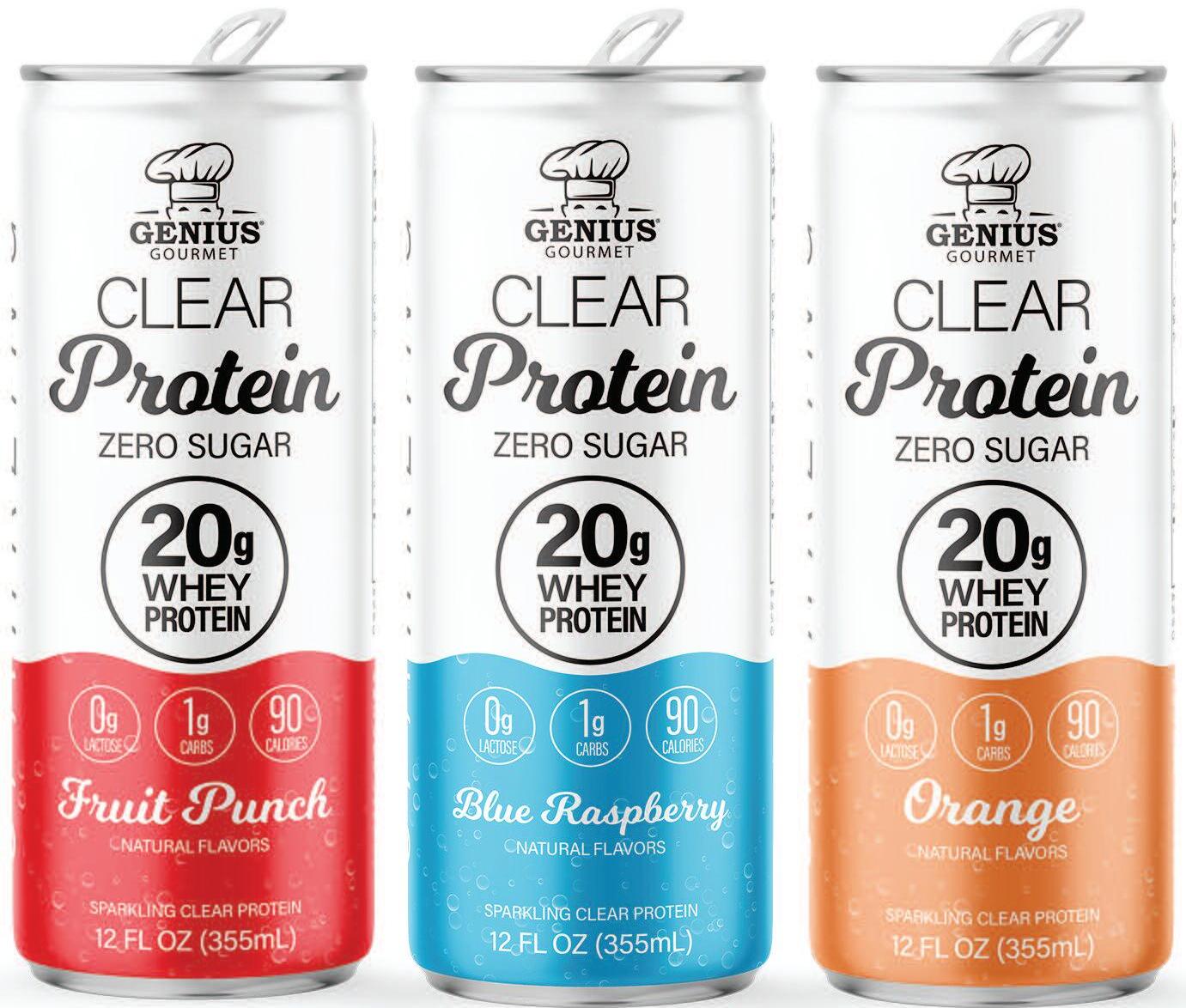
• Healthy hydration: 90 calor ies, 1g carbs, 20g protein, 0g sugar and 0g lactose in each can
For more information, go to w w w geniusgourmet com
h e a l t h i e r a l te r n at i ve s. D a r re l l Le a h a s l e d t h e c h a rg e i n t h e l i co r i ce m a r k e t ’s grow t h , o f fe r i n g s o f t , a u t h e nt i c, Au st ra l i a n - m a d e l i co r i ce t h at i s n o n - G M O Verified, plant based, and palm oil free a n d m a d e w i t h n o a r t i f i c i a l f l avo r s o r h i g h - f r u c to s e co r n s y r u p A b ove a l l, Darrell Lea licorice is delicious and flavor ful
A Year of Unprecedented Growth
R etailers and consumers have embraced Oh!asis’s bold new look while continuing to enjoy the premium, indulgent flavors they ’ve loved for decades. The results have been clear:
• Sales Surge – A significant increase in sell-through, proving the power of a cohesive, recognizable brand
• Stronger Retail Presence – Expanded shelf space and greater brand recognition have positioned Oh!asis as a categor y leader.
• New M ar kets, New Fans – I ncreased distr ibution has introduced Oh!asis to new regions, delighting more customers worldwide
Tor tuga (Cont ’d from p 1)
The brand’s evolution is showcased in its iconic rum cakes and the more recent Southern Trio series, a tribute to America’s r ich culinar y and spir it her itage. Among these, the Kentuck y B our bon Butter Cake stands out as a symbol of Tor tuga’s master y in blending tradition with modernity This cake, infused with
The company is debuting a sneak peek of its brand new flavors at the show. The three new flavors – Raspberr y (Delightfully Fruity), Cinnamon (Sweet & Spic y) and Pink Lemonade (Nostalgic &
Fan Favorites, Reimagined
Two standout produc ts continue to thrive:
• Coconut Patties – The beloved worldfamous tropical treat remains a top seller, now with eye -catching packaging that draws in shoppers
• Kettle K runch – For mer ly k nown as Coconut Cashew Crunch, this rebranded favor ite has gained momentum with its handcraf ted appeal and addic tive taste
More Than a Rebrand – A Movement
Oh!asis isn’t just a name change – it ’s a renewed commitment to quality, innovation and sustainability O ver the past year, we’ve made exciting strides in:
• E c o - Fr i e n d l y I n i t i a t i v e s
the essence of aged Kentuck y Straight B our bon, is a celebration of flavor, br inging together intr icate aromas, complex tastes and the unique characteristics of handpicked ingredients
“Our 40th anniversar y is a landmar k achievement, and it ’s a testament to our unwavering commitment to excellence,” says Marcus Simmonds, Chief Executive O fficer of Tor tuga Spir it Cakes “ This
R efreshing) – will ar r ive in the United States in the summer of 2025 Dar rell Lea first invented its sof t licorice recipe in a small fac tor y, under the Sydney Har bor Br idge in Sydney, Australia, near ly 100 years ago I t launched in the United States in 2006 with its premium black licor ice and since then, Dar rell Lea has broadened the distr ibution of its produc ts with multiple licor ice flavors and chew y
candy.
To this day, Darrell Lea soft licorice is made in small batches following the same recipe that ’s been per fec ted over time, receiving recognition and accolades along the way
For more information, go to w w w .dleasweets.com, email email customer ser vice@darrelllea.com or stop by booth #1730
gence to even more consumers worldwide
• Exciting New Flavors – Launching limited- edition and seasonal variations to keep customers engaged.
• Expanded Gif table Holiday Assor tment – Tur ning favor ite flavors into unique, delicious gift options
• Retail & Marketing Suppor t – Enhancing point- of-sale materials, digital campaigns and in-store promotions to drive sales.
The Future Is Bright
The response to Oh!asis has been overwhelmingly positive, and this is just the beginning We’re continuing to innovate, expand and br ing tropical indul-
milestone reflects our journey ’s essence – a continuous quest for per fec tion, led by the visionar y mar keting insights of our Head of M ar keting, Natalia G arcia, who has helped shape the creation of unforgettable experiences for our customers.”
Tor tuga Spir it Cakes’ momentous 40th anniversar y celebration promises to be a testament to the brand’s endur-
Join Us at the Show
Celebrate our first successful year and get a sneak peek at what ’s nex t! Visit us at booth #6214 Enjoy our signature tropical treats, sip on a refreshing frozen drink and experience the paradise that is Oh!asis
A hear tfelt thank you to our retail par tners and customers for mak ing this year a sweet success. Here’s to another year of escape -wor thy indulgence!
For more information, go to w w w lasolasbrands com and www ohasis com, call 407 816 9944, email orders@lasolas brands com or stop by booth #6214
ing legac y, showcasing its dedication to creating ex traordinar y cakes that evoke a sense of delight and indulgence Let ’s raise our for ks to 40 years of br inging people together through the finest baked goods and with the spirit of the Caribbean in ever y bite.
For more information, go to w w w tor tugarumcakes com

Snacks Expo, and we couldn’t be more excited O ver the past year, we' ve been innovating our produc t line, and we can’t wait to showcase our new additions!
ST: What ’s new with Just The Fun Par t?
AA: Last year at the Snack Expo, we intro-
duced six new flavors: Pistachio Cream, Espresso, Salted Caramel, Mint, PB&J and Cookie Butter This year, we’re thrilled to announce a brand-new flavor: M ilk Chocolate with Popping Candy! In addition to these exciting new flavors, we’ve also launched a new addition to our JTFP line: Just The Fun Bite! mini butter biscuits covered in delicious chocolate
ST: Who is your target market?
From Bulk to Retail:
A Natural Evolution
Loved by snackers, Yupik has long been a trusted source for qualit y bulk ingredients distr ibuted nationwide and through major e - commerce platforms The company is now expanding its line with new snacks, many of which are unique recipes crafted in-house Yupik is set to blend innovation with its signature commitment to quality.
Sweet Moments to Share
Yupik Bir thday Cake M ix transfor ms ever y day into a celebration that both k ids and grown-ups will love This is a par t y-per fec t mix featur ing frosted sugar cook ies, chocolate - covered almonds, rainbow nonpareils and more
The Role of CPA in Contrac t Packaging and Manufac turing
CPA ser ves as the leading resource for companies look ing for contract pack aging and manufac turing solutions With an ex tensive net wor k of vetted members, CPA offers brands access to trusted professionals who can help bring their produc ts to market efficiently and costeffec tively. CPA members specialize in a wide range of capabilities, including primar y and secondar y pack aging, comanufac turing, labeling and fulfillment ser vices tailored to the unique needs of the snack and confec tioner y industries
B y wor k ing with CPA, sweets and snacks manufac turers can identify the r ight par tners, streamline their operations, and focus on brand growth rather than the complexities of in-house produc tion Whether a company is launch-
SKIPPY (Cont ’d. from p. 12)
r t n e r s
i
n i
c r e d i b l e o p p o r t u n i t y f o r g r o w t h , ”
s a i d P e t e V a s D i a s , P r e s i d e n t o f G e -
n i u s G
S
I P P
t t e r i n t
r
r
t e i n s n a c k s w i t h t h e i r n a m e p r o m i -
n e n t l y d i s p l a y e d o n t h e f r o n t o f o u r p r o d u c t s w i l l a d d t o o u r s h e l f a p p e a l
a n d d r a m a t i c a l l y i m p r o v e o u r s a l e s
a n d d i s t r i b
SKIPPY Inspired Protein Nut Rolls are
sweet surprises For nights when you're craving a campfire treat in the comfor t of your home, the S’mores M ix delivers all the classic flavors of chocolate, marshmallow and graham cracker goodness. The Jukebox M ix combines banana chips, peanuts and chocolate truffles for a nostalgic snack inspired by old-school diners and milkshakes
Cocktail-Inspired Snacks
The brand also offers t wo cocktail-inspired snacks: Bloody M ar y Cashews pack a bold punch of tomato and celer y, capturing the unmistakable flavor of the iconic cocktail in ever y bite M imosa Cashews mix orange and cranberr y flavors for a citrusy burst of fun, reminiscent of brunch Whether you’re hosting fr iends or treating yourself, these unique creations are wor th a toast.
ing a new produc t, expanding production capacit y or seek ing specialized pack aging solutions, CPA provides the industr y exper tise needed to navigate these challenges
CoPack Connec t:
Simplifying the Search for External Manufac turing Par tners
CoPack Connec t is CPA’s dedicated AIdriven RFQ tool designed to help businesses find the ideal contract packaging and manufac turing par tners This initiative provides a struc tured approach to matchmak ing brands with ser vice providers that meet their specific produc tion, pack aging and logistical requirements
Sweets and snacks manufacturers can take advantage of CoPack Connec t by :
• Accessing a Curated Network: CoPack Connect provides contract pack aging and manufacturing partners with expert-
a delicious addition to the protein market, delivering the sweet and salty taste and chew y tex ture of a nut roll candy bar.
SKIPPY Inspired Protein Nut Roll (10- count packages)
• Go nuts for the taste: Per fect fusion of gooey caramel, salted roasted peanuts and a delicious peanut butter flavored core that tastes like SKIPPY peanut butter.
• H o w i t r o l l s : 2 1 0 c a l o r i e
AA: Simply put, we made this produc t for ever yone to enjoy People of all ages have a distinc t memor y of the end of a sundae cone Whether you’re 8 or 80, you’ll remember rushing to the bottom to get that last, chocolate -filled bite
ST: What is the nature of your distribution?
AA: We are the direc t manufac turer of Just The Fun Par t We have seven pro-
Savor y Bites from Around the World
offers savor y snacks inspired by global
blend smok y with sweetness, while the
out of this wor ld, the Cosmic Cashews c
duc tion facilities in Tur key, where our produc t is carefully made While we expor t globally, our main distribution center is conveniently located in our warehouse in New Jersey We stock over 150 different items and Just The Fun Par t is always available.
For more information, go to w w w justt hefunpar t com, call 551 333 1119 or stop by booth #2372
foods Yupik makes it easy to stock your pantr y with both wholesome ingredients and gourmet snacks From ever yday essential to bold, flavor ful mixes, a Yupik pantr y has it all.
Yupik Gives Back
Fo r Yu p i k , fo o d
community The company proudly sup
seeds with sweet and savor y notes for a
l y i n t e r s t e l l a r s n a c k Th i n k e ve r y -
t h i n g b a g e l re i m a g i n e d fo r a n o t h e r galax y.
High-Quality Ingredients
Beyond these new flavors, Yupik also offers an amazing selec tion of high- quality pantr y essentials These include dried fruits, nuts, grains and even more, like specialt y gluten-free flours and super -
ise in the sweets and snacks sector
• Receiving Personalized Matches: The program helps brands find par tners that align with their business needs, whether they require specialized packaging, scalabilit y or unique produc tion capabilities
• Connec ting with the R ight Par tners: CoPack Connec t offers matchmak ing ser vices to ensure brands find the right solutions at the right time.
• Gaining Industr y Insights: CPA members and CoPack Connec t par ticipants provide valuable insights into best practices, regulator y compliance and emerging trends in the contrac t packaging and manufac turing industr y
For sweets and snacks manufac turers look ing to expand their reach, improve efficienc y or innovate in their produc t
• Satisfy cravings: tastes like a candy bar but without the added sugar.
Genius Gourmet has a variety of produc ts in development with the SKIPPY brand in 2025, which will give more options to anyone who enjoys quality protein snacks: athletes look ing to power up pre - or post-workout and families and individuals who want to snack at home and on the go.
To order these deliciously smar t protein snacks or to lear n about wholesale oppor tunities, visit w w w geniusgourmet com
For more information, go to
tootsi com, email sales@tootsi com or stop by booth #6150
pack aging, CPA and CoPack Connec t offer invaluable resources. By engaging with CPA, businesses can:
• Reduce the risk and time involved in finding reliable manufacturing par tners
• Access a wealth of industr y k nowledge and network ing oppor tunities
• Ensure their produc ts meet qualit y, safety, and regulator y standards With the increasing demand for flexible and scalable produc tion solutions, CPA provides the connec tions and exper tise needed to tur n produc t ideas into retail-ready realities Whether a brand is just star ting out or look ing to optimize existing operations, CPA is here to help guide sweets and snacks manufac turers in finding the right contrac t pack aging and manufac turing solutions for their business.
For more information, go to w w w contractpackaging org/cpc
About the SKIPPY Brand
At its core, the SKIPPY peanut butter brand br ings fun to life, building the trust and loyalt y of peanut-butter fans since 1933 This commitment to quality has earned it a place among America’s favorite peanut butters SKIPPY peanut butter, which was acquired by Hor mel Foods Cor poration in 2013, br ings the per fec t combination of sweet-and-savor y peanut flavor to ever ything it touches.
For more information, go to www genius gourmet com and www peanutbutter com
Chicago Impor ting (Cont ’d. from p 1)
cracker line, Crisp, to various countries over the years, we are thrilled to suppor t Fazer in launching the Crisp brand here in the United States,” says Nanc y E Fino, Vice President of Marketing at Chicago Impor ting Company.
Fino adds, “ The timing for these produc ts is per fec t The healthy snacks market cur rently stands at approximately $21 billion and is projec ted to grow at a compound annual growth rate of 7 5% by 2030 M oreover, healthy savor y snacks hold nearly 33% of the total market share. We anticipate that our customers, who already appreciate Fazer for its exceptional confec tions, will
snack that tastes amazing and makes you feel good.
ST: What new produc ts are you showcasing at the show this year?
NN: We’re thr illed to introduce several new additions to our ginger-based snack lineup Alongside our best-selling Ginger Chews, we are launching:
• New Ginger Chew Flavors – Expanding our lineup with our new Cola Flavor
• New Ginger Hard Candy – A longlasting, refreshing way to enjoy the sweet-spic y k ick of real ginger in a hard candy and liquid ginger center
• New Ginger Trail M ix – A unique
locations and counting, Cold Stone Creamer y has per fec ted a sustainable model that's built for ease and scalability, with low barriers to entr y and minimal exper ience necessar y for entrepreneurs to begin their ownership jour ney," said Blake B or wick , Brand Leader at Cold Stone Creamer y "Cold Stone Creamer y has a strong reputation in Ok lahoma, and it was built by franchise par tners who value quality, ser vice and community We are prepared to expand our net wor k of dedicated franchise par tners and suppor t new ownership."
There are t wo open Cold Stone Creamer y locations in Ok lahoma, and more in the pipeline to open soon Cold Stone franchisees operate a scalable
Jake’s (Cont ’d from p 4)
eating this healthy snack both fun and s at i s f y i n g Pro d u ce d i n a d e d i c ate d peanut-free facility, these premium Cali fo r n i a a l m o n d s a re d r y ro a s te d a n d seasoned in small batches to deliver exceptional qualit y
Almonds are an essential plant-based snack ing alternative providing numerous health benefits with key protein, vitamins and minerals, which should
warmly welcome this new categor y ”
Staying true to its brand promise of “Nor ther n M agic M ade R eal ” and its commitment to using “nature’s finest ingredients, with nothing unnecessar y added,” Fazer's Crisp produc ts are made with sourdough. They are r ich in fiber, utilize 100% whole grain r ye flour and achieve their satisfying crunch through ex tensive bak ing
Fazer Crisp is a versatile and flavor ful snack suitable for ever y day Enjoy them as is, with soup or salad or paired with cheese, deli meats, tuna or egg salad, avocado and tomato, smoked salmon with cream cheese or nut butters with fruit
Available in three varieties: Dark R ye,
blend of nuts, dr ied fruits and spic ysweet ginger pieces for the per fec t balance of crunch and flavor
ST: Why is ginger such a key ingredient in your sweets and snacks?
NN: Ginger is a powerhouse ingredient – it ’s naturally warming, aids digestion, helps with nausea and gives a boost of energy I t also delivers a bold, cravewor thy flavor that is different from anything else in the candy aisle. That is why our Ginger Chews have become America’s favor ite – because they br ing the per fec t mix of indulgence and wellness in one bite
ST: The sweets and snacks industr y is highly competitive What sets Prince of
and efficient business model that prides itself on high- qualit y produc ts, exceptional ser vice and exper t suppor t O wners can expect a flexible business model, in-store creamer y for premium produc t creation and consistent suppor t with access to new tools and resources.
"Af ter retir ing in 2004, I began my journey with Cold Stone in 2006 by purchasing an existing location in Santa Clara, and since then, I have expanded to a second site in Edmond, Ok lahoma I k new Cold Stone Creamer y was where I wanted to star t my nex t chapter, as it allowed us to deliver excellent customer ser vice and offer a premium produc t that guests love," said Char les Hamm, Cold Stone Creamer y franchise owner
" With Cold Stone's proven systems and strong suppor t, we implemented the right controls to ensure profitability, al-
always be par t of a healthy diet Be sure to tr y some of Jake’s bold and unique seasoned almond products and keep on the lookout for a new Jake’s flavor coming soon.
Jasper Specialty Foods is a multi-generational, family-run operation headquartered in Newman, California, specializing in the production of unique almond related food snacks, confections and other treats for the specialty food market “From
R ye and R ye & Rosemar y, Fazer Crisp is sold in cases of nine, with the selling units pack aged in a display box for easy store merchandising
Chicago Impor ting Company is introducing this exciting snack , along with other new produc ts, at this year ’s show in booth #1301.
About Chicago Impor ting Company
Established in 1992 by Lars Berntson, a veteran in the impor ted food and beverage industr y, Chicago I mpor ting Company is a pr ivately held niche impor ter and distributor located in suburban Chicago. O ffering curated specialty foods and confec tions from the Nordic region and wester n Europe, the com-
NN: First and foremost, we’re the No 1 Ginger Chews brand in America – that’s a title we’ve earned through decades of quality, innovation and customer trust We don’t just follow trends; we set them by pioneering new flavors and formats while keeping our commitment to using real ginger in our products With 40 years in the industry and 100,000-plus retail locations nationwide, retailers and buyers know that when they stock our products, they are getting a proven best-seller
ST: What can attendees expec t when they stop by booth #2515?
NN: Visitors will get to see our newest Ginger Chew flavor, our new Ginger
lowing us to continue operations and suppor t our families The Cold Stone team was invaluable in making the transition smooth and providing us with essential resources for success " Cold Stone Creamer y is pursuing prospec ts to spear head Ok lahoma Cit y and Tulsa expansion with eligible candidates ranging from first-time owners to exper ienced investors with diverse business por tfolios To join a fast- growing brand with more than three decades of experience and a team with a proven track record for helping its franchise owners reach their business goals, the initial franchise fee to star t a new traditional Cold Stone Creamer y franchise is $27,000
About Cold Stone Creamer y Cold Stone Creamer y delivers the Ulti-
Farm to Market” is a slogan often used to epitomize the philosophy of the company in that, first and foremost, they are farmers seeking to grow and produce the finest almonds in the world by controlling ever y aspect of the process including planting, farming, harvesting, processing, packaging, sales and distribution S ome of its popular brands include Nunes Far ms, Jake’s Nut R oasters and Jasper R anch, to name a few The company is ac tively involved in developing
pany ser ves retailers and distr ibutors nationwide and across multiple channels
About Fazer Fazer is one of the largest cor porations in the Finnish food industr y. The company was founded by K arl Fazer in 1891, as a “French-Russian café” in central Helsink i Today, it employs over 6,000 people across Finland, Sweden, Lat via, Lithuania, Estonia, D enmar k , Nor way and Poland I ts produc ts are expor ted to more than 40 countries
For more information, go to www.chicago impor ting.com and w w w.fazer.fi or stop by booth #1301
Hard Candy and Ginger Trail M ix While at our booth, come tr y samples and experience firsthand why we’re the No 1 brand in the ginger chews. We’re also here to connec t with retailers, distributors and buyers who want to bring ontrend, func tional sweets and snacks to their shelves
I f you’re look ing for snacks that excite the taste buds and offer real benefits, you can’t miss booth #2515! Stop by to tr y our newest innovations and see why Prince of Peace is the undisputed leader in ginger-based sweets and snacks
For more information, go to w w w popus com, email contact@ popus com, call 925 292 3888 or stop by booth #2515
mate Ice Cream Experience® through a community of franchisees who are passionate about ice cream The secret recipe for smooth and creamy ice cream is handcraf ted fresh in-store, and then customized by combining a var iet y of mix-ins on a frozen granite stone. Headquar tered in S cottsdale, Ar izona, Cold Stone Creamer y is owned by parent company K ahala Brands™, one of the fastest- growing franchising companies in the world with a por tfolio of nearly 30 fast- casual and quick-ser vice restaurant brands with approximately 3,000 locations in 35 countr ies. The Cold Stone Creamer y brand operates nearly 1,500 locations globally in approximately 30 countries worldwide
For more information, go to w w w coldstonecreamer y com
new flavors, custom mixes and smar t pack aging with an emphasis on small batch process and exceptional qualit y Califor nia almonds from Jake’s Nut Roasters are the per fec t pairing of bold new flavors and traditional, handcrafted produc tion
For more information, go to w w w jasper specialt yfoods com or w w w jakes nutroasters com, email info@jasper specialtyfoods com, call 800 255 1641







Meet Distinctly Deliciously European – a joint promotional campaign supporting the producers of Grana Padano PDO cheese and Prosciutto di Parma PDO, emphasizing the importance of quality, authenticity and tradition
Grana Padano cheese and Prosciutto di Parma are prime examples of what the Protected Designation of Origin symbol indicates – they are produced by real people, in specific geographical regions of Europe using centuries-old techniques to handcraft incomparably delicious food that cannot be replicated, mass-produced or processed anywhere else
Grana Padano PDO Cheese
Lactose free due to its production and aging process, the taste of Grana Padano PDO evolves during aging, making it an extremely versatile cheese.
Aged 9 to 16 months:
• Sweet and delicate taste
Pale in color with a texture that does not yet have the typical “grainy” structure
• Ideal with an aperitif, flaked in a fresh salad or to complete a carpaccio or to make sauces and creams
Aged over 16 months:
• Savory and distinctive taste, but not overpowering
Slightly darker in color with a “grainy” structure
Aged 14-16 months:
• The ham is less dry at this age and is still developing its full flavor Since it is still fairly mild in taste, it can be used in many different applications and recipes
• Perfect for appetizers, cooking, fillings for pasta or when making a cooked recipe
Aged 16-24 months:
• The prosciutto flavor is slightly more defined and present
• Often described as nutty or earthy, it is best eaten alone or as part of a charcuterie board with cheese, nuts, bread, fruit o
vors
Aged 24-36 months:
• Prosciutto di Parma from two years and beyond should never be cooked, and only eaten as is or with light cheeses that don’t
• Perfect for grating in a variety of dishes, such as soufflés, quiches, creamy pastas, risotto and soups or simply eaten on its own
Grana Padano Riser va PDO
Aged over 20 months:
• Rich and nutty flavor, but not aggressive Darker in color with a grainy texture
• Perfect for a luxurious cheeseboard, served with nuts, fruit and chutneys
Prosciutto di Parma PDO
As Prosciutto di Parma ages, the flavor becomes more complex
Tortuga, a globally acclaimed brand, stands at the forefront of the gourmet and spirit cakes industry, driven by a relentless commitment to innovation and the constant introduction of novel offerings for its loyal consumers
Since its inception in 1984, Tortuga has remained at the forefront of the market, continuously pushing boundaries and delighting consumers with an array of delectable offerings For over 40 years, the company has been a strong presence in the cruise channel, major big box retailers across North America, esteemed department and grocery stores, as well as the flourishing gifting sector Building on the triumph of its iconic rum cakes, Tortuga has ventured into new territory with the introduction of the Kentucky Bourbon Butter Cake, a testament to the brand’s unyielding spirit of exploration in the world of spirits
This jour ney led to the creation of Tor-
New from the Edmond Fallot Collection: Honey & Smoked Paprika Mustard Retailers looking to offer a gourmet condiment with exceptional depth of flavor will appreciate Edmond Fallot Honey & Smoked Paprika Mustard Crafted in Burgundy, France, by the renowned Edmond Fallot mustard mill, this new premium mustard blends the robust tang of Dijon with the delicate sweetness of honey and the rich smokiness of paprika The result is a versatile, flavor-packed mustard that enhances everything from sandwiches and charcuterie boards to marinades and dressings Made using traditional stone-milling
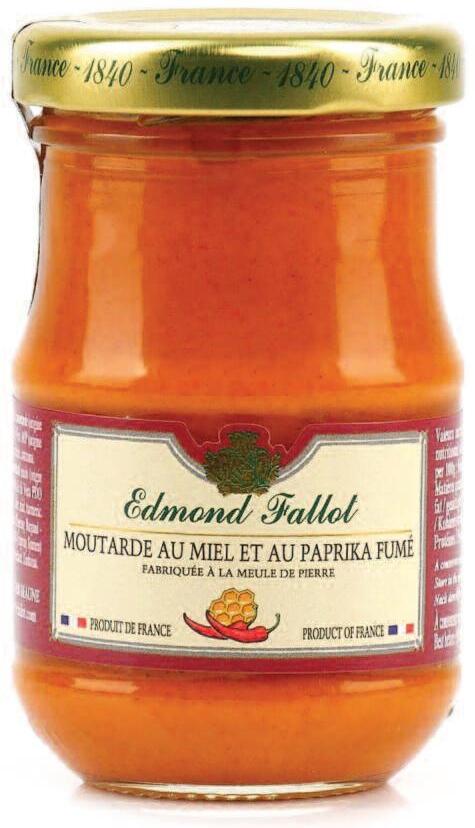
techniques, Edmond Fallot mustards are known for their superior texture and authentic taste, making them a sought-after addition to any gourmet selection The elegant glass jar and artisanal quality also make this product an attractive offering for specialty food shops, delis and gourmet grocers Stocking Edmond Fallot’s Honey & Smoked Paprika Mustard ensures your customers have access to a high-quality, French-crafted condiment that elevates everyday meals To place an order or inquire about wholesale opportunities, please email The French Farm or visit the website
The French Farm wholesale thefrenchfarm com
Good things come in small packages
compete with its flavor This older age has a taste that’s more mature and full-flavored, and is pleasantly drier, with less moisture
Distinctly Deliciously European debuted its campaign at the Texas Restaurant Show in July 2024 and will continue their efforts in raising awareness about these unique European foods among U S chefs at this year’s show
Distinctly Deliciously European www.distinctlydeliciouslyeuropean.eu
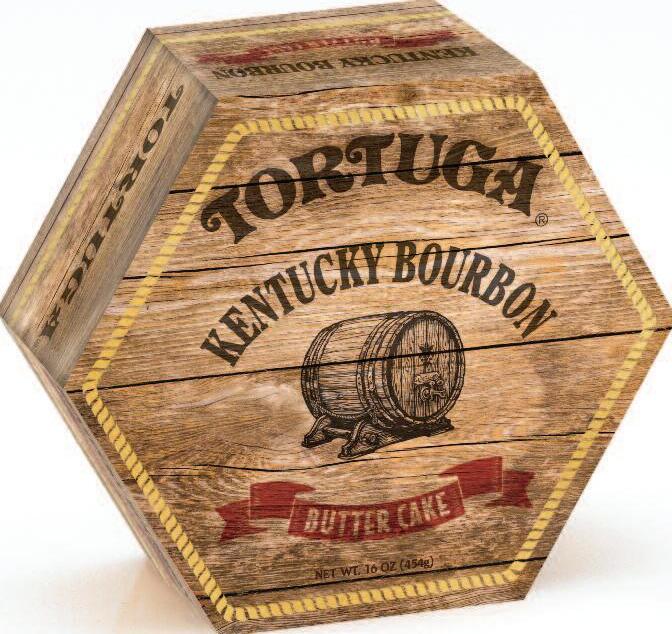
tuga’s Souther n Trio range, comprising the Kentucky Bourbon Butter Cake, Tennessee Whiskey Spice Cake and Moonshine Apple Pie Cake This exquisite trio offers a distinct and robust flavor profile, promising a truly unforgettable culinary experience
Tortuga Spirit Cake Company 786 817 6880 Ext 7311 www.tortugarumcakes.com
Individually wrapped, Enstrom Almond Toffee Petites are the gold standard of snacking This artisan Almond Toffee is crafted from the perfect blend of fresh Califor nia almonds, sweet cream butter and pure cane sugar, covered in a generous layer of rich chocolate to create a treat unlike any other
For 60 years, the Enstrom family has crafted Almond Toffee with only the finest, freshest and sustainably sourced ingredi-
3Doodler’s 3Doodler Chef, is an award-winning culinary tool that lets chefs, bakers and food enthusiasts craft intricate 3D designs using candy Recognized as one of Time’s Best Inventions of 2023, the 3Doodler Chef brings a new level of ease and creativity to dessert decoration and food art
ents Every batch is still made in Grand Junction, Colorado, using founder Chet Enstrom’s original recipe, lovingly handed down through four generations Enstrom Almond Toffee is made with allnatural ingredients, and is certified gluten free, and Kosher dairy It’s quality you can taste in every bite Visit www enstrom com to lear n more about these buttery Almond Toffee Petites, as well as other premium offerings in our wholesale toffee line
Enstrom 800 252 5498 www.enstrom.co
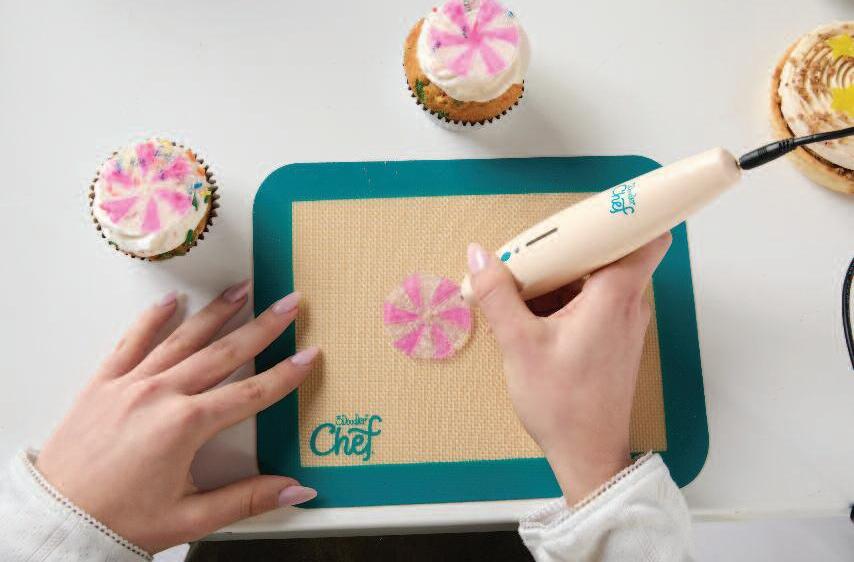
Engineered for effortless use, the 3Doodler Chef allows professionals and home bakers alike to create eye-catching designs in minutes, with minimal cleanup or skill level required By simply loading the pen with vibrant candy capsules, users can start drawing detailed, flavorful decorations with the touch of a button, making culinary artistry accessible to everyone
With the 3Doodler Chef, users can create elaborate candy art and cake toppers or even add unique 3D accents to their desserts Perfect for professionals and novices alike, the 3Doodler Chef removes the hassle from traditional candy work by replacing labor-intensive methods with an intuitive, handheld tool
Each 3Doodler Chef comes equipped with custom temperature and speed settings to tailor its output for various levels of detail Combined with ergonomic design for prolonged comfort, it lets chefs craft everything from delicate filigrees to bold, three-dimensional forms without the strain or time limitations that typically accompany candy sculpting
Crafted with care, the 3Doodler Chef ’s candy capsules are gluten-free, vegan, and diabetic-friendly, allowing anyone to enjoy their delicious, candy-based creations Available in five natural, vibrant colors
3Doodler www the3doodler com
Crave Brothers Mascarpone is a perfect addition to your shelves for Mother’s Day, offering customers a rich, creamy Italian cheese ideal for a variety of delicious dishes
To elevate your offerings, consider c r o s s - m e r c h a n d i s i n g this award-winning sweet cream Mascarpone with complementary products You can create a “Tiramisu Kit,” pairing Crave Brothers Mascarpone with ladyfingers, cocoa powder and coffee for a fun, easy-to-make dessert
Another great option is to bundle it with graham cracker crust, fresh berries and a recipe for a decadent Mascarpone cheesecake For a more breakfast-focused offering, cross-merchandise mascarpone with pancake or waffle mixes, maple syrup and fresh fruit, encouraging customers to create a spe-
cial Mother’s Day breakfast
You could also curate Italian-inspired gift baskets featuring Mascarpone alongside olive oil, pasta and balsamic vinegar, making for an elegant gift option Additionally, showcasing Mascarpone’s versatility by pairing it with fresh herbs, crusty bread or savory pasta sauces will entice customers looking for both sweet and savory meal ideas
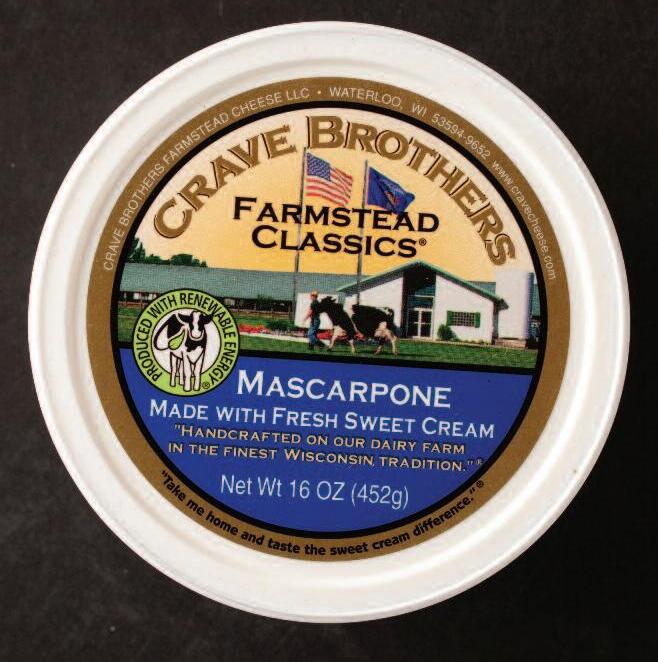
Offering recipe cards or hosting instore samples can further inspire shoppers and highlight the many ways to enjoy Crave Brothers Mascarpone For more information, please visit the website
Crave Brothers www.cravecheese.com
As the leading gourmet tuna brand in the United States, Tonnino prides itself on sustainable fishing practices widely respected for a preservation of quality and flavor
Tonnino shakes the canned seafood market with the launch of its first-ever tuna can specifically designed for kids, now available at Walmart This tuna offers a perfect blend of delicious taste and healthy convenience tailored to young palates These fun, kid-friendly varieties are packed with lean, proteinrich, dolphin-safe, combined with fresh diced vegetables
Each can is a standalone meal –pasta, pizza, tuna melt or mac and cheese – making healthy eating both easy and enjoyable for kids The packaging is eye-catching, featuring a friendly tuna character on a conveniently petite package The two standout varieties are Premium Yellowfin Tuna chunks with sweet cor n in water (3 7 ounces) and Pre-
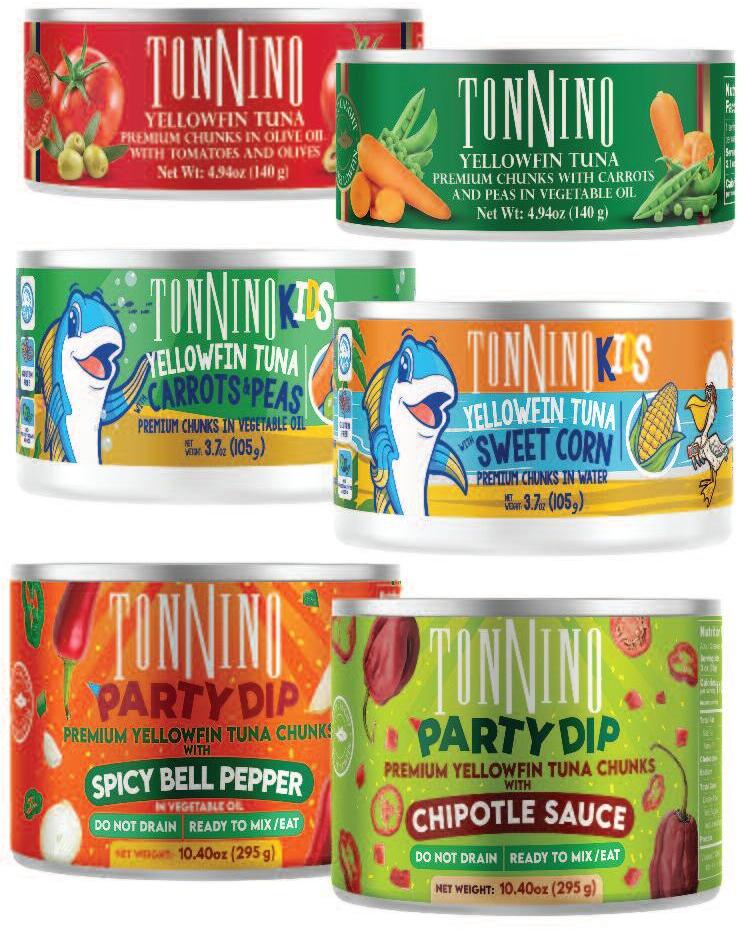
Holidays are a great time to bring out a charcuterie board For those in the greater Chicago area, beloved Bobak Sausage Company has six new sausage flavors to try – and they’re available at area grocery stores
Elevate your culinary adventures with Bobak’s Maxwell Polish, Smoked Polish, Smoked Brat, Smoked Cheddar, Mild Italian and Beef Polish
The Bobak story takes root in
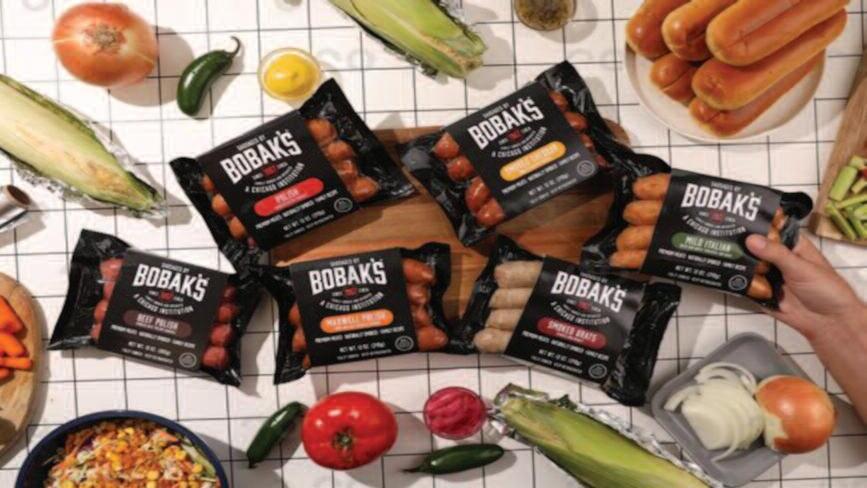
Ariston has now added authentic risottos from Italy to its line of products
Are your customers pressed for time and looking for a convenient, delicious, timesaving side dish for their family meal?
These risottos make it easy for you to do just that Make this wonderful dish at home within 18 minutes There are 6 5 servings per container
Risotto is a norther n Italian rice dish made with a special high-starch, shortgrain rice Risotto is cooked in broth until it reaches a creamy consistency
Ariston’s Risottos are available in four flavors: Risotto with Truffle, Risotto with Pumpkin, Risotto with Porcini Mushroom and Risotto with 4 Cheese
infused olive oils
One of the benefits of these products is that it is gluten free and has no added salt They are also GMO free and have 0 percent cholesterol
In addition, you can get creative with the risottos and pair them with other Ariston products For example, the Pumpkin
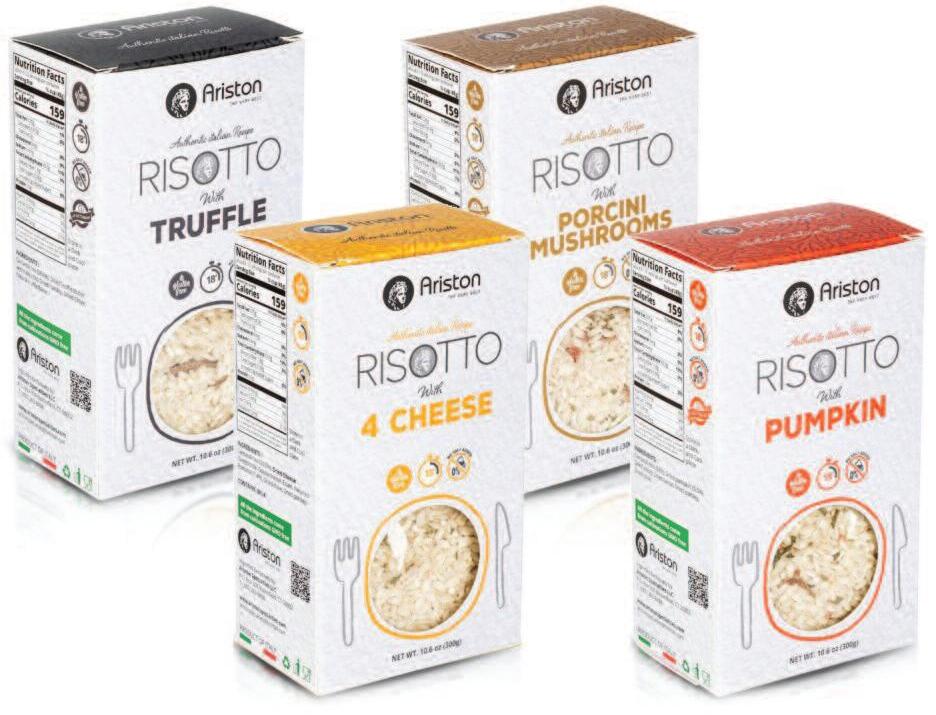
gested instructions on the box and add water
However, if you prefer extra flavor, you can use beef, chicken or vegetable broth You can also enhance the risotto’s creaminess and flavor by adding Ariston’s Select Extra Virgin Olive Oil or any of its
The third product from The Kraft Heinz Company and TheNotCompany has launched: plant-based Kraft Mac & Cheese – Kraft NotMac&Cheese
Less than 30 percent of plant-based mac & cheese buyers are repeating purchases as taste and texture remain their largest pain points The Kraft Heinz Not Company aims to address consumers’ plantbased preferences and evolving needs with the debut of two great-tasting plant-based mac & cheese offerings
Risotto pairs well with Ariston’s Rosemary, Basil olive oil, or Curry infused olive oil You can also add Ariston’s sea salt line to any of these risottos products as well Enjoy and buon appetito from Ariston Specialties!
Ariston Specialties www aristonspecialties com
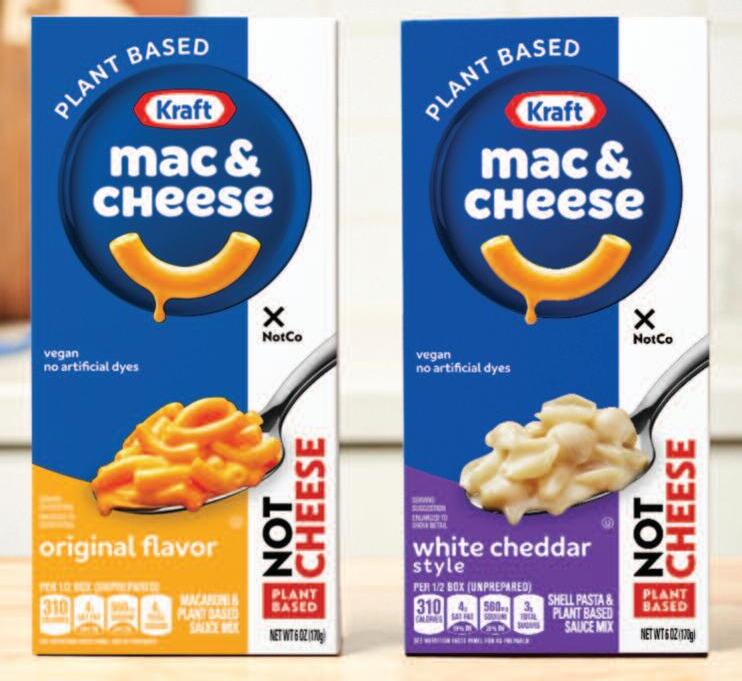
“The Kraft Heinz Not Company creates plant-based versions of fan-favorite foods that taste like the real thing, yet don’t require people to drastically change their eating habits,” said Lucho Lopez-May, CEO, The Kraft Heinz Not Company “NotCo brings its revolutionary AI technology that has a proven track record in creating mouthwatering plant-based foods to
Kraft – the beloved mac and cheese brand that sells over a million boxes every day Leveraging the strengths of both companies, we’re offering the creamy and comforting experience Kraft Mac & Cheese fans have loved for over 85 years –without the dairy ” The launch builds on The Kraft Heinz Not Company’s current plant-based offerings of Kraft NotCheese Slices and NotMayo The Kraft Heinz Not Company will continue its plans to scale into several more categories and begin inter national expansion in 2024 Available in Original and White Cheddar flavors, Kraft NotMac&Cheese will continue rolling out on shelves nationwide through early 2024
Kraft Heinz Company www.kraftheinzcompany.com
Bobak Sausage Company www.bobak.com