


Jo Coventry-King
Designated Safeguarding Lead & Online Safety Lead
Martin O’Brien DDSL & Deputy Head Pastoral
Caroline Brunt DDSL & Mental Health & Wellbeing Lead
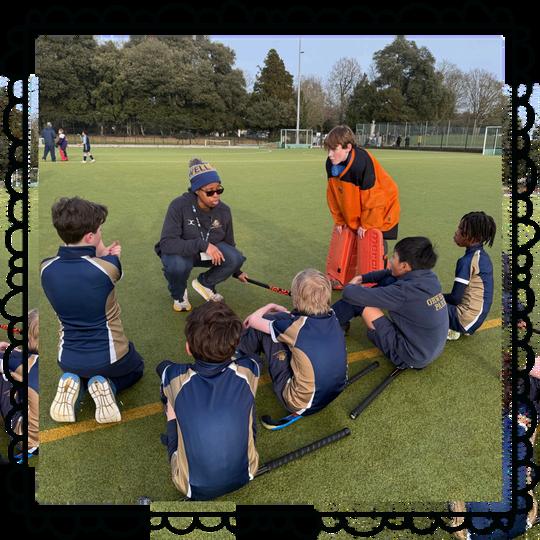
As we reach the end of another busy and eventful term, it feels like a good moment to reflect on the many ways our community has come together over the past few weeks March has been filled with moments of connection, collaboration and shared experiences - something that has felt particularly important for all of us this term.
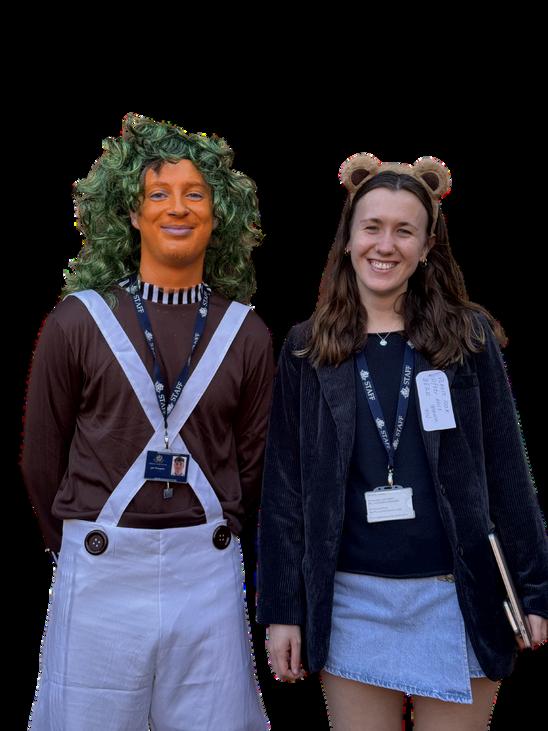
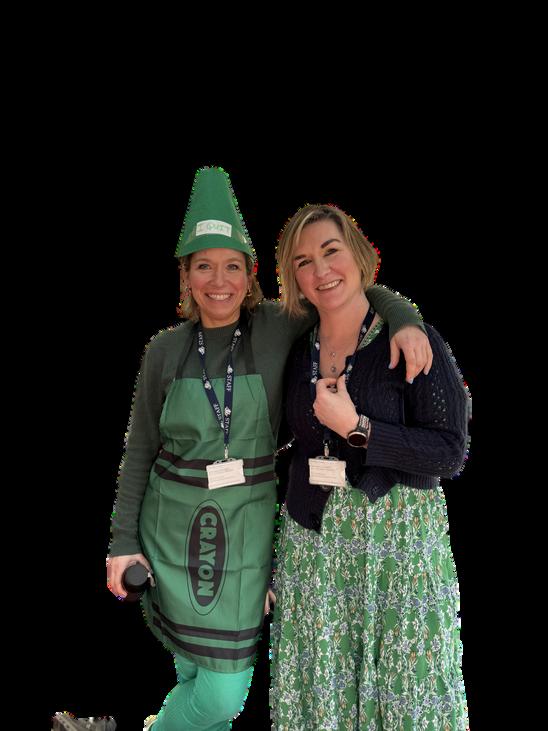
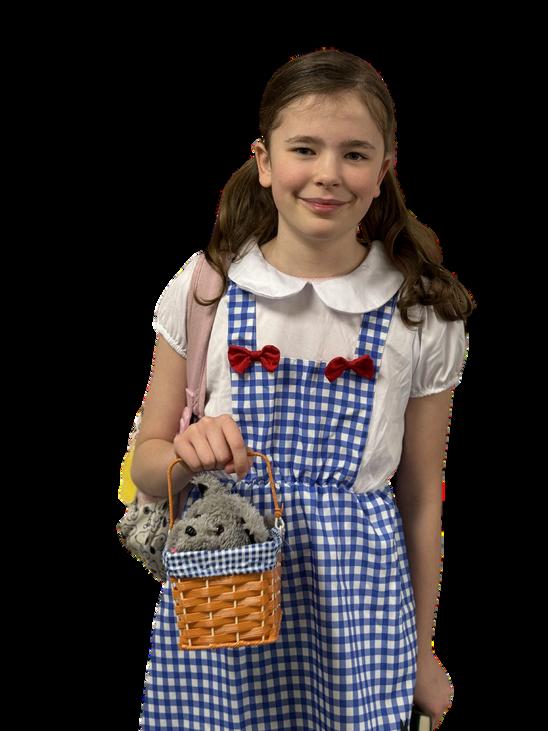
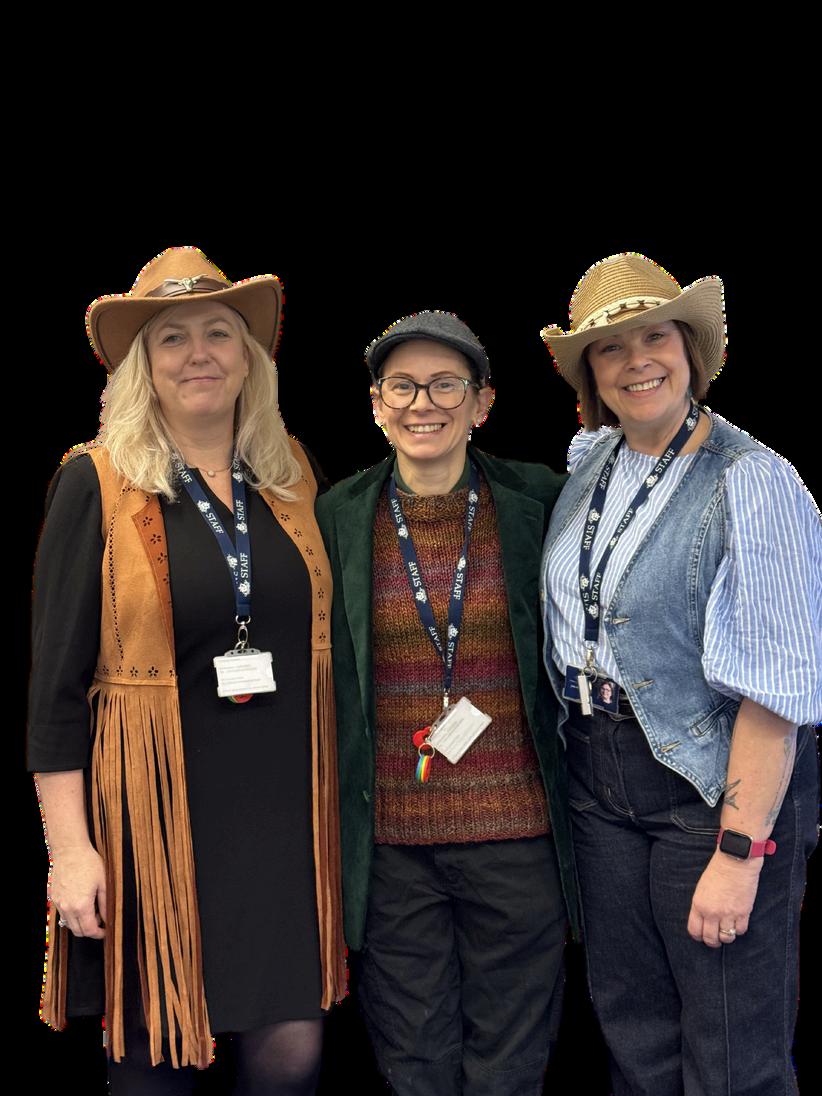
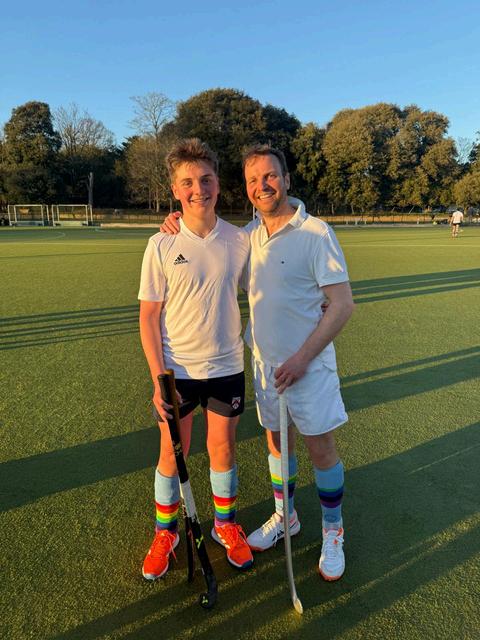
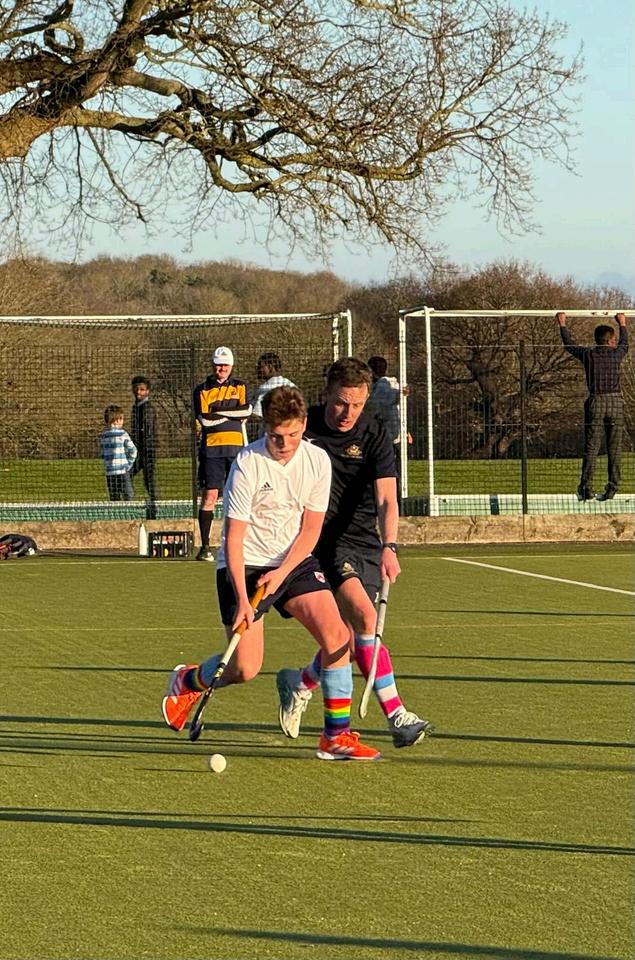
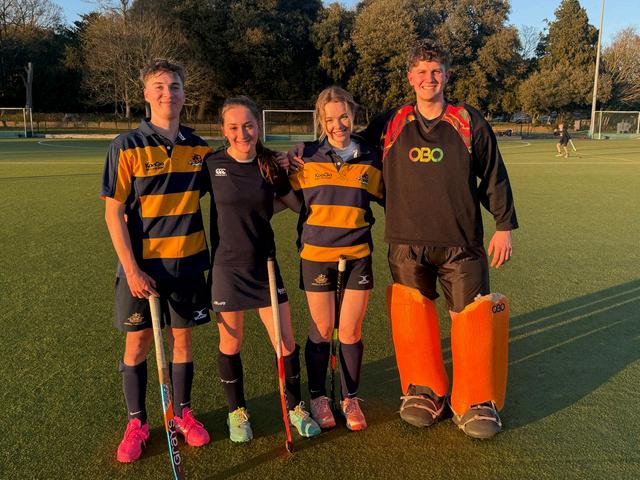
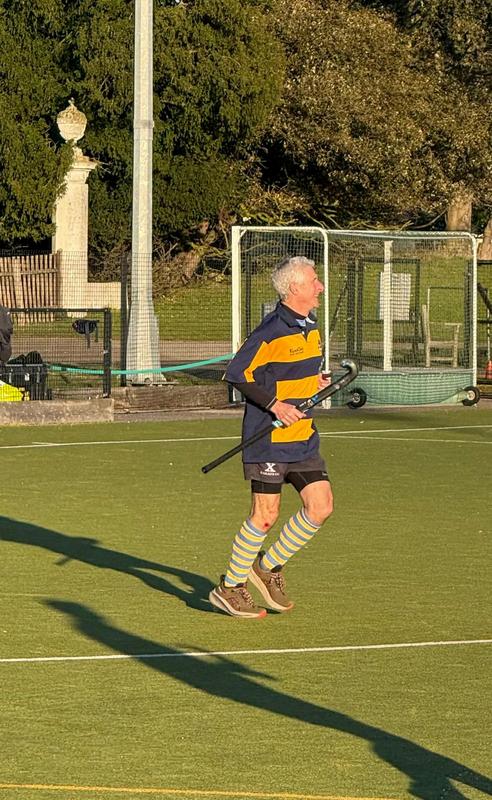
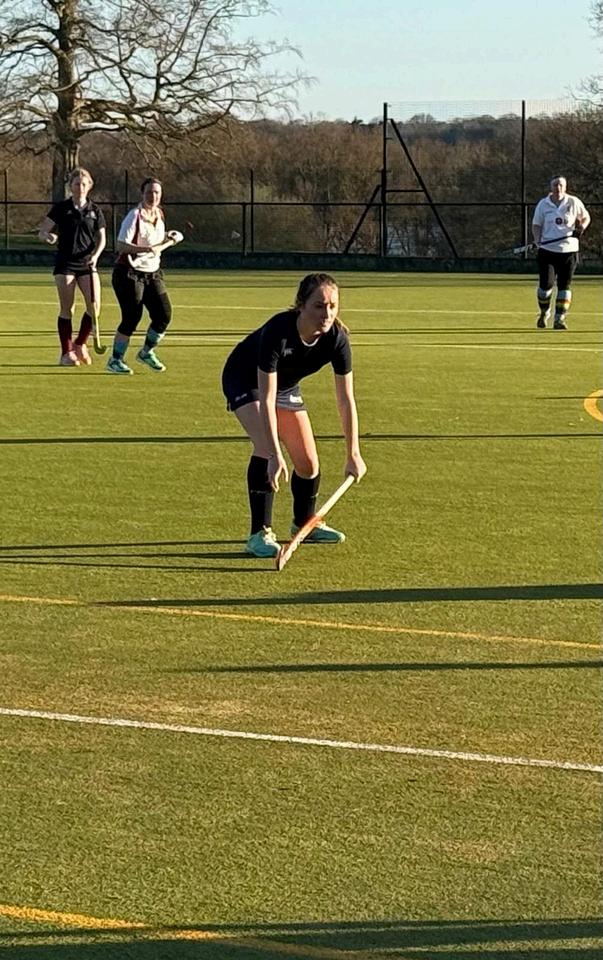
World Book Day was a real highlight, with wonderful enthusiasm and creativity across the school; it was fantastic to see pupils and staff celebrating reading in so many ways. We have also enjoyed several events that have brought people together beyond the classroom, including the everenergetic House Shout, the hugely enjoyable Big Family Quiz and the Staff vs Parents Hockey match - all of which created a wonderful sense of fun and community spirit
Alongside this, we have marked both International Women’s Day and Neurodiversity Week, celebrating diversity and recognising the many different strengths that make up our school.
This term has also reminded us of the strength of our school community. We continue to have Miss A in our thoughts and the kindness and support shown by pupils, staff and families has been deeply felt. It has been a powerful reminder of how important connection and care for one another are within our community. As the term draws to a close, we would like to wish everyone in the Orwell Park community a peaceful and happy Easter break

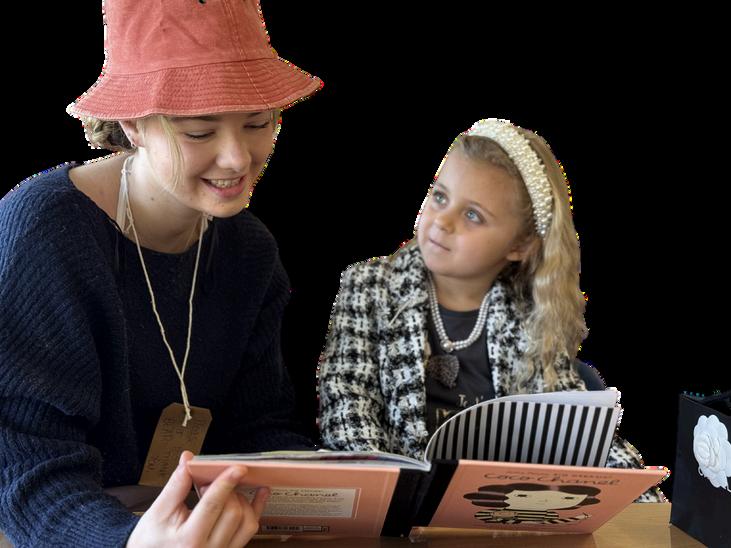
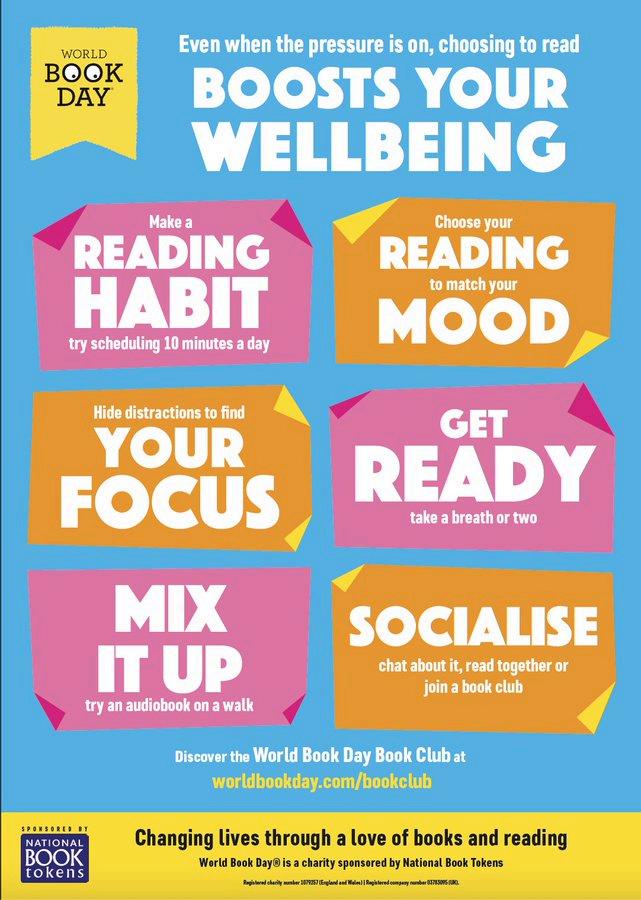
World Book Day plays a vital role in fostering a lifelong love of reading, reminding us of the power of books to inspire, educate and connect people. By celebrating books together, we create a shared experience that highlights the joy of reading.
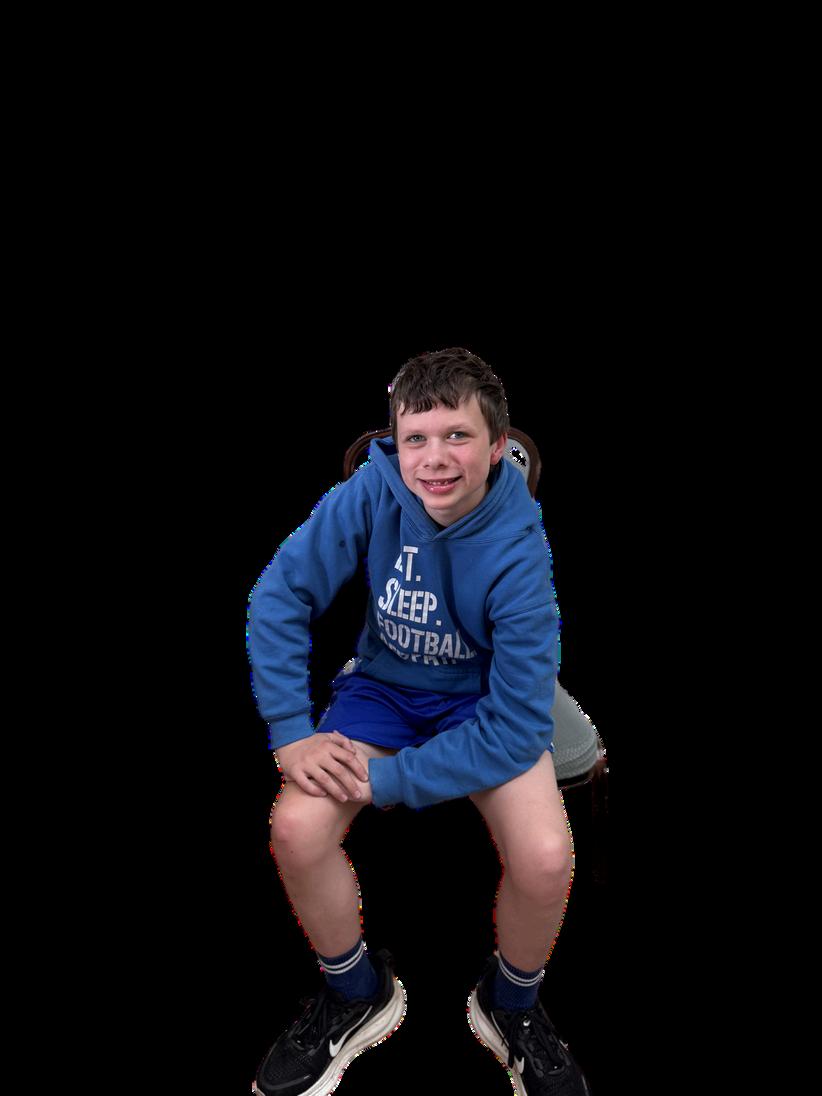
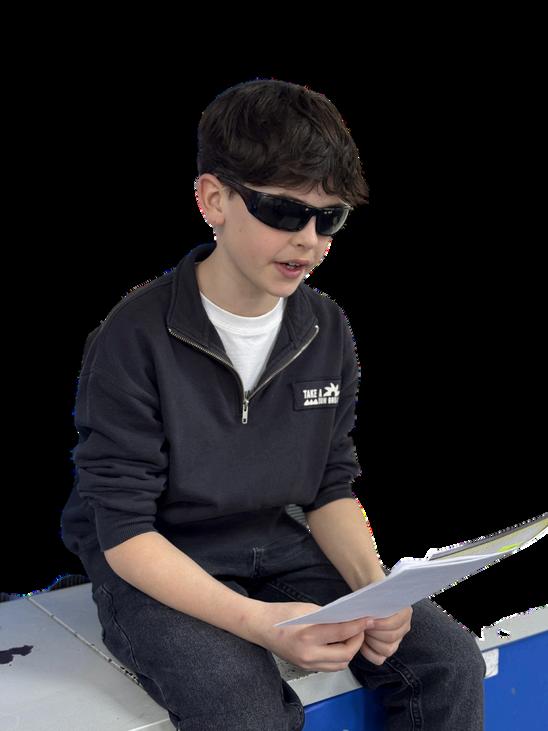
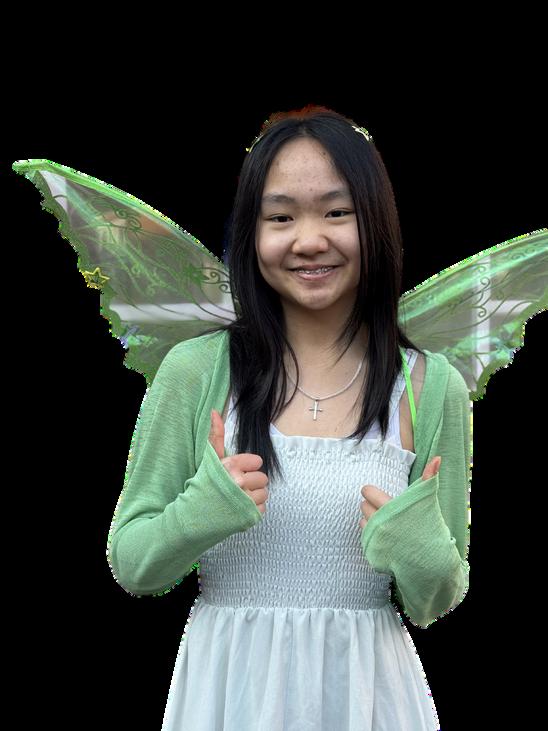
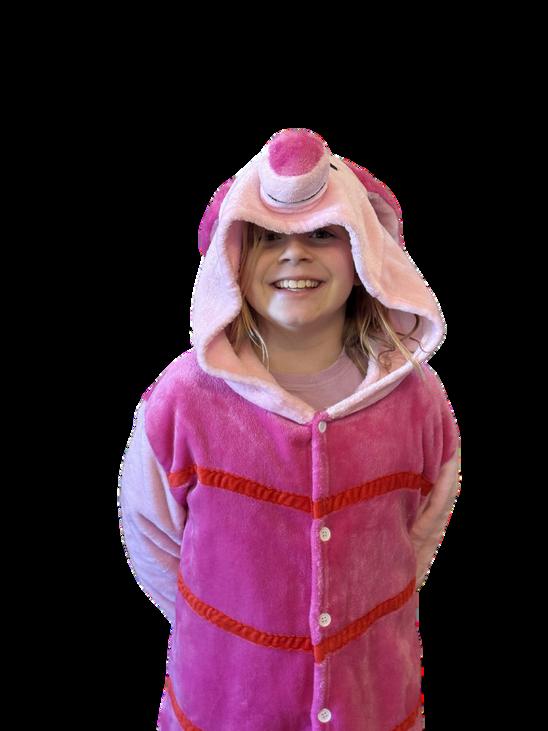
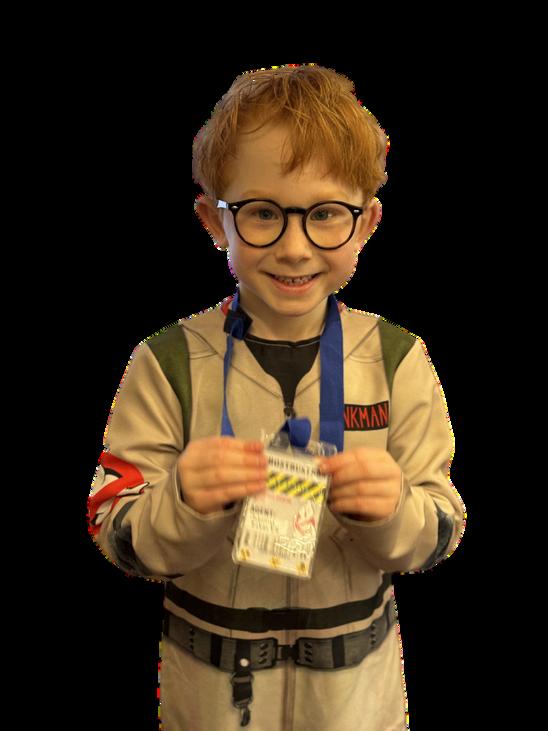
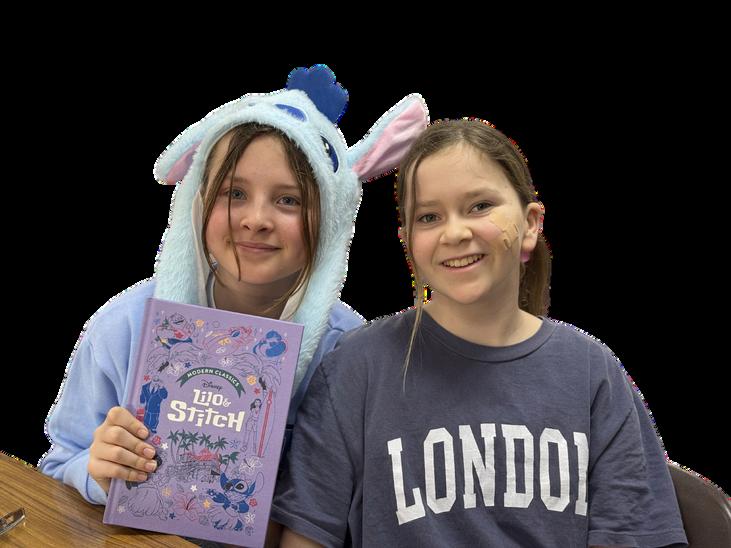
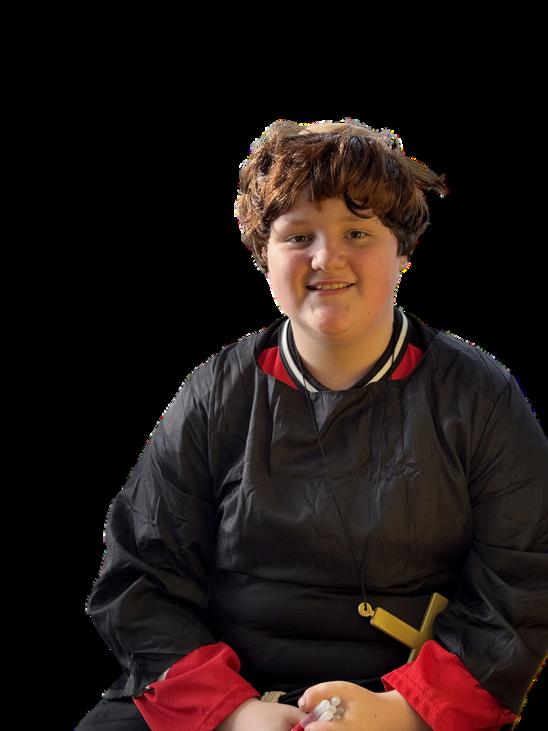
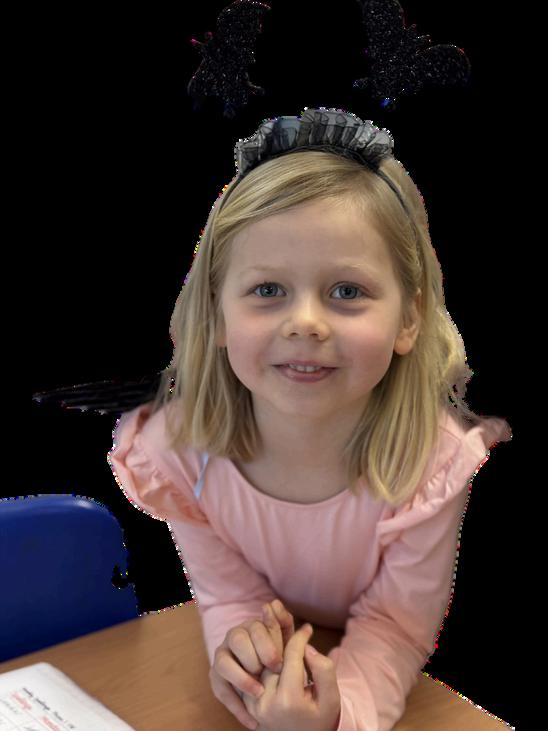
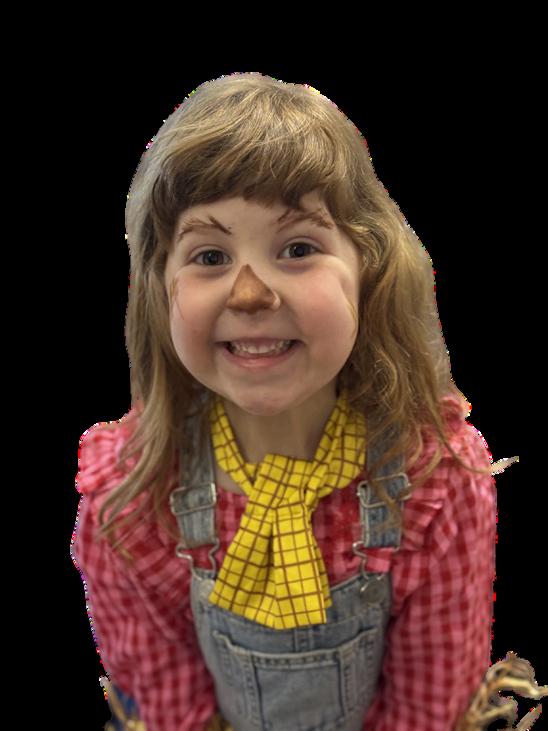
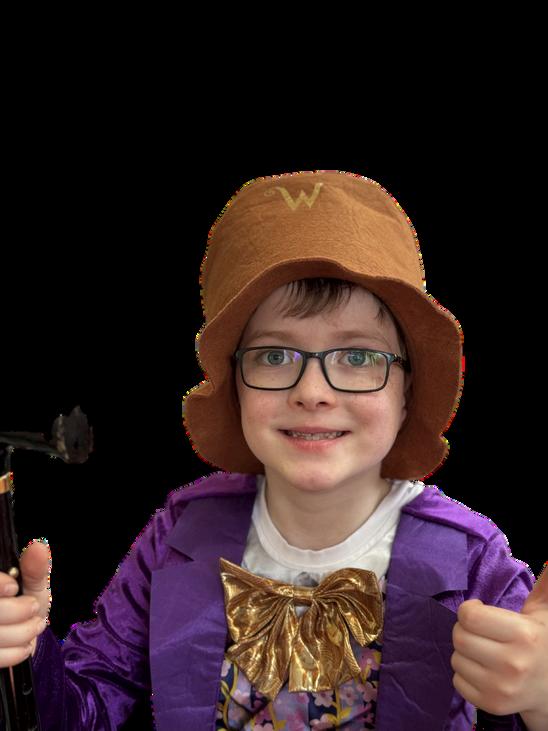
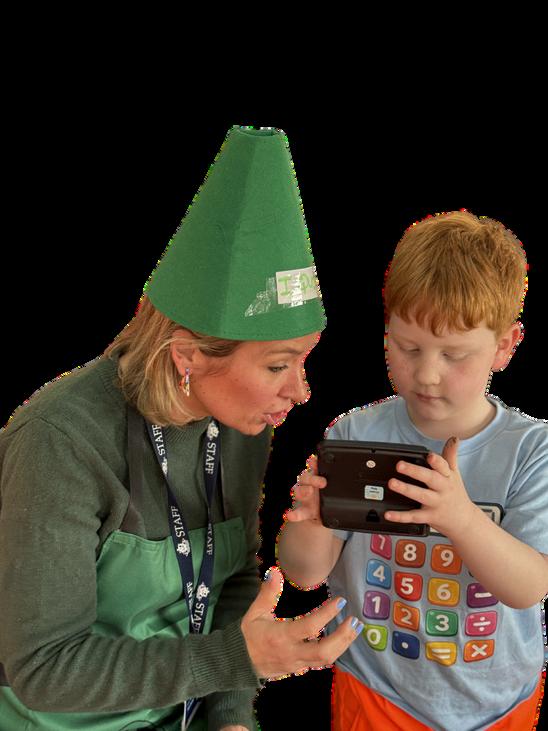
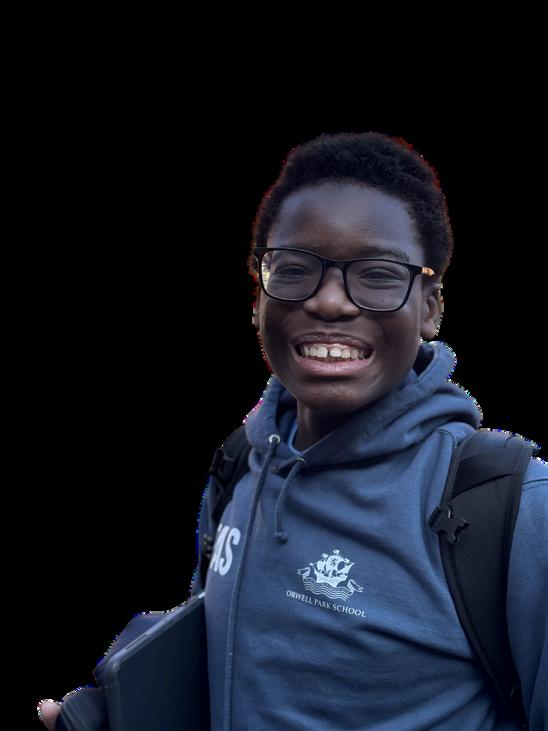
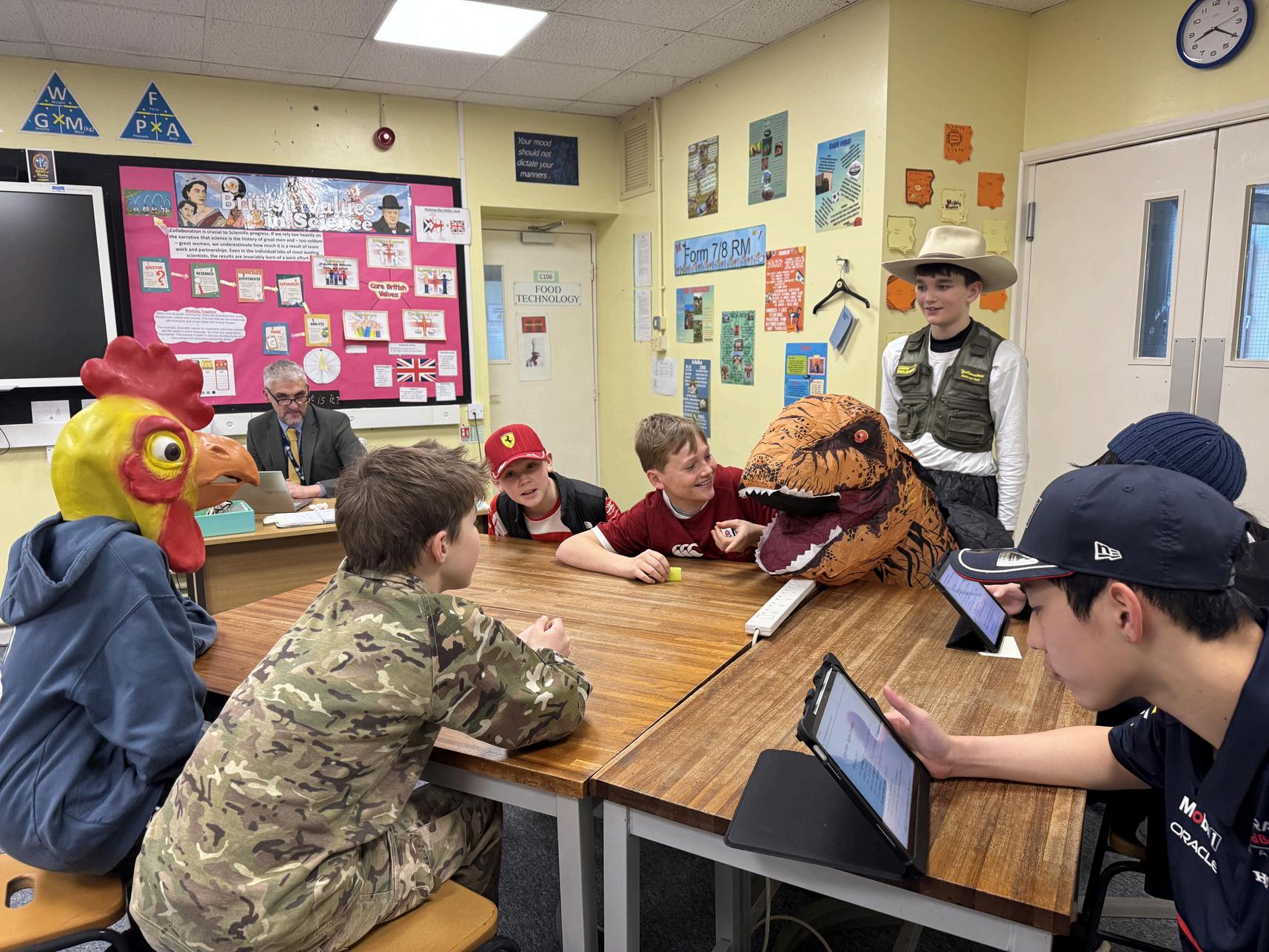
World Book Day 2026 at Orwell Park was a truly wonderful celebration of reading across the school.
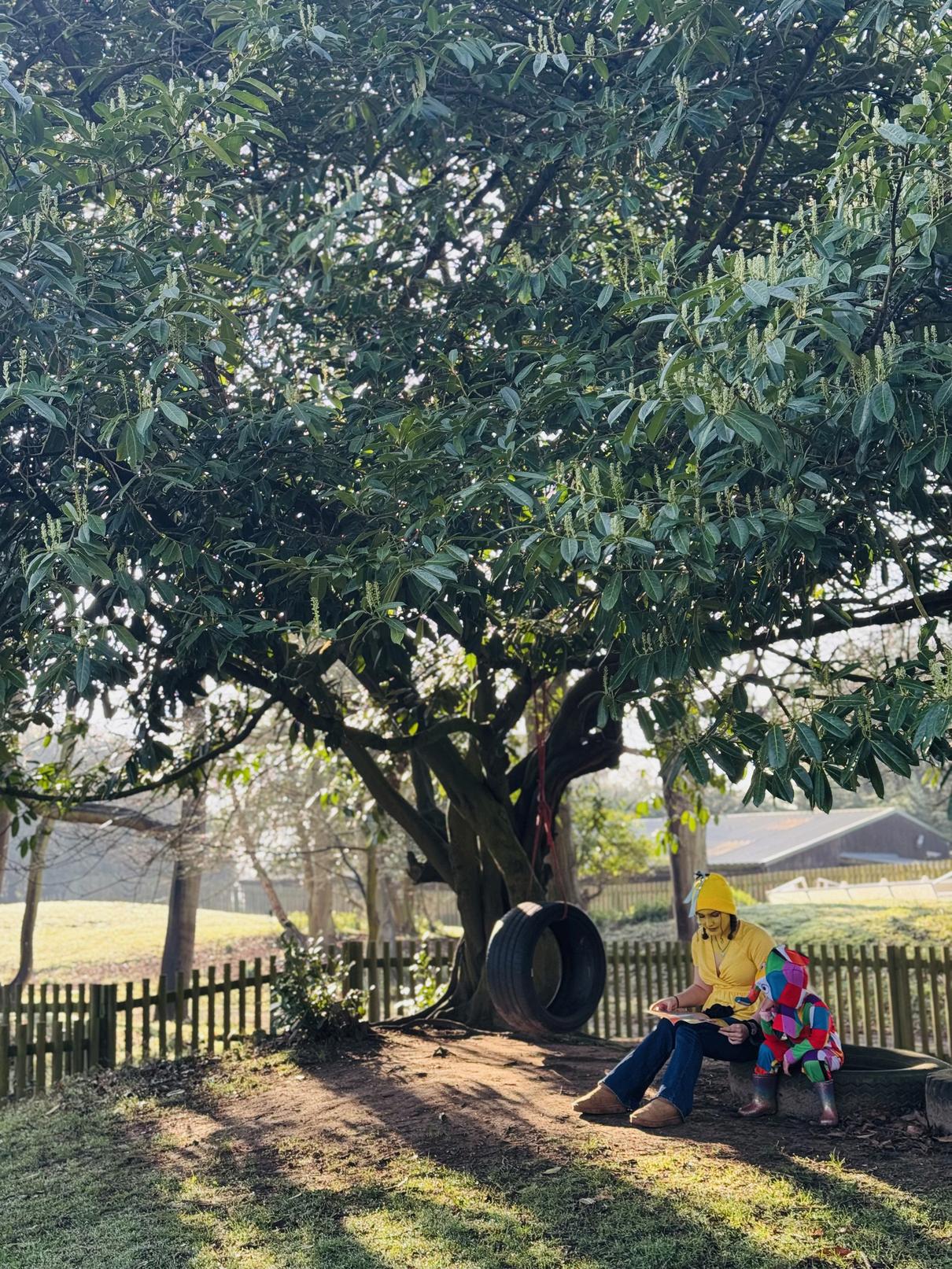
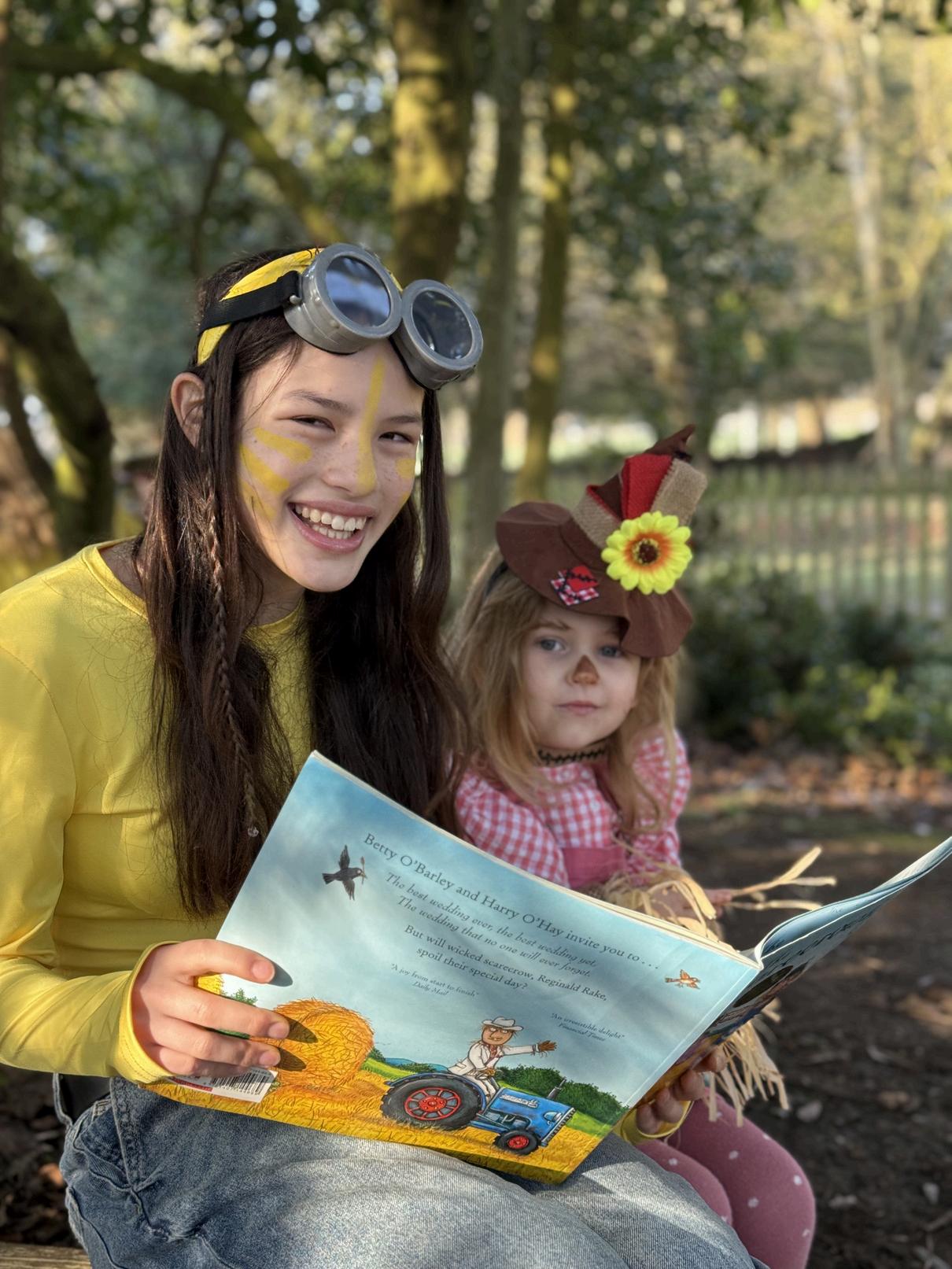
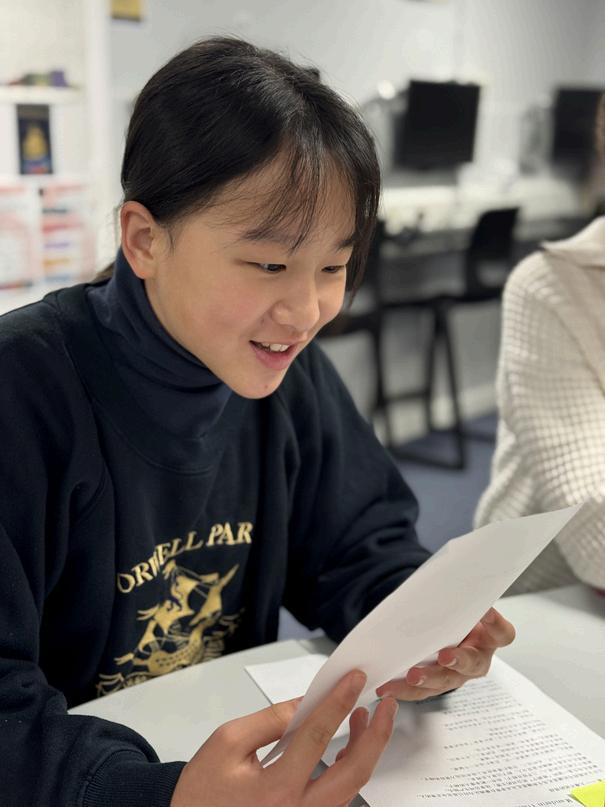
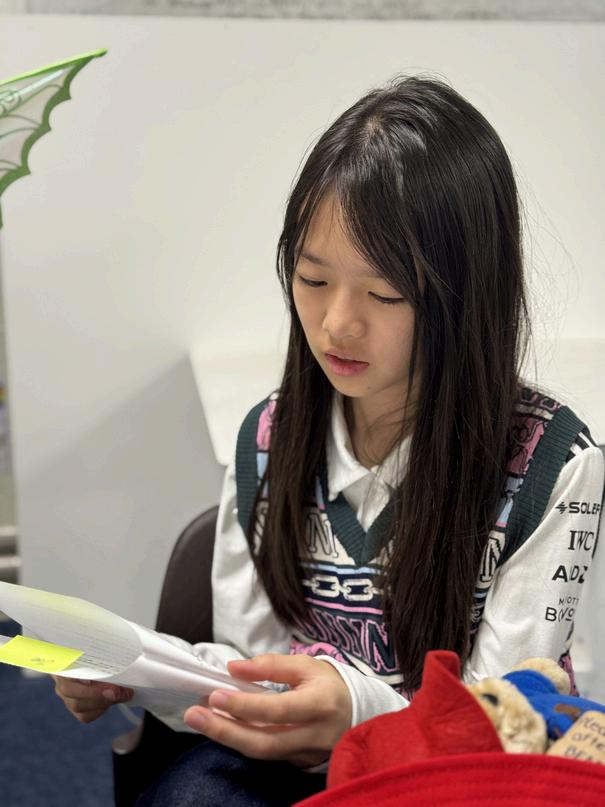
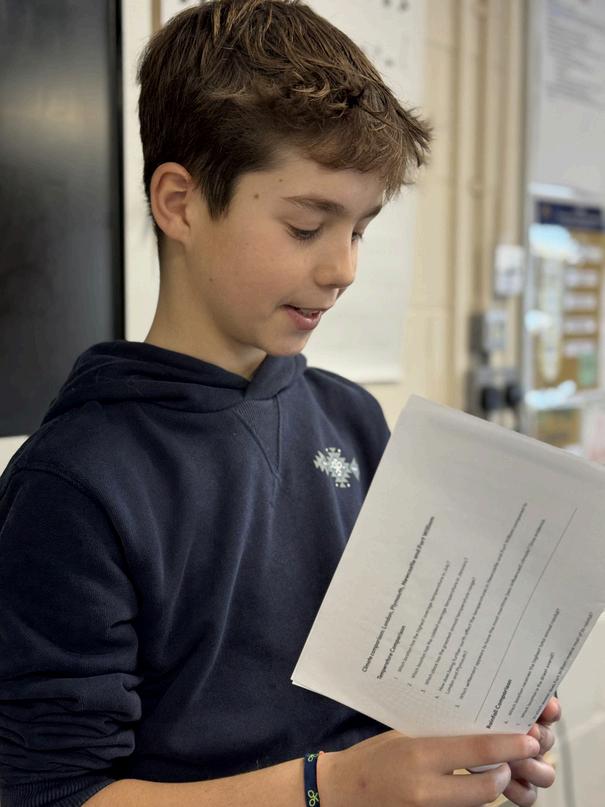
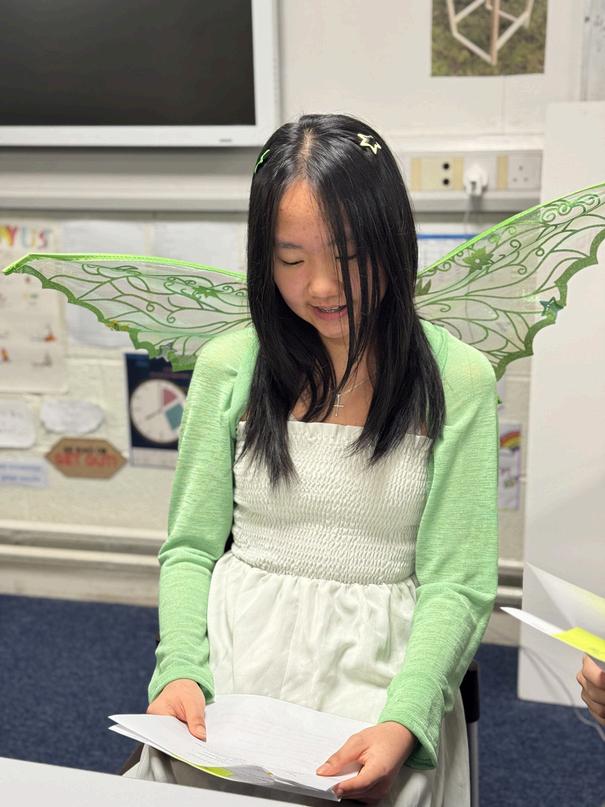
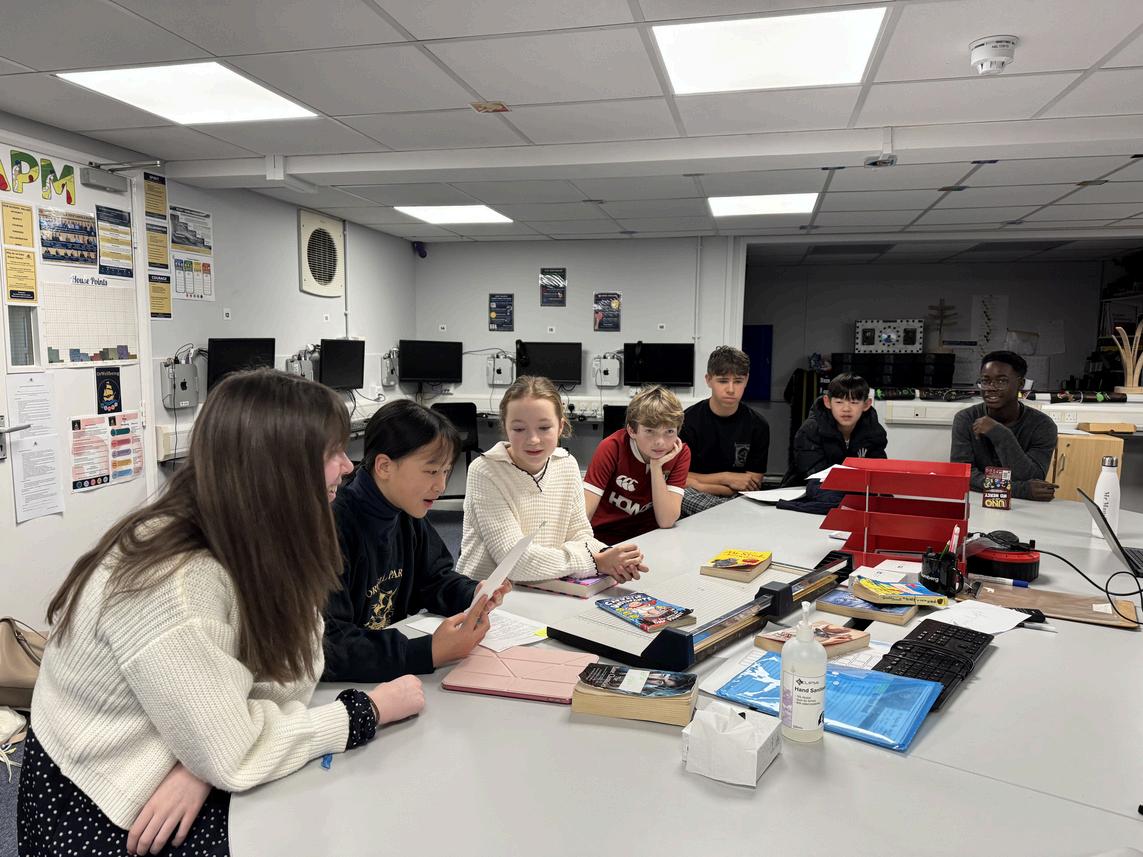
From our EAL students sharing stories in their home languages with their tutor groups, to Year 8 pupils reading with Nursery and Reception children in the glorious Spring sunshine, the day was filled with fun.

An energetic inter-house quiz in the Orangery rounded off the day and added a lively, competitive spirit; there was a real sense of joy and enthusiasm throughout. Well done to the winners: Yellow Tigers.
Thank you to everyone who took part and helped make the day such a memorable success.

A huge thank you to OPPA for our wonderful new Reading Shed for Nursery! Beautifully decorated by our fantastic Year 8 Art Scholars, it’s now a colourful space bursting with books, art materials, cushions and even puppets. Just in time for the warmer months, it’s the perfect spot to take English learning outdoors and let imaginations run wild this spring and summer.
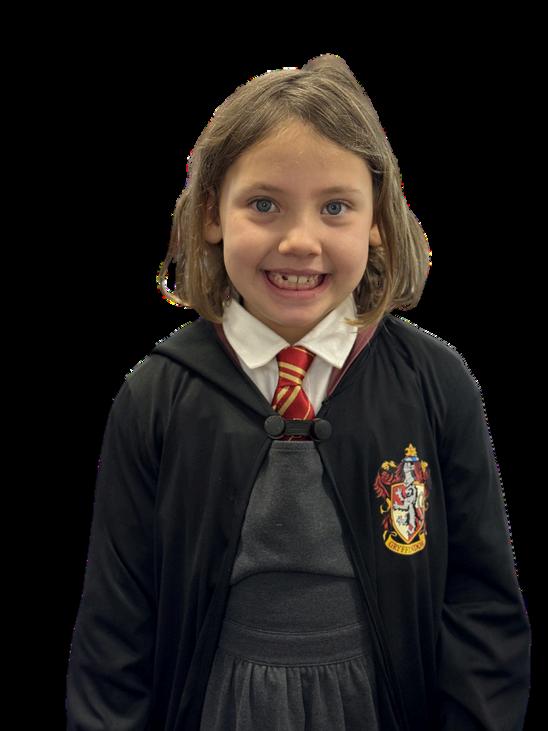






World Book Day 2026 World Book Day 2026

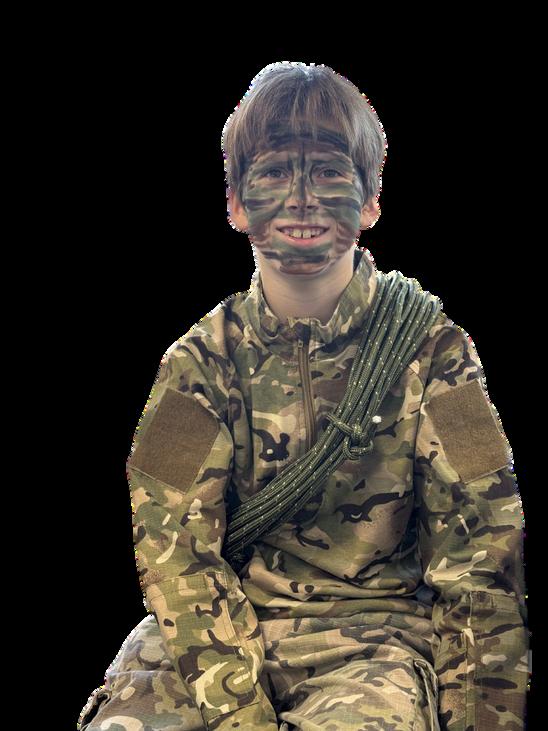
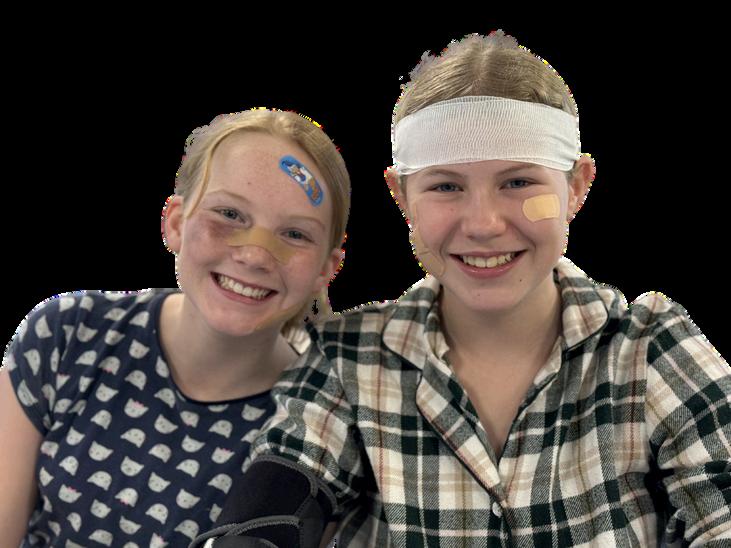


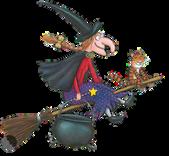

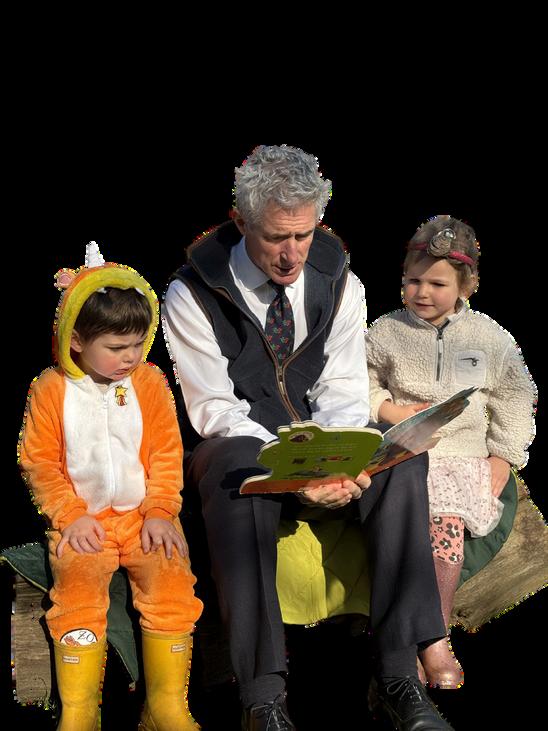
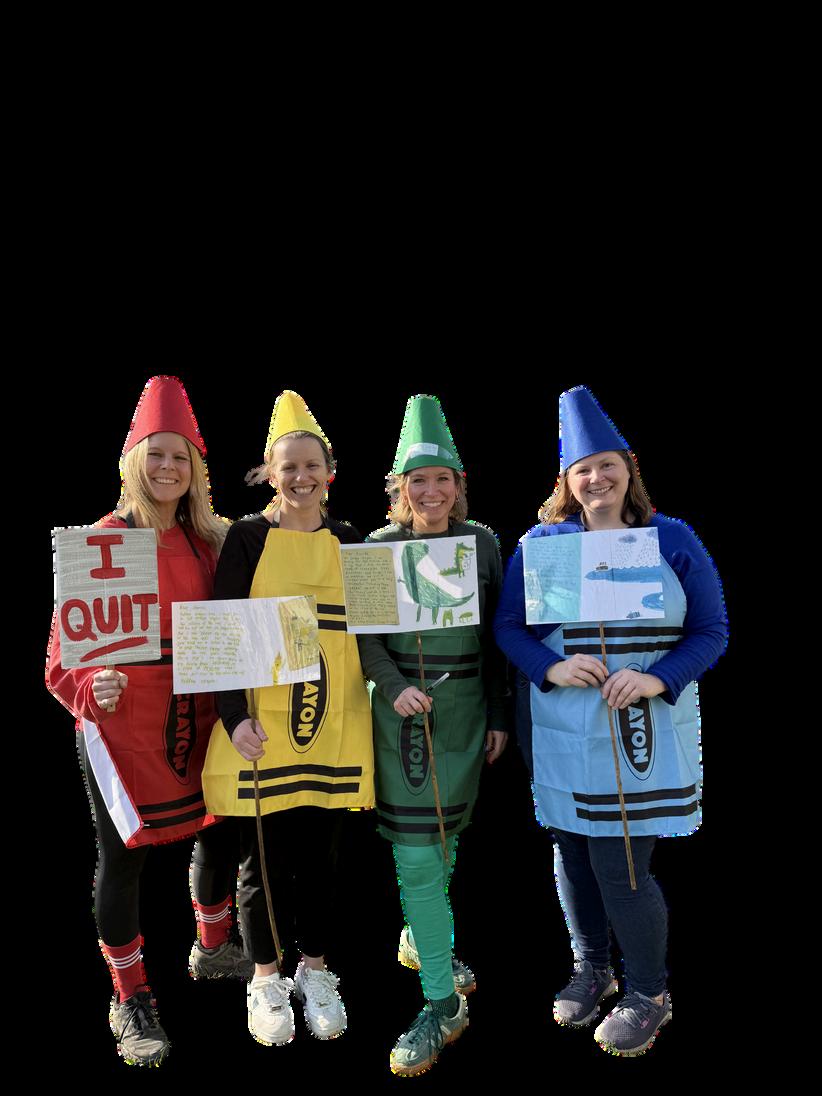
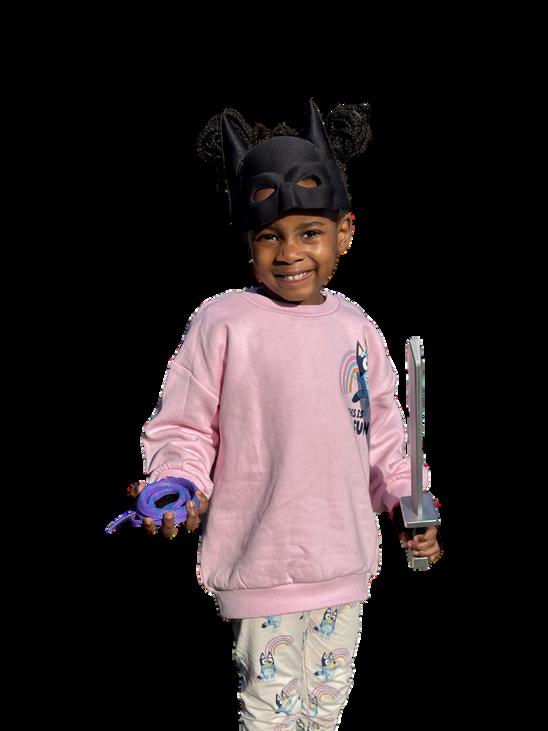











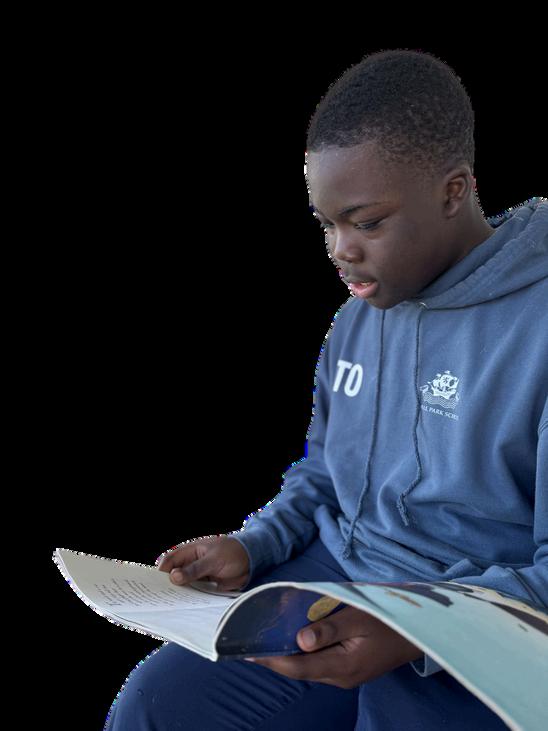


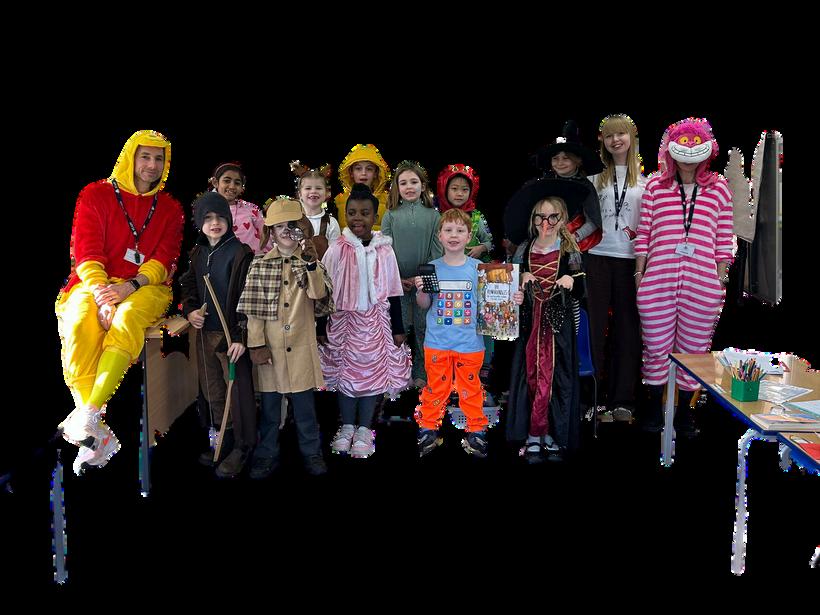






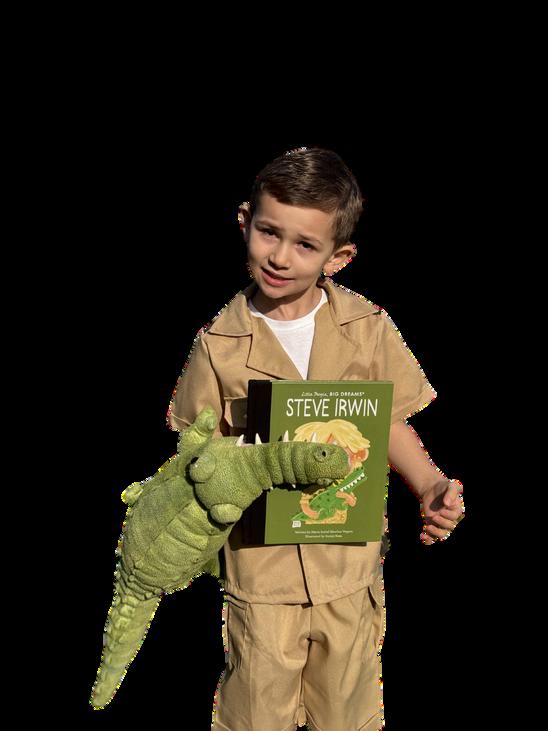
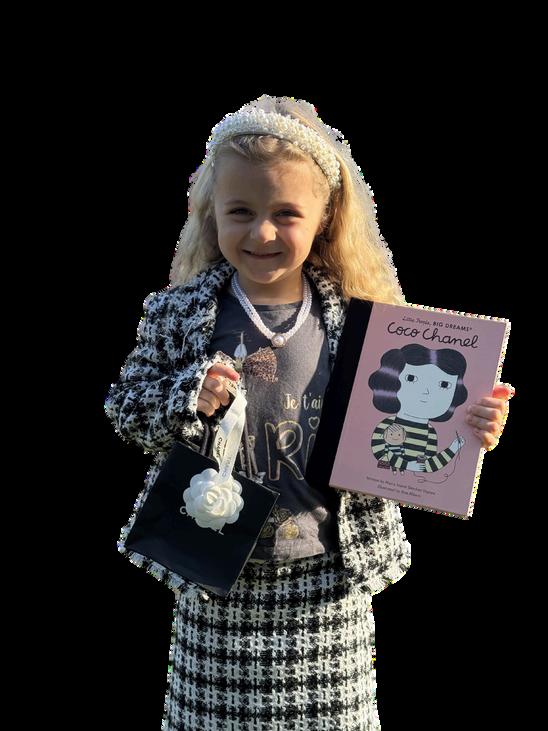
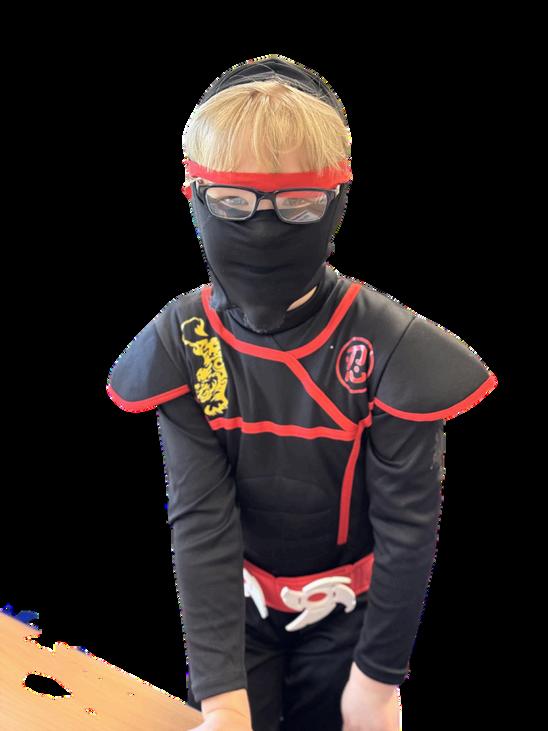

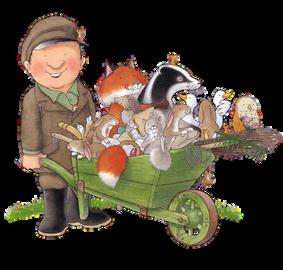
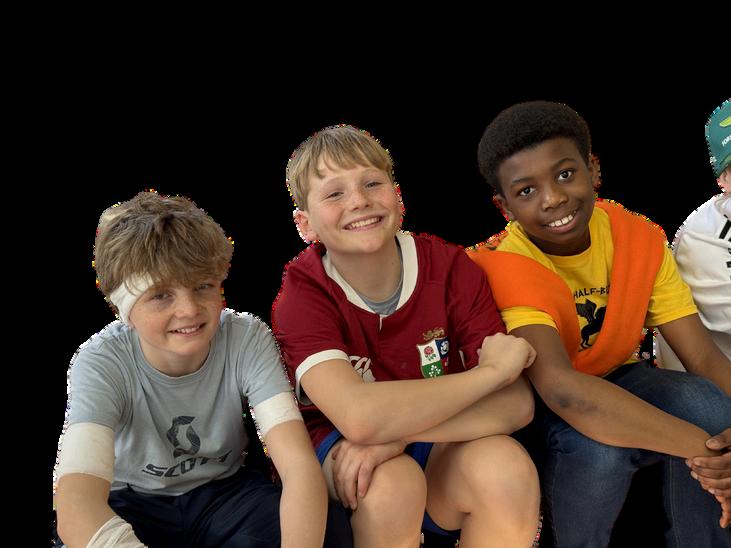



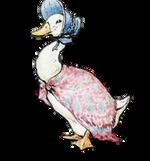
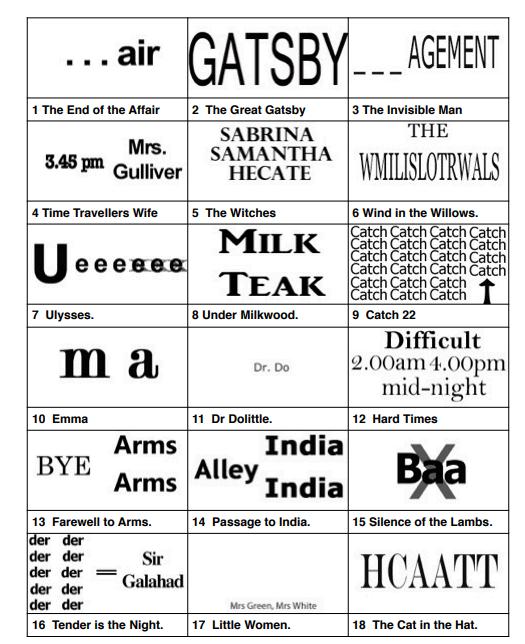
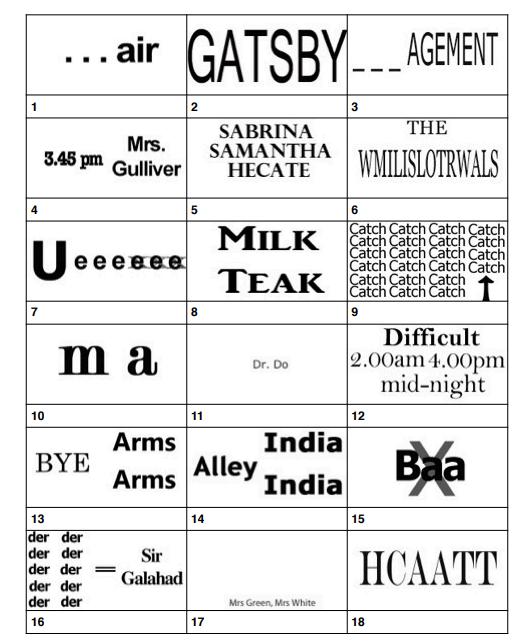
Fancy a challenge? How many ofthese book titles can you work out? Answers at the back.
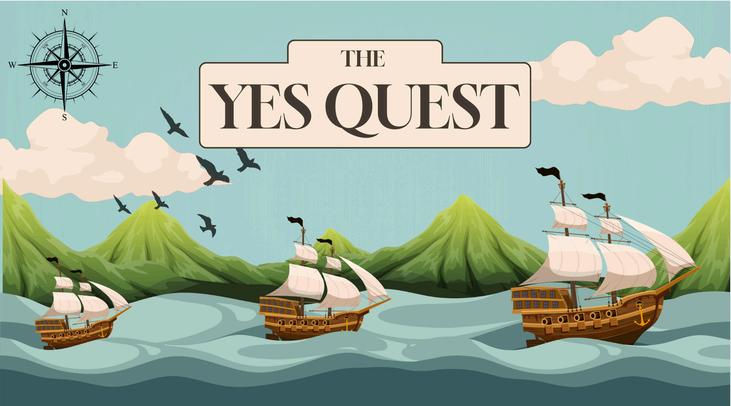


The Yes Quest is a whole school challenge running from the 25 March until the 22 May . We would like pupils to step outside their comfort zone and say yes to as many different opportunities as they can. Each child will issued with a passport in which to keep a record of their experiences. th nd
There are four different types of challenges we would like pupils to try: Outdoor & Adventure; Creative Courage; Academic Strength and Personal Growth. There are suggestions for activities in the passports, but these are by no means compulsory.
There are a whole host of benefits to trying new things: It boosts your brain power. Helps build bravery and resilience. Can reveal hidden talents. It is fun!
How can I help my child with this challenge?
Encouraging our young people to ‘give things a go’ would be really helpful, but - if you’re feeling brave - the most powerful learning tool is leading by example. Why not try something new as a family?
There will be opportunities for pupils to share their experiences next term, but, over the holidays, please share photographs or short film clips with us via the marketing phone: 07495798856.

Catharine Loveridge Growth Mindset Lead
enjoyed
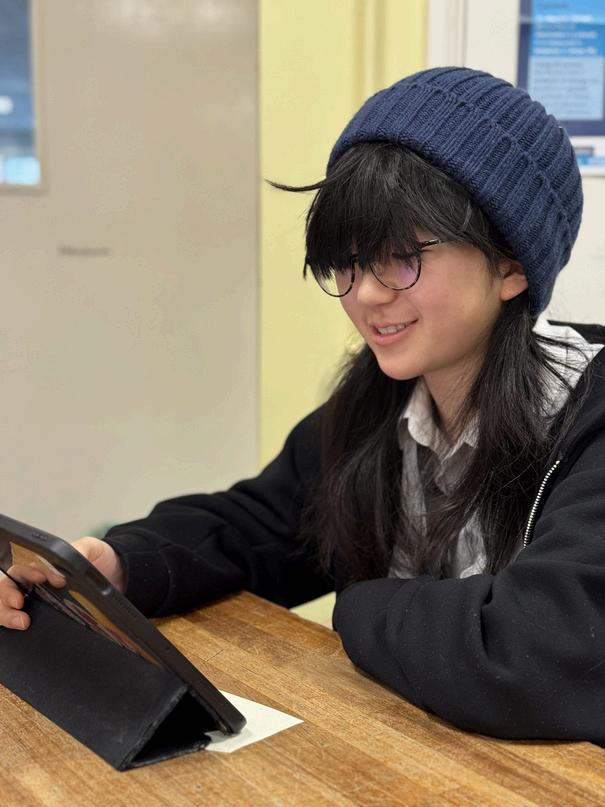



Each month, the OrWellbeing team will share tips, ideas, and guidance to help us all try to navigate the digital world safely At Orwell Park, we want pupils to enjoy technology, know how to use it wisely while keeping themselves happy, healthy, and safe
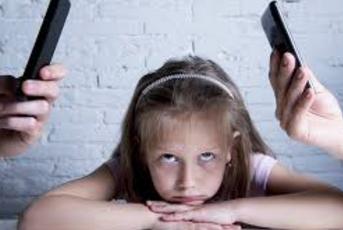
For most working parents, screens are not optional extras, they are an incredibly important tool we need to keep on top of life! Emails before breakfast. Teams calls between nursery drop-off and the train. Group chats about football practice Online banking at 10pm Digital technology underpins modern family life in the UK The question is no longer “Are screens good or bad?” but rather: What are our children learning from how we use them? This is not about guilt It’s about awareness and small, realistic recalibrations
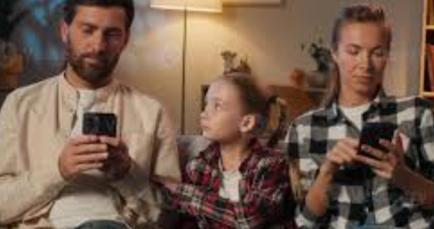
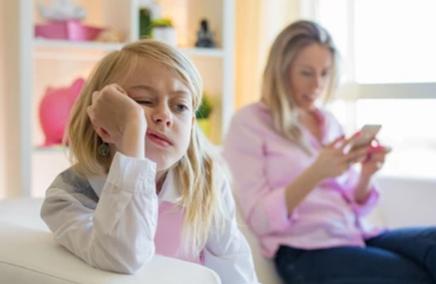
Developmental psychology has consistently shown that modelling shapes behaviour more powerfully than instruction. When adults frequently check phones mid-conversation, children internalise that divided attention is normal A UK study from Ofcom (Children and Parents: Media Use and Attitudes reports) shows that children are highly attuned to parental device use and often report feeling ignored when adults are distracted by screens International research from Common Sense Media has similarly identified “technoference” (everyday interruptions in parent-child interaction caused by digital devices) as associated with increased child frustration and behavioural difficulties. The mechanism is not mysterious: young brains are wired for contingent, responsive interaction When attention is fragmented, connection weakens.

Cognitive science describes attention as socially regulated Children co-regulate their focus with adults When we constantly task-switch between phone and child, we model fragmented concentration. Research on executive function (the cognitive system that governs self-control and focus) indicates that sustained shared attention strengthens children’s regulatory skills. In other words: when we put the phone down and fully engage, we are scaffolding their developing brain
The conversation has evolved beyond “ screen time limits” The NHS now emphasises quality of interaction alongside quantity of use A parent can work on a laptop for hours without negative impact if boundaries are clear and moments of connection are predictable Conversely, intermittent distracted scrolling during dinner can feel more disruptive than a structured work block Children are less distressed by working than by inconsistency

Busy parents rarely have time for lengthy digital detox plans. Instead, we can consider short, evidence-informed reflection prompts:
When do I most often check my phone unnecessarily? (Queueing? At red lights? During homework supervision?) What emotional state drives that checking? Boredom? Stress? Avoidance?
What moments matter most to my child right now? Bedtime? After-school debrief? Saturday football?
What does my child see when they look at me? A face? Or the top of a phone?
What digital behaviour would I like them to copy at 15?
For time-poor professionals, sweeping rules rarely stick. Micro-adjustments do
1. Declare “Attention Anchors”
Choose 1–2 daily rituals that are screen-free by default: Bedtime reading?
The first 10 minutes after school? Sunday breakfast?
When boundaries are predictable, children relax
3. Differentiate Work from Scroll
Children struggle to distinguish necessary digital work from leisure scrolling If possible, physically separate them:
Laptop at desk = work
Phone on sofa = leisure
Visual cues help children interpret your behaviour accurately
If you notice you were distracted during an important moment, a simple repair matters: “I’m sorry; I was half-listening Tell me again”
Research in attachment theory shows that rupture followed by repair strengthens trust more than flawless interaction
2. Narrate Your Use
Instead of silently picking up your phone, say: “I’m just replying to a work message I’ll be two minutes” This does two things: Signals that connection will resume Teaches purposeful use rather than compulsive checking
Metacommunication reduces perceived rejection
4. Audit the Invisible Drift
Many adults underestimate their daily pickup frequency
Reviewing your screen time report once a week (without judgement) can be illuminating
You are looking for patterns, not reasons to selfcriticise


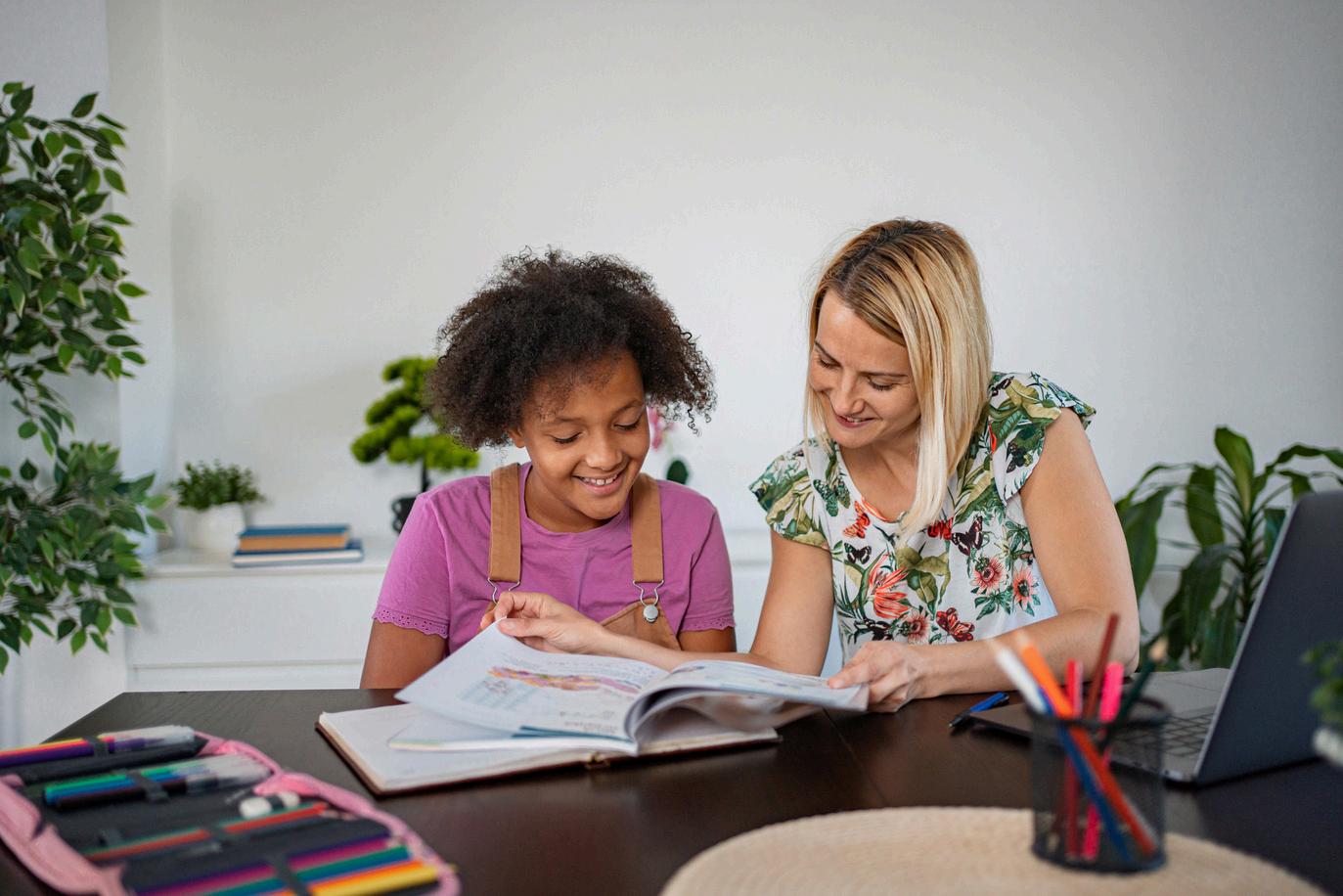
The Bigger Picture
Parental guilt around screens has intensified in the UK media landscape Yet longitudinal studies show that moderate, structured digital use in families is not inherently harmful. What predicts outcomes more reliably is relational quality Children remember emotional availability more than exact minutes logged
Our children are growing up in a digital society They will not need us to teach them how to use devices They will need us to teach them:
When to pause
How to focus
Why boundaries matter
That people come before pixels
And the most persuasive curriculum is lived experience
We do not need a digital detox but we could probably all benefit from a few deliberate, visible choices For intelligent, working parents, reflection is not indulgent, it is strategic: attention is one of the most valuable resources in our households.
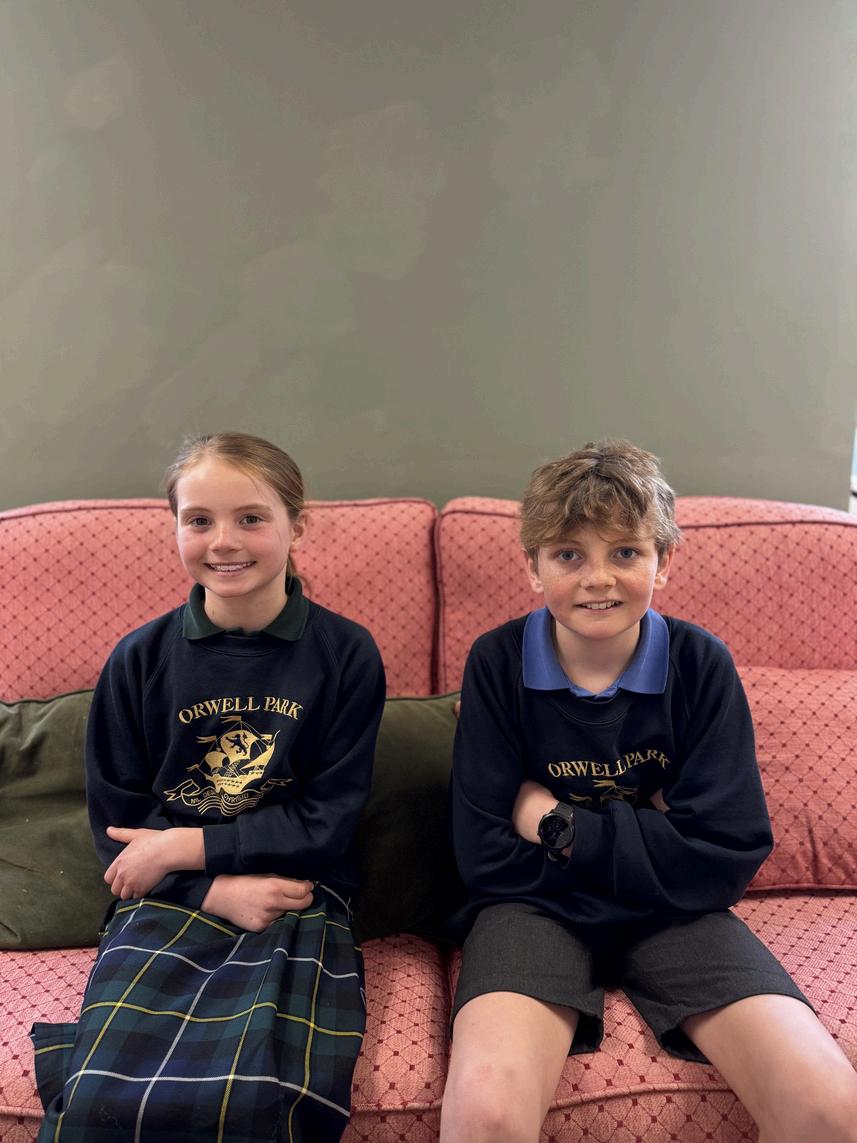
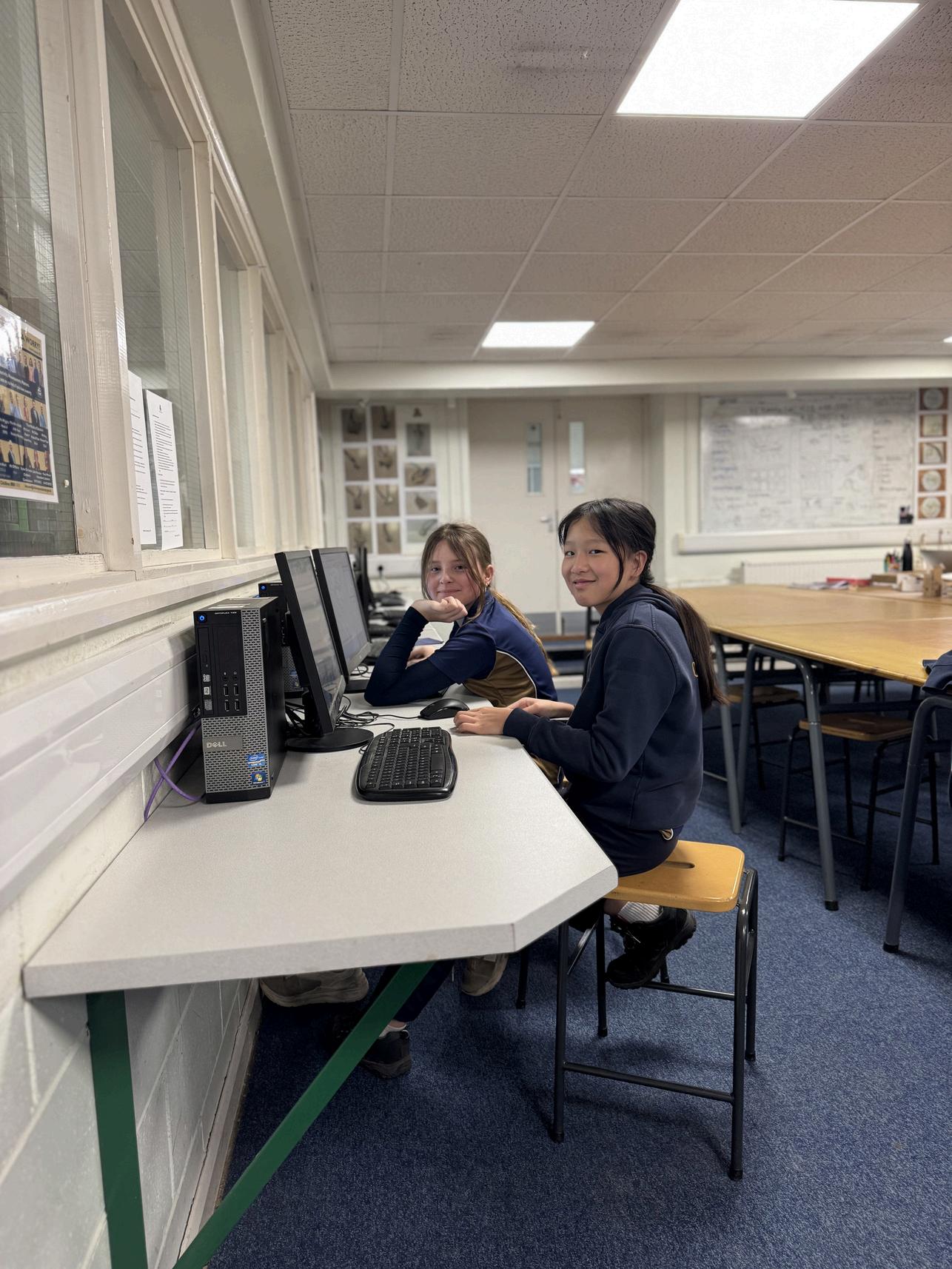
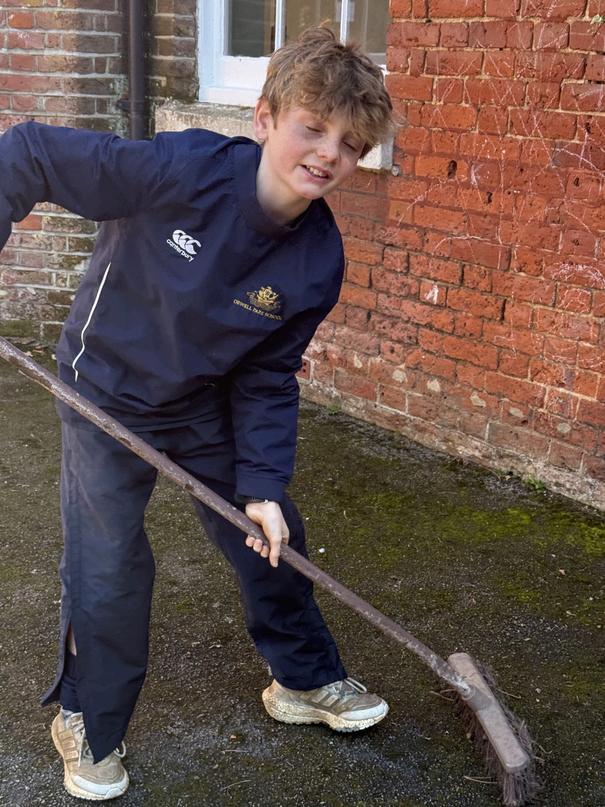
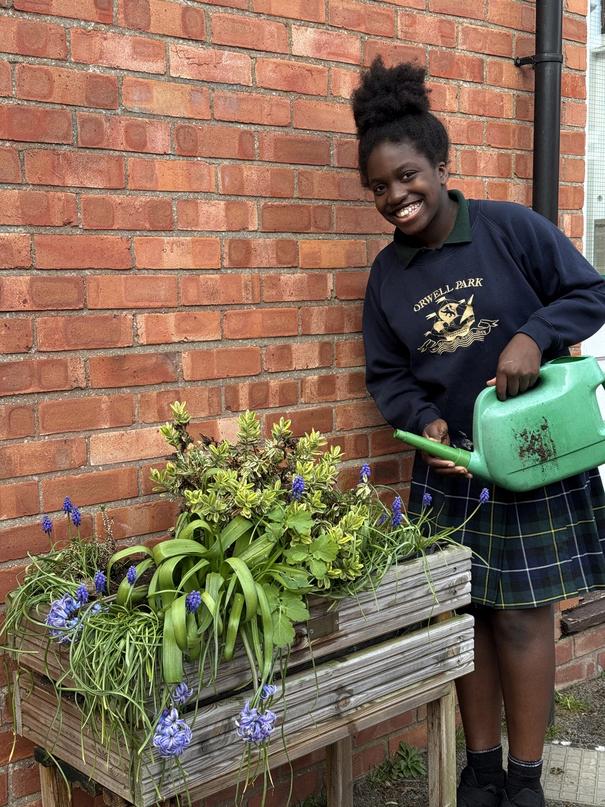
Photographers Wilbur, Atreyu and Rosanna captured some snapshots of ‘Service’ last week. This is a time when pupils give back to the school doing useful jobs for the community.
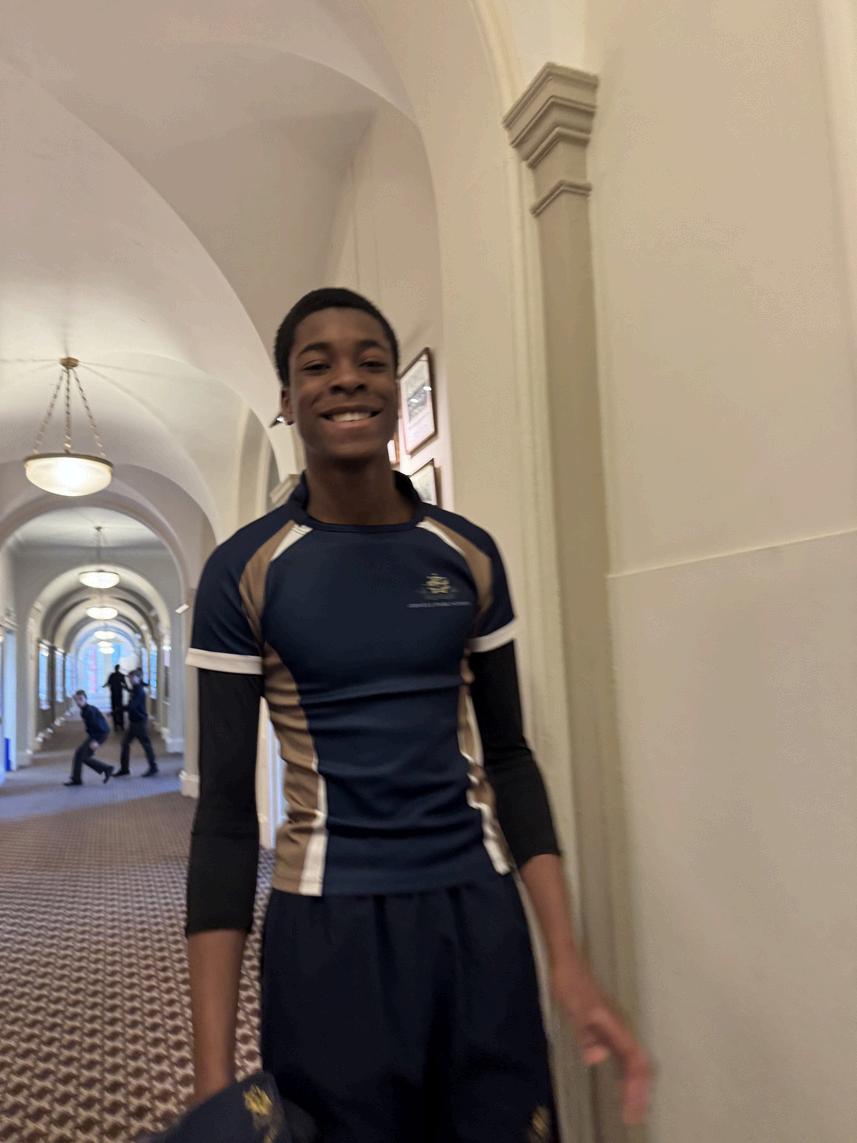
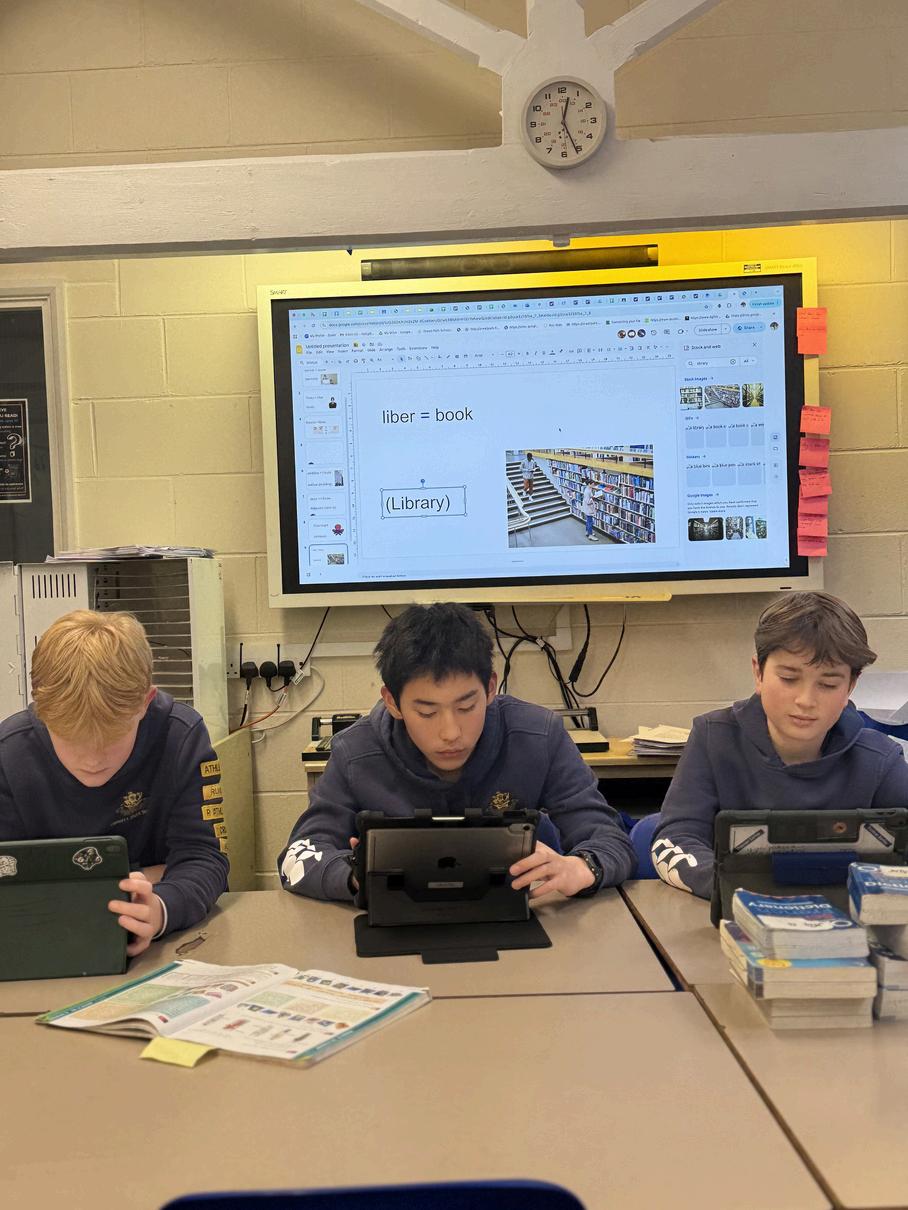
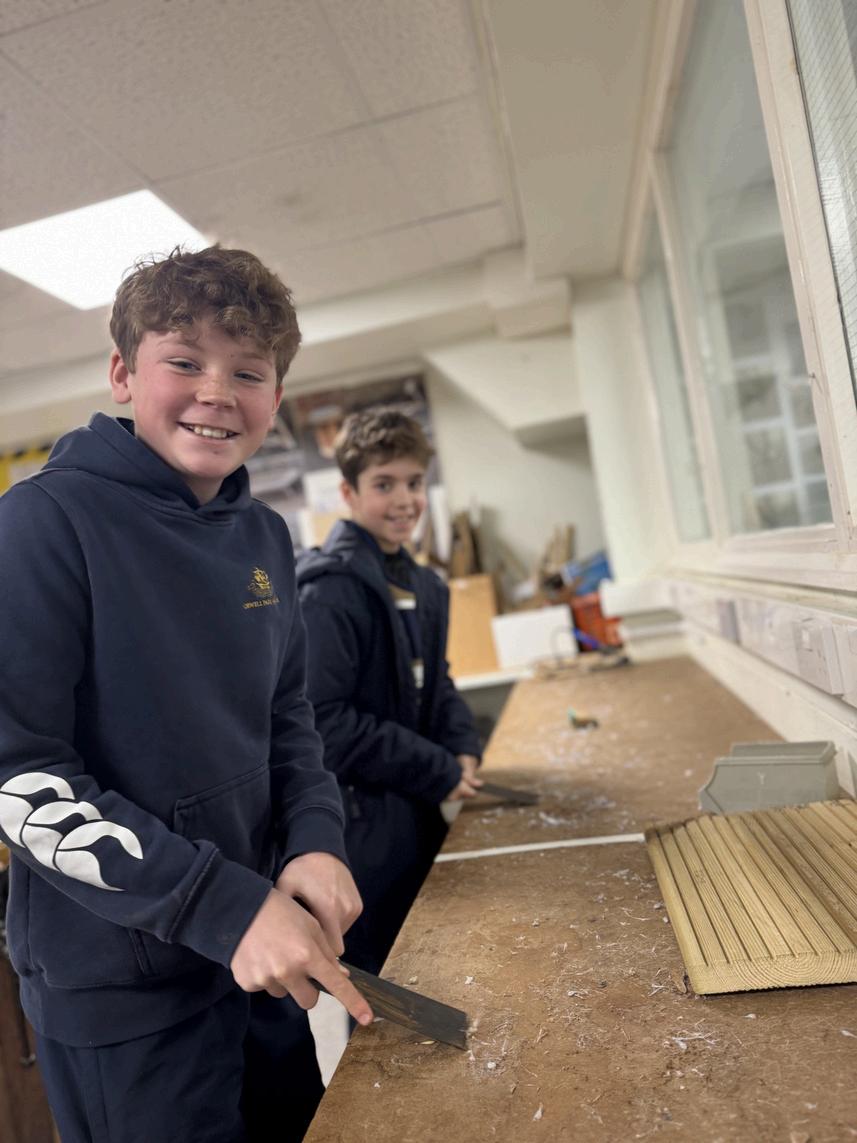
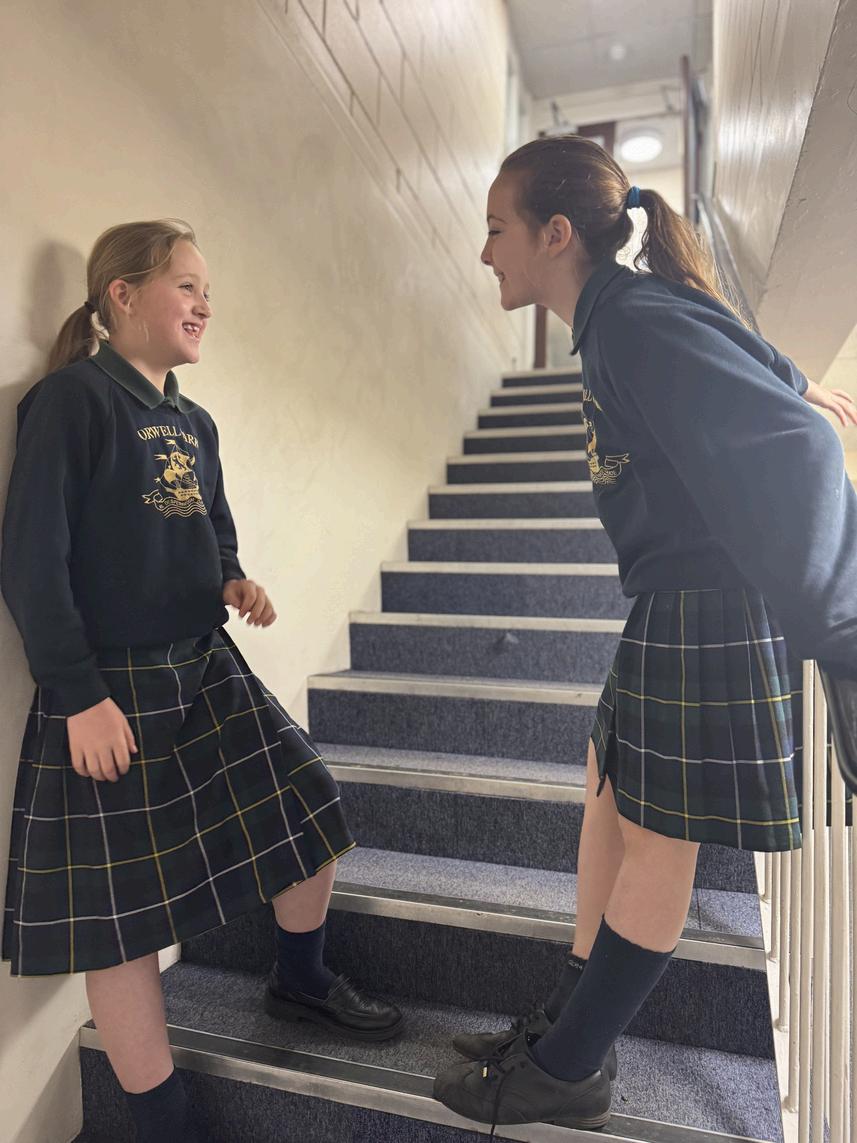
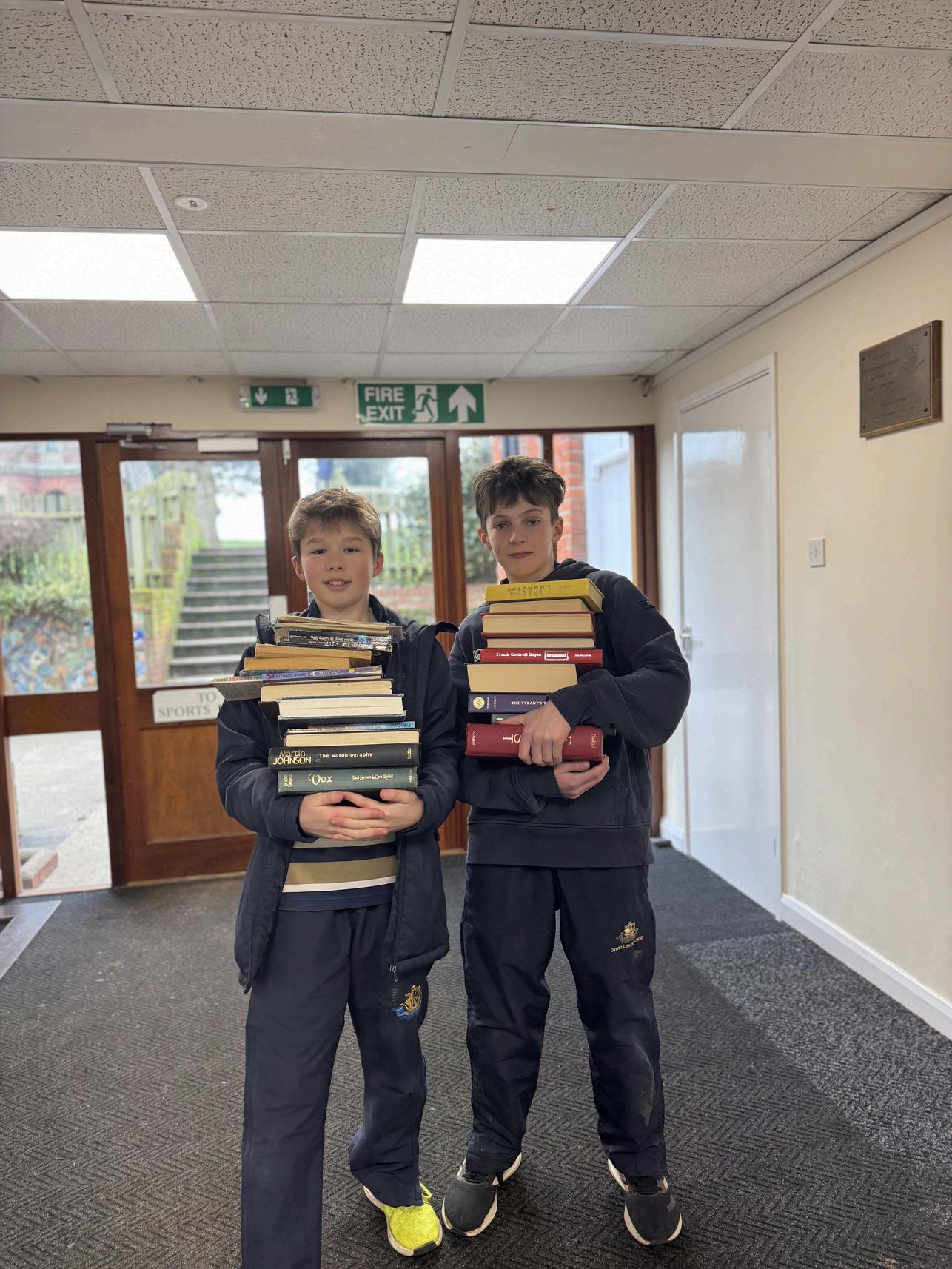
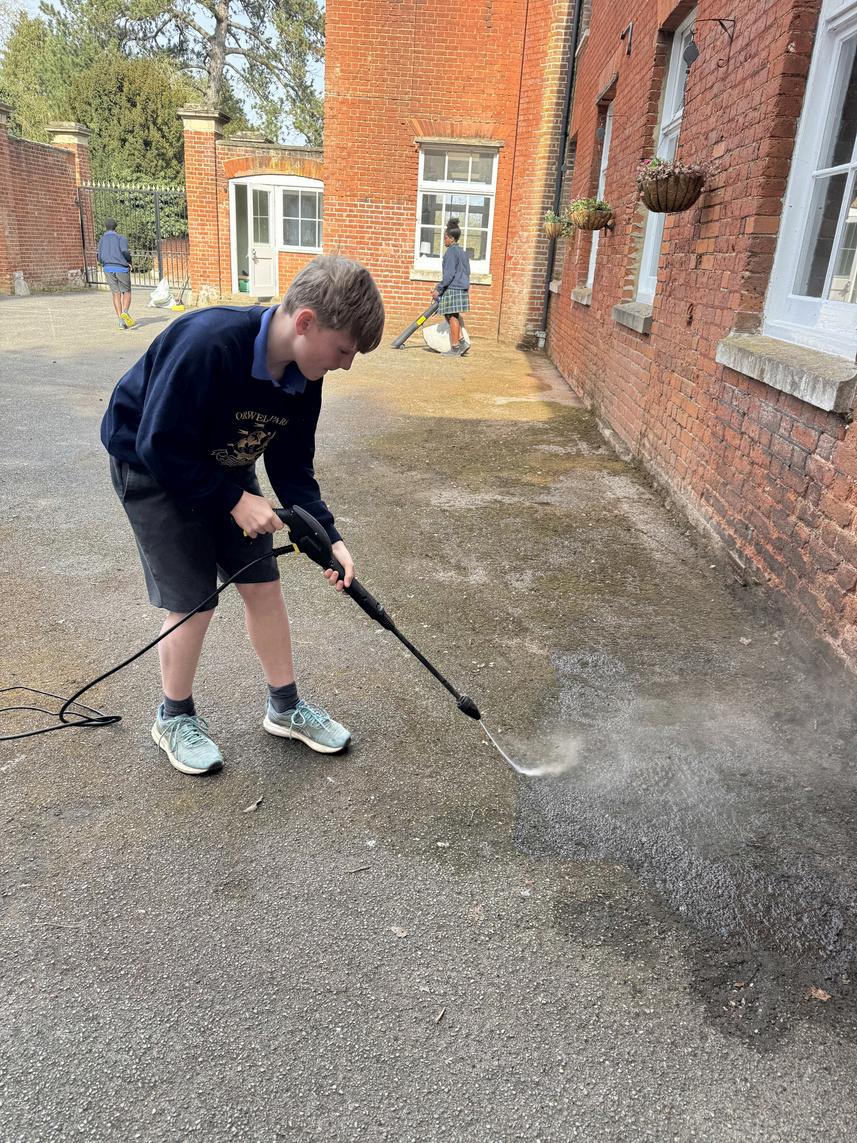
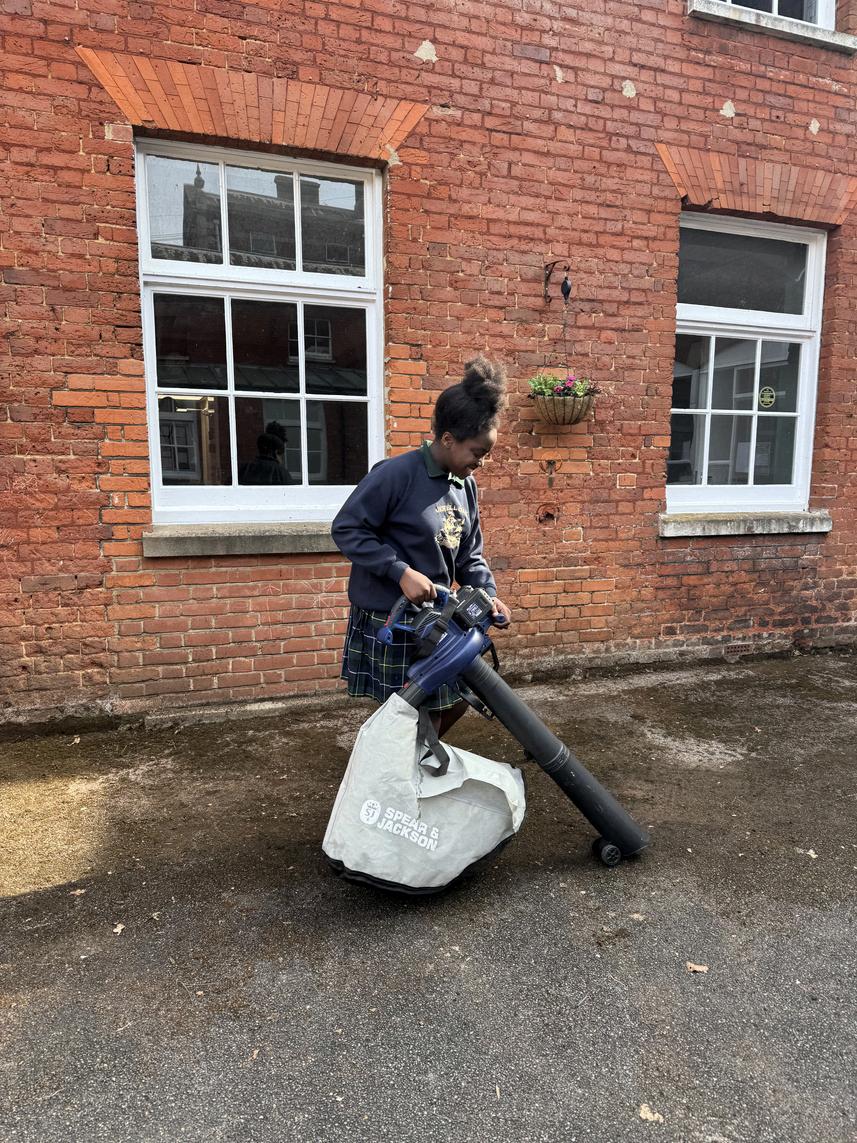
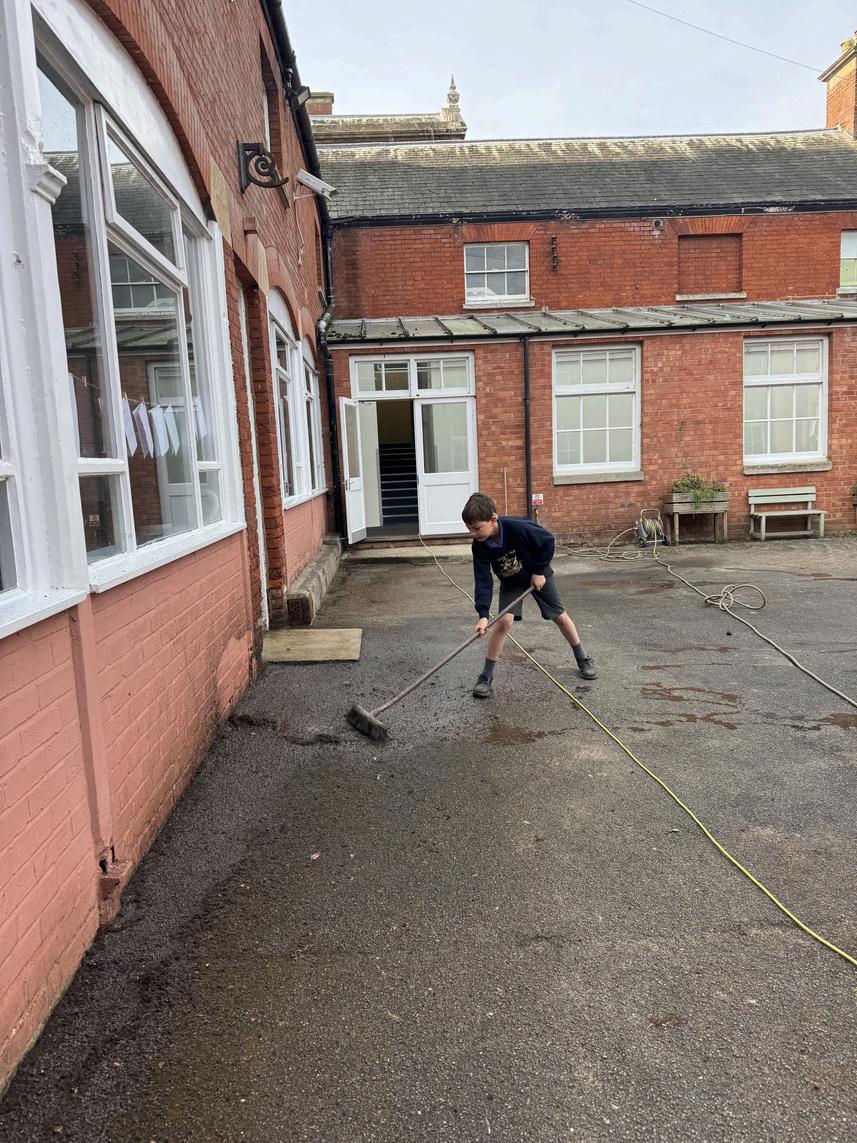
As the sun begun to shine, the pupils in service decided to attack the courtyard. With jetwasher, brooms and leaf blower in hand, they got to work with much enthusiasm and what a difference it has made!
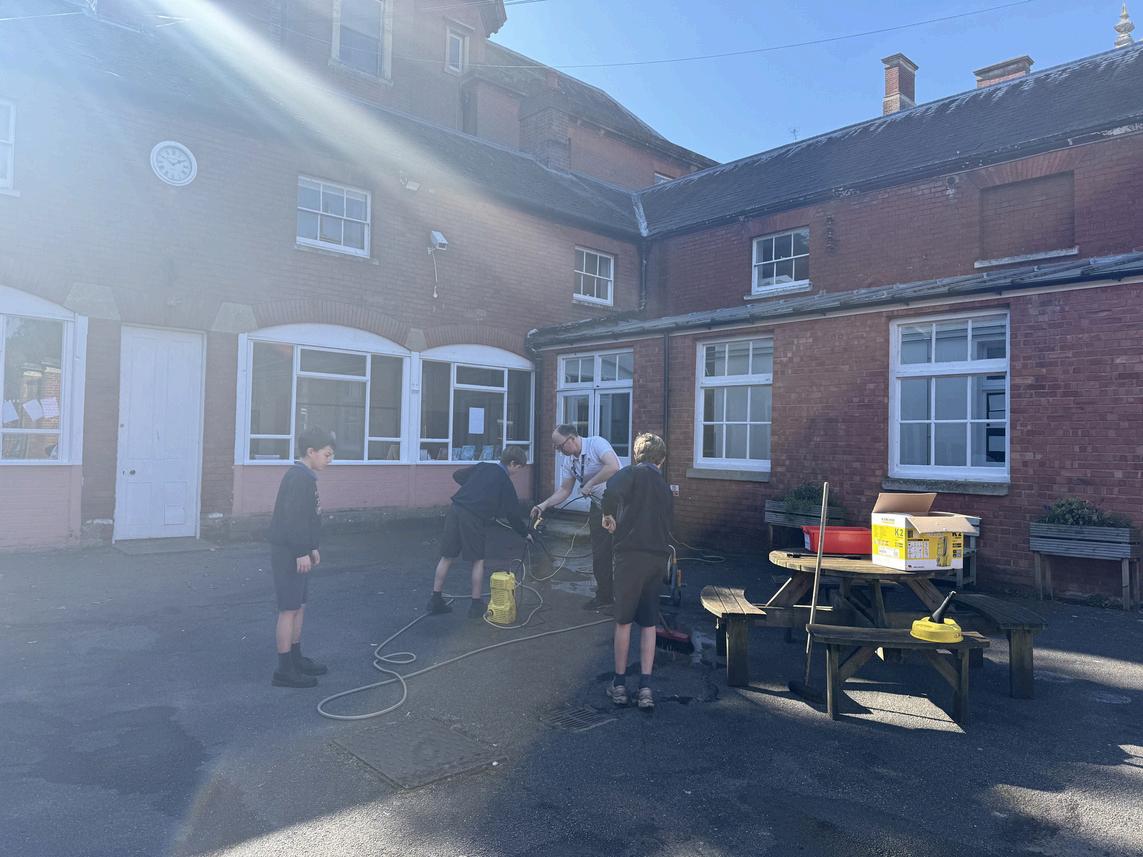
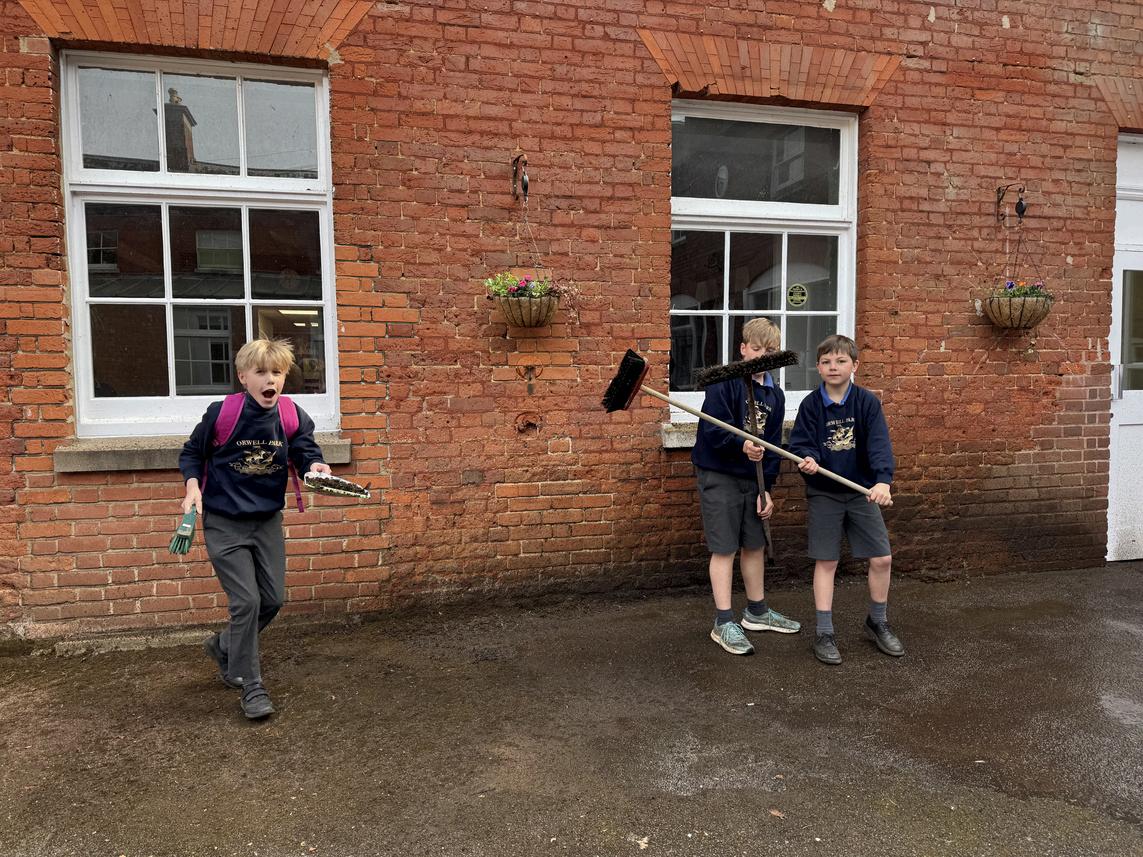
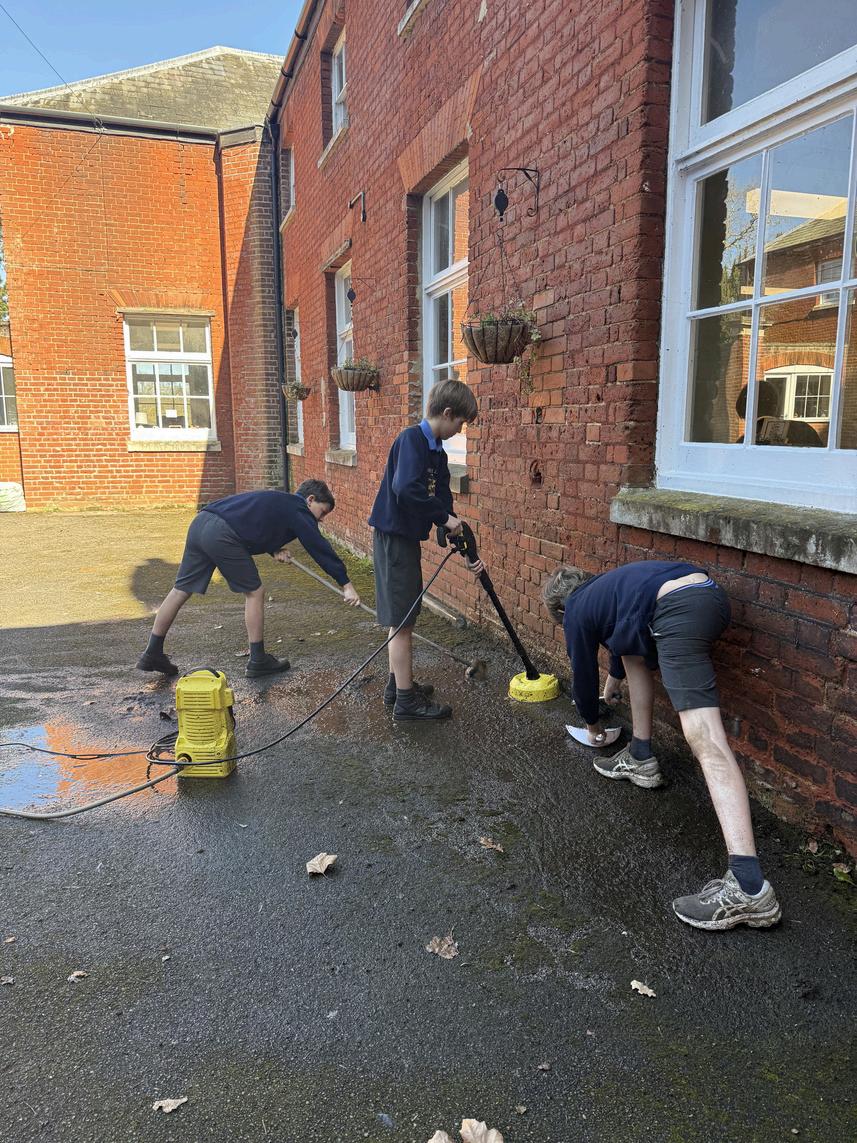
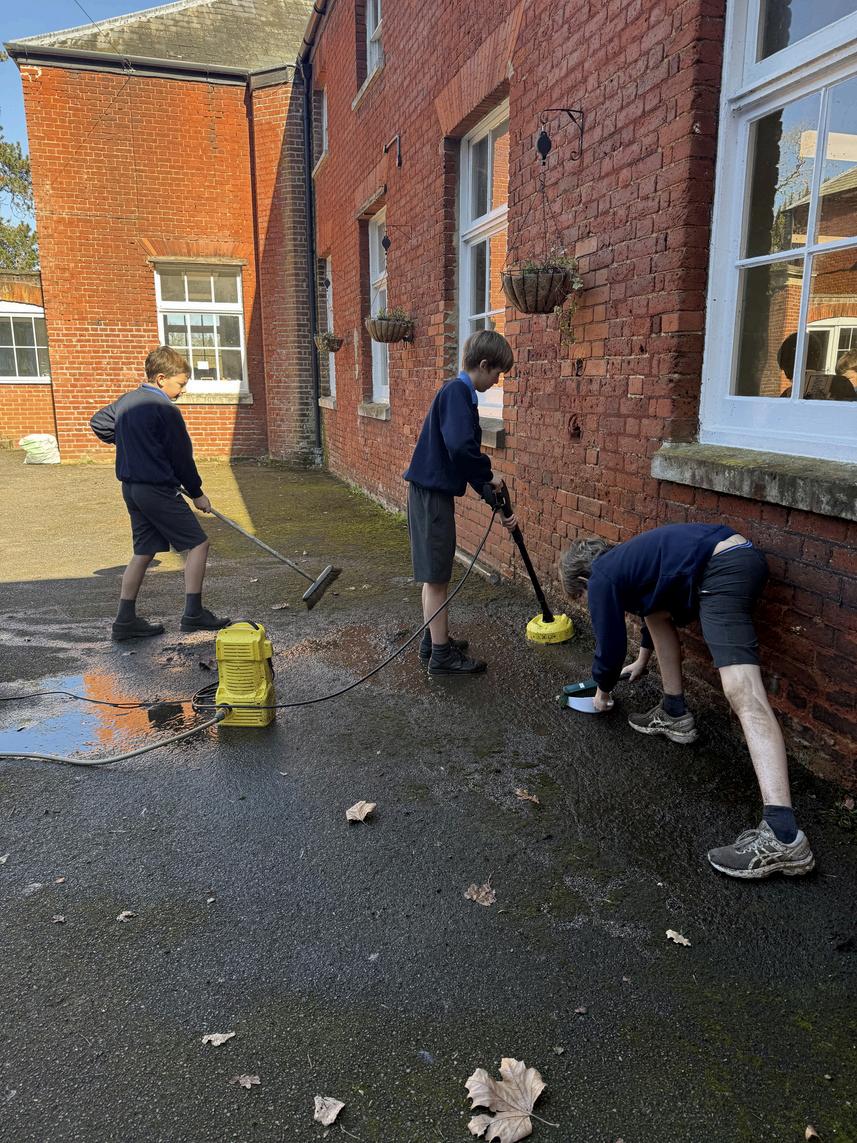

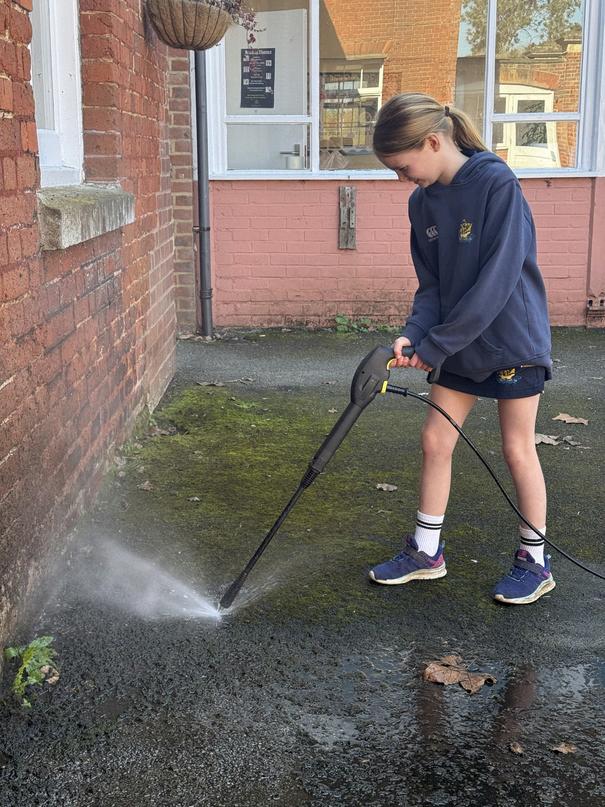
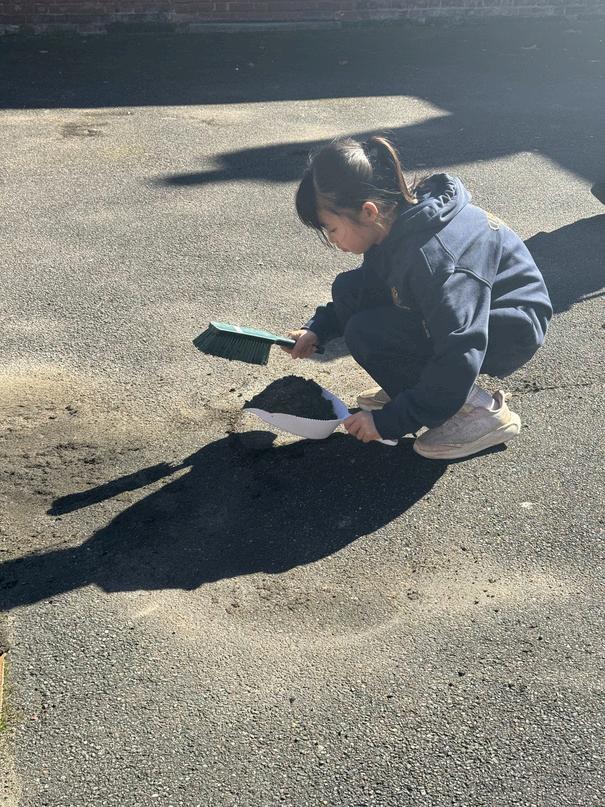
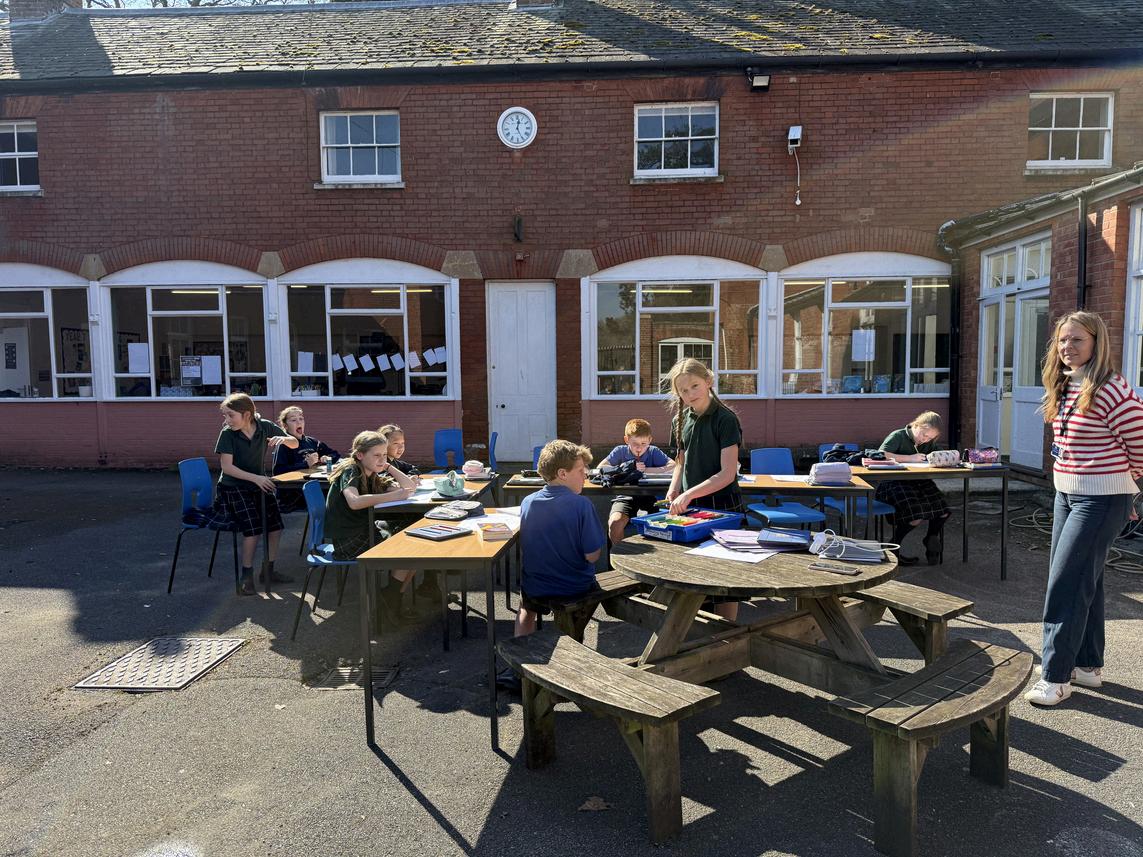
They did such a good job that Mrs Loveridge moved her Year 6 lesson outside for the day! Well done everyone who volunteered!
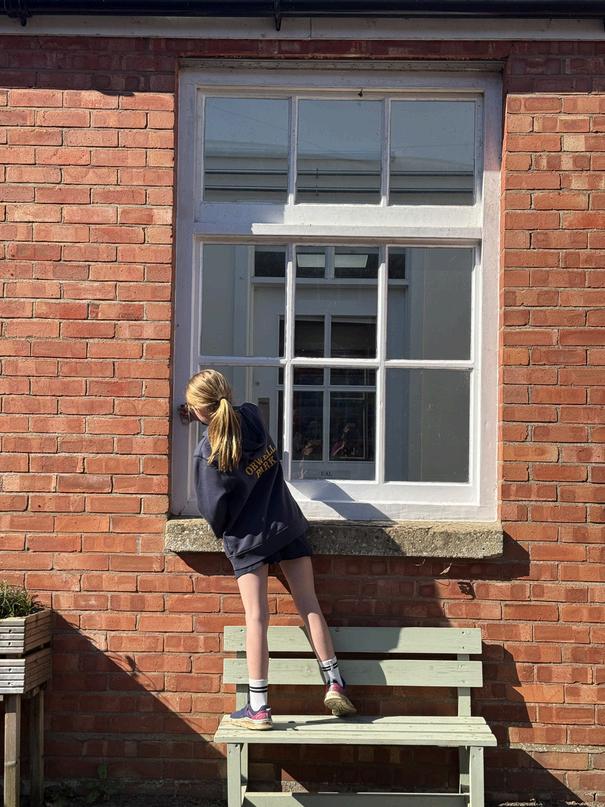
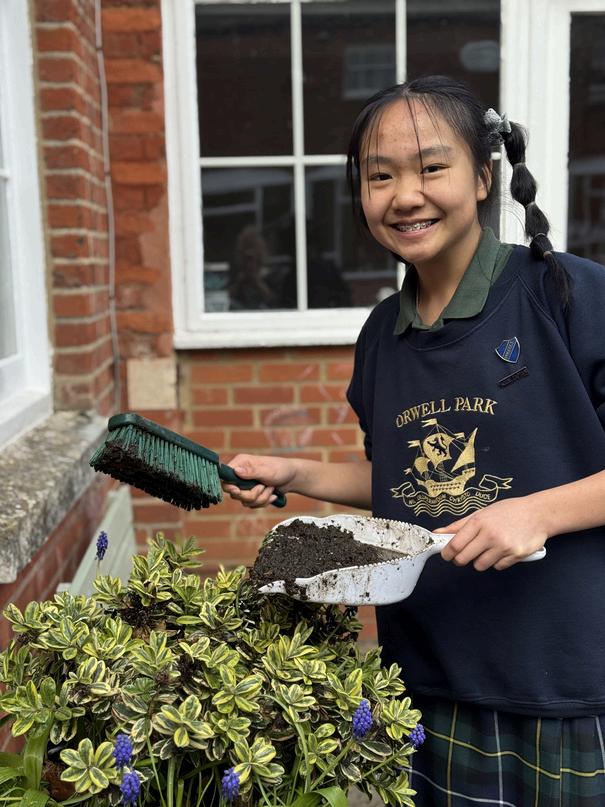



A monthly media spotlight with a member of the prep school community, brought to you by the OrWellbeing Newsletter!
This month we caught up with Alex Brunt, our Assistant Head in charge of cocurricular and operations, including the unenviable task of overseeing the day to day running of the School! Alex has been at Orwell since 2006, working primarily in the PE & Games department but now teaching Geography to the Upper Prep. Organisation, calmness and competitiveness are seen as his strengths!
Book I Couldn’t Put Down
What’s the one book you always recommend - or wish you could read again for the first time?

In recent years, I have enjoyed crime thrillers with the Roy Grace series by Peter James being particular favourites Before that, ‘Birdsong’ by Sebastian Faulks is an amazing story set in the First World War and amongst a host of sporting autobiographies I have read, Will Greenwood’ s (2003 Rugby World Cup winner) is one of the best - powerful and emotional.
We all have one What’s your guilty pleasure or proud obsession on the small screen?
Friends! Through my teenage years and early 20s, I didn’t watch much else! I can still recall each episode and with my daughter, Gracie, now having watched them all as well, we can have a laugh and a smile when something comes up that happened in an episode!
Podcast Pick
For your commutes, your wind-down, or a moment of inspiration, what podcast do you never miss?
When out running, I like to listen to podcasts, mainly rugby based ones. The three I tend to listen to the most are ‘The Good, The Bad and The Rugby’ , ‘For the Love of Rugby’ and ‘Rugby Union Weekly’ All offer a different take on the sport, with some great stories from presenters’ playing days thrown in for good measure


Which song, album or artist lifts your spirits or helps you focus?
Growing up, my choice of music was Dance, particularly around the early 2000s, when many classic dance anthems were released (and they still get everyone jumping now!) Away from that, I enjoy Ed Sheeran’ s music and, as I write, I have Bastille playingupbeat and enjoyable all in onecracking!
Film That Stuck With You
What film left a lasting impression and why?
‘Top Gun’ was always a real favourite of mine - thrilling, exciting and full of bravado! However, growing up, I was an avid watcher of World War Two films and the one that has always stuck with me is ‘The Dambusters’ - it tells two sides to the story - the mindblowing thinking behind the concept of the ‘bouncing bombs’ and also the incredible bravery of the crews asked to fly at just 60ft to make sure the target was achieved. Humbling.
An app, YouTube channel, newsletter, magazine - or even a place - that’s enriching your life right now



A Final Recommendation Is treasure out?
With Spring happening right now, seeing the plants come back to life and the smell of cut grass starting to fill the air after the hibernation of winter, it makes me think about other careers/plans for retirement! I have always been intrigued by cricket grounds work and working on a pitch to get it up to scratch, looking the business and playing well for a matchsomething for the future!


Martin O’Brien, Deputy Head Pastoral, shares his thoughts on the importance of community.

“A singing school is a happy school” Mr O’Malley
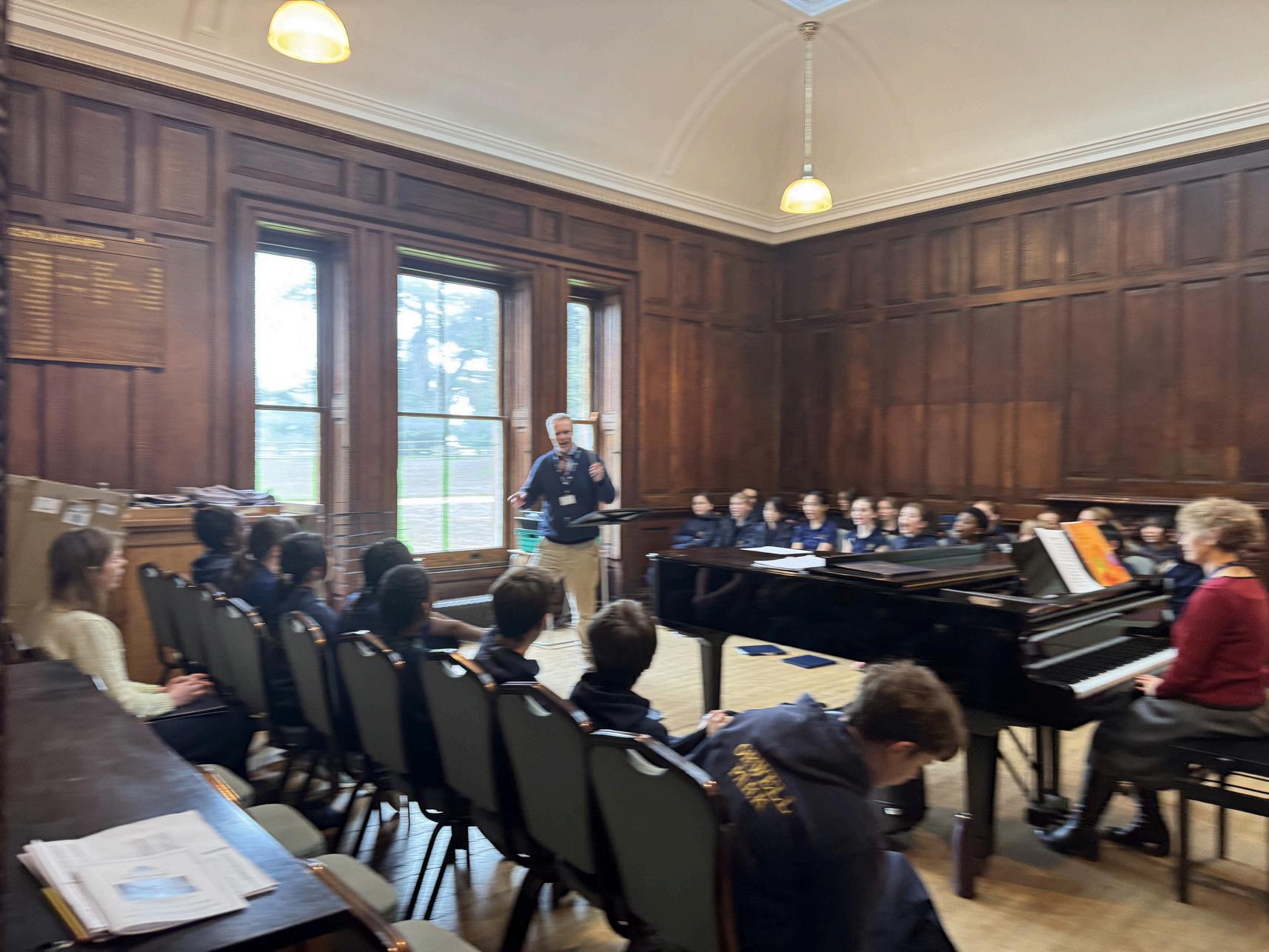
There is no greater testament to the strength and endurance of community spirit than the calendar of recent days. Pupils, parents, Old Orwellians and staff have come together to share food, sport, music, drama and sheer fun, and to do so with an energy and enthusiasm which buoys us all This is a busy community, a happy community (‘a singing school is a happy school’) and it is made up of people for whom support of each other is an instinct and a priority, rather than a necessity.
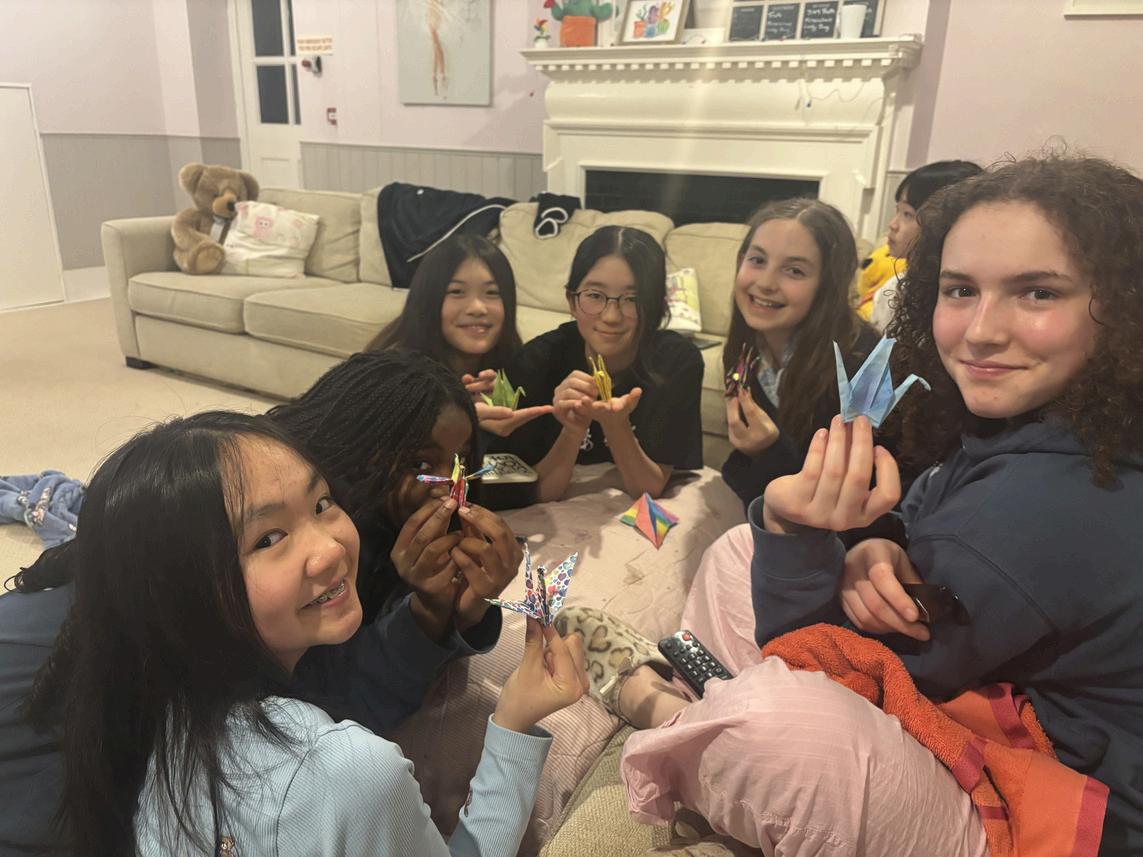
And when our community is tested, we learn what we already knew; the ties that bind us are immensely strong In the face of Miss A’s illness, it has been very moving to witness pupils responding with great compassion and kindness; the countless get well cards, the creating of one thousand origami cranes, the flood of messages from parents, Old Owellians and wider afield. It is a huge support to Miss Mann, and a great comfort to those of us in the Common Room.
Spring is now sprung, and daffodils are amongst us. It was P.G. Wodehouse described golf courses as ‘Nature’s cathedrals’. I think he must have visited Orwell Park on his way to the family seat at Kimberley Hall near Wymondham Our setting is spectacular, and never enjoyed more so than in the summer term, when the long hours of cricket are a frequent excuse to bathe in that special atmosphere. Do all have a very splendid Easter holid

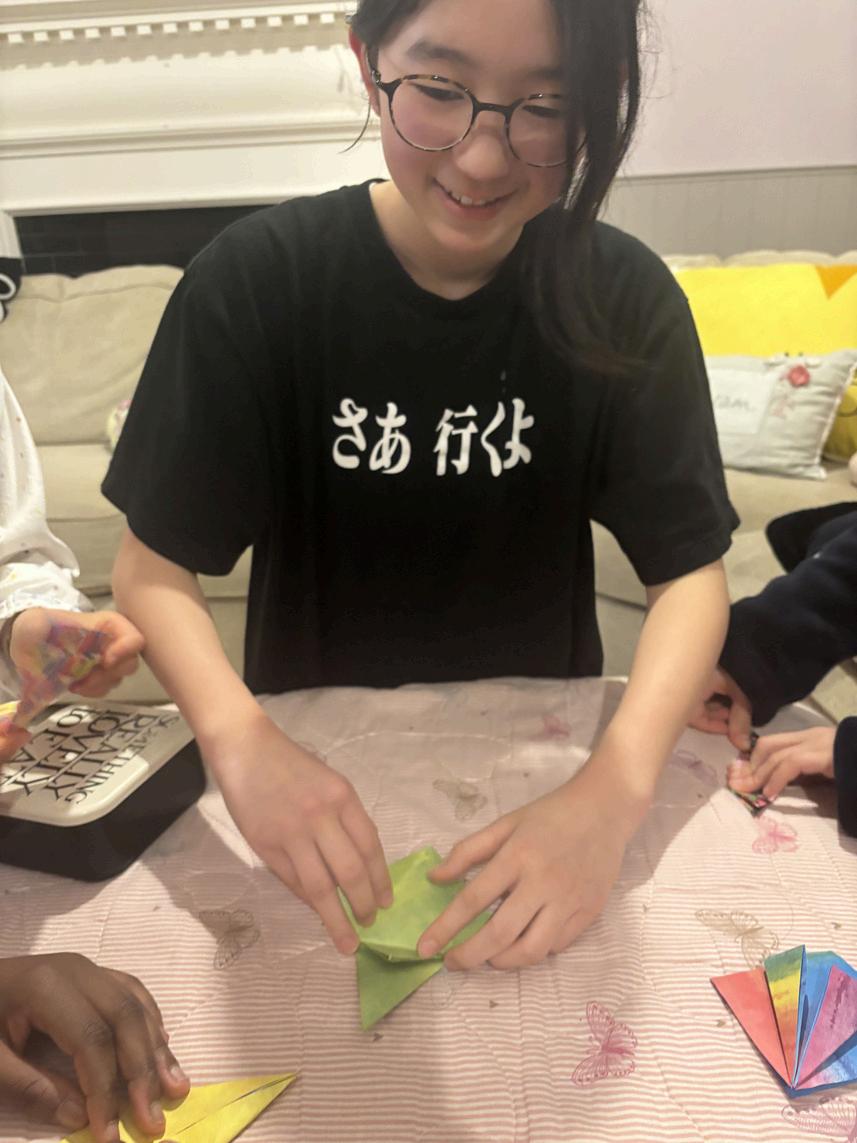
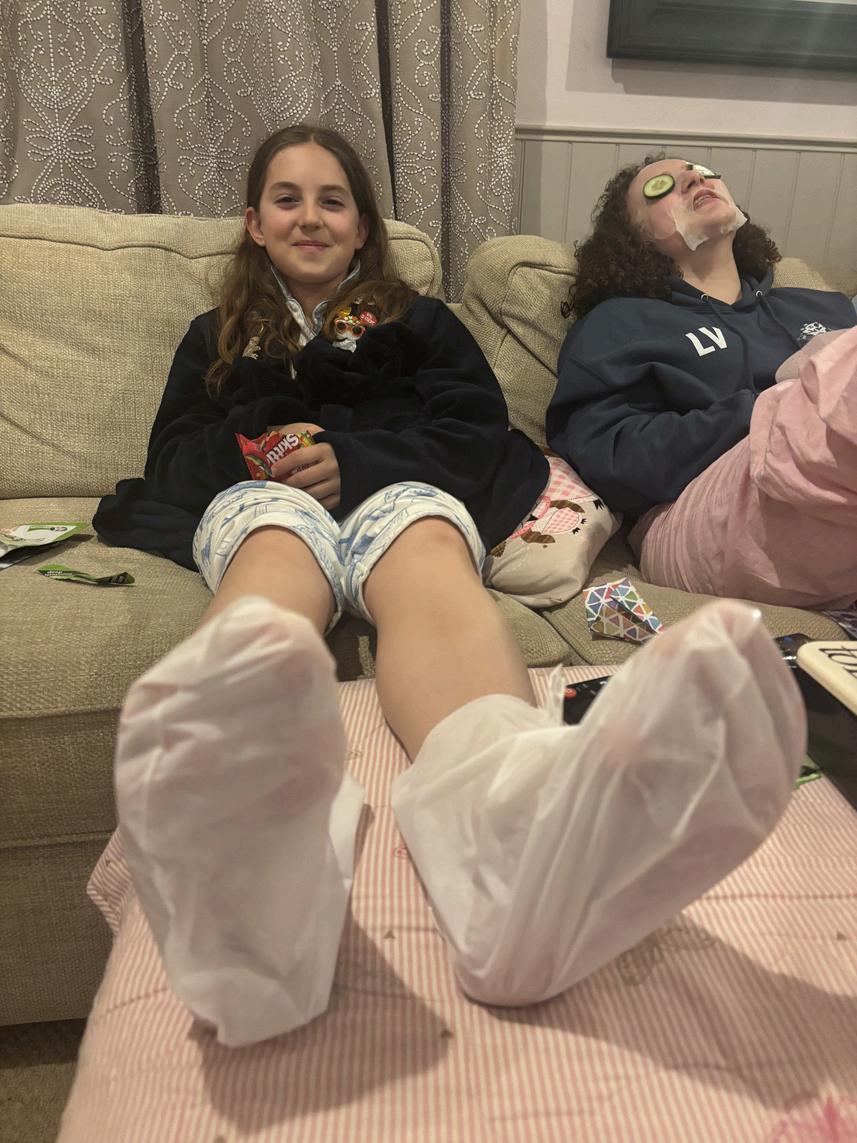
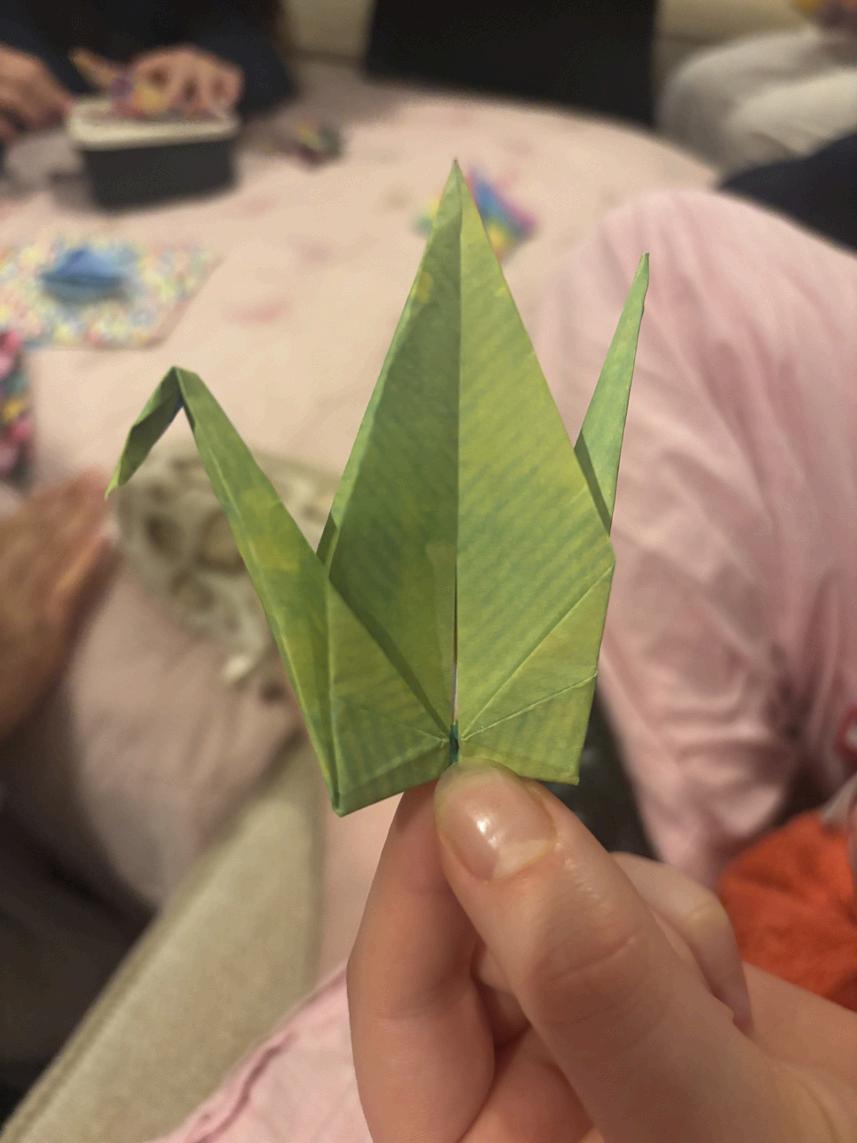
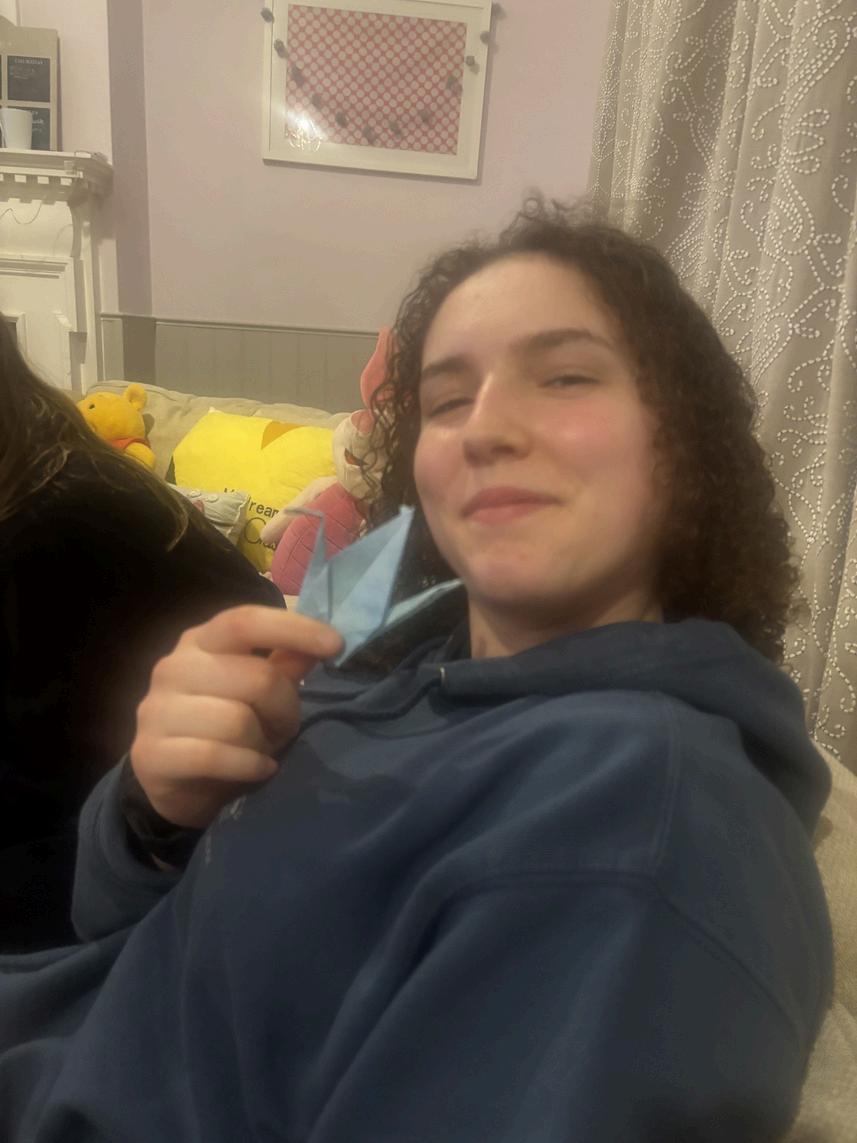
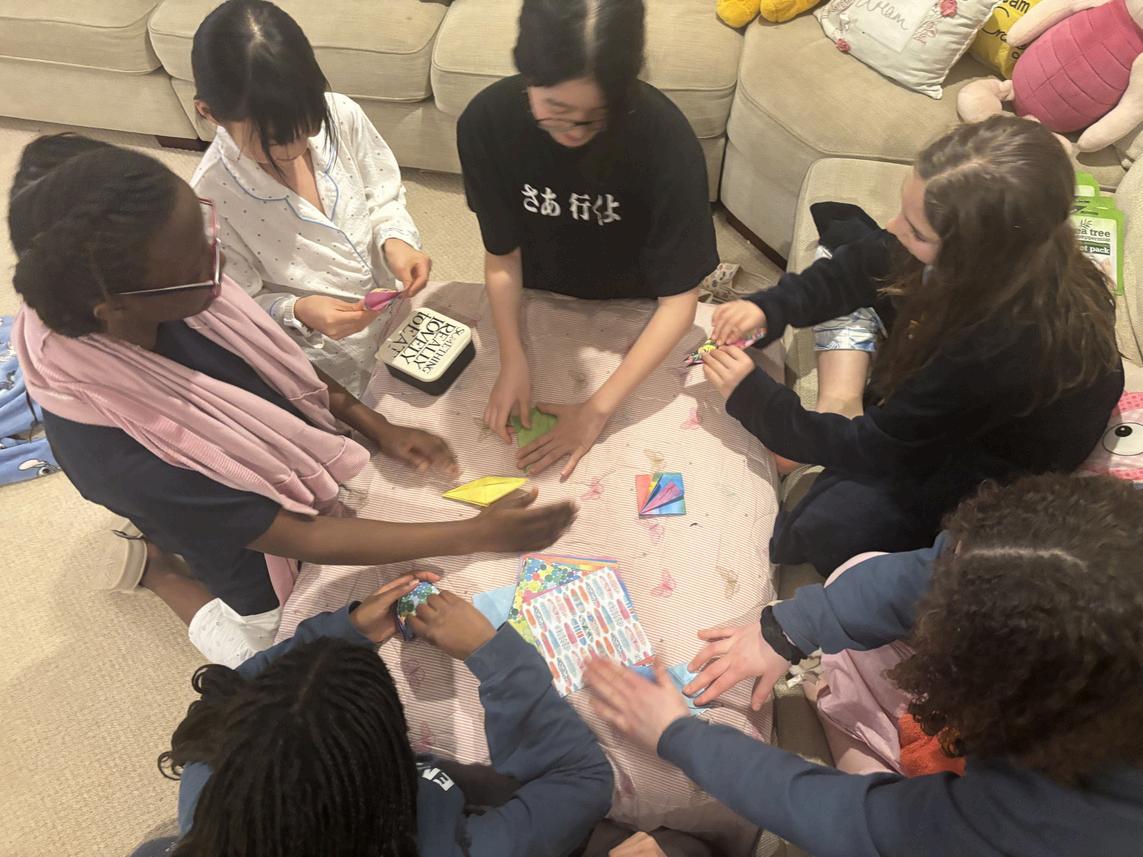

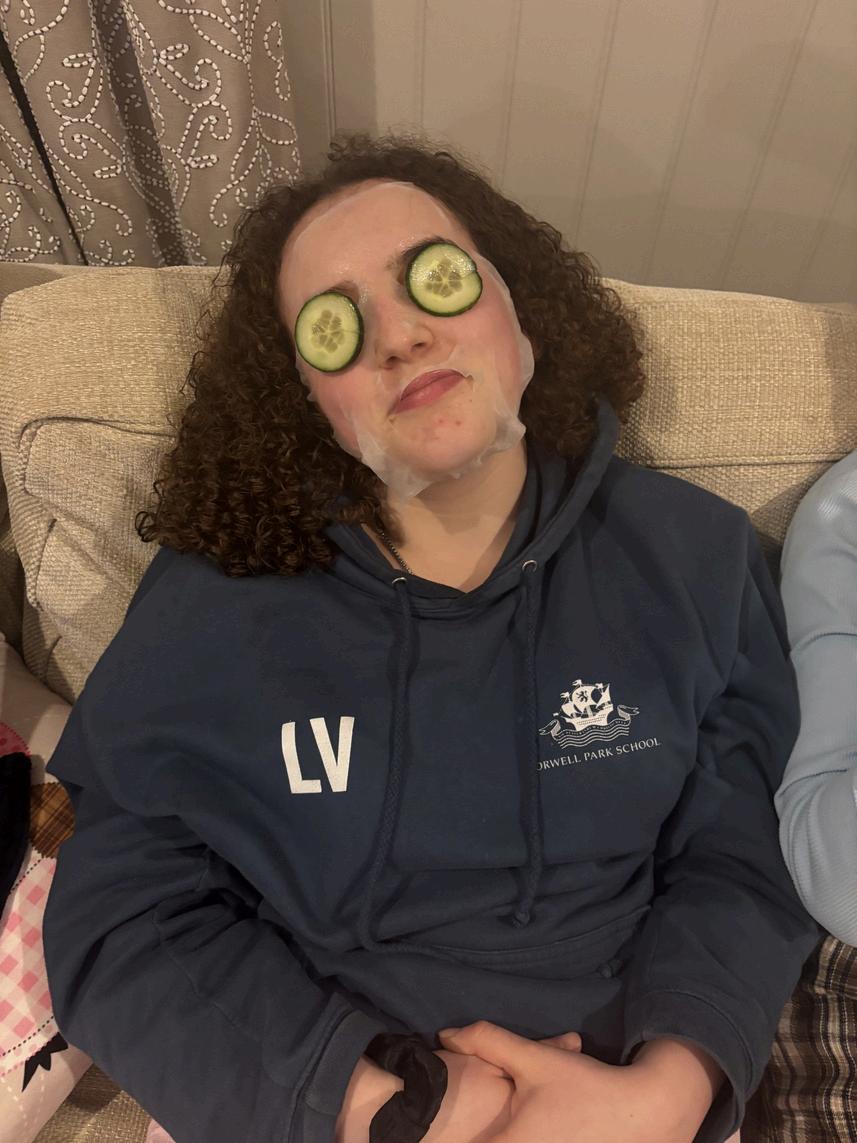
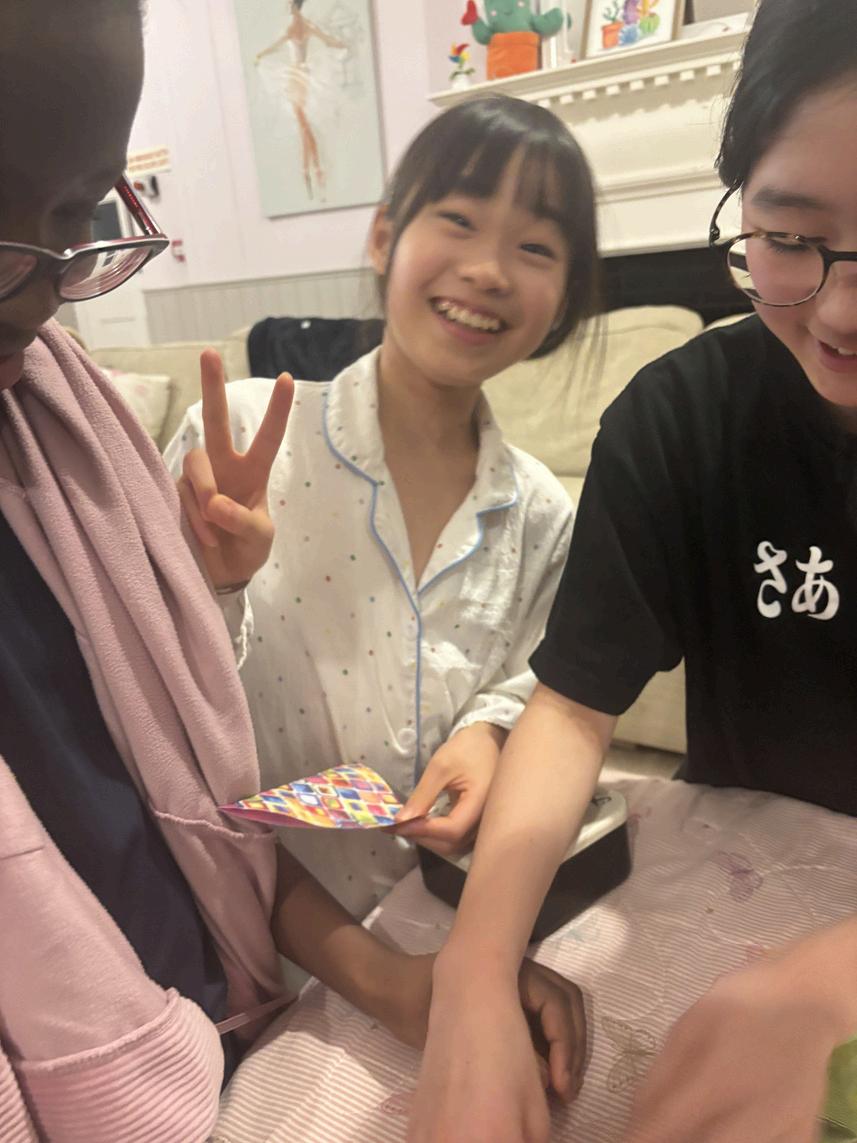
The Boarders enjoyed a Saturday evening of face and foot masks whilst watching a movie. They even found time to make origami cranes.


FEELINGS& SELF-AWARENESS
Expressneedsand feelingsin appropriateways
Haveanawareness andprideinselfas havingownidentity andabilities
YEAR 3
BELONGINGTOA COMMUINTY
Thereasonsfor lawsandrulesin society HumanRightsthat areimportantto children
YEAR 6
BELONGINGTOA COMMUNITY
Waysinwhich peoplemaybe influencedbyothers Whatismeantby prejudicedor extremistviews
YEAR 1
BELONGINGTOA COMMUNITY
Abouttheimportance ofgroundrules Whyrulesare neededindifferent situations
YEAR 4
BELONGINGTOA COMMUNITY
Differentgroups thatwebelongto Beingpartofa community Behaviourthat helpspeopletofeel valued
YEAR 7
DEVELOPINGSKILLS &ASPIRATIONS
Exploringpersonal strengthsfor employment
Exploringdifferent jobroles Earlyaspirationsand goalsforemployment
YEAR 2
MEDIALITERACY& DIGTALRESILIENCE
Howtheinternet anddigitaldevices canbeusedsafely
Howto communicate safely
YEAR 5
BELONGINGTOA COMMUNITY
Howtoshow compassionforthe environment Howeveryonecan takeresponsibility forplasticpollution
YEAR 8
COMMUNITYAND CAREERS
Whyfuture planningis important
Evaluatepersonal skillsforfuture planning
KEYWORDS:Respect,safety,online,risks,rules,law,HumanRights, pollution,prejudice,extremism,careers,aspirations,personalstrengths.
TheMindfulMarchcalendarprovideschild-friendlyactivitiestohelpchildren pause,notice,andbuildsmallmomentsofcalmthroughoutthemonth.Each dayincludesashort,meaningfulpromptsuchastakingaslowbreath,noticing sounds,movingmindfully,orreflectingonhowtheirbodyfeels.Thesegentle ideasencouragechildrentotuneintothemselvesandtheworldaroundthem inasafeandsupportiveway.
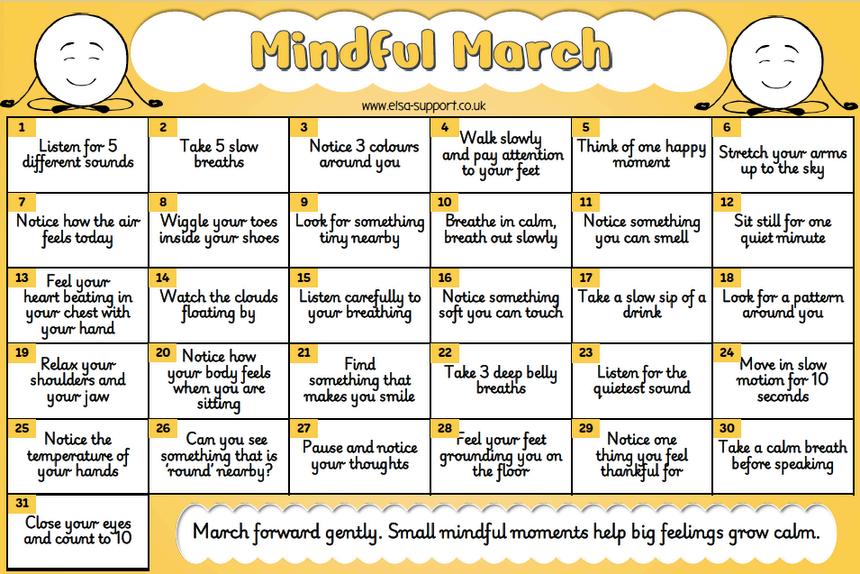
Promoteemotionalwellbeingbyhelpingchildrenbuildregular momentsofcalmandawarenessintheirday. Encouragefocusandregulationthroughsimplemindfulpausesthat supportattentionandself-control. Buildself-awarenessbyhelpingchildrennoticetheirthoughts, feelings,bodysensations,andsurroundings. Supportacalmclassroomculturewhereslowingdown,noticing, andreflectingarepartofeverydayroutines.

Each month, we sit down with one of our pupils to hear about their favourite moments, exciting discoveries and proudest achievements at school.
HERE’S WHAT THEO HAD TO SAY ABOUT THE MONTH OF MARCH AT OPS!

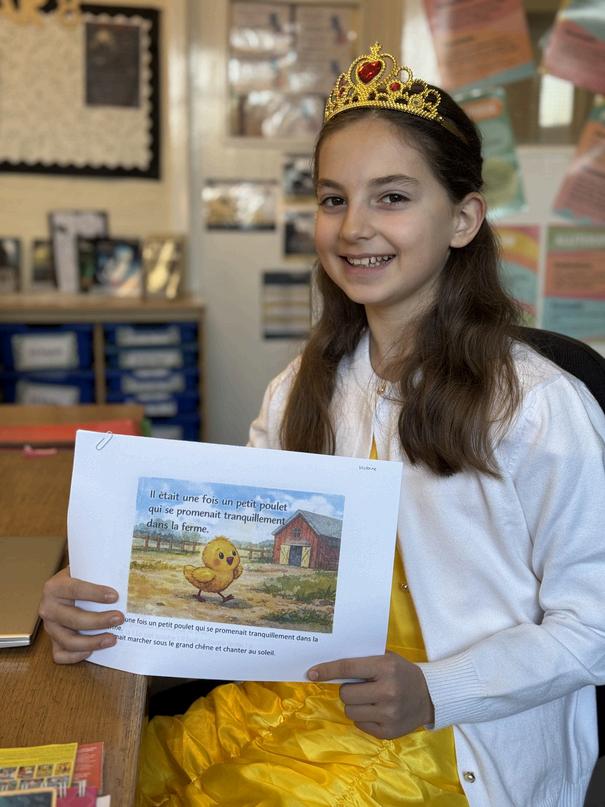
What’s been your favourite part of school this month and why? I really enjoyed the football fixture yesterday because I knew a few of the opposition and it was great catch up with them We had lots of fun and good run around outside. I loved reading to Little Leo in Pre-prep as part of World Book Day too. I dressed up as Chicken from Chicken Little.
What’s something new you’ve tried or learned recently that surprised you?
I tried to learn spanish on duolingo so that I could have a closer connection with Inigo and Pepe who are in the boarding house with me It was fun but quite difficult!
What’s one moment this month that made you feel really proud?
I am really proud that I earned a Drama Excellence Award from King’s Canterbury (my next school) this month. I had to present a monologue (taken from our school play) and take part in a workshop with other pupils. We did some improvisation and acted some different scenes out I was quite nervous and lots of the other pupils were from their prep school and already knew each other but I persevered and am really proud of the end result.
What’s the most fun or unusual thing you’ve done in school lately? Most evenings when I come up to the boarding house, I try to arrive in a different way.
Sometimes I do a stunt roll, other times a casual walk. I have also run up the stairs backwards. It keeps it interesting for everyone!
Who’s someone in school who made your day better this month and what did they do?
Mrs Card because she helped me with my maths and I have been able to move up a set and she has just been really kind. Also Henry H because he is always a kind and supportive friend!

Our March recommendations celebrate neurodiversity with a vibrant collection of stories featuring characters whose brains work in wonderfully different - and brilliant - ways From imaginative adventures to heartfelt journeys of self-discovery, these books highlight the strengths, challenges, and magic of thinking differently, reminding readers that every mind is unique and worth celebrating.
A vibrant celebration of brains that think, feel, and work in unique and amazing ways. It encourages children to embrace their differences and see their wonderfully wired minds as something truly special.
A boy named Twelve teams up with a mysterious girl to hunt for hidden treasure by the sea But as secrets surface, he discovers that some of the greatest treasures aren’t buried at all.
A boy with a whirlwind mind struggles to fit in until he forms an unexpected friendship that changes everything. As he learns to understand himself, he discovers that being different might just be his greatest strength.
An honest and empowering story about growing up autistic and learning to embrace who you are Written by autistic actor and advocate Chloé Hayden, it shows that being different is not less - it’s something to be celebrated.

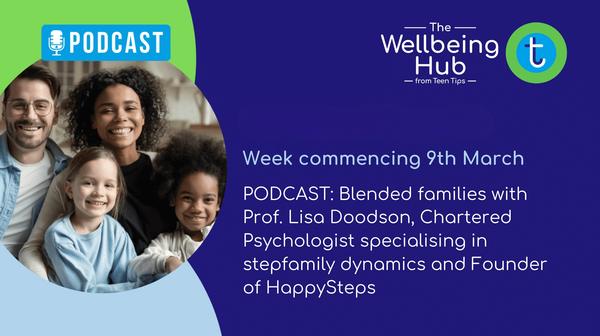
There are a wide range of webinars available via The Wellbeing Hub Platform, you can join live or watch over the following 2 weeks.
Our top 2 suggestions for you are:
Understanding family dynamics: step-families, single parenting, sibling rivalry and more with Dr Maryhan, Psychologist and Parenting Expert
Wednesday 18 March, 6.30pm th
Understanding dyslexia, the risk factors, and how to empower your child with Prof Maggie Snowling, Psychologist and world leading expert in language difficulties
Wednesday 15 April, 6.30pm th
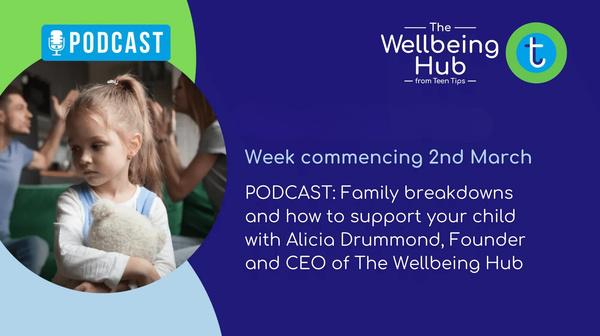
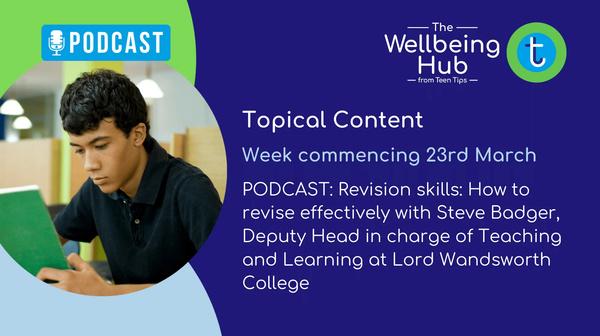

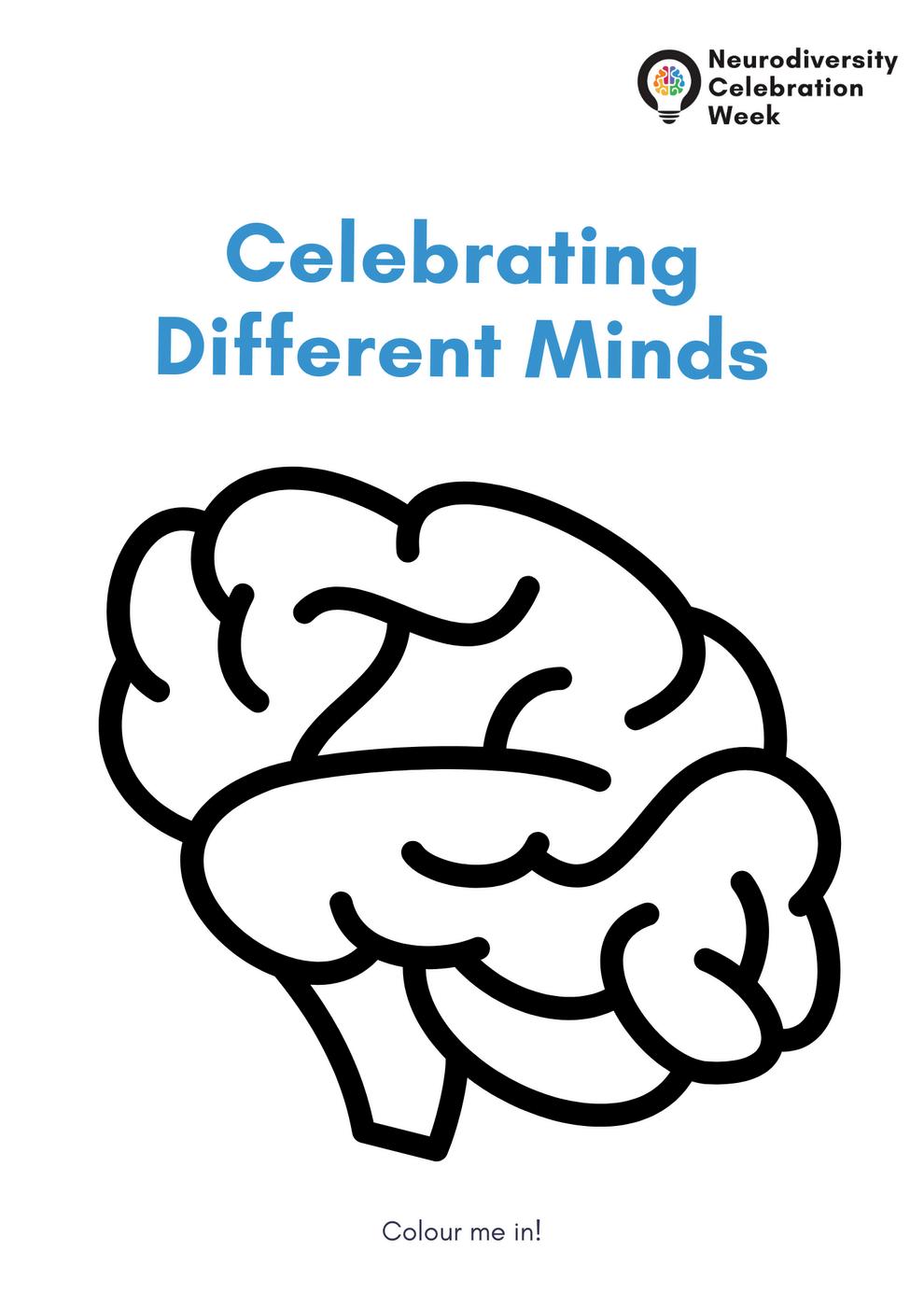
Neurodiversity Celebration Week began in 2018 and was started by Siena Castellon. It is a worldwide event that helps people learn about the different ways our brains can work. Some people’s brains work a little differently, and that is part of what makes everyone unique. This week encourages schools and communities to celebrate these differences, understand each other better, and recognise the many talents and strengths that neurodivergent people have. It reminds us that everyone deserves to feel included, supported and proud of who they are.
Neurodiversity recognises that people experience and interact with the world in different ways. The term, introduced by sociologist Judy Singer in the 1990s, describes the natural variation in how human brains think, learn and process information.
Neurodiversity includes conditions such as autism, dyslexia and ADHD. By recognising and celebrating neurodiversity we can focus on the strengths of neurodivergent children and create environments where everyone can learn and thrive.
Attention Deficit Hyperactivity Disorder (ADHD) is a brain-based condition that affects attention, organisation, planning and impulse control These are often called executive functioning skills.
ADHD is often linked with three key characteristics:
• Inattention – difficulty concentrating, organising tasks or remembering instructions.
• Hyperactivity – high levels of energy or restlessness.
• Impulsivity – acting or speaking quickly without thinking first.
• Hyperactive–Impulsive: children may appear constantly on the go and struggle with impulse control.
• Inattentive: often harder to identify; children may seem dreamy, forgetful or disorganised.
• Combined: a mixture of inattentive and hyperactive traits

ADHD has traditionally been identified more often in boys, meaning girls are sometimes overlooked. Girls are more likely to show inattentive behaviours such as daydreaming, forgetfulness, difficulty organising tasks or managing time.
Many girls also become skilled at masking their difficulties in order to meet expectations, which can delay diagnosis and support.
The most effective support is usually a combination of approaches including medical advice, therapy such as Cognitive Behaviour Therapy (CBT) or coaching, and supportive school environments
Healthy habits that support brain wellbeing include:
• Regular exercise
• Good sleep routines
• Balanced nutrition
• Mindfulness and relaxation strategies
Children with ADHD often bring many strengths including creativity, curiosity, energy and problem solving skills. By understanding neurodiversity and providing the right support, we can help every child feel confident, capable and able to succeed.
Nutrition for neurodiverse children and young people
Neurodiversity and social skills: kids who need a little help to make friends
Neurodivergent parenting ADHD and girls
Supporting our Neurodiverse Children with Eating Well
Neurodiverse children may experience food differently. Eating can be influenced by sensory needs, anxiety, and routine. Eating is not just behaviour - it is communication.
Try to keep routines consistent and predictable.
Start with safe foods and introduce change slowly. Be aware of sensory needs (texture, noise, smells). Offer simple choices to give children control. Focus on positive experiences, not pressure. Support balanced nutrition for energy and focus.


Pressuring or forcing children to eat
Large or overwhelming portions
Sudden changes to familiar foods
Linking food with punishment

Progress may be gradual. Every child is different. Creating a calm, supportive environment helps children feel safe and confident with food. If you, as parents or guardians, ever have concerns, please do get it touch with school (tutor, SENDCo, Catering Team) so we can work together to support your child.
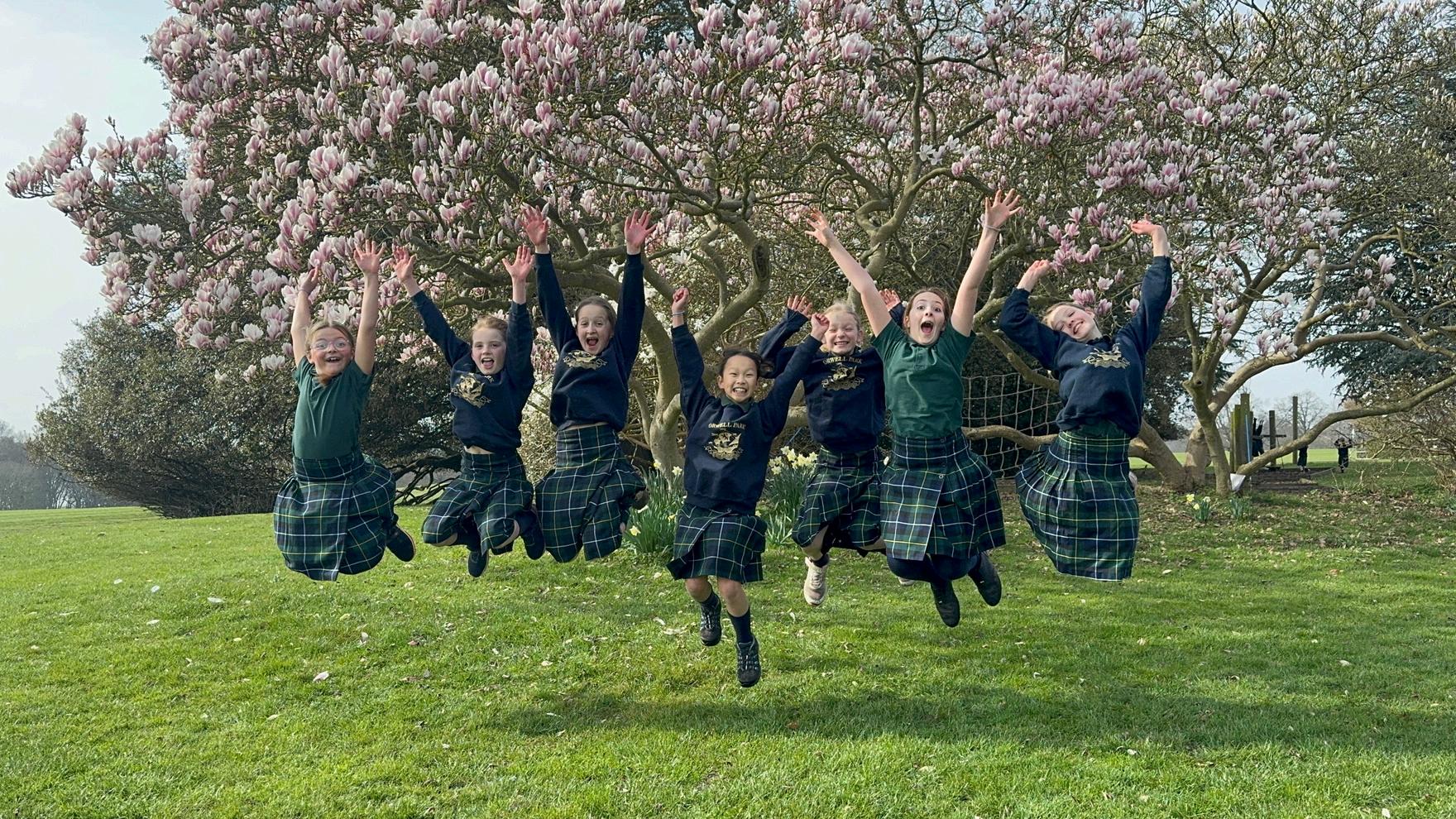
Celebrating Spring and the Magnificent Magnolia!
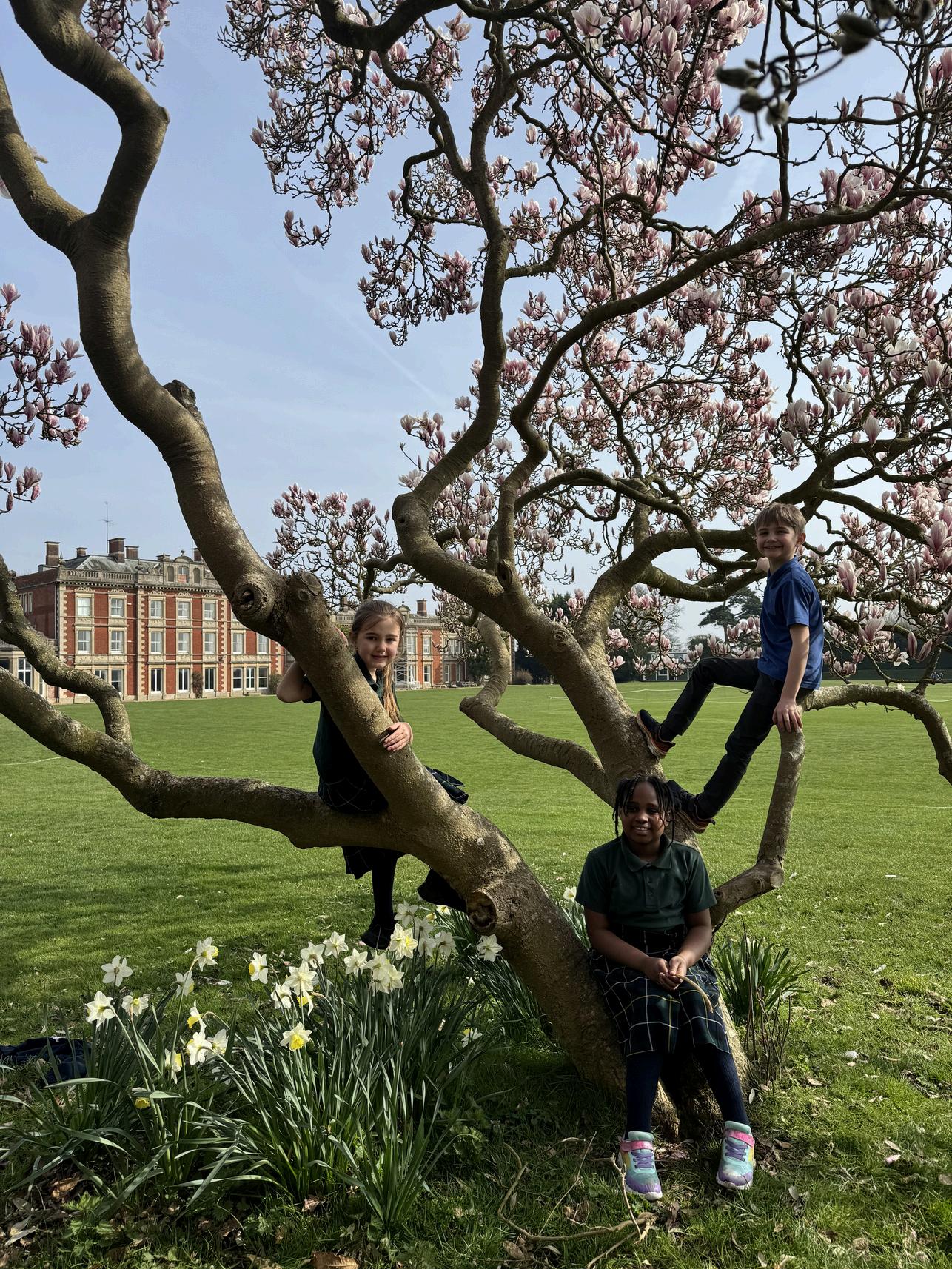
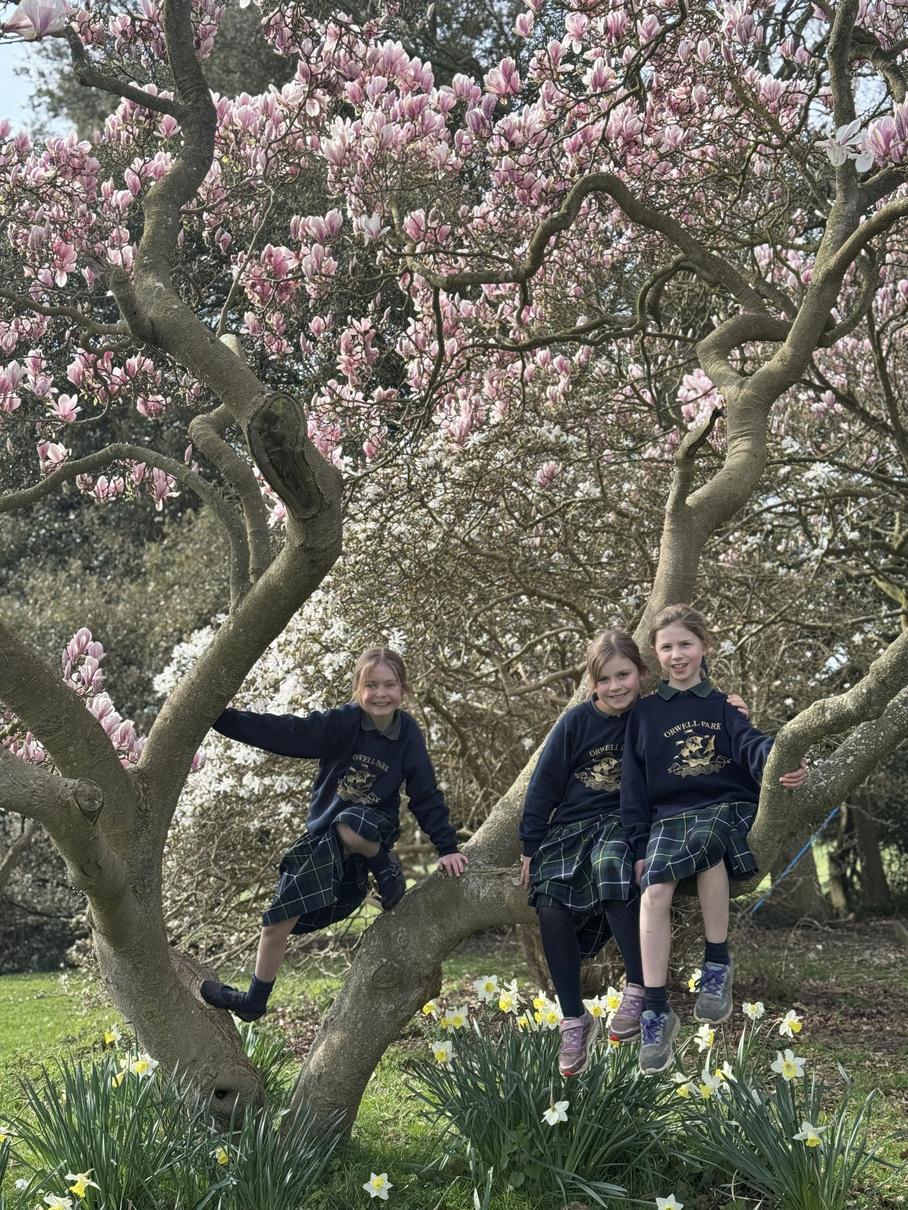
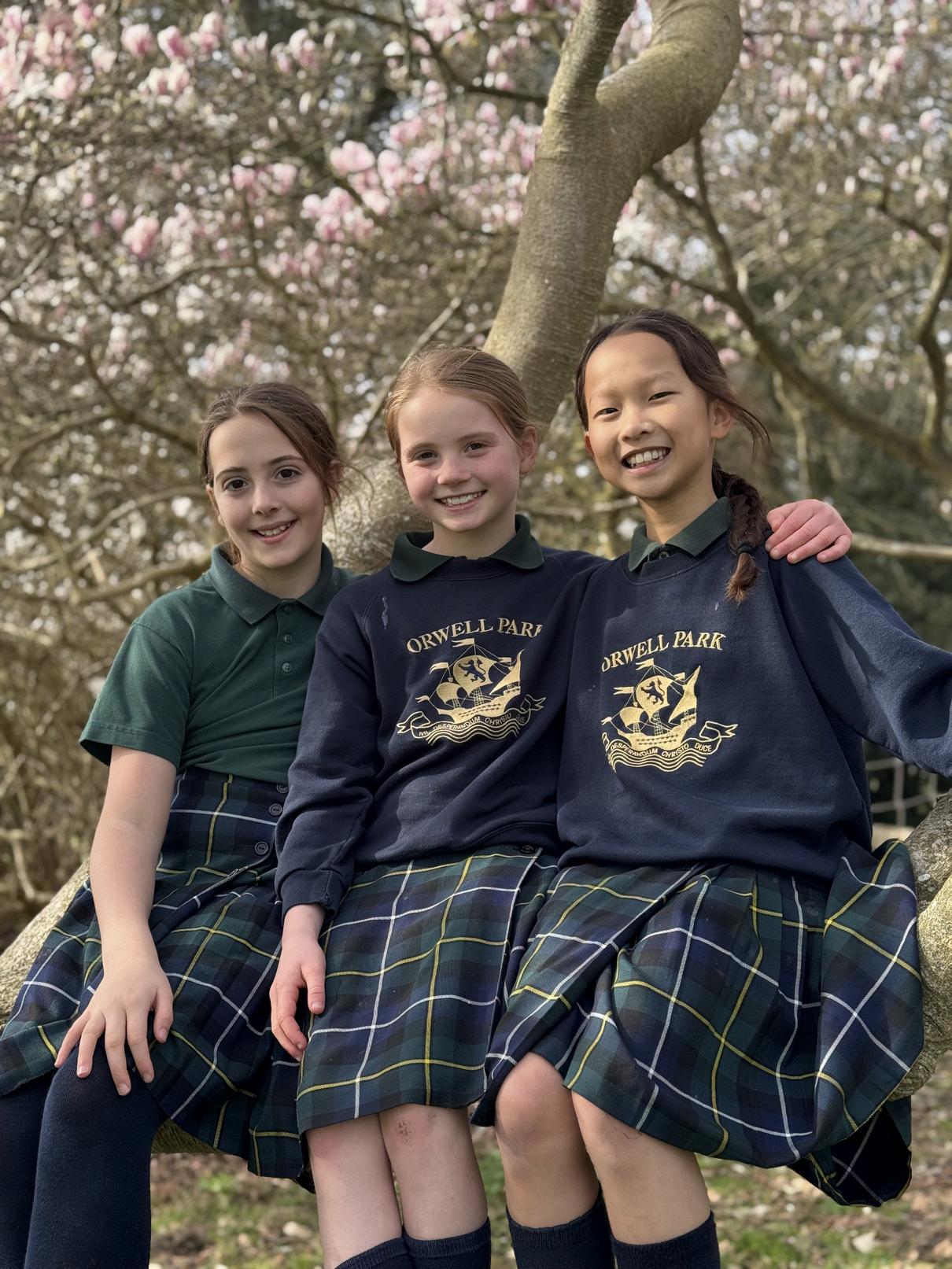
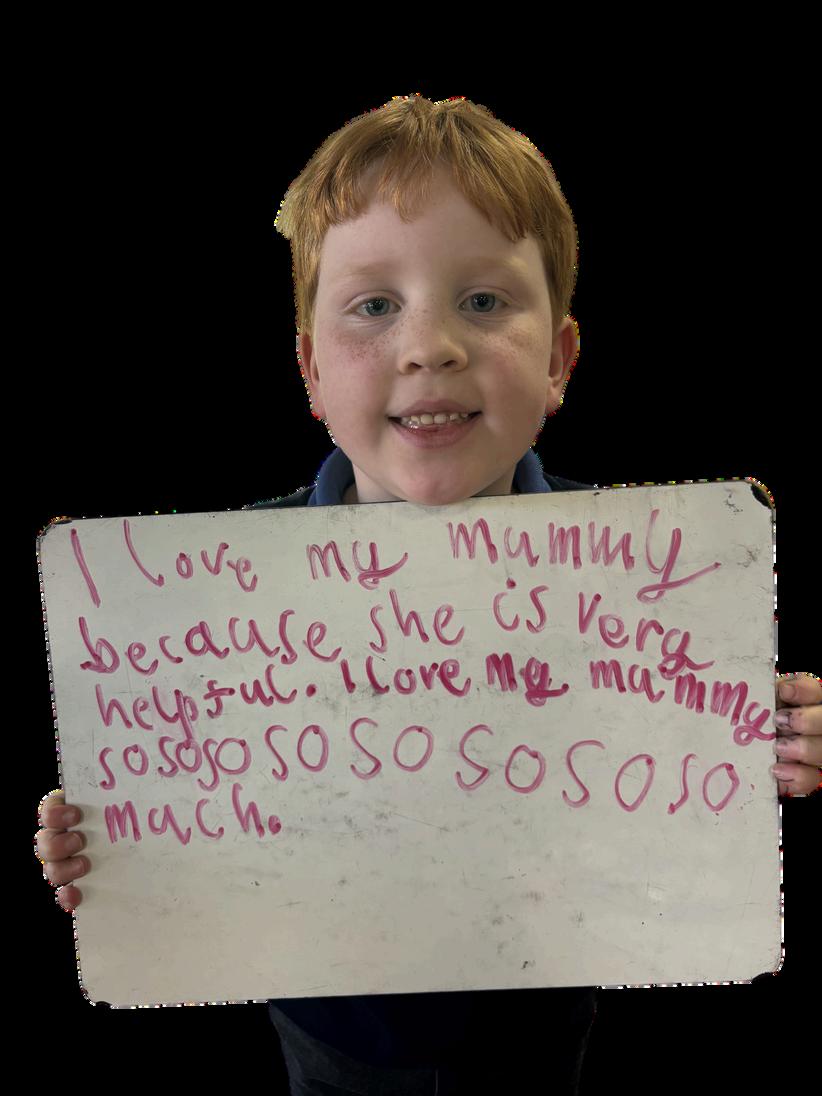
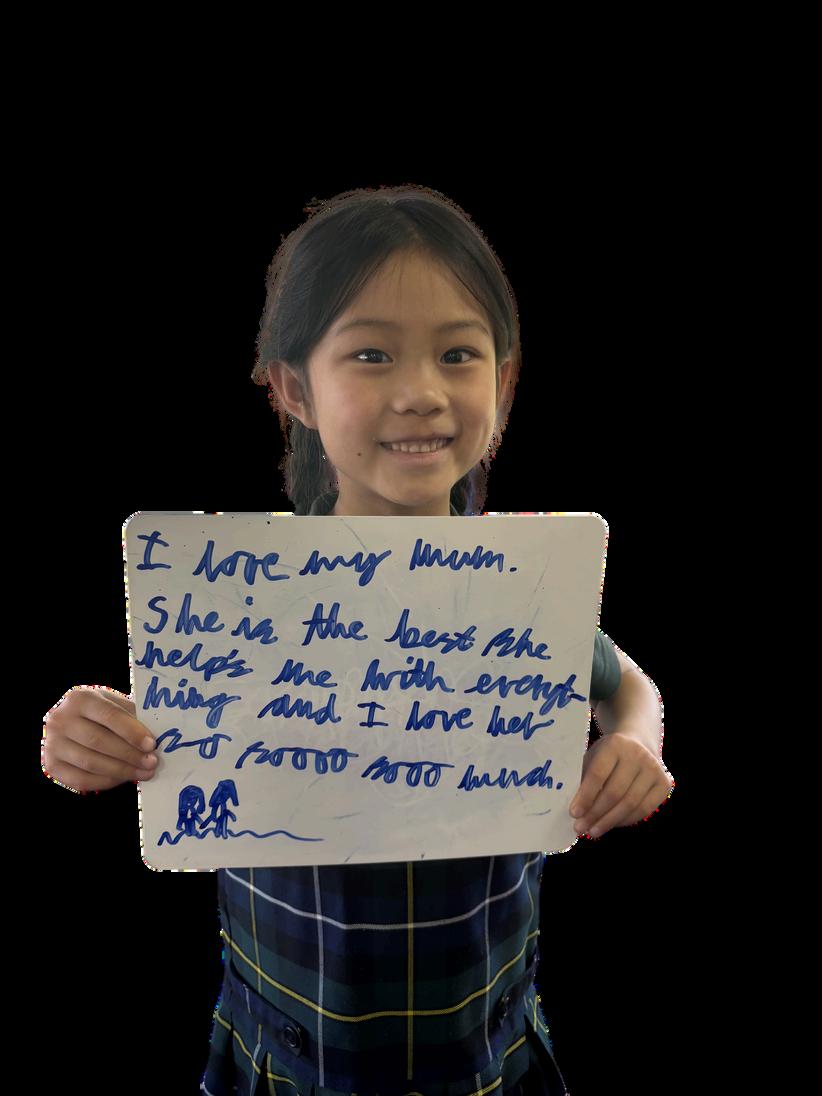
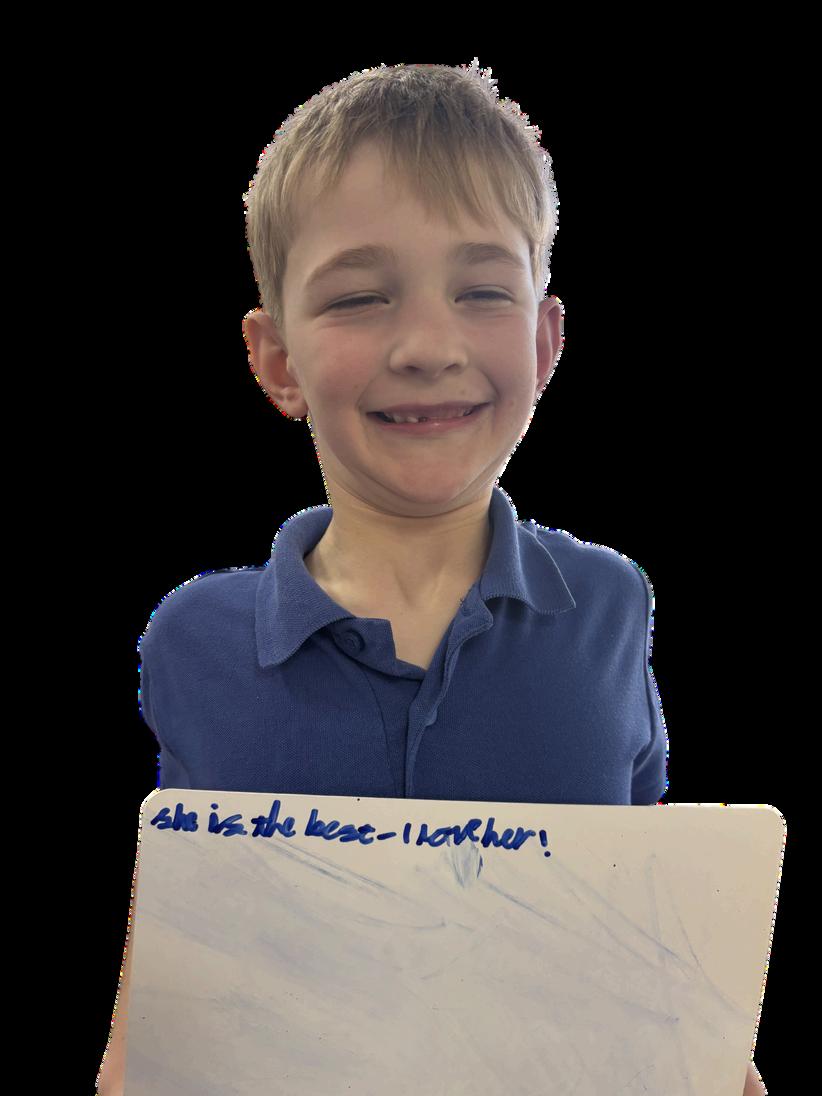
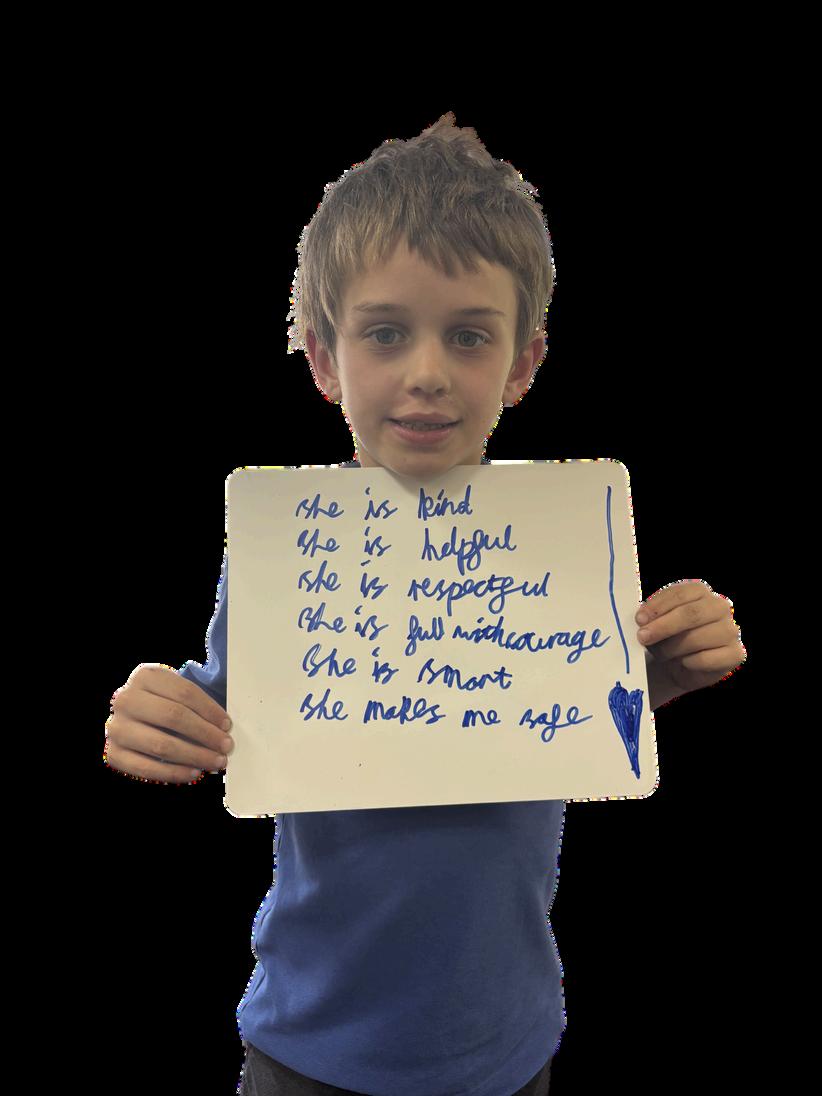
Our pupils reflected on Mothering Sunday and why they are grateful for their Mothers and Others...
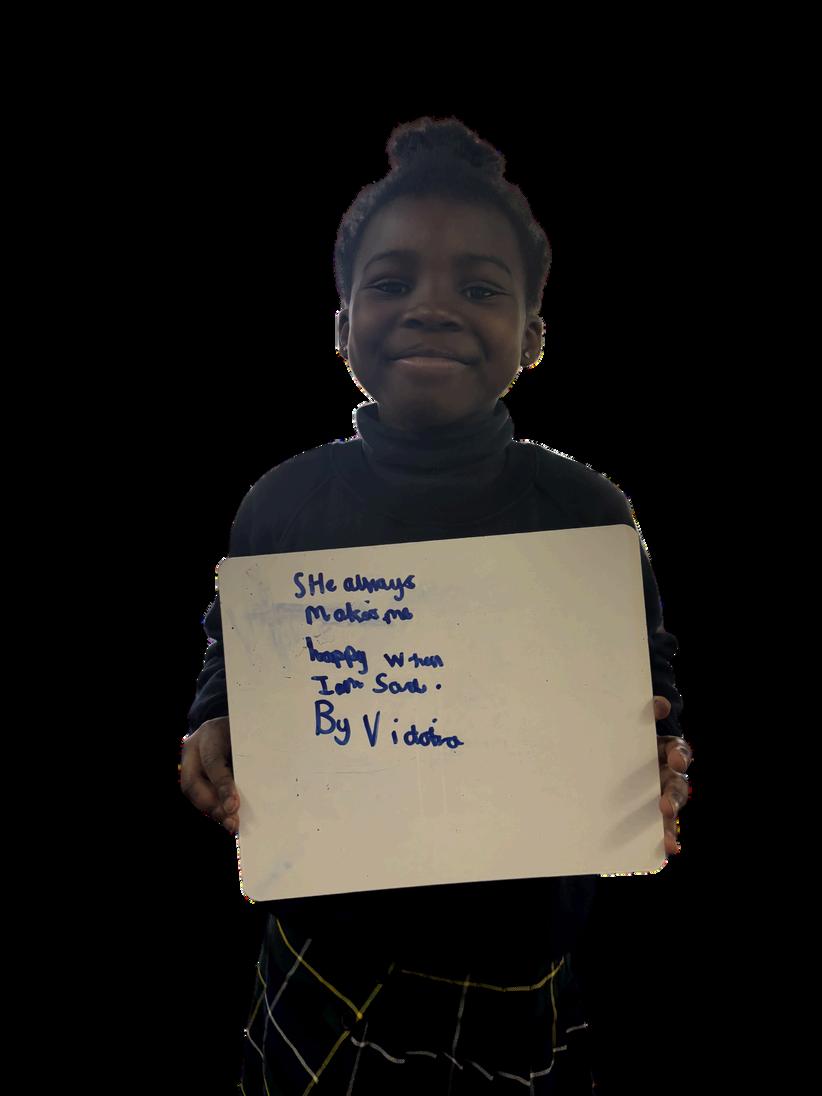
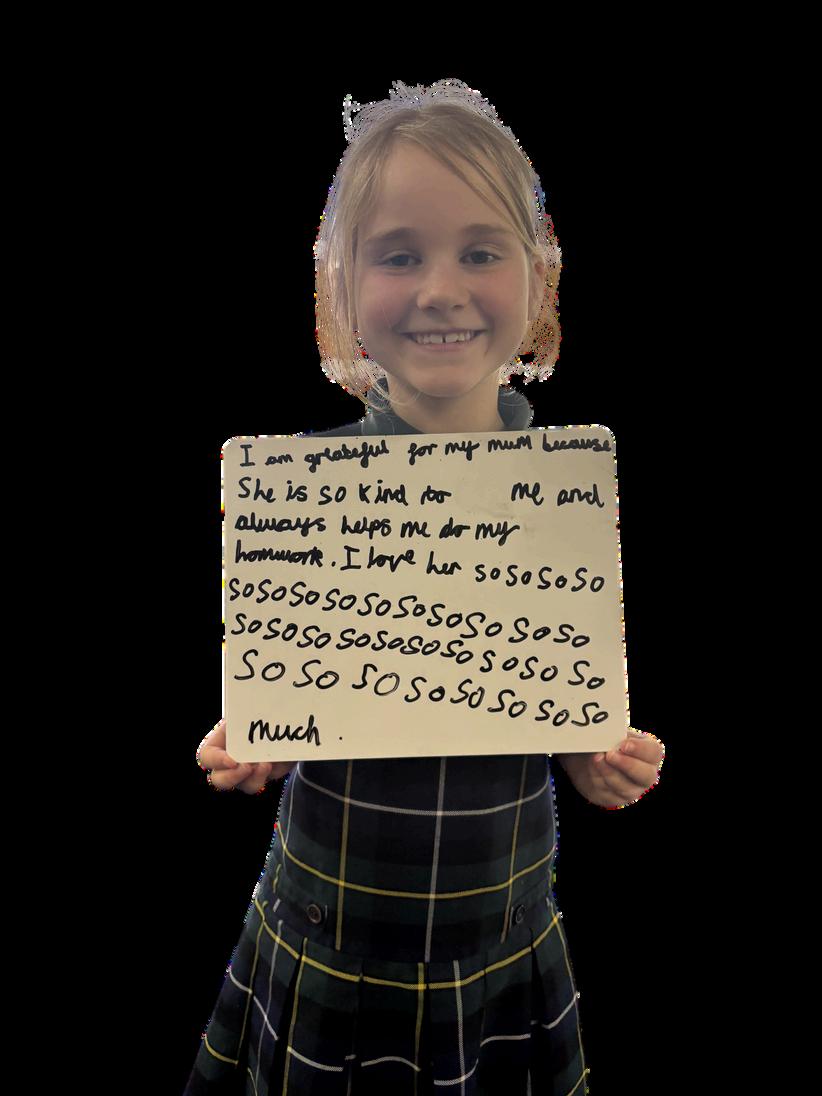
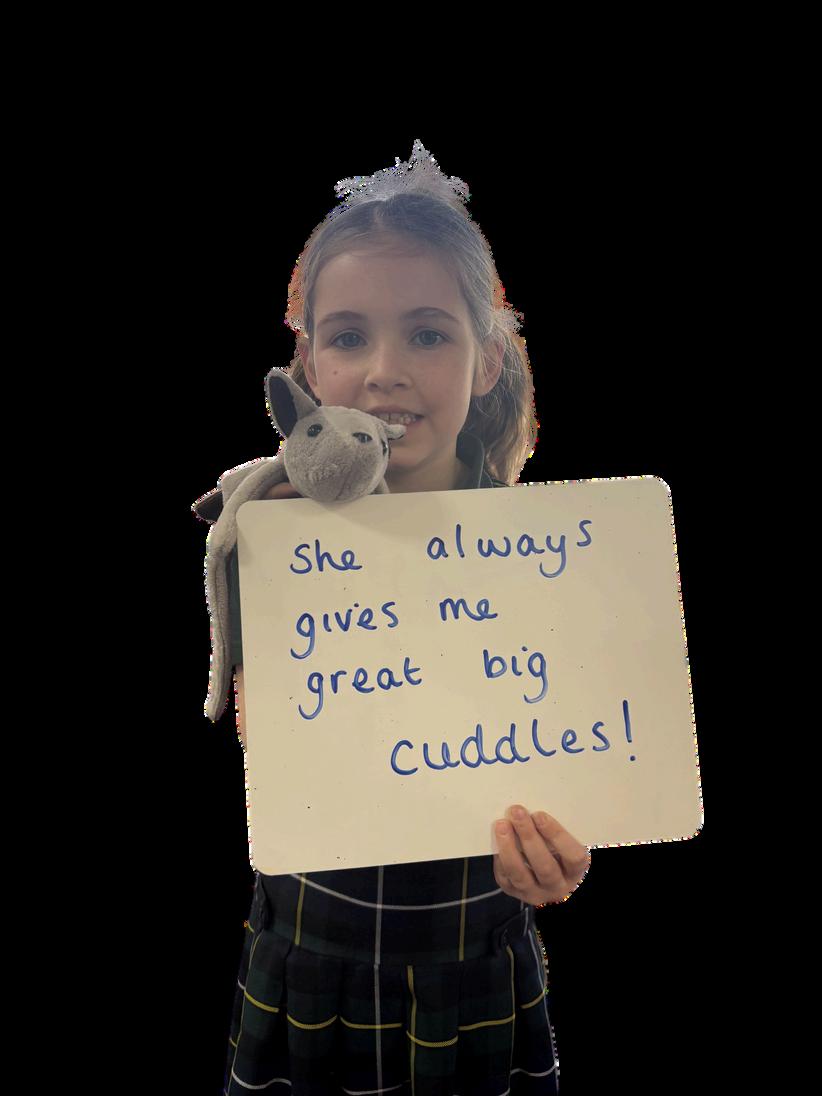
’ A s s o c i a t i o
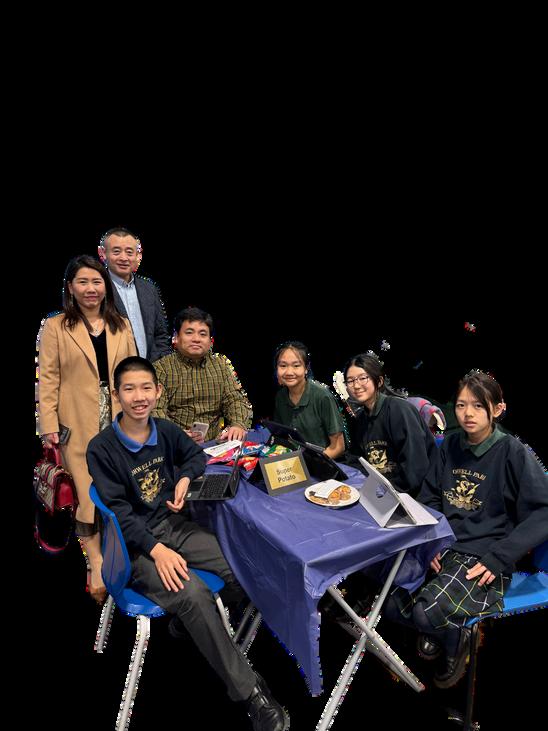
O r w e l l P a r k P a r e n t s
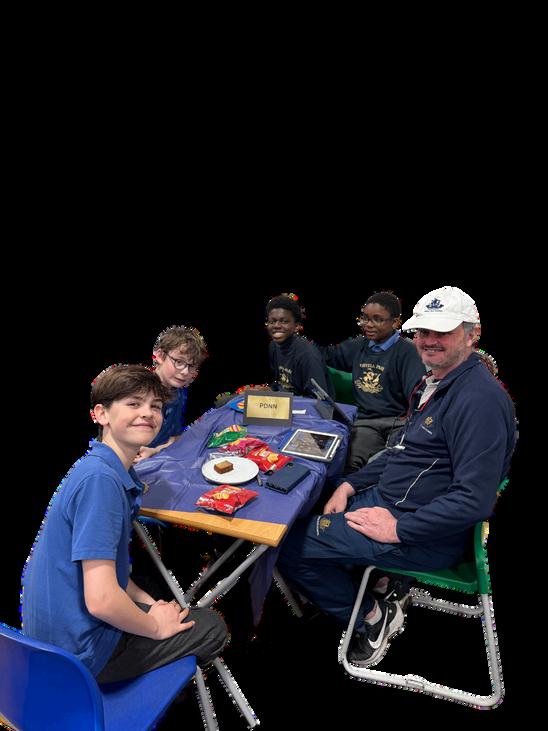
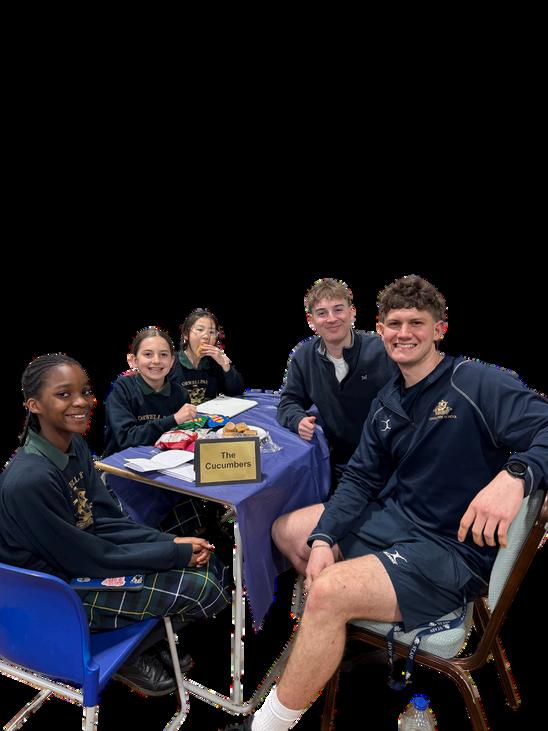
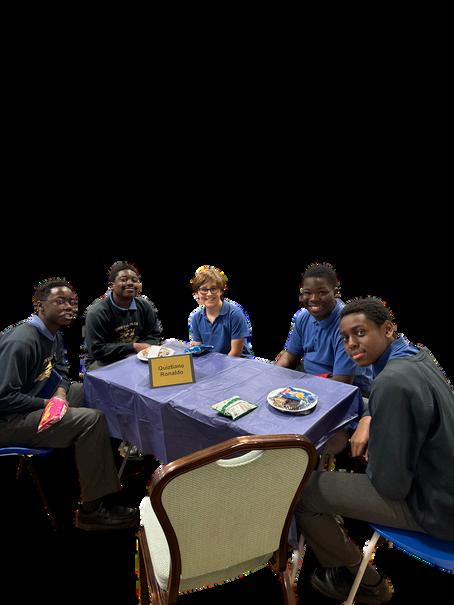
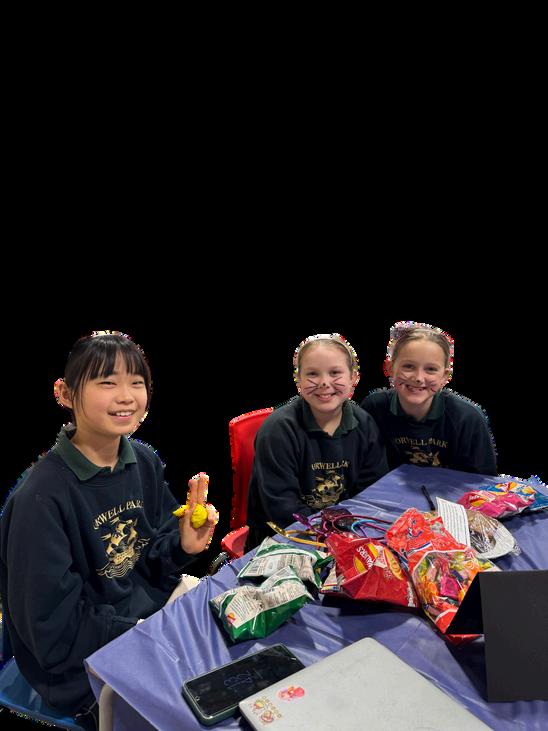
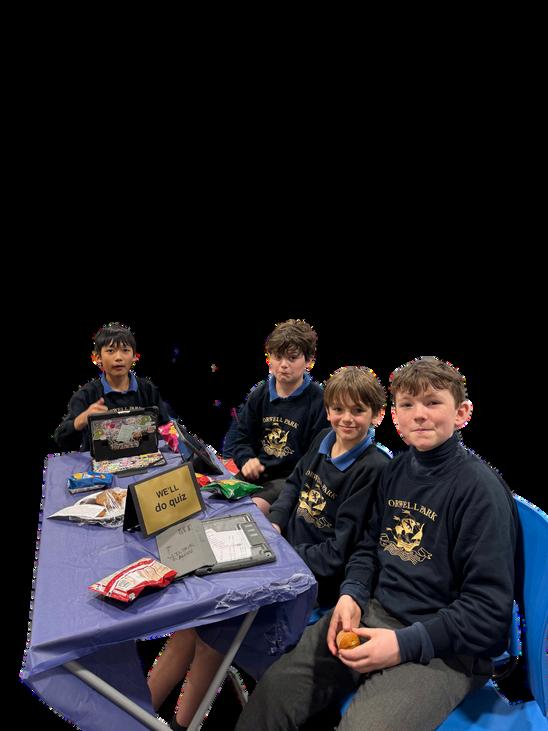

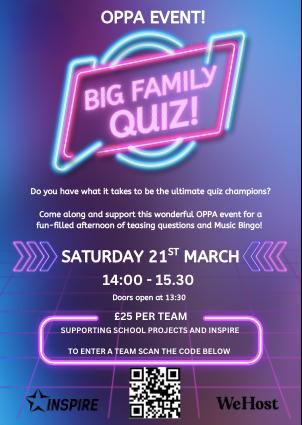
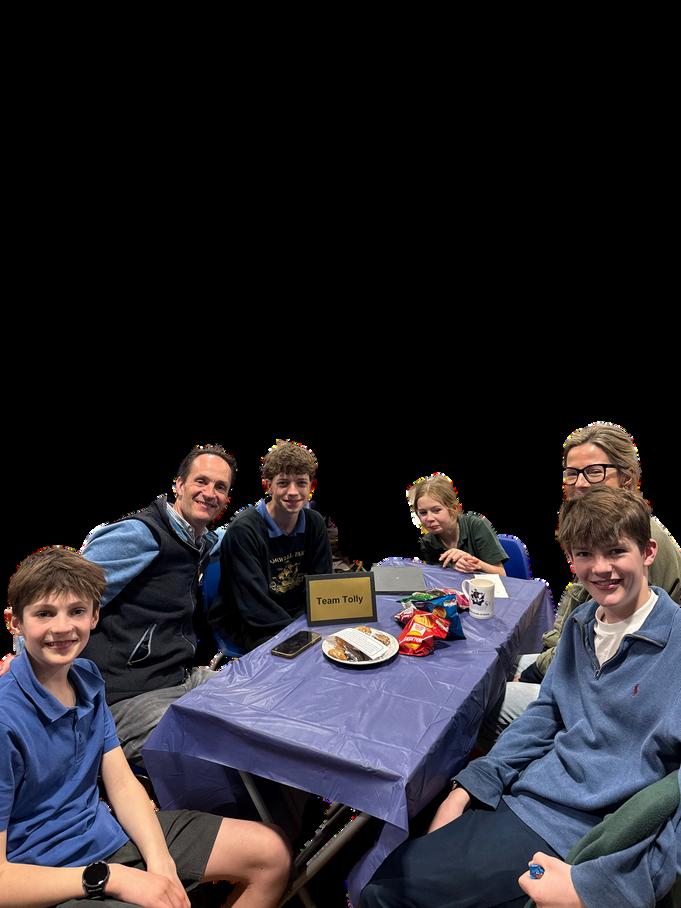
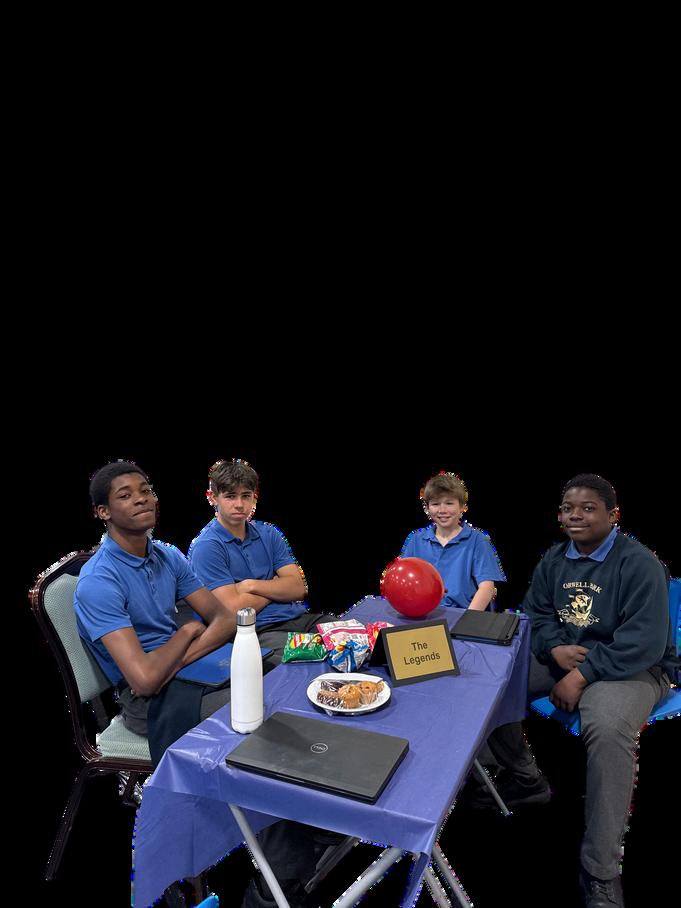
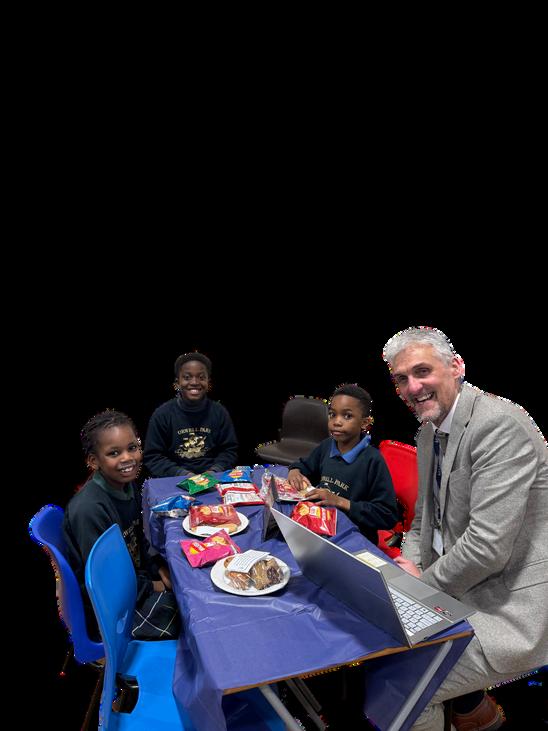
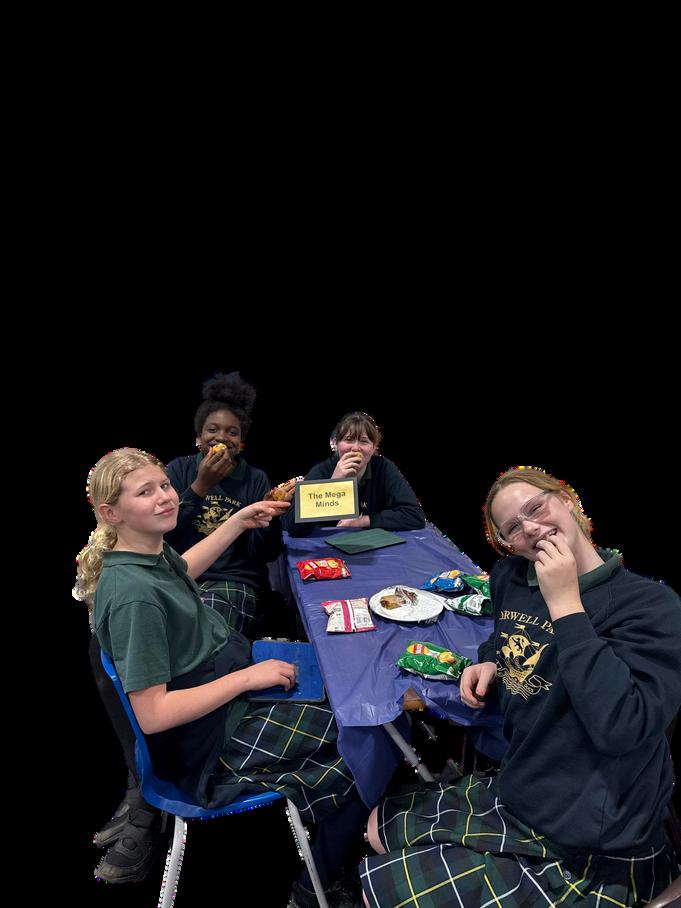
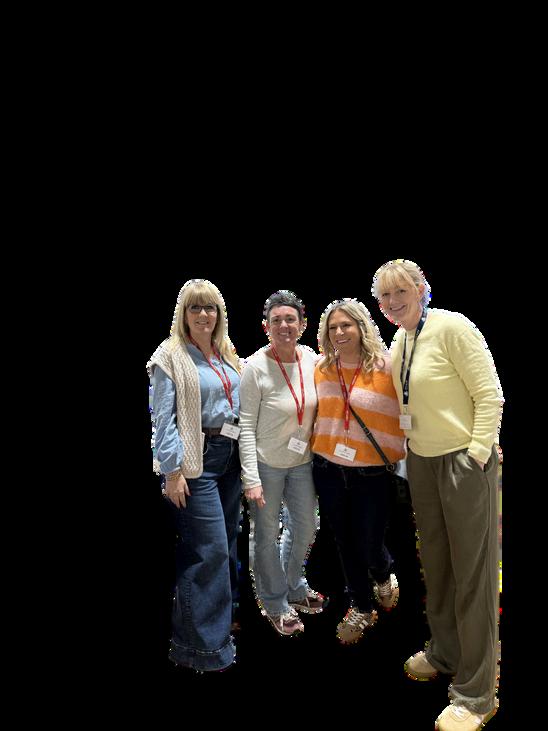
A fantastic afternoon for everyone involved in the OPPA Big Family Quiz. Fun, laughter, singing, teamwork and even a surprise Conga! Thank you for your support.
Winners
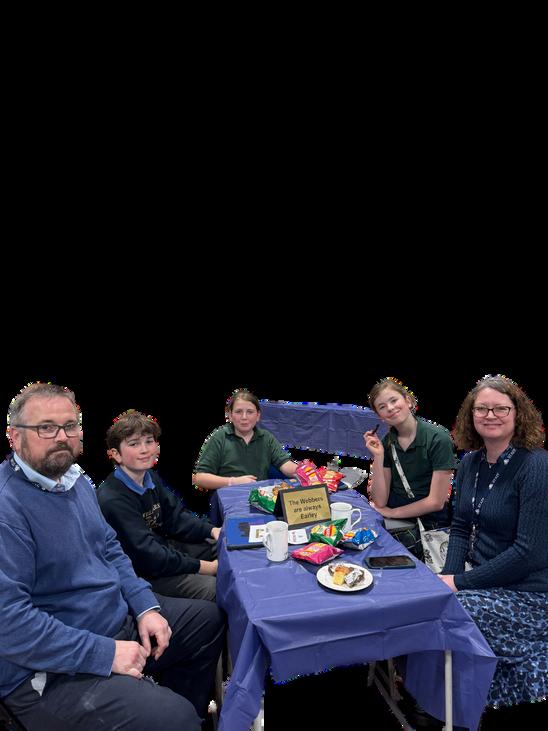
Silver Bronze

















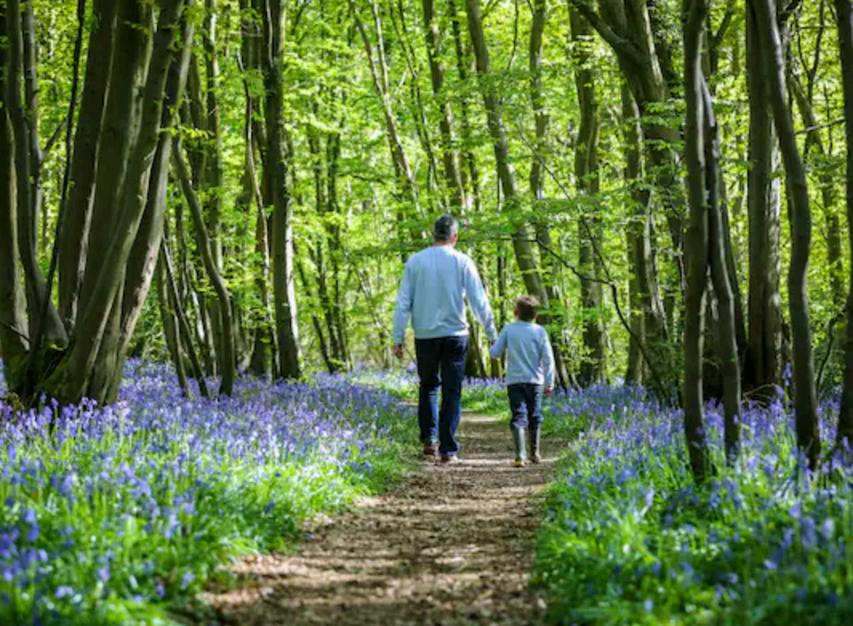
The Easter holidays offer a natural pause in the year... longer days, spring growth, and space to reconnect as a family. Using the Five Ways to Wellbeing (Connect, Take Notice, Give, Be Active, Keep Learning), here are some practical, age-flexible activities for children aged 3–13. Each section includes one idea for younger children (3–5), one flexible “family mix” idea, and one designed to engage older children (8–13).
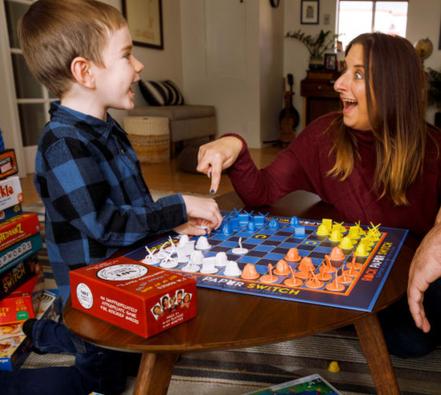
Connection strengthens emotional security and builds resilience. Easter is a perfect moment to slow down and prioritise shared experiences
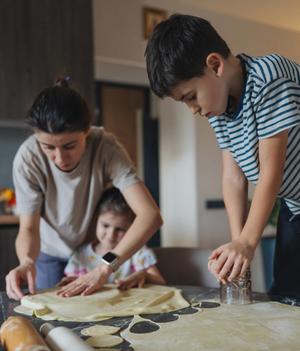
For younger children (3–5): Easter Baking Afternoon
Bake simple Easter nests or decorate biscuits together. Let younger children stir, sprinkle and decorate. The goal isn’t perfection it’s conversation, shared laughter and sensory engagement.
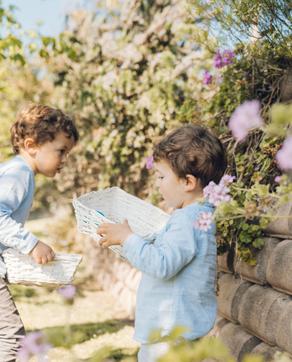
Family Mix: Easter Treasure Hunt with Team Clues
Instead of individual hunts, create team-based clues that require cooperation Older children can read clues aloud; younger ones can spot hiding places Collaboration fosters communication and reduces sibling rivalry.
For older children (8–13): Family Interview Project
Ask children to interview a grandparent or older relative about “Easters when they were young. ” Record it on a phone or write it up together This builds identity, empathy and intergenerational connection

Mindfulness for children doesn’t require stillness; it requires curiosity
For younger children: Spring Colour Hunt
On a walk, challenge them to find five colours in nature: yellow daffodils, green leaves, blue sky, brown bark, white clouds. Naming and noticing supports emotional regulation.
Family Mix: Five Senses Picnic
At the park, pause and identify:
3 things you can hear
2 things you can smell
1 thing you can feel
It turns an ordinary outing into a grounding exercise.
For older children: Nature Sketch Journal
Encourage them to sketch or photograph one small detail each day a budding tree, a bee, rain on a window. Reflect briefly on how it makes them feel. This builds attentional control and appreciation.
Acts of giving enhance mood and create a sense of purpose, even in young children
For younger children: Handmade Kindness Cards
Create simple Easter or spring-themed cards for neighbours, nursery staff, or local care homes. Young children can decorate; adults can help write messages.
Family Mix: Bake & Share
Make extra cupcakes or hot cross buns and deliver them to neighbours Encourage children to knock on the door and offer them confidently.
For older children: Community Action Challenge
Invite them to choose a small cause: litter-picking in a local park, organising a mini book swap, or raising pocket-money donations for a chosen charity Involving them in decision-making builds agency


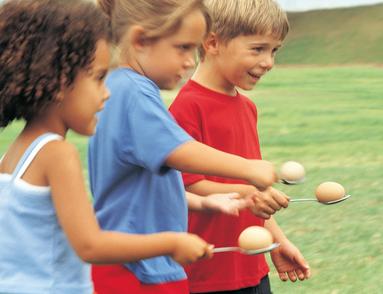
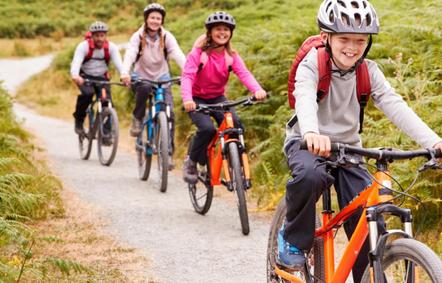
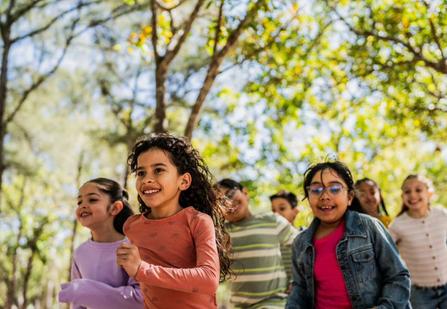
Physical activity improves mood, sleep and concentration and doesn’t need to feel like “exercise”
For younger children: Bunny Hop Races
Create a simple obstacle course in the garden or living room. Hop like bunnies, crawl like chicks, balance like flamingos. Keep it playful and short.
Family Mix: Easter Sports Day
Host classic races: egg-and-spoon, sack race, three-legged race Invite neighbours or extended family if possible. Laughter counts too!
For older children: Family Bike or Hike Challenge
Set a distance goal and track it together. Older children can map the route. Incorporating planning increases motivation and ownership
Learning during holidays works best when it feels exploratory rather than instructional.
Grow cress or sunflowers in small pots Watching daily changes builds patience and understanding of growth cycles
Try an egg experiment: Which liquids make an egg float? What happens when you spin a boiled vs. raw egg? It blends curiosity with hands-on discovery.
Each family member teaches something small to the rest of the family. It could be baking, origami, football tricks, simple coding, knitting. Teaching reinforces competence and confidence.

How did you get on?
How many of these books have you read?