




































MARCH 2026
EXECUTIVE





















As we move forward implementing the plans and goals of our newly installed Lodge officers, opportunities arise for us to consider new ways to strengthen our Lodge. One such opportunity—present for some time but perhaps underutilized within Oregon Freemasonry—is the thoughtful use of Artificial Intelligence (AI).
AI tools are rapidly transforming organizations across the world, including fraternal bodies such as ours. For Oregon Freemasons, AI offers the potential to support and enhance the member experience by improving research capabilities, fostering engagement, increasing operational efficiency, and preserving tradition while embracing modern tools.

AI-powered resources can assist members in quickly locating references within the many materials available to us in the jurisdiction of the Grand Lodge of Oregon. While our Code, Standard Manual, Etiquette Book, Master’s Book, and Officers’ Manual are not extensive, AI can help identify relevant information efficiently—always with the expectation that all results are personally reviewed and verified. Oregon Freemasonry has a rich heritage, and emerging technologies can help educate new members through engaging and accessible experiences that preserve our history for future generations.





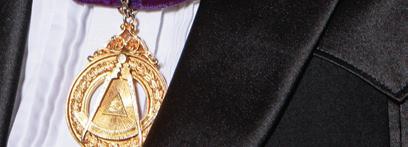

By thoughtfully adopting AI, we can support our members, enhance operations, and safeguard our traditions while remaining relevant in today’s world. Used wisely and with proper verification, these tools can help create a more engaging, efficient, and inclusive experience for our Lodges, ensuring continued vitality for Oregon Freemasonry and the Masonic family as a whole.


Sincerely and Fraternally,
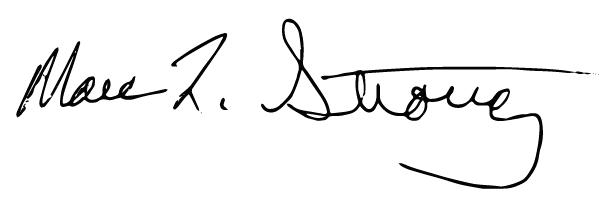
Marc L. Strong Grand Master 2025-2026
By
Tiff
any Bell, Senior Program Manager
One of our Oregon Lodges recently received a unique gift—and with it, a valuable opportunity. Funds were donated to the Lodge specifically designated for the purchase of Life Memberships for its members. Th is decision strengthened the Lodge’s investment in its Life Membership program, providing meaningful support to Brothers who may struggle to keep up with rising annual dues because of increasing operating costs.
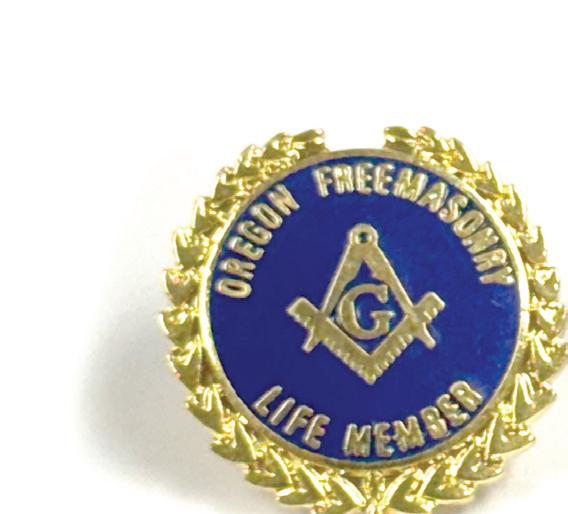

Th is opportunity also allowed the Lodge to reconnect with several members who had gone NPD in recent years. These Brothers were invited to re-petition and, upon approval, were granted Life Memberships purchased by the Lodge. Th is creative and compassionate approach has led to positive membership growth while bringing renewed energy and engagement back into the Lodge. It is a restoration program that any Oregon Lodge could consider, provided it has the fi nancial resources and the desire to welcome members back into active participation.
Equally important is reviewing your Lodge’s current Life Membership fee structure. If your Life Membership tiers are not generating enough annual income to cover even the $11.50 per-capita tax, your Lodge may be setting itself up for long-term fi nancial challenges. For example, a $100 Life Membership would have earned approximately $7.20 in interest in 2024—insufficient to cover per-capita, let alone utilities, insurance, or other operating expenses. Even a $500 Life Membership would have generated only about $36, of which $11.50 would be paid toward per-capita, leaving just $24.50 to support Lodge operations. Th is leaves little room for capital improvements or major projects.

When was the last time your Lodge reviewed its Life Membership fees to determine whether adjustments were needed?
When used creatively and responsibly, Life Memberships can bring Brothers home and renew the vitality of the Craft.
Many Lodges also receive funds through estates and wills. When considering how to allocate these resources, Lodges may wish to invest in Life Memberships, assist Brothers experiencing fi nancial hardship, or restore members who previously went NPD but would welcome the opportunity to return to active participation. Now is an ideal time for each Lodge to thoughtfully review its Life Membership fees. Consider whether your current fee structure truly supports long-term fi nancial stability, and explore creative ways Life Memberships can be used to support Brothers, restore members, and strengthen engagement. By taking a proactive approach, Lodges can turn opportunity into a lasting impact—benefiting both current members and future generations of Oregon Freemasons.
Contact the Grand Lodge with questions, to apply for Life Membership certificates, and to purchase Life Membership pins at (503) 357-3158.
































By W.B. Eric Headley, Grand Marshal Fred Rogers and the Shared Values of Freemasonry
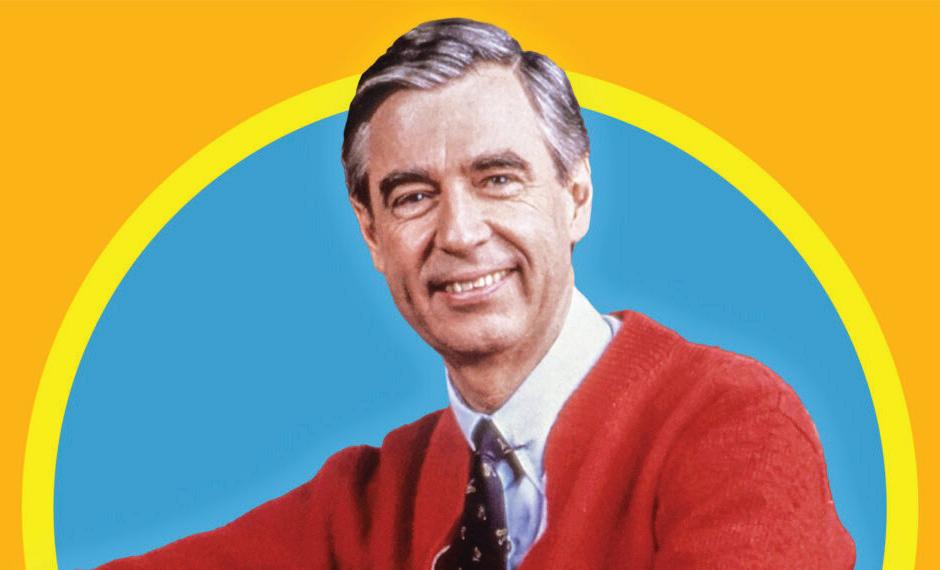
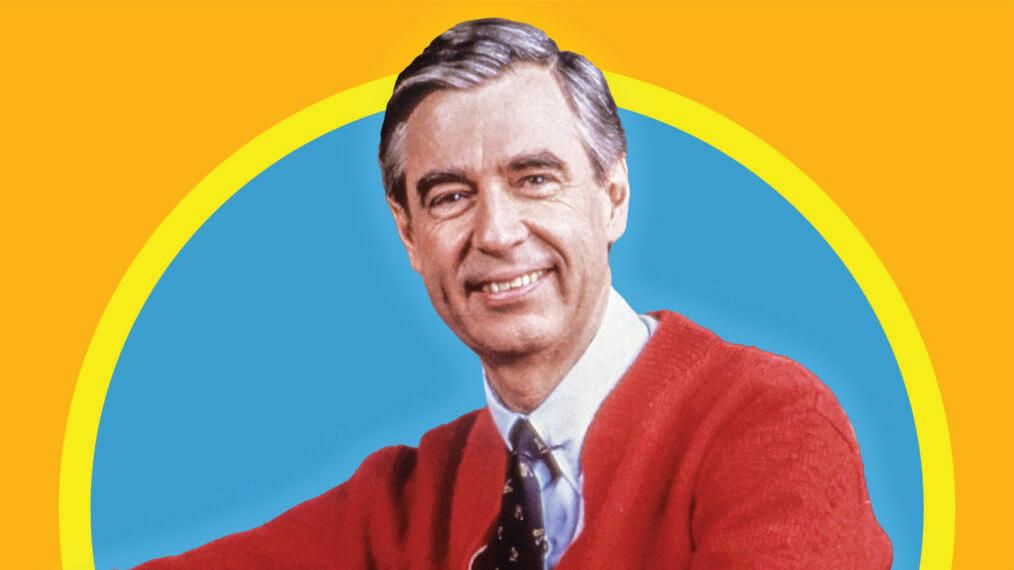
Today, I wanted to write about a personal hero of mine. One most of you may be familiar with and whom all of us in some way emulate in our Masonic lives.
Someone who I have admired since I was 4 years old - Mr. Fred Rogers. Although they come from very different worlds—one a centuries old fraternal organization, the other a beloved children’s television host—Freemasonry and Mr. Rogers share strikingly similar principles aimed at helping people better understand themselves, relate to others, and build more compassionate communities. At their core, both emphasize personal growth, empathy, and the careful cultivation of moral character. Freemasonry teaches its members to “improve themselves in Masonry,” which fundamentally means improving oneself as a human being. Through its rituals, symbols, and teachings, it encourages reflection, humility, and the pursuit of knowledge. This
personal development is not meant to be hidden away but expressed outwardly through brotherly love, integrity, and service to others. In much the same way, Fred Rogers devoted his career to helping children understand their feelings, recognize their inherent worth, and interact with others from a place of gentleness and respect. His famous reassurance— “I like you just the way you are”—mirrors the Masonic belief in the intrinsic value of every individual and the importance of meeting people on the level.
Brotherly love, one of the central pillars of Freemasonry, finds a natural companion in Mr. Rogers’s emphasis on empathy and emotional literacy. We are taught to approach others with understanding and goodwill, bridging differences through shared experiences. Mr. Rogers translated this idea into language accessible to children, offering lessons on resolving conflict, expressing emotions without harm, and seeing others as neighbors. His neighborhood was a symbolic space where acceptance, patience, and compassion guided every interaction—much like our Lodges. Freemasonry also stresses relief—doing good for others, offering support where it is needed, and acting from charity rather than obligation. Mr. Rogers brought this ideal to life by showing children ways they could be helpful, considerate, and generous. He highlighted community helpers, highlighting their work and encouraging children to see themselves as capable of contributing to the wellbeing of those around them like the people they see every day.
Finally, both Masonry and Fred Rogers place a high value on truth: being honest with oneself, acknowledging difficult emotions, and communicating with sincerity. Mr. Rogers spoke openly but gently about topics many avoided with children—anger, fear, grief—believing that truth delivered with kindness builds stronger relationships. When Mr. Rogers died in 2003, we lost an icon of American television and a guiding force that shaped countless child in a positive way. While he wasn’t a Mason, I believe that at the most fundamental level, he helped guide the youth of America towards the Masonic tenets that we all know—an example worthy of emulation.
“There are three ways to ultimate success: The first way is to be kind. The second way is to be kind. The third way is to be kind.”
- Fred Rogers
By R.W.B. Eric M. Young, Junior Grand Warden
Oregon Freemasonry is experiencing something brethren have quietly hoped for over the years — a noticeable rise in interest in our ancient Craft. Ms. Marissa Douglas, Marketing Director at the Grand Lodge, has instituted a new awareness campaign which is seeing very positive results. Since Dec. 1, to the writing of this article, we have seen 985 inquires. That is about 5x the normal rate. Men are once again inquiring, asking questions, and seeking light. This renewed attention is encouraging, even inspiring. Yet with opportunity comes responsibility. If ever there were a time to be mindful guardians of our West Gate, it is now.
The West Gate has always symbolized discernment. It is not a barrier meant to keep worthy men out, but a safeguard to ensure that those who enter are prepared for the journey and aligned with the principles we hold sacred. An influx of interest can tempt Lodges to focus on numbers rather than nourishment, enthusiasm rather than examination. But Freemasonry has never been about quantity — it has always been about quality of character.
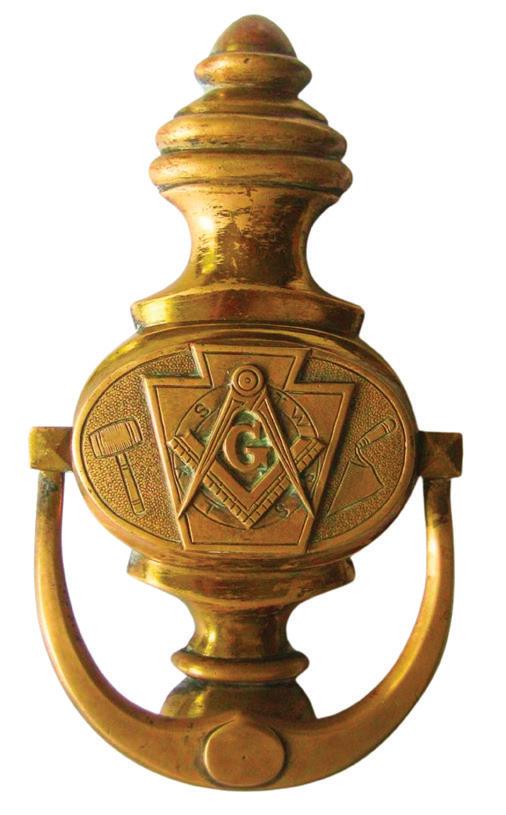
ASK SEEK KNOCK and it shall be given to you. and you will find. and the door will be opened to you.
Every petitioner represents a profound investment of time, mentorship, and trust. When we guard the West Gate with proper vigilance, we protect not only the reputation of the Fraternity but also the experience
of the candidate himself. A man admitted for the wrong reasons — curiosity alone, social advantage, or fleeting fascination — may never truly connect with the deeper moral and spiritual labor of the Craft. Worse, he may become disengaged, disillusioned, and may simply vanish in a short time. In some cases, choosing the wrong men may cost the fraternity valuable resources in the form of trials, lawsuits, and loss of goodwill.
This does not mean we grow suspicious or unwelcoming. On the contrary, our duty is to be warm, open, and informative — while also being thorough and thoughtful. Investigations should be more than formalities. Conversations should go beyond surface pleasantries. We should be meeting with him at his place of residence. We should seek to understand a man’s motivations, his stability, his willingness to learn, and his desire to improve himself, serve others and to commit to the Lodge. A candidate should know that becoming an Oregon Freemason is not easy. It will require hours of memory work and study with his coach and on his own. Much will be expected of him.
Just as important is preparing candidates for what Freemasonry is not. It is not a shortcut to status or influence,
not merely a social club, and not a passive membership. It is a system of personal growth built on symbolism, study, fellowship, and service. When expectations are set honestly and early, we increase the likelihood that new Brethren will become active, committed Masons rather than sideline observers.
The current wave of interest is a gift — but it is also a test. Will we dilute our standards in the excitement of growth, or will we rise to the moment with wisdom and patience? Guarding the West Gate well ensures that the men who pass through it strengthen the Lodge, uphold our traditions, and carry the light of Masonry into the world with integrity.
If we do this faithfully, this season of interest will not be a passing trend. It will be the beginning of a stronger, more vibrant future for the Craft.
The West Gate Experience entails placing a special emphasis on member prospects and newly made Masons to enhance their Masonic experience. Key to this approach is ensuring the prospective member has a clear understanding of the activities and attitudes of the Lodge members before petitioning. Equally important is that the Lodge members know the prospective member well before extending the opportunity to petition the Lodge. Both the Lodge and the prospect should have enough information about the other that they know what to expect should the prospect petition for membership.
BETWEEN JANUARY 1, 2025 THROUGH FEBRUARY 14, 2026
Matt V. Thompson
Ross A. Ayers
Casimir J. Palowitch
Sergio A. Perez, II
Edward C. Duquette
Randall J. Haugen
Theodore H. Crocker
Daniel P. Mireles
Wesley R. Palmer
Jason T. Hamblen
Nicholas R. Nieffenegger
Curtis L. Knopp
Michael James. Hogan
Norman F. Palmer
Kristopher A. Torrey
Narith R. Sok
Gibson M. Morrison
Micheal C. Ames
Jason T. Card
Scott P. Blackman
Christopher L. Garza
Nathan L. Davidson
Kevin S. Krajewski
Christopher A. Chuculate
Robert R. McArthur
Timothy J. Lanterman
Waldon G. Kinney
Dennis C. Short
Duane R. Storms
Matthew A. Alexander
David R. Nixon
Todd W. Niebling
Bryan G. Bukin
Terin J. Gutierrez Mueller
David E. Tate
David L. Miller
Kevin C. Gladysz
Peter J. Pringle
Neily M. Cooper
Ted A. Baker
Paul E. Poulin
Ronald Whelchel
Christopher P. Lachmann
Willamette Lodge No. 2
Salem Lodge No. 4
Warren Lodge No. 10
Eugene Lodge No. 11
Eugene Lodge No. 11
Laurel Lodge No. 13
Belt Lodge No. 18
Ashland Lodge No. 23
Santiam Lodge No. 25
Jefferson Lodge No. 33
Umatilla Lodge No. 40
La Grande Lodge No. 41
Cottage Grove Lodge No. 51
Grande Ronde Valley Lodge No. 56
Tillamook Lodge No. 57
Aurora Lodge No. 59
Wildhorse Lodge No. 65
Pearl Lodge No. 66
Klamath Lodge No. 77
Joseph Lodge No. 81
Fairview Lodge No. 92
Medford Lodge No. 103
Milwaukie Waluga Lodge No. 109
Milwaukie Waluga Lodge No. 109
Creswell Lodge No. 112
Acacia Lodge No. 118
Acacia Lodge No. 118
Clatskanie Lodge No. 133
Tuscan Lodge No. 136
Bend Lodge No. 139
Redmond Lodge No. 154
Lents Lodge No. 156
Sherwood-Midday Lodge No. 164
McKenzie River Lodge No. 195
Research Lodge No. 198
Tigard-Orenomah Lodge No. 207
Tigard-Orenomah Lodge No. 207
Cascade Lodge No. 208
Vista Masonic Lodge No. 215
Marys River Lodge No. 221
Oregon Military Lodge No. 223
Rogue River Lodge No. 226
Esoterika Lodge No. 227
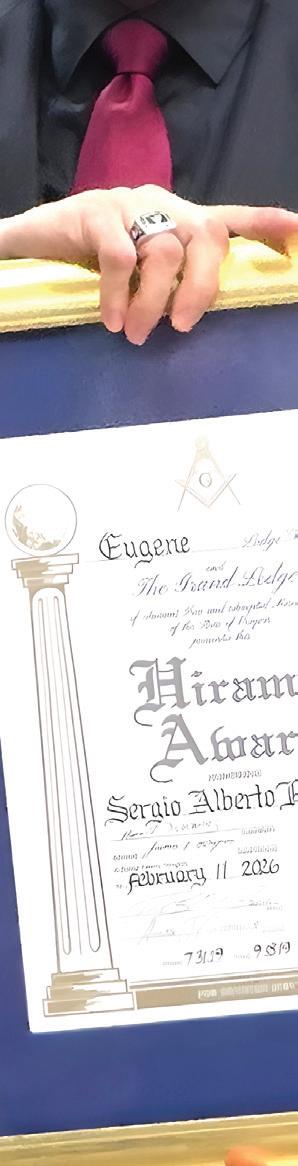
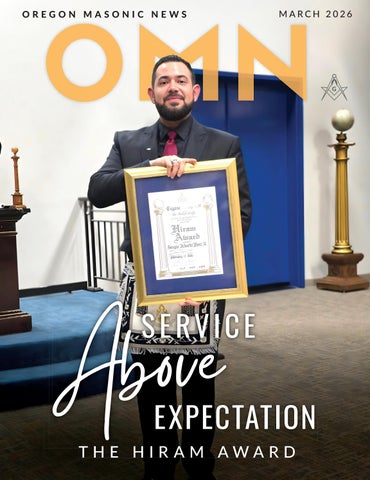
The Hiram Award may only be presented to a Brother once in their lifetime.
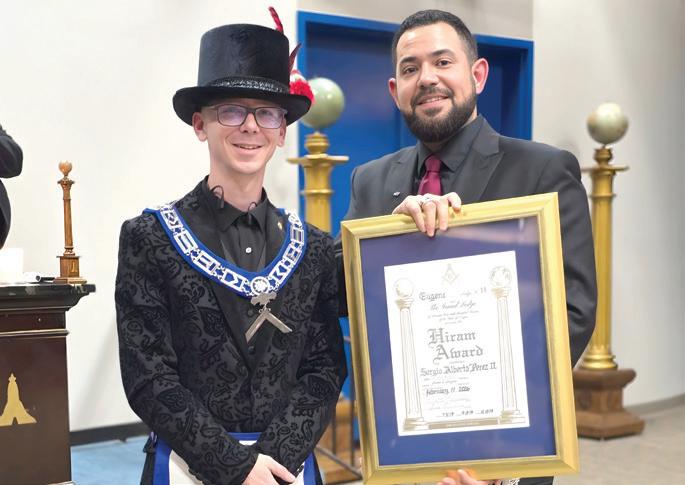
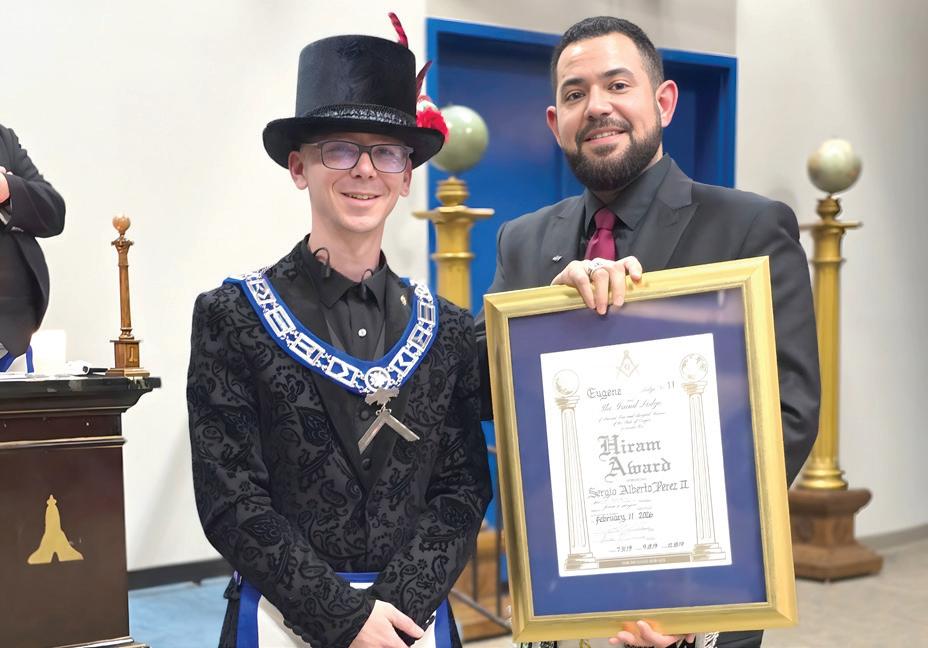
The Hiram Award, one of the most distinguished recognitions that can be bestowed upon a Mason in the Grand Jurisdiction of Oregon, exists to recognize members of Oregon Lodges who, by both precept and example, have demonstrated exceptional service and leadership to the Craft far beyond what is normally expected. It is not given lightly, nor is it intended as a reward for office held, but rather as an acknowledgment of sustained dedication, humility, and devotion to Freemasonry.
The award consists of a silver medallion worn on a blue cord, a lapel emblem, and an official certificate issued by the Grand Lodge of Oregon. Eligibility is limited to members in good standing, and each Lodge may confer only one Hiram Award per Masonic year, following a favorable written ballot.
Carefully governed in its administration and meaningful in its presentation, the Hiram Award stands as a lasting symbol of dedicated service and quiet leadership within Oregon Freemasonry.
We extend our gratitude to all who hold the Hiram Award, past and present, whose commitment and care for their Lodges reflect the very best of Freemasonry.
"It is with a full heart that last night turned out to be a very special night for me—and what better month to receive such recognition than February, a month associated with love, an emotion deeply rooted in our organization, and I believe, the driving force of every Mason."
- W.B. Sergio A. Perez, II, Recent Hiram Award Recipient
I had a most interesting exchange with a nonMason this morning. He was looking to challenge me on why he should join our fraternity.
He asked: “Why should I join when ALL of your secrets and information is in books and online for anyone to look up?”
“True”, I said. He seemed very surprised that I agreed with him. I smiled and continued, “Let me qualify my answer. I am sure that you can read about and lookup all information on how to drive a car, how to give a perfect speech to a large audience or how to passionately kiss someone. However something tells me your point of view changed when you first sat behind the steering wheel, stood in front of several hundred people or held a loved one for the first time.”
My point is that Freemasonry is not just the passing of information; it is the experience that transforms the member. Until you experience the degree work, I cannot adequately convey the result on the individual.”
I think, by the look on his face, I made my point.
Source: Unknown
By W.B. Johnny J. Edwards, Grand Historian
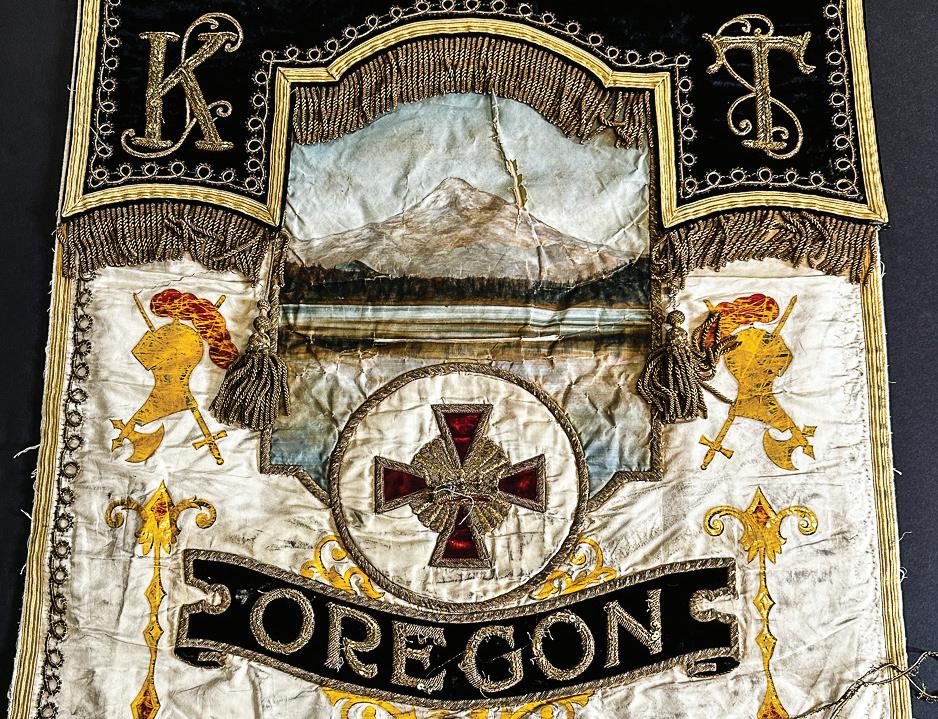
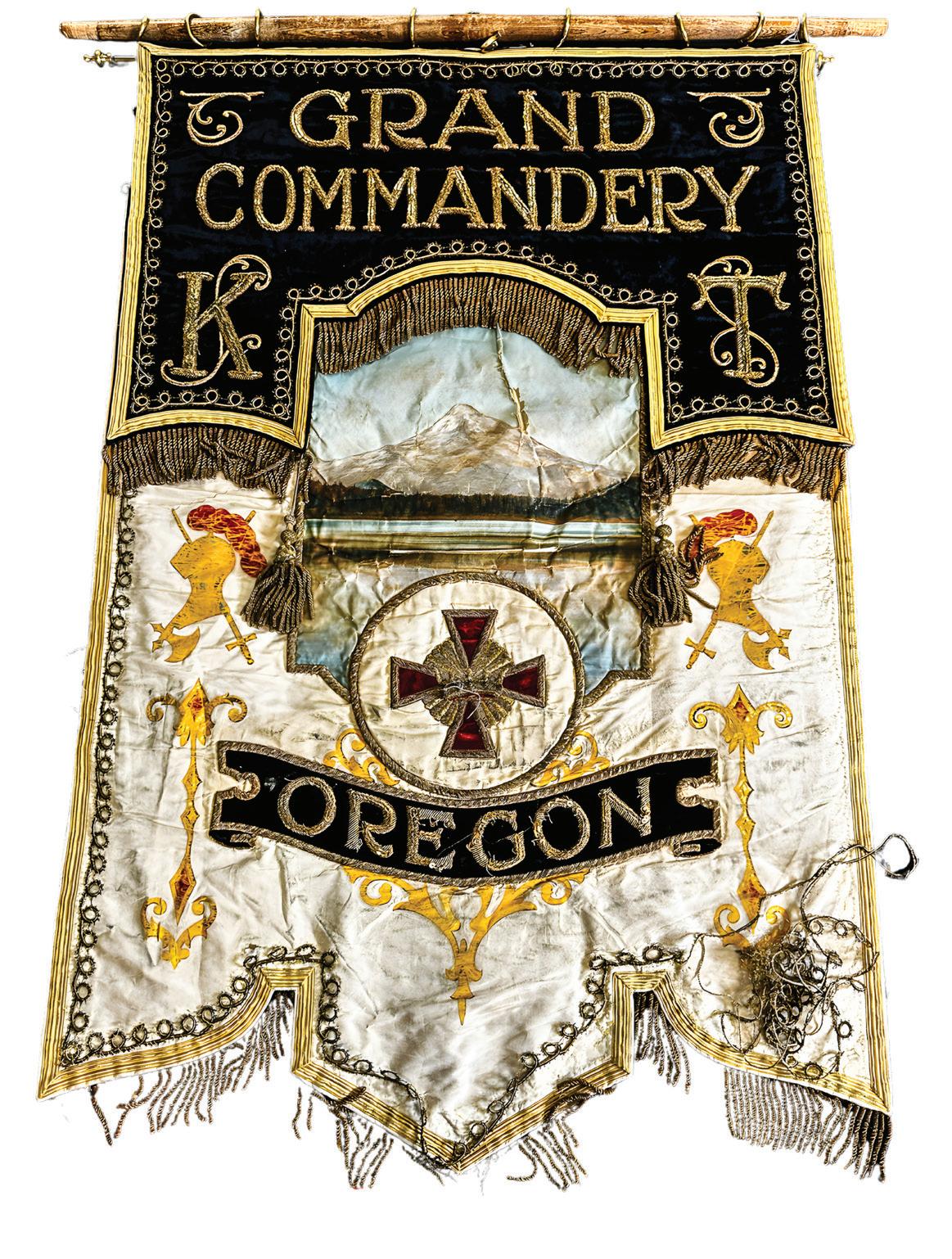
History is a curious thing. It is always striking to realize that when the original members of an organization—or those who personally witnessed important moments in time—pass away, their firsthand knowledge often disappears with them, never to be shared again. The Knights Templar of Oregon banner appears to be one such case. Fortunately, the now out-of-print The Masonic History of the Northwest preserves some of this story. Within its rare pages is a chapter dedicated to the Knights Templar of Oregon.
Interest in establishing an Order of the Temple in Oregon
began shortly after the formation of the Grand Lodge of Oregon, A.F. & A.M., in 1851. Early efforts, however, were unsuccessful. By 1872, after only a handful of meetings, the charter was surrendered to the Grand Encampment. In 1876, a renewed petition to organize a Knights Templar Commandery was approved, and a charter was granted in 1877.
It is at this point that the known history of the Knights Templar banner begins. What we know is limited, but it is believed to be the first banner of the Knights Templar in Oregon. Based on its materials and craftsmanship, it was
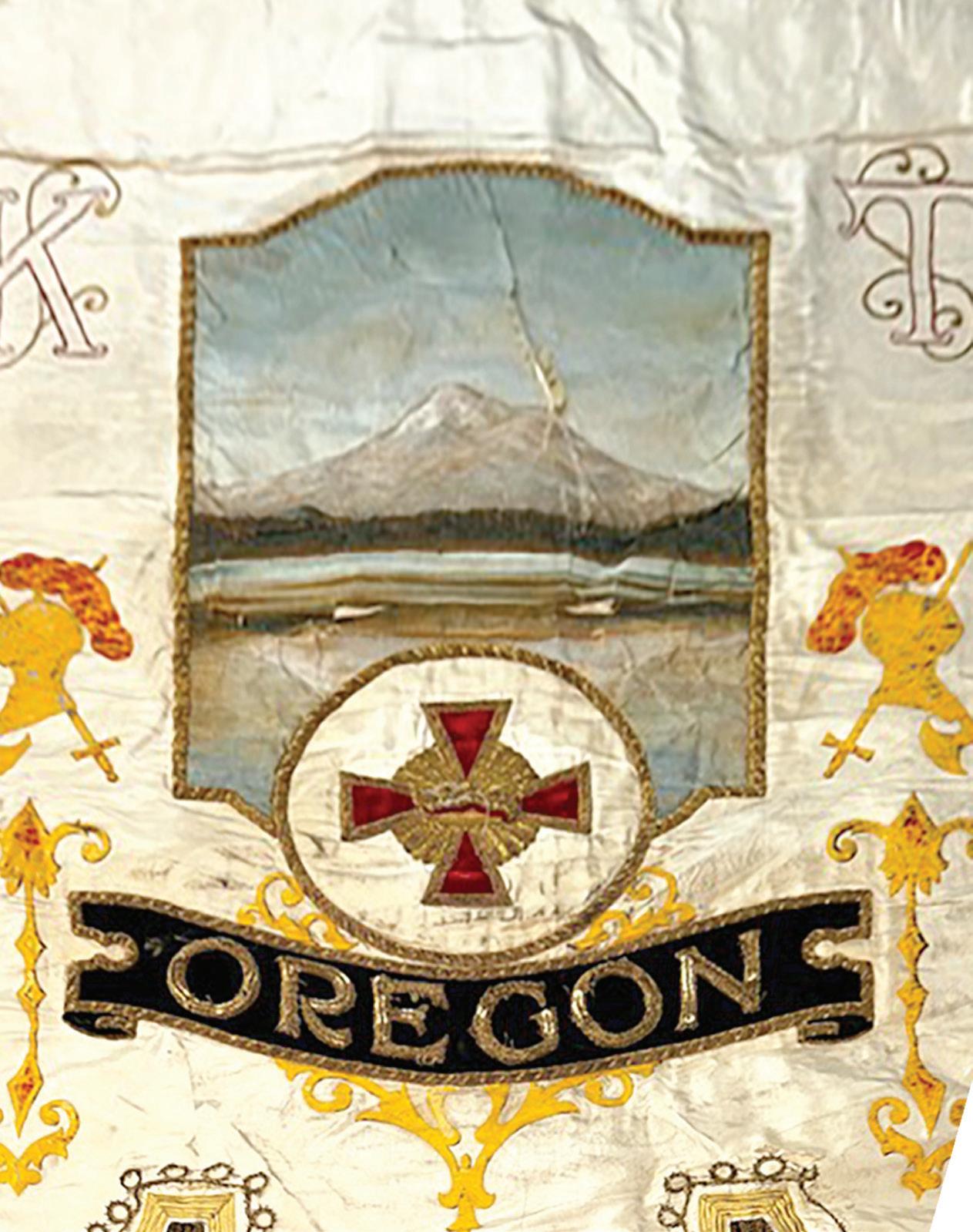
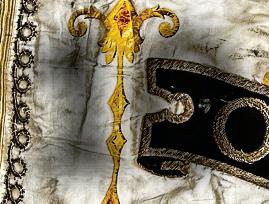
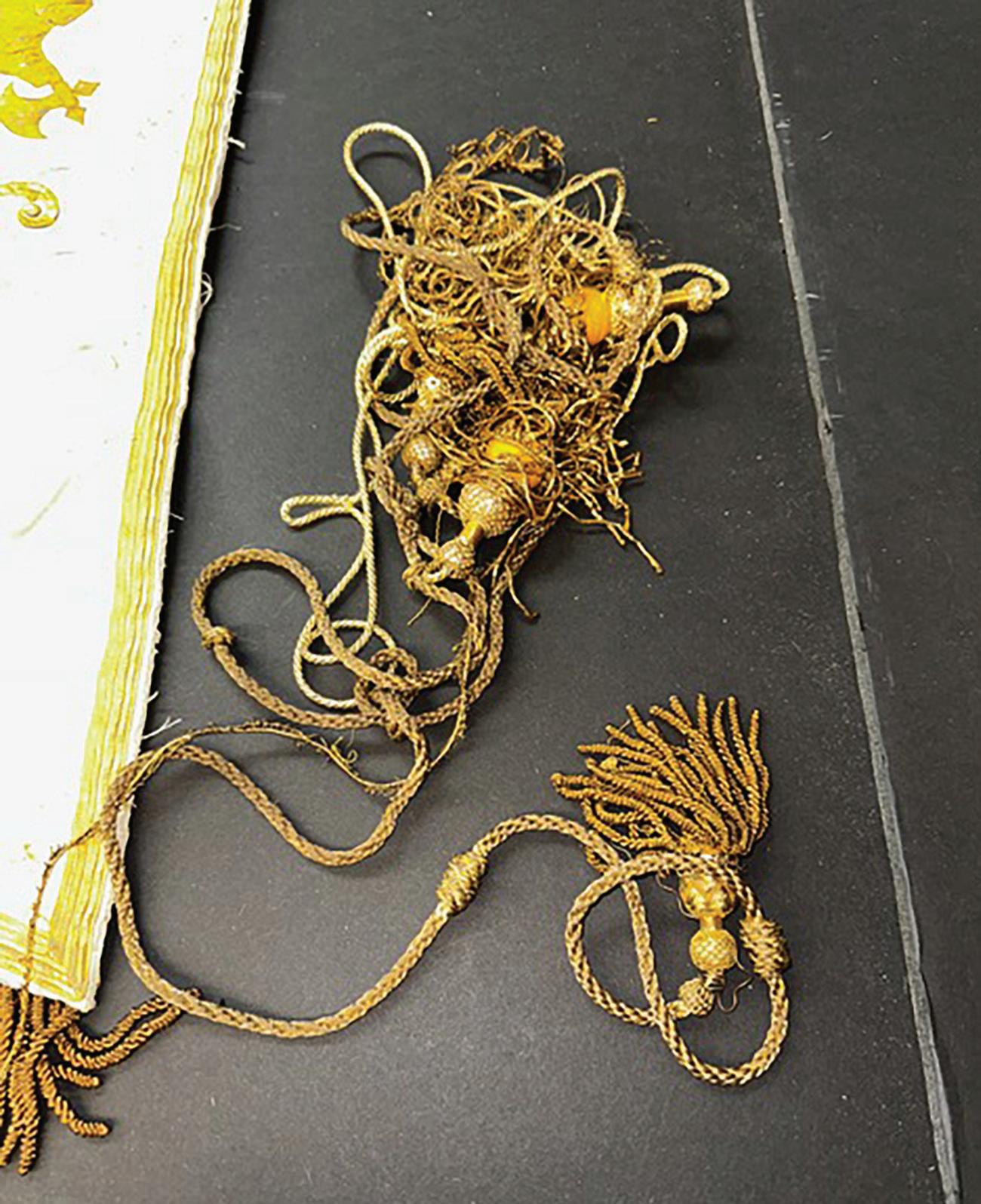
likely created sometime between 1877 and 1900. The fabric and embroidery show clear signs of age—water staining, fraying, and deterioration consistent with that period.
The most striking feature of the banner is its central image: a painted mountain, most likely Mount Hood. When new, it must have been a remarkable sight. Today, the painted fabric has cracked along the center and faded, becoming brittle with time, yet it remains a compelling and evocative piece of Masonic history.
The banner’s fragile condition prompted careful consideration of how best to repair, conserve, and preserve
it for the future. In 2024, the banner was formally donated. After months of research into proper conservation methods, it became clear that professional guidance was necessary before permanently archiving such a significant artifact.
A reputable textile conservation firm in Portland, MPF Conservation, was selected for this work. The Knights Templar banner of Oregon is currently in their care, undergoing assessment while a conservation plan is developed to determine the best path forward.
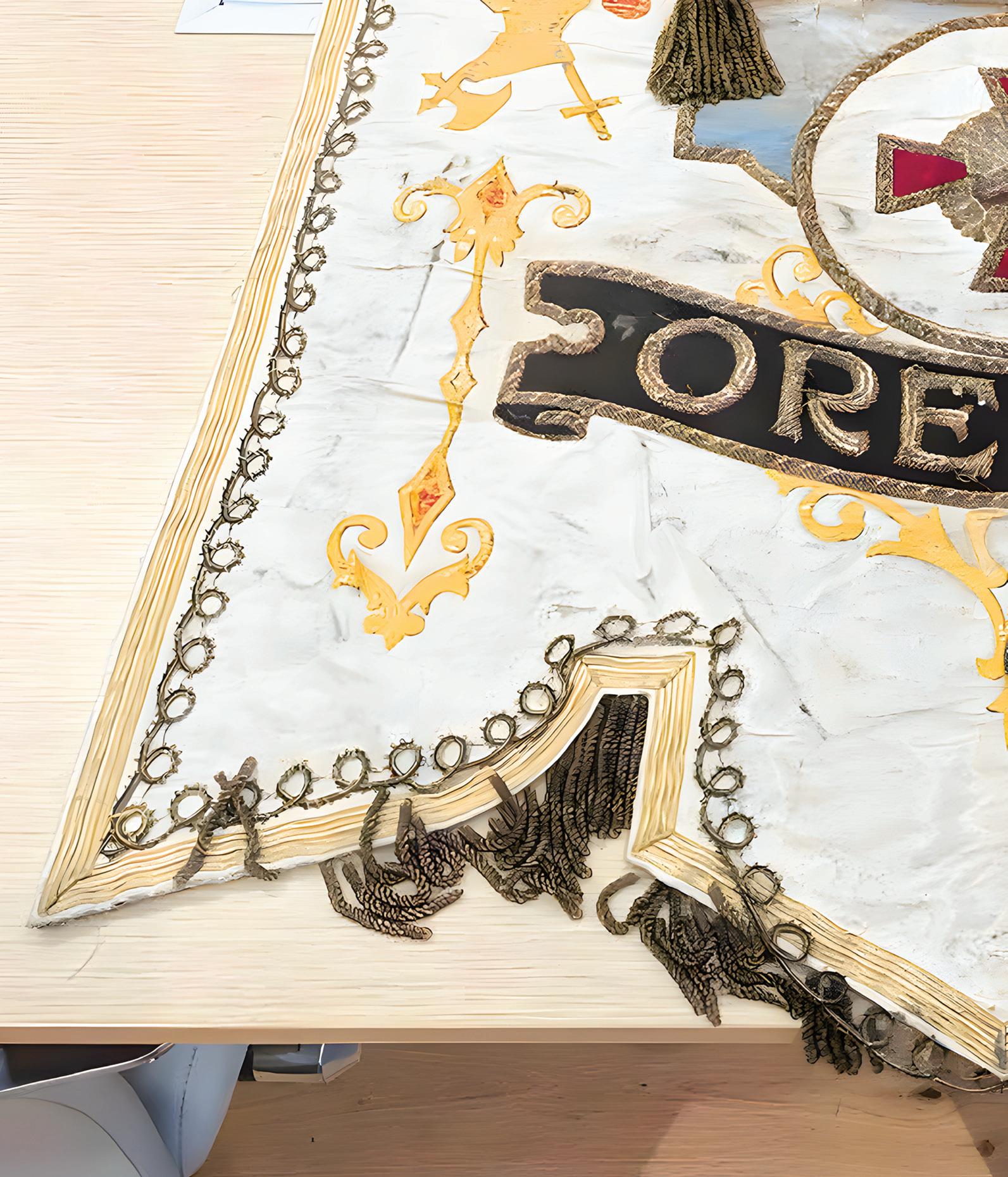
This is, quite simply, a “stay tuned” chapter in the continuing story of Oregon Knights Templar history.
MARCH 15, 2026
GATEWAY MASONIC LDOGE NO. 175 2:00PM- C 5,
12:00PM-4:00PM
INCLUDES: BEANS, COLESLAW AND BREAD
RSVP WITH WB NORM MCLAR

An Alternative Paradigm for Understanding the Nature of Divinity
The majority of worshipers within theistic spiritual traditions view Divinity in terms of one or more God(s) that are viewed as distinct and separate “Persons” in an anthropomorphic sense. But when we examine the inter-relationships between God and the Trinity within Christianity, or different deities within polytheism, we find that viewpoint of them being distinct begins to break down.This presentation proposes an alternative paradigm for understanding the nature of Divinity that reconciles this conflict.
DATE & TIME
Saturday, March 21st
Lecture: 5:30-6:30 pm [Public]
Esoterika Stated Meeting: 7:00 pm [Masons only]
LOCATION
1512 SW Morrison Street
Portland, Oregon 97205
$10 suggested donation







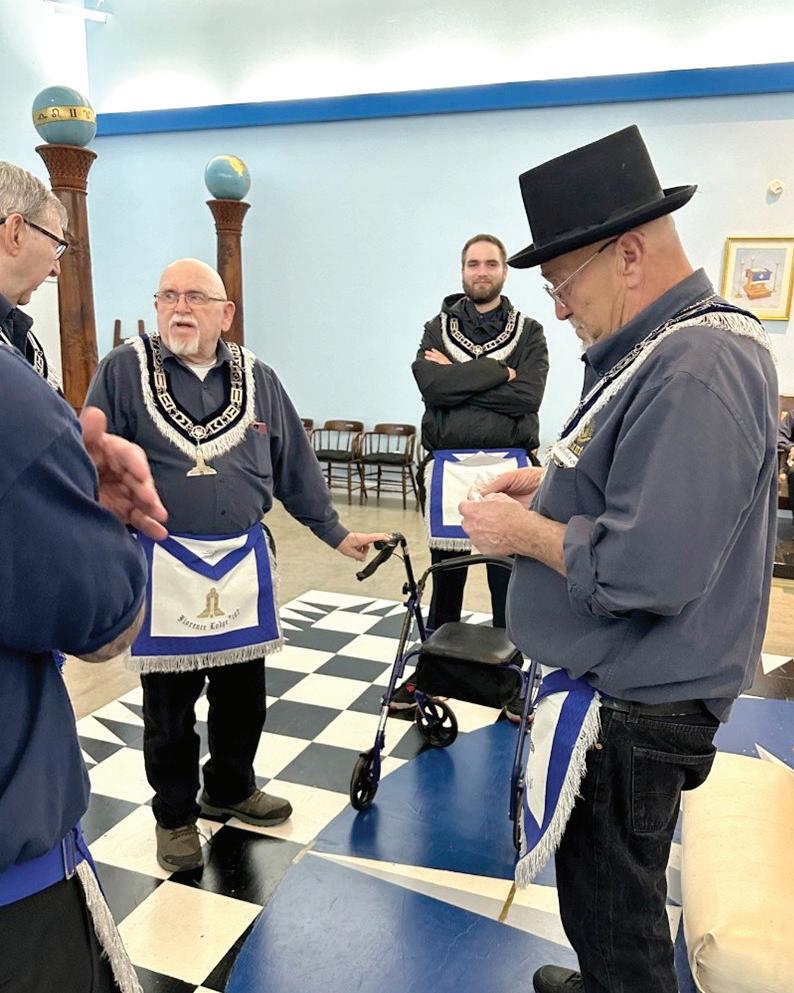
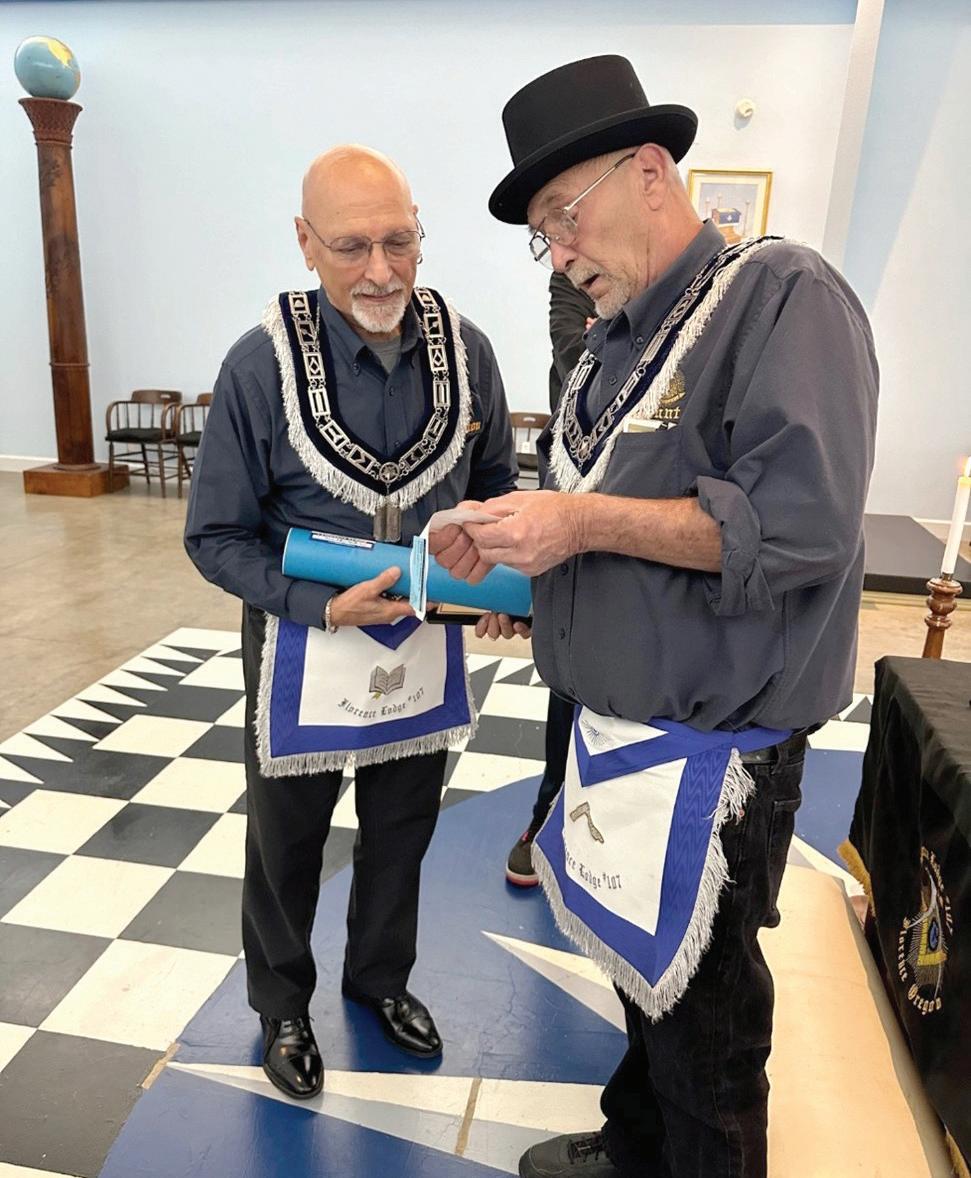
At the February stated meeting for Florence Lodge No. 107, M.W.B. Thomas "Tom" M. Velvin, Jr. and W.B. Richard "Dick" F. Tooley, received their Life Member and Past Master pins. Additionally, W.M. Hunt Ramsey presented Brother H. Quinton Parker, Jr. his Lamb Skin apron and Life Membership certificate.
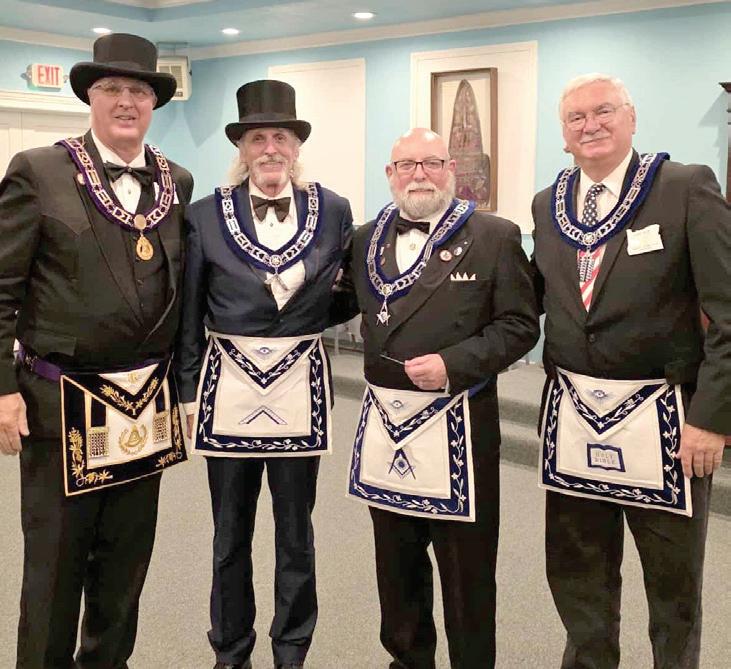
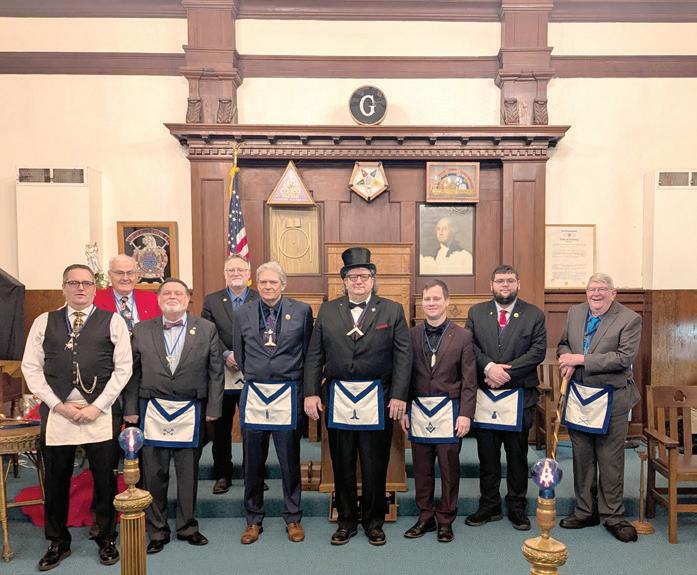
On Dec. 13, 2025, Champoeg Lodge No. 27 held it's Officer Installation, installing W.B. David E. Tate as Worshipful Master for 2026. Congratualtions to the new team of officers.
At their November stated meeting, W.B. Teddy Gardner, Jr., transplant from California, and welcome addition to Bandon Lodge, was presented his Oregon Basic Proficiency card with the assistance of M.W.B. Marc L. Strong, Grand Master; W.B. Robert MerrilColberg, Worshipful Master; and W.B. Cary Pugh, Deputy Instructor.
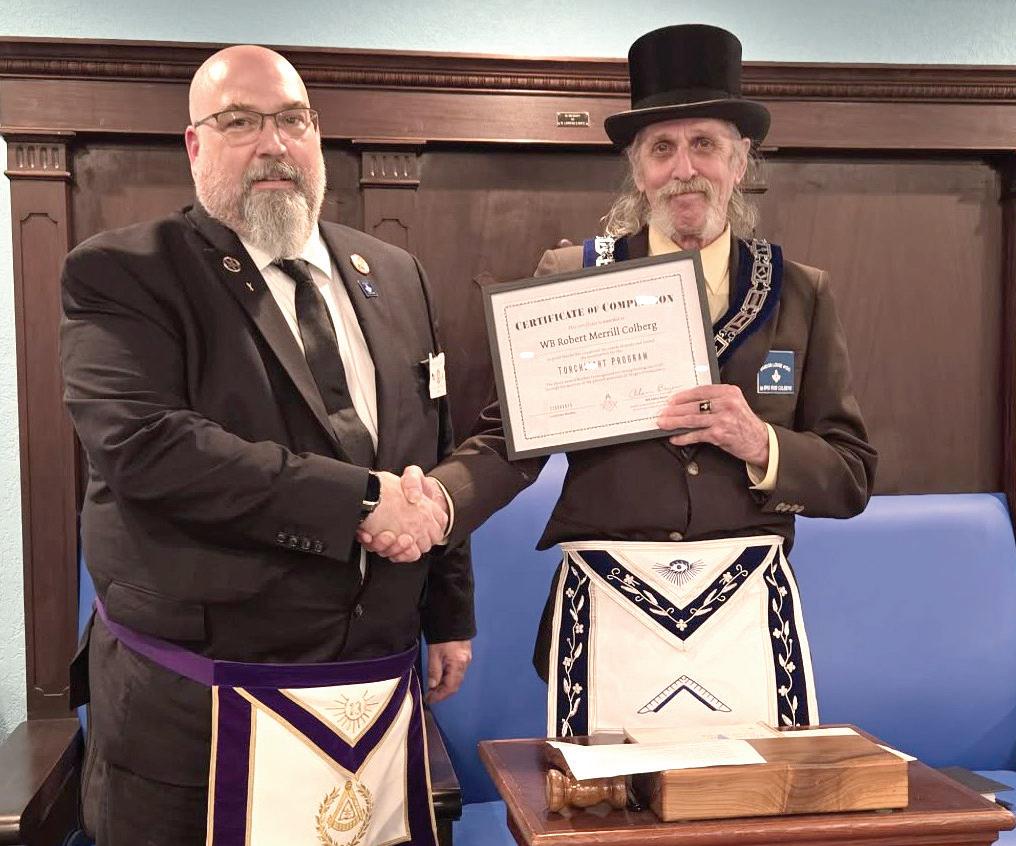
R.W.B. Mike Sullivan, District Deputy No. 13 had the distinct honor of presenting W.B. Robert MerrilColberg his Torchlight Certificate and Jewel. He commented on the program and that night implemented study sessions for the members of Bandon Lodge to also gain this important tool in Oregon Freemasonry.
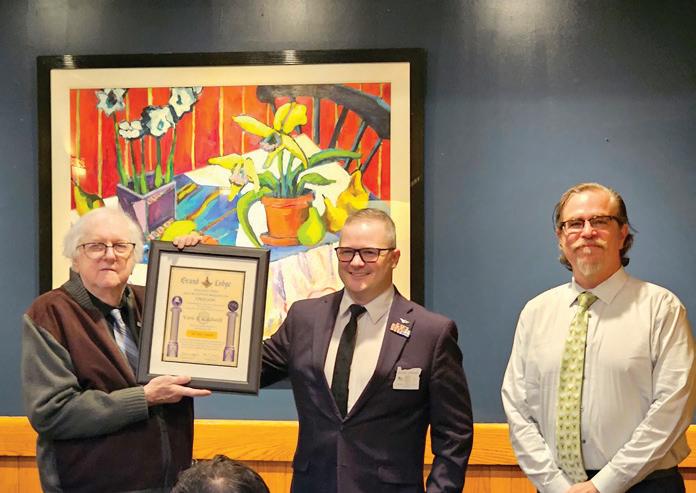
W.B. Vern Caldwell received his 50-year award from R.W.B. Michael Newgard, DD No. 4. along with W.B. Josh Singleton, the last Master of Cornerstone Lodge before it consolidated in October 2025.
e Grand Lodge of A.F. & A.M. of Oregon
2150 Masonic Way Forest Grove, OR 97116
Change service requested









PORTLAND – WASHINGTON 46 SALEM – SALEM SCOTTISH RITE CORVALLIS – CORVALLIS 14 RAINIER – RAINIER 24 NORTH BEND – NORTH BEND 140 GRANTS PASS – GRANTS PASS 84