Planting a new beginning with Food for Lane County
Relocating to a new 25-acre site, Food for Lane County’s Youth Farm Program will continue to reduce hunger and educate through hands-on experience.
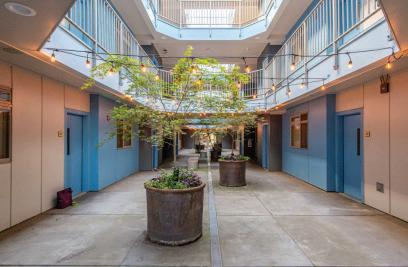
940 Hilyard Street, Eugene, OR 97401
4–5 bed town house-style units with large bedrooms and spacious living areas. A popular location for students looking to live with friends!
Units include washers and dryers, dishwashers, private patios or balconies and secure garages with space for multiple vehicles.
Midtown Apartments 362 East 12th Ave, Eugene, OR 97401
1–3 bed units in downtown Eugene just a short walk from campus.
Secure entry, elevator, and assigned parking. Units feature in-unit washer/dryer, and spacious layouts. Select units include balconies and A/C.
Perfect for college life or young professionals!
11th and Ferry Lofts 1125 Ferry Street, Eugene, OR 97401
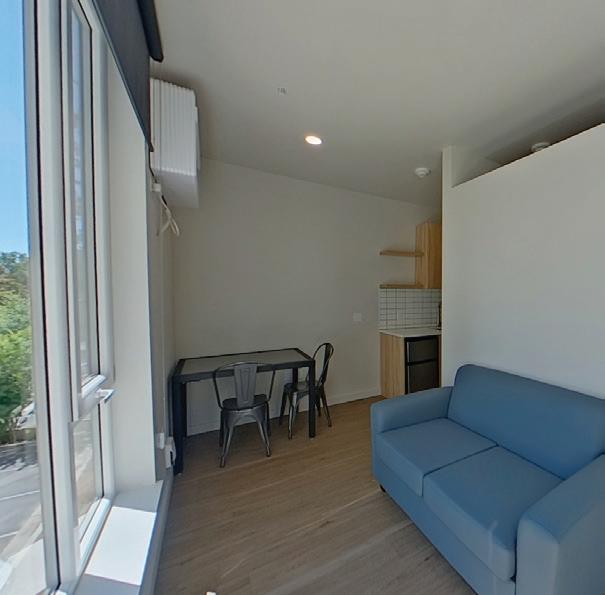
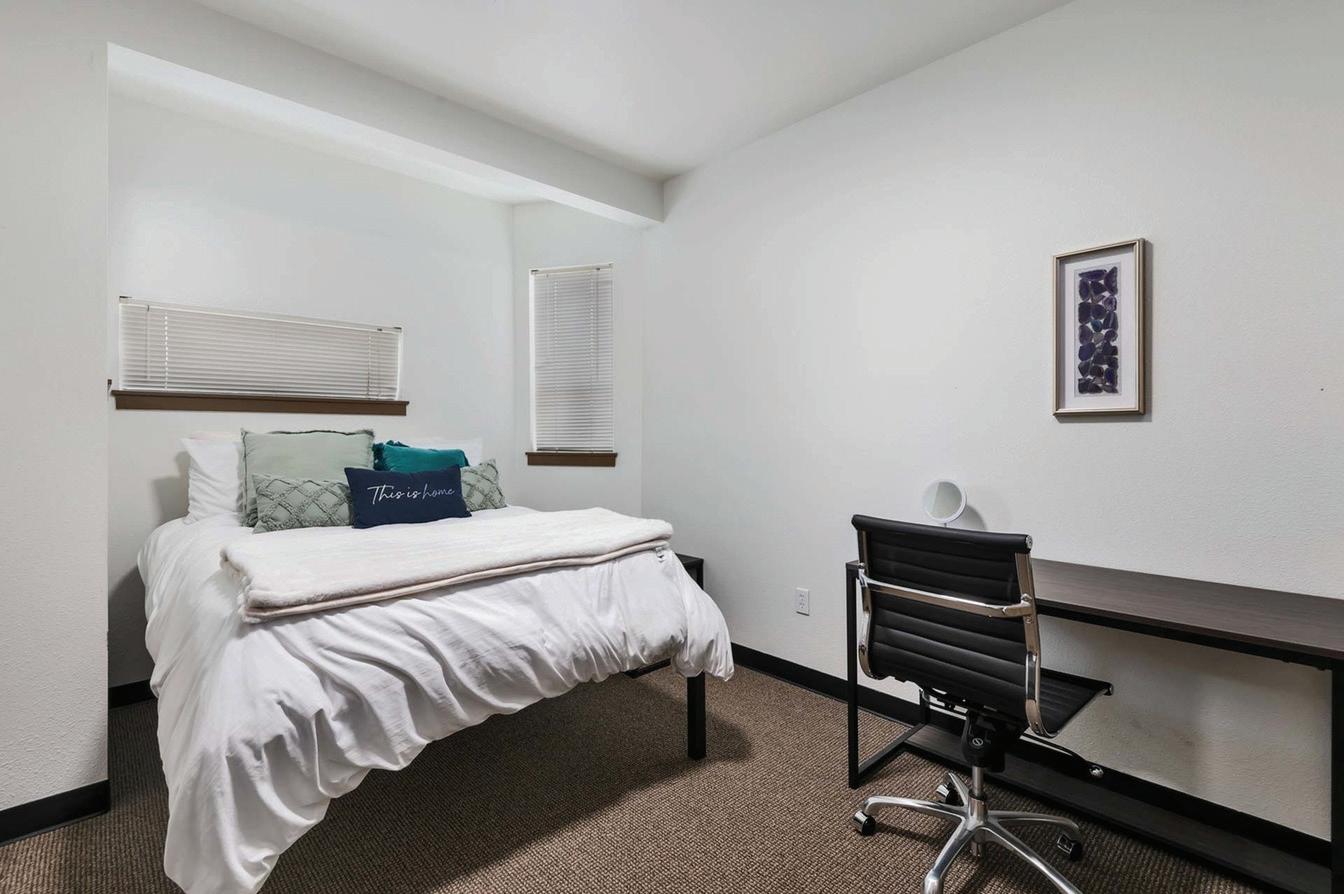
Modern, spacious design with beautiful loft or studio floor plans, large windows, furnished interiors, and pet-friendly!
Shared kitchens, tenant laundry facilities, secure entry and bike storage.
In the heart of Eugene - just walk to campus or easily access transport options.
Manor 745 East 15th Ave, Eugene, OR 97401
1–3 bed newly renovated units—perfect for a first-time student home!
Conveniently located right by campus with in unit washer/dryer, dishwasher and all new appliances. Bright, clean and modern with just the right touch of homey, these units are a great spot to start your studies at the University of Oregon.
Parking is first-come, first-served for $60 a month.
EDITOR IN CHIEF
Tarek Anthony
PRINT MANAGING EDITOR
Ryan Ehrhart
DIGITAL MANAGING EDITOR
Ysabella Sosa
NEWS EDITOR
Reilly Norgren
INVESTIGATIONS EDITOR
Ana Narayan
A&C EDITOR
Claire Coit
SPORTS EDITOR
Jack Lazarus
OPINION EDITOR
Gracie Cox
PHOTO MANAGING EDITOR
Corey Hoffman
PHOTO EDITOR
Saj Sundaram
COPY CHIEF
Olivia Ellerbruch
VIDEO EDITOR
Jake Nolan
PODCAST EDITOR
Stephanie Hensley
SOCIALS EDITOR
Ysabella Sosa
VISUALS EDITOR
Noa Schwartz
DESIGN EDITOR
Adaleah Carman
DESIGNERS
Asha Mohan
Ellery Burton-Tillson
Eva Andrews
Izzy Smith
Nina Rose
BUSINESS
PUBLISHER AND PRESIDENT
Eric Henry (X317) ehenry@dailyemerald.com
VP OPERATIONS
Kathy Carbone (X302) kcarbone@dailyemerald.com
DIRECTOR OF SALES & DIGITAL MARKETING
Shelly Rondestvedt (X303) srondestvedt@dailyemerald. com
CREATIVE & TECHNICAL DIRECTOR
Anna Smith (X327) creative@dailyemerald.com
ACCOUNT EXECUTIVES
Torin Chevalier
Camcole Pereira
Ava Stephanian
Elliot Byrne
THE DAILY EMERALD
The Daily Emerald is published by Emerald Media Group, Inc., the independent nonprofit media company at the University of Oregon. Formerly the Oregon Daily Emerald, the news organization was founded in 1900.
Emerald Media Group 1395 University St.,#302 Eugene, Or 97403 (541)-346-5511
Transfer portal updates
Follow along on our website for live updates
NEWS Meet the candidates for Ward 4
By Billie Corsetti News Reporter
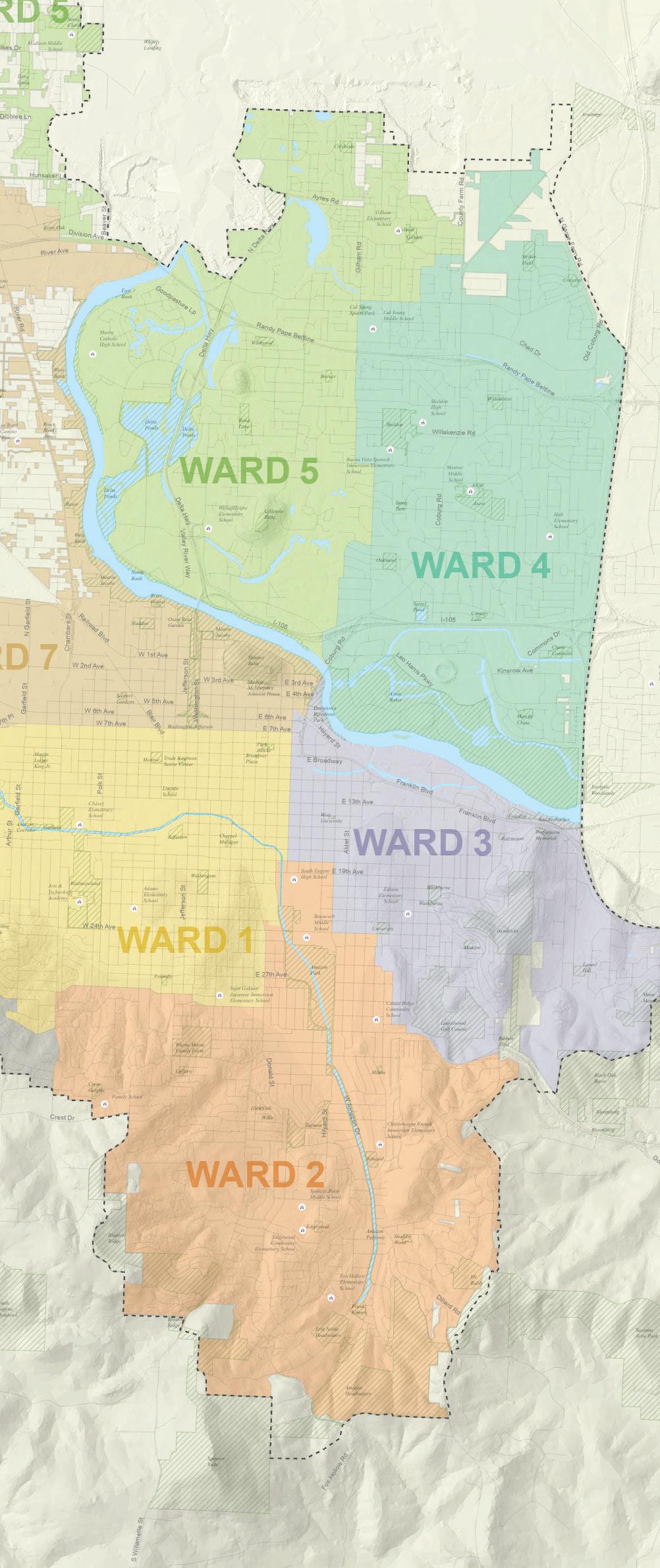
The Daily Emerald has profiled candidates for four wards in Eugene that will hold contests in Oregon’s May 19 primary elections. Ward 4 encompasses Harlow Road and its surrounding neighborhoods.
Two candidates are running for the ward’s office: incumbent city councilor Jennifer Yeh, who has represented the ward since 2018, and Tom Stedman.
The Emerald reached out to both candidates for interviews with the same set of questions. For candidates that did not respond for an interview, The Emerald is using available information from their campaign websites and public history.
Ward 4 candidate Jennifer Yeh did not respond to The Emerald’s request for an interview.
What are the biggest issues facing your ward, and Eugene as a whole?
Jennifer Yeh:
On her campaign website, Yeh outlines seven different priorities, including affordable housing, homelessness, public safety, transit, education and other issues.
When it comes to affordable housing, Yeh says she has consistently advocated for policies that support affordable housing as a councilor.
“I’ve pushed the Council to fully embrace Oregon’s new zoning laws and middle housing code amendments as tools to address our housing shortage,” her campaign website says. “This includes advocating for budget support for affordable housing projects and championing zoning changes that allow diverse housing options in our neighborhoods, like tiny homes, cottage clusters, and 4-plexes.”
Jennifer Yeh
Educational Background: University of Oregon
Occupation Experience:
Eugene City Councilor, Ward 4 Budget Committee Police Commission
Intergovernmental Relations Committee
Metropolitan Wastewater Management Commission
Lane Area Commission on Transportation Harlow Neighbors Chairperson
Co-Executive Director of Lane County History Museum
Volunteer & Development Coordinator at Community Supported Shelters
Endorsements:
Eugene Mayor Kaarin Knudson
Eugene City Councilor Eliza Kashinsky
Eugene City Councilor Matt Keating
Eugene City Councilor Lyndsie Leech
Former Eugene Mayor Lucy Vinis
Campaign Website: electjenniferyeh.com
Tom Stedman
Educational Background: Lane Community College, Tualatin Valley Fire and Rescue Regional Training
Occupation Experience:
Military service for over three years at Fort Louis Army Corps of Engineers County Fair Medic
Crisis Assistance Helping Out On The Streets Medic
Board member of Cal Young Neighborhood Association
Member of Eugene Toxic Board
Endorsements: None
Campaign Website: None
Yeh also advocates for safe transportation in Eugene. “As your City Councilor, I’ve advocated for more affordable and accessible transportation options, including expanding our pedestrian and bike infrastructure and advocacy with LTD for increased transit service… Keeping our transportation system in good condition benefits the safety of our entire community.”
Tom Stedman:
Stedman’s priorities focus on the gap left behind by Crisis Helping Out on the Streets, the future of the city’s budgets and environmental issues that he believes will impact Eugene imminently.
As a medic for CAHOOTS for seven years, Stedman has recognized the impact the loss of the program has had on Eugene. After speaking with voters, Stedman has concerns about the city’s ability to fill the gaps CAHOOTS left with their recent alternative proposal.
“People believe that they’re going to get the old CAHOOTS back and that’s not going to be the case at all,” Stedman said. “It’s got limited range… There’s no medic, there’s no transport and it’s just going to service 6th, 7th and 99 West 11th and that’s it.”
Stedman also has concerns regarding the environmental impacts of data centers, and how Eugene can protect itself from the dangerous practices of other cities.
“I’m concerned with just these little things that come up, but I don’t think there really is anything to help us protect our water rights to the McKenzie. It’s just something that we need to stay on top of… There’s a lot of little things that are on the periphery of Eugene, but I think they’ll have an impact on us at some point.”
If elected, Stedman hopes to improve communication and collaboration between the city and its public works employees.
“I talked to a lot of the public employees (when) I’d see crews working. From the sounds of it, when they did the budget work, they didn’t actually communicate with any of the public works employees or try to get suggestions from them. How can we improve? How can we save money?”
Why do you think you’re best fitted to address those issues?
Jennifer Yeh:
Yeh was elected to represent Ward 4 in 2018 and was reelected again in 2022, “Since then, I’ve worked hard to be a strong and consistent advocate for our neighborhoods, our families, and the future we’re building together.”
Yeh is a member of the Police Commission, which she believes helps give her an insight into public safety.
“I support providing our police, courts and first responders with the resources they need to keep our community safe and respond effectively when help is needed,” her campaign website says. “At the same time, I remain committed to transparency, accountability and meaningful oversight. Building trust between the community and law enforcement is essential to a just and effective public safety system.”
Yeh supported the creation of the Healthy Democracy panel, which works to elevate community voices in city discussions such as housing, public works, police policies and more.
As a mother of children that attend Eugene’s public schools, Yeh says she’s experienced firsthand challenges the education system faces. She helped launch Feed Hope, which provides help for students experiencing food insecurity, and has voiced support for Safe Routes to School, a program that helps kids safely get to school.
Tom Stedman:
Stedman moved to Eugene in 1978, and has remained a prominent member of the community since. From his experience, he’s found that residents feel disconnected from people downtown. During his campaign, he’s been speaking with community members from various wards and neighborhoods about what’s facing Eugene.
“I get out and I talk to a lot of people, not just only where I live. When I go to the different neighborhood association meetings, I’m getting feedback from folks. I actually listen and make notes,” Stedman said.
“I know I don’t have the background like what (Yeh) has, but I’ve been following a lot of the police commission meetings, I’ve been following a lot of the city council meetings, I try to stay on top of all that.”
Stedman is currently on the Eugene Toxics Board, giving him firsthand experience in environmental advocacy and communication with the public and businesses.
(Courtesy City of Eugene) Q
Bipartisan bill restricting ALPR data awaits signature on governor’s desk
Senate Bill 1516 passed the House 54-3.
By Billie Corsetti News Reporter
Senate Bill 1516 awaits a signature by Governor Tina Kotek after passing the Oregon House of Representatives, despite conflict over amendments.
The bill, carried by Senator Floyd Prozanski (D-Eugene), was introduced and amended in the Senate to include restrictions on the use of Automated License Plate Readers by law enforcement.
“I think it’s important because one of the things we want to have is uniformity across the state,” Prozanski said. “And by passing this bill, we actually establish baselines, as to the do’s and don’t’s in the use of (ALPRs). It’s something that will be statewide, and it won’t deviate between jurisdictions.”
In the amended bill passed by the Senate, law enforcement officers are required to delete vehicle data that wasn’t being actively used in an investigation after 30 days. Officers also have to identify themselves and their reason for searching data. They also have to visually confirm that the driver’s license plates are accurate to avoid wrongful searches. Vendors providing ALPRs to law enforcement departments are also required to perform monthly audits to report their activity.
Prozanski developed a work group with a wide variety of interested parties, such as law enforcement and privacy advocates, to help identify what should be included in the bill.
“For the vast majority of the work that we did that became this bill, we had consensus between all of the stakeholders,” Prozanski said.
For anti-surveillance groups like Eyes Off Eugene — who had a representative in Sen. Prozanski’s work group
for the bill — the most important part of the bill before it was amended was the explicit definition of end-to-end encryption.
According to Eyes Off Eugene, the restriction “means a method of data encryption that ensures only the law enforcement agency that owns the captured license plate data possesses the capability to decrypt, access or grant access to the captured license plate data.”
“At no point does the vendor have access to the data. Now, we could just legislate that the vendor’s not allowed to access the data, and that’s fine,” Ky Fireside, co-founder of Eyes Off Eugene, said. “But the thing that we were worried about was an administrative subpoena, or a judicial warrant from the (federal government), demanding this data to be used for immigration, abortion or targeting trans(gender) people.”
Although legislation can’t dictate if a vendor complies with a warrant or subpoena, Fireside hoped that restricting the vendor’s access to the data would help stop the data getting in the hands of the federal government.
The Oregon Law Center submitted written testimony in support of the bill, revealing data that reported the usage of ALPR data. According to their analysis, ICE accessed data from cameras for immigration enforcement purposes.
Flock Safety, one of the nation’s top vendors for ALPRs, provides a nationwide lookup feature which allows law enforcement agencies to share data with each other and solve cross-jurisdiction crimes. When Flock cameras were installed in Eugene in May 2025, they were a part of the 80,000 cameras accessible in the nationwide lookup system.
“After evaluating the potential vulnerabilities associated with broad data sharing, (Eugene Police Department) made the decision to opt out of the nationwide lookup feature effective July 1, 2025,” EPD spokesperson Melinda McLaughlin said. “Since then, data collected by our ALPR system was only accessible to Oregon law enforcement agencies. Following our opt-out, there have been no federal agency searches
involving our data, and no searches related to immigration.”
EPD emphasized that they did not collaborate on any immigration searches with any law enforcement agencies.
Before being passed by the Senate, the judiciary committee removed the explicit definition of end-to-end encryption from the bill. It was then sent to and passed by the Oregon House, and is currently headed to Gov. Kotek’s desk to be addressed.
Fireside said that Eyes Off Eugene will continue to fight against mass surveillance in Oregon alongside legislators and similar privacy advocacy groups.
“This is definitely just the beginning. Sen. Prozanski was very clear that he intended on the work group continuing; we’ll revisit it and see how the bill is doing and if we need to tweak anything.”
Prozanski hopes to develop an administrative rule with the work group, something that can be modified and updated as public understanding changes.
“Technology changes day-to-day, and if we put a definition into the statute, that could limit us from being able to have greater protection and security based on having an antiquated, outdated definition.”
The city of Eugene ended its contract with Flock Safety on Dec. 5, 2025, after EPD identified “vulnerabilities and limitations” within the cameras.
( ABOVE) A new Flock Safety camera using AI tools to read license plates at the intersection of 14th and Willamette.
(Uriah Barzola/Emerald)
New Sigma Phi Epsilon house under construction on Patterson Street
The fraternity will have a new living space three years after returning to campus.
By Angelina Handris News Reporter
A new fraternity house for the University of Oregon’s Sigma Phi Epsilon chapter is currently under construction at 967 Patterson St., across from UO’s Barnhart Hall.
The construction project comes after the suspension of UO’s SigEp chapter in 2020 due to alcohol-related violations. The fraternity returned to campus in fall 2023.
The project began last summer and is expected to be completed by fall 2026, according to Project Manager and owner of Kimball Construction Roman Anderson.
“Fraternity buildings are unique for multi-family in that you have things like a commercial kitchen, and you have a whole dining room, you have a lot of shared common spaces, and so it's almost like you're building an apartment building that's next to a rec center,” Anderson said.
IFC president resigns following conference incident
Interfraternity President Wyatt Peery steps down following alcohol violations at the Association of Fraternal Leadership and Values West Conference.
By Elle Kubiaczyk News Reporter
Wyatt Peery, president of the Interfraternity Council at the University of Oregon, resigned on March 3 after being found in a guest room with a group in possession of alcohol at the Association of Fraternal Leadership and Values West Conference, held Feb. 26-March 1.
IFC operates in conjunction with Fraternity and Sorority Life and currently represents 15 social fraternities on campus.
The AFLW West conference holds yearly events attended by approximately 50 colleges. According to the conference standards policy, alcohol is prohibited during the regular conference schedule and in guest rooms where any participant is under the age of 21.
“All participants sign a behavior agreement to represent the council and UO in the best possible manner,” Caitlin Roberts, director of FSL, said. She said she
was “disappointed” in learning of Peery’s activity at the conference. He did not respond in time for publication.
Luke Marshall, vice president of recruitment at IFC, is currently filling in as interim president upon Peery’s resignation. However, IFC is currently looking for a permanent replacement, according to UO spokesperson Angela Seydel. The position is estimated to be filled by early spring term.
All members of the IFC Executive Board declined to comment.
Anderson said the fraternity had spoken to several other construction companies before deciding to work with Kimball Construction.
“So last summer, they had talked to a lot of other multi-family developers and our builders in town, and there, the project wasn't penciling out for them with those other builders. And so one of the areas of Kimball Construction, a little bit unique, is that we use a different type of contract structure that shares risk and reward,” Anderson said.
Anderson also said the project is 12% under budget.
James Smith, a SigEp member who previously served as the chapter’s vice president of recruitment, said the house will include a rooftop patio, a variety of single and double rooms and a large dining room, with a 3D model of it included on the chapter’s Instagram page. Smith said the space is designed to house 40 members.
UO
“We have been looking forward to this ever since we restarted at Oregon three years ago, just really excited to have an actual home base,” Smith said.
Smith said although he is a senior and graduating, he is excited for future members to live in the house.
“I'm excited, even though I am graduating and won't be able to live in the house and use it to its full potential. I'm really excited for these next group of guys to be able to keep building our values there,” Smith said.
sued in whistleblower suit
A lawsuit against UO alleges that a member of the university’s department of business operations was fired after filing complaints about a supervisor.
By Reilly Norgren News Editor
The University of Oregon is being sued for $550,000 by a former senior team member of the business operations department alleging that they faced retaliation by the university after filing complaints against a manager for “gross waste of funds and abuse of authority.”
Cherokee Staples, who was previously UO’s Director of Business Operations, filed the suit on March 11 for wrongful termination and violation of Oregon’s whistleblower protection law, which prohibits employers from retaliating against employees who report action they believe violates local, state or federal law.
Between March and October 2024, Staples brought issues to the associate vice president of administrative services, about new supervisor Richard Menard, who had been hired in December 2023.
The objections raised by Staples, along with other employees of the department, included but were not limited to: racist and sexist comments, hiring a personal friend as a consultant and paying them without a contract, hiring a non-approved external vendor and misinforming staff about equal pay regulations despite being corrected, according to suit documents.
In October 2024, Staples and other senior team members sent a memo to the
Associate Vice President of Administrative Services Jon Marchetta regarding incidents of discrimination and hostile work environment, according to documents.
At a team meeting on Oct. 3, Menard allegedly joked to employees, one of which was a person of color, that they would be “lynched” if they did not meet a deadline, made inappropriate jokes about pregnancy and expressed disappointment a staff member left for maternity leave.
In addition, the memo also included concerns about spending, professionalism and management of resources. No action was taken about the memo, despite Staples reportedly following up multiple times.
On March 5, 2025, Marchetta announced a “restructuring” of the business operations department. Staples, along with the three senior employees who had made complaints, were informed they would be laid off. Menard was also laid off. All employees who signed the October memo were also laid off or moved into lower-paying positions, according to the documents.
According to the suit, Staples learned after her employment was terminated that Manchetta had reportedly commented that she had been fired because of the complaints she had made against Menard.
UO was officially served the complaint on March 18.
( RIGHT ) Construction continues on the new Sigma Phi Epsilon fraternity house on Patterson Street between Broadway Avenue and East 11th Ave. in Eugene, Ore. (Owen Burriss/Emerald)
-Private rooms in 2, 3,
-Competitive, allin pricing. Starting @ $799/bed.
-Renovated & fully furnished unit options, including full-size appliances & inunit washer/dryer.
Planting a new beginning with Food for Lane County
By Henry Perrine Arts & Culture Writer
Sunshine or rain, below freezing or sweating bullets, dusk or dawn: at Food for Lane County’s Youth Farm, plants must be tended, and people must be fed.
Food for Lane County has purchased a 25acre parcel of land at 34596 Seavey
$2.9 million visits to Oregon Food Bank Network last year
Loop, just alongside Mount Pisgah Arboretum, for its new Youth Farm program. Rooted in community, the Youth Farm program has worked for over 30 years to reduce hunger by growing and distributing food while providing education through experience.
The original Youth Farm planted its first seeds in 1995 as an extension of the nonprofit GrassRoots Garden Program, operated by Food for Lane County. The property was leased on a 6-acre plot of land owned by the Springfield School District, which was zoned for high-density residential use, making the relocation inevitable. It aimed to provide youth and young adults with education and experience through outdoor work and conservation projects. The operation was small at first.
“We had an outhouse and van, that was it, we locked the tools in an outhouse,”
Harper Keeler, University of Oregon professor and direction of the Urban Farm Program said.
Keeler has been a professor at UO since 2001 and has been alongside the Youth Farm Program every step of the way, serving on the original farming crew. He graduated with a degree in Landscape Architecture from UO in 1995 and became involved with the UO-run Urban Farm program around 1992. Now, as its director, Keeler
sends around 300 Urban Farm students to do service learning at the Youth Farm.
“We all have a part to play in this con versation,” Keeler said. “Mine is to teach students how to be involved and celebrate the community.”
Its efforts to connect the community to the process of how we grow our food continue to create hundreds of volunteer opportunities for the youth and build bonds with UO.
Food banks have experienced a surge in demand, up 51% over the past year and reaching a record 2.9 million visits, according to Oregon Food Bank. For Food for Lane County, there is no ignoring the growing pressures.
Just last year, Food for Lane County dis tributed 8.1 million pounds of food and harvested 120,000 pounds of produce from its garden programs. Youth Farm’s role is substantial in food production, donating 40% of its annual production to food banks, but also emphasizes education.
“If we’re really going to look at community food security, it’s also about how we can help folks understand how to grow and use their own food?” Jen Anonia, garden program manager for the Youth Farm, said. “How can we provide opportunities for more of that in our community?”
$1.15 million grant allocated by the state to Food for Lane County for the purchase of farmland
Anonia has been with Food for Lane County since 1989. After college, Anonia felt she had to give back to the world. With experience in environmental education, she decided to pursue her love of the outdoors, volunteering as an education coordinator for Food for Lane County. 37 years later, her job has seen plenty of change through the growth of the program and opening of new ones, like fundraising plant sales, but
51% rise in food demand over the last year within Oregon Food Bank Network
first site. With increased land, the farm can now experiment with new crops and more volunteer opportunities.
“It’s giving us an opportunity to both grow different types of produce and more produce, as well as developing a more robust composting system, looking at doing hedgerows and demonstration gardens, more of those to have a fuller education,” Anonia said.
There is a level of excitement felt around the farm. Four new greenhouses have been built, as well as acres of freshly plotted land growing over 40 varieties of farm-grown fruits and vegetables and plans for more to come. The land before the Youth Farm took over was an old, overgrown horse farm, and the growing area was uneven and needed to
be leveled. The project’s completion needed a set of hands to straighten up and ready the
A farm of this size relies on water rights through the state of Oregon. Water is publicly owned and regulated by the Oregon Water Resources Department, and to farm in Oregon requires water rights to irrigate commercial crops, typically governed by prior appropriation, meaning to prioritize senior rights. To own water rights is a make-or-break issue, one that the Youth Farm acquired by purchasing its new property. Now the farm can use well water via three-inch pipe irrigation lines, dug underground to support spigots, low-flow drip irrigation, and impact sprinklers, along with two large rainwater-collection cylinders stationed behind the barn. Without water, there’s no produce, and without produce,
“We’re trying to engage our community to reduce hunger,” said Anonia. Selling produce has been done through stands set up by volunteers, and Anonia aims to continue its practice. Produce stands typically run every Saturday from June through October, although they might expand de pending on the farm’s yield.
The Youth Farm provides a variety of opportunities for the community to buy produce, accepting SNAP benefits and will match your pur chase, doubling your dollar. They also run a 180-mem ber Community Supported Agri culture program, providing weekly boxes of organic,
locally grown produce delivered to drop sites for pickup.
In April and May, the Youth Farm hosts a fundraiser to sell thousands of baby vegetable, flower and berry starts, encouraging people to start their own gardens. Plant starters that are left over are distributed to other agencies, like community gardens.
Walking around the farm, Anonia points out the dozens of rows, some with vibrant green sprouts popping out or tree orchards soon to bear apples, pears, peaches and plums. The land behind the ex-horse stable holds the potential for blueberries and strawberries, all of which have never been grown by the Youth Farm.
However, growing the essentials is critical. Potatoes, onions, tomatoes, carrots, squash and cabbage are commonly grown for food banks because of their extended shelf lives. Food for Lane County prioritizes these crops as they are ubiquitous, especially in a time of rising food demand.
The community is deeply connected; both Keeler and Anonia met each other while farming at the Youth Farm in the late 90s. For decades, the Youth Farm and Urban Farm have shared a similar mindset of delivering food and connection to the community. A collaborative goal that benefits both programs, one that works off of each other.
$8.1 million pounds of food distributed by Food For Lane County
and water and all these dynamics that are happening at the Springfield Youth Farm serve as a testing ground for the subjects and topics that we teach in landscape architecture,” Keeler said.
However, the farms act as more than just a source of work.
“Oregon pays me to teach students how to grow food,” Keeler said. “Its my job. How f*cking cool is that.”
(Corey Hoffman/Emerald)
“A living laboratory for landscape architect students to learn about food production and productive landscapes, and native pollinator habitat
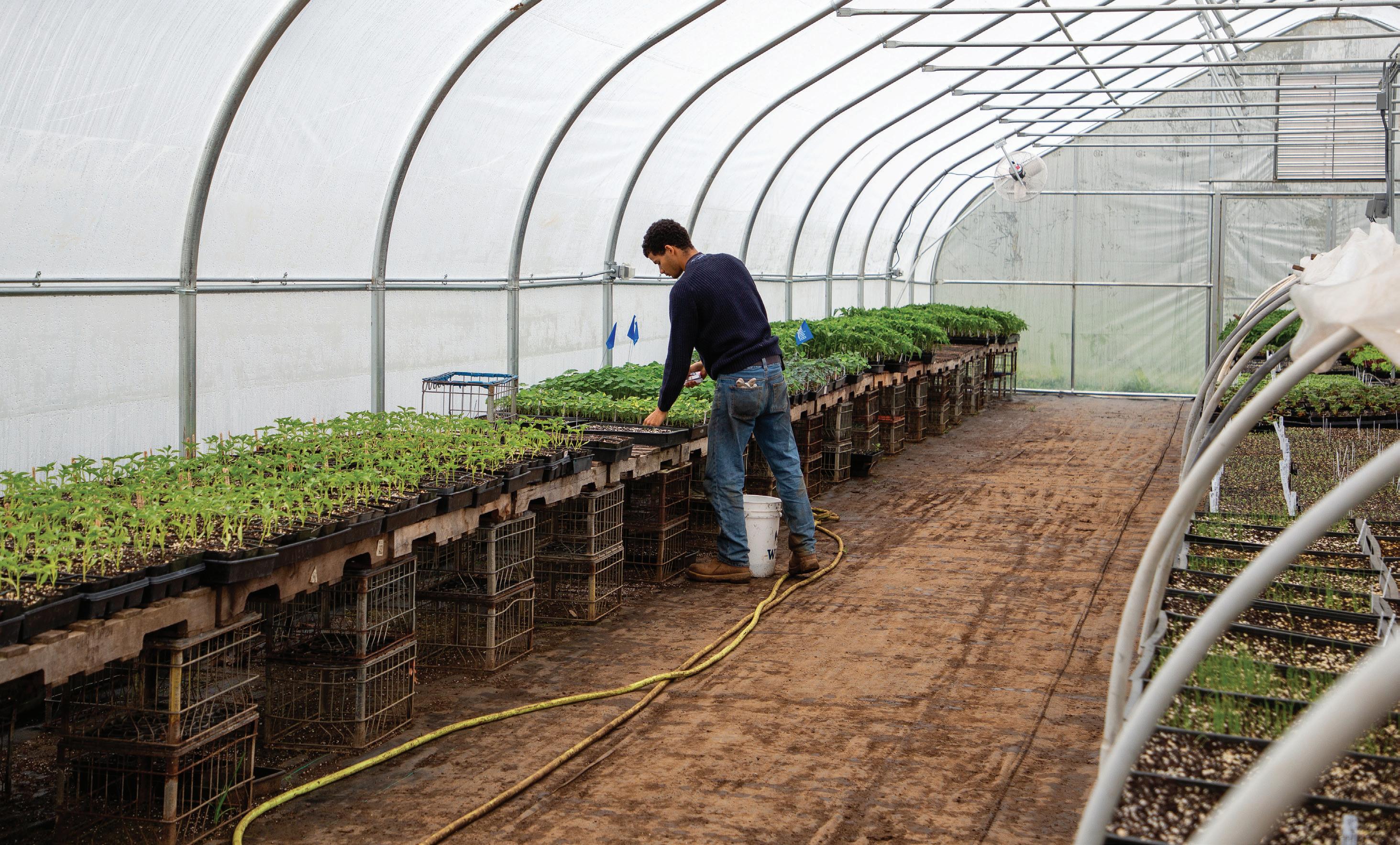
(ON THE COVER) Riley Doty (left) and Jason Chaney (right) label plants at the new Youth Farm location near the Mount Pisgah Arboretum in Springfield, Ore. on March 31, 2026.
( LEFT ) Jason Chaney, an urban farm apprentice, labels plants at the new Youth Farm location.
( BELOW ) Sheep graze at the new Youth Farm location outside the Mount Pisgah Arboretum in Springfield, Ore.
ARTS & CULTURE
Running the Eugene Marathon? Here are a few last-minute tips
With the Eugene Marathon approaching, here’s what to know about tapering, smart route choices and showing up ready on race day.
By Gigi Roddick Arts & Culture Writer
In a few weeks, the Eugene Marathon will descend upon this city in a slew of Hokas, sign-touting supporters and sweaty runners. If you are one of the unlucky victims of the Eugener-to-marathon-runner pipeline, here’s a few reminders before the big day.
Tapering
Research suggests that three weeks prior to race day is a good time to start tapering — reducing mileage to maximize marathon performance on the day of. After hitting peak volume (around 16-18 mile long runs for those who have stuck to consistent training plans) four weeks out, it’s time to dial things back by 30-50% until the marathon. With that in mind, here are some reduced routes to try out before the race.
Where to run
Amazon Loop to Mount Baldy
Distance: 8.5 miles roundtrip
Elevation: 860 feet
If you’re looking to add to a classic, tack a tough uphill push to Mount Baldy onto the Amazon Path. The paved and wood-bark trail stretches from East 19th to Martin Street in South Eugene. Streetlights generally light the path at night.
(Sofia
At the trail’s northern terminus at Frank Kinney Park, continue onto Canyon Drive and into the narrow gravel path headed south. When the path forks continue left to a wide, loose gravel path traversing the rolling hills. The trail does gain 600 feet within one-and-a-half miles, so keep that in mind. The ridgeline trail extends far beyond Mount Baldy’s summit — continue for more elevation gain and miles. At night these trails are not lit.
Free parking is available at the northern Amazon Ball Park, on Martin Street, or off Dillon Street just before Mount Baldy.
Middle Fork Path
Distance: 8 miles roundtrip
Elevation: 130 feet
This smooth, paved path largely follows the Coast Fork Willamette River. It’s often frequented by deer, herons, chipmunks and eagles. This trail provides relatively flat nature viewing, often with fewer crowds than the River Valley Trail.
Free parking is available at either end — Clearwater Park (East) and Dorris Ranch (West). Paths are not lit at night.
Preparing for Race Day
Before the race you’ll have to pick up your packet and bib from the Health and Wellness Expo at the Graduate Eugene Hotel between 10 a.m. and 6 p.m. on April 24 or 25. The Expo features vendors and special events, typically announced a few weeks before the race. Last year, high-
lights included a shakeout run and live show with Marathon American Record Holder Keira D’Amato, and booths by TrackTown USA, USA Track and Field Oregon and Hop Valley Brewing.
Race day packet pick-up is also available west of Hayward Field between 5:30 a.m. and 6:15 a.m. on April 26 for a $15 pre-paid fee. Be prepared with a photo ID and the QR code from your confirmation email.
On race day bring your bib, hydration pack and headphones. The course has 12 aid stations every two miles outfitted with water and Gatorade. Mile 14 and 22 offer bananas, and Gu Energy Gels are available at miles 8, 20 and 25. Try not to let the energy of the race skew your pace. There can be a lot of adrenaline and enthusiasm at the start line. Do your best to keep to the pace you trained at. You’ll thank yourself in the last few miles.
Most importantly: enjoy yourself and the culmination of all your hard work. Keep on with your training, take care of yourself and arrive at the start line calm, prepared and ready to soak it all in.
(ABOVE) Marathon runners take their first few strides after starting the race. The 18th annual Eugene Marathon takes place in Eugene, Ore., on April 27, 2025.
(Rowan Campbell/Emerald)
Spring fashion picks
A guide to a Eugene spring wardrobe.
By Everette Cogswell Arts & Culture Writer
As spring term approaches, sweaters get exchanged for t-shirts, puffy coats left behind for crewnecks and jeans are conquered by shorts. It can be hard to know what is necessary to keep at the forefront of your closet for spring in Oregon. Luckily, with the unpredictable weather, there are plenty of options for essentials this time of year.
Shoes are the perfect place to start when building up a spring wardrobe. Eugene is surrounded by great hiking options, and Blundstones are ideal shoes for exploring the nature around the city. Comfortable and cute, Blundstones can be used for hiking, biking or styling a comfortable outfit for class.
With the river so close to campus and frequented by students, sandals are another great option. “I will be biking to the river, and I feel like sandals are a good in-between shoe,” Isabel Deumling, a junior psychology major, said. “They can sort of go back and forth between active and water. So I would say sandals for spring bike rides and jumping in the river.”
Jorts have been on the scene for a long time, but they remain an ideal choice for Eugene’s spring season. In the later months when the weather really starts to warm up, jorts are a good option for when you don’t want regular jeans, but you like the look of them.
When it comes to a basic outfit, the best way to add some character is with accessories. Conductor/engineer-esque hats are a unique choice for this spring season. Slightly different from the standard baseball cap, conductor hats have
recently become more popular picks and are a fun choice for spicing up a spring term fit.
Here in Eugene, it can be sunny one second and rainy the next. A windbreaker is the perfect spring jacket to carry with you during early spring. Whether you’re walking to class, watching spring sports or going for a hike with friends, a windbreaker is a necessity for all seasons in Oregon, but especially spring. A big tip for incoming freshmen is to fill their closets with layers for the weather in Eugene, and a windbreaker or cardigan are ideal.
“I would say a lightweight cardigan because I feel like the spring weather in Eugene is so inconsistent,” Moriah Cordova, a junior sociology major, said. “You never know when you’re gonna need a layer. It’s versatile, and it can be good for temperature changes and still be cute.”
Spring term means it’s finally skirt season! Skirts are a great choice for your spring closet. Both long and short, denim or cotton skirts are super fun to style and dress up with for spring events. For nights out with your friends, house shows or picnics in the park, skirts can be casual or formal and are the perfect option for this time of year.
“I think a long skirt because I can kind of pretend it’s giving me warmth on the colder days, even though it’s not,” Lila Scott, a junior political science major, said. “Also, it makes me feel like we’re closer to summer. Skirt is hopeful. Skirt is happy.”
The beginning of spring term ushers in a lot of fun activities, good weather and cute clothes. With the final term of the year approaching, confidence is key when finishing out the school year, and clothes are a great way to build confidence.
Campbell/Emerald)
OPINION
Heffron: Nature has a hidden toll for UO students
Opinion: At a school in a nature lover’s paradise, there are hidden costs for the average student trying to get outdoors.
By Leo Heffron Associate Opinion Editor
Ethan Villalon still remembers one of his first mountaineering trips in the Pacific Northwest — a trip to Mount Rainier. Originally from Minnesota, Villalon is no stranger to the outdoors, but this trip stuck with him.
“We had someone die in front of us on the mountain,” he said.
The climber, Chun Hui Zhang, died while descending the Disappointment Cleaver route on a private climb with friends.
While there is uncertainty on whether the climber was roped in on this section of the climb, Villalon says he was not.
When a friend from home called him this year to say he wanted to climb Mount Rainier with little training or experience, Villalon reacted skeptically.
“I was like, ‘Dude, I don’t know that’s pretty scary,’” he said. “There’s ice collapsing on you throughout the day, and things loosen up on the mountain, and literal boulders will fly down at you.”
At a university that markets itself as an outdoor playground, sitting close to both snowcapped mountains and a gorgeous coastline, there is a gap between what the University of Oregon advertises and the support the average student needs to fully and safely enjoy the rugged terrain.
Villalon has tried to address this gap by starting a mountaineering club, but says the idea was shot down by ASUO because of the risk involved.
He understood the reasoning, but noted the whole point of the club would be to “teach newcomers to the sport how to practice safely.”
Fundamentals include using crampons correctly on icy slopes, using an ice axe during a fall and traveling in rope teams on glaciated terrain so that one person’s slip doesn’t turn into a deadly accident.
said. “There’s a mountain biking club here, and you could eat it on a bike and paralyze yourself.”
UO does offer resources. The Outdoor Program Rental Barn rents gear at low cost, and free avalanche kits are available for mountaineering expeditions. The university did not respond to a request for comment. But for many students, those options exist unknowingly.
For ZiZi Brown, a member of the UO climbing team, the first barrier is just getting there.
“If you want to go outside climbing, you’ll need a car, or you’ll need to know somebody with a car,” Brown said. “For underclassmen, it’s a bit harder to make it feasible.”
Carpooling happens, but it’s informal, “more of just going with your friends… nothing official,” Brown said.
Once transportation is figured out, costs pile on fast.
“The gear for climbing outdoors is really expensive,” Brown said. “Bouldering pads average $250 for a decent one, and you’ll need three of those to be safe. Then ropes are a couple of hundred dollars plus all the draws and all the safety equipment.”
The Outdoor Program rental barn exists partly to address this, but Brown says even her own team doesn’t know about it.
“I think there’s, like, pad rentals and maybe rope rentals, but it’s not super advertised,” Brown said when asked about resources.
“Most of the team doesn’t even know.”
For Brown, the lack of visibility of resources goes against the very reason she chose UO.
“I just wish the outdoor resources that we have were talked about more, because that’s the main reason why I came to Oregon — to enjoy the outdoors,” Brown said.
Ortega: Maximizing opportunities increases a student’s hiring potential
“We were kind of confused, because there’s risk in everything, right?” Villalon
Leo is the associate opinion editor for The Daily Emerald. He is a fourth-year student studying journalism and Spanish. Leo writes about a range of topics, but his favorites are fashion and social media. ( ABOVE) The “Outdoor Program Barn” at the University of Oregon, sitting on the corner of 18th and University St. in Eugene, Ore., provides equipment and makes outdoor activities more accessible for students. (Katie Poluyansky/Emerald)
D is an opinion columnist for The Daily Emerald. She is a fourth-year student and originally comes from Las Vegas, but resides in Houston. D likes to write about things that matter to her.
Opinion: Many graduating students are finding it difficult to enter the job market. By building connections with peers and increasing proactivity, students can turn themselves into desirable candidates.
By D Ortega Opinion Columnist
The class of 2026 is preparing to graduate on June 15 at the University Commencement Ceremony. The excitement of purchasing grad attire and booking senior photoshoots fills the air, but some seniors, including myself, are struggling to find one key component for the next steps of life: a job.
My journey with job applications has felt like a stalemate, and growing concerns about how the economy is performing deters my hope for a job straight out of college. I’ve been spending countless hours applying to over 30 jobs so far and constantly feel the tendency to refresh job sites to stay on top of things.
Many of my friends have discussed how it has felt difficult to stand out with these computerized systems that look for particular buzzwords to dictate which applications are worthy enough to be looked over.
All in all, applying for a “big girl job” can feel completely hopeless.
With job search sites like LinkedIn, Indeed and Handshake, I can understand the extent to which newer generations have a much simpler time finding the right roles for them.
University of Oregon senior Matt Elo discussed how the changing job and recruitment landscape plays a vital role in college students’ lives.
“One thing I think students can do to combat challenges in the hiring process is to make their applications stand out more,” Elo said. “Whether that’s showcasing themselves involved in multiple experiences or jobs, actively networking with professionals, showing their knowledge of AI and the evolving job demands or putting themselves out there.”
Elo secured a summer audit internship and will continue his education at UO in the Master of Accounting program to earn his certified public accountant license. Through his efforts of interning last summer, securing a leadership role for UO’s Beta Alpha Psi and aiding first-year business students as a mentor for Flight School, Elo continues to strengthen the skills he’ll need in the future.
Laura von Stockhausen, a Lundquist School of Business senior career advisor, discussed how students can find success in landing a job.
“You’ve got to get involved and you’ve got to be proactive in your relationship building,” von Stockhausen said. “Keep in mind, it takes a lot of resources for companies to hire, train and onboard new team members.”
Throughout my four years here at UO, many faculty members have stressed the importance of finding connections and building relationships with peers.
“Being a candidate that an employer already knows and has some trust built in is the ultimate goal when trying to get hired,” von Stockhausen said.
UO has an extensive alumni network that allows past Ducks to support current ones.
The ability for students to leverage themselves with the resources that UO provides, or even close friends and families, can help students prepare for their future careers. It’s a matter of being accountable for your career path and being intentional with these connections.
“I am a big believer that hard work can achieve anything, and everything happens for a reason. If you work hard, have the right heart and intentions, you will end up where you are meant to be,” Elo said.
ACROSS
1 Crowd’s sound of amazement
5 Ghost’s noise
7 What you might read while at the donut shop
9 Tic-tac-toe winning line
10 Many hugs, slangily
11 Land of Adventure Time
12 Start to O’Reilly’s Auto Parts jingle
13 Mordecai and Rigby’s shout on “Regular Show”
16 Reading on a brand new pedometer
17 Big Time Rush’s theme intro
DOWN
1 Address of the NULL pointer in many programming language
2 3/4ths of a thousand?
3 --- --- ---, from a telegraph
4 Refrain in American Authors’ “Best Day of My Life”
5 Vowel sound made by puckering your lips
6 Sound from a theremin
7 6-6-6 6-6-6 6-6-6 6-6-6, on a phone
8 Football shutout reading
14 Song from “Undertale” named after an elevator noise
15 “___ Baby Baby”Smokey Robinson & the Miracles
OPINION
Benton: UO made a bet when it cut The Ph.D. Project. It's already losing
Opinion: UO didn't settle with the Trump administration when it cut ties with The Ph.D. Project – it just gave them everything they asked for.
By Kat Benton Opinion Columnist
We are a year into Donald Trump’s war on the American education system, and universities across the country are learning that compliance is easier than resistance — and is just as costly. The first caught in the crossfire are exactly the ones who you’d expect: the students with the least amount of institutional protection and the fewest places to turn.
The Department of Education’s investigation into the University of Oregon began in March 2025, in an effort to target universities it claimed had violated Title VI due to their partnerships with The Ph.D. Project. The Ph.D. Project is a nonprofit organization that provides resources to underrepresented students to help them earn doctoral degrees. UO worked with The Ph.D. Project during the 20222023 and 2023-2024 academic years.
The university maintains that it did not end its relationship with the program because of federal pressure, but the broader picture suggests otherwise. UO is just one of 45 universities that have received directives from the DOE to cut programs or risk losing federal funding; 31 of them chose to settle with the Trump administration, although UO is not on the official list of settlements.
UO Spokesperson Angela Seydel characterized the university’s partnership with The Ph.D. Project as a “limited relationship,” amounting to little more than sending a student and a couple of staff members to the organization’s annual conference, with the student receiving no financial aid for their attendance. In a statement to The Daily Emerald, UO said, “We consider the matter resolved. We have reviewed all of our practices and believe that we are in compliance with the law.”
Despite initially expressing reluctance, correspondence between the Department of Education and the UO’s Office of Civil Rights reveals that the university relented. UO agreed to terminate its partnership with The Ph.D. Project immediately and committed to reviewing and reporting to the DOE, within 90 days, a full list of its institutional memberships and partnerships, along with the stated purpose of each.
Many students, like third-year student Aysia Rattanaphosy, found the lack of student consultation before cutting the program unacceptable. She noted that students were “ill-informed” in how administrators went about “announcing this decision to the student body.”
If this wasn’t about federal pressure, then how do we explain the timing of it all? Why sever ties with
The Ph.D. Project at the precise moment that all the other schools are choosing to settle, and let the controversy fade into the background?
The reality is that compliance won’t earn UO any goodwill from the Trump administration. Capitulating to these demands will not satisfy them, nor will it change how the DOE views diversity programs.
The administration is already moving to revoke UO’s Performance Partnership Pilots for Disconnected Youth waivers, a program designed to support students they have chosen to label “illegal immigrants.”
The Trump administration itself doesn’t consider the current investigation to be over yet. According to The Oregonian, the federal government has not yet finalized the matter surrounding UO’s involvement with The Ph.D. Project.
Yes, the university’s relationship with The Ph.D. project was limited, and limited enough to where it was considered reasonable to cut it without a fight.
But the Trump administration’s appetite for concessions is insatiable. When they come back – and they will – are we prepared to resist it?
Kat is a third-year CHC student studying psychology with minors in legal studies and entrepreneurship. She enjoys writing about power dynamics, institutional accountability and the ways political structures shape communities.
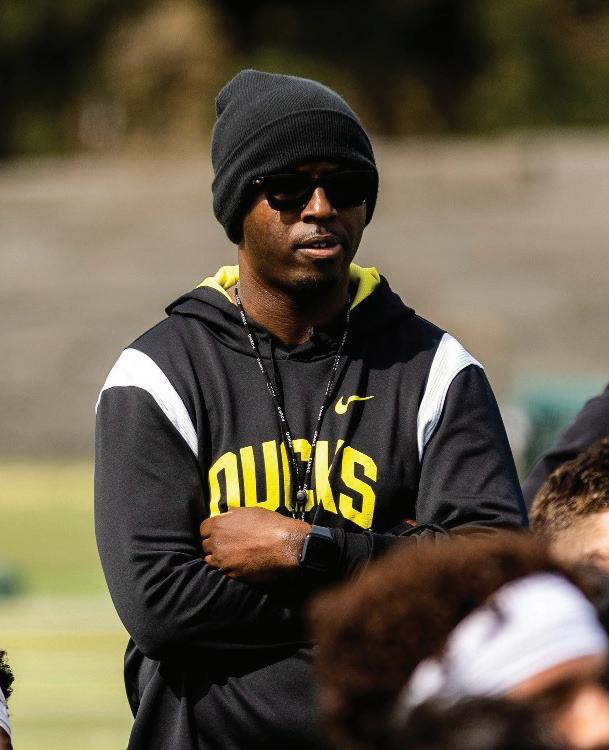
Meet Oregon football’s new defensive coordinator
Chris Hampton rebuilt the Ducks’ secondary in 2025. Now, he’s tasked with taking the defense to the next level.
By Owen Murray Associate Sports Editor
Chris Hampton knows how to build from close-to-scratch.
As Oregon football’s safeties coach in 2025, the Ducks’ new defensive coordinator pieced together an entirely new secondary, built from a freshman, two redshirt-freshmen and two first-year transfers. Their road to the CFP semifinal round was led by that defense, which finished fifth in yards per game allowed, second in opponent pass yards per game and shut out No. 4 Texas Tech University in the Orange Bowl.
“Our secondary has gotten better every single year that he’s been here,” head coach Dan Lanning said. “Guys are playing at a high level. You talk about guys performing beyond their ability, some of those guys were having their best season being a part of our program.”
The ceiling, though, may be higher.
“I think we can get better,” Hampton said at his first press conference on March 14. “I think we can obviously grow, right? We haven’t got to where we want to go — we’ve been good on defense. We want to be elite; we want to be the best. We haven’t been the best.”
In 2026, Hampton will be a defensive coordinator for the first time since he left the role at Tulane University to join the Ducks in 2023. He won’t have to build from scratch this time, in large part due to several of the NFL Draft-eligible defensive players’ decisions to return to Eugene. He’ll get those three underclassman defensive backs, plus his entire defensive line to become the best.
After Oregon exited the College Football Playoff in its 56-22 loss to No. 1 Indiana, Hampton got to work. Over the offseason, he met with freshman All-American cornerback Brandon Finney Jr. for a conversation about improvement. They didn’t talk much about 2025, Hampton said, but about where he can improve.
Finney, the defensive MVP of that Orange Bowl shutout with two interceptions, was a staple of Hampton’s back-end rebuild. Opposite him was redshirt-freshman Ify Obidegwu, who missed his freshman sea-
son with injury. Redshirt-freshman safety Aaron Flowers emerged from a talented group to partner transfer safety Dillon Thieneman.
While Thieneman and nickel Jadon Canady won’t be back in 2026, Finney, Obidegwu and Flowers will. One of Hampton’s philosophies, drawn from that conversation with Finney, whom he says is someone that can push too hard sometimes: “You’d rather say ‘Whoa’ instead of ‘Go.’”
On the front end, Oregon is returning all four starters from a defensive line that ranked 19th in yards per rush allowed and fifth in yards per play allowed. First, it was Bear Alexander, who announced his return before the Ducks had even played a CFP game. A’Mauri Washington, Matayo Uiagalelei and Teitum Tuioti followed.
“I think all those guys came back with the opportunity and the expectation to get better,” Hampton said. “They all want to grow. They all could have went pro, like you said, and they all decided to come back for another season. I think they all believe that we have unfinished business as a team, and then they all have individual goals to improve themselves as players.”
For Hampton, who will return to a playcalling role for the first time since leaving Tulane, the focus is on that growth for those players, and on the goal he can’t ignore.
“I want to be the best defense in the country. We all want to be the best defense in the country,”
Hampton said. “We want to win a national championship. There’s no secret about that, right?”
Anna Simmons leads from the heart of the field
A senior midfielder and captain, Simmons has become Oregon lacrosse’s focal point on both ends of the game.
By Jack Lazarus Sports Editor
Her leadership and level of play on the field seeps into every facet of Oregon lacrosse’s (6-6, 0-4 Big Ten) gameplan.
The offense runs through her creativity, intelligent decision-making and relentless energy, and the defense proves the same, albeit with a bit more aggressiveness. Whatever Oregon does, it does with the guiding hand of senior midfielder and team captain Anna Simmons.
Throughout the first part of the 2026 season, Simmons blossomed into one of the Big Ten’s most prolific end-to-end midfielders, also taking draw controls the majority of the time. In that phase of the game, she’s ninth in the Big Ten with 53 wins from the draw. When she does win, she becomes the engine of an offense that powered its way to a 6-2 record in nonconference play and outscored its opponents by a total of 38 goals through those first eight games.
Simmons highlighted a dramatic opening day 12-11 overtime victory over the Arizona State Sun Devils, scoring four goals, the last three of which brought the game into overtime and won it during the extra period.
Her 2-2 mark on free position shots demonstrated her ability to create contact by being aggressive both with and without the ball. That’s something that’s continued to baffle defenses, even despite a slow start to conference play.
Oregon opened the Big Ten part of the schedule with a 15-7 loss against the then-No. 2 Maryland Terrapins, but head coach Jessica Drummond felt comfortable shuffling the cards in the second half, sending Simmons into attack. She helped spur a
four-goal second half that contained a lot more fluidity than the first.
“She’s been in midfield for us in the past two years, but we had her playing attack because we were a woman down there. But we had an option and she went in and did a great job,” Drummond said after the loss.
Moving her up to attack leaves half of her incredible skillset useless, however, she’s grown into one of the best defensive midfielders in the conference throughout the year.
Simmons is twelfth in the Big Ten in caused turnovers with 14, and she sits tied for eleventh in caused turnovers per game among players that have played 10 or more games with 1.2. Those numbers are largely due to her never-ending motor and ability to be a physical defender while also not fouling. She also hustles to almost every groundball, picking up 20 this season (10th in conference), good for 1.7 per game, which is tied for eleventh in the conference.
The back half of Oregon’s season will be a gauntlet, with five of the final seven games coming against teams currently ranked in the IWLCA Coaches’ Top-25, and Simmons’ role on each end becomeing much more important.
The Ducks will rely on her ability to create turnovers and transition that into fluid offense and shots on goal. Pulling off upsets in these games will come from her leadership, as it did during that first game comeback over ASU.
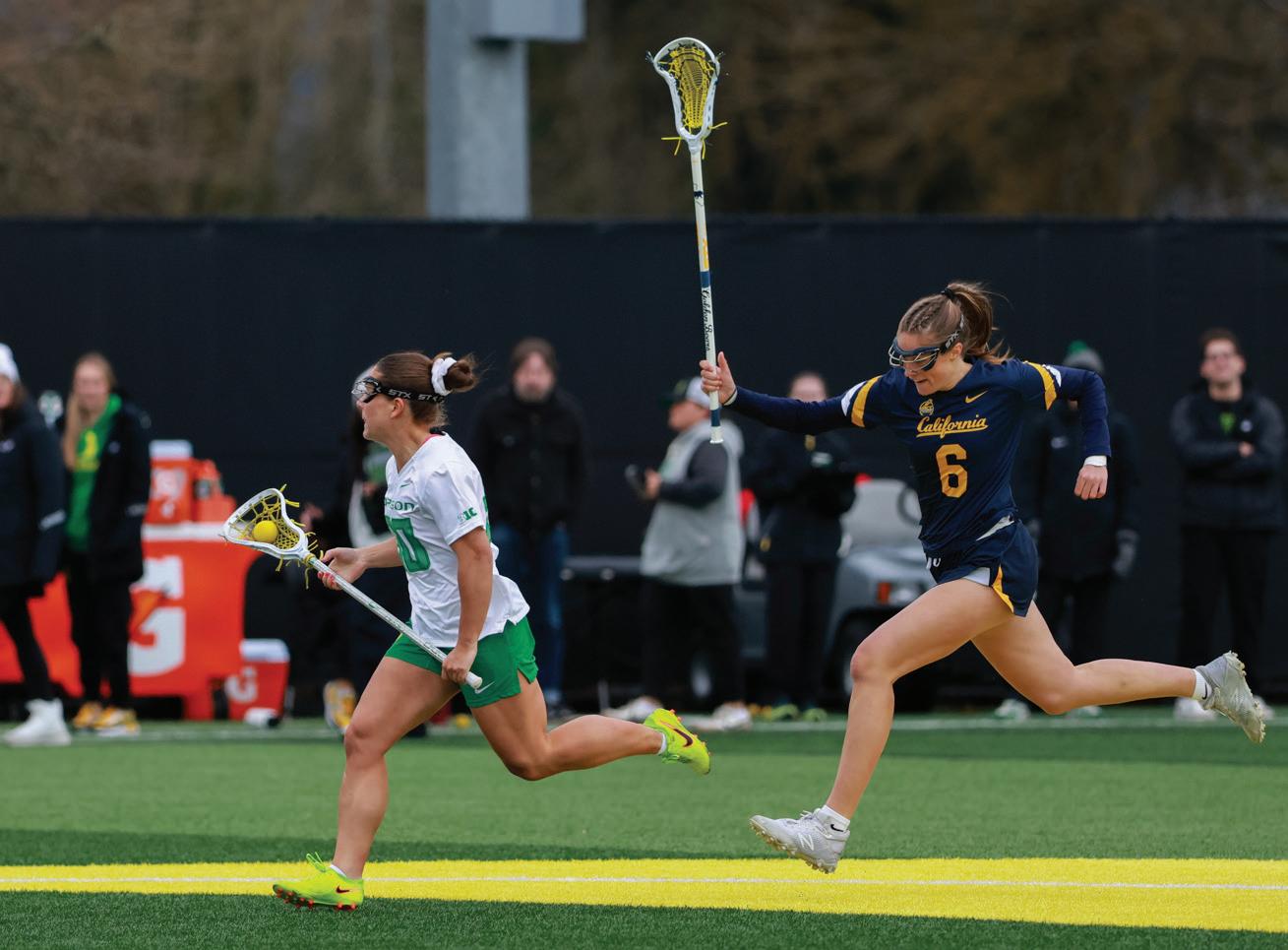
(ABOVE) Ducks senior midfielder Anna Simmons (30) speeds past Cal defender Jane Middleton (6). The University of Oregon women’s lacrosse team were defeated by the California Golden Bears 14-9 at Pape Field in Eugene, Ore. on Feb. 19, 2026. (Julia Massa/Emerald)
(Courtesy of Nate Krueger)
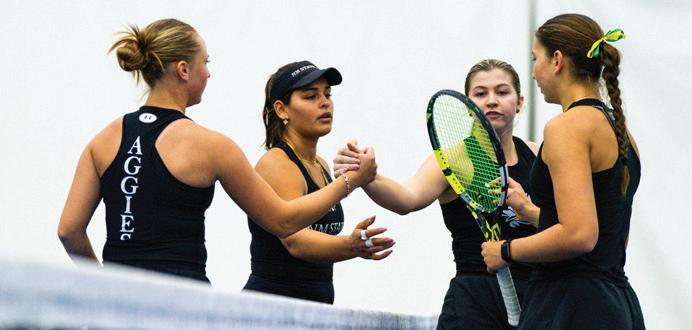
Freshmen making early impact for Oregon women’s tennis
Oregon softball reaping benefits from class of newcomers
FRIDAY April 3, 2026
Oregon vs. Boise State
Around the Big Ten: softball
The Big Ten landscape is coming together early in conference play.
By Henry Light Sports Writer
Six Big Ten teams received votes in the March 23 ESPN/USA Softball Top-25, including Oregon (26-9) at No. 17. With two teams on the fringe of the top 25, four within it and two in the top 10, the Big Ten landscape is coming together three weeks into conference play.
Player of the Year Candidate paces No. 6 Nebraska
The 26-6 Cornhuskers came into Big Ten play battle-tested with a 6-4 record in ranked matchups. There is a notable drop off from the No. 5 University of Florida, which has just two losses, to Nebraska, but the Cornhuskers are taking care of business in conference play and started 6-0. Senior two-way star Jordyn Frahm has keyed the Cornhuskers’ success, pitching to a 1.70 ERA in 90.2 innings, while batting .429 with 13 HR and 31 RBI. Nebraska shouldn’t struggle with run support in most Big Ten matchups, but it will need to retain its success when competition ramps back up.
No. 8 UCLA thrives in the box, struggles in the circle
The Bruins’ lineup sits top-three in the nation in nearly every team hitting stat through its first 34 games, batting .393 with 102 home runs and scoring 11.02 runs per game leading to a 29-5 record. Seniors Megan Grant and Jordan Woolery headline UCLA’s offense, sitting fifth and ninth in Division I in batting average, respectively. UCLA is less convincing in the circle, where senior ace Taylor Tinsley has pitched to a 2.91 ERA in 101 innings, while no other Bruin has an ERA under five. After dropping two of its three games against Nebraska in its toughest test of the conference season, UCLA will spend most of April fine-tuning its game against lesser opponents before looking to boost its resume against Washington and Oregon in its final two series.
No. 16 Washington steadily climbs rankings
Coming off a middling 2025 season, Washington has established itself as one of the Big Ten’s best teams in 2026 with a 30-6 record. Sophomore pitcher Morgan Reimer has grown into one of the best pitchers in the conference, leading in innings pitched with 103.2 and sitting second only to Frahm
with a 1.89 ERA. At the plate, Kaycie Burdick paces the offense, batting .435, while Alexis DeBoer and Giselle Alvarez provide power with 12 home runs each. Sitting 1-5 against ranked opponents, the Huskies will spend their conference schedule preparing to prove themselves against Oregon and UCLA in back-to-back late-season series.
Well-Rounded Indiana lingers near poll
The Hoosiers still received nine votes in the top 25 after a 24-12 midweek loss to Oregon, which reflected Indiana’s strength in the lineup and relative uncertainty in the circle. Indiana’s 27-7 record warrants some belief that it could move back into the rankings by outplaying most Big Ten teams and potentially stealing games from the teams ahead of it. The Hoosiers feature a strong lineup, with Aly VanBrandt and Avery Parker each batting over .400 while clubbing 10 home runs. Four different Indiana pitchers have thrown over 30 innings, with sophomore Ella Troutt leading the way with a 2.71 ERA in 62 innings.
Purdue’s strong conference start earns a vote
Purdue received one vote in the top 25 after sweeping Ohio State in its Big Ten opener, and taking one game of its second conference series against Oregon. After dropping game one against the Ducks 6-0, the Boilermakers took the second game 7-4 and nearly stole the series if not for a walkoff 2-1 loss. Purdue could enter the postseason with favorable seeding with UCLA and Nebraska absent from its schedule, and its 25-10 record establishes it near the top of the conference. Junior Moriah Polar is in the running for Big Ten Player of the Year, with her .602 batting average leading the conference and sitting third in the nation.
(
(Tyler
Young additions to the Ducks’ lineup have helped them move in the right direction.
The Ducks volleyball team gears up to play the Broncos this Friday Boise, Idaho at noon PT.
Elon Butler, Amari Harper, Addison Amaral and Maddie Milhorn are sparking the 2026 Oregon softball season.
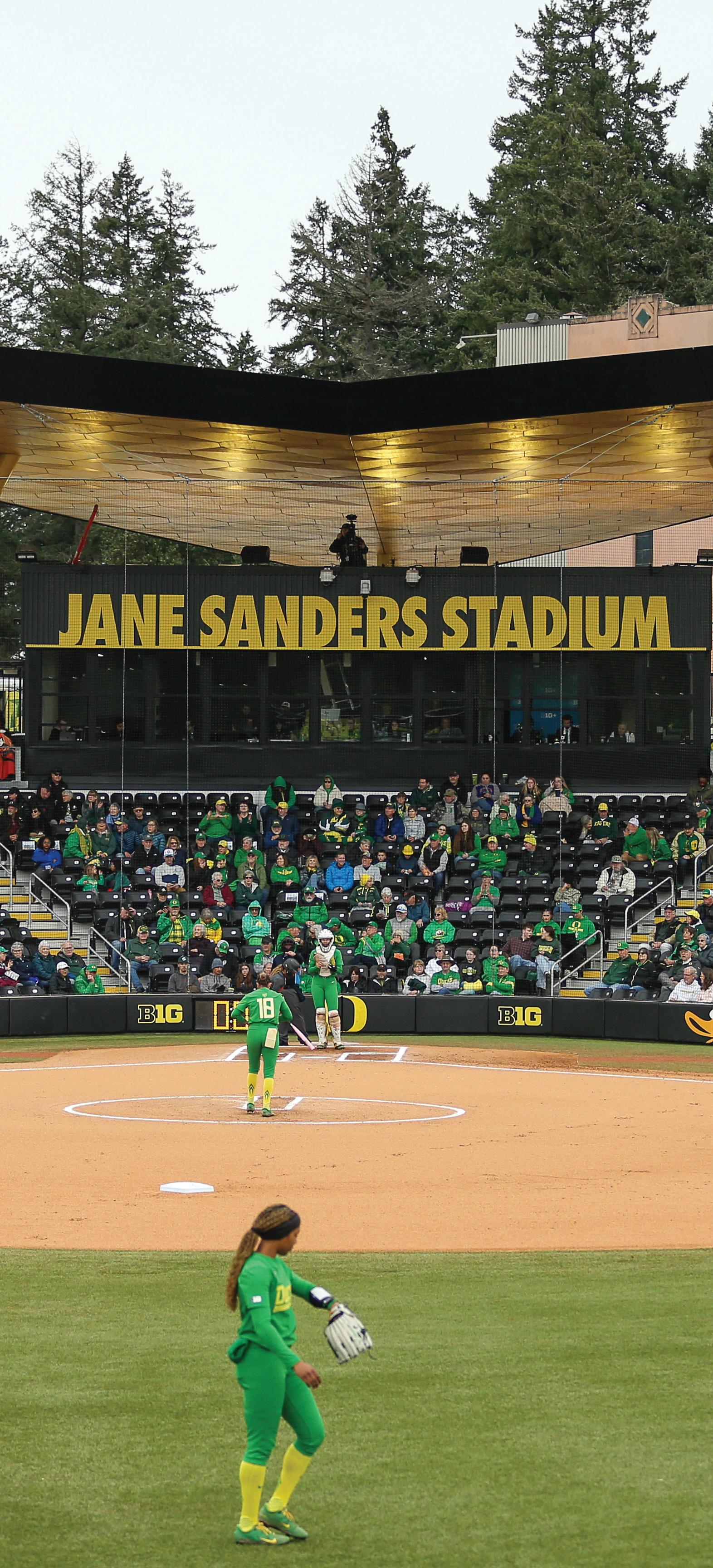
RIGHT ) The University of Oregon softball team defeated the Oregon State Beavers 8-3 at Jane Sanders Stadium in Eugene, Ore. on March 6, 2026.