Emerald THE DAILY
TUESDAY,
MARCH 31, 2026
ARTS & CULTURE

MARCH 31, 2026
The people behind Buy & Sell Center, Beacock Music and McKenzie River Music tell the stories of their stores.
By Vinny White Arts & Culture Writer
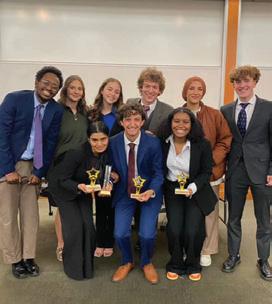
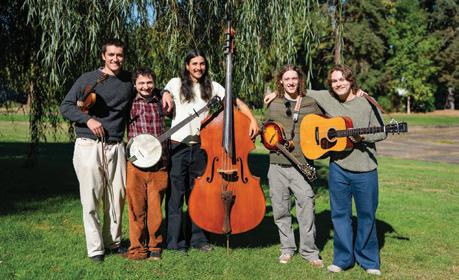
With the prevalence of large chains and online retailers, music stores need to stand out now more than ever. Whether it’s the history of Buy & Sell Center, the customer service of Beacock Music or the culture of McKenzie River Music, music shops in Eugene are steadfast in serving their community.
Nestled neatly in Eugene’s downtown, Buy & Sell carries just about any instrument that a single person can carry, granted it’s not too heavy. “(We carry) most musical instruments,” proprietor Daniel Kaplan said. “If it takes more than one person to lift it, we usually don’t like it. Rock n’ roll instruments, keyboards, (music) books. Whatever we think we can make a buck on.”
The walls and displays of the center are plastered with guitars, flutes, mandolins, sitars and even a sizable accordion collection. First opened as a general pawn shop by Jim Newell in the 1970s, Kaplan purchased the store in 1993 and transitioned it to purely music. Music always made up the bulk of Buy & Sell’s sales because, as Kaplan put it, “Musicians are always broke and selling gear and then buying it back again.”
Continue story on page 17
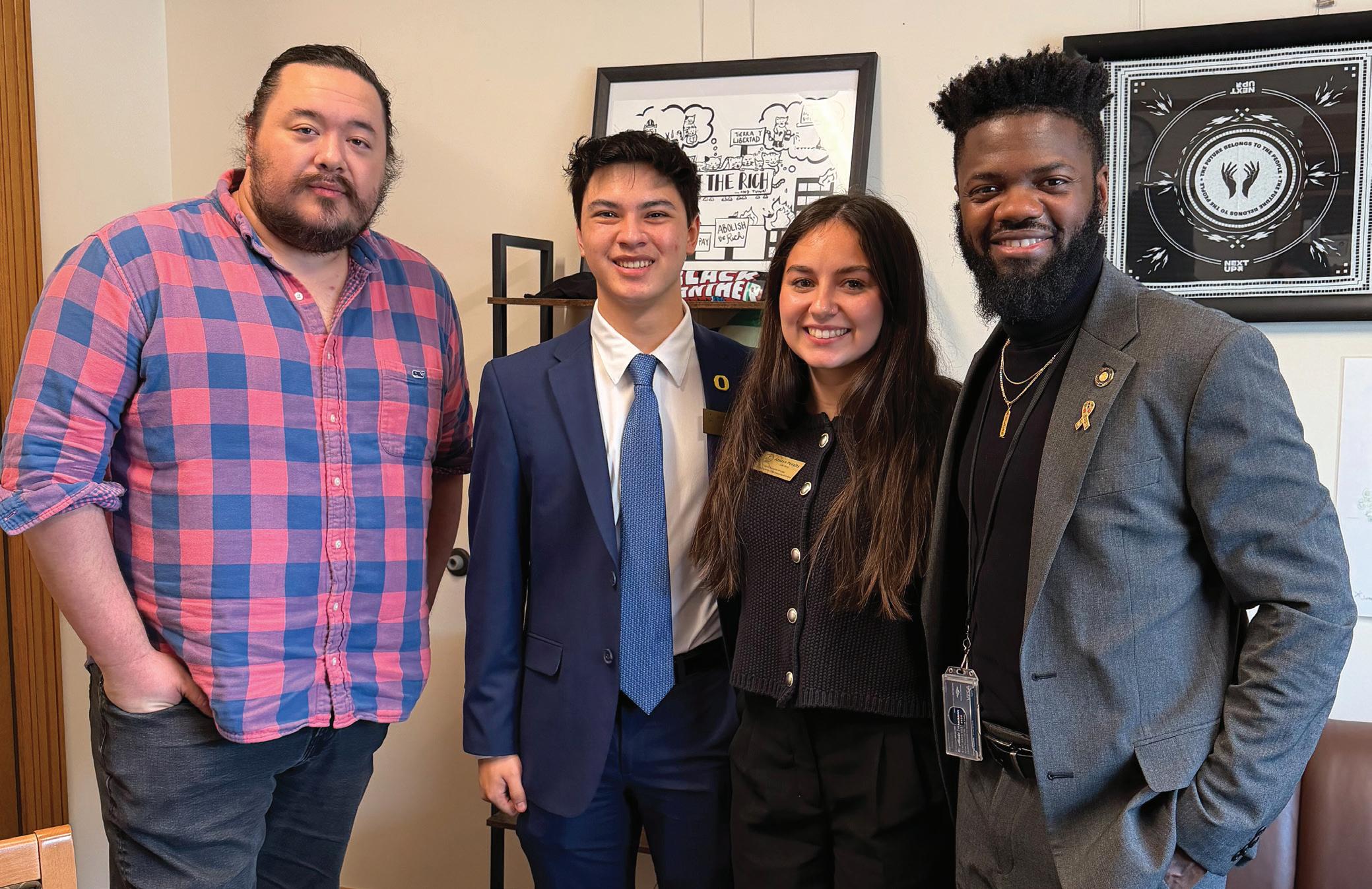
Members of ASUO are working to bring back the Oregon Student Association, a leader in student advocacy.
By Corey Hoffman Senior News Reporter
In fall 2024, Oregon universities lost their biggest tether to advocacy at the state level when the Oregon Student Association shuttered. Fast forward nearly two years, and OSA is set to make its return with the support of students and legislators alike.
Several members of ASUO, the University of Oregon’s student government body, including Vice President Max Jensen and Executive Director of Advocacy Amaya Peralta, are working to restart OSA, a student advocacy nonprofit.
OSA, initially founded in 1975, worked with institutions across Oregon to provide a collective student voice to the state legislature.
The organization had faced structural and funding challenges since 2019, which were later heightened by the COVID-19 pandemic. The organization also lost a member of its core staff in a fatal car accident in July 2024.
During its nearly 50 years in operation, some of OSA’s advocacy wins included helping to register tens of thousands of students to vote each election cycle, including more than 50,000 in
2012. It helped pass the tuition equity bill in 2013, which gave undocumented students in Oregon access to in-state tuition and helped establish ethnic studies programs in kindergarten through 12th grade curriculums.
OSA was also responsible for helping expand financial aid coverage such as the Oregon Opportunity Grant, Oregon’s largest state-funded, needs-based grant for college students, and securing tens of thousands of dollars in education and scholarship funding.
“The Oregon educational system is shifting in the direction of privatization

EDITOR IN CHIEF
Tarek Anthony
PRINT MANAGING EDITOR
Ryan Ehrhart
DIGITAL MANAGING EDITOR
Ysabella Sosa
NEWS EDITOR
Reilly Norgren
INVESTIGATIONS EDITOR
Ana Narayan
A&C EDITOR
Claire Coit
SPORTS EDITOR
Jack Lazarus
OPINION EDITOR
Gracie Cox
PHOTO MANAGING EDITOR
Corey Hoffman
PHOTO EDITOR
Saj Sundaram
COPY CHIEF
Olivia Ellerbruch
VIDEO EDITOR
Jake Nolan
PODCAST EDITOR
Stephanie Hensley
SOCIALS EDITOR
Ysabella Sosa
VISUALS EDITOR
Noa Schwartz
DESIGN EDITOR
Adaleah Carman
DESIGNERS
Asha Mohan
Ellery Burton-Tillson
Eva Andrews
Izzy Smith
Nina Rose
BUSINESS
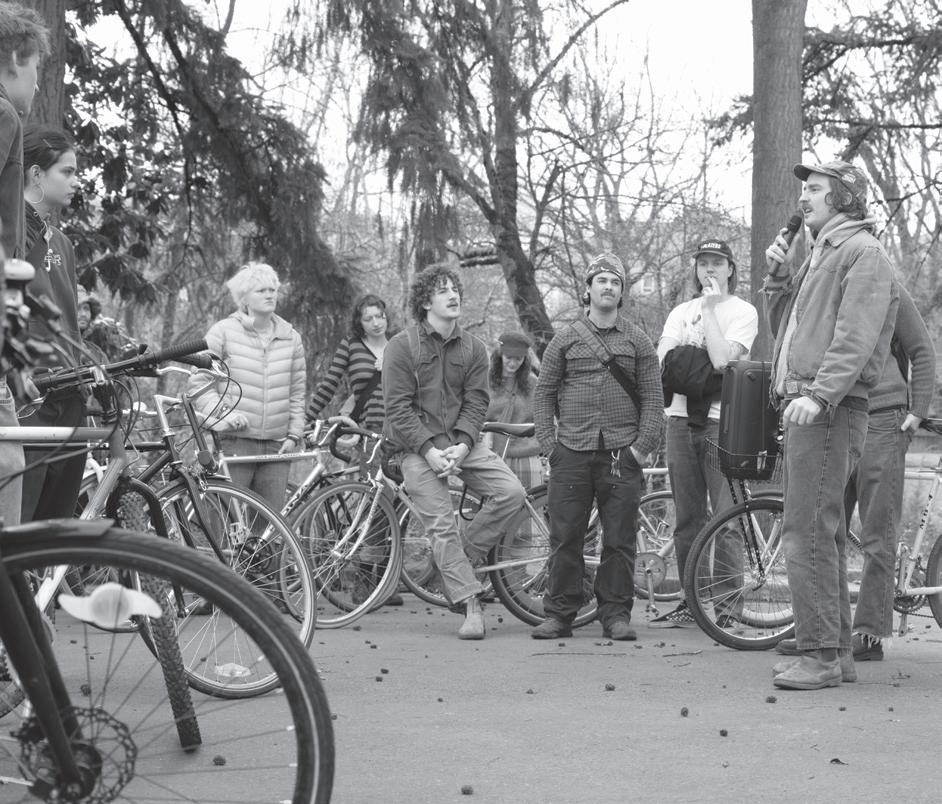
Thousands of protesters gathered in Springfield, Ore., to participate in nation-wide “No Kings” protests on March 28, 2026.
Photos by Tarek Anthony


PUBLISHER AND PRESIDENT
Eric Henry (X317) ehenry@dailyemerald.com
VP OPERATIONS
Kathy Carbone (X302) kcarbone@dailyemerald.com
DIRECTOR OF SALES & DIGITAL MARKETING
Shelly Rondestvedt (X303) srondestvedt@dailyemerald. com
CREATIVE & TECHNICAL
DIRECTOR
Anna Smith (X327) creative@dailyemerald.com
ACCOUNT EXECUTIVES
Torin Chevalier
Camcole Pereira
Ava Stephanian
Elliot Byrne
THE DAILY EMERALD

The Daily Emerald is published by Emerald Media Group, Inc., the independent nonprofit media company at the University of Oregon. Formerly the Oregon Daily Emerald, the news organization was founded in 1900. Emerald Media Group 1395 University St.,#302 Eugene, Or 97403 (541)-346-5511

















By Billie Corsetti News Reporter
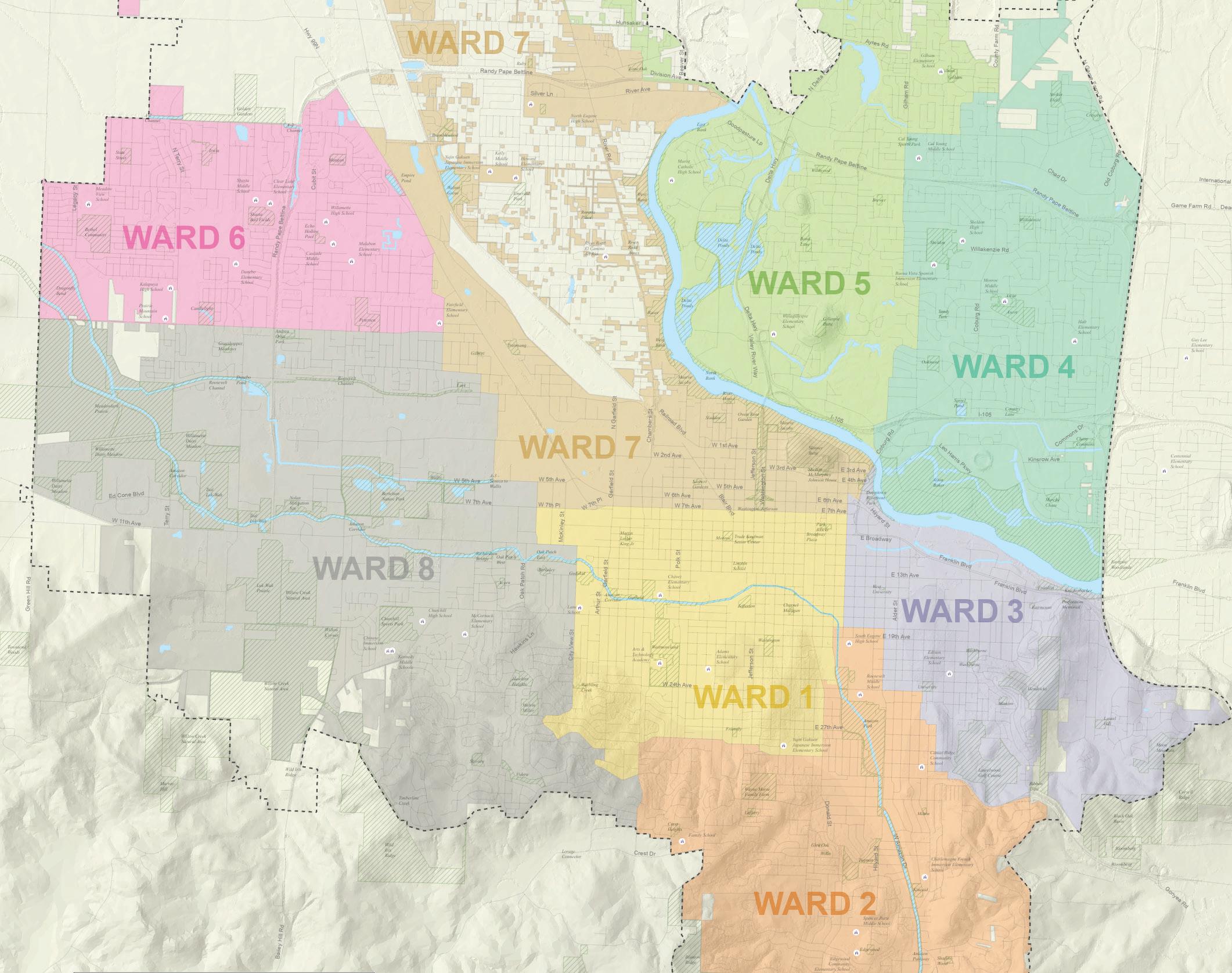
The Daily Emerald has profiled candidates for four wards in Eugene that will hold contests in Oregon’s May 19 primary elections. Ward 3 encompasses the University of Oregon and surrounding neighborhoods.
Two candidates are running for the ward’s office after councilor Alan Zelenka announced he would not be running as an incumbent after two decades as the ward’s representative.
The Emerald reached out to both candidates for interviews with the same set of questions. For candidates that did not respond for an interview, The Emerald used available information from their campaign websites and public history.
Ward 3 candidate John Barofsky did not respond to The Emerald’s request for an interview.
What are the biggest issues facing your ward, and Eugene as a whole?
John Barofsky:
Barofsky outlines three main priorities for his campaign: housing stability and affordability, responsible use of public dollars and public safety and quality of life.
“Eugene is facing real challenges — rising costs, growing demands on city services, a shortage of housing supply and a homelessness crisis that reflects deep gaps in how our systems are working. These issues didn’t emerge overnight, and they won’t be solved with simple answers,” the website reads.
When it comes to housing stability and affordability, Barofsky says he supports solutions that increase the housing supply but protect neighborhoods and encourage longterm stability.
Why do you think you’re best fitted to address those issues?
John Barofsky:
Barofsky’s website points to his decades of experience in the city as a small business owner and a public figure.
“John Barofsky brings decades of real-world experience to public service — as a longtime Eugene resident, civic leader and partner of Beppe and Gianni’s,” his campaign website reads. “His prior civic work has focused on responsible decision-making, long-term planning and making sure public resources are managed carefully and transparently.”


Hometown: East Grand Rapids, Michigan; resident of Eugene since 1982
Educational Background: Lane County Community College
Occupation
Experience:
Eugene Water and Electric Board of Commissioner
Eugene Planning Commission (8 years)
Eugene Budget Committee (7 years)
Affordable Housing Trust Fund Committee
Owner and partner of Beppe & Gianni’s Trattoria
Endorsements:
Congresswoman Val Hoyle
Former Congressman Peter DeFazio
Eugene Area Chamber of Commerce
Lane Professional Firefighters Association
Campaign Website: johnforeugene.com
“Residents should feel confident that city resources are being managed carefully and right now we’re falling short. Transparency and fiscal responsibility are essential. With my business experience and service on the Budget Committee, I can hit the ground running to be sure Eugene is on solid financial footing for the long term.”
Jennifer Smith:
In response, Smith thinks of when she and her mother moved to Eugene, back when Eugene “was a place where you could come and just sort of show up and make a life without a big plan and without a big nest egg.”
“It’s not all about paying (your) mortgage or paying (your) car payment. You also should have money left over for enjoyment and for pursuing their endeavors. So that’s ideal to me, is that people aren’t living to work.”
When it comes to housing, Smith believes that residents feel trapped due to the lack of housing options in the city.
“We need to build actually affordable housing, not ‘affordable’ housing, which, that word has been quite slippery in the last few decades. We need more housing density; we need more housing along transit corridors.”
Making strides toward climate recovery is a priority to Smith, as she believes the city hasn’t been keeping up with other communities that are more prepared.
Barofsky has experience in handling budgets, as he spent seven years on the Eugene Budget Committee, and is currently on the EWEB’s board of commissioners. He also is a member of the Affordable Housing Trust Fund Committee, which gives advice to the city on where funding should go and reviews proposals for AHTF projects.
As an owner of a local restaurant for 28 years, Barofsky says he has long term community ties and can bring a “real-world perspective to city policy and decision-making.”
Jennifer Smith:
“I’m a renter and a homeowner… I believe we need more housing desperately; that’s just something that is not really negotiable,” Smith said. “And I’m a biker and a walker. So I care very deeply about the texture of our built environment and neighborhoods of our city. I’m looking at it everyday on very fine-grained detail.”
Smith has served on the Lane Transit District Budget Committee, which she believes has given her good experience in budgeting.
“I also have been involved in budget discussions, very difficult budget discussions. So I feel very comfortable being in tough negotiations that have real-life consequences.”
As president of a union that represents around 1,500 classified workers at UO, Smith believes she has the experience to handle decision-making pressure and to be a leader of a community.
“I have experience in building solidarity and consensus across a wide variety of stakeholders and people who have different perspectives and different life experiences,” Smith said.

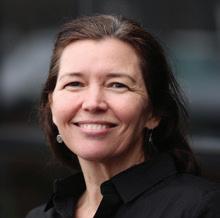
Hometown: Southern California; resident of Eugene since the 1970s
Educational Background: South Eugene High School, University of California
Occupation Experience:
President of SEIU 503 Local 085
Los Angeles County Transportation Planner University of Oregon Labor Education Research Center Coordinator
Oregon Higher Education Coordinating Commission
Eugene Permanent Shelter Task Force
Lane Transit District Budget Committee
Endorsements:
Democratic Party of Lane County
Oregon Working Families Party
Eugene City Councilor Eliza Kashinsky
Eugene City Councilor Alan Zelenka
Eugene City Councilor Jennifer Yeh
Former Eugene Mayor Kitty Piercy
Former Eugene Mayor Lucy Vinis
Campaign Website: electjennifersmith.org
“We made community agreements over and over again (and) we developed as a city the climate recovery ordinance goals, where we would reduce our fossil fuel use by 50% by 2030. We are not on track for that.”



The extension allows further testing of UO’s gas generator for peak demand amid concerns over emissions and delayed renewable transition.
By Reilly Norgren News Editor
The Eugene Water and Electric Board and the University of Oregon have extended their partnership for an energy generation study that aims to understand if the university’s on-site generator can boost grid reliability.
The study originally started in January and revolved around EWEB utilizing UO’s combustion turbine generator, located at its Central Power Plant. This partnership would allow for EWEB to use this generator during periods when demand is highest, determined by regional power supply conditions.
During January and February, the generator was not turned on. Adding an additional month allows more time to evaluate the generator’s performance, greenhouse gas emissions, local air quality impacts and financial implications if the generator is used, according to a press release from EWEB.
EWEB’s power supply was approximately 94% carbon-free in 2024 — but when energy demands spike, like during the winter, gas plants are turned to as a non-weather-dependent resource.
“(UO’s) natural gas combined heat and power generator can serve as one such flexible, on-demand resource during those rare occasions,” the press release said.
EWEB also highlights the benefits of using locally-sourced power to reduce reliance on distant power plants, giving the utility more control over generation decisions and emissions.
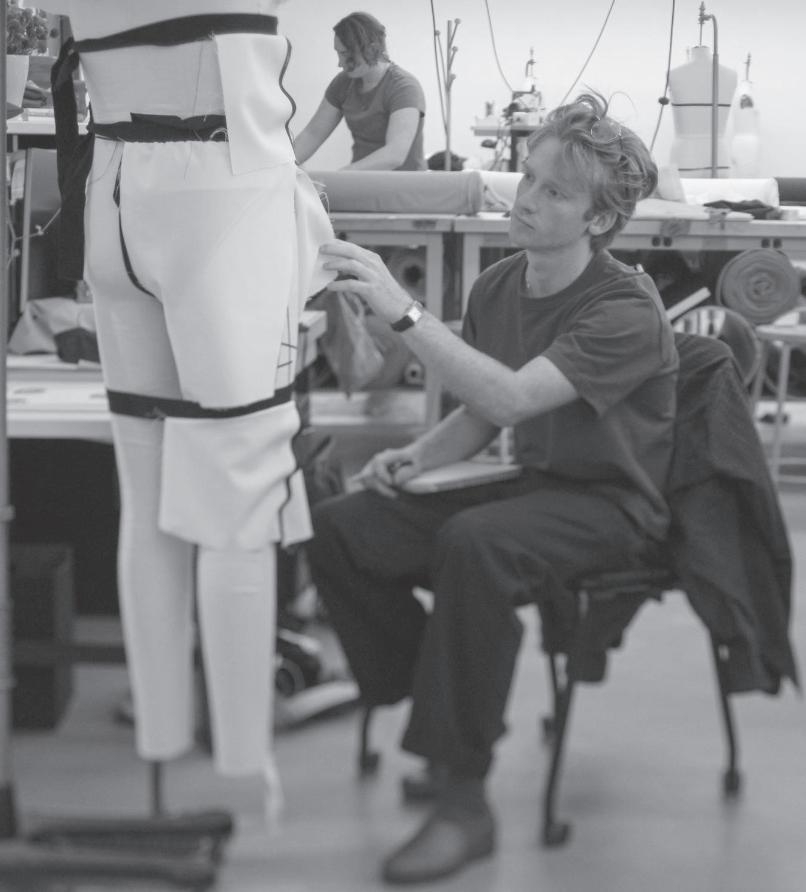
UO’s master’s program in sports product design seeks to innovate product design in the sports industry, with students in the program winning in global competition for their innovative work.
By Audrey Lynch News Reporter
The University of Oregon’s Sports Product Design program focuses on innovation in sportswear — and this year, UO graduate students in the program received an abundance of recognition in worldwide competition.
UO Sports Product Design is a two-year master’s degree program that focuses on research, athletic performance, sustainability and marketing. During the course of the program, students have an opportunity to collaborate with sports product companies both in and outside of Oregon, giving them hands-on experience in the field.
The Woolmark Performance Challenge, a competition that invites college students to invent new possibilities for Merino wool in sportswear, partnered with Alpinestars, a motorsports apparel company, in 2025. The challenge featured over 200 participating universities from 32 different countries. Of 12 winners, five were UO students.
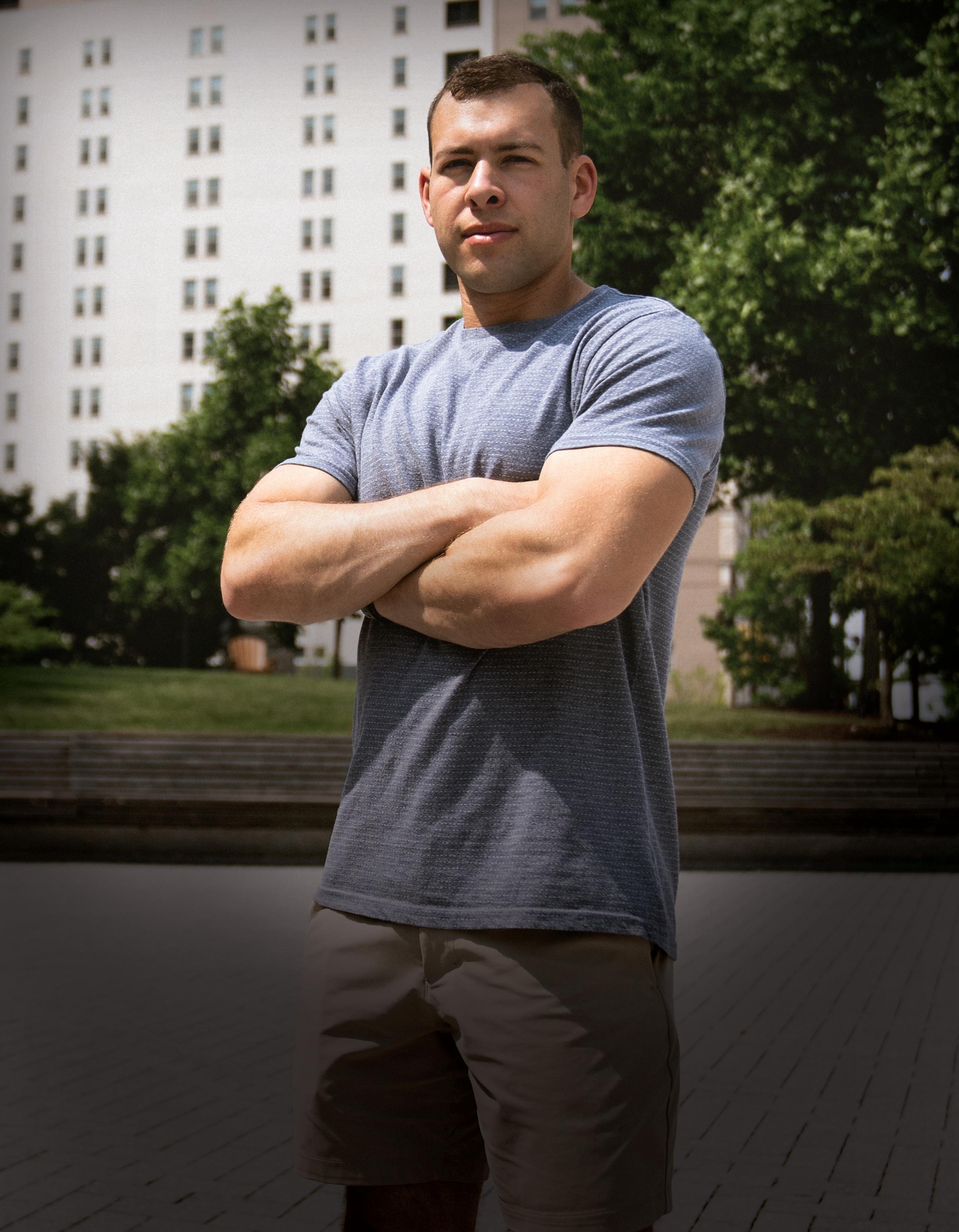
One of the winning students is Jacob Kauff, a second-year master’s student in the program. Kauff attended Pitzer College in Claremont, California, where he received a Bachelor of Arts degree in philosophy as a pre-med student. After graduating, he did research at the University of Washington and Kaiser Permanente.
Kauff won Woolmark’s Research Bursary, awarded to five individuals, which consists of a $5,000 prize and a yearlong mentorship program. He explained that he will begin working to create and test prototypes of his design this summer, following his graduation.
“For his mountain biking apparel concept, Kauff explored the use of bioprinting humidity-reactive bacteria onto wool,” according to Oregon News. This design earned him a spot as one of 12 finalists in the competition.
Alongside Kauff, four other Ducks were in the finals: Chloe Burchard, Lauren Kochaver, Lisa Ly and Lulu West.
Burchard, who recently graduated from UO, was the overall winner of the contest, receiving a year-long internship in Italy with Alpinestars.
This year, there are only 14 first-year and 17 second-year students in the program. A small number of scholars get to work alongside industry professionals and companies such as Nike, Adidas and Under Armour, making this program a competitive and unique opportunity for students.
“My interest in running and human anatomy and aesthetics and fashion all kind of combined to make (Oregon’s) program kind of a perfect fit for me,” Kauff said.
Additionally, Kauff said “the ability to work with amazing athletes from the Pacific Northwest” served as an important factor in his decision to choose Oregon’s program.
Kauff explained that this program has “a making approach to design. So everything that you design, you actually have to prototype.”
On average, Kauff and the other designers have two weeks from their idea creation to producing a final product. Which he explained is one of his favorite parts of the creative process, getting to “move (from a design) into a product that you could see on a shelf or on an athlete.”
In addition to working within the studio, designers will work with industry professionals and athletes to test and alter their designs. Kauff shared that this process ensures that the final product is something that “is actually solving a problem for athletes.”
As a runner himself, Kauff believes that feeling confident is an important factor in competition and creating that confidence is the driving force behind his designs. He explained that there is a big difference between a product that is successful on a technical level and one that truly connects with athletes.
“If your athletes aren’t feeling inspired by it, or if they’re not gaining that extra little ounce of confidence at the starting
Thus far, supply-constrained conditions have not emerged during the study period according to EWEB Public Affairs and Communications Manager Jen Connors.
However, the decision to enter into this partnership has been met with scrutiny from community members and UO students. A co-president of UO’s Climate Justice League said in January that this partnership is moving resources away from transitioning UO’s boiler system to renewable energy boilers.
On March 13, Climate Justice League organized a rally outside of UO’s Central Power Plant to pressure the university to stop fossil fuel use. Some protesters, including Dylan Plummer, a UO alumnus and employee at the Sierra Club, who said this partnership was “breaking a 10-year-long process to pursue electrification of the boiler system.”
Students and climate activists have been advocating for the university to transition to electrode boilers since 2022, known as “thermal transition option 2b.” In 2024, a Thermal Systems Taskforce recommended the option to President John Karl Scholz.
However, the furthest progress so far is the development of low carbon heating system concepts, cost estimates and construction timelines.
According to EWEB’s press release, UO’s heat and power generator captures excess heat to produce steam for campus heating. This makes it “more efficient” than conventional power plants.
If March is a “mild month” and the generator remains unused, EWEB and UO will consider extending the partnership next winter, according to the press release.
line, then it’s really not doing its job properly,” Kauff shared.
Kauff advised students to take advantage of the opportunities undergrad provides in discovering themselves and their interests. He believes it is important to be involved in things that are “employment focused” but to also take the chances to do things that “allow you to grow as a human being.”
Starting in fall 2026, the program will receive a Science, Technology, Engineering and Mathematics designation, or recognition by the Department of Homeland Security for focus on the four STEM components. This designation will allow international students on F-1 visas to be eligible for work in the United States for an additional 24 months.
Graduates of this program have patented new technology, worked alongside local businesses and received funding for new product ventures, according to the program’s website.
Kauff said for students facing uncertainty about pursuing a creative career, he would recommend this program for its opportunities for creativity and innovation.
“If someone is thinking they like design and creation and are interested in how ideas actually come about in real life, I would really push them into looking at the product design program.





A R E M E M B E R S

O V E R A L L G P A

U N I Q U E C O U N C I L S

M E M B E R S














Coordination errors between UOPD and Eugene police led to a Clery warning issued four days late, raising concerns about campus safety systems.
By John Pham Investigation Reporter
On Feb. 5, Eugene police received a report of reckless endangering at 1214 Kincaid St., where a suspect allegedly shot “soft, colorful water beads” from a moving car at a group outside Rennie’s Landing, according to the Eugene Police Department.
“It was probably Orbeez, but there was really no way to know,” University of Oregon student Savannah Brown said. “It was just that image of the car driving away with the arm shaking the gun out.”
A campus crime alert was not sent until four days after the first incident. According to UOPD Chief Jason Wade, the department became aware of the incident outside Rennie’s Landing the following week after inquiries from The Daily Emerald.
Under the Crime Awareness and Campus Security Act of 1990, known as the Clery Act, universities that participate in federal financial aid programs must disclose criminal activity within their Clery geography and provide timely warnings to students.
On Feb. 9, four days after the incident outside Rennie’s Landing, the university issued a campus-wide Clery alert.
The alert listed three additional incidents involving the shooting of water gel beads: one on Feb. 3, when one person was reportedly shot at 515 Broadway; one on Feb. 4 at West Broadway and Charnelton Street; and one on Feb. 5, when one person was shot on 11th Avenue and Alder Street near Bushnell University.
The vehicle involved in the Rennie’s Landing incident was described in the alert as a blue or black SUV, though
witnesses recalled it as a dark sedan. It reportedly drove down 12th Avenue and turned left onto Kincaid Street.
Brown said she initially thought the objects were acorns or rocks until the car circled back and fired again minutes later.
“They were wanting people to be scared,” University of Oregon student Sage Hoffman Nadeau said. “And I think that the upsetting part is that threat, because of the country we do live in, it’s entirely plausible.”
Brown said the object resembled an AR-15-style rifle with a poorly painted camouflage pattern.
“There’s somebody driving around with a gun, shooting at people in a drive-by,” Brown said. “It doesn’t matter that it’s fake. It was terrifying.”
Brown said police did not ask questions when they arrived and believed there was little officers could do, even if a license plate had been obtained.
While Rennie’s Landing is not on campus, it is adjacent to university property and falls within the university’s Clery geography, which requires incidents to be logged on UOPD’s campus crime log. No entry for the incident was posted.
The Clery Act was established after the 1986 murder of Lehigh University student Jeanne Clery and is intended to ensure transparency around campus crime and safety procedures.
“We want to keep people safe,” Wade said. “But we can’t control things that we don’t know about.”
Eugene, University of Oregon and Springfield police departments share a computer-assisted dispatch system used to manage calls. Wade said Eugene police are “very open and willing” to communicate incidents but are primarily responsible for the city.
Currently, UOPD has one dispatcher monitoring the system, which Wade said contributed to the delay in identify-

ing the incident and related reports.
“Of course, things can always improve,” Wade said. “The day we don’t look at it and think of improvements, I think that’s the day I’ll probably retire.”
University spokesperson Angela Seydel said the university determined a warning was appropriate after learning of the incidents.
“Campus safety is our primary focus,” Seydel wrote. Brown said the delay is concerning.
“At the very least, I think it’s important to know that this is happening,” Brown said, “whether it’s just dumb high schoolers who think it’s funny to shoot people with Orbeez or people who have worse intentions.”
( ABOVE) Sage Hoffman Nadeau stands outside Rennie’s Landing, the site of an incident in which a group of UO students were fired at with a fake gun containing water gel beads.
(Tyler Graham/Emerald)
Board chair Steve Holwerda suggested paying President Scholz more — how does his salary compare to other Big 10 university presidents?

By Reilly Norgren News Editor
During the March 16 University of Oregon Board of Trustees meeting, board chair Steve Holwerda advocated for hiring a compensation consultant to review university President John Karl Scholz’s pay.
According to Holwerda, this comes at his own suggestion, but other trustees are aware. Holwerda said that across compensation on campus, the president is where UO is “furthest from the median.”
Holwerda attributed this to “shrewd negotiation” by the firm that was hired to help the university conduct a search for a new president from September 2022 to March 2023.
“We felt we got a great president at a really great price,” Holwerda said. “The timing is never good to bring this up. We’ve gone through the collective bargaining process, we’ve gone through budget cuts, we’ve gone through offering pay increases across the board, but we haven’t at our president level.”
Holwerda recommended investigating the president’s salary, expressing concern that if it kept being ignored that the board would just “hope that we don’t lose our president.” Scholz has made no indication that he is interested in leaving, Holwerda said.
The board chair suggested an outside compensation consultant that would review the structure and pay of the president position. Holwerda said that he believes if Scholz was to leave the university they would be paying “much more” for the next person to fill the seat.
“It doesn’t mean we’re going to increase (Scholz’s compensation), but we’re going to review it,” Holwerda said. “The last thing the University of Oregon needs right now is change at the leadership position.
Discussing a potential salary investigation at the meeting was in an effort to introduce the idea and give people an opportunity to express frustration about using comparable compensation for the president position unlike other positions at the university, according to Holwerda.
Comparable compensation refers to setting similar salary and bonuses by measuring against other institutions of a similar size or mission.
Scholz was hired in 2023, with a contract that includes a yearly base salary raise. Starting July 1 this year, his pay will increase to $792,000 from $769,000.
When asked about timeline, Holwerda said it would take about six months for this consultation, saying there is existing data from both the resource the university used for hiring and collected data on the salaries of other Big Ten Conference university presidents. Holwerda said they may also look into the salaries of presidents of other local universities, including Oregon State University.
According to an investigation by the Indiana Daily Student that compared the base salaries of Big Ten university presidents, Scholz ranks 16th, above only the Purdue University president. If considering his salary raise that will occur in July, it would only shift Scholz above one more school.
UO is currently facing a $25-30 million projected budget deficit in its education and general fund. To address this, the university identified $29.2 million in permanent reductions — including cutting over 100 staff positions and over 50 vacant positions.



2019
OSA’s structural and funding challenges begin
2020
Funding challenges heightened by the 2020 pandemic
2023
Tax documents show OSA had a negative net income of more than $400,000
July 2024
Two members of OSA’s core staff were involved in a fatal car accident
Oct. 9, 2024
OSA announces closure after nearly 50 years, citing structural and financial struggles
Winter 2026
ASUO Vice
President Max Jensen brings forth idea of restarting
OSA, talks with other Oregon institutions begin
and the interest of the rich, and the only way to fight back against that money power is with people power. So having something like OSA will help us to build up that people power,” Jensen said.
OSA served as a starting point for many prominent Oregon figures, including Philip Bentley, CEO of the Oregon Health Care Association, Melissa Unger, executive director of Service Employees International Union Local 503 union, and Oregon First Lady Aimee Kotek Wilson.
Before OSA’s closure, UO had the largest delegation on the nonprofit’s Board of Governors, allowing it to hold the majority vote on OSA’s bylaws, day to day activities and priorities.
While the loss of OSA was a blow to student advocacy across the state of Oregon, ASUO at UO stepped up to fill the void left by the nonprofit’s closure, holding lobby days at the capitol and creating an organizing department.
“Instead of just having one kind of broader advocacy department, we’ve kind of separated into subgroups,” Peralta said. “So my department focuses on basic needs advocacy, focused events, know your rights, but (the) organizing (department) focuses a lot on labor issues and actual grassroots student activism.”
One role OSA had while still in operation, Jensen said, was to teach students and student governments basic organizing skills. But as the organization struggled in the wake of the pandemic, student groups on campus “existed basically without them.”
“I worked on trying to start up the UO Student Workers (Union). So I was in the early campaign for that and that work was a lot more difficult because we had to relearn all of these basic skills and teach them when in the past that would have been something that we could have outsourced to OSA,” Jensen said.
In addition to more effective education and lobbying efforts, a major motivator for bringing OSA back included strengthening institutions’ ability to collaborate.
“A really big gap that we’ve seen without OSA is the coalition building between the student governments and that’s something that’s been really difficult in my role to try and reestablish,” Peralta said.
The process of bringing OSA back is still in the early stages, Peralta said, but progress, including getting other Oregon institutions involved, is being made.
The biggest barrier in getting OSA restarted, Peralta said, is a financial one. While ASUO has been working to boost interest and financial contributions from other institutions, the “financial buy-in” has been a “concern,” especially as schools across the state face financial hardship.
When it was in operation, OSA had a dues system for its members, with each student government paying less than $2 per student per school. Peralta said conversations around what potential monetary contributions and membership dues will look like for the new
OSA will begin next school year.
Despite a potential financial hesitation from other institutions and a gap in the “coalition building” between schools, Peralta and Jensen expect interest in the project to grow.
Peralta and Jensen said they have been working closely with student governments at Oregon State University and Oregon Institute of Technology and have been in contact with and regularly update almost every public university in Oregon.
In a statement to The Emerald, Masha Mogylevsky, president of the Associated Students of OSU, said that she is “very excited” about the idea of bringing OSA back.
“(The) value and the impact we have felt from (OSA’s) absence cannot be overstated, especially in current times where student voice, solidarity, and political engagement are more important than ever,” Mogylevsky said. “We have heard this sentiment from many community leaders and legislators as well, and so we are currently working to try to secure funding to support the project.”
The Associated Students of OIT did not respond to a request for comment.
One of the next steps in getting OSA restarted includes the hiring of a part-time, non-student staff member who can help to figure out the structure and organization of the new association.
According to Jensen, ASUO allocated $50,000 in winter term for the hiring of that staff member and had turned to the “remaining arm” of OSA, the Oregon Student Foundation, to do the recruiting of that employee.
The Oregon Student Foundation is a student-run organization “dedicated to financially supporting student-run initiatives,” according to its website.
“They would have connections in a lot of areas around organizing and activism and advocacy,” Jensen said.
ASUO will also work with other Oregon institutions to figure out what OSA would look like and how it can best benefit every school.
The restarting of OSA has gotten support from Oregon legislators who are eager to see a collective student voice return to state government.
“Anything that’s done in politics is often done because large groups of people come together to advocate for it. Students in college deserve to be at the table asking for things that they need, just like everybody else,” Rep. Rob Nosse (D-Portland) said.
Nosse, who was hired as executive director of OSA in 1992, said he “teared up” when he learned of OSA closing in 2024 but was hopeful about the organization’s return.
“Think of who (OSA) is for fundamentally. It’s for the students who are learning how to be engineers or better writers or better thinkers or getting practical experience,” Nosse said.
Nosse said that OSA was the “authentic voice of the main consumers of higher education,” but without it, student advocacy lost the “important institutional memory

and momentum” needed to push for student-focused legislation.
“We’re signing programs and trying to keep tuition low or financially available and we need to know if we’re succeeding at it or not, or how it’s going. We also need to know when students aren’t treated fairly by faculty or by people that work there or aren’t being allowed to express themselves or have their voice heard,” Nosse said. “We need to understand that and we’re only gonna hear about that if the students have an organized voice.”
The state of Oregon is ranked among the lowest in the country in terms of state funding for higher education, making the need for student advocacy and a direct link between schools and state government even more important.
“Our investments in financial aid don’t keep pace with our neighbors in Washington and California, so students are really struggling with tuition and with the escalating student debt crisis. The need for collective student advocacy around these issues has never been greater,” former OSA Legislative Director Nick Keough said in an interview with The Daily Emerald in October 2024.
Both Jensen and Peralta said they are excited about this project and the opportunities that will come with it.
“If we want to have an education system that is accessible and high quality and for everyone, we need to have this kind of power,” Jensen said. “Otherwise, the decisions will be made by people who don’t have our best interests at heart.”






Kaplan, a self-proclaimed “music guy,” finds solace in being the sole proprietor of a business he understands. In fact, he purchased the store after finally getting fed up with his life as an engineer in the “rat race” of Silicon Valley. Even in the most stressful moments of running Buy & Sell, Kaplan still prefers it to working as an engineer.
30 years ago, when he was moving the store to its present location, Kaplan found himself working six days a week, constantly monitoring renovations while still running the front counter.
“I was doing three different jobs, working six days a week,” Kaplan said. “I woke up in the middle of the night with a bad dream. I was still working in Silicon Valley; I had a bad reputation with my boss. I woke up and (realized that) even though the situation here was crazy, I was still perfectly happy; it’s all under my control. That’s why you want to run your own business.”

In the 1970s, band teacher Sue Beacock started offering private lessons to students at her home. Eventually, she and her husband, Dale Beacock, began renting instruments and equipment to students. In 1976, Sue and Dale opened Beacock Music in Vancouver, Washington. Four years later, they opened their Eugene location, which was followed shortly thereafter by an Albany location. The small chain carries mostly new instruments: primarily guitars, violins, ukuleles, brass instruments and accessories. A good portion of the store is taken up by an in-house instrument repair shop that will repair pretty much anything that is not a digital piano.
Beacock Music prides itself on its contributions to Eugene’s music scene. “We’re just really happy to be a part of the Eugene music community,” floor manager Gabe Schliffer said. “We really love the amount of people we can help. I’ve been working there six years, and there’s always somebody that comes in and asks for something that you’ve never even heard of. It’s our pleasure, and it’s our challenge to find out what they need and help them out with, so that’s always fun.”
On top of acting as floor manager, Schliffer spends much of his time commuting to high schools to service instruments. Beacock Music works with schools from Junction City to Brookings.
“Every week, we work with the school’s band directors and service them, whether they need repairs or supplies,” Schliffer said. “We also service our rentals that a lot of the programs have with us. Every day I’m doing a different route. I have 10 to 15 schools each day that I visit on a weekly basis.”
Beacock Music is still family owned, and is currently run by Gayle and Russ Beacock — Sue and Dale’s children.
McKenzie River Music
Reliable, vintage gear can be hard to come by for musicians looking for a unique sound. Even if you can find it online, the challenge of who to ask about it naturally rears its ugly head. At McKenzie, owner Artie Leider is dedicat-
ed to cultivating a community of music lovers and providing them with high-quality instruments.
“We (provide) a chosen, eclectic mix that fits our community,” Leider said. A guitar store is a little bit like a magic store. You find people who teach stuff. This kind of store is as good as it gets. You get to be in your element with the things you love, with people who feel the same way.”
The store was founded by Bob November in 1981. November, a bluegrass musician, similarly carried a great passion for providing a place of refuge for the Eugene music community. November trained Leider, who purchased the store a few years after November’s passing. Since then, Leider has continued to stay involved with the Eugene music community. Notably, they provide a bargain, same-day guitar repair service every Tuesday.
While McKenzie does carry some new instruments, they are no longer supplying new Fender and Gibson products.
“The way those manufacturers work, they’re not interested in small (businesses),” Leider said. “This used to be what made those businesses; we grew them. It’s absurd to try and do it in this environment where you have all the online stores and you have Guitar Center four miles away. You can’t compete with Guitar Center and Sweetwater; there’s no point whatsoever.”
A large part of McKenzie’s strategy is to avoid competition and focus on their niche of vintage and high-quality instruments. The company is currently in the process of starting to sell high-fidelity audio equipment, and has already coordinated with next door neighbor Moon Rock Records to ensure they don’t sell the same level of equipment.
Employee Joe Hughes expanded on this, saying, “There’s competition between all of these stores, but it’s not really competition. How many times have we referenced people to Beacock or Buy & Sell every day?”
The new barbecue food truck offers smoked chicken and pulled pork sandwiches, emphasizing authentic flavors while preserving family recipes.
By Henry Perrine Arts & Culture Writer
A smell of cherry and oak wood burning underneath the custom barbecue pit, fit to hold 12 racks of ribs, billows out across the corner of Chambers Street. The aroma reaches your nose a block before you even notice the vibrant yellow and black food truck. A sign draped across the truck cuts through the golden color with the bolded words “Good Smoke BBQ” — both the restaurant’s name and taste description.
“I mean, we’re smoking up the whole block. It’s hard to pass by, especially if you love barbecue,” owner Scott Doherty said, while wearing his meat-stained Joe Montana apron he’d been grilling in all day. “Low and slow, that’s what makes it fall off the bone.”
Good Smoke BBQ opened at 760 Chambers St. on Jan. 16 by Scott and his son, Trey Doherty. Together, they created a menu steeped in family and tradition. It includes half pounds of smoked chicken, baby back ribs and St. Louis-style for a fattier bite. The menu also features a variety of classic barbecue sides like potato salad and collard greens to complement each tender cut of meat.
Owner and head chef Scott isn’t a rookie when it comes to cooking for his community; he’s been perfecting the delicate craft of BBQ since high school. Scott graduated from South Eugene High School, where he met Ken Fuller, a local legend widely known as the BBQ king and credited with helping pave the way for the Eugene food truck industry in the early 80s.
It was Scott’s sophomore year of high school when he had his first run-in with Fuller. He recalled the story with a smile, saying Fuller yelled over at him as he was walking
home from football practice, asking if he had a job. After he answered no, it wasn’t long before Scott was behind the pit, working the following three summers cooking and selling smoked meats with the king himself.
Gaining that firsthand experience sparked Scott’s appetite for cooking. “I really got the game down, you know, I was chopping meats, doing the cooking, doing his style, how he did it,” Scott said.
As Fuller’s right-hand man, the tradition of barbecue became ingrained in Scott’s technique. The Good Smoke BBQ menu is infused with hints of the decade-old barbecue recipes Fuller sold from local Eugene parking lots in 1976, accentuating homemade tastes to preserve family recipes.
“Everything Scott makes is all in-house recipes,” Trey said. “He makes his own barbecue sauce, makes his own mac and cheese roux, his own collard greens from his lady, and then, you know, the potato salads from our grandma.”
Whether Scott is on the clock or hanging out with friends, one thing remains consistent: his love for cooking.
“Anytime I’d have a gathering or party or anything like that, with just family and friends, I would always get the pits out and throw up some food,” Scott said.
The “pit” refers to a custom grill passed down by none other than Fuller himself, designed to smoke up to 12 racks of ribs and about 15 chickens. It is critical to light up the pit in the early hours of the morning in order to get that tender, juicy result. With a low-and-slow method, the chicken and ribs are placed on the pit around 7 a.m., then removed, cut and ready to serve around lunch. Pulled pork often requires a 4 a.m. cook time, not leaving the pit until mid-afternoon.
Maintaining a fresh, homemade menu requires time and care, a tedious process to ensure consistent quality, even though eating it only takes a few minutes. Good Smoke BBQ offers more than just delectable foods on Chamber Street; it shares a family atmosphere of laughter and stories for everyone who walks by.
Best said by a joyful customer singing while being handed three racks of ribs, “It’s smoked. And it’s good. It comes off the bone, you know? And it’s made with love. That’s the part, the love. That’s the soul.”

940 Hilyard Street, Eugene, OR 97401

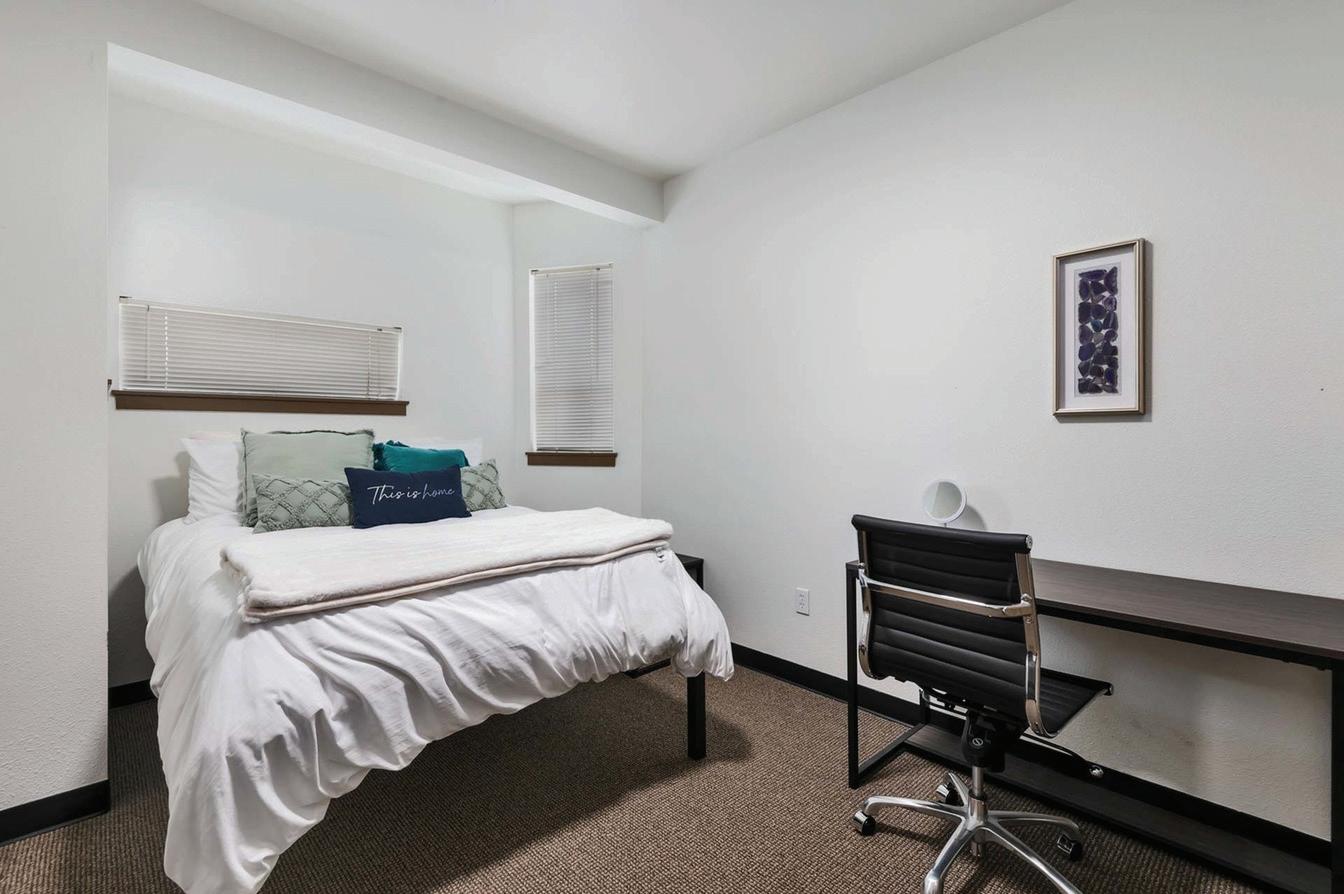
4–5 bed town house-style units with large bedrooms and spacious living areas. A popular location for students looking to live with friends!
Units include washers and dryers, dishwashers, private patios or balconies and secure garages with space for multiple vehicles.


1125 Ferry Street, Eugene, OR 97401
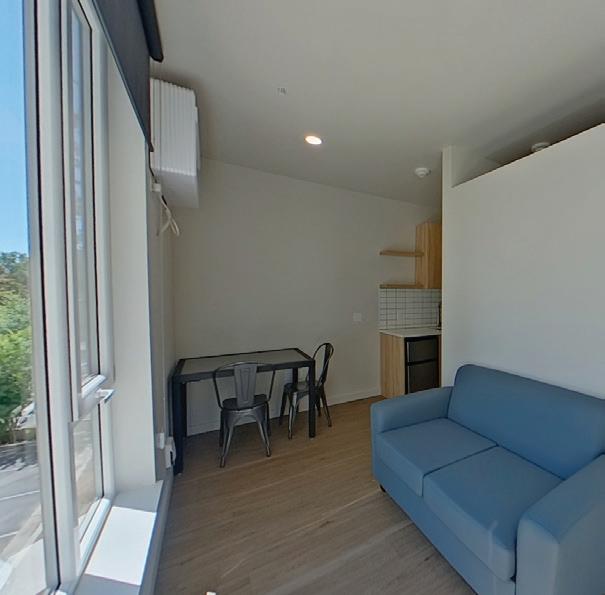
Modern, spacious design with beautiful loft or studio floor plans, large windows, furnished interiors, and pet-friendly!
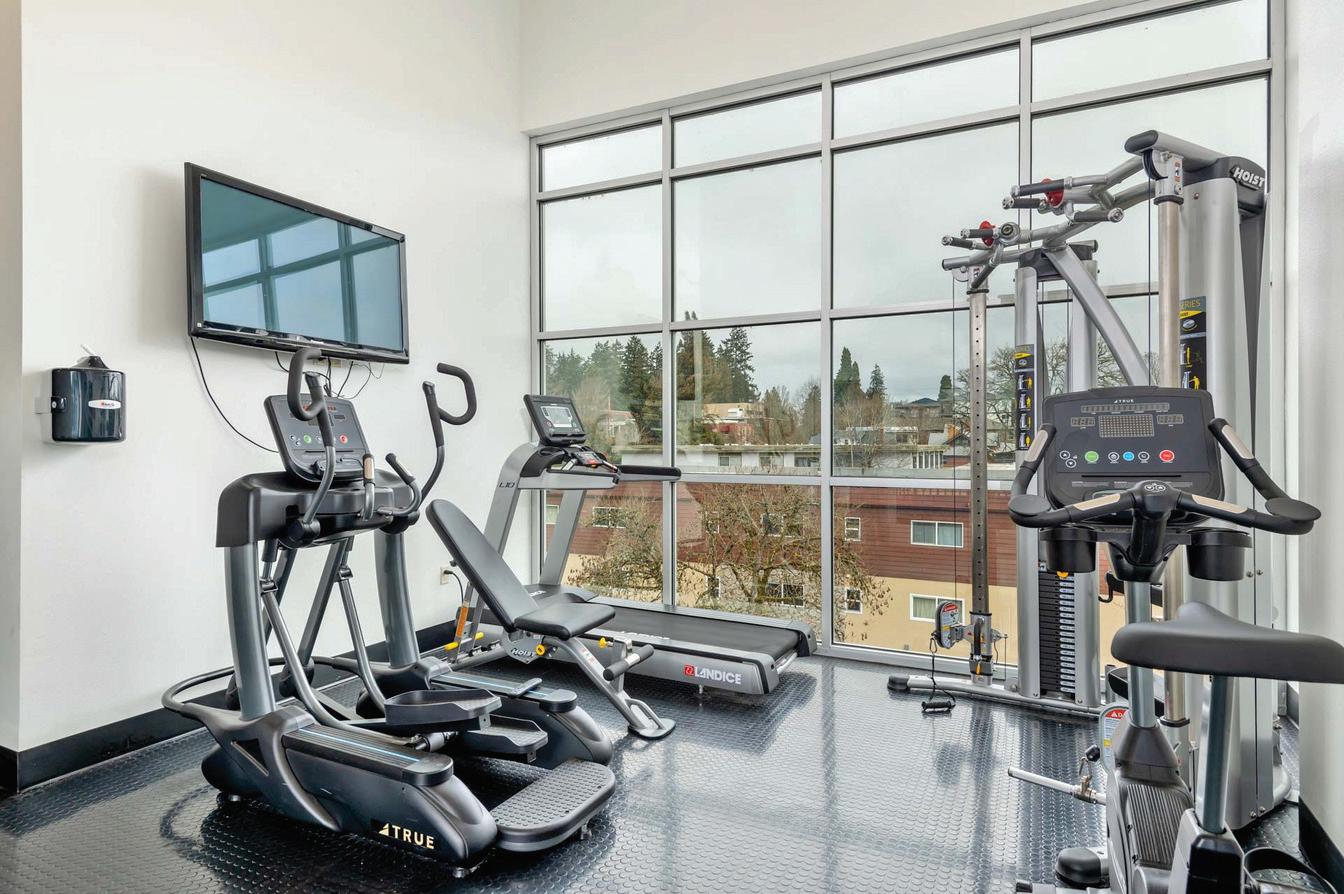
Shared kitchens, tenant laundry facilities, secure entry and bike storage.
In the heart of Eugene - just walk to campus or easily access transport options.

Midtown Apartments 362 East 12th Ave, Eugene, OR 97401 University Manor 745 East 15th Ave, Eugene, OR 97401
1–3 bed units in downtown Eugene just a short walk from campus.
Secure entry, elevator, and assigned parking. Units feature in-unit washer/dryer, and spacious layouts. Select units include balconies and A/C.
Perfect for college life or young professionals!


1–3 bed newly renovated units—perfect for a first-time student home!
Conveniently located right by campus with in unit washer/dryer, dishwasher and all new appliances. Bright, clean and modern with just the right touch of homey, these units are a great spot to start your studies at the University of Oregon.
Parking is first-come, first-served for $60 a month.


Setting reading goals for oneself via popular apps such as Goodreads can provide opportunity for validation and community as much as stress.
By Sadie Mordan Arts & Culture Writer
We are a quarter into 2026. If you set a reading goal this year, that means, in theory, you should be a quarter closer to finishing your goal than you were three months ago.
So, how’s it going? Are you on track to realize your goal? I’m not.
I ventured to read 26 books in 2026, logging the goal on Goodreads, a popular app among readers for tracking reading habits and gleaning title recommendations. To read 26 books in 52 weeks at a consistent pace means I should have read six and a half books by now, and I’ve read five.
I’m proud of myself for reading as much, prioritizing eye-to-printedpage time over that of a screen; yet, I can’t help feeling as if I’m behind, the anxiety of a reading goal inhibiting my ability to feel I’m reading solely for fun.
Third year education student Sierra Hawes, however, has never felt like reading was a chore. She didn’t set a 2026 reading goal.
“I feel like reading, I do it when it calls to me, which sounds really dramatic, but… (a reading goal) just feels like a New Year’s resolution where it feels like there’s so much weight to it that you have to do it; but then, since it feels so intense, you kind of give up on it really early.”
Yet, Hawes is debating setting a belated reading goal this year. A “very flexible, flexible goal,” she said, sharing that she loves the idea of a reading target.
Fourth year English student Sasha Fish is determined to read 55 books this year, vying to best her record of 54

books set in 2025. She understands any gravity, stress associated with the 2026 Reading Challenge to be productive.
“I think a part of the sort of idea, or experience, with the reading goal is the reward of being ahead or being on time, but also the stress of wanting to catch up to it. And how that does sort of add, sometimes, a layer of stress to reading,” Fish said. “But also, the feeling of adding a new book once you’ve finished it and getting back on track is just like the best feeling ever. So it’s like, to me, it’s worth the stress.”
Worthwhile goals prompt love-hate relationships with those who set them.
Some might see the inclination to quantify hobbies as concerning, perhaps indicative of a greater societal trend: something ideally for pure joy becoming underscored by stress and competition, even if only with oneself.
Alternatively, how is any college student supposed to prioritize their hobbies without providing structure to them, something to work toward that isn’t an essay deadline?
“I don’t read to accomplish the reading goal necessarily. But it’s definitely a reward, or a psychological reward, to reading,” Fish said, later sharing that her reading goals are all the more attainable considering they intersect with her English degree work and professional aspirations.
“One of my biggest goals in general, especially someone who’s going to be teaching our future generations how to read and analyze books, is to be very well read. So I think for myself, setting a reading goal is helpful because it sort of keeps me on track,” Fish said.
Hawes similarly aligned her pending reading goal with aspirations related to her Spanish minor.
Fish is one book behind her 2026 schedule, and Hawes committed to reading 10 books in the remaining nine months of the year. Both gave themselves permission to adjust their target number throughout the year because, ultimately, they want to challenge themselves without a goal dominating their lives, taking time away from friends.
If anything, Goodreads is an additional opportunity to connect with the readers in your life.
“Whenever I finish a book, I definitely will post about it,” Hawes said, describing Goodreads as Letterboxd for books and maintaining that it’s a great place to discover relatively personal reviews.
“It’s so fun. It’s actually like one of the best social medias ever, because it’s just all books, and it’s great,” Fish said.

After the success of “Superman” 2025, DC fans are crossing their fingers for the upcoming “Supergirl” in hopes that the film's dark, tragic narrative lives up to its potential.
By Gray Vanderpoel Arts & Culture Writer
The upcoming Supergirl movie is hitting DC fans like kryptonite after her cameo in “Superman” showed her messy, drunk and primed for a new take on the character.
When “Superman” was released last summer, it made a splash in the DC fandom with 7/10 stars on IMDb and earned over $618 million at the box office worldwide. Following the character’s appearance at the end of the film, only visiting to pick up her dog, the “Supergirl” trailer was released on Dec. 11, 2025.
Milly Alcock’s twist to the beloved cape-wearing hero’s persona captured audiences’ attention. Her appearance and trailer captured her as a galaxy-hopping partier — overall living a very different, darker and messier lifestyle than her cousin Superman. This contrasting way to be “super,” in comparison to the beloved Clark Kent, has fueled the online debate of how this movie will live up to Superman’s success.
“He is such a beacon of hope that after the movie, people were happier,” Tali Ly, student and Supergirl fan, said. So the question remains: Will Supergirl live up to the hype created by her cousin?
Supergirl isn’t new to cinema, nor to superhero-dom, having shown up in comics starting in 1959. Kara Zor-el (her alter-ego) is Superman’s older cousin from Krypton. Sent as a teenager to follow baby Superman to Earth amid their planet’s destruction, Kara’s spaceship was knocked off course, and she didn’t arrive on Earth until her cousin was grown and already a superhero.
Their stories are similar except for the major difference in age. Kara was able to remember the planet she grew up on, and remembers it being destroyed, unlike Superman. This makes her original story in the comics overall more traumatizing and very different compared to Superman’s.
Yet, in many Supergirl adaptations, especially the eponymous TV show featuring Me-
lissa Benoist as Kara, her character admires her cousin to the point of her following in his S-shaped shadow — becoming a hero and saving lives in a mimicry of Superman.
This new film is not trying to do that in the slightest. After fans’ initial reaction to a new interpretation of the character, director James Gunn said that they are purposely trying to make her messy and dark, in other words, imperfect, unlike how female superheroes have been in the past.
“I like that she’s not in the shadows of her cousin,” Ly said. “Even though he’s more wellknown in that universe, and also a man, I like that we get to see her as her own person and see her fight her own demons.”
Some fans had already created online debates and conversations surrounding this insecurity and concerns from the trailer, while others supported and promoted the message of an imperfect, messy Supergirl.
“I don’t think they should have set rules for the gender of a superhero,” Gabe Leavitt, a student at UO, said. “I feel like it (Supergirl) hasn’t been shown a lot; I think it’s cool.” Supergirl’s story hasn’t been shown as much as her cousin’s, so Leavitt thinks it is overall a good idea for another Supergirl adaptation to be created and to have that representation out there.
“There are so many expectations for women to be put together all the time. I think it all ultimately comes down to how they show it,” Ly said.
Despite the movie’s intense predictions and conversations, Leavitt, Ly, DC and other comic fans are on the edge of their seats to see the movie’s release on June 26. Time will tell with the movie’s performance, progression and dark storyline, but regardless of how the film chooses to interpret that, Supergirl’s story will go down in history right next to her cousin, creating yet another inspiring film about these heroes.
“I don’t know how to describe it; it made me feel good, made me want to be a better person,” Leavitt said in response to the “Superman” movie.





By Reed Betts Opinion Columnist
Almost everyone has had an experience with solicitors. Whether they’re Boy Scouts, a religious group or a guy trying to sell you an HVAC, it’s a nearly universal experience.
Now, it’s coming to the dorms of the University of Oregon for a good cause.
This is thanks to the UO anti-ICE Coalition, an alliance of organizations dedicated to resisting ICE by creating a rapid response network and lobbying the university administration to tighten their policies.
To accomplish this, a team of roughly 30 students are using a technique known as “dormstorming,” or door-to-door petitioning in the dorms. In the words of a member of the Coalition (who has requested they remain anonymous so as to not get in trouble with the university): “We believe that it is very productive to directly tell people about the problems facing students at UO. Even if they don’t agree, they become more knowledgeable.”
It’s clearly an excellent strategy; according to the Coalition, they’ve received over 2,000 signatures, and at a rate much higher than other methods. However, this efficiency comes with a cost, as it’s landed these “dormstormers” into a legal gray area that’s difficult to navigate.
The University does not generally support dormstorming in dorms. It may fall under disor-

Maddox
Brewer Knight is an opinion columnist at The Daily Emerald. She is a third-year CHC student pursuing a double major in English and Spanish. As a lifelong Oregonian, Maddox cares deeply about confronting social issues both within UO and in the greater community.
derly conduct, unauthorized entry or an invasion of privacy; Residence Assistants ask petitioners to leave if they’re caught. Dormstorming could thus potentially saddle petitioners with misconduct or even trespassing charges.
These arguments seem fairly weak. All of the dormstormers, according to the one I spoke to, are UO students, and they very carefully side-step UO regulations. Whenever they’re canvassing a dorm, they try to be with someone who lives there, justifying their presence. Then, knocking on doors and offering a petition is not inherently disruptive or invasive: it’s a part of everyday life, and, put simply, isn’t a big deal to most people.
To get a better picture of the issue, I spoke to multiple students who had been petitioned, and few took significant issue with it. In the words of one, “(While) I felt a little pressured to sign it, luckily it’s something I support.” These petitioners aren’t trying to sell vacuum cleaners or collect personal information; they’re concerned students, trying to take action on an important issue. It’s also worth pointing out that while all four of the students felt mostly fine with the dormstorming, they didn’t always appreciate the timing (the dormstorming often occurred early in the morning), and felt better when the dormstorming was done by someone they knew. ICE is a very real concern on campus, with the unjust threat of raids looming omnisciently over us
all. It’s fair for students to want to put pressure on the administration to implement stronger safeguards against ICE, and dormstorming is the best way to get that done.
Just recently, the Oregon Legislature passed House Bill 4079, obligating all schools, including universities, to notify students when immigration enforcement is on campus. I asked the dormstormers if this would mean a scaling back of their program. Their response? Absolutely not.
The anti-ICE Coalition has no faith in Bill 4079, believing it to be too little, too late, and that it “allows admin to tip toe around real change.” They told me to expect an increase in dormstorming over the next few months to fight for an actual quality response. So, if you haven’t been dormstormed yet, expect it in your near future. And, maybe add your signature.



Reed is a firstyear political science student who’s interested in unusual historical facts and sharing the stories behind them. He plans to pursue law in the future.
Opinion: UO fraternities have established a pattern of druggings and assault. The university has not taken adequate steps to reform them.
By Maddox Brewer Knight Opinion Columnist
I’ve attended the University of Oregon for less than three years. In that time, 14 UO students have reported 11 separate instances of druggings and one instance of sexual assault occuring at events hosted by affiliated UO fraternities.
Eight fraternities have been listed by the UO Office of Equal Opportunity and Access as the hosts of events in which druggings were reported. Of these eight, only Lambda Chi, Theta Chi, Phi Delta Theta and Delta Sigma Phi have undergone complete conduct investigations. Instead of rohypnol, drinks were allegedly spiked with gamma-hydroxybutyrate and ketamine, dangerous with alcohol and increasing overdose risk, potentially subjecting victims to seizures, coma or even death.

Despite these safety concerns, UO has downplayed the issue, often giving fraternities minimal punishment. In one example, the Associate Dean of Students agreed to lift the already relaxed event ban on Phi Delt for “Dad’s Weekend” just ten days after two women reported being drugged at their live-out.
UO officials claim the university has taken adequate steps to mitigate the dangers that fraternities pose to the campus community.
“Over the past several years, the University of Oregon has implemented a number of steps aimed at strengthening safety and increasing transparency for students,” Angela Seydel, UO spokesperson, said. “These include expanded prevention education, new safety initiatives within Fraternity and Sorority Life (FSL) and more public reporting of incidents and policy violations.”
However, these protections are glaringly inadequate.
The “expanded prevention education” consists of mandatory sexual assault prevention modules that FSL-affiliated students must complete, functioning more as legal protection for the university than as legitimate tools for students.
This “education” is unlikely to dissuade potential fraternity-affiliated offenders, because they are already educated — if not by basic morality, then by the sexual violence prevention modules that all incoming freshmen must complete.
Defensive action will never remedy the systemic shortfallings that leave sorority sisters vulnerable. Women in sororities are 74% more likely than unaffiliated women to experience sexual assault, an inequality only compounded by their forced reliance on fraternities.
For example, sororities face much stricter regulations on alcohol, encouraging sisters to seek alcohol from frat parties.
Sober monitor training, on the other hand, could be a helpful system, if it weren’t for the fact
that these “sober monitors” are members of the event-hosting fraternity.
UOPD Police Chief Jason Wade acknowledged that fraternity members often protect their own during hazing investigations: “you have people at the fraternity who are protective of it… this probably happens more often than not.”
If this pattern holds for hazing, it likely extends to drugging, which typically targets female outsiders.
Perpetrators don’t spike substances because they are too intoxicated to know better — it takes forethought and planning. Why, then, would an intoxicated fraternity member be more likely to turn a blind eye to drugging than a sober one?
This measure might be more successful if the sober monitors were instead sorority sisters.
“More public reporting of incidents” is another positive change — however, an investigation by Eugene Weekly revealed that UO repeatedly refused to alert students to druggings, and argued with a Department of Education campus crime specialist that a drugging occurred at the D Sig house — classified as a campus-related building under the Clery Act — was not under their jurisdiction.
UO must quit dodging responsibility for the safety hazards that occur in the fraternities they profit from — they must either disaffiliate problem frats or assume responsibility for sufficiently warning students when incidents arise.
*Presidents of all the fraternities mentioned in this article were contacted and did not choose to give comment.
( LEFT ) The front door sits tilted slightly off-frame at the former house of the now-disaffiliated chapter of Delta Sigma Phi, located on 1306 18th Ave. in Eugene, Ore. on March 19, 2026. (Saj Sundaram/Emerald)



















Young additions to the Ducks’ lineup have helped them move in the right direction.
By Max Koebel Senior Sports Writer
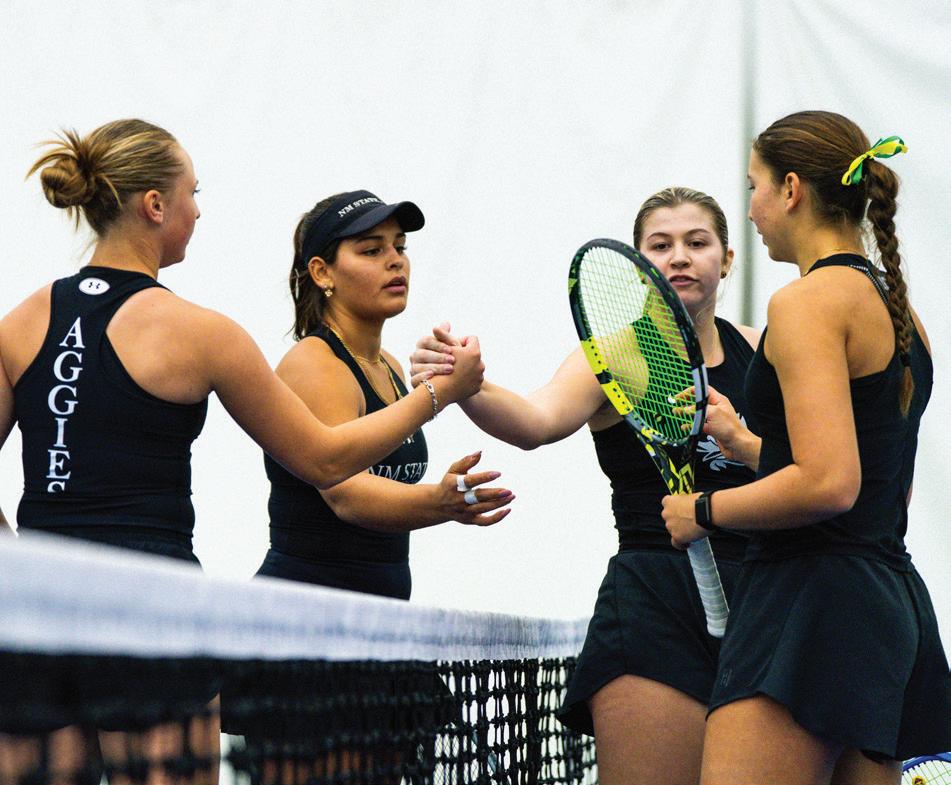
After finishing 9-13 overall and 2-11 in Big Ten play last year, the Oregon women’s tennis team has taken a tremendous step forward. With six regular season matches remaining, the Ducks already have more wins than they finished last season with and have tied their Big Ten win total.
Part of the growth could be attributed to the returning players’ improvement with more experience, but one driving force that has certainly played a factor are the two true freshmen that fit right into the lineup in year one.
Virginia Crocker, the No. 1 player out of the state of Louisiana and No. 41 in the United States, has come into Eugene and proven that she is here to win, going 7-4 in singles and 6-2 in doubles alongside fellow freshman Hadley Appling. She is already the No. 3 player in Oregon’s lineup. Crocker and Appling have not been in the doubles lineup for every match, but when given the opportunity, the freshman duo play like they belong, and we can expect to see more of them in the matches to come.
Before coming to Oregon, Crocker competed in the International Tennis Federation for juniors where she put up
a record of 12-8 in her final season. As the daughter of a tennis coach, her journey on the court began very early.
“My dad is a tennis coach,” Crocker said. “That’s when I first started when I was around 7-years-old in New Orleans, Louisiana. I played almost every sport, but I fell in love with tennis.”
Crocker is not focusing on any long term goals. Her main focus is to put her all into every match.
“I just want to play a lot of matches and compete very hard and have fun,” Crocker said.
Another freshman who has found herself regularly in the lineup for doubles and singles is Hinata Furutani. She’s gone up and down in her singles matches, currently sitting at 7-5 as the No. 5 player in the Oregon lineup. Each time Furutani loses a match, she sees it as an opportunity to learn from her opponent as she continues to grow. Meanwhile, in doubles, she and Juliet Santitto are 8-2. Furutani credits the team around her for her early success.
“I felt so nervous the first match,” Furutani said. “But after that I really don’t feel nervous because everyone cheers up for me.”
Furutani also competed in the Juniors ITF, where she went 5-9 in her final season. Her goal is to be a professional tennis player after college.
Since the start of the season, Oregon’s ranking has only gone up. In the final month of the regular season, with the Ducks sitting at No. 53, there are still some things to prove. With a heavy slate of Big Ten opponents making up the rest
of the schedule, this Oregon squad will be tested. Many of them have been through this before, and while the freshmen have not, they have proven that they are ready to rise to the challenge.

Elon Butler, Amari Harper, Addison Amaral and Maddie Milhorn are sparking the 2026 Oregon softball season.
By Rowan Shea Sports Writer
Version 8 of Oregon softball replaced a Women’s College World Series roster with several new faces over the offseason, and it’s safe to say that they have been rocking and rolling in 2026.
Head coach Melyssa Lombardi has been enjoying the talent of Cal transfer Elon Butler, Texas A&M transfer Amari Harper, Notre Dame transfer Addison Amaral and freshman pitcher Maddie Milhorn.
The hottest hitter from the transfer portal has been Butler. She played against Oregon back in 2024 and slugged her way to a six-RBI game at Jane Sanders Stadium. Now that she can call The Jane her home, Butler has claimed another six-RBI day at The Jane for the Ducks, and multiple five-plus-RBI days on the road. The last Ducks game against Indiana saw Butler put up another six-RBI day as she went 3-6 at the plate with a grand slam.
Butler leads the team in batting average (.429), OPS (1.448), hits (42), doubles (13), home runs (10), RBI (42) slugging percentage (.908) and on-base percentage (.540). But right behind Butler in most offensive categories is the other outfield transfer Version 8 picked up, Harper.
In left field, Harper has been playing shutdown defense. She’s quick in the field and has a strong arm, but that doesn’t keep her in left. Lombardi has been speaking adamantly on the versatility of her squad, and Harper has been used
across the field, even making a start at first.
Complementing her strong play out in the field is her great hitting at the plate. The senior is rocking with a .367/.479/.722 slash line and she’s right behind Butler in OPS with a 1.201, 33 knocks on the season and has slugged in eight home runs so far.
Rounding out the newcomers in the field is Amaral, who has been the most versatile player on the Ducks roster. Amaral has made appearances across the infield, from shortstop to first base, and while it hasn’t quite come together at the plate for Amaral this season, she is helping out the ball club in any way that she can by being as versatile as she is.
Finally there’s Milhorn. She was getting her praises sung in preseason as she can throw her fast ball at a stunning 72 mph, but had to earn her starts.
The freshman from Vancouver, Washington, has been doing well in the circle for the Ducks despite her young age and lack of experience in college softball. She has had two great showings so far this season, one against Sacramento State University and the other against Penn State.
Against Sacramento State, Milhorn fired 6.0 innings of shutout softball before giving up a solo shot. A week later in her next start against Penn State, Milhorn tossed 5.0 innings of one run softball in route to a 10-1 Oregon win.
The Ducks had a lot of changes from Version 7 to Version 8. But the influx of slugging transfers Butler and Harper, versatile Amaral and freshman power pitcher Milhorn has given the team a new and stronger identity.






Oregon women’s basketball guard Elisa Mevius reportedly enters transfer portal
Mevius, who was expected to be one of the Ducks’ top players next year, missed the 2025-26 season due to
Oregon’s sophomore point guard took a massive step in 2025-26.
By Joe Krasnowski Senior Sports Writer
The right point guard makes everything on a team tick. The right passes at the right times, getting an offense into its sets and ensuring every player gets a touch at least once every few possessions.
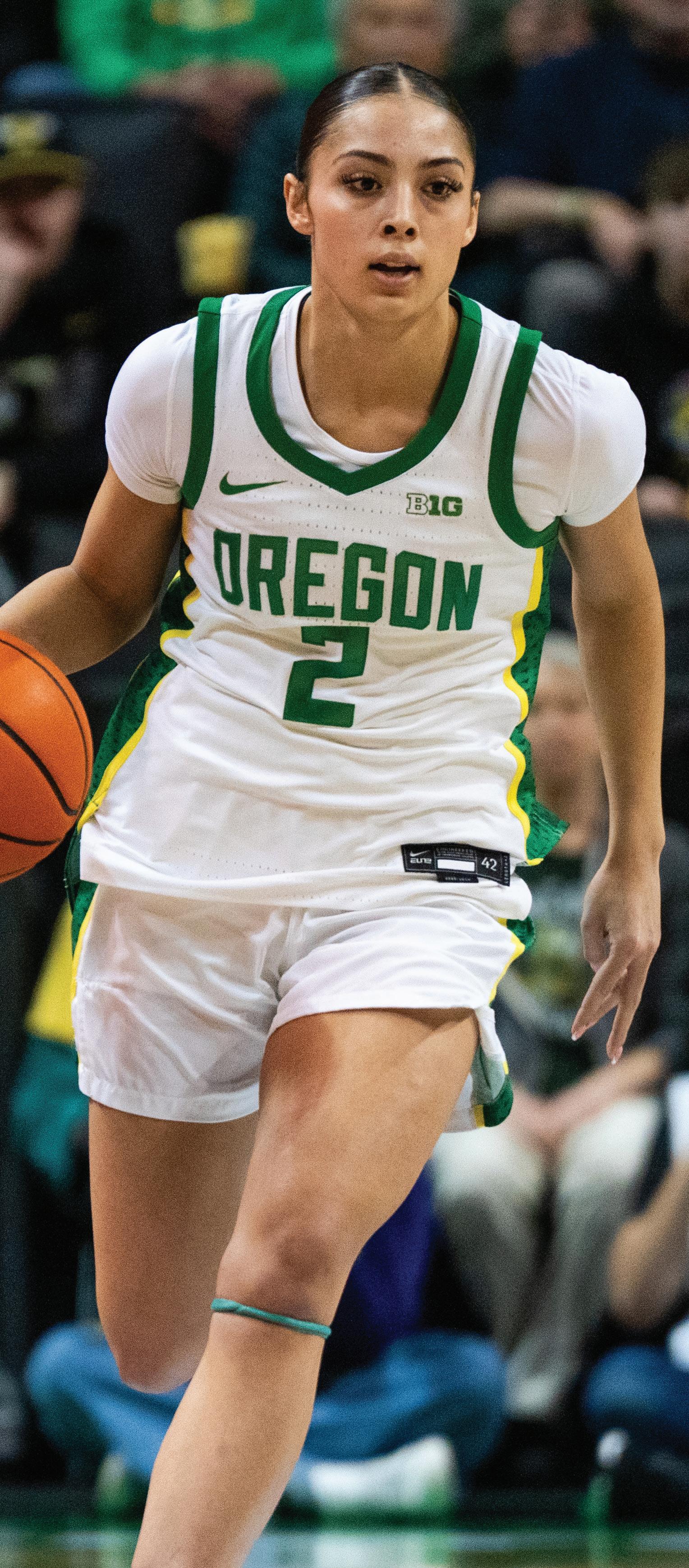
Every team wants an elite ball handler, but Oregon women’s basketball’s Katie Fiso emerged as one of the best in the conference in 2025, being voted to the all-Big Ten second team and leading the Ducks to a win in the NCAA Tournament for the second consecutive year.
Fiso averaged a team-best 15.5 points and 6.2 assists per game while shooting 49% from the floor during the season. Over her last 10 games, Fiso saw her average go up to 17.8 points as she played the best stretch of basketball in her young career.
Still, the questions remain: How many more levels can Fiso go up in ability? And, more importantly, what does the best possible version of an Oregon team look like around Fiso?
Fiso increased her scoring by 11.9 points a game from her freshman year and, in part due to injuries, was routinely Oregon’s primary ballhandler for close to 40 minutes a night. Being able to shoot 3-pointers more effectively is a huge piece of her development going forward. She made just 12 of her 43 attempts and was often not a factor from beyond the arc.
Aside from the obvious spacing and scoring impact that an improved shot would help with, it would also make her inside game — where she thrived, shooting nearly 50% from the field — even more dangerous. If on-ball defenders have to account for her 3-point shot, it opens up the inside, where she’s most comfortable in the mid-range.
It’s also worth noting that Fiso came in scorching hot and dropped 16 efficient points in a game that the Ducks lost to No. 1-seeded Texas by 42 points. Head coach Kelly Graves will absolutely need to prioritize size and bigger wings outside of Sofia Bell if he aims to unlock his program’s capabilities during Fiso and Ehis Etute’s final two years.
"I think there can be improvements, certainly, coming back, but we've got to find people that look like (Texas)," Graves said. "We've got to get stronger. We've got to live in the weight room, OK. That's what we've got to start looking like. They were bigger and more physical than us at every position... We were running our offense 40 feet away from the hoop. You can't win games that way."

3 takeaways: Toss, consistent execution secure Oregon acrobatics and tumbling’s win over Hawaii Pacific
FRIDAY April 3, 2026
Oregon vs. Iowa
Prioritizing an athletic center will be necessary for Oregon and would help Fiso in the pick-and-roll game. Fiso would also benefit from having a reliable secondary ball-handler to make life a little easier for her as well. One option in that department, senior Elisa Mevius, reportedly entered the transfer portal on March 24.
"Especially in the conference that we play in, there's no night off," Graves said. "So we need more playmakers."
“
Especially in the conference that we play in, there's no night off. So we need more playmakers.
-
Kelly Graves Head coach
Regardless, the problems that emerged against Texas and the true elite of the elite are relatively mini mal when you consider the overall context of Oregon’s season. The Ducks won two Big Ten Tournament games, upset a few teams still playing in the Sweet 16 and won a tour nament game against a Power Four team.
That, coupled with the youth of Fiso and Etute, means the arrow is absolutely point ing up for Graves’ program.
( RIGHT ) Oregon guard Katie Fiso (2) elevates for a jump shot over Illinois forward Cearah Parchment (30). Women’s Basketball defeated the Illinois Fighting Illini 76-73 at Matthew Knight Arena in Eugene, Ore. on Feb. 4, 2026.
(Tyler Graham/Emerald)