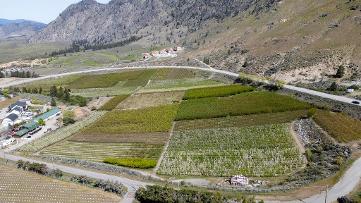
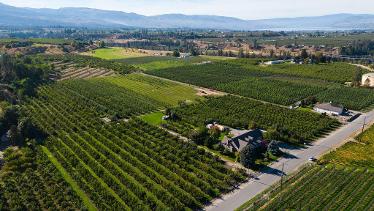
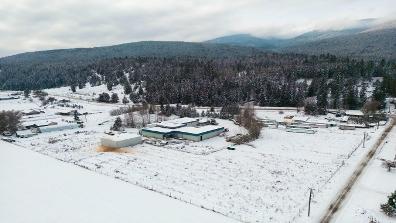
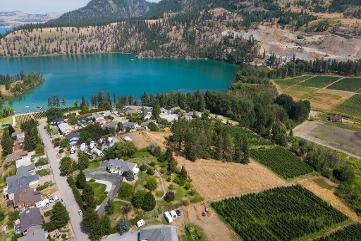
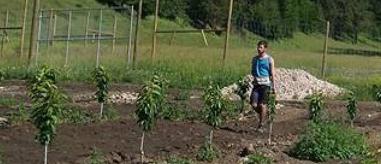
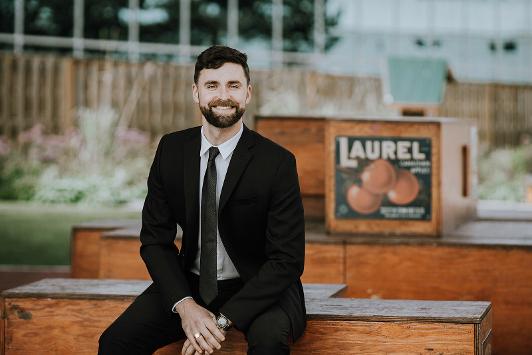
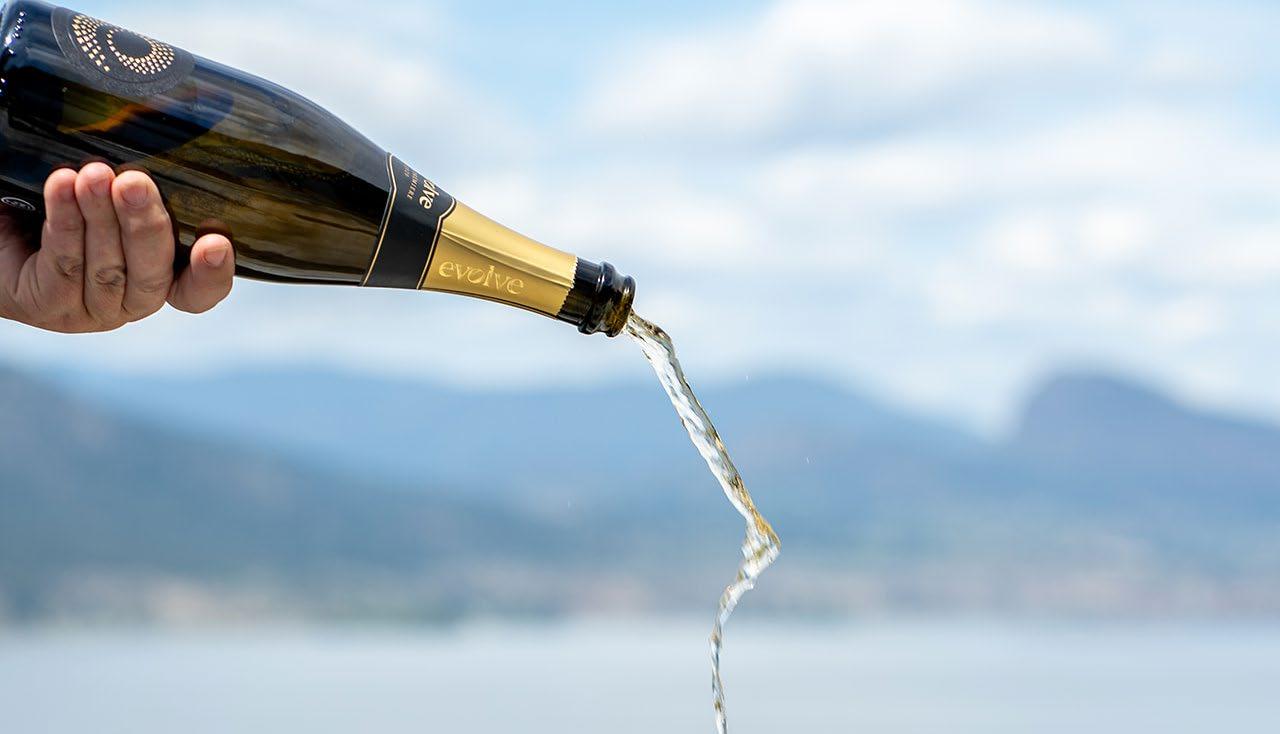
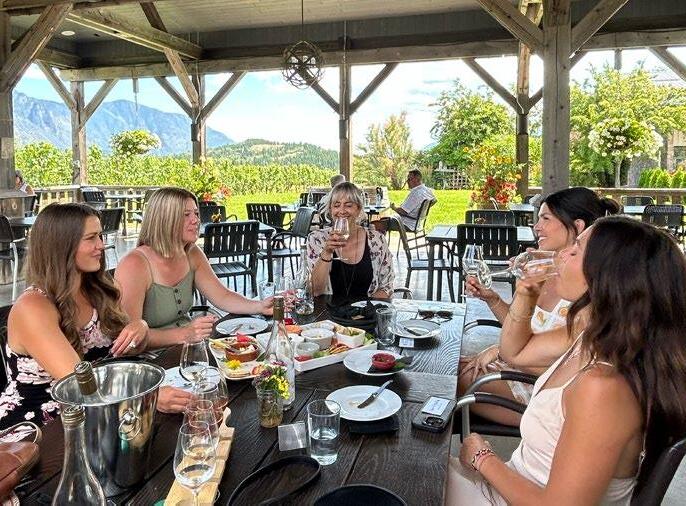
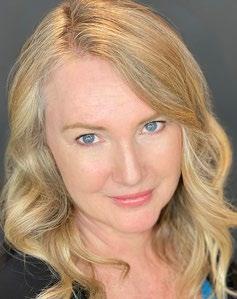
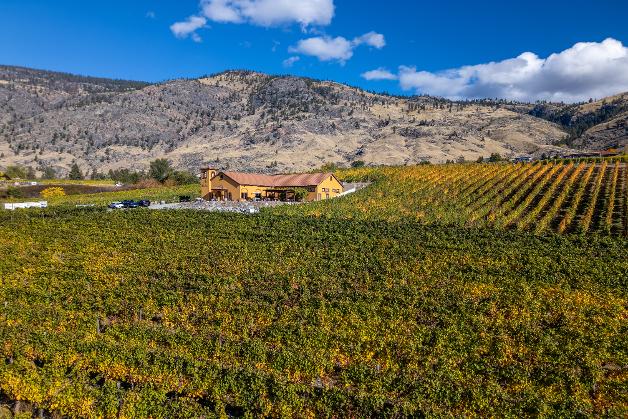
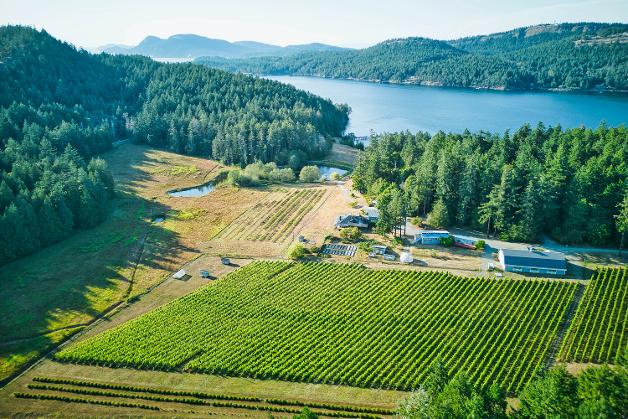
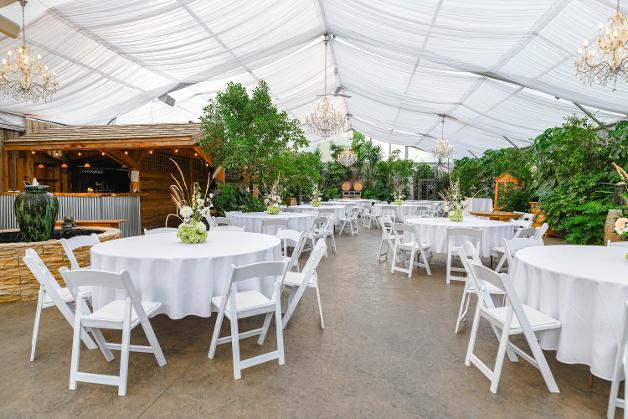
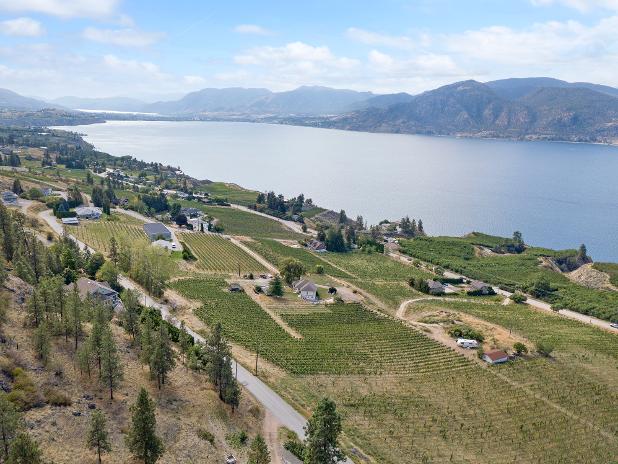
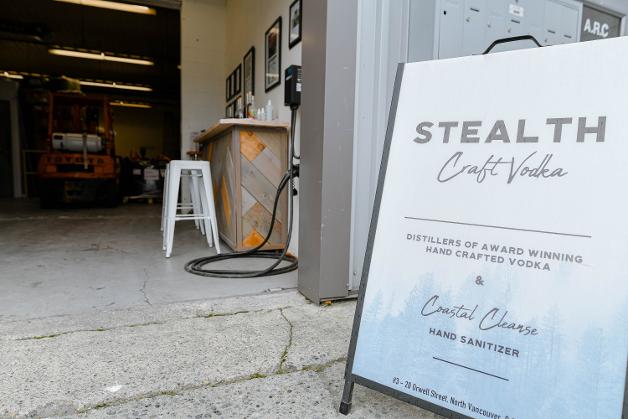
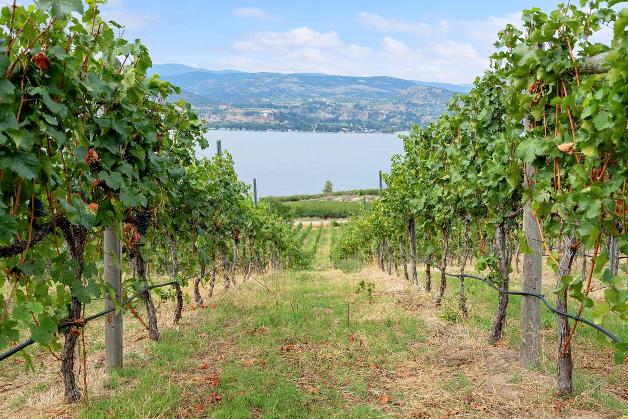
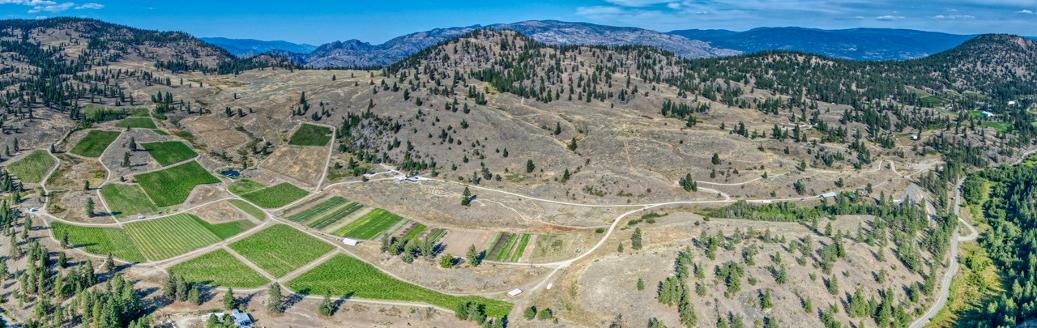
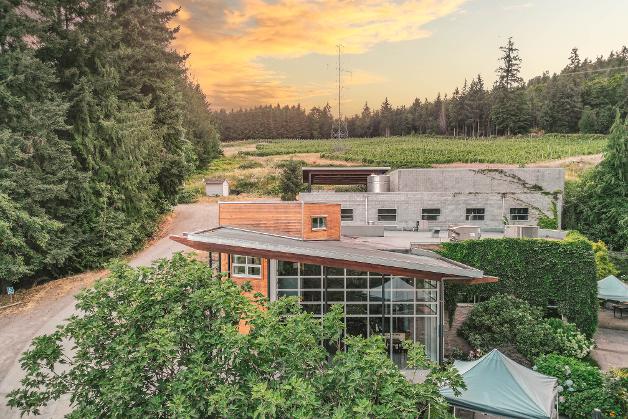
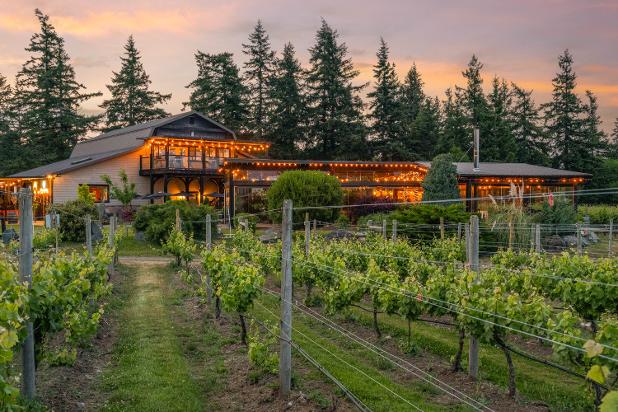
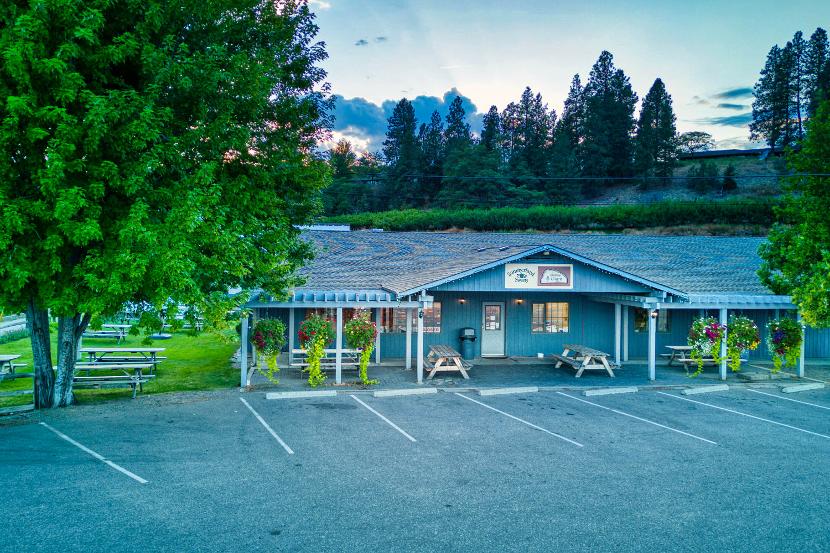
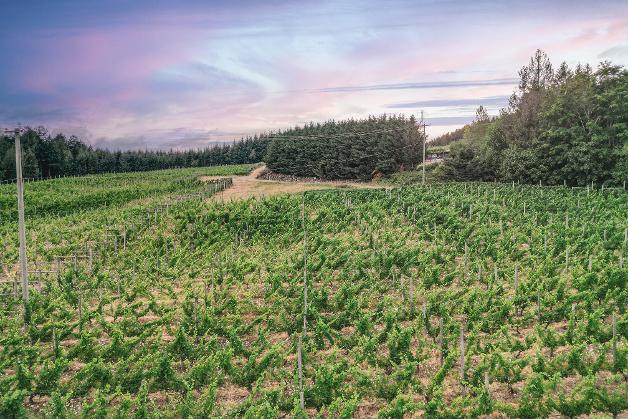
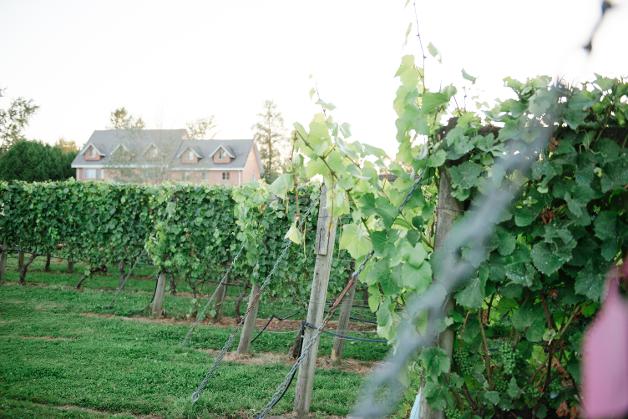
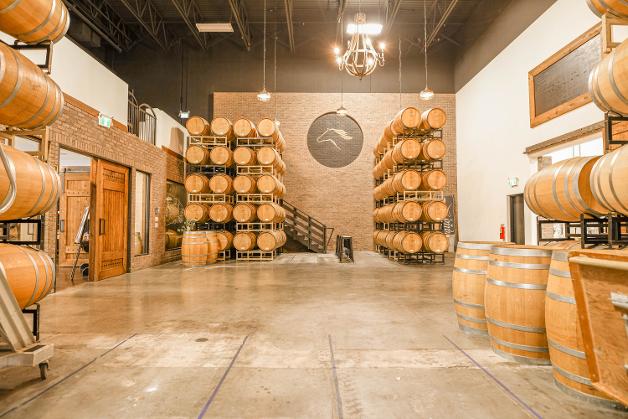
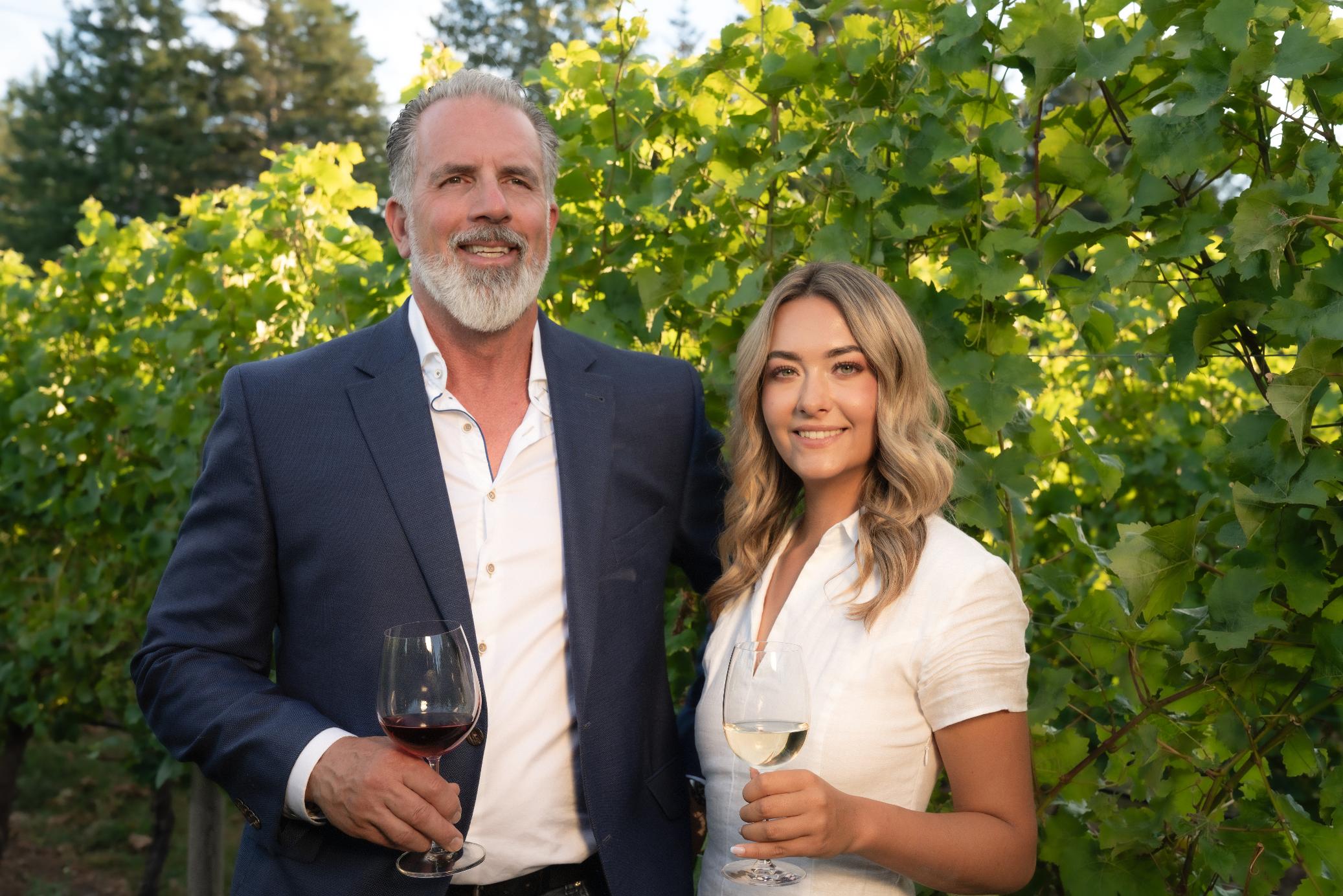
From top: Evolve winemaker Lynzee Schatz showers sparkles of bubbles on the Naramata Bench; helicopters hover to
Established in 1959
ISSN 1713-5362 ISSN 2817-500X
Vol. 66, No 5 Fall Issue | September 2025
Publisher/Editor Yvonne Turgeon
Associate Editor Ronda Payne
Design Mishell Raedeke
Contributors
Adrian Arts, Jeff Guignard, Steve MacNaull, Judith Myers, Ronda Payne, Mireille Sauvé, Yvonne Turgeon, Tonya Wagenaar
Contributing photographers
Iain Myers-Smith, Ronda Payne, Mireille Sauvé, Yvonne Turgeon, Jan Vozenilek
Orchard & Vine Magazine is published six times a year and distributed by addressed mail to growers, suppliers and wineries in the Okanagan, Kootenays, Fraser Valley, Lower Mainland, Vancouver Island, Washington State and across Canada.
Subscriptions
Subscriptions are available in print and digital format at orchardandvine.net or contact us at info@orchardandvine.net.
Return undeliverable items to: Orchard & Vine Magazine 5190 MacNeill Crt Peachland, BC V0H 1X2
Equivalent trees planted for every pound of paper printed with Mitchell Press.
All rights reserved. No part of this magazine may be reproduced in any form, print or electronic, without the written permission of the publisher. Ideas and opinions expressed in the magazine do not necessarily represent the views of Before & After Media or its affiliates. The publisher does not assume any responsibility for the contents of any advertisement or sponsored content in this publication.
Orchard & Vine Magazine is published by Before & After Media Inc. Find them on the web at beforeaftermedia.com.
Gen Z on the charts
I’m on the patio of the newest winery in the province and Canada’s first sparkling house. The view is stunning at Evolve; the vibe: fun (pink will do that). Under the far cabana, a foursome of Gen Zers from Kelowna is starting their flight of bubbles. “We love wine,” they tell me.
Like McKenna Schroter, an under-30 wine marketer and owner of Gleam Connections, I, too, have heard one too many times the line “Gen Z doesn’t drink wine.” Schroter believes it is more complicated than that.
“Yes, many of us drink less often,” she told Harpers Wine & Spirit magazine. “But when we do drink, we’re choosing quality, intention and connection. We want story. We want experiences. We want to belong to something.”
For brand director Anahita Pouget, a millennial at the helm of Evolve and Time wines, early numbers suggest a bubbling interest in the new wines. In the first four weeks, her “Spirit of Canada” video garnered 116,000 views on YouTube, with 42 percent of viewers watching to the last second. Traditional news outlets also covered the opening.
“Small winery, humble budget—I’ll take that as a win,” says Pouget.
Canada’s sparkling wine segment is emerging as the fastest-growing category, outpacing table and fortified wines in projected revenue growth through 2030.
Earlier in the summer, my phone lit up with texts from another Gen Zer, excited about a return to the Okanagan and the chance to taste again. She and her millennial fiancé are new fans, thanks in part to Therapy Vineyards’ stunning wines (and equally stunning white marble tasting bar), sweeping views and an insider tour with winemaker Bradley Cooper that ends deep in the mountain cellar, where dusty bottles of sparkling were aging on the lees.
The 2025 BMO Wine Market Report is blunt: the progression of young adults into wine drinkers is no longer assured. Gen Z accounts for only five to ten percent of tasting room visitors or wine club members.
Still, the opportunity is there. What Gen Z is seeking—authentic experiences, tactile rituals, a sense of belonging—is exactly what wine at its best provides. As digital fatigue grows, Gen Z is seeking time away from their phones. Wineries that position tastings as unplugged, experiential escapes will resonate with this shift. The challenge is reframing wine not as another product on the shelf, but as part of a lifestyle of balance and connection.
As reported in Drinks Insider, Felicity Carter notes that the U.S. White House may be retreating from its “no safe level” messaging on alcohol, leaving the public discourse muddled. Against that backdrop, clarity and storytelling matter more than ever. Consumers, especially Gen Z, want transparency, authenticity and a reason to care.
The message for our industry is clear: to engage a generation that values story and experience, wineries must double down on what makes wine unique—its connection to place, to people, and to the power to bring us together.
Gen Z is watching, listening and tasting. Now is the time to make sure they see themselves in the story.
$20M push to scale year-round Canadian berry farming
In June, the Weston Family Foundation kicked off the $20-million scaling phase of the Homegrown Innovation Challenge, a three-year effort to develop market-ready systems for year-round berry production in Canada.
Four Canadian research teams will each receive up to $5 million to bring their idea to life.
“Over the next three years, scaling phase teams will need to demonstrate large-scale implementation of their systems and prove market readiness,” says foundation chair Garfield Mitchell. “And most importantly, the berries need to be tasty and nutritious.”
At Université Laval, Martine Dorais leads the VertBerry project: a modular bioponic system. The vertical, closed-loop design minimizes disease risk, reduces water and energy use, and supplies pesticide-free seedlings primed for greenhouses, tunnels, or open-field conditions.
At Toronto Metropolitan University, mechanical engineer Habiba Bougherara and plant scientist Lesley Campbell are scaling up MoFarm, a modular vertical system for continuous raspberry production. Their standout innovation: a patented pollination and air circulation system that ensures reliable pollination, without the need for bees.
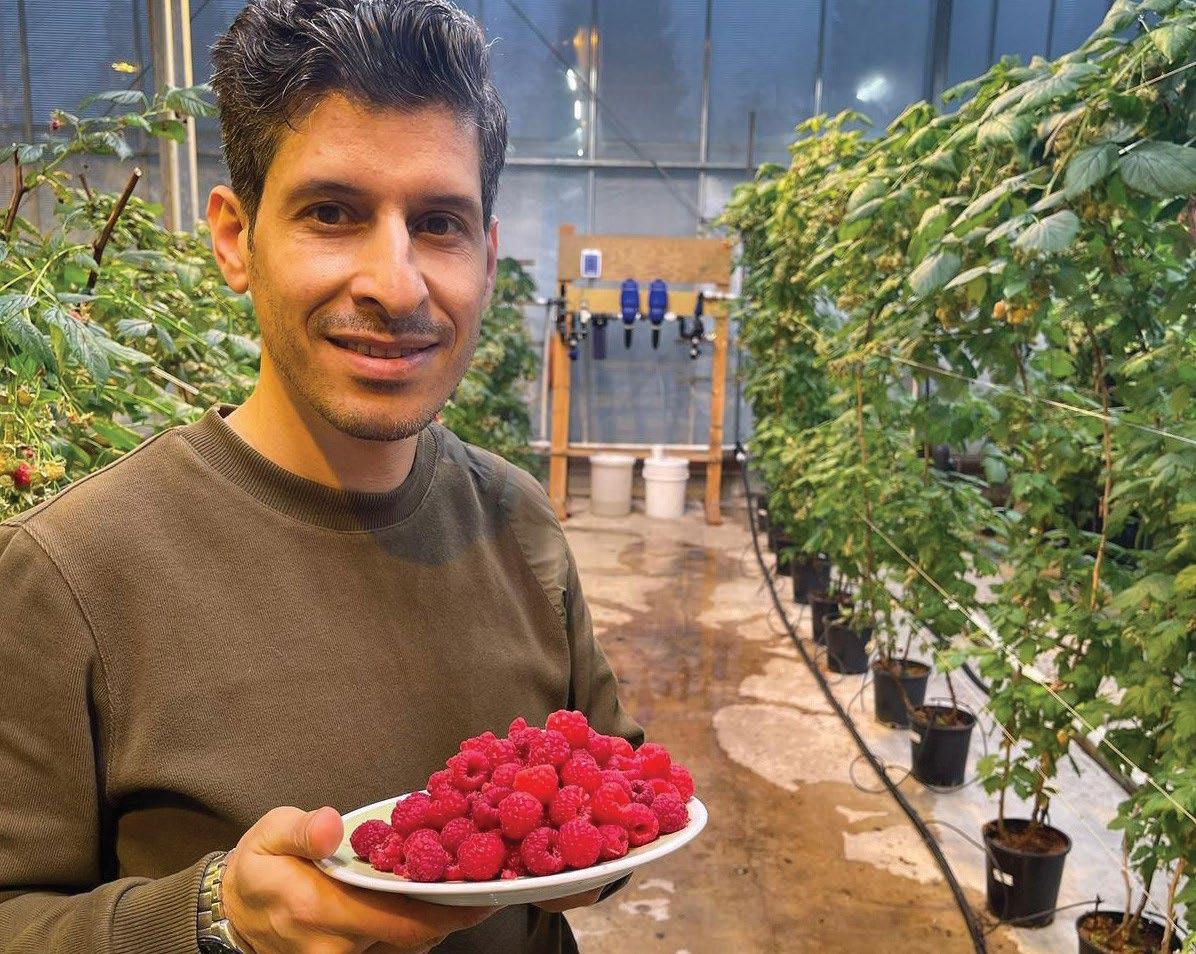
At Simon Fraser University, Jim Mattsson is leading a team to make indoor berry farming viable at scale, by developing compact, high-yield berry varieties as well as the technology and growing systems needed for them to thrive, advancing a high-intensity, multi-berry greenhouse system.
At the University of Guelph, Dr. Youbin Zheng, professor in the School
of Environmental Sciences, Ontario Agricultural College, and his team are scaling a hybrid greenhousevertical farming system powered by artificial intelligence (AI) and smart sensor technology that can grow strawberries year-round.
Their goal is to eliminate the use of fossil fuels for heating and dehumidification.
Majority says no to apple marketing commission
A survey of B.C. apple growers shows cautious support for select powers under a potential apple marketing commission, but reveals deep divides over how far such a body should reach.
Conducted this spring by Inner Harbour Consulting Inc., the survey gathered responses from 107 growers representing over 2,800 acres of apple production.
Growers showed the most support for tools that increase market transparency. More than half
favoured sharing sales and pricing information (52 percent) and setting minimum prices (51 percent). Nearly half supported establishing quality standards (45 percent).
A large majority of respondents (68 percent) reported that on-farm sales should not be included if a commission was put in place.
However, 31 percent said none of the proposed powers would benefit them—suggesting resistance among a significant portion of the industry.
Of those who responded, 85 percent identified as producers only, with 15 percent as both producers and packers.
Following the survey, a formal vote of the BFGA membership took place in late July in which a minority (40 percent) voted to support the establishment of a commission to regulate and market B.C. apples.
A total of 129 growers—34.2 percent of eligible voters—cast ballots in the vote. The commission was proposed to run for an initial five-year pilot.
SFU greenhouse manager Mostafa Mirzaei is part of the team conducting raspberry research that will lead to compact plants with high yields.
Photo
Wine village proposed for Kelowna’s McKinley Beach
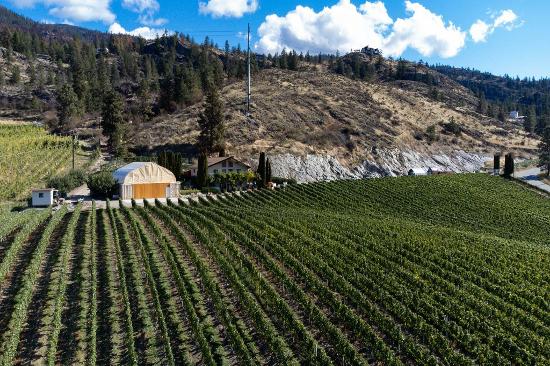
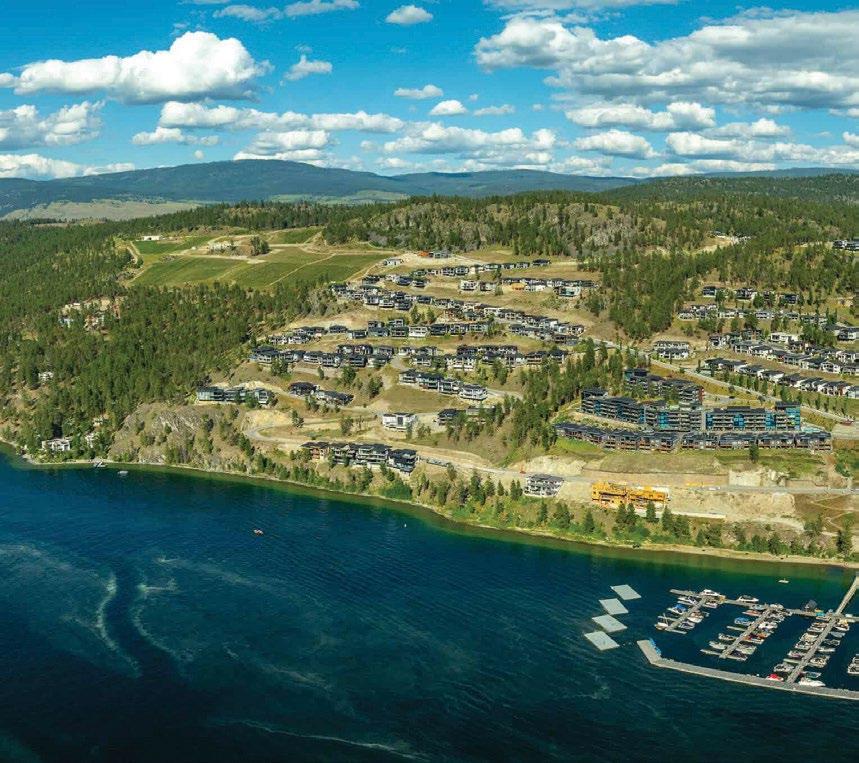
A new agri-tourism project could soon take shape at McKinley Beach. G Group Developments has applied to the City of Kelowna to permit the McKinley Wine Village, a 12-acre site envisioned as an incubator for boutique wineries.
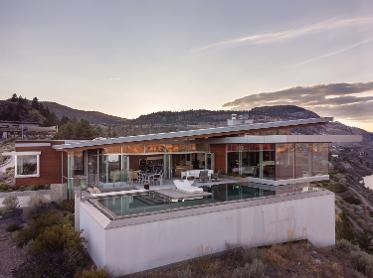
Plans call for 15 to 20 tasting suites nestled in the bluffs south of the under-construction Azhadi Winery. Each vintner would be required to produce at least 4,500 litres of wine on-site annually, ensuring the village remains rooted in agriculture. Naturalized picnic areas would give visitors space to enjoy Okanagan Lake views alongside locally made wines.
The submission emphasizes its fit with Kelowna’s 2040 Official Community Plan, which discourages urban uses on rural lands. Importantly, the project is located on non-arable land outside the Agricultural Land Reserve. “This is an agricultural supportive use off arable land that strengthens Kelowna’s wine industry without encroaching on farmland,” the application states.
Inspired by the District Wine Village in the South Okanagan and Washington’s Woodinville Harvest Village, the proposal aims to reduce traffic impacts by clustering wineries in one location while building on Kelowna’s vision for McKinley Beach as a wine tourism destination.
New Group 52 for Apple Growers
New Group 52 for Apple Growers
Migiwa 20SC provides both preventative and systemic/translaminar disease control, making it an essential tool for managing tough early-season diseases. With its excellent crop safety and tank-mix compatibility, Migiwa 20 SC ensures reliable protection and ease of use for growers.
Migiwa 20SC provides both preventative and systemic/translaminar disease control, making it an essential tool for managing tough early-season diseases. With its excellent crop safety and tank-mix compatibility, Migiwa 20 SC ensures reliable protection and ease of use for growers.
Always Read and Follow the Label.
Always Read and Follow the Label.
McKinley’s wine village is proposed to include 15 to 20 tasting suites, each situated among the bluffs at McKinley Beach.