Thursday, April 16, 11�30am–1pm at Marriott Orlando Downtown 400 W. Livingston St., Orlando, FL 32801
Experience the excitement of Law Week at our highly anticipated Law Week Luncheon, where we showcase a range of engaging activities that highlight the legal profession’s impact on our community. From the prestigious Liberty Awards to the thrilling High School Mock Trial Competition, captivating Big Bad Wolf Trial Presentations, and inspiring Poster & Speech Contest, Law Week offers a multitude of opportunities for legal enthusiasts of all ages.
RSVP by Monday, April 13, 2026
Ashley Velez ashleyv@ocbanet.org | orangecountybar.org/store RSVPs and cancellations will not be accepted after April 13, 2026.
TITLE SPONSOR
orangecountybar.org/calendar
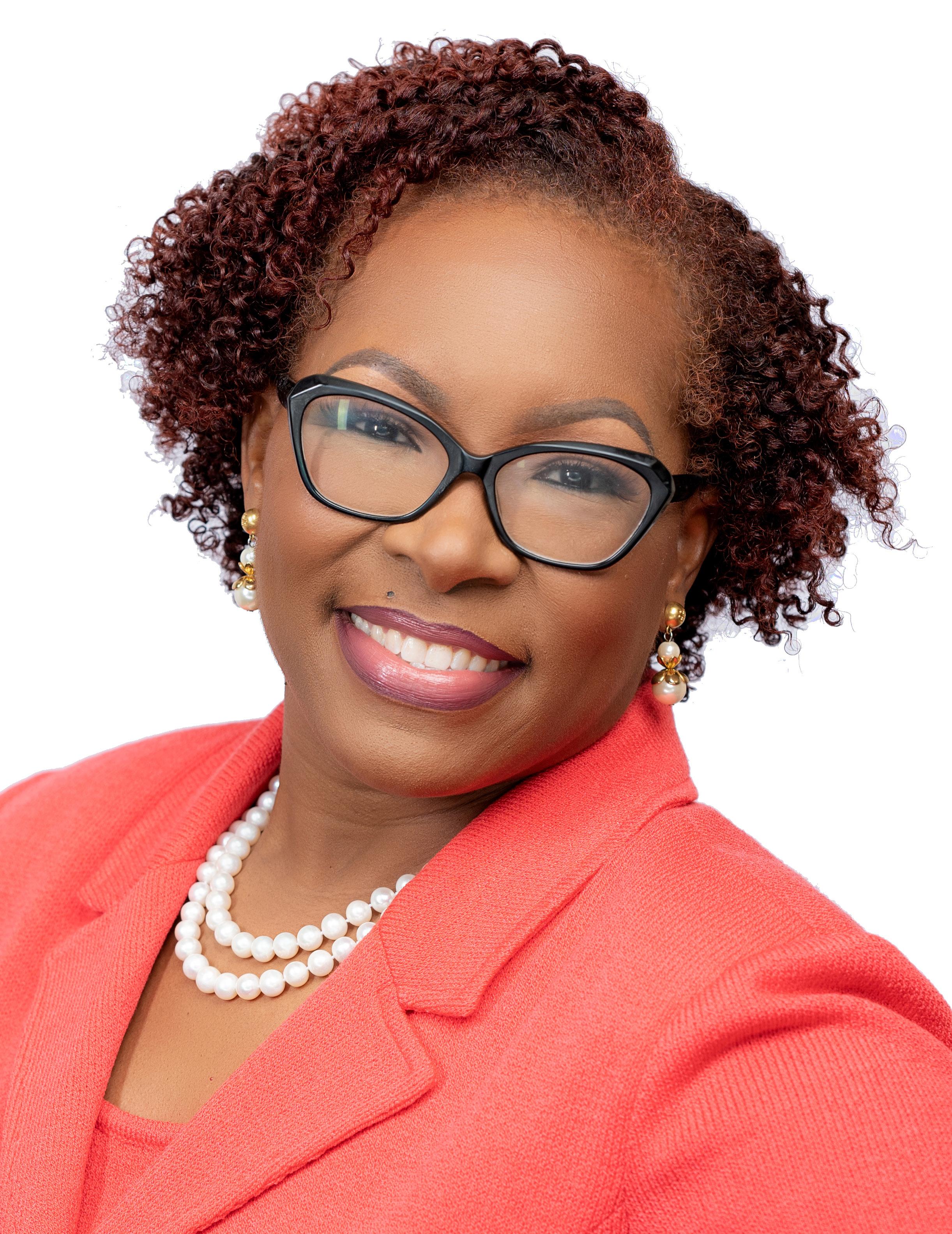
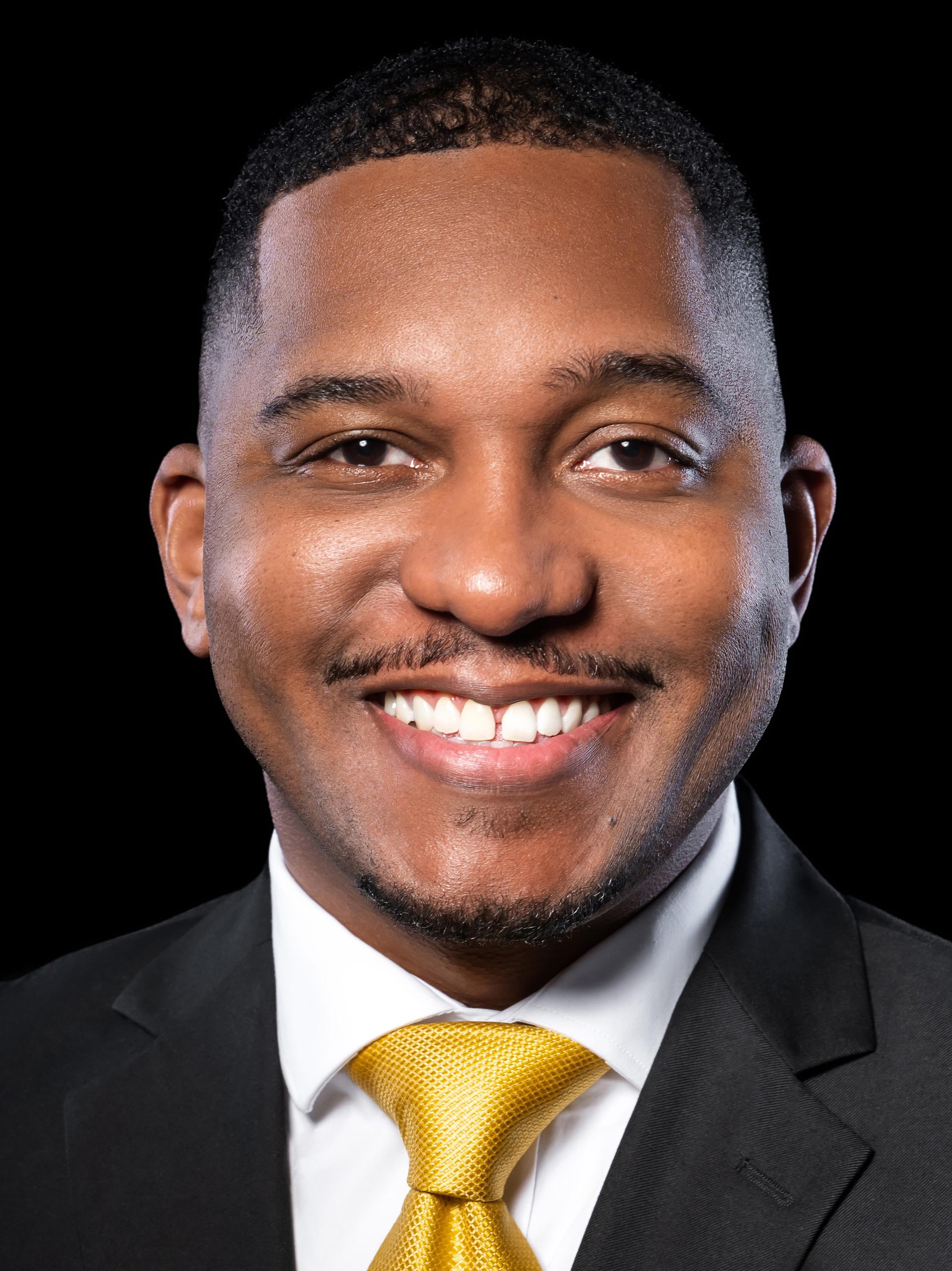
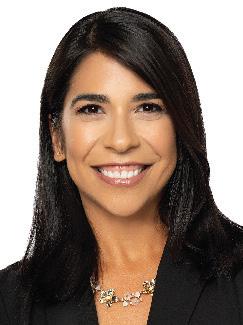
Keshara D. Cowans, Esq., serves as a Staff Attorney, EEO and Equity Officer, and District Title IX Coordinator in the Office of Legal Services for Orange County Public Schools (“OCPS”), the fourth-largest school district in Florida and the eighth-largest in the nation. Ms. Cowans has practiced law for over 17 years. Her primary practice areas include labor and employment, employment discrimination, and Title IX compliance. She also serves as the legal advisor for the OCPS District Police Department.
BUILDING BRIDGES
Our Collective Commitment to an Inclusive Legal Community
As we enter the second month of 2026, I want to reflect on one of the core pillars of our mission statement: “To provide for a diverse and inclusive bar.” This commitment represents a fundamental recognition that our profession’s strength, credibility, and effectiveness depend on reflecting and serving the rich diversity of our community.
February 2026 holds special significance as we mark the centennial celebration of Black History Month. For one hundred years, this observance has honored the contributions, achievements, and resilience of Black Americans throughout our nation’s history. In the legal profession, we recognize pioneering Black attorneys, such as Thurgood Marshall, Paul C. Perkins, and Gwendolyn S. Cherry, who broke barriers, challenged unjust laws, and expanded the promise of equal justice under law, often at great personal cost. This milestone celebration calls on us to reflect not only on how far we have come, but also on our responsibility to continue advancing the cause of justice and inclusion in our own time.
When we consider what it means to provide for a diverse and inclusive bar, we must look beyond demographics alone. True inclusion means creating an environment where attorneys from all backgrounds can thrive professionally, where diverse perspectives are valued in our deliberations, and where every member feels a genuine sense of belonging within our legal community. It means ensuring the barriers that have historically limited access to our profession continue to come down, and that we actively mentor and support attorneys at every stage of their careers.
Our commitment to diversity directly enhances our ability to fulfill every other aspect of our mission. How can we promote honor, dignity, truth, and professionalism if we do not honor the dignity of every attorney? How can we enhance access to quality legal services if our bar does not reflect the communities we serve? How can we educate the public about the legal system if they do not see themselves represented within it?
The legal profession has made meaningful progress, but our work is far from over. We must continue to support pipeline programs that introduce young people from underrepresented communities to legal careers. We must remain committed to examining our own practices and policies to ensure they promote genuine inclusion rather than inadvertently creating obstacles. Together, we can ensure that the Orange County Bar Association truly reflects and serves the entire community we are privileged to represent.
THE OCBA MISSION IS:
• To promote honor, dignity, truth, and professionalism within the legal community;
• To promote improvements in the law and aid in the administration of justice;
• To enhance the delivery of and access to quality legal services;
• To educate the public about the legal system;
• To provide for a diverse and inclusive bar; and,
• To promote camaraderie, a forum for discussion on issues pertaining to the legal system, and education for its members.
FUNDING FLORIDA’S COURTS
A Collective Responsibility
Recently, I came across a headline that stated, “the need for sufficient and stable funding of Florida’s court system is a constant one.” As someone who works alongside our judges, attorneys, and justice partners, I could not agree more. A healthy, functioning court system is essential to the stability of our community. Yet as the judiciary’s workload continues to grow, so too does the expectation that we—across all branches and roles—will uphold constitutional due process and deliver justice efficiently and fairly.
Much of the public tends to view court system funding as a single, unified budget. As you know, the reality is far more complex. Courtrooms are inherently collaborative environments: a judge presides, a sheriff ’s deputy ensures security, and a trial clerk manages the record and workflow. Although each role is indispensable, each is funded separately—and not always equitably—despite sharing responsibility for the same constitutional mission.
This session, Clerks of Court across Florida are urging the Legislature to consider the courtroom holistically when allocating resources. If our justice system is to function as designed, then funding solutions must reflect the interdependence of the justice partners who make court operations possible. Clerks are asking the Legislature to “fund the entire courtroom,” recognizing the statutory responsibilities and operational support required behind every docket, every hearing, and every case.
Florida’s Clerks perform more than 1�000 statutory and constitutional duties. Yet the current revenue structure—driven largely by fines and fees—creates instability that threatens our ability to provide the core services the courts rely on. When collections de-
crease, our operations feel the impact immediately, even though our responsibilities remain unchanged.
This year, the Clerks of Court Operations Corporation (CCOC) identified a $75 million statewide funding gap between what it costs to operate Clerk offices and the revenue available under current law. To begin addressing this shortfall, Clerks are requesting four appropriations under the Senate Appropriations Committee on Criminal and Civil Justice’s purview for the next fiscal year:
• $3�1 million to reimburse costs associated with injunctions for protection,
• $2�4 million for Baker Act, Marchman Act, and Sexually Violent Predators Act cases,
• $4�8 million to fully cover jury-related expenses, and
• $11�7 million to support the addition of 37 new trial court judges approved last year. Together, these requests total $22 million—a modest but meaningful step toward stabilizing Florida’s court system. These appropriations form part of the broader 2026 Legislative Priorities developed by Clerks statewide. If funded, they will strengthen public safety, expand access to justice, protect the integrity of our records, and support the commercial activity that depends on our offices every day.
As we move through this legislative session, Clerks are committed to educating lawmakers about the statutory functions we perform and the central role we play in the progression of every court docket. Our goal is simple: to ensure that Floridians continue to receive the critical services to which they are entitled as a matter of right.
Strengthening our court system is a shared responsibility—and your partner-
The Honorable Tiffany
Moore Russell, Esq., Orange County Clerk of Courts, has been a member of the OCBA since 2004.
ship and insight remain essential as we advocate for the resources necessary to serve our community and uphold justice across the state.
Warm regards,
Tiffany Moore Russell
Orange County Clerk of Courts
New Members
ATTORNEY
Dylan Beiro
Michael Shannessy Bennett
Benjamin Carbone
Maria Fayad Clegg
Alissa Cheremont
Luke Douglas
Joshua Fidelo
Madison Tyler Flanagan
Michael Gonzalez
Erin Godwin
Neyza L Guzman
Steven Tylar Heintz
Joshua Eli Lopez
Jasmine Jackson
Gregory Law
Maaswinkel
Mariana Monforte
Marissa Petillo
Samantha Sabatini
Evan Sagar
Lawrence Stephen Cody
Jeanette Stafford
Camilo Sansores Chavez
William Vasquez
Jacqueline Vega
Misty Vianna
AFFILIATE
Karla Castillo
Lorve Cherilus
Malite Duffaut
Sara Hawkins
Katiria Nasca
Regis Simasek
EMERITUS
Barry Clayton Edwards
Marcus Ethan Frazier
Susan Michael Roberts
LAW STUDENT
Griffin Hilgenfeldt
Machia Janice Mullens
Tiara D. Porter
Farah Soliman
PARALEGAL STUDENT
Isabela Maria Turcios-Gamez
Joe Waczewski
Rachel Wilkinson
THE STRICT SCRUTINY OF
Can inclusion survive in today’s legal climate?
AUTHORS Clyde Mathes & Melissa Bryan
At the center of controversy are federal and local Diversity, Equity, and Inclusion (“DEI”) programs and their impact on local policymaking which has recently led to uncertainty, job loss, and delayed safety programs. Orange County’s local programs receiving state and federal funds, specifically women
and minority vendors, were directed to suspend their DEI programs under Executive Order 14151.1
Orange County government is now navigating challenging decisions when it comes to responding to both State and Federal mandates. But let’s be clear: what does DEI really look like? What does DEI truly represent, whom
does it impact, and why does it matter for building trust and opportunity in our communities? This brief examines the legal frameworks defining DEI, the populations affected, and the societal and constitutional implications of limiting or eliminating such programs.
1. Exec. Order No. 14151, 90 Fed. Reg. (Jan. 20, 2025). Ending Radical and Wasteful Government DEI Programs and Preferencing
DIVERSITY, EQUITY AND INCLUSION DEFINED THROUGH EXECUTIVE ORDER
Despite public perception, DEI programs do not benefit only racial minorities. In fact, the majority of documented beneficiaries fall outside of that category. Under Executive Order 139852, the Federal Government in 2021, pursued a comprehensive approach to advancing equity for all, including people of color and others who have been historically underserved, marginalized, and adversely affected by persistent poverty and inequality. n synthesizing Executive Order 13985, we examine how its directives relate to and defined DEI.3
Firstly, the Executive Order defined “underserved communities” as populations sharing a particular characteristic, as well as geographic communities, who have been systemically denied full opportunity to participate in aspects of economic, social and civic life.4
Secondly, “diversity” means the practice of including the many communities, identities, races, ethnicities, backgrounds, abilities, cultures, and beliefs of the American people, including but not limited to underserved communities such as Black, Latino, and Indigenous and Native American
Persons, Asian Americans and Pacific Islanders; other persons of color; members of religious minorities; lesbian, gay, bisexual, transgender, and queer persons; persons with disabilities; persons living in rural areas; and persons otherwise adversely affected by persistent poverty or inequality.
Thirdly, “equity” means the consistent and systemic, fair, just, and impartial treatment of all individuals, including individuals who belong to underserved communities that have been denied such treatment.5
Fourthly, “inclusion” means the recognition, appreciation, and use of the talents and skills of employees of all backgrounds.
Lastly, “accessibility”6 means the design, construction, development, and maintenance of facilities, information and communication technology, programs, and services so that all people, including people with disabilities, can fully and independently use them.
WHO IT IMPACTS IN THE COMMUNITY
DEI programs were created to help communities that have historically faced obstacles to equal opportunity, not just in corporate America but across daily
life.7 Firstly, white women have been one of the biggest beneficiaries of DEI programs in the workplace.8 Many companies have launched initiatives to give women a fair shot at leadership roles, close the gender pay gap, and offer paid parental leave and flexibility for employees with children. While all women, including white women, are still underrepresented in the workplace, white women are often the first to benefit from DEI and affirmative action programs.9 For example, white women hold 19% of all C-Suite positions, whereas women of color hold just 4%. These numbers remain far below proportional representation for women generally. Scaling back DEI programs could mean the loss of teams and people who advocate for the above-mentioned programs.
Secondly, the LGBTQ+ community has also significantly benefited from DEI programming.10 Many companies have recognized Pride Month, which is observed in June and celebrates the contributions and historic impact lesbian, gay, bisexual, and transgender people have had on the nation. The companies were tasked to safely include a class of people that are normally overlooked and dis-
criminated against to feel safe and included at work. Eliminating DEI policies risks diminishing representation, leadership opportunities, and belonging for LGBTQ+ employees. It will also prevent a significant group of people from leadership roles, discussions and out of the talent pool.
Thirdly, DEI efforts in the workplace and community have helped defend and protect disabled people in the work force.11 The ADA National Network defines a person with a disability as “a person who has a physical or mental impairment that substantially limits one or more major life activity.” These may include physical impairments like compromised immune systems, psychological impairments like anxiety, or cognitive impairments like autism.12 In 2020, UnitedHealth Group’s Engagement, Inclusion and Diversity Center of Excellence rolled out a Disability Inclusion Internship Program. The program provided hands-on training and mentorship to prepare interns for corporate roles at the company.13 Prior to modern DEI reforms, workplace accessibility and accommodation were limited. Today, organizations increasingly follow ADA-informed practices and create new pathways for
disabled workers.14 Programs such as UnitedHealth Group’s Disability Inclusion Internship provided hands-on training for interns preparing for corporate roles. Remote work adoption, ASL interpreters at large events, and closed captioning technologies at movie theaters are examples of inclusion measures normalized through DEI.15 Lastly, while people don’t often associate DEI with Veterans, former service members are a major population that benefit from DEI programs.16 The Uniformed Services Employment and Reemployment Rights Act (USERRA) protects veterans from discrimination in hiring and ensures their right to resume civilian employment after deployment.17 Likewise, the Vietnam Era Veterans’ Readjustment Assistance Act (VEVRAA) requires federal contractors to actively recruit and hire veterans. While these laws establish baseline protections, DEI programs help employers understand military culture, dispel misconceptions, and appropriately value veteran experience. 18These protections are great, but they only go so far employers still need to do the work to understand and value military experience and culture.19 For one, there are many biases and misconceptions about
veterans that can impact their ability to enter certain spaces. 20Without DEI education, biases regarding a veteran’s education, emotional regulation, or political beliefs may hinder employment opportunities or certain roles.21
WHY IS IT IMPORTANT TO HAVE DEI IN THE COMMUNITY
DEI programs have far-reaching societal consequences.22 These programs not only support marginalized populations but also strengthen institutional performance, innovation, and community cohesion.23 DEI initiatives foster inclusivity, promote social mobility, and address systemic inequities, creating fairer and more productive societies.24 Removing DEI infrastructure threatens progress across multiple sectors, including education, workplaces, healthcare, and the criminal justice system.
Firstly, the impact of eliminating DEI in education will reduce access to higher education for underrepresented groups, there will be a decline in critical thinking and global preparedness.25 Research shows that students who learn in diverse programs develop stronger critical thinking skills, cultural awareness, and problem-solving skills.26
Furthermore, institutions that fail to prioritize diversity often struggle to attract broad applicant pools, reducing enrollment and funding.
Secondly, the healthcare system is deeply influenced by racial, socioeconomic, and cultural inequalities, which DEI efforts are specifically designed to address.27 These initiatives play a vital role in improving patient outcomes, enhancing communication between providers and patients, and ensuring that healthcare delivery is fair and responsive to the needs of diverse populations.28 When medical education, healthcare policies, and clinical training include DEI principles, they help reduce health disparities and raise the overall quality of care, particularly for underserved communities.29
2. Exec. Order No. 13985, § 2, 86 Fed. Reg. 7,009, 7,010 (Jan. 20, 2021). Advancing Racial Equity and Support for Underserved Communities Through the Federal Government.
3. Id.
4. Id.
5. Exec. Order No. 13985, 86 Fed. Reg. 7,009, 7,009–12 (Jan. 20, 2021). Diversity, Equity, Inclusion, and Accessibility in the Federal Workforce Sec. 2. Definition.
Removal of DEI training would deepen health disparities, particularly for communities already facing disproportionate rates of chronic illness (i.e. diabetes, hypertension, and asthma) and reduced access to preventive care.30 They also have less access to preventive care and suffer worse health outcomes.31 Without DEI-informed approaches, healthcare providers may not have the necessary training to understand
6. Id.
7. Nicquel Terry Ellis, DEI programs benefit many groups, not just Black and brown communities, CNN (Feb. 8, 2025), https://www.cnn. com/2025/02/08/us/dei-programsdiversity-list/index.html
8. Id.
9. Celina Stewart, How DEI Impacts Us — and Democracy, LWV (Feb. 19, 2025), https://www.lwv.org/blog/ how-dei-impacts-us-and-democracy
10. Nicquel Terry Ellis, DEI programs benefit many groups, not just Black and brown communities, CNN (Feb. 8, 2025), https://www.cnn. com/2025/02/08/us/dei-programsdiversity-list/index.html
11. Id. Stewart, How DEI Impacts Us— And Democracy, supra.
12. DEI Programs Benefit Many Groups, supra note 6.
13. Id.
14.ADA National Network. (n.d.). What is the definition of disability under the ADA? https://adata.org/faq/whatdefinition-disability-under-ada
15. Stewart, supra note 8.
16.Ali R. Tayyeb, Why Veterans Are a Vital Part of the DEI Conversation, RN-Mentor Consulting, LLC (Feb. 26, 2025), https://www.rnmentor. org/rnmentorblog/veterans-dei
17. Id.
18. Id.
19. Stewart, supra note 8.
20. Id.
21. Id.
22. Rosa, Jose. (2025). The Critical Importance of Diversity, Equity, and Inclusion (DEI) and the Detrimental Impact of Anti-DEI Policies Page 7. Jose Rosa, The Critical Importance of Diversity, Equity, and Inclusion (DEI) and the Detrimental Impact of Anti-DEI Policies 7 (2025).
23. Id.
24. Id.
25. Rosa, supra note 21, at 7.
26. Id.
27. Id.
28. Id.
29.Joseph R. Betancourt, Alexander R. Green, J. Emilio Carrillo, & Owusu Ananeh-Firempong II. (2003). Defining Cultural Competence: A Practical Framework for Addressing Racial/Ethnic Disparities in Health and Health Care. Public Health Reports (1974-), 118(4), 293–302. http://www.jstor.org/stable/4598855
and respond to these unique challenges.32 Trust is an essential component of healthcare, especially in communities that have experienced historical mistreatment.33 DEI helps rebuild trust by promoting equity, representation, and transparency.34 There are also longterm financial and societal costs.35 Health disparities lead to higher medical expenses, lost productivity, and increased strain on public health resources.36 DEI programs help reduce these burdens by promoting early intervention, preventive care, and fair treatment.
Finally, the criminal justice system in the United States has a long and well-documented history of racial and socioeconomic disparities.37 These inequalities are deeply embedded in policing practices, judicial processes, and correctional policies.38 They have led to disproportionate rates of
30.Id.
31.Id.
32.Id. at 8.
33. Id. at 8.
34. Id.
35. Id.
36. Id.
37. Id.
38. Id.
39. Id.
40. Id.
41. Id.
42. Id.
43. Id.
44. Id.
45. Id.
arrest, conviction, and incarceration for people of color, particularly Black, Latino, and Indigenous individuals.
DEI programs are designed to confront these structural problems directly.39 These programs offer a practical approach to reform through law enforcement training, judicial accountability, and community involvement.40 DEI initiatives help police departments identify and reduce implicit bias.41 They support efforts to improve officer conduct, strengthen community relationships, and develop more humane and effective policing strategies.42
In the judicial system, DEI principles guide reforms that aim to address sentencing disparities and improve access to legal representation.43 In correctional institutions, DEI programs promote rehabilitation and reintegration, offering education, vocational training, and men-
tal health support to reduce recidivism.44 Without DEI programs, many of the current efforts to build a more equitable justice system would stall or disappear entirely.45 The criminal justice system must actively work to reduce bias rather than eliminate policies that promote fairness and accountability. Without DEI, mistrust, social unrest, and systemic inequalities will only deepen.
THE LEGAL CROSSROADS: CAN DEI SURVIVE STRICT SCRUTINY?
As DEI programs face unprecedented legal and political challenges at both federal and state levels, the central question becomes: can policies designed to include everyone withstand strict scrutiny without excluding anyone? The legal landscape surrounding DEI continues to evolve, particularly in the wake of decisions like Students for Fair Admissions v. Harvard
(2023), which restricted race-conscious admissions in higher education. While the ruling did not eliminate all DEI efforts, it heightened scrutiny on how institutions implement them.
Strict scrutiny requires that any governmental policy involving protected classes must (1) serve a compelling governmental interest and (2) be narrowly tailored to achieve that interest. Historically, compelling interests have included remedying past discrimination, improving educational environments, and ensuring equitable access to public benefits.
Properly structured DEI programs continue to align with these longstanding interests by expanding opportunity, promoting safety, and strengthening institutional trust.
The current tension arises not because DEI is unlawful, but because opponents argue that equity initiatives create “preferences,” while supporters
Melissa
is
emphasize that they correct systemic barriers. In reality, DEI programs function less like preferences and more like tools: tools to ensure that policies, hiring practices, and public services do not unintentionally discriminate against disadvantaged populations.
As local governments like Orange County navigate conflicting federal and state directives, the central legal question becomes: How do we comply with the law while protecting the people these programs exist to serve?
This moment in history is not simply administrative, it is constitutional, cultural, and deeply human. DEI does not seek to elevate one group over another; it seeks to ensure everyone has a fair chance to belong. And be-
longing, at its core, is what strengthens communities, workplaces, and the rule of law itself.
CONCLUSION
DEI programs were never designed to divide us— they were created to ensure that everyone has equitable access to opportunity, safety, and dignity. From veterans and people with disabilities, to women, LGBTQ+ individuals, and communities of color, DEI initiatives remain a lifeline for populations who have historically been left out of decision-making spaces.
As Orange County and jurisdictions across the nation confront changing legal and political pressures, it becomes increasingly important to remember the purpose of DEI: building trust, strengthen-
ing institutions, and ensuring that all residents, regardless of background, can fully participate in civic life. Removing DEI programs does not create neutrality; it recreates inequality. It widens gaps in education, healthcare, the workplace, and the justice system, while undermining public safety, community wellbeing, and economic stability.
The strict scrutiny of DEI is not simply a legal test; it is a societal one. The question is not whether DEI can survive; the question is whether we as communities can thrive without it. Inclusion is not a threat to fairness; it is the foundation of it. By upholding policies that reflect the rich diversity of our county and our country, we affirm that justice and opportunity truly can include us all.
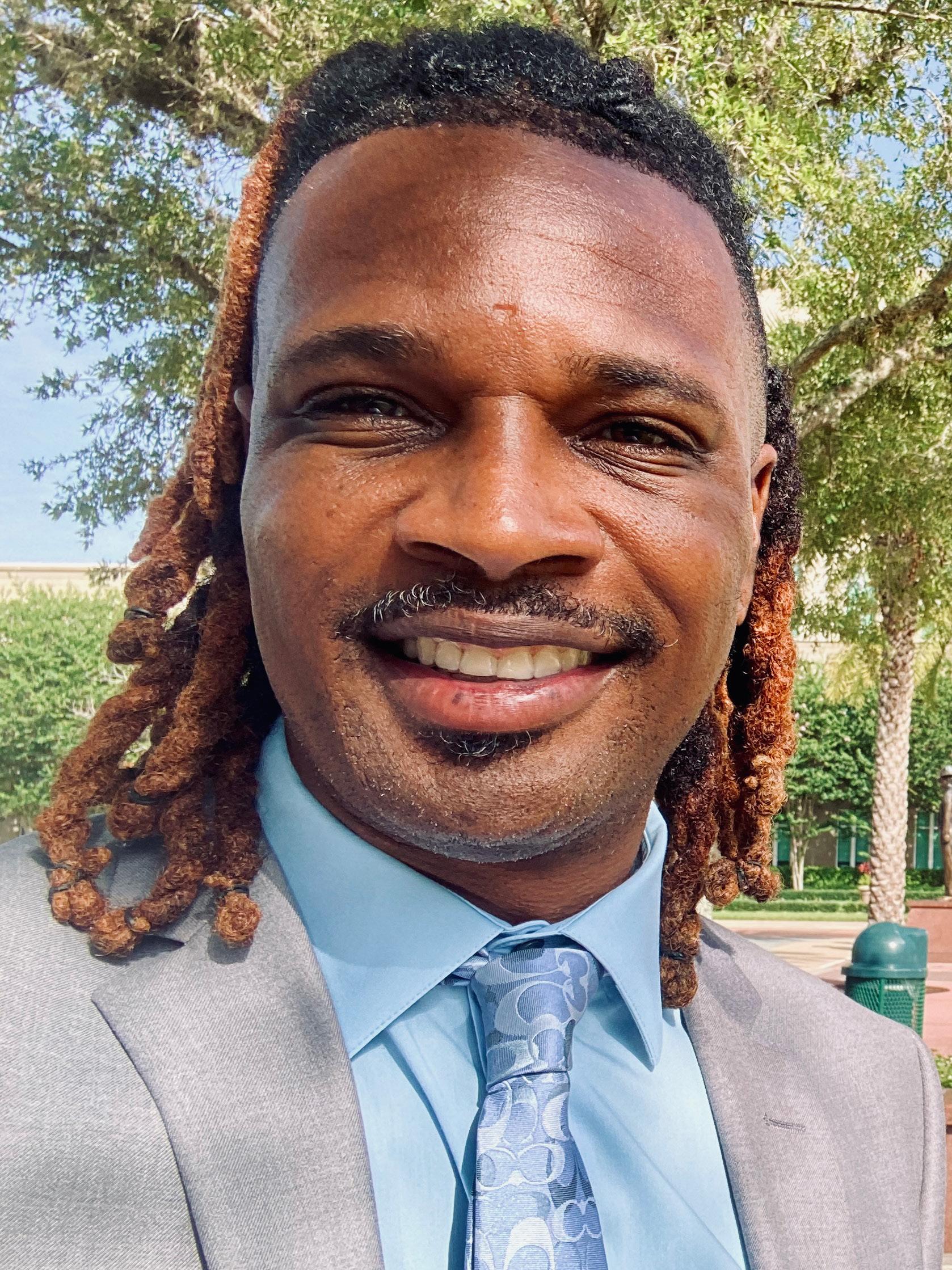
Clyde Mathes, Esq., is an attorney at Kubicki Draper. He serves as CoChair of OCBA Diversity and Inclusion committee.
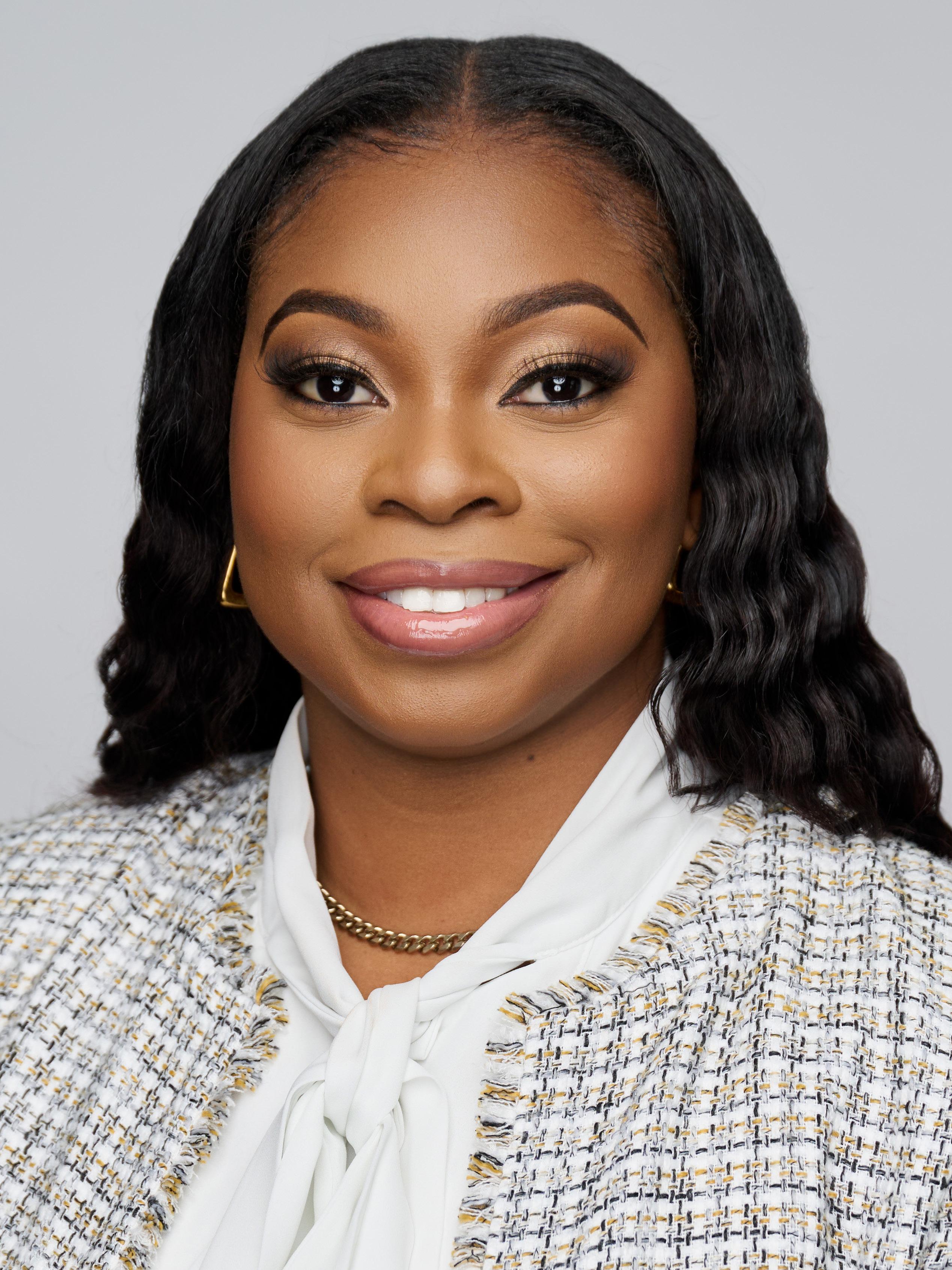
Bryan, Esq.,
an attorney with HAWM, PLLC. She is the Chair of the OCBA Diversity and Inclusion Committee, a member of the OCBA Immigration Law and Criminal Law Committees, and a Board of Director of YLS.
Practice Law
Troy practiced for 37 years as a civil trial litigator and now has a statewide solo mediation practice. He is authorized to mediate in all State Circuit Courts and in the Middle and Northern Federal District Courts.
• Florida Supreme Court Certified Civil Circuit Mediator since 2022
• 31-year Florida Bar Board Certified Civil Trial Lawyer
• “AV” Preeminent Rating by Martindale Hubbell
• Selected as a Florida “Legal Elite”, “Super Lawyer ” and “Best Lawyers in America”
• Named by Best Lawyers as one of two Tampa “Lawyers of the Year” – Personal Injury Litigation (2014) and Medical Malpractice (2015 and 2023); and recently named as one of two St. Petersburg “Lawyers of the Year” – Personal Injury Litigation and Medical Malpractice
• American Board of Trial Advocates – Tampa Bay Member and Executive Board Member Focusing on medical, long-term care, premises, automobile, trucking and other general negligence claims.
Benjamin C. Garcia, Esq., Garcia Sheppard, PLLC - Benjamin “Ben” Garcia is a respected personal injury and civil rights attorney, accomplished bar leader, and dedicated community advocate. He serves as a Partner at Garcia Sheppard, where he represents individuals and families throughout Florida in complex personal injury, wrongful death, and civil rights litigation.
Orlando Sheppard, Esq. Garcia Sheppard, PLLC – Orlando is a Partner at Garcia Sheppard. He focuses his practice on helping those who have suffered catastrophic injury or death through the negligence of others. Orlando currently serves as President-Elect of the Paul C. Perkins Bar Association.
OPENING THE DOORS
Building a Legal Community Where Everyone Belongs
According to the ABA, there are over 1�3 million lawyers in America.1 Florida is fourth in lawyer population with more than 113�000 total lawyers (about 80�000 of which are active and reside in Florida).2
Despite the large number of lawyers in the country, minority lawyers continue to be underrepresented in the profession. For example, despite Hispanics making up about 19�5% of the American population, the percentage of Hispanic Lawyers was only 6% in 2024 – this is a change of only 2% since 2014. In that same time frame, the percentage of Black lawyers remained unchanged at 5% of the legal profession. What can be done? The legal community has the opportunity and responsibility to be the change. Meaningful progress requires not only expanding entry into the profession but also creating environments where minority lawyers can thrive.
FOCUS ON REBUILDING THE PIPELINE
In order to make change, we must address the pipeline to the legal profession well before law school.
• Mentorship and shadowing programs: Many of the current mentorship programs in the legal profession, like the Florida Bar’s Counsel to Counsel, Orange County Bar Association’s Mentoring Program, and Paul C. Perkins Bar Association’s Law Student Mentoring Program, focus on mentoring law stu-
and understanding of the profession.
• LSAT and Bar Prep Scholarships:
dents or young lawyers. However, to increase the number of minorities who matriculate into the legal profession, we must reach minorities sooner. The Sarasota County Bar Association, for example, has a mentoring program at Booker High School Law Academy designed to provide students with a mentor who can be a shining example of quality lawyers/human beings giving back to the community. Reaching individuals earlier in life increases exposure
The road to being a lawyer is filled with many financial barriers to entry. The average cost of law school is above $200�000.3 But the costs don’t stop there. Before becoming a lawyer, aspirants to the bar must also pay for the LSAT, MPRE, and the Bar Exam. This does not include the costs for items such as a LSAT prep course and materials, supplemental study aids, bar prep course, finger printing, and lap top fees. The wealth disparity of minorities,4 combined with the financial burdens of law school have disproportionate effects.5 Providing financial assistance to aspiring lawyers will facilitate their journey. This can be done in the form of scholarships. Increasing the number of LSAT Prep and bar scholarships will reduce the barriers to entry which affects minorities disproportionately and lead to increased representation in the legal field.
INCREASE LAWYER RETENTION AND LAWYER ADVANCEMENT
Opening the door to the legal profession is just the first step. To increase minority lawyer representa-
tion, not only do we need to fix the pathway to the practice of the law, but we also need to ensure minorities are staying in the profession once they arrive. Studies show race is a significant factor in the career trajectories of lawyers.6 More concerningly, studies show minority lawyers leave or consider leaving their law firm7 or the law as whole8 at an alarming rate.
• Mentorship Programs
When attorneys are paired with experienced mentors, they gain guidance, sponsorship, and the relational support needed to navigate firm culture and access high-visibility opportunities. Research shows that structured mentor–mentee matching significantly improves satisfaction and retention among women and minority lawyers.9 The ABA has likewise noted that firms with lower retention of diverse attorneys often lack consistent mentoring and sponsorship frameworks.10 Effective mentorship also creates space for candid conversations about workload, expectations, and long-term goals—areas where diverse attorneys often receive less informal feedback. Research further shows that well-designed mentoring programs are among the most effec-
tive tools for advancing and retaining underrepresented talent.11 By connecting newer lawyers with leaders who can advocate for their growth, firms strengthen both retention and the pipeline to advancement.
• Develop Clear Pathways to
Leadership
Transparent promotion criteria, visible advancement tracks, and measurable goals reduce ambiguity and help lawyers envision a future within the organization. When expectations are clearly defined, attorneys can concentrate on developing essential skills and experiences. Without this structure, talented and diverse attorneys may feel hindered by invisible barriers or uncertain about their progress. Scholars have found that underrepresented lawyers are much more likely to leave firms when career-progression options are unclear, and sponsorship programs are informal or opaque.12 By creating clarity, we not only support retention but also communicate that advancement is earned, attainable, and guided by fair, consistent standards that apply to everyone.
CONCLUSION
Although the underrepresentation of minority law-
yers persists, the legal community is uniquely positioned to change that reality. Strengthening the pipeline, easing financial barriers, supporting mentorship, and creating clear paths to advancement all help build a profession that welcomes and elevates diverse talent. These efforts are achievable, and they matter. By working together, we can create a legal community that reflects the people we serve and gives every lawyer a real opportunity to thrive.
Transparent promotion criteria, visible advancement tracks, and measurable goals reduce ambiguity and help lawyers envision a future within the organization.
1. American Bar Association – Profile of the Legal Profession 2024 Demographics https://www.americanbar.org/news/ profile-legal-profession/demographics/
2. Samadhi Jones, Florida Ranks Among Top States for Lawyer Population Growth, Dec 4, 2024, https://www.floridabar.org/the-floridabar-news/florida-ranks-amongtop-states-for-lawyer-populationgrowth/#:~:text=Florida%2C%20 with%20just%20over%20 80%2C000,15%25%20residing%20 out%20of%20state.
3. Melanie Hanson, “Average Cost of Law School” EducationData.org, July 7, 2025,https://educationdata.org/averagecost-of-law-school.
4. Rakesh Kochhar and Mohamad Moslimani, Wealth Surged in the Pandemic, but Debt Endures for Poorer Black and Hispanic Families: 2. Wealth Gaps across racial and ehnic Groups https://www.pewresearch. org/2023/12/04/wealth-gaps-acrossracial-and-ethnic-groups/
5. Meghan Dawe, The Black-White Student Debt Gap Among Law School Graduates, September/October 2023 https://clp.law.harvard.edu/knowledgehub/magazine/issues/student-debt/theblack-white-student-debt-gap-amonglaw-school-graduates/
6. “Study after study shows that African American lawyers in law firms are typically shunted to the ‘dead-end track’ and assigned routine paperwork, whereas their White counterparts are more often put on the ‘training track’ and assigned challenging work for important clients” Nelson, Robert, L. et al. The Making of Lawyers’ Careers (2023)
7. See Cornell Journal of Law and Public Policy, Fight or Flight: Explaining Minority Associate Attrition https:// publications.lawschool.cornell. edu/jlpp/2018/03/21/fight-or-flightexplaining-minority-associateattrition/?utm_source=chatgpt.com March 21 2018
8. See Debra Cassens Weiss, Majority of minority female lawyers consider leaving law; ABA study explains why, June 22, 2020 https://www.abajournal. com/news/article/most-minority-femalelawyers-consider-leaving-law-aba-studyexplains-why
9. Ida O. Abbott, Esq. and Rita S. Boags, Ph.D., Mentoring for Women and Minority Lawyers: Making it Succeed in Your Firm (2004) https://www. nalp.org/uploads/_bulletin_article_ uploads/110_0204mento.pdf
10.Id.
11.Shirley Laboy, The Power of Mentorship in the Workplace, January 2022, https://www.alanet.org/legalmanagement/2022/january/columns/thepower-of-mentorship-in-the-workplace
12.See Thomson Reuters, New Survey Highlights Ways to Increase Retention of Underrepresented Lawyers (May 4, 2022); see also, NeftaIí Garro, et al. International Association of Defense Counsel, Retaining Diverse Talent –Practical Approaches When � Just Won’t Cut It (2022)
John Hunt, Esq., is a Partner at Jill S. Schwartz & Associates, P.A. He is a member of the OCBA Executive Council and has been a member of the OCBA since 2015
AVOIDING A RUFF TIME
Service animals & emotional support animals in the workplace.
There is no doubt that pets make our lives better. There have been numerous scientific studies demonstrating that pet ownership is beneficial to our mental and physical wellbeing.1 For some, however, an animal is more than a companion. It is an essential tool that helps them navigate daily life or manage a mental health condition. As employers increasingly encounter requests to bring service or emotional support animals into the workplace, understanding the legal landscape is critical. This article will discuss some of the questions that are asked regarding navigating these accommodation requests.
does not have to be professionally trained, but the animal must remain under the control of their handlers and be housetrained.
SERVICE ANIMALS VS. EMOTIONAL SUPPORT ANIMALS: WHY THE DISTINCTION MATTERS.
As a starting point, it is important to understand the difference between service animals and emotional support animals because the right to bring them into the workplace is not identical.
Under Title I of the Americans with Disabilities Act (“ADA”), which is the provision related to employment and applies to employers with fifteen (15) or more employees, service animals are not discussed.2 Title II and Title III of the ADA recog-
nize only dogs as service animals, and regulations issued by the Department of Justice also include miniature horses as service animals. To qualify as a service animal, the dog (or miniature horse) must be individually trained to do work or perform a task for an individual with a disability. The task(s) performed must be directly related to the individual’s disability. For example, a service dog may be trained to alert an individual with diabetes when his blood sugar is low or guiding a person with low vision. Under the ADA, a service animal
Emotional support animals, by contrast, are not considered “service animals” under the ADA. Emotional support animals do not have special training to perform a task related to a disability, but they are undeniably important to their owners and often provide therapeutic benefit through companionship and can help with depression, anxiety, and similar conditions. An emotional support animal may still be a reasonable accommodation under the ADA if the employee has a qualifying disability, needs the emotional support animal to perform the essential functions of the position, and no equally effective alternative accommodation exists. For example, an employee with anxiety disorder may need the emotional support animal present to mitigate the disorder and help him perform his work.
MAKING THE REQUEST: WHAT EMPLOYEES AND EMPLOYERS SHOULD EXPECT.
Employees seeking to bring service animals or emotional support animals into the
1. See Centers for Disease Control and Prevention, Ways to Stay Healthy Around Animals, https://www.cdc.gov/healthy-pets/about/?CDC_ AAref_Val=https://www.cdc.gov/healthypets/keeping-pets-and-people-healthy/how.html (last visited Dec. 4, 2025).
2. The Florida Civil Rights Act also prohibits disability discrimination and retaliation and is construed by courts under the same analysis used in cases arising under the ADA. See Abadi v. Walt Disney World Parks & Resorts, 338 So. 3d 1101, 1104 (Fla. 1st DCA 2022) (“Due to their similarities, the FCRA is construed in conformity with the ADA.” (citations omitted)).
Lauren Robertson, Esq., is a Partner at Jill S. Schwartz & Associates, P.A. She is the current Chair of the OCBA Labor & Employment Committee
Madonna Snowden, Esq., is an attorney at FordHarrison, LLP. She is the current Co-Chair of the OCBA Labor & Employment Committee
workplace should first approach the employer (often the human resources department) and make the reasonable accommodation request of bringing in the animal to assist with his or her disability. The employer must then engage in an interactive process, which includes a discussion with the employee to learn about the disability, how it impacts the employee’s major life activities, and how the disability impedes the employee from performing his duties. If the disability is not apparent and/or the reason for needing the animal is not clear, employers can request documentation related to the disability and/or request. It is important to note that the request and any other aspect of the process should be in writing.
Under the ADA (and the Florida Civil Rights Act (FCRA)), employers are obligated only to provide a reasonable accommodation and not necessarily the employee’s preferred accommodation if alternatives exist. The employer may thus provide another accommodation that would permit the employee to perform the essential functions of the position. Employers may deny a reasonable accommodation request only if the request would create an undue hardship on the business, although this is a narrow exception and
requires showing significant difficulty or expense, or if the animal is out of control, disruptive, or not housebroken.
WHEN MUST THE EMPLOYER ALLOW THE ANIMAL?
In practice, likely, after engaging in the interactive process, an employer will almost always be obligated to permit an employee to bring a trained service animal into the workplace, unless the animal poses a direct threat or cannot be accommodated in a truly restricted area (e.g., a sterile environment). However, employers have greater flexibility with emotional support animal. If other effective accommodations are available, such as remote work, schedule changes, or workspace adjustments, the employer may opt for those alternatives instead.
PRACTICAL TAKEAWAYS.
As requests involving service animals and emotional support animals continue to rise, employers should not get hung up on labels. Whether the animal is a service dog, an emotional support animal, or something else, each request should be treated as an individualized, fact-specific accommodation inquiry. With thoughtful handling, employers and employees can avoid a “ruff ” time and ensure compliance with both the ADA and FCRA.
Preferred Vendors
These vendors support the OCBA by offering special discounts to members. We encourage you to use their services to grow your practice. For more information, visit orangecountybar.org/page/Preferred-Vendors
LEGAL SUPPORT SERVICES
Florida Lawyers Mutual Insurance Company. The Florida Bar’s professional liability insurance to help protect Florida lawyers and their clients. 800-633-6458
Optimize My Firm. Full digital marketing suite for law firms including website design, content development, local search, Google ads, and SEO. optimizemyfirm.com
PRACTICE MANAGEMENT SYSTEMS
CaseFox. Includes time tracking, AI document generation and analysis, invoicing, and full LEDES and UTBMS billing compliance. Equipped with Integrated with Quickbooks, LawPay, Xero, and more.
Clio. The most widely used cloud-based practice management system in the world. Members receive 10% on lifetime monthly subscription. clio.com/OCBA
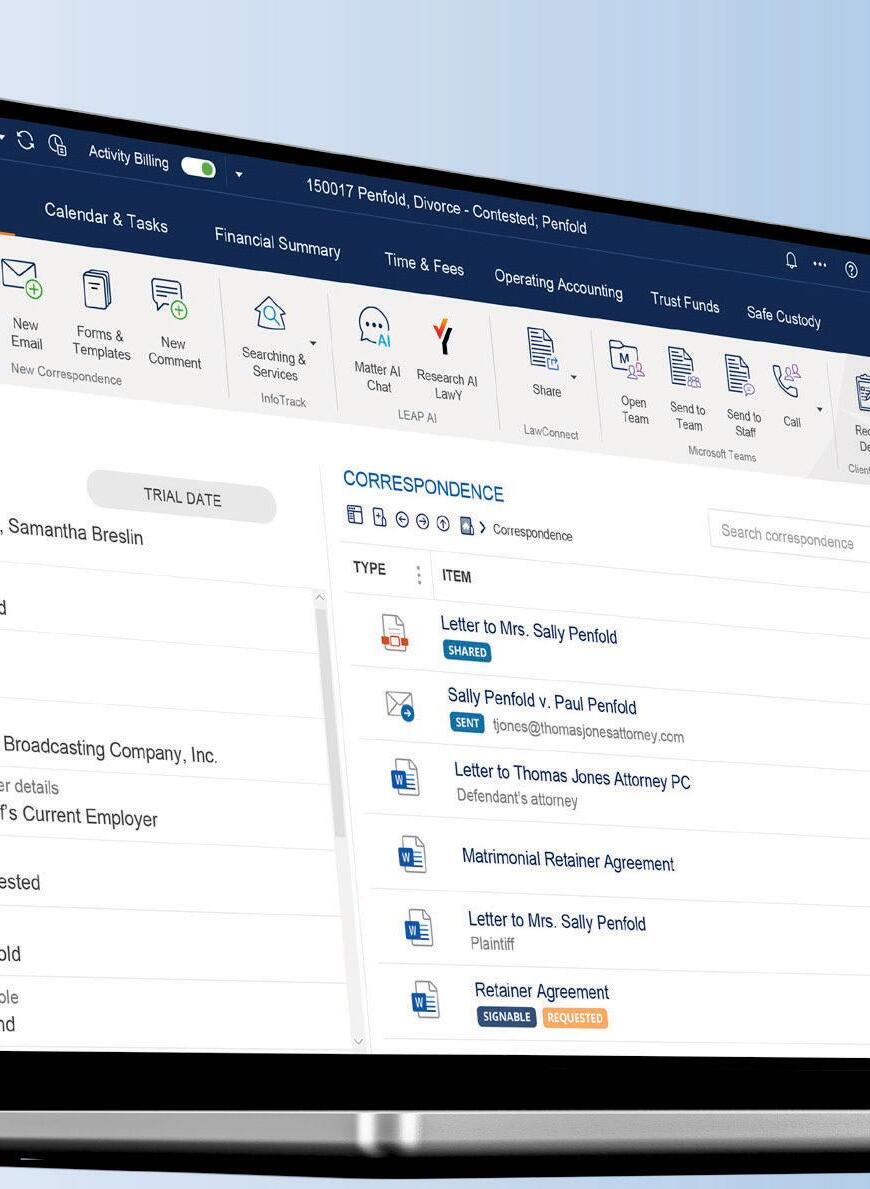
LEAP. Cloud-based productivity solution combining practice management, accounting, document management, and legal publishing. leap.us/florida / 844-702-LEAP
MatterSuite. AI-powered legal matter management software designed for in-house legal teams, law firms, and corporate counsel.
HOTEL SAVINGS
The Residence Inn by Mariott. Discounted rates include complimentary self-parking, complimentary breakfast buffet, wireless HSIA. 680 N Orange Ave. / 407-482-1500
DISCOUNT SERVICES & MERCHANDISE
OCBA Merchandise. Shop official OCBA apparel and accessories! Shirts, hats, visors, totes, water bottles and more. All sales go directly to the OCBA Foundation. ustore.net/group/orange-county-bar-association
OCBA Marketplace. National Purchasing Partners (NPP) helps OCBA members reduce costs with exclusive pricing for a variety of popular brands including 1-800-Flowers, AmEx, Harry & David, HP, Omaha Steaks, Sherwin-Williams, Staples, Verizon, and more. Enroll for FREE at bit.ly/OCBASavingClub
To become a Preferred Vendor, contact our Advertising & Sponsorship Department.
The businesses listed herein (the“Vendors”) are not affiliated with the Orange County Bar Association (OCBA) and shall not under any circumstances be deemed to have any authority to act on behalf of the OCBA. The OCBA does not make, and expressly disclaims, any warranty, representation, responsibility, or guarantee as to (a) the quality or suitability of the Vendors, their products, or services, and (b) the duration or validity of any discount or other promotion offered by any of the Vendors.
EFFECTIVE CLIENT COMMUNICATION FOR PARALEGALS
What is Your Client’s “Love Language”?
Building Trust Through Clear, Consistent Communication. Effective communication is the foundation of every successful client relationship. For paralegals, who often serve as the bridge between attorney and client, it is not just about conveying information, it’s about building confidence, establishing trust, and creating an environment where clients feel heard and respected.
law firms is, “I never hear from my lawyer.” Paralegals have the unique ability to change that perception through consistent, proactive communication. The key is to stay one step ahead—updating clients before they ask for information and documenting every exchange for accuracy and continuity.
From the first interaction, paralegals should set realistic expectations, explain the process clearly, and avoid making promises about results. Clients appreciate candor. Being upfront about timelines, potential challenges, and what the legal team can and cannot do prevents disappointment later and strengthens credibility.
In family law, this may mean explaining to a client that custody and support decisions take time and are often influenced by multiple hearings. In criminal law, it might involve clarifying what will happen at each stage of the process—from arraignment to plea bargaining to trials so clients do not feel left in the dark.
In personal injury practice, paralegals often serve as the main point of contact, helping clients understand the pace of medical treatment, insurance communications, and negotiations.
Equally vital is active listening. When a client feels they’ve been heard, their level of trust and cooperation rises significantly. Listening is not a passive act; it involves observing tone, emotion, and context. Taking the time to truly listen allows paralegals to identify unspoken concerns and tailor responses accordingly.
MAINTAINING COMMUNICATION CONSISTENCY
The most common complaint clients make about
Each practice area presents different challenges in maintaining contact. A family law client may need reassurance and emotional support during long custody proceedings. A criminal defense client, particularly one who is incarcerated, requires structured communication, often through approved phone systems or legal mail. Personal injury clients, meanwhile, may grow anxious during long settlement negotiations and benefit from periodic check-ins explaining where things stand.
Effective communication also means meeting clients where they are. Some prefer phone calls and personal discussions, while others rely heavily on text or email. Using multiple tools, such as client portals, secure messaging systems, and virtual meetings, helps accommodate these preferences. Be sure to discuss these options with the client so that you are using the means by which they are most comfortable, readily available
Susan Staggs
NALA Certified and Florida Registered Paralegal Heskin Martinez Law Group and Heskin & Proper PLLC
and will be most effective for them.
Technology can transform how paralegals manage communication. Case management systems like Clio, MyCase and Smokeball allow automatic reminders, case updates, and documentation tracking. Secure file-sharing platforms such as ShareFile or Google Drive protect confidentiality while enabling quick document exchange. For firms with high client volumes, bulk communication tools—like newsletters or text alerts— ensure updates reach everyone simultaneously without sacrificing professionalism.
HANDLING DIFFICULT CONVERSATIONS
Paralegals often find themselves in the middle of emotionally charged conversations. Clients may be frightened, angry, or confused, and their stress can manifest as impatience or hostility. Handling these situations with empathy and professionalism is one of the most valuable skills a paralegal can develop. Stay calm and grounded. Take a deep breath before responding, maintain an even tone, and listen fully before speaking. Mirror and reframe by acknowledging emotions before redirecting to the facts. For instance, in family law, a client upset about a custody recommendation might hear, “I under-
stand this feels unfair. Let’s set up a time to discuss with the attorney about what steps we can take next.” In criminal defense, a client frustrated by delays can be reminded that time is often used strategically to gather evidence or negotiate favorable terms. In personal injury, an anxious client awaiting settlement funds may simply need a clear timeline and reassurance that negotiations are ongoing.
Always discuss these communications with the attorney prior and document the interactions. Recording key details supports consistency within the firm and protects against misunderstandings. Finally, remember to separate the client’s frustration from your self-worth. Clients are reacting to circumstances, not to you personally. Maintaining empathy without internalizing anger helps paralegals preserve emotional balance and professionalism.
ETHICAL GUIDELINES FOR CLIENT COMMUNICATION
Strong communication must also meet the ethical standards that govern paralegal conduct. While paralegals are not attorneys, they are bound by professional codes of ethics that emphasize integrity, confidentiality, and respect for the attorney–client relationship.
1. Maintain Confidentiality. Client information,
whether shared verbally, by email, or through documents, must be kept strictly confidential. Avoid discussing cases outside of appropriate settings, even casually. This duty extends to digital communication: ensure emails are secure, client portals are password protected, and sensitive data is never sent through personal accounts.
2. Avoid the Unauthorized Practice of Law. Paralegals must never provide legal advice or interpret the law for a client. Instead, explain procedures, relay information approved by the attorney, and refer all legal strategy questions back to counsel. For example, a paralegal may explain the process of filing for custody but should not predict how a judge might rule.
3. Communicate Under Attorney Supervision. Paralegals serve as extensions of their supervising attorneys. Always clarify to the client that you work under the attorney’s direction and that final decisions and legal advice come from counsel. Transparency builds trust and prevents ethical missteps.
4. Remain Objective and Professional. Clients often seek empathy, but paralegals must balance compassion with pro-
fessionalism. Avoid becoming emotionally entangled or showing favoritism. Maintain neutrality, especially in family or criminal matters where emotions run high.
5. Document Everything. Accurate records are both an ethical safeguard and a professional necessity. Detailed notes of conversations, calls, and correspondence ensure that communication remains transparent, verifiable, and consistent across the legal team.
LEVERAGING TECHNOLOGY AND MANAGING WORKLOAD
Modern legal practice demands efficiency and adaptability. With the growing use of digital communication, paralegals can now manage dozens of cases simultaneously without sacrificing quality.
Automation and organization are key. Case management platforms can trigger automatic reminders for filing deadlines, hearings, or discovery exchanges. Secure document portals and cloud-based databases keep clients informed while ensuring data privacy. Video conferencing tools, such as Zoom or Microsoft Teams, allow for check-ins and group updates that keep clients engaged and informed, no matter where they are located.
Ultimately, technology should enhance, not replace, human connection. Automated systems handle repetitive updates so paralegals can focus on clarity, empathy, and problem-solving—the personal skills that define exceptional client service.
SELF-CARE AND PROFESSIONAL BALANCE
Paralegal work often involves navigating others’ crises. Over time, this emotional labor can take a toll. It’s essential for professionals in client-facing roles to practice self-care as seriously as case management.
Simple techniques— stretching, walking, mindful breathing, or a short break—help re-center focus. Setting boundaries, such as specific call hours, prevents burnout and ensures consistent professionalism.
A calm, balanced paralegal communicates more effectively. Clients notice when their legal team is composed, organized, and empathetic—and those impressions reinforce trust and loyalty to the firm.
THE TAKEAWAY
Effective communication is not about having all the
answers; it’s about integrity, empathy, and reliability. Whether you’re helping a parent through a custody battle, supporting a defendant facing uncertainty, or guiding an injured client toward recovery, communication shapes their entire legal experience.
Paralegals who combine strong communication skills with ethical integrity strengthen client relationships, safeguard their firm’s reputation, and elevate the standard of practice for the entire legal profession.
Development Director for the Legal Aid Society.
OCBA Member Since 2008
BREAKFAST OF CHAMPIONS
On November 13th, The Plaza Live welcomed over 300 attendees to our Breakfast of Champions fundraiser, a cherished event that has supported our mission for 18 years. After three years of virtual gatherings, supporters were eager to reconnect over coffee, network with the legal and business community, and share the mission of the Legal Aid Society. WESH 2 News host, Nancy Alvarez, brought poise as the event emcee, while Board President Ayana Barrow honored our beloved sponsors and supporters.
• Brusca Law Firm
• CLM Law Firm
• Curtis Protective Services
• Corey Duersch
• Florida Department of Real Estate
• Donna Haynes
• The Henry Family Foundation HR Law, P.A.
• The Law Firm of Jacob V. Stuart, Jr., P.A.
• The Law Offices of Carrington Jones
• The Law Office of William A. Davis. Jr., P.A.
• LEAP
• Martinez Manglardi, P.A.
• Mary Walter Appeals
• MK Golf, LLC.
• Jamie Billotte Moses
• Mutual America Life Insurance Co.
This year’s event showcased the incredible power of community in action. Your contributions, no matter the size, make a meaningful difference in providing quality legal services to those in need. We extend our deepest gratitude to our sponsors, donors, staff, volunteers, and everyone who made this event a success. Thank you for making a lasting impact and we look forward to seeing you next year!
BOC SPONSOR LISTINGS
DIAMOND �25,000
• Jedediah “Jed” Main - The Main Law Firm
CHAMPION �15,000
• Paul Knopf Bigger Trial Lawyers
PLATINUM �10,000
• City of Orlando Police Department, Chief Eric Smith, Morgan & Morgan
SPECIAL �7,500
• Martha Lombardy, The Lombardy Family Fund
GOLD �5,000
• Carlton Fields, P.A.
• Climate First Bank
• Legally Pink Law, PLLC.
• Lowndes
• Orange County Sheriff’s Office, Sheriff John Mina
• The Joe & Sarah Galloway Foundation
SILVER �2,750
• Aksala Wealth Advisors
• Beusse Sanks, PLLC.
• Cole, Scott & Kissane, P.A.
• Colling Gilbert Wright, P.A.
• Dinsmore & Shohl, LLP.
• DownsAaron, PLLC.
• Estes, Ingram, Foels & Gibbs, P.A.
• Fisher Rushmer, P.A.
• Holland & Knight Charitable Foundation, Inc.
• Hon. Sally Dee Millward Kest & Hon. John M. Kest
• Orange County Clerk of Court, Tiffany Moore Russell
• Christopher Pantano
• Paul & Perkins, P.A. �2,000
• Rafael & Sarah Rodrigue & The Hartford Financial Services Group, Inc.
• R.A. Simasek, P.A.
• Rock & Brews Restaurants
• Commissioner Dr. Kelly Martinez Semrad
• Shannin Law Firm, P.A.
• Shutts & Bowen, LLP
• Jennifer & Robert Swift
• Tangel-Rodriguez & Associates, Inc.
• JoAnn Tucker-Hall
• The Umansky Law Firm
• Universal
• Walter Appeals & General Litigation (WAG)
• Yergey & Yergey, P.A.
IN-KIND DONORS
• 4Imprint
• Caribbean Moonshine
• Curtis Protective Servivces
• Disney
• Fat Cat Hot Sauces
• FreshPoint
• Krispy Kreme
• Orange TV
• Penzey’s Spice
• Rock and Brews
• WESH News / Stewart Moore
• Arthur’s Catering
Donna Haynes
Kim Taylor, CEO and President, JAMS
SIDEBAR
VOLUNTARY BARS
As the new year begins, Central Florida’s voluntary bar associations have set a strong tone through meaningful engagement and service. Throughout January, these organizations have advanced professionalism, strengthened connections within the legal community, and reinforced a shared commitment to service that supports both the bench and the bar.
Hot Yoga at Winter Park Yoga
Central Florida Association for Women Lawyers (CFAWL)
JANUARY 21, 2026 / Leia Leitner hosted a CFAWL Table for 8 featuring Hot Yoga at Winter Park Yoga. On January 20, 2026, CFAWL joined The Florida Association for Women Lawyers (FAWL) for Lobby Days and the Empower Conference.
Then, on January 27, 2026, CFAWL teamed up with the Florida Bar Young Lawyers Division (YLD) to host a CLE titled “Airing of the Grievances: Judicial Perspectives on Professionalism in Today’s Tech Era.” The event was hosted at the Orange County Bar Association (OCBA). A special thank you to panelists: Judge Christine Arendas, Judge LaShawnda Jackson, and Judge Barbara Leach, as well as Meranda Landes who served as moderator.
Later that evening, CFAWL’s Bookclub met at Digress Wine for a discussion on The Frozen River.
Luncheon
The Paul C. Perkins Bar Association (PCPBA)
OTHER VOLUNTARY BAR EVENTS
ON JANUARY 23, 2026 / The Greater Orlando Asian American Bar Association teamed up with the OCBA and the Florida Bar YLD to co-host a dynamic CLE presentation on professionalism.
ON JANUARY 28, 2026 / The Hispanic Bar Association of Central Florida hosted a luncheon featuring Kimberly Lorenz, Florida Supreme Court certified mediator, who spoke on the challenges faced by attorneys on both sides of litigation.
ON JANUARY 14, 2026 / The Central Florida Association of Criminal Defense Lawyers hosted a Behind the Robe Series with Judge Michael Kraynick.
JANUARY 22, 2026 / The Paul C. Perkins Bar Association hosted a luncheon CLE titled “Benchmarked: Legacy and Leadership with Justice James E.C. Perry.” A huge thank you to former Florida Supreme Court Justice and Author The Honorable James E.C. Perry and his daughter, attorney Kamilah Perry, for an amazing discussion.
Then on January 29, 2026 the PCPBA hosted their annual judicial reception. This signature event honored the judiciary and provided a unique opportunity to connect with members of the bench and bar. The event was hosted at the Historic Dubsdread ballroom. Stay tuned for photos in our next issue of The Briefs
First Meeting
Black Women Lawyers Association of Central Florida (BWLACF)
JANUARY 7, 2026 / The Black Women Lawyers Association of Central Florida held their first meeting of 2026.
Then, on January 14, 2026, the BWLACF launched a Signature Mentorship Program titled: “Sister Circles: Linking Legacy and Leadership.” The program kicked off with a mentorship mixer designed to connect law students, young legal professionals and seasoned attorneys. .
2 4
WHO’S WHO
1 Central Florida Association for Women Lawyers Table for 8 featuring Hot Yoga at Winter Park Yoga.
3
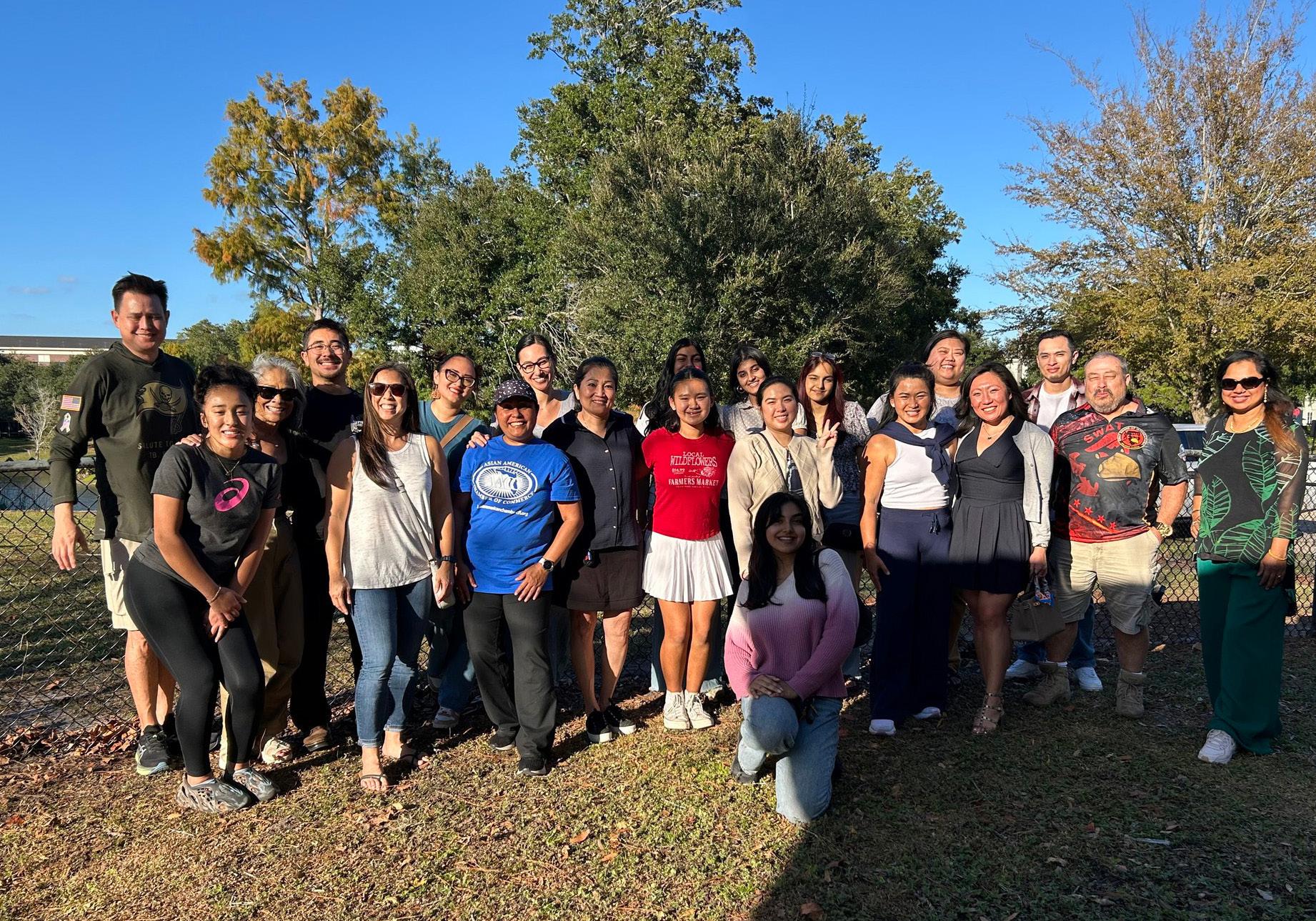
2 Greater Orlando Asian American Bar Association community potluck with Asian American Chamber of Commerce of Central Florida and Asian American Pacific Islanders Coming Together.
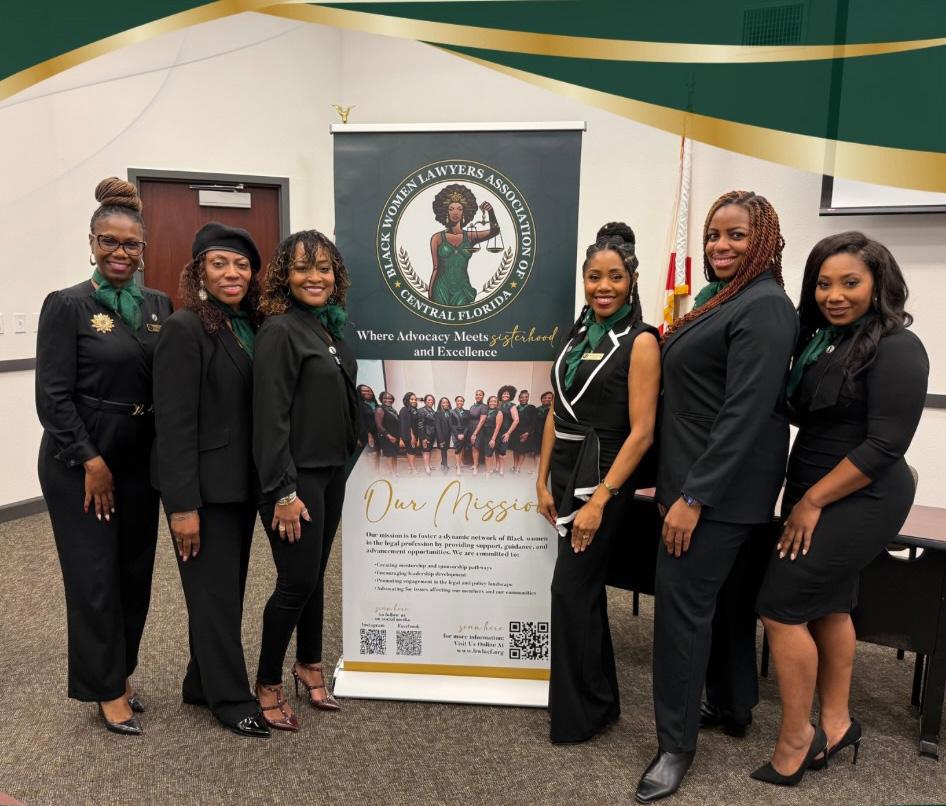
3 Black Women Lawyers Association of Central Florida first general body meeting
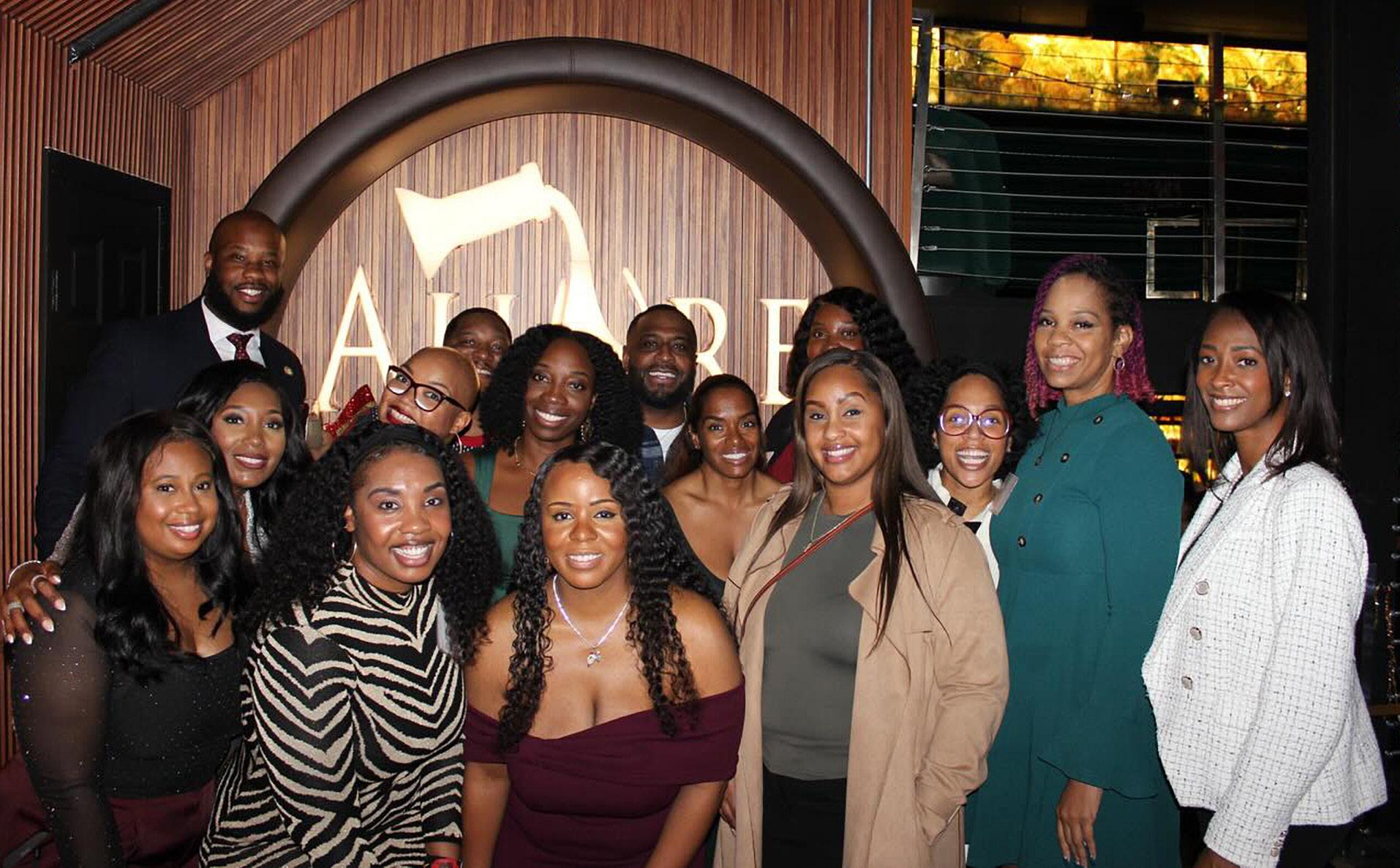
4 Paul C. Perkins Bar Association holiday party at Allure Restaurant and Lounge.
Alena V. Baker, Esq., of Alena Baker Criminal Defense, P.A., is a solo practitioner who practices primarily in the area of criminal law throughout Central Florida. She has been a member of the OCBA since 2011 and is a board member of the Criminal Law Committee of the OCBA.
Young Lawyers Section
JANUARY 9, 2026 / The OCBA YLS hosted Patricia Burlaud, Ph.D., executive coach and founder of P. Burlaud Consulting, LLC, who delivered a presentation titled “Leadership in Action: The Mentor-in-10 Framework” for attorneys in their 7th year of practice. She focused on the pivotal transition from excellent practitioner to everyday leader, showing how clarity, coaching, and cadence turn busy matters into teachable moments. Patricia outlined a ten-minute weekly rhythm: purpose-led 1:1s, crisp delegation briefs, and bite-sized feedback—that develops junior talent while protecting billable time. Attendees left with an actionable toolkit, including a ready-to-use 1:1 agenda, a delegation brief template, and a simple progress checklist, feeling energized to lead with intention and build stronger teams, case by case.
On January 24, 2026, the OCBA YLS kicked off another exhilarating day at Killarney Station, gearing up and pedaling together along the scenic West Orange Trail to vibrant downtown Winter Garden. The mix of exercise, fresh air, and good company made for an ideal way to soak up those weekend vibes. We’re already counting down to the next adventure!
UPCOMING YLS EVENTS
FEBRUARY 18, 2026 / Evening with the Judiciary
MARCH 13, 2026 / Law Day 5K
MARCH 2026 / Wills For Heroes
APRIL 2026 / Great Oaks Village Field Day
APRIL 2026 / Book Fair Happy Hour
MAY 2026 / Book Fair at Washington Shores and Mollie Ray Elementary
STAY INFORMED: To ensure you’re always up-to-date with YLS activities, please sign up for our weekly email blasts. Visit our website and click “Sign Up for YLS Emails.”
WHO’S WHO
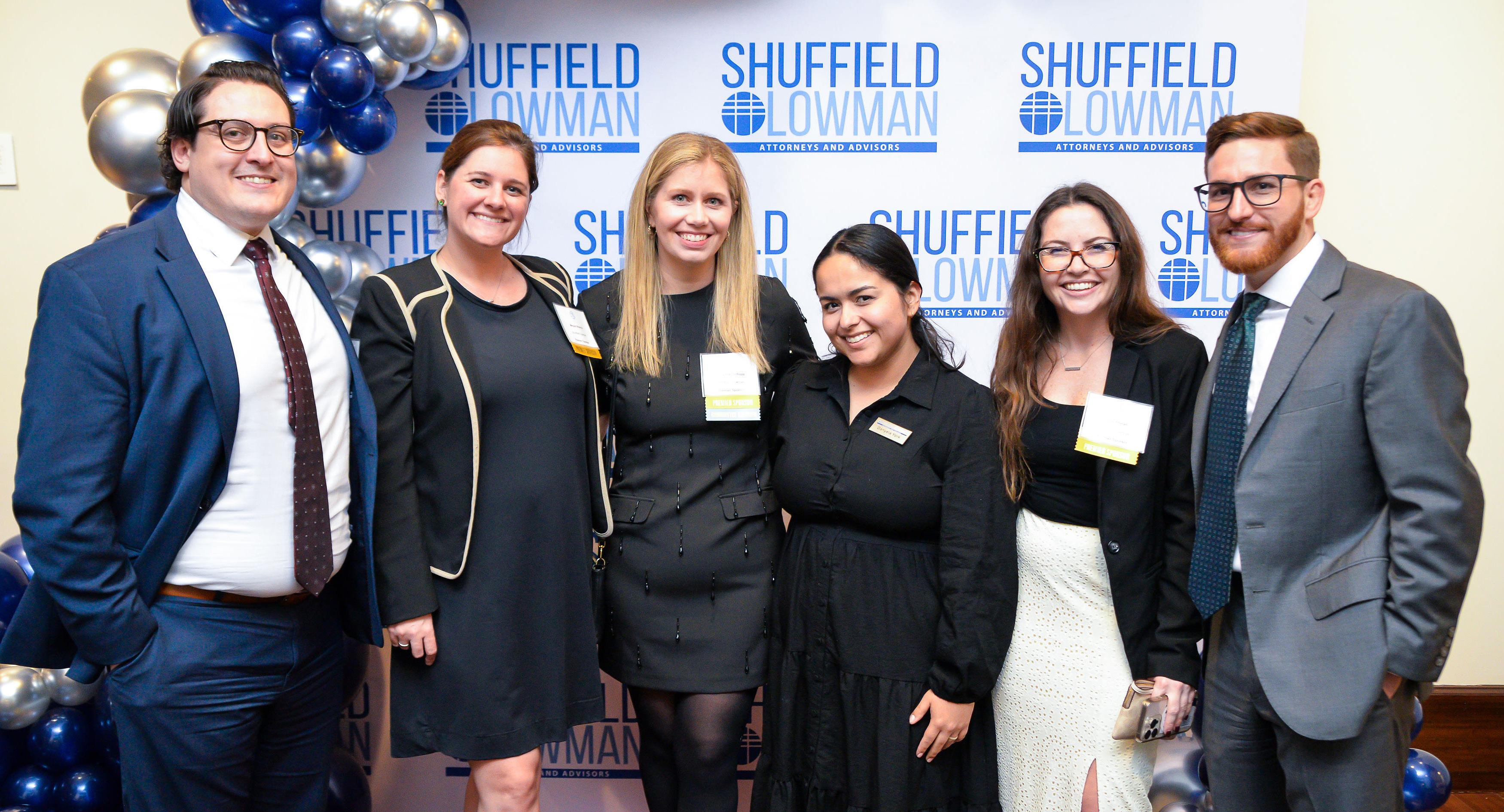
1 Adam Wicker (left), Megan Nowicki, CeCe Phelan, Julianna Tschopp and Danyela York and YLS President Cooper Powell at the Legacy and Lights Holiday Party.
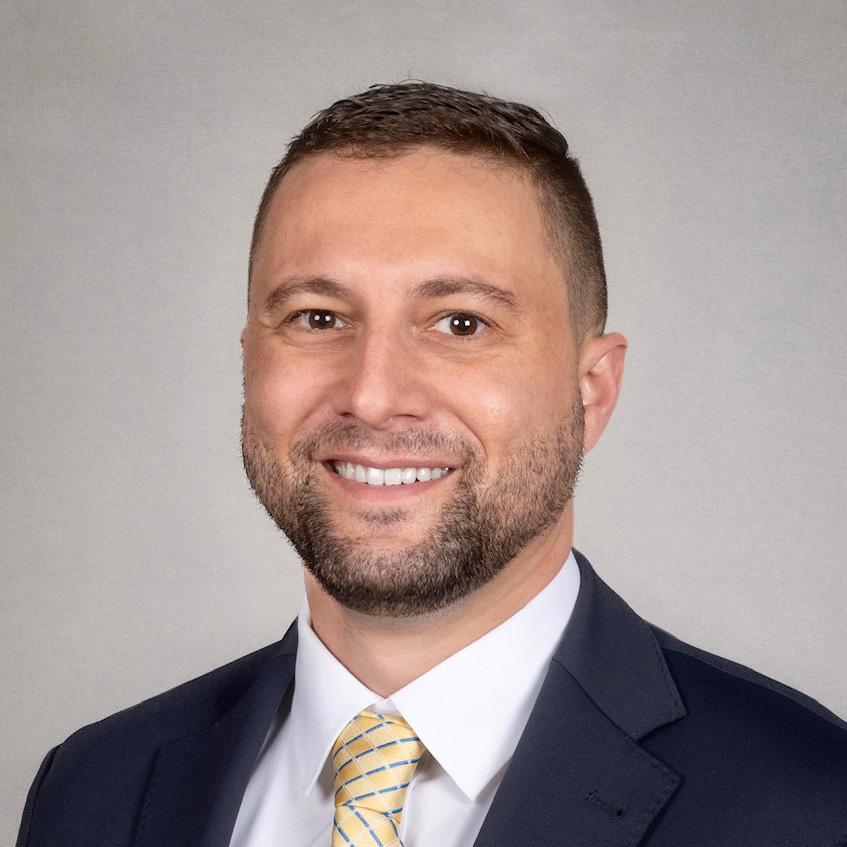
Michael B. Stone, Esq., Partner at Jordan Dougherty Stone LLP, specializes in commercial litigation, first-party property, general liability, and personal injury claims. OCBA Member Since 2020.
FOLLOW US!
@OCBAYLS
#TogetherWeGoFar
100 Club
Firms with two or more attorneys who are all members can belong! If your firm is eligible, call the Membership Department (407-422-4551 x225)