Martha Oplopiadis, President, SAE Australasia, explains how a strategic reset, expanded mobility focus and strong student engagement will position SAE-A to support engineers and industry through a rapidly evolving 2026 landscape.
As we move into 2026, it’s clear this will be a defining year for SAE-A. Over recent months, I’ve spoken about our intention to reset the organisation – ensuring we are positioned not just for today, but for decades ahead. That work is now firmly underway, supported by a structured strategy, an organisational blueprint and a renewed focus on relevance for our members and industry.
This reset is not about starting again – it’s about evolving. Engineering is changing rapidly, and so too must the organisations that support it. That’s why we are broadening our focus beyond traditional automotive to embrace mobility in all its forms – across land, sea and air.
Engineers are already at the centre of solving some of Australia’s biggest challenges, from sustainable transport to inclusive technology. Our role is to support that work by strengthening connections across industry and creating opportunities for collaboration. SAE-A has always been a conduit between people and ideas, and that remains central to what we do.
A key step in this journey has been the formation of our industry advisory committee, bringing together experienced members to help shape our future direction. That collaboration was on display at our second roundtable event in March, hosted by Bosch, where we worked together to identify three core focus areas that will underpin our strategic priorities moving forward.
These priorities will guide how we deliver value to members and industry, ensuring our efforts are aligned with where engineering is heading – not where it has been.
As part of this evolution, we are also progressing plans to update our name to better reflect our expanded scope into technology and mobility. It’s an important step in ensuring our identity aligns with the work our members are already doing.
Importantly, this transformation is happening alongside a full calendar of activity. From our AGM and Excellence Awards to facility tours, webinars and the continued growth of Formula SAE-A, 2026 is shaping up to be one of our most active years yet.
Motorsport has already played a major role in the early part of the year. I had the opportunity to join Engineers Australia at a Grand Prix panel discussion, exploring the role of engineers in motorsport and the pathways available through programs such as Formula SAE-A. It was particularly encouraging to see the level of interest from students, many of whom are looking to motorsport as a gateway into engineering careers.
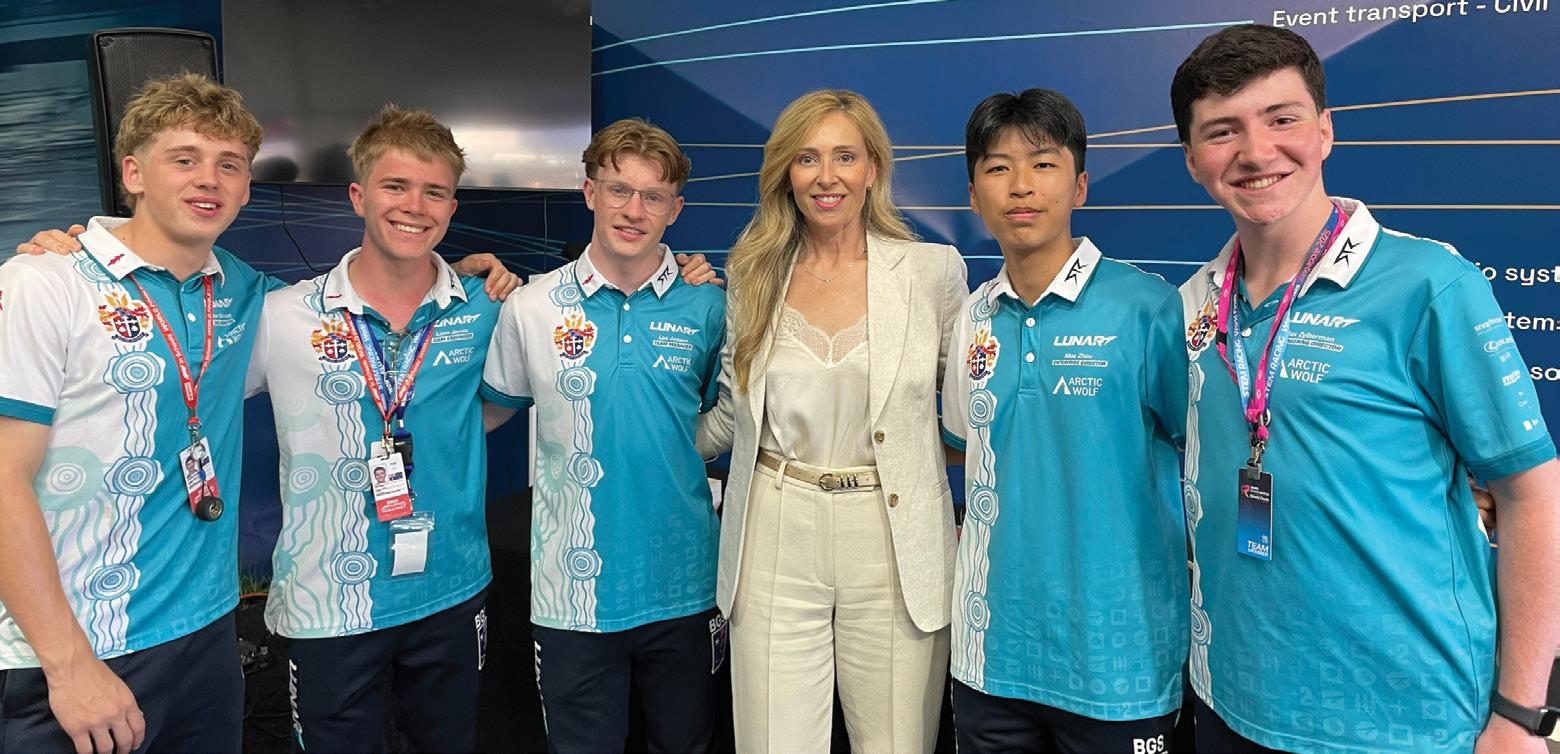
Meeting the Lunar team, fresh from their 2025 world championship success, was another highlight. Their achievement is a reminder of the capability and ambition within our emerging engineering talent.
What also stood out during the Grand Prix was the focus on power management systems in Formula One. These are complex challenges – but they are the same challenges our Formula SAE-A teams are tackling, designing and optimising energy systems at a student level.
The relevance of that work extends far beyond motorsport. The same principles underpinning performance and efficiency on the track are increasingly critical in areas such as battery energy storage and renewable energy integration.
Motorsport, in that sense, continues to be a powerful proving ground – not just for performance, but for sustainability.
As we continue through this year of change, I encourage all members to stay engaged, share your insights and be part of the journey. This reset is not something we do alone – it is something we build together.
Monash and Charles Darwin University research aims to improve road construction efficiency, reduce costs and deliver safer, longer-lasting infrastructure nationwide.
Australian researchers are advancing road construction technology through new work led by Monash University and Charles Darwin University (CDU), targeting faster build times and more durable infrastructure.
At Monash University, engineers have developed a new method to accelerate the drying of road-base materials – one of the most time-consuming and weather-dependent stages of road construction.
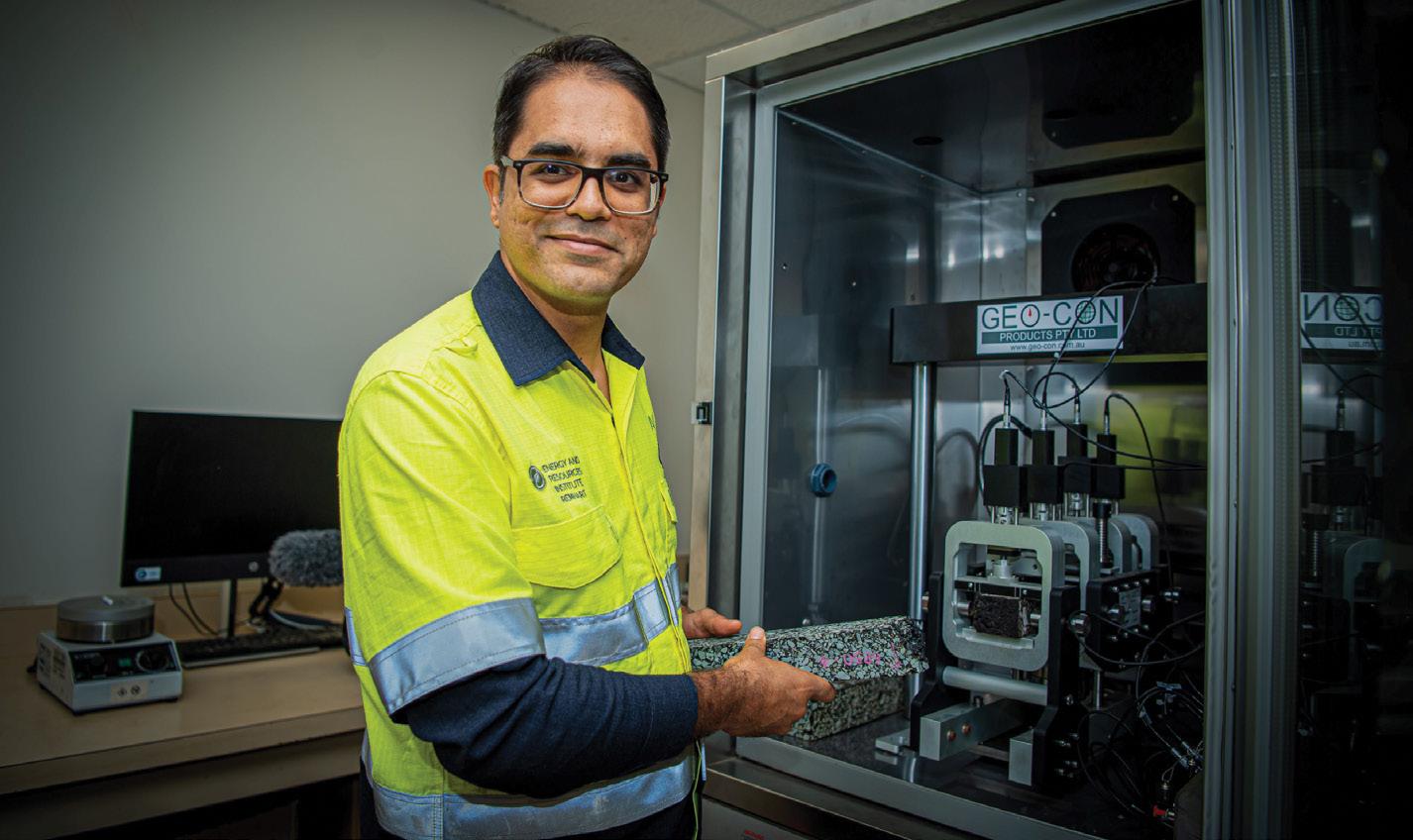
The research, led by Professor Jayantha Kodikara from the Department of Civil and Environmental Engineering, combines microwave energy with controlled hot airflow to dry compacted unbound granular materials, which form the foundation of most road surfaces.
Traditional drying methods rely heavily on sunlight and favourable weather, often causing costly delays. The Monash approach offers a more controlled and predictable alternative, with laboratory trials showing faster and more consistent surface drying compared to using microwaves alone.
The team has also incorporated machinelearning models to predict drying outcomes based on variables such as temperature,
airflow speed, angle and time. These models demonstrated strong accuracy, suggesting contractors could better plan construction schedules and reduce uncertainty on-site.
While challenges remain in drying deeper material layers, the work represents a significant step toward reducing reliance on weather and improving construction efficiency.
Further north, Charles Darwin University is taking a broader approach to road innovation through the launch of its Centre for Asphalt and Road Technologies (CART).
Backed by the Northern Territory Government’s Department of Logistics and Infrastructure and Tyre Stewardship Australia, the centre aims to drive research, collaboration and commercialisation in pavement technologies.
Led by Dr Ali Rajabipour, the CART initiative brings together expertise in road design, materials and performance, with a focus on
delivering infrastructure that is more durable, cost-effective and suited to challenging local conditions.
The centre builds on CDU’s existing pavement research program and is designed to strengthen links between academia, industry and government, helping translate research into practical outcomes.
According to CDU, the goal is to develop roads that last longer, require less maintenance and improve safety for road users – particularly in regions where climate and distance create additional challenges.
Together, the work from Monash University and Charles Darwin University highlights a growing national focus on smarter, datadriven road engineering.
By combining advanced materials research, predictive modelling and industry collaboration, Australian institutions are positioning themselves at the forefront of efforts to deliver more resilient, efficient and cost-effective transport infrastructure.
CDU Senior Lecturer of Engineering Dr Ali Rajabipour.
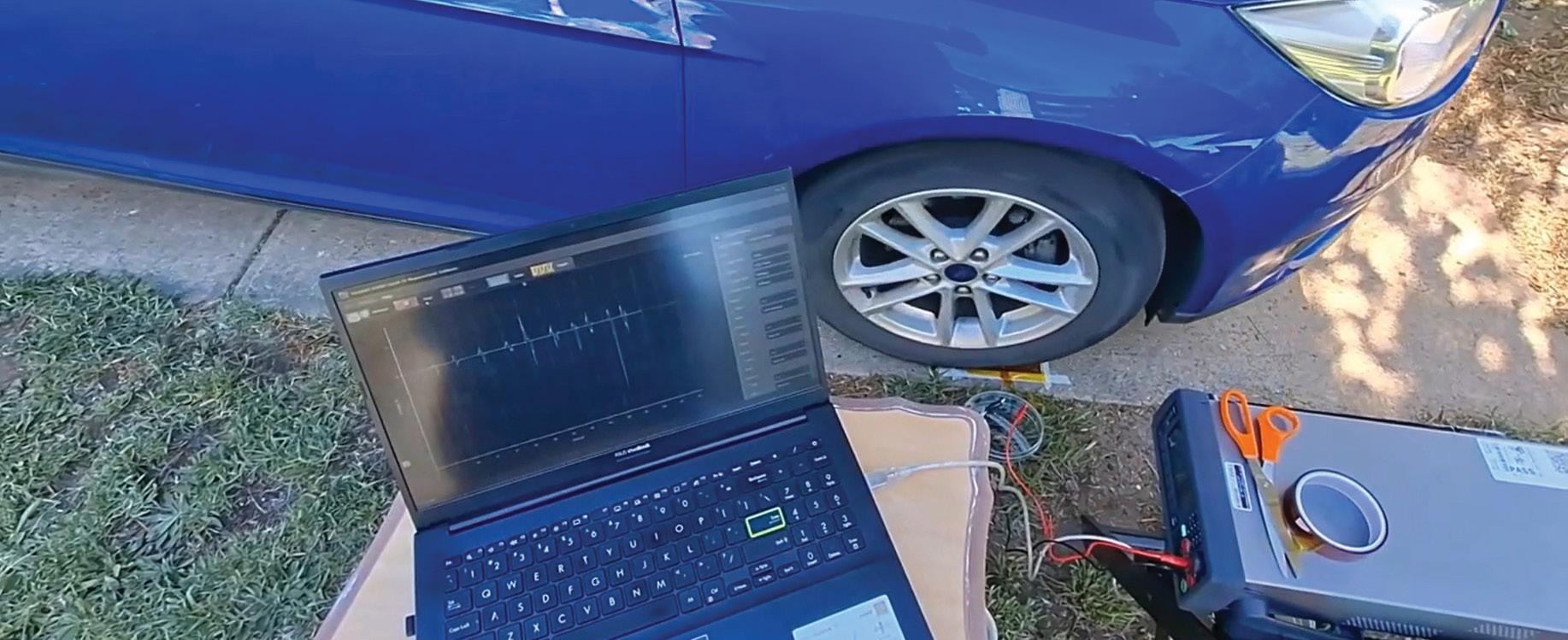
RMIT-developed piezoelectric nylon film generates electricity under pressure, offering durable solution for automotive sensors, smart surfaces and energyharvesting vehicle systems.
A breakthrough from RMIT University could reshape automotive sensor technology, with researchers developing a flexible nylon film capable of generating electricity under extreme pressure while maintaining durability.
The material, based on nylon-11, produces electrical energy when compressed – a property known as piezoelectricity – and has demonstrated remarkable resilience, continuing to function even after being run over by a car multiple times.
Piezoelectric materials are already embedded across modern vehicles, underpinning systems such as fuel injectors, parking sensors and airbag deployment. However, traditional materials like ceramics and quartz can be brittle, limiting their application in high-stress automotive environments.
RMIT’s innovation addresses this limitation by reengineering nylon at a molecular level. Using high-frequency sound waves and an applied electric field during solidification, researchers aligned the material’s internal structure to significantly enhance its ability to convert mechanical energy into electrical output.
The result is a thin, flexible film that can be bent, stretched or compressed while continuing to generate power, making it well suited to next-generation automotive applications where durability and packaging flexibility are critical.
From an engineering perspective, the technology opens pathways for self-powered vehicle systems. Sensors embedded in suspension components, tyres or road-contact surfaces could harvest energy from motion and vibration, reducing reliance on traditional electrical systems and wiring complexity.
Lead researcher Professor Leslie Yeo said the development offers a practical solution for devices that must withstand real-world operating conditions. He noted the material’s resilience makes it suitable for automotive
Are we ready to hit the road with
environments where repeated stress, impact and temperature variation are constant challenges.
Associate Professor Amgad Rezk added that the manufacturing process is both scalable and energy-efficient, an important factor for integration into automotive supply chains. Beyond vehicles, the technology could support smart infrastructure, including road surfaces capable of monitoring traffic loads or generating energy from passing vehicles.
The research, published in Nature Communications, marks a significant step toward integrating energy-harvesting materials into automotive engineering, potentially enabling lighter, more efficient and increasingly autonomous vehicle systems.
driverless shuttle buses?
Researchers have demonstrated how an on-demand autonomous shuttle bus system could significantly improve transport efficiency in Adelaide’s northern suburbs, reducing travel times and making it easier for commuters to connect with major transport hubs.
An Adelaide University study has explored how driverless shuttle buses could operate in the Mawson Lakes area, linking local destinations such as the Mawson Lakes town centre and the university campus with the Mawson Lakes Interchange.
Using a combination of community surveys and advanced computer simulations, the researchers designed a theoretical system that dynamically plans routes and schedules driverless buses based on passenger demand.
Lead researcher Dr Li Meng, a lecturer in transport, logistics and supply chain management, said autonomous shuttles could play a key role in solving the ‘last-mile’ problem – the gap between public transport stations and people’s final destinations.
“Many people find it difficult to access convenient transport for the final stage of their journey,” Dr Meng said.
“An on-demand autonomous shuttle service could connect passengers quickly from transport interchanges to workplaces, homes or campuses, improving both convenience and efficiency.”
Using travellers’ pick-up and drop-off inputs, MATLAB-based artificial intelligence simulations
determined efficient autonomous vehicle routes to minimise passenger travel time.
In the Mawson Lakes case study, simulations showed that three autonomous shuttle buses would be able to transport dozens of passengers between the interchange and surrounding destinations while minimising total travel distance and passenger waiting time.
To understand how people might respond to the technology, the researchers also conducted a survey of 100 potential users, including students, residents and visitors in the Mawson Lakes area. The results revealed strong public interest in autonomous transport.
More than 90 per cent of participants said they would be willing to use autonomous vehicles as public transport in the future, citing convenience and environmental benefits as key reasons.
The survey also found most passengers would consider a waiting time of five-10 minutes acceptable for an on-demand shuttle service. However, the study identified several challenges that would need to be addressed before such systems could become a reality. Safety and public trust remain significant concerns for some potential users, and researchers noted that public education and real-
world demonstrations would be important for building confidence in autonomous technologies.
Technical challenges also remain, particularly around vehicle navigation in complex urban environments. Autonomous vehicles rely heavily on GPS signals, which can be disrupted in built-up areas or tunnels. The researchers suggest combining GPS with other sensors, including cameras, LiDAR and inertial measurement systems, to ensure reliable navigation.
“Despite these challenges, the findings suggest that autonomous shuttle buses could offer a sustainable and flexible transport option for low-density cities like Adelaide,” according to Dr Meng.
The researchers say the next step is to explore more advanced algorithms, refine route allocation strategies and test autonomous shuttle systems in real-world conditions.
“Our results show that an on-demand autonomous shuttle system is technically feasible and could significantly improve urban mobility.
“With further research and testing, this type of service could become an important part of future public transport networks.”
Monash drives women into motorsport STEM
Monash University highlights gender equity in motorsport and engineering through Grand Prix-linked event, promoting leadership, visibility and pathways for women.
Monash University (Monash) has reinforced its push for gender equity in engineering and motorsport, hosting the In Her Corner event at the Australian Grand Prix.
The event brought together global motorsport leaders, engineers and emerging talent to promote inclusivity and highlight pathways for women in STEM.
Monash Vice-Chancellor and President Professor Sharon Pickering said the initiative plays a key role in addressing barriers that have historically limited female participation in engineering and motorsport.
“When women see themselves reflected in leadership and innovation, it shows them what is possible and who belongs,” Pickering said.
She added that improving gender equity requires more than visibility, calling for structural change to ensure talent can develop and thrive across the sector.
The program featured panel discussions and presentations from highprofile figures including Formula 1 media presenter and former Sauber Head of Strategy Ruth Buscombe, Formula 1 CEO Stefano Domenicali and Engineers Australia Chief Engineer Katherine Richards.
Discussions focused on leadership, innovation and lived experience, providing insight into both the ongoing challenges and emerging opportunities for women in technical and motorsport roles.
Beyond the event, Monash is embedding gender equity through longterm institutional initiatives. The university is a contributor to the Women in STEM Decadal Plan and participates in the SAGE Athena
Swan framework, becoming the first group of eight university’s to achieve Silver accreditation in 2025.
Since 2018, Monash has more than doubled the number of women professors in STEM disciplines, alongside growth in senior academic roles and expanded mentoring programs.
At the student level, initiatives such as Women in Engineering at Monash and dedicated scholarships aim to build early engagement and strengthen pathways into industry.
As an official event supporter, Monash also promoted their studentled innovation at the Grand Prix Innovation Hub, reinforcing the link between education, engineering and real-world application.
The In Her Corner event concluded with a call for stronger collaboration across universities, industry and motorsport to ensure the next generation of women in STEM is supported, visible and empowered.
Australian-made Huntsman howitzers roll out
First locally built AS9 Huntsman howitzers mark milestone for Australian defence manufacturing, boosting jobs, capability and sovereign industry in Victoria.
Hanwha Defence Australia has marked a major milestone with the rollout of the first Australian-made AS9 Huntsman self-propelled howitzers from its Avalon facility in Victoria.
The three vehicles, produced at the Hanwha Armoured Vehicle Centre of Excellence (H-ACE), signal the return of high-technology armoured vehicle manufacturing to the Geelong region and form part of the Australian Army’s LAND 8116 program.
They join earlier units built in South Korea and will now undergo further testing, training and verification activities, including firing trials, as the capability moves closer to operational service. Hanwha is also working alongside Australian Army personnel to train operators and maintainers at the facility.
Hanwha Defence Australia CEO Ben Hudson described the moment as a significant achievement for both the company and the broader defence industry. The AS9 Huntsman, based on the globally proven K9 platform, features a 52-calibre 155mm gun system already in service with multiple nations, including NATO members.
The companion AS10 ammunition resupply vehicle has been designed to improve safety and efficiency, reducing risk to soldiers while supporting sustained operations in demanding environments.
The program is underpinned by a broad Australian supply chain, with dozens of local companies contributing to manufacturing, systems integration and support. The technology transfer between South Korea and Australia has also been highlighted as a key element in building sovereign capability.
The rollout comes as the Victorian Government continues to position the state as a defence manufacturing hub. The $225 million Avalon
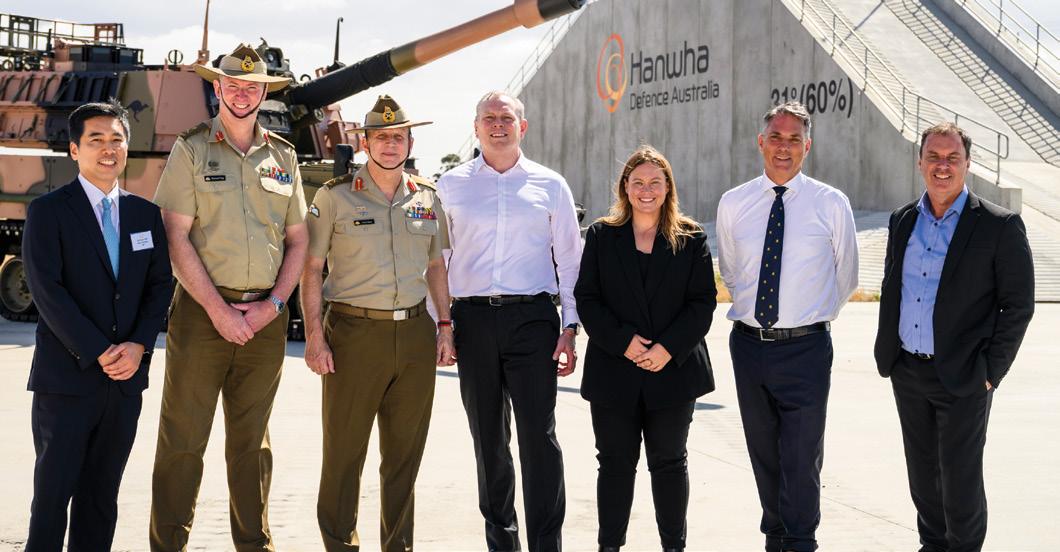
Hanwha Defence Australia and Europe CEO Mr Ben Hudson, Victorian Government local member Ms Ella George, Deputy Prime Minister Mr Richard Marles and Victorian Government Minister for Advanced Manufacturing Mr Colin Brooks.
facility, supported by state funding, will also produce Redback Infantry Fighting Vehicles under the LAND 400 Phase 3 program.
Victorian Minister for Industry and Advanced Manufacturing Colin Brooks said the milestone reinforced the state’s leadership in defence manufacturing.
“This milestone cements Victoria’s position at the centre of Australia’s defence manufacturing capability, supporting highly skilled jobs, strengthening sovereign capability and driving long-term economic growth,” Brooks said.
Government figures say the broader program is expected to generate more than 1,000 direct jobs and support thousands more across Victoria’s defence supply chain.
The first Australian-made AS10 vehicle is expected to follow later this year, further expanding local production capability.
L-R Republic of Korea Charge d’Affaires Mr Jimin KIM, Major General Richard Vagg Head of Land Capability, Major General Jason Blaine Head of Land Systems, Mr Ben Hudson
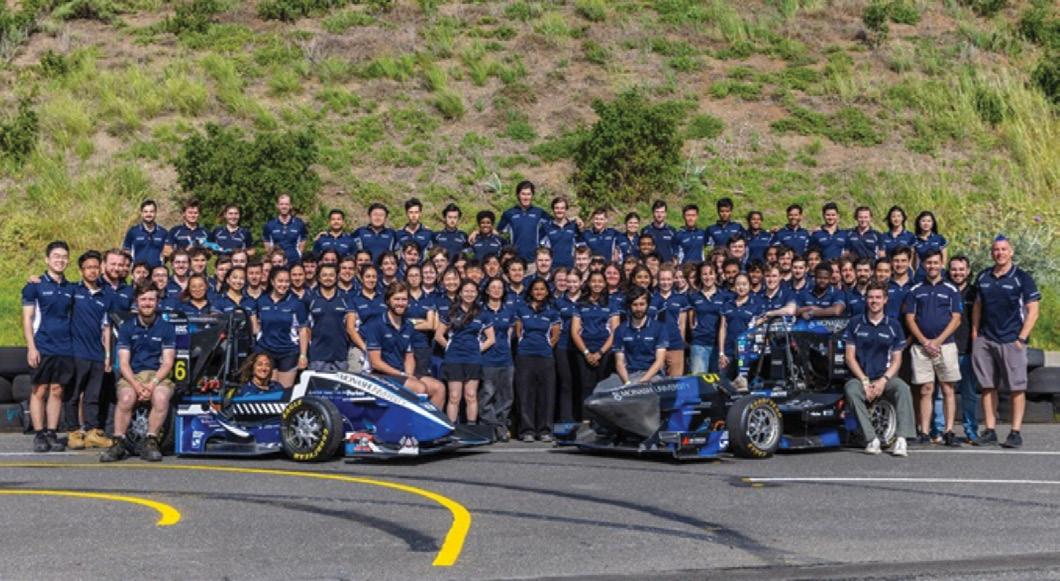
The Monash Formula SAE-A team.
Avetta, BG partner on transport safety
New partnership introduces AI-powered road transport risk assessment tool, helping Australian organisations manage compliance, improve safety outcomes and strengthen supply chain oversight.
Avetta has announced a strategic partnership with BG Road Safety to introduce new capabilities aimed at reducing road transport risks across Australian supply chains.
The collaboration will see BG Road Safety’s specialist expertise integrated into Avetta’s AI-powered Avetta One supply chain risk management platform, delivering a new road transport assessment module designed to improve how organisations evaluate and manage transport safety performance.
The move comes as Australian businesses face increasing regulatory scrutiny around road transport risks. Under the Heavy Vehicle National Law and Chain of Responsibility obligations, accountability extends across the entire supply chain, placing greater pressure on organisations to demonstrate active risk management rather than simple compliance.
Avetta said the new tool will provide a structured and defensible framework for identifying transport risks, assessing contractor safety controls and documenting gaps. This is expected to support board-level assurance, insurance discussions and regulatory scrutiny following incidents.
BG Road Safety brings decades of experience working with high-risk industries including mining, construction and utilities, where long distances, remote operations and heavy reliance on road transport heighten exposure to fatigue, maintenance and emergency response risks.
Avetta Chief Revenue Officer Jeff Kristick said road transport remains one of the most complex and risk-prone areas of supply chains, and the partnership would provide greater visibility over supplier safety performance.
BG Road Safety CEO Dean Aravidis added that organisations are increasingly required to demonstrate not just policies, but how risks are actively understood and controlled in practice.
The partnership forms part of Avetta’s broader global partner program, aimed at strengthening supply chain safety, sustainability and risk management capabilities for both clients and suppliers.
University of Queensland to conduct world-first tests into magnetic heat shields to improve spaceship re-entry
Magnetic heat shields could increase the viability of future return missions to Mars by making spacecraft lighter, cheaper, and cooler during re-entry.
University of Queensland (UQ) hypersonics researcher Dr David Gildfind and his team at the School of Mechanical and Mining Engineering are conducting the world’s first experiments to determine how spacecraft size affects magnetic heat shield performance. Heat shields are used to protect spacecraft from the intense fireball that forms when reentering Earth’s atmosphere, where speeds in excess of 30,000km/hr cause the air around the vehicle to become so hot it turns to plasma.
Dr Gildfind said his work was focused on actively deflecting this super-hot plasma with superconducting magnets, instead of just relying on conventional thermal protection such as the ceramic tiles that were used on NASA’s space shuttles.
“When the magnet pushes at the plasma, the plasma pushes back on the spacecraft, helping to slow the spacecraft down,” Dr Gildfind said.
“The idea with this is it gives you extra braking earlier on to help slow the spacecraft down before the fireball reaches peak intensity and g-forces become intolerable.
“And by reducing temperatures on the surface of the spacecraft, the vehicle’s thermal protection system can be made lighter without compromising safety during its fiery ride back into Earth’s atmosphere.”
An ARC Discovery Grant has allowed Dr Gildfind and other UQ hypersonics researchers to join international efforts to
research magnetohydrodynamic heat shield technology.
UQ says its Centre for Hypersonics is already recognised as the world’s leading universitybased research group for hypersonics, defined as speeds greater than Mach 5, or five times the speed of sound.
Two decades ago, the Centre gained international attention for conducting the first atmospheric SCRAMjet test.
Dr Gildfind and his team will build on that history of innovation by conducting world-first experiments in their hypersonics laboratory to measure how a magnetic field deforms due to the flow of plasma through the field.
“We will put the theory into practice for what would be the ultimate application for this technology – a large, crewed capsule returning to Earth from Mars, such as a future version of NASA’s current Orion capsule,” Dr Gildfind said.
“Until now there has been very limited research as to how a magnetic field deforms when plasma flows through it during flight at these speeds, even though we expect the effect to be significant. We hope to change that and forge a path forward for this technology to make spaceflight safer and cheaper.”
However, Dr Gildfind said it was not yet known how the technology will perform at the scale required for human space travel.
“The truth is, this is uncharted territory in the field of spacecraft design. The physics involved in using strong magnetic fields to manipulate the fireball engulfing a large spacecraft is incredibly complex, and while our models and analysis predict big gains in performance, no one can know for sure until we do experiments.”
Dr Gildfind said the findings of the research, supported by the $610,710 ARC grant, will be shared with international space agencies as part of an effort to boost collaboration and help Australia’s growing space industry continue to take flight.
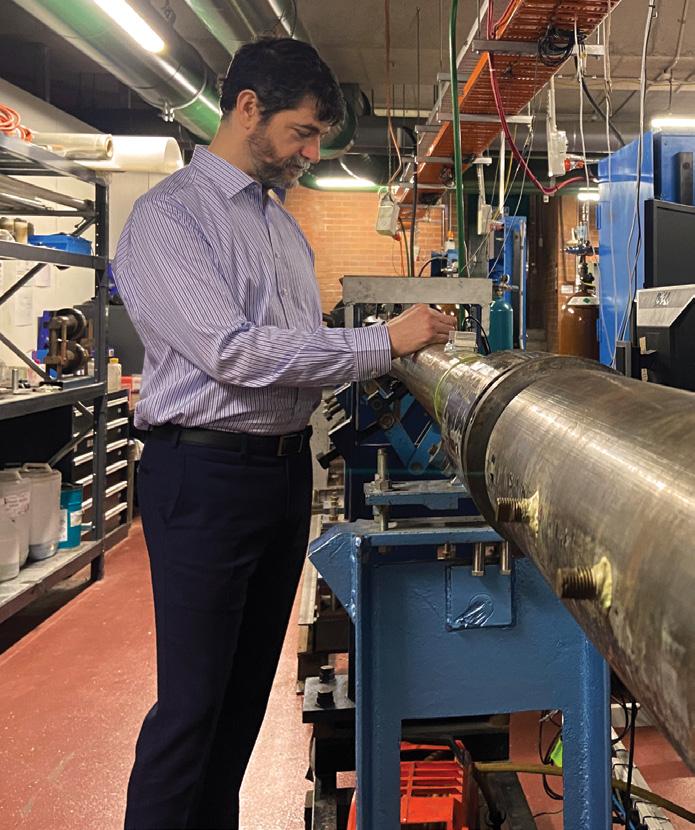
Dr David Gildfind
Toyota Pony.ai scale robotaxi production plans
Mass-produced bZ4X robotaxis mark major step toward large-scale autonomous mobility, with cost reductions and production efficiencies accelerating commercial deployment.
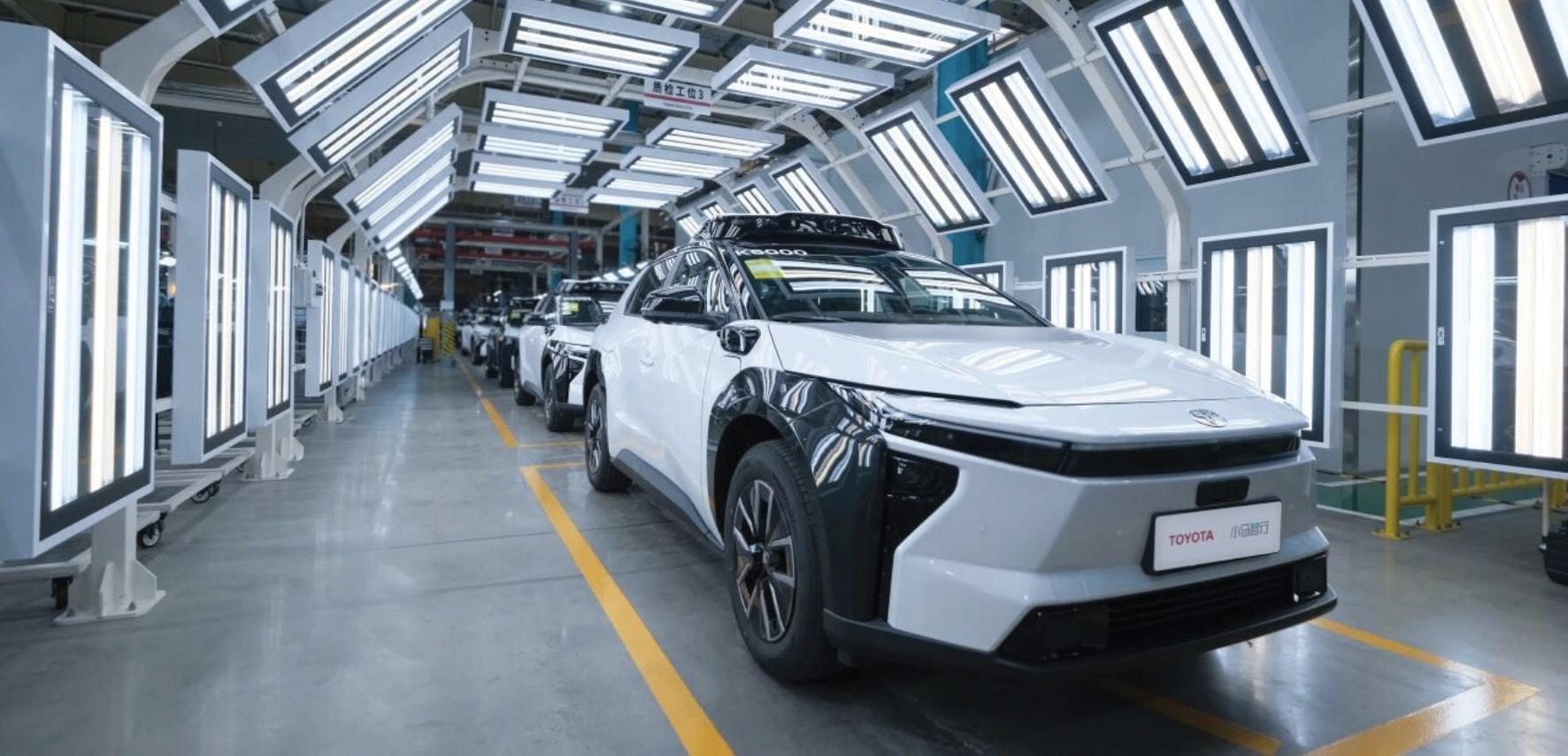
Pony.ai and Toyota have taken a significant step toward large-scale autonomous mobility, with the first mass-produced bZ4X robotaxi rolling off the production line.
The milestone signals a shift from pilot programs to scaled production, with the partners planning to build more than 1,000 robotaxis in 2026. These vehicles will be deployed across major Chinese cities as part of a broader strategy to expand Pony.ai’s fleet beyond 3,000 units.
Developed in collaboration with Toyota Motor China and GAC Toyota, the bZ4X robotaxi integrates autonomous driving technology with established automotive manufacturing processes. Production is supported by Toyota’s global manufacturing network, ensuring consistency and scalability.
At the core of the vehicle is Pony.ai’s seventhgeneration autonomous driving system, which features fully automotive-grade components. The latest system also delivers a 70 per cent reduction in bill-of-materials cost compared with the previous generation, a key factor in improving commercial viability.
From an engineering perspective, the integration of autonomous systems into a mass-production environment represents a critical step forward. The use of Toyota’s Production System (TPS) embeds strict quality control, safety management and durability standards into the robotaxi manufacturing process.
Toyota’s long-standing focus on quality, durability and reliability underpins the production approach, ensuring that autonomous vehicles meet the same standards as conventional passenger cars. This alignment is essential as the industry transitions from limited trials to full commercial deployment.
The bZ4X robotaxi also introduces enhanced passenger features, including Bluetoothenabled vehicle access, voice interaction systems and pre-trip climate control, alongside refined driving behaviour aimed at improving ride comfort.
The partnership between Pony.ai and Toyota dates back to 2019 and has evolved to include joint development, manufacturing and operational support for robotaxi services.
This latest production milestone demonstrates how autonomous driving technology is moving beyond experimental phases toward industrial-scale deployment, supported by mature manufacturing systems and cost-efficient engineering solutions.
GAC magazine battery sets safety benchmark
GAC’s magazine battery technology delivers breakthrough safety performance under extreme conditions, reinforcing confidence in next-generation electric vehicle battery engineering systems.
Chinese vehicle manufacturer GAC has placed battery safety at the centre of its latest engineering push, with its “Magazine Battery” emerging as a key technology underpinning the company’s global ambitions in electric mobility. The battery system represents a ground-up redesign spanning cell chemistry through to full vehicle integration, with a strong focus on mitigating thermal runaway risks—one of the most critical challenges in electric vehicle engineering. According to GAC, the Magazine Battery has been subjected to testing regimes that exceed current industry standards and anticipate future regulatory requirements. Under extreme conditions including needle penetration, crushing and torsional stress, the battery reportedly resists ignition and explosion, addressing a key safety concern associated with lithium-ion systems. This performance is central to GAC’s strategy of building consumer trust through demonstrable engineering robustness.
From an automotive engineering perspective, the significance lies not just in the battery’s resilience, but in how safety is integrated across the entire system. The Magazine Battery forms part of a broader architecture that links cell-level protection with vehicle-level monitoring and control.
This approach is reinforced by GAC’s X-SOUL Safety Protection System, which extends battery oversight across the full lifecycle of the vehicle. The system incorporates continuous monitoring, early risk detection and redundant safety mechanisms designed to maintain operational stability under fault conditions. The emphasis on battery safety also complements GAC’s wider powertrain development, including its Quark Electric Drive 2.0 and third-generation hybrid systems. While these technologies focus on efficiency and performance, the Magazine Battery anchors
the platform by ensuring that energy storage remains stable under real-world stresses.
In the context of global EV development, battery safety has become a defining engineering battleground, influencing everything from vehicle design and packaging to regulatory compliance and consumer acceptance. GAC’s approach highlights a shift toward integrated safety engineering, where battery systems are no longer standalone components but central elements of vehicle architecture.
As the company expands into international markets, the Magazine Battery is positioned as a core differentiator, combining high safety standards with system-level integration. The development reflects a broader industry trend toward designing batteries that not only store energy efficiently, but also actively enhance vehicle safety and reliability.
Chalmers researchers develop carbon fibre structural battery that reduces vehicle weight and energy use, offering significant gains in electric vehicle range.
A breakthrough in structural battery technology from Chalmers University of Technology in Sweden could reshape automotive engineering, with researchers developing a carbon fibre composite battery that doubles as a load-bearing material.
The innovation enables vehicles to integrate energy storage directly into their structure, reducing overall weight and improving efficiency. Researchers say the technology could increase electric vehicle driving range by up to 70 per cent while also lowering energy consumption.
Unlike conventional lithium-ion batteries, which add significant mass and require dedicated packaging, the Chalmers design uses carbon fibre as both a structural element and an energy storage medium. This multifunctional approach eliminates the need for additional materials such as copper or aluminium current collectors, further reducing weight.
The battery achieves an energy density of 30 watt-hours per kilogram, an improvement on earlier iterations, while delivering stiffness
comparable to aluminium. This allows the material to carry structural loads in applications such as vehicle body panels or chassis components.
From an engineering perspective, the development addresses one of the key tradeoffs in electric vehicle design: balancing energy storage capacity with vehicle mass. By embedding energy storage within structural components, designers can rethink vehicle architecture, potentially eliminating redundant structures and enabling more efficient packaging.
Professor Leif Asp, who leads the research, said the concept of massless energy storage offers significant advantages for transport applications where weight reduction is critical. He noted that lighter vehicles require less energy to operate, amplifying the benefits of the technology beyond battery performance alone.
The structural battery also incorporates a semi-solid electrolyte, improving safety by reducing the risk of fire compared with traditional liquid-based systems.
While the technology is not yet ready for large-scale production, interest from the automotive and aerospace sectors is growing. The establishment of Chalmers Venture company Sinonus AB signals a move toward commercialisation, although further engineering development will be required to scale manufacturing.
If successfully deployed, structural batteries could enable lighter, more energy-efficient vehicles, marking a significant step forward in automotive engineering and electric mobility.
Wayve, Uber and Nissan’s collaboration on Robotaxis
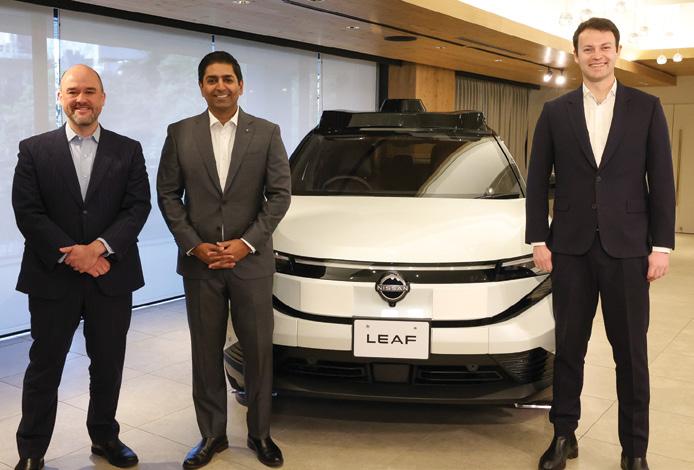
Uber’s first autonomous vehicle partnership for Japan, in collaboration with Wayve and Nissan is planned as a global robotaxi rollout across over 10 cities, including London. The pilot is planned for Tokyo in late 2026, subject to discussions with relevant authorities.
Wayve, Uber and Nissan has announced the signing of a memorandum of understanding to collaborate on the development of robotaxis and commence activities to realise the deployment of robotaxi services. The parties will begin preparations for a pilot deployment in Tokyo by late 2026, introducing the Nissan LEAF powered by the Wayve AI Driver, available to riders through Uber.
This marks Uber’s first autonomous vehicle partnership in Japan and the next milestone in Wayve and Uber’s global robotaxi rollout, which includes planned services across more than 10 cities worldwide, including London.
Under this scheme, the goal is to integrate Wayve’s end-to-end AI autonomous driving system into Nissan’s base vehicle, which can accommodate the Wayve AI Driver and connect to Uber’s ride-hailing platform, matching robotaxis with individuals seeking transportation.
During the initial phase, the vehicles will operate on the Uber network with a trained safety operator in the car, allowing riders to experience a robotaxi service as part of their everyday journeys.
Wayve, Uber and Nissan aim to deploy their state-of-the-art, safe and reliable robotaxi service in Tokyo, one of the world’s most challenging markets with its dense traffic patterns, complex road layouts and high safety standards.
The Wayve AI Driver is designed to learn from
real-world data and generalize across new roads and cities without the use of an HD map. This enables rapid expansion into global markets and supports deployment in dynamic urban environments like Tokyo.
“Tokyo represents an important step forward in bringing embodied intelligence to one of the world’s most sophisticated mobility markets. We have been testing our technology throughout Japan since early 2025, building extensive experience in the country’s unique road environments. Partnering with Uber and Nissan to begin pilot deployment of Robotaxi allows us to introduce this technology in a responsible way, while continuing to learn and expand,” cofounder & CEO, Wayve, Alex Kendall, said. Uber intends to launch the service through a licensed taxi partner in Japan, working in close alignment with relevant authorities, and is currently in the process of selecting its partners.
“Autonomous mobility is becoming an increasingly important part of the Uber platform. We are excited to expand our collaboration with Wayve and to work with Nissan to bring robotaxi services to Tokyo,” CEO, Uber, Dara Khosrowshahi, said.
“Following our planned pilot deployment in London, we look forward to expanding into Tokyo and introducing new, modern ways to travel in some of the world’s largest cities. It also reflects our long-term commitment to Japan, a critical market where innovation can
Range extender trucks slash fleet costs
FEV analysis shows hybrid range-extender trucks can cut operating costs and emissions significantly, offering practical electrification without major charging infrastructure investment.
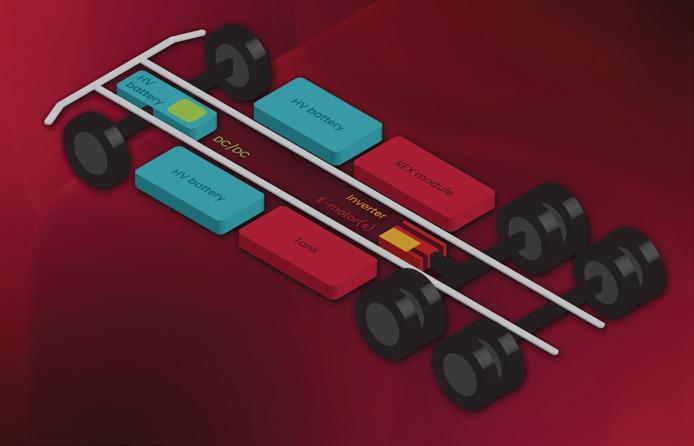
Range-extender electric trucks could deliver a step-change in commercial vehicle economics, with new analysis from engineering firm FEV suggesting total cost of ownership reductions of up to 33 per cent.
The study, based on detailed techno-economic modelling, found that range-extender electric vehicle (REEV) architectures can outperform conventional diesel trucks across a range of operating conditions, while also delivering significant emissions reductions. Even in longhaul applications, where electrification has traditionally been challenging, FEV reports cost savings of around 14 per cent.
At the core of the engineering advantage is battery optimisation. Unlike fully battery-electric trucks, which can require packs of around 560kWh, REEV systems can operate effectively with approximately half that capacity. This reduction lowers vehicle weight, improves
payload capability and significantly cuts upfront costs.
The architecture combines a smaller battery with a range extender, allowing trucks to operate predominantly in electric mode while maintaining flexibility for longer journeys. Crucially, the system is designed to integrate with existing depot charging infrastructure, avoiding the need for high-cost megawatt charging networks.
FEV’s analysis shows that overnight AC charging at around 22kW can deliver sufficient energy for most daily operations, particularly in regional and short-haul scenarios. This enables fleet operators to electrify without major infrastructure upgrades, reducing both capital expenditure and operational risk.
From an engineering perspective, the REEV concept addresses one of the key barriers to heavy vehicle electrification: balancing
help address driver shortages and support the future of urban transportation. Our goal is to give riders more ways to move with seamless access through the Uber app.”
As part of the announcement, the companies are providing a first look at the Robotaxi prototype based on the Nissan LEAF.
“Nissan is proud to collaborate in this next chapter of mobility innovation. Our work with Wayve to integrate advanced AI technology across our consumer vehicle portfolio has laid strong foundations, and we are excited to take this partnership further with a pilot deployment of Robotaxi in Tokyo, bringing together Wayve’s AI technology, Uber’s network, and Nissan vehicles. Nissan’s vision is to bring mobility intelligence to everyday life, and we believe this initiative reflects how we translate that ambition into real world applications,” president and CEO, Nissan Motor Co, Ivan Espinosa, said.
The announcement reinforces a shared ambition to scale safe, intelligent autonomous mobility globally, by combining Wayve’s AI technology, Nissan’s cutting-edge vehicles and Uber’s network, the partners aim to bring autonomous mobility to more cities.
range, payload and cost. By reducing battery size while maintaining operational flexibility, the system provides a practical pathway for decarbonising freight transport.
FEV Chief Operating Officer Dr Norbert W. Alt said the findings demonstrate that rangeextender systems offer an immediately viable solution for long-distance transport, particularly where charging infrastructure remains limited. In addition to cost benefits, the study indicates that greenhouse gas emissions could be reduced by up to 82 per cent, depending on energy sources and operating conditions.
FEV is now developing demonstrator vehicles to validate the results in real-world conditions.
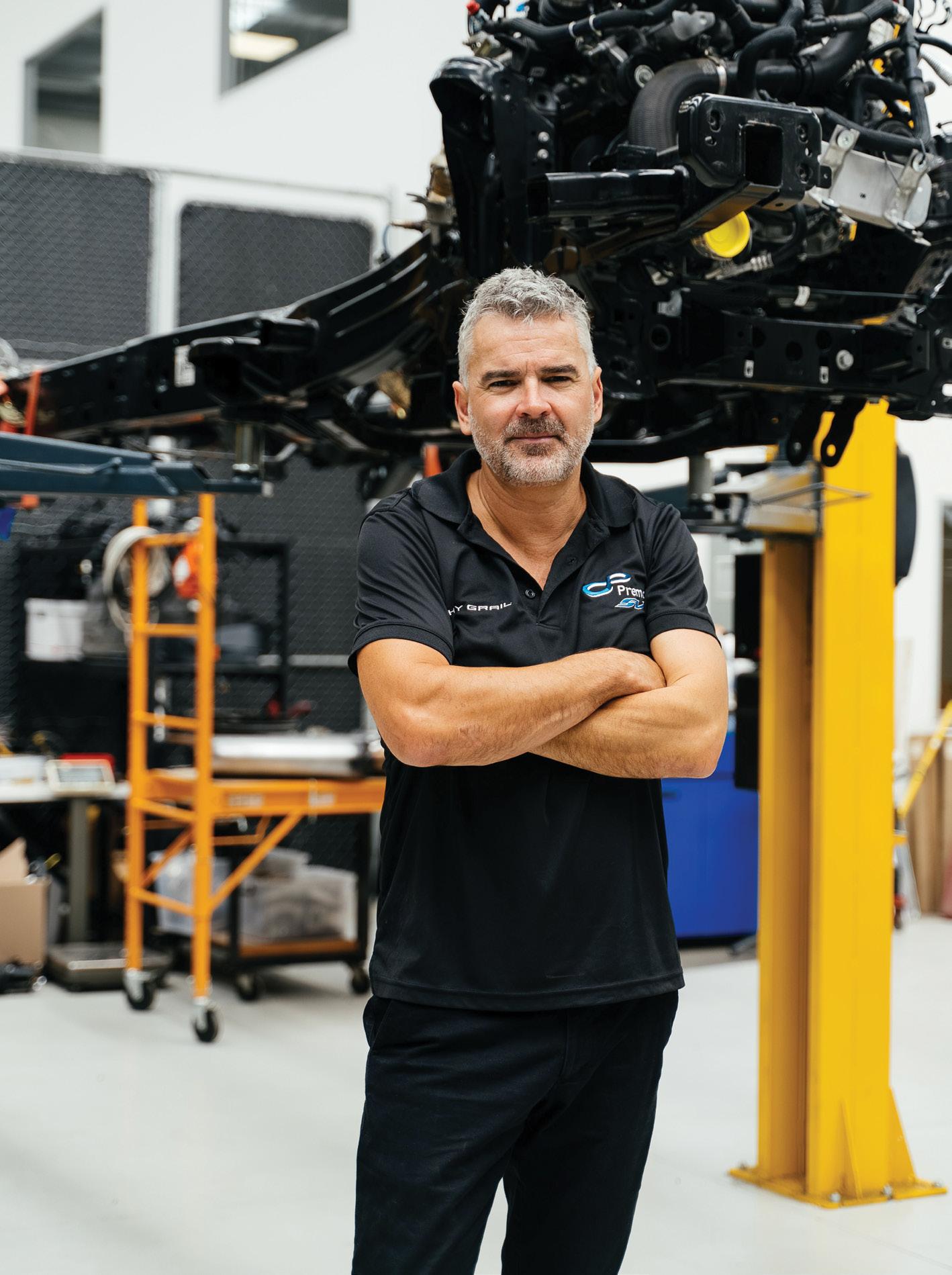
Spotlight on Bernie Quinn, Premcar CEO
Engineering passion drives Premcar success story
From humble beginnings to leading Premcar, Bernie Quinn’s journey highlights resilience, engineering passion, and Australia’s evolving automotive capability.
For Bernie Quinn, cars were never just machines – they were an obsession that shaped a career, a business, and a reputation for engineering excellence in Australia’s automotive sector.
Born and raised in Melbourne as the youngest of eight children, Quinn’s upbringing was modest but grounded in strong values. Despite limited financial means, his parents prioritised education, a decision he credits as foundational to his career.
“We didn’t have a lot of money,” he reflects, “but we had a stable upbringing and a good education, and I’m very thankful for that.”
That early environment fostered curiosity, even if it didn’t immediately translate into academic success. Quinn admits he was not a standout student in high school, a reality that forced him onto a longer path into engineering. But what he lacked in early academic discipline, he made up for in passion – a recurring theme that continues to define his approach today.
From
LEGO to production engineering
Quinn’s fascination with cars began in childhood, sketching vehicle designs and building LEGO kits and scale models. Initially drawn to automotive styling, his interest evolved into a deeper appreciation for mechanical systems and engineering fundamentals.
“I probably knew my career direction from a very early age,” he says.
“It started with drawing cars, then understanding how they worked.”
That curiosity ultimately led him to his first engineering role as a production engineer at Toyota in Melbourne. The experience proved formative, exposing him to the discipline and rigour required in large-scale manufacturing environments. It was here that Quinn developed a strong appreciation for quality, process control and real-world engineering outcomes.
But Toyota’s limited involvement in local vehicle development at the time prompted him to seek more hands-on engineering work. He moved to engineering company Dana, working within Ford’s product engineering environment, where he became immersed in chassis and driveline development – arguably the core of performance vehicle engineering.
Chasing performance engineering
Quinn’s next move would align directly with his personal passion: performance vehicles. A lifelong admirer of Falcon GTs and Australian muscle cars, he joined Prodrive Automotive Technology – Ford Performance Vehicles’ joint venture partner – as a driveline engineer.
This role placed him at the heart of highperformance vehicle development in Australia, a period that would later prove pivotal not just for his career, but for the future of the company itself.
By 2010, Quinn had risen to Chief Engineer. However, the declining fortunes of the Ford Falcon cast uncertainty over the business.
When Prodrive offered the Australian operation for a management buyout in 2012, Quinn and two colleagues made a decision that would define the next chapter of their careers.
“At the time, it was incredibly tough,” he admits.
“If you had asked me in those first few years, I might have said it was the wrong decision.”
Instead, it became the catalyst for transformation. The business was reborn as Premcar.
Building Premcar from adversity
The early years of Premcar were challenging, marked by financial losses and uncertainty.
But Quinn’s combination of engineering discipline and resilience – traits he consistently emphasises – helped steer the company through.
Over time, Premcar not only stabilised, but expanded beyond its FPV-era roots. Today, it stands as a globally recognised engineering and manufacturing partner for major automotive OEMs.
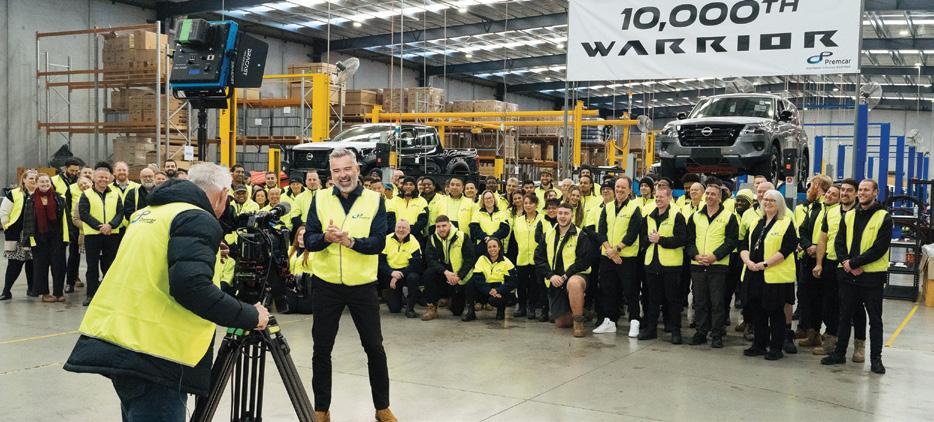
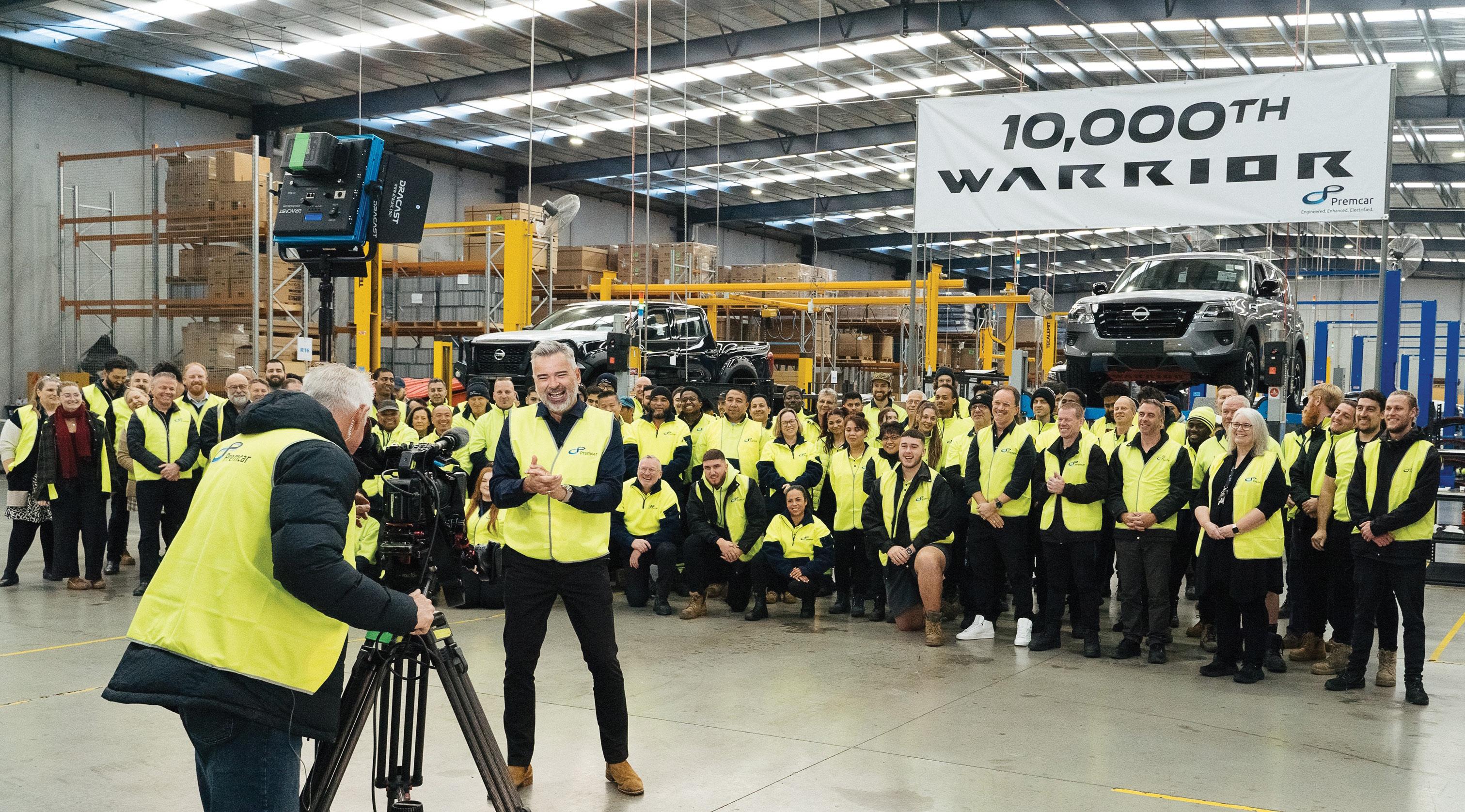
One of its most visible successes is the Nissan WARRIOR program, launched in 2019. Developed and engineered in Australia, the WARRIOR range reimagines vehicles like the Navara and Patrol for local conditions, blending durability, off-road capability and affordability.
To date, Premcar has built more than 17,000 WARRIOR vehicles for Nissan in Australia alone, part of a broader history that includes over 215,000 vehicles and 55,000 engines produced across three decades.
The company’s work extends well beyond Australia. From vehicle programs in South Africa to concept development in the United States and EV platform work in China, Premcar has quietly established itself as a global engineering player.
Engineering philosophy and customer focus
Central to Premcar’s success is a philosophy Quinn describes as deeply customer-centric. It is not a slogan, he insists, but a discipline embedded in every aspect of the business.
“Everything we do is about the customer and their end user,” he says.
“It’s not about the individual engineer or anyone in the office.”
This approach influences engineering decisions, manufacturing processes and business strategy alike. It also reflects Quinn’s broader view of engineering as a problemsolving discipline that must balance creativity with practical outcomes.
That mindset extends to how Premcar navigates industry challenges, particularly rising costs. Rather than simply absorbing or passing on costs, the company focuses on engineering-led solutions that improve efficiency and deliver value.
Lessons in resilience and leadership
Quinn’s career offers a clear message for those entering the automotive industry: passion and resilience are inseparable.
“This is a difficult industry,” he says.
“There are times when challenges feel impossible, but if you push through, you get results.”
He also emphasises the importance of aligning career choices with genuine interest. For Quinn, passion for cars has been the constant thread linking every stage of his journey – from childhood sketches to leading a global engineering business.
Equally, he acknowledges the personal sacrifices that can accompany such focus. Reflecting on his career, Quinn admits that work sometimes took precedence over family. Today, he places greater emphasis on
balance, a value he actively promotes within Premcar.
“Family is number one,” he says.
“I’m in a much better place with that now.”
Looking ahead
Premcar’s future ambitions are ambitious. Quinn aims to triple the size of the business within five years, driven by international expansion and new opportunities in both automotive and adjacent sectors such as defence and aerospace.
At the same time, the company is positioning itself as a premium brand in OEM vehicle conversions – one that combines engineering excellence with accessibility, drawing comparisons with iconic Australian brands.
For Quinn, the journey from a carobsessed kid in Melbourne to CEO and Engineering Director has been anything but straightforward. Yet it is precisely that nonlinear path – marked by setbacks, risks and persistence – that underpins his perspective on success.
“There wasn’t one big decision,” he says of Premcar’s rise.
“But the management buyout was our sliding doors moment. Everything since then has been built on thousands of smaller decisions, and a lot of hard work.”
In an industry undergoing rapid change, Quinn’s story stands as a reminder that while technology evolves, the fundamentals of engineering – curiosity, discipline and resilience – remain constant.
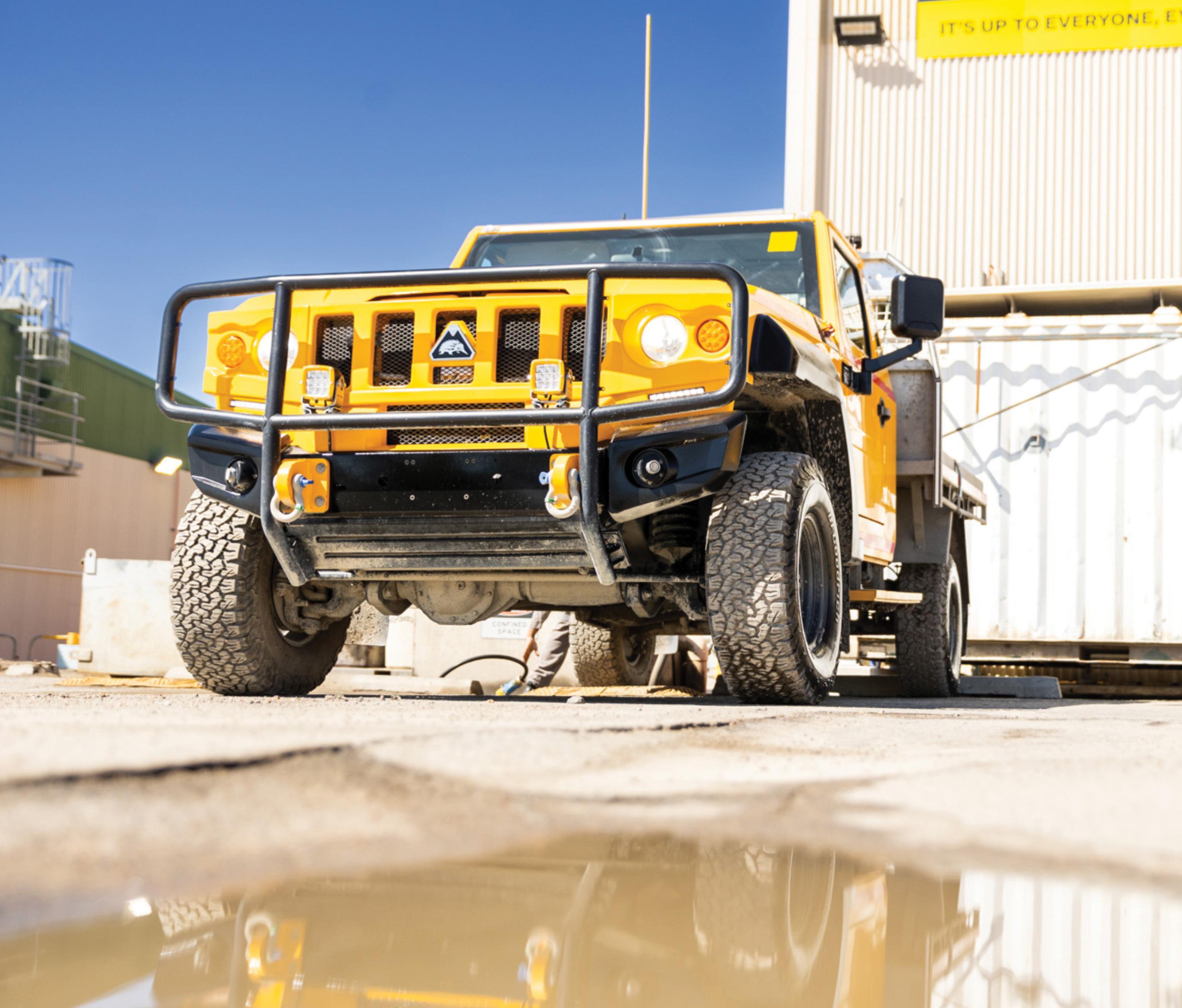
Bortana EV targets underground diesel risks
Electric light vehicle platform aims to remove diesel particulate exposure while delivering durability and lifecycle gains in harsh mining environments.
Deep underground, where heat, humidity and confined airflows define the working environment, the transition to electrification is not just about emissions – it is about human health.
For decades, diesel-powered light vehicles have been a staple of underground mining operations. But alongside their utility comes a persistent and well-documented risk: diesel particulate matter. In confined spaces, even with extensive ventilation systems, these particulates remain present in the air miners breathe.
It is this issue – more than climate pressure or electrification trends – that sits at the heart of Bortana’s latest development.
“Underground mining companies spend a huge amount of money on ventilation to try and remove those diesel particles,” Sean Myers of Bortana told Vehicle Technology Engineer Magazine
“But the majority of the equipment underground is diesel, and miners still breathe it.”
Diesel particulate matter is classified as a hazardous substance and carcinogen, and its presence underground creates both a safety challenge and an operational cost burden. For Bortana’s founder, Steve Durkin, it raised a fundamental engineering question: if a safer alternative exists, why continue to rely on diesel?
From safety problem to vehicle program
Bortana’s origins lie within parent company Safescape, an organisation already focused on improving safety in underground mining. Durkin’s earlier innovation – replacing traditional steel and timber escape ladders with a roto-moulded alternative – demonstrated how engineering could directly reduce risk while improving lifecycle performance.
The move into vehicle development followed a similar philosophy.
“So he said, ‘How hard would it be to actually build an electric light vehicle?’” Myers explained.
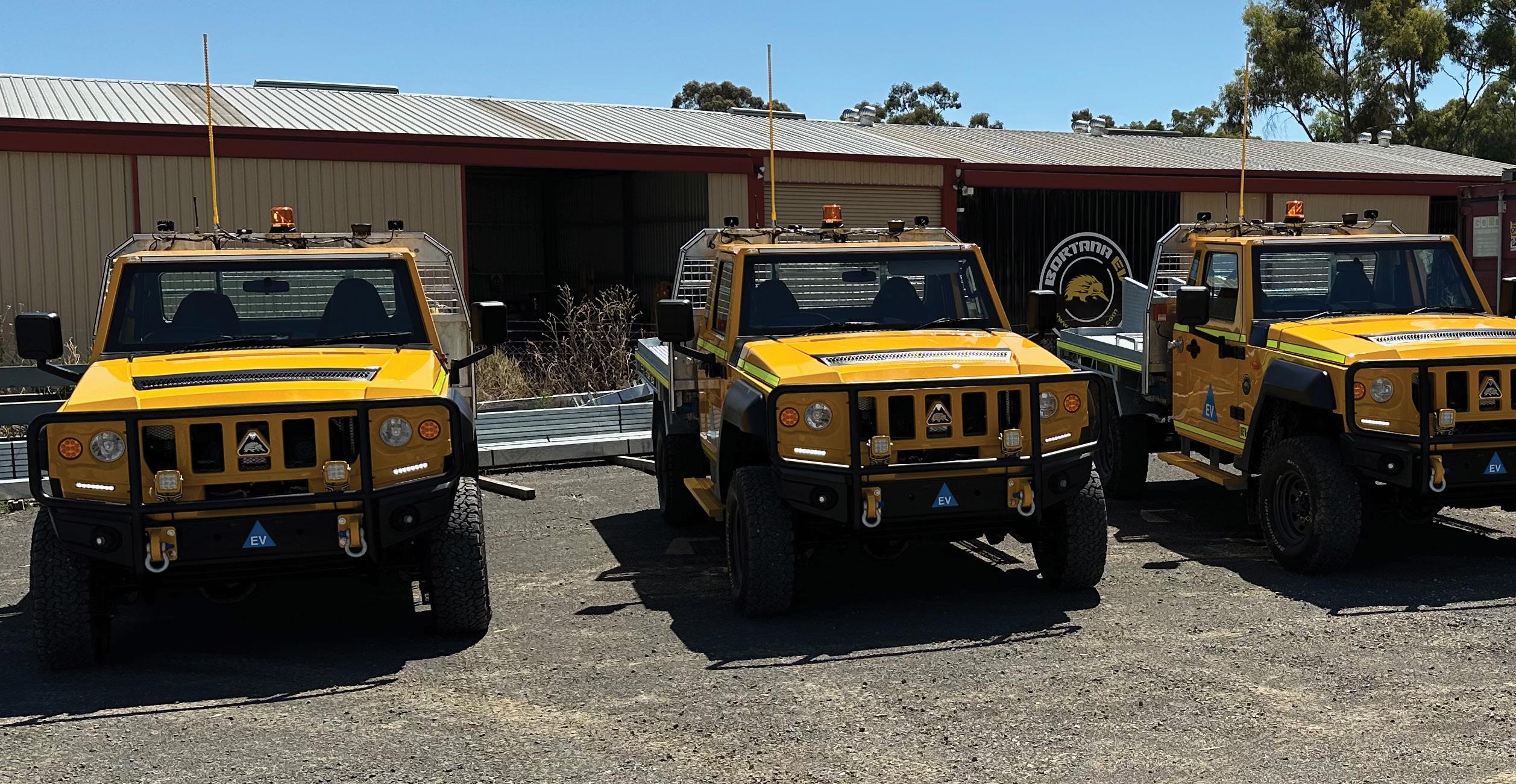
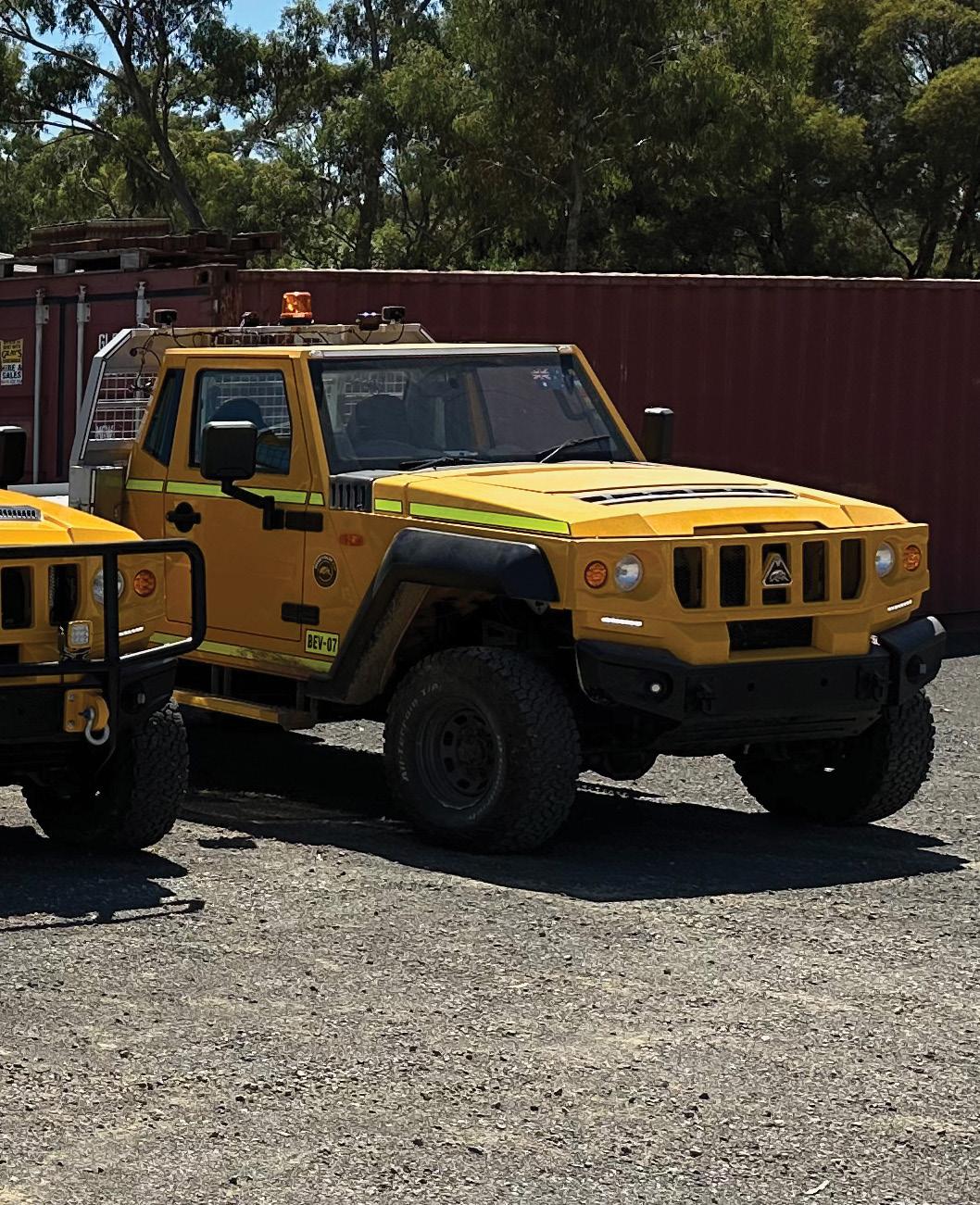
What began as a small internal project – initially involving a single engineer – has since evolved into a multi-year automotive development program. Today, Bortana operates as a standalone OEM, with multiple prototype and trial vehicles already deployed.
The objective has remained consistent: remove diesel from underground light vehicle operations while delivering a commercially viable alternative.
Engineering beyond retrofit thinking
Early in the program, Bortana explored electrifying existing diesel platforms. However, this approach quickly revealed a critical limitation – vehicle longevity.
“There are several companies… that do electrification of Toyota LandCruisers,” Myers said.
“But they don’t change any of the chassis… which means they still have the same lifespan… roughly two years” (as they were never designed to withstand the harsh conditions of operating underground).
In underground environments, corrosion and mechanical stress significantly shorten vehicle life. As a result, simply replacing the powertrain does little to address the broader engineering challenge.
“Our vehicle is designed to last 10 years in the same environment,” Myers said.
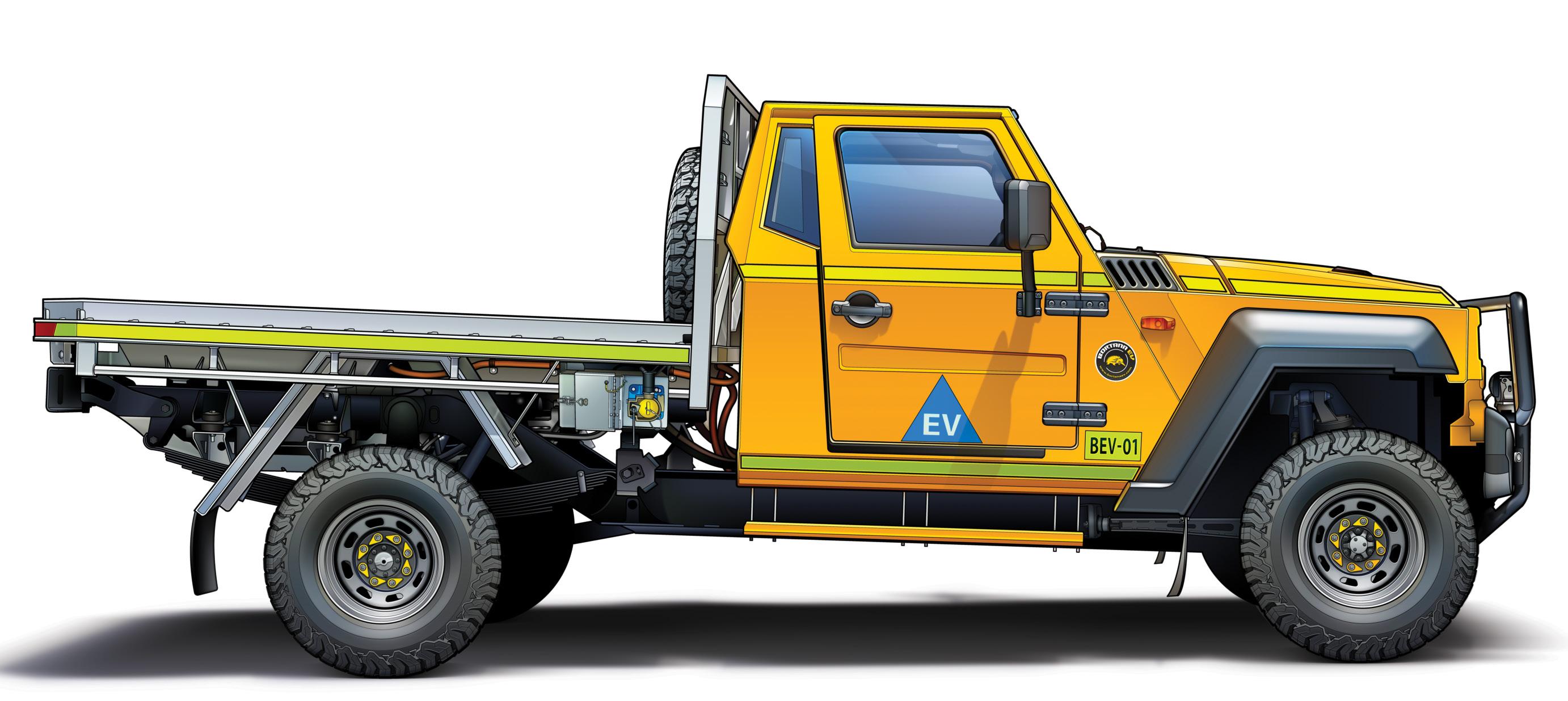
To achieve this, Bortana shifted to a ground-up design philosophy. Through a partnership with Agrale, the company developed a purpose-built chassis manufactured on the same production line as the military-proven Marruá platform in Brazil. This approach allows the vehicle to be engineered holistically – addressing not just electrification, but durability, corrosion resistance and lifecycle performance.
Designing for harsh conditions
Underground mining presents a uniquely aggressive environment. High humidity, saline conditions and heat combine to accelerate corrosion, while confined spaces and heavy loads place constant stress on vehicle components.
The Bortana EV addresses this through a combination of structural and materials engineering. The chassis is fully sealed, while the body is galvanised to resist corrosion. Mechanical systems are deliberately robust, prioritising longevity over complexity.
Bortana
At the same time, Bortana has retained conventional driveline components – such as axles, differentials and transfer cases.
“The end part of our drivetrain are all standard items,” Myers said.
“It can be serviced by their normal maintenance crews… there’s no special skills required.”
This decision reflects a pragmatic engineering approach, ensuring that electrification does not introduce unnecessary operational barriers.
A modular electric platform
While the mechanical architecture is familiar, the electrical architecture is highly flexible. Bortana’s platform is designed to accommodate multiple battery chemistries and motor configurations, allowing it to adapt to different operational and regulatory requirements.
“Our architecture is modular… we can use different motors; we can use different battery chemistries,” Myers said.
“We’re essentially battery agnostic.”
This flexibility is particularly important in mining, where safety requirements can vary significantly. By avoiding a fixed configuration, Bortana can tailor its solution to specific customer needs.
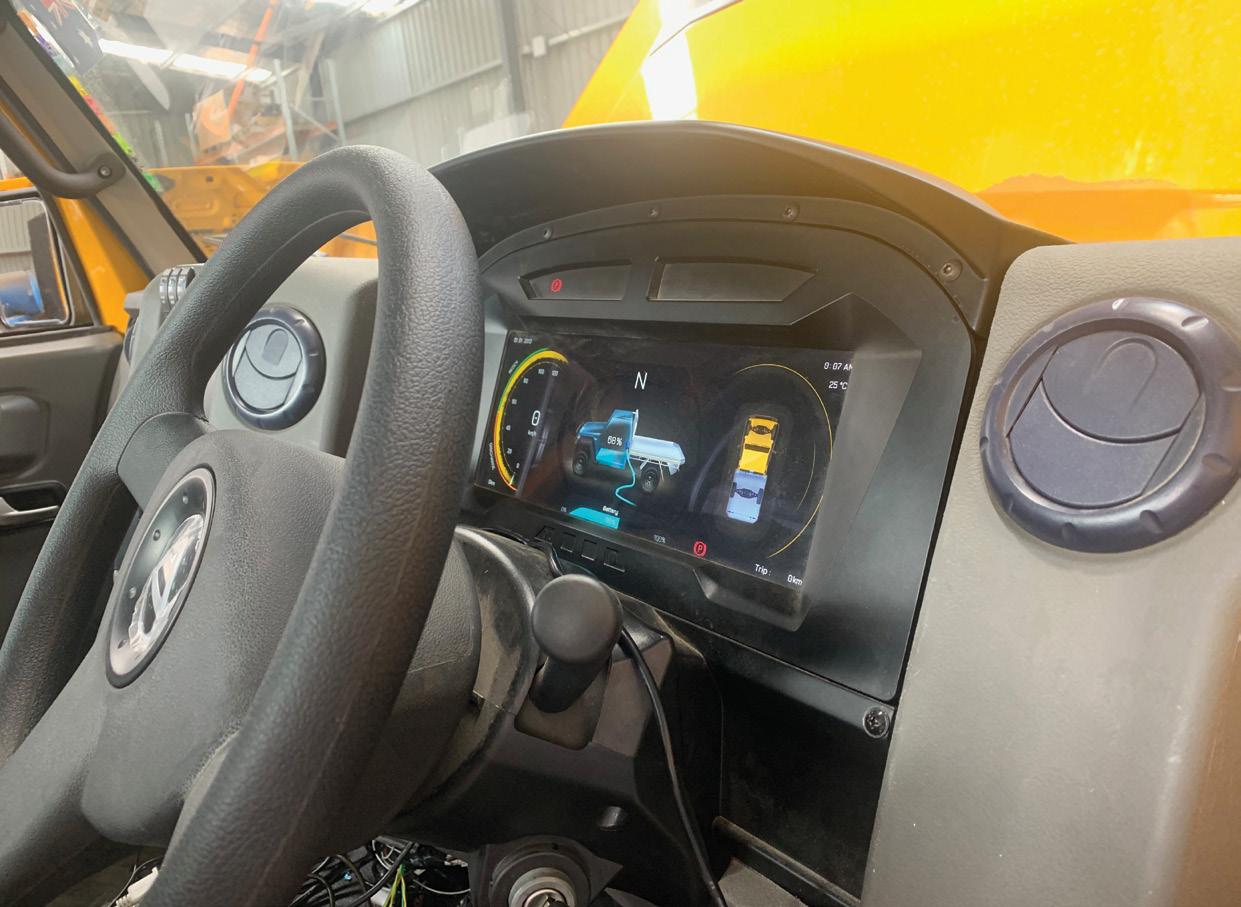
All core vehicle control systems – including battery system integration, drive control and user interface – are developed in-house, enabling continuous refinement as field data is collected
Real-world validation
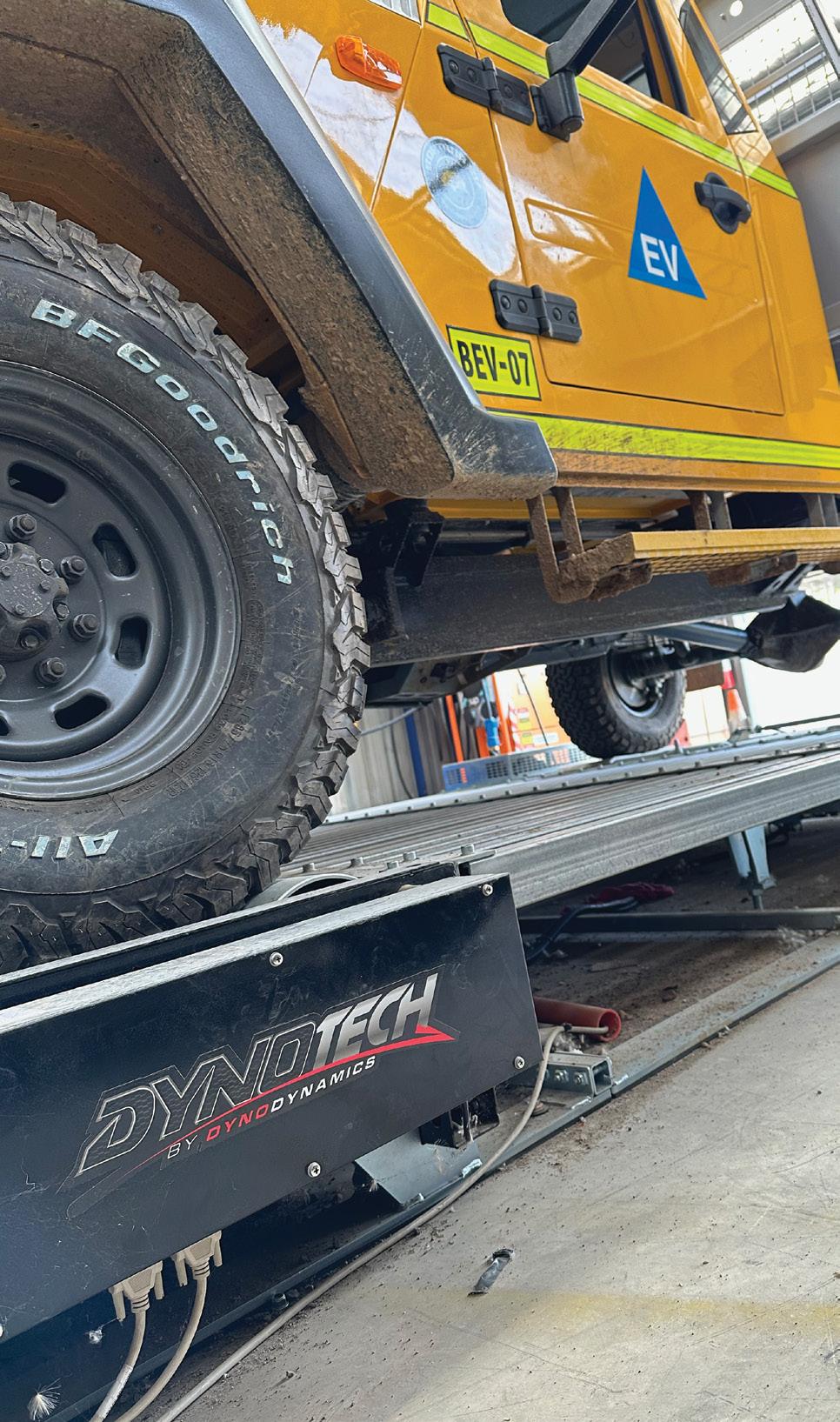
From its inception, the Bortana program has been heavily focused on real-world testing. The development timeline shows a progression from concept in 2017 through to commercial underground trials, with data collection ongoing since 2023.
The Alpha prototype first entered operation in 2020 and has provided several years of real-world use, offering valuable insight into performance and durability.
“We have a fleet of beta prototypes… and we’re now going into production validation,” Myers said.
This emphasis on validation is critical in a sector where reliability and safety are paramount.
Solving the underground EV challenge
Electrification in mining introduces unique challenges, particularly in terms of energy consumption. Vehicles must frequently travel vertically as well as horizontally, significantly increasing energy demand.
“The energy required… to drive a five-tonne vehicle up an incline… is the same as driving 300 kilometres,” Myers explained.
To address this, Bortana has developed a dual-charging strategy. In addition to conventional CCS2 charging, the vehicle can utilise existing 1,000-volt AC infrastructure underground.
“The operator can pull up in the work area and, if a suitable 1000 V outlet is available, plug in while they’re stopped, then unplug and keep going,” Myers said. This opportunistic charging model reduces downtime and integrates the vehicle into existing mine infrastructure.
Data-driven operation
The Bortana EV also incorporates telematics and reporting systems and usage in close to real-time.
One area of ongoing development is predictive range modelling, which accounts for variables such as payload and terrain.
“The typical range calculation is based on a historical average… which isn’t relevant if you’re carrying a load,” Myers said.
By improving range accuracy, Bortana aims to provide operators with greater confidence in day-to-day operations.
Adoption and industry change
Despite its technical advantages, Bortana faces a familiar challenge: industry inertia.
“The biggest challenge is change,” Myers said.
“Mining is a very old industry… and that change is very, very slow.”
While electrification is gaining attention – driven in part by climate and ESG pressures – Bortana’s primary message remains focused on safety.
“There’s no compelling reason for miners to be breathing in diesel particulates,” Myers said.
For now, the company is focusing on trial programs, allowing mining companies to evaluate the technology before committing to large-scale adoption.
A broader engineering opportunity
Beyond its vehicle platform, Bortana is positioning itself as an engineering solutions provider, leveraging its design and advanced manufacturing experience and capabilities.
“We’ve built up a huge amount of knowledge… we can apply that to solving other people’s problems,” Myers said.
This includes accelerating the development of new vehicle concepts and supporting electrification across a broader range of mining equipment.
Engineering a safer future
At its core, the Bortana EV is not just an electric vehicle – it is a response to a longstanding safety issue in underground mining.
By eliminating diesel particulates, improving durability and integrating with existing infrastructure, the platform offers a practical pathway toward safer and more sustainable operations.
For Australian engineers, it also represents a broader opportunity: to lead in the development of solutions that address real-world challenges in some of the most demanding environments on earth.
As Myers put it: “We’re a nation of problem solvers… and we punch above our weight.”
Underground, that mindset may prove to be the key to a cleaner – and safer –future!
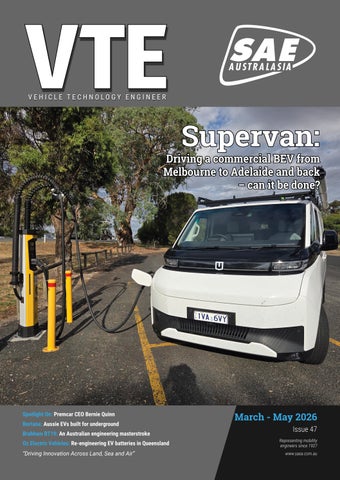
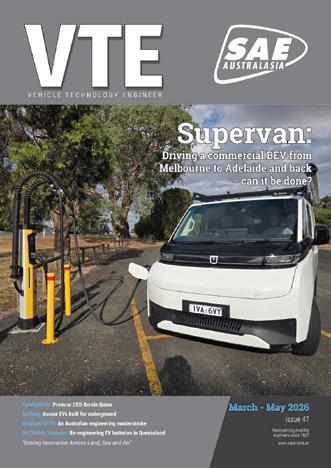
Electric Supervan tackles interstate road test
There are road trips… and then there are experiments. This one sat somewhere in between.
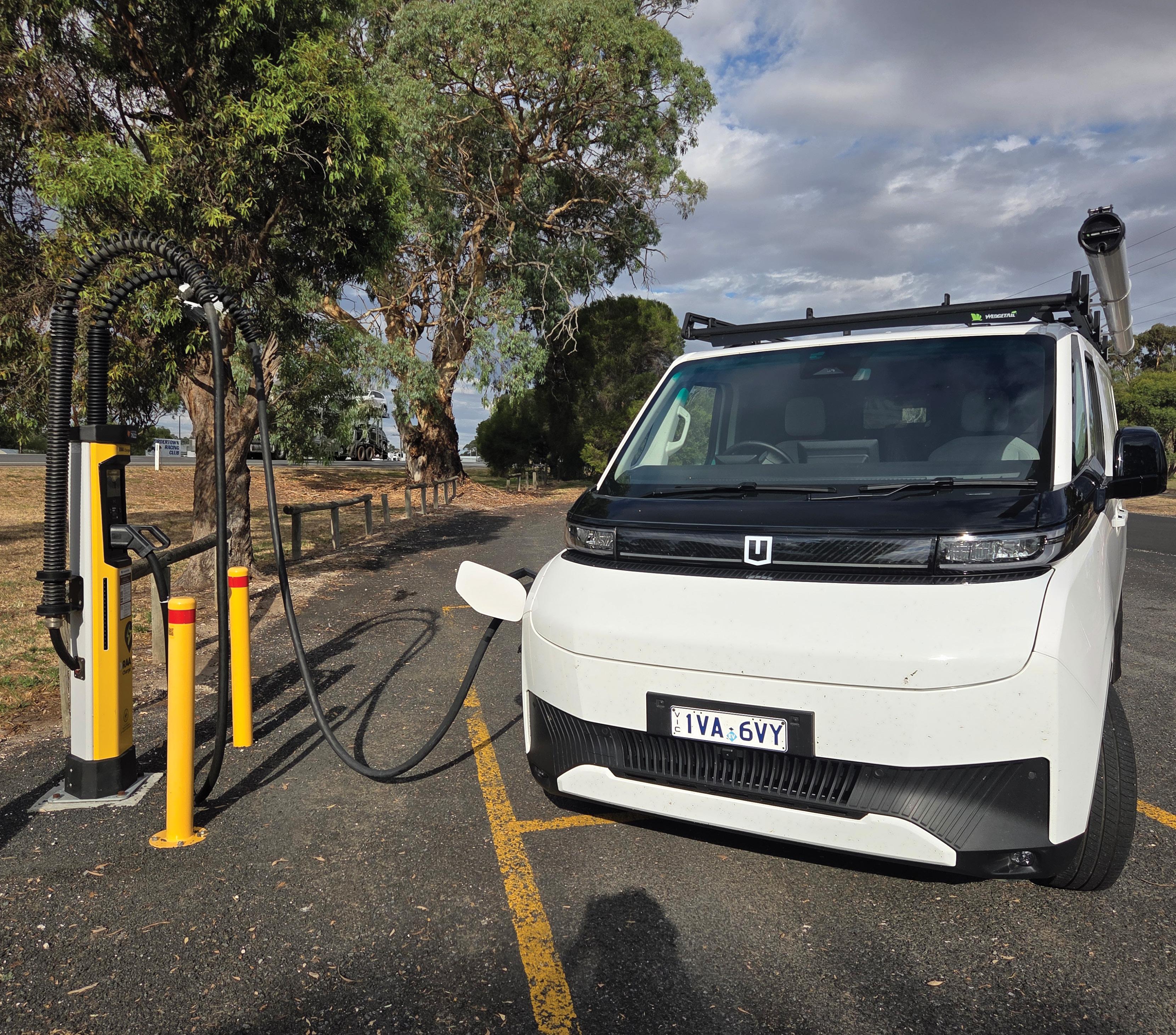
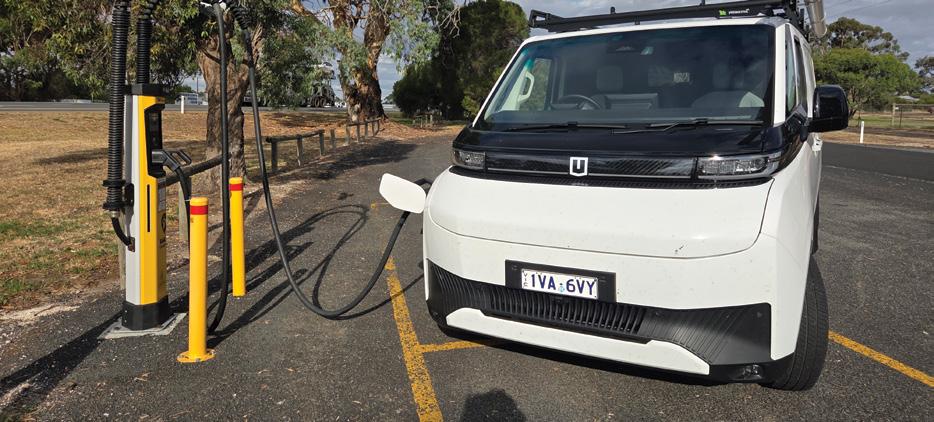
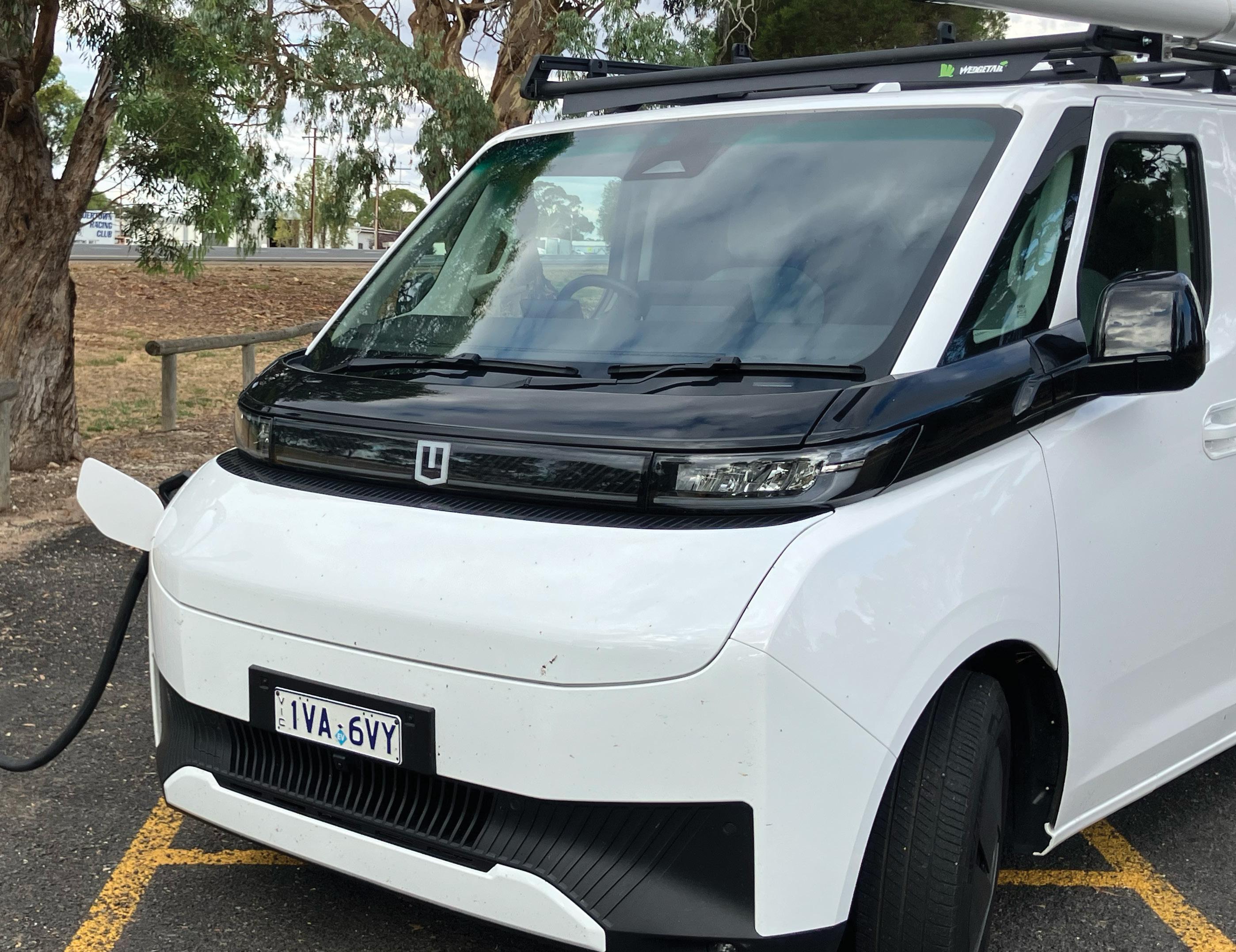
The challenge was simple on paper: take a fully loaded van from Melbourne to Adelaide and back again. No shortcuts, no ideal conditions – just a real-world job, real payload, and real deadlines. The twist? It would all be done in a fully electric commercial vehicle: the Farizon Supervan.
For context, this wasn’t a controlled media drive with pre-planned stops and curated talking points. This was a working trip, hauling stock and equipment to the Adelaide Motorsport Festival. If it failed, it wasn’t just an inconvenience – it would derail a proper business commitment.
And to make things even more interesting, the driver – myself – was hardly an EV veteran.
In fact, my prior experience with electric vehicles consisted of a handful of laps in a Tesla Model S at Sydney Motorsport Park. I had never plugged a car into a charger. Never used a charging app. Never even stood next to a public charging station.
So, in many ways, this wasn’t just a test of the Farizon Supervan – it was a test of the entire EV ecosystem.
A van that nearly didn’t make it
The trip almost didn’t happen.
The original vehicle allocated for the journey had been involved in an accident with another journalist. For a moment, the whole idea looked like it might collapse before it even began.
But this is where Farizon deserves genuine credit. Stephen and the team at Farizon Australia (Jameel Motors) went out of their way to source another Supervan at short notice. It meant tighter timelines and added pressure – particularly on the return leg – but it also set the tone. They backed the challenge.
That matters.
First impressions: different, but impressive
Rolling out of Melbourne on a Thursday morning, the Supervan wasn’t quite fully charged, but it promised around 300 kilometres of range. The first few hours were about acclimatisation.
For anyone coming from a traditional internal combustion vehicle – especially someone who enjoys driving – the experience is undeniably different. The steering feel was lighter, less communicative. If anything, it felt more like guiding than driving, almost like piloting a tram.
But what stood out quickly was the level of refinement.
This is where preconceived ideas about Chinese-built vehicles fall away. The Supervan is well-equipped, thoughtfully designed, and packed with features. Heated steering wheel, a comprehensive infotainment system, and a surprisingly intuitive interface all contribute to a cabin that feels modern rather than utilitarian. Yes, it still feels like a commercial vehicle –because it is one – but it’s far from basic. The cabin is spacious, visibility is good, and everything is within easy reach. For longdistance work, that matters.
Learning curve: charging 101
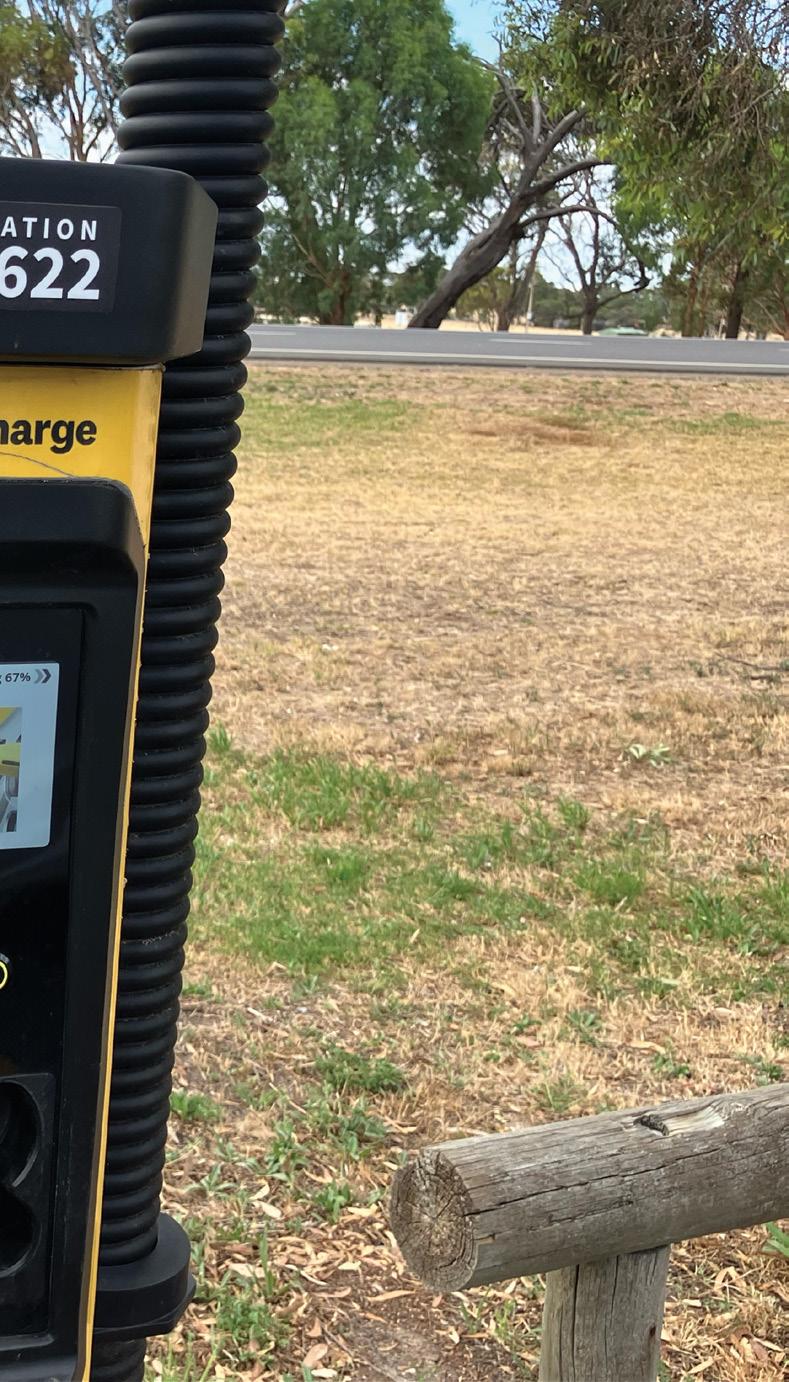
Then came the real education: charging. The plan had been to reach at least Ararat if not Horsham for the first stop. But somewhere around Beaufort, the battery warning light had other ideas.
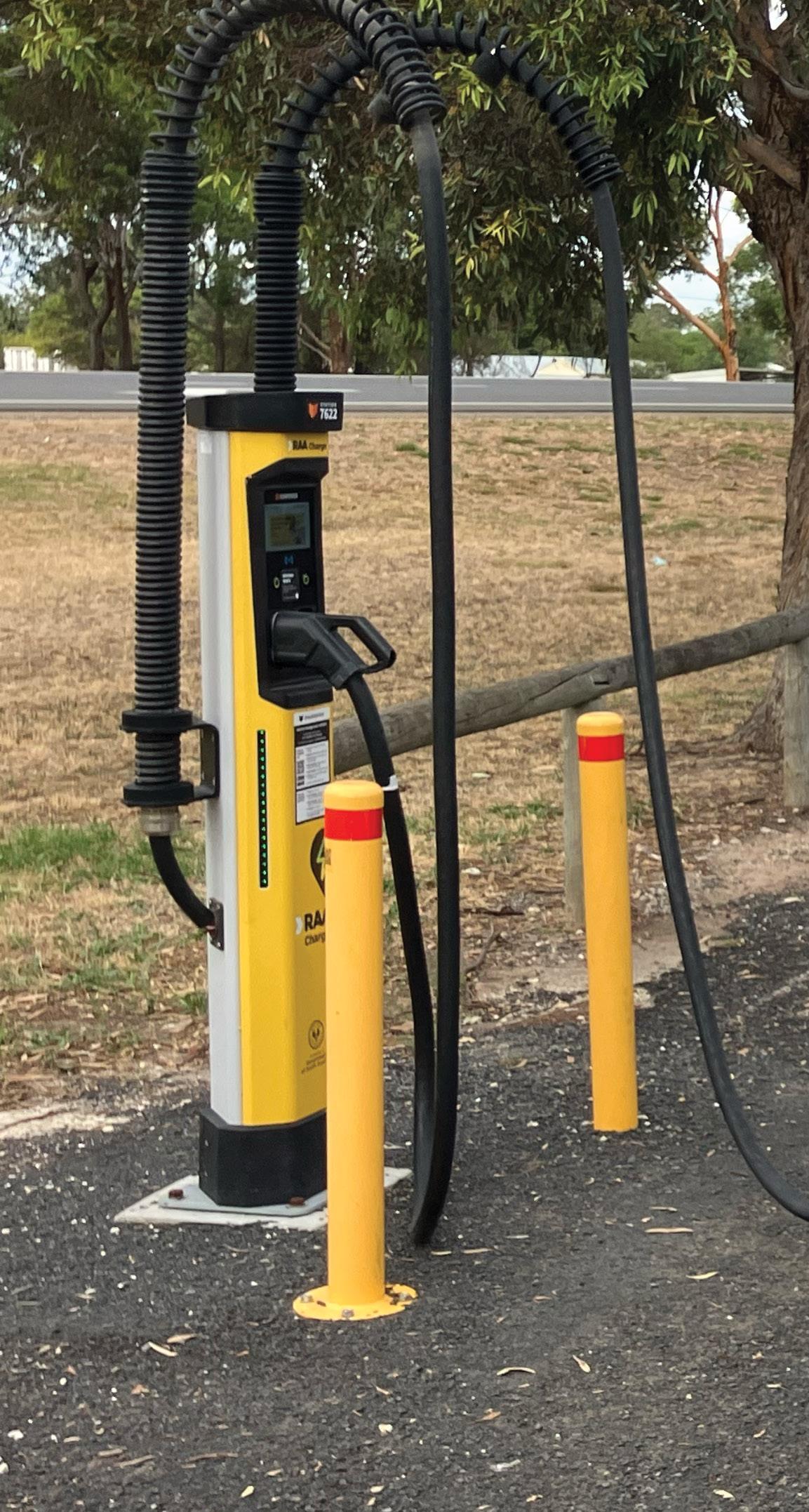
A quick search revealed Evie charging stations in Beaufort, and suddenly the theoretical became practical.
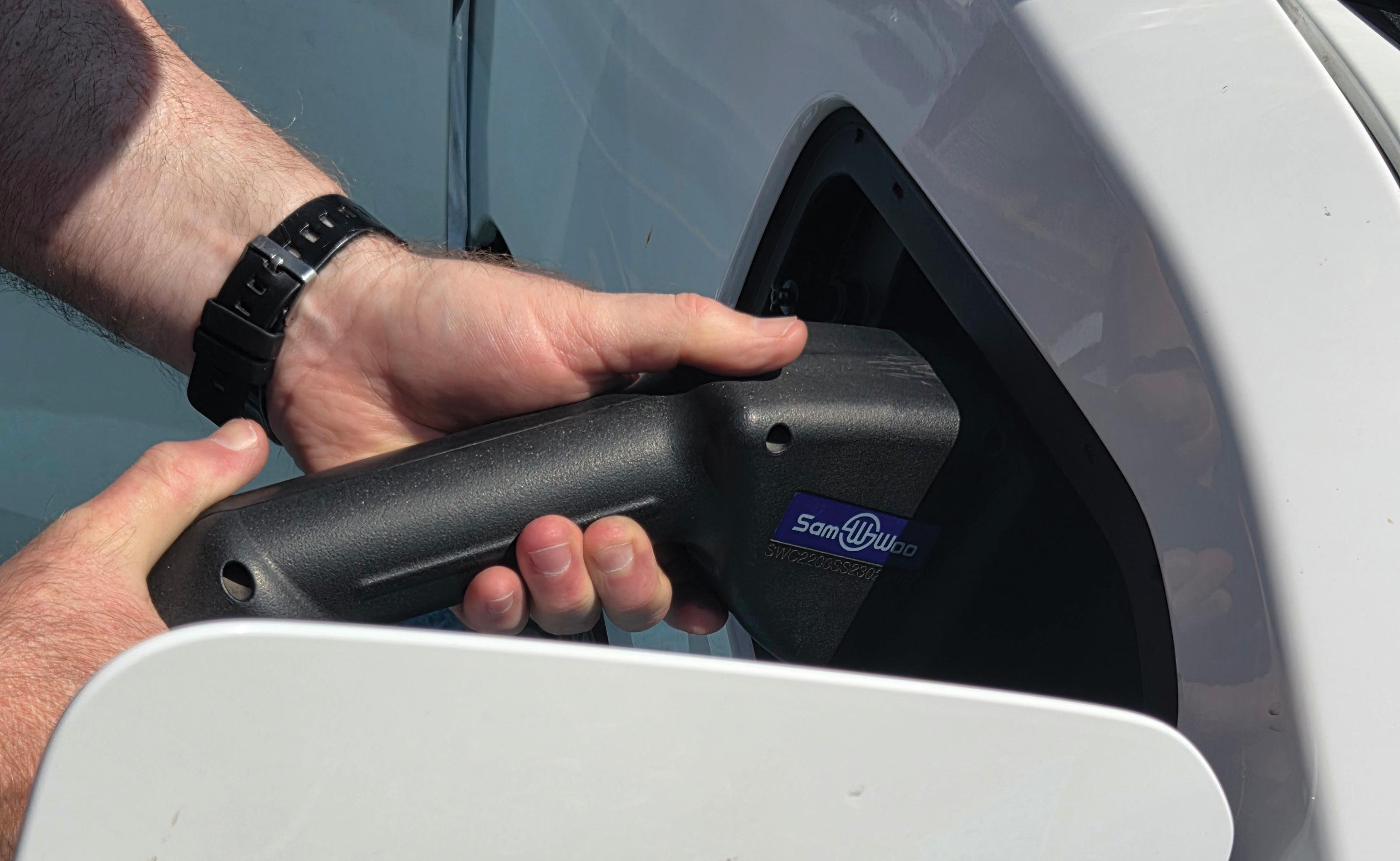
Plugging in for the first time was surprisingly straightforward. CCS2 connector in, app downloaded, account set up, and charging underway. Within minutes, we were sitting in
the local bakery with a coffee and a vanilla slice, watching the charge percentage climb.
Or rather… slowly climb.
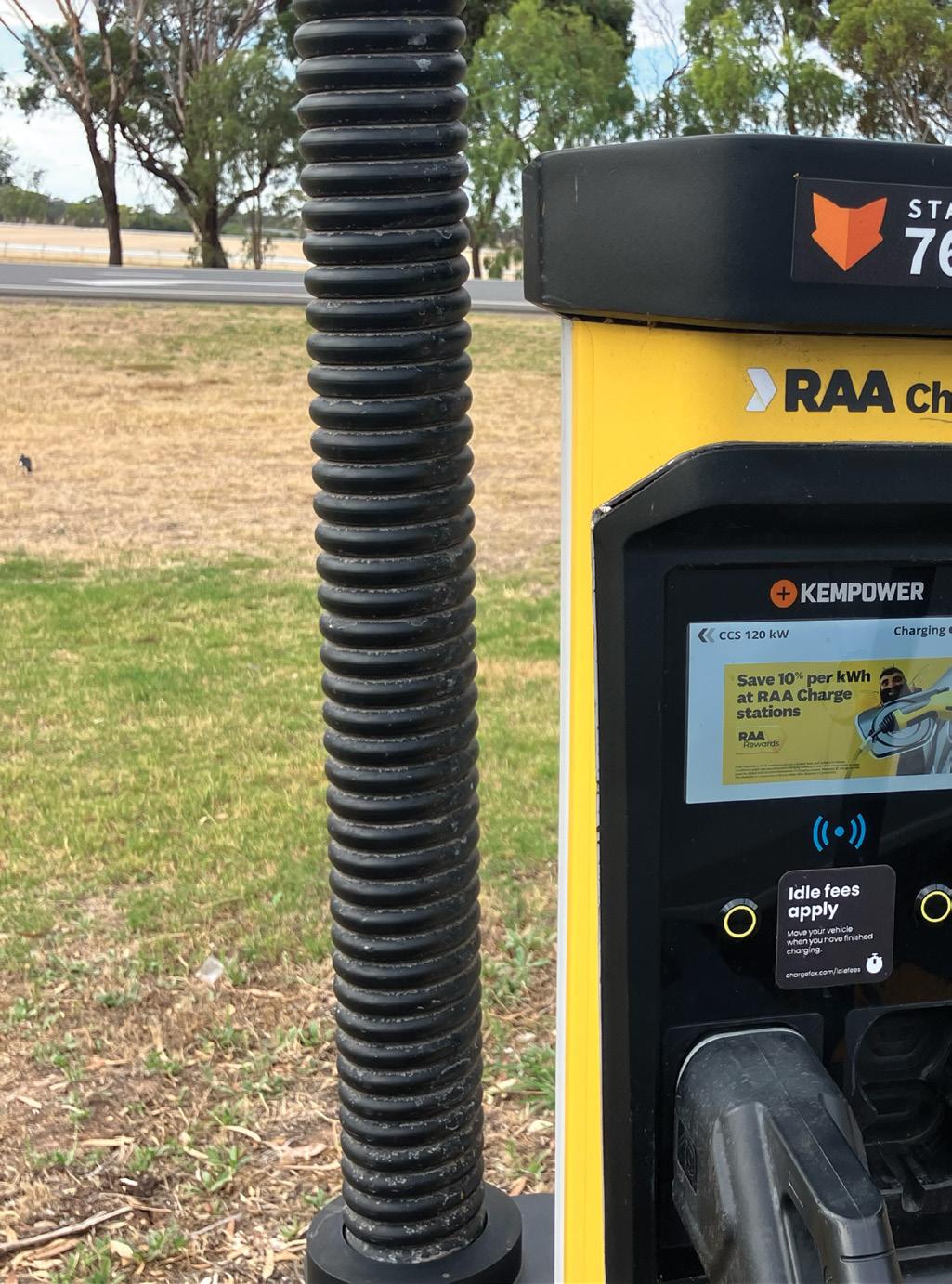
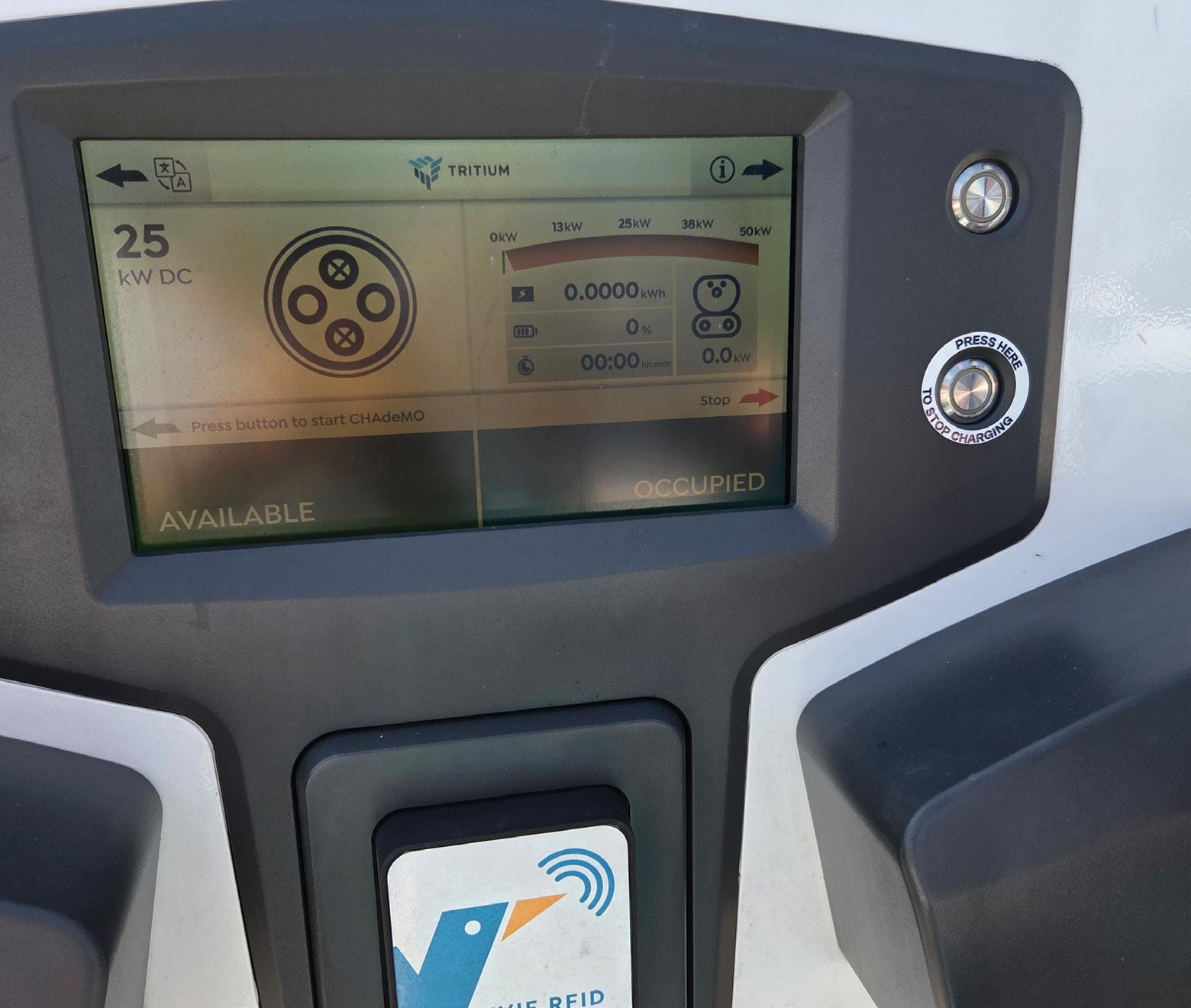
This was a 50kW charger. After 45 minutes, the battery had only reached around 40 per cent.
Lesson one: not all chargers are created equal.
The rhythm of an EV journey
From that point on, the trip took on a different rhythm.
In an ICE vehicle, stops are brief and functional. Fuel, food, and back on the road.
In an EV, stops become part of the journey. At Horsham, another learning moment: choosing the wrong charger. With multiple units available, we unknowingly plugged into another 50kW charger instead of the ultrarapid options. After an hour and 20 minutes – and a leisurely lunch – the battery had only reached about 60 per cent.
Lesson two: charger selection matters as much as charger location.
By the time we reached Bordertown, things were getting tighter. With just 10 per cent battery remaining, it was a reminder that planning – and a bit of luck – are still part of the equation.
But here, the Supervan showed its strength. Once connected to a faster charger, it responded quickly. Within 50 minutes, we were close to full charge and ready to continue. It’s clear that when paired with the right infrastructure, the vehicle is more than capable.
Unexpected benefits of slowing down
One of the surprises of the trip was how the enforced stops changed the experience.
At Bordertown, while waiting for the charge, we wandered over to the nearby wildlife park and watched albino kangaroos through the fence.
At Tailem Bend, a dinner stop turned into an opportunity to explore The Bend Motorsport Park – something we would never have done otherwise.
In Ballarat, a charging stop led us to a local spud bar we’d never noticed before.
These aren’t inconveniences – they’re moments. And while they extend the journey, they also add to it.
The
Adelaide arrival: later, but wiser
We eventually rolled into Adelaide around 11pm – well after the usual arrival time for a Melbourne-to-Adelaide run.
Yes, it was slower. Significantly so.
But by that point, the learning curve had flattened.
Charging apps were second nature. Charger types were understood. Time management had improved. Emails were answered during charging stops. The downtime became productive time.
This is where mindset shifts.
An EV journey isn’t about replicating an ICE experience – it’s about adapting to a different one.
Costs: not always what you expect
There’s a common assumption that electric equals cheaper.
The reality, at least for this trip, was more nuanced.
A typical ICE journey would have cost around $130 to $160 in fuel (pre recent fuel price increases driven by Middle East tensions).
By the time we reached Adelaide, charging costs had already hit $124.31.
By the end of the return journey? $297.26.
That’s not insignificant.
However, context matters. Charging costs vary widely depending on location, time of day, and charger type. Non-peak charging can be considerably cheaper, and as infrastructure evolves, pricing models are likely to become more competitive.
Living with the Supervan in Adelaide
Once in Adelaide, the Supervan really came into its own.
Urban driving suits EVs perfectly. Quiet, smooth, and responsive, it felt at home navigating city streets.
The parking sensors and reverse camera were excellent, making tight manoeuvres easy. The cargo area proved practical and accessible, with both side and rear entry points simplifying loading and unloading.
For last-mile delivery or metro operations, the Supervan is genuinely impressive.
Though another lesson learned was not to try to charge in the CBD, where chargers are already loaded with Teslas and BYDs. It’s much better to head to the outer suburbs near major shopping centres. Also bear in mind that in many cases the more cars connected to a charging station the less power each individual car is afforded.
The return journey: confidence meets reality
With a full charge and a dashboard indicating over 350 kilometres of range, the return trip began with optimism, and a desire to make Bordertown for the first charge.
The plan was simple: fewer stops, quicker run. But reality intervened.
Range estimates don’t account for payload weight or terrain – particularly the climb through the Adelaide Hills. The battery drained faster than expected, and plans had to be adjusted on the fly.
Keith became the new target. Then Coonalpyn. Then, ultimately, Tintinara.
This is where infrastructure unpredictability comes into play.
Chargers at Coonalpyn were occupied. Waiting wasn’t an option. So we pushed on, arriving at Tintinara – home to ultra-rapid chargers that proved to be a lifeline.
Thirty minutes later, we were back on track.
The long road home
The return journey followed a similar pattern: Bordertown for lunch and charging, Horsham for afternoon tea, Ballarat for dinner.
Each stop added time, but also structure. By the time we reached Melbourne, the numbers told the story.
What is typically a seven to eight-hour trip had stretched to 12 or 13 hours.
That’s the reality – for now.
So, can it be done?
Yes.
The Farizon Supervan proved that a fully loaded electric van can complete a Melbourne–Adelaide–Melbourne journey. It handled the payload, delivered solid performance, and offered a level of comfort and technology that exceeded expectations.
It didn’t miss a beat mechanically. It never left us stranded. It did exactly what it was designed to do.
But it also highlighted where the ecosystem still needs to evolve.
Charging infrastructure consistency. Charger availability. Real-world range predictability under load. These are the areas that will define the next phase of EV adoption.
The bigger picture
It’s easy to focus on what didn’t work perfectly. But that misses the point.
What this trip demonstrated is how far electric commercial vehicles have already come.
The Supervan is not a concept. It’s not a future promise. It’s a working vehicle, capable of realworld tasks today.
And importantly, it changes the conversation. This isn’t about whether EV vans can replace ICE vehicles entirely – yet. It’s about where they already make sense, and where they’re heading.
Urban logistics? Absolutely.
Regional work? Increasingly viable.
Long-haul interstate runs? Not quite seamless –but no longer impossible.
Final thoughts
The Farizon Supervan deserves praise. Not because it’s perfect – but because it’s capable.
It handled a demanding, fully loaded interstate journey without complaint. It offered a high level of comfort and technology. It proved that electric commercial transport is no longer theoretical. Yes, the trip required planning. Yes, it took longer. Yes, there were lessons along the way.
But that’s what progress looks like.
And if this journey is any indication, the gap between possibility and practicality is closing faster than many might expect.
Re-engineering Range: Oz Electric Vehicles’ Approach to Battery Upgrades
Electric vehicle adoption has accelerated globally, yet one persistent constraint remains: battery performance in legacy platforms.
Early-generation EVs were built around limited energy density, conservative battery management systems and cost-driven design decisions that no longer reflect current capabilities. Oz Electric Vehicles has focused on addressing this gap through a structured battery upgrade program that extends vehicle life, improves performance and reduces waste.
Oz Electric Vehicles’ work is grounded in a long history of electric vehicle engineering and retrofit development in Australia. Over decades, the team has worked across conversions, diagnostics and system integration, building a practical understanding of both the limitations and potential of EV platforms.
The battery upgrade program emerged from a clear observation: many EVs are retired or
underperforming not because of drivetrain failure, but because of out-dated battery systems.
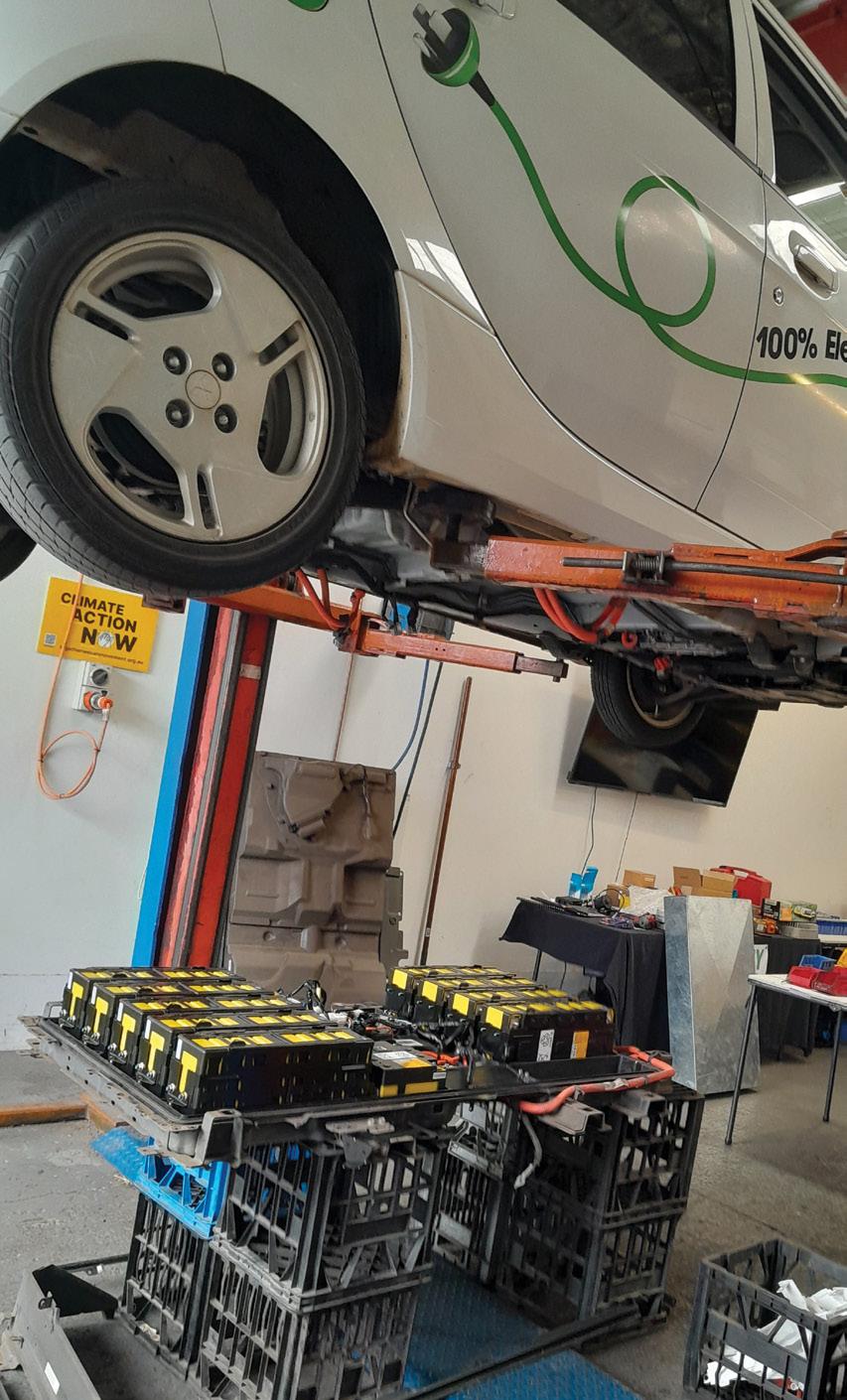
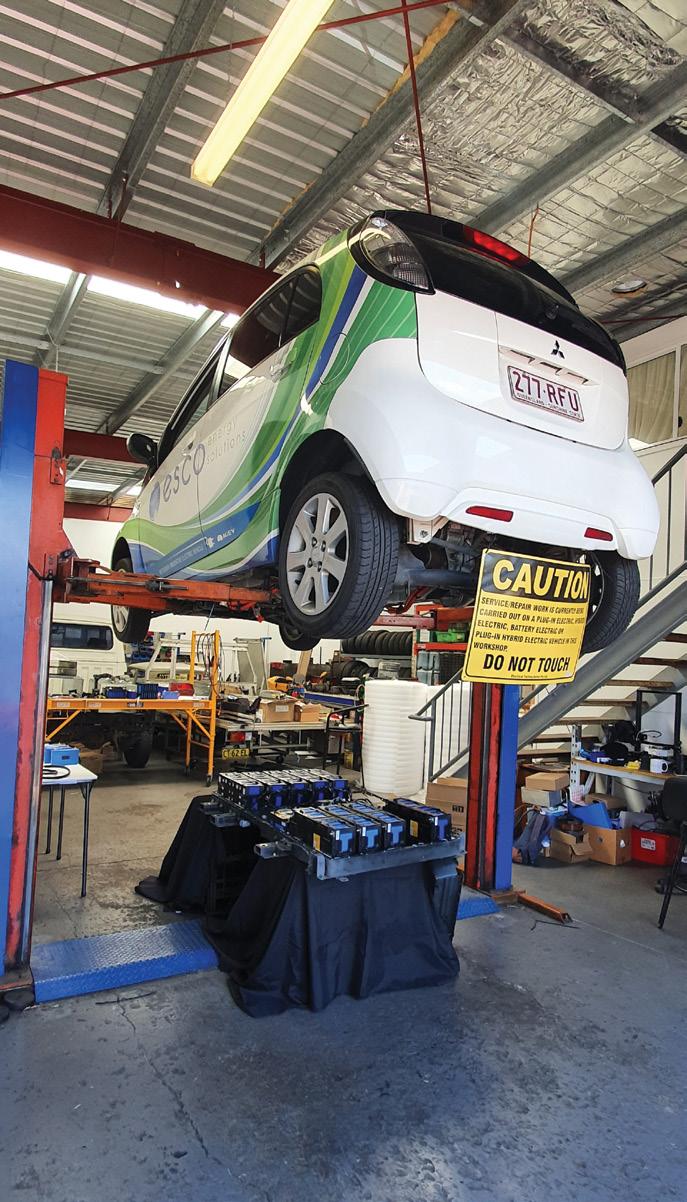
The upgrade process begins with a detailed assessment of the host vehicle. This includes electrical architecture mapping, thermal considerations, weight distribution and compatibility with existing control systems. Rather than treating the battery as a standalone component, Oz Electric Vehicles approaches it as part of an integrated system that must communicate effectively with the vehicle’s electronics.
At the core of the program is the replacement of original battery modules with higher energy density lithium-ion systems. These are carefully selected and configured to match or exceed the vehicle’s voltage and current requirements.
Mechanical integration is equally critical. Custom enclosures, mounting systems and structural reinforcements are designed to ensure safety and durability under real-world conditions.
Graeme Manietta is the Founder of Oz Electric Vehicles and a long-standing electric vehicle engineer with extensive experience in conversions, battery systems and electronic integration. He explains to VTE Magazine that his work focuses on re-engineering legacy EV platforms through advanced battery upgrades that deliver significant gains in range, performance and reliability.
Battery management is a key differentiator
Oz Electric Vehicles operates across Australia and exports its technology to markets including the UK, EU, USA, South America and New Zealand
Oz Electric Vehicles develops and integrates advanced battery management systems that provide accurate cell balancing, temperature monitoring and fault detection. This ensures that the upgraded battery operates within optimal parameters, extending lifespan and maintaining performance consistency. Integration with the vehicle’s existing control units is handled through bespoke electronic interfaces, allowing seamless communication between the upgraded battery and the original vehicle systems.
Thermal management is another area of focus. Increased energy density brings higher thermal loads, which must be managed to prevent degradation and ensure safety. Oz Electric Vehicles incorporates passive and active cooling strategies depending on the application, taking into account climate conditions and usage patterns typical of both Australian and international environments. The program is currently applied across a growing range of platforms, including the
Mitsubishi i-MiEV and Minicab, Mitsubishi Outlander PHEV, Nissan Leaf and BMW i3. These vehicles represent a significant portion of early EV adoption and provide strong candidates for performance and range enhancement through battery system upgrades.
The results are measurable. Vehicles that originally delivered limited range and modest performance are transformed into practical, high-performing assets. Range increases are substantial, consistently exceeding original specifications by 100 to 300 per cent. Acceleration and drivability improve due to more stable voltage delivery and reduced internal resistance. Importantly, these upgrades extend the usable life of the vehicle, reducing the need for premature replacement.
From a sustainability perspective, the program aligns with a circular approach to technology. By repurposing and upgrading existing vehicles, Oz Electric Vehicles reduces the environmental impact associated with manufacturing new EVs while making better use of available battery technologies.
Oz Electric Vehicles’ battery upgrade program demonstrates that the evolution of electric mobility does not rely solely on new vehicle production. With the right engineering approach, existing platforms can be reengineered to meet modern expectations, delivering performance, reliability and longevity in a rapidly advancing sector.
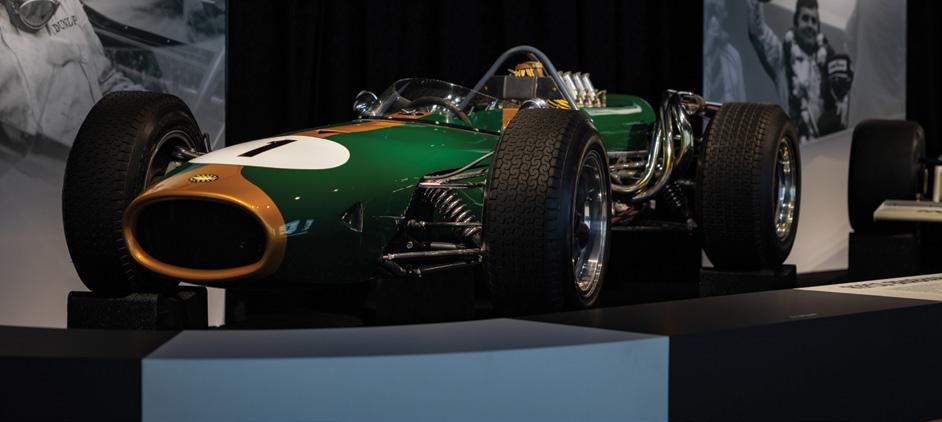
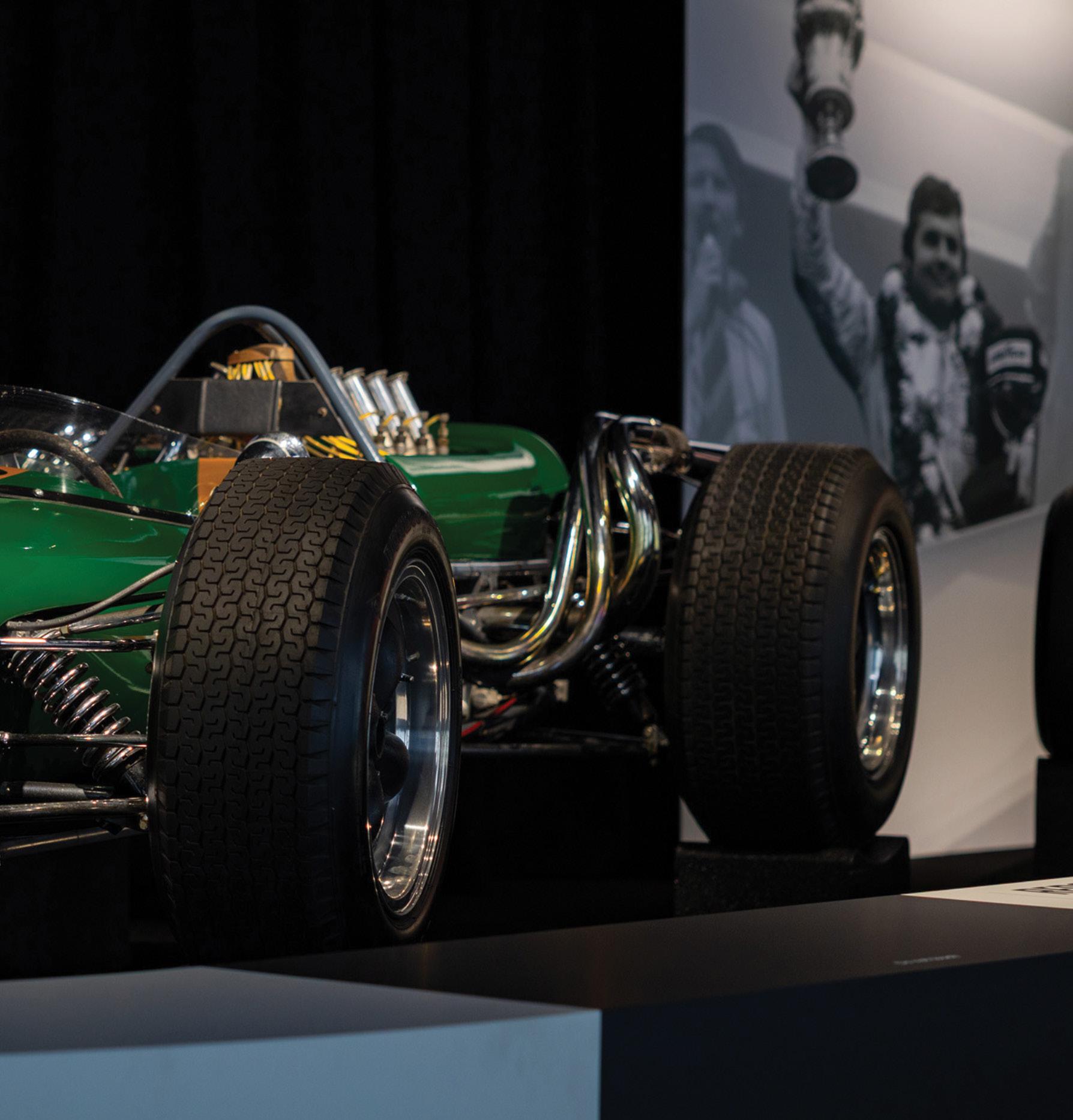
The Repco-Brabham BT19 stands as a defining example of Australian engineering brilliance, combining ingenuity, collaboration and determination to conquer global motorsport.
There are few moments in global motorsport history where engineering, ambition and national identity align so completely that they reshape what is considered possible. The Repco-Brabham BT19 is one of those moments.
Sixty years on from its extraordinary 1966 Formula 1 world championship success, the BT19 is not just being remembered – it is being actively celebrated as one of Australia’s greatest engineering achievements.
Its recent induction into the Australian Motorsport Hall of Fame, as the first car ever to receive that honour, confirms what many have long understood: this was not simply a fast racing car, but a defining example of Australian capability on the world stage.
At the heart of the BT19 story is something almost unthinkable in modern Formula 1. Sir Jack Brabham did not just drive the car to a world title –he helped build it.
The partnership between Brabham, designer Ron Tauranac and engine builder Repco produced a machine that would achieve something no one else has managed before or since: winning both the Drivers’ and Constructors’ World Championships in a car of the driver’s own construction.
That feat alone would cement its place in history. But the deeper story is one of engineering clarity and purpose.
At a time when European manufacturers such as Ferrari, Lotus and Maserati were pushing increasingly complex and powerful designs, the Australian approach was different.
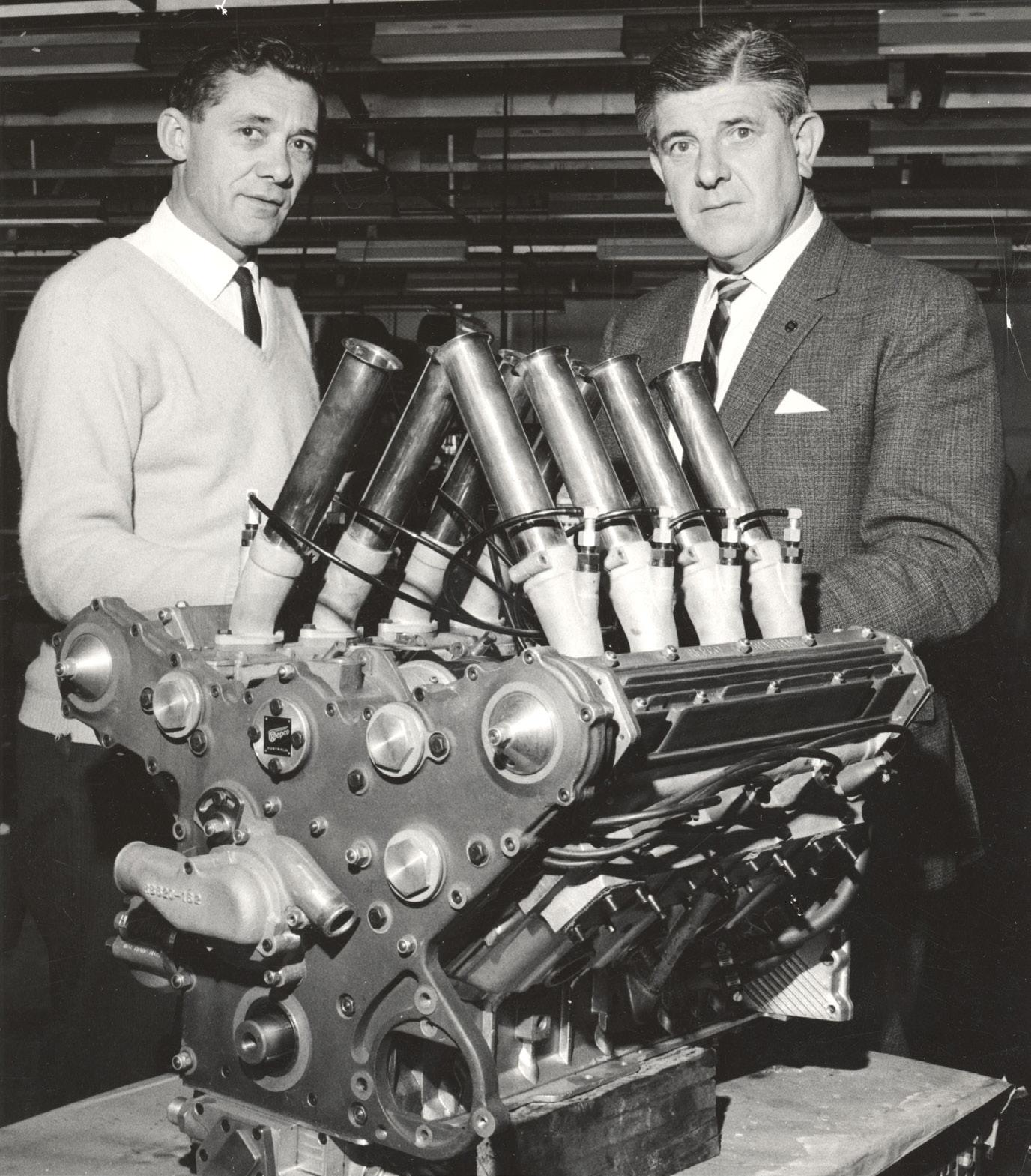
Repco chief engineer Frank Hallam (right) with Repco Brabham Engines’ Workshop Manager Kevin Davies behind the famous engine.
The BT19 was built around simplicity, reliability and efficiency. Tauranac’s chassis design was clean and functional, prioritising balance and durability over excess.
It was a car engineered not just to be fast, but to finish races consistently.
The engine, however, is where the Australian story becomes truly remarkable. Repco, based in Melbourne, developed the RB620 3.0-litre V8 specifically for the new Formula 1 regulations introduced in 1966.
Rather than chasing outright power through exotic and unproven designs, Repco engineers – led by Phil Irving –focused on a robust, lightweight and reliable package.
The result was not the most powerful engine on the grid. But it was arguably the smartest.
While competitors struggled with fragile, high-strung engines, the Repco V8 delivered consistent performance across race distances.
In an era where finishing races was often as challenging as winning them, that reliability became the BT19’s greatest weapon.
It is a classic engineering lesson: the best solution is not always the most complex, but the most effective.
Brabham himself understood this better than anyone. As both driver and constructor, he had a unique perspective on what the car needed to succeed.
The close collaboration between driver, designer and engine builder created a feedback loop that allowed rapid refinement and clarity of purpose.
This was not a disjointed program spread across continents. It was a tightly integrated Australian effort.
The results spoke for themselves. By the time the Italian Grand Prix concluded at Monza in September 1966, Brabham had secured enough points to claim his third world title.
His team also wrapped up the Constructors’ Championship, marking one of the most complete seasons in Formula 1 history. And yet, only one BT19 was ever built.
That single chassis competed across the 1966 and 1967 seasons, further underlining the efficiency and durability of its design.
In today’s world of constant iteration and multiple chassis programmes, the idea seems almost inconceivable.
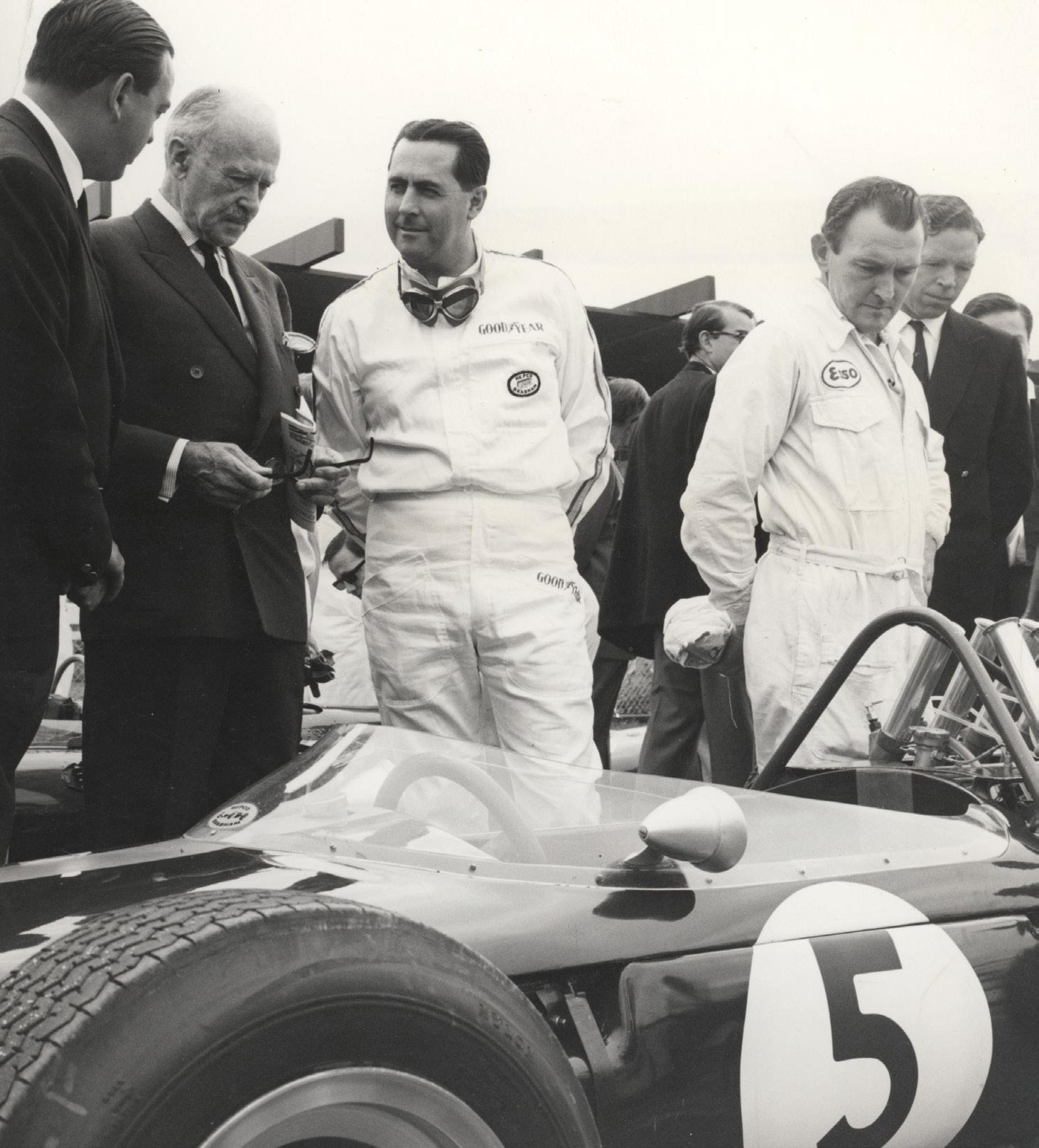
Sir Jack Brabham (centre) discusses the formalities of motor racing with then Governor General Sir Paul Hasluck.
But that is what makes the BT19 so compelling as an engineering story. It represents a moment where resourcefulness, clarity and execution outweighed scale and budget. Now, six decades later, that story is being told again – not just in museums, but on track.
As part of its 60th anniversary celebrations, Repco has committed to bringing the BT19 back into the public eye throughout 2026. The car has already starred at the Formula 1 Exhibition in Melbourne and the Adelaide Motorsport Festival and will feature prominently at other events.
There, it will not simply sit on display. It will run. David and Sam Brabham – son and grandson of Sir Jack – are set to drive the car, reconnecting modern audiences with a machine that still carries enormous historical and engineering significance. Seeing the BT19 in motion is more than nostalgia; it is a reminder of what Australian engineering achieved at the highest level of global competition.
The anniversary also coincides with the centenary of Sir Jack Brabham’s birth, adding further weight to the celebrations. But while Brabham’s driving achievements are rightly revered, the broader story extends beyond one individual.
The induction of the BT19 into the Australian Motorsport Hall of Fame completes a circle. Brabham himself holds Legend status. Tauranac and Irving are already recognised. Now, the car that brought their work together joins them.
It is a fitting tribute to a collaborative engineering effort.
In many ways, the BT19 represents a different philosophy of motorsport
engineering – one that remains highly relevant today. It shows that innovation does not always require excess, that integration matters as much as individual brilliance, and that understanding the problem is often more important than chasing the most obvious solution.
For Australia, it also stands as a benchmark.
In an industry often dominated by larger economies and deeper resources, the BT19 proved that Australian engineering could not only compete, but lead. It demonstrated that local expertise, when aligned with clear goals and strong collaboration, could outperform some of the most established names in global motorsport.
That legacy continues to resonate.
As the car returns to tracks and events across 2026, it is not just being celebrated as a historic artefact. It is being recognised as a blueprint – an example of what can be achieved when engineering discipline, creativity and ambition come together.
More than 60 years on, the Repco-Brabham BT19 remains exactly what it was in 1966: a powerful symbol of Australian ingenuity, and one of the greatest engineering success stories the country has ever produced.
Images supplied by Repco and Motorsport Australia
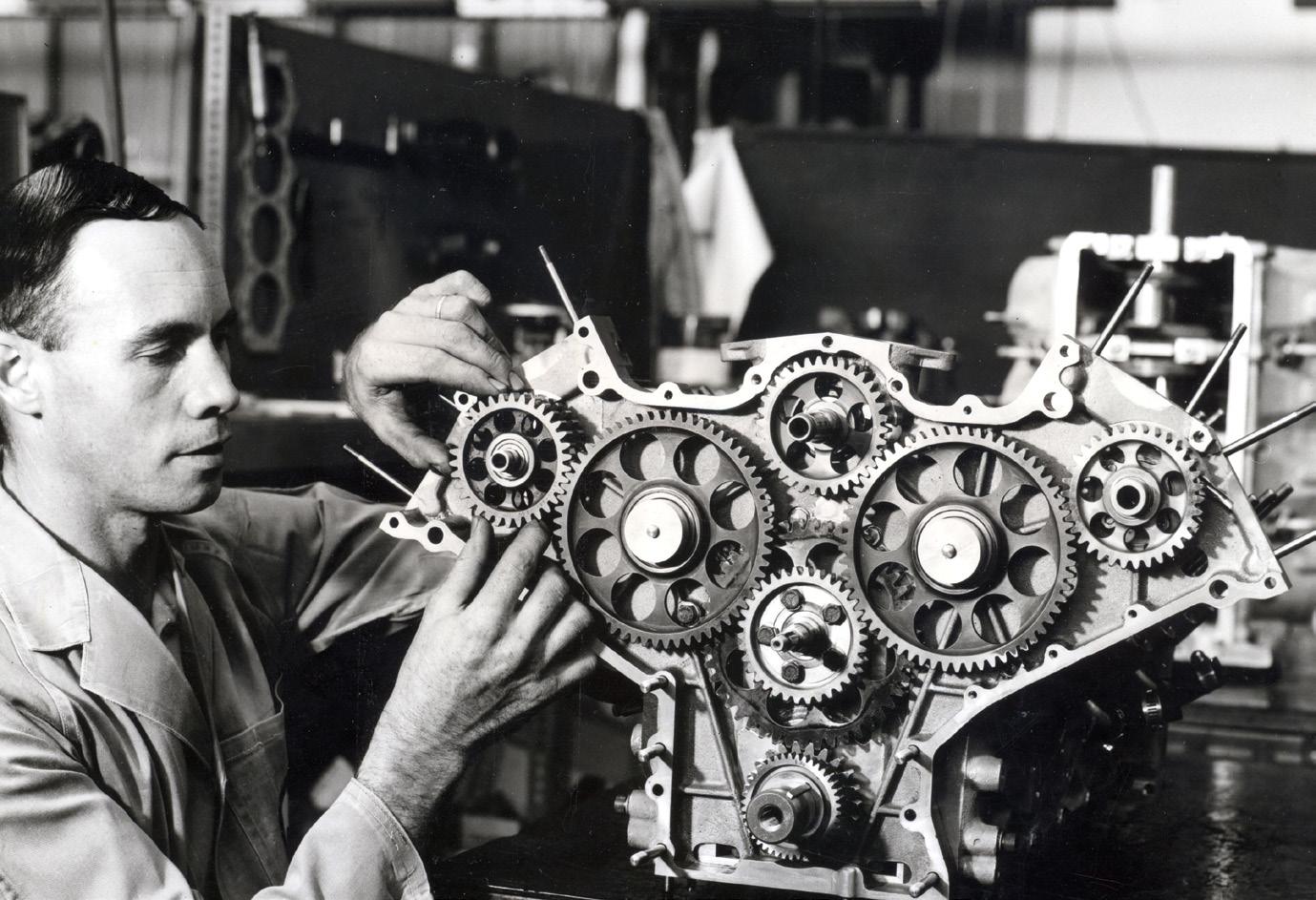
Repco mechanic Peter Reilly working on a three-litre engine.
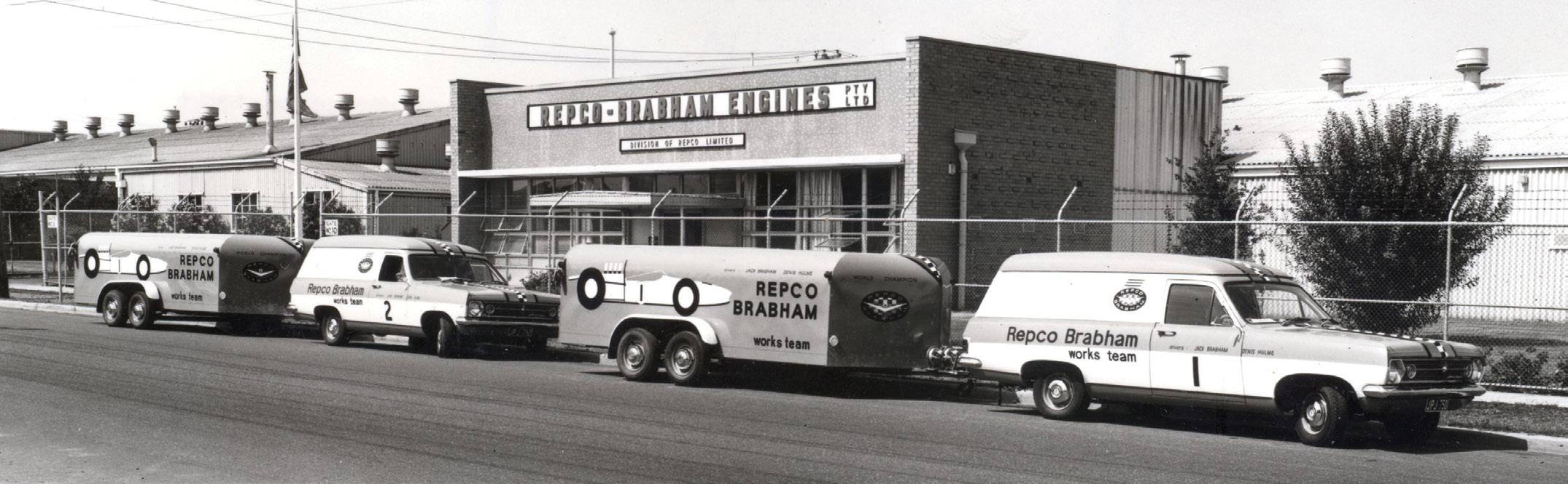
Holden panel vans with race car trailers lined up outside Repco Brabham Engines’ Maidstone headquarters.
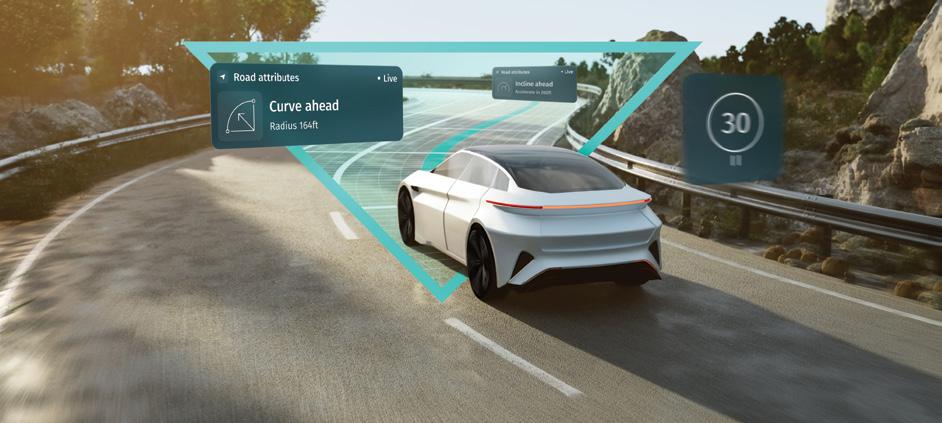
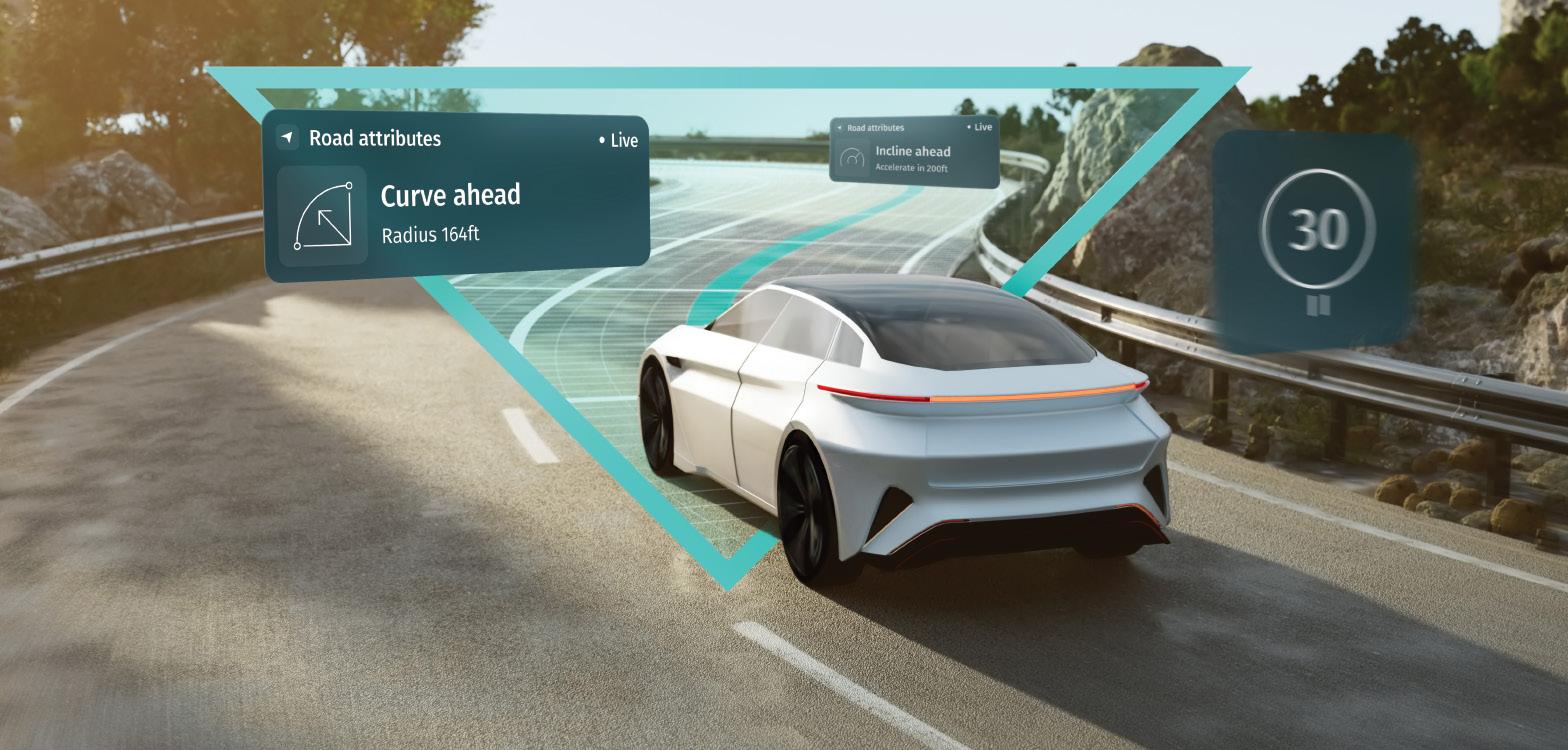
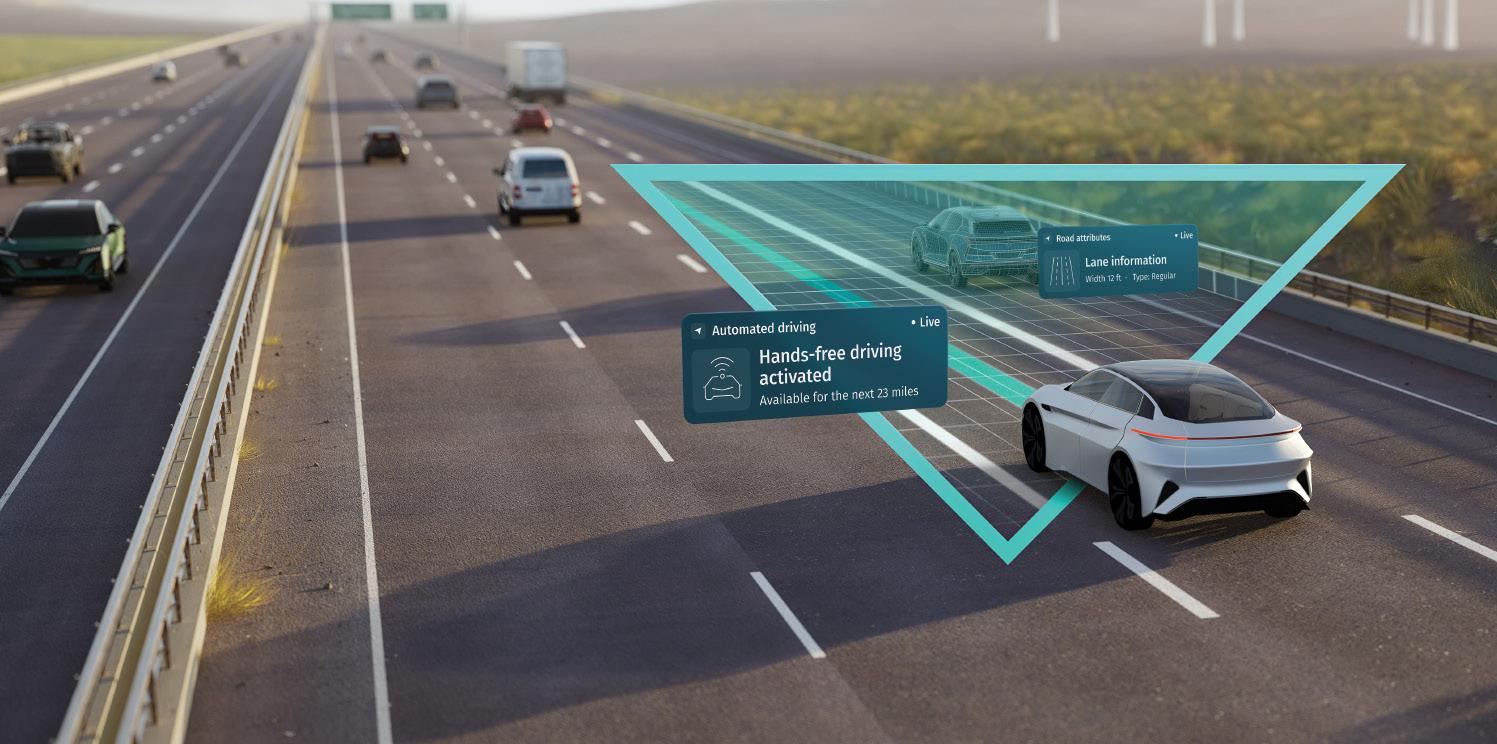
How does HERE Technologies help with road safety?
When countries think about road safety, it’s often discussed in urban terms, but for Australia, some of the most serious risks appear beyond the city limits. In rural areas, regional highways, freight corridors and remote access roads account for a disproportionate amount of serious and fatal accidents – especially when heavy vehicles are involved. Long travel distances, inconsistent infrastructure, and limited visibility have forced a situation where, for safety to improve, it requires more than just vehicle capability. Now, technology needs to understand the road conditions itself.
This is where high-quality mapping and location-based services, such as HERE Technologies, can play an essential role. Road safety increasingly requires accurate, up-todate knowledge of the road network, from speed limits to regulatory restrictions, surface quality, and width, capturing how these evolve over time. Without this insight, the opportunity for risk grows as vehicles operate with partial information.
Daniel Antonello, General Manager Oceania, HERE Technologies, explains to VTE Magazine how his company’s software is helping make Australia’s roads safer, particularly for heavy vehicles.
One pressing safety application is hazard detection and warning technology. On rural and regional roads, and urban roads in some cases, hazards rarely come with advanced warnings. Unexpected roadworks, fallen trees, livestock, debris, or weather changes can all occur, and for drivers who aren’t prepared, this increases the chance of collisions and accidents. HERE’s technology supports hazard detection by combining high-definition mapping with real-time traffic data, so hazards are alerted across a shared network,
giving vehicles earlier warnings and more time to slow down, manoeuvre or reroute.
Speed management is a critical component of road safety, and advanced mapping plays a key role in enabling it. Intelligent Speed Assistance (ISA) systems powered by HERE provide real-time recognition of speed limits at any point on the road. Even when physical signage is damaged, missing, or obscured, HERE ensures speed limit transparency through continuously updated and validated data. This empowers drivers to maintain compliance with intended speed limits in all conditions. For heavy vehicles navigating highways, rural roads, and work zones, this consistency helps prevent unintentional speeding – significantly reducing the risk of accidents.
While it may not be top of mind when thinking about safety, optimised routing is equally crucial. In rural areas, many roads weren’t designed for modern freight and heavy vehicles, with some originally built for temporary industrial use. In urban areas, vehicle space can become narrow, such as when lanes are filled with parked cars or bridges run over roads, creating potentially accident-inducing situations for heavy vehicles. HERE’s truck-specific routing accounts for factors such as vehicle size, bridge heights, weight limits, gradients,
curvature and road classifications, guiding heavy vehicles away from roads that present unnecessary hazards.
Driver fatigue remains a significant contributor to rural crashes in Australia. High-quality mapping and intelligent routing can play an important role by providing drivers with essential context of their journeys. Knowing the nature of upcoming road sections, the distance to rest stops, or the remoteness of a route enables drivers to make informed decisions about when and where to take breaks. HERE’s location intelligence supports this broader picture of risk on long-haul journeys, helping reduce fatigue-related incidents.
Emergency response is another aspect of road safety. In urban areas, congestion can slow emergency services, while in rural regions, remoteness often leads to longer response times – both of which can be life threatening. HERE partners with emergency services to optimise routing in hard-to-reach locations, including rural areas, off-road tracks, and congested streets – overcoming barriers that may not appear on conventional maps. By expanding digital coverage and incorporating real-time road conditions, emergency services can reach incident sites more efficiently, even in areas with limited signage or infrastructure.
Technology alone cannot solve Australia’s road safety challenges. Policy, infrastructure investment and consistent standards remain essential. Programs like ANCAP set benchmarks for vehicle safety and even provide rescue data for first responders – underscoring the need for integrated solutions. By harnessing accurate, real-time, context-rich mapping and location-based services, HERE introduces a foundational layer for vehicles to reduce risks and contributes to safer decision-making on some of Australia’s most challenging roads. The result is not a single safety feature, but an overall informed driving environment that helps anticipate risk rather than react to it.
Dayco belt in oil technology
One of the world’s leading innovators and manufacturers of motor vehicle engine components, Dayco, continues its pioneering technical innovation with Belt In Oil (BIO) technology.
While some vehicle manufacturers prefer to use a traditional chain drive system, several – including Ford, PSA, VAG, and now GM – have embraced Dayco BIO technology and the benefits that it delivers. These advantages include weight saving and significant reductions in Noise, Vibration and Harshness (NVH) performance and emissions. With emissions reduction, noise abatement and weight saving as key OEM goals, the Dayco BIO concept plays an important role in delivering these objectives. However, having to function in a chemically aggressive environment throughout the engine’s entire service life, and in contrasting climates across the globe, demands precise design and enhanced materials.
Accurately defining the real-world conditions these belts must cope with is therefore essential. Dayco’s development of a superior formulation that is more resistant to chemical attack from prolonged exposure to gasoline and additives has resulted in these new and highly reliable OEM components.
The Dayco BIO system forms the mainstay of General Motors’ 1.0 and 2.0 Litre gasoline engines produced for the Latin American (LATAM) region.
Applications also include the Ford Ranger / Everest 2.0L and various VAG oil pump drive applications.
The BlO system, which includes Dayco’s patented belt and tensioner, weighs less, has lower stretch, reduces friction and is quieter than traditional chain driven components.
This translates into higher engine performance, lower emissions and improved fuel economy.
Built inside of the engine and in direct contact with engine oil, the Dayco BIO system also reduces engine packaging, resulting in fewer individual components and lower weight.
Additional key advantages of the Dayco BIO system compared to dry timing belts and chains:
• Engine Design: Designed to operate inside the engine’s oil bath, replacing traditional dry timing belts or noisier, less efficient timing chains.
• Material Composition: Constructed using high-performance HNBR polymer, specialised high-strength cords, and PTFE (Teflon) film to withstand constant oil exposure and high temperatures.
• Performance: Offers reduced parasitic loss (lower friction), resulting in better fuel efficiency, reduced emissions, and improved engine performance.
• Durability: Provides high resistance to wear, oil degradation, and thermal aging, with minimal elongation, ensuring accurate timing for the engine’s lifespan.
• Application: Commonly used in modern, high-efficiency diesel engines and some petrol engines.