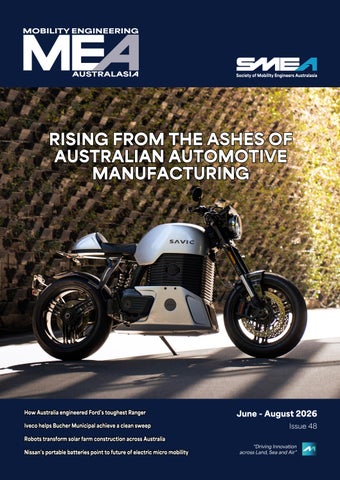
SME-A was founded in 1927 to address the need for further education and professional development for all facets surrounding mobility engineering, and today the organisation encompasses innovations across land, sea and air across Australasia. SME-A is a nonprofit entity that works to serve the needs of its members and industry to promote the relevance of the mobility engineering sector and emerging technologies to governments, industry and the community in general.
A new vision driving mobility engineering forward
Martha Oplopiadis outlines the Society’s transformation embracing mobility, innovation and future-focused engineering leadership across Australasia.
The pace of change across the mobility sector has never been greater. In just a few short years we have seen remarkable advances in electrification, hybrid powertrains, connected vehicles, automation, advanced driver assistance systems and intelligent transport technologies. Engineering is no longer focused solely on the motor vehicle – it now encompasses an integrated mobility ecosystem that spans road, rail, marine, defence and aviation.
It is for this reason that I am delighted to share one of the most significant milestones in our Society’s history. Following the ratification of our Board and Members followed by a Special Meeting of the members, we have officially become the Society of Mobility Engineers Australasia.
This is far more than a new name. It reflects who we are today, the industries we serve and, most importantly, the future we are helping to shape. Our members are already working across diverse transport sectors, applying engineering expertise to solve increasingly complex challenges that extend well beyond the traditional automotive landscape. Our new identity acknowledges that reality while positioning the Society to remain relevant and influential for decades to come.
The change also reinforces our commitment to supporting engineers wherever mobility innovation occurs. Whether it is developing next-generation electric and hydrogen technologies, improving transport safety, advancing autonomous systems or strengthening sovereign manufacturing capability, our Society intends to be at the forefront of these conversations. We will continue to provide technical knowledge, professional development and policy leadership across the broader mobility ecosystem while fostering collaboration between industries that have much to learn from one another. This exciting new chapter is also reflected in our flagship publication. From this edition onwards, Vehicle Technology
Engineer will become Mobility Engineering Australasia. The new title better represents the breadth of engineering disciplines, technologies and industries that our readers are involved with every day. While the name is changing, our commitment to delivering high-quality technical content, industry insights and member achievements remains stronger than ever. Alongside our new identity comes a renewed focus on priorities that will help shape the Society’s future. We are introducing a Student Engineering Committee to encourage and support the next generation of engineering professionals, ensuring emerging talent has a strong voice within the Society. We are also establishing a Sovereign Capability Committee, recognising the growing importance of developing Australia’s engineering expertise and manufacturing resilience. In addition, a dedicated Regulatory Harmonisation Committee will strengthen our contribution to technical standards and best practice, helping ensure our members remain at the forefront of engineering excellence.
Looking back over the past 12 months, I am incredibly proud of what we have achieved together. These initiatives have been the result of careful planning, valuable member input and a shared vision for the future. While there is still much work ahead, I am confident these changes will create an even stronger Society that better reflects the evolving profession and delivers greater value to every member. I would like to thank everyone who has supported this journey. Your enthusiasm, ideas and commitment have made this transformation possible. I look forward to working alongside all of you as we continue building the Society of Mobility Engineers Australasia into the leading professional home for mobility engineers throughout our region. The future of mobility is incredibly exciting, and I believe our Society is now perfectly positioned to help lead it.
Martha Oplopiadis
FISITA highlights growing role of in-cabin safety
FISITA’s latest white paper examines how driver and occupant monitoring systems are reshaping vehicle safety, while highlighting testing, privacy and acceptance challenges.
FISITA has released its latest white paper on driver and occupant monitoring systems, highlighting the growing importance of understanding what is happening inside a vehicle as well as the hazards surrounding it.
The Intelligent Safety White Paper: Driver and occupant monitoring systems – The interior perspective on vehicle safety examines how Driver Monitoring Systems (DMS) and Occupant Monitoring Systems (OMS) are emerging as fundamental elements of modern vehicle safety architectures.
Produced by the FISITA Intelligent Safety Expert Group, the paper brings together perspectives from testing organisations, suppliers and vehicle manufacturers to examine how the technology is being developed, validated and deployed.
FISITA says vehicle safety has progressed with monitors now inside the vehicle to assess the condition and behaviour of drivers and passengers.
DMS and OMS technologies can monitor factors including driver attention, fatigue, posture and occupancy. Their role is becoming particularly important as automated driving capabilities increase and vehicles need to determine whether a driver is sufficiently alert and ready to resume control.
The paper argues that testing these
technologies must move beyond simply determining whether a system can accurately detect a particular condition. Instead, testing should also assess whether the subsequent warning or intervention actually improves safety.
FISITA warns that systems that are overly sensitive or intrusive can annoy drivers and encourage them to disengage or deactivate the technology. Conversely, systems that are too passive could contribute to over-reliance or complacency.
This means manufacturers must find a balance between robust detection and a system that drivers find acceptable in everyday use.
The paper points to evolving New Car Assessment Program requirements as evidence of the shift. Euro NCAP has expanded its assessment of technologies capable of detecting distraction, drowsiness and reduced driver engagement, while China’s C-NCAP is moving towards broader assessments of system robustness, warnings, interventions and false responses.
From a technology perspective, monitoring systems are also becoming increasingly sophisticated. Driver monitoring cameras can use infrared sensing to track eye gaze, head position and facial features, while wider-view
occupant monitoring cameras can identify passenger presence, posture and behaviour.
Radar-based systems can add another layer of information, potentially detecting vital signs including respiration and heart rate without relying on direct line of sight. Together, FISITA describes these capabilities as creating a form of “cabin awareness”, allowing the vehicle to continuously assess who is inside, where they are positioned and what they are doing.
This could have implications beyond driver distraction. More detailed information about occupant posture, movement and restraint use could allow passive safety systems to respond more precisely.
For example, future restraint and airbag strategies could potentially adapt according to whether an occupant is sitting normally or is out of position, rather than relying primarily on conventional seat occupancy and weight sensors.
Driver monitoring could also help vehicles identify situations involving fatigue, distraction, sudden illness or an unresponsive driver. In increasingly automated vehicles, the technology could play an important role in determining whether a driver is capable of taking back control when an automated system reaches its operational limits.
The paper concludes that successful deployment will require coordinated progress throughout the development chain, including clearer definitions of intended use cases, validation methods that account for human interaction and assessment protocols capable of keeping pace with technological development. At the same time, manufacturers and suppliers will need to ensure privacy and cybersecurity are protected as vehicles become increasingly capable of understanding not only the road around them, but the people travelling inside them.
HOW AUSTRALIA IS RECLAIMING CONTROL OF THE E-BIKE REVOLUTION
Queensland crackdown signals national effort to remove illegal high-powered machines from Australian roads
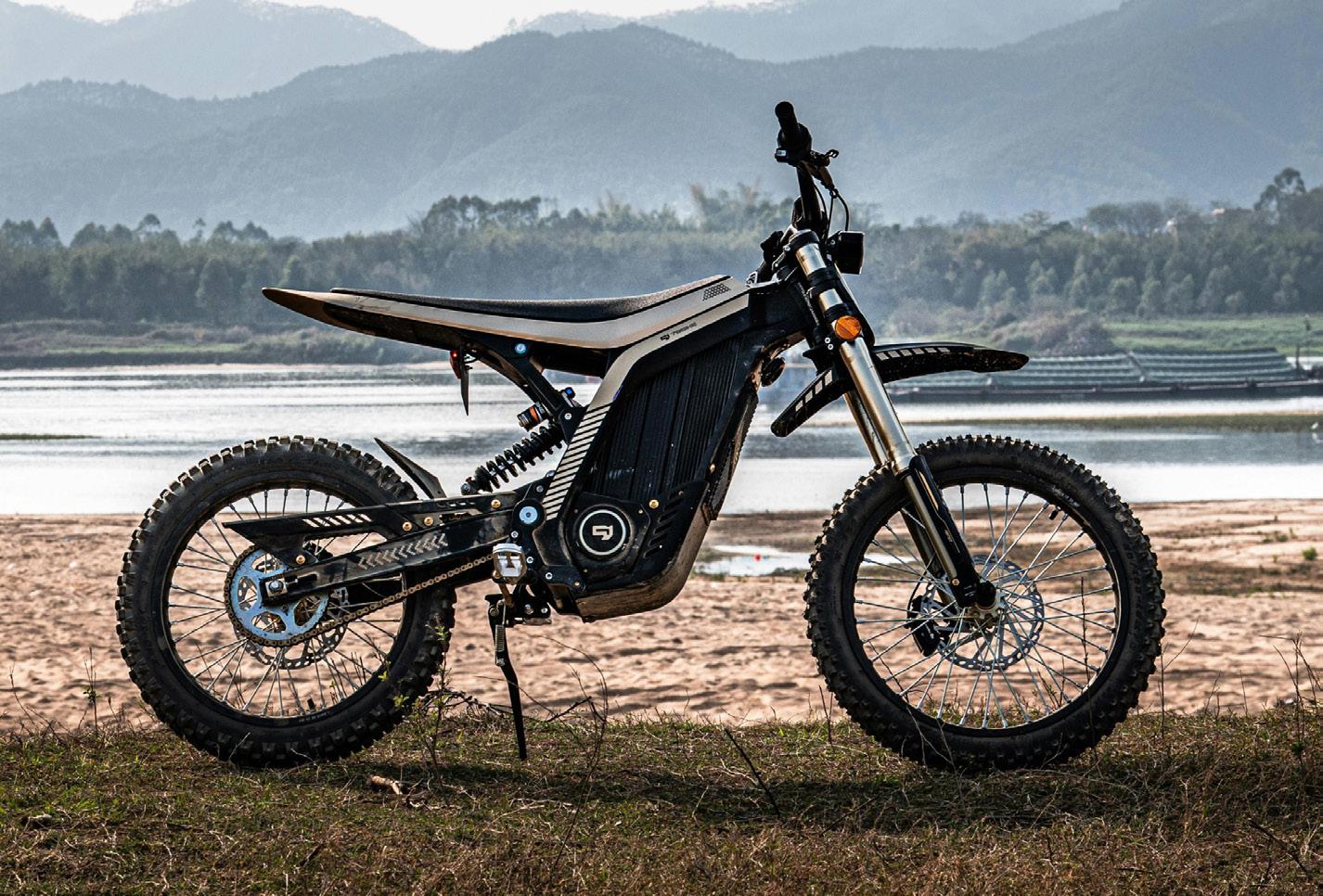
Queensland’s sweeping crackdown on illegal e-bikes and e-scooters is the latest chapter in a national effort to regain control of Australia’s rapidly growing e-mobility sector after regulatory changes and weak enforcement allowed thousands of high-powered electric motorcycles to be imported and sold as “e-bikes”.
Within just 10 days of the state’s new laws taking effect, Queensland Police had seized more than 100 illegal e-bikes and e-scooters and issued more than 420 infringement notices, demonstrating that authorities are now taking a far tougher approach to dangerous and non-compliant devices.
The Motor Trades Association of Queensland (MTA Queensland) has welcomed the early results, saying they send a strong message that illegal highpowered devices have no place on Queensland’s roads, footpaths and shared pathways.
MTA Queensland CEO Rod Camm said the association had consistently advocated for stronger regulation to distinguish compliant e-mobility devices from illegal, modified
or high-powered machines capable of travelling well beyond legal speed and power limits.
“These illegal devices pose a genuine risk to pedestrians, motorists and riders themselves,” Camm said.
The association stressed that responsible e-bikes and e-scooters have an important role in Queensland’s transport network, but there is a clear distinction between legal personal mobility devices and machines that operate more like electric motorcycles.
How did Australia get here?
The rapid growth of illegal high-powered e-bikes did not happen overnight.
According to an ABC investigation earlier this year, Australia’s streets have seen an explosion in powerful electric machines capable of travelling at speeds of 50 km/h, 70 km/h and even 100 km/h. Many are marketed as e-bikes despite not complying with Australian regulations for electrically power-assisted bicycles. The report also highlighted industry concerns that these vehicles are often confused with legitimate
pedal-assist bicycles, unfairly damaging the reputation of compliant products.
The roots of the problem can largely be traced back to 2021.
Prior to that year, importers of nonroad vehicles were generally required to submit a Mandatory Advisory Notice to the Commonwealth Department of Transport. This process required importers to demonstrate they were reputable businesses importing compliant products from quality-assured manufacturers and that they understood their obligations to support those vehicles throughout their service life.
For compliant electrically powerassisted cycles, that meant meeting the internationally recognised EN15194 standard. These bicycles are limited to a maximum continuous motor output of 250 watts, provide throttle assistance only up to 6 km/h, require riders to pedal before the motor provides assistance above that speed, and cut motor assistance once the bicycle reaches 25 km/h.
Industry participants argue that when the Mandatory Advisory Notice became voluntary in 2021, the market changed dramatically. Importers were able to declare high-powered electric motorcycles as non-road vehicles intended for use on private property, allowing large numbers of machines with motors producing several thousand watts and capable of highway speeds to enter Australia.
Many of these products carried disclaimers stating they were “for use on private property only”. In practice, however, large numbers began appearing on public roads, bike paths and footpaths.
Rod Camm, MTA Queensland CEO
As the ABC reported, the distinction between genuine pedal-assist bicycles and illegal electric motorcycles quickly became blurred, creating confusion for consumers, retailers and enforcement agencies alike.
A regulatory gap
The problem was compounded by uncertainty over which level of government was responsible for addressing it.
According to industry commentary submitted during Queensland’s parliamentary inquiry, the Commonwealth regarded these products as non-road vehicles outside its direct responsibility, while enforcement of road laws remained the responsibility of state and territory governments.
Police argued they could enforce offences committed on public roads but had little ability to prevent the importation of illegal devices, while customs authorities had limited grounds to intervene when products were declared for private property use. Consumer protection agencies generally required complaints before acting, yet many purchasers were satisfied with the performance of their machines and had little reason to complain.
The result was a regulatory loophole that remained open for several years while imports continued to grow.
Queensland investigates
By 2025, growing community concern prompted the Queensland Parliament to launch a comprehensive inquiry into e-mobility safety.
The inquiry attracted more than 1,200 submissions and heard evidence from more than 140 witnesses representing government agencies, police, trauma specialists, fire authorities, disability advocates, retailers and industry organisations.
Its findings painted a concerning picture.
Queensland Health reported more than 6,300 emergency department presentations related to e-mobility devices in a single year, with more than 200
major trauma cases and over 60 patients requiring intensive care. Twelve people died in e-mobility incidents during the previous year, including several children. Battery fires involving lithium-ion batteries had also become an increasing concern, with e-mobility devices accounting for the largest share of such incidents attended by the Queensland Fire Department.
The committee concluded that while compliant e-bikes and personal mobility devices offer genuine transport, environmental and affordability benefits, illegal high-powered devices had become one of the sector’s biggest safety challenges.
Importantly, the inquiry specifically found that the Commonwealth’s 2021 import settings had enabled large numbers of unsafe and non-compliant devices to enter Queensland, creating significant public safety risks.
Stronger laws
The inquiry produced 28 recommendations covering imports, rider behaviour, retailer responsibilities, enforcement and public education.
Among the key recommendations were aligning Queensland’s definitions with the EN15194 international standard, classifying devices capable of exceeding 25 km/h as motorcycles requiring registration and licensing, introducing anti-tampering laws, strengthening retailer obligations and giving police powers to seize illegal devices immediately.
Many of those recommendations are now reflected in Queensland’s new enforcement regime.
Queensland Police now have stronger powers to seize illegal devices, conduct random breath testing of riders in public places and impose tougher penalties for dangerous riding offences. MTA Queensland believes these reforms will improve public safety while supporting legitimate businesses supplying compliant products.
A national response
Queensland is far from alone.
New South Wales has introduced tougher enforcement against illegal e-bikes, including expanded seizure powers and roadside testing equipment capable of identifying bikes that exceed legal power and speed limits.
Western Australia has also stepped up enforcement, with police targeting illegal high-powered e-bikes and reinforcing that only compliant pedal-assist bicycles may be used on public roads.
South Australia has commenced a review of its e-scooter and broader e-mobility laws, while Victoria Police have launched dedicated enforcement operations targeting illegal devices and dangerous riding.
At the federal level, the Commonwealth has also acted, restoring the reference to the EN15194 European standard within the Road Vehicle Standards framework. The amendment is intended to remove uncertainty by clearly defining which electrically power-assisted bicycles qualify as non-road vehicles and therefore can be legally imported without being treated as motor vehicles.
Protecting legitimate e-mobility
Despite the growing focus on enforcement, industry groups continue to emphasise that legal e-bikes remain an important part of Australia’s transport future.
Queensland’s parliamentary inquiry concluded that compliant e-mobility devices provide affordable, convenient and environmentally beneficial transport options when used safely and responsibly.
MTA Queensland agrees.
Camm said consumers should purchase e-bikes and e-scooters only from reputable retailers and ensure any modifications comply with Queensland regulations.
“Education remains just as important as enforcement,” he said.
“Queensland consumers deserve confidence that when they purchase an e-bike or e-scooter from a reputable retailer, it complies with Australian requirements and is safe to operate.
“Working together, industry, retailers and government can help ensure e-mobility remains a safe and sustainable transport option for Queenslanders.”
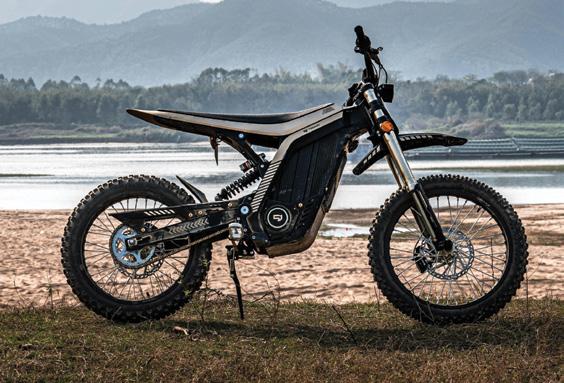
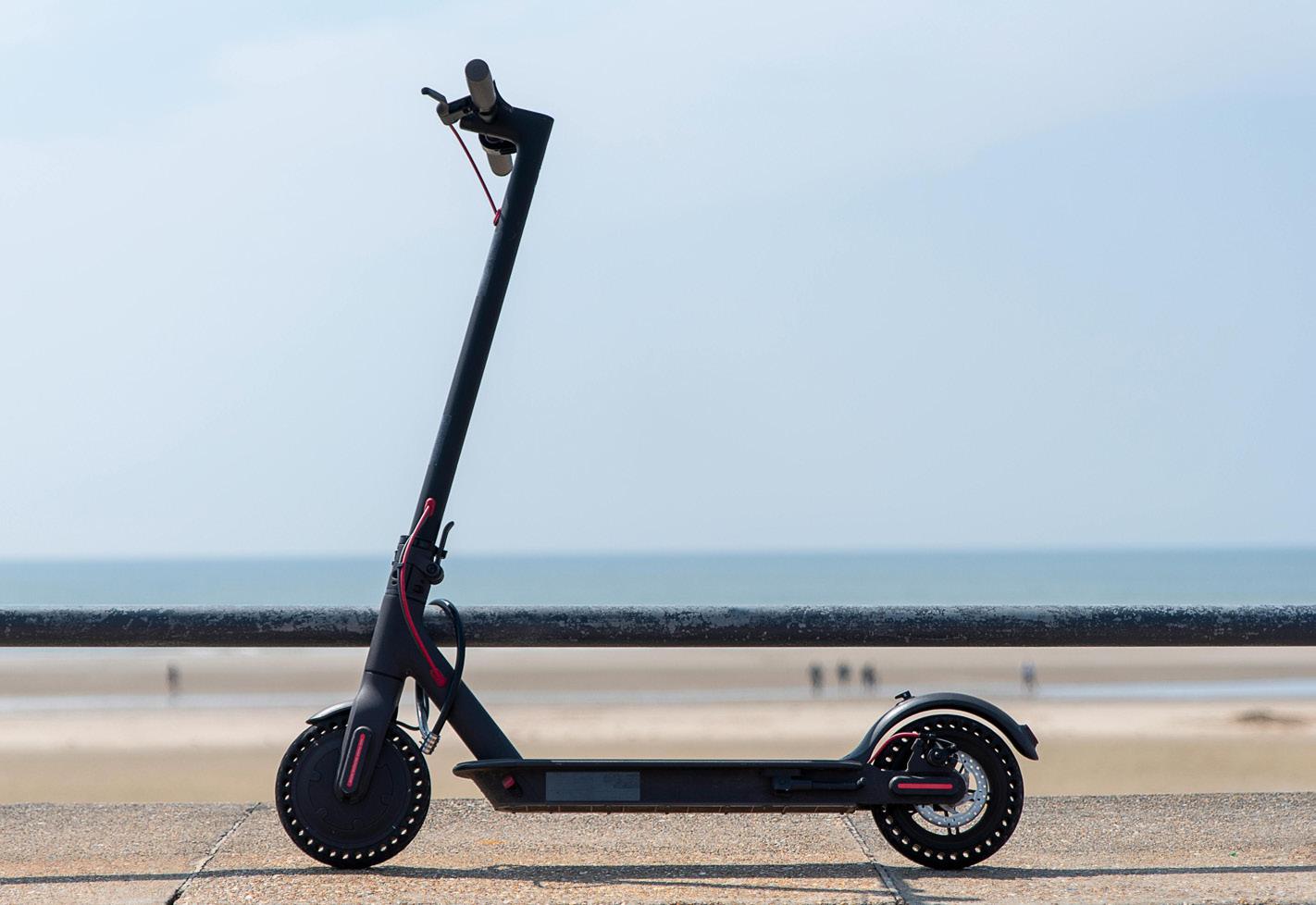
Disclaimer: Please note the e-scooter and e-bike photos are stock images for illustration purposes only and SMEA does not imply that these particular examples are illegal in any way.
Autel unveils smart EV charging solutions for Australia
New charging technologies aim to improve grid stability, fleet reliability and renewable energy integration nationwide.
Queensland based Autel Energy (Autel) has reinforced its commitment to the Australian market by unveiling a suite of intelligent EV charging and energy management technologies designed to support the country’s growing electrification efforts.
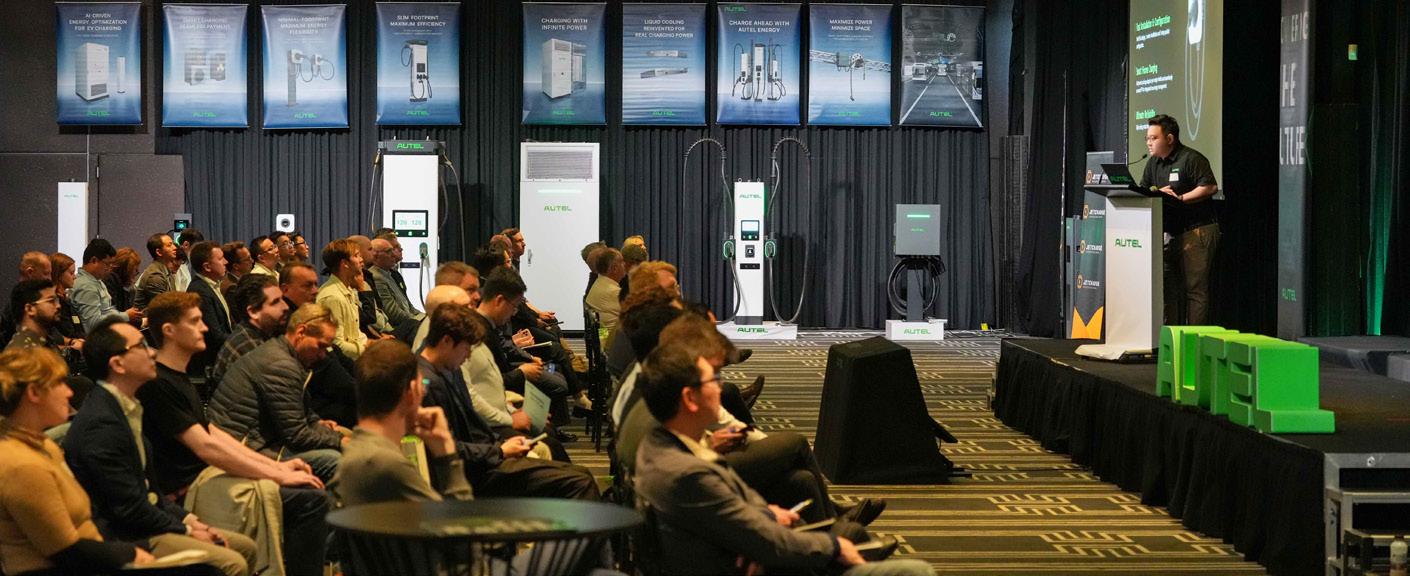
The company showcased the new solutions in June during its Powering the Future – Autel 2026 EV Charging Innovation Seminar in Sydney, where industry partners, customers and energy stakeholders gathered to discuss the future of electric vehicle charging infrastructure.
Autel used the event to introduce several products and technologies developed to address Australia’s unique energy and charging challenges. Among the highlights was the DH120 DC charger, featuring an ultra-slim cabinet just 25 centimetres deep with a footprint of less than 0.16 square metres. The charger can
simultaneously charge two vehicles while delivering up to 97 per cent efficiency.
The company also unveiled what it described as Australia’s first charging solution with reactive power compensation, enabling charging equipment to help stabilise the electricity grid while vehicles are charging. Other innovations included an AC charger integrating Nayax card payment technology, a fleet charging system with hardware-level backup switching designed to minimise downtime, and a smart AC charger capable of prioritising surplus rooftop solar energy for EV charging.
Autel also presented its iGreen Charging Solution, which combines solar generation, battery storage and EV
Electric vehicles to become grid assets under ambitious vision
New roadmap forecasts electric vehicles will help store energy, reduce grid demand and support Australia’s renewablepowered electricity system by 2050.
Electric vehicles will become far more than a transport solution over the next 25 years, with Australia’s peak energy market operator forecasting they will play a key role in supporting the nation’s electricity grid as the transition to renewable energy accelerates.
The Australian Energy Market Operator’s (AEMO) 2026 Integrated System Plan (ISP) identifies electric vehicles as one of several consumer energy resources that will help create a lower-cost, more reliable electricity system by 2050. Alongside rooftop solar, home batteries and smarter energy management, EVs are expected to become an increasingly important part of Australia’s future electricity network.
The report forecasts that by 2050 around 80 per cent of all vehicles on Australian roads will be electric, with households and businesses investing heavily in distributed energy resources that reduce reliance on traditional grid infrastructure. By that time,
consumers are expected to have installed 87 GW of rooftop and other small-scale solar generation and 35 GW of batteries, with many of those resources working together through virtual power plants.
Rather than viewing EVs simply as additional electricity demand, AEMO sees them as part of a broader consumer energy ecosystem capable of storing renewable energy, shifting electricity consumption away from peak periods and making better use of existing network infrastructure.
The ISP says consumer energy resources, including electric vehicles, rooftop solar and batteries, will help reduce electricity costs, improve reliability and lower the need for expensive new grid-scale infrastructure by reducing both peak and overall demand on the network. Distribution networks will increasingly be upgraded to support two-way electricity flows and unlock more of this behind-themeter capacity.
charging through an AI-powered energy management platform. The system is designed to optimise energy use, reduce operating costs and improve long-term returns for charging operators.
Autel APAC Region CEO Henry He said Australia’s limited commercial land availability, grid stability constraints and demanding fleet operating requirements called for tailored solutions.
He said the company’s space-efficient designs, intelligent grid interaction technologies and hardware-level redundancy were developed specifically to address these challenges while supporting Australia’s transition towards greater electrification and renewable energy adoption.
AEMO says the least-cost pathway for Australia’s electricity system is one built around renewable energy, backed by storage. Consumer-owned technologies, including EVs, will play an increasingly significant role alongside utility-scale infrastructure.
The ISP concludes that coordinated investment by governments, industry and consumers will be essential to ensure electric vehicles become integrated energy assets rather than simply new electricity loads. As more motorists plug in, AEMO believes EVs will help shape a smarter, more flexible electricity grid capable of supporting Australia’s long-term decarbonisation goals while maintaining reliable and affordable power supplies.
Monash research reshapes understanding of hypersonic rocket particles
New Monash research reveals hypersonic particles deform dramatically, potentially improving future rocket durability and performance.
New Monash University research has challenged long-held assumptions about how microscopic particles behave inside rocket engines, with findings that could improve the durability, safety and performance of future space and defence technologies.
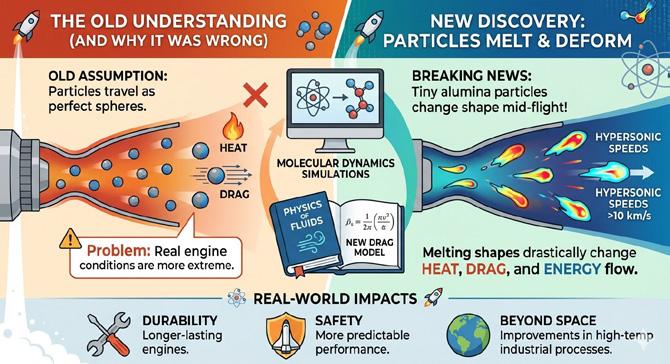
The study found particles travelling at hypersonic speeds do not remain spherical, instead melting and deforming during flight, changing how heat, drag and energy move through rocket systems.
Published in Physics of Fluids, the findings led researchers to develop a new drag model designed to more accurately predict particle behaviour under extreme conditions.
Co-author Associate Professor Qijun Zheng from Monash Mechanical and Aerospace Engineering said the research provided new insight into how particles interact with air in some of the harshest conditions faced by engineers.
“Inside rocket motors, these nanoparticles
are exposed to enormous temperatures, pressures and speeds,” Zheng said.
“Our simulations show that once particles reach hypersonic speeds, they can rapidly heat up, melt and even dramatically change shape while travelling through the airflow.”
Researchers investigated microscopic alumina particles formed when aluminium fuel burns inside solid rocket motors. Despite being thousands of times smaller than the width of a human hair, the particles can travel at speeds of up to 10 kilometres per second through rocket nozzles.
Using atom-by-atom molecular dynamics simulations, researchers found slower particles remained relatively stable, while those travelling at extreme speeds experienced intense collisions with air molecules, causing rapid heating and melting.
Smaller particles heated faster, while molten particles could stretch into thin, bag-like structures before collapsing into new shapes.
“These changing particle shapes affect how heat and energy move through the flow, which is important for predicting wear and performance inside rocket systems,” Zheng said.
The research also found molten particles disturbed surrounding airflow more strongly than solid particles, creating larger regions of turbulence and energy transfer.
Zheng said improved modelling could help engineers design more reliable propulsion systems and better predict material wear inside rocket engines, while the findings could also have applications in atmospheric re-entry, energy systems and other high-temperature industrial processes involving nanoparticles.
The study was led by researchers from the Southeast University–Monash University Joint Research Institute, Monash University and Shanghai University.
Australians growing increasingly wary of autonomous vehicle technology
Survey reveals declining confidence in self-driving vehicles despite continued technological advancement nationwide.
Australian motorists are becoming increasingly skeptical about autonomous vehicle technology, with new research showing concerns about self-driving cars have risen significantly over the past three years.
According to the latest EV Sentiments Survey conducted by finance comparison website Savvy, 63 per cent of Australians now have concerns about autonomous driving technology. The findings suggest public confidence in self-driving vehicles is declining despite ongoing advancements in vehicle automation and safety systems.
The survey found that 34 per cent of respondents do not trust autonomous vehicle technology and are uncomfortable with the idea of self-driving cars. A further 28 per cent said they had concerns but remained open to considering the technology in the future.
In contrast, only 17 per cent of Australians said they were mostly or entirely
comfortable with autonomous driving technology, down from 29 per cent in Savvy’s 2023 survey.
Savvy managing director Bill Tsouvalas said the results highlight a growing reluctance among consumers to hand over driving responsibilities to automated systems.
The findings come at a time when governments, regulators and vehicle manufacturers around the world are continuing to invest heavily in the development of autonomous vehicle technologies. While fully autonomous vehicles are not yet commercially available in Australia, advanced driver assistance systems such as adaptive cruise control, lane-keeping assistance and automated emergency braking are becoming standard features on many new vehicles.
Industry experts have long argued that autonomous vehicles could deliver significant road safety benefits by
reducing human error, which remains the leading cause of road crashes. The technology is also expected to improve mobility options for elderly and disabled Australians while increasing transport efficiency.
However, concerns about safety, reliability, cybersecurity, legal liability and regulatory oversight continue to influence public attitudes.
The survey suggests that while the technology continues to progress, convincing Australians to trust autonomous vehicles may prove to be one of the industry’s greatest challenges as it moves towards a more automated future. Visit https://savvy.com.au/car-loans/ autonomous-driving-concerns-grow/ for the full survey
Queensland innovation removes workers from roadside danger
New safety barrier protects crews without placing operators directly in crash zones.
A new Australian-developed road safety barrier designed to protect roadside workers while removing personnel from high-risk crash zones has officially entered commercial service, with infrastructure services company Ventia becoming its first customer.
Developed by Queensland-based ProTx with support from advanced manufacturing and robotics centre ARM Hub, the Arresta100 was launched at a live demonstration event in Brisbane attended by road authorities, infrastructure operators and government representatives.
Ventia has committed two Arresta100 units for its road operations fleet, with the barriers set to be deployed on the Transurban Hogan Road and Tunnel network in South East Queensland, pending approval from the Queensland Department of Transport and Main Roads. The Arresta100 is a seven-metre, twotonne barrier trailer that can be towed by a standard work ute and deployed within minutes. Unlike traditional truck-mounted attenuators, which require an operator to remain inside a vehicle positioned in the
path of oncoming traffic, the new system removes workers from the crash zone entirely.
According to ARM Hub CEO and founder Professor Cori Stewart, roadside worksites remain a significant safety concern, with around 18 fatal crashes and 245 serious injuries recorded nationally each year. The risks are even greater for crews working in regional areas.
“Arresta is a world-first vehicle arrestor, designed and built in Queensland to protect the workers who maintain our roads,” Stewart said.
ARM Hub worked alongside ProTx founder John Ferguson during the product’s development, helping transition the Arresta100 from a proven prototype to commercial-scale production through improvements in manufacturing processes, facility design and robotic welding integration.
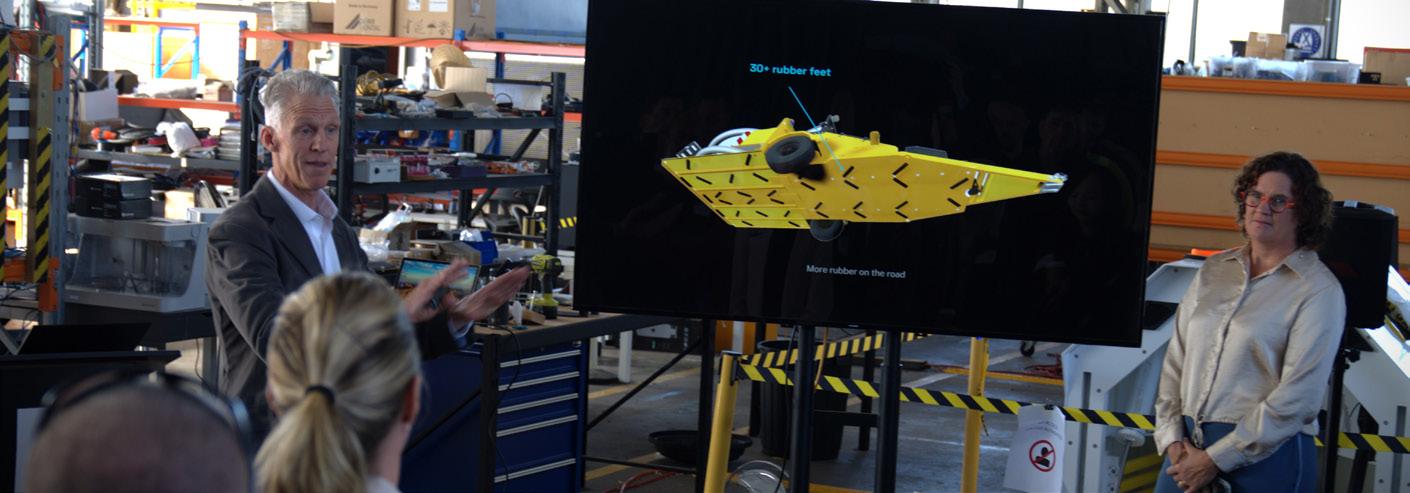
The barrier underwent seven formal crash
tests before reaching market, including impacts involving a 2.2-tonne vehicle travelling at 100 km/h, demonstrating its ability to protect workers operating in live traffic environments.
Ventia Operations Manager for Road Operations Australia Barry Smith said the primary benefit of the system was straightforward.
“The biggest part for us is the safety benefit,” Smith said.
“Our guys are going out there in their truck-mounted attenuators and know that when everything goes wrong that they’re in the front line every day. This particular method means that we remove that driver out of the crash zone completely.”
Further deployments are planned across additional road, port and airport infrastructure sites as the technology is rolled out more broadly across Australia’s transport network.
RACV trials mobile DC fast charger
New innovation launched to support stranded EV drivers.
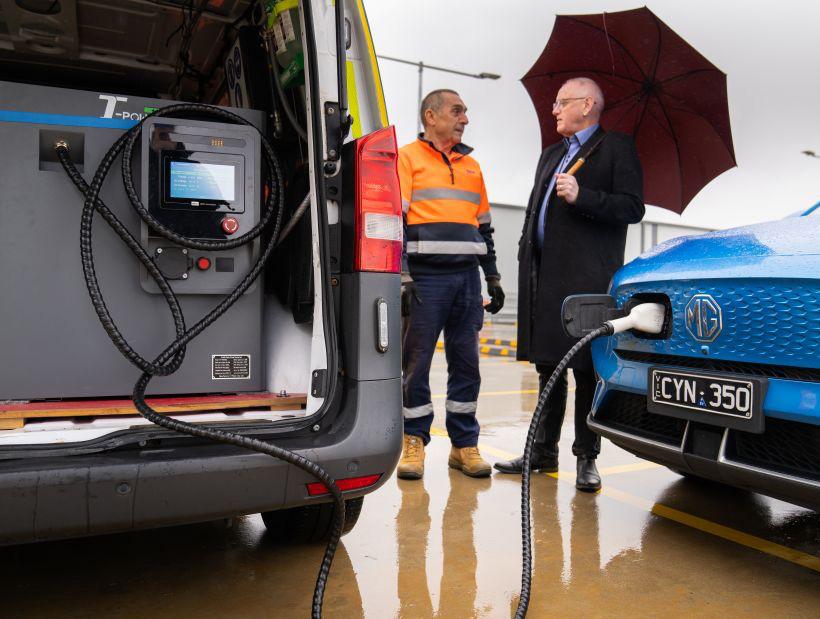
EV drivers stranded after running out of charge could soon be back on the road faster, with RACV to trial a mobile DC fast charger in its Emergency Roadside Assistance patrol fleet this month.
The trial will see a single patrol van fitted with a 20kW DC on-board charger, providing members with around one kilometre of range per minute of charging. In as little as 20 minutes, drivers could gain enough charge to reach their next charging stop or get home safely.
RACV roadside patrols have recorded an average year-on-year increase of more than 50 per cent in EV out-of-charge callouts since 2023, including a 37 per cent rise from 2024 to 2025, reflecting growing EV uptake across Victoria
RACV general manager automotive services, Makarla Cole, said the trial reflects RACV’s focus on evolving its services to meet the changing needs of its more than 1.4 million Emergency Roadside Assistance members.
“As EV ownership continues to grow, we’re seeing a steady increase in out-of-charge callouts,” Cole said.
“This trial is about looking ahead to what roadside assistance needs to deliver as more Victorians make the switch to electric vehicles.
“This trial points to the future of roadside assistance... A fast roadside charge can significantly reduce disruption and complements RACV’s broader investment in public charging infrastructure across Victoria, including the Chargefox network.
“While traditional mobile charging solutions provide a small top-up, DC charging allows us to deliver a more meaningful boost in a shorter time, helping drivers get moving again sooner.”
The trial will begin in a Melbourne-based van, assessing demand, performance and operational fit before considering a broader rollout.
RACV will also begin trialling an EV-
powered roadside patrol vehicle later this year to understand how it performs in realworld conditions, including load capacity, range and suitability across different job types.
“We need to understand how an EV patrol vehicle performs operationally, including whether it can carry the equipment required for roadside assistance,” Cole said. “These trials are about understanding how roadside assistance will evolve as more Victorians move to electric vehicles, and ensuring RACV is ready to support members at every stage of that transition.”
BASF future-proofs through application expertise in robotics
Coatings giant positions itself as integration partner and process leader for roboticsenabled paint application in body shops.
BASF Coatings (based in Germany) is strengthening its role in robotics-enabled Automotive Refinish by combining coatings expertise, digital colour management and application process know-how. Through close collaboration with OEMs and automation partners, the company aims to help shape the future of automated paint application. Drawing on its experience in repair processes and connected digital workflows, BASF Coatings supports customers in implementing robotics-enabled solutions for more consistent, scalable and future-ready repair operations. As automation gains relevance in collision repair, BASF Coatings is working closely with robotics suppliers, pilot customers and industry partners to support customers with validated process expertise and practical implementation guidance for roboticsenabled repair environments. The company’s focus goes beyond testing and validation by actively contributing to future application standards, scalable process frameworks and the integration of robotics into real-world body shop operations. BASF Coatings does not develop robotics hardware itself, but differentiates through its deep understanding of coatings, application processes and system integration within Automotive Refinish.
Robotics is seen as a natural extension of BASF Coatings’ end-to-end digital colour process. “Robotics brings together digital colour management and physical application in a single connected process,” global head of technology Automotive Refinish Coatings, Chen Liu, said.
“The true differentiation lies not in the robot itself, but in how BASF integrates coatings, process and application expertise to deliver consistent quality in real-world body shop environments. By combining these strengths, we are shaping scalable and repeatable application standards that will define the future of automotive refinish.”
Initial robotics applications primarily focus on standardised applications of primer, basecoat and clearcoat on complete vehicle parts. In this context, repeatability, throughput and material efficiency are the key drivers. Broader application to specific processes, such as blending or interior painting, is expected as the technology matures.
By combining coatings expertise with digital workflows and application know-how, BASF Coatings aims to support the development of more efficient, consistent and future-ready repair operations globally.
Ferrari enters electric era with new Luce model
Ferrari has launched its first fully electric model, opening a significant new chapter for the legendary Italian performance marque.
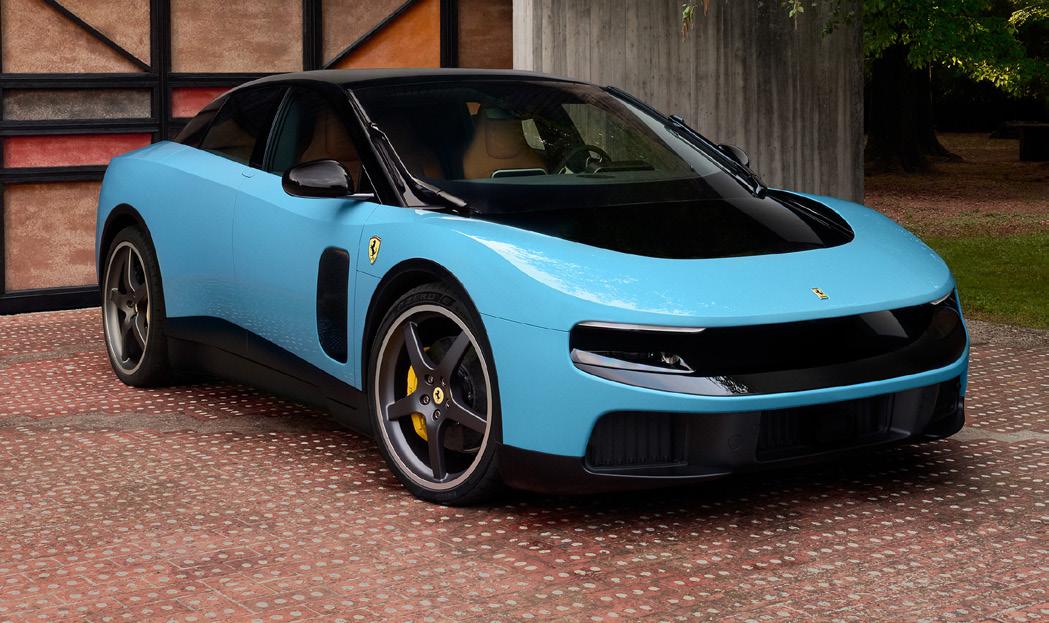
Ferrari has officially entered the battery electric vehicle market, unveiling the Ferrari Luce as the first fully electric model in the Italian marque’s history.
Unveiled in Rome, the Luce represents a major milestone for Ferrari as it expands beyond its traditional internal combustion engines and increasingly electrified hybrid powertrains into fully electric propulsion.
Ferrari has developed and manufactured the Luce’s major electric components in-house at Maranello, including its electric motors and 122 kWh high-voltage battery pack. The project has generated more than 60 new patents and draws on knowledge gained through Ferrari’s road car and motorsport engineering programs.
Four electric motors – one driving each wheel – provide a maximum combined output of 1050 cv. Ferrari claims the Luce can accelerate from zero to 100 km/h in 2.5 seconds and reach 200 km/h in 6.8 seconds, with a top speed exceeding 310 km/h.
Despite those performance figures, Ferrari says the Luce can deliver a driving range of more than 530 km. Its 800-volt electrical architecture supports DC fast charging at up to 350 kW.
The electric all-wheel drive system is another Ferrari first and allows individual control of torque at each wheel. The Luce also introduces a new Vehicle Control Unit integrating powertrain and
vehicle dynamics functions, while active suspension technology derived from the F80 and independent rear-wheel steering aim to maintain the driving characteristics expected of the brand.
Ferrari has also addressed one of the defining differences between electric and combustion-powered performance cars – sound. Rather than creating a simulated engine note, the Luce uses a patented system that captures vibrations generated by the electric drivetrain and amplifies them when relevant to the driving experience.
For Ferrari, however, the significance of the Luce extends beyond a single new model. Its arrival gives the Prancing Horse a fully electric offering for the first time while preserving internal combustion and hybrid technology as part of a broader powertrain strategy.
HOW AUSTRALIA ENGINEERED FORD’S TOUGHEST RANGER
The Ranger Super Duty showcases how Australian engineers continue to shape Ford’s global vehicle development, creating tougher, smarter vehicles for some of the world’s harshest operating environments.
For many Australians, the Ford Ranger is simply a highly capable ute. For Ford’s engineering team, however, it represents something much bigger – Australia’s continuing influence on the development of vehicles sold around the world.
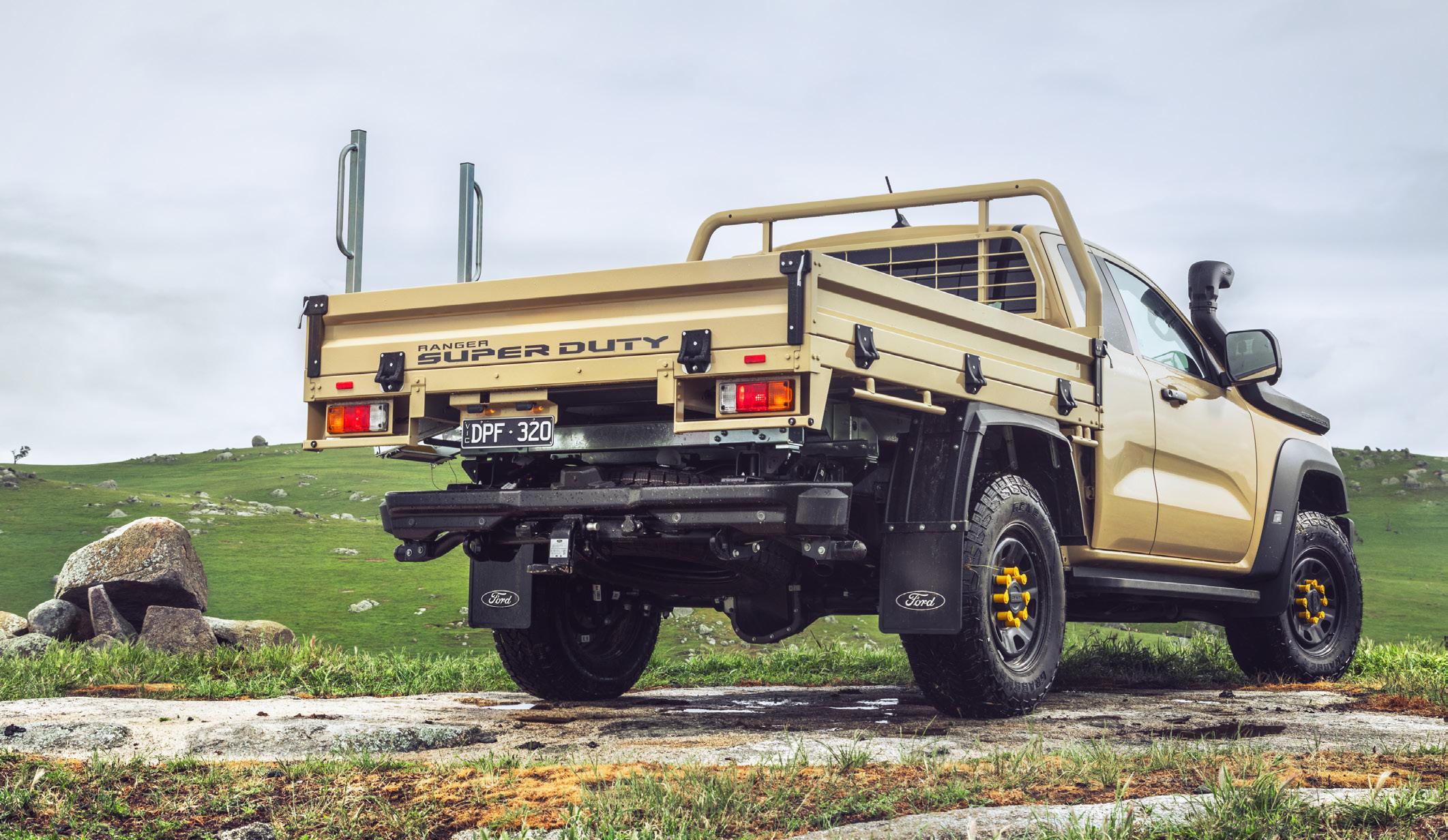
The latest Ranger Super Duty is perhaps the clearest example yet of that influence. Developed to carry heavier payloads, tow up to 4.5 tonnes and withstand some of the world’s harshest working environments, it demonstrates how Australian engineers continue to solve global challenges by designing vehicles for local conditions. That philosophy has deep roots.
Australian ingenuity has been shaping the world automotive for many years
In 1932, an Australian farmer’s wife famously wrote to Ford requesting a vehicle capable of taking the family to church on Sunday before hauling pigs to market on Monday. Ford responded by creating the 1934 coupe-utility, widely recognised as the world’s first ute.
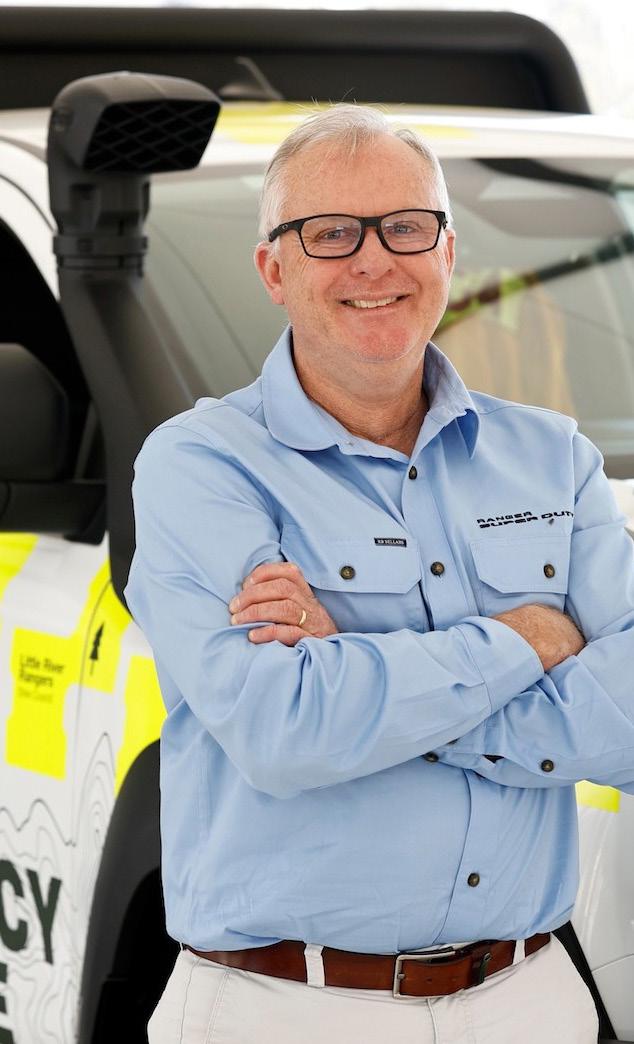
For Steve Crosby, Ford International Markets Group Director of Product Development, the story remains central to the company’s engineering philosophy.
“It led to a key insight,” Crosby says.
“The best way to build a great vehicle for the world is to start by building the best possible vehicle for Australia.”
Nearly a century later, that principle continues to shape Ford Australia’s role within the company.
While vehicle manufacturing has ended locally, Ford Australia’s engineering operation has expanded. Today, Australia is one of Ford’s four global product development
Steve Crosby, Ford International Markets Group Director of Product Development
centres alongside North America, Europe and China, employing around 1,500 people, including approximately 1,000 engineers, designers, technicians and specialist tradespeople. Rather than adapting overseas products, these teams help develop vehicles from the earliest concept stages through to global production.
“We are immensely proud to be the team that developed the Ranger and Everest from a clean sheet of paper,” Crosby says.
“These aren’t people managing a local variant of someone else’s vehicle. They’re the people who dream it up after deep customer listening, prioritise safety and test it to ensure it will last the distance.”
Australia’s challenging conditions make it an ideal engineering laboratory.
Long distances, extreme temperatures, corrugated roads, heavy towing and remote operation expose weaknesses long before they become apparent in less demanding markets. Rather than seeing those conditions as obstacles, Ford uses them to develop vehicles capable of performing almost anywhere.
“Australia demands more from its vehicles than almost anywhere else on earth,” Crosby says.
“The distances are longer, the roads are rougher, and the conditions are less forgiving.”
The Ranger Super Duty grew directly from that environment.
The Ranger Super Duty was born out of a need to tame Australian conditions
Unlike many new vehicle programs, it did not begin with a styling exercise or marketing brief. Instead, it started with Australian engineers listening to the customers who rely on their vehicles every day – farmers, emergency services, utility providers, mining companies and major fleet operators.
Those conversations revealed a clear gap in the market. Customers wanted a vehicle with the manoeuvrability of a Ranger but the carrying and towing capability of a much larger truck. For Ford Australia, solving that problem would become one of its most significant engineering projects, resulting in a vehicle designed specifically for the toughest jobs while reinforcing Australia’s reputation as one of Ford’s most important centres of engineering excellence.
The development of the Ranger Super Duty began with a simple question: what did Australia’s hardest-working customers need that existing vehicles could not deliver?
To find the answer, Ford Australia’s engineering team spent years consulting forestry operators, emergency services, farmers, mining companies, utility providers and major fleet customers. The message they received was remarkably consistent. Operators wanted a vehicle with the size and manoeuvrability of a Ranger, but with significantly greater payload and towing capability, allowing it to perform jobs that traditionally required a much larger truck.
Jeremy Welch, Ford Australia’s Strategic Projects Manager, says those discussions shaped the entire program.
“The stories we heard were always about compromise,” Welch says. “They told us about being unable to reach critical locations because the only vehicles strong enough to carry their gear were simply too big and unwieldy for the tracks. It was a problem we knew we had to solve.”
Crosby says those conversations quickly evolved into a clear engineering brief.
“They needed a vehicle that could carry a heavy load and tow 4.5 tonnes straight from the factory,” he says.
“Because of our unique local expertise, Ford Australia was the only team that could build the answer.”
Rather than treating the project as simply another Ranger variant, Ford’s engineers approached it as an entirely new heavy-duty work platform.
The starting point was the proven Ranger architecture, but almost every component responsible for carrying loads or transmitting power was reviewed. The chassis was reinforced to withstand greater payloads and towing forces, while stronger front and rear driveshafts were developed to cope with the increased demands. Engineers also introduced a new heavy-duty rear axle featuring the largest and strongest differential ever fitted to a production Ranger, along with robust eight-stud wheel hubs to improve durability under constant heavy use.
Powertrain development followed the same philosophy. Rather than chasing headline power figures, Ford retained its proven 3.0-litre V6 turbo diesel because of its reliability and strong low-speed torque. The engine was recalibrated to meet the latest emissions standards, while the cooling system was upgraded to cope with sustained towing, slow-speed off-road driving and prolonged operation in high ambient temperatures.
Engineers also concentrated on details that would make a real difference in remote Australia. Differential, transmission and transfer case breathers were mounted higher to improve protection during water crossings, contributing to an 850mm wading depth. The transfer case itself received stronger internal components, while front and rear locking differentials became standard to maximise traction in difficult terrain.
The result was a vehicle engineered specifically for demanding commercial applications, yet still retaining the refinement and drivability that made the Ranger successful in the first place. However, designing the vehicle was only half the task.
Before the Ranger Super Duty could wear the famous Super Duty badge, Ford’s engineers had to prove it could survive some of the harshest testing ever undertaken on an Australian-developed vehicle.
For Ford Australia, designing a capable vehicle is only the beginning. The real challenge is proving it can survive the conditions its customers face every day.
Real world testing proves pivital
That philosophy has made the You Yangs Proving Ground in Victoria one of the company’s most valuable engineering assets. For more than 60 years, the facility has been where new vehicles are pushed well beyond normal operating limits before entering production.
Crosby says validation is fundamental to Ford’s engineering process.
“Engineering a global leader requires more than just a clean-sheet design; it requires relentless validation,” he says.
He notes that the current Ranger and Everest accumulated almost two million kilometres of durability testing, combining laboratory simulation with real-world testing in Australia’s Outback, the deserts of the Middle East and mountain ranges in North America.
“The true test happens in the wild,” Crosby says.
“This uncompromising standard ensures every vehicle we build is genuinely ready to go.”
The Ranger Super Duty was subjected to an even more demanding program.
One of the most unusual tests involved deliberately packing more than 600kg of mud onto the underside of prototype vehicles. Mud is one of the toughest environments a vehicle can face, trapping heat around critical components, restricting airflow, increasing corrosion and placing enormous strain on the chassis and suspension.
Rather than avoiding those conditions, Ford repeatedly drove prototypes through a purpose-built mud course until they were carrying the extra weight, then continued testing to identify any potential weaknesses.
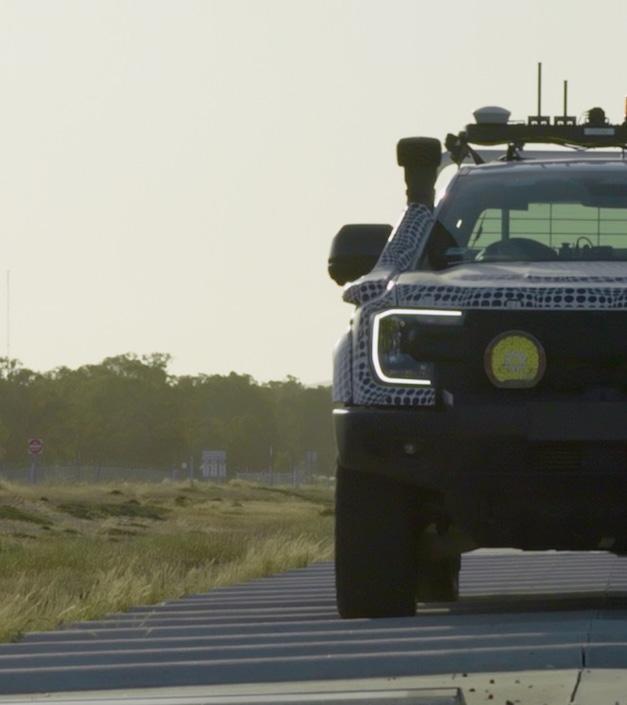
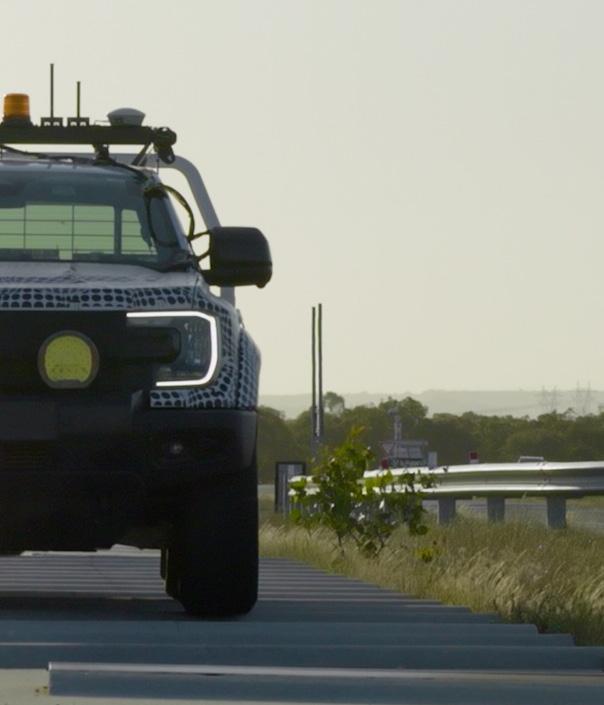
The punishment continued on Silver Creek, one of the harshest tracks at the You Yangs Proving Ground. Designed to simulate driving through a rocky riverbed, the course generates constant impacts that accelerate years of wear in just weeks. To maximise testing time, autonomous driving robots operated the vehicles around the clock, completing identical laps and allowing engineers to collect highly consistent durability data.
Testing also extended well beyond the proving ground. Engineers completed 27 consecutive crossings of Victoria’s Crooked River to validate the Ranger Super Duty’s 850mm water-wading capability under real conditions. Prototype vehicles were also converted into light-attack fire trucks and deployed alongside emergency service crews, while others spent time on remote cattle stations hauling fencing materials and towing heavy equipment across rough terrain. These exercises were not demonstrations – they were engineering validation.
Every vibration, suspension movement and driver observation was recorded and fed back into the development program, allowing engineers to refine components before production began.
The result is a vehicle whose capability is based not simply on stronger components, but on thousands of hours of testing in conditions that mirror the environments in which customers will use it.
“It’s about maintaining the sovereign capability – the talent, the facilities and the knowledge – to keep solving Australian problems for Australian customers.”
Making the best use of modern technology
That same practical approach also extends to the Ranger Super Duty’s technology, where intelligent driver assistance systems have been engineered to complement the vehicle’s mechanical capability rather than replace it.
While the Ranger Super Duty is defined by its reinforced chassis, heavy-duty driveline and exhaustive durability testing, it also reflects how commercial vehicle engineering is changing. Today’s work vehicles must not only carry heavier loads and tow larger trailers, they must also help drivers operate more safely and efficiently.
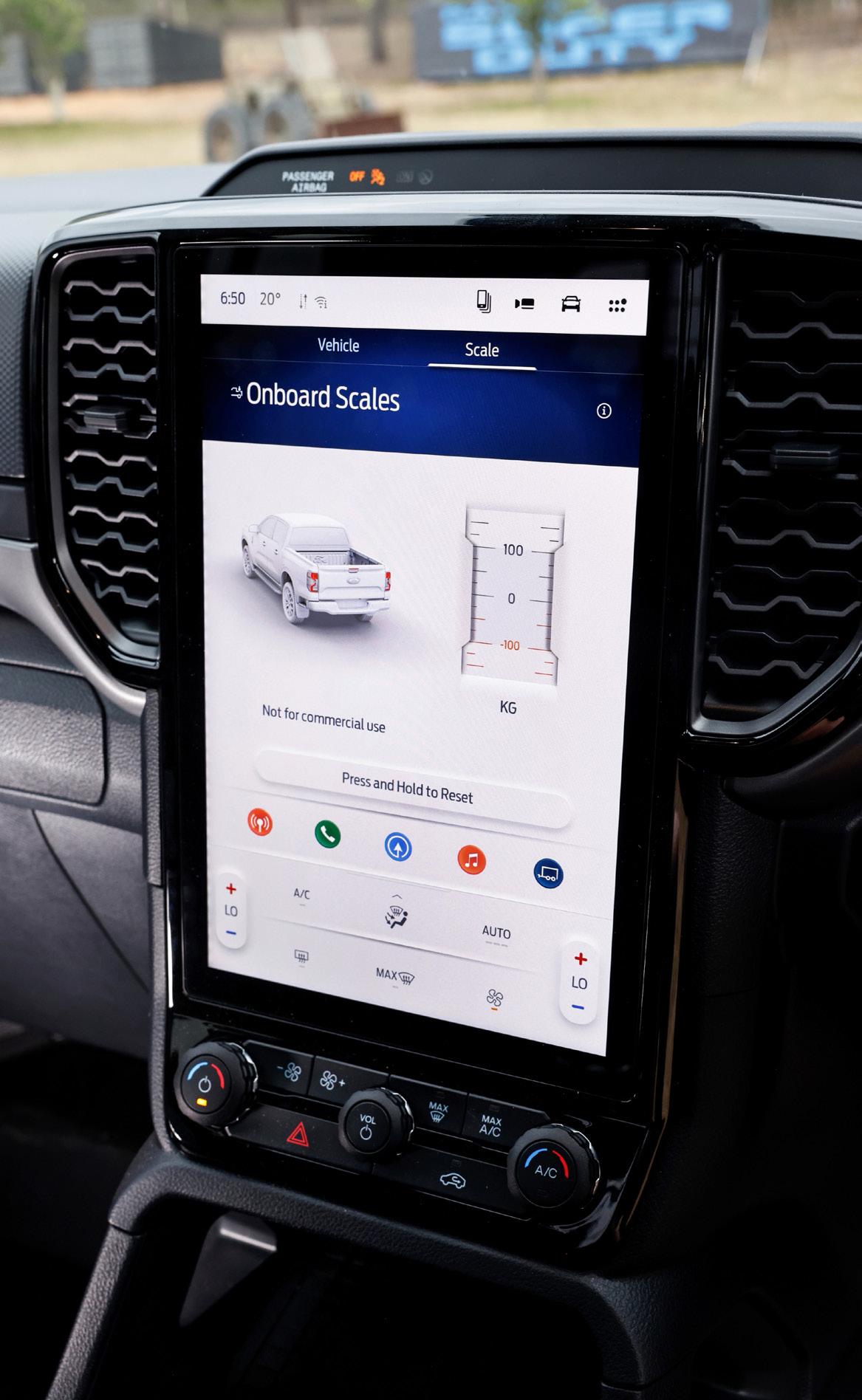
To achieve that, Ford Australia’s engineers combined traditional mechanical engineering with a range of intelligent driver assistance technologies designed specifically for commercial use. Among the most practical is Onboard Scales, which estimates payload using suspension-mounted sensors and displays the information through the SYNC infotainment system. This allows operators to monitor vehicle loading in real time rather than relying on estimates. Smart Hitch performs a similar role when towing, estimating trailer ball weight to help improve stability and safety. An off-road information screen also provides drivers with data such as steering angle, driveline status, pitch and roll, while systems – including Trail Control and Trail Turn Assist – helps with negotiating difficult terrain.
Importantly, these technologies are designed to support the driver rather than replace them. They are practical engineering solutions developed to make demanding jobs easier without compromising the Ranger Super Duty’s primary role as a heavy-duty work vehicle.
The program also demonstrates how Ford Australia’s engineering responsibilities continue to expand.
While the Super Duty showcases the company’s expertise in conventional commercial vehicle development, Crosby says the Australian team is equally focused on the next generation of propulsion technologies.
“Our focus is now on the next generation of multi-energy solutions, led by the Ranger Hybrid,” he says.
“By integrating a 2.3-litre turbo-petrol engine with an electric motor, our engineers have delivered low-emissions technology without compromising the 3,500kg towing capacity our customers rely on.”
Ford is also investing in future technologies beyond electrification. The company is collaborating with six Australian universities to develop autonomous vehicle systems capable of operating in challenging environments such as bushfire-affected regions and flood zones. Combined with an investment of around $5 billion in Australian research and development over the past decade, the projects reinforce the company’s long-term commitment to local engineering capability.
Making use of Australia’s engineering abilities for now and the future
For Crosby, maintaining that capability is just as important as developing the next successful vehicle.
“It isn’t just about better vehicles,” he says.
“It’s about maintaining the sovereign capability – the talent, the facilities and the knowledge – to keep solving Australian problems for Australian customers.”
The Ranger Super Duty is the latest expression of that philosophy. It was born from customer feedback, engineered for some of the world’s harshest operating conditions and validated through an uncompromising testing program. Every major design decision –from the reinforced frame and heavy-duty axles to the advanced towing technologies and exhaustive durability testing – was driven by the practical needs of the people who depend on their vehicles every day.
Nearly a century after Australian ingenuity produced the world’s first ute, Ford’s local engineers continue to influence vehicles destined for markets around the globe. The Ranger Super Duty is more than the toughest Ranger ever built; it is a showcase of Australia’s continuing role as one of Ford’s global engineering powerhouses, demonstrating how local knowledge, rigorous testing and customer-led design continue to shape commercial vehicles for the world.
IVECO HELPS BUCHER MUNICIPAL ACHIEVE A CLEAN SWEEP
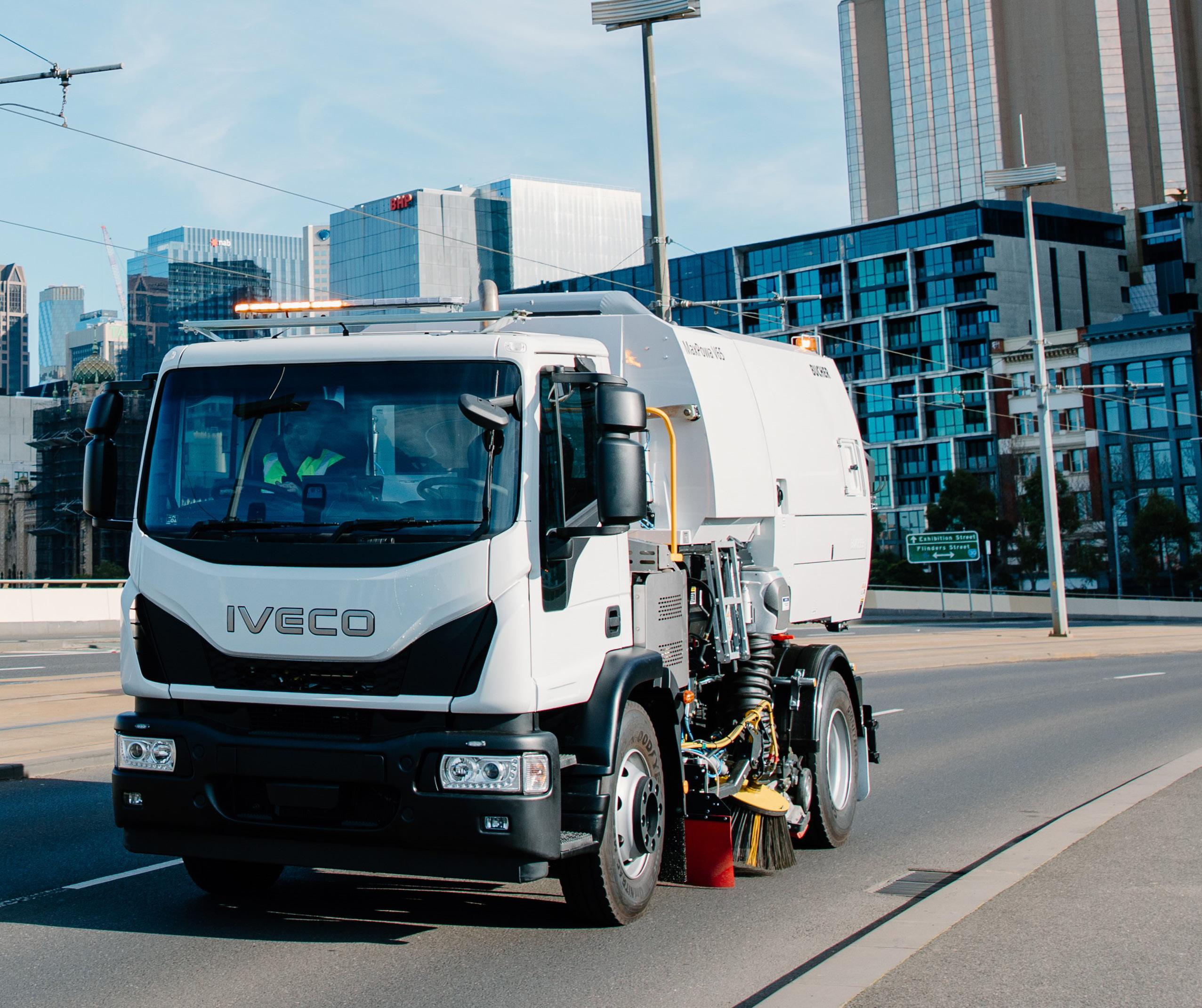
When leading manufacturer of refuse collection and municipal equipment, Bucher Municipal, needed a replacement truck platform with extra safety and emission performance on which to base its new MaxPowa V65t Truck Mounted Sweeper (TMS), it found the perfect solution in IVECO’s latest ML160 Eurocargo model.
Although the company had a long history with IVECO using ACCO, Stralis and Eurocargo for some of its refuse compactor models, this is the first time Victoria based Bucher Municipal has selected from the IVECO range for a streetsweeper application in Australia. Bucher Municipal Marketing Manager – Oceania Region, Marcus Hughes, said imminent Australian Design Rule (ADR) changes to improve safety and emission performance had meant that the company’s earlier platforms, would no longer comply.
“A move from Euro 5 to Euro 6 emission standards along with the mandatory introduction of Autonomous Emergency Braking ruled out the two cab chassis that we had been using,” Marcus explained. “We began an exhaustive process to find a replacement chassis and found that the latest generation Eurocargo ML160, not only met the new ADR requirements, but offered other benefits in the application compared to what we’d used previously.”
When it comes to emission standards, the Eurocargo was well ahead of competitors, with Euro 6 rated models available in Australia since 2017. In the years since, IVECO has further improved its emission performance meeting the Euro 6 ‘Step E’ measure, which reduces cold-start emissions and has stricter particulate matter limits.
The latest Eurocargo engines are also fully compatible with cleaner burning second generation paraffinic biofuels such as HVO and XTL, conforming to European standard EN 15940 and standard EN 590 diesel, including the B7 biodiesel blend. While emissions are down, the Eurocargo ML160 still offers a generous output of 250hp and 850Nm of torque, with the engine matched to a ZF 8-Speed fully automatic transmissions that’s been optimised for low speed, start-stop sweeping.
In terms of safety, as well as the mandated autonomous emergency braking system, the Eurocargo range offers other
active safety equipment including Lane Departure Warning System, Advanced Driver assistance System, Emergency Stop Signal (ESS) – where the taillights pulse under heavy braking – and LED Daytime Running Lamps.
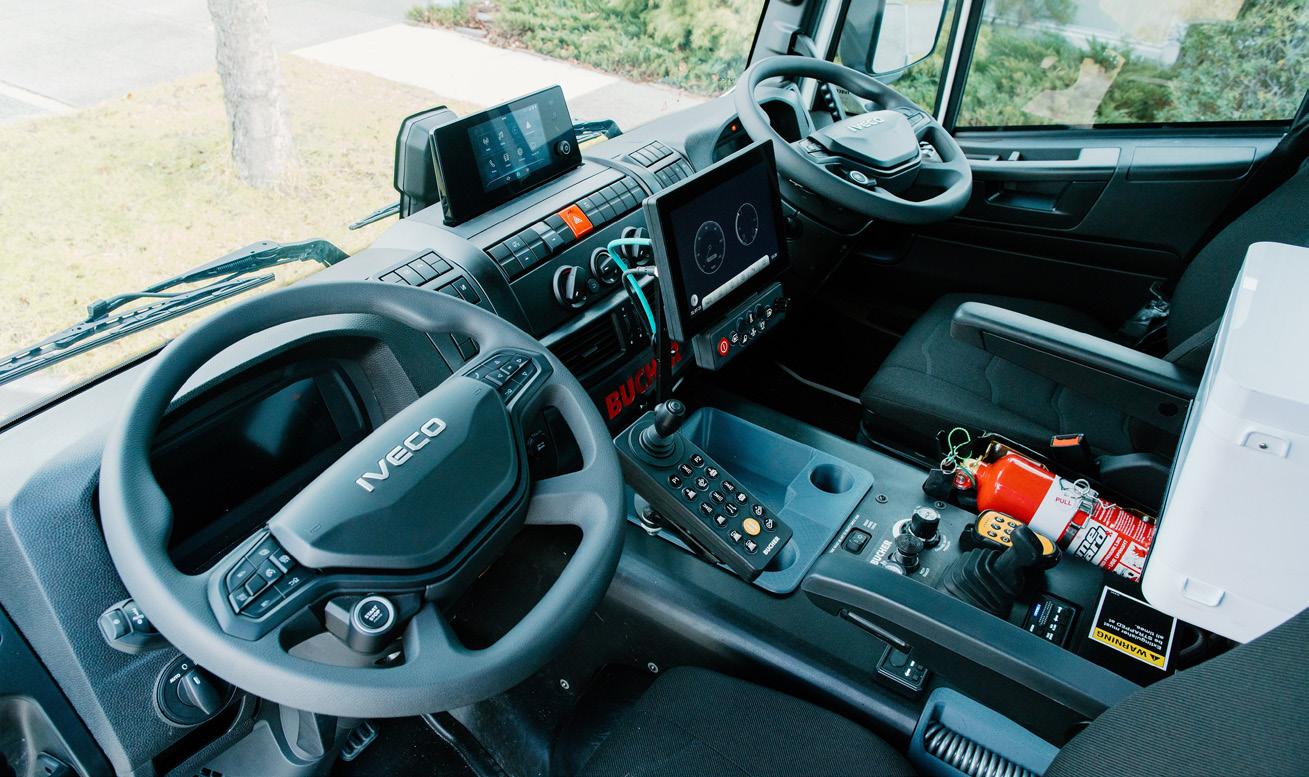
Marcus said that these benefits aside, the Eurocargo’s compact 3690mm wheelbase and driver comfort features also positioned the model well as a TMS.
“The wheelbase is shorter than what we’ve used before and this gives us a better turning circle and improved maneuverability, especially when working in tighter areas such as cul-de-sacs and inner-city laneways; it also provides better access into the kerb,” he said.
“Other highlights of the Eurocargo for us are the dual air-suspended ISRI seats provides a smooth and comfortable ride for the driver. As a company, we’ve had experience with Eurocargo as a TMS in Europe, and this also gave us the confidence to choose the platform for Australia and New Zealand.”
Co-engineered dual control program
In developing the road sweeper specification ML160, Bucher Municipal and IVECO worked closely to engineer the platform to closely suit the application.
The Eurocargo cab chassis is delivered to Australia with certain components including emission after treatment system, exhaust assembly, battery box, air, AdBlue and fuel tank relocated to allow easier fitment of the body. The truck also features dual control provision that includes a second left hand side steering arm on the front axle, extra steering box brackets and several other components.
From here Bucher Municipal Engineers use a variety of IVECO and Bucher Municipal components that result in a reliable and aesthetic factory-look finish inside the cabin.
Introducing the MaxPowa V65t
Working in tandem with the Eurocargo is Bucher Municipal’s new MaxPowa V65t body, which offers several important
enhancements over previous models, improving suction power, efficiency and usability.
The body offers a generous 6.5m³ hopper capacity and a payload of over 4.8t, allowing the vehicle to work for longer without emptying, boosting productivity.
Among the body’s new technologies is ‘Coolflow’, which increases cooling performance by directing more airflow through the radiator and around the powerpack, contributing to an energy saving of up to 5kW which reduces fuel use while increasing overall performance. Complementing this is ‘Smoothflow’ technology which promotes more efficient airflow and increases suction while also reducing noise by two dB. Emptying the hopper is now also easier and safer thanks to a standard wireless pendant. Inside the cabin, sweeper functions are controlled via a single 10” touchscreen centre console that can be accessed from both the operator and driver side of the cabin. The new console offers enhanced
user experience and a single point of contact for all controls, gauges and cameras which were previously split between two screens.
Also included in the new body is ‘Bucher Connect’, the company’s proprietary telematics system.
Bucher Municipal has so far manufactured four units on the Eurocargo ML160 platform, using these as demonstrator models around the country since mid-2025. Marcus said that operator feedback had been outstanding.
“The feedback to the new Eurocargo TMS has been extremely positive,” Marcus said. “We’re receiving comments on the outstanding visibility, the great turning circle, the high level of comfort and the aesthetics of the Eurocargo. Other feedback is that the brakes are excellent, that the drivers like the push button engine start on both sides of the cabin and that the way the mirrors adjust in sequence is handy, and the MaxPowa V65t – we’re told that just eats up the leaves!”
RISING FROM THE ASHES OF AUSTRALIAN AUTOMOTIVE MANUFACTURING
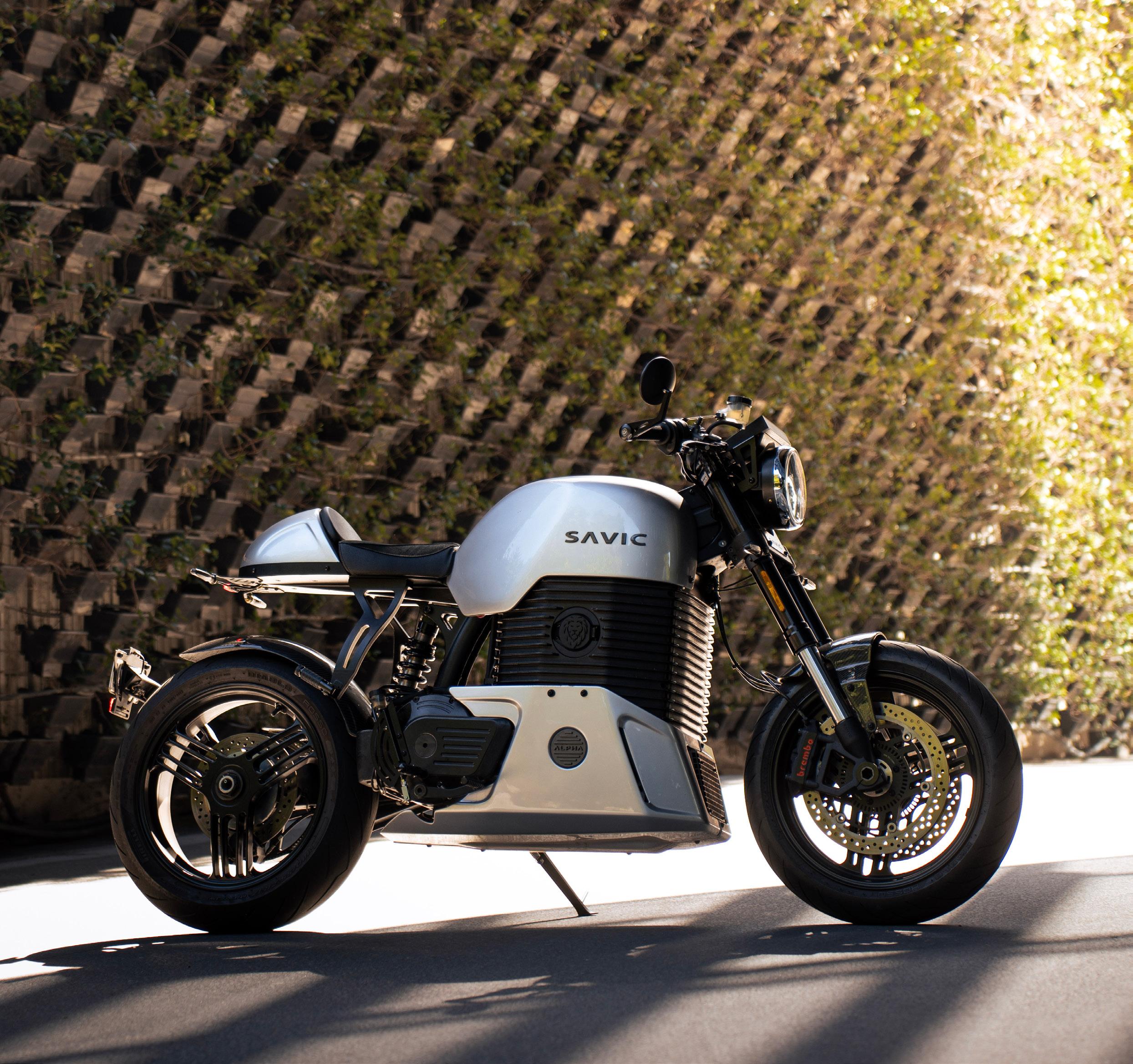
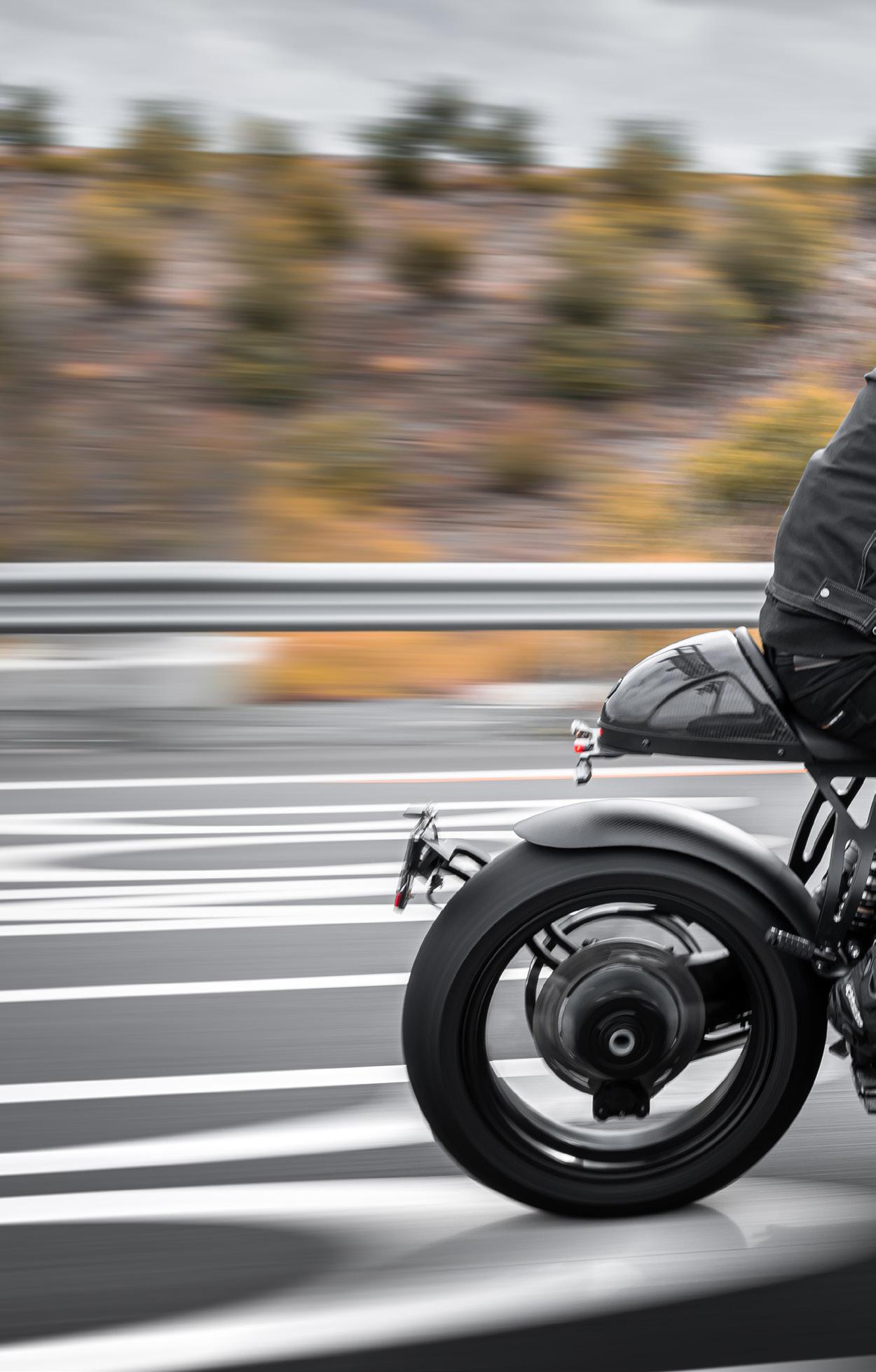
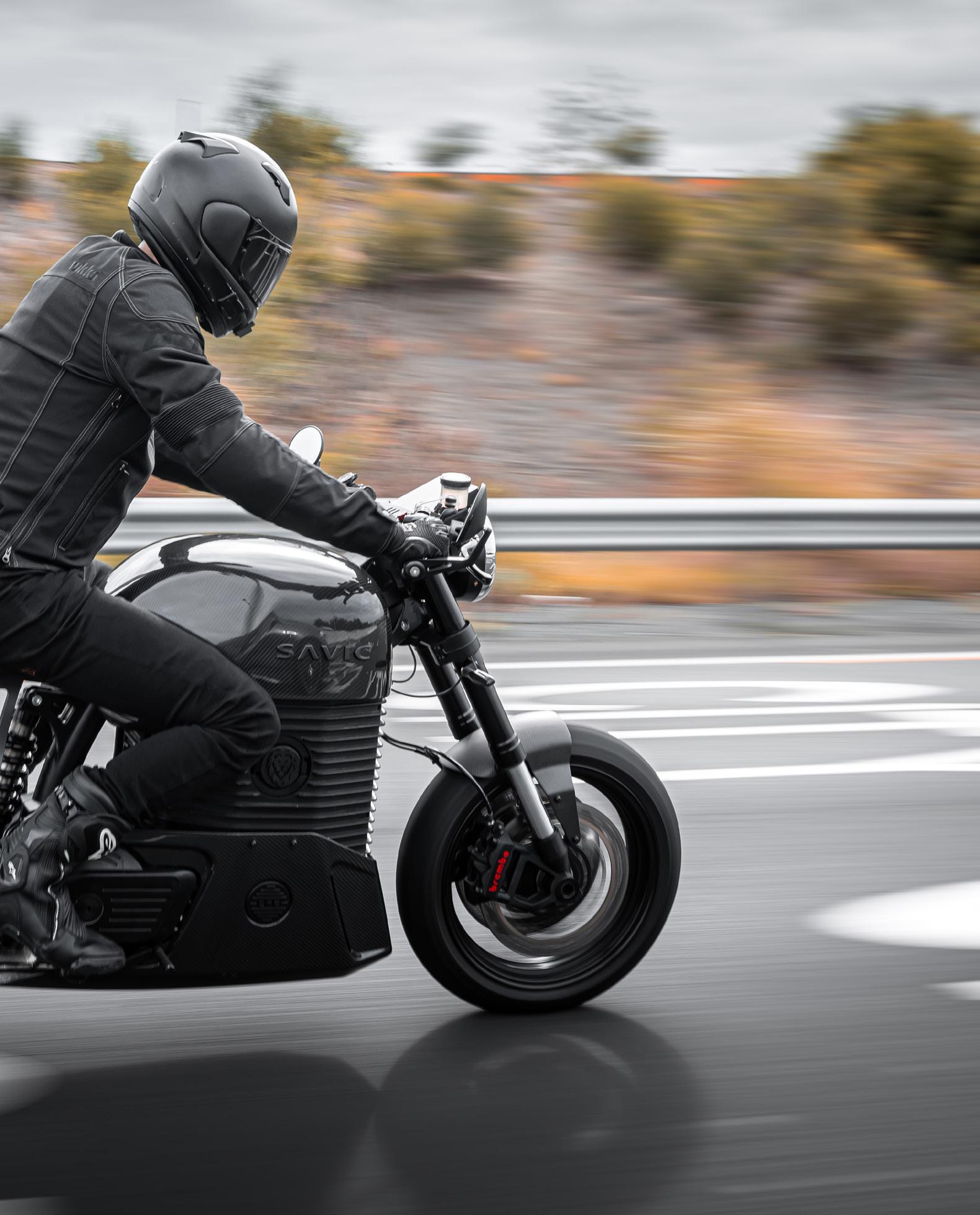
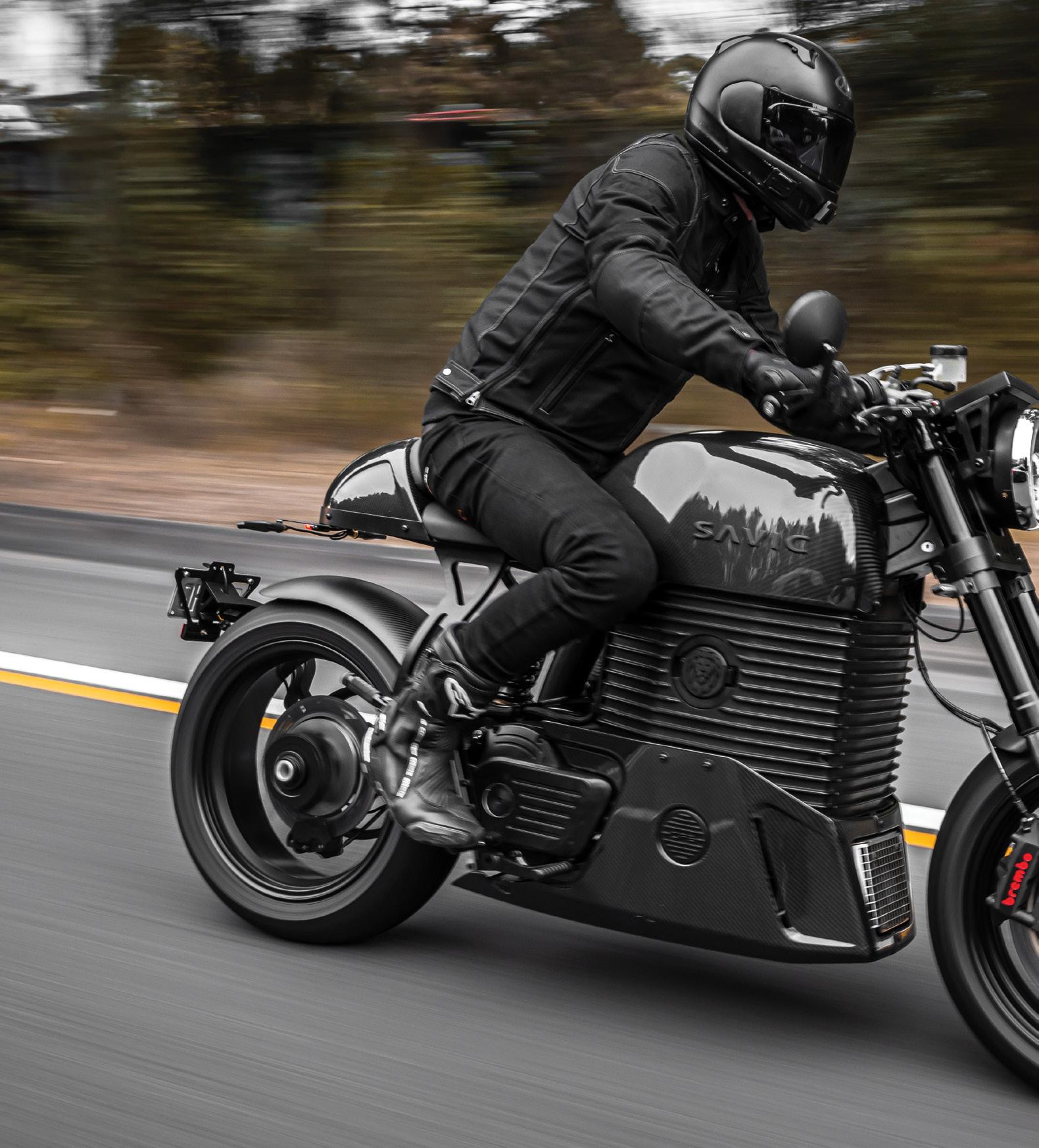
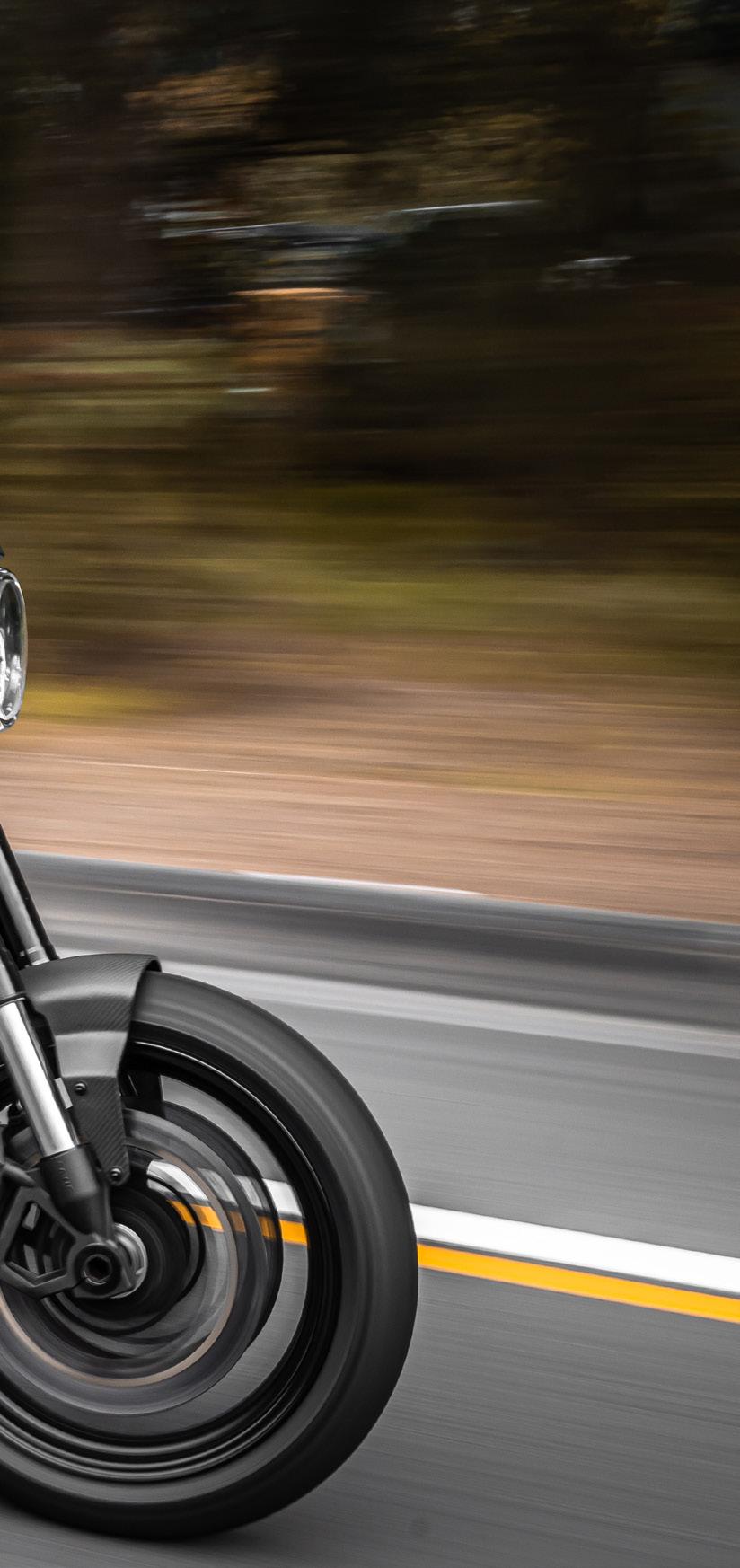
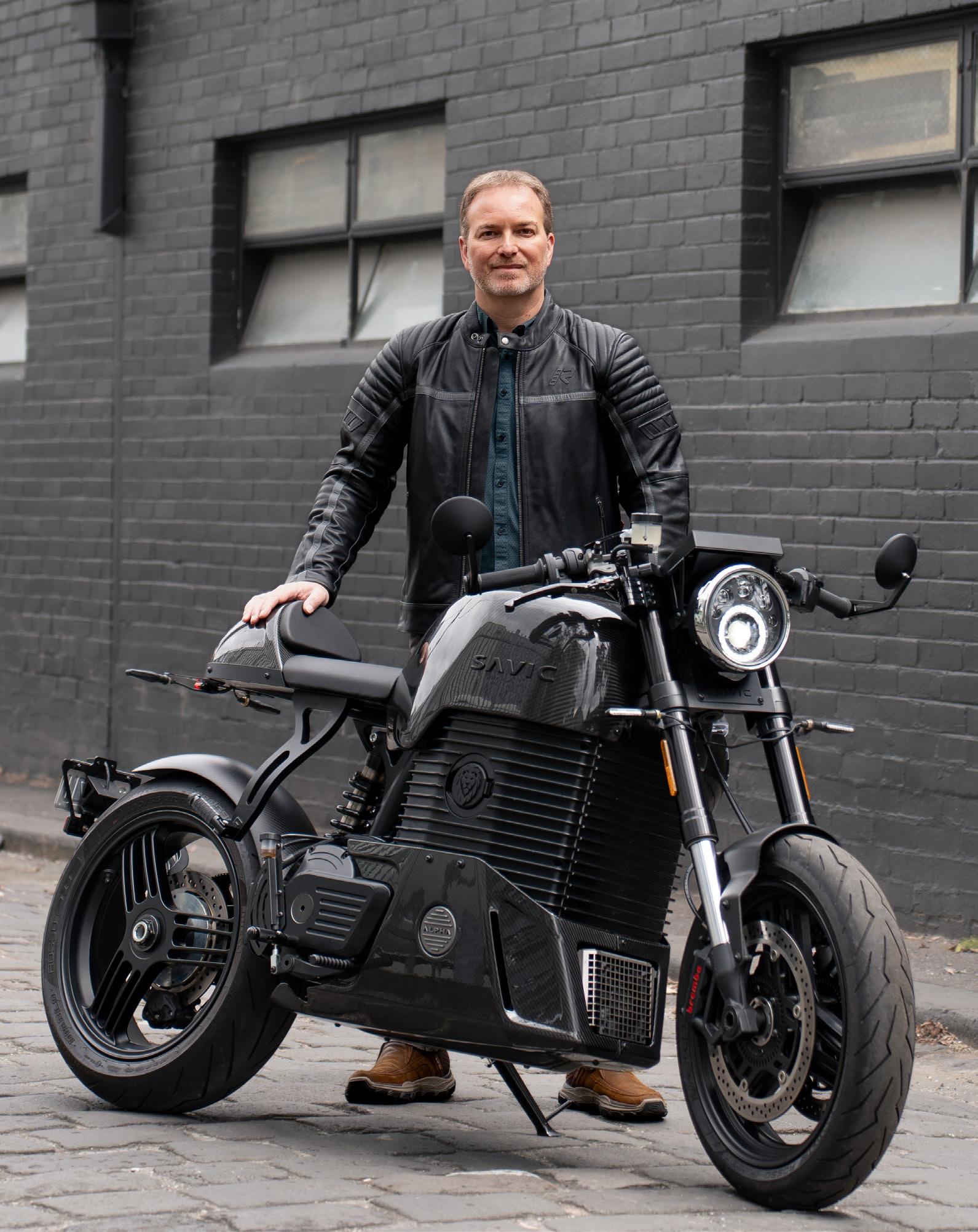
Savic Motorcycles’ electric café racer, the C-Series, is a trailblazing motorcycle that blends head-turning style, assured handling, and electrifying performance.
Developed over seven years in a small workshop in Melbourne’s inner west, Savic Motorcycles’ electric café racer, the C-Series arrived on Australian roads in early 2025 and has seized the imagination of a growing cohort of riders chasing world-class performance with zero emissions, with the business now approaching its 10th birthday.
Featuring some of the world’s latest battery and powertrain technology, combined with a bespoke suspension and ABS system – all built “from a blank sheet” in downtown Melbourne – and combined with the best brake system and drive belt money can buy, the pioneering vehicle has attracted glowing reviews from some of the country’s most respected racing champions and media. But its inception is a story built on Australian blood, sweat and tears.
Developed by a core group of engineers, programmers and designers assembled by a young engineer from Perth, Dennis Savic, the project was initially funded by the family of this aspiring pioneer, and the sale of prize possessions including his coveted Subaru of the time.
With an initial prototype built upon an emoto chassis, Dennis invited local designer and fellow motorbike enthusiast Dave Hendroff to design a café racer that could be powered by a giant battery. In 2017, when their collaboration began, there was nothing else like it on the market.
Fast forward to today, there is an extensive array of engineering marvels integrated throughout the machine. At its heart, the C-Series is powered by the SM1 powertrain, which is also a stress-member within the chassis itself.
Designed from a blank page, this uniquely balanced and synergistic unit incorporates a formidable 16.2kWh battery pack, a motor controller and motor all designed precisely to suit and serve one another.
Adrian Vinovrski, Engineering Lead and winner of the 2025 SAE-A’s Young Mobility Engineer of the Year award said, “It was the blank sheet which allowed us to create such a unique and special vehicle, with everything closely integrated and working so well together. The performance, styling, and ergonomics all would have suffered in their own right if we’d had a rigid design direction from the outset... The blank sheet was really the key to the C-Series’ success.”
The high-energy-density NMC lithiumion prismatic cells of the SM1 battery operate at a nominal voltage of 140 volts and have the potential to discharge up to 900 amps – offering impressive power and an extended riding range. Meanwhile, Savic’s three-phase AC Interior Permanent Magnet Synchronous Motor provides extremely smooth and precise power delivery across a broad operating range, as well as a relentless “opening of the flood gates” with 250Nm of instant torque.
When engineering the SM1 platform, great consideration was given to the needs of customers when it came to charging. In order to deliver longevity of the battery’s health and directed by customer feedback, Savic committed to a maximum charge rate of 3.3kW.
With a 15-amp outlet of Level Two public AC supply, owners can fully charge the C-Series in less than six hours from 0 to 100 per cent or four hours to 80 per cent at that maximum charge rate.
Keeping the system at a safe operating temperature, the C-Series Alpha features a liquid cooling system that ultimately gives riders more time at maximum torque. The system is a single loop incorporating a radiator, the motor, and cold plates for the inverter, charger, and AC/DC converter. A pump circulates a water/glycol mixture through the loop, while the bike’s fan ensures that heat is extracted quickly, even when the vehicle isn’t moving – whether you’re charging or stopped at a set of lights.
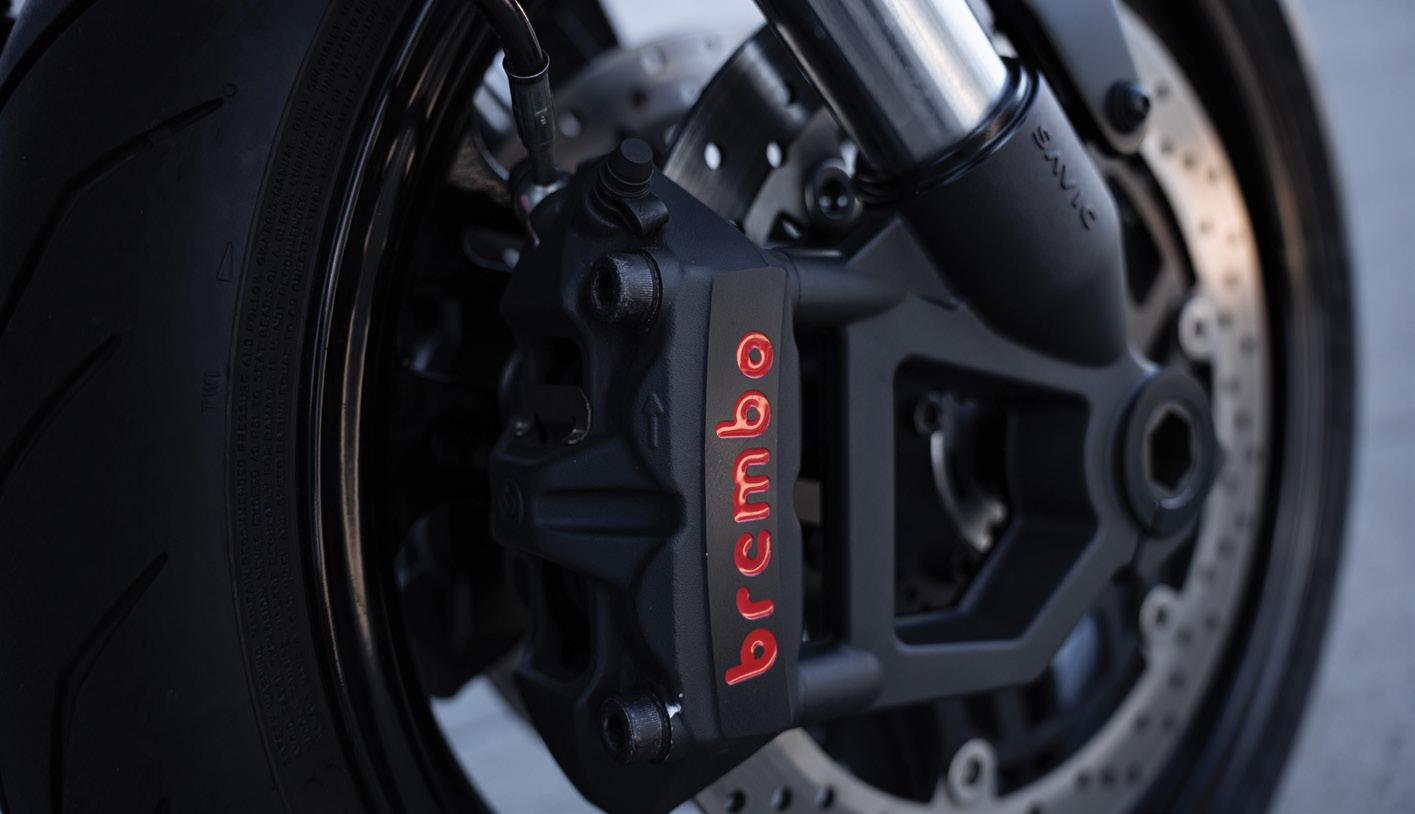
Brembo was enlisted to deliver superior stopping power for the C-Series’ brakes – which also integrates regenerative braking to expand its urban range to over 240km - while a custom ABS unit was developed in-house with the industryleading engineers of Bosch Australia.
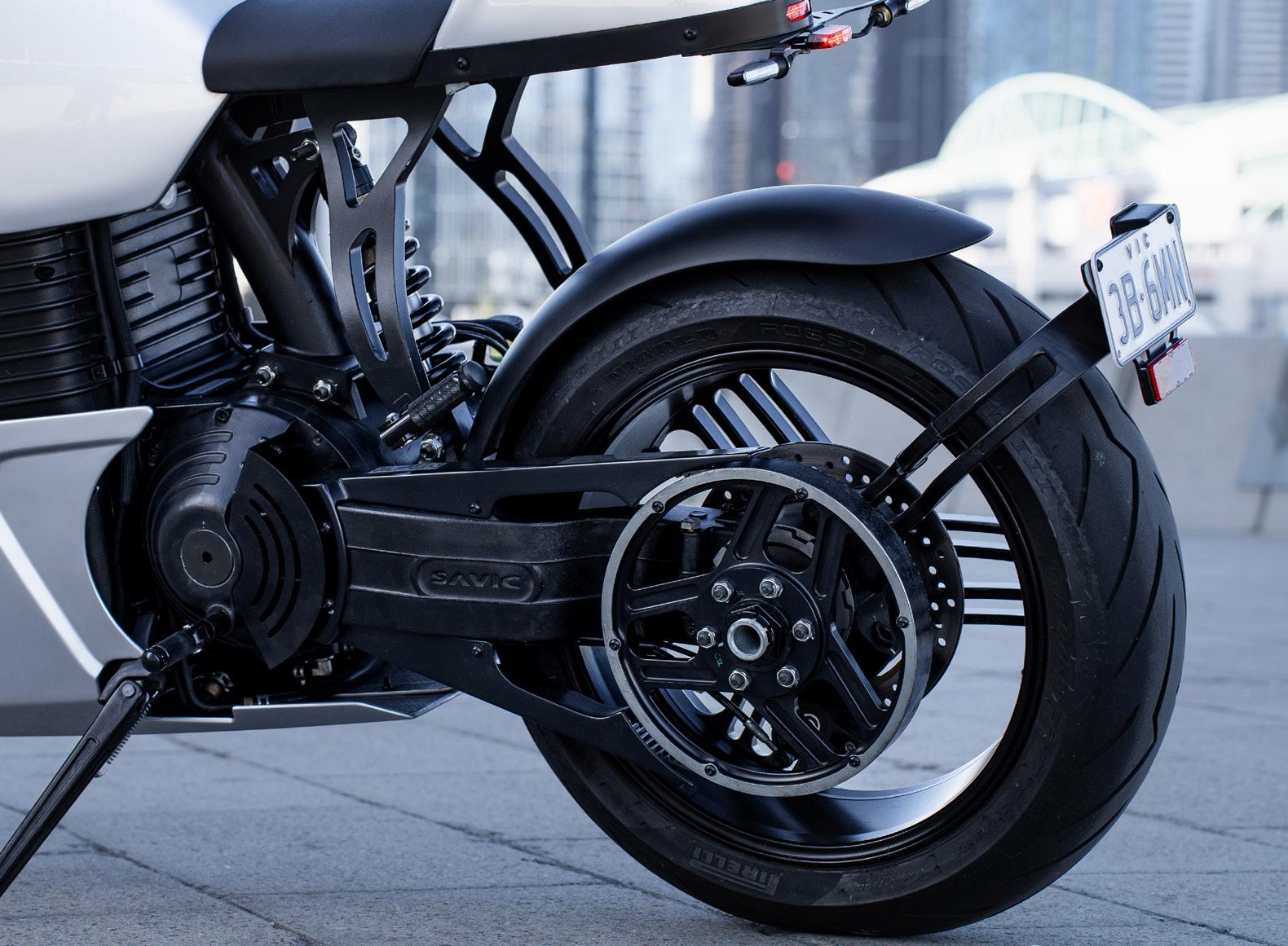
Completing the bike’s exceptional performance credentials, the C-Series features one of the most distinctive rear ends on the motorcycle market. A singlesided swingarm is equipped with a supertough Optibelt carbon belt drive. The belt and pulley are concentric to the motor axis, ensuring consistent belt tension regardless of the swingarm position. This ensures smooth delivery of the highest levels of torque to the rear wheel across rougher surfaces, with minimal maintenance overall.
The C-Series was subjected to a rigorous engineering test schedule to ensure it met the discerning standards of future customers. When it came to performance, Savic enlisted the help of former European Superstock 600 champion Jed Metcher, who is today regarded as one of Australia’s leading racing bike suspension consultants.
During testing and development, the team identified the need to shift away from stock parts from known suppliers and develop bespoke suspension components and tuning to deliver the desired ride and handling characteristics. Particular attention was given to spring rates to ensure a well-balanced and supple ride across a variety of surfaces and conditions, as well as weight distribution between the bike’s headset and rear wheel to ensure a natural feel when leaning in and out of corners.
Further durability testing was also conducted at Melbourne’s Lang Lang proving ground, with two bikes completing the equivalent of 110,000km of testing on a variety of surfaces –namely cobble stones – to complete an extensive durability program for which the bike passed with flying colours.
But Savic Motorcycles isn’t just a motorbike company. At its core it is a tech business with significant software capability in its arsenal.
While the SM1 platform may be its heart, the bike’s computer system is its advanced brain.
The C-Series’ software systems have been developed and refined over many years to meticulously integrate the instrument cluster, IoT infrastructure, and smartphone app – ensuring that riders will always be intimately and securely connected to their motorcycle.
The cluster monitors everything that’s happening on board, acting as the main avenue between the vehicle and the cloud. With a custom-built Linux OS and AWS Greengrass edge runtime, it creates an environment that’s connected 24/7 and continually conversing with the cloud over a robust 4G connection.
| June - August 2026
Savic Motorcycles isn’t just a motorbike company.
At its core it is a tech business with significant software capability in its arsenal.
This sophisticated Edge infrastructure not only monitors the bike in real time and provides the owner with a detailed picture of its operating health but sends status reports to Savic HQ and facilitates over-the-air updates – enabling continuous development and upgrading of bikes in the field. Over time, these IoT capabilities will improve riders’ journey planning and deliver a suite of planned alerts and upgrades.
A super-sharp seven-inch dash features a customisable IPS display and anti-glare touchscreen, giving riders a clear picture of how their bike is travelling – from their preferred vantage point.
From ride modes to cruise control, and realtime integration with the customer’s app profile, the dash is the heart of an integrated 24/7 ownership experience that’s designed to “switch on and go”.
The dash has four pre-programmed ride modes and up to three customisable profiles with the owner’s preferred levels of power, regen, and soon-to-be-released traction control.
Kim Suandee, Lead Software Developer, Savic Motorcycles, said, “custom modes
and dash interface customisation give our riders the ability to make their bike more personal to them, with changes to the pattern in which power is delivered, the rate it’s delivered, the regenerative braking strength, and the overall power delivery cap. With the collection of telemetry data, customers can get in-depth statistics on their bikes, monitor things like battery pack health and historical ride data, and get alerts for scheduled services.”
While the bike has been designed and engineered right here in Australia, the company also maintains its final trim and assembly location at its HQ in West Melbourne. Delivering highly customisable options for its customers, each bike is meticulously hand-built by the team.
While operating from its West Melbourne HQ, the company is actively seeking new premises that will see the company significantly uprate its build volume and satisfy the increasing demand for highpowered e-rideables in the Australian market. In parallel, the company has also developed its own powertrain subassembly facility in Taizhou, China, which will provide
specialised and high-end build expertise for the SM1 powertrains before their shipment back to base.
Now led by experienced technology leader Marc Alexander – following the handover of the CEO role from Savic to Alexander at the end of 2025 – Savic Motorcycles has international expansion in its sights, with Europe a burgeoning market for motorcycles of this nature.
With over 25 years of industry experience across enterprise growth, EV systems, autonomous platforms, IoT, consumer and automotive technology, and successful global scale-ups, Alexander has been tasked with fast-tracking the growth of the business. With a raft of exciting updates and important milestones on the horizon for the business in 2026 and beyond, the business is leading the resurrection of automotive manufacturing here in Australia.
Savic Motorcycles welcomes members of the Society of Mobility Engineers Australasia to connect with the team, and for those with a full motorcycle licence to come and test ride the bike for themselves.
Marc Alexander
ROBOTS TRANSFORM SOLAR FARM CONSTRUCTION ACROSS AUSTRALIA
Australian-built robots are transforming solar farm construction, reducing heavy lifting while advancing automation, local manufacturing and the nation’s transition to renewable energy safely at scale.
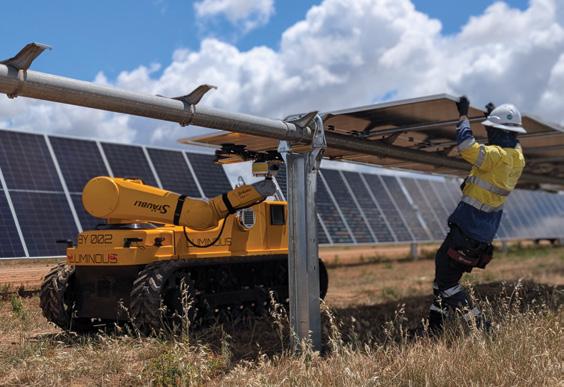
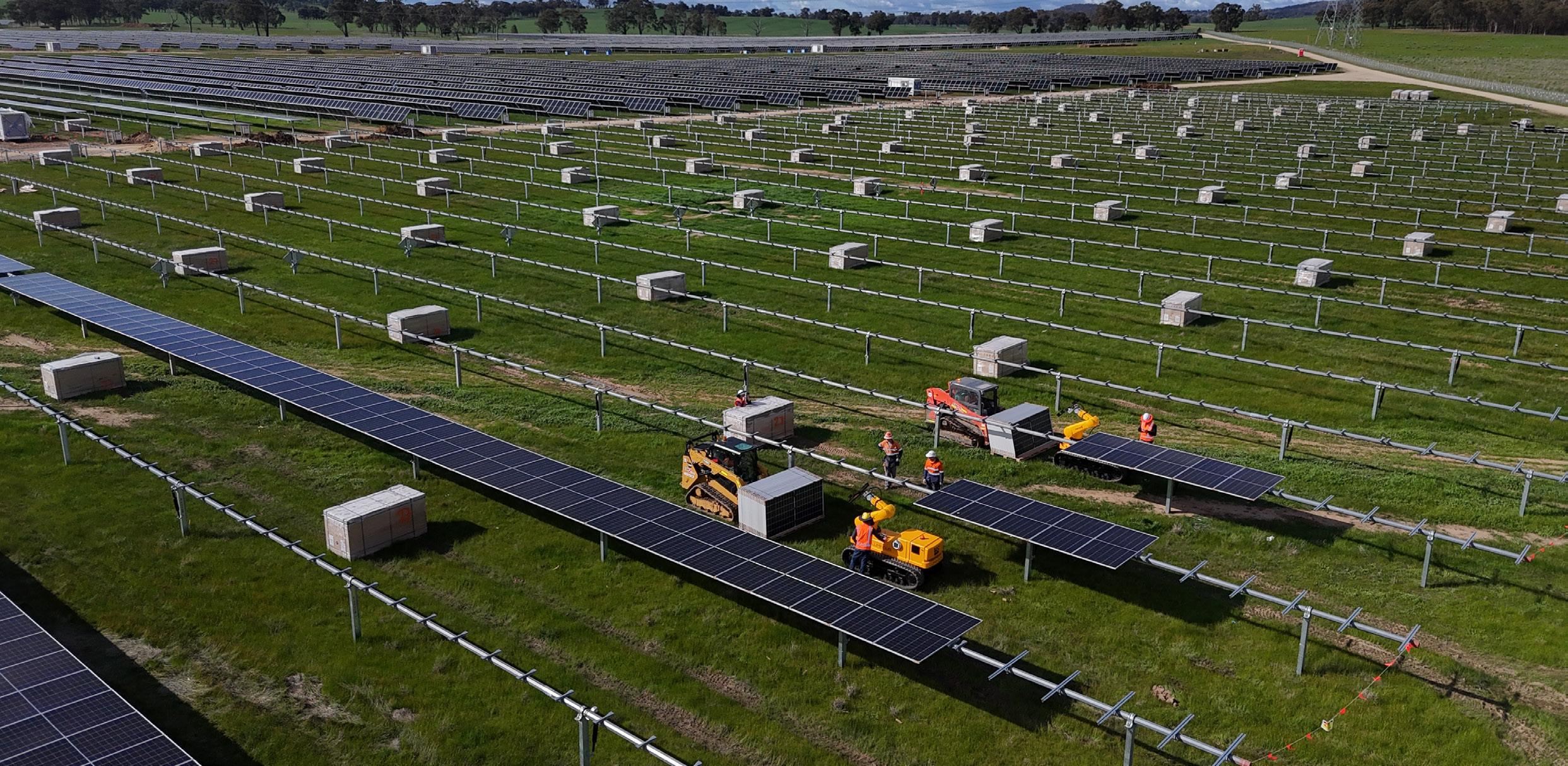
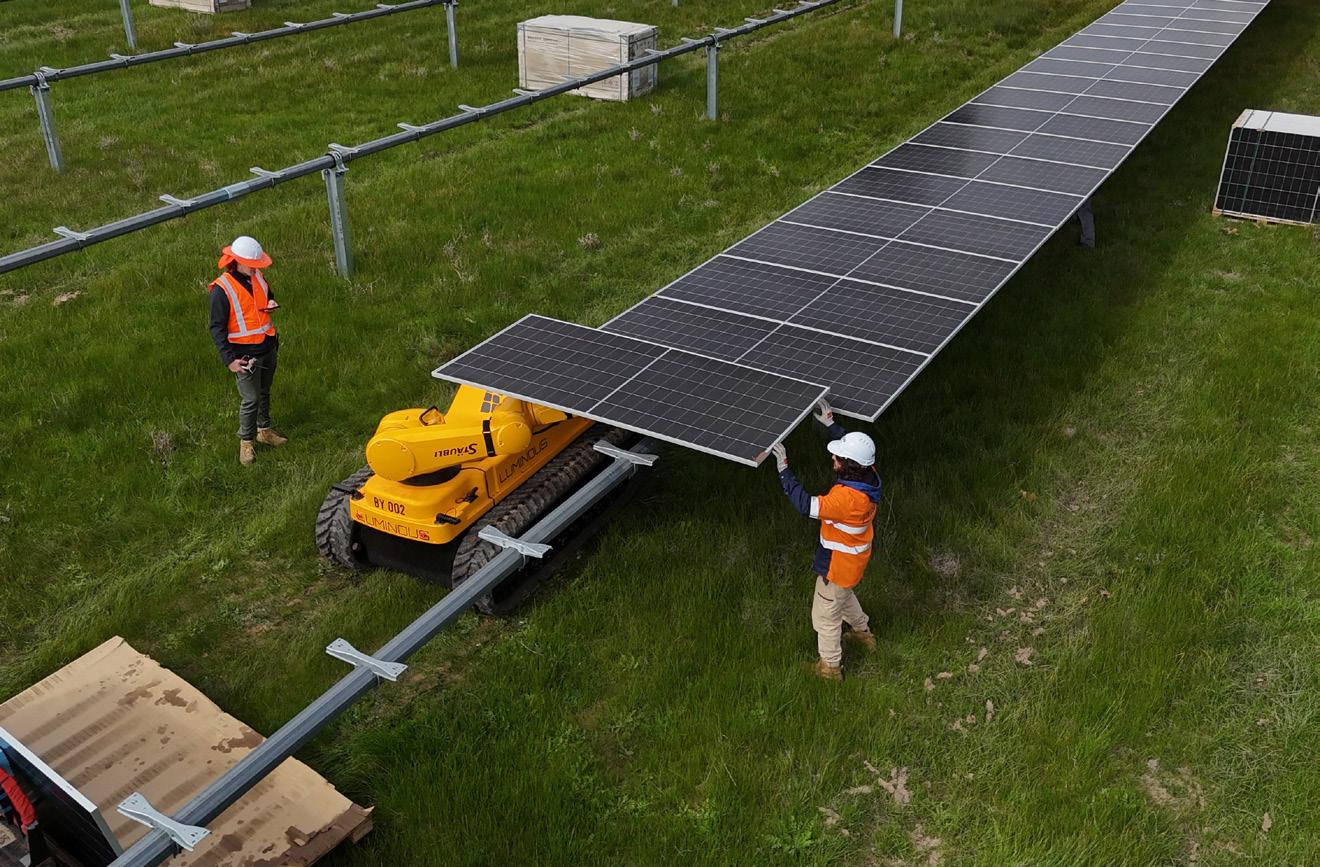
As Australia accelerates its transition towards renewable energy, a new generation of Australian-built robots is quietly changing the way utility-scale solar farms are built. Rather than replacing workers, these autonomous machines are tackling one of the industry’s most physically demanding and repetitive jobs – lifting and positioning solar panels weighing up to 45 kilograms across vast installations stretching for kilometres.
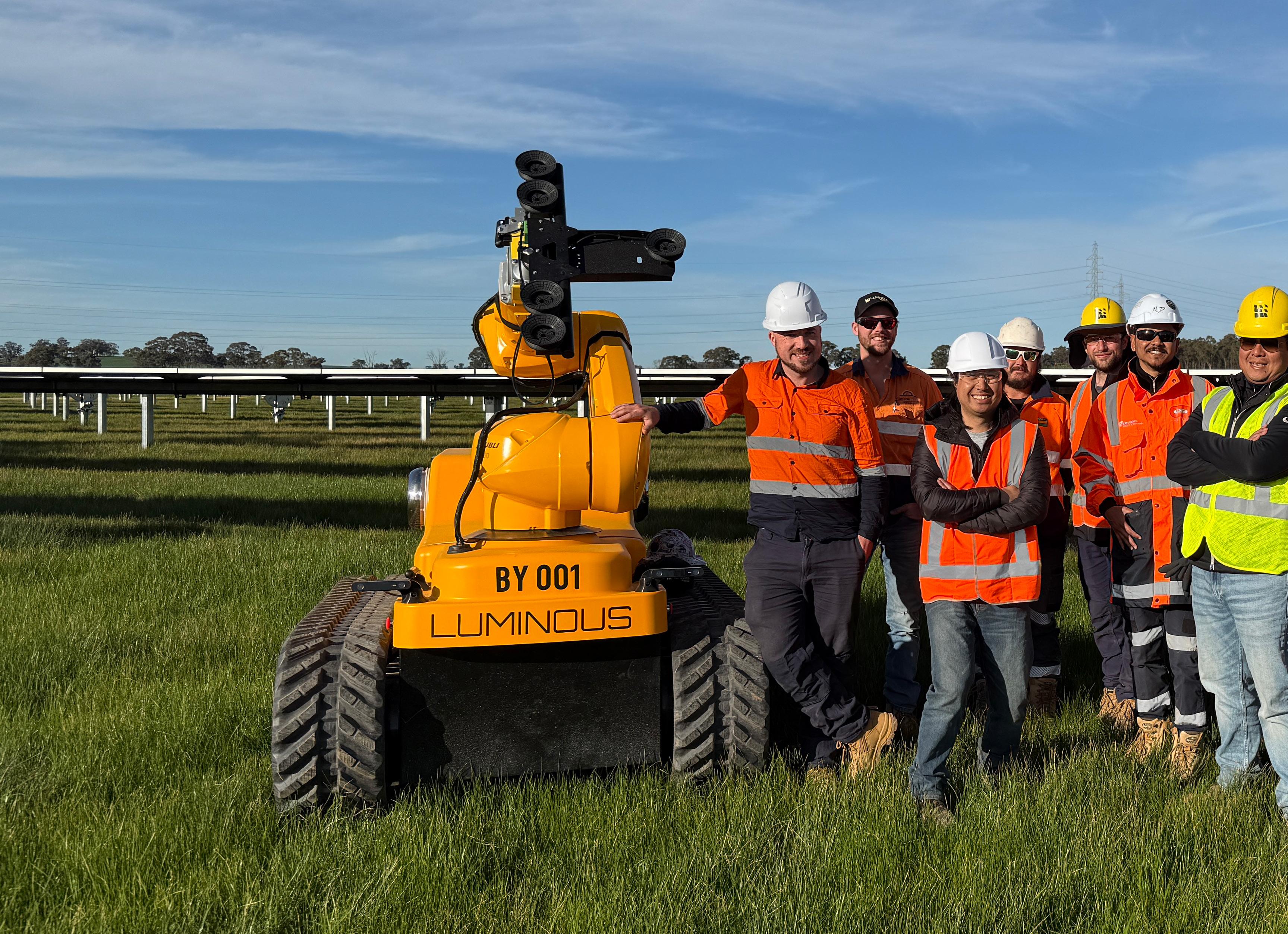
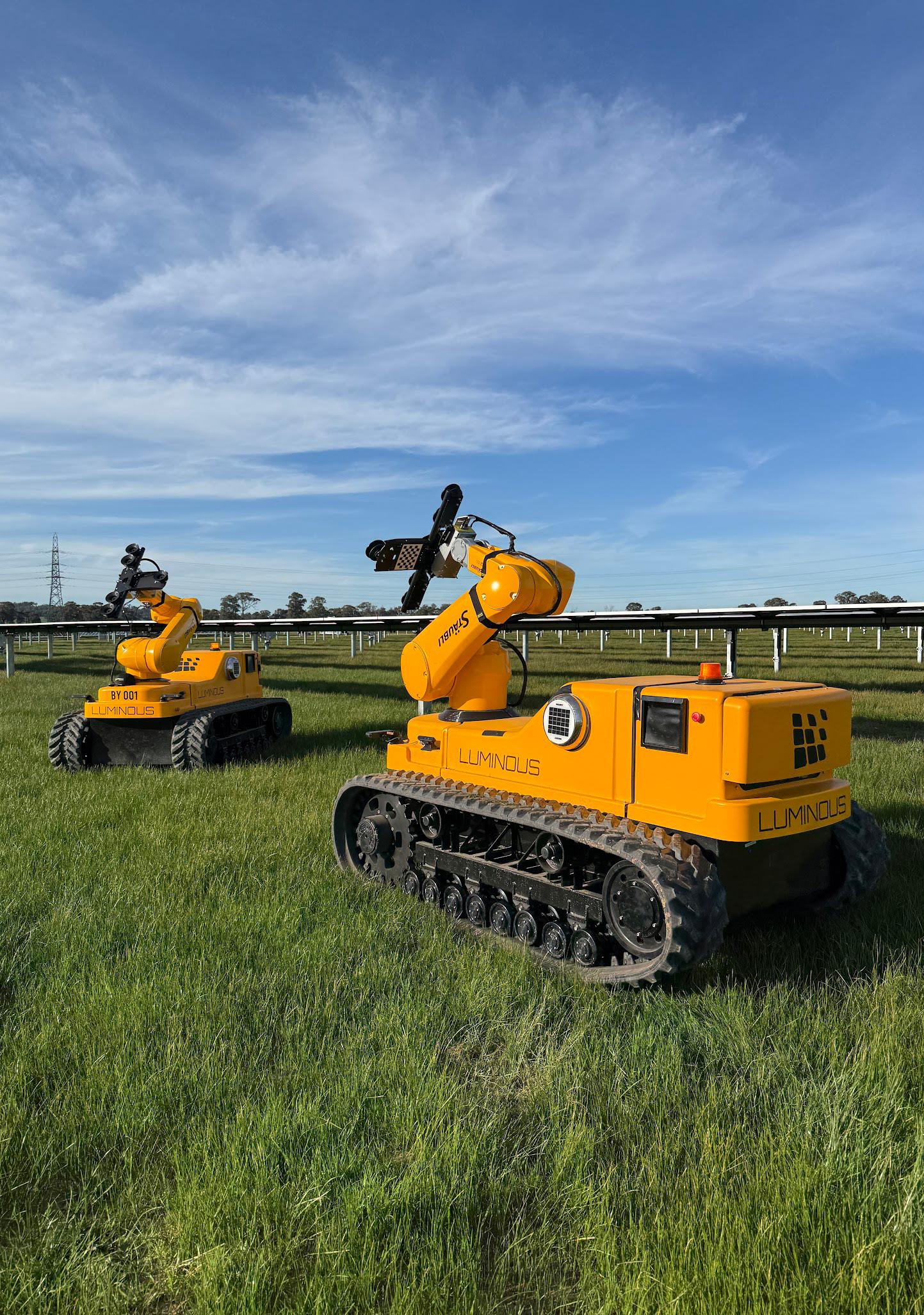
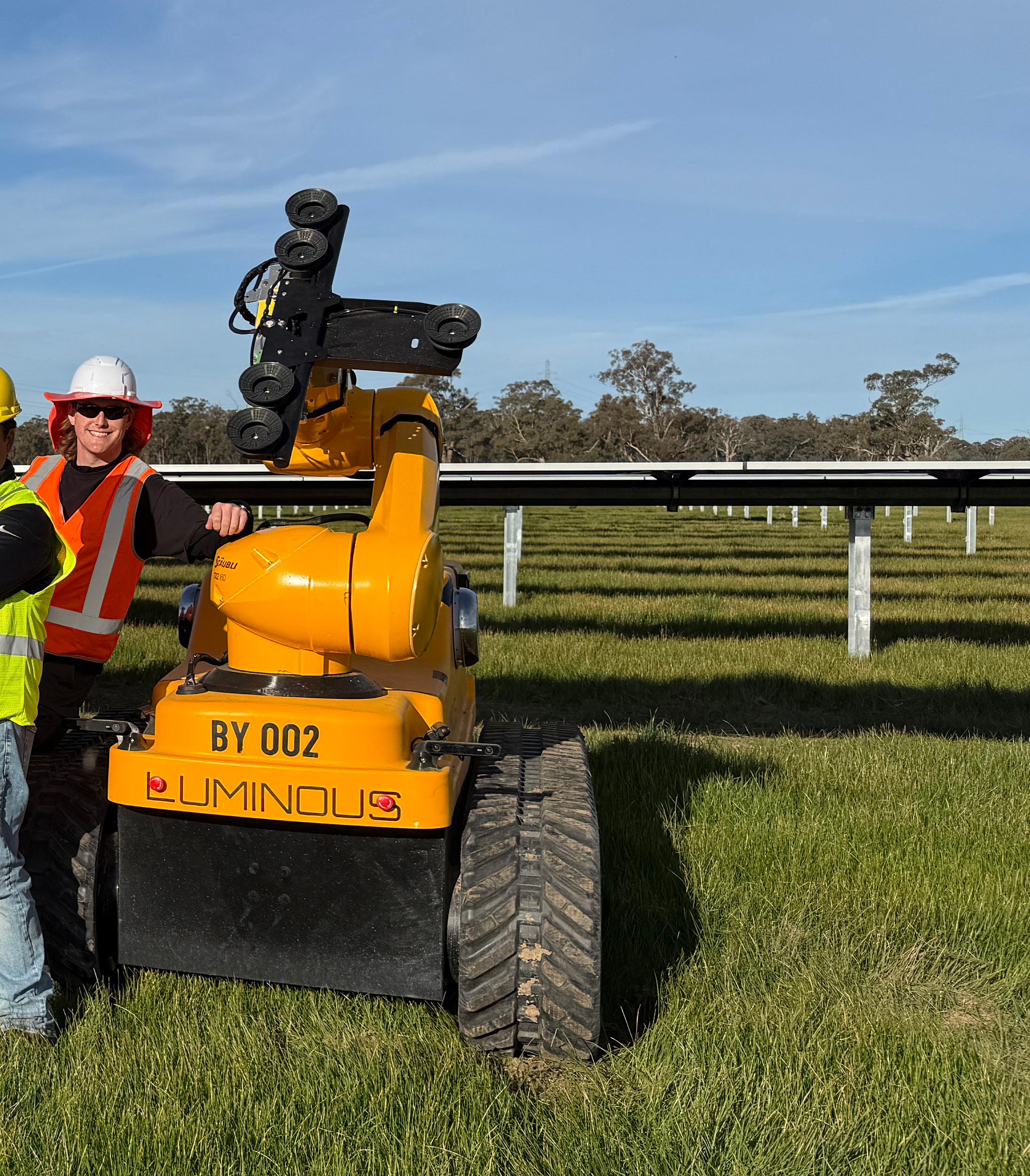
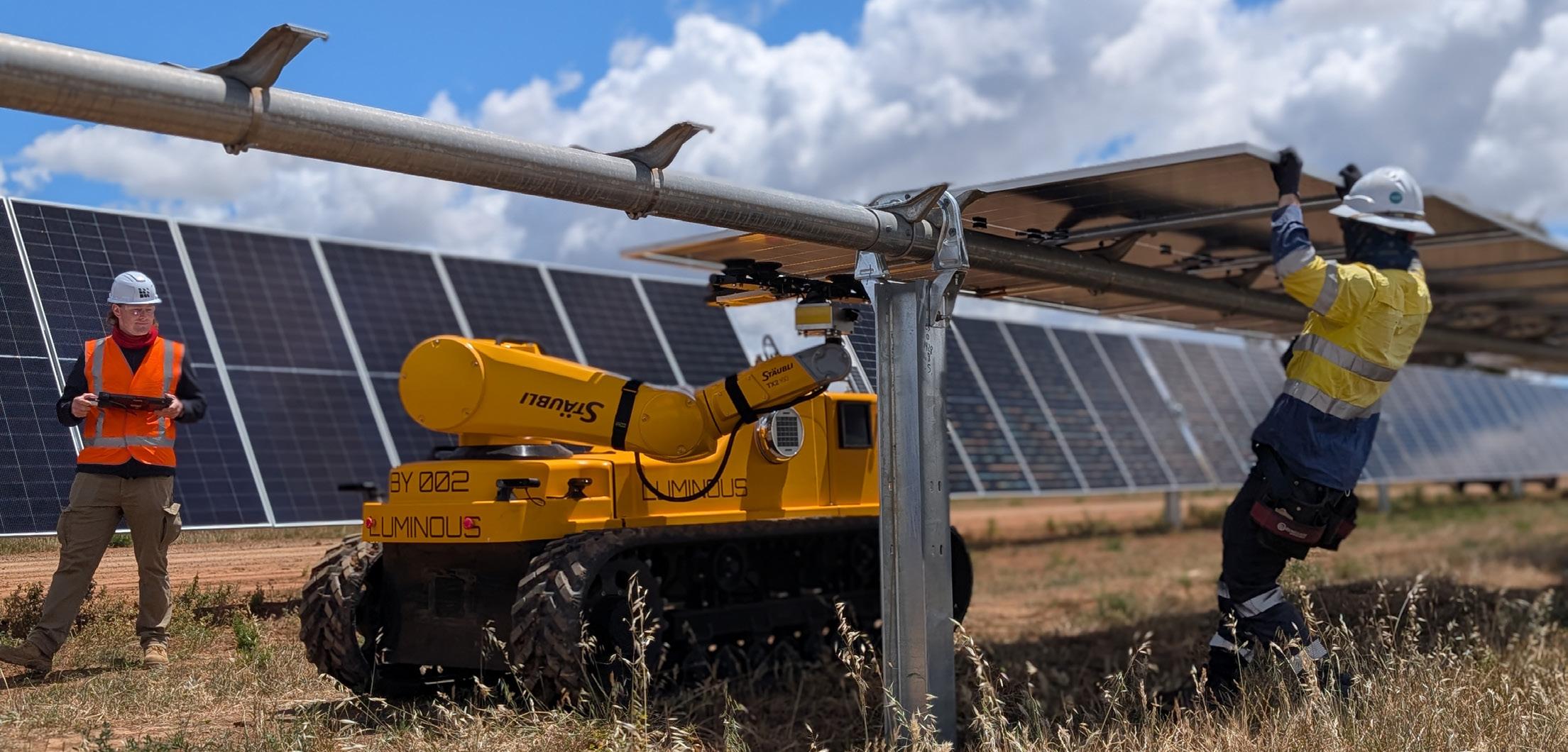
Leading that transformation is Luminous Robotics Australia, a Melbourne-based company developing autonomous robotic systems designed specifically for utility-scale solar farms. While industrial robots have revolutionised manufacturing for decades, Luminous is taking automation beyond the factory floor and into one of the world’s harshest and most unpredictable working environments.
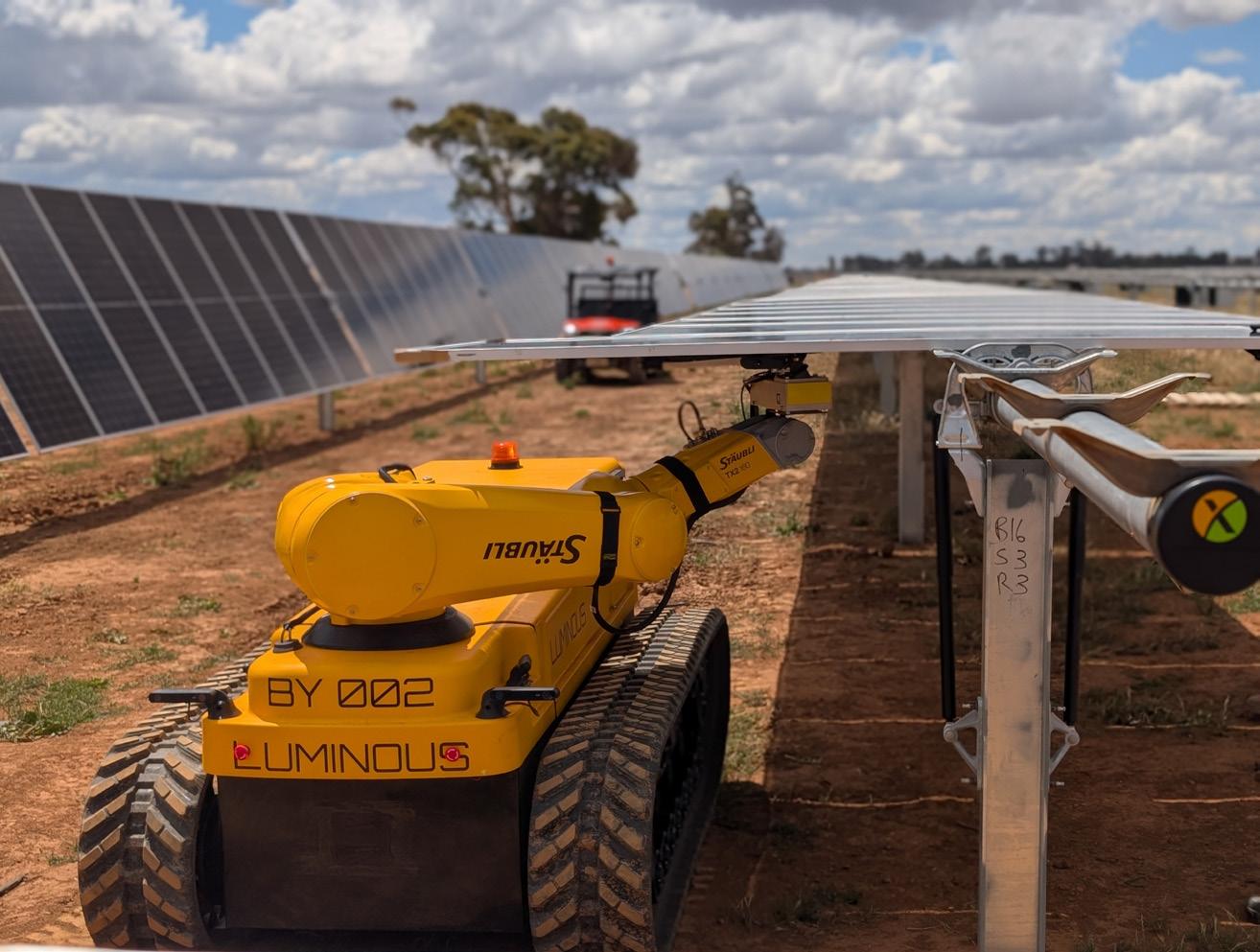
Its flagship Lumi series robots – which to look at could be described as micro tractors – are already operating on commercial solar farms in Australia and overseas, installing panels faster, more safely and with significantly less manual handling than traditional construction methods. For general manager Tenzin Crouch, the challenge is far bigger than simply building another robot.
“It’s about bringing factory-style automation into open environments where every day presents different conditions,” he says.
Building renewable energy at unprecedented scale
The numbers behind modern solar farms explain why automation is becoming increasingly attractive.
A typical household installation might consist of 10 to 20 panels. Utility-scale developments,
however, routinely contain hundreds of thousands of panels spread across several square kilometres.
One recent project involving Luminous featured close to one million solar panels producing around 600 megawatts of electricity.
Traditionally, every one of those panels has been manually lifted, carried and installed by construction crews.
Workers repeatedly transport modules weighing between 35 and 45 kilograms over distances of up to 30 metres before positioning them on racking systems that can stand anywhere from one to 2.5 metres above the ground.
The work is physically exhausting, labour intensive and carries significant manual handling risks.
At the same time, the global renewable energy sector faces an enormous construction challenge. Around 10 billion solar panels are expected to be installed worldwide by 2035, placing increasing pressure on workforce availability, project costs and construction schedules.
Rather than replacing skilled workers, Luminous has focused on removing the heavy lifting.
“The robots do the jobs they’re good at while people continue doing the highly dexterous work that humans still perform much better,” Crouch explains.
Taking robotics outside the factory
Industrial robots thrive inside controlled manufacturing plants where every component arrives in exactly the same position, lighting remains constant and the environment rarely changes. Solar farms present the opposite conditions.
Every project uses different panel dimensions, mounting systems and packaging arrangements. Terrain varies dramatically between sites, while weather, lighting, dust and even construction methods change from contractor to contractor.
Creating automation capable of operating under those constantly changing conditions has required advances in computer vision, autonomous navigation and machine learning.
Luminous combines commercially available hardware with its own patented gripping technology and sophisticated perception software to enable robots to recognise their surroundings, adapt to changing conditions and safely work alongside people.
Unlike many traditional robotic lifting systems that grip panels from above, the Lumi robot uses an under-panel lifting mechanism. This allows the machine itself to remain compact
enough to travel beneath solar tracking structures while maintaining stability across uneven terrain.
The smaller footprint also delivers significant logistical advantages.
Much of the excitement surrounding artificial intelligence has focused on software, but Luminous represents a growing class of companies applying AI directly to physical machines.
Multiple robots can be transported inside standard shipping containers before being rapidly deployed on construction sites throughout Australia and overseas.
Perhaps most importantly, the robots require minimal site-specific programming. Instead of engineers spending weeks configuring each project, machine vision systems allow the robots to interpret different environments and begin productive work within a day of deployment.
That flexibility represents one of the major technological breakthroughs enabling outdoor industrial automation.
Proven in the field
Crouch believes one of Luminous’ greatest achievements is that its robots are already performing real commercial work rather than simply demonstrating laboratory capabilities.
“We actually put our robots on solar farms,” he says.
“That means we learn very quickly what
works, what doesn’t and where we need to improve.”
The company has already deployed robots across multiple projects in Victoria and New South Wales, as well as multiple sites in the United States.
Operating commercially provides invaluable engineering feedback that is difficult to replicate through testing alone.
Real construction sites expose robots to uneven surfaces, changing weather, varying contractor workflows and countless unforeseen situations that continually refine both hardware and software.
This iterative approach has enabled Luminous to evolve rapidly through successive generations of robots in just a few years.
More than installation
Although panel installation remains the company’s primary focus, Luminous views automation as extending throughout the entire lifecycle of utility-scale solar farms. The company’s product roadmap includes robots supporting construction logistics, operations and maintenance, inspection and, eventually, decommissioning and repowering of ageing solar installations. While Australia’s first generation of utilityscale solar farms remains decades away from retirement, future replacement programs will create another significant opportunity for robotic automation. Rather than simply dismantling ageing infrastructure manually, autonomous systems could remove existing panels, transport replacement modules and assist with large-scale refurbishment projects.
That long-term vision reflects the rapid maturation of Australia’s renewable energy sector.
Manufacturing robots in Australia
Luminous is also demonstrating that advanced robotics can be manufactured locally.
The company built its first five robots in Melbourne using what Crouch describes as a low-volume production approach and is now planning to scale to a dedicated production facility with Victoria the preferred location.
For an industry often dominated by imported technology, local manufacturing presents opportunities well beyond renewable energy.
Many of the skills required – including fabrication, systems integration, vehicle engineering and advanced manufacturing – closely mirror capabilities already established throughout Australia’s automotive sector.
Luminous is actively engaging with engineering organisations such as the Society of Mobility Engineers Australasia (formerly SAE-A) to access that experience.
The transition from automotive manufacturing to robotics represents a natural progression for many engineers familiar with large-scale vehicle production, precision fabrication and systems engineering.
“We’re moving from building a handful of robots to establishing a genuine production line,” Crouch says.
The next frontier for physical AI
Much of the excitement surrounding artificial intelligence has focused on software, but Luminous represents a growing class of companies applying AI directly to physical machines.
Computer vision enables robots to identify obstacles, recognise workers, map construction sites and safely navigate dynamic environments without relying on external infrastructure.
Unlike factory robots confined behind safety cages, outdoor autonomous systems must continuously interpret changing surroundings while making real-time decisions. That capability is beginning to unlock entirely new forms of automation across construction, agriculture, logistics and infrastructure.
Looking ahead, Crouch believes the solar industry could become increasingly autonomous.
Automated pile driving, robotic earthworks, autonomous logistics and robotic panel installation already exist in various stages of development.
The remaining challenge is integrating those technologies into seamless construction workflows.
As fastening systems evolve and solar manufacturers adopt installation methods better suited to automation, fully autonomous solar farm construction moves closer to reality.
Engineering Australia’s energy future
Renewable energy often focuses public attention on generation capacity, battery storage and electricity markets.
Less visible is the engineering innovation required simply to build the infrastructure fast enough.
Companies such as Luminous Robotics Australia are addressing one of renewable energy’s biggest practical challenges – constructing vast solar farms efficiently, safely and economically.
Their robots are not replacing engineers or skilled tradespeople. Instead, they are removing repetitive heavy lifting while enabling people to focus on higher-value work requiring judgement, precision and technical expertise.
For Australia’s engineering community, it also represents something equally significant.
It demonstrates that world-leading robotics can be conceived, engineered, manufactured and exported from Australia while creating new opportunities for advanced manufacturing and mobility engineering.
As utility-scale renewable projects continue expanding across Australia and the Asia-Pacific region, robots may soon become as familiar on construction sites as excavators and cranes.
The next generation of infrastructure builders may not simply wear hard hats – they may also run on batteries, navigate autonomously and carry nearly a million solar panels into place, one module at a time.
To get into contact with Luminous Robotics Australia please email: info@luminousrobotics.com
Projecta launches revolutionary new 48V system
Leading Australian battery maintenance and power management brand, Projecta, has unveiled a revolutionary new 48V power management system, offering major benefits to caravan and motorhome OEMs along with end users.
Designed to more efficiently and comfortably handle the increased power demands of modern travellers, especially those who enjoy spending extended time off the grid, Projecta’s new 48V inverter/ charger system delivers more power, functionality and faster charging all in an easy-to-use package.
Power distribution within the system is managed by a customisable 18-channel output module that converts the 48V input to 12V output for easy compatibility with existing 12V appliances. The module supports a variety of load types, including heavy loads, standard circuits, lighting, and dimming applications.
Key consumer benefits
The new 48V system is lighter and has a smaller footprint than comparable 12V systems, maintaining valuable space and payload capacity within the caravan without sacrificing power. The system is also designed to accommodate a chassis mounted battery further freeing interior space.
With fast charging that’s capable of renewing a 5kW battery from flat to full in 1.5 to two hours (when connected to mains power), and a high 4kW inverter capacity, the system is perfect for use with energy-hungry appliances.
When compared to 12V systems, the Projecta 48V package is also less prone to energy loss meaning greater efficiency, particularly when paired with 48V equipment. As an example, when powering a 48V air conditioner, efficiency gains of up to 10 per cent can be had,
allowing customers to power additional appliances (toaster, kettle or coffee machine etc) without having to turn off the air conditioner, leading to a more convenient off-grid experience.
Additionally, the Projecta unit is superior when it comes to power capacity and delivery – 12V systems only provide a maximum of 3kW; there’s also less voltage drop and lower overall power loss with the Projecta system.
Operating the 48V Projecta unit is also simple; owners can opt for either a generous seven-inch or 10-inch touchscreen colour display with intuitive menus that allow easy monitoring and control of system features.
OE manufacturers and installers
For motorhome and caravan manufacturers, the new Projecta 48V power management system also offers many advantages.
The lighter gauge cabling system is more efficient to work with, while WAGO connectors secure easily without tools. The modular two-unit design also simplifies installation for faster and neater fitment, reducing labour time while delivering a premium finish. Additionally, the centralised load control simplifies wiring layouts and allows a structured approach to electrical design.
The system leads the way when it comes to design flexibility as well, allowing manufacturers to closely tailor a power management system to meet customer needs, while customising layout requirements. In consultation with the end user, they can select one or more batteries along with control screen size options as mentioned.
The Projecta 48V system allows batteries to be easily paralleled and solar panels
of up to 60Vdc can also be integrated. Additionally, up to 18 load outputs (16 switchable circuits and two high output circuits) from a 12V 120A source can be configured. Each output channel can be individually fused, letting installers to tailor protection levels to suit specific electrical loads.
System components
At the heart of the new Project 48V system is a powerful 4kW inverter charger (with 8kW surge capacity for two seconds) that features the flexibility of integrated 70A AC charger, bi-directional 30A DC-DC and 30A MPPT solar charging. The inverter/charger weighs only 8.1kg and has compact dimensions of just 455 x 306 x 88mm, allowing more fitment options.
Complementing the inverter is a clever master module that offers 18 customisable channels capable of supporting a variety of loads including heavy, standard, lighting and dimming. Another feature of the module is that each output fusing can be customised.
Along with managing power, the module can provide other useful information such as water tank levels (up to four sensors available), caravan levelling, tyre pressure monitoring, gas level monitoring and more.
Comprehensive kit
Projecta’s new 48V power management system comes in a convenient core kit that includes all the necessary components for an efficient installation. The kit contains the inverter, 18 channel module, peripherals, battery cabling to suit including the connections required between the module and the inverter.
Customers can then pair the system to one or more of the 48V 105Amp chassis mount batteries and choose the touchscreen size they’d like.
System options
To ensure reliable power away from mains and when the sun isn’t shining, the system is best paired with Projecta’s potent 48V 105Ah LiFePO4 (equivalent to 12V 420Ah) chassis mount battery. It can be paralleled and is rated to IP67 and IP69K, ensuring longevity in demanding Australian conditions. The battery also features overvoltage, undervoltage, overcurrent, short circuit and high/low temperature protections for added peace of mind. Managing system functions is simple with either 7” or 10” colour, touchscreen options mentioned earlier, providing intuitive menus, real-time monitoring control and detailed usage insights, while offering the added flexibility of wireless Bluetooth® connectivity enabling users to connect to their smartphone via the app, providing all the same functionality as the touch screen.
Projecta Brand Manager, Jake Smith, said the company had received a great response to the new technology at the Victorian Caravan and Camping Supershow from both manufacturers and caravan owners, with a large number
of manufacturers already adopting the system into their 2026 builds.
“We had the opportunity to demonstrate the technology on the Projecta stand at the Supershow and feedback from showgoers and exhibitors was extremely positive,” Jake said.
“Prospective end user customers acknowledged the notable benefits of the Projecta system in terms of its ease of use, and the ability to efficiently handle a wide range of power management needs.
“OE customers also appreciated the easy installation process which leads to a more efficient and time-saving fitment for them.”
Jake said that Projecta has extensively tested the new 48V power management system prior to launch.
“Along with our own internal laboratory and real-world testing, units have been operating around Australia in the caravans of a leading Australian manufacturer since mid-2025, without issue while receiving strong endorsement from owners,” he said.
“We’re confident that the new Project 48V power management system sets a new benchmark for the industry.”
Portable batteries point to future of electric micro mobility
Although not destined for Australia, Nissan’s European micro-mobility venture showcases removable battery technology that could reshape urban electric transport and future charging solutions.
Electric vehicle charging usually begins with a fixed location: a driveway, garage, public charging bay or roadside station. However, a compact electric vehicle being marketed through Nissan dealerships in Europe demonstrates another possibility – taking the battery to the charger instead of the vehicle.
The Silence S04 Nanocar, developed by Spanish electric mobility company Silence, uses removable battery packs fitted with handles and trolley wheels. Once released from beneath the vehicle, each pack can be wheeled into a home, office or other building and connected to a conventional power outlet.
The system could provide a practical solution for city residents who park on the street or live in apartments without access to dedicated EV charging. It may also reduce the need for drivers to compete for public chargers during short urban journeys.
Nissan has partnered with Silence owner ACCIONA to distribute the S04 and a range of electric motorcycles across parts of Europe. The partnership began in France and Italy before expanding into Germany, the United Kingdom and other European markets through selected Nissan dealerships.
However, a Nissan Australia representative has confirmed there are no plans to introduce the S04 Nanocar or Silence electric motorcycles locally in the foreseeable future.
Despite that, the technology provides an interesting glimpse of how urban electric transport could develop, particularly in densely populated areas where conventional vehicle ownership and charging are becoming increasingly difficult.
The S04 is a two-seat electric quadricycle designed primarily for short urban journeys rather than highway travel. Depending on the model, it can be equipped with one or two 5.6kWh removable battery packs.
Silence’s higher-performance S04 models can reach speeds of approximately 85km/h, while lower-speed versions are aimed more directly at congested city environments. Driving range varies according to battery configuration and model, with European versions offering ranges of around 100km to almost 150km. The battery arrangement is arguably
more significant than the vehicle’s outright performance. Along with being charged inside a building, the packs can be exchanged at dedicated ACCIONA battery stations, allowing a depleted battery to be replaced with a charged unit in a matter of minutes.
ACCIONA has established an expanding battery exchange network across Europe. Customers can either purchase the batteries with the vehicle or subscribe to a battery service, lowering the initial purchase price while transferring responsibility for battery maintenance to the provider.
This model could be particularly useful for delivery operators, shared mobility services and other fleets completing predictable daily journeys. A vehicle could return to a depot, exchange its batteries and resume work without waiting to recharge.
There are limitations. The S04 is classified in Europe as a quadricycle rather than a conventional passenger car, and Australia’s regulatory framework would also present challenges for any local introduction.
Nevertheless, its portable batteries address one of the most persistent barriers to electric mobility: access to charging.
The S04 may not be coming to Australia, but the thinking behind it could influence how future urban vehicles are designed, powered and kept moving.