PORTFOLIO
Oliver Petch - Part 01 Architectural Assistant
Professional Summary
Motivated undergraduate architecture student with a passion for innovative, sustainable and user-focused design. Skilled in technical drawing, 3D visualisation and model making with a strong foundation in architectural softwares. Seeking opportunities to apply creativity and technical skills in a dynamic architctural setting.
Experience
Article 25, London Part 01 Architectural Assistant Oct 2025
McAdam Design Ltd., Belfast Intern Jan 2024 - Apr 2024
Nicholas Hare Architects, London Intern Jun 2021
Maze Engineering Ltd., London Intern Jun 2018 - Jul 2018
Cest Cheese Ltd., Across the UK Freelance Cook Jun 2022-Present
Education
Yacademy, Bologna Design Workshop on Architecture for Exhibition Nov-March 2025-26
Academy for Architectural Culture, Hamburg Design Workshop with gmp Architekten Jun 2025
Queens University Belfast Bachelors Degree, Architecture 2022-2025
Technical University of Munich
Bachelors Degree, Architecture Apr-Sep 2024
Instituto De Empresa, Madrid ‘Making Architecture’ MOOC Course Aug 2021
Westminster School of Architecture Summer School Jul 2021
RIBA Open Course, London ‘Norwich Social Housing’ Open Course Jun 2021
Beths Grammar School, London GCSE and A-Levels, Sep 2015- Aug 2022
Competitions
World Architecture Festival Singapore Winner of the Student Charette Nov 2024
120 Hours Student Competiton, Oslo Exhibited in Gamle Munch, Oslo March 2025
House of the Future UAE Design Competition May 2025
Extra Curricular
Rona Sailing Project Crew on Yacht, both training and racing
South London Youth Theatre Member of company & leading roles
Carving a (Decay)dent Space
Belfast, Northern Ireland
Semester 06 - Nominated for the RIBA Presidents Medal
Queen’s University Belfast
Vergissmeinnicht (Forget me Not)
Munich, Germany
Semester 04 - Semester Abroad
Studio Kruker Bates - Technical University of Munich (TUM)
The Woven Dune
United Arab Emirates
Design Competition - House of the Future UAE 2025
Buildner + Sheikh Zayed Housing Program
Kao La Amani Primary School
Boma Ng’ombe, Tanzania
Professional Practice
Article 25, London

Khammouane Provincial Hospital
Thakhek, Laos
Professional Practice
Article 25, London
Magdelene College Library
Cambridge, England
Precedent Study
Queen’s University Belfast
Carving A (Decay)dent Space
Location: Belfast, Northern Ireland
Semester 06 - Nominated for the RIBA Presidents Medal 2025 Queens University Belfast
This individual project explores the thesis that understanding and improving urban conditions begins with diagnosing the health of their primary environmental drivers—in this case, rivers. Drawing from this theory, the design process centres around improving the conditions of the Lagan, Blackstaff, and Farset rivers in Belfast, whose historical and ecological significance have shaped the urban landscape.
Rising sea levels in harbour cities will be one of the first indicators of how the death of city’s primary environmental drivers are leading to urban decay. Using this theoretical framework, I could then produce an architecture that draws attention to constant rising sea levels.
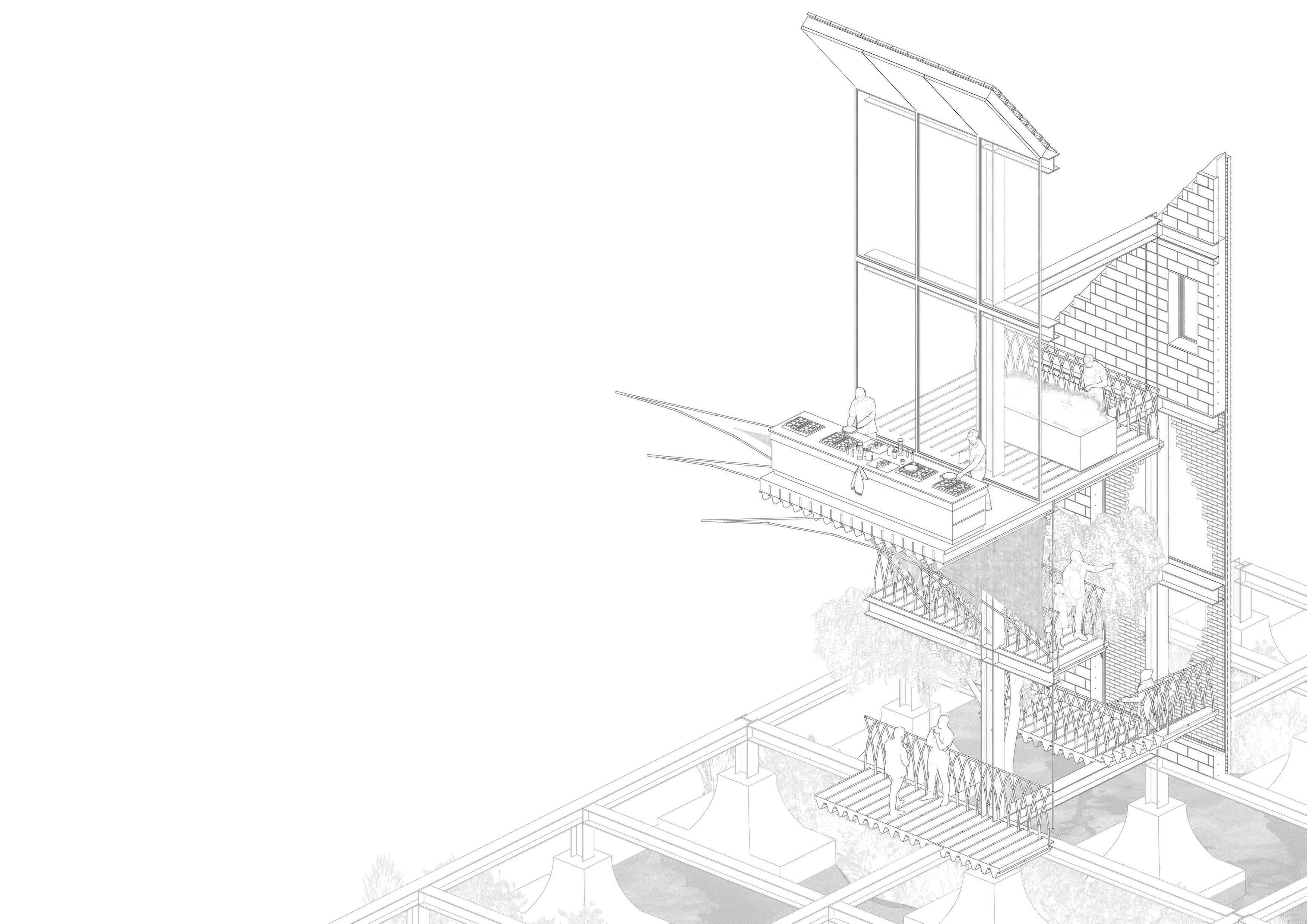
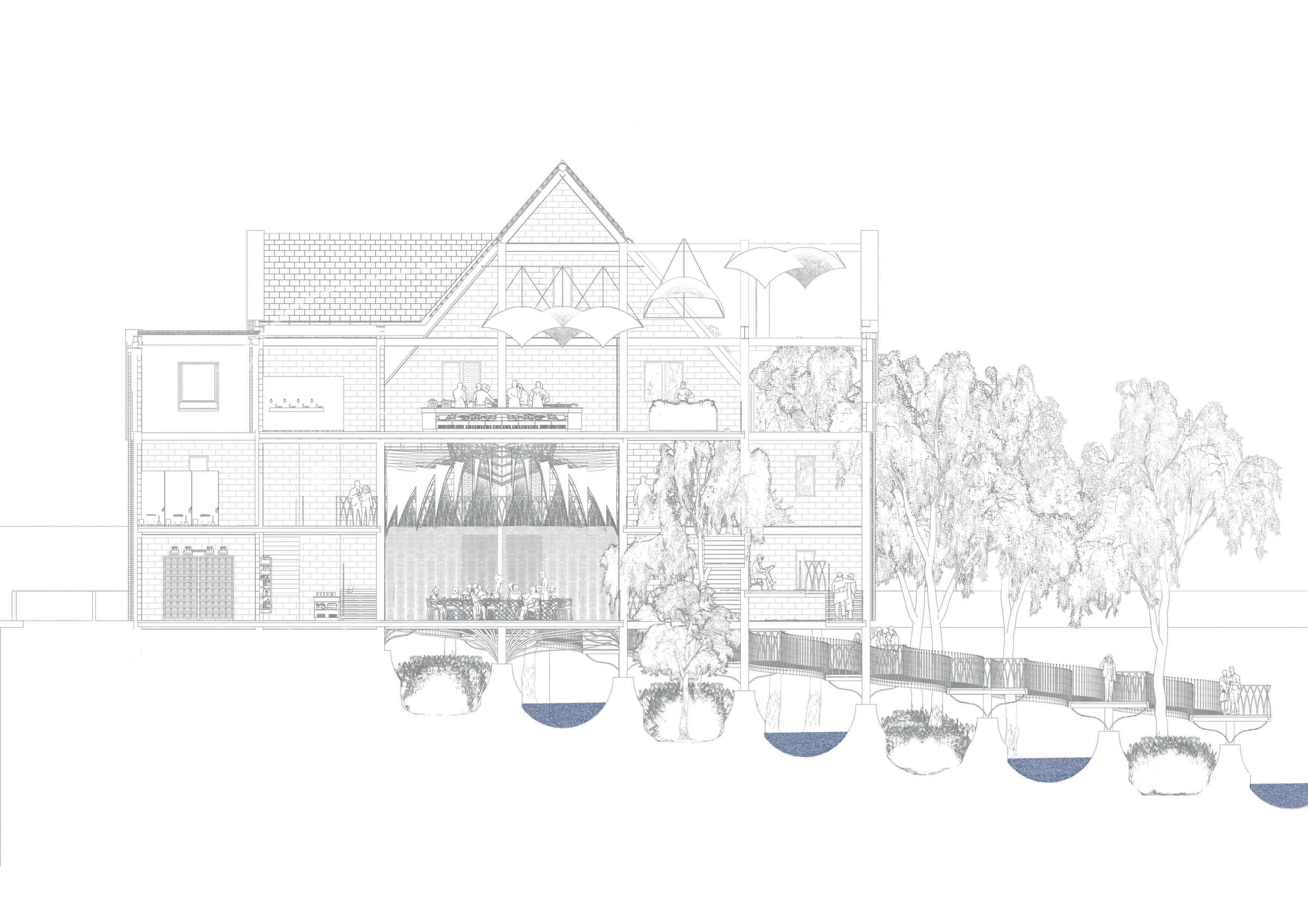
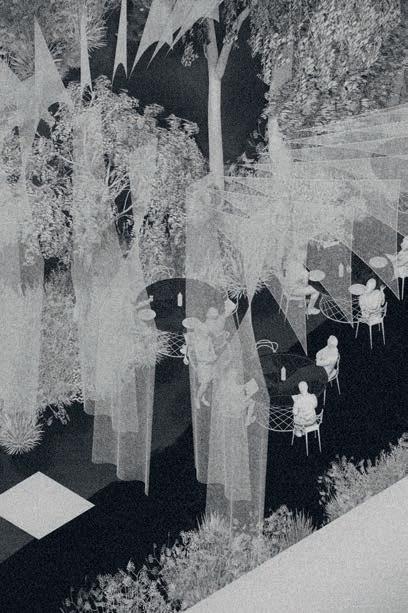
The project brief called for the adaptive reuse of an abandoned nightclub on the banks of the river Lagan. My theoretical framework informed the use case of my new building as an open-air restaurant/ cafe in the city centre that sits above a constantly flooding Sustainable Urban Defense (SUD) scheme to serve as a constant reminder of the ever encroaching tide.
Rendered in a digital twin, my design process balanced abstract theory with precise spatial coordination. Using a digital 3D environment enabled seamless integration between macro urban strategies and human-scale interventions, allowing the project to function both as a social space and a speculative vision of
resilient urban futures. Ultimately, the project aims to re-establish a connection between Belfast’s people and its rivers, offering a poetic and pragmatic response to environmental decline and urban transformation.
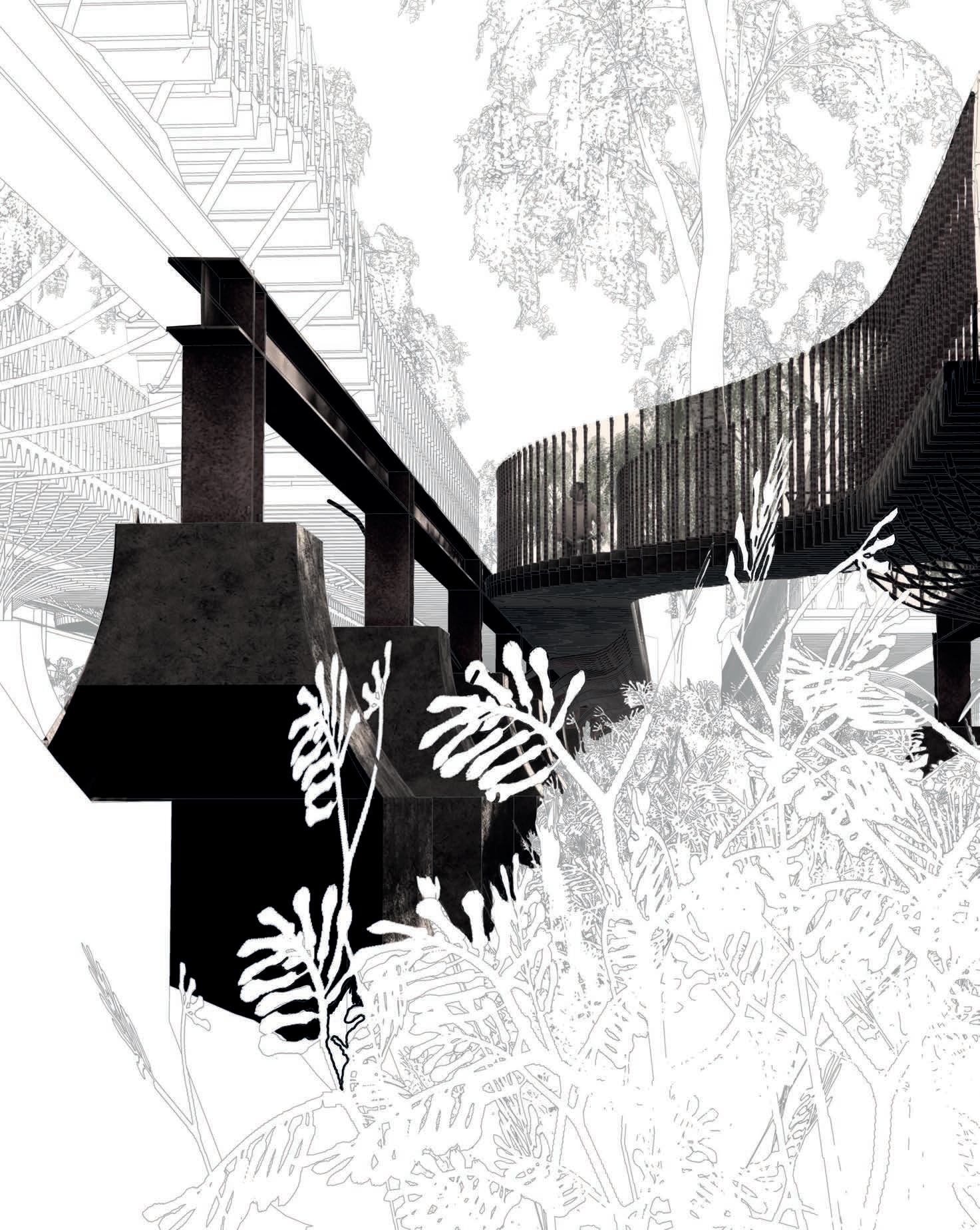
I used a series of sustainable urban defenses (SUDs) to reconnect the undesirable urban condition to the river in a curated and environmentally conscious way. Using the existing building and this masterplan, I designed a series of ‘moments’ that take you on a journey through the project.
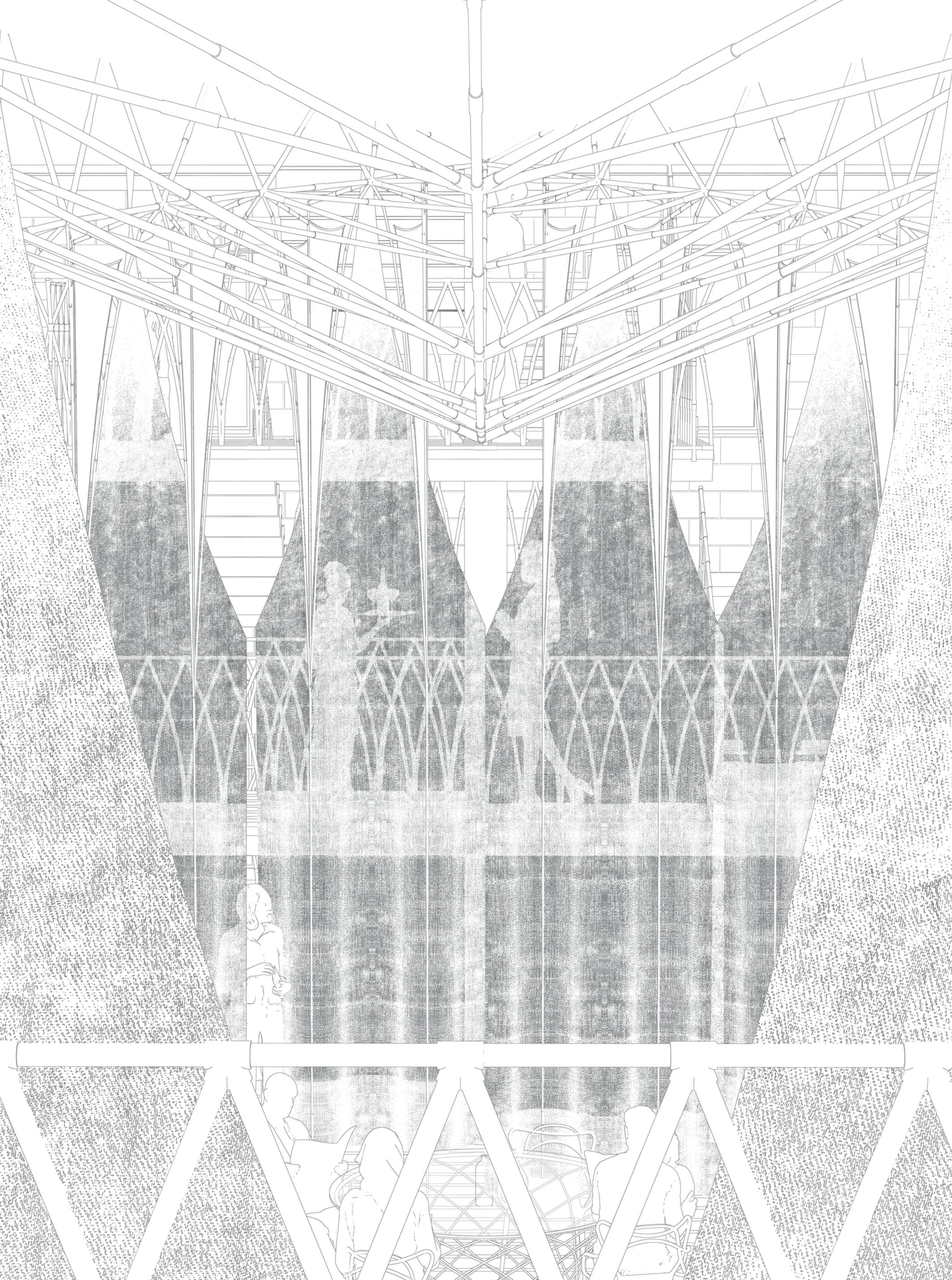
The river is semi-tidal, as the tide comes in, the SUDs fill with water. As the tide goes out, the SUDs retain the water creating this rushing waterfall effect as it is slowly released into the plant beds which will naturally filter the river. This method also helps to reduce strain on the weir from heavy rainfall as it retains rainwater too.
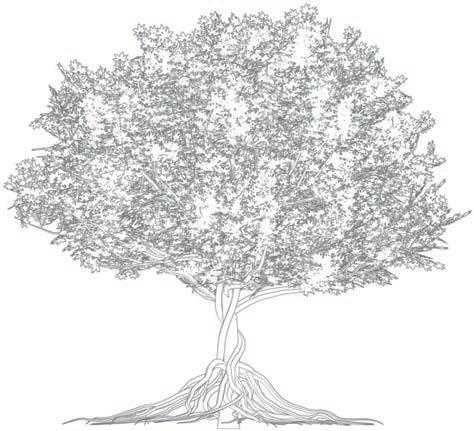
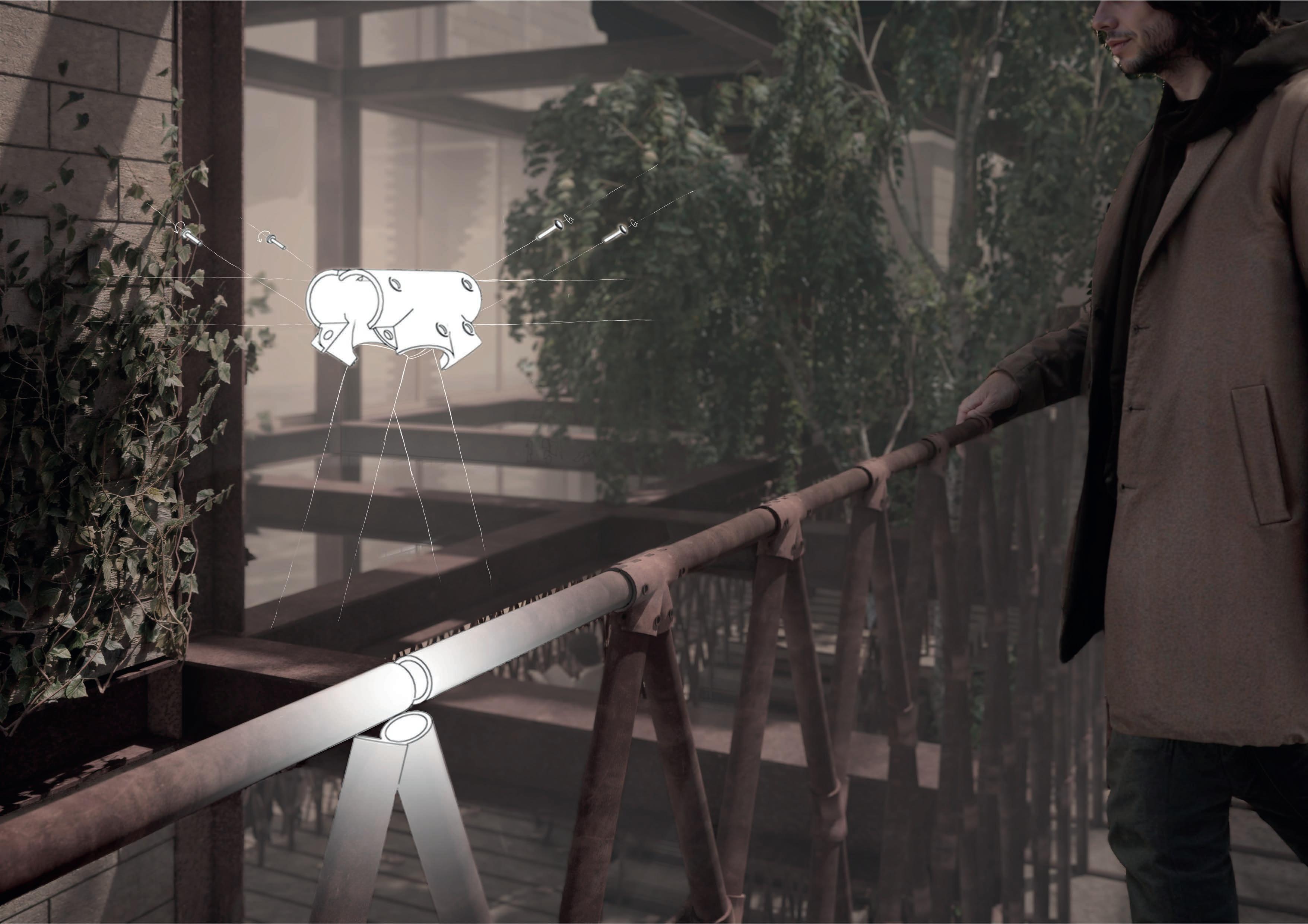
You enter the building on the first floor, a series of platforms suspended above the SUD scheme brings you up to this level. The intention of the steps was to feel like the ground was being ripped up by roots of a tree towards the entrance. A truss constructed from weathered steel rods support this staircase, in a way that feels like the rebar is being pulled from the concrete.
Vergissmeinnicht (Forget Me Not)
Location: Munich, Germany
Semester
Abroad
The Technical University of Munich - Studio Kruker Bates
In this project I worked in a group with Vanessa Ross, Max Schwarzhans, and Marianna Mosca. The work was split evenly between the four of us and each helped the other with the production of the project drawings and models.
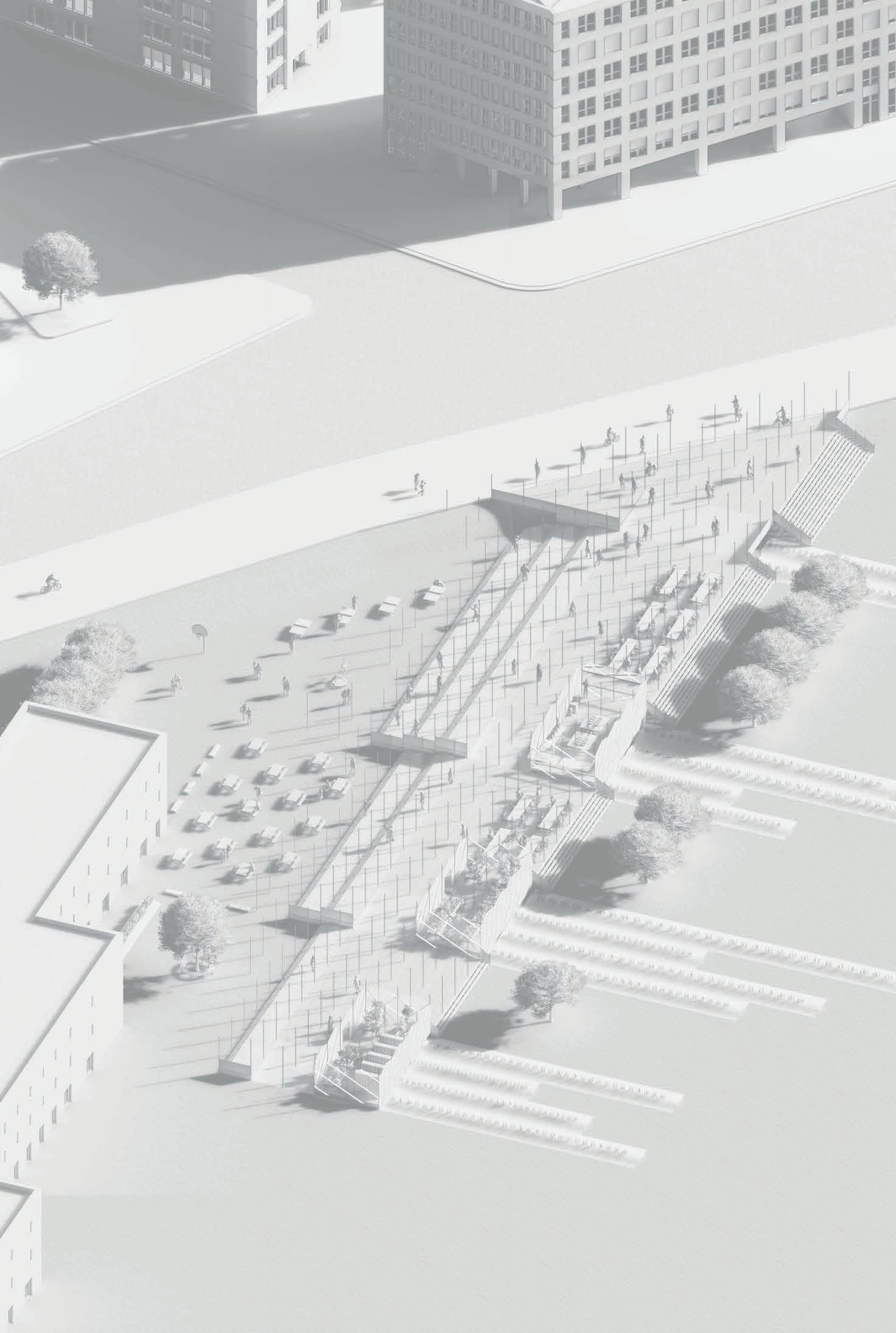
The project site is located in Freiham Nord, an area due for housing development on the fringes of Munich, Germany. A halfway house is located adjacent to the site but is situated on a field that is two meters below street level. The aim of the temporary project was to reintegrate the homeless back into society before the halfway house was removed by the new development.
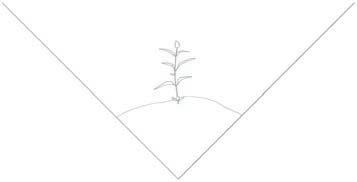
In order to achieve successful reintegration of the homeless, we are incorporating two key concepts: job specific education and social reintroduction.
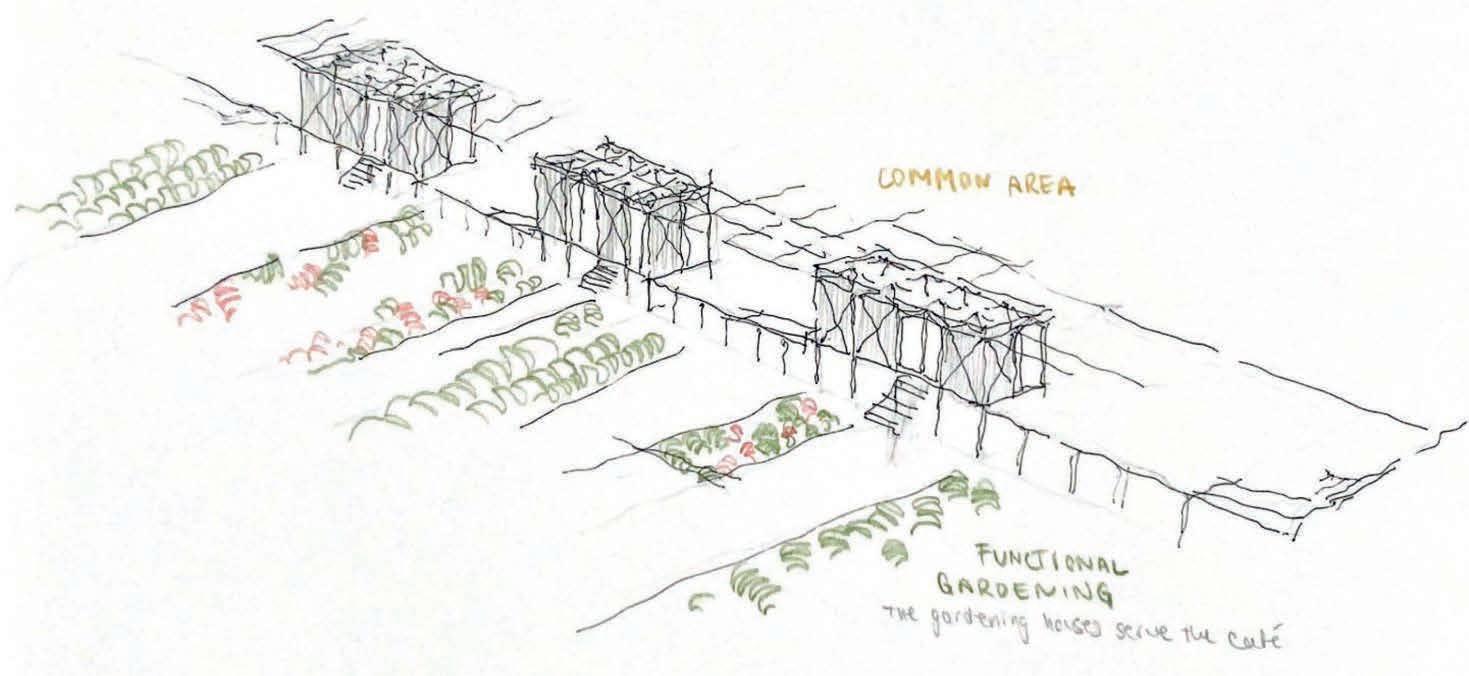
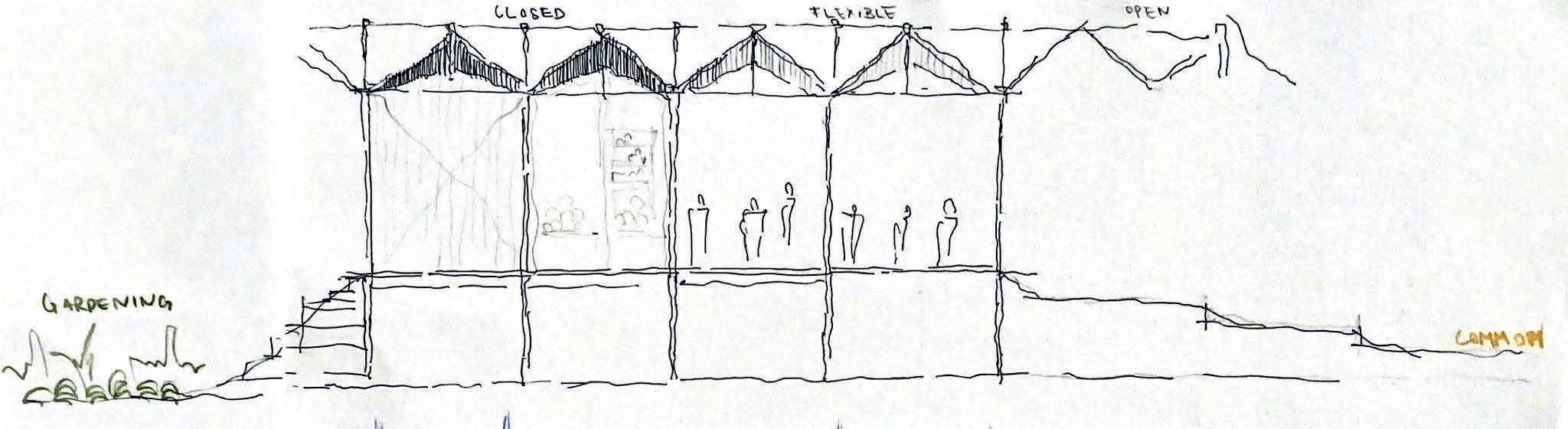
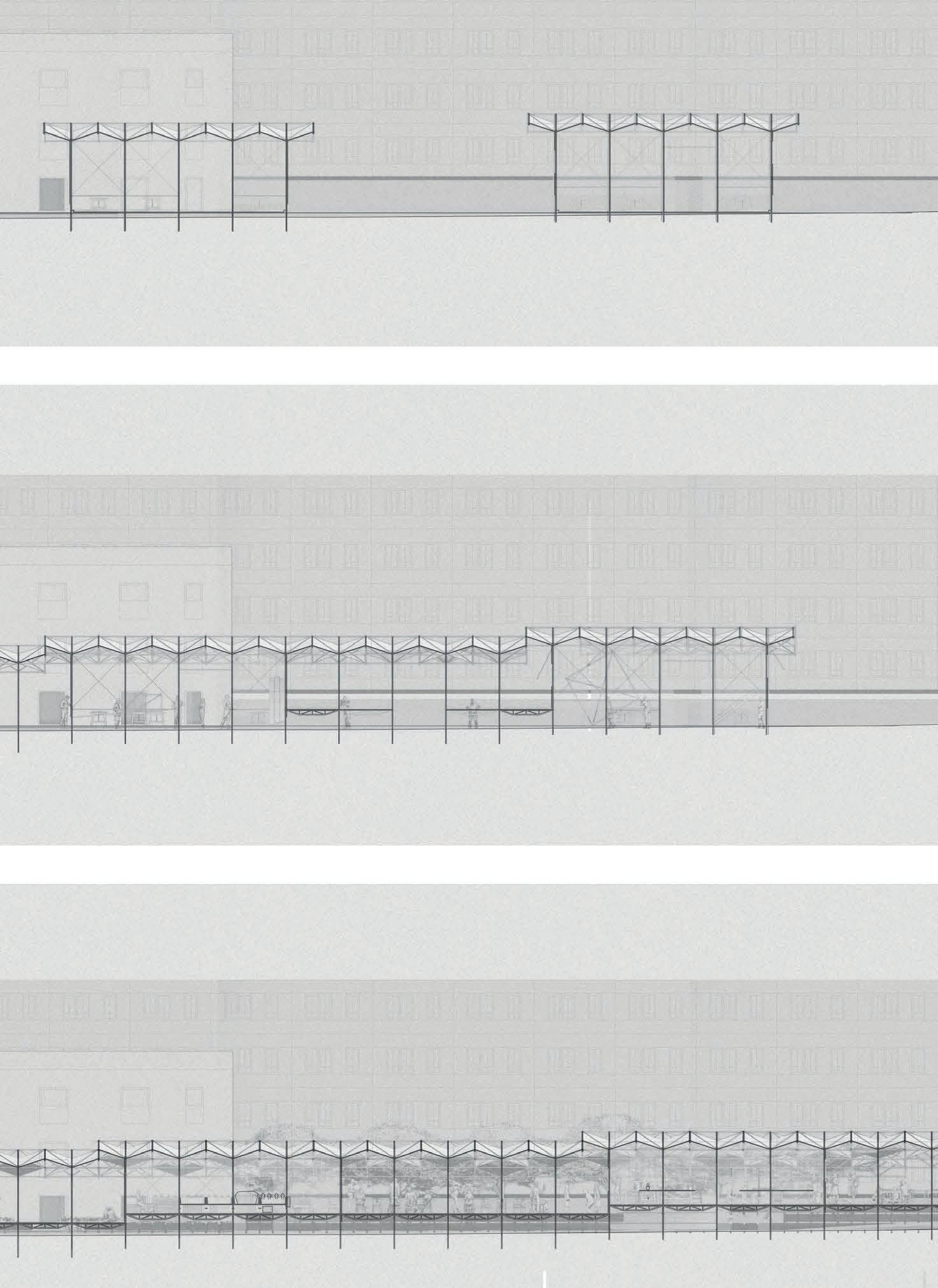
We begin Phase 01 by placing three temporary buildings at ground level in the
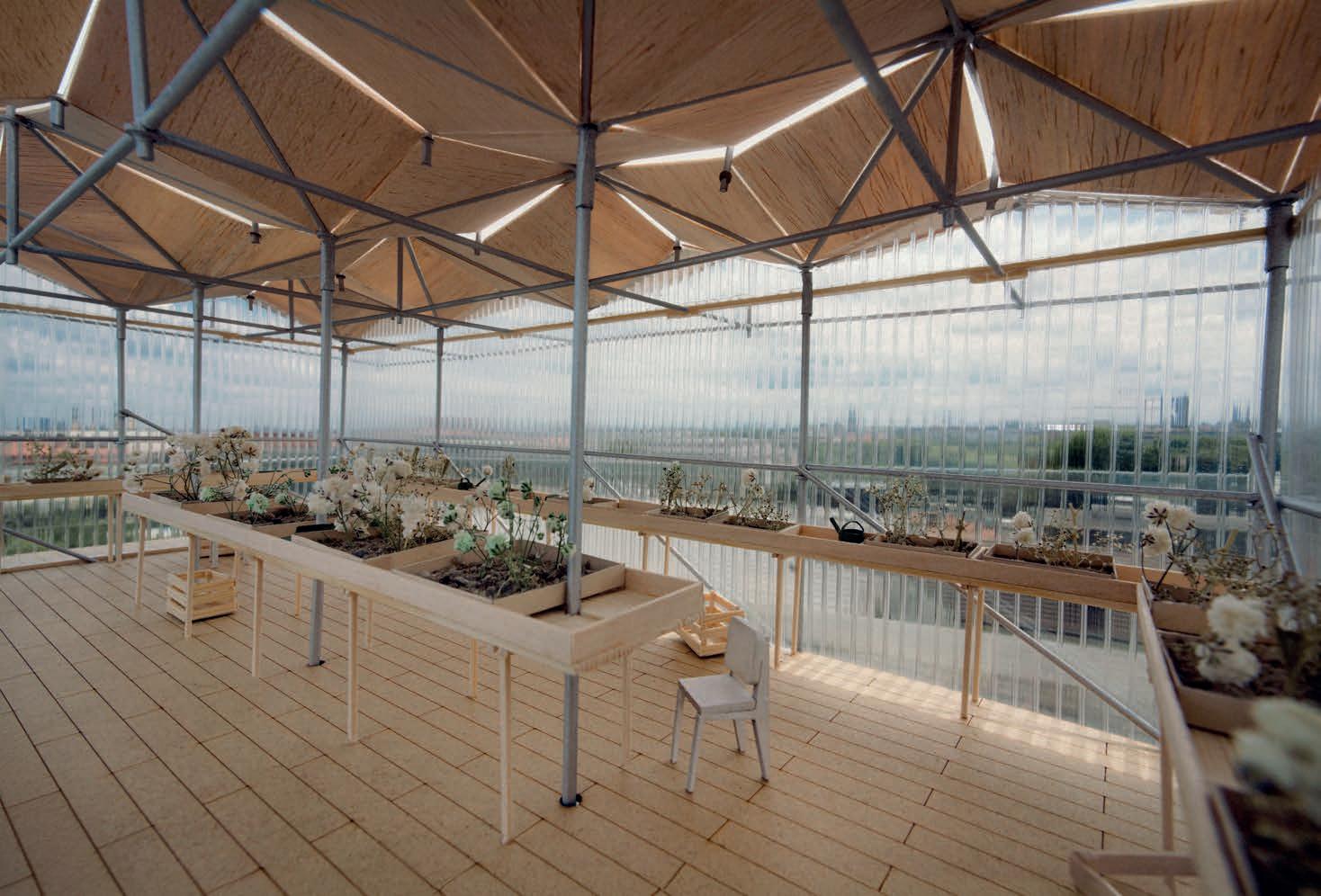
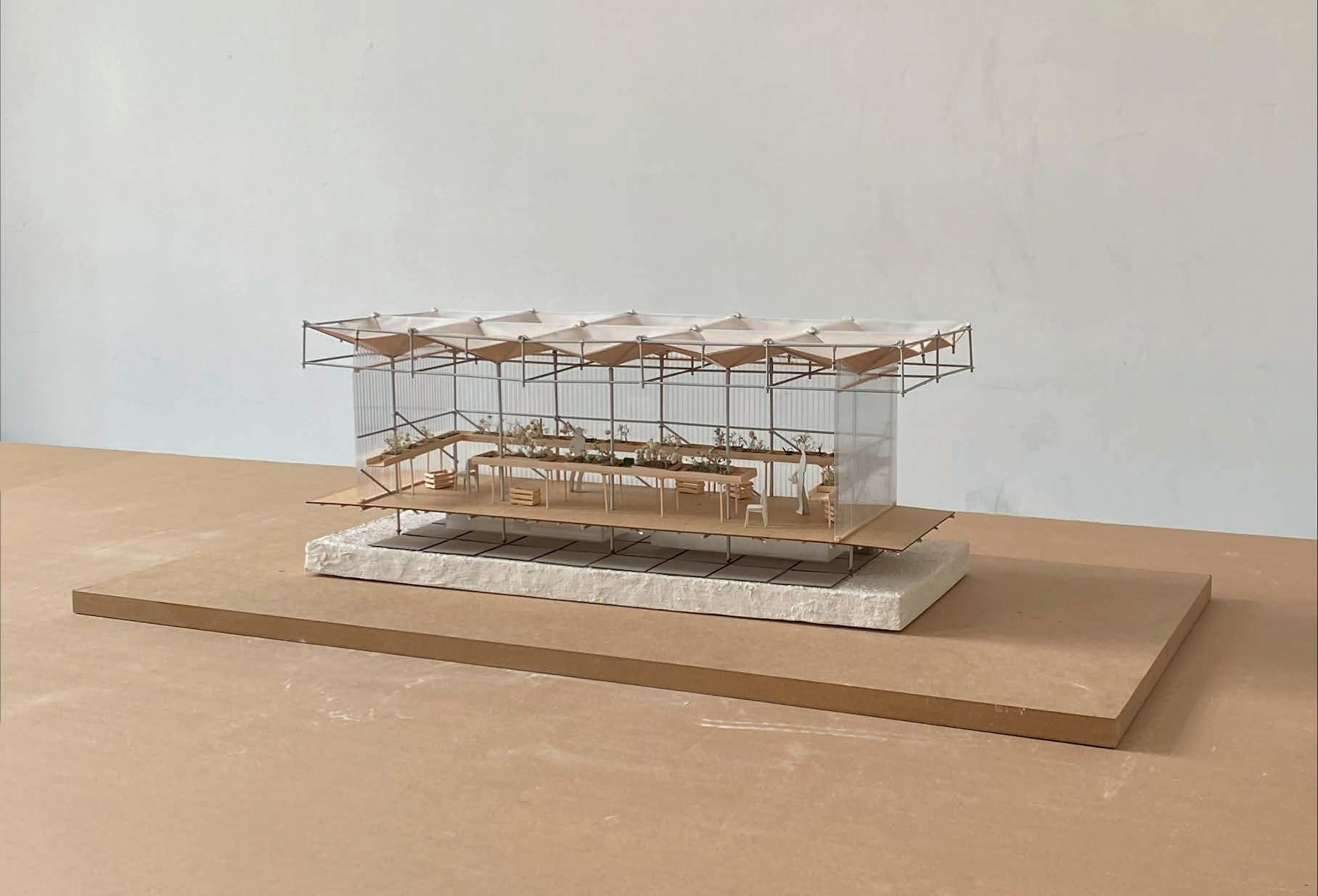
farmland adjacent to the homeless shelter. They are non sealed and constructed from a scaffold frame clad in polycarbonate panels for the walls and timber for the roof.
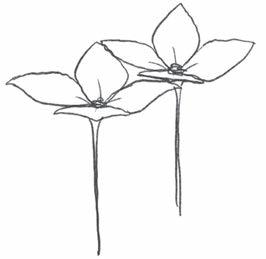
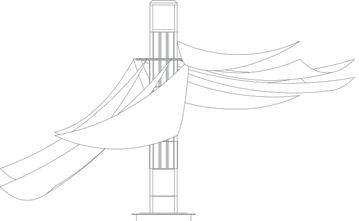
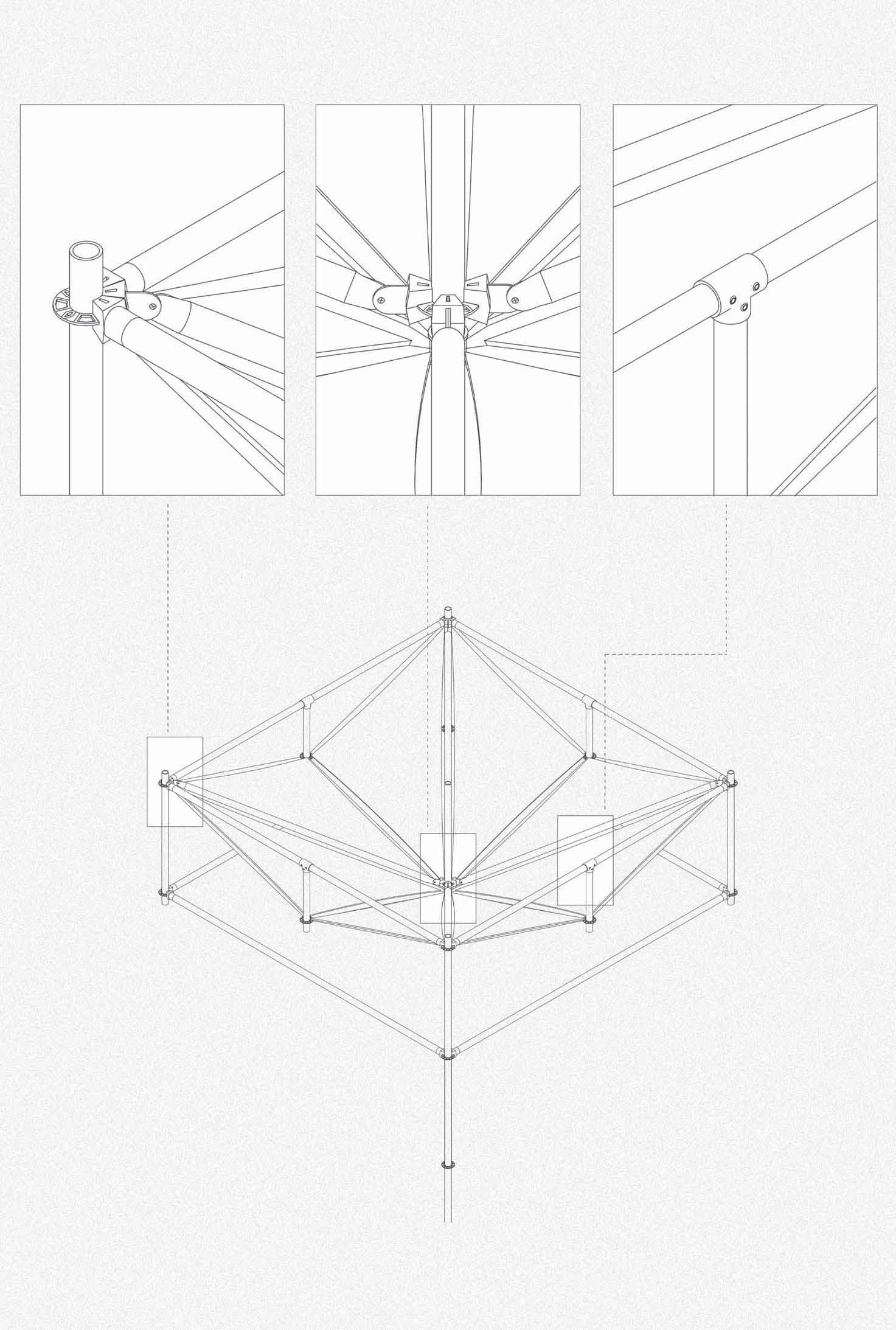
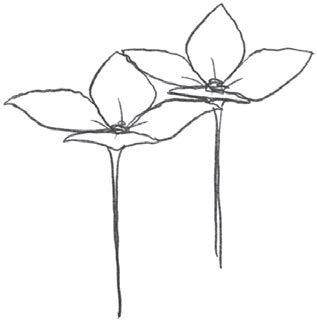
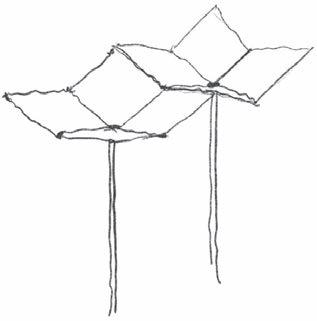
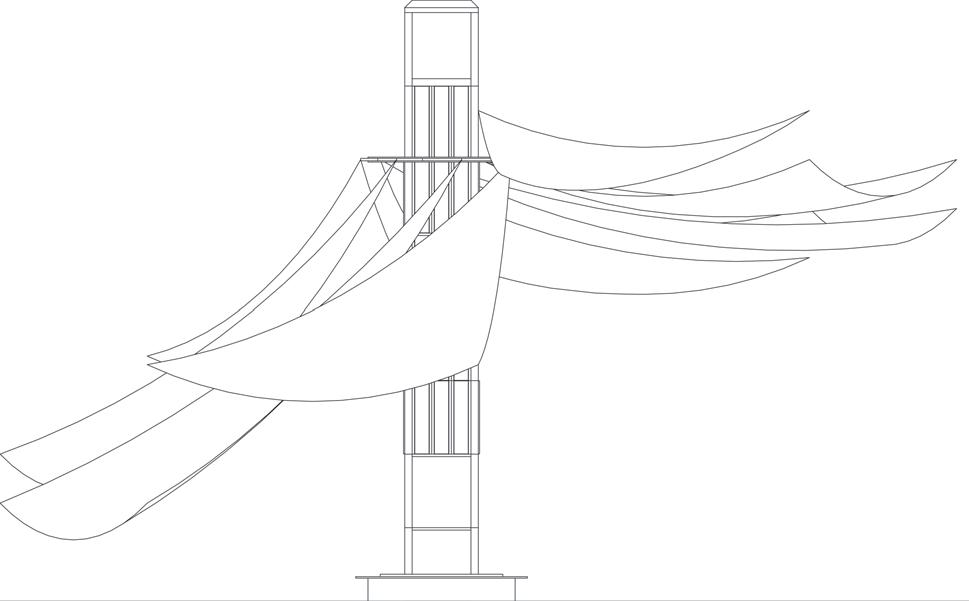
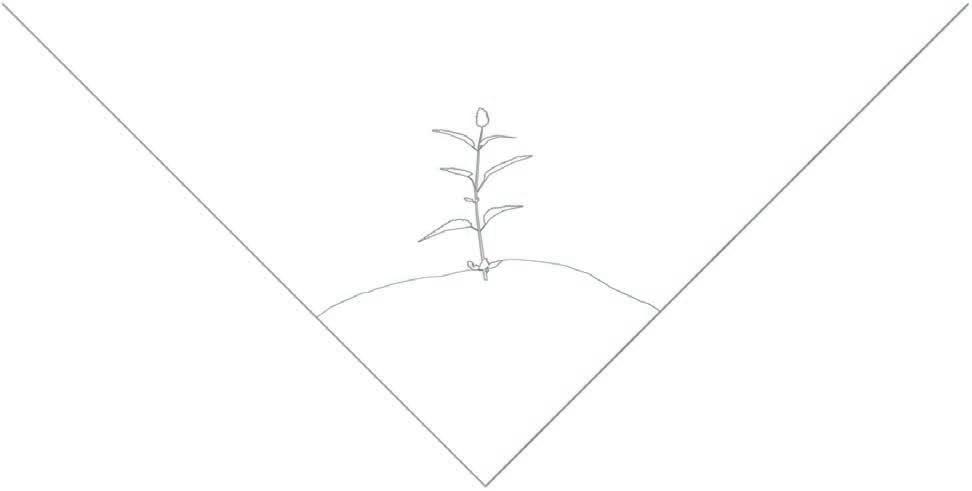
In Phase 02 these buildings will act as participatory workshops. In these workshops, residents of the homeless shelter will be taught how to construct this: ‘a single flower module’. In the construction of one module, every type of scaffolding joint type is used,hence its shape. This means that by the end of their summer workshops the homeless can become fully qualified to become scaffolders (relating to job specific education).This is why we have chosen scaffolding as our structure material, there are very few techniques to master so they can all be used in one module.
Once these ‘flowers’ have been constructed (and quality tested), they will link to the
current buildings as roof a truss, forming an urban canopy that will stretch out towards the street. Effectively, by using their job specific education the homeless are building their way back into the society of Freiham (social reintroduction). The level difference between the street and the and the platform is managed by a series of four timber platforms. The large length of these platforms compared to the height difference links the homeless shelter to the street in a very subtle way so it feels like you are almost walking along the same street.
During Phase 02 an elevated floor plate is also placed in the initial buildings elevating their floor level so they can be accessed for use in stage 3.
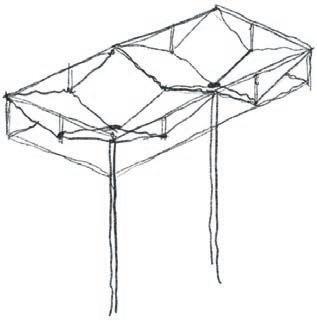
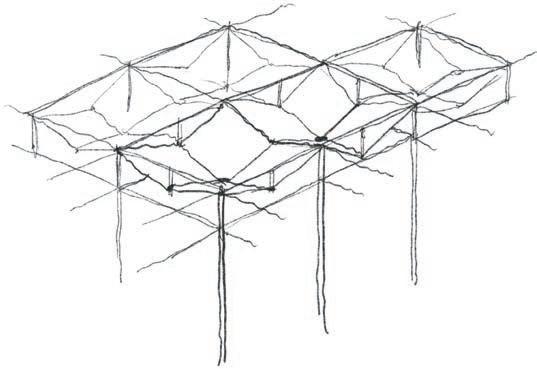
Vorgess Mich Nicht Semester Abroad
Development Sketches & Final Module No Scale
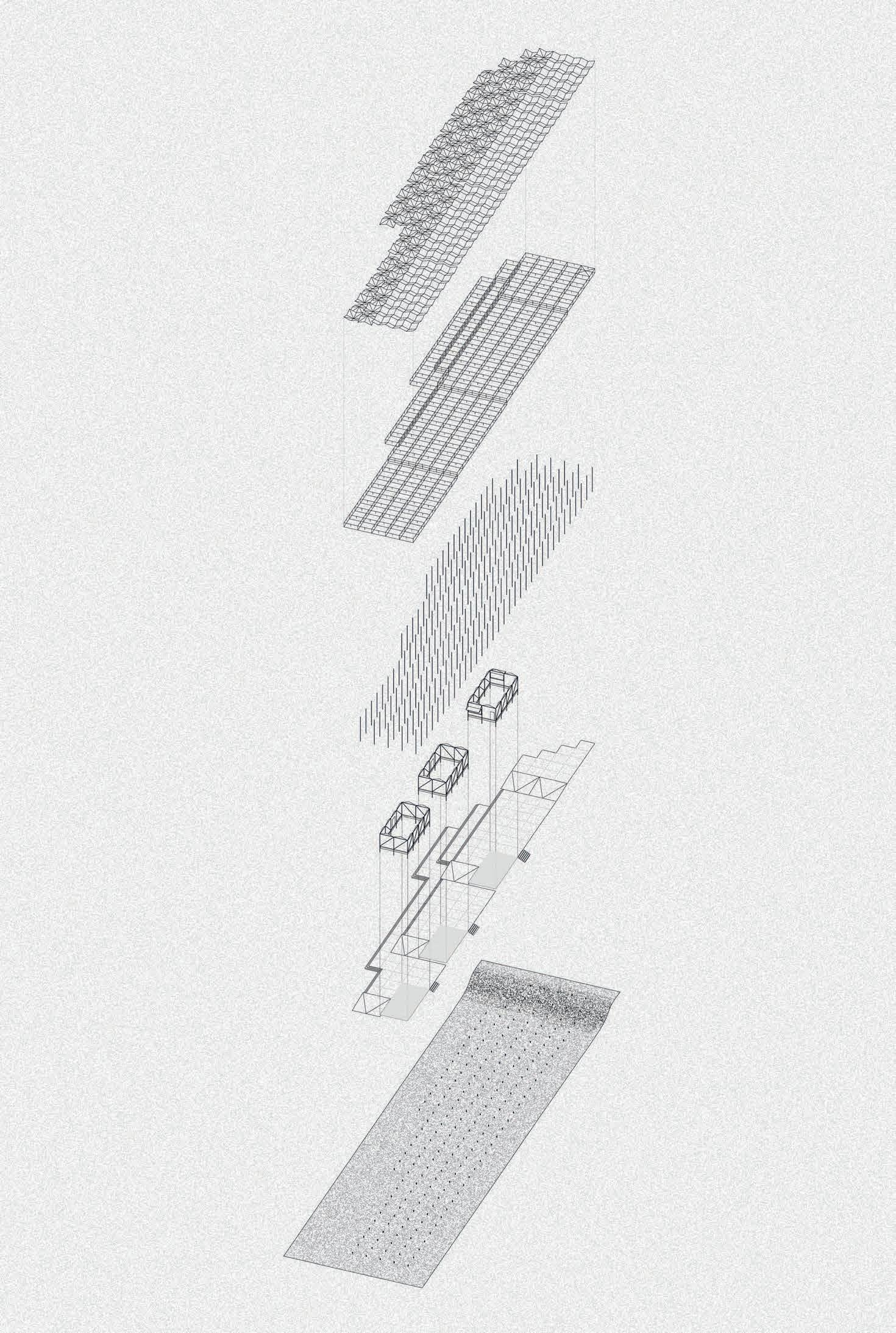
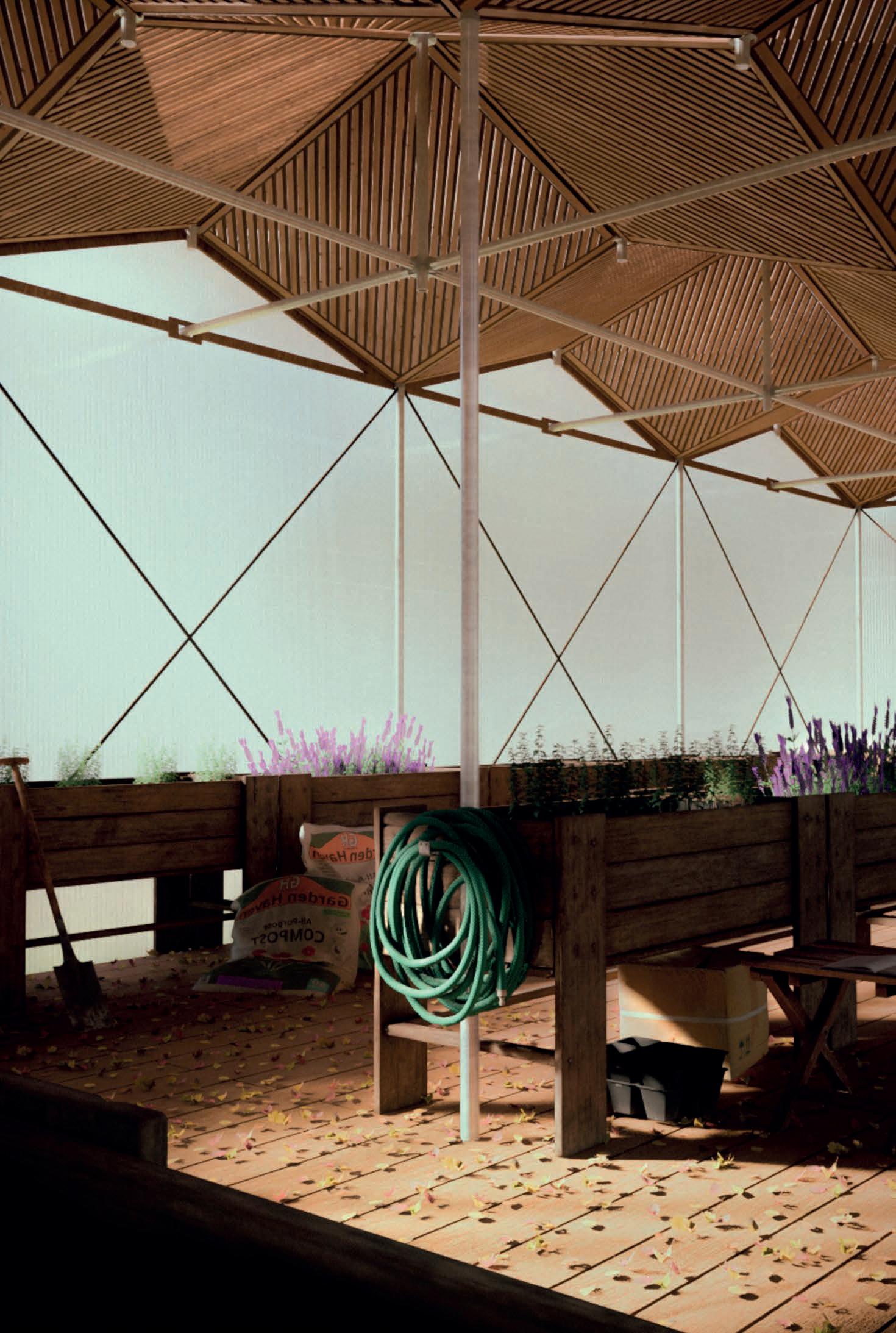
Vorgess Mich Nicht Semester Abroad
Phase 01, 02, & 03 Sections
Scale 1:200 on A2
Vorgess Mich Nicht Semester Abroad
Model Photos 1:25
The Woven Dune
United Arab Emirates
Competition
The House of The Future 2025
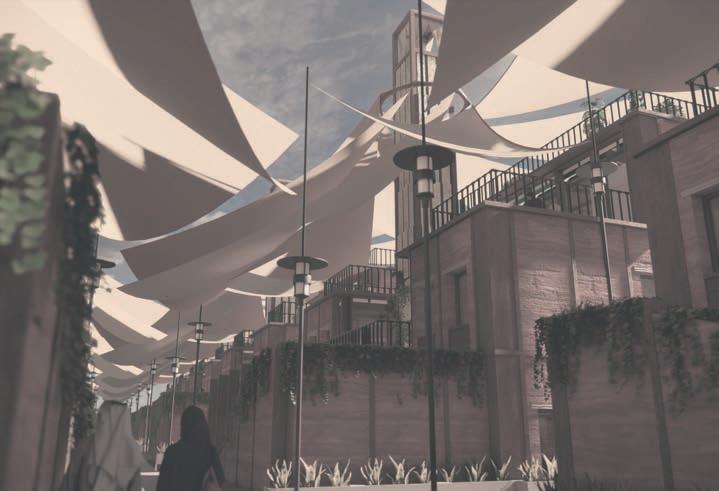
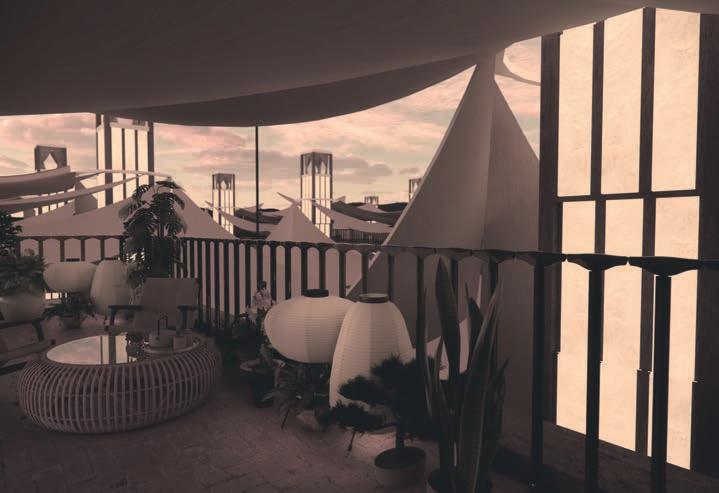
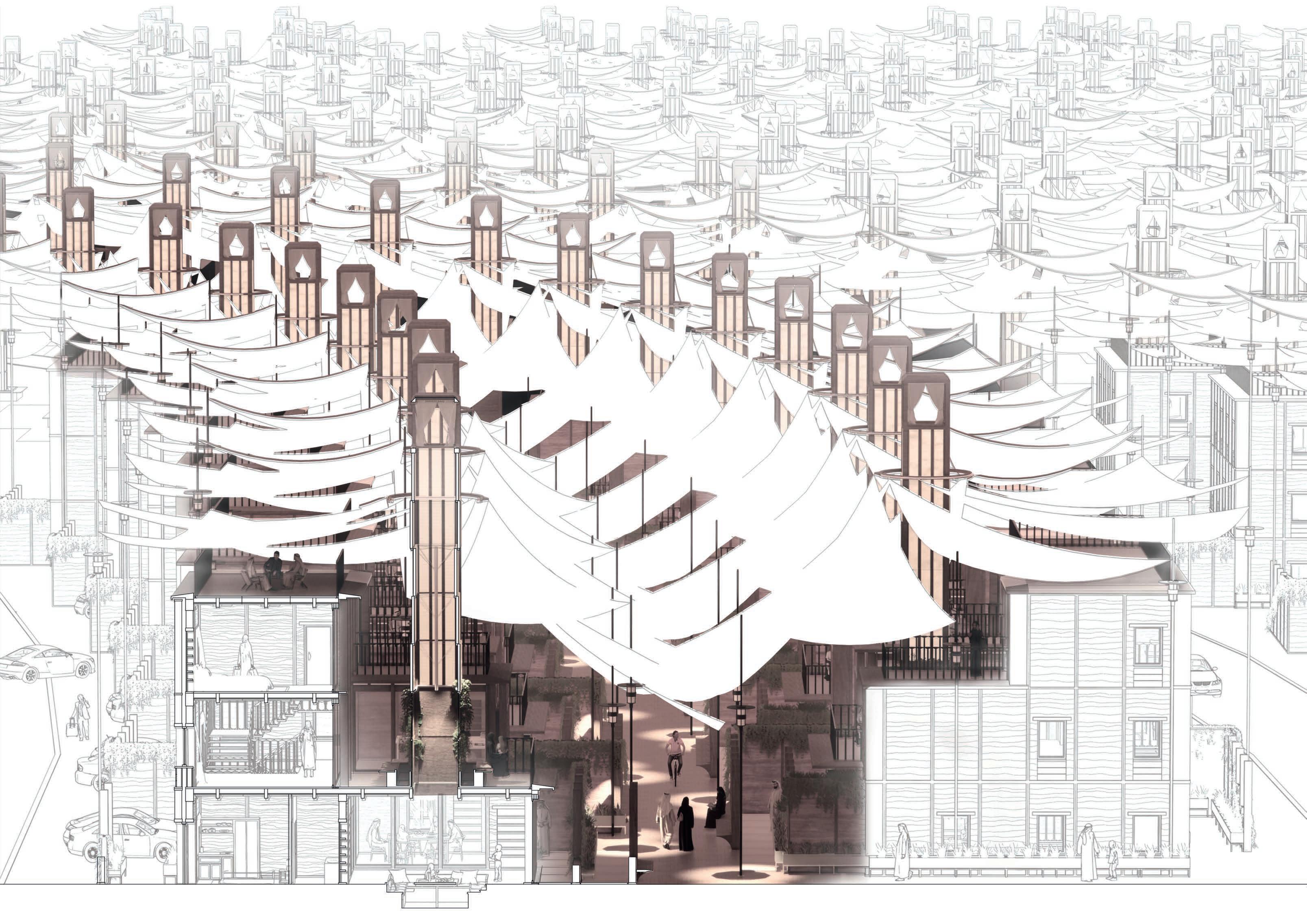
The Woven Dune emerged from a competiton for the ‘House of the Future’ which asked participants to design medium density housing stock across the UAE.
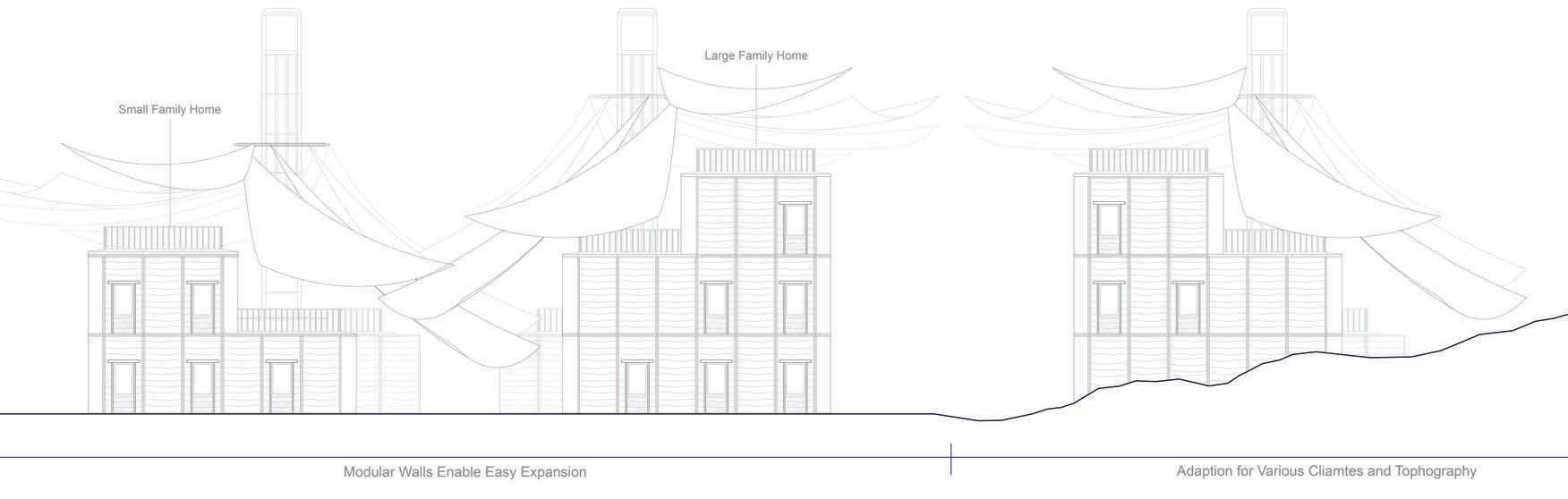
I worked on this project with Hannah Jackson and Philip Kennedy. The drawings included here are the ones that I worked the most on we developed a housing design system that was inexpensive, sustainable and most importantly focused on building community driven neighbourhoods.
The Woven Dunes finds its roots in the strong national identity, community compassion, and rich cultural heritage of the Emirates. Its design reflects culturally appropriate sustainability, which emerges as a natural outcome of cohesive, community-based development. The Woven Neighbourhood’s benefits to the community are not only shaped by the values of its designers but also by the inherent advantages of sustainable
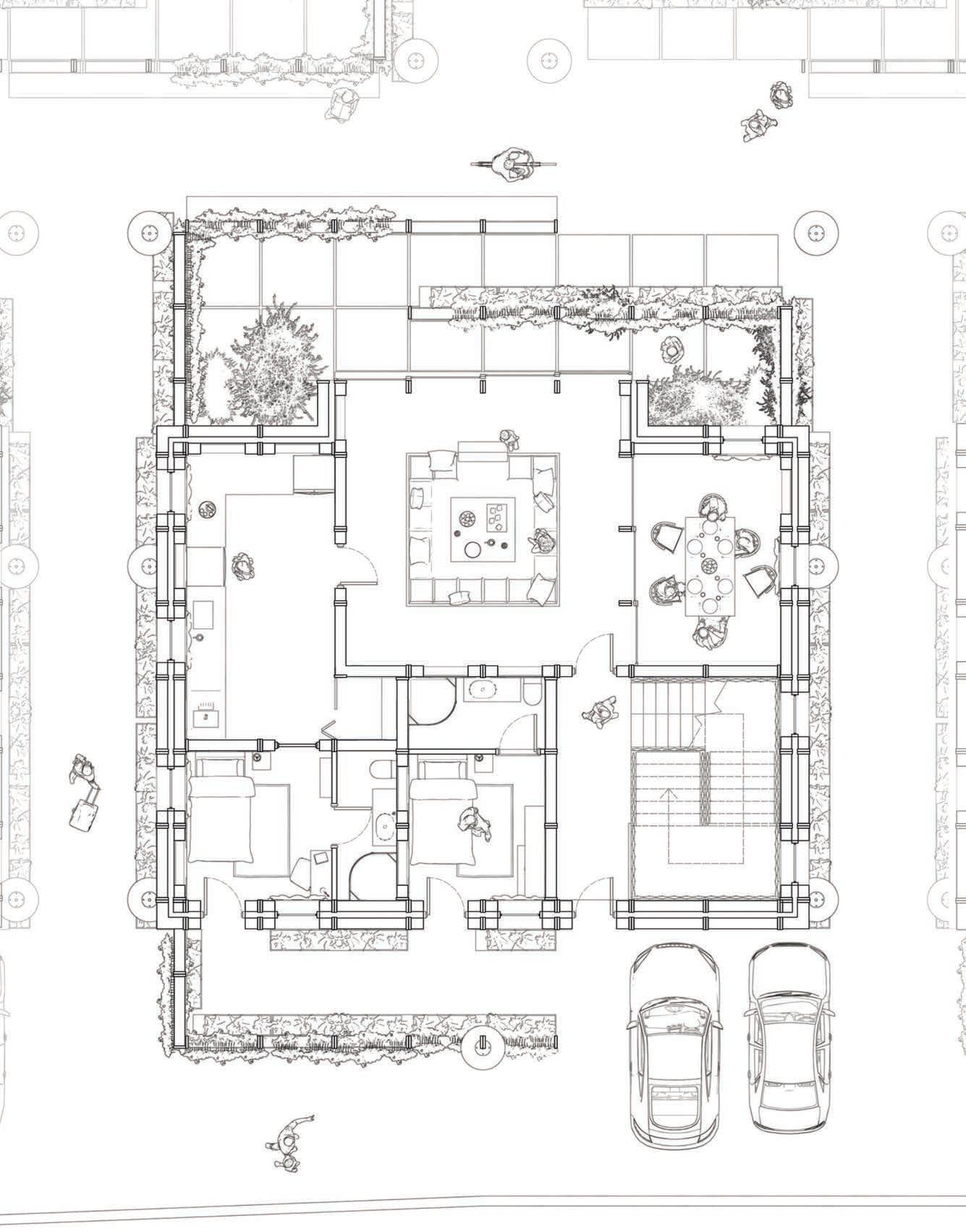
Woven Dunes.
Bedroom and Ensuite 1
Bedroom and Ensuite 2
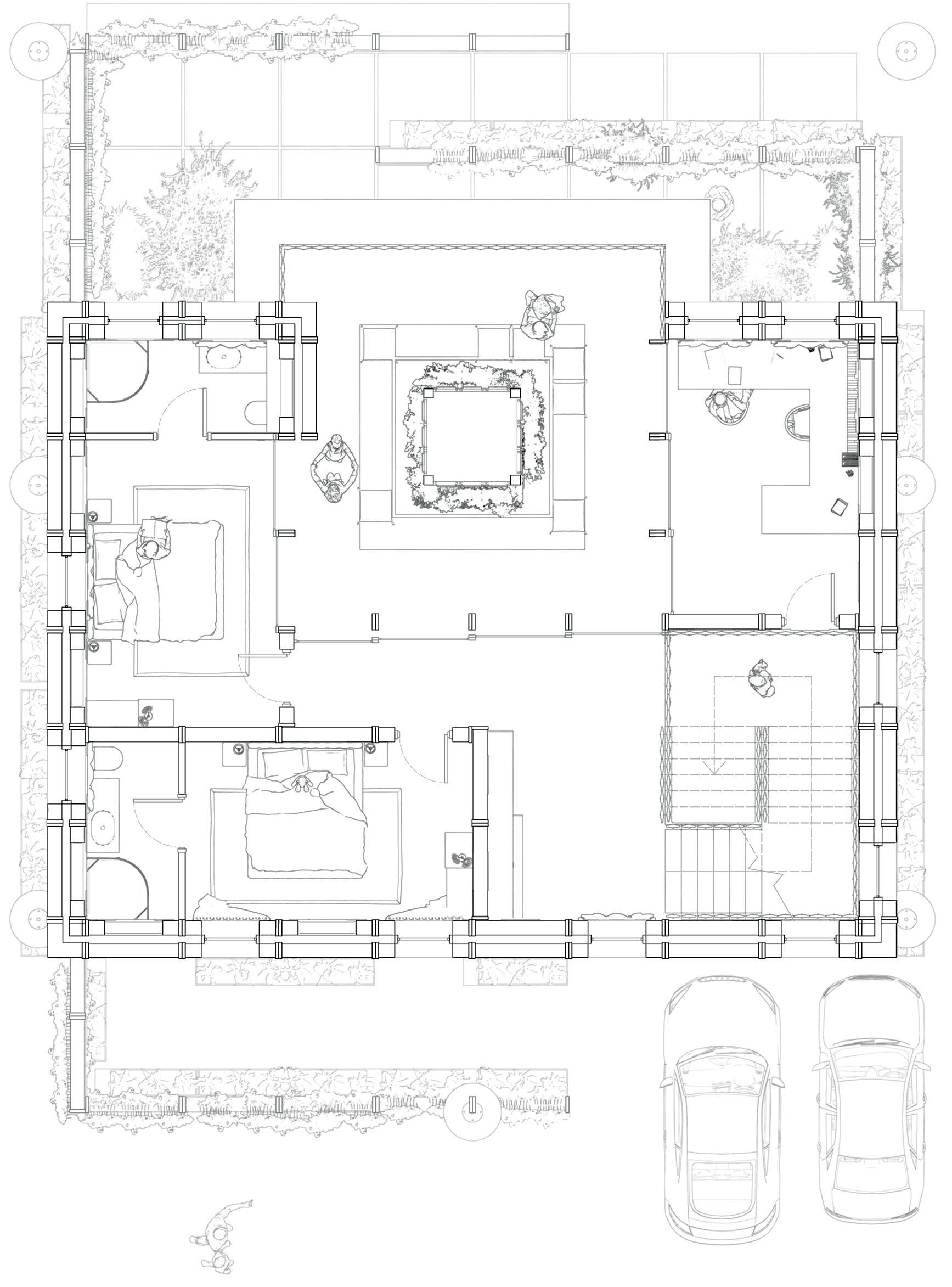
The study is set in a private area overlooking the first-floor family courtyard
The wind tower is constructed with salt panels, which help dehumidify the air as it passes through and over their surfaces, enhancing indoor comfort. There is a water basin and seating around the tower
Kitchenette offers private amenities, avoiding the ground-floor kitchen
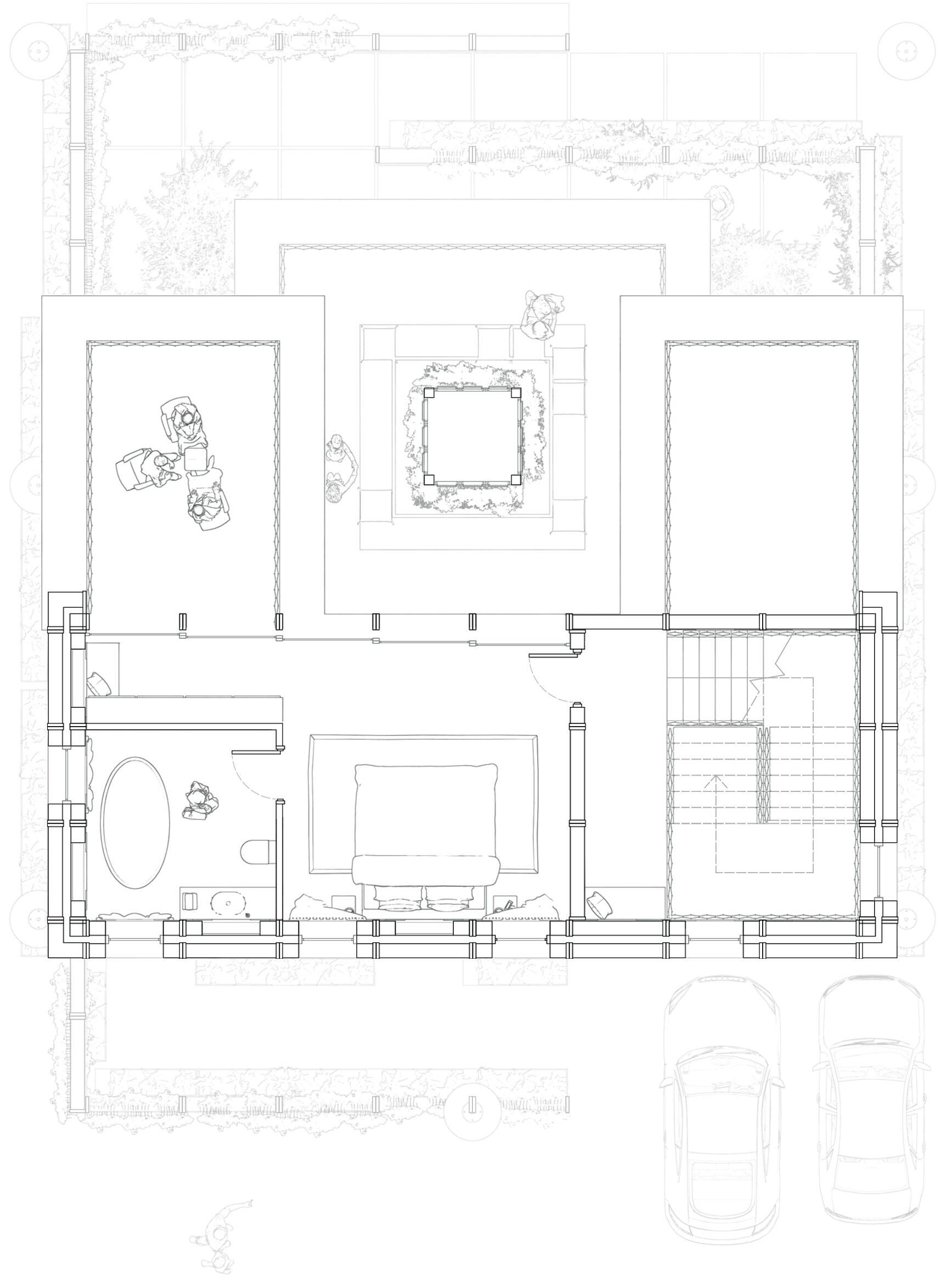
Master Bedroom
Master Bathroom
Master Dressing Room
Master Terrace
Future Private Family Terrace (Opertunity for Expansion)
Kao La Amani Primary School
Location: Boma Ng’ombe, Tanzania
Professional Practice
Article 25 (London, England)
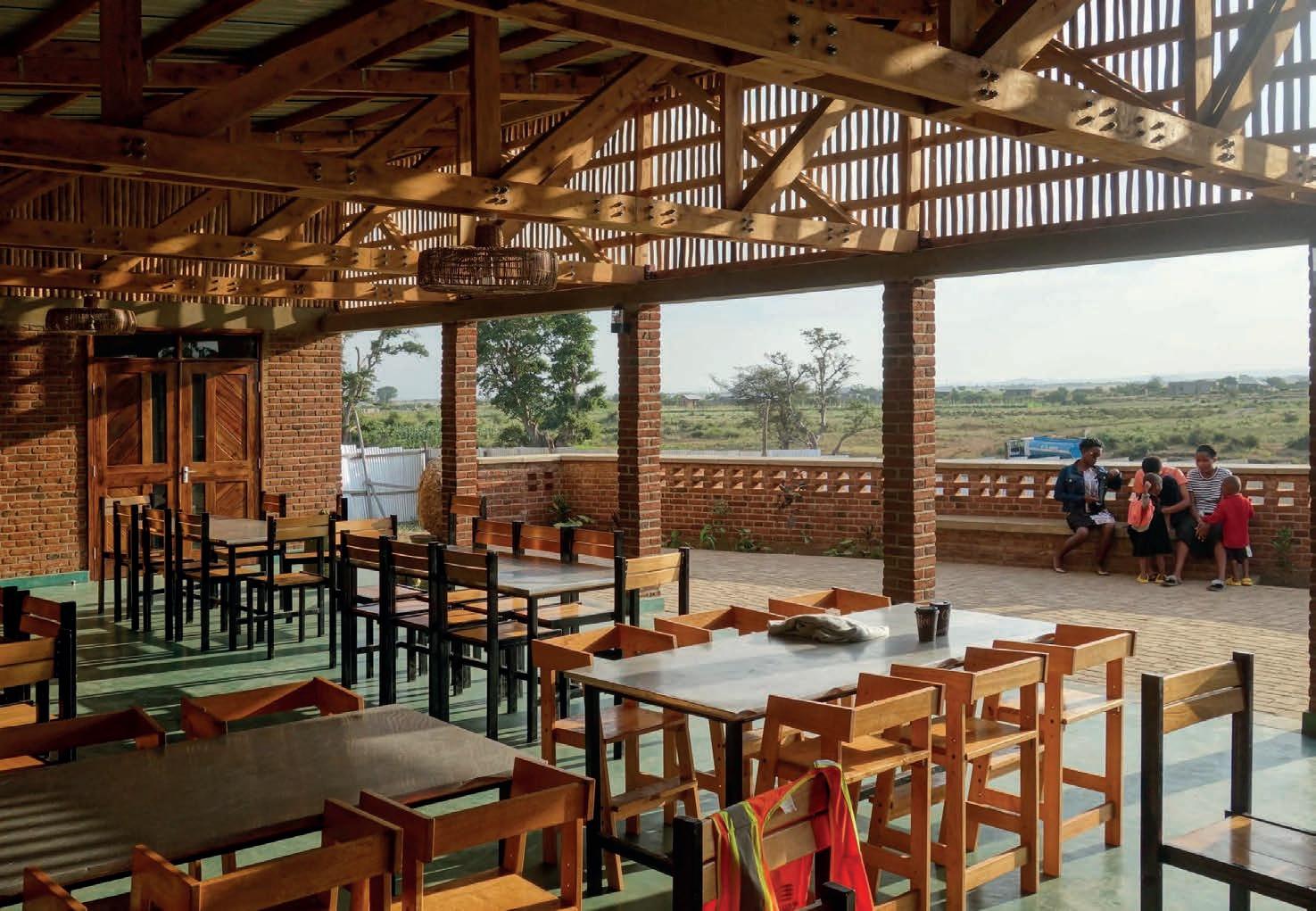
The project is a contuniatoin of the Kao La Amani Childrens village project and will be delivered in two phases. Phase one – completed – focuses on refurbishing existing classrooms and facilities, including accessibility upgrades, new flooring, and fresh interior and exterior finishes. Visiting volunteers, staff and students have contributed to new painted murals, giving the children a sense of ownership and pride in their school.
Phase two, which I have been working on, will deliver a new dining hall that will also serve as a library and social space, a modern kitchen blending both traditional and contemporary cooking methods, additional toilet blocks, water tower and dedicated drinking water taps. The outdoor areas will feature landscaped seating, play spaces and improved sports facilities for preschool and primary students.
Sustainability is central to the design. The school will run on off-grid solar power, use solar water pumping from an existing borehole, and be built from locally sourced materials such as volcanic stone from Kilimanjaro. The project will also include an ICT suite, giving students in this rural area access to digital learning tools for the first time.
The client is the Tír na nÓg Children’s Foundation, an Irish charity with a focus on providing housing, education and healthcare for abandoned children in Tanzania. The project is approx. 400m2 with a budget of €250k - €300k.
The Form of Appointment is an RIBA Concise Professional Services Contract 2020. The procurement route was through a Traditional Contract, tendered to a selected contractor who we have worked with before. The type of building contract is a National Construction Council project
(Tanzania) Standard Template. The design team consists of Article 25 (Architects), Michael Hadi Associates (Structural Engineers), Tembe Group (Architects), Estate Care Limited (Structural & Services Engineers), Mosha Building Works (Main Contractor), Power Providers (Solar experts), Sun Partners (Funding) and MK Arch & Plan (Quantity Surveyors). The project is due to begin construction and is currently at Stage 4.
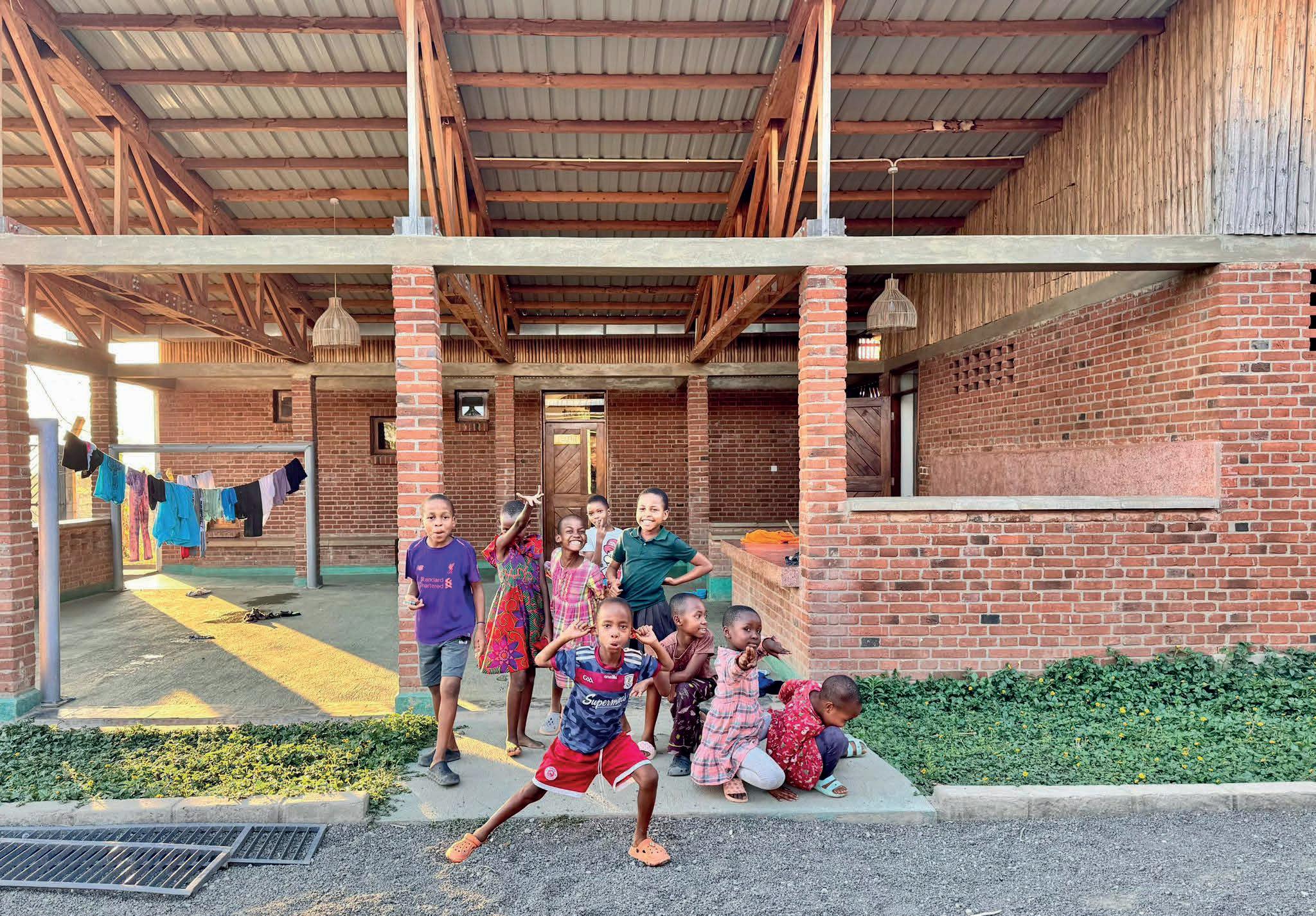
Kao La Amani Childrens Village, Boma, Ng’ombe, Tanzania.
Kao La Amani Childrens Village, Boma, Ng’ombe, Tanzania.
Profiled metal sheet roofing painted white underneath on 100x50mm timber purlins
Sisal pole fascia with ferrocement behind
Timber roof truss to S.E's design
260mm deep reinforced concrete ringbeam for volcanic stone vaults, see S.E.'s drawing Vaults in volcanic stone to S.E.'s design
150mm deep smooth volcanic block
200mm deep external wall in volcanic block
40mm polished concrete screed on 100mm ground bearing concrete slab on DPM, on 50mm sand binding on 2no. 150mm layers of hardcore
sill in volcanic block
Damp proof coursing
230mm reinforced concrete plinth foundation beam
Concrete strip foundation onto basalt rock to S.E's design
150mm deep reinforced concrete ringbeam 200mm thick external hit + miss wall in volcanic block 425mm deep volcanic block bench with tiled finish
40mm raked concrete screed on 100mm ground bearing concrete slab on DPM, on 50mm sand binding on 2no. 150mm layers of hardcore

Khammouane Provincial Hospital
Location: Thakhek, Laos
Professional Practice
Article 25 (London, England)
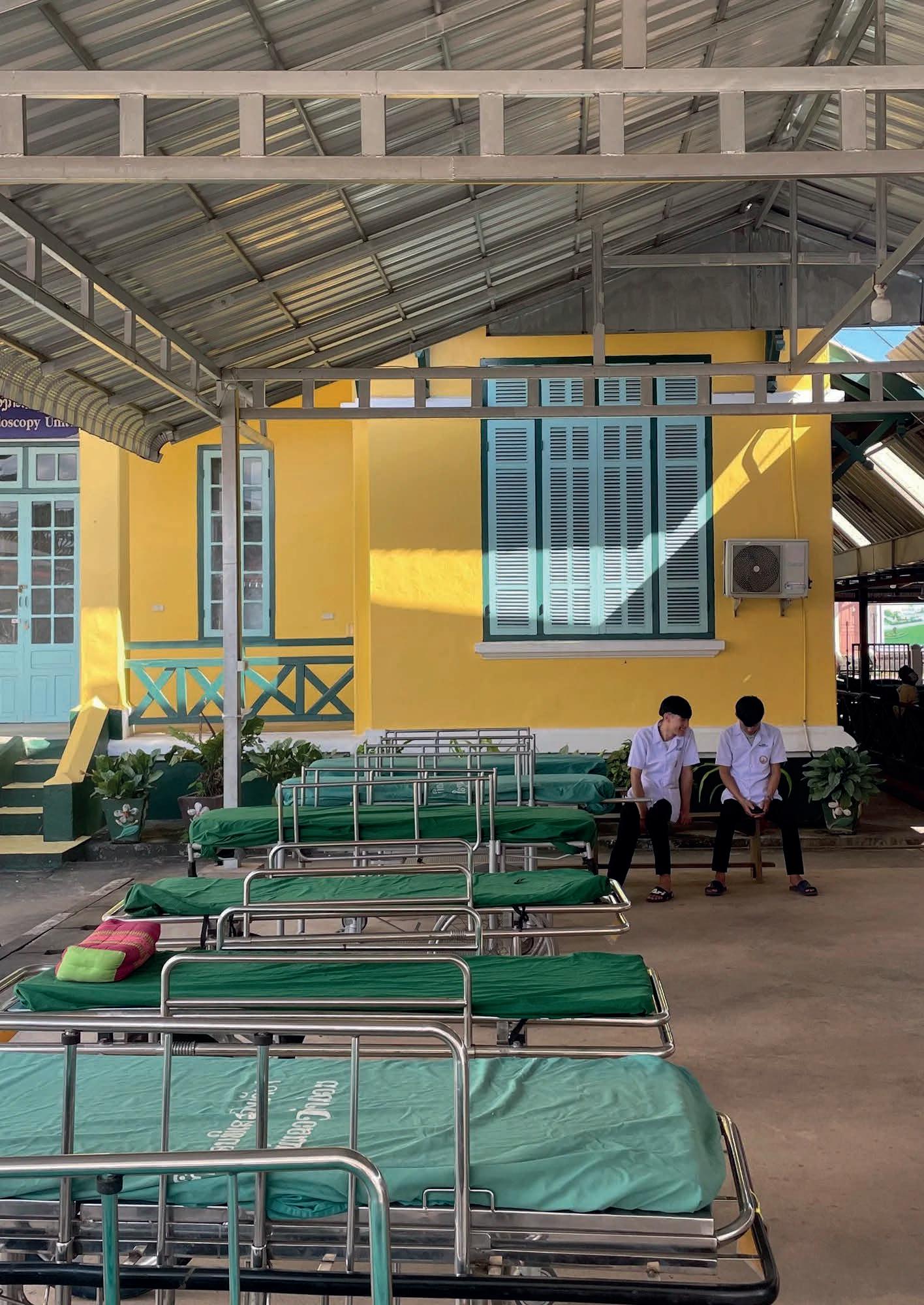
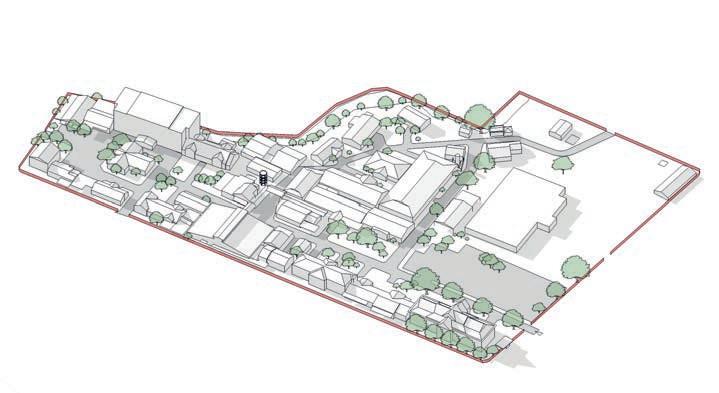
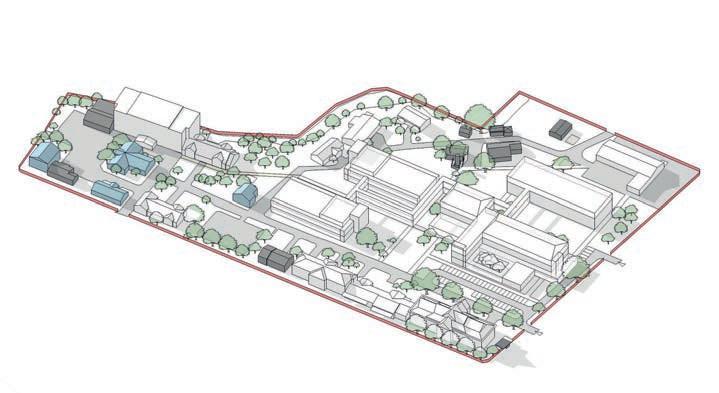
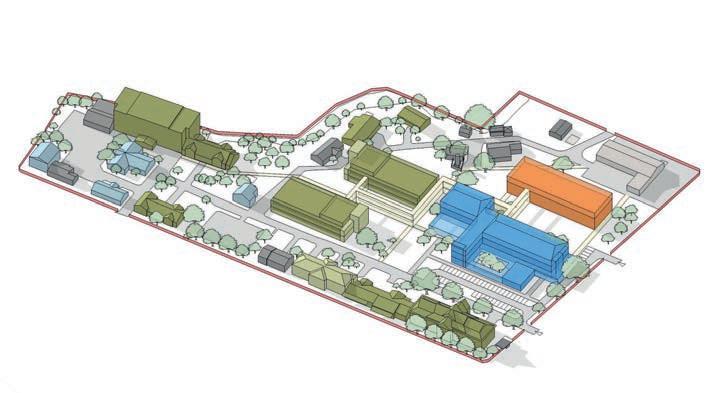
Located on the banks of the Mekong River, this hospital has been central to healthcare delivery in Laos for over a century. Originally built in 1924, the hospital has expanded gradually, resulting in more than 30 separate buildings spread across a 37,000m² site. Many of the older buildings hold heritage value, though some are in urgent need of renovation. The newer buildings vary in quality; several are poorly laid out and constructed, making them inadequate for modern healthcare provision.
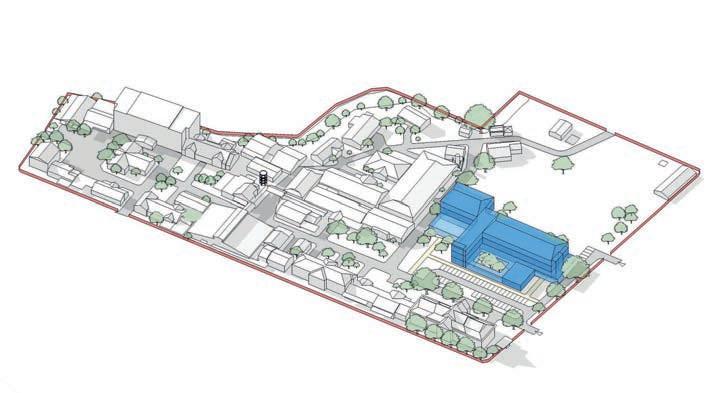
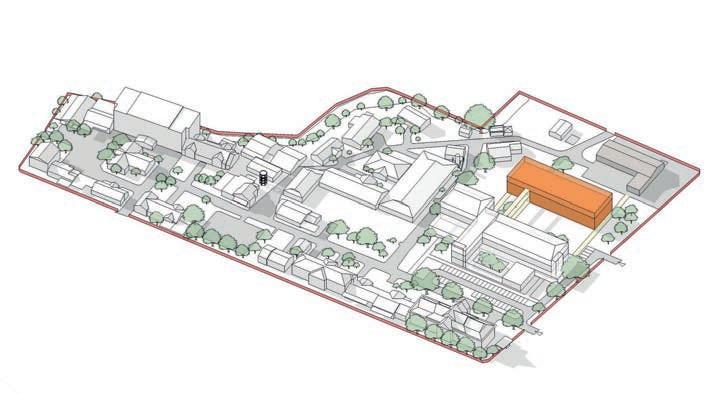
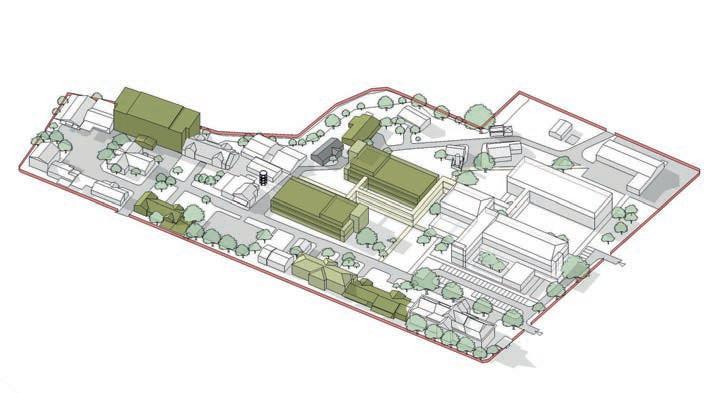
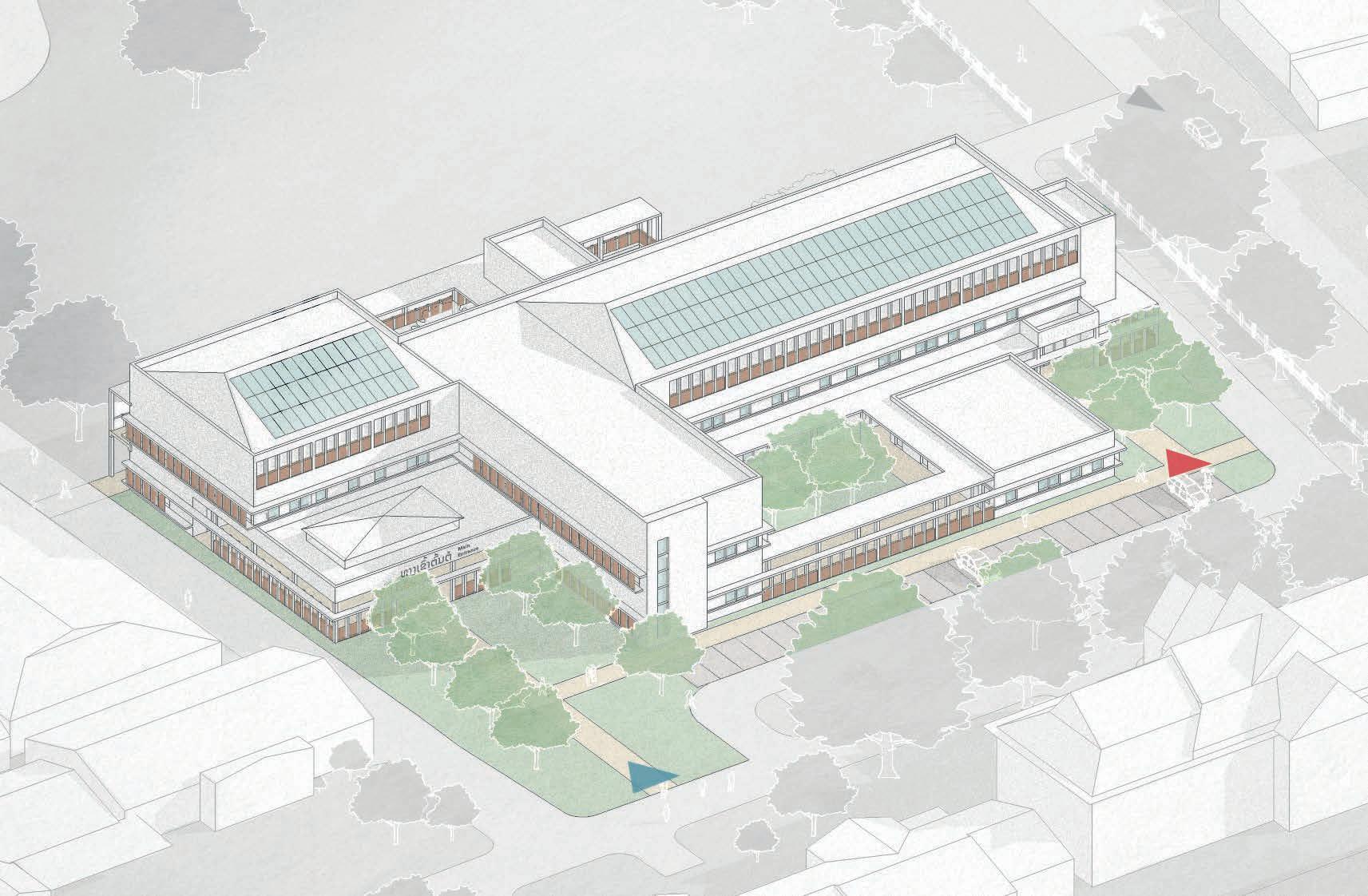
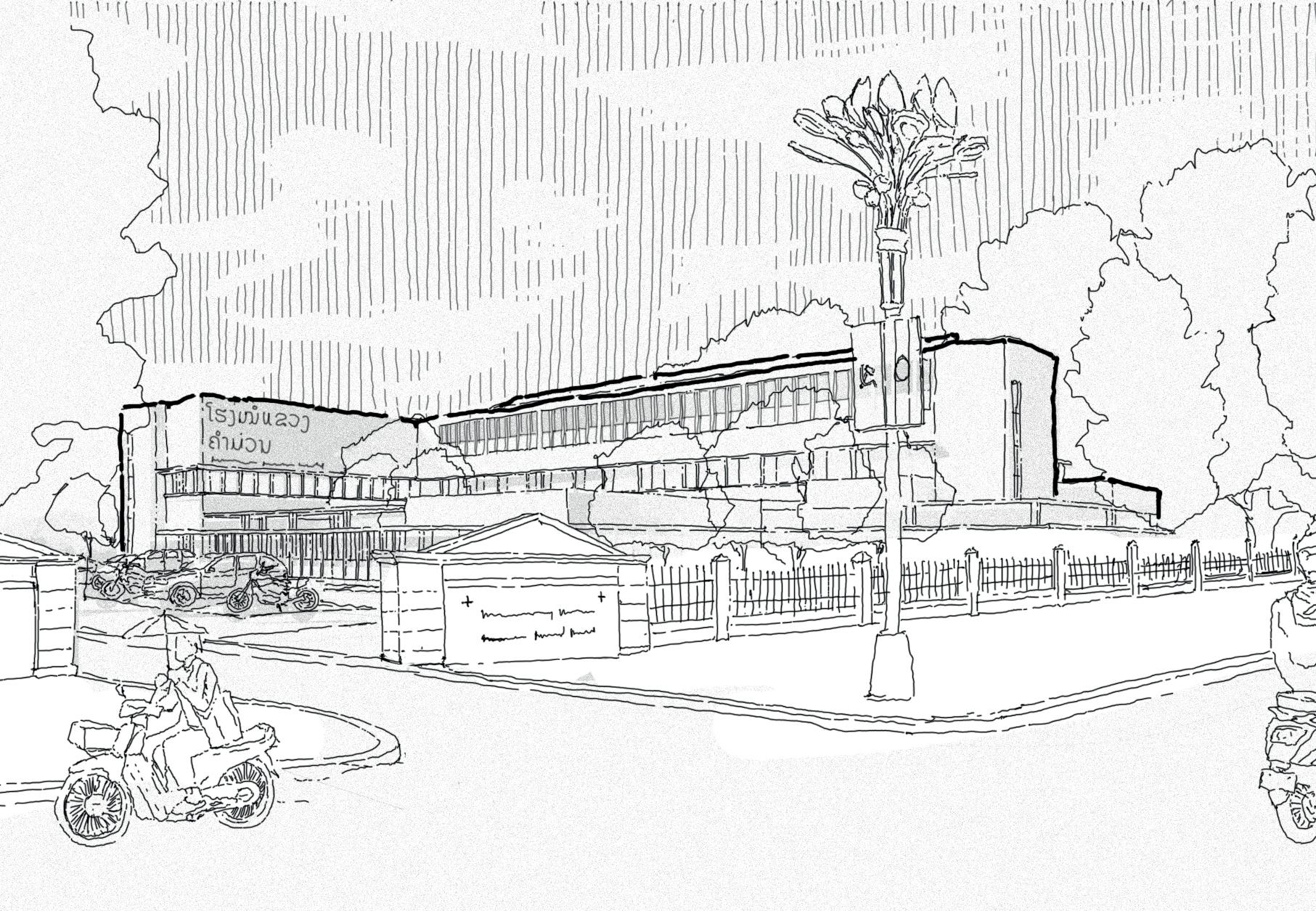
The project will consist of three key stages: an inception report and survey of the existing hospital, a masterplan charting a long term development plan for the hospital campus, and the design of a new acute care building.
Alongside a new acute care building, the masterplan identifies opportunities to reorganise the hospital campus. can
Proposals include a shaded pedestrian spine to link clinical departments, service roads to improve access, and re-purposing of historic buildings for nonclinical functions such as administration or volunteer accommodation.
By addressing both immediate clinical needs and long-term development, the project will ensure Khammouane Hospital can continue to serve its community for decades to come. The emphasis on sustainability, accessibility and adaptability means the hospital will be better equipped to respond not only to current demand but also to future challenges in healthcare delivery.
The Client is LuxDev, the Luxembourg development agency which supports international development on behalf of the Luxembourg government. The project is aprrox. 4,000sqm and has a budget of $4m. The form of appointment is a
Bespoke LuxDev Consultancy Agreement, after winning a competition for the tender of the project up until stage 4. The procurement route will be through a public tender by LuxDev, and the building contract is TBC. The design team consists of Article 25 (Architect), LCG (Surveyors) and Hoare Lea (Engineering Partner). Currently the project is at Stage 2.
Magdalene College Library
Location: Cambridge, England
Precedent Study
Queen’s University Belfast (Belfast, Northern Ireland)
Project was conducted at Queen’s University Belfast with a team of architecture students and a team of structural engineering students:
Architects: Leo Conway, Sophia Costa Kloeckner, Zoe Flemming, Jessica Garrett, Oliver Petch
Engineers: Candela Arrayas, Brendan Nethercott
We were tasked with fully disecting a precedent study building to understand how it was constructed, why it was constructed in such a way, and how did the architects and structural engineers collaborate to produce a successful project.
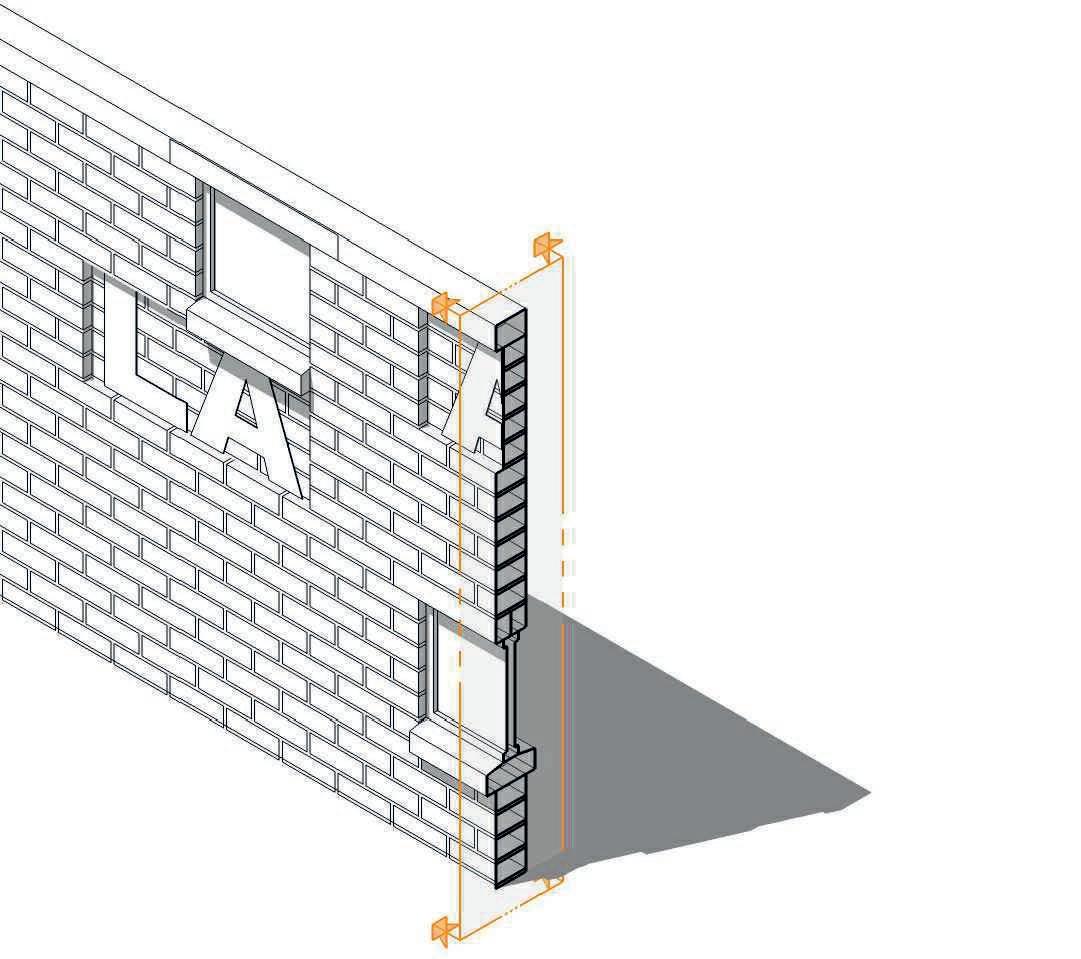
The work included here are original drawings created by myself from a refrence detail section and a photo of that portion of the building.
I also managed the production of the report including the project strategy across the team and the curation of all of the drawings into one cohesive document.
Overall, the project was successful and all of the planned outputs were produced to an acceptable standard. Despite the setback of having one less group member, the rest of the group worked well to make up the extra work as well as producing our own outputs.
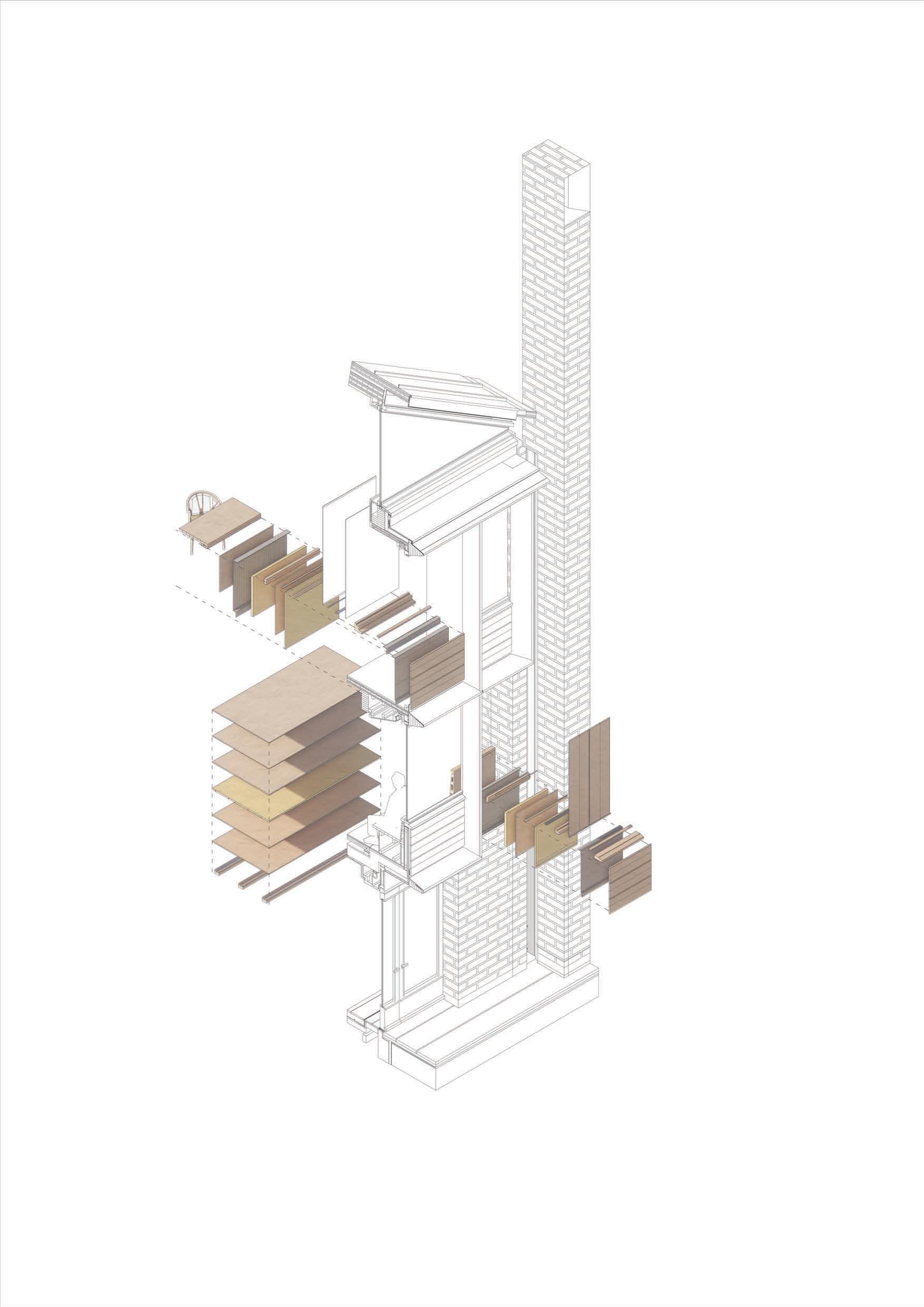
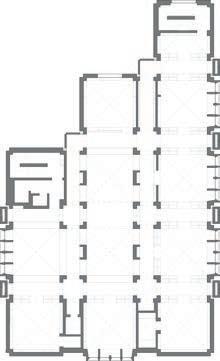
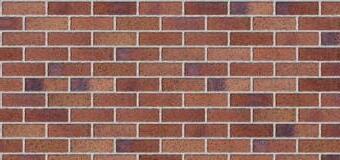
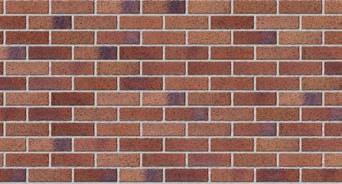
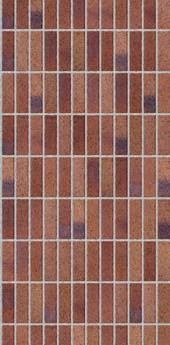
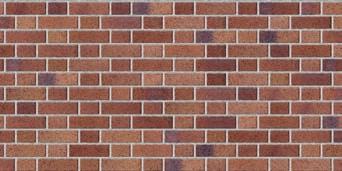
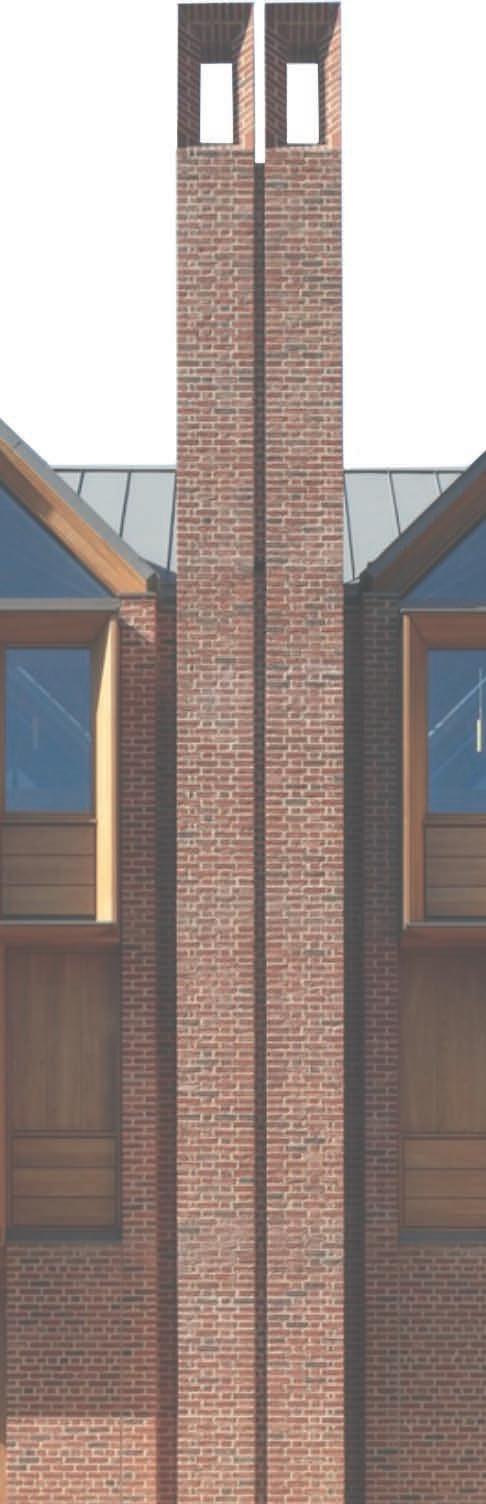
The principle envelope is made up of brick. This is in response to older buildings such as the Pepys Building surrounding the site. Careful attention was paid to the colour palette and the formation of the brick to ensure they sit uniformally amongst the more historic buildings of the College.
The bricks were handcrafted by ‘Handmade York’ relatively local to the site. They contain unique folded textures that achieve a naturally weathered look. The artisans worked closely with the architect to make a natural finish to the walls. Including, a greater ratio of mortar to brick than a modern ratio. The mortar joints are a mix of lime, cement and sand, are flush and the surface is brushed to reveal some aggregate. The variety of colour and patinas created by the kiln form a range from bright terracotta to deep, dusty, purple shades.
The walls are laid in English Garden Wall bond and the chimneys are laid in Flemish bond to reflect their load bearing nature. The different formations contribute to the strength of the columns as well as the aesthetic relationship to the other buildings. One of the challenges of the building was to make a long lasting construction, able to withstand weathering and serve multiple generations.
1. Interior Brickwork - The interior chimneys and inner leaf walls are all laid in Flemmish bond to distinguish the old from the new as you enter the building.
2. Exterior Brickwork - The exterior chimneys and outer leaf walls are laid in English Garden Wall bond. Great care was taken in choosing the type of brick for the building facade to ensure the colour, texture and even mortar ratio matched that of the surrounding historic buildings in Cambridge.
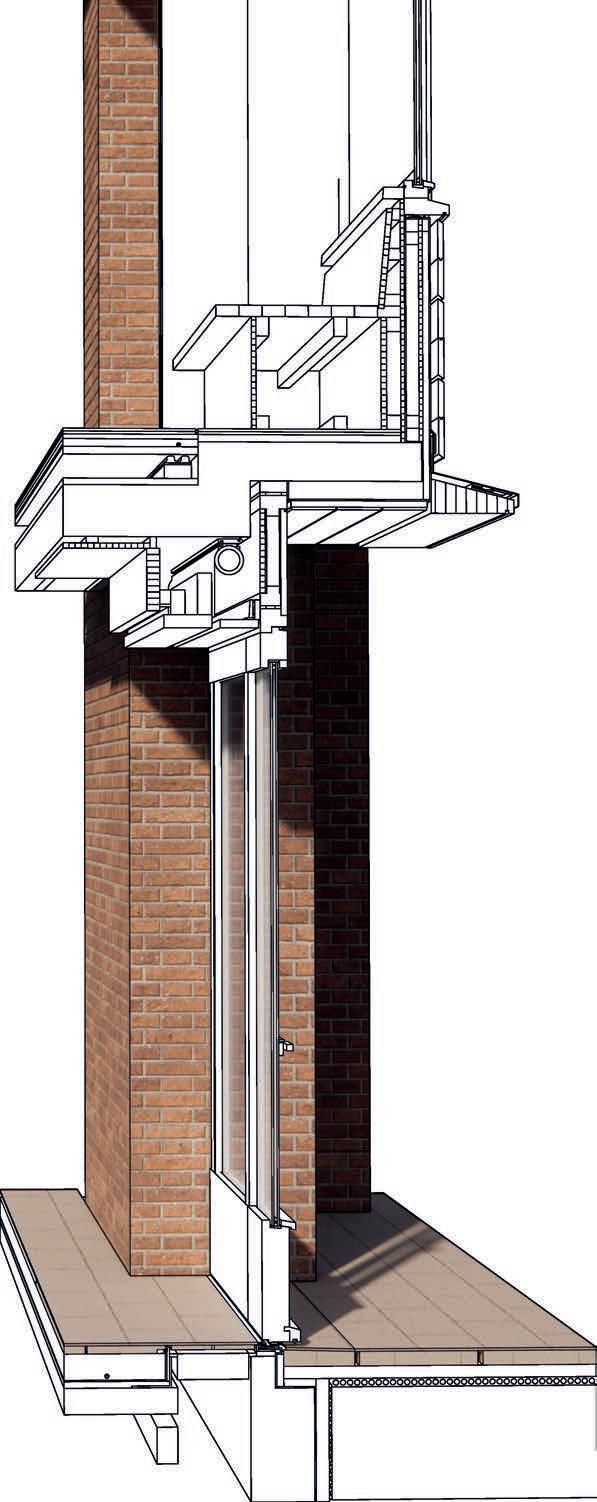
3. Continuous Paving - There has been an effort to make a continuous feeling through the threshold of the building. This is achieved by using the same type of paving both outside and inside the ground floor of the building.
Oliver Petch
Part 01 Architectural Assistant +447754816514 opetch01@qub.ac.uk