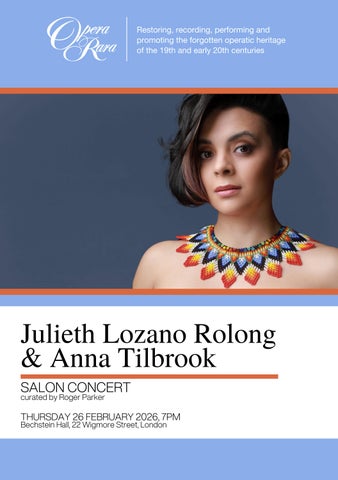

Julieth Lozano Rolong & Anna Tilbrook
SALON CONCERT
curated by Roger Parker

THURSDAY 26 FEBRUARY 2026, 7PM
Bechstein Hall, 22 Wigmore Street, London


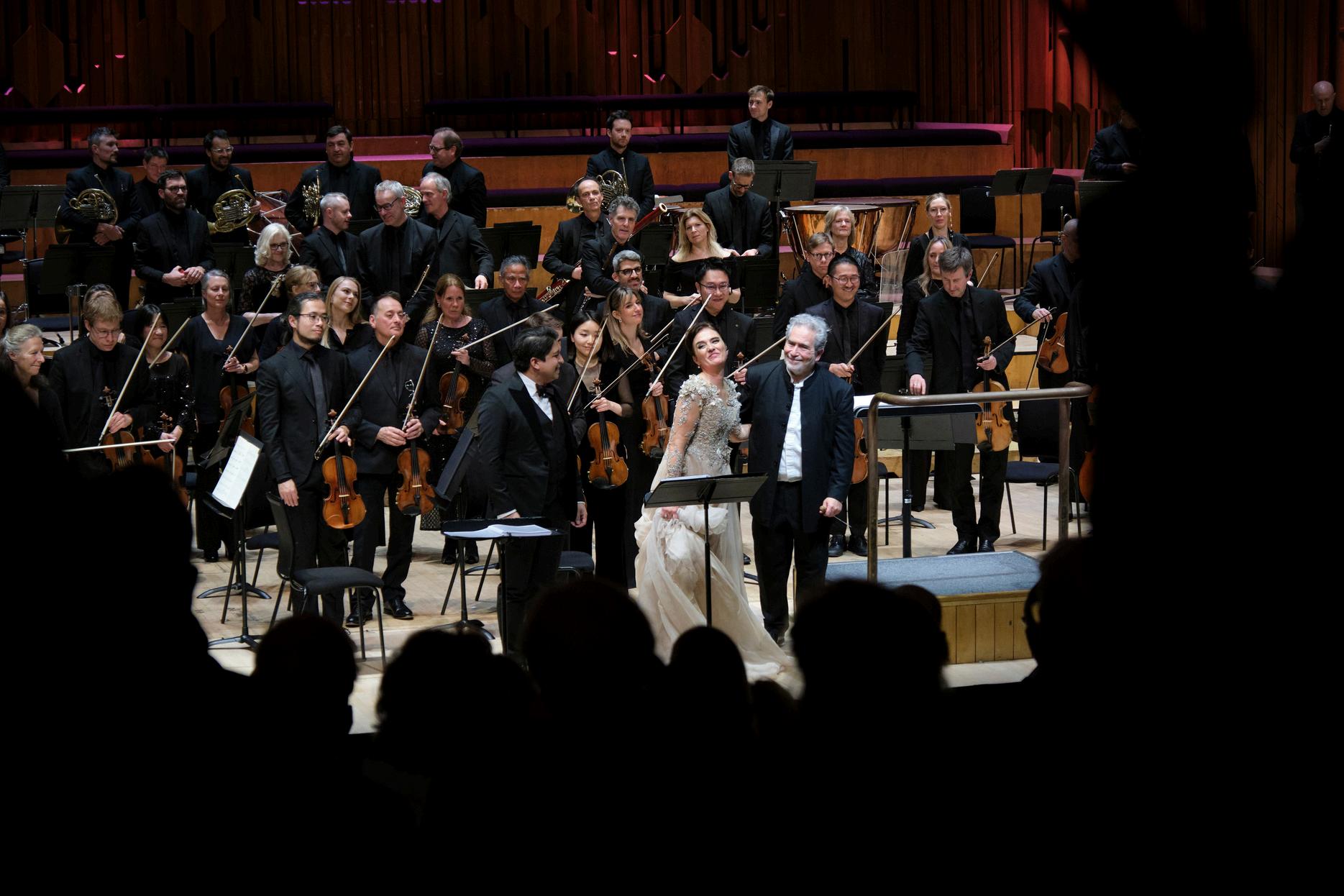


JULIETH LOZANO ROLONG ANNA TILBROOK
curated by Roger Parker
The concert will finish at approximately 8.15pm, without interval SalonConcert





We are especially grateful to the Backstage Trust, Opera
supporter, to Opera Rara’s Donizetti Syndicate, the Colw
Grants for the Arts at the London Community Foundation for
Rara’s Donizetti Song Project, as well as to His Excellency Inigo L Ambassador to the United Kingdom and Opera Rara's Donizett
We hope you enjoy tonight’s concert
Henry Little
Chief Executive Opera Rara

Programme
Composer Song
Yvette Souviron (1914-2010)
Franz Schubert (1797-1828)
Gaetano Donizetti (1797-1848)
Babi de Oliveira (1908-1993)
Franz Schubert
Modesta Bor (1926-1998)
Borja Mariño (1982-)
Lia Cimaglia Espinosa (1906-1998)
Jaime León (1921-2015)
Lia Cimaglia Espinosa
Gaetano Donizetti
Zully Murillo (1944-)
Margarita Lecuona (1910-1981)
María Grever (1885-1951)
Al banco solitario
Heimliches Lieben D 922
Julieth Lozano Rolong, soprano
Anna Tilbrook, piano
Roger Parker, curator
Poet
Yvette Souviron
Caroline Louise Hempel
Les Billets doux “Billets chéris, interprètes de l’âme”
Recomendação
Gretchen am Spinnrade Op 2 D 118
Canción de cuna para dormir a un negrito
Bola de nieve
Émile Deschamps
India Rêgo
Johann Wolfgang von Goethe
Emilio Ballagas
Dalia Alonso
Tango 70
La tunda para el negrito
Canción del chingolo
La Mère et l’enfant “Un voile blanc couvrait la terre”
Dormite
Babalú
Cuando vuelva a tu lado
Adalberto Ortiz
Fernan Silva Valdes
Auguste Richomme
Unkown
Margarita Lecuona
Maria Grever

ProgrammeNoteandTexts
Opera Rara’s Donizetti Song Project
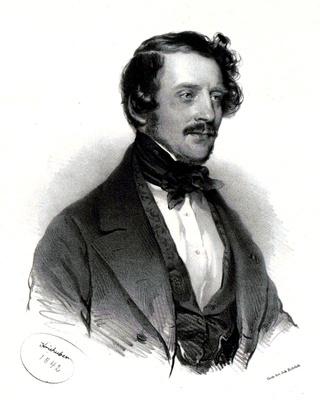
One of Opera Rara’s most ambitious projects in its more than fifty-year history is to record the complete solo songs of Gaetano Donizetti
A handful of these songs have been long known and often performed; many more were listed in specialist catalogues but very rarely if ever performed; others still were completely unknown or thought lost and have now come to light
Recent research connected with this project has made clear that, in total, Donizetti wrote some 200 solo songs over the course of his thirty-year career
Making modern editions of this vast corpus has been challenging: the songs are dispersed in European libraries and beyond, often having been casually given away at the time of composition (typically as a present to the dedicatee)
In their totality, these compositions make a powerful case for Donizetti as a key figure in nineteenth-century domestic music-making: someone whose achievements in this area deserve to be better known; a body of work that, single-handedly, makes a powerful argument for the importance of the Italian “school” in a field long dominated by German and French composers

The Donizetti Song Project is based on a new edition of the composer’s complete solo songs, concluded by Roger Parker and Ian Schofield
All Donizetti commentary, texts and translations in this programme book have been provided by Roger Parker, with additional translations from Oxford International Song Festival and Lieder.net.
For a collection of clips from the recital hall and the recording studio, visit our YouTube channel at youtube.com/@operararaofficial.
Tonight’s programme
For this programme I wanted to bring to the stage different angles of human expression, all through the lens of feminine voices We travel across many themes: from romance, infatuation, obsession, resentment and fear to nurturing, motherhood, loss, adoration and fearlessly honest communication My songs explore three main pillars: romantic love – maternal love – self love I also chose these pieces to showcase the fact that “traditional” repertoire can pair beautifully with Latin American repertoire; that, as human beings, we communicate in similar ways no matter where we come from. When it comes to relating to our basic emotions and having empathy for others, borders need not exist - Julieth Lozano Rolong
Yvette Souviron


brennen, Sichmüssentrennen,
DassdochimKussmeinWesennichtzerfließet, WennessofestandeinenMundsich
schließet, UndandeinHerz, dasniemalslautdarfwagen, Fürmichzuschlagen
Gaetano Donizetti
Billetschéris, quelesorts’accomplisse!
Disparaissezsanspitié, sanstémoins...
Ah! lestransportsdel’étrangerquim’aime, Qu’ilsn’aillentpoints’évanouirdemême!
Brûlez, brûlez! gagesd’amours, Maisdanssoncoeurviveztoujours!
Babi de Oliveira

Gretchen am Spinnrade Op.2, D.118
Meine Ruh ist hin,
Mein Herz ist schwer, Ich finde sie nimmer
Und nimmermehr
Wo ich ihn nicht hab,
Ist mir das Grab, Die ganze Welt
Ist mir vergällt
Mein armer Kopf
Ist mir verrückt,
Mein armer Sinn
Ist mir zerstückt
Meine Ruh ist hin,
Mein Herz ist schwer, Ich finde sie nimmer
Und nimmermehr
Nach ihm nur schau ich
Zum Fenster hinaus,
Nach ihm nur geh ich
Aus dem Haus
Sein hoher Gang,
Sein’ edle Gestalt,
Seines Mundes Lächeln,
Seiner Augen Gewalt,
Und seiner Rede
Zauberfluss,
Sein Händedruck, Und ach, sein Kuss!
Gretchen at the Spinning Wheel
I have lost my peace of mind,
My heart is heavy,
I will never find it,
Never again
Where I do not have him
Is the grave for me,
The whole world
Has turned as bitter as gall for me
My poor head
Seems crazy to me,
My poor mind
Seems shattered to me
I have lost my peace of mind,
My heart is heavy,
I will never find it,
Never again
I only look for him
As I look out of the window,
I only go for him
When I leave the house
His majestic walk,
His noble form,
The way his mouth smiles
The power of his eyes,
And his way of speaking –
Magical river –
The pressure of his hand,
And, oh, his kiss!
Meine Ruh ist hin, Mein Herz ist schwer,
Ich finde sie nimmer Und nimmermehr
Mein Busen drängt
Sich nach ihm hin,
Ach dürft’ ich fassen Und halten ihn,
Und küssen ihn, So wie ich wollt’ ,
An seinen Küssen Vergehen sollt’
I have lost my peace of mind, My heart is heavy, I will never find it, Never again
My breast pushes Itself towards him. Oh if only I could get hold of him And hold on to him
And kiss him, Just as I would like to,
His kisses causing me
To pass away!


Canción de cuna para dormir a un negrito
Dórmiti, mi nengre,
dórmiti, ningrito
Caimito y merengue, merengue y caimito.
Dórmiti, mi nengre, mi nengre bonito.
¡Diente de merengue, bemba de caimito!
Cuando tú sea glandi va a sé bosiador
Nengre de mi vida, nengre de mi amor
Borja Mariño
Bola de nieve
Entonces la nieve y la melodía
Caían sobre mi falda de tafetán gris
Como una aurora de manos heladas
Eran los últimos días de diciembre
Y cantabas: tu voz nacía
Como un elixir de colores brillantes,
Un beso de exuberante cristal
Que no alcanzábamos a comprender
Ahora que un manto blanco de nuevo
Cubre el dintel del viejo café,
Y tu recuerdo apenas revolotea,
Los copos de nieve caen sin gracia
Me pregunto, mi amor,
Si acaso has olvidado esas canciones,
O vive aún la joya en tu garganta
Lullaby for the little black boy
Sleep my black boy,
Sleep my sweet boy
My fruit, my meregue,
Merengue, fruit.
Sleep my baby,
My beautiful boy.
With teeth like merengue,
And mouth of fruits!
When you grow up
You will be a boxer
Black boy of my life, Black boy of my love
Snowball
And then, snow and melody
Fell onto my grey skirt
Like a ray of sun in cold hands
It was the last days of December
You were singing: your voice was being born
As an elixir of bright colours,
A crystal exuberant kiss
That we could not understand
Now that a new white cloth
Covers the old coffee shop,
And your memory starts to flutter,
Snowflakes fall without grace
And I ask myself, my love,
Have you forgotten those songs,
Or is the jewel still alive in your throat

La tunda para el negrito
Pórtate bien, mi morito, pa ´ que yo te dé café
Porque si viene la tunda , la tunda te va a cogé´!
No te escondas, mi negrito, que ya te voy a buscá´ ,
Y si la tunda te encuentra, la tunda te va a entundá.
Pa´ duro te voy criando, y no pa ´ flojo, ¿sabé´?
Y si te agarra la tunda , la tunda te va a mordé´
No quiero que seas un bruto, sino que sepas leé´
Que si te coge la tunda , la tunda te va a comé´ .
Y no te dejes de naide, respétame solo a mí, Porque ya viene la tunda , la tunda ya va a vení´
Echáte pronto en tu magua , que no te voy a pegá´
¡Huy! ¡que ya llega la tunda! la tunda ya va a llegá´

Canción del chingolo
Pobre chingolito, vidalitay, lo tomé del suelo
No podía volar, vidalitay, porque estaba enfermo
Con mi mano grande, vidalitay, con mi mano ruda
Le hice una caricia, vidalitay, por sobre las plumas
No teniendo jaula, vidalitay, en donde ponerlo
Lo eché en la guitarra, vidalitay, y se quedó quieto
Bitibio bio vidalitay, a la media noche
Bitibio bio vidalitay, lo oímos cantar
Pero al otro día, vidalitay, lo encontramos muerto
Pobre chingolito, vidalitay
Y hoy mi guitarra, vidalitay, Tiene nueva voz
La del chingolito, vidalitay, que en ella murió
Song of the little bird
Poor little bird, I found him on the floor
He couldn’t fly because he was sick
With my big hand, my rough hand
I caressed it over the feathers
I didn’t have a cage where to put him
So I put him inside my guitar and it stayed still
Pipipipi at midnight
Pipipipi we could hear him sing
But the next day we found him dead
Poor little bird
And today, my guitar has a new voice
The one of the little bird that died inside of her

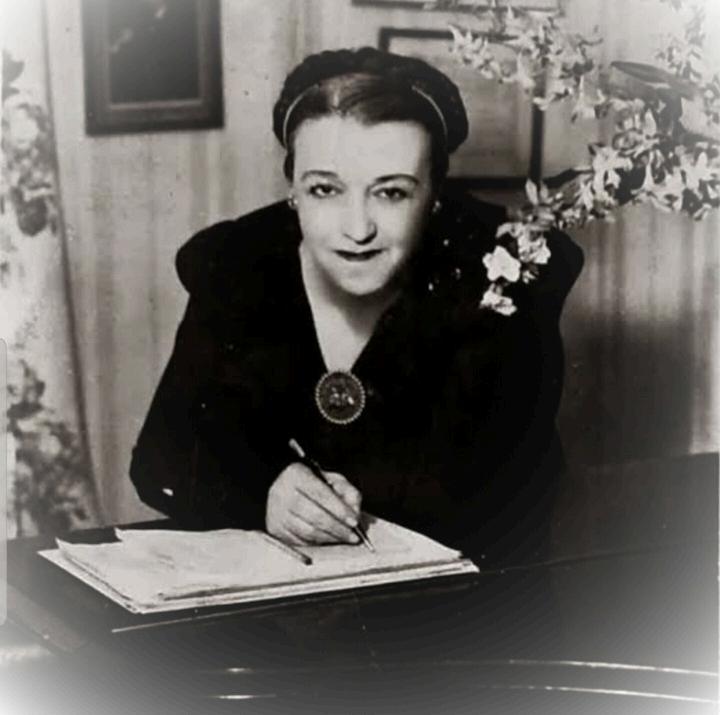
María Grever
1885-1951
“Iaminterestedinjazzandmodernrhythms, butaboveall,inMexicanmusic,whichIlongto presenttotheAmericanpeople.Iamafraidtheydon't knowmuchaboutit...Itismywishandyearningto presentthenativerhythmsandtunes(ofMexico) fromarealperspective,butwiththenecessary flexibilitytoappealtotheuniversalaudience.”
-María Grever



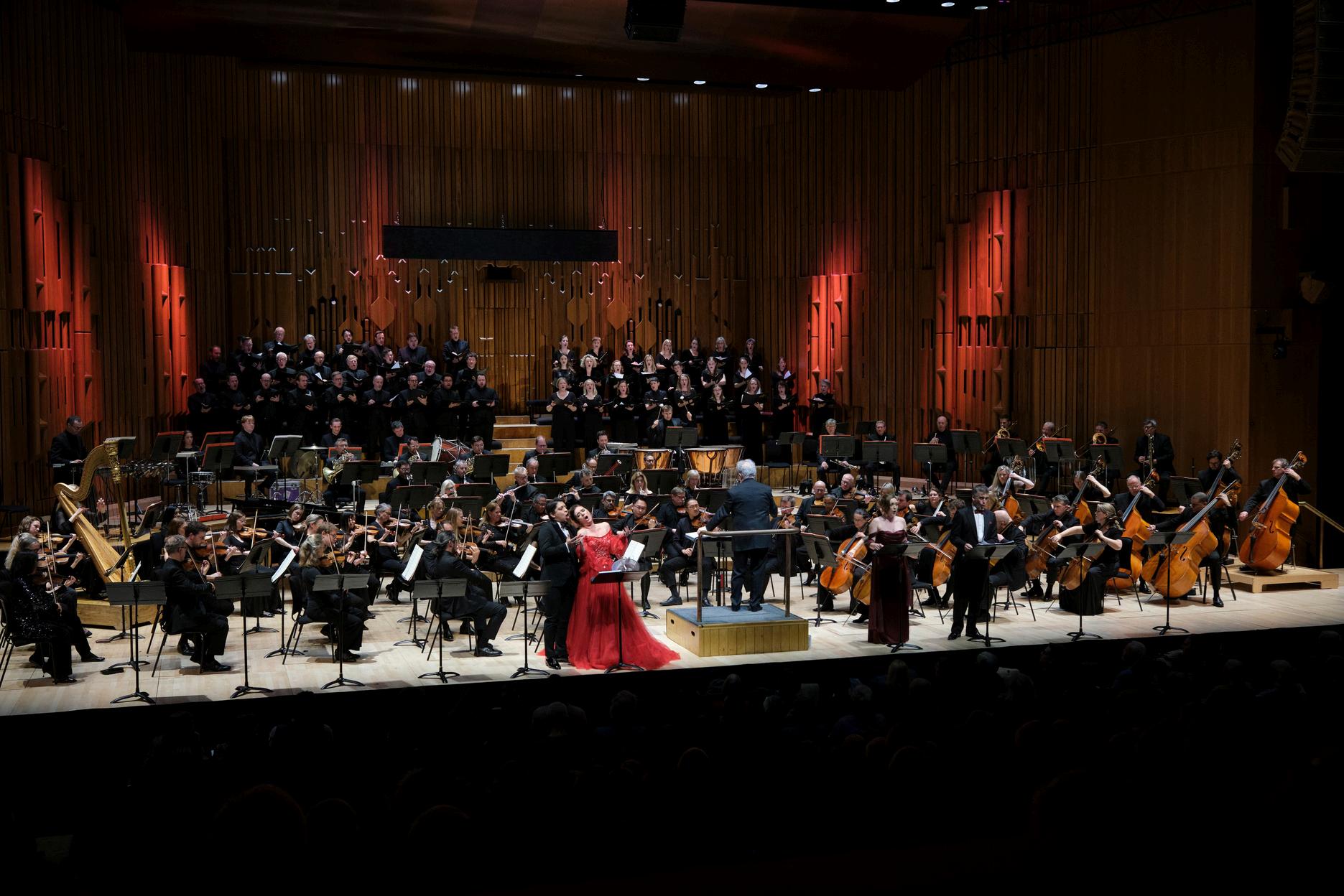

A night over 100 years in the making. Puccini’s final 1921 version of Larondine

“Rizzi’sentirelypersuasivemannerofinterpreting Puccini’smusic–theequalofthatofanyconductorof ourtime…Allinallanoutstandingeveningandone ofgenuineimportanceinthehistoryofoperaitself.” OPERA MAGAZINE

This June, hear new songs by Donizetti at Wigmore Hall.
Praised internationally for his commanding stage presence and vocal artistry, Italian bass-baritone
Nicola Alaimo makes a welcome appearance at Wigmore Hall in a programme that brings together the wit, elegance and lyricism of early 19th-century Italian song
Joined by pianist and Opera Rara’s Artistic Director Carlo Rizzi, with appearances by cellist Hetty Snell, Alaimo explores the rarely heard world of Donizetti’s solo songs alongside works by Rossini, Bellini, and Mercadante The recital highlights the ingenuity and invention of composers best known for their operatic triumphs, yet whose songs are often neglected
Tuesday 16 June | 1.00PM
Nicola Alaimo bass-baritone Carlo Rizzi piano with Hetty Snell cello Learn more at opera-rara.com/events tickets are on sale now!

La Mère et l’enfant “Un voile
blanc couvrait la terre”
Un voile blanc couvrait la terre,
La neige en gros flocons tombait,
Et retenu dans sa carrière
Captif le torrent s’arrêtait;
L’hiver partout désolait la nature:
On dit qu’alors dans sa mansarde obscure
Une mère pleurait
Et, la mort dans le sein, disait:
Du pain, du pain, oh! s’il vous plaît du pain!
Mon pauvre enfant se meurt de faim!
Pour t’épargner des maux horribles,
Rien au monde ne m’a coûté:
Le travail, les veillées pénibles
Ont, hélas! détruit ma santé
L’âme brisée et voyant ta souffrance,
J’ai des passans mendié l’assistance
Oui, pour toi, mon enfant,
Oui, j’ai tendu la main, disant:
Du pain, du pain, oh! s’il vous plaît, du pain!
Mon pauvre enfant se meurt de faim!
Ici personne pour m’entendre!
Mes cris, mes maux, sont superflus;
Ah! jusqu’à demain s’il faut attendre
Ni lui, ni moi ne seront plus;
Du pain mon enfant se meurt de faim
Ah! mon enfant est mort, est mort de faim
The Mother and the Child “A white veil covered the earth”
A white veil covered the earth,
The snow fell in large flakes,
And, held back in its captive course,
The torrent stopped;
Winter left nature desolate everywhere:
It was then, in a dark attic,
That a mother was heard weeping
And, with death in her bosom, say:
Somebread, somebread! oh please, somebread!
My poor child is starving to death!
To spare you these horrible misfortunes,
There was nothing I didn’t try:
Work, painful vigils
Have, alas! destroyed my health
With a broken spirit, and seeing your suffering,
I have begged passers-by for assistance
Yes, for you, my child, I have held out my hand, saying:
Somebread, somebread! oh please, somebread!
My poor child is starving to death!
There’s no one to hear me!
My cries, my sufferings, are useless;
Ah! if I have to wait until tomorrow
Neither he nor I will survive;
Some bread my child is starving to death
Ah! my child is dead, dead from hunger

Dormite
Hace un ratote que canto y no logro
adormecerte
Porque grandotes tenés esos ojos y tarda pa' que se cierren
Dormite por Dios dormite y hacele caso a tu mama
Mi tía ya me contó que siendo vos tan chiquito
En un pris pras te soltaste la mano para ir
gateando hasta el río
Que destapaste un canasto ay oi oe!
Y juntaste con la ropa todo el arroz, el pescao y el revuerto
Que ella le iba a echa' a la sopa
Dormite, por Dios dormite hacele caso a tu mama
Yo no voy a llamar al coco mmm ni al diablo pa' que te asuste
Lo que quiero es que sonrías mi negrito lindo y tus pestañas se junten
Claro que pa' que se junten, oíme pues
Falta como medio rato
Dormite por Dios dormite, mañana tengo trabajo
De ir a la mina, cortar leña, sembrar, recoger racimo'
Pescar y luego de ir a vende' al mercado, caramba
Yo estoy cansada mi niño.
Eh! Al fin cerraste los ojos ahora dormí hasta mañana
Yo sé que vos me entendiste vos sos un rey pa' tu mam.
Go to sleep
It has been a while since I started singing and you still don’t fall asleep
Because your eyes are so big and take long to close
Sleep please sleep and listen to your mother
My auntie told me that even being so tiny,
You quickly let go of her hand and went crawling to the river
That you opened a big pot ay!
That you mixed the rice and the fish and everything
The things she wanted to put in the soup
Sleep please sleep, listen to your mother
I won’t be calling the “coco” or the “devil” to
scare you
I just want you to smile my beautiful black
boy and let your eyelids close
But yes for them to close there is still a while
Sleep please sleep I have to work
tomorrow
I’ll go to the mine, chop some wood, cultivate and bring the produce
I’ll have to fish and then sell it in the market,
My boy, I am exhausted.
Ha! You finally closed your eyes now sleep
until tomorrow
I know you understood me my sweet boy
For me, you are a king.

María Grever

JuliethLozanoRolong
Generously supported by
Opera Rara Artist Benefactor
Sara Naudi
2023 winner of the Dame Kiri te Kanawa audience prize in Cardiff Singer of the
World and 2018 recipient of the
President’s award given by HM The King.
Cultural change-maker, her expressive,
warm, rich, velvet-toned soprano voice
paired with a vivacious, uniquely
personality filled performance has hailed
her as one of the most promising
emerging stars of her generation From a
popular neighbourhood in Bogotá to the
biggest opera houses in the world, Julieth
is committed to sharing her roots and bring a new perspective to what it means
to be a singer
She has performed at WNO, ENO, Glyndebourne, RBO and Scottish Opera, Grand Theatre of Geneve, Verbier Festival, Estonian Opera, Cairo Opera and Dubai Opera among others, with an exciting vibrant schedule of recitals around the world.
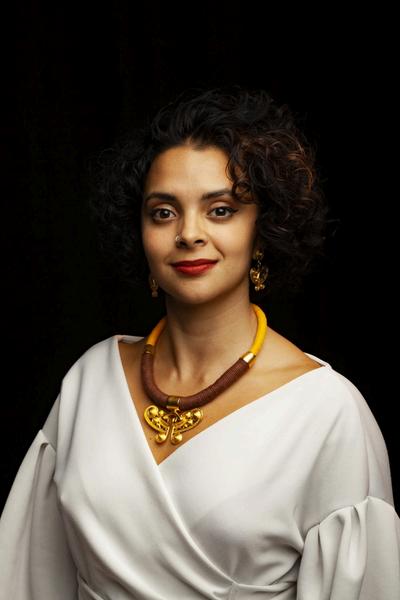
Highlights of her Opera repertoire roles are: Musetta/Mimì (La Bohème), Vixen (The Cunning Little Vixen), Zerlina (Don Giovanni), Norina (Don Pasquale) and Despina (Così fan tutte) Most recently, she has performed the role of Katsushika Ōi in the World Premiere of Dai Fujikura and Harry Ross's The Great Wave at Scottish Opera
Julieth made her Opera Rara debut in the recording and performance of Puccini’s final, 1921 version of La rondine earlier this season.


Anna Tilbrook has been a regular
artist at all the major concert halls and festivals since her debut at the Wigmore Hall in 1999 and frequently broadcasts for Radio 3
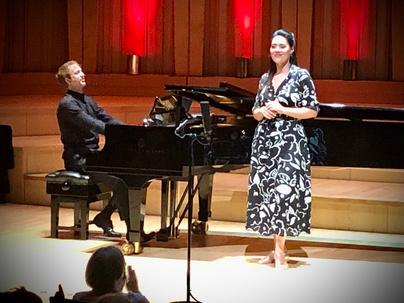
She has collaborated with many leading singers and instrumentalists including Lucy Crowe, James Gilchrist, Ian Bostridge, Mary Bevan, Sophie Bevan, Barbara Hannigan, Sir John Tomlinson, Sir Willard White, Roderick Williams Matthew Rose, Nicholas Daniel, Michael Collins, Natalie Clein, Philip Dukes, Jack Liebeck, Pavel Šporcl, Elise Båtnes,

RogerParker

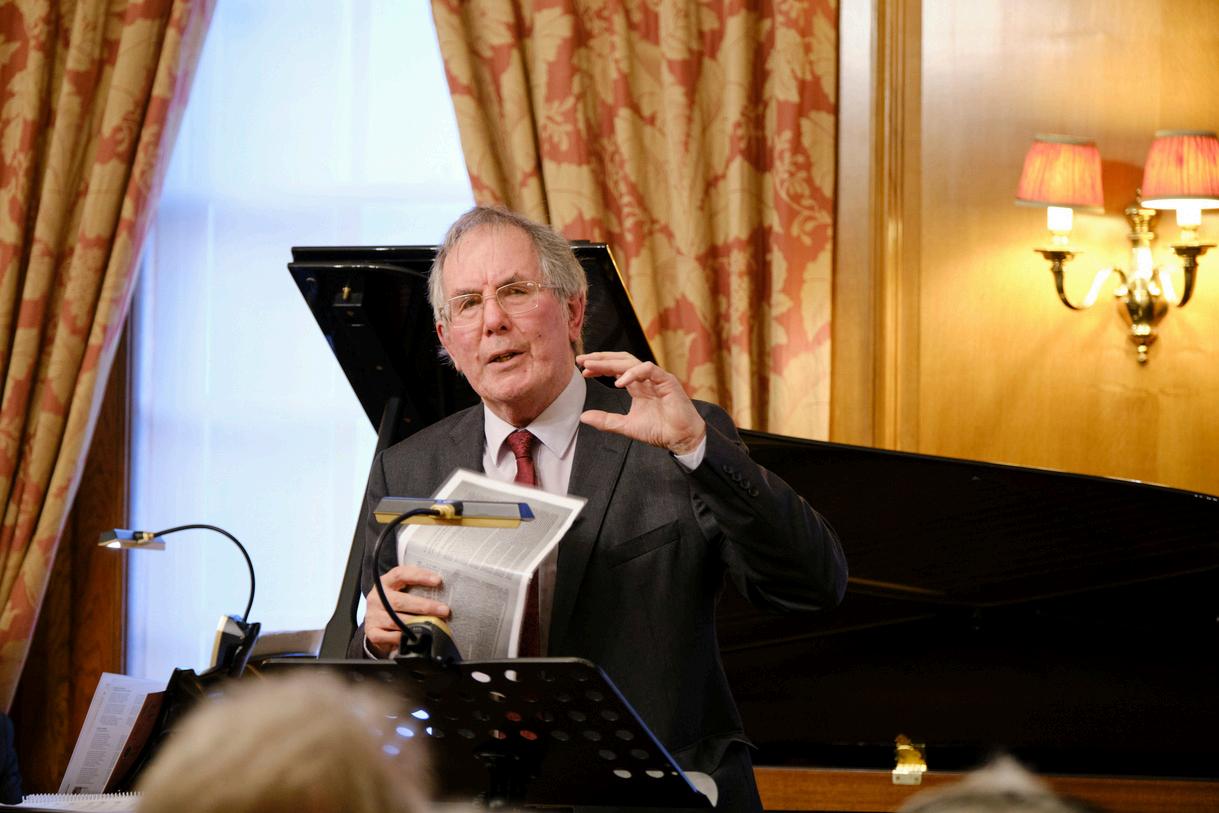
Roger Parker is Professor Emeritus
at King's College London. He studied at the University of London, first at Goldsmiths College, then at King’s College In 1982 he moved to Cornell
University in upstate New York where he was Assistant Professor and then Associate Professor In 1994 he returned to England to become a Lecturer in Music (later Professor) and Fellow of St Hugh’s College, Oxford. In 1999 he became Professor of Music at Cambridge, where he was a Fellow of St John’s College and (in 2005-6) Chair of the School of Arts and Humanities
In 2002 he was the Visiting Ernest Bloch Lecturer at the University of California, Berkeley; in 2007 he was a visiting scholar at the Institute for Advanced Study at
Princeton From 2006 to 2010 he delivered four series of free public lectures as Professor of Music at Gresham College.
For many years Roger’s work has centred on opera, in particular Italian opera of the 19th century For ten years he was founding co-editor of the Cambridge Opera Journal, and he continues as General Editor of the Donizetti Critical Edition
He received the Premio Giuseppe Verdi in 1986, was a Guggenheim Fellow in 1986-7, in 1991 was awarded the Dent Medal of the Royal Musical Association and in 2008 was elected a Fellow of the British Academy
Roger writes regular reviews for Opera magazine, has written numerous programme books for the major opera houses (Royal Opera, ENO, Glyndebourne) and appears often on BBC Radio 3
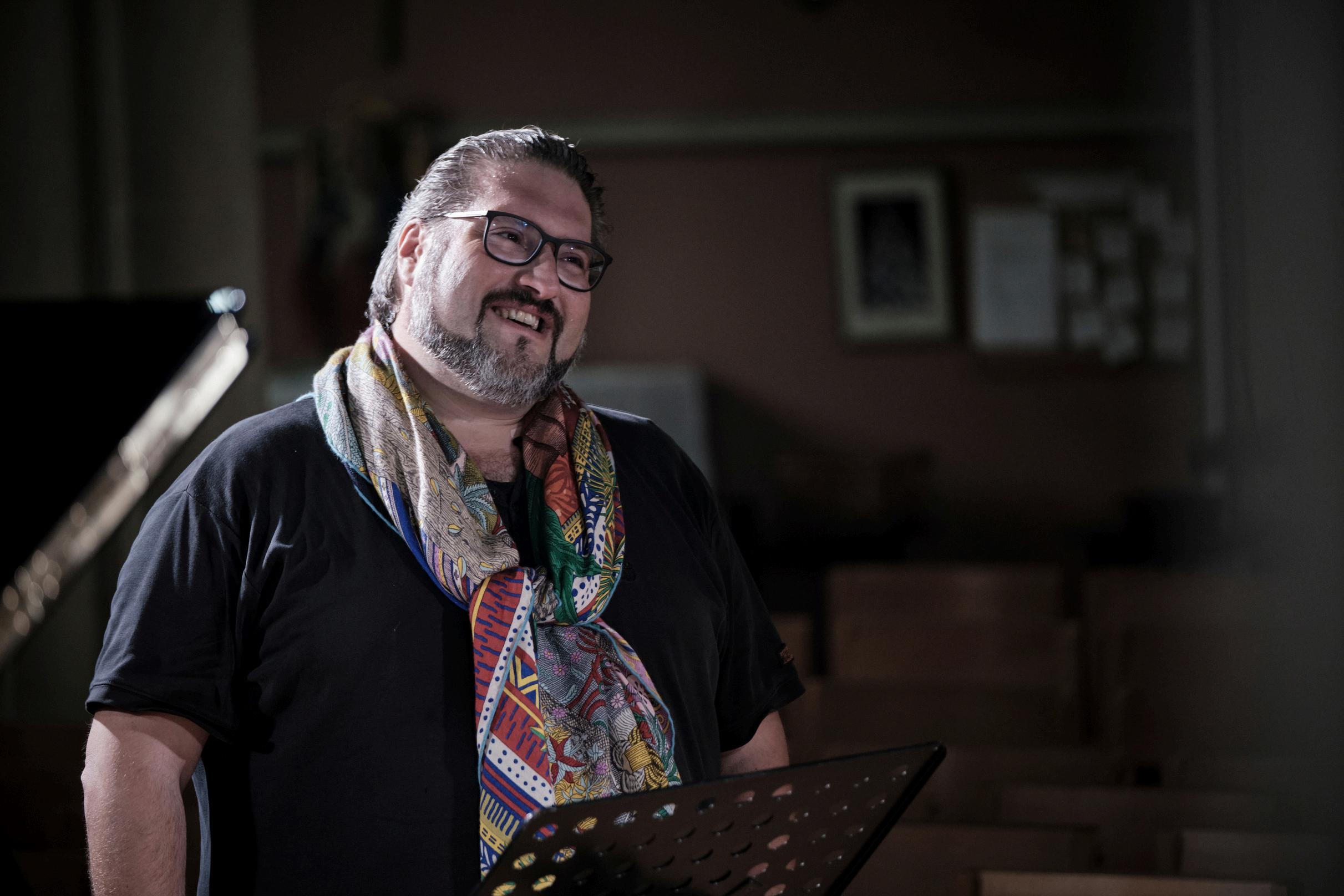
Roger Parker is Opera Rara's Repertoire Consultant. He has overseen the creation of several performing editions for Opera Rara, with recent titles including Il Paria by Donizetti, Il proscritto by Mercadante, and L’esule di Roma by Donizetti He is also the editor of Opera Rara’s most recent complete opera recording, the 1857 version of Verdi’s Simon Boccanegra, and he has discovered and edited nearly 200 solo songs by Donizetti, forming Opera Rara’s Donizetti Song Project.


By remembering Opera Rara in your will.

AboutOperaRara

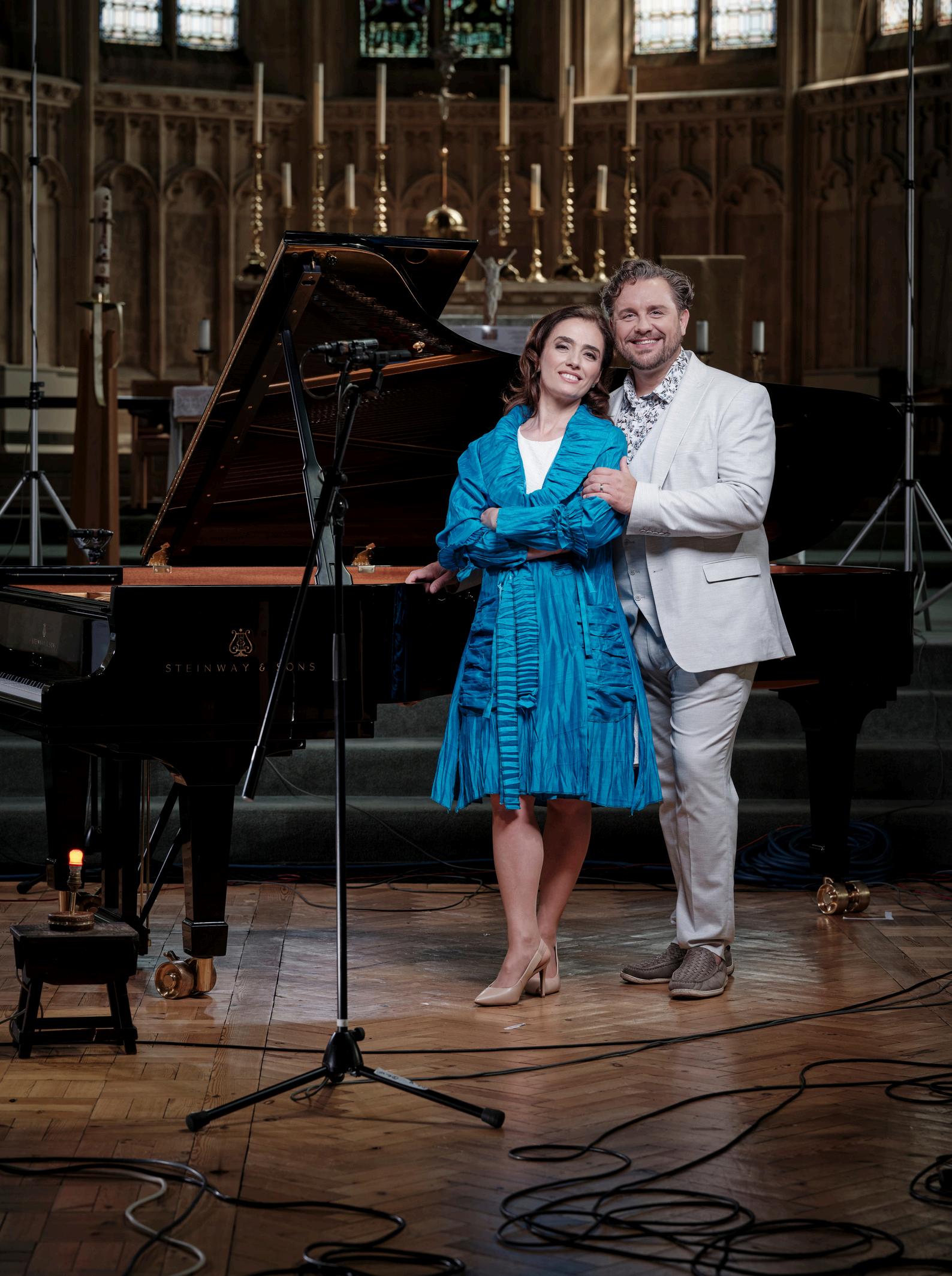
OperaRara’sTrustees, PatronsandStaff
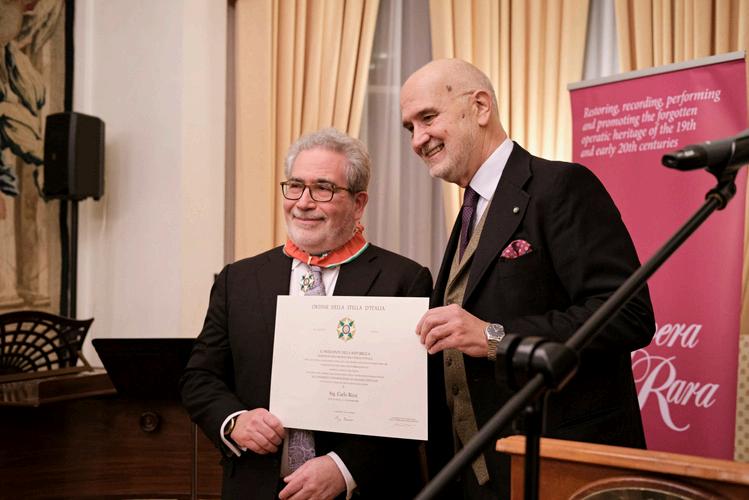
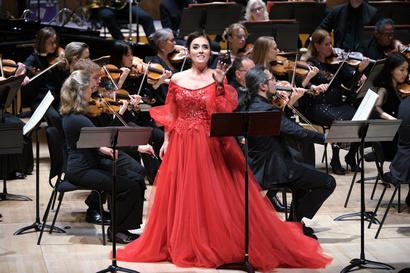

OperaRara’sSupporters
THANK YOU!
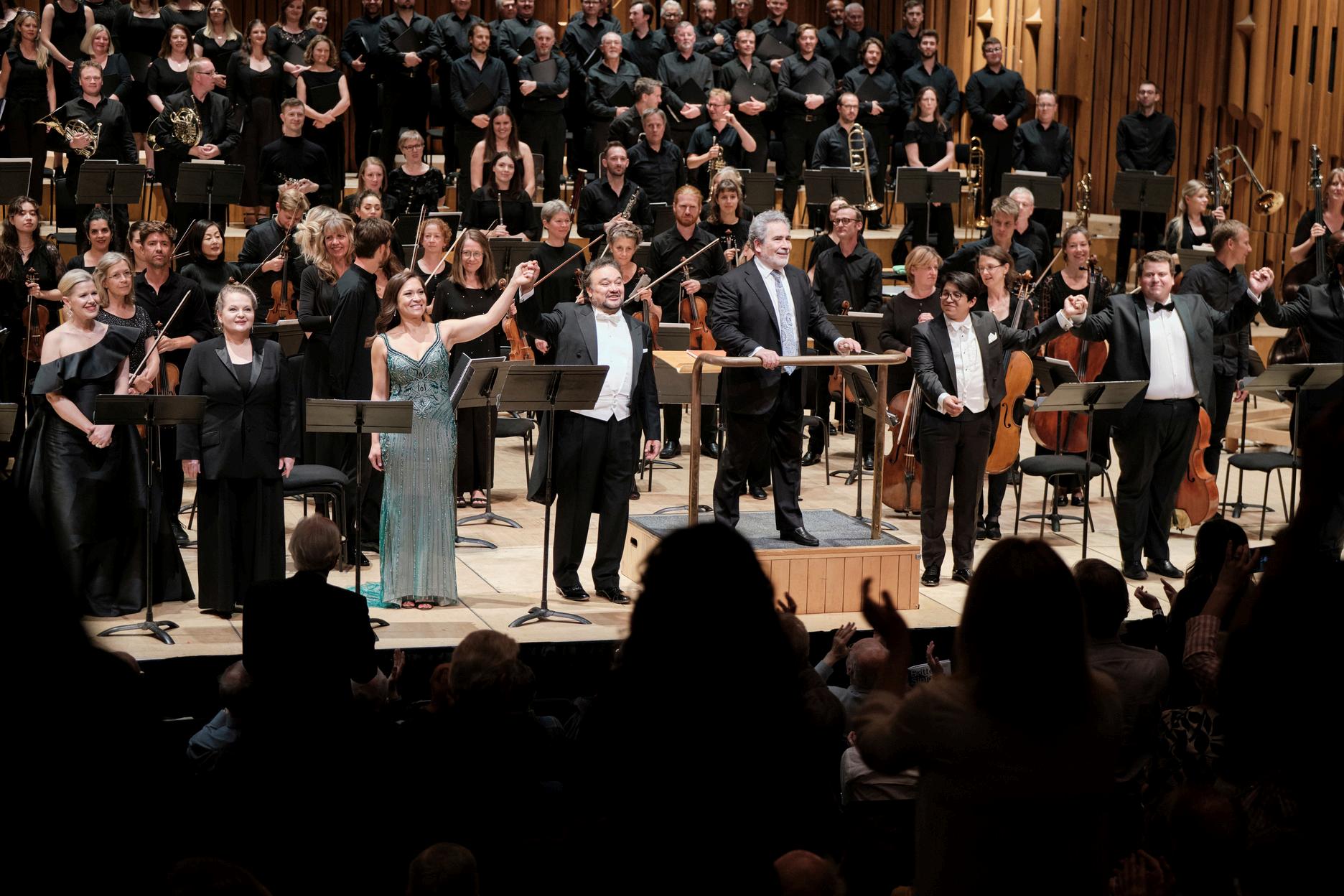
Opera Rara’s work is only made possible by the generosity of our supporters, who believe in our mission to restore, record, perform and promote the forgotten operatic heritage of the nineteenth and early twentieth centuries. We would like to take this opportunity to thank those individuals and foundations who have made a gift to our Annual Fund* Your continued support is vital to our success
A full list of Opera Rara’s current Annual Fund supporters can be found at: www opera-rara com/list-of-supporters

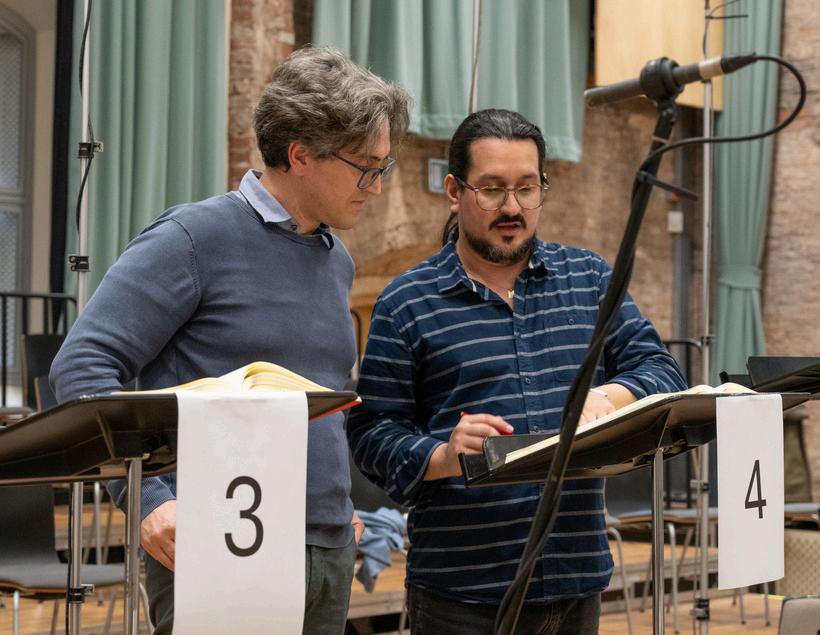






Donizetti duos you won’t want to miss.
Thursday 23 April | 7PM
Bechstein Hall Marylebone
Soraya Mafi soprano Robert Lewis tenor Anna Tilbrook piano
Opera Rara’s final Salon Series recital of its
55th season sees British tenor Robert
Lewis join forces with British-Iranian
soprano Soraya Mafi. They will be accompanied once again by the series’
featured collaborator and pianist Anna Tilbrook in a programme of bel canto bliss
Exploring more of the nearly 200 recently discovered songs by Gaetano Donizetti, the programme will also include duets by
Donizetti that have not been heard for nearly 200 years. Join us at Bechstein Hall for this rare chance to hear recently discovered music by one of opera’s greatest composers Tickets: £35