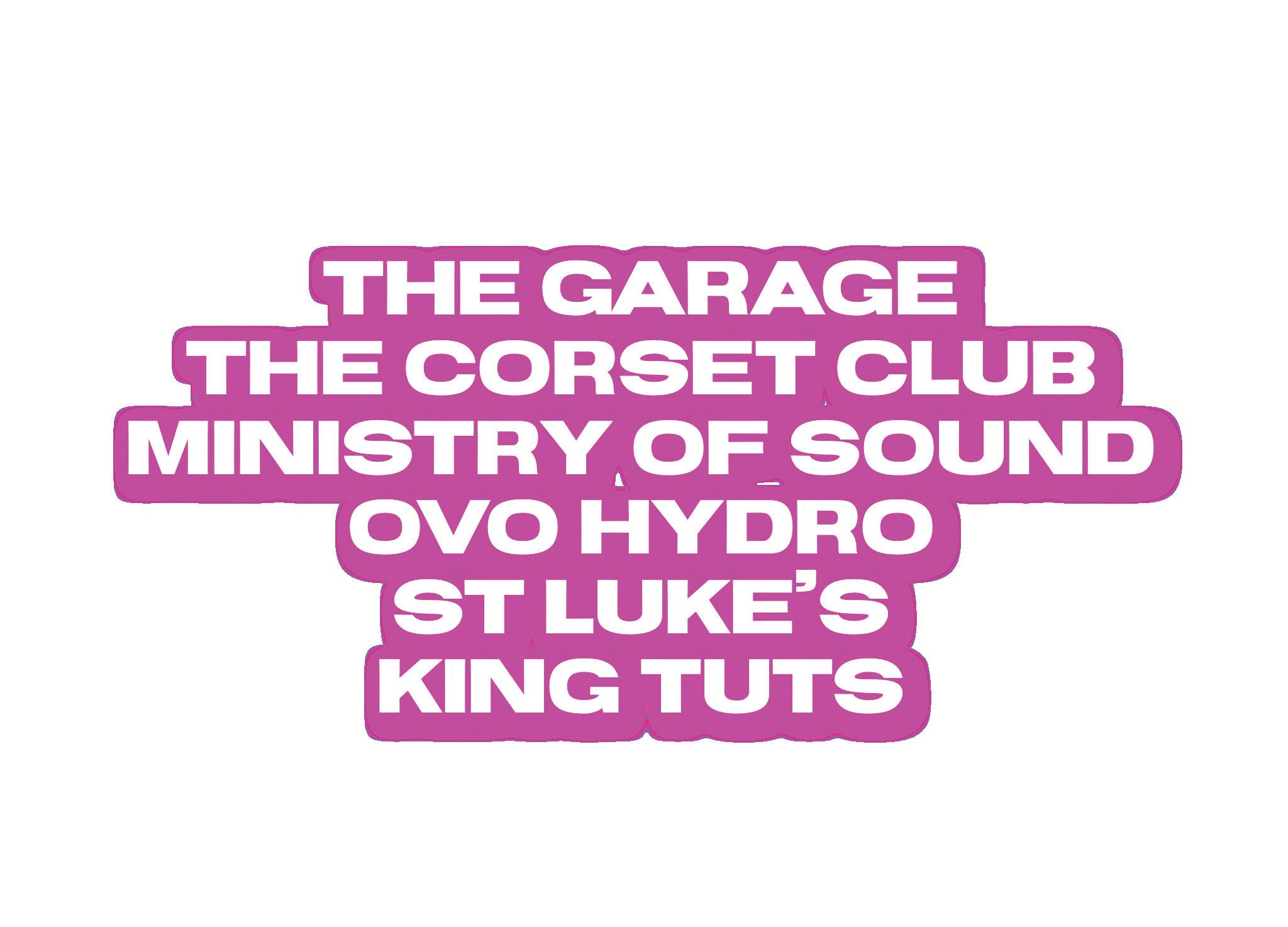
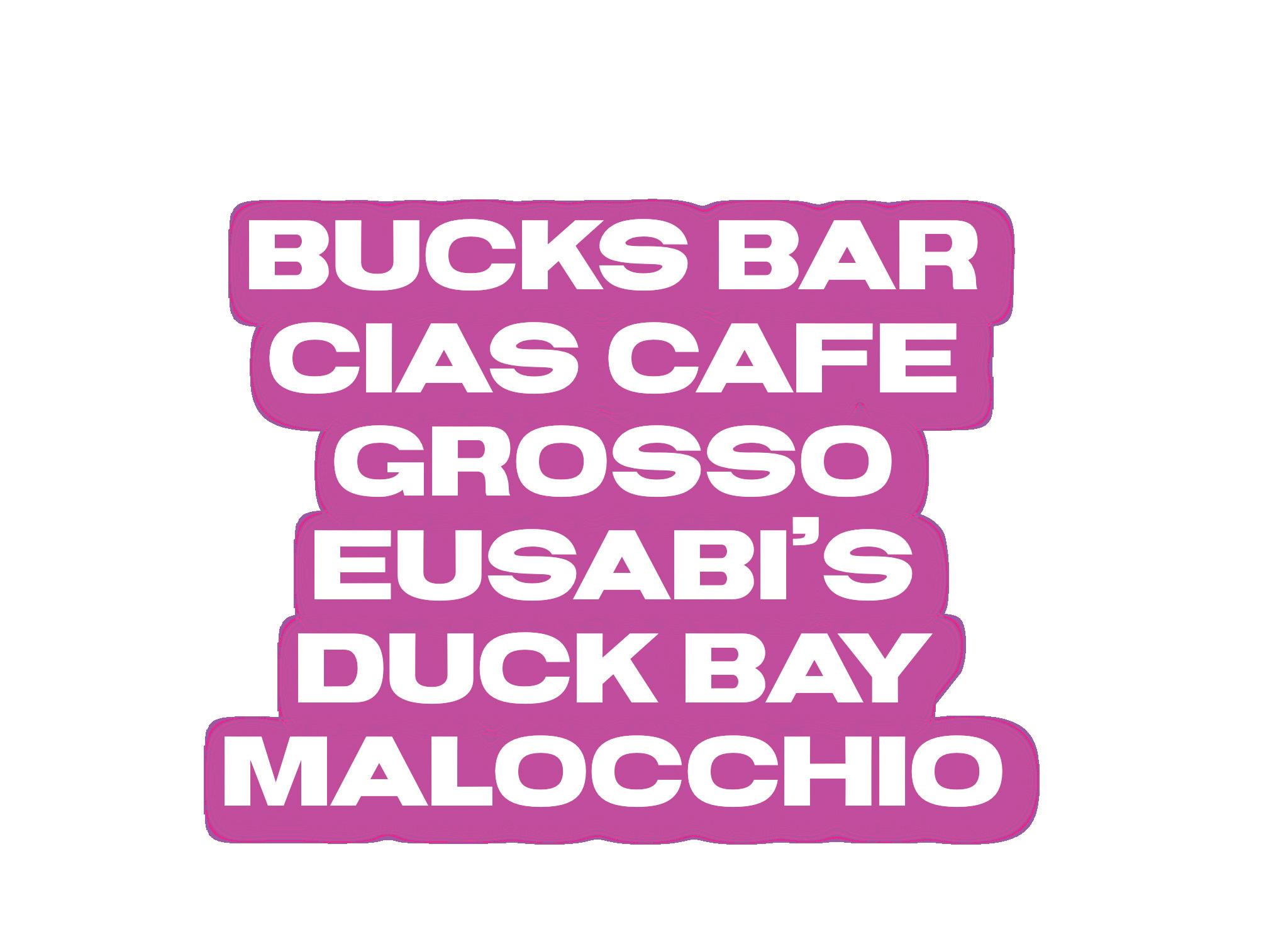
As we move into one of the most exciting periods of the hospitality calendar, I am delighted to welcome you to the June edition of OnTrade Magazine. This month marks a major milestone as we officially announce the finalists for the OnTrade Awards 2026, recognising the outstanding , operators, suppliers and individuals who continue to drive excellence across the hospitality sector. Following a record level of nominations we have had to extend the finalist to the top 6 in each category. The finalists represent the very best of the industry’s innovation, resilience and commitment to delivering memorable customer experiences.
The countdown is now firmly underway for the OnTrade Awards 2026, taking place on 10th August, where we will come together to celebrate the achievements of those setting new standards across the on-trade. We extend our congratulations to every finalist and look forward to recognising their accomplishments on what promises to be a memorable evening.
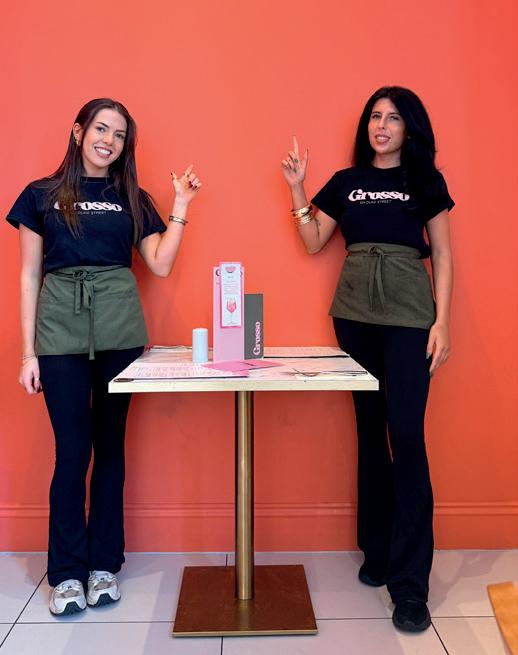
In this edition, we shine a spotlight on some of the businesses helping to shape the future of hospitality. We visit Grosso, exploring the vision, passion and attention to detail that have helped establish it as a standout venue within its market. We also feature The Mill House, examining the approach, culture and customer experience that continue to make it a destination venue and a benchmark for excellence.
As always, we are pleased to include the latest column from Michael Kill, CEO of the Night Time Industries Association (NTIA). Michael provides his regular insight into the challenges, opportunities and policy developments affecting hospitality, nightlife and the wider night-time economy. His perspective remains essential reading for operators navigating an ever-evolving landscape.
Across the magazine you’ll also find industry news, business insights, supplier updates and expert commentary designed to help hospitality professionals stay informed, inspired and connected.
On behalf of the entire OnTrade Magazine team, thank you for your continued support. We hope you enjoy this month’s edition, and we look forward to welcoming many of you to the OnTrade Awards on 10th August as we celebrate the very best our industry has to offer.
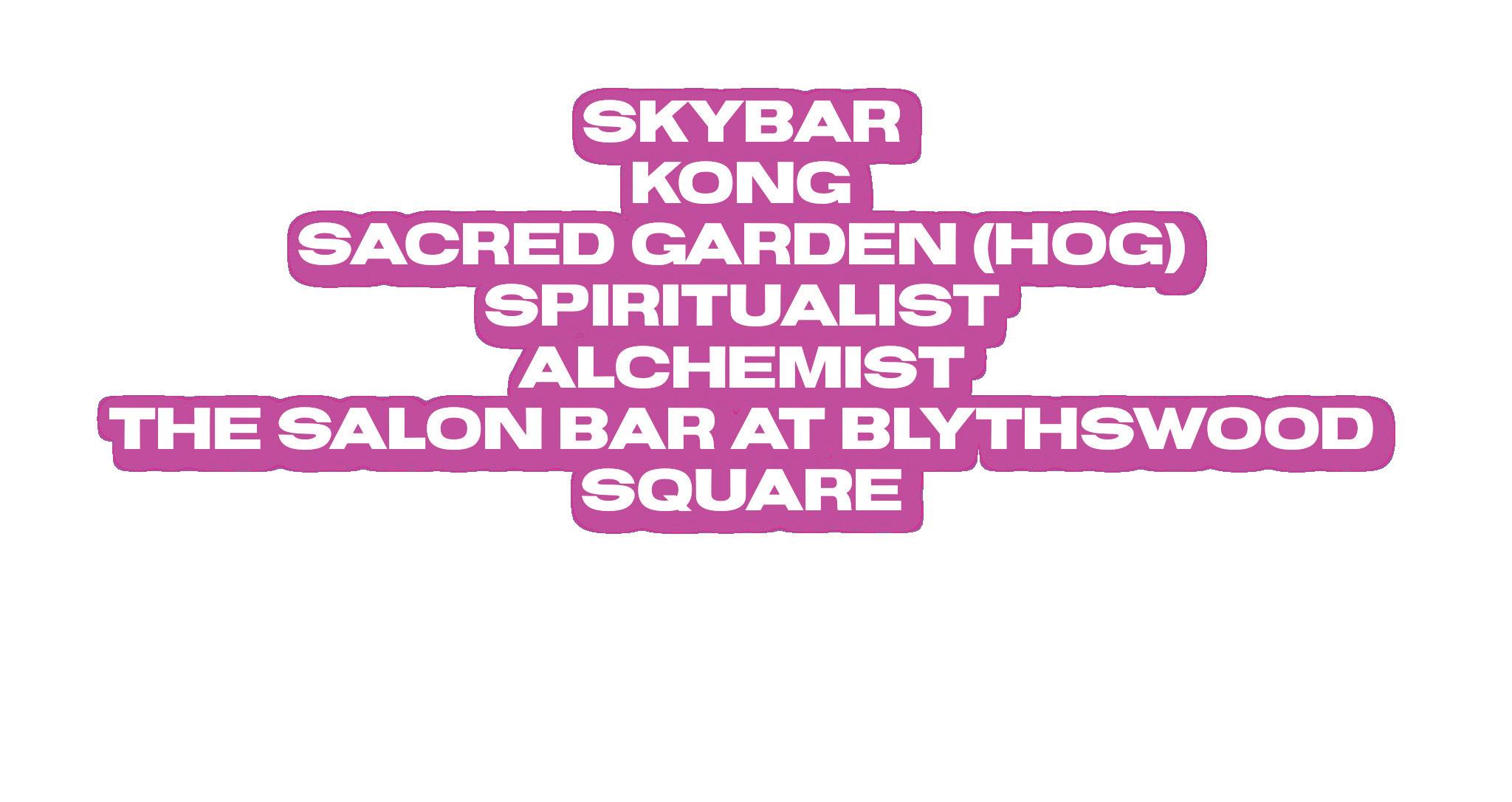
ITS NOW OVER TO YOU THE FINALISTS
The winner is the one with the most votes come August 1st closing date Votes can be cast in two ways By email to info@topgunmedia.co.uk Or via DM to our Instagram page. No other methods count.
SO GET SHARING AND GET VOTING
Congratulations once again to all finalists, and best of luck for the awards.
Justin Wingate Director at TopGunMedia
Fiona Gauld
Production - info@topgunmedia.co.uk
For press enquires or advertising opportunists please call or email: Email: info@topgunmedia.co.uk Telephone: 0141 556 4111
SCOTTISH PUBS URGED TO PLAN AHEAD AS SBPA PUBLISHES NEW WORLD CUP GUIDANCE
With less than a month to go until the FIFA World Cup begins, pubs across Scotland are preparing to welcome fans for what will be Scotland’s first World Cup finals appearance in 28 years.
To support licensees ahead of the tournament, the Scottish Beer & Pub Association has today published updated operational guidance for venues planning to show matches this summer. The guidance is designed to help pubs deliver a safe, well-run and enjoyable experience for customers during a competition that runs from 11 June to 19 July 2026.
The document brings together practical advice for publicans on key areas such as licensing, staffing, managing busy services, and creating safe environments for customers, with an emphasis on early planning and close local coordination. It also includes a breakdown of the local licensing decisions by respective licensing boards across the country.
Produced by the Scottish Beer & Pub Association in partnership with Police Scotland, the guidance
UKHOSPITALITY
encourages licensing authorities, the licensed trade and the police to work together to ensure a safe and successful tournament. It is also supported by Best Bar None Scotland, BII Scotland, Scottish Alcohol Industry Partnership, Institute of Licensing, Night Time Industries Association, Scottish Hospitality Group, Scottish Licensed Trade Association, and UK HospitalityScotland.
Paul Togneri of the Scottish Beer & Pub Association said:
“This summer’s World Cup is a landmark moment — it’s Scotland’s first finals since 1998, and pubs will be at the heart of how fans come together to enjoy it. We want as many people as possible to have a brilliant time in their local, and that means planning ahead.
“Our guidance is practical, Scotland-focused support for operators — covering licensing, staffing and sensible steps to manage busy matchdays safely. We’re also encouraging early engagement with Licensing Standards Officers and Police Scotland, so everyone is working to the same plan and the tournament is enjoyed responsibly in communities across the country.”
RESPONDS TO VAT CUT FOR FAMILY TICKETS AND KID’S MEALS
The Government has announced it will reduce the rate of VAT to 5% for children’s meals, family admissions to visitor attractions and children’s soft play this summer, with the cut taking effect from 25 June to 1 September.
UKHospitality, which has long campaigned for a cut to VAT for the entire hospitality sector, said the move was recognition from the Government that a lower rate of VAT delivers immediate benefits for consumers, businesses and the economy.
It said the VAT cut was a ‘positive step’ for families, and urged the Government to now take a bold step by cutting VAT for the entire hospitality sector.
Kate Nicholls, Chair of UKHospitality, said: “It’s good to see the Government recognise the importance of a lower rate of VAT for hospitality as the quickest and simplest way to lower prices and boost consumer confidence.
“A 5% rate of VAT for family admissions to visitor attractions, children’s meals and soft play is a positive step to help families enjoy a great British break this summer.
“If there is scope to further support families by including accommodation in this reduced rate, I would encourage the Chancellor to do so to help tackle one of the biggest costs of a family holiday.
“This should now be viewed by Government as a downpayment on a wider shift to a lower VAT rate for the entire hospitality sector, to bring us in line with Europe. Our biggest competitors benefit from VAT rates that average around 10%, and can be as low as 7%, and the UK is a clear outlier.
“As the Government has recognised today, VAT is the single biggest lever it can pull to lower prices, tackle inflation, drive demand, boost spending, generate growth and create new jobs. I would urge it to be bold and cut VAT for the entire hospitality sector.”
MANORVIEW GROUP SHARES NEW LOOK PAVILION OF CORNHILL CASTLE
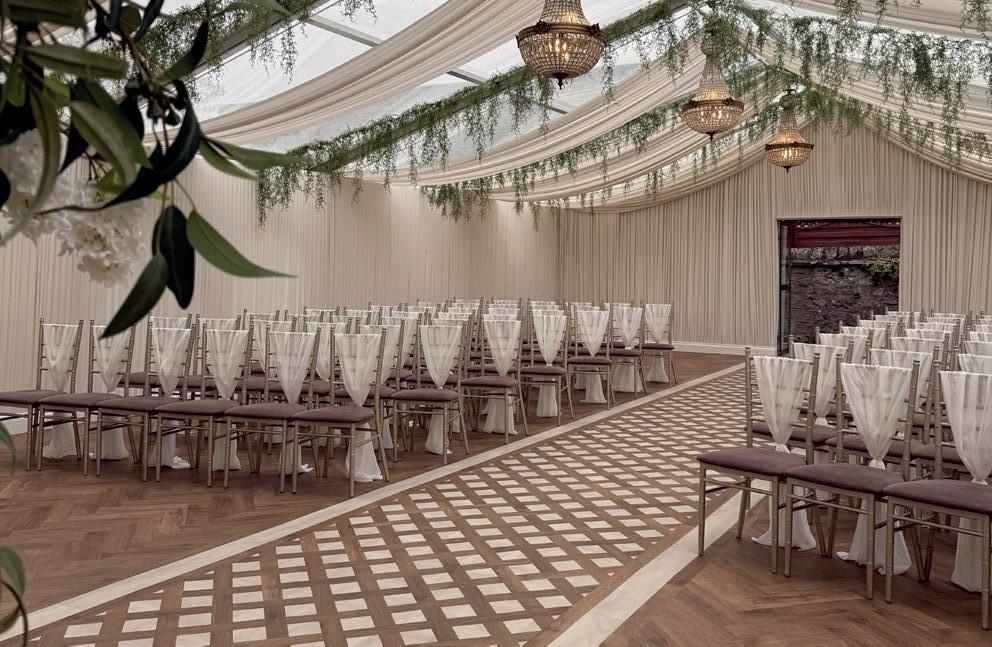
Cornhill Castle has unveiled the stunning new look Pavilion on its social channels.
The Pavilion is located just off the castle’s Grand Ballroom and hosts ceremonies for up to 120 guests.
Updates to the space:
Outside the Pavillion, there is a white timber arch entrance over the double doors, which is surrounded by a foliage installation
• Clear ceiling panels added to bring in natural light
New elegant chandeliers
Stunning herringbone floors with a basketweave design to mark out the aisle
• Beautiful soft white drapery along the walls and ceiling
• Foliage draped from the ceiling along the aisle
• Stunning end-of-aisle floral displays – large white flower display on top of grand white plinths. These are a permanent feature of the marquee and will be included in the ceremony décor, although additional décor can be added, such as an arch
For couples, this is an exciting addition to the venue’s scenic grounds, Grand Ballroom, stylish Ghillie bar, bandstand and three-floor Honeymoon Suite.
Sharon Mullen, Group Weddings Manager said:
“Before the renovation, the traditional marquee was
becoming a slightly dated trend and with our vision of always moving forward we decided to enhance the Pavilion to make it a more elevated and elegant space suited to modern weddings.
“The overall space of the marquee, having that natural daylight, neutral decor and elegant styling opens it up for beautiful ceremonies and photos, without much more needing to be added.
“All of the styling and decor is in keeping with the venue and the new look. The permanent flower plinths will appeal to a lot of couples as the ceremony decor is there for them. The chandeliers have been replaced for a more romantic and elegant style to keep in with the enchanting castle feel. The wooden floor is very different, most venues tend to have the traditional cream aisle runner, and we have something different we can offer now.
“Meanwhile, the new paving and foliage on the outside of the Pavilion creates another outdoor photo opportunity which we didn’t have before.
“The response to the refurbishment has been amazing, as it is even better than our couples’ expectations when they first booked. Many of our couples have been overcome with emotion seeing it, and some have even cried when they saw the space.
“The team is excited to welcome in and showcase the new look Pavilion to our Cornhill couples and new couples as well.”
Laura Lockhart, Wedding Sales Manager at Cornhill Castle said: “I didn’t think I could love Cornhill Castle any more than I did but after seeing the newly refurbished Pavilion, I am in love all over again.
“Seeing the new look in person, it is breathtaking and a total transformation of the space. The Pavilion seems so much bigger and brighter, and there’s a wow-factor as soon as you walk in. Then you notice all the details, from the beautiful white fabric lining the walls to the design of the stunning chandeliers.
“I can honestly say it’s the most beautiful ceremony space I have ever seen, and I am so excited to show couples this romantic setting they can have for their special day.”
THE FUTURE OF PROMOTION IS CHANGING. ARE YOU READY FOR WHAT’S NEXT?
Join us on 10 June, 11am2pm at 35 New London Road, Chelmsford for the NTIA
Promoter & Night Time Economy Forum – an afternoon of insight, discussion and networking with some of the industry’s most influential voices.
Whether you’re an established promoter, venue operator, event professional or just starting your journey, this forum offers valuable insights, practical advice and the opportunity to connect with peers from across the sector.
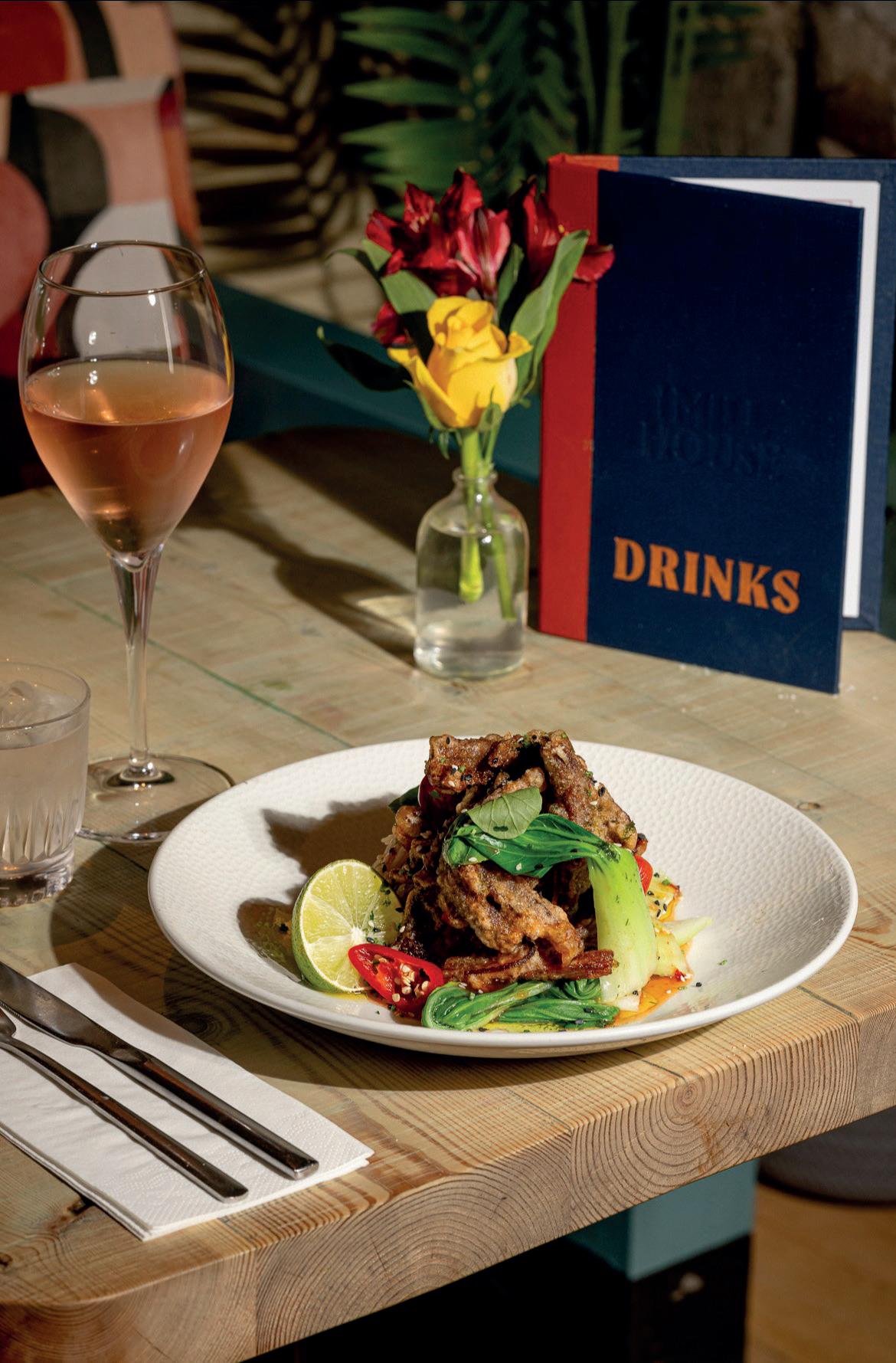
In a hospitality landscape increasingly dominated by venue with personality and experience , The Mill House feels refreshingly rooted in place. Set within a striking former mill building in the heart of Stewarton, the latest evolution of the Buzzworks venue is less a relaunch than a reaffirmation of what the Ayrshire hospitality group does best ….creating stylish, community-led spaces that feel equally suited to a lazy brunch, a celebratory dinner or a spontaneous overnight stay.
Buzzworks has never hidden its ambition to elevate local dining without losing the warmth of a neighbourhood pub, and The Mill House may be its clearest expression of that philosophy yet. Following a significant refurbishment and rebrand, the venue now blends contemporary comfort with subtle nods to Stewarton’s industrial heritage — exposed stone, layered wood textures and intimate lighting all combining to create a space that feels polished without becoming pretentious
The building itself carries a certain gravitas. Housed within a centuries-old former mill, the venue has become something of a social anchor for Stewarton over the past decade. Buzzworks first transformed the property in 2015, investing heavily in turning the once-traditional site into a modern hospitality destination with over 100 covers, a private dining room and a dedicated pub space.
Today, that original vision has matured. The latest redesign introduces richer textures, softer tones and a more relaxed, all-day atmosphere. There’s an unmistakable confidence to the layout: semi-private booths for date nights, open dining spaces for families, and a pub area that retains enough traditional character to keep regulars comfortable while still appealing to a younger crowd raised on craft cocktails and Instagram aesthetics.
And yet, despite the visual overhaul, The Mill House avoids the trap many modern refurbishments fall into –becoming style over substance.
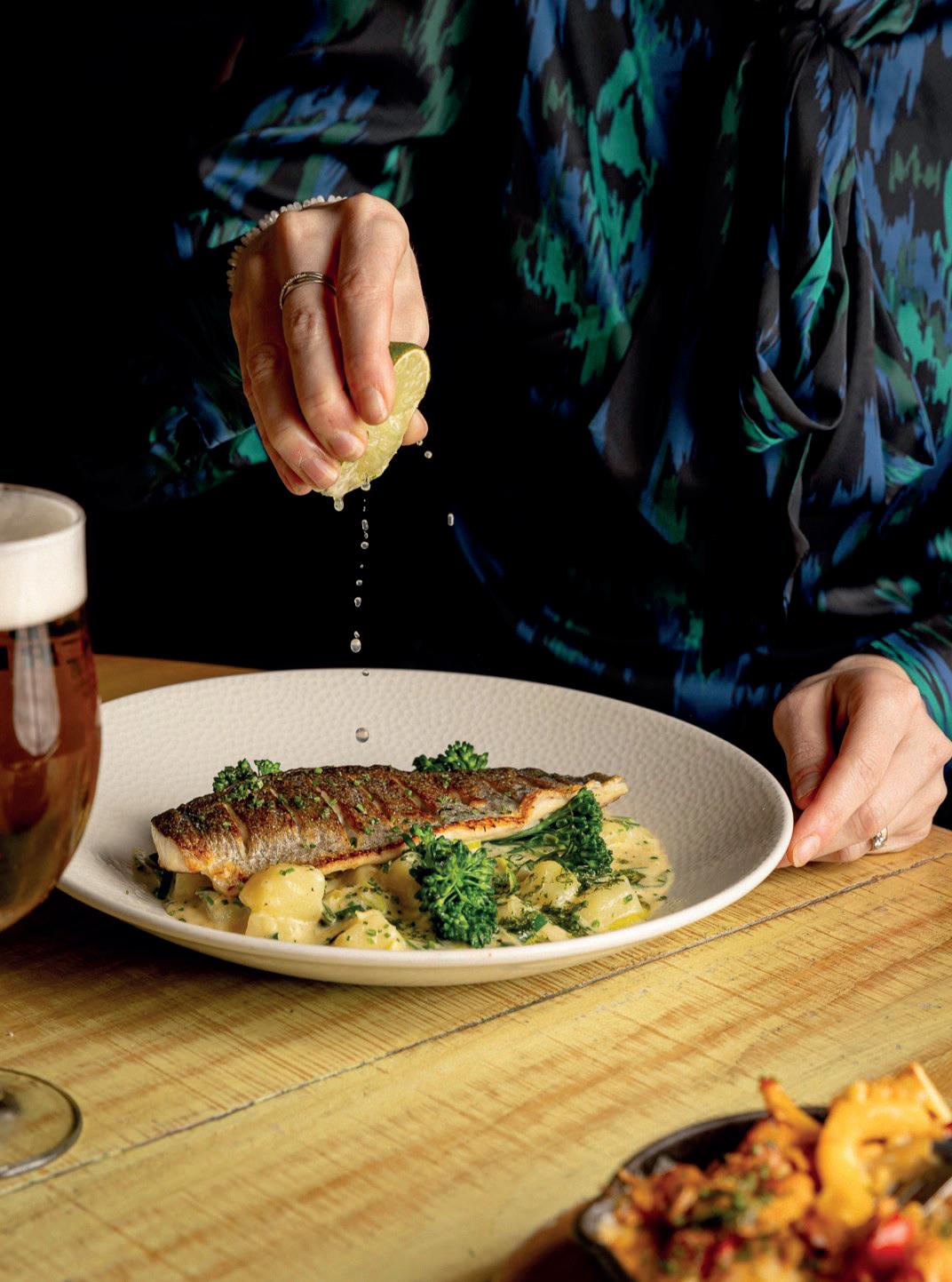
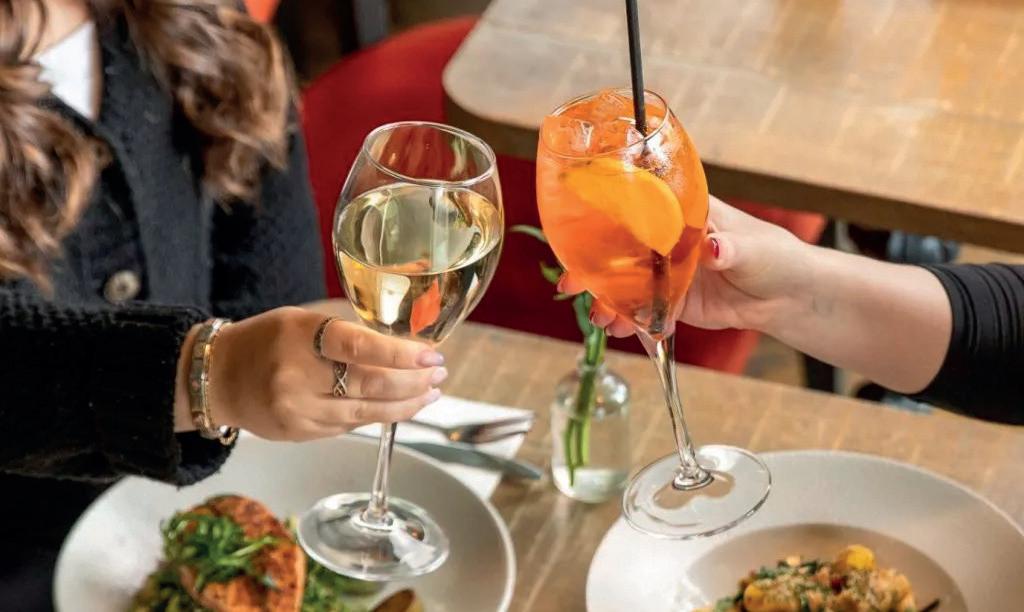
The food offering remains firmly accessible. Buzzworks describes the menu as “simple dishes with big flavours,” and that ethos runs throughout the venue’s all-day operation, from breakfast rolls and coffee through to Scotch steaks, seafood and Sunday roasts. Seasonal menus continue to champion Scottish produce, while the drinks programme leans into approachable indulgence: spritzes, margaritas, local beers and carefully curated
alcohol-free options all feature prominently.
The Mill House is designed not just as a restaurant, but as a flexible social environment. Families arrive for affordable early dinners, couples settle into candlelit corners for cocktails, sports fans gather in the pub for live sport screenings, and private celebrations spill into the dedicated dining space tucked discreetly behind the main restaurant.
What you notice straight away is how is a surprising mix of how a new venue manages to feel distinctly familiar in equal measure.
Buzzworks continues to invest heavily in towns often overlooked by national operators. Stewarton is not Glasgow or Edinburgh, and that’s precisely the point. The Mill House succeeds because it understands its audience: aspirational but grounded, stylish but welcoming.
That community-first approach extends beyond interiors and menus. Initiatives like Buzzworks’ “Sip Local, Give Local” campaign, which supports Ayrshire Cancer Support through cocktail sales, reinforce the group’s commitment to embedding itself meaningfully within the communities it serves.
The result is a venue that feels simultaneously contemporary and familiar — a difficult balancing act in modern hospitality. It is polished enough for occasion dining, relaxed enough for weekday lunches, and ambitious enough to compete with city-centre operators without sacrificing local identity.
For Buzzworks, The Mill House represents more than another successful refurbishment. It is proof that regional hospitality, when executed with confidence and care, can rival anything found in Scotland’s larger cities. And for Stewarton, it offers something equally valuable: a venue that understands exactly where it is, and why that matters.
THE SHEPHERD MAYFAIR OPENING SOON
Ahead of its opening later this summer, The Shepherd Mayfair unveils a collection of founding wellness and lifestyle partnerships that will shape the guest experience throughout the hotel, bringing together craftsmanship and considered wellbeing.
Positioned as a gateway to historic Shepherd Market, The Shepherd Mayfair has been conceived as a modern interpretation of Mayfair’s historic mansions, where hospitality, society and culture once intertwined. Reflecting that same layered approach, the hotel has collaborated with a carefully selected collection of brand partners whose values align with the hotel’s wider design narrative and approach to guest experience and quiet luxury.
The partnerships span fragrance, skincare, wellness and drinks, with Floris London, Italian skincare specialist Miamo, EMS fitness concept E-Pulsive and Suffolk-based premium gin brand Moatwood all contributing bespoke elements created exclusively for the hotel.
FLORIS LONDON
Founded in 1730 and still family-owned today, Floris is Britain’s oldest independent perfumer and has operated from its historic Jermyn Street townhouse for almost 300 years, only moments from The Shepherd Mayfair. Throughout its history, the house has held Royal Warrants and created fragrances for heads of state and royalty to cultural icons and Hollywood stars. For The Shepherd Mayfair, La Bottega, a member of La Bottega Collective, in partnership with Floris, has developed bespoke inroom bathroom amenities, presented in custom bottles created exclusively for the hotel. Available throughout all guest rooms and suites, the partnership reflects a shared appreciation for storytelling, craftsmanship and timeless British luxury.
MOATWOOD GIN
Championing British makers and suppliers is central to the hotel’s wider philosophy, leading to a partnership with Suffolk-based premium gin producer Moatwood. Known for its environmentally conscious approach and use of wildforaged botanicals, Moatwood has created a bespoke gin experience exclusively for The Shepherd Mayfair, centred around a handcrafted roaming gin trolley that will move throughout the hotel’s public spaces and suites. In a direct reference to the surrounding neighbourhood, the trolley has been crafted using wood from a fallen tree sourced from Kensington Palace Gardens, only a short walk from the hotel.
The timber was subsequently transported to East London, where it was hand-finished by a craftsman in Hackney before being delivered to the hotel. The collaboration brings
together British craftsmanship while introducing an element of theatre to the guest experience, with the bespoke trolley allowing martinis and gin serves to be prepared tableside throughout the hotel or within the privacy of guests’ suites.
MIAMO
Expanding the hotel’s wellness offering, The Shepherd Mayfair has partnered with Italian clinical skincare brand Miamo, founded by pharmacists Dr Elena Aceto di Capriglia and Dr Camilla D’Antonio. Known for its science-backed formulations and protocol-led approach to skincare, Miamo has built a significant following in Italy through its focus on measurable results, advanced active ingredients and highly personalised routines. At The Shepherd Mayfair, a curated selection of Miamo products will be available within guest room minibars, ranging from cleansers and serums to targeted skincare treatments.
Guests will additionally be able to order personalised fullsize skincare protocols directly through the hotel’s in-room dining menu, tailored to their individual skincare needs. The curated offering includes the Glow Protocol, Moisturising Protocol and Hydrating Protocol, allowing guests to create a highly personalised beauty and wellbeing experience within the privacy of their room or suite.
E-PULSIVE
Further reflecting the hotel’s contemporary approach to wellbeing, The Shepherd Mayfair has partnered with E-Pulsive, the London fitness concept specialising in EMS (Electrical Muscle Stimulation) personal training. Designed around efficient, high-intensity 20-minute sessions, E-Pulsive’s training combines electrical muscle stimulation technology with tailored movement programmes to provide a full-body workout in a significantly shorter time frame than traditional training methods, making it particularly wellsuited to time-conscious travellers looking to maintain their fitness routines whilst away from home.
Guests of The Shepherd Mayfair will be able to book one-to-one training sessions either within their suite, in one of London’s nearby Royal Parks or at E-Pulsive’s nearby Belgravia studio, allowing wellness to be integrated seamlessly into their stay. The collaboration reflects the growing demand for flexible, design-led wellness experiences within luxury hospitality, particularly amongst guests seeking highly personalised experiences.
The most awarded vodka in the British isles
MARTINI GRADE VODKA
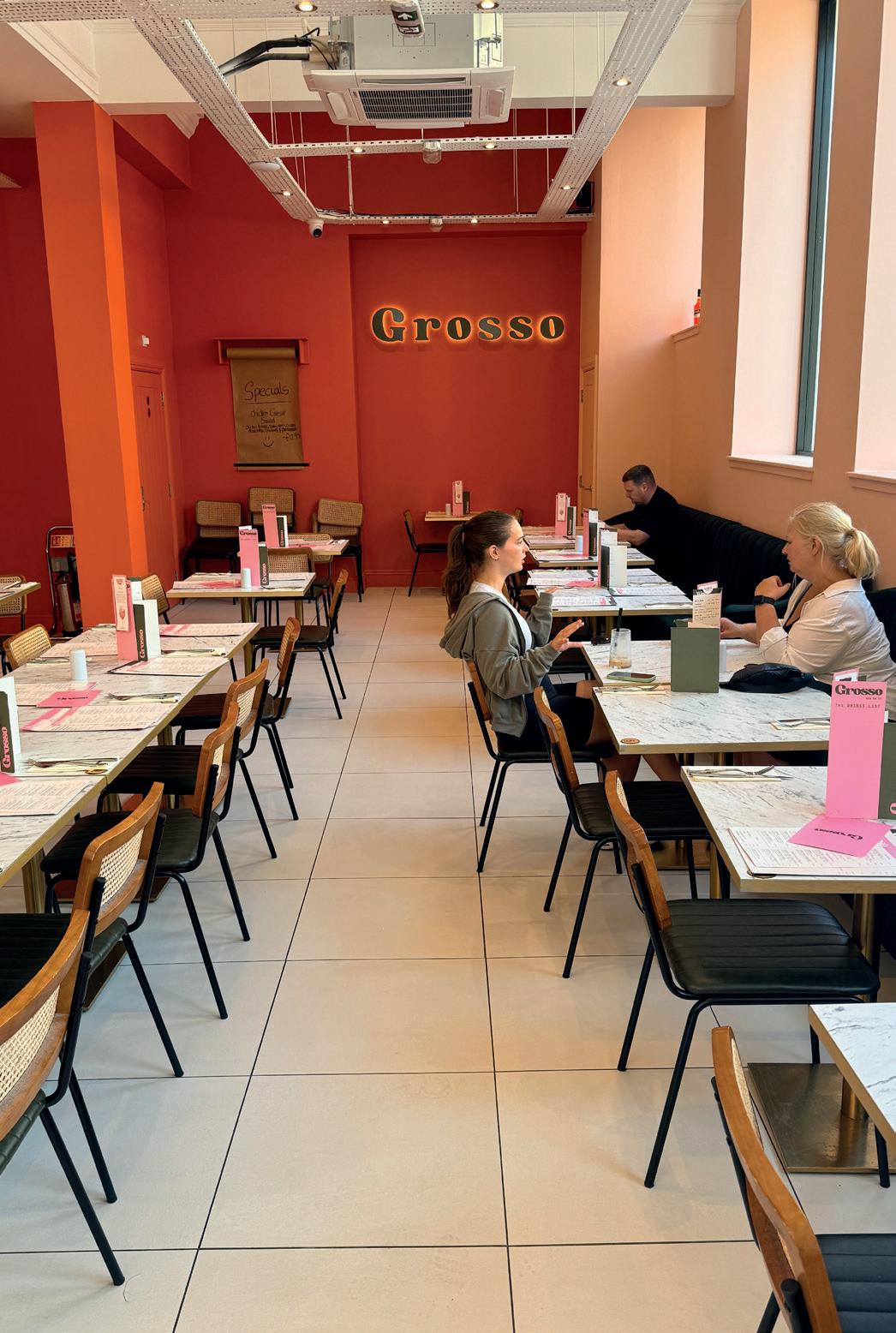
GROSSO: BIG ITALIAN ENERGY TO GLASGOW’S EAST END
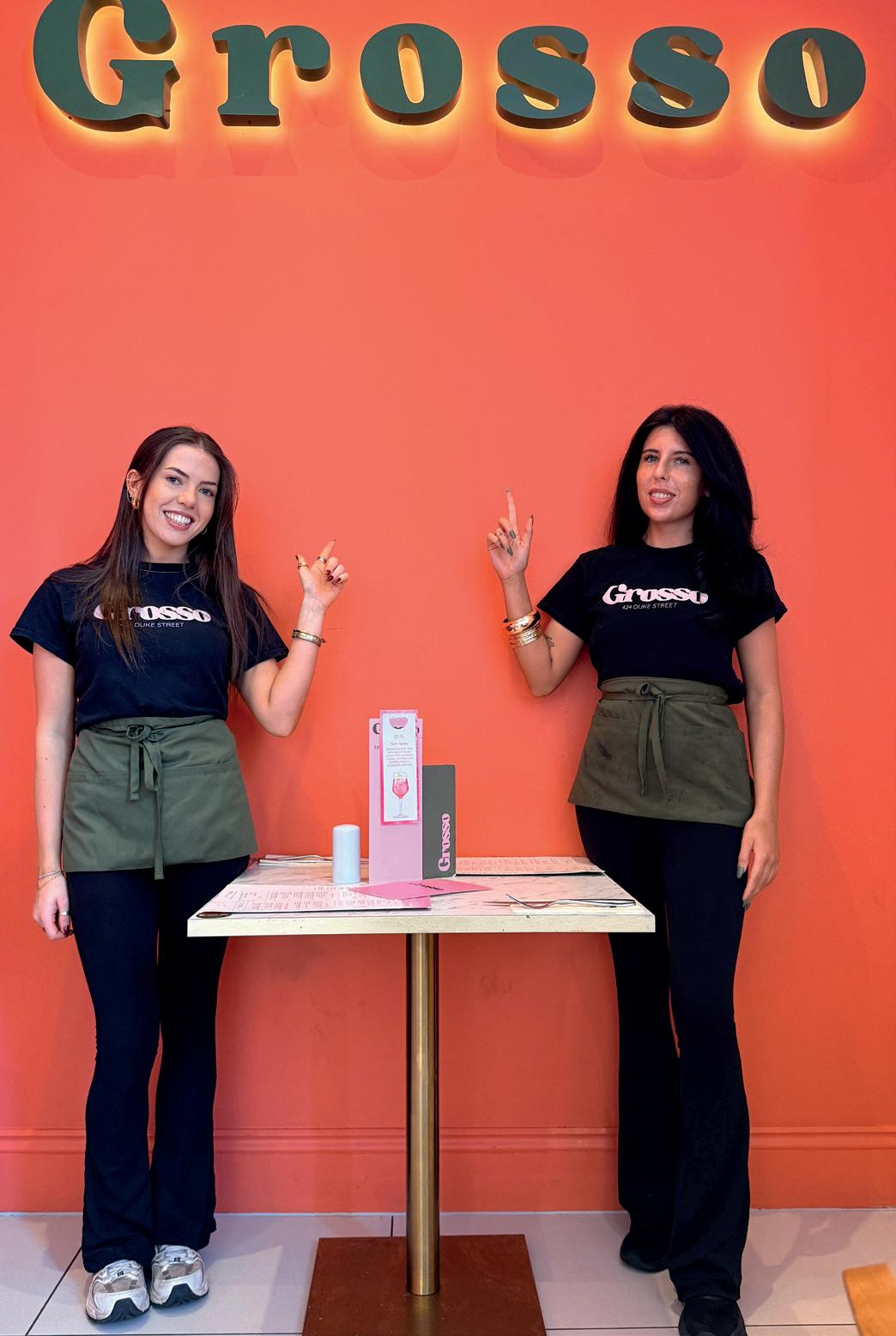
In a city that has never been short of great places to eat, it takes something special for a new restaurant to cut through the noise. Yet on Duke Street in Glasgow’s ever-evolving East End, one venue has quickly established itself as one of the area’s most talked-about dining destinations: Grosso. Located in the heart of Dennistoun, Grosso arrives with a confident identity rooted in contemporary Italian-American dining. It is the kind of restaurant that understands exactly what modern diners are looking for—generous plates, a lively atmosphere, polished interiors and food that balances
comfort with quality. Since opening its doors, the restaurant has built a reputation for delivering all four.
A NEW CHAPTER FOR DENNISTOUN DINING
Few neighbourhoods in Glasgow have experienced the cultural transformation of Dennistoun and Grosso sits comfortably within that narrative while adding something distinctive to the local landscape. Positioned on Duke Street, one of the East End’s main thoroughfares, the restaurant benefits from a location that combines community familiarity with increasing city-wide appeal. Its presence reflects the growing confidence of Dennistoun as a destination in its own right rather than
simply a stop on the way into the city centre.
THE FOOD: COMFORT WITH CONTEMPORARY FLAIR
At its core, Grosso’s offering is built around the enduring appeal of Italian cuisine, but there is a distinctly modern sensibility to its menu.
Fresh pasta, pizzas and indulgent sharing plates form the backbone of the restaurant’s food programme. Signature dishes frequently highlighted by diners include mozzarella sticks served with hot honey, richly flavoured Italian sausage pizzas and seafood-focused pasta dishes that showcase generous portions and bold seasoning. The menu leans into comfort food without sacrificing quality, embracing the idea that Italian dining should be both satisfying and sociable. What ultimately distinguishes the food is its accessibility. Rather than pursuing fine-dining theatrics, Grosso focuses on delivering familiar flavours executed with consistency and generosity—an approach that resonates strongly with Glasgow diners.
DESIGN AND ATMOSPHERE
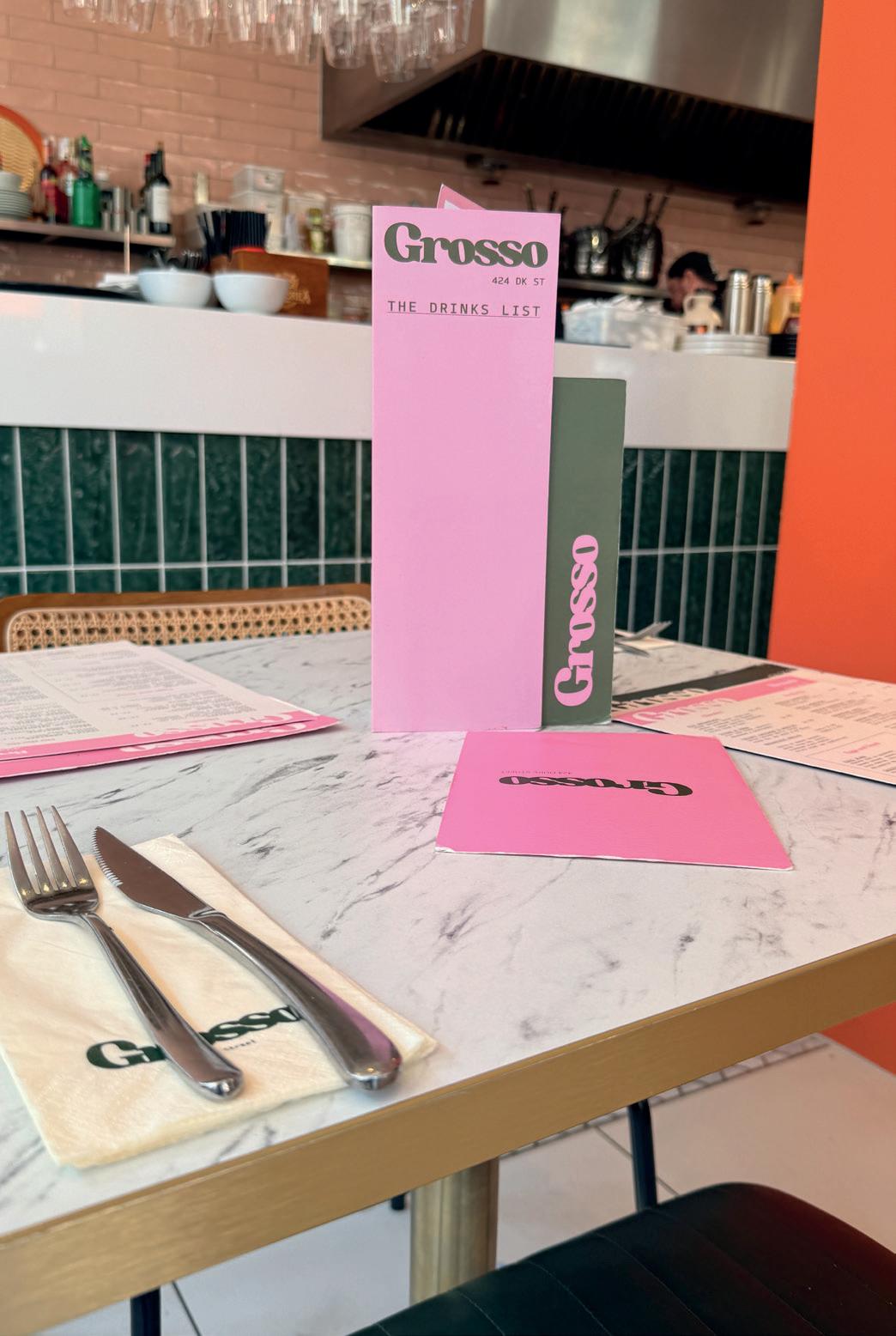
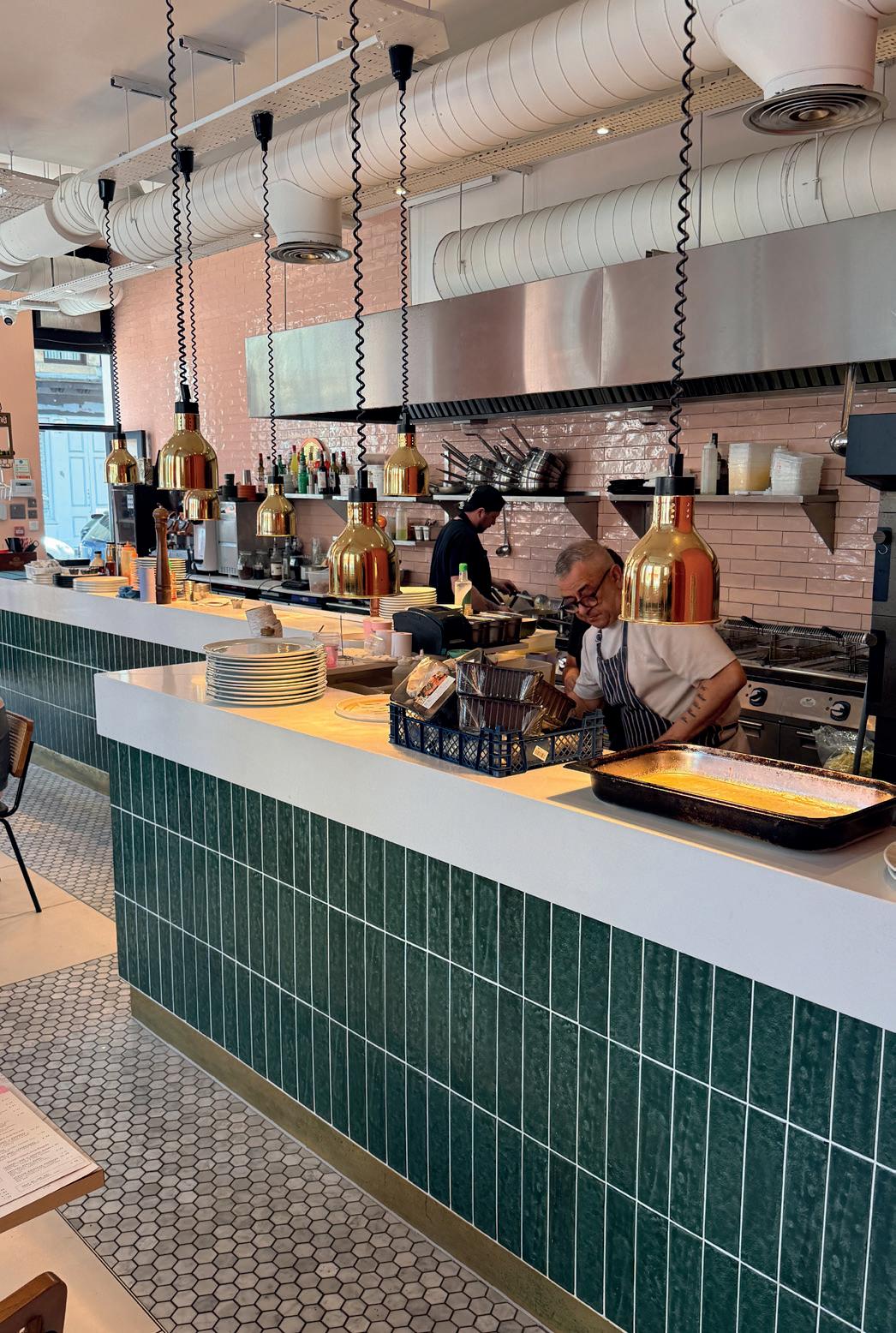
Step inside Grosso and the restaurant’s appeal becomes immediately apparent. The aesthetic embraces contemporary minimalism while maintaining enough warmth to avoid feeling clinical.
The interiors are open, clean and energetic, creating a sense of movement that reflects the restaurant’s busy service style. Diners frequently describe the space as modern and vibrant,
with a welcoming atmosphere that encourages long lunches, casual dinners and group gatherings alike. Rather than relying on overly themed décor, the venue opts for understated design choices that allow the food and social experience to take centre stage.
There is also an unmistakable buzz to the room. Music, conversation and the visible rhythm of service combine to create a lively dining environment that feels distinctly urban. It is a restaurant designed for contemporary Glasgow—social, energetic and unpretentious.
MORE THAN A RESTAURANT
Perhaps the most significant factor behind Grosso’s early success is its sense of hospitality. Reviews consistently reference attentive service and a welcoming team, suggesting that the restaurant’s appeal extends beyond its menu alone. In an increasingly competitive hospitality market, genuine warmth remains one of the most valuable commodities, and it is something Grosso appears keen to cultivate.
As Glasgow’s dining scene continues to evolve, venues that successfully combine strong design, approachable food and neighbourhood character are increasingly defining the city’s culinary identity. Grosso does exactly that. It feels both contemporary and familiar, ambitious yet accessible—a restaurant that understands its audience while contributing something fresh to the conversation.
For Dennistoun, it is another sign of the area’s growing status as one of Glasgow’s most exciting destinations. For diners, it is simply a very good reason to head east.
10TH AUGUST
AUGUST 2026
At your service for A SEAMLESS EXPERIENCE. FROM TERRACE TO KITCHEN TO PAYMENTS.
As terraces, rooftops, and beer gardens fill up this summer, every cover counts. More guests, more staff, and more complexity demand a system that keeps your entire operation running smoothly.
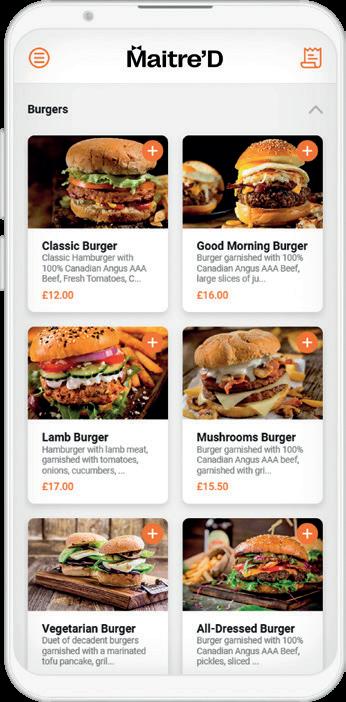
Maitre’D gives you one integrated platform, from EPOS to payments and beyond. Built by restaurant technology experts with 30+ years of experience.
20K+ EPOS in operation
Let guests order their way
The Maitre’D online ordering platform lets guests browse menus, place orders, and pay directly from their own device, at the table, on the terrace, or at the bar. Your team can also take orders tableside with a mobile POS, keeping service flowing without guests having to wait.
Serve every space without missing a beat
Whether it’s a packed terrace or a full dining room, Maitre’D keeps your floor and kitchen in perfect sync. Orders flow directly to the right station via your kitchen display system, wait times drop, service stays seamless.
Run a tighter operation, every day
Maitre’D gives you real-time reporting, labour and inventory management, and alcohol and food cost controls, the tools you need to run a tighter operation and make smarter decisions. Before, during, and after service.
Get paid faster, keep more of what you earn
Accept every payment type your guests expect, contactless, mobile wallets, chip & PIN, and more. Choose fully integrated payments for a seamless connection between your EPOS and terminals, or a standalone solution if you prefer to keep your existing setup. Either way, no surprises.
BOOST YOUR CASH FLOW WITH LICENSING AND RATES MANAGEMENT TIPS – PART 2
The hospitality and tourism sectors across the UK operate within a challenging financial landscape. Increasing operational costs, fluctuating consumer demand, and a complex regulatory system mean managing overheads is a challenge and operators need to be able to react to ongoing changes. This is a series over 6 months, so watch this space (and contact us if there are specific areas you want us to cover).
Operators seeking incremental revenue often focus first on alcohol sales and licensed hours, but two further areas deserve careful attention across the UK: external trading permissions for pavement use and permissions relating to gaming machines.
This can increase spend per customer, extend dwell time, and improve the commercial performance of underused space. Pavement trading and pavement seating arrangements can be particularly valuable for cafés, restaurants, pubs, and hotels with constrained indoor capacity. Check what is required so you can use the spaces properly. The terminology is not always uniform across the UK, but the commercial principle is the same: if an operator can turn frontage or adjacent external space into usable customer area, the business may be able to increase capacity without undertaking structural changes.
In Scotland, there are different approaches among the 32 council areas and often involve roads, planning, local authority consents, and other general licensing permissions depending on the location and occupation.
In England and Wales, pavement licences granted by the local authority may permit furniture such as tables, chairs, barriers, heaters, or umbrellas on part of the highway, subject to statutory requirements and local conditions.
In Northern Ireland, businesses need to obtain a pavement café licence from their local district council. This allows for the placement of temporary furniture— such as tables, chairs, and heaters that can be removed within 20 minutes—on public areas. Approval depends on the site’s suitability for pedestrian flow and may come with specific conditions regarding operating hours and whether alcohol can be consumed in the outdoor area.
The effect of outdoor areas on revenue can be
substantial. Some properties can double the commercial value of their frontage for the summer months by introducing a pavement area during warmer months.
A food-led pub may find that a even a small pavement seating arrangement captures passing trade from locals and also tourists who would not otherwise enter. A hotel with a visible street frontage may create a more active ground-floor offer and improve bar or café performance just by presenting an inviting external space.
These gains depend on getting the permissions right. Consider accessibility, pedestrian flow, public nuisance, neighbour concerns, licensing implications, and any conditions imposed by the local authority. For example, Edinburgh require a ‘wind management plan’!
2. RATES:
Maximise Available Business Rates Relief Schemes
Relief schemes can materially improve short-term cash flow, but entitlement rules differ across the UK (which does not help create a level playing field and has been a huge bone of contention). Assess your payments and look at the rules where you are. The difference between a well-used rates reliefs and appeals and neglecting to action these can be equivalent to several weeks of payroll, a seasonal marketing budget, or the capital cost of replacing key equipment. It is worth checking.
In Scotland, the Scottish Government provides several relief schemes relevant to hospitality and tourism operators. These may include:
• The Small Business Bonus Scheme (SBBS): This provides up to 100% relief for properties with a rateable value of £12,000 or less. For businesses with multiple properties, you may still qualify if the combined rateable value is £35,000 or less. Review the full criteria on mygov.scot.
Hospitality Relief (2025/26): A 40% relief for licensed hospitality premises on the mainland with a rateable value up to £51,000 has been introduced for
the 2025/26 period, subject to the relevant scheme rules and caps.
• Island Hospitality Relief: If your business is located on a Scottish island, you may be eligible for 100% rates relief.
In England, there is eligibility for small business rate relief, rural rate relief, charitable relief where applicable, and any sector-specific support made available by the UK Government or local billing authority.
In Wales, reliefs may include small business rates relief and any hospitality or retail support schemes introduced by the Welsh Government or administered by local authorities. The rates Reval was paused in Wales and while it is now ongoing, a transitional relief scheme has been put in place. This limits increases in non-domestic rates bills over the next two years. Eligible ratepayers will pay 33% of their additional liability in the first year (2026-27) and 66% in the second year (2027-28) before reaching full liability in the third year (2028-29).
Check for changes as reliefs and allowances are introduced mid year - relief structures and thresholds change between financial years, so don’t presume the situation at the draft stage or just after 1st April each year is set in stone. Pressure is often put on governments and (while it can feel like they do not respond positively) this can result in changes for the better. Don’t miss out.
Example 1 - a small hotel, pub or restaurant group with properties in different parts of the UK. One site may qualify for a local or national relief, another may be excluded because of aggregation rules, and a third may be paying on the wrong basis because an application was never submitted after a change in occupation or company structure.
Example 2 - a family-run premises that expands into an adjoining unit for storage or hospitality use but fails to review whether the altered occupation has affected relief eligibility.
In both examples, the cost is not theoretical; it appears every month in the rates demand but there could be significant savings.
Lodge a rates valuation appeal:
If you believe your rates bill is too high, lodge an appeal. It’s not rocket science and there are processes and also experts who for a fee (sometimes a percentage of what you save) can assist. Even if a relief is available, if you consider the valuation is too high, lodge an appeal soon and before the July deadline. A successful appeal can drastically reduce rates bills.
Appeal tips:
Examine whether the property description, floor area, layout assumptions, and valuation tone are correct. Look at cashflow and figures used by the Assessor when establishing your value. Are these accurate and do you trust someone else’s admin? They are not always correct so cross check these with the information you provided. Was turnover affected by anything – illness, fire or flood, changes in structure, issues outside the property such as burst water mains or road/pavement works and diversions.
The strongest cash-flow outcome often comes from using both routes together: securing all available relief while also reviewing whether the underlying assessment should be reduced.
Actionable Step: Do not assume your local authority will apply every relief automatically. Audit your current rates bill against the reliefs and criteria and submit any required applications within deadlines to secure your entitlement. Recheck eligibility whenever there is a change in occupation, ownership, trading pattern, property use, or portfolio structure.
Conclusion: The Value of Professional Representation
Mistakes in an application, a failure to lodge the right rates appeal, poor presentation at a hearing, or overlooking connected permissions such as pavement use or gaming machine regulation can result in delays, refusals, unnecessary liability, and lost revenue.
Immediate Action Step: Map out your event calendar for the next 6 months. There’s still time in most areas to catch at least some of summer. Identify possible rates appeal points and look at reliefs. Diary deadlines and get expert help where needed. Contact The Licensing Company for advice and assistance to protect your cash flow and ensure your operations remain compliant and competitive.
At The Licensing Company, we specialise in providing expert advice on licensing and related matters to hospitality and tourism operators. Whether you require representation at a hearing, assistance with a complex variation, or strategic input on business rates appeals and reliefs, professional advice can help protect both compliance and cash flow.
For business advice, a free licence review and general advice and support, please contact Joanna Millar at The Licensing Company on info@thelicensing.company or 07747 653417.
This article is provided for informational purposes only and does not constitute specific legal or financial advice. Licensing law and business rates rules differ across the UK and are subject to change. Contact us for advice on your specific circumstances before taking action.
REBUILDING BRITAIN AFTER DARK: WHAT THE NIGHT TIME ECONOMY REVEALS ABOUT THE POLITICAL LEADERSHIP WE NEED
For much of the last decade, Britain has felt politically exhausted. That fatigue is often discussed in abstract terms, through polling data, elections, or leadership contests. But if you want to see it in real terms, you only need to look at what is happening after dark.
Across the country, the signs are difficult to ignore. Pubs closing earlier or shutting altogether. Independent restaurants struggling to stay afloat. Nightclubs disappearing from city centres. Once vibrant high streets becoming quieter, more fragile, less certain of their future.
For those working in hospitality, this is not a political talking point. It is reality.
The night time economy has always been more than just leisure. It is a major employer, a cultural engine, and a social glue that binds communities together. It is where people celebrate, connect, and experience their cities. When it thrives, it signals confidence. When it declines, it reflects something deeper going wrong.
That is why it offers such a powerful lens through
which to understand what Britain now needs from political leadership.
Because if a government cannot create the conditions for something as tangible and immediate as a functioning hospitality sector, it becomes much harder to believe it can deliver long term national renewal. The first thing the sector needs is competence.
Hospitality businesses operate on tight margins and constant pressure. They are deeply exposed to changes in taxation, energy costs, staffing rules, and licensing frameworks. Over recent years, many have felt that policy has been inconsistent, reactive, and at times disconnected from how the industry actually works.
Competence, in this context, is not about grand gestures. It is about predictability. It is about understanding that a shift in business rates, a change in alcohol duty, or a spike in energy prices can determine whether a venue survives or closes.
A political leader who grasps these realities and
delivers stable, coherent policy would do more to restore confidence than any number of headline announcements.
The second quality is honesty.
The challenges facing the night time economy are not simple. Costs are rising, consumer behaviour is shifting, and the economics of running venues have fundamentally changed. There are no easy fixes. What business owners want is not false reassurance, but clarity. If taxes must rise, explain why. If support is limited, be upfront about it. If trade offs are unavoidable, set them out honestly.
The sector is resilient. It has adapted repeatedly, through financial crises, regulatory changes, and a pandemic. But it cannot adapt to uncertainty that is disguised as certainty. Trust begins with truth.
Third, the night time economy needs leadership that values it properly.
Too often, hospitality is viewed narrowly through the lens of regulation, policing, or nuisance. Noise complaints, licensing restrictions, and late night disorder dominate the narrative. While these issues matter, they are only part of the picture.
A thriving night time economy contributes to tourism, supports creative industries, and shapes the identity of cities and towns. It is part of Britain’s cultural infrastructure. A serious political leader would treat it as such. Not as a problem to be managed, but as an asset to be supported and grown.
There is also a need for emotional steadiness in leadership.
Hospitality is particularly sensitive to confidence. When people feel uncertain about their finances, they cut back on going out. When businesses feel unsure about the future, they delay investment or expansion.
Years of political turbulence have compounded that uncertainty. Leadership churn, shifting policies, and economic instability have all fed into a sense that the ground is constantly moving.
A leader who can provide calm, consistency, and a clear sense of direction would have a tangible impact. Confidence is not just about numbers, it is about mood. And mood shapes behaviour.
Perhaps most importantly, the sector needs leadership that feels grounded in service rather than self preservation.
One of the most common frustrations within hospitality is the perception that policymakers do not fully understand the realities of the industry. Decisions can feel distant, consultation superficial, and engagement limited.
A leader who listens meaningfully, who engages directly with operators, workers, and communities, and who incorporates that understanding into policy would stand apart. Not because they agree with every
demand, but because they take the sector seriously. So, does such leadership exist in today’s political landscape?
The answer, as with the broader national picture, is partial at best.
Keir Starmer offers a sense of stability that many businesses find appealing. After years of disruption, a more predictable approach to government has clear value. However, there remains a question as to whether that approach fully recognises the cultural and economic importance of the night time economy, or whether it is subsumed within a broader, more cautious economic framework.
Nigel Farage connects with frustration, including among small business owners who feel overlooked. His ability to articulate discontent resonates with parts of the sector. However, connection alone is not the same as a coherent strategy for supporting complex industries over the long term.
Kemi Badenoch presents a clear ideological focus on enterprise and economic freedom, which may appeal to some within hospitality. Yet it remains uncertain whether that translates into a detailed understanding of the specific pressures facing night time businesses.
Figures such as Andy Burnham come closer to engaging with the sector in a practical way. His work at a regional level reflects a recognition that thriving cities depend on vibrant nights as well as productive days. It suggests a more grounded, place based approach that resonates with many in hospitality.
But no single figure fully embodies all the qualities required.
Which points to a deeper issue. The challenge is not only about individuals, but about the system they operate within. Short term thinking, fragmented policy making, and competing priorities often limit what any leader can achieve.
Even so, leadership matters. Because leadership sets tone. It shapes priorities. It signals what is valued and what is not.
If a political leader were to visibly prioritise the night time economy, to understand its pressures, to speak honestly about its future, and to create stable conditions for it to grow, it would send a powerful message.
Not just to those working in hospitality, but to the country as a whole.
Faith in the future is not rebuilt through abstract promises. It is rebuilt through visible improvements in everyday life. A busy pub, a full restaurant, a safe and vibrant night out, these are not trivial indicators. They are signs that a place is working.
Rebuilding Britain after dark is not a niche concern. It is a test. And any leader who can pass it may begin to restore something much bigger than a sector. They may begin to restore belief.
FOOD OPTIONS - POWERING SCOTLAND’S FOODSERVICE
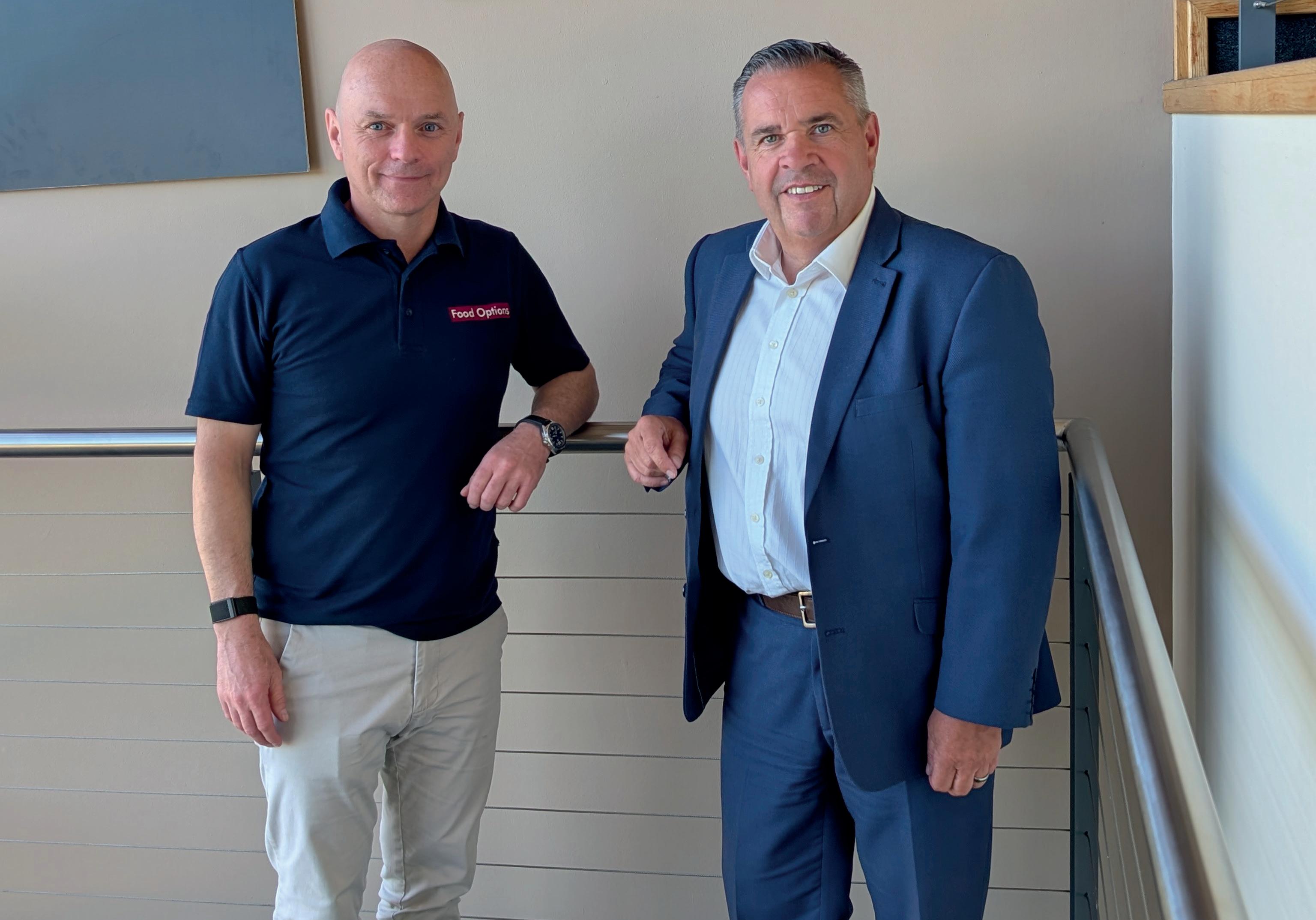
Founded in 2002, Food Options has grown significantly over the past two decades, and I am proud to have been part of that journey from the very beginning. It is especially pleasing to reflect that seven members of our original team are still with the business today. I joined as Financial Controller, later became Finance Director, and in 2025 I was delighted to take on the role of Managing Director.
Over the years, the business has evolved considerably. From our beginnings as a chilled food distributor, we have expanded our capabilities, relocated to new premises, upgraded our IT systems, developed a successful butchery operation, and successfully navigated the challenges of COVID. Every stage of that progress has been made possible by the dedication and commitment of the team we have built.
As a member of The Wholesale Group, the UK’s largest foodservice and retail buying group, we benefit from access to more than 20,000 products through a fully approved supply chain. Combined with the marketing and promotional support the group provides, this partnership continues to play an important role in supporting our
long-term growth ambitions.
Today, we are proud to offer a genuine one-stop shop for the foodservice sector, with a comprehensive range spanning chilled, frozen, butchery, grocery, and nonfood products. Quality, value, and service remain at the heart of everything we do, underpinned by our SALSA accreditation and our status as an approved Soil Association organic wholesaler.
As we look ahead to the next chapter, there is a great deal to be excited about.
We have continued to invest in our people, our fleet, our warehouse, and our IT infrastructure, with a new and enhanced ERP system and app-based online ordering functionality coming soon. These developments are designed to strengthen our service offering and support the future needs of our customers.
Watching Food Options and its team develop over the years has been a source of genuine personal pride and satisfaction. I look forward to seeing the business continue to thrive and to supporting Food Options in ‘Powering Scotland’s Foodservice’ for many years to come.
waste wasn’t wasted?
We started collecting waste over a hundred years ago. Today, we help our customers recycle, redistribute and reuse it too. It’s all part of Biffa driving the circular economy – creating opportunities for businesses and organisations to grow more sustainably, save money and leave a smaller footprint. Here’s to the next hundred years. Change begins with what iff…