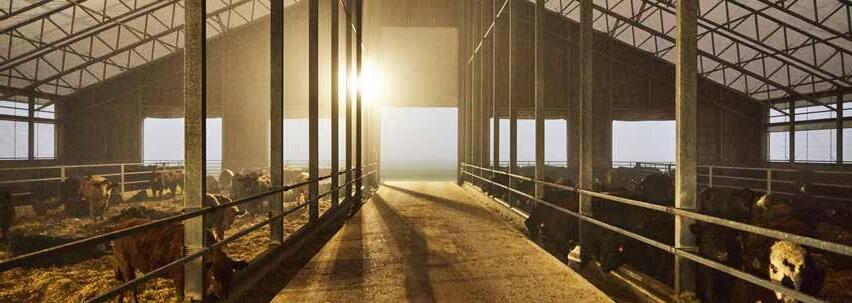
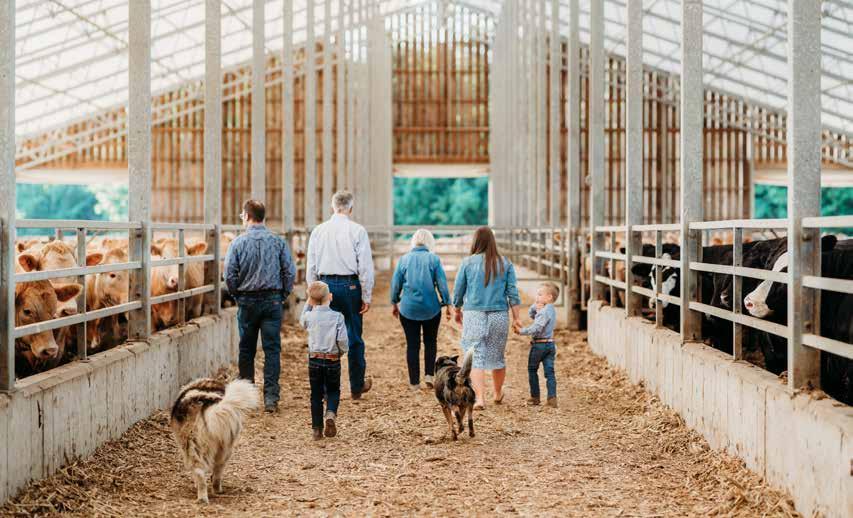
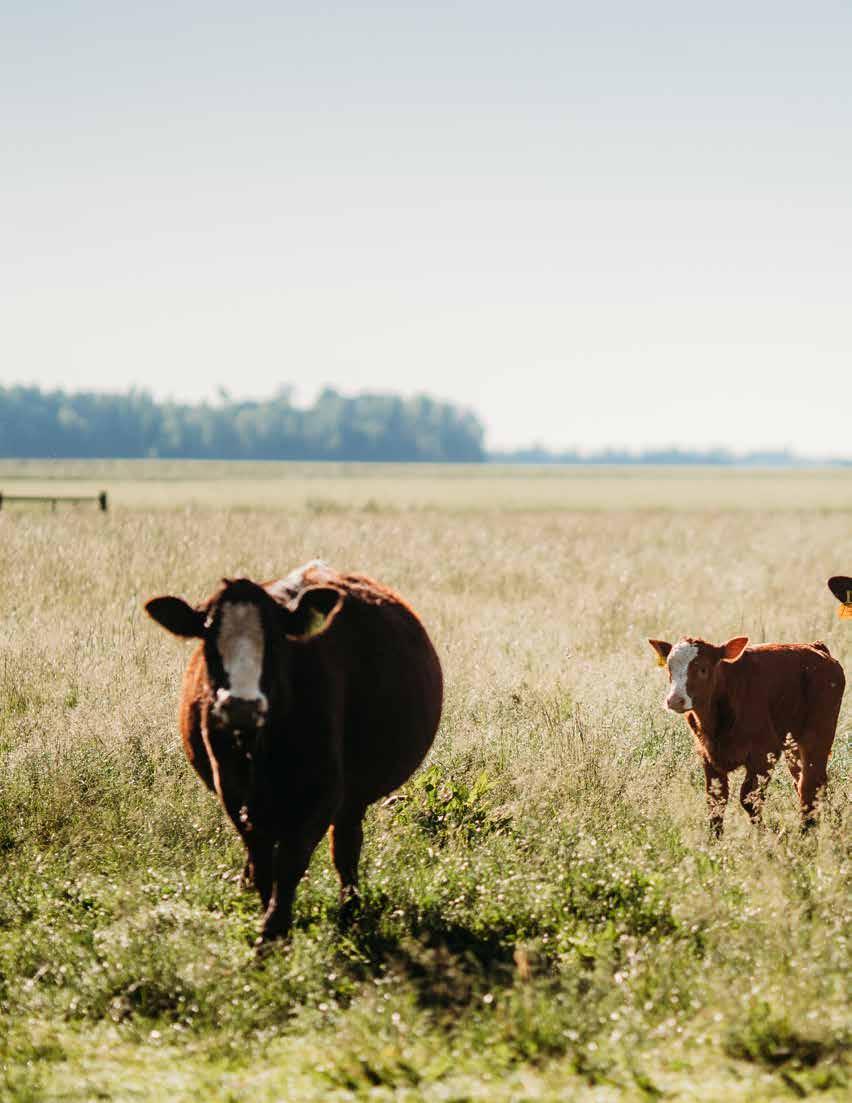
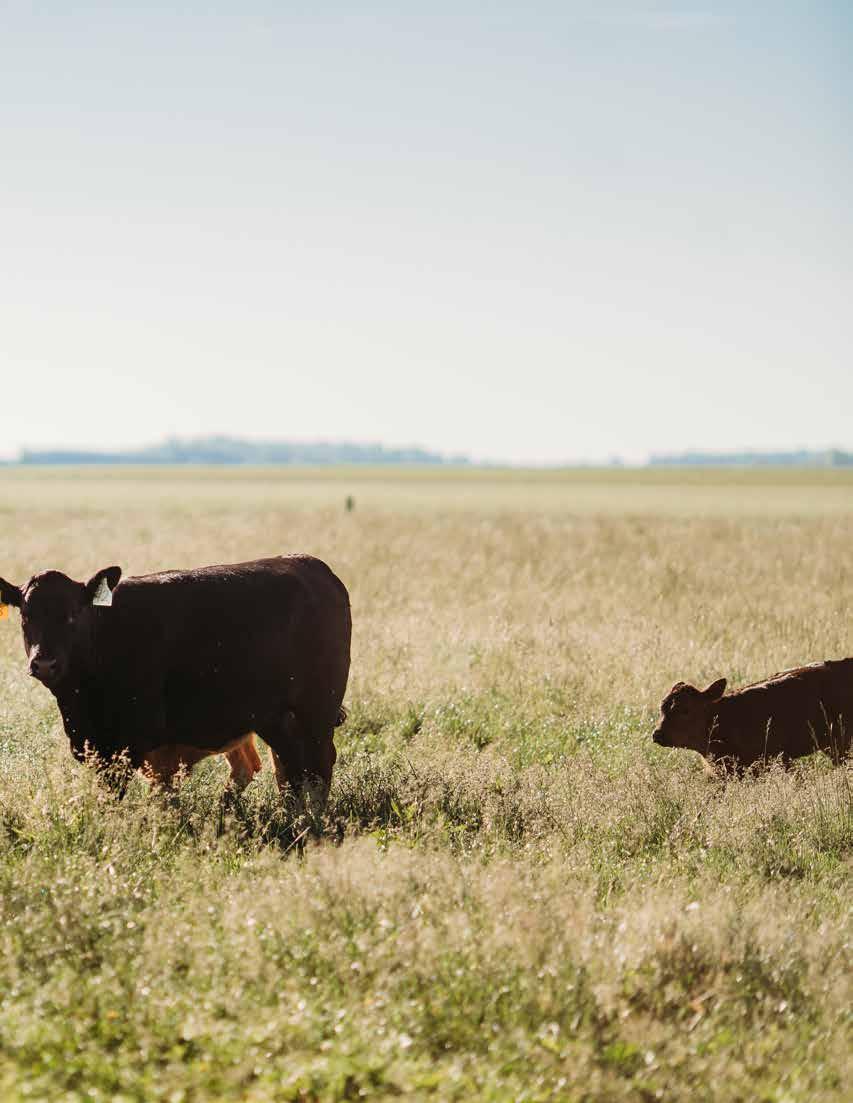
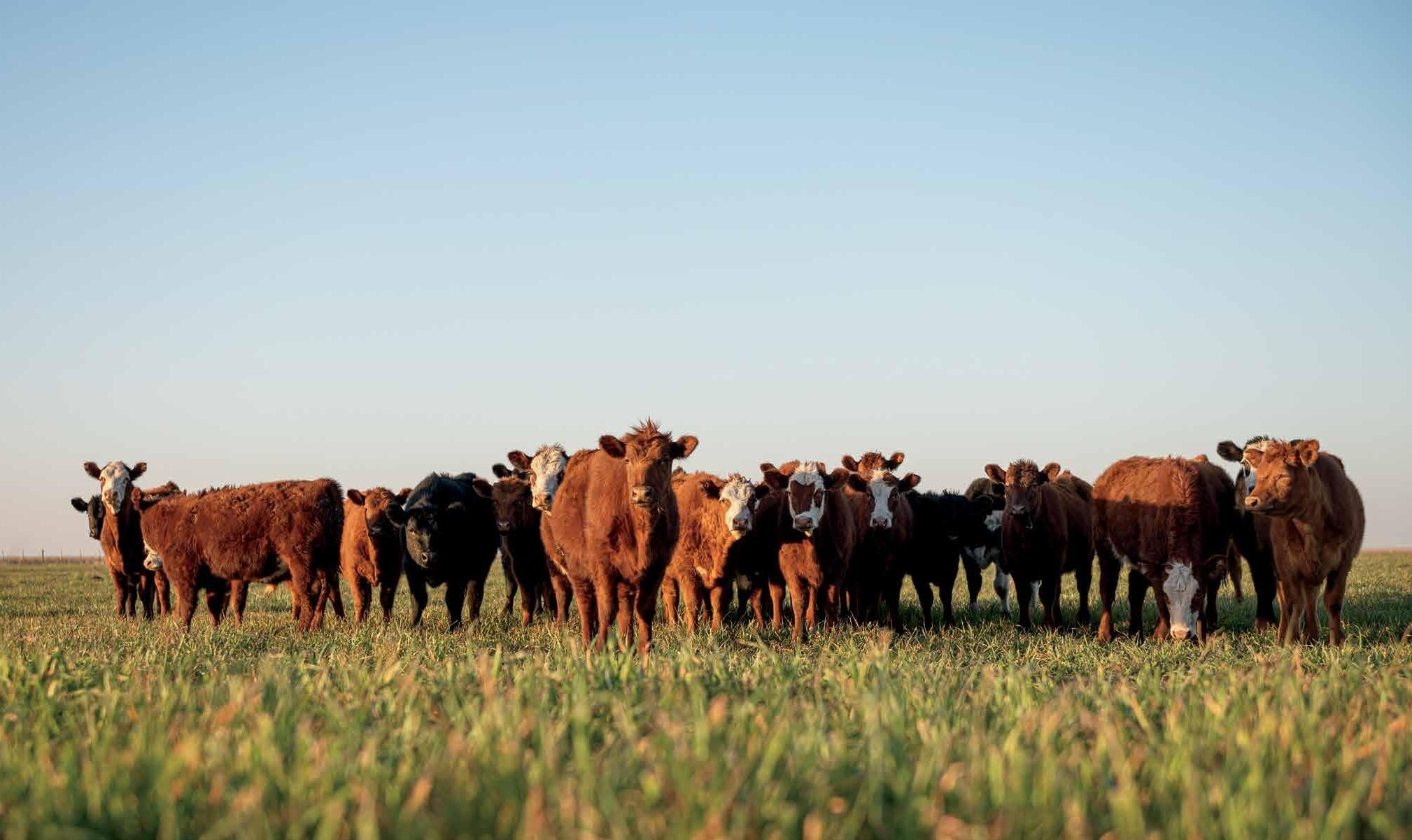
To be world leaders in quality and responsible beef production.
Mission
To provide leadership that fosters a sustainable and profitable beef sector to meet producer needs and have Ontario beef recognized as an outstanding product by our consumers.
Animal Care Values
Animal welfare is of the utmost importance. Beef Farmers of Ontario supports the National Farm Animal Care Council’s Code of Practice for the Care and Handling of Beef Cattle as the minimum acceptable standard of animal care for beef cattle in Ontario. We expect our members to take responsibility in their role as beef farmers for the welfare of their animals, and for the reputation and positioning of the Ontario beef sector as proactive and principled when it comes to animal care.
Environmental Values
Sustainable food production matters to all of us. Beef farmers are proud caretakers of Ontario’s hay and pasturelands, which do so much more than produce beef. To better understand the impact of Ontario beef farming on the environment, we invest in research and tools to study and improve our environmental footprint. We’re intimately connected to the soil, water and wildlife on our farms.
Community Values
We recognize the beef sector does not always appear as diverse; however, there is a great amount of diversity among the people who enjoy our product and those dedicated to ensuring it makes it to our tables. We’re committed to advocating for diversity, equity and inclusion within the beef sector and the agri-food sector, as well as fighting racism and discrimination in all of its forms.
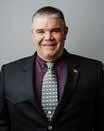
A MESSAGE FROM THE PRESIDENT CRAIG MCLAUGHLIN
As we look back on 2025, it is clear that the past year has been one of both significant challenge and meaningful progress for the Beef Farmers of Ontario (BFO). It was a year that demanded steady leadership, strong advocacy, and clear communication, while also providing opportunities to strengthen our association, engage our members, and position Ontario’s beef sector for the future.
Throughout the year, BFO remained focused on representing the interests of Ontario beef farmers, protecting market access, advancing sound policy, and supporting a profitable and sustainable beef sector. None of this work happens in isolation. It is shaped by the dedication of our directors, staff, committee members, advisory councillors, local associations and, most importantly, our members, whose engagement and feedback guide everything we do.
The strength and resilience of our association today are rooted in the leadership and vision of those who helped build it. In 2025, the Ontario beef and agricultural community paused to reflect on that legacy with the passing of Graeme Walker Hedley on November 6, at the age of 83. Over a career that spanned decades, Graeme played a pivotal role in shaping
Ontario’s beef and livestock sectors and influencing how the industry approaches animal welfare, marketing, sustainability, and innovation.
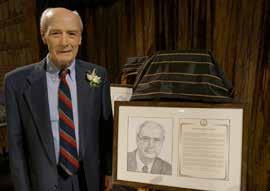
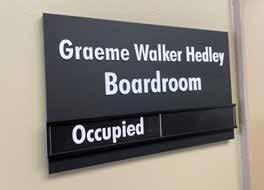
As Executive Director of the Ontario Cattlemen’s Association (now Beef Farmers of Ontario) for 31 years, he guided the organization through a period of significant transformation, helping establish the provincial check-off system, advancing market development, strengthening public trust in livestock production, and supporting countless leaders across the sector. His vision led to enduring initiatives such as electronic cattle sales, the Ontario Feeder Cattle Loan Guarantee Program, the growth of the Ontario Corn Fed Beef program, and major investments in research and genetic improvement. Graeme’s influence extended well beyond beef through his leadership in commodity coordination, community pasture governance, and national beef grading standards. In recognition of his extraordinary contributions, he was inducted into the Ontario Agricultural Hall of Fame in 2016. His legacy continues to benefit producers today and, to honour his lasting impact, BFO has named its boardroom the Graeme Walker Hedley Boardroom - a permanent
reminder of his leadership, foresight, and dedication to Ontario’s beef sector.
Navigating a Complex Trade Environment Trade and market access continued to be central themes in 2025. As a sector that relies heavily on export markets, the Canadian beef industry is particularly sensitive to changes in global trade dynamics. Canada exports more than 40 per cent of its beef production annually, and maintaining confidence in our systems, products, and regulatory frameworks is essential to preserving those markets.
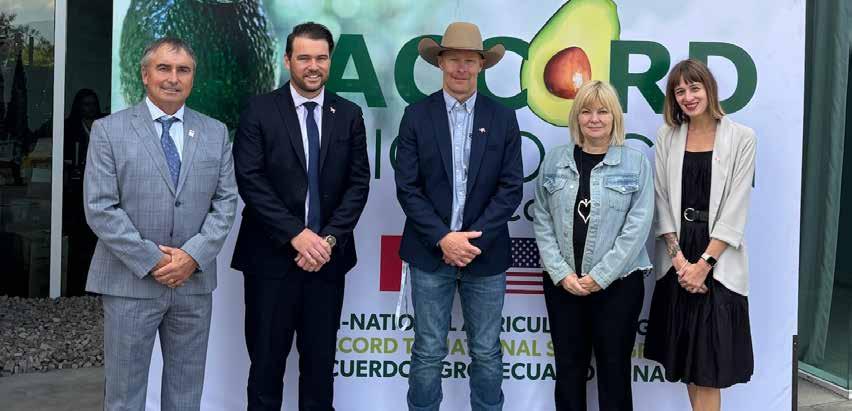
In light of this, discussions surrounding the upcoming review of the Canada–United States–Mexico Agreement (CUSMA) took on increased importance. Political uncertainty and evolving trade relationships between Canada and the United States underscored the need for proactive engagement and collaboration with our counterparts on both sides of the border. Participation in events such as the Tri-National Agricultural Accord, the State Ag and Rural Leaders Forum, and the National Cattlemen’s Beef Association Convention provided valuable opportunities to strengthen relationships, exchange perspectives, and reinforce the importance of a fair, predictable, and science-based
approach to trade.
BFO worked closely with national partners, including the Canadian Cattle Association and the National Cattle Feeders’ Association, to ensure Ontario producers’ perspectives were reflected in broader industry advocacy. These efforts are critical to ensuring that the benefits of our integrated North American beef supply chain are well understood and protected, particularly as political and economic pressures continue to evolve.
Producer Engagement at Home
While international issues often dominate headlines, the strength of BFO lies in its strong connection to producers here at home. Local association annual general meetings once again served as an important forum for engagement, discussion, and debate, with strong attendance and thoughtful participation from producers across the province.
Grassroots engagement remains a cornerstone of the association’s work. Feedback gathered through local association meetings, our summer and regional meetings, committee discussions, and direct conversations with members plays a critical role in shaping policy positions and advocacy
strategies. In a year marked by complex and sometimes contentious issues, these connections were more important than ever.
Producer engagement was also evident in 2025 through strong support for an increase to the mandatory beef check-off rate. The Ontario Ministry of Agriculture, Food and Agribusiness approved a $1.50 increase to the national portion of the check-off, bringing the total to $7.00 per head effective November 1, 2025. The proposed increase received overwhelming support, with 92 per cent of voting delegates in favour at Beef Farmers of Ontario’s 2025 Annual General Meeting. This decision reflects a shared recognition of the need to sustain core services, strengthen advocacy capacity, and maintain a strong presence with government and key decision-makers, while aligning Ontario with other provinces and supporting national industry priorities.
Advocacy at Queen’s Park
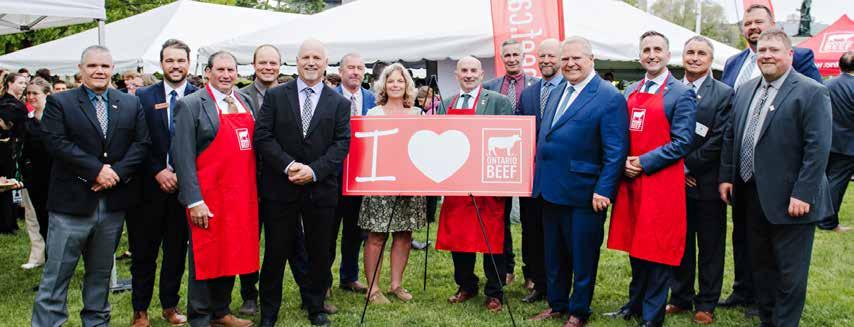
One of the most visible and impactful advocacy activities of the year was BFO’s annual Queen’s Park Barbecue. This longstanding event remains a cornerstone of the association’s government relations efforts, providing an opportunity to bring producers and policymakers together in a positive,
informal setting.
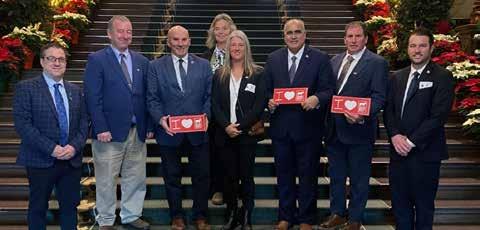
The 2025 barbecue once again welcomed the Premier, Lieutenant Governor of Ontario, Members of Provincial Parliament, cabinet ministers, political staff, and senior government officials, offering them the chance to engage directly with Ontario beef farmers. These conversations are invaluable in building understanding of the sector, highlighting the economic and social contributions of beef farming, and reinforcing the importance of agriculture to rural and urban communities alike.
Beyond relationship-building, the Queen’s Park Barbecue also provided a platform to advance key policy priorities. This year, BFO used the opportunity to highlight the challenges facing beef producers, particularly around access to capital, growing the cow herd, succession, and long-term investment. These discussions helped set the stage for ongoing advocacy throughout the year.
Advancing a Beef Breeder Loan Guarantee Program
One of the most important policy initiatives pursued by BFO in 2025 was its pitch to the provincial government to establish a government-backed Breeder Loan Guarantee
Program. Building on the success of the Ontario Feeder Cattle Loan Guarantee Program, BFO advocated for a similar tool tailored to support cow-calf and breeding operations.
Access to affordable capital remains a significant challenge for many producers, particularly new entrants and those looking to expand or transition their operations. A Breeder Loan Guarantee Program would help reduce financing barriers, support succession planning, and encourage longterm investment in Ontario’s beef herd.
Throughout the year, BFO engaged with government officials, policymakers, and financial institutions to outline the rationale for the program and demonstrate its potential benefits. These discussions emphasized the importance of supporting the foundational cow-calf sector, which underpins the entire beef value chain. While work on this initiative continues, 2025 marked an important step forward in advancing the conversation and building momentum for future progress.
Traceability
As we closed out the year, few topics generated as much discussion and concern as traceability. While traceability has been part of industry conversations for more than a decade, proposed regulatory changes brought the issue firmly to the forefront for many producers, particularly as indications suggested the amendments could advance
to Canada Gazette II.
Understandably, producers raised significant questions about how the proposed changes would affect their operations, including concerns related to implementation timelines, reporting requirements, technological capacity, and cost. These concerns were expressed through formal channels, local meetings, and increasingly through social media, highlighting the need for clear, transparent communication and meaningful consultation.
BFO consistently emphasized that while concerns about implementation are valid, it is also important to recognize the broader objectives of traceability. At its core, traceability is intended to strengthen Canada’s ability to respond quickly and effectively to animal disease outbreaks and food safety incidents, while safeguarding access to domestic and international markets. The ability to complete disease investigations quickly and accurately is a critical factor in minimizing market disruptions and restoring trade following an incident, as the BSE crisis clearly demonstrated.
At the same time, BFO was clear that any regulatory framework must be practical, workable, and economically viable for producers. In response to member concerns, BFO joined with the Canadian Cattle Association and provincial counterparts in calling for a delay in the implementation of the proposed regulations to allow
outstanding questions and concerns to be addressed.
On January 10, 2026, the Canadian Food Inspection Agency announced a pause in the publication of the proposed amendments, citing the need for the changes to be more broadly understood and for producer concerns to be fully considered.
Since that time, BFO has continued to work closely with national and provincial partners to gather feedback from members. This input is being compiled and shared with CFIA as part of an ongoing dialogue aimed at achieving outcomes that meet regulatory objectives while recognizing on-farm realities. This work will remain a priority as discussions continue.
Advancing Key Programs and Policy Files
Despite the challenges of 2025, the year also delivered meaningful progress on several critical files. BFO continued to advocate for and support programs that help manage risk, improve market opportunities, and strengthen the long-term viability of the sector.
Ontario’s Risk Management Program remains an essential tool for producers navigating volatile markets and rising input costs. BFO worked diligently to ensure the program continues to reflect the needs of beef farmers and remains a reliable component of the broader business risk management framework.
Similarly, the Ontario Feeder Cattle Loan
Guarantee Program continued to provide valuable support to producers, improving access to financing and helping to stabilize the feeder cattle market. These programs play an important role in supporting farmlevel decision-making and maintaining confidence across the supply chain.
Market development also remained a priority in 2025. Through the Ontario Beef Market Development Program, BFO continued to invest in initiatives that promote Ontario beef, build consumer trust, and support demand for high-quality, locally produced products. These efforts complement national initiatives and help ensure that Ontario beef maintains a strong presence in both domestic and export markets.
Education, Leadership, and Building Capacity
Supporting producer education, quality assurance training and leadership development remained a key focus for BFO in 2025. As the industry continues to evolve, access to timely, relevant information and opportunities to build leadership capacity are more important than ever.
The return of the BUILD Leadership Program is a particularly positive development. Designed to equip participants with a stronger understanding of governance, effective meetings, advocacy, and lobbying, the program plays an important role in preparing future leaders for involvement at the local, provincial, and national levels. As a graduate of the program myself, I can
personally attest to its value and strongly encourage members considering leadership roles to participate.
Beyond BUILD, BFO continued to expand and enhance its educational programming, offering producers opportunities to engage on topics ranging from policy and regulation to production practices and market trends. Initiatives such as the Back to Beef Basics workshops, Feedlot Management School, Cow-Calf Management Tour, Carcass 101: Direct Marketing Workshop and quality assurance training all provided accessible platforms for learning and discussion.
Competing with Confidence: Driving the Future of Beef
For me personally, this marks the conclusion of a significant chapter, as I completed nine years with BFO, including seven as a director and two as president. It has been a privilege to represent Ontario beef farmers during a period of both challenge and change.
During my time as president, the association navigated the temporary closure of eastern Canada’s largest processing facility, several contentious legislative files, and growing trade tensions with our U.S. neighbours. We were also required to have some difficult but necessary conversations about the future of our association and what would be required to ensure a healthy, vibrant beef sector in Ontario.
While these challenges were significant, they were matched by positive progress and a
strong sense of collaboration. The dedication of fellow directors, the professionalism of BFO staff, and the engagement of our members made it possible to move forward constructively, even when issues were complex or divisive.
As BFO moves into the year ahead under new leadership, the association is well positioned to continue advocating effectively on behalf of Ontario beef farmers. The issues facing our sector will remain complex, but the foundation of strong governance, informed advocacy, and engaged membership provides confidence in our ability to navigate whatever lies ahead. I would like to extend my sincere thanks to the members who place their trust in BFO, to the local associations and advisory councillors that ensure producer voices are heard, and to the staff who work tirelessly to support the association’s mission. Your commitment and collaboration are the reason BFO continues to be a strong and respected voice for Ontario beef farmers.
It has been an honour to serve as your President. I look forward to seeing the association continue to evolve and succeed in the years ahead.
Beef farming: Only for the brave.
UN MESSAGE DU PRÉSIDENT
CRAIG MCLAUGHLIN
Lorsque nous jetons un regard rétrospectif sur l’année 2025, il est clair que l’année écoulée a été marquée à la fois par des défis importants et des progrès significatifs pour les éleveurs de bovins de l’Ontario (BFO).
Ce fut une année qui a exigé un leadership constant, une défense vigoureuse des intérêts et une communication claire, tout en offrant des occasions de renforcer notre organisation, de mobiliser nos membres et de positionner le secteur bovin de l’Ontario pour l’avenir.
Tout au long de l’année, BFO est demeurée résolument concentrée sur la représentation des intérêts des éleveurs de bovins de l’Ontario, la protection de l’accès aux marchés, la promotion de politiques judicieuses et le soutien à un secteur bovin rentable et durable. Rien de ce travail ne se fait en vase clos. Il est porté par le dévouement de nos dirigeants, notre personnel, les membres de nos comités, nos conseillers, des associations locales et, surtout, nos membres, dont l’engagement et les commentaires guident toutes nos actions.
La force et la résilience de notre association aujourd’hui trouvent leurs racines dans le leadership et la vision de ceux qui
ont contribué à sa création. En 2025, la communauté bovine et agricole de l’Ontario s’est arrêtée pour réfléchir à cet héritage avec le décès de Graeme Walker Hedley, le 6 novembre, à l’âge de 83 ans. Au cours d’une carrière s’étendant sur plusieurs décennies, Graeme a joué un rôle déterminant dans l’évolution des secteurs bovin et de l’élevage de l’Ontario et a influencé la manière dont l’industrie aborde le bien-être animal, le marketing, la durabilité et l’innovation.
En tant que directeur général de l’Ontario Cattlemen’s Association (aujourd’hui Beef Farmers of Ontario) pendant 31 ans, il a guidé l’organisation à travers une période de transformation importante, contribuant à la mise en place du système provincial de prélèvement, faisant progresser le développement des marchés, renforçant la confiance du public dans la production animale et soutenant d’innombrables leaders du secteur. Sa vision a donné lieu à des initiatives durables telles que la vente électronique de bovins, le programme ontarien de Garanties d’emprunt pour l’élevage de bovins d’engraissement, la croissance du programme de Bœuf de grain de l’Ontario et d’importants
investissements dans la recherche et l’amélioration génétique. L’influence de Graeme s’étendait bien au-delà du secteur du bœuf grâce à son leadership dans la coordination sectorielle, la gouvernance des pâturages communautaires et les normes nationales de classement du bœuf. En reconnaissance de ses contributions exceptionnelles, il a été intronisé au Temple de la renommée agricole de l’Ontario en 2016. Aujourd’hui, son héritage continue de profiter aux producteurs et, pour honorer son influence durable, BFO a baptisé sa salle de conférence « Salle de conseil Graeme Walker Hedley », en souvenir permanent de son leadership, de sa perspicacité et de son dévouement envers le secteur bovin de l’Ontario.
Évoluer dans un contexte commercial complexe
Le commerce et l’accès aux marchés sont restés des thèmes centraux en 2025. En tant que secteur fortement dépendant des marchés d’exportation, l’industrie canadienne du bœuf est particulièrement sensible aux changements dans la dynamique du commerce mondial. Le Canada exporte plus de 40 % de sa
production annuelle de bœuf, et il est essentiel de maintenir la confiance dans nos systèmes, nos produits et nos cadres réglementaires pour préserver ces marchés.
Dans ce contexte, les discussions entourant la prochaine révision de l’Accord CanadaÉtats-Unis-Mexique (ACEUM) ont pris une importance accrue. L’incertitude politique et l’évolution des relations commerciales entre le Canada et les États-Unis ont souligné la nécessité d’un engagement et d’une collaboration proactifs avec nos homologues des deux côtés de la frontière. La participation à des événements tels que l’Accord trinational sur l’agriculture, le State Ag and Rural Leaders Forum et le congrès de la National Cattlemen’s Beef Association a offert de précieuses occasions de renforcer les relations, d’échanger des points de vue et de réaffirmer l’importance d’une approche commerciale équitable, prévisible et fondée sur la science.
BFO a travaillé en étroite collaboration avec des partenaires nationaux, notamment l’Association canadienne des bovins et l’Association nationale des engraisseurs de bovins, afin de s’assurer que les points de vue des producteurs ontariens soient pris en compte dans les démarches de représentation de l’industrie. Ces efforts sont essentiels pour garantir que les avantages de notre chaîne d’approvisionnement nordaméricaine intégrée du bœuf soient bien compris et protégés, en particulier dans un contexte où les pressions politiques et économiques continuent d’évoluer.
Engagement des producteurs d’ici Alors que les enjeux internationaux font souvent la une des journaux, la force de
BFO réside dans ses liens étroits avec les producteurs d’ici. Les assemblées générales annuelles des associations locales ont une fois de plus constitué un forum important pour l’engagement, la discussion et le débat, avec une forte participation et une contribution réfléchie des producteurs de toute la province.
L’engagement à l’échelle locale demeure l’une des pierres angulaires du travail de l’association. Les commentaires recueillis lors des réunions des associations locales, de nos rencontres estivales et régionales, des discussions des comités et des échanges directs avec les membres jouent un rôle crucial dans l’élaboration des positions de politique et des stratégies de représentation. Dans une année marquée par des enjeux complexes et parfois litigieux, ces liens ont été plus importants que jamais.
L’engagement des producteurs s’est également manifesté en 2025 par un soutien massif à l’augmentation du taux de prélèvement obligatoire sur le bœuf. Le ministère de l’Agriculture, de l’Alimentation et de l’Agroalimentaire de l’Ontario a approuvé une augmentation de 1,50 $ de la partie nationale du prélèvement, portant le total à 7,00 $ par tête à compter du 1er novembre 2025. Lors de l’assemblée générale annuelle 2025 de Beef Farmers of Ontario, la hausse proposée a reçu un soutien massif, avec 92 % des délégués votants en faveur de celle-ci. Cette décision reflète une reconnaissance commune de la nécessité de maintenir les services essentiels, de renforcer la capacité de représentation et de conserver une forte présence auprès du gouvernement et des principaux décideurs, tout en alignant
l’Ontario sur les autres provinces et en soutenant les priorités nationales de l’industrie.
Défense des droits à Queen’s Park
L’une des activités de représentation les plus visibles et les plus marquantes de l’année a été le barbecue annuel et la journée de lobbying organisés par BFO à Queen’s Park. Cet événement de longue date demeure une pierre angulaire des efforts de l’association en matière de relations gouvernementales, offrant l’occasion de réunir les producteurs et les décideurs politiques dans un cadre positif et informel.
Le barbecue 2025 a accueilli le premier ministre, la lieutenante-gouverneure de l’Ontario, des députés provinciaux, des ministres, des membres du personnel politique et des hauts fonctionnaires, leur offrant ainsi l’occasion de dialoguer directement avec les éleveurs de bovins de l’Ontario. Ces conversations sont précieuses pour mieux faire comprendre le secteur, mettre en évidence les contributions économiques et sociales de l’élevage bovin et renforcer l’importance de l’agriculture pour les communautés rurales et urbaines.
Au-delà de l’établissement de relations, le barbecue de Queen’s Park a également fourni une plateforme pour faire progresser les principales priorités politiques. Cette année, BFO a profité de l’occasion pour mettre en évidence les défis auxquels sont confrontés les producteurs de bœuf, notamment en matière d’accès au capital, d’augmentation du cheptel bovin, de relève et d’investissement à long terme. Ces discussions ont contribué à préparer le terrain pour un travail de plaidoyer continu
tout au long de l’année.
Promouvoir un programme de Garantie de prêt pour les éleveurs de bovins
L’une des initiatives stratégiques les plus importantes poursuivies par BFO en 2025 a été sa démarche auprès du gouvernement provincial en vue de mettre sur pied un programme de garantie de prêts aux éleveurs, soutenu par le gouvernement. S’appuyant sur le succès du programme ontarien de garantie de prêts pour les bovins d’engraissement, BFO a plaidé en faveur d’un outil similaire adapté aux exploitations de vaches-veaux et d’élevage.
L’accès à des capitaux abordables reste un défi important pour de nombreux producteurs, en particulier les nouveaux venus et ceux qui cherchent à expandre ou à transformer leurs activités. Un programme de garantie de prêt aux éleveurs contribuerait à réduire les obstacles au financement, à soutenir la planification de la relève et à encourager les investissements à long terme dans le cheptel bovin de l’Ontario.
Tout au long de l’année, BFO a collaboré avec des représentants du gouvernement, des décideurs politiques et des institutions financières afin d’exposer les raisons d’être du programme et de démontrer ses avantages potentiels. Ces discussions ont souligné l’importance de soutenir le secteur vache-veau, pilier de l’ensemble de la chaîne de valeur du bœuf. Alors que les travaux sur cette initiative se poursuivent, l’année 2025 a marqué une étape importante dans les discussions et a donné un élan pour les progrès futurs.
Traçabilité
Au moment de clôturer l’année, peu de sujets ont suscité autant de discussions et d’inquiétudes que la traçabilité. Bien que la traçabilité fasse partie des conversations
au sein de l’industrie depuis plus d’une décennie, les modifications réglementaires proposées ont mis cette question au premier plan pour de nombreux producteurs, d’autant plus que tout indiquait que ces modifications pourraient être publiées dans la Gazette du Canada II.
Il est compréhensible que les producteurs aient soulevé d’importantes questions quant à l’incidence des changements proposés sur leurs exploitations, notamment en ce qui concerne les délais de mise en œuvre, les exigences en matière de rapports, les capacités technologiques et les coûts. Ces préoccupations ont été exprimées par les voies officielles, lors de réunions locales et, de plus en plus, sur les réseaux sociaux, soulignant la nécessité d’une communication claire et transparente et d’une consultation significative.
BFO a toujours insisté sur le fait que, même si les préoccupations relatives à la mise en œuvre sont légitimes, il est également important de reconnaître les objectifs plus larges de la traçabilité. Fondamentalement, la traçabilité vise à renforcer la capacité du Canada à réagir rapidement et efficacement aux épidémies animales et aux incidents liés à la salubrité des aliments, tout en préservant l’accès aux marchés nationaux et internationaux. La capacité à mener rapidement et avec précision des enquêtes sur les maladies est un facteur essentiel pour minimiser les perturbations du marché et rétablir les échanges commerciaux après un incident, comme l’a clairement démontré la crise de l’ESB.
Parallèlement, BFO a clairement indiqué que tout cadre réglementaire devait être pratique, réalisable et économiquement viable pour les producteurs. En réponse aux préoccupations de ses membres, BFO s’est jointe à l’Association canadienne des bovins et à ses homologues provinciaux
pour demander un report de la mise en œuvre du règlement proposé afin de permettre le règlement des questions et des préoccupations en suspens.
Le 10 janvier 2026, l’Agence canadienne d’inspection des aliments a annoncé une pause dans la publication des modifications proposées, en invoquant la nécessité que les changements soient mieux compris et que les préoccupations des producteurs soient pleinement prises en compte.
Depuis lors, BFO continue de travailler en étroite collaboration avec ses partenaires nationaux et provinciaux afin de recueillir les commentaires des membres. Ces commentaires sont compilés et communiqués à l’ACIA dans le cadre d’un dialogue continu visant à obtenir des résultats qui répondent aux objectifs réglementaires tout en tenant compte des réalités agricoles. Ce travail restera une priorité à mesure que les discussions se poursuivront.
Faire progresser les principaux programmes et dossiers de politiques
Malgré les défis rencontrés en 2025, l’année a également été marquée par des progrès significatifs dans plusieurs dossiers cruciaux. BFO a continué à défendre et à soutenir les programmes qui contribuent à gérer les risques, à améliorer les opportunités de marché et à renforcer la viabilité à long terme du secteur.
Le programme de gestion des risques de l’Ontario demeure un outil essentiel pour les producteurs qui doivent composer avec la volatilité des marchés et la hausse des coûts des intrants. BFO a travaillé avec ardeur pour s’assurer que le programme continue de refléter les besoins des éleveurs de bovins et demeure un élément fiable du cadre plus large de gestion des risques de l’entreprise.
De même, le Programme ontarien de
garanties d’emprunt pour l’élevage de bovins d’engraissement a continué d’apporter un soutien précieux aux producteurs, en améliorant l’accès au financement et en contribuant à stabiliser le marché des bovins d’engraissement. Ces programmes jouent un rôle important dans le soutien à la prise de décision au niveau des exploitations agricoles et dans le maintien de la confiance tout au long de la chaîne d’approvisionnement.
Le développement des marchés est également resté une priorité en 2025. Grâce au Programme de développement des marchés pour le bœuf de l’Ontario, BFO a continué d’investir dans des initiatives visant à promouvoir le bœuf de l’Ontario, à renforcer la confiance des consommateurs et à soutenir la demande de produits locaux de haute qualité. Ces efforts complètent les initiatives nationales et contribuent à garantir que le bœuf de l’Ontario conserve une forte présence sur les marchés intérieurs et d’exportation.
Formation, leadership et développement des capacités En 2025, le soutien à la formation des producteurs, à la formation en assurance de la qualité et au développement du leadership est demeuré une priorité pour BFO. À mesure que l’industrie continue d’évoluer, l’accès à une information à jour et pertinente, ainsi que les occasions de renforcer les capacités de leadership, sont plus importants que jamais.
Le retour du programme de leadership BUILD est une évolution particulièrement positive. Conçu pour permettre aux participants d’acquérir une meilleure compréhension de la gouvernance, de l’efficacité des réunions, de la défense des intérêts et du lobbying, ce programme joue un rôle important dans la préparation des futurs leaders appelés à s’impliquer
aux niveaux local, provincial et national. En tant que diplômé de ce programme, je peux personnellement attester de sa valeur et j’encourage vivement les membres qui envisagent d’assumer des rôles de leadership à y participer.
Au-delà de BUILD, BFO a continué à élargir et de bonifier ses programmes éducatifs, offrant aux producteurs la possibilité de s’engager sur des sujets allant de la politique et de la réglementation aux pratiques de production et aux tendances du marché. Des initiatives telles que les ateliers « Back to Beef Basics » (Retour aux bases de l’élevage bovin), la « Feedlot Management School » (École de gestion des parcs d’engraissement), la « Cow-Calf Management Tour » (Tournée sur la gestion vache-veau), « Carcass 101: Direct Marketing Workshop » (Atelier sur la commercialisation directe) et la formation sur l’assurance qualité ont toutes offert des plateformes accessibles d’apprentissage et de discussion.
Affronter la concurrence en toute confiance : façonner l’avenir du secteur bovin Pour moi personnellement, cela marque la fin d’un chapitre important puisque j’ai passé neuf ans au sein de BFO, dont sept en tant que directeur et deux en tant que président. Ce fut un privilège de représenter les éleveurs de bovins de l’Ontario pendant une période marquée par les défis et les changements.
Pendant mon mandat de président, l’association a dû faire face à la fermeture temporaire de la plus grande usine de transformation de l’est du Canada, à plusieurs dossiers législatifs controversés et à des tensions commerciales croissantes avec nos voisins américains. Nous avons également dû avoir des discussions difficiles mais nécessaires sur l’avenir de notre association et sur les mesures à prendre pour
garantir un secteur bovin sain et dynamique en Ontario.
Bien que ces défis aient été importants, ils ont été compensés par des progrès positifs et un fort sentiment de collaboration. Le dévouement des autres administrateurs, le professionnalisme du personnel de BFO et l’engagement de nos membres ont permis d’avancer de manière constructive, même lorsque les questions étaient complexes ou controversées.
Alors que BFO entame une nouvelle année sous une nouvelle direction, l’association est bien placée pour continuer à défendre efficacement les intérêts des éleveurs de bovins de l’Ontario. Les enjeux auxquels notre secteur est confronté resteront complexes, mais grâce à une gouvernance solide, à un plaidoyer éclairé et à l’engagement de ses membres, nous sommes confiants dans notre capacité à surmonter les défis qui nous attendent.
Je tiens à remercier sincèrement les membres qui font confiance à BFO, les associations locales et les conseillers consultants qui veillent à ce que la voix des producteurs soit entendue, ainsi que le personnel qui travaille sans relâche pour soutenir la mission de l’association. C’est grâce à votre engagement et à votre collaboration que BFO continue d’être une voix forte et respectée pour les éleveurs de bovins de l’Ontario.
Ce fut un honneur d’avoir été votre président. Je me réjouis de voir l’association continuer à évoluer et à prospérer au cours des années à venir. L’avenir est si brillant qu’il faudra porter des lunettes de soleil ! L’élevage bovin : réservé aux courageux.
BFO PAST PRESIDENTS
1963 Bruce Mehlenbacher, Haldimand
1964 Ross Beattie, Simcoe
1965 George Morris, Kent
1966 Harvey Ackert, Bruce
1967 - 1968 Walter Beath, Ontario County
1969 Vern Kaufman, Oxford
1970 Lawrence Markusse, Lambton
1971 Hugh Grace, Lanark
1972 Tom Jackson, Peel-Halton
1973 Stewart Brown, Elgin
1974 Grant Burroughes, York
1975 Clarence Hardy, Middlesex
1976 Ronald Oswald, Bruce
1977 Archie Etherington, Huron
1978 Alex Connell, Wellington
1979 - 1980 Morley Shepherdson, Temiskaming
1981 Gus Lask, Ontario County
1982 Tony Noorloos, Lambton
1983 Robert Chapple, Kent
1984 - 1985 Gerhard Schickedanz, York
1986 Edgar Wideman, Waterloo
1987 Hugh Sharpe, Lennox and Addington
1988 Robert Gregson, Elgin
1989 Jim Magee, Oxford
1990 David Whittington, Peterborough
1991 Glenn Coultes, Huron
1992 Doug Gear, Dufferin
1993 Robert Kerr, Kent
1994 Ken Summers, Victoria
1995
1996
Harvey Graham, Durham East
Dale Pallister, Grey
1997 Linda Barker, Haldimand
1998 Bob Dobson, Renfrew
1999 Darlene Bowen, Temiskaming
2000 Stan Eby, Bruce
2001 Dick van der Byl, Glengarry
2002 Mike Buis, Kent
2003 - 2004 Ron Wooddisse, Wellington
2005 - 2007 Ian McKillop, Elgin
2008 - 2009 Gord Hardy, Middlesex
2010 - 2011 Curtis Royal, Simcoe
2012 - 2013 Dan Darling, Northumberland
2014 - 2015 Bob Gordanier, Dufferin
2016 - 2017 Matt Bowman, Temiskaming
2018 - 2019 Joe Hill, Wellington
2020 - 2021 Rob Lipsett, Grey
2022 - 2023 Jack Chaffe, Perth
2025 BOARD OF DIRECTORS
BFO’s Board of Directors consists of 12 elected officials - three from the cow-calf sector, three from the feedlot sector, one from the background sector, one each representing the southern, northern and eastern regions of Ontario, and two elected at-large. Directors are elected for three-year terms on a rotating basis. In addition to the 12 elected officials, one youth representative is appointed by the BFO Board of Directors through an application process to fill a non-voting position.
KROESBERGEN Feedlot Director TSYLDB Director
JOOST VAN DER HEIDEN Background Director FFCO & AAC Director
Southern Director OFC Director
CRAIG MCLAUGHLIN PRESIDENT
JASON LEBLOND VICE PRESIDENT
DON BADOUR Cow-Calf Director
KIM JO BLISS At-Large Director
RICHARD HORNE Executive Director
CRAIG MCLAUGHLIN PRESIDENT Eastern Director CCA & Agency Director
JASON LEBLOND VICE PRESIDENT Northern Director CCA Director
DON BADOUR Cow-Calf Director
DON HARGRAVE Cow-Calf Director CCIA Director
JIM WHITLEY Cow-Calf Director CCA Director
JAIRUS MAUS Feedlot Director NCFA Director
NICK MARTIN Feedlot Director BCRC Director
DENISE BYERS
TOM
RALPH EYRE At-Large Director
KIM JO BLISS At-Large Director BCRC Director
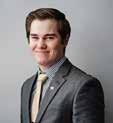
EMILY BROMLEY Youth Representative (Non-Voting)
A MESSAGE FROM THE EXECUTIVE DIRECTOR RICHARD HORNE
2025 was defined by historically strong cattle markets set against tight global supplies, ongoing trade uncertainty, and a cautious but improving outlook for profitability across much of the beef value chain. Strong demand for beef in both domestic and export markets supported prices throughout the year, even as production costs and geopolitical pressures continued to create volatility. Ontario producers operated in an environment of strong prices, high input costs, constrained North American cattle inventories, and heightened sensitivity to policy and trade decisions, reinforcing the importance of effective risk management tools, market development, and strong government relationships.
Against this backdrop, BFO focused on delivering value for members through disciplined advocacy, targeted market development investments, and careful stewardship of producer dollars.
One of the most significant milestones of 2025 was the overwhelming support demonstrated by members for the proposed increase to the national portion of the beef check-off. At the 2025 Annual General Meeting, 92 per cent of voting delegates supported the proposal, sending a clear and unified
message about the importance of maintaining capacity, influence, and effectiveness at both the provincial and national levels.
That strong member mandate culminated in formal regulatory approval by the Ontario Ministry of Agriculture, Food and Agribusiness (OMAFA), with the new check-off rate coming into effect on November 1, 2025. The total mandatory provincial beef check-off now stands at $7.00 per head, with $2.50 directed to the Canadian Beef Cattle Check-off Agency and $4.50 retained provincially by BFO.
On behalf of the Board of Directors and staff, I want to sincerely thank our producer members for the confidence they have placed in the organizations that represent you provincially and nationally. This decision reflects trust in BFO’s governance, priorities, and financial management, and it reinforces our collective ability to sustain core services, support Ontario Beef Market Development, strengthen collaboration with provincial partners such as the Ontario Cattle Feeders’ Association, and contribute meaningfully to national research, market access, and consumer trust initiatives.
The past year was unusual in that
it included both a federal and a provincial election, requiring sustained engagement with policymakers at multiple levels of government. Throughout this period, BFO maintained a strong presence focused on ensuring decision-makers understood the economic, environmental, and social importance of Ontario’s beef sector.
At the provincial level, we were pleased to continue and strengthen our constructive working relationship with the Government of Ontario and with the current Minister of Agriculture, Food and Agribusiness, the Honourable Trevor Jones. Minister Jones has demonstrated a strong understanding of farm and rural issues, and BFO appreciated his leadership on key files, including the implementation of the $100 million increase in funding for Ontario’s Risk Management Program (RMP), our pursuit of a Breeder Loan Guarantee Program, and Canada-U.S. trade, amongst other files.
BFO’s annual Queen’s Park barbecue and lobby day once again provided a valuable opportunity for directors and staff to engage directly with Members of Provincial Parliament from all parties. Discussions focused on risk management, veterinary capacity,
processing infrastructure, access to capital for herd expansion, and the importance of defending Ontario’s trading relationship with the United States.
Federally, BFO worked closely with the Canadian Cattle Association and the National Cattle Feeders’ Association during the election period and beyond, emphasizing the need for tariff-free, science-based trade, regulatory harmonization, and policies that support competitiveness. BFO also participated in the 34th Annual Tri-National Agricultural Accord, where Minister Jones served as a co-chair, reinforcing the importance of North American cooperation ahead of the upcoming CUSMA review. SRM harmonization continues to be a high priority for us at the national level as well. It’s moving in a positive direction, albeit slower than anyone wants or expects.
Market development remained a core pillar of BFO’s work in 2025. Through the Ontario Beef Market Development Program, the organization supported a robust mix of domestic and international activities designed to strengthen demand, diversify markets, and enhance the value of Ontario-fed cattle.
Domestically, Ontario Beef participated
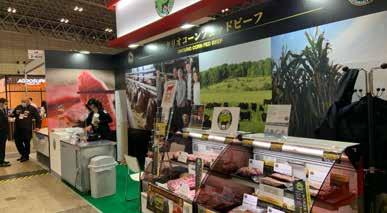
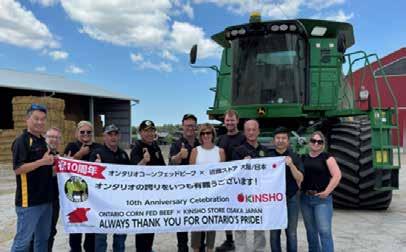
in major foodservice, retail, and processing-focused trade events, providing Ontario companies with a platform to connect directly with buyers and decision-makers. Internationally, targeted export market development in Japan and the Middle East continued to deliver strong results, including new retail partnerships, incoming trade missions, and the celebration of the 10year partnership between Ontario Corn Fed Beef and key Japanese partners. Thanks to Jim Clark, John Baker, and the OBMD/OCFA teams for their continued hard work promoting your products at home and abroad.
These efforts were complemented by ongoing investment in consumer engagement, public trust, and quality assurance programming, all aimed at reinforcing Ontario beef’s reputation for quality, sustainability, and integrity.
BFO entered 2025 in a sound financial position and will conclude the year with that strength intact. On the expense side, the organization continued to demonstrate prudent financial management. Total expenses were below budget, with disciplined control across administrative, governance, and most program areas. While lobbying and advocacy expenditures increased in response to heightened policy activity at
both Queen’s Park and in Ottawa, these investments were deliberate and aligned with member priorities.
As we move into 2026, BFO is well positioned to build on the momentum of the past year. The successful implementation of the check-off increase, strong government relationships, solid financial footing, and continued market development success provide a strong foundation for the work ahead.
Over the past year, we experienced several staffing changes while continuing to rely on a strong group of talented and dedicated staff who work tirelessly to support the Ontario beef sector and address BFO members’ concerns and issues. We extend our sincere thanks to Cheryl Russwurm and wish her all the very best in her well-earned retirement after 20 years of outstanding service to the Ontario beef sector, most recently as Provincial Program Supervisor of the feeder, breeder and APP programs. We were also pleased to welcome Aynur Izzettin to the organization as a Policy Advisor; Aynur is a talented, young, and energetic addition to our policy team, joining BFO from the College of Veterinarians of Ontario. Together with internal promotions over the year, these
changes position the organization well to continue delivering strong programs and advocacy on behalf of Ontario beef producers.
I would be remiss if I didn’t specifically mention our outgoing President, Craig McLaughlin. This February marks the conclusion of Craig’s nine-year tenure as President of Beef Farmers of Ontario, as he terms out following nearly a decade of dedicated service to the association and to Ontario’s beef producers.
Craig brought a rare and valuable combination of leadership, energy, and levity to the role. He has an unmatched ability to use humour to keep both the Board and staff on their toes, often breaking tension at exactly the moment it was needed most. That sense of humour, paired with a deep commitment to the sector, helped guide BFO through some complex and challenging conversations over the years. Craig always answered the bell. Whether it was showing up for members, government meetings, industry events, or moments of crisis, he could be counted on to be there— prepared, engaged, and willing to step forward. He worked hard to build unity at times when consensus was
difficult, and he never shied away from speaking his mind. Craig told it like it was, regardless of whether his view was popular, and that honesty earned him respect across the association and beyond.
On a personal note, I am deeply grateful for Craig’s support and confidence over the years. His leadership style created space for candid discussion, trust, and forward momentum, and his presence will be sorely missed.
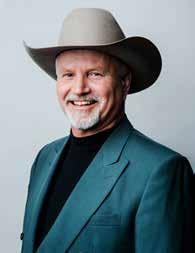
Craig is, without question, a unique personality. He may well go down as the only BFO President to have his photo on the boardroom wall wearing a cowboy hat. Fittingly, it reflects the individuality, authenticity, and mark he has left on this association.
Thank you, Craig, for your leadership, your humour, and your unwavering commitment to the Ontario beef sector.
I would also like to thank outgoing feedlot director Tom Kroesbergen. Tom’s directorship with BFO was cut short due to health and family reasons but we’re grateful to have Tom staying on as a director on the Toronto Stockyards Land Development Board. The stockyards are an incredibly
important entity for BFO and Tom’s succession into an at-large position now ensures the beef sector has two voices around that table for the foreseeable future. Thank you for your service, Tom. In closing (sorry this is long!) I would like to extend my sincere thanks to the producers for their engagement, support, and confidence throughout 2025. Together, we will continue to work to ensure a competitive, resilient, and sustainable future for Ontario’s beef sector.
ONTARIO’S 2025 ENVIRONMENTAL STEWARDSHIP RECIPIENTS - VAN OSCH FARMS
In Memory of Graeme Walker Hedley
Director 1970-2001
A life deeply rooted in Ontario agriculture. Executive
THE BFO STAFF TEAM
RICHARD HORNE Executive Director x 234 richard@ontariobeef.com
LISANDRA LIMA Office Manager x 221 lisandra@ontariobeef.com
THOMAS BRANDSTETTER Manager of Policy and Issues x 236 thomas@ontariobeef.com
AYNUR IZZETTIN Policy Advisor x 226 aynur@ontariobeef.com
In 2025, Beef Farmers of Ontario (BFO) continued to advance its commitment to diversity, equity, inclusion and broader community impact through the work of the Board’s newly re-named Social Impact Committee. Reflecting the evolution of this work, the Board approved the renaming of the Diversity, Equity and Inclusion (DEI) Committee to the Social Impact Committee, formally recognizing an expanded mandate that includes Truth and Reconciliation, food security, agricultural education, accessibility and community partnerships.
Key activities in 2025 included meaningful engagement with Indigenous partners through learning opportunities with the Six Nations Farmers Association Train the Trainer Program; leadership in food security through a $50,000 donation to Feed Ontario with a northern Ontario focus; support for agricultural education and literacy through funding and participation with AgScape and ThinkAG Career Competitions; and the launch of planning for a new women-focused initiative, StrongHER in Beef, scheduled for March 2026. Ongoing Orange Shirt Day fundraising in support of Water First and early conversations with Ronald McDonald House further reflected BFO’s commitment to community well-being.
Indigenous Engagement and Truth & Reconciliation
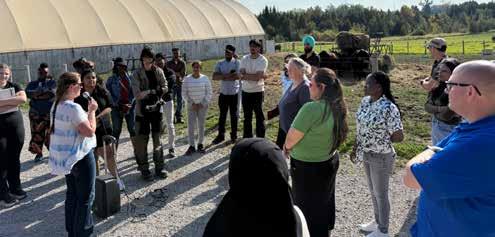
Meaningful engagement with Indigenous partners remained a priority in 2025. In July, BFO staff met with the leader and two students from the Six Nations Farmers Association Train the Trainer Program for discussion and a tour of a beef farm, generously hosted by Sandra Vos.
The visit offered insight into the program’s interest in expanding beyond greenhouse production to include other forms of agriculture, including cattle production and the potential reintroduction of an abattoir on Six Nations. A particularly meaningful moment was the opening Thanksgiving Address shared in Cayuga, with its meaning translated into English. Deeply rooted in agriculture, the address recognizes the land, water and air that sustain life, values strongly shared across the agri-food sector.
In September, to mark the National Day for Truth and Reconciliation, the Board welcomed Leslie Davis from the Six Nations Farmers Association Train the Trainer Program, who shared perspectives on food security and food sovereignty initiatives within the community.
Food Security and Community Support
Supporting food security across Ontario continued to be a core component
of BFO’s social impact work in 2025. In alignment with the organization’s commitment to supporting vulnerable communities and improving access to nutritious food, BFO once again provided $50,000 to Feed Ontario for the purchase of fresh ground beef to be distributed through food banks across the province. This year, the donation was focused in northern Ontario, where access to fresh, high-quality protein can be more limited due to geography, infrastructure and cost.
This long-standing partnership reflects shared values around community care, nutrition and responsible food production, while ensuring beef raised by Ontario farmers helps nourish families across the province. In addition to province-wide efforts, BFO also provided guidance to our local associations related to food bank donations through BFO programs and partnerships.
Exploring New Community Partnerships
Toward the end of the year, BFO began initial engagement with Ronald McDonald House (RMH) through an invitation to attend the Harvest Lunch hosted by RMH Southwestern Ontario in London. In addition to networking with fellow commodity organizations, the visit included a tour of the facility and an opportunity to learn more about RMH’s compassionate work supporting
families during challenging times.
This experience opened the door to further conversations about potential partnership opportunities, and discussions are ongoing.
Supporting Women in Beef
In 2025, the Board approved the Social Impact Committee’s recommendation to move forward with a new womenfocused initiative: StrongHER in Beef. This initiative responds to ongoing conversations about the importance of creating spaces for women in agriculture to connect, learn and grow.
Planning began in 2025, with the inaugural event scheduled to take place in March 2026. Designed as a one-day experience, StrongHER in Beef will focus on professional development, wellness, business management, hands-on learning and networking opportunities. By investing in women who are already part of the beef sector (and those considering a future in it), BFO continues to support leadership development and inclusion while advancing producer excellence.
Orange Shirt Day and Water First
As part of BFO’s ongoing commitment to Truth and Reconciliation, Orange Shirts continue to be available for purchase. Proceeds from shirt sales support Water First, an Indigenous-led
organization dedicated to improving access to safe, clean drinking water in Indigenous communities through education, training and meaningful collaboration.
Access to clean water remains a critical issue in many communities, and Water First’s work focuses on building local capacity by training Indigenous youth and young adults to become water operators and environmental technicians. Like Indigenous communities, beef farmers across Ontario share a deep respect for the land and water that sustain their livelihoods, making this partnership both relevant and values-driven.
Agricultural Education and Literacy
Building understanding of agriculture and food production among young people remains an important pillar of BFO’s social impact work. In 2025, BFO continued to provide $30,000 in annual support to AgScape, helping to deliver agriculture and food education programming to classrooms across Ontario.
Through this partnership, BFO also participated in numerous ThinkAG Career Competitions as an activity station. These events provide a unique opportunity to engage directly with thousands of students in Grades 7–12 over the course of the school year. By
interacting with students in a hands-on, engaging environment, BFO staff and volunteers are able to introduce youth to the wide range of careers connected to beef farming and beef production, from on-farm roles to processing, veterinary medicine, nutrition, transportation, research, marketing and beyond.
These conversations play an important role in improving agricultural literacy, dispelling misconceptions, and helping students better understand how food is produced and the diverse skill sets required to bring beef from farm to plate.
Accountability and Looking Ahead
The Social Impact Committee continues to serve as an accountability body for BFO’s commitments in this area. The committee remains open to participation by any director or staff member and meets regularly to ensure progress, reflection and continuous improvement across its broad mandate.
As BFO continues to listen, learn and build relationships, its social impact work will continue to evolve. Through collaboration, education and community engagement, BFO remains committed to supporting a beef sector and a food system that are welcoming, resilient and grounded in shared values.
Agricultural Education, Literacy & Careers
BFO has collaborated with AgScape for over two decades, helping connect students, teachers, and communities with the realities of beef farming in Ontario. With BFO’s support, AgScape has delivered meaningful learning through their Teacher Ambassador Program (TAP), thinkAG Career Competitions, and Virtual Field Trips; programs that bring agriculture to students in practical, accessible ways.
BFO’s involvement in 29 of AgScape’s thinkAG Career Competition sessions in 2025 helped students see agriculture as a field full of opportunity, from hands-on production to science, technology, and business roles. Resources like An Exploration of Beef Farming in Ontario, created in collaboration with BFO, supported over 6,000 educational experiences.
If you would like to learn more aboutAgScape and their important work, visit agscape.ca
GOVERNMENT RELATIONS & ADVOCACY
Throughout the past year, BFO directors and staff maintained a strong and coordinated advocacy presence in both Toronto and Ottawa, advancing a focused set of policy priorities critical to the long-term competitiveness and resilience of Ontario’s beef sector. Significant effort was dedicated to pressing the provincial government on the need for a government-backed Breeder Loan Guarantee Program, improvements to carcass condemnation processes, enhanced veterinary access through modernization of the Veterinary Assistance Program (VAP), and strengthened Risk Management Program (RMP) support.
At the federal level, BFO continued to advocate for the renewal and
defence of the Canada-United States-Mexico Agreement (CUSMA) and duty-free access to the U.S. market, and regulatory progress on harmonizing SRM requirements to reduce unnecessary costs and barriers for producers and processors. While progress varies by file, these priorities were advanced consistently in meetings, submissions, and stakeholder engagement throughout the year.
A notable advocacy success was achieved on the Advance Payments Program (APP). Alongside national organizations including the Canadian Cattle Association (CCA), the National Cattle Feeders’ Association (NCFA), the Canadian Federation of Agriculture (CFA), and other industry partners,
BFO actively advocated to prevent the interest-free portion of the program from reverting to $100,000. Provincial organizations, including BFO, reinforced this request by highlighting the real and immediate cash-flow pressures facing producers due to rising input costs and market volatility. These coordinated efforts resulted in the federal government confirming last spring that the interest-free limit would remain at $250,000 for the 2025–26 program year. While work continues toward securing a permanent increase, this outcome demonstrates the effectiveness of unified, cross-sector advocacy in delivering tangible results.
ANNUAL QUEEN’S PARK BARBECUE
Top 10 Provincial Priorities in 2025
1. Establish a government-backed Breeder Loan Guarantee Program to improve access to affordable capital, support herd expansion and renewal, and reduce financial risk for cow-calf operators.
2. Address critical veterinary shortages by improving access to veterinary services and modernizing the Veterinary Assistance Program (VAP) to reflect current costs, service models, and on-farm realities.
3. Implement Risk Management Program (RMP) enhancements and accelerate the government phase-in of new funding, ensuring timely, predictable income support during periods of market volatility.
4. Fix and modernize Ontario’s carcass condemnation process by improving transparency, consistency, and dispute resolution mechanisms to ensure producers are treated fairly and compensated appropriately.
5. Initiate a comprehensive review of the Provincial Animal Welfare Services (PAWS) Act to assess its on-farm impacts, unintended consequences, and alignment with existing animal care, transport, and welfare frameworks.
6. Increase public investment in meat processing capacity while reducing regulatory and taxation burdens, strengthening domestic processing resilience, competition, and producer returns.
7. Secure increased and sustained funding for the Ontario Agri-Food Innovation Alliance research agreement, supporting applied research, innovation, and evidence-based policy development for Ontario’s beef sector.
8. Develop a livestock Incident Command Centre to strengthen preparedness, coordination, and rapid response capacity for foreign animal disease (FAD) threats and other livestock emergencies.
9. Modernize the Beef Cattle Marketing Act (BCMA) by removing exemptions for custom processing, to ensure equity in check-off remittance.
10. Explore community pasture expansion and renewal opportunities by securing government and ENGO partnerships to fund infrastructure upgrades, enhance environmental outcomes, and expand grazing capacity.
Key Policy & Program Achievements
• Defended our trading relationship with the U.S. through engagement with elected officials and attendance at various national and international events.
• Attended two trade-focused missions with Minister Jones:
• State Ag and Rural Leaders Summit, New Orleans, U.S. (January)
• Submitted formal comments on the CUSMA review to protect and enhance duty-free market access for beef and live cattle.
• Provided comments on 13 government consultations across eight different ministries, departments and agencies at both levels of government.
• Completed four dedicated lobby days - two in Toronto at Queen’s Park, two in Ottawa at Parliament Hill (one with CCA and one with NCFA).
• Made one appearance in front of the Standing Committee on Finance and Economic Affairs (Provincial) regarding the establishment of a breeder loan guarantee and accelerating the phase-in investment for RMP.
• Over 75 meetings with MPs, MPPs, and political staff - an increase in volume by close to 25 per cent compared to 2024.
• Advocacy and program development to enable a provincial government guarantee under the Ontario Beef Breeder Program in an effort to increase the number of Ontario-born calves in the province.
• Advocated for Risk Management Program improvements related to the operational cap, acceleration of new government funding and the exploration of expanded weight coverages.
• Administration of a $2 million grant to augment our Ontario Beef Market Development (OBMD) Program efforts domestically and around the world.
• Increased check-off investment to the Ontario Cattle Feeders’ Association and the Ontario Beef Market Development Program.
• Responded to 17 resolutions brought forward by beef farmers from across the province.
Top
1. Protect and strengthen Canada–U.S. beef trade by actively defending the integrated North American market and forcefully opposing any U.S. tariffs or trade measures that undermine Ontario beef producers’ competitiveness.
2. Achieve full harmonization of Specified Risk Material (SRM) removal requirements with the United States to reduce unnecessary regulatory burden, processing costs, and competitive disadvantages for Canadian cattle and beef.
3. Closely monitor the implementation and impacts of vUSA (vCOOL) and aggressively oppose any re-emergence of mCOOL or similar labelling regimes that promote market segregation, distort trade, or increase costs for Ontario beef producers.
4. Secure a permanent increase to the interestfree limit under the Advance Payments Program (APP) to a minimum of $250,000, ensuring the program reflects current input costs, market volatility, and producers’ cashflow realities.
5. Hold regulators accountable during traceability implementation by advocating for phased implementation, practical flexibility, and targeted transition funding to ensure compliance does not impose undue cost or operational risk on producers.
6. Eliminate the 100-day U.S. residency requirement to restore efficient cross-border cattle movement and remove an unnecessary barrier to trade in an integrated North American market.
7. Obtain a federal exemption from Electronic Logging Device (ELD) requirements within a 240-km radius of origin and destination for livestock transport, recognizing animal welfare, operational realities, and the unique nature of live animal hauling.
8. Advocate for sustained public and private investment in meat processing capacity, including regional and medium-scale facilities, to improve resilience, competition, and market access for Ontario cattle producers.
9. Work with Correctional Service Canada and CFIA to identify a viable pathway to reopening the Joyceville Penitentiary Abattoir, restoring critical processing capacity and regional supply chain stability.
10. Pursue targeted reforms to the Restricted Feeder Cattle Program to improve efficiency, flexibility, and market responsiveness while maintaining animal health and biosecurity objectives.
ONTARIO BEEF SECTOR OVERVIEW
$2. 99B GDP
Combining the revenue from primary produc on, processing and retail, the beef sector contributes $2.99 billion to Ontario’s GDP on an annual basis.
56,400 JOBS
Beef farming is important to the growth of families, businesses and communi es, both rural and urban, by sustaining more than 56,400 jobs.
$909M EXPORTS
The value of Ontario beef exports exceeds $909 million. Key markets: United States, Japan, Saudi Arabia, United Arab Emirates, Vietnam & Taiwan.
2
19,000 FARMERS
There are 19,000 beef farmers who live on 12,730 beef farms, which are located in nearly every county, district and region of the province.
22 5,800 COWS
There are currently 225,800 beef cows in Ontario, which represents 6.5% of the Canadian cow herd.
NO. 2 CAT TLE FEEDING
Ontario is the second largest ca le feeding province in the country represen ng 16% of total fed ca le sales, followed by Alberta with 61%.
$2 .47B SALES
Farm gate receipts of ca le and calves exceed $2 billion, represen ng 11% of Ontario’s farm cash receipts.
36 POUNDS
The average Canadian consumes 36 lb of beef per year. Few foods match beef’s nutrient density, offering essen al vitamins & minerals for modest calories.
1. 9B TONNES
Grasslands used to produce beef help to sequester 1.9 billion tonnes of carbon in Canada. Land used for beef farming also supports cri cal habitat for wildlife.
2025 RESEARCH COMMITTEE
Kim Jo Bliss, BCRC
Matt Bowman
RESEARCH & INNOVATION
The Beef Farmers of Ontario (BFO) is fully committed to research and its importance in driving competitiveness and innovation in the Ontario beef sector.
Progress continues on the seven projects approved under BFO’s 20232026 Research Call, which include:
• Optimization of Purebred and Crossbred Dairy Calf Performance, Health, and Welfare, Dr. Steele
• Optimizing Forage Production for Beef Producer, Dr. Schneider
• To Chop or Not To? Understanding the impact of forage processing on efficiency and enteric gas emissions, Dr. Wood
• Does dietary guanidinoacetic acid and rumen protected methionine supplementation improve performance, carcass yield and meat quality traits for beef finishing steers, Dr. Duarte
• Mitigating methane emissions in beef cattle using functional genomics, Dr. Canovas
• Rotational Grazing and One HealthCan rotational grazing practices improve animal and environmental health, Dr. Murphy
• Effects of pasture management strategies on carbon sequestration, soil health, and forage productivity
for optimizing cow-calf performance using sustainable production practices, Dr. Lyons
BFO did not add any additional research projects during 2025 beyond the ones committed to in 2023.
There was one project from the previous BFO research call that was completed in 2025. The project investigated the use of ambient alkaline hydrolysis (AAH) paired with anaerobic digestion to process cattle hides arising from beef processing. Small and medium processors in Ontario face significant challenges with limited options for hide processing and increased costs of disposal. While the specific costs vary between processors, the project demonstrated that hide disposal using AAH combined with anaerobic digestion could be a cost-competitive option.
BFO also remains involved in the Living Labs – Ontario project, a five-year innovation project that brings together farmers, organizations, researchers, and experts to co-develop, test, and evaluate beneficial management practices (BMPs) that address climate change challenges in livestock and cropping systems. BFO is most involved with the cover crops trials. Grazed forage can be a cost-effective feed
Mike Buis, AgSights
Chad Mader, OMAFA
Jason Koudys
Nick Martin, BCRC
Mike McMorris, Advisor
Kaley Rodman, Youth Rep
Dr. Liz Teel, OABP Rep
Dr. Katie Wood, UofG
for ruminant livestock systems, and integrating livestock grazing on annual cropland offers a way to reduce costs while maximizing land use efficiency. Over 2025, four farm sites compared grazed and ungrazed cover crops planted after winter wheat and before corn, assessing cover crop yield, forage quality, subsequent corn yield, and soil health indicators such as active carbon, compaction, and nitrogen availability. Data will continue to be collected into 2026, including yields of the following corn crop. By demonstrating how cover crops can serve as both livestock feed and a tool for improving soil health, the project aims to promote regenerative agriculture, increase cover crop adoption, and provide data on the economic and environmental impacts of grazing cover crops. In 2024, all farms grazed cover crops from mid-September to early November. All post-grazing soil samples were collected, along with biomass and forage quality. Data is still being analyzed, but BFO will provide updates as they become available.
One of the main objectives of the BFO Research Committee for 2025 was to review and update BFO’s Research Investment Strategy. On December 8, 2025, BFO held an in-person strategy session, facilitated by the Livestock
Research Innovation Corporation. The session brought together producers from across the sector with academia, industry stakeholders, and government, to discuss the progress made under the previous strategy and sector priorities for the next three years.
Participants highlighted the importance of:
• Leveraging existing research and funding opportunities
• Avoiding duplication by aligning with national and provincial research efforts
• Collaborating across departments, institutions, sectors and jurisdictions
• Identifying opportunities to adapt and apply research conducted elsewhere to Ontario conditions
Stakeholders emphasized that research alone is insufficient without effective mechanisms to translate findings into practice. Knowledge transfer and translation (KTT) therefore must be a core component. A new, three-year strategy has been drafted, organized around five areas that encompass specific outcomes and research objectives: Animal Health & Welfare, Forage & Feed Production, Feed Efficiency & Utilization, Beef Quality & Food Safety, and Knowledge Translation & Transfer.
While KTT is included as a distinct theme with dedicated considerations, KTT considerations are integrated across all research themes, with an emphasis on clear communication, producer engagement, and practical application. The Committee hopes to finalize the strategy early in 2026, to support a 2026 Research Call.
Key Research Achievements
• Committed to seven research projects to address challenges faced by both cow-calf and feedlot sectors.
• Delivered $40,000 to the Livestock Research Innovation Corporation (LRIC) in support of livestock research in Ontario.
• Continued investment ($15,000 per year for five years) in the Ontario Soil and Crop Improvement Association (OSCIA) Living Labs project to advance the greenhouse gas and carbon sequestration goals outlined in the Canadian Beef Industry 2030 Goals, as well as support additional projects that align with the environmental sustainability priorities of BFO’s Research Committee. We have three beef sites involved in the project with a focus on fall grazing cover crops.
• Applied for funding through the BCRC Regional Extension Activities Funding program to deliver two Back to Beef Basics events that featured BCRC resources and best management practices for cow-calf producers.
• Established a new research award in honour of the late Dr. Ira Mandell.
• Met with Dr. Kristen Edwards, the new assistant professor in the Department of Population Medicine at the OVC, to discuss our research priorities.
• Attended LRIC initiated events, workshops and webinars including the LRIC GRIP Conference, University of Waterloo Engineer Future of Ag Tech Showcase tour, LRIC Cross Sector Priority Setting Day, and the LRIC Annual Symposium.
RESEARCH INVESTMENT STRATEGY MEETING
MEMBER COMMUNICATIONS & STAKEHOLDER RELATIONS
Check-off Increase Implementation
Effective November 1, 2025, the beef check-off rate in Ontario increased from $5.50 to $7.00 per head, applying to all individuals who sell cattle in the province and to those who collect and remit fees under Regulation 54 of the Beef Cattle Marketing Act. Throughout the year, BFO implemented a comprehensive communications plan to prepare the sector for the change, including direct notification to livestock dealers, auction markets, and packers, updated remittance tools, and ongoing outreach to members and industry partners. To further improve accessibility and ease of compliance, BFO introduced a new online submission option for private treaty sales. Checkoff dollars remain a vital investment in the strength and future of Ontario’s beef industry, supporting research, market development, policy advocacy, and producer-focused programs that drive growth and create long-term opportunities for beef farmers across the province.
The BFO Supply Shed
Demand for BFO’s printed resources continued to grow in 2025, particularly during fair season. In response, the communications team began developing a new inventory and ordering system, the BFO Supply Shed, designed to streamline access to materials and improve ordering efficiency for local associations and agricultural societies. Look for more details on this in the year ahead.
Ontario Beef Magazine
Ontario Beef was published five times in 2025 (February, May, August, October and December). All five issues were distributed by mail and in digital format to approximately 16,000 of BFO’s members, industry partners and MPPs.
The magazine provides BFO members and industry stakeholders with timely information, updates on current industry issues, upcoming events, market statistics and more. We continue to update our circulation database to better reflect our active and current membership data, with
the goal of ensuring all active members of BFO are receiving this publication. If you have had interruptions in receiving Ontario Beef, please contact the BFO office.
Bull-etin Board E-Newsletter
The Bull-etin Board e-newsletter was issued weekly to our subscribers in 2025. The e-newsletter captures the headlines
Key Communication Achievements
• Achieved 397,846 visits to ontariobeef.com - market data continues to be the number one reason why folks visit our site.
• Issued over 240 daily market reports and 50 weekly market reports by tapeline recording, mail, fax, email and through the BFO website.
• Issued 51 weekly e-newsletters (The Bull-etin Board) to members and industry stakeholders covering current news headlines and upcoming events.
• Issued 32 industry updates to BFO members by email.
• Offered one pop-up merchandise shop to promote the BFO and Ontario Beef brands.
of the week, news releases, upcoming events and weekly market information. If you would like to receive the Bull-etin Board in your inbox, please visit the homepage of BFO’s website to sign up.
Industry
Updates and Breaking News
Industry updates and breaking news are shared by email with BFO local associations and members throughout the year. While this is similar to the Bulletin Board e-newsletter, the information through this channel is shared as it happens and provides background in more detail on issues impacting the beef sector. If you would like to be added to this communication channel, please reach out to a member of the communications team.
Social Media
BFO’s social media platforms continue to keep our members informed of the latest news, events and opportunities within the beef industry. We are currently active on X, Facebook and Instagram, posting regularly to our social channels. Our following continues to grow, and we are always focused on increasing our engagement and reach with our members.
Sharecost Program
The Sharecost Program continues to provide financial support to BFO’s local associations for their hosted producer and consumer engagement activities and
• Organized BFO’s summer meeting and fall regional meetings for the BFO Advisory Council and Committee members to provide a platform for discussion on industry issues and county and district concerns.
• Coordinated BFO’s annual general meeting, which provides a forum for beef farmers for learning, discussion and contribution to the activities and strategic direction of the Ontario beef sector.
• Continued to be a resource for industry and media who were looking for commentary on issues facing the Ontario beef sector.
local food bank donations. In 2025, 40 local associations received a total return of close to $131,000. Local associations continue to find ways to reach consumers in their communities, and to connect with and inform their local producers. Qualifying producer applications in 2025 included youth programs and scholarships, and educational workshops and farm tours, while consumer activities included engaging with the public at agriculture awareness events, open farm days, fall fairs and advertisement campaigns by radio.
County & District Grant Program
The BFO County & District Grant Program provides a financial incentive to local associations to support ongoing activities of local boards. The incentive structure of the program rewards proactive associations with additional funding by incentivizing participation and support for important programs and awards, and encouraging local associations to have a representative at BFO meetings that are hosted throughout the year. In 2025, BFO distributed just over $47,000 to the participating local associations.
Sponsorship,
Partnerships & Events
BFO is a committed member of various provincial and national organizations, including the Agriculture Adaptation
Council, Canadian Roundtable for Sustainable Beef, Christian Farmers Federation of Ontario, Farm & Food Care Ontario, Livestock Research Innovation Corporation, Meat & Poultry Ontario, National Cattle Feeders’ Association, Ontario Agriculture Commodity Council, Ontario Co-operative Association, Ontario Livestock and Poultry Council, Ontario Forage Council, Ontario Federation of Agriculture, and the Presidents’ Council. In addition, BFO supported a number of organizations and initiatives in 2025:
• 4-H Ontario
• AgScape
• Canada Beef’s Burger it Forward Campaign
• Farmland Trust Forum
• Feed Ontario
• Grey Bruce Farmers’ Week
• Ontario Federation of Agriculture, Veterinary Scholarship
• Ontario Legislature Internship Programme
• University of Guelph, College Royal
• University of Guelph, Veterinary Scholarships
• Youth Events and Cattle Shows
PRODUCER EDUCATION & SUPPORT
Throughout 2025, BFO’s Producer Engagement team valued the opportunity to connect with beef farmers across Ontario through a wide range of events and initiatives. These activities focused on knowledge sharing, networking, and practical learning during a period of ongoing uncertainty in the beef sector.
A major highlight of the year was the launch of the new Back to Beef Basics event series, designed to refocus producers on core areas of beef production within their control. Held in Elora on April 5 and Selby on April 12, the events welcomed more than 90 participants. Expert speakers addressed nutrition, genetics, herd health, and marketing, followed by producerled group discussions that encouraged peer learning.
BFO and the Ontario Cattle Feeders’ Association (OCFA). Over 100 producers attended the two-day event in Huron and Bruce counties, featuring farm tours at Bennett & Sons Farms Ltd., Schaus PKW, Steve Eby Farms, and Ellengowan Farms. Sessions covered feedlot health, receiving rations, traceability regulations, market development, and management systems. Strong industry sponsorship played a key role in the event’s success.
Engagement with young producers continued through the Ontario Beef Youth Alliance (OBYA), which now includes more than 270 members aged 18–35. Based on feedback in 2024, the
Participants were also introduced to Beef Cattle Research Council (BCRC) resources to support continuous improvement. Funding support from the BCRC Regional Extension Activities Funding program was greatly appreciated.
The Feedlot Management School returned in June, hosted jointly by
annual OBYA Tour took place July 11–13 on Manitoulin Island and the Bruce Peninsula. The event consisted of tours at Forbes Farm, Pallister Farms pasture operation, Pure Island Beef farms, Sharpe Farm Supplies, and Silver Spring Farms. This was a great opportunity to network with other producers and
discuss succession planning, industry involvement, pasture management, water quality, heat units, stocking rates, and opportunities for expansion, just to name a few. We would like to thank all the participants for taking the time to attend the OBYA Tour and for making the journey to Manitoulin Island a success.
The Cow-Calf Management Tour hit the road on August 22nd and 23rd with over 80 enthusiastic registrants, plus sponsor representatives. The Lennox & Addington Cattlemen’s Association and Beef Farmers of Frontenac were excited to welcome the group as we travelled throughout the countryside for the two-day tour. Tours were graciously provided at Bayview Farms, Kennedy Farms, Burns Farms, River Valley Polled Herefords, and Bert Hughson’s farm. Guest speakers joined to discuss the Living Labs Project, Verified Beef Production Plus (VBP+), nutrition management in drought, cattle evaluation, and pasture management. The Cow-Calf Management Tour was an approved Knowledge Sharing Event for the OnFarm Climate Action Fund. We are grateful to all of the farm hosts who were incredibly generous in welcoming producers to their farm and sharing their production practices. These events would not be possible without the generosity of the many
ONTARIO BEEF YOUTH ALLIANCE SUMMER TOUR
sponsors who continue to invest in the Ontario beef sector. We sincerely appreciate everyone who helped make these events possible, and we look forward to next year!
In addition to in-person programming, BFO hosted the virtual Beef Symposium in January in partnership with OMAFA, the University of Guelph, and Beef@Guelph. The symposium covered genetics, market outlook, receiving cattle nutrition, mycoplasma research, Canadian Cow-Calf Survey results, and updates on beef research initiatives.
along with advice for people just getting started. A tour of the meat lab with an opportunity to view a carcass and beef
cuts kept the event engaging for all.
In December 2025, we hosted the Carcass 101: Direct Beef Sales Workshop at the University of Guelph with Beef@Guelph and OMAFA. This event featured guest speakers on beef cuts and utilization, beef branding and marketing, pricing and cost of production, and producing a quality carcass consistently. Producers shared their approach to direct marketing
The Producer Engagement team also supported numerous industry and educational activities throughout the year, including presentations at the Ontario Veterinary College, agriculture colleges and universities, Farm & Food Care Culinary Tours, AgScape ThinkAG Career Competitions, AAFC tours, and local producer events. The team continues to provide support to members on issues like expropriation, condemnations, Line Fences Act, animal
Key Producer Education Achievements
• Management and administration of the Ontario Beef Quality Assurance Rebate Incentive Program and VBP+ Training.
• Provided training for BFO’s 20 Animal Care Advisors who respond to animal care concerns.
• Conducted presentations to OVC veterinary students regarding Ontario’s beef sector, vet access, beef quality assurance, and the relationship between beef producers and veterinarians.
• Hosted the Beef Symposium with OMAFA and University of Guelph.
• Hosted a Back to Beef Basics Workshop with funding support from the Beef Cattle Research Council for 90 registrants.
• Hosted the Feedlot Management School in June 2025 for 85 attendees.
care, age verification, funding programs, regulations, and more.
We continue to support quality assurance programing through the provincial delivery of the Verified Beef Production Plus (VBP+) program. A Quality Assurance Working Group was created to implement strategies aimed at increasing the adoption of onfarm beef quality assurance programs with the goal to improve production practices, enhance farm sustainability, improve product quality, and meet industry standards to ultimately increase consumer confidence in Ontario beef.
Support also includes the Ontario Beef Quality Assurance Rebate Incentive Program, which helps offset VBP+ audit costs for our members, along with offering VBP+ producer training.
The Producer Engagement team looks forward to delivering continued value to producers across the province in the year ahead.
• Hosted the Ontario Beef Youth Alliance Tour in July 2025 with a total of 35 participants.
• Hosted the Cow-Calf Management Tour in September 2025 for 80 attendees.
• Ongoing participation and speaking engagements at producer meetings across the province.
• Attended various farm shows and producer events, both inperson and virtually, to support farmers.
• BFO staff completed Incident Management Systems (IMS) level 200 training as part of our emergency response planning.
CONSUMER & PUBLIC ENGAGEMENT
Consumer engagement is about protecting and strengthening demand for Ontario beef. This work helps ensure Ontario consumers recognize Ontario beef, understand how it is raised, and feel confident choosing it at the grocery store, butcher shop, or farmers’ market.
Ontario Beef’s consumer engagement program supports all Ontario beef farmers by telling the story of our industry in a clear, honest, and approachable way. The program also supports the Ontario Beef Market
Development Program, as well as individual farmers, brands, retailers, processors, and those selling beef directly to consumers.
Even with a reduced budget in 2025, consumer engagement remained one of BFO’s largest program areas, and it delivered another strong year of results.
By staying focused, efficient, and flexible, Ontario Beef was able to stretch dollars further while maintaining strong visibility with consumers across the province.
Why This Work Matters
Most Ontario consumers are several generations removed from farming. While many want to support local agriculture, they often have limited understanding of how beef is raised, what standards farmers follow, or how to identify
Ontario beef at retail. Questions about animal care, sustainability, price, and nutrition are common.
If those questions are not answered by the industry, others are quick to step in, and often with information that is incomplete, misleading, or not grounded in Ontario realities. Consumer engagement allows Ontario Beef to be part of that conversation and ensures consumers hear directly from the people connected to beef production.
By consistently showing up with clear, factual, and practical information, Ontario Beef helps build trust over time. That trust plays a key role in maintaining demand for Ontario beef and protecting the reputation of farmers and the industry as a whole.
A Practical, Year-Round Approach
Ontario Beef continues to take a steady, year-round approach to consumer engagement rather than relying only on short, one-off campaigns. This approach keeps Ontario beef visible throughout the year and allows messaging to build gradually with consumers instead of starting and stopping.
Much of this work happens online, because that is where most consumers spend their time. Digital outreach allows Ontario Beef to reach large numbers of
nearly 50 million times
Ontario Beef messaging was seen nearly 50 million times by Ontario consumers in 2025.
people efficiently and adjust messaging when needed. It also allows us to measure results and make informed decisions about where dollars are best spent.
At the same time, in-person events remain a key part of the program. These events provide opportunities for direct conversations, honest questions, and real-world interaction, all of which are critical for building trust and understanding.
2025 Results at a Glance
Across all consumer engagement activities in 2025, Ontario Beef achieved strong results:
• 48.5 million impressions, meaning Ontario Beef messaging was seen
• 1.8 million engagements, including likes, comments, shares, and video views
• 33,222 clicks to the Ontario Beef website
These numbers reflect activity across paid advertising, influencer partnerships, and organic social media. They do not include the thousands of face-to-face conversations that took place at events throughout the year.
Taken together, these results show consumers are seeing Ontario Beef messaging, interacting with it, and actively seeking out more information.
General Awareness Campaigns
General awareness campaigns help remind consumers to look for and ask for Ontario beef when shopping. In 2025, Ontario Beef ran both summer and winter awareness campaigns aimed at
adults across the province. Together, these campaigns reached more than 5.5 million Ontarians, delivered over 26 million impressions, and generated nearly 3.7 million video views. Messaging focused on simple, relatable ideas that encourage consumers to ask questions, buy local, and feel confident in their beef choices.
One consistent takeaway again in 2025 was that consumers respond best to straightforward messaging. Ads featuring real people, everyday situations, and common beef cuts performed better than more complicated or technical creative. These insights continue to guide how Ontario Beef develops future campaign materials.
Influencers and Online Community Building Influencer partnerships
remained part of the consumer engagement mix in 2025. These partnerships help Ontario Beef reach audiences that may not already follow agriculture-related content but who trust the voices they follow online.
Influencer content focused on everyday meals, family-friendly recipes, and value-based messaging, often featuring affordable cuts of beef. This helped reinforce the message that Ontario beef can be part of regular, everyday meals, not just special occasions.
Organic social media also played an important role in building connection and trust. Posts that featured Ontario beef farmers, butcher shops, and local beef businesses consistently generated the strongest response from consumers. The Meat Your Neighbours series continued to perform well by putting real faces to the industry and showing consumers who is behind the product they are buying.
In-Person Engagement:
Talking Directly with Consumers In-person events remain one of the most effective ways to build trust and answer questions. In 2025, Ontario Beef participated in several major public events across the province.
with families, answer questions, and take part in open conversations about farming and food production.
We also returned to the Canadian National Exhibition (CNE) as part of The Farm Building.
Thousands of visitors came through the space to see the cattle, ask questions, and learn more about beef farming in Ontario. For many visitors, this was their first opportunity to interact directly with someone connected to agriculture.
Consumer engagement helps protect demand for Ontario beef by keeping consumers informed, confident, and connected to farmers.
farmers stopped by the booth (likely due to being further from the barns) engagement with non-farming visitors increased. This helped reach audiences who may not have visited the booth in previous years.
Value for Producer
Ontario Beef attended all Breakfast on the Farm events hosted by Farm & Food Care Ontario. These events provided opportunities to speak directly
Ontario Beef also participated in the inaugural Smoked event at STACKT Market in Toronto, a food and drink-focused event that attracted consumers interested in food quality, preparation, and local sourcing. This provided a valuable opportunity to talk about Ontario beef flavour, versatility, and production with more of a “foodie” audience.
At the Royal Agricultural Winter Fair, Ontario Beef returned with a booth in a new, more central location. Positioned alongside other agricultural education displays and directly across from the cattle, the new location increased exposure to general fair visitors. While fewer
Consumer engagement continues to be one of Beef Farmers of Ontario’s largest investments, and 2025 demonstrated the value of that investment. Even with fewer dollars available, the program delivered strong results by staying practical, focused, and adaptable. This work supports producers by helping maintain demand for Ontario beef, reinforcing consumer trust, and ensuring accurate information about beef production in the province is widely available. It also helps ensure that, when consumers are faced with choices at the meat counter, Ontario beef remains visible and top of mind.
Looking ahead through 2026, Ontario Beef will continue to focus on clear, practical messaging that reflects real-world beef production and the people behind it. By keeping farmers at the centre of the story, consumer engagement will continue to support the long-term strength and sustainability of Ontario’s beef industry.
EVENTS & ENGAGEMENT
SMOKED LIVE-FIRE FOOD FESTIVAL
THINKAG CAREER
ONTARIO BEEF MARKET DEVELOPMENT PROGRAM
JOHN BAKER, OBMD PROGRAM DIRECTOR
The Ontario Beef Market Development Program is a collaborative effort between the Beef Farmers of Ontario (BFO), the Ontario Cattle Feeders’ Association (OCFA) and the Ontario Ministry of Agriculture, Food and Agribusiness and is governed by the Joint Marketing Committee consisting of members of BFO and OCFA.
The focus of the Ontario Beef Market Development Program is to provide the markets with unique brands of Ontario Beef with tangible and unique points of differentiation compared to the primary alternatives available in the market.
MISSION
To create an environment where Ontario beef farmers are profitable and sustainable for future generations.
GOALS
• Enhance the competitiveness of the Ontario beef sector
• Provide direct benefits to Ontario beef producers
• Deliver clear and tangible return on current check-off investment
With inflation still having a major impact on the price of Ontario Beef, we continue to see high volumes of lower quality beef being imported into the very competitive Ontario retail market. This trading down to lower cost/lower quality beef is increasing demand for imports from import suppliers, Australia, the U.S. and Mexico.
Ontario is not a low-cost producer of low-quality beef. When the lowest price becomes the primary product attribute, it is difficult for Ontario to compete. This is what makes the Ontario Beef Market Development program such an important investment for producers. The need to create a credible, relevant and comprehensive story for Ontario Beef which sets our products apart from the other supply alternatives available in our markets. To do so, we need to incorporate all aspects of cattle and crop production in Ontario and leverage the environmental benefits these sectors provide.
The Ontario Beef Market Development strategy is based on differentiating local Ontario beef from our imported competition. Ultimately, it provides Ontario packers with a comparative advantage over their many import competitors. By creating demand for high quality beef sourced from Ontario cattle, we provide significant opportunities for Ontario packers to capture market share by increasing demand for locally sourced highquality food in the Ontario retail and foodservice sectors.
The Ontario Beef Marke Development strategy also includes targeted export markets, where we continue to create a unique identity for high quality Ontario beef which promotes the consistent high-quality beef that only the province
of Ontario can produce.
As the 2025/26 fiscal year comes to an end, there are 53 active projects underway in our project portfolio in various stages of completion from initial draft concepts, advanced discussions to ongoing support. 32 of these projects are focused on the Ontario market with another 7 projects being implemented in seven priority export markets. Projects are being completed in various sectors within the industry including retail, foodservice, processing, packers, producers, industry associations and academic institutions.
Areas of focus for the projects include:
• Brand Development
• Quality Assurance
• Sustainability
• Brand Promotion
• Export Market Development
• Supply Chain Development
• Technical Support
• Industry Education
The active project portfolio is reviewed regularly with the Joint Marketing Committee.
Staff Update
To increase the capacity of the Ontario Beef Market Development program, a full time Marketing Manager position was added in July 2025. Derek Boudreau was hired to fill that role. Derek brings a wealth of experience in
the Ontario meat processing and retail sectors to the role and will enable us to expand the reach of the program.
Increasing the Share of Ontario Beef in the Ontario Market
In the foodservice sector we have continued our commitment to our long-term partnerships with Ontariobased distributors including Flanagan Foodservice, Morton Foodservice and Rowe Beef.
We also continue to partner with Lone Star Texas Grill to feature Ontario Corn Fed Beef at all 21 locations across the province.
Flanagan Foodservice continues to grow their Carve Premium Ontario Beef program. The program has expanded to offer wider mix of Ontario beef products to their ever-increasing customer base.
Flanagan Foodservice continues to build on their CARVE Premium Ontario Beef program that has been in the market since 2019.
“Our partnership is more than just a business decision—it’s a celebration of community and shared values. For Carve Premium Ontario Beef, we believe in the power of local connections,
and this collaboration allows us to bring the finest Ontario beef to tables across the region while supporting the hardworking farmers and businesses that make our province thrive. It’s a privilege to tell their stories and share their passion with our customers,” said Jackie Oakes, Director of Marketing for Flanagan’s Foodservice on the partnership between Ontario Beef.
“For Carve Premium Ontario Beef, our commitment to local partnerships is at the heart of everything we do. This collaboration represents a strategic step forward in strengthening our ties to the community while delivering exceptional quality to our customers. By working hand-in-hand with local producers, we’re not just building a supply chain—we’re fostering a legacy
of trust, sustainability, and shared success that benefits everyone involved, shared Steve Davidson, VP of Category Management and Specialty Companies for Flanagan’s Foodservice.
Morton Foodservice continues to promote their Grass Roots Ontario Beef program, launched in 2022 with an expanding variety of products sourced from beef raised on Ontario family farms and processed at Ontario facilities.
Loblaws continues to be the retail market leader in their commitment to the Ontario Corn Fed Beef brand. Loblaws and their affiliate banners (Zehrs, Real Canadian Superstore, Loblaws) utilize a feature ad that appears in their digital flyer showing their commitment to Ontario Corn Fed Beef and their support for Ontario beef farmers. Banners including Valu Mart and Independent continue to include the Ontario Corn Fed Beef logo in their weekly flyers.
Ontario Beef Marketing Materials
The Ontario Beef point-of-sale initiative continues to gain traction with efforts to visit and distribute in eastern Ontario this year. Retail locations across Ontario through strong partnerships
with Ontario packers and distributors, extends the reach and impact of the campaign province-wide. These branded materials are thoughtfully designed to be eye-catching and vibrant, while clearly communicating the quality, freshness, and local pride behind Ontario-produced beef.
The materials are strategically aligned with consumer engagement activities featured on the ontbeef. ca and social media creating a cohesive experience that reinforces key messages both in-store and online. These materials in retail spaces creates distinct differentiation in the meat case as we look to create more co-branding opportunities in 2026.
Tradeshow Participation
Tradeshows are an important aspect of outreach to industry. They provide a unique opportunity to engage with key industry representatives and create awareness around Ontario Beef brands and their supply chains. In 2025, we participated at five major events in Ontario including the Restaurants Canada Show, Grocery Innovations Canada, the Meat & Poultry Ontario Meat Expo, Halal Canada and Flanagan Food Showcase. These events provide access to key decision makers in the retail, foodservice and processing sectors and provide an opportunity to enhance their awareness of high-quality Ontario beef and introduce supply chain possibilities.
partners. The Restaurants Canada Show attracts over 10,000 buyers, chefs, and restaurant operators from across Canada providing exposure for Ontario Beef producers and distributors to a large customer base.
The Grocery Innovations show attracts retail store operators from across the country and provides exposure for locally sourced Ontario Beef to a large
Development Program support.
Meat Industry Training
Ontario Beef was once again a primary sponsor of the Ontario’s Finest Butcher Competition hosted by Meat & Poultry Ontario. This annual event attracted 15 competitors from all across the province. The event provides an opportunity to interact with our frontline industry partners and provide educational resources to the competitors which highlight the uniqueness and overall quality of Ontario beef.
retail sector audience. Over 6000 delegates attend the event. The Ontario Beef pavilion at this year’s event hosted three packer partners who market premium Ontario Beef brands. Flanagan’s Food Show attracts over 5,000 customers from across the province. This event provides direct opportunities to engage with buyers on the Carve Premium Ontario Beef program.
The Meat & Poultry Expo provides direct opportunities for networking and engagement with MPO members from the processing and retail sectors across the province.
Ontario Beef, in partnership with Meat & Poultry Ontario, also sponsored an interactive butcher demonstration at the annual Skills Ontario Career Exploration Showcase. The Career Exploration Showcase provides an ideal opportunity for us to help young people, as well as their parents and educators, investigate their career opportunities in the skilled trades and technologies. This was the second year Ontario Beef sponsored the Butchery Showcase, highlighting career opportunities in the meat sector which attracted 47,000 attendees.
Ontario Beef Market Development staff also participated in the Carcass 101 event held in Guelph in December.
Adding Value Through Quality Assurance
At the Restaurants Canada Show in April 2025 the Ontario Beef pavilion featured five Ontario beef brands including three provincial packers and two distribution
The Halal Canada event attracts retailers and processors focused on the fastgrowing halal sector from across the province. This year two Ontario packers participated with Ontario Beef Market
As one of the strategic objectives of the Ontario Beef Market Development Program and the foundation of many premium Ontario Beef brands, quality assurance continues to provide opportunities to support a differentiated strategy for Ontario Beef.
Producer participation in a recognized quality assurance program can also provide many opportunities for financial incentives for participating producers based on market demand.
This year, an exciting new opportunity for Ontario beef producers was launched with the Canadian Alliance for Net Zero Agrifood (CANZA). The Million Acre Challenge was announced in October representing opportunities for farmers to access funding to implement regenerative practices on their farms.
The Ontario Corn Fed Beef program is a strategic partner of CANZA and is working to align certified feedlots with the CANZA program.
Ontario Corn Fed Beef Growth
Program team maintains active engagement with many Ontario packers including federal and provincial inspected plants to provide market insights and technical assistance that enhance their operations. Some examples of interaction include supply chain development, cost share funding for aligned initiatives, consultation
In 2025, cattle certified under the Ontario Corn Fed Beef Quality Assurance Program increased by an estimated 8 per cent to over 310,756 head.
In 2025 Ontario shipped an estimated 95,000 head of slaughter steers and heifers to the U.S., most of which were certified under the OCFB QA program. These totals amount to over 400,000 fed cattle produced through certified Ontario Corn Fed Beef feedlots.
Over the past five years the program has certified an average of 312,400 head of program cattle through the licensed plants which are Cargill, St Helen’s and Norwich Packers.
The program has generated an additional $7,830,765 to participating producers for maintaining certification in the program over the past five years.
Engagement with Ontario Packers
The Ontario Beef Market Development
on sourcing of funding for expansion opportunities, access to foreign worker programs, regulatory issues, innovative cutting techniques, carcass yield analysis and carcass utilization.
Increasing Share of Ontario Beef in Export Markets
Participation at key trade events is a high priority for creating awareness for high quality of Ontario Beef in targeted markets around the world. They provide an opportunity to showcase high quality Ontario Beef to customers in targeted markets and segments around the world.
Ontario Beef participated at high priority events in 2025 in Asia and the Middle East markets.
Events in three major markets including Tokyo Japan, Riyadh Saudi Arabia and Dubai, United Arab Emirates.
These events provide access to key decision makers and influencers in our
priority export markets and generate awareness around high-quality Ontario Beef.
The Japan Supermarket Trade Show attracts over 77,000 retail store leaders from across Japan. Having Ontario Corn Fed Beef on display at this high-profile event provides mass exposure to the target retail segment.
The Saudi Food Show in Riyadh Saudi Arabia attracts over 20,000 attendees from across Saudi Arabia’s thriving food sector. The show provides direct access to key decision makers of major hotel and restaurants in this fast-growing market. Ontario Beef partnered with our local distribution partner to drive market share and increase sales.
Gulfood in Dubai is billed as the largest food show in the world market attracting over 70,000 visitors from across the Middle East, Asia and Europe. Beef importers from all across the world converge at Gulfood providing a true global stage for Ontario Corn Fed Beef. Ontario Beef hosted a booth space in partnership with our local distributor to drive awareness for our premium brand.
2025 also marked the 10-year anniversary of our partnership in Japan with Ontario Corn Fed Beef, Cargill Guelph, Prima Meat Packers and Kinsho Stores.
The celebration included a tour of Ontario feedlots and packers by senior leadership of Kinsho Stores and Prima Meat Packers. A reception to celebrate the anniversary was hosted by the Ministry of Agriculture, Food and Agribusiness and hosted by Deputy Minister Dr. John Kelly along with OMAFA staff.
The anniversary was celebrated with summer long promotions featuring Ontario Corn Fed Beef and calling out
the partnership at Kinsho Stores. In Osaka Japan a reception was held at the Canada Pavillion in the World Expo to celebrate the anniversary with 80 invited guests attending. Speeches from the leadership of Kinsho Stores, Prima Meat Packers and Cargill Japan demonstrated the level of commitment to the partnership.
Ontario Beef Asia Marketing Manager
Mr. Daisuke Shimojima had a busy year developing new partnerships and growing our reach across Japan.
New brand partnerships were
established through demonstrating the consistent quality of Ontario Corn Fed Beef.
That brings our total to seven retail chains representing 268 outlets across the country.
established in 2025 with two new retail chains in the Hokkaido region of Japan. Lucky Stores who operate 34 stores and Food D who operate 22 stores were
Kinsho Stores hosted their annual customer appreciation barbecue event at the popular roof top garden at the Harukas Abeno, the tallest building in Osaka as well as a Customer Appreciation Day that attracted over 2,000 customers. Japanese consumers continue to show their appreciation for the great taste of Ontario Corn Fed Beef. The events showcase Kinsho’s commitment to the Ontario Corn Fed Beef and celebrated the 10year anniversary.
Our Pride of Ontario branded food truck was featured at 20 events around Tokyo Japan in 2025. Promoting and serving up Ontario Corn Fed Beef at events such as community events, sporting
Overall, Ontario beef exports to all markets are down 2% in volume and up 9% in value at $4,349,299,730
events, music festivals, public beaches and street festivals. These events provide an opportunity to promote high quality Ontario Beef awareness in local communities.
Ontario Beef Exports to Priority Markets Continue to Grow (Jan-Oct) 2025 provided another significant
challenge with some of the highest cattle prices in the world.
Even as high prices continue to impact the overall competitiveness of Ontario Beef, we continue to see strong growth in the markets in which we choose to compete. By promoting a unique brand positioning that differentiates Ontario Beef from our import competitors we have created a strong reputation for producing high quality beef. Our priority markets include traditional strong import markets like Japan, the United Arab Emirates as well as growing markets including Vietnam and Saudi Arabia.
Incoming Trade Missions
In 2025 we hosted four incoming missions with targeted customers from priority markets including Japan, United Arab Emirates and Saudi
Arabia. These incoming missions provide an insightful opportunity to showcase our Ontario cattle production and beef processing partners to targeted customers and buyers in priority export markets. Visitors include buyers, chefs and distributor sales representatives from our distributor partners.
These tours give our partners and customers an insightful and transparent perspective of Ontario cattle production and the unique aspects of the Ontario Corn Fed Beef program. They also help to identify product opportunities to increase sales volumes with our packer partners.
Tours consist of Ontario Corn Fed Beef feedlots as well as packer partners including Cargill, Parkhill Meats and Southwest Meat Packers.
Industry Government Collaboration
One producer focused webinar in the series News Feed Live, a collaborative effort between the Ontario Cattle Feeders’ Association, Beef Farmers of Ontario and the Ontario Ministry of Agriculture, Food and Agribusiness, were supported by the Ontario Beef Market Development Program. The topic for this webinar was “New Arrivals in the Feedlot”. Producer perspectives were provided by three along with a vet perspective. These seminars are aligned with the Commitment to Continuous Improvement pillar of Sustainably Raised Ontario Corn Fed Beef.
IMPACT OF THE ONTARIO BEEF MARKET DEVELOPMENT PROGRAM
JOHN BAKER, OBMD PROGRAM DIRECTOR
OCFB Market Development Satisfaction Survey 2025
Since 2020, we have surveyed industry partners to measure the value of the services we provide to ensure alignment to common goals and objectives. Respondents include federal & provincial packers, distributors, retailers and importers.
SURVEY RESULTS
OBMD support has increased our ability to grow sales in Japan
100% Completely Agree
9 Respondents
OBMD support has increased our ability to grow sales in export markets
100% Completely Agree
3 Respondents
Ontario Beef Exports
OBMD support has increased our ability to grow sales of Ontario Beef in Ontario
92% Completely Agree
8% Somewhat Agree
12 Respondents
OBMD support has contributed to our ability to maintain employment levels
84% Completely Agree
16% Somewhat Agree
6 Respondents
Ontario compound annual growth in exports between 2015-2025 is +4.4 per cent compared to +3.9 per cent for the rest of Canada
ONTARIO BEEF EXPORTS
ONTARIO SHARE OF CANADIAN BEEF EXPORTS
Ontario Beef Imports
Ontario compound annual change in imports between 2015-2025 is +0.7 per cent. The rest of Canada is +3.5 per cent
ONTARIO SHARE OF CANADIAN BEEF IMPORTS
ONTARIO BEEF PRODUCTION & CONSUMPTION
Ontario Beef’s Share of the Ontario Market
Ontario’s share of domestic Ontario consumption has rebounded from an inflation and pandemic driven downward trend.
Ontario Corn Fed Beef Program Cattle
Ontario Corn Fed Beef continues to gain share year after year. There has been an increase in processing of Ontario Corn Fed Beef cattle despite the overall decline in Canadian and North American processing. 2024 Ontario Corn Fed Beef cattle processing exceeded year ago before and after the labour strike at Cargill in Guelph.
ONTARIO CORN FED BEEF CATTLE PROCESSING
ONTARIO CORN FED BEEF CATTLE SHARE OF TOTAL PROCESSING
BFO COMMITTEE REPORTS
BFO COW-CALF COMMITTEE
Submitted
by
Amy Reinhart, Chair
The BFO Cow-Calf Committee held three meetings in 2025, with meetings taking place in February, June, and July, as well as one meeting in January of 2026. These meetings provided the opportunity for discussion and direction-setting on issues facing the cow-calf sector. The Cow-Calf Committee was Chaired by Amy Reinhart and Vice-Chaired by Emily McKinlay.
There were several key issues the Committee discussed throughout their meetings, including improvements to the Beef Breeder Co-operative Program and other financial programs for the cow-calf sector, the Ontario Wildlife Damage Compensation Program, cowcalf management tour planning, yieldbased forage insurance programs, and providing feedback to the BFO Quality Assurance working group.
One of the group’s main focuses this year was the Beef Breeder Co-operative Program. The Committee was given an overview of the program and what areas of the province are not currently served by an existing co-op, and it was highlighted during this overview that nearly half of the members of breeder co-ops are under 40. The Committee provided their input on what they thought the Ontario cow-calf sector
would like to see in such a program, which helped direct BFO staff to create a survey to solicit more feedback from producers to see what was important to the broader cow-calf sector in Ontario.
The Committee reviewed the yieldbased forage insurance resolution from the 2025 AGM and examined Alberta’s Hay Insurance agreement, which closely mirrors traditional crop production insurance. Over the next year, the Committee will continue to explore options and advocate for progress on this issue. While the program would apply only to hay ground and not pasture land, it was recognized as a meaningful step toward providing more predictable risk-management tools for cow-calf producers.
The group discussed the ongoing challenges with the Ontario Wildlife Damage Compensation Program, including long waits for payments and outdated maximum compensation levels for the program, as well as the outdated maximum compensation levels of the Dogs Act.
This January, the Committee recommended to the Board of Directors that BFO pursue changes to the Advance Payments Program (APP) by requesting an increase to the interest-free portion to $350,000. The Committee also recommended expanding access to the program by
allowing Ontario’s Risk Management Program to qualify as an eligible program for APP, with the goal of improving accessibility and uptake within the cow-calf sector.
The Committee once again provided support and input into the planning of the Cow-Calf Management Tour, which was held August 22–23 in eastern Ontario, bringing together more than 80 producers for two days of learning, connection, and on-farm education across Lennox & Addington and Frontenac Counties.
The Cow-Calf Committee remains committed to representing Ontario’s cow-calf producers and looks ahead to continued progress in 2026.
BFO FEEDLOT COMMITTEE
Submitted by David Millsap, Chair
The first meeting of the BFO Feedlot Committee took place at the 2025 BFO AGM where the Committee elected their chair, vice-chair, and representatives to BFO’s Cow-Calf Committee and Governance Committee. Members also discussed the meeting schedule for the year, plans to host the Feedlot Management School, and a discussion on the weekly breakeven report and pending traceability regulations.
In April, the committee held a virtual
2025 COW-CALF COMMITTEE 2025 FEEDLOT COMMITTEE
Amy Reinhart, Chair
Kendyl Anderson, Youth Rep
Don Badour
Scott Cochrane, Feedlot Rep
Jason Desrochers
Don Hargrave
Scott MacDonald
Emily McKinlay, Vice Chair
Mike Swidersky, Background Rep
Erin Theriault
Joost van der Heiden
Jim Whitley
Blair Williamson
meeting where we discussed the CFIA Feed Regulations and the committee provided comments on the reducing manure methane emissions offset protocol. The policy team provided a trade update on tariffs, and received feedback from the committee for three resolution responses. The committee provided input for plans for the Feedlot Management School, along with an approval of a letter of support for nominating Van Osch Farms as The Environmental Stewardship Award recipient for Ontario.
In June, the Feedlot Committee was invited to Becky and Jairus Maus’ farm while they hosted the National Cattle Feeders’ Association board. The following morning, the committee had the opportunity to tour Cargill Meat Solutions in Guelph where the senior management team gave us a plant tour and took time for open discussion. Throughout the plant tour, the committee saw many examples of carcass utilization and the priority put on export markets to find value outside of our domestic market. Following the meeting at Cargill, the committee had a brief meeting where we discussed updating the values on the weekly breakeven calculation, the Preventative
Control Plan for the CFIA Feed Regulations, the Feedlot Management School, a policy update covering the Queen’s Park BBQ and lobby day, CUSMA Review, and the Plant Based Treaty.
Feedlot Committee members were invited to attend the Feedlot Management School in June, along with an invitation to attend their local regional meeting in the fall, and the Reviewing BFO’s Research Priorities event in Elora.
In August, the committee met virtually where Jamie Kerr, Market Analyst with Canfax, joined to request input from the committee to create an Eastern Trends Report, similar to the Western Trends Report that is currently offered. The committee provided recommendations on cost of production, weight class breaks, feed costs, yardage, veterinary costs, and average daily gains to lead to the development of the Eastern Trends Report. At this meeting we also had Michael McNutt and Sam Morreel from Sassy Cloud present on MyLivestock. This is a complete, unified, easy to use Canada-wide movement management and reporting app for the livestock industry. The platform serves as a
David Millsap, Chair
Sarah Alton, Youth Rep
Bob Bennett
Scott Cochrane
Gordon Dibble, Vice Chair
Tom Kroesbergen
Nick Martin
Jairus Maus
Scott MacDonald, Cow-Calf Rep
Chris Pletch, Background Rep
Darrell Russett
Joost van der Heiden
Alex Wytenburg
one-stop shop for manifests, federal transport records, transfer of care documents, and traceability, allowing real-time information sharing between all stakeholders. It is a subscriptionbased pricing model that includes free, standard, and premium tiers, with custom plans available for larger operations. The MyLivestock team asked for committee input on the app, and encouraged them to trial it for free.
In January, the Committee met inperson at the OCFA Beef Industry Convention in London, with some members joining virtually. The committee received an update on RMP, the Financial Protection Program changes, pending CFIA Traceability Regulations, and a government relations update on fall lobby days and plantbased initiatives. The committee made three motions to the board regarding RMP and the Advance Payments Program (APP). Input was provided on the federal and provincial priorities, along with staff direction on planning a one-day feedlot event for 2026.
We appreciate the time the BFO Feedlot Committee members took to address the needs of the Ontario feedlot sector in 2025.
BFO COMMITTEE REPORTS
BFO GOVERNANCE COMMITTEE
Submitted by Don Hargrave, Chair
The BFO Governance Committee met twice during the year.
BFO’s By-Law No. 1, implemented to comply with the Ontario Not-for-Profit Corporations Act (ONCA), has been in place for two years. During the year, the Committee proposed administrative amendments to BFO’s Constitution and By-Law No. 1 for consideration by the BFO Board. These amendments were accepted and will be brought forward to the membership for a vote at the 2026 Annual General Meeting. Proposed changes include clarification of voting privileges for board members whose terms have expired, adjustments to the number and/or percentage of votes required to pass by-law amendments, and revisions to the voting thresholds
required to approve a proposed checkoff increase.
The Committee also discussed moving forward with a hybrid BFO AGM for a two-year pilot period beginning in 2026, with 75 per cent of voting delegates attending in person and 25 per cent attending virtually. Additional discussions included the requirement that both the consumer and producer streams of the Sharecost Program be fully utilized to qualify for BFO’s Special Project Fund, as well as considerations related to the food bank stream of the BFO Sharecost Program.
Further items addressed by the Committee included proposed revisions to the Investment Policy Statement (IPS), which will be reviewed in greater detail by the Investment Committee, maintaining advisory councillor per diems for the AGM breakfast meeting,
and AGM voting delegate allowances for both in-person and virtual attendees during the two-year hybrid AGM pilot.
Finally, the Committee undertook a review of several standalone BFO policies as part of an effort to ensure all policies are reviewed approximately once every three years to remain current and relevant. Policies reviewed during the year included:
• Privacy Policy #2
• Financial Reserve Policy #18
• Signing Authority Policy #21
2025 GOVERNANCE COMMITTEE
Don Hargrave, Chair
Don Badour
Kim Jo Bliss
Emily Bromley (ex-officio)
Craig McLaughlin
Erin Theriault, Cow-Calf Committee
Jim Whitley
Alex Wytenburg, Feedlot Committee
ONTARIO BEEF BREEDER PROGRAM
The Ontario Beef Breeder Program is delivered by seven co-operatives across the province. The program offers farmers the opportunity to apply for membership to a co-operative in their area. Members can access low interest financing with a commitment of a 15 per cent assurance amount, to purchase beef breeding females.
HIGHLIGHTS OF ACTIVITY
The co-ops have continued to see increased business through 2025 as the price of calves has remained high. With a 33 per cent increase in new members, membership across the seven co-ops increased to over 330 members. Heifer/cow inventories on the program also rose by 17 per cent to over 7,700 females. Over 50 per cent of members are under the age of
40 and approximately 20 per cent of members are financing their own calves as replacements. The average loan per member increased to $61,433, a 35 per cent increase from 2024 and an all-time high for the program.
LOAN GUARANTEE
In recent years, the beef sector has faced unprecedented pressure from rising costs, and market and trade volatility. This has particularly impacted access to affordable financing, especially for young and new farmers looking to establish and build their herds through the purchase of breeding cattle. To protect and strengthen Ontario’s beef farmers, BFO is requesting that the provincial government create a $10 million provincial loan guarantee for the Beef Breeder Program, which in turn
would unlock a total of $40 million in affordable financing for Ontario farmers to purchase beef breeding females.
The Beef Breeder Program has proven successful in supporting herd expansion through regional lending co-operatives. A government-backed loan guarantee, similar to the one that has supported the Ontario Feeder Cattle Loan Guarantee Program for over three decades, would build on the existing program, further reducing borrowing costs, lowering assurance deposit requirements, and enabling the program to expand its reach.
ONTARIO FEEDER CATTLE LOAN GUARANTEE PROGRAM
In light of sustained, high cattle prices throughout 2025, the Ontario Feeder Cattle Loan Guarantee Program saw strong growth over the course of the year. The program benefitted from an increase to loan limits announced by the Ontario Ministry of Agriculture, Food and Agribusiness (OMAFA) in July 2024, which included an increase to the program’s overall lending limit from $260 million to $500 million. By the end of 2025, $446.4 million had been allocated to the 14 cooperatives across the province, with demand suggesting the program would hit the $500 million early in 2026. This represents an 18 per cent increase from 2024, which ended off at $378 million. While not everyone borrows at the maximum per member, 31 per cent of the active members were borrowing $500,000 or greater at year end and just under eight per cent of members were borrowing over $1 million - more than double from the previous year.
With higher dollars moving through the program, cooperatives continue to evolve to manage risks through supervisor visits, inventory checks, and increased due diligence. The close of 2025 saw the program achieve 35 years of success without a call on the government guarantee.
OVERALL ACTIVITY
The program continued to set new records for 2025. The number of head purchased increased only slightly, up seven per cent to 131,998 head. However, over $452.8 million was advanced under the program, which is a 41 per cent increase from 2024. This speaks to the strong cattle markets and high prices which held relatively steady throughout the year. There were close to 900 members with some level of activity in 2025.
With cattle prices high and interest rates low, co-ops accepted 142 new members in 2025, building on the 129 new members that joined the program in 2024. However, 2025 saw an even greater uptake among young farmers,
with over 50 per cent of members now under the age of 40. The program remains an affordable source of financing for young farmers looking to enter the sector or grow their business.
Over 70 per cent of the 14 co-ops continue to project growth for 2026 and will be undertaking forecasting early in the year to assess anticipated levels of growth.
ADVANCE PAYMENTS PROGRAM (APP)
In Ontario, members of the Ontario Feeder Cattle Loan Guarantee Program can access the interest free component of APP. The opportunity to access APP can often be a significant driver for the co-operatives. On March 7, 2025, the Government of Canada announced that it would maintain the interest-free loan limit at the 2024 level of $250,000 for the 2025-26 program year. Before the announcement, the limit was set to revert back to $100,000 on April 1, 2025.
Last year, 607 members of the Feeder Cattle Loan Guarantee Program accessed the APP, which is over 70 per cent of the membership. Overall, members benefitted from interest savings on nearly $93 million in APP advances. In the first nine months of this production period, which began April 1, 2025, members sourced over $83 million under the interest free component. The average participating member had a total interest benefit of about $8,000. BFO continues to work with the Canadian Cattle Association to lobby the government to permanently make the interest free maximum at $250,000 or more. However, it is currently set to revert to the $100,000 as per the Act on April 1, 2026.
Replacement Steers 1,000 lb + Ontario Average Monthly Price
Replacement Steers 500-599 lb
Ontario Average Monthly Price
Replacement
Steers Ontario Average Monthly Price Per Hundred Weight
Stocker Volumes
Through Ontario Auction Markets
Number of Head Sold
Ontario Beef Cows Monthly Average Price - Live
Annual Cow Volumes Sold Through Ontario Auction Markets
Beef Cow Volumes On Ontario Farms
Total number of head
Data from Statistics Canada -Cattle Stats
Ontario Annual Processing Volumes Federal Inspected Plants
Total Volume Processed
Data Source: CBGA/Canfax 2025 Volumes- Jan - Dec Preliminary
Youthful Cattle Beef Grade Distribution 2025 Federally Inspected Plants Youthful Cattle Percent Yield Group No.
warm carcass weight (lbs)
ONTARIO
Youthful Cattle Beef Grade Distribution 2025 Federally Inspected Plants Youthful Cattle Percent Yield Group
Average warm carcass weight (lbs) Mature Cattle Graded 2025 Federally Inspected Plants No of Head
Total head ungraded (Includes youthful and mature cattle) No. head graded
Total head graded (Includes youthful and mature catttle)
Ontario Live Cattle Imports from the U.S.
Volume Of Live Cattle Imports into Ontario
Data Source: Stats Canada/AAFC- Red Meat Section- Data Includes All Live Cattle Imports - Except Pure-bred Breeding and Dairy Cattle (majority stockers)
Ontario Live Cattle Exports to the U.S.
Number of Head
Data Source:Canfax/Statistics Canada 2025 values are from Jan 1 -Oct 31
INDUSTRY IN REVIEW
Beef Cattle Research Council
Canada Beef
Canadian Beef Cattle Check-off Agency
Canadian Cattle Association
Canadian Cattle Identification Agency
Farm & Food Care Ontario
Livestock Financial Protection Board
Livestock Research Innovation Corporation
National Cattle Feeders’ Association
Ontario Cattle Feeders’ Association
BEEF CATTLE RESEARCH COUNCIL
DEAN MANNING, CHAIR
Producer National Check-Off Investments in Research
The Beef Cattle Research Council (BCRC) is Canada’s industry-led funding agency for beef, cattle and forage research and knowledge mobilization. The BCRC is directed by a committee of 15 beef producers from across the country, including two from Ontario, plus one ex-officio member. It is funded primarily through the research allocation of the Canadian Beef Cattle Check-Off.
In 2024/25, the BCRC received on average $0.66 (unaudited) of every $2.50 of the Canadian Beef Cattle Check-Off collected by the provinces. This funding was leveraged under the Beef Science Cluster program with Agriculture and Agri-Food Canada (AAFC) Canadian Agricultural Partnership funding, where industry contributed 43 per cent ($2.08 million) and AAFC contributed 57 per cent ($2.71 million) in 2024/25.
in-kind from government and industry partners through initiatives outside of the Beef Science Cluster.
When making funding decisions, the BCRC seeks expert advice to ensure proposed projects address industry priorities and are both scientifically and practically sound. A science advisory body provides relevant advice on
scientific approaches. Before making funding decisions, the BCRC Council members consider this expert advice, priorities in the Five-Year Canadian Beef Research and Technology Transfer Strategy, other scientific and industry feedback, and emerging issues. This process provides a fair, transparent and thorough evaluation of all research activities.
In addition, the BCRC leveraged the Canadian Beef Cattle Check-Off for an additional $5.5 million in research funding and $103,800
the technical merit of any proposed research. As well, independent peer reviewers help ensure new research is original, progressive and uses valid
In addition to funding research, the BCRC plays a leading role in increasing industry uptake of relevant technologies through its knowledge mobilization strategies. Information sharing across a broad audience of producers, researchers, funders, government and other industry organizations supports communication networks across the country.
Beef Science Cluster IV
Beef Cluster IV focuses on driving the growth of Canada’s beef industry and the overall economy by sustainably advancing Canadian beef and forage production while reducing the industry’s environmental footprint. Twenty-three projects were approved for a total Cluster size of $21.7 million ($9.6 million from industry and $12.1 million from AAFC) from April 1, 2023, to March 31, 2028.
All projects are focused on three centralized themes: economic growth
and development, climate change and environment, and sector resilience and societal challenge.
Cluster IV project objectives include:
• improved diagnostics and vaccines to manage production-limiting diseases in cattle,
• development of new forages that have the potential to thrive across Canada,
• improvement of food safety technologies in beef processing facilities to reduce the use of water and energy, and
• development of practical, sciencebased resources and economic decision-making tools to support the Canadian beef industry.
Producer Resources and Engagement
The BCRC developed several new resources in 2024/25 including 65 timely posts, 57 research summary factsheets, 12 monthly e-newsletters, 50 podcast episodes, 12 articles for the Canadian Cattlemen– The Beef Magazine, 38 new infographics, six new or updated interactive calculators, five videos, three webinars, and a new genetics record-keeping course. New webpages were developed covering cow management, bull management and winter feed management.
In 2024-25, the BCRC continued its popular, ongoing #Calf911 initiative with the promotion of its calf management guides and videos. One reel related to proper calf positioning reached more than 2.5 million individuals with 34,374 interactions.
Results from the 2023 Canadian CowCalf Survey showed that less calves are dying during the first 24 hours than in the previous several years, which corresponds with the launch of the BCRC’s Calf 911 resources for distressed newborn calves.
Cracking the Code on Early Life Management of Crossbred Dairy-Beef Calves
A study led by Dr. Michael Steele at the University of Guelph is exploring strategies to optimize earlylife management and nutritional requirements of dairy-beef calves. The objectives of the project are to:
• Explore strategies to optimize preweaning nutritional management of dairy-beef and purebred dairy calves
• Develop strategies to reduce antimicrobial use and improve the welfare of dairy-beef calves at calf rearing facilities
• Explore diets that lead to high levels of growth and feed efficiency postweaning
• Evaluate the economic impact of
employing strategies to maximize growth and health of dairy-beef calves
Can
Telemedicine Improve the
Quality
and Accuracy of Necropsies?
A study led by Dr. Jennifer Davies at the University of Calgary found that necropsies conducted by veterinarians while on a video call with a trained pathologist had a 46 per cent higher chance of reaching a diagnosis than unassisted video necropsies. Having this service available to veterinarians would strengthen disease surveillance, support the Vet-Client-PatientRelationship (VCPR) and allow producers to make more informed and cost-effective choices regarding herd health and welfare.
Has Making Antibiotics “Prescription Only” Affected Antibiotic Stewardship on Cow-Calf Operations?
A study led by Dr. Cheryl Waldner at the Western College of Veterinary Medicine, University of Saskatchewan found that minimal changes to antimicrobial use have been observed since stricter regulations were imposed in December 2018. Antimicrobial use and resistance in the cow-calf sector pose limited risks to the health of humans, the environment or cattle. Proper antibiotic stewardship initiatives are essential to keep these risks low.
CANADA BEEF
Canada Beef is pleased to provide Beef Farmers of Ontario (BFO) with yearto-date highlights of domestic and international market development and promotion activities to increase demand for Canadian beef while ensuring the maximum value for producer dollars.
Canada Beef’s Investment Plan for fiscal 2026-2027 was approved by the Market Development and Promotion Committee in January. Later that month, Prime Minister Mark Carney visited Beijing to meet with the President of China Xi Jinping to discuss a wide range of economic and trade issues resulting in a number of new agreements in the agriculture area.
On January 19, 2026, Agriculture and Agri-Food Minister Heath MacDonald announced on social media that China had restored market access for Canadian beef, lifting the suspension that had been in place since 2021. In addition, the Minister announced that a pet food safety and sanitation requirements protocol was signed to accelerate resumption of exports of Canadian pet food to China.
Now that market access for Canadian beef has been announced, Canada Beef looks forward to working with all its partners to develop and implement marketing initiatives to enhance and create value for our producers and ranchers.
Canada Beef President Eric Bienvenue travelled to Thailand in December as part of a market diversification initiative in the region. At the Canadian Embassy in Bangkok, Bienvenue met with Christophe Rouleau, Vice-Consul and Second Secretary (Commercial), Embassy of Canada to the Kingdom of Thailand, to discuss market opportunities, access, and competitiveness, along with future marketing initiatives and broader strategic priorities. Additionally, Ping Kitnikone, Ambassador of Canada to Thailand, Laos and Cambodia, conveyed her recognition of the importance of a strong Canadian beef industry as well as its commitments to the region and market diversification.
Canada Beef will pursue opportunities for Canadian beef in the upcoming Supermarket Trade Show in Tokyo, Japan, later in February, and Food and Hospitality Vietnam in Ho Chi Minh City, Vietnam, in March.
overview of the Philippine market is the latest installment to the series featuring short videos showcasing priority markets for Canadian beef.
Canada Beef’s Export Market Development (EMD) partner program successfully completed 16 projects in the third quarter (October to December 2025). These included six incoming buyer missions, participation in five trade shows, and five marketing and promotional campaigns.
The program supported activities in five export markets, benefiting six Canadian beef packers through financial support provided either directly to exporters or their importer/ distributor clients. The following is a summary of projects completed during this period:
Canada Beef’s new International Market Intelligence video series continues to gain traction. An
• Four Canadian beef suppliers and distributors showcased their brands at ANUGA 2025, an important international
food and beverage trade show in Cologne, Germany.
• One Canadian beef distributor presented a Canadian beef promotion at its annual in-house trade fair to highlight their Canadian beef brands.
• Six incoming client missions were organized, five from Japan and one from Korea.
• Distributors in Vietnam and the United Arab Emirates organized five promotional campaigns and events to promote Canadian beef brands and highlight Canadian origin.
purchased helps support an important initiative to address food insecurity, support restaurants and increase ground beef sales.
Canada Beef’s EMD program provides cost-shared funding support to help facilitate export market growth for Canadian beef representative companyinitiated projects and activities.
The Burger It Forward (BIF) campaign continues to inspire Canadians to enjoy beef while supporting a worthy cause. Now in its fourth year, the campaign has grown to include over 300 participating restaurants and has expanded into the province of Quebec.
Canada Beef is confident that the 2026 campaign will surpass the prior year’s campaign results. In 2025, the campaign raised $61,399 for food banks and sold 62,431 burgers at 262 participating restaurants across Canada.
BIF 2026 runs February 1-28. Visit the Burger It Forward website to find participating restaurants across Canada. Each featured campaign burger
Canada Beef’s Restaurant Gateway website launched in March to support beef sales at restaurants. In addition to information on Canada’s restaurant industry and insights from culinary professionals and beef producers, the site housed the Best Canadian Beef Dishes Contest, where beef lovers could nominate their favorite beef dish. The contest closed November 30, 2025.
The Channel Marketing team is promoting the Certified Canadian Beef Training Program (CCBTP), following the full program launch in August. The CCBTP’s comprehensive yet approachable curriculum was created in response to industry feedback surrounding the importance of training and difficulty in finding skilled labour. Educational institutions, retailers, foodservice operators, and distributors can benefit from the CCBTP, designed to enhance Canadian beef product knowledge. Larger organizations can collaborate with Canada Beef to
develop customized training content with support from the Canadian Beef Centre of Excellence (CBCE).
Canada Beef and CBCE-branded training materials and promotional resources are now available directly through the Canadian Culinary Federation (CF) and the Canadian Professional Meat Cutters Association (CPMCA). Having CF and CPMCA websites host and distribute Canada Beef’s training tools will encourage members to take advantage of these high-quality programs The goal of such partnerships is to advance industry standards, develop professional competencies, and ensure that new and experienced professionals have access to effective, credible training tools.
Canada Beef’s Public and Stakeholder Engagement (PSE) partnered with Parents Canada to share the positive story of beef’s strong commitment to sustainability in an article in their August 2025 newsletter delivered to 75,000 subscribers. An additional collaboration with Parents Canada developed two videos exploring the essential role of iron in teen health, and how cattle production supports environmental sustainability, shared through their web and social media channels.
Stakeholder communications launched the Meet the Farmer series in January 2026. The year long series profiles women owner/operators in Canada’s beef industry, in recognition of the United Nations declaring 2026 the International Year of the Woman Farmer. Follow the campaign on Canada Beef’s social media channels and in the Canada Beef Performs newsletter.
CANADIAN BEEF CATTLE CHECK-OFF AGENCY
TREVOR WELCH, CHAIR
In 2024/25, the Canadian Beef CheckOff Agency continued its mandate of delivering transparent, accountable, and effective stewardship of the Canadian Beef Cattle Check-Off and Canada’s Beef Import Levy.
This past year, we made Important strides in ensuring our systems and structures reflect the real needs of producers today. While most of our work is designed to run quietly in the background, making sure things are functioning smoothly, this year marked some important milestones that moved us forward as an industry.
Revenues from the Canadian Beef Cattle Check-Off totaled just over $17.4 million, net of the provincial portion of the federal levy. These funds were distributed across core service areas based on allocation percentages established by the industry.
In addition, $1.49 million was collected through the Import Levy on beef cattle, beef and beef products entering Canada. These funds continue to support generic beef promotion efforts, including recipe development, culinary education, and nutrition marketing.
To support these operations, the Agency’s administration budget totaled $980,758, enabling us to meet our strategic objectives.
SOUND GOVERNANCE AND ADMINISTRATION
For the first time, we implemented a two per cent administration fee paid to provincial cattle associations as a fee for collecting and remitting the national check-off. This replaces the previous flat per-head fee on only interprovincial marketings and helps support provinces in their role as front-line partners in national levy collection. The move resulted in $347,446 remaining in the provinces, an investment in productivity and collaboration.
We also completed a comprehensive review of our bylaws, approving updates that reflect both legal best practices and the evolving structure of the Canadian beef industry. No major structural changes were made, but the updates reinforce our commitment to robust, modern governance.
Another development this year has been continued exploration of a potential Scientific Research and Experimental Development (SR&ED) tax credit program for beef producers. Working alongside the Beef Cattle Research Council and KPMG, we’re making significant headway in understanding how this federal incentive can be applied to beef industry research and development. Once the groundwork is complete, we will launch a communications strategy to help producers take advantage of this opportunity.
STRUCTURED REPORTING AND COMPLIANCE
On the compliance side, our team conducted 82 site visits and 64 formal inspections on behalf of five provincial cattle associations and the Ontario Sheep Farmers. These visits led to the discovery of more than $185,000 in outstanding levies. With an “educationfirst” approach, we focused on helping marketers and producers improve their practices, whether it was remitting levies correctly or understanding the why behind the process.
As part of our ongoing commitment to transparency and accountability, our inspection team conducted its annual financial audit of one of our service providers, this year focusing on the Beef Cattle Research Council (BCRC). These audits are designed to follow check-off dollars and ensure that funds are being invested according to approved business plan objectives. The audit was clean and productive, offering insights into how BCRC manages its budgets, multi-year programming, and the extension of funding plans over time. The industry can feel confident that research investments made through check-off are well-managed and delivering strong value for producers.
We also conducted an audit of the Maritime Beef Council, which oversees joint outcomes of provincial investment funds in the Maritimes, to review their systems and processes in regard to
check-off investments. Also this year, we began collaborating with Newfoundland cattle producers. Their association, the Newfoundland Cattle Producers Association Inc., is now fully functional and has approved a levy increase to align with the national rate of $2.50 per head.
And, perhaps most notably, we launched conversations across Canada about modernizing the way checkoff is collected on cattle marketed across provincial borders. This is a big deal: the current system hasn’t been updated in over 20 years. Through collaboration with all provincial cattle associations, we are working toward a unified, sustainable funding structure that reflects how the industry operates today. By engaging a working group representing a wide cross-section of the industry, from auction markets, dealers and provincial associations to producers, we have been able to get some great direction for this project to keep it moving forward.
In the same vein, we also began the important work of refining key definitions in the Federal Levies Order. As the beef industry evolves, it’s critical that our regulatory framework reflects the way cattle are marketed and sold across the country. Clarifying these definitions will help ensure greater consistency and fairness, particularly when cattle are marketed interprovincially. This work will support provinces in receiving their appropriate share of check-off, aligning more closely with where the cattle originate from and where value is generated in the system. It is our goal to be responsive to changes in the industry, whether it is
around the mechanism framework on how funds are collected and remitted, refining definitions, or any other challenge we come across.
EDUCATED AND ENGAGED STAKEHOLDERS
As a support to provincial cattle associations navigating specific communication needs around a united and sustainable funding strategy through the national check-off, the Agency provided tailored assistance to help overcome communication challenges. For some provinces, this meant helping to develop educational resources for collectors and remitters; for others, like Saskatchewan and Ontario, it involved promoting the benefits of check-off to strengthen support for an increase to check-off rates in their provinces. Throughout the year, the Agency supported transparent communication and worked alongside provincial partners to build materials that addressed their unique needs. Youth engagement also remained a highlight. In partnership with the Canadian Cattle Youth Council, we
welcomed Adeleen Bolduc to the Agency board as our Youth Member. Her voice has already added a valuable perspective. We also awarded our second national youth scholarship to Gus Halibert of Saskatchewan. With over 20 video entries from across Canada and the most engagement we’ve ever seen on social media for any Agency campaign, the scholarship is clearly reaching and resonating with young producers.
LOOKING AHEAD
In short, we are moving forward methodically and collaboratively. Our job is to ensure that every dollar collected through the Canadian Beef Cattle Check-Off and Import Levy is well spent, transparently managed, and clearly aligned with the industry’s long-term goals. And this past year, we made important strides in ensuring our systems and structures reflect the real needs of producers today.
We are grateful for the trust placed in us by industry stakeholders across Canada, and we remain committed to delivering value, transparency, and stability on behalf of all who rely on these programs.
CANADIAN CATTLE ASSOCIATION
TYLER FULTON, PRESIDENT
The Canadian Cattle Association (CCA) has the privilege and responsibility of representing nine provincial beef cattle organizations. In doing that, we give voice to issues affecting beef producers across Canada. We invest check-off dollars to focus on advocacy initiatives and efforts so that Canada’s beef cattle producers can focus on raising cattle, not on trying to book meetings with elected officials to share concerns. We rely on producers to step forward to serve as elected member representatives and directors just as Beef Farmers of Ontario (BFO) relies on producers to step forward and serve as directors. Elected representatives work with their organization to represent you, share your challenges, and meet with elected officials on behalf of you and your fellow producers. In this annual report message, rather than focus on key issues our industry has faced, we want to highlight a few achievements that result from CCA and BFO working together.
In early January 2025, the world was plunged into uncertainty when President Donald Trump took office and made tariffs a priority. There was uncertainty about possible tariff rates, implementation dates, and the goods that might be tariffed. CCA, BFO and all provincial member associations proudly stood in support of Team Beef and Team Canada to advocate for a continued tariff-free integrated North American
beef and cattle trading market.
Advocacy succeeds through collaboration. CCA works on the national level, maintaining an office in Ottawa with staff who invest significant time and energy into developing and maintaining relationships with Members of Parliament (MPs), Senators, Parliamentarians and their staff. Provincial associations including BFO have staff that put the same effort into developing relationships with provincial governments. CCA relies on our provincial members to bring forward their issues of concern. Sometimes concerns remain at the provincial level, but other times the concerns are national or international in scope. Extreme weather is an example of a provincial concern that can become national if it becomes widespread. Drought, forest fires and volatile market conditions have highlighted the need for better business risk management programs.
Although we hate to see any producers in need of support because of extreme weather, we were pleased that Ontario was one of the initial regions included in the Livestock Tax Deferral announcement in August.
Another example of our partnership is annual “producer fly-in meetings” in Ottawa that CCA hosts to connect beef producers with government representatives to discuss Canadian
beef industry priorities. CCA arranges meetings with MPs, Senators, political staff, and government officials that allow us to discuss topics of both national and regional importance.
In early October, representatives from Ontario, Quebec and Alberta were in Ottawa at the same time. BFO President Craig McLaughlin, Vice President Jason Leblond and Senior Policy Advisor Evan Chaffe along with Ontario beef producer and board director Don Hargrave attended meetings with MPs, Senators, and Parliamentarians, including MPs Lianne Rood, Emma Harrison, Pauline Rochefort and Shelby Kramp-Neuman.
Among the topics discussed were business risk management programs, tariffs and non-tariff trade barriers, trade and market access, regulatory burdens, the need for regulatory alignment with the U.S. and other international trade partners, and the importance of enhanced preparedness for foreign animal diseases. None of these topics were new issues, but it takes several meetings stretching over weeks, months or years and time to build momentum to effect change.
Although we can’t report any immediate policy changes or actions resulting from these meetings, we engaged in meaningful conversations with Parliamentarians on priorities that matter most to our industry and to beef producers in each region, ensuring your
voices are heard at the national level. Each meeting presents opportunities for education, relationship building and advocacy—before, during and after. Having representatives such as Craig, Jason and Don who can share their first-hand experiences, concerns, challenges and ideas for solutions demonstrates how a strong Canadian beef industry helps strengthen the Canadian economy. Most changes we see are a result of several meetings stretching over weeks, months or years. Momentum builds slowly and creates the conditions for success when windows of opportunity open.
Also in October 2025, BFO’s Executive Director Richard Horne and board director Jim Whitley joined other provincial association counterparts and CCA at the Tri-National Agricultural Accord in Mexico to meet with senior state and provincial ag officials from Canada, Mexico and the U.S. to discuss
our important trading relationship and rural issues. Continued tariff-free trade in cattle and beef between Canada and the U.S. is essential for our markets. It is also valuable for American producers, and meetings like this provide the opportunity to remind our partners. U.S. support for trade is needed, and U.S. voices carry better than ours in Washington, D.C. We know we have helped make the case for continued two-way tariff-free trade continuing and that has helped our market avoid tariffs.
Many of the successes we have achieved in the cattle sector come from the partnership between our provincial organizations and CCA. The collaboration between BFO and CCA and among all our provincial member associations shows how much more we can accomplish when we work together for the industry.
BFO has also engaged in an ongoing
partnership with the Public and Stakeholder Engagement team on communication with the City of Toronto regarding their report on greenhouse gas (GHG) emissions associated with food procured by the city. Their use of global metrics to calculate beef’s share resulted in estimates up to seven times higher than calculations based on Canadian GHG data. Together, both groups continue to work with city staff and other municipalities in Ontario to provide Canadian data on the GHG emissions associated with beef production, as well as the environmental benefits of beef cattle on the Canadian landscape.
If you have questions about CCA’s advocacy efforts or specific challenges, we encourage you to reach out to us at contact@cattle.ca or (403) 2758558. We welcome your questions and feedback.
TRI-NATIONAL AGRICULTURAL ACCORD
CANADIAN CATTLE IDENTIFICATION AGENCY
CCIA IS NOT GOVERNMENT
The Canadian Food Inspection Agency (CFIA) develops and enforces the animal identification requirements defined in the Health of Animals Regulations. The Canadian Cattle Identification Agency (CCIA) is a CFIAappointed, non-government, Responsible Administrator that supports industry in complying with the regulations by managing the Canadian Livestock Tracking System (CLTS) and providing tools and information to support data capture.
WHO IS CCIA?
Traceability plays a key role in building a resilient livestock industry, helping protect animal health and producers’ livelihoods. Through education and accurate data reporting and management, CCIA supports innovation and industry collaboration while equipping Canadian producers and stakeholders with tools and confidence to help strengthen Canada’s traceability system. As a Responsible Administrator, CCIA delivers support services and access to the Canadian Livestock Tracking System (CLTS).
CCIA also manages and distributes Canadian Food Inspection Agency (CFIA) approved and pre-approved livestock indicators (tags) and applicators, for the regulated species under our R.A. status.
MOVEMENT REPORTING IS COMING
Be prepared to start reporting today. New traceability regulations will focus on the identification and registration of premises where livestock are kept or collected, the identification of livestock, and the domestic movement reporting of livestock. As a beef producer, you play an important role in traceability. Whether you’re buying or selling through an auction mart, or shipping to a feedlot, CCIA has made it easier to record livestock movement in the CLTS - helping you prepare for upcoming regulations.
Use the movement record - Start a shared record when shipping livestock. The transporter and destination add their details, and the destination completes the submission.
Know your role – If you’re the recipient (for example, buying from an auction mart or receiving livestock from another location), you’ll need to submit a regular move-in event. This will be your responsibility under the proposed regulations.
Start using these features today – Reporting livestock movements in the Canadian Livestock Tracking System helps protect herds and strengthens industry resilience by improving disease tracking. The new Movement Record feature simplifies and speeds up reporting, making now an ideal time for producers to adopt movement records ahead of upcoming regulatory changes
INVESTING IN YOUTH EDUCATION
CCIA prioritizes engaging the next generation of agriculture leaders through its new 4-H Traceability education campaign. The interactive
modules make learning about traceability fun and meaningful, while also learning how it works and why it matters. Clubs across Canada are encouraged to adopt them to inspire future traceability leaders. Feedback on these modules has been incredibly positive, especially how important, manageable and engaging they are.
INNOVATION AND ACCESSIBILITY
MOBO app upgrade:
The CLTS MOBO app is now available in both French and English, to make movement reporting accessible for anyone, anywhere.
directly through the customer’s CCIA Webstore account, where users can view billing dates, cycle details and subscription status. Automated email reminders notify customers of upcoming renewals, billing or cancellations, and
priorities, timelines and budget projections to guide the bolus-based initiative and future funding needs.
CCIA’s Movement Event Scanner project is also progressing as planned, with programming nearly complete and internal testing underway. Ten Android-based RFID wand scanners will be deployed to producers for real-world evaluation to help simplify movement reporting in the CLTS, aiming to reduce administrative burden in preparation of the incoming regulations.
CCIA webstore: The express shipping option was added to the webstore to help reduce wait times on urgent orders. We have developed this update in response to client feedback and operational reviews that identified the need for a faster, more convenient process when clients urgently require indicators.
Set it and forget it - webstore subscription for tag orders: The CCIA Webstore product subscription model was released in early December 2025. This new update allows customers to set up recurring orders for select products using a credit card, with flexible billing cycles that can be scheduled by days, weeks, months or years. Subscriptions are managed
subscriptions can be cancelled online at any time, with administrative support available for updates or assistance. Please note that payment details cannot be changed mid-cycle; customers must cancel and recreate a subscription to enter new credit card information. To take advantage of this new feature, visit tags.canadaid.ca.
NEW RESEARCH
A bovine rumen bolus study is underway, with eight ranches currently enrolled and collecting data. To date, 275 boluses have been deployed, with an additional 150 planned for deployment in the spring. To support continued progress, CCIA is developing a five-year research plan outlining
As part of this initiative CCIA is looking for additional farms to take part in scanner testing. To express interest, contact our team by email at Info@canadaid.ca or call 1-877-9092333.
SUPPORTING DEALERS AND PRODUCERS
Dealer training sessions continue to receive positive feedback. These sessions ensure front-line staff stay informed on CLTS use, compliance, and best practices — reinforcing our commitment to excellence and continuous improvement. In 2026, we have plans to hold training sessions for producers and auction marts so stay tuned for more information. Interested in attending a session? Contact our client support specialists at: 1-877-909-2333 or info@canadaid.ca
FARM & FOOD CARE ONTARIO
In 2025, through its Platinum Partnership with Farm & Food Care Ontario (FFCO), BFO helped reach millions of Ontarians by connecting them with beef farmers through events, outreach campaigns, and online engagement and digital storytelling.
Throughout the year, FFCO and BFO partnered on numerous initiatives that brought together farming and non-farming communities, answered consumer questions about cattle farming in Ontario, and created meaningful opportunities for the public to connect directly with farmers and food producers. BFO Director Joost van der Heiden further strengthens this valued partnership through his service on the FFCO Board of Directors.
FACES BEHIND FOOD
Starting in March 2025, the Faces Behind Food project took to the GO Transit system in the Greater Toronto Area with a poster that prominently features a Canadian beef farmer, alongside other farmers and food producers. The campaign connected with an estimated 5.8 million people amplifying the real people and stories behind the food they eat.
Building on this success, the Faces Behind Food project expanded to the TTC, launching posters inside subway cars and in high-traffic TTC stations.
This phase of the campaign is estimated to generate 9 million impressions.
BFO and FFCO further collaborated to highlight Ontario beef farming through Faces Behind Food, with a week-long feature showcasing Brad Gilchrist, beef farmer and owner of Gilchrist Farms.
Additionally, in November, FFCO attended the Royal Agricultural Winter Fair, where several beef farmers were interviewed as part of the Faces Behind Food initiative. Their stories will be shared over the coming months.
BREAKFAST ON THE FARM
Shared outreach and collaboration continued with three successful Breakfast on the Farm events in 2025. Starting on June 14 at Hoenhorst Farms in Innerkip, this event welcomed 2,200 visitors from across Ontario, including many from Toronto. Guests had the opportunity to interact with a livestock display of cattle provided by Sarah Pletsch and her family, alongside local beef farmers and BFO staff who engaged visitors in conversations about raising cattle in Ontario.
Ontario’s beef farmers were also showcased in August, at Breakfast on the Farm hosted across two locations in Norfolk County. The Krakar family’s beef cattle were on site at the Norfolk County Fairgrounds. Beef farmer
volunteers throughout the event were eager to share their passion with attendees.
Later in the year, FFCO partnered with Kitchener-Waterloo Oktoberfest to bring the farm to the city through FARMtoberfest — an opportunity to connect with a large urban audience in a high-profile, downtown setting. The event featured a highly popular beef display showcasing JC Cattle Co.’s Speckle Park cattle and drew thousands of curious attendees eager to learn more about beef farming. Together, these three events offered thousands of Ontarians the chance to experience live cattle displays firsthand and engage in meaningful conversations about how beef is raised in Ontario.
FARM TOURS
2025 was a strong year for partnering on outreach tours that highlighted Ontario’s beef farms and the families behind them. FFCO worked with producers to feature beef operations on two student tours, giving participants a genuine, hands-on look at life on the farm. The first tour brought students from Georgian College’s Food and Nutrition Management Program to JPD Angus in Oro-Medonte, where they explored the family farm and spoke with mother-daughter beef farmers Lori and Michaela.
To assess the impact of these tours, FFCO surveys culinary students before and after each tour. The results revealed a significant shift in perceptions of Ontario agriculture, with positive impressions increasing from 59 per cent before the tour to 95 per cent after the tour.
Another farm tour took Lambton College students on the opposite end of the province to visit Anderson Farms & Full Circle Stock Farms in Mooretown. During this visit, Kendyl Anderson and her dad, Chad, spoke about their family’s commitment to sustainability and their upcycling feeding program which includes bakery waste and brewer’s grain.
along with their herd manager, joined the group on the bus to share insights and answer questions. Following the tour, FFCO surveyed attendees—100 per cent of whom agreed the experience
was valuable and relevant to their professional roles.
EVENTS AND OUTREACH
FFCO asked students about their confidence in answering questions regarding how the food they use is produced before and after the tour. The student’s confidence rose from 43 per cent to 88 per cent, indicating that they were very confident in answering those questions, demonstrating a significant impact from seeing food production and farming firsthand.
A third farm tour in 2025 brought Agriculture and Agri-Food Canada (AAFC) staff to Fosters Custom Farming, where participants experienced a drive-through tour of a modern beef feedlot. Members of the Foster family,
FFCO participated in several key events in 2025, further extending the reach of its programs. In August, FFCO, alongside members including BFO, spent 15 days at the Canadian National Exhibition (CNE), showcasing FarmFood360 videos. This interactive exhibit enabled visitors to experience a real Ontario beef farm through virtual reality, attracting a large number of visitors. The same experience was offered at the Royal Agricultural Winter Fair (RAWF), engaging additional attendees.
TRAINING AND WORKSHOPS
In addition to the many projects and events that took place in 2025, FFCO also hosted communications professionals to participate in an Ontario Agricultural Communicators’
Forum. The full-day professional development session brought together 25 communications specialists from 17 different organizations, including BFO, to build skills, share insights, and foster collaboration.
FFCO also had the opportunity to facilitate two livestock emergency response workshops for Toronto Animal Welfare Services, attended by more than 50 of their staff members. These workshops focused on livestock trailer designs, safe animal extrication, and regulations on animal transportation.
OPPORTUNITIES FOR ENGAGEMENT
FFCO remains committed to fostering opportunities for members to connect. FFCO is already hard at work organizing events that will take place in early 2026. In January, FFCO, alongside industry partners, will proudly present the Farm & Food Care Ontario 2026 Men’s and Women’s Curling Championships, hosted by the Elmira & District Curling Club and Curling Ontario. With 10,000 fans expected and broad support from agri-food commodity groups and agribusinesses, this high-profile event presents a unique opportunity to connect Ontarians with their food and the farmers who grow it. This outreach campaign and partnership will also serve as a key fundraising initiative in support of the next edition of The Real Dirt on Farming
LIVESTOCK FINANCIAL PROTECTION BOARD
FUND FOR LIVESTOCK PRODUCERS - FINANCIAL POSITION OF FUND BALANCE
Fund Balance at March 31st , 2025
NOTES:
1) Total income in 1982-83 includes a $25,000 start-up grant from OMAFRA.
2) Deductions to the Fund were lowered from $0.20/head to $0.10/head in 1984. Deductions were lowered from $0.10/head to $0.05/head in April 1989 for sellers and agents and eliminated for buyers. Deductions were increased from $0.05/head to $0.10/head in 2016.
3) Fund expenses include the board and expenses for determining financial responsibility.
LIVESTOCK RESEARCH INNOVATION CORPORATION
KELLY SOMERVILLE, CEO
LRIC works alongside Beef Farmers of Ontario (BFO) to make sure research is producer driven, coordinated, and results in practical on farm outcomes. Our role is to help the beef sector clearly define research priorities, connect those priorities to researchers and funding, and strengthen Getting Research Into Practice (GRIP) so research delivers real value at the farm gate.
A major milestone this year was LRIC’s facilitation of the Beef Farmers of Ontario Research Priority Setting Session (December 8, 2025).
At BFO’s request, LRIC designed and led a focused, producer centred process that brought together beef producers, BFO staff and Research Committee members, researchers and technical experts, and government and funding partners.
The session focused on identifying where research can make the biggest difference for Ontario beef producers, including production animal health and welfare, forage and feed production, feed efficiency, beef quality and food safety, and stronger knowledge translation to support on-farm decision-making.
Following the session, LRIC drafted a BFO Research Priorities Summary and Roadmap, now being finalized with the BFO research team.
Strengthening GRIP for Beef Producers LRIC continues to emphasize that research impact doesn’t stop at publication—it matters when it’s used on farm. Over the past year, LRIC supported broader GRIP-
related activities with relevance to beef:
• Briefing Sobeys executive leadership as a direct outcome of insights raised through LRIC’s Emerging Trends and Opportunities Committee (ETOC). ETOC discussions highlighted a growing gap in understanding of primary livestock agriculture at the executive retail level. In response, LRIC facilitated a presentation to Sobeys senior leadership on livestock production realities, including disease risk, trade exposure, and supply chain vulnerabilities relevant to the beef sector, helping strengthen awareness of on-farm risks among downstream decision-makers
• Engineering and innovation tour to the University of Waterloo, exploring ag-tech and engineering start-ups with potential application in beef production, data, and automation as a continuation of LRIC’s Engineering a Better Farm initiative
• LRIC welcomed a new cohort of mentees into its researcher mentorship program, helping earlycareer researchers better understand on-farm realities and improve the relevance and usability of research outcomes for beef producers
• The Early Career Research Award (ECRA) was presented to support applied livestock researchers working in cross-sector livestock systems, helping attract and retain research capacity aligned with industry needs
Research Coordination, Advocacy & Cross-Sector Collaboration
LRIC’s value to the beef sector is strengthened by its cross-sector mandate, ensuring beef priorities are advanced alongside — not siloed from — other livestock species facing similar challenges. In addition to priority setting, LRIC supports the beef sector by:
• Providing industry perspective on provincial and national research reviews, ensuring beef considerations are reflected in broader livestock decisions
• Advancing cross-sector research discussions on shared issues such as disease risk, biosecurity, data, labour, manure management, and environmental performance
• Helping address capacity gaps in beef research by connecting BFO with researchers, funders, and expertise from other livestock sectors
• Improving alignment between beef priorities and funded research projects through coordinated planning across species
• Ensuring beef perspectives are represented in cross-sector conversations on risk management, sustainability, and competitiveness
Looking ahead, LRIC will continue working with BFO to finalize and implement the Research Priorities Roadmap, translate priorities into funded projects, and strengthen GRIP so research reaches producers faster. The focus remains on practical, on-farm innovation that delivers real value to Ontario’s beef producers.
NATIONAL CATTLE FEEDERS’ ASSOCIATION
BRAD DELEEUW, CHAIR
Tariffs, no tariffs, tariffs, no tariffs. Trade irritants have been a dark cloud over this year, but cattle feeders have persevered despite difficult weather, supply chain barriers, industry strikes and labour shortages. These challenges unfolded in the context of a federal and several provincial elections and international unrest.
The National Cattle Feeders’ Association (NCFA) continues to collaborate closely with the federal government and industry partners to develop practical, science-based, and timely solutions that address the evolving needs of Canada’s fed cattle sector. Through this ongoing work, NCFA has helped reduce regulatory and trade barriers, enhanced policy alignment, and leveraged new opportunities to strengthen growth, innovation, and long-term competitiveness for Canadian cattle feeders.
KEY RESULTS
In collaboration with our industry partners, NCFA has delivered value to Canadian fed cattle producers. NCFA action on key issues in 2025 include:
• Successfully lobbied to increase the AgriStability cap from $3 million to $6 million for the 2025 program year. NCFA will continue to advocate for further and more permanent increases to the cap.
• Strongly advocated the Canadian government on the impact of tariffs and counter-tariffs on the cattle sector.
• Closely inputted into Canada’s strategy for the 2026 CanadaUnited States-Mexico Agreement (CUSMA) review.
• Successfully ensured the Advance Payments Program limit did not revert to the original $100,000 level.
• Successfully lobbied the federal government for extended tax deferral of livestock compensation received as part of the tuberculosis investigations.
• Secured an exemption for agriculture and agri-food from a sweeping removal of interprovincial trade barriers.
• Co-led industry FMD drills and ensured feedlots were represented in the development of FMD vaccination response plans.
• Held the government to account for the completion of the SRM scientific report stage.
• Secured exemptions for agriculture and agri-food from several farreaching TFWP changes.
• Succeeded in confirming a government commitment to remove cyclical re-evaluations of pesticides by PMRA.
• Influenced government’s
commitment to increase funding for agri-marketing, trade diversification and digitalization of CFIA processes.
GOVERNMENT RELATIONS
NCFA is persistently engaged with key federal decision-makers in an effort to positively impact policy, regulations and legislation. Federal engagement in 2025 included:
• Ongoing engagement with Members of Parliament (MPs), Senators, political staff and senior government officials.
• Feedlot tours for Ministers, MPs, Senators and senior government officials.
• Active advocacy into federal election platforms and campaign.
• Appearances and/or written submissions to:
• The House of Commons Agriculture Committee
• The Senate Agriculture Committee
• The House of Commons Trade Committee
• Pre-budget submission to the federal government
• Numerous submissions to the federal government on priorities including trade, labour, traceability, red-tape reduction, greenwashing, country of origin labelling, antimicrobial resistance, biogas, BRMs and innovation.
• The annual NCFA Lobby Day in Ottawa featured over 45 meetings with MPs, Senators or political staff. In addition, the day included meetings with the Minister and Deputy Minister of Agriculture and Agri-Food, as well as the President of CFIA.
• Actively advocating through social media to influence government and public opinion – in the past year gained 221 new X followers and had 27,234 post impressions.
INDUSTRY DEVELOPMENT AND COLLABORATION
NCFA and its members identify the issues that are of greatest importance to fed cattle producers and ensure we are a lead voice in Ottawa on those priorities. We partner with other national organizations to provide a key perspective to government on issues
that cut-across the beef value chain or across the entire agriculture sector. Collectively, NCFA provincial members strengthen our national voice through coordinated advocacy efforts in regions across Canada. NCFA attended several provincial member AGMs in 2025 and we look forward to attending more in 2026.
NCFA believes that industry collaboration—multiple voices speaking with consistent, coherent, and complimentary messages—strengthens Canada’s beef industry. NCFA is a member of key organizations including:
• Canadian Agri-Food Trade Alliance (Vice-Chair)
• Animal Health Canada
• Canadian Agriculture Human Resource Council
• Agriculture Carbon Alliance
• Canadian Biogas Alliance
In addition, NCFA participates in numerous working groups across a wide range of issues including FMD preparedness, traceability and labour, as well as chairing the governmentindustry Animal Protein Table, and memberships in the Canadian Biogas Association and Canadian Roundtable for Sustainable Beef.
NCFA also engages in international forums, with a focus on the U.S. These include PNWER, SARL, the TriNational Agricultural Accord, the World Organization for Animal Health and two 2025 advocacy missions to Washington, D.C.
And finally, the NCFA Board renewed the association’s strategic plan for 2026-2031.
NATIONAL CATTLE FEEDERS’ ASSOCIATION BOARD MEETING IN ONTARIO
ONTARIO CATTLE FEEDERS’ ASSOCIATION
JIM CLARK, EXECUTIVE DIRECTOR
The Ontario Corn Fed Beef (OCFB) program continues to thrive thanks to its strong partnership with the Beef Farmers of Ontario (BFO). The support we have received over the years has been crucial to the success and growth of the OCFB brand. We were pleased to see the members of BFO approve an increase to the check-off last year. We thank the BFO membership for their strong approval of the increase, which will help increase support for the Ontario Cattle Feeders’ Association and the Ontario Beef Market Development program.
As a producer organization, the Ontario Cattle Feeders’ Association (OCFA) is dedicated to advancing the beef industry. Our commitment goes beyond just the feedlot sector; it also encompasses improving the sustainability of cattle and beef production in Ontario. Consequently, our efforts to advance the industry also include the backgrounding and cow-calf sectors.
locally produced products. However, we must be mindful of price-conscious consumers who are changing their spending habits. While they seek products with desirable attributes, they also recognize the limits of their budgets. This situation may lead to an increase in lower-cost imported meat. Therefore, Ontario Corn Fed Beef aims to maintain its market share in this environment of tightened spending. We do not want to be perceived as too expensive, but we also need to stay true to our brand’s commitment to delivering a complete package of quality attributes to consumers.
certified feedlot operators who deliver our on-farm quality assurance program serves as the foundation of the Ontario Corn Fed Beef brand.
When we engage with consumers, whether at home or around the world, the discussion invariably centers on our unique brand story. This story encompasses who we are, what we do, how we do it, and why it matters—all essential marketing elements supported by our quality assurance program. Our ability to effectively convey this story enables Ontario packers to offer a differentiated product in key markets worldwide.
Despite the challenges posed by rising inflation and economic uncertainties, there remains strong support for
From the beginning, we have worked from this blueprint to help achieve our goal for a sustainable beef industry in Ontario. The commitment of our
This past year, we celebrated the 10th anniversary of our export marketing initiatives for Ontario Corn Fed Beef in Japan. Japan has been identified as one of our priority export markets due to its demand for imported beef and a strong consumer interest in high-quality grain-fed beef.
Over the years, our brand’s exposure has enabled us to develop new retail partnerships throughout Japan. Recently, our market development team secured two significant new customers in the country. Lucky Stores in Sapporo has launched Ontario Corn Fed Beef in
20 of its upper-tier stores across the city and the surrounding region.
Additionally, we are excited to announce a new partnership with Food-D Fresh Market in Hokkaido. Their team visited Ontario this past October to tour our corn-fed beef farms and sample our exceptional products. We are proud to welcome them as a key retailer, marking an exciting step in bringing premium Ontario Corn Fed Beef to this new Japanese market.
It is essential that we continue to share the unique story of Ontario beef. This high-quality product is not only delicious but also reflects a commitment to social responsibility. The beef is raised on family farms and is safe and wholesome. As a result, these efforts
align well with our new partnership with the Canadian Alliance for Net Zero Agri-food (CANZA). The Ontario Corn Fed Beef Program will contribute to and help guide the “Million Acre Challenge.” CANZA aims to share the start-up costs of projects that reduce farmers’ carbon emissions, preserve soil, and conserve water. This initiative will also create a marketplace for farmers that uses carbon credits or other rewards to incentivize climate-friendly practices on their farms.
This partnership reflects our dedication to enhancing Ontario Corn Fed Beef’s production methods and underscores the environmental benefits of our feed crop production. We not only produce high-quality, great-tasting beef but also do so in a manner that fosters positive
environmental outcomes.
In conclusion, I would like to express my gratitude to everyone in the agricultural sector who has partnered with us and supported our program. I feel fortunate to lead and be part of the growth of the Ontario Corn Fed Beef brand. It is rewarding to see all the different elements come together and witness the positive results. This achievement would not have been possible without industry backing. Again, I want to thank BFO for their continued support.
For the year ended December 31, 2025
Preliminary Budget
INDEPENDENT AUDITOR'S REPORT
To the Board of Directors of: Beef Farmers of Ontario
Opinion
We have audited the accompanying financial statements of Beef Farmers of Ontario, which comprise the statement of financial position as at December 31, 2025 and the statements of changes in net assets, operations and cash flows for the year then ended, and notes to the financial statements, including a summary of significant accounting policies.
In our opinion, these financial statements present fairly, in all material respects, the financial position of Beef Farmers of Ontario as at December 31, 2025 and the results of its operations and its cash flows for the year then ended in accordance with Canadian accounting standards for not-for-profit organizations
Basis of Opinion
We conducted our audit in accordance with Canadian generally accepted auditing standards. Our responsibilities under those standards are further described in the Auditor's Responsibilities for the Audit of the Financial Statements section of our report. We are independent of Beef Farmers of Ontario in accordance with the ethical requirements that are relevant to our audit of the financial statements in Canada, and we have fulfilled our other ethical responsibilities in accordance with these requirements. We believe that the audit evidence we have obtained is sufficient and appropriate to provide a basis for our opinion.
Responsibilities of Management and Those Charged with Governance for the Financial Statements
Management is responsible for the preparation and fair presentation of the financial statements in accordance with Canadian accounting standards for not-for-profit organizations and for such internal control as management determines is necessary to enable the preparation of financial statements that are free from material misstatement, whether due to fraud or error.
In preparing the financial statements, management is responsible for assessing the organization's ability to continue as a going concern, disclosing, as applicable, matters related to a going concern and using the going concern basis of accounting unless management either intends to liquidate the organization or to cease operations, or has no realistic alternative but to do so.
Those charged with governance are responsible for overseeing the organization's financial reporting process.
Auditor's Responsibilities for the Audit of the Financial Statements
Our objectives are to obtain reasonable assurance about whether the financial statements, as a whole, are free from material misstatement, whether due to fraud or error, and to issue an auditor's report that includes our opinion. Reasonable assurance is a high level of assurance, but is not a guarantee that an audit conducted in accordance with Canadian generally accepted auditing standards will always detect a material misstatement when it exists. Misstatements can arise from fraud or error and are considered material if, individually or in the aggregate, they could reasonably be expected to influence the economic decisions of users taken on the basis of these financial statements. Page 3
As part of an audit in accordance with Canadian generally accepted auditing standards, we exercise professional judgement and maintain professional skepticism throughout the audit. We also:
Identify and assess the risks of material misstatement of the financial statements, whether due to fraud or error, design and perform audit procedures responsive to those risks, and obtain audit evidence that is sufficient and appropriate to provide a basis for our opinion. The risk of not detecting a material misstatement resulting from fraud is higher than for one resulting from error, as fraud may involve collusion, forgery, intentional omissions, misrepresentations, or override of internal control.
Obtain an understanding of internal control relevant to the audit in order to design audit procedures that are appropriate in the circumstances, but not for the purpose of expressing an opinion on the effectiveness of the organization’s internal control.
Evaluate the appropriateness of accounting policies used and the reasonableness of accounting estimates and related disclosures made by management.
Conclude on the appropriateness of management’s use of the going concern basis of accounting and, based on the audit evidence obtained, whether a material uncertainty exists related to events or conditions that may cast significant doubt on the organization’s ability to continue as a going concern. If we conclude that a material uncertainty exists, we are required to draw attention in our auditor’s report to the related disclosures in the financial statements or, if such disclosures are inadequate, to modify our opinion. Our conclusions are based on the audit evidence obtained up to the date of our auditor’s report. However, future events or conditions may cause the organization to cease to continue as a going concern.
Evaluate the overall presentation, structure and content of the financial statements, including the disclosures, and whether the financial statements represent the underlying transactions and events in a manner that achieves fair presentation.
We communicate with those charged with governance regarding, among other matters, the planned scope and timing of the audit and significant audit findings, including any significant deficiencies in internal control that we identify during our audit.
Guelph, Ontario
Chartered Professional Accountants February 17, 2026 Licensed Public Accountants
OF FINANCIAL
AS AT DECEMBER 31, 2025
FARMERS OF ONTARIO STATEMENT OF CHANGES IN NET ASSETS FOR THE YEAR ENDED DECEMBER 31, 2025
BEEF FARMERS OF ONTARIO STATEMENT OF OPERATIONS
FOR THE YEAR ENDED DECEMBER 31, 2025
See notes to the financial statements Page 7
STATEMENT OF CASH FLOWS
FOR THE YEAR ENDED DECEMBER 31, 2025
CASH PROVIDED BY (USED IN) OPERATING ACTIVITIES
CASH PROVIDED BY (USED IN) INVESTING ACTIVITIES
NOTES TO THE FINANCIAL STATEMENTS
FOR THE YEAR ENDED DECEMBER 31, 2025
1 PURPOSE OF THE ORGANIZATION
Beef Farmers of Ontario is a tax exempt body established by Provincial legislation to support the beef cattle industry in Ontario through promotion, research and other activities.
2. SUMMARY OF SIGNIFICANT ACCOUNTING POLICIES
The organization is subject to the Ontario Business Corporations Act. The financial statements have been prepared in accordance with Canadian accounting standards for not-for-profit organizations and include the following significant accounting policies:
(a)
REVENUE RECOGNITION
The organization follows the restricted fund method of accounting for contributions in which externally restricted contributions are recognized upon receipt in the appropriate fund corresponding to the purpose for which they were contributed. Externally restricted contributions of the unrestricted fund are recognized as revenue when the related expenditure occurs. Unrestricted revenues are recognized in the unrestricted fund when received or receivable and collection is reasonably assured.
(b) INVENTORY
Inventory is stated at the lower of cost, using the weighted average cost basis, and net realizable value.
(c) CAPITAL ASSETS
Capital assets are recorded at cost and amortized on the basis of their estimated useful life using the following methods and rates:
Building and building renovations - 4% declining balance
Office furniture and equipment - 20% declining balance
Computer equipment - 30% declining balance
Computer software - 50% declining balance
(d)
IMPAIRMENT OF LONG LIVED ASSETS
Long lived assets are tested for recoverability whenever events or changes in circumstances indicate that their carrying amount may not be recoverable. An impairment loss is recognized when the carrying value exceeds the total undiscounted cash flows expected from their use and eventual disposition. The amount of the impairment loss is determined as the excess of the carrying value of the asset over its fair value.
(e) USE OF ESTIMATES
The preparation of financial statements in conformity with Canadian accounting standards for not-for-profit organizations requires management to make estimates and assumptions that affect the reported amounts of assets and liabilities, the disclosure of contingent assets and liabilities at the date of the financial statements and the reported amounts of revenues and expenses during the year. The significant areas where estimates have been used are the accrued checkoff fees receivable, amortization and accrued national checkoff payments payable. Actual results could differ from those estimates.
NOTES TO THE FINANCIAL STATEMENTS
FOR THE YEAR ENDED DECEMBER 31, 2025
2. SUMMARY OF SIGNIFICANT ACCOUNTING POLICIES (continued)
(f) FINANCIAL INSTRUMENTS
Measurement of financial instruments
The organization initially measures its financial assets and liabilities at fair value.
The organization subsequently measures all its financial assets and financial liabilities at amortized cost, except for its investments, which are measured at fair value. Changes in fair value are recognized in net surplus.
Impairment
At the end of each reporting period, the organization assesses whether there are any indications that a financial asset measured at cost or amortized cost may be impaired. If there are indicators of impairment, and the organization determines there has been a significant adverse change in the expected amount or timing of future cash flows, an impairment is recognized. If circumstances change, a previously recognized impairment may be reversed.
Transaction costs
The organization recognizes its transaction costs in net income in the period incurred. However, financial instruments that will not be subsequently measured at fair value are adjusted by the transaction costs that are directly attributable to their origination, issuance or assumption.
(g)
FUND ACCOUNTING
Internally restricted building repair fund
The internally restricted building repair fund reports resources available for the organization's building repair activities.
Internally restricted research and projects fund
The internally restricted research and projects fund reports resources allocated by the organization for research and project commitments in future years.
Internally restricted trade action fund
The internally restricted trade action fund is used to fund trade or market access disputes and related projects. This fund shall maintain a minimum balance of $200,000 with an upper balance limit of $500,000.
Externally restricted marketing fund
The externally restricted marketing fund reports resources allocated to the Ontario Beef Market Development (OBMD) program. The OBMD is a jointly administered marketing program led by a Joint Marketing Committee (JMC) under a formal agreement between the organization and the Ontario Cattle Feeders’ Association (OCFA) to collaborate on sustaining and building growth in the Ontario beef sector through domestic and international promotional and marketing initiatives.
FOR THE YEAR ENDED DECEMBER 31, 2025
2. SUMMARY OF SIGNIFICANT ACCOUNTING POLICIES (continued)
(g) FUND ACCOUNTING (continued)
Externally restricted Peel-Halton youth fund
The externally restricted Peel-Halton youth fund reports resources available to fund activities that support youth development, training and education within the Ontario beef sector. The initial investment from Peel-Halton Cattlemen's Association totaled $17,860. The fund shall not be used to finance administrative, overhead, or operating costs of the organization.
Unrestricted fund
The unrestricted fund reports resources available for the organization's general operating activities.
3
FINANCIAL INSTRUMENTS
Unless otherwise noted, it is management's opinion that the organization is not exposed to significant interest, currency or credit risks arising from the financial instruments.
The extent of the organization's exposure to these risks did not change in 2025 compared to the previous period.
The organization does not have a significant exposure to any individual customer or counterpart.
4. INVESTMENTS
Investments consist of a combination of Canadian and foreign equities and mutual funds, as well as cash temporarily held in its investment trading accounts:
5 CAPITAL ASSETS
NOTES TO THE
STATEMENTS FOR THE YEAR ENDED DECEMBER 31, 2025
6. DEFERRED REVENUE
Deferred revenue consists of sponsorships and trade show space related to the annual meeting:
recognized in the
7 BUDGET FIGURES
The budgeted figures are presented for comparison purposes as prepared and approved by the Board, reclassified to conform to the current financial statement presentation. They have not been audited or reviewed by the auditor.
8. NATIONAL CHECKOFF AGENCY
The organization pays $2.50 per head to the National Beef Cattle Research Market Development and Promotion Agency and for the National Beef Advertising and Promotion Campaign. As of November 1, 2025 the organization subsequently receives $1.62 (less administration) for association activities which are aligned with the national proclamation.
9.
FEEDER FINANCE PROGRAM
The organization has embarked on a joint program with the Ontario Ministry of Agriculture, Food and Rural Affairs, the purpose of which is to guarantee a portion of loans to feeder cattle finance co-operatives to purchase cattle. The expenses are not to exceed $55,000 in the provincial government's fiscal year and are fully recoverable from the Ministry.
10. COMMITMENTS
The organization has committed to fund future research projects in the amount of $282,781 in 2026, $80,838 in 2027,and $7,500 in 2028 totalling $371,119. The organization has committed to loan $100,000 for a pasture project.
11 TORONTO STOCKYARDS LAND DEVELOPMENT BOARD
The former Toronto stockyards land has been developed as a commercial rental property by the Toronto Stockyards Land Development Board (TSYLDB). The organization receives an annual distribution payment based on a 2% increase from the previous year.
12. GRANT REVENUE
Grant revenue relates to the following programs:
NOTES TO THE FINANCIAL STATEMENTS
FOR THE YEAR ENDED DECEMBER 31, 2025
13. INTERFUND TRANSFER
During the year, the organization transferred $148,635 to the externally restricted marketing fund from the unrestricted fund (2024 - $3,611) to meet the organization's commitments under the Ontario Beef Market Development Program.
In addition, the organization transferred $51,175 from the internally restricted research and projects fund to the unrestricted fund (2024 - $86,982) to cover commitments. The closing balance in the internally restricted research and projects fund of $471,119 is for beef cattle research and other project commitments in future years.
14. ONTARIO BEEF MARKET DEVELOPMENT FUND
The Ontario Beef Market Development (OBMD) is a jointly administered market development program led by a Joint Marketing Committee (JMC) under a formal agreement between the organization and the Ontario Cattle Feeders' Association (OCFA) to collaborate on sustaining and building growth in the Ontario beef sector through domestic and international promotional and market development initiatives.
IF YOU FEEL LIKE YOU ARE AT THE END OF YOUR ROPE, THERE IS HELP AND HOPE.
1-866-267-6255
The Farmer Wellness Initiative provides access to free counselling services and tailored mental health support and resources to all Ontario farmers and their families.
If you’re in need of support, please reach out and call anytime - from the tractor, from the barn, or from the house after the sun sets on another long day.
Accessible 24 hours a day, seven days a week, every day of the year.