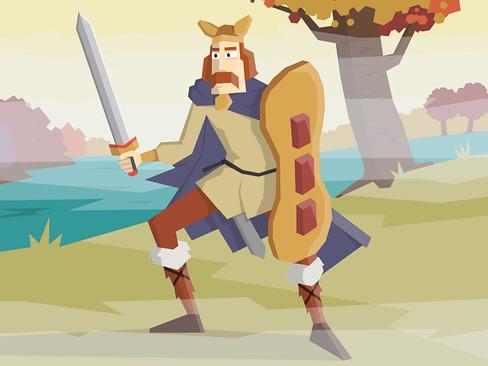
The Celts were great craftspeople and artists They made many beautiful things, like their clothes They were very clever with textiles. They used material from wool, hemp, leather, seals, otter, badger, and foxes fur They dyed their clothes with bright colours made from natural items like berries, plants, and even stale urine For the wealthy, silk was commonly used Although silk wasn’t only reserved for the wealthy - tribal flags and banners were made from silk or satin too The weavers at the time were held in high esteem for their intricate designs, with certain items of clothing taking over a month to make
Both men and women wore wrap around skirts, tunics or robes throughout the year, with cloaks limited to winter wear
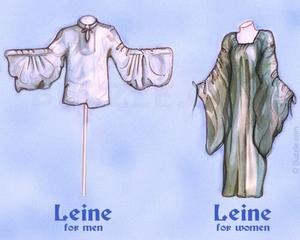
Men wore a skirt-like garment called a léine which has been translated from the Gaelic as “shirt” or “tunic
The women would also wear these léines but as undergarments which were then covered by open-sleeved dresses
These léines were a staple of modern Celtic apparel Some léines had sleeves or hoods, some wore knee-length or calf-length but the majority were mid-thigh height Even in battle, the Celtic Charioteers would wear gold léines sometimes In any Celtic tribe, you would have seen men and women with red or even gold embroidery with laces and fringes stitched in Like modernday Celts, ancient Celts dressed in multiple layers to adapt to their ever-changing harsh climate and surroundings
Food
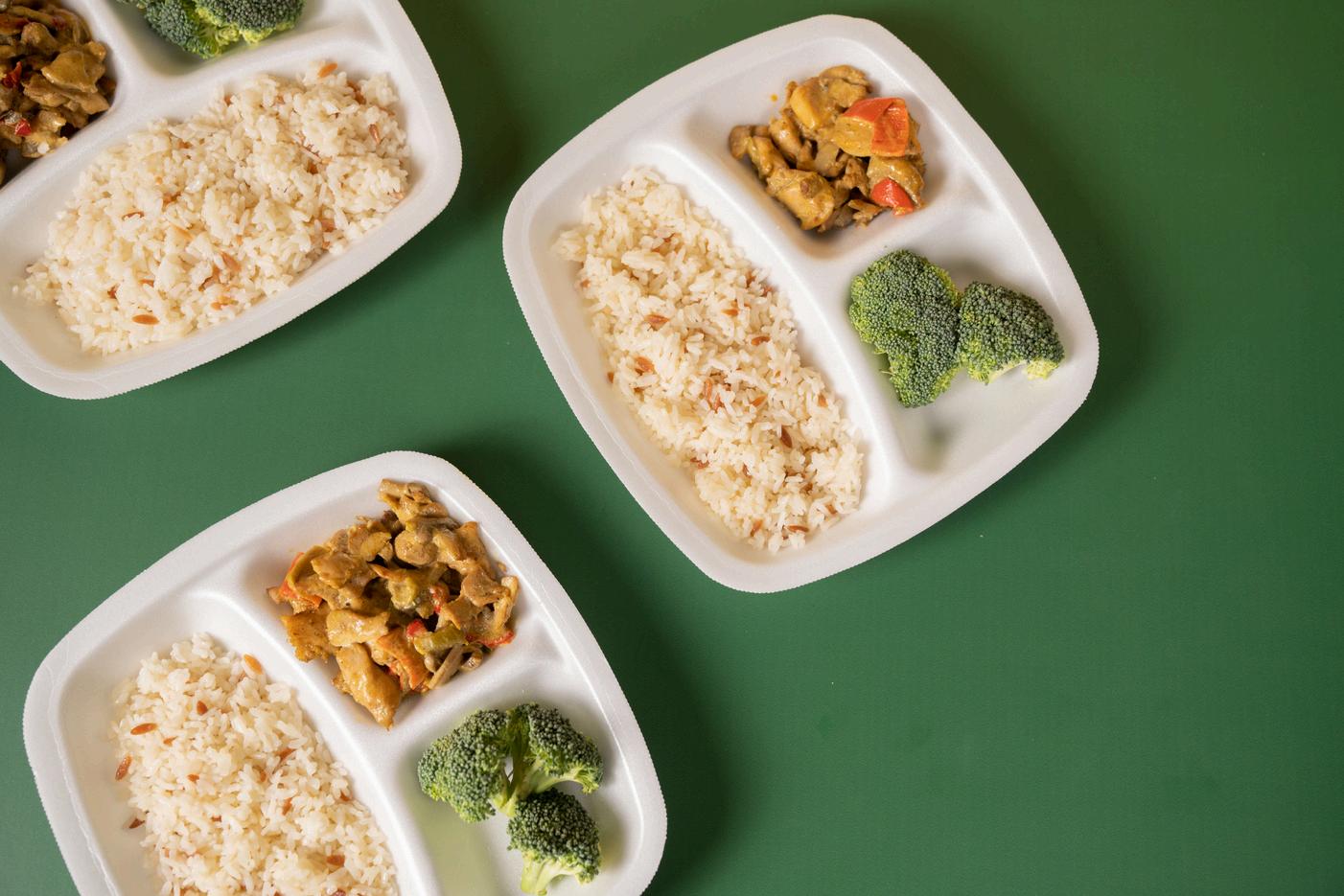
The Celts were a warrior based society They lived in clans that formed a part of a larger tribe Often tribes would fight against each other The Celts farmed the land to grow food to eat and to trade with other tribes The pre-Roman Celts ate with fingers and dagger off of plates made from wood or bread
Roundhouse
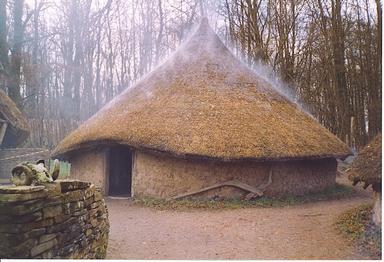
The roundhouse was a typical Celtic home, especially found in places like Britain, Ireland, and northern France. It had a circular shape and was made using natural materials like wood, straw, clay, and stones. These houses were practical and well-suited to the Celtic way of life
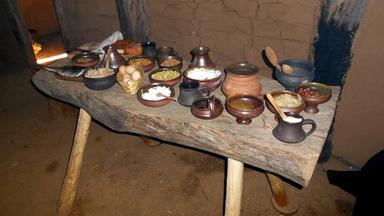
Food was either passed around or served at a low table They sat crossed legged or squatted on floors covered in rushes or animal skins
Food was usually cooked over a central fire in a round house We know the Celts ate well, with pork or beef being boiled in large cauldrons or roasted on a spit It was also salted for later use
Fish, bread, honey, butter, cheese, venison, boar and wild fowl were also common A favorite was salmon with honey
Oppida
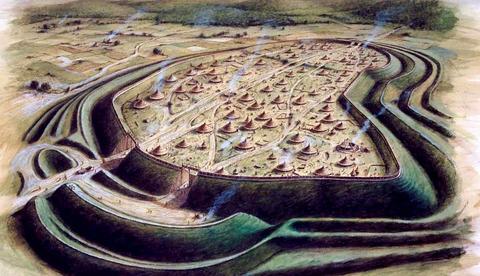
In later periods, especially during the Iron Age, fortified villages or oppida were built. These were larger, fortified settlements with various types of dwellings. These structures were more complex and were often made of stone or a combination of wood and stone. Oppida also had special areas for craftsmen or marketplaces.
Festivals
Samhain
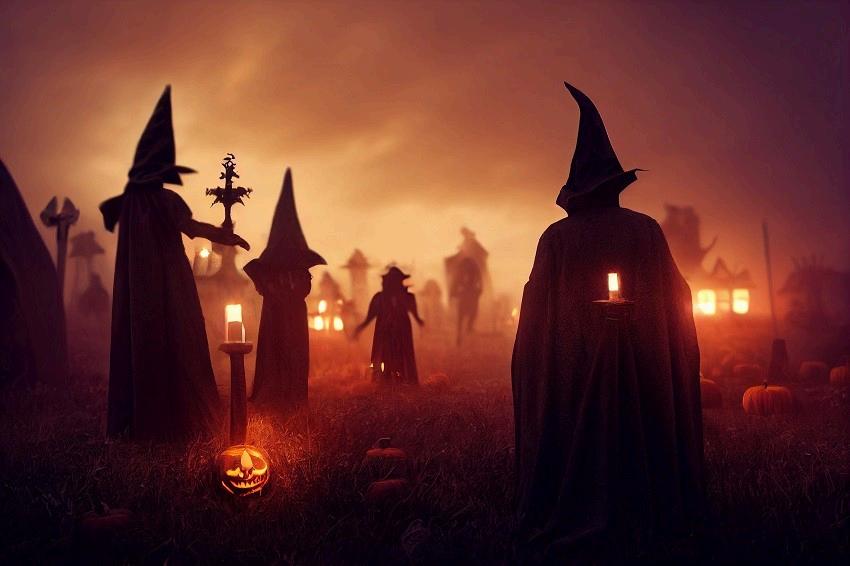
Samhain, also known as the Celtic New Year, marks the end of the harvest season and the beginning of winter in the ancient Celtic culture This festival holds great significance in Celtic traditions and is celebrated on October 31st to November 1st each year
The name ‘Samhain’ is derived from Old Irish and means ‘summer’s end.’ It represents a time when the boundary between the mortal world and the Otherworld was believed to be thin, allowing spirits to freely roam among humans
Beltane
Beltane, celebrated on May 1st, marks the start of summer and focuses on fertility, abundance, and nature's growth. With roots in ancient Celtic culture, it was an important celebration of the growing season May Day traditions are central to Beltane, such as lighting bonfires at dawn for protection and good fortune. People would jump over the fires to ensure fertility for themselves, their animals, and crops Another key tradition is the Maypole dance, where participants weave around a decorated pole, symbolizing the unity of male and female energies and the forces of