The Omaha
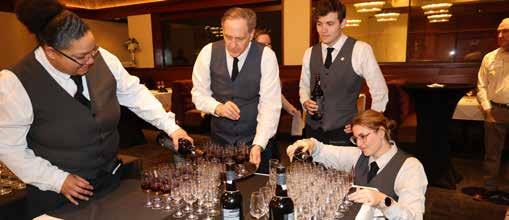
Tasting Wines at the 55th Annual High Noon Stag
Tasting Wines at the 55th Annual High Noon Stag
Best of the Cockle Bur compiled & edited by Harry B. Otis, 3rd President 1973-1974
Advice from an old carpenter: Measure twice and saw once.

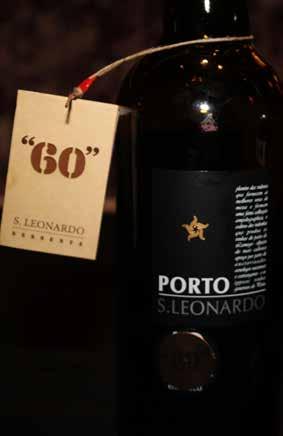
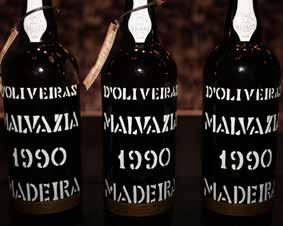
For our High Noon Stag, Mike Wilke invited me to select the tasting portion of the event. I had been sitting on some S. Leonardo 60-year-old Tawny Port for about 10 years, so I decided to use that and pair it with another oxidized style of wine we rarely have, Madeira. As you know, our new initiative is to have higher end wines but less events. Just to let members know, this was $1389.00 worth of wine sitting before us. I thought you should have some education about these rarely drunk, fortified wines. However, I was rushed a bit because one table was heckling me to finish about 1 minute after I started! Anyway, what follows is a quick summary / comparison of these similar wines, both Portuguese, both high alcohol, both oxidized in style.

Port has 2 styles of wine: Little oak aging (Vintage of LBV) and Oxidized
Aged for years in oak pipas 600 to 640 liters
Generic, commercial Madeira is not vintage dated. High quality Madeira is vintage dated.
Red grapes used
Aguardente (Portuguese brandy) added. This stops fermentation and controls the sweetness level. Aguardente added earlier in fermentation means a sweeter wine. Added later means a drier wine.
Colheita means a wine from a single vintage
Once taken out of the wood, the wine no longer improves and is ready immediately.
Aged in a cool cellar
Barrel aging in the presence of high alcohol serves to preserve the wine and make it less perishable from a hot environment
Tawnies are a blend of different years that average: 10, 20, 30, 40, 50, or up to 80.
All Madeira is oxidized
Aged in oak pipas 600-650 liters
White grapes for best Madeira Tinta Negra, a red grape for lesser Madeira
Aguardente (Portuguese brandy) added. This stops fermentation and controls the sweetness level. Aguardente added earlier in fermentation means a sweeter wine. Added later means a drier wine.
Colheita means a wine from a single vintage
Once taken out of the wood, the wine no longer improves and is ready immediately.
Aged in a warm cellar (Canteiro method for quality wine) or the Estufagem method (hot water jacket) for lesser wines.
Aging in heat was discovered by accident when a few pipes were forgotten in a sailing ship’s hold for 2 round trips to India. It is unique to Madeira, and maybe the reason it ages almost indefinitely, for a century and more.
Barrel aging in the presence of high alcohol serves to preserve the wine and make it less perishable from a hot environment











11
Stag
Producer: Dan Thrasher
23
Stag
Producer: Mark Stokes