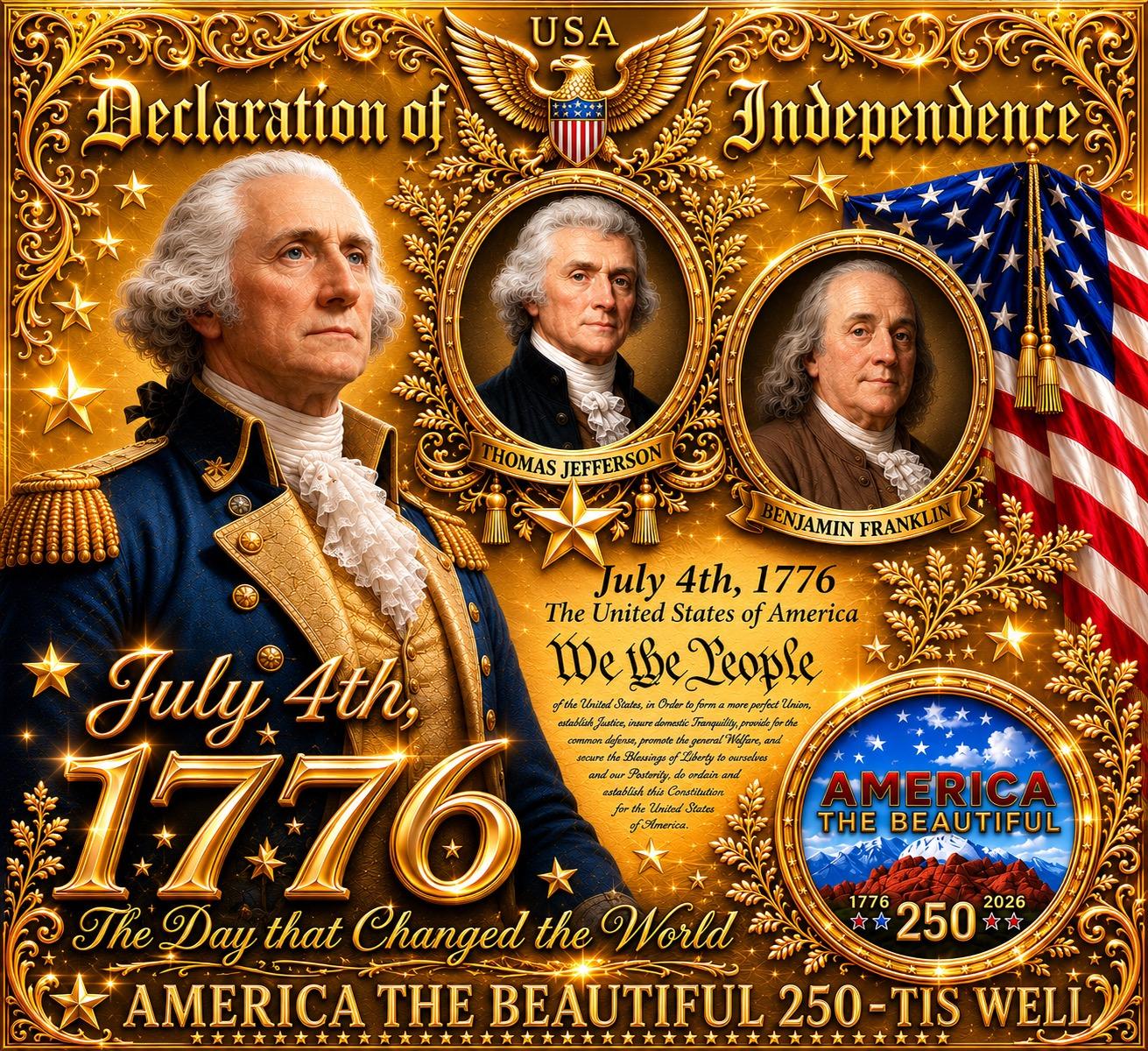
















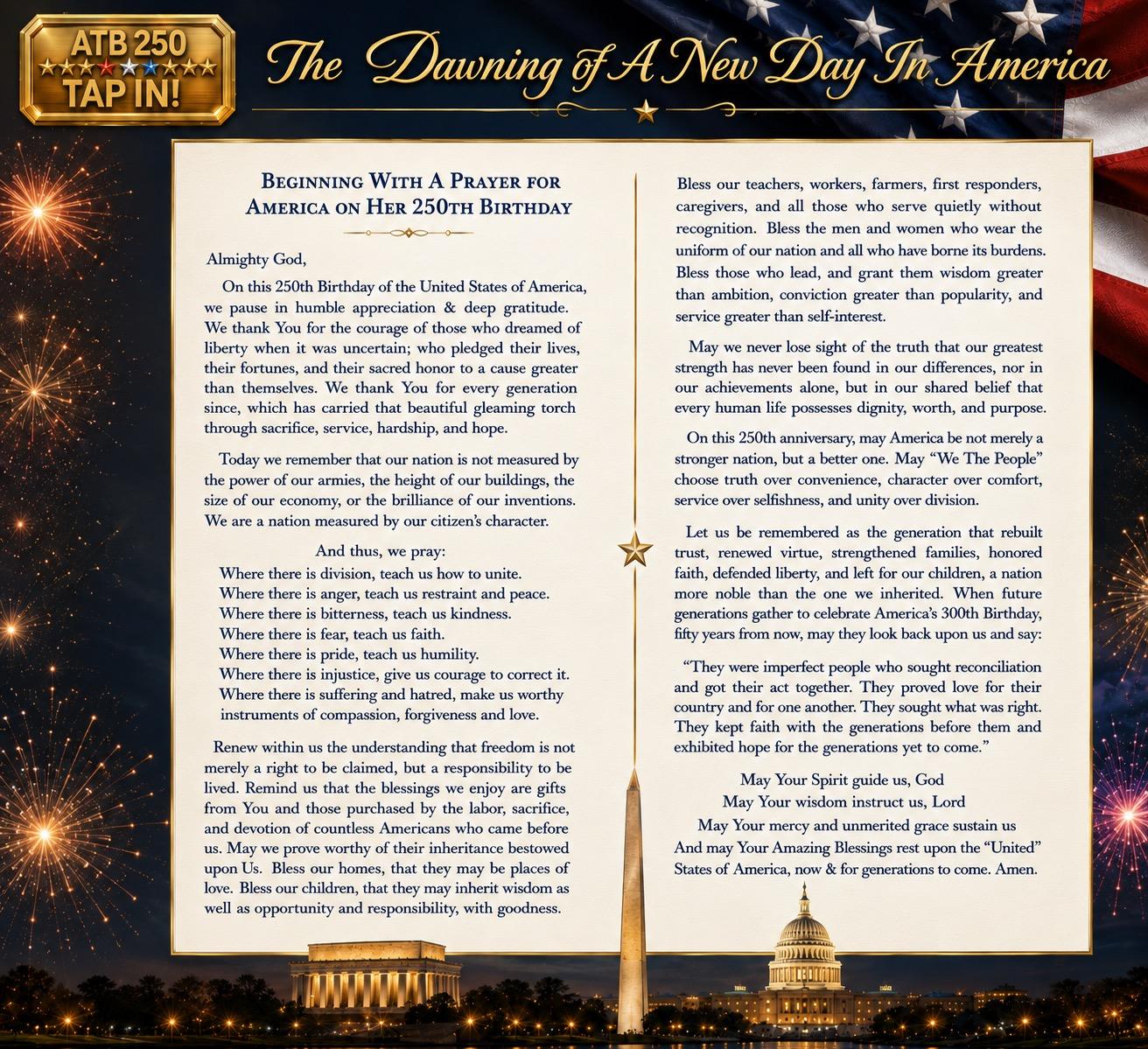
touch the “ATB 250 TAP IN!” emblems on the top corners of each magazine page with an emblem, and be prepared to be amazed. If you are on a computer, just scan or click the emblem.
This really is “The Dawning of a New Day America” and there is a special 250 treat in store for “All Americans” choosing to “Tap-In!”
TO “TAP-IN”, START HERE AMERICA...
Phone users, touch or scan the emblem here and on each




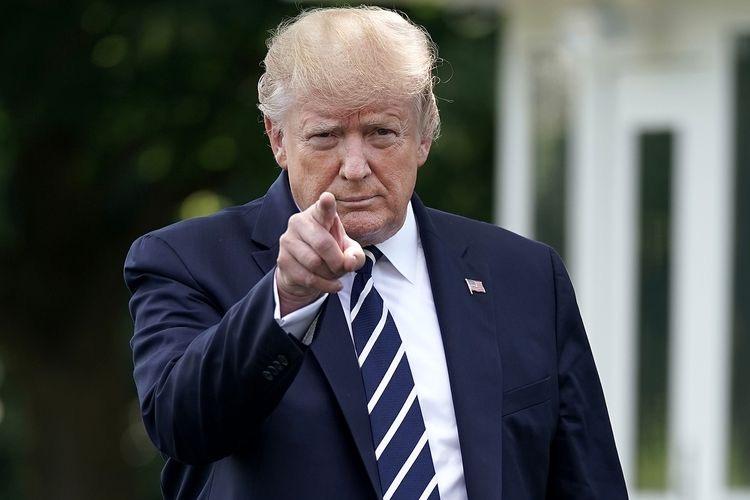




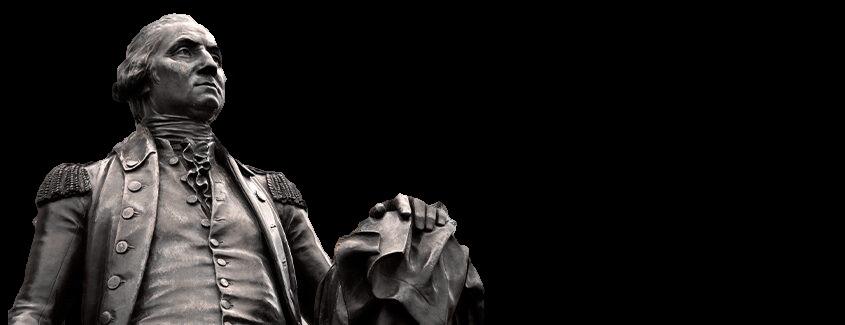
As he died, reflecting upon the Country, America was well ! In His honor, It’s time now, for U.S. to turn the page...

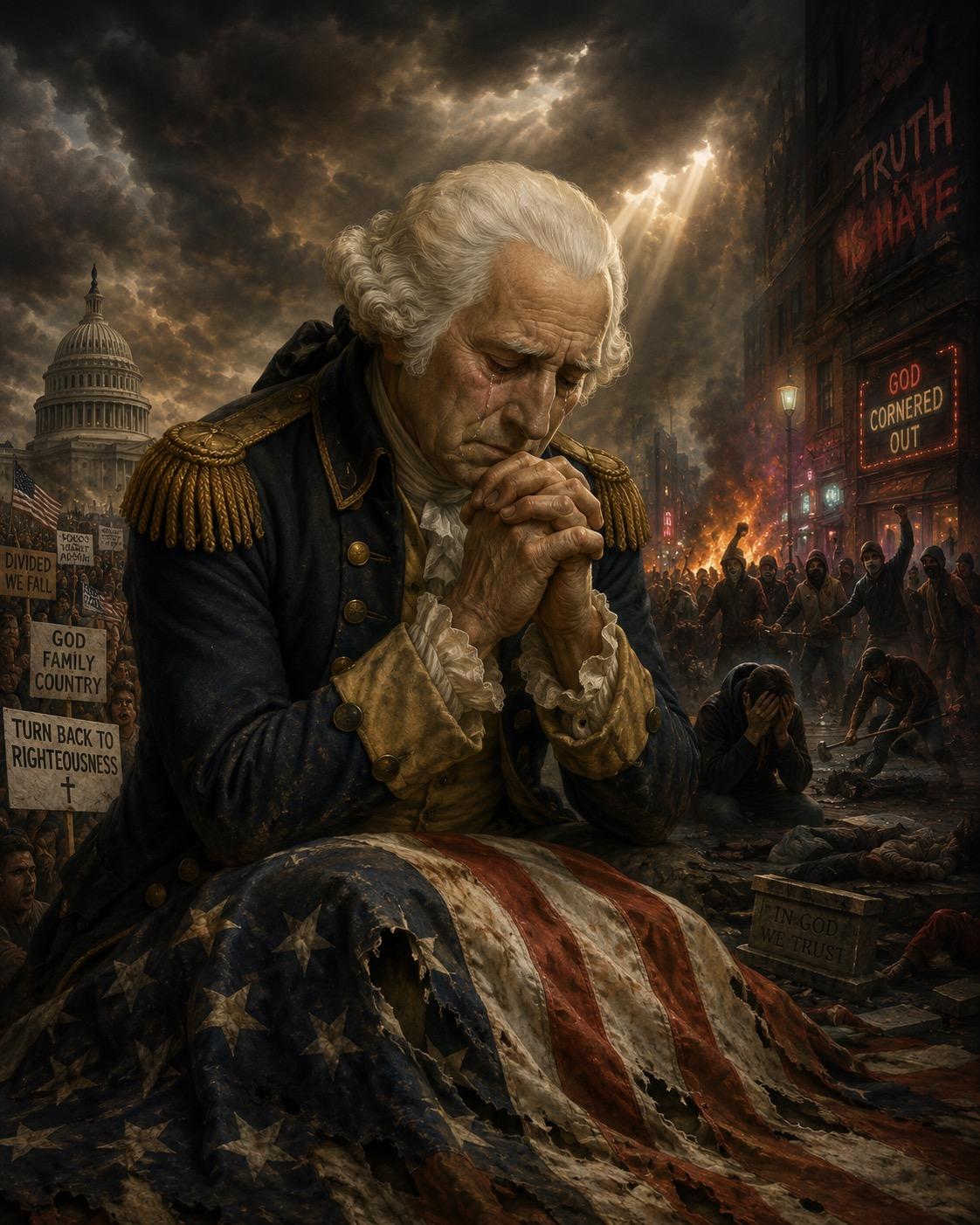





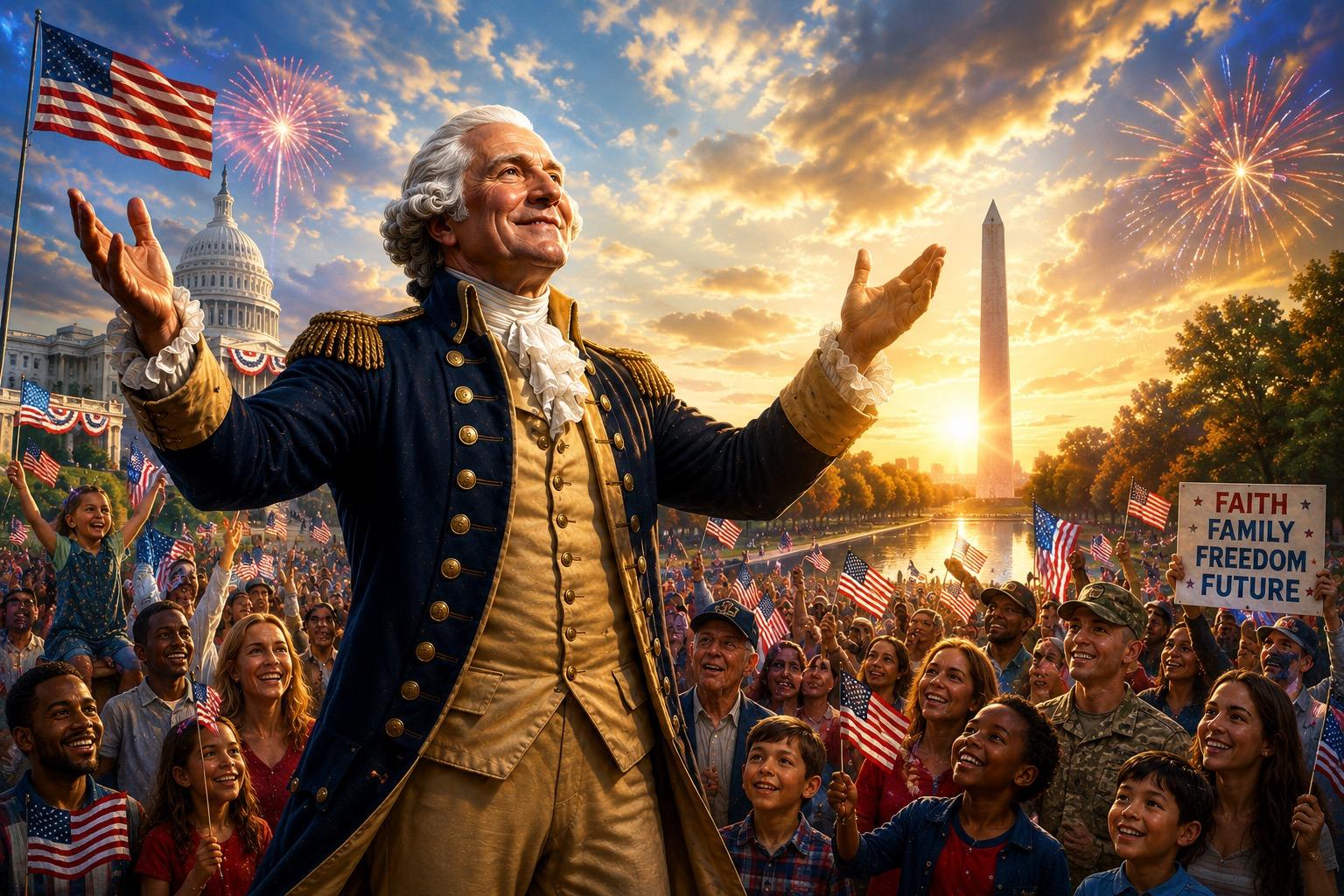


















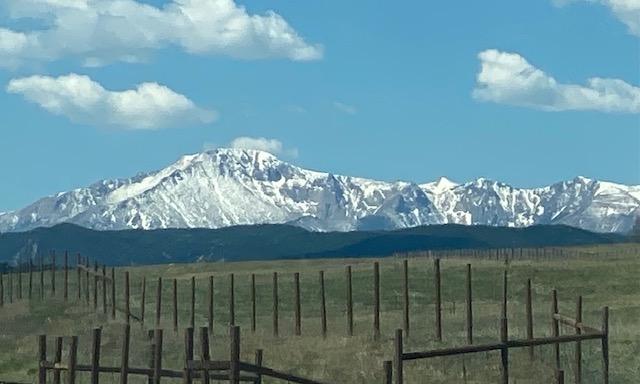
PIKES PEAK “AMERICA’S MOUNTAIN” Colorado Springs, Colorado USA


The spot of inspiration in 1893, For the Nation’s Song: America the Beautiful Released July 4th, 1895 And source of inspiration for the Nation’s Beautiful & Patriotic, USA 250 Birthday Magazine: AMERICA THE BEAUTIFUL 250





Whose stern impassioned stress, A thoroughfare for freedom beat Across the wilderness! America! America!






Above the enameled plain! America! America!



God mend thine every flaw, Confirm thy soul in self control, Thy liberty in law!






O beautiful for heroes proved In liberating strife, Who more than self their country love And mercy more than life! America! America!


May God thy gold refine Till all success be nobleness, And every gain divine!



God shed His grace on thee, Till souls wax fair as earth and air And music hearted sea!








O beautiful for glory tale Of liberating strife, When once and twice for man’s avail Men lavished precious life! America! America!



God shed His grace on thee, Till selfish gain no longer strain The banner of the free!






O beautiful for patriot dream That sees beyond the years, Thine alabaster cities gleam Undimmed by human tears! America! America!


God shed His grace on thee, Till nobler men keep once again Thy whiter jubilee!










































“Come
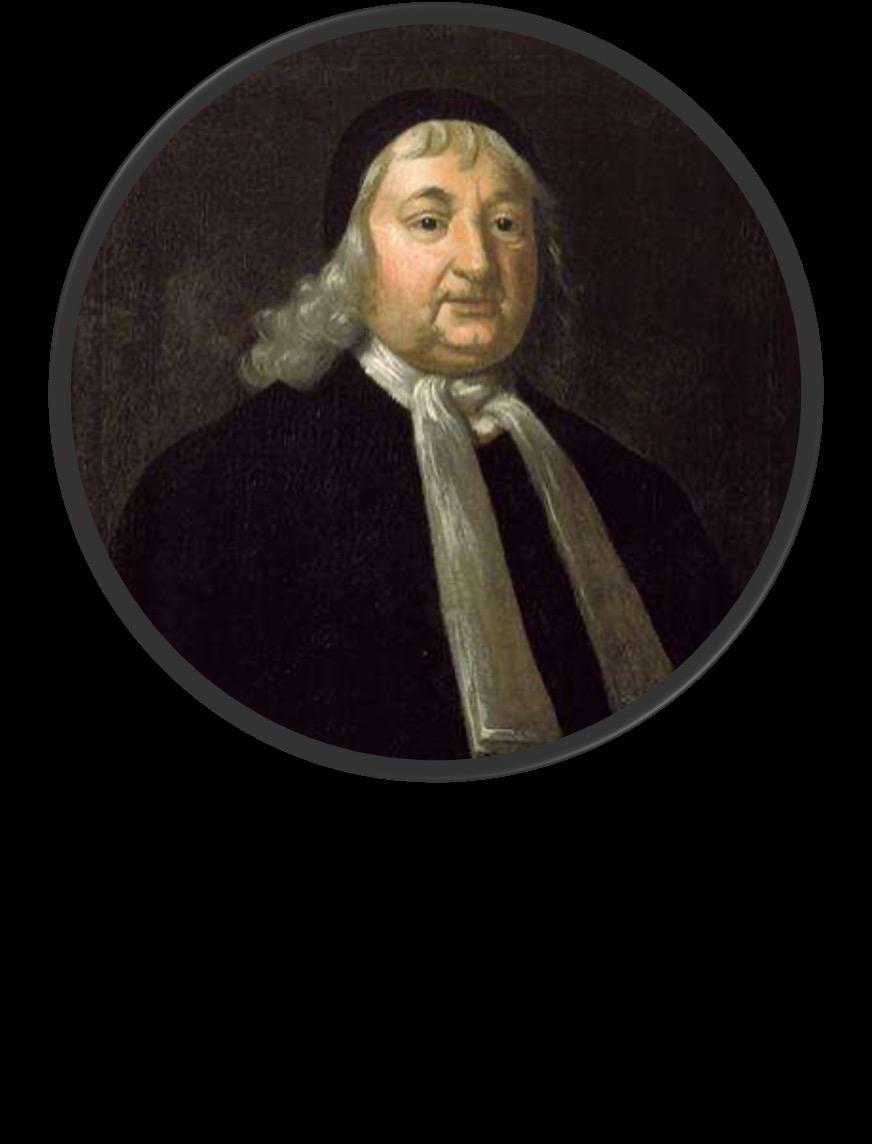

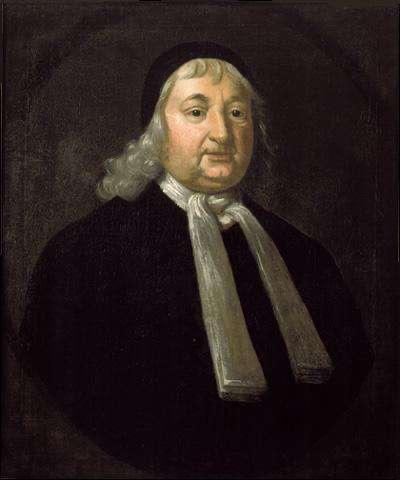
all you brave soldiers, both valiant and free, It’s for Independence we all now agree; Let us gird on our swords, and prepare to defend, Our liberty, property, ourselves and our friends. Dr. Jonathan Mitchell Sewall


“The Poet of Portsmouth” Dr. Jonathan Mitchel Sewall was born in Salem, Massachusetts and had moved to Portsmouth before the beginning of the Revolutionary War. There, in 1776, as a young lawyer, he wrote the words to the song ‘On Independence’, which was sung by troops on the march and throughout American camps, taverns, and homes. At many civic celebrations, he had contributed songs and poetry for the occasion. He also wrote the New Hampshire Bill of Rights and was the presenter of the ‘Black Petition’ to the General Assembly of the state, which were petitions on behalf of enslaved African Americans.





"Is there no virtue among us? If there be not, we are in A wretched situation. No theoretical checksNo form of government, Can render us secure”







James Madison





you go enough, here are a few other supporting sentiments of other Founding Patriot Fathers on what they were establishing America for

























“A people may prefer a free government but if from indolence, or carelessness, or cowardice, or want of public spirit, they are unequal to the exertions necessary for preserving if they will not fight for it when directly attacked…they are more or less unfit for liberty ”




Madison stated this in his Speech to the Virginia Ratifying Convention in June of 1788 This was four years after the Revolutionary War ended The War had been fought for eight long years and then the work of putting together a new government ensued. This was not going to be an easy task either Madison was defending the proposed U S Constitution against Anti-Federalist critics who argued the document didn't provide enough theoretical balance & checks on power. He contended that “while precautions of checks and balances are necessary; no system of government can protect liberty or ensure happiness if the


























John Stuart Mill




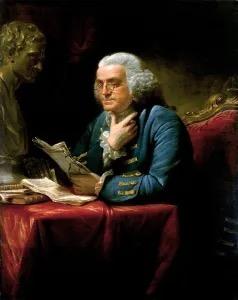
When asked what form of government the framers of the constitution had created, Benjamin Franklin famously replied with his immortal statement, A Republic, if you can keep ”








It's pretty-clear to see, by these, and many other sentiments of the framers of the Constitution, that the Founders believed human effort (based on moral goodness), would be required...ongoingly.
Wouldn’t you agree, its amazing they took stock and believed in U S Think Really Hard America !!!





name of Lord Woodhouselee, outlined the stages, he surmised, all societies will inevitably experience. He postulated that every society proceeds “from bondage to spiritual faith; from spiritual faith to great courage; from courage to liberty; from liberty to abundance; from abundance to selfishness; from selfishness to complacency; from complacency to apathy; from apathy to dependence; from dependence back into bondage, and then once again from bondage to spiritual faith.”











Is that not an insightful wake up call, for U.S. today?
“Moral goodness,” some may ask, “REALLY?”

REALLY! Virtue is the positive, habitual trait of moral excellence that should guide “All Americans” to act in ethical, upright, and highly beneficial “manners.” Virtue represents our having personal character strengths of courage, honesty, integrity, compassion, excellence, etc. These magnificent characteristics will continue to empower U.S. to fulfill our highest potential and have our citizens positively contribute to the good of the community - only if “We the People,” decide to practice our moral duties and conform our lives (both walk & talk), to the moral law. And for those who may be unaware, moral law is that universal, unwritten set of ethical principles which guide human conduct with “human conscience,”
If we are being honest with ourselves, this is not a very encouraging picture of where we are today, except for the fact, that just maybe, our 250th will bring U.S. around to a renewed hopefulness and new-found commitment to being “The Best U S We can Be ” If the call to “moral goodness” or “virtue” was so important to the success of the establishment of our government when it began, how can it be rekindled, instilled, or created in the people of America today? That’s a great thought, and as Ben Franklin stated, human effort was going to be required A serious commitment, America! : it only and greater their not












“Reason,” & “Natural Justice,” rather than formal legislation. Simply put, it’s the objective “Right from Wrong,” that we all, already know within. It’s the internal guide for how we as individuals should act and treat ourselves and others within the community, and which prompts our desire to abstain from vice.



“So, how do we begin the next 250?,” is hopefully what “All American” Citizens will seriously be asking our leaders and ourselves.
By simply asking oneself that question, that’s the starting point It’s called being properly informed with a desire and willingness to know, coupled with a hunger for truth and righteousness - much like the American Patriots were willing to do in their fight for U S There must be a re-commitment to live life right (for our future’s sake) Historically, virtue wasn't just about being "nice,” it was rather, the sought capability and ultimate desire of excellence in one’s human action (exhibited by the cultivation of inner character) The belief is that if we focus on building excellent moral habits and doing the “right thing” in any given situation, this becomes an automatic, natural response defining U.S.
Ancient thinkers like Aristotle, Plato, Sophocles, Aquinas, and Augustine, held that natural law and moral principles are inherent in human nature and the universe. These Ancient Greek & Christian philosophers developed the four foundational pillars governing moral behavior that are discovered through reason. We simply need to get back to the root The word virtue stems from the Latin word virtus, which translates to "manliness," "courage," “strength of character” or "excellence.” Here’s a good ”All American” refresher:
The Four Cardinal Virtues
Seven Deadly Sins vs Seven Heavenly Virtues

Pride vs Humility


Excessive self-importance, arrogance, and ego vs Modesty, recognizing your strengths and weaknesses without conceit.

Greed vs Charity
An excessive desire for wealth and material possessions vs generosity, unselfishness, giving to others, and compassion.

Lust vs Chastity


An intense, inordinate desire, usually for sexual pleasure vs Purity of thought and action, self-control.

Envy vs Love

Resentment of someone else's traits, status, or success vs Kindness, wishing the best for others, goodwill.

Gluttony vs Temperance


Overindulgence in food, drink, or wealth to the point of waste vs moderation, self-restraint, balanced living.

Wrath vs Patience

Uncontrollable anger, hatred, or desire for revenge vs forgiveness, endurance, & calm, understanding spirit



Prudence: The ability to govern and discipline oneself through (the use of) reason


Justice: The constant and firm will to give others their due, ensuring fairness


Fortitude: Firmness in difficulties and the courage to pursue the good despite fear.


Temperance: Moderation in the attraction of pleasures and the balance in the use of created goods.



Sloth vs Diligence


Laziness, apathy, and the neglect of one's duties vs Hard work, perseverance, and dedication

Imagine that America “We The People” with a steadfast desire & application of modesty, generosity, compassion, purity, self-control, kindness, goodwill, self-restraint, forgiveness, calmness, perseverance, dedication & hard work Exciting thought, America?
















Then AMERICA THE BEAUTIFUL 250 says, Read On!” And Let’s Make Our Forefathers/mothers Proud of










Awesome American Citizenship - “The best thing to give to your enemy is forgiveness; to an opponent, tolerance; to a friend, your heart; to your child, a good example; to a father, deference; to your mother, conduct that will make her proud of you; to yourself, respect; to all others, charity” - Benjamin Franklin



Dear “All American” citizen, It’s time for some serious reflection.
The amazing historical journey of the past few years, are gone and only three days now remain, until AMERICA’S BEAUTIFUL 250 arrives
Take a little time to contemplate the extraordinary 250th Birthday of the amazing “United States of America.”
As you reflect upon the occasion of your being drafted a TEAM USA250 “All American,” how will your life be changed by this thoughtful selfreflection; your Awesome American Citizenship; and your being an “All American” amongst U.S.?
What would our Forefathers be thinking of U.S. now?
The pages before you, are filled with their words of wisdom, which are wise to consider and apply as “All Americans.” AMERICA THE BEAUTIFUL 250 TRUSTS YOU WILL. THANK YOU

These “All American” traits you are thinking are timeless, you know?
The principles and values of the wise men and women during the American Revolution are still useful today. In any facet of life, these ideals tend to lead to the “Best U.S. Results” for everyone. Our Founding Fathers knew this to be true and guided U S with an incredible example and by their timeless words to live by. We trust you have appreciated the guidance that we all should aspire to live up to. These standards are sure to serve U S. well! It’s time to get in the game!








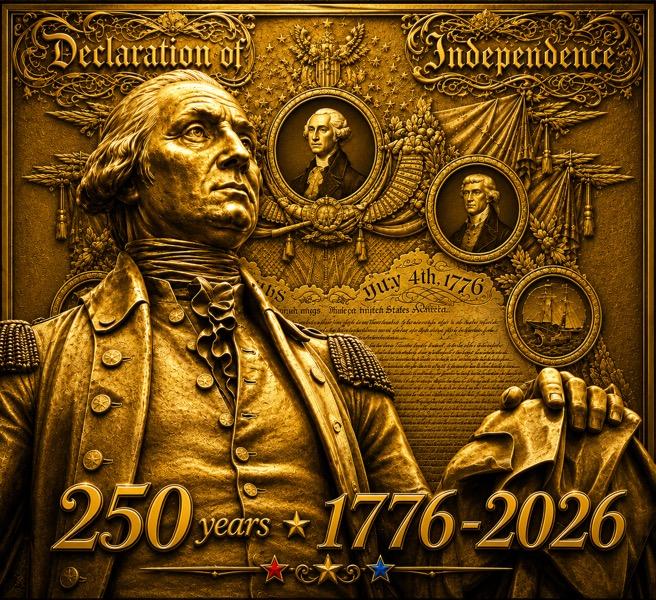


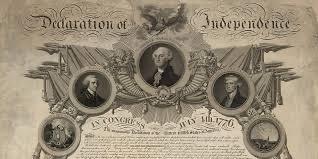
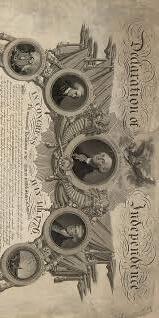
Britain is, and ought to be, totally dissolved This was the Official Date, when the Continental Congress declared its freedom from Great Britain However





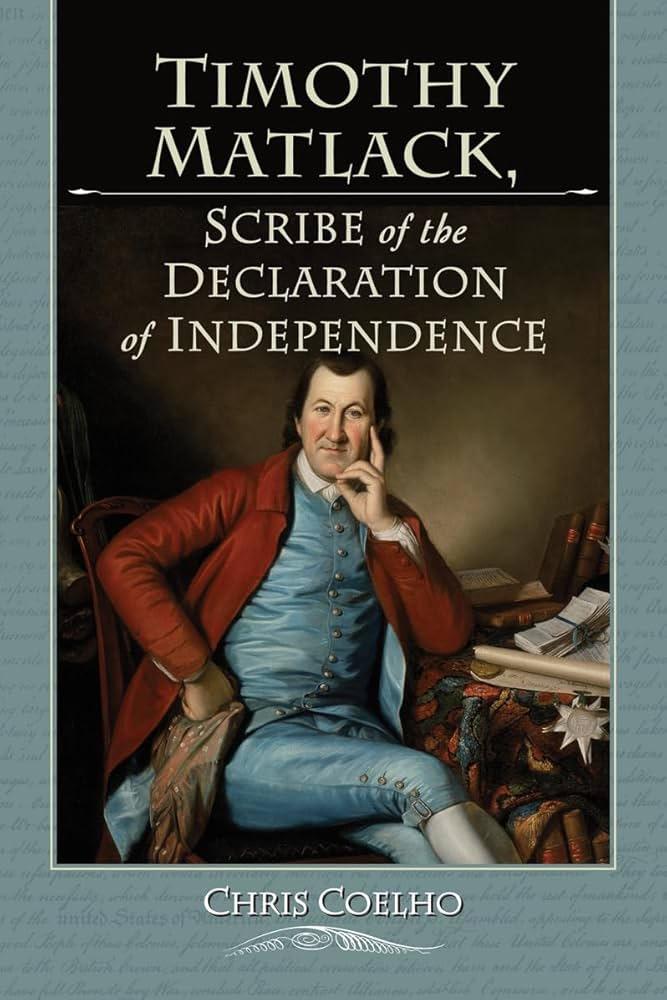
After voting for approval of independence This July 2nd the Continental Congress then needed to draft The document which explained the vote for independence to the public.
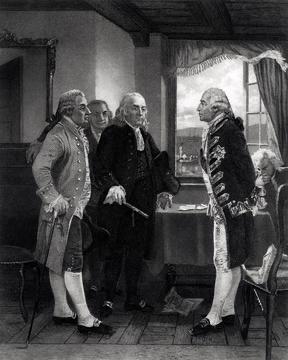
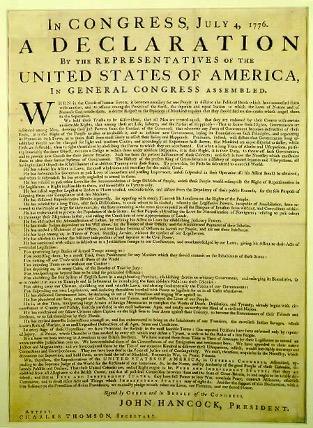
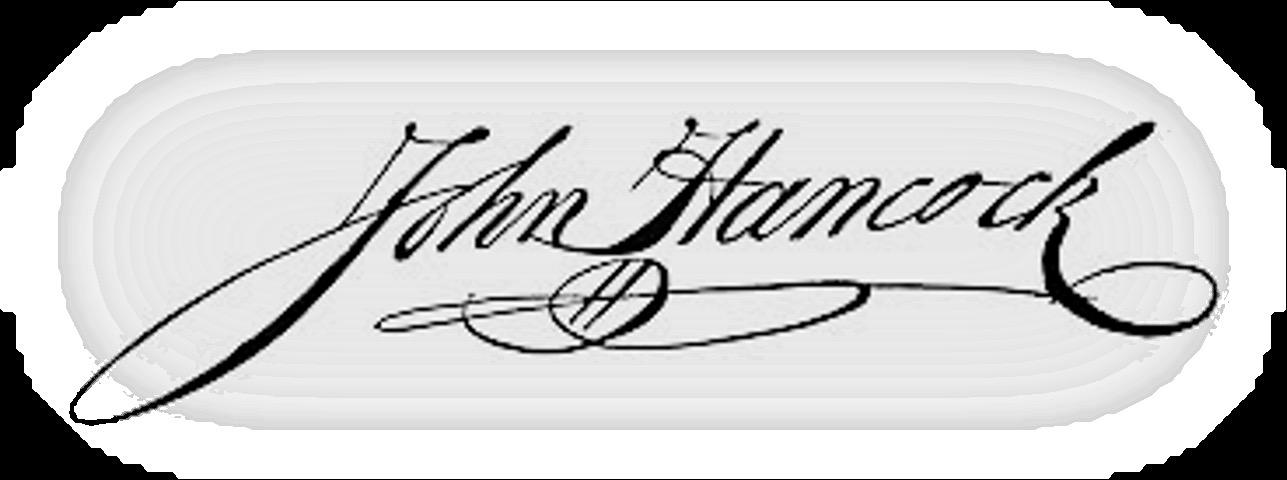
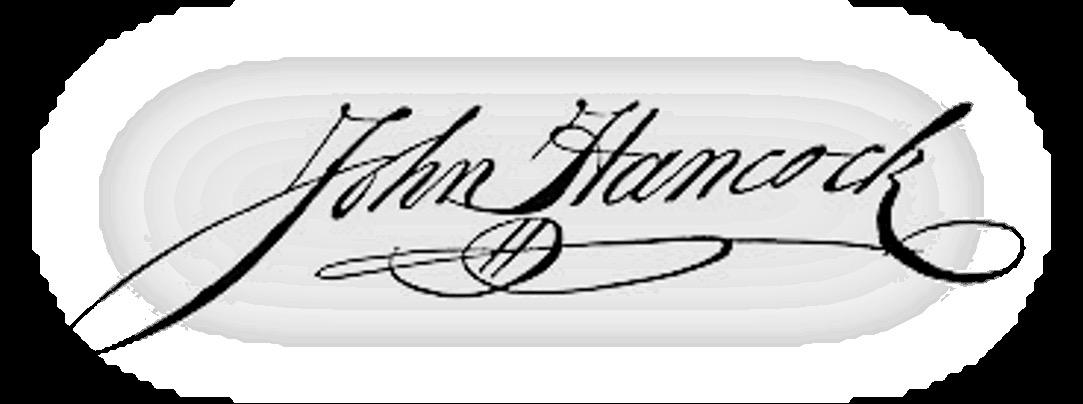
While It had Already been proposed by the Committee of Five (John Adams, Roger Sherman, Robert Livingston, Benjamin Franklin, and Thomas Jefferson), in draft form, it took Congress another two days to agree upon the edits Here on the 4th of July, Congress approved the Final Declaration of Independence document and ordered it be sent to the printer - John Dunlap because the 4th is the day the approved version was signed in Philadelphia, This is why the Declaration of Independence has the opening words being: “IN CONGRESS, July 4, 1776,” rather than July 2 at its top, the First ““Dunlap Broadside” version (some 200 copies in all), were printed with John Hancock’s name printed at the bottom, rather than signed with the signature we all know and love Read on America, to learn more about his signing on Aug 2nd


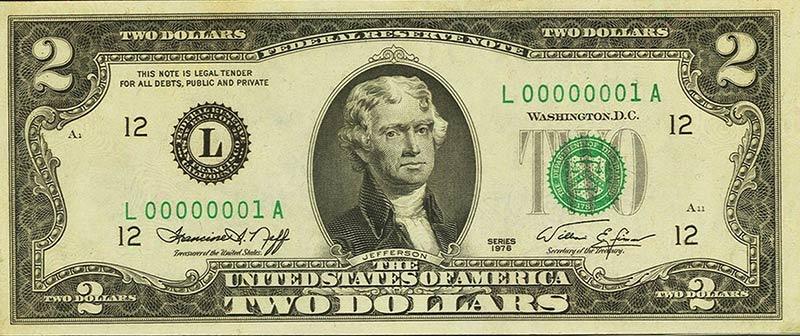
“Above is the first $2 note from the San Francisco Federal Reserve’s 1976 Issue. While numbering does not always begin with a Serial Number 1, this San Francisco issue did, and it was quickly pulled from circulation thus making it amongst the most coveted bill in the history of modern-note collecting.“
"We hold these truths to be self-evident, that all men are created equal, that they are endowed by their Creator with certain unalienable Rights, that among these are Life, Liberty and the pursuit of Happiness."
- Thomas Jefferson


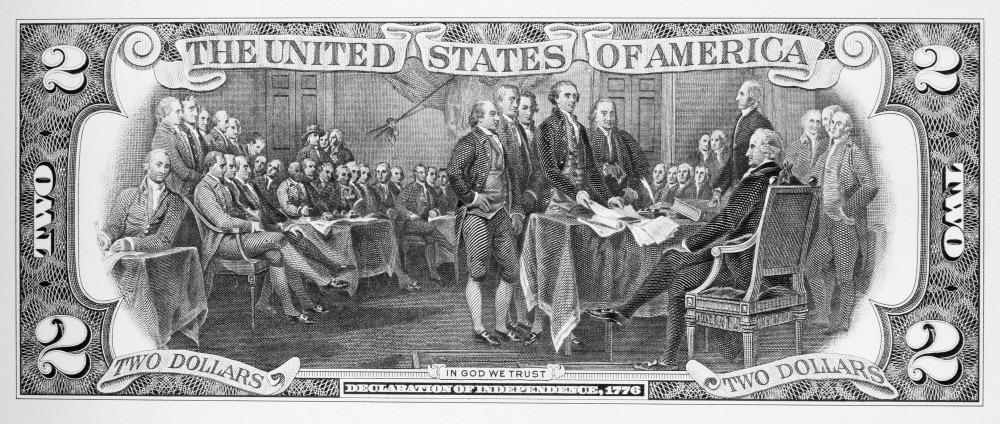
“Not to find out new principles, or new arguments, never-before thought of ... but to place before mankind the common sense of the subject, in terms so plain and firm as to command their assent, and to justify ourselves in the independent stand we are compelled to take.”
- Thomas Jefferson His thoughts on The Declaration of Independence
“The history of the world cannot furnish an instance of fortitude and heroic magnanimity parallel to that displayed by the members, whose signatures are affixed to the Declaration of American Independence. Their venerated names will ornament the brightest pages of American history and be transmitted to the latest generations.”
- James Thacher, Continental Army surgeon


nation eagerly prepares to experience our 250th Anniversary, “All Americans” should know (and would do well to remember), that in the first days of July 1776, leading up to the Fourth, these were long, stress-filled days and sleepless nightsones of both great promise and certainly grave consequences. The stakes were extraordinarily high, and the delegates certainly rose to the occasion. They staked their lives, their fortunes and sacred honor on these day’s decisions, knowing that with their declaration, war was soon to be on By proceeding with a formal declaration, each of the delegates knew fully-well that they were legally committing an act of high treason against King George III. If the revolution failed, they faced the very real threat of execution by drawing and quartering or hanging. Many indeed, in the months and years ahead, would loose their lives, their fortunes and their families. These were men and women who were fully committed to America ... and who united in purpose, prayer, and promise These were our forefathers & mothers who laid it all on the line for U.S.. They are due our thanks and our commitment to “pay it forward.”

Did you catch that America?

Independence




For all of U.S. How profound & beautiful is that?
Think of it, America - July 1 - July 4, 1776, these delegates of the Second Continental Congress in Philadelphia (through high-stakes political maneuvering and bitter debate), were willing to give their all as they endured intense stress during these stifling summer days, as they worked tirelessly to achieve a hard-fought but unanimous vote for independence...and a future for America.

Now as you are out in, the 4th of July summertime fun, enjoying the bounty of food, refreshments & music, amongst fireworks and friends ... at least keep this picture in mind: You are instead in a sweaty, un-airconditioned assembly room at Independence Hall in Philadelphia on July 4th, 1776. You are in your heavy wool suit, wearing a powdered

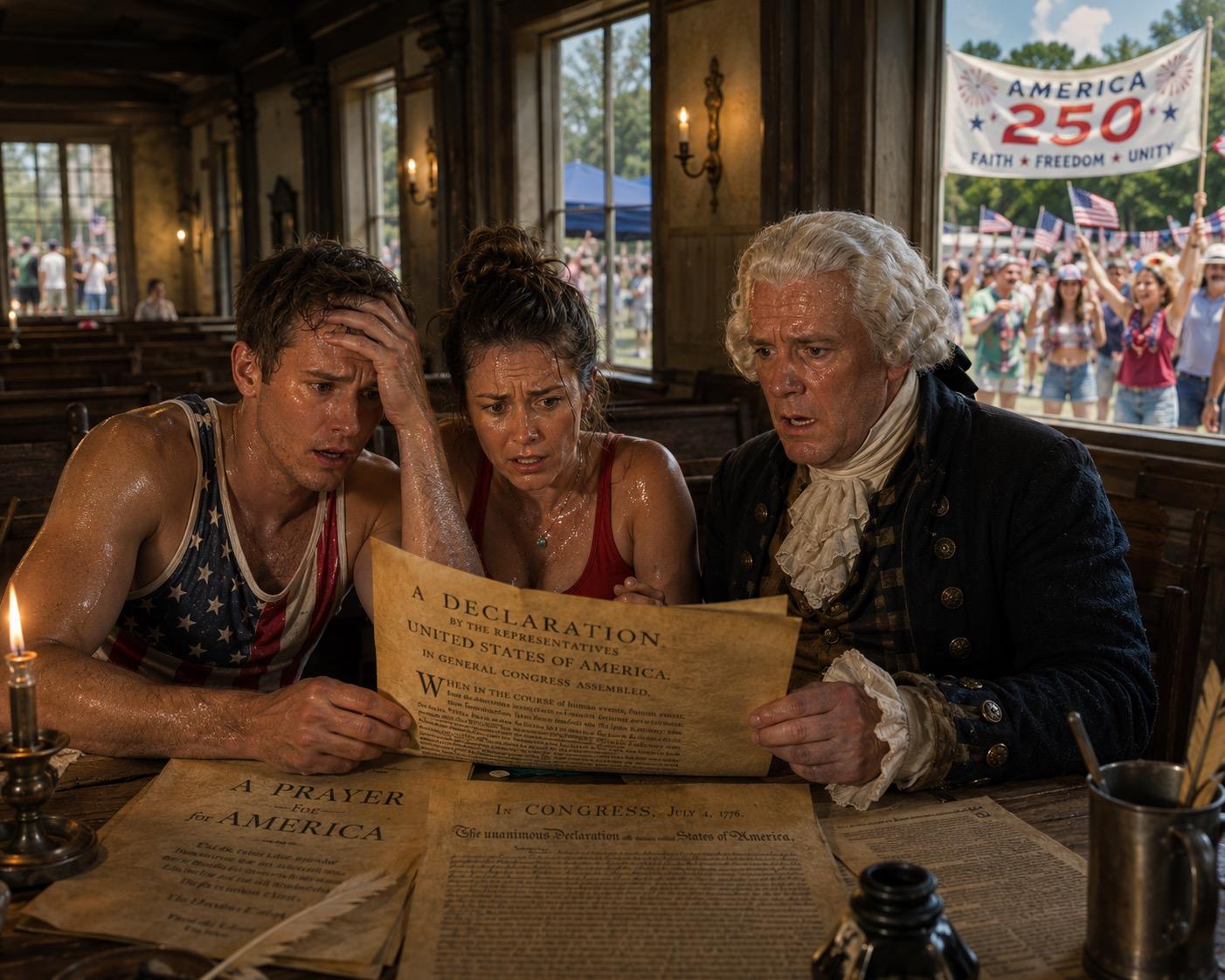
Its time to really think, America ... TAP IN! above for something very profound. July 4th, 1776 - A Huge Decision Being Made




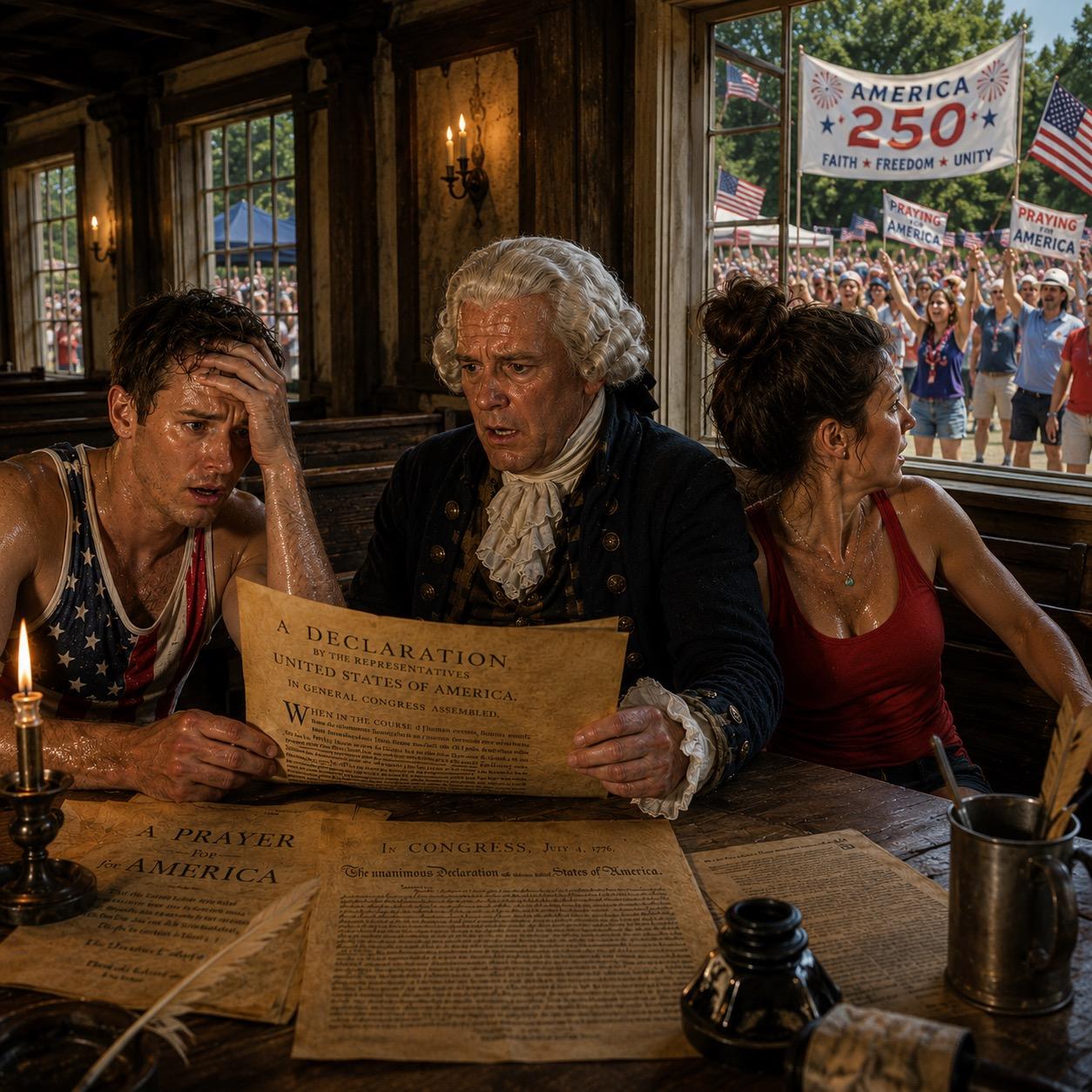
“AMERICA” There was “No Looking Back”...They Looked Forward! INDEPENDENCE FOR

IS THAT?

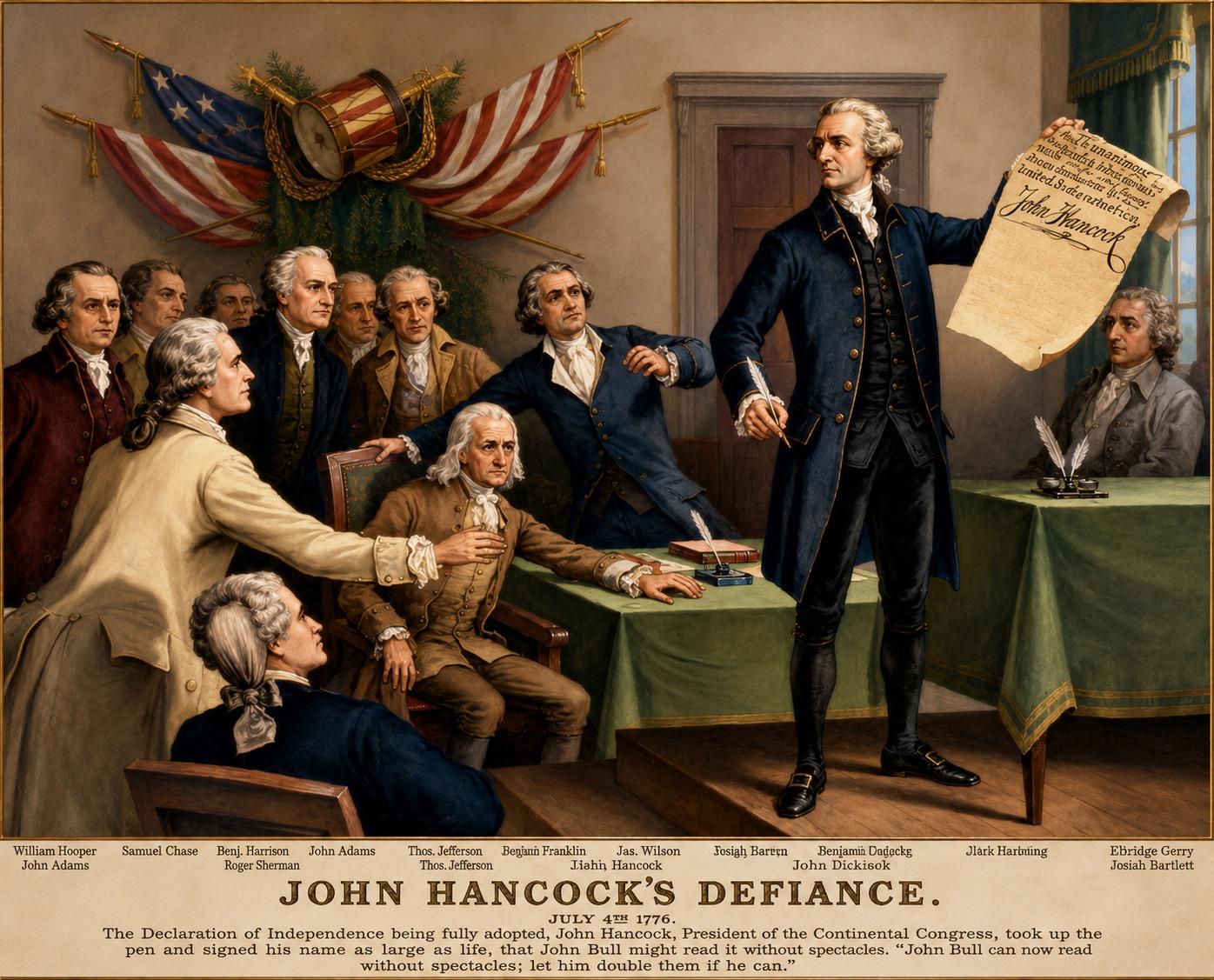

















decided, which ever was debated in America, and a greater perhaps, never was or will be decided among Men”









His letter continued: “The Hopes of Reconciliation, which were fondly entertained by Multitudes of honest and well meaning tho weak and mistaken People, have been gradually and at last totally extinguished. Time has been given for the whole People, maturely to consider the great Question of Independence and to ripen their judgments, dissipate their Fears, and allure their Hopes, by discussing it in News Papers and Pamphletts, by debating it, in Assemblies, Conventions, Committees of Safety and Inspection, in Town and County Meetings, as well as in private Conversations, so that the whole People in every Colony of the 13, have now adopted it, as their own Act. This will cement the Union, and avoid those Heats and perhaps Convulsions which might have been occasioned, by such a Declaration Six Months ago... ”
between them and the state of Great Britain is, and ought to be, totally dissolved”
- 2nd Continental Congress
“You will think me transported with Enthusiasm, but I am not. I am well-aware of the Toil and Blood and Treasure, that it will cost Us to maintain this Declaration, and support and defend these States Yet through all the Gloom, I can see the Rays of ravishing Light and Glory. I can see that the End is more than worth all the Means. And that Posterity will tryumph in that Days Transaction, even altho We should rue it, which I trust in God We shall not” - John Adams



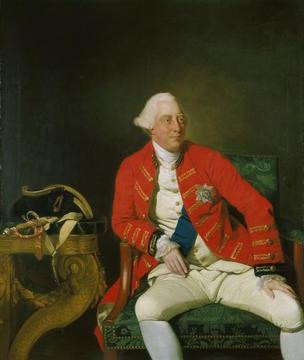



























“America is ignorant” Say What?



“The writers of the Declaration were ignorant to the meaning of words, particularly the statement that all men have an unalienable right to life, liberty and the pursuit of happiness”

As the elites of the world scoffed then, could it quite possibly be, time today, for “All Americans” to recollect the thoughts & actions of our Forefathers, and bring the ideals of Virtue (which they fought and died for), all back to reality? The Founding Fathers believed these liberties could not survive without public and private virtue, and the moral character required to maintain the parchment's political call to independence.
Below are some quotes from British officials in 1776 who, in their disgust of The Declaration of Independence (and the Patriots who wrote it), wanted to make their response to known





Here is a sampling:





“But to say that a man with life hath a right to be a man with life, is so purely American, that I believe the texture of no other brain upon the face of the earth will admit the idea”
“All men are endowed by their Creator with the unalienable right of life. How far they may be endowed with this unalienable right I do not yet say, but, sure I am, these gentry assume to themselves an unalienable right of talking nonsense.”

“The Declaration of Independence is the most harmless piece of parchment that ever was sent forth into the world”
“If a good bleeding can bring those Bible faced Yankees to their senses, the fever of Independency should soon abate”

Oh, Really?









America...It’s time to bring VIRTUE All Back To Reality! Who’s in on restoring America and re implementing the moral character needed to do so? It’s Now Up To U.S.














































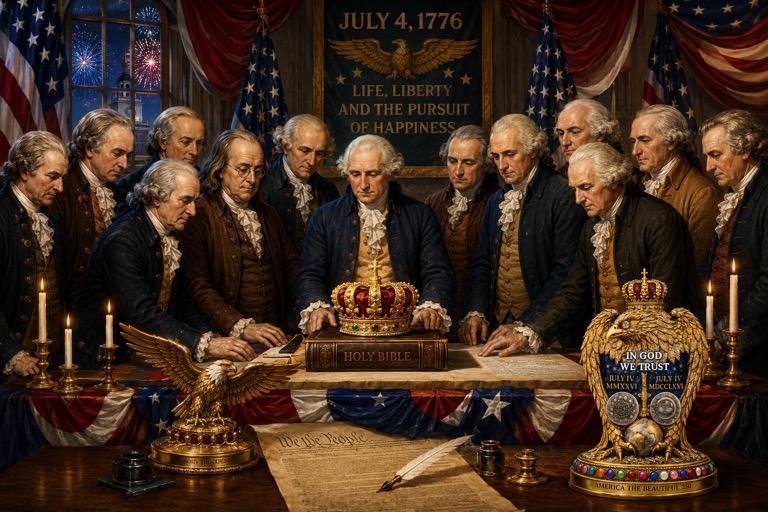
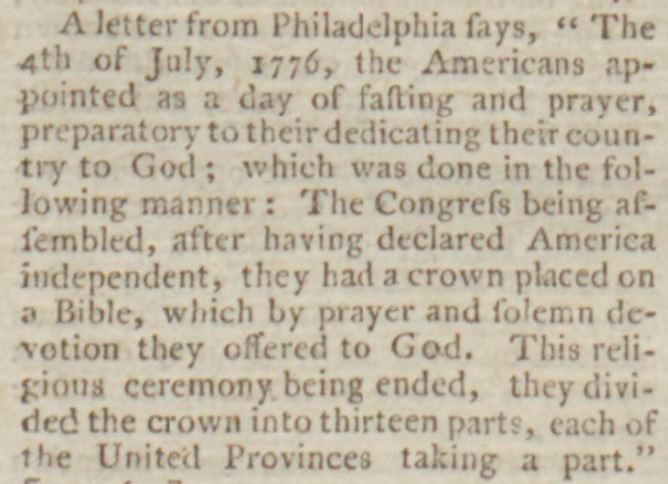
“The 4th of July 1776... The Americans appointed as a Day of Fasting and Prayer, preparatory to their dedicating their Country to God, which was done in the following manner: The Congress being assembled, after having declared America independent, they had a Crown placed on a Bible, which by Prayers and solemn devotion they offered to God “This religious ceremony being ended, they divided the crown into thirteen parts, Each of the United Provinces taking apart ”















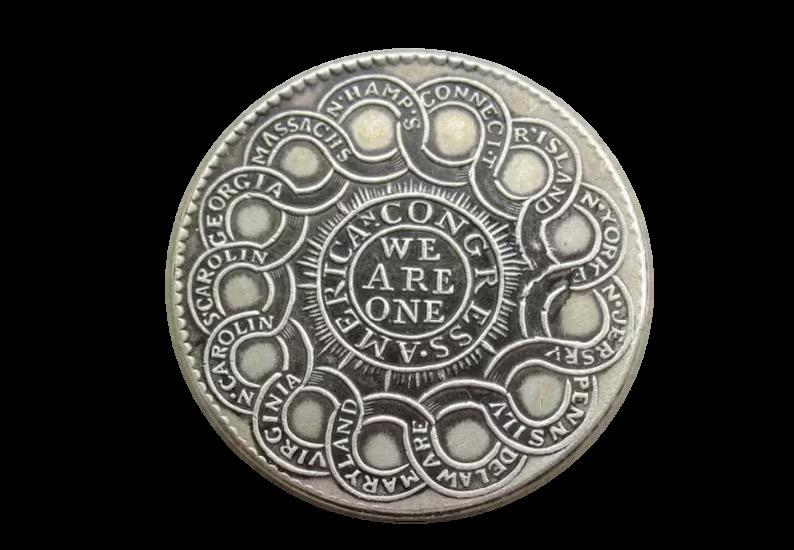
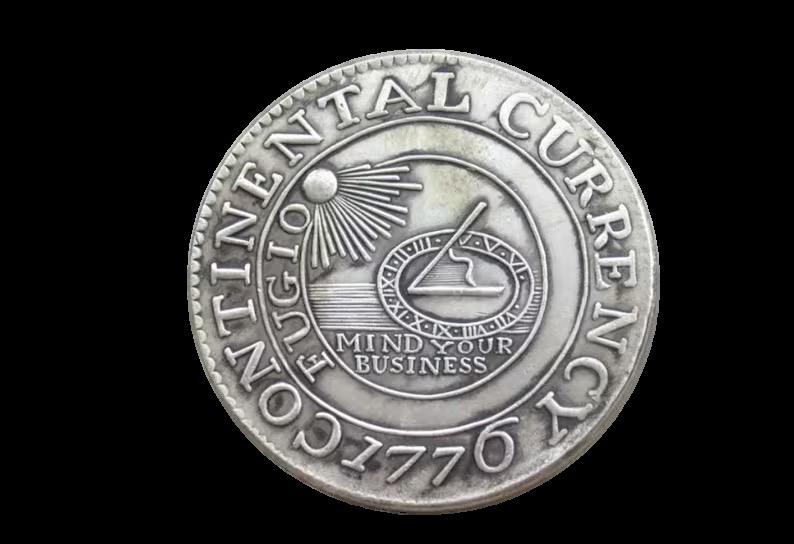


















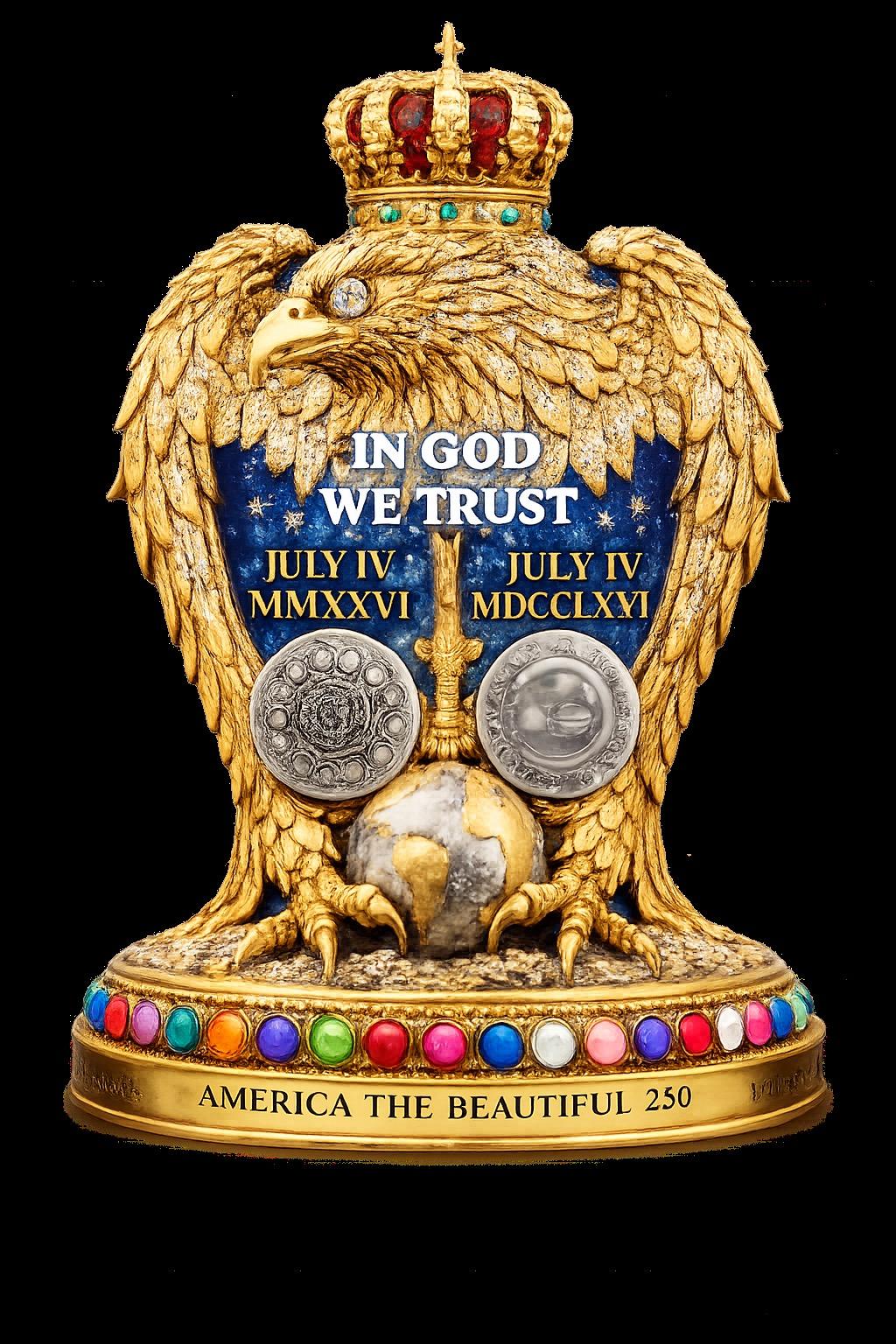
make straight your paths”


Proverbs 3:5 6







What do you say, Awesome American Citizen?

“Why I Love America:”





Here’s the chance to ink your thoughts and make your declaration known: This July 4th the 250th, is an ideal chance to make your commitment to “Awesome American Citizenship”









My personal commitment to be


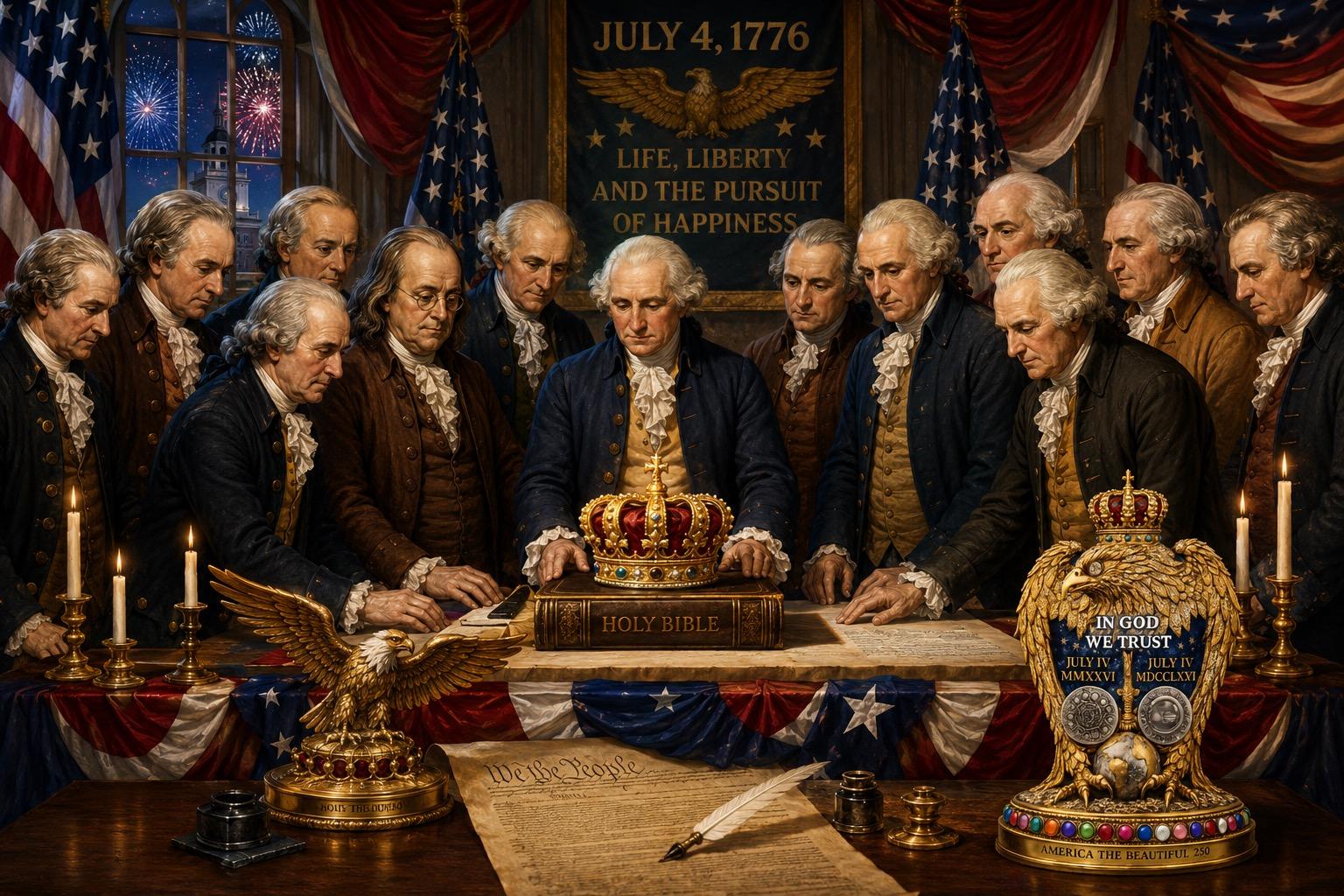





The th of July 1776...








































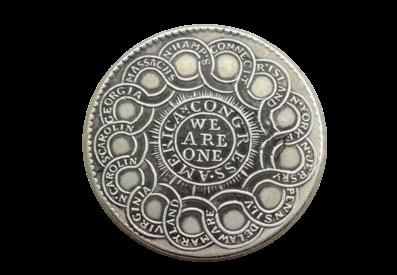
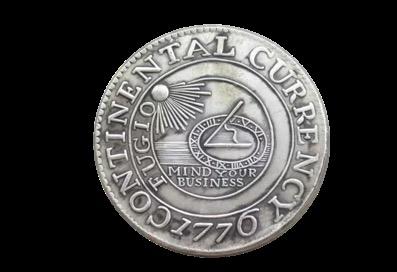









“The Americans appointed as a Day of Fasting and Prayer, preparatory to their dedicating their Country to God, which was done in the following manner: The Congress being assembled, after having declared America independent, they had a Crown placed on a Bible, which by Prayers and solemn devotion they offered to God “This religious ceremony being ended, they divided the crown into thirteen parts, Each of the United Provinces taking apart ”













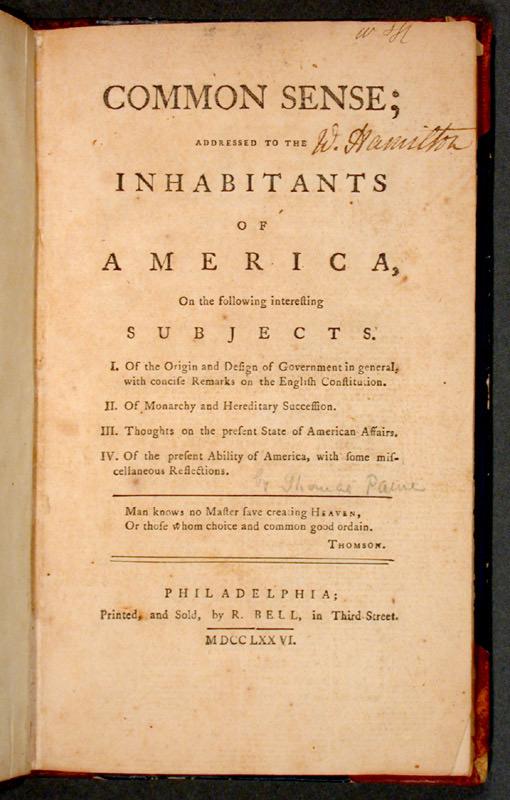
Some more Common Sense for “All Americans”
Continued from Issue #11
OF THE PRESENT ABILITY OF AMERICA: WITH SOME MISCELLANEOUS REFLECTIONS.
“I Have never met with a man, either in England or America, who hath not confessed his opinion, that a separation between the countries would take place one time or other: And there is no instance in which we have shown less judgment, than in endeavoring to describe, what we call, the ripeness or fitness of the Continent for independance.
As all men allow the measure, and vary only in their opinion of the time, let us, in-order-to remove mistakes, take a general survey of things, and endeavor, if possible, to find out the very time. But I need not go far, the inquiry ceases at once, for the time hath found us. The general concurrence, the glorious union of all things, proves the fact. ‘Tis not in numbers but in unity that our great strength lies yet our present numbers are sufficient to repel the force of all the world. The Continent hath at this-time the largest body of armed and disciplined men of any power under Heaven: and is just arrived at that pitch of strength, in which no single colony is able-to support itself, and the whole, when united, is able-to do anything. Our land force is more than sufficient, and as to Naval affairs, we cannot be insensible that Britain would never suffer an American man of war to be built, while the Continent remained in her hands.
Wherefore, we should be no forwarder a hundred years hence in that branch than we are now; but the truth is, we should be less so, because the timber of the Country is every day diminishing, and that which will remain at last, will be far off or difficult to procure.
its own, the purchase at any price will be cheap. But to expend millions for the sake of getting a few vile acts repealed, and routing the present ministry only, is unworthy the charge, and is using posterity with the utmost cruelty; because it is leaving them the great work to do, and a debt upon their backs from which they derive no advantage. Such a thought unworthy a man of honour and is the true characteristic of a narrow heart and a piddling politician.
Debts we have none: and whatever we may contract on this account will serve as a glorious memento of our virtue. Can we but leave posterity with a settled form of government, an independant constitution of its own, the purchase at any price will be cheap.
But to expend millions for the sake of getting a few vile acts repealed, and routing the present ministry only, is unworthy the charge, and is using posterity with the utmost cruelty; because it is leaving them the great work to do, and a debt upon their backs from which they derive no advantage. Such a thought


navy; America is without a debt, and without a navy; yet for the twentieth part of the English national debt, could have a navy as large again. The navy of England is not worth at this-time, more than three millions and a half sterling...
[The first and second editions of this pamphlet were published without the following calculations, which are now given as a proof that the above estimation of the navy is a just one...The charge of building a ship of each rate, and furnishing her with masts, yards, sails, and rigging, together with a proportion of eight months boatswain’s and carpenter’s seastores, as calculated by Mr. Burchett, Secretary to the navy].
No country on the globe is so happily situated, or so internally capable of raising a fleet as America. Tar, timber, iron, and cordage are her natural produce. We need go abroad for nothing. Whereas the Dutch, who make large profits by hiring out their ships of war to the Spaniards and Portuguese, are obliged to import most of the materials they use. We ought to view the building a fleet as an article of commerce,


being natural manufactory of this country. ‘Tis the best money we can lay out. A navy when finished is worth more than it cost: And is that nice point in national policy, in which commerce and protection are united. Let us build; if we want them not, we can sell; and by that means replace our paper currency with ready gold and silver.
In point of manning a fleet, people in general run into great errors; it is not necessary that one fourth part should be sailors. The Terrible privateer, captain Death, stood the hottest engagement of any ship last war, yet had not twenty sailors on board, though her complement of men was upwards of two hundred. A few able and social sailors will soon instruct a sufficient number, of active landsmen in the common work of a ship. Wherefore we never can be more capable of beginning on maritime matters than now, while our timber is standing, our fisheries blocked up, and our sailors and shipwrights out of employ. Men of war, of seventy and eighty guns, were built forty years ago in New England, and why not the same now? Ship building is America’s greatest pride, and in which she will, in time, excel the whole world. The great empires of the east are mostly inland and consequently excluded from the possibility of rivalling her. Africa is in a state of barbarism; and no power in Europe, hath either such an extent of coast, or such an internal supply of materials. Where nature hath given the one, she hath withheld the other; to America only hath she been liberal to both. The vast empire of Russia is almost shut out from the sea; wherefore her boundless forests, her tar, iron, and cordage are only articles of commerce.
In point of safety, ought we to be without a fleet? We are not the little people now, which we were sixty years ago; at that time we might have trusted our property in the streets, or fields rather, and slept securely without locks or bolts to our doors and windows. The case is now altered, and our methods of defence ought to improve with our encrease of property. A common pirate, twelve months ago, might have come up the Delaware, and laid the city of Philadelphia under contribution for what sum he pleased; and the same might have happened to other places. Nay, any daring fellow, in a brig of fourteen or sixteen guns, might have robbed the whole Continent, and carried off half a million of money. These are circumstances which demand our attention and point out the necessity of naval protection. Some perhaps will say, that after we have made it up with Britain, she will protect us. Can they be so unwise as to mean, that she will keep a navy in our Harbours for that purpose? Common sense will tell us, that the power which hath endeavoured to subdue us, is of all others, the most improper to defend us.
Conquest may be effected under the pretence of friendship; and ourselves, after a long and brave resistance, be at last cheated into slavery. And if her ships are not to be admitted into our harbours, I would ask, how is she to protect us? A navy three or four thousand miles off can be of little use, and on sudden emergencies, none at all. Wherefore if we must hereafter protect ourselves, why not do it for ourselves? Why do it for another?
The English list of ships of war, is long and formidable, but not a tenth part of them are at any
encounter at once, and, for that reason, supposed that we must have one as large; which not being instantly practicable, has been made use of by a set of disguised Tories to discourage our beginning thereon. Nothing can be further from truth than this; for if America had only a twentieth part of the naval force of Britain, she would be by far an overmatch for her; because, as we neither have, nor claim any foreign dominion, our whole force would be employed on our own coast, where we should, in the long run, have two to one the advantage of those who had three or four thousand miles to sail over, before they could attack us, and the same distance to return in order to refit and recruit. And although Britain, by her fleet, hath a check over our trade to Europe, we have as large a one over her trade to the West Indies, which, by laying in the neighborhood, of the Continent, lies entirely at its mercy.
Some method might be fallen on to keep up a naval force in time of peace, if we should not judge it necessary to support a constant navy. If premiums were to be given to Merchants to build and employ

In almost every article of defence we abound. Hemp flourishes even to rankness, so that we cordage Our iron is superior to that of other countries Our small arms equal to any in the world. Cannon we can cast at pleasure. Saltpetre and gunpowder we are every day producing. Our knowledge is hourly improving. Resolution is our inherent character, and courage hath never yet forsaken us. Wherefore, what is it that we want? Why is it that we hesitate? From Britain we can expect nothing but ruin. If she is once admitted to the government of America again, this Continent will not be worth living in. Jealousies will be always arising; insurrections will be constantly happening; and who will go forth to quell them? Who will venture his life to reduce his own countrymen to a foreign obedience? The difference between Pennsylvania and Connecticut, respecting some unlocated lands, shows the insignificance of a British government, and fully proves that nothing but Continental authority can regulate Continental matters.
Another reason why the present time is preferable to all others, is, that the fewer our numbers are, the more land there is yet unoccupied, which, instead of being


the king on his worthless dependants, may be hereafter applied, not only to the discharge of the present debt, but to the constant support of government. No nation under Heaven hath such an advantage as this.
The infant state of the Colonies, as it is called, so far from being against, is an argument in favour of independance. We are sufficiently numerous and were we more so we might be less united. ‘Tis a matter worthy of observation, that the more a country is peopled, the smaller their armies are. In military numbers, the ancients far exceeded the moderns: and the reason is evident, for trade being the consequence of population, men became too much absorbed thereby to attend to any thing else. Commerce diminishes the spirit both of patriotism and military defence. And history sufficiently informs us, that the bravest achievements were always accomplished in the non-age of a nation. With the increase of commerce England hath lost its spirit. The city of London, notwithstanding its numbers, submits to continued insults with the patience of a coward. The more men have to lose, the less willing are they to venture. The rich are in general slaves to fear and submit to courtly power with the trembling duplicity of a spaniel.
Youth is the seed-time of good habits as well in nations as in individuals. It might be difficult, if not impossible, to form the Continent into one Government half a century hence. The vast variety of interests, occasioned by an increase of trade and population, would create confusion. Colony would be against Colony. Each being able would scorn each other’s assistance: and while the proud and foolish gloried in their little distinctions,
the wise would lament that the union had not been formed before. Wherefore the present time is the true time for establishing it. The intimacy which is contracted in infancy, and the friendship which is formed in misfortune, are of all others the most lasting and unalterable. Our present union is marked with both these characters: we are young, and we have been distressed; but our concord hath withstood our troubles, and fixes a memorable Era for posterity to glory in.
The present time, likewise, is that peculiar time which never happens to a nation but once, viz. the time of forming itself into a government. Most nations have let slip the opportunity, and by that means have been compelled to receive laws from their conquerors, instead of making laws for themselves. First, they had a king, and then a form of government; whereas the articles or charter of government should be formed first, and men delegated to execute them afterwards: but from the errors of other nations let us learn wisdom, and lay hold of the present opportunity—to begin government at the right end
When William the Conqueror subdued England, he gave them law at the point of the sword; and, until we consent that the seat of government in America be legally and authoritatively occupied, we shall be in danger of having it filled by some fortunate ruffian, who may treat us in the same manner, and then, where will be our freedom? where our property?
As to religion, I hold it to be the indispensable duty of government to protect all conscientious professors thereof, and I know of no other business which government hath to do therewith Let a man throw
children of the same family, differing only in what is called their Christian names.
In page 97, I threw out a few thoughts on the propriety of a Continental Charter (for I only presume to offer hints, not plans) and in this place, I take the liberty of re-mentioning the subject, by observing, that a charter is to be understood as a bond of solemn obligation, which the whole enters into, to support the right of every separate part, whether of religion, professional freedom, or property. A firm bargain and a right reckoning make long friends. I have heretofore likewise mentioned the necessity of a large and equal representation; and there is no political matter which more deserves our attention. A small number of electors, or a small number of representatives, are equally But if the number of the representatives be not only small, but unequal, the danger is encreased.
As an instance of this, I mention the following; when the petition of the associators was before the House of Assembly of Pennsylvania, twenty -eight members only were present; all the Bucks county members, being eight, voted against it, and had seven of the Chester members done the same, this whole province

ill will that house had entered on some necessary public measures, they would not hesitate a moment to think them unworthy of such a trust.
Immediate necessity makes many things convenient, which if continued would grow into oppressions. Expedience and right are different things. When the calamities of America required a consultation, there was no method so ready, or at that time so proper, as to appoint persons from the several houses of Assembly for that purpose; and the wisdom with which they have proceeded hath preserved this Continent from ruin.
But as it is more than probable that we shall never be without a CONGRESS, every well wisher to good order must own that the mode for choosing members of that body, deserves consideration. And I put it as a question to those who make a study of mankind, whether representation and election is not too great a power for one and the same body of men to possess? When we are planning for posterity, we ought to remember that virtue is not hereditary.

our enemies that we often gain excellent maxims and are frequently surprised into reason by their mistakes. Mr. Cornwall (one of the Lords of the Treasury), treated the petition of the New York Assembly with contempt, because that house, he said, consisted but of twenty -six members, which trifling number, he argued, could not with decency be put for the whole. We thank him for his involuntary honesty.
TO CONCLUDE, however strange it may appear to some, or however unwilling they may be to think so, matters not, but many strong and striking reasons may be given to show, that nothing can settle our affairs so expeditiously as an open and determined declaration for independance. Some of which are, First It is the custom of Nations, when any two are at war, for some other powers, not engaged in the quarrel, to step in as mediators, and bring about the preliminaries of a peace: But while America calls herself the subject of Great Britain, no power, however well disposed she may be, can offer her mediation. Wherefore, in our present state we may quarrel on for ever.
Secondly It is unreasonable to suppose, that France or Spain will give us any kind of assistance, if we mean only to make use of that assistance for the purpose of repairing the breach, and strengthening the connection between Britain and America; because those powers would be sufferers by the consequences.
Thirdly—While we profess ourselves the subjects of Britain, we must, in the eyes of foreign nations, be considered as Rebels. The precedent is somewhat dangerous to their peace, for men to be in arms
under the name of subjects: we, on the spot, can solve the paradox; but to unite resistance and subjection, requires an idea much too refined for common understanding.
Fourthly—Were a manifesto to be published, and despatched to foreign Courts, setting forth the miseries we have endured, and the peaceful methods which we have ineffectually used for redress; declaring at the same time, that not being able any longer to live happily or safely under the cruel disposition of the British Court, we had been driven to the necessity of breaking off all connections with her; at the same time, assuring all such Courts of our peaceable disposition towards them, and of our desire of entering into trade with them: such a memorial would produce more good effects to this Continent, than if a ship were freighted with petitions to Britain.
Under our present denomination of British subjects, we can neither be received nor heard abroad: the custom of all Courts is against us, and will be so, until by an independance we take rank with other nations.
These proceedings may at first seem strange and difficult, but like all other steps which we have already passed over, will in a little time become familiar and agreeable: and until an independance is declared, the Continent will feel itself like a man who continues putting off some unpleasant business from day to day, yet knows it must be done, hates to set about it, wishes it over, and is continually haunted with the thoughts of its necessity. THE END!
shipped Pennsylvania Shortly thereafter, cracked on its very first “test” ring. A new bell was recast in 1753 from the same metal by local metalworkers John Pass and John Stow, right in Philadelphia. They inscribed their names and the Roman numerals, MDCCLIII for the year it was made on the bell. For 2o-years the bell rang proudly, calling lawmakers to legislative sessions and to announce to citizens, public meetings and proclamations - the most famous of which
a mere 2,080 lbs.


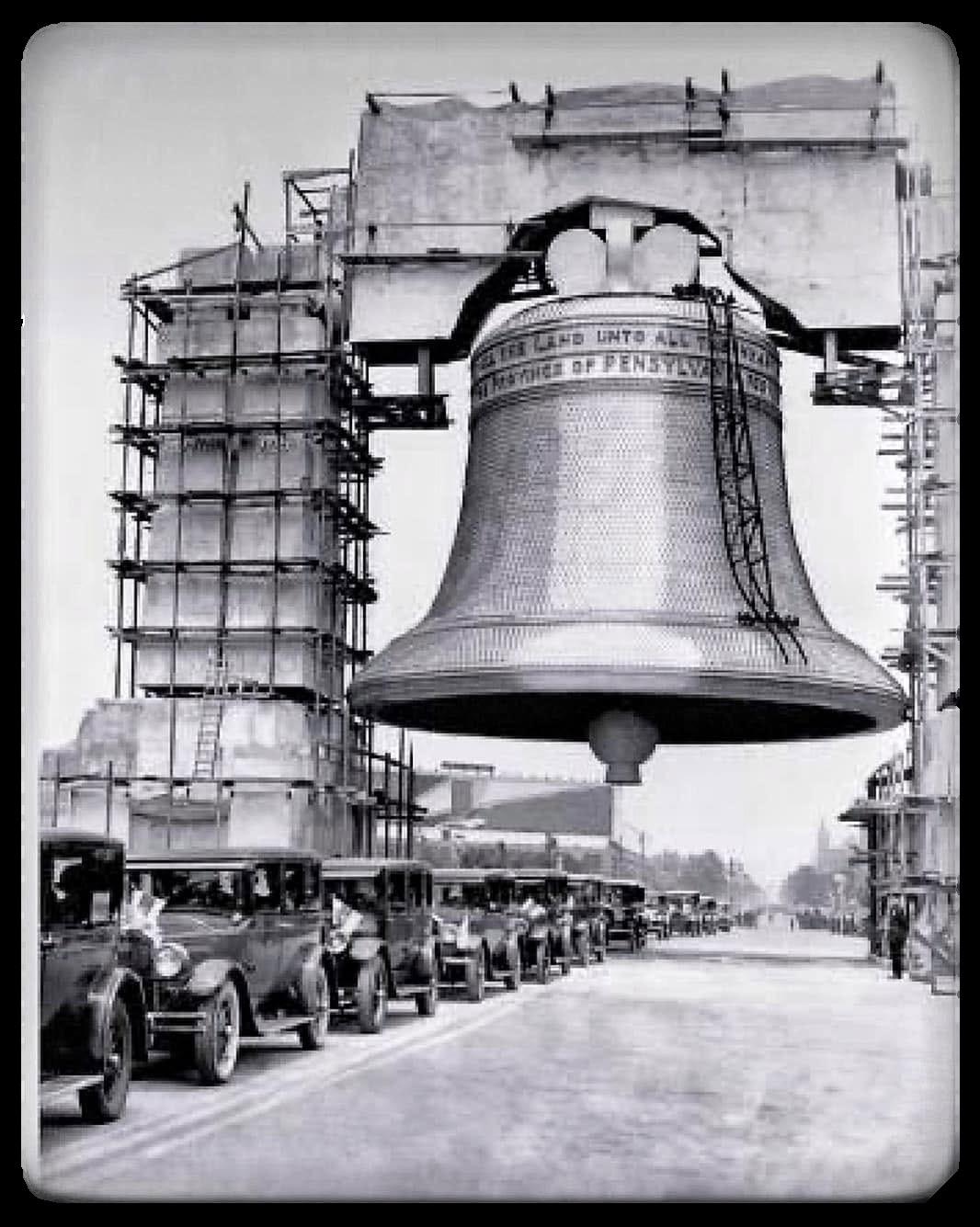
was the first public reading of the Declaration of Independence on July 8th, 1776, there in Philadelphia. While city bells rang jubilantly throughout the city, there is not certainty about the “old Bell” being rung, however most historians concur that it was likely among the bells that rang that heralded, July 8th “Freedom Call” day.
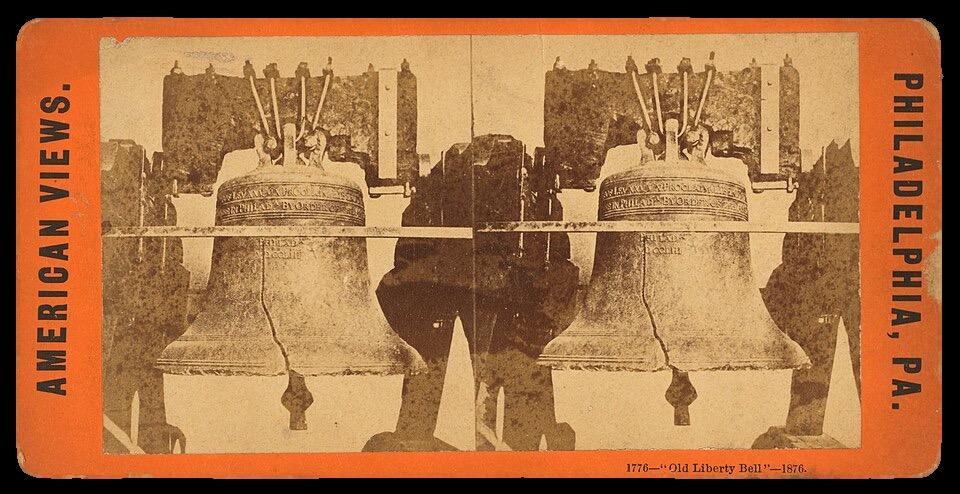
The Liberty Bell is a Historic symbol of freedom in the United States.
the first photographs of the Liberty bell date back to 1876, They were taken at the Centennial Exposition in Philadelphia
This “Jubilee” Bible verse is inscribed on the Liberty Bell: Proclaim LIBERTY throughout all the Land unto all the inhabitants thereof” (Leviticus 25:10).


Then came the inevitable War

As the Revolutionary War broke out and battles intensified, the Second Continental Congress officials, and Philadelphia citizens alike, became aware that if the British Army captured the city, they would certainly confiscate the bell and recast it into munitions - That is, if they were able to find & secure it It was time to hatch a plan!







On September 11, 1777, these concerns intensified when Washington and the Continental Army were defeated in the Battle of Brandywine. This left the “Revolutionary Capital” of Philadelphia defenseless ...and the British, did indeed, invade the city. However, prior to the city's fall, the Liberty Bell and other major bells in Philadelphia had been hurriedly, taken down from their towers and sent 50-miles away to Bethlehem, PA by a heavily guarded wagon train. From there, the bells went onto Zion German Reformed Church in Northampton Towne (Now Allentown), where they were hidden under the church’s floor-boards. This occurred just before the British entered and began their occupation of Philadelphia. “Saved by the Bell” you might say, has an entirely whole new ring to its meaning Think of how many lives this measure saved?








The bell was returned to the city in 1778 and placed in the brick section of the Independence Hall tower.
In 1826, the Liberty Bell (then called the State House bell) was rung on July 4th for the 50th anniversary of the signing of the Declaration of Independence. This “milestone ring” was the exact day when both John Adams & Thomas Jefferson passed away. History’s tale is really “QUITE REMARKABLE!”

There at Independence Hall the bell’s working life ended, when it cracked for the final time on February 23rd 1846, for the tolling to honor George Washingtons birthday. Prior to the ringing, city officials decided to repair the bell for the celebration of the Holiday. Upon preparations, metal workers widened the thin crack to prevent its further spread and to restore the tone of the bell. The “wide crack" in the Liberty Bell was, in fact, “the repair job.”
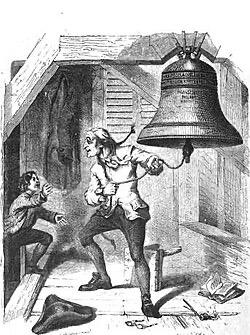
“The


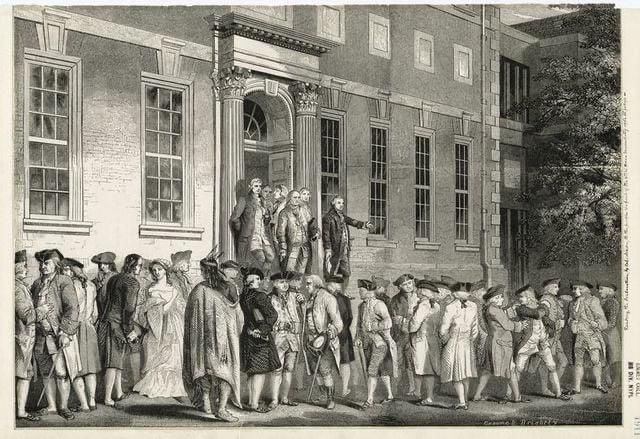
"As soon as he ended ... the cry from the balcony was, “God Save our American States” and then three cheers which rended the air, the Bells rang, the privateers fired, the forts and Batteries, the cannon were discharged ... and every face appeared joyful” Abagail Adams
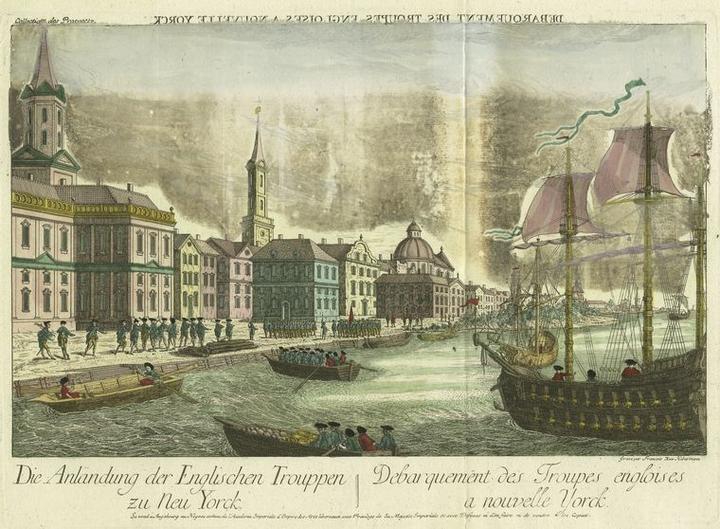
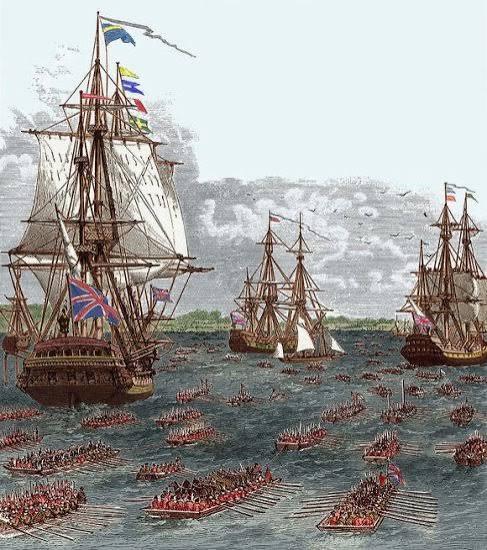
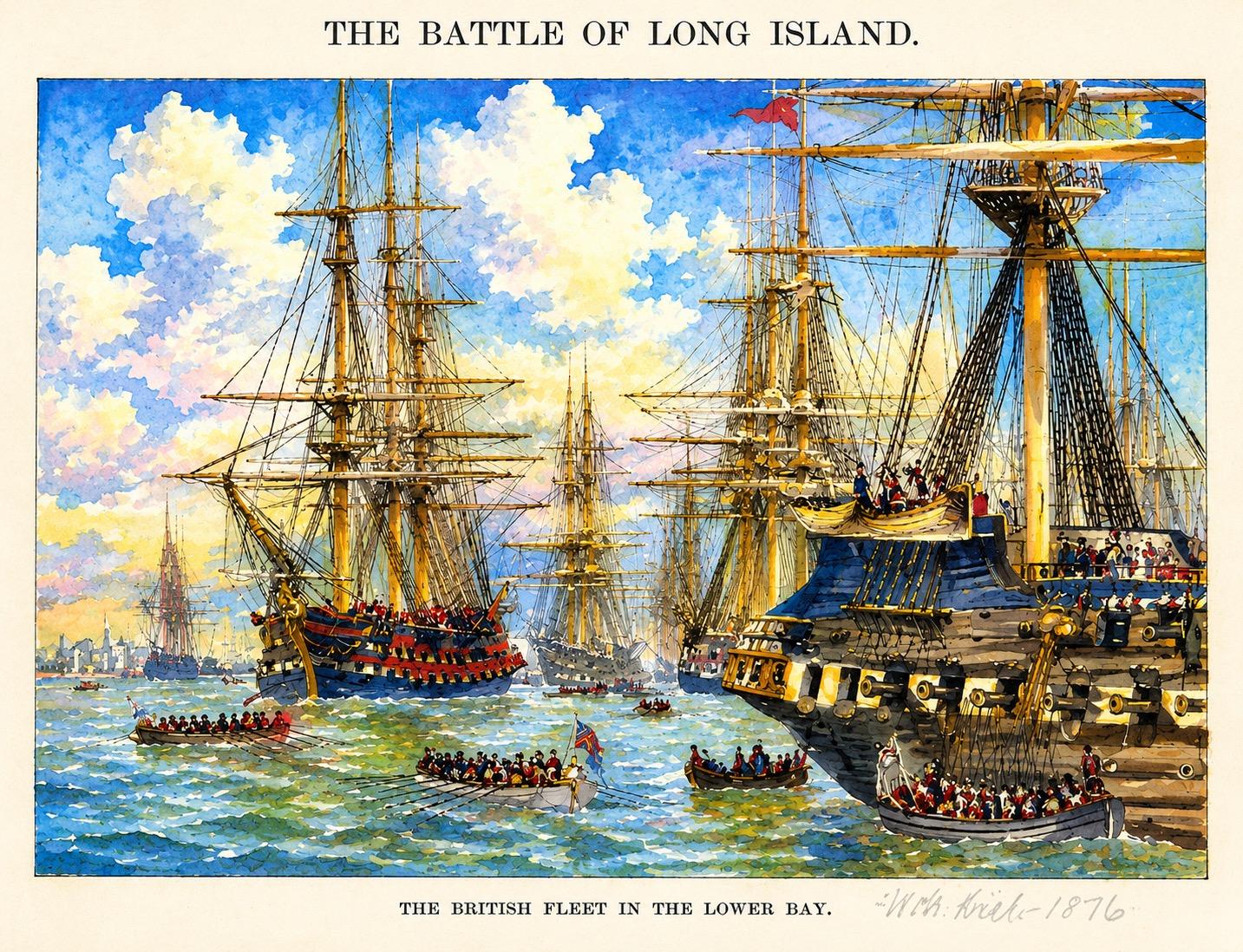
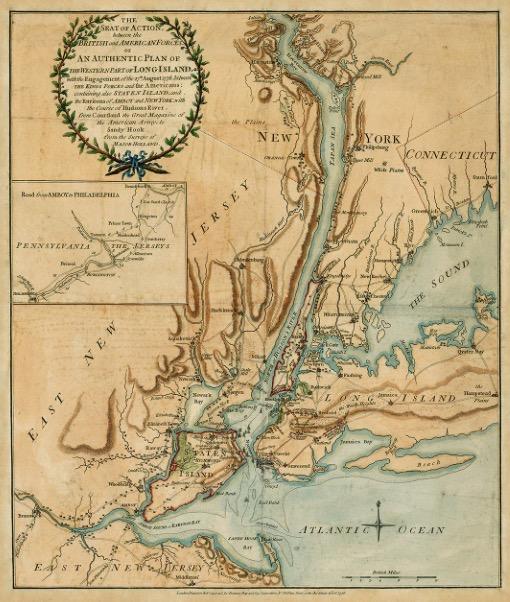
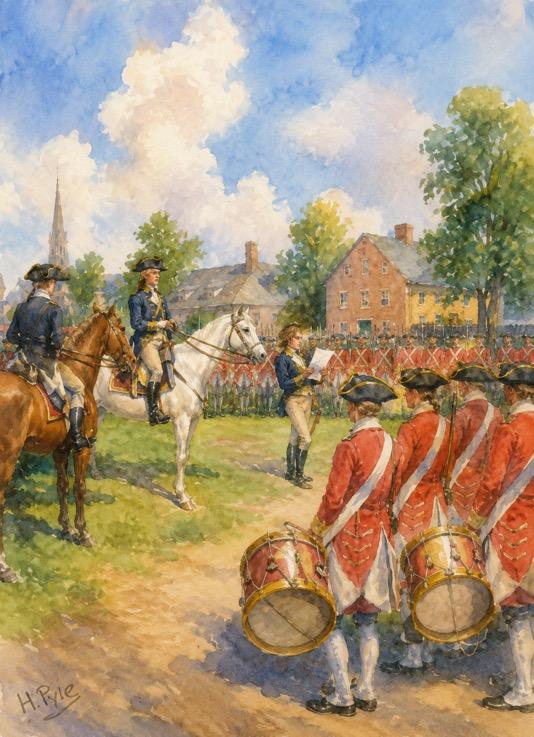
sharp, on the parade grounds in Lower Manhattan, thousands of Continental soldiers who had marched from Boston to defend New York City, stood at attention to hear Washington explain that Congress had “dissolved the connection” between “this country” and Great Britain and declared the “United Colonies of North America” to now be the “free and independent states” of America.
This must have been quite something for Washington, who knew full-well, as the soldiers stood at attention waiting to hear the declaration, that thousands of Hessians and even more redcoats were landing on Staten Island, just miles away, preparing for an attack on New York.
Imagine that America! Does this cause anyone to want to “Rally the Troops” and sound the alarms for America today?


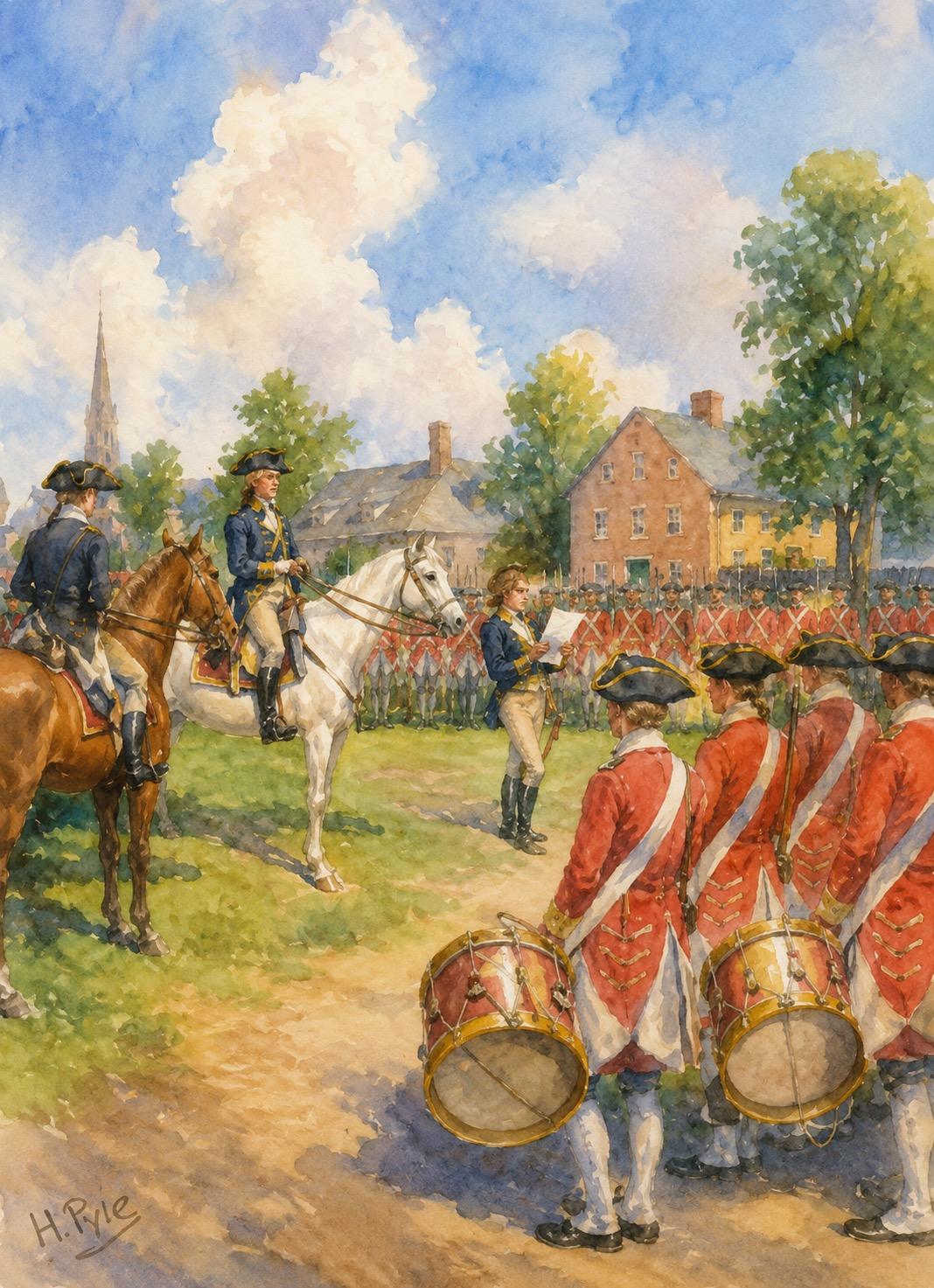


Following next, came Jefferson’s stirring words, in the reading of the declaration to the troops. This was much welcomed news for Washington, who as the commander-in-chief, was needing a great boost of morale to lead his untrained army against the “Great” Britain Army, right around the corner (literally).
This was indeed the boost Washington and the troops needed, as all would now be fighting not just in defense of the colonies but for the birth of their new nation. Since King George III had trampled on these “Inalienable Rights of Life, Liberty, and the pursuit of Happiness,” which Jefferson had complaints against the King, the now fired up and vocal Celebration








“We The People” “of the United America” - words the soldiers first July evening, “Had the right to political bands that tied them Britain.” And form a new government the people would rule themselves

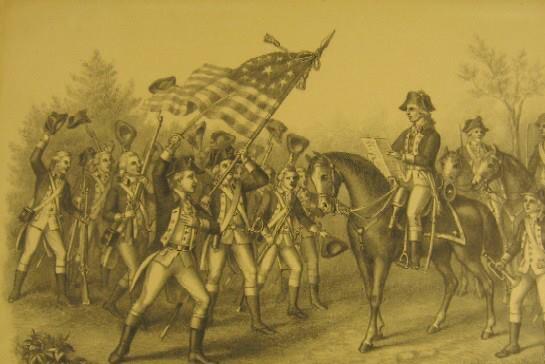
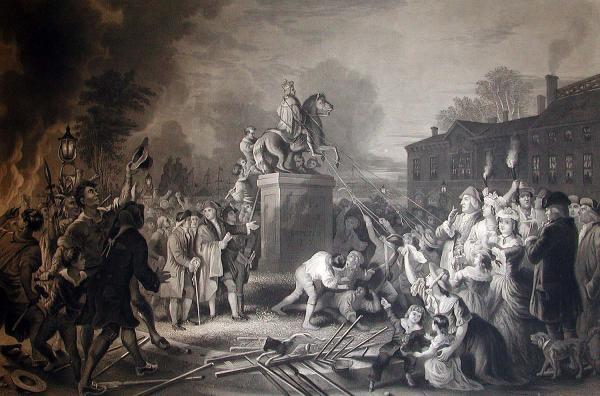
So moved and elated were citizens who had heard the declaration, that many raced down Broadway toward a large statue of King George III. They toppled and decapitated the statue. Later it was melted down for the muchneeded bullets in the soon to come battles to defend New York and the eight years of fighting for the new nation that lay beyond it. America, please take this to heart!

























Quite possibly, this might be the first time you have heard the declaration read to you Make sure you TAP IN! on the gold emblem above.