CHALK LINE


SMALL BUSINESS SAFETY IN THE PNWLESSONS FROM L&I.
STAYING SAFE ON THE JOBSITE WHEN WEATHER HITS HARD.
2026 EDITION - ISSUE #1
03 05 06 08 10 13 14
Letter from the Executive Officer, Angela White.
Letter from the 2026 OMB President, Gina Carlson.

Small Business Safety in the PNW - Lessons from L&I. Government Affairs Current Issues and Looking Ahead.
Staying Safe on the Jobsite When Weather Hits Hard.
From Sub to Supplier: The Power of Member Collaboration.
Tour of Homes: Build Your Brand. Grow Your Business.
2026 EDITION - ISSUE #1

ANGELA WHITE EXECUTIVE OFFICER
The start of a new year always brings a sense of momentum, and in residential construction, momentum is something we know well. Every project we take on begins with a vision, a plan, and a foundation strong enough to support what comes next. As we step into this new year together, it’s a good moment to reflect on where we’ve been and, more importantly, where we’re building toward.
The past year tested our industry in familiar ways: labor challenges, evolving regulations (see page 8), supply fluctuations, and shifting market conditions. Yet once again, our members proved that adaptability and resilience are not just buzzwords, they’re core strengths of residential construction professionals. Homes were built, communities grew, and families moved into spaces shaped by your skill and dedication.
This new year brings both opportunity and responsibility. Demand for housing continues and with it comes increased expectations around quality, efficiency, sustainability, and professionalism. Homeowners are more informed than ever, municipalities continue to evolve their requirements, and technology is reshaping how we design, build, and manage projects. Staying ahead means staying connected, to best practices, to education, and to one another.
That’s where our association continues to play a vital role. In the coming year, we remain committed to advocating for policies that support responsible growth, providing meaningful education and resources, and fostering a strong network of professionals who elevate the industry as a whole. Whether through training programs, events, or collaboration, our goal is to help you build not just homes but successful, sustainable businesses.
As you set your goals for the year ahead, I encourage you to think beyond the next project. Invest in your teams. Lean into innovation. Take advantage of the resources and relationships within this association. The strength of our industry is built one member at a time, and together we are far stronger than we are alone.
Here’s to a new year of smart growth, solid craftsmanship, and continued pride in the work we do. Let’s get building.

The Olympia Master Builders is a professional trade association representing 490 member companies located in Thurston, Lewis, Grays Harbor, Mason and Pacific Counties. Our members come from all sectors of the building trades and are committed to “building strong communities, one home at a time.”
EXECUTIVE COMMITTEE
President – Gina Carlson
First Vice-President – Mark Brown
Second Vice-President – Chris Winters
Treasurer – Kim Asay
Associate Vice-President – Christina Janis
Second Associate Vice-President – Melissa Kirkeby
Secretary – Melissa Stone
Immediate Past President – Jeff Kuster
Builder at Large – Michael Robinson
NATIONAL DIRECTORS
Gina Carlson
Daniel Doyle
Linda Moiser-Vaudt
STATE DIRECTORS
Gina Carlson
Rusty Ruiz
Andrew Spear
Kelly Jensen
Karen McClennen
Kai Fyrst
Kevin McCrea
Adriane Vincent
Janine Ezzell
Val Parsons
Lindsay Grantham
Bob Kagy
Melissa Stone
BUILDER DIRECTORS
Daniel Doyle
Matt Lemier
Kai Fyrst
Rob Cook
Mark Shepard
ASSOCIATE DIRECTORS
Amber Bevacqua
Jackson Maynard
GRAYS HARBOR CHAPTER OFFICERS
President – Rusty Ruiz, Hung Right Doors, LLC
LEWIS COUNTY CHAPTER OFFICERS
President – Kelly Jensen, DJs Plumbing
MASON COUNTY CHAPTER OFFICERS
President – Andrew Spear, Andrew Spear
Construction, LLC
LEGAL COUNSEL
David Vanderpol, Goldstein Law Office, PLLC
Executive Officer – Angela White
Events Director – Brianna Bedell
Communications Director – Jill Williams
Membership Director – Jenn Wasson
Government Affairs Director – Jessie Simmons
Office Administrator – Jessica Krynak


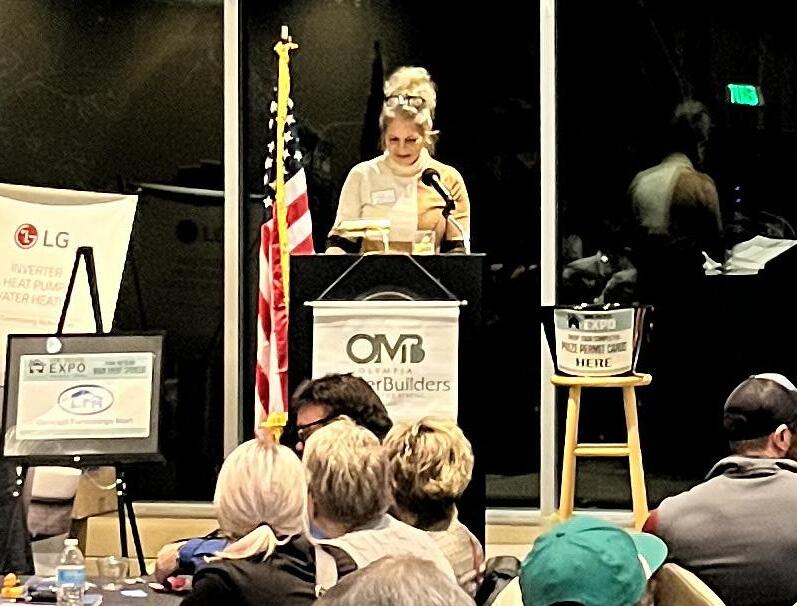
As we step into 2026, I am honored and excited to serve as your OMB President. I’m grateful for the trust you’ve placed in me and inspired by the strength, experience, and integrity that define this membership. The year ahead holds tremendous opportunity, and I am confident that—together—we can make it one of growth, connection, and lasting impact.
OMB has always been more than a professional association. It is a community of builders, remodelers, trades, and industry partners who believe that collaboration makes us stronger. In an ever-changing market, the value of belonging to an organization that advocates for our industry, supports our businesses, and brings us together has never been more important.
Membership in OMB provides tangible benefits that help you succeed every day—from education and workforce development to advocacy at the local and state levels. Just as importantly, it offers access to relationships that matter. The connections you make here can lead to trusted partnerships, shared knowledge, and opportunities you simply won’t find working alone. In 2026, we will continue focusing on fighting for policies that support affordable housing, strengthening membership and engagement and workforce development. My goal is to focus specifically on collaboration with other heroes for housing, whether they be an organization, politician, local leader, or developers, ensuring OMB and our Professional Women's Council remain powerful voices for

our industry and for career pathways. Whether you are a long-time member or newly involved, I encourage you to take full advantage of what OMB offers—attend events, participate in committees, and lean into the collective expertise of this group.
I have high hopes for the year ahead and deep confidence in our membership. Thank you for the work you do, the standards you uphold, and the pride you take in our industry. I look forward to serving alongside you and building a successful year together.
Here’s to a strong, productive, and inspiring 2026.
Warm regards, Gina Carlson 2026 OMB President



Workplace safety remains a top priority for small businesses across the Pacific Northwest, particularly in Washington State, where strict safety regulations and diverse industries place significant responsibilities on employers. Construction, manufacturing, warehousing, retail, and service businesses all face unique risks, compounded by seasonal weather, physically demanding work, and fast-paced job environments. For many employers, balancing productivity with safety compliance is an ongoing challenge that requires consistent attention and leadership commitment.
Data from Washington State Labor & Industries (L&I) shows that many workplace injuries are both common and preventable. Slips, trips, and falls, overexertion and repetitive strain injuries, and cuts or lacerations consistently top the list of reported incidents. Stress-related and mental health injuries are also increasingly recognized as workplace hazards that affect productivity, morale, and long-term employee well-being. As awareness grows, employers are being encouraged to take a more holistic approach to safety that includes both physical and psychological risks.
“WITH
THE PREVENTABLE NATURE OF MANY INJURIES
L&I emphasizes that many of these injuries could be avoided through proactive safety measures, including proper training, hazard assessments, ergonomic practices, and access to appropriate personal protective equipment. Establishing clear safety policies, conducting regular toolbox talks, and empowering employees to report hazards early can significantly reduce injury rates. Yet small businesses often rely on improvised safety solutions due to limited budgets or staffing, which increases the likelihood of accidents.
THE SUPPORT OF ROII, CONSTRUCTION EMPLOYERS THAT INVEST IN SAFETY TRAINING, CLEAR INJURY RESPONSE PROCEDURES, AND RETURN-TO-WORK STRATEGIES OFTEN SEE FEWER CLAIMS, FASTER RECOVERIES, AND LONG-TERM FINANCIAL BENEFITS THROUGH LOWER WORKERS’ COMPENSATION COSTS, AS WELL AS SUBSTANTIAL REFUNDS.”
- Jenn Kavanaugh Director of ROII at BIAW
Preventable injuries not only harm employees—they also impact business performance. Even a single serious injury can result in lost workdays, higher workers’ compensation claims, and unexpected out-of-pocket costs. L&I data suggests that businesses that implement comprehensive safety programs experience fewer incidents, lower claim costs, and improved productivity. Strong safety cultures also improve employee retention and reinforce trust between workers and management.
“Preventing injuries isn’t just about compliance—it directly impacts a company’s bottom line,” said Jenn Kavanaugh, Director of ROII. “With the support of ROII,
construction employers that invest in safety training, clear injury response procedures, and return-to-work strategies often see fewer claims, faster recoveries, and long-term financial benefits through lower workers’ compensation costs, as well as substantial refunds.”
Emerging technologies are helping small businesses strengthen safety practices. Wearable devices, automated training systems, and monitoring solutions can detect unsafe behaviors, improve ergonomics, and reinforce consistent safety practices across teams. These tools complement L&I guidance, reduce reliance on improvised measures, and help small businesses comply with state safety standards more efficiently.
Digital training platforms and AI-driven monitoring are especially valuable for businesses without dedicated safety staff. They allow employers to standardize training, document compliance, track certifications, and provide early alerts to potential hazards before accidents occur. When paired with hands-on training and leadership engagement, technology becomes a powerful driver of safer workplaces.
For Washington small businesses, workplace safety is more than a compliance requirement—it’s a strategic advantage. By investing in proper equipment, following L&I guidance, and leveraging technology, small employers can prevent injuries, protect employees, and reduce costs. Proactive safety planning builds more resilient operations, supports employee retention, and strengthens the bottom line.
In the Pacific Northwest, where regulatory expectations, seasonal hazards, and physically demanding work are the norm, a strong safety culture isn’t optional—it’s essential for longterm success. In addition to L&I guidance, Washington construction employers can access a wide range of safety education and training through the Building Industry Association of Washington (BIAW) at https://www.biaw.com/classes
. Many of these safety classes are offered at no cost to ROII participants, helping employers strengthen their safety programs without adding financial strain.
Interested in seeing if you qualify for ROII? Washington construction employers can learn more about eligibility and program benefits at roii.com, including safety training, return-towork support, and claim management resources.
Seasonal Hazards: Plan for rain, heat, smoke, ice, and poor visibility that increase injury risk throughout the year.
Ergonomics: Repetitive motion, heavy lifting, and awkward postures contribute to long-term injuries— adjust tools and workflows where possible.
Mental Health & Fatigue: Long hours and high-pressure deadlines can lead to burnout and accidents; encourage breaks and open communication.
New Hire & Ongoing Training: Injuries are more common among newer workers—reinforce training beyond day one.

Incident Reporting: Early reporting leads to faster care, reduced claim costs, and better recovery outcomes.
Subcontractor Safety: Ensure all crews follow consistent safety standards on shared jobsites.
Return-to-Work Planning: Modified duty options help employees recover faster and reduce workers’ compensation costs.
Documentation & Compliance: Keep safety plans, training records, and inspections up to date to meet L&I requirements.
While the housing affordability crisis remains severe, 2025 marked a year of meaningful progress for homebuilders and housing supply across Washington. The past year saw movement beyond symbolic policy discussions toward real changes in how housing is planned, permitted, and evaluated at both the state and local level.
Key accomplishments in 2025 include:
• Continued implementation of middle housing reforms, with more jurisdictions moving toward clearer by right approval pathways for duplexes, triplexes, fourplexes, townhomes, and small-scale multifamily housing.
• Measurable improvements in permit processing and development review coordination, reducing uncertainty and unnecessary delays for residential projects.
• Growing recognition by elected officials that local fees, utility requirements, and development standards directly impact final home prices and rents, shifting the conversation toward responsible cost management.
• Expansion of pre-approved ADU programs and infill housing strategies, providing additional tools to increase supply without lengthy rezoning processes.
• Stronger builder participation in comprehensive plan updates, helping ensure housing targets, land capacity assumptions, and infrastructure planning reflect real market conditions.
• Sustained advocacy on energy policy and building code implementation to highlight affordability impacts and push back on cost increases that lack proportional benefit.
These steps do not solve the supply shortage on their own, but together they represent meaningful forward

JESSIE SIMMONS OMB GOVERNMENT AFFAIRS DIRECTOR
The conversation around housing in Washington has shifted in a meaningful way.
After years of focusing primarily on targets, values, and long-range aspirations, policymakers are increasingly being confronted with a practical reality: housing affordability will not improve without sustained increases in supply, and supply will not increase without policies and processes that actually allow homes to be built.
That shift is visible across the Olympia Master Builders region.
In recent years, jurisdictions throughout Thurston, Lewis, Mason, Grays Harbor, and Pacific Counties have adopted new housing policies, updated comprehensive plans, and acknowledged the need for more diverse housing types. The work ahead is ensuring those changes translate into real projects, not just wellintentioned plans.
Only about 25 percent of Washington households can afford to purchase a home at current prices. In our region, that pressure shows up differently from community to community, but the underlying cause is the same: years of underproduction combined with rising costs and procedural friction.
Middle housing and infill policies are now largely in place, but outcomes depend on how they are applied at the local level. In some jurisdictions, builders are seeing clearer and more predictable approval pathways for townhomes, duplexes, and small-scale multifamily projects. In others, discretionary review, inconsistent interpretation, or added conditions continue to slow or undermine projects that are otherwise allowed on paper. Policy adoption is only the first step. Consistent implementation determines whether housing actually gets built.
PROCESS IMPROVEMENTS MAKE A DIFFERENCE. Across the region, improvements in permitting coordination and development review are beginning to reduce uncertainty and delays. Clearer timelines,
better communication between departments, and more defined review expectations have a direct impact on project feasibility, particularly for smaller builders and infill developments that cannot absorb prolonged timelines.
Local fees, utility connection charges, infrastructure requirements, design standards, energy mandates, and review timelines do not exist in isolation. Each adds to the final cost of housing. In smaller and mid-sized jurisdictions especially, per unit costs are harder to spread across scale, making cumulative cost pressure one of the biggest barriers to producing affordable and workforce housing.
Townhomes, condominiums, and small-scale multifamily projects play a critical role in housing teachers, healthcare workers, first responders, and young families. These projects are often the first to disappear when costs rise or financing becomes more constrained. Protecting the feasibility of these housing types is essential to maintaining economic diversity and workforce stability in local communities.
Infrastructure must align with housing goals. Housing policy cannot succeed without infrastructure planning that supports growth. Water, sewer, and transportation systems must be designed around realistic housing needs rather than historic growth patterns or artificial limits. When infrastructure planning falls behind, housing supply inevitably follows.
Environmental and energy policies will continue to shape the housing landscape. The industry supports sustainability and efficiency, but affordability must remain part of the equation. Policies that increase upfront construction costs without clear, proportional benefit risk deepening the affordability gap they aim to address.
The good news is that collaboration is improving. Builders are increasingly included earlier in planning conversations, and jurisdictions are more willing to discuss feasibility, cost drivers, and real-world impacts. The conversation is shifting from whether growth should occur to how it can be accommodated responsibly.
The homebuilding industry is ready to deliver housing across all price points. The progress made so far shows that change is possible. The work ahead will determine whether that momentum results in homes people can afford.

Housing policy is shaped by the people who participate.
Builders, developers, trades, and housing professionals bring practical, realworld experience that policymakers cannot get from reports alone. Whether through public comment, legislative meetings, comprehensive plan engagement, or industry advocacy events, member involvement strengthens the industry’s credibility and influence.
This year presents multiple opportunities to make an impact. Comprehensive plan policies are being finalized, elections will determine future decision makers, and lawmakers continue to debate how housing affordability should be addressed.
Progress happens when the people building homes show up, speak up, and stay engaged. Your involvement helps shape policies that determine whether housing can be delivered efficiently, affordably, and at scale.
Comprehensive Plans determine where housing can be built, how much can be built, and what infrastructure must support it. The decisions made through these plans shape housing supply, affordability, and growth patterns for decades.
The region is now at a critical stage. After years of discussion and vision setting, most jurisdictions are moving from broad aspirations into binding policy language. Updates to Critical Areas Ordinances, zoning codes, development regulations, and infrastructure plans will define what land remains buildable and at what cost.
Homebuilders increased engagement throughout the comprehensive planning process to ensure housing targets, land capacity assumptions, and growth strategies reflect real world conditions. That engagement is now more important than ever as policies are finalized and implemented.
Once adopted, these regulations directly affect housing feasibility and long-term affordability. Getting them right matters.
The Affordable Housing Council supports candidates and policies that promote housing affordability, regulatory balance, and a healthy homebuilding environment.
Through advocacy and engagement, TAHC helps ensure decision makers understand how land use policies, fees, permitting timelines, and infrastructure planning directly affect the ability to build homes at all price points.
This year is especially important. Key elections across the region, from County Commissions to the state Legislature, will shape housing policy decisions for years to come. Engagement now helps ensure housing affordability remains a priority at every level of government.
TAHC will host a fundraiser on March 6 at Glacier Gun Club to support pro housing candidates and continue building relationships with policymakers who are willing to engage on real solutions.
Housing affordability does not happen by accident. It requires consistent, informed advocacy.

For contractors, remodelers, and builders, severe weather can pose safety risks, delay projects, and damage materials—making proactive planning essential.
Construction in the Pacific Northwest comes with unique challenges. While the region is known for its beautiful landscapes, it also brings frequent rain, strong winds, and occasional snow or ice during the winter months. For contractors, remodelers, and builders, severe weather can pose safety risks, delay projects, and damage materials— making proactive planning essential.
Beyond daily weather concerns, prolonged moisture and changing temperatures can impact soil stability, scheduling, and overall site conditions. Saturated ground increases the risk of erosion, trench collapse, and compromised foundations, making regular inspections and adjustments critical throughout the build process. Understanding how weather affects each phase of construction allows teams to anticipate issues before they escalate into costly setbacks.
One of the first steps to protect a jobsite is securing all materials and equipment. Tarps, weatherproof covers, and proper storage can prevent water damage to lumber, drywall, and finishes. Heavy machinery, scaffolding, and ladders should be anchored or stored indoors when possible. Small precautions, like covering stacks of roofing materials or insulating pipes, can save thousands in replacement costs.
"WINTERIZING HOSE BIBBS
ALSO PLAYS
A KEY ROLE IN OVERALL JOBSITE PROTECTION AND SAFETY, INSULATING EXTERIOR FIXTURES WITH FOAM COVERS OR HEAT TAPE SHIELDS VULNERABLE PLUMBING FROM COLD AIR AND REDUCES THE RISK OF LEAKS THAT CAN CREATE ICY, HAZARDOUS CONDITIONS FOR CREWS."
- Garth Magaro Ridgecreek
Plumbing, LLC
Partially completed structures are especially vulnerable to rain and wind. Use waterproof sheeting, temporary roofing, and secure windows or openings to keep moisture out. For wood framing or concrete pours, protective coverings can prevent water damage and help maintain quality standards. Regularly inspect the site to ensure that protective measures remain effective as conditions change.
Garth Magaro of Ridgecreek Plumbing, LLC in Olympia advises, "Protecting your hose bibb before winter sets in is a small but critical step in safeguarding an active jobsite. As temperatures drop, any water left in outdoor pipes can freeze, expand, and lead to cracked fittings or burst pipes—causing delays, water damage, and unplanned repair costs. Shutting off the interior water supply, disconnecting and draining hoses, and leaving the bibb open to fully clear residual water helps prevent pressure buildup and freezing. On a jobsite, where plumbing may be exposed and systems aren’t always fully operational, this step is especially important to keep work moving without interruption."
He adds, "Winterizing hose bibbs also plays a key role in overall jobsite protection and safety. Insulating exterior fixtures with foam covers or heat tape shields vulnerable plumbing from cold air and reduces the risk of leaks that can create icy, hazardous conditions for crews. Regularly inspecting bibbs for cracks or drips before winter arrives helps prevent small issues from turning into costly setbacks. Taking the time to winterize outdoor plumbing not only protects the structure under construction, but also demonstrates professionalism, protects schedules, and keeps jobsites safer and more efficient throughout the winter months."
Slips, trips, and falls are a leading cause of jobsite injuries in the Pacific Northwest, especially during wet or icy weather. Keep pathways clear, add traction to walkways, and install temporary drainage to prevent water pooling. Ensure that workers are trained to navigate safely and that proper footwear is worn at all times.
Heavy rain and wind can cause electrical hazards or temporary utility disruptions. Keep cords elevated, protect generators from moisture, and review emergency shut-off procedures. Backup lighting and signage can help maintain safety if visibility is reduced during storms. Regular communication with crews about changing conditions is essential to prevent accidents and confusion.
Finally, planning ahead is critical. Monitor forecasts daily, establish procedures for stopping work safely, and communicate expectations to your crew. Having a clear chain of command for severe weather decisions ensures everyone knows when to pause work, protect the site, and resume safely.
Clear communication and documentation are also critical during periods of inclement weather. Daily safety meetings should address current site conditions, forecasted changes, and specific hazards crews may encounter. Supervisors should document weather-related decisions, delays, and protective measures to support scheduling adjustments and compliance requirements. In the Pacific Northwest, stormwater management and erosion control are ongoing responsibilities, even on smaller projects, and should be reviewed regularly to avoid environmental violations. Coordinating with inspectors, suppliers, and subcontractors during weather events helps manage expectations and maintain momentum once conditions improve.
By taking these steps, Pacific Northwest builders can reduce delays, protect their investments, and keep workers safe during unpredictable weather. A secure, well-prepared jobsite not only minimizes losses but also fosters a culture of safety and professionalism— essential for every successful project in the region.
WATCH FOR SATURATED SOIL:
Prolonged rain can destabilize slopes, trenches, and excavations—inspect daily for erosion or collapse risk.
PLAN FOR HIGH WINDS: Secure temporary fencing, signage, and coverings that can become airborne in windstorms.
MANAGE STORMWATER RUNOFF: Keep drains, swales, and silt fencing clear to prevent flooding and environmental violations.
COLD, WET PPE: Ensure crews have waterproof gloves, insulated rain gear, and dry storage for clothing changes.
MOLD PREVENTION: Extended moisture exposure can impact framing and sheathing—allow proper drying time before closing walls.
SHORTER DAYLIGHT HOURS:

Increase temporary lighting and adjust schedules to reduce visibility-related hazards.
VEHICLE & ACCESS SAFETY: Muddy or flooded access points can affect deliveries and emergency response— maintain clear ingress and egress routes.
KNOW WHEN TO STOP WORK: Standing water, lightning, or unstable ground are clear signals to pause operations.
in October-December 2025
All American Propane, LLC
CADRE General Contractors, LLC
CK Construction and Excavating, LLC
Country Custom Homes
Dodge Excavation, LLC
Drain-Pro, Inc.
Duncan & Associates Insurance Brokers
Eagle Creek Siding
Eubanks Glass, Inc.
Expert Restoration, LLC
ForeverLawn Puget Sound
Gold Standard Landscaping
Honest Garage Doors
Hub City Supply Co.
J&E Concrete, LLC
JK Monarch Fine Homes
KMB Architects Inc. P.S.
Kunkel Construction, Inc.
Lacey Glass
Madrona Pest Services
Mallard Brothers Construction
MAR Construction, LLC
Material Masters Concrete
Moore Glass Company
MSGS Carve Architects
Nature Perfect Landscaping, Inc.
Packer Concrete Design
Parr Lumber-Rochester
Projects by Piper
Promo Northwest
Ridgecreek Plumbing LLC
RYCON Services, LLC
Sherwin Williams
Shocking Difference, LLC
Sound Painting and Construction, LLC
SW Central Homes, LLC
(dba: Lexar Homes (Centralia)
TruTeam
VJ Painters, Inc.
All Star Windows
Capital Glass
Carlyon Beach Homeowners Association
CPR Inc.
Crescent Lighting Supply
DL Phillips Construction
Evergreen State Roofing, LLC
International Wood Products
LeMier Construction, LLC
Local Custom House Plans (L.C. House Plans)
Midway Underground, LLC
Northfork Asphalt Paving
Nyco Construction, LLC
Outdoors by Design, Inc.
Pioneer Fire & Security, Inc.
Puget Sound Welding
Reliable Enterprises
Republic Services
TAGS Awards & Specialties
The Collins Team-Guild Mortgage
Thomas Architecture Studios
Thurston County Title Co.
Tops Countertops
West Coast Plumbing Pumps & Filtration, LLC
Varsity Electric, LLC
Wolbert’s, Inc.
10-14 YEARS
Chehalis Rentals
Cogent Construction, Inc.
Dickson Frolich Phillips Burgess, PLLC
K.T. Charboneau Trucking, Inc.
Lexar Homes
Lincoln Creek Lumber
Olympic Blinds
Prime Building & Development, LLC
Puget Sound Landscaping, Inc.
Shield of Armor Safety, LLC
South Sound Framing, LLC

15-19 YEARS
Kuster Homes and Remodeling, LLC
BC Gas Repair
Bath Fitter
Flying Colors Painting, Co.
20-24 YEARS
Johnston Construction Company, Inc.
Express Employment Professionals
HiLine Homes (dba: Creative Design Builders, Inc.)
P & P Investments
Steve Crass Construction, LLC
Summit Fence Co.
25-29 YEARS
Dr. Roof, Inc.
Hinkle Homes, Inc.
Dan Sallee Construction, LLC
Norm’s Construction, Inc.
Drebick Investments, LLC
30-34 YEARS
John’s Plumbing & Pumps, Inc.
DeTrays, LLC
Nicholson & Associates Insurance, LLC
35 + YEARS
Hatton Godat Pantier Builders FirstSource-Olympia
1-Tom Plumber
Centralia, WA • (564) 999-1549
Sponsor: Karen McClennen
A-L-S American Landscape Services, LLC
Lacey, WA • (360) 923-2224
Sponsor: Stuart Drebick
Clean Slate Hauling and Junk Removal
Yelm, WA • (253) 579-9378
Sponsor: Chad Pearson
KimIan Family Construction
Olympia, WA • (253) 255-4298
Sponsor: Melissa Stone
Kitchen and Bath Tune Up
Lacey, WA • (360) 918-1352
Sponsor: Jeff Kuster
LaDue Fencing, Inc.
Elma, WA • (360) 495-4144
Sponsor: Chad Pearson
Naillon Timber
Chehalis, WA • (360) 520-2903
Sponsor: Nicole Ahola
Olympia Painting Company
Olympia, WA • (360) 289-7999
Sponsor: Lindsay Grantham
Pretty Good Home Inspections, LLC
Shelton, WA • (253) 442-6707
Sponsor: Debbi Boyd
Schermer Construction
Hoquiam, WA • (360) 533-5866
Sponsor: Daimon Doyle
South Bay Restoration
Olympia, WA • (360) 280-5831
Sponsor: Chris Winters
Stacked Contracting, LLC
Olympia, WA • (360) 529-7193
Sponsor: Les Benton
Stich Electric, LLC
Olympia, WA • (360) 791-6941
Sponsor: Kai Fyrst
In the construction and remodeling industry, relationships are everything. One of the biggest advantages of belonging to a building association is the ability to work with trusted peers—hiring fellow members as subcontractors, sharing resources, and partnering on projects. For members of Olympia Master Builders (OMB), these connections translate directly into stronger projects and stronger businesses.
Working with fellow association members builds trust and reliability. Members know their peers meet high standards for quality, ethics, and professionalism. Hiring an OMB member as a subcontractor or partner reduces risk, streamlines projects, and improves client satisfaction. When everyone on a job shares the same commitment to excellence, projects run more smoothly and efficiently.
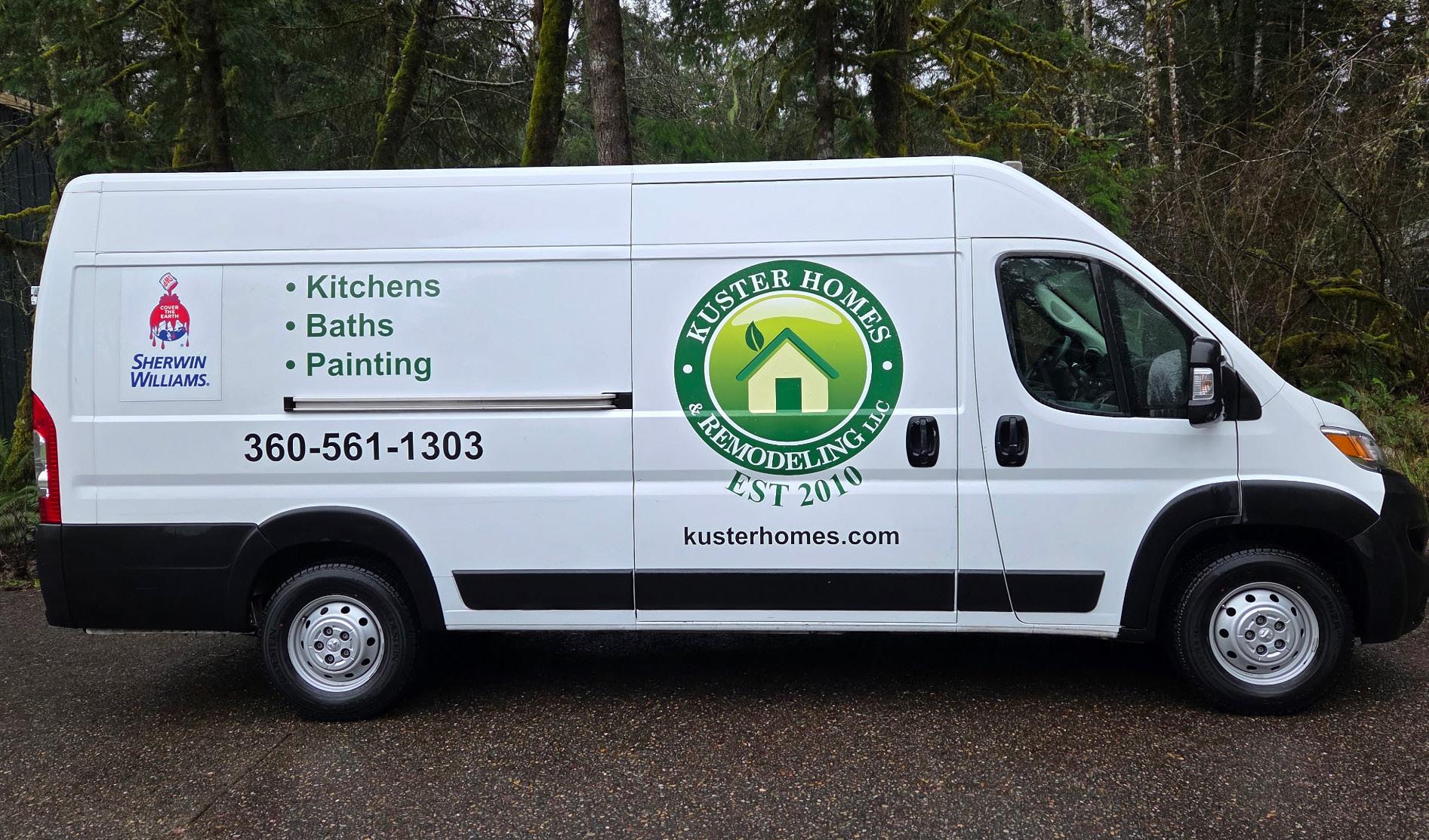
Jeff Kuster of Kuster Homes and Remodeling shares, “When I needed a new sign and vehicle graphics company, I turned to Signarama because they’re a fellow OMB member. Through our networking, I’ve also been able to refer them to other members who needed those same services. As a result, Signarama has gained several new customers directly through the association.”
Supporting fellow members also strengthens the local construction ecosystem. Keeping work within the network helps businesses grow together and makes larger projects, specialized skills, and shared resources more accessible through collaboration.
Jeff adds, “In a perfect example of how OMB connections work both ways, I reached out to CW Construction for a recommendation on an apparel vendor and was introduced to Promo NW. I not only used their services, but also invited them to join the association. They’ve since become an active committee member, and I continue to refer them to everyone I meet.”
For contractors, remodelers, and suppliers in the Olympia area, Olympia Master Builders provides an ideal platform for collaboration. Through training, events, and networking opportunities, OMB makes it easy to hire trusted peers, share knowledge, and grow lasting professional relationships.
In a competitive market, supporting fellow association members isn’t just good for business—it’s smart business. By collaborating and sharing resources, building professionals strengthen the local construction community and create long-term success.
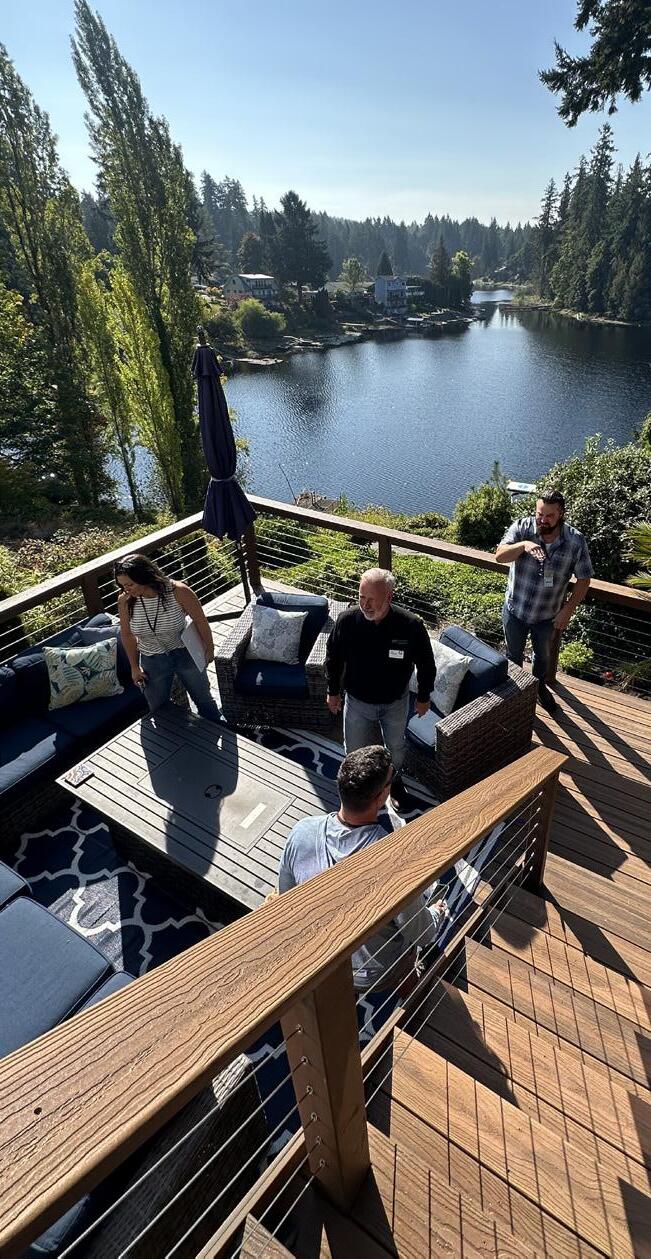
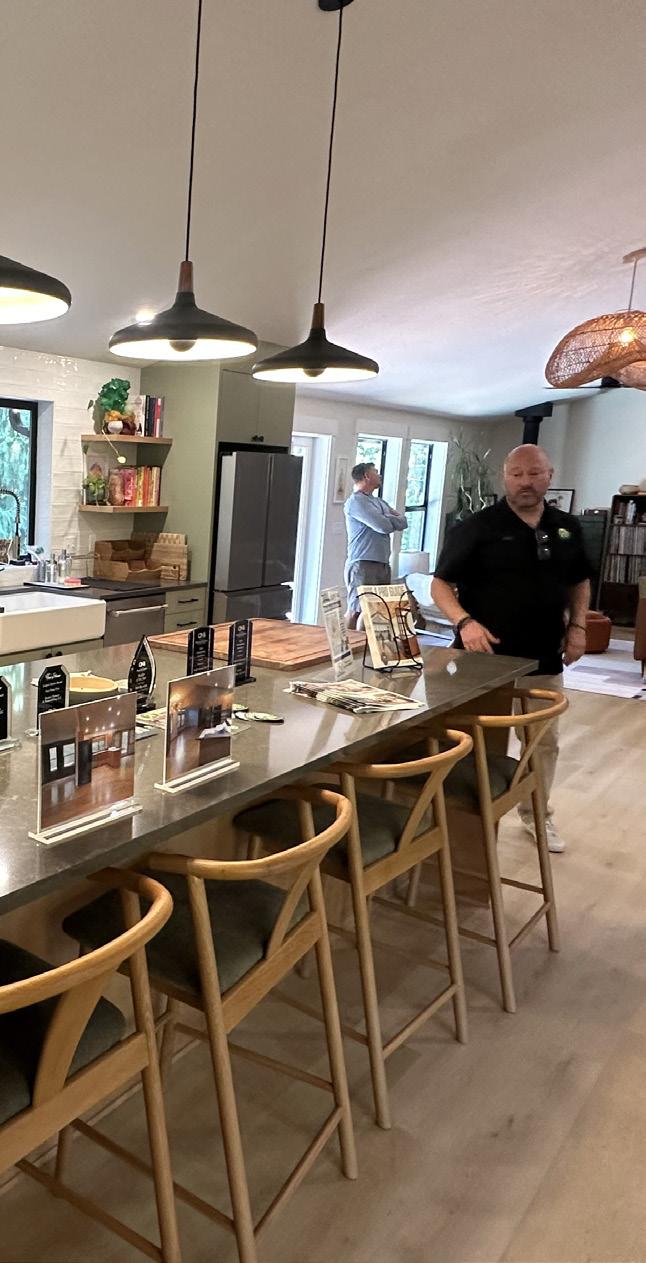

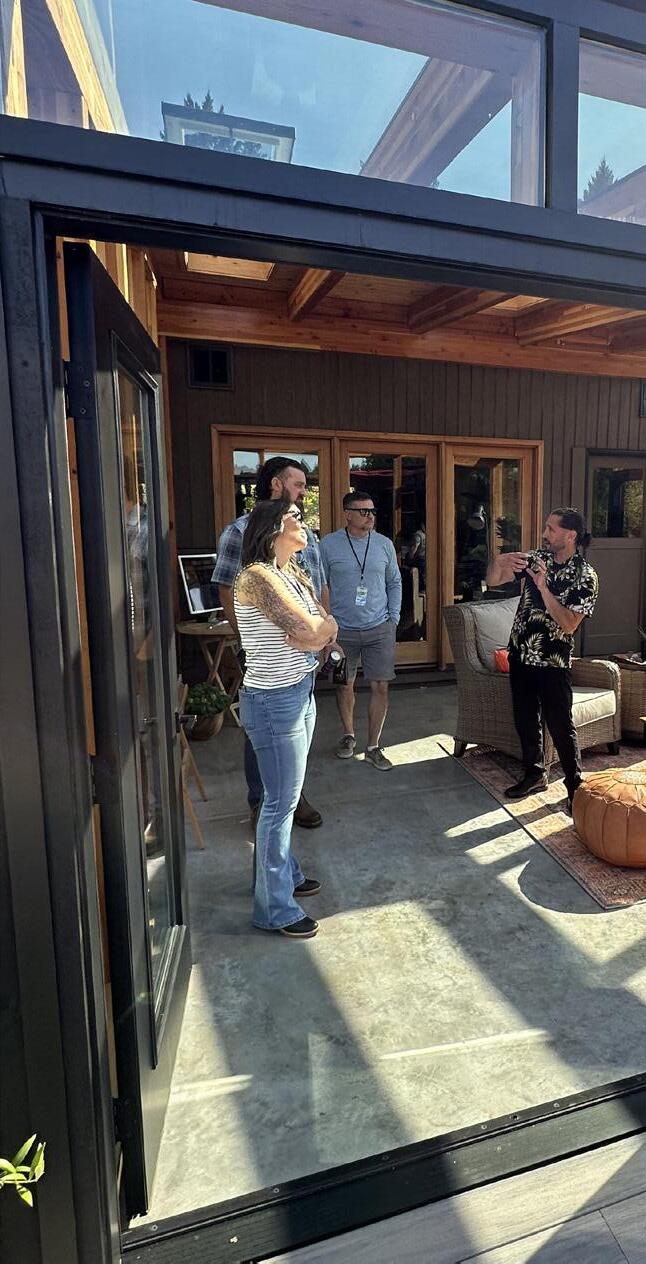
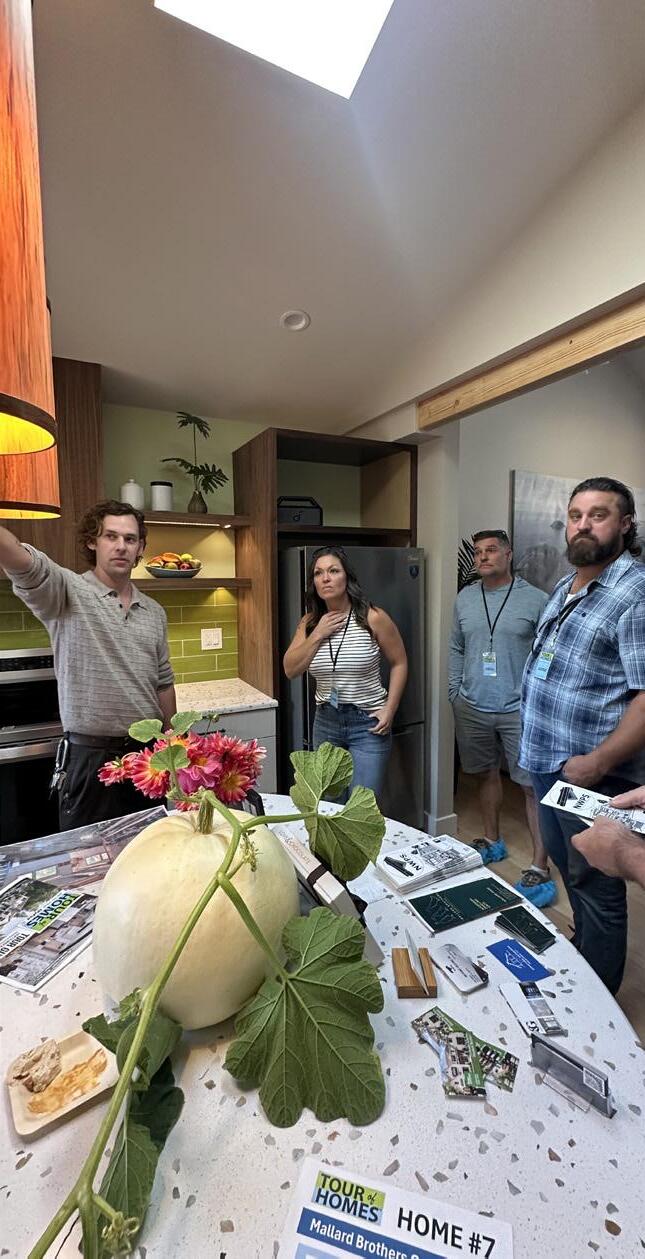
The 2026 Olympia Master Builders Tour of Homes, held Saturday and Sunday, September 19–20, from 10:00 a.m. to 4:00 p.m., offers builders a high-impact opportunity to showcase their work and connect directly with future clients. This FREE ADMISSION, scattered-site event attracts hundreds of engaged homeowners actively seeking trusted building professionals.
Tour participants gain face-to-face exposure that goes beyond traditional advertising. As attendees walk through your project, they experience your craftsmanship, materials, and attention to detail firsthand. These personal interactions build trust, spark meaningful conversations, and often lead to qualified leads long after the event weekend.
“As first-time participants in the 2022 OMB Tour of Homes, we realized what a great opportunity it was to meet potential clients and take them through our work philosophy and values, while illustrating it with the project we were showcasing. This gives future clients a unique immersive experience of our workmanship, craftsmanship, and ingenuity, and provides us with a platform to take them on a journey that breathes life into their dreams and brings those dreams closer to reality.” – Kai Fyrst, First Finishers LLC
The Tour accepts a wide range of projects—both current and recently completed within the last few years— including new construction, remodels from single-room updates to full-home
transformations, residential, commercial, and specialty projects, including Accessory Dwelling Units (ADUs), garage conversions, outdoor living spaces, aging-in-place remodels, and other creative solutions. These unique builds allow homeowners to see innovative design, smart space planning, and real-world solutions they may be considering for their own properties.
“Participating in the Tour of Homes as a remodeling contractor provides a unique opportunity to showcase your skills and connect with potential clients. By allowing prospective customers to see the quality of your work firsthand, it can help build trust and establish your credibility as a contractor. Not only is the Tour of Homes a great way to get our name out there, but it’s a lot of fun as well!” – Maddy Cantrell, Lifespan Construction
“PARTICIPATING IN THE TOUR OF HOMES AS A REMODELING CONTRACTOR PROVIDES A UNIQUE OPPORTUNITY TO SHOWCASE YOUR SKILLS AND CONNECT WITH POTENTIAL CLIENTS. BY ALLOWING PROSPECTIVE CUSTOMERS TO SEE THE QUALITY OF YOUR WORK FIRSTHAND, IT CAN HELP BUILD TRUST AND ESTABLISH YOUR CREDIBILITY AS A CONTRACTOR.
– Maddy Cantrell, Lifespan Construction
Builders also benefit from OMB’s extensive marketing campaign, along with year-round exposure on the OMB Tour website, where each participating project is featured throughout the year. This extended visibility keeps your work in front of homeowners well beyond the Tour dates. Each participating builder also receives a profile page in the official Tour Guide, a printed publication distributed throughout the community and often kept for future reference.
The Olympia Master Builders Tour of Homes is more than an open house—it’s a strategic marketing investment that builds credibility, generates leads, and showcases your expertise all year long.
Registration opens spring 2026. For more information or to join the waitlist, contact brianna@omb.org.


Reward #3 is your friend in the L&I world. Because ROII knows the ins and outs of navigating a claim with L&I. You’ll also save an average of 39% on workers’ comp and get tips for keeping your people and business safer. No wonder ROII is Washington State’s largest workers’ comp safety program. get help navigating a workers’ comp claim with l&i.
Get started today at ROII.com


1211 STATE AVE. NE OLYMPIA, WA 98506
$1.25 per copy
360-754-0912 800-456-6473 www.omb.org