Air Treatment and Filtration in Industrial Compressed Air System
Compressed air serves as the fourth utility in modern industrial facilities, powering pneumatic tools, automation equipment, and process systems across manufacturing, food processing, pharmaceuticals, and oil and gas sectors. Yet the quality of this compressed air directly impacts equipment longevity, product quality, and operational efficiency. Understanding the components that treat and filter compressed air becomes essential for engineers, plant managers, and procurement teams responsible for system design and maintenance.
Air compression generates heat, and this heat contains moisture. As compressed air cools, water condenses into liquid form, creating a persistent contamination challenge throughout the distribution system. Moisture damages pneumatic instruments, causes corrosion in metal piping, introduces bacteria into food processing environments, and degrades product quality in sensitive manufacturing processes. This is why effective moisture separation represents the foundation of compressed air treatment strategy.
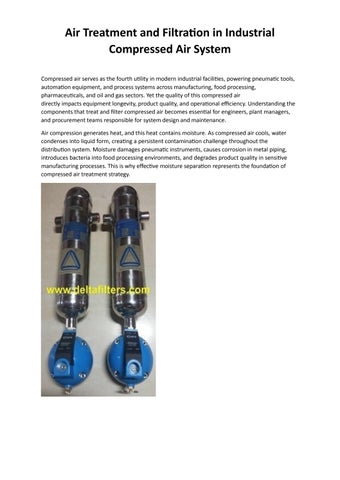
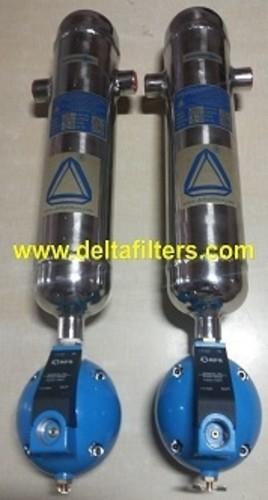
Understanding Moisture Separator for Air Compressor Technology
A moisture separator for air compressor systems works through centrifugal separation or impingement methods. When moisture-laden air enters the separator, it encounters internal vanes that generate rotational motion. This centrifugal force propels water droplets toward the outer chamber walls, where gravity pulls them into a collection sump. The dried air continues through an internal passage, exiting without the separated moisture.
The moisture separator for air compressor installation position matters considerably. Most effective placement occurs immediately after the after-cooler, where the air temperature remains relatively low and moisture condensation is heaviest. Some facilities install separators before air dryers to reduce the load on drying equipment, extending dryer service life and reducing energy consumption. Automatic drain valves—typically float-type mechanisms—eliminate collected condensate without requiring manual intervention or causing air loss.
Performance metrics for moisture separation include pressure drop across the unit and separation efficiency. Industrial applications typically target 95 to 99.95 percent moisture removal. Lower pressure drops preserve system efficiency and reduce energy requirements. These separators contain no moving parts in the air stream, eliminating maintenance needs and offering extended service life.
Basket Strainer Manufacturers in India and Filtration Design
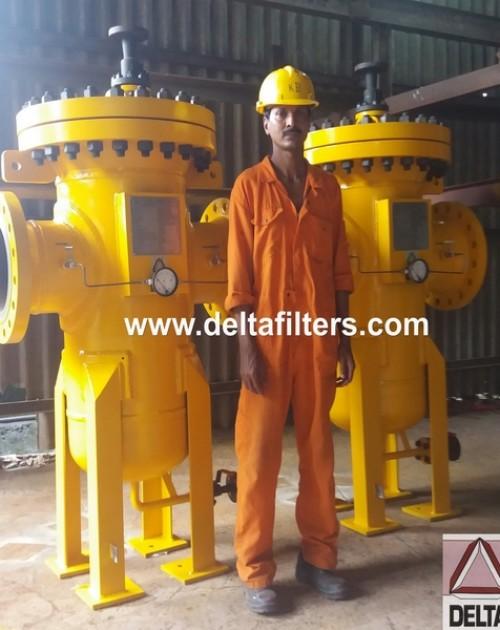
Basket strainer manufacturers in india produce equipment ranging from simplex designs for basic filtration to duplex configurations for continuous operation. A basket strainer functions as a mechanical screen that captures solid debris and particles from liquid or gas streams. The design comprises a perforated or mesh basket inside a housing, with inlet and outlet connections positioned to direct flow through the filtration medium.
Simplex basket strainer manufacturers in india create single-basket units suitable for applications tolerating temporary flow interruption during basket cleaning. Duplex designs feature dual baskets with internal valves that allow switching to the second basket while cleaning the first, enabling uninterrupted operation during maintenance cycles.
The basket strainer construction material, mesh size, and flow capacity must match system requirements. Oil and gas applications demand stainless steel construction to resist corrosion. Water treatment systems specify different mesh sizes depending on particle dimensions. Pressure ratings range from standard industrial pressures up to high-pressure process applications.
System Design and Operating Conditions
ISO 8573-1 international standards define compressed air quality classes based on particulate size, water content, and oil presence. Class 0 represents the most stringent requirement for sensitive applications like instrument air systems. Classes 1 through 9 scale upward in contamination allowance. Food processing typically requires Class 2 air, meaning sub-zero pressure dew points and minimal oil content. General manufacturing may operate effectively at Class 4 or Class 5.
Selecting appropriate filtration requires matching components to your application's ISO class requirement. A moisture separator addresses water contamination. Coalescing filters remove oil aerosols. Particulate filters trap solid debris. Combining these components in proper sequence— air inlet filter, after-cooler, moisture separator, dryer, and final particulate filter—creates a treatment train that reliably delivers the specified air quality.
Operating conditions including inlet air temperature, ambient humidity, and system pressure all influence separation and filtration performance. Higher inlet moisture loads require more aggressive separator design. Seasonal variations in humidity demand consideration during system sizing. Pressure fluctuations affect moisture condensation rates throughout the distribution network.
Maintenance Planning and System Reliability
Effective moisture management requires monitoring separator condensate buildup. Automatic drain valves simplify this process, but inspecting drain function remains essential. Float-type drains can stick if dirt accumulates, leading to moisture backup into the distribution system. Regular inspection prevents this.
Basket strainers require periodic cleaning to prevent excessive pressure drop. Clogged baskets reduce system efficiency and can damage downstream equipment if particulate matter breaks through the screen. Establishing a maintenance schedule based on system contamination levels prevents failures and extends equipment lifespan.
Documentation of baseline operating pressures, temperatures, and dew points enables early detection of equipment degradation. When pressure drops increase or dew points rise, filter elements or separator internals may require attention. Proactive monitoring reduces unexpected downtime.
Building Robust Compressed Air Systems
Effective compressed air treatment depends on understanding your application's quality requirements, selecting appropriate components, and maintaining consistent operational discipline. A moisture separator for air compressor represents an essential first defense against moisture damage. Quality basket filtration protects downstream equipment from debris contamination. Together, these components form the foundation of reliable, efficient compressed air delivery across industrial operations.