

CannabisCultivationGuide
Introduction to Cannabis Cultivation
Overviewofcannabisplanttypes(Indica,Sativa,Hybrids). Basiclegalconsiderationsandethicalpractices.
Preparing for Planting
Selectingqualityseeds.
Understandingtheimportanceofgenetics.
Necessaryequipmentandspacerequirements.
Seed Germination and Planting
Techniquesforseedgermination. Soilpreparationandplanting.
Optimalenvironmentalconditionsforgermination.

Seedling Care
Properlightingandtemperature. Wateringandhumiditycontrol.
Recognizingandaddressingcommonseedlingissues.
Vegetative Growth
Transitionfromseedlingtovegetativestage
Nutrientrequirementsandfeedingschedules
Trainingtechniquesforoptimalgrowth
Flowering Stage
Initiatingthefloweringstage. Adjustmentsinlightingandnutrients.
Monitoringandmanagingplanthealth.
Harvesting and Curing
Identifyingtherighttimetoharvest. Techniquesforharvesting. Dryingandcuringprocessesforquality.

Common Pests and Problems
Identifyingandmanagingcommonpests.
Dealingwithdiseasesanddeficiencies. Preventativemeasuresandorganicsolutions.
Final Thoughts and Advanced Tips
Continuallearningandexperimentation. Advancedcultivationtechniques. Communityandresourceengagement.

Chapter 1: Introduction to Cannabis Cultivation
Cannabis, often referred to as marijuana, is a plant species known for its psychoactive properties, which have been both celebrated and stigmatized throughout history. Its cultivation is an ancient practice, with evidence of its use dating back thousands of years
Today, cannabis is at the forefront of numerous medical studies and legal reforms, making its cultivation a topic of increasing interest and importance.
Types of Cannabis:
Indica: Originating from the Hindu Kush mountains near Afghanistan, Indica plants are typically shorter with wider leaves They grow faster and have a higher yield than the Sativa variety Indica strains are known for their relaxing effects on the body
Sativa: Native to warmer climates like Mexico and South Africa, Sativa plants are tall with narrow leaves. They take longer to mature and are known for their uplifting and energetic effects.
Hybrids: These are genetically engineered plants that combine traits of both Indica and Sativa strains Breeders can create hybrids to target specific effects or growth characteristics.
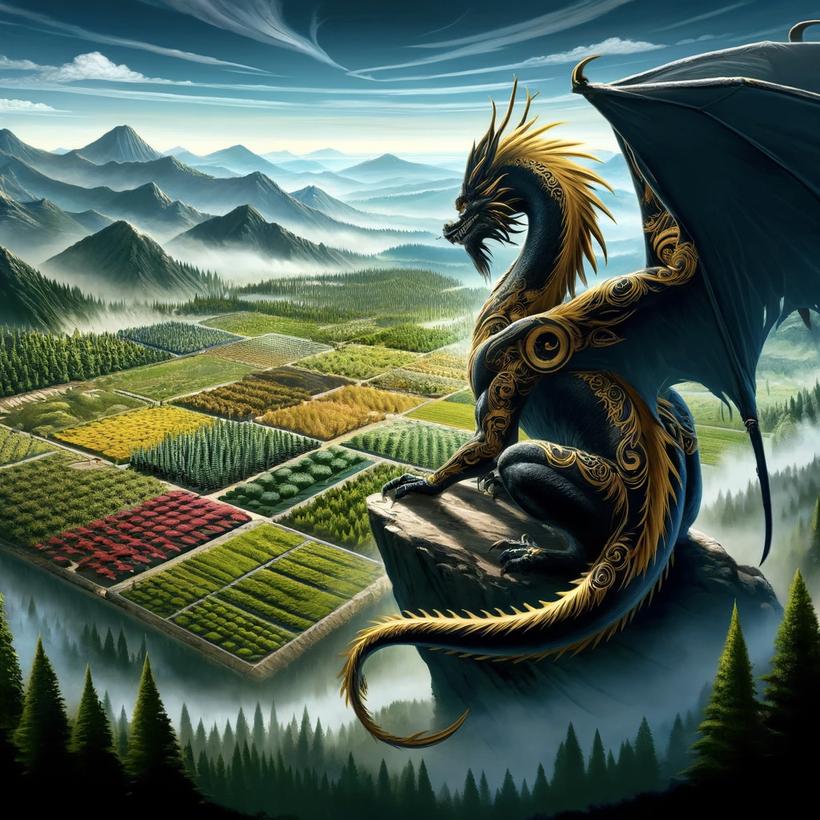
Legal Considerations: Before starting a cannabis garden, it’s essential to understand and adhere to your local laws Cannabis cultivation is subject to a wide array of regulations that can vary significantly from one region to another Some areas require growers to obtain licenses, while others may have strict limitations on the number of plants you can grow. Always ensure that you are fully compliant with local regulations.
Chapter 1: Introduction to Cannabis Cultivation
Ethical Considerations: Responsible cultivation practices are crucial This includes being mindful of the environmental impact of your growing practices, being considerate of neighbours (in terms of both smell and any legal implications they may face), and ensuring that any cannabis produced is consumed responsibly.

As we delve further into the world of cannabis cultivation, remember that this journey requires patience, care, and continuous learning. From selecting the right seeds to harvesting your crop, each step offers an opportunity to deepen your understanding of this remarkable plant.
Chapter 2: Preparing for Planting
Before you plant your first cannabis seed, there are several preparatory steps to ensure your cultivation journey is successful This chapter will cover the essentials of selecting quality seeds, understanding genetics, and preparing your growing space.
Selecting Quality Seeds:
The success of your cannabis cultivation largely depends on the quality of the seeds you choose. High-quality seeds lead to healthier plants and better yields.
Here’s what to look for:
Color and Appearance: Healthy seeds usually have a dark color, often brown, black, or gray. They should have a healthy sheen and be free of cracks.
Size and Shape: Look for seeds that are plump and round. Smaller, misshapen seeds might be underdeveloped.
Hardness: Good seeds have a hard outer shell. Soft seeds are often not viable.
Understanding Genetics:
The genetics of your cannabis seeds are pivotal in determining the plant's characteristics, including its growth pattern, yield, flavor, and effects. Indica seeds typically result in bushier plants, whereas Sativa seeds grow taller plants. Hybrids can inherit traits from both.
Researching the genetic background of the seeds can help you choose a strain that fits your growing conditions and desired effects.
Equipment and Space Requirements:
Whether you’re growing indoors or outdoors, you’ll need to prepare your space:
Indoor Growing: Requires controlled lighting, ventilation, and temperature systems. You’ll also need pots or a hydroponic system, growing medium, and nutrients. Indoor growing allows for year-round cultivation but requires a higher initial investment.
Outdoor Growing: Relies on natural light, so consider the climate and season. You’ll need a secure, private space with good soil Outdoor growing is less expensive but more susceptible to environmental variables
Environmental Control:
Cannabis plants thrive in specific environmental conditions. For indoor grows, maintaining a consistent temperature (around 70-80°F) and humidity (40-60%) is crucial. Outdoor growers should consider their local climate and choose a strain adapted to those conditions.
With your seeds selected and your space prepared, you’re ready to begin the journey of cannabis cultivation Remember, the key to successful growing is not just in the start but in the consistent care and adjustments made throughout the plant's life.

Chapter 3: Seed Germination and Planting
Germinating your cannabis seeds is the first critical step in your cultivation journey This chapter will guide you through the germination process and the initial planting, setting the foundation for a successful grow.
Seed Germination Techniques:
Germination is the process of getting your seeds to sprout. Here are some popular methods:
Paper Towel Method: Place your seeds between moist paper towels and keep them in a dark, warm place Check regularly for sprouts
Direct Soil Planting: Plant your seeds directly in soil, which can be less stressful for the seedling. Ensure the soil is moist and warm.
Starter Cubes and Seedling Plugs: These provide an ideal environment for seed germination and can be directly transplanted into your growing medium
Planting the Seeds: Once your seeds have sprouted, it’s time to plant them. Here’s how:
Choosing the Right Soil: Cannabis plants thrive in well-draining, nutrient-rich soil. Consider a soil mix designed for seedlings, which is gentler on young plants
Pot Size: Start with a small pot to avoid overwatering and transplant as the plant grows. This helps the root system develop more effectively.
Planting Depth: Plant your sprouted seeds about a half-inch deep in the soil, with the root facing down Gently cover with soil without compacting it
Environmental Conditions for Germination:
Cannabis seeds need the right environment to sprout successfully:
Temperature: Keep your germination area warm, ideally between 70-85°F (20-30°C).
Humidity: High humidity, around 70%, is ideal for seedlings You can use a humidity dome or cover to help maintain these levels
Light: After sprouting, seedlings need light. Use a gentle light source like fluorescent lights for 18-24 hours a day.
With patience and care, your germinated seeds will grow into healthy seedlings. It’s important to monitor them closely during these early stages, adjusting your care as needed This early attention to detail sets the stage for robust vegetative growth in the next chapter of their journey.

Chapter 4: Seedling Care
After your cannabis seeds have sprouted and been planted, the next crucial phase is caring for the young seedlings. This stage is vital for establishing a strong foundation for future growth
Caring for Your Seedlings: Young cannabis plants are delicate and require careful attention:
Light: Seedlings need plenty of light to grow strong and healthy. If you’re growing indoors, fluorescent or LED lights are ideal as they don’t emit too much heat. Ensure the lights are positioned close enough to the plants without overheating them
Temperature and Humidity: Maintain a consistent temperature of 68-77°F (20-25°C) and humidity around 60-70%. These conditions support healthy growth and prevent stress on the seedlings.
Watering: Overwatering is a common mistake. Water your seedlings when the top inch of the soil feels dry Use a spray bottle to gently moisten the soil
Recognizing and Addressing Common Issues
Seedlings are vulnerable to several issues:
Stretching: If a seedling is stretching too tall, it might not be receiving enough light. Adjust your lighting setup to ensure adequate light without overheating.
Damping-Off: This fungal disease causes seedlings to collapse It’s often due to excessive moisture Ensure good air circulation and don’t overwater
Nutrient Issues: Seedlings don’t need much fertilizer. If you notice yellowing leaves, it might be a sign of over-fertilization.
Transplanting Seedlings:
As your seedlings grow, they may outgrow their initial pots. Here’s how to transplant them safely:
When to Transplant: Look for signs like roots coming out of the drainage holes or the plant outgrowing its space
How to Transplant: Gently remove the plant from its current pot, being careful not to damage the roots. Place it in a larger pot with fresh soil, and water it lightly.
Caring for your seedlings is a delicate process that requires patience and observation. By providing the right environment and responding to their needs, you’ll set your cannabis plants up for robust growth in the vegetative stage, which we’ll explore in the next chapter
Chapter 5: Vegetative Growth
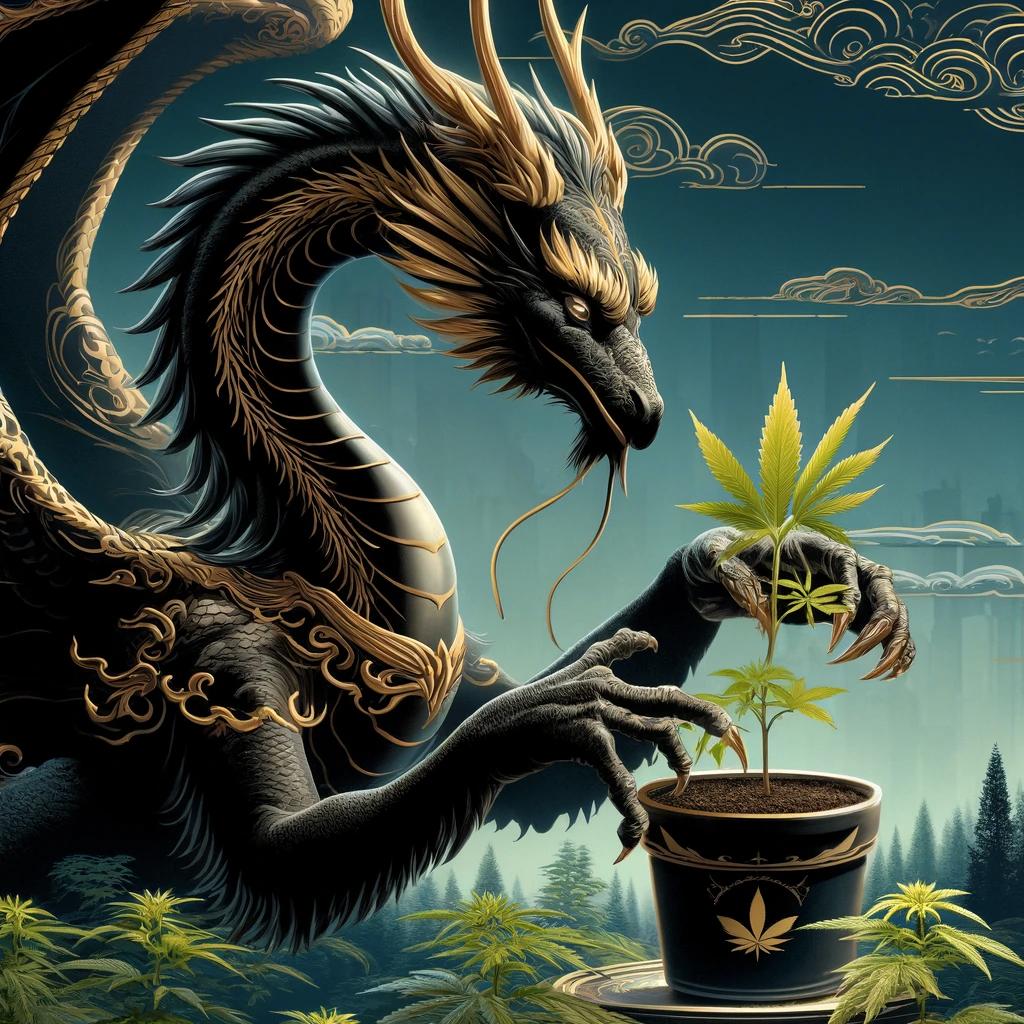
After successfully transplanting your seedlings, the next phase in the life cycle of your cannabis plants is the vegetative stage. This is a period of significant growth, where the plants develop their structural integrity and prepare for flowering
Transition to Vegetative Stage: The vegetative stage begins once your plants have established a solid root system and several sets of leaves. During this phase, your plants will focus on growing in size and strength.
Lighting and Nutrient Requirements:
Lighting: Cannabis plants in the vegetative stage require plenty of light If growing indoors, provide 18-24 hours of light daily This promotes strong and healthy growth
Nutrients: During this stage, your plants will need higher levels of nitrogen to support leaf and stem growth. Use a nutrient solution formulated for vegetative growth, and follow the recommended dosages to avoid nutrient burn.
Watering and Humidity Control:
Watering: As your plants grow, their water needs will increase. However, be cautious of overwatering. Allow the topsoil to dry out slightly between waterings.
Humidity: Gradually decrease humidity to about 40-50% to prepare the plants for the flowering stage. This helps reduce the risk of mold and pests.
Training Techniques: Training your plants can increase yield and maximize your growing space
Techniques include:
Topping: Cutting off the top of the plant to encourage it to grow more branches.
Low-Stress Training (LST): Gently bending and tying branches to change the plant's shape and expose more bud sites to light
Screen of Green (ScrOG): Using a screen to spread out the plant’s canopy, which allows for even light distribution and larger yields.
Chapter 5: Vegetative Growth
Pest and Disease Management:
Regularly inspect your plants for signs of pests or diseases. Early detection and organic treatment options can prevent larger infestations and damage to your plants
During the vegetative stage, your plants build the foundation for a bountiful harvest. Proper care, nutrient management, and training techniques during this phase are crucial for preparing your plants for successful flowering.

Chapter 6: Flowering Stage
The flowering stage is a pivotal phase in the cannabis plant's life cycle, where it develops buds. This chapter will guide you through initiating and managing the flowering stage to achieve a successful harvest
Initiating the Flowering Stage:
For photoperiod cannabis strains, the flowering stage is triggered by changing the light cycle to 12 hours of light and 12 hours of darkness each day. This mimics the shorter days of autumn, signaling to the plant that it's time to reproduce.
Adjustments in Lighting and Nutrients:
Lighting:
Switch to a light spectrum with more red wavelengths, which is ideal for flowering. HighPressure Sodium (HPS) lights are commonly used for this stage.
Nutrients:
Shift from high nitrogen levels to higher phosphorus and potassium levels, which support bud growth Be attentive to the plant's response to nutrients and adjust as needed
Monitoring Plant Health:
This stage requires close observation:
Bud Development: Watch for the formation of buds at the nodes of the plant. This is where the flowers will develop.
Sexing the Plants:
Identify and remove any male plants to prevent them from pollinating females, unless you are breeding or want seeds.
Environmental Conditions:
Maintain optimal conditions in your grow space. The ideal temperature range is slightly lower than in the vegetative stage, around 65-80°F (1826°C), with humidity between 40-50%
Chapter 6: Flowering Stage
Common Issues:
Be vigilant for signs of stress, pests, or disease Issues like bud rot or spider mites can significantly impact your yield if not addressed promptly.
Harvest Timing:
Determining the right time to harvest is critical. Observe the color of the trichomes on the buds; when most trichomes turn cloudy white with some amber, it's typically time to harvest.
The flowering stage is where your plants' potential is fully realized With careful monitoring and adjustments, you can guide your plants to produce high-quality, potent buds.

Chapter 7: Harvesting and Curing
Harvesting is the most rewarding part of growing cannabis, where you finally reap the fruits of your labor. Proper harvesting and curing techniques are crucial for producing high-quality cannabis

Identifying the Right Time to Harvest:
Timing your harvest is critical for maximizing potency and flavor
Trichome Method: Examine the trichomes (small, glandular stalks on your buds) with a magnifier. When most trichomes are cloudy white with some amber, it’s typically time to harvest
Pistil Method: Observe the color of the pistils (hair-like structures on the buds). When about 70-90% have darkened and curled, it’s a sign that the plant is ready.
Harvesting Techniques:
Whole Plant Harvest: You can cut down the entire plant if it’s uniformly mature
Selective Harvesting: Harvesting only the mature buds and allowing others more time can lead to a more consistent quality.
Chapter 7: Harvesting and Curing
Drying Process: After harvesting, drying your buds is essential for quality:
Trimming: Trim off the fan leaves and trim the buds Wet trimming (right after harvest) and dry trimming (after the buds have dried) are both viable methods
Drying Environment: Hang your buds upside down in a controlled environment ideally a dark room with a temperature of around 60-70°F (15-21°C) and humidity of 45-55%.
Duration: Drying typically takes about 7-14 days Buds should feel dry to the touch but not brittle
Curing Process: Curing further enhances the quality of your cannabis:
Jar Curing: Place the dried buds in airtight jars. Open the jars once a day for about 15-30 minutes to let fresh air in and excess moisture out.
Duration: Proper curing can take from two weeks to several months Longer curing times can result in smoother, more flavorful buds.
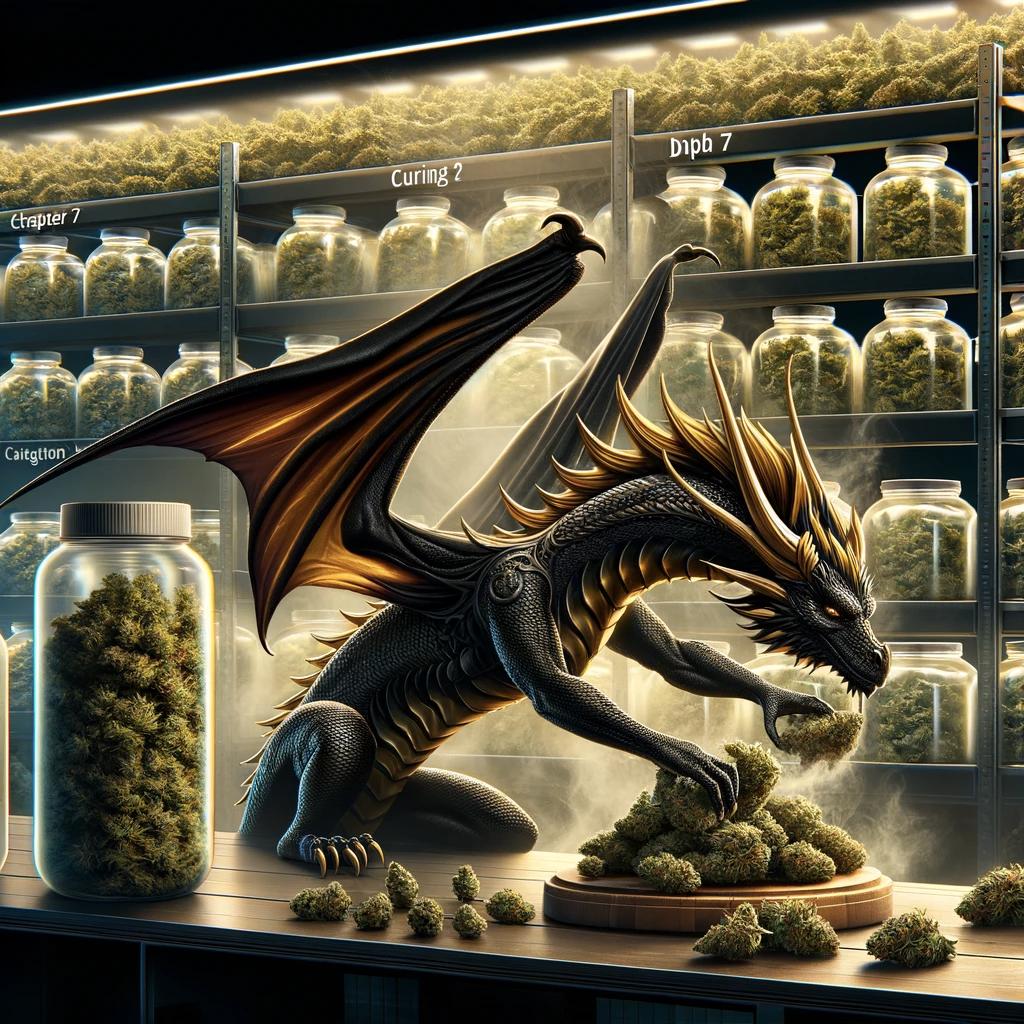
Harvesting and curing are as much an art as they are a science. By carefully timing your harvest and methodically drying and curing your buds, you ensure the highest quality and potency of your cannabis.
Chapter 8: Common Pests and Problems
Even with the best care, cannabis plants can encounter pests and diseases. This chapter provides guidance on identifying, managing, and preventing common issues to ensure the health of your plants
Identifying and Managing Common Pests: Pests can significantly impact the health and yield of your plants.
Common cannabis pests include:
Spider Mites: Tiny mites that create webs on plants and cause yellow, speckled leaves Use a magnifying glass to spot them Control with neem oil or insecticidal soaps
Aphids: Small, soft-bodied insects that can be various colors. They suck sap from plants, causing stunted growth. Use ladybugs or natural sprays to combat them.
Caterpillars and Worms: These pests eat cannabis leaves and buds. Handpick them off or use Bacillus thuringiensis (Bt) as a biological pesticide
Dealing with Diseases and Deficiencies: Diseases can be fungal, bacterial, or viral.
Common issues include:
Powdery Mildew: A white, powdery fungus on leaves and stems. Increase air circulation, reduce humidity, and remove infected parts. Fungicides can also be used.
Root Rot: Often due to overwatering, causing brown, mushy roots Improve drainage and reduce watering.
Nutrient Deficiencies:
Yellowing or curling leaves can indicate a lack of nutrients. Adjust your feeding regimen based on the specific symptoms and the plant’s stage of growth
Chapter 8: Common Pests and Problems
Preventative Measures:
Prevention is key in pest and disease management
Regular Inspection: Check your plants regularly for signs of stress, pests, or diseases
Good Hygiene:
Keep your grow area clean and sterilize tools regularly.
Controlled Environment: For indoor grows, maintain optimal temperature and humidity to prevent issues

Organic solutions and proactive care can effectively manage and prevent most common problems, ensuring the health and productivity of your cannabis plants.
Chapter 9: Final Thoughts and Advanced Tips
As we conclude our journey through the world of cannabis cultivation, this final chapter offers advanced tips and broader perspectives for continued growth and learning in this everevolving field
Continual Learning and Experimentation:
Cannabis cultivation is a field rich with opportunities for experimentation and learning:
Stay Informed:
The cannabis industry is rapidly evolving Stay updated with the latest cultivation techniques, legal changes, and scientific research
Experimentation: Don’t be afraid to try new growing methods, different strains, or innovative technologies. Document your process and results for continuous improvement.
Advanced Cultivation Techniques:
For those looking to deepen their cultivation skills, consider exploring advanced techniques
Hydroponics and Aquaponics: These soilless cultivation methods can increase yield and growth speed.
CO2 Enrichment: Adding CO2 to your grow room can enhance plant growth and increase yields
Breeding: Developing your own strains can be a rewarding challenge, requiring knowledge of genetics and careful selection.
Chapter 9: Final Thoughts and Advanced Tips
Community and Resource Engagement: Engaging with the broader cannabis community can be invaluable
Join Forums and Social Media Groups: These platforms offer a wealth of knowledge and support from fellow growers.
Attend Conferences and Workshops: These events are great for networking and staying abreast of industry trends.
Advocacy and Education: Contributing to the dialogue around cannabis, promoting responsible use and cultivation, and educating others can be a powerful part of your cultivation journey.

Cannabis cultivation is more than just a process; it’s an art and a science that rewards patience, precision, and passion. As you continue to grow in your cultivation journey, remember that each plant teaches a new lesson, and every harvest brings new insights.