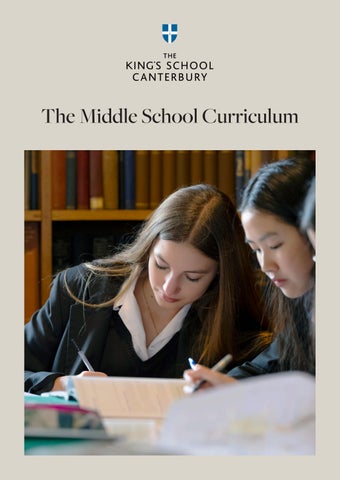
The Middle School Curriculum
Head’s Welcome
Welcome to the Middle School.
This is the moment when you truly begin to shape your own path. You start to make choices - selecting subjects that build on what you already enjoy, or that move you closer to a goal you have in mind. School becomes less about following a single route and more about deciding how you want to travel, and where you hope to go.
With those choices comes greater challenge, but also greater excitement. Lessons go deeper, expectations rise, and you are asked to think more independently. You will be stretched, sometimes surprised, and often absorbed by what you are learning. This is where all of that effort starts to feel truly rewarding.
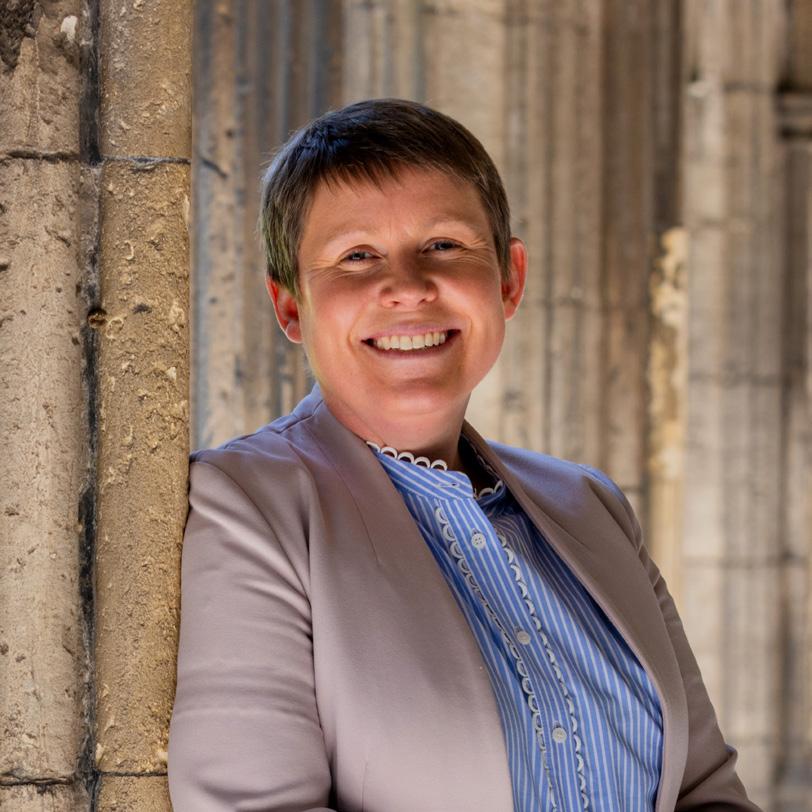
You do all of this in a school with a very long memory. For centuries, pupils at King’s have reached this same stage, taking their first steps towards independence on this site. The setting may be historic, but the experience is timeless: discovering interests, developing confidence, and learning what you are capable of.
In the pages that follow, you will find guidance and inspiration to help you make these important next steps and to make the most of the opportunities ahead.
We look forward to seeing where your choices take you.

An introduction from the Assistant Head (Middle School)
I would like to extend a very warm welcome to this Introductory Guide to our Middle School at The King’s School Canterbury. I hope that it proves useful and interesting, helping you to make these very important decisions. The Middle School represents a distinct stage in a pupil’s educational journey, It is here that they begin to cultivate the self-reliance and intellectual curiosity necessary for success and fulfilment. By moving beyond the guided learning of earlier years to take real ownership of their progress, they build the essential work and life routines that serve as the foundation upon which success is built.
Academic life in the Middle School is designed to offer both breadth and depth. The core curriculum provides a rigorous and intellectually stimulating framework, while the opportunity to choose optional subjects allows pupils to individually tailor their studies. We believe that interest and achievement are inextricably linked, and so we encourage pupils to pursue the disciplines they genuinely enjoy - whether that involves continuing a long-held interest or embracing a new challenge. This exploration is guided by our expert teachers, whose deep subject knowledge and enthusiasm for their disciplines inspire students to look beyond the syllabus. A pupil who is captured by their subject will naturally delve deeper and work with greater focus, but crucially, King’s is an environment that values intellectual risk-taking. We view learning as a process of discovery, where making and learning from mistakes is a vital way to build the resilience and confidence necessary for genuine progress.
Beyond the classroom, the Middle School experience is defined by our pupils’ growth of character, with many opportunities for building friendships and collaboration. Through a wide array of sport, music, drama, dance and other co-curricular pursuits - as well as leadership opportunities such as the CCF, Running Wild, or the Duke of Edinburgh’s Award - pupils are encouraged to be ambitious and curious throughout the school campus. Whatever our pupils’ interests, King’s is a place where enthusiasm is celebrated.
This is underpinned by a culture of care, kindness, and support. No pupil navigates these years in isolation - each is part of a dedicated house team led by their Housemaster or Housemistress, providing a full sense of community and belonging. To guide their individual journey, pupils meet regularly with their staff Mentor in small groups. These mentors are trained to use coaching language, moving away from simple instruction to help pupils set their own targets, become independent, and navigate their own personal development. This is reinforced by a system of regular reporting and feedback, creating a clear and productive dialogue between the school, the pupil, and home.

During the Middle School years, our pupils also benefit from the expertise of our Futures team. By starting these vital conversations early, we help pupils see how their current successes and choices align with their long-term aspirations beyond the Sixth Form.
The goal is for every pupil to emerge as an articulate, self-aware, and capable individual, ready to forge their own path with confidence. The Middle School team and I are very much looking forward to beginning this chapter with you and seeing how your specific interests and talents develop over the coming years. We are here to support that progress at every stage, and I would encourage you to contact us at any point should you have questions or require further guidance.
Mr Orders, Assistant Head (Middle School)
Results & Academic Success
2025 GCSE Results
The most common grade at GCSE was a Grade 9
>50% >20 >70%
Routinely, more than 20 pupils in the year achieve seven or more Grade 9s
More than 50% of all grades were at Grade 8 or 9
More than 70% of all grades were at Grade 9, 8 and 7
2025 A Level Results
24% A*
52.3%
A* - A 44 pupils achieved at least 3 A* or A grades
King’s consistently ranks as the highest performing co-educational school for A levels in Kent. It is also one of the highest performing co-educational boarding schools in the country.
University Destinations
Each year, King’s pupils progress to an outstanding range of universities in the United Kingdom and around the world. Their destinations reflect not only exceptional academic attainment, but also the individuality and breadth of ambition fostered through a King’s education.
The majority of pupils take up places at leading Russell Group universities, with a significant number progressing to Oxford or Cambridge. Others pursue specialist or international pathways at institutions of global distinction.
Across disciplines as diverse as Engineering, Architecture, Medicine, Law, the Arts, and the Humanities, King’s leavers demonstrate both intellectual curiosity and a readiness to contribute to the wider world.
In 2024/5, 18 pupils pursued studies overseas at a range of institutions, including Ivy League schools like Brown and Cornell, alongside other globally elite institutions like NYU, The University of Chicago, The Hong Kong University of Science and Technology and the University of Melbourne.
86%
95% of pupils received offers from Russell Group universities of pupils received direct offers from a university of their choice
2025 International University Destinations









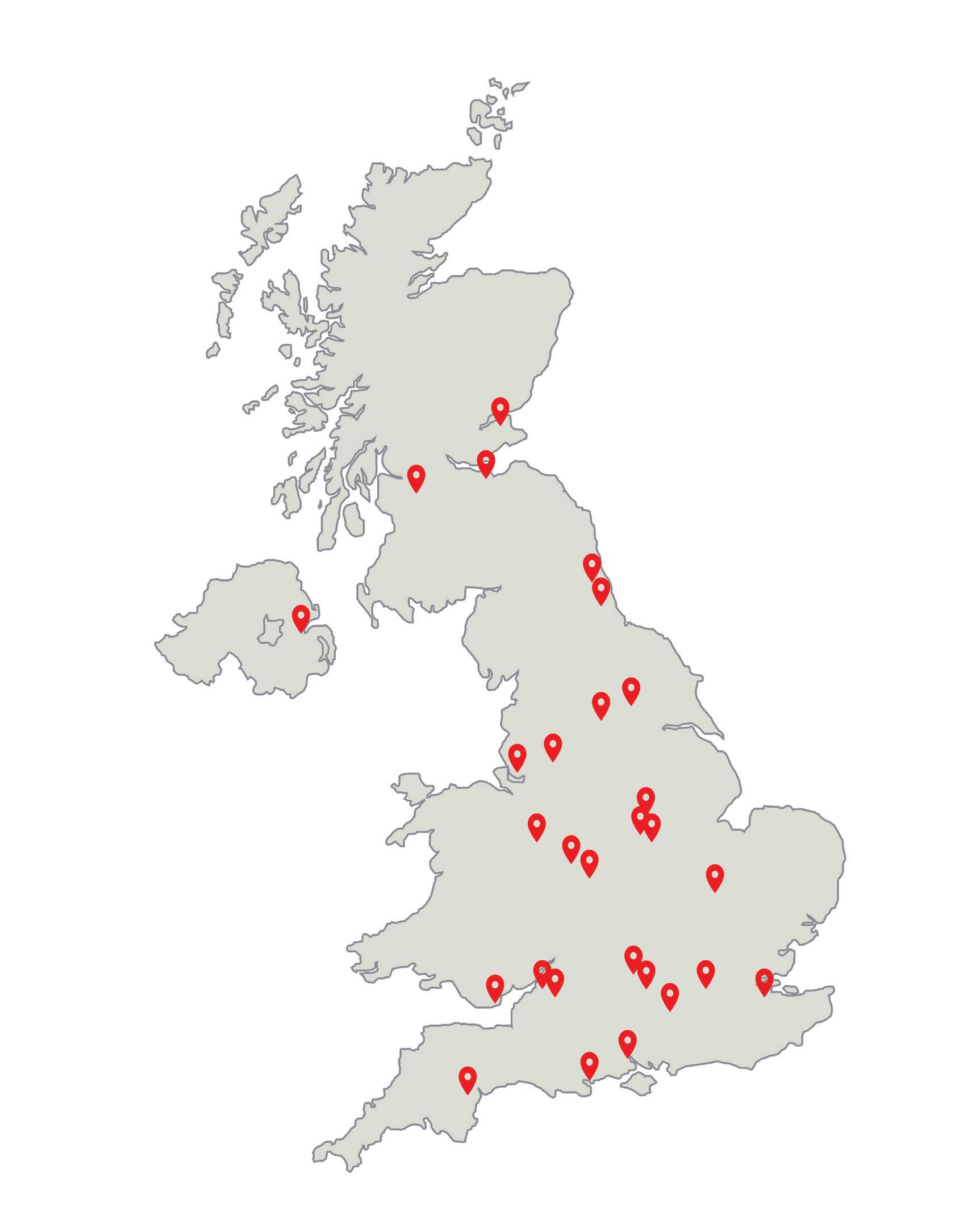
2025 UK University Destinations

















The Middle School Curriculum
Core examined subjects taken by all Fifths
English Language IGCSE
I/GCSE Options Subjects - most pupils at King’s choose four and at least one Modern Foreign Language is expected
Art & Design GCSE
Photography GCSE
Enrichment Subjects (pupils study these in addition to their examined courses)
Politics, Philosophy and Economics (by election only)
English Literature IGCSE Classical Civilisation GCSE Games
Mathematics IGCSE (the higher sets also take a ‘Further Maths’ qualification)
Science IGCSEs: Biology, Chemistry, Physics (three separate IGCSEs) or
Combined Science GCSE (two GCSEs)
Latin (GCSE) or ‘Gratin’ which is Latin (GCSE) & Greek (GCSE) (two GCSEs in one block)
Computer Science IGCSE
Wednesday PM Programme
Life Matters (Personal, Health & Social Education)
Design & Technology: Product Design or Engineering option Additional Mathematics and English Support
Drama IGCSE
Geography IGCSE
Geology GCSE
History IGCSE
One or two Modern Languages: one of French IGCSE, German IGCSE, Mandarin GCSE, Spanish IGCSE
Music GCSE
Physical Education IGCSE
Religious Studies GCSE
The Compulsory or ‘Core’ GCSE/IGCSE Subjects
All pupils continue with the following to I/GCSE:
• English: Language and Literature (two IGCSEs)
• Mathematics: one IGCSE
• Modern language: French or German or Italian or Mandarin or Spanish (one or two of these)
• Science: two or three IGCSEs as either the Double Award (a minority) or as three Separate Sciences (the majority of sets)
Notes
1. Mathematics: The best mathematicians in the upper sets study for both IGCSE and the AQA Level 2 Qualification in Further Maths which prepares them well for A Level. Both are taken at the end of the Fifth Form.
2. Science: There are two pathways for Science GCSE: a Combined Pathway and a Triple Award Pathway. Both are excellent routes, taught by subject specialists across Biology, Chemistry and Physics, and both keep all options open, including the sciences at A Level. Triple Award offers additional breadth; Combined provides a rigorous foundation with more time to consolidate understanding.
Parents do not navigate this decision alone: the Head of Science meets pupils individually and we make a clear, evidencebased recommendation for each child, though the final decision rests with parents and pupils in conjunction with the school. Pupils may move from Triple Award to Combined during Remove, but not the reverse, as the gap in content quickly becomes too great to bridge.
3. English - Some pupils may move to the English as a Second Language (ESL) IGCSE at the end of the Remove year, where we feel they would benefit from this course in place of the standard English Language and Literature GCSEs. This is not a route an individual pupil can elect; rather, we will work with families where it offers more effective support.
4. Modern Languages: we expect pupils to take at least one modern foreign language to GCSE/IGCSE level.
Optional GCSE/IGCSE Subjects
Pupils are asked to choose three subjects from the following list:
• Art: Art & Design or Photography
• Classical Civilisation
• Classical languages: Greek and Latin (two GCSEs) or Latin
• Computer Science
• Design and Technology: Product Design or Engineering
• Drama
• Geography
• Geology
• History
• A second Modern Language: French or German or Italian or Mandarin or Spanish
• Music
• Physical Education
• Religious Studies
Notes
1. Most combinations including a language are possible but there is a block structure which inevitably imposes some constraints.
2. Pupils are encouraged (but it is not a strict rule) to choose at least one ‘creative’ subject from art, design and technology, drama and music and at least one ‘humanity’ subject from classical civilisation, geography, history and religious studies. Owing to the limited number of double periods available, a maximum of two ‘creative’ subjects can be taken.
3. Those studying the Greek & Latin option take both subjects at GCSE at the end of the Fifth Form – we refer to this as ‘Gratin’ and pupils need to be organised and motivated since they are studying ‘two for the price of one’.
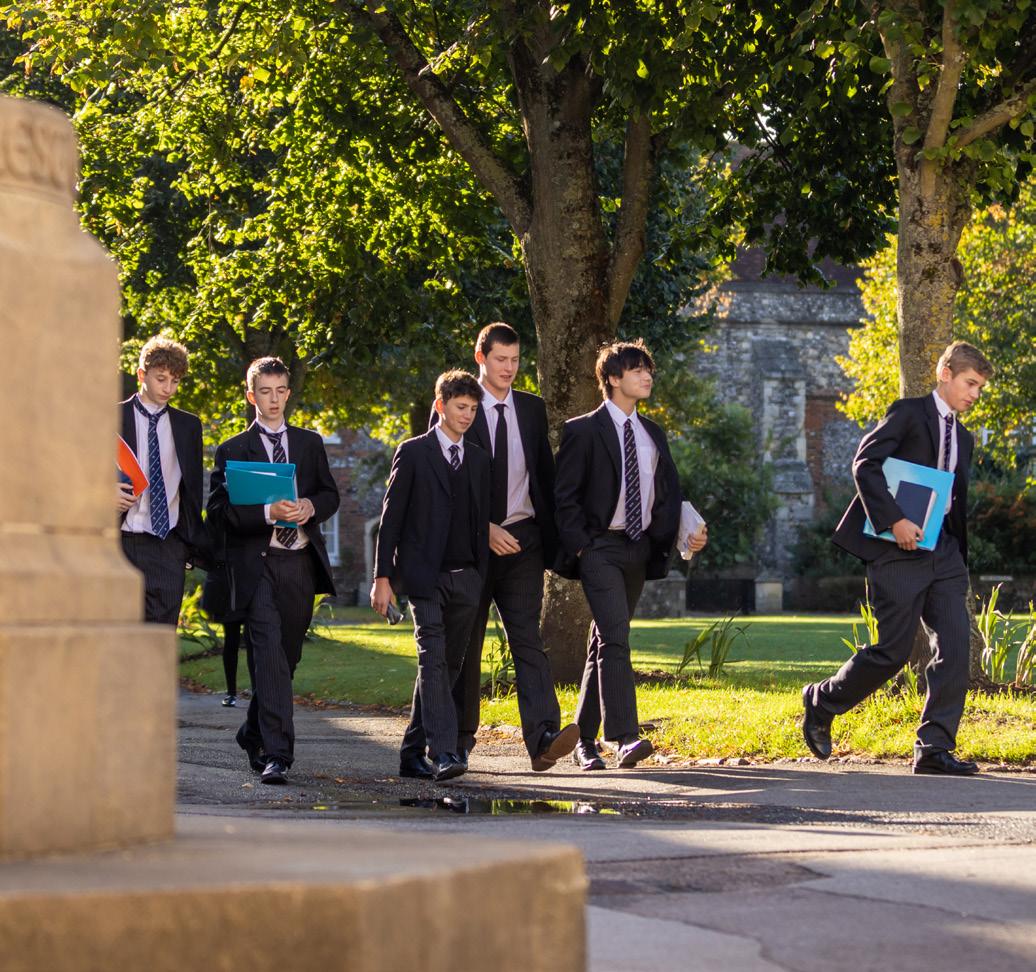
4. We do not recommend trying to take any more than 11 GCSEs; nearly all pupils achieve between 8-10 GCSE grades, and this is usually sufficient for all post-18 pathways. Our Futures and Middle School team will advise on all routes through GCSE.
Co-Curricular
Music
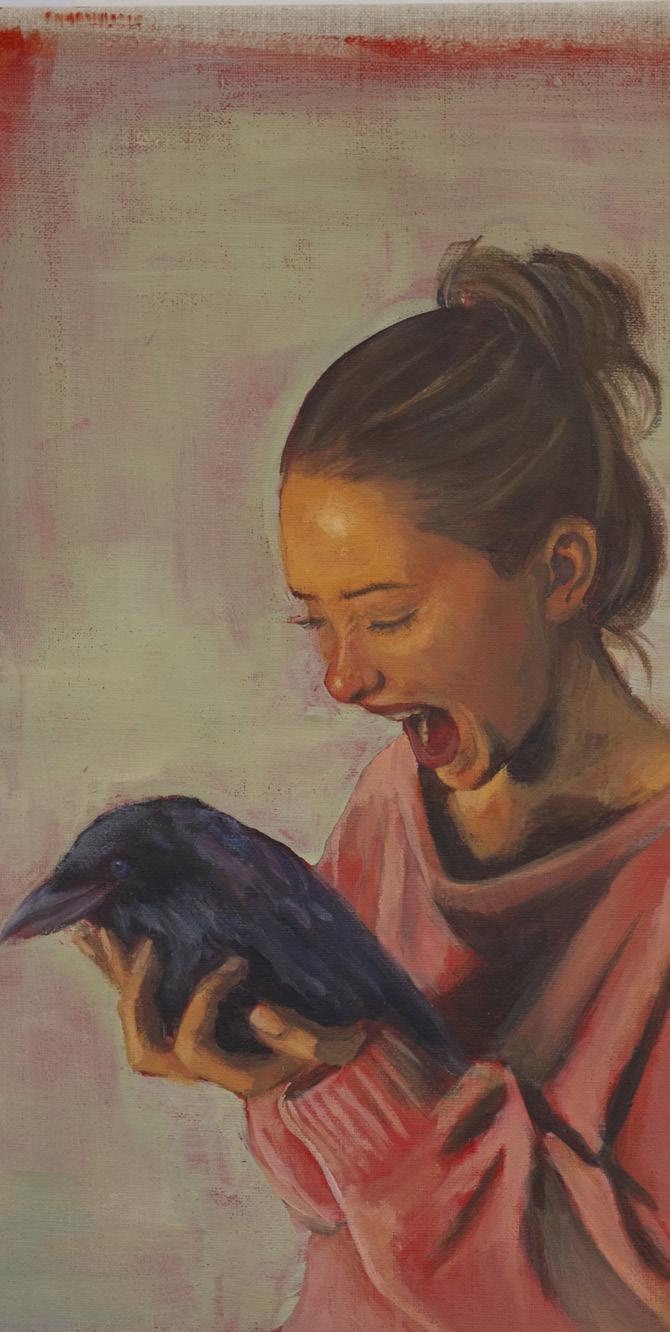
Performing Arts
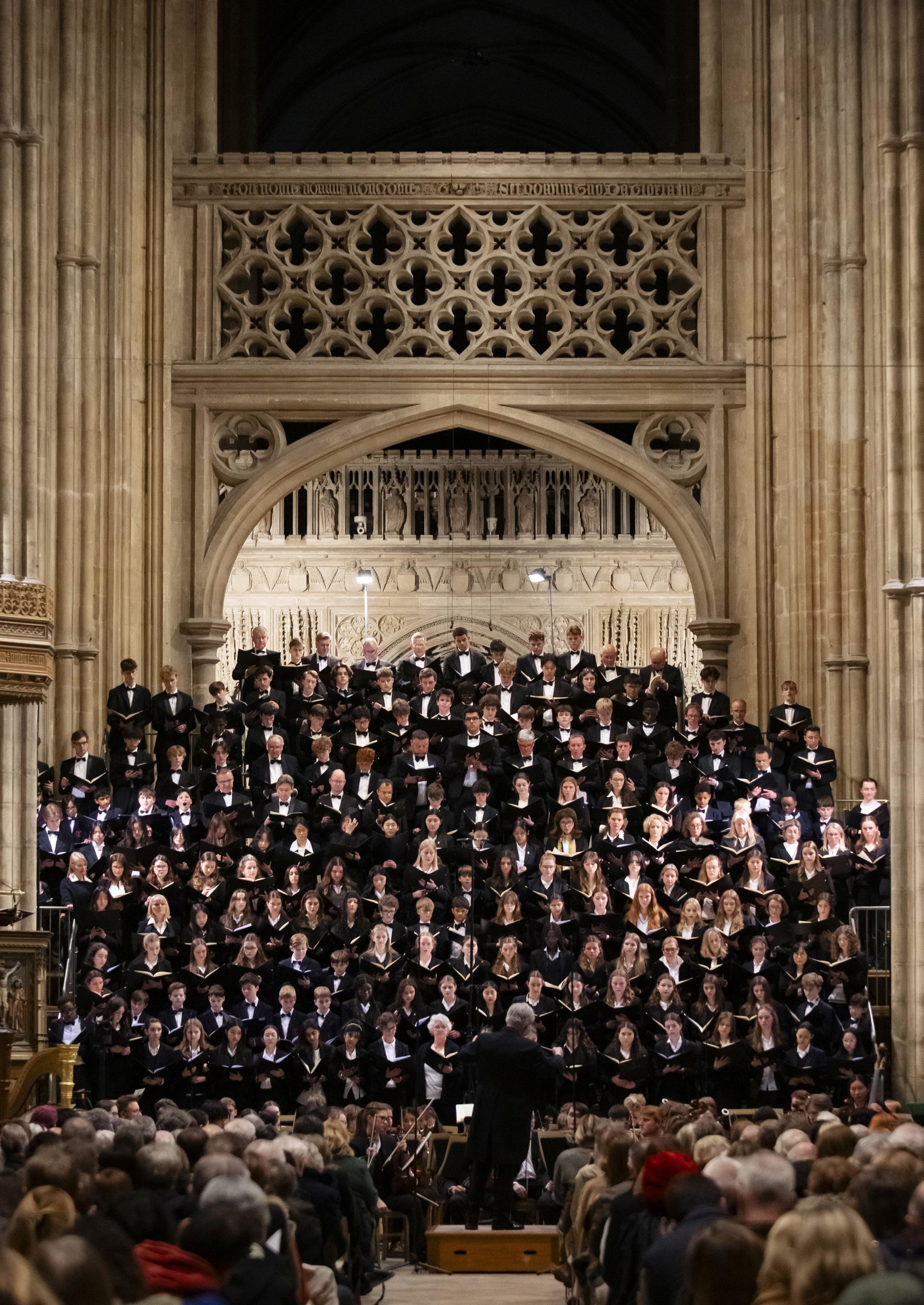
King’s is one of the UK’s leading schools for music. Pupils benefit from expert teaching, superb facilities, and a culture that celebrates musicianship. Our Symphony and Chamber orchestras perform to standards rarely seen in schools, and our seven choirs are renowned for their range and quality, performing weekly in Canterbury Cathedral. Across the widest sphere of style and interest, music at King’s is ambitious, inclusive and central to school life.
Sport
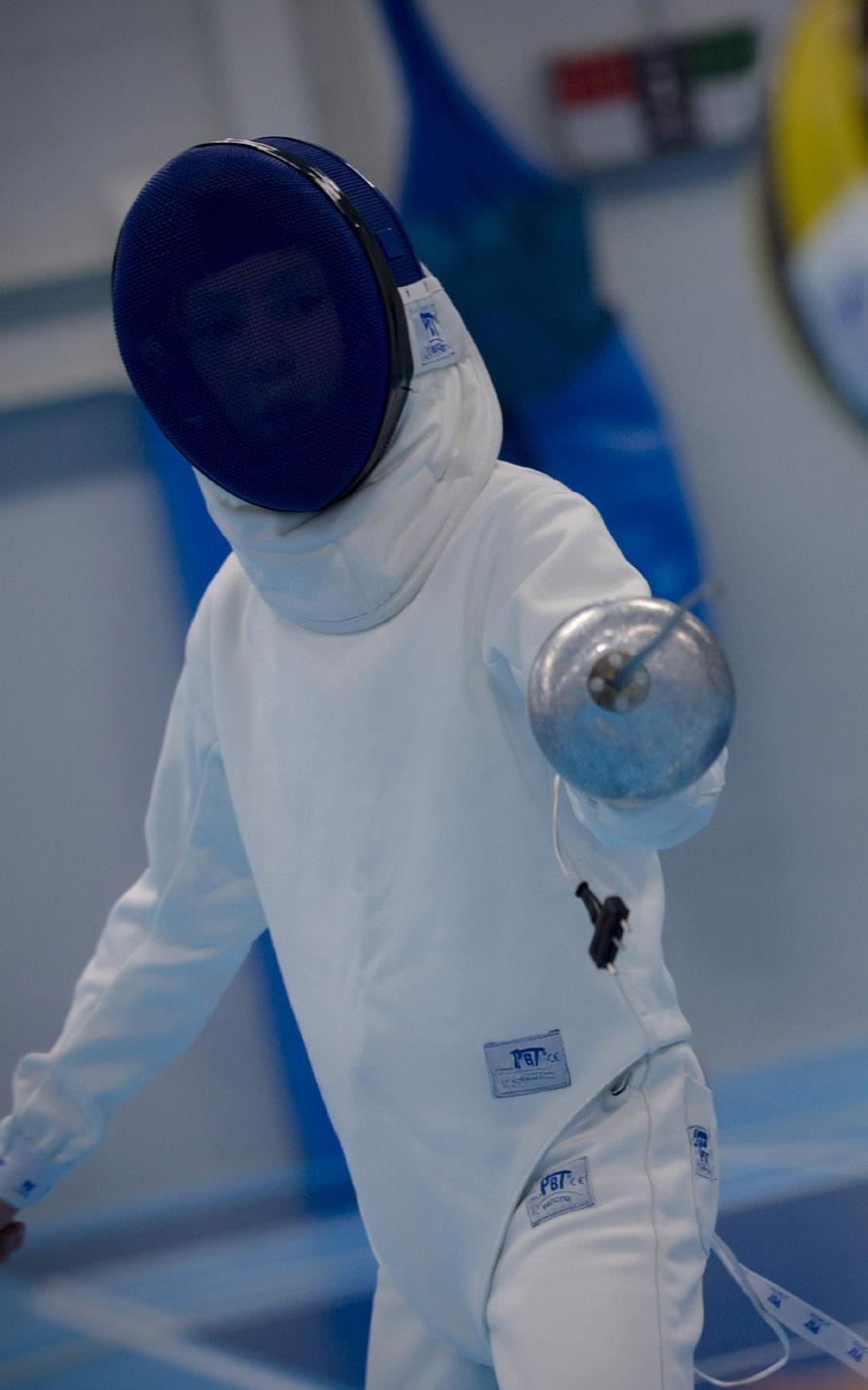
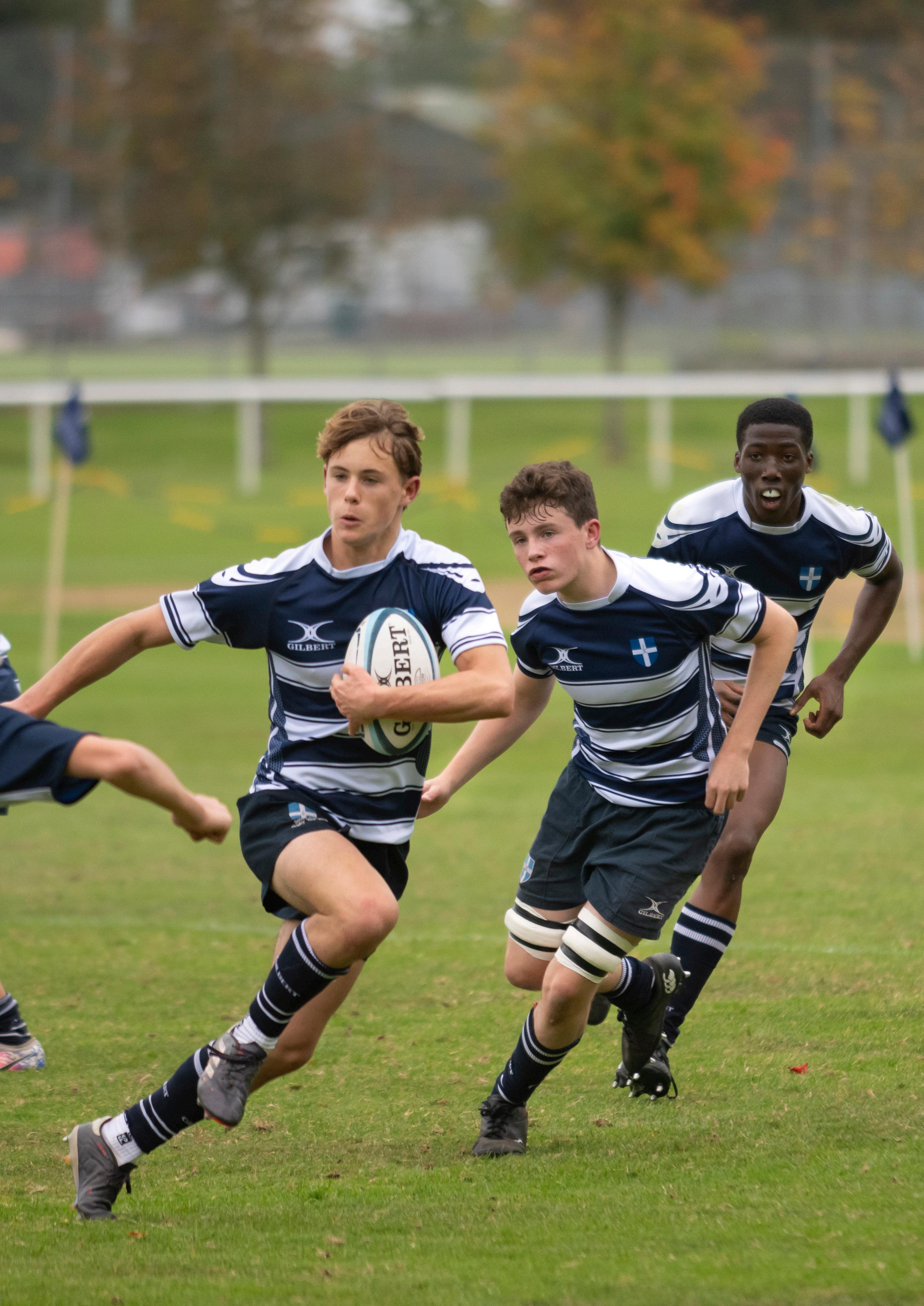
Sport is diverse and inclusive, with opportunities in everything from rugby and netball to fencing, rowing and sailing. All pupils are encouraged to participate, whether competing nationally or trying something new. House sport encourages community spirit, and our excellent facilities support both elite performance and broad participation.
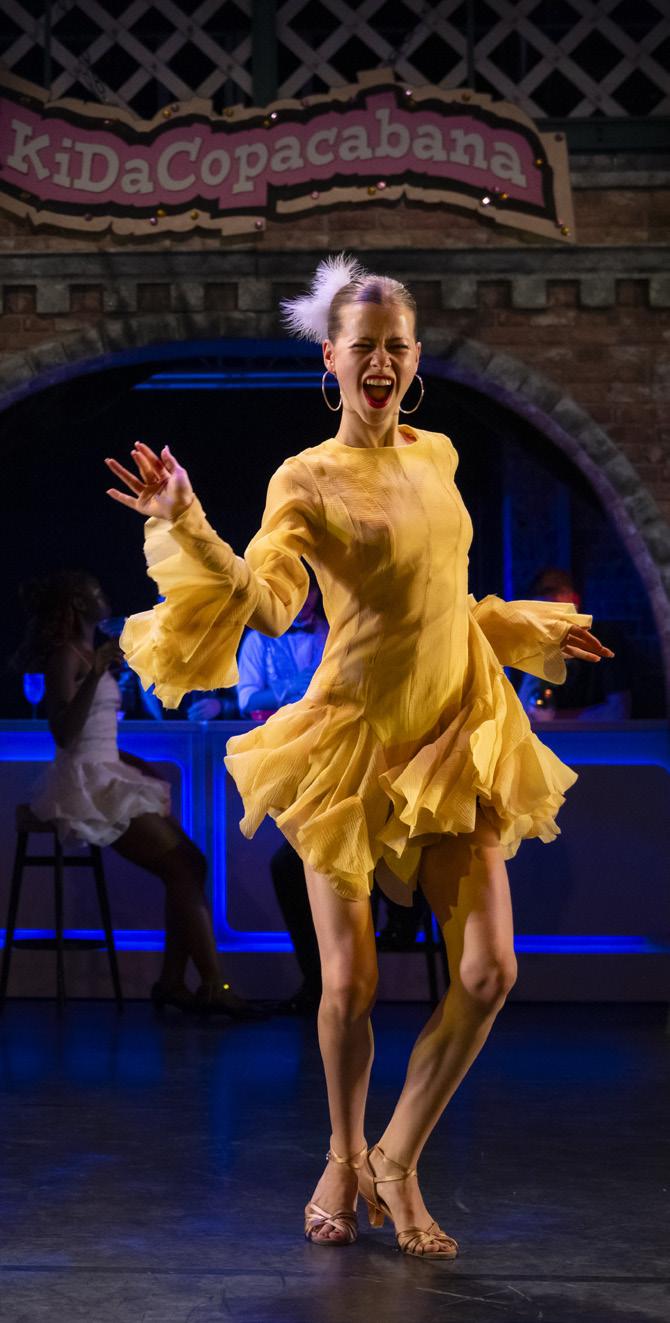
Drama and dance thrive at King’s, centred around the award-winning Malthouse Theatre, equipped to West End standards. Pupils stage bold, professional-level productions throughout the year, supported by outstanding teaching and facilities. The performing arts are a vibrant and integral part of school life.
Art
Set beside the River Stour, our Art department offers specialist spaces for design, photography and ceramics. Pupils are inspired by visiting artists and trips to leading galleries, and their work is showcased in exhibitions that highlight creativity, skill and imagination.
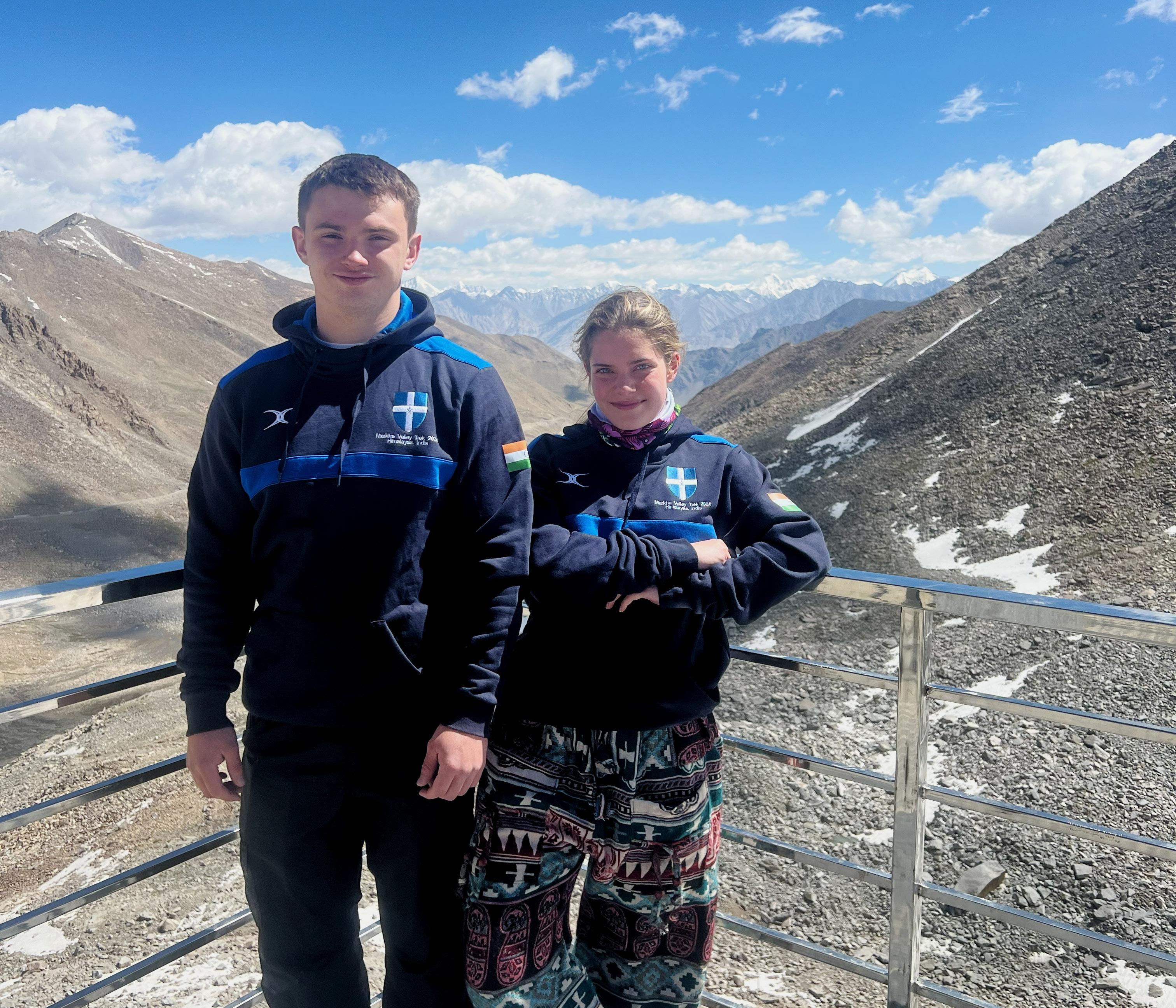
King’s Week
King’s Week is a unique celebration of pupil talent, held at the end of the academic year. With over 100 events, from concerts and plays to exhibitions, it brings the whole community together and is a highlight of the school calendar.
Trips & Clubs
Our co-curricular programme is rich and varied, with clubs ranging from debating to beekeeping, and trips that span the globe, from Iceland to the Himalayas. Pupils develop confidence, curiosity and leadership through activities like Young Enterprise, Model UN, CCF, DofE and our adventurous ‘Running Wild’ programme.
Outreach & Partnerships
King’s is deeply connected to the wider community. Pupils lead science workshops for local primaries and support many local initiatives. Fundraising and volunteering are part of everyday life, helping pupils make a meaningful impact beyond the school gates.
Over 650 music lessons delivered each week, by a team of over 50 specialist teachers. Over 25 different ensembles rehearsing weekly, including orchestras and 7 choirs.
Over 20 different sport options to choose from including rugby, cricket, football, fencing, sailing, rowing, badminton, tennis, hockey, netball, lacrosse, golf, and athletics.
18 productions in the Malthouse Theatre during King’s Week. Six large scale productions each year with over 200 pupils involved both on and off stage.
Over 100 different clubs and societies to choose from including CCF, DofE, rocket building, beekeeping, Young Scientists Journal, chess and AI and Robotics.
Futures in the Middle School
The focus of Futures provision in the Middle School is to help pupils build strong foundations for future choice, curiosity and aspiration, without premature pressure or overspecialisation. The world our pupils will enter is changing faster than the one that shaped their parents’ careers, and we prepare them for it deliberately: not by fixing on destinations early, but by helping pupils understand themselves as learners, explore the world beyond school, and make thoughtful academic decisions at key transition points.
All pupils are introduced early to the Futures department and to Unifrog, the leading destinations platform, which remains a central resource throughout their time at King’s and beyond. Futures guidance is available to pupils of all ages through weekly drop-in sessions, alongside structured programmes delivered through tutor time, assemblies and year-group talks. Parents are actively encouraged to engage with the process and are given their own access to Unifrog, supporting informed conversations at home.
In Remove, with GCSE choices made, the emphasis falls on strong academic habits and sustained effort, while pupils begin to look outward. Using Unifrog, they explore the working environments that suit them and the full landscape of pathways open to them. They engage with the latest thinking on the future of skills, drawing on research from the World Economic Forum and Nesta, and consider what a shifting labour market means for the choices ahead. National Apprenticeship Week opens their eyes to routes beyond the traditional, a workplace visit takes learning into the world of work, and the year culminates in our Futures Fair, where pupils meet professionals from a remarkable range of fields. Throughout, they
practise the skills that underpin everything else: how to communicate, how to network, how to make an impression, all while avoiding narrow fixation on any single career.
In Fifth Form, attention turns to Sixth Form choices. Pupils are guided through a structured process of tutor support, year-group talks, taster sessions in prospective A Levels and a dedicated subjects fair, with easy access to one-to-one guidance from the Futures team. Emphasis is placed on aligning choices with strengths and interests, while understanding the requirements and recommendations attached to particular higher-education routes. Pupils also learn to weigh their longer-term options rigorously, comparing degrees, degree apprenticeships and vocational routes with clear eyes, and practical sessions on CV writing, interview technique and digital professionalism ensure that when opportunity arrives, they are ready for it. The period after GCSEs is used for reflection, wider reading and, where appropriate, work experience.
Throughout the Middle School, Futures at King’s aims to be supportive, flexible and aspirational, helping pupils to think broadly, aim high and make well-informed decisions over time. quickly becomes too great to bridge.
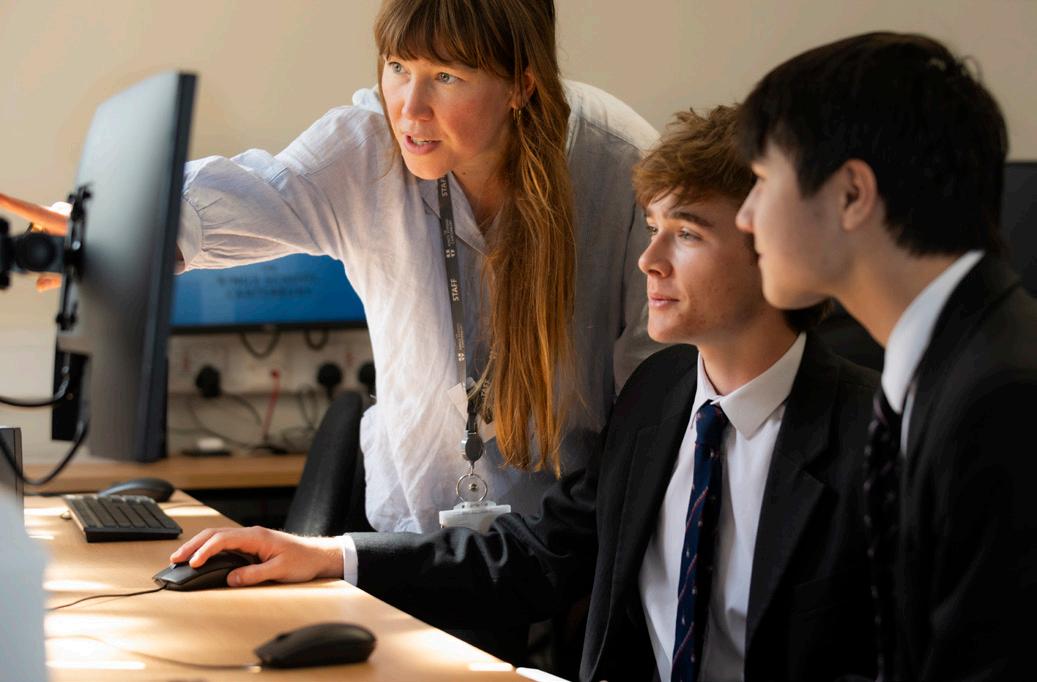
Learning Enhancement in the Middle School
Learning Enhancement at King’s supports pupils in becoming confident, independent and effective learners. The focus in the Middle School is on developing strong study habits, organisation, self-regulation and metacognitive awareness, ensuring pupils are well equipped to meet academic demands with confidence.
All pupils receive guidance on study and revision skills during their time in school, reinforced through tutors, subject teachers and resources available on the school intranet. Each academic department works closely with Learning Enhancement staff to support pupils who find particular subject demands challenging, and teachers are guided on inclusive classroom strategies that benefit all learners.
For some pupils, additional targeted support may be appropriate. The Learning Enhancement department, known as the Hub, provides time-limited small-group or one-toone support where there is clear need. This may focus on areas such as organisation, study skills, essay technique, revision planning, or consolidation of subject content. The aim is always to equip pupils with a practical toolkit of strategies rather than create dependency.
King’s follows the SEND Code of Practice and supports pupils with specific learning difficulties through high-quality classroom teaching, informed staff practice and targeted intervention where required. Not all pupils with identified needs require additional sessions, but support is available where it will make a meaningful difference.
Learning Enhancement also oversees assessment for access arrangements in public examinations, in line with JCQ regulations and based on clear evidence of need. These processes are handled carefully and professionally, with close communication between the department, teachers and families.
Across the Middle School, Learning Enhancement is underpinned by high expectations and a belief in pupils’ capacity to grow. Support is offered to pupils of all academic profiles, always with the aim of helping each individual reach their full potential and develop confidence in their own learning.

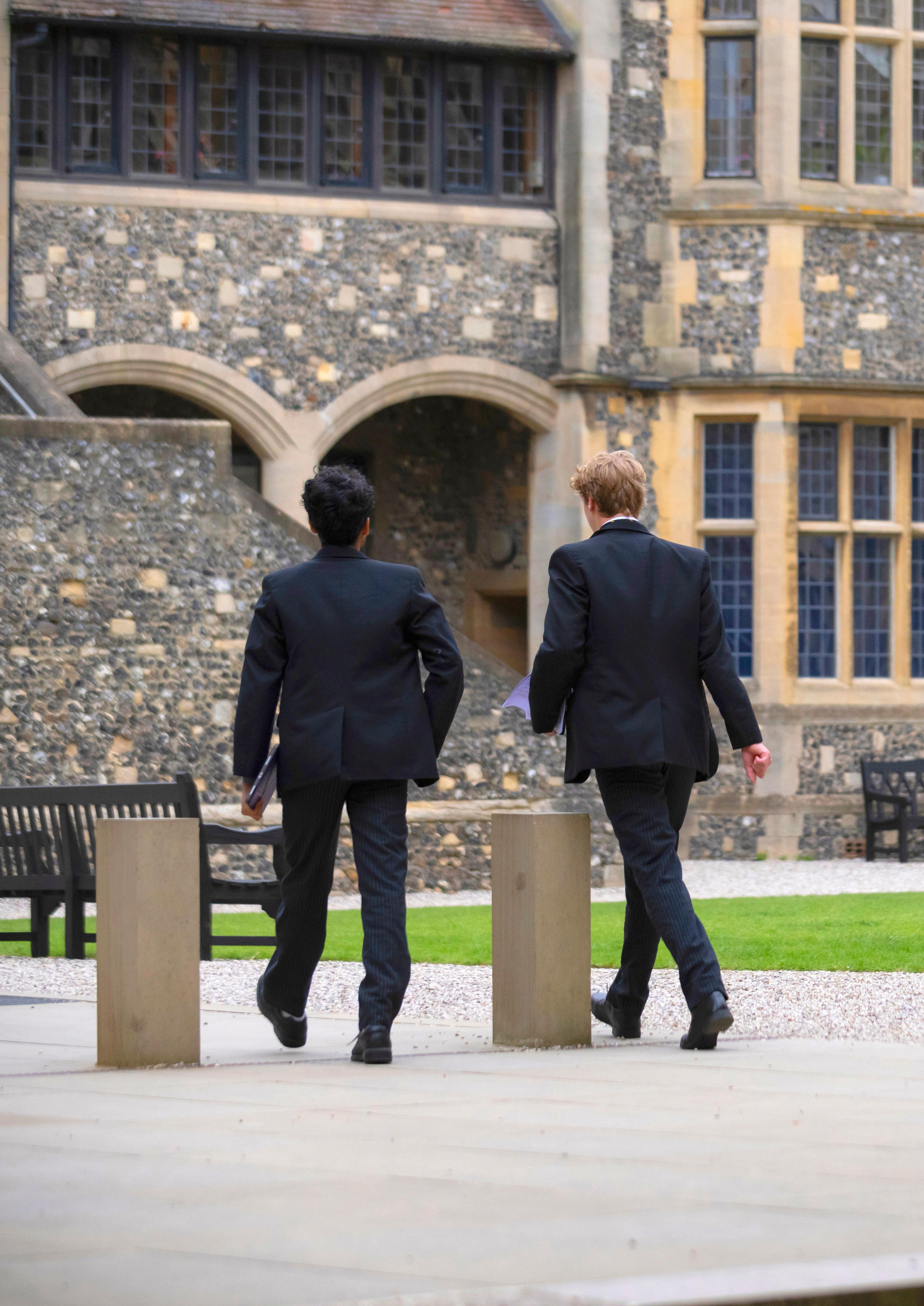
English
(English Language & Literature)
Courses: English Language: Pearson Edexcel IGCSE (9-1) 4EA1
Literature in English: Cambridge IGCSE (9-1) 0992
Head of Department: Mr Oliver Ridley
Aims
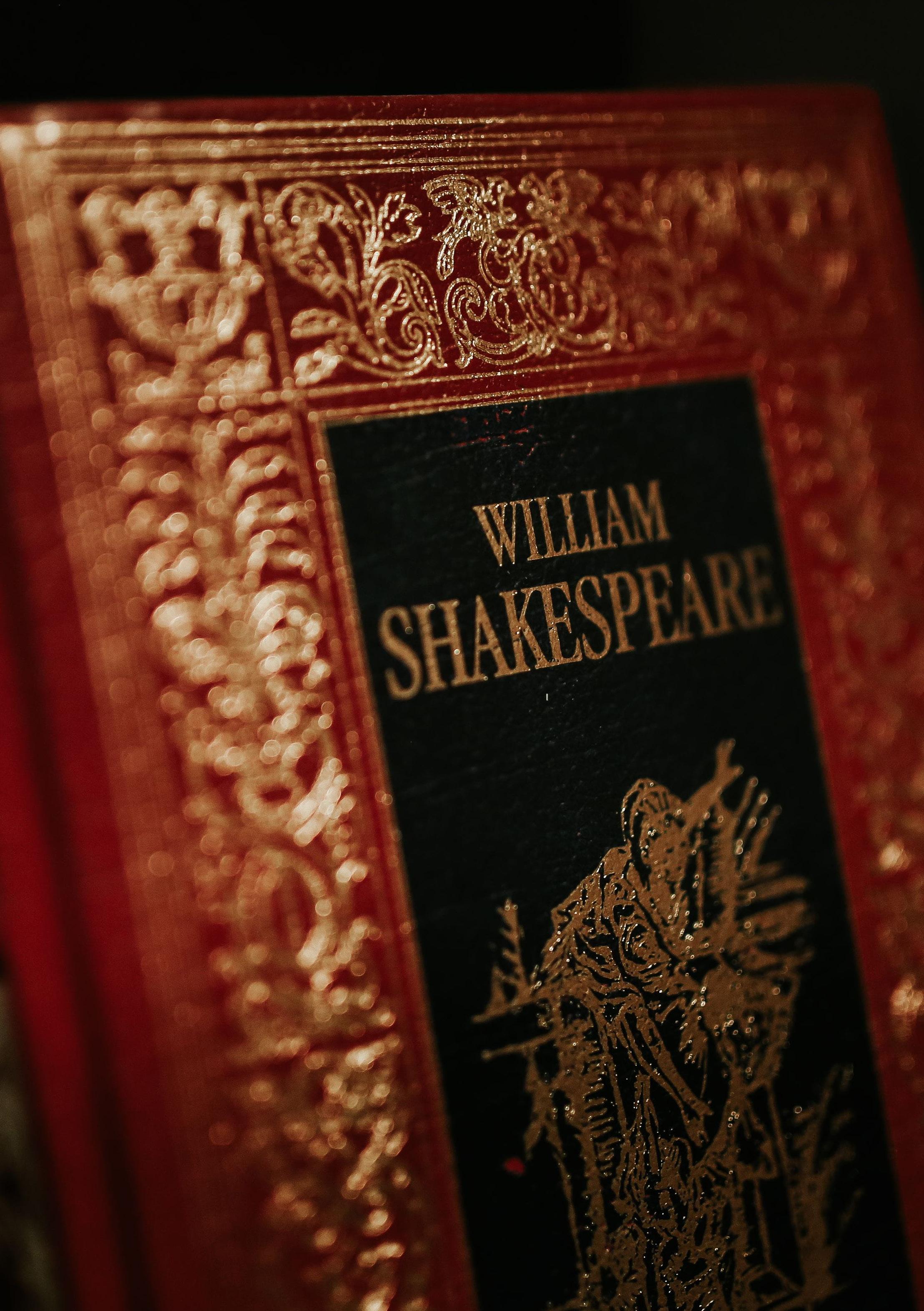
English at King’s develops articulate, thoughtful readers and confident, purposeful writers. Across the Middle School, pupils learn to read widely and attentively, to respond personally and critically to literature, and to communicate with clarity, accuracy and style. The department’s aim is that pupils become fluent in the technical craft of writing while also discovering the pleasure and power of language, from storytelling and performance to argument, persuasion and analysis. Speaking and listening are treated as central, not optional, with discussion, drama and presentation work embedded in the life of the classroom.
Skills Developed
Pupils learn how to evaluate writers’ choices, build interpretations that are rooted in evidence, and craft sustained, wellstructured responses. They develop accuracy in spelling, punctuation, grammar, syntax and paragraphing, alongside increasingly sophisticated vocabulary and control of register. The course also builds confident oracy through individual and group presentations, seminar discussion and drama-based exploration of texts. Creative writing is actively encouraged, and pupils are taught how imagination and precision work together.
Course Content
Pupils in Remove and the Fifth Form prepare for Edexcel IGCSE English Language (4EA1) and Cambridge IGCSE English Literature (0992). Pupils are required to evaluate a wide range of texts, show awareness of cultural contexts, and communicate using wide-ranging vocabulary in an appropriate style. Teachers guide pupils through set texts in depth, developing secure knowledge of writers’ methods, including characterisation, structure, themes and language.
Edexcel IGCSE English Language (4EA1) is a two-paper qualification.
Paper 1 centres on non-fiction reading and transactional writing, asking pupils to explore ideas and perspectives and then write for a specific audience, purpose and form.
Paper 2 builds analytical reading through a studied anthology poem or short story, then develops imaginative writing, encouraging pupils to craft engaging, controlled responses for a reader.
Cambridge IGCSE Literature in English (0992) is examined through papers that assess reading of set poetry/prose and drama/unseen elements (routes vary by centre), with a strong emphasis on personal, well-supported critical response.
Enrichment and Futures
Enrichment in English includes reading beyond the syllabus, theatre-going where appropriate, competitions and writing opportunities, and a culture of discussion that supports pupils’ confidence in argument and interpretation.
English is foundational for almost every pathway, supporting success in essay-based disciplines and strengthening performance in subjects that rely on analysis, explanation and evaluation. Pupils build a toolkit that is directly transferable to Sixth Form study and beyond, particularly for courses such as Law, History, Politics, Languages, PPE, Journalism, Theatre, and the wider humanities and social sciences.

Mathematics
Course: Pearson Edexcel IGCSE Mathematics (9-1) 4MA1H (Specification A)
Head of Department: Mr Stuart Ocock
Aims
Mathematics at King’s is about far more than procedures. We aim to develop pupils who are confident, agile problem-solvers, able to reason, communicate and make connections across topics. The course is cumulative and ambitious, building securely from prior learning while steadily extending pupils’ ability to think abstractly and apply mathematics in unfamiliar contexts. As pupils progress through the Middle School, the department’s aim is to cultivate both precision and creativity, so that pupils can tackle complex problems with resilience, judgement and clarity.
Skills Developed
Pupils develop fluency in algebraic manipulation, numerical reasoning, geometric thinking and statistical interpretation. They learn to select appropriate methods, justify steps, and communicate reasoning clearly. The course strengthens problem-solving habits such as modelling, checking, spotting patterns, and using mathematical language accurately. For pupils aiming high, we also develop the habits that underpin advanced study, including prooflike reasoning, multi-step problem solving, and sophisticated use of functions and graphs.
Course Content
The Edexcel IGCSE Mathematics course (4MA1) comprises the broad strands of number, algebra, shape and space, and data handling, with some basic calculus ideas introduced towards the end. Knowledge brought from previous schools is built on and developed throughout the three years to IGCSE, and the course provides excellent preparation for Sixth Form pathways. Mathematics is taught in sets and, as pupils mature mathematically at different rates, sets are under constant review. All pupils usually enter Higher tier. The 4MA1 (9–1) course has a strong demand for problem-
solving and reasoning, and final assessment is based entirely on two, two-hour examination papers. There is no coursework requirement, though investigational and exploratory work is regularly done within normal lessons.
The top sets typically complete the syllabus well before the end of Fifth Form and can embark on further study, often preparing towards the AQA Level 2 Further Mathematics (8365) alongside consolidation and extension of IGCSE content, as described in your original copy. For those who need it, the department also places a clear emphasis on consolidation of core skills, confidence-building, and securing exam technique.
Enrichment and Futures
Enrichment includes extension seminars, UK Mathematics Trust competitions, Maths Olympiad preparation and coaching for STEP and MAT style thinking. The department also offers public talks that showcase mathematical creativity and the application of mathematics in the real world.
IGCSE Mathematics is a gateway qualification for almost every academic and professional route. The habits of reasoning, modelling and precision are central to Sciences, Economics, Geography, Computing, and the wider social sciences, and form the essential foundation for A level Mathematics and Further Mathematics.

Science
Head of Department: Ms Louise Comber
Science Pathways at GCSE
At King’s, science is taught with rigour, curiosity and ambition and we offer two pathways through Science GCSEs: Combined Science and Triple Award.
All pupils study Biology, Chemistry and Physics as three distinct disciplines from their first year (the Shell), building a strong and broad scientific foundation before choosing their GCSE pathway in the Remove year. Both routes offer a thorough and challenging scientific education; the choice between them is about finding the approach that will allow each pupil to thrive.
Combined Science covers all three sciences with reduced content overall, allowing for a more measured pace, deeper exploration of complex ideas and a longer revision period before exams. Pupils sit six papers in total - two per science - and marks are pooled to produce two GCSE grades. This can work in a pupil’s favour: a strong performance in one science can balance a slightly weaker one in another. The vast majority of pupils who pursue this pathway will be entered for the Higher tier.
For pupils joining King’s from the Remove year onwards, Combined Science is usually the stronger choice. The reduced content breadth allows us greater curriculum time to consolidate scientific knowledge, revisit foundational concepts covered during the Shell year and ensure every pupil is fully prepared to excel, wherever their scientific journey began.
Triple Award covers a broader range of material across all three sciences, resulting in three separate IGCSEs in Biology, Chemistry and Physics, each graded independently. It is a more extensive course that suits pupils who relish breadth and depth, and who are ready to engage with the full scope of scientific study at this level.
Whichever pathway a pupil follows, they will leave King’s with a strong scientific foundation. For the great majority, the choice of pathway will have no bearing on future options. Combined Science is the standard route in most schools nationally, and universities are well accustomed to it. Both pathways can lead to science A-levels, though pupils progressing from Combined Science will typically be expected to achieve a grade 8 in the relevant science and should be prepared to bridge a modest content gap over the summer before the Sixth Form.
We believe that the pathway which leads to the best possible outcomes is usually the right pathway. Our science teachers work closely with every pupil and family to offer personalised guidance based on academic progress, learning style and individual ambition - and we will always make our recommendations with a pupil’s best long-term outcomes in mind. No family navigates this decision alone.
Course: Pearson Edexcel IGCSE Biology (9-1) 4BI1
Head of Department: Dr Helen Vaughan Biology
Aims
Biology in the Middle School introduces pupils to life as a set of interconnected systems, from the requirements of living organisms to the way humans shape the environment. The aim is to develop a fascination with living processes and to build a secure understanding of the biological mechanisms that underpin health, inheritance, ecosystems and modern biotechnology. Alongside content knowledge, pupils are encouraged to approach biology with curiosity, precision and an awareness of the ethical questions that often accompany biological progress.
Skills Developed
Pupils learn to interpret biological data, evaluate evidence, and apply biological ideas to unfamiliar contexts. Practical work supports confidence with apparatus and biological observation, including work that builds technique in measurement, microscopy-style observation where relevant, and disciplined recording. Pupils also develop scientific vocabulary and the ability to write clearly about processes, cause and effect, and evaluation.
Course Content
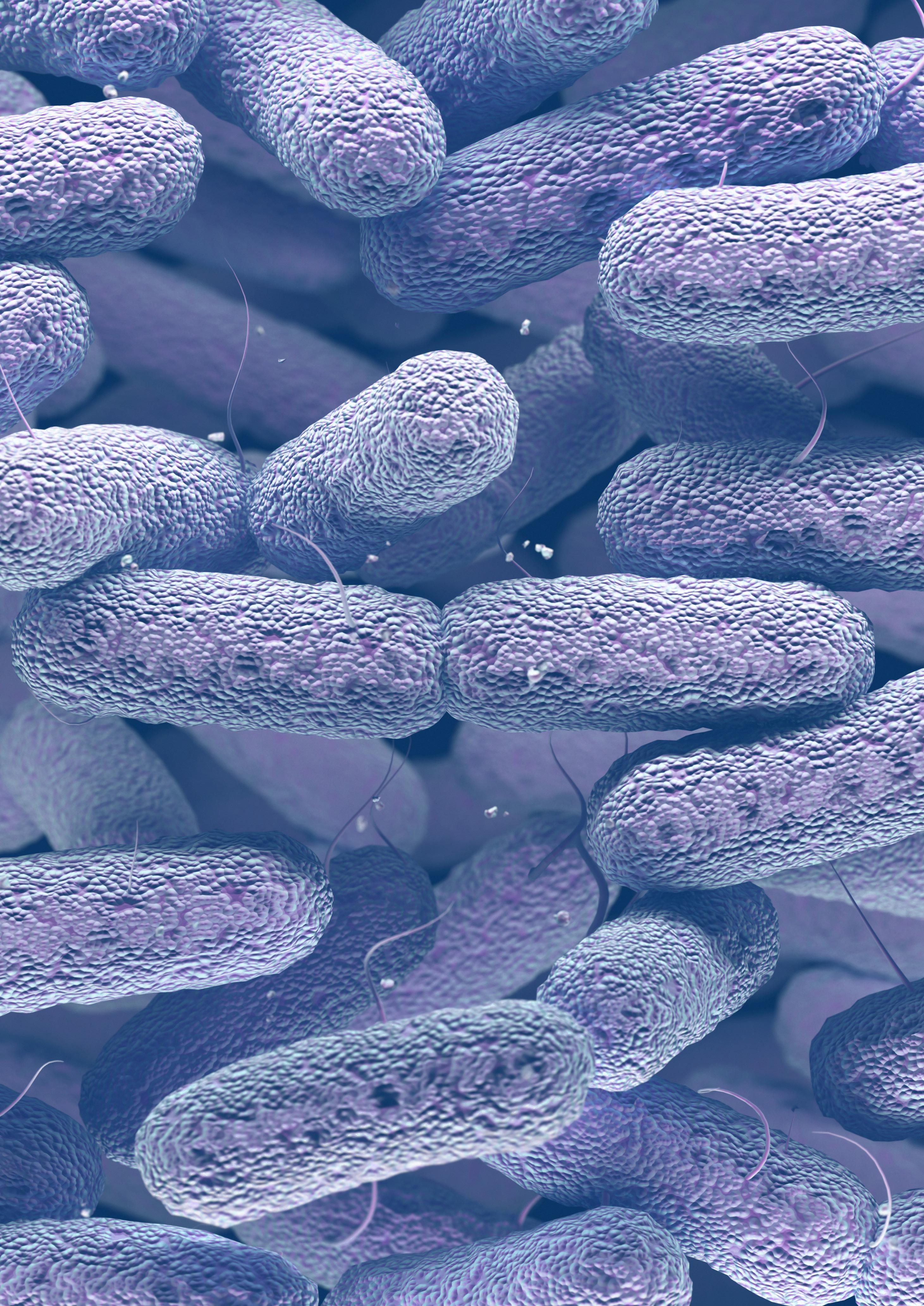
In Remove, pupils study the requirements of living organisms within topics including: respiration, gas exchange, nutrition, microbes and food production, reproduction, coordination, and transport in plants and animals.
In Fifth Form, all pupils study: human influence on the environment, natural selection and selective breeding, genes and inheritance, genetic engineering, nutrient cycling and excretion. Pupils taking the Triple Award go on to study additional areas including fish farming, plant gas exchange and cloning. This sits closely alongside the Edexcel IGCSE
Biology framework, which also expects pupils to be confident with core topics such as cell biology, organisation, infection and response, bioenergetics, inheritance and evolution, and ecology, with application to real biological problems.
Assessment is by written examinations. There is no coursework / NEA. Practical and experimental understanding is assessed through exam questions requiring analysis of methods, results and scientific reasoning.
Enrichment and Futures
Biology pupils benefit from a practical culture that encourages careful observation and curiosity about living systems, from microbes and food production through to genetics and ecology. Where appropriate, the department signposts pupils towards reading and supercurricular exploration in areas such as human biology, biodiversity, conservation, and genetic technology. Biology also lends itself well to independent projects, and pupils with particular interests are often supported to pursue wider research or to connect learning to real-world issues such as public health, sustainability and ethical debates in biotechnology.
Biology is an excellent foundation for Sixth Form Biology and strongly supports pupils aiming for Medicine, Dentistry, Veterinary Science, Natural Sciences, Biochemistry and related degrees. It also complements Psychology, Geography and Environmental Science routes, and provides a strong basis for future study where analytical writing, data interpretation and evaluative thinking are required.

Course: Pearson Edexcel IGCSE Chemistry (9-1) 4CH1
Head of Department: Ms Claire Frere
Aims
Chemistry at King’s introduces pupils to the principles that explain materials, reactions and change. The aim is to develop pupils who can think logically about matter and its transformations, combining confident theoretical understanding with hands-on experimental awareness. Chemistry also helps pupils see how scientific ideas link to realworld questions around energy, resources, environment and the substances that shape everyday life.
Skills Developed
Pupils develop accuracy and confidence in scientific calculation and modelling, as well as precision in experimental work and safe handling of apparatus. They learn to interpret patterns in data, explain observations through particle and bonding models, and communicate chemical reasoning clearly. The course builds strong foundations in quantitative thinking, especially through work on moles, equations and structured problem-solving.
Course Content
In Remove, pupils study: atomic structure and the periodic table, bonding and structure, tests for ions and gases, rates of reaction, acids, alkalis and salts, and an introduction to moles.
In Fifth Form, pupils study: quantitative aspects of chemistry (including moles, titrations and energetics), equilibria, solubility and salt preparation, electrolysis, and advanced organic chemistry including alcohols, carboxylic acids, esters and polymers.
This aligns closely with the expectations of Edexcel IGCSE Chemistry, which emphasises secure understanding of bonding and structure, quantitative chemistry, energetics, rates and
equilibria, redox and electrolysis, and core organic chemistry.
Assessment is by written examinations. There is no coursework / NEA. Practical and experimental understanding is assessed through examination questions, including methods, results analysis and evaluation.
Enrichment and Futures
Chemistry at King’s is well suited to pupils who enjoy seeing ideas tested in practice. Alongside the taught course, pupils are encouraged to deepen their understanding through extension problems, curiosity-driven questions, and links to real-world chemistry in materials, energy, pharmaceuticals and environmental challenges. Where appropriate, the department highlights opportunities for pupils to explore chemistry beyond the classroom, including reading around topical developments and building confidence with the kind of quantitative reasoning that becomes increasingly important at A level.
In futures terms, Chemistry is a core enabling subject and a key foundation for Sixth Form Chemistry. It is particularly important for pupils considering Medicine, Dentistry, Veterinary Science, and many bioscience pathways, and is also central to Chemical Engineering, Natural Sciences and a wide range of STEM degrees. The subject develops habits of precision, structured problem-solving and evidence-led reasoning that are prized well beyond science, including in economics-adjacent and analytical disciplines.

Course: Pearson Edexcel IGCSE Physics (9-1) 4PH1
Head of Department: Ms Louise Comber (Head of Physics and Head of Science Faculty)
Aims
Physics at King’s seeks to develop pupils as confident problem-solvers who can use mathematics to model, explain and predict the behaviour of the physical world. From forces and motion to waves, electricity and astronomy, pupils are encouraged to see physics as a coherent and intellectually elegant discipline that underpins much of modern technology. Alongside technical understanding, the course aims to cultivate curiosity about how the universe works and confidence in applying abstract ideas to real situations.
Skills Developed
Pupils develop strong quantitative skills, including algebraic manipulation, graph interpretation and proportional reasoning. They learn to design and evaluate experiments, interpret data critically, and communicate scientific ideas clearly and logically. Physics also builds resilience, as pupils learn to tackle multistep problems and unfamiliar contexts with persistence and precision.
Course Content
In the Remove and Fifth Form years, pupils study a wide-ranging physics curriculum that builds on the foundations laid in Shell. Topics include waves, radioactivity, electricity, forces and motion, magnetism and electromagnetism, and astronomy. Pupils also extend earlier work by studying more complex aspects of energy resources, energy transfer, and the behaviour of solids, liquids and gases.
The course aligns closely with the Edexcel IGCSE Physics specification, which emphasises not only knowledge of physical principles but also the ability to apply them mathematically and experimentally. Assessment is by written examination. All pupils sit Paper 1, and those entered for the Triple Award take an additional
Paper 2 covering extension material. There is no coursework / NEA, but required practical work is embedded in teaching and examined through questions on experimental design, data analysis and evaluation.
Enrichment and Futures
Physics pupils are encouraged to explore beyond the syllabus through extension problems, demonstrations and wider reading. The subject lends itself particularly well to enrichment through real-world applications, from renewable energy and space science to engineering and medical physics, and these links are frequently drawn out in lessons and enrichment activities.
Physics provides a strong foundation for Sixth Form Physics and supports progression to Engineering, Physical Sciences, Architecture and related degrees. The analytical and quantitative skills developed are also highly transferable and valued across economics-adjacent, computing and data-driven pathways.
Classics
Courses: GCSE Classical Civilisation (OCJR J199B)
GCSE Latin (OCR J282F)
GCSE Classical Greek (OCR J292D)
Head of Department: Mr Matthew Browning
Aims
Classics at King’s offers pupils a rich engagement with the literature, language, history and ideas of the ancient Greek and Roman worlds. Across Classical Civilisation, Latin and Classical Greek, pupils explore societies that have profoundly shaped modern thought in areas such as politics, philosophy, literature, law and art. The department aims to cultivate intellectual curiosity, cultural literacy and disciplined thinking, while encouraging pupils to reflect critically on enduring questions of power, identity, morality and human experience.
The three courses offer complementary pathways. Classical Civilisation provides an interdisciplinary exploration of the ancient world studied entirely in English, while Latin and Classical Greek allow pupils to engage directly with original texts in the ancient languages. Together, they form a distinctive and rigorous humanities offering that combines linguistic precision with wide-ranging cultural understanding.
Course Content
Classical Civilisation (OCR J199B)
Classical Civilisation is studied entirely in English and is open to all pupils, regardless of prior language study. The course is structured around three components that together provide breadth and depth:
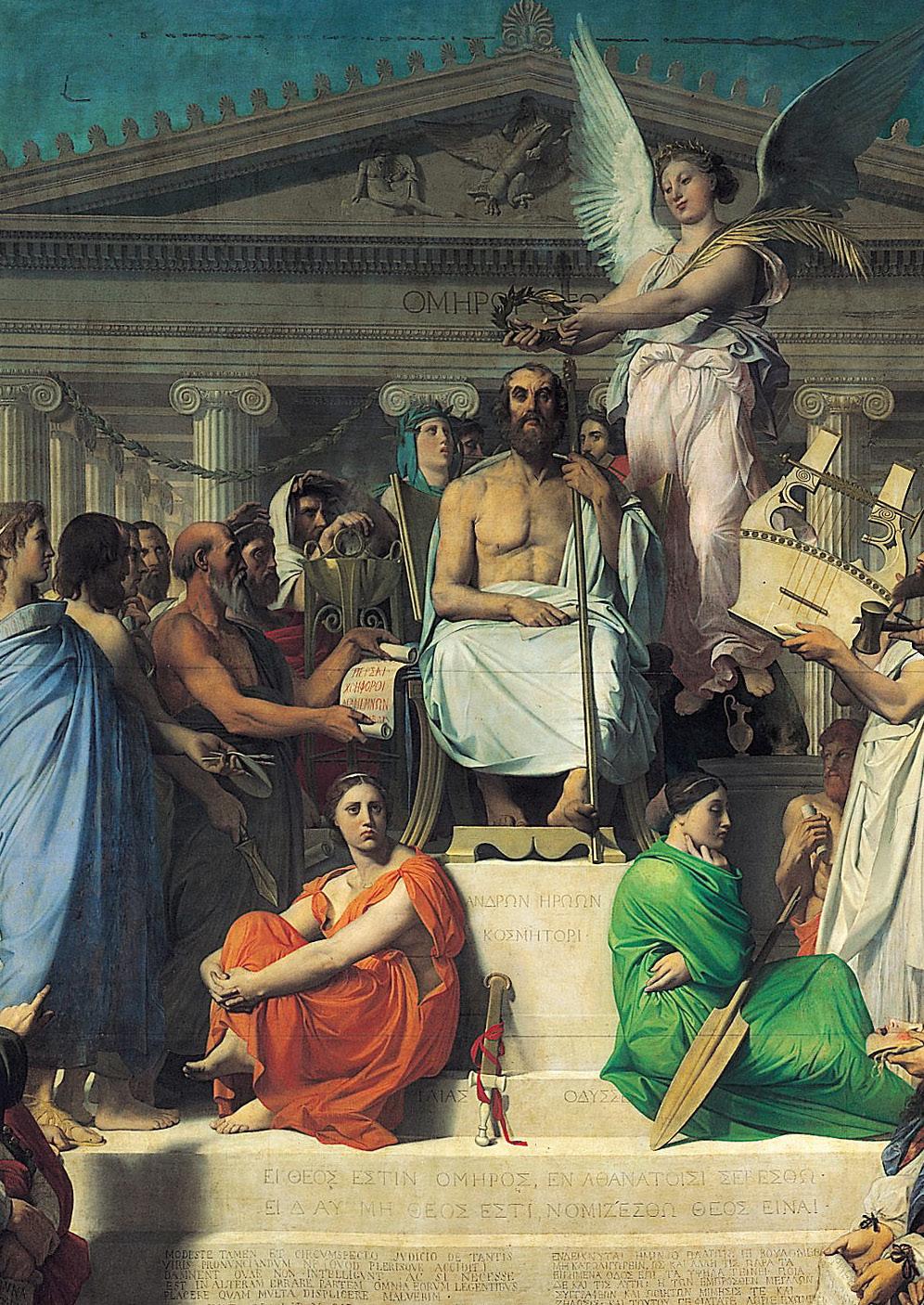
The World of the Hero, focusing on epic literature such as Homer’s Odyssey or Iliad and Virgil’s Aeneid, exploring heroism, leadership and moral choice.
Culture and the Arts, examining material culture and visual evidence, for example the use of architecture and imagery to project power and identity in the Roman world.
Beliefs and Ideas, exploring philosophical, political or social themes such as democracy, religion and the role of the individual in society.
Assessment is by three written examinations at the end of Fifth Form. There is no coursework or non-examined assessment.
Skills Developed
Across all Classics courses, pupils develop strong analytical and interpretative skills. They learn to construct coherent, well-supported written arguments, analyse literary texts closely, and evaluate historical, philosophical and visual evidence. Language courses develop precision, logical reasoning, memory and attention to detail through translation and grammatical analysis, while Classical Civilisation strengthens comparative thinking and source evaluation.
Classics pupils gain confidence in extended writing, critical reading and independent thought. These skills are highly transferable and support success across the curriculum, particularly in English, History, Modern Languages, Philosophy and Religious Studies.
Latin (OCR J282F)
Latin combines the systematic study of language with close reading of prescribed prose and verse literature.
Language: pupils develop a secure grasp of Latin vocabulary, morphology and syntax, enabling them to translate unseen passages and demonstrate comprehension of prepared texts.
Literature: pupils study selections of set texts by authors such as Virgil, Ovid and Cicero, focusing on narrative technique, characterisation, themes and cultural context.
Assessment is by three written examinations at the end of Fifth Form: one language paper and two literature papers. There is no coursework or non-examined assessment.
Classical Greek (OCR J292D)
Classical Greek mirrors the structure of Latin while offering distinctive literary content and linguistic challenge.
Language: systematic study of Greek grammar and vocabulary, developing accurate translation and close linguistic analysis.
Literature: detailed study of prescribed prose and verse texts, typically drawn from authors such as Homer, Herodotus and Euripides, explored in their historical and cultural context.
Assessment is by three written examinations at the end of Fifth Form. There is no coursework or non-examined assessment. Classical Greek is normally taken by pupils with a strong aptitude for languages and a particular enthusiasm for classical study.
Enrichment and Futures
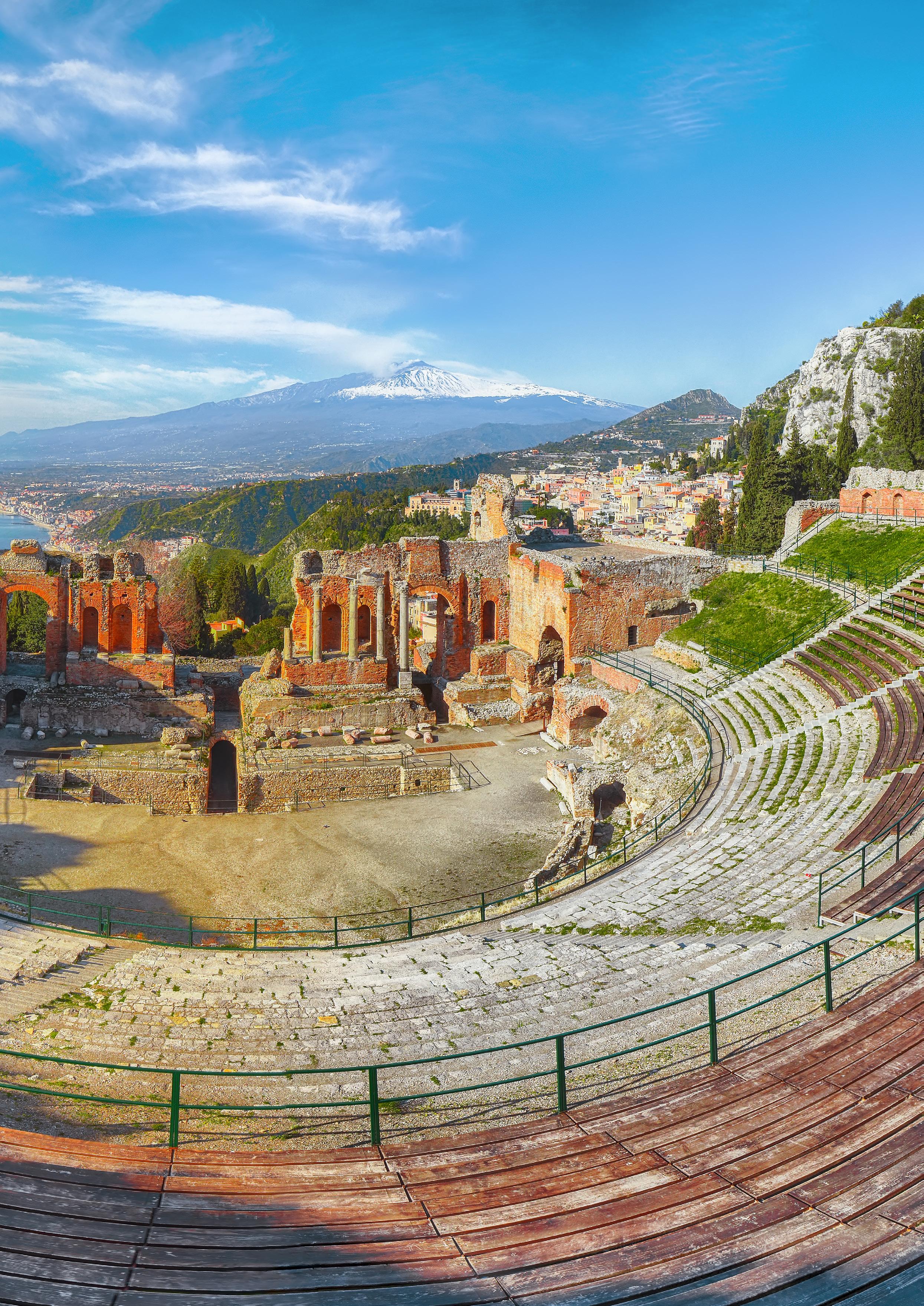
The Classics department offers a rich programme of enrichment through the Pater Society, including lectures, reading groups and scholarly activities. Pupils benefit from trips to museums, theatre productions and archaeological sites, with overseas visits to Italy, Greece or Sicily where available. Classical subjects frequently feature during King’s Week through talks, exhibitions and performances.
Classics provides excellent preparation for A level Classical Civilisation, Latin and Greek. Pupils go on to read Classics, History, Archaeology, Philosophy, History of Art and related subjects at university, including highly competitive courses. The intellectual discipline, cultural awareness and analytical precision developed through Classics are also highly valued in pathways such as Law, Medicine, Modern Languages and the wider humanities.


Computer Science
Course: Cambridge IGCSE Computer Science (9-1) 0984
Head of Department: Mr Chris Wooldridge
Aims
Computer Science at King’s equips pupils to understand how computers work at a fundamental level and to become confident creators of digital solutions rather than passive users of technology. The course develops logical thinking, precision and resilience through algorithms, programming and computer systems, while encouraging reflection on the social, ethical and security implications of computing.
Skills Developed
Pupils learn to think algorithmically, breaking complex problems into clear, manageable steps and designing efficient solutions. Through regular programming practice, they develop fluency in coding, debugging and testing, and confidence in independent work. The subject fosters precision, perseverance and attention to detail, alongside analytical reasoning, project planning and clear technical communication. Pupils also evaluate the impact of technology on individuals and society, strengthening digital literacy and ethical awareness.
Course Content
We follow the Cambridge IGCSE Computer Science (0984) specification. The course is taught across the Remove and Fifth Form and is structured around three main areas.
• Computer Systems - Pupils study hardware, software, operating systems, data storage, networks and cybersecurity. They explore data representation, including binary, hexadecimal, text, images and sound, to understand how information is processed at a low level.
• Algorithms - A major part of the course focuses on problem-solving through algorithms and programming. Pupils
design algorithms using flowcharts and pseudocode before implementing them in a high-level language. Topics include variables, data types, selection, iteration, procedures, functions, arrays, validation and testing, alongside computational logic and Boolean reasoning.
• Data, Databases and Emerging Technologies
- Pupils explore file handling, basic database concepts and the wider impact of computing, including automation, artificial intelligence, privacy, security and ethical issues.
There is no coursework or non-examined assessment. Evaluation is exam-based, with two written papers taken at the end of Fifth Form:
Paper 1: Computer Systems (50%) Assesses knowledge of hardware, software, data representation, networks and security.
Paper 2: Algorithms, Programming and Logic (50%) Focuses on problem-solving, algorithm design, code tracing, and program analysis.
Both papers include short-answer questions, structured problems and extended responses requiring precise technical understanding.
Enrichment and Futures
Pupils are encouraged to engage with the wider digital life of the School through coding clubs, robotics, programming projects and national competitions.
The course prepares pupils for A level Computer Science and supports progression into Mathematics, Physics, Engineering and Data Science. The analytical and technical skills developed are highly valued by universities and employers across fields including technology, finance, science, medicine and the creative industries.

Design & Technology
Course: OCR GCSE Design & Technology (9-1) J310
Head of Department: Mr Matthew
Rolison
Aims
Design & Technology at King’s is a practical, intellectually demanding subject that teaches pupils to apply technical skills, knowledge and understanding when designing, making and evaluating products. The course develops creative and critical thinkers who can respond to real-world design problems and understand designers’ responsibilities towards users, society and the environment. Depending on timetabling and numbers, pupils may study either Product Design or Engineering, both following the same specification but with different emphases.
• Product Design places greater emphasis on creative design and aesthetic outcomes, with a strong focus on materials such as timbers and polymers.
• Engineering has a more technical focus, including metals, electronics, mechanisms and, where appropriate, programming microcontrollers.
Skills Developed
Pupils develop design thinking, problem-solving and project management skills alongside practical competence with materials, tools and manufacturing processes. They learn to analyse existing products, communicate ideas through sketching and modelling, and evaluate prototypes against design criteria. The course also strengthens mathematical application, precision and organisation, particularly through sustained independent project work.
Course Content
Both Product Design and Engineering follow the OCR J310 specification and share the same core content, structure and assessment programme; only one option may be taken.
In the first year of GCSE, pupils study core content and at least one material area in depth through a balance of theory and practical activities, developing creative design skills and technical understanding. In Fifth Form, all candidates complete a substantial design-and-make project based on a theme set by the exam board. Pupils design and manufacture a prototype and produce a design folder documenting research, development, testing and evaluation. This coursework project contributes 50% of the overall GCSE mark and is completed by Easter of Fifth Form. The remaining 50% is assessed through a twohour written examination covering materials, processes, sustainability, human factors and design theory. Strong organisation and consistent prep completion are essential due to the coursework element.
Enrichment and Futures
Design & Technology provides strong preparation for A level Product Design and supports progression into Engineering, Industrial Design, Architecture and related fields. The subject combines intellectual rigour with creativity and is accepted as an appropriate third A level alongside Mathematics and Physics for pupils aiming for Engineering at Cambridge.
Able designers are encouraged to apply for Arkwright Scholarships, which offer recognition and support for aspiring engineers and designers. The transferable skills developed — including problem-solving, project planning and evaluation — are highly valued across a wide range of academic and professional pathways.
Drama
Course: Cambridge IGCSE Drama (9-1) 0994
Head of Department: Ms Rebekah Frances
Aims
Drama at King’s is both an academic and practical subject, developing pupils’ ability to analyse, evaluate and interpret texts in performance. The course nurtures confident, reflective and collaborative performers who think critically about theatre as an art form and means of communication. Drama emphasises creativity, empathy and teamwork while building the discipline and analytical rigour required for high-level written work. It provides strong preparation for A level Drama and develops skills valued beyond the theatre.
individual performance in September followed by a group devised performance in November. By this stage, 60% of the GCSE assessment is complete. Pupils then focus on prescribed set texts issued by the exam board, explored through practical workshops and written analysis.
Assessment structure:
Component 1: Written Examination (40%) A 2 hour 30-minute paper requiring responses as actors, designers and directors, including questions on prescribed texts and evaluative reflection on pupils’ own practical work.
Skills Developed
Pupils build confidence in performance, collaboration and communication alongside leadership, problem-solving and creative decision-making. They analyse texts from the perspectives of actor, designer and director, and reflect critically on their own work and that of others. Written communication is developed through evaluative and analytical responses rooted in practical experience.
Course Content
We follow the Cambridge IGCSE Drama course, combining written examination with substantial practical assessment. The course is weighted 60% practical assessment and 40% written examination.
The Remove year lays the foundations for assessment. Pupils explore ensemble work, devising, scripted performance, theatre practitioners, immersive theatre and key performance vocabulary. During the summer term, pupils complete a group scripted performance, which is internally assessed and externally moderated.
In Fifth Form, pupils complete the remaining practical components, beginning with an
Component 2: Coursework (60%) Three practical pieces: one individual performance and two group performances. All work is internally assessed, filmed and externally moderated.
Enrichment and Futures
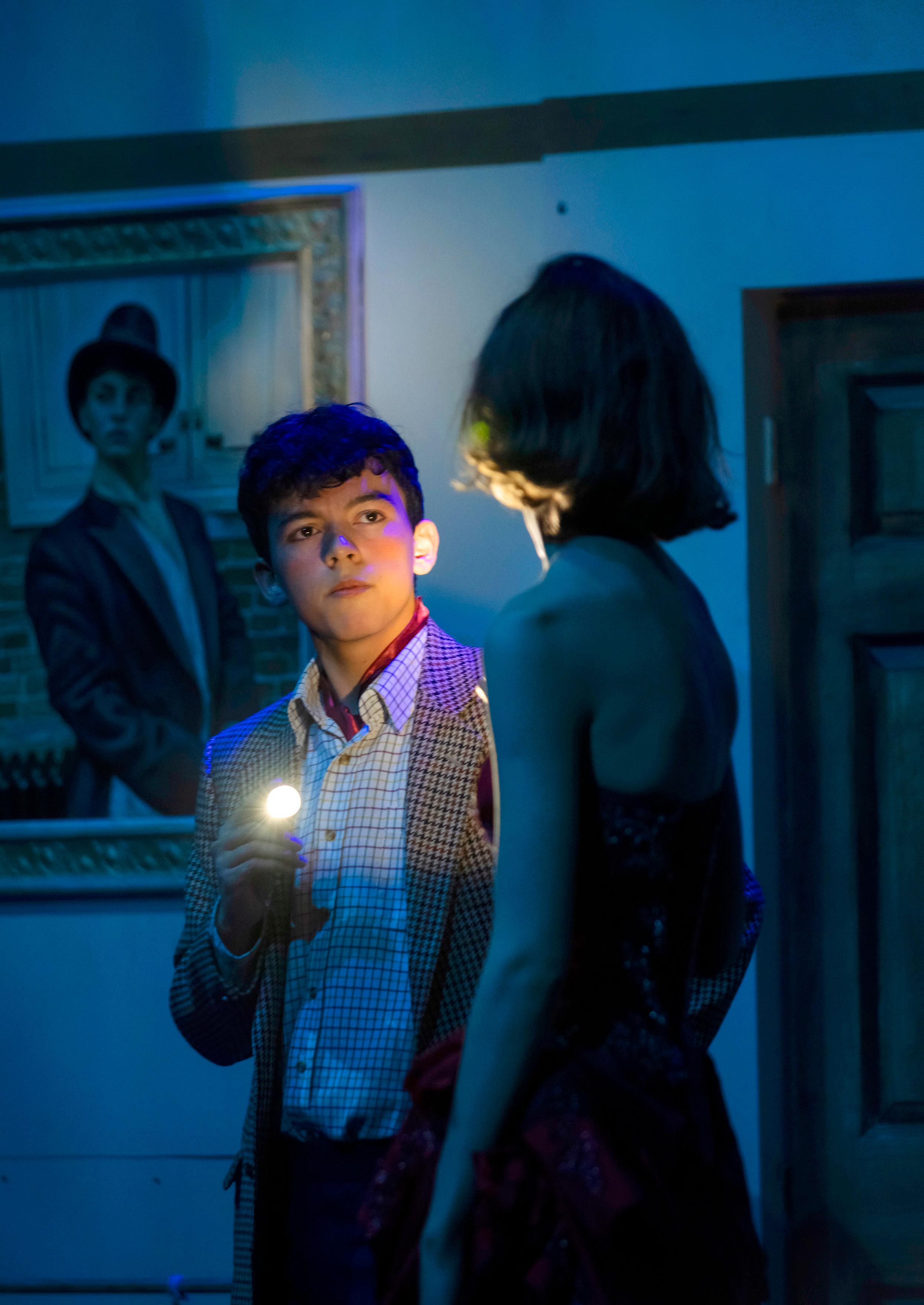
Drama pupils benefit from theatre visits locally and nationally, including venues such as the Gulbenkian, Marlowe and major London theatres. Pupils also attend research days at the National Theatre Archives and take part in workshops with industry professionals.
Drama features prominently during King’s Week through performances and showcases. The subject supports progression to A level Drama, English and related humanities, and develops transferable skills valued in university study and careers including law, media, education, leadership and the creative industries.

Geography
Course: Pearson Edexcel IGCSE Geography (9–1) 4GE
Head of Department: Ms Freyja Dolan
Aims
Geography at King’s develops pupils’ understanding of the physical and human world and the complex relationships between people, places and environments. The course takes a global perspective, encouraging pupils to recognise similarities and differences in values and lived experience across societies.
Geography at GCSE is positioned as both a science and an art, combining analytical rigour with evaluative and discursive thinking. Pupils are encouraged to engage critically with contemporary global issues and to see Geography as a subject that helps them understand the modern world.
Skills Developed
Pupils develop spatial awareness, data interpretation and analytical writing skills. They learn to use maps, graphs, photographs and fieldwork data confidently, evaluate evidence and construct balanced, wellsupported arguments. Geography also develops decision-making skills and the ability to consider environmental, social and economic factors together.
• Urban Environments, including studies of Canterbury
• Coastal Environments, with fieldwork along the Kent coastline
Fifth Form topics and fieldwork include:
• Development and Human Welfare, with an optional overseas field trip (recent destinations have included Morocco)
• Ecosystems and Rural Environments, including a local rural village study at Bridge
Assessment consists of two written examinations at the end of Fifth Form. Papers include short-answer questions, data-response tasks, evaluative questions and fieldwork-based assessment.
Enrichment and Futures
Fieldwork is central to the course and develops independence, teamwork and enquiry skills. Pupils are encouraged to engage with current affairs and global issues beyond the classroom.
Course Content
The IGCSE course takes a global view, using case studies from a wide range of international contexts rather than focusing solely on the UK. Pupils apply geographical understanding to unfamiliar settings using international maps and resources.
There is no coursework, but fieldwork is compulsory and examined within the written papers.
Remove year topics and fieldwork include:
• River Environments, with fieldwork on the North Downs and the River Darent
Geography provides strong preparation for A level Geography and supports progression into environmental science, earth sciences, economics, international relations and development studies. The subject is highly valued for its blend of scientific understanding, evaluative writing and global awareness.
Geology (Earth & Planetary Science
Course: Eduqas GCSE Geology C480P2
Head of Department: Mr Mike Mawby
Aims
Geology introduces pupils to the structure, evolution and dynamic processes of the Earth. The course aims to develop an understanding of geological time, Earth materials, and the processes that shape landscapes and life itself. Geology is particularly well suited to demonstrating the relevance of science to society, linking natural hazards, resource management and environmental change to real-world decision-making.
Skills Developed
Pupils develop observational and analytical skills through the interpretation of rocks, minerals, fossils, maps and field evidence. They learn to construct explanations based on physical evidence, to apply scientific reasoning to large-scale systems, and to communicate clearly about complex processes. Fieldwork develops independence, teamwork and practical confidence.
Course Content
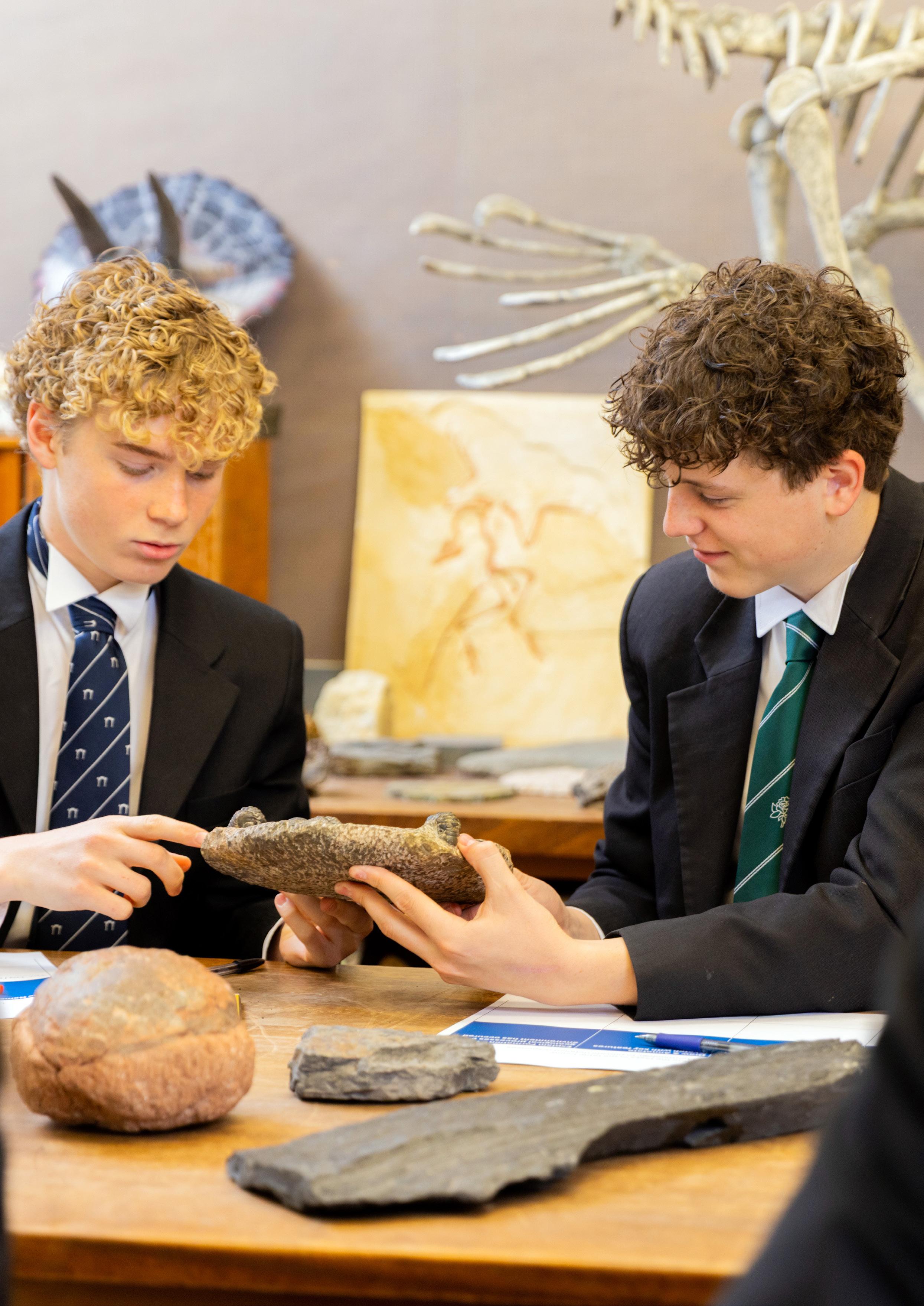
The Eduqas GCSE Geology course is taught over two years as an option subject. Topics include rocks and minerals, plate tectonics, the evolution of life on Earth, palaeontology including dinosaur evolution, Earth hazards such as volcanology, geophysics and tsunamis, and the study of Earth resources and engineering geology.
A minimum of two days of compulsory fieldwork forms an essential part of the course, helping pupils connect classroom theory with real geological environments.
Current trips include Anglesey, the Kent coastline, Tenerife and Northern Ireland, alongside additional one-day trips and museum visits.
Assessment is by written examination. There is no coursework, but fieldwork knowledge and skills are examined through structured questions requiring interpretation and evaluation of geological evidence.
Enrichment and Futures
Geology offers rich opportunities for outdoor learning and cross-curricular connections with Geography, Biology, Chemistry and Physics. Fieldwork is a defining feature of the subject and often becomes a highlight of pupils’ Middle School experience.
The course complements Geography GCSE particularly well and provides a strong foundation for A level Geography, Geology or Science subjects. It also supports pathways into environmental science, Earth sciences, engineering and sustainability-related fields.
History
Course: Pearson Edexcel IGCSE History (9–1) 4HI1
Head of Department: Mr Tom Sherwin
Aims
History at King’s aims to develop pupils who can think critically about the past and its relationship to the present. The course encourages pupils to ask searching questions about power, change, conflict and continuity, and to understand how historical narratives are constructed and contested. Through the study of a diverse range of periods and societies, pupils learn to appreciate complexity, to weigh evidence carefully, and to recognise the importance of context in shaping human behaviour and decision-making.
Skills Developed
Pupils develop strong analytical and evaluative skills, learning how to interrogate sources, assess interpretations and construct sustained, well-supported written arguments. The course builds precision in extended writing, confidence in handling evidence, and the ability to balance explanation with judgement. History also develops habits of independent reading, synthesis and critical reflection.
Course Content
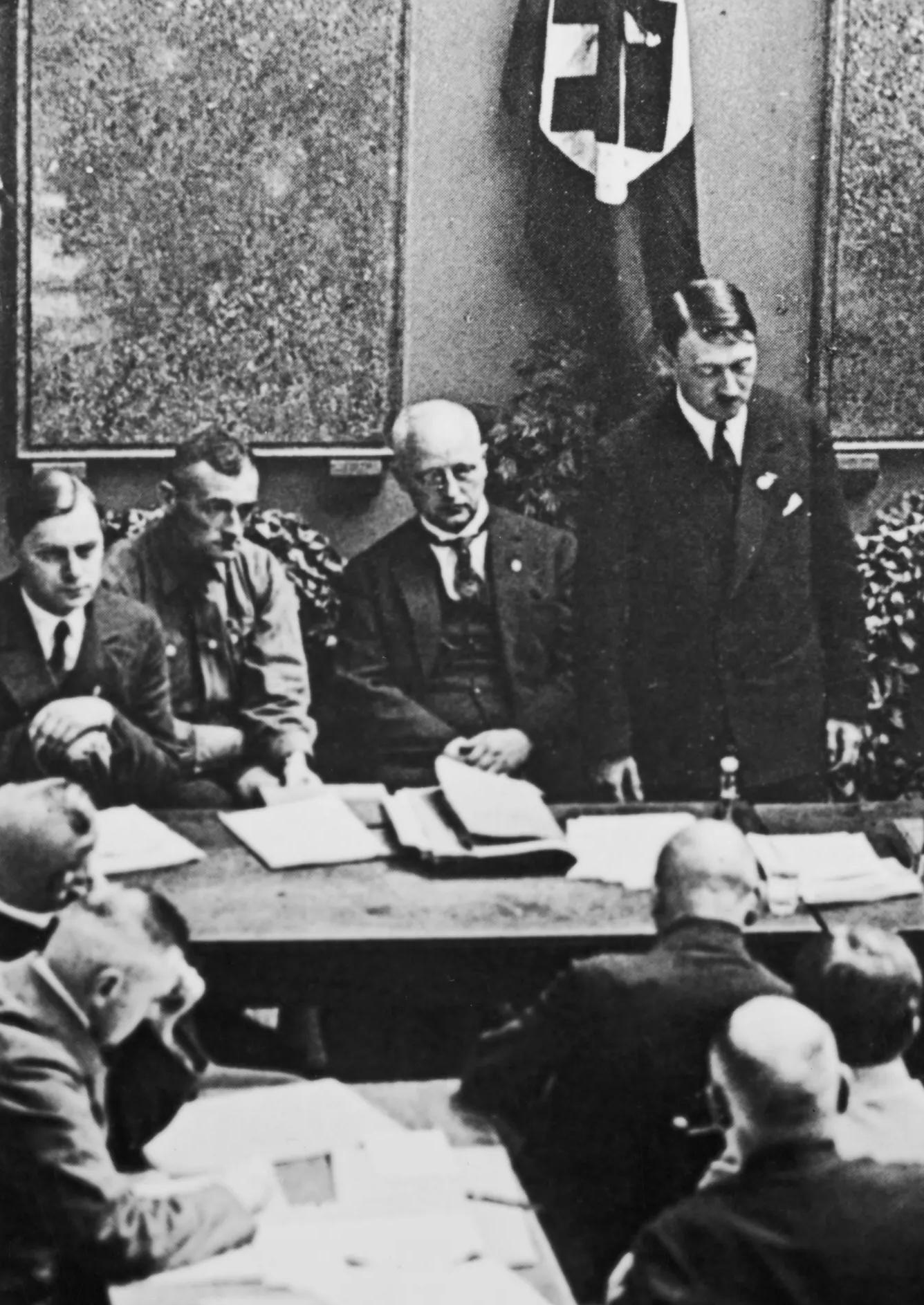
We follow the Pearson Edexcel IGCSE History specification, which combines depth study with broader thematic understanding. Pupils study a range of historical topics that allow for detailed exploration of individuals, events and structures, alongside consideration of longerterm change. The core focus is the geopolitical environment of the 20th Century, considered through the lens of Nazi Germany, the interwar period, the Cold War and the development of China.
The course typically includes:
• A depth study focusing on a defined historical period, enabling close analysis of causes, consequences and significance
• A thematic study that traces developments across time, encouraging pupils to identify patterns, turning points and continuity
• A modern world study, examining key international developments and their global impact
Pupils work extensively with primary sources and historical interpretations, developing the skills required to analyse provenance, utility and reliability. Assessment is by two written examinations taken at the end of Fifth Form. Papers include structured short-answer questions, source analysis, and extended evaluative essays. There is no coursework or non-examined assessment.
Enrichment and Futures
History pupils are encouraged to engage with the wider historical culture of the School, including lectures, debates and reading beyond the syllabus. The subject often features strongly in King’s Week through talks, exhibitions and cross-curricular events.
History provides an excellent foundation for A level History and supports progression into a wide range of university courses including Law, PPE, History, International Relations, Politics and the humanities. The skills developed, especially critical reading, structured argument and independent thought, are highly valued across academic and professional pathways. engineering and sustainability-related fields.

Modern Foreign Languages
(French, German, Italian, Japanese, Russian, Spanish)
Courses: French AQA GCSE 8658H
German AQA GCSE 8668H
Spanish AQA GCSE 8698H
Italian Pearson Edexcel GCSE 1IN0
Japanese Pearson Edexcel GCSE 1JA0
Russian Pearson Edexcel GCSE 1RU0
Head of Department: Mr Simon Bird (Head of Faculty and Head of French and German); Ms Lixin Liu (Head of Mandarin); Mr Tom Elliot (Head of Spanish)
Aims
Central to our ethos at King’s is the desire, through Modern Languages, to educate in the broadest sense. Learning a foreign language is not only about communication; it involves understanding the words, ideas and cultures of others in preparation for a globalised world. This combines rigorous study of grammar with wider awareness of the culture, attitudes and lived experience of the communities whose languages pupils study in the Middle School and beyond.
Skills Developed
Pupils develop secure control of grammar and vocabulary, accuracy in writing, and fluent strategies for reading and listening. Oral work is central, building linguistic progress alongside confidence and presentational skills. Pupils learn to communicate spontaneously, respond to misunderstandings, and express ideas clearly for different audiences and purposes.
Course Content
French, German and Spanish (AQA) are taught to GCSE with equal emphasis on speaking, writing, reading and listening. A structured approach to grammar acquisition is supported by the internal examination system. Fifth Form pupils have weekly conversation lessons with a language assistant, strengthening pronunciation, spontaneity and confidence.
The GCSE in Modern Foreign Languages is usually comprised of the following:
• Speaking (25%) includes role play, reading aloud and discussion of a visual stimulus, moving from prepared to more spontaneous interaction.
• Writing (25%) includes short and extended responses plus translation into the target language, with no coursework element
• Reading (25%) uses a range of texts and question types, including translation into English.
• Listening (25%) uses varied recordings and question types, including dictation.
For Italian, Japanese and Russian (Edexcel), pupils may continue off-timetable study from Shell into Remove and Fifth, working towards GCSE depending on ability and numbers, or maintaining the language as a co-curricular commitment. Native or bilingual speakers may prepare for an early GCSE, typically at the end of Remove.
Enrichment and Futures
The department encourages pupils to engage with the wider cultural life of the School through debating competitions, film evenings, translation challenges and exchange programmes. King’s Week showcases language, film and performance, while study trips abroad provide authentic cultural immersion.
Modern Languages support a wide range of university pathways, including degrees combining languages with humanities or social sciences. Strong linguists from King’s have progressed to courses such as Linguistics at Cambridge, and language qualifications remain highly valued across competitive applications and careers including law, banking, civil service, media, diplomacy and interpreting.
Music

Course: Pearson Edexcel GCSE Music (9–1) MU0 Head of Department: Mr Greg Swinford (Head of Academic Music)
Aims
Music at King’s aims to develop pupils as thoughtful, skilled and versatile musicians. The course encourages active engagement with music as performers, composers and listeners, building technical fluency alongside creativity and critical awareness. Pupils explore a wide range of musical styles and traditions, learning to appreciate music as both an expressive art form and a structured discipline while developing confidence for further study.
Skills Developed
Pupils develop performance skills on at least one instrument or voice alongside compositional technique and musical literacy. They learn to analyse music using appropriate terminology, recognise stylistic features across genres, and apply their understanding creatively. The course also builds discipline, independent practice habits and collaborative skills through ensemble work.
Course Content
The Edexcel GCSE Music course is structured around three components: Performing, Composing and Appraising.
Component 1: Performing (30%) Pupils record both solo and ensemble performances during Fifth Form, preparing suitable repertoire with their instrumental or vocal teachers. Performances are assessed as coursework and externally moderated.
Component 2: Composing (30%) In Remove, pupils develop compositional skills through guided projects across different genres, using staff notation (via Dorico) and music technology (Logic Pro). In Fifth Form, pupils complete two composition coursework projects, working with increasing independence.
Component 3: Pupils study eight set works from four areas of study:
• Instrumental Music 1700–1820
• Vocal Music
• Music for Stage and Screen
• Fusions
Assessment is through a written examination based on recorded extracts, testing listening skills, knowledge of set works and analysis of unfamiliar music. There is no written coursework beyond performance and composition submissions.
Enrichment and Futures
Music at King’s is enriched through ensembles, choirs, orchestras and regular performance opportunities. Pupils are encouraged to take part in concerts, recitals and collaborative projects, many featured during King’s Week.
The course provides strong preparation for A level Music or Music Technology and supports progression into performance, composition, production and a wide range of creative and academic pathways. The discipline, creativity and analytical skills developed through Music are highly transferable and valued beyond the performing arts.
Physical Education
Course: OCR GCSE Physical Education (9–1) J587
Head of Department: Ms Sophia Scott
Aims
GCSE Physical Education at King’s provides pupils with a rigorous and engaging insight into the academic study of sport, health and physical activity. The course aims to balance theoretical understanding with practical application, enabling pupils to explore not only how the body performs but why performance is influenced by physical, psychological and sociocultural factors. It is designed both as a strong precursor to A level Physical Education and as a subject that develops informed, reflective and physically literate young people.
Skills Developed
Pupils develop analytical and evaluative skills through the study of performance data, case studies and applied examples. Practical performance builds confidence, teamwork, leadership and decision-making under pressure. The course also develops research skills, structured written communication and the ability to apply theory to real sporting contexts.
Course Content
The OCR GCSE Physical Education specification has been designed to align closely with the demands of A level while remaining accessible and engaging. Over the two-year course, pupils study the following components:
Theory components (60%)
• Physical factors affecting performance (30%) Topics include applied anatomy and physiology, movement analysis, physical training and injury prevention.
• Socio-cultural influences and sports psychology (30%) Topics include sports psychology, health, fitness and wellbeing, and the role of sport in society.
Both theory components are assessed by onehour written examinations, structured in clear sections to support understanding and exam technique.
Non-examined assessment (40%)
• Practical performance (30%) Pupils are assessed in three activities, including at least one team sport and one individual sport. Performances are internally assessed and externally moderated.
• Analysis and Evaluation of Performance (AEP) (10%) Pupils complete a written coursework task analysing their own or another performer’s performance and suggesting strategies for improvement.
Practical assessment is woven into the fabric of the course and takes place in authentic sporting environments rather than classroom settings.
Enrichment and Futures
Physical Education pupils benefit from close integration between classroom learning and the School’s strong sporting culture. The subject encourages pupils to engage deeply with sport both as performers and analysts, reinforcing learning through practical experience.
GCSE Physical Education provides a strong foundation for A level Physical Education and supports progression into sports science, psychology, physiotherapy, coaching and related fields. The transferable skills developed, including leadership, resilience, teamwork and analytical thinking, are highly valued across a wide range of academic and professional pathways.
Religious Studies
Course: Eduqas GCSE Religious Studies (9-1) C120P3
Head
of Department: Dr Daniel Cardinal
Aims
Religious Studies at King’s is an intellectually rich and inclusive subject, suitable for pupils of all faith backgrounds and none. The course takes an issues-based approach, encouraging pupils to explore fundamental questions about life, death, relationships, good and evil, justice and human rights. The aim is not only to develop knowledge of religious and non-religious worldviews, but also to foster thoughtful, reflective and informed engagement with the moral and philosophical questions that shape modern society.
Skills Developed
Pupils develop the ability to construct clear, balanced and well-evidenced written arguments. They learn to analyse different viewpoints, evaluate beliefs and practices, and express their own ideas with clarity and sensitivity. The course strengthens critical thinking, ethical reasoning and respectful discussion, all of which are central to academic success and responsible citizenship.
Course Content
We follow the WJEC Eduqas GCSE Religious Studies specification, which provides a broad and coherent introduction to religion, philosophy and ethics.
Component 1: Religious, Philosophical and Ethical Studies in the Modern World (50%) Pupils study contemporary issues through themes including:
• Issues of Relationships
• Issues of Life and Death
• Issues of Good and Evil
• Issues of Human Rights
Component 2: Study of Christianity (25%). This component examines Christian beliefs, teachings and practices, including the nature of God, creation, Jesus Christ, salvation, worship, sacraments, pilgrimage, the worldwide Church and Christianity in Britain.
Component 3: Study of a World Faith: Islam (25%). Pupils study Islamic beliefs and practices, including the nature of Allah, prophethood, angels, the afterlife, the Five Pillars of Islam, the Ten Obligatory Acts, jihad, and Muslim life in Britain and beyond.
Assessment is by three written examinations. There is no coursework or non-examined assessment. Pupils are required to demonstrate knowledge, understanding and evaluation through structured and extended written responses.
Enrichment and Futures
Religious Studies encourages pupils to engage with debate, discussion and contemporary ethical issues beyond the classroom. The subject complements many other disciplines, including History, English, Philosophy, Politics, Geography and the sciences.
GCSE Religious Studies provides an excellent foundation for A level Religious Studies and Philosophy, and supports progression into Law, Medicine, Social Sciences, Theology and humanities-based degrees. The evaluative writing skills and ethical awareness developed are also highly valued across a wide range of university courses and careers.
Life Matters
Course Lead: Ms Kim Budden, Head of Life Matters
Aims
Life Matters at King’s is a structured programme supporting pupils’ personal development, wellbeing and readiness for life beyond the classroom. The course helps pupils develop self-awareness, resilience and ethical understanding, equipping them with the knowledge and skills to navigate adolescence with confidence and responsibility. Academic success is understood to be closely linked to wellbeing, character and relationships, and the programme provides a thoughtful space to explore identity, health, relationships, citizenship and decision-making.
Skills Developed
Through Life Matters, pupils develop emotional literacy, reflection and communication skills. They learn to express ideas respectfully, listen to different viewpoints and engage with sensitive topics in a mature and balanced way. The course strengthens decision-making, self-regulation and help-seeking behaviours, alongside practical life skills related to health, safety and personal responsibility. Pupils also build confidence in discussing moral and social issues and develop strategies for managing pressure and change.
Course Content
Life Matters is delivered through a structured programme across the Middle School, with themes revisited and developed over time to ensure progression.
Core areas typically include:
• Physical and mental health, including wellbeing, sleep, nutrition and coping strategies
• Relationships and sex education, focusing on respect, consent and healthy communication
• Identity and personal development, including self-esteem, online identity and belonging
• Digital literacy and online safety, including social media and responsible technology use
• Citizenship and society, including equality, diversity, human rights and the law
• Risk, safety and decision-making, including substance awareness, personal safety and financial basics
The programme responds to contemporary issues and is delivered by trained staff working closely with pastoral teams to ensure appropriate support where needed. Life Matters is not externally examined but remains an integral part of the Middle School curriculum.
Enrichment and Futures
Life Matters supports pupils in becoming confident, grounded and ethically aware individuals, prepared for the independence of Sixth Form and adult life. The programme complements academic study by strengthening reflection, responsibility and resilience. The skills developed are highly transferable and support future pathways requiring leadership, teamwork, ethical judgement and strong interpersonal skills, while contributing to a respectful and supportive school culture.
I/GCSE Boards, Subject Codes, Syllabuses & Heads of Department Contact Details