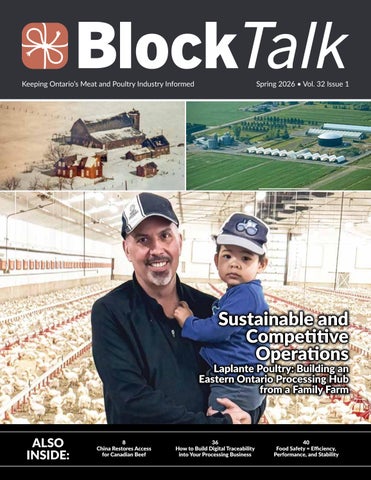
BlockTalk SPRING 2026 - The 'Sustainable and Competitive Operations' Issue
Sustainability is not something members must navigate alone. One of Meat & Poultry Ontario’s greatest strengths is the expertise surrounding our processors. Associate Members help plants operate more sustainably and competitively, offering practical solutions—environmentally responsible packaging, waste reduction strategies, high-efficiency equipment, monitoring systems and process improvements that cut energy use. They understand meat processing and help identify investments that make operational and financial sense.
At the Centre for Meat Innovation and Technology, members have hands-on support to address operational challenges. Whether refining yields, improving sanitation, testing new processes or reducing plant-floor waste, CMIT provides a practical environment to experiment and problem solve. Sustainable gains often begin with small adjustments.
Energy remains a major cost pressure. Interval metres, monitoring platforms and energy management systems provide real-time and historical data to better understand consumption. With proper analysis, that data informs strategies to conserve energy, manage peak demand and prioritize capital investments with measurable returns.
Provincial programs also support electricity cost reduction and modernization, offering incentives for retrofits, energy management, electrification, solar and large upgrades, along with funding for studies and training.
Through the Member Savings Program with ECNG— combined with Associate Member solutions and available incentives—lower consumption and smarter purchasing strengthen the bottom line. Sustainable operations are competitive operations.
WhenGerhard Metzger Chair
we talk about sustainability, it is easy to think first about environmental responsibility. But for meat processors, sustainability begins with something far more immediate: saving money.
Sustainable operations are efficient operations. Every kilogram of product lost to trim mismanagement, every kilowatt of unnecessary energy use, every litre of wasted water, and every avoidable packaging expense directly impacts your bottom line. Reducing waste is sound business strategy.
Energy efficiency alone presents significant opportunity. Monitoring usage, upgrading to high-efficiency equipment, optimizing refrigeration systems, and refining production schedules can dramatically lower operating costs.
The same principle applies to the circular economy. Waste streams that were once viewed only as disposal costs may have value when properly sorted, repurposed, or redirected. Exploring by-product markets, rendering partnerships, or alternative uses for materials can transform a liability into revenue.
Sustainability also extends to procurement and community impact. Buying local inputs, working with local service providers, and supporting Ontario-based suppliers strengthens regional supply chains while often reducing transportation costs and volatility. A strong local economy ultimately supports your customer base as well.
Competitiveness is built on consistent operational refinement—tightening yields, reducing inefficiencies, measuring performance, and acting on data. The businesses that approach sustainability as a financial discipline rather than a compliance exercise will be the ones that thrive.
As you read this issue, I encourage you to view sustainability through a simple lens: where can smarter operations reduce cost, recover value, and improve resilience?
In our sector, sustainability is the pathway to long-term profitability.
VISION
A sustainable, respectful and diverse food system that celebrates the nutritional and economic value of meat and poultry.
MISSION
We strengthen the meat and poultry industry in Ontario by connecting people, influencing change and empowering our members.
MPO LIFETIME MEMBERS
• Scott McQuay (2025)
• Steve Young (2025)
• Carlos Domingos (2023)
• Richard Halenda (2021)
• Doris Valade (2019)
• Laurie Nicol (2018)
• Joe Abate (2017)
• Brian Quinn (2016)
• Graham Dalziel (2015)
• Tony Facciolo (2011)
• Pat Johnson (2005)
• Gerry Houtzager (2003)
• Leo Rocheleau (2001)
• Jim Vidoczy (2000)
• Nancy Ackert (1997)
• Dr. Ron Usborne (1996)
• Ron Deeth (1995)
MPO LONG TIME MEMBERS
Ontario Pork - 1980
Gord’s Abattoir Inc. - 1982
L’Orignal Packing Ltd. - 1986
Walnut Hill Farm - 1986
MMIS / Mondo Inc. - 1986
VG Meats - 1987
Stemmler Meats - 1988
Darling International Canada Inc. - 1988
Schinkels’ Gourmet Meats
- 1989
Springer’s Meats Inc. - 1989
Chicken Farmers of Ontario
- 1989
Jetnet Norstar Corp. - 1989
Norwich Packers Ltd. - 1991
Weston Abattoir Ltd. - 1991
Hoffman’s Meats & European Deli - 1992
Newmarket Meat Packers Ltd. - 1992
• Neil Weston, Weston’s Abattoir (2025)
• Abate Packers Ltd. (2024)
• King Cole Duck (2021)
• Hayter’s Farm, Dashwood (2016)
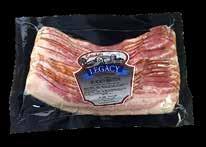
• Schinkel’s Legacy, Chatham (2014)
• Conestoga Meat Packers, Breslau (2013)
• Klever Equipped Inc. (2025)
• The Yes Group (2024)
• Pemberton & Associates Inc. (2023)
• Farm Credit Canada (2022)
• Viscofan (2021)
• Multivac Canada Inc., Brampton (2020)
Franco Naccarato, Executive Director
• Nick Van Lankveld, OMAFRA (2024)
• Natasha Barlett, OMAFRA (2022)
• Richard and Ola Halenda of Halenda’s Fine Foods (2025)
Handtmann Canada Ltd.1992
Metzger Meat Products1993
Schinkel’s Legacy - 1993
Malabar Ingredients - 1994
R Denninger’s Ltd. - 1995
Domingos Meat Packers Ltd.
- 1996
Sargent Farms Ltd. - 1996
Townsend Butchers Inc.1996
Conestoga Meat Packers Ltd.
- 1997
Pemberton & Associates Inc.
- 1998 Mallot Creek (1999)
Canada Compound Company (2000)
CP Industries (2000)
Hela Spice Canada Inc. (2000) Elora Road Meats (2000)
• In Memory of Dave Tiller (2012)
• Halenda’s Fine Foods, Oshawa (2011)
• Springer’s Meats, Hamilton (2010)
• VG Meats, Simcoe (2009)
• Stemmler’s Meat & Cheese, Heidelberg (2008)
• Leo Rocheleau, Maidstone (2007)
• Reiser Canada, Burlington (2019)
• VC999, Saint-Germain-deGrantham (2018)
• Handtmann Canada, Waterloo (2017)
• Malabar Super Spice, Burlington (2016)
• Kelly McAslan, OMAFRA (2022)
• In memoriam to Joe Abate (2024)
Welcome to the Association MPO
Building an informed and engaged membership representing a diverse Ontario meat and poultry industry.
CM Machine Services
Carlos Matos
905-793-3994
55 Stafford Drive, Brampton ON, L6W 1L3 www.cmmachineservices.net
Taverna Farms & Butchery Ltd.
Gabriel Dede
613-601-4058
2690 Stagecoach Road, Osgoode, ON K0A 2W0
Eat Curious North A merica Ltd.
Resh Diu
407-775-1268
6620 Skipper Way, Mississauga, ON L5W 1P8
Hill Global Inc.
Sreeananth Kasichayanula 647-964-2311
19 Rice Drive, Whitby ON, L1N 7Z2
Boxsys Canada Inc.
Maninder Swaich
416-725-2113
6250 Kestrel Road, Mississauga ON L5T 1Y9
ScottPec Inc.
Lad Rudik
519-836-6902
15 Southgate Drive, Guelph ON N1G 0C6
Curry Fresh Canada Inc.
Priya Dass
437-551-9166
9 Burgess Crescent Brantford, ON N3T 0J5
Meat with Me Inc.
Christopher Corsetti
905-252-1271
3304 Regional Road 12 Grassie, ON L0R 1M0
La Cultural Salumi Inc.
Jane Abballe
647-282-7707
842 Hamilton Road PO Box #23157
Belleville, ON K8P 5J3
Rua Meats Ltd.
Collin Perin
613-962-7915
275 Frankford Road
Quinte West, ON K0K 2B0
Farmers’ Local Butcher Ltd.
Nathan Augustine
519-819-7728
21865 Parrot Road
Chatham, ON N7M 5J3
Marini Foods Ldt.
John Rea
905-856-5957
120 Whitmore Road Unit 10-12
Woodbridge, ON L4L 6A4
Spring Creek Quail Farm
Ron Hay
905-246-3974
3625 Sixteen Road
Saint Anns, ON L0R 1Y0
ADMINISTRATION BOARD LISTING
EXECUTIVE DIRECTOR
Franco Naccarato franco@MeatPoultryON.ca
TECHNICAL DIRECTOR
Daphne Nuys-Hall technical@MeatPoultryON.ca
MEMBERSHIP & EVENTS
SPECIALIST
Laura Shantz member@MeatPoultryON.ca
EDITOR, BLOCKTALK MAGAZINE
Stacey Newman editor@MeatPoultryON.ca
FOOD SAFETY SYSTEMS SPECIALIST
Baljit Kheeva foodsafety@meatpoultryon.ca
DIRECTOR CMIT
Jim Reynolds cmit@meatpoultryon.ca
MARKET DEVELOPMENT
SPECIALIST
Rob Viveiros connect@meatpoultryon.ca
MARKETING & COMMUNICATIONS SPECIALIST
Hang Nguyen engagement@meatpoultryon.ca
CHAIR | Gerhard Metzger
Metzger Meats, Hensall
VICE-CHAIR | Doug Alexander
Leadbetter Foods Inc., Orillia
PAST CHAIR | Carol Goriup
Florence Meats, Oakville
SECRETARY/TREASURER | Adam Hayward
Nesbitt’s Meat Market, Lindsay
DIRECTOR | Dale Schefter Schefter Poultry Processing Ltd., Gorrie
DIRECTOR | Christine BonneauO’Neill
L’Orignal Packing, L’Orignal
DIRECTOR | Shannon Desborough
Finest Sausage & Meats, Kitchener
DIRECTOR | Rafal Rusiniak
Mosur Machine Co. Ltd., Mississauga
DIRECTOR | Darren Telepanich Domingos Meat Packers Inc., Arthur
DIRECTOR | Mihir Mukherjee Unipac Packaging Products Ltd., Toronto
DIRECTOR | Peter Sanagan Sanagan’s Meat Locker, Toronto
BlockTalk is the official publication of the MPO, distributed to over 250 MPO members, commodity groups, and others throughout the industry, providing excellent advertising opportunities for suppliers of the meat and poultry industry to promote their newest, most innovative, supplies, equipment, and technology.
BlockTalk encourages Associate Members and supporters of the industry to submit articles which would be beneficial to our members.
ADVERTISING DEADLINES 2026
Spring January 25
Summer May 3
Fall July 26
Winter October 25
The information published in BlockTalk is compiled from a variety of sources, which we believe to be reliable; however, MPO does not guarantee, and assumes no responsibility for the correctness of the information.
Spice & Seasoning Blends
Rubs & Decor Seasonings
Brine Injection Units
Curing Salt
Sausage Seasonings
Sausage Binder Units
Functional Food Ingredients
Custom Blending
China Restores Beef Access, Reopening Major Export Channel for Canadian Producers
By Stacey Newman
Meat & Poultry Ontario and the Canadian Meat Council (CMC) welcome the federal government’s renewed approach to international engagement, including the reinstatement of access for Canadian beef to the Chinese market.
In a statement issued at the end of January, the CMC says that it supports efforts to recalibrate key international relationships “to strengthen Canada’s economic resilience through diversified trade and strategic investment, grounded in economic realism and commercial common sense.”
Advocacy organizations are enthusiastic about the Government of Canada’s efforts to reinstate access for Canadian beef to China as an important and hard-earned milestone for producers and processors across the country, and
TURNKEY OPPORTUNITY
This provincially inspected 6,225 sq ft meat processing facility is built to federal standards and equipped with premium European machinery This property offers expansion potential, segregated production rooms, and an on-site residence, creating a ready-to-operate, growth-focused investment
PROPERTY FEATURES
5,025 sq ft personal residence
Approval 15,000 sq ft expansion
18,500 kg Drying Capacity
47 Acres Backing onto 401
stakeholders across the country can look forward to additional collaboration with officials and industry partners to ensure a smooth resumption of trade flows.
“The reinstatement of beef access is a very positive development and a welcome sign of renewed cooperation,” CMC chair Russ Mallard says. “We commend the Government of Canada for this achievement and look forward to continued collaboration to achieve full market normalization for both beef and pork.”
The council emphasized the importance of continued dialogue toward full normalization of red meat trade with China, including the removal of remaining tariffs on Canadian pork.
In 2021, Canada exported approximately $1.75 billion in red meat to China, according to the CMC, which described the market as strategically important for Canadian producers and processors. The organization also noted that Canadian red meat exporters have established the Canadian Meat Advocacy Office in Beijing as part of efforts to strengthen advocacy and commercial relationships in the market. China’s reinstatement follows a suspension that began in December 2021 after an atypical case of bovine spongiform encephalopathy in Alberta.
Federal Agriculture Minister Heath MacDonald said a Canadian company was preparing its first shipment of beef to China under the renewed arrangement, and, additionally, that a Chinese importer has ordered 60,000 metric tonnes of Canadian canola seed, as reported by The Canadian Press.
842 HAMILTON RD QUINTE WEST, ON
The Canadian Cattle Association (CCA) also welcomes renewed access. “Producers and ranchers are pleased to see renewed access into China, one of the largest export markets for beef. Every market matters to Canadian beef farmers and ranchers; it supports our industry’s resilience and growth,” says CCA president Tyler Fulton.
After a four-year suspension, exports resume to China as Canada’s beef and veal exports approach $4.9 billion in 2025.
The Canadian Society of Customs Brokers said on January 23rd that China has resumed imports of beef from Canadian establishments eligible and registered in China’s CIFER system. Exporters are directed to consult the Canadian Food Inspection Agency’s Meat Export Library for specific export requirements, according to CSCB.
China was Canada’s fourth-largest beef export market before the 2021 suspension.
Statistics Canada data show Canada’s beef and veal exports are valued in the billions of dollars annually, with the United States remaining the dominant destination market.
According to Agriculture and Agri-Food Canada data compiled from Statistics Canada, Canadian beef and veal exports totalled approximately $4.85 billion through November 2025, an increase of about 8.7 per cent compared with the same period in 2024.
The United States remained the largest destination market in 2025, with exports valued at more than $3.8 billion through November, according to the same dataset. Japan, Mexico, South Korea and Vietnam were also among the leading markets by value.
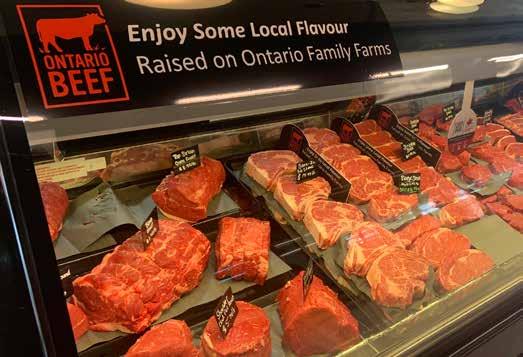
ONTARIO BEEF SECTOR BY THE NUMBERS
From Ontario Beef
• Ontario’s beef industry sustains more than 56,400 jobs.
• The value of Ontario beef exports exceeds $909 million and 99,442 metric tonnes annually.
• There are currently 915,700 beef cattle on Ontario farms. There are 10,050,400 beef cattle in Canada.
• There are about 19,000 beef farmers in Ontario, and beef farming can be found in every county and district across the province.
• The average Canadian consumes 16 kilograms of beef per year.
• An average Ontario beef animal gives 305 kilograms of beef.
• Grasslands used in Canadian beef production help sequester approximately 1.9 billion tonnes of carbon.
Hidden Hazards: Why Undeclared Allergens Keep Slipping Through
By Baljit Kheeva, Food Safety Systems Specialist, Meat & Poultry Ontario
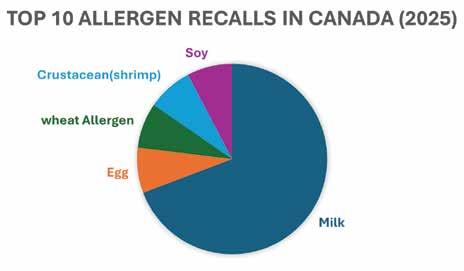
When Canadians read a food label, most expect that the ingredient list tells the whole story. For the nearly three million Canadians living with food allergies, that trust can be a matter of life and death. Still, undeclared allergens remain one of the top causes of food recalls, raising serious questions about how these hidden hazards continue to find their way into grocery carts.
In recent months, the Canadian Food Inspection Agency (CFIA) has issued multiple recalls tied to undeclared allergens—shrimp in frozen meals, milk proteins in chocolate, and tree nuts in crackers. Each case underscores the same truth: allergen control continues to be one of the weakest points in modern food production.
Why Allergen Control Is So Challenging
Unlike microbial hazards, which can be destroyed by heat or processing, allergens are resilient. A trace amount of peanut protein or milk residue can trigger a severe reaction,
even anaphylaxis, in sensitive individuals. The risks are compounded by the complexity of today’s food supply chain.
While regulators have strengthened oversight, enforcement alone cannot solve the problem. Bringing to the conclusion
Many smaller processors rely on co-packers and shared production facilities where cross-contact is difficult to eliminate. Ingredient sourcing from multiple global suppliers also increases the risk of errors—a mislabelled bulk shipment or a supplier change without proper documentation can slowly result in a major recall.
Human error is another frequent factor. Something as simple as applying the wrong label during a high-speed packaging run can place consumers at risk. In other cases, new product development outpaces allergen control plans, and staff training lags innovation.
The Regulatory Perspective
Canada, like many jurisdictions, requires clear labelling of priority allergens, including peanuts, tree nuts, milk, eggs, soy, wheat, sesame, seafood, and sulphites. CFIA enforces these rules and responds swiftly to undeclared allergen incidents, often triggered by consumer complaints or company self-reports.
that the system needs to be proactive rather than reactive. The emphasis is shifting toward prevention, with regulatory bodies encouraging processors to build robust allergen management into their food safety programs.
Industry Best Practices
Many companies are stepping up their controls. Leading practices include:
• Dedicated production lines for allergen-free items wherever feasible.
• Validated cleaning protocols that ensure equipment is free of allergenic residues between runs.
• Strict supplier verification, including allergen declarations and random testing.
• Barcode or vision systems that reduce labelling errors by scanning packaging before use.
• Regular staff training to keep allergen awareness at the forefront.
For smaller operators, these measures can be resourceintensive. Still, experts stress that prevention is always less costly than a recall—both financially and in terms of brand reputation.
The Consumer Impact
For families managing food allergies, recalls create both anxiety and vigilance fatigue. Each new alert means another scan of ingredient lists, another cautious review of favourite products, and often, another round of explaining to children why a trusted snack is suddenly off limits.
Allergy advocacy groups stress that beyond regulatory and industry responses, communication matters. Clear, timely recall notices and transparent labelling are essential to rebuilding consumer trust.
Looking Ahead
Food allergies show no sign of disappearing. If anything, prevalence appears to be rising, especially among children. That reality makes allergen control a central pillar of food safety — not a niche issue.
Processors, regulators, and consumers alike have a role to play. Stronger supply-chain management, investment in prevention technologies, and continued public education are all needed to reduce the frequency of recalls.
Until then, Undeclared allergens remains one of the toughest, and most personal, food safety problems we face.
Gene‑edited Meat in Canada: To Label or Not to Label?
By Gwendolyn Blue, Professor, University of Calgary
The Canadian government’s recent approval of the first gene-edited animal to enter the food system has reignited debates over whether foods produced using genetic engineering techniques should be labelled.
Gene-edited animals, including faster-growing fish, heattolerant cows and disease-resistant pigs, have already been approved in the United States, Japan and several countries in South America. These decisions, including Canada’s approval, were made with limited public awareness and input.
Advocacy groups such as the Canadian Biotechnology Action Network, political parties including the Bloc Québécois and organic pork producers are calling for mandatory labelling of gene-edited meat in Canada.
Public Demand
Public opinion research indicates that many Canadians view labelling gene-edited foods as essential. Polling commissioned by the Canadian Health Food Association suggests many Canadians want greater transparency about the use of gene editing for food production.
Studies in the United States also suggest that consumer acceptance increases when the benefits of gene editing are clearly communicated.
Similarly, a survey commissioned by the company that developed Canada’s first approved gene-edited pig found that many Canadians would consider purchasing gene-edited pork if health and environmental benefits were delivered.
Why label gene-edited meat?
Food labelling serves multiple purposes: it provides information about a product’s ingredients and the production methods involved. Labels also play a democratic role by promoting transparency and accountability. This in turn allows consumers to make choices that reflect health considerations as well as their ethical, political and environmental values.
Debates over the labelling of gene-edited meat often hinge on tensions between ethical principles such as protection and autonomy. On the one hand, governments are tasked with protecting the food supply and ensuring food safety.
On the other hand, individual consumers have the right to know how food is produced and to make choices accordingly.
Proponents of labelling argue that consumers have a fundamental right to know what’s in their food, how it was produced and what potential risks are involved.
With gene-edited meat, public concerns include health and safety risks, as well as environmental consequences, animal welfare, corporate control of the food system via patents and licensing and threats to food sovereignty.
For example, gene-edited animals could potentially be harmed by unintended consequences, including off-target side effects. It is imperative to ensure traceability in commercial settings with clear mechanisms to report on animal health and welfare.
By enhancing consumer choice, labelling can also foster market competition.
Opponents of labelling argue that gene-edited foods are scientifically proven to be safe and that labelling could mislead consumers into assuming there is a risk where none exists. They argue that labels can create fear and confusion, potentially undermining the adoption of breeding techniques that could enhance health, reduce environmental impacts and improve food security.
Labelling also has political consequences. Market-based approaches shift responsibility to individual consumers, which can foreclose other avenues for collective decisionmaking about how food systems should be governed.
Mandatory Versus Voluntary Labelling
Canada currently doesn’t require the labelling of genetically modified (GMO) or gene-edited foods. Under the Food and Drugs Act, labelling is mandated only when a product poses a health or safety concern.
This is at odds with approaches elsewhere. For example, the U.S. National Bioengineered Food Disclosure Standard requires companies to label genetically engineered foods, while decisions about the labelling of gene-edited foods are made on a case-by-case basis.
In Canada, voluntary labelling is permitted provided it’s truthful and not misleading. The Canadian Standards Board, scheduled soon to cease operations due to budget cuts, provides guidance on voluntary labelling for genetically engineered foods. Notably, its definition of genetic engineering excludes both conventional breeding and gene editing.
The Canada organics sector relies on voluntary non-GMO food labelling. Similar to international organic standards, certified organic products in Canada prohibit the use of genetically engineered and gene-edited seeds, feed and food.
Following Health Canada’s approval of gene-edited pigs in January, organic pork producer duBreton introduced Canada’s first verified non-gene-edited and non-cloned meat label.
This proposed label was also a response to a now-paused federal proposal to exclude cloned animals from the definition of novel foods, a move that would allow cloned meat to enter the market without consumer or government notification.
A Lack of Public Engagement
The labelling of gene-edited meat raises several questions. Food labels can support consumer autonomy and transparency, but labels are not good at conveying complicated information. Labels also privilege market forces for making collective decisions, instead of other democratic processes such as public deliberation and stringent regulation.
In a regulatory context that largely promotes biotechnology while offering few opportunities for meaningful public engagement, it remains unclear whether labelling is the most effective democratic approach to gene-edited meat
As gene-edited animals potentially become more common in global food systems, the question is not just whether to label these products, but which political opportunities labelling creates or restricts — and for whose benefit.
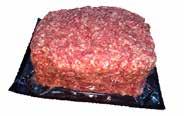
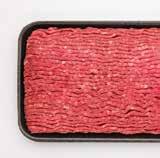
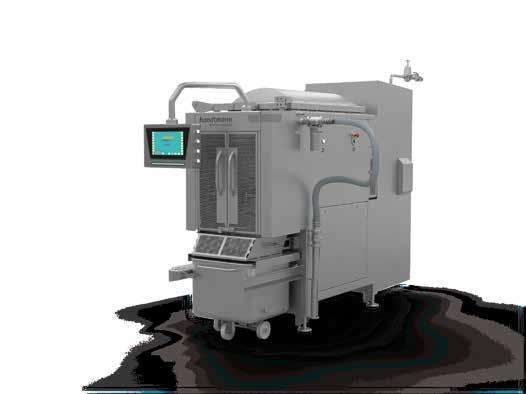
RISCO Ground Beef Systems are designed for producing ground meat from various sources such as beef, pork, chicken, and turkey, ensuring uniform portions for further processing.
One of the key features is the ability to portion and deposit the ground meat directly into trays without manual intervention by the operator. Tray loaders automate the loading of trays, reduce manual labor and speed up the production line. Combining these components creates a streamlined ground meat production system that meets quality standards and enhances productivity. RISCO’s commitment to innovation and efficiency makes them a reliable choice for industrial meat processing. Scan
Grasselli SSI Canada
Precision Technology Built for a Changing Protein Sector
By Stacey Newman
Grasselli SSI Canada began operating as a direct arm of Italian equipment manufacturer Grasselli S.p.A. in 2019 to support Canadian processors directly, rather than relying on third-party distribution.
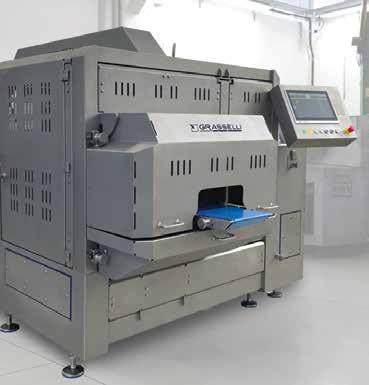
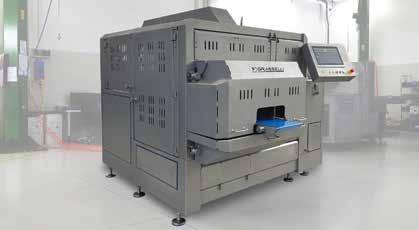
Five years later, the Oakville-based operation now supplies slicing, skinning and portioning equipment to customers across the country, ranging from some of Canada’s largest meat companies to smaller, independent operations. Its machines, designed and manufactured in Italy, are used in poultry, beef and pork processing facilities where accuracy, yield and consistency are critical.
Grasselli S.p.A. was founded in 1974 by engineer Giorgio Grasselli. The company began with skinning machines for the pork sector and expanded over the decades into industrial slicing, portion control and automated processing systems.
Operations manager Geraint Paul joined Grasselli SSI Canada at its inception in 2019. His background was working in senior warehouse and customer support roles, but since 2019, he has become a central figure in the company’s growth as demand increased.
Shortly after Grasselli SSI Canada launched, the pandemic reshaped operations across the meat sector. While many industries slowed, processors used downtime to focus on maintenance, upgrades and equipment reliability. That shift drove unexpected demand for Grasselli’s machines and service support.
Paul’s role expanded quickly. What began as parts handling and customer calls evolved into overseeing daily operations,
logistics, service coordination and customer support from the Oakville facility.
Grasselli SSI Canada now operates with a lean but expanding team that includes a national sales manager and an in-house technician. The company serves customers in just about every province and territory. Paul expects the Canadian operation to continue growing as processors invest in automation.
The company’s core market is protein processing, with particular strength in poultry splitting and portion control. Grasselli machines are also widely used for beef and fresh pork slicing. Customers include large processors such as Cargill, Maple Leaf Foods and JBS, as well as regional plants and independent butcher shops.
Grasselli’s product range reflects both its history and its focus on innovation. The company remains well known for skinning and derinding machines, which are still used across the industry. From there, the portfolio expanded to vertical and horizontal slicers, cross-cut machines for dicing and increasingly advanced smart slicing systems.
One of Grasselli’s key differentiators is intelligent portioning technology. Advanced slicers scan incoming product to assess weight and shape, then automatically adjust blade positioning to deliver precise cuts. The goal is to maximize yield while maintaining consistent portion sizes, an increasingly important requirement in both foodservice and retail supply chains.
Paul says customers are often surprised by the accuracy of the technology once they see it in operation. Machines can be programmed to deliver exact target weights across variable raw materials, reducing giveaway and manual labour.
Newer machines, such as the OSL, use a single oscillating blade operating at extremely high speed. The blade
Geraint Paul
movement is nearly invisible, yet the system produces precise cuts that meet strict portion specifications. These systems are designed for high-throughput environments where consistency and efficiency are paramount.
Beyond slicing and skinning, Grasselli is expanding into automated line components, including robotic handling systems that move product downstream after cutting. Tray-filling and pick-and-place solutions are increasingly in demand as processors look to reduce labour dependence and improve line integration.
For Grasselli SSI Canada, service and training are considered part of the product. Every machine installation includes on-site training delivered by Grasselli technicians and sales staff. Training typically spans several days and covers setup, operation, disassembly, cleaning and maintenance.
Technical support is available by phone and email, and technicians are deployed on the road as required. Grasselli SSI Canada also draws on a broader North American service network when additional support is needed.
Paul says after-sales support is a defining feature of the business. Equipment downtime has immediate financial consequences for processors, making reliability and responsiveness critical.
The Oakville facility now includes a test kitchen where customers can bring their own product to see how Grasselli machines perform under real conditions. The space allows processors to evaluate yield, portion accuracy and throughput before committing to a purchase. Paul says the test kitchen has become an important tool for building trust and long-term relationships.
Looking to the future, industry-wide challenges remain, such as rising raw material costs and persistent labour shortages, which continue to pressure processors. Economic uncertainty and trade volatility have also caused some companies to delay major capital investments.
Paul says those factors led many customers to pause projects temporarily during the pandemic and the uncertain trade conditions in North America, but momentum has returned in recent months. Projects that were shelved are moving forward again as processors adapt to the current economic environment.
Grasselli SSI Canada has remained relatively insulated from some trade disruptions because machines are sourced directly from Italy rather than the United States. However, broader economic conditions still influence purchasing decisions.
Paul says activity has increased noticeably, with renewed interest in automation and yield optimization as processors plan for the long term.
Paul says that Meat & Poultry Ontario (MPO) membership plays an important role in Grasselli SSI Canada’s growth. The company is active in trade shows and events such as the Meat Industry Expo, where initial conversations have led to long-term partnerships. Paul credits those events with helping introduce Grasselli technology to new customers and strengthening relationships with existing ones.
Grasselli SSI Canada is an active MPO member and participates regularly in MPO events and publications. Paul says the association provides valuable opportunities for networking and industry visibility.
Paul’s own career path did not begin in meat processing. He studied advertising and marketing before realizing that office-based work was not the right fit. He later moved into warehouse management and logistics roles in aerospace coatings and medical supply distribution before joining Grasselli SSI Canada.
The transition into food processing equipment proved to be a good fit. Paul says it is the first role in which he has felt deeply engaged and able to see the direct impact of his work.
One of the most tangible rewards, he says, is encountering products processed on Grasselli machines in everyday settings. Seeing equipment he supports operating in large retail environments reinforces the scale and importance of the work.
Paul’s message to processors and industry stakeholders is straightforward. Technology alone is not enough. Long-term value comes from service, support and partnership after the sale.
Grasselli SSI Canada has positioned itself as a company that stays involved long after equipment is installed, ensuring machines perform as intended and continue to deliver value. With its growing Canadian presence, expanding automation capabilities and renewed market activity, Paul looks forward to working as a long-term partner for processors navigating an increasingly complex protein sector.
Grasselli SSI Canada
Geraint Paul Operations Manager
geraintp@grassellicanada.com
Office: (289) 291-5263 ext 71
Cell: (905) 220-4917
Laplante Poultry
Building an Eastern Ontario Processing Hub from a Family Farm
By Stacey Newman
Robert Laplante has spent most of his working life on a farm east of Ottawa, watching one operation evolve into another as markets, rules and infrastructure changed around it.
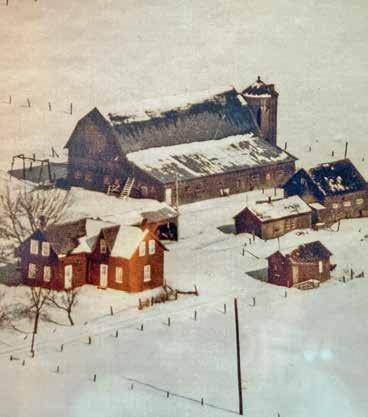
The Laplante family farm dates to 1965, when his parents bought the property where he was born and raised. Laplante said his father started with seven cows and 50 acres. The farm grew steadily into a dairy operation and by 1993 was milking about 200 cows on roughly 450 acres.
That year, a fire destroyed the farm buildings. Laplante said most of the cattle were saved, but the loss brought the dairy chapter to an end. The family sold its dairy quota and, in 1994, shifted into broiler chicken production.
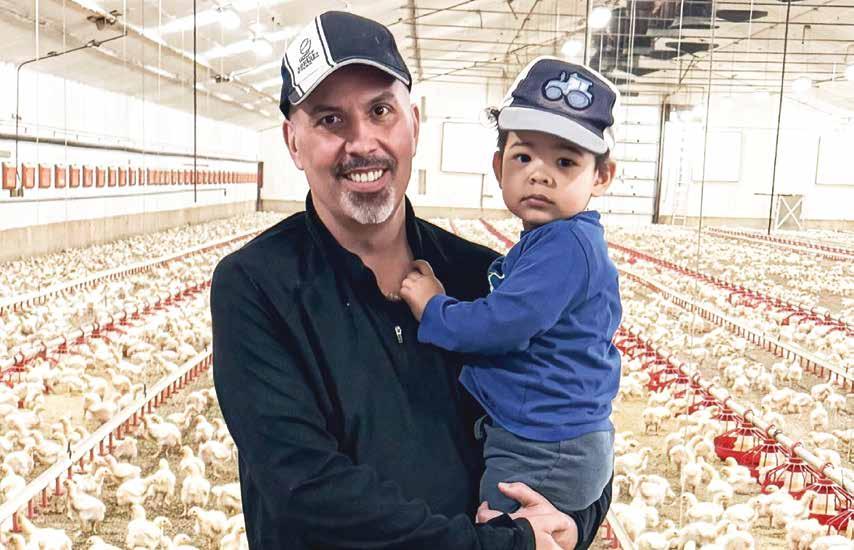
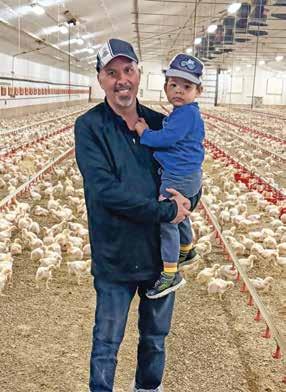
The move was transformative. Laplante said the farm built two one-storey poultry barns that were unusual for Ontario at the time. Influenced by European design, the barns were equipped so trucks could load birds and deliver chicks inside the building, reducing outside exposure and improving workflow. Equipment was sourced from the Netherlands, and radiant floor heating was installed.
He said the decision put the farm ahead of its time. Today, Chicken Farmers of Ontario guidelines favour singlestorey barns for modular loading, a standard that became widespread years after the Laplante barns were built.
Expansion continued through the late 1990s and early 2000s. Laplante said an on-farm feed mill was established in 1998, allowing the operation to manufacture its own feed. By the end of 2004, the farm had expanded to about 1,400 acres of cropland to support feed needs and crop rotation.
Laplante Poultry, as a company, was established in 2005. Laplante said its earliest commercial activity was not chicken processing. Instead, he was involved in niche poultry, including geese and quail. He described raising geese on the farm for about five years, with birds processed in South Dakota and the finished product brought back for resale. Later, geese were grown through other producers in Manitoba, using the same U.S. processing route.
Chicken farming continued throughout that period. Laplante said his entry into processing came later, driven by experience on the production side and by the
realities facing Eastern Ontario growers who lacked nearby processing options.
In December 2009, he purchased a small custom-kill facility in Monkland, Ont. Laplante described it as a very small plant at the time, capable of processing about 100 chickens a day, along with limited pork and beef. What mattered, he said, was that the facility already had the zoning and licensing required for regulated processing.
By the summer of 2010, the plant began processing chicken for quota-holding producers in modest volumes. Laplante said capacity increased steadily as the facility expanded. Today, he said, the Monkland plant can process about 1.2 million kilograms per quota period.
Geography has shaped the business as much as scale. Laplante said the Monkland facility remains the only chicken processing plant between Toronto and Montreal. That isolation has required the company to become highly self-reliant.
He said Laplante Poultry operates its own live-haul trucks, refrigerated delivery trucks and waste removal. Feathers and other waste are hauled daily to Montreal. The Monkland plant employs about 40 people.
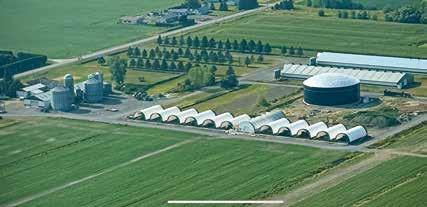
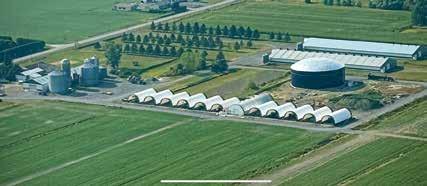
Despite the growth, Laplante said the Monkland site has almost reached its limits. After exploring industrial parks and other municipal options, Laplante decided to relocate processing to the home farm in Sarsfield, within the City of Ottawa, by converting an existing poultry barn into a processing facility.
The rezoning process took about two years and was approved in May 2025. Laplante said the main challenge was convincing municipal departments that the project should be treated as an agriculture-related use rather than a conventional industrial operation.
He said the building slated for conversion is a one-storey structure of about 25,000 square feet with a cathedral ceiling. A processing-plant designer reviewed the space and confirmed it could be adapted to modern processing requirements.
Laplante said the Sarsfield facility is intended to replace Monkland. The existing plant will remain available during a transition period to manage
risk during start-up. Once operations are stable, he expects to close the Monkland facility and likely sell the property. His target for completing the transition is the end of 2027.
The expansion is driven by a regional strategy. Laplante said Eastern Ontario chicken production has historically been processed outside the region, often in Quebec. His goal is to process Ontario-grown birds in Ontario, closer to where they are raised.
The new plant is also designed to serve a growing niche. Laplante said his operation produces hand-slaughtered halal poultry and has been certified by the Halal Monitoring Authority for about 10 years. He said demand in the halal market is growing faster than conventional chicken consumption, reflecting population growth and changing consumer needs.
Laplante said the Sarsfield plant is being designed for a processing capacity of five million kilograms per quota period. That exceeds current Eastern Ontario production, but he said he wants to build for future growth rather than repeat years of planning and approvals later.
He said the project has strong backing from local growers, including letters of support from 27 producers. About 15 or 16 producers are currently signed with his operation, he said, out of an estimated 40 to 45 growers in Eastern Ontario.
Laplante also points to language as an operational advantage in the region. As a bilingual processor, he said he can serve both francophone and anglophone growers without language barriers. He said this allows producers and workers to access processing and support services in their own community rather than crossing provincial borders.
Environmental management is another central element of the business. Laplante said wastewater management is a major constraint for rural processing facilities. He said he secured approval for a Nutrient Management Strategy and built a large, structured storage tank at the home farm. Wastewater is currently hauled from Monkland to Sarsfield and land-applied twice a year as fertilizer. He said the system turns a waste stream into a crop input and that the new plant will allow direct pumping rather than hauling.
On labour, Laplante said the company hires locally and does not rely on temporary foreign worker programs. He said employees are Canadians, including people who immigrated previously and are now citizens. The business supports retention by helping with practical needs such as transportation to and from work.
Trade and policy uncertainty remains a concern, but Laplante said his business is largely domestic. He expects any trade impacts would be more likely to affect equipment and
components than product flows. He also cited food security as an increasingly important consideration in public policy.
For Laplante, the business is inseparable from family history.
He grew up on the farm and worked alongside his parents as the operation expanded. He said his brother, who was also involved in the farm, passed away in a farming accident in 1998. Laplante describes that loss as formative, reinforcing both responsibility and resolve as he continued building the business.
His father remained a strong supporter of the operation until his death in 2016 at age 72. Laplante said his mother, now in her 80s, still comes into the office daily and continues to be involved in the business. He said that routine and a sense of purpose remain important to her, and to him.
Laplante has two sisters who are not involved in the farm. He also has three adult daughters pursuing careers outside agriculture and a young son who is still a toddler.
While he acknowledges the possibility of future family involvement, Laplante said the current expansion is not about succession planning or legacy branding. He described it as a decision rooted in responsibility to employees, local growers and the wider community. If family involvement continues in the future, he said, it will be a choice rather than an obligation.
Laplante also said that once the new facility is established, he intends to give back through food bank donations in the region.
His relationship with Meat & Poultry Ontario, he said, is practical. He strives to be an active participant; he values the organization’s support, information and advocacy.
As the project moves toward its next phase, Laplante often returns to a moment in July 2023 when the plan came together. While driving around the home farm one evening, he stopped and realized he was looking for a solution in other locations when the answer was right in front of him. Everything he needed was already there.
Laplante Poultry will soon anchor a new processing hub on land that has already weathered one major reinvention, and is now shaping another for Eastern Ontario’s poultry sector.
Laplante Poultry Farms Ltd. Robert Laplante Robertlaplante@laplantepoultry.com (613) 835-4440
Does your business need a health and safety committee or representative? Ontario requirements explained
By: Workplace Safety & Prevention Services
Everyone has a role to play in workplace safety, no matter the size of your business. Under Ontario workplace health and safety law, the Occupational Health and Safety Act (OHSA), workers have the right to be part of the process of identifying and resolving workplace health and safety concerns. This is called the “right to participate.”
Workers can use this right to participate as a worker member of a joint health and safety committee (JHSC) or become a worker health and safety representative (HSR). Both the JHSC and HSR act as role models and partners in your organization. They help spot potential hazards and suggest solutions to keep your workplace compliant and workers safe.
Some businesses are required to have an HSR or JHSC, depending on their workplace size and what OHSA regulations apply to their business. Find out if your business
needs an HSR or JHSC, what this means and what you need to do as a business owner.
Does my workplace need a joint health and safety committee (JHSC) or a health and safety representative (HSR)?
Depending on the size and type of your business, you may need to establish either an HSR or a JHSC.
• 1-5 employees - you are not required to have a JHSC or HSR unless a designated substance regulation applies to your workplace.
• 6-19 employees – a committee is not required, but one employee must be chosen as the HSR.
• 20-49 employees – two members are required, and both must be certified
• 50+ employees – at least four members, two must be certified.
Continued on page 30
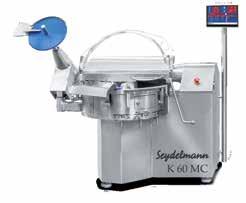
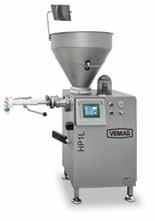
A versatile combination
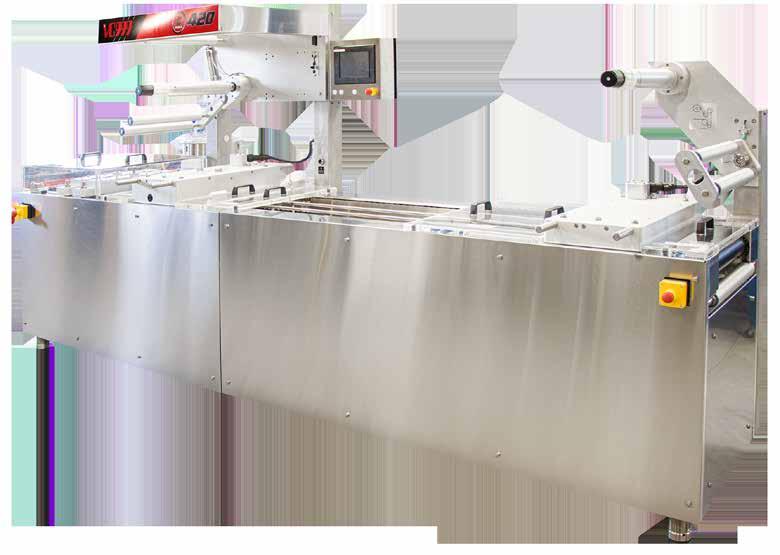
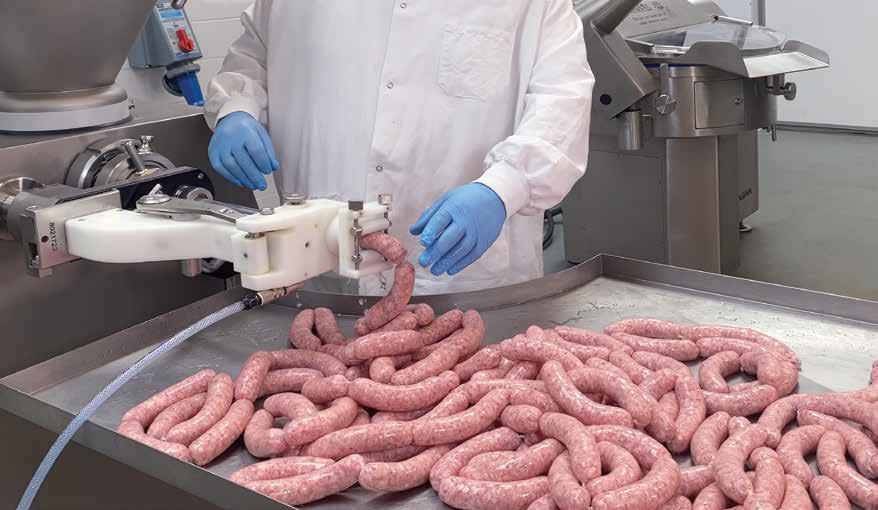
Cut, mix, portion, and link a wide range of high-quality products with the Seydelmann K60 MC Ultra Cutter and Vemag HP1L
n Short batch times – pre-cut and mix in less than one minute!
n Gentle stuffing and filling with in-line grinding
n 24 customizable recipes – repeatable quality
n Sausages with all casing types
n Burgers, bricks, chubs, even pulled pork
n Favorable financing
n Arrange a test today!
Even if you currently employ five or fewer employees, you should still understand these requirements in case your team size changes. Ultimately, regardless of the number of employees, you still need to make reasonable efforts to keep workers safe. Providing workers the opportunity to actively participate in building a safe workplace can be of huge benefit to your business.
What is an HSR?
Responsibilities of an HSR
Businesses with six to 19 employees must choose one worker HSR. Their role is to represent the employees’ views on health and safety at work. An HSR’s responsibility and role include:
• Identifying hazards: HSRs must inspect the workplace to identify actual and potential hazards. These inspections should ideally take place once a month.
• Providing consultation: HSRs need to be consulted on health and safety-related testing and investigations.
• Offering recommendations: HSRs make recommendations to the employer to improve workplace safety.
• Participating in investigations: HSRs must be involved in workplace investigations, including work refusals and critical injuries.
• Receiving safety training: HSRs should undergo basic training to effectively perform their duties. This training is often available online.
What training should an HSR have?
HSRs should undergo basic training that is available online (https://rebrand.ly/HSRtraining). The HSR eLearning basic training program covers:
• occupational health and safety law
• rights, duties and responsibilities of the workplace parties
• duties and responsibilities of the HSR under the OHSA
• common workplace hazards
• hazard recognition, assessment, control, and evaluation (RACE methodology) of hazard controls
• applying the RACE methodology (recognize, assess, control and evaluate) to a workplace hazard
• health and safety resources available to the workplace parties
What is a JHSC?
A joint health and safety committee is required in workplaces with 20 or more workers. They are also required if a toxic substance order applies or a designated substance regulation is applied to the workplace.
Responsibilities
of a JHSC
The key responsibilities of a JHSC are:
• Identifying hazards: Identifying health and safety issues and bringing them to the employer’s attention.
CANADA COMPOUND
• Offering recommendations: The JHSC makes recommendations to the employer to improve workplace safety.
• Attending committee meetings: Members meet regularly to discuss health and safety concerns, make recommendations to the employer, and follow up on progress made.
• Conducting workplace inspections: A worker member of the JHSC must inspect the workplace at least once a month. If it’s not possible to inspect the whole workplace every month (e.g. large workplace or some areas are closed seasonally), then:
- The entire workplace must still be inspected at least once a year.
- At least part of the workplace must be inspected each month.
- The JHSC must create a schedule to make sure this happens.
• Training: Ensuring that committee members are trained and certified
Who should be a part of the JHSC?
The committee has both worker and employer representatives, which promotes a collaborative approach to workplace safety. The number of members will depend on your business size.
• Fewer than 50 workers: At least two committee members who are “regularly employed”. A worker is considered regularly employed if the position exceeds (or is expected to exceed) three months.
• More than 50 workers: At least four members who are regularly employed. Half of the members must be workers who are not managers. The remaining members must be selected by the employer from people who are managers.
What training should a JHSC member have?
The OHSA requires that at least two members of the JHSC (one worker and one manager) take “certification training.” JHSC certification training in Ontario is a two-part program designed to equip employees and managers with the knowledge and skills to identify and address workplace health and safety issues. The training has two parts:
• Part One: Basic training covering health and safety law, hazard recognition, and control measures.
• Part Two: Training tailored to the hazards of the workplace.
Once these members complete Parts One and Two of the training, they are considered “certified.” The training can be delivered in various formats, including classroom settings, online distance learning, and eLearning for Part One. Training providers must be approved by the Chief Prevention Officer (CPO). You can find an approved training provider on the Ontario.ca website.
Members need refresher training every three years to keep their JHSC certification. If a certified member leaves or can’t stay on the JHSC, you must find a new committee member in a reasonable time.
The role of employers
According to the OHSA, employers must cooperate with and help the JHSC carry out its responsibilities.
Responsibilities of employers
Employers must:
• provide information that the JHSC or HSR has the power to obtain (this includes current material safety data sheets, suppliers’ information on devices that emit hazardous agents, and copies of any assessment reports on chemical or biological agents).
• respond to recommendations in writing within 21 days and include an implementation timetable or reasons for disagreement.
• provide copies of all orders and reports issued by the Ministry of Labour, Immigration, Training and Skills Development of Ontario.
• report any workplace deaths, injuries or illnesses to the committee.
• consult with JHSC or HSR on:
- assessment and control programs for designated substances and - development and review of instruction and training for workers who are or could be exposed to - hazardous materials and physical agents.
Have health and safety questions? WSPS is here to help. Contact us at 1-877-494-9777 or fill out this form, and a member of our team will contact you soon.
Thank-you to our 2025 Supporters
PLATINUM
GOLD
SILVER
4 Ways to Build Digital Traceability into Your Food Processing Business
By Trevor Bacque, Farm Credit Canada
The quest to find efficiencies in your food processing business can be a continuous challenge. Still, artificial intelligence may offer opportunities to put machine learning to work for you, especially in country-of-origin labelling, supply chain visibility, and other quality assurance measures.
AI and then traceability via AI may seem daunting, but experts agree that multiple meaningful changes can help drive implementation.
Embrace the Digital World
FCC Senior Economist Amanda Norris watches food and beverage sales, margins, forecasts and other critical data across the country. She says food and beverage processors are part of the rapid adoption of artificial intelligence. Having a program to filter and sort vast amounts of data into a usable format is incredibly useful.
“The AI gives you a sense of what the trends in consumer demand are, and, in our sales, what is not trending anymore,” Norris says. This kind of AI-generated data is also helpful for forecasting in areas such as product innovation and the ingredients people want to see in the products they purchase.
Digital traceability makes your company visible, verifiable and viable.
Traceability continues to gain momentum across all consumer demographics, Norris says, as consumers seek ways to understand better where their food products come from, how they were produced, and to verify any health- or qualityassurance-related claims a product may make. It makes it easy to communicate with your customers.
“The more aware and more documentation you have, the better,” Norris says. Being able to verify claims through documentation ultimately serves your business but also
Lisa Bishop-Spencer, executive director of the Canadian Centre for Food Integrity, agrees, adding that digital traceability makes your company visible, verifiable and viable.
“Blockchains are not just about operations, they’re about reputation, resilience and market confidence,” BishopSpencer says.
For food processors exporting to the United States and Mexico, AI traceability is an invaluable asset for digital paperwork.
Norris and Bishop-Spencer encourage processors not to get stuck on the idea of implementing AI into their business. Instead, begin with these four business practices to make small, meaningful steps to both improve and leverage traceability in your operations.
1. GO DIGITAL
Wholly digitize your business if you haven’t already. Pen and paper may be valuable for notetaking, but leave nothing financial or business-critical in the analog world, including all distributors’/suppliers’ pertinent information.
“The most important thing is just ensuring your data is managed, up-to-date and in a usable, consistent format so that you can actually draw insights from it,” Norris says.
“The information and the traceability are only as good as the inputs that go into it.”
Additionally, if you ever decide to sell your business, a digitized ledger organized with centralized data is very attractive to any prospective buyer.
2. NETWORK
Bishop-Spencer encourages processors to seek out their trusted partners. Include industry associations which represent the commodities that may be in your product, supply chain partners, research institutions and technology providers who understand the realities of food processing.
Norris adds that involvement with your province’s local food and beverage association is an opportunity to learn from others who may have gone before you, navigating rules, regulations and consumer markets. Be humble and ready to learn.
3. DO AN ON-SITE AUDIT
There are almost always cost savings to be found in areas like lighting, heating, and other things that can be controlled by AI, not only in greater cost savings but also in quality assurance claims for sustainable production practices.
4. BUILD TRUST
Examine existing tools, such as certifications you may already be eligible for and audits, to build public trust and traceability systems.
“Treat new technologies as part of your trust infrastructure,” Bishop-Spencer says. “The goal is to make trust practices more visible, credible and resilient, rather than focusing on a single technology in isolation.”
She adds that the ability to improve the integrity of what you produce can be a competitive advantage for your product and can demonstrate the standards and commitments you already uphold, from food safety to sustainability to traceability.
“That reputation to be resilient when things change and trace it all allows us to meet those consumer expectations with transparency and accountability, which goes a long way in the minds of the people who buy and consume our products.”
Traceability is a net positive for a food/beverage processor. As technology evolves, it’s important to keep up to maintain the integrity and viability of your business.
How Food Safety Strengthens Efficiency, Environmental Performance, and Long‑Term Stability in the Meat Sector
By Daphne Nuys-Hall, Technical Director, Meat & Poultry Ontario
For meat processors, sustainability and competitiveness are no longer parallel goals—they are inseparable. Rising input costs, labour shortages, evolving regulatory requirements, and increasing customer expectations are forcing businesses to examine how they operate, not just what they produce. In this environment, food safety is more than a compliance obligation; it is a cornerstone of efficient operations, environmental performance, and long-term business stability.
When food safety systems are well-designed and embedded in daily operations, they support better decision-making, reduce waste, and strengthen market confidence. For the meat sector in particular—where margins are tight, and risk is high—strong food safety programs are essential to remaining viable and competitive.
Efficiency Through Preventive Control
Meat processing is inherently complex. Multiple species, raw and ready-to-eat products, temperature-sensitive processes, and strict sanitation requirements all create points of risk. Preventive food safety systems such as HACCP and Preventive Control Plans (PCPs) are designed to manage this complexity by focusing on prevention rather than reaction.
• Reducing unplanned downtime caused by corrective actions
• Supporting consistent yields and portion control
• Improving workflow through clear, standardized procedures
For example, well-defined critical control points for chilling, cooking, or packaging reduce variability and prevent downstream issues that can disrupt entire production schedules. When operators understand the process and the controls in place, production becomes more predictable and efficient.
In contrast, weak or poorly implemented food safety systems often result in firefighting—last-minute fixes, excessive testing, and production delays that increase costs and strain staff resources.
Reducing Waste and Improving Environmental Performance
Food safety and environmental sustainability are closely linked in the meat sector, even if that connection is not always obvious. Product loss due to contamination, temperature abuse, or process failures contributes directly to food waste—one of the most significant environmental challenges facing the industry.
Strong food safety systems help reduce environmental impact by:
• Preventing spoilage and contamination-related waste
• Supporting validated sanitation programs that avoid excessive water and chemical use
• Reducing the need for overprocessing or disposal of non-compliant product
• Encouraging preventive maintenance that improves energy efficiency
For instance, sanitation programs based on risk and validation—not habit—can significantly reduce water consumption and chemical usage while still meeting microbial control objectives. Similarly, trend analysis of environmental monitoring results allows processors to address root causes early rather than relying on repeated deep cleans or production shutdowns.
By controlling risk more precisely, meat processors can achieve both food safety and environmental goals without sacrificing efficiency.
Regulatory Readiness and Operational Resilience
The regulatory landscape for meat processing continues to evolve, with increasing emphasis on documentation, verification, and traceability. Operations that invest in strong food safety systems are better positioned to
In times of disruption—whether caused by supply chain challenges, staffing shortages, or emerging food safety risks—robust systems provide stability. They allow businesses to adapt without compromising compliance or product integrity.
Market Access and Competitive Advantage
In the meat sector, food safety performance is directly tied to market access. Retailers, foodservice operators, and export customers expect demonstrable evidence of effective food safety controls and consistent outcomes.
Processors with strong food safety programs benefit from:
• Increased buyer confidence and long-term contracts
• Improved access to higher-value markets
• Reduced risk of recalls, enforcement actions, and reputational damage
A proactive food safety approach sends a clear signal to customers and regulators alike: this is an operation that is reliable, responsible, and prepared for the future.
Food Safety Culture: The Critical Human Element
No system—no matter how well designed—can succeed without the people who implement it. In meat processing environments, where tasks are often repetitive and physically demanding, food safety culture plays a decisive role.
A strong food safety culture:
• Encourages employees to take ownership of food safety outcomes
• Supports early identification and reporting of issues
• Reduces errors caused by complacency or misunderstanding
• Improves staff engagement and retention
When employees understand not just what they are required to do, but why it matters, food safety becomes part of the operation—not an added burden.
A Foundation for Long-Term Stability
Sustainable and competitive meat operations are built on systems that reduce risk, control costs, and protect both consumers and the business itself. Food safety is not a standalone program—it is a strategic asset that supports efficiency, environmental performance, and long-term resilience.
For meat processors navigating an increasingly complex operating environment, the message is clear: investing in strong food safety systems is not just about meeting today’s regulatory requirements. It is about building stable, efficient, and sustainable operations that can thrive well into the future.
Amanda Hoolihan
Advertiser Index
pg. 8 amanda@hoolihanrealestate.com
Agsights pg. 12, 44 agsights.com
AKR pg. 18 akrconsulting.com
Biro pg. 14 birosaw.com
BrokerLink Insurance pg. 30 brokerlink.ca
Canada Compound pg. 31 canadacompound.com
Christian Farmers Federation of Ontario pg. 36 christianfarmers.org
Word on the Block, our bi-weekly email delivered Monday morning, highlights the latest events and opportunities within the industry. Technical eBulletins are distributed as needed with information such as regulatory challenges and animal rights activist events. This important industry information is often time sensitive. Please make sure your spam list includes news@meatpoultryon.ca, technical@meatpoultryon.ca and member@meatpoultryon.ca. If there are other people within your company that should be receiving information contact us at (519) 763-4558 or member@MeatPoultryON.ca to have them added to our lists.