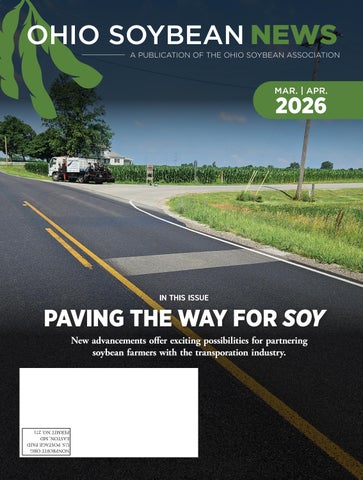
PAVING THE WAY FOR SOY
WANT BETTER WEED CONTROL?
Would two extra weeks of residual protection help?
You must already be using ...
Then you should try ...
Make the Lasting Choice
Your choice of herbicide should be an easy one — especially with up to two more weeks of residual weed control from Zidua ® brand herbicides. When you're dealing with a Ziduation in your fields, Zidua brand herbicides are here to help you face it.
OHIO SOYBEAN NEWS

A LETTER FROM THE President
Bennett Musselman
Ohio Soybean Association President
Pickaway County Soybean Farmer
As I write this column, it’s hard to believe planting season is right around the corner. We just experienced one of the heaviest snowfalls of my life –Pickaway County got around a foot of snow. Right now, we’re still under a Level 3 snow emergency. We’re also experiencing sub-zero temperatures so I know the snow and ice will be here for a while, making any thoughts of climbing into the cab of a tractor virtually impossible. Though I could have done without the snowstorm, the extra time spent with my family this week reminded me why our organizations exist.
My greatest hope in life is that I can pass my farm down to my sons. Of course, effective successions require careful planning by everyone involved. But they also require a lot of things to go right that are outside of our control. Everything from government regulations to market demand in foreign countries all helps determine the success of our operation.
For things that lie beyond our control as individuals, our soybean organizations take over. Recently, the Ohio Soybean Association (OSA) determined our policy priorities for this year, which you can read about on page 6. Having clear priorities helps our organization proactively work on the issues that matter most to farmers and be ready to quickly react to any potentially harmful policies that may arise.

For your soybean checkoff, building domestic demand for our beans has always been important, but opportunities to do so are now more diversified than ever. Between Goodyear tires with soybean oil in the tread, soybased asphalt sealant, and a booming biofuelds market, the stories in this issue show how Ohio is primed to take advantage of new and existing domestic markets.
So even though farming requires early mornings, long nights, and sometimes braving 12 inches of snow, it is all worth it to know that my sons can continue our family legacy.
I also want to congratulate our new leadership for both our association and checkoff boards (see pages 10 and 11). With our industry experiencing immense change and growth, I know that these are the people who can lead our organization to meet this moment.
By the time this magazine arrives in your mailbox, the snow we’re experiencing as I write will be a distant memory, so please have a safe and

Bennett Musselman OSA President
Pickaway County Soybean Farmer
President
Bennett Musselman, Pickaway County
Vice President
Dustin Converse, Union County
Treasurer
Dave Green, Crawford County
Secretary
Adam Vonderhaar, Preble County
Chairman
Rusty Goebel, Williams County Trustees
Trish Cunningham, Union County
David Clark, Warren County
Justin Esselburn, Wayne County
James Lipstraw, Sandusky County
Matt Lutz, Crawford County
Jeff Magyar, Ashtabula County
Scott Metzger, Ross County
Jeremy Price, Putnam County
Ryan Rhoades, Marion County
Bob Suver, Clark County
Jennifer Wilson-Oechsle, Van Wert County
American Soybean Association Board Representatives
Rusty Goebel
Scott Metzger
Ryan Rhoades Staff Credits
Kirk Merritt - Publisher
Julia Brown - Editor
Mackenzie Joseph - Staff Writer
Lauren Gerig - Art Director
Kim Lemmon - Production Manager
Ohio Soybean News is published six times a year by the Ohio Soybean Association, 918 Proprietors Rd., Suite A, Worthington, OH 43085. Phone: 614-476-3100.
Comments and statewide news articles should be sent to the above address. Advertising space reservation must be made by the first of the month preceding publication. In consideration of the acceptance of advertisement, the agency and the advertiser must, in respect of the contents of the advertisement, indemnify and save the publisher harmless against any expense arising from claims or actions against the publisher because of the publication of the content of the advertisement.
For Advertising Sales Contact: Kristin Flowers - (614) 323-9320 kristin@ohioagnet.com
For Address Corrections Contact: Ohio Soybean News at 918 Proprietors Rd., Suite A, Worthington, OH 43085.
Web address: www.soyohio.org E-mail: cdeboard@soyohio.org
The more we discover about soybeans, the more valuable they become. One innovative product, SoyFoam™, creates a new, sustainable use for your crop that protects firefighters and the planet.
See how your Soy Checkoff is unlocking new markets for soybeans at unitedsoybean.org




State Policy Priorities OSA 2026

The Ohio Soybean Association has set its 2026 state policy priorities. Developed annually by farmer leaders, these priorities guide OSA’s advocacy efforts at the Statehouse and help ensure Ohio soybean farmers’ voices are heard in key policy discussions. OSA’s 2026 policy priorities reflect both emerging opportunities and ongoing challenges facing soybean farmers.





























It's Time to Create New Soybean Markets, Biomanufacturing Is the Way to Do It
By Bennett Musselman
Pickaway
County Farmer and OSA President
Soybeans have long been Ohio’s top cash crop, but today, we’re facing a harsh reality: exports have declined nearly 20% and prices are down over 40% since 2022. Those aren’t just statistics—they’re a warning sign that the dynamics of our markets are changing rapidly and we must adapt. The answer isn’t to wait and hope for better export numbers. It’s to create new opportunities right here at home. And that means embracing biomanufacturing.
Biomanufacturing uses plants—like our soybeans—to make everything from tires and roofing materials to aviation fuel and bio-based chemicals. These aren’t futuristic ideas; they are real products being made today. Every one of these uses represents a domestic market that strengthens our farms and our state’s economy.
Even President Trump has made it clear he believes biotechnology and biomanufacturing are key to America’s future competitiveness. The president believes feedstocks from America’s heartland—our crops—can be used to forge new supply chains, create jobs, and be a big part of scalable, advanced manufacturing.
Other states have already seen the writing on the wall. Illinois, Indiana, Minnesota, and Nebraska are investing heavily in biomanufacturing. Nebraska’s BioEconomy Initiative is producing aviation fuel and creating hundreds of jobs. Minnesota’s Bioincentive Program is attracting companies and boosting farm incomes. Meanwhile, Ohio has many assets we can leverage to become a leader in this space.
One of those great assets is Airable Research Lab located in Delaware Ohio, which is a soybean checkoff funded facility whose mission is to help companies commercialize soy-
based products that create new demand for our soybeans. Airable has helped companies like Stanley Black & Decker create lubricants and greases that can be found on hardware store shelves across the country. In just a few short years, Airable has helped commercialize nearly 20 new products.
This is great early success, but we need to scale up and move fast. Ohio, should be leading this effort.
So, what can we do? We need to push for state policies that remove risk from bioeconomy investments and accelerate commercialization through tax credits, infrastructure funding, and performance-based incentives. We need reliable supply chains for biomass and bioproducts, supported by logistics infrastructure and shared facilities. And we need collaborative networks—public-private partnerships that bring together farmers, industry leaders, and research institutions.
This year, the Ohio Soybean Association (OSA) has made it a priority to advocate for enhancing biomanufacturing in Ohio. OSA is the membership organization for soybean growers that relies on dues-paying farmers to fund our advocacy efforts. If you are not a member and grow soybeans, I hope you will join us in this mission.
This isn’t just about economics. It’s about securing the future of farming in Ohio. If we act now, we can lead the nation in agricultural biomanufacturing. If we wait, we’ll be left behind.
Fellow farmers, this is our call to action. Let’s make our voices heard. Let’s demand investment in biomanufacturing. Let’s turn our soybeans into more than just exports— let’s turn them into opportunity.

SORTING OUT THE POLITICS & SCIENCE OF SOYBEAN OIL
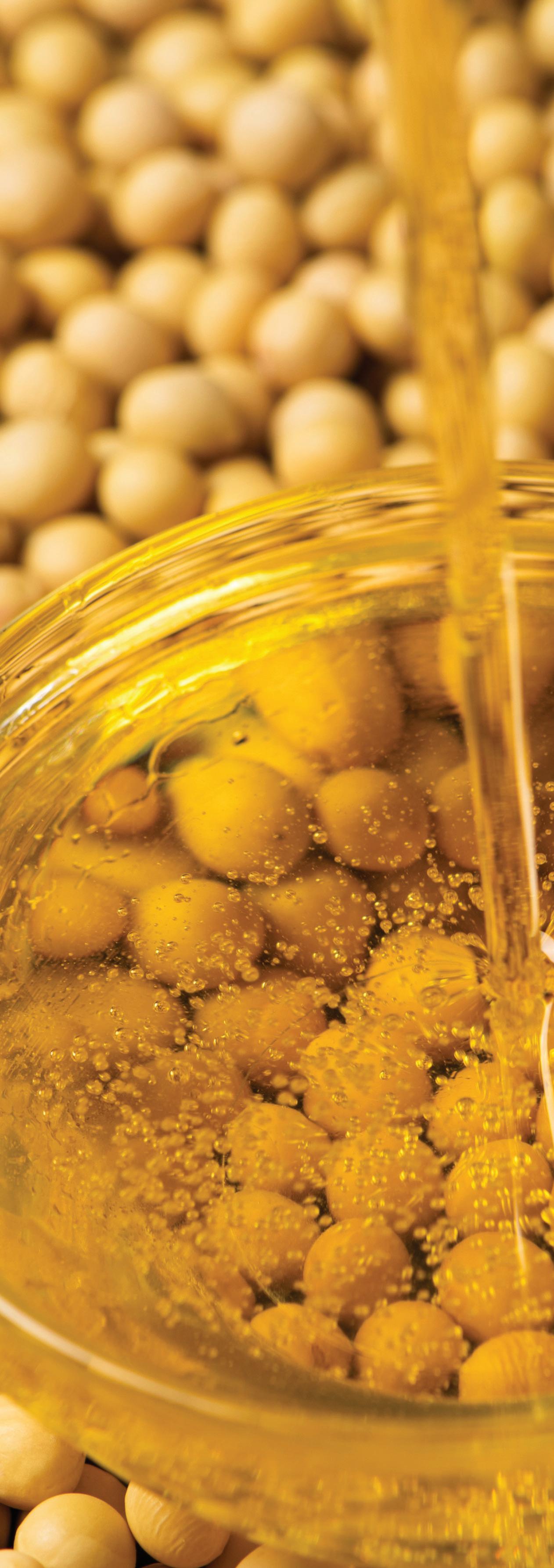
Across the United States, a political movement is gaining momentum aiming to “Make America Healthy Again” (MAHA). Often celebrated by nutritionists for its heart-healthy fats and essential nutrients, soybean oil has recently become the target of misinformation and campaigns sowing distrust in the public. It’s important that nutritional decisions be evidence-based and consumers understand the truth: when used in balance, seed oils can improve cardiovascular health and support a modern, healthy diet.
However, not every state is following science. Legislation is emerging across the U.S. that pushes the false narrative that soybean oil is unhealthy. Take Texas and Louisiana for example. Both state legislatures passed a bill that would require disclaimers on food items that contain seed oils and other ingredients. Louisiana went as far as to mandate warnings to notify customers of seed oil use in food establishments. These laws are harmful to the public as they create doubt for ingredients with years of scientific backing to support their health claims.
So, what does science say? Soybean oil is low in saturated fat and high in polyunsaturated fat and is a source of both essential fatty acids (1). In 2017, the U.S. Food and Drug Administration approved a health claim for soybean oil and heart disease prevention based
on its ability to lower blood cholesterol levels when replacing saturated fat in the diet (2). Numerous studies point to the benefits of seed oils, including a study published in the Journal of the American Medical Association (JAMA) Internal Medicine that showed that higher intake of plant-based oils was associated with 16% lower total, cancer, and cardiovascular disease mortality (3). This is just the start of years of sound scientific research backing soybean oil health claims.
It is important that lawmakers have access to correct information as they are making legislative decisions. That is a goal of OSA in 2026. OSA has been meeting with lawmakers to emphasize the importance of soybean oil in a balanced, healthy diet, both on the state and federal level. Rusty Goebel, past OSA President, submitted comments to USDA on the federal ultra-processed foods request for information (RFI), emphasizing that policy and guidance should be based on nutrient composition and demonstrated health effects, with processing-based labels serving as a contextual tool, rather than a basis for declaring a food “healthy” or “unhealthy”. OSA, through continued education and advocacy based in science, will ensure that public policy supports truth, not trends, and that Americans have the opportunity to make heart-healthy choices for themselves and their families.
1. Tian M, Bai Y, Tian H, Zhao X. The chemical composition and health promoting benefits of vegetable oils-A review. Molecules 2023;28(17) doi: 10.3390/molecules28176393 [published Online First: 2023/09/09].
2. Qualified Health Claim Petition – Soybean Oil and Reduced Risk of Coronary Heart Disease (Docket No. FDA-2016-Q-0995). https://www.google.com/url?sa=t&rct=j&q=&esrc=s&source=web&cd=&ved=2ahUKEwjBrrmAqaLsAhWVcc0KHWziCnkQFjABegQIBRAC&url=https%3A%2F%2Fwww.fda.gov%2Fmedia%2F106649%2Fdownload&usg=AOvVaw1OacdW5qPEJwAz-_0yxdGz.
3. Zhang Y, Chadaideh KS, Li Y, et al. Butter and Plant-Based Oils Intake and Mortality. JAMA Intern Med. 2025;185(5):549–560. doi:10.1001/jamainternmed.2025.0205
Ohio Soybean Association ELECTS NEW BOARD LEADERSHIP
The Ohio Soybean Association (OSA), the state’s policy and advocacy organization for soybean farmers, announced its 2026 leadership team on December 16th, 2025.
Pickaway County farmer Bennett Musselman was elevated to president after previously serving as vice president. He succeeds Rusty Goebel of Williams County, who now assumes

the role of chairman. Dustin Converse of Union County was elected vice president, Dave Green of Crawford County will serve as treasurer, and Adam Vonderhaar of Preble County was elected secretary.
As president, Musselman will lead OSA’s efforts to advocate for Ohio soybean farmers at the state and federal levels.


RESEARCH
“After serving as vice president, I’m excited to step into the president role,” said Musselman. “I’m grateful for the trust of my fellow board members and look forward to working with this team to advocate for Ohio soybean farmers and amplify their voices across the state.”
To view the full Ohio Soybean Association board, visit SoyOhio.org.



The Field Leader program from the Ohio Soybean Council and the soybean checkoff brings you straightforward, practical insights
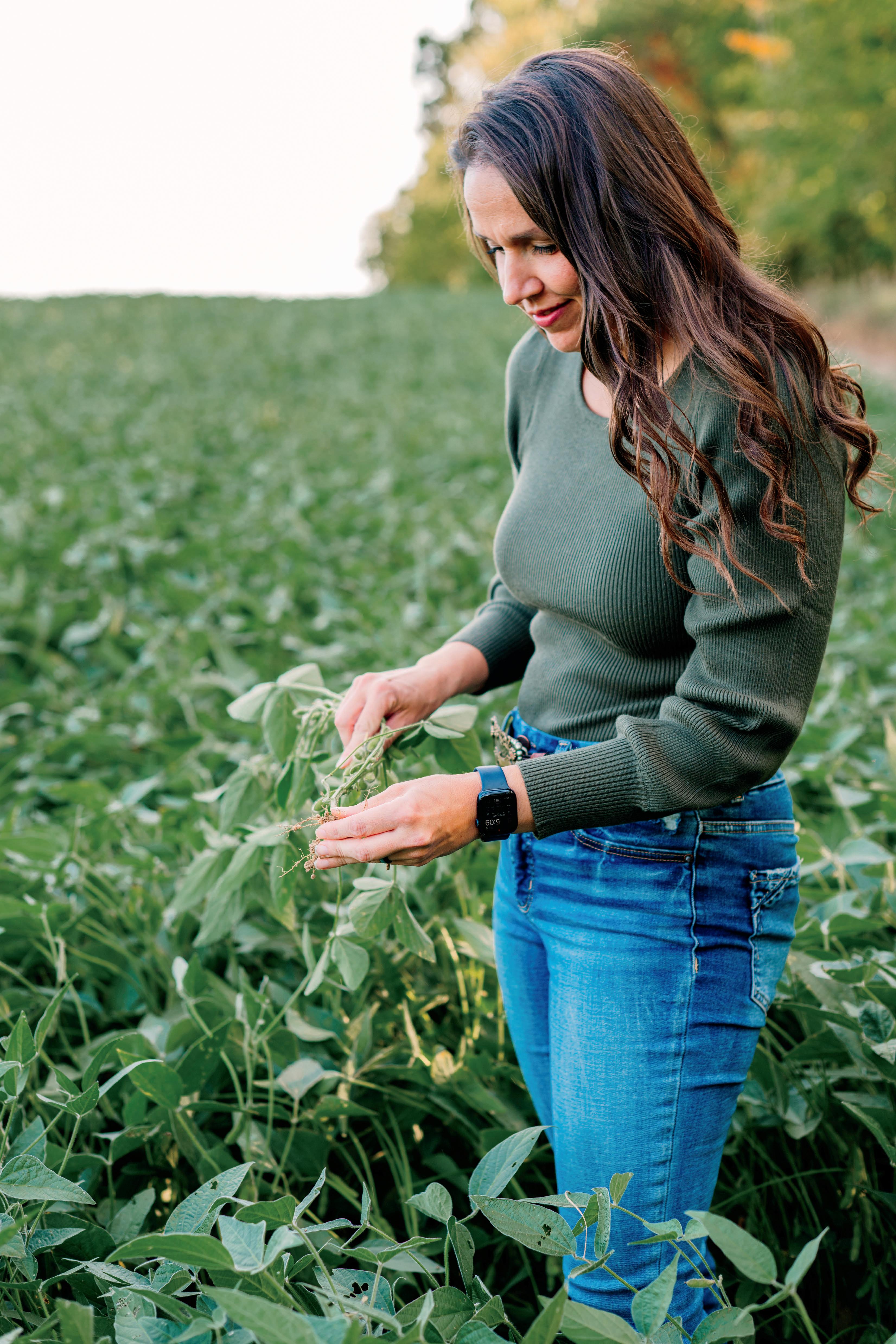
Learn more under the “Ohio Field Leader ” tab at OCJ.com. Learn more under the “Ohio Field Leader” tab at OCJ.com.


Adele Flynn, Lorain County Adele Flynn, Lorain County
BENNETT MUSSELMAN, PRESIDENT RUSTY GOEBEL, CHAIRMAN
DAVE GREEN, TREASURER
ADAM VONDERHAAR, SECRETARY
DUSTIN CONVERSE, VICE PRESIDENT
Ohio Soybean Council New Board Leadership
Ohio soybean farmers began the new year with new leadership for the Ohio Soybean Council (OSC) following elections held December of last year, setting the course for the council’s work in 2026.
Jerry Bambauer of Auglaize County was elected chairman and will lead the farmer-driven organization in its efforts to invest soybean checkoff dollars on behalf of Ohio growers.
“I’m honored to take on the role of chairman,” said Bambauer. “We have a talented and dedicated board, representing farmers from across Ohio. Together, we will continue putting checkoff dollars to work in research, market development, education, and programs that make a difference for soybean farmers.”
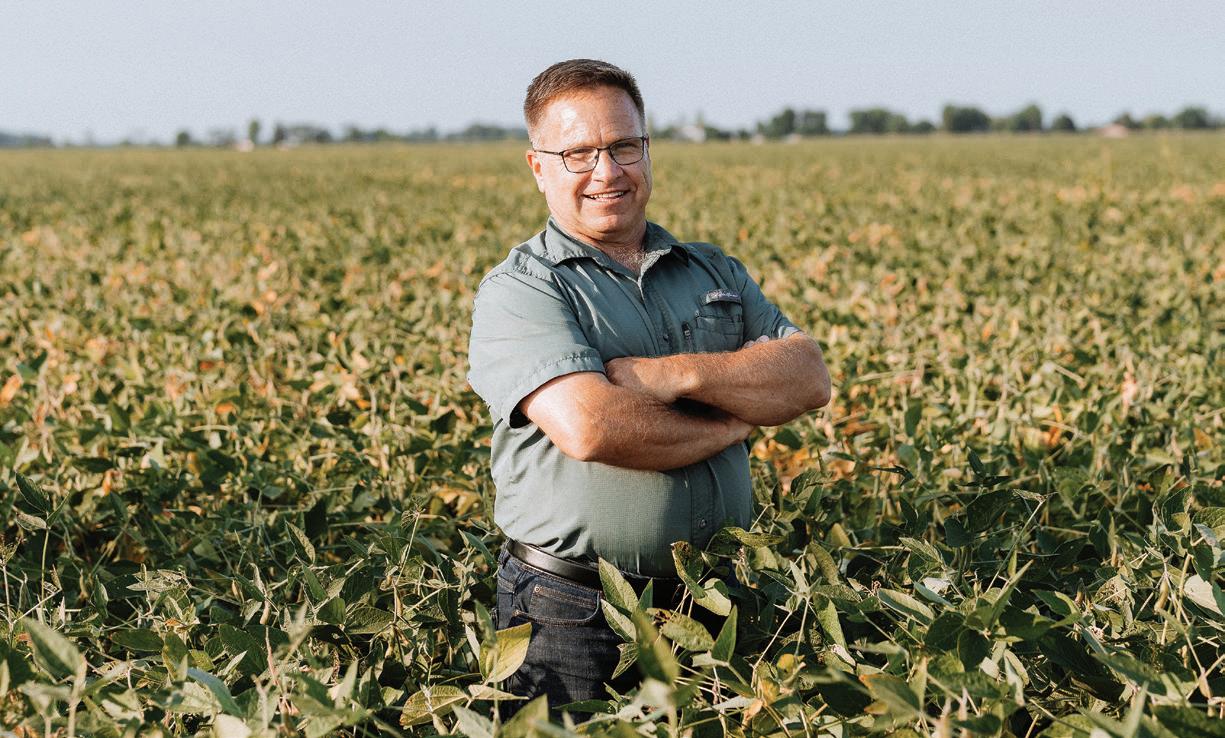
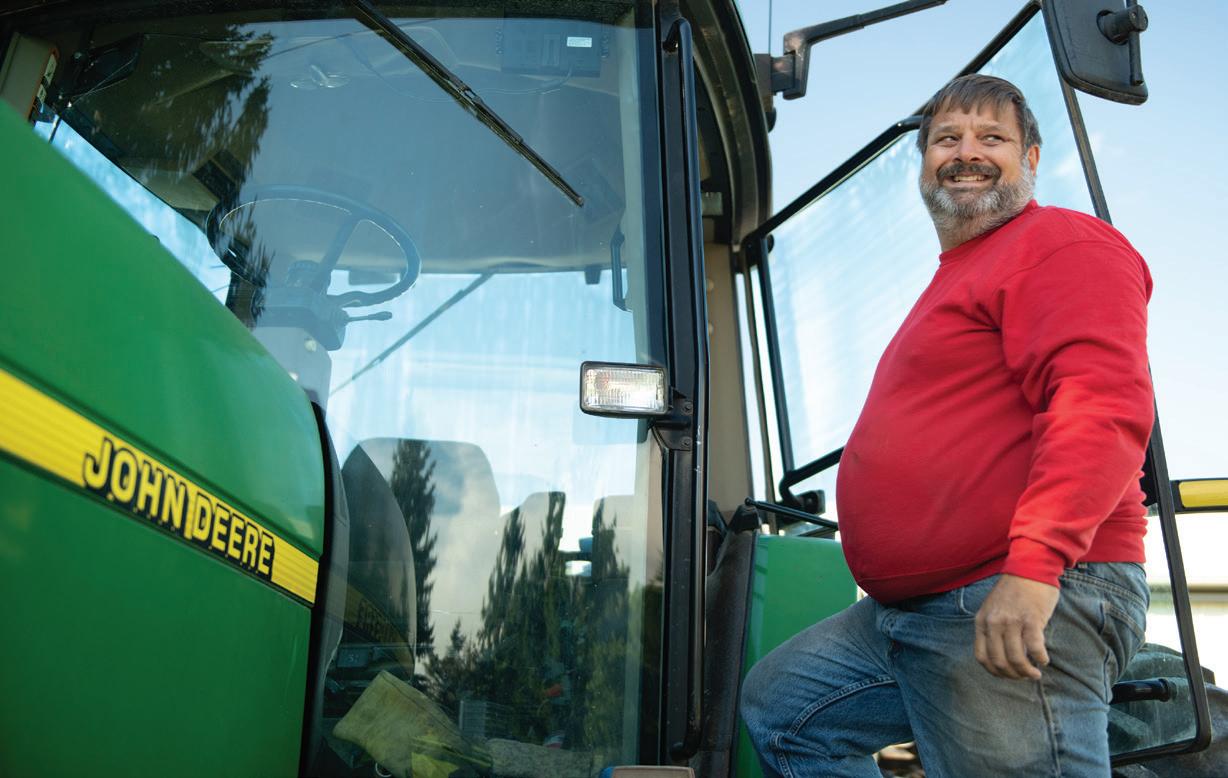
Joining Bambauer on the executive committee are vice chairman Chad Warner of Darke County, treasurer Jeff McKanna of Putnam County, and secretary Todd Hesterman of Henry County, providing leadership representation from across Ohio’s soybean-producing regions.
As chairman, Bambauer will help guide OSC’s strategic priorities and oversee the investment of checkoff funds focused on advancing soybean profitability through research, market development, education, and outreach.
With its 2026 leadership team in place, OSC remains committed to stewarding farmer dollars wisely while keeping Ohio soybean growers at the center of decisions that support the long-term success of the industry.
To see the full Ohio Soybean Council board, visit SoyOhio.org.
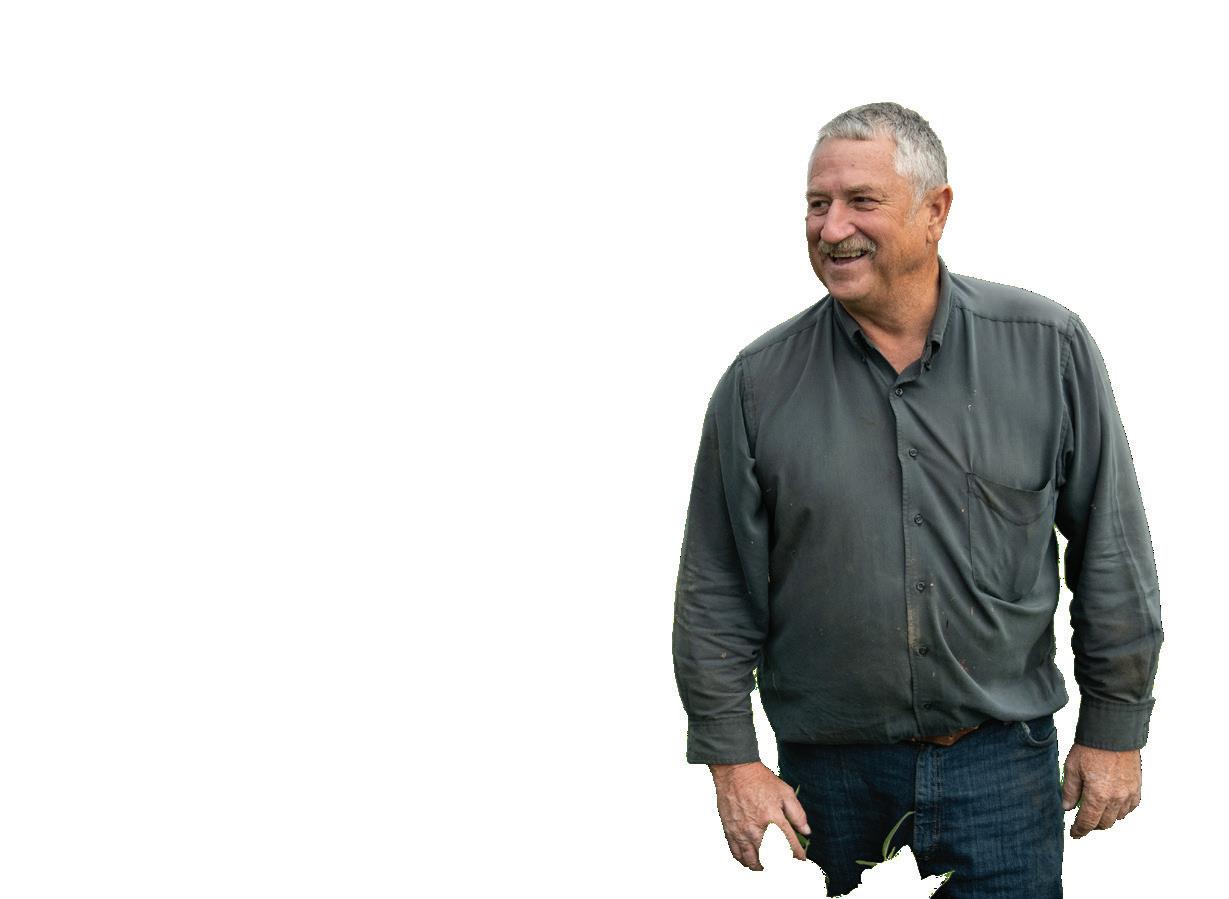
"Together we will continue putting checkoff dollars to work in research, market development, education, and programs that make a difference to soybean farmers.”
-Jerry

Bambauer, OSC Chairman
CHAD WARNER, DARKE COUNTY, VICE CHAIRMAN
JEFF MCKANNA, PUTNAM COUNTY, TREASURER
TODD HESTERMAN, HENRY COUNTY, SECRETARY

TAYLOR DILL!
Ohio Soybean Organizations Announce Taylor Dill as New Research Director

The Ohio Soybean Council is pleased to announce that Taylor E. Dill has been selected as the new Research Director. Dill brings a strong background in agronomy, applied research, and producer focused communication.
As part of her ongoing PhD studies in Agronomy at The Ohio State University, Dill has played a key role in developing and delivering Battle for the Belt, the statewide research and communication effort that compares planting priorities and management decisions for corn and soybeans. Through weekly video updates, YouTube shorts, newsletter articles, season scouting, and regular communication with producers, she helped expand the program’s reach and usefulness. Her work contributed to major increases in digital engagement for the OSU Agronomy YouTube channel and received several national awards for excellence in extension communication.
“Taylor’s work on Battle for the Belt has helped deliver valuable and timely information to farmers across Ohio. Her ability to communicate research in a way that producers can use immediately makes her an excellent addition to our team,” said Kirk Merritt, Executive Director of OSC.
In addition to her work on Battle for the Belt, Dill has significant experience in on farm research, data analysis, collaboration across multiple agricultural disciplines, and direct outreach to farmers. Her previous roles with OSU Extension in Darke County and North Carolina Cooperative Extension strengthened her ability to translate research findings into clear and practical recommendations.
"Her ability to communicate research in a way that producers can use immediately makes her an excellent addition to our team.”
-Kirk Merritt, OSC Executive Director
“The research committee is excited to welcome Taylor. Her experience with OSC funded projects and her commitment to farmer focused research will help guide our program forward,” said Cindy Layman, Hardin County Farmer and Chair of the OSC Research Commitee.
Taylor Dill’s strong research background, communication skills, and understanding of Ohio’s agricultural landscape will help strengthen OSC’s research investments and support soybean farmers across the state.
THE BEST LIBERTY® YET
Liberty® ULTRA herbicide provides 20% better weed control than generics,1 a new max use rate of 34 fl oz/A and is backed by the best. BASF offers the most experience manufacturing glufosinate, the highest R&D investment and support from the industry’s top-rated sales team by farmers.2
SHERIFF'S DEPARTMENTS
PATROLLING with Soy SOYBEAN CHECKOFF TIRE DONATION HAS OHIO

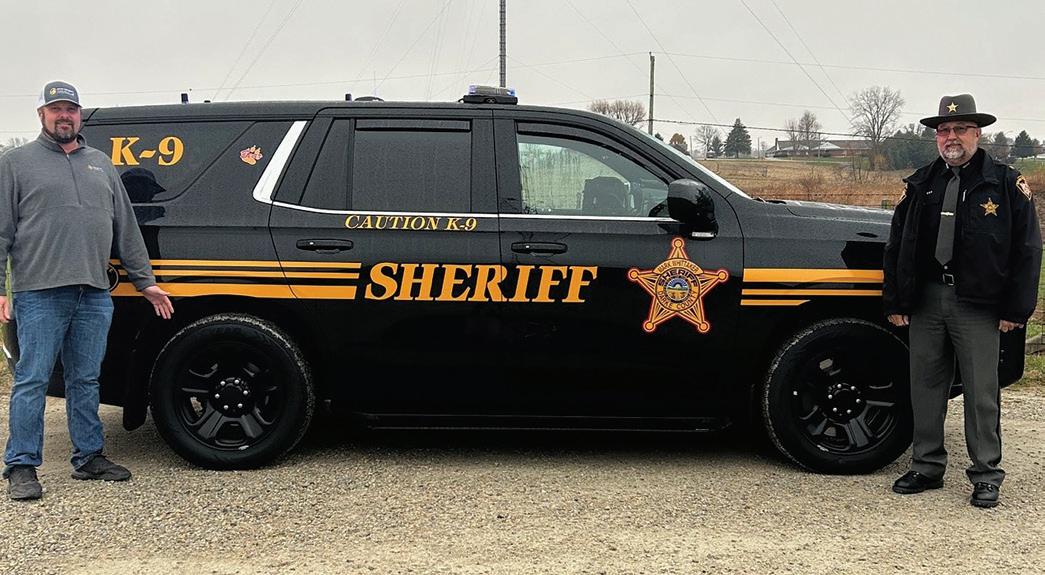
The Ohio Soybean Council (OSC) has launched a new statewide initiative that combines agricultural innovation with community support. Through its Patrol With Soy program, OSC will donate a set of Goodyear tires made with soybean oil in the tread compound to each of Ohio’s 88 county sheriff’s departments. The program highlights how Ohio-grown soybeans and their coproducts are used in everyday products while also demonstrating OSC’s commitment to supporting local law enforcement agencies across the state.
To date, tires have already been donated to sheriff’s departments in Crawford, Darke, Henry, Marion, Paulding, Ross, Van Wert and Wood counties, with additional counties scheduled to receive their donations over the coming months.
The donated tires— Goodyear Eagle® Enforcer All Weather™—are specifically designed for law enforcement vehicles and are rated for pursuit driving and year-round performance. By incorporating soybean oil into the tire tread compound, Goodyear has replaced traditional petroleum-based oils, resulting
in improved cold-weather flexibility and enhanced traction in wet, icy, and snowy conditions.
“We see this partnership and donation opportunity as a win-win,” said Steve Reinhard, former OSC board member from Crawford County. “It’s a benefit to Ohio farmers whenever we can showcase the many ways soybeans are being used beyond food and feed. At the same time, we really want our local law enforcement officers to have access to products with the best available technology to help keep them safe on the job.”
For county sheriff’s departments, the donation represents both a practical benefit and a meaningful connection to the local agricultural community. Law enforcement agencies often face tight budgets, making equipment donations especially valuable.

“We greatly appreciate the support from our farmers and are happy to have these tires on one of our patrol cars,” said Henry County Sheriff Marc Ruskey. “It’s nice being able to use products that are more sustainable and designed to perform well in all weather conditions.”
The use of soybean oil in tire manufacturing is not new,

but it continues to be a powerful example of how agricultural research and innovation can lead to real-world applications. Tires made with soybean oil have been commercially available nationwide since 2017, following a research partnership between Goodyear and the United Soybean Board. That collaboration helped demonstrate that biobased materials could meet, and in some cases exceed, the performance of petroleum-based alternatives.
"Through
this program, we hope to shine a spotlight on one of the biggest successes of the soybean checkoff while also giving back to law enforcement in the communities where our farmers live and work.”
-Kirk Merritt, OSC Executive Director
In addition to improving tire performance, soybean oil also contributes to more efficient manufacturing processes. The bio-based material requires less energy to mix into rubber compounds, helping reduce the overall environmental footprint of tire production. These sustainability benefits align with broader efforts across agriculture and manufacturing to reduce reliance on nonrenewable resources.
Programs like Patrol With Soy also help create new and expanding markets for Ohio-grown soybeans. Demand for


soy-based industrial products, including tires, lubricants, foams, and adhesives, adds value to the crop and supports long-term farm viability.
“Ohio farmers plant nearly five million acres of soybeans each year,” said OSC Executive Director Kirk Merritt. “The soybean checkoff is focused on ensuring there will always be strong market opportunities for the soybeans grown in our state. Through this program, we hope to shine a spotlight on one of the biggest successes of the soybean checkoff while also giving back to law enforcement in the communities where our farmers live and work.”
By connecting farmers, manufacturers, and first responders, the Patrol With Soy program illustrates the broad impact of soybean research investments. It also reinforces the idea that agriculture plays a vital role not only in food production, but in public safety, sustainability, and economic development.
The Patrol With Soy program will continue over the next two to three years until all 88 Ohio counties receive their tire donation. For more information about the program or other Ohio Soybean Council initiatives, visit SoyOhio.org
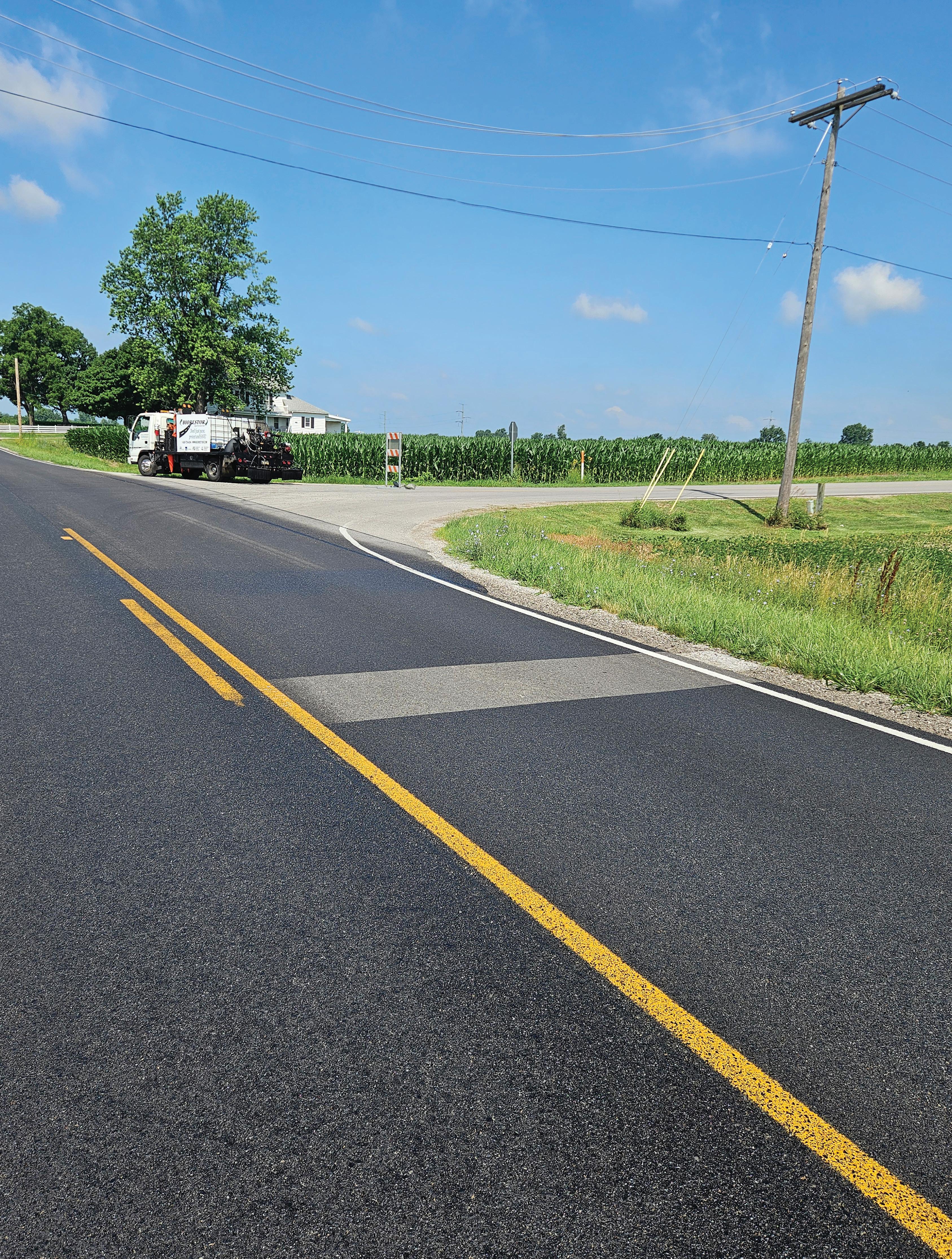
Paving New Opportunities for Ohio Soy with BIORESTOR BIORESTOR®
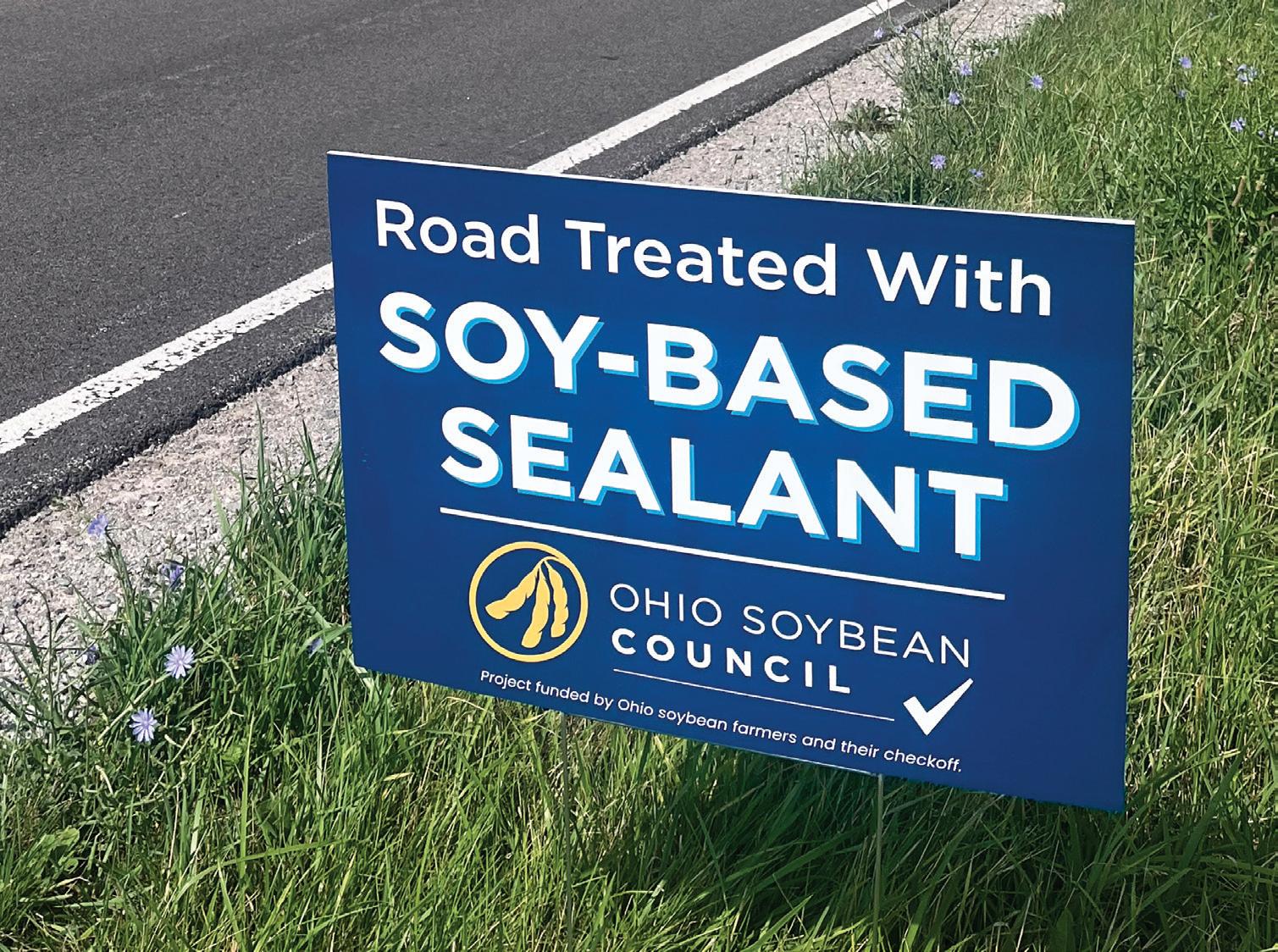
The Ohio Soybean Council and Soybean Check-off are helping turn Ohio-grown soybeans into practical solutions for rural communities through a demonstration project using a soy-based asphalt rejuvenator on a county road in Northwest Ohio.
The project features BIORESTOR®, developed by Bio Based Spray Systems in Sidney, Ohio. The product uses soybean oil as a key ingredient to extend pavement life and preserve rural roads. “What BIORESTOR® is designed for is to be topically applied to asphalt pavement, penetrate the asphalt matrix, and bring back some flexibility to the aged and brittle asphalt,” said Luke Meyer, General Manager of the company. “These are early life treatments designed to be done within the first couple of years of an asphalt life cycle to help seal off the pavement, add some polymer into the asphalt binder, and increase the longevity of the hot mix asphalt pavement.”
vestment. It should be no different with our roads. It only makes sense that we apply a preservation application to our roadways,” said Michael Freisthler, President of Bio Based Spray Solutions. “The local county and township roads are an investment. It is important to preserve them before they need to be repaved. This is a low-cost treatment that in its early life cycle you can help the asphalt stay flexible and perform better.”

“It is an innovative way for a soy-based product to be used to ensure a reliable long term transportation system.”
-Madison Corbi, Demand and Market Development Director at Ohio Soybean Council
BIORESTOR® is applied at a light rate using equipment similar to agricultural sprayers. “We spray the BIORESTOR® on as a topical applied product with the same basic equipment that agricultural applications are made with. Application rates are typically between .02 to .03 gallon per square yard. It is a light application rate,” Meyer said. “The product is designed to penetrate in but not necessarily seal off the pavement like a pavement sealer. It acts as a rejuvenator to help increase that flexibility of those pavements. In the BIORESTOR® product there is roughly 85 to 90% soy-based product. It is a polymer modified and then the actual application on the road is a diluted emulsion.”
Preserving local roads is important for farming communities. “Preservation treatments like staining and sealing the deck our house is something a homeowner does regularly because it makes sense that we want to protect that in-
Support from the Ohio Soybean Council and Soybean Check-off made the demonstration possible. “Luke Meyer with BIORESTOR® reached out to the Ohio Soybean Council after working with the Michigan Soybean Council on a similar grant funded project to support county engineers in making these roadway applications,” said Madison Corbi, Demand and Market Development Director for the Ohio Soybean Council. “It is an innovative way for a soy-based product to be used to ensure a reliable long term transportation system. The goal of the Ohio Soybean Council is to increase profit opportunities for soybean farmers in Ohio. This is just one of the ways that we build demand for the crops grown here. This company has been working with soy in their formulations since the early 2000’s, and that has created a great demand for Ohio soybean farmers.”
Through projects like this, the Ohio Soybean Council and Soybean Check-off continue to create demand for Ohio soybeans while supporting rural communities.

Products that Profit

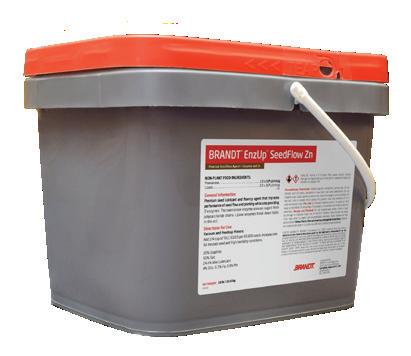
Planter box solutions that deliver performance – from micronutrient technologies to trusted seed fluency
Whether you’re looking for innovative nutrient delivery or proven seed flow performance, BRANDT has you covered. Our planter box lineup is built to meet the needs of every operation – from advanced enzyme technology like BRANDT® EnzUp® SeedFlow™ Zn, designed to accelerate early-season nutrient uptake, to 80/20 talc + graphite blend that ensure smooth seed drop and even emergence.

Tighter Supplies, Smarter Tools, and Stronger Partnerships
By: Jim Sutter, CEO
Looking ahead to 2026, the world of soy continues to move faster, grow more complex and demand more from all of us who serve it –including USSEC.
Where do I see this next year going? There’s a lot to unpack in that question. We’ve got long-term macro trends, shifting dynamics in the way the world does business, potential policy changes and the continued impact of long-term investments all to consider.
From where I sit today, I foresee the following trends as having the most impact on U.S. Soy exports in 2026:
Expect Tightening Global Soy Balance & More Price Volatility
The global soy complex story of the last several years has been largely around record production. What will be different in the 2025-26 year is that the pace of production increase will drop.
Even if total global production clocks in at a new year-over-year high this year (likely), the slowing rate of production increase is unlikely to match the rising global demand for soy, part and parcel of a world increasingly hungry for protein and a long-term
trend that is buoying the global soy marketplace for many years to come.
Indeed, recent low global soy prices combined with rising consumer demand has resulted in good profit margins for protein producers in world markets over the last year, profits they have subsequently reinvested into infrastructure and growth anticipating long-term sustained demand. I believe this will keep global protein increasing at record levels on a year-over-year basis.
The short-term wild card with the potential for a significant impact on this situation is the weather. We’ve had several back-to-back years of favorable weather in both North and South America. Odds are likely that we’re due for a significant weather event and already we’ve been hearing about some early weather concerns coming out of South America’s prime soybean regions.
All told, even if we have another great growing year, I think we’re looking at a tighter supply and demand picture in the coming year. Stack that on top of very good economics in global meat producing industries and poor economics for soy producers, and I think there is a strong potential for more price volatility and higher prices in 2026.
A Better U.S.-China Relationship Will Stabilize U.S. Soy Exports
The U.S. and China are entering a new phase in our soy relationship, one that I hope will be more stable, more strategic and more mutually dependent than the headline cycles of the past twelve months.
China accounts for nearly half of all U.S. soybean exports, emphasizing how central the Chinese market remains to U.S. soybean farmers and the entire U.S. Soy value chain. But at the same time, China relies on imports for the vast majority of its soybean needs and purchases around 60 percent of global soybean trade to fuel its feed and food sectors, making secure supplies from partners like the U.S. a strategic necessity to feed their nation.
Yes, there are always going to be some differences of opinion between the two largest economies in the world, but neither country can afford to go back to the lose-lose relationship of the past year. We need each other. Over this coming year, I predict a rebuilding of the U.S.-China soy relationship that was put on hold in 2025, creating a stable platform for growth, expansion and new oppor-

of the U.S. Soybean Export Council
tunities. Both countries have learned the benefits of diversification, and I expect this to continue.
We’ll Get Smarter, More Efficient and Have Better Tools
Just like for the rest of the world, data-driven tools – including responsible use of artificial intelligence (AI) – are transforming soy exports.
I’ve been around long enough to remember two decades ago when the internet reshaped how business gets done - AI is the next evolution in that journey for global agriculture. At USSEC, AI is viewed as a tool – not a replacement for people – to help the team work smarter, faster and with greater precision on behalf of U.S. soybean farmers and our international customers.
For instance, we’ve recently introduced tools that make actionable new, better scientific insights around the true value of soybean meal in driving animal performance and profitability, helping nutritionists and feed manufacturers move toward value-based metrics that capture digestible amino acids, energy and other factors that truly reflect the quality of U.S. Soy.
As these innovations roll out, I predict we’ll see the adoption of a new ‘Gold Standard’ for how soybean and soybean meal value is measured – one that aligns scientific insight, animal performance and customer economics with better tools, better data and better outcomes.
Sustainability Will Continue to Drive U.S. Soy Demand
As global demand for sustainable, deforestation-free supply chains accelerates, 2026 is shaping up to be a year when U.S. Soy gains market share precisely because of our sustainability edge.
More feed, food and crush buyers are expected to move from “sustain-
ability as a bonus” to “sustainability as a requirement,” and that shift will favor origins that can prove their performance at scale. Specifically, the European Union’s new Deforestation Regulation (EUDR) – even with its delayed implementation – will start to separate suppliers that can deliver verification and a low risk of deforestation from those that cannot, and U.S. Soy is positioned to be on the winning side of that divide.
As European and global customers adjust their supply chains, I predict that many buyers will pivot additional volume to U.S. Soy to de-risk compliance and protect market access using tools like the U.S. Soy Sustainability Assurance Protocol (SSAP) and our free “Sustainable U.S. Soy” (SUSS) and “Fed with Sustainable U.S. Soy” labeling programs.
The effort to capture U.S. Soy’s sustainability value that USSEC, the American Soybean Association and the United Soybean Board launched in 2013 with SSAP have already been reaping rewards for U.S. Soy exports, especially in 2025. For 2026, I believe that trend will continue its upward trajectory.
Our Biggest Strength Will Remain – the U.S. Soy Farmer
One thing that won’t change in 2026: The strength the U.S. Soy family farm brings to our industry.
U.S. Soy farmers will continue to produce the world’s most sustainable, reliable and nutrient-rich soybeans in the world, backed by rigorous national sustainability goals and third-party verification. Their farm-level decisions – conservation practices, data-driven management and continuous improvement – are what allow U.S. Soy to deliver consistent quality, superior nutritional value and a lower carbon footprint.
U.S. Soy farmers make USSEC’s work easier. By pairing an industry with a
world-class export and logistics system with the work farmers put in every day, every farming season and every generation of their farming heritage, we will continue to translate the U.S. Soy farmer’s commitment into a supply chain that is dependable, cost-effective and resilient, even as global markets shift and new regulations reshape demand.
A Great Year Ahead for U.S. Soy Trade
I have no doubt the year ahead will test our agility, our collaboration and our ability to turn data, insight and relationships into real value for our stakeholders.
But change is not a one-year event; it is the new operating environment for USSEC and for U.S. Soy. In 2025 we listened, learned and made adjustments that were not about checking a box, but instead set a new baseline for how we work together, how we deploy resources and how we create value for farmers, members and international customers in a more volatile world.
From evolving trade dynamics and global market trends to new sustainability requirements and rapid advances in technology, I’m confident in saying that U.S. Soy is entering 2026 not just from a position of strength — but also with a commitment from myself and all of us here at USSEC to keep raising our game in how we compete, communicate and deliver.
And on that note, here’s to a fantastic year ahead for U.S. Soy!

To view the full article, please visit the link at the QR code.
What Japan and South Korea Mean for Ohio Soy
By Mackenzie Joseph Communications Coordinator, Ohio Soybean Council
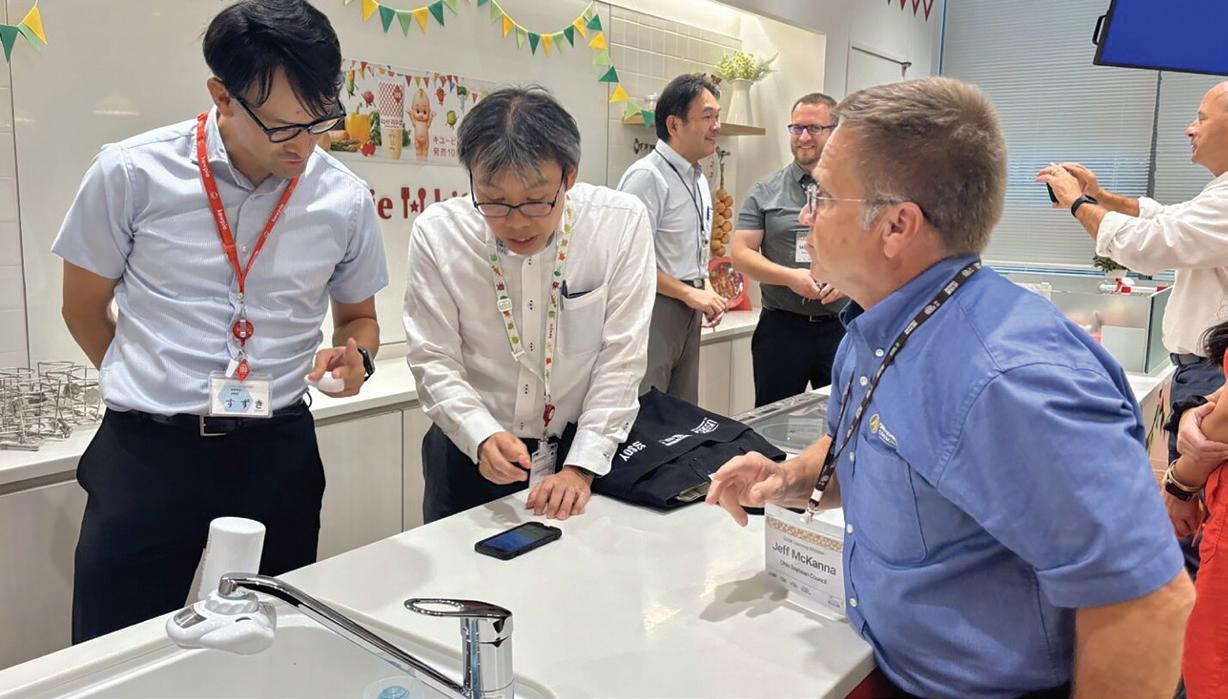
Soybeans grown in Ohio may be harvested in the Midwest, but many ultimately end up on dinner tables thousands of miles away. In Japan and South Korea, two of the world’s most established soybean markets, U.S. soy, including Ohio-grown soy, helps feed people, support livestock production, and supply food manufacturers that rely heavily on imports.
Together, Japan and South Korea represent high-value, relationship-based markets where consistency, traceability, and sustainability matter just as much as price. For Ohio farmers, these countries are proven partners that help provide stability and premium demand for U.S. soy.
Japan: A premium market built on trust
Japan imports roughly 93 percent of its soybean supply and remains one of the most valuable destinations for U.S. soybeans. Total imports average about 129 million bushels, with the U.S. holding approximately 70 percent of the whole soybean market. The U.S. supplies about half of Japan’s foodgrade soybean segment and roughly 80 percent of the crush market.
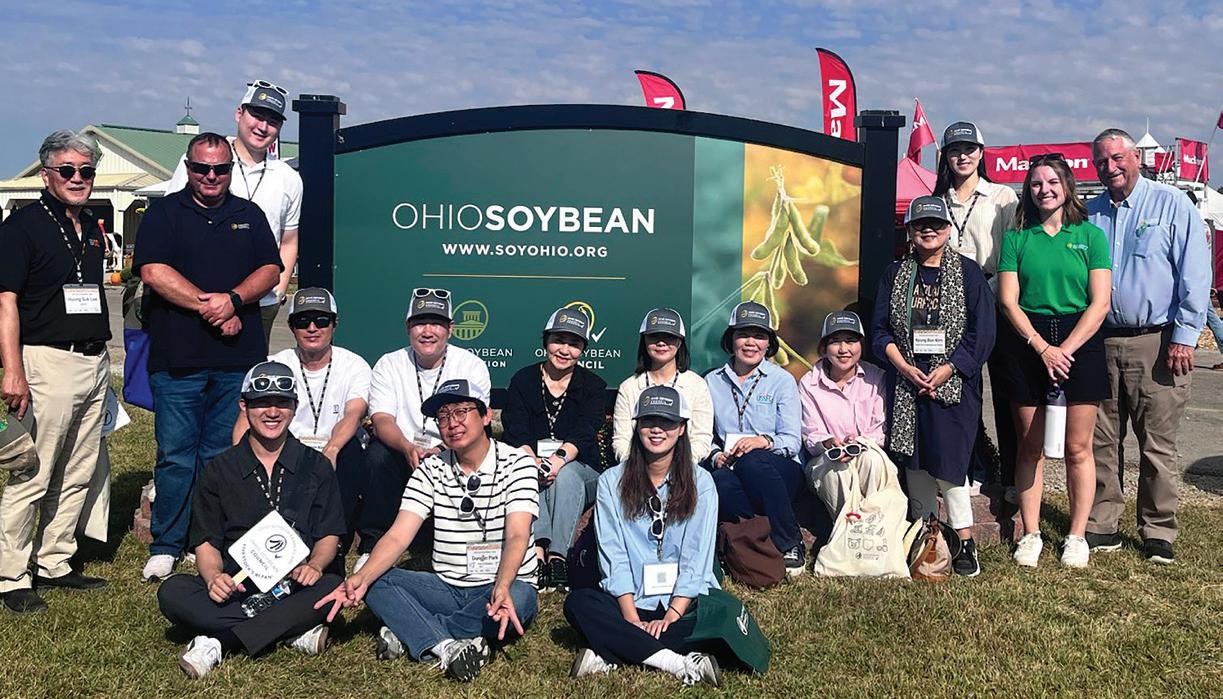
Soy has long been a staple in Japanese diets, from tofu and miso to soy sauce, cooking oils, and modern protein ingredients. Japanese buyers place a strong emphasis on bean size, protein content, purity, and consistency, qualities that align well with Ohio’s ability to produce high-quality, identity-preserved soybeans.
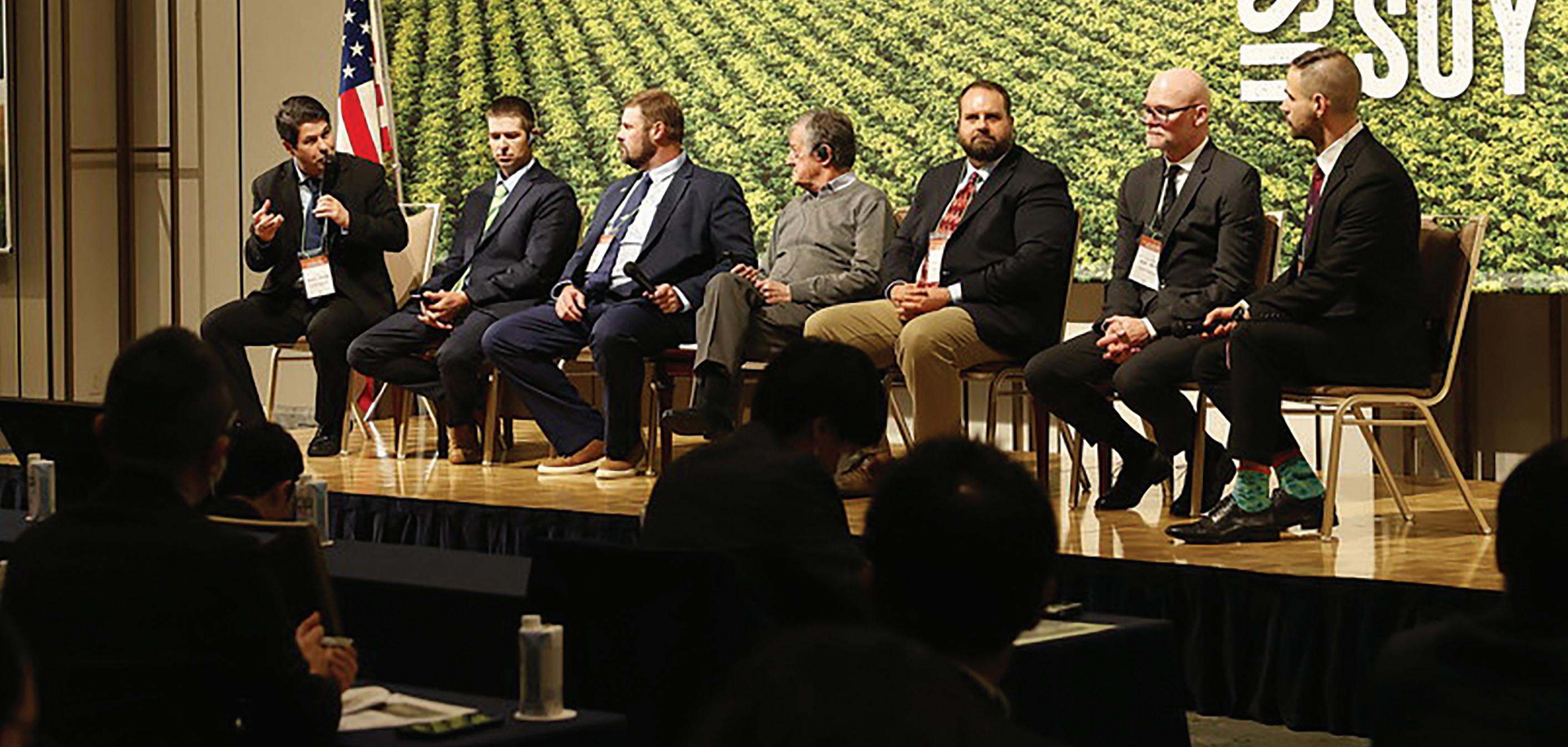
Ohio farmers have played an active role in maintaining those relationships. Chad Warner, a Darke and Miami county farmer and Ohio Soybean Council vice chairman, represented Ohio at the U.S. Soy Outlook Conference in Japan in November 2025, where he met directly with buyers and processors.
“When you sit across the table from buyers, they want to know who grew the soybeans and how they were produced,” Warner said, noting that being there as a farmer helps build confidence in the quality, consistency, and sustainability buyers expect from U.S. soy. The conference brought together buyers, processors, and farmers to discuss crop quality, global supply trends, and sustainability expectations. Ohio’s investment in Japan also extends beyond whole soybeans.

Through checkoff-supported work with the U.S. Meat Export Federation, Ohio soybeans indirectly support Japan’s pork industry. In 2024, U.S. pork exports to Japan accounted for the equivalent of 5.8 million bushels of Ohio soybean usage in feed. Japan relies on imports for more than half of its pork consumption.
South Korea: Sustainability driving demand
South Korea is another key destination for Ohio and U.S. soybeans, importing more than 171 million bushels annually. The U.S. holds about 51 percent of Korea’s whole soybean market and ranks among the top suppliers of food-grade soybeans, soybean oil, and soybean meal.
Sustainability has become an increasingly important factor in Korean purchasing decisions. More than 93 percent of U.S. soybeans exported to the Northeast Asia region are verified through the U.S. Soy Sustainability Assurance Protocol, which provides assurance that U.S. soy is grown responsibly using existing conservation and regulatory frameworks.
The Ohio Soybean Council has been investing in South Korea through the Korea Soy Food Masters Program since 2022. The program educates food industry professionals about U.S.-grown, non-GMO food-grade soybeans and sustainable farming practices. Each year, a delegation of program graduates travels to Ohio to see the soybean supply chain firsthand. To date, 387 participants have completed the program, deepening their knowledge of U.S. soy and strengthening connections between Korean buyers and Ohio farmers.
Seeing the supply chain firsthand
In September 2025, 29 farmers and staff from 12 soybean-producing states participated in the U.S. Soybean Export Council’s annual learning mission in Japan and South Korea. Among them was Putnam County farmer Jeff McKanna, treasurer of the Ohio Soy-
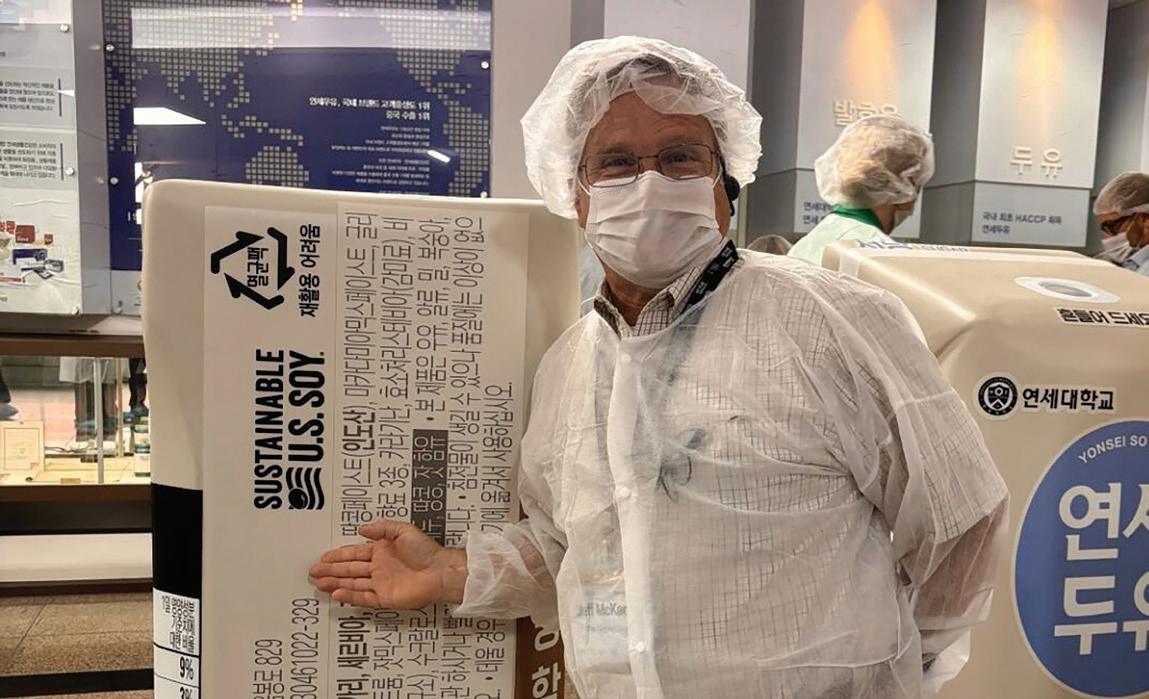
The group toured facilities throughout the soybean supply chain, starting in South Korea at Incheon Port near Seoul, one of the country’s main gateways for agricultural imports. They also visited CJ CheilJedang’s soybean crush plant and Yonsei University Dairies, which proudly uses the Sustainable U.S. Soy logo, as well as Bookook Feed, where soybean meal is processed into value-added animal feed.
In Japan, the delegation visited Fuji Oil Company in the Osaka region, a leading producer of soybean oil and soy protein ingredients, and the Kewpie Group R&D Center in Tokyo, where Japan’s top mayonnaise and condiment company develops soy-based products for domestic and export markets.
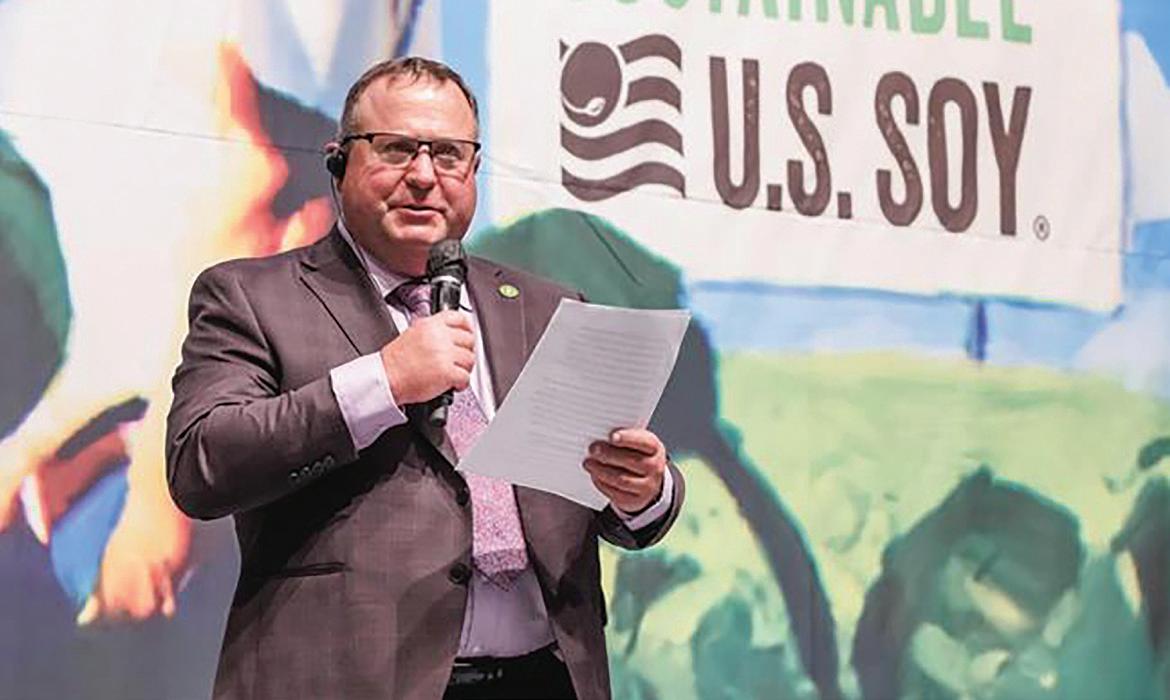
bean Council board, who joined the delegation to better understand how U.S. soybeans are used across Northeast Asian markets.
even buses. That tells you how much they value the sustainability and quality we provide as farmers. Being there in person helps build confidence and trust directly with buyers.”
Why it matters to Ohio farmers
The group also met with USDA Japan Minister Counselor for Agriculture, Gene Bailey, to discuss market trends and collaboration opportunities.
“For me, it was eye-opening to see how well-developed the U.S. soy market is in Korea and Japan,” McKanna said. “The Sustainable U.S. Soy label is everywhere, on food packages, advertisements, and
Food-grade soybeans make up a small percentage of total U.S. soybean production, but they deliver significant value. Ohio’s soils, climate, and farming practices make the state well-suited to produce the high-protein, identity-preserved soybeans demanded in Japan and South Korea.
Markets built on trust and transparency also help provide stability during times of global uncertainty. Through checkoff investments, farmer leadership, and direct engagement with buyers, Ohio soybean growers are helping secure long-term demand. In mature markets like Japan and South Korea, those relationships continue to pay dividends for Ohio farmers today and into the future.

Domestic Markets for Soybeans Grow with Biodiesel
By Madison Corbi
Director of Demand and Market Development, Ohio Soybean Council
From farm to fuel tank, biodiesel has become a powerful driver of demand for U.S. soybeans while delivering economic, environmental and engine-performance benefits. As use continues to grow across fleets and industries, soybean-based biodiesel is strengthening rural economies and creating new opportunities for farmers.
Fast FACTS
Biodiesel is a drop-in fuel that can be used in diesel engines with little to no modifications.
Approximately 8.16 billion gallons of soybean oil—equivalent to about 762 million bushels of soybeans—was used in biomass-based diesel production in 2025 (Energy Information Agency, January–September 2025).
The biodiesel industry contributed a total U.S. impact of $42.4 billion, supported 107,400 U.S. jobs, and paid $5.8 billion in wages (Clean Fuels Alliance America).
Ohio consumed 53 million gallons of biodiesel in 2023 (Energy Information Agency).
The soybean checkoff invests in projects that promote soybean oil as a primary biodiesel feedstock and encourages fleet adoption.
BIODIESEL HISTORY
Biodiesel Day is celebrated on March 18 to honor Rudolf Diesel and his early experiments with biomass-based fuels. Biodiesel is produced through transesterification, converting vegetable oils into usable energy, and can be blended from one to 100 percent with little to no engine modification.
In the 1990s, rising soybean production led farmers to seek added value for soybean oil. With soybean checkoff support, researchers improved biodiesel quality and engine compatibility, creating a new domestic market for U.S. soybean farmers.
The Renewable Fuel Standard, implemented in the mid2000s, required increasing amounts of renewable fuel in transportation fuel, driving demand for biodiesel. Since then, soybean oil has remained the largest biodiesel feedstock, accounting for approximately 34 percent of biofuel feedstocks, according to the U.S. Energy Information Administration.
DOMESTIC ECONOMIC BOOST & SOYBEAN DEMAND
Beyond environmental and engine benefits, biodiesel delivers strong economic returns. A recent Clean Fuels Alliance
America study found the biodiesel industry contributed $42.4 billion to the U.S. economy, supported 107,400 jobs, and paid $5.8 billion in wages.“Soy based biodiesel is a big domestic market opportunity for soybean farmers,” said Mike Ralph, Ohio soybean farmer and OSC representative on the Clean Fuels Alliance America board. “These numbers reflect more than just environmental benefits.”
Between January and September 2025, soybean oil use in biomass-based diesel totaled 8.16 billion pounds—equivalent to oil from 762 million bushels of soybeans. Biodiesel and renewable diesel production contribute roughly 10 percent of the U.S. soybean bushel price, according to Clean Fuels.
STRONG DEMAND OPPORTUNITIES
Demand continues to grow across domestic fleets. In 2025, John Deere approved B30 biodiesel blends for all Tier 4 John Deere Power Systems engines. Locally, the City of Columbus uses B20 year-round, reducing carbon emissions while maintaining efficiency.
Interest is also expanding in rail, marine and aviation markets. Norfolk Southern has set a goal to reach 20 percent biofuel consumption by 2034. As companies seek to lower carbon footprints, biodiesel offers a practical, low-investment solution across the supply chain.




WE HELP MAKE SURE YOURS HAS A FUTURE.
Every farm here was built on generations of hard work. That’s why the Ohio Soybean Council is always hard at work making sure the next generation to operate your farm has every opportunity to make it a better one. Whether we’re driving innovation, expanding markets or educating classrooms — we’re investing in what matters most: creating a solid foundation for the next generation to operate your farm.