As we reflect on the past year, challenging is one word that many Ohio soybean farmers might use to describe 2025. But it’s far from the only one I thought of in preparing to write this letter to you.
Perseverance, commitment, and opportunity come to mind. And while we can’t ignore adversity, we can overcome it.
This is how the Ohio Soybean Council (OSC) put your checkoff to work throughout the last year. From advancing innovative research aimed at producing a more profitable bean to developing new uses for soy-based products that help support growing demand, each effort was focused on delivering value back to Ohio soybean farmers.
You told us that market expansion is a priority. We strategically strengthened international relationships to increase export opportunities, while also supporting animal agriculture and continuing work to grow biofuels and other soy-based solutions.
And OSC also reinforced its commitment to our community with local outreach and education.
It’s a balance between stability and growth. As practical optimists and ambitious entrepreneurs, we’re invested in both. But most importantly, we are partners with purpose ensuring your checkoff delivers a return on investment.
The challenges Ohio soybean farmers faced in 2025 were personal and complex. But we understand that farming is about more than just today—it’s about building a legacy for the next generation.
Our partnership with you is essential, and together, we have a responsibility to make every checkoff dollar a meaningful investment in the future of your farm.
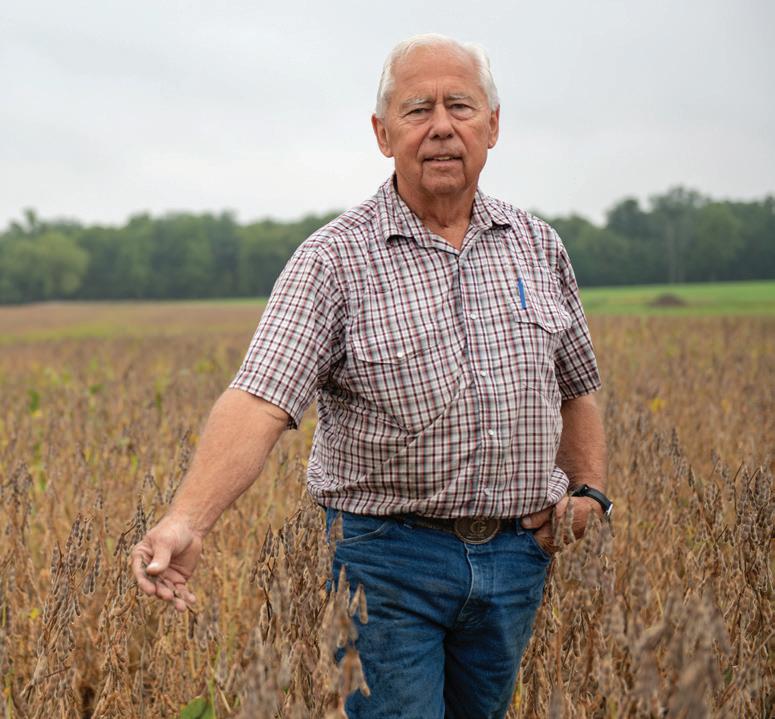
I always say, “life evolves,” so we can adapt, use our imaginations, and create opportunities for results. Thank you for your continued support and trust. We look forward to growth, stability, and success—together.
Sincerely,

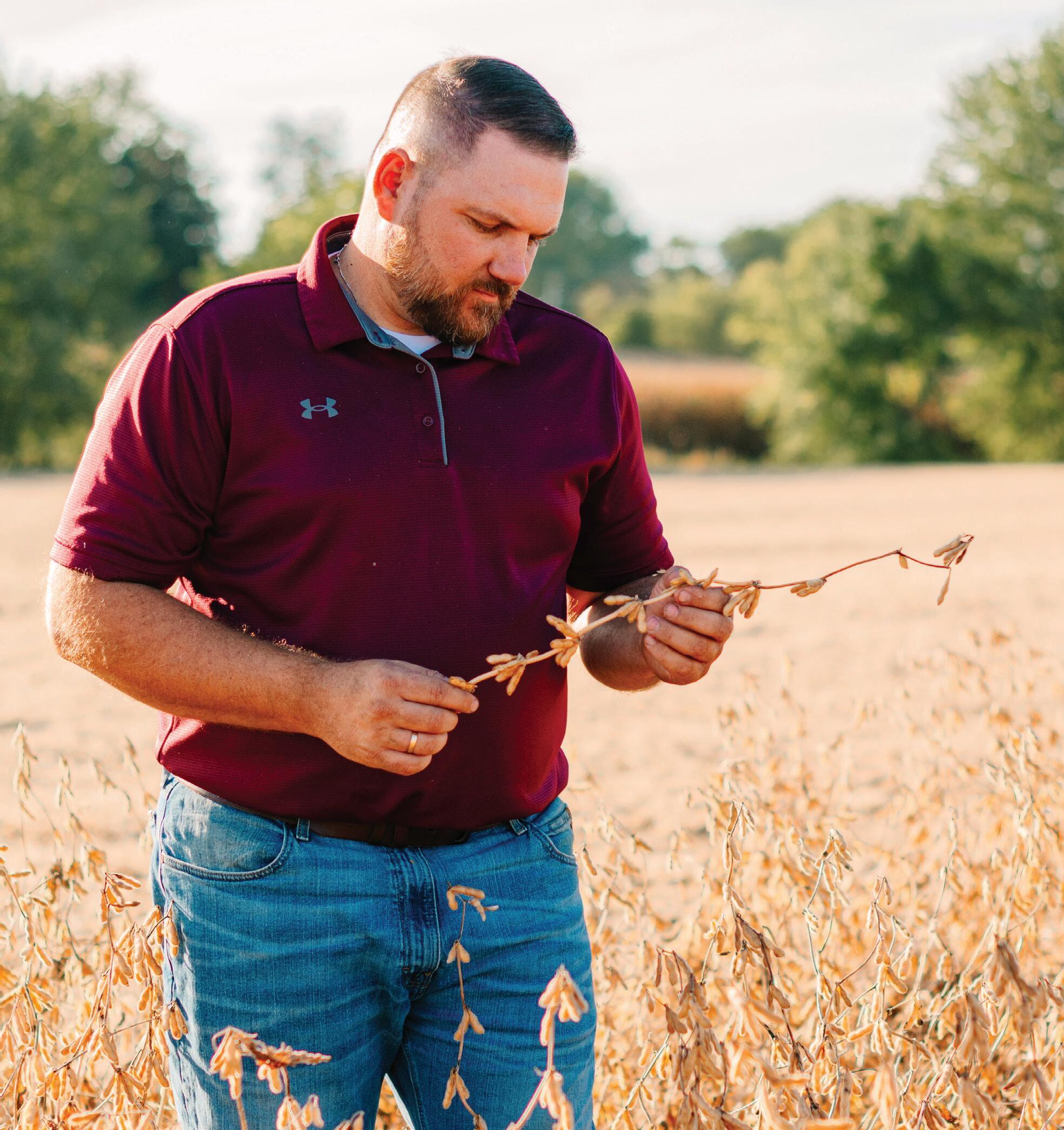
The Ohio Soybean Council (OSC) is committed to empowering our farmers through relevant scientific research aimed at improving yields, reducing costs, and adopting smart, sustainable farm management practices. In 2025, checkoff dollars allowed Ohio State University researchers to continue developing agronomic answers to challenging crop management questions that impact soybean production.
Meaningful research progress equipped Ohio farmers with the knowledge to conquer invasive weeds with strategic control tactics, improve soil health with smart nutrient management, and explore the advantages AI offers to reduce soybean stress.
The following is a snapshot of some of the new and ongoing collaborative research your checkoff made possible in 2025.

RESEARCHER
Dr. Manbir Rakkar
Assistant Professor of Soil Fertility & Nutrient Management, OSU
PURPOSE
This ongoing project examines soil phosphorus (P) dynamics on Ohio farms to optimize soybean plant uptake, increase yield potential, and reduce environmental impact. Research accounts for different nutrient application management practices to provide state farmers with deeper agronomic insights into crop response to applied P. More efficient application of P will increase ROI and, potentially, provide environmental benefits by reducing runoff into Ohio waterways.
TAKEAWAYS
• Long-term inorganic P application impacts soil P pools, with significant increases in labile and moderately labile P pools under higher P application rates (3x).
• Legacy effects of P fertilization persist even after cessation, with elevated soluble P levels posing environmental risks.
• Crop yields remained consistent across treatments, indicating diminishing returns on high P inputs.
• Manure type and application rates significantly influence soil P dynamics, with swine manure leading to higher P accumulation compared to dairy manure.
RESEARCHERS
Dr. Laura Lindsey
Professor, Soybean & Small Grains, OSU
Dr. Alyssa Essman
Assistant Professor, Weed Science, OSU
PURPOSE
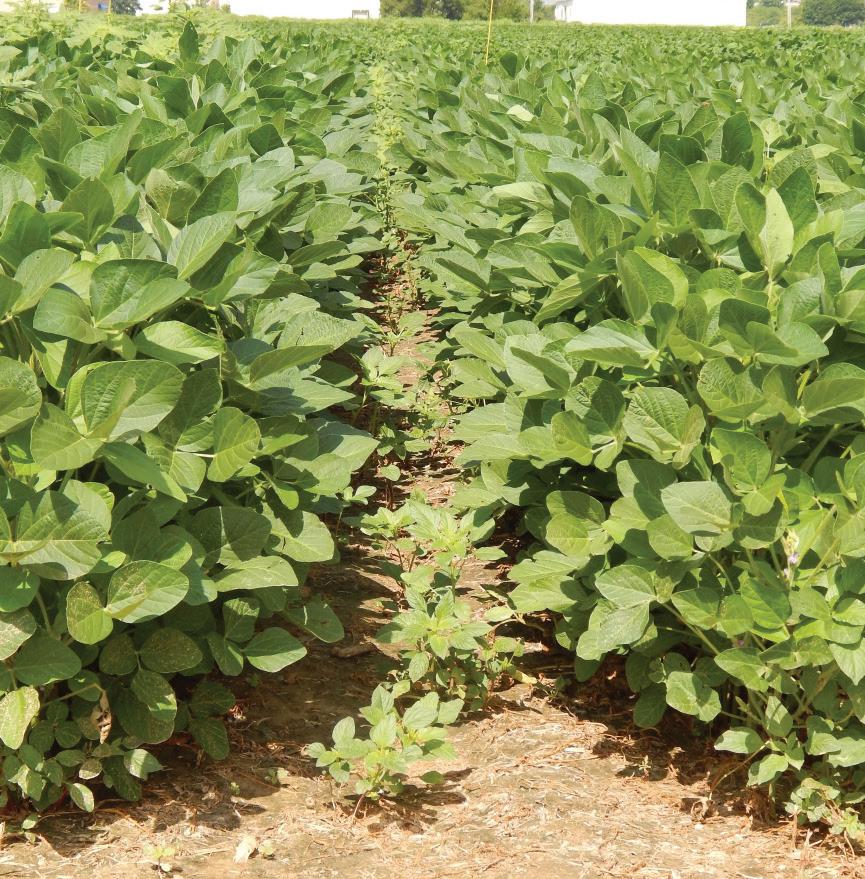
This project develops weed control programs for ultra-early planted soybeans to minimize weed issues and maximize yield. Premature planting of soybeans can expose seedlings to extreme temperatures and saturated soils. As a result, plant populations are often reduced. But decreased plant density can lead to slower canopy closure and increased weed pressure, including early-emerging giant ragweed and late-emerging waterhemp.
TAKEAWAYS
• Reduced soybean plant populations in ultra-early planting can lead to slower canopy closure and increased weed problems.
• Cold and wet conditions can reduce pre-emergence herbicide efficacy, especially for weeds like giant ragweed and waterhemp.
RESEARCHER
Dr. Alyssa Essman
Assistant Professor, Weed Science, OSU
PURPOSE
This project looks to mitigate the growing threat of waterhemp through herbicideresistance screening and proactive management strategies. Research aims to achieve four objectives:
1. Conduct an herbicide-resistance screen on seed collected in Fall 2024.
2. Determine the frequency and distribution of waterhemp and other common and troublesome weeds in Ohio, and collect waterhemp seed from fields with suspected herbicide-resistance for growing season 2025.
3. Continue a cover crop study evaluating the interactions between management of a rye cover crop and herbicide inputs on waterhemp density and seedbank dynamics.
4. Serve as a waterhemp management resource for growers, extension personnel, and crop consultants.
TAKEAWAYS
• Herbicide-resistance screenings showed 70% of waterhemp populations had ≤ 50% control with certain herbicides.
• Waterhemp is the most encountered weed in Ohio, found in 91% of counties surveyed.
• Cover crops did not significantly reduce waterhemp density or seedbank dynamics in 2024, but herbicide programs were effective.
• Drought conditions influenced weed density and yield outcomes.
RESEARCHER
Dr. John Fulton
Professor, Research, Extension and Teaching, Department of Food, Agricultural and Biological Engineering, OSU
PURPOSE
This study evaluates the effectiveness and uniformity of drone-based cover crop broadcasting across different crop canopy stages and seed types. Research results will establish guidelines for matching the proper spread swath width with the right cover crop or cover crop mixture, along with the expected spread variability.
TAKEAWAYS
• Optimal drone settings vary by seed type and application rate; calibration is critical for uniform distribution.
• Mixed seed applications require careful adjustments to maintain uniformity.
• Interseeding into green soybean canopies results in uneven seed distribution due to a funneling effect; partial defoliation improves uniformity.
RESEARCHER
Dr. Scott Shearer
Professor and Chair; Food, Biological and Agricultural Engineering, OSU
PURPOSE
This project aims to develop automatic and near real-time diagnostic capabilities which are critical to cost-effective mitigation of soybean crop stress.
TAKEAWAYS
• Develops protocols for creating image databases to support AI in diagnosing crop stress.
• Identifies profitable use cases for AI in soybean production.
• Estimated economic returns from AI applications include improved nutrient management and disease control.
• Accesses a dataset of 150,000 images for training AI models.
RESEARCHER
Dr. Sami Khanal
Associate Professor, Department of Food, Agricultural and Biological Engineering, OSU
PURPOSE
This project will begin to develop reliable data sets to utilize artificial intelligence (AI) and computer vision on drone imagery to assess soybean traits for replanting decisions.
TAKEAWAYS
• Engages farmers for feedback on the web-based decision support tool.
• Key accomplishments include accurate soybean stand counting and automated replanting prescriptions using AI models.
RESEARCHER
Dr. Erdal Ozkan
Professor, Agricultural Engineering Department, OSU
PURPOSE
This project investigates optimal spray technology for effective pesticide application in soybean canopies.
TAKEAWAYS
• Conducted tests in a wind tunnel to analyze spray deposition under various conditions.
• Found that nozzle type and wind conditions significantly affect spray coverage.
• Further plans include improving spray penetration in lower canopy sections and assessing spray drift.
In 2025, the global demand for sustainable and economical alternatives to traditional products further fueled the appeal of soy-based innovations. Checkoff dollars allowed Airable Research Lab to capitalize on the momentum and increase its physical research footprint in Ohio, as well as entering new product collaborations with corporate giants.
Partnerships with Google and Panasonic to replace the petroleum-based epoxy circuit boards used in data centers for electronics progressed in 2025. Airable also advanced its collaboration with Ashland Chemical to jointly develop soy-based products after the company launched its agrimer™ eco-coat polymer.
After expanding its lab space by 30% in 2024, checkoff dollars helped Airable secure a second research location in 2025. In collaboration with Airable, Shawnee State University will build a $1 million, 1,500-square-foot lab on its
Portsmouth campus, scheduled for completion by fall 2026.
Supported by seven state soybean checkoffs, the new facility will provide access to advanced bioprocessing and plastics technology, accelerating commercial testing and market entry for soy-based products.
70 years
of research and development experience within Airable Research Lab.
Since Airable Research Lab formed in 2019, Ohio’s soybean checkoff has helped bring more than a dozen innovative soybased products to market— including 10 award-winning inventions.
In 2025, the DEWALT® Biodegradable Bar & Chain Oil and Roof Maxx® products created more than 100,000 bushels of soybean demand.
There are large volume companies very interested in using soy for new uses and working with Airable Research Lab to develop solutions.”
Barry McGraw Director, Product Development & Commercialization
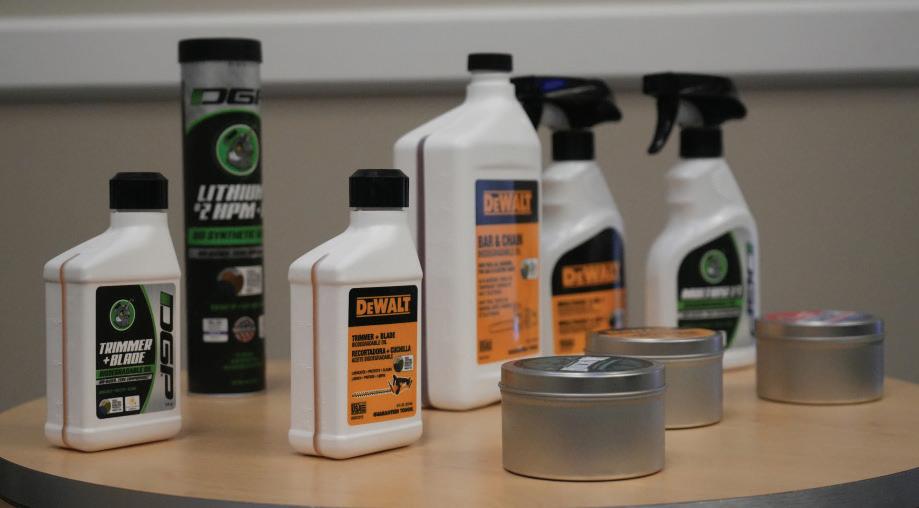
After a collaborative commercial launch in 2024 with Dynamic Green Products® (DGP), 2025 saw the soy-based oil for chainsaws from Stanley Black & Decker, Inc.,/DEWALT populate 1,600 Home Depot stores with further expansion in Do It Best hardware stores.
Airable commercialized its 75% soy-based oil that lubricates, cleans, and protects metal parts. The versatile product loosens stuck or corroded components, removes adhesive and paint, prevents rust and corrosion, and displaces moisture to restore water-damaged equipment like engines and power tools.
A new soy-based technology in the DEWALT Hedge Trimmer Oil is a biodegradable hybrid of bar and chain and multi-use oil. Made from foodgrade soybean oil, the formula offers an eco-friendly alternative to conventional petroleum lubricants.
Developed by Airable and marketed by DGP, this USDA-certified biobased lithium grease matches the strength of petroleumbased grease while ensuring sustainability and safety. It is designed for extreme loads in construction, agriculture, and industry, protecting bearings, joints, and moving parts under tough conditions.
Developed by Airable, with an expected commercial launch in 2026, this soy-based formula dissolves rust and restores tools, equipment, and surfaces to bare metal without chipping, scraping, or scrubbing.
Building on commercial momentum, the soy-based emulsion to rejuvenate and extend the life of asphalt roofs increased business volume by 80% in 2025. The product also added “Dirty Jobs” host Mike Rowe as commercial partner, further enhancing the product’s profile.
460,000
Projected total units of Dynamic Green Products® (DGP) Bar & Chain Oil sold in 2025— 288,000 more units than sold in 2024.
40,000
Projected total units of multi-use oil sold in 2025—its first year of commercial availability.
Additional Roof Maxx® small businesses/ dealers by the end of 2025—growing from 354 to 525 in the U.S.
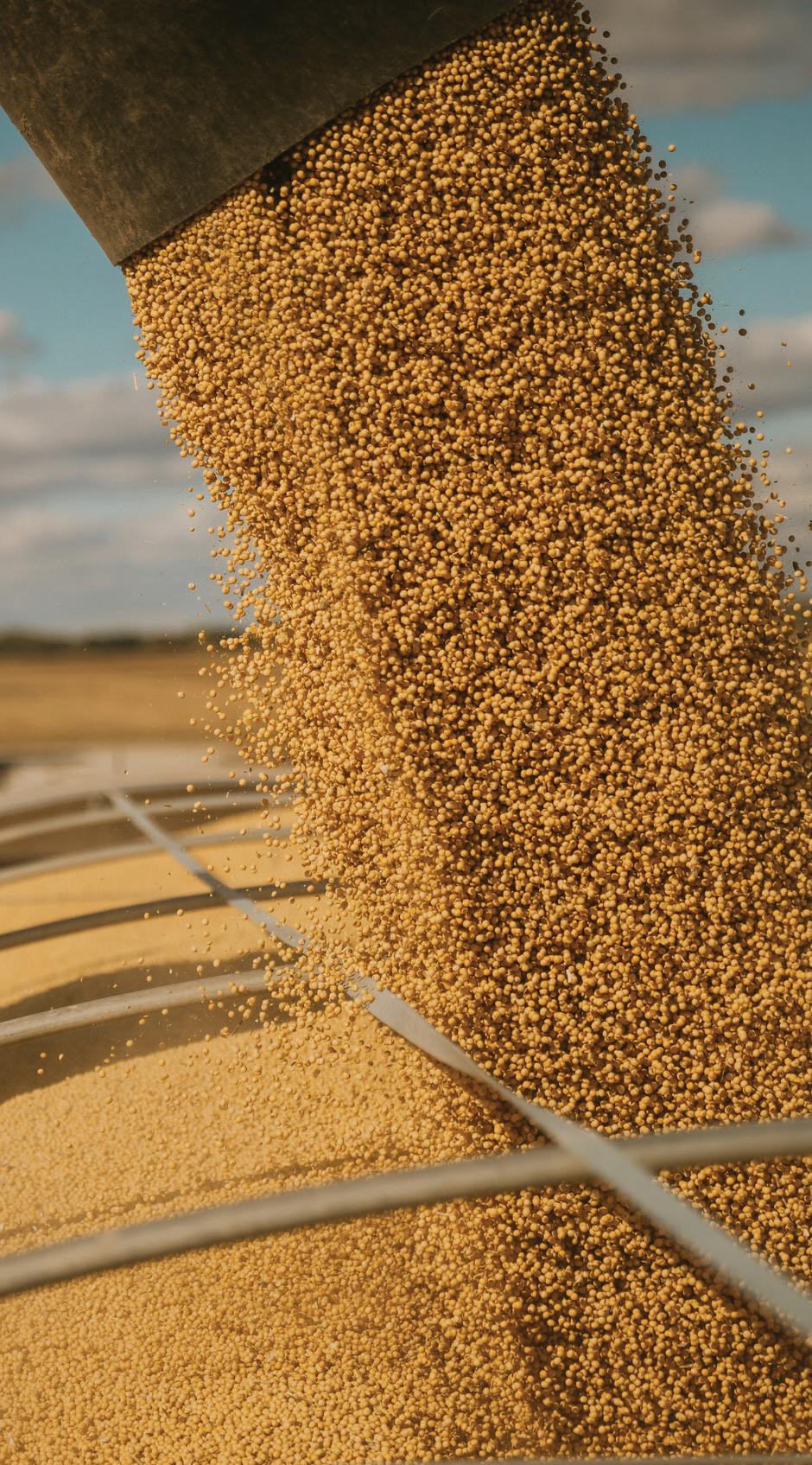
As global demand for U.S. soybeans continues to rise, checkoff dollars were strategically invested in opportunities that showcased the quality and versatility of Ohio soybeans. OSC focused on creative market diversification through targeted international and domestic initiatives, securing our state’s position in expanding soy markets and fostering long-term growth within them.
Trade is essential to Ohio agriculture, and it is critical to helping our farmers sell their products in the global
marketplace.”
Brian Baldridge ODA Director
In June, OSC welcomed five ambassadors of the Moroccan Table Egg Association who met with Ohio farmers to learn about growing a sustainable, high-quality soybean. Morocco is the second largest importer of U.S. agriculture products in Africa (behind Egypt). The U.S. has an 80% market share of Morocco’s soybean meal imports, close to 495,000 metric tons of U.S. Soy annually.
A team of 23 representatives in the feed industry from seven southeast Asian countries— Australia, Indonesia, New Zealand, the Philippines, Singapore, Thailand, and Vietnam—came overseas with collaborative support from OSC and the U.S. Soybean Export Council (USSEC), to visit Ohio farms.
In collaboration with The Ohio Corn & Wheat Growers Association and The U.S. Grains Council, OSC welcomed a group of soybean and corn purchasers from Vietnam. While in Ohio, the group visited state farmers and interacted with representatives of the agriculture industry.
Also in 2025, OSC entered into a memorandum of understanding with Vietnam’s Department of Animal Health and Production, under the Ministry of Agriculture and Environment, to foster collaboration between their respective industries. As the
world’s 13th-largest consumer of soybeans, Vietnam’s significant production of pork, chicken, and fish requires large quantities of soybean meal for feed.
51% market share of whole soybean imports held by the U.S. in Korea, which is the second largest importer of nonGMO soybeans.
In September, OSC hosted 10 Soy Food Masters graduates for an educational program on the health benefits of soy foods, as well as industryfocused soy food recipes. The visit included time with Ohio soybean farmers, two major containerized soybean exporters, Farm Science Review, the OSU Food Industry Center and dining halls, and Nestlé’s Research and Development Center.
With checkoff support, Erie County farmer Carl Krueger traveled to South Korea in June to educate local soybean users on his non-GMO operation in the northern part of the state. He interacted with participants of the 2025 Korea Soy Food Masters Program and toured several soy food manufacturers to learn about the challenges they face in the soybean procurement market.
OSC worked with the Ohio Department of Agriculture to welcome the Taiwan Goodwill Mission in September, which included the country’s Deputy Minister of Agriculture. The team toured Chairman Bill Bayliss’ farm in Logan County, where they learned about soil health, crop progress, modern agriculture technology, and equipment.
OSC also signed a Letter of Intent with the Taiwan Vegetable Oil Manufacturers Association for a commitment from their country to purchase over $4 billion worth of U.S. soybeans over the next four years.
In 2025, Darke County farmer Chad Warner visited several checkoff-funded programs in emerging markets, including Ghana, East Africa, Cambodia, and Sri Lanka. In February, WISHH traveled to Ghana to assess the poultry and aquaculture sectors, both of which have significant potential to increase soy usage and improve feed efficiency.
Additionally, farmers participated in the World Aquaculture Society’s Aqua Safari in Uganda, where they educated attendees about U.S. soy farming. OSC is in its second year supporting the East African Aquaculture Project. A major 2025 achievement was hiring an in-country representative to engage with local aquaculture farmers and address feed efficiency challenges.
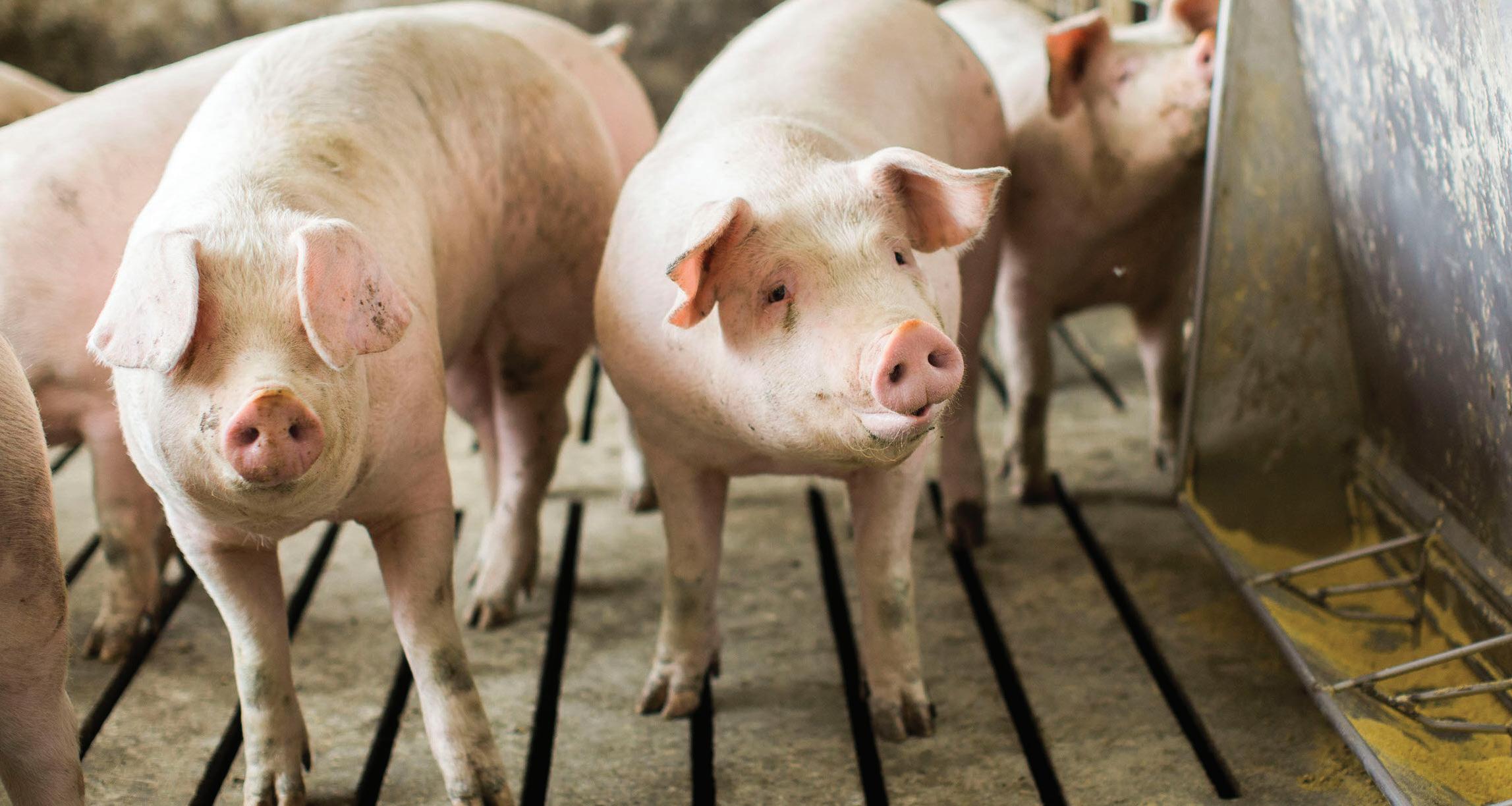
Continuing its relationship with the Ohio Pork Council, OSC exhibited at the Ohio Pork Congress in February to reinforce the use of soybean meal in hog diets through the “Optimize with Soy” campaign that was launched in 2024.
$64.4M
5.8M
OSC supported a Caribbean trade delegation of 23 exhibitors at the Americas Food & Beverage Show in Miami in September. In post-event surveys, USAPEEC member exhibitors estimated multi-million dollar sales potential as a direct result of participation in the combined trade mission and trade show events.
OSC sponsored the Tri-State Dairy Nutrition Conference in April in Fort Wayne, IN providing attendees from Ohio, Indiana, Michigan, and beyond with information on the benefits of soy in dairy diets.
In 2025, OSC continued its support of the Soy Excellence Centers (SEC) training for the fifth year. The SECs are a workforce development initiative aimed at helping emerging markets tackle protein challenges and stimulate demand for U.S. Soy products. To date, the SECs have trained over 31,000 participants worldwide.
Leveraging social media, OSC partnered with the Ohio Poultry Association (OPA) to produce an educational sustainability campaign. OPA created an animation series to show consumers how Ohio egg and soybean farmers are protecting the environment and being responsible operators. 700K+ Impressions generated by OSC’s social media campaign with the Ohio Poultry Association.
700 attendees representing 59 countries at Soy Connext.
In August, OSC board members and staff traveled to Washington, D.C. for the 2025 Soy Connext event, an international soybean buyers conference hosted by the U.S. Soybean Export Council (USSEC). Soy Connext brings together industry leaders, farmers, international buyers, and stakeholders from across the soy value chain.
Soybean checkoff boards like OSC match these government contributions to create new market opportunities for farmers. The Soy Excellence Centers are stationed throughout USSEC regions, including Egypt (Middle East and North Africa—MENA), Nigeria (SubSaharan Africa), Singapore and Thailand (South/Southeast Asia), India (South Asia), and Honduras (Americas).
With Toledo, Ohio having a major port off Lake Erie, OSC allocated checkoff funds to attend this inaugural conference in December 2024 in Detroit. The conference explored promotion of the Great Lakes as an efficient and sustainable export route for U.S. soybeans, with a focus on reaching markets in Europe and northern Africa.
Checkoff dollars continued efforts to educate farmers on economic and environmental benefits of biodiesel. OSC partnered with Ohio’s Country Journal and Ohio AgNet to increase awareness and publicize the economic benefits of biofuels.
In 2025, OSC collaborated with Clean Fuels Alliance America to promote biodiesel as a sustainable source in the tech space, ensuring current educational pieces were distributed to fleets across the U.S.
OSC also attended the Clean Fuels Conference in January, to interact with fleet managers and equipment manufacturers, and get updates on the U.S. biofuels market.
Banking on Biodiesel:
• Generates $1 billion in economic activity
• Supports $106 million in wages
• Creates over 1,700 jobs
• Uses 13.3 billion pounds of soybean oil, from 1.2 billion bushels of soybeans, for biodiesel and renewable diesel production *Source:
Checkoff support has allowed GrowNextGen to connect with more than 20,000 teachers and 500,000 students in Ohio and beyond for more than a decade through its website, teacher workshops, and educator network. In 2025 alone, more than 10,000 students and teachers participated in virtual education programs that bring agriculture science to the classroom.
Virtual assemblies for elementary students— another aspect of the GrowNextGen initiative—reached 23 schools and more than 8,500 students during the 2024-2025 school year.
More than 7,000 students representing over 350 classrooms from Ohio and around the country attended virtual field trips highlighting important aspects of the soybean industry including planting, harvest, agronomy, soy-based products, and precision technology.
A 2025 highlight was the session at the Anthony Thomas Candy Company showing the importance of soy lecithin in chocolate candy production. Other virtual field trips included planting and harvest at Adele and Eric Flynn’s Lorain County farm, soybean agronomy from Sunrise Cooperative, and precision ag technology and career opportunities with former college students now working in the industry.
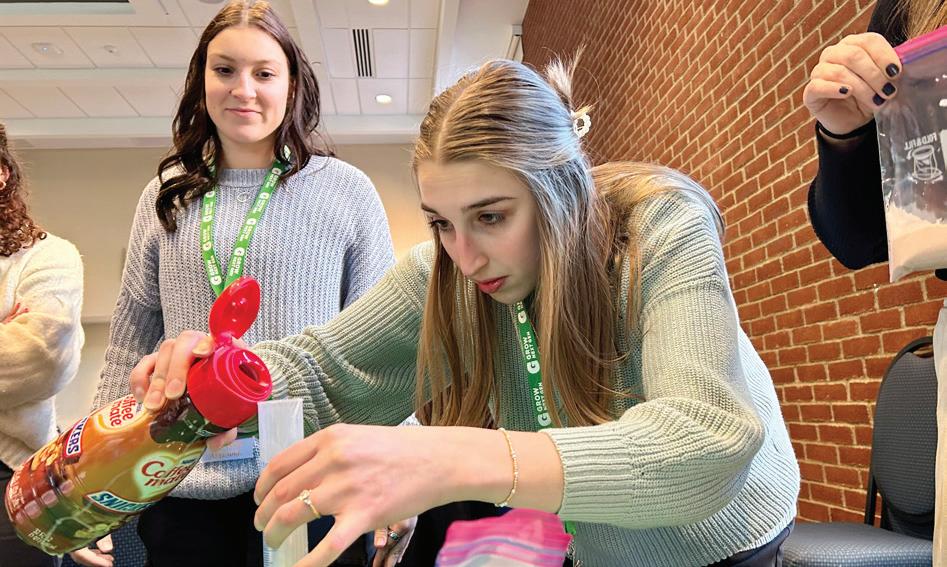
17,926
Students, teachers, parents, and consumers that GrowNextGen ambassadors personally connected with during 2025 community outreach events including the Ohio State Fair and Farm Science Review.
234
Student participants in day-long onfarm study experiences at the OSU Main and Wooster campuses.
603
Teachers who attended GrowNextGen workshops, webinars, and conference sessions in 2025 to better equip them to make the connection between science and agriculture in their classrooms.
42,628
Visitors to the GrowNextGen website in 2025 – a 13.72% increase over 2024.
77%
Year-over-year increase in users of GrowNextGen’s eLearning tools in 2025.
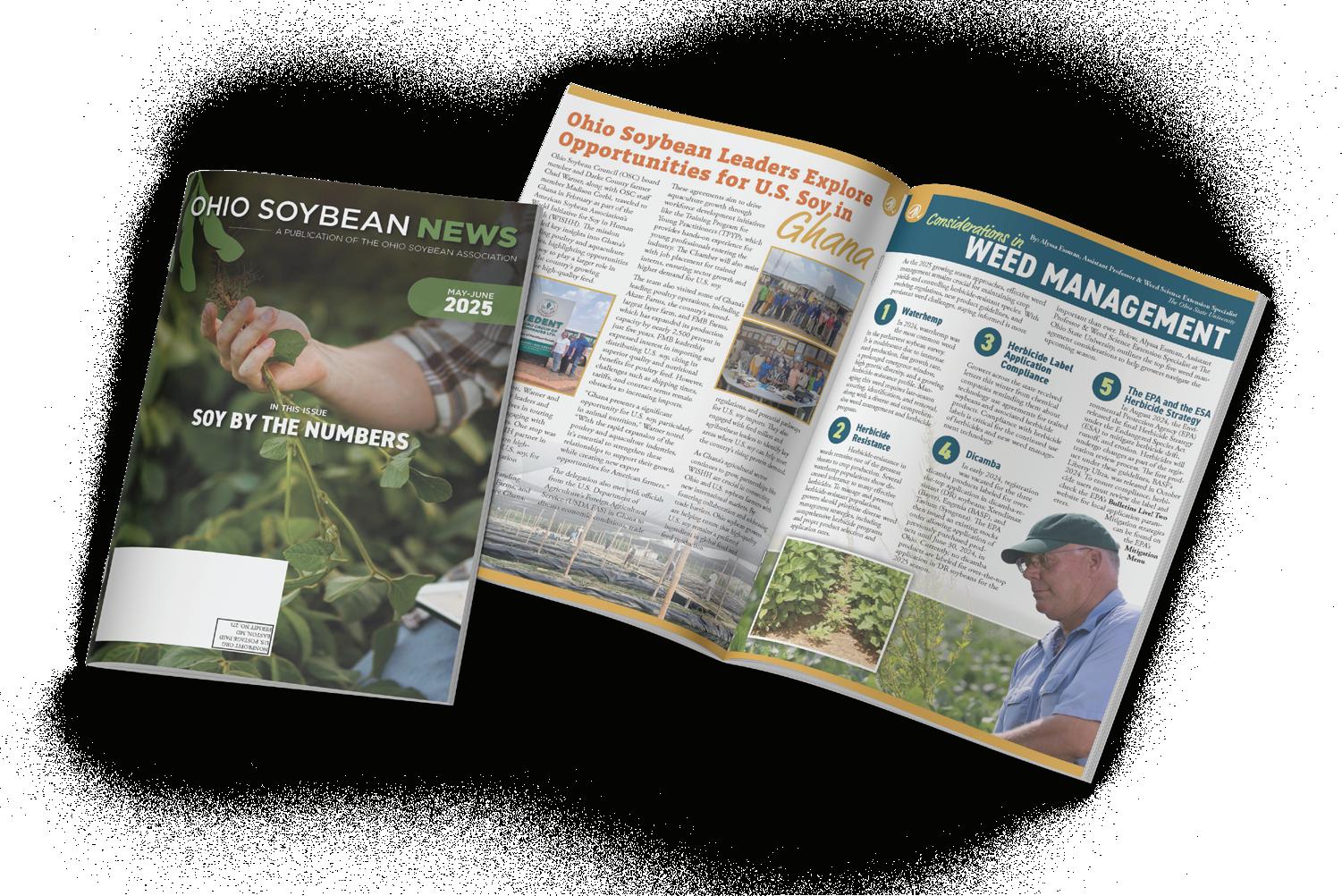
Checkoff support continued to help connect Ohio farmers with timely content published through the Ohio Field Leader program. The online collection of articles, videos, and podcasts published in 2025 through Ohio’s Country Journal and Ohio Ag Net, covered relevant, relatable content created to help soybean farmers successfully navigate the growing season. From tips on timely cover crop seeding to taking lemons and making lemonade in agriculture, Field Leader kept farmers informed all year.
Produced in conjunction with Ohio’s Country Journal, the program features online articles, and Field Leader Roadshow videos and podcasts hosted by Dusty Sonnenberg, Henry County farmer and CCA. All Field Leader content can be found under the Ohio Field Leader tab at ocj.com.
This year’s informative mobile on-farm series visited three farms to capture candid, timely perspectives from a few of Ohio’s soybean growers.
• Joe Everett of Shelby County dug into the history of the family farm, farming practices, and advice on maintaining a positive landlordrenter relationship.
• Ray Van Horn of Morrow County provided an update on his spring planting progress, along with his insight into the valuable relationship-building role that commodity organizations play with international trade partners.
• Keith Dennis of Perry County shared his experience-based tips for strategic cover crop use and the transformative soil health benefits.
In 2025, the bi-monthly magazine refreshed its design and partnered with Ohio’s Country Journal for re-design and printing. This collaboration with a wellconnected local company has enhanced the magazine’s content, produced by OSC staff and published through the Ohio Soybean Association.
Seeing an opportunity to equip ambitious ag students with practical professional advice, OSC sponsored the annual Night for Young Professionals event at Wilmington College. The evening allowed more than 100 students to “plant” themselves with a compelling professional introduction, “pitch” their talent and resume, then “prosper” by networking with industry professionals in attendance.
The August event saw two groups divide the northern and southern regions of the state for in-field learning and idea exchanges with local farmers. The 2025 tour included crop scouting for plant heath, pest or disease evaluation, and yield checks. Checkoff support allowed fellow Ohio farmers to access comprehensive online coverage of the entire tour, including in-depth video interviews, podcasts, and articles on the Ohio’s Country Journal website.

In April, OSC and the Harrison Township Fire Department in Ashville, Ohio, hosted a demonstration of a new, soy-based firefighting foam that uses about 13 pounds of soymeal per five gallon bucket. Originally funded by the United Soybean Board, and developed by Georgia-based Cross Plains Solutions, SoyFoam™ is made from soy flour making it a biodegradable option for firefighters and creating a new domestic market for soybean farmers. Checkoff dollars helped OSC launch a cost-share program for Ohio fire departments to purchase SoyFoam with reimbursement up to $1,000.
OSC partnered with several county sheriff departments to provide free sets of soy-based Goodyear® tires. In 2025, Crawford, Darke, Henry, Marion, Paulding, Ross, Van Wert, and Wood Counties all received tires for a pursuit vehicle in their fleet. The donations featured a specific line of tires manufactured with soybean oil that improves tire flexibility in colder weather and creates better traction on wet or icy roads. OSC hopes to expand on the program in 2026, and eventually cover all 88 counties in the state.
SoyFoam creates a domestic market for soybean farmers with product demand expected to use protein from 12 million bushels of U.S. soybeans.*
*Source: Cross Plains Solutions

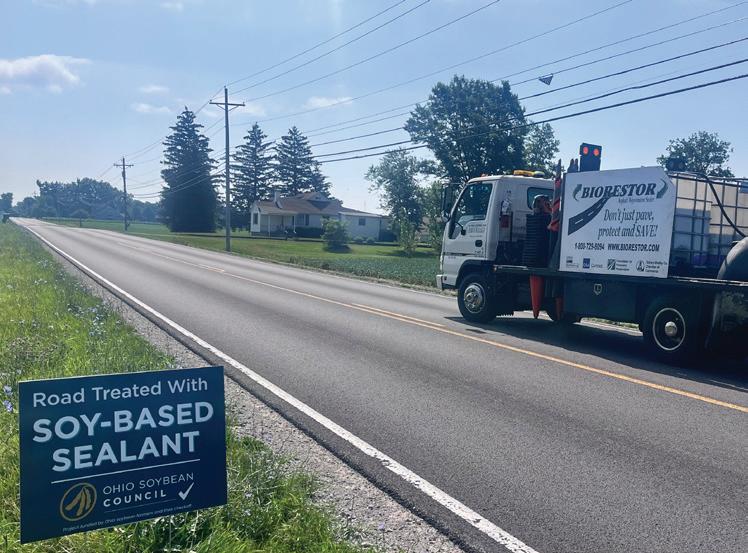
OSC collaborated with Sidney, Ohio-based company BioBased Spray Systems to demonstrate a new soy-based asphalt sealant that can extend road life by 40%. In summer 2025, applications of BIORESTOR® were made on two, one-mile stretches of highway in Northwest Ohio. A key component of the formula is soybean oil that helps protect and preserve state roadways.
Understanding the need to adapt and respond to evolving policy priorities, the Ohio Soybean Association (OSA) continued to be an influential voice for state soybean farmers and Ohio agriculture. 2025 saw OSA effectively advocate for legislative reform in some areas and continuity in others while maintaining collaborative, constructive relationships with policymakers.
From renewable energy to infrastructure, OSA’s advocacy— driven by close collaboration with ag stakeholders—helped shape legislation that supports agricultural communities, strengthens rural economies, and promotes sustainable growth.
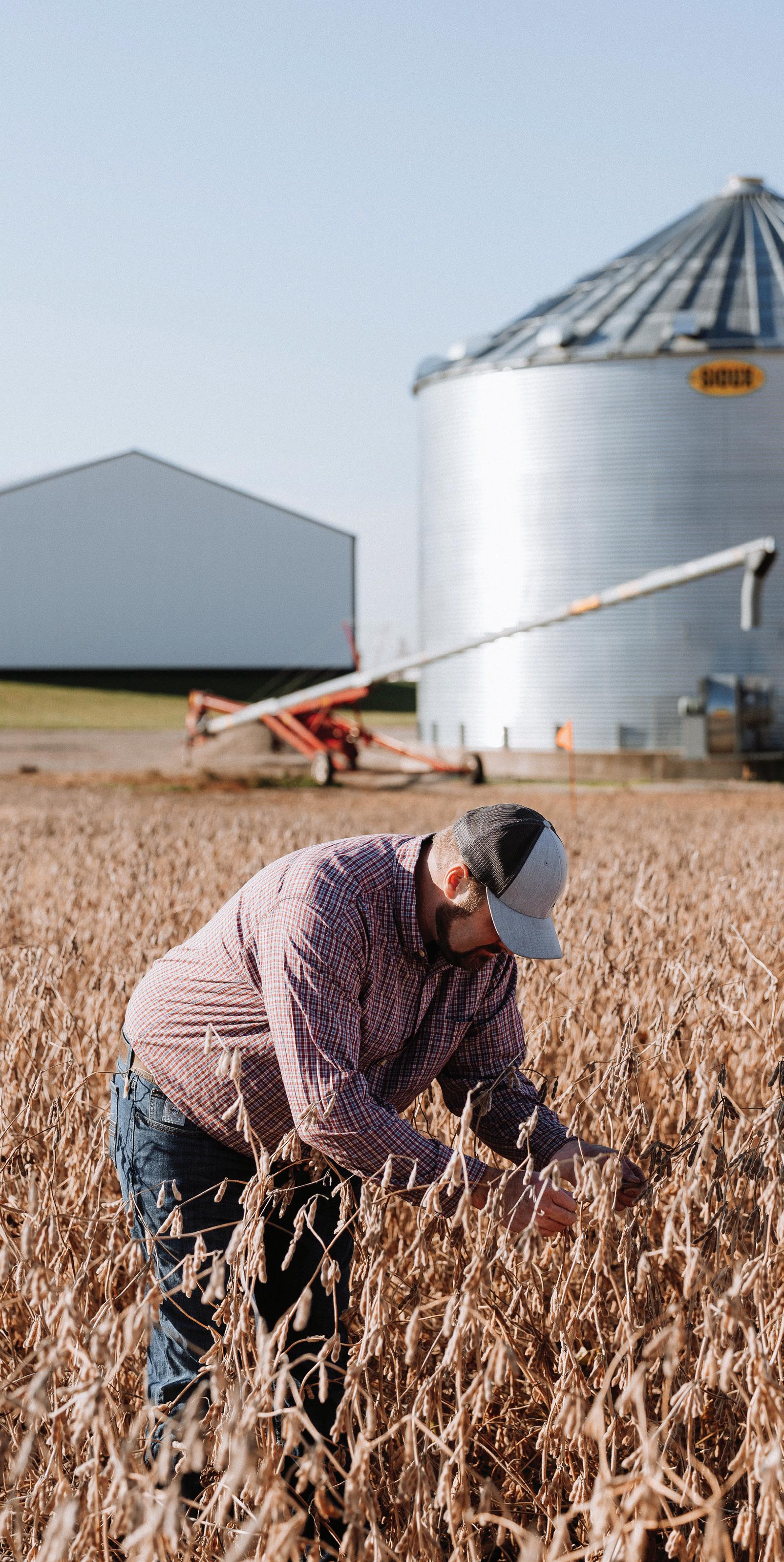
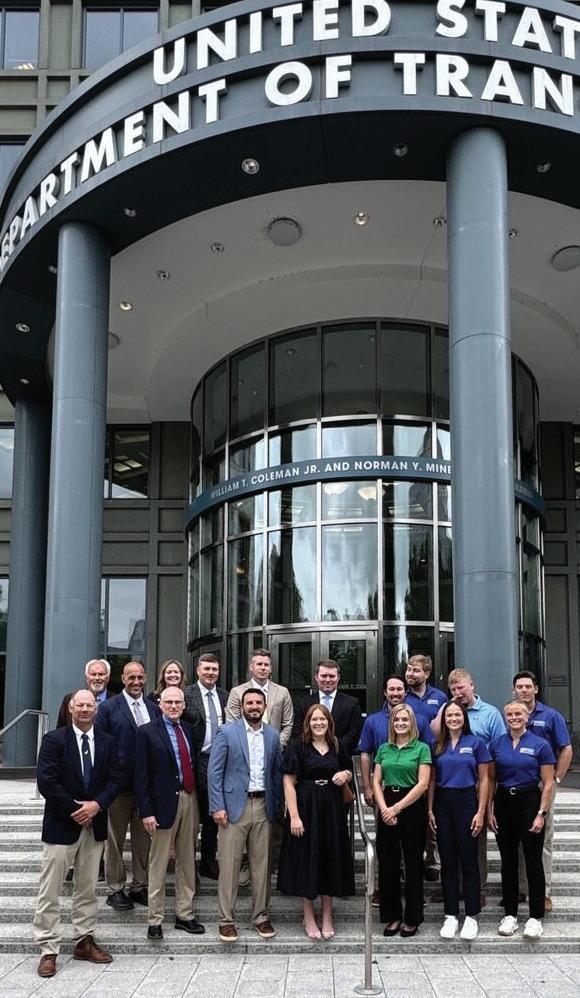
OSA rallied farmers to oppose a 2025 proposal to eliminate sales and use tax exemptions for agricultural drain tile and grain bins. The call-to-action campaign successfully halted the legislation, and preserved the economic exemptions.

OSA continued their commitment to a statewide coalition in support of Issue 2, which renewed the State Capital Improvement Program. Voters approved the measure in May, allocating necessary funding for local governments to maintain and repair rural infrastructure, all of which are essential to Ohio’s ag economy.
OSA played a key role in advancing the 45Z Clean Fuel Production tax credit, which incentivizes domestic production of soy-based biofuels that reduce carbon emissions. Revisions to the credit calculations, along with ensuring feedstocks only come from North American sources, helped build a favorable foundation for domestic soybased biofuels. The revisions also include a 50% reduction in the U.S. credits for import-based renewable fuels, furthering the opportunity for the U.S. to gain a foothold in the soy-based biofuels market.
As farmers seek clarity on how much soybean oil can be used for biofuels, OSA also actively supported a federal proposal that would significantly increase volume requirements for biomass-based diesel. The pending legislation seeks to increase volume by 67% from 3.35 billion gallons in 2025 to 5.61 billion gallons in 2026. If approved, the rule would help prioritize American-grown feedstocks—including soybean oil—giving domestic farmers a competitive advantage in the biofuels market.
OSA championed further funding for the H2Ohio initiative, a statewide program that includes adoption of conservation and water management practices on Ohio farms. Launched in 2019, H2Ohio seeks to improve water quality through sustainable practices that reduce runoff and promote conservation methods.
In response to the threat of Highly Pathogenic Avian Influenza, OSA backed budget provisions to secure necessary funding for prevention and response efforts. The program received full funding, reinforcing Ohio’s preparedness and biosecurity for the poultry industry which represents an important customer for Ohio soy growers.
OSA initiated a successful letter-writing campaign by state farmers and ag stakeholders in support of exploring opportunities in the renewable material and soy-based bioproduct markets. The grassroots effort encouraged the Ohio General Assembly to consider domestic paths for the state to be competitive in the global bioeconomy.
Previously, family members and farm employees could apply pesticides under the supervision of a licensed applicator without needing their own license. OSA successfully opposed changes to this law that would have removed this flexibility and advocated to restore it through direct engagement with Ohio’s General Assembly.
Since 2008, Ohio Soybean Council Foundation (OSCF) has awarded annual scholarships to promote and develop the next generation of Ohio college and university students pursuing careers in agriculture or a related field of study.
Checkoff dollars support an ongoing commitment to offering and expanding programs that inspire the future leaders of Ohio’s soybean industry.
In 2025, the OSCF awarded eight undergraduate and five graduate scholarships, along with the annual Robinson W. Joslin Scholarship and Bhima Vijayendran Scholarship.
$47,000
Total Scholarships Awarded in 2025
$687,000
Total Scholarships awarded by the Ohio Soybean Council Foundation since 2008.
$5,000
Dylan Bambauer of New Bremen, OH, is a senior at the University of Dayton studying mechanical engineering. BHIMA VIJAYENDRAN SCHOLARSHIP
$3,000
$3,000
Kaylynn Wilhelm of Enon, OH, is a senior at OSU studying agriscience education. ROBINSON W. JOSLIN SCHOLARSHIP
Chloe Anderson of Kenton, OH, is a senior at OSU studying agriscience education.
Ruth Beery of Frankfort, OH, is a senior at Wilmington College studying animal science and biology.
Hanna Chafee of Republic, OH, is a sophomore at OSU studying agribusiness and applied economics.
William Harrison of Wayne, OH, is a junior at OSU studying agricultural systems management.
Sarah Hoak of Shelby, OH, is a junior at OSU studying sustainable agriculture.
Anna Meyer of Cygnet, OH, is a junior at OSU studying agricultural communication.
Reagan Saunders of Bellbrook, OH, is a junior at OSU studying animal science - biosciences pre-vet.
Gracie Sprague of Genoa, OH, is a junior at OSU ATI studying agriscience education.
$2,500
GRADUATE SCHOLARSHIPS
Veeramani Karuppuchamy is pursuing a PhD in food science and technology at OSU. Karuppchamy’s research focuses on utilizing byproducts from the soybean and brewery industries to enhance sustainability and develop high-fiber, protein-rich foods.
Lucas Dias Mendonca is pursuing a master’s degree in agronomy at OSU. Mendonca’s research aims to evaluate various weed control programs that minimize weed competition while maximizing soybean yield in ultra-early planting situations.
$5,000
Talia Collier is pursuing a PhD in plant pathology at OSU. Collier’s research focuses on developing sustainable, peptide-based solutions to combat White Mold Disease in soybeans. GRADUATE SCHOLARSHIP
Through a collaboration between the OSCF and the Ohio Academy of Science, the annual science fair awards recognize soybean innovation across the state.
The State Science Day awards honor students in grades 5-12 for projects that showcase the versatility of soybeans.
2025 STATE SCIENCE DAY AWARD WINNERS
1ST PLACE
Ruth Bambauer, Grade 10, St. Marys Memorial Project: How Does the Combination of Micronutrients Affect Plant Growth and Yield?
2ND PLACE
Elise Hess, Grade 12, Global Impact STEM Academy Project: Precision Agriculture: Comparing Bonding Surfactants in a Sprayer Drone Simulation
3RD PLACE
Joseph Nwosu is pursuing a PhD in polymer engineering at The University of Akron. Nwosu’s research focuses on utilizing soybean oil derivatives to develop high-performance thermosets, composites, and UV-curable coatings.
Brenda Antonella Medina Privatt is pursuing a master’s degree in horticulture and crop science at OSU. Medina Privatt’s research is centered on developing soy-based granular fertilizers for homeowners and lawncare operators.
$1,000
OSA SCHOLARSHIPS
Morgan Anderson of Amanda, OH, is a senior at Ohio University studying Journalism: News & Information.
Ruth Beery of Frankfort, OH, is a senior at Wilmington College studying animal science and biology.
Ava Vallery, Grade 12, Global Impact STEM Academy Project: How do Different Percentages of Microbes Affect Soybean Growth?
Caleb Black, Grade 8, Chesapeake Middle School Project: Which Fertilizer Will Make Soybeans Grow Faster?
Jaxen Anderson, Grade 9, Tippecanoe Middle School Project: Future Farming: Companion Planting
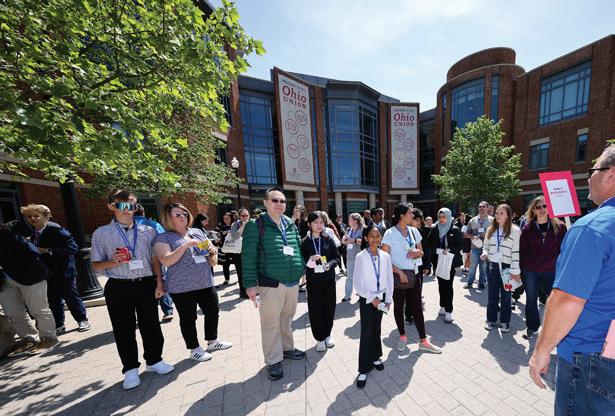
The Ohio Soybean Council (OSC) was founded in 1991 to manage the Soybean Promotion and Research Program, more commonly known as the soybean checkoff. OSC is governed by a volunteer farmer board, which directs the investments of the checkoff. The program’s primary goal is to improve soybean profitability by targeting research and development, education and promotion projects.