TheConcernGrowing
A PUBLICATION OF THE OHIO LANDSCAPE ASSOCIATION

July 8, 2026 | Willoway
Northeast Ohio Plant ID July 15, 2026 | Davis
Columbus Plant ID
Nurseries
Tree Farm

July 8, 2026 | Willoway
Northeast Ohio Plant ID July 15, 2026 | Davis

J.Barker Landscaping Company
April is when the landscape season truly comes to life. What began as preparation in the winter and early mobilization in March quickly turns into full-scale execution. Crews are in the field daily, schedules are filling rapidly and the demand for services increases almost overnight. For many companies, April is when momentum builds and with that momentum comes both opportunity and responsibility.
Spring growth brings energy to our businesses. New projects are underway, maintenance routes are fully active and clients are eager to see their properties come back to life. But rapid growth also presents challenges. Schedules tighten, weather can shift quickly and teams are asked to perform at a high level every day. Managing this momentum effectively is one of the most important leadership responsibilities during the early part of the season. The key is balance.
While it’s important to take advantage of the opportunities that spring provides, it’s equally important to maintain operational discipline. Growth is only beneficial when it is supported by strong systems, capable teams, and clear expectations. Without that structure, even the busiest season can lead to unnecessary stress, inconsistent quality and reduced profitability. This is where preparation pays off.
The planning completed in January and February, along with the early execution in March, should now provide a foundation for success. However, April is when that foundation is tested. Crew leaders and supervisors play a critical role in maintaining consistency as the pace increases. Their ability to communicate
clearly, manage time effectively and uphold quality standards directly impacts the success of each job. Strong frontline leadership is one of the most important drivers of performance during this time of year.
As an Association, we continue to emphasize the importance of developing those leaders. Programs like the Crew Leader Training events held earlier this spring are designed to equip team leaders with the tools they need to succeed in highdemand environments. Investing in leadership at the field level creates stronger teams, improves efficiency and leads to better outcomes for both employees and clients.
In addition to leadership development, expanding technical knowledge is equally important. Our upcoming “Basics of Landscape Design” class this month provides an opportunity for team members to build foundational design skills, from plant selection to layout principles. Strengthening both leadership and technical capabilities helps elevate the overall quality of work across our industry.
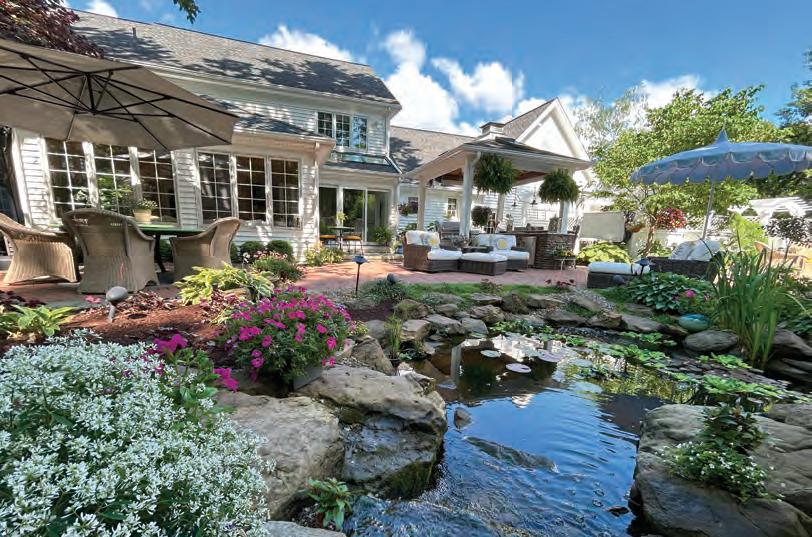
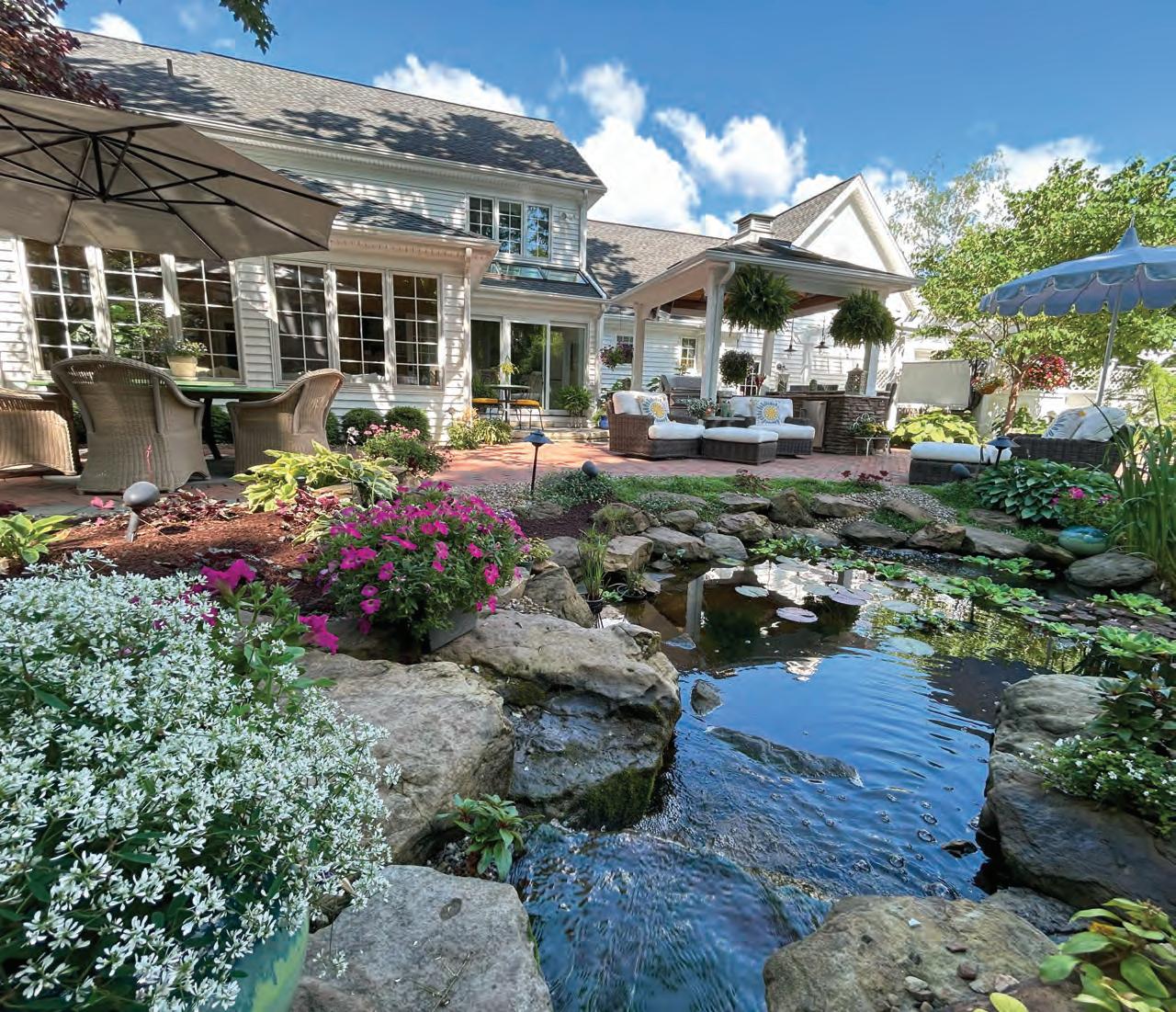
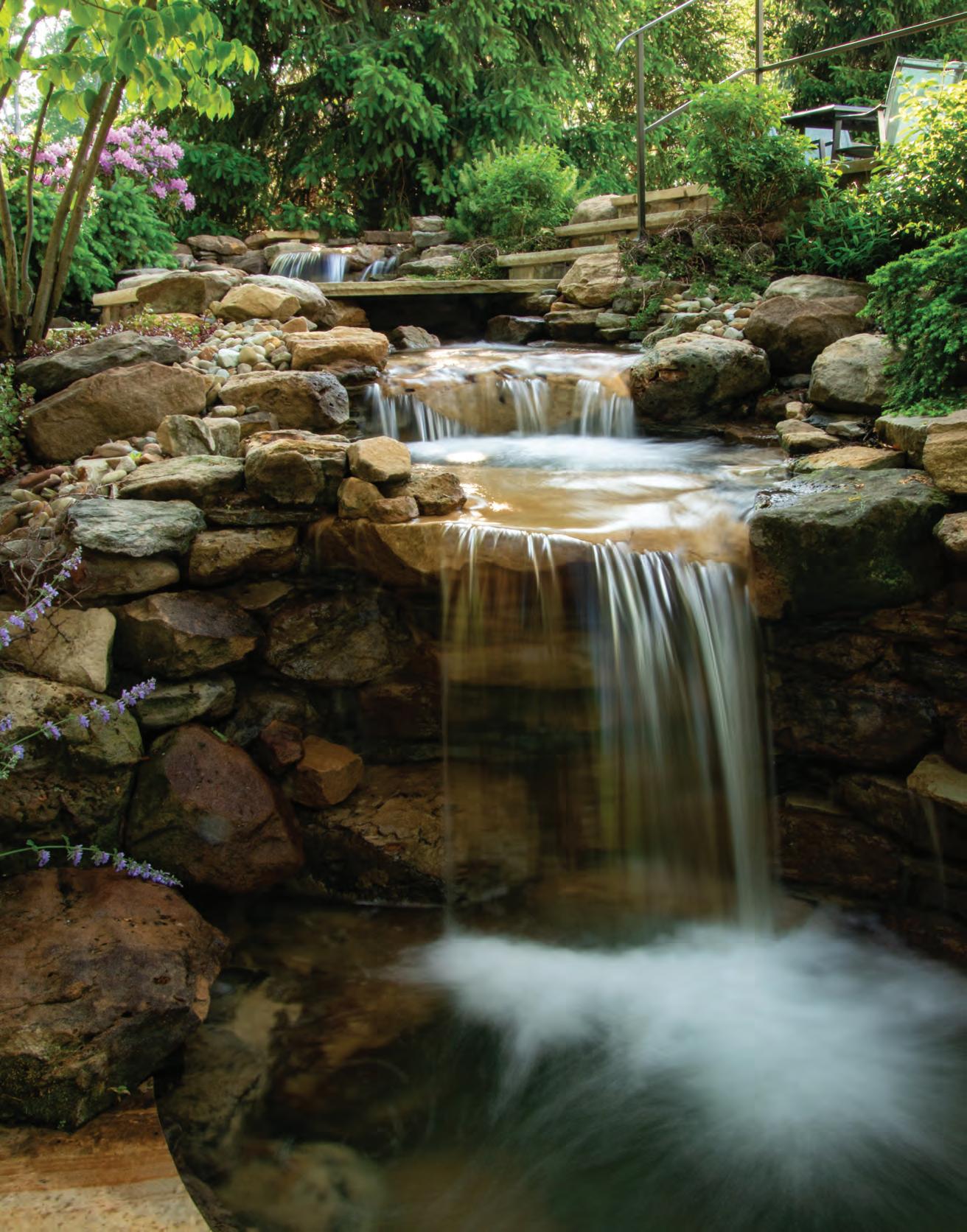
COVER: Landscape Ohio! Awards submission in the category of Water Features, Honor Award by Land Creations Landscaping, Inc.
PRESIDENT’S COLUMN
Managing Momentum as the Season Accelerates
PERENNIAL FOCUS
Kalimeris ‘Japanese Aster’
FISCAL FITNESS
Required Minimum Distributions FOR SAFETY SAKE
Power Tool Safety at Work
PLANT OF THE MONTH
Zelkova serrata. Japanese Zelkova
FEATURE ARTICLE
Harnessing the Power of Generative AI
FEATURE ARTICLE No Full-Time Recruiter? No Problem!
SPECIAL
EXECUTIVE DIRECTOR’S COLUMN
OHIO’S PROFESSIONAL GREEN
INDUSTRY ASSOCIATION
OHIO LANDSCAPE ASSOCIATION
9240 Broadview Road
Broadview Heights, Ohio 44147
Phone: 440-717-0002
Toll Free: 1-800-335-6521
Web: www.ohiolandscapers.org
REGULAR WRITERS
Michael J. Donnellan, M3 Wealth Management
Jim Funai, PhD, Cuyahoga Community College
Shelley Funai, Stan Hywet Hall and Gardens
Brandon Barker, J. Barker Landscaping Company
Patty Lampert, Ohio Landscape Association
Bobbie Schwartz, FAPLD, Bobbie’s Green Thumb
ADVERTISING INFORMATION
Submission deadline: 10th of the month, prior to the month of magazine publication. For advertising and ad specs, please call 440-717-0002, and ask for Patty Lampert.
The Ohio Landscape Association, its board of directors, staff and the editor of The Growing Concern neither endorse any product(s) or attests to the validity of any statements made about products mentioned in this, past or subsequent issues of this publication. Similarly, the opinions expressed in The Growing Concern are those of the authors and do not necessarily represent the views of the Ohio Landscape Association.
OFFICERS
President
Brandon Barker
President – Elect
Matt Malone
Treasurer
Tom Rieder, LIC
Immediate Past President
Ryan Drake
DIRECTORS
Jeffrey Ardo
Jason Deuble, LIC, OCNT
Amy Gatoo
Gil Kupetz
Jess Kronenberger
Garrett McNeill
OLA STAFF
Executive Director
Patty Lampert
Membership Coordinator
Melissa Roberts
UPCOMING OLA MEETINGS, EDUCATION SEMINARS & EVENTS
JULY 8, 2026
COLUMBUS PLANT ID
Willoway Nurseries
JULY 15, 2026
CLEVELAND PLANT ID
Davis Tree Farm
AUGUST 6, 2026
GOLF OUTING
Mallard Creek
SEPTEMBER 25, 2026 PLANT HEALTHCARE
Secrest Arboretum
OCTOBER 8, 2026
LANDSCAPE OHIO! AWARDS
Tenk West Bank
DECEMBER 4, 2026
DORMANT PRUNING
Secrest Arboretum
SCAN THE QR CODE TO SEE A FULL LIST OF EVENTS AND REGISTRATION.
NOT AN OLA MEMBER?
VISIT THE WEBSITE TO ohiolandscapers.org
The OLA is delighted to welcome the following new members to the association:
REGULAR MEMBERS
Great Lakes Grounds Management PO Box 384 Amherst, OH 44001 (440)584-0556
Greg Taylor II
Hollandscaping 6381 Boneta Rd. Medina, OH 44256 (330)590-9161
Craig Holland
Hotaling Home Service 8403 Timber Trail Brecksville, OH 44141 (440)503-9633
Benjamin Hotaling
ASSOCIATE MEMBERS
Royal Truck & Trailer 311 E Cady St. Northville, MI 48167 (440)735-0435
Jon Clawson
“The OLA has been instrumental in our company’s growth and credibility. We proudly display their logo on our website, press materials and at any industry events. When customers and peers, statewide, see the logo, it’s an instant connection and enhances our company identity. As we make an effort to change the perception of the landscape industry, OLA is always right beside us.”
-Tony Nasrallah / Ground Works Land Design
continued from page 3
Another key focus in April is maintaining quality as production ramps up. It’s easy for small details to be overlooked when schedules are full and crews are moving quickly from site to site. However, those details often define the client experience. Consistency in service is important. Clean edges, proper pruning and attention to site conditions reinforces professionalism and builds long-term trust.
Operational systems must also remain a priority. Job scheduling, equipment coordination and communication between teams need to function efficiently to keep pace with demand. Companies that stay disciplined with their processes during busy periods are better positioned to handle growth without disruption.
Safety remains just as critical. As workloads increase, fatigue and rushing can introduce unnecessary risk. Reinforcing safety practices, conducting regular equipment checks and encouraging teams to work consciously, helps ensure everyone returns home safely each day.
It’s also important to recognize the people who make this work possible. The early part of the season can be demanding
as crews adjust to long days and fast-paced schedules. Taking time to acknowledge their effort, provide support and celebrate early wins helps build a strong, positive culture that carries throughout the year.
From an Association perspective, April highlights the visible impact of our industry. The work our members perform enhances properties, supports communities and creates outdoor spaces that people value every day. As landscapes begin to take shape across our region, so does the recognition of the professionalism and skill within our industry.
As momentum continues to build, I encourage every member to stay focused on the fundamentals: clear communication, strong leadership, operational discipline and a commitment to quality. Momentum is powerful but it must be guided with purpose. The opportunities in front of our industry this season are significant. With the right preparation and leadership, we can turn that momentum into sustained success.
Let’s continue building on the strong start to 2026 and make this spring season one that reflects the professionalism, dedication, and excellence that define our industry.





know your name, explains things clearly to help protect
We know Your Industry and will know Your business and will take care of you when you call and need us
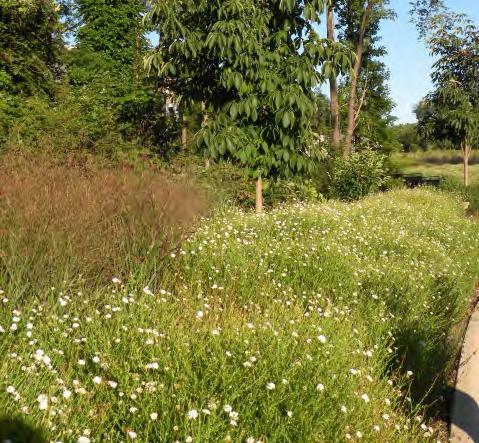


Most sun-loving asters do not bloom until the fall, but Kalimeris is a summer bloomer. Also known in the past as Asteromoea, I first became acquainted with this genus in 2011 when touring the grounds of Franklin Circle, a retirement community in Chagrin Falls, Ohio. The grounds were designed by the then famous design company Oehme Van Sweden out of Washington, D.C. One of their trademarks was planting in large drifts to make maintenance easier. One of the chosen perennials was Kalimeris pinnatifida that is now also known as Aster iinumae. This plant grows approximately two feet high and wide, even under drought conditions, for most of the summer. The double white flowers are small but multitudinous.
continued on page 10



continued from page 8
More useful in the perennial garden or mixed border is Kalimeris incisa, particularly the cultivars ‘Alba’ and ‘Blue Star’. I first saw ‘Alba’ in a Baltimore garden in 2015 but waited until 2021 to plant ‘Alba’ in my back garden under the shade of an old Magnolia so it only gets morning sun. It grows about two feet high but would probably be shorter in full sun. The white, daisy-like flowers have a yellow center.
Kalimeris incisa ‘Blue Star’ has been an undemanding star in my front garden. I first became acquainted with this genus on garden tours in other cities but no one locally was growing it until 2020 when I was finally able to acquire it. It blooms from mid-June until frost and is only one foot high and now about a
Top Left: Kalimeris incisa ‘Alba’ with Hydrangea arborescens ‘Incrediball’, Saruma henryi. Bottom Left: Kalimeris pinnatifida closeup. Top Right: Kalimeris incisa ‘Alba’.
Bottom Right: Kalimeris incisa ‘Blue Star’ in front of Anemone hybrida foliage and Hydrangea ‘Pinky Winky’ in mid-July.
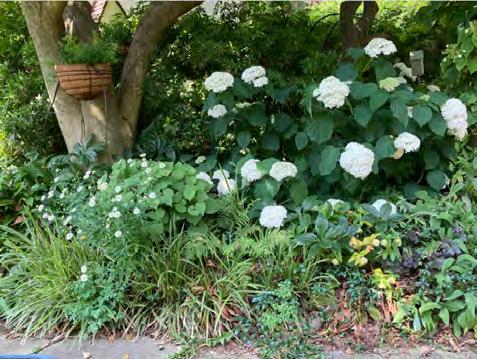

foot and a half wide.
All Kalimeris are drought tolerant and no animals seem to have acquired a taste for them. Of the various species and cultivars, Kalimeris incisa ‘Blue Star’ is the easiest to find. I’m sure you can find a space for this little known genus.
Bobbie Schwartz, FAPLD, owner of Bobbie’s Green Thumb in Shaker Hts., Ohio, is a landscape designer, consultant, freelance writer, and lecturer whose specialties are perennial gardens and four season landscapes. In addition to being an Ohio Landscape Association (OLA) member, she is an active member of the Ohio Nursery and Landscape Association (ONLA) and Perennial Plant Association (PPA). Bobbie is a Past President of the Association of Professional Landscape Designers (APLD).












MICHAEL J. DONNELLAN M3 Wealth Management
Once you reach a certain age, the IRS requires you to begin drawing down tax-deferred retirement accounts — whether you need the money or not.
For years, you’ve been diligently saving in a traditional IRA or 401(k), watching your balance grow with the benefit of tax-deferred compounding. But that deferral isn’t permanent. Once you reach age 73, the IRS mandates that you start withdrawing a minimum amount each year — a rule known as a Required Minimum Distribution, or RMD.
The RMD amount isn’t arbitrary. Each year, you divide your account balance as of December 31 of the prior year by a “life expectancy factor” published in IRS Uniform Lifetime Tables. The factor decreases slightly each year as you age, meaning the percentage you’re required to withdraw gradually increases over time. For example, at age 73 the factor is 26.5, implying roughly a 3.8% withdrawal rate. By age 85, that factor drops to 16.0 — requiring closer to 6.3%.
If you have multiple traditional IRAs, you calculate each account’s RMD separately, but you can aggregate and take the total from any one or combination of those accounts. For 401(k)s, however, each plan’s RMD must be satisfied independently.
RMDs apply to traditional IRAs, SEP-IRAs, SIMPLE IRAs, and most employer-sponsored plans including 401(k), 403(b), and 457(b) accounts. Roth IRAs are a notable exception — the original owner is never required to take distributions during their lifetime, making them a powerful tool for those who don’t need the income and want to preserve wealth for heirs.
Starting in 2024, the SECURE 2.0 Act extended this Roth treatment to Roth 401(k) accounts as well, eliminating the previous requirement that holders roll those funds into a Roth IRA to avoid RMDs.
SECURE 2.0 didn’t just raise the RMD age from 72 to 73 — it also built in a second increase. Beginning in 2033, the starting age will rise again to 75, but only for individuals born in 1960 or later. Those born in 1959 face a brief ambiguity in the law that Congress has yet to fully resolve, and they should monitor IRS guidance closely as that year approaches.
The practical implication is meaningful: two additional years of tax-deferred compounding, more runway for Roth conversions before RMDs begin, and additional flexibility in coordinating withdrawals with Social Security timing. For anyone currently in their mid-50s or early 60s, this change should factor directly into long-range income planning.
When you inherit a retirement account, the RMD rules shift significantly — and the rules vary depending on your relationship to the original account holder and when the account owner passed away.
The SECURE Act of 2019 largely eliminated the popular “stretch IRA” strategy, which allowed most non-spouse beneficiaries to take distributions over their own lifetime. Today, most non-spouse beneficiaries who inherit from an account owner who had already begun taking RMDs must empty the inherited account within 10 years and also take annual RMDs in years 1–9 of that window. The final regulations clarifying this annual requirement were finalized in 2024 after years of uncertainty.
RMDs are treated as ordinary income in the year they are received, which means they can push retirees into higher tax brackets, increase Medicare premiums through IRMAA surcharges, and cause more Social Security benefits to become taxable. Thoughtful planning well before age 73 can help manage this impact.
One popular strategy is a Roth conversion during the lowerincome years between retirement and when RMDs begin. By converting portions of a traditional IRA to a Roth IRA, you reduce the future account balance subject to RMDs while potentially enjoying tax-free growth on converted funds. Another option is a Qualified Charitable Distribution (QCD), which allows individuals 70½ or older to donate up to $105,000 per year directly from an IRA to a qualified charity — satisfying all or part of the RMD without including the amount in taxable income.
The bottom line: RMDs are an inevitable part of retirement for most Americans, but with proper planning, the tax burden they create is very much manageable. The earlier you understand the rules — including the coming shift to age 75 and the new inherited IRA landscape — the more flexibility you’ll have to work with them rather than against them.
Scenarios illustrated are hypothetical in nature, results may vary. Investing is subject to risk which may involve loss of principal. Past performance is not indicative of future results.
The M3 Wealth Management Office does not provide legal or tax advice. Consult an attorney or tax professional regarding your specific situation. The information herein is general and educational in nature and should not be considered legal or tax advice.
Michael J. Donnellan specializes in stock selection and retirement planning. Feel free to contact him with any questions or comments at the M3 Wealth Management Office at 17601 W. 130th Street – Suite 1 in North Royalton, Ohio. (440) 652-6370 | donnellan@m3wealthmanagement.com
Surviving spouse Can roll into own IRA or treat as own
Minor child of deceased 10-year rule begins at age of majority
Most flexible option; own RMD r ules apply
Annnual RMDs required if owner started RMDs
Disabled/chronically ill Eligible designated beneficiary; can stretch Distributions over own life expectancy allowed
Beneficiary within 10 years Eligible designated beneficiary; can stretch Must be within 10 years younger than decedent
All other non-spouse 10-year rule; annual RMDs if owner started Account must be fully distributed by year 10 beneficiares

The Ohio Bureau of Workers’ Compensation (BWC) offers the Disability Relief Program (formerly known as Handicap Reimbursement) to potentially offset claim costs and encourage employers to hire and retain employees with disabling conditions. Ohio Revised Code 4123.343 recognizes 26 conditions/ disabilities in which, under some circumstances, the employer may be eligible for reimbursement of partial claim costs. The disability percentage awarded by BWC will reduce claim costs without reducing the benefits to the injured worker. The reduced claim costs can result in sizable premium reductions.
If an employee suffers a lost-time industrial injury/ occupational injury or death, the claim may be eligible for disability relief if it can be shown that the disability pre-existed the industrial injury or occupational disease and either caused the claim or contributed to increased costs or delay in recovery. Additionally, one of the following benefit types must have been paid in the claim:
• Temporary total compensation
• Permanent total disability
• Permanent partial-scheduled loss
• Survivor benefits
• Wages in lieu of temporary total disability
Private Employers:
• If the date of injury is between Jan. 1 and June 30, the application must be filed by June 30 of the year no more
than six years from the year of the date of injury or occupational disease.
• If the date of injury is between July 1 and Dec. 31, the application must be filed by June 30 of the year no more than seven years from the year of the date of the injury or occupational disease.
Public Employers:
• A public employer must file the application by Dec. 31 of the year no more than six years from the year of the date of the injury or occupational disease.
The Sedgwick cost containment team conducts reviews on claims which meet the eligibility requirements for disability relief, files the application and attends the disability hearing on behalf of our Ohio TPA clients.
If you have any questions, contact our Sedgwick program manager, Dominic Potina at 614-579-4723 or dominic.potina@segwick.com





Power tools play an essential role in many industries, including construction, manufacturing and maintenance. Examples of some power tools include circular saws, drill presses, bench grinders, air hammers/chisels, concrete drills and torque wrenches. Even though these tools increase efficiency, they also introduce risks when not used properly. Injuries such as lacerations, eye injuries, musculoskeletal disorders (MSD’s), amputations and even hearing loss can lead to lost time, costly claims and longterm physical harm. So, it is important that employers create a strong culture of power tool safety to ensure a safe workplace.
An effective way to develop training on power tool safety is to review the safe work procedures outlined in the manufacturer’s recommendations. Let’s look at some commonly used safety practices and recommendations:
1. Understand the hazards that power tools can expose workers to, including:
• Lacerations and punctures from sharp or fast-moving blades or bits.
• Electrocution from damaged cords or improper grounding.
• Eye injuries from flying debris.
• Hearing damage from loud or prolonged operation.
• Ergonomic injuries from vibration or awkward handling.
• Fire hazards from sparks or overheating motors.
Encourage employees to stay alert and make safe decisions when operating the power tool.
2. Inspect tools before, during and after use. Employees should look for:
• Damaged or missing guards.
• Cracked housing.
• Frayed electrical cords or exposed wiring.
• Battery damage or leaks.
• Properly functioning switches and controls.
• Excessive noise, vibration or overheating.

If you find something wrong with the tool, stop using it immediately, tag it and remove it from service.
3. Incorrect use of a power tool is one of the most common causes of injury. When operating tools, employees should:
• Select the tool specifically designed for the task.
• Avoid forcing a tool beyond its intended capacity.
• Ensure accessories, such as bits, blades and discs are the correct size and type.
• Never modify or remove safety guards.
The “right tool for the job” mindset reduces injury risk and helps prevent tool damage.
4. Personal Protective Equipment (PPE) acts as a layer of defense and employees must ensure they wear the appropriate PPE, which may include:
• Safety glasses and/or face shields.
• Cut-resistant or impact-resistant gloves.
• Hearing protection such as earplugs or earmuffs
• Steel-toed boots.
• Dust masks or respirators.
Workers must be trained on the appropriate PPE to use for the specific tool, potential hazards and work environment.
5. Long-term safety requires regular attention to equipment,
proper storage and maintenance. To achieve this, employees can:
• Store tools in clean, dry, secure areas.
• Keep cutting tools sharpened to reduce kickback.
• Follow manufacturer maintenance schedules.
• Recharge and store batteries correctly.
• Perform regular inspections for safe operation.
A proactive maintenance program reduces downtime and protects workers from preventable hazards.
6. Safety relies on open communication so employers should encourage employees to:
• Report damaged tools.
• Notify supervisors of unsafe usage.
• Ask for assistance if needed.
• Participate in refresher training.
• Share nearmiss incidents to prevent future accidents.
Organizations benefit when safety becomes a shared responsibility rather than an individual task.
Power tools make work efficient but they require respect, training and care. By understanding hazards, using proper PPE, inspecting tools and maintaining clean work environments, employees can dramatically reduce the risk of accidents. For employers, promoting a culture of safety not only protects their workforce but also improves performance, reduces costs and strengthens compliance.
If you would like to know more about Sedgwick’s safety services or would like to schedule a confidential consultation, please contact Andy Sawan at andrew.sawan@sedgwick.com or 330-819-4728.


JIM FUNAI, PhD
Cuyahoga Community College
SHELLEY FUNAI, LIC
Stan Hywet Hall and Gardens
Sometimes, we (as an industry) should be more careful about the message we send in plant recommendations. This month’s plant got us thinking about that a little more. After failed attempts at quarantine, Dutch Elm Disease (DED) took the nation by storm. From the onset of World War II through the 1980’s this disease marched away from the east coast like an early frontier settler hell bent on taking all elms with it.
What does that have to do with being careful about our message? Well, anytime we have a disease or insect get all Mike Tyson on our plants and start biting all their ears off we immediately jump to “a good replacement plant.” Even though the beautiful tree, Zelkova was introduced to the American nursery trade in 1862, it took the destructive powers of DED to bring it to popularity as the right “replacement plant” to help us reconcile losses of our beloved elm.
Want to know what the real Nightmare on Elm Street was? Thinking that we should replace an entire city street monoculture of trees with another monoculture of trees! Bloody murder right there!
You’d be hard pressed to find a plant that the two of us don’t love (except for yucca, Yucca is an idiot,) but you’d be even more hard pressed to get us to recommend planting the same thing over and over. It does not matter how great a plant is, how beautiful it is, how disease and pest resistant it is, how tolerant of extremes. None of that should have us pushing a plant wholesale, no questions asked, into the arms of our unsuspecting clients.
We do it time and again though. Once the Knock Out Rose came along we forgot about how great some others, including rugosa are. Remember when Endless Summer Hydrangea came out? It was like all other flowering shrubs were no longer relevant. We keep seeking this one plant that will lead us to a
continued on page 20

TIRES & TRACKS FOR ALL YOUR EQUIPMENT ALL YEAR LONG

Landscaping crews work on real ground – not perfect conditions. All Lift Tires & Tracks helps you reduce downtime, improve performance, and get more life out of your equipment by matching the right tires and tracks to how and where you actually work. From turf to mud to snow, we deliver traction that holds up season after season.
We supply tires and tracks for landscaping, construction, forklifts and more:
>> Skid steer loaders
>> Compact track loaders (CTLs)
>> Mini excavators
>> Compact wheel loaders
>> Compact utility tractors
>> Mini skid steers/stand-on loaders
>> Snow-removal equipment
>> Forklifts, aerial equipment & more
DEDICATED TO KEEPING YOU ON TRACK Call or text Ray Schentur 440.289.9501 | rschentur@alllift.com AllLift.com/GroundGame



continued from page 18
problem free wonder garden. The answer isn’t one plant, it is plant diversity. Lots of plants. Lots of different plants!
So, this month, is a different plant that is a good option for a street tree, but not the only one. When in a species rich ecosystem, Zelkova is nearly pest free. But, plant a bunch of them down the sidewalk/street/parking lot and you will begin to see issues.
Zelkova is related to elms and are in the same family of Ulmaceae. They even have a very similar growth habit of upright vase shape that helps them spread a nice shade canopy higher up in the air which suits the site of urban settings.
If planting this tree in a larger area, go for ‘Green Vase’ which will reach into the 60’ plus height range and stretch about 40’ or so out. This is a long favorite “replacement plant” for the elms of the past and is still a very viable option for just that.
We planted a ‘Musashino’ at our house and have really enjoyed watching over the past several years. This cultivar is very tightly columnar and can reach heights of 45’ without reaching past 15’ wide. This could be a great way to add a strong vertical
element in the urban landscape without needing to give up as much square footage as we normally do to reach that high.
‘Goshiki’ offers a variegated leaf speckled at random with creamy white margins. While quite unique and pretty, it is something that is best reserved for a client who is more plant nerdy than for broad use in the urban setting.
In general, Zelkova is a medium fast tree when young. It is not uncommon to see a new tree throw out a few feet of growth per year. Over the long range, it will likely average 12 inches per year of new growth.
Although this is found in its native Japan on colluvial soils (loose soil that eroded down a slope) (aka, “moist well drained”) this plant is remarkably adaptable to dryer conditions, higher compactions, salt, and higher pH (for those of you on the west side of the state).
Take a closer look at this great tree if you haven’t used it much, its adaptability and strength won’t let you down. But, remember, switch it up and improve the diversity of our landscapes.
Jim Funai, PhD, is full-time faculty at Cuyahoga Community College, a NALP accredited associate of applied science in hoticulture degree program. He has a PhD in Landscape Engineering and Forestry and is a Licensed Arborist. Shelley Funai is Grounds Manager at Stan Hywett Hall and Gardens in Akron, Ohio, which offers a historic estate designed by Warren H. Manning and a beautiful manor house museum. She is Landscape Industry Certified in Ornamental Plant Care.













AI has become ubiquitous and almost every form of software now offers some type of internal AI integration. Yet if you’re one of the landscape companies that have been wary about whether this technology can really help you and provide savings for your organization, you’re not alone.
According to the Microsoft Work Trend Index Report, currently only 41% of business leaders expect to redesign business processes from the ground up with AI in mind over the next five years.
Yet 78% of AI users already bring their own AI tools to work, and this is even more common in small- to medium-sized companies. Of these individuals, 53% fear that using AI for important tasks will make them look replaceable.
However, when landscape leaders fail to implement strategic AI use at scale, it puts company data at risk. Rather than having employees hide their AI usage, work to educate everyone on staff on how to effectively and safely utilize this technology.
Carolyn Humpherys, learning and change management consultant with Alterity Solutions & Traveling Coaches, shares some of the fundamentals of generative AI as well as how to practically calculate the ROI of AI.
continued on page 24



Carbon
Delivery
Curbside
EZ
Sturdy
hauling




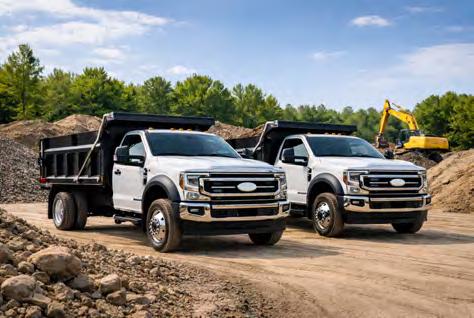
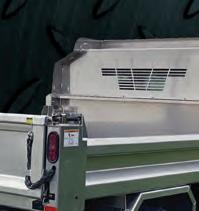
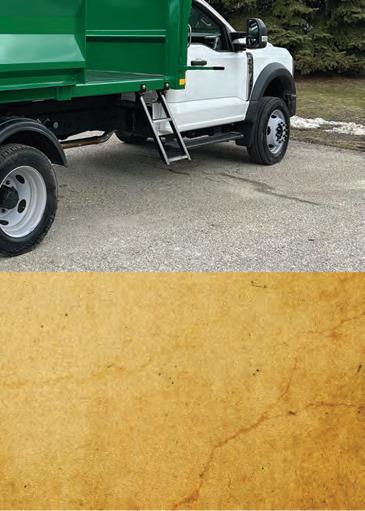
• Easier to maneuver on residential streets and tight job sites

• Lower operating costs with fewer tires and better fuel e ciency Ideal hauling capacity for mulch, soil, gravel, and debris
• Hydraulic dump body saves time and labor on every job
Drives like a pickup — works like a dump truck




continued from page 22
Unlike search engines, AI needs more direct prompts compared to a search query you’d use in Google to find the answers you need. Humpherys says effective prompts should have a goal, context, source and expectations. Consider what you want the AI platform to do, why you need it and who is involved, what data you need it to use and how you want it to respond.
One framework you can utilize to craft effective prompts is following RISEN:
R – Role – Give AI a role to play, such as “Act like a property manager.”
I – Instructions – Be specific in what you tell the AI to do. For instance, “Identify property improvements and their potential impact on customer satisfaction.”
S – Steps – Talk to AI like a human and keep it simple by telling it what order to do things in, like “Analyze current customer feedback, then identify areas for improvement.”
E – End Goal – Tell AI your desired outcome and format. This could be in a table, bullet points or a tiered list.
N – Narrowing – Provide constraints so the AI doesn’t give you a broad, generic answer. Ex. “Focus on urgent changes, not planned upgrades.”
A prompt that utilizes this framework would look something like this:
Act like a small to medium enterprise and a property manager.
• Develop a customer retention strategy for XYZ property.
• Follow these steps:
1)Analyze current customer feedback;
2)Identify key areas for improvement; 3)Propose actionable steps to enhance customer satisfaction.
• Present the strategy in a report format.
• Include at least three specific initiatives.
If an AI platform doesn’t give you the response you’re looking for or it takes some fine-tuning, such as asking it to be more concise or revise its response to include additional information, you can save yourself additional time in the future by asking it to “Write a prompt that gets me to this point in one prompt.”
Another way to refine the responses you receive is to apply personas or practice scenarios such as “my audience is X” or “Let’s role-play a tough conversation. You be the manager, and I’ll be the employee.” Humpherys also recommends asking AI to ask follow-up questions to clarify the request before providing a solution.
Because AI wants to please you, when it doesn’t know the answer, it will simply make things up. This is known as hallucinations and can be caused by outdated information, non-authoritative sources, not understanding the context or being confused. Some of the ways to protect your company from blindly trusting every AI-generated response include fact-checking and reasoning.
A prompt such as “Please give me the full context of this fact, directly quoted in context so I can fact-check it: [fact]” is a quick way for you to be able to double-check something you’re not certain about. Asking AI to explain its reasoning in detail or verify its reasoning can also help you spot when it may have provided an incorrect response.
When using AI, Humpherys says you should review, edit and repeat. After checking for accuracy, make sure the information is on-brand. Add depth with your voice and data. She warns against the “AI accent” in writing and uncanniness in AIgenerated images.
Generative AI has numerous uses, including summarization, classification, translation, research, analysis, extraction and organization. It can also help with proposal writing, crafting social media marketing posts, and developing a training and onboarding plan. Below are some additional example prompts you can use.
“Act like a landscape operations director. Analyze the costbenefit of upgrading to smart irrigation systems across 10 commercial properties. Include estimated water savings, ROI over 3 years, and a summary table for executive review.”
“Act like a landscape operations manager. Given 8 job sites with addresses and service durations, create an optimized daily route for 3 crews. Minimize drive time and balance workload. Output as a table with crew assignments and estimated arrival times.”
“Classify the following customer comments as positive, negative, or neutral. Group them by issue (e.g., mowing, irrigation, communication). Provide a summary of top concerns and suggested improvements.”
One thing that may be holding your company back from fully integrating AI is not understanding the ROI it can provide. One formula that can help with this is to subtract the amount of time it takes to do something without AI versus with it. Then multiply that total by the number of times the task is done in a month. If you multiply that number by your hourly/billable rate, you will have your monthly benefit.
So, if it takes you 4 hours to do a task without AI, but with AI it takes 15 minutes, that equals 3.75 hours. If you typically do this task twice a month, multiply 2 by 3.75 to get 7.5 hours. Say your hourly rate is $50, 7.5 hours times $50 equals $375, which is your ROI.
Humpherys says you should also measure your key metrics and consider intangible benefits to determine the value AI brings to your organization. “You just need to use AI enough to get a feel for what you can use it for in your area of expertise,” says Ethan Mollick with oneusefulthing.org. “The most important thing to do is to get 10 or so hours of use with an advanced AI system. And to do that you just need to be a good-enough prompter to overcome the barriers that hold many AI users back.”
If you want your entire team tapping into AI to tackle their tasks more efficiently, you need to explain why they should use AI, how it positively impacts them, how to use AI and remind them on a regular basis until it becomes adopted.
It’s also important to pick the right tool for the job. While some platforms like ChatGPT are generalist tools, other AI platforms are better suited for specific tasks. For instance, Perplexity is best for complex math explanations and technical comparisons. Humpherys encourages moving away from the expectation of a perfect first draft. AI is a content accelerator that allows you to fine-tune the end result from there.
What matters the most is simply starting. Choose one thing to master each day, week or month to gain experience and confidence and see which specific applications offer the most ROI for different roles within your organization.
This article was written by Jill Odom for the National Associations of Landscape Professional’s blog, “The Edge”. This information came from a session during the 2025 ELEVATE conference and expo. Don’t miss ELEVATE in Tampa, Florida, on Nov. 8-11, 2026.
Almost any peer you talk to in the landscape industry has had struggles in the past with recruiting or is currently dealing with hiring woes. Even though this aspect of the business isn’t easy, you should always be open to trying new tools and tactics to reach a new pool of potential employees. This also means understanding that posting on job boards alone will not cut it. An oversaturation of job postings can bury your opening and lead to fewer qualified applicants. Because many companies are competing for the same pool of candidates, it can be hard for your job listing to stand out from similar offerings.
Job boards also have a limited ability to connect and engage with job seekers. It prevents you from reaching those who may not be actively looking for a new job. Additionally, many times job board postings can net you irrelevant applicants who further waste your time.
Some additional recruiting strategies to utilize instead of counting on job board listings alone include employee referrals, community engagement, and building your brand on social media.
Employee referrals are a popular tool at landscape companies because not only do current employees know who in their network is a good fit for your organization, but depending on how you structure the program, they can also be invested in the new hire staying long-term. For instance, GreenWeaver Landscapes, based in Media, Pennsylvania, rewards their employees with $100 for anyone hired, plus $50 a month as long as the new hire stays with the company.
You should also make it as easy as possible for your current employees to recommend your company to others. Arming team members with business cards in English and Spanish that include a QR code that takes individuals to a career page or job application is one simple option.
Another recruiting method that is multifaceted but powerful is getting involved with your community. This can include partnering with local schools, colleges and trade programs. You can attend local job fairs and educate parents about the careers the lawn care and landscape industry has to offer or volunteer at events like Colorado State’s green industry field day.
Brad Stephenson, co-owner and general manager of New Castle Lawn & Landscape, based in Birdsboro, Pennsylvania, says that he makes a point to speak at high schools and vocational/career centers often. They have career progression charts to show students some of the different paths they can take. Reaching out to both faculty in landscape programs and the college’s administration can make a huge difference as well.
“All faculty in all industries are telling their admin they have a ton of job opportunities, but when the employers start telling them directly they need more students and what kind of training they need, the admin can respond in support of the program,” says Jim Funai, Ph.D., plant science and landscape technology professor at Cuyahoga Community College, based in Highland Hills, Ohio. “Constantly remind the admin how important supporting the program is.”
Community engagement can also come in the form of partnering with local non-profits, workforce development agencies or associations that support minorities or veterans. For instance, SiteOne works with an organization called Hiring Our Heroes, where transitioning veterans and their spouses participate in a fellowship program similar to an internship.
“These candidates work side by side with SiteOne associates in various departments, learning our business and bringing their talents in areas like transportation and supply chain,” says Michele Posehn, senior recruiting manager of diversity/ early talent initiatives for SiteOne. “I am very proud to say that to date, we have hired each of our Hiring Our Heroes fellows as full-time associates.”
Another option is to host an open house at your facility where people who are curious about your business can come to
learn more. If this is too big of an administrative lift, setting aside a weekly block of time for walk-in interviews is another possibility.
People won’t know you’re a destination employer if they’ve never even heard of your organization. This is where social media can be helpful as you can showcase your company’s culture through Instagram, Facebook or LinkedIn. You can also use targeted ads to reach certain demographics and increase the likelihood of your posts being seen by those in your region.
“Prospective employees will want to know what it is like to work for the company; what the company culture is like; what roles and responsibilities certain positions entail; how the company cultivates personal and professional development; how the team impacts customers or the community; and ultimately how working for the company will benefit their lives,” says Dylan Harper, owner of Forge Marketing Group, LLC.
Posts such as employee spotlights or highlighting employee benefits can help job seekers get a better sense of your organization as they conduct research. If you are trying to reach younger employees, don’t forget to convey the message of how professional landscapers are stewards of the environment.
“We attract employees who care about making a difference in the community and in the world, who want to be part of something bigger than themselves, and who care about the environment and want to find ways to demonstrate that,” says Elizabeth Elliott, owner of Himmel’s Landscape and Garden Center, based in Pasadena, Maryland.
Farmside Landscape & Design, based in Wantage, New Jersey, has found success in using Instagram Reels to provide a behind-the-scenes look at their culture.
“Whether this means displaying a job well done featuring our team’s craftsmanship, clips of new hires training, or a food truck coming in to feed our crews after a hard day’s work – I want people to see that Farmside is a great place to work and we have some great clients to work with,” says Emily Seely, director of engagement for Farmside.
This article was written by Jill Odom for the National Associations of Landscape Professional’s blog, “The Edge”.

For the second time in four years, Cuyahoga Community College (Tri-C) was atop the field at the National Collegiate Landscape Competition (NCLC). Tri-C’s Plant Science and Landscape Technology team finished in first place at the 2026 NCLC out of 54 competing institutions, and student Josiah Hull came in second among 726 students in individual honors.
Organized by the National Association of Landscape Professionals, the annual competition challenges students in 30 individual or group events to demonstrate their skills in landscape design, plant and tree care, irrigation, and more. Hull is a second-year student pursuing an Associate of Applied Science in the Plant Science and Landscape Technology program from the School of Liberal Arts and Sciences. He will graduate this semester.
Tri-C also won seven event championships and had five second-place finishes during the competition, held March 18 – 21 at Michigan State University in East Lansing.
“We could not be prouder of the effort from our students and their accomplishments at this year’s competition,” said Jim Funai, Ph.D., an assistant professor in Tri-C’s program since 2009. “This was one of our most dedicated teams and the proof is in the results.”
In the event’s 50-year history, just three community colleges have won the competition a total of six times: Milwaukee Area Technical College (1981), Chattahoochee Technical College (1995, 2008 and 2010) and Tri-C (2023 and 2026).
The College has finished in the top 10 each year since 2014 and
continued on page 30
PLATINUM SPONSORS
GOLD SPONSORS
SPONSORS
continued from page 28
in the top two since 2022. Tri-C had the top overall student in 2014 (Hayden Angelotta), 2019 (Frank Vareska), 2022 (Peyton Musgrave), 2023 (Keith Rush) and 2024 (Caleb Kautz).
The College has finished in the top 10 each year since 2014 and in the top two since 2022. Tri-C had the top overall student in 2014 (Hayden Angelotta), 2019 (Frank Vareska), 2022 (Peyton Musgrave), 2023 (Keith Rush) and 2024 (Caleb Kautz).
“Every year, our goal is to build professionals who have the skills to enter the industry and be successful, and we’ve met that goal this year,” said Lori Zatroch, program director.
The College’s Plant Science and Landscape Technology program has become the best two-year program in the nation, routinely placing alongside or above programs from large four-year universities in national competitions such as NCLC.
• Olivia Mitnick, first place, Turf and Weed Identification
• Hannah Gordon and Josiah Hull, first place, Safety First
• Ney Soto-Nieves, first place, Robotics and Technology in Landscape Design and Maintenance
• Deidre Lego and Danny Ours, first place, Landscape Maintenance Operations
• Jesse O’Brien, first place, Irrigation Design
• Zach Davis, first place, Computer Aided Design
• Hull and Anthony Stanzi, first place, Arboriculture Techniques
• Kayla Lorion, second place, Turf and Weed Identification
• Luca Deliberato, second place, Landscape Lighting
• Tuguldur Chuluunbaatar and O’Brien, second place, Irrigation Troubleshooting
• Chuluunbaatar and O’Brien, second place, Irrigation Assembly
• Ours, second place, Compact Excavator Operation
• Hull, third place, Small Engine Repair
Team Tri-C placed #1 for 2-year programs in the nation for the 11th time in 12 Years and placed FIRST overall among all schools, including 4-year programs.
• Deliberato, Gordon and Hull, fourth place, Landscape Plant Installation
• Mitnick, fourth place, Maintenance Cost Estimating
• Mariah Jones, fifth place, Woody Ornamental Plant Identification
• Karl Beer, sixth place, 3D Exterior Landscape Design
Tri-C will host NCLC from March 17–20, 2027, at the Eastern Campus, marking the fourth time the event will take place in Ohio.
Learn more about NCLC and view the final results on the NALP website.

• Margaret Shane, seventh place, Robotics and Technology in Landscape Design and Maintenance
• Melissa Dougherty, seventh place, Woody Ornamental Plant Identification
• Allie Cerny, eighth place, Interior Plant Identification
• Hull, ninth place, Plant Problem Diagnosis






Cuyahoga Community College: East Campus Congratulations
We also want to congratulate Tri-C’s Plant Science & Landscape Technology group who led their team to victory at the NCLC!
JIM FUNAI, PH.D.
Assistant Professor - Plant Science and Landscape Technology
Cuyahoga Community College: East Campus
LORI ZATROCH
Program Director, Plant Science & Landscape Technology
Cuyahoga Community College
STEPHANIE GRAY, LIC OCNT
Adjunct Professor - Plant Science and Landscape Technology







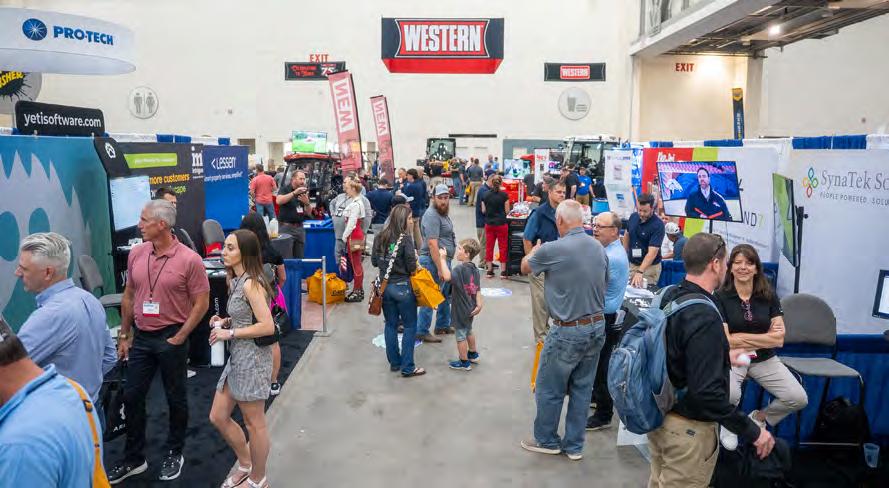
The 29th Annual Snow & Ice Management Association (SIMA) Symposium is coming to our backyard. From June 23–26, 2026, the First Financial Center in Cincinnati, OH, will transform into the Best Show in Snow. For members of the Ohio Landscape Association, this is a prime opportunity to bridge the gap between the green and white seasons and sharpen your competitive edge without the need for a cross-country flight.
Whether you are an owner looking for strategic growth, an operations manager refining storm strategies, or anything in between, the Symposium offers over 40 role-focused sessions.
Key highlights include:
• Where’s the salt?!: The salt supply shortage is continuing— will you be ready to navigate it?
• Liquids Workshop: A deep dive into building a liquids program through classroom and hands-on training.
• Sales & Business Development: Move beyond bidding on price and start positioning on value.
• Technology & AI: See how ChatGPT is changing the snow game for sales, ops and business.
• Risk Management: Audit your winter contracts and mitigate risk through operations training.
• Leadership & Business: Manage cash flow, build rock-solid estimates, lead through burnout and sleep deprivation and improve hiring practices.
Check out the full class schedule at show.sima.org/education
The trade show floor (open June 24–26) will host over 130 exhibitors. This is your one-stop shop to see the latest in equipment, tools, and software from industry leaders. New for 2026, the floor will feature:
• Poker Run: A unique networking experience while you browse exhibitors.
• Product Showcase Studio: Real-time looks at the latest innovations hitting the market.
• L3 Stage: “Life, Leadership, and Lessons” discussions occurring right on the show floor.
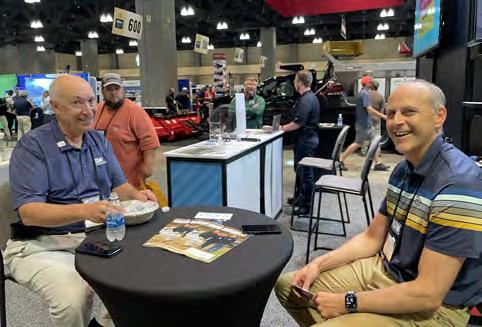
Networking is the heartbeat of the Symposium. From the Welcome Reception on the new Elm Street Plaza to the Thursday Night Party at the Cincinnati Reds’ Great American Ballpark, you will have ample opportunity to connect with over 1,100 snow and ice pros. Special interest meetups for women in snow, residential pros, and certified professionals ensure you find people to connect with.
For OLA members, this event is an investment in your company’s year-round success. Early bird rates are available until May 27, 2026, with full show passes starting at $545 for SIMA members, and trade show passes for just $40. Not a member? Your pass includes free membership through December 2026!
Don’t miss out on the chance to “Go All In” this summer to ensure your winter operations arve more profitable and efficient than ever.
• Location: First Financial Center, 525 Elm Street, Cincinnati, OH
• Dates: June 23–26, 2026
• Register: show.sima.org




At 50th National Collegiate Landscape Competition!
Congratulations to Cuyahoga Community College’s Plant Science and Landscape Technology team for finishing in first place this year at NCLC competition! The annual competition challenges students in 30 individual or group events to demonstrate their skills in landscape design, plant, tree care, irrigation, and more.
The Tri-C team won seven event championships and had five second place finishes during the competition. The top three superstar students this year are Nate Hawks with Michigan State in first place, Josiah Hull with Cuyahoga Community College in second place and Connor Lejman with College of DuPage in third place.
This is a competative and no small feet for Tri-C to place first! The top 10 schools of the 50th NCLC were:
• Cuyahoga Community College
• Brigham Young University – Provo
• Mississippi State University
• Colorado State University
• Michigan State University
• Kansas State University
• University of Missouri
• Penn State
• Cincinnati State Technical and Community College
• Brigham Young University – Idaho
CONGRATULATIONS to all of the students who participated and good luck at next year’s competition! Next year’s NCLC event will be hosed at Tri’-C’s campus on March 17th-20th, 2027.

PATTY LAMPERT Executive Director / OLA














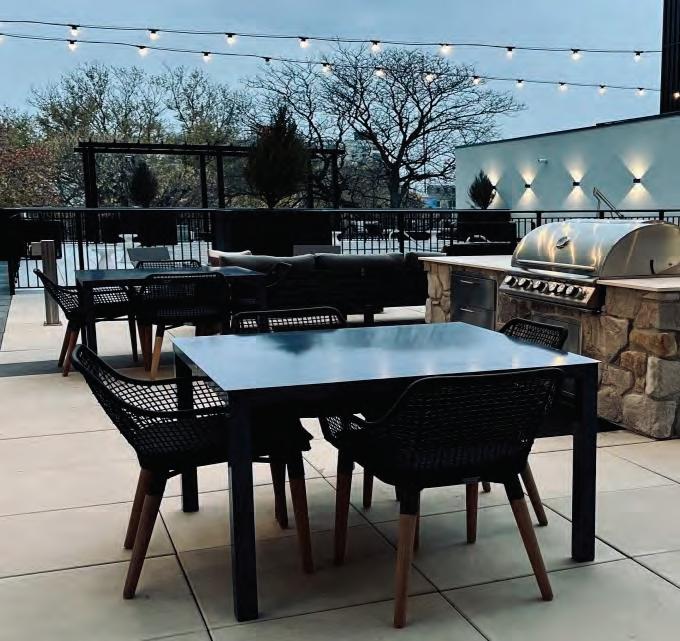
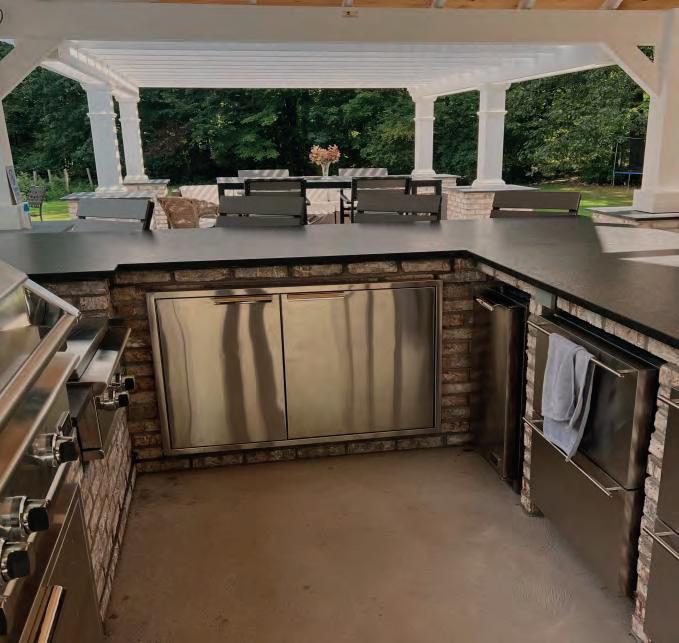


utdoor living continues to evolve as homeowners are reimagining how their landscapes function within their daily lives. What was once considered simply a backyard is now an extension of the home — an outdoor room designed for gathering, relaxation and meaningful moments with family and friends. From thoughtfully designed patios and outdoor kitchens to fire features, lighting and comfort-
As President of the Ohio Landscape Association, I’m proud to represent a community of landscape professionals who are helping bring these visions to life across our region. Our members combine horticultural knowledge, design expertise and skilled craftsmanship to create outdoor environments that are not only beautiful but also functional and built to
Great outdoor spaces begin with thoughtful planning and collaboration between homeowners and qualified professionals. In the following article, you’ll discover how professionally designed landscapes can seamlessly blend architecture, lifestyle and nature transforming outdoor spaces into












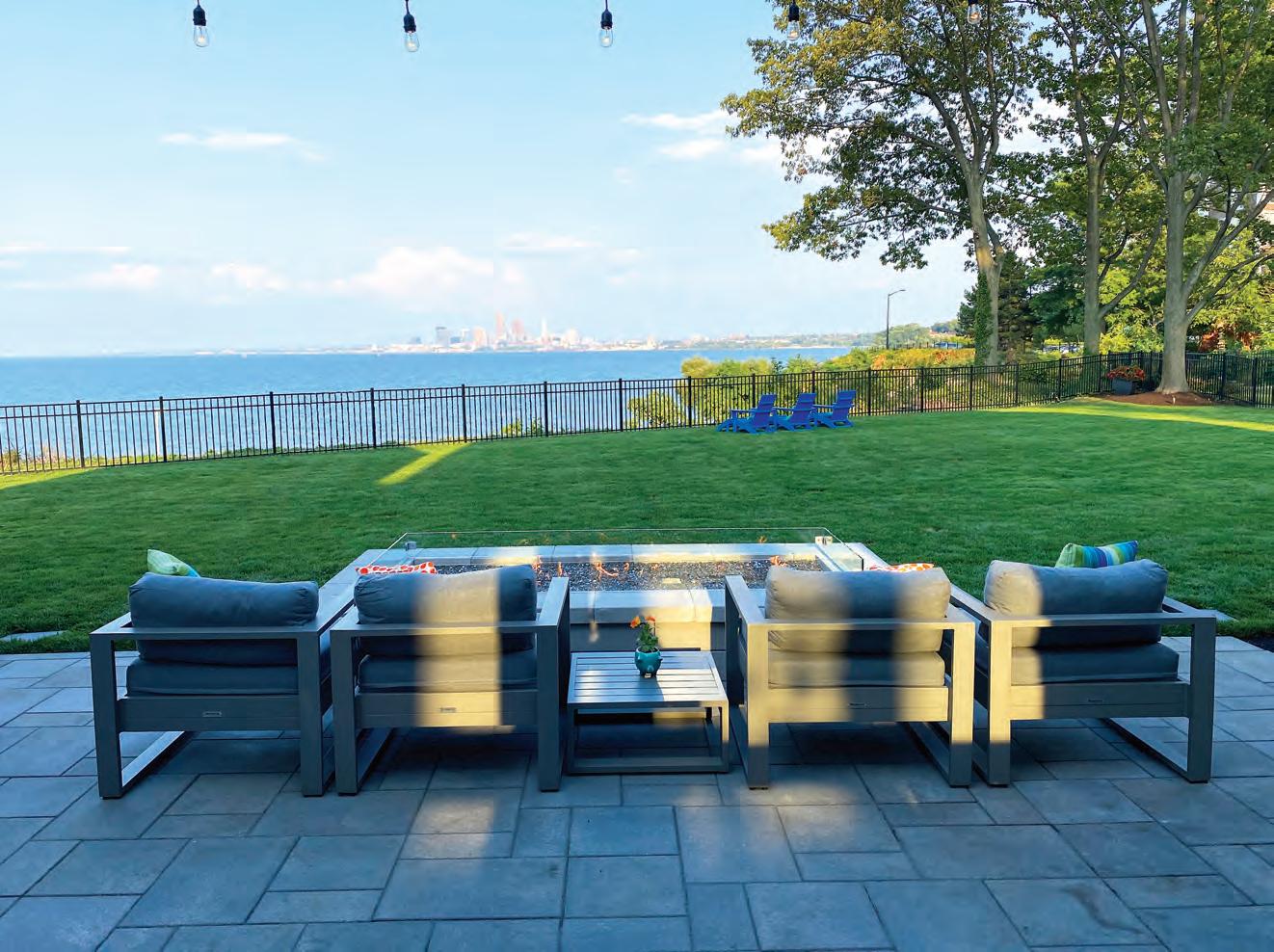
Intimate seating areas are custom designed as places to unwind.
Well-equipped kitchens, architectural patios and thoughtful landscapes are redefining how today’s homes extend into the outdoors. // By Kristen Hampshire
What’s out is “in.” Modern outdoor living is redefining how we relax, entertain and make memories at home. Namely, scale, intention and space-making inform modern landscape design projects. Rather than installing a single patio surface, designers are creating larger, more integrated spaces that support how homeowners actually use them.
“We’re seeing much more expansive outdoor living spaces,” says Brandon Barker, general manager of J. Barker Landscaping Co., a second-generation firm based in Bedford. “Fire pits, fireplaces, outdoor kitchens — people are entertaining more outside, so the space has to support that.”
The design process often starts with questions that sound more like interior design consultations than landscape planning.
“We really want to understand their lifestyle,” Barker says. “Do they have kids? How old are they? Do they host large gatherings? Do they prefer quiet evenings around the fire? Do they enjoy cooking?”
Some families want open spaces for kids and neighbors to gather. Others prioritize intimate seating areas or a place to unwind after work. Many want a combination of both.
“It's about understanding how they want to feel when they walk outside,” says Ryan Drake, vice president of JFD Landscapes in Chagrin Falls. “What’s the goal for the space? What’s the vision?”
The answers shape the landscape plan and ultimately lay the groundwork for a custom outdoor living space designed as a natural
continuation of the home’s living space. Drake says, “There has been a huge push to spend more time outside with spaces you can enjoy on a daily basis.”
Redefining what it means to “throw on some burgers” or host a lowkey BBQ are today’s stepped-up outdoor kitchens that are highly custom, span a range of cooking setups and are every bit as equipped as what’s happening in the interior version.
Outdoor kitchen used to mean built-in grill. The fixings have expanded to generous proportions. And much like inside the home, the outdoor kitchen often becomes a focal point where most of the gathering happens.
“Outdoor kitchens are a huge part of what people are asking for,” Drake says. “It can be anything from a built-in grill to smokers, flattop griddles, refrigerators, lighting and sound systems.”
For home cooks who are all in, pizza ovens and custom bar areas make the priority list.
“If someone enjoys cooking, we might incorporate a pizza oven or full grill station,” Drake relates. “That way they’re not running back and forth inside while hosting. Everything they need is right there.”
For many homeowners, the investment pays off not just in functionality but in how the space brings people together. “It really becomes the hub of the outdoor living area,” Barker says.








Weather or not, we push the outdoor living seasons as far into the spring and fall shoulders as possible, with eyes on winter opportunities, too. Cue fire features, covered structures and conveniences such as heated walkways.
Mini rooftops in the form of pergolas and more substantial covered structures are an effective way to extend the usability of a space beyond the summer months. Barker says the demand for covered structures is consistently increasing. “Sometimes they’re attached to the house; sometimes they’re freestanding,” he relates.
These features provide shade during hot days and shelter from rain while helping define the outdoor space architecturally.
Some systems incorporate retractable canopies or screens, allowing homeowners to adjust for sun or weather, Barker adds.
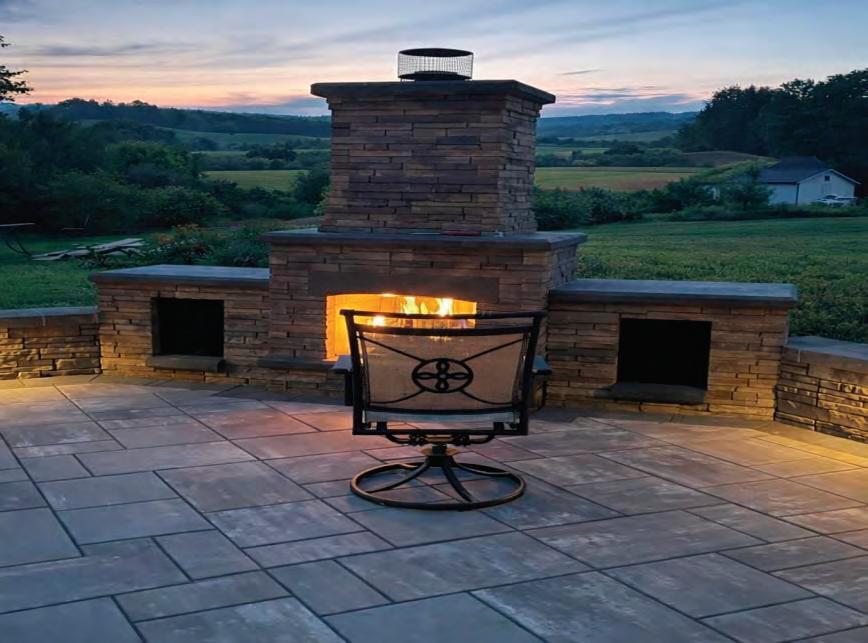
Designers are also integrating heating elements and fire features to make outdoor spaces comfortable later into the fall. “Infrared heaters, fire pits and fireplaces are all very popular,” Barker says. “People want to be able to use these spaces as much of the year as possible.”
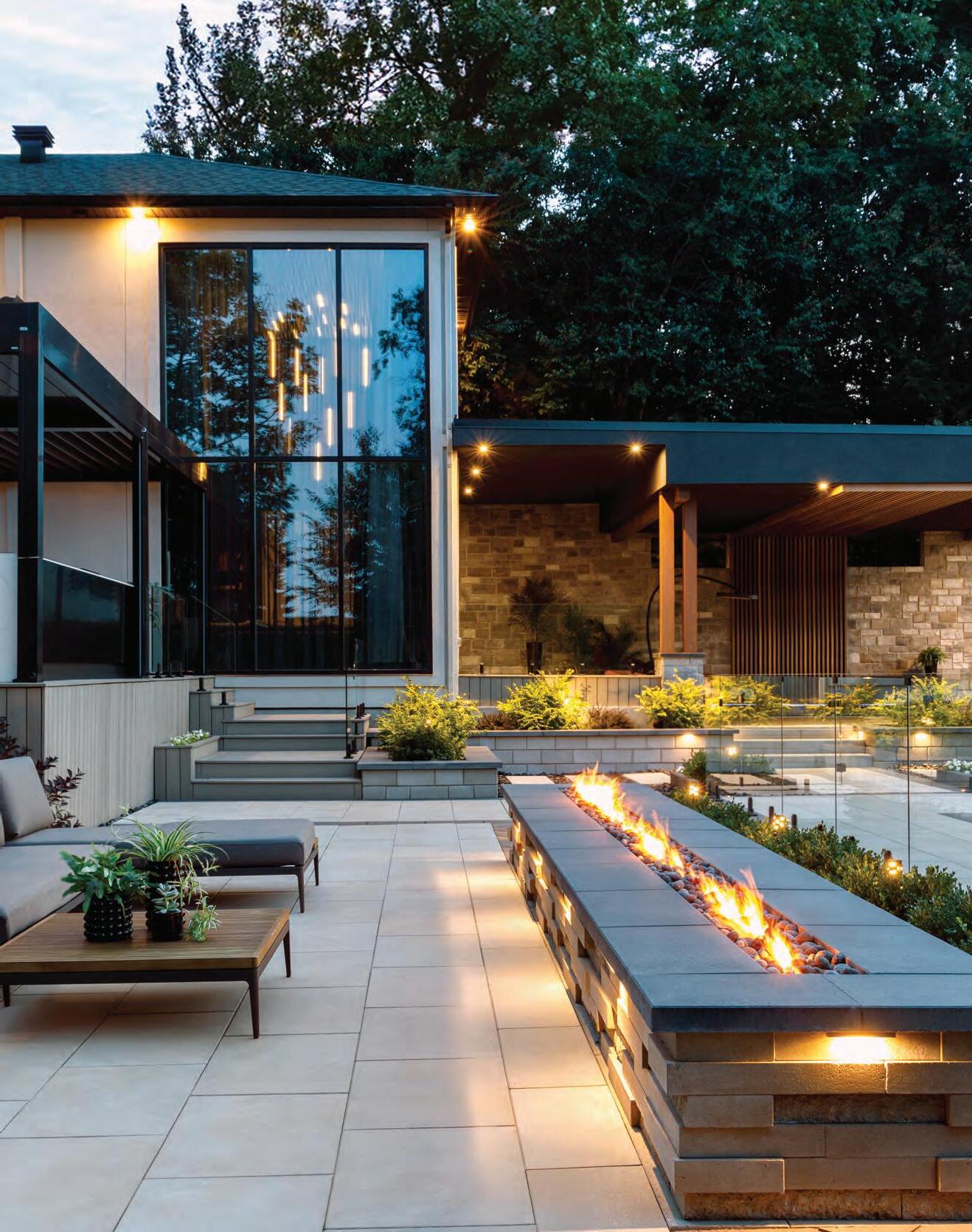
Fire features that warm up cooler Ohio seasons are evolving as well. Rather than a simple backyard fire pit, landscape designers often create statement pieces that anchor the entire outdoor room. “A fire feature becomes a gathering place,” Flory says. “It gives the space a focal point.”
And once the sun goes down, lighting is integral for transforming patios and gardens into inviting nighttime environments. “You want a space that works day or night,” Barker says. “Lighting really brings that to life.”
The architecture of the home often sets the tone. Traditional houses tend to pair with natural stone patios and layered planting beds, while modern homes lean toward larger pavers, restrained palettes and crisp, structured landscapes.
While outdoor living spaces are becoming more elaborate, the design should complement the home. “We always look at the architecture first,” Barker says. “Is it traditional? Modern? That helps guide the materials and plant choices.”
Manufacturers are responding to those shifts in design.

“Outdoor spaces today are feature-rich environments. People aren’t just saying, ‘I want a patio.’ They want a living space.”
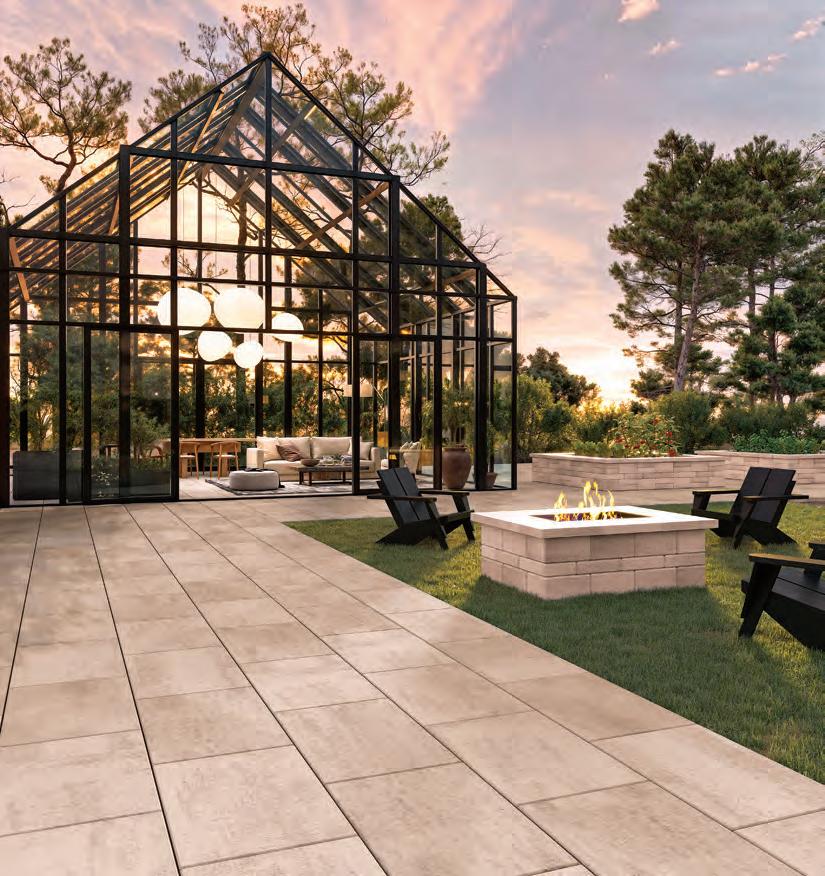
“Outdoor spaces today are feature-rich environments,” says Chad Flory, who works with contractors across Northern Ohio on hardscape materials as Northeast Ohio’s Techo-Bloc sales lead. “People aren’t just saying, ‘I want a patio.’ They want a living space.”
Materials have evolved alongside that demand.
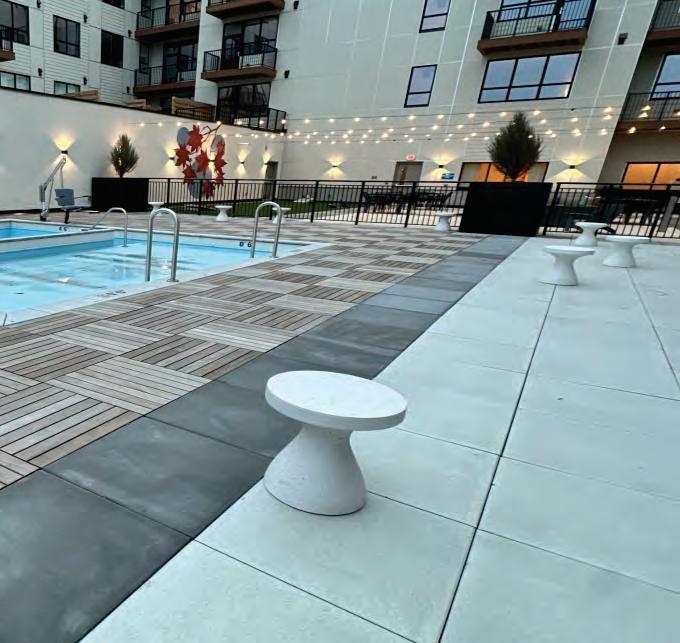
Years ago, many patios used rustic, tumbled pavers designed to mimic Old-World stone, Flory says. Today, designers are working with larger formats, more refined slabs and architectural paving systems that mirror finishes used inside the home.
“The line between inside and outside is being blurred,” Flory says.
That shift shows up in everything from color palettes to surface patterns. Warmer tones like beiges, creams and natural stone hues are replacing the cooler gray palettes that dominated the last decade. At the same time, larger-format pavers and slabs are creating cleaner lines and more contemporary layouts.
“Years ago, it was all smaller stones and rustic looks,” Flory says. “Now we’re seeing bigger pieces, simpler palettes and more architectural designs.”
Designers are also paying closer attention to subtle details that elevate a space. Inlays, geometric patterns and mixed materials allow patios to feel more intentional without overwhelming the landscape.
Even the inspiration behind outdoor surfaces is shifting. Terrazzo, a material long used in interior flooring, has recently made its way outdoors in polished pavers made with recycled stone and marble aggregates, creating a softer, more contemporary look underfoot.
Another growing priority is permeability — paving systems designed to allow water to filter through the joints in the surface rather than run off. These permeable pavers help manage stormwater while maintaining the durability and clean appearance homeowners expect.
At the same time, designers are experimenting with shapes and patterns that bring a sense of artistry to outdoor surfaces. Hexagonal and patterned pavers can introduce subtle visual texture, while raised walls and planters help define space and guide movement through the landscape.
All of this reinforces a shift in how outdoor spaces are designed. “It’s really about creating an experience,” Flory says.

If you want plants that actually thrive in Northeast Ohio, start with the ones that already belong here. Native trees, shrubs and perennials are adapted to the region’s clay soils, lake-effect weather and shifting seasons — which often makes them easier to grow and more resilient once established.
Native plants are increasingly finding their way into Northeast Ohio landscapes, offering beauty along with ecological benefits. Because these species evolved in the region, they tend to adapt well to local soils, weather patterns and seasonal changes.
“A lot of the perennial natives are very popular right now,” says Joe Vasel of Davis Tree Farm & Nursery in Valley City, a wholesale grower that supplies landscape contractors and garden centers across the state. “They work well in our conditions and fit naturally into the landscape.”
Vasel says native plantings can complement a variety of landscape styles — from more natural garden beds to structured designs that incorporate evergreen hedges and traditional elements.
“Every application has its place,” he says.
Here are several native favorites landscape professionals often recommend:
BUTTERFLY WEED (Asclepias tuberosa): Bright orange blooms attract butterflies and pollinators throughout summer. Drought-tolerant and well suited to sunny garden beds.
OAK TREES (Quercus species): From red oak to swamp white oak, native oaks support hundreds of insect species and provide long-term shade and structure in the landscape.
PURPLE CONEFLOWER (Echinacea purpurea): A hardy perennial with long-lasting blooms that attract bees and butterflies. Coneflowers thrive in full sun and tolerate a range of soils.
LITTLE BLUESTEM (Schizachyrium scoparium): This native ornamental grass adds texture and seasonal color, turning copper and rust tones in fall.
SERVICEBERRY (Amelanchier species): An adaptable small tree or large shrub that produces early spring flowers, summer berries and vibrant fall foliage.
“Sustainable landscapes are really the future of outdoor living.”
Brandon Barker General Manager of J. Barker Landscaping Co.
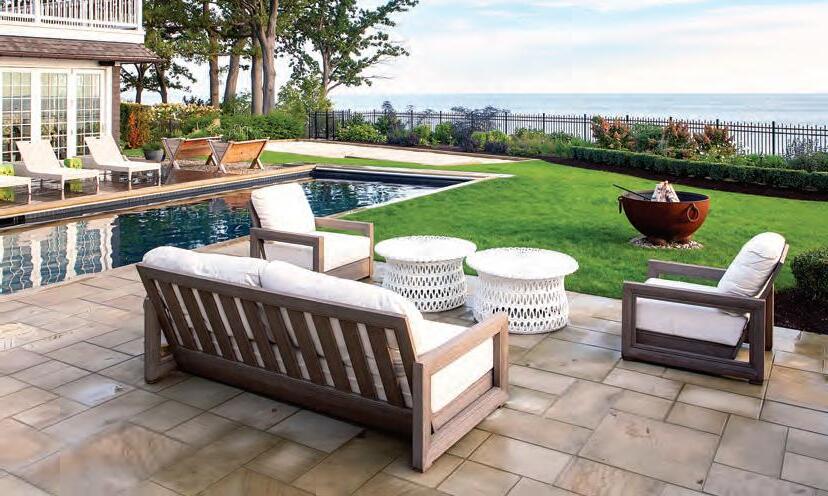
Another growing priority is sustainability — not as a passing trend but as a long-term design philosophy.
“Sustainable landscapes are really the future of outdoor living,” Barker says.
After all, landscaping has always been the “green industry.”
Homeowners increasingly ask about reducing water use, minimizing maintenance and creating landscapes that support pollinators and biodiversity.
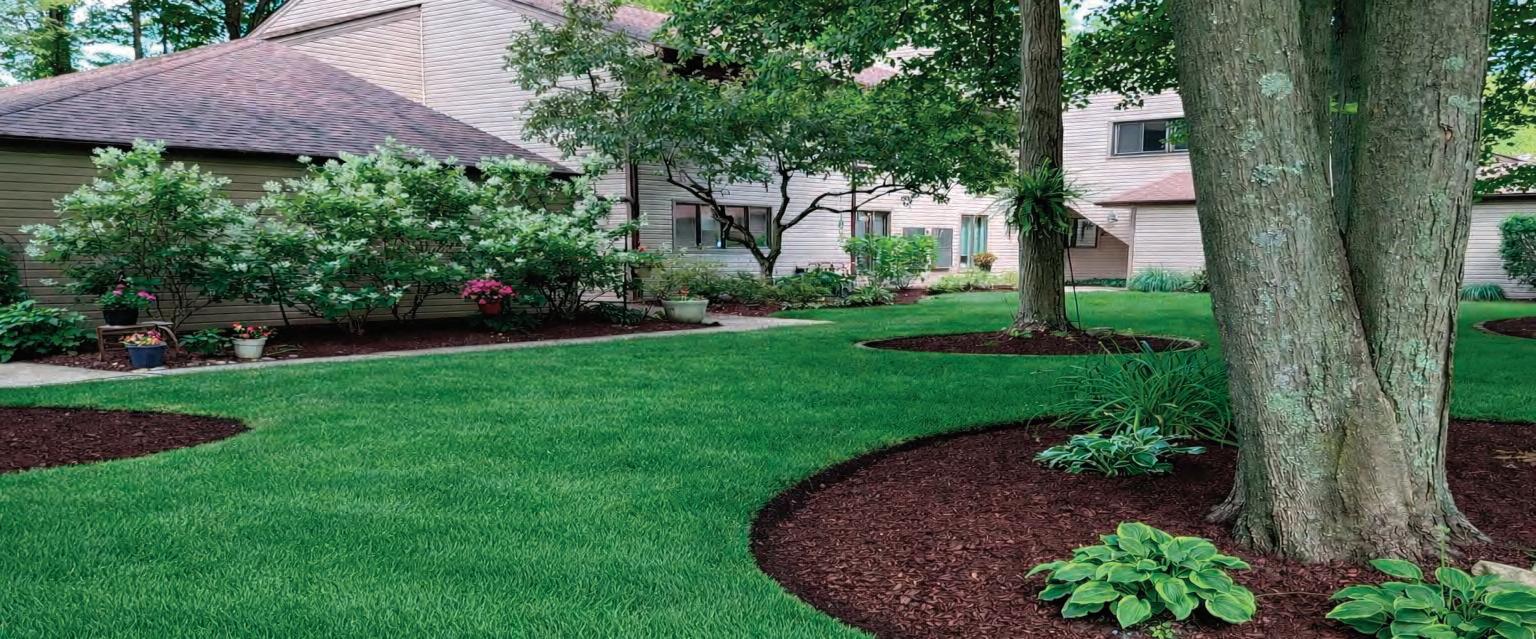
Design solutions include native plant selections, reduced turf areas, smart irrigation systems and improved soil preparation.
“Reducing turf is a big one,” Barker says, pointing to modern artificial turf as a permeable, real-looking and feeling upgrade from what many might remember as the old Kelly green bristly indoor-outdoor carpet.
The bottom line: “Less mowing, less fertilizing and less water use,” he says.
Also, many homeowners are also rediscovering the appeal of kitchen gardens.
“We’ve created raised beds where people grow their own tomatoes and peppers,” Barker says. “There’s a lot of interest in that.”
Drake notes that naturalistic plantings can require careful planning to look their best.
“What people see online can sometimes look easy,” he says. “But landscapes evolve over time. Nature has its own rhythm.”
Still, the desire for environmentally thoughtful landscapes continues to grow. “It’s not just environmentally responsible,” Barker says. “It can be financially responsible, too, because it reduces maintenance and water use.”
Big ideas but limited budget? There’s a solution for that. Designers say the most
successful outdoor living projects often begin with a comprehensive plan, even if construction happens in phases.
“We highly recommend creating a master plan,” Drake says.
That approach allows homeowners to build the space gradually without undoing earlier work.
“If someone wants a patio now but plans to add an outdoor kitchen later, we can run gas lines and electrical during the first phase,” Drake says. “Then when the time comes, everything is already in place.”
In many projects, the visible elements like pavers, seating walls or plantings are only part of the story. Much of the planning happens below the surface. “If we know the long-term vision, we can install the infrastructure from the start,” Drake says. “That way you’re not tearing things out later to add utilities or features.”
Phased projects have become even more common as homeowners take a long-term approach to outdoor living spaces. Some start with a patio and seating area, then expand to include kitchens, pergolas or fire features in later seasons.
“The key is thinking about the entire space from the beginning,” Drake says. “Even if you’re building it over time.”
For Barker, those early conversations are essential to getting the design right. “We start by learning about how people want to live in the space,” he says. “Do they host large gatherings? Do they want a quiet place around the fire? Do they travel a lot and need something low maintenance?”
Understanding those priorities early helps designers shape spaces that evolve naturally with the homeowner’s lifestyle.
“When you plan it properly,” Barker says, “everything works together.”
“So much of plant health comes down to what’s happening in the soil.”
Eric Bishop founder of Deep Roots Living Soil

Why healthier landscapes begin below the surface.
// By Kristen Hampshire
When gardeners talk about successful landscapes — vibrant hydrangeas, productive vegetable beds or perennials that come back stronger each year — the conversation often turns to sunlight, watering and plant selection.
But before the icing comes the main ingredients, and that includes healthy soil.
“So much of plant health comes down to what’s happening in the soil,” says Eric Bishop, co-founder of Deep Roots Living Soil and a second-generation member of the family behind Sweet Peet, an organic composted mulch and soil amendment.
Healthy soil is more than just dirt.
It’s a complex system of organic matter, microbes, minerals and structure that work together to support plant growth. When those elements are balanced, plants tend to grow stronger roots, retain moisture more efficiently and better resist pests and disease.
“If the soil biology is working properly, the whole system becomes stronger,” Bishop says.
Interest in soil health has grown in recent years. That curiosity often leads to a simple discovery: many soils need improvement.
In Northeast Ohio, native soils are often dense clay that drains poorly and can be difficult for roots to penetrate. Over time, adding organic material — compost, mulch and soil amendments — helps improve structure and fertility.
Composted mulches can play an important role in suppressing weeds and conserving moisture. Plus, they break down and feed the soil with organic matter.
“When you add compost or organic mulch, you’re improving the soil,” Bishop explains. “You’re feeding the system not just the plant.”
Bishop’s family has been working with compost for more than two decades through Sweet Peet, a mulch and soil amendment made from composted horse bedding and plant fibers sourced from local farms. The product has become common at garden centers and landscape supply yards across Ohio .
More recently, Bishop launched Deep Roots Living Soil, a related venture focused on soil biology and soil amendments designed to support microbial life.
Instead of relying primarily on fertilizers and chemical treatments, more gardeners are looking at the underlying health of their soil.
“There’s definitely more awareness now,” Bishop says. “People want to know what they’re putting in their gardens, especially if they’re growing food or have pets and kids in the yard.”
One approach gaining attention is the use of worm castings, the nutrient-rich material produced by earthworms. Often described as a natural soil conditioner, worm castings contain microbes and organic compounds that can help support plant health.
“It’s like adding probiotics to the soil,” Bishop says.
For home gardeners, improving soil health does not require major changes. Small steps can make a noticeable difference over time.
Adding compost to garden beds each season, using organic mulch to retain moisture and avoiding over-compaction of soil are among the simplest ways to help build healthier growing conditions, Bishop points out.
After starting with smart soil, keep in mind plant size, Bishop says. Understanding how large
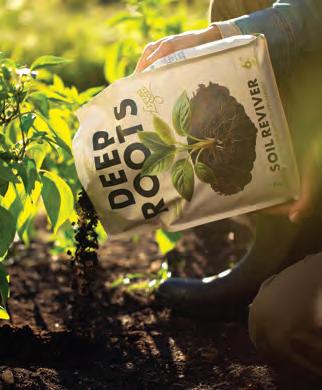




a plant will become and choosing varieties suited to the site’s sunlight and drainage can prevent many common gardening frustrations.
Bishop encourages homeowners to think of their yard as a small ecosystem where soil, plants, insects and weather all interact. “When the soil is healthy, the landscape tends to take care of itself better,” he adds.
This perspective is increasingly shaping how people approach outdoor living. Alongside patios and outdoor kitchens, homeowners are also adding raised beds, pollinator gardens and edible plantings.
For Bishop, the appeal is as much personal as practical. “There’s something really rewarding about growing something yourself,” he says. “Even if it’s just a few tomatoes or herbs.”
Where should homeowners invest their outdoor living dollars to get the most enjoyment — and the strongest return?
A 2023 report by the National Association of Realtors (NAR) in partnership with the National Association of Landscape Professionals (NALP) offers some insight. The Remodeling Impact Report: Outdoor Features evaluates common landscape upgrades based on cost recovery at resale and homeowner satisfaction, known as the “Joy Score.”
Curb appeal plays a major role in that equation. Nearly 97% of realtors say a home’s exterior creates the first impression for potential buyers, underscoring the importance of well-designed landscapes and outdoor spaces.
The report examines why homeowners undertake outdoor projects, typical project costs reported by landscape professionals and how much of that investment can be recovered when the home sells.
100% — Overall landscape upgrade
100% — Outdoor kitchen
95% — New patio
89% — New wood deck
87% — Tree care
83% — Irrigation system installation
59% — Landscape lighting
56% — Fire feature
56% — In-ground pool installation
The report also measures homeowner satisfaction after completing projects, ranking upgrades on a scale of 1 to 10. Outdoor improvements consistently rank among the most enjoyable home upgrades, with every project scoring 9 or higher.




10 — In-ground pool installation
10 — Landscape lighting
9.9 — New patio
9.8 — New wood deck
9.7 — Fire feature
9.7 — Overall landscape upgrade
9.6 — Landscape maintenance service
9.4 — Irrigation system installation
9.4 — Standard lawn care service
9.3 — Tree care
9.0 — Outdoor kitchen
>>THE TAKEAWAY: Outdoor upgrades don’t just improve resale value. They also enhance how homeowners use and enjoy their spaces every day.





•
•
•
• En Garde
• Kurtz Bros., Inc.
• O’Reilly
• Preston
•
•
•

• Eby
• Kurtz Bros., Inc.
• Mulch Mule
•