TheConcernGrowing
A PUBLICATION OF THE OHIO LANDSCAPE ASSOCIATION

Columbus Plant ID
July 8, 2026 | Willoway
Northeast Ohio Plant ID
July 15, 2026 | Davis
Nurseries
Tree Farm


Columbus Plant ID
July 8, 2026 | Willoway
Northeast Ohio Plant ID
July 15, 2026 | Davis

BRANDON BARKER
J. Barker Landscaping Company
As we move into June, the landscape season is no longer ramping up, it is fully underway. Crews have settled into their routines, enhancement projects are in full swing and maintenance schedules are operating at full capacity. For many of our member companies, this is one of the busiest times of the year. Days start early, schedules are full and there never seems to be a shortage of work to accomplish.
This month, rather than focusing on operations, planning, or growth, I would like to take a moment to recognize the people who make our industry successful.
When clients see a beautifully maintained property, they often see the finished product. What they don’t always see are the people behind the work. They don’t see the crew arriving before sunrise to prepare for a long day. They don’t see the mechanic making repairs late in the evening, so equipment is ready the next morning. They don’t see the account manager responding to a client’s concerns or the office staff coordinating schedules and supporting field operations. The landscape industry has always been a people business.
Equipment, technology and systems all play important roles, but at the end of the day, our success depends on
individuals who show up every day and take pride in their work. It depends on people willing to work through heat, rain, changing conditions and the countless challenges that come with maintaining and improving outdoor spaces.
One of the things I have always appreciated about our industry is the work ethic of the people involved. Landscape professionals are problem solvers. They adapt to changing weather, shifting priorities, equipment breakdowns and demanding schedules. They take ownership of their responsibilities and understand the importance of delivering quality results for clients. Those qualities deserve recognition.
As leaders, it can be easy to focus on the next deadline, the next project or the next challenge that needs to be solved. June serves as a good reminder to pause and acknowledge the effort being made by our teams. A simple thank you, a conversation
continued on page 6

COVER: Landscape Ohio! Awards submission in the category of Residential Installation, Honor Award by Landscapes by Terra
PRESIDENT’S COLUMN The People Behind the Work
PERENNIAL FOCUS
Liriope Lily-Turf
FISCAL FITNESS
How Many Stocks is Enough? FOR SAFETY SAKE
OSHA Updates: Heat Emphasis Program
PLANT OF THE MONTH
Diervilla Sessilifolia Bush Honeysuckle
FEATURE ARTICLE Protect Your Crews as Tick Populations Spread
FEATURE ARTICLE Streamlining Six Common Design/Build Bottlenecks
ADVOCACY
EXECUTIVE
OHIO’S PROFESSIONAL GREEN INDUSTRY ASSOCIATION
OHIO LANDSCAPE ASSOCIATION
9240 Broadview Road
Broadview Heights, Ohio 44147
Phone: 440-717-0002
Toll Free: 1-800-335-6521
Web: www.ohiolandscapers.org
REGULAR WRITERS
Michael J. Donnellan, M3 Wealth Management
Jim Funai, PhD, Cuyahoga Community College
Shelley Funai, Stan Hywet Hall and Gardens
Brandon Barker, J. Barker Landscaping Company
Patty Lampert, Ohio Landscape Association
Bobbie Schwartz, FAPLD, Bobbie’s Green Thumb
ADVERTISING INFORMATION
Submission deadline: 10th of the month, prior to the month of magazine publication. For advertising and ad specs, please call 440-717-0002, and ask for Patty Lampert.
DISCLAIMER
The Ohio Landscape Association, its board of directors, staff and the editor of The Growing Concern neither endorse any product(s) or attests to the validity of any statements made about products mentioned in this, past or subsequent issues of this publication. Similarly, the opinions expressed in The Growing Concern are those of the authors and do not necessarily represent the views of the Ohio Landscape Association.
OFFICERS
President
Brandon Barker
President – Elect
Matt Malone
Treasurer
Tom Rieder, LIC
Immediate Past President
Ryan Drake
DIRECTORS
Jeffrey Ardo
Jason Deuble, LIC, OCNT
Amy Gatoo
Gil Kupetz
Jess Kronenberger
Garrett McNeill
OLA STAFF
Executive Director
Patty Lampert
UPCOMING OLA MEETINGS, EDUCATION SEMINARS & EVENTS
JULY 8, 2026
COLUMBUS PLANT ID
Willoway Nurseries
A hands-on training opportunity for your crews to learn about the basics of Plant ID for perennials, ground covers, ornamental grasses, as well as evergreen and deciduous trees and shrubs. Instructors for Columbus are Jason Bornhorst, Dr. Laura Deter, and Robin Knaup. Find more information and register on the website.
JULY 15, 2026
CLEVELAND PLANT ID
Davis Tree Farm & Nursery
A hands-on training opportunity for your crews to learn about the basics of Plant ID for perennials, ground covers, ornamental grasses, as well as evergreen and deciduous trees and shrubs. Instructors for Cleveland are Anna Fletcher, Marie McConnell, and Rob Raith. Find more information and register on the website.
JULY 28, 2026
SALES TRAINING CLINIC
Talent Launch, Valley View
This training program led by Scott MacMeans has been crafted to equip you with vital Sales Skills. If you are aiming to drive revenue, build your personal & professional brand, or streamline your sales effectiveness, this course is for you. Visit the OLA website to learn more and register.
AUGUST 2026
AUGUST 6, 2026
GOLF OUTING
Mallard Creek
Find more information and register on the website at www.ohiolandscapers.org/golf-outing
AUGUST 19, 2026
NURSERY TOUR
Willoway Nurseries, Avon
SEPTEMBER 25, 2026
PLANT HEALTHCARE
Secrest Arboretum
OCTOBER 8, 2026
LANDSCAPE OHIO! AWARDS
Tenk West Bank
DECEMBER 4, 2026
DORMANT PRUNING
Secrest Arboretum
SCAN THE QR CODE TO SEE A FULL LIST OF EVENTS AND REGISTRATION.
NOT AN OLA MEMBER? VISIT THE WEBSITE TO ohiolandscapers.org
“The

Adam Niec Owner & CEO
at Rate Tracker Payments
continued from page 3
in the field or recognition for a job well done can go a long way toward building a positive culture and reinforcing the value each employee brings to the organization.
Our industry also benefits from the next generation of landscape professionals who are choosing careers in horticulture, landscape management, design, construction and snow and ice management. As an Association, we have a responsibility to continue promoting our industry as a profession that offers meaningful careers, opportunities for advancement and the ability to make a visible impact on the communities we serve.
That is why education, mentorship and workforce development remain so important. Every experienced professional has the opportunity to help develop someone who is just getting started. Sharing knowledge, providing guidance and investing in future leaders strengthens not only individual companies but the industry as a whole.
This summer, the OLA will continue providing opportunities for professional development, including our Plant ID events in Cleveland and Columbus this July. These programs offer members and their teams the chance to expand their knowledge, sharpen their skills, and continue growing professionally. Lifelong learning remains one of the hallmarks of successful individuals and successful organizations.
As we head into the heart of the season, I encourage all of us to take a moment to recognize the people who make this industry what it is. Thank your crews. Support your leaders. Mentor a new employee. Celebrate accomplishments, both large and small.
The landscapes we create and maintain are important, but the people behind them are even more important. Thank you for everything you do to support our industry, your companies, your employees and your communities. I wish everyone a safe, productive and successful summer season!

Walk life-size landscape plans with your clients before installation begins. Avoid costly change orders, protect your timeline and deliver a better client experience, every time.
(216) 409-9509
Schedule your free demo or consultation today: www.walkyourplans.com






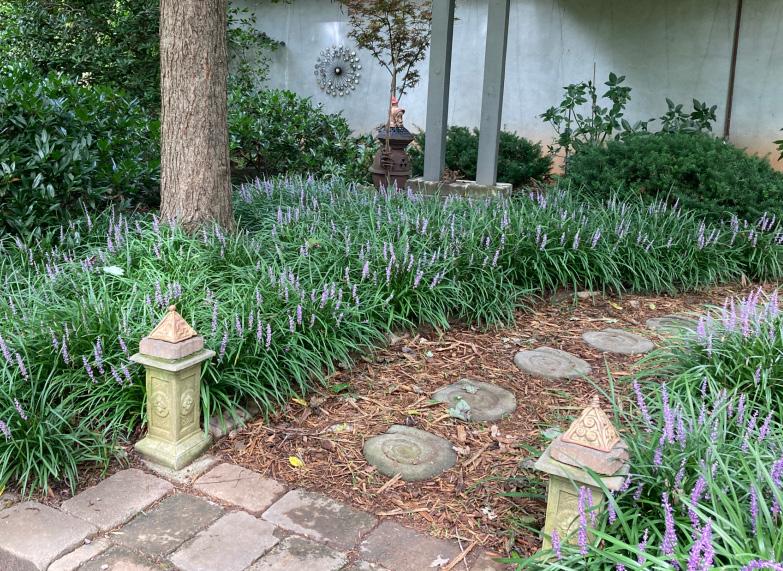

Groundcovers are a problematic category. On the one hand, we want a plant that will spread and, obviously, cover the ground. On the other hand, we don’t want a plant that will cover the ground so aggressively that it starts to invade its neighbors. Most of the time what we really want is a plant that will spread at a moderate pace and be easy to control.
Liriope muscari is a leading candidate. This lily-turf is a clumper; be aware that Liriope spicata is a creeper (more later). Strappy, evergreen, twelve inch leaves form an attractive mound when not buried in snow. In August, a lavender, purple or white spiky flower emerges in the center, bringing a lovely haze to what is otherwise a dull space. If the foliage becomes ragged during the winter, you can mow it in early spring before the new foliage emerges.
There are several cultivars, some with variegated foliage. ‘Variegata’, the most commonly available of these, has creamy white edges, and blooms a few weeks later than the green varieties. Sometimes, depending on the light, this the edging of this cultivar looks more yellow than white. Since it does not have as much chlorophyll as the green cultivars, it does not spread as rapidly. I find that it looks best in partial shade where it adds an element of light. Plant geek that I am, I’ve tried some of the lesser known cultivars such as ‘Okina’ with
continued on page 10







continued from page 8
its mostly white leaves and ‘Peedee Ingot’ with chartreuse leaves but I found both to be weak growers.
When you are searching for a groundcover that will thrive in dry shade and compete with old tree roots, Liriope spicata is the answer to your prayers. I used to have a huge, old hawthorn under which nothing would grow until I planted a few divisions of this lily-turf. It spread very quickly and then my problem was keeping it out of everything else. The foliage is narrower than that of Liriope muscari. There is a cultivar called ‘Silver Dragon’ that has white edges.
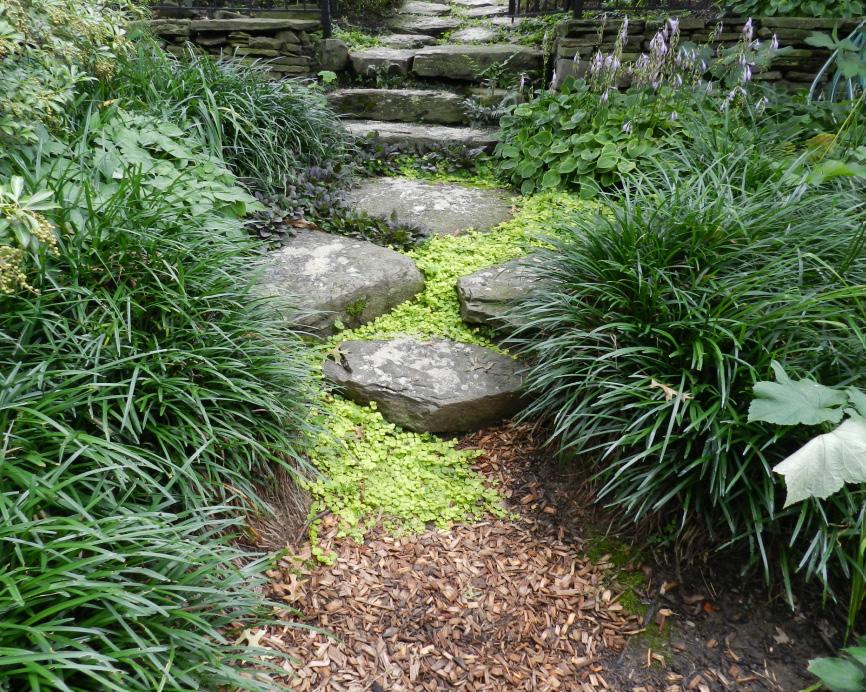
Because the foliage of Liriope spicata is such a dark green, some gardeners plant Lysimachia nummularia ‘Aurea’ nearby to brighten the area. Others plant Bergenia as a textural contrast.
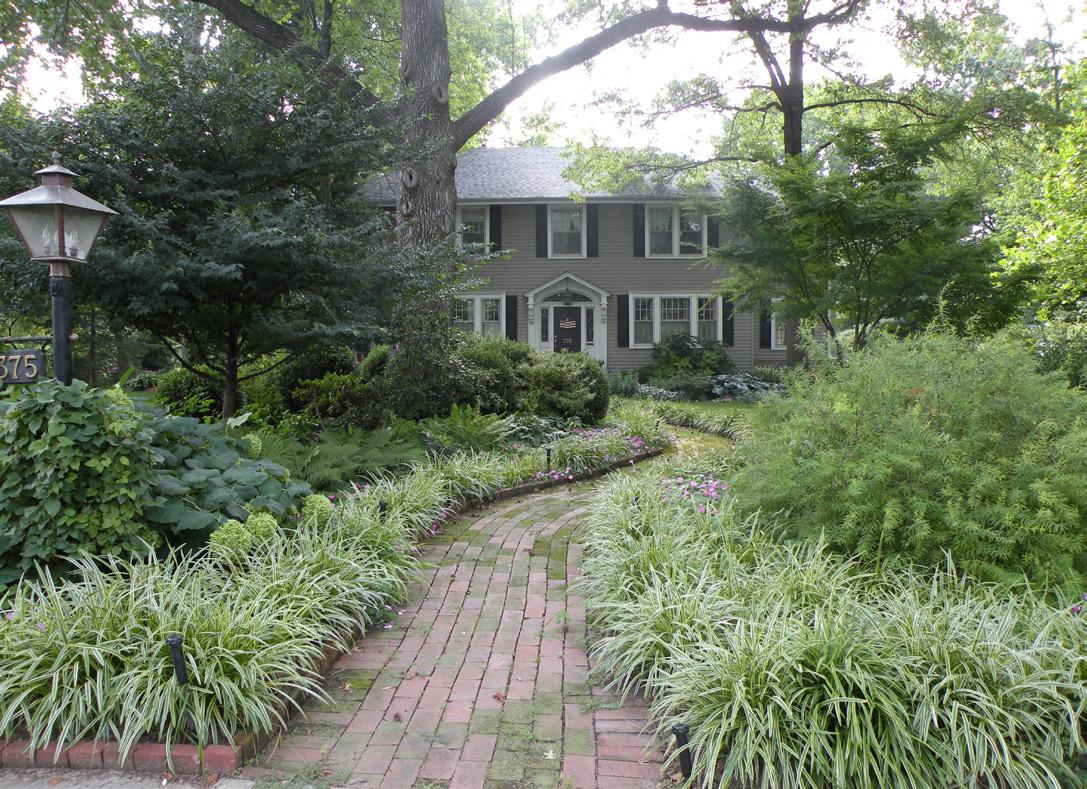
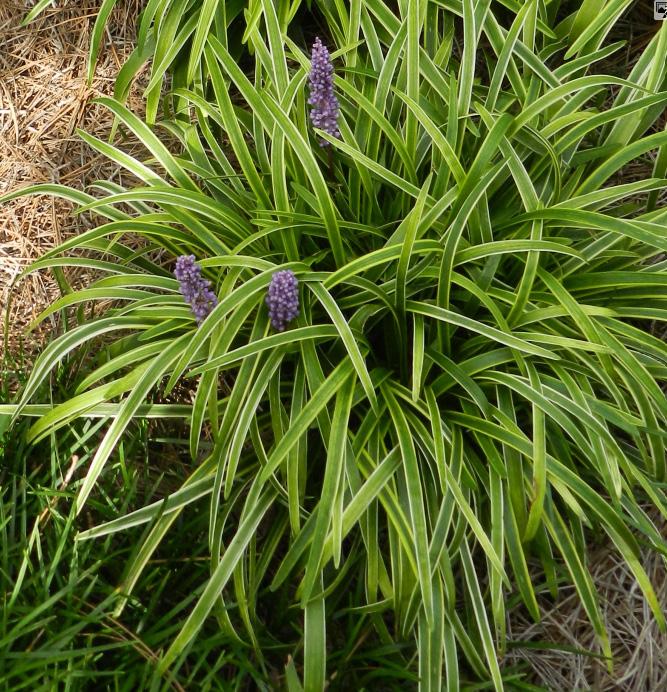
Happily, Liriope is not fussy about soil, asking only that drainage be decent. It will grow in full sun to heavy shade, although it will not spread as quickly in heavy shade. It doesn’t meet the deer taste test so they leave it alone.
So, if you want a groundcover that will spread relatively quickly but not too quickly, be sure to use Liriope in your designs.
Bobbie Schwartz, FAPLD, owner of Bobbie’s Green Thumb in Shaker Hts., Ohio, is a landscape designer, consultant, freelance writer, and lecturer whose specialties are perennial gardens and four season landscapes. In addition to being an Ohio Landscape Association (OLA) member, she is an active member of the Ohio Nursery and Landscape Association (ONLA) and Perennial Plant Association (PPA). Bobbie is a Past President of the Association of Professional Landscape Designers (APLD).

Below: Lysimachia nummularia ‘Aurea’ brightens an area edged with Liriope spicata.


















MICHAEL J. DONNELLAN M3 Wealth Management
Ask most investors how to manage risk and you’ll hear a one-word answer: diversify. It’s good advice, and it’s also where the thinking usually stops. The harder question — the one that actually shapes a portfolio — is how much diversification you need. More is not always better, and past a certain point, adding names does almost nothing while quietly working against you.
Every stock carries two kinds of risk. The first is companyspecific: a failed drug trial, an accounting scandal, a factory fire, a CEO who flames out. The second is market risk: recessions, interest-rate shocks, the broad tide that lifts or sinks nearly everything at once.
Diversification only addresses the first kind. When you hold many companies, one firm’s disaster gets diluted by the others, and the idiosyncratic noise begins to cancel out. What you cannot diversify away is the market itself. Owning five hundred stocks doesn’t protect you from a bear market — it simply guarantees you’ll participate in one.
That distinction matters because it tells you where the payoff lives. The benefit of adding stocks comes entirely from washing out company-specific risk, and that job gets done far faster than people expect.
The math behind diversification follows a steep curve that flattens quickly. Going from one stock to two cuts your exposure to any single blowup dramatically. Going from two to ten cuts it further. But the improvement shrinks with every name you add, because each new stock represents a smaller slice of the whole.

EVENT INFORMATION
JULY 8, 2026
WILLOWAY NURSERIES
JULY 15, 2026
DAVIS TREE FARM & NURSERY
SCHEDULE
REGISTRATION & BREAKFAST
8:30 - 9:00 am INTRODUCTION
9:00 - 9:30 am
SESSION 1
9:30 - 10:45 am
SESSION 2
11:00 - 12:15 pm
LUNCH
12:15 -1:15 pm
SESSION 3
1:15 - 2:30 pm
COST
MEMBERS: $99
NON-MEMBERS: $129
Please call Patty at 440-717-0002
REGISTER
Register to attend the Columbus event by July 6, and Cleveland by July 13. Visit the OLA Calendar on our website, OhioLandscapers.org
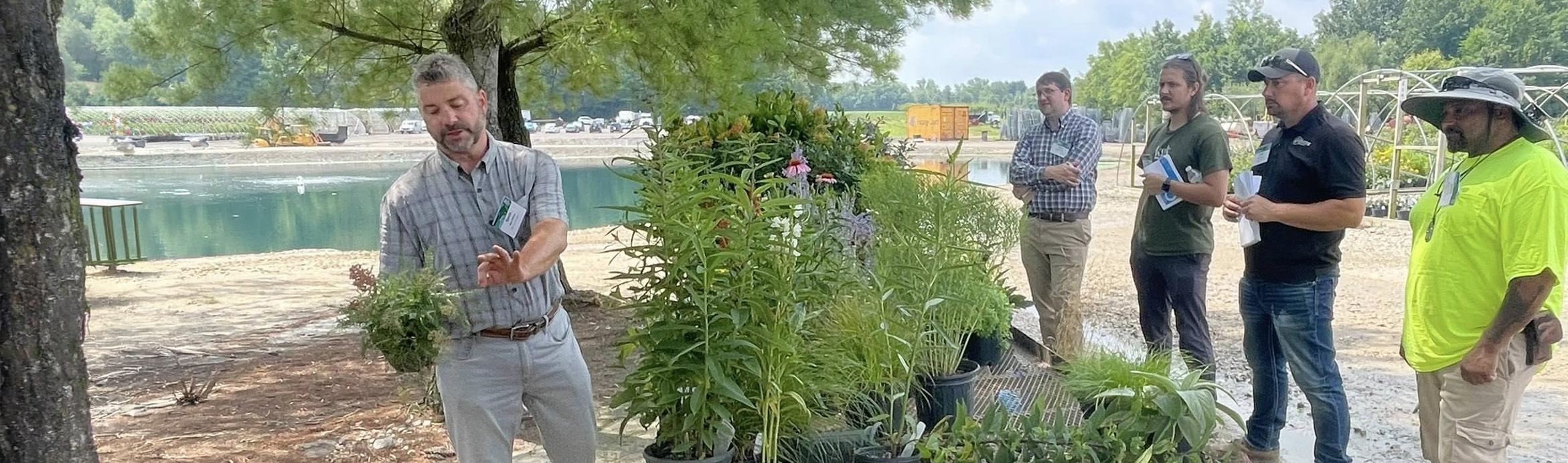
This is a hands-on training opportunity for your crews to learn about the basics of Plant ID for perennials, groundcovers, ornamental grasses, as well as evergreen and deciduous trees and shrubs. Attendees will handle live plant material, and will need to dress appropriately for outdoor training. Please bring a pad or paper for notes. Those who should attend include plant, installation, maintenance, garden center, and foremen staff. It’s also a great clinic for anyone taking the CLT test.
JULY 8, 2026
WILLOWAY NURSERIES 6981 Scioto Darby Rd Hilliard, OH 43026


ROBIN KNAUP-WILLOWAY, HORTICULTURAL CONSULTANT – OCNT
BORNHORST-WILLOWAY, REGIONAL MANAGER (CENTRAL OHIO) –MASTER OCNT
LAURA DEETER, PHD PROFESSOR OF PRACTICE – HORTICULTURE AND CROP SCIENCE AT THE OHIO STATE UNIVERSITY COLUMBUS REGISTRATION

JULY 15, 2026
DAVIS TREE FARM & NURSERIES 6126 Neff Rd Valley City, OH 44280



MARIE MCCONNELL
LAKE COUNTY NURSERY SALES – NORTHEAST OHIO, MIDWEST U.S.
ROB RAITH, CLT, OCNT, THE PATTIE GROUP NURSERY MANAGER, HORTICULTURIST
ANNA FLETCHER DAVIS TREE FARM & NURSERY SALES TEAM
CLEVELAND REGISTRATION



continued from page 12
A useful way to picture it: the share of company-specific risk that remains falls roughly in proportion to one divided by the number of holdings. At ten stocks, you’ve eliminated most of it. By twenty to thirty reasonably uncorrelated names, the curve has nearly bottomed out. The thirty-first stock removes a sliver of risk so small it’s hard to measure. The hundredth removes essentially nothing.
This is the part the “just buy everything” crowd glosses over. The first two dozen well-chosen holdings do almost all the work. Everything after that is rounding error dressed up as prudence.
If the extra names did no harm, you could shrug and overdiversify for peace of mind. But they aren’t free. Peter Lynch coined the term diworsification for what happens when a portfolio grows so broad that it loses any coherent shape. Three problems tend to follow.
The first is dilution of your best ideas. If you’ve done the work to identify genuinely strong businesses, burying them among fifty also-rans means your conviction holdings can’t meaningfully move the needle. You’ve earned an edge and then voluntarily given it back.
The second is closet indexing. A portfolio of a hundred-plus stocks usually behaves like the index it’s quietly mimicking — except you may be paying active fees and absorbing more complexity for a result you could have bought cheaply through a single fund.
The third is simple knowability. It’s hard to truly understand a hundred companies. When something breaks, the investor who owns twenty-five businesses they can explain is in a far better position than the one holding a sprawl they’ve never examined closely.
The goal isn’t maximum diversification — it’s enough diversification, paired with holdings you actually understand. For most investors building a portfolio of individual companies, somewhere in the range of twenty to thirty names, spread across different industries and economic drivers, captures nearly all the risk reduction worth having while leaving room for real conviction.
Spreading across sectors matters as much as the raw count. Twenty-five stocks that all rise and fall together aren’t diversified at all; they’re one bet wearing twenty-five name tags. Mixing businesses with different sensitivities — to rates, to the consumer, to commodity cycles — does more for resilience than simply piling on more tickers.
This is also where exchange-traded funds earn their place. In corners of the market where you have no particular edge, or where owning the whole basket is the smarter move, an ETF delivers instant breadth in one efficient holding. Used deliberately, funds complement a focused stock portfolio rather than replacing the thinking behind it.
Diversification is a tool, not a virtue you maximize. Hold enough to survive the inevitable surprises. Hold few enough to know what you own. The sweet spot is narrower than most people assume — and that’s precisely the point.
Scenarios illustrated are hypothetical in nature, results may vary. Investing is subject to risk which may involve loss of principal. Past performance is not indicative of future results.
The M3 Wealth Management Office does not provide legal or tax advice. Consult an attorney or tax professional regarding your specific situation. The information herein is general and educational in nature and should not be considered legal or tax advice.
Michael J. Donnellan specializes in stock selection and retirement planning. Feel free to contact him with any questions or comments at the M3 Wealth Management Office at 17601 W. 130th Street – Suite 1 in North Royalton, Ohio. (440) 652-6370 | donnellan@m3wealthmanagement.com

JULY 28, 2026
TALENT LAUNCH
8001 Sweet Valley Drive #4 Valley View, OH 44125
SCHEDULE
REGISTRATION & BREAKFAST
8:00 - 8:30 am
SESSION 1
8:30 - 9:15 am
SESSION 2
9:15 - 10:30 pm
SESSION 3
10:45 - 12:00 pm
LUNCH
12:00 - 12:45 pm
SESSION 4
12:45 - 1:30 pm
SESSION 5
1:45 - 3:00 pm
COST
MEMBERS: $99
NON-MEMBERS: $139
Please call Patty at 440-717-0002
REGISTER
Register to attend by July 24, 2026.Visit the OLA Calendar on our website, OhioLandscapers.org
This training program has been crafted to equip you with vital Sales Skills. If you are aiming to drive revenue, build your personal & professional brand, or streamline your sales effectiveness, this course is for you. You’ll have actionable strategies and a fresh perspective by the end of the clinic to improve all of the critical areas of your sales process. There will also be many opportunities to practice with everyone and improve your sales skills throughout the clinic.
• How to Talk & Sell to Anyone
• Increase Sales & Work Smarter
• Build Your Sales Process
• Navigate Objections
• Sales Goals
• Negotiations
• Welcome Kits
• Enrollment Process
• Understanding the Competition
• Team Roleplaying
Scott MacMeans is “THE” winning Business & Executive Coach recognized for his years of experience and unique way of connecting with clients. As a business and executive coach, speaker and entrepreneur, Scott has found the way to combine his 35 years of experience in Sales, Marketing, Operations, and business ownership to be a dream fulfiller for his clients. With clients across the spectrum of markets and industries, Scott is able to focus on the challenges they face and bring a real, grounded approach to learning, growing, and building success; that is how winning is done and dreams are fulfilled.
Scott takes long held ambitions and turns them into concrete, achievable plans to make sure things get done. He is a Dream Fulfiller combining strategic roadmaps with accountability to make sure progress is inevitable.




Join over 200 golfers for a fun filled day of golf, food, and fun! This is a great opportunity to build camaraderie through networking and meeting golfers from all corners of the Green Industry. We anticipate having a sold-out event, so please register as soon as possible to secure your spot!
Mallard Creek Golf Club 34500 Royalton Road Columbia Station, OH 44028
Registration & Breakfast, 7:30-8:30 am Shotgun Start, 9:00 am sharp

Email: info@ohiolandscapers.org
$130/golfer and is set up as a 4-person scramble
• Register as a team (4), as an individual, or as a partial team. For those who do not sign up 4 golfers, we will pair you up with another team.
• Each golfer receives lunch, dinner & drink tickets.
• 18 Holes of Golf
Attend Dinner Only - Join us at 2:00 pm for dinner and awards.
Golfer & Dinner Registrations close July 23, 2026.
Lunch at 10:30 am & Dinner at 2:00 served by Winking Lizard
• Closest to the Pin for women & men
• Double Your Money
• 50/50
• Hole in One
• Long Drive for women & men
• Long Putt
• Mulligans
• Putting for the Bottle
• Silent Auction

All sponsors will receive recognition in our Golf Classic marketing materials, social media, on the OLA website, golf signage, verbally at the event, and in The Growing Concern Magazine. All signage is designed by OLA.
In addition, all sponsorships $500 and above are eligible for a complementary 60-minute golf lesson from Tyler Peterson at the Ohio Golf Club. Contact Tyler at 330-409-4400 or peterson@oneillinsurance.com.
Sponsorships close: July 23, 2026 (No refunds after July 23)
$130 each
Sponsors will receive a highly visible sign with your logo on it at a tee box.
$1500 each (4 available)
Sponsors will be on the course with a sign with their logo on it near the tee box. You can set up a tent, chairs, handout giveaways, and use your company tablecloth on a provided table, or bring your own.
$3000 (1 available)
Sponsor is able to announce the top three team prize winners.
$2000 (2 available)
Sponsor is able to announce two of the game winners.
$650 (6 available)
Sponsor logo on sign attached to beverage cart.
$550 (2 available)
Sponsor can help meet & greet around registration table during breakfast.
$500 (2 available)
Sponsors will be recognized verbally at the event and on signage.
$500 (1 per contest)
Driving Range, Long Putt Contest, Trophies, Hole in One, Closest to the Pin, Long Drive, Putting Sponsors will be recognized verbally at the event and on signage.
$500 (4 available)
Sponsor can bring something to give to golfers
We are looking for great raffle prizes that are valued at $250 and above.
Not golfing? Interested in volunteering?
Contact the OLA if you are interested!
Contact Patty Lampert at patty@ohiolandscapers.org, or call 440-717-0002 with any questions about registration, sponsorships or volunteering.
Door Prize donations can be sent, dropped off, or made via credit card online in increments of $25.00.


Employers must pay premiums timely to the Ohio Bureau of Workers’ Compensation (BWC) to receive and maintain workers’ compensation coverage.
Through the year, employers have been making premium installment payments based on estimated payroll. As we near the conclusion of the 2025 policy year (July 1, 2025 through June 30, 2026), BWC will be requiring all employers to reconcile (“trueup”) the payroll that was used to estimate their premium with their actual payroll for the policy year.
BWC mailed 2026 estimated annual premium notices along with your installment schedule around May 1, 2026.
• If you expect your payroll to change during the 2026 rating year from the estimate provided, you can call BWC at 800-644-6292 and request a change to your payroll and installment schedule.
• Failure to make installment payments based on the installment schedule can result in lapses in coverage, therefore make sure installment payments are paid by the due dates as noted on the installment schedule. The first installment payment will be due by mid/late June 2026.
• If you pay your full 2026 premium by the June installment due date, you can earn a 2% Early Payment Discount. There is no need to switch to an annual installment, but the premium must be paid in full by the due date. BWC will issue the 2% refund the following month.
BWC will mail notices regarding the July 1, 2025 through June 30, 2026 true-up around July 1, 2026. True-up reporting and payment is due by August 31, 2026. Remember, there is no grace period. Failure to true-up and pay any additional premium will result in your policy being removed from all discount and rebate programs and it will remain ineligible for discounts and rebate in future years.
If you have any questions regarding premium installments or the true-up process, contact our Sedgwick program manager, Dominic Potina at 614-579-4723 or email at dominic.potina@sedgwick.com














As heat-related illnesses continue to rise across the United States, the Occupational Safety and Health Administration (OSHA) has taken a significant step to help reduce that trend by updating and extending its National Emphasis Program (NEP) for Outdoor and Indoor Heat-Related Hazards, which expired in April 2026. The revised program, effective April 10, 2026, replaces the previous initiative and will remain in force through 2031. While not a formal regulation (although OSHA is working on it), the updated Heat Emphasis Program reshapes how OSHA will conduct inspections, target industries, and evaluate employer heat-illness prevention efforts over the next five years.
OSHA originally launched its Heat NEP in April 2022 as a response to growing evidence that excessive heat exposure— both outdoors and indoors—was leading to preventable injuries, illnesses, and fatalities. Since that time, OSHA has conducted approximately 7,000 heat-related inspections, issued dozens of General Duty Clause citations, and sent nearly 1,400 hazard alert letters to employers nationwide.
Data from OSHA and the Bureau of Labor Statistics (BLS) covering calendar years 2022–2025 showed that heat illness remains a widespread occupational hazard, prompting OSHA to conclude that a continued and more targeted enforcement approach was necessary. The revised NEP reflects lessons learned from the original program while modernizing inspection guidance and enforcement priorities.
One of the most notable changes in the updated Heat NEP is a revised list of 55 high-risk industries targeted for programmed OSHA inspections. Using updated injury, illness, and enforcement data, OSHA:
• Removed 46 industries from the original list
• Retained 33 industries
• Added 22 new industries where heat hazards are now considered elevated
Industries commonly affected include construction, manufacturing, agriculture, warehousing, transportation, retail operations, and restaurants—many of which experience heat exposure even in indoor settings without climate control. Additionally, OSHA emphasizes that any employer—regardless of industry—may still be inspected if there is evidence of a heatrelated hazard. The NEP does not limit enforcement authority strictly to the target list.

The revised NEP formalizes OSHA’s use of “heat priority days,” defined as days when:
• The heat index is forecast to reach 80°F or higher, or
• National Weather Service issues a heat advisory or warning
On these days, OSHA compliance officers are instructed to:
• Expand the scope of any ongoing inspection if heat hazards are observed
• Conduct random, programmed heat inspections in highrisk industries
• Continue outreach and compliance assistance alongside enforcement activities.
This approach marks a more proactive and data-driven inspection strategy than in prior years.
Another significant update is the addition of two reorganized appendices that standardize how OSHA evaluates employer heat-illness prevention efforts. These appendices effectively provide inspectors with a checklist for assessing whether an employer has implemented heat hazard controls. Inspectors are directed to evaluate elements such as access to water, rest and shade, acclimatization practices, training and environmental monitoring.
Employers can even use these new appendices as a guide to evaluate their own program:
• Appendix I – Evaluation of a Heat Program
• Appendix J – Citation Guidance
As you can see, OSHA’s updated Heat Emphasis Program continues to be a long-term commitment to heat-hazard enforcement and identifies a growing recognition that heat poses a serious occupational risk. By extending the program through 2031 and formalizing inspection guidance, OSHA has signaled that heat illness prevention will remain a top priority for years to come.
To see the entire National Emphasis Program on Outdoor and Indoor Heat-Related Hazards, visit https://www.osha.gov
If you would like to know more about Sedgwick’s safety services or would like to schedule a confidential consultation, please contact Andy Sawan at andrew. sawan@sedgwick.com or 330-819-4728.

JIM FUNAI, PhD
Cuyahoga Community College
SHELLEY FUNAI, LIC
Stan Hywet Hall and Gardens
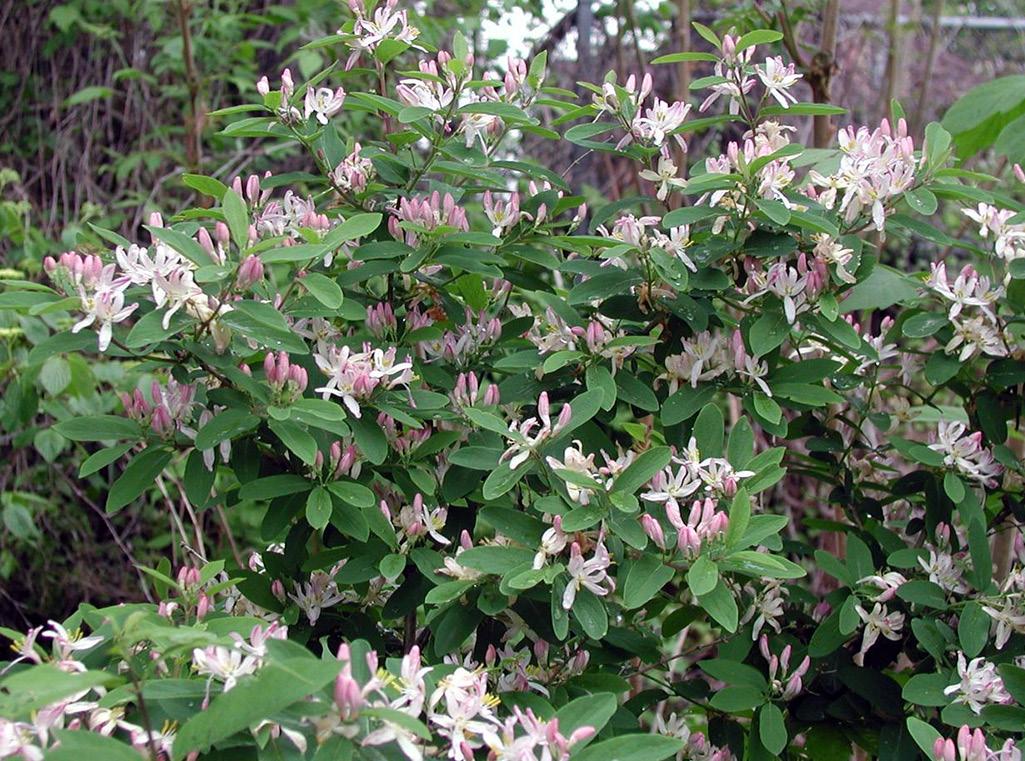
We’ve been meaning to tell you to plant this shrub more often in your landscapes. By the end of this article, you’ll be erasing some plant names in your current design and replacing them with Diervilla.
Despite the common name, this is not a true honeysuckle, rather, a cousin of the honeysuckles. Diervilla are beautiful flowering shrubs hailing from the storied family of Caprifoliaceae which has suffered from taxonomist toiling in recent years. The most notable toiling being the removal of Viburnum from the family and placed into Adoxaceae, arguably not one of the dumbest things taxonomists have done to the world of plants.
Members of the family still hanging in there are Weigela, Heptacodium (Seven-Son-Flower), Abelia, Lonicera (Honeysuckle), and Kolkwitzia (Beautybush) among others. The first trait to jump out in this family are the flowers. Each of these plant genera have beautiful trumpet like flowers borne in cymes (cluster of individual flowers all originating at the same point). Many a gardener will raise a flag of caution when they
come across this family as it can be aggressive or “invasive”, but some understanding is in order to temper that quick jump conclusion.
One neat fact to put distance between Diervilla and the evil empire of the invasive honeysuckles is the fact that Diervilla species are native to large parts of the eastern half of the nation. It seems that this plant has been overlooked a fair amount of its life for other flowering shrubs perhaps because the blooms are not big enough to stop us in our tracks. The flowers are very pleasant even though they have practically no scent to them. Blooms are sulfur yellow trumpets (in clusters) along the stems of current season’s growth starting in June working their way to into August most years.
continued on page 20

TIRES & TRACKS FOR ALL YOUR EQUIPMENT ALL YEAR LONG

Landscaping crews work on real ground – not perfect conditions. All Lift Tires & Tracks helps you reduce downtime, improve performance, and get more life out of your equipment by matching the right tires and tracks to how and where you actually work. From turf to mud to snow, we deliver traction that holds up season after season.
We supply tires and tracks for landscaping, construction, forklifts and more:
>> Skid steer loaders
>> Compact track loaders (CTLs)
>> Mini excavators
>> Compact wheel loaders
>> Compact utility tractors
>> Mini skid steers/stand-on loaders
>> Snow-removal equipment
>> Forklifts, aerial equipment & more
DEDICATED TO KEEPING YOU ON TRACK Call or text Ray Schentur 440.289.9501 | rschentur@alllift.com AllLift.com/GroundGame


Some of the more beautiful traits we have come to appreciate on this plant are subtle things. The name, sessilifolia means “sessile foliage” which means the petiole of the leaf is so short it looks like the leaf grows straight out of the woody stem. The stems will have a deeper red to them and the new growth of the sessile leaves will have tinges of red splashed across them. Combined with the wavy margins to the leaves, older growth being a deep green, and throw the yellow flower clusters in and you have a very beautiful combination for mid-summer interest in both color and texture.
Perhaps more endearing to us, is the practical side of this plant. Diervilla is pretty darn tough and can be used in very demanding sites. Much like a spirea, the plant can be cut back hard to rejuvenate (easy maintenance) and can tolerate a large range of conditions. This plant laughs at the coldest winter lows that Ohio can give it and enjoys the brisk winter winds of January. Have a junky backfill soil slope with less than ideal exposure? Toss this shrub in the mix and see it fill the space with little effort. You could find this shrub across the Appalachians from rocky outcrop to streamside but more often in sun than shade even though it will tolerate some shade.
You are much more likely to find cultivars as opposed to straight species, which is great as there are two cultivars we have been seeing more of that are beautiful selections found growing naturally. ‘Butterflies’ is a longer standing cultivar that exemplifies the beauty of the plant. Growing in mounds about 4’ tall and wide the arching stems lend to the overall appeal when planted in mass. Deeper green leaves help highlight the strong show of the yellow blooms.
‘Cool Splash’ is a variegated cultivar that doesn’t seem to be as popular yet but could become a garden staple in years to come. We find the blooms are lost a bit more due to the variegation, but perhaps that is offset by the longer period of interest offered by the large creamy margins on the leaves?
Weigela seems to have found more favor by breeders in the past decade but we suspect that for the right grower, this too could provide similar results with some exciting possibilities. A deep purple foliage with the sulfur yellow flowers would send this plant to the top of the market.
The story for the genus name is slightly varied. Some claim that the plant was originally introduced to trade by a French

surgeon (and plant nerd) who’s last name was either Dierville or Diberville out of Canada in the early 1700’s. The claim is that either Carl Linnaeus or Samuel Buckley (other plant nerds) named the genus in honor of Dierville. Either way it goes, the plant is named after a French plant nerd from Canada, quite an honor really!
Closely related is Diervilla lonicera which the Ohio Plant Selection Committee claims as the better of the two. Perhaps slightly shorter, D. lonicera maintains similar features and habits to D. sessilifolia with the exception of a longer petiole to the leaf. This is likely the original species introduced by Dierville as it has a more northern native range. Interestingly enough though, in trials held at the Minnesota Landscape Arboretum the more southern species (sessilifolia) performed better in cold winters. Perhaps the red splash in new growth is slightly more pronounced in D. Lonicera but we feel the availability of D. sessilifolia cultivars make it a more exciting pick. With either species, we’ve been meaning to tell you to plant this shrub more often in your landscapes!
Jim Funai, PhD, is full-time faculty at Cuyahoga Community College, a NALP accredited associate of applied science in hoticulture degree program. He has a PhD in Landscape Engineering and Forestry and is a Licensed Arborist. Shelley Funai is Grounds Manager at Stan Hywett Hall and Gardens in Akron, Ohio, which offers a historic estate designed by Warren H. Manning and a beautiful manor house museum. She is Landscape Industry Certified in Ornamental Plant Care.












Emergency room visits for tick bites have been exploding this year, and while they are commonly prevalent in the Northwest and the Upper Midwest, tick populations have been spreading beyond into states including Virginia, West Virginia, Ohio, Kentucky and Tennessee.
Tick bites can be far more than a simple nuisance as they are the vector for a number of diseases, including Lyme disease, Rocky Mountain spotted fever and Heartland virus. Lyme disease can cause a variety of symptoms, including fever, rash, facial paralysis, irregular heartbeat and arthritis, while Rocky Mountain spotted fever causes fever, headache, nausea or vomiting, stomach pain, and muscle pain. Heartland virus causes fever, fatigue, decreased appetite, headache, nausea, diarrhea and muscle pain.
“In many regions of the U.S., their infectious outbreaks overlap and knowing the tick species and carefully noting disease symptoms can help determine what disease we are dealing with,” says Sam Steel, NALP’s safety advisor. “Both of the bacterial diseases are treatable with doxycycline if early detection through blood tests confirms their presence in the victim(s). Heartland virus has no known treatment medications and is, fortunately, the rarest of the diseases.” Steel notes that Heartland virus has serious, long-term effects and has expanded south and east from northwest Missouri since its original identification. continued on page 24




Carbon
Delivery
Curbside
EZ
Sturdy
hauling






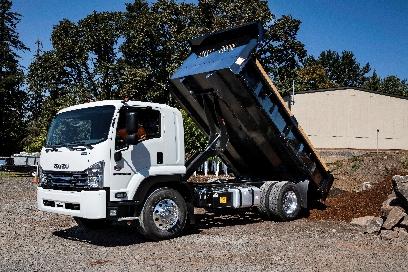
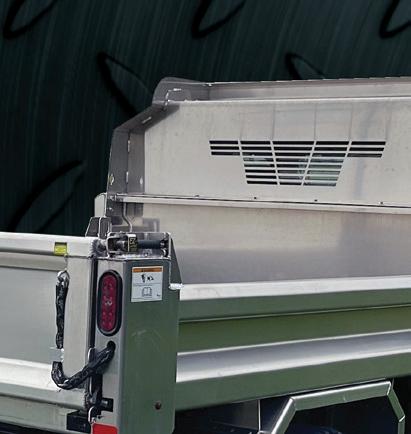
• Easier to maneuver on residential streets and tight job sites
• Lower operating costs with fewer tires and better fuel e ciency Ideal hauling capacity for mulch, soil, gravel, and debris

• Hydraulic dump body saves time and labor on every job

Drives like a pickup — works like a dump truck





continued from page 26
Ticks thrive in warm, wet winter weather, and Steel notes that the climate shift toward warmer, more moist conditions increases their winter season survivability. Another factor contributing to the spread of Lyme disease by its carrier deer ticks, also known as black-legged ticks, is the larger whitetailed deer population in metro areas.
“Hopping a ride on their hosts brings them closer to humans visiting native trails and park areas,” Steel says. “As the human element contacts tall grass, brush, and leaf litter in these natural environments, they can be exposed to the serious side effects of Lyme disease transmission.”
Pennsylvania and New York have been the main states for deer ticks, but Lyme disease-infected regions have been moving southwest. Record-breaking emergency room visits have also been growing in Illinois, Indiana, Iowa, Kansas, Michigan, Missouri, and Nebraska. One way to determine if your company’s business coverage area is at high risk is to use the CDC Tick Bite Tracker.
“Landscape professionals who are clearing overgrown vegetation, mowing tall grassy areas, and working on early fall clean-up job sites are at a higher risk for contacting ticks that are carrying bacterial and viral diseases that can result in long-term health effects if not detected and treated early,” Steel says.
Heaviest tick infestations are from May through July, but landscape professionals should also exercise caution during early fall brush and leaf cleanup.
If you are in an area where disease-carrying ticks could be present, it’s important for your company to have policies, procedures and training to help prevent tick bites and the potential for disease transmission.
“The training is crucial to help employees understand and identify tick bite symptoms and to wear the proper clothing for covering warm and moist body parts that attract ticks,” Steel says. “Clothing repellants like permethrin (do not apply to the skin) and applying personal repellants like Deet are recommended as long as label instructions are closely followed.”
Steel also encourages posting photos of different tick species and bite symptoms at the company to increase employee awareness.
If employees have worked in a space that is likely to have ticks, they should conduct a careful daily inspection of their clothing and body for ticks. Ticks are the most infective at their nymphal stage, but this is also when they are small and harder to detect at the size of a poppyseed.
Explain to employees that ticks are attracted to the scent of human sweat and prefer to attach to parts of the body that are difficult to see when performing a body search. Tick salvia also numbs the bite site to mask any itching symptoms.
If an unattached tick is found, it can be placed in a small tube or container of rubbing alcohol. Placing work clothes in a clothes dryer set on high will also kill most ticks that are hiding in clothing.
If an employee finds an attached tick, tweezers should be used to secure the tick as close to the skin as possible, including the head, then pull straight up and away from the skin.
“If a rash is present or if you haven’t IDed the tick, place it in the rubbing alcohol,” Steel says. “Since any developing rash or other symptoms may occur within hours or days, carefully monitor yourself and the bite site for the characteristic rash and swelling. If Lyme is expected, contact your healthcare provider!”
Steel notes that rashes are present in 70 to 80% of Lyme disease cases, so it’s important to monitor for the other symptoms as well after noticing a tick bite.
“Effective treatment is early treatment!” Steel says. “That is why daily inspections for ticks or tick bite symptoms are critical during tick season. Antibiotics like doxycycline are critical early in the treatment phase and may continue for an extended period of time.”
If a tick-borne illness results in hospitalization, OSHA recordkeeping requires it to be reported within 24 hours.
This article was written by Jill Odom for the National Associations of Landscape Professional’s blog, “The Edge”.


Sweet Peet® is a premium compost and mulch made from recycled horse bedding Whether you're seeding lawns, feeding garden beds, or beautifying landscapes, Sweet Peet® delivers results you can count on every time.

Organic mulch
Soil-building amendment
Grass seed germinator

Enhances curb appeal
100% organic & fully composted
Packed with beneficial microbes and slow-release nutrients

Reduces labor and fertilizer costs
Happy customers, more referrals



There are numerous roadblocks that can slow down or cause headaches during the design/build process. Instead of merely tolerating them, taking the time to streamline these pain points can result in improved efficiency in your operations and a better overall experience for your clients. While the weather will remain out of your control, other common culprits that cause setbacks can be addressed.
Permitting is frequently the first hurdle you’ll face when it comes to schedule delays.
If the design/build project features a structure like pergolas, involves utilities, or is considered a land disturbance, permitting is typically required. A good rule of thumb is to assume everything requires a permit and be pleasantly surprised when it is not necessary.
While before the pandemic a designer could walk a permit in a day, now the minimum wait is three to four days, but in other cases it could take three to four months, depending on the nature of the permit and project.
The best way to expedite the permitting process is to make sure your permit packet is clear, concise and thorough. Even small errors like typos or missing information in a required field can cause an issue. If one of the departments ends up flagging an issue where you must resubmit, every department has to review the permit packet again.
Let your clients know upfront what the typical permitting timelines look like and explain that they can vary depending on the scope and location of the project. If issues crop up, provide updates quickly. Leaving customers in the dark can cause them to believe you’re not following your word.


Connect

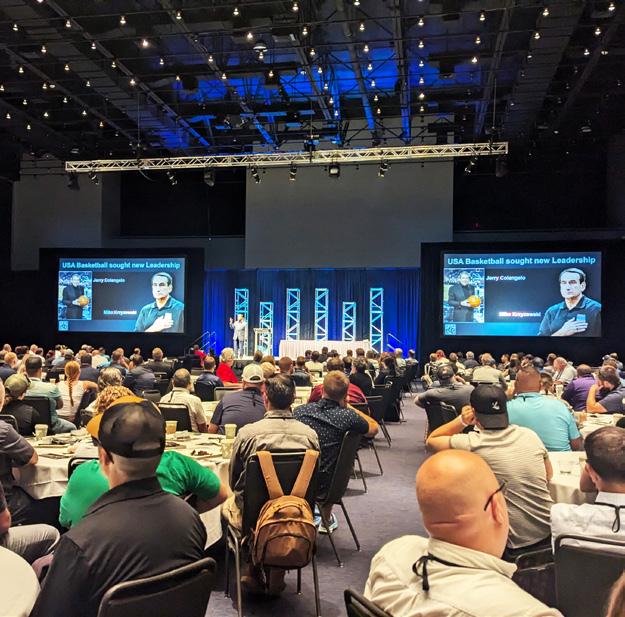
Enhance your snow and ice expertise with 40+ role-focused sessions. PLUS! Liquids and sales preconference workshops.



Once the design has been approved and permitted, how well your team passes the baton over to the production department can play a major role in how smoothly the installation phase will go.
These meetings help minimize miscommunication and missed timelines. Being proactive during this part of the process can help ensure key components aren’t overlooked, and the team stays on the same page with project expectations.
While you may have clients eager to break ground, it’s best not to rush this step, as team members need time to ask questions and review ordering and milestone timelines.
One of the most commonly overlooked aspects of a project handoff is addressing risk. Consider elements such as crew safety, the likelihood of property being damaged, water drainage, who to contact in case of a site emergency, and the load and weight of supporting platforms.
Other elements your team should discuss are client requests, access to the job site, material availability and lead times.
To ensure each project handoff is beneficial and there are no oversights, it’s best to have a standardized process. Create a checklist of what should be covered, who needs to attend the handoff meeting and an agenda for the meeting.
Elements for a project handoff meeting checklist include:
• Designs and design details
• Job planner forms: materials, labor summaries by scope, equipment needs
• Customer feedback form copies of the pre-install checklist (Parking, permissions, preferences, etc.)
• Electronic job profile introduction, including site photos and walk-through videos
• Any permitting and regulation details
• Estimated job hours, quantities and prices of materials
• Plan dimensions and pictures for specific features like outdoor kitchens or water features
It’s recommended to send the agenda out at least three days before the meeting with key topics, so attendees have time to make notes and come prepared with any questions they may have.
Another best practice is to document all the relevant information in a shared folder for each client so team members can deposit and access information as needed.
Another common challenge is aligning your work schedule with that of your subcontractors. While it may be tempting to hire any subcontractor who matches your availability, it’s critical to vet and only hire reputable subcontractors.
Even though they are the ones performing part of the install, if they rush or provide low quality work, this will reflect back poorly on your own company’s reputation. Utilizing contracts can also help mitigate issues with them cutting corners or missing deadlines.
The more frequently you work with your trusted subcontractors, the more likely they will be accommodating to your schedule. Communicate with them early on to gauge their availability versus letting them know at the last minute you have a project for them.
In some cases, it may be better to consider bringing specific trades in-house if you cannot find a reliable subcontractor and are frequently at the mercy of their work schedule.
“If you’re spending half a million dollars subcontracting your deck work to a carpentry crew, you could contemplate bringing that in-house because you can have a good crew set up with a truck and crew leader and laborers,” says Peter Guinane, CEO and co-founder of Oriole Landscaping Ltd., based in Toronto,
Canada. “You can have better control over your schedule and have better control over the quality and consistency.”
Even though supply chain shortages are nowhere near as bad as they were during the height of the pandemic, it’s still best to have a proactive strategy to avoid being vulnerable to various current events.
Some of the ways you can mitigate issues with material delays or shortages include buying in advance, paying suppliers quickly and sourcing and stocking alternative products. If you have the yard space for it, building up an inventory of some of your most commonly used materials can help.
Diversifying your vendors and seeking those who are local can also ease your dependence on one specific supplier.
Be transparent with your clients about any supply chain issues you’re encountering.
If a certain plant material is unavailable, discuss with the client the reason why and offer alternatives. In some instances, certain companies have opted to install temporary plantings and come back and replace them with their desired plants later.
The occasional change order typically isn’t a problem, depending on the scale, but if clients are frequently changing the scope of the project, it can bring productivity to a screeching halt.
The first step to minimizing these from occurring is to finetune your design process. Collaborate closely with the client to discover all their wants and needs up front and hone the design to their budget constraints from there.
If a client does still end up requesting a change in the middle of a project, have a policy in place for how you’ll handle these and whether you will charge them for these adjustments.
Stopping work until the client has signed off on the new estimate is one way to ensure they understand their request has costs associated with it. This may prompt them to continue with the original project or to confirm their desire for the added feature.
In some cases, if a change order will affect the completion of projects already on the schedule, the new request may need to be scheduled for a future date, especially if you already have a significant backlog.
When you’ve completed a successful design/build project, you naturally want to close the book on it and collect your final payment, but some customers can withhold this, claiming they aren’t satisfied.
Conducting a punch list process near the end of the project can help alleviate this issue by giving the client a clear time to make their voice heard on anything they still want taken care of.
What you should review during your punch list walkthrough will vary based on your services, but anything that is not meeting the client’s expectations should be addressed while crews are still on site, so you don’t have to redeploy them at a later date.
After resolving these punch list items, the client knows their next step is to pay the final invoice.
While no project will ever be completely free of holdups, many of the most common delays can be reduced or eliminated. With the right systems, communication, and planning in place, you can spend less time reacting to problems and more time delivering a seamless experience for your clients.
This article was written by Jill Odom for the National Associations of Landscape Professional’s blog, “The Edge”.

Every two years, the Ohio General Assembly must pass four budgets: the state operating budget, the Industrial Commission budget, the workers’ compensation budget, and the transportation budget. Last year was a budget year, and when the transportation budget was passed, the law regarding driver’s licenses changed.
For purposes relevant to our members, the law now requires anyone applying for an initial limited-term driver’s license to complete fifty hours of actual driving experience, including at least ten hours at night, while accompanied by another adult with a valid driver’s license.
An unintended consequence of this change is that workers in Ohio on temporary work visas, such as H-2B visa holders employed by our members, would now be required to complete fifty hours of accompanied driving. This has created significant challenges for both employers and their temporary workers.
To address this issue, OLA, through its membership in OhioPLANT, is working with the legislature to amend a bill by adding language that would exempt temporary work visa holders from the new fifty-hour requirement. Specifically, the proposed language states that if a worker has:
• a valid driver’s license from their home country,
• a valid work visa issued by the U.S. Department of State,
• a form prescribed by the Ohio Bureau of Motor Vehicles and signed by the employer attesting to the worker’s employment,
then the visa holder would not be required to complete the fifty hours of accompanied driving.
The bill containing OLA’s proposed amendment language is HB 463, sponsored by Roy Klopfenstein (R–Haviland) and Brian Lorenz (R–Powell), and it is currently in the Ohio House of Representatives Transportation Committee.
The legislature is currently on summer recess and will not return until after the election. However, OLA will continue pursuing passage of HB 463—or seek another legislative vehicle—to ensure this issue is addressed in law before the end of the year.

This article was written by Tony Seegers, Esq., president and owner of 1803 Consulting, LLC, a full service government affairs firm that represents the interests of its clients with Ohio’s legislative and executive branches.







We would like to wish all of our members a Happy 4th of July and hope you have a wonderful holiday celebrating our 250th! We are grateful and appreciative for everything you do to help make OLA an incredible association. Together our community recognizes your achievements, creates professional and leadership development opportunities, fosters long-term relationships, and advocates for policy change. We always welcome your ideas and are excited to hear from you. We encourage you to take advantage of the fun OLA events to create memorable networking experiences with other green industry professionals.
Join over 200 golfers – from all corners of the industry – for a great day of golf, food, and fun! The location is Mallard Creek Golf Club at Columbus Station, and you can register as a 4-some or an individual golfer. Everyone will play 18 holes of golf, and food will be served by Winking Lizard. New this year will be 4 Hole Sponsorships, 60-Minute Golf Lessons, and a Silent Auction. If you are not golfing and interested in volunteering, please contact Patty via email at Patty@ohiolandscapers.org.
In addition to our golf outing, the 29th Annual Landscape Ohio! Awards will be on October 8th at Tenk West Bank. The stage will be set to celebrate the excellence of Ohio’s landscape leaders. Registration and sponsorship opportunities will be open soon.
We are excited to announce that Jim Funai, Ph.D., Assistant Professor: Plant Science and Landscape Technology at Cuyahoga Community College will receive the Award For Lifetime Contributions To The Landscape Industry!

PATTY LAMPERT Executive Director / OLA
July 8
Columbus Plant ID
Willoway Nurseries –
July 15
Cleveland Plant ID Davis Tree Farm
July 28
Sales Training Clinic Talent Launch in Valley View –
Save the date for these following upcoming events. Registration will be available soon on the OLA website.August 19
Willoway Avon Nursery Tour –September 25
Plant Healthcare (Approved for pesticide/fertilizer and ISA credits!)

•
•
•
•
•
•
•
•
•
•
•
•