TheConcernGrowing
A PUBLICATION OF THE OHIO LANDSCAPE ASSOCIATION


BRANDON BARKER
J. Barker Landscaping Company

BRANDON BARKER
J. Barker Landscaping Company
By the time July arrives, the landscape season is in full swing. Spring has given way to summer, and crews have settled into their routines. Most of us are balancing busy schedules, demanding clients and the daily challenges that come with operating a landscape business. This time of year, it can feel like there simply aren’t enough hours in the day.
When business is at its busiest, it’s often tempting to put everything else on hold. Industry events, networking opportunities and even taking a few hours away from the office can seem like a luxury. But I’ve found that some of the most valuable conversations and best ideas happen when we step away from our day-to-day responsibilities and spend time with others who understand our business. That’s one of the greatest benefits of being part of the Ohio Landscape Association.
While education and advocacy are cornerstones of our Association, the relationships we build with one another are just as important. Every member, regardless of the size of their company or years in the industry, has something to share.
Whether it’s discussing labor challenges, equipment, plant material, technology, customer service, or simply comparing experiences from the season, those conversations make all of us better.Our industry has always been built on relationships. Many of us have developed friendships with people we might otherwise consider competitors. Yet when we come together through the Association, we recognize that we’re all working toward the same goal—strengthening Ohio’s landscape industry and helping one another succeed. Those relationships create opportunities to learn, collaborate and grow in ways that simply aren’t possible when we work in isolation. That spirit of connection is exactly what makes one of my favorite Association events so special.
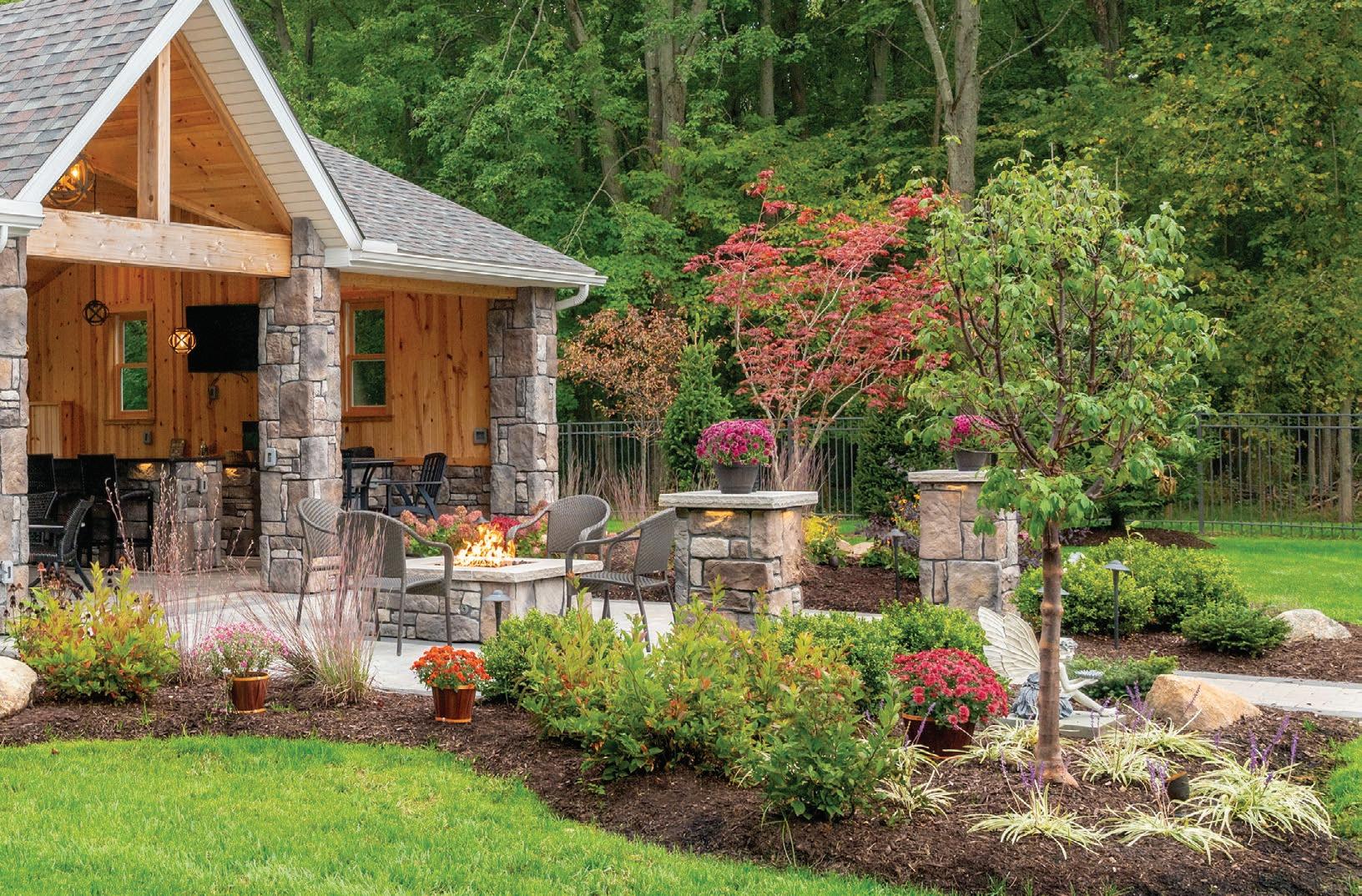
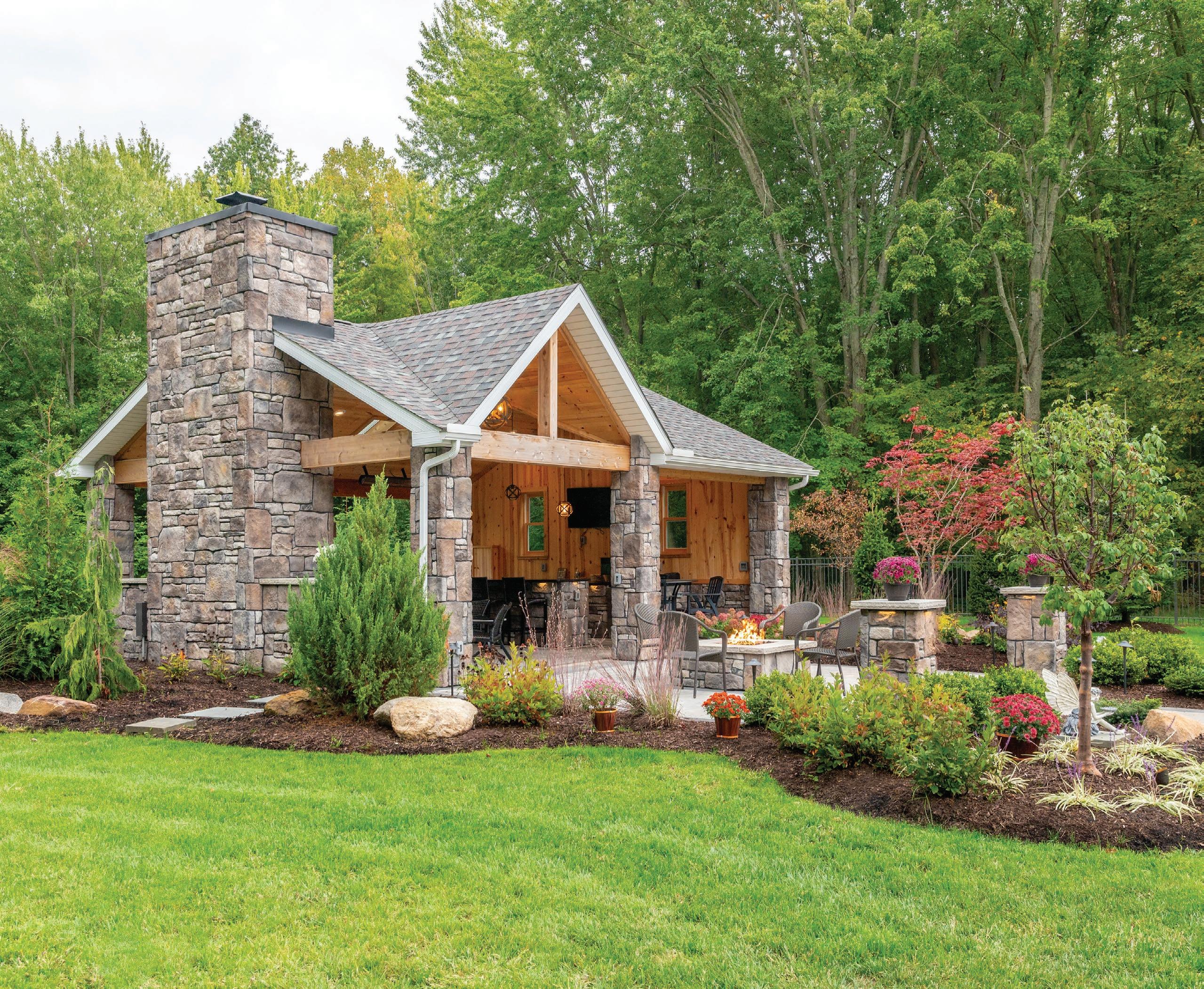
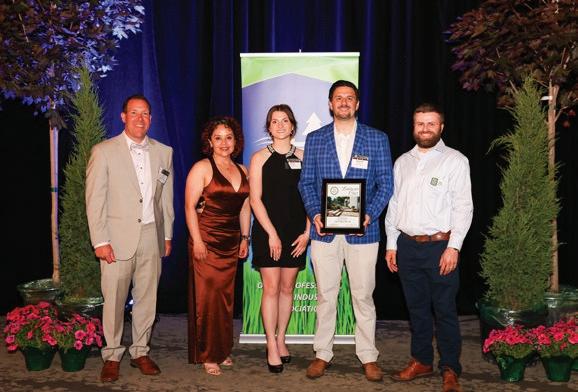
COVER: Landscape Ohio! Awards submission in the category of Garden Structures & Pavements, Merit Award, Ground Works Land Design
PRESIDENT’S COLUMN
Than a Round of Golf
PERENNIAL FOCUS
Kirengeshoma palmata
FISCAL FITNESS Plan for January While It’s Still July
SAFETY SAKE Cost Containment in Ohio Workers’ Compensation PLANT OF THE MONTH
Prunus serotina Black Cherry
FEATURE ARTICLE Make Every Drop Count - Water Efficiency Practices
FEATURE
Make
OHIO’S PROFESSIONAL GREEN
INDUSTRY ASSOCIATION
OHIO LANDSCAPE ASSOCIATION
9240 Broadview Road
Broadview Heights, Ohio 44147
Phone: 440-717-0002
Toll Free: 1-800-335-6521
Web: www.ohiolandscapers.org
REGULAR WRITERS
Michael J. Donnellan, M3 Wealth Management
Jim Funai, PhD, Cuyahoga Community College
Shelley Funai, Stan Hywet Hall and Gardens
Brandon Barker, J. Barker Landscaping Company
Patty Lampert, Ohio Landscape Association
Bobbie Schwartz, FAPLD, Bobbie’s Green Thumb
ADVERTISING INFORMATION
Submission deadline: 10th of the month, prior to the month of magazine publication. For advertising and ad specs, please call 440-717-0002, and ask for Patty Lampert.
DISCLAIMER
The Ohio Landscape Association, its board of directors, staff and the editor of The Growing Concern neither endorse any product(s) or attests to the validity of any statements made about products mentioned in this, past or subsequent issues of this publication. Similarly, the opinions expressed in The Growing Concern are those of the authors and do not necessarily represent the views of the Ohio Landscape Association.
OFFICERS
President
Brandon Barker
President – Elect
Matt Malone
Treasurer
Tom Rieder, LIC
Immediate Past President
Ryan Drake
DIRECTORS
Jeffrey Ardo
Jason Deuble, LIC, OCNT
Amy Gatoo
Gil Kupetz
Jess Kronenberger
Garrett McNeill
OLA STAFF
Executive Director
Patty Lampert
UPCOMING OLA MEETINGS, EDUCATION SEMINARS & EVENTS
JULY 28, 2026
SALES TRAINING CLINIC
Talent Launch, Valley View
This training program led by Scott MacMeans has been crafted to equip you with vital Sales Skills. If you are aiming to drive revenue, build your personal & professional brand, or streamline your sales effectiveness, this course is for you. Visit the OLA website to learn more and register.
AUGUST 6, 2026
GOLF OUTING
Mallard Creek
Find more information and register on the website at www.ohiolandscapers.org/golf-outing
AUGUST 19, 2026
NURSERY TOUR
Willoway Nurseries, Avon
Join us for our Evening Meeting and a tour of Willoway Nurseries in Avon! Registration begins at 5:00 followed by three tours. After the tours there will be food trucks, ice cream and a variety of displays.
SEPTEMBER 25, 2026
PLANT HEALTHCARE
Secrest Arboretum
OCTOBER 8, 2026
LANDSCAPE OHIO! AWARDS
Tenk West Bank
OCTOBER 15, 2026
SANDLER LEADERSHIP CLINIC
Sandler
NOVEMBER 4, 2026
SANDLER SALES TRAINING
Sandler
DECEMBER 4, 2026
DORMANT PRUNING
Secrest Arboretum
The OLA is delighted to welcome the following new members to the association:
ASSOCIATE MEMBER
masLabor
915 East Hight Street, Suite 301 Charlottesville, VA 22902 (434) 263-4300
Jessica Flevarakis
NOT AN OLA MEMBER? VISIT THE WEBSITE TO ohiolandscapers.org
“OLA has proven invaluable for its resources, networking, training programs, and more. ... My business continues to grow with the help of OLA.”
- Jeffrey Ardo Owner of En Garde Deer Defense, LLC Join

SCAN THE QR CODE TO SEE A FULL LIST OF EVENTS AND REGISTRATION.
continued from page 3
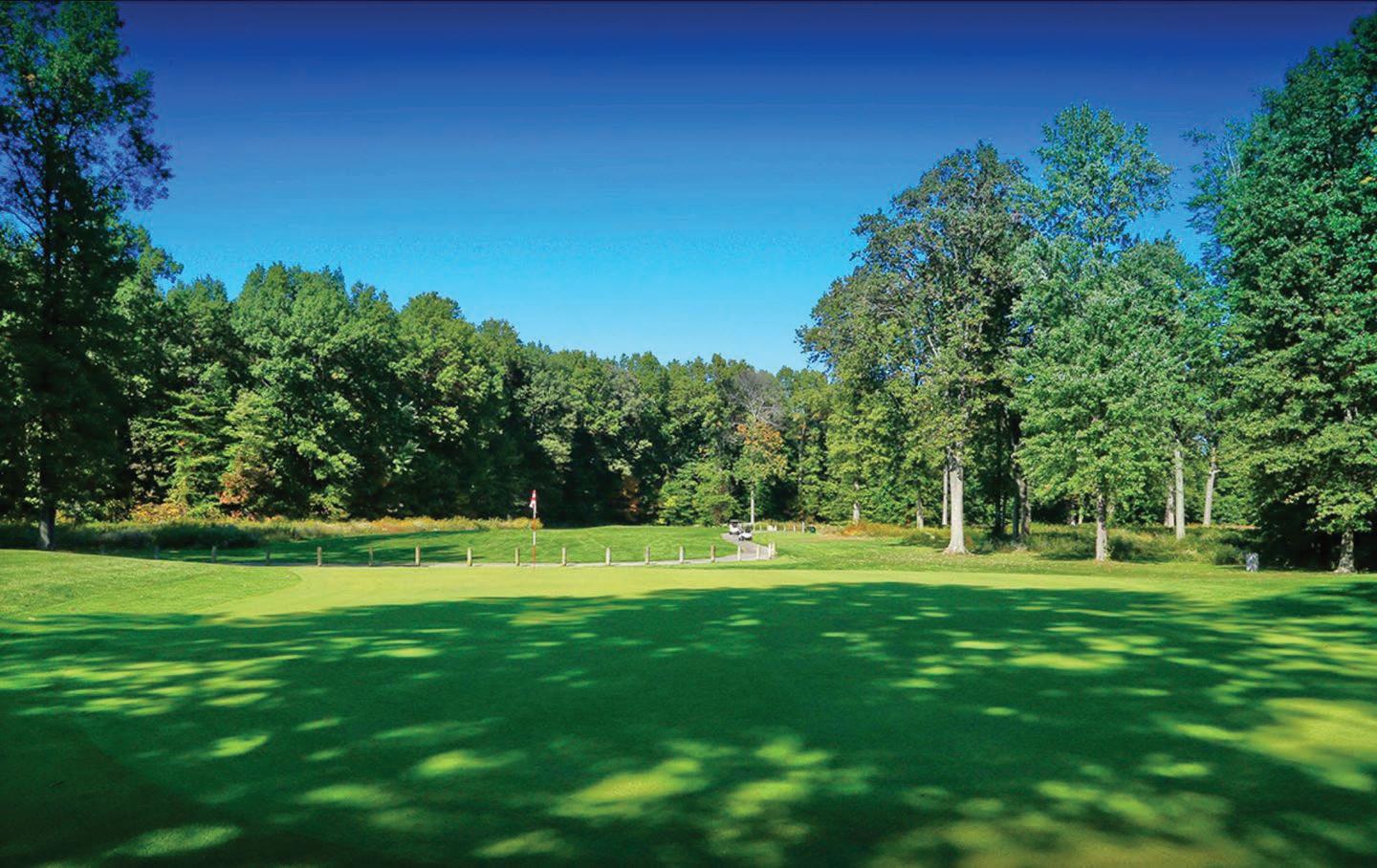
I hope you’ll join us for the Ohio Landscape Association Golf Classic on Thursday, August 6, at Mallard Creek Golf Course. Whether you’re a longtime member or attending for the first time, the Golf Classic is much more than a day on the course. It’s an opportunity to reconnect with colleagues, meet new members, strengthen business relationships and spend time with others who share a passion for our industry. Throughout the day, participants can enjoy friendly competition, great food, exciting door prizes, a silent auction and plenty of opportunities to network in a relaxed setting. Events like this remind us that our Association is more than meetings and educational programs, it’s a community.
If you’ve never attended, I encourage you to consider joining us this year. You don’t have to be an experienced golfer to have a great time. Some of the best conversations happen between holes, during lunch or while visiting with sponsors and fellow members after the tournament. Whether you’re looking to make new connections, reconnect with old friends or simply enjoy a day away from the office, there’s something for everyone.

I’d also like to recognize the sponsors, volunteers, and committee members who dedicate their time to making this event possible each year. Their support helps ensure that the Golf Classic continues to be one of the Association’s signature events and contributes to the programs and services that benefit our members throughout the year.
As we move through the second half of the season, I encourage each of you to stay engaged with the Association. Attend an event. Participate in a class. Volunteer on a committee. Reach out to someone you’ve met through the OLA. The investment you make in your professional network often produces benefits that last far beyond a single season.
Thank you for everything you do to represent our profession with pride. I hope to see many of you on August 6 at Mallard Creek Golf Course for what promises to be another outstanding Ohio Landscape Association Golf Classic. Until then, I wish you a safe, productive and successful remainder of the summer.
Walk life-size landscape plans with your clients before installation begins. Avoid costly change orders, protect your timeline and deliver a better client experience, every time.
(216) 409-9509
Schedule your free demo or consultation today: www.walkyourplans.com






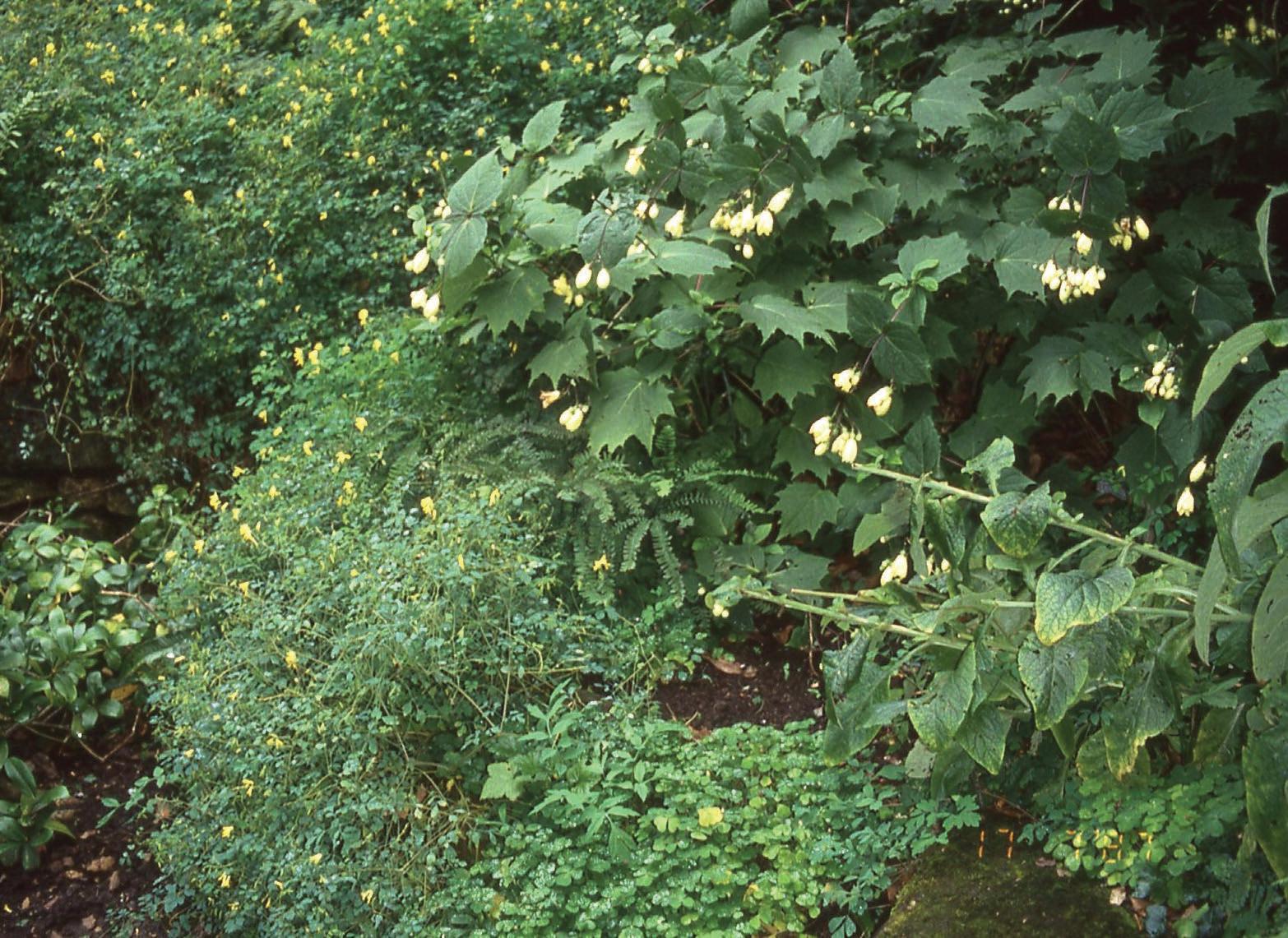

I was in England on a garden tour the first time I saw Kirengeshoma palmata. I was sure it was a shrubby maple. To my surprise, it was not a maple, nor was it even a woody plant! It was an herbaceous plant named Yellow Wax Bells. Its bold texture and maple-like foliage were very alluring, and as usual, I wondered why I had not come across this plant before in my journeys!
Kirengeshoma, is a leading candidate. hardy in zones 5-8, is a member of the Hydrangeaceae or Hydrangea Family and consists of two species. Kirengeshoma palmata is native to the large and more southern islands of Shikoku and Kyushu of Japan, where it grows in moist, forested valleys at elevations of 2,000- 6,000 feet. The genus and species were first penned and described in 1890 by the Japanese botanist Ryôkichi Yatabe (1851-1899). In 1876, Yatabe was the first citizen of Japan to graduate from Cornell University, and upon returning to
Japan, he became the first Professor of Botany at the University of Tokyo. The species epithet of palmata is Latin for ‘handshaped’ and describes how the foliage resembles a palm and fingers of a hand. Maple trees also share this leaf shape, providing my excuse as to why I was fooled!
In fact, it is probably this bold maple-like foliage that gardeners initially find most alluring about this shade lover. The oppositely arranged leaves can grow close to eight inches
continued on page 10







continued from page 8
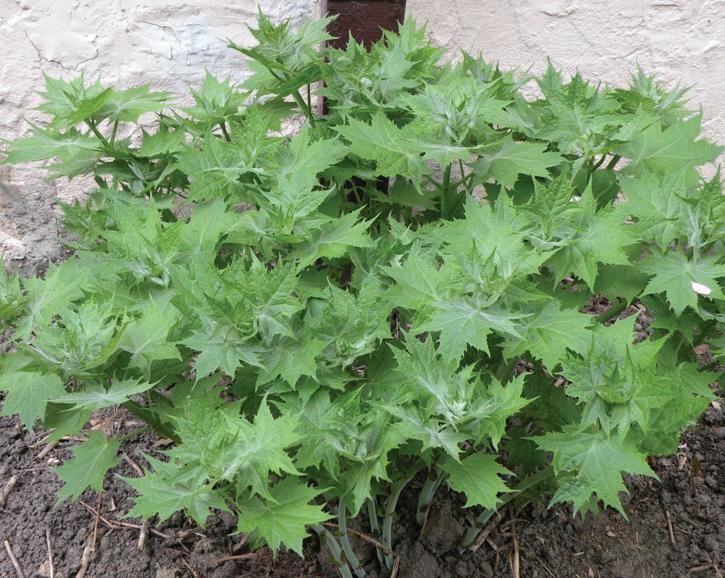
in diameter, and considering that it usually reaches three to four feet tall by an equal or slightly greater width, the plant clearly creates large masses of wonderfully bold texture. In fact, some plants at Frelinghuysen Arboretum in Morristown, New Jersey, annually stretch to nearly five feet tall and wide! Despite its size, the solid stems of the plant resist bending or breaking, eliminating any need for staking.
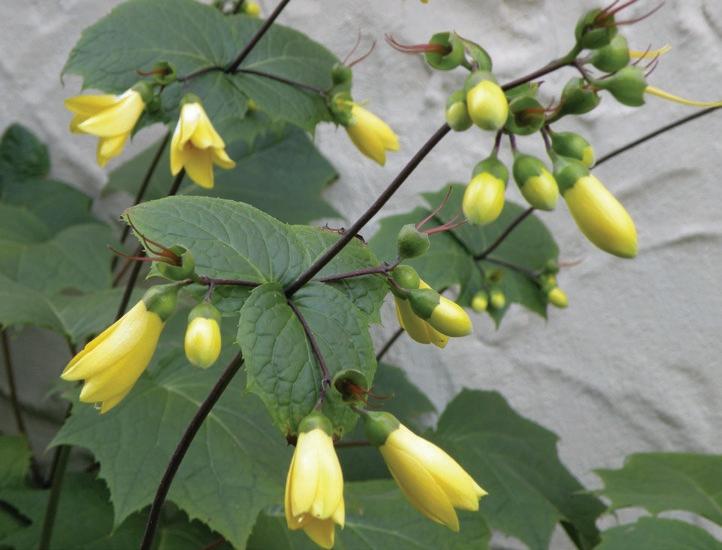
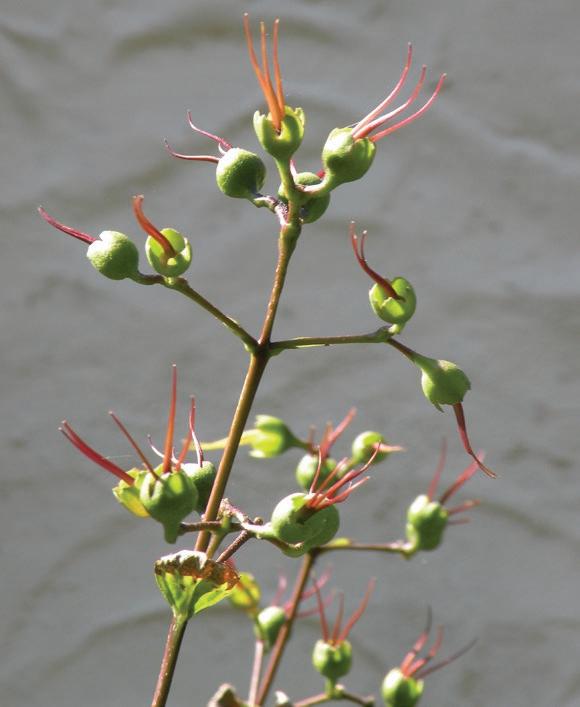
The flower buds begin to appear in early June at both the apical tips and from the leaf axils of the upper two or three tiers of foliage. For those flower buds growing from the leaf axils, they appear in clusters of three, while those appearing at the tip of the stem often have two additional buds, appearing in clusters of five.
Those buds are initially round and covered with small silvery hairs. As the buds start to open, the yellow floral petals elongate and form a bell-shaped bloom, inspiring the common name of Yellow Wax Bells. The globe-shaped flower buds may appear in early June, but they only serve to keep the gardener in a state of suspense, considering that the flowers do not begin to open until mid-July. Fortunately, the gardener’s patience is rewarded with an
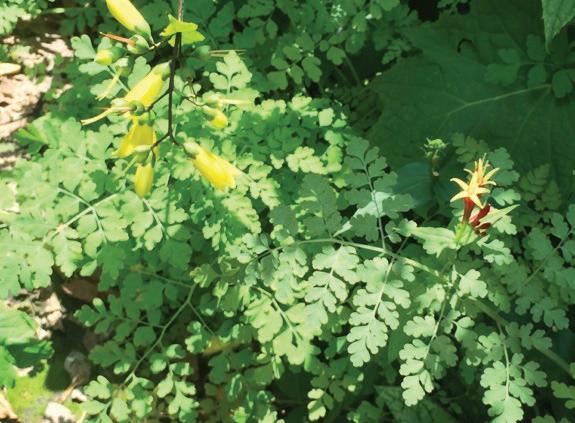
equally long blooming season to follow, easily lasting throughout September. The curious flowers never fully open; instead, they are content to dangle downward, protecting the inner floral parts and appearing much like small golden lanterns.
Despite the assistance of the wind and the numerous seeds produced, I have only seen a few seedlings near the mother plant and would never consider this plant to be invasive!
Kirengeshoma prefers acidic soils that are rich in humus and remain moist, yet not boggy, throughout the growing season. It is intolerant of neutral or alkaline soils and requires a pH below 6.5 to prosper. Typically, the plants prefer shade, although in locations where there is a consistent supply of moisture, the plants are certainly tolerant of more sun. The plants do well on the north or east side of a home where it does not have to compete with tree roots. I found that out the hard way. I first planted mine under old Magnolia soulangeana trees, but it did not grow. When I discerned that it was fighting the tree roots for moisture, I moved it to an east-facing bed with an irrigation leak. After a few years, it has consistently grown four feet tall and wide.


Sweet Peet® is a premium compost and mulch made from recycled horse bedding. Whether you're seeding lawns, feeding garden beds, or beautifying landscapes, Sweet Peet® delivers results you can count on every time.

Organic mulch
Soil-building amendment
Grass seed germinator
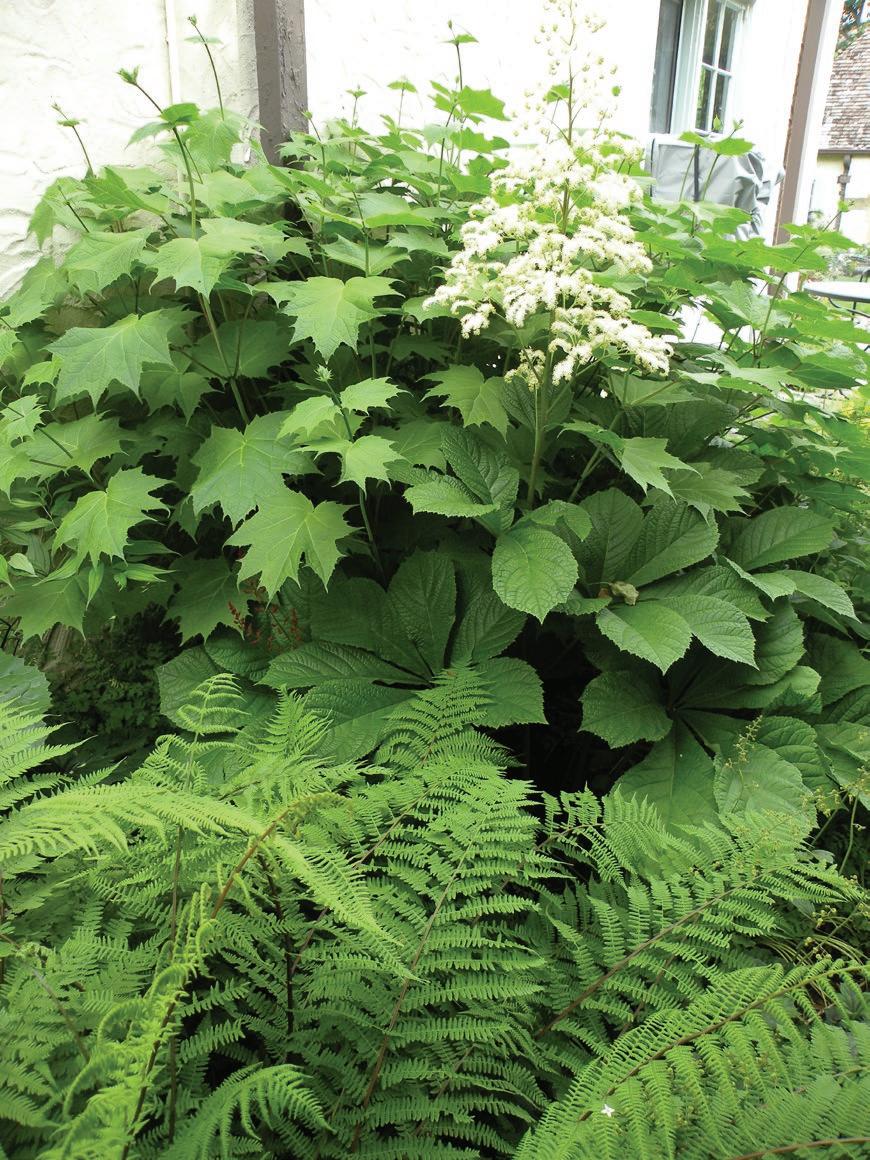
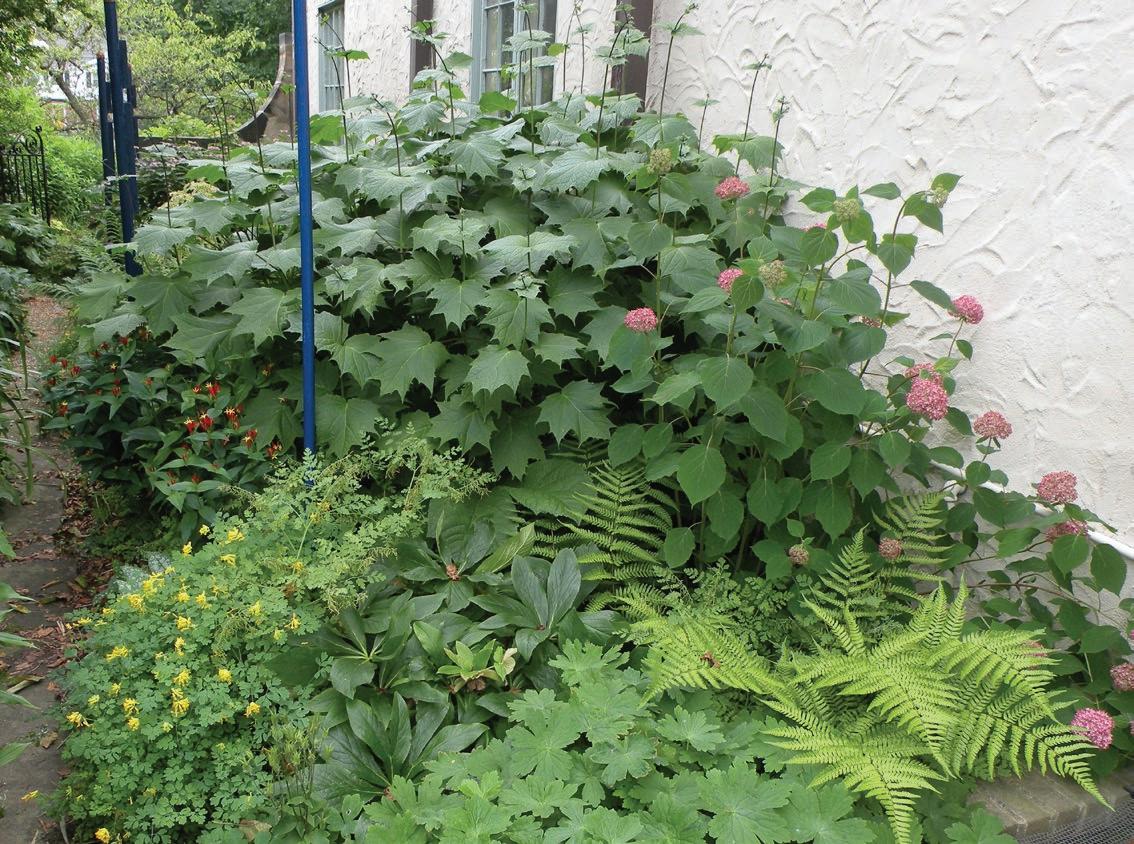
Kirengeshoma combines beautifully with many other shade and moisture-loving perennials. At Hidcote, I saw Corydalis lutea growing at the foot of a Kirengeshoma and brought this idea home. This little seeding perennial gives you yellow color from May until October and provides excellent textural contrast. Nearby, I also have some hydrangeas and rodgersias plus Carex grayii.
Where plants receive morning sun, consider underplanting Yellow Wax Bells with the relatively evergreen Black Mondo Grass (Ophiopogon planiscapus ‘Nigrescens’) as seen above in March.
If you need a perennial for moist shade and have lots of space, Kirengeshoma is the plant for you.
Bobbie Schwartz, FAPLD, owner of Bobbie’s Green Thumb in Shaker Hts., Ohio, is a landscape designer, consultant, freelance writer, and lecturer whose specialties are perennial gardens and four season landscapes. In addition to being an Ohio Landscape Association (OLA) member, she is an active member of the Ohio Nursery and Landscape Association (ONLA) and Perennial Plant Association (PPA). Bobbie is a Past President of the Association of Professional Landscape Designers (APLD).

Enhances curb appeal
100% organic & fully composted
Packed with beneficial microbes and slow-release nutrients

Reduces labor and fertilizer costs
Happy customers, more referrals




MICHAEL J. DONNELLAN M3 Wealth Management
Right now is the best your bank balance will look all year. The crews are out, the trucks are rolling, deposits are landing, and the operating account has more in it than it has since last summer. It feels like winning. It isn’t. It’s an advance.
That’s the hard truth of a seasonal business, and it’s one we talk through constantly with the business owners we work with. Cash flow is not profit, and a July balance is not surplus. It’s the money that has to carry you through the months when the phone stops ringing and the invoices stop clearing — and the decisions you make about it in July determine what your options look like in January.
Most owners have a feel for their winter gap. Fewer have a figure. Start with what doesn’t stop when the work does. Equipment and truck notes. Insurance. The yard. Software and licensing. The bookkeeper. And critically, the people you cannot afford to lose — the foreman who has been with you nine years and would have four offers by Friday if you let him go in November. Add what you personally need to draw to keep your household running.
continued on page 14



from page 12
Total it monthly, then multiply by your honest gap. In Northeast Ohio that’s usually four months of thin-tonothing. If you plow, resist the urge to net that revenue out of the calculation. Snow work is a hedge, not a guarantee, and every few winters this region reminds everyone of that. Build the reserve as though the snow doesn’t come, and treat it as upside when it does.
A reserve that lives in your operating account is not a reserve. It’s a balance, and balances get spent — on the truck you’ll need eventually, the equipment you’ll want anyway, the bonus that feels earned in August.
Move it. A separate business account, a money market, short-term Treasuries — the specific vehicle matters far less than the separation. And on money you know you’ll need in ninety days, liquidity comes first and yield comes second. This is not the account where you reach for return.
The most reliable way we’ve seen owners build it is to stop treating it as something left over. Sweep a fixed percentage off every deposit, automatically, the same way you’d pay a vendor. Three to six months of fixed costs is a reasonable target. You will never get there with what’s left at the end of the month, because there’s never anything left at the end of the month.
Survival, yes. But that undersells it.
A funded reserve is leverage. It means you don’t take the February job you know is priced wrong, just to make payroll. You don’t finance equipment at whatever rate you can get on short notice. You keep your foreman through the winter
instead of losing him and paying to rebuild in April. And when a competitor is the one who’s short in March, you’re the one in a position to buy their equipment — or their customer list.
The owners with cash don’t just survive the slow season. They gain ground in it.
One more thing worth saying plainly: your household needs a reserve of its own, distinct from the business. Owners naturally treat the two as one pool — the business has always been there when it was needed. That works right up until the year it doesn’t, and then a single bad season takes down the company and the family balance sheet together. Two reserves. Two purposes. Don’t let one fund the other.
None of this is complicated. It’s just badly timed by nature, because the discipline is required precisely when the pressure to relax is highest. Nobody wants to think about January in July.
That’s exactly why July is when it works.
Scenarios illustrated are hypothetical in nature, results may vary. Investing is subject to risk which may involve loss of principal. Past performance is not indicative of future results.
The M3 Wealth Management Office does not provide legal or tax advice. Consult an attorney or tax professional regarding your specific situation. The information herein is general and educational in nature and should not be considered legal or tax advice.
Michael J. Donnellan specializes in stock selection and retirement planning. Feel free to contact him with any questions or comments at the M3 Wealth Management Office at 17601 W. 130th Street – Suite 1 in North Royalton, Ohio. (440) 652-6370 | donnellan@m3wealthmanagement.com


JULY 28, 2026
TALENT LAUNCH
8001 Sweet Valley Drive #4 Valley View, OH 44125
SCHEDULE
REGISTRATION & BREAKFAST
8:00 - 8:30 am
SESSION 1
8:30 - 9:15 am
SESSION 2
9:15 - 10:30 pm
SESSION 3
10:45 - 12:00 pm
LUNCH
12:00 - 12:45 pm
SESSION 4
12:45 - 1:30 pm
SESSION 5
1:45 - 3:00 pm
COST
MEMBERS: $99
NON-MEMBERS: $139
Please call Patty at 440-717-0002
REGISTER
Register to attend by July 24, 2026.Visit the OLA Calendar on our website, OhioLandscapers.org
This training program has been crafted to equip you with vital Sales Skills. If you are aiming to drive revenue, build your personal & professional brand, or streamline your sales effectiveness, this course is for you. You’ll have actionable strategies and a fresh perspective by the end of the clinic to improve all of the critical areas of your sales process. There will also be many opportunities to practice with everyone and improve your sales skills throughout the clinic.
• How to Talk & Sell to Anyone
• Increase Sales & Work Smarter
• Build Your Sales Process
• Navigate Objections
• Sales Goals
• Negotiations
• Welcome Kits
• Enrollment Process
• Understanding the Competition
• Team Roleplaying
Scott MacMeans is “THE” winning Business & Executive Coach recognized for his years of experience and unique way of connecting with clients. As a business and executive coach, speaker and entrepreneur, Scott has found the way to combine his 35 years of experience in Sales, Marketing, Operations, and business ownership to be a dream fulfiller for his clients. With clients across the spectrum of markets and industries, Scott is able to focus on the challenges they face and bring a real, grounded approach to learning, growing, and building success; that is how winning is done and dreams are fulfilled.
Scott takes long held ambitions and turns them into concrete, achievable plans to make sure things get done. He is a Dream Fulfiller combining strategic roadmaps with accountability to make sure progress is inevitable.



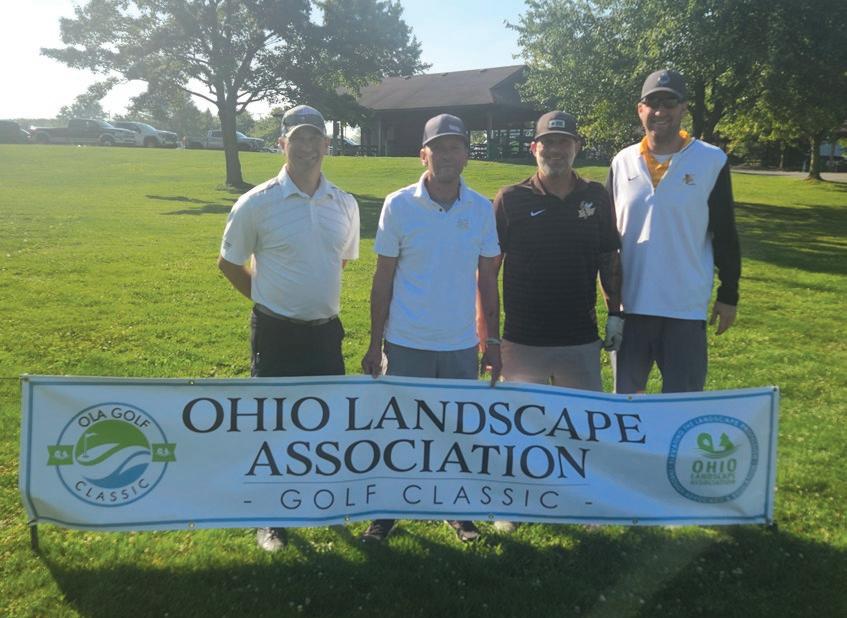

Join over 200 golfers for a fun filled day of golf, food, and fun! This is a great opportunity to build camaraderie through networking and meeting golfers from all corners of the Green Industry. We anticipate having a sold-out event, so please register as soon as possible to secure your spot!
Mallard Creek Golf Club 34500 Royalton Road Columbia Station, OH 44028
Registration & Breakfast, 7:30-8:30 am Shotgun Start, 9:00 am sharp

Email: info@ohiolandscapers.org
$130/golfer and is set up as a 4-person scramble
• Register as a team (4), as an individual, or as a partial team. For those who do not sign up 4 golfers, we will pair you up with another team.
• Each golfer receives lunch, dinner & drink tickets.
• 18 Holes of Golf
Attend Dinner Only - Join us at 2:00 pm for dinner and awards.
Golfer & Dinner Registrations close July 23, 2026.
Lunch at 10:30 am & Dinner at 2:00 served by Winking Lizard
• Closest to the Pin for women & men
• Double Your Money
• 50/50
• Hole in One
• Long Drive for women & men
• Long Putt
• Mulligans
• Putting for the Bottle
• Silent Auction

All sponsors will receive recognition in our Golf Classic marketing materials, social media, on the OLA website, golf signage, verbally at the event, and in The Growing Concern Magazine. All signage is designed by OLA.
In addition, all sponsorships $500 and above are eligible for a complementary 60-minute golf lesson from Tyler Peterson at the Ohio Golf Club. Contact Tyler at 330-409-4400 or peterson@oneillinsurance.com.
Sponsorships close: July 23, 2026 (No refunds after July 23)
$130 each
Sponsors will receive a highly visible sign with your logo on it at a tee box.
$1500 each (4 available)
Sponsors will be on the course with a sign with their logo on it near the tee box. You can set up a tent, chairs, handout giveaways, and use your company tablecloth on a provided table, or bring your own.
$3000 (1 available)
Sponsor is able to announce the top three team prize winners.
$2000 (2 available)
Sponsor is able to announce two of the game winners.
$650 (6 available)
Sponsor logo on sign attached to beverage cart.
$550 (2 available)
Sponsor can help meet & greet around registration table during breakfast.
$500 (2 available)
Sponsors will be recognized verbally at the event and on signage.
$500 (1 per contest)
Driving Range, Long Putt Contest, Trophies, Hole in One, Closest to the Pin, Long Drive, Putting Sponsors will be recognized verbally at the event and on signage.
$500 (4 available)
Sponsor can bring something to give to golfers
We are looking for great raffle prizes that are valued at $250 and above.
Not golfing? Interested in volunteering?
Contact the OLA if you are interested!
Contact Patty Lampert at patty@ohiolandscapers.org, or call 440-717-0002 with any questions about registration, sponsorships or volunteering.
Door Prize donations can be sent, dropped off, or made via credit card online in increments of $25.00.


Workplace injuries can carry both financial and emotional weight for employers and employees alike. While ensuring injured workers receive proper care remains the top priority, managing the associated costs is also essential to maintaining a healthy workers’ compensation program.
In Ohio, employers have three key strategies available to help contain costs: Settlements, Disability Relief, and Subrogation/No-Fault Motor Vehicle Accidents (MVA). Sedgwick continues to lead the industry in leveraging these tools effectively.
Our approach combines advanced analytics and proactive cost containment strategies to help Ohio employers reduce claim expenses and lower premiums. From the moment a claim is filed, our team is equipped to implement solutions that drive meaningful savings.
Sedgwick’s dedicated cost containment team focuses exclusively on delivering impactful results through these three avenues. Our efforts have led to significant savings not only for individual employers but also for those participating in group retrospective rating programs.
A settlement involves a mutual agreement between the employer, the injured worker, and the Ohio Bureau of Workers’ Compensation (BWC) to resolve a claim with a lump sum payment. This can result in full or partial closure of the claim, helping employers manage long-term exposure.
This program supports employers who hire or retain individuals with pre-existing medical conditions. If a disability contributes to an injury or delays recovery, employers may be eligible for reimbursement on related claims, reducing their financial burden.
When a workplace injury stems from a motor vehicle accident involving a third party, the Ohio BWC may assign the claim’s cost to the surplus fund—relieving the employer of direct financial responsibility.
Sedgwick is proud to collaborate with our clients in optimizing their workers’ compensation programs. Our early, proactive approach to cost containment remains a cornerstone of our commitment to achieving the best possible outcomes for both employers and injured workers.
For questions or support, please contact Dominic Potina at Sedgwick via dominic.potina@sedgwick.com.
















The Occupational Safety and Health Administration (OSHA) and Ohio’s Public Employment Risk Reduction Program (PERRP) are widely known for their detailed safety standards covering hazards in the workplace. Such standards include fall protection, machine guarding, electrical safety, chemical handling, powered industrial vehicles and control of hazardous energy, to name a few.
In Ohio, Federal OSHA enforces safety in the workplace for the private sector and the Public Employment Risk Reduction Program, or PERRP, enforces safety in the workplace for public employers such as state agencies, counties, cities, schools and townships. In most cases, both agencies use the OSHA regulations for enforcement (although PERRP does use some regulations found in Ohio Revised Code (ORC) and Ohio Administrative Code (OAC)).
Keep in mind though, that not every workplace risk is specifically addressed by a regulation. That’s where OSHA and PERRP’s General Duty Clause come into play. Although both agencies follow the same concept, the clause comes from different citations. OSHA’s come from Section 5(a)(1) of the OSH Act of 1970, and PERRP comes from the Ohio Revised Code ORC 4167.04(A)(1).
The definition of the General Duty Clause (for both agencies) basically says:
Each employer shall furnish to their employees employment and a place of employment which are free from recognized hazards that are causing or are likely to cause death or serious physical harm to his employees.
To put the definition in other terms, if a hazard is known and can be fixed, it must be addressed, even if there is no standard.
The General Duty Clause is typically used when:
• No specific OSHA or PERRP standard applies
• A recognized hazard is present
• A feasible solution exists
• The hazard can result in serious injury or death

If an OSHA or PERRP inspector identifies a hazard without a specific standard, the general duty clause may be used as a citation. Here are just a few examples of workplace hazards that do not have a specific standard and may be cited by the general duty clause.
• Exposure to workplace violence risks without prevention measures.
• Heat stress without proper controls (hydration, breaks, monitoring).
• Poor ergonomics leading to musculoskeletal injuries
• Unsafe work practices not covered by a specific OSHA standard.
So, what are some best practices employers can do to avoid citations from the general duty clause:
Conduct Regular Risk Assessments – this includes identifying hazards across all departments—especially non-traditional risks like violence and ergonomics.
Document Everything – Keep record of inspections, training, hazard corrections and injury investigations.
Follow Industry Guidance - Even when no rule exists, following other standards such as ANSI, NFPA, CDC, etc. can support your safety approach.
Train Supervisors and Staff - Ensure employees understand hazard recognition and reporting expectations.
Act Quickly on Known Hazards - Once a hazard is identified, failure to act increases both risk and liability.
The General Duty Clause—under both OSHA and PERRP— serves as a catch-all safeguard to ensure employers cannot overlook serious hazards simply because they are not specifically regulated. By proactively identifying and controlling risks, employers not only maintain compliance but also create safer, more productive workplaces. Creating a safe workplace is not just good business, it’s a legal obligation. While many employers are familiar with specific safety standards, fewer fully understand the General Duty Clause.
To see the entire National Emphasis Program on Outdoor and Indoor Heat-Related Hazards, visit https://www.osha.gov
If you would like to know more about Sedgwick’s safety services or would like to schedule a confidential consultation, please contact Andy Sawan at andrew. sawan@sedgwick.com or 330-819-4728.

JIM FUNAI, PhD
Cuyahoga Community College
SHELLEY FUNAI, LIC
Stan Hywet Hall and Gardens
Have you ever tried your hand at woodworking? It is an interesting way to learn more about the woody plants you work with on a daily basis. We are by no means expert wood crafters, but Jim’s dad is quite the artist in the shop, which has allowed us the ability to see and work with a large variety of wood species.
A few summers ago, we decided to embark on the mission of redoing our kitchen and why not up the level of difficulty and time by milling our own wood to build our own cabinets!? While knee-deep in the process, you question your own sanity, but each time we plane down one of the rough-cut planks of wood, we are reminded why we chose this method. While each species of wood has its own unique beauty, one that we both really love is cherry.
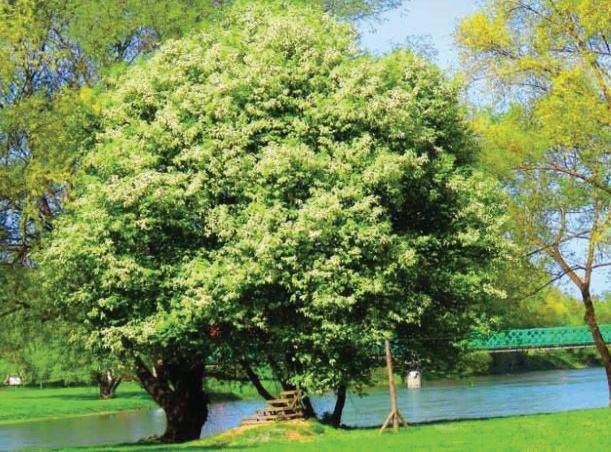
In the woodworking world, they simply call it cherry. From the landscaping world, we know that there are a ton of cherry species so we like to be more specific and often call this tree “wild cherry”, “black cherry”, or “wild black cherry”. To be precise, we are talking about Prunus serotina.
It is quite doubtful that you would find this tree available at any garden center or wholesale nursery unless they specialize in native plants. This magnificent tree of our Ohio woodlands can reach to the top of the forest canopy (50 - 80+ feet) and becomes a very picturesque shade tree. Compared to the majority of flowering ornamental cherries we plant, this tree is a giant beast with only chokecherry (Prunus virginiana, a beautiful native cherry in its own right) attempting to rival its size.
If you are familiar with black cherry, you have likely stopped reading this already because you think we’re nuts, or you may still be here to see if we spill the beans about the downsides of this tree. Certainly the reason this isn’t offered by most growers is the mess. We would be remiss to leave out the faults, which
continued on page 20
EVENT INFORMATION
AUGUST 19, 2026
WILLOWAY NURSERIES
4534 Center Road Avon, OH 44011
SCHEDULE
REGISTRATION
5:00 - 5:30 pm
NURSERY TOUR
5:30 - 6:10 pm
TRIAL & DISPLAY GARDEN TOURS
6:15 - 6:55 pm
DISPLAYS & FOOD TRUCKS
7:00 - 8:30 pm
COST
MEMBERS: FREE
NON-MEMBERS: $99
Please call Patty at 440-717-0002
REGISTER
Register by August 17, 2026. Visit the OLA Calendar on our website, OhioLandscapers.org
Registration is limited to 96 attendees.
Join us for our Evening Meeting and a tour of Willoway Nurseries in Avon! Registration is from 5:00-5:30 followed by three tours. There will be food trucks and ice cream waiting for you after the tours, and you’ll be able to visit a variety of displays for all areas of interest.
Nursery Tour (40 minutes)
Join us as we climb aboard vans for a guided tour of our Avon and Long Rd farms. Encompassing nearly 600 acres you’ll get a behind the scenes look at how Willoway produces the plants you purchase for your projects. Learn about the production, technology, and history of Willoway on this 40-minute guided tour
Trial Garden Tour (20 minutes)
Be part of the process! Ever wonder how new plants get selected? Here’s your chance to be part of the process. Join our R&D team in the trial garden to see what plants we are testing and how the process works. Then take your flags and make your own selections. We love data, and what our customers think!
Display Garden Tour (20 minutes)
Did you know Willoway has a large display garden in the front of the Avon property? Here’s your chance to walk the gardens and ask questions about the plants growing there. This is an opportunity to see plants in a landscape setting growing to mature size in an Ohio setting. Great opportunity for designers to see size, shape, and growth habits in the landscape.
There will be displays and reps setup where you can move between at your own pace. Grab food, a drink, walk around, network and visit displays that interest you.
• Kelly’s Corner - Meet Kelly Kall, Willoway’s Marketing Manager and walk Kelly’s Corner to see what is growing there.
• GGOB - Great Game of BusinessWilloway is a GGOB company and operates this form of Open Book Management.
• WillowVersity - Meet Jason Bornhorst and learn about WillowVersity, our winter training series for landscape professionals.
• Burro/RFID - A Burro is a robotic/AI self driving tractor we use at Willoway for a variety of purposes.
• Dock Ops- See how your plants get selected and to you.
• Grower Talk - Questions? We will have a Willoway Grower to answer.
• Willoway Brands - Talk with staff about the brands behind Willoway and how they are designed to help you.
in this case, are the fruits. In spring this tree flowers heavily with small white blooms in a raceme (long stalk of many flowers) with a slight fragrance. The overall effect of flowers is not amazing but does offer some ornamental value. Come mid-summer, this mediocre flower show turns into a hell storm of black balls of staining death. Jim can still remember the constant battle of his mother growing up with 5 kids and two very mature black cherries out the patio door. Kids running through the fruits on the ground and then tracking them into the house is a good reason to tear out all your carpet.
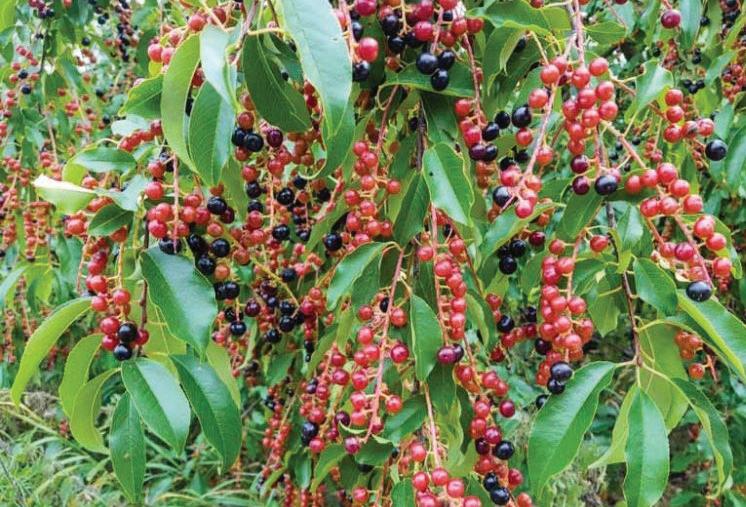
The little black fruits (drupes) have little flesh surrounding a rock solid pit (stone fruit). The color is very nice maturing from a bright red to a solid deep purple that does indeed look black. Millions of these little quarter inch devils fall from the tree and make quite a mess on the ground. About the time the fruit is fully ripe, the tree is visited heavily by birds who love the fruit (edible to us too, just too much work for most). The result of the bird frenzy is purple bird poop on your windshield instead of the standard white. Hey, it’s good to switch it up now and then!
Perhaps secondary to the mess of the fruit, is litter. Black cherry is a very efficient self-pruning tree which means that you will be sure to find small twigs and branches on the ground, especially after strong winds. To some this is a big deal, but to us it is a pretty quick and easy cleanup that means we don’t have to spend as much time climbing it to clean up hangers.
Fall color is a decent yellow usually mired somewhat by some late season fungal spots on otherwise very clean leaves through the season. Disease free leaves on a member of the Rosaceae family is an impressive feat. Insect damage is mostly noticed as Eastern Tent Caterpillar (Malacosoma americanum) which is the larval stage of native moth who make webby nests (tents) in the crotches of the branches towards the outside of the crown. Many years this damage is not too heavy but in years where there is a population boom trees may become nearly defoliated and look like someone jumped the gun on Halloween decorations. The caterpillar is often confused with Gypsy Moth, but unlike the blue and red spots running down the side of the Gypsy Moth, ETC has a solid white stripe down the middle of its back.
We have seen reference to “organic” methods of pest control that include using a torch to burn out the webby nests but let’s be honest, how many people do we really want to suggest they should climb a ladder and hold a blowtorch to their tree? If a client is having issues with this pest in their tree a direct injection of an insecticide specifically labeled for this pest is your
best bet. This will provide a delivery of the active ingredient when the caterpillar begins to feed on the leaves and will provide the least non-target hits. Direct injection is significantly safer and more responsible than taking a spray truck and launching a death rain upon all plants in the path of destruction. Personally, at home on our huge black cherry, we just leave them alone and the tree is doing just fine. Our tolerance level for the pest may be higher than some, but work with your clients to improve their tolerance of insignificant pests, it will do you both good.
Ok, so we’ve pointed out some serious drawbacks to the tree, and we see why most nurseries won’t grow it. We are not even suggesting you run out and start planting them (provided you found a source for the stock). But, without doubt, many of our clients have this tree on their property and will have concerns about it. So, let’s stop for one second and ask, is all this mess a big deal everywhere? Looming over your deck or patio, sure; what about along the back property line where no one really walks anyways, maybe not. Always remember, when it comes to the attributes and downfalls of a plant, it is all about location.
This tree is from here. This tree doesn’t fall victim to any major pest or disease (at least not until we import the next death beast like Emerald Ash Borer is) and this tree doesn’t get angry at the past two winters we’ve had that provide enough argument against calling us Zone 6. So, if this tree is on a property, and it is in a location that isn’t a major issue with some dropping twigs and fruits, perhaps it is worth keeping? Or, you could always cut it down and spend the rest of your summer trying to make kitchen cabinets out of it!
Jim Funai, PhD, is full-time faculty at Cuyahoga Community College, a NALP accredited associate of applied science in hoticulture degree program. He has a PhD in Landscape Engineering and Forestry and is a Licensed Arborist. Shelley Funai is Grounds Manager at Stan Hywett Hall and Gardens in Akron, Ohio, which offers a historic estate designed by Warren H. Manning and a beautiful manor house museum. She is Landscape Industry Certified in Ornamental Plant Care.











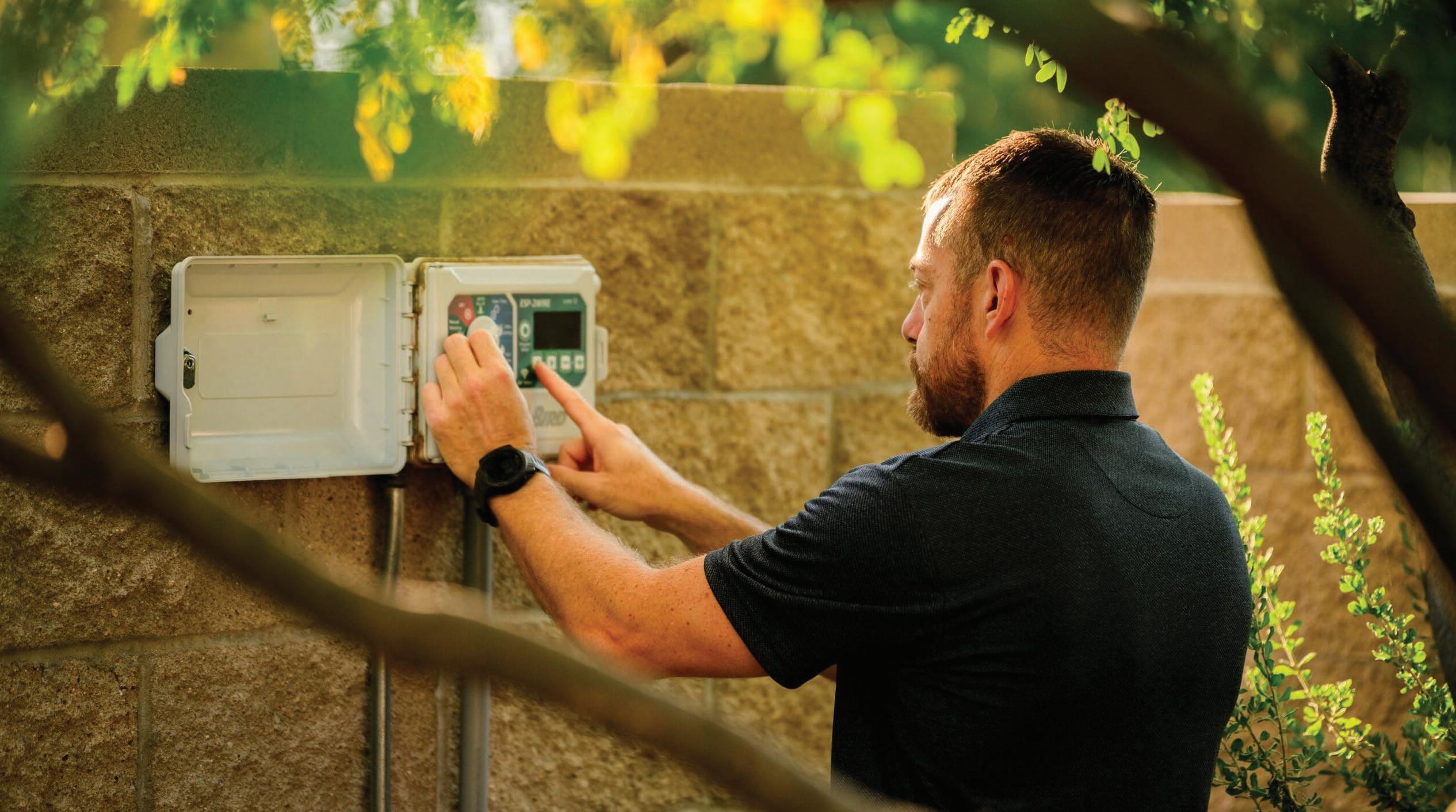
As attention on water usage increases due to cost and restrictions, the need for water-efficient landscapes has never been more prevalent. Thankfully, there are a wealth of tools and tactics to help your clients maintain a vibrant landscape while irrigating sustainably.
“There are many more options for water-saving technologies compared to 20 years ago,” says Larry Giroux, segment manager for Ewing Outdoor Supply. “There are EPA WaterSenselabeled smart controllers. Pressure regulators for valves, pressureregulated spray bodies, soil sensors, micro or drip irrigation, to mention a few.”
One of the most commonly championed water efficiency tools is the smart controller. These systems can automatically adjust watering schedules based on local weather data.
“Using smart control from a contractor’s perspective is like having a virtual service technician at the job site 24/7 keeping their finger on the pulse of what’s going on with the weather, but also the electrical and hydraulic integrity of the system,” says Kevin Battistoni, national customer experience manager with Hunter Industries.
Steve Barendt, senior product manager with Rain Bird, adds that when installed properly and used with flow sensing, smart controllers can alert contractors if something unexpected is happening, such as a high/low flow situation or a system short. Having this visibility without having to




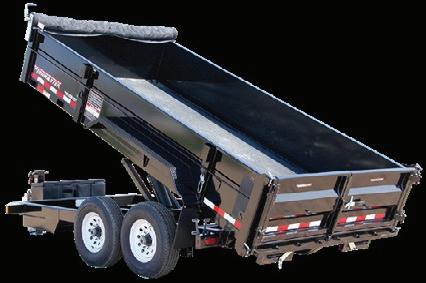
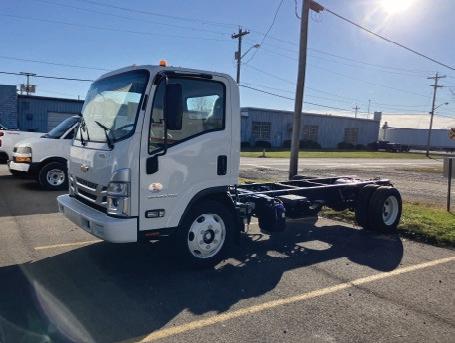
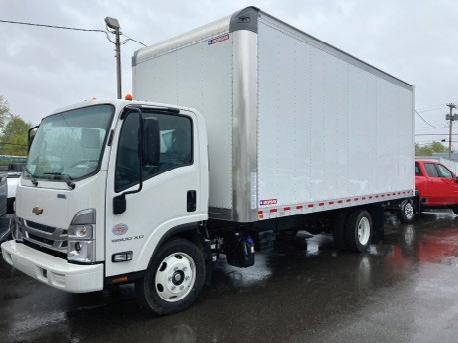
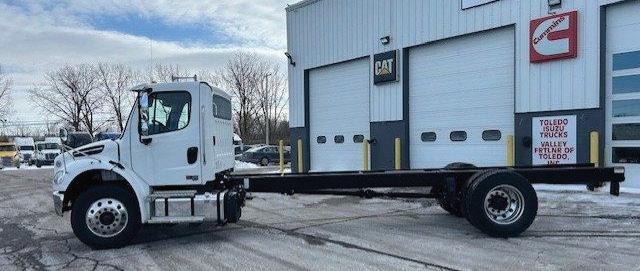
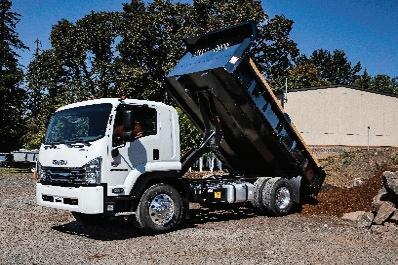
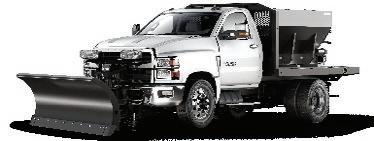
• PTO “live drive” central hydraulic for hoist and spreader operated by control box in cab
• PTO central will cut down on noise, vibration and maintenance
• Expandable “Wide out” plow option for narrow or wide services
• Stainless steel dump body for corrosion resistance and durability
• Strobe light package for safety
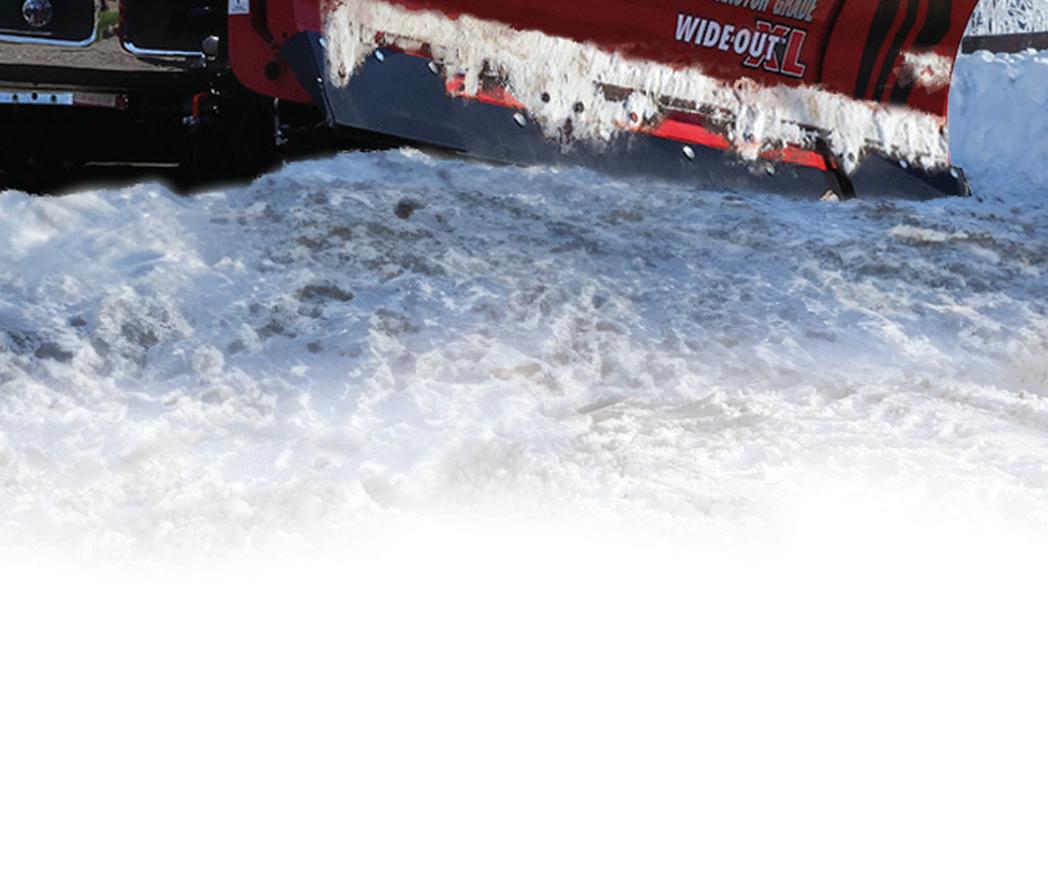

• Power tarp, tool box and step ladder options for ease of operation
• Spreader light included with stainless steel under tailgate spreader
• Year round usable heavy duty dump truck








continued from page 26
be on site can help professionals scale their business without adding headcount while strengthening client trust.
“You’re not getting a screaming phone call from a client two weeks after they notice a damaged landscape or a very high water bill,” Battistoni says. “It’s now allowing the green industry professional in real time to tell the customer, ‘Last night at your house when zone five was supposed to run at 1:30, it used 30% more water than the previous cycle, which is likely something is broken on that zone. Would you like us to send somebody out to take a look at it?’”
While smart controllers are powerful, they are not magic, which is why professional calibration is equally crucial. “An irrigation system’s overall efficiency is directly tied to how well its controller is programmed and calibrated,” Barendt says. “Even the smartest controller cannot automatically account for site-specific variables without professional input. Landscape professionals must perform ‘professional calibration’ to dial in precise programming, establish accurate base run times, set up proper ‘Cycle & Soak’ schedules to prevent runoff, and configure flow-sensing thresholds.”
Battistoni stresses that for a smart controller to truly make a difference, you first need to make sure the irrigation system itself is up to par. Without doing a proper site survey and addressing any issues found, a smart controller cannot overcome these issues.
“You could give me Michael Jordan’s brain, and I’m still 5’6 with a 10-inch vertical,” Battistoni says. “I’m not going to be able to slam dunk a basketball ever. From a detached perspective, when green industry professionals get into smart control, and they pitch it to their client without doing a true site study, if you put a smart control on a dumb system, it’s still a dumb system.”
Some of the additional ways to create a more sustainable irrigation system include taking advantage of high-efficiency nozzles, pressure regulators and check valves. High-efficiency nozzles can help with water conservation as they lay down water at a rate that doesn’t exceed the infiltration rate of the soil. These nozzles are designed to deliver thick streams and larger water droplets to maximize distribution uniformity.
Meanwhile, pressure regulation is a commonly overlooked win. “Having the proper pressure at the head itself is going to distribute the water, whether it’s below grade and drip or above ground and atmospheric in the most efficient fashion,” Battistoni says. “Except for the states that have mandated it, it’s a rarity when you see that implemented when it’s up to a design/build situation.” Battistoni acknowledges that pressure regulators are more expensive, but landscape contractors need to consider the long game.
“Pressure regulation is a highly effective way to improve irrigation performance,” Barendt says. “Excessive system pressure can cause misting, fogging, and wind drift, reducing efficiency and uniformity. Pressure-Regulating Stem (PRS) technology helps maintain optimal operating pressure (typically ~30 PSI for sprays and ~45 PSI for rotary nozzles), improving distribution uniformity and reducing water waste.”
Check valves are another useful addition to irrigation systems. “With check valves in the head, it traps all the water in that lateral piping, and it’s used on the next cycle, so there is a water savings component there, but it’s twofold,” Battistoni says. “Without check valves, the water is naturally going to go to the lowest heads on that zone and all that lateral water that’s left after it depressurizes is going to leak out of there.” Battistoni says these are changes that can be retrofitted to existing systems without even requiring a shovel.
“You can literally unthread a sprinkler head, install pressure regulation and a check valve, putting new internals into that same body, and now we’re getting that extra savings because we’re trapping the water in between cycles and not wasting it due to low head drainage, then when it runs, instead of running at 50 PSI at the base of the head, it’s operating at 30, which is optimal for how that nozzle was designed to emit water most evenly,” Battistoni says.
Giroux also recommends retrofitting spray zones in landscape beds into drip irrigation systems. “This eliminates wind drift and puts the water right where it is needed the most, the root zone,” Giroux says.
Barendt notes that sensors like rain and freeze sensors can help interrupt irrigation after rainfall or during freezing temperatures, while flow sensors can detect when there is a leak or mainline break in real time.
“Flow sensors are also more widely available today, but still not commonly used,” Barendt says. “It’s a small investment to ensure that system flow is as expected. A high-flow situation could be a broken mainline, broken lateral line, or broken nozzles resulting in flooded landscape. Not only is this damaging to the landscape itself but can also waste a significant amount of water. Capturing low flow situations is also important to ensure that plant life is receiving water when expected.”
Even if a client doesn’t have or doesn’t wish to add a smart controller, you can still provide significant water savings through manual optimization. Barendt says you can take the ‘Triple A’ approach of anticipate, adjust and achieve where you forecast seasonal changes and adjust accordingly. He says you can also take advantage of the controller’s seasonal adjust function.
“Use the controller’s global percentage adjustment (e.g., scaling down to 80% in September),” Barendt says. “This finetunes the system globally without the hassle of reprogramming every individual station.”
While all of these changes can help with water efficiency, Battistoni cautions against making blanket claims of how much water can be saved, as Mother Nature is the biggest factor. “If Mother Nature decides it’s not going to rain for three months, we’re still laying the least amount of water down necessary to keep it green, but that’s going to be more water usage than the previous year,” Battistoni says.
The goal should not be to promise a universal savings percentage, but to ensure each system applies the least amount of water necessary to keep the landscape healthy by using the right mix of technology and ongoing adjustments based on site conditions.

If you want new hires to stay with your organization long-term, you must open their eyes to the fact that the landscape industry doesn’t just create jobs but meaningful career paths. Unless an individual already has a background in the industry, many may assume there is no future beyond their current field role.
Even before you hire a candidate, the interview process is a prime time to highlight your employee development paths and find out an applicant’s overall career goals. This can help with alignment early on and communicate that your organization offers team members a supported future of growth.
Once an employee is hired, outline your company’s different paths to advancement during the onboarding process. You can drive this point home by introducing them to current leaders in your organization who have worked their way up into their current position.
“People can see a path from crew member to crew leader to foreman to branch manager, and we have numerous examples of team members who’ve made that journey with us,” says Marion Delano, director of technology & marketing for Level Green Landscaping, based in Upper Marlboro, Maryland.
Many companies can say they have a career ladder for employees, but what matters is taking a vague concept and outlining it clearly, so staff know exactly what steps they need to take to progress to the next level.
continued on page 32


















continued from page 30
First, outline what each role in the company looks like so a team member can determine if this is a position they’d be interested in pursuing. Cover their main responsibilities, who they would report to, what success looks like and who they would be leading or supporting. Also, break down what skills are required so they can clearly identify their own strengths and weaknesses. If specific training is required before an employee can be considered for a role, list these out as well as how they can complete them.
The main questions employees typically have with career ladders are how long this will take and how this will affect their compensation. Being transparent about pay bands and what certifications justify a raise can incentivize employees to pursue additional training.
Provide rough timelines so promotions don’t feel like a nebulous ‘someday,’ but be clear with employees that advancement depends on readiness, not just tenure. When creating your career ladder, everything doesn’t have to be restricted to a linear path. Younger generations in particular have shown more interest in a career web where they can gain a variety of different skills and make a meaningful impact.
Ryan Lawn & Tree, based in Merriam, Kansas, recognizes that not everyone wants to become a manager, so they have created a senior specialist level where the employee chooses between three different tracks. For instance, if they work in the turf category, they can choose to go the research and agronomy route, the management route or the trainer route.
After onboarding, don’t just leave employees to their own devices and assume they feel competent in taking the next steps you’ve laid out for them. Revisit this topic during 30-60-90 day check-ins and train managers on how to discuss growth opportunities consistently in a low-pressure way.
In some cases, an employee may be content in their current role, but others may wish for more but be uncertain if they are
ready to pursue the role above them. This is where managers can provide the necessary support and guidance to direct the team member to the right path for them.
If a team member is actively pursuing a higher role, a manager can provide relevant stretch assignments and advice. They can also help the employee determine if they are seeking a role that is a good fit for their skills.
A five-year career path can feel abstract and daunting to new hires. This is why it is critical to celebrate the various achievements and milestones along the way. Recognizing progress throughout the process will help them continue in their momentum.
It’s also a good idea to conduct shoutouts during team meetings or have career progress boards in a common room area. This serves the dual purpose of encouraging the employees seeking career growth and inspiring others to follow suit as well.
For instance, Landscaping Ninjas, based in College Station, Texas, uses a belt ranking system similar to martial arts, where employees are recognized for completing specific training modules and exhibiting the company’s core values with different color belts and patches.
The belts are displayed on a wall in the main shop with the employees’ pictures grouped by crews. Each time an employee ranks up, they recognize them during their Tuesday morning meeting.
“What I’ve noticed through all this is that it needs to be a visual for everybody because human nature is if you do good, you want people to know you’ve done good,” says Daniel Thompson, owner of Landscaping Ninjas.
This article was written by Jill Odom for the National Associations of Landscape Professional’s blog, “The Edge”.








OCTOBER 8, 2026 AT TENK WEST BANK
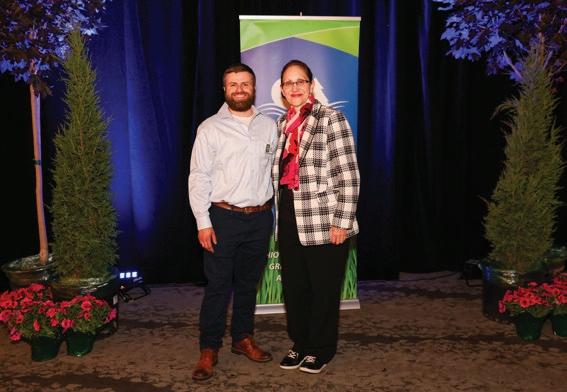
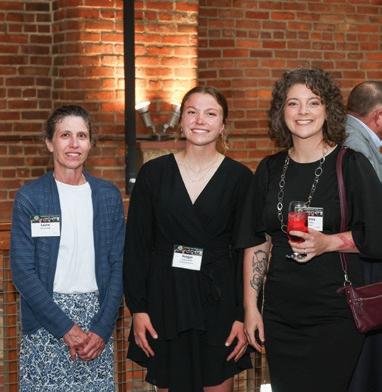
We are thrilled to invite you to be part of an extraordinary evening at the 29th Annual Landscape Ohio! Awards Program. The stage will be set to celebrate the excellence of Ohio’s Landscape Leaders.
Our awards program, sponsorships, and educational outreach thrive because of the generosity of OLA members like you. Your support highlights all of the amazing things our members do, helps build the next generation of landscape leaders, and helps the OLA provide events that inspire and educate.
5:30-6:15 pm Doors Open & Registration Hors D’Oeuvres Stations
5:30-8:30 pm Cocktails (Cash Bar)
6:30-7:30 pm Dinner Stations, Dessert & Coffee
7:30-8:45 pm Landscape Awards Ceremony

$115 for Individual Ticket
$220 for Two Tickets
$420 for Four Tickets
$800 for Eight Tickets (Table)
Deadline is September 24. No refunds on unused tickets. Tickets can be purchased at www.OhioLandscapers.org.
2111 Center Road
Cleveland, OH 44113
Tenk West Bank is one of the oldest surviving industrial buildings in the Flats.

Originally built in the 1870s as the Eclipse Iron Works foundry, many original features remain including loadbearing brick, beams, and the signature arched window bays. Listed on the National Register of Historic Places, the building’s brick color shifts, mixed masonry, and repurposed stone blocks make it a true West Bank icon.
Sponsorships include: 2 complimentary tickets, company logo on event signage, company recognition in awards presentation & logo on the big screen, company logo on OLA website, social media, and recognition in The Growing Concern Magazine.
CATEGORY | $940 (16 AVAILABLE)
Take pictures with the winning teams
REGISTRATION | $940 (1 AVAILABLE)
Network and greet attendees
BAR SPONSOR | $940 (6 AVAILABLE)
Classic cocktail named in your honor
JUDGE’S CHOICE AWARD | $960 (2 AVAILABLE)
Take picture with winning team
HORS D’OEUVRES | $1100 (4 AVAILABLE)
Will be asked to stand for recognition
STAGE PRODUCTION | $1100 (4 AVAILABLE)
Will be asked to stand for recognition
PHOTO BOOTH | $1600 (2 AVAILABLE)
Will have logo on photo print out
Will be asked to stand for recognition
CENTERPIECES | $1600 (SOLD)
Company name attached to centerpieces
Will be asked to stand for recognition
DINNER | $1900 (4 AVAILABLE)
Will be asked to stand for recognition
DESSERT | $2500 (SOLD)
Will be asked to stand for recognition
9240 Broadview Road
Broadview Heights, OH 44147
Phone: 440-717-0002
Toll Free: 1-800-335-6521
Email: info@ohiolandscapers.org
OhioLandscapers.org
Deadline for sponsorships is September 24. Visit the OLA website or contact Patty to purchase.
We have several upcoming fun and educational events designed to help you improve your skills and network with other green industry professionals. We encourage you to register for these events and if you have any questions, please reach out to Patty via email, Patty@OhioLandscapers.org.
We are grateful for the generous support of all of our Members, Sponsors, Committee Members, and Board who come together to make it possible for everyone in the association to experience these events!
26th ANNUAL OLA GOLF CLASSIC REGISTRATION THROUGH THURSDAY ONLY
Join over 200 golfers – from all corners of the industry – for a great day of golf, food, and fun! The location is Mallard Creek Golf Club at Columbus Station, and you can register as a 4-some or an individual golfer. Everyone will play 18 holes of golf and food will be served by Winking Lizard. New this year will be four Hole Sponsorships, 60-Minute Golf Lessons, and a Silent Auction. If you are not golfing and interested in volunteering, please contact Patty via email at Patty@ ohiolandscapers.org.
LANDSCAPE OHIO! AWARDS REGISTRATION IS OPEN
The 29th Annual Landscape Ohio! Awards will be on October 8 at Tenk West Bank. The stage will be set to celebrate the excellence of Ohio’s landscape leaders. Registration and sponsorship opportunities will be open soon.
We are excited to announce that Jim Funai, Ph.D., Assistant Professor: Plant Science and Landscape Technology at Cuyahoga Community College will receive the Award for Lifetime Contributions to the Landscape Industry!

PATTY LAMPERT Executive Director / OLA
UPCOMING EVENTS
July 28
SALES TRAINING CLINIC
Talent Launch in Valley View Registration open until Friday, July 24.
August 19
EVENING MEETING & FACILITY TOUR
Willoway Avon Nursery Tour Register on the OLA website
Save the date for these following events. Registration will be available soon.
September 25 Plant Healthcare (Approved for pesticide/fertilizer and ISA credits!)
October 15
Sandler Leadership Clinic
November 4
Sandler Sales Training
December 4
Dormant Pruning

•
•
•
•
•
•
•