18)
ALSO INSIDE
The cloud next door
Life in the fast lane Made in Appalachia
18)
ALSO INSIDE
The cloud next door
Life in the fast lane Made in Appalachia



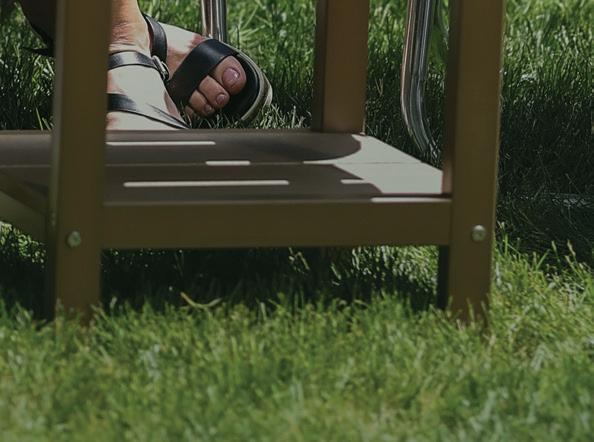




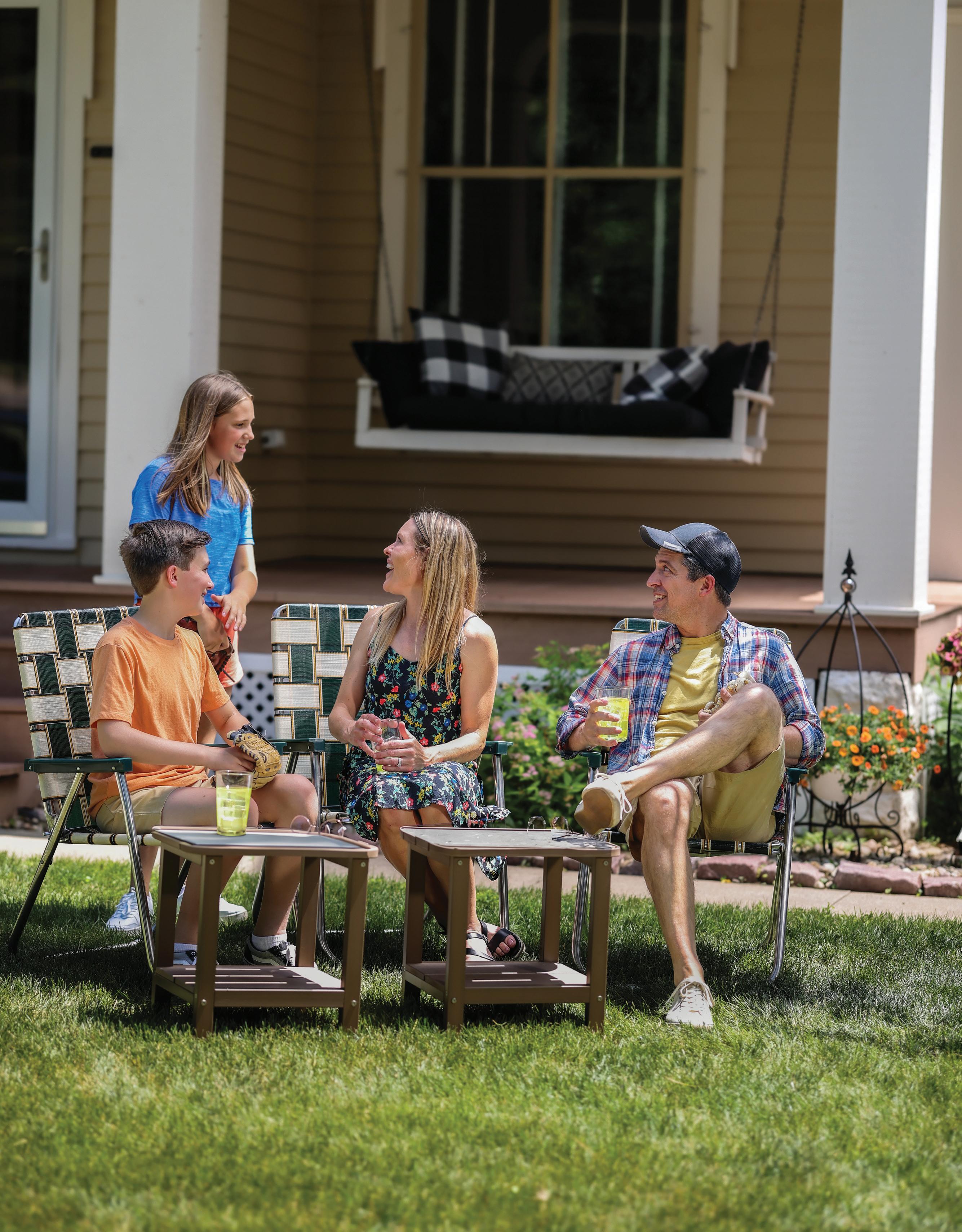
Your local electric cooperative is not just a service provider — we’re active members of our community. We take pride in serving our members and going the extra mile in everything we do. Get closer to your co-op to find out more ways we support you and strengthen our community.





From primitive to luxurious, an overnight stay in a yurt can offer an experience for everyone.
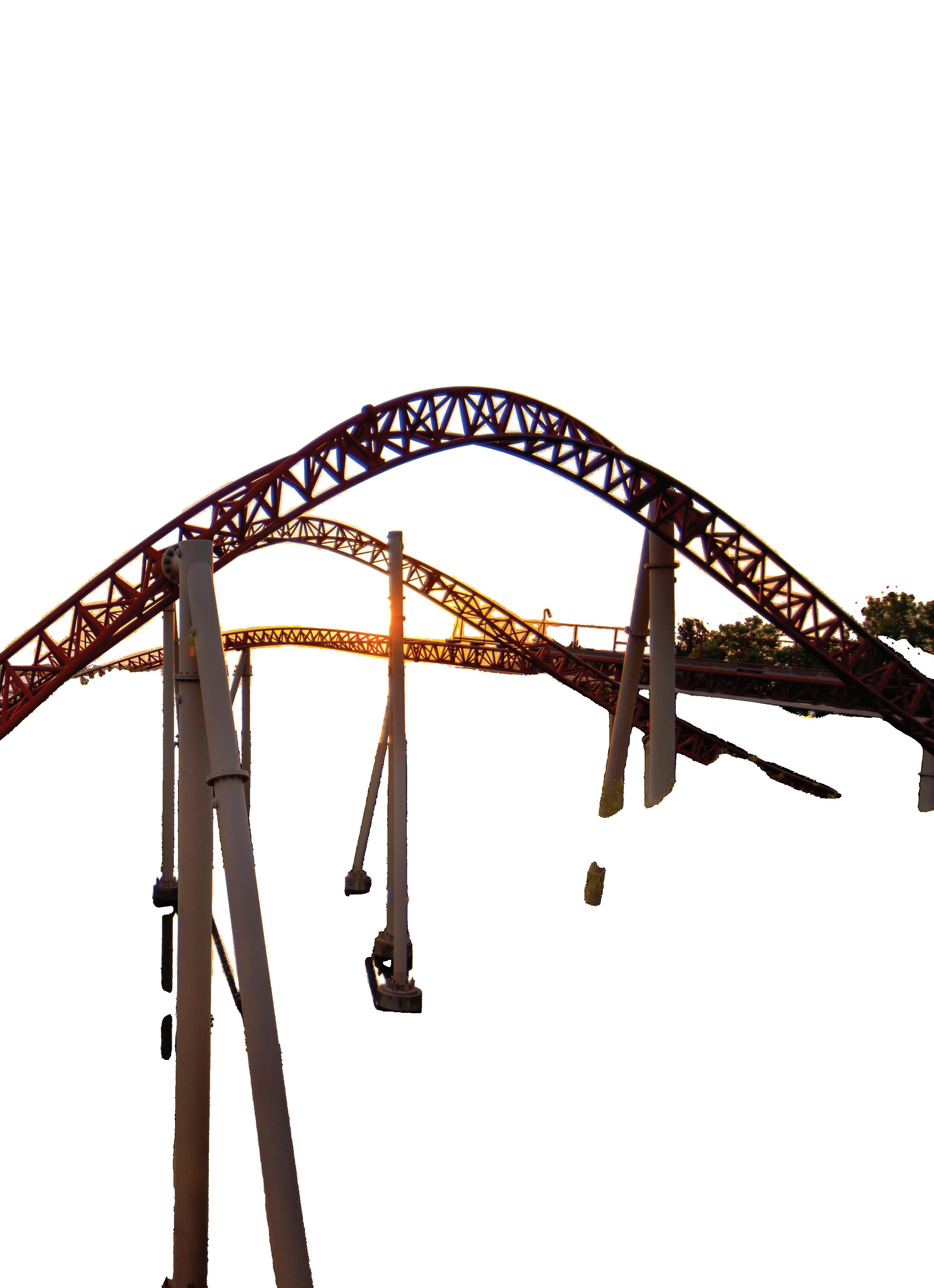
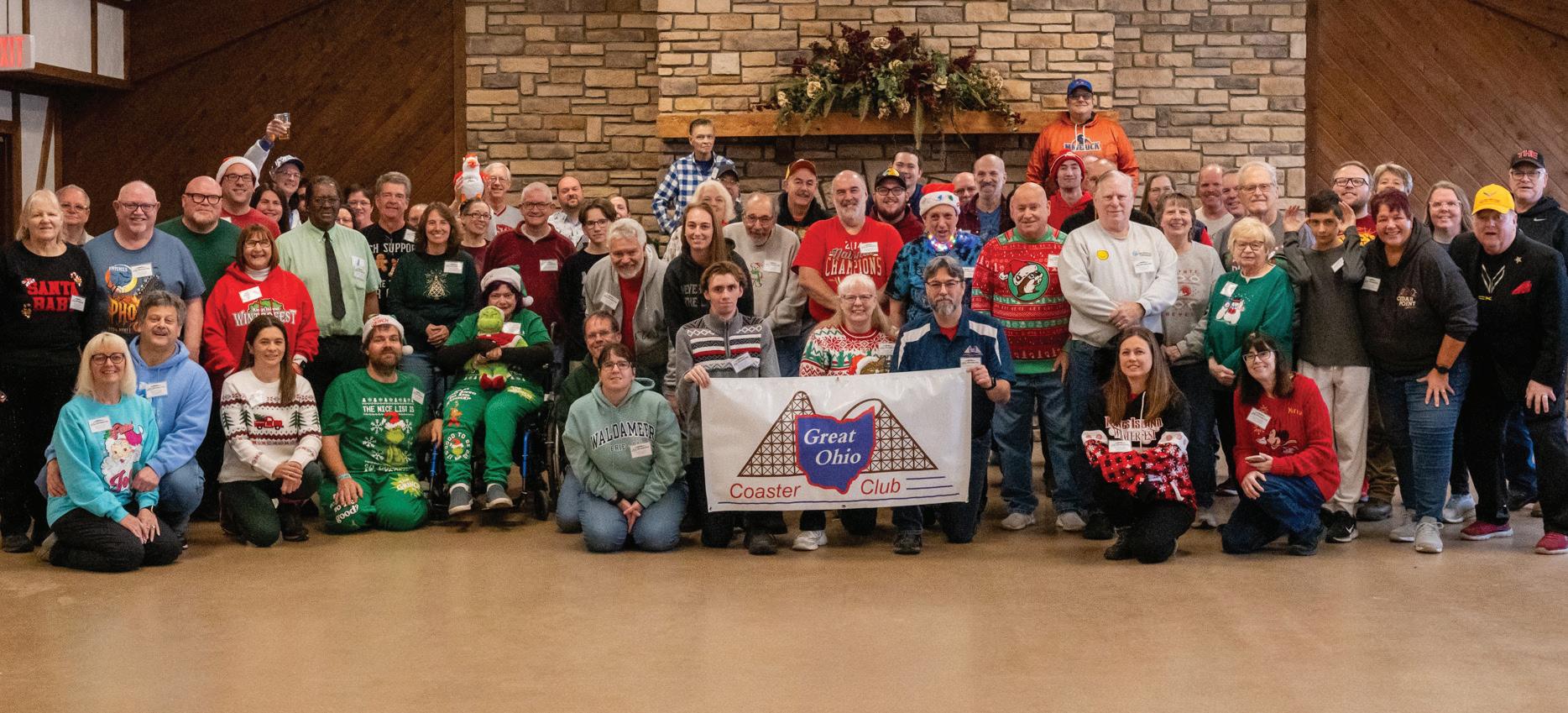
Great Ohio Coaster Club members travel the state and beyond in search of thrills.
28 BUILT WHERE IT BELONGS
A McConnelsville company reimagines Appalachian furniture manufacturing.
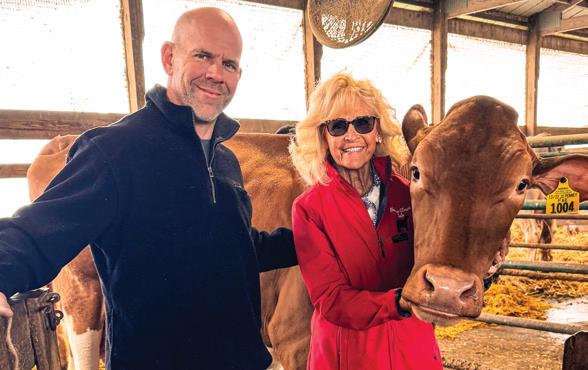
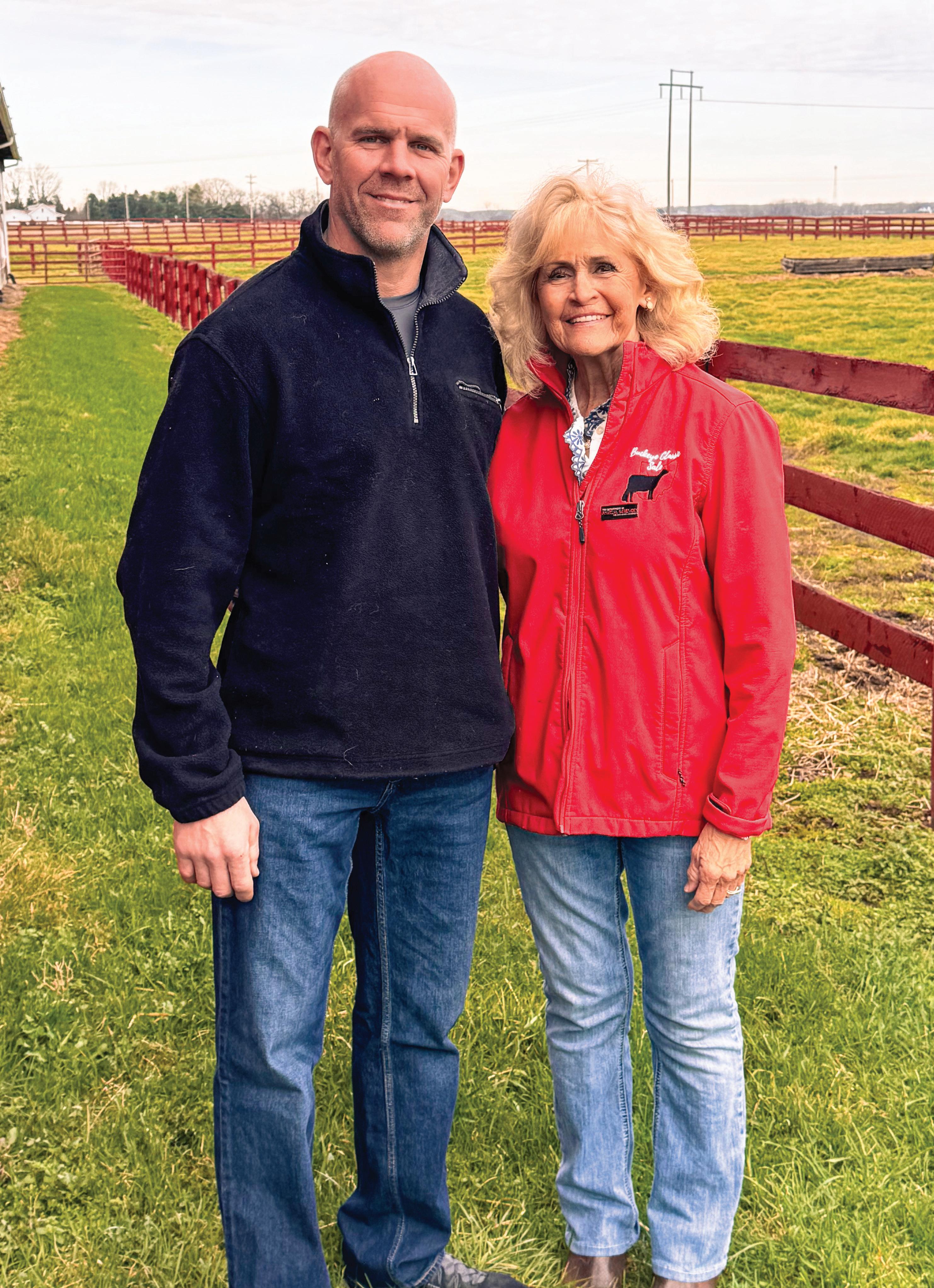
Cover image on most editions: Dairy farmers Bonnie and John Ayars have devoted themselves to keeping agriculture accessible for future generations (photograph by Theresa Ravencraft).
This page: Great Ohio Coaster Club members await the delayed drop of Siren’s Curse at Cedar Point (photograph by Bob Kilner/ Great Ohio Coaster Club).

As the electric industry settles into the new reality that comes with serving the power needs of large data centers, generators, including Buckeye Power, must balance reliability and cost when considering new generating resources. It seems obvious that new generation resources will be needed, and not just any resources, but baseload power — those that run 24/ 7, regardless of weather or time of day. Coal plants, such as the co-op-owned Cardinal Plant in Brilliant, and natural gas combined-cycle plants are other examples of baseload generation, and of course are crucial contributors of steady, reliable power to the grid.
The completion of two nuclear units in Georgia in 2024 has helped renew interest in a nuclear option. Nuclear generators not only provide reliable baseload power, they do so with no emissions during operation. Nuclear units can last 50-plus years, with costs that have proven to be both low and stable. Nuclear power comes with risks, though: Upfront cost can be more than five times the cost of a new natural gas power plant and construction can take 10 to 15 years. Those plants have also faced public push-back, often driven by limited familiarity with how plants are regulated and how their safety systems work. If nuclear is going to play a bigger role in the future, it will take steady and clear communication to help the public better understand the technology and have confidence in its safety.
Over the last 10 or 15 years, natural gas combined-cycle plants have been the most common new baseload resources built in the U.S., and it’s relatively easy to understand why. I think of it like buying a new car: The best purchase is one that’s solid and reliable (though maybe not very flashy) that you can get for a reasonable amount of money and finance it over a reasonable amount of time. Natural gas combined-cycle plants can often be built in 5 to 7 years and run 30 -plus years, and they’re typically paid off over that same period, helping keep annual costs (and therefore customer bills) more affordable.
So, while companies are working to reduce the challenges created by nuclear plants — including research on small modular reactors, natural gas combinedcycle plants are likely to remain the preferred option for new baseload generation in the near term. And meanwhile, as demand continues to increase, existing coal plants will have to keep playing an important role in keeping electricity both affordable and reliable.
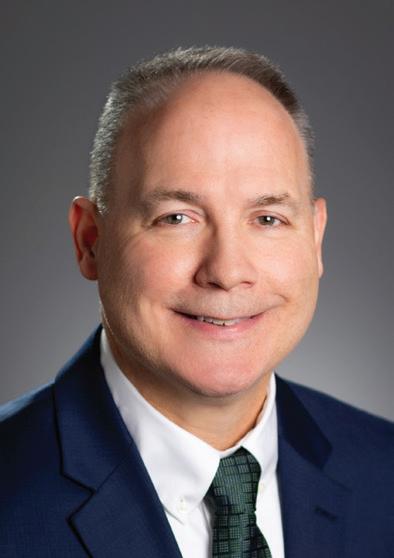
Craig Grooms PRESIDENT & CEO OHIO’S ELECTRIC COOPERATIVES
Natural gas combined-cycle plants are solid and reliable, can often be built in five to seven years and run 30plus years, and they’re typically paid off over that same period.
Ohio Rural Electric Cooperatives
6677 Busch Blvd. Columbus, OH 43229 614-846-5757 www.ohiocoopliving.com
Craig Grooms President & CEO
Jeff McCallister Senior Managing Editor
Amy Howat Assistant Managing Editor
Neal Kindig Graphic Designer
Contributors: Margaret Buranen, Colleen Romick Clark, Getty Images, W.H. “Chip” Gross, Jill Moorhead, Catherine Murray, Theresa Ravencraft, and Jamie Rhein.
OHIO COOPERATIVE LIVING (USPS 134-760; ISSN 2572-049X) is published monthly by Ohio Rural Electric Cooperatives, Inc. It is the official communication link between the electric cooperatives in Ohio and West Virginia and their members. Subscription cost for members ranges from $6.48 to $7.92 per year, paid from equity accruing to the member.
POSTMASTER: Send address changes to editorial and advertising offices at: 6677 Busch Boulevard, Columbus, OH 43229-1101. Periodicals postage paid at Berne, IN 46711, and at additional mailing offices. Nothing in this publication may be reproduced in any manner without written permission from Ohio Rural Electric Cooperatives, Inc. All rights reserved. The fact that a product is advertised in Ohio Cooperative Living should not be taken as an endorsement. If you find an advertisement misleading or a product unsatisfactory, please notify us or the Ohio Attorney General’s Office, Consumer Protection Section, 30 E. Broad St., Columbus, OH 43215. Periodicals postage paid at Columbus, OH, and at additional mailing offices.

The cloud next door: The rise of data centers creates both challenges and opportunities for electric cooperatives and their members.
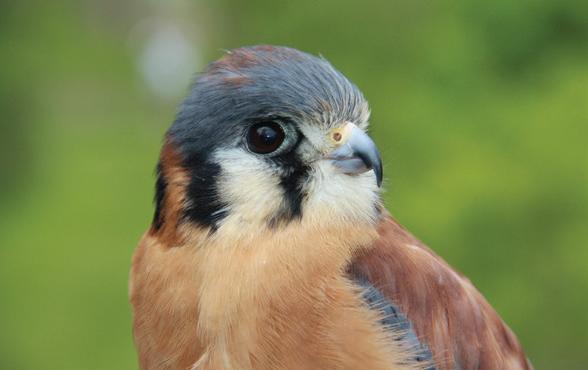
Pint-sized predators: The American kestrel is the smallest and most common falcon in Ohio — and the nation.
Cream of the crop: After more than 50 years, co-op members are still dedicated to educating the next generation of dairy farmers.
13
By the seashore: These mouthwatering mouthfuls will have you dreaming of the beach.
17
News and other important information from your electric cooperative.
National/regional advertising inquiries, contact Cheryl Solomon
American MainStreet Publications 847-749-9015 | cheryl@amp.coop
Cooperative members:
Please report changes of address to your electric cooperative. Ohio Cooperative Living staff cannot process address changes.
Alliance for Audited Media Member
36
13 8 10 4 36 33

What’s happening: June/July events and other things to do around Ohio.
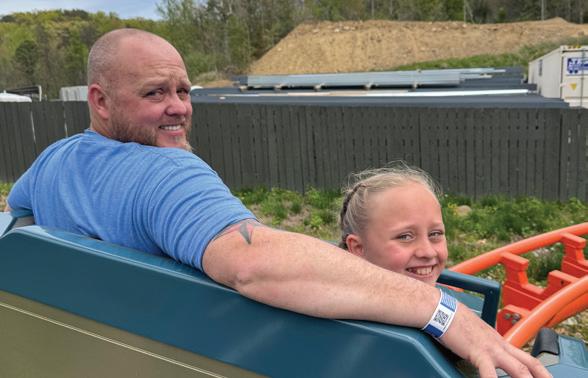
Roller coaster: Co-op members love a good thrill ride! For example, South Central Power Company member Amy Smith shared this picture of her husband, Kris, and their daughter, Kaylee, ready for a spin on Dollywood’s Big Bear Mountain.

The rise of data centers creates both challenges and opportunities for Ohio co-ops and their members.
BY JEFF MCCALLISTER
If the internet had a physical body, data centers would be its brain. If you’ve ever streamed a show, backed up your photos, or asked a smart speaker for the weather, all of that information came through a data center.
As more companies race to expand their cloud capacity and computing power, they need more data centers, so the massive, quietly humming facilities are popping up in lots of different places. They might be tucked into industrial parks, converted from former warehouses, or, increasingly, rising up from a farm field into the rural landscape — in other words, places where people live, work, and raise families.
When big changes come very quickly, often with little or no information that’s easily accessible, neighbors tend to react with suspicion and sometimes even anger.
Residents of towns like Trenton, in Butler County, and South Bloomfield, in Pickaway County, have crowded local zoning boards, signed petitions, and generally begun pushing back against data centers planned in those communities. In fact, at least 30 Ohio municipalities have enacted or are considering enacting moratoriums on new data centers.
And that raises a question: What’s the big deal?
What is a data center?
Data centers are simply buildings, often minimalistlooking on the outside, filled with racks of servers,
powerful computers that store, process, and transmit the information that keeps the internet running. Of course, they run on electricity — and lots of it, because all that information must be available in an instant every second of every day of the year.
If you store your digital photos in “the cloud,” that’s where they are. But data centers also process information. Every Google search runs through a data center — and since the arrival of Google’s AI-powered Gemini search tool, each individual search uses about 10 times the electricity they used before Gemini.
Also, Google’s isn’t the only software that uses artificial intelligence. In fact, the top five most-visited websites (and at least 16 of the top 20) rely heavily on AI. The average prompt on ChatGPT uses about 0 34 watthours of electricity, according to the company’s founder — about what an oven would use in a little over one second, or a high-efficiency lightbulb would use in a couple of minutes. Imagine the power and computing capacity needed to process a billion prompts every day, as ChatGPT claims it receives.
All that power consumption also generates a lot of heat, so data centers must be kept cool, and most use fans and water as the coolant.


Living near a data center isn’t like living near a factory or airport. There’s no smoke, no crowds, and no rush-hour traffic jams. The benefits of a nearby data center can be surprisingly tangible.
• Economic growth — Data centers bring investment. A single facility can cost hundreds of millions of dollars to build, and that money flows into local construction, utility, and service businesses. After opening, they still create stable, well-paid technical jobs and often partner with local schools or workforce programs.
• Infrastructure upgrades — Data centers often pay to upgrade roads, power lines, and fiber networks.
Translation: Your internet might get faster, and your lights might flicker less. Ohio’s electric cooperatives, in fact, have developed a rate structure specific to data centers that charges them for that new infrastructure, rather than passing it on to other co-op members.

• Low daily impact — Unlike distribution centers or manufacturing plants, data centers generate minimal traffic. Employees come and go in small numbers, and there’s no constant flow of trucks. For many neighborhoods, they’re among the quietest commercial neighbors around.
Still, living near a data center isn’t all upside. These facilities come with their own quirks — some subtle, some more noticeable.
• Noise pollution — They may not create noise from machinery or traffic, they aren’t necessarily silent. One of the biggest complaints from those who live near large data centers is a steady hum coming from cooling fans and backup generators. While modern centers use noise reduction designs, the sound can be noticeable, especially during maintenance or generator testing.
• Energy consumption — Data centers use enormous amounts of electricity. While that in itself doesn’t directly raise your utility bill, it can be a challenge for electric cooperatives to insulate current members from the costs of system upgrades needed in order to serve such large loads.
Water use is another challenge. Some data centers are converting to a closed-loop cooling system that eliminates the need to draw water from municipal or well water supplies, but otherwise, it’s estimated that those billion daily ChatGPT prompts alone take about 85,000 gallons of water to cool the processors handling them.
• Visual impact — Data centers are not exactly a charming part of the landscape. They are usually large, boxy, and often windowless buildings with prominent transmission lines coming into large new substations located close by. A data center can be a jarring industrial intrusion on a tranquil countryside.
• Land use concerns — Loss of farmland or green space is a problem, as the largest data centers can cover a larger footprint than three or four Wal-Marts, causing debate on whether the economic benefits outweigh the change in the character of an area.
Electric cooperatives in Ohio own all the power generation they need to power their members’ homes and businesses, and the rate structure they’ve developed to serve data centers ensures that will be the case for a long time to come.
“Ohio’s electric cooperatives stand ready to serve any data center that is built in co-op territory, but our members will not be asked to shoulder the costs associated with serving them,” says Craig Grooms, president and CEO of Buckeye Power, the generation and transmission cooperative owned by Ohio’s co-ops.
“Owning our power generation has long insulated members from a lot of the highs and lows of the energy market, and our data center rate schedule builds on that foundation so that as new, large users connect to the grid, co-op members will continue to be protected for generations to come.”

Your neighbor has a dirty little secret.
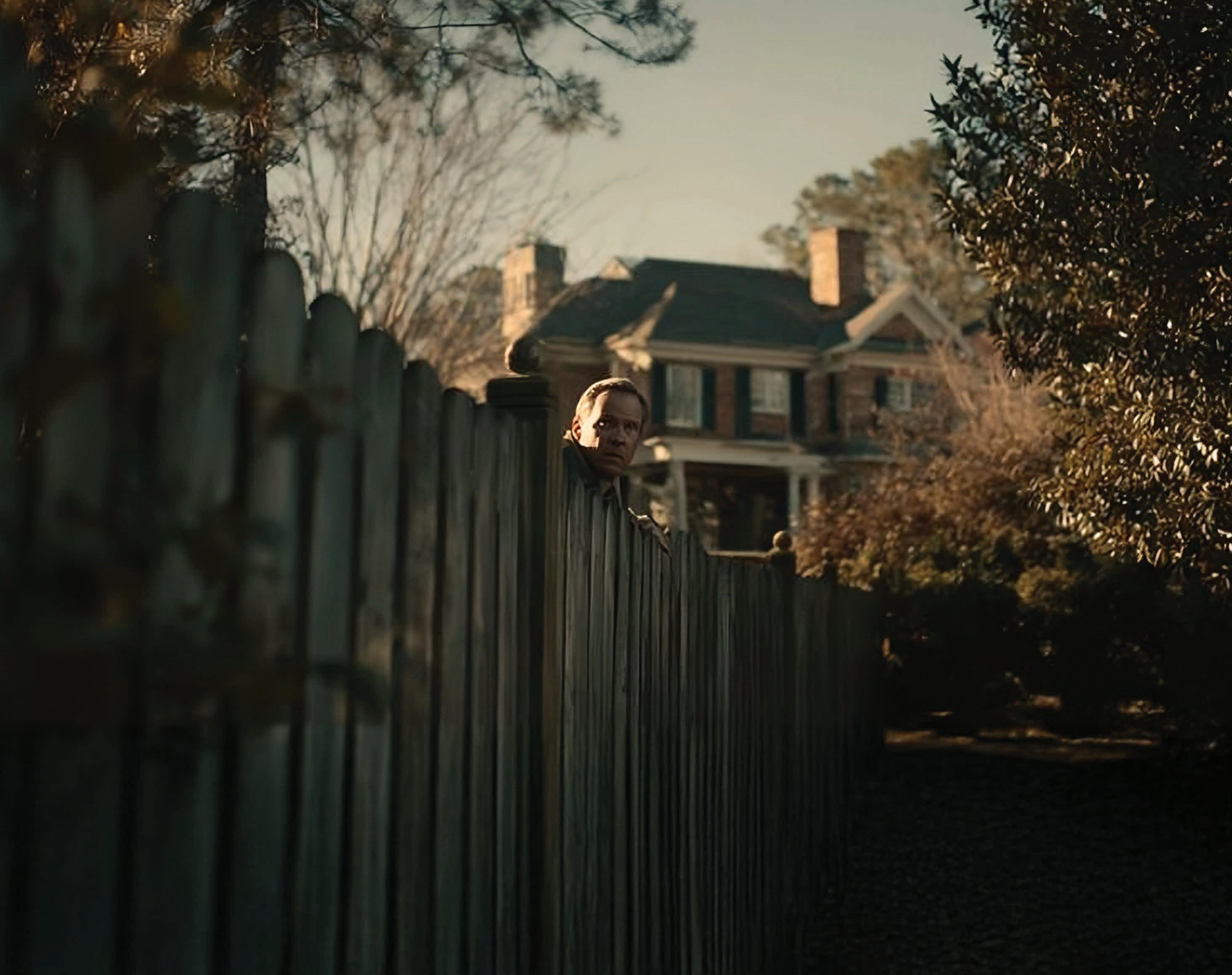


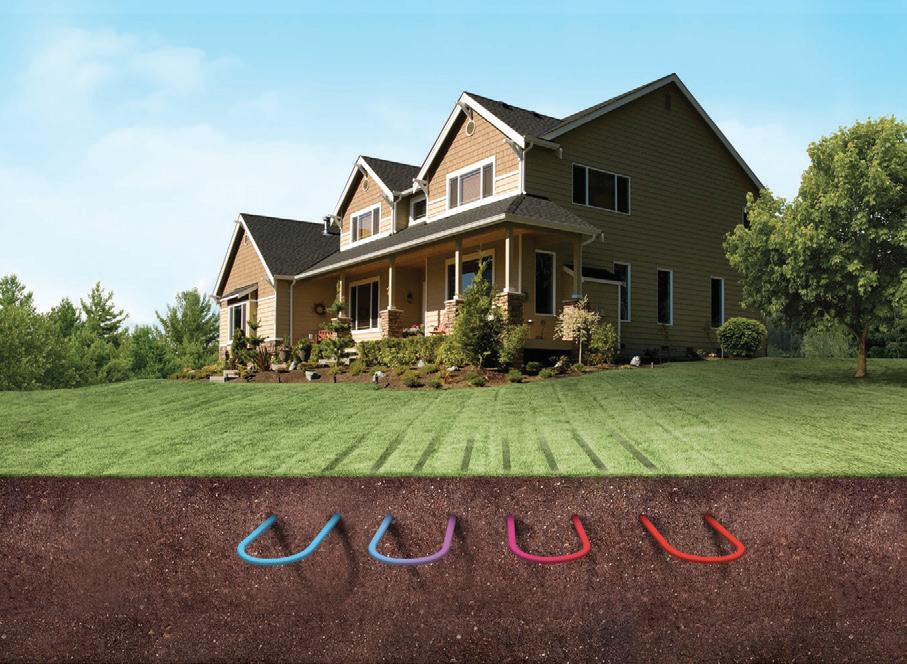
What exactly is your neighbor keeping underground?
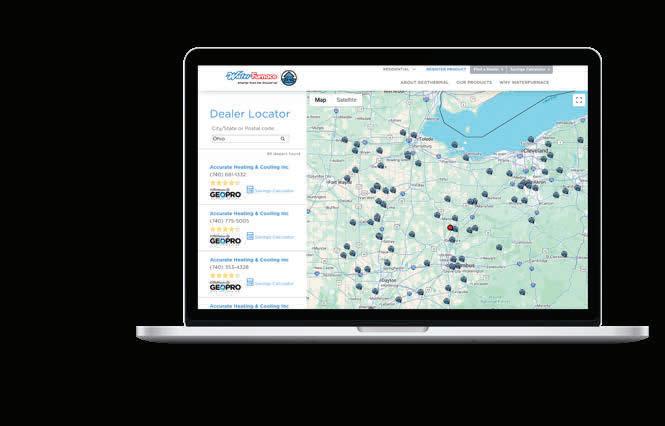
It may look like an ordinary home, but underneath lies a WaterFurnace geothermal system that delivers safe, renewable energy. systems use the dirt beneath your home to heat and cool naturally—by transferring energy between the ground and the house, it keeps them warm in the winter and cool in the summer. All for a fraction of what you’re paying.
It’s clean, efficient, and nearly invisible. They’re twice as efficient as traditional HVAC systems, and last 40% longer—providing comfort and hot water. All without anyone even noticing it’s there.
Maybe it’s time you got in on the biggest secret in HVAC with a WaterFurnace geothermal system of your own. Discover more today at waterfurnace.com. Don’t worry, we’ll keep it quiet.



The American kestrel is the smallest and most common falcon in Ohio — and the nation.
BY W.H. “CHIP” GROSS
You might see one while you’re driving down an interstate highway or a country road: a relatively small, robin-sized bird that you might not think much about until you realize that it’s hovering 50 feet or so in the air, intently staring down at the grassy road berm below.
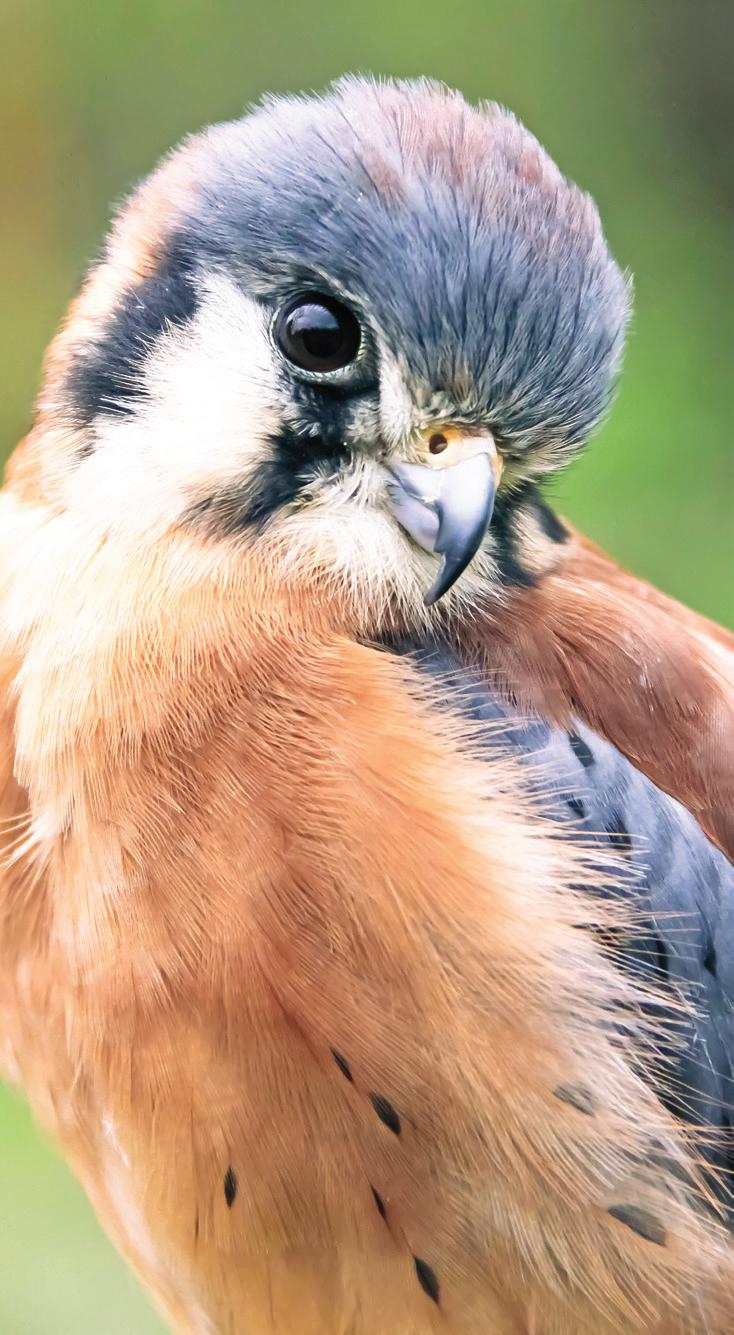
You’ve very likely spotted an American kestrel, the Buckeye State’s smallest falcon; if you’re really lucky, you may see the bird dive, hit the ground feet-first with talons extended, then fly off carrying an unsuspecting victim: insect, mouse, vole, or even another small bird.
More commonly known in years past as sparrow hawks, kestrels measure just a foot or less in body length, but have a wingspan of up to 2 feet, which aids them in their unique hovering style of hunting.
Despite their small size, kestrels possess the same fierce, intense nature of larger falcons, such as the peregrine, which also lives in Ohio. Kestrels, however, are no match for peregrines’ speed. In level flight, peregrines have been clocked at 70 miles per hour, and in a steep dive known as a stoop, they can reach 200 mph — the fastest creature on earth!
What makes a falcon a falcon? In other words, what special characteristics separate falcons from other birds of prey?
“Falcons look like hawks, but they’re not very closely related,” says Kevin McGowan, a native Ohioan and professional ornithologist who works as an avian educator for the Cornell Lab of Ornithology in Ithaca, New York. “Both falcons and hawks are fast-flying daytime predators that capture prey with the strong talons on their feet and rip them up with their sharp
down-curved bills. But falcons are built for speed, with long, pointed wings and long tails. Hawks and eagles have broad, blunt wings that are made for soaring and using updrafts to travel long distances without beating a wing. Falcons can soar a bit, but they prefer to flap their wings, and do it fast, to get where they want to go.”
McGowan says there are other “modifications in design” that set them apart from hawks. “Falcons typically have a dark ‘mustache’ mark on their faces: broad and bold on a peregrine, weaker and thinner on a merlin or gyrfalcon, and small and precise on a kestrel,” he says. “Falcons also have a ‘tomial tooth,’ a notch on the cutting edge of their upper bill that they use to kill their prey by cutting through the spine. They also have a bony tubercle in each nostril that may help them breathe better when traveling at high speeds, kind of like a hood scoop on a fast car.”
Kestrels are the smallest and most numerous falcons not only in Ohio but in all of North America. Yet even though they’re a predator, sometimes the hunter can become the hunted. Kestrels are preyed upon by other raptors, both diurnal and nocturnal: goshawks, redtailed hawks, barn owls, sharp-shinned and Cooper’s hawks, even crows.
Kestrels have played an important part in wildlife conservation history. During the late 20 th century, they were the principal species used to document the accumulation of harmful pesticides in birds of prey. That discovery, in turn, ultimately led to the recovery of the bald eagle population in Ohio and across the U.S.
A little-known fact about kestrels is that they’re avid baseball fans, especially fond of night games. Perching on light poles, foul poles, and other high vantage points surrounding a lighted baseball diamond, the birds seem to enjoy the game like anyone else. Occasionally, they’ll swoop down into the powerful stadium light beams to catch a snack of a moth or other winged insect. Many of those nocturnal hunting flights at ball games have been caught on camera, becoming part of national TV sports coverage — sure beats waiting in line at the concession stand.

If you’re looking for a simple woodworking project — especially an activity that could be shared with a bird-loving, conservation-minded young person — consider building a nesting box for kestrels. The birds are naturally treecavity nesters, but through the years have adapted to also use nest boxes. Ask chip!

W.H. “Chip” Gross is Ohio Cooperative Living’s outdoors editor. Email him with your outdoors questions at whchipgross@gmail. com. Be sure to include “Ask Chip” in the subject of the email. Your question may be answered on www.ohiocoopliving.com!
After more than 50 years, co-op members are still dedicated to educating the next generation of dairy farmers.
Though they also raise corn, soybeans, and hay at Ayars Family Farm in Mechanicsburg, John and Bonnie Ayars are, at their core, dairy farmers.
John’s parents, Jack and Gladys Ayars, started the farm, which they called Land of Living Farm, when they arrived from Kansas after the Dust Bowl. John and Bonnie took over after they married in 1972 and grew it into one of the larger such operations in the state. They’ve been passionate advocates for agriculture in Ohio and beyond ever since.
But it’s not just milk or even the marketing of genetics from their purebred cattle that’s at the heart of the business. From the start, it’s the educational aspect of the farm that appealed to Bonnie and John, who are members of Piqua-based Pioneer Electric Cooperative.
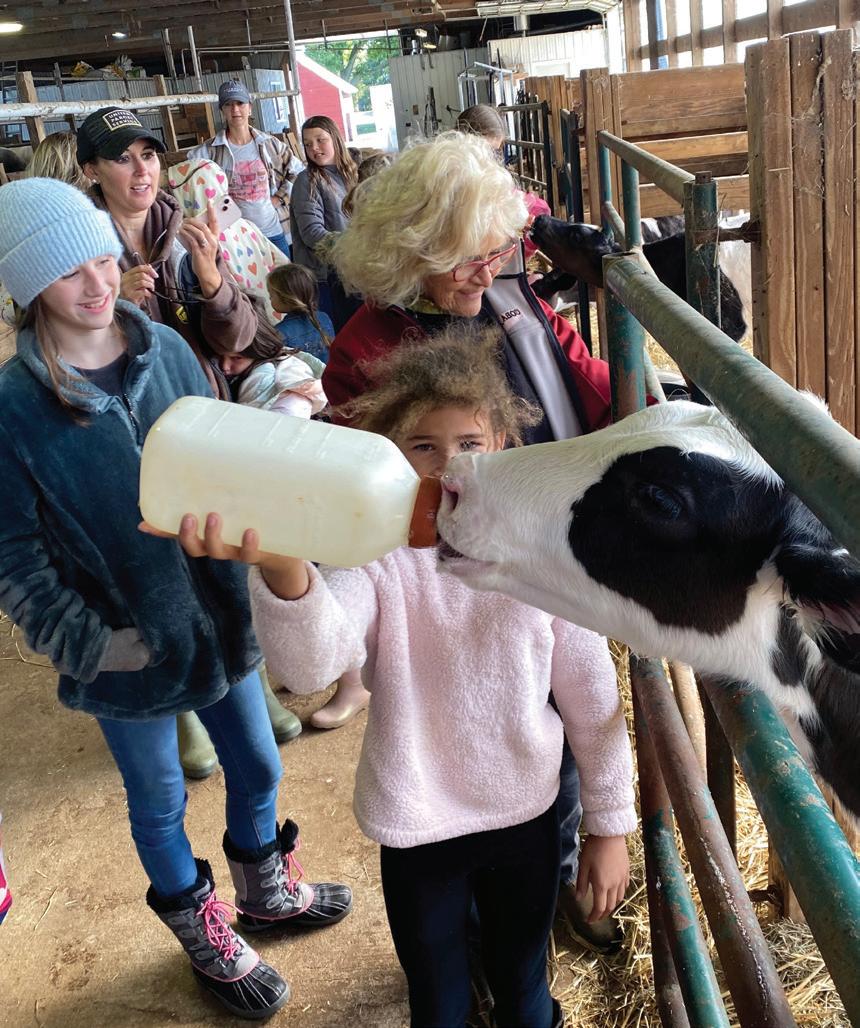
Each summer, the Ayarses welcome hundreds of local elementary school students to the education center they built on the farm.
Visitors get to meet and touch famous cows like Buckeye Bessie, Honeybun, and Bravo. They feed calves, try to milk a cow, and sample ice cream made on the farm.
Bonnie, who graduated from Ohio State, has been a dairy specialist with OSU Extension, where she teaches dairy cattle selection and evaluation courses, since 2006 “I love teaching and being with kids,” she says. “It regenerates you. Nothing will keep you as young as working with kids. It’s a part of my life now and I couldn’t live without it.”
years in breeding and developing one of the nation’s finest Guernsey herds at their farm, which has produced more than 20 national champions. She’s one of only a handful of women to have earned the award. “If I was supposed to find a glass ceiling, I must have missed it,” she says.
John and Bonnie have been honored with the American Guernsey Association’s Distinguished Service Award and are in OSU’s Dairy Science Hall of Service. Bonnie was Ohio Agriculture Woman of the Year in 1993 and the World Dairy Expo Woman of the year in 1994. Along with state and national events, both have judged dairy shows all over the world, including the World Dairy Expo.
That passion for ag education started early. “I was 9 years old the first time I showed a calf at the Ohio State Fair,” Bonnie says. “I coach dairy judging teams and have taught judging classes for 53 years. We have a long history with the Ohio State Fair.”
In fact, the couple was inducted into the Ohio State Fair Hall of Fame in 2011 . The National Dairy Shrine honored Bonnie with its Pioneer Award in 2021 in recognition of her contributions to the dairy industry — noting particularly Bonnie and John’s efforts over the
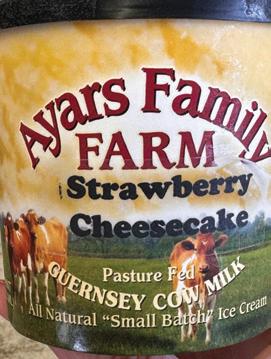
However, it’s John and Bonnie’s youngest son, Lucas Ayars — part of the fifth generation of farmers in the family — who is responsible for the farm’s most widespread recognition outside of the industry. While attending Ohio State University, he developed a capstone project for producing, marketing, and selling homemade ice cream made with the family’s pasture-fed Guernsey cow milk. The family put his plan into action in 2010, and now Ayars Family Farm Ice Cream is sold at more than 30 local markets in western Ohio. Popular flavors include chunky cookie, brownie cow, and buttercup, as well as seasonal favorites such as peaches ’n’ cream in July, Buckeye Bessie in August, and pumpkin in October.
“If you want to be successful on a dairy farm, you can’t focus on the milk alone,” Lucas says. “You must look for ways to use the milk to make high-demand items, like cheese and ice cream — consumers typically eat more milk than they drink.”
Their farm also was the first stop on Luke Bryan’s 2018 Farm Tour, the country music superstar’s concert series to benefit farmers. That show drew more than 20,000 fans to the Ayarses’ hayfield.
Of course, while the Ayars family has experienced success over the years, they have also had their share of hardships as well. “There is good and there is bad in life, and we have walked both paths,” John says. “It makes us stronger and makes us appreciate where we are today. We have come a long way, and we are grateful for it all.”














RECIPES AND PHOTOGRAPHS BY
CATHERINE MURRAY
These mouthwatering mouthfuls will have you dreaming of the beach.
Prep: 15 minutes | Cook: 15 minutes | Servings: 4
A “dressed” po’boy is one topped with shredded lettuce, sliced tomatoes, pickles, and a slathering of remoulade.
¼ cup mayonnaise
1 tablespoon Creole (or coarse ground) mustard
1 tablespoon dill pickle relish (or pickle juice)
1 teaspoon prepared horseradish
1 teaspoon lemon juice hot sauce, to taste
peanut oil for frying
1 cup flour
½ cup fine cornmeal
1 tablespoon Creole or Cajun seasoning
1 teaspoon salt
½ teaspoon pepper
2 eggs
1 pound shrimp, shelled, deveined, tails removed*
4 hoagie rolls, split horizontally
¼ head iceberg lettuce, shredded
3 Roma tomatoes, sliced
¾ cup dill pickle chips (optional)
In a small bowl, mix together mayonnaise through hot sauce; cover and chill.
In a large skillet over medium-high, heat ¼ inch of peanut oil. While it’s heating, mix flour through pepper in a shallow bowl. In a second shallow bowl, thoroughly scramble eggs. Cover a large plate with paper towels. The oil is ready when bubbles form around an inserted wooden spoon or chopstick.
Dredge shrimp through the egg, then coat in flour mixture. In small batches, fry coated shrimp until golden on both sides (2 to 3 minutes). Transfer to paper towels to drain and cool. Once the shrimp is done, slather remoulade on the insides of the rolls, then stack lettuce, tomatoes, pickles (if desired), and fried shrimp on top.
*Small/medium (40/50) shrimp shown. Increase amount of oil and fry time for larger shrimp.
Per serving: 668 calories, 19 grams fat (3 grams saturated fat), 85 grams total carbohydrates, 183 milligrams cholesterol, 1,382 milligrams sodium, 5 grams fiber, 36 grams protein.
Check it out!
See videos of some of our mouth-watering recipes being prepared at
www.ohiocoopliving.com

Prep: 1 hour | Cook: 30 minutes
1 teaspoon plus 2 tablespoons unsalted butter, softened, divided
1 cup sugar
1½ teaspoons cornstarch
½ teaspoon sea salt

2/3 cup light corn syrup
3 tablespoons water
1 teaspoon flavoring*
2 to 4 drops food coloring (optional)
*Use ½ teaspoon of super strength/concentrated candy flavors (such as LorAnn brand) or 1 teaspoon of flavor extracts (such as vanilla) or bakery emulsions.
From a 12-inch-wide roll of wax paper, cut three 30-inch long pieces. Align the sheets so all edges match. Fold stacked sheets in half widthwise, then in thirds lengthwise and in thirds widthwise. Cut along the folds to make 54 candy wrappers. Coat the bottom of a 9x13-inch glass baking dish with 1 teaspoon softened butter. Place in fridge to chill.
In a medium, heavy-bottomed saucepan (triple-ply metal, enameled cast iron, or copper), mix sugar, cornstarch, and salt with a wooden spoon. Place over medium-high heat and stir in the water, corn syrup, and 2 tablespoons butter. Continue stirring with wooden spoon until the mixture begins to boil (about 10 minutes), at which point stop stirring — and don’t stir again!
Use an eye dropper or pastry brush to apply a small amount of water to any sugar that’s crystallized on the sides of the pan above the liquid line. Insert a candy thermometer below the liquid line but not touching the bottom of the pan. Continue to boil mixture undisturbed until it reaches hard-ball stage on the thermometer (260 F), approximately 10 to 20 minutes; immediately remove pan from the heat.
Once cooled to 240 F or below, stir in flavoring and food coloring. Place chilled baking dish on a heat-proof surface and pour hot taffy into it. Lightly touch surface of taffy every few minutes until it’s cool enough to comfortably hold. Grease hands with butter and peel taffy away from dish. With hands over the baking dish, begin pulling taffy, stretching it with both hands, then folding it back into itself for 10 to 15 minutes. As air is worked into the taffy, it will expand, turn opaque, and become lighter in color. When taffy is no longer stringy, the color is uniform and shiny, and it becomes difficult to pull, press it into one seamless oblong piece. (If folds are still visible, place taffy in a lightly greased airtight container for 20 minutes or until the seams disappear.)
Lightly coat a large work surface and cutting utensil (bench scraper, knife, or kitchen scissors) with nonstick spray. Cut taffy into 4 pieces widthwise. Wrap 3 of them in wax paper and set aside. Roll and stretch remaining piece to approximately ½ inch in diameter, then cut into 1½-inch-long pieces. Place each piece in the center of a cut of wax paper, bring the bottom edge up and over taffy, then pinch and roll up into a cylinder. Pick up with one finger on the seam and twist each end closed. Repeat with remaining pieces. Store in an airtight container at room temperature for up to 2 weeks.
Makes about 50 pieces of taffy. Per piece: 32 calories, 0.5 gram fat (0 grams saturated fat), 7 grams total carbohydrates, 1 milligram cholesterol, 17 milligrams sodium, 0 grams fiber, 0 grams protein.


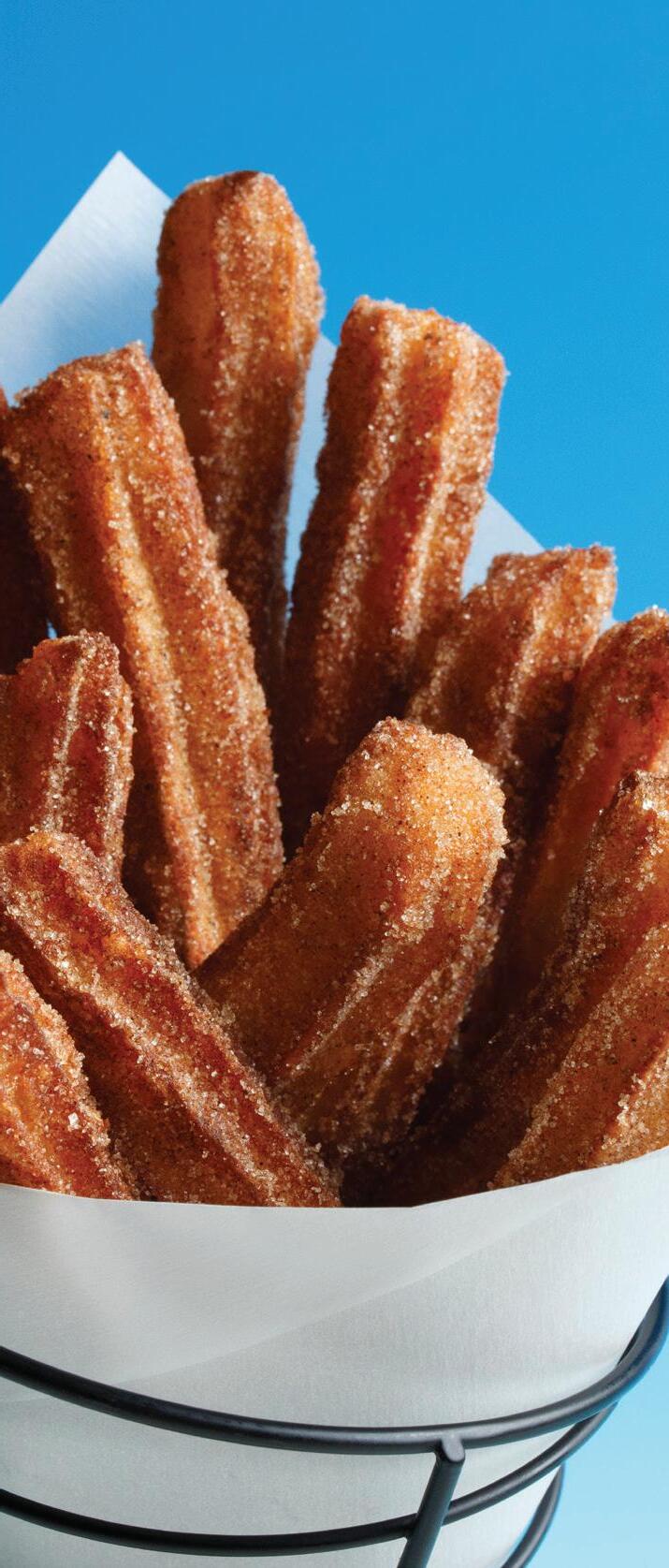

Prep: 30 minutes | Cook: 25 minutes
1 tablespoon cinnamon
½ cup + 2 tablespoons sugar, divided
5 tablespoons unsalted butter
1 cup water
1 teaspoon salt
In a small baking dish, mix cinnamon with the ½ cup of sugar. In a medium saucepan over medium heat, bring the 2 tablespoons sugar, butter, water, and salt to a boil, then stir in vanilla. Remove from heat and add flour; stir with a wooden spoon until dough pulls away from the sides of the pan. Transfer to a mixer bowl and allow to cool to below 125 F.
Meanwhile, in a wide, deep, heavy-bottomed skillet over medium heat, bring an inch or so of vegetable oil to 350 F. (When it’s time for frying, consider recruiting an assistant.) Line a baking tray with paper towels and another baking tray with a cooling rack. Using a mixer with paddle attachment, incorporate one egg, then the second; scrape sides of bowl and mix once more. Transfer dough into a sturdy piping bag (reusable silicone, heavyweight bag with liner,
1 teaspoon vanilla
1 cup flour
2 large eggs
vegetable oil for frying
or cookie press) and a 3/8-inch open star tip. (Adjust frying time if using a larger or smaller piping tip.)
Pipe churros directly into the hot oil, using scissors to cut the batter in 4- to 5-inch pieces. Fry 3 to 4 churros at a time until golden brown (about 1 minute per side), using heatproof tongs to keep them from touching; flip and remove from the oil. Let drip for a second over the skillet, then immediately roll across paper towels and transfer to the cinnamon-sugar mixture. Use a spoon and/or separate set of tongs to coat in sugar and transfer to the cooling rack. Repeat with remaining dough. Churros can be stored in an airtight container at room temperature for a day or refrigerated for 3 days and reheated in the oven at 375 F for 4 to 6 minutes to revive crispy texture.
Makes about 35 churros. Per piece: 48 calories, 2 grams fat (1 gram saturated fat), 7 grams total carbohydrates, 15 milligrams cholesterol, 71 milligrams sodium, 0 grams fiber, 1 gram protein.
Prep: 20 minutes | Chill: 1 hour | Cook: 12 minutes | Servings: 6 crab cakes
¼ cup mayonnaise
4 sprigs fresh parsley, minced
1 large egg
1 tablespoon Dijon mustard
1 teaspoon Old Bay seasoning
In a large bowl, mix mayonnaise, parsley, egg, mustard, Old Bay, and pepper. Gently fold in crab meat and breadcrumbs. Line a baking tray with a silicone mat or parchment paper. Press mixture into 6 equal-sized patties and transfer them to the lined tray. Cover and refrigerate for an hour.
Set a large plate covered with a double layer of paper towels next to the stove. Pour about half an inch of oil into a large, deep, and heavybottom skillet over medium-high. Heat until the oil sizzles when a bread crumb is dropped into it. Using a heat-safe spatula, lower 3 crab cakes into the oil, one at a time. Cook until medium golden brown, about 3 minutes per side. (Tip: Use one spatula to scoop the crab cakes out
pinch of black pepper
18 ounces canned lump crab meat, drained*
½ cup panko breadcrumbs
¼ cup canola oil (or other neutral oil) lemon slices and tartar sauce for serving
of the oil and place a second spatula on top, then flip both spatulas over so the top spatula catches the crab cake. Use the now-empty spatula to nudge the crab cake into the oil.)
Repeat with remaining crab cakes. Serve with lemon slices and tartar sauce. To freeze, let cool to room temperature, then stack in an airtight container with wax sheets separating them. Store 4 to 6 months. Thaw in fridge overnight, then reheat crab cakes at 350 F for 8 to 10 minutes until warmed through.
*The amount of salt in canned crab meat varies between brands. Bumble Bee Lump Crabmeat (which contains 30% of the recommended daily value of sodium per serving) was used to test this recipe. You may need to add more salt.
Per serving: 225 calories, 17 grams fat (2 grams saturated fat), 4 grams total carbohydrates, 91 milligrams cholesterol, 534 milligrams sodium, 0 grams fiber, 13 grams protein.


Conserving electricity during peak energy use times not only lowers your monthly bill — it can benefit our entire community.
“Peak times” refer to periods of the day when the demand for electricity is highest. Think early mornings when people are getting ready for work or school and evenings when families return home, cook dinner, and unwind with electronics. When everyone uses energy at once, it adds pressure on the electric grid.
It’s basic supply and demand. When demand increases, price increases. By controlling your demand during the high-use periods, you help control the price.
Midwest Electric and Buckeye Power Inc., our wholesale power provider, work around the clock to ensure that electricity flows to your home whenever you need it. Behind the scenes, an enormous and intricate system is at work — one of the most complex machines in the world: the U.S. power grid. The grid is made up of three major interconnections that span the country, each managing supply and demand through regional authorities to keep the lights on and our economy running smoothly.
Electricity comes from a diverse mix of sources — hydropower, natural gas, coal, solar, wind, and more. Some power plants can respond quickly to spikes in demand, while others are less flexible. Once energy is generated, it travels through high-voltage transmission lines to local utilities, like Midwest Electric, which then deliver it to your home or business through distribution power lines.
When electricity demand surges during peak times, it’s more expensive to generate or purchase power. If supply can’t keep up, the risk of outages increases. That’s why
using less energy during peak hours is more important than ever. It not only eases strain on the grid but also helps you save money.
So how can you “beat the peak”? Start by adjusting your thermostat a few degrees closer to the outside temperature during peak hours. Smart thermostats can automate this for you. Delay using energy-hungry appliances like ovens, clothes washers and dryers, and dishwashers until later in the evening. Charging your electric vehicle overnight instead of right after you get home can also help.
Small actions taken by many households can lead to big results. When we all work together to reduce energy use during peak times, we protect our power grid, help control costs and ensure reliable electricity for our communities.

Be sure to follow us on social media for your chance to win a $25 bill credit when we issue a peak alert!
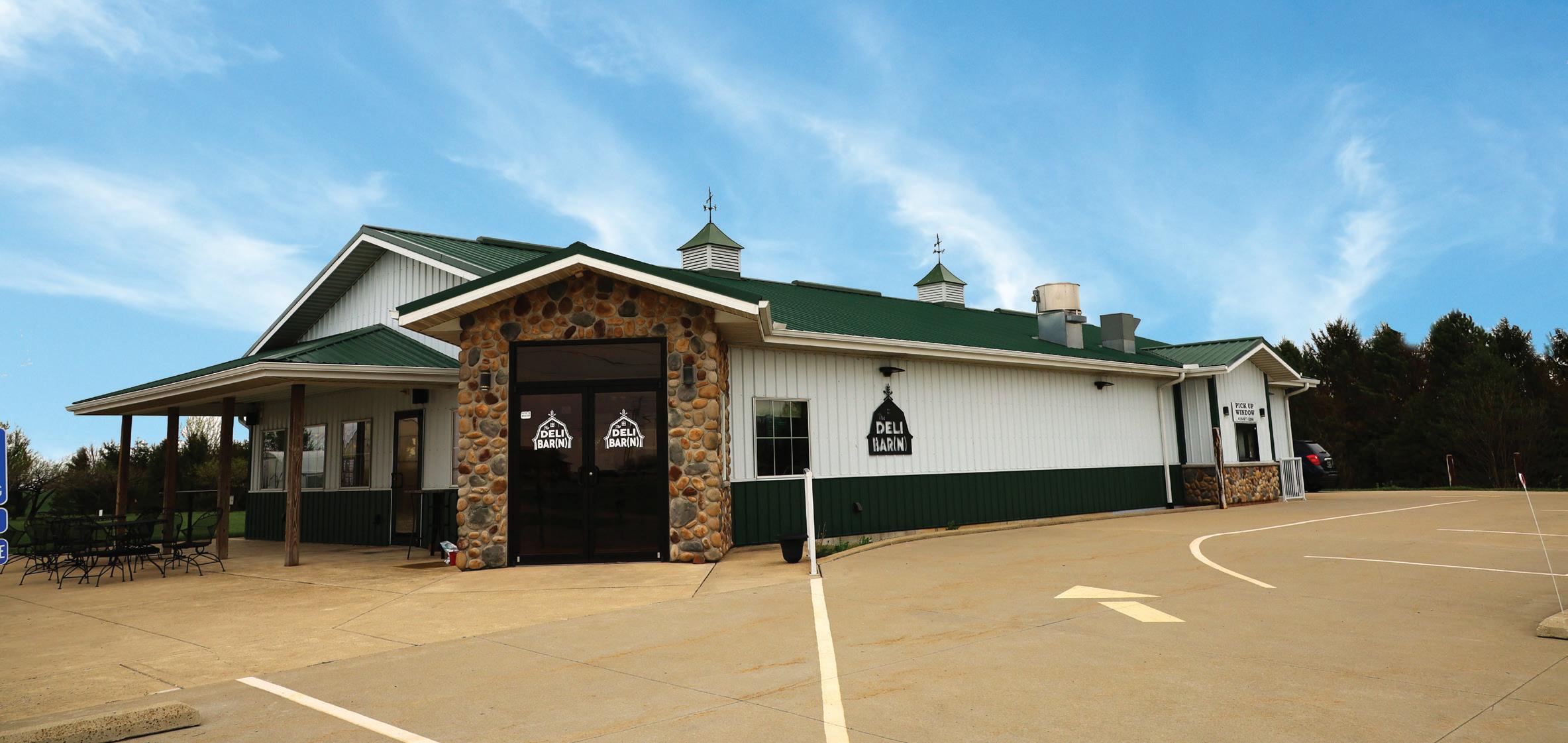


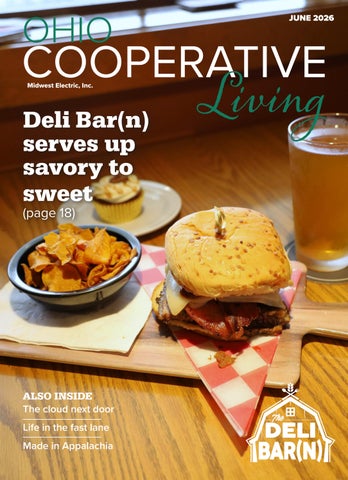
n a time when convenience often takes priority over quality, one local business is proving that doing things the old-school way still matters and still tastes better.
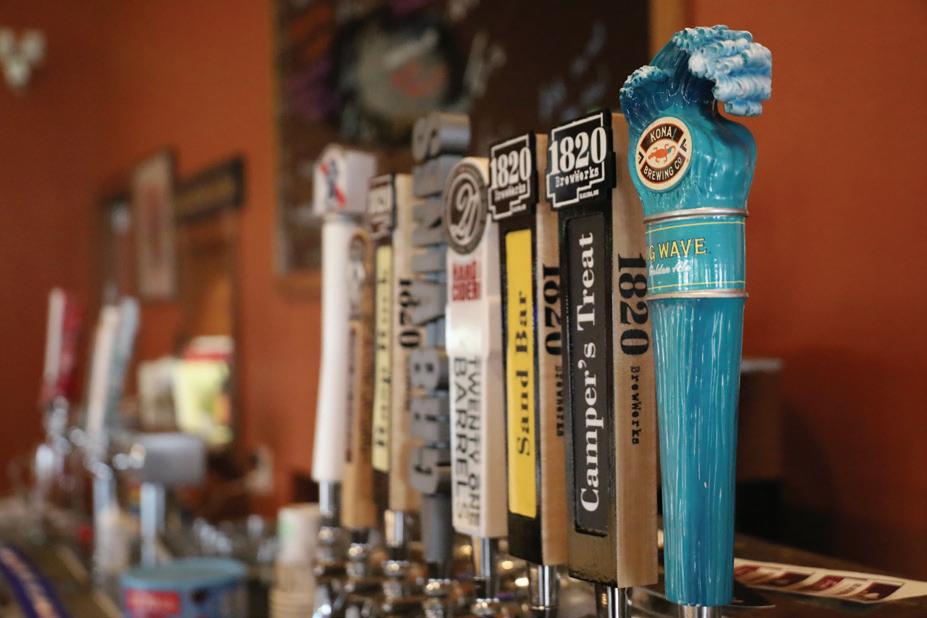
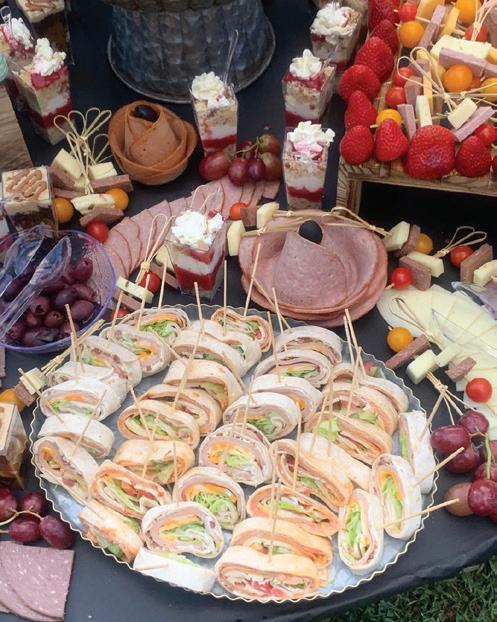
At The Deli Barn in New Bremen, smoked meats, scratch-made pizzas, and homemade baked goods aren’t just menu items; they’re a reflection of family tradition, thoughtful ingredients, and a commitment to serving the community well.
For owner and Midwest Electric Member Adam Smith, the journey to opening The Deli Barn didn’t begin as a business plan. It started at home.
“My family has been butchering our own animals for generations,” Smith says. “Growing up, our freezers were always full. The one thing we still bought from the store was deli meat and snack sticks.” That changed as his own family grew.
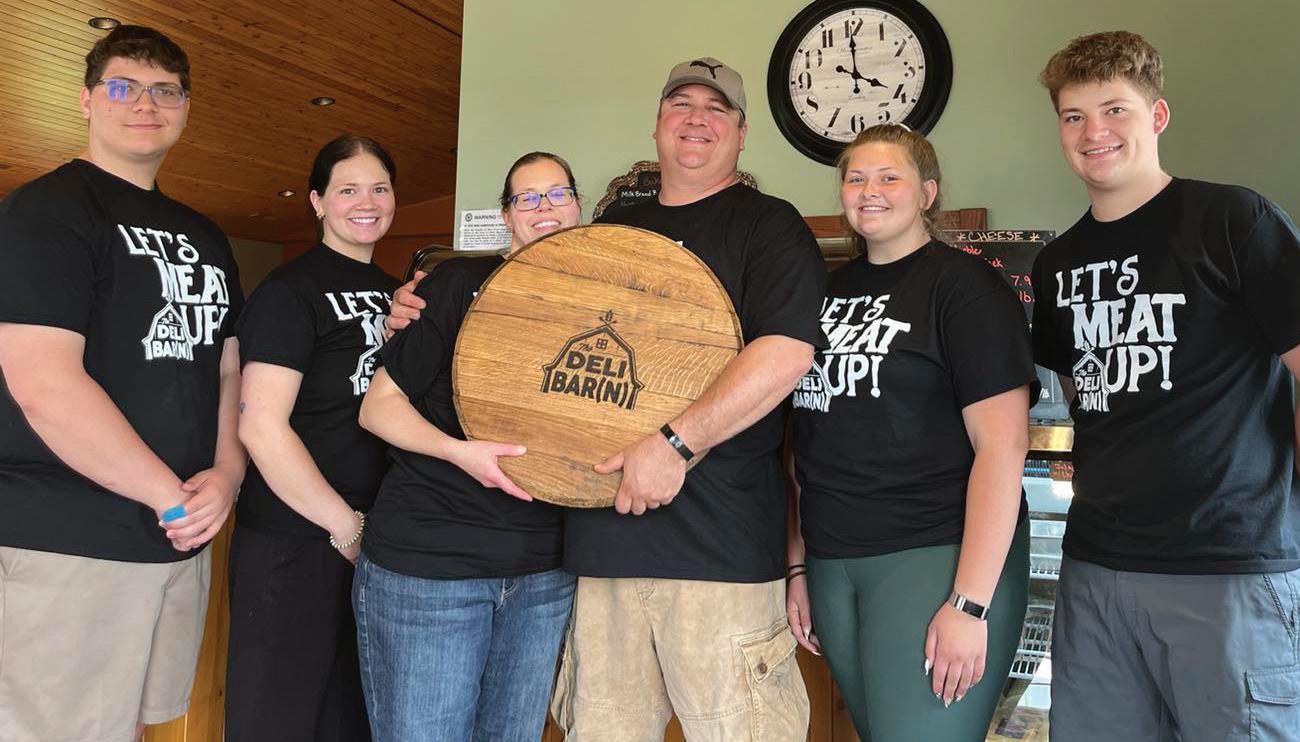
“As our kids started eating more and more deli meat, I began paying closer attention to the ingredients in storebought products and I didn’t love what I saw,” he said. “That’s what pushed me to try making my own.”
What started with summer sausage quickly evolved into something more. Smith began smoking deli meats like
turkey, chicken, and roast beef, focusing on simple, highquality ingredients without artificial preservatives.
“It really became a passion,” he said. “We wanted something we felt good about feeding our own family.”
That passion didn’t go unnoticed. Friends and family consistently encouraged Smith to share his products more widely, and in the summer of 2022, he and his wife, Karen, decided to give it a try.
They started at farmers markets and local events, and the response was overwhelmingly positive. “That’s when we realized we might be onto something,” Smith says.
The couple soon began searching for a permanent space, eventually landing in their current location on Southland Road, a building formerly known as the Green Thumb and owned by Ned and Sherry Warner. With strong support from the Warners, The Deli Barn found its home and quickly became a place the community embraced.
Today, the shop offers a wide variety of house-made and locally sourced products, all centered around quality and transparency.
At the core of what they do are eight varieties of smoked deli meats, all made in-house without artificial preservatives. These include hickory smoked chicken and turkey, applewood smoked ham, hickory smoked roast beef, old-fashioned bologna, spicy bologna, Cajun chicken, and BBQ pork.
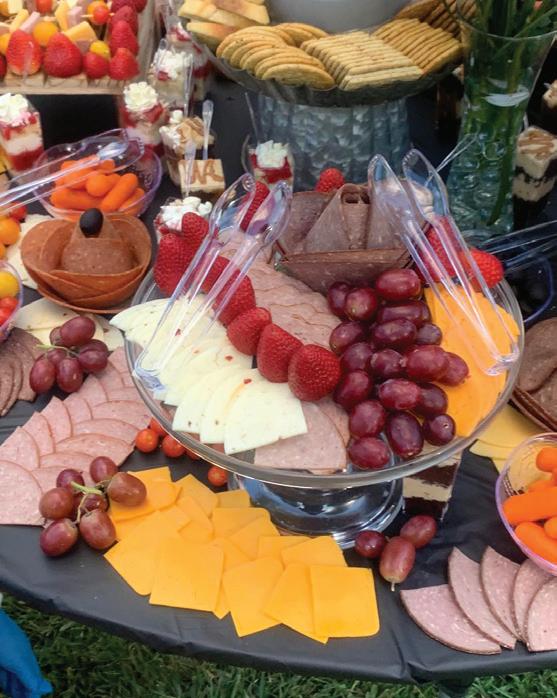
“We’re not saying deli meat is a health food,” Smith says, “but we do believe ours is a cleaner, better option.” That focus comes from personal experience. “For us, it hit
close to home — one of our kids could easily go through an entire pack of deli meat in one sitting,” he says. “We wanted a better option for our family.”

In addition to deli meats, The Deli Barn also offers smoked brisket, turkey breast, chicken breast, and a variety of sausages, all smoked in house. Due to smoker capacity, some items currently require advance notice, though expanding that availability is a goal for the future. Their scratch-dough pizza has also become a customer favorite. Made using flour from His Saving Grains, the dough went through extensive trial and error before reaching the final recipe. The same attention was given to developing a gluten-free crust made in house.



On the bakery side, it’s truly a family operation. The Smiths’ daughter, Maddie, runs the baking business under the name “Mad Sweets,” offering a variety of desserts, including glutenfree and dairy-free options. Her cinnamon rolls and rotating monthly cupcake flavors have become customer favorites, along with custom orders for weddings, parties, and special events.
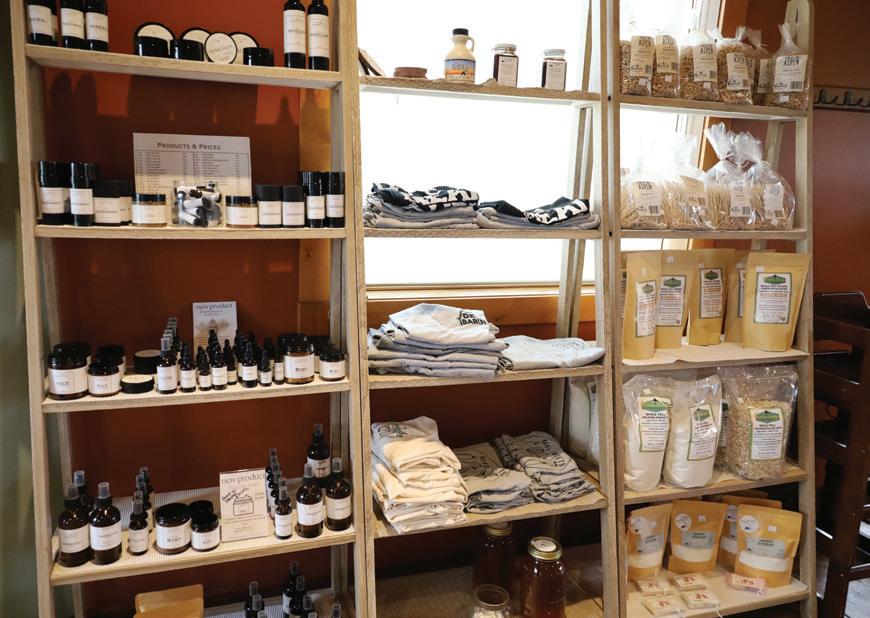
Beyond the food, The Deli Barn reflects a strong commitment to supporting other local producers. The shop carries items like local honey from Boone’s Bees, maple syrup from Steinview Farms, products from His Saving Grains, toxin-free detergents from Rindler Homestead, and goods from Tallow & More.
For Smith, the most rewarding part of the journey has been the people. “Doing this has allowed us to build so many great relationships with people we may have never met otherwise,” he says. “We’re incredibly grateful for the support from our community.”
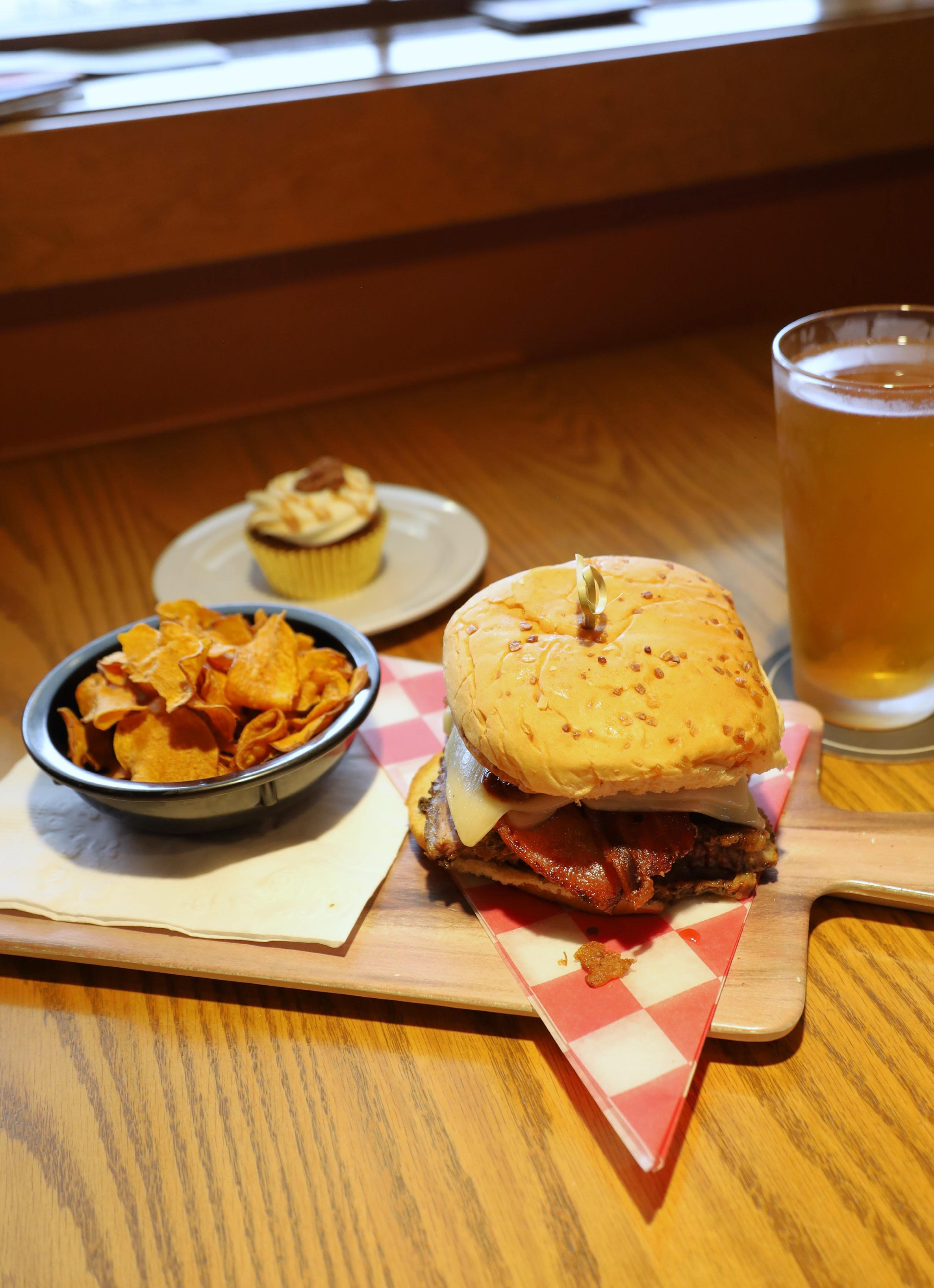
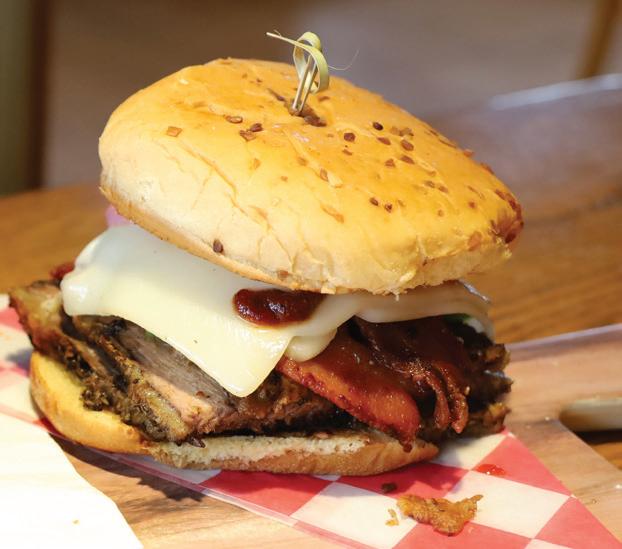
Among the many menu items, one stands out for both its popularity and meaning. The “Big Wendy” sandwich — made with house-smoked brisket and bacon, sautéed bell peppers, Swiss cheese, pickled onions, and both spicy and white barbecue sauces on an onion bun — was created in honor of a close friend. “It’s been a big hit and means a lot to us personally,” Smith says.
Looking ahead, the Smith family is focused on continuing to grow while staying true to their roots.
Plans include investing in a larger smoker to make smoked meats more readily available, as well as exploring the addition of a food truck to reach more people at fairs, festivals, and community events.
Overall, the goal is simple: expand access to what they offer without sacrificing the quality and approach that define their business.
The Deli Barn is currently open Wednesday from 11 a.m. to 8 p.m., Thursday and Friday from 11 a.m. to 10 p.m., and Saturday from 8 a.m. to 10 p.m., with plans to expand hours in the future.
Located at 4057 Southland Road in New Bremen, The Deli Barn continues to grow through a focus on quality, transparency, and community support.
Thanks to the 90 % of members who round up their electric bills and donate to this fund, Midwest Electric has donated more than $1 .4 million to more than 1 , 300 local charitable causes since 1998 . The latest CCF grant recipients include:
• St. Marys Club Soccer, Auglaize County; $800 to purchase jerseys, soccer balls, and training equipment.
• New Knoxville Firefighters Association, Auglaize County; $1,000 to purchase head sets for portable radios.
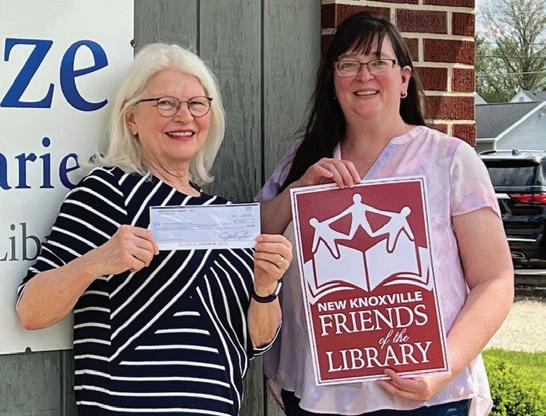
• New Knoxville Friends of the Library, Auglaize County; $665 to purchase an LED sign.
• JTD Hospital Foundation, Auglaize County; $500 to support the Parkinsons Support Group.
• St. Marys Art Center, Auglaize County; $1,000 for building improvements at the Art Center.
• Otterbein Senior Life St. Marys, Auglaize County; $500 for the Oakwood Center building renovation.
• Rehabilitation Center for Neurological Development, Shelby County; $500 for neurological training equipment.
• Auglaize County Crisis Center; $1,200 for building repairs at the crisis center.
• Auglaize County Public District Library; $1,000 for the library experience pass program.
• Wapakoneta Police Department, Auglaize County; $500 for the National Night Out event.
• Wapakoneta High School Post Prom, Auglaize County; $200 to provide a safe after-prom for high school students.
• VentureLINX, Mercer County; $500 for the adult day program.
• Shanes Crossing Historical Society, Mercer County; $665 for a new building.
• Coldwater After Prom Committee, Mercer County; $100 to provide a safe after-prom for high school students.
• Van Wert County 4-H Council; $650 to purchase a commercial-grade ice shaver.
• Van Wert Area Preforming Arts Foundation; $500 for the Art Education Program.
• YMCA of Van Wert County; $500 for a playground area at Camp Clay.
• Wassenberg Art Center, Van Wert County; $600 to purchase dies for the clay extruder.
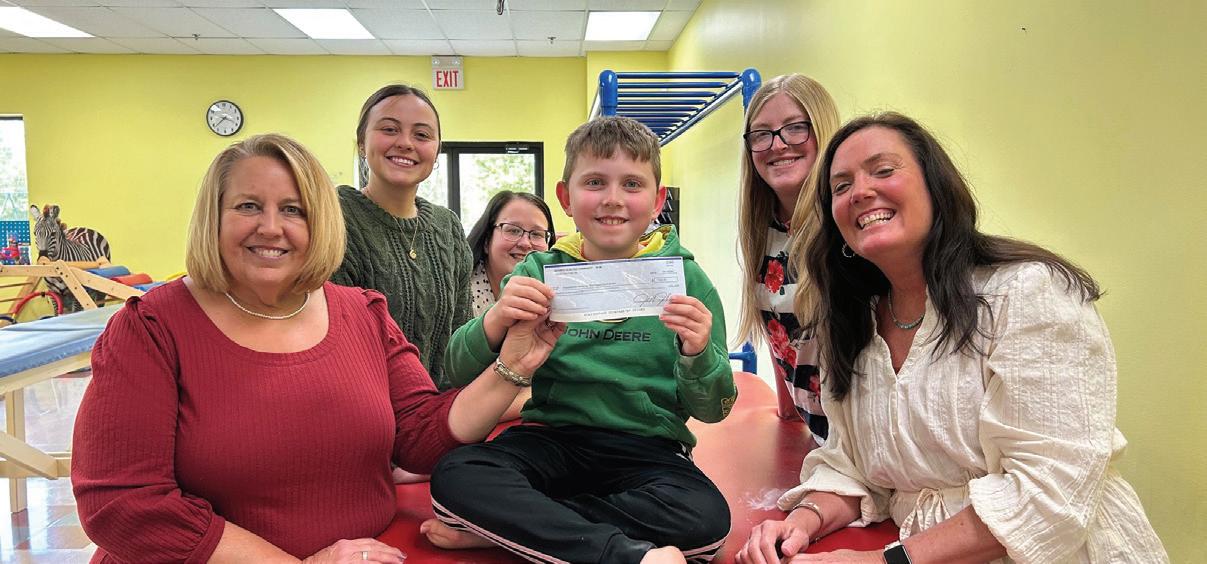
• Lima Area Tennis Association, Allen County; $250 to support the summer tennis camp.
• Delphos Journey Baseball Association, Allen County; $400 for uniforms, equipment, and tournament fees.
• Invincible Fire Company, Allen County; $1,000 to purchase equipment for the rope rescue team.
• Spencerville Pool Funding Committee, Allen County; $750 for pool renovations.
• Branches, LLC, Allen County; $1,000 to assist low-income, low-resource individuals in navigating through the social security system.
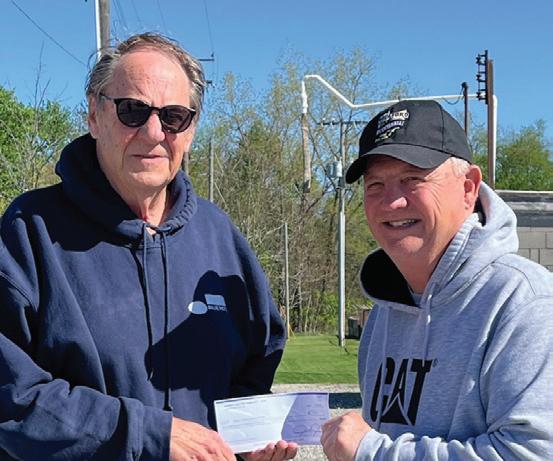
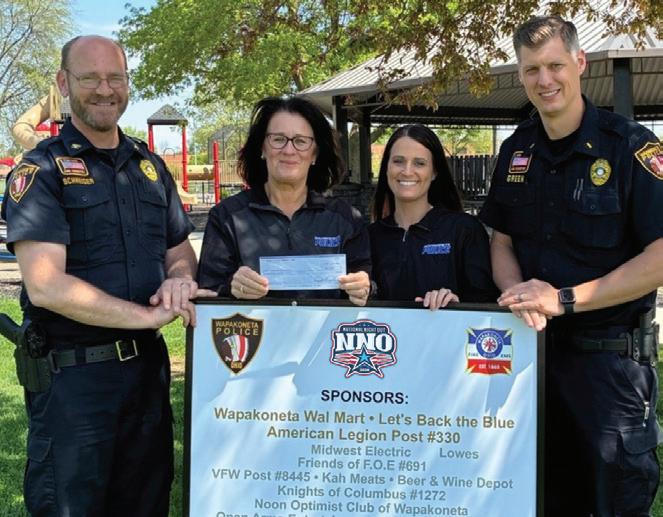
• Crossroads Crisis Center, Allen County; $500 to support victims of domestic violence.
• Swiss Community Historical Society, Allen County; $500 to support an exhibit at the Swiss Heritage Center
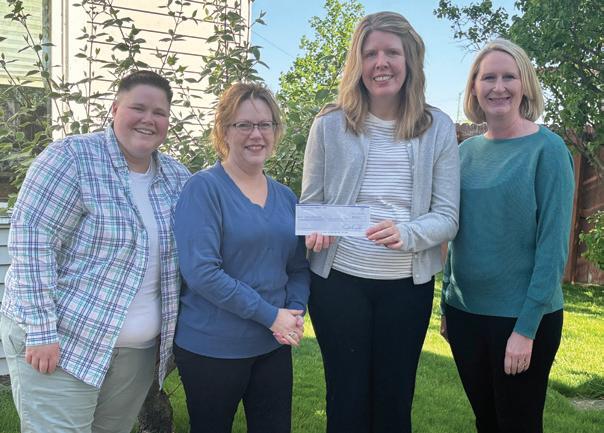
Individuals or organizations can obtain an application by contacting Midwest Electric at 419-394-4110 or visiting midwestrec.com/communityconnection-fund.
For more photos of each recipient, check out Midwest’s Facebook page.

s temperatures rise and air conditioners start working overtime, summer can bring higher energy bills for many households. The good news?
A few simple adjustments can go a long way in keeping your home comfortable while using less energy. Here are some practical summer energy-saving tips to help you stay cool and save money.
Start with your thermostat

One of the easiest ways to reduce energy use is by adjusting your thermostat. Setting it a few degrees higher when you’re away from home can significantly cut cooling costs. Consider installing a programmable or smart thermostat to automatically adjust temperatures based on your schedule.
Use fans to your advantage
Ceiling fans and portable fans can help circulate air and make rooms feel cooler, allowing you to raise the thermostat without sacrificing comfort. Just remember — fans cool people, not rooms — so turn them off when you leave.
Seal in the cool air
Air leaks around windows and doors can let cool air escape and warm air creep in. Check for drafts and seal gaps with weatherstripping or caulk to keep your home more energy efficient.
Don’t forget about insulation — your home’s first line of defense against summer heat. Proper attic insulation helps prevent hot air from building up and radiating down into your living space, while well-insulated walls keep outdoor heat from seeping indoors. If your home is under-insulated, adding insulation can make a noticeable difference in comfort and energy savings year-round.
Block out the heat
Sunlight streaming through windows can quickly heat up your home. Close blinds, curtains, or shades during the hottest parts of the day — especially on south- and west-facing windows — to reduce indoor temperatures.
Your air conditioner works best when it’s well maintained. Change or clean filters regularly, keep outdoor units free of debris, and schedule routine maintenance to ensure peak performance.
Appliances like ovens, stoves, and dryers can add extra heat to your home. Try grilling outside, using a microwave, or running appliances during cooler evening hours.
Upgrade to energy-efficient lighting
Traditional incandescent bulbs generate heat and use more energy. Switching to LED lighting not only reduces energy use but also helps keep your home cooler.
Take advantage of natural ventilation
On cooler mornings and evenings, open windows to let fresh air circulate through your home. This can reduce the need for air conditioning during milder parts of the day.
If you’re ready to invest a bit more, upgrading insulation, installing energy-efficient windows, or replacing an older HVAC system with a high-efficiency model or even a ductless system for smaller spaces can provide lasting savings.
By making small changes and being mindful of your energy use, you can stay comfortable all summer long without seeing a spike in your electric bill. Energy efficiency isn’t just good for your wallet — it’s good for the environment, too.

We offer rebates for all types of energyefficiency upgrades, appliances, and water heaters. Visit www.midwestrec.com/ rebates to learn more and see how much you can save.
Midwest Electric is proud to provide members with reliable electricity at historically stable rates. Our members can power their lives for an average cost of just $7 per day!

For just $1, our members can:




Learn more about the value of your membership at www.midwestrec.com/membershipvalue
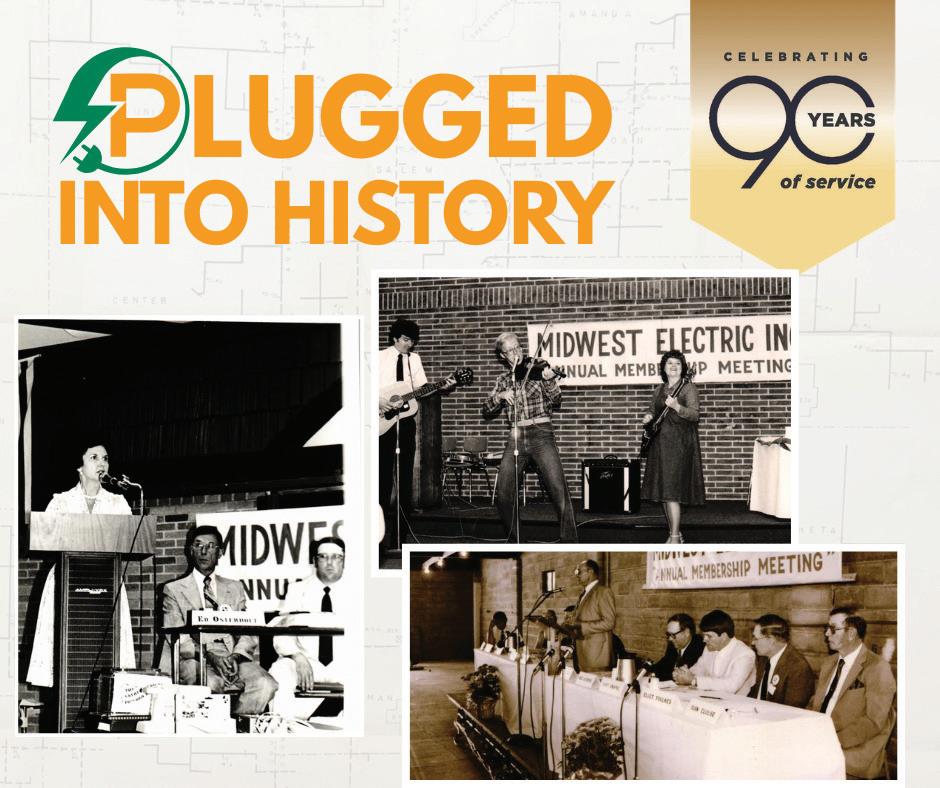
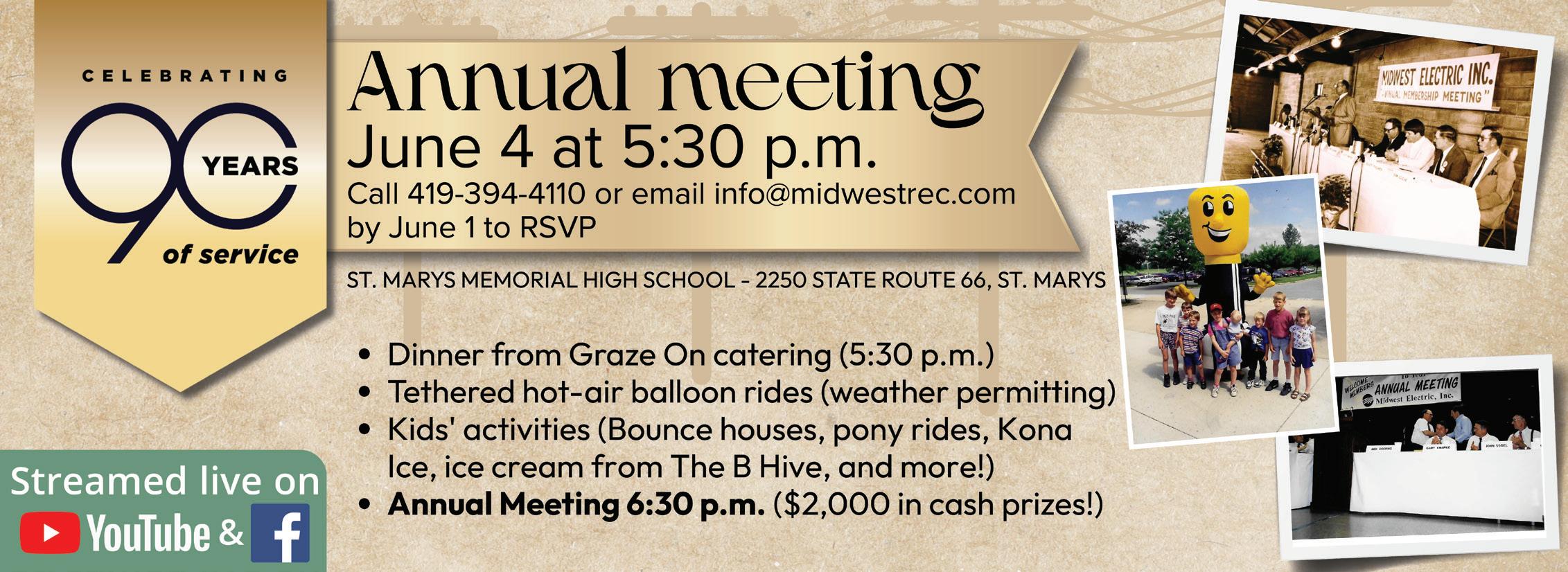
Our annual meeting has long been a time to come together, connect, and celebrate our cooperative. These photos take us back to earlier days — with guest speakers, entertainment, and members gathering to be part of something bigger than themselves. It’s a tradition rooted in community and the cooperative spirit.
While some things have changed over the years, the purpose remains the same: keeping our members informed, involved, and at the heart of everything we do.
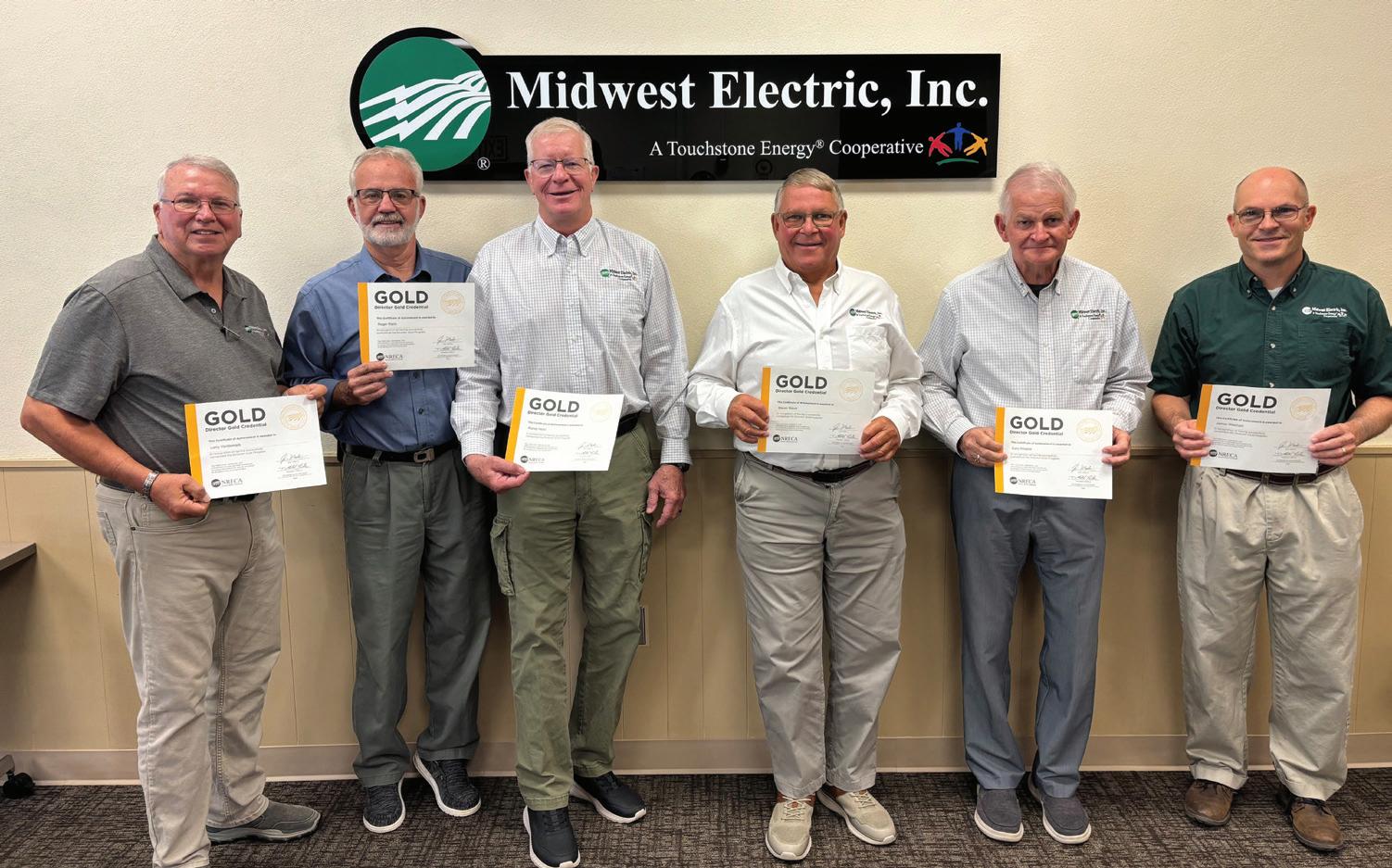
Trustees James Wiechart, Randy Heinl, Larry Vandemark, Steve Bauer, Gary Knapke, and Roger Rank have all earned the prestigious Director Gold Credential from the National Rural Electric Cooperative Association.
As the energy industry continues to evolve, today’s electric cooperative trustees are called to stay ahead of new regulations, emerging technologies, and shifting governance expectations. That means building a deeper understanding of the electric utility business while strengthening leadership and cooperative governance skills. Midwest Electric remains committed to supporting that growth through our statewide association — Ohio’s Electric Cooperatives — as well as through national programs offered by NRECA, all for the benefit of our members.
The Director Gold Credential is awarded to trustees who have already completed both the Credentialed Cooperative Director Certificate and the Board Leadership Certificate, and who choose to continue expanding their expertise throughout their board service.
“The Director Gold credential reflects a trustee’s dedication to going beyond the foundational CCD and BLC programs,” says James Wiechart, Midwest Electric Board of Trustees Chairman. “It represents a commitment to lifelong learning and signals to our members that these trustees are serious about strengthening their leadership skills and fulfilling their fiduciary responsibilities at the highest level.”
To earn the DGC, trustees must first complete the CCD and BLC programs and then obtain three additional credits from the BLC course series. Unlike the CCD and BLC certifications, the Director Gold Credential also requires ongoing continuing education every two years to maintain the designation.
Congratulations to these trustees for their continued dedication to professional development and to serving the members of Midwest Electric with excellence.
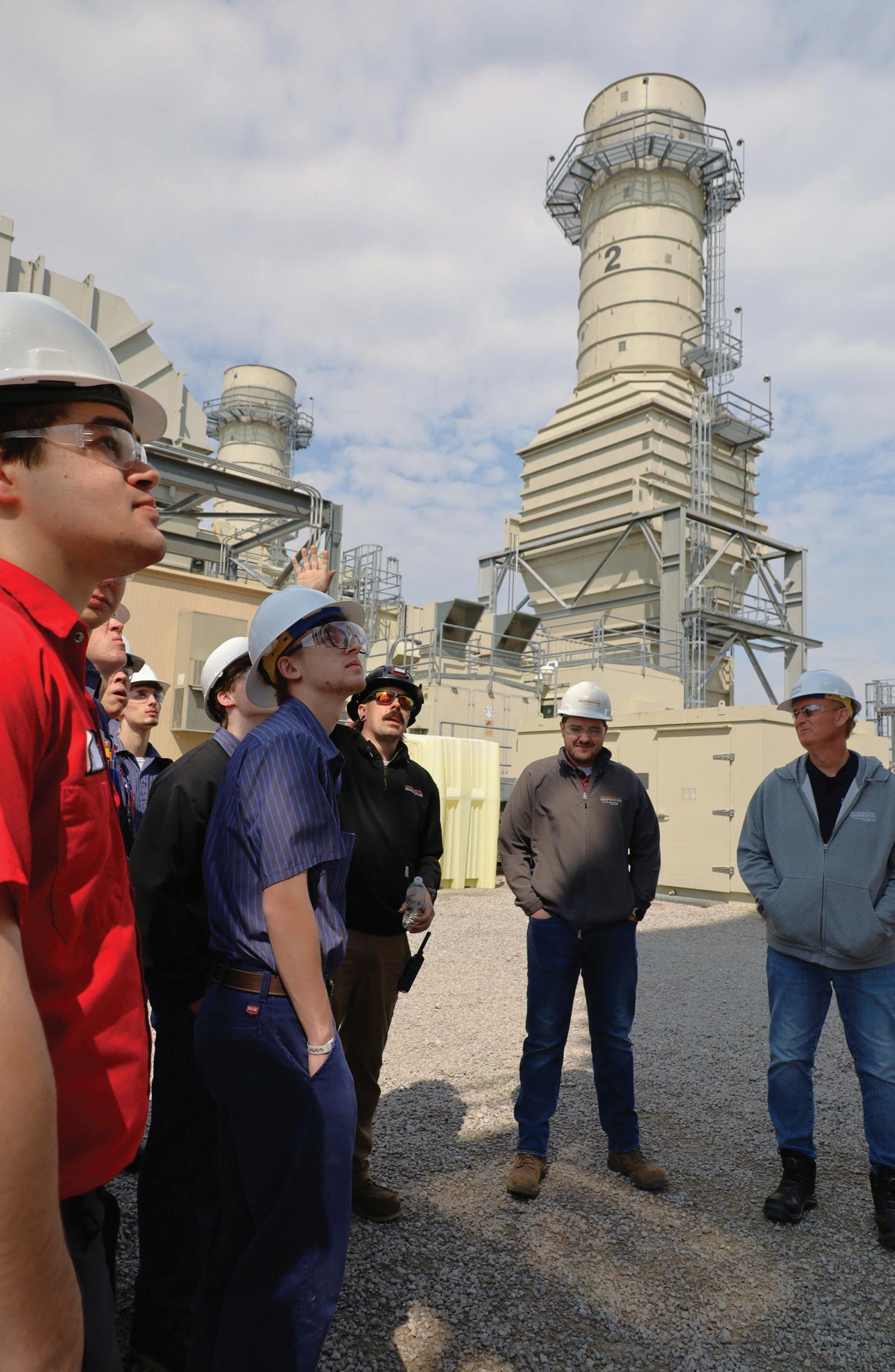
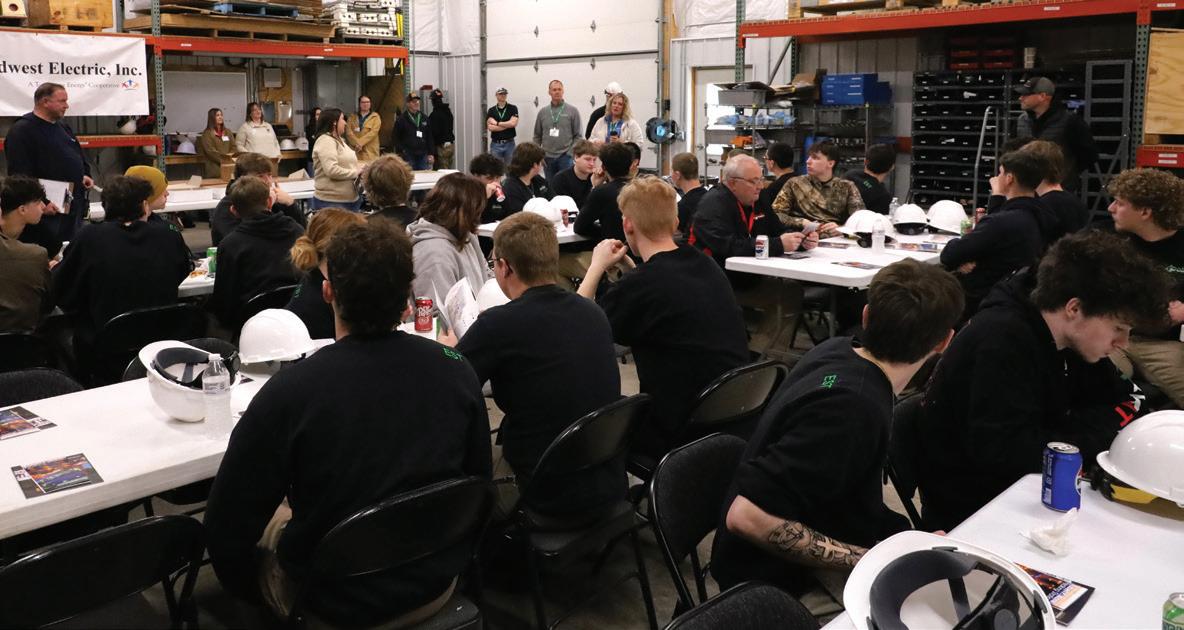
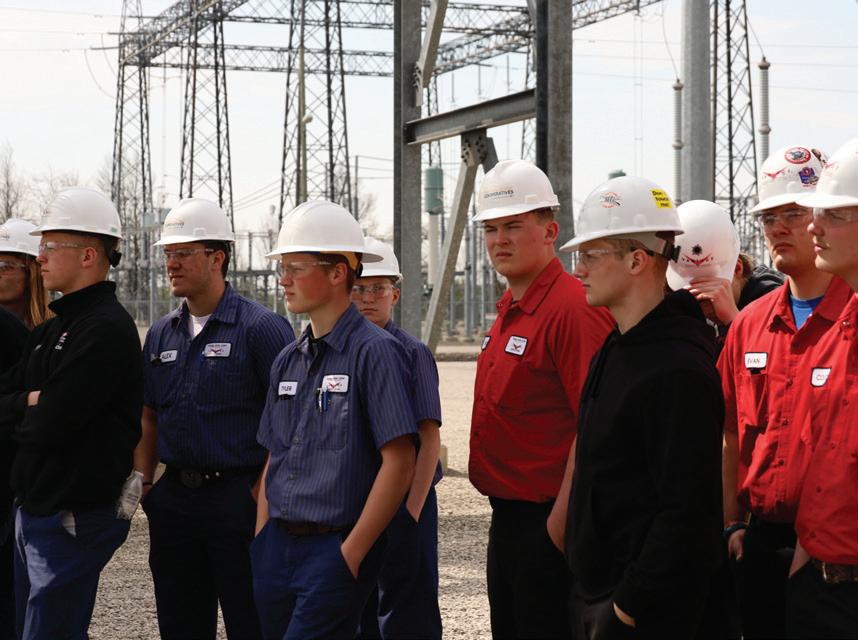
The future of the regional power grid looks bright — and exceptionally well-trained. Recently, 107 aspiring electrical professionals from Apollo Career Center and Vantage Career Center traded their classrooms for a front-row seat at the Robert P. Mone Peak Power Generation Plant just outside of Convoy.
The visit provided a massive scale-up from the lab benches where these students usually hone their skills. With 40 students from Apollo and 67 from Vantage in attendance, the facility saw a surge of young talent eager to see how foundational electrical principles translate into industrial-scale power generation.
As a natural gas peaking plant, the Mone facility is a critical powerhouse for the region, generating 510 megawatts of capacity during periods of peak demand. To put that in perspective, the plant’s three massive turbines are capable of providing power to approximately 300,000 homes.
For students specializing in electrical engineering and construction, the experience was more than just a field trip; it was a deep dive into the heart of the energy sector. Guided by Mone operators and engineers, the groups explored the complex infrastructure and sophisticated monitoring systems required to keep the regional grid stable and the lights on for thousands of residents.
James



From primitive to luxurious, an overnight stay in a yurt can offer an experience for anyone.
BY JAMIE RHEIN
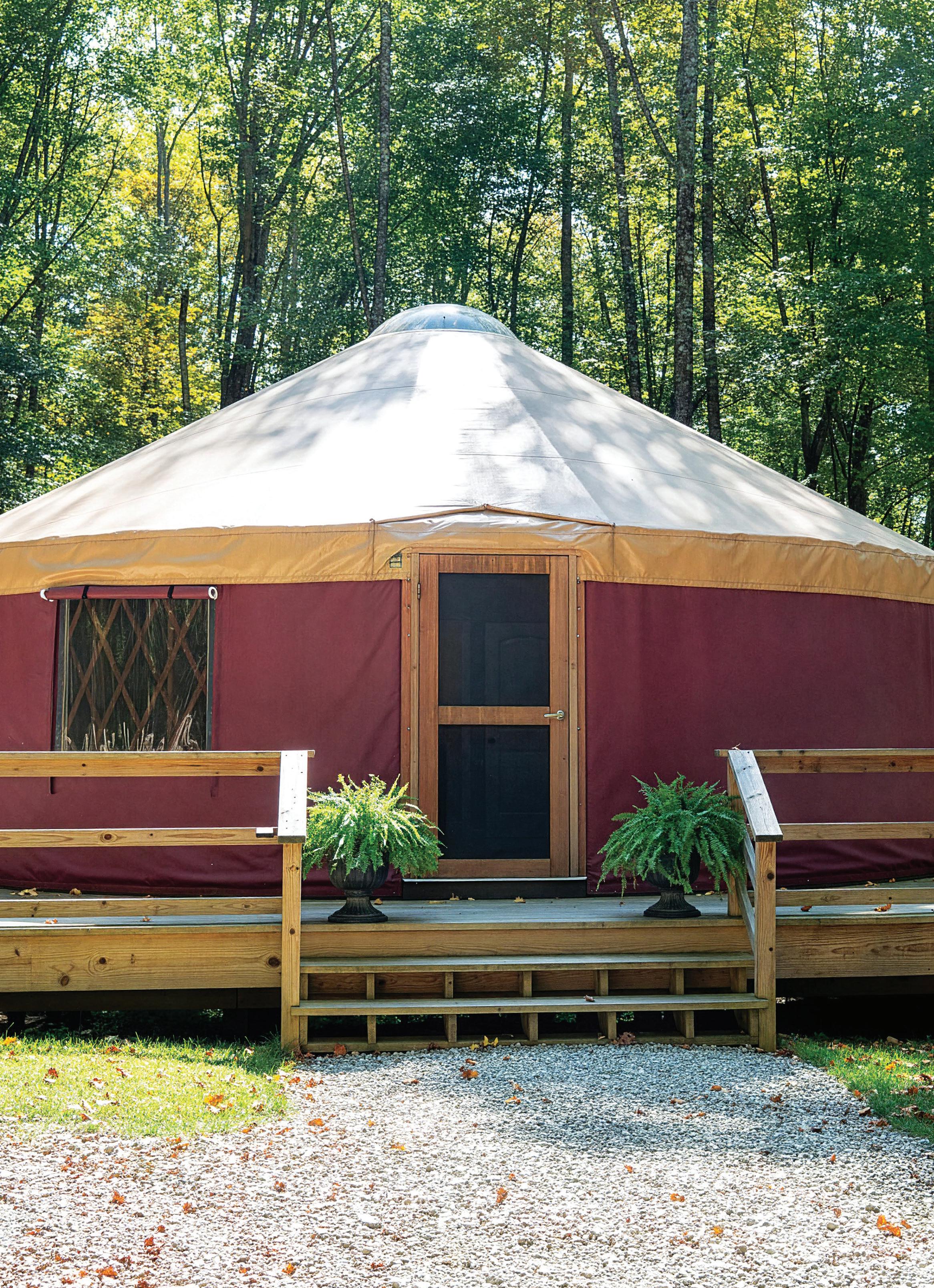
More than three thousand years ago, nomads in Central Asia moved from place to place with their homes on their backs. The structures — wood frames covered with felted wool or animal fur — were light, yet they could withstand the winds of the barren steppe.
Yurts, in fact, are still part of Mongolian culture today, and their usefulness has been noticed — they’ve inspired a unique lodging trend that’s gaining more and more fans.
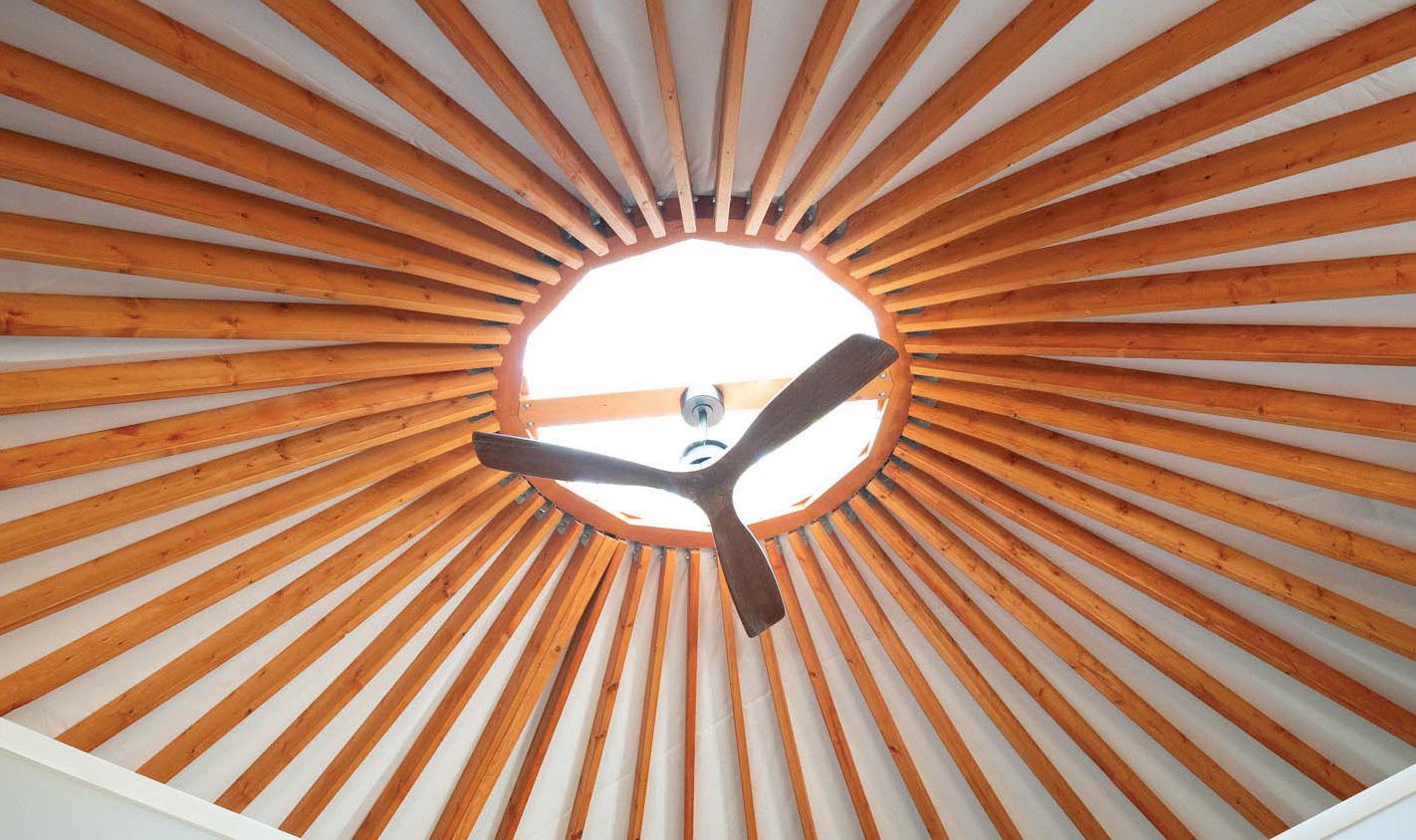
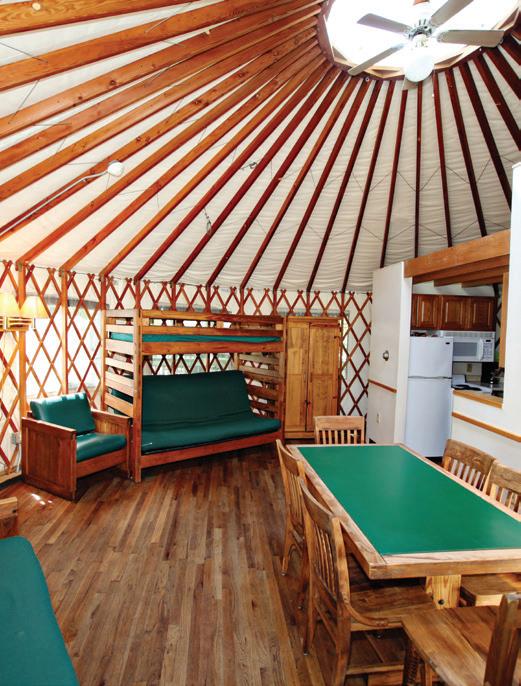
Borrowing from those traditional Mongolian designs, modern yurts use a lattice-and-roof-wheel frame covered with a durable, weather-resistant vinyl shell. The roof wheel is often capped with a Plexiglass dome. They’re typically built on platforms or decks with permanent flooring — meant to stay put rather than for nomadic life. Add some other modern conveniences, and it makes for glamping at its finest. Turn the page to check out a few options for yurt stays right here in Ohio.
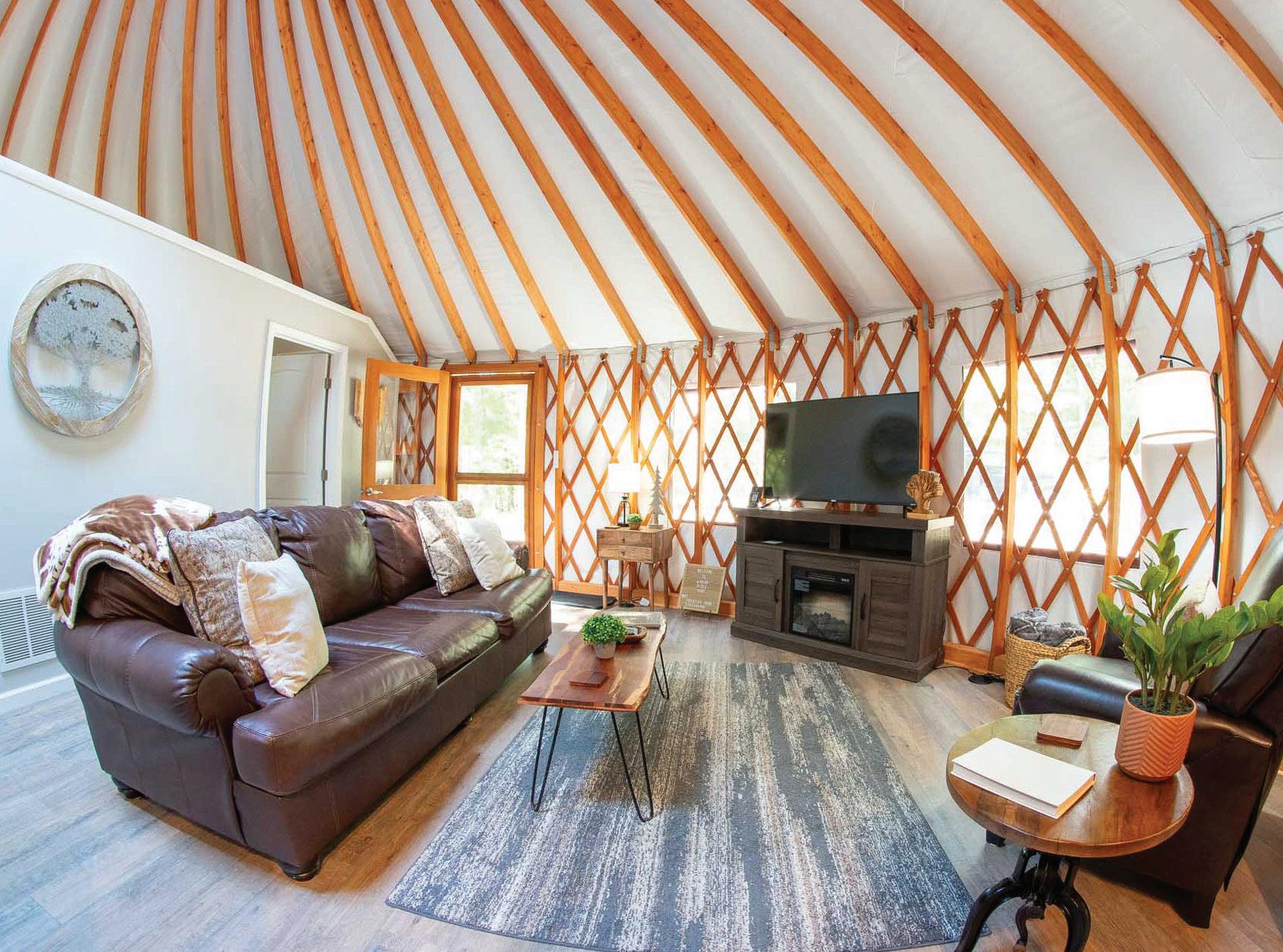
When Pat and Crystal Murtha stayed in a yurt in the Shenandoah Mountains of Virginia, they found the perfect addition for their 12 acres in Hocking Hills, where they are members of Lancaster-based South Central Power Company and already had a cabin rental available for travelers. “The idea was for something different,” Pat Murtha says. “Yurts give you that outdoor feel, but you have everything you need.” They now have two yurts on the property, Arbor Ridge and Urban Retreat, tucked in their woods outside Laurelville.
Internal walls in the round latticework space create two bedrooms and a bathroom. The bedrooms, living room, dining area, and fully stocked kitchen are open to the Plexiglass dome for a view of the sky. A large flat-screen TV, electric fireplace, air conditioning, heat, and Wi-Fi make this woodland getaway a modern haven in every season. Each has a six-person, private hot tub, an outdoor grill, and a fire ring.
www.hockinghillsyurtsandcabins.com
For an Out of Africa experience in an upscale setting, The Wilds has just the thing with its yurt stays. Built to reclaim formerly stripmined land, The Wilds is a conservation center where endangered species roam the rolling hills and grasslands near Cumberland.
From the deck of a luxury yurt, guests can watch a variety of inhabitants — from rhinoceros and zebras to Sichuan takin and Persian onager — then turn in and enjoy the yurt’s plush bedding and well-appointed bathroom. Sightings, of course, vary depending on the day, and guests should bring binoculars to heighten the views.
At night, the absence of light pollution makes for a stargazing feast with animal sounds as the accompaniment. Concierge services, an animal safari, breakfast, and dinner are included with a stay.
www.thewilds.org


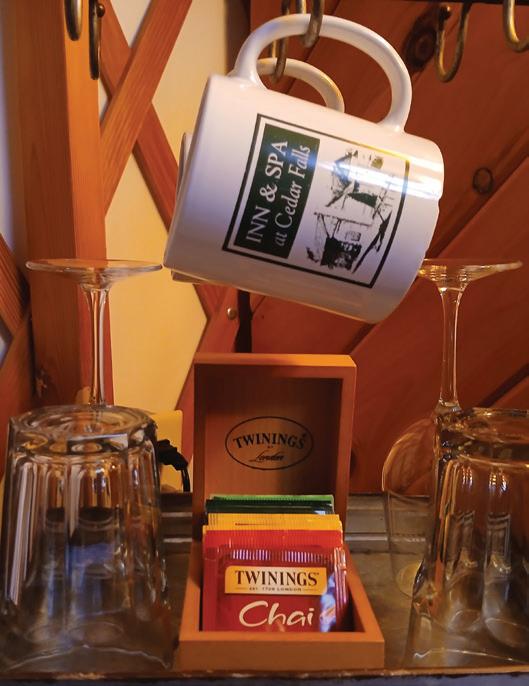
Since 1987, the Inn and Spa at Cedar Falls has been a champion for Hocking Hills beauty and a respite from urban busyness. The inn’s three yurts combine camping with the inn’s upscale offerings.
Each yurt is a luxury experience built for two. Cozy up in front of the gas-log stove while savoring the inn’s specialty cookies and a mug of hot tea. A king bed, tiled shower bathroom, microwave, and small refrigerator add to the glamping factor. Each yurt also has a private deck with a view of the woods. At night, stargaze through the yurt’s dome.
Kindred Spirit, the Inn and Spa’s restaurant and bar in the original 1840s cabin, offers signature dishes, craft cocktails, and a seasonal menu. The Rise and Dine menu offers a mix of breakfast and lunch items — breakfast is included with an overnight stay. www.innatcedarfalls.com
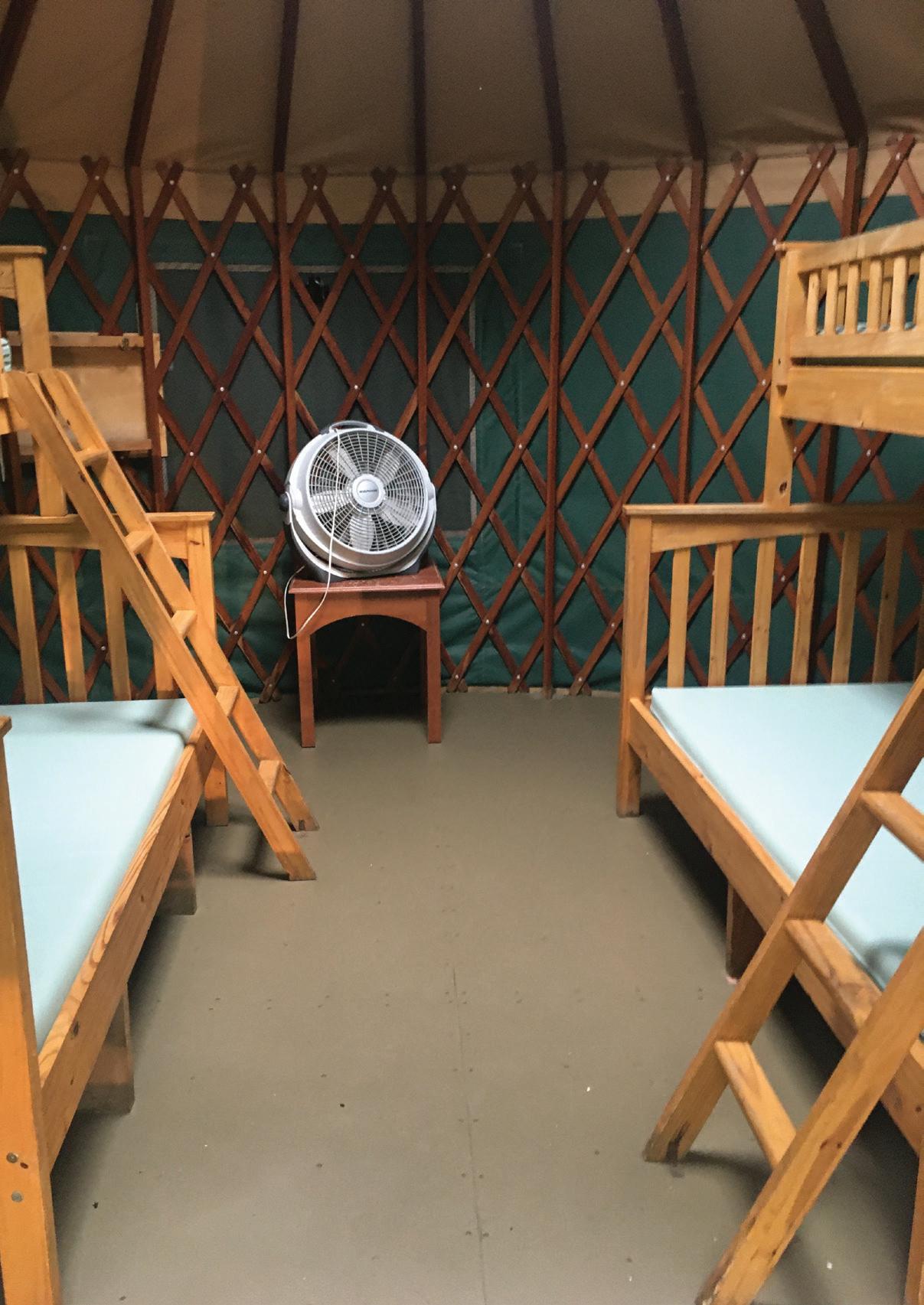
With miles of multi-use trails and lakes, Ohio State Parks are both a bounty of nature and an outdoor playground — and three state parks have seasonal yurts that combine rustic living with a camping vibe. Vinyl canvas creates the feeling of sleeping in a tent without the hassle — listening to rain is pleasant without having to fret about water seeping inside.
In Courtland County, Mosquito Lake State Park boasts one of Ohio’s largest lakes (7,850 acres), and has two yurts with prime views of the scenic shoreline. The two yurts at Harrison Lake State Park in northwest Ohio are near that park’s 95-acre lake, playground, and shower house.
Both parks’ yurts have a similar setup: two bunk beds (twin on the top, double on the bottom), a small refrigerator, a microwave, a small table and chairs, and a fan.
The two furnished yurts at Kelleys Island State Park, in the basin of Lake Erie, are bigger, include a kitchen, and have large decks that are perfect hangout spots in the evening.
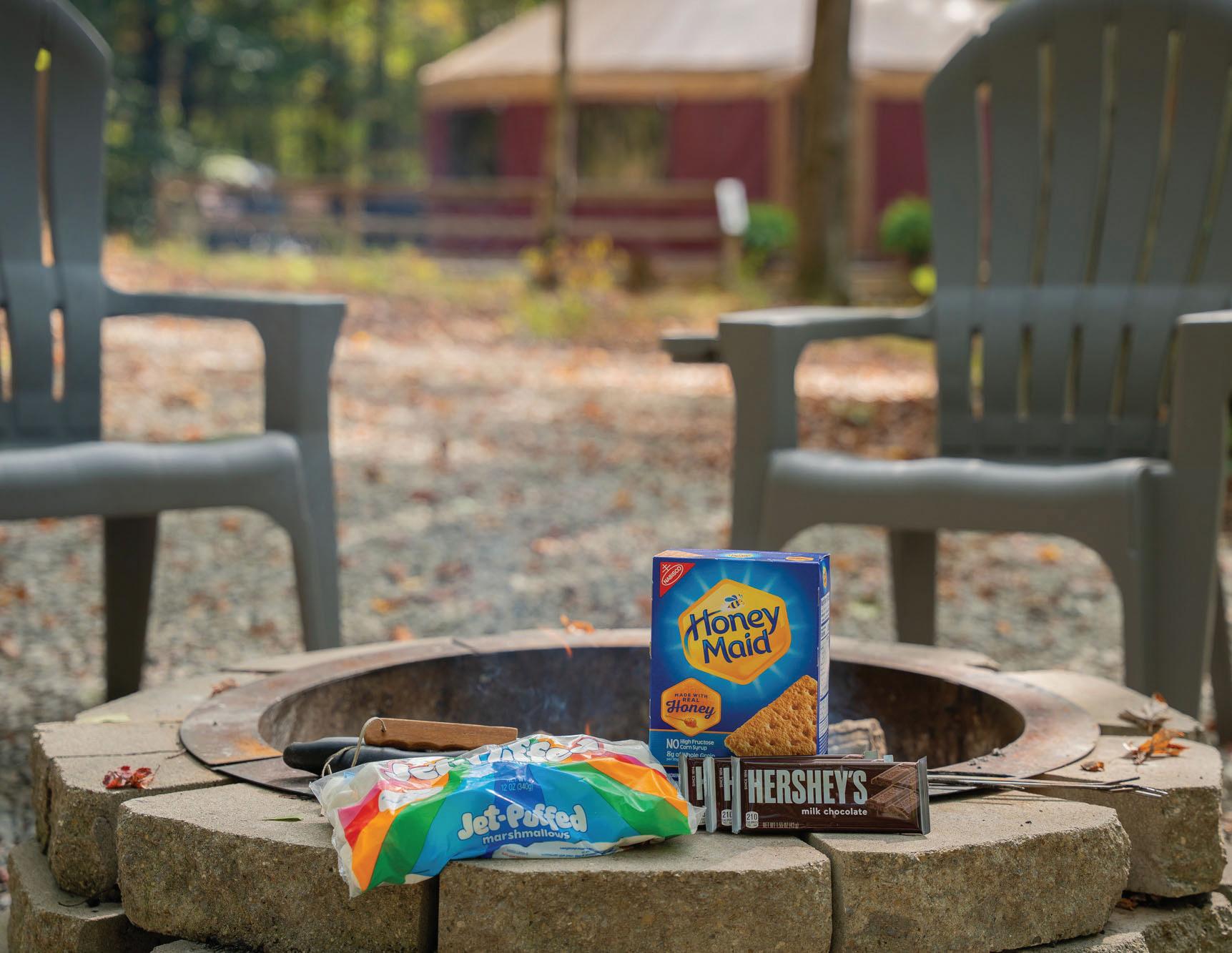
A fire ring and picnic table complete the campground spot of each park’s yurts, which are available seasonally, from the middle of April to October.
www.ohiodnr.gov/go-and-do/plan-a-visit/unique-getaways (search “yurts”)
BY MARGARET BURANEN
Remember your first roller-coaster ride? Most likely, the coaster climbed slowly up a steep hill, paused for an instant while you checked out the landscape far below, then plummeted back down to earth through various twists and turns as people, including you, screamed with delight and thought, “This must be what flying feels like.”
Garfield Heights resident Bob Kilner was 5 years old when his dad took him on his first roller-coaster ride, and the experience started Kilner on a leisure-time pursuit he still enjoys whenever he can.
Kilner, a chemistry teacher at Eastlake North High School, is president of the Great Ohio Coaster Club, where he says he’s formed lasting friendships with fellow coaster enthusiasts — whom he describes as “friendly people who want everyone to have fun.” But the relationships, he says, go deeper than a common admiration for corkscrews and loop-de-loops. “I lost my dad last year,” he says. “I didn’t publicize it, so I was amazed at how many people from the club reached out to me.”
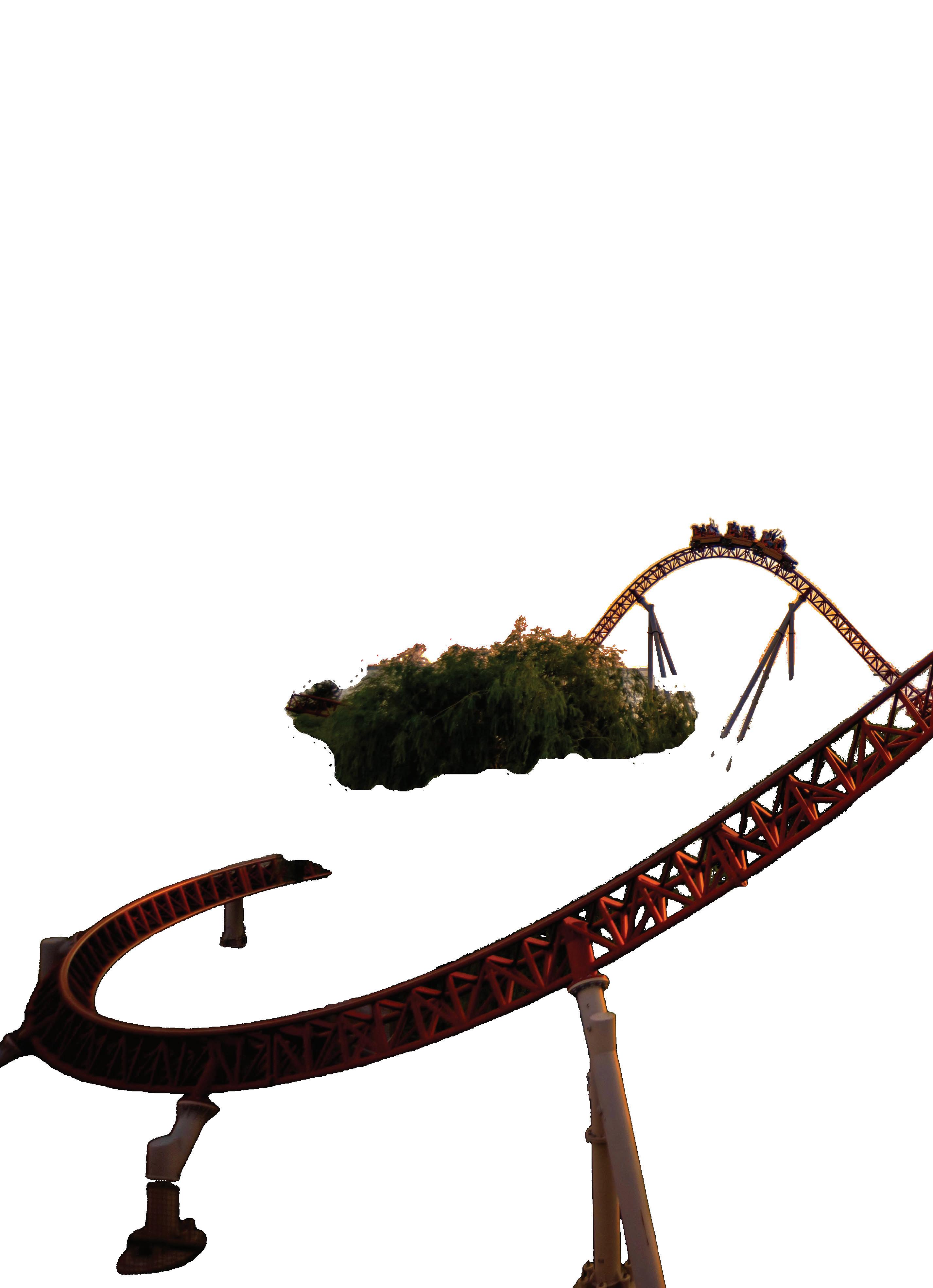
Great Ohio Coaster Club members travel the state in search of thrilling rides.
Kilner says the club currently has more than 900 members, though membership numbers fluctuate and in times past have been well over 1,000. They can be singles, couples, families with children and teens, or just groups of friends. They live in Ohio, Michigan, Indiana, Kentucky, Pennsylvania, and Canada.
The Great Ohio Coaster Club started in 1992, when its three founders, who lived near Akron, wanted to take advantage of the proximity to Cedar Point and its several coasters (Kilner notes that either “coaster” or “roller coaster” is correct).
Annual club dues are $20 for one person, $25 for a couple, and $30 for a family up to six members, and benefits of membership are substantial, with discounts on travel and admission fees to theme parks in Ohio and elsewhere. The club also hosts three or four events at theme parks each year, as well as an annual holiday party. Members also receive the club’s magazine, which is published four times a year.
Continued from page 25
For more information on Great Ohio Coaster Club scan the QR code below.

































BY JILL MOORHEAD
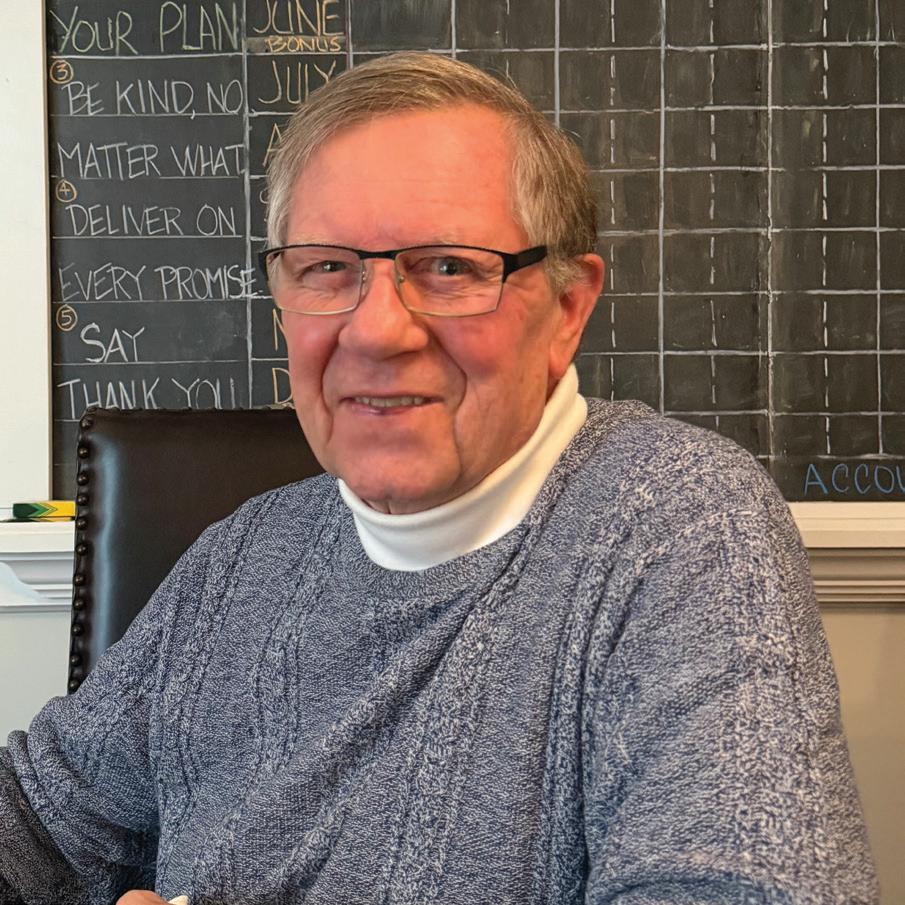
Adeeply worn long wooden table, believed to date back more than 400 years, is the centerpiece of the Contraxx Furniture offices in McConnelsville. It has moved through farmhouses and bank offices, absorbing generations of conversations about livelihoods and futures long before the company itself came into being. The table was a gift from a mentor of owner Mike Workman, a selfdescribed “hillbilly at heart.”
When Workman created Contraxx Furniture, he set out to prove that Appalachian Ohio could build a future without leaving itself behind.
Early in his career, Workman learned how the national furniture world works — through trade shows, corporate showrooms, and long days selling into a system built for scale. During his years at Taylor Woodcraft, a McConnelsville-based school furniture manufacturer, he built relationships with major retailers, including Williams-Sonoma. He began supplying consumer pieces — starting with stools — and saw how demand could push standardized production toward customization.
When Taylor shut down after a corporate acquisition, those relationships became a bridge. What began with stools expanded to tables, then cabinets, and eventually led to an unexpected call from a designer asking whether Workman could build furniture for a hotel.
Loss and redirection were familiar territory. As a first-year student at Ohio University, Workman posted a 1 6 GPA and was called into the provost’s office. “I don’t think you’re cut out for this,” she told him. Given one condition to stay — raise his GPA to a 2 2 — he quit two jobs, focused, and finished the semester at 2.20. Years later, after spending two decades helping build Taylor Woodcraft into a nationally recognized manufacturer, he watched it close anyway, undone by corporate decisions made far from the community it supported.
He stayed on for a year to help wind the company down. The experience forced a reckoning with how and where furniture could be made.
“I knew I couldn’t do this again,” he says. The logic of highvolume manufacturing — chasing scale, lowering costs, moving production overseas — came at too high a cost. He had seen what



it did to towns in North Carolina. He had watched it hollow out places that depended on steady, skilled work. And he was seeing it happen at home.
In Morgan County alone, the decline of the coal industry cost the community roughly 2,000 jobs. What remained was a workforce with deep practical knowledge but few stable options. Workman realized that instead of producing thousands of identical pieces at a time, he could reverse the model and bring manufacturing back to his region by focusing on custom work — made one piece at a time.
That idea became Contraxx Furniture.
Rather than operating as a single factory, Contraxx functions as a distributed manufacturing network, coordinating more than 250 family-owned wood, metal, and stone shops across Ohio, Appalachia, and western Michigan. About 45 of those shops form the company’s core production partners. Each specializes in a particular skill (think: legs, tops, case goods, finishing), allowing work to be shared and flexible and reliable. Because production isn’t dependent on constant high volume, shops can weather fluctuations without collapsing. Jobs could be steady and the skills of the people around him could be used.
For Workman, this model aligns naturally with the region itself. Farming, he notes, is no longer the reliable cash crop it once was for many Appalachian families. But barns with silos tell another story: Those are people who already know how to make, fix, and adapt. “When you grow up rural,” he says, “you learn how to survive. You rebuild engines. You fix what breaks. That ethic is embedded.” Contraxx offers a way to turn that knowledge into a living, one that keeps families on their land and children in local schools.
Workman is careful to deflect attention from himself. “I don’t want to be a hero,” he says. Contraxx doesn’t exhibit at trade shows or chase growth for its own sake. The company is selective about its clients, focused largely on hospitality projects where trust and followthrough matter. Internally, it operates horizontally, with shared responsibility and shared reward. “We don’t want to be the biggest,” Workman says. “We want to be the best.”
His vision extends beyond the business. He imagines McConnelsville on the front page of Time magazine as a challenge to the onedimensional portrayals that have come to stand for Appalachian life. He’s seen firsthand how his Appalachian community adapts to a changing world while retaining its values. “This is America,” he says. “It’s been flown over and driven through, but people don’t always stop to see what it offers.”
Back at the long wooden table, community meetings still happen — about schools, businesses, and what comes next. It’s used not just by Workman, but by neighbors and local leaders who gather there to make decisions together. “It’s heard a lot of stories,” Workman says. “I’ve never been at a meeting at this table where something negative didn’t turn into something positive.” For him, the work continues not in distant boardrooms, but in Morgan County, where decisions are made close to home by the people they affect.





























































•





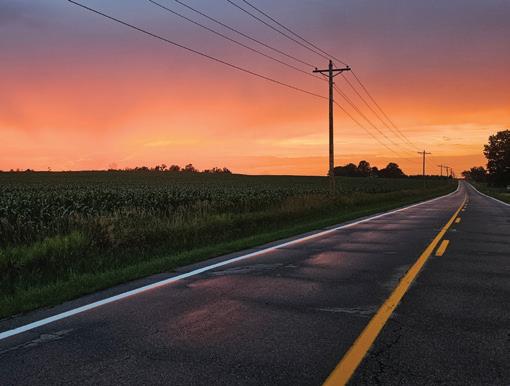
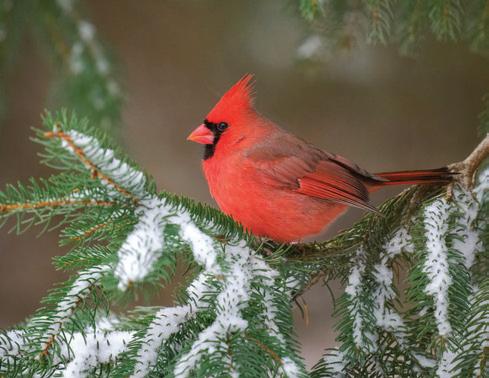
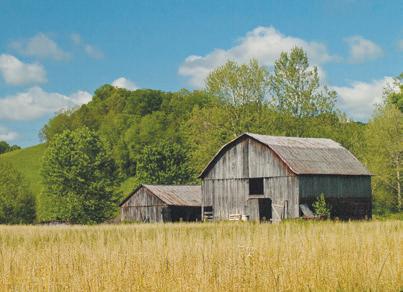





Co-op members: Have you captured a memorable scene from around your community? See YOUR photo in the 2027 Ohio Cooperative Living cooperative wall calendar!
We’re looking for the best images to showcase in every season of the year — flowing landscapes, delicate flowers, amazing animals, or just everyday life. Winning entries will receive a cash prize and be featured in next year’s calendar!
☀ High-resolution, color, digital images only
☀ Horizontal format, capable of filling an 8x11-inch image area
☀ No watermarks or extreme filters
☀ Only JPG or TIFF formats accepted
FOR SUBMISSION: AUGUST 14, 2026
☀ Send submissions by email attachment only to photo@ohioec.org
☀ Provide an explanation of the photo — the what (or who), where, and when — as well as the name of the photographer if it was someone other than you
☀ Include your name, address, phone
and the name of your co-op
☀ One entry per household
JUN. 26 – Shelby County Community Picnic, Downtown Court Square, Sidney, 5:30–7:30 p.m. Free. Celebrate America’s 250th! Bring a blanket, relax, and enjoy family fun, live music by the Sidney Civic Band, and kids’ crafts. https://sidneyalive.org/eventscalendar/shelby-countycommunity-picnic.
JUN. 27 – Day in the Park, Recreation Park, 850 Center St., Bryan, midway open 11 a.m.–10 p.m. Join us for a full day of family fun, fantastic food, tethered hot-air balloon rides, and a spectacular fireworks show. Balloon rides at 7:30–9:30 a.m. and 6:30–8:30 p.m.: $20; 12 and under, $10 419-636-2247, info@bryanchamber.org, or www. bryanchamber.org.
JUL. 4 – Independence Day Concert and America 250 Picnic, Rutherford B. Hayes Presidential Library and Museum, Spiegel Grove, Fremont, 11 a.m.–4 p.m. Free. Celebrate this special day with us at the site of America’s first presidential library. Bring a picnic or purchase food on-site. Enjoy games from days past, kids’ activities, curator talks, historic speeches, and a patriotic concert by a band featuring members of the Toledo Symphony (2 p.m.). Bring your own chair or blanket. 419-332-2081 or www.rbhayes.org.
THROUGH SEP. 13 – NWORRP Museum Summer Hours, 12505 Co. Rd. 99, Findlay, Sat./Sun. 1–4 p.m. $3; 12 and under, $2. Quarter-scale train rides, model train displays, museum tours, games, play area, and more. 419-423-2995, www.facebook.com/nworrp, or www.nworrp.org.
JUN. 5–JUL. 25 – Lima Locos Home Games, Simmons Field, 616 Heindel Ave., Lima. $4–$6. The Locos are a member of the Great Lakes Summer Collegiate League, providing minor league-level competition for NCAA players who wish to continue on into professional baseball. See their complete schedule online at www.limalocos.net.
JUN. 13, 27, JUL. 11, 25 – Market on Main, downtown Kenton, Outdoor market showcasing vendors, makers, and growers. Shop local, discover unique goods, and enjoy the vibrant atmosphere. 419-673-4131 or www.facebook.com/ marketonmainkenton.
JUN. 18–20 – Bryan Jubilee, Bryan Courthouse Square, 138 S. Lynn St., Bryan, Thur./Fri. 5–11 p.m. (ride wristband $20), Sat. 1–11 p.m. (ride wristband $25) with parade at 2 p.m. Enjoy carnival rides, classic fair food, live entertainment, and a lively midway. 419-636-2247, info@ bryanchamber.org, or www.bryanchamber.org.
JUN. 20 – Vernon McIntyre’s Appalachian Grass, Ottawa Metro Park, 2632 Ada Rd., Lima, 7 p.m. Enjoy an evening of lively bluegrass music featuring lightning-fast instrumentals, close harmonies, and entertaining novelty songs. 513-607-1874 or www.fotmc.com.
JUN. 27 – Downtown Putt-A-Round, Sidney, 2–5 p.m. Teams putt around the downtown at different putting greens created by downtown businesses, all for a chance at a prize! 937-658-6945 or www.sidneyalive.org.
JUN. 27 – West Liberty Summer Street Market and Car Show, Lions Club Park, 576 Twp. Rd. 174, West Liberty, noon–10 p.m. Vendors, food trucks, live music all day, car show noon–6:30 p.m., and a spectacular fireworks display at dusk. www.mywestliberty.com/events.html.
JUN. 28 – Historical Independence Day Celebration, Piatt Castle Mac-A-Cheek, 10051 Township Rd. 47, West Liberty, 11 a.m.–4 p.m. Free. Join us for a 19th-centurystyle Independence Day celebration! Bring a picnic lunch, learn how to play period games such as cricket and hoop rolling, enjoy poems and stories about Fourth of July customs, and listen to a reading of the Declaration of Independence. At the end of the day make “firecrackers” and watch them fly, and help make the cannon boom. www.piattcastle.org/events.
JUL. 2–4 – Old Fashioned Farmers Days, Van Wert Co. Fgds., 1055 S Washington St, Van Wert. Celebrating our 50th year! Truck and tractor pulls, flea market, live music, car show, kiddie and adult pedal pulls, food vendors, machinery demos, garden tractor pulls, and camping. Antique tractor pull on the 4th. www.facebook.com/ OFFAVWOHIO.
JUN. 12–14 – Fostoria Glass Society of America Glass Show and Sale, Moundsville Center Bldg., 901 8th St., Moundsville, Sat. 11 a.m.–4 p.m., Sun. 10 a.m.–2 p.m. $8 Premiere Fri. 4–7 p.m., $10 3-day ticket $20. Featuring glassware by Fostoria, Imperial, Morgantown, Fenton, and others, including Depression glassware. Auction Sat. 5 p.m., flea market Sun. 7 a.m.–noon. 304-845-9188 or www. fostoriaglass.org.
JUN. 20–21 – Weekend of Workshops, Fort New Salem, 81 Settlers Lane, Salem, 10 a.m.–4 p.m. $8; 10 and under free. See live demonstrations as well as numerous artisans in various cabins. To participate in workshops, preregister and pay registration fee to secure your spot. 304-6952220, director@fortnewsalemfoundation.org, or www. fortnewsalemfoundation.org.
JUL. 11, 25 – Myths of the Mountains, Fort New Salem, 81 Settlers Lane, Salem. Lamplight guided tour (approx. 1 hour) led by period-dressed guides, with each cabin housing a storyteller who spins tales of Appalachia. Gates open at 8 p.m.; groups begin tours every 10 minutes. 304-6952220, director@fortnewsalemfoundation.org, or www. fortnewsalemfoundation.org.
JUL. 4 – Star Spangled Spectacular, Faurot Park, South Cole Street, Lima, 9 a.m.–11 p.m. Free. Join us for a familyfriendly day of events celebrating our great country! Kicks off with the Freedom 5K at 9 a.m. and ends with fireworks at 10 p.m. Schedule of events at https://lima 4th.com.
JUL. 5 – Motorama, AuGlaize Village, 12296 Krouse Rd., Defiance. This event is open to self-propelled, motorized, or powered “anything”: antique cars, custom rods, fire trucks, and cycles. No registration or fee required. As part of our America 250 celebration, we will be featuring “Transportation in America.” 419-990-0107, villageauglaize@gmail.com, or www.auglaizevillage.com.
JUL. 11 – Defiance Jazz Festival, Kingsbury Park, 118 Auglaize St., Defiance, 3:30 p.m. $10; kids get in free! Festival honoring two pioneers of jazz, Milt Buckner and “Wild Bill” Davison, both of whom called Defiance home. Enjoy an evening filled with jazz music, children’s activities, and community spirit! www.facebook.com/defiancejazz.
JUL. 11 – Malinta Festival, Monroe Twp. Fire House, 8931 Co. Rd. K-2, Malinta, 9:30 a.m.–4 p.m. Bingo, flea market, tractor show, chicken BBQ, wagon rides, kids’ area, live entertainment, auction, caboose tour, and lots more. 419966-9909 or www.facebook.com/Malintafest.
JUL. 11–12 – Family Fun Weekend: “Mid-Summer Celebration,” Northwest Ohio Railroad Preservation Inc., 12505 Co. Rd. 99, Findlay, Sat./Sun. 1–4 p.m. $5/person. Enjoy games, quarter-scale train rides, bounce house, and other family-friendly activities all afternoon for one price. 419-423-2995, www.facebook.com/nworrp, or www. nworrp.org.
under free. Features antique John Deere equipment, parts, toy and food vendors, and family fun! Complete list of activities at www.ohiotwocylinderclub.org.
JUN. 19–21 – Zane’s Trace Commemoration, Putnam Landing area, Zanesville. FUN, parade, arts and crafts, food, history, live music, contests, karaoke, “Anything That Floats but a Boat” race, outhouse race, and much more! www.zanestracecommemoration.com, www. facebook.com/ZanesTrace, or www.facebook.com/ groups/818007238715059.
THROUGH OCT. 31 – Coshocton Farmers Market, Coshocton County Maintenance Garage, 23220 Co. Rd. 621, Coshocton, Sat. 8:30 a.m.–noon. Locally grown produce, baked goods, and artisan crafts. Rain or shine. www.facebook.com/coshoctonfarmersmarket or market. manager@coshfarmmarket.org.
JUN. 5, JUL. 3 – First Friday Art Walk, downtown Zanesville, 5–8 p.m. Come downtown on the first Friday of each month, when all our participating galleries, studios, and small businesses are open at the same time! See the Artist Colony of Zanesville’s website for a map of current participants: https://artcoz.org/arts-district-map.
JUN. 5–6, JUL. 3–4 – The Downtown Exchange Artisans Market, 527 Main St., Zanesville, Fri. 5–9 p.m., Sat. 11 a.m.–3 p.m. A unique shopping experience featuring quality Ohio makers and artisans. Arts, crafts, and food. www.downtownexchange.com/DTXAM.
JUN. 13 – Annual Cruise-A-Palooza, Main Street, Amanda. Held rain or shine. Free admission. Registration starts at 10 a.m.; $15 per vehicle, or $10 with donation of two canned food items. Trophies for best cars, dash plaques to first 50 entries. DJ Johnny Garber, raffle, food, and more! www.facebook.com/CruiseAPaloozaAmandaOH.
JUN. 18–20 – Eastern National Expo XIII, Fairfield Co. Fgds., 157 E. Ave., Lancaster, 9 a.m.–5 p.m. $5; 12 and
THROUGH JUN. 28 – Hummingbird Feeder Workshop, Neusole Glassworks, 11925 Kemper Springs Dr., Cincinnati. $65/person per 45-minute session. Reservations required; payment due at scheduling. Age: 12 years and older. With help from our professional glassblowers, you can blow an adorable hummingbird feeder from hot molten glass. Ready for pickup in 7 days. 513-7513292, neusoleglassworks@hotmail.com, or http:// neusoleglassworks.com.
THROUGH JUL. 29 – Bluegrass Wednesdays, Vinoklet Winery, 11069 Colerain Ave., Cincinnati, Wed. 6:30–8:30 p.m. Enjoy dinner, wine, and an evening of free entertainment by Vernon McIntyre’s Appalachian Grass. Reservations recommended. 513-385-9309, vinokletwinery@fuse.net, or www.vinokletwines.com.
JUN. 20 – “Backyard Wildflowers”: A How-To Workshop, Darby Creek Fields and Flowers, 11670 Darby Creek Rd., Orient, 9–10 a.m. Free. This hands-on workshop is designed for homeowners to learn how to convert acres or areas into vibrant wildflower fields. This is an outdoor event; check our social media for weather updates! To register, text “Wildflower” to 614-809-8538. www. facebook.com/darbyflowerfields/events.
JUN. 20 – Zoom Duck Derby, Zoombezi Bay, 4850 Powell Rd., Powell. 7,000 rubber ducks will race down the lazy river competing for cash prizes up to $1,500! Rubber ducks $5 each. Anyone in the USA can participate, and you do not need to be present to win. Additional games, prizes, and crafts for kids, plus exclusive time on select water attractions. 740-368-5810 or https://alphagroup.net/events/ zoom-duck-derby.
JUN. 20–21 – Worthington Arts Festival, Worthington Village Green (at the intersection of High Street and 161), Worthington. One of central Ohio’s premier community fine art/fine craft shows, named as one of the nation’s top 200 arts festivals by Sunshine Artist magazine. More than 120 vendors from across the country. www.mcconnellarts.org.
JUN. 25 – “Get to Know Your Weeds”: A How-To Workshop, Darby Creek Fields and Flowers, 11670 Darby Creek Rd., Orient, 10–11 a.m. or 6–7 p.m. Free. Learn how to identify common “weeds” and discover which ones may actually be helping your garden. We also cover compost, mulch, herbicides, and natural deterrents to weeds. To
THROUGH OCT. 8 – Piqua Community Farmers Market, 116 W. High St., Piqua, Thur. 3–6 p.m. The very best locally grown food, home-baked items, and handmade crafts. www.piquafarmersmarket.com.
JUN. 16 – Vernon McIntyre’s Appalachian Grass, Ross Community United Methodist Church, 2943 Ham-Cleves Rd., Hamilton, 7 p.m. Enjoy an evening of lively bluegrass music. 513-607-1874 or www.fotmc.com.
JUN. 19–21 – The Friends of Serpent Mound’s Summer Solstice Celebration Festival, Soaring Eagle Retreat, 375 Horner Chapel Rd., Peebles, Fri. 3–7 p.m., Sat./Sun. 10 a.m.–7 p.m. Free. Family-friendly festival, next door to the Great Serpent Mound. Theme is “Appalachian Food and Culture.” Presentations, music, hikes, kayaking, and workshops. About 50 vendors, including food! www. serpentmound.org/sscfestival or find us on Facebook.
JUN 20 – Family Program: Spring Bird Hike with Tom Hissong, Garber Nature Center, 9691 OH-503 N., Lewisburg, Sat. 9–11 a.m. Join us for a hike and identify birds. 937-962-5561, pcpdevents@gmail.com, or www. preblecountyparks.org.
JUN. 20 – Oxford in Bloom Garden Tour, various locations, 9 a.m.–4 p.m., rain or shine. $20 prior, $25 day of the tour. Visit six lovely outdoor garden spaces around charming Oxford. For more information, visit www. desfleurs.org or “Des Fleurs Garden Club” on Facebook. Tickets available starting Jun. 1 on our website, at Kroger, or at Shademakers in Oxford.
register, text “Weeds” to 614-809-8538. www.facebook. com/darbyflowerfields/events.
JUN. 27 – Boogie on the Blacktop: Trailer Park Boys, Circleville Eagles, 135 E. Main St., Circleville, 7–11 p.m. $5. Outdoor concert with food vendors and drinks. www. pickaway.com.
JUN. 28–JUL. 4 – Marion County Fair, 220 E. Fairground St., Marion. Harness racing, Tough Truck, figure 8 racing, rodeo, NTPA tractor pull, demo derby, and more. Enjoy spectacular fireworks on the 4th. 740-382-2558 or www. marioncountyfairgrounds.com.
JUN. 30–JUL. 4 – Ashville 4th of July Celebration, Ashville Park, 165 Walnut St., Ashville. Nightly live music, assorted rides, games, and foods of all kinds. Huge parade at 11 a.m. Saturday, with fireworks at 10 p.m. For questions, call the village office at 740-983-6367
JUL. 9–11 – Picktown Palooza, 300 Opportunity Way, Pickerington. Entertainment, food vendors, Freedom 5K, beer garden, Business Showcase Row, and our popular car, truck, and bike show. For adults 18 and older, but under 18 welcome when accompanied by a paying adult. 614-3792099 or www.picktownpalooza.org.
JUL. 10–12 – Lilyfest, Bishop Educational Gardens, 13200 Little Cola Rd., Rockbridge, 43149, Fri./Sat. 10 a.m.–5 p.m., Sun. 10 a.m.–4 p.m. Arts and crafts, live music, food, gardens, guided nature hikes, and more. Ohio Certified Volunteer Naturalists will be on hand to answer questions. 740-969-2873, www.lilyfest.com, or www.facebook.com/lilyfestfun.
JUL. 11 – Combat Veterans Motorcycle Association 12–8 Annual Charity Event, Smitty’s Tavern, 55 N. Main St., New Holland. $5 donation at gate. Live music, food and drinks, auctions, gun raffles, vendors, and more! All proceeds benefit First Capital Ruck 22, a Chillicothe nonprofit devoted to veteran suicide prevention and awareness. 740-301-4485 (Derek Hartman) or 513-5209641 (Brant Parker).
JUN. 24 – “‘America’s First Spy’: Revolutionary War Patriot Nathan Hale,” New Madison Public Library, 142 S. Main St., New Madison, 6–7 p.m. Free. Part of the Historical Speaker Series. Reservations recommended. 937-996-1741, info@newmadisonpubliclibrary.org, or www. mynmpl.org.
JUN. 27 – Family Program: Vernon McIntyre’s Appalachian Grass, Garber Nature Center, 9691 OH-503 N., Lewisburg, Sat. 7–9 p.m. Free. Join us for a fun evening of special mountain music. 937-962-5561, pcpdevents@ gmail.com, or www.preblecountyparks.org.
JUN. 28 – George and Martha Washington’s Love Story, Heritage Hall, Lost Creek Reserve, 2645 St. Rte. 41, just east of Troy, 5 p.m. An engaging program about the Washingtons, portrayed by Curt Radabaugh and Alysa Dupuy. The public is welcome. Part of our America 250 Celebration. 937-339-5209 or https://ethsofohio.com.
JUL. 11 – Biergarten, Liberty Home German Society, 2361 Hamilton Cleves Rd., Hamilton. Food, music, German beer. Doors open at 5 p.m. Band plays 6–10 p.m. 513-571-6198, www.libertyhome.net, or Facebook page for the Liberty Home Association.
JUL 11 – Family Program: “Fascinating Fossils,” Wagers’ Memorial Park (Devils Backbone), 1301 OH-725 W., Camden, Sat. 10 a.m.–12 p.m. Free. Join Doug and Amy Horvath for a hike and identify fossils. 937-962-5561, pcpdevents@gmail.com, or www.preblecountyparks.org.
THROUGH AUG. 1 – “Joyce Hannon Followed Her Dream,” McCook House Museum, 15 2nd St., Carrollton, Fri./Sat. 10 a.m.–5 p.m. $5. Exhibit featuring the accomplishments of Joyce Hannon, who developed a promising property in Carroll County into a popular destination. 330-437-9715 or kathorn4120@gmail.com.
THROUGH NOV. 21 – Age of Steam Roundhouse Tours, 213 Smokey Lane Rd. SW, Sugarcreek, Thur.–Sat. 10 a.m., 12 p.m., 2 p.m. $12–$20; 2 and under free. Learn about steam locomotives and the history of the railroad. Only online purchases guaranteed for selected day and time. Youth tours available ($5–$10) some Fridays and Saturdays. 330852-4676, https://ageofsteamroundhouse.org.
JUN. 18–20 – Dean Martin Hometown Festival, Steubenville. Three days of activities, food, and fun to celebrate native son Dean Martin and his legacy. Includes a golf scramble, the Dino Dash 5K, concerts, car cruise, and more. www.deanmartinassociation.com.
JUN. 19–20 – “Homefront to War Front: Steam to Victory,” 213 Smokey Lane Rd SW, Sugarcreek, Fri./Sat. 10 a.m.–5 p.m. Gates open 9:30 a.m. $5. Roundhouse Tour, $15; train ride, $6. See how American military forces and steam railroads worked to support the war effort and achieve Allied victory in WWII. Static displays, artillery and small arms demos, WWII military vehicles, and more. 330852-4676 or https://ageofsteamroundhouse.org/events
JUN. 19–20 – “Homefront to Warfront – Victory on the Homefront,” Dennison Depot Railroad Museum, 400 Center St., Dennison, 10 a.m.–6 p.m. Free. Explore
JUN. 2, 16, JUL. 7, 21– Mom Café, Betsey Mills Club, 300 4th St., Marietta, 10–11:30 a.m. Free to new or expectant parents. Open to all moms looking for a sense of community and support. Join us for discussion, selfcare, and resources. Snacks and incentives provided. 740-373-4981 or www.betseymills.club.
JUN. 4–SEP. 6 – Tecumseh! Outdoor Drama, Sugarloaf Mountain Amphitheater, 5968 Marietta Rd., Chillicothe, Tues.–Sat. 8 p.m. $35–$75. Witness the epic life story of the legendary Shawnee leader as he struggles to defend his sacred homelands in the Ohio country during the late 1700s. www.tecumsehdrama.com.
JUN. 8, 22, JUL. 13, 27– American Sign Language Class, Betsey Mills Club, 300 4th St., Marietta, 6 p.m. Free to members; $10/class non-members. Taught by deaf instructors and interpreters. Learn ASL and deaf culture. All ages welcome. 740-373-4981 or www.betseymills.club.
America’s Homefront in the 1940s, where hospitality greets you and the WWII Salvation Army Canteen will be brought to life. Victory Garden displays, 250 Rosie the Riveters, and more. 1-hour troop train rides Sat. 12–4:30 p.m. $39+. 740922-6776 and https://dennisondepot.org/event.
JUN. 20 – Opera Under the Stars: “Opera, Light Opera, and Broadway Favorites,” Uptown Park, Medina, 7 p.m. Free. Enjoy favorite opera tunes, as well as lesser-known works and beloved melodies from operettas and musicals. Bring lawn chairs, blankets, and picnics. In case of rain, the concert will move to the United Church of Christ, 317 E. Liberty St, Medina. 419-853-6016 or www.ormaco.org.
JUN. 21 – Wooster Grace Church Father’s Day Car Show, Wooster High School, 515 Oldman Rd., Wooster, 9:30 a.m.–2 p.m. Rain date: June 28. Free registration, 8 a.m.–2 p.m. (trophy eligibility, 8–11 a.m.). Free food and music. Trophies and prizes! Call or text 330-264-9459 or email info@graceforohio.org. Preregister at https:// graceforohio.cls.co/auto.
JUN. 26 – Esto Jazz, John Streeter Garden Amphitheater, 2122 Williams Rd., Wooster, 6:30 p.m. Free. Instrumental group that performs a variety of contemporary jazz, pop, standards, and original compositions. In the event of rain, the concert will be held inside the Welcome Center. 419853-6016 or www.ormaco.org.
JUN. 26–28 – Cy Young Days Festival, Newcomerstown. Entertainment, games and rides, classic car show, oldfashioned baseball games, sports card show, food, grand parade, and more. This year’s guest of honor is Cy Young Award winner R.A. Dickey. www.cyyoungdaysfestival.com.
JUN. 26–27 – Annual Ohio Vintage Truck Reunion, Ashland Co. Fgds., 2042 Claremont Ave., Ashland. From pickups to Class 8’s and everything in between, trucks of all makes and sizes are welcome! On-site food and camping. Held in conjunction with the White Bash of the Classic White Truck Group and Gathering of Classic Autocar Group. 330-682-1707 or www.ohvintrkreu.com.
JUN. 27 – Ashland Airport Annual Pancake Breakfast, Ashland County Airport, 700 Twp. Rd. 1102, Ashland, 8 a.m.–noon. Drive in, skydive in, or fly in for a delicious pancake breakfast hosted by EAA Chapter 255. Donations only. Various games and prizes may be won. All donations
JUN. 13 – Fearing Township Volunteer Fire Department Ice Cream Social, 1975 Stanleyville Rd., Whipple, starting at 4 p.m. Contact us at 740-525-1891 or fearingtownship@gmail.com for more information.
JUN. 13 – Raccoon Creek Market, Buckeye Furnace Historic Site, 123 Buckeye Park Rd., Wellston, 10 a.m.–4 p.m. Outdoor market with over 30 vendors, food trucks, and local musicians. The museum and gift shop will be open, and you are welcome to tour the park. www. buckeyefurnace.org/raccoon-creek-market.
JUN. 19–21 – Firefly Watching Weekend, Tremper Mound Preserve, Portsmouth. $325/person. Witness the dazzling lightworks of southern Ohio’s fireflies. Learn about the natural history of fireflies including Chinese Lanterns, Little Grays, and Treetop Flashers, and seek out their mesmerizing showcases at night. Registration required. www.arcofappalachia.org/fireflies-home.
JUN. 20 – Fearing Township Community Garage Sale, Fearing Township Volunteer Fire Department and surrounding homes, Whipple, 9 a.m.–noon. Contact 740336-4062 or fearingtownship@gmail.com for info.
JUN. 20 – Monster Truck Bash, Ross Co. Fgds., 344 Fairgrounds Rd., Chillicothe, 12 p.m. and 6 p.m. $12–$140 Witness fan-favorite Pro Monster Trucks in a high-flying freestyle showdown. They will leave you on the edge of your seat with jaw-dropping action! https://tickets. monstertruckboxoffice.com.
JUN. 26–27 – National Cambridge Glass Collectors Glass Show and Sale, Pritchard Laughlin Civic Ctr., 7033 Glenn Hwy., Cambridge, Fri. 1–5 p.m., Sat. 10:30
will be used for EAA educational youth programming. Free parking for your airplane, helicopter, or car. For more information, email eaachapter255@gmail.com.
JUN. 27 – Thunder Over Holmes County, Historic Downtown Millersburg. Free. Enjoy inflatables, touch a truck, kids’ games, and other activities on the Courthouse Lawn. Fireworks at dark (about 9:45 p.m.). 330-674-2412 or https://historicdowntownmillersburg.com/event/thunderover-holmes-county-june-27-2026
JUN. 27 – Tomb of the Unknown Soldier ReDedication, Fort Laurens Museum, 11067 Fort Laurens Rd., Bolivar, 10 a.m.–4 p.m. 330-874-2059 or www. fortlaurensmuseum.org.
JUL. 11 – America’s Basket Festival, 517 Main Street, Dresden, 9 a.m.–5 p.m. Free admission. Celebration of Dresden’s rich basketmaking heritage, featuring local vendors, live music, food trucks, shopping, crafts, and more. www.facebook.com/AmericasBasketFestival.
JUL. 11 – “Mark Twain, America’s Greatest Humorist,” McCook House Museum, 15 2nd St., Carrollton, 11 a.m. Mark Dawdziak of Cuyahoga Falls, author of several books on Twain, will discuss the great humorist’s ties to Ohio and share excerpts from Twain’s own writing. Reservations not required. Donation only. Bring lawn chairs. 330-437-9715 or kathorn4120@gmail.com.
JUL. 11–12 – Ashland County Yesteryear Machinery Club Annual Show, Ashland Co. Fgds., 2042 Claremont Ave., Ashland. International, Farmall, Cub Cadet, and Case Tractors equipment, garden tractors, Scouts, trucks, and buses. Flea market space available. Contact Kevin Williard at 330-465-3387 or rwilliard1966@yahoo.com.
JUL. 11–12 – KidCycle, Clark Community Center, 1390 St. Rte. 83, Millersburg. A way for you to buy and sell your gently used children’s items. Drop off your stuff before the sale; no need to stay. Tagging and helper information can be found at www.facebook.com/KidCycle. Contact Kelly at 330-600-4028
JUL. 12 – Speaker Series: “Genealogy Research,” Fort Laurens Museum, 11067 Fort Laurens Rd., Bolivar, 11 a.m. The executive director of the Ohio Genealogical Society, Noel Poirier, will speak about genealogy research for Fort Laurens. 330-874-2059 or www.fortlaurensmuseum.org.
a.m.–4 p.m. $5. National dealers highlighting Cambridge Glass, along with various other elegant glass companies, Depression glass, kitchenware, and more. 740-432-4245 or www.cambridgeglass.org.
JUN. 27 – Glass Dash, St. Benedict’s Gymnasium, 701 Steubenville Ave., Cambridge, 7–8:30 a.m. early bird, $10; 8:30–11 a.m., $5. www.cambridgeglass.org.
JUN. 28 – Tour of the Canal Route Through Chillicothe, Water Street, Chillicothe, 1–4 p.m. $15–$20. Follow the fascinating route of the historic Ohio Erie Canal through Chillicothe with guides stationed at sites along the way, to share stories and insights about the canal’s past. www. visitchillicotheohio.com/america250-rosscountyohio.
JUL. 2 – First Thursday Food Truck Fest, downtown Chillicothe, 45 E. Second St., Chillicothe, 5–9 p.m. $5 Enjoy a variety of food trucks, a beer wagon, and live music, with every dollar raised supporting the community. www.visitchillicotheohio.com/eventcalendar.
JUL. 5 – American 250 Movie Event: 1776, Majestic Theatre, 45 E. Second St., Chillicothe, 2 p.m. Free. A musical comedy-drama chronicling the political struggle to adopt the Declaration of Independence. www. majesticchillicothe.net.
JUL. 10–12 – “Old Growth Legacies of the Ohio Valley,” Tremper Mound Preserve, Portsmouth. $350/person. Explore some of the most ancient forests in southern Ohio and eastern Kentucky, learn about regional old-growth ecology and the larger-than-life folks who facilitated the forests’ protection. Registration required. www. arcofappalachia.org/oldgrowth-legacies.
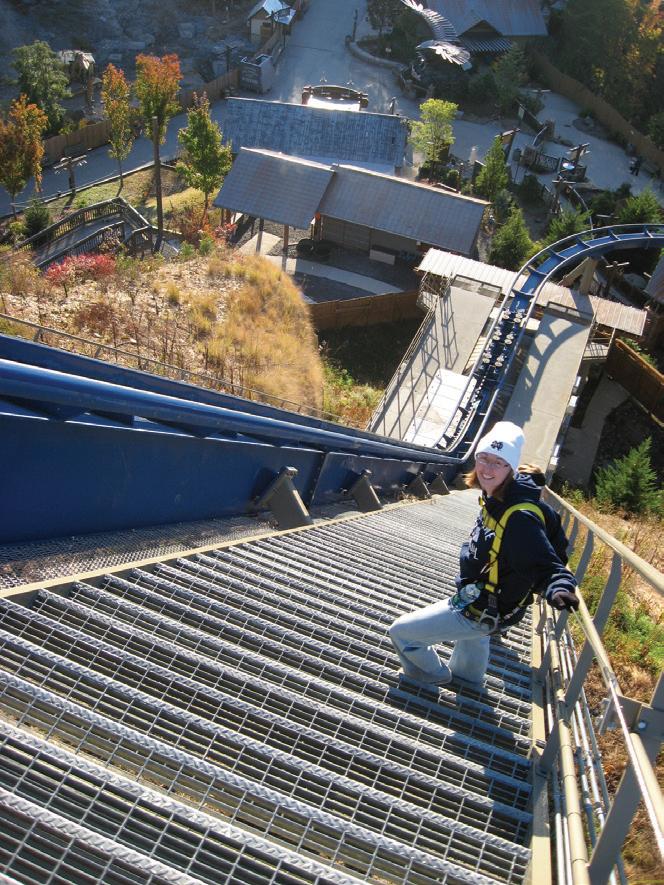
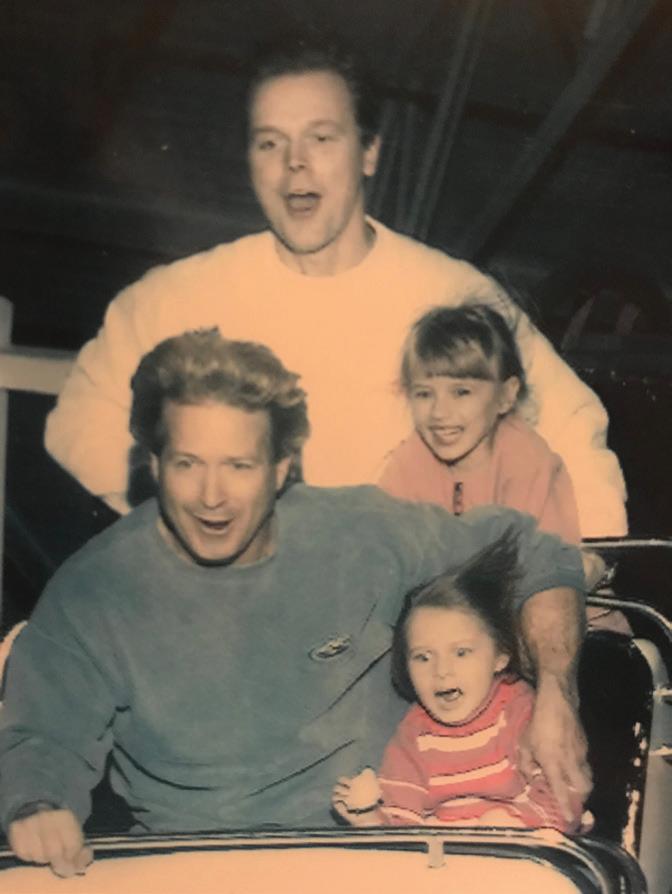
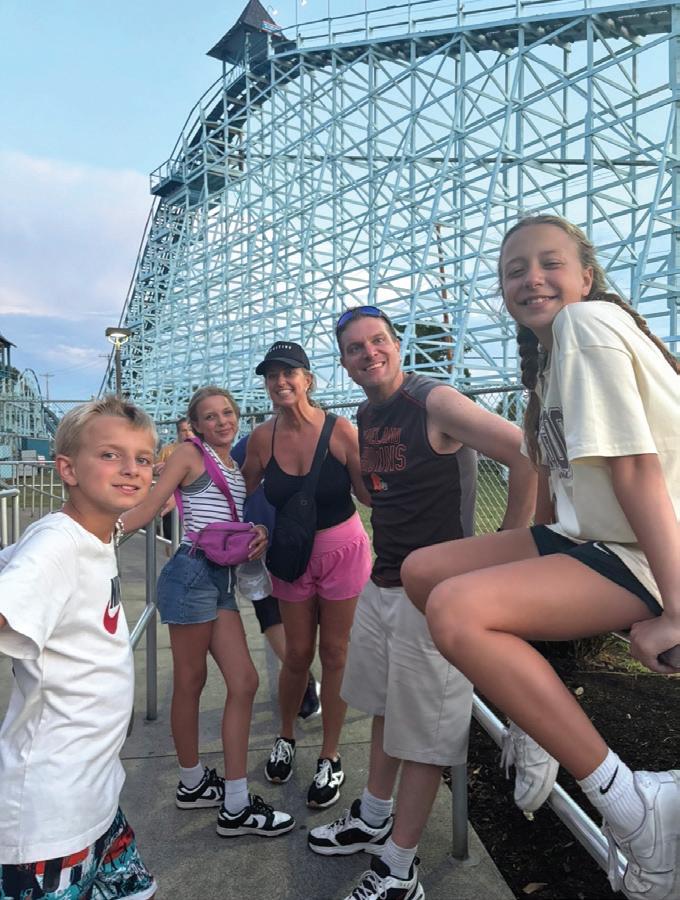
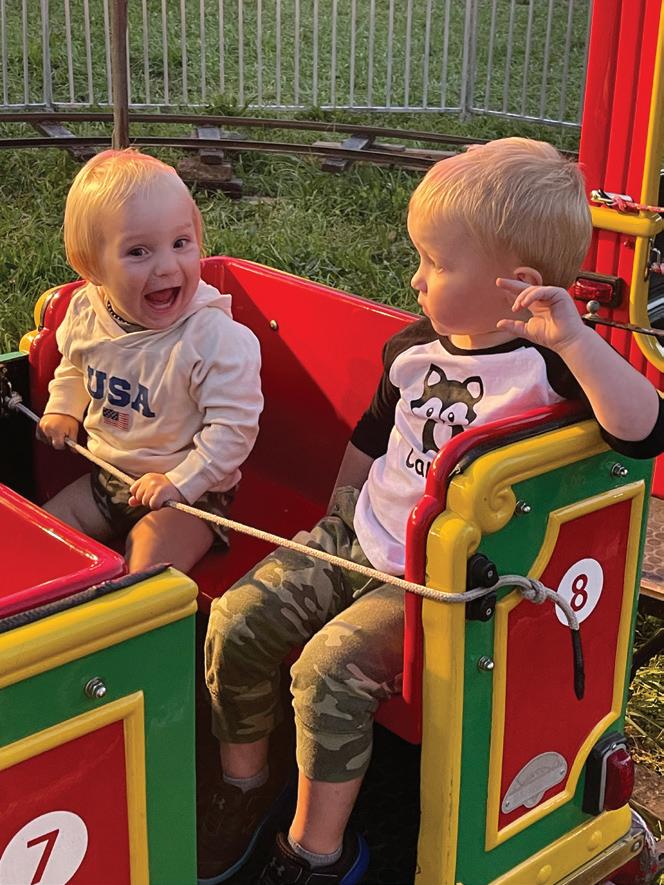

1. My daughter, Ashley, climbing up the lift hill of the Wild Eagle roller coaster at Dollywood. Gary Smith, Washington Electric Cooperative member.
2. Siera and Dad at the IX Amusement Park. David Hess, Lorain-Medina Rural Electric Cooperative member.
3. Danielle Hughes, brother Nick Vas, and kids Karis, Emma, and Isaiah. Danielle Hughes, Hancock-Wood Electric Cooperative member.
6. Our daughter, Jenna, and her dad on The Racer at Kings Island. John McKinney, Pioneer Electric Cooperative member. 1 4 2 5 3 6
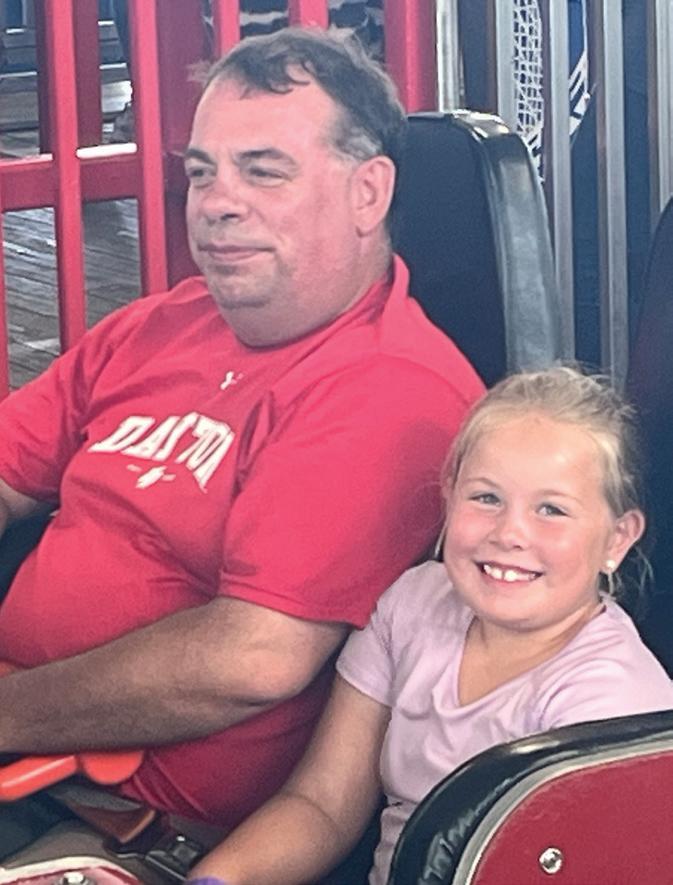
4. My son, Riggs, and his best friend, Camden, riding their first roller coaster at the Millersport Sweet Corn Festival. Blaine Klaus, Guernsey-Muskingum Electric Cooperative member.
5. Riding the roller coaster at Tuscora Park: grandchildren T.J., Trevor, and Tori, and friend Mackenzie. Patty Quaglia, South Central Power Company member.

For September, send “Only in Ohio” by June 15; for October, send “Best friends” by July 15.
Upload your photos at www.ohiocoopliving.com/memberinteractive. Your photo may be featured in our magazine or on our website. Send us YOUR picture!



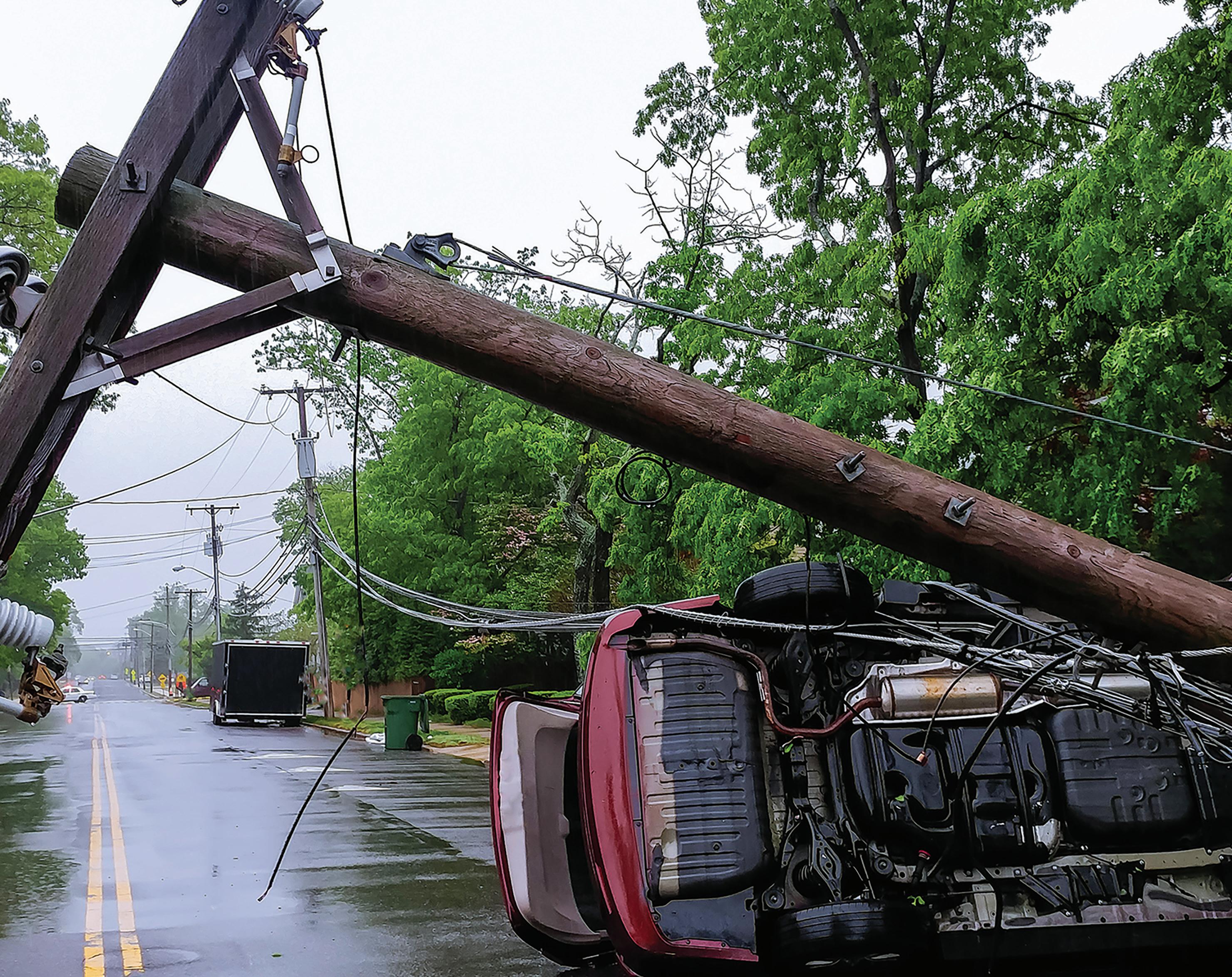


1. Stay in car if no fire
2. Call 911 and wait for emergency crews
3. If fire, open door, jump out, keep both feet together on the ground

Drivers distracted in their cars crash into utility poles too often. It can lead to outages but, even worse, it can be deadly if you don’t know what to do. Downed lines energize the ground up to 35 feet away.

4. Shu e feet away from car 35 feet; keep both feeton the ground at all times