

A legacy on the line
Salmons retires after 38 years
THE VALUE OF ELECTRICITY

As prices for everyday necessities like bread go higher and higher, your electric cooperative is constantly working to keep the price of electricity affordable AND stable.

INSIDE
FEATURES
21 THE LINCOLN SCHOOL STORY
A small group’s big effort ensures an Ohiobased bit of Civil Rights history lives on.
26 WHERE ART MEETS JOY
Passion Works Studio in Athens is more than just a community gathering place.
Cover image on most editions: The “Passion Flower” produced by artists at Passion Works Studio, is the official flower of the city of Athens. Each of the works is made from upcycled aluminum and hand-painted by one of the studio’s artists, including Emily Tanner (photograph courtesy of Passion Works Studio).
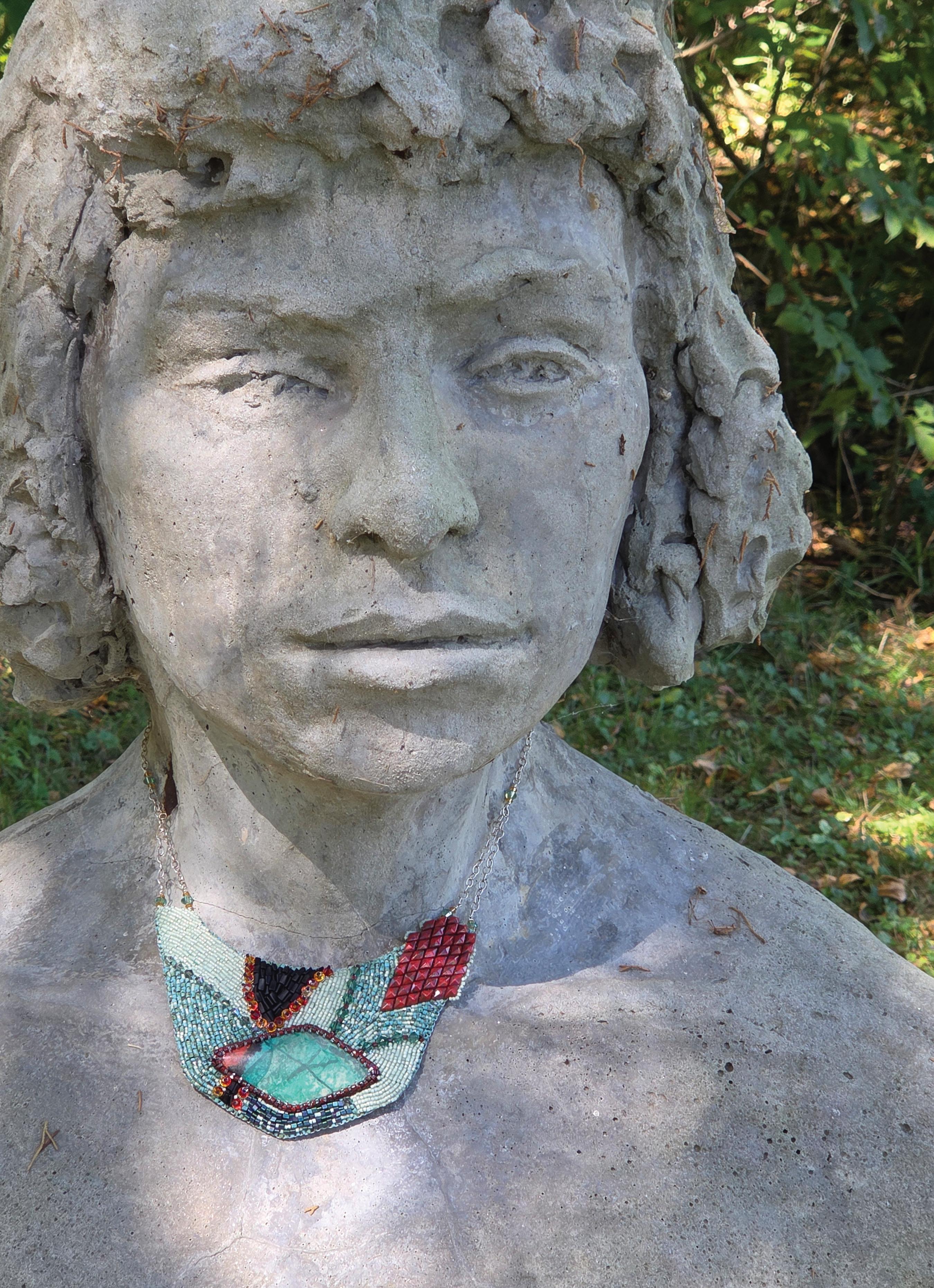
This page: A bead embroidery necklace created by Carmen Smith hangs on a sculpture by Charles Herndon at the Herndon Gallery and Sculpture Garden on the eastern side of Kelleys Island. See our story about the unique art enclave on page 10 (image courtesy of Herndon Galleries).
Powering healthy communities
As electric cooperatives, our main job obviously is to keep the lights on. We’re also dedicated to keeping our members informed about things like reliable service, affordable rates, and important rules that affect our business. We often talk about the benefits of being self-regulated, even though there are plenty of laws and regulations that also apply to us as we perform those important functions.
But our work isn’t just about electricity. Cooperative employees usually live and work in the communities they serve, and we care deeply about those communities. We often both lead and support efforts that make life better — even if those efforts aren’t directly related to providing electricity to our members.
Recently, a topic caught my attention that should matter to everyone: the new USDA food pyramid. In today’s world, it seems like new food trends and diet advice comes down the pike every single day. It can be confusing. But me? I like to keep things simple. I may not be a food expert or even a great cook, but I try to eat healthy. That’s why I was interested in the new dietary guidelines from the USDA. The updated food pyramid gives us a fresh look at what we should eat every day.
For years, nutritionists have questioned the old food pyramid; they thought the emphasis on grains led people to eat more processed snacks full of sugar and chemicals. At the same time, foods like meat, vegetables, nuts, and eggs were seen as less important. It was hard for people to know what was truly healthy. Simple advice like “eat real food, avoid processed products, and limit sugar” was missing from the official guidelines.
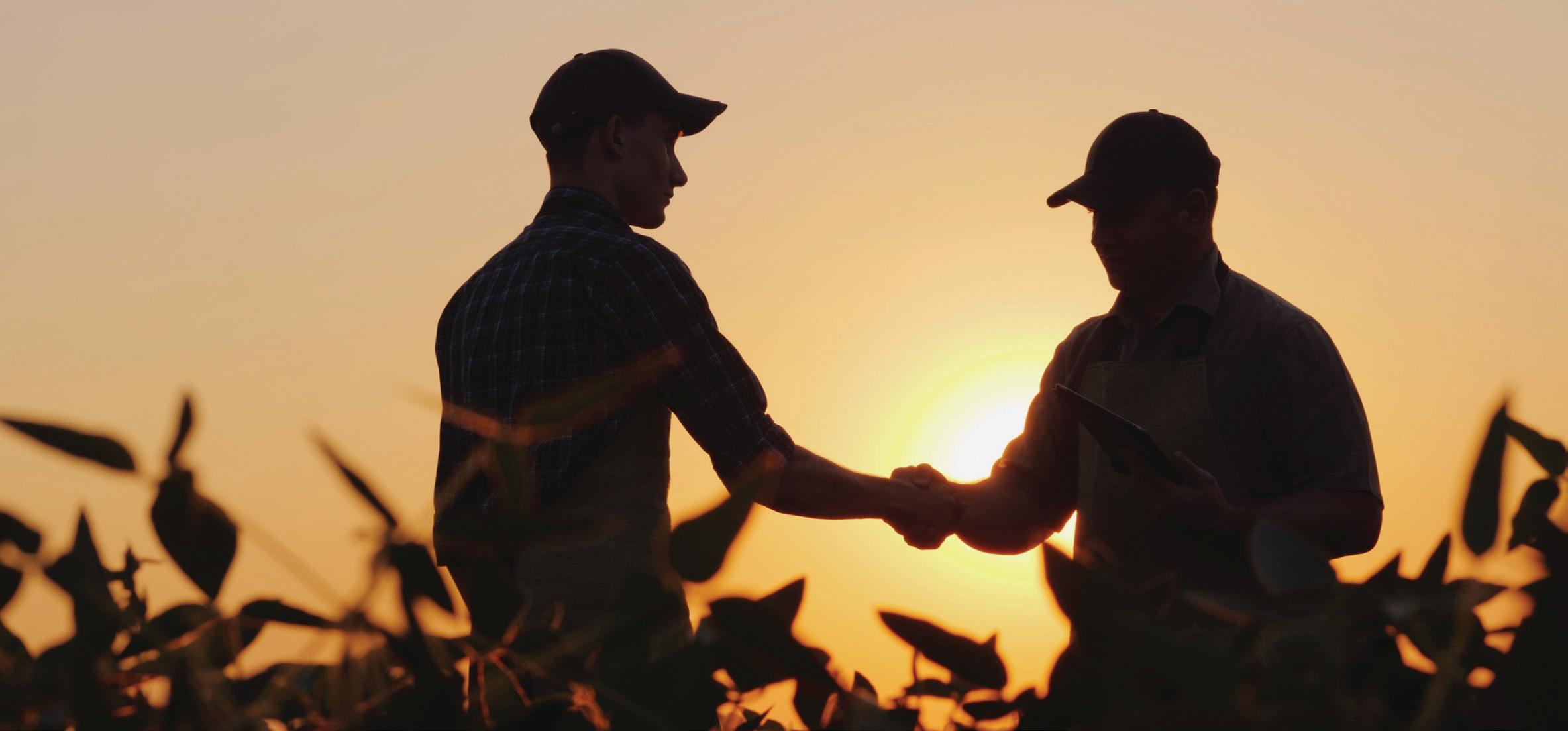
I bring this up because the electric cooperatives in Ohio and elsewhere serve mainly rural areas, and it seems that if more people were to eat real, whole foods, it would not only promote health everywhere, it would be a boon to the local farmers who grow crops and raise livestock. In rural areas like ours, farming is a big part of the economy — and when farmers do well, the whole community benefits. Supporting healthy eating can create a positive cycle: healthy people, strong farms, thriving towns. In the end, focusing on simple, healthy food choices helps everyone. It’s good for our health, our farmers, and our communities. And that means it’s also good for Ohio’s electric cooperatives.
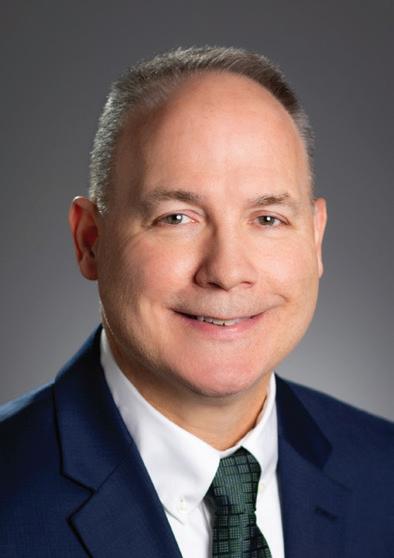
Grooms PRESIDENT & CEO
We often both lead and support efforts that make life better — even if those efforts aren’t directly related to providing electricity to our members.
Craig
OHIO’S ELECTRIC COOPERATIVES
Ohio Rural Electric Cooperatives
6677 Busch Blvd. Columbus, OH 43229 614-846-5757 www.ohiocoopliving.com
Craig Grooms President & CEO
Caryn Whitney Director of Communications
Jeff McCallister Senior Managing Editor
Amy Howat Assistant Managing Editor
Neal Kindig Graphic Designer
Contributors: Alicia Adams, Colleen Romick Clark, Getty Images, W.H. “Chip” Gross, Jill Moorhead, Jerry Mosemak, Catherine Murray, James Proffitt, and Jamie Rhein.
OHIO COOPERATIVE LIVING (USPS 134-760; ISSN 2572-049X) is published monthly by Ohio Rural Electric Cooperatives, Inc. It is the official communication link between the electric cooperatives in Ohio and West Virginia and their members. Subscription cost for members ranges from $6.48 to $7.92 per year, paid from equity accruing to the member.
POSTMASTER: Send address changes to editorial and advertising offices at: 6677 Busch Boulevard, Columbus, OH 43229-1101. Periodicals postage paid at Berne, IN 46711, and at additional mailing offices. Nothing in this publication may be reproduced in any manner without written permission from Ohio Rural Electric Cooperatives, Inc. All rights reserved. The fact that a product is advertised in Ohio Cooperative Living should not be taken as an endorsement. If you find an advertisement misleading or a product unsatisfactory, please notify us or the Ohio Attorney General’s Office, Consumer Protection Section, 30 E. Broad St., Columbus, OH 43215. Periodicals postage paid at Columbus, OH, and at additional mailing offices.

DEPARTMENTS
4 POWER LINES
Taking a peek at peak alerts: When electricity demand is at its highest, members have it in their power to help save some money and ease strain on the grid.
8 WOODS, WATERS, AND WILDLIFE
The good, the bad, and the ugly duckling: Learning to ID Ohio’s three swan species can be a tricky task.
10
CO-OP PEOPLE
Island art space: Charles Herndon Galleries and Sculpture Garden is a creative sanctuary on the lake.
13
GOOD EATS
Warm & cozy: This comforting cuisine will get you through the coldest of winter days.
16 IN THE GARDEN
Green indoors: It’s easy to grow indoor herbs during the cold months.
17
LOCAL PAGES
News and other important information from your electric cooperative.
33 CALENDAR
National/regional advertising inquiries, contact Cheryl Solomon
American MainStreet Publications 847-749-4875 | cheryl@amp.coop
Cooperative members:
Please report changes of address to your electric cooperative. Ohio Cooperative Living staff cannot process address changes.
Alliance for Audited Media Member
36
4 36 16
What’s happening: Events and other things to do around Ohio in February and March.
MEMBER INTERACTIVE
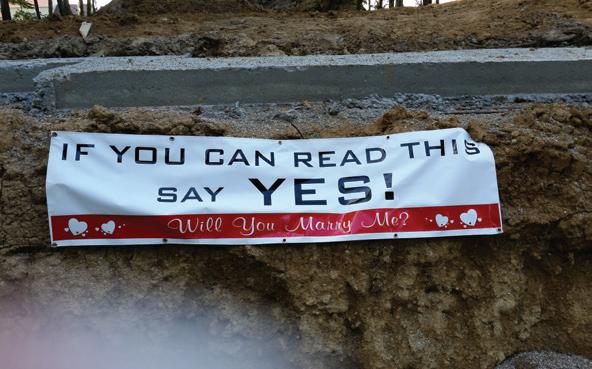
Will you marry me? Everyone loves a good proposal picture, like this one that surprised Butler Rural Electric Cooperative member Linda Everett during an aerial inspection of the couple’s new house.
13 8 10



Visit Ohio Cooperative Living magazine online at www.ohiocoopliving.com! Read past issues and watch videos about our articles or our recipes. Our site features an expanded Member Interactive area, where you can share your stories, recipes, and photos and find content submitted by other co-op members across the state.
Taking a peek at
peak
alerts
No matter the season, when electricity demand spikes, members have it in their power to help save some money and ease strain on the grid.
BY CARYN GOLDEN WHITNEY
At about 4:30 a.m. one frigid Monday this past December, a signal went out from Columbus that temporarily switched off electric water heaters, furnaces, heat pumps, and geothermal systems in tens of thousands of electric cooperative members’ homes around the state.
As dramatic as that sounds, though, most of those members likely didn’t even know it had happened.
Buckeye Power, the generation and transmission cooperative that provides the electricity Ohio’s co-ops distribute to their members, can reduce costs and ease strain on the grid by cycling those appliances off and on for short periods of time when the demand for power is at its highest. More than 100,000 co-op members in Ohio volunteer to participate in the program.
“It was actually the third time this winter we’ve issued a control like that,” says Kevin Zemanek, Buckeye Power’s vice president of operations. “We typically do it four or five times per winter season, but in every instance, we try to manage the duration of those controls so people usually won’t even notice.”
‘Beat the peak’
When potential “load control” events approach, co-ops try to head them off by issuing a “peak alert” — a text message, email, social media post, or app notification to members asking them to voluntarily reduce electricity usage (see tips, opposite page). Members may think of peak alerts as a ritual of summer, coming as they often do on the hottest, muggiest days. But winter alerts are, in fact, just as common.
One reason those summer alerts tend to be more memorable is that, well, people are usually awake for them — they typically happen during the hottest part of the day, between 2 p.m. and 6 p.m. The winter temperature extremes that trigger alerts, on the other hand, usually happen later at night or during early morning hours.
Why the peak matters
It’s important to note that a peak alert doesn’t necessarily mean there’s an emergency or some kind of power shortage — even when it’s followed by load control. It’s more of an opportunity to reduce costs and save money.
Electric utilities have an obligation to provide electricity at all times, so even though their systems may only rarely


be called upon to handle that peak level of demand, that’s the level they need to be designed for. Some of their annual operating costs, then, are based on ensuring their ability to meet whatever peak is set during the course of the year.
If the co-ops can reduce their contribution to that peak, Buckeye’s costs will be lower for the year, and that savings is passed through to its owners: Ohio’s co-ops.
Zemanek says beating those peaks can collectively save the co-ops $7 million to $10 million annually, and since co-ops are member-owned and not for profit, they pass those savings directly to their own members by holding their rates down.
In it together
The peak alert messages are usually effective at reducing load, because simple measures can make a big difference. Many co-op members appreciate being able to save money and are willing to help.
If those measures are enough, the alert will pass on its own. But if not, load control may come into play. With a member’s permission and usually in exchange for a bill credit or a rebate or both, some co-ops will install a radiocontrolled switch on the member’s water heater and/or HVAC unit. (Specific offers and availability differ, so call your co-op to see if and how they participate.) Then, when
the need arises, Buckeye Power sends a signal that cycles those appliances off and on for short periods of time.
“We have more than 5,000 members participating in our switch program,” says Peter Niagu, business development and key accounts coordinator at the Paulding-based co-op Paulding Putnam. “Often, members contact us about rebates, and once they learn how the switch program works, they like knowing they’re helping the cooperative control costs while doing something good for the entire membership.”
Benefit to the grid
Another reason it’s important to hold down those peaks is that while electricity use has been increasing over the past decade as homes and businesses rely more on electric vehicles, smart devices, and digital technologies, the supply of electricity has not necessarily kept pace.
In 2009, there were 21 coal-fired power plants generating always-on, economical electricity in Ohio. Today, only four remain, including the co-op-owned Cardinal Power Plant in Brilliant. Natural gas plants and weatherdependent sources like wind and solar have expanded, but they simply are not as reliable — especially during extreme weather.
In December 2022, for example, Winter Storm Elliott brought a prolonged deep freeze to Ohio. For six days,
Continued on page 6


Continued from page 5
electricity demand nearly exceeded available supply. While Ohio avoided rolling blackouts, some states to the south were not as fortunate. It underscored how vulnerable the electric grid can be during extreme winter conditions.
“Peak alerts and load reduction will continue to be about cost savings, but they’re also needed to
help maintain grid reliability into the future,” Zemanek says.
No matter the season, your local electric cooperative will keep you informed so you can plan ahead. And your cooperative is always ready to help you find additional ways to save energy, reduce costs, and ensure reliable service for your home, business, and community.
Soaring demand
power use. Recent data show that power consumption nationwide is set to increase by at least 38 gigawatts between now and 2028. This trend would ordinarily be great news for the power industry. But government policies aimed at shutting down fossil-fuel-based generation and years-long delays in permitting and siting for new transmission lines are turning this power boon into a capacity crisis. Here are the primary demand drivers:
Electrification
Electric vehicle adoption, electrification of home heating, and industrial electrification were expected to increase overall U.S. energy consumption by 1% per year from 2023–2026.
Data centers
Driven by explosions in artificial intelligence, cryptocurrency, and cloud computing, total U.S. data center load is projected to increase by 65% by 2050.
Economic growth
Residential power consumption is expected to increase by 14% to 22% through 2050 due to increases in population and steady economic growth.
Manufacturing growth/onshoring
New, expanding, and “onshored/reshored” manufacturing capacity driven by federal incentives is expected to increase industrial demand by 13,000 GWh per year.
Key products: EVs, batteries, semiconductors, solar power components
Total demand
Analysts predicted in 2023 that U.S. peak demand would increase by at least 38 GW over the next five years, nearly double the growth rate predicted in 2022.
The good, The BAD, & the ugly duckling
Learning to ID Ohio’s three swan species can be a tricky task.
STORY AND
There are three categories of waterfowl that frequent the Buckeye State: ducks, geese, and swans. Swans are by far the largest of them — weighing 20 pounds or more, with wingspans measuring nearly 8 feet. There are just three swan species in Ohio (tundra swan, mute swan, and trumpeter swan), but it can be a challenge to make a positive identification at a distance, as they are all snow-white and relatively the same size.
As you get closer, though, the differences become more apparent, so grab your binoculars and let’s head outdoors.
Tundra swan (the good)
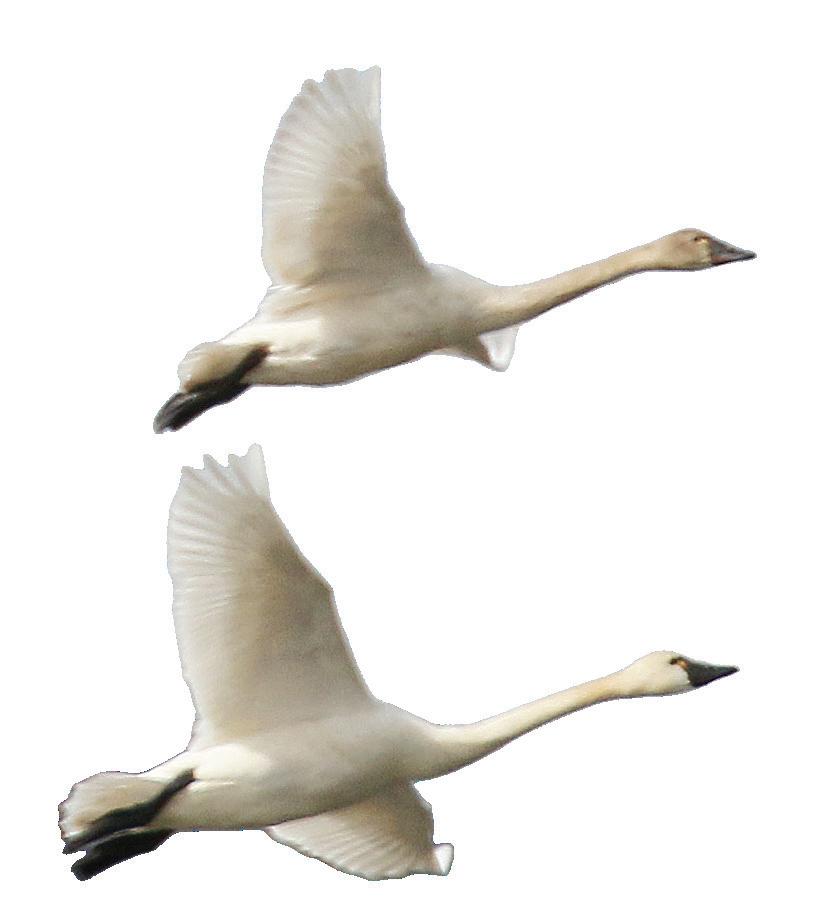
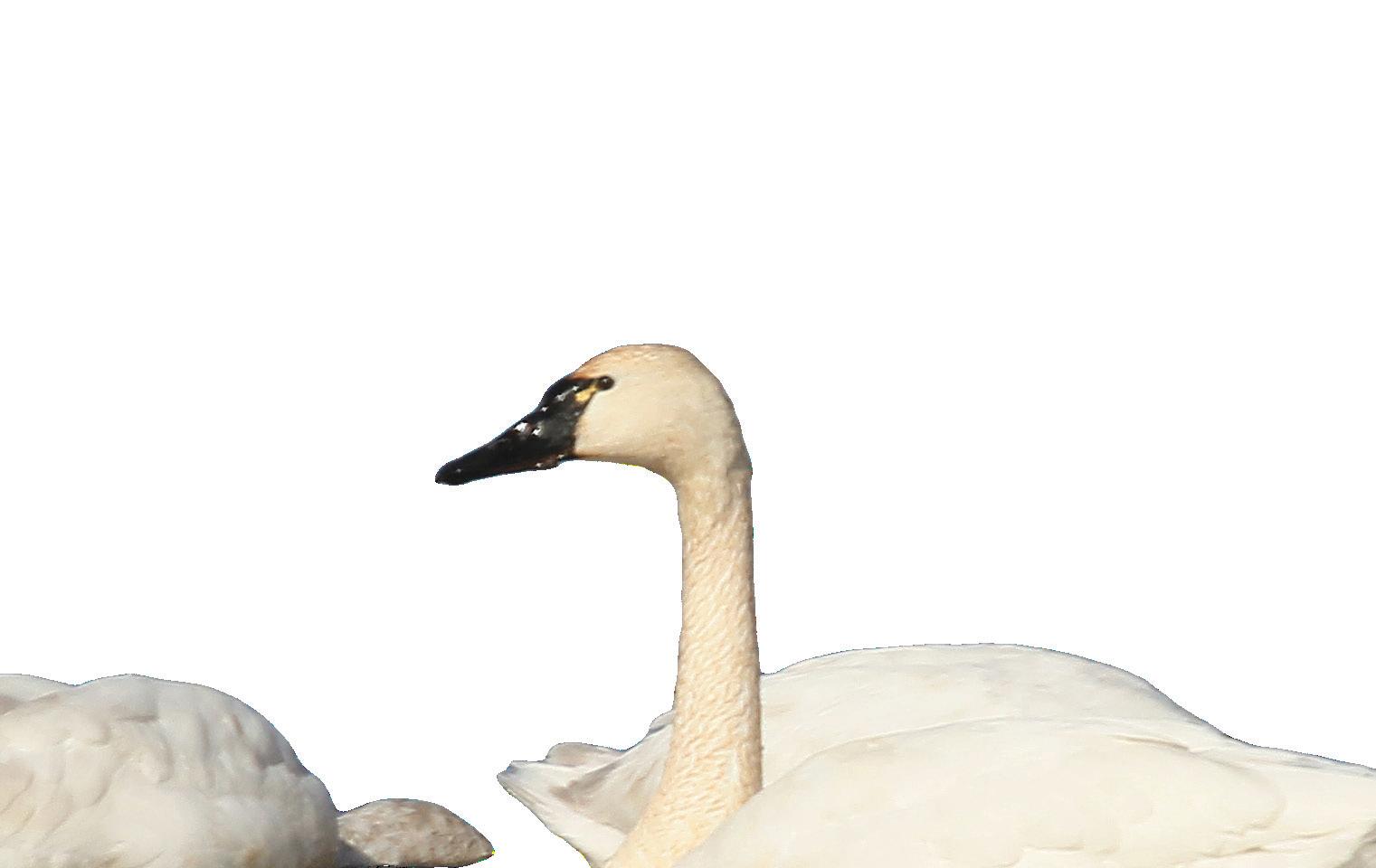
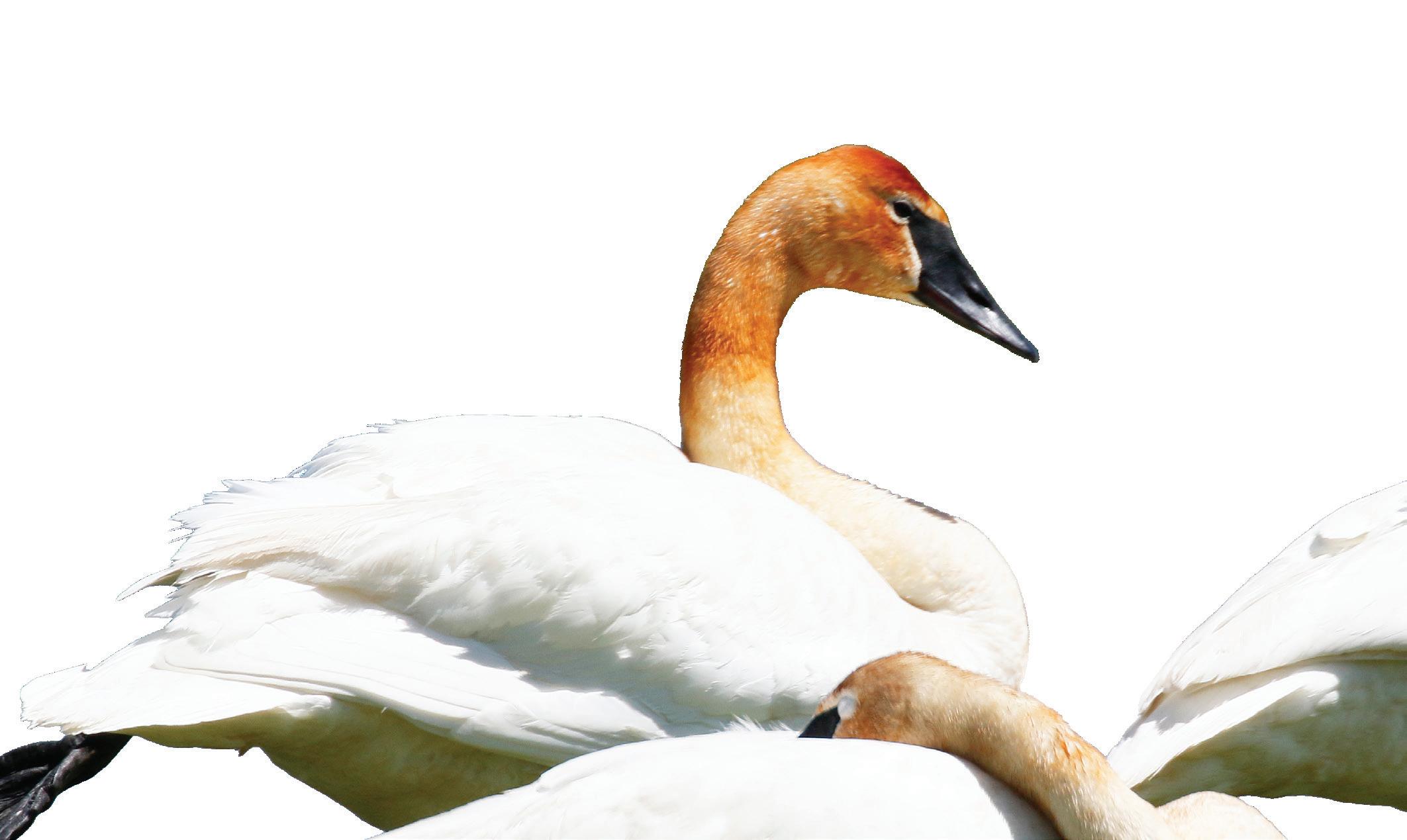
The tundra swan (in flight, above, and in the water, below) is Ohio’s only native swan. Large flocks of them migrate through the state late in February and March on their way north to nest in the High Arctic, then come back with their young cygnets the following November and December, especially along the shores of Lake Erie. If you have an older bird ID book, the tundra swan may be identified as a “whistling swan.”
According to Kevin McGowan, an avian educator with the Cornell Lab of Ornithology in Ithaca, New York, “The name whistling swan was changed to tundra swan in 1983 because it was lumped with the Bewick’s swan of Eurasia and considered the same species.” So, how best to identify the tundra swan/whistling swan from the two other Ohio swan species? Look for the yellow lore, a small, bright-yellow mark immediately in front of each eye at the rear of the bird’s black bill.


PHOTOS BY W.H. “CHIP” GROSS
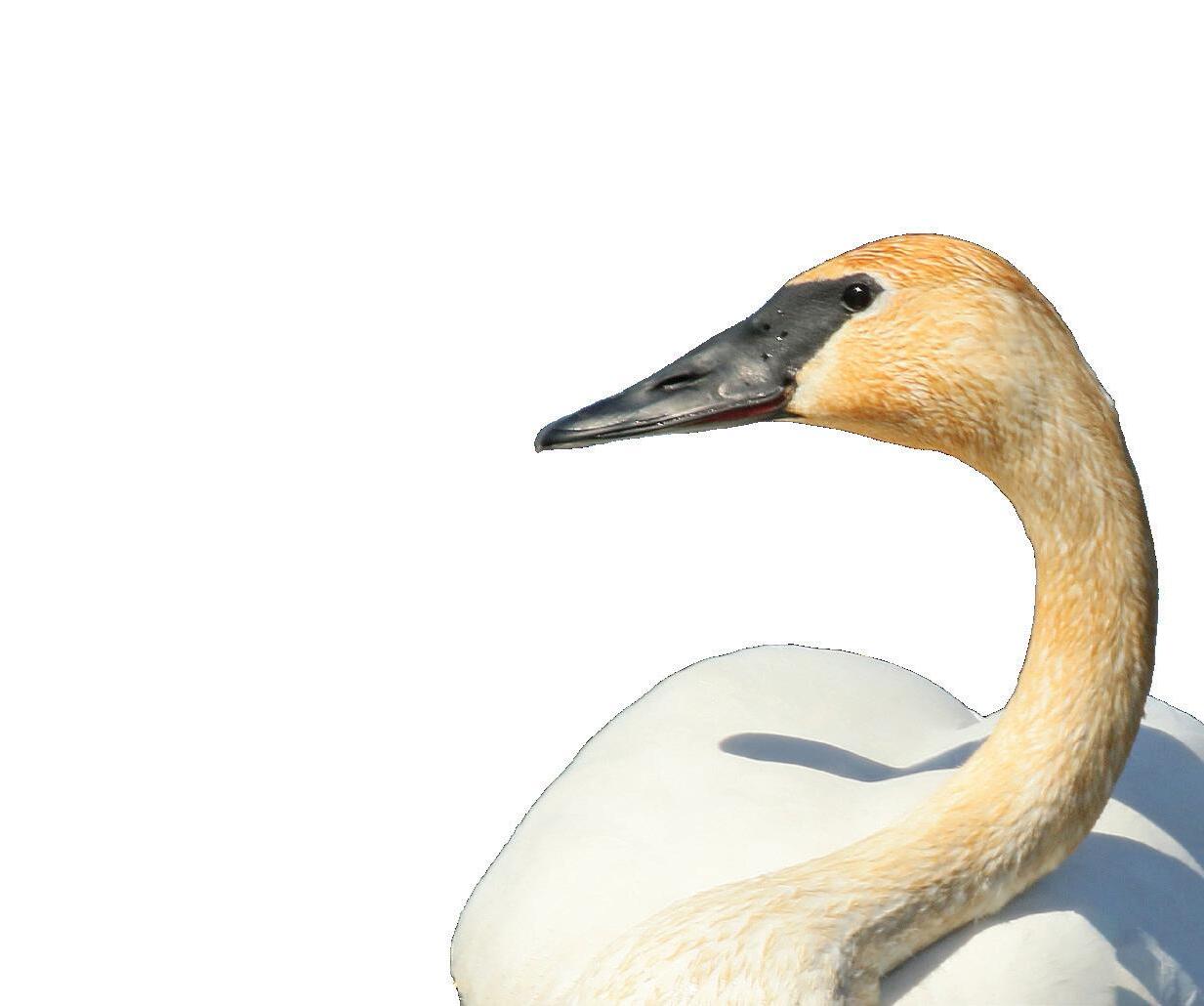
Ohio’s three species of swan (from left), tundra, mute, and trumpeter, can be identified by the shape of their heads and color of their bills. They are all naturally snow white, but their heads and necks often become stained from the water in which they feed.
Mute swan (the ‘bad’)
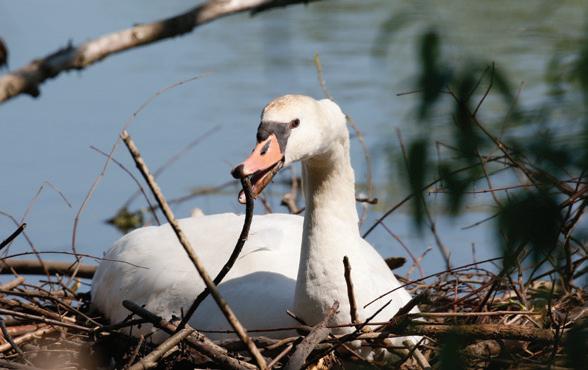
Mute swans (pair at nest, below) are identified by their orange bill with a black knob at the base; while swimming, they also tend to hold their head and neck in a downward “S” curve. Many ornithologists consider the mute swan less than desirable because it’s a nonnative species that was introduced to North America in the mid1800s. The first Ohio nesting in the wild was documented in 1987. The problem with mute swans is their natural aggression. As their numbers have increased, they’ve outcompeted native waterfowl for food and nesting sites.
I witnessed this behavior firsthand during the spring of 2024 while visiting East Point Nature Preserve on Lake Erie’s Middle Bass Island. A pair of mute swans had established a nest site, and I watched the female repeatedly reach down to the bottom of the shallow marsh with her long neck, pulling up long, thin sticks with her bill to add to the nest. In the meantime, her mate was constantly patrolling the entire wetland, chasing off any other waterfowl that attempted to land.
Trumpeter swan (the Ugly Duckling)
Here’s where swan ID gets a bit trickier. Trumpeter swans (below, right) look similar to tundra swans, but lack the yellow lore at the base of the bill. Trumpeters are also larger in body size than tundras, but that’s often difficult to determine if the species are not close enough together for comparison. The best characteristic to look for when identifying a trumpeter swan is its combination wedge-shaped head and black bill.
Trumpeter swans were nearly hunted to extinction more than a century ago in North America. Thankfully, the unregulated slaughter was stopped just in time, when less than 100 known trumpeter swans remained. During the ensuing years, a national conservation plan to recover the birds was developed, and Ohio became part of that effort.
In the Hans Christian Andersen fairytale titled “The Ugly Duckling,” a young duck is so large and awkward that it is expected to grow into a particularly ugly adult duck. Instead, it turns out that the bird wasn’t a duck after all, and grows up to become a beautiful, graceful swan. It’s a story with a happy ending, just as the real story of the trumpeter swan is.
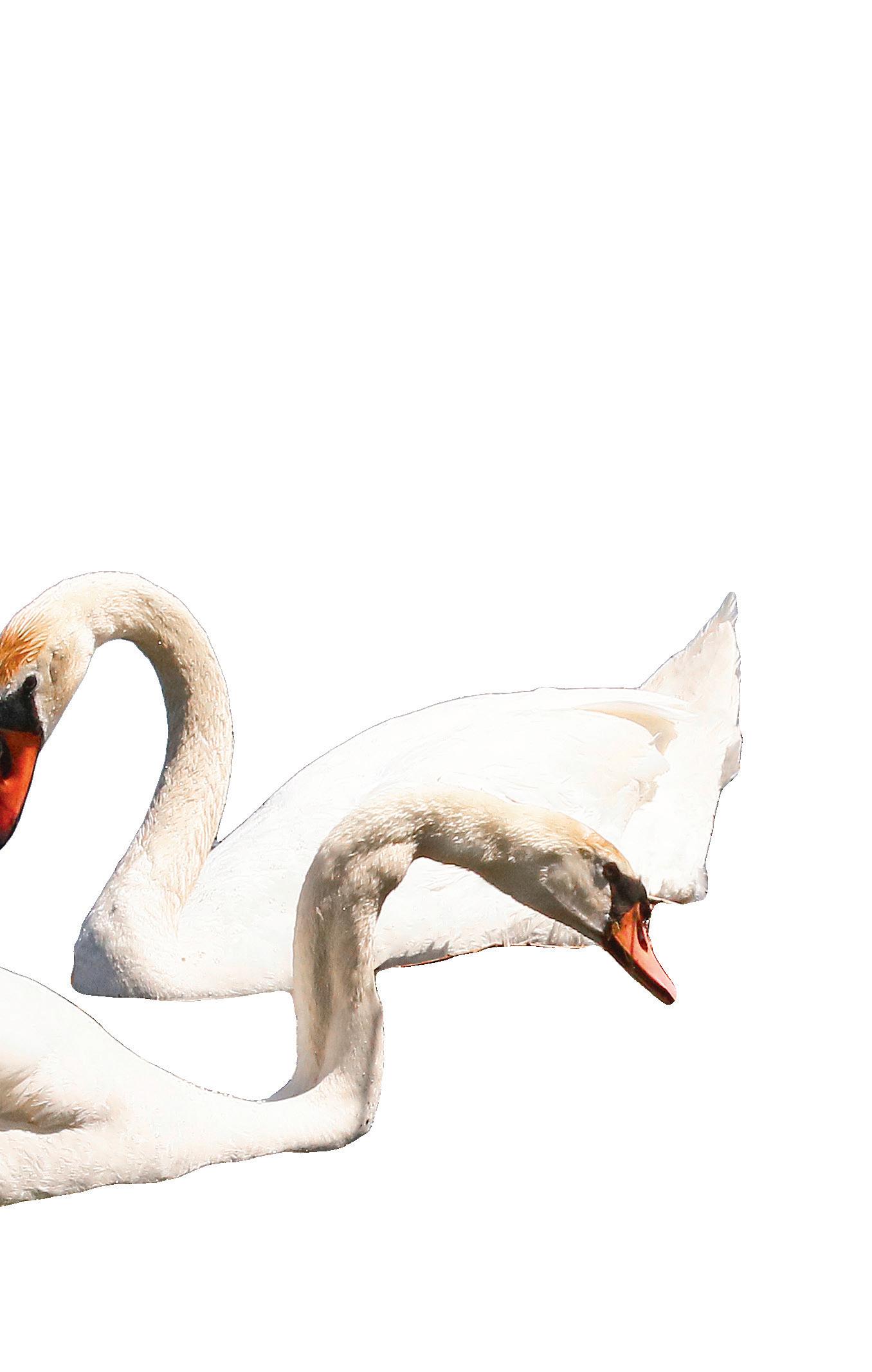
Trumpeters were removed from the state’s threatened species list in 2024, culminating a 28-year effort by the ODNR, Division of Wildlife, to restore a population of trumpeter swans within the state. Today, Ohio’s trumpeter swan population stands at nearly 1,000 birds, with pairs nesting in 26 counties, their unique, trumpeting calls once again heard emanating across Buckeye wetlands.


Island
art space
Charles Herndon
Galleries and Sculpture Garden is a creative sanctuary on the lake.
BY JAMES PROFFITT; PHOTOGRAPHS COURTESY OF HERNDON GALLERIES

Like many Kelleys Island residents, Charles and Cindy Herndon spent their childhood summers in the bucolic setting on western Lake Erie before returning decades later to live there. But they didn’t just come back to fade away into retirement.
Charles, 79, and Cindy, 74, established the Charles Herndon Galleries and Sculpture Garden, a sprawling art campus that includes two galleries, working studio spaces that have served as a sanctuary for art since 1999, and a sprawling garden with cedar woods with trails for visitors to walk around and view the art.
Charles is a retired professor from Columbus College of Art and Design. He is a sculptor, painter, and photographer whose work is intimately connected to the lake — and to the sprawling 10-acre garden on its shore.
“The lake is a provider for paintings using propagation, waves, the stones it brings to shore, its movement, repetition, and variety,” he says. “The natural world is important to my soul and its creative juices.”
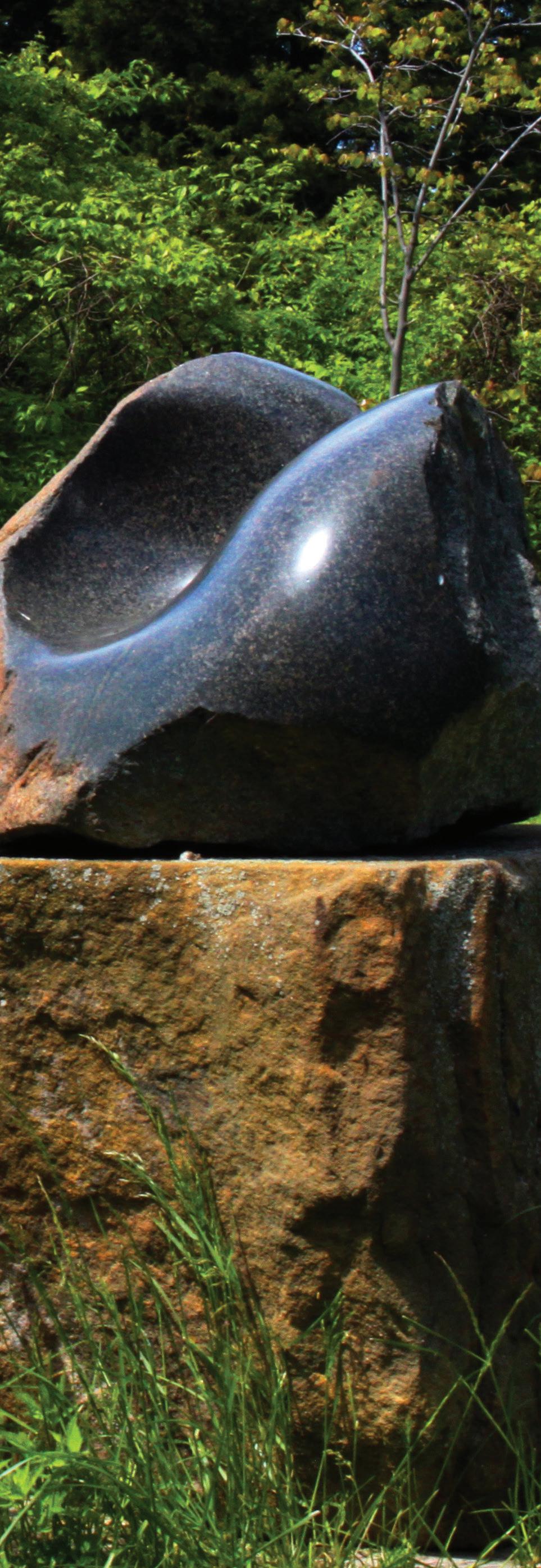
Before he painted, Charles mostly sculpted, and the garden portion of the campus is home to about 150 pieces ranging from smaller works to massive creations 7 or 8 feet tall. Some are wood, steel, or bronze; others are pieces of glacial erratic (granite) and limestone, many quarried from the island.
“The granite came down from the Wisconsin glacier, and you can see it’s gone through the molten process, so there are veins where it was really, really hot,” Cindy says. “They’re very hard and you have to use diamond tools to carve those. And the limestone from Kelleys has all kinds of interesting patterns, so the fossils really show through.”
While the Herndon galleries themselves are seasonal (a no-brainer on Lake Erie islands), the studios serve as creative “hotspots” year-round — a term that’s quite literal for one of the two island artists whose work is born there.
“Jackie Polofka is our glass artist and does amazing things in the studio Thursdays, Fridays, and Saturdays during the season,” says Carmen Smith, the gallery’s manager. “She used to blow glass in different places around the island with a trailer.”
Polofka’s yearning for a larger and more permanent working space eventually led to a perfect marriage with the Herndons’ desire to have artists working on the campus.

“It’s a huge draw for the gallery and people love her work,” Smith says. “She blows a lot of touristy things you can hang in the window and cute little birds — fun stuff — but also pieces like goblets with extremely fancy stems. Those are stunningly gorgeous.”
The other artist whose work regularly rises from the studios is Smith herself. “I’m a jeweler and also work in fibers, sewing, weaving, and things like that,” she says.
“I have a loom where I can make textiles, but I do a lot of wall hangings, more artistic-leaning than functional weaving. I also use a lot of clothing and other textiles that I find, both for the environment and the price.”
Smith says soaring silver prices have cut into her jewelry work, though she’s still a working jeweler with the know-how to mill silver. That’s the process of taking raw silver and forming it into sheets, shapes, wires, or whatever form is needed to create original pieces. She also does free-form casting, in which liquid silver is poured into materials such as beans, water, rice or spaghetti to create one-of-a-kind shapes; she says it’s quite the crowd pleaser.
“It’s fun because it’s visual and so I do it as a demonstration down at the gardens sometimes,” she says. “It’s just very fun to work with.”
The gallery and gardens are free and open to the public during the season, and while the space is located at the eastern end of the island, away from the downtown bars and restaurants, it still sees regular traffic from summer revelers — many with drinks in hand, which Smith says has never caused an issue.
“We like to share the art and garden with visitors, especially our community members,” Charles says. “We enjoy it and feel it’s important to our society to give explanation to some of the stone carving processes and welding of steel. And we always encourage young children to enjoy the outdoor work — we have games they can play to seek a better understanding.”
The Herndons are members of North Baltimorebased Hancock-Wood Electric Cooperative, as are all residents and businesses on Kelleys.
“We have great people on the island here, absolutely,” Cindy says. “That’s another story in itself, just the people that work on the island. It’s a great co-op and we’re happy with things and if we’re ever not, they’re always responsive.”
Island rescues
While Charles Herndon paints and sculpts, plucking ideas and forms from ancient stone and colors and patterns from palettes with a searching mind and heart, he also will occasionally be called upon to transform dark to light in a more metaphysical sense.
In 2007, a small plane crashed into Lake Erie about a half-mile out from his gallery and sculpture garden at the eastern end of Kelleys Island. He launched his small rowboat and saved a young boy whose father and brother had perished in the crash.
Years earlier, he and Cindy were fishing south of the island when they came upon another fishing boat that had sunk and they rescued two anglers from the water — though a third person aboard did not survive.
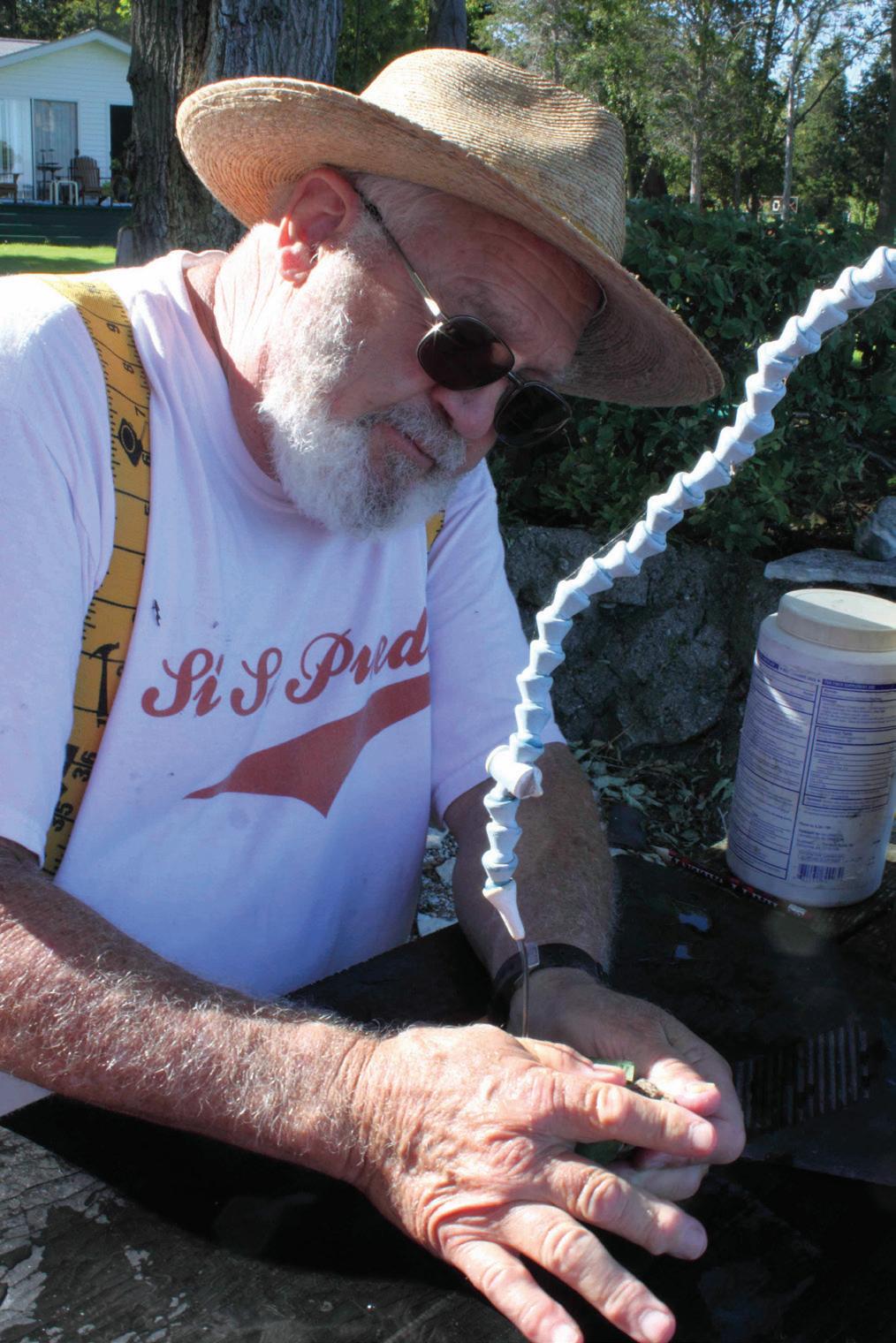
Charles Herndon puts the finishing touches on a sculpture at his gallery and studio on Kelleys Island. Herndon’s “From Here to the Sea,” a work in glacial erratic granite and a fixture in the sculpture garden, is shown at left.
In times of economic uncertainty—when inflation rises, markets fluctuate, and long-term financial stability feels less predictable—many investors turn to gold as a dependable store of value. By holding a portion of your wealth in gold, you can help safeguard your portfolio and preserve long-term financial security, even when broader economic conditions are unclear.
American Gold Reserve is releasing Government issued $5 Gold American Eagles completely free of dealer mark-up for only $459 each. These beautiful $5 Gold American Eagles are a perfect way to enter the gold market. They are set for immediate public release and will sell out fast.
Since 2015, gold has surged over 400% — outpacing both the S&P 500 and the Dow during the same period.
• Teach the importance of wealth preservation.
• Great way to pass on wealth to children and grandchildren.
• A symbolic act of the commitment to your family.
• Gold provides your children and grandchildren with a built-in safeguard during times of financial instability.




Warm & cozy
This comforting cuisine will get you through the coldest of winter days.
BROCCOLI CHEDDAR BAKED POTATOES
Prep: 20 minutes | Bake: 60 minutes | Servings: 4
4 large russet potatoes, washed and scrubbed
3 tablespoons unsalted butter, divided
1 small onion, diced small
½ cup finely shredded carrot
1½ cups vegetable broth
½ teaspoon onion powder

½ teaspoon garlic powder
½ teaspoon pepper dash of cayenne
4 cups small broccoli florets
2 tablespoons flour
1 cup milk
4-ounce chunk sharp cheddar cheese, shredded
Preheat oven to 425 F. Prick potatoes with fork four or five times each for steam to vent and place directly on middle rack in oven; bake 40 to 60 minutes, until soft when squeezed using an oven mitt. In a medium pot, melt 1 tablespoon butter over medium heat. Add onion and sauté until tender, 5 to 7 minutes. Add carrots and cook another minute or two. Stir in broth, onion powder, garlic powder, pepper, and cayenne. Bring to a simmer, then add broccoli; cover and cook 3 to 5 minutes, until tender.
Meanwhile, in a medium saucepan, melt remaining butter over medium heat. Whisk in flour and cook 1 to 2 minutes, whisking constantly until golden brown with a nutty scent. Whisk in milk; continue whisking until thickened and bubbly, about 5 minutes. Whisk in cheese a handful at a time until fully melted. Remove from heat and stir cheese sauce into pot with broccoli. Cover and set aside. Split potatoes open with knife and fluff insides with fork. Generously top with broccoli cheddar.
Per serving: 491 calories, 21 grams fat (12 grams saturated fat), 63 grams total carbohydrates, 57 milligrams cholesterol, 556 milligrams sodium, 10 grams fiber, 17 grams protein.
SAUSAGE ‘POT ROAST’
Prep: 15 minutes | Cook: 55 minutes | Servings: 5
1½ pounds Yukon gold potatoes
1 pound large carrots
1 medium red onion
2 cloves garlic, minced
2 tablespoons olive oil
1 tablespoon cornstarch
2 cups beef broth
2 teaspoons dried thyme (leaves preferred)
½ teaspoon salt
½ teaspoon pepper
1 pound raw pork sausages, such as classic bratwurst
Cut potatoes into approximately 2-inch chunks. Transfer to a large bowl, cover with water, and swish potatoes around to remove dirt and excess starch. Drain well. Peel carrots and cut into 2-inch pieces. Peel onion and cut into 2-inch wedges.
Preheat oven to 425 F. In a large roasting pan, toss potatoes, carrots, onion, and garlic with olive oil. In a medium bowl, whisk cornstarch with a small amount of the beef broth until smooth, then whisk in remaining broth. Pour broth over vegetables in roasting pan, then sprinkle with thyme, salt, and pepper. Cover pan with foil and bake 40 minutes. Pull pan out of oven and remove foil. Place sausages on top of the vegetables, leaving space between them. Bake 8 minutes, then flip sausages over and bake another 6 minutes, or until the internal temperature of the sausages reaches 160 F, vegetables are soft, and gravy is thickened.
Per serving: 480 calories, 33 grams fat (10 grams saturated fat), 31 grams total carbohydrates, 64 milligrams cholesterol, 1,459 milligrams sodium, 6 grams fiber, 17 grams protein.
STUFFED PEPPER SOUP
Prep: 5 minutes | Cook: 30 minutes | Servings: 8
1 pound lean ground beef
1 medium onion, diced
4 cups diced bell peppers (approx. 2 large peppers)
3 cloves garlic, minced
15-ounce can tomato sauce
14.5-ounce can petite diced tomatoes
2 cups beef broth
2 cups water
1 teaspoon Italian seasoning
1 cup uncooked long grain white rice, rinsed well
In a large stockpot over medium heat, cook beef with onion for 5 minutes, breaking beef into small pieces. Add peppers and garlic; cook, stirring until peppers are soft. If needed, add small amounts of water to prevent burning. Mix in tomato sauce, diced tomatoes, broth, water, Italian seasoning, and rice. Bring to a boil, then reduce heat to medium-low. Cover and simmer 15 to 20 minutes, stirring often, until rice is tender. Makes 3 quarts.
Per serving: 239 calories, 6 grams fat (2 grams saturated fat), 30 grams total carbohydrates, 37 milligrams cholesterol, 668 milligrams sodium, 3 grams fiber, 16 grams protein.



TAMALE PIE
Prep: 25 minutes | Bake: 20 minutes | Servings: 6
1 pound lean ground beef
1 medium yellow onion, diced
1 green pepper, diced
1 jalapeño, seeded and minced
3 cloves garlic, minced
2 teaspoons chili powder
2 teaspoons cumin
½ teaspoon pepper
15-ounce can black beans, drained and rinsed
14.5-ounce can fire-roasted tomatoes
4-ounce can diced green chiles
15-ounce can of corn, drained
4.25-ounce can chopped black olives
1 cup shredded cheddar cheese
2 cups stone-ground yellow cornmeal
½ cup flour
1 tablespoon sugar
2 teaspoons baking powder
½ teaspoon baking soda
1 teaspoon salt
1 cup water
4 tablespoons unsalted butter, melted
2 large eggs
In a large skillet over medium heat, cook beef with onion, breaking beef up into small pieces for 5 minutes. Stir in green pepper, jalapeño, garlic, and spices; cook until peppers are soft, adding small amounts of water to prevent burning. Mix in black beans, tomatoes, green chiles, corn, and black olives; simmer over medium heat until thickened, about 10 minutes. Remove from heat and stir in cheese. In a medium bowl, combine cornmeal, flour, sugar, baking powder, baking soda, and salt. Mix in water, then butter, then eggs.
Preheat oven to 375 F. Spoon meat mixture into a greased 9x13-inch baking dish and spread cornbread mixture evenly across the top and to the edges. Bake on middle rack of oven for 18 to 20 minutes, until cornbread is golden brown and firm when pressed. Let cool a few minutes before serving.
Per serving: 637 calories, 28 grams fat (12 grams saturated fat), 64 grams total carbohydrates, 149 milligrams cholesterol, 1,532 milligrams sodium, 10 grams fiber, 33 grams protein.

Green indoors
It’s easy to grow indoor herbs during the cold months.
BY ALICIA ADAMS
Harvesting your own fresh, aromatic herbs provides a satisfying connection to nature and lets you bring garden-to-table zestiness to your meals. But most herbs need full sun to thrive, and Timothy McDermott, assistant professor and Extension educator at Ohio State University, says that in winter, a sunny kitchen windowsill isn’t enough.
But you can still get vibrant summer flavor all winter long by growing fresh herbs indoors under LED grow lights.
Why LED?
In years past, indoor gardening often meant bulky, hot lights that were as hard on your electric bill as they were on your plants. Modern LED lights, McDermott says, have revolutionized the kitchen garden. The slim, cool bulbs use up to 50% less energy than traditional fluorescents, yet deliver a full spectrum, which prevents plants from becoming “leggy,” or thin. The result is a sturdier, bushier herb that thrives on your countertop.
Choosing the right light
LED lights come in an assortment of sizes, shapes, and uses. For your indoor garden, choose an LED light that specifically says “grow light” or “for plants.” Make sure to look for these three things on the packaging:
Full spectrum: Bulbs that mimic natural daylight deliver the entire spectrum that herbs need during different phases of growth.
Temperature: Look for 5,000K (often labeled “Daylight” in the description) to encourage compact, bushy growth.
Wattage: Ignore the manufacturer’s phrasing that says what it looks like to the human eye (“100 watt equivalent,” for example) and look for actual power draw. For a single potted herb, an LED light with a 15W–20W LED bulb or panel is plenty. Otherwise, 20W–30W of LED power per square foot of countertop garden is a good guideline.
Easy-to-grow herbs
The easiest way to start your garden is to buy herbs that are already potted. Most major grocery store chains sell potted living herbs in their produce section. Fortunately, some of the most forgiving herbs to grow are also some of the most widely used in cooking:
Basil: tasty in hearty Italian dishes and also a wonderful topper for pizzas, pasta, and soups.
Chive: adds a mild onion-garlic flavor along with a pop of green to baked potatoes and eggs.
Rosemary: adds a slightly piney, earthy flavor to roasted meats and delicious depth to bread and soups.
Handle with care
Even with proper lighting, McDermott says, you still need to take proper care of your indoor herbs to keep them thriving. “Make sure you don’t overfertilize or overwater them,” he says. “Use a well-drained potting mix and fertilize them only if you’re positive they need it.”
LOGAN COUNTY ELECTRIC COOPERATIVE
HONORING DAVE SALMONS 38 years on the line: a legacy of power and pride


Dave’s level of caring: a reflection on 38 years at Logan County Electric Cooperative



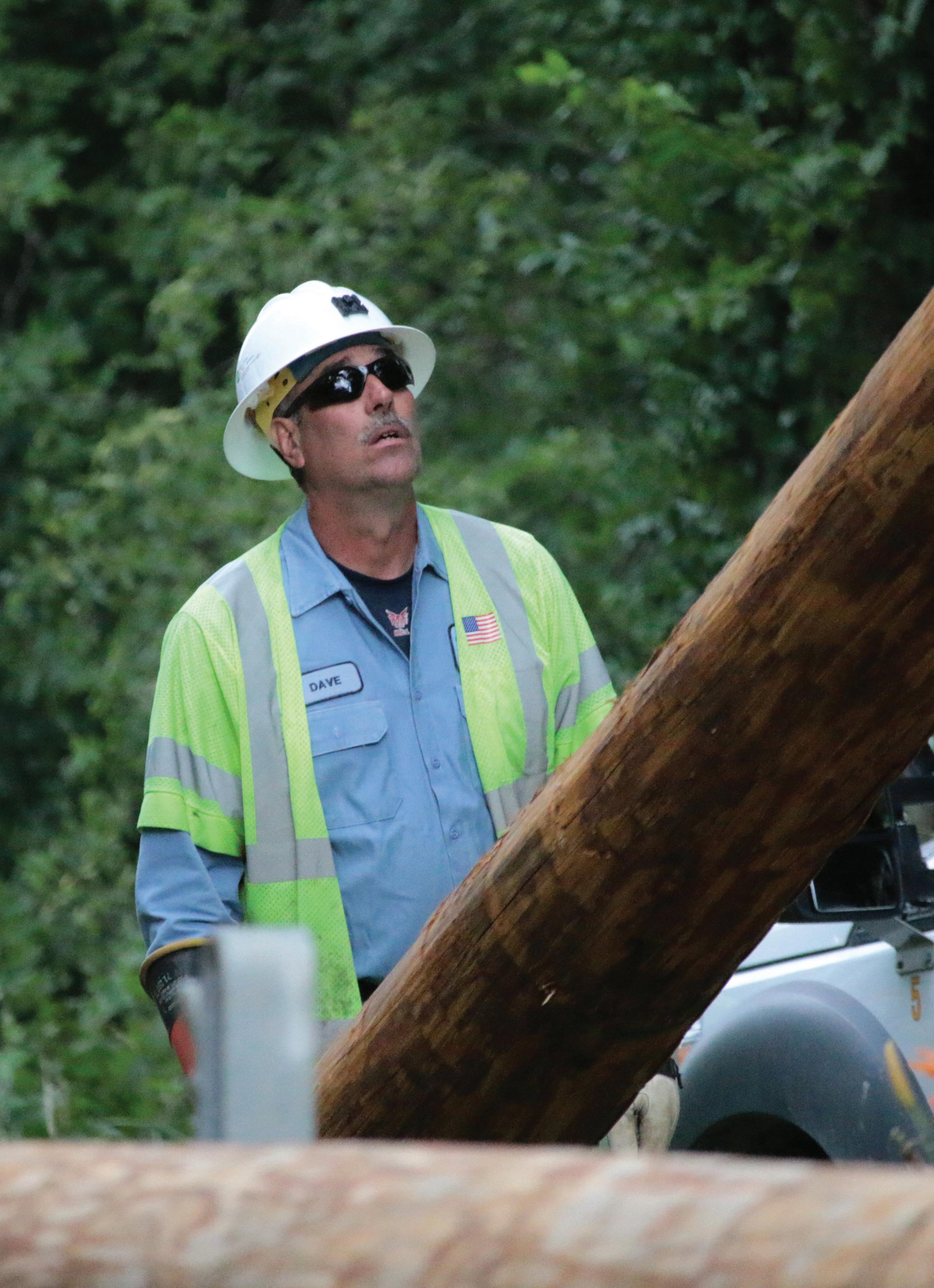
In the back of the room stands a man, steadfast and silent. He emits the sort of leadership that comes from countless years of experience. If you look his way, the stern expression he wears slips into an ornery smile. Dave Salmons did not start out his career wanting to be a leader at Logan County Electric Cooperative, but over his 38 years on the job, his role shifted into one in which his expertise and mentorship are the key to keeping the lights on. As Salmons finishes up his time at the co-op, he sat down to reflect on his years on the job.
Salmons’ early life
Salmons grew up in Prospect and graduated from Elgin High School. Like many young boys, Salmons dreamed of becoming a professional baseball player. Upon graduation, Salmons realized that the trades were the right career path for him. Salmons’ father worked in a factory and out of necessity Dave, too, found himself in a manufacturing job.
“My first job was a manufacturing job in Marion, and we made tractor-trailer roll up doors. … I was there almost seven years,” says Salmons.
When asked about his career as a lineman, he is quick to highlight those who have helped him along the way. A love of sports helped bring Salmons to Logan County Electric Cooperative. While playing men's softball with former cooperative employee Rick Stover, Salmons learned of an open groundman position, and he threw his hat in the ring for the job.
“With my manufacturing experience, I decided that it was a new opportunity,” he says. “I get to work outside. And I wouldn't be stuck inside all day.”
At age 25, Salmons started his career at the cooperative. As a groundman, Salmons went through numerous years of training to become a Class A Lineman.

“Once you start going through the programs, you fall in love with the day-to-day stuff.”
– Dave Salmons
Lineworker lifestyle
When you wake up in the morning, flick on the light switch, and the light bulb emits an amber glow, you can thank a lineman. Unless your electricity is out or you are paying the bill, your electric service may not be top of mind. But bright and early each day, Salmons and his fellow lineworkers set out to maintain and improve our lines to keep the lights on for our members. Linemen answer the call when the power is out, no matter the temperature or the weather.
Dave Salmons has spent more than 38 years at Logan County Electric Cooperative. During that time, there have been 11 presidential terms, 18 Olympic Games, the end of the Cold War, and the launch of the World Wide Web. Salmons met


Dave Salmons

each day of those 38 years with pride for the job and a safety-first mentality. “I have always loved working here. It was the outdoors, the sunlight, not so much the snow, but you know, that comes with the job,” he says.
Digging in the dirt, setting poles, and stringing line became second nature for Salmons. He worked to finish the projects set out before him with a proficiency that comes with experience. As the years went by, Salmons gained responsibility within the co-op and shifted to crew leader. For the past has led the team by example, working right alongside his crew to keep the power on.
While he’s been working at the co-op, Salmons’ vision of his ideal job shifted from his childhood dreams of becoming a professional baseball player to one of stability and unsung heroism. “You're turning people's power on when they're out” says Salmons, “I'm doing something really useful with my life.” While Salmons is apprehensive to speak about himself, he never hesitates to share that he has the pleasure of working with the best crew in the state, without



“The Dave Salmons level of caring is how much you care, about what you do, how you present yourself, and the co-op.” – Mike Hickenbottom.
Salmons approaches each task with a high level of care for the cooperative, its members, and the safety of his crew. Even when Dave takes the day off, the rest of the crew operates with the “Dave Salmons level of caring” because they want to adhere to the high standards he challenged them to uphold.



The Logan County Electric Cooperative staff shared the words they use to describe Dave Salmons.
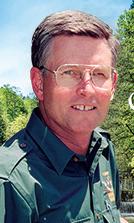
Dave’s first headshot at Logan County Electric Cooperative.
Mutual aid
Salmons notes that one of the most memorable parts of being a lineworker is mutual aid. Mutual aid allows cooperatives to share resources like crews, expertise, and equipment during emergencies. This allows cooperatives to restore power faster than they could by themselves.
“Mike Hickenbottom and I went to Michigan to help during an ice storm. I've been to Mississippi. I've been to North Carolina, Georgia, and Florida,” Salmons says. “Mutual aid gives the linemen at Logan County Electric Co-op a chance to help other cooperatives restore power after a disaster.” Salmons describes a stay in Michigan in what he refers to as the “Man Camp,” a makeshift camp where linemen and tree trimmers laid their heads during brief breaks from repair work. As there were no more hotels for them to stay in, Salmons and crew stayed in semi-trailers that were converted into bunkhouses. Each morning, they made their way to a large tent, where they were fed breakfast and handed a packed lunch. Late in the evening, the crew returned to the tent for supper and made their way to their semi-trailer to sleep before starting the cycle over again.
“There's a lot of satisfaction when you get those people back on that have been off, out of power, for a week.”
– Dave Salmons
Mutual aid is not glamorous work; however, it truly shows the power of cooperatives working together.
A family affair
While lineworkers brave the weather to restore power to our membership, historically families played an important role as well. According to Salmons’ wife, Marna, being the family of a lineman has evolved quite a bit over the years. “In the early years, when Dave would be on call all the linemen phone numbers were listed in the telephone book. This meant that anyone could get an outage call after office hours.” They then would relay the information to the correct lineman.




Dave is ready for his glamour shot.


When call forwarding came along, if someone called the office, the calls would be forwarded to the lineman’s home. “I spent quite a lot of time taking phone calls and relaying information over a radio to Dave,” she says. “This could happen at all hours of the night. It was a blessing when they finally got the call service.” Keeping the lights on was a family affair and Logan County Electric Cooperative is grateful for their help during those times.
Being a lineman is not easy and there is danger at every turn. “When Dave would have to go out in big storms it could be a bit of a nerving time worrying about his safety,” Marna says. While she will never stop worrying about Dave’s safety, retirement may offer her some reprieve from that fear.
Retirement ahead
Dave looks forward to spending more time with his family upon retiring. “The grandkids being number one. More time with them, more time with my wife and two boys,” he says.
Before Salmons sets off on his next adventure, he reflects on the legacy he wishes to leave behind at the cooperative.
“I hope that when I leave, I left the co-op a little bit better than when I started, as far as safety and how we go about things.” – Dave Salmons

Dave and Marna hope to travel heavily in the first few years of his retirement. When asked about possible travel destinations, Dave mentions an Alaskan cruise would be a perfect trip. He wants to see the sights of Alaska without the hassle of having to travel by vehicle through the rough terrain.


June 14-20, 2026 Youth Tour
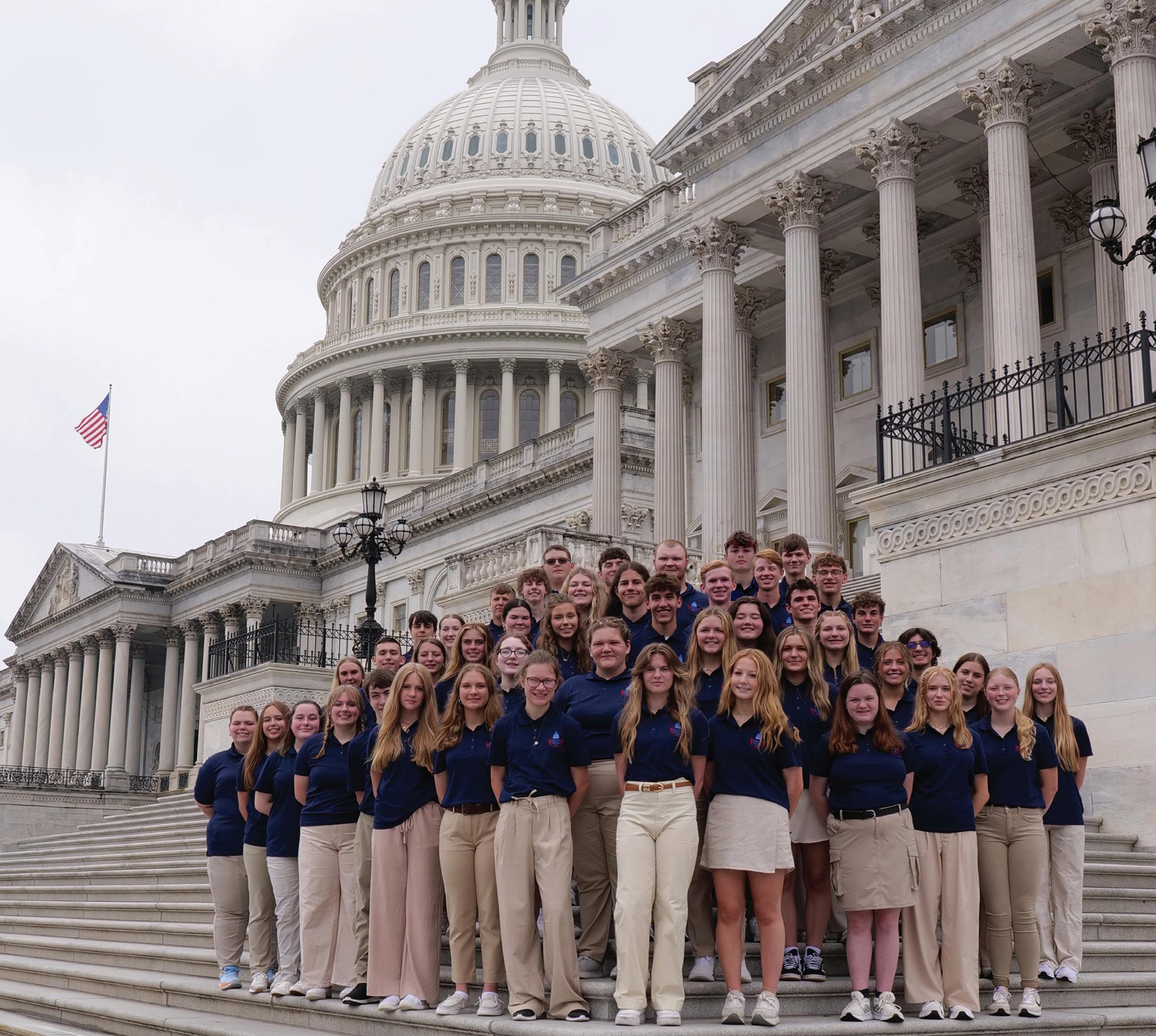
What is Youth Tour?
It’s a weeklong, all-expenses-paid trip to Washington, D.C., that gives high school students the opportunity to meet with their congressional leaders at the U.S. Capitol, make new friends from across the state and country, and see many of the famous Washington sights.
Attention high school students: Application forms must be submitted by February 27, 2026. See our website for more information about the trip and the application. Contact us with any questions. Phone: 937-592-4781
Youth Tour is an annual leadership program sponsored by Logan County Electric Cooperative and Ohio’s Electric Cooperatives.
Email: jroberts@logancounty.coop
99.98% POWER RELIABILITY
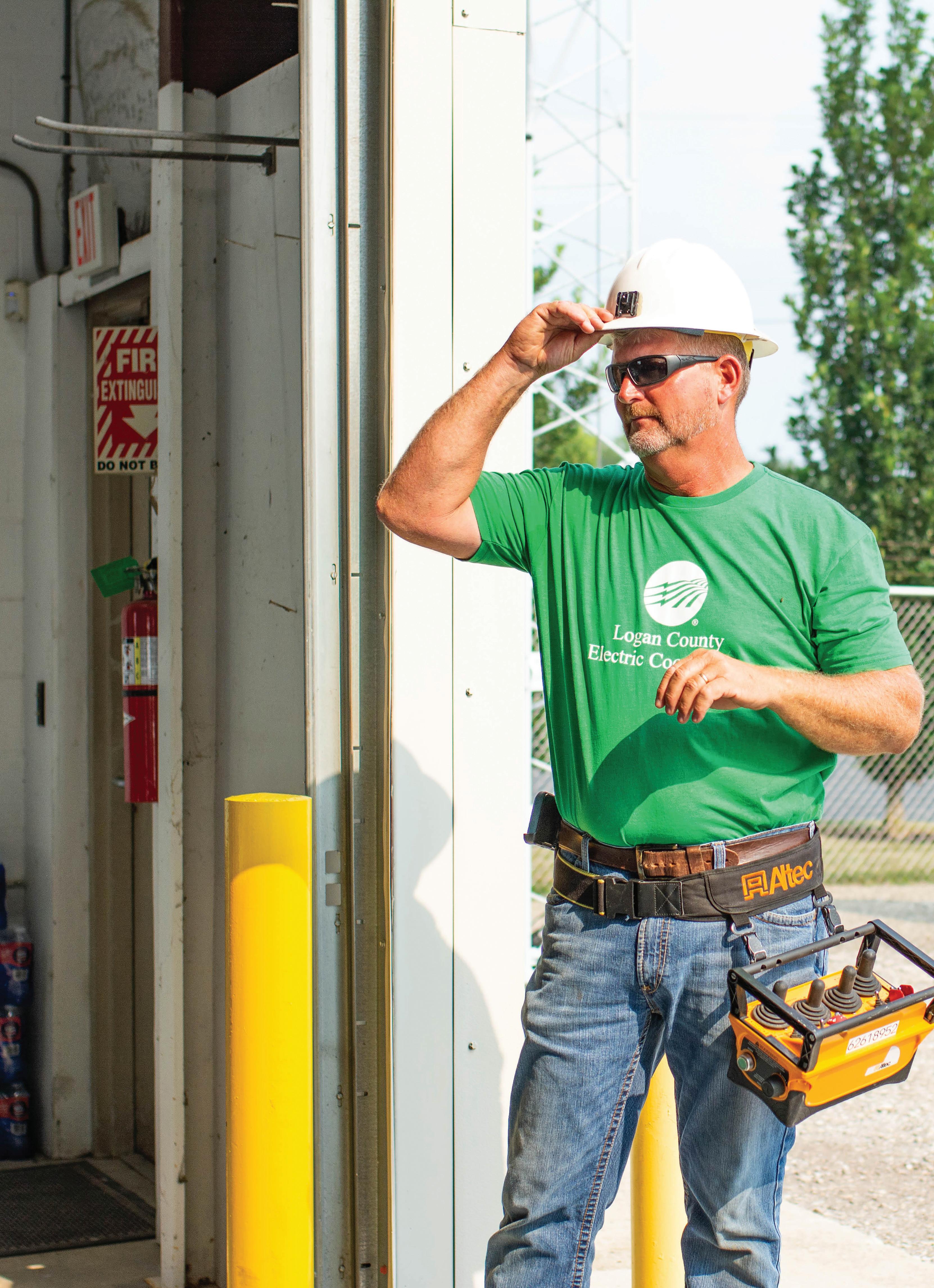
At Logan County Electric Cooperative, we proudly provide our members with 99.98% power reliability. We work hard to keep outages and power blinks to a minimum. Because we’re your neighbors, we’re able to respond to and restore power significantly faster than investor-owned utilities and municipals.
How will rate changes affect me?
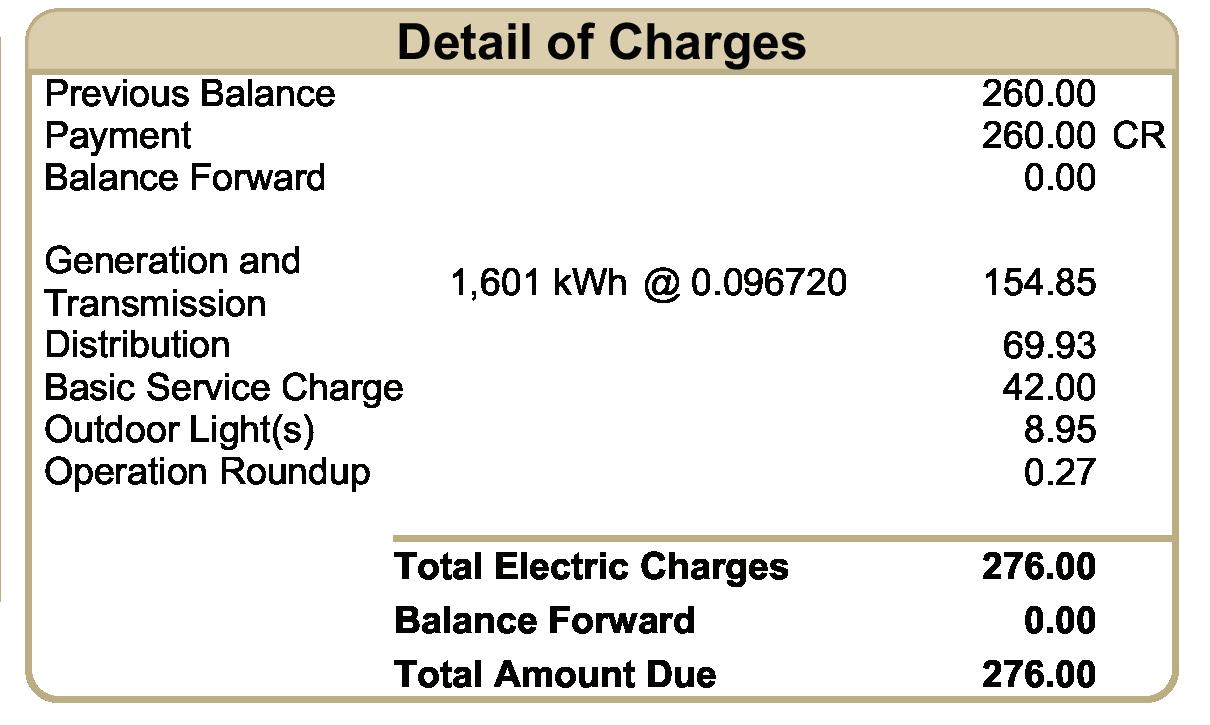
You may be wondering how the rate changes to be implemented on April 1, 2026, will affect your bill. Members will notice these changes on the bill to be paid in May for April energy consumption. The average member will see a 6.45% increase to their energy bill. The graphic below may help you determine how much these charges will change your bill. You can find your kilowatt-hour usage for the last month on your bill (circled in red below) or on the SmartHub application. You can then choose one of the three kWh examples that is the closest to your kilowatt-hour usage to estimate the effect the rate increase may have on your bill.
Generation & Transmission
The generation and transmission charge on your electric bill is the cost incurred generating electricity and moving it across transmission lines. The generation and transmission rate will change from $0.07565 to $0.090033 per kWh. This charge, plus the current month’s power cost adjustment, makes up the whole ‘Generation and Transmission’ line on your bill. The power cost adjustment rate is adjusted up or down each month, so our members only pay the actual cost of wholesale power.
2000 kWh 1500 kWh
07565/kWh)
07565/kWh)
2500 kWh
Distribution
The distribution rate will increase from $0.03903 to $0.04886 per kWh. The distribution charge allows us to move electricity to your property. This charge covers our substations, poles, wires, and other equipment used to deliver electricity to your meter. The ‘Distribution’ line on your bill includes the $0.04886 per kWh charge and the kilowatt-hour taxes, which have been in effect since 2001.
2000 kWh 1500 kWh
2500 kWh
Difference between the two rates Old rate ($0 03903/kWh)
rate as of (4/1/26)
Basic Service Charge
The basic service charge will increase from $42 to $47 and will take effect for all residential accounts. The basic service charge is a fixed charge that covers the co-op’s fixed costs of serving members. This charge does not fluctuate with the amount of electricity consumed by the member. This $5.00 increase will be reflected in the ‘Basic Service Charge’ line on your monthly bill.

Outdoor Light
Members who have a security light owned and maintained by Logan County Electric Cooperative will see the security light fee increase by $0.55 per month from $8.95 to $9.50.
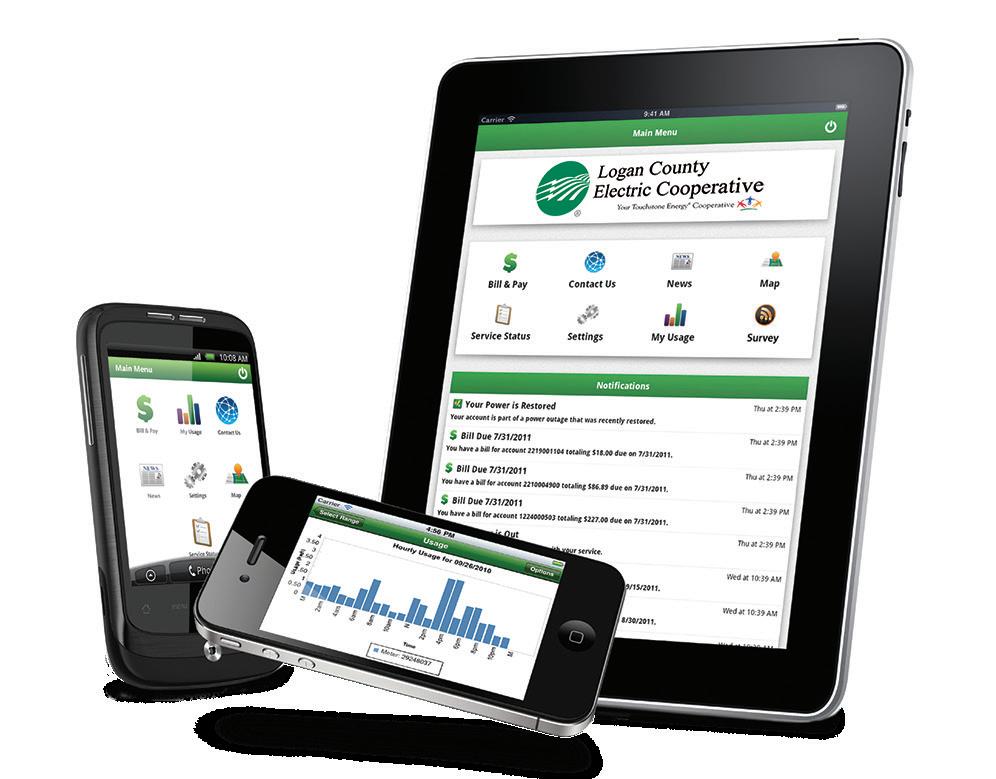
Using your account number, you will find the features of bill payment, bill viewing, and account management available using SmartHub. SmartHub also gives you the ability to view your electric use by month and day. Use this tool to manage your energy use, compares monthly billing and average energy efficiency in your home or office.
•
•
•
•
LOGAN COUNTY ELECTRIC COOPERATIVE IN THE COMMUNITY
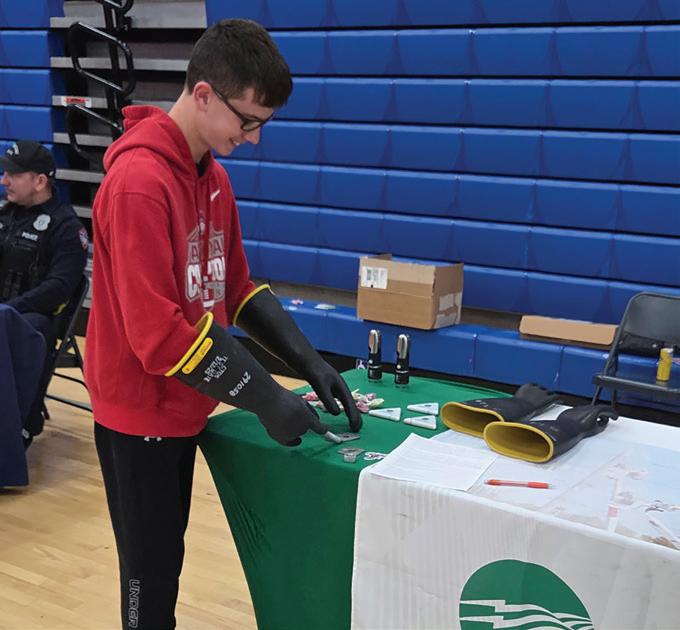


Energy-saving Tips
Winter weather can cause your home heating system to work overtime. Check for air leaks and drafts around doors and windows, then seal them with weatherstripping or caulk. Close fireplace dampers when not in use, and consider installing insulating curtains to help keep warm air inside. You can also save energy by lowering your thermostat a few degrees. Even small adjustments like these can reduce heating costs and improve comfort during the coldest months.


CHILDREN OF MEMBERS SCHOLARSHIPS


Member Aware Meetings
The Lincoln School Story
A small group’s big effort ensures an Ohio-based bit of Civil Rights history lives on.
BY JILL MOORHEAD
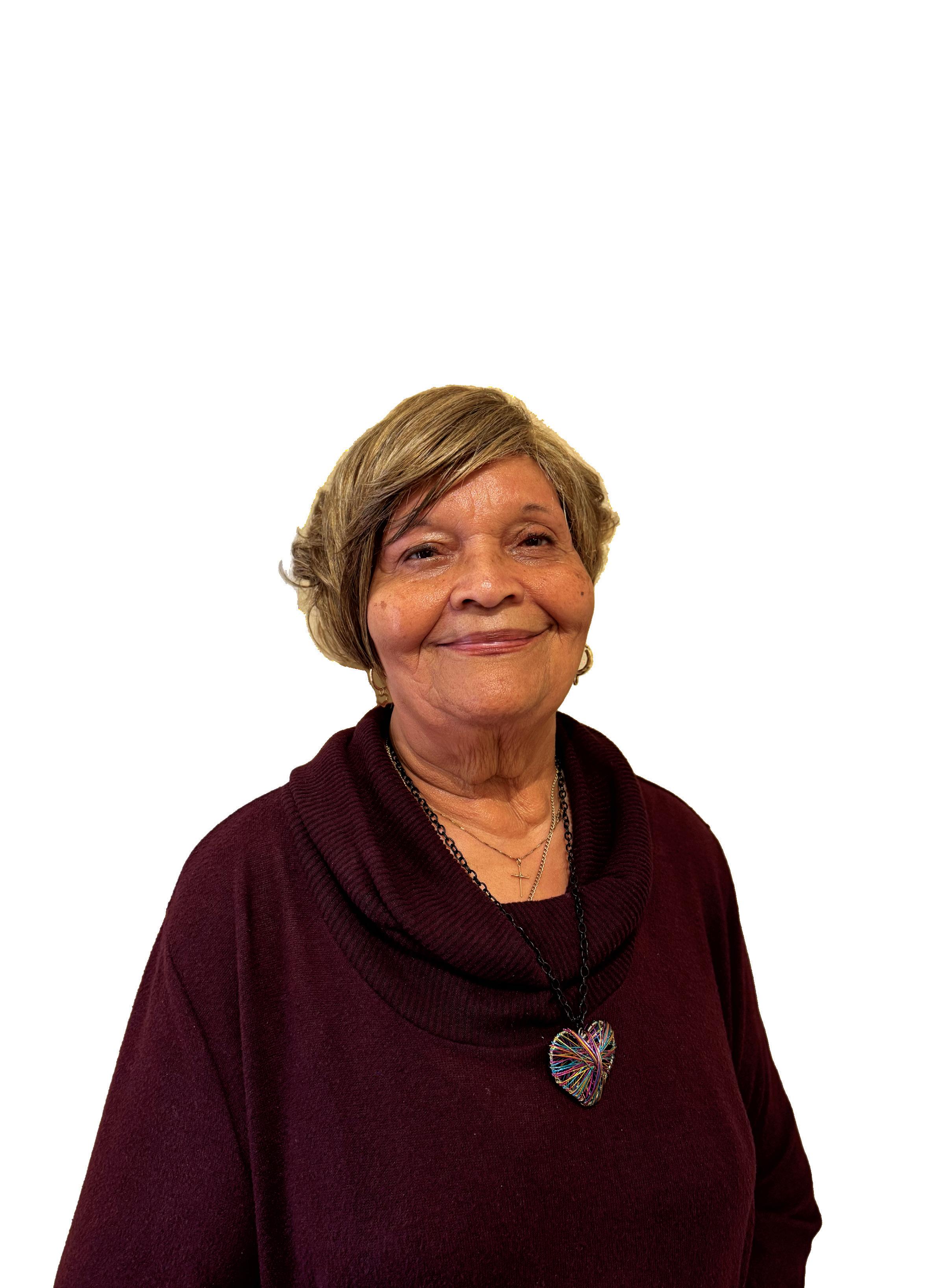
EDITOR’S NOTE:
The Lincoln School Story is a powerful 30-minute film, produced with support from Ohio Humanities, the National Endowment for the Arts, and the Ohio Arts Council. It tells the story of the Hillsboro mothers and children who, between 1954 and 1956, marched daily to demand an end to school segregation — making Hillsboro, Ohio, one of the first Northern tests of the Supreme Court’s decision in Brown v. Board of Education. Developed in close partnership with the marchers and their families — including Eleanor Curtis Cumberland (shown here), the daughter of the woman who led the marches — the film weaves together personal testimony, historical context, and archival photos to bring a littleknown Civil Rights story into the national spotlight. The Lincoln School Story is available to stream for free at www.pbs.org.
It’s a quiet weekday afternoon in Hillsboro, the county seat of Highland County. School buses are everywhere. Older kids make their way home, carefree, backpacks swinging.
But going to school in this rural southwestern Ohio small town wasn’t always as easy, especially for Black children. The sidewalks they walk today were once part of a daily protest for the right to learn.
Separate and unequal
In its landmark 1954 Brown v. Board of Education of Topeka decision, the U.S. Supreme Court declared “separate but equal” schools to be unconstitutional.
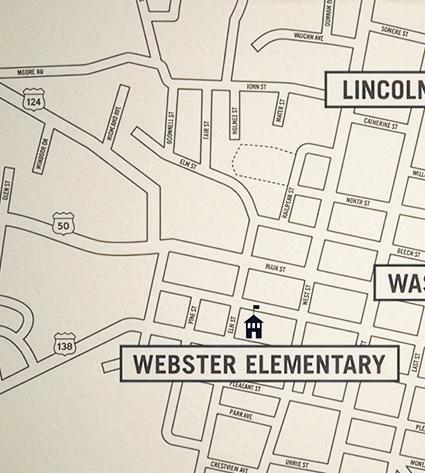
At the time, schools in Hillsboro (and many other places in Ohio and elsewhere) were segregated. Black children there were sent to Lincoln Elementary, on the east side of town. The building was crumbling. Classrooms combined three grade levels into one. Textbooks, when they had them, were often missing pages. In contrast, white students attended Webster and Washington elementaries, where math, science, and geography were part of a curriculum not provided to Lincoln’s students.
When the court ruling came down, Black parents in Hillsboro assumed their children would be allowed to enroll in the white schools that fall. But the local board of education stalled, keeping Black students at Lincoln.



What happened next became one of the longest sustained protests of the Civil Rights era.
At the start of the school year in September 1954, mothers and their children began marching every school day, from Hillsboro’s east end to the doors of Webster Elementary. They walked in all weather, through a daily assault of slurs hurled their way. Each day, the principal would greet them at the school’s entrance with the same answer: “Nothing has changed.” Then they would turn around and walk back home. They did this for nearly two years.
That fall, in 1954, five mothers refused to accept the delay. With support from the NAACP and the legal guidance of Constance Baker Motley and Thurgood Marshall, they filed a lawsuit demanding immediate integration. They would soon be joined by a growing number of mothers, led in spirit and strategy by Imogene Curtis.
Curtis was a housekeeper at the local VA hospital who led the march with her son at her side. Though she herself hadn’t finished high school, she became a powerful community organizer — writing letters, making calls, and rallying neighbors.
“I was just proud of my mom, period,” says Curtis’ daughter, Eleanor Curtis Cumberland. “Because she was always helping someone. That’s just who she was.” Eleanor was too old to attend Lincoln by then (she had just started at the newly integrated high school) but she remembers the yellow notepad her mother carried around the house, full of names and next steps.
The marches continued until April 1956, when a federal court finally ordered Hillsboro to desegregate its schools. The marchers’ persistence became a blueprint for
Continued on page 24


Continued from page 23 communities across the country, offering one of the first practical tests of the Brown v. Board decision. Today, Cumberland is in her eighties, but her voice is strong, and her presence is commanding. She never misses an opportunity to share her mother’s story. It’s not just history to Cumberland — it’s a blueprint for how to live.
“If someone comes to me with a problem,” she says, “I will find a way to help. A lot of that is because of my mom.”
Curtis’ activism wasn’t confined to the Lincoln School fight. She became the vice president of the Highland County NAACP, helped people facing housing discrimination, and stood beside neighbors in court. She joined the 1963 March on Washington, where she witnessed the Rev. Martin Luther King Jr.’s “I Have a Dream” speech. Cumberland absorbed those values. Decades later, she was the one with a bullhorn, standing on the courthouse steps during Black Lives Matter protests. She joined local group HARD — Hillsboro Against Racism and Discrimination — and raised her voice once again, now with her own sons and grandchildren beside her. These days, Eleanor volunteers at Samaritan Outreach Services, Hillsboro’s local food pantry, which operates on the exact location where Lincoln Elementary once stood.
Keeping history alive
In 2015, a small group gathered at the Highland County Historical Society to discuss the story of the Lincoln School in Hillsboro. Among them was Kati Burwinkel, a local resident who had never heard the story.
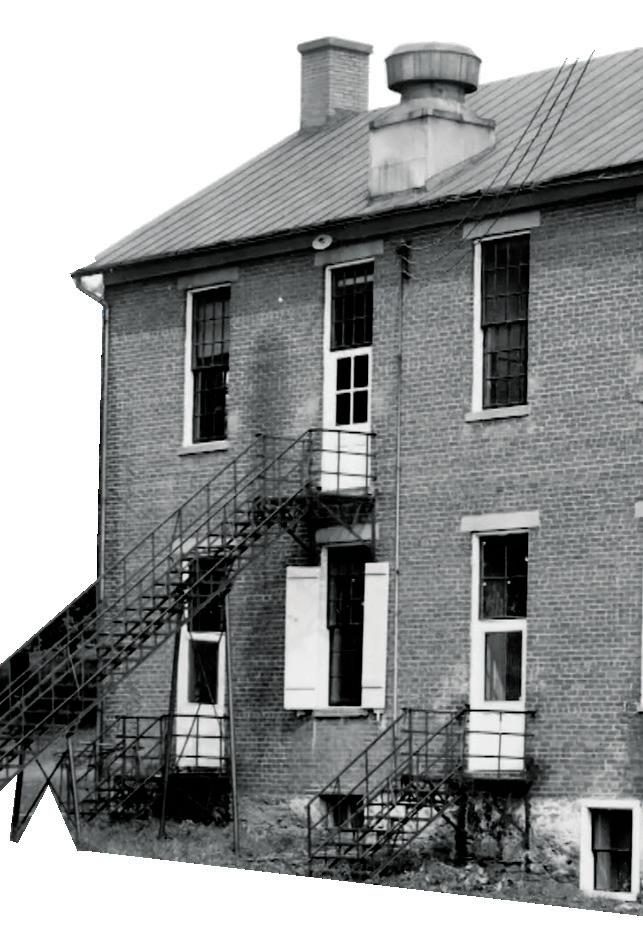

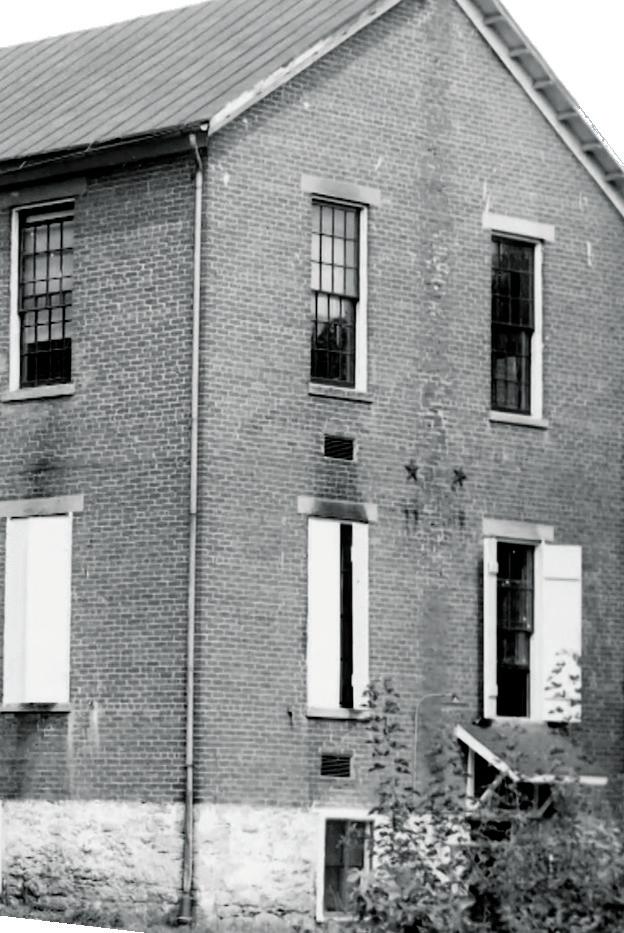

“I just left that meeting thinking, ‘This story has to be told — and it has to be told by the people who lived it,’” she says.
What began, then, as a small oral history project quickly grew. Burwinkel wrote grants and brought in Cincinnatibased filmmaker Andrea Torrice to lead a collaborative documentary effort. The group met regularly for two years, sorting through photographs, recording memories, and shaping the story that needed to be told.
The finished film premiered in 2017 in Hillsboro, alongside the opening of a permanent exhibit at the historical society. Word spread quickly. Screenings at the National Underground Railroad Freedom Center and other venues and a Washington Post article sparked national interest. PBS picked up the documentary, which now airs in regular rotation on stations across the country.
After the film’s release, the daughters of the Lincoln School marchers were invited to speak in the very courtroom where, decades earlier, their mothers had been denied the right to testify. The event was broadcast live from Cincinnati and streamed to judges in Dayton and Columbus. The women were seated at the exact same table where their mothers had once sat, silenced. This time, they were the honored guests.
When Cumberland rose to speak about her mother, her voice trembled with emotion; her words, however, were clear, eloquent, and powerful. Afterward, one of the judges stood. “Barack Obama appointed me to this court for life,” he said. “Until today, I did not know this story. And I am a changed person.”
Everyone in the room understood: History had come full circle. And this time, the world was listening.

Where art

BY JAMIE RHEIN
Each visit to Passion Works Studio is a visit to joy. It’s part art studio, part gift shop, and part community gathering place — and it bursts with creativity and whimsy. There are bold lines and vibrant color combinations everywhere. Each visit brings a new discovery.
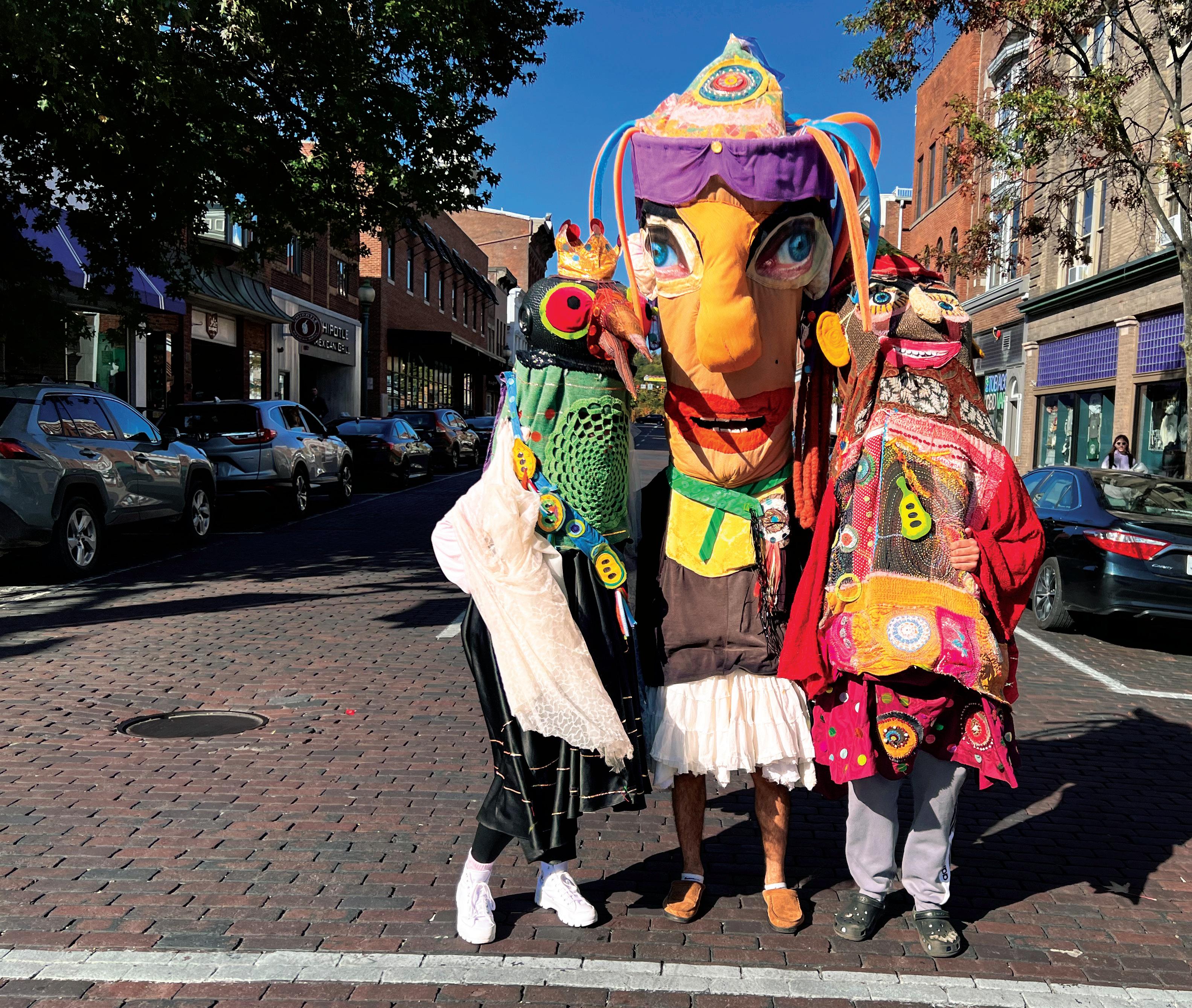
Vintage suitcases and wooden cigar boxes, painted with fanciful animals, quirky characters, or circles upon circles, are granted new life as treasure keepers. Upcycled T-shirts, vests, and jackets get the same Passion Works makeover. There are giant puppets and funky stuffed animals. There are greeting cards, jewelry, ornaments, and refrigerator magnets. No two items are alike.
What the Athens studio is best known for — its signature pieces — are the Passion Flowers, which festoon the walls and hang from the ceiling.
The flowers, made from recycled metal newspaper printing plates, have put the town’s creative spirit on the map. Stop in numerous Athens businesses and you’re likely to find them. They also decorate several downtown outdoor spots.
“My dream is to be a roadside attraction,” says Patty Mitchell, Passion Works founder and executive director.
Her dream started in a 10 -by-10 -foot corner of a sheltered workshop, where, in 1998 , she envisioned people with developmental differences collaborating
meets joy
Passion Works Studio in Athens is more than just a community gathering place.

with others to make art. Her older brother, Timmy, was born with severe developmental differences, and with limited options, was institutionalized in the early 1960 s. He died when Patty was 10 , and it was because of Timmy that she imagined a world where art is a vehicle for inclusion.
With a grant from the Ohio Arts Council, Mitchell helped others see what she saw. “People are perfect just the way they are,” she says. “We change the environment to fit the people.” Adapting workspaces, tools, communication, instruction, and product development is a Passion Works forte.
It all started, though, with those flowers, and it’s the flowers that have given the place its national and
international reach, along with lessons in communitybuilding and economic sustainability.
The studio at the back end of the Passion Works gift shop is the what-is-possible showcase. This is where staff artists collaborate with core artists (those with developmental differences) to follow where fancy leads them. The fancy of a core artist envisioned the handsculpted, individually painted Passion Flower design back in 1998.
Another fancy led to a three-dimensional, pop-art-style sculpture of Smokey Robinson. “Alexis, who did that, is consumed — obsessed — with Smokey Robinson, and we absolutely embrace people’s passions,” Mitchell says.


Continued from page 27
Regardless of the artists’ passions, there is consistency among Passion Works designs. Whether it’s textile centerpieces, large puppets, or any other creation, the bold black outlines, filled in with a color palette of bright blues, yellows, pinks, greens, and purples, make the studio’s creations instantly recognizable.
“We like to add what we are already doing,” says Mitchell.
For example, versions of the large-scale Passion Flowers are now created in smaller sizes using cast-off nubs from Louisville Slugger baseball bat production as a base (another nod to Passion Works' commitment to using upcycled materials). Some flowers pay homage to the Ohio University Bobcat in green and white. The gold-hued flowers are in the Turn It Gold collection, from which 20% of proceeds goes to childhood cancer research.
“I am pleased with how the studio has grown,” Mitchell says. “Our community is our gallery.” That gallery has expanded to include several bits of public art throughout Athens. The latest is
a 137-foot-long mural for Habitat for Humanity. The Nelsonville Music Festival in June and September’s Ohio Pawpaw Festival in Lake Snowden have been other opportunities for artist engagement. In December, Passion Works decorates the holiday tree at the Athens County Courthouse.
Passion Works also started and continues to spearhead the “Honey for the Heart Parade” in October as a Halloween kickoff. “Halloween has been the Mardi Gras of Athens,” says Mitchell, “and we like to elevate what is happening.” Costumes and giant puppets are a feature and each year there’s a theme. “This year, we are doing a pond party to highlight Rural Action.” Rural Action is a nonprofit organization committed to sustainability for Appalachian communities.
Passion Works Studio, 20 E. State St., Athens. The studio is open to the public from 6 to 7 p.m. every Wednesday, and all are welcome to help with ongoing projects. For more information, visit www.passionworks.org or call 740-592-3673.
Last Large-Sized Dollars
Still In Original Packaging - The Blue Ike

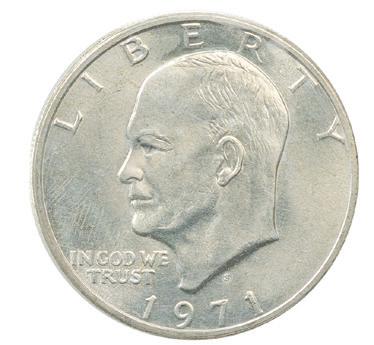
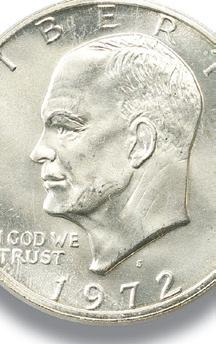
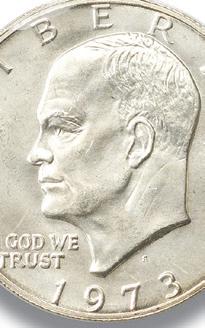
Struck from 1971-1978 to honor President Dwight D. Eisenhower, the “Ike” was the last large-sized circulating dollar struck by the US Mint. But from 1971-1974, the US Mint released a special 40% Silver version struck in a Brilliant Uncirculated finish.
Only minted at the San Francisco Mint, known as the “Granite Lady”, the Silver Ike was only available if you ordered one from the Mint. Each Brilliant Uncirculated silver dollar was delivered in a special packaging in a blue envelope, earning the nickname of “Blue Ikes”. You’ll get all four coins delivered in their original blue envelope packaging, a miracle considering it’s been 55 years since the first Ike Silver Dollar was struck.
Special Release - Only 212 Complete Sets Available
Rarcoa®, America’s Oldest Coin Company, is announcing the public release of 212 Complete four coin sets of the iconic Eisenhower Silver Dollar. Using our deep connections in the coin market, we’ve painstakingly assembled all four coins for you for only $99.






Silver Dollars For Less Than $25!


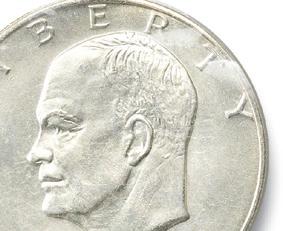









The silver market is going CRAZY with silver at $71/oz as we write this. Don’t wait to secure your 1971-1974 Blue Ike Silver Dollar Set for only $99 per set. Buy more and SAVE up to $5 per set when you buy five or more sets.
That’s right, you can get four SILVER DOLLARS for less than twenty five bucks each!
1971-1974 Blue Ike Four Piece Silver Dollar Set




















2026
CALENDAR
NORTHEAST
FEBRUARY/MARCH
FEB. 12–MAY 31 – “The Woman Behind the Lens: Frances Benjamin Johnston and the American Presidency,” McKinley Presidential Library and Museum, 800 McKinley Monument Dr. NW, Canton. Exhibit of Johnston’s photographs of Presidents McKinley, Cleveland, Harrison, and others, as well as Southern architecture, historic gardens, and African American and Native American students. Join us for the opening celebration Feb. 12, 6–7:30 p.m. 330-455-7043 or www.mckinleymuseum.org/events.
FEB. 20–23 – Medina Ice Festival, downtown Medina. See ice sculptures displayed throughout downtown, plus speed carving contests, individual and team ice carving competitions, and the Fire & Ice Tower. www.mainstreetmedina.com/medinaice-festival.html.
FEB. 20–MAR. 1 – Cleveland Auto Show, IX Center, One I-X Dr., Cleveland. $12–$15; 6 and under free. Concept, pre-production, and production vehicles, plus indoor test drives, vehicle giveaways, racing simulator, Millionaire’s Row, and more. See website for full schedule. www. clevelandautoshow.com.
FEB. 21 – Cochren & Co., Ohio Star Theater, 1387 Old Route 39, Sugarcreek, 7 p.m. $43–$80 Purchase tickets at 855-344-7547 or www. ohiostartheater.com.
WEST VIRGINIA
FEB. 28 – Downtown Akron Lunar New Year Celebration, Akron Civic Theatre, 182 S. Main St., Akron, 3:30–8 p.m. Join us and celebrate the Year of the Horse! Local vendors, information booths, free crafts, festive photo opportunities, and more, followed by a program featuring a lineup of cultural performances. www.downtownakron.com/calendar. MAR. 1 – Caribbean Jazz Lunch Fundraiser, Our Lady of the Cedars, 507 S. Cleveland Massillon Rd., Fairlawn, 12–2:30 p.m. $70/person; $500/ table of 8. Featuring the Joe Leaman Steel Pan Jazz Quartet. Savor either a mimosa or a bloody mary, then tuck into a hearty lunch buffet. Bid on auction items that benefit our outreach programs. Attendance limited, so book now at www.ormaco. org or 419-853-6016
MAR. 1–31 – Ice Wine Festival, Wineries of the Grand River Valley, 12–5 p.m. Each of the seven participating wineries will provide samples of their ice wines along with an appetizer. $10 at each location. www.grandrivercellars.com/events/2026wggrv-ice-wine-festival.
MAR. 6, 13, 20, 27 – Beginner Beekeeping Class, Life Church, 1033 Elm St., Grafton, 7–9 p.m. $50. Series of four classes offered by the Lorain County Beekeepers Association will cover topics such as beekeeping equipment, hive management, and hive care. Additionally, hands-on hive openings offered on Apr. 18 and 25. https:// loraincountybeekeepers.org/beginner-beekeepingclass-1.
MAR. 7 – Dailey and Vincent, Ohio Star Theater, 1387 Old Route 39, Sugarcreek, 7 p.m. $60–$81 Purchase tickets at 855-344-7547 or www. ohiostartheater.com.
MAR. 7 – Hop into Spring Craft and Vendor Show, Strongsville Recreation Center, 18100 Royalton Rd., Strongsville, 9 a.m.–2 p.m. Our 70+ vendors will have items to help you fill those Easter baskets: handmade crafts, wood products, jewelry, clothing, candles, wreaths, hand-sewn items, and much more! www.hometownvendors.org/events.
MAR. 8 – Maria di Donato: “Music of the 1940s,” Wadsworth Public Library, 132 Broad St., Wadsworth, 2–3 p.m. Free. Maria will sing popular songs of that era, including songs of Judy Garland and other female artists in honor of Women’s History Month. Seating is on a first-come, firstserved basis. 419-853-6016 or www.ormaco.org.
MAR. 8 – Ms. Honey Bee’s High Tea, Wellington Eagles, 631 S. Main St., Wellington, 1–3 p.m. The Lorain County Beekeepers Association invites you to enjoy a delightful afternoon of music, food, and education; the theme is “Embrace the Buzz of Healing: Explore Bee Venom Therapy.” $40/ person or $228/table of 6. Advance ticket sales only. Purchase tickets at Queen Right Colonies or https://loraincountybeekeepers.org/ms-honeybees-high-tea.
MAR. 10 – Moises Borges: “Brazilian Guitar,” Canal Fulton Public Library, 154 Market St. NE, Canal Fulton, 6:30–7:30 p.m. Free. The Cleveland-based guitarist and vocalist will be playing samba and bossa nova music. Seating is on a first-come, first-served basis. 419-853-6016 or www.ormaco.org.
MAR. 13–14 – Stark County Home and Garden Show, Hall of Fame Village Center for Performance, 1901 Champions Gateway, Canton. 125+ home improvement exhibitors, health and wellness expo, landscape displays, door prizes, giveaways, live music, food trucks. www. biastarkeco.com.
MAR. 14 – Pie Day, Historic Zoar Village, 11 a.m.–4 p.m. Join us on International Pi(e) Day to celebrate the mathematical constant of 3 14 with a variety of fresh, delicious pies from the Zoar Bakery. Buy whole pies or slices. The Zoar Store will also be open with a selection of merchandise, including baking mixes, teas to pair with your pie, cutting boards, and other great merchandise. 330-8743011 or www.historiczoarvillage.com.
MAR. 14–15 – Medina Gun Show, Medina County Fgds. Community Center, 735 Lafayette Rd. (St. Rte. 42), Medina, Sat. 9 a.m.–5 p.m., Sun. 9 a.m.–3 p.m. $8 450 tables of displays. 330-948-4400 (Jim Conrad) or www.conraddowdell.com.
FEB. 21 – Jazz Night at the Robinson Grand, Pike Street, Clarksburg, 7 p.m. $50. Experience an evening of world-class jazz performed by a dozen amazing musicians sharing five different performance spaces, all under one roof. Two complimentary smallbite buffets and three cash bars. 855-773-6283 or https://tickets.therobinsongrand.com.
MAR. 7–8 – West Virginia Fishing, Hunting, and Outdoor Sports Show, Hazel and J.W. Ruby Community Center, Mylan Park, Morgantown (I-79 exit 155). The largest outdoor show in the region, with over 200 vendors. Seminars and demonstrations, thousands of products and services, celebrities, attractions, and giveaways. www. wvoutdoorsportsshow.com.
2026 CALENDAR
NORTHWEST
FEBRUARY/MARCH
Business.” Variety of events and activities throughout the day, including a self-guided tour of the museum or tour of the first floor of the Hayes Home. 419-3322081 or www.rbhayes.org.
FEB. 18 – The Choir of Man, Veterans Memorial Civic and Convention Center, Crouse Performance Hall, #7 Town Square, Lima, 7:30 p.m. $37+. www. limaciviccenter.com.
THROUGH MAY 12 – Line Dancing, Delphos Eagles Aerie #471, 1600 E. Fifth St., Tues. 6–7:30 p.m. $5. Step-by-step instructions given at the beginning of each class. Everyone can learn! Private lessons also available. Taught by Kelly Jackson Kroeger (see her Facebook page). www.visitgreaterlima.com/calendar.
FEB. 7–8, MAR. 7–8 – Tri-State Gun Show, Allen Co. Fgds., 2750 Harding Hwy., Lima, Sat. 8:30 a.m.–4 p.m., Sun. 8:30 a.m.–2 p.m. $8; 18 and under free. Over 400 tables of modern and antique guns, edged weapons, and sportsmen equipment. 419-647-0067 (Manetta Obringer) or www.allencofair.com/eventscalendar.
FEB. 13–15 – Fiber Arts Retreat, 22611 St. Rte. 2, Archbold, 8 a.m.–5 p.m. $135–$165. Gather with other makers for a weekend of creativity, whether you crochet, knit, spin, weave, embroider, hook, or do other types of hand work. Register at www.saudervillage.org/event/fiber-arts-retreatwinter-2026
FEB. 16 – Presidents’ Day Celebration, Spiegel Grove, Hayes Presidential Library and Museums, Fremont, 9 a.m.–5 p.m. Free. Join us for the America 250–Ohio Celebration, centered around the February theme of “Ohio Works: Innovation, Industry, and
SOUTHEAST
FEB. 14 – Winter Hike, Salt Fork State Park, 14755 Cadiz Rd., Lore City, 1–2:30 p.m. Meet at the Kennedy Stonehouse Nature Trail parking lot (not the museum). Join us for a 1 8-mile Valentine’s Day hike. Weather-appropriate clothing and sturdy footwear are recommended. https://ohiodnr.gov/go-and-do/plan-avisit/find-a-property/salt-fork-state-park.
FEB. 20 – Creedence Revived: CCR Tribute, Majestic Theatre, 45 E. Second St., Chillicothe, 7 p.m. $30–$40. Experience an unforgettable night that brings the legendary sound of Creedence Clearwater Revival to life. www.majesticchillicothe.net.
FEB. 20–22 – Perrysburg Winterfest, downtown Perrysburg. The streets will sparkle with 250 commissioned ice sculptures in honor of America’s 250th birthday, along with live carving demonstrations, an inflatable polar bear slide, s’mores, kids’ activities, a scavenger hunt, and more! www.facebook.com/DowntownPerrysburg.
FEB. 27 – The Simon and Garfunkel Story, Veterans Memorial Civic and Convention Center, Crouse Performance Hall, #7 Town Square, Lima, 7:30 p.m. $37+. www.limaciviccenter.com.
FEB. 27–MAR. 1, MAR. 6–8 – Now and Then, Encore Theater, 991 N. Shore Dr., Lima, Fri./Sat. 8 p.m., Sun. 2 p.m. $10; 10 and under, $5. Heartfelt romantic comedy about the costs of the choices we make, and the people who make them with us. www.amiltellers.org.
FEB. 28 – Burning Snowman Fest, Dock’s Beach House, 300 W. Lakeshore Dr., Port Clinton, 12–10 p.m. $28+. A 21+ adults-only winter festival featuring live bands, cocktails and craft brews, local vendors, and the burning of a 25-foot snowman on the shores of Lake Erie! All proceeds go to local charities. 419-3576247 or www.facebook.com/BurningSnowman.
FEB. 28–MAR. 1 – Shipshewana on the Road Gift, Food, and Craft Show, Allen Co. Fgds., 2750 Harding Hwy, Lima, Sat. 9 a.m.–5 p.m., Sun. 10 a.m.–4 p.m. $5; 12 and under free. Browse unique gifts, crafts, and food galore. Tickets sold at the door or online. 269979-8888 or www.shipshewanaontheroad.com.
FEB. 21 – Buckeye Trail Trek, Shawnee State Park, 4404 St. Rte. 125, West Portsmouth, 10 a.m.–2 p.m. Traverse 4 miles through Shawnee’s beautiful, unglaciated, rugged terrain. Pack snacks and water, wear sturdy hiking boots, and bring a hiking stick. https://ohiodnr.gov/go-and-do/plan-a-visit/find-aproperty/shawnee-state-park.
FEB. 21 – Comedian Killer Beaz, Majestic Theatre, 45 E. Second St., Chillicothe, 7:30 p.m. $35–$60 Get ready for a night of high-energy, laugh-outloud comedy as the star of Discovery Channel’s hit series Moonshiners takes the stage. www. majesticchillicothe.net.
FEB. 21 – Winter Hike at Burr Oak, Burr Oak State Park, 10220 Burr Oak Lodge Rd., Glouster, 9 a.m.–3 p.m. Join hiking enthusiasts for this annual tradition. Hike lengths are 1, 3, 5, and 8 miles. Wear sturdy hiking boots and dress for the weather. Enjoy free bean soup and corn bread after the hike. https:// ohiodnr.gov/go-and-do/plan-a-visit/find-a-property/ burr-oak-state-park.
FEB. 22 – Sierra Hull and the Milk Carton Kids, Peoples Bank Theatre, 222 Putnam St., Marietta, 8 p.m. $52–$73. Seven-time IBMA Mandolin Player of the Year and bluegrass artist Sierra Hull co-headlines with the indie folk duo of Joey Ryan and Kenneth Pattengale. www.peoplesbanktheatre.com.
MAR. 1 – Acoustics for Autism Music Festival, 300 block of Conant and surrounding area, Maumee, Sun. 11:45 a.m.–Mon. 2 a.m. Free for all ages. 107 bands on 10 stages. Proceeds go to provide support, information, resources, and financial assistance to families affected by autism. www.acousticsforautism. com.
MAR. 7 – Glass City Wine Festival, Glass City Center, 401 Jefferson Ave., Toledo. 21+. Join us for Toledo’s premier wine, food, and shopping festival. General admission 1–4 p.m. and 6–9 p.m. Early admission 12 and 5 p.m. www.glasscitywinefestival.com.
MAR. 7 – Lima Symphony: “The American Songbook,” Veterans Memorial Civic and Convention Center, #7 Town Square, Lima, 7:30 p.m. $15–$50 Celebrate America’s musical heritage with soulstirring works by Gershwin, Bernstein, Ellington, Joplin, and more in a powerful evening of iconic songs and timeless classics. www.limasymphony.com
MAR. 7 – Riverdale PTO Craft and Vendor Show, Riverdale High School, 20613 St. Rte. 37, Mt. Blanchard, 9 a.m.–2 p.m. Over 80 vendors selling handmade crafts, wood items, home decor, seasonal items, handmade cards, and much more. www. facebook.com/riverdaleptofalcons.
MAR. 12 – Toledo Symphony Concert at Founder’s Hall, Sauder Village, 22611 St. Rte. 2, Archbold, 7:30 p.m. $18–$20. www.saudervillage.org.
MAR. 13–15 – Lima Noon Optimist Home Show, Allen Co. Fgds., 2750 Harding Hwy., Lima, Fri. 4–9 p.m., Sat. 10 a.m.–8 p.m., Sun. 12–5 p.m. Our annual home show, featuring home improvement products and services from a wide variety of businesses and organizations. Over 160 booths and more than 100 vendors. Proceeds help fund local youth activities, including Safety City. 419-230-9361 or www. limaoptimist.com/home-show.
FEB. 27 – An Intimate Evening with J.J. Grey & Mofro, Peoples Bank Theatre, 222 Putnam St., Marietta, 8 p.m. $59–$84 www.peoplesbanktheatre.com.
MAR. 7 – Cabin Fever Fest, multiple venues in Pomeroy. All-day music and arts festival featuring live music, visual arts, book readings, poetry, sound healing sessions, unique food, dining, and shopping. www.facebook.com/cabinfeverfestpomeroy.
MAR. 7 – Second Helping: The Original Lynyrd Skynyrd Tribute Show, Peoples Bank Theatre, 222 Putnam St., Marietta, 8 p.m. $27–$46 plus fee. www.peoplesbanktheatre.com.
MAR. 13–14 – Home, Garden, Business, and Travel Expo, Pritchard Laughlin Civic Ctr., 7033 Glenn Hwy., Cambridge. 740-439-6688 or www. cambridgeohiochamber.com.
MAR. 14 – First Capital Lecture Series: “Music and Entertainment,” Majestic Theatre, 45 E. Second St., Chillicothe, 2 p.m. Free. Part of the America 250–Ross County, Ohio, celebration, this lecture explores the rich tradition of music and entertainment in Ohio. View vintage movie posters, enjoy period music, and see a short live performance on the stage. www. visitchillicotheohio.com/america250-rosscountyohio.
SOUTHWEST
THROUGH MAR. 25 – Bluegrass Wednesdays, Vinoklet Winery, 11069 Colerain Ave., Cincinnati, Wed. 6:30–8:30 p.m. Enjoy dinner, wine, and an evening of free entertainment by Vernon McIntyre’s Appalachian Grass. Reservations recommended. 513-385-9309, vinokletwinery@fuse.net, or www.vinokletwines.com.
FEB. 13–15 – Hearts Afire Weekend, locations throughout Loveland. Celebrate Valentine’s Day in the city known as the “Sweetheart of Ohio.” The weekend features fire, ice, entertainment, and love-inspired fun! https://lovinlifeloveland.com/events.
FEB. 13–15 – Miami County Home and Outdoor Living Show, Hobart Arena, 255 Adams St., Troy, Fri. 2–6 p.m., Sat. 10 a.m.–6 p.m., Sun. 10 a.m.–4 p.m. Join us as we celebrate the 70th anniversary of our home show, which brings together homeowners, builders, vendors, and exhibitors offering everything from home improvement solutions to outdoor living upgrades. 937-339-7963, donna@westernohiohba. com, or www.miamicountyhomeshow.com.
CENTRAL
THROUGH FEB. 28 – Wonderful Winter Birding, Dawes Arboretum, 7770 Jacksontown Rd., Newark, Sat. 10 a.m.–12 p.m. Included with Arboretum admission. Join us for winter bird watching. Hone your identification skills and get some winter feeding tips! Come early to participate in Project Feederwatch, a citizen science initiative to monitor winter bird populations. 740-323-2355 or www.dawesarb.org.
FEB. 6 – First Friday Art Walk, downtown Zanesville, 5–8 p.m. Come downtown on the first Friday of each month, when all our participating galleries, studios, and small businesses are open at the same time! https://artcoz.org/arts-district-map.
FEB. 6 – Mo Pitney and John Meyer Band, Cornerstone Global Methodist Church, 207 S. Court St., Marysville. $30. Part of the Marysville Winter Bluegrass Series. Doors open 6 p.m. Concert at 7 p.m. Entertainment, food, homemade pies on-site. 937-642-4712 or www.marysvillewinterbluegrass.com.
FEB. 7, 28 – Build-a-Box for Bluebirds, Park District Headquarters, 16405 U.S. 23, South Bloomfield, 10:30–11:30 a.m. Hands-on workshop. Discover the fascinating world of bluebirds — their habitats, nesting needs, and how to care for your new birdhouse.
FEB. 14 – Love Your Craft Show, Clark Co. Fgds., 4401 South Charleston Pike, Springfield, 9 a.m.–5 p.m. $3; 12 and under free. For questions, contact Sandy Pinkerton at craftandcause40@gmail.com or visit www.facebook.com/loveyourcraftshow.
FEB. 20–22 – 20th Century Cincinnati Annual Vintage Modern Expo, Sharonville Convention Center, 11355 Chester Rd., Cincinnati, Sat. 12–5 p.m., Sun. 10 a.m.–4 p.m. $13 advance; ticket good both days; under 18 free. Preview Fri. 6–8:30 p.m. and Sat. 9 a.m.–12 p.m. $34 advance; includes weekend pass. Vintage modern furniture, lighting, decorative objects, housewares, pop culture gems, and fashion. 513-9516626 or www.20thcenturycincinnati.com.
FEB. 21 – Maple Sugaring for Beginners and Winter Tree Identification (morning session), Caesar Creek State Park, 8570 E. St. Rte. 73, Waynesville, 11 a.m.–12 p.m. Meet at the Nature Center. Join park naturalist Erin Shaw for a sit-down discussion on winter tree identification and the basics of maple sugaring. https://ohiodnr.gov/go-and-do/plan-a-visit/ find-a-property/caesar-creek-state-park.
FEB. 21 – Maple Sugaring for Beginners and Winter Tree Guided Hike (afternoon session), Caesar Creek State Park, 8570 E. St. Rte. 73, Waynesville, 1–3 p.m. Meet at the Nature Center. On a guided 3-mile hike, you will learn how to identify sugar maples and other trees in the park when their best feature for identification lies dormant. Dress in layers and wear sturdy shoes. Hats and gloves are recommended. Trails can be muddy. https://ohiodnr.gov/go-and-do/ plan-a-visit/find-a-property/caesar-creek-state-park.
Registration required at Eventbrite ($15 fee). www. pickawaycountyparks.org/events.
FEB. 14–22 – Central Ohio Home and Garden Show, Ohio Expo Center, Bricker and Celeste Bldgs., 717 E. 11th St., Columbus, weekdays and Sat. 11 a.m.–7 p.m.; Sun. 11 a.m.–6 p.m. Closed Tues., Feb. 17 $10–$15; 17 and under free. Exhibitors in remodeling, landscaping, and home improvement; demos and presentations; nine “Celebrate America”-themed gardens; local experts; and much more! www. dispatchshows.com/home-and-garden-show.
FEB. 15 – Fairfield County Antique Tractor Club Toy and Tractor Show, Fairfield Co. Fgds., AAA and Ed Sands Bldgs., 157 E. Fair Ave., Lancaster, 9 a.m.–3 p.m. $2; under 12 free. Bring the whole family. Two large, heated buildings with toys, tractors, and displays. Food available too! 740-407-2347 (Doug Shaw) or www.fairfieldcountytractorclub.com.
FEB. 18 – Walk-Along Wednesday, Pickaway Trail, 23727 Canal Rd., Circleville, 9:30–11:30 a.m. Please dress to be outside and for a walk along various trail surfaces. An adult must accompany all children under 12. Program will be canceled in the event of inclement weather. www.pickawaycountyparks.org.
FEB. 20, 27, MAR. 6, 13, 20, 27 – Friday Fish Fries, Saint Elizabeth Ann Seton Catholic Church, 600 Hill Road N., Pickerington, 4:30–7 p.m. Hosted by the Knights of Columbus. Featuring fried and baked fish, fresh salmon, macaroni and cheese, and more! Carryout available. See our website for more details. http://kofc11187.com/FishFry.htm.
FEB. 21 – Wild Threads: UFO Edition, Park District Headquarters, 16405 U.S. 23, South Bloomfield, 12–2 or 2–4 p.m. Registration required through Eventbrite ($5 fee). Whether you’re new to sewing or have a few projects already in progress, bring your UFOs (unfinished fabric objects) to work on in a supportive,
FEB. 26 – Campfire Stories in the Snow, Caesar Creek State Park, 8570 E. St. Rte. 73, Waynesville, 1–3 p.m. Meet at the Nature Center. Join us outside around the campfire as we share some of our favorite winter-themed storybooks. Dress in layers and wear sturdy shoes. Hats and gloves are recommended. This program is weather dependent. Check for updates at www.facebook.com/ CaesarCreekStatePark.
FEB. 27–28 – Mid-America Offroad Expo, Roberts Centre, 123 Gano Rd., Wilmington, Fri. 3–9 p.m., Sat. 9 a.m.–6 p.m. $10–$15 plus fee; 5 and under free. Offroad vehicles and gear, vendors, exhibits, live demos, and more. Fun for the whole family! https:// maoffroadexpo.com.
MAR. 7 – Butler Philharmonic Orchestra: “Classical Heroes,” First Baptist Church, 1501 Pyramid Hill Blvd., Hamilton, 7:30 p.m. 513-895-5151 or www.butlerphil.org.
MAR. 7–8, 14–15 – Maple Sugar Festival, Hueston Woods State Park, College Corner. Join the sticky fun at one of the most beloved local winter events! Take a hayride to the maple syrup cabin and learn how to extract syrup. Then head back to the lodge for all-youcan-eat pancakes, music, and maple-themed treats. https://enjoyoxford.org/maple-syrup-festival.
MAR. 13–14 – St. Pat’s Fest, Archbishop Carroll High School, 4524 Linden Ave., Dayton. Fri. 6 p.m.–midnight, traditional Irish fish fry (21+ only), $25 Sat. 12–11 p.m., Irish fun and festivities for all ages, free admission. 937-253-8188 or www.carrollhs.org/ stpatsfest.
creative space. Sewing machines will be provided, or bring your own tools if desired. See website for full details. www.pickawaycountyparks.org.
FEB. 21–22 – Scott Antique Market, Ohio Expo Ctr., Bricker and Celeste Bldgs., 717 E. 17th Ave., Columbus, Sat. 9 a.m.–6 p.m., Sun. 10 a.m.–4 p.m. Free admission; $7 parking. 800 exhibit booths. info@ scottantiquemarket.com or www.scottantiquemarkets. com.
MAR. 1 – Central Ohio Bottle Club’s Annual Columbus Bottle Show, Franklin County Fairgrounds, Edwards Building, 5035 Northwest Pkwy., Hilliard, 9 a.m.–2 p.m. New location! $5. Early admission, 7–9 a.m., $20. www.fohbc.org/events. Contact Rojer Moody, 740-703-4913, rojermoody50@gmail.com, or Brad Funk, 614-264-7846, bradfunk@yahoo.com.
MAR. 6–8 – Arnold Sports Festival and Expo, Columbus Convention Center, 400 N. High St., Columbus, Fri./Sat. 10 a.m.–7 p.m., Sun. 10 a.m.–4 p.m. Meet-and-greet Mar. 5 at 7–9 p.m. Hundreds of booths with the latest in sports equipment, apparel, and nutrition, plus two stages hosting unique, nonstop competitions and entertainment. See website for schedules and ticket prices. www.arnoldsports.com.
MAR. 8 – New Albany Symphony Orchestra: “Triumph and Light,” McCoy Center for the Arts, 100 W. Dublin-Granville Rd., New Albany, 3–5 p.m. $10–$30. Program: August Reed Thomas’ contemporary masterpiece Of Paradise and Light, student concerto winners, and Brahm’s mighty Fourth Symphony. 614469-0939 or www.newalbanysymphony.com.
MAR. 13 – Rhonda Vincent and The Rage, Cornerstone Global Methodist Church, 207 S. Court St., Marysville. Part of the Marysville Winter Bluegrass Series. Doors open 6 p.m. Concert at 7 p.m. Entertainment, food, homemade pies on-site. 937-642-4712 or www.marysvillewinterbluegrass.com.



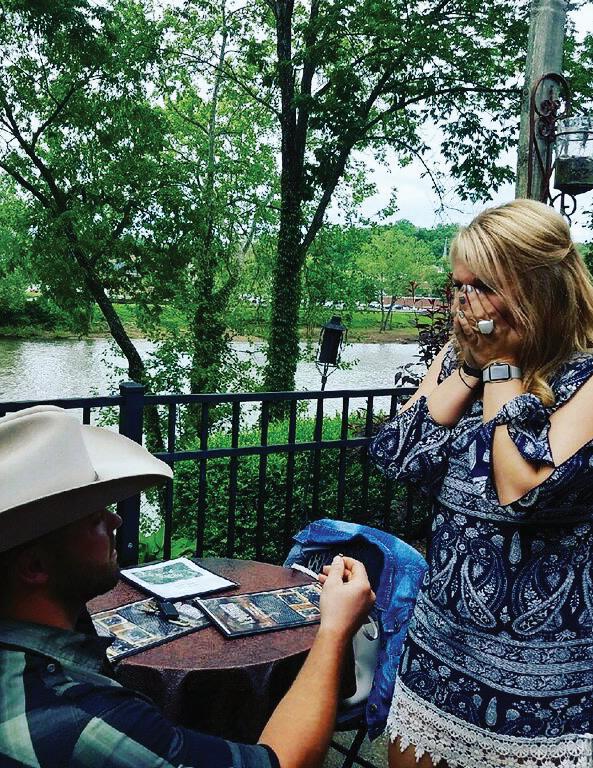
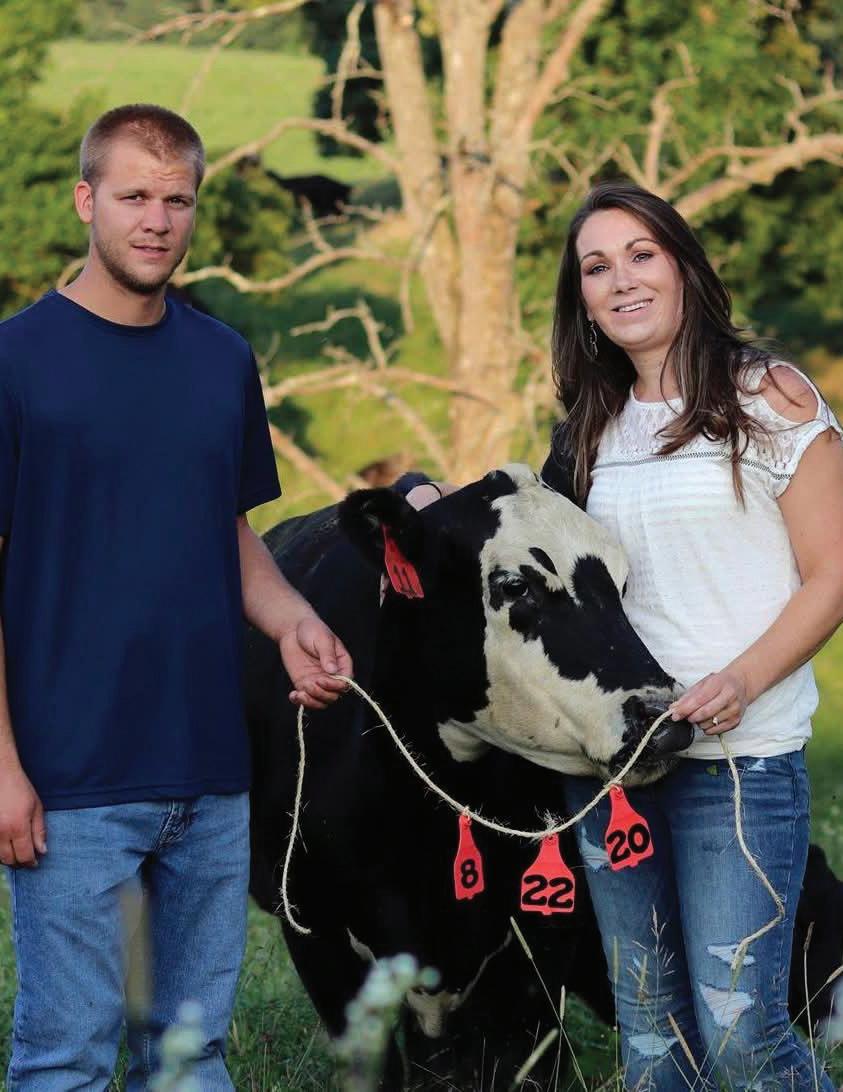
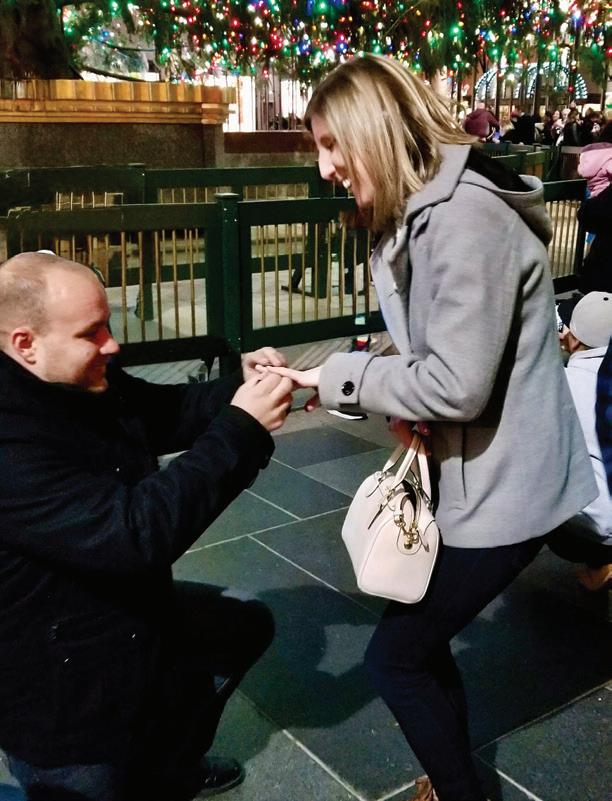
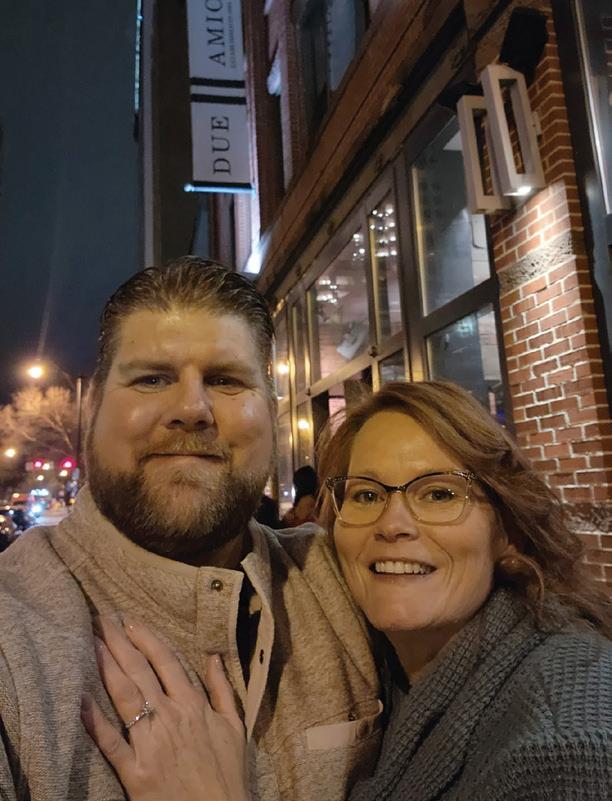
1 Pictured in photo: Bryce Eisnaugle proposing to Devan Iles while on vacation at Myrtle Beach. Robin Iles, South Central Power Company member
2 Alex Hildreth proposing to our daughter, Megan Jones, at a gazebo in Kent, Ohio. Julie Jones, Holmes-Wayne Electric member.
3 My (now) husband, Blaine, when he proposed to me at our favorite restaurant, Muddy Miser’s, in 2018 Katherine Klaus, The Energy Cooperative member.
4 One of our engagement pictures out in our pasture. Alana Nau, Guernsey-Muskingum Electric Cooperative member
5 Our daughter Tricia’s New York Times Square Christmas engagement to Alex. Mary Rice, Lorain-Medina Rural Electric Cooperative member
6 Brandon Parker proposed to me after dinner in front of Due Amici in Columbus on February 14, 2025 Lometa Smith, South Central Power Company member.
For May, send “May flowers” by Feb. 15. For June, send “Roller coaster” by March 15. Upload your photos at www.ohiocoopliving.com/memberinteractive. Your photo may be featured in our magazine or on our website. Send us YOUR picture!

Concern for Community
Electric cooper a tive employees and trustees around t he state show the ir concern for the places they li ve, work, and serve in many ways.
T he ir g en er o u s supp o rt of t he Community Foundation of Ohio’s Electric



C o o p er a tives, t hr o u gh payrol l ded uc tions and one-time donations, has allowed the f o u n d ation to provide more than $215,000 in grants to dozens of organiz ati ons that ar e ne ar an d dear t o o ur employees’ hearts in the last seven years.

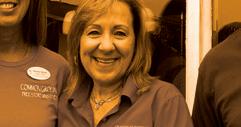





















Cooperative Family Fund
AHA! A Hands-On Adventure
St. Jude’s Childrens Hospital
Human Connections Fund
Association of Louisiana Electric Cooperatives disaster relief e orts
Huckleberry House




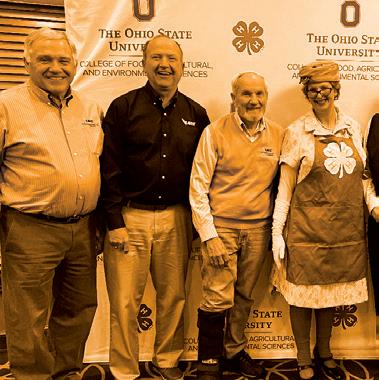

Capital Area Humane Society
Stefanie Spielman Fund for Breast Cancer
Ronald McDonald House Charities
Gracehaven, Inc.
Ohio Governor’s Imagination Library
Colony Cats Common Ground Free Store
Children’s Hunger Alliance Star House
RESCUEDohio
JR Memorial Cruise for a Cure
Florida Electric Cooperatives Association - disaster relief e orts
NRECA International
Saving Grace Cat rescue
Tennessee Electric Cooperative Association disaster relief efforts Leukemia & Lymphoma Societ y Union County 4-H
Autistic Self Advocacy Network
Ovarian Cancer Alliance of Ohio
BrAva
American Red Cross
Kentucky Rural Disaster Relief Fund and local relief e orts
Niche Seekers
Might
Children’s Museum
Trevor Project
Project Ohio
Worthington Resource Pantry
Scioto County Career Technical Center to benefit the Blake Rodgers Memorial Scholarship
Cooperative Development Foundation
Dolly Parton’s Imagination Library of Ohio
Clear Creek Farm
Kentucky Rural Disaster Relief Fund and local relief e orts LifeCare Alliance’s “Meals on Wheels” program