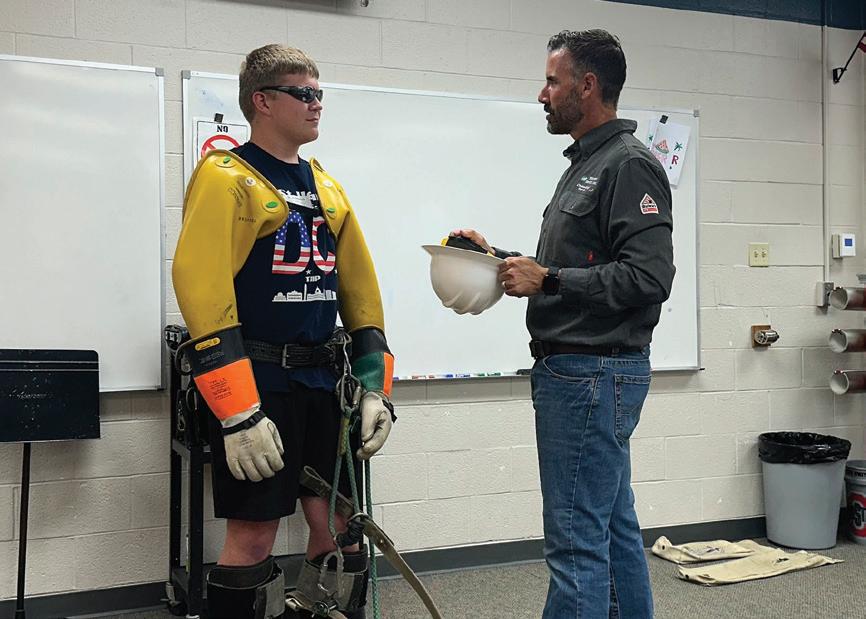
Congrats to our apprentice linemen on their graduation! (page 18)

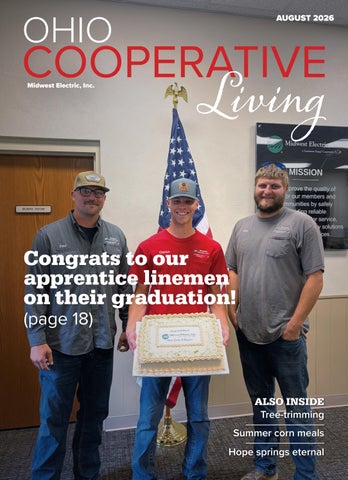
Congrats to our apprentice linemen on their graduation! (page 18)
to locate underground electric or other utility lines. This is a free service and it’s the law!
Before you buy a tree, look up and around. See any power lines? That’s your cue to plant far away—use the chart below as a guide.
Avoid planting shrubs and flowers around green transformer boxes and electric meters. Your co-op needs access for meters, and it’s safer to keep the space clear.
ohioec.org/purpose
Small-Tree Zone: Less than 25' tall and spread at least 25' from lines.
Medium-Tree Zone: 25'-40' in height and spread at least 40' from lines.
Large-Tree Zone: Larger than 40' in height and spread at least 60' from lines.


We all live by rules. Rules help keep society orderly. They protect individual rights, and they give families and businesses a fair basis for planning. We make better decisions when we understand the rules and can trust they’re not going to change without warning. The same is true at your local electric cooperative.
Co-ops need clear regulations so they can make responsible decisions for the people and communities they serve. In the electric utility industry, regulatory certainty is especially important because our investments are large, long-term, and essential to everyday life. A new substation or transmission facility can cost millions of dollars, and a new power plant can require billions. Those are commitments co-ops make over decades, and the costs of those commitments are ultimately paid by members who depend on co-ops for reliable and affordable electricity. It’s almost impossible to make investment decisions wisely if the rules keep shifting.
Over the last 20 years or so, electric utilities have experienced what seems like regulatory whiplash. Especially at the federal level, new administrations tend to use policy to drive broad changes — and everyone is left wondering whether today’s rules will still apply after the next election. That uncertainty is one reason our industry now faces one of its greatest challenges: resource adequacy, or the ability to generate enough electricity to meet demand. Data centers, which have added major new demand to the grid, are only part of the story; for years, federal and state governments have sent mixed signals about how our nation generates its electricity, and co-ops have continually been caught in the middle.
Rules passed a few years ago will narrow the resources available to serve electric demand over the next 10 to 15 years, and in doing so, add trillions of dollars in costs and create serious reliability concerns. Efforts are underway to repeal those rules, but future administrations could simply put them forward again and start the cycle all over.
For co-ops and other utilities, that makes responsible planning harder and, more importantly, puts members at greater risk. Not-for-profit electric cooperatives don’t have the luxury of guessing wrong. Their mission is to provide reliable and affordable power to their members, as simple as that. But to carry it out, co-ops need a set of rules they can count on for the long haul. A country cannot build and maintain a modern electric grid if utilities must plan around political swings every four years.
Regulatory certainty doesn’t mean policy has to stand still. It means clear, durable, and realistic rules that help utilities plan for the future, invest responsibly, and recover costs fairly. As election season begins, we should encourage candidates and policymakers to understand the uncertainty that too-frequent shifts in energy policy create for our industry, making it harder to serve members the way they demand and deserve: reliably and affordably.
Craig Grooms is president and CEO of Buckeye Power, the co-op-owned utility that provides the electricity Ohio’s electric cooperatives deliver to their members; and Ohio Rural Electric Cooperatives, Inc., their statewide trade association.
Regulatory certainty means clear, durable, and realistic rules that help utilities plan for the future, invest responsibly, and recover costs fairly.
Ohio Rural Electric Cooperatives
6677 Busch Blvd. Columbus, OH 43229 614-846-5757 www.ohiocoopliving.com
Craig Grooms President & CEO
Jeff McCallister Senior Managing Editor
Amy Howat Assistant Managing Editor Neal Kindig Graphic Designer
Contributors: Alicia Adams, Tim Baldwin, Colleen Romick Clark, Getty Images, W.H. “Chip” Gross, Catherine Murray, Theresa Ravencraft, Craig Springer, Kevin Williams, and Margie Wuebker.
OHIO COOPERATIVE LIVING (USPS 134-760; ISSN 2572-049X) is published monthly by Ohio Rural Electric Cooperatives, Inc. It is the official communication link between the electric cooperatives in Ohio and West Virginia and their members. Subscription cost for members ranges from $6.48 to $7.92 per year, paid from equity accruing to the member.
POSTMASTER: Send address changes to editorial and advertising offices at: 6677 Busch Boulevard, Columbus, OH 43229-1101. Periodicals postage paid at Berne, IN 46711, and at additional mailing offices. Nothing in this publication may be reproduced in any manner without written permission from Ohio Rural Electric Cooperatives, Inc. All rights reserved. The fact that a product is advertised in Ohio Cooperative Living should not be taken as an endorsement. If you find an advertisement misleading or a product unsatisfactory, please notify us or the Ohio Attorney General’s Office, Consumer Protection Section, 30 E. Broad St., Columbus, OH 43215. Periodicals postage paid at Columbus, OH, and at additional mailing offices.
4
TIMM-BURRR! Because it’s so important for reliability, vegetation management is an important part of cooperatives’ work plans.
Meant to be: Co-op couple makes dreams come true, one gig at a time.
Aerial angler: The belted kingfisher rewards intrepid birders with some dramatic scenes.
13
Gobs of cobs: Summer have you craving the sweet taste of corn? We’ve got you covered!
News and other important information from your electric cooperative. 30
Beat the heat: Summer watering tricks save money and power.
National/regional advertising inquiries, contact Cheryl Solomon
American MainStreet Publications 847-749-9015 | cheryl@amp.coop
Cooperative members:
Please report changes of address to your electric cooperative. Ohio Cooperative Living staff cannot process address changes.
Alliance for Audited Media Member

Visit Ohio Cooperative Living magazine online at www.ohiocoopliving.com! Read past issues and watch videos about our articles or our recipes. Our site features an expanded Member Interactive area, where you can share your stories, recipes, and photos and find content submitted by other co-op members across the state. 13 8 10 4 32 34
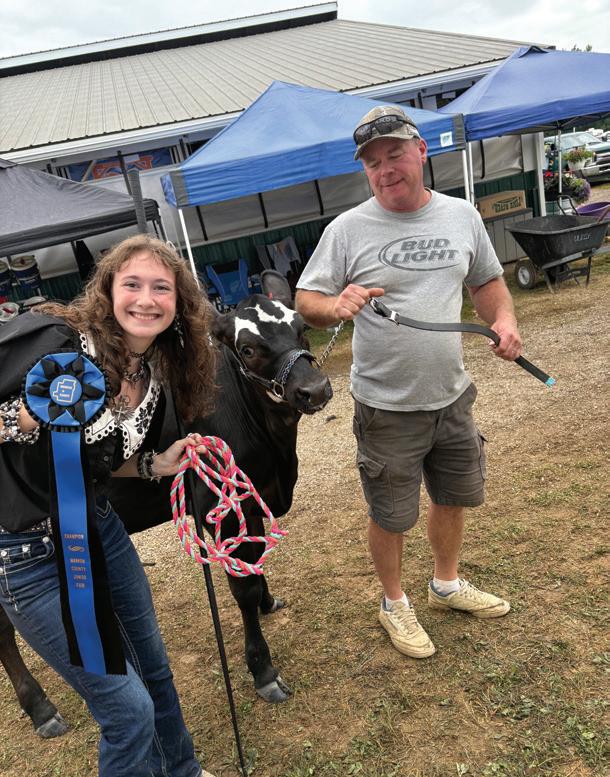
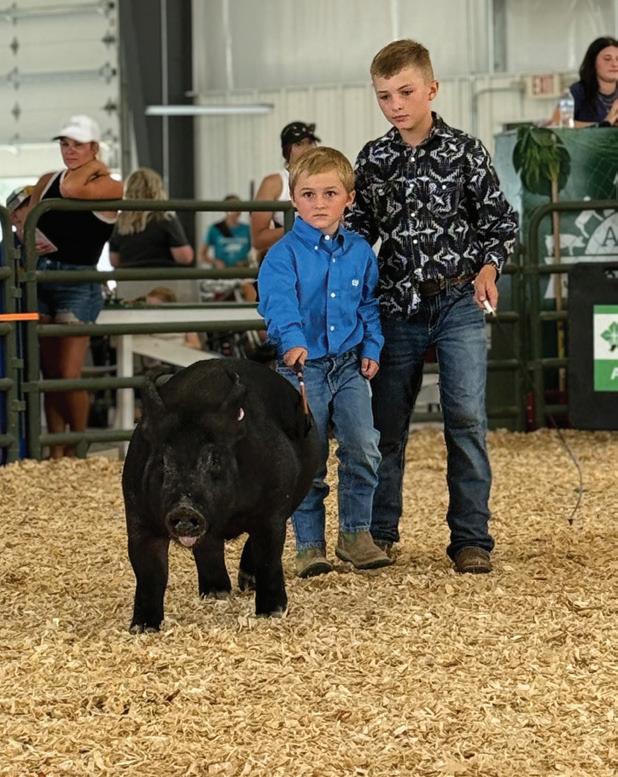
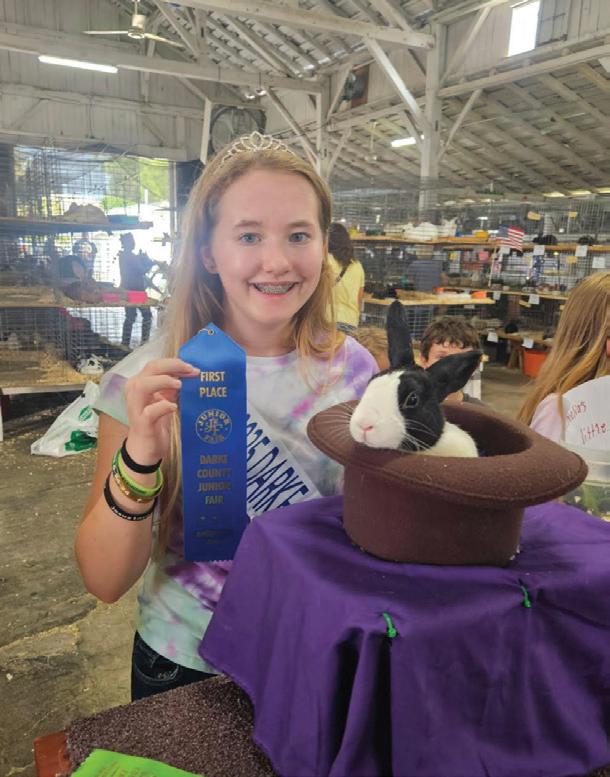
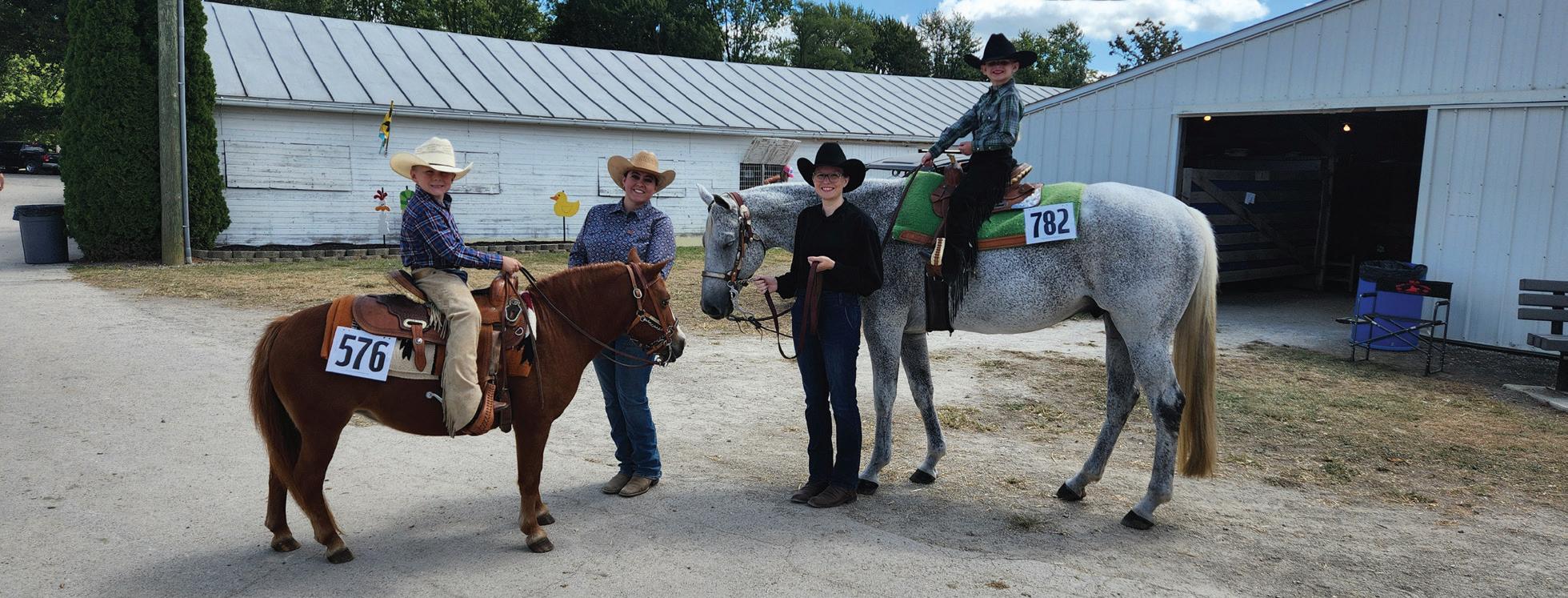
Show day at the fair: Members proudly share photos, like the one at right that South Central Power Company member Jacklyn Rose submitted of her stepson, Elijah, showing his market gilt at the 2025 Pickaway County Fair.
What’s happening: August/ September events and other things to do around Ohio.





Because it’s so important for reliability, vegetation management is a key part of cooperatives’ work plans.
BY AMY HOWAT
Some people might be alarmed by the sight of a low-flying helicopter dangling what looks like a prop in a horror movie passing over their property.
Nancy Thompson was excited.
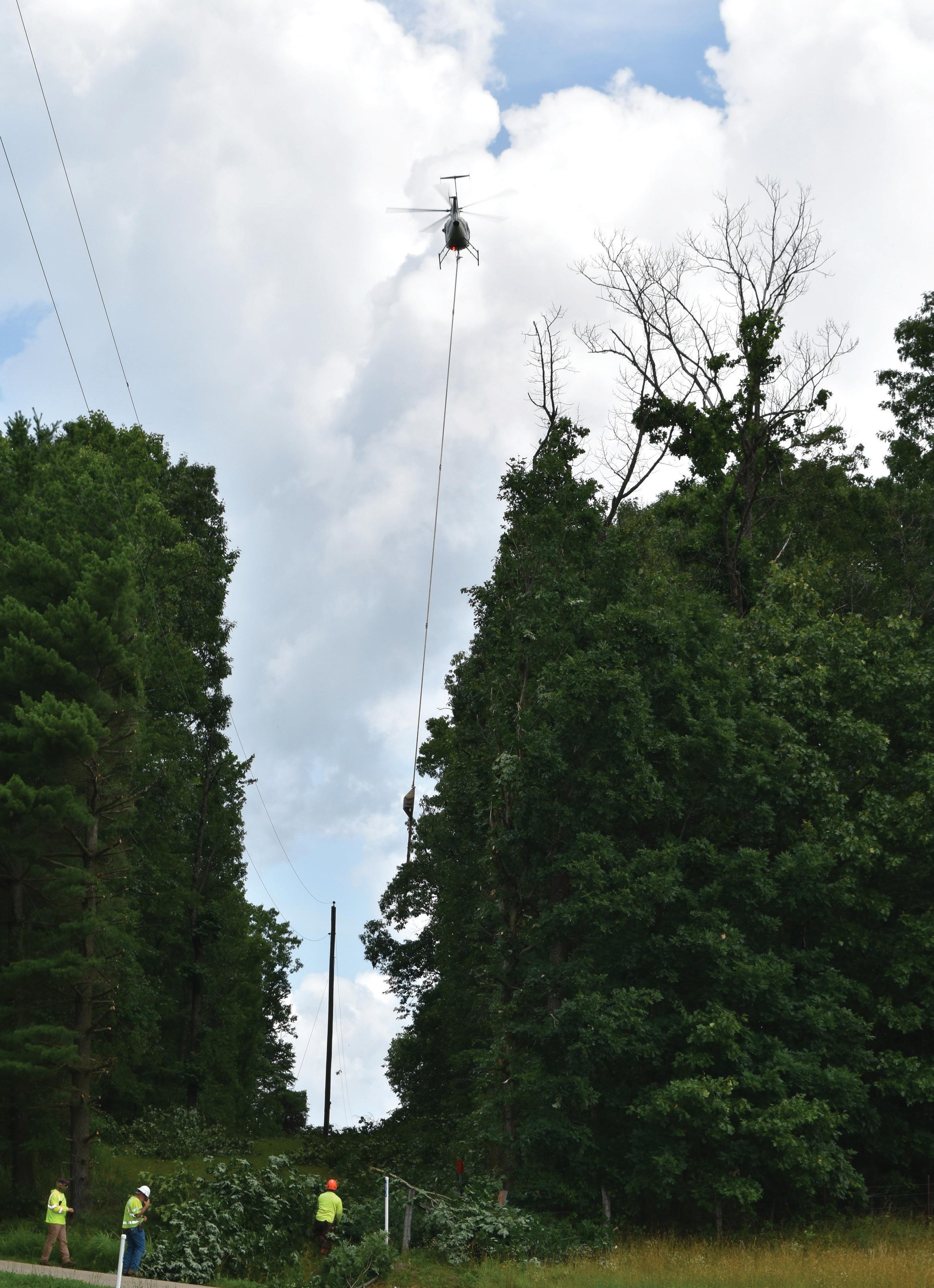
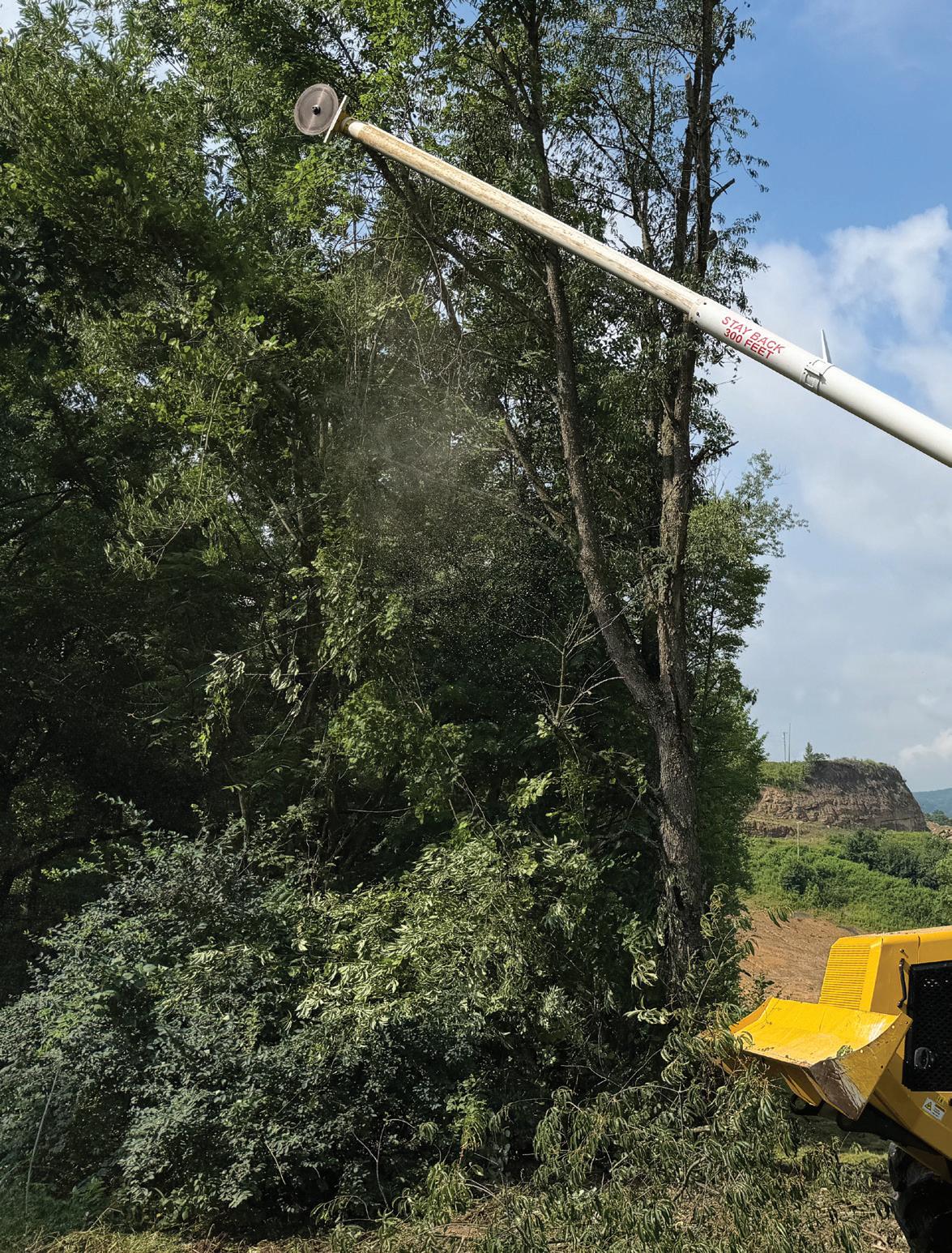
One muggy morning in late June, she stood outside watching as a contractor working for Mariettabased Washington Electric Cooperative flew his helicopter through a wooded ravine on Thompson’s farm in Whipple in rural Washington County, using an eight-bladed rotary saw hanging from his aircraft to trim trees away from the power line right-of-way.
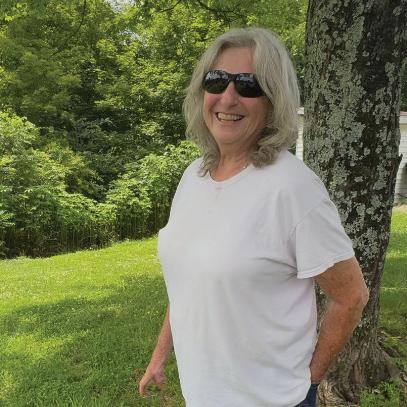
“Washington Electric called me last week and told me they would be here, and here they are,” she says. “I think it’s kind of exciting. They came through and cut the trees without cutting the wire. I’ve never seen anything like it.”
About 50% of all power outages are caused by vegetation. That figure varies widely depending on the landscape through which power lines run, and it reaches twothirds for some Ohio co-ops. Many outages occur during storms when limbs or entire trees fall across electric lines, but others arise less dramatically when branches grow into lines.
So while different cooperatives employ different strategies for cutting and clearing trees and foliage from
the areas around power lines, all co-ops share the same objective in managing that vegetation: to keep electricity both safe and reliable for their members.
Ohio law requires electric utilities to maintain the safety of their lines, and that responsibility extends to private property, where co-ops have a legal “easement” providing permission to access lines on members’ property.
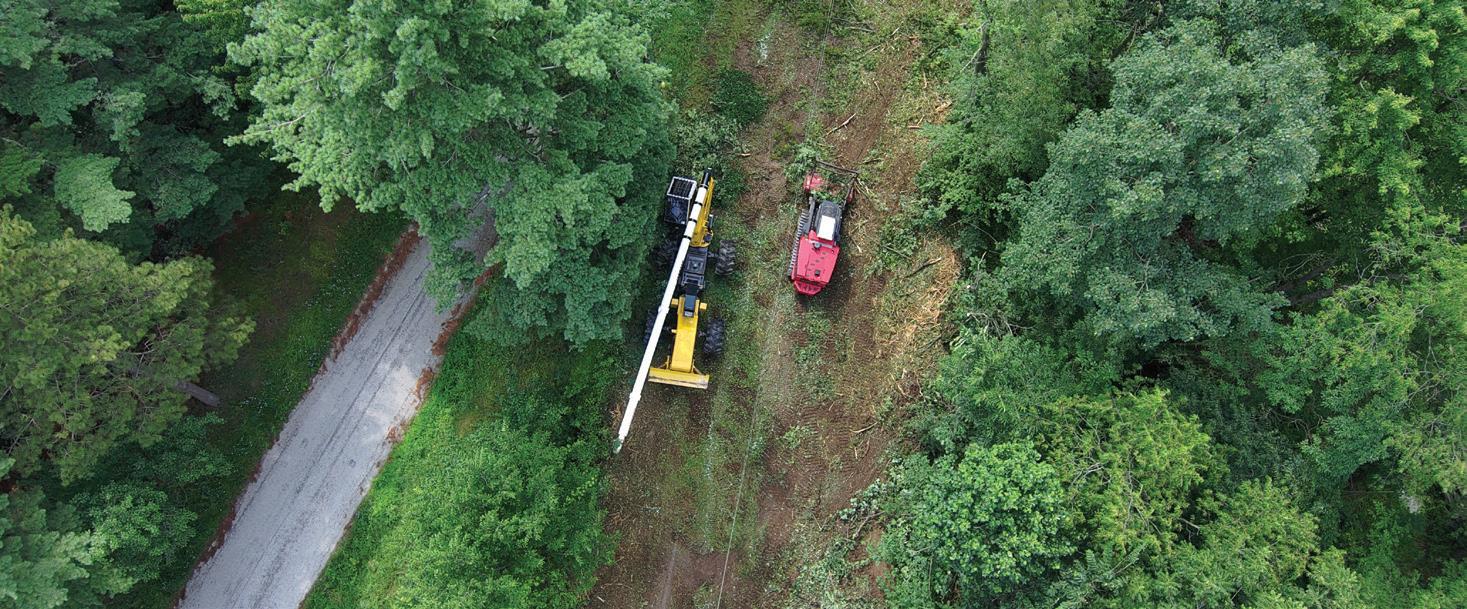
Whether they approach from the air or the ground, whether their employees do the work or they utilize contractors, co-ops generally work through their systems on multi-year rotations, employing various techniques of clearing, cutting, and spraying to keep lines up and power flowing to their members.
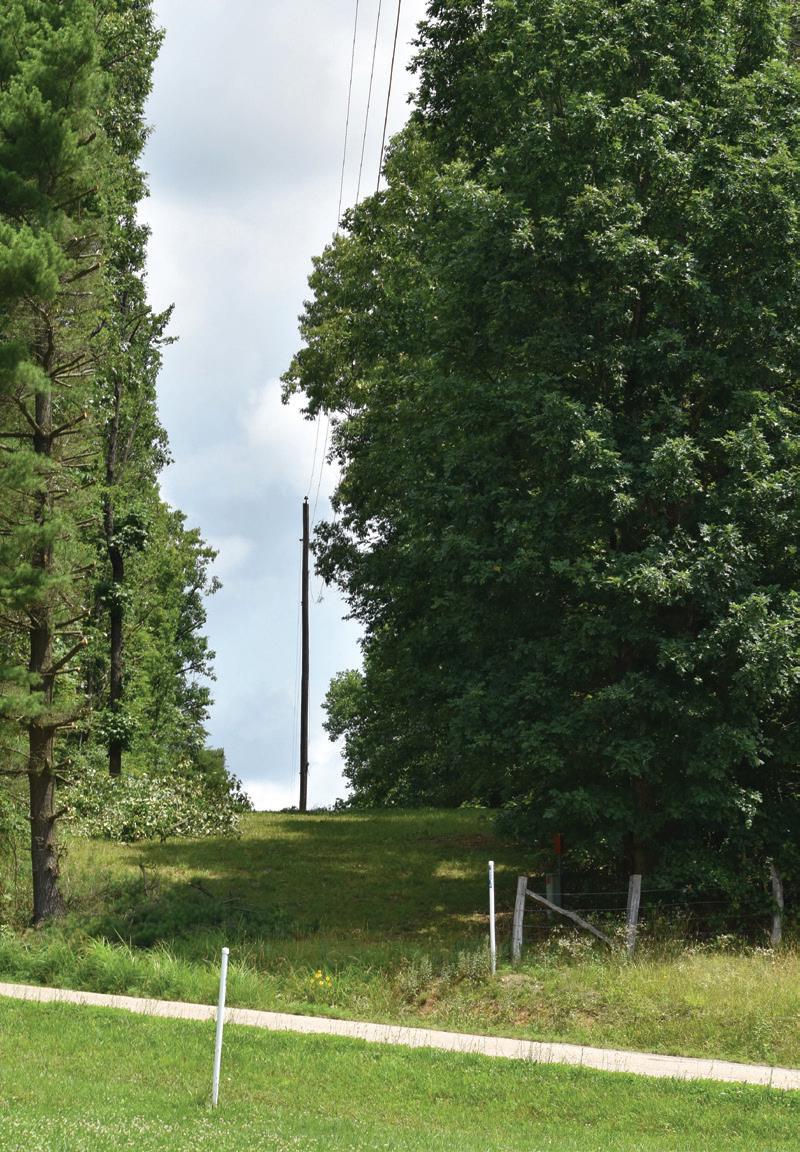
“We maintain a 40-foot right-of-way, which is 20 feet on each side of a power line,” says Kyle Cramblett, operations manager for Coshocton-based Frontier Power Company.
“We do this to prevent outages, which can happen not just from trees falling onto a line, but from trees growing into a line. It’s also for the safety of the public, so electricity doesn’t arc into a tree where a child could be climbing.”
Additionally, Cramblett says, keeping rights-of-way clear allows co-op crews to more easily reach lines for repairs and maintenance. “If we have to put wires back up after a storm, it’s much harder to do if we have to cut through briars and brush to get to the lines.”
Each of Ohio’s 24 electric distribution cooperatives has not only its own technique, but its own philosophy in managing their rights-of-way.
At Frontier Power, for example, employee crews do the right-of-way work, and time spent working ROW is a prerequisite for prospective lineworkers.
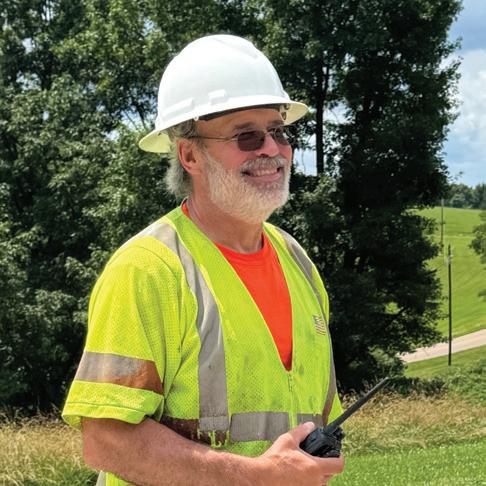
“All of our lineworkers have to start on our right-of-way crew,” Cramblett says. “They not only learn proper tree cutting and vegetation control, but they also learn our whole system and how our maps work. When we fill a lineman position, we take candidates from our ROW department.”
At Washington Electric, the ROW heavy lifting — including tree trimming and herbicide spraying — is done by contractors supervised by the co-op’s operations department.
“It takes a lot of time, effort, and money to maintain rights-ofway,” says Kenneth Angle, operations foreman at Washington
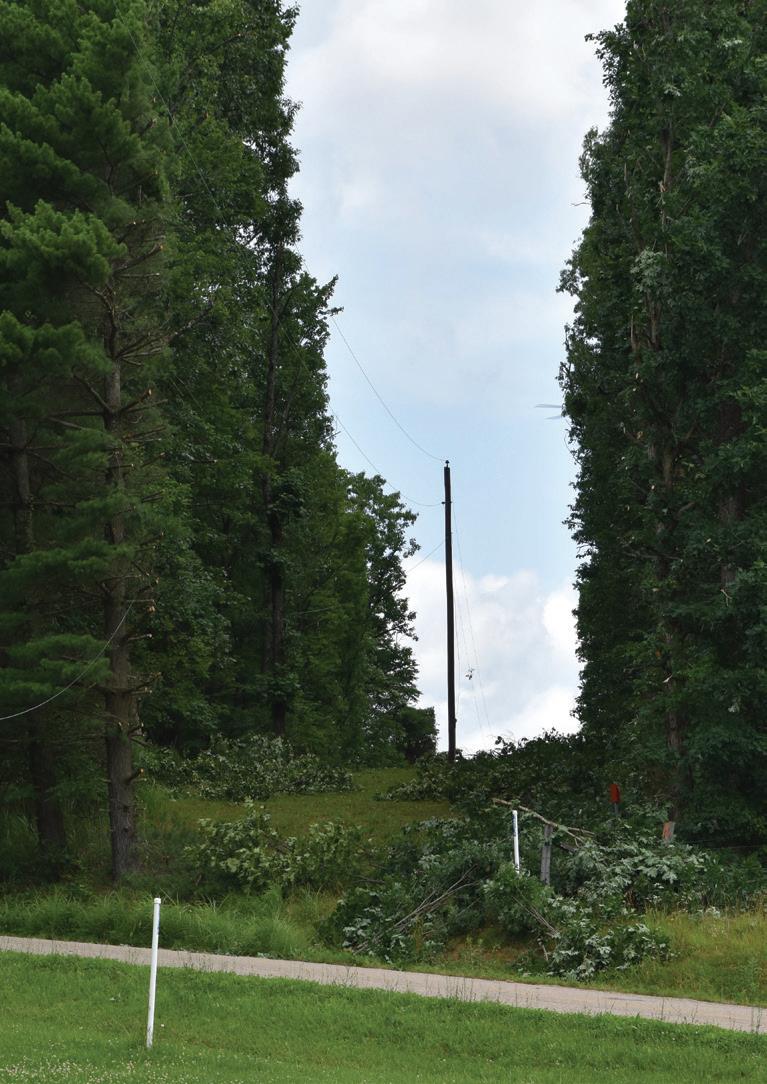
What happens when trees meet power lines?
When branches or limbs touch energized lines, several problems can occur:
• Momentary contact can cause blinking lights or voltage fluctuations
• Sustained contact can result in a full outage
• Broken limbs can pull lines down, creating dangerous conditions.
Even when an outage doesn’t occur immediately, repeated contact weakens equipment and increases the risk of future failures.

PHOTO BY TIM BALDWIN
While cooperatives’ vegetation management strategies focus on reliability and safety, another factor is important as well: preserving the abundant, healthy trees that members and communities value.
“We all have a priority for reliability and safety,” says David Tidd, arborist for Mount Gilead-based Consolidated Cooperative. “But we also do a lot of listening to our members about their concerns. We do what’s best for the trees while keeping in mind our goals.”
A key component is following industry best practices for trimming trees. “We adhere to the standards of the International Society of Aboriculture, in conjunction with the Utility Arborists Association,” Tidd says. “We also try to educate members about why we cut trees and why we use techniques like directional pruning, so trees grow away from power lines.”
Tidd, who has a bachelor’s degree in forestry and is ISA-certified as an arborist and utility specialist, works with members to find solutions agreeable to them and to the co-op.
“Communication is key,” he says. “Our work planner goes out ahead of crews, notifying members so they’re not surprised and so we can find the happy medium of how much we’re going to cut.”
Consolidated’s efforts have earned the co-op recognition as a Tree Line USA-certified utility through the Arbor Day Foundation, which promotes safe, reliable service and healthier forests.
Washington Electric Cooperative has the challenge of lines that go through the Wayne National Forest. “The national forest has its own rules, paying attention to the needs of wildlife and the health of the forest,” says Kenneth Angle, the co-op’s operations foreman. “We notify them any time we’re going to work in the forest. They understand what we need to do for our members and we understand that we have to be good stewards of the environment.”
All members benefit when co-ops do a good job managing their rights-of-way.
“With more bad storms recently, people are coming to understand the importance of vegetation management,” Tidd says. “No one likes to be out of power or without internet.”
Continued from page 5
Electric. “We work to find the best and most cost-effective way to manage it for the short term and the long term.”
Given the rugged, wooded territory typical of the eastern and southern portions of the state, including areas served by Washington Electric, those contractors often need a unique set of skills — as Nancy Thompson witnessed during that helicopter visit in June. “It’s like a huge cliff there, into that ravine,” Thompson says. “I don’t know how they could ever do it without a helicopter. I really appreciate all they do to keep my electricity on.”
In addition to providing access where ground equipment would have trouble reaching, a helicopter provides other advantages, Angle says. “The helicopter can clear from the ground to the sky without tearing up the ground, and it can do in minutes what could otherwise take days.”
Meanwhile, Frontier Power’s employees use a combination of specialized equipment as they undertake a ground assault on vegetation in rights-of-way. “We do side-trimming with a Jarraff, which is like an industrial tractor with a 70-foot telescoping boom,” Cramblett says. “It can get us access into tough places, in many conditions, and it saves our guys from having to climb trees to side-trim the edges of the ROW.”
The Jarraff is followed by two different types of mowers, including a Fecon, which mulches the vegetation that has
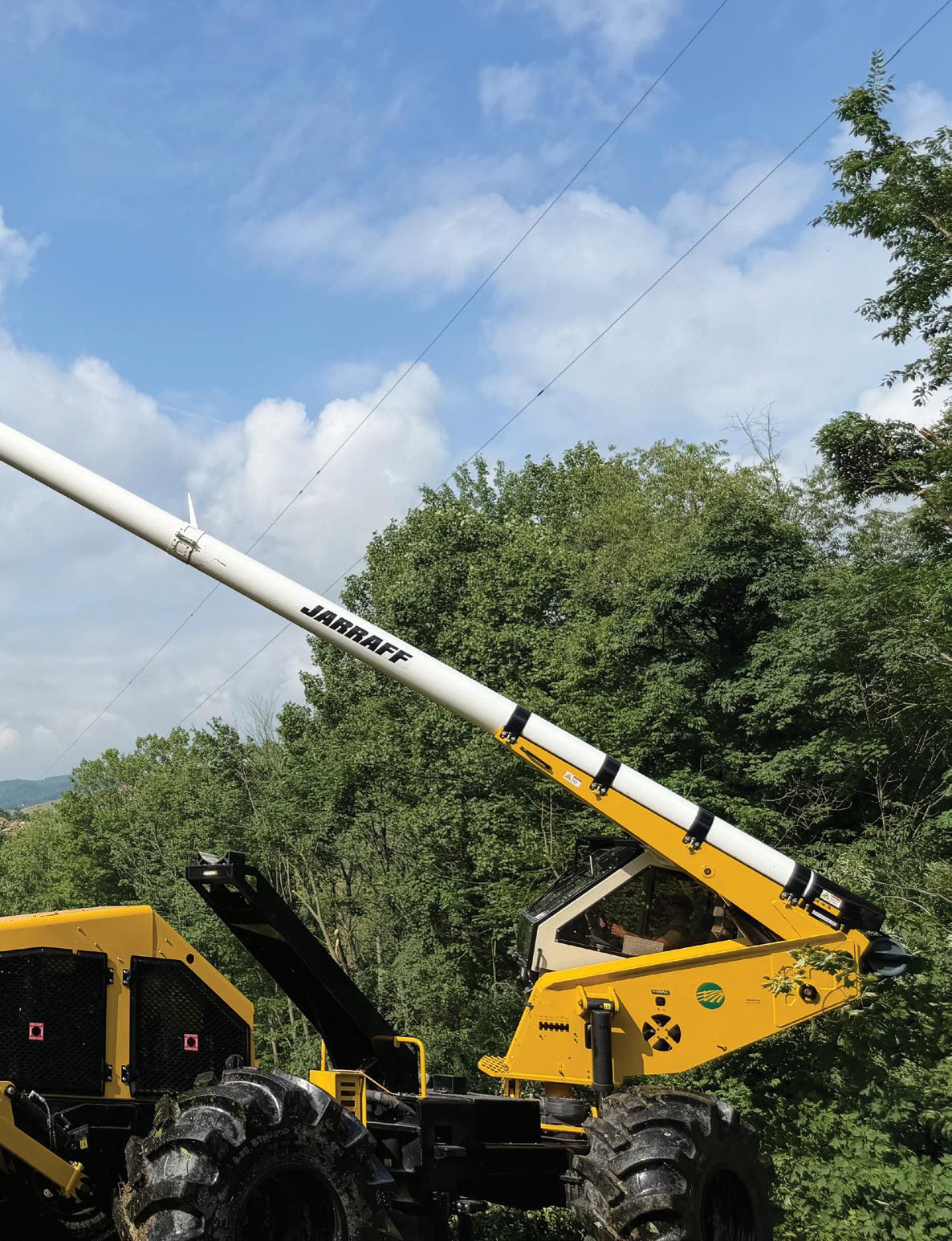
been trimmed, and a skid steer with a brush hog, a rotarytype mower, to tackle briars and smaller vegetation.
Once a section of right-of-way has been cleared, the challenge is to keep it that way. Crews spray herbicide to keep vegetation from growing back too quickly. “Herbicide gives us a few years before the woody vegetation starts to come back,” Cramblett says. “If we didn’t spray, we would have to double up how much trimming and mowing we do.”
Angle says the herbicide co-ops use is safe and encourages growth of grass and low-growing plants that support pollinators and wildlife. “It helps to create good habitat for deer to graze and for turkeys, and the way we cut the rightof-way, the brush along the sides gives small animals places to hide,” he says. “It’s a win-win for us and the varmints.”
However cooperatives achieve vegetation management, they all want members to understand that the efforts are focused on meeting members’ needs and expectations.
“We’ve got a plan and a job to do,” Cramblett says. “When we do it, members are going to find that their power is more reliable down the road. When a storm comes through, there will be fewer outages and the duration will be a lot less when we’ve cleared the rights-of-way.”

Ohio
co-ops rely mostly on tried-and-true methods of vegetation management — following rotation schedules, trimming, mowing, and spraying on set timelines — but some technological tools may provide additional help in the future.
Co-ops can assess rights-of-way without sending personnel out to inspect all lines: for example, by using high-resolution satellite imagery for an up-close view from above, or LiDAR, which stands for “light detection and ranging” and gives exact, three-dimensional data about the shape of the surface around utility assets.
While they are promising options, both can be cost-prohibitive, says Joshua Smock, GIS and engineering specialist at Butler Rural Electric Cooperative in Oxford.
One technology application that’s more practical, especially for small- to medium-sized co-ops, is using drones with cameras to get views of lines and ROW areas, Smock says.
Butler, in fact, recently completed a program with Miami University geographic information systems students, performing drone-based inspections focused on mapping and evaluating utility rights-of-way. The partnership provided real-world experience for the students while helping the co-op evaluate the benefits of drone-based inspections.
Butler is now in the process of developing an ongoing drone program that will help with vegetation management and equipment inspection, among other benefits.
“You have a better view of the tree canopy from above than from below,” Smock says. “Drones can help us see any encroachment of trees in the right-of-way that could cause problems.”
Additionally, drones allow access to hard-toreach places. “It’s faster and cheaper to send someone to scout with a drone in areas that might not be easily accessible for crews on the ground,” Smock says.
Co-op couple makes dreams come true, one gig at a time.
BY MARGIE WUEBKER

Dalton Hesson made his singing debut with a rendition of “Folsom Prison Blues” at the North Star Community Picnic in Darke County when he was 6 years old. He took piano lessons for more than four years and his parents gave him a guitar when he was 12
Delaney Moore, meanwhile, firmly believes she sang before she talked. She says her parents supported her musical interests from the start, with years of vocal training, and have always been her biggest fans as she sang at church, school events, and community theater.
Hesson grew up in Darke County, where he and his family are members of Darke Rural Electric Cooperative; Moore hails from Fairfield County, where she and her family are members of South Central Power Company.
Both joined Future Farmers of America at their respective high schools, and both attended the national FFA convention in 2022, where, as fate would have it, both entered the talent competition. Hesson strummed his guitar and sang his way into the top 15; Moore finished third.
Soon, they were Dalton & Delaney, performing at clubs and events with a mix of covers and original songs that span the musical spectrum.
“Growing up, we approached music from different angles,” Moore says. “I’m so glad Dalton came along. What we once did differently, we now do together.”
“We had to go all the way to Indianapolis to meet,” Hesson says with a smile. “I may write the songs, but Delaney brings them to life with her beautiful voice.”
The first few years after that fateful meeting have been busy with plenty besides music. Hesson attended Edison State College and then Franklin University and now works as a loan officer at a bank in Greenville. Moore is currently studying agricultural communications and public relations while working at a communications firm in Lancaster. In June, they got engaged.
In addition to balancing their careers, the duo performs at various venues across the state. Gigs generally take place on Saturdays, but occasionally the weekend stretches to include two or even three performances.
Hesson enjoys the challenge of writing original songs like “The Country Girl in Me,” which celebrates their involvement in agriculture and life in a rural area. Another of their originals, “Here’s to You,” often evokes a mix of emotions — and not only from the audience.
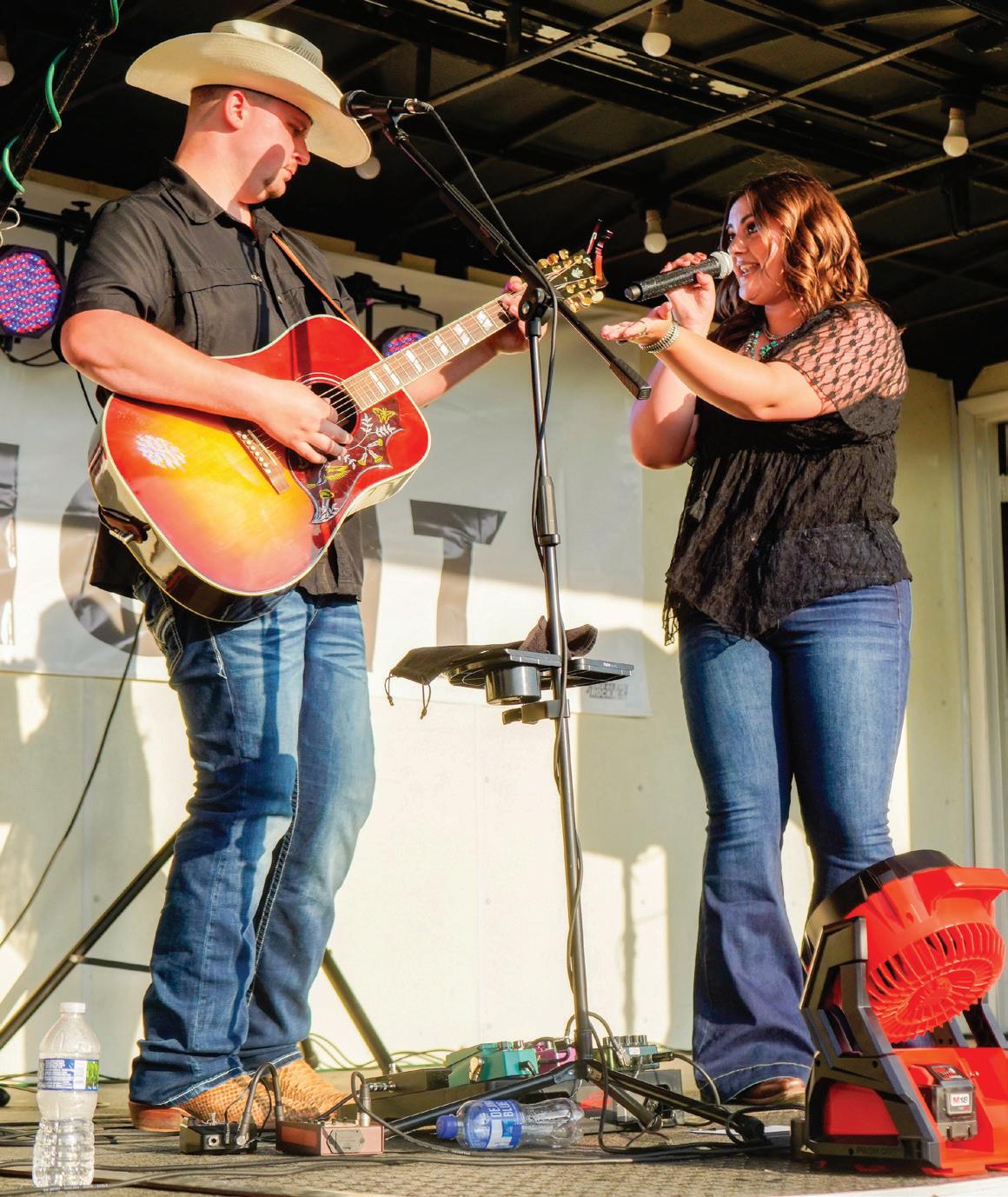
“I wrote it in the course of one night as a tribute to my cousin’s fiancé, who died in a farming accident,” he says. “Not all songs flow that easily.”
Moore, who also wants to try her hand at songwriting, is convinced music connects with people and helps them deal with challenges and uncertainties in life. She hopes their collaborative efforts will lead to professional recordings in the future.
It’s already led to a performance at one of the premier music events in the country. From the time he was young, Hesson says, he dreamed of performing at the annual Country Concert, which takes place in Fort Loramie, about 20 minutes from where he grew up, and draws nearly 80,000 fans over the course of a weekend.
That dream came true after the couple won a “Get the Gig” competition last year.
“I knew I wanted to play one of the stages out there, but I never thought that was possible,” he says. “We are so grateful for all the people who showed up and supported us to make performing at Country Concert everything we dreamed it would be and more.”

Moore was amazed at the size of the crowd, which included many relatives and friends. “Dalton’s parents rented a big party bus and showed up with 40 to 50 people on a Wednesday night,” she says. “It was so awesome.”
To learn more, visit www.daltondelaneymusic. com. New bookings are being added all the time, usually announced on the Dalton & Delaney Facebook page.

STORY AND PHOTO BY W.H. “CHIP” GROSS
It’s entirely possible I was a belted kingfisher in a former life. The ultimate introverts of the bird world, kingfishers only spend time with others of their kind when raising their young; other than that, they’re fishing.
Every accomplished angler has learned the lesson of patience, and the belted kingfisher is the quintessential example. The medium-sized, blue-and-white bird (picture a blue jay with a Bart Simpson haircut) will either perch on a dead snag or hover in midair along the edge of a lake, river, or stream, staring intently into the water below. When opportunity presents itself in the form of a fish near the surface, the bird will suddenly hit the water face-first, leading with its stiletto-like beak to snag its prey.
It’s one of the most intriguing sights in all of nature. Whether from a perch or a hover, the bird folds its wings and drops like a rock, hitting the water with


a splash. Within a split second, an opaque nictitating membrane — a kingfisher’s third eyelid — closes horizontally over the eyeball to help protect it under water. The kingfisher doesn’t spear the fish, but instead grabs it between its upper and lower jawbones. The bird then pivots 180 degrees and allows the natural buoyancy of its body to pull it back to the surface, where it spreads its wings and pushes off into the air with its prize.
Jim McCormac, the author of the identification guide Birds of Ohio, describes what happens next: “The unfortunate victim is taken back to the perch, where it is often savagely pounded against an unyielding surface until stunned, at which point the kingfisher gulps it down.”
Experienced birders, however, know it takes a sharp eye and a pair of powerful binoculars to see the exceptionally wary kingfisher up close. All a beginning birder usually gets is a quick glimpse of a disappearing blue blur and a loud, raucous, rattling call. Kingfishers have half a dozen common colloquial names, but one of the most descriptive is “fly-up-the-creek,” because that’s usually all you see of the bird. They are hardy birds, often overwintering in Ohio as long as there is enough open water in which to fish, so watch for them year-round.

tunnel, they hollow out a round nesting chamber, which the female fills with five to eight translucent white eggs. Incubation lasts about 24 days, and the mated pair alternates sitting on the eggs. Once the young birds hatch, the female broods the young while the male keeps busy fishing for the family. It isn’t long, however, before the voracious appetites of the young kingfishers — who can eat from one to nearly two times their weight in fish daily — keep both parents fishing fulltime. The young birds leave the nest after about five weeks, and learn to fish on their own a week or two after that. From that time on, young kingfishers will make their own solitary way in the world until taking a mate the following summer.

Unlike most birds, female kingfishers are more colorful than the males. Both sexes sport a blue-gray chest band, but the female also boasts a rust-colored belly band. After breeding, the pair nest by excavating a horizontal tunnel several feet long into a steep earthen riverbank. They take turns digging with their bills, pushing the dirt out behind them with their feet. At the end of the
Although kingfishers eat mainly fish, I once saw a short video clip taken by a friend’s trail camera of a male kingfisher bringing a sizable frog, which he had already beaten senseless, to his mate. The female kingfisher came to the entrance of the nesting tunnel and unceremoniously — without so much as a “Thanks, Honey” — grabbed the frog by the nape of the neck with her beak and pulled it backward into the tunnel. It looked like a gangster movie in which the unconscious hero is dragged through a door in a dark alleyway by the bad guys. Only in this case, I don’t think our “hero” survived to save the damsel in distress.




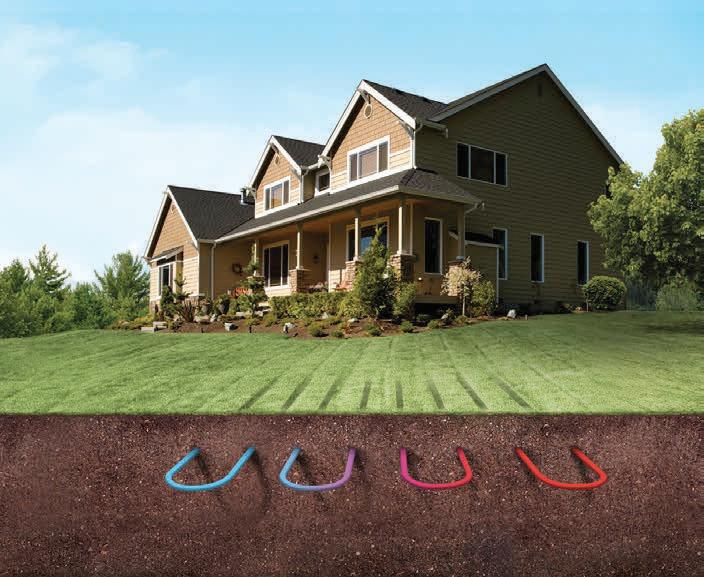
When you compare our geothermal system to a traditional gas or electric HVAC unit, the winner is clear.
We’ve got the competition beat on every level. A WaterFurnace geothermal heat pump offers unmatched efficiencies, so your energy costs are much lower than with a conventional furnace or a/c. It doesn’t rely on fossil fuels, so it’s much better on the environment. And the consistent temperatures and low humidity allow you to dial in your ideal comfort. Try it out and you’ll see—WaterFurnace wins. Contact your local WaterFurnace dealer today!
Geothermal is the only renewable that provides reliable operation 24 hours a day, 7 days a week, 365 days a year.
Summerhaveyoucraving thesweettasteofcorn? We’vegotyoucovered!
Cook: 40 minutes | Servings: 8
6 to 8 fresh corn cobs, shucked
8 cups water
1 teaspoon salt
1 pound redskin potatoes, ½-inch dice
1 tablespoon unsalted butter
1 medium carrot, grated
1 medium yellow onion, diced
1 clove garlic, minced
3 large tomatoes, diced
1 small zucchini, grated
2 cubes vegetable bouillon
½ teaspoon pepper
small bunch fresh basil, chiffonade
With a sharp knife, cut kernels from corn cobs. Store kernels in fridge for now. In a large stockpot, bring corn cobs, water, and salt to a boil; lower heat to medium, cover, and cook 25 minutes. Use tongs to transfer cobs to a strainer; once cooled to the touch, use the back side of a knife to pop remaining soft corn out of the cobs into stockpot, then discard cobs. Add potatoes to stockpot and bring to a boil once more; lower heat to medium, cover, and cook 8 to 10 minutes, until potatoes are tender when pricked with a fork.
Meanwhile, melt butter in a skillet over medium heat and sauté carrot and onion until onion is soft and translucent. Add garlic, stirring another minute. When potatoes are cooked, transfer contents from skillet to the stockpot, then stir in corn from fridge, tomatoes, zucchini, bouillon, and pepper; continue cooking until heated through. Stir basil into chowder or sprinkle on top.
Per serving: 110 calories, 2 grams fat (1 gram saturated fat), 21 grams total carbohydrates, 4 milligrams cholesterol, 600 milligrams sodium, 3 grams fiber, 3 grams protein.



Prep: 30 minutes | Bake: 15 minutes | Servings: 30
2 cups flour
½ cup masa harina (corn flour)*
½ cup yellow cornmeal
½ teaspoon baking powder
½ teaspoon baking soda
½ teaspoon salt
1 cup unsalted butter, softened
1 cup sugar
1/3 cup honey
1 large egg
2/3 cup whole pecans
In a large bowl, mix together dry ingredients (flour through salt) until well combined. In the bowl of a stand mixer with whisk attachment, cream butter, sugar, and honey until fluffy and light in color. Add egg, mixing and scraping until fully incorporated. Add flour mixture, mixing on low at first, then increase speed to medium until just combined. If dough is crumbly, slowly drizzle in a teaspoon of water at a time while mixing on medium speed until dough sticks together and holds its form.
Preheat oven to 325 F. Line baking sheets with parchment paper. With a large spoon, loosely form dough into 2-inch balls (if weighed, 34 grams each), space them 2 inches apart, and press a pecan into the center of each.
Bake 12 to 14 minutes until edges are a medium golden and set. (For a slightly toasty or crunchy cookie, let them brown all over, an extra 2 to 3 minutes.) Place cookie sheet on a trivet and let cookies cool 10 minutes before transferring. (If reusing cookie sheet, ensure it's fully cooled so the butter doesn't run out of the dough.) Store cookies in an airtight container for up to three days. Makes 30 (2½ dozen) cookies.
*Masa harina, or corn flour, is commonly found in the baking aisle with other flours. Two popular brands are MASECA and Bob's Red Mill.
Per cookie: 155 calories, 8 grams fat (4 grams saturated fat), 20 grams total carbohydrates, 22 milligrams cholesterol, 64 milligrams sodium, 1 gram fiber, 2 grams protein.

Prep: 10 minutes | Servings: 8
1½ cups corn kernels (fresh or frozen)
2 Roma tomatoes, diced small
½ bell pepper, diced small
1 clove garlic
small jalapeno, seeds removed (optional)

½ cup cilantro leaves
small handful of chives
1 large lime, zested and juiced
¼ cup olive oil
15-ounce can black beans, drained and rinsed
In a medium bowl, mix together corn, tomatoes, and bell pepper. With a small food processor or immersion blender, pulse garlic through olive oil until a creamy dressing is formed. Pour dressing over the mixture, stirring to coat, then fold in black beans. Serve with tortilla chips or get creative by adding it to salads, tacos, fish, meat, or rice dishes. Store leftovers in the fridge for up to four days. Stir each time just before serving.
Per serving: 131 calories, 8 grams fat (1 gram saturated fat), 12 grams total carbohydrates, 0 milligrams cholesterol, 127 milligrams sodium, 3 grams fiber, 4 grams protein.
Prep: 15 minutes | Cook: 20 minutes | Servings: 6*
2 tablespoons unsalted butter
2¼ cups whole buttermilk
1¼ cups cornmeal

¾ cup flour
2 tablespoons sugar
1½ teaspoons baking powder
½ teaspoon baking soda
1 teaspoon salt
2 large eggs
1½ pounds pre-made BBQ pulled pork minced chives, optional
Melt butter in a saucepan over medium heat. Add buttermilk and cornmeal, whisking until thickened, 3 to 5 minutes. Remove from heat and let cool 10 minutes. In a large bowl, whisk together flour through salt. Whisk eggs into cooled cornmeal mixture, then fold in flour mixture with spatula until fully combined.
Heat an electric skillet to 325 F (or a large skillet over medium heat) and coat lightly with cooking spray. Spoon about 2 tablespoons of batter into skillet and spread it a bit with the back of a spoon. Repeat, cooking a few at a time, about 90 seconds per side. Meanwhile, heat up the pulled pork so it's ready when the pancakes are finished. Using tongs, plate pancakes, then top with pulled pork and sprinkle with chives, if desired.
*This recipe makes about 36 miniature pancakes, serving 12 as an appetizer or six as a main course.
Per main-course serving: 620 calories, 31 grams fat (13 grams saturated fat), 49 grams total carbohydrates, 183 milligrams cholesterol, 1,367 milligrams sodium, 2 grams fiber, 33 grams protein.

MESSAGE FROM THE CEO
Matt Berry, CEO mberry@midwestrec.com
I am pleased to report that over the rest of this year and a couple months into 2027, our electric rates are actually decreasing. This news comes at a time when you’re also hearing about electric utilities like AES and AEP having significant rate increases.

This is due to our power generation strategy, through Buckeye Power, Inc.
Buckeye Power is the power generation cooperative for Ohio’s 24 electric distribution cooperatives, including Midwest Electric. In other words, Buckeye Power is the “wholesale” provider to the distribution cooperatives, and we are the “retail” provider to our consumer-members. Buckeye Power owns and operates all of our power generation plants.
Many other electric utilities, like AEP and AES, no longer generate electricity in Ohio but rather buy their power from the regional power markets. Due to dwindling power supplies amid increasing electric demand, the market price for electricity has skyrocketed in recent years. This has caused rate increases for the other electric utilities.
Owning all of our power generation has protected us from the power market price swings. In fact, Buckeye Power sells its excess power into the regional market. This has resulted in excess revenues and margins for Buckeye Power. In true cooperative fashion, Buckeye is returning those excess
margins to Midwest Electric and Ohio’s other electric cooperatives in the form of reduced wholesale power bills over the upcoming months … and we are returning it to you. The Power Cost Adjustment on your monthly electric bill will be lower than it would have been otherwise without this reduction from Buckeye Power.
By selling excess power to non-members on the open market, Buckeye Power experienced higher than normal margins and is returning a portion of those margins to Midwest Electric in 2026 in the form of lower monthly wholesale power bills. As a result, our members will see a combined power cost savings on their bills of approximately $1 5 million over the next several months.
The average Midwest Electric residential member (using 1,500 kWh per month) will save about $96 over the eight months of this Buckeye Power reduction, compared to what our wholesale power costs would have been otherwise. While the PCA reduction on any individual bill may be modest, it reflects what makes the cooperative model unique: When we can return value to our members, we do.
The PCA reflects the difference between the projected cost of wholesale power — set in advance — and the actual cost we pay for electricity from our generation supplier, Buckeye Power. Because energy markets can change due to fuel prices, weather, and demand, this adjustment helps ensure that costs are accurately charged.
In simple terms, the cost to produce the electricity you use has been less than expected — and we are able to pass those savings directly back to you.
Many people in our community are facing challenging times, and no one wants to see rising electric bills. We recognize our responsibility to serve you by working to keep bills as low as possible.
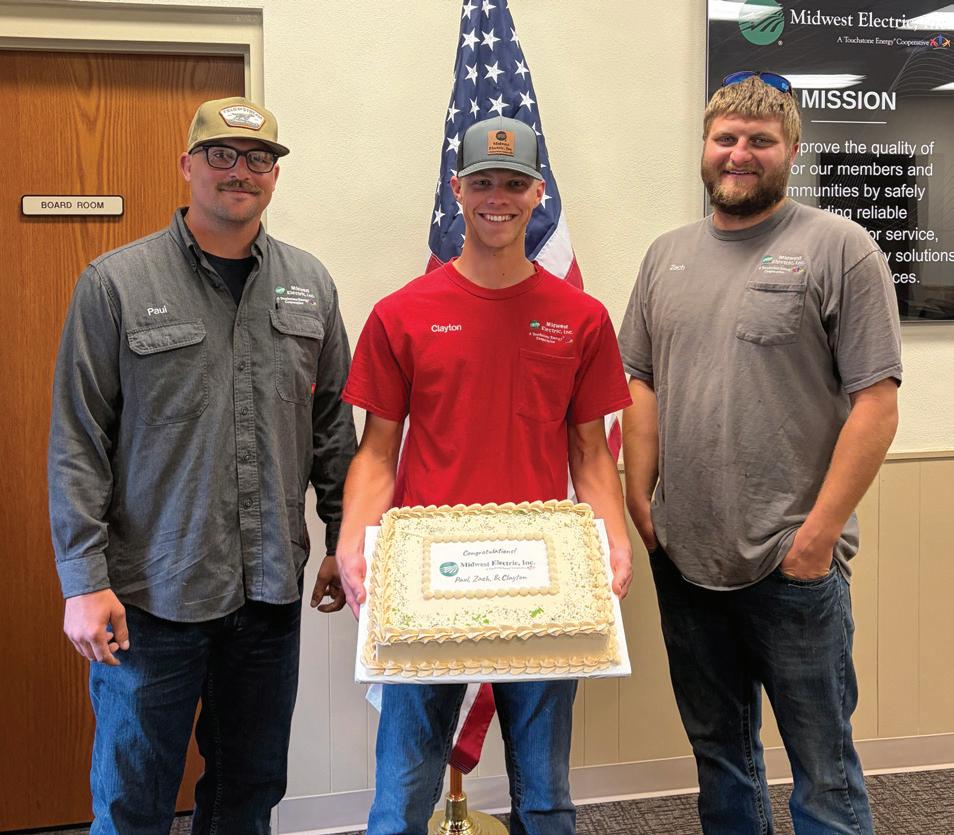
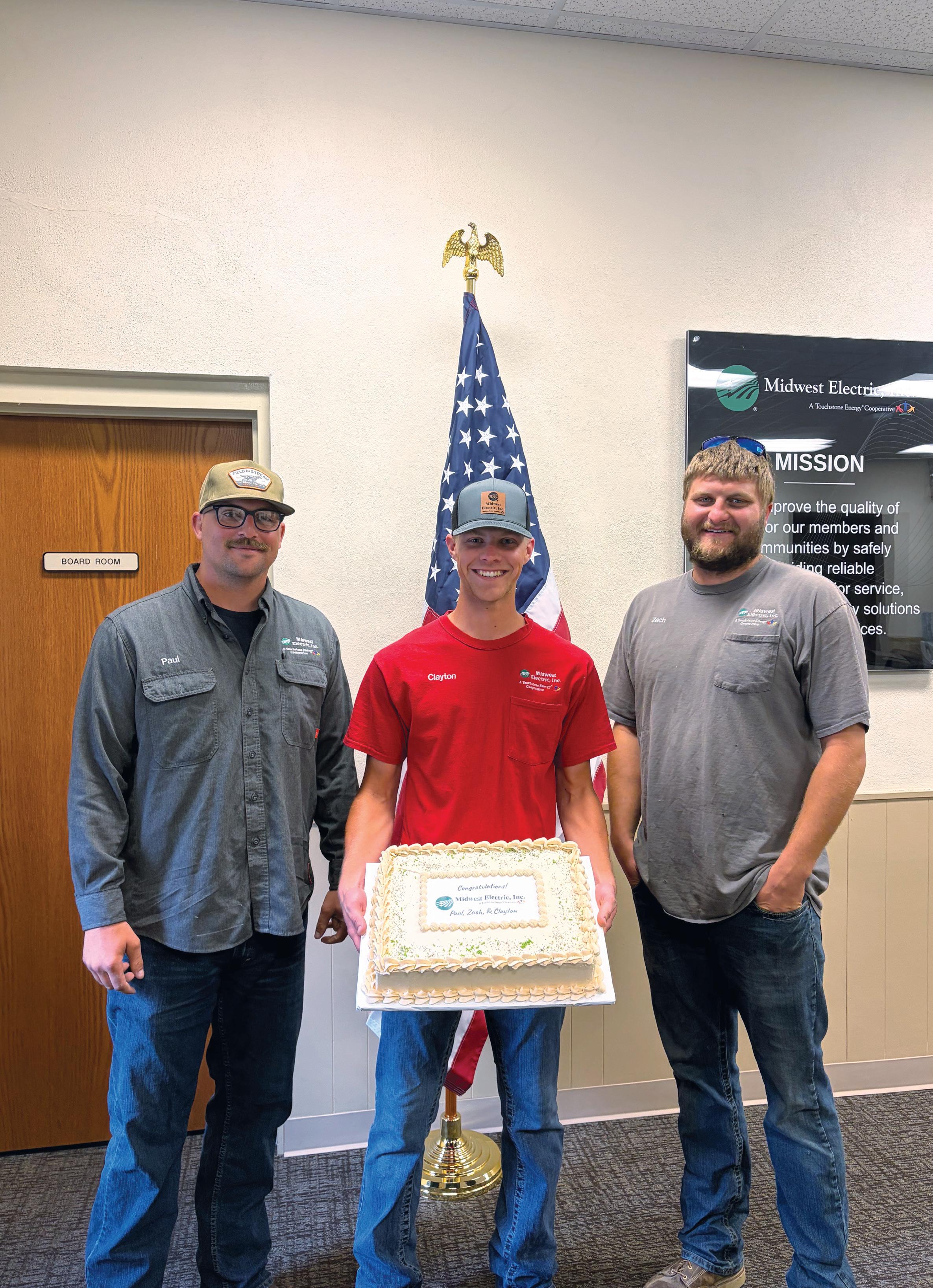
Midwest Electric lineworkers Paul Pfenning, Clayton Duncan, and Zach Neuman recently graduated from the Central Ohio Lineworker Training program. All three men moved from apprenticeship to first-class linemen. They completed more than 8,000 on-the-job hours over the course of four years of training.
Midwest Electric operates a Lineworker Apprenticeship Program that combines on-the-job training with classroom education. Through this structured program, apprentices develop the technical knowledge, safety practices, and hands-on experience required to become journeyman lineworkers. In addition to completing the Central Ohio Lineworker Training program curriculum and graduating from COLT, the three lineworkers also successfully completed Midwest Electric’s apprenticeship program, marking a significant milestone in their careers and demonstrating their commitment to safety, professionalism, and excellence.
Offered by Ohio’s Electric Cooperatives, Midwest Electric’s statewide trade association, the Central Ohio Lineworker Training program prepares both new and experienced lineworkers with the skills needed to safely build and maintain the electric system. Courses combine classroom instruction with hands-on field training using industry-leading technology in a safe, controlled environment.
Located in Mount Gilead, COLT is a one-of-a-kind indoor/outdoor training facility providing comprehensive lineworker education since 2004, with the indoor training center opening in 2017. The facility features climbing poles, energized and de-energized distribution lines, and realistic training scenarios that allow instructors to recreate real-world situations. Small class sizes ensure students receive individualized instruction.
To learn more about the COLT program and facility and view a video about the program, visit www.ohioec.org/central-ohio-lineworker-training-program.
Help allocate charitable funding with only four meetings per year!
This is your chance to make a difference — Only four meetings per year! WE NEED YOU TO JOIN THE CCF BOARD!
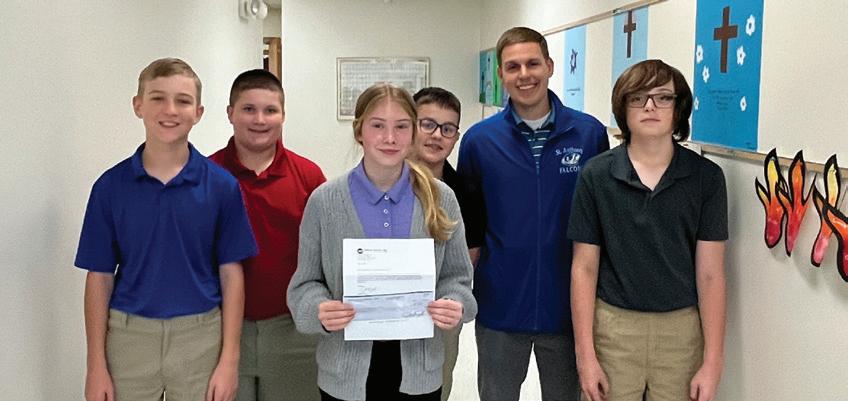
The Community Connection Fund is looking for three trustees (one from Auglaize/Shelby counties, one from Van Wert County, and one from Allen/Putnam counties) to serve on the CCF Board. Terms expire this fall for current trustees.
The CCF board meets four times per year to review grant applications (which are sent to trustees in advance) and decide where funds can make the most impact. No special background is necessary for this appointed position.
If you are interested, please contact Joel Johns for an application at jjohns@ midwestrec.com or call 419-394-4110. The deadline is Sept. 8, 2026

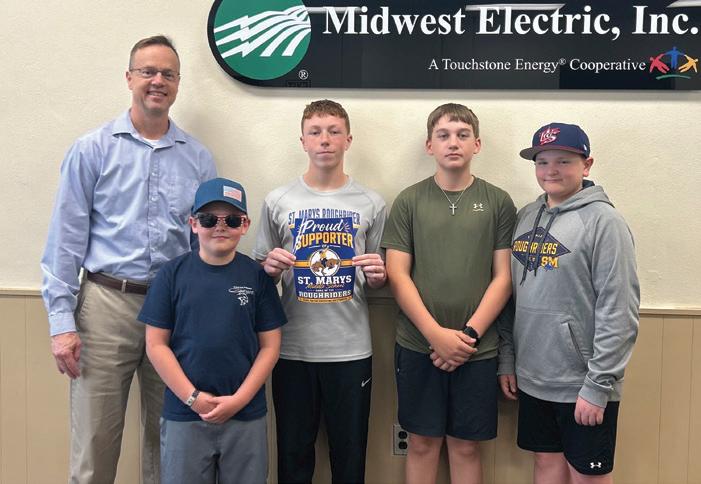
As teachers prepare to welcome students back to the classroom, they’re busy organizing lesson plans, decorating their classrooms, and gathering supplies. While teachers take on most of the responsibility on their own, Midwest Electric, your local cooperative, can play an important role in supporting classrooms, strengthening communities, and helping students thrive.
We are built on the cooperative principles of collaboration, education, and community investment. Cooperatives are uniquely positioned to partner with schools and provide meaningful resources that make a difference.
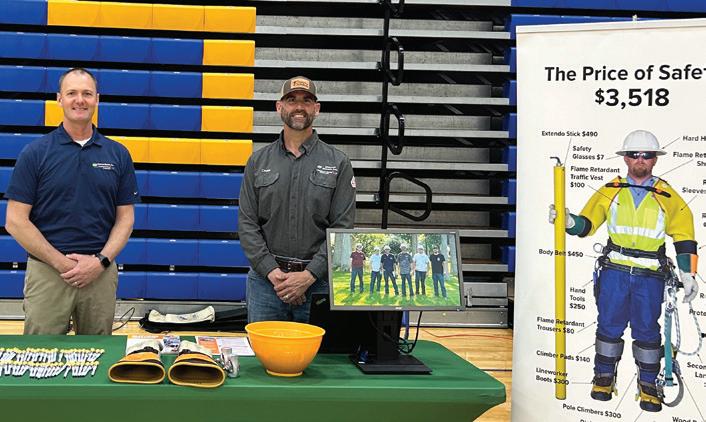
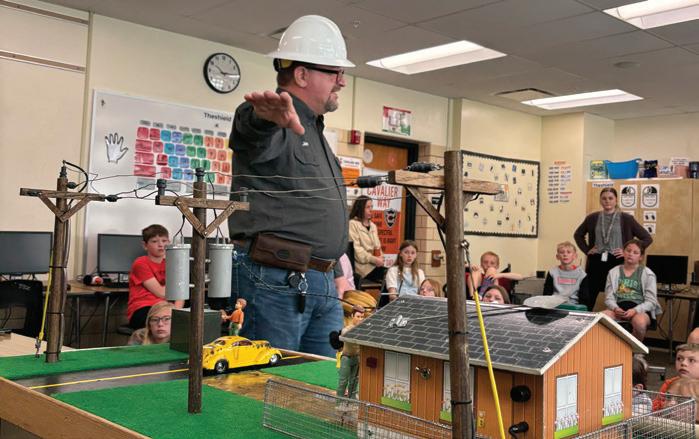
Midwest Electric offers many educational programs that complement classroom instruction. Guest speakers, handson demonstrations, and interactive presentations can help students connect classroom concepts to real-world careers and industries.
For example, our staff can provide lessons on energy efficiency, renewable energy, electrical safety, and STEM topics. These experiences not only enrich classroom learning but also expose students to career opportunities they may not have considered.
Back-to-school expenses can quickly add up. Teachers can apply for grants through our Community Connections Fund, which can help ease this burden by donating funds for school supplies, sponsoring classroom trips, and more.
Science, technology, engineering, and mathematics education continues to be a priority in schools, and co-ops can be valuable partners in promoting STEM subjects.
One of the greatest strengths of a cooperative is its commitment to the community. When co-ops partner with schools, students benefit from seeing how local organizations work together to improve the places where they live.
Volunteer opportunities, career days, field trips, scholarships, and mentorship programs all strengthen the relationship between schools and community organizations. These connections help students understand the value of service, cooperation, and civic engagement.
Supporting education is an investment that benefits everyone. Today’s students are tomorrow’s employees, entrepreneurs, leaders, and cooperative members. By helping teachers create engaging classrooms and providing students with opportunities to explore new ideas, co-ops contribute to a stronger, more resilient community.
Back-to-school season is more than preparing classrooms — it’s about preparing students for the future. And that’s a lesson our cooperative understands well. Teachers may call our office at 419-394-4110 or email us to see what resources we can provide to help you have a successful year.

August is typically one of the warmest months of the year, and that means air conditioners across our community are working overtime to keep homes comfortable. During periods of extreme heat, many members may see an increase in their electric bills and wonder what factors contribute to the cost of electricity.
At Midwest Electric, we believe understanding your electric bill is an important part of being an informed member. While the total amount due may seem like a single number, it actually reflects several different costs associated with delivering reliable electricity to your home or business.
The largest factor is often the amount of energy you use. Electricity is measured in kilowatt-hours, and the more energy your household consumes, the higher your bill will be. During the summer, air conditioning is typically the largest driver of increased energy use. When temperatures climb into the 90s or higher, our cooling systems run longer and more frequently, consuming significantly more electricity than they do during milder weather.
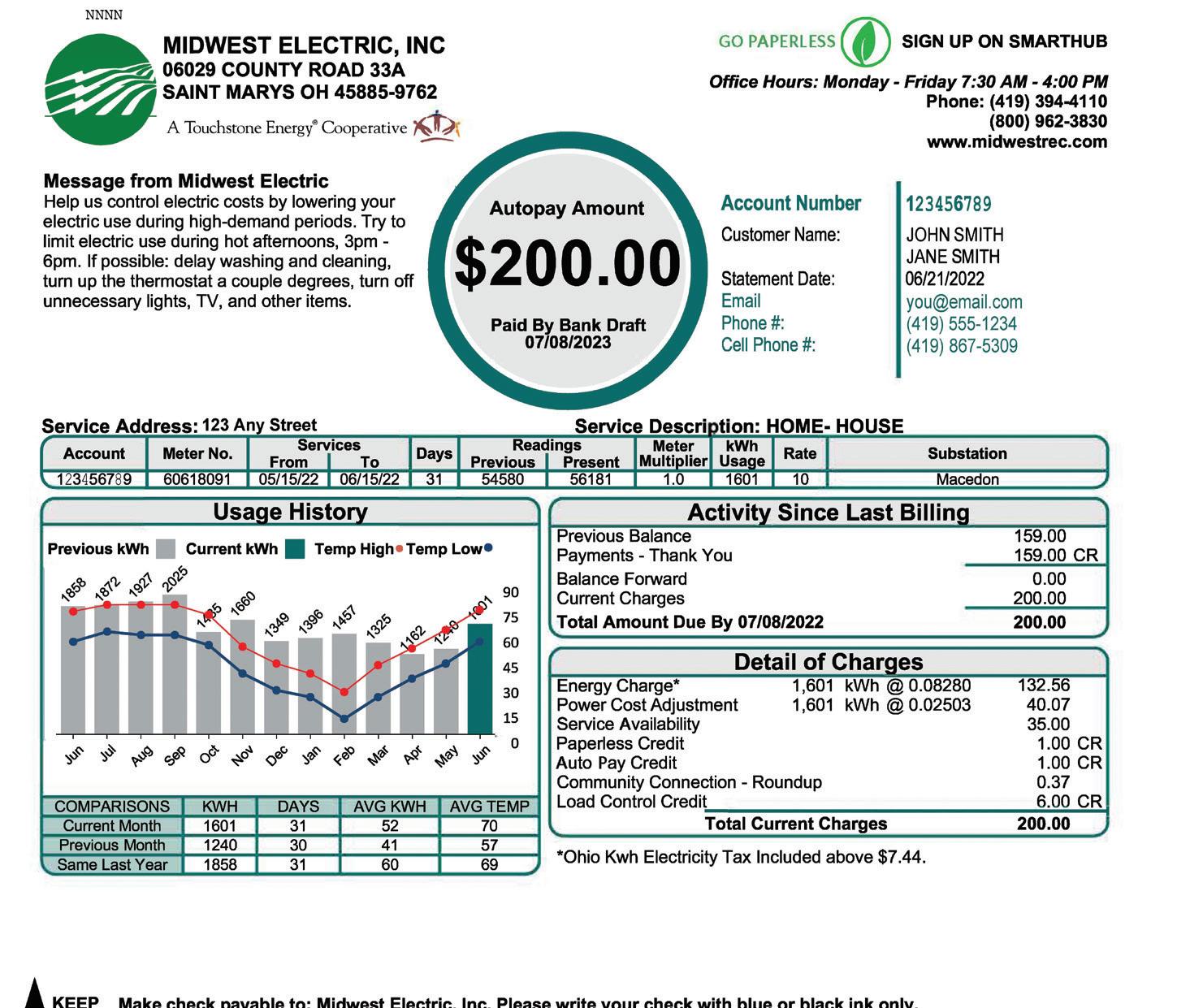
Power and the cooperative difference on page
This is not directly a Midwest Electric charge; it reflects changes in the cost we have to pay for the generation and transmission of electricity. This includes the cost of fuels to generate electricity; high voltage transmission to move the electricity from the generating plant to our local substation; and peak demand costs when electric use is high for all members. You can lower this charge through energy efficiency measures, including our energy audits. You can also help us manage this charge by joining our load management program.
We purchase power from Buckeye Power, the generation and transmission cooperative jointly owned by the distribution cooperatives in Ohio. The cost of producing electricity fluctuates based on fuel prices, including natural gas, coal, and other energy resources used to generate power. Changes in wholesale power costs influence the price of electricity
Closer to home, Midwest Electric maintains the local electric distribution system — utility poles, power lines, transformers, substations, and other essential equipment — that safely delivers power to members. Maintaining this equipment is covered through the monthly service charge. This is a flat monthly fee all members pay, regardless of how much electricity they use. This fixed fee ensures all members pay a fair share of the basic, operational costs required to keep the power grid reliable and ready to serve your home or business. Whether a member uses a little electricity or a lot, we must maintain infrastructure and have crews, equipment, and resources available to provide electricity around the clock.
Residential demand billing determines and charges customers for their electricity usage based on the amount of energy consumed and the peak demand they place

on the cooperative’s electrical system, and only applies if you use more than 20 kW in an hour. This billing structure aims to accurately reflect the cost incurred by the cooperative in meeting residential customers’ electricity needs.
Demand refers to the maximum amount of electrical power that is being consumed at a given time, as opposed to energy, which is the amount of power used over a period of time.
The billing process for residential members involves two components: energy consumption and peak demand. Energy consumption is measured in kilowatt-hours and represents the total amount of electricity a residential customer uses over a given period, such as a month. It is the most common and straightforward aspect of billing, with the customer paying for the actual energy consumed at a set rate per kWh.
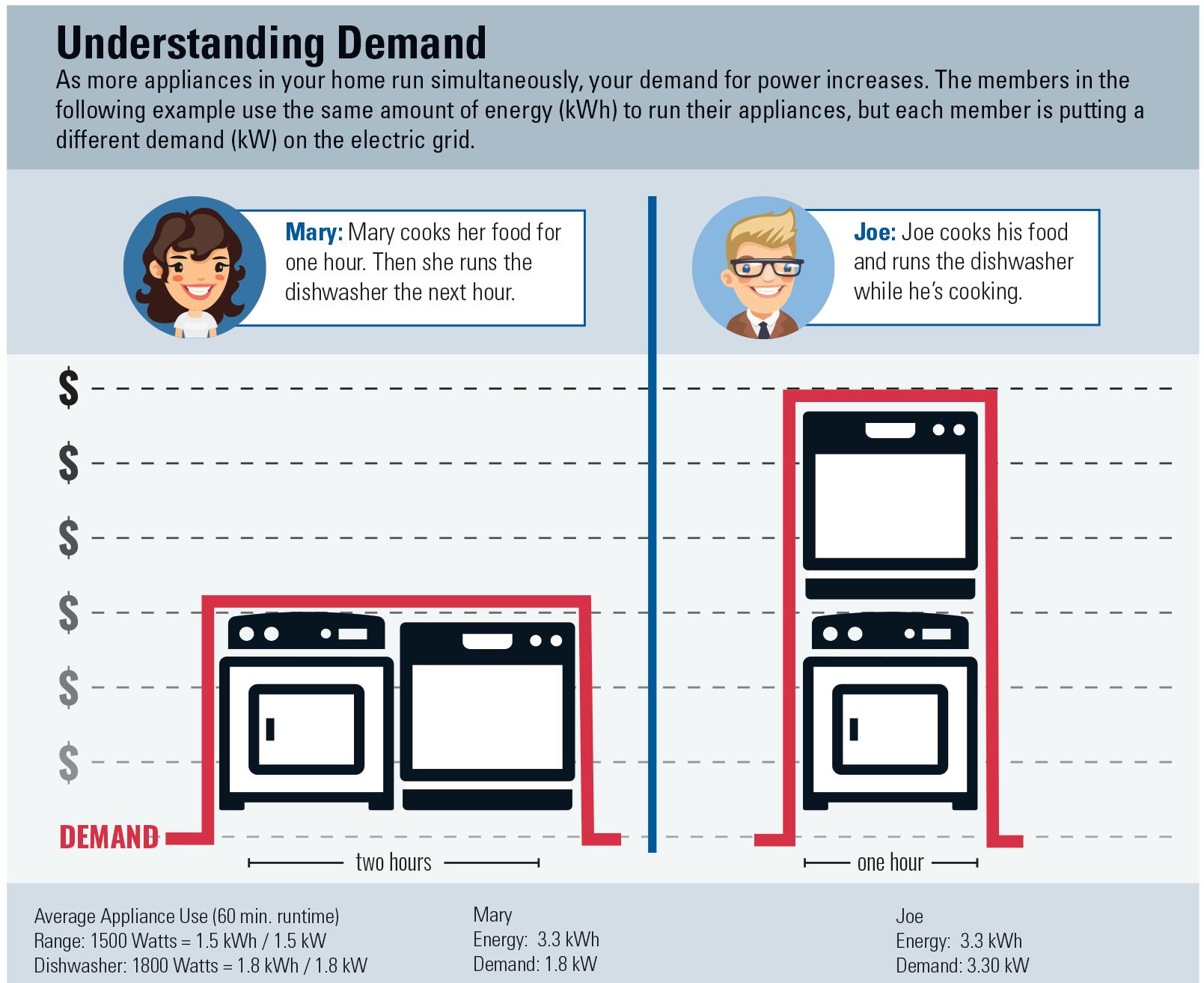
On the other hand, peak demand refers to the maximum amount of power a residential customer draws from the cooperative’s electrical system within a specific time-frame. Peak demand occurs when the customer simultaneously operates several high-energy-consuming appliances, such as air conditioners, heaters, or electric vehicle chargers. This demand places stress on the cooperative’s infrastructure, requiring additional resources to meet the instantaneous power needs.
FOR EXAMPLE: Get in the driver’s seat of your car for a moment. Energy (kWh) would be what is recorded on your car’s odometer — a measurement of total miles. Demand is like your speedometer — measuring the speed at which the energy flows. The demand charge is like the highest recorded “miles-per-hour” speed that month.
Participating Community Connection Fund members opt to “round up” their electric bills to the next highest dollar, with those pennies going to our Community Connection trust fund. This spare change is allocated
quarterly and donated to local charitable causes such as fire departments, food pantries, libraries, playgrounds, and more. NO administrative fees are taken. A separate board of Midwest Electric members reviews applications and makes fund decisions. It’s truly our “neighbors helping neighbors” co-op philosophy in action.
The good news is that simple steps to lower energy use can make a meaningful difference. Setting your thermostat a few degrees higher when you’re away, replacing dirty HVAC filters, using ceiling fans, sealing air leaks, and avoiding the use of major appliances during the hottest parts of the day can help reduce energy consumption, lower your bill, and reduce strain on the local grid during peak demand.
Our mission is to provide safe, reliable and affordable electricity while being transparent about the factors that impact energy costs. We understand every dollar matters, and we are committed to making smart investments that keep the lights on and support the communities we serve.
If you ever have questions about your electric bill or co-op programs designed to help you save, please reach out. We’re here to help you make informed decisions that work for your household.
Join us August 24, 5:30 p.m., at
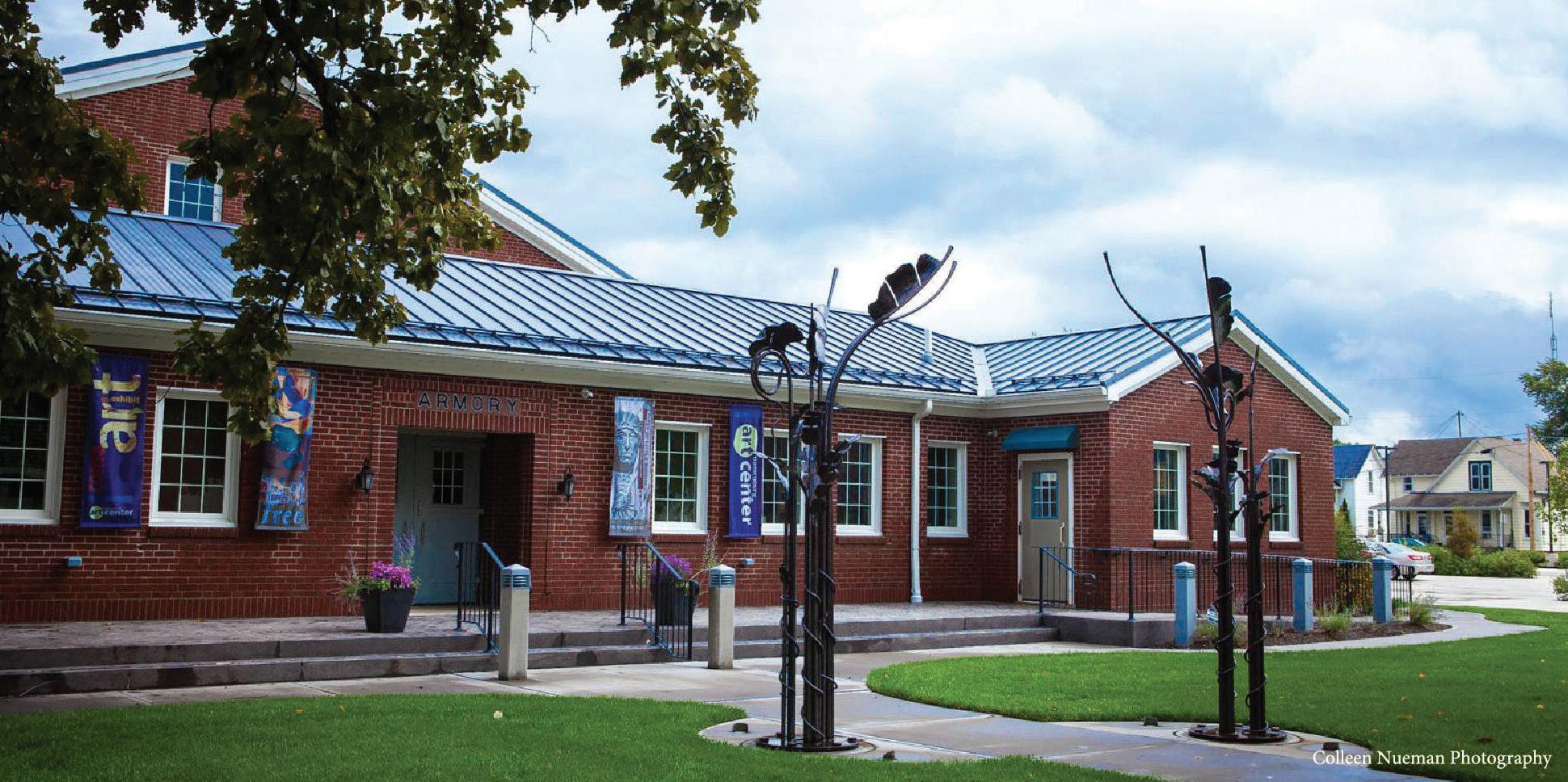
This will be a joint event with neighboring co-op Paulding Putnam and its members

This biannual adults-only event will be held Monday, Aug. 24, starting with dinner at 5:30 p.m. Afterward, around 6:30 p.m., elected officials will address the crowd, take questions, and discuss current industry topics. Guests have included Congressman Jim Jordan, Senator Rob McColley, and local representatives Angela
King and Roy Klopfenstein. Buckeye Power, our wholesale power provider, is also present.
This event is only for PAC members.
Seating is limited. RSVP today, email us at info@midwestrec.com or call 419-394-4110.
I am currently a America’s Electric Cooperatives PAC member. YES!
YES!
I plan to attend the dinner on Aug. 24. Number of Adults attending 1 2
*You must be a member of PAC to attend the dinner. If you aren’t already a PAC member, you can sign up by returning the form below along with your RSVP, or call us at 419-394-4110
NAME: CITY: STATE: ZIP:
EMAIL:

decision
ADDRESS: COOPERATIVE: SIGNATURE:
to contribute. For more information on the PAC, please contact your local cooperative or NRECA PAC team at 703-907-5799 or by email at pacteam@nreca.coop.
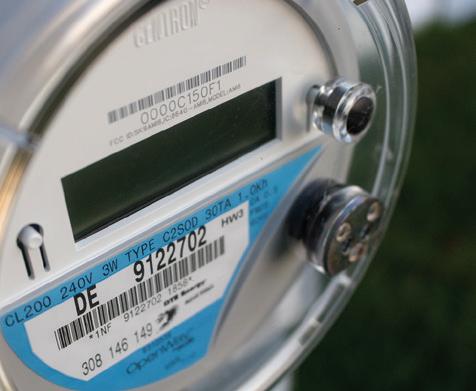
When you’re working on your home or around the farm, with projects like replacing siding or doing electrical upgrades, it might seem simple to remove or reconnect the electric meter yourself while the work gets done. A contractor might even tell you they can handle it, but the meter is owned by Midwest Electric and removing it is considered tampering because it is not safe or allowed. Only Midwest Electric crews or an authorized contractor are allowed to handle meters and related equipment.
What counts as unauthorized access?
Unauthorized equipment access happens when a meter is pulled or disconnected by anyone other than a Midwest Electric employee, or when someone makes changes that affect how power flows through the meter. Even if the plan is to put everything back the way it was, it’s still unsafe and not allowed.
Why does this matter?
Electric service equipment can be dangerous and even deadly. Without the right training, working around it can lead to serious injury. It can also create risks for our crews, who rely on accurate system conditions when they respond to outages or service calls.
Our meters can alert us right away if they’ve been removed or tampered with. When that happens, crews must come
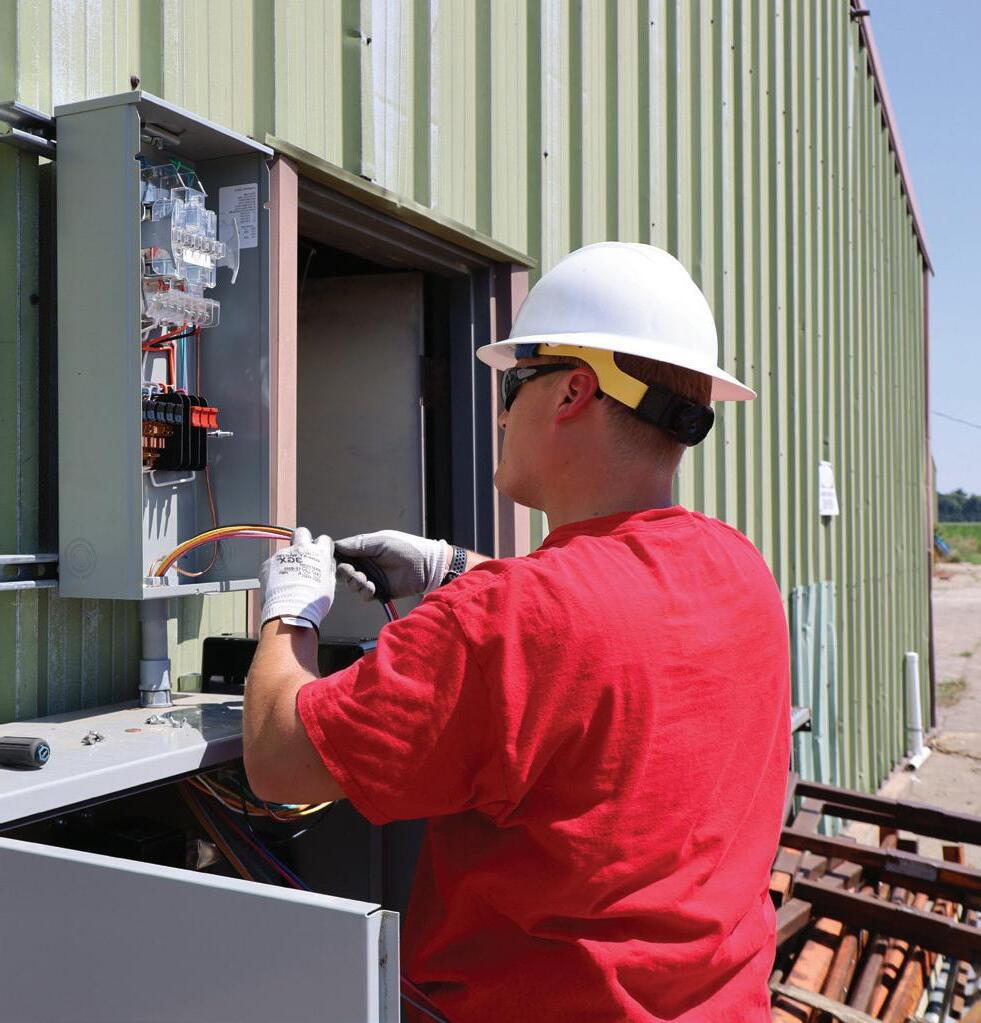
out to check our equipment, make sure the meter is reinstalled safely and secured properly, and restore normal operation. There’s a fee to cover the cost of the visit and additional charges may apply if repairs are needed.
How can I avoid it?
Give us a call prior to pulling your meter; there is no cost to you for us to pull your meter during business hours. We’ll work with you and your contractor to safely disconnect and reconnect your meter so your project can move forward without delays, safety risks, or extra charges. If you have questions about a project at your home, give us a call at 419-394-4110. We’re always happy to help you plan ahead.
Don’t fall for scams
If you come across online tips or devices claiming they can “slow down” or bypass your electric meter, don’t take the risk. These scams are dangerous and illegal, and can lead to serious consequences.

As Midwest Electric celebrates 90 years of service, we’re taking a look back at the people and equipment that have powered our communities through the decades. While the trucks, tools, and safety gear have changed, the dedication of our linemen has remained constant. These photos honor generations of employees who have worked around the clock — in all kinds of conditions — to keep the lights on and our members connected. Here’s to 90 years of powering our communities and the people who made it possible!


Midwest Electric bills are due by the 10th of each month. If your bill is still unpaid by the time of the next monthly billing, then that month’s printed bill will include text saying **Disconnect Notice.** Payments to avoid a disconnection of service must be received in our office or via our website by the date listed on the notice.
In addition to the printed disconnect notice on your bill, we make many attempts to contact members who are behind on their bills. We place automated calls, send emails and texts, and make personal phone calls.
We are flexible about making payment arrangements with members who respond to us. However, once an employee visits your home to collect, no arrangements will be made. The full amount due must be paid.
If an employee is sent to your home to collect a delinquent bill/disconnect
service for nonpayment, a collection fee will be added. All outstanding charges on disconnected accounts must be paid — including past electric use, collection/reconnection fees, and security deposit — before we’ll reconnect the electric service.
Accounts that have been disconnected for nonpayment will be sent to a collections agency. Legal or other fees may also be added to these accounts. Please read all notifications carefully and call us with questions.

James
Steve
Gary
Roger W.
Steve

Ohio sales tax holiday on school supplies and clothing Aug. 7–9


From plant pollination to honey production, honeybees (and their keepers) are vital to Ohio’s thriving agriculture.
BY THERESA RAVENCRAFT
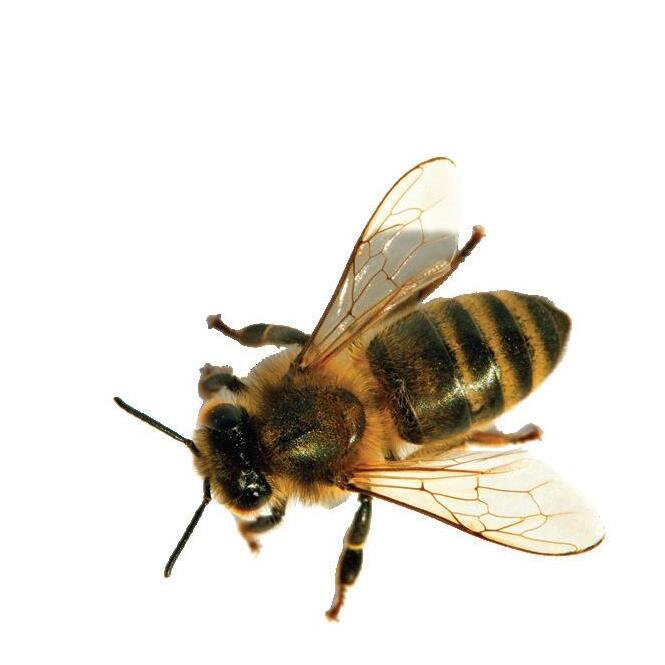
They might be easy to take for granted, but honeybees make a significant contribution to your daily diet.
Honeybees pollinate at least 70 crops produced in Ohio each year, including apples, pumpkins, cucumbers, strawberries, and sunflowers.
“Every third bite of food or drink we consume, honeybee pollination had something to do with it,” says David Heilman, owner of Ohio Honey Farms in Wooster and a member of Holmes-Wayne Electric Cooperative. “Honeybees aren’t the only pollinators, but they account for about 80% of the pollination of U.S.-grown crops.”
Honeyrun Farms keeps 400 hives of honeybees, focusing their efforts on seasonal honey production and the pollination of apple orchards in central Ohio.


Honeybee pollination increases fruit and seed production, meaning higher yields. It also enhances crop quality by improving size and flavor of produce. Pollination also supports ecosystem health by maintaining biodiversity.
Heilman manages nearly 800 hives, which he hires out to farmers. Half of his hives travel out of state, but he estimates his bees alone help Ohio growers produce $10 million to $15 million worth of crops each year.
Oh, and by the way, those busy workers also make one of the more luscious food products on the planet. Heilman’s bees produce more than 35,000 pounds of honey annually.
Operating a honeybee farm is not an easy job, and beekeepers and their hives face numerous challenges. Honeyrun Farm is a small family-operated farm owned by Isaac and Jayne Barnes just outside Williamsport in Pickaway County, where they are members of Lancasterbased South Central Power Company.

“Increased farmland development and greater use of chemical sprays on farm fields threaten honeybees,” says Jayne Barnes. “Farmers often remove tree lines between fields to maximize the amount of land that can be farmed, and that decreases bees’ access to forage on trees and wildflowers.”
Parasitic mites and drastic changes in the weather also play a significant role in the loss of honeybees each year. Doug Fitch is owner of Fitch Pharm Farm in Ashland, where he is a retired pharmacist, farmer, and maple syrup producer. A member of Firelands Electric Cooperative, he’s also been a beekeeper for the past 38 years.
Apiarists say homeowners can do a few simple things to make life easier for honeybees:
• Replace annuals with pollinator-attracting perennials in landscaping
• Reduce the use of pesticides and herbicides
• Buy honey from local honey producers
“We gather feral bees from old barns and houses with swarm traps and use them to strengthen our hives,” Fitch says. “It is survival of the fittest. These bees are the strongest and know how to survive cold winters, and they produce the best honey.”

If you’re looking to buy honey in your area or are interested in beekeeping, these honeybee farms are among those you might turn to (*indicates an Ohio electric cooperative member):
Bee Barn of Southeast Ohio
450 Coffman Road, Marietta; 740-516-0421
Along with honey, the Bee Barn sells a full line of beekeeping equipment, including Honey B Healthy products, bee suits, gloves, and more.
470 Sunbury Meadows Drive, Sunbury; 440-781-5635
Nick Szucs not only owns Bee Dad, he’s also a parttime registered nurse and full-time stay-at-home dad. He sells bees and honey and enjoys preparing each hive for the season ahead.
1000 County Road 312, Bellevue; 567-228-0455
Visit Cherry City Honey to discover the rich flavors and educational experiences, including workshops at the farm, tour bus presentations, bee equipment, and recipes using honey on their website.



Combs Bee Farm
235 W. Center St., Milford Center; 937-537-1739
Combs Bee Farm specializes in beeswax, raw local honey, bee equipment, and handmade soap. Through a USDA-funded project, Combs is working to improve the quality of queen bees and promote disease prevention.
*Don Popp’s Honey Farm 3134 Oxford Middletown Road, Hamilton; 513-312-1427
This vast farm on the western Ohio border maintains more than 1,900 hives. A member of Butler Rural Electric, Popp’s Honey Farm produces honey and distributes products throughout Ohio, Indiana, and Kentucky.
*Fitch Pharm Farm 1591 Township Road 1353, Ashland; 419-281-4407
Firelands Electric
Cooperative member Doug Fitch and his family take pride in running a natural farm, where they produce maple syrup, pancake mix at their grist mill, and raw honey from 24 hives.

Hartville Honey Bee Farm
2644 Wright Road NW, Uniontown; 330-324-6023
Honey
24062 Hull Prairie Road, Perrysburg; 419-367-9192

Hartville Honey produces 100% pure wildflower honey straight from the hive to the jar. The farm also sells bees and queens, and rents bee equipment, including beehive kits.
*Honeyrun Farm
9642 Randle Road, Williamsport; 330-763-4752
Isaac and Jayne Barnes, members of South Central Power Company, try to be good stewards as owners of Honeyrun Farm, where they produce several varieties of honey, hand-crafted soap, and beeswax candles. “We strive to produce environmentally mindful goods while ensuring the health and survival of our honeybees,” says Jayne Barnes.
Kline Honey Bee Farm
3015 OH-14, Rootstown; 330-730-4044
Kline Honey Bee Farm is a 34acre, century-old working farm in Rootstown that takes pride in supporting the community and bringing fresh, pure products right to the kitchen table.
Mike’s Bees and Honey
8735 County Road 304, Forest; 419-365-9922
Mike Jablonski learned his beekeeping skills from his grandfather and has been working with bees since the age of 13. He specializes in quality queen bees, nucs, and bee services.
Don’t blink or you just might miss the little cabin in Perrysburg known as Nana’s Honey Hive. Stop in to talk with the owner about bees and shop for quality raw honey and products made from wax.
*Ohio Honey Farms
4346 Lattasburg Road, Wooster; 330-466-7162
With nearly 800 hives, HolmesWayne Electric Cooperative member Dave Heilman hires out his bees to farmers both in Ohio and out of state for pollination. He produces honey, beeswax, and queen bees for sale.
*Weiss Honeybee Farms


6334 Dayton-Brandt Road, Tipp City; 513-549-3131
Members of Pioneer Electric Cooperative, the Weiss family has been producing and selling honey since 2019. “We strive to bring the honey straight from the hive to your table,” says Bernie Weiss.
*Williams Honey Bees
46 Porter Ave. #8011, Frankfort; 740-998-4380
Dan and Cortney Williams have turned their hobby into one of the largest queen bee-rearing operations in the state. With more than 800 hives, the South Central Power Company members make honey and use their beeswax to make soaps and lip balm.



There are hundreds of tempting natural springs in Ohio — but make sure to think before you drink!
STORY AND PHOTOS BY KEVIN WILLIAMS
It was a cloudy, misty afternoon that belied the spring season when my children and I arrived at Glen Helen Nature Preserve near Yellow Springs, in search of the nearby town’s iconic namesake.
We had heard tales of locals drinking from the spring (some for decades), and my children and I were enchanted with the prospect. But there’s a lot to think about before sipping (or chugging) that clear, cool water from the Yellow Spring, or any of the hundreds of naturally occurring springs in the state.
ACCORDING TO A MAP from the Ohio Department of Natural Resources, most of Ohio’s springs are in the southeast part of the state, with a fair number in central and southwest Ohio as well. Steven Lyon, an associate professor at the School of Environment and Natural Resources at Ohio State University, says they’re driven by the state’s geological history and the prevalence of limestone, sandstone, and shale.
“Much of what we see in Ohio comes as a result of the glaciers that once covered the state,” Lyon says. “Geology determines how much water is in the ground and how easily it moves; then, if the geology intersects with the surface, you can get natural springs.”
But just because they are naturally occurring doesn’t mean the water is necessarily clean and pure. Nick Boutis, executive director of the Glen Helen Association, which oversees the Yellow Spring, says the water coming from the spring there is not routinely tested and is not certified as a source of clean drinking water. “Water that looks and smells clean can still have nitrites, coliform bacteria, or other human-caused pollutants that you would not want to ingest,” he says.
Erik Larson, professor of geology at Shawnee State University, who studies this sort of thing, says he steers clear of drinking fresh spring water as a matter of practice. “I personally wouldn’t drink it; there’s just too
many ways that the groundwater can get contaminated by any number of things, so it’s just not worth it to me,” he says. “But lots of folks do.”
LYON SAYS WHAT DETERMINES whether you can drink water from springs (or rivers or lakes) is what activities are happening in the watershed.
“If there are people living in the region above where the spring is, then things like E. coli from their waste can be an issue,” Lyon says, noting that a leaky septic tank could spoil an otherwise pristine spring in a populated area. He also noted that farms and cows can bring things like cryptosporidium or other pathogens. “That’s why

we can drink straight from small streams up high in the mountains, since no people or animals live above them,” he says. “All it takes is one microscopic bad guy in the water to make you sick, so in a populated area especially, best to steer clear.”
If people and their activities are few and far between, and the water goes through the geology getting filtered, risk can be lower. Sandstone in particular, Lyon says, is good at filtering water. “Think about all the people in the state that have well water at their house rather than municipal water.”
FOR MANY LOCALS WHO CHERISH the crisp, cold, clear water coming from the ground, the risk is one they’re willing to assume.
Just outside of Greenfield, for example, on a piece of private property just over the Ross County line, runs another freshwater spring that locals have drawn from for generations.
I watch as visitor Greg Gentry fills about 100 1-gallon jugs in an hour. He says his family goes through about 20 gallons a week, but it’s his first time at this particular spring. “It tastes good,” Gentry says. “We’ll see how it stores before getting more.”
Buchtel Spring, outside Nelsonville, is another spring popular with locals, as is Christopher Spring in Cadiz and the Malabar Spring in Holmes County.
Spring-seekers expecting a bubbling spring emanating from the earth might end up disappointed. Water from the spring near Greenfield, for example, flows cleanly and crisply from a pipe that property owners have put in to route it from the earth and make it easier to collect.
Many of the more popular springs in the state have been similarly piped.
BACK IN YELLOW SPRINGS, within minutes of being on the trail in the Glen Helen Preserve, we ran into a local woman who not only kindly guided us to the spring, she told us what we had heard elsewhere: that people drink from it all the time with no problems. Continued on page 26


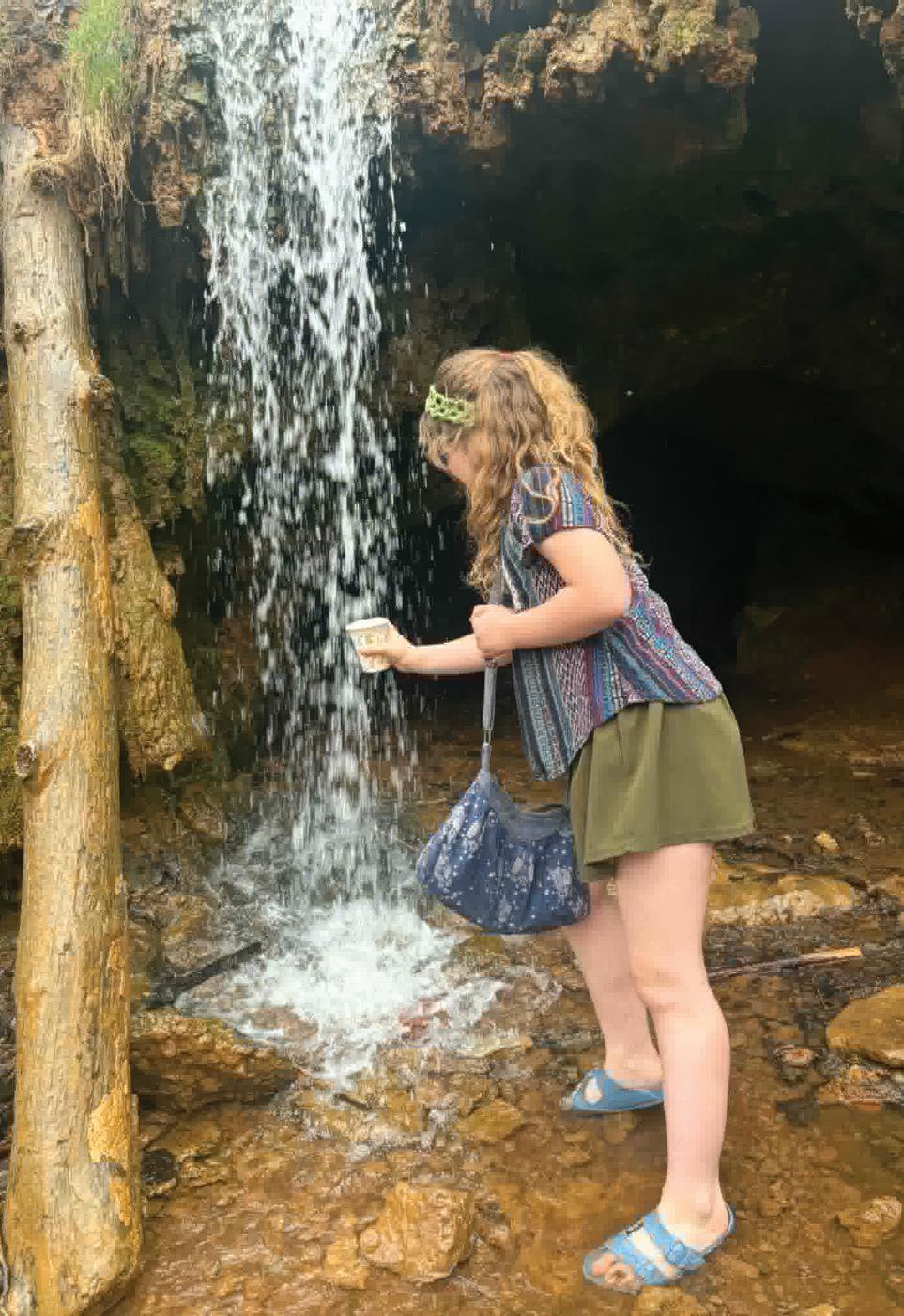
We heard it before we saw it. The tranquil yet unmistakable sound of water rushing and rippling over rocks confirmed we were headed in the right direction. Soon, we came upon the cool, cascading water spurting out in a steady stream. Where the water came from the earth, rocks were tinted a bright yellow-orange from the water’s high iron content, but after the spring water had run over the rocks for a few feet, the iron had been filtered out and the rocks were clean.
Iron, however, isn’t all that’s in the water here. Boutis says it also contains trace amounts of arsenic and cadmium. “If a person used it as their sole water source, those trace amounts could bioaccumulate and cause problems,” he says.
DESPITE THE WARNING, we filled some cups, and I guzzled it straight down. It tasted pure and clean and it was truly refreshing. I can’t speak for others, but we never felt any ill effects.
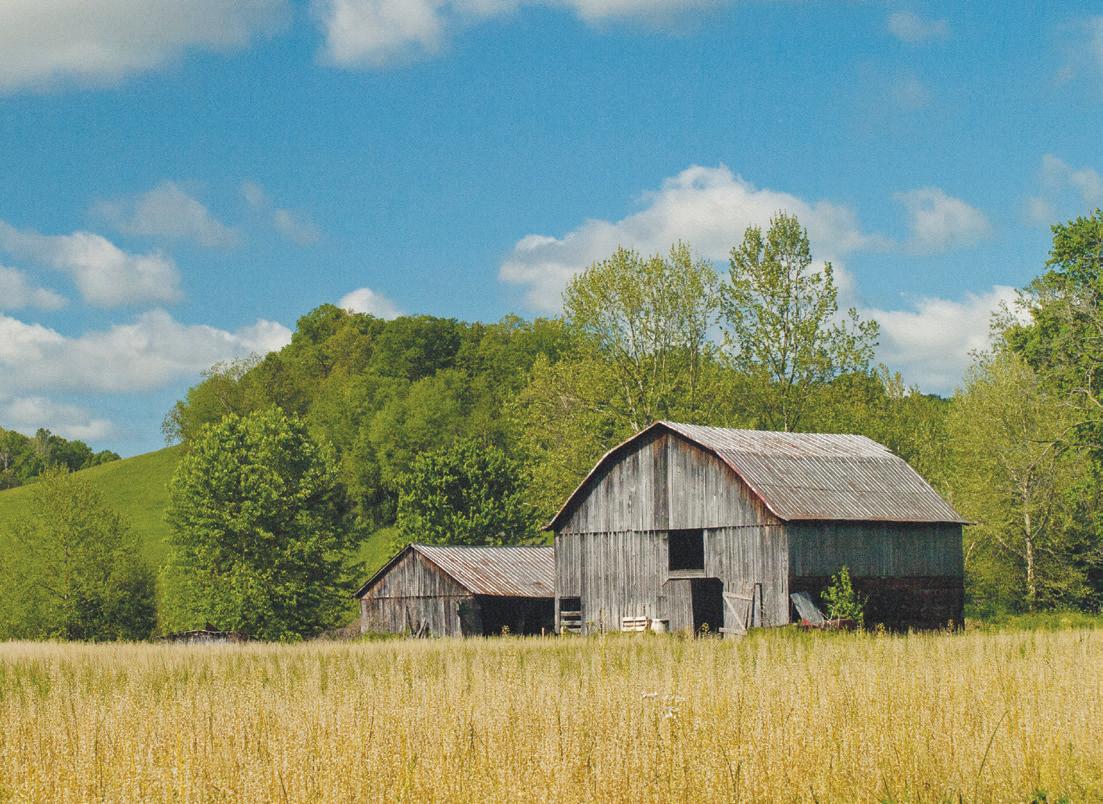
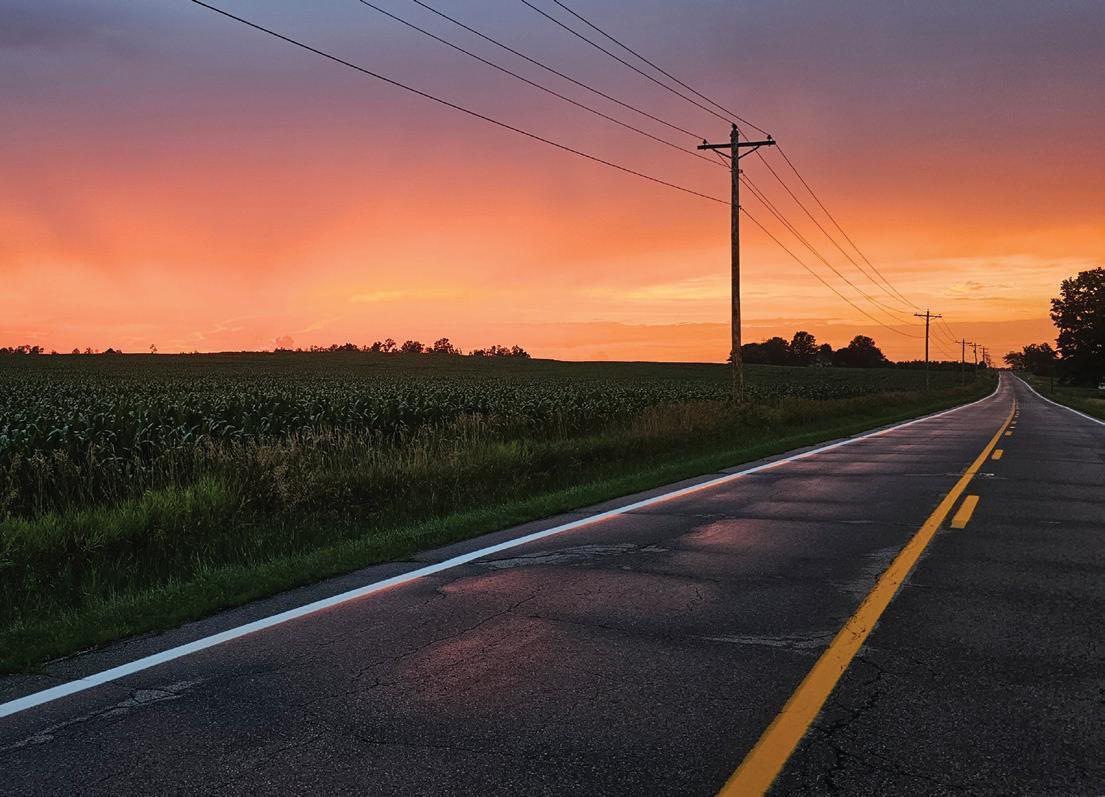
Co-op members: Have you captured a memorable scene from around your community? See YOUR photo in the 2027 Ohio Cooperative Living cooperative wall calendar!
We’re looking for the best images to showcase in every season of the year — flowing landscapes, delicate flowers, amazing animals, or just everyday life. Winning entries will receive a cash prize and be featured in next year’s calendar!
☀ High-resolution, color, digital images only
☀ Horizontal format, capable of filling an 8x11-inch image area
☀ No watermarks or extreme filters
☀ Only JPG or TIFF formats accepted
☀ Send submissions by email attachment only to photo@ohioec.org
☀ Provide an explanation of the photo — the what (or who), where, and when — as well as the name of the photographer if it was someone other than you
☀ Include your name, address, phone number, and the name of your co-op
☀ One entry per household

BY CRAIG SPRINGER
If you’ve ever flown over Ohio and points west, you cannot help but notice the checkerboard of farm fields and woodlots — the corn-and-soybean plaid that’s repeated westward until it finally exhausts itself at the edge of the Pacific Ocean.
You see the long, straight roads that look like gray-black ribbons pulled tight and laid over the land. From 35,000 feet, you see that the roads run, for the most part, at right angles, even in towns and cities.
All of that comes from one of humankind’s greatest innovations — and one that got its start in Ohio while the Buckeye State was still wilderness: the Public Lands Survey.
In 1774, the Ohio Country was a vast land populated by a host of Native American tribes, and the British Crown wanted to use it as feudal property — owned by the king — where occupants would pay a tribute to live there.
A young Thomas Jefferson was having none of it. He penned a pamphlet denouncing the plan — he hated the thought that only aristocrats and kings and churches could own land in America. More on that in a bit.
Soon, after having vanquished the most powerful military in the world, the fledgling United States had massive debt it needed to retire from the American Revolution. The land west of the Alleghenies was a potentially valuable asset, but before it could be sold off to the public, it had to be surveyed.
So Congress laid down the law on how the vast expanses of woodlands and meadows and marshes would be divided and distributed. Jefferson, then a representative from Virginia, authored the Land Ordinance of 1785 , establishing townships — a grid


of baselines and meridians 6 miles square, each further divided into 36 1 -square-mile sections numbering 1 through 36 — ready for auction to those heading west and, as it turns out, easily distinguished from the vantage of today’s jetliner cruising altitude.
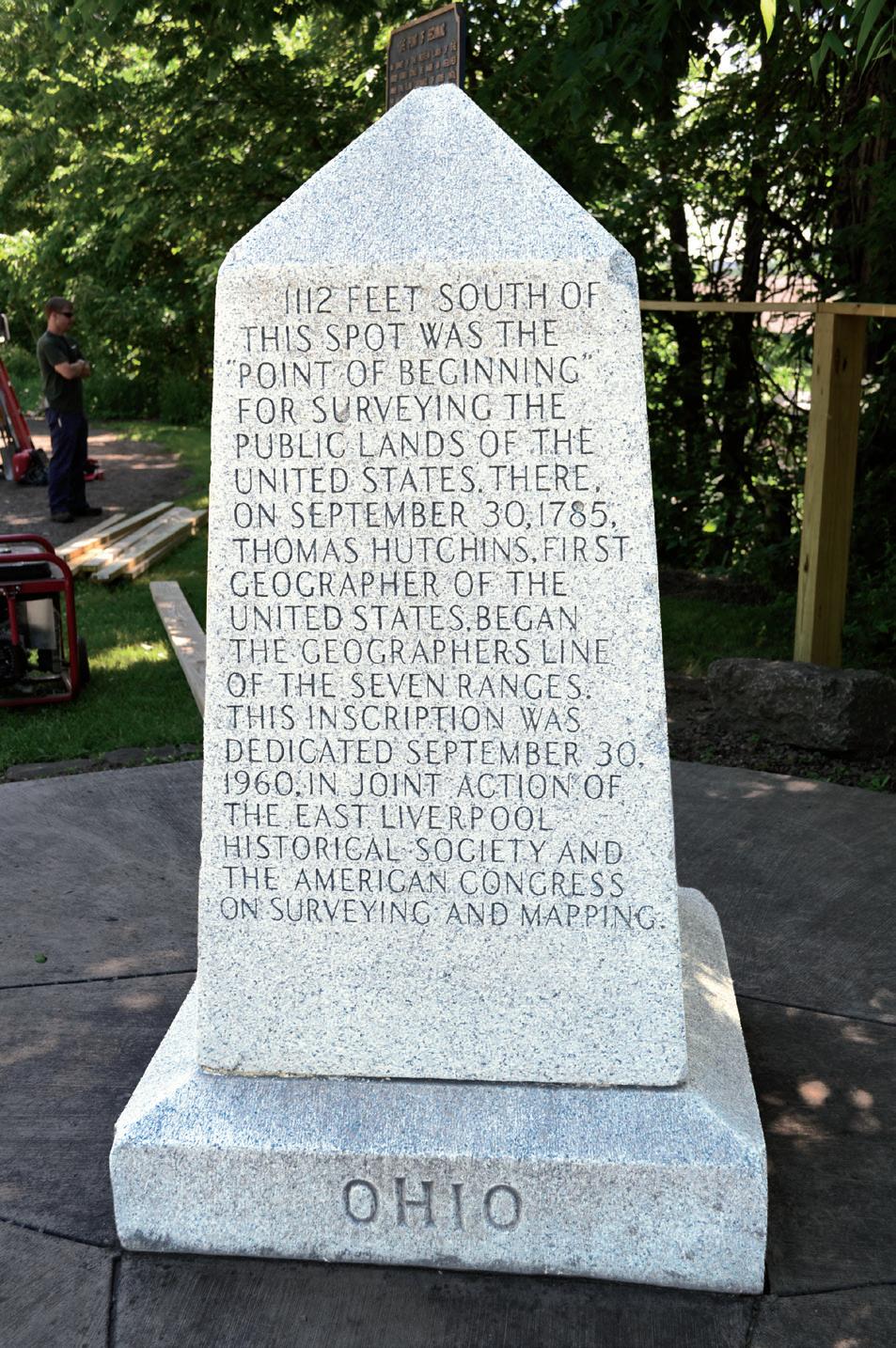
The survey started at the appropriately named Point of Beginning, at what is now East Liverpool, where Ohio meets Pennsylvania and the West Virginia panhandle. The actual starting spot for the Public Lands Survey is now submerged in the Ohio River, but nearby is a stout, squat obelisk marker that is underwhelming considering the significance of what unfurled through Ohio and onward.
The monument, though not specifically stated as such, commemorates three Jeffersonian ideals pivotal to the Land Ordinance: public education (Section 16 of each township was set aside for that purpose); westward expansion; and ownership of private property, which, as you remember, had stirred his passion back in ’74. Lost to an asterisk of history is that Jefferson’s first draft of the Declaration of Independence made prominent mention of the prospect of land ownership — it was replaced with “pursuit of happiness,” but remained dear to his heart.
On September 3, 1785, Thomas Hutchins, the first Geographer of the United States, rolled out a 66-foot-long chain and started measuring the wilderness behind axemen who cut paths through the forest. A surveyor’s chain, in fact, was the first unit of measurement designated by law in America and is still in use.
Additional evidence is all around of what a massive undertaking the mapping of America was — but nowhere more prominent than its proving ground in wild Ohio.
A few one-room schoolhouses, for example, still dot the Ohio landscape, often situated on the corner of mile-square sections numbered 16 on maps. The city of Mansfield is named after the mathematics professor who, at Jefferson’s urging, took over the Public Lands Survey and refined the methods to account for laying a rectangle over our globular planet. The Ohio-Indiana state line, in fact, was Mansfield’s meridian.
BY ALICIA ADAMS
When summer heat settles in, gardens can quickly go from thriving to stressed. With the right timing and techniques, you can strategize your watering so your plants are properly hydrated, water usage is reduced, and demand on electricity is lowered as well. “Watering is a little bit of art and a little bit of science,” says Timothy McDermott, assistant professor and extension educator at Ohio State University. Even modest adjustments in watering habits can add up to smaller water bills, healthier plants, and lower costs for all. Here are some tips:
The time of day when you water affects how much water gets to the plant. “Morning watering is best, as the soil is cool and allows the plant to take up water through its roots,” McDermott says. “Morning watering also minimizes evaporative loss.”
Early, between 5 a.m. and 9 a.m., is ideal, because it allows plants to dry during the day. It also avoids the need to irrigate in the afternoon, which is typically high-demand time for electric use. Peak demand on the grid typically runs from roughly 2 p.m. to 6 p.m. on the hottest weekdays, meaning costs are at their highest. Shifting water-intensive tasks, including running wells, to morning hours helps reduce strain on the grid and can lower energy costs for all members.
Watering at the base of the plant is the best way to encourage uptake, as roots absorb water through the soil. Infrequent, deep watering strengthens the root system and reduces total water use compared to frequent, shallow spray-downs. If you don’t have time for a deep watering, however, soaker hoses and drip irrigation can deliver water to the root zone of the plant and cut waste by up to 50% compared to overhead sprinklers.
An alternative (and ancient) method is to use an olla (pronounced ohyah). These unglazed terra-cotta pots are filled with water and buried next to the plants. They then passively deliver water to roots as needed, with no electricity required, and cut water use by as much as 70% compared to traditional watering.
Putting organic mulch around plants significantly reduces the need for watering. Mulch forms a barrier that slows evaporation from the soil surface, meaning roots stay moist during dry spells and you can reduce watering to as little as once or twice per week. Mulch also insulates soil, keeping it cooler in summer heat and warmer on cooler nights — ideal conditions for healthy roots. For vegetables, spread 2 to 3 inches of gardening straw, starting 1 to 2 inches from the plant stems to avoid rot. For flower beds, pots, and hanging baskets, use compost or organic wood chips or wood mulch.


















•
•
•
•
•
•
•
•
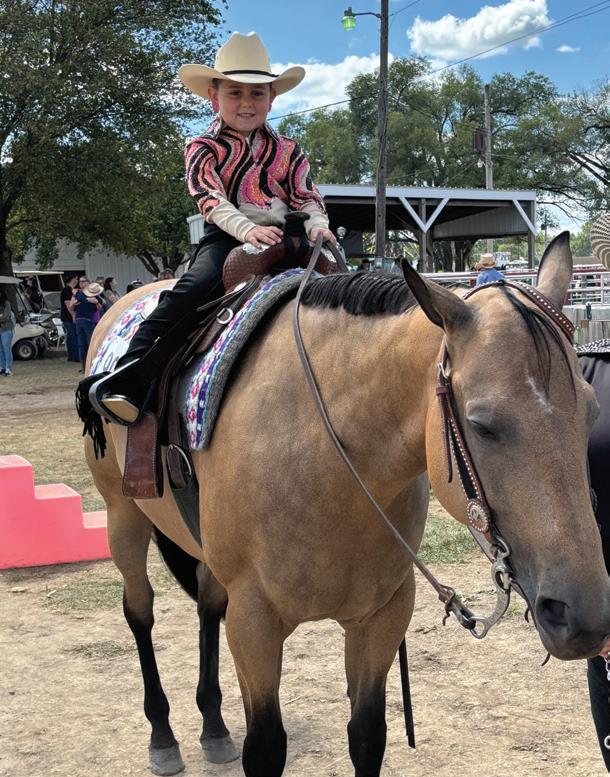
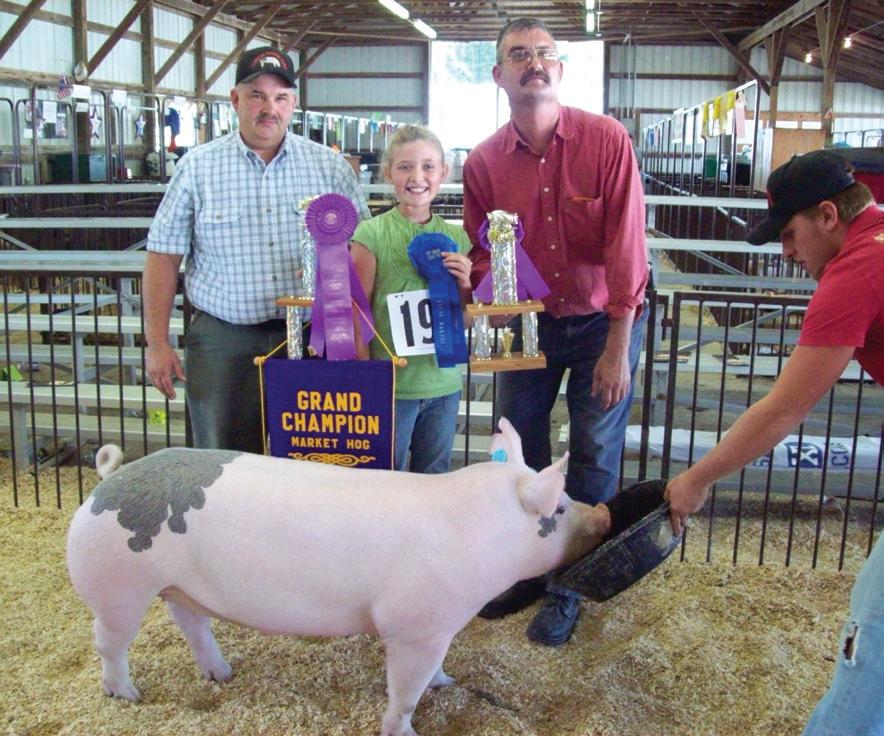
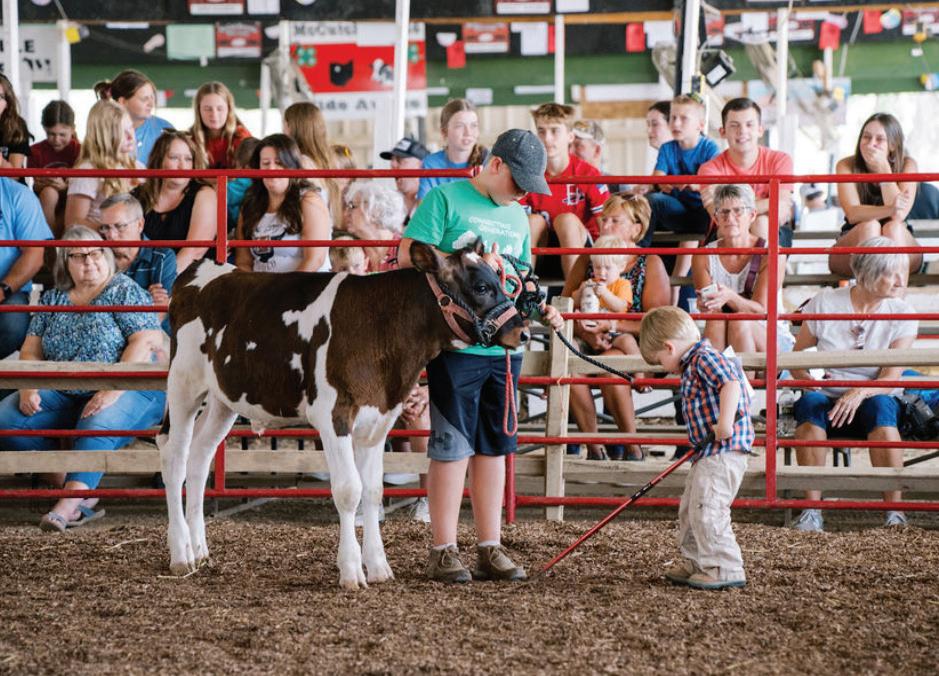



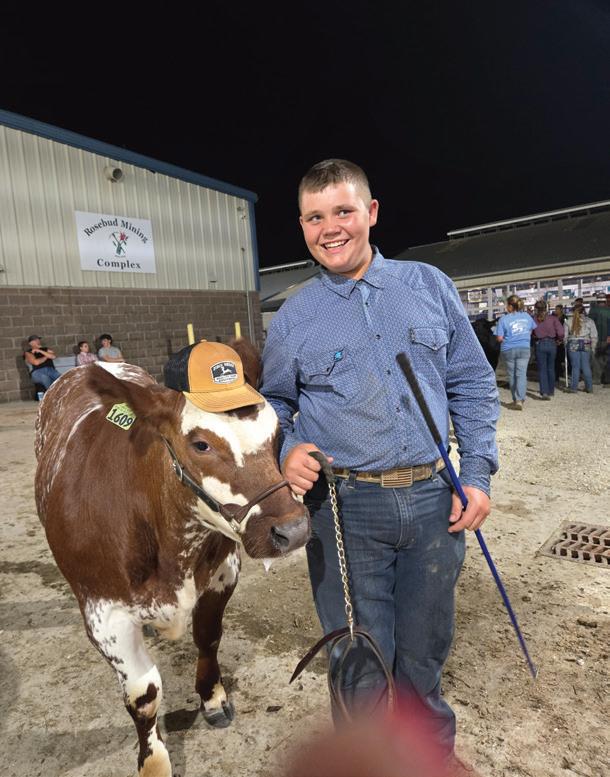
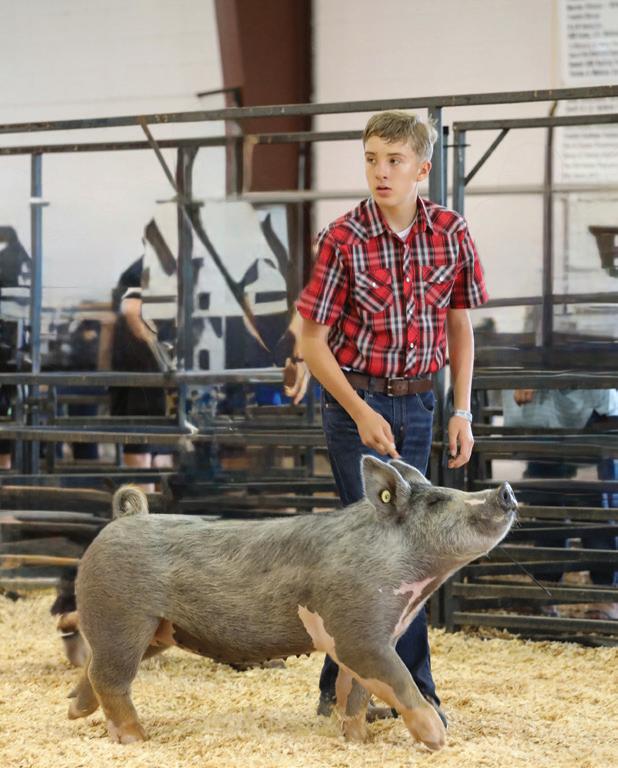
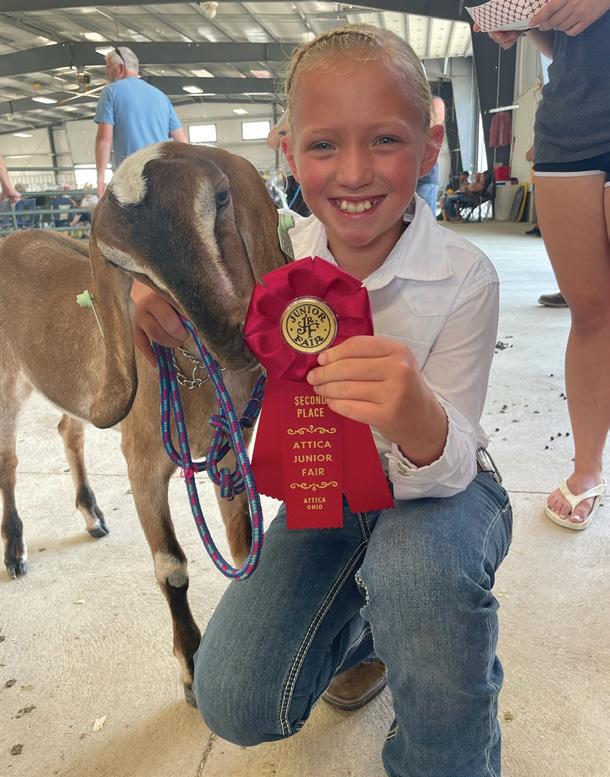
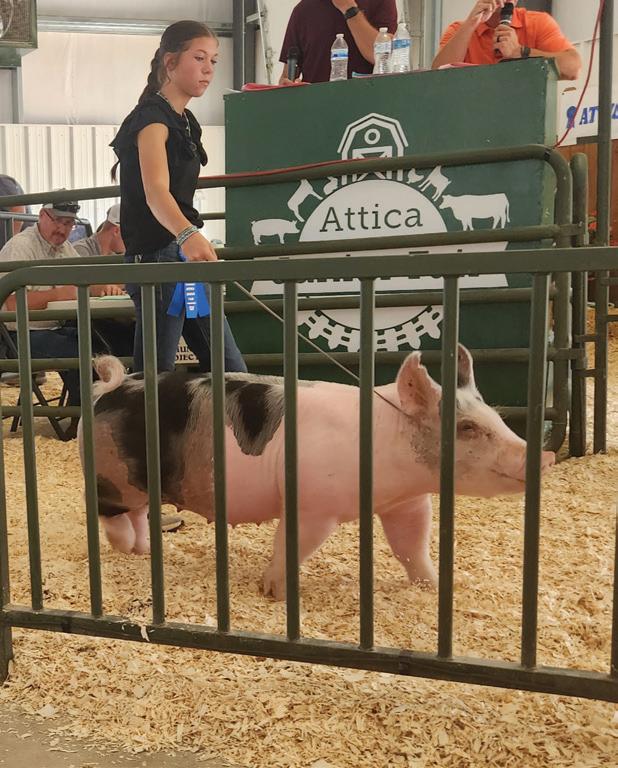





and my
Send us YOUR picture!

and
For November, send “Tailgate party” by August 15. For December, we’re changing things up: Send “Holiday haiku” (poetry) by September 15.
Upload photos at www.ohiocoopliving.com/memberinteractive, and send poetry in an email to memberinteract@ohioec.org (be sure to include your name, the name of your cooperative, and a number where you can be reached if we have questions).
As always, your submission may be featured in our magazine or on our website!
THROUGH OCT. 31 – Coshocton Farmers Market, Coshocton County Maintenance Garage, 23220 Co. Rd. 621, Coshocton, Sat. 8:30 a.m.–noon. Locally grown produce, baked goods, and artisan crafts. Rain or shine. www.facebook.com/ coshoctonfarmersmarket or market.manager@ coshfarmmarket.org.
THROUGH NOV. 28 – Huber Machinery Museum Hours, 220 E. Fairground St., Marion. Open Sat. 1–4 p.m. or by appointment. Admission by donation. Huber farm tractors, threshers, road graders, road rollers, Marion Steam Shovel Company, Marion Power Shovel Company history. See machinery, photos, and related items, including a model 21 steam shovel. hubermuseum@gmail.com or www.facebook. com/hubermachinerymuseum. To schedule a visit, leave a message at 740-387-9233 or 614-271-9951
AUG. 7, SEP. 4 – First Friday Art Walk, downtown Zanesville, 5–8 p.m. On the first Friday of each month, participating galleries, studios, and small businesses are open at the same time! See the Artist Colony of Zanesville’s website for a map of participants: https://artcoz.org/arts-district-map.
AUG. 7–8, SEP. 4–5 – The Downtown Exchange Artisans Market, 527 Main St., Fri. 5–9 p.m., Sat. 11 a.m.–3 p.m. A unique shopping experience featuring quality Ohio makers and artisans. Arts, crafts, and food. www.downtown-exchange.com/DTXAM.
AUG. 16 – Old School and More Car Show, 1 Burgett Dr., Fredericktown. Registration 9 a.m.–1 p.m. ($15 fee). Awards 3 p.m. Cars, trucks, vans, motorcycles; all makes, models, years welcome! Food trucks, music, 50/50, raffle. Rain date: Aug. 23 740-627-0386 or Mrs. Mopar on Facebook.
AUG. 22 – Books and Crafts in the Barn, 5530 Radnor Rd., Radnor, 10 a.m.–3 p.m. Free admission. 50+ vendors. A combination of local authors, arts and crafts, direct sales, and more. All merchandise is Christian or family-friendly. Food truck, painting classes, and mini photo shoots available (fees apply, preregistration preferred). More information available at https://maryrodman.com/events.
AUG. 28 – Hang On Sloopy: The Movie, Peggy R. McConnell Arts Center, 777 Evening St., Worthington, 7 p.m. $25 + fees. A “ROCKumentary” about a university and an entire state’s incredible 50-year love affair with a rock song. Featuring live performance by members of the Rick Derringer Band. www.mcconnellarts.org.
AUG. 29 – Boogie on the Blacktop: Radio City, Circleville Eagles, 135 E. Main St., Circleville, 7–11 p.m. $5. Outdoor concert with food vendors and drinks. www.pickaway.com.
AUG. 29 – Craft Show, Lancaster Campground, 2151 W. Fair Ave., Lancaster, 9 a.m.–3 p.m. Free. Sponsored by the Fairfield County Genealogical Research Library. Crafts, raffle, bake sale, and luncheon foods. 740-653-2573 or www. fairfieldgenealogy.org.
AUG. 31–SEP. 7 – Morrow County Fair, Morrow Co. Fgds., 195 S. Main St., Mt. Gilead. Livestock shows, exhibits, entertainment, dinosaur show, and fair food. Monster truck show with free monster truck rides. See schedule and details at www. morrowcountyfair.org.
SEP. 4–6 – Coshocton Flint Festival and Fall Knap-In, Coshocton Co. Fgds., 724 South St., Coshocton, Fri./Sat. 9 a.m.–5 p.m., Sun. 9 a.m.–2 p.m. $5/vehicle. Watch craftsmen make arrowheads,
spear points, stone and bone tools. Rocks, gems, minerals, and jewelry makers. Atlatl demonstrations. For camping and vendor info, call 814-720-7512 or 330-473-7014
SEP. 5–6 – Annual Dahlia Show, Union County YMCA, 1150 Charles Lane, Marysville, Sat. 1–5 p.m., Sun. 1–4 p.m. Free and open to the public. Presented by the Greater Columbus Dahlia Society. Top growers in the Midwest compete for recognition and prizes in dozens of categories. See hundreds of blooms of all types of dahlias as well as dahlia arrangements and photographs. www.columbusdahlias.com.
SEP. 10–12 – Marion Popcorn Festival, downtown Marion. Free admission. Parade Thur. 6 p.m. Food, rides, games, arts and crafts, entertainment, and popcorn for all! 740-387-FEST (3378) or www. popcornfestival.com.
SEP. 11–12 – Lithopolis Honeyfest, 5 E. Columbus St., Lithopolis, Fri. 3–7 p.m., Sat. 10 a.m.–7 p.m. Free admission/parking; shuttle transportation provided. Learn about the importance of the honeybee while enjoying artist booths, music, food, and fun. Kids’ activities and sensory-friendly area. www. lithopolishoneyfest.com or follow us on Facebook and Instagram. For questions, call 614-774-4416
SEP. 12 – Heritage Day Festival, 27 E. Sandusky (St. Rte. 95 at St. Rte. 314), Chesterville, 10 a.m.–7 p.m. Free family fun with dozens of vendors and crafters, food trucks, kids’ games, noon parade, cruise-in/ tractor show, live music, pie auction, history displays, library book sale, and much more! New this year: “Chesterville’s Got Talent” show! 419-545-9119 or www.facebook.com/heritagedayfest.
SEP. 14 – Friendly Ties Square Dance Club Lessons, Pickerington Senior Center, 150 Hereford Dr., Pickerington, 7–9 p.m. First two lessons (9/14 and 9/21) are free; each Monday after that is $5 per person. Come join in the fun and reap the benefits: physically, mentally, and emotionally. 614778-7131, 614-419-4194, or www.friendlyties.org.
THROUGH SEP. 7 – America 250 Celebration: Star-Spangled Summer, Oglebay Park Resort, 465 Lodge Dr., Wheeling. Featuring patriotic displays and experiences, dining specials, live music, family activities, and more. 304-243-4000 or www. oglebay.com.
SEP. 4–6 – West Virginia Italian Heritage Festival, West Main Street, Clarksburg. Authentic Italian food, free entertainment, games, prizes, rides, and much more! 304-622-7314, wvihf@wvihf. com, or www.wvihf.com.

ensure we receive your listing in time, send details in an email to events@ohioec.org AT LEAST 90 DAYS prior to your event. Or send by U.S. Mail to:
THROUGH SEP. 5 – Dennison Depot Railroad Museum Guided Tours, 400 Center St., Dennison, Wed./Sat. 11 a.m.–12:30 p.m. $4–$8; under 7 free. Guides will lead guests through beautifully restored exhibits, share stories of Dennison’s role in American railroad history, and highlight the WWII Canteen that served more than 1 5 million soldiers. 740-922-6776 or www.facebook.com/ DennisonRailroadDepotMuseum.
THROUGH NOV. 21 – Age of Steam Roundhouse Tours, 213 Smokey Lane Rd. SW, Sugarcreek, Thur.–Sat. 10 a.m., 12 p.m., 2 p.m. $12–$20; 2 and under free. Learn the fundamentals of steam locomotives and experience the storied past of the railroad. Only online purchases are guaranteed for the selected day and time. Youth tours available ($5–$10) on select Friday and Saturday afternoons. 330-8524676 or https://ageofsteamroundhouse.org.
AUG. 8–9, 15–16, 22–23 – Shaker Woods Festival, 44337 County Line Rd., Columbiana, 9 a.m.–5 p.m. $12; 12 and under free. Free parking. Over 200 crafters and artisans dressed in Shaker period clothing will demonstrate and sell their handmade wares. www.shakerwoods.com.
AUG. 16 – Urban Troubadour: “Baroque Music for Flute, Violin, and Cello,” Spring Grove Cemetery, 785 E. Washington St., Medina, 2 p.m. Free. Enjoy a concert of classical music performed in an outdoor
THROUGH SEP. 6 – Tecumseh! Outdoor Drama, Sugarloaf Mountain Amphitheater, 5968 Marietta Rd., Chillicothe, Tues.–Sat. 8 p.m. $35–$75. Witness the epic life story of the legendary Shawnee leader as he struggles to defend his sacred homelands in the Ohio country during the late 1700s. www. tecumsehdrama.com.
AUG. 16 – Igniters Rod Run and Car Show, Yoctangee Park, Enderlin Circle, Chillicothe, 9 a.m.–5 p.m. Free. The 46th annual show offers a full day of chrome, classics, and community with 50 top trophies, specialty trophies, food vendors, door prizes, giveaways, and much more. www. downtownchillicothe.com.
AUG. 20 – Stitch with Me: A Crochet Group, Betsey Mills Club, 300 Fourth St., Marietta, 6–7 p.m. Free
setting. Bring your lawn chairs and blankets. 419853-6016 or www.ormaco.org.
AUG. 17–23 – Jefferson County Fair, 1505 Friendship Park Rd., Smithfield. Celebration of agricultural achievements and fun for all. https:// www.thejeffersoncountyfair.com.
AUG. 22 – Jazz Under the Stars: Patrick Lynch and the Eric Everett Trio, Uptown Park, Medina, 7 p.m. Free. Swing to Rat Pack and big band classics, as well as pop music from the ’60s–70s. Bring your lawn chairs, blankets, and picnics. In the event of rain, concert will be held at St. Paul’s Episcopal Church, 317 E. Liberty St., Medina. 419-853-6016 or www.ormaco.org.
AUG. 22 – Speaker Series: Patrick Pool, Fort Laurens Museum, 11067 Fort Laurens Rd., Bolivar, 11 a.m. Free and open to the public. Pool will discuss his book Black Patriots: Recovering a Lost History of the American Revolution. www.fortlaurensmuseum. org/speaker-series-patrick-pool.
AUG. 23 – David Giffels: “The 80s Music and Story of Devo in Ohio,” Wadsworth Public Library, 132 Broad St., Wadsworth, 2–3 p.m. Free. Giffels will give us a behind-the-scenes look at the Akron-centric band Devo and the band members’ early days in Kent and Akron. Seating is on a first-come, firstserved basis. 419-853-6016 or www.ormaco.org.
AUG. 23–30 – Lorain County Fair, 23000 Fairgrounds Rd., Wellington. 440-647-2781 or www. loraincountyfair.com.
SEP. 8–20 – “Celebrate the Constitution,” Historic Fort Steuben, 120 S. 3rd St., Steubenville, Mon.–Sat. 10 a.m.–4 p.m., Sun. 11 a.m.–4 p.m. Free. Annual exhibit and activities focusing on the nation’s founding document and the issues and personalities of the time. 740-283-1787 or www.oldfortsteuben.com.
SEP. 12 – Holmes County Art Festival, Historic Downtown Millersburg. Free. Regional and local artists, live entertainment, food trucks, performances, and more. In the heart of Ohio Amish
to members; $10 non-members. All experience levels welcome. Bring your choice of yarn and hook. Bring a drink and a friend! 740-373-4981 or office@ betseymills.club.
AUG. 21 – BeachFest 2026: Yacht Rock Edition, 1 N. Paint St., Chillicothe, 6:30–9:30 p.m. Free. Enjoy a day at the beach in downtown Chillicothe where Monsters of Yacht will perform and take you on a journey through the ’70s and ’80s. www. downtownchillicothe.com.
AUG. 22–23 – Sands in the Streets Volleyball Tournament, 1 N. Paint St., Chillicothe. Year 6 is bigger, with larger payouts, bigger tournaments, and an extra day of competition. Learn more at www. downtownchillicothe.com or www.facebook.com/ downtownchillicotheohio.
AUG. 24–29 – Monroe County Fair, Monroe Co. Fgds., 46760 St. Rte. 26, Woodsfield. Tuesday is Senior/Veterans Day for ages 60 and over; Friday is Youth and Kids Day for children ages 3–12 740-2139696 or on Facebook: Monroe County Fair Ohio.
AUG. 29 – “Caterpillar Round-Up,” Highlands Nature Sanctuary, 7660 Cave Rd., Bainbridge, 12–4 p.m. Free to the public. Field naturalists will share their annual crop of moth caterpillars, whose dazzling diversity, colors, strange and wonderful appendages, camouflage, and size are astonishing. www.arcofappalachia.org.
Country, this event provides an opportunity for attendees to celebrate the arts while giving artists a platform to promote their work! 330-674-2412 or https://historicdowntownmillersburg.com/event/ holmes-county-art-festival-september-12-2026
SEP. 12 – Ohio’s Tree Farm of the Year Tour, Holden Arboretum, 9550 Sperry Rd., Kirtland, 9 a.m.–4 p.m. Free with preregistration: https://holdenfg.org/events/ holden-arboretum/tree-farm-tour. Tour the 74-acre forest and learn about tree farming, developing a woodland management plan, timber stand improvement, invasive identification, timber harvests, and more. Tours, talks, demos, kids’ activities, and displays. Food and beverages available for purchase. For questions, contact Anna at 440-379-7702
SEP. 12 – Age of Steam Roundhouse Yard Tour, 213 Smokey Lane Rd. SW, Sugarcreek. $80. Our unique yard tours allow guests to view pieces of railroad equipment in the museum collection that are normally not accessible to our standard tours, and to view the equipment from within a moving passenger car! Tickets are limited and may be purchased only online prior to the event. 330-852-4676 or https:// ageofsteamroundhouse.org.
SEP. 12–13 – Pioneer Days, Historic Lyme Village, 5001 St. Rte. 4, Bellevue, 10 a.m.–5 p.m. $6–$15; 5 and under free. See demonstrations on blacksmithing, cooking, and many activities of the pioneer era. President Lincoln and Mary Todd Lincoln will be present. Cannon firing hourly. Food will be available in the Carriage House Café. www. lymevillage.org.
SEP. 12–17 – Wayne County Fair, Wayne Co. Fgds., 199 Vancouver St., Wooster, gates open 8 a.m. $5 at gate. Ohio’s foremost agricultural fair. 330-262-8001 or www.waynecountyfairohio.com.
SEP. 13 – Timothy Culver: “Sondheim, Songs from the 90s,” Wadsworth Public Library, 132 Broad St., Wadsworth, 2–3 p.m. Free. Seating is on a first-come, first-served basis. 419-853-6016 or www. ormaco.org.
SEP. 4 – Pandora’s Box: Aerosmith Tribute, Majestic Theatre, 45 E. Second St., Chillicothe, 7:30 p.m. $35–$45. www.majesticchillicothe.net.
SEP. 11 – Classic Stones Live: Rolling Stones Tribute, Majestic Theatre, 45 E. Second St., Chillicothe, 7:30 p.m. $30–$40. www. majesticchillicothe.net.
SEP. 11–12 – Murder on the Mountain, Sugarloaf Mountain Amphitheater, 5968 Marietta Rd., Chillicothe, 5:30 p.m. $60–$100. An evening of food, fun, and mystery! Following the closing performance of Tecumseh!, a body is found in the parking lot. The clues are few and far between, but there are six highly suspicious suspects. It’s your job to figure out who did it! www.tecumsehdrama.com.
SEP. 11–13 – Ohio River Sternwheel Festival, Ohio River Levee, Marietta. Sternwheeler races, car show, pageant, 5K, entertainment, food, and fireworks. 740-373-5178 or www.sternwheel.org.
SEP. 11–13 – Rarden Whitetail Deer Festival, Rarden Community Park, 1363 Main St. (St. Rte. 73), Rarden, Fri. 5–10 p.m., Sat. 10 a.m.–10 p.m., Sun. 10 a.m.–6 p.m. Free admission/parking. Hunting vendors, craft vendors, live entertainment, buck wall, archery tournament, food vendors, coyote hunts, deer scoring on Saturday, pageants, raffles, kids’ events. 937-725-0631 (Jackie), www.facebook.com/ RardenFestival, or www.rardendeerfest.com.
THROUGH OCT. 8 – Piqua Community Farmers’ Market, 116 W. High St., Piqua, Thur. 3–6 p.m. The very best locally grown food, home-baked items, and handmade crafts. www.piquafarmersmarket.com.
AUG. 5. SEP. 2 – Bluegrass Wednesday, Vinoklet Winery, 11069 Colerain Ave., Cincinnati, Wed. 6:30–8:30 p.m. Dinner, wine, and an evening of free entertainment by Vernon McIntyre’s Appalachian Grass. Reservations recommended. 513-385-9309, vinokletwinery@fuse.net, or www.vinokletwines. com/post/vernon-mcintyre-s-appalachian-grasswednesday-nights-at-the-winery.
AUG. 14–20 – Miami County Fair, Miami Co. Fgds., 650 N. County Rd. 25A, Troy. 937-335-7492 or www. miamicountyohiofair.com.
AUG. 21–29 – The Great Darke County Fair, Darke Co. Fgds., 800 Sweltzer St., Greenville, 7 a.m. to midnight. $7; under 12 free with paying adult. $30 for 9-day pass. 937-548-5044 or www.darkecountyfair.com.
THROUGH SEP. 13 – NWORRP Museum Summer Hours, 12505 Co. Rd. 99, Findlay, Sat./Sun. 1–4 p.m. $3; 12 and under, $2. Quarter-scale train rides, model train displays, museum tours, games, play area, and more. 419-423-2995, www.facebook.com/nworrp, or www.nworrp.org.
THROUGH OCT. 10 – The Great Sidney Farmer’s Market, 100 E. Court St., Sat. 8 a.m.–noon. Vendors from the area sell food, crafts, and more. 937-6586945 or www.facebook.com/sidneyfarmersmarketoh.
AUG. 8, 22, SEP. 12 – Market on Main, downtown Kenton. Vendors, makers, and growers. Discover unique goods and enjoy the atmosphere. 419-6734131 or www.facebook.com/marketonmainkenton.
AUG. 9, 23 – Delphos Music in the Park, Delphos Stadium Park, Hanser Family Pavilion, 1101 N. Jefferson St., Delphos, 6–8 p.m. Free. Wastin Neon (8/9); The Endless Summer Band (8/23). Concessions open at 5:30 p.m. Bring lawn chairs. 419-695-4010 or follow us on Facebook.
AUG. 22 – Bluegrass Night, Fibonacci Brewing Company, 1445 Compton Rd., Cincinnati, 7–9 p.m. Free. Lively bluegrass music by Vernon McIntyre’s Appalachian Grass, a variety of beer at the beer garden, and food trucks. 513-832-1422 or http:// fibbrew.com.
AUG. 22 – Family Program: “Night Sky with Astronomer Terry Mann,” Garber Nature Center, 9691 OH-503 N., Lewisburg, 7–9 p.m. Free. Join us for an exciting evening learning about the stars. For all ages. 937-962-5561, pcpdevents@gmail.com, or www.preblecountyparks.org.
AUG. 23 – Appalachian Summer at Pyramid Hill, 1763 Hamilton Cleves Rd., Hamilton, 12–8 p.m. $5–$10. Festival features live music by Vernon McIntyre’s Appalachian Grass plus several other bands. Details and showtimes at www.pyramidhill.org/events. Tickets at https://pyramidhillsculptureparkmuseum. ticketing.veevartapp.com/tickets/view/list/ appalachian-summer.
SEP. 3 – Adams County Jr. Fair Beef BBQ, Ohio Valley CTC, 175 Lloyd Rd., West Union, 4:30–7 p.m. Held on the first Thursday of September for 63 years, proceeds benefit Jr. Fair improvements. 1,500 pounds of beef roasted on a 50-foot in-ground pit. corbettphipps2016@gmail.com or 937-205-0842
SEP. 4–6 – Oktoberfest, Liberty Home German Society, 2361 Hamilton-Cleves Rd. (Rte. 128), Hamilton, Fri. 6–11 p.m., Sat. 1–11 p.m., Sun. 1–8 p.m. Food, music, beers. 513-571-6198, www.libertyhome. net, or the Liberty Home Association Facebook page. SEP. 7 – Open House at White Water Shaker Village, 11813 Oxford Rd., Harrison, 2–5 p.m. Free.
AUG. 13–16 – St. Marys SummerFest, Skip Baughman Complex and the Nidec Minster Grand Pavilion / St. Marys Theater, downtown St. Marys. Live music, concessions, trivia, cruise-in, parade, fireworks, apple pie and cookie bake-off, inflatables and kids’ games, craft show, Declaration of Independence reading, and more. 419-300-4611, info@stmarysohio. org, or www.stmaryssummerfest.com.
AUG. 15 – Happy Together Tour, Veterans Memorial Civic and Convention Center, Crouse Performance Hall, #7 Town Square, Lima, 7:30 p.m. $56+. Artists from the ’60s and ’70s, such as The Association, Chicago’s former lead singer Jason Scheff, and Gary Puckett. www.limaciviccenter.com/happytogether.
AUG. 16 – Sunset Jazz, Towpath Trail, Grand Rapids, 2 p.m. to dusk. Free admission. Fantastic lineup. Food and beverages for purchase. Bring lawn chairs. NO coolers allowed. www.grandrapidsartscouncil.org.
AUG. 21–29 – Allen County Fair, Allen Co. Fgds., 2750 Harding Hwy., Lima, 7 a.m.–11 p.m. Single-day ticket, $10; 6 and under free. Free parking. Entertainment, showcase of bands, truck competitions, harness racing, demolition derby, cheerleading competition, and more. www. allencofair.com.
AUG. 22 – Lake Loramie State Park Car Show, 11070 St. Rte. 362, Minster, 9 a.m.–4 p.m. Registration begins at 9 a.m. First 75 entries receive a DASH plaque; the 250th car receives a special award for America’s 250th! Food vendors, raffles, and more. Benefits Shelby County United Way. 937-295-2011, www.lakeloramiefallfest.com, or www.facebook.com/LakeLoramieStateParkOH.
Tour the 200-year-old village, one of the 24 Shaker communal villages founded in the United States. 513452-3179 or www.whitewatervillage.org/events.
SEP. 11–13 – Vinoklet Art and Wine Festival, 11069 Colerain Ave., Cincinnati, Fri. 5:30–11 p.m., Sat. 11 a.m.–11 p.m., Sun. noon–8 p.m. Free admission. Free concerts, dancing, shopping, playing, and family fun! Food and beverages available for purchase on-site. 513-385-9309, vinokletwinery@fuse.net, or www.vinokletwines.com.
SEP. 12 – The aMAZing 5K Trail Run, Garber Nature Center, 9691 OH-503 N., Lewisburg. Registration 8 a.m.; race starts at 9 a.m. $25 or $35 with T-shirt; 12 and under, $15 or $25 with T-shirt. Celebrating America’s 250th! 937-962-5561 or pcpdevents@ gmail.com. Register at https://runsignup.com/Race/ Register/?raceId=144315
SEP. 12 – A Taste of Harrison, The District, 100 and 200 blocks of Harrison Avenue, Harrison, 4–10 p.m. Free admission. Enjoy BBQ, brews, bluegrass, artisan and craft vendors, and family fun! Vernon McIntyre’s Appalachian Grass plays from 5 to 7 p.m. For more information, contact the City of Harrison at 513-367-2111
SEP. 12 – Vernon McIntyre’s Appalachian Grass, Vinoklet Art and Wine Festival, 11069 Colerain Ave., Cincinnati, 12–3 p.m. Free. 513-607-1874, fotmc@ iglou.com, or www.fotmc.com.
SEP. 13 – Vernon McIntyre’s Appalachian Grass, St. B @ 3 Concert, 10345 Montgomery Rd., Cincinnati, 3–4 p.m. 513-607-1874, fotmc@iglou.com, or www.fotmc.com.
AUG. 22–23 – Family Fun Weekend: “Back to School Bash,” Northwest Ohio Railroad Preservation Inc., 12505 Co Rd. 99, Findlay, 1–4 p.m. $5. Games, quarter-scale train rides, bounce house, and other family-friendly activities and events. 419-423-2995, www.facebook.com/nworrp, or www.nworrp.org.
SEP. 4–7 – West Liberty Labor Day Festival, Lions Club Park, West Liberty. Classic car cruise-in, ice cream social, bingo, antique tractor pull, 3-mile run/ walk, chicken BBQ, tournaments, and more. Monday is Family Fun Day. www.westlibertylions.org/laborday-festival.html.
SEP. 5–6 – Bucyrus Flea Market and Craft Sale, Crawford Co. Fgds., 610 Whetstone St., Bucyrus, 9 a.m.–3 p.m. Free admission. 419-569-7008 (David) or www.crawfordcofair.com/annual-events.
SEP. 12 – Historic Barn Tour, various locations in Hancock County, 10 a.m.–4 p.m. $15 online; $25 day of event. Self-guided tour of six historic barns in Hancock County, showcasing farms near Liberty Township. There will be vintage aircraft at one of the stops, thanks to a partnership with the EAA club of Findlay. www.hancockhistoricalmuseum.org.
SEP. 13 – Findlay Fall Model Train Show, Northwest Ohio Railroad Preservation Inc., 12505 Co. Rd. 99, Findlay, 10 a.m.–3 p.m. Trains will run until 4 p.m. $5; 12 and under free with adult admission. Vendors will display and sell model trains, toy trains, and railroad memorabilia. Quarter-scale train rides for additional cost: $3 adults, $2 children. 419-423-2995, www. facebook.com/nworrp, or www.nworrp.org.
Enter to win a $100 CREDIT on your electric bill!*
Simply fill out this form and drop it off at the Ohio's Electric Cooperatives Education Center on Wheat Street during the 2026 Farm Science Review.
Name:
Electric co-op name:
Email address:
*Must be an Ohio electric cooperative member to enter and win. NO PHOTOCOPIES. Winners will be drawn at random from among all
When you attend the Farm Science Review, make sure to visit the NEW Ohio’s Electric Cooperatives Education Center to find exhibits, energy-saving tips, demonstrations, and free popcorn! Join us at the FARM SCIENCE REVIEW
Molly Caren Agricultural Center September 22–24, 2026 London, Ohio STOP BY OUR BUILDING!
Using energy wisely is important — on the farm and in the home.
Farm Science Review, sponsored by Ohio State University, is the largest agricultural event in our region, drawing more than 130,000 visitors every year. It’s a fun, educational event for farmers and non-farmers alike.