WILDLIFE TIMES
By Rebecca Apryl Beckett
By Rebecca Apryl Beckett
Dudley Zoological Gardens opened its doors in May 1937 and was named ‘Britains Most Modern Zoo’ by the newspaper, News Chronicle. The idea of Dudley Castle’s grounds being converted into a zoological gardens came from its owner,the third Earl of Dudley. He chose a team of Modernist architects to design the zoo. The team, which included one of the most important architects of the Modern Movement, Russian architect Berthold Lubetkin. At the end of summer 37’ the zoo saw 700,000 visitors, obviously, during this period, most people visited because of the animals. But for some, it was a glimpse of what modern architecture was.
By Rebecca Apryl Beckett
“The Polar bears just paced up and down rocking their heads. Put me off enclosed zoos for life”
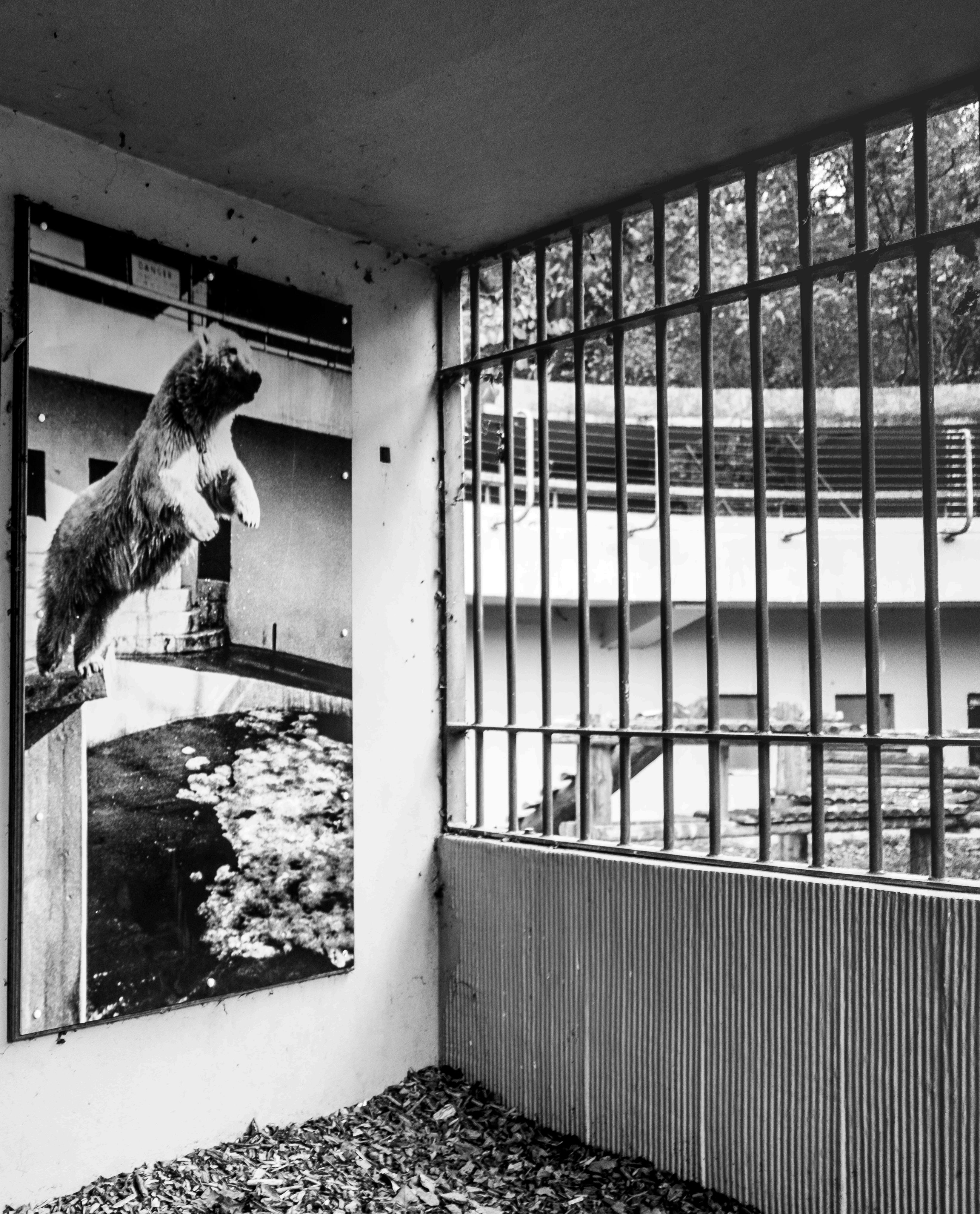
now houses Europes oldest female Asiatic black bear, Inca. Who is 38 years old.

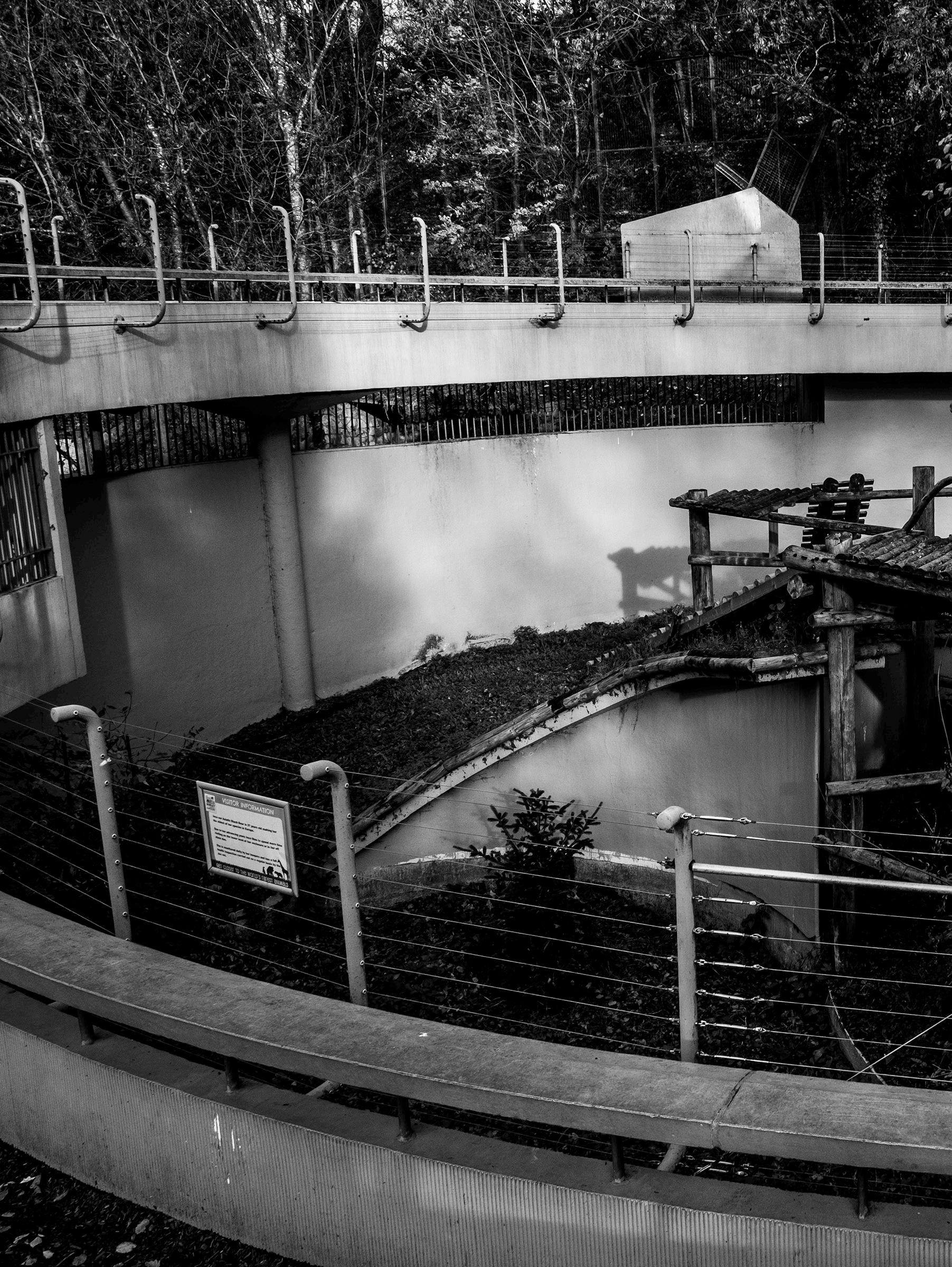
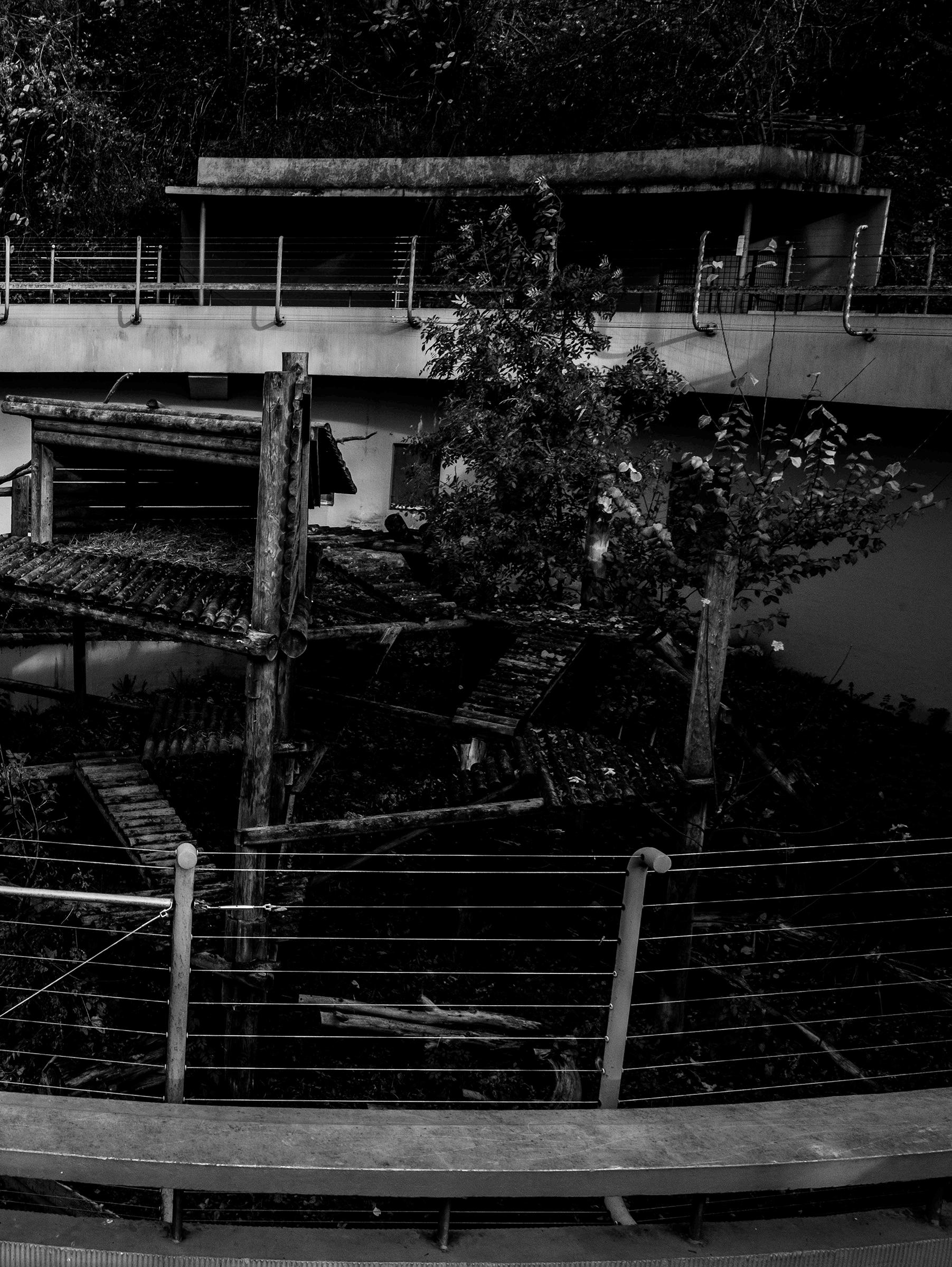
From the day the zoo opend until 1989, they owned polar bears. They lived in one of the most iconic tecton enclosures in the zoo. The circular pit included an iceberg inspired shape diving ramp over a swimming pool, with off-show indoor enclosures and visitor viewing platform, which was around the enclosure. Polar bears are rarely kept in British zoos now and there hadn’t been a polar bear birth in a UK zoo in 25 years until early January this year. The polar bear is always used between zoo advocates and critics. Zoo advocates argue that breeding in captivity can contribute to species conservation. Zoo critics say captivity does more harm than good to the animal and are against it because of them being used for entertainment purposes.
Frankie and Johnny were the first polar bears at the zoo and were there from when it opened its doors. The pair were then joined by Harold before being matched with Helga in 1959, weirdly he died a few years after her arrival but made headlines as he was stuffed by a local taxidermist. Helga was soon joined by Hans in 1966 and welcomed their first cub in 1970.
Thousands came to the zoo to catch a glimpse of the cub. Archive diaries report that keepers drained the pool in the enclosure following to prevent him from drowning and added straw to the floor, in case he fell in. 2 years later the cub was moved to another zoo and the pair went onto having 5 more male cubs throughout their years until they passed.
In 1983 and 1985 after the deaths of Hans and Helga, London Zoo sent their two polar bears, Mosa and Pipaluk.
Due to their tecton enclosure deteriorating in the mid 1980s. Mosa and Pipaluk were relocated to a zoo in Poland and they decided to no longer keep polar bears.
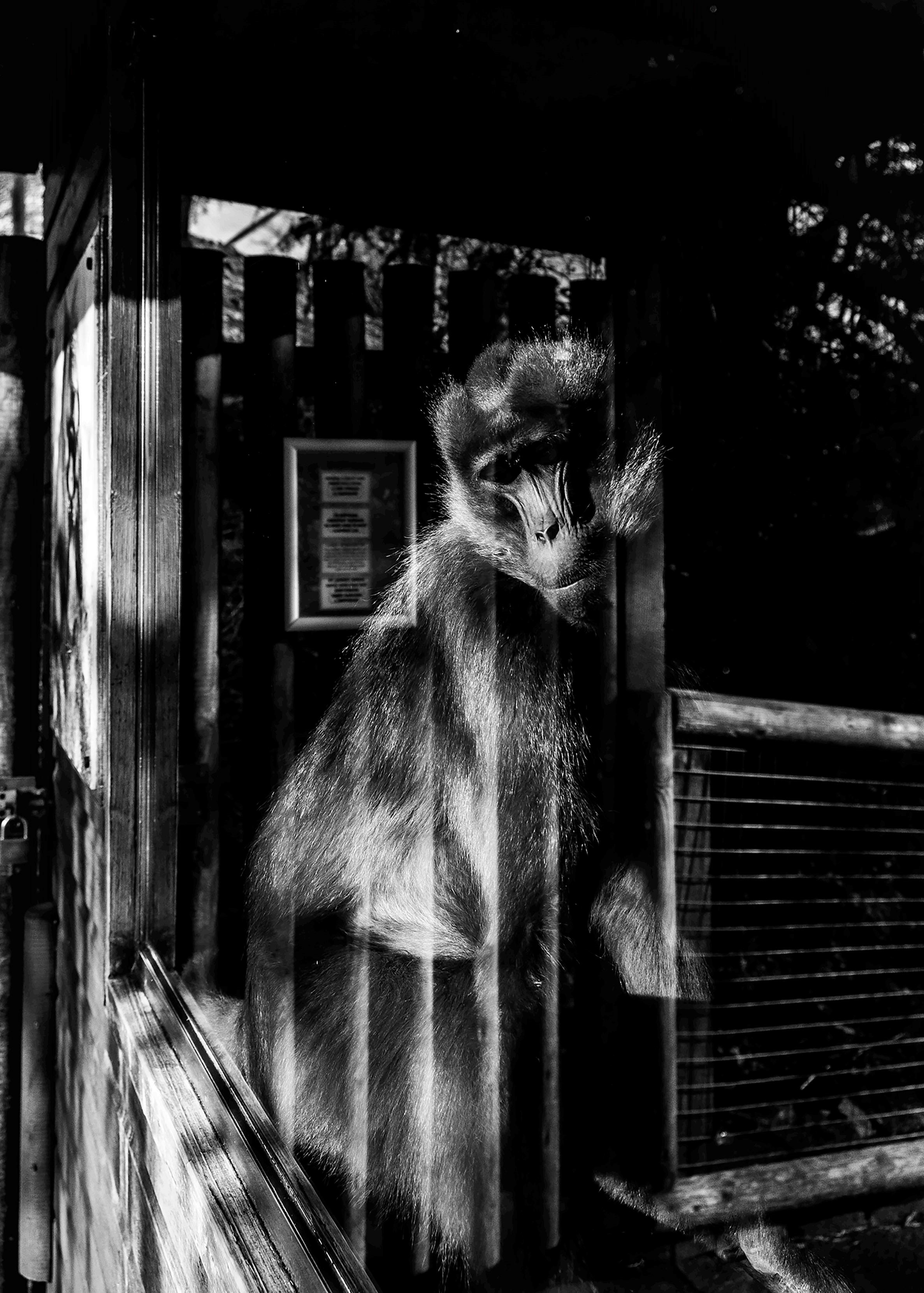
The enclosure now houses Europes oldest Asiatic black bear. In recent years Born Free Foundation raised their concerns about the bear and its enclosure, as ‘it doesn’t seem to do anything’ according to visitors. Born Free commented saying the bear ‘looks completely disinterested and that’s not how bears are. They don’t just sit there, they are always foraging and looking for things and need to be kept mentally stimulated.’ And to be honest, from past visits, it is very depressing seeing this animal almost lifeless and always situated in one place.
After decades of keeping animals in captivity, is it time to put an end to zoos? A visitor said “Last time I went to Dudley Zoo was in the mid-sixties and all I can remember is the Polar Bear enclosure. A bit of dirty water in a concrete pit painted what was once white to look like an iceberg. The Polar Bears just paced up and down rocking their heads. Put me off enclosed zoos for life.”
The opinons of visitors is very mixed. If their was opinions like this one in the sixities, hopefully it has changed as we have more of an understanding of animals. But it suprisingly has’t changed that much.
the killer whale.
The zoo has attracted quite a lot of attention from visitors over the years especially in the early 70’s due to Cuddles, a 3-ton male orca. Housed in the 150,000-gallon pool which is now used to home the Patagonian sea lions. Nowhere near big enough to house an orca.
The zoo has attracted quite a lot of attention from visitors over the years especially in the early 70’s due to Cuddles, a 3-ton male orca. Housed in the 150,000-gallon pool which is now used to home the Patagonian sea lions. Nowhere near big enough to house an orca.
Cuddles was originally captured and sent to Seattle Marine Aquarium which he was then purchased by Flamingo Land and then Dudley Zoo. He would perform tricks and shows for everyone but visitors and reports claim that Cuddles was aggressive at times and become more aggressive as he got older.
“He even pulled Donald Robinson, chief executive into the pool causing him to suffer from shock, head and leg injuries.”
Planning permission regulations declined and cost issues meant the pool couldn’t be expanded and so a plan was made to sell Cuddles for £11,000 and was set to move to a marine park in France.
Sadly, Cuddles passed away a few years after arriving at Dudley Zoo in 1974. The zoo claimed he had died from natural causes due to a burst abscess. But reports also say Cuddles died from a suspicious broken rib which became infected. There are also claims he was used for studies of artificial insemination in orcas and that his health started to decline from then but evidence for this is unclear.

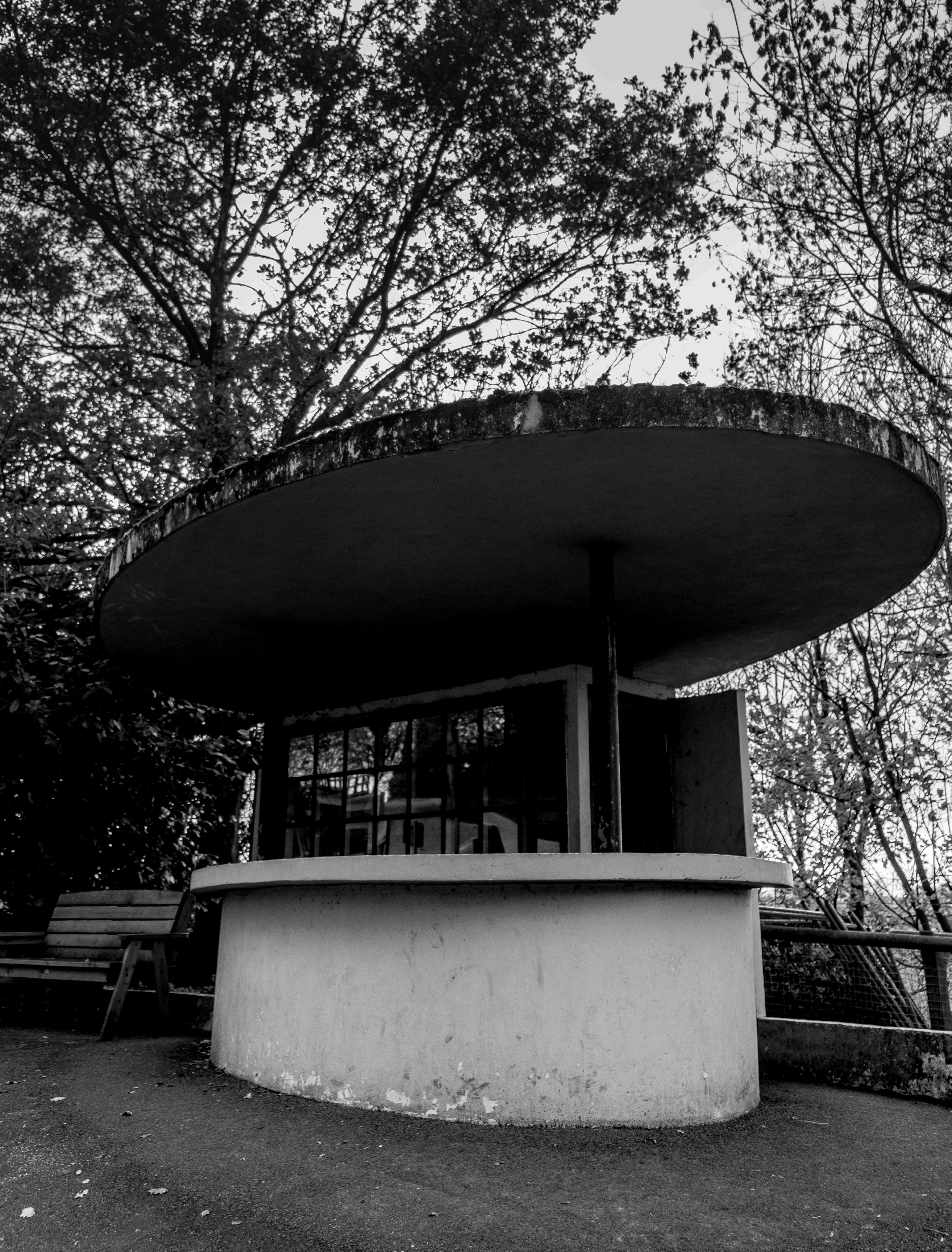
Thezoo claims it famous for it’s architecture, some say for it’s castle which was built in 1070. But Dudley Zoo is on the worldwide endangered list. Not because of its Sumatran tigers but for it’s 12 listed tecton structures by Berthold Lubetkin, the zoos tectons are even on the World Monuments Fund’s 2010 Watch List.
Built between 1936 and 1937 these are said to be the best collection of surviving Tecton buildings in the world. There were 13 structures include The Bird House, Bear Ravine, Elephant House, Entrance, Kiosk, Moat Cafe, Penguins, Polar Bear Pit, Queen Mary, Reptile Pit, Sea Lions and Station Cafe. Due to high salt levels the Penguin pit had to be demolished.
Some of the tectons today aren’t meeting modern animal welfare standards, they have become unused and left alone. It is obvious some of the enclosures aren’t fit to house certain species or any species for that matter, but some of them which are still in use, really shouldn’t be used at all. The lack of use has led to poor upkeep and deterioration has taken place throughout the years.
Hardly any of the visitors know the famous tectons which are homes for the animals. Visitors just walk past the information boards on the structures disinterested because they just thought it was just an “old-fashioned zoo.” The castle attracts far more attention than the concrete. So why are we fighting to save the tectons? Is architecture really more important than an animals physical and psychological requirements?
When at the zoo it is very clear some of these structures are no longer in use. So why is there such passion to save them?
Surely more can be done with some of the structures to turn them into something else. What is the most frustrating is, why have they been left to deteriorate for so long in the first place? If money was an issue, surely this was an indication to reconsidering things.
“Funds” Needed?
In 2011, Heritage Lottery Fund gave £1.15 million to Dudley Zoo for restoration projects. Four of the 12 original Tecton structures; Station Cafe, Kiosk, Original Zoo entrance and the Bear Ravine were restored between 2013 and 2014.
There are also very recent plans to invest £6 million to utilise wartime tunnels underneath the zoo. Also, there are details in the plans to revamp the zoo’s tectons, build a
new education centre and for the zoo entrance to be refurbished. Which is quite funny, the zoo entrance and some tectons were only refurbished in 2013. Why is a refurbishment needed so soon? When there is nothing wrong with the ones they want to change. Why aren’t we focusing on improving living conditions? There is so much room for improvement.
But still the number of visitors at Dudley Zoo has doubled in the past 10 years according to zoo director Derek Grove, hence the plans. The zoo has said it will put some of its own money into the plans but will approach schemes like the Heritage Lottery Fund for help.
Furthermore, last year Dudley Zoo spoke out about creating a separate outdoor enclosure for the Bornean orangutans. The current one has hardly changed since they welcomed orangutans. They aimed to start work within three years. To raise the funds of £800,000 they decided to use all income from adult and child zoo admissions, as well as animal encounters and all sponsorship from their recent anniversary walk.
They claimed “to achieve our target we do need help” and have asked visitors to fundraise and donate as much as they can. But didn’t Derek Grove recently say uptake of the zoo has increased due to doubling visitors in the past 10 years? After some quick research prices show they have risen from £11.90 per adult and £7.70 per child to £16.50 and £10.50 since 2009, surely the increase would have made some difference? Some would say this isn’t much of a rise in price in 9 years.
So why is the orangutan plans struggling to meet its target? Why has there been a £6 million investment plan to do other things other than update enclosures?
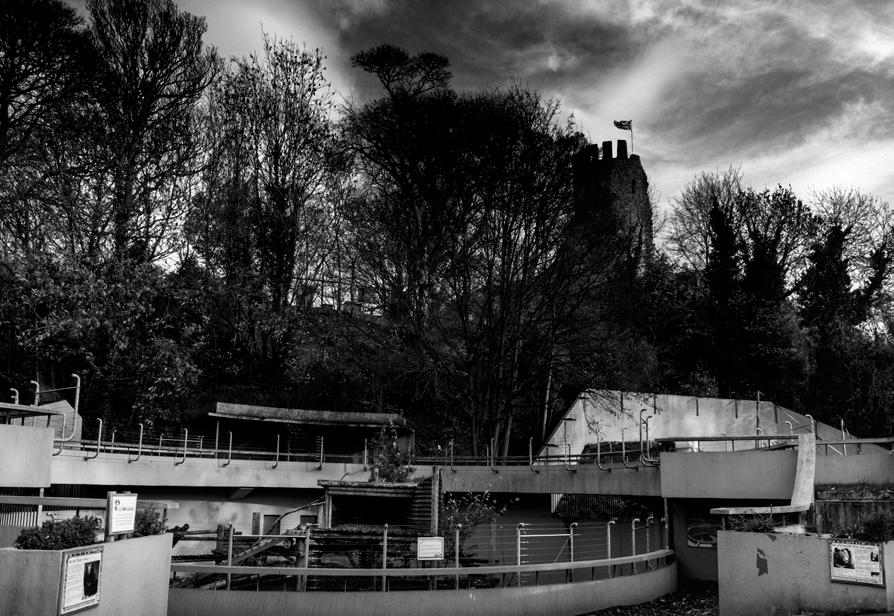

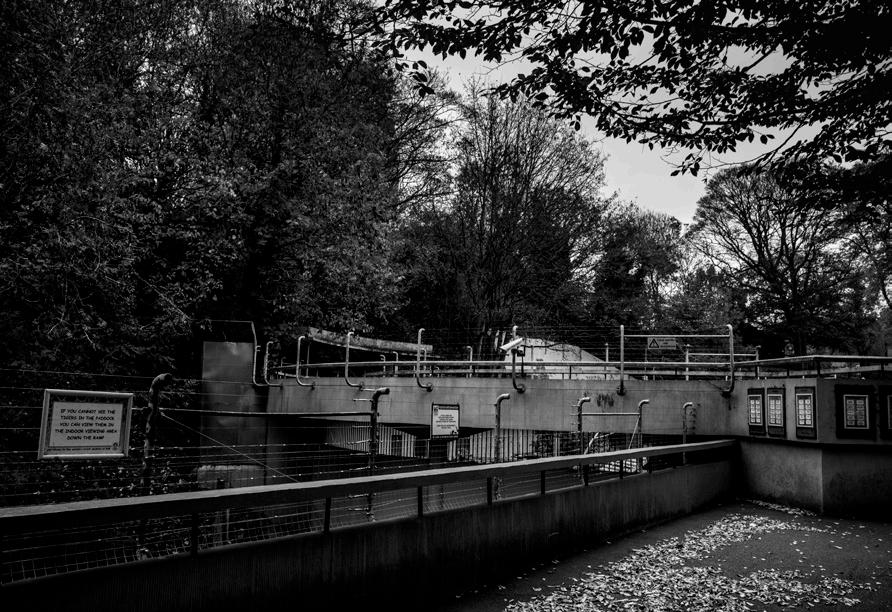
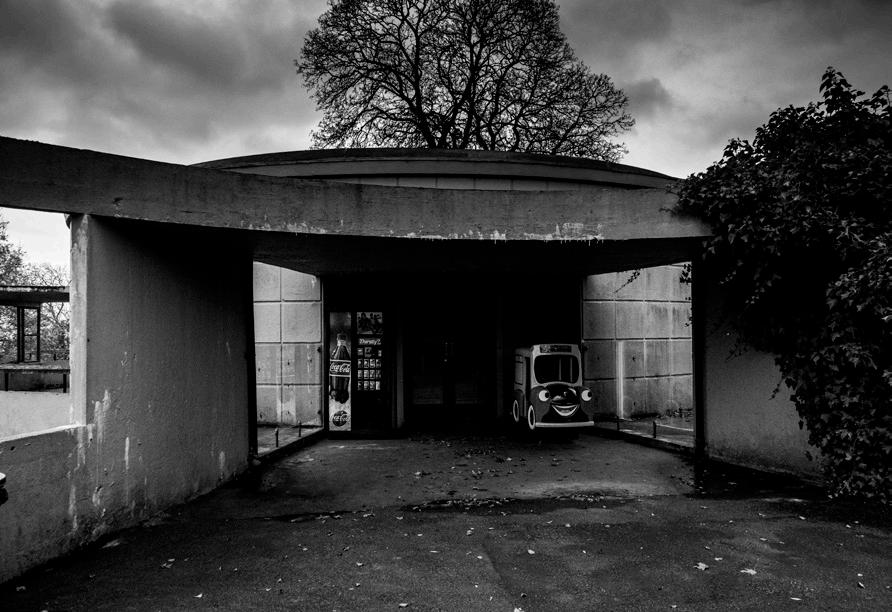
It’s very obvious the zoo lacked funds in the past but now they say they are doing well, so why does everything look derelict and like nobody is home.
Humans have kept collections of animals for years and years. The first zoos were created by the wealthy to show off their power. Zoos wouldn’t exist if humans never took animals from the wild and giving them a captive life.
Born Free has warned animals in some British zoos are kept in conditions little better than those in former Soviet Bloc countries. And it is worrying. Investigations have revealed zoos across England have little to do with conservation, breeding or scientific research.
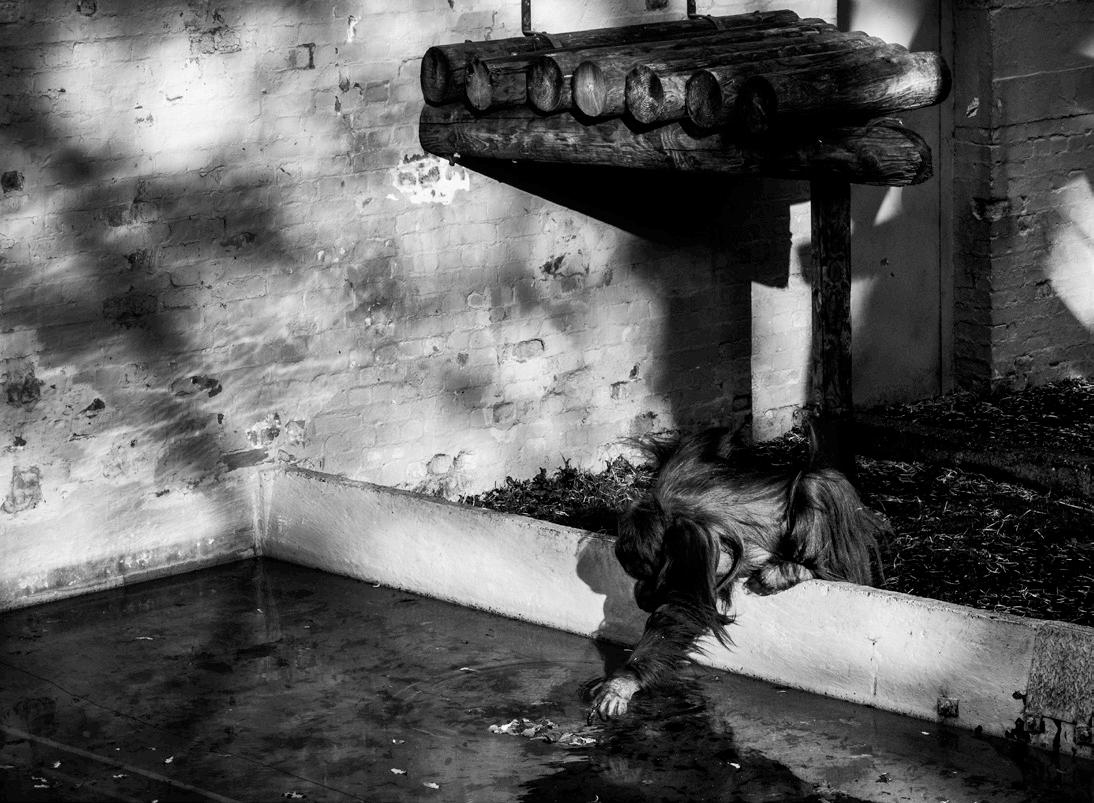
Investigations have revealed zoos across England have little to do with conservation, breeding or scientific research. Zoos in England dismiss any accusations of neglect or poor standards and describe any photographic evidence as ‘highly-selective’ and said it is impossible to get the full picture without doing extensive visits and questioning keepers and other staff.
In zoos, their physical and psychological needs are hardly ever met. Zoos say species preservation is the main aim but most of them don’t achieve this aim. It’s unclear if any animal actually benefits from a zoos species preservation efforts. Zoos also stand by their breed programmes, when zoos breed successfully it’s not their aim to reintroduce animals to their natural habitat because this isn’t always possible, but their interest is ensuring they have a captive population. Of course, there are zoos that mean well and focus fully on research and conservation efforts, but this isn’t all of them.
In captivity, animals face challenges evolution hasn’t prepared them for. They develop behaviour which is impulsive and very unnatural. This is stereotypical behaviour caused by being in captivity it is also known as zoochosis. The behaviours include:
pacing and circling, tongue playing and bar biting, neck twisting, head bobbing, weaving and swaying, rocking, overgrooming and self-mutilation, vomiting, regurgitating, coprophilla and caprophagia.
How can you can help?
Although you can’t quickly assume an animal is showing signs of zoochosis because there are 3 reasons they might be displaying the behaviours:
1. This could be the animal has learnt it from another captive animal.
2. The animal has suffered in the past due to trauma.
3. The animal is using a certain behaviour as a coping mechanism due to the boredom, stress etc of captivity.
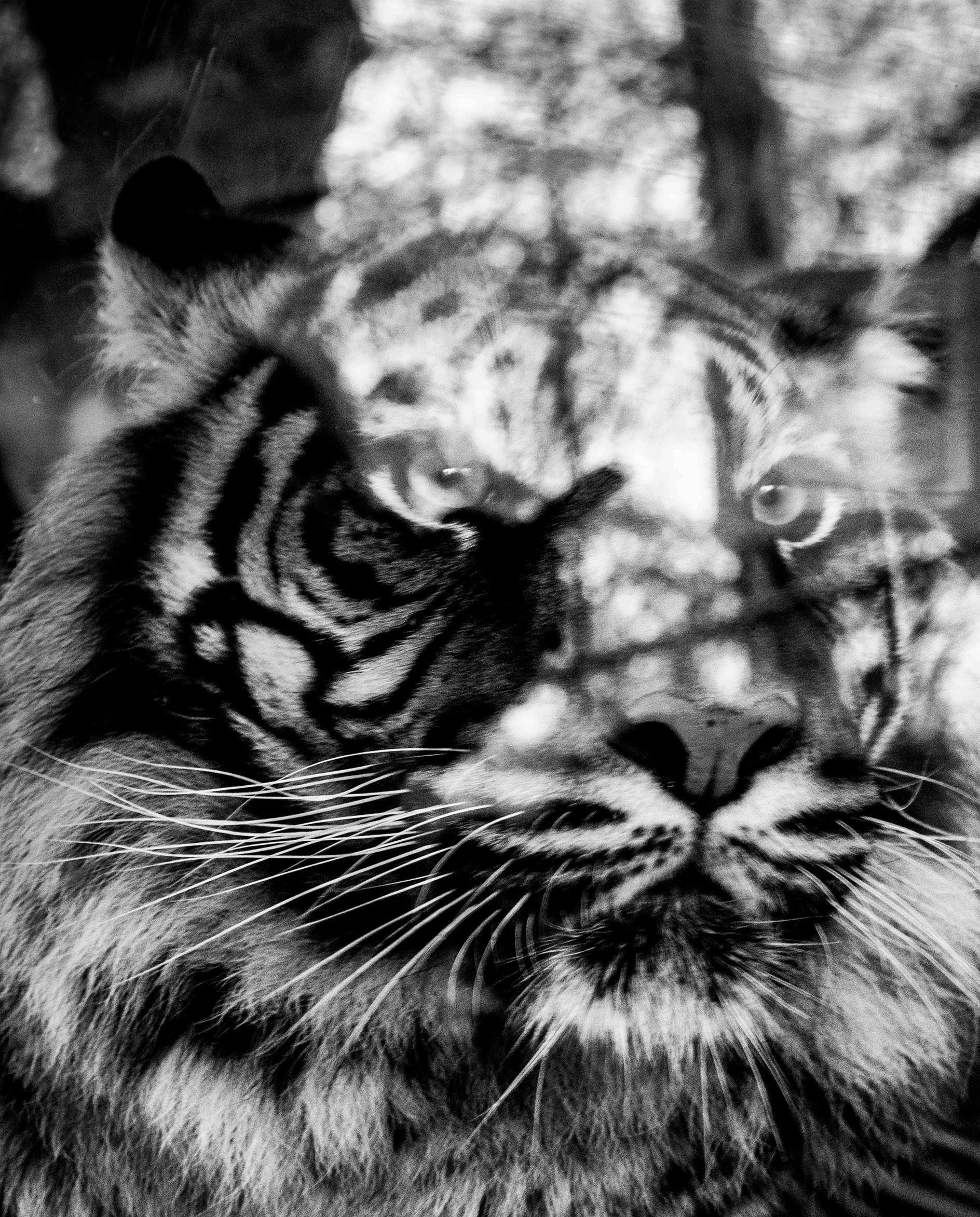
On previous visits to Dudley Zoo, their male Sumatran tiger show stereotypical behviour such as pacing back and forth in the same spot. But when questioned if this was stereotypical behaviour, they simply said “he just doesn’t like sitting down.”
If you are appalled by a condition of a zoo or animals in their care, you can help by reporting it.
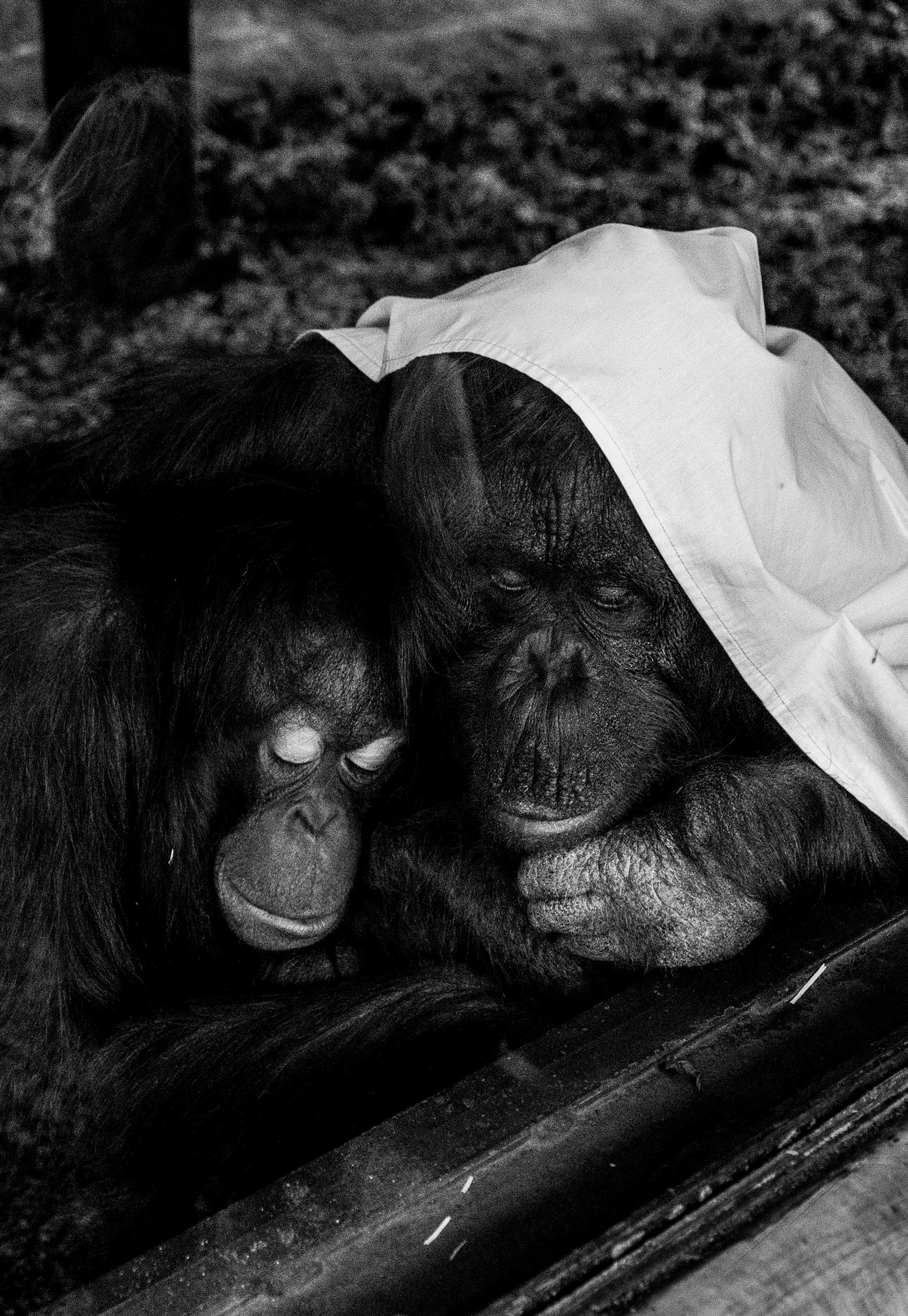
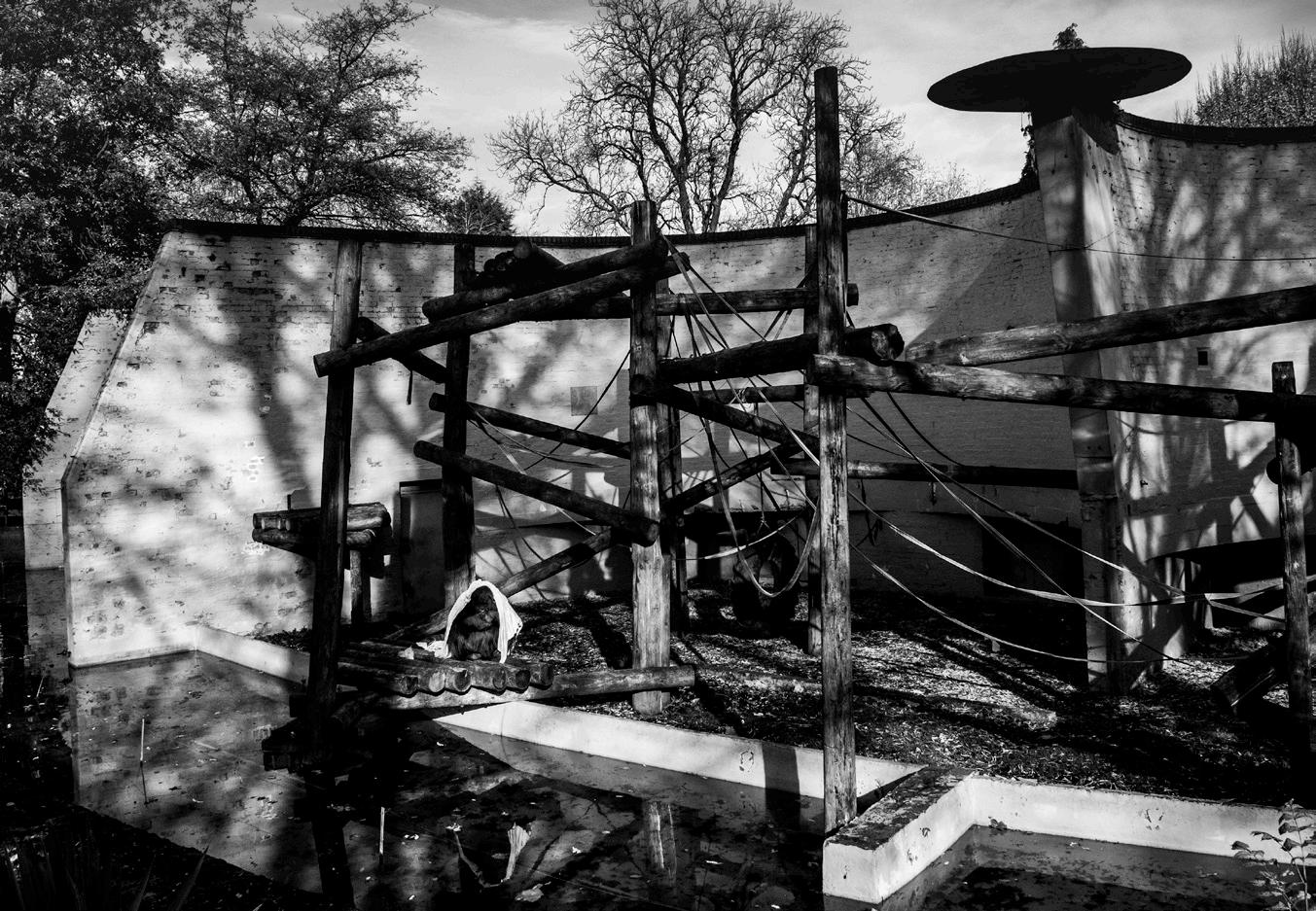
The Bornean orangutans at Dudley Zoo are known for always having blankets. When questioned, no keeper gave me the same answer. One keeper said “they use the blankets when they are in season.” Another one said “sometimes they use them to keep warm. In the wild they use leaves to shield themselves from the rain, but here they use blankets. But they also use it as privacy to hide from the public” I was a slightly confused to why the keepers didn’t give the same answer. When asked any questions about the animals being stressedthey seem to ignore the question or dismiss it. Dudley Zoo said that enriching its animals lives is something the keeper’s have to do everyday. But there doesn’t seem to be many enrichment activities taking place. The only one noted was a cardboard box full of food which the Asian black bear had to open retrieve the food. Although, she did seem a bit of an expert as it only took here about 6 minutes to open it, before returning to her spot pressed against the wall.In the past they describe any photograph or video as ‘highly selective.’Any negative feedback on the enclosures and they simply say its due to it being a listed building. The building comes before the animal. That’s what the seem to be implying. It’s understandable they have listed buildings and they can’t be touched but more can be done to transform the structures into more, to create more of a thriving enclosure. But still, It feels as if the zoo is doing anything to be different. They love announcing new plans which fall through and don’t get spoken of again. They want to stand out and be unique but they are going the wrong way about it. They have amusements, a castle and a zoo. But yet they continue to want to do more and expand? It seems very focused on getting more and more visitors and focusing on the public. Focusing on one thing should be their priority. Focusing on developing and growing in research and conservation. Their conservation efforts for the tectons is clear, wish I could say the same for the animals.

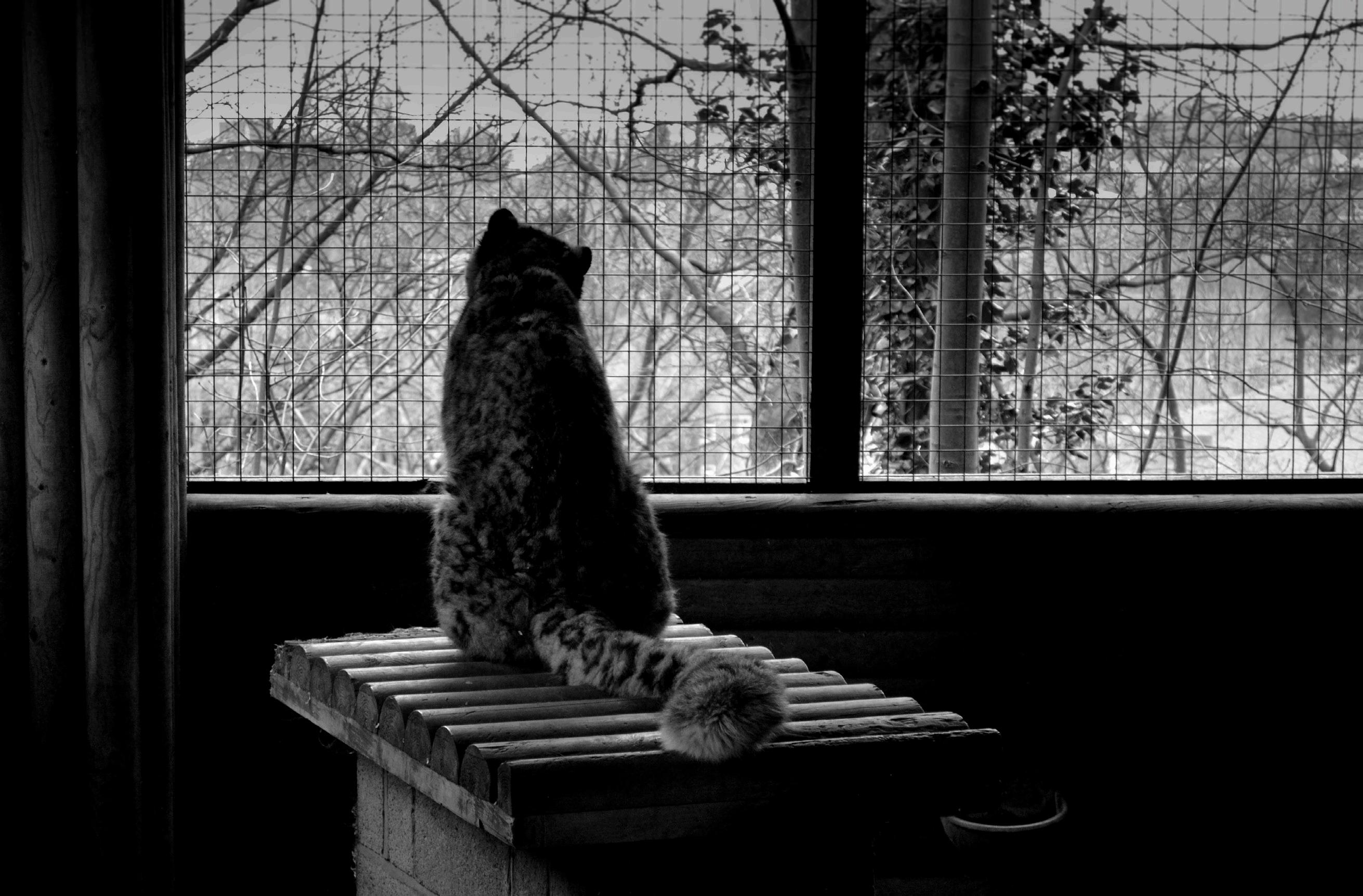
On the 30th November 2018, Dudley Zoo revealed Margaash an 8-year-old male snow leopard was shot dead on 23rd October after it escaped its enclosure which was left open by a keeper the big cat was shot once by a senior member of the firearms team at roughly 5pm after vistiors had left.
The day 23rd October, is also World Snow Leopard Day. It was initiated by the countries that are home to snow leopards. They include Afghanistan, Bhutan, China, India, Kazakhstan, Kyrgyzstan, Mongolia, Pakistan, Russia, Tajikistan, and Uzbekistan. It’s a day used to remind international communities about where snow leopards are found and that it is our responsibility to conserve the species and its ecosystem. It’s dedicated to saving one of the rarest wild cats. A day that lost a snow leopard due to human error.
The director, Derek Grove gave a statement about the incident saying "This was an incredibly sad incident and our staff are understandably heartbroken.” He added "Euthanasia is, and always will be, a last resort."
And “Efforts to persuade Margaash to return to his enclosure failed and as the animal was close to surrounding woodland and dark was approaching, the vet did not believe a tranquillizer dart was a safe option due to the amount of time the drug takes to work.”
Activists have spoken out since the incident claiming the tranquillizer dart would have worked and many have been voicing arguments about it. This is a step in the right direction. It’s making people question if theres a place for zoos in society anymore.
The outcry about the shooting has been overwhelming. It took the zoo over a month to reveal the news and to tell us what had happened and many are questioning why this is.
For someone who has been against the zoo for many years and is from the area, it is a shock. This is what it took for some people to realise maybe we should consider keeping animals in captivity. But people need to remember the animals which are currently still in there and to consider the zoo in general and their standards of care.
Isn’t this a sign this is what can go wrong when we keep wild animals locked away for profit?