Sourcing Grains and Flours 57 History of Sourdough
What is Wild Yeast?
Sourdough and Baking
How to Start a Basic Sourdough Starter
Do Heritage and Ancient Flours Work in Sourdough?
Specific Terms Used with Sourdough
Common Sourdough Concerns
Sourcing Grains and Flours 57 History of Sourdough
What is Wild Yeast?
Sourdough and Baking
How to Start a Basic Sourdough Starter
Do Heritage and Ancient Flours Work in Sourdough?
Specific Terms Used with Sourdough
Common Sourdough Concerns
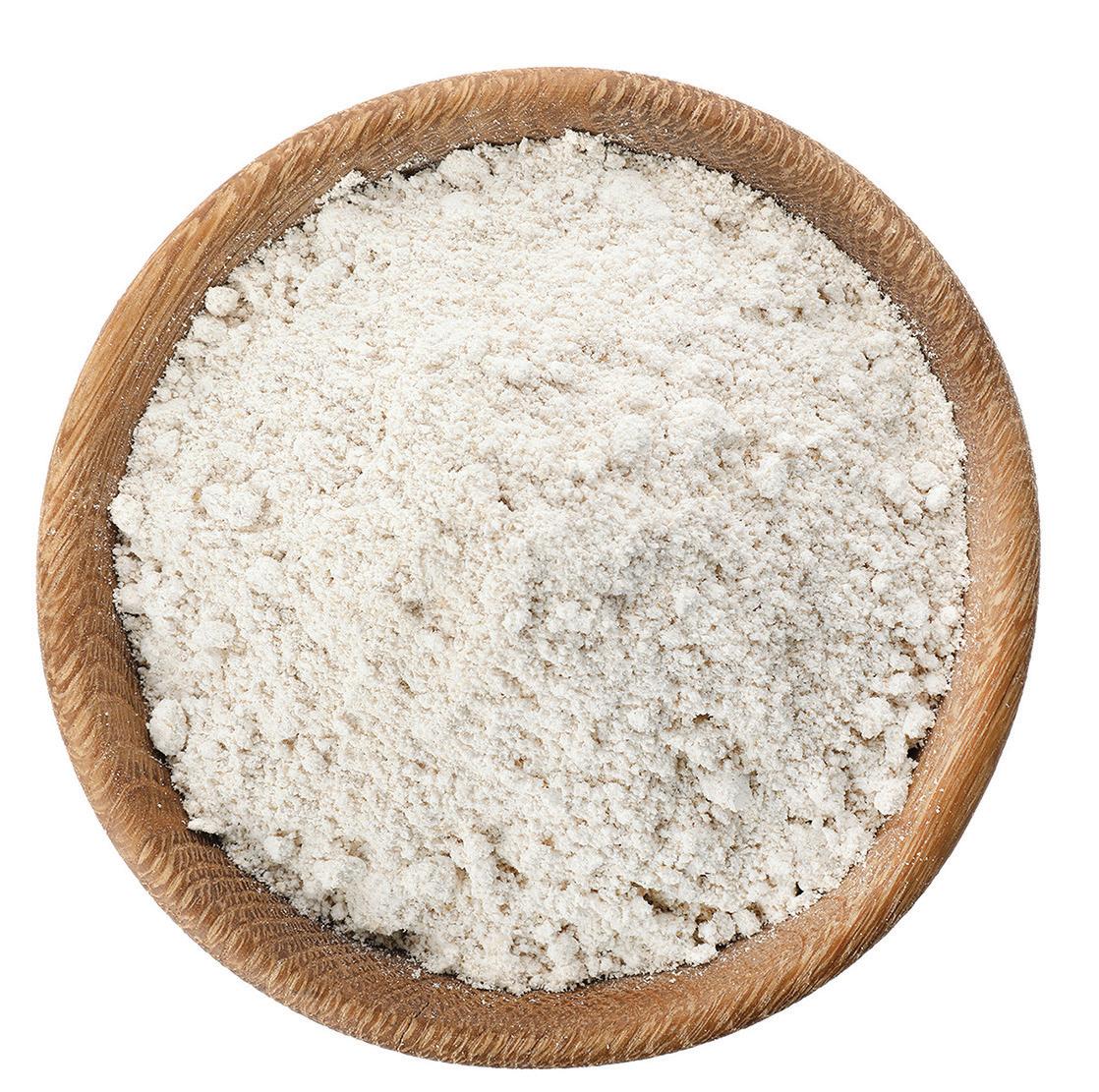
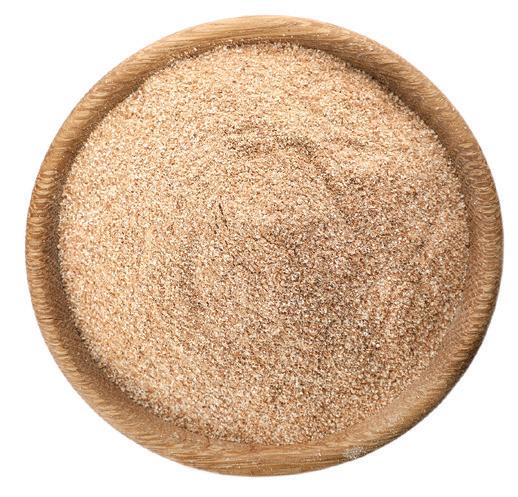
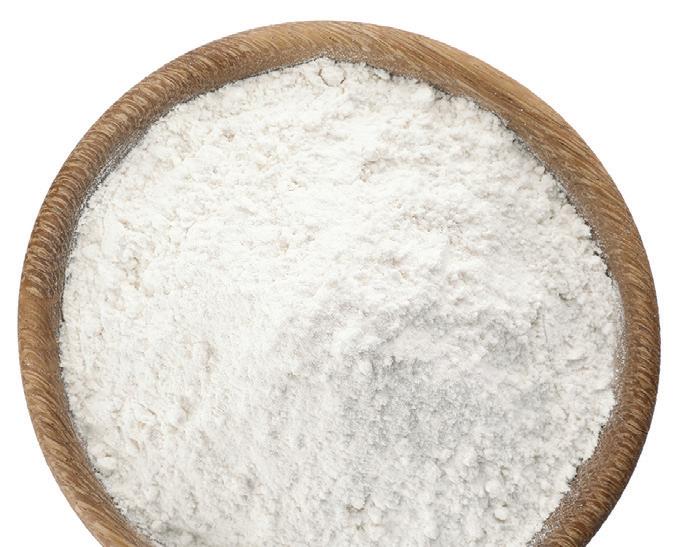
Barley. When barley is mentioned, most folks think of it as malted and used in beer. It is much more versatile than that and can be milled into flour for use in baking. Like wheat and rye, it does contain gluten and is also an excellent source of fiber. When used in baking, it can replace from 50% to 100% of the allpurpose flour in pancakes, muffins, cookies, waffles, and other non-yeasted baked goods. If making pizza crusts and yeast breads, it is recommended to only swap out 50% of the flour called for with barley flour.8
Freekeh. Freekeh is a less-popular ancient grain, but it is also one of the most delicious. It is made by roasting young green wheat and then burning the stalks. The grains survive the fire, which gives the wheat its smoky flavor. Freekeh can be substituted for other whole grains in recipes, using it like other wheat berries.
Now, on to the grains I choose to work with and why. When I first started incorporating ancient grains into my baking routine, I was a greenhorn ... which ones should I choose? I still wanted to achieve the results that allpurpose flour provided, but I also wanted to incorporate the added nutritional benefits of ancient grains. It didn’t take long to discover that just one type of flour wasn’t going to fill that bill. After doing research, there were seven that piqued my interest because of their diversity in flavor, texture, gluten content, and versatility in baking different items. These are the ones that I have been able to incorporate into all of my baking, and the ones that I continue to use. Each is listed below, along with a detailed account of what each grain is and why it made my list.
That was until the 1991 discovery of Otzi the Iceman in the Italian Alps. He was a 5,300-yearold well-preserved mummy who was found to still have einkorn contents in his stomach when it was examined. This discovery sparked new interest in the species because it is the only type of wheat that has never been hybridized or tampered with in any way, proving that it is as pure today as when einkorn’s first kernels were harvested.10
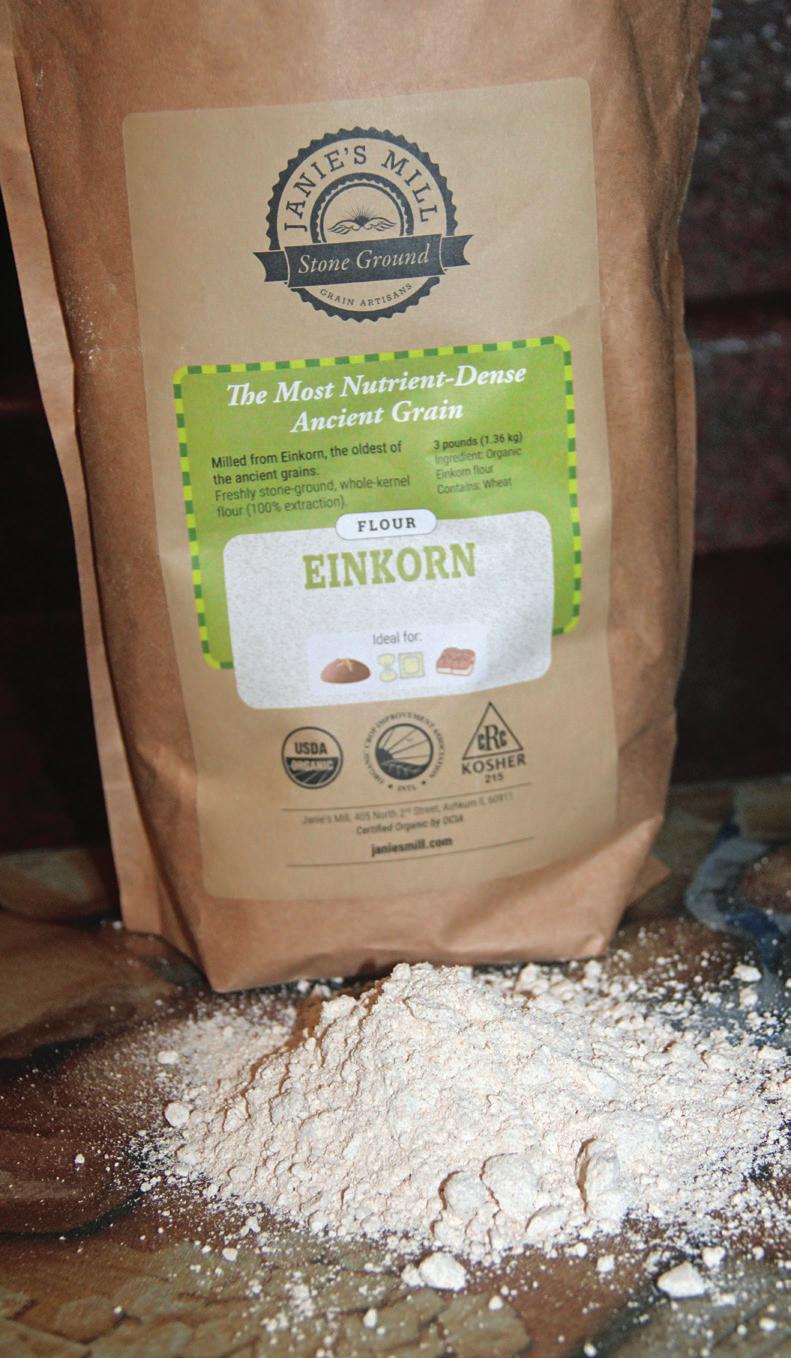
Since it is the purest form of wheat, it is much easier to digest than modern wheat. Another reason for its renewed popularity is that it contains a different kind of gluten than other modern wheat flours, a type that even people with mild gluten sensitivity can tolerate. The science behind this boils down to the fact that the proteins in einkorn, glutenins and gliadins, are different from those in other flours. Gliadins are broken down into four different classes, and the -gliadins are completely lacking in einkorn. Einkorn’s gluten structure has more protein and less starch than other flours.
Einkorn has a sweet, nutty flavor. Especially when baking anything chocolate, it brings out a deeper, richer chocolate flavor. The flour itself is soft and velvety, not at all gritty, as some flours can be.
When baking bread with einkorn, it is better to underproof and only allow it to rise about half the amount you normally would because of its weaker gluten structure. If it doubles in volume as most recipes call for, it will deflate in the oven. It is ready to bake after it springs back when pressed gently with your finger. Another no-no is kneading. Most einkorn bread recipes are no-knead because this practice does not develop the gluten in einkorn as it does with other flours. 11
Einkorn. First and foremost is einkorn flour. This is the oldest wheat known to man, dating back 10,000 years. Ironically, in spite of being the most ancient of wheats, its popularity slipped into ambiguity because its small yield, taller stalks, and harder-toremove hulls made it less attractive to growers than modern flours.
Einkorn can be substituted cup for cup for regular whole wheat in muffins, cookies, pancakes, waffles, and other recipes, but you may want to reduce the amount of liquid by 25% and be sure to let it rest for at least 10 minutes after mixing before working with it. With cakes and other tender baked goods, adding an egg or an egg white will prevent or help prevent the finished product from being too dense.
8 www.GoBarley.com/baking-with-barley 9 www.TheSpruceEats.com/what-is-freekeh-3376846 10 www.AncientGrains.com/einkorn/einkorn-history-and-origin 11 www.KitchenStewardship.com/5-ways-einkorn-is-different-than-wheat-flour
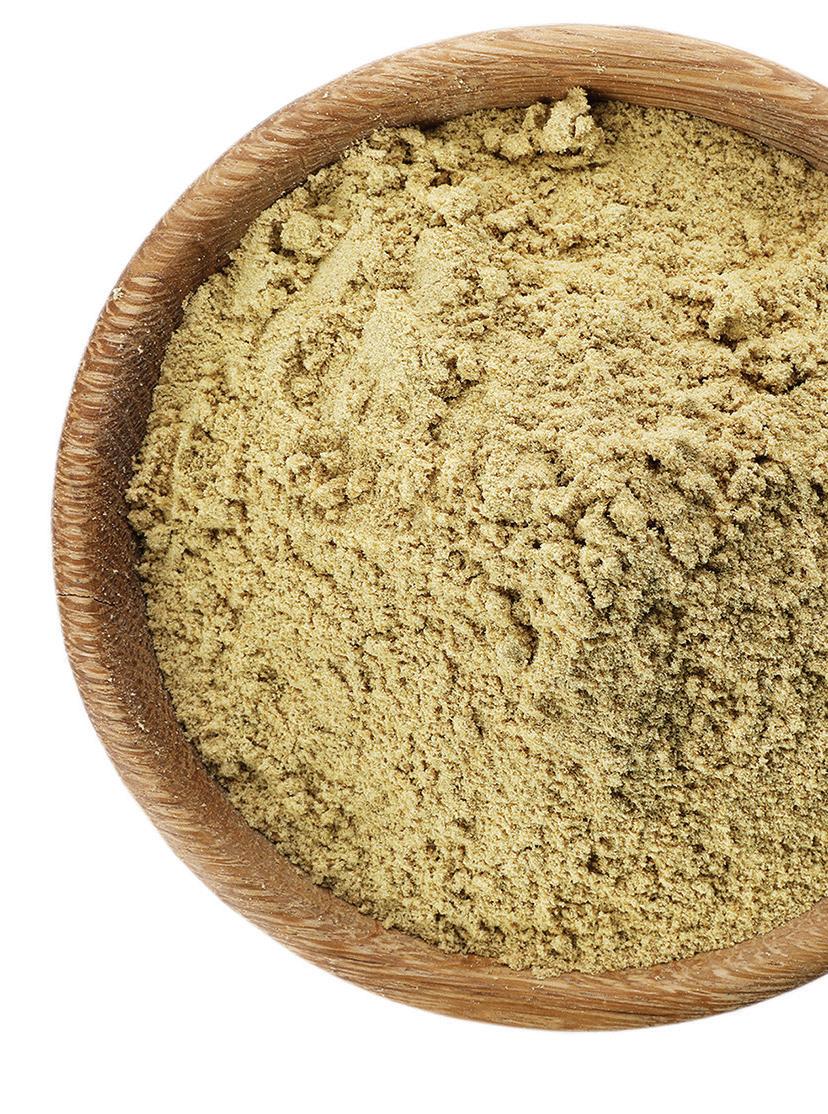
Buckwheat’s dark color can be misleading when baking. Don’t rely on watching to see how browned a baked item is, or you’ll be fooled nearly every time. Instead, use the old method of inserting a toothpick to check for doneness or lightly touch the baked item to check if it springs back.
Excessive beating or mixing batters with buckwheat can render some bad results ... you may even think that you are mixing cement. That’s why recipes that call for mixing just until the wet and dry ingredients are incorporated, such as pancakes, waffles, and crepes, turn out great by replacing 100% of the all-purpose flour with the buckwheat. The eggs in these recipes provide plenty of structure.
If you want to try buckwheat in a bread form, quick breads are a good place to start because they use baking soda as a leavener rather than yeast. If you do try your hand at yeast breads with buckwheat, use a larger amount of yeast to get a better rise. This can also be accomplished by allowing the dough to rest longer or letting it rise twice. Adding a binder like eggs or xanthan gum will also help, as well as ingredients such as psyllium or flax that aerate the dough.
Buckwheat has some exceptional attributes, just not necessarily in yeasted recipes. But in pancakes, it’s hard to beat buckwheat, so I say let it shine where it will.
As you can see, each ancient and heritage grain has its own characteristics that make some grains better for certain types of baking over others, but it never hurts to experiment. Still, there are a couple of questions that come from seasoned bakers who are new to the ancient grains.
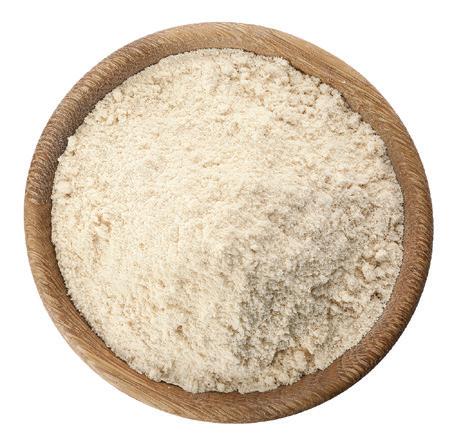
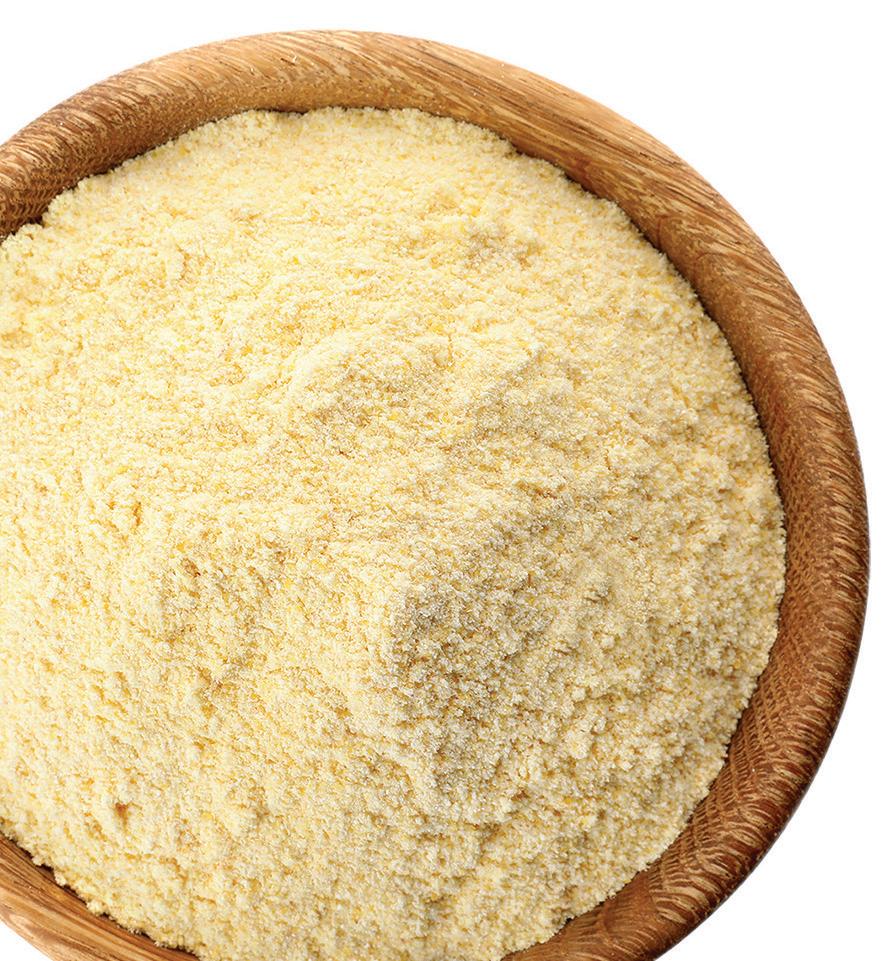
The million-dollar question everyone asks is: “Is there a golden rule to know what percentage of ancient grains to use to replace part of the all-purpose in recipes?” The answer is a flat “no” since every grain behaves differently, especially when it interacts with other ingredients such as liquids and yeasts. Also, everyone’s palette is different; some may prefer the more robust flavor and denser texture of added grains, while others don’t appreciate those qualities quite so much. So the best advice is to start replacing the all-purpose flour on the lower end of the scale, even 10%, and work your way up from there until you hit your own sweet spot.
“Can you use your own tried-and-true family recipes with ancient grains, or do you need specific recipes tailored to them?” The answer to this one is a definite ... both! In many applications, you can use your handed-down recipes, and they will turn out simply fine with little or no tweaking. Be adventurous and try them; you will never know until you do. Just a heads-up, don’t expect them to taste exactly like your original recipe since the ancient flours impart their own flavors and characteristics. In some instances, like when starting with rye and buckwheat, it may be better to find a tried-and-true recipe specifically tailored to that flour until you know what to expect.
Some folks have expressed their reluctance to try these heritage and ancient flours. What a pity! Of course, they are different; that is the beauty of them. You’ll never know what you are missing in the form of different flavor profiles, heightened nutrition, and better digestibility until you venture into the world of the old grains. After all, our grandparents knew their goodness. So, go ahead, give them a try!
FUN FACT
It's true ... to a reasonable extent. You can add less or more yeast and the dough will just rise faster or more slowly. Adding more yeast will make the dough rise faster if you're in a rush, but it will also have an impact on flavor. Bakers will tell you that using less yeast with a longer fermentation time makes the best bread and that is because yeast has more time to thrive and produce delicious flavor compounds. Fast fermentation typically causes yeast to produce undesirable flavors. Of course if you use too little yeast then it will not be effective as it will take way too long for the dough to ferment.
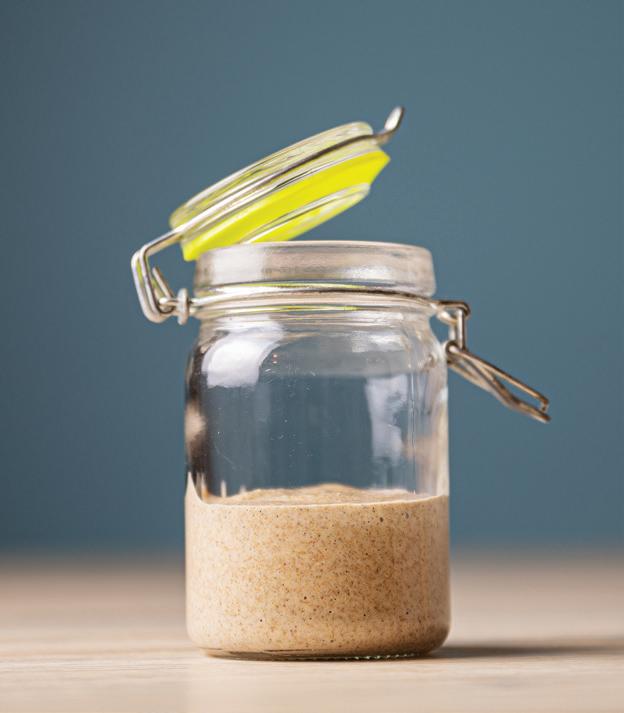
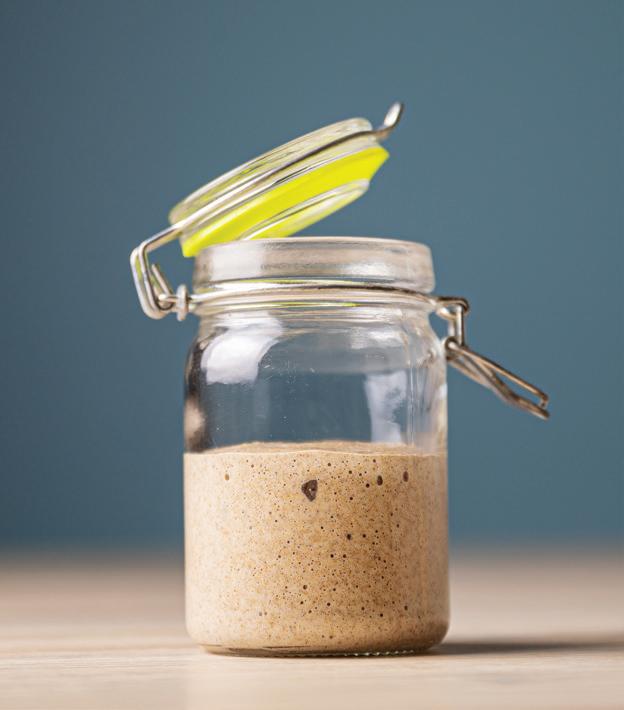
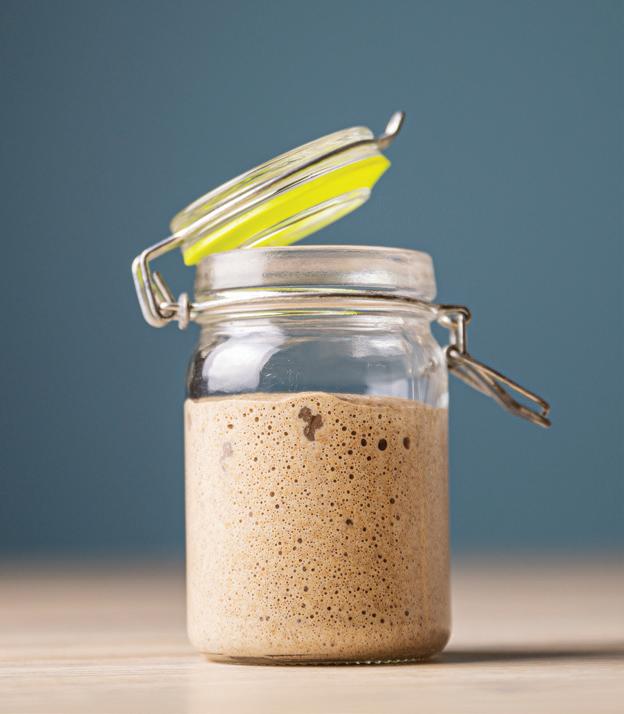
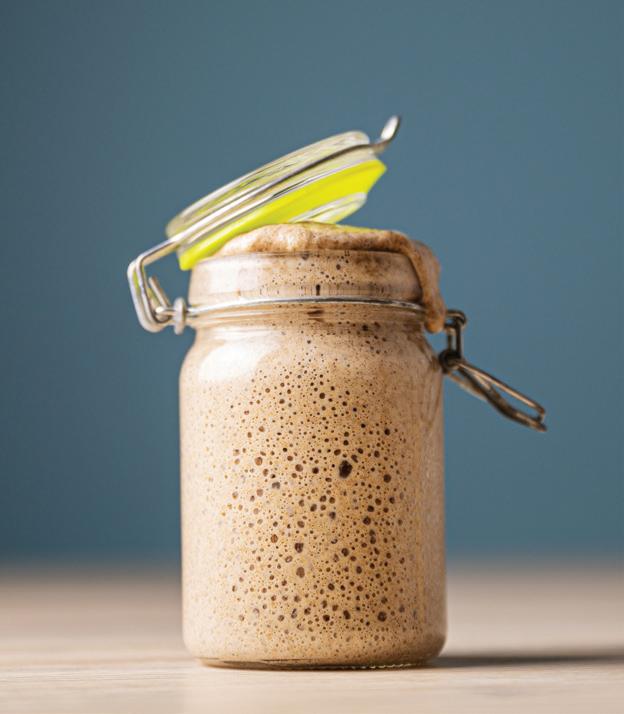
Sourdough is one of those foods you either love or hate. It’s a totally different way of baking than traditional methods. It can be persnickety and rewarding all at the same time, sort of like a small child. Sometimes he acts as good as gold and other times it’s “what brought that on?” You treat it the same today as yesterday but get completely different results. Just when you think you have sourdough figured out, there’s a new hiccup.
Give it a chance, though, and you’ll discover how incredible the flavor can be, and your tummy might just feel a whole lot better given the added nutrients and different gluten structure.
Sourdough is a method of baking that starts out as a simple mix of flour and water known as a “starter” and relies on wild yeast and good bacteria from the environment instead of using commercial yeast. It’s the original way of leavening bread, dating back thousands of years.
Leavened bread—bread that contains a raising agent such as yeast—is believed to date back to ancient Egypt. Its discovery is credited to an accident … in a good way. Bread was left out in the open overnight, allowing it to come into contact with wild yeast from the air. The Egyptians noticed that the bread had risen and was tastier, lighter, and softer than their unleavened loaves. It was also less perishable.1
The popularity of this bread soon spread to the Greeks, where it became a home staple and bakers started producing the bread commercially. From there, the Romans incorporated it into their diets and further tweaked it into more of the version we know today.
From there, miners went to Alaska and Canada’s Yukon territories for the Yukon Gold Rush of 1898 and took sourdough with them. They would carry pouches of the starter around their necks and even sleep with it to keep it warm since yeast and baking soda weren’t suited for the bitter cold. Thus, the miners were tagged with the nickname of “sourdough” and the name stuck for the bread too.2
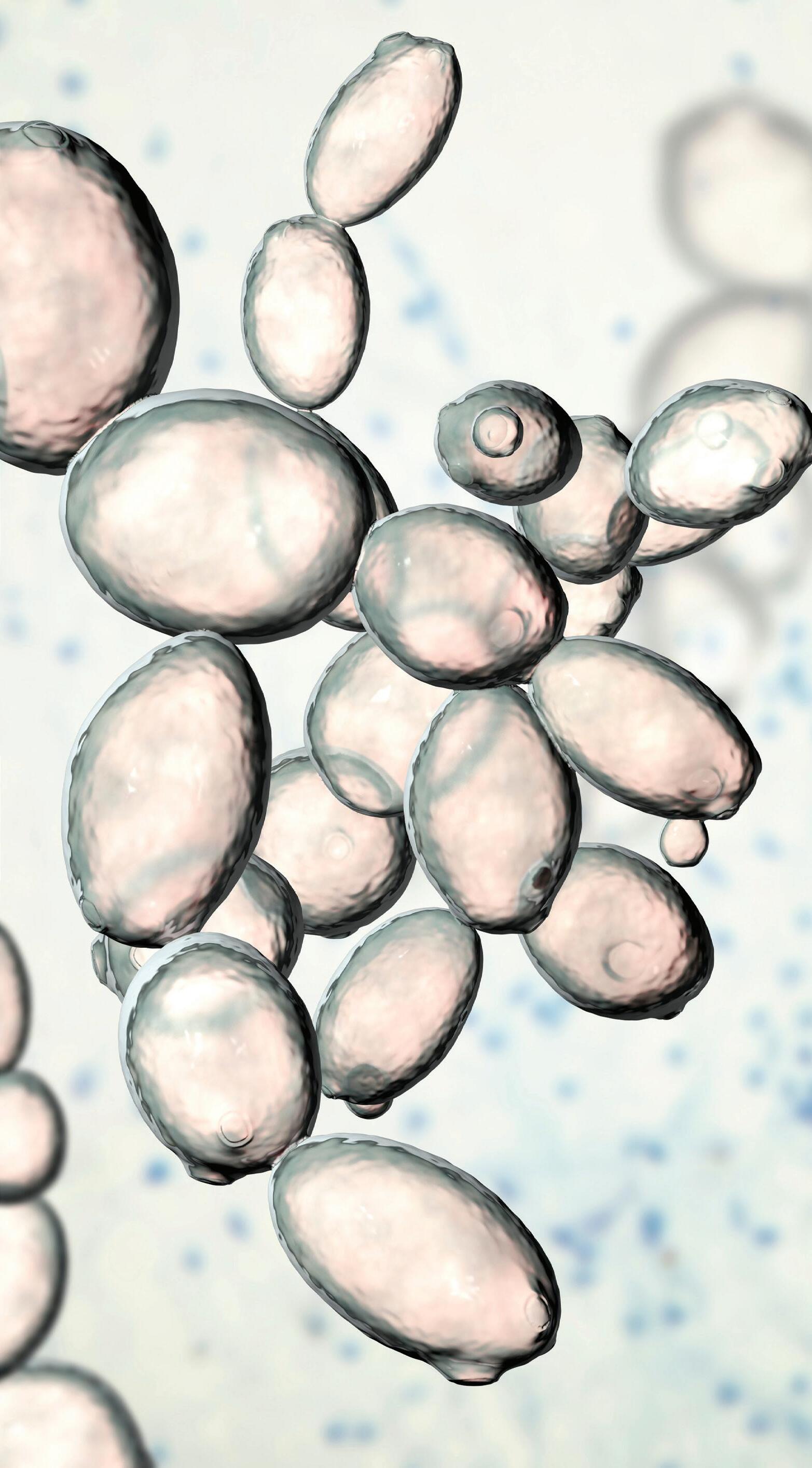
Yeast itself is a living microorganism that needs carbohydrates to grow and release carbon dioxide and alcohol. Wild yeasts are a mix of different microorganisms found everywhere in the natural world—in the air, on plants, on fruits and flowers, in tree sap, even on our skin! Other not-so-common places where wild yeasts thrive are on potatoes, raisins, crabapples, and other fruits, to name a few. There are more than 1,500 combined yeast strains in the natural world.3 Strains of wild yeast can be captured and used for fermentation in making beer and wine and leavening sourdough bread. All these wild yeasts vary as to flavor and aroma depending on the environment they came from, the climate, and the grains used to start them. Wild yeast strains are what sourdough is all about.
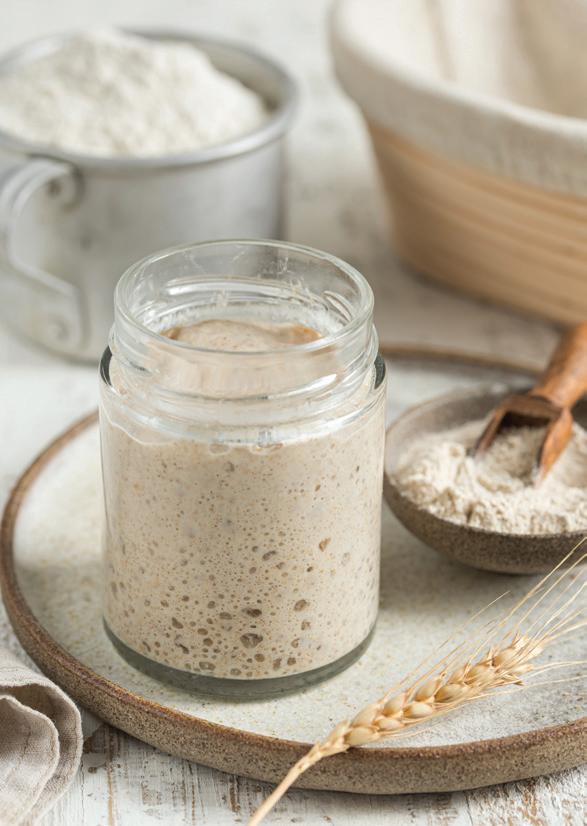
Sourdough got its foothold in the United States during the California Gold Rush when a French master baker and his family took their sourdough techniques to San Francisco. At that time, what they called sourdough was “Mother Dough” (fitting for a sourdough name!) and was a mixture of flour and water fermented by bacteria, thus improving the bread even more. The miners soon discovered sourdough, couldn’t get enough of it, and would go to the bakeries every morning to get their fresh bread for the day. This helped make San Francisco the center for sour bread.
Until 160 years ago, wild yeast was the only type around. Then, in 1857, Louis Pasteur saw the first yeast under a microscope and realized it was a living organism. This led to the birth of baker’s yeast, commonly called commercial yeast, which encompasses both active dry yeast and instant varieties. Baker’s yeast is a domesticated strain specifically bred for consistent and predictable results. Wild yeast, on the other hand, never guarantees the same baking results consistently; the wide variation in different strains can lead to unpredictable fermentations and rises. How sterile your kitchen is will also make a difference in how well sourdough will rise. A very sterile kitchen doesn’t leave much room for wild yeast to be present. However, the more you bake, the more wild yeast will be released in the kitchen, which in turn will make a stronger starter.
1 www.SourdoughBreadCompany.com/index.php/blog/30-sourdough-bread-history 2 www.SourdoughBreadCompany.com/index.php/blog/30-sourdough-bread-history 3 www.Britannica.com/science/wild-wild-yeasts-2192717
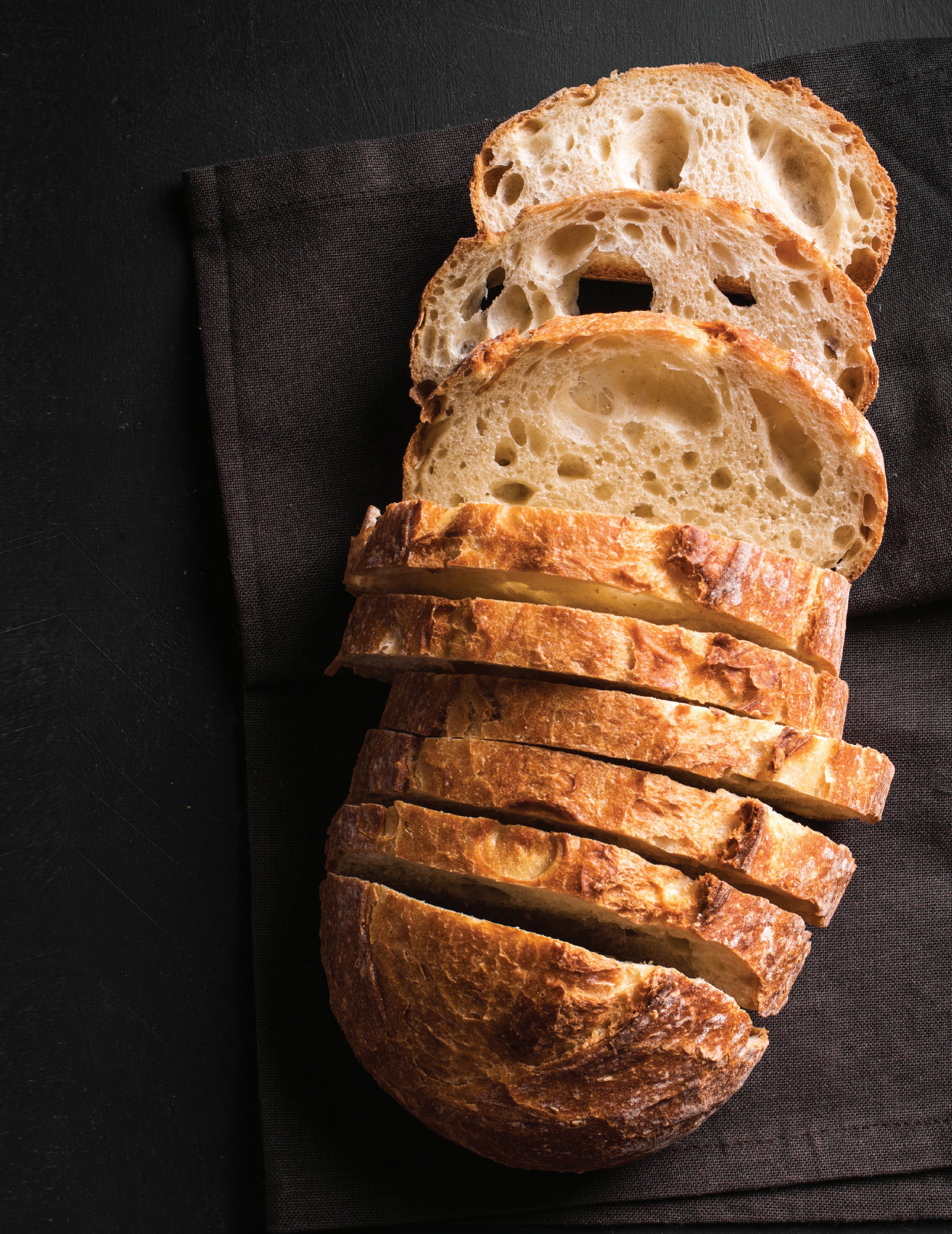
Breads come to mind first when baking with ancient grains, so let’s start there. Most recipes are listed with the amount of ground flour. If you grind your own berries, you can add the extra step. Do not overproof. There is a fine line between perfectly proofed and overproofed. The lower gluten content of most ancient flours cannot withstand overproofing.
The correct amount of water is crucial for a light loaf; the more water, the lighter the loaf, but too much water and the dough will not rise properly or have a good crumb. Generally, bread dough with ancient flours is stickier—resist the urge to add more flour. Trial and error will find the sweet spot.
Some recipes want flour sifted and some not; this does make a difference!
When slicing a loaf of freshly baked bread, cut from the bottom of the loaf. The bottom is usually softer than the crusty top and this will prevent squishing the loaf.
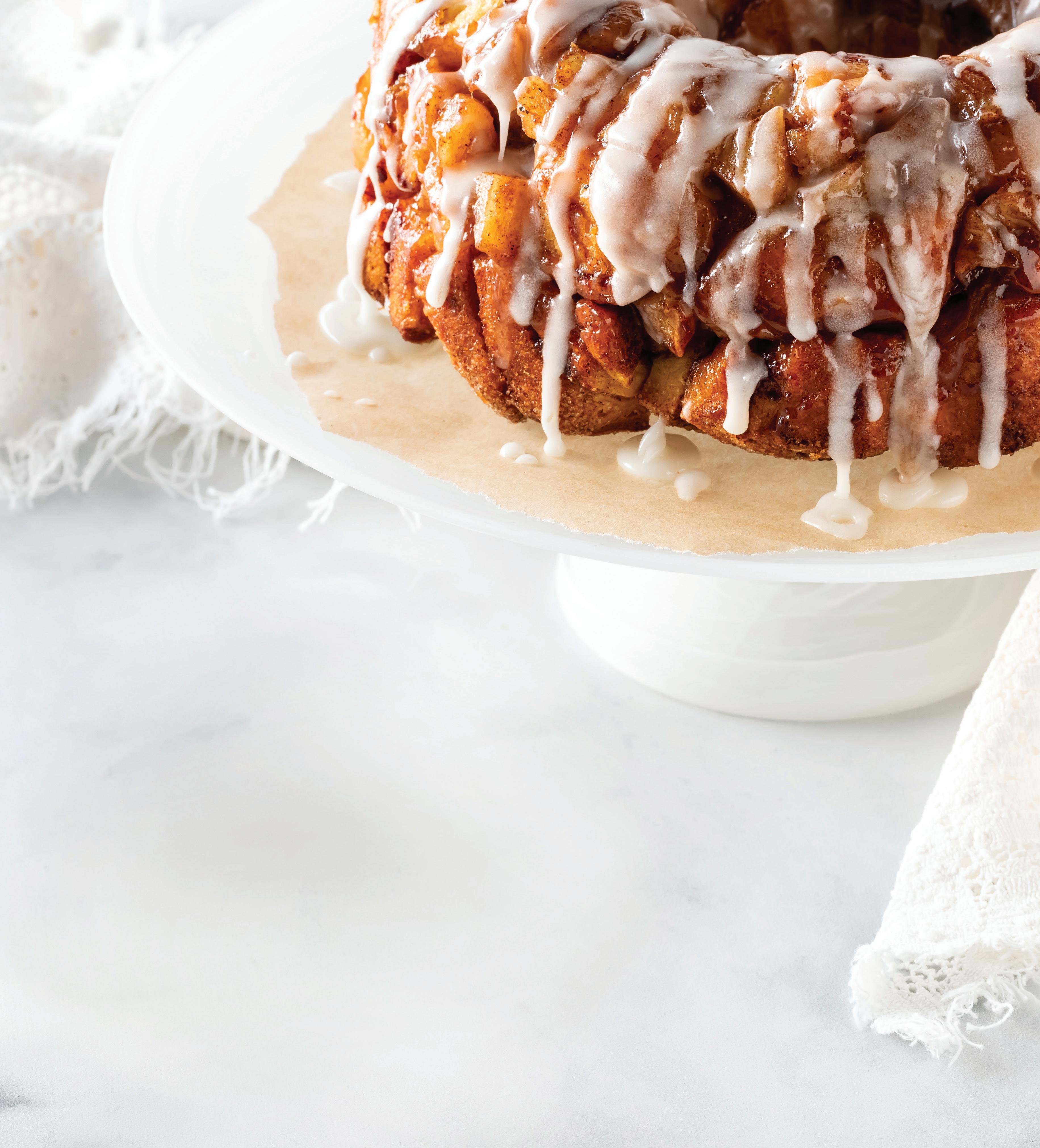
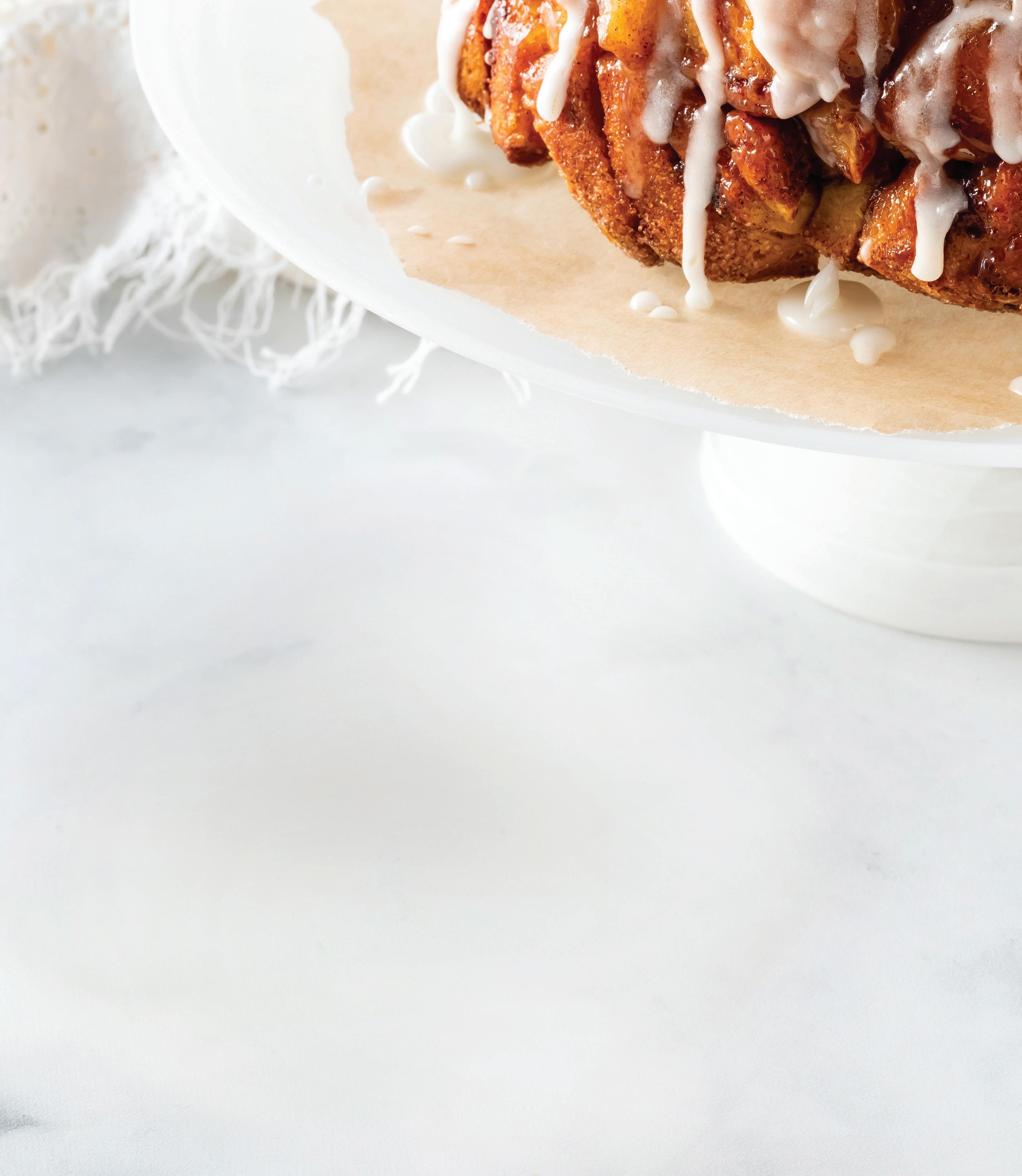
This modified family recipe takes an old, fun classic and makes all those layers of buttery cinnamon sugar goodness a little bit healthier (yeah, really!) by substituting some of the all-purpose flour with spelt flour. Yield: 1 loaf.
Ingredients
For the Dough
• 1 tablespoon yeast
• 1/4 cup sugar, divided
• 1 tablespoon warm water
• 1 cup milk
• 1/3 cup water
• 4 tablespoons butter, 2 melted and 2 softened
• 2 cups all-purpose flour
• 1 1/4 cups spelt flour
• 2 teaspoons salt
For the Coating
• 6 tablespoons butter, melted
• 1 cup brown sugar
• 1 tablespoon cinnamon
For the Glaze
• 1/2 cup confectioners’ sugar
• 1 tablespoon milk
Instructions
1 Add yeast, 1 teaspoon sugar, and 1 tablespoon warm water to small bowl; mix well and let stand for 5 minutes.
2 Add milk, water, 2 tablespoons melted butter, remaining sugar, and the yeast mixture to a large bowl; mix well.
3 Combine the flours and salt, add to the yeast mixture, and mix well.
4 Turn onto a floured board and knead for 5 minutes, or until dough springs back. Shape into a ball and place in a greased bowl, coating both sides with the oil. Let rise until doubled in bulk.
5 Mix brown sugar and cinnamon for coating.
6 Punch dough down and roll to an approximate 9-by-12-inch rectangle. Cut into approximately 64 pieces with a pizza cutter. For coating, shape pieces into balls and roll in melted butter and then in brown sugar and cinnamon mixture.
7 Grease bundt pan with softened butter, put balls in pan, sprinkling any extra cinnamon sugar mixture on top. Cover and let rise for an hour.
8 Bake at 350 F for 30 to 40 minutes until bread is browned and sides are bubbling.
9 Cool 5 minutes before turning out of pan. Whisk glaze ingredients and drizzle over warm bread.
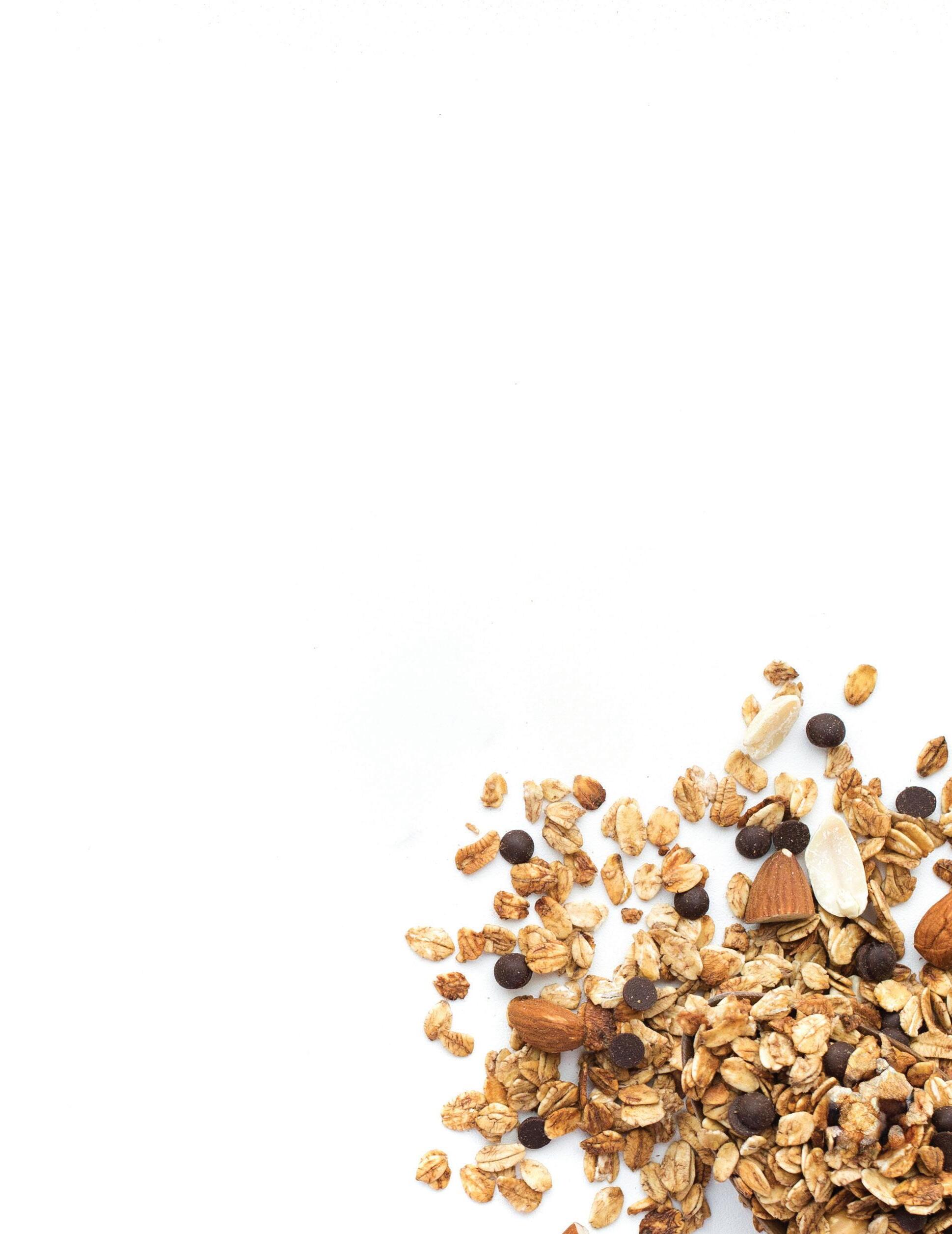
You know how some mornings you get that carb-craving and want pancakes or waffles. Well, this is a healthier version to satisfy that yearning. With only a half cup of flour, the carbs are low, but this German pancake tastes so rich, and it works equally well with any flour, so go for your favorite ancient grain here! I usually lean toward einkorn. Yield: 1 Dutch baby.
Ingredients
• 4 eggs
• 1/4 teaspoon salt
• 1/2 cup einkorn flour (or any flour)
• 1/2 cup milk
• 2 tablespoons melted butter
• 1 teaspoon vanilla extract
• 1/2 teaspoon cinnamon
• Confectioners’ sugar for dusting
From Old Farmer’s Almanac, www.Almanac.com/recipe/german-pancakes
Instructions
1 Beat eggs well until fluffy, then add salt. Add flour and milk to eggs in 3 or 4 portions alternately, beating well after each addition.
2 Add butter, vanilla, and cinnamon; beat well.
3 Pour into greased 10- or 12-inch cast-iron skillet and bake 30 to 35 minutes at 400 F until puffed and light brown; remove from oven and sprinkle with confectioners’ sugar.
4 Serve with a drizzle of maple syrup.
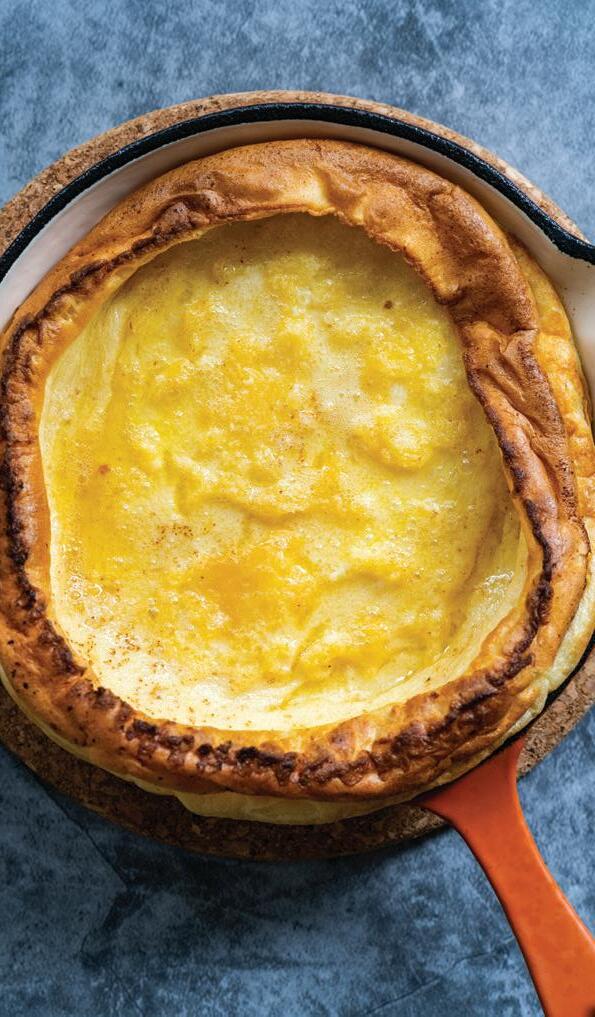
Granola is a healthy snack if made with the right ingredients … and it tastes good too! This recipe uses einkorn flour. We found this recipe and keep it on hand at all times to munch on. We never get tired of it since we keep changing up the various add-ins. The secret to getting those larger chunks of granola is to be sure and press the mixture down in the pan before baking and letting it cool completely before removing from pan. For added fiber, we usually add some pumpkin seeds, flax meal, and raisins. Yield: 6 cups
Ingredients
• 1/2 cup butter, melted
• 1/2 cup honey
• 1 teaspoon vanilla extract
Instructions
• 4 cups oats
• 1/4 cup einkorn flour
• 1/2 cup chopped almonds
1 Add butter, honey, and vanilla to small saucepan and heat until butter is melted.
2 In a large bowl, combine all other ingredients, then pour liquid mixture over and mix well.
3 Spread mixture in a single layer onto a cookie sheet sprayed with non-stick spray. To get those delicious clumps of granola, be sure to press the granola down a bit with the back of a spatula.
4 In a 350 F oven, bake for 25 to 35 minutes, or until the granola is golden brown.
5 Be sure to let your granola cool all the way down before you attempt to break it up. Keep homemade granola in an airtight container for 3 to 6 months.
From Victoria Pruett’s A Modern Homestead blog, www.AModernHomestead.com/healthy-homemade-granola-recipe
• 1/3 cup brown sugar
• 1 cup chocolate chips
• 1/2 teaspoon sea salt

Lois Hoffman has been a freelance writer for more than 30 years, writing feature articles for various magazines. She has written three columns, Know Your Business Neighbor, Half Tank Travels, and Country Tidbits, as well as blogs for Grit magazine and her own personal blog. Raised a country gal in southwest Michigan, she is a passionate organic gardener, food preservationist, and baker. She often incorporates techniques and processes on sustainability that she has learned in these areas into her articles, which is how Baking with Ancient Grains was born.