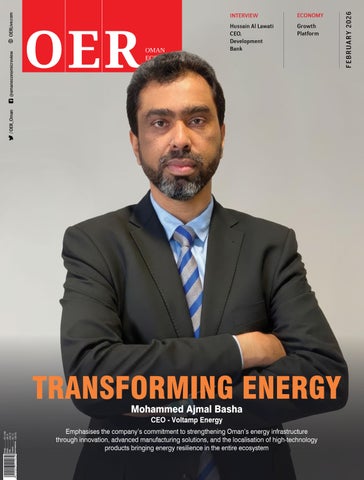
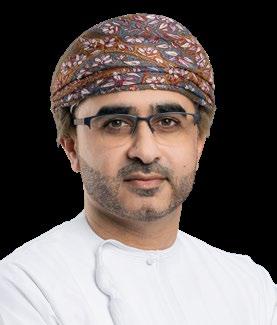
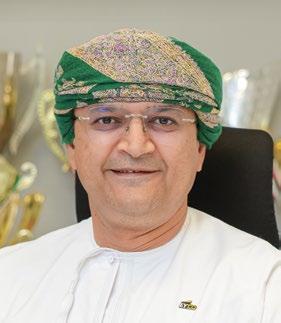
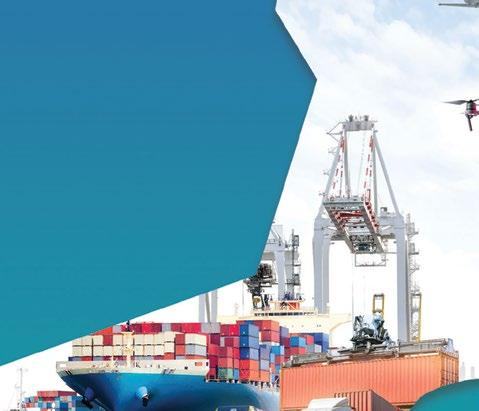
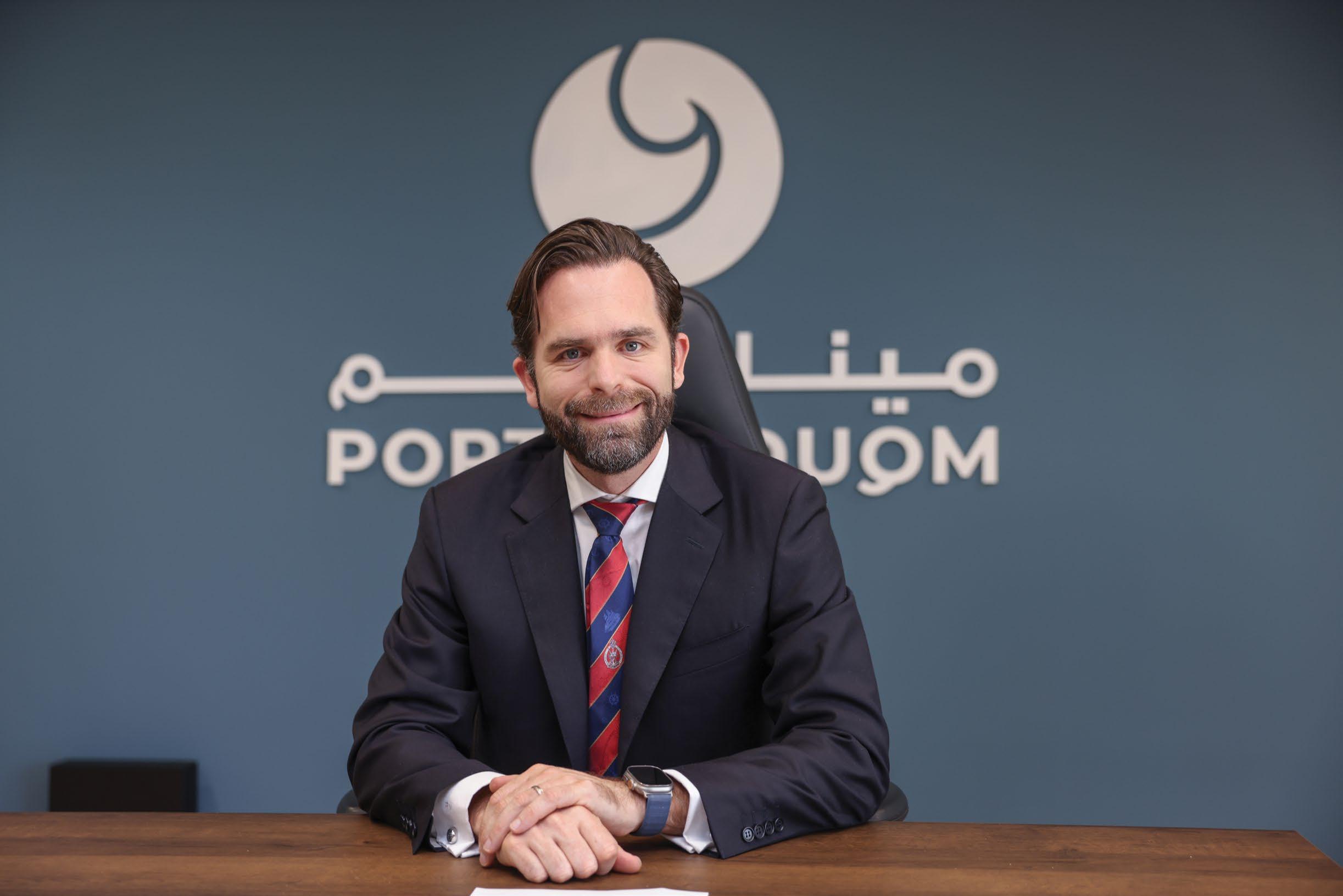
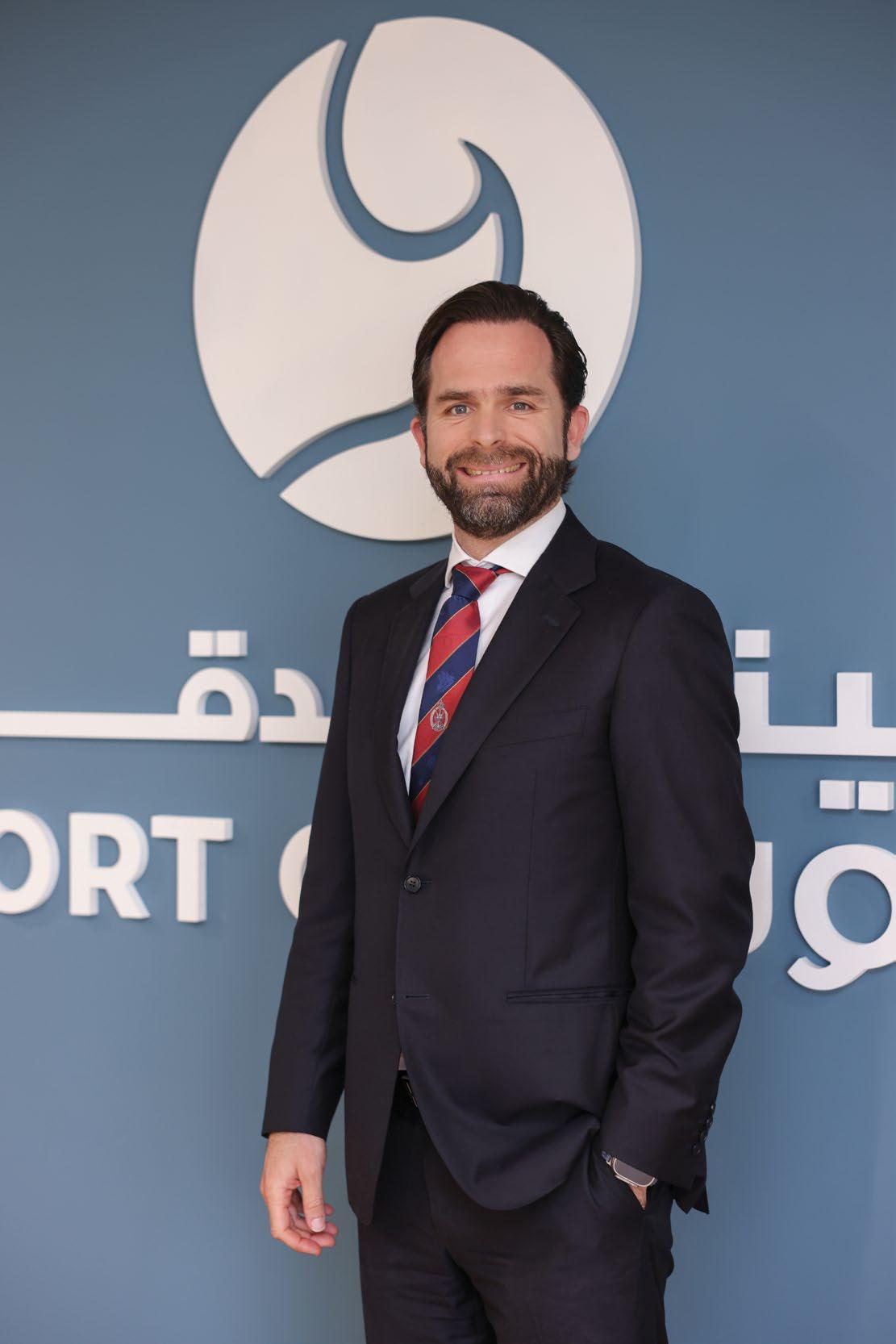
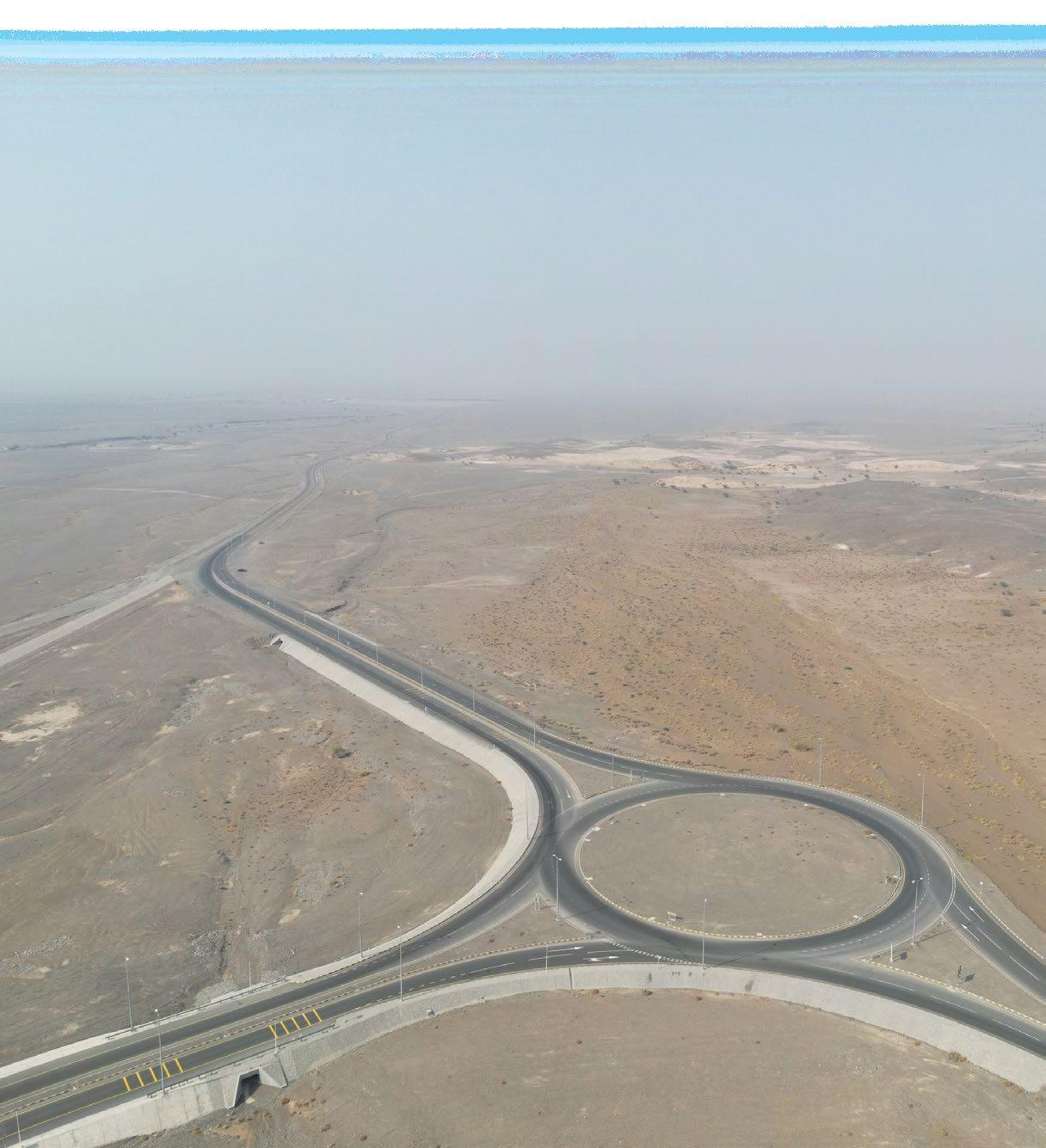
Emphasises the company’s commitment to strengthening Oman’s energy infrastructure through innovation, advanced manufacturing solutions, and the localisation of high-technology products bringing energy resilience in the entire ecosystem
ENERGY TRANSFORMED
EDITORIAL
Editor-in-chief
Said Masoud Almashani
Executive Vice President and Group Editor
Mayank Singh
Editor Oommen John P
DESIGN
Director Production – Print
Ramesh Govindaraj
Chief Photographer
Rajesh Rajan
Cover concept
Rakesh Radhakrishnan
MARKETING
Associate Advertising Director
Shivkumar Gaitonde
Business Manager
Dhanish Pillai
CORPORATE
Chief Executive Officer
Atulya Sharma
Published by
Press & Publishing LLC
PO Box 3305, Ruwi, Postal Code - 112 Muscat, Sultanate of Oman
Tel: (968) 24700896, Fax: (968) 24707939
Website: www.umsoman.com
All rights reserved. No part of this publication may be reproduced without the written permission of the publisher. The publisher does not accept responsibility for any loss occasioned to any person or organisation acting or refraining as a result of material in this publication. OER accepts no responsibility for advertising content.
Printed by Oman Printers & Stationers Ltd. Co. S.P.C.
Correspondence should be sent to:
Oman Economic Review
United Media Services
PO Box 3305, Ruwi 112, Sultanate of Oman
Fax: (968)24707939
Website: www.oerlive.com
For editorial enquiries: 99884854
For advertising enquiries: 99267159
Inspiring change
Successful business leaders are defined by their exceptional leadership skills, igniting inspiration and motivation among employees to achieve remarkable results. With years of experience, they evolve into role models, committed to nurturing the next generation of leaders. By championing strategic thinking and empowering teams to overcome challenges with innovative solutions, they cultivate a high-performance culture where excellence thrives.
In PwC’s 29th Global CEO Survey, which gathered insights from 4,454 chief executives across 95 countries, several key trends emerged. Most CEOs have yet to see financial returns from AI investments; while 30 per cent report increased revenue and 26 per cent lower costs over the past year, 56 per cent have realised neither revenue nor cost benefits. Additionally, over 40 per cent of CEOs are exploring growth opportunities outside their current sectors, with many planning acquisitions in other industries. Confidence in near-term revenue growth is waning, with only 30 per cent feeling very or extremely confident, down from 38 per cent last year and a peak of 56 per cent in 2022. Tariff impacts are also a concern, as nearly a third of CEOs expect a reduction in net profit margins, while 60 per cent foresee little change.
However, CEOs in Oman are among the most confident globally, supported by an improving economic growth, a clear long-term policy framework and rapid diversification. The country’s Vision 2040 and the new Five-Year Development Plan are encouraging companies to invest beyond the short term, particularly in technology, renewable energy, industrials and services. Businesses are diversifying into new sectors faster than regional and global peers, while AI adoption is delivering clear revenue benefits and supporting job creation. Although skills shortages and cyber risks remain key concerns, CEOs are largely confident in their ability to manage disruption and capitalise on change, positioning Oman’s companies for sustained, resilient growth.
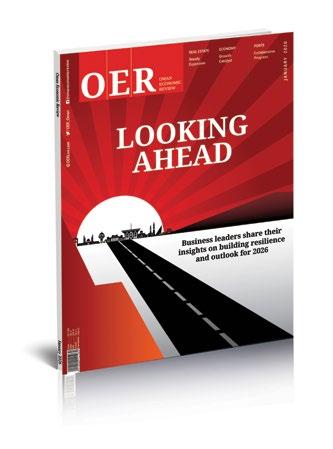
OER’s annual ‘The Best Advice I Ever Got,’ cover story encapsulates the wisdom of a cross section of business leaders.
OommenJohn
Oommen John
Sign up for OERLive's daily WhatsApp updates on economy, lifestyle, and technology. Send us a WhatsApp message with the word “OERLIVE” on 91242930
BOLD AMBITIONS
Your cover story was very insightful. Oman’s 11th Five-Year Development Plan (2026-2030) and its alignment with Oman Vision 2040, emphasises a commendable goal of achieving a 4 per cent annual average real GDP growth, reflecting a long-term vision for economic and social transformation. The focus on fiscal sustainability and economic diversification is crucial, especially as we navigate a rapidly changing global economy. It is reassuring to see the commitment to transitioning towards a low-carbon economy, integrating sustainable practices that also seek to empower our communities. The structured approach of the plan, divided into distinct work programmes, offers a clear roadmap for achieving these ambitious objectives. The financial assumptions, including the projected oil price and revenues, underscore the importance of managing our fiscal landscape prudently while bolstering non-oil revenues—a necessity for sustainable growth. Oman’s commitment to investing in education, health care, and digital infrastructure is equally commendable. These areas not only enhance the quality of life for our citizens but also position Oman as a competitive player in the global market. As we look ahead, it will be imperative for us to maintain fiscal discipline while prioritising these essential sectors.
Joseph Simon, MQ
HOLISTIC HEALTH
Ramadan is often seen as a month of spiritual reflection, prayer, and community, but it also has surprising benefits for our physical and mental well-being. Fasting from dawn to sunset allows the body to rest and reset. When you abstain from food and drink for several hours, your digestive system gets a much-needed break, which can improve metabolism and support better blood sugar balance. It is not just about restriction—Ramadan teaches mindful eating. Each Suhoor (pre-dawn meal) and Iftar (meal to break the fast) becomes an opportunity to nourish your body thoughtfully, helping you avoid overeating and unhealthy snacking. Beyond physical health, fasting during Ramadan can boost heart health and reduce inflammation. Studies have shown that controlled fasting may help lower cholesterol and improve blood pressure, contributing to long-term cardiovascular wellness. But the benefits are not just physiological—many people notice increased mental clarity and emotional resilience. The discipline required to fast cultivates patience, focus, and self-control, skills that carry over into work, relationships, and daily life. One of the most delightful aspects of Ramadan is the food itself. Traditional Iftar meals often include dates, fresh fruits, vegetables, and lean proteins—foods that provide essential nutrients and promote overall wellness. Sharing these meals with family, friends, and neighbours also reinforces social bonds. There is something deeply human about sitting together, breaking fast, and enjoying the simple pleasures of good food and conversation. This social connection supports mental health and reminds us that well-being is not just about the body—it is about community and belonging. Ramadan also teaches a unique form of mindfulness. When you slow down and pay attention to what you eat, how you feel, and how you interact with others, it encourages a deeper awareness of your daily habits. People often notice improvements in sleep patterns, digestion, and energy levels as they adjust to the rhythm of fasting and intentional eating. Over time, these small, consistent changes can turn into lasting lifestyle improvements. Finally, Ramadan encourages reflection not only on diet and health but on balance in life. The month inspires people to align their physical, mental, and spiritual habits, reminding us that true wellness comes from nurturing all aspects of ourselves. Whether it is the joy of a shared meal, the quiet of prayer, or the satisfaction of self-discipline, Ramadan offers a holistic approach to health that can extend far beyond the month itself.
Sadaf Al Zadjali, Muscat
10 INTERVIEW BRIDGING THE GAP
Digital tools are helping Omani entrepreneurs reach customers, scale faster and operate more efficiently and that is changing what they need from finance, says Hussain Al Lawati, CEO, Development Bank
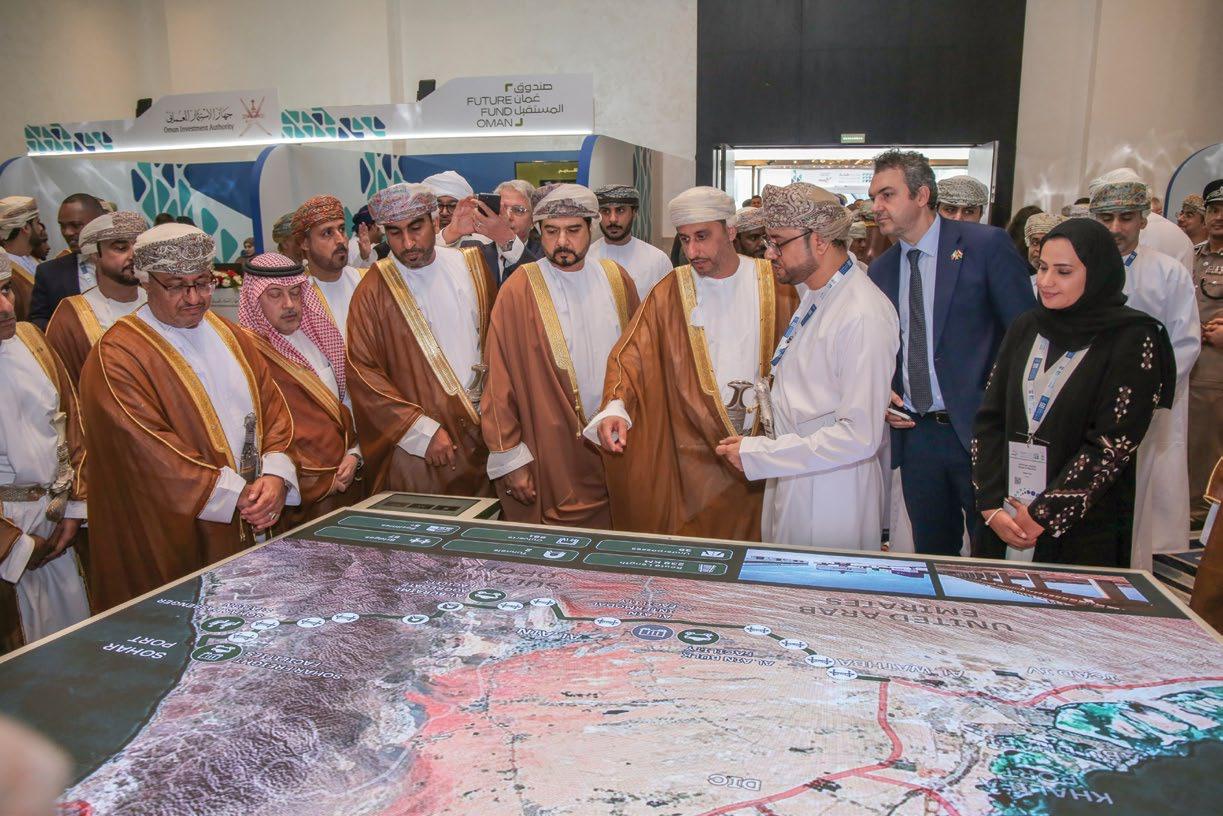
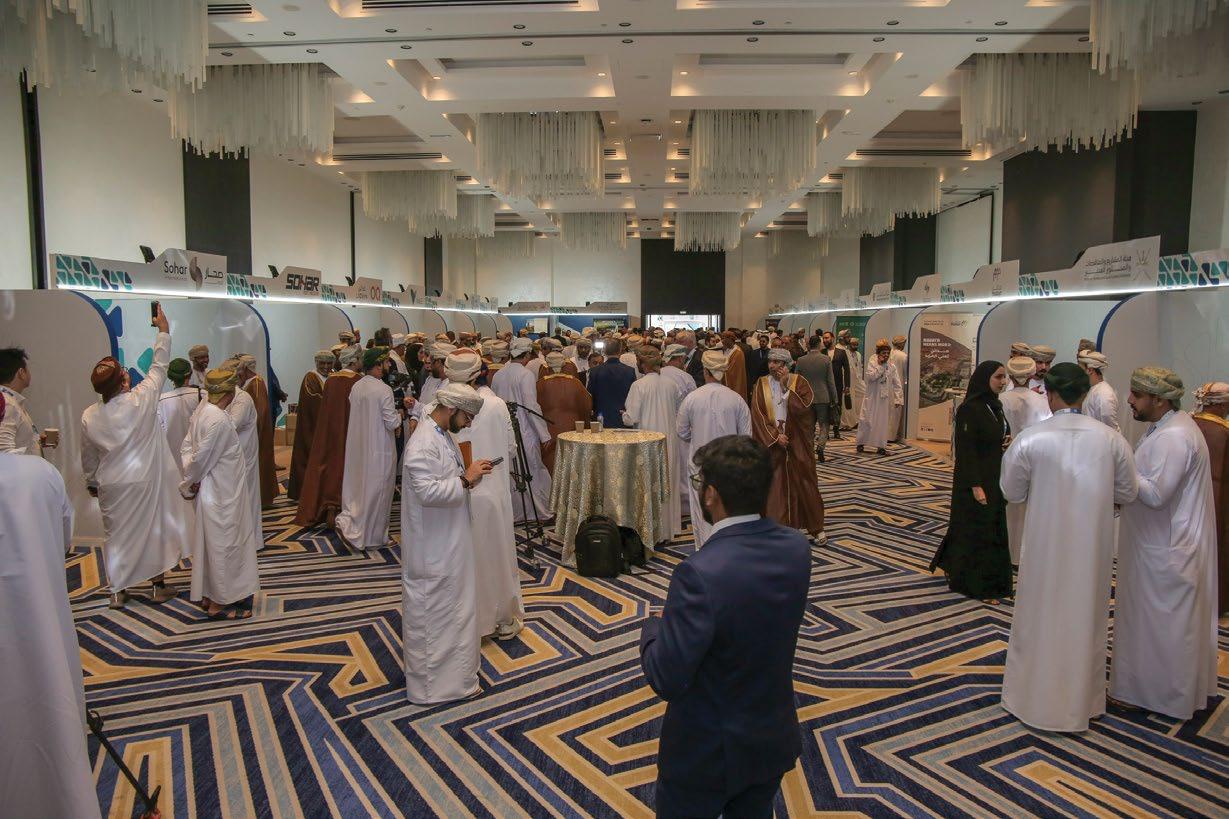
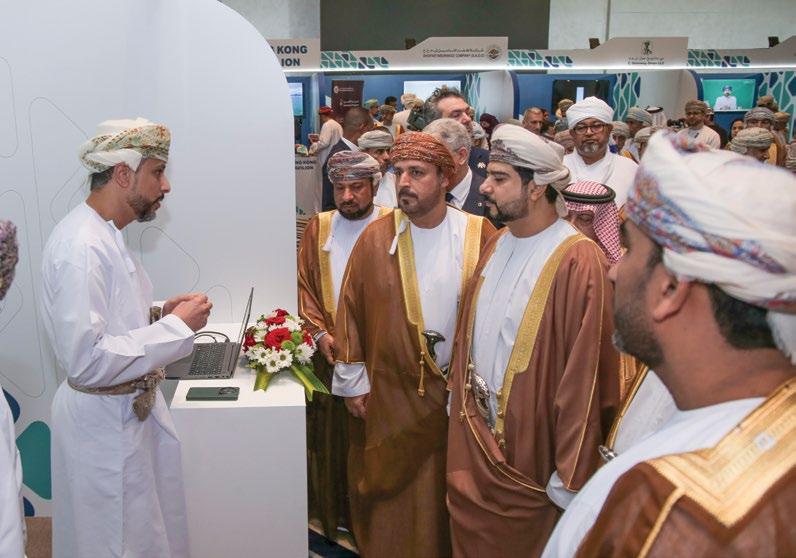
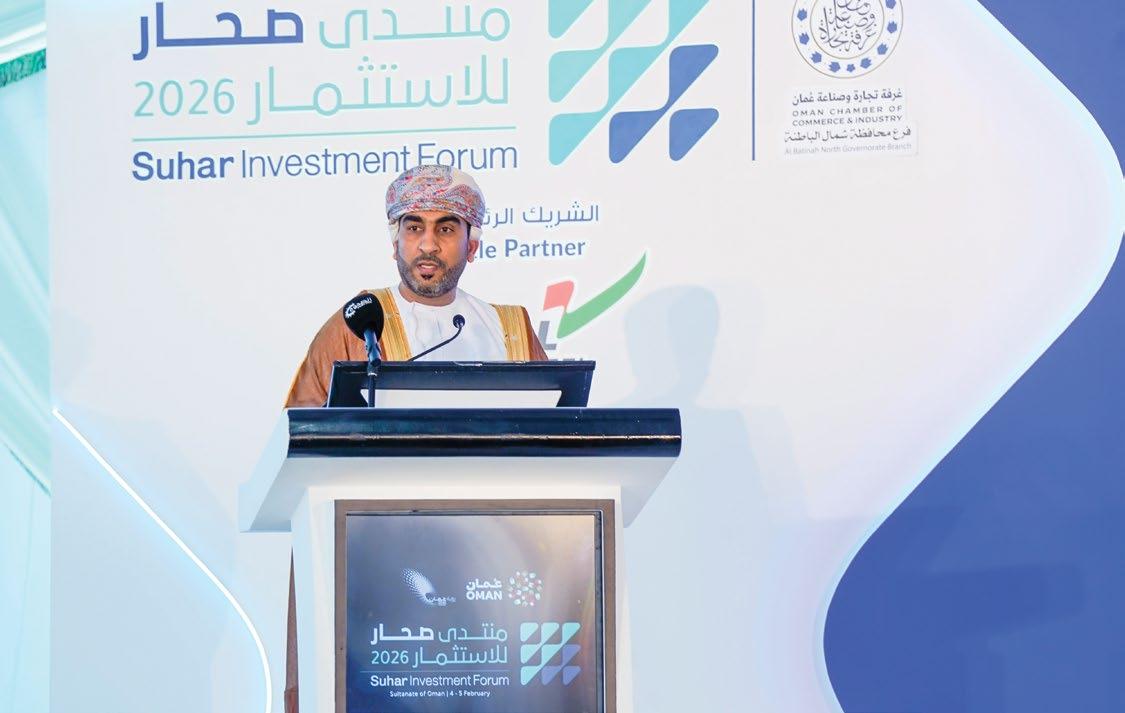
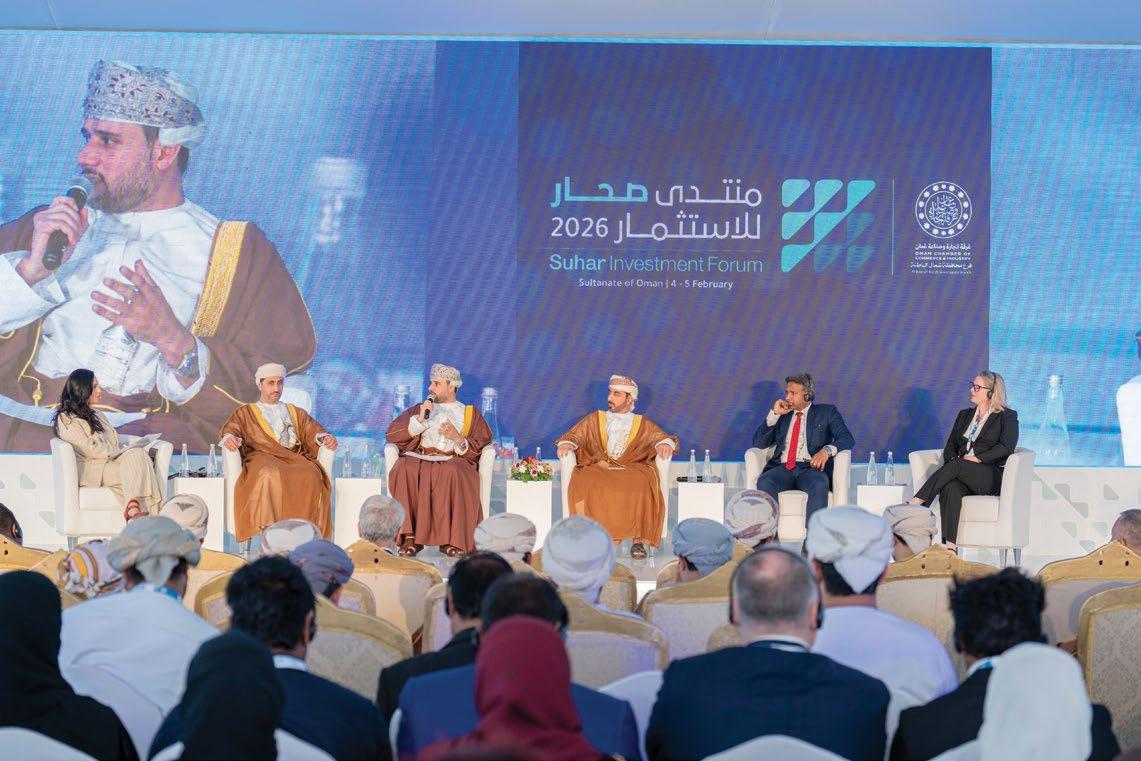
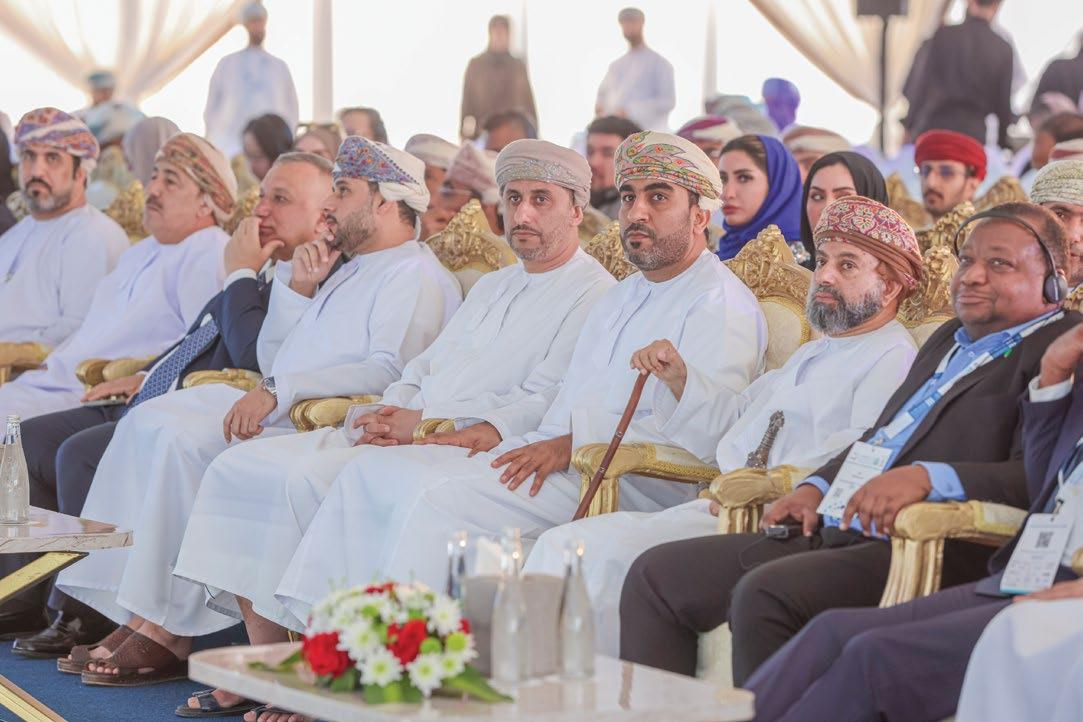
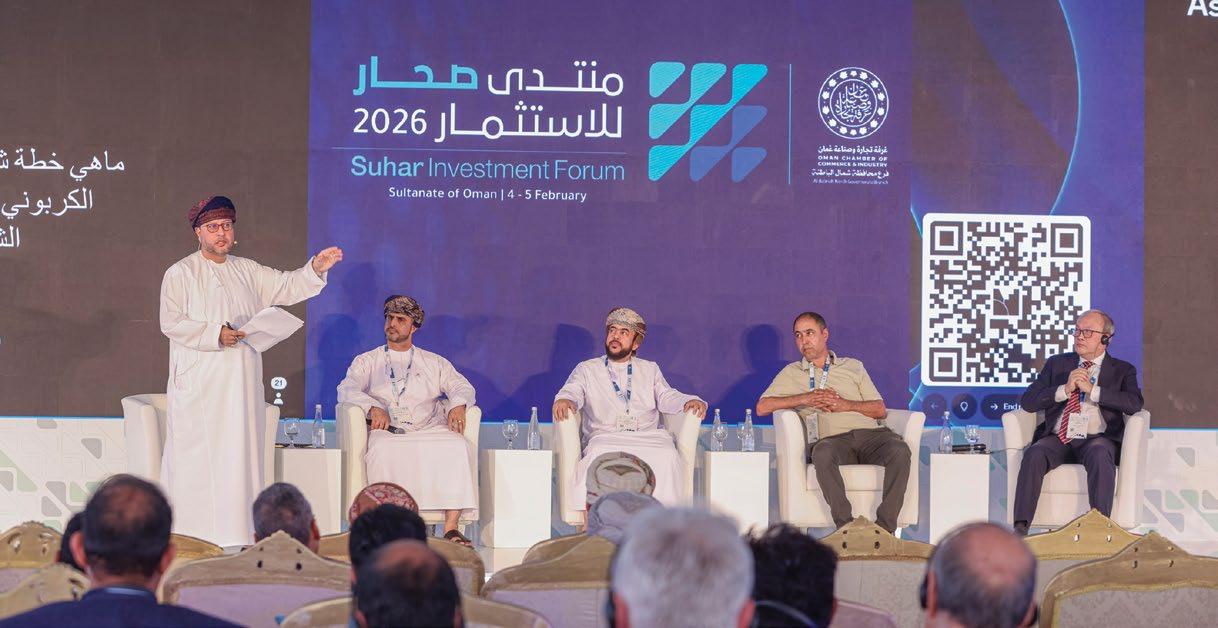
The Suhar Investment Forum 2026 wrapped up successfully drawingstrong participation from
and
attendees. 28 FACE 2 FACE SUSTAINABLE GROWTH AND STABILITY
resilience through strategic investments, says Alkesh Joshi, Partner, Oman Tax Leader, EY
Oman-India CEPA opens path to deeper trade
investment
and growth
India-Oman bilateral trade is set to double to over $21bn by 2030, positioning the partnership as a pillar of regional economic leadership. CEPA signals a bold shift from routine trade to a future-ready, job-creating economic alliance.
Oil near seven-month highs amid US, Iran tensions
Oil prices hovered near seven-month highs as mounting geopolitical tensions between the United States and Iran stoked fears of supply disruptions, even as both sides prepared for another round of high-stakes diplomatic talks
New regulations issued for buy now, pay later services in Oman
The Central Bank of Oman (CBO) has issued a regulation governing the practice of the “Buy Now, Pay Later” (BNPL) service. The move is part of CBO’s ongoing efforts to develop regulatory frameworks and keep pace with rapid developments in the financial sector
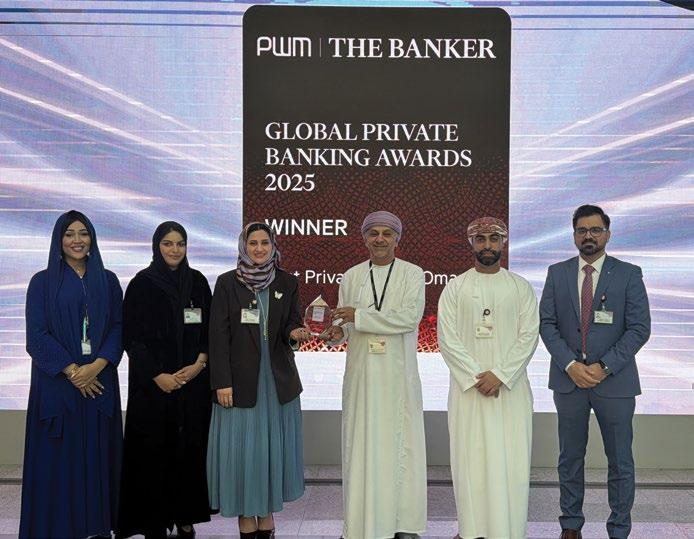
Bank Muscat named Best Private Bank in Oman by The Banker
to the diverse requirements of our customers, in alignment with the Bank’s customer-centric vision “To serve you better every day.” On this occasion, Abdulnasir Al Raisi, General Manager
These services include banking and wealth management solutions, backed with an experienced team of relationship managers.
We would like to thank our customers for their continued confidence and support over the years, as we continue to strive to bring the best banking experience to all of them. The Bank will maintain its commitment to offering the best banking services and products to enhance the banking experience for all its customers.”
Bank Muscat has an exclusive Private Banking branch at the Bank’s Head Office at Airport Heights and dedicated Private Banking lounges at Madinat Sultan Qaboos branch, Azaiba 18th November Street branch, and Sohar mega branch in Al Batinah North Governorate. These desks are equipped with the latest technologies to offer an exceptional banking experience to Private Banking customers, aligned with the best banking standards in the Sultanate and internationally. Customers enjoy convenience while completing their transactions, with the support of dedicated relationship managers who ensure premium customer service.
Bank Muscat provides Private Banking customers with a complete suite of banking services and wealth management solutions including Mutual Funds, Fixed Income, Equity, Alternate Investment Products including Private Credit Funds, Structured Products and Real Estate Funds covering most global asset classes.
NBO accelerates innovation through its API Gateway, Developer Portal and Sandbox Capabilities
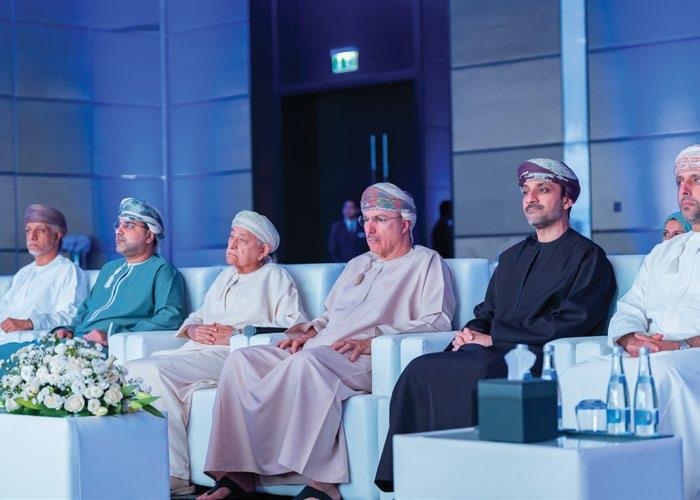
The National Bank of Oman (NBO) celebrated the launch of its API Gateway, a Developer’s Portal, and Sandbox Capabilities, reinforcing the Bank’s commitment to advancing API Banking and digital innovation in Oman. The event was hosted under the patronage of HE Eng. Said bin Hamood Al Mawali, Minister of Transport, Communications, and Information Technology, and attended by Abdullah Zahran Al Hinai, CEO, NBO. NBO Gateway’s Sandbox provides a secure environment that enables developers, NBO’s corporate clients and accelerator participants to safely test, prototype, and integrate with NBO’s application programming interfaces (APIs) positioning NBO as the first commercial bank in Oman to offer sandbox and test app tools under the API Banking framework. Commenting on the launch, Mohammed Yahya Al Jabri, Assistant General Manager and Head of Global Transaction Banking at NBO, said, “The launch of our API Banking a Developer’s Portal, and Sandbox Capabilities reflects our commitment to enabling
innovation through secure, collaborative platforms. By supporting developers and fintechs, we are fostering responsible innovation and contributing to the ever-evolving API Banking concepts in Oman.”
During the event, attendees experienced a live demonstration of the Sandbox and Test App environment, offering insight into how the platform supports responsible innovation without real financial transactions. The solution is also designed to encourage collaboration, experimentation and the development of customer-focused digital solutions aligned with global best practices. As part of the event, NBO announced the soft launch of the second cohort of its Fintech Accelerator Programme, building on the success of the first cycle. The six participating startups will receive early access to NBO’s Developer Platform and Sandbox, enabling them to test and refine their solutions, accelerate integration, and develop innovative concepts within a secure environment that supports responsible startups will showcase their solutions.
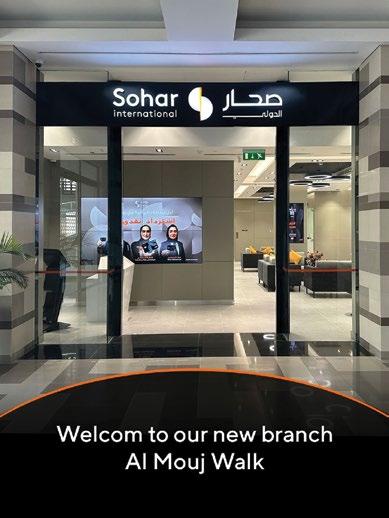
Sohar International expands domestic footprint with inauguration of new Al Mouj branch
Reaffirming its commitment to strengthening customer proximity and supporting Oman’s evolving economic landscape, Sohar International has commenced operations at its new branch in Al Mouj — one of the Sultanate’s most prominent residential and commercial destinations. The branch is strategically located within Al Mouj Walk, positioning the bank at the heart of a vibrant lifestyle and commercial hub. This forms part of the bank’s ongoing network optimization strategy. The Al Mouj branch represents a strategic enhancement to Sohar International’s physical presence, reinforcing its focus on accessibility, relationship-led banking, and service excellence in high-growth, mixed-use communities. As customer expectations continue to evolve alongside digital transformation, the bank remains committed to maintaining a balanced model that integrates digital capability with meaningful inperson engagement. Commenting on the branch opening, Abdul Qadir Al Sumali, Chief Retail and Premier Banking Officer at Sohar International, said, “While digital banking continues to reshape how customers interact with financial services, proximity and personalized engagement remain fundamental to building trust and long-term
relationships. Our presence in Al Mouj reflects a deliberate and data-driven approach to network expansion — positioning our services within vibrant communities where lifestyle, commerce, and economic activity converge. This branch enables us to deepen engagement, enhance advisory interaction, and deliver a seamless, relationship-centric banking experience.”
The Al Mouj branch offers Sohar International’s comprehensive suite of banking services, catering to both individual and business customers across their day-to-day and more advanced financial needs. Services include account opening, card issuance, deposits, financing solutions, and advisory support, delivered by a team of experienced banking professionals committed to providing informed and responsive guidance. Designed in line with Sohar International’s contemporary brand identity, the branch reflects clarity, professionalism, and operational efficiency, ensuring a consistent service standard across the bank’s physical network.
The establishment of the Al Mouj branch forms part of Sohar International’s broader network development framework, guided by customer
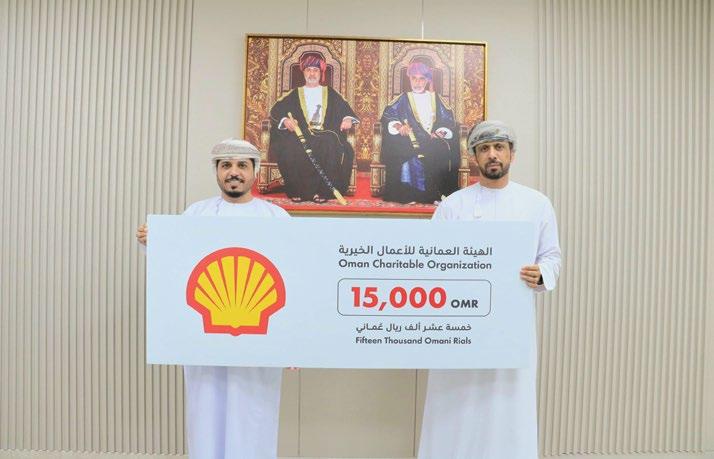
Shell Oman strengthens its commitment to Oman’s humanitarian efforts
Company (Shell Oman) has made its annual contribution to the Oman Charitable Organisation (OCO). This initiative aligns with Shell Oman’s belief that meaningful
alongside the community in times of need. This donation reflects those values, enabling OCO to continue delivering critical humanitarian and social support to individuals, families, and
concentration, economic activity patterns, and long-term service demand. Through this measured and disciplined approach, the bank continues to evolve its footprint responsibly — balancing growth with governance, relevance with accessibility, and innovation with relationship continuity — while reinforcing its role within Oman’s dynamic banking landscape.
vulnerable groups across the Sultanate. This donation is also made in accordance with the Ministerial Decision issued by the Ministry of Commerce, Industry and Investment Promotion (MoCIIP), reaffirming Shell Oman’s dedication to responsible corporate citizenship and its commitment to giving back to the community it serves. By championing this initiative, Shell Oman strengthens its long-standing partnership with national institutions that work tirelessly to safeguard human dignity. The funds contribute directly to essential services, emergency relief efforts, and community support programs, helping to create pathways of hope for those facing hardship.
Mahmoud Al Abri, GM – Corporate Relations and Investor Relations Officer, commented, “At Shell Oman, we believe that our responsibility extends beyond our operations, it lies in being an active partner in the well-being of our society. Our annual contribution to the Oman Charitable Organization reflects our commitment to compassion, solidarity, and shared progress. We are honoured to support an institution that plays such a vital role in uplifting communities and touching lives across the Sultanate of Oman.
BUSINESS BRIEFS
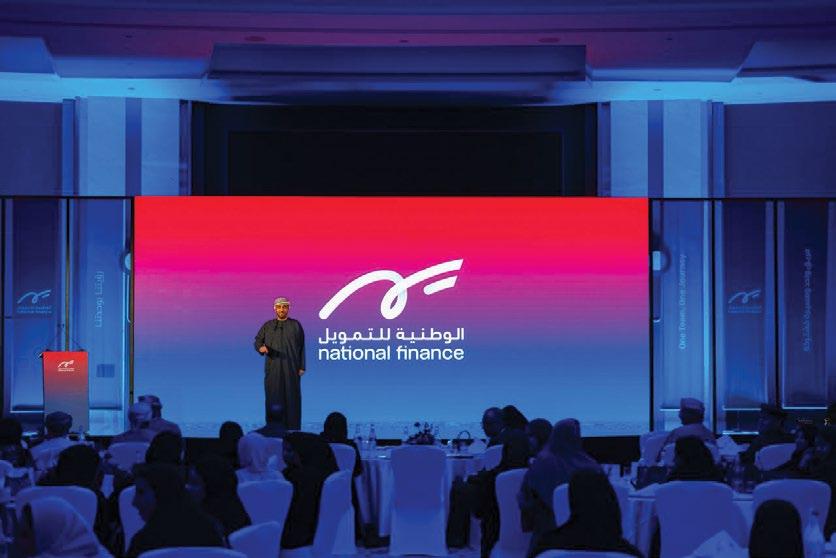
National Finance marks a year of achievement and team success at Annual Gathering 2026
Continuing its legacy of excellence, National Finance, the Sultanate of Oman’s leading finance company, recently hosted its Annual Staff Gathering to commemorate the company’s achievements throughout 2025. The event united C-suite leadership, senior management, and employees from the company’s various branches for an inspiring evening that honoured individual contributions, celebrated collective growth, and recognized the dedication and tireless efforts that have solidified National Finance’s position at the forefront of the country’s financial services sector. Framed around the theme ‘Leading as One: Our People, Our Values, Our Position – One Team, One Journey,’ the gathering reaffirmed National Finance’s belief that leadership encompasses how teams act, decide, and deliver together. The evening underscored the company’s leadership philosophy rooted in care, growth, relationships, service, empowerment, and integrity; values that shape its culture and guide everyday decisions. By fostering trust, investing in future leaders, enabling ownership, and measuring success through impact and contribution, National Finance continues to build a unified, purposedriven workforce that moves forward together,
sector with its market share standing at 50 per cent, the highest in the non-banking finance and leasing market. Guided by disciplined operational strategy and strategic foresight, the company has consistently delivered exceptional financial performance, excelling across all business areas and setting new industry benchmarks. These accomplishments were further recognized through multiple prestigious awards in 2025, most notably the Grade A Elite Companies certification
Commenting on the occasion, Tariq Sulaiman Al Farsi, CEO, National Finance, remarked, “This gathering is a special moment to celebrate not only the achievements of the past year but also to look ahead with renewed energy and purpose. Our success is built on the talent, dedication, and innovation of our extraordinary team. Every milestone we have reached is a reflection of their unwavering commitment, ingenuity, and belief in our shared vision.
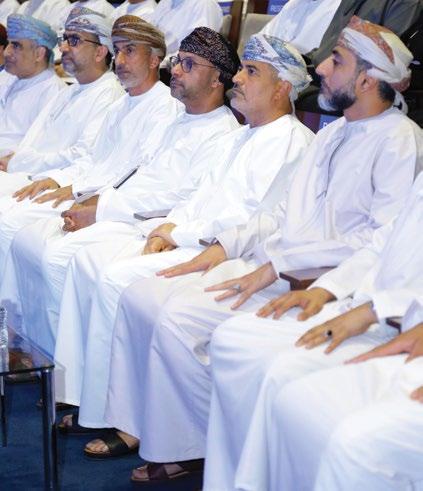
MSX hosts the Strategic Listed Companies Leaders’ Forum
stakeholders. He emphasised the importance of strengthening collaboration to deepen markets, improve liquidity, and raise governance standards, while positioning MSX to capitalise on regional and global opportunities. In his remarks, he stated, “The MSX Strategic Listed Companies Leaders’ Forum reflects our unwavering commitment to maintaining transparent, two-way communication with the leadership of our listed companies and the wider financial ecosystem.
Muscat Stock Exchange (MSX) hosted the third edition of the MSX Strategic Listed Companies Leaders’ Forum on February 25, 2026, bringing together Chairpersons and Chief Executive Officers of leading listed companies, alongside senior representatives from regional and international financial institutions, including HSBC, Jefferies and Arqaam, among others. The Forum served as a strategic platform to align corporate leadership with the evolving
of the MSX Board of Directors, together with members of MSX’s executive management.
The Forum commenced with a welcome address by Al Ardhi, who reaffirmed the MSX’s commitment to fostering open and constructive dialogue with listed companies and key market
As we navigate an increasingly dynamic global environment, we must work in close partnership to strengthen the resilience, competitiveness, and attractiveness of Oman’s capital market.
“Through initiatives such as this Forum, we aim to align our strategic priorities, enhance market liquidity, elevate governance and disclosure standards, and accelerate our journey towards market upgrade. By doing so, we not only create sustainable value for shareholders and investors, but also contribute meaningfully to the objectives of Oman Vision 2040 and the continued growth of the national economy.”
ahlibank launches its Ramadan CSR Campaign to serve the community and empower eligible groups
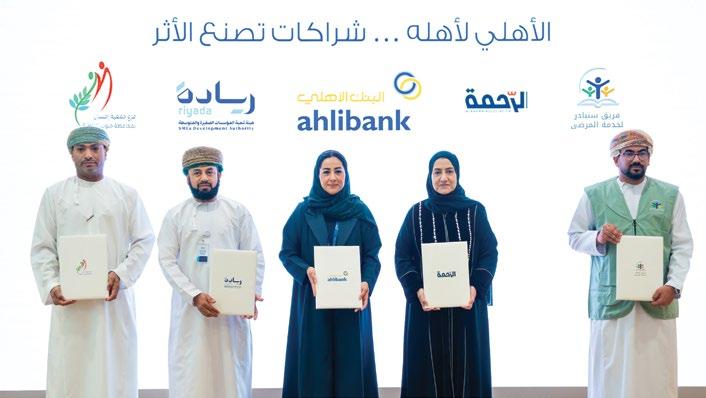
As a testament to its enduring commitment to responsible social impact and inclusive development, ahlibank officially launched its Ramadan CSR campaign at a dedicated event held at its Head Office. The event brought together senior leadership representatives from the bank, alongside key external stakeholders, and received notable media interest, reflecting the significance of the initiative within the broader social landscape. As part of the event proceedings, ahlibank, represented by its ‘ahli Cares’ team, established a series of partnerships with charitable and social welfare organizations.
Riyada to continue empowering SMEs through the fourth edition of the ahlibank Ramadan Souq, reinforcing their economic sustainability. The second agreement featured the bank’s partnership with Al Rahma Association for Motherhood and Childhood which aims to support widows and divorced mothers caring for orphans by providing essential home appliances under the Association’s ‘SAS’ housing initiative. The bank signed a third agreement with Ihsan Association – South Al Batinah governorate,
which aims to support senior citizens through home healthcare solutions that enhance their quality of life and health stability. The bank also signed an agreement with the Sanubadir team for Patient Care, aiming to support patients from low-income families by providing medical equipment and supplies, as well as supporting the remote education of ailing children through providing electronic devices that enable access to adequate education opportunities despite their illnesses.
Commenting on the launch, Jumana Al Hashmi, AGM – Head of Marketing & Corporate Communications at ahlibank, stated, “Ramadan invites institutions to reflect on the depth and quality of their contribution to society. At ahlibank, we see this period as an opportunity to extend support in a manner that is deliberate and far-reaching. Our focus is on ensuring that our efforts are not confined to one area of impact, but thoughtfully distributed across the different realities communities face today. This enables us to respond to diverse societal needs with accountability and consistency, while sustaining meaningful and lasting relevance.”
Bank Nizwa introduces ‘Maal’ National Payment Card to support the strengthening of Oman’s financial system
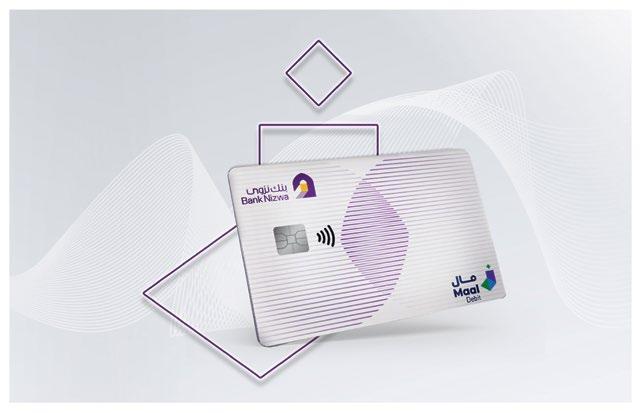
Affirming its long-standing commitment to strengthening the Sultanate of Oman’s financial ecosystem, Bank Nizwa, the Sultanate’s leading and most trusted Islamic bank, has announced the launch of ‘Maal’ National Payment Card, operating under the Central Bank of Oman. The initiative aims to strengthen the nation’s financial infrastructure, promote financial inclusion, and drive digital transformation across the sector. As part of this national initiative, the debit card represents the first phase, with credit, prepaid, and additional payment solutions to follow. Commenting on the launch, Mohammed Al Ghassani, Chief Retail Banking Officer of Bank Nizwa, stated: “The launch of the Maal debit card represents a key milestone in Oman’s financial transformation journey. As a national initiative, it embodies a shared vision to create a more resilient, efficient, and digitally advanced payments ecosystem that supports the Sultanate’s long-term economic goals. At Bank
Nizwa, our role extends beyond adoption; we focus on championing initiatives that enhance our customers’ financial well-being while contributing to the country’s broader development. By aligning with such strategic advancements, we continue to reinforce our commitment to innovation, customer-centric progress, and the sustainable growth of Islamic banking in Oman.”
In line with CBO guidelines, Bank Nizwa’s Maal debit cards will be issued for all new accounts opened through the bank’s branch network or via its mobile application. The debit card provides customers with 24/7 access to their accounts, allowing them to perform cash withdrawals and make purchases at point-ofsale terminals across Oman. It also supports payments for local e-commerce platforms, bills, government services, and mobile applications.
‘Maal’ features contactless payment capability and a One-Time Password (OTP) service for
online transactions within Oman. The card also ensures faster transaction processing, greater efficiency, and reduced fees for merchants, as it operates through the local OmanNet network, providing enhanced data privacy and security.
PIONEERING VENTURE
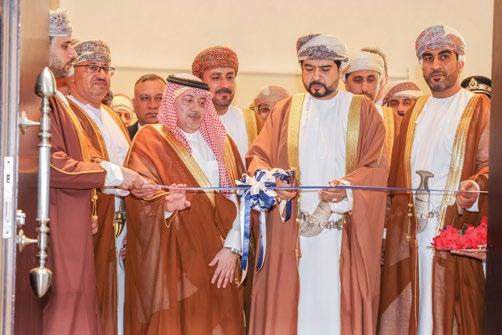
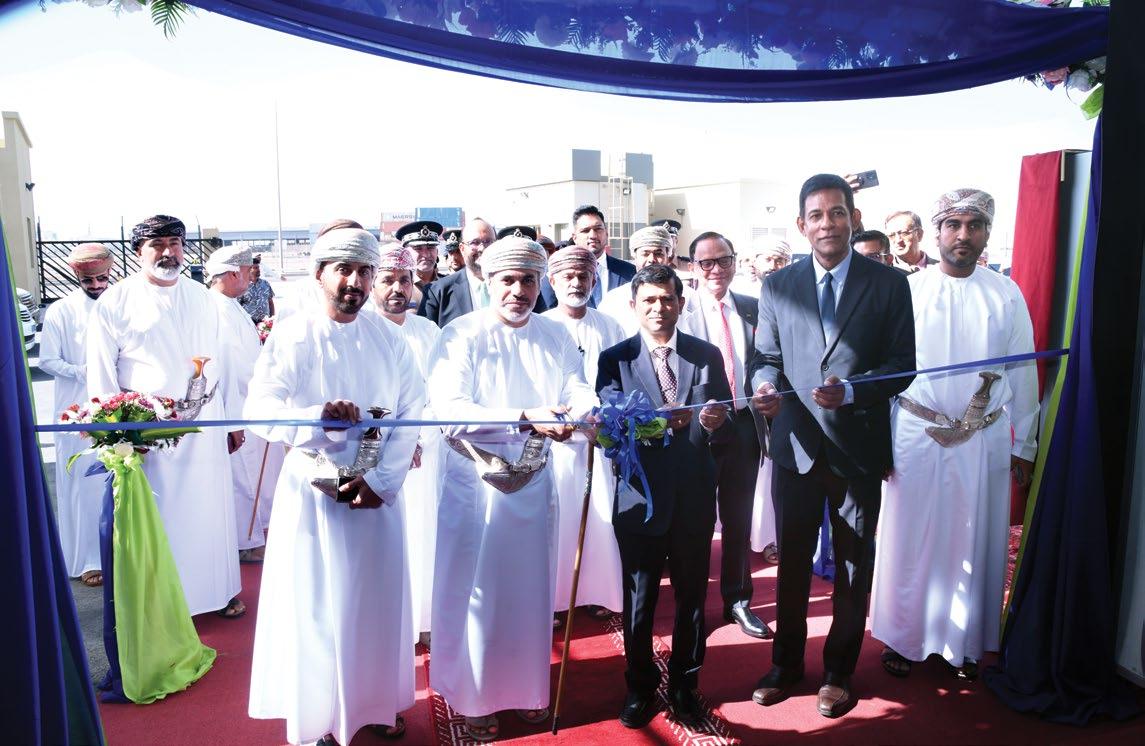
Lalan Group inaugurates its first overseas manufacturing facility in SOHAR Freezone
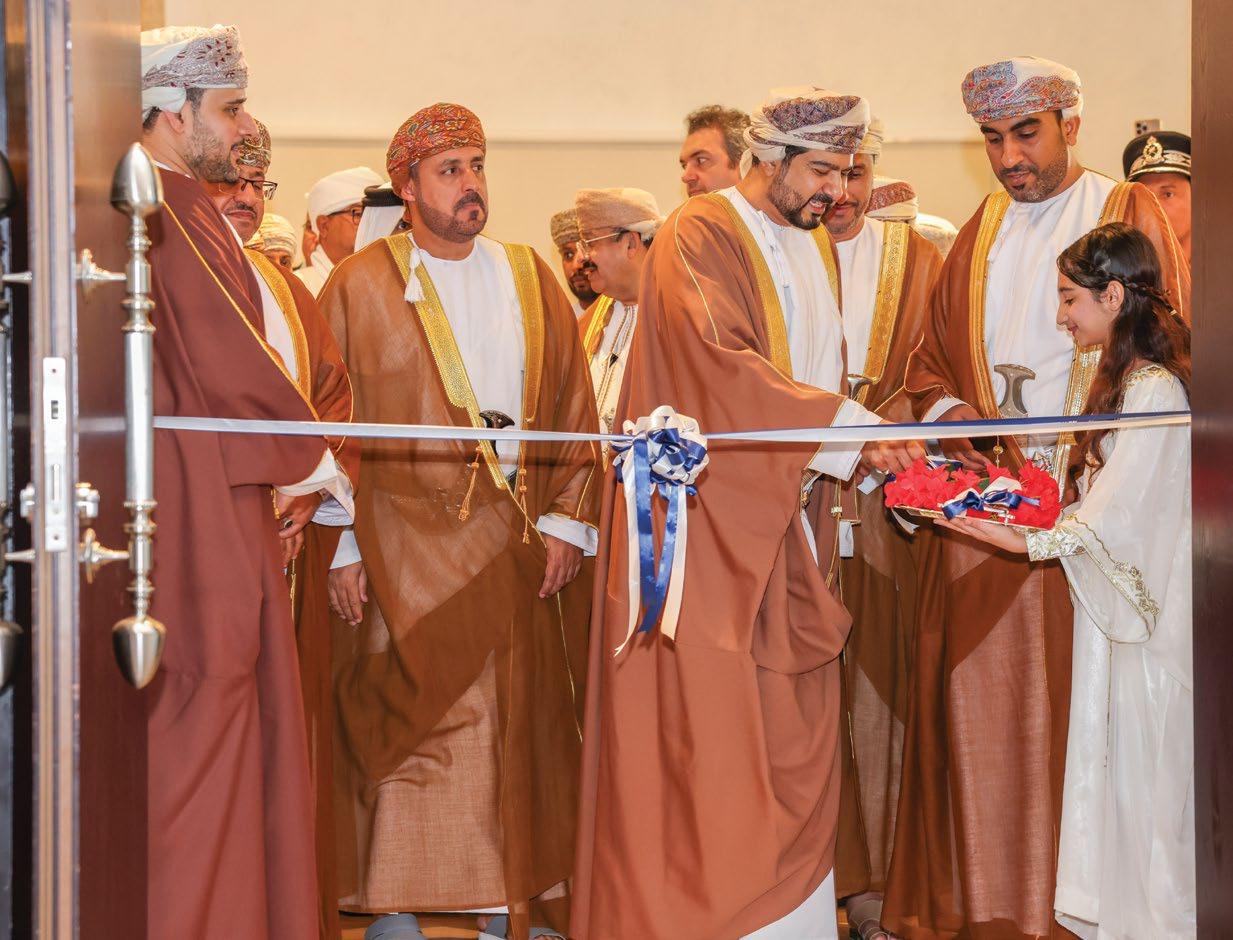
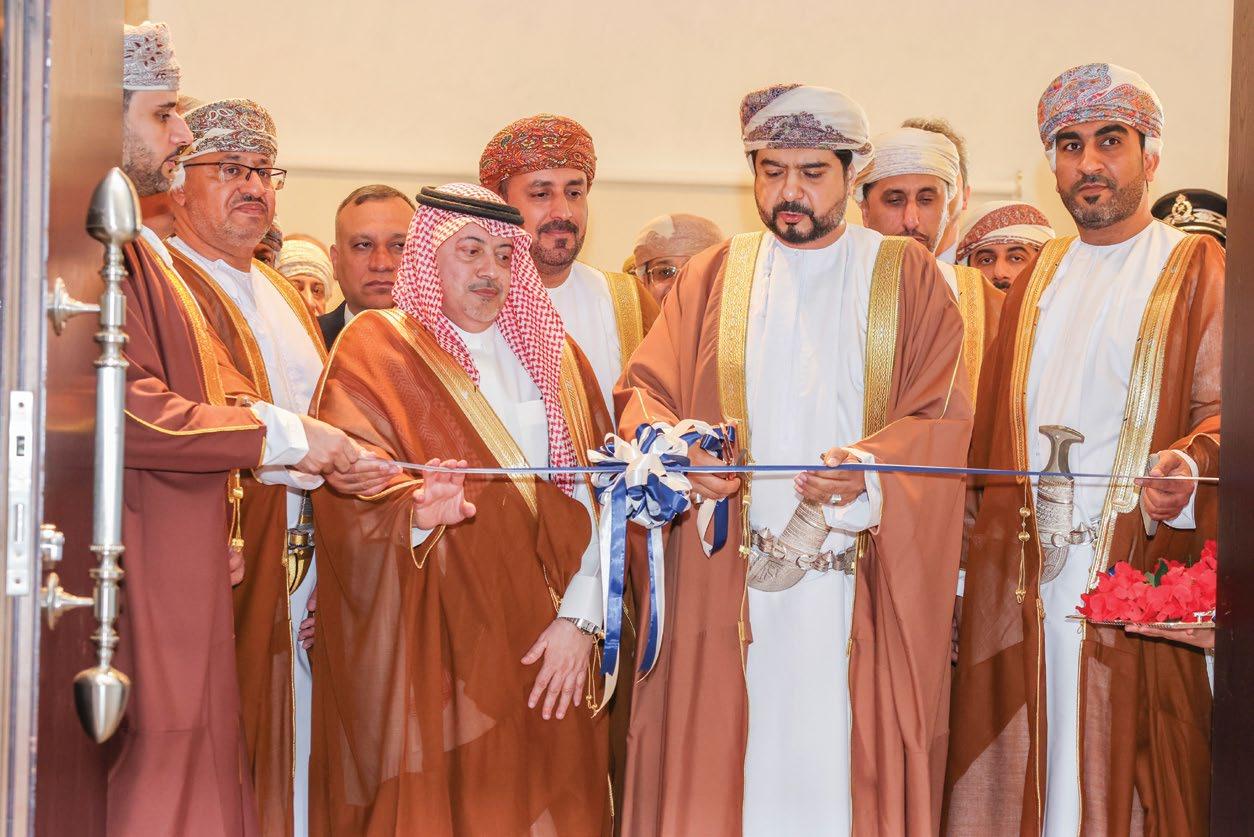
Lalan Group marked a historic milestone with the inauguration of its first-ever overseas manufacturing facility at the SOHAR Freezone, becoming the first Sri Lankan investment in the zone within the medical manufacturing sector.
The inauguration ceremony was held under the patronage of the Chief Guest, HE Sulaiman bin Nasser bin Khamis Al Hajji, Undersecretary of the Ministry of Health for Administrative and Financial Affairs, along with HE Wijesinghe Arachchige De Alwis, Ambassador of Sri Lanka to the Sultanate of Oman. HE Omar Lebbe Ameer Ajwad, Ambassador of Sri Lanka to the Kingdom of Saudi Arabia also attended the event along with other senior government officials, dignitaries and industry leaders.
The state-of-the-art medical facility spans 5,000 square meters and comprises a Class 08 Cleanroom, an Ethylene Oxide (EO) Sterilisation Plant, and a fully equipped Microbiology Laboratory. The facility operates under stringent quality, safety and regulatory frameworks aligned with international medical device standards, including ISO 13485:2021, European Union CE certification, and Ministry of Health GMP requirements.
The investment in - SOHAR Freezone reflects Lalan’s long-term commitment to Oman’s healthcare and industrial sectors, supporting national objectives of self-sufficiency, resilience in medical supply chains, and alignment with Oman Vision 2040. In line with Lalan’s values of creating shared value for its people, the local community, and the environment, the company has already achieved an Omanisation rate of 27 per cent, with a target of 45 per cent in the near future, and an annual in-country value addition exceeding RO2mn.
The commencement of commercial operations was marked by the signing of Lalan Middle East’s first sales contract with Muscat Pharmacy for the supply of medical gloves, followed by a strategic
agreement with Pioneer Quality Investments for sterilisation services of disposable medical products at Lalan’s EO sterilisation facility.
Speaking at the event, the Chairman of Lalan Group, Lalith Hapangama reflected on the journey of Lalan Middle East and expressed gratitude for the warm hospitality and strong support extended by the Omani authorities and people. He highlighted the Group’s enthusiasm for the current expansion phase and its vision for the next phase of fully-fledged manufacturing and scaled operations. Emphasising Oman’s strategic location, geopolitical stability, access to GCC and African markets, robust infrastructure, and growing economy, he reaffirmed Lalan’s ethos of “going global while staying local,” describing Oman as Lalan’s second home.
The opening of Lalan Middle East’s facility at SOHAR Freezone reinforces SOHAR’s integrated ecosystem model, where manufacturing, logistics, and trade operate as one platform to enable high-quality, sustainable investments. Since entering Oman in 2019, Lalan has evolved into a value-added medical manufacturing operation, strengthening healthcare supply chains, supporting In-Country Value, and reflecting confidence in SOHAR Freezone as a long-term partner for strategic, future-ready investments aligned with national priorities.
Delivering the vote of thanks, Damith De Alwis, Regional Head of Lalan Middle East, extended special appreciation to all authorities and stakeholders who contributed to the project’s success, including the Ministry of Health, Ministry of Commerce, Ministry of Labour, OPAZ, security and military authorities, SOHAR Freezone, diplomatic missions, and numerous well-wishers. As a gesture of appreciation, commemorative tokens were presented to SOHAR Freezone, contractors, and the Lalan team in recognition of their invaluable contributions to the project.
BRIDGING THE GAP
Digital tools are helping Omani entrepreneurs reach customers, scale faster and operate more efficiently and that’s changing what they need from finance, says Hussain Al Lawati, CEO, Development Bank
For micro, small and mediumsized enterprise (MSMEs) everywhere, often the hardest part of growth isn’t winning work it’s surviving the waiting - waiting to be paid, waiting for approvals, waiting for cash to catch up with commitments. When payment terms stretch, even solid businesses can be forced into caution, turning down orders, postponing hires and delaying upgrades.
Hussain Al Lawati, CEO, Development Bank explains how lenders assess realworld risk, why viable businesses can still struggle to qualify and what kinds of products and partnerships can help companies bridge the gap between work completed and money received with a focus on the needs of MSMEs in Oman. Excerpts from an interview:
When you talk to MSME owners what is the real finance problem they describe?
It is almost never a dramatic story about ‘no one will lend to me’. It is timing and what timing does to everything else. A customer pays late, but payroll is due Wednesday, suppliers are due today and office rent due this week. You might be busy and delivering good work but if the cash arrives later than expected you’re managing stress rather than growth. That is why I keep coming back to cashflow. And it’s not a small segment we’re talking about. NCSI’s latest bulletin shows micro enterprises make up 87.5% of active private businesses with small firms another 11.5%. They also account for roughly two-thirds of private-enterprise jobs - 35.5% in micro
firms and 31.3% in small companies. So, when payment cycles stretch it quickly becomes an economy-wide issue. Payment cycles, working capital needs and the cost of money shape whether a MSME can fulfil orders, keep good people and grow without constantly firefighting.
What is happening on the ground right now? Is the MSME scene actually getting stronger? Absolutely, and one of the most encouraging trends is how wide the momentum is becoming. Our teams aren’t seeing activity concentrated only in the larger cities anymore. Lending is spreading across governorates which tells you entrepreneurship isn’t confined to one area. You can see it in the numbers our frontline microfinance colleagues have highlighted - strong growth in places like Dhofar and Al Wusta, for example. And you can see it in what people are borrowing for - equipment, hiring, small expansions, upgrading how they work. That matters because it means finance is being used productively, not passively. It’s supporting people to build and scale, not simply to get by.
Where do viable MSMEs get stuck in the underwriting conversation?
Often, it is because a perfectly good small business does not fit the usual checklist. A company can be selling well and still be turned down because it doesn’t have the right collateral or it hasn’t been formally documented for long enough. But the proof a lender needs is often already there in the day-to-day running of the business. Not fancy data just the paperwork
and patterns that show real tradinginvoices, money coming in and going out, customers who keep coming back and regular payments being made on time. When that flow of money is clear and steady, a lender can base working capital on what the business is actually doing, not only on what it owns. And it’s worth remembering these smaller firms contribute real value too. NCSI estimates micro and small enterprises generated about RO1.6 billion (US$4.21bn) in value added in 3Q 2025. That’s why getting the assessment right matters. That makes the decision feel fairer and it helps the business understand the logic which builds trust.
What does success look like in MSME finance?
I do not think success is a single loan that looks good on paper. A first facility is often achievable if everyone works hard to make it happen. The bigger test is whether a business can borrow again and do it on better terms. That repeatability tells you the company is building stronger systems and improving cash discipline. It tells you the lender is gaining confidence and can price risk more fairly. In a healthy system, good behaviour is recognized and rewarded.
Over time, the uncertainty premium shrinks and MSMEs feel that change in real life - faster decisions, clearer terms, better pricing. That is what we want to see more of not one-off wins but a credible path where MSMEs become easier to serve because they’re becoming stronger and more predictable.
Let us talk working capital. What are you seeing in demand?
Working capital is where the story becomes very clear, very quickly. If you want a simple signal of what MSMEs need most, it’s working capital. Last year we approved 926 working-capital loans valued at RO55.1 million (US$143.3m) which represented 25.8% of our loan book. That tells you MSMEs are borrowing to bridge the operational reality between invoices and obligations. And when working capital is structured properly, it supports trading rather than burdening it. The facility matches the cycle. That’s healthier than forcing a business into a structure that doesn’t reflect how it actually runs day to day.
How does MSME finance drive inclusive growth and competitiveness?
It is a good question because MSME finance shows up in very practical ways. You see it in everyday improvements - a farmer upgrading irrigation, a fisherman investing in safer equipment, a small workshop buying a new piece of kit to increase output. These steps might not sound headline-grabbing, yet together they build a stronger economic base, create jobs and keep more money circulating locally. That’s inclusive finance in action - not just capital moving, it is capability growing. There is another dimension too. MSME finance is also about competitiveness, especially in sectors like agriculture and fisheries where expectations are rising fast. Producers are upgrading quality, traceability and sustainability to meet what buyers demand today.
When finance enables that kind of upgrading it helps businesses compete and grow rather than simply carry on as they are.
What about women and young entrepreneurs, is that growing or is it just a talking point?
It’s real. What our teams are seeing on the ground is growing participation from women borrowers and the range of ventures is impressive -
from creative studios to tech-enabled services and agribusiness. What I find especially encouraging is how many entrepreneurs are progressing from testing an idea to building something more structured - formalizing their activity, registering the business, hiring staff, investing in tools and developing a steady customer base. Finance can play a constructive role in that journey if it’s designed to meet people where they are, not where you wish they were.
Have digital tools changed the MSME finance picture?
Definitely. Digital tools are helping Omani entrepreneurs reach customers, scale faster and operate more efficiently and that’s changing what they need from finance. Access matters too. When applications move online, the barrier drops for clients who used to travel long distances just to apply. Our branches have seen that change show up clearly in regional lending growth after digitization. We are also moving towards even simpler access through mobile channels because if you want MSMEs to move quickly the process can’t feel heavy.
Are we addressing freelancers as part of MSME finance?
We have to. The economy is changing and independent, skills-led work is
becoming more mainstream. But traditional finance doesn’t always fit freelancing models. No fixed salary, no collateral, no chance. That is a real barrier people run into. That is why we launched Maseera earlier this year, aimed at full-time freelancers - designers, coders, translatorsoffering up to RO15,000 (US$39,000) at 0% interest so they can invest in equipment, tools or training and take on bigger opportunities. And we’re not pretending freelancers are one group. We also offer micro loans to part-time freelancers at 3%. The point is simple, if people are building livelihoods through independent work then the finance system should have products that recognize that reality.
What is changing now that could make a practical difference for MSMEs ready to grow?
One of the most practical tools is a guarantee structure that shares risk in a disciplined way. That’s why we’ve built our Loan Guarantee Scheme with partner banks to help creditworthy Omani businesses access bank finance through a risk-sharing mechanism. With Sohar Islamic Bank our guarantees start at 50% of qualifying financing and can reach up to 80% on a case-by-case basis, depending on the project and its potential. And it’s important to mention this is our second
agreement under the scheme, following the first partnership signed with Bank Nizwa in November last year. What matters most is that businesses can access funding when they’re ready to invest, hire and compete. By sharing part of the risk with partner banks, we can support more lending to companies so they can take products and services into new markets. Widening access to Sharia-compliant finance matters too, because choice matters and access shouldn’t depend on one channel alone.
If you could change one thing in the market over the next 12 to 18 months, what would it be? I would improve cash flow visibility and payment predictability. If a lender can see how money moves, it can decide faster and price risk more accurately. That’s when MSMEs start feeling a difference, not just approval or decline but speed, clarity and terms that reward good behaviour. And honestly, that’s the outcome I care about most - more businesses borrowing again on better terms because they’ve become stronger and more predictable. That’s when you know you’re not just financing today’s needs. You’re building a healthier market for tomorrow.
Digital tools are helping Omani entrepreneurs reach customers, scale faster and operate more efficiently and that’s changing what they need from finance. Access matters too. When applications move online, the barrier drops for clients who used to travel long distances just to apply. Our branches have seen that change show up clearly in regional lending growth after digitisation
ENDURING PARTNERSHIP
Seventy years after establishing diplomatic relations in 1955, India and Oman are among the most stable and quietly effective partnerships in the Gulf region. Rooted in centuries-old maritime trade across the Arabian Sea, the bilateral relations have evolved from informal commercial exchanges into a multidimensional strategic engagement spanning trade, energy, investment, logistics, and people-to-people ties
Unlike many regional partnerships shaped by episodic political shifts, India–Oman relations have been characterised by continuity, mutual respect, and pragmatic cooperation. This steady trajectory has enabled both countries to build trust-based institutions and policy frameworks that now underpin an expanding economic and strategic partnership.
The historical foundations of India–Oman relations lie in centuries of commercial and cultural interaction
between the western coast of India and the Omani littoral. Indian traders, artisans and sailors were deeply embedded in Omani port cities long before the emergence of modern nation-states. Following India’s independence, diplomatic ties were formally established in the mid1950s, transforming these traditional links into structured state-to-state engagement. Over the decades, regular political exchanges, labour agreements, and mechanisms for cultural cooperation institutionalised the relationship. Oman’s consistent foreign policy orientation and balanced
regional posture made it a dependable partner for India, particularly in the strategically sensitive vicinity of the Strait of Hormuz. This continuity ensured that economic cooperation developed as a long-term strategic project rather than a short-term transactional arrangement.
Contemporary Economic Landscape: Trade, Migration, and Commercial Integration In the contemporary phase, economic ties form the backbone of the India–Oman partnership. Bilateral trade has expanded steadily, reaching
approximately US$10.6 billion in 2024–25, driven primarily by energy imports, fertilisers, and growing nonoil exports. India has emerged as one of Oman’s leading non-oil trading partners, while Oman features among India’s significant partners in the Gulf.
India–Oman Bilateral Trade (US$ Billion)
6
7
exports, the agreement significantly enhances competitiveness and predictability for businesses. Leaders on both sides have framed CEPA as a step-change instrument capable of pushing bilateral trade beyond US$ 20 billion by 2030. Its conclusion after intensive negotiations also signals a strong political commitment to economic diplomacy.
8 2024–25 4.06 6.54
Source: Ministry of Commerce, Government of India
Beyond trade in goods, human mobility plays a critical role in sustaining economic integration. A large Indian expatriate community contributes to Oman’s construction, healthcare, services and SME sectors, creating durable commercial and social linkages. These people-to-people connections strengthen trust, reduce transaction costs, and reinforce the long-term sustainability of economic cooperation.
The Comprehensive Economic
Partnership
Agreement as a Strategic Turning Point
The signing of the Comprehensive Economic Partnership Agreement in 2025 marks a defining moment in India–Oman relations. Far more than a conventional free trade agreement, the CEPA establishes a comprehensive framework covering goods, services, investment, and institutional cooperation. It reflects a shared strategic vision to move beyond incremental trade expansion towards deeper economic integration. By providing near-universal duty-free market access, especially for Indian
Market Access and Trade Liberalisation under CEPA
At the core of the CEPA lies an unprecedented degree of trade liberalisation. India has secured duty-free access for approximately 98 per cent of its products in the Omani market, a major breakthrough given Oman’s earlier tariff structure, which included high duties on select categories. This sweeping liberalisation reduces trade costs, improves price competitiveness, and creates stable market conditions for Indian exporters. For Oman, reciprocal access strengthens supply chains and diversifies import sources. The agreement thus transforms bilateral trade from a commodity-driven exchange into a rules-based, futureoriented system. By institutionalising liberalisation, the CEPA also encourages long-term investment in exportoriented manufacturing and logistics infrastructure.
Labour-Intensive Growth and Employment-Centric Cooperation
A distinctive feature of the India–Oman CEPA is its emphasis on labourintensive sectors. Industries such as textiles, footwear, gems and jewellery,
auto components, agro-chemicals, and renewable energy equipment are positioned to benefit significantly from tariff elimination. These sectors are characterised by high employment intensity and deep SME participation, making them central to India’s development strategy. Enhanced access to the Omani market is expected to stimulate production, improve capacity utilisation, and generate new jobs across domestic value chains. In this sense, the agreement aligns trade policy with employment creation and inclusive growth, reinforcing the developmental dimension of bilateral economic engagement.
Diversification of Exports and Value-Added Integration
India’s export profile to Oman has gradually diversified beyond traditional commodities. Machinery, electrical equipment, plastics, iron and steel, ceramics, processed food, and consumer goods now account for an increasing share of exports. The CEPA is expected to accelerate this diversification by reducing trade costs and enhancing regulatory predictability. Indian firms are incentivised to move up the value chain, invest in quality upgrades, and develop Oman-specific product lines. Over time, this process can transform bilateral trade from volume-driven to value-driven exchange, embedding Indian manufacturers more deeply in regional and global production networks linked through Oman’s logistics ecosystem.
Energy Security and the Rebalancing of Trade Flows
Energy remains a cornerstone of India–Oman economic relations. Crude oil and liquefied natural gas account for a substantial portion of India’s imports from Oman, ensuring long-term energy security. Other strategic imports, including urea and organic chemicals, support India’s agricultural and industrial sectors. While this energy dependence has historically resulted in a trade deficit for India, the CEPA offers a pathway to rebalance trade flows through expanded non-oil exports
and investment-led cooperation. By strengthening manufacturing and services exports, India can gradually moderate trade imbalances and reduce vulnerability to global energy price volatility.
Investment Ecosystems and Joint Venture Networks
Trade expansion is complemented by a dense network of investments and joint ventures. Thousands of India–Oman joint ventures operate in manufacturing, logistics, construction, and services, reflecting deep commercial integration. Indian entrepreneurs are embedded in Oman’s SME ecosystem, while Omani entities have shown sustained interest in Indian infrastructure and energy projects. These investment linkages facilitate technology transfer, managerial learning, and local value creation. More importantly, they create constituencies on both sides with a vested interest in stable and predictable bilateral relations. As CEPA provisions on investment protection and facilitation are operationalised, this joint venture ecosystem is likely to expand further.
Oman as a Gateway in India’s Regional Strategy
One of the most strategic dimensions of the partnership is Oman’s role as a gateway economy. Its ports, free zones, and logistics infrastructure provide Indian firms with access to Gulf markets, East Africa, Central Asia, and parts of Europe. Located near critical maritime chokepoints, Oman offers geopolitical stability and commercial reliability. For Indian exporters and manufacturers, this positioning enables integration into broader regional value chains. For Oman, a partnership with India enhances its status as a transhipment and service hub. The CEPA amplifies this gateway function by aligning customs, standards, and investment frameworks.
Services, Knowledge Economy, and Human Capital Cooperation
Beyond goods and investment, cooperation in services represents
a major growth frontier. India’s strengths in information technology, healthcare, education, and professional services complement Oman’s diversification objectives under Vision 2040. The CEPA’s provisions on services liberalisation and mobility facilitate cross-border delivery, intra-corporate transfers, and skills exchange. Enhanced cooperation in higher education, vocational training, and research can strengthen human capital in both countries. Over time, knowledge-based linkages can generate multiplier effects, supporting innovation-driven growth and reinforcing the partnership’s strategic depth.
Energy Transition and Sustainable Development Collaboration
The future trajectory of India–Oman relations is closely linked to the global energy transition. Both countries have committed to cooperation in renewable energy, green hydrogen, battery storage, and green ammonia. These emerging sectors offer opportunities for joint research, industrial clustering, and technology transfer. Collaboration in sustainability aligns economic objectives with climate commitments, creating new employment opportunities and export markets. By positioning themselves as partners in clean energy value chains, India and Oman can enhance their global competitiveness while contributing to environmental resilience.
Institutional Mechanisms and Policy Instruments for Implementation
Sustained economic momentum requires effective implementation mechanisms. Bilateral working groups on trade facilitation, investment promotion, and services mobility must translate CEPA provisions into operational outcomes. Financial instruments such as export credit facilities, co-financing arrangements, and risk-mitigation tools can catalyse private investment. Regulatory cooperation on standards, customs digitalisation, and mutual recognition of qualifications will further reduce
transaction costs. People-centric measures, including social security coordination and streamlined labour procedures, are equally vital. Together, these instruments convert political goodwill into measurable economic outcomes.
Regional Context and Strategic Balancing
India–Oman economic diplomacy operates within a complex regional environment marked by geopolitical fragmentation, energy market volatility, and logistical rivalries. Oman’s relatively neutral foreign policy stance enhances its attractiveness as a partner for India’s broader Western Indian Ocean strategy. At the same time, competition among Gulf logistics hubs and shifting supply chains call for adaptive, flexible cooperation models. By embedding bilateral initiatives within broader regional and multilateral frameworks, both countries can amplify gains while diversifying risk.
From Diplomatic Milestone to Shared Prosperity
The seventy-year milestone in India–Oman relations signifies more than historical continuity; it marks a transition towards deeper economic integration and strategic convergence. With trade exceeding US$10 billion, a comprehensive CEPA in place, extensive joint venture networks, and strong people-to-people ties, the partnership’s structural foundations are firmly established.
The disciplined implementation of agreements as projects, preferences as diversified exports, and trust as resilient economic ecosystems would go a long way towards doubling the value and volume of the commercial relationship between the two dynamic nations. By leveraging the CEPA to advance cooperation in energy, logistics, services, and manufacturing, the next decade can build on seven decades of quiet diplomacy to create a durable era of shared growth, regional leadership, and mutual prosperity.
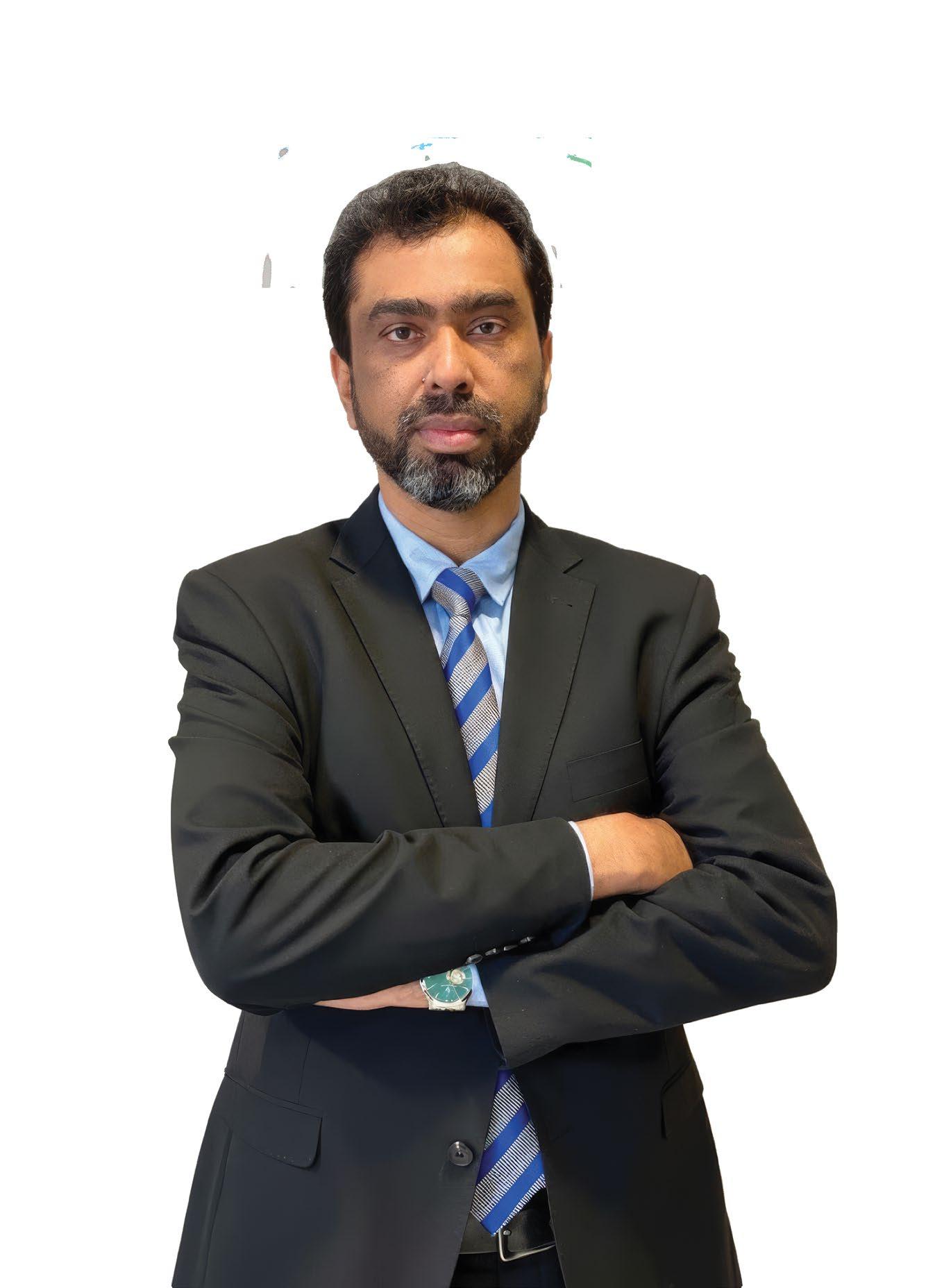
TRANSFORMING ENERGY
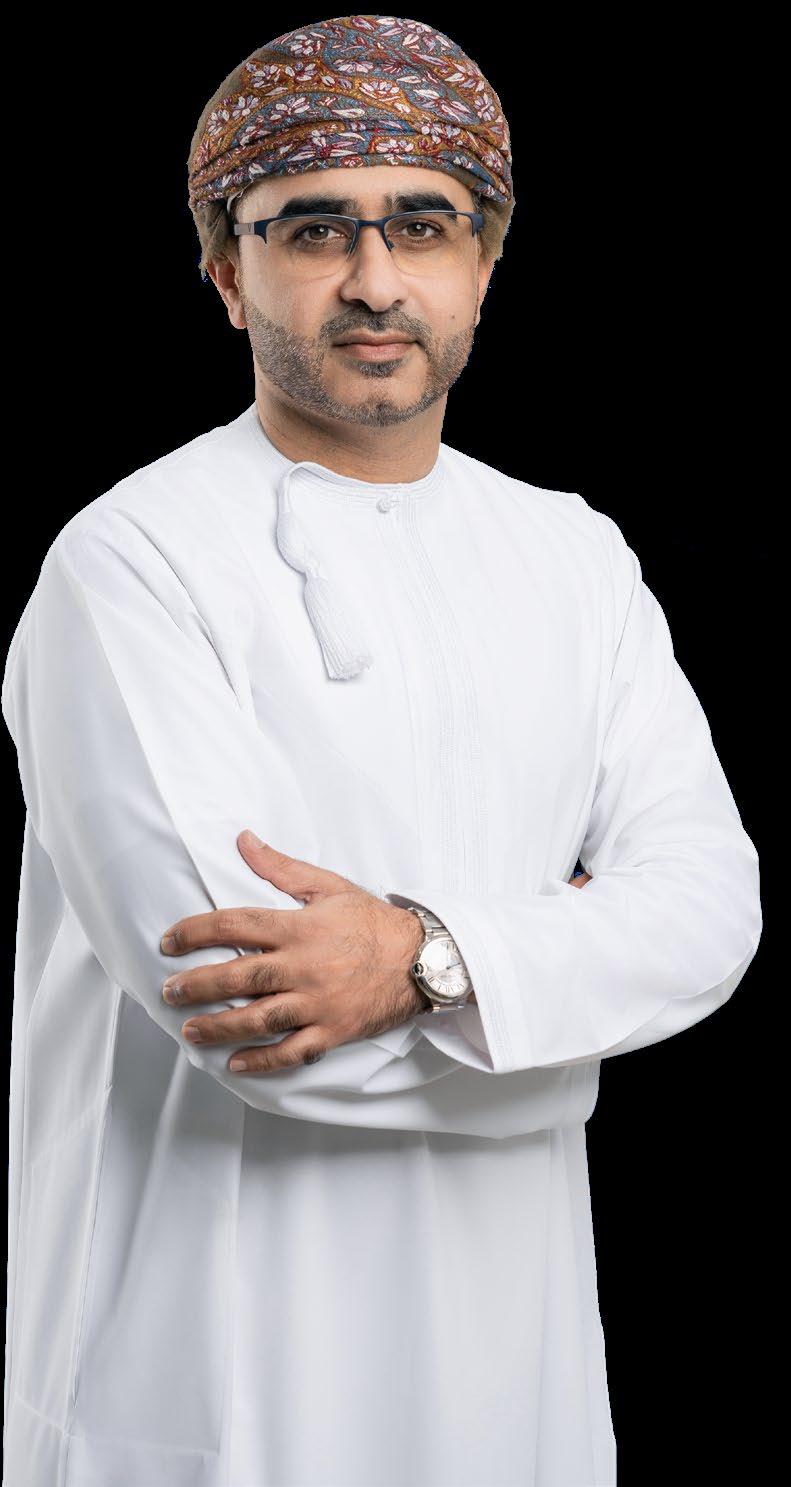
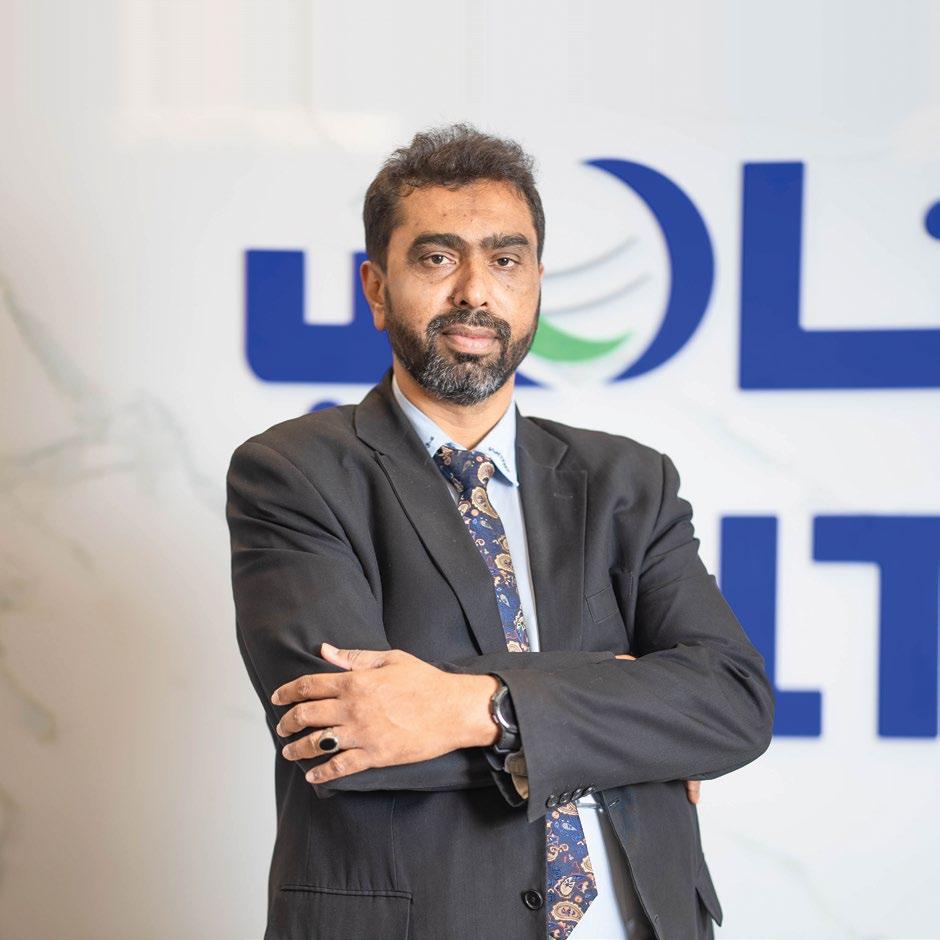
Mohammed Ajmal Basha, CEO, Voltamp Energy, discusses the company’s rapid growth, localisation strategy, technology expansion and its growing role in strengthening Oman’s energy infrastructure and industrial future
Can you share the key achievements of Voltamp Energy in 2025?
If you look at our performance in 2025, it was truly a transformational year for Voltamp Energy. The company experienced a major leap in growth, both in terms of revenue and profitability. Our sales growth has been exceptional. Over the past three years, we have increased revenue from RO31mn to RO73mn in 2025, representing a significant expansion in the scale and strength of our business. At the same time, profitability improved considerably, which demonstrated that our growth was not only in terms of volume but also in terms of operational efficiency and value creation.
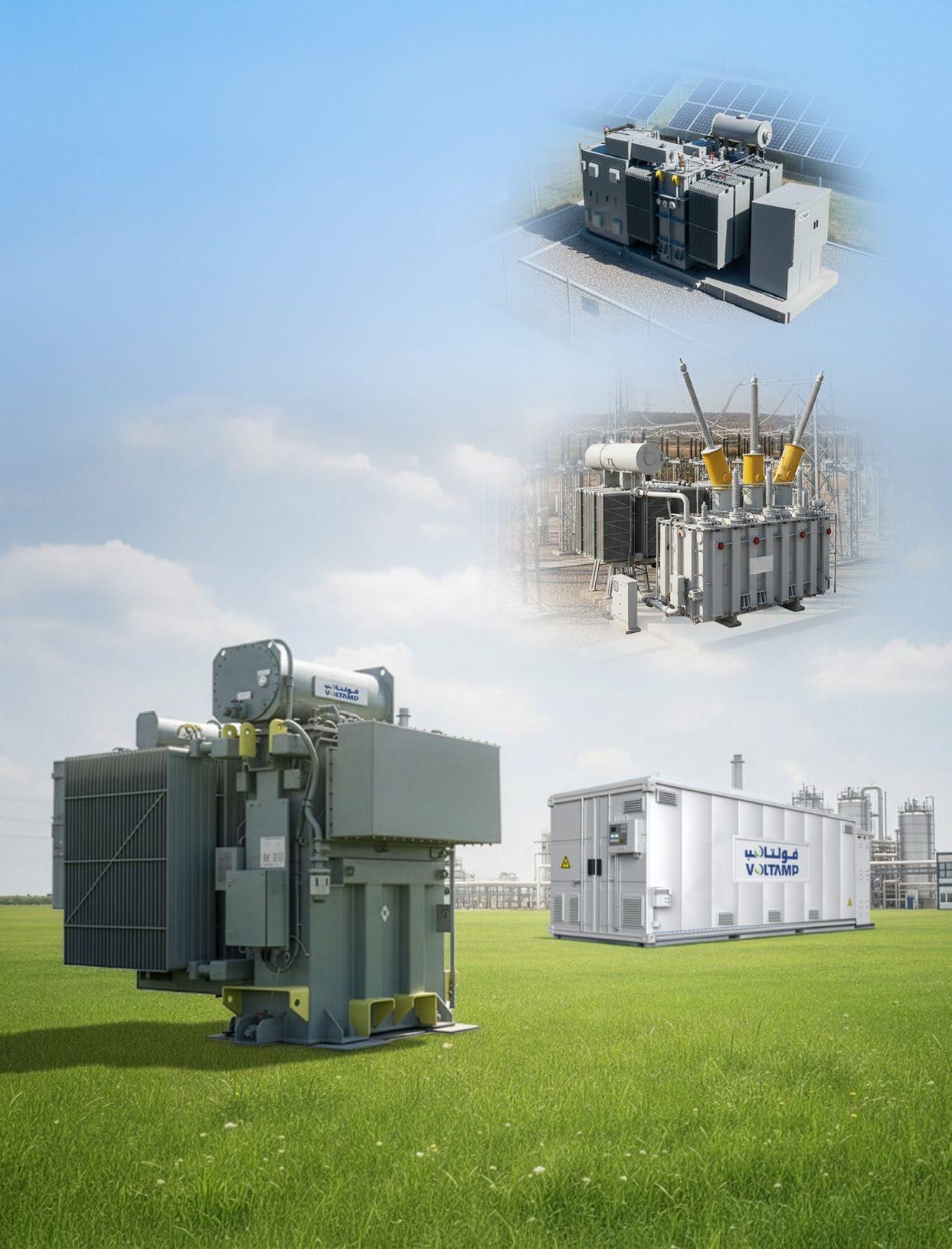
This growth primarily came from the strong performance of our power transformer business, particularly in the high-value segment of extra-highvoltage transformers. Historically, demand for these transformers was largely served by manufacturers in Europe and the Far East. However, we took a strategic decision to focus on this segment and localise our capabilities so that we could supply these products from the Sultanate of Oman. By doing so, we were able to capture opportunities that were previously beyond our reach. This localisation strategy created significant synergies for Voltamp Energy and enabled us to deliver competitive solutions to regional markets.
Another key achievement during the year was our expansion into large-scale special projects in Saudi Arabia and the United Arab Emirates. These projects contributed significantly to revenue
emerged as a major contributor to our order book in 2025. We successfully executed several projects there and secured new contracts, which reflects the growing confidence international clients have in our products and engineering capabilities.
Our oil and gas sector business also remained very strong. Voltamp
continues to represent a key pillar of our operations. In 2025 we secured multiple long-term contracts with oil and gas companies, reinforcing our reputation as a reliable supplier of specialised power solutions for critical industrial applications.
In addition to transformers, we also expanded our product portfolio. One
important milestone was the launch of our shunt reactor product line. This product gained momentum during the year and contributed positively to revenue growth. The success of this new business validated our strategy of diversifying our product offerings and moving beyond our traditional strengths.
Overall, I would say that 2025 demonstrated the effectiveness of our long-term strategic planning. The investments we made in technology, product development, and market expansion over the previous years started delivering results. Our focus on localisation, technological capability, and regional market penetration allowed Voltamp Energy to move into a stronger and more competitive position. The achievements of 2025 therefore represent not only financial success but is also a clear indication that the company’s strategic direction is strong.
Voltamp Energy recently signed an agreement to localise battery energy storage system technology. What long-term competitive advantages do you anticipate from this localisation? Our journey into renewable energy began several years ago. As early as 2019, Voltamp Energy was involved in supplying transformers for Oman’s Amin Solar Power Plant (in Nimr), which was one of the country’s pioneering renewable projects. Since then, we have consistently supplied transformers for renewable energy projects across Saudi Arabia, the UAE, and other markets in the region.
When we look at our long-term objectives, there are two key priorities that guide our strategy. First, we want to bring the latest technology to Oman and ensure that the country has access to advanced solutions required for modern energy infrastructure. Second, we aim to package our products and solutions in a way that aligns with emerging market needs, particularly in the renewable energy ecosystem.
Renewable energy systems today require more than just [power] generation. Solar and wind power have
become widespread across the world, including in Oman and the GCC region. However, the real challenge now is how to store the energy that is produced, especially for use during periods when renewable generation is low, such as at night. This is where Battery Energy Storage Systems (BESS) become critical.
We began actively exploring battery storage technology in late 2024, particularly after launching our inverter skid solutions. Our vision at that time was clear: once we had established solutions for renewable generation infrastructure, the next logical step would be battery storage. Over the past year we conducted detailed feasibility studies and technology evaluations.
Since then, we have signed a technology partnership with a major global manufacturer in China. Our plan is to implement a step-by-step localisation strategy in Oman. With the exception of the battery cells themselves – which represent the most technologically complex component – we intend to localise most other aspects of the system. This includes manufacturing battery modules, integrating battery management systems, developing cooling systems, and assembling power conversion and control systems.
It is important to understand that battery cell manufacturing is dominated by a few large global players, which possess extensive supply chains and massive production capacity. Establishing cell manufacturing locally would require enormous investment and may not be economically feasible. Therefore, our approach is to source high-quality cells from these global leaders while building the rest of the battery storage ecosystem locally.
The long-term advantages of localisation are very significant. In today’s geopolitical environment, supply chains can be disrupted easily. By localising as much of the value chain as possible, we strengthen Oman’s energy security and reduce dependence on imports. Local
manufacturing also supports the national economy by creating jobs, developing technical expertise, and enabling knowledge transfer.
Our initial focus will be on utility-scale battery storage systems integrated with substations. Over time, however, we also see opportunities in distributed solutions, including storage systems for industrial facilities and potentially even residential applications. As renewable energy penetration increases, the demand for storage solutions will grow rapidly.
Through this localisation initiative, Voltamp Energy aims to position itself as a key enabler of the energy transition in Oman and the wider region, while also contributing to the objectives of Oman Vision 2040, particularly in terms of technological advancement and local industrial development.
What are Voltamp Energy’s core strategic objectives for the next 3 to 5 years, and how do these priorities align with Oman’s Vision 2040? Over the past four years we have taken several important strategic steps that have shaped the company’s direction. Our guiding principle has been very simple: “new products and new markets.” This philosophy has been the core mantra of our strategy. Every year we aim to introduce at least one or two new products while simultaneously expanding into new geographical markets. This approach ensures that we continue to grow while reducing dependence on any single product or region. At present, Voltamp Energy is primarily known as a transformer company, and transformers will continue to remain our core business. However, our vision is to gradually evolve into a comprehensive transmission and distribution solutions provider.
In the coming years, we will expand beyond transformers into other critical components of power infrastructure. For example, we plan to move into advanced switchgear technologies. While we currently manufacture airinsulated switchgear, we are exploring
technologies such as gas-insulated switchgear (GIS), SF6-free switchgear, smart ring main units (RMUs), and high-voltage GIS and medium-voltage GIS systems. These products may be introduced through technology collaborations, joint ventures, or local manufacturing partnerships. In addition to hardware solutions, we also intend to expand into digital and automation systems, including SCADA systems, control panels, and integrated monitoring technologies. By integrating these capabilities, Voltamp Energy will be able to offer a complete package of solutions for power infrastructure projects.
Our long-term vision is to become a “one-stop solution provider” for EPC contractors and large infrastructure projects. When a substation or transmission system is being built, our goal is to supply almost every key component required – from transformers and switchgear to monitoring systems and automation technologies. This strategy aligns very closely with Oman Vision 2040 too, which emphasises economic diversification, industrial development, and technological localisation. By expanding our manufacturing capabilities and introducing new technologies locally, we contribute to the development of Oman’s industrial ecosystem while strengthening the country’s energy infrastructure.
What is the best management lesson you have ever learned, and how has it shaped your leadership and decision-making?
One of the most important management lessons I have learned is the importance of clarity and transparency in leadership. A leader must first have a very clear vision, and that vision must be communicated clearly to the entire team. At Voltamp Energy we work very closely together. Although we are all professionals with different roles and responsibilities, we function very much like a family. Clear communication ensures that everyone understands the company’s goals and their role in achieving them.
Transparency is absolutely critical.
Without transparency it is impossible to build trust within an organisation. When people trust each other and understand the objectives clearly, they are more motivated and more committed to delivering results. Another important principle is commitment to execution. Once we decide on a strategy or a plan, we go all the way to ensure that it is implemented successfully. This commitment extends from myself to every member of the team.
Planning is another key element of our management philosophy. We believe in meticulous planning before entering any market or launching any product. When we develop a new product, we conduct comprehensive market analysis and carefully identify potential challenges. Proper planning reduces the risk of mistakes and minimises the need for rework. Personally, I have been fortunate to have several mentors throughout my life. My father was my first mentor, and over the years many others have contributed valuable guidance. The most important advice I have received from them can be summarised in a few simple principles: always remain transparent, set realistic goals, and stay committed to what you are doing. These values continue to shape my leadership style today.
Where do you see Voltamp Energy in five years?
I still remember a conversation I had with our chairman during a trip to Taiwan many years ago. At that time our company’s turnover was around RO40mn, and he told me that the ambition was to build Voltamp into a billion-dollar company. Today, I firmly believe we are moving in the right direction to realise that vision. A major part of our future growth will come from technology and innovation. We are currently working on establishing dedicated technology and innovation verticals within the organisation. This initiative will focus on developing new products, improving existing technologies, and driving continuous innovation.
Sustainability in the energy sector depends on continuous technological
advancement. We cannot rely only on existing products. We must continuously update our technologies and introduce innovative solutions that meet the evolving needs of the energy industry. In the coming years, we will combine development projects, technology initiatives, and innovation programmes to strengthen our capabilities. When all these elements come together, they will help us move toward the next stage of growth.
Our ambition is clear: we want Voltamp Energy to become a global-scale energy solutions company, and we believe that with the right strategy, technology, and talent, reaching the billion-dollar milestone is achievable.
What are the training and development initiatives to groom young Omani talent?
Sustainability for any company is closely linked to the development of local talent. At Voltamp Energy, we strongly believe that our long-term success depends on nurturing the next generation of professionals in Oman.
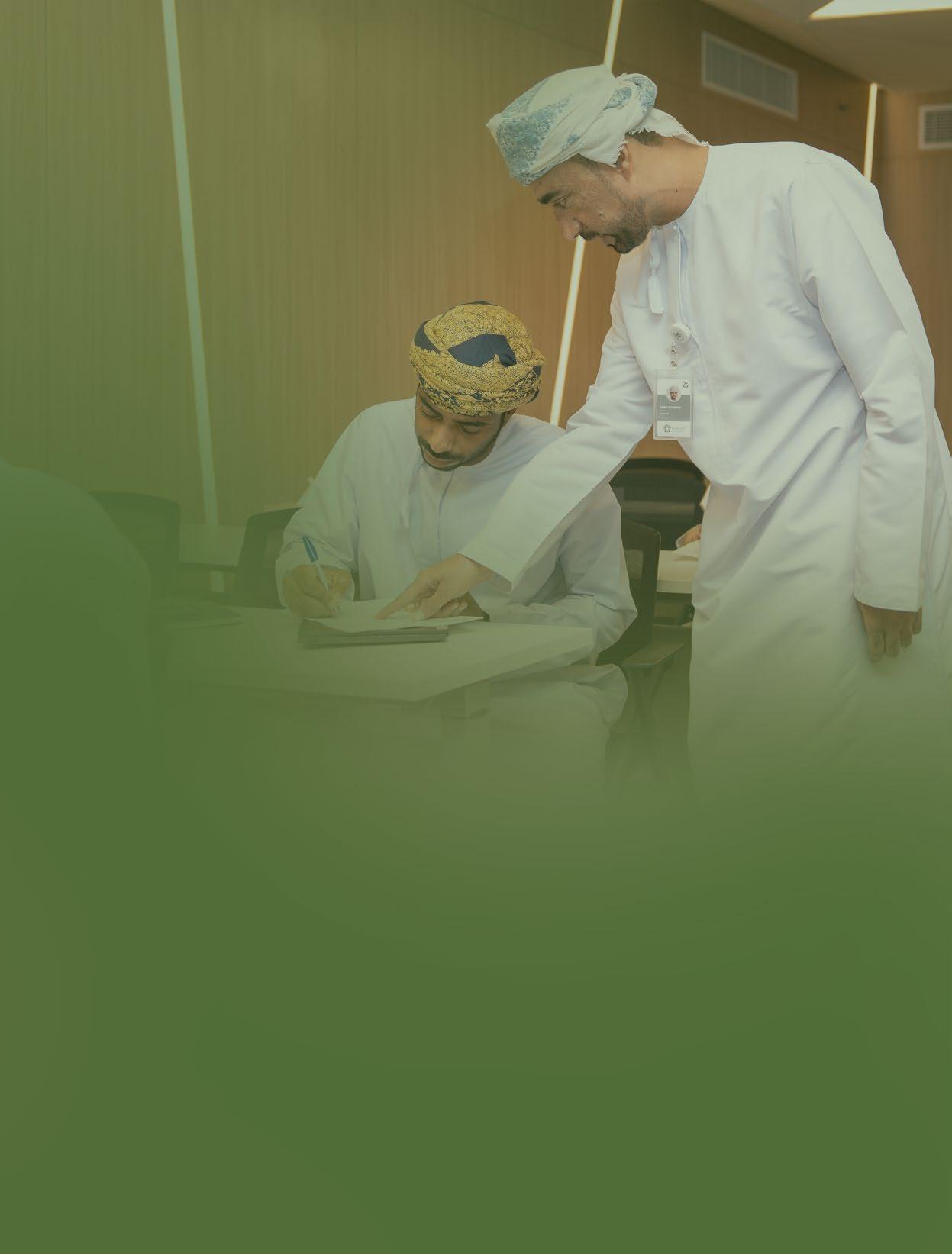
Currently, we have more than 25 young Omani engineers working within the organisation. These individuals represent the future leadership of the company, and we invest significant effort in mentoring and developing them.
Our approach is structured and systematic. These engineers are rotated across different departments so that they gain exposure to various aspects of the business. They participate in projects, attend industry exhibitions, and receive specialised training programmes.
Their progress is monitored not only by our HR team but also by senior management, including myself. We believe it is important for leadership to remain directly involved in the development of young talent.
We have already seen many success stories. For example, one engineer who initially joined as a process engineer later became the project manager for a major transformer expansion project,
successfully delivering the project and demonstrating exceptional leadership capabilities.
We have also recruited young trainees who later transitioned into full-time roles. In one instance, three female trainees joined us for a six-month training programme. They performed extremely well and requested an opportunity to contribute more significantly. Today, all three of them are full-time employees performing excellent work within the organisation.
Last year alone we recruited around 24 Omani professionals, and this year we plan to recruit more than 30 additional Omanis, primarily engineers and technical specialists. As the company continues to grow, we will continue expanding these talent development initiatives.
How will Voltamp Energy sustain and accelerate growth in 2026?
Our business operates on a long investment cycle. The results we see today are often the outcome of strategic decisions made several years earlier. The initiatives we launched three years ago are now generating revenue, and the investments we make today will yield results in the coming years.
For example, our work in battery energy storage systems will not generate significant revenue immediately in 2026. However, it represents an important seed that will start producing results in 2027, 2028, and beyond.
Similarly, new product lines such as gas-insulated switchgear and other advanced technologies will gradually enter the market over the next few years. In the short term, our focus in 2026 is to strengthen the markets where we already have strong positions while continuing to introduce new products and enter new markets. We have already secured several significant contracts. Recently, we obtained a $40mn order from the United States, and we expect additional contracts in the near future. Our market coverage has expanded dramatically. In some markets where
we previously generated around $2mn in revenue, we are now reaching $50mn. This growth demonstrates how quickly opportunities can scale once we establish a strong presence. To support this growth, we are investing in manufacturing capacity, technology development, logistics systems, and human resources. By strengthening these capabilities, we ensure that Voltamp Energy is ready to meet increasing market demand.
What are the challenges facing the manufacturing sector in 2026?
The manufacturing sector in many ways faces several real and immediate challenges, and for us the largest challenge is the supply chain, particularly because of the geopolitical situation across different regions.
Today the global environment is uncertain, and we do not always know how situations will evolve. As we discussed earlier, if conflicts or geopolitical tensions continue for a longer period, the impact on supply chains becomes deeper. Even when situations stabilise, the disruptions that occur during such periods can affect the availability of raw materials, logistics costs, delivery timelines, and pricing structures. For a manufacturing company like ours, which relies on a complex supply network, these uncertainties can influence project execution and planning. The second major challenge is attrition and the shortage of skilled people.
The market is very demanding right now, and talented people are limited. Our products require specialised skills at every level, whether it is technicians, supervisors, engineers, designers, or project managers. Because these skills are specialised, it becomes difficult to find and retain people who have the right capabilities. As industries expand and infrastructure projects grow across the region, demand for skilled professionals increases, which naturally leads to higher competition for talent. Therefore, retaining skilled people and continuously developing them becomes an important part of sustaining operations in the manufacturing sector.
The third challenge comes from competition from manufacturers in countries such as China, India, and Turkiye, where the ecosystem of supply chains and industrial manufacturing is different from what we have in our region. In many of these countries the manufacturing ecosystem is very deep and integrated, which gives companies a cost advantage. As long as we do not develop a similar ecosystem locally, manufacturers here will continue to face that competitive pressure. One of the results of this is that products from these countries sometimes enter markets at very aggressive pricing, which can make competition difficult.
However, we address these challenges through a number of strategies. From a supply chain perspective, we try to secure long-term contracts with suppliers so that we have better stability in pricing and availability. In addition, we also maintain strategic inventories of certain critical materials so that we are not affected if supply disruptions occur or if commodity prices increase suddenly. In some cases, cost increases still happen – for example, freight rates may rise or raw material prices may change – but through planning we try to reduce the impact as much as possible.
On the human resources side, we have implemented continuous skill mapping across the organisation. We regularly assess the skill levels of all employees, identify areas for development, and provide training to elevate their capabilities. This structured approach helps us strengthen our workforce and reduce dependency on a limited number of highly specialised individuals. At the same time, we try to create a strong organisational culture where employees feel respected and valued. In our company, whether someone is a technician, supervisor, engineer, or worker, their voice is heard. When people feel that their voice is respected, they feel more connected to the organisation. We also focus on continuous training, education, and providing competitive benefits so that people feel comfortable and motivated to stay.
GROWTH CATALYST
Sharakah is accelerating investments in fintech, digitising funding workflows and pursuing a crowdfunding licence to enable an SMEfocused platform, says CEO, Ali Ahmed Muqaibal in an interview with Oommen John
What are the core principles that drive Sharakah’s vision and decisionmaking?
Sharakah is Oman’s leading SME development company, established by Royal Decree in 1998 by the late His Majesty Sultan Qaboos Bin Said
to advance the SME sector as it is a critical engine of job creation for youth and women. Guided by that vision, Sharakah works to positively impact Oman’s entrepreneurial ecosystem by supporting a broad and diverse range of projects across various sectors
through financial solutions, growth programmes, consultancy services and awareness campaigns
We measure our impact by how deeply and broadly we can extend our reach, focusing on three core areas: Closing
the funding gap, closing the technical and skills gap and spreading awareness of entrepreneurship. To close the funding gap, we offer a wide spectrum of financial solutions, including both equity and credit, positioning ourselves as more than just a funding institution. To address the technical and skills gap, we provide consultancy, advisory support, and capacity-building programs to help entrepreneurs overcome capability challenges. Finally, to spread awareness of entrepreneurship, we collaborate with government entities, chambers of commerce, community organisations, and strategic partners to foster an entrepreneurial mindset among youth.
SMEs must essentially be registered with the Ministry of Commerce and hold a Commercial Registration (CR). In terms of impact metrics, Sharakah has directly funded over 400 SMEs, funds roughly 40 companies each year, and supports around 100 companies annually through consultancy and training. Estimates place the number of SMEs in Oman at about 90,000, though figures vary by source. Financially, Sharakah does not rely on continuous government funding, making financial sustainability a central component of our strategy. We aim to be a highimpact, self-sustaining organisation.
When it comes to funding duration, we typically exit equity investments within about seven years, while loan tenures can extend up to six to seven years. Since adopting our new strategy, we have significantly deepened our impact: the number of companies receiving funding has nearly quadrupled, and the share of SMEs accessing capacitybuilding and advisory services has risen substantially. We also conduct extensive community engagement through workshops and events and we track metrics such as jobs created and contributions to GDP. Sharakah operates across Oman on a sectoragnostic basis, except in the real estate realm.
What bespoke financing structures (equity/convertible instruments) is Sharakah prepared to offer SMEs?
Sharakah offers a range of financing options, including debit products and private equity investments as well as Sharia-compliant financing that was launched a year ago. It also operates the Sharakah Venture Fund, which was launched two years ago and focuses on pre seed and seed stage technology startups. In addition, the company is investing in fintech startups, digitising internal funding processes and working with the Financial Services Authority (FSA) to obtain a crowdfunding licence with plans to launch an SME crowdfunding platform soon.
What management insights will be crucial for leaders in the next decade?
Technology is advancing at a rapid pace, fintech adoption is accelerating and AI is reshaping every sector. Sharakah has completed a baseline AI assessment and defined a three-year roadmap to become AI-ready, enabling intelligent, data-driven decisions that position us to lead in a fast-evolving landscape. Yet global instability such as trade policies, protectionism, and shifting bilateral agreements remains a core uncertainty. Oman’s USD peg and oil-and-gas tie make us sensitive to oil prices, inflation, and realignment trends, yet political and economic stability offer a meaningful competitive edge in turbulence. The energy mix is already shifting toward renewables, sustainability, green initiatives, and EVs, while demand for energy stays robust thanks to AI and data-centre growth.
The younger generation demands flexibility, purpose-driven work, involvement in strategy, and mobility, requiring organisations to build strong cultures, offer clear growth pathways, embrace flexible working environments, and actively involve employees in strategic decisions.
At Sharakah, we have doubled our team since the leadership transition; we are recruiting predominantly young Omani graduates; culture is a defined competitive edge; and our people gain exposure to multiple business areas to boost engagement and impact.
How does Sharakah measure progress toward its vision of positively impacting Oman’s SME ecosystem?
Sharakah works closely with the SME Development Authority to shape policy, regulatory frameworks, and engage in strategic events that strengthen Oman’s SME ecosystem. Across the country, institutional support for SMEs is robust, with higher lending mandates from the Central Bank of Oman (CBO), a focus on priority sectors such as manufacturing, agriculture, and fisheries, and greater bank allocations to SME portfolios. Oman’s SME sector is in a growth phase, and 2025 was a record year for Sharakah, marking double-digit increases in funded SMEs and total invested capital, along with a broader, more diversified portfolio—manufacturing receiving the largest share—and an expansion of consultancy and capacity-building services that supported over 90 SMEs, a 20 percent year-over-year rise.
Looking to 2026, Sharakah plans to accelerate digitisation and embed AI into core processes to boost both operations and client outcomes, while leveraging strategic ecosystem partnerships to address capital constraints. We are optimistic that building collaborations with commercial banks and other ecosystem players will expand funding capacity and sustain momentum through the year ahead.
What technological trends do you think will reshape SME leadership in the next 5 years?
Large-scale manufacturing and renewable energy projects are poised to open significant supply-chain opportunities for SMEs. Looking ahead, leaders must navigate geopolitical uncertainty, manage rapid technological transformations—from AI to automation—adapt to the energy transition, and respond to evolving social and workforce expectations. Sharakah’s approach is to stay ahead of these shifts, invest in a resilient organisational culture, maintain financial sustainability, deepen ecosystem collaboration, and empower young talent to carry forward the mission.
PARTNER OF CHOICE
Reggy Vermeulen, CEO, Port of Duqm is confident that the strategic location, technological innovation and sustainability agenda being pursued by the Port will enable it to emerge as a premium maritime hub
of Duqm to diversify Oman’s economy from hydrocarbons. In addition, our traditional areas of operations including the container business, fisheries etc. is also growing.
How was the year 2025 for Port of Duqm from a business and operational point of view?
The year 2025 was a very good year for the Port of Duqm as we grew by 20 per cent in volume and the number of calls. There was an increase in our client numbers and diversification of cargo. The Port continued to grow financially and serve its clients. Overall, we performed well on various metrics.
What strategies do you employ to identify and develop talent, particularly in empowering young Omanis for
Talent development — particularly empowering young Omanis — is a strategic priority for us. Our approach is structured around three key pillars:
Robust Internship Programs: We welcome nearly 80 interns annually from Omani universities and schools, giving them early exposure to professional work culture and
Early Recruitment and Grooming: We recruit directly from universities and groom young Omanis within our organizational culture, embedding strong work ethics and professional discipline from the start.
• International Exposure and Training: In collaboration with the Port of Antwerp-Bruges in Belgium, we send Omani employees for specialised training programs — ranging from short-term technical courses to multi-month and even multi-year development tracks.
This combination of local empowerment and international exposure builds managerial capability while fostering global standards within a national workforce.
Which technological trends do you see impacting future leadership, and how are you preparing for them? We are deploying technology as we have believe in offering the best and being up to date. The Port of Antwerp is a big centre for research and development in marine and port related technology and our partnership with them helps immensely. We work with the Port of Antwerp to see to deploy the latest technological trends from terminal operating technology, traffic control systems, digital drones etc. at the Port of Duqm. We have been working with them for the last 10 years.
Artificial Intelligence is unquestionably the most transformative technological trend influencing leadership today. Any leader who is not actively engaging with AI risks becoming obsolete. At the Port of Duqm, we are integrating AI and advanced digital systems across our operations — from terminal operating systems and traffic control to digital
Future leaders must combine technological mastery with strong human leadership skills. First, leaders
Finally, work ethic matters deeply, people should commit realistically and
deliver consistently. Credibility is built on reliability.
How can Port of Duqm unlock new growth opportunities and establish itself as a strategic maritime hub in the region?
Port of Duqm’s strategic geographic location is one of its greatest assets — positioned at the crossroads of major energy and commodity routes, while offering political stability and secure sea access. Recent geopolitical developments have reinforced the importance of this advantage. Over the last few years, we have been going to the shipping industry, energy sector and others to tell them that at the Port of Duqm we have a location which can ensure the continuity of operations for your company.
We offer industries a reliable gateway that ensures continuity of operations, even amid regional uncertainties. This stability, combined with access to neighboring markets, strengthens our value proposition.
Growth opportunities lie in:
Supporting renewable energy imports and decarbonisation initiatives
Expanding steel and mining exports
Developing container and logistics services
Strengthening partnerships with global shipping and energy players
Additionally, sustainability is central to our future. We are actively aligning with the country’s decarbonisation goals — enabling industries to transition toward greener operations through hydrogen, green electricity, carbon capture, and low-carbon infrastructure.
By combining strategic location, diversification, technological innovation, and a strong sustainability agenda, Port of Duqm is well positioned to emerge as a premium maritime hub in the region.
TANGIBLE VALUE
Bank Muscat enhances Asalah Priority Banking through partnership offering VIP Lounge Access at the Ministry of Housing
As part of its commitment to continuously enhancing the services and products, Bank Muscat, the leading financial services provider in the Sultanate of Oman, has announced offering a new exclusive benefit for Asalah Priority Banking customers, where they will receive a complimentary access to the VIP lounge at the Ministry of Housing and Urban Planning, a premium facility designed to provide VIP treatment, fast track and complete support for all services offered by the Ministry.
As part of this value proposition, customers will get a free entry for the first 500 visits using the Asalah Platinum Debit Card. After that, customers will get 35 per cent discount using the Debit Card. As for Asalah Signature Credit Card, they can avail the 35 per cent discount for every visit. This exclusive benefit is valid for 1 year and it can be availed by accessing the VIP Lounge at the Ministry of Housing and Urban Planning in Al Khuwair on weekdays from 8 am until 3 pm. Customers can complete most of the Ministry’s services and transactions at the VIP Lounge, benefiting from a premium service environment and reduced waiting time.
About this exclusive offer, Abdulnasir Al Raisi, General Manager of Personal Banking, Bank Muscat, said, “As customer expectations continue to evolve, convenience and efficiency have become essential. Introducing this new offering allows customers to benefit from a smoother, faster experience in a comfortable setting. By offering a premium environment, this service adds tangible value to their overall journey. This addition to Asalah Priority Banking complements the
Bank’s broader approach to delivering practical and one-of-a-kind benefits for our valued customers.” Bank Muscat offers Asalah Priority Banking Cards, which deliver a wealth of exclusive services and facilities in appreciation of customers’ trust and loyalty.
These offerings combine comfort, secure transactions, and world-class privileges that enhance lifestyle benefits across travel, health, beauty, and shopping, both locally and internationally.
The Asalah Platinum Debit Card offers complimentary access to Majan and Prime Class lounges at Muscat International Airport, as well as Duqm and Khareef lounges in Duqm & Salalah Airports. Cardholders also enjoy three chauffeur services per year to and from Muscat International Airport, complimentary valet parking at Mall of Oman and The Wave, a daily ATM withdrawal limit of up to RO2,000, Buy 1 Get 1 Free offers through Asalah
Entertainer, exclusive dining, retail, beauty and fitness offers, and extended warranty on purchases.
Similarly, the Asalah Signature Credit Card provides 3 chauffeur transfers to and from Muscat & Salalah Airports, 50 per cent off VOX Cinema tickets in Oman, global lounge access to more than 1,300+ lounges via Visa Airport Companion, free multi-trip travel insurance, Visa Premium Concierge services, 15 per cent discount on YQ Meet & Assist services at 450 destinations worldwide, access to over 900 luxury hotels globally, as well as purchase protection and extended warranty.
For more information about Asalah Priority Banking Cards, please visit: https://www.bankmuscat.com/en/ bm-cards/Pages/Credit-Cards.aspx. Customers can also contact the Asalah contact center from Bank Muscat at 24779999, or via Asalah WhatsApp platform
SECTORS
SUSTAINABLE GROWTH AND STABILITY
The 2026 Budget focuses on driving economic growth and strengthening fiscal resilience through strategic investments, says Alkesh Joshi, Partner, Oman Tax Leader, EY
How would you judge the preliminary results and Oman’s economic performance for year 2025?
Year 2025 marks the conclusion of Oman’s 10th Five Year Development Plan (2021–2025), and by most fiscal indicators, it has been a remarkable turnaround story. When the plan began, Oman’s foreign debt-to-GDP ratio was close to 78 per cent in 20202021, and sovereign ratings were hovering near non-investment grade. Today, the most striking achievement is the sovereign rating’s shift to investment grade from almost a junk rating — a powerful signal of restored financial credibility.
While higher oil prices during 2021–2022 certainly helped, the real success lies in prudent fiscal management: rationalisation of public spending, consolidation of ministries, reducing the cost of running the government, introduction of critical tax reforms and disciplined debt management. Apart from the positive oil price trajectory — it was the result of a multi-pronged reform approach that corrected structural weaknesses of the previous cycle.
What are your thoughts on the fiscal performance of the 10th Five Year Development Plan (2021–2025)?
The fiscal performance of the 10th Plan has been both corrective and stabilising. It focused on restoring macroeconomic balance through expenditure rationalisation and debt optimisation.
One of the most effective tools was the sovereign bond buyback programme, which reduced servicing costs without requiring full refinancing. Combined with ministry consolidation and tighter fiscal controls, this significantly lowered the debt burden.
Introduction of Valu Added Tax in 2021 was a long-term strategic diversification exercise. On an annual basis VAT tax collection has been RO650mn approximately. This has been a strategic fiscal diversification tool and will continue to contribute towards non-oil income for the
government. The government struck a careful balance: reducing debt while preserving sufficient liquidity to continue infrastructure and development spending. That balance has positioned Oman strongly for the next growth phase.
Can you share your thoughts on Oman’s Budget 2026?
Budget 2026 is strategically important as it is the first budget under the 11th Five Year Development Plan (2026–2030) and sets the tone for the next four years.
This year is significant in many ways, but three aspects stand out:
• Deficit Management: Historically, actual deficits have been lower than budgeted. In 2025, there was a reduction in the deficit as we were able to optimize on the 2025 numbers, as it was not anticipated that we will be able to hit the full deficit. In 2026 we have budgeted a deficit of RO480mn and I believe that we will do better, than what is planned for, primarily because of a positive oil trajectory.
• Governorate Empowerment: The other significant thing is that the budget specifically states that it wants to further digital transformation and the governorate development programme. In Muscat we have one or two large scale projects such as Al Khuwair Downtown project. The incremental effects of government spending will not be visible in Muscat but beyond the capital area and that is where economic activity starts picking up.
For example, the Hafeet Rail project in Sohar, expansion of the SOHAR Freezone, increasing the remit of the Duqm Freezone beyond green hydrogen, chemical factories coming up in Salalah to help the green initiatives, battery manufacturers are coming up to be a part of the supply chain for EV manufacturing. The economic activities in the other governorates is what is going to drive spends and the scope of spending is far more beyond
Muscat. Mentioning this in the budget is important as they want to empower the governorates.
• Development Spending:
Development expenditure has increased from roughly RO900mn to about RO1.3bn — rising from 8 per cent to 11 per cent of total spending. This reflects a deliberate pivot toward growth-oriented investment. The other expenses have also been reduced from RO2.3bn to RO1.9bn.
Overall, the budget reflects confidence, discipline, and forward planning.
Oil prices have been budgeted at $60 per barrel, and the deficit anticipated at RO0.53bn. Is this a realistic estimate?
The oil price assumption of $60 per barrel appears conservative and realistic. As of the first quarter of 2026, Oman’s average selling price has been approximately $66 — about 10 per cent above the budgeted estimate.
If this trajectory continues for several months, Oman could potentially outperform its deficit projection and even approach a balanced budget. However, geopolitical developments remain the primary external risk. A sustained drop to $50 could widen the deficit, while stability in the $65–$70 range would strengthen fiscal outcomes.
The Tax Authority has budgeted RO1.419bn in tax collection for 2026 (12.3 per cent of total revenue). Will this help bridge the deficit?
The Tax Authority is implementing a modernisation programme focused on reducing the “tax gap” — particularly in VAT registration compliance, as there is a belief that the number of registered users should be higher. The idea is to bring in improved enforcement and digital tracking to increase registrations. The VAT collections are projected to rise significantly from approximately RO630mn in 2025 to RO735mn in 2026.
Corporate tax and withholding tax collections are projected to rise modestly from RO650mn in 2025 to
Budget at a glance
Budget at a glance
Summary of Budget 2026
Summary of Budget 2026
Revenue in OMR (Budget 2026 vs. Budget and Actual 2025)
in OMR (Budget 2026 vs. Budget 2025)
RO684mn, this is a modest increase in the tax budget in 2026, reflecting improved profitability in listed companies. If compliance measures succeed, non-oil revenue will play an increasingly stabilising role in fiscal sustainability.
Budget 2026 stresses social security, development spending, and employment. How will this help Oman’s economy?
The five pillars of focus for the government are education; health; culture sports & youth; roads; agriculture and fisheries. All of these require a lot of human resources and hence it is natural to allocate additional funding to these areas for skill development. The emphasis on social security and employment initiatives is both economically and socially strategic.
Approximately 40,000–45,000 young Omanis enter the workforce each year. Many require skill development to improve employability. The allocation of RO100mn for employment initiatives, along with directing 1.2 per cent of government contracts, procurement invoices and oil & gas invoices value toward job creation will support - increased disposable income, enhance domestic consumption, reduce unemployment pressures and enhance human capital formation. Spurring employment directly stimulates economic activity, making this spending a growth catalyst rather than merely a social measure.
As the first year of the 11th Five Year Plan (2026–2030), how will the budget contribute to Oman Vision 2040?
The 11th five year plan is a subset of two other larger plans and it draws its strategic direction from Vision 2040. Budget 2026 is closely aligned with Oman Vision 2040 and the broader Net Zero 2050 ambition. For the latter there was a detailed study on what is the carbon emission reduction required for each of the sectors - such as construction, oil & gas, power & utilities, tourism - to achieve the net zero ambition.
The budget incentivises and motivates
projects in the green space. For example, there are a lot of high potential projects such as green hydrogen, green steel, green cement, renewable power generation etc. We usually call it revolution 2.0 for the energy sector.
The 11th Plan is effectively a phased implementation roadmap towards Vision 2040 objectives, embedding sustainability, diversification, and technology integration into fiscal planning.
Digital economy, tourism, agriculture and fisheries and manufacturing have been mentioned as focus sectors. What makes these sectors important?
Each sector serves a distinct strategic purpose. If you look at digital economy it is directly correlated to the direction of the economy. The speed of services being delivered to citizens and residents in the country needs to improve and hence the digital connectivity amongst the ministries is an effort to digitise the delivery of services from the government to people.
There is a lot of emphasis on bringing in a digital revolution in the governorates and ministries to improve automation to bring in efficiency and seamless delivery of government services. The spend which is required to create a backbone infrastructure revolves around two critical areas – one is the integration of AI in public service delivery without the need to recruit too much manpower using automation. The second is establishment of data centres. Both of these require a concerted effort particularly from a policy and strategy point of view when it comes to AI and capex when it comes to data centres. Having this planned in the budget will allow for adequate focus as well as funding in these areas.
Tourism was one of the five pillars of the Vision 2040 document and it is a key employment generator. Tourism has been identified as an important sector as it creates large-scale human capital opportunities.
Last year, we saw a lot of emphasis on food security and so agriculture and fisheries has been given enhanced attention. The recent Comprehensive Economic Partnership Agreement between Oman and India addresses the issue of food security for Oman and energy security for India. The effort is to bring in foreign participation to modernize agriculture and dairy sector.
Finally, manufacturing, particularly green manufacturing in Duqm and Sohar — including green cement, green steel, green aluminium and fertilisers supports both diversification and decarbonisation goals. Together, these sectors combine employment generation, food security, export diversification, and sustainability.
Looking ahead, how do you foresee Oman’s economic prospects for 2026? Assuming both regional and global geopolitical stability and oil prices averaging $65–$70 per barrel, Oman could end up with a balanced and break-even budget in 2026. If either of these metrics change, then the economic scenario will be different.
I see a number of growth drivers. The delivery of past projects will boost economic activity, particularly the hydrogen sector, although we have heard that a few projects are going slow, having said that there are other projects which are still continuing. The Hafeet Rail project signals the opening of a new sector. There is an expectation that by Qtr’3 or Qtr’4 of 2026 they will be able to complete the testing of the railway project. This will create a lot of employment opportunities in the ancillary services being rendered around the railway sector. The continued FDI inflows in new age manufacturing processes such as green steel, green aluminium, green fertilizer specially in Duqm Special Economic Zone will spur economic activity.
There is a general expectation that Oman’s GDP growth would be around three per cent in 2026 — nearly double the broader regional average — Oman enters 2026 with cautious optimism and strengthened fiscal resilience.
SMART SOLUTIONS
Bank Muscat introduces personal instant loan through Mobile Banking
Reinforcing its prominent position in Oman’s banking sector, Bank Muscat, the leading financial services provider in the Sultanate of Oman, continues to strengthen its role as a key driver of digital transformation in the country. This is driven by the proactive adoption of advanced banking technologies and the development of smart solutions that meet evolving customers’ expectations while enhancing service efficiency. These efforts form part of an integrated vision to deliver modern, secure, and seamless banking experiences, elevate service standards, and reinforce leadership and innovation in the local market.
In line with this approach, the Bank has announced the launch of an instant digital loan service through its Mobile Banking application. This initiative represents a significant milestone, underscoring Bank Muscat’s commitment to digital excellence and sustainable innovation. The new service enables eligible customers to avail personal loans with disbursal of the approved amount instantly, without the need to visit branches or complete paper-based procedures. Upon application verification through one-time password (OTP), the financing amount is credited directly to the customer’s account through simple and seamless process within the application.
Loan eligibility is assessed automatically in line with the Bank’s credit policy and the loan is processed instantly if the requirements are met. Customers will also benefit from credit life insurance coverage, competitive transaction fees and instant access to loan details and repayment schedules through the Mobile Banking application. All related forms and documents are generated electronically
and sent to the customer’s registered email address.
Commenting on the launch, Abdullah bin Hamood Al Jufaili, Assistant General Manager, Digital Banking at Bank Muscat, said: “We continue to advance our digital transformation vision by adopting smart technologies that redefine the banking customer experience, placing speed, efficiency, and transparency at the core of our services. The launch of personal financing through the Mobile Banking application reflects our strategic focus on enabling customers to complete their transactions with ease and security, without the need for traditional procedures or branch visits.”
This service reflects the bank ability
to proactively leverage technology and enhance service reliability, supporting the Bank’s leadership and aligning with market expectations in the coming phase. Besides, this qualitative shift in the delivery of digital banking services is expected to open new opportunities for customers, drive strong adoption, and contribute significantly to accelerating the Bank’s digital transformation journey.
Through this advanced digital service, Bank Muscat reaffirms its commitment to redefining the banking customer experience by delivering smart solutions that align with modern lifestyles, enhance service efficiency, and significantly reduce transaction turnaround times reflecting the Bank’s vision to lead the future of digital banking in Sultanate of Oman.
INFRASTRUCTURE PUSH
Phase 1 development of Al Suwaiq Industrial City set to begin in 2026
The Public Establishment for Industrial Estates “Madayn” is advancing the development of infrastructure and utilities project for Phase 1 of Al Suwaiq Industrial City in Al Batinah North Governorate. The project is currently in the stage of technical and financial
evaluation of the bids submitted by participating companies, with construction scheduled to commence during 2026.
Hamood Al Balushi, Assistant Director General of Al Suwaiq Industrial City, said that Phase 1 development
covers an area of five million sqm and comprises the construction of internal roads, water, electricity, and sewage networks, as well as other essential infrastructure and facilities. The tender also includes establishing several greenhouse units for the implementation of advanced agri-tech
solutions, with the aim of supporting food security and promoting agricultural investments alongside related industries.
Al Balushi highlighted that, despite the city still being in its infrastructure preparation phase, Al Suwaiq
Industrial City received more than 14 investment applications in 2025 across diverse sectors, including food, marble, plastics, and building materials. Two of these projects have already been localised, covering a total area exceeding 6,800 sqm with a combined investment value touching RO400,000. The city’s management continues to review the remaining applications in preparation for their localisation in the upcoming phase.
He added that Madayn offers exceptional incentives to investors in Al Suwaiq Industrial City, including a two-year rental exemption, followed by a 50 per cent rent reduction for the subsequent three years. These incentives aim to position Al Suwaiq Industrial City as an attractive destination for local and foreign investments, particularly given the availability of modern infrastructure and streamlined government services provided by Madayn.
Madayn has conducted studies to identify investment opportunities aligned with the economic diversification strategy and Oman Vision 2040. Al Suwaiq Industrial City aims at attracting quality investments in key sectors, including petrochemicals, food sector, modern agriculture, energy and supporting technologies, recycling and environmental industries, light and medium industries, pharmaceuticals, technology and innovation, heavy industries, and logistics.
Al Suwaiq Industrial City stands as a key addition to the Sultanate of Oman’s network of industrial cities, offering attractive investment opportunities, competitive incentives, and advanced infrastructure. The city will generate both direct and indirect job opportunities, empower entrepreneurs to launch innovative projects, and support the growth of non-oil revenues.
GROWTH PLATFORM
The Suhar Investment Forum 2026 wrapped up successfully drawing strong participation from international and local attendees. The Forum highlighted industrial and future investments, featuring around 50 investment opportunities with a total estimated value of approximately RO300mn across promising sectors. An OER Report
from over 30 countries.
The Forum opened with a keynote address delivered by Eng. Saeed bin
infrastructure. This integration, he noted, has positioned Suhar as an attractive platform for major industrial and logistic investments.
upcoming rail link project with the United Arab Emirates, which will further strengthen Suhar’s position as a regional logistics hub. He
explained that the forum focuses on investment-ready opportunities, presenting around 50 investment opportunities with a total estimated value of approximately RO300mn across promising sectors. He also stressed that the accompanying exhibition is a key component of the Forum, providing a direct platform for engagement between investors and public and private entities, showcasing initiatives, projects, and available opportunities, and helping translate
of high-quality investments. She emphasised the pivotal role played by economic and industrial zones in achieving economic diversification targets. She also noted that the next phase will focus on facilitating investor procedures, accelerating digital transformation in services, and strengthening public–private partnerships, thereby creating sustainable investment opportunities, increasing value added to the national economy, and reinforcing Oman’s
for national products. He stressed that maximising the benefits of these agreements requires enhancing the competitiveness of the private sector and enabling national institutions to integrate into global value chains, thereby supporting diversification objectives and strengthening Oman’s position as a reliable trade partner at the regional and international levels.
HE Saleh bin Hamad Al Sharqi, Secretary-General of the Federation
Commerce, Industry and Investment Promotion for Investment Promotion, delivered the main keynote address. She highlighted the importance of enhancing the competitiveness of Oman’s investment environment and the government’s efforts to develop legislation and incentive frameworks that support in attracting
which he outlined the importance of free trade agreements in expanding the horizons of the Omani economy and enhancing its integration into global markets. He underscored the role of these agreements in facilitating the movement of goods and services, attracting foreign investment, and opening new markets
institutional cooperation and unified efforts to create a more open and competitive business environment. He also mentioned how regional economic forums represent an effective platform for connecting investors, exchanging expertise, and building strategic alliances that support sustainable growth and
Arab Chambers, highlighted the importance of strengthening Arab and Gulf economic integration and opening wider horizons for investment and intra-regional trade. He emphasised that the coming phase requires deeper partnerships among private sector institutions to enhance the competitiveness of regional economies. He also stressed the role of investment forums in building bridges of cooperation, exchanging expertise, and exploring joint opportunities,
inauguration of an accompanying exhibition, which featured a number of government and private sector institutions which are related to attracting investments into the Sultanate of Oman. Over 21 organisations participated in the exhibition with an aim to introduce investment opportunities, incentives, and services offered to local and international investors.
The Forum also included two panel
Sulaiman Al Kindi, Governor of North Al Batinah; Eng. Raid Al Rubaiey, CEO of Sohar Freezone and Deputy CEO of Sohar Port; Harssha Shetty, CEO of Jindal Steel Oman; Emmee Haun, Managing Director, Oman Trade Office – USA. The panel was moderated by Zeina Soufan, well known Journalist and TV Presenter.
The session focused on the transformations taking place in Suhar as an advanced model for smart
industrial cities in the Sultanate of Oman. Speakers discussed the readiness of industrial and logistics infrastructure, the role of economic zones in accelerating the flow of high-quality investments, and the importance of public–private sector integration in creating a regionally competitive business environment. The discussion also addressed the future of advanced and technologybased industries, related value chains, opportunities for industrial localisation and knowledge transfer, mechanisms for investor support and simplified procedures, the development of digital services, and enhanced connectivity between the port, freezone, and industrial areas to improve supply chain efficiency and reduce operating costs. Participants emphasised that the next phase requires a focus on attracting high value-added investments, developing national talent, and strengthening Suhar’s position as a regional industrial and technological hub serving local and international markets.
The second session, titled “Enhancing the Investment Environment: Finance, Logistics and Sustainability Pillars,” featured Her Excellency Ibtisam bint Ahmed Al Farooji; Ahmed Al Shandudi, Vice President of Strategy and Digital Solutions at OQ Refineries and Petroleum Industries; Abbas Al Lawati, Senior Executive Vice President and Head of Investment Banking and International Operations at Sohar International; and Longgen Zhang, Chairman of United Solar Polysilicon (FZC). This session discussed several themes related to building an integrated investment ecosystem that supports long-term growth. The dialogue focused on the role of financing in enabling major industrial projects, expanding investment instruments and partnerships between banking institutions and the private sector, and the importance of digital solutions in improving operational efficiency and the business environment. The discussion also covered the development of logistics infrastructure in Suhar and its role in supporting
trade and industry, as well as investment opportunities in renewable energy and clean industries, and the impact of sustainability standards on global investor decision-making. Speakers emphasised that enhancing investment competitiveness requires a balance between smart financing, advanced logistics infrastructure, and adherence to environmental standards, thereby strengthening investor confidence and reinforcing Oman’s position as a sustainable investment destination in the long term.
The Forum also witnessed the signing of a number of agreements and memoranda of understanding across several sectors, totaling five agreements with an overall investment value of approximately RO12mn. The first agreement was a memorandum of understanding to enhance investments and downstream industries in the iron and steel sector between the Oman Chamber of Commerce and Industry – North Al Batinah Branch and Jindal Steel Oman. The MoU aims to promote investment in the steel sector and attract investors
under the Ladayn Plastics Industries Program between OQ Group and Aurum Polymer Solutions to develop an industrial facility in Al Ohi Industrial City in Wilayat Suhar, with an investment value of RO1.115mn. OQ Group will supply the project with raw materials of up to 8,000 tons annually at full capacity.
The third agreement covers the establishment of a food manufacturing plant between Suhar Industrial City and Al Baraka Food & Investment Company, valued at RO4mn.
The fourth agreement involves the establishment of a metal processing plant between Suhar Industrial City and Al Rahma Metal Industries Company, with an investment value of RO3mn. The fifth agreement concerns the establishment of a waste recycling plant between Suhar Industrial City and Clear Earth Recycling, valued at RO500,000.
On the second and concluding day, the Suhar Investment Forum 2026 maintained a strong international presence, featuring senior officials, decision-makers, and investors
The programme opened with a session titled “Growth Sectors – Investment Opportunities in Future Industries,” which highlighted emerging economic drivers and Suhar’s role as an integrated industrial and logistics hub. In this context, Dr. Saeed bin Khalfan Al Qurainee, Director General of Investment Development at the Public Authority for Special Economic Zones and Freezones (OPAZ), delivered a presentation outlining the Authority’s efforts to create an attractive investment environment, the incentives and facilities offered to investors, and the priority sectors and high-value opportunities available in economic and freezones.
Eng. Raid Al Rubaiey, CEO, Sohar Freezone and Deputy CEO of Sohar Port, also gave a presentation showcasing the integrated ecosystem between the port and the freezone, and the advanced infrastructure and logistics services they provide to support the growth of manufacturing industries and enhance supply chain efficiency.
The session also featured participation from the Oman Manufacturing
and the role of national industries in supporting economic diversification and attracting quality investments.
As part of the panel discussions, a session titled “How Does Suhar Stimulate Industrial Supply Chains?” was held with the participation of Eng. Moosa Al Shiaryani, Supply Chain, Supply Chain Director at Petroleum Development Oman; Anacin Kum, CEO of Hutchison Ports Oman; Eng. Abdullah Al Mayasi, Director General of Suhar Industrial City (Madayn); and Dr. Eng. Ashour Ibrahim Al Nemer, Factory General Manager at Suhar Steel Rolling Mill. The panelists discussed ways to enhance industrial integration, improve supply chain efficiency, and develop enabling infrastructure for value-added investments.
The second session, titled “Future Sectors – Investing in Artificial Intelligence and Clean Technologies,” explored investment prospects in advanced technologies and clean energy. Participants included Prof. Jabar Yousif from Sohar University; Eng. Hilal bin Salem Al Ghaithi, Director General of Energy at
Senior Business Development Specialist for the Ladayn Program at OQ Group. The speakers highlighted growth opportunities in innovation, technology, and sustainability sectors.
Another panel discussion titled “Industrial Innovation in Suhar – What Opportunities Await Tomorrow’s Investors?” featured Eng. Abdulrahman Al Yahyaei, CEO of Integrated Gas Company; Rashid bin
Abdullah Al Maamari, IT Manager at Sohar Aluminium; Haitham Saif Al Omiri, Senior Business Development Manager at Sohar Port and Freezone; Damith De Alwis, General Manager, Lalan Group Middle East and Melanie Hunger, Head, German Industry and Commerce office Oman. Discussions focused on industrial innovation opportunities and the role of investment funds and national institutions in supporting future
The second day concluded with the announcement of the Forum’s final statement, which emphasised the importance of strengthening strategic partnerships, continuing to develop the business environment, and integrating efforts between the public and private sectors to reinforce Suhar’s position as a regional hub for investment, industry, and logistics— aligned with the objectives of Oman Vision 2040.
FUTURE MOBILITY
Muscat Municipality completes its most comprehensive traffic study to deliver sustainable solutions through 2045. The findings revealed that 97 per cent of road users rely on private vehicles for daily mobility and 70 per cent of trips are made in single-occupancy vehicles
Muscat Municipality continues its dedicated efforts to develop sustainable traffic solutions that enhance the efficiency of the road network and improve the quality of life across the Governorate
through the implementation of the Muscat Area Traffic Study 2025. This Study represents the third edition of this strategic initiative.
The study forms part of the Government’s ongoing commitment to
upgrading the performance of the road network, through expansion of existing roads and/or introducing new road links wherever feasible, and supporting public transport systems to provide practical and viable alternatives to private vehicle use in terms of cost,
time, and accessibility.
Notably, Muscat ranks among the least congested Arab cities in the 2024 and 2025 Numbeo Traffic Indexes. In addition, the Sultanate of Oman secured first place regionally and eighth place globally in road quality, according to the World Economic Forum’s rankings, for three consecutive years (2023-2025). These achievements reflect the tangible impact of sustained efforts in this vital sector – particularly given the unique geographical characteristics of Muscat Governorate, which extends longitudinally from east to west, with the Al Hajar mountain range to the south.
This terrain presents technical and financial challenges in constructing alternative routes or expanding existing roads, as well as higher infrastructure costs associated with engineering works such as mountain cutting, slope stabilisation, wadi protection measures, and bridge and tunnel construction.
The Study aims to assess 2025 congestion bottlenecks, analyse travel patterns and traffic-generating areas, and develop an integrated digital simulation model. This model will serve as a strategic tool for monitoring and evaluating traffic movement through 2035 and 2045. It also examines available solutions
and alternatives, measuring their technical and economic impact on the Governorate’s road network.
Recognising that traffic solutions extend beyond road widening or the opening of new routes, the Study also explores, in parallel, sustainable measures that include enhancing various modes of public transport and proposing supportive regulatory and administrative measures, culminating in a comprehensive, integrated action plan spanning the short-, medium-, and long-term.
The data collection phase included the most extensive field surveys conducted to date. These covered 88 intersections and roundabouts, automated traffic counts at 54 locations, 21 bridges, and seven public parking sites. Additionally, 250,000 travel destination surveys were distributed via SMS in four languages, and in-person interviews were conducted at more than 19 key locations across the Governorate.
The findings revealed that 97 per cent of road users rely on private vehicles for daily mobility, and 70 per cent of trips are made in single-occupancy vehicles. This underscores the urgent need to promote a culture of shared mobility and to expand the effective use of public transportation services.
HE Eng Ahmed bin Said Al Amri,
Chairman of Muscat Municipality, commented, saying, “The 2025 Muscat Area Traffic Study represents a strategic step toward sustainable urban planning grounded in data and rigorous scientific analysis. We do not approach traffic congestion as a shortterm challenge; rather, we address it within a long-term vision spanning 20 years, balancing technical and economic feasibility while accounting for population growth, urban expansion, and economic activity across the Governorate.
“We highly value the positive engagement of citizens and residents in the success of this study through their broad participation in surveys and field assessments. Traffic congestion is a shared responsibility, and sustainable solutions begin with evolving mobility patterns, strengthening the culture of shared transport, and making effective use of public transportation systems for the benefit of the wider community.”
Muscat Municipality affirms its continued coordination with relevant authorities to apply advanced analytical systems and forecasting methodologies, leading to the development of an integrated structural plan that addresses the Governorate’s long-term needs, supports sustainable development objectives, and enhances quality of life across Muscat.
Digital trust as a strategic advantage: What Oman’s CEOs must do next?
Cybersecurity is increasingly being recognised as an enabler of growth, partnerships and investor confidence.
Oman’s digital transformation is no longer a future ambition – it’s already well under way. Across government and private sector, digital platforms now underpin day-to-day operations, as the nation progresses towards its goal of increasing the digital economy’s GDP contribution.
Data-driven decision-making increasingly shapes how organisations compete, partner and grow. Yet as digital capability accelerates, exposure increases along with it. Cyber risk, data integrity and technology resilience have moved decisively from the IT department into the boardroom – with direct implications for growth, partnerships and national infrastructure.
For business leaders, digital transformation without trust does not scale – and increasingly determines which organisations can integrate, attract capital and deploy advanced technologies with confidence. Today, trust is built through deliberate choices around cybersecurity, governance and emerging technologies made early and consistently, not after an incident, but well before one occurs.
A strategic shift in how CEOs think about cyber
For many organisations in Oman, the early phase of digital transformation is focused on compliance including meeting regulatory expectations, putting baseline controls in place and responding to incidents as they arose. That foundation was necessary, but it is no longer sufficient. What we are now seeing, both locally and across the region, is a decisive shift towards proactive resilience and forward-
looking risk management.
Cybersecurity is increasingly recognised not as a defensive cost, but as an enabler of growth, partnerships and investor confidence. Boards are now asking different questions. Not simply “Are we compliant?” but “Are we resilient enough to grow, digitise and integrate with confidence – and at pace?”
Organisations that embed cyber and digital risk into strategic decisions – new platforms, ecosystem partnerships, cloud migrations or AI adoption – can move faster, take clearer decisions and engage partners with greater assurance.
Cyber
risk enters the core business agenda
One of the most important changes we see in Oman today is how cyber and digital trust are discussed at the top. Half of chief information security officers (CISOs) in the region are now providing cybersecurity programme insights directly to the CEO to inform strategic decisions and shape strategy.
This evolution is essential. Cyber risk is no longer a technical footnote, it’s a business risk with financial, operational and reputational consequences. In PwC’s 29th Global CEO Survey: Middle East findings, 29% of CEOs respondents based in the GCC said they were “highly or extremely” exposed to cyber risks over the next 12 months.
This is why 88% of organisations in the region are already measuring the potential financial impact of cyber threats, according to insights from PwC’s 2026 Global Digital Trust Insights: Middle East findings.
By Nayaz Mohammed,
Digital & Cyber Partner for PwC in Oman. He has over 25 years of experience in consulting in Resilience, Digital Transformation and Cyber Security engagements.
When leadership teams treat it as a business risk, decision-making improves. Strategic trade-offs become explicit, trade-offs become clearer and investments become more targeted. Organisational resilience becomes something leaders can actively measure rather than assume.
AI at scale demands trust by design
Artificial intelligence is already reshaping operations across Oman –from customer engagement and fraud detection to predictive maintenance and supply-chain optimisation. The opportunity is significant, but so are the expectations placed on leadership.
What many leaders are discovering is that AI adoption is not primarily a technology challenge. It is a business integration and governance challenge. Without trusted data, clear accountability and transparent decision-making, AI can introduce new risks faster than it delivers value or earns stakeholder confidence.
The organisations seeing real impact are those embedding responsible AI principles early, which clarifies how models are trained, decisions explained and how risks are monitored over time. They treat AI as an enterprise capability, not a series of pilots. This aligns legal, risk, technology and business teams around shared outcomes, rather than deploying AI in isolated pockets.
Done well, AI strengthens trust –internally and externally – enabling organisations to scale adoption with confidence rather than caution.
Quantum readiness and the future of digital trust
Quantum computing still feels distant for many executives. Yet forwardlooking organisations are already taking early steps to understand its implications – particularly for encryption, data protection and longlived digital assets. Cryptographic transitions take years, not months. Data that must remain secure for decades such as national infrastructure, financial records, citizen and customer data, cannot wait until quantum capabilities are fully realised. By then, the window to act may already have closed.
According to PwC’s 2026 Global Digital Trust Insights: Middle East findings, 27% of organisations report progress in implementing quantum-resistant security measures, while another 27% are at the ‘piloting and testing’ stage. Organisations that have not yet begun would be advised to initiate serious discussions.
In Oman, this conversation is beginning to gain traction. Early assessments, pilots and roadmaps support preparedness and informed investment. Leaders who act early reduce future disruption and signal maturity to regulators, partners and investors alike.
What Oman’s CEOs and senior executives should do next?
The organisations making the most progress tend to:
l Embed cyber considerations into every major transformation initiative
l Balance innovation with control, rather than treating them as opposites
l Invest pragmatically in skills, partnerships and managed services where internal capacity is constrained
Maintain a clear, objective view of risk, even when ambition is high
The question for CEOs and senior executives is no longer whether to invest in digital trust, but how deliberately and how early they choose to act. Five leadership actions stand out:
1. Make digital trust a standing boardroom agenda Cybersecurity, data integrity and AI governance should be discussed with the same regularity and discipline as financial performance and growth strategy. This means moving beyond incident reporting to forward-looking conversations about resilience, risk appetite and investment priorities.
When trust is owned at the top, decisions across the organisation move faster and with greater confidence because risk is understood rather than deferred.
2. Embed cyber and technology risk into every transformation decision New platforms, ecosystem partnerships, cloud migrations and AI deployments should never be assessed in isolation. Leaders should ensure cyber and data risks are evaluated as part of the business case from the outset – not retrofitted after go-live.
This integrated approach reduces costly rework and enables transformation to scale securely, so you can pursue growth without hesitation.
3. Govern AI early – before scale creates complexity
AI adoption is accelerating across Oman, but value is only realised when governance keeps pace. Senior executives should insist on clarity around data quality, accountability, explainability and ethical use from the outset rather than relying on controls to catch up later.
Responsible AI is not a constraint on innovation. It is what enables sustainable, trusted adoption at scale.
4. Prepare today for risks that will define tomorrow
Emerging technologies such as quantum computing may still feel distant, but their implications for encryption and long-term data protection are real. Leaders should identify which digital assets must remain secure for decades and assess whether existing cryptographic controls will endure.
Early planning is not about urgency, it’s about avoiding disruption later.
5. Build resilience through people, partners and perspective
Few organisations can meet growing cyber and digital demands through internal capacity alone. Leading CEOs are pragmatic – investing in skills, leveraging managed services where appropriate, and drawing on objective external insight to challenge assumptions and blind spots.
Resilience is strongest when ambition is balanced with realism and informed by an external view.
A leadership imperative
Digital trust is quickly becoming a differentiator in Oman’s economy. It influences how regulators engage, how partners collaborate and how confidently organisations invest, integrate and scale digital capability.
The leaders who embed digital trust into strategy, operations and culture will be best positioned to navigate uncertainty, unlock opportunity and lead Oman’s next phase of digital growth.
COMMUNITY EMPOWERMENT
Waqf contributions pooled into professionally governed vehicles with diversified Shariah-compliant investment portfolios yield societal benefit and financial returns that can magnify the scale and reach of development programmes
By Dr Mughees Shaukat Executive Advisor, IIRA, Bahrain, Oman; Lead Islamic Investment and Fund Management, GCC, CIS & Asia; Managing Director, Panacea Consulting, Bahrain and Director Shariah Structuring and Strategic relations, Carbon CX, Canada
As the Sultanate of Oman moves purposefully toward the realisation of Vision 2040 — a comprehensive roadmap to economic diversification, social wellbeing, and sustainable development — it is imperative that it explore and harness all strategic resources that can meaningfully contribute to these goals. Among the most promising yet historically under-utilised instruments of (Islamic) social finance is waqf (Islamic endowment). Through thoughtful, innovative, and Shariahcompliant approaches to waqf design, governance, and investment, Oman has a unique opportunity to leverage this age-old institution to drive economic empowerment, financial inclusion, youth development, and sustainable community impact.
At its core, waqf represents an enduring philanthropic concept rooted in Islamic jurisprudence: an individual or institution dedicates assets — whether cash, land, real estate, or other valuable resources — in perpetuity for the benefit of society. Traditionally, waqf has served as a foundation for religious, educational, and charity services. However, when modernised and integrated with investment disciplines, waqf becomes far more than a charitable reserve; it becomes a dynamic, impactful vehicle of economic growth and social transformation.
Waqf and Vision 2040: A Strategic Alignment
Oman Vision 2040 sets forth an ambitious agenda that seeks to diversify the economy, stimulate private sector participation, elevate human capital, promote social solidarity, and expand community partnerships with public and private stakeholders. Waqf aligns seamlessly with these pillars by providing a continuously replenishing capital base for development initiatives that are both sustainable and structured to generate broad societal value. Traditional banking often excludes micro-entrepreneurs and young startups due to collateral requirements and risk aversion.
This is where Waqf can bridge the gap. By design, Waqf is a risksharing, rather than risk-transferring, institution. It is intrinsically tied to the real economy, making it a perfect vehicle to fund the tangible economic activities that Vision 2040 seeks to promote—from agriculture and fisheries to food security, Halal sector, real estate and even ESG themes in Sohar, Duqm, Al Wusta to logistics and tourism in Dhofar.
Unlike traditional charity, the returns from waqf assets — when professionally managed and invested — can be reinvested to sustain projects related to education, healthcare, youth
entrepreneurship, affordable housing, workforce training, and community infrastructure.
By reimagining waqf as investmentoriented endowments, Oman can move beyond the historical perception of waqf as static or passive capital. The introduction of Gherath Fund and the innovative investment models — such as the Ishraq Endowment Fund — illustrates this potential. Launched to drive Shariah-compliant investments in the Sultanate, Ishraq represents a groundbreaking attempt to blend endowment objectives with investment performance; it aims to generate stable financial returns while supporting developmental causes in sectors such as health, education and social care.
Economic Impact, Financial Inclusion, and Youth Empowerment
The sustained growth and impact of waqf depend on the strategic deployment of its assets into economically productive activities. When waqf contributions are pooled into professionally governed vehicles with diversified Shariah-compliant investment portfolios, they yield not only societal benefit but also financial returns that can magnify the scale and reach of development programs.
This has profound implications for financial inclusion. Most endowment models historically rely on high net-worth individual donors or institutions. However, modern waqf structures can diversify participation by enabling micro-waqf contributions from youth, small enterprises, and community members, integrating these with digital platforms and fintech interfaces to ensure broad access. This inclusive framework supports both the philanthropic intent of donors and the financial aspirations of those who seek to participate in Shariah complaint investment opportunities.
For youth empowerment — a cornerstone of Vision 2040 — waqfbased funding can underwrite education and vocational training programs, entrepreneurship incubators, and seed capital for startups. Through endowmentsupported scholarships, mentorship channels and innovation grants, a new generation of Omani leaders can be equipped with not just opportunity but the dignity of self-sustained growth.
Further, waqf returns can subsidise initiatives that specifically target youth unemployment and underemployment, addressing gaps in skills development while promoting self-employment pathways that contribute to a resilient private sector.
The Role of the Ministry of Awqaf and Endowment Governance
A central pillar in the realisation of the waqf ecosystem is the leadership of the Ministry of Awqaf and Religious Affairs, whose stewardship is critical in setting the regulatory, governance, and ethical framework for all endowment activities in the Sultanate. The Ministry has increasingly promoted innovative endowment models, showcased their potential in community and economic investment contexts and outlined pathways to enhance their sustainability.
The Ministry of Awqaf and Religious Affairs has emerged as a transformative force in revitalising Oman’s endowment sector, seamlessly bridging tradition with innovation. Under its visionary stewardship, the Ministry has orchestrated a comprehensive end-to-end modernisation of the waqf ecosystem, positioning it as a dynamic engine for socioeconomic development aligned with Oman Vision 2040.
At the regulatory forefront, the Ministry has enacted progressive
frameworks that legitimise contemporary waqf structures, including cash waqf and investment endowments, while maintaining rigorous Shariah compliance. This regulatory evolution has liberated waqf from its traditional constraints, enabling assets to function as liquid, productive capital.
Operationally, the Ministry has championed comprehensive digitisation initiatives, creating centralised databases that catalog and monitor waqf assets nationwide. This digital infrastructure has enhanced transparency, streamlined administration, and unlocked data-driven decision-making for underutilised properties.
Crucially, the Ministry established and empowers the Oman Endowment Foundation (OEF) as the specialised investment arm, enabling professional asset management, public-private partnerships and innovative instruments. Through public awareness campaigns and strategic partnerships, the Ministry is cultivating a culture of strategic endowment, inspiring philanthropists to contribute toward national development goals. This holistic approach — integrating regulation, digitisation, institutional capacity, and public engagement exemplifies the Ministry’s indispensable role in transforming waqf into a contemporary catalyst for inclusive growth and youth empowerment.
Governance remains paramount. The current approach by the Ministry is appealing, for waqf to serve as a reliable engine of economic empowerment, it should further incorporate best practices, bring in best local and international talent, especially those well-groomed in Omani dynamism, adept in waqf innovation, investments, and able to
bring regional and global synergy, technology transfer, transparency, risk management, Shariah oversight and impact measurement.
Digitisation: Unlocking Waqf’s Untapped Potential
Modern digital technologies are essential for accelerating waqf’s reach and efficiency. From digital waqf registration services to online subscription platforms, cloud-based asset management, and blockchainenabled transparency systems, technological innovation enhances both accessibility and credibility of waqf investment products.
Digitisation offers powerful advantages: real-time tracking of waqf contributions, automated compliance checks for Shariah adherence, crowdsourced participation models for micro-endowments, and secure platforms for distributing returns to beneficiaries. By leveraging digital infrastructure, Oman can position its waqf ecosystem as a global model of ethical finance, attracting not only local but regional and international participation.
Efforts invested in digitising waqf processes also reinforce Oman’s broader digital transformation goals under Vision 2040, contributing to a more efficient public sector, enhanced ease of doing business, and increased
engagement of youth and innovators in the philanthropic economy.
The Oman Endowment Foundation and Waqf-Driven Investments
As part of the strategic ecosystem necessary to scale waqf’s impact, institutions like the Oman Endowment Foundation could play a critical role in bridging public mandates with private sector capacities. Such foundations can act as investment hubs, channeling waqf resources into diversified portfolios that support national priorities while generating financial sustainability.
With such institutional measures, allowing waqf to go beyond social projects into sectors that stimulate market activity, Oman’s waqf approach could create standardised investment products and facilitate partnerships with banks, asset managers, international investors and endowment foundations, embedding waqf within the broader Islamic finance ecosystem, reinforcing its role as a driver of inclusive economic growth.
Collaboration between foundations and financial institutions could provide amplified technical expertise, investment advice, governance support and market access necessary for waqf’s maturation as a financial instrument capable of substantive economic contribution.
A Vision for EndowmentDriven Prosperity
To maximise the strategic potential of waqf, Oman must continue building an integrated ecosystem that brings together visionary policy leadership, innovative investment frameworks, digital accessibility, and broad community engagement. When grounded in Shariah principles, transparent governance, and modern financial discipline, waqf can serve as both a moral and economic compass for development.
Through sustained commitment from the Ministry of Awqaf, the Oman Endowment Foundation, educational institutions, private sector partners, and youth stakeholders, endowment assets can be transformed from static charitable resources into dynamic engines of social impact and economic empowerment. In doing so, Oman not only honours its rich Islamic and cultural heritage but also pioneers a pathway toward inclusive prosperity, resilient communities and sustainable national progress in alignment with the ambitions of Vision 2040.
This is the promise of a future where philanthropy meets innovation; faith meets finance and a nation fulfills its potential by enabling its people — especially its youth — to thrive with dignity, purpose and shared economic opportunity.
Digitisation offers powerful advantages: real-time tracking of waqf contributions, automated compliance checks for Shariah adherence, crowdsourced participation models for micro-endowments, and secure platforms for distributing returns to beneficiaries. By leveraging digital infrastructure, Oman can position its waqf ecosystem as a global model of ethical finance, attracting not only local but regional and international participation
POLICY POWERED
Re-visiting Japan: The land of the rising stock market
Japanese equities have transitioned from a multidecade “value trap” narrative into a credible, policy-backed re-rating story. This shift is not driven by leverage or speculative excess—as in the late 1980s—but by governance reform, capital discipline, shareholder returns, and renewed foreign participation.
For global investors, Japan today offers a rare combination: quality global champions, deep balance-sheet value, improving ROE, and political continuity. The result is a market that is no longer merely “cheap,” but structurally changing how capital is treated & rewarded.
Foreign capital flows into Japanese equities appear poised to accelerate meaningfully following the Liberal Democratic Party’s (LDP) landslide election victory. Market strategists now forecast that overseas buying could rise by as much as five-fold in the coming months, potentially exceeding the levels recorded during the Abe-era reflation trade.
The renewed interest reflects a shift in global investor perception. Japan is no longer viewed merely as a cyclical trade or valuation anomaly, but increasingly as a market benefiting from earnings-supportive structural forces—notably improved growth dynamics, sustained corporate reform,
and a credible reflation backdrop.
Prime Minister Sanae Takaichi’s historic election victory has strengthened this narrative. Her decisive mandate is widely interpreted as granting political capital to push ahead with pro-growth and probusiness policies, including fiscal initiatives aimed at reinforcing domestic demand while maintaining Japan’s reform trajectory.
For global allocators, the significance lies less in short-term stimulus headlines and more in policy credibility and continuity. The combination of governance reform, capital discipline, and a more supportive macro environment has reduced Japan’s long-standing political and structural risk premium. As a result, Japan is increasingly transitioning from a chronic underweight in global portfolios to a strategic allocation.
When Margaret Thatcher, the original Iron Lady, governed the United Kingdom in the 1980s, Japan was the envy of global markets. The Nikkei 225 surged relentlessly as Japan’s economic model, industrial dominance, and export prowess appeared unstoppable. By the late 1980s, however, the Japan trade had become the most crowded trade in the world. Excessive leverage, speculative real estate values, and detached equity valuations culminated
in the 1989 collapse. What followed were nearly three decades of de-rating, deflationary psychology, and chronic under-ownership by global investors— giving rise to the concept of “Asia ex-Japan.”
Today’s setup is fundamentally different. Japan is no longer a momentum story built on leverage. It is a re-rating story built on discipline. Japan has exited negative interest rates, marking a regime change that supports healthier banking profitability, improved price discovery, and a slow return of nominal growth. The election victory of Sanae Takaichi reinforced market confidence in policy continuity and reform momentum. Markets interpreted the outcome as supportive of pro-business stability and capitalmarket reform.
Japan offers global champions embedded in AI and automation supply chains, financials benefiting from yield normalization, and domestic sectors gaining from wage growth and tourism.
Japan is no longer the crowded trade. It is a rediscovered market built on discipline rather than excess, with improving fundamentals and renewed global relevance and a very strategic USA -Japan relationship. Japan’s historical discount is narrowing as ROE and shareholder alignment improve. The re-rating remains ongoing rather than complete.
Rainer Michael Preiss Partner & Portfolio Strategist at Das Family Office in Singapore
BILLBOARD
Meethaq Islamic Banking unveils
exclusive Ramadan Offer on Auto and Travel Financing
Meethaq Islamic banking from Bank Muscat has introduced exclusive offers to commemorate the Holy month of Ramadan. Customers benefit from competitive profit rates on Auto Finance and Travel Finance until May 31, 2026. Both new and existing customers can apply for the products and enjoy swift processing with minimal documentation requirements. Eligible applicants can receive up to 80 percent financing for Auto Finance, with attractive rates on new and used cars (excluding Takaful). Customers travelling for Umrah and opting for Meethaq Travel Finance can access 100 percent financing through an easy installment plan structure and competitive pricing. In addition, customers planning their Umrah journey will benefit from reduced rate and waiver on processing fees. On the occasion, Sami Bait Rashid, Assistant General Manager – Meethaq Personal Banking, said, “As we welcome the Holy month of Ramadan, we are pleased to continue supporting our valued customers through tailored services and convenient financing solutions designed around their needs. To celebrate
partnership with the Ministry of Endowments and Religious Affairs (MoERA) to support the national Zakat campaign. Through this collaboration, Meethaq enables the collection of Zakat contributions by offering innovative and secure digital payment solutions that allow individuals to fulfil their religious obligations with ease and confidence. Customers can pay Zakat directly through the mobile banking application and Internet Banking, with
Iftar offerings – IKEA is helping families create a welcoming space for what matters most this Ramadan: connection, generosity, and togetherness. As homes across Oman come together in celebration of Ramadan, IKEA continues to be a part of the small, meaningful moments that build stronger relationships — from family conversations after Iftar to shared Suhour gatherings with loved ones. With cosy décor that creates the perfect atmosphere for gatherings, stylish tableware for the Iftar table, and much more – IKEA helps customers design welcoming spaces that encourage reflection, care, and the spirit of coming together that Ramadan is all
Indian, and international flavours, as well as a selection of beverages.
In the true spirit of Ramadan, IKEA is making it easy for customers to give back and invites all visitors to extend a heartfelt gesture with its Iftar Meal Box. Customers can support the community by pre-ordering a minimum of 10 boxes, 24 hours in advance via phone call, visiting the store, or online. The boxes can either be distributed directly by customers, or with the help of IKEA. Customers can also enjoy offers from 25 per cent to 50 per cent off both online and in-store across over 700 items, including tableware, cushions, textiles, lighting, and decorative accents.
Unlock the FIFA World Cup 2026 experience with Sohar International and Sohar Islamic Credit Cards
Reaffirming its commitment to delivering differentiated value and globally relevant experiences, Sohar International, together with its Islamic banking window, Sohar Islamic, has launched the “Swipe & Win” campaign. The initiative provides both existing and new credit cardholders with the opportunity to attend the FIFA World Cup 2026 through exclusive, fully curated travel packages. Running until April 15, 2026, the campaign links eligible credit card spending to raffle draw entries, whereby each approved transaction of RO50 or above automatically qualifies as an entry. This structured rewards framework enables cardholders to accumulate multiple chances to win, effectively transforming routine transactions into access to one of the world’s most prestigious sporting events.
Commenting on the initiative, Abdul Qadir Al Sumali, Chief Retail & Premier Banking Officer, at Sohar International stated, “Global platforms such as the FIFA World Cup transcend sport; they represent moments of international convergence, shared aspiration, and collective engagement. Our decision to align this campaign with an event of such global stature reflects a deliberate strategic direction — positioning our credit card portfolio not merely as a transactional instrument, but as an enabler of access, experience, and elevated lifestyle relevance. Through initiatives such as ‘Swipe & Win,’ we continue to evolve our retail proposition by integrating experiential value
Grand Millennium Muscat’s exclusive Ramadan enchanting Iftar and Suhoor experiences
This Ramadan, Grand Millennium Muscat invites guests to come together and celebrate the spirit of the Holy Month through a thoughtfully crafted collection of Iftar and Suhoor experiences designed to honour tradition, connection, and refined hospitality. Throughout the season, the hotel transforms into a warm and welcoming sanctuary filled with glowing lanterns, elegant décor, and the comforting aromas of traditional cuisine. Whether indoors or beneath the stars, each setting offers a welcoming atmosphere for families, friends, and colleagues to gather and create meaningful moments together. Guests can host memorable Iftar gatherings at the elegant Crystal Ballroom or the open-air Mazaj Terrace.
For more intimate settings, Taybat Restaurant presents a generous Ramadan feast, while Bahriyat offers an exclusive Iftar spread with a premium menu. As the evening continues, Mazaj Terrace becomes a tranquil Suhoor destination from 10 pm onwards, inviting guests to unwind under the stars. To make these celebrations even more rewarding, offers will be available on direct enquiry throughout Ramadan. This includes exceptional value on Iftar at Taybat restaurant or an elevated dining experience at Bahriyat. Special group offerings at the Crystal Ballroom and the Mazaj Terrace are perfect for bonding during the Holy Month in a more private setting with dedicated service. Commenting on the Ramadan offerings, Ahmed Ashfaq, Taskforce General Manager of Grand Millennium Muscat said: “Ramadan is a time of reflection, generosity, and togetherness, and our goal is to create spaces where people can truly connect over shared feasts. From the ambience to the flavours on the table, every detail has been designed to honour the traditions of the season while delivering warm and memorable experiences for our guests.”
into everyday banking. This approach strengthens customer engagement, enhances product differentiation, and reinforces long-term relationship depth — ensuring that our offerings remain competitive, aspirational, and globally connected.” Under the campaign framework, Sohar International and Sohar Islamic Credit card holders will have the opportunity to win one of six FIFA World Cup 2026 travel packages, comprising one Semi-Final package, two Round of 32 packages, and three Group Stage packages. In parallel, Sohar Islamic customers will be eligible to win two Group Stage packages, ensuring balanced representation across both conventional and Islamic banking segments. Each package has been structured as a comprehensive, end-to-end experience. Winners will receive match tickets, return flights from Oman to the hosting countries, and accommodation in four-star hotels. The offering also includes coordinated ground transfers, curated gifts, and a dedicated cultural experience within the host city. On-ground Visa hospitality services and a Visa prepaid product are incorporated to ensure a seamless and well-managed travel journey.
COMFORT CRAFTED
Mitsubishi Oman has officially launched the allnew Mitsubishi Destinator in the Sultanate, marking the arrival of a seven-seater SUV designed to meet the needs of today’s dynamic families.
Combining refined comfort, advanced safety, and confident performance, the all-new Destinator is engineered to handle everything from daily city commutes to long highway drives and weekend desert adventures. The allnew Destinator features a classic threerow seating configuration, comfortably accommodating up to seven passengers. Thoughtfully designed
storage compartments throughout the cabin ensure convenience for family life, while folding the second and third rows flat unlocks an expansive cargo area—ideal for luggage, outdoor gear, or larger loads, making it a versatile companion for both workdays and family getaways.
Safety remains a key priority for Mitsubishi, and the Destinator delivers complete peace of mind through a host of advanced driver-assistance technologies including Rear Cross Traffic Alert, Blind Spot Warning, and Multi-around Monitor, among other intelligent safety features designed to protect drivers and passengers on
Oman’s roads.
Under the hood, the Mitsubishi Destinator is powered by a 1.5-liter turbocharged engine, producing 163 horsepower and 250 Nm of torque, delivering smooth yet confident performance across diverse driving conditions. Paired with a CVT transmission, the Destinator offers refined efficiency for urban driving while remaining capable on highways and desert routes. Mitsubishi’s Active Yaw Control (AYC) enhances stability on slippery or winding roads, complemented by five selectable drive modes that adapt seamlessly to varying terrains and driving needs.
Commenting on the launch, Junya Takami, President of Mitsubishi Motors Middle East & Africa, said,“Destinator is not just a vehicle; it is a symbol of our dedication to engineering excellence and our commitment to developing a vehicle that meets the diverse needs of our customers. Designed with modern families and evolving lifestyles in mind, it reflects Mitsubishi Motors’ core DNA - durability, reliability, and advanced
With its bold presence, intelligent features, and adaptability to Oman’s diverse lifestyle and terrain, the all-new Mitsubishi Destinator sets a new benchmark in the 7-Seater SUV segment—inviting families across the Sultanate to drive forward with confidence.
“While Mitsubishi has been striving to introduce highly advanced & innovative products in the region,
Together, we are setting new benchmarks in the mobility sector and leading the way towards a future where quality, customer satisfaction, and customer experience will continue to remain at the forefront,” said Hani Al Zubair, Chairman of Mobility & Equipment Sector at The Zubair Corporation, reflecting on the successful launch event.
For more information on the all-
DESIGN EXCELLENCE
Silver Lake Motors introduces EXEED to Oman
Silver Lake Motors, the official distributor of EXEED in Sultanate of Oman, has announced the introduction of the premium automotive brand to the Omani market, marking a significant milestone in the region’s evolving luxury mobility landscape. This expansion reflects EXEED’s focus on markets where long-term value, technological sophistication, and refined design play a central role in purchasing decisions.
Oman represents a natural fit within this strategy, as reliability, engineering excellence, and brand credibility remain key considerations for local consumers—closely aligning with EXEED’s premium positioning and long-term regional vision. Renowned for its forward-thinking engineering and refined design philosophy, EXEED is uniquely positioned as the only luxury automotive brand offering a carefully curated lineup that includes the LX in COM and LUX variants, the RX in PHEV, LUX, and STD specifications, and the flagship VX in premium LUX and flagship editions—underscoring the brand’s commitment to delivering refined mobility solutions tailored to evolving market needs.
Hisham Saleh Al Mana, Chairman and Managing Director, Saleh Al Hamad Al Mana Co. said, “EXEED’s entry into Sultanate of Oman represents a deliberate and strategic step within our broader regional growth agenda. The Sultanate is a market where long-term quality, technological depth, and brand credibility are key decision drivers. As a premium automotive marque with a strong global footprint, EXEED brings advanced products alongside a philosophy centered on performance, innovation, and disciplined growth.
This launch reflects our confidence in Oman’s economic direction and our commitment to contributing to the evolution of its mobility landscape.”
Moncef Ahabchane, Chief Operating Officer of Silver Lake Motors, commented, “Our focus in Sultanate of Oman is to introduce a premium automotive offering that balances
sophistication with everyday usability, efficiency, and long-term ownership value. EXEED’s portfolio, spanning electric, hybrid, and combustionengine vehicles—has been engineered with a strong emphasis on powertrain optimization, advanced safety systems, and consistent performance across varied driving conditions. This positions the brand to integrate
seamlessly into the local market while supporting Oman’s transition toward lower-emission mobility.”
Safety and engineering excellence remain fundamental to EXEED’s brand positioning. Its advanced cage-style body structure, combined with patented safety technologies, has secured multiple global five-star safety certifications. These results are reinforced by rigorous testing programs conducted across diverse climates and operating environments, ensuring reliable performance under real-world conditions.
Lillian Xiong, CEO of EXEED International said, “The Sultanate of Oman represents a natural next phase in EXEED’s international expansion, following strong validation across established global and regional markets. By partnering with Silver Lake Motors, we combine EXEED’s innovation-led product strategy with deep regional market understanding. Together, we aim to redefine premium automotive experiences and deliver sustained value across the GCC.”
At the core of its innovation strategy are highly efficient electrified powertrains designed for real-world driving conditions. EXEED’s rangeextended electric models deliver driving ranges exceeding 1,000 kilometers, addressing one of the region’s key customer priorities. Meanwhile, the RX Plug-in Hybrid SUV, powered by the brand’s proprietary PHEV System, offers a total driving range of up to 1,300 kilometers, with fuel consumption as low as 1.2L/100 km—setting new standards in efficiency within the premium SUV segment. As part of its long-term commitment to the Omani market, Silver Lake Motors and EXEED will establish a network of flagship showrooms and fully integrated service centers across the Sultanate. This will form the foundation for sustainable growth; while delivering a premium, customer-centric ownership experience aligned with the brand’s international standards.
AUTO NEWS
MORE VALUE FOR EVERY JOURNEY THIS RAMADAN WITH CHEVROLET OMAN
Chevrolet Oman has announced its exclusive, limited-time Ramadan offers, bringing exceptional value and attractive ownership benefits across selected Chevrolet models. Designed to make vehicle ownership more rewarding during this holy month, the campaign combines competitive starting prices with comprehensive aftersales support and added peace of mind. Chevrolet has introduced a compelling Ramadan lineup, offering attractive starting prices across its diverse range of vehicles. The lineup includes the Cruze from RO5,999, Groove from RO7,599, Captiva from RO7,799, and the rugged Silverado from RO25,449. Customers seeking full-size SUV capability can opt for the Tahoe starting from RO25,999, while those interested in sustainable mobility can choose the Captiva PHEV from RO12,767 or the all-electric Spark EUV from RO8,699. Adding extended warranty with unlimited mileage, and three years or 50,000 kilometres of service (PMS). Together, these benefits position Chevrolet’s Ramadan campaign as one of the most comprehensive
travel to versatile, value-driven models suited for first-time buyers and customers upgrading their vehicles ahead of the festive season. The Ramadan campaign reinforces Chevrolet’s commitment to delivering Wattayah, Seeb, Barka, Nizwa, Sohar, and Salalah to explore the Ramadan offers and experience Chevrolet’s full lineup. For more information, visit http://chevrolet.oteautos. com/, or contact us on 80005002
AL JENAIBI INTERNATIONAL AUTOMOBILES
MARKS RAMADAN WITH EXCLUSIVE MINI OFFERS AND PRIZE DRAW IN OMAN
This Ramadan, Al Jenaibi International Automobiles is inviting customers across Oman to celebrate the season with exclusive offers on MINI models, combining standout value with exciting rewards. MINI customers this Ramadan can look forward to a host of added-value benefits, including five years of MINI Service (or 100,000 kilometres), five years of MINI Warranty and Roadside Assistance (or 200,000 kilometres), free first-year registration, and complimentary AutoSpa serviceseverything needed to enjoy the drive, without the extras to worry about.
As part of this year’s Ramadan campaign, every new MINI purchase also gives customers the chance to enter a draw to win one of four MINI vehicles, adding an extra layer of excitement to this festive season. Rachid Zamani, Managing Director at Al Jenaibi International Automobiles, said, “Ramadan
through exceptional offers. With MINI’s distinctive character and our comprehensive ownership benefits,
MINI family.” With its iconic design, agile performance and innovative features, MINI continues to appeal
explore the Ramadan MINI offers by visiting Al
Jenaibi International Automobiles’ showroom in Qurum