Enforcing Competition in Informal Markets by Francis Kariuki

Page 1


Global Forum on Competition

Enforcing Competition in Informal Markets:

My Cockpit views- Flight- CAK 2013-2023

OECD, Paris - 2 December 2025

Background

Informal Sector Influence

• Contributes 80% of employment – Boda-bodas (transport/delivery), Mama Mbogas(supports the agriculture supply chain), Jua-kali (artisans and furniture); vibandaski (small eateries and pubs);

• August, 2022 - The Current regime comes to power ‘riding on a W heelbarrow’ – The ‘Hustler’ Movement.


Informal Sector and Formal SectorSymbiosis

Supplier of inputs – metal works (Jua kali), food Vendors, Artisans including the Furniture Industry

Source of low-cost inputs to the formal sector – Construction industry, The hospitality industry Supports formal sector – delivery/distribution
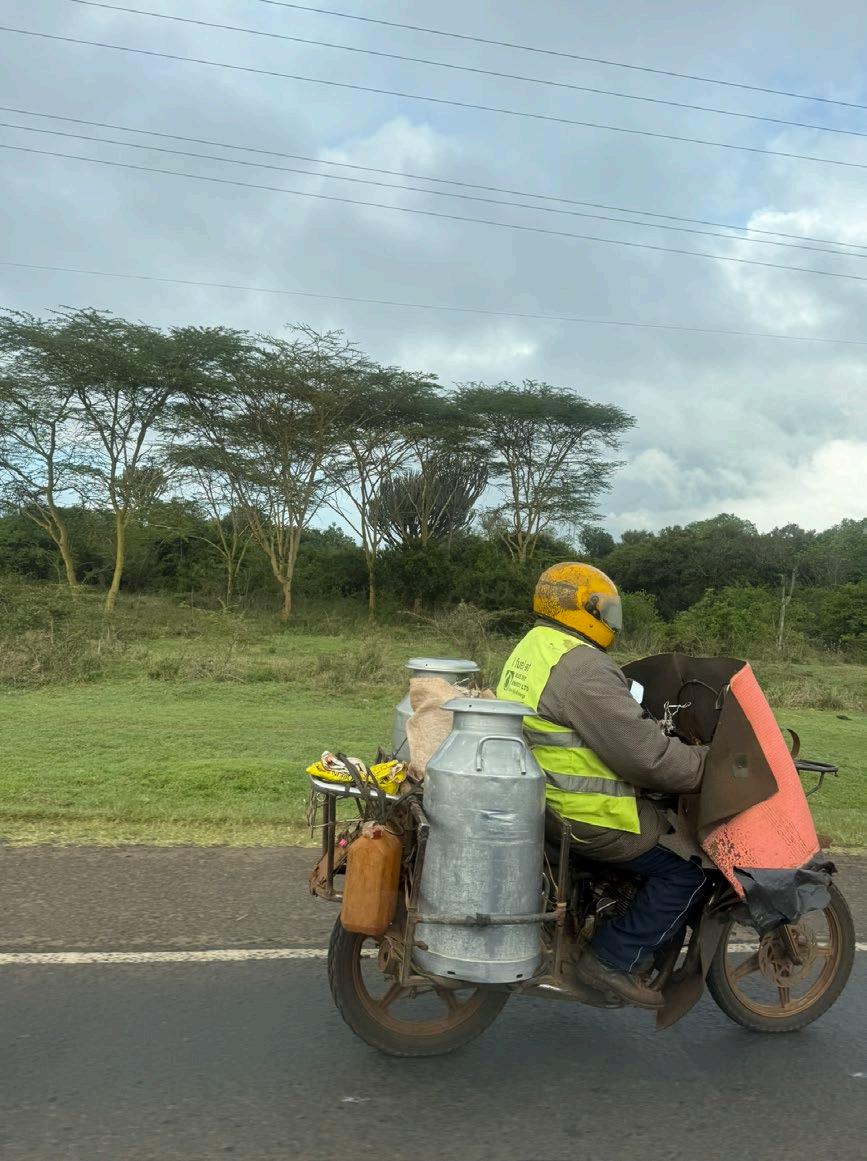
Alternative outlet for the formal sector – hawking, consumption in informal sector

Informal and formal Sectors - Dissension

• Informal Sector has dominated some markets – Urban Tranport Sector, Artisans (For example wheelbarrow manufacturing);
Informal and formal Sectors - Dissension

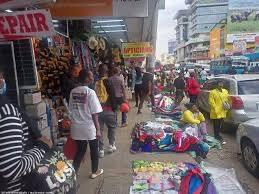
• Compete vigorously (fairly?, unfairly?) – Delivery and logistics (platform based riders vs. Bodas – unregistered riders); retail sector; milk industry;
Informal and formal Sectors - Dissension

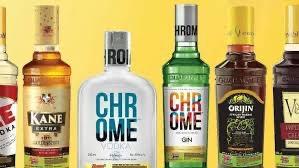
• Informal sector tempers Market power in some sectors – new brands aimed at lower income, reduced prices – pushed by kadogo economy dominated by the informal sector
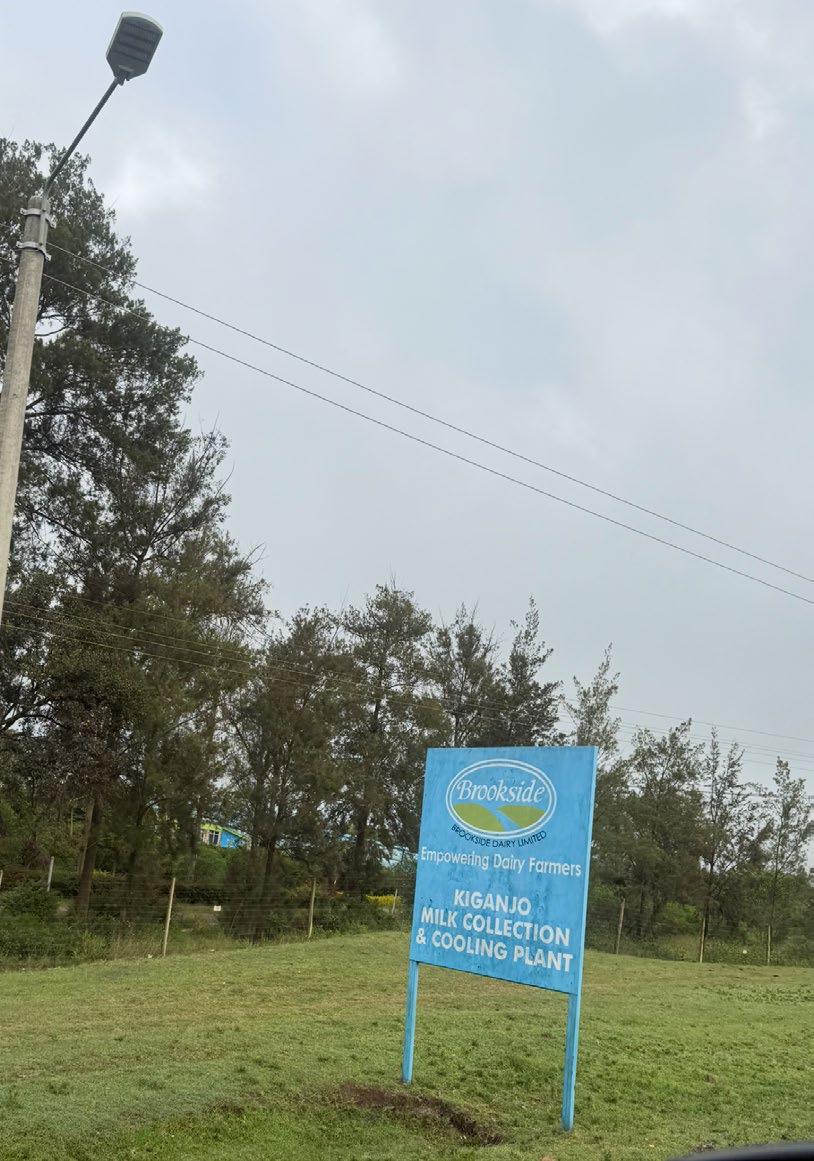
Case Study: Brookside-Buzeki Merger

https://www.cak.go.ke/arch/sites/default/files/annual-reports/FY%202013-2014%20CAK%20Annual%20Report.pdf.

Key Concerns:

 Brookside perceived to be dominant (45% market shares) in milk processing market

 Highly informal market though regulated

 Political Economy issues (Brookside ownership) and sensitivity of the Industry – Kenya has a large dairy herd/many dairy farmers.

 The Authority had just been established – lack of capacity and credibility risks

Findings

 It was a horizontal merger – overlaps in buying milk from farmers, processing and marketing of fresh milk, production and marketing of Long-life milk.

 Milk production was at 4.1 billion litres Annually.

 2 billion litres is retained at household (for consumption) while the rest 2.1 billion litres is marketed through formal and informal channels.

 Dairy processors accounted for 24% of the marketed milk – 504 Million litres while the informal sector accounted for the rest- 76% – 1.59Billion litres

Analysis

Market Definition – Market for Marketed Milk – (through formal & informal channels)

 Applying data from research papers and corroborated by the Industry regulator’s (Kenya dairy Board) data;

 Data obtained from the large retail stores;

 Liquid milk accounted for more than 90% of the sales of milk processors –the sales from value added products had minimal effect on firms’ turnover;

Analysis

 Marketed milk included both processed and unprocessed milk (raw milk);

 Use of natural experiment (imposition of 16% VAT on processed milk - used as a proxy for SSNIP test);

• Fresh milk sales declined by 17.4% for all processors. Brookside’s declined by 18.1%.

• CAK procured expertise of a re-known Competition Expert Economist.

• Market share of Brookside was calculated at 7.35% and that of Buzeki was at 1.44%

Lessons

• Availability of Data is critical and avenues to corroborate it;

• Capacity to collect and analyse data;

• Competition Agencies should have an interfacing mechanism with relevant sector regulators;

• Informal sector can provide credible competition and/or supportive role to the formal sector. However, issues of health and safety diminishes this capacity;

• Non-functioning of informal sector may deepen market power or even disrupt the supply chain in the formal sector

Turn static files into dynamic content formats.

Create a flipbook
Issuu converts static files into: digital portfolios, online yearbooks, online catalogs, digital photo albums and more. Sign up and create your flipbook.