You’ve likely seen recent news reports about measles cases and outbreaks across the country. Here in Orange County, the past two months have brought several confirmed cases that were not epidemiologically linked, along with multiple exposure events involving individuals who were infectious while visiting our community. These developments underscore the importance of heightened awareness and preparedness.
While a good portion of our community is likely immune – either through vaccination or prior infection in older groups, there are still individuals at risk when cases occur. Earlier this month, The Atlantic featured “This is How a Child Dies of Measles” - highlighting a potential situation where a parent who was hesitant in vaccinating their 5 year old daughter finds themselves in a horrible situation where their daughter becomes ill with measles after attending a friend's party then transmits it to their 11 month old brother who is too young to be vaccinated and eventually develops Subacute Sclerosing Panencephalitis (SSPE) years later.
Measles is one of the most contagious vaccine-preventable diseases in the world. Rapid identification and isolation are critical to limit further transmission. Complications such as pneumonia, encephalitis, and even death are more common in children under 5 and older adults, and a rare but fatal condition, Subacute Sclerosing Panencephalitis (SSPE), can occur years after infection. For exposed high-risk individuals, post-exposure prophylaxis (PEP) may help mitigate illness - but must be administered within a limited time frame after exposure.
Now is the time to ensure your clinical protocols are ready.
• Review the classic signs and symptoms of measles: fever, cough, coryza, conjunctivitis, and the characteristic rash.
• Confirm that your team knows how to immediately isolate suspected cases and implement airborne precautions.
• Establish clear procedures for expedited evaluation and coordination with the OC Health Care Agency for testing and reporting.
• Encourage staff, patients, and the community to know their risk and get vaccinated if they haven't already done so!
Together, we can prevent further spread and protect our community. Thank you for your continued vigilance and commitment to public health.
Warm regards, Drs. Regina Chinsio-Kwong (CK), Almaas Shaikh, and Anissa Davis
In this newsletter you can expect:
• Press Releases/News Highlights – pg. 2
• Public Health Communicable Disease Updates - pg. 7
• Federal Public Health Infrastructure Grants at Risk
On February 9, 2026, the US Department of Health and Human Services announced plans to rescind approximately $600 million in public health grants as they do not reflect revised CDC priorities under the Trump administration. Attorneys General from California, Colorado, Illinois, and Minnesota filed a joint lawsuit against the administration, which resulted in the issuance of an emergency temporary restraining order.
Recent coverage of this topic:
•
Artificial Colors in Food
On February 5, 2026, the FDA changed how it will regulate claims about no artificial colors in food. Steps were taken by the FDA to support the transition of the nation’s food supply from the use of artificial petroleumbased colors to alternatives derived from natural sources.
• Fluoride
EPA announced release of "Review of Science on Fluoride in Drinking Water: Preliminary Assessment and Plan and Literature Survey" on January 22, 2026. EPA’s new plan will be available for public comment for 30 days once it is published in the Federal Register.
• EPA Rescinds Landmark Greenhouse Gas Ruling
On February 12, 2026, President Trump along with EPA Administrator Lee Zeldin announced a final rule rescinding the 2009 Greenhouse Gas (GHG) Endangerment Finding and eliminating all subsequent federal GHG emission standards for vehicles and engines. On February 12, 2026, the California Attorney General announced plans to challenge the rescission.
EPA Announcement: A webinar was held on January 28, 2026 to discuss EPA's assessment plan as next steps.
PRESS RELEASES/NEWS HIGHLIGHTS
California & Coalition Response
• January 26, 2026 - West Coast Health Alliance endorsed the 2026 American Academy of Pediatrics Recommended Child and Adolescent Immunization Schedule.
o AAP Immunication Schedule
• California Department of Health Services (DHCS)
• Launches a new webpage to track Federal Policy Impacts on Medi-Cal. This webpage is intended to provide updates on federal developments, including HR-1 and DHCS's response plan.
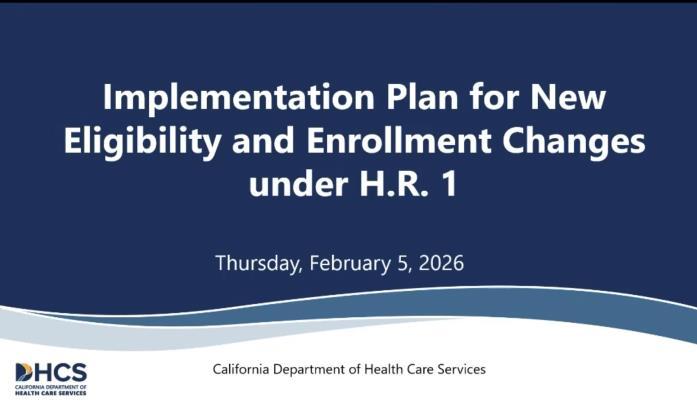
• On February 5, 2026, DHCS hosted two webinars to go over the Implementation Plan. The session included guiding principles, key timelines, phases of implementation, anticipated cadence of policy guidance, and opportunities for continued engagement and feedback. Watch the webinar.
• February 11, 2026 - DHCS issued this public notice for its proposal for the CalAIM renewal waiver.
• SB 106 (Laird) signed by Governor Newsom granting $90 million in one-time emergency funds for planned parenthood.
State Health Officer Dr. Erica Pan was a featured guest on the Public Health Review: Morning Edition podcast from ASTHO.
Recent Reports
• Tobacco Control
The American Lung Association released State of Tobacco Control 2026, which provides local "report cards" on what California cities and counties are doing to address tobacco issues in their communities. Anaheim was noted for increasing their tobacco retail licensing grade from an F to an A!
• Kratom
The Association of State and Territorial Health Officials (ASTHO) released a basic overview of the emerging Kratom poisoning issue which is worthwhile for all clinicians to read, Kratom
101: What You Need to Know.
• Adjuvants in Vaccines
The Evidence Collective released a briefing around Adjuvants, Combination Vaccines, and VAERS - summarizing current evidence to support clinicians in addressing public questions around aluminum adjuvant safety. The briefing provides talking points to assist clinicians with responses to questions that may arise around the safety of vaccines that have aluminum.
• Teen Mental Health
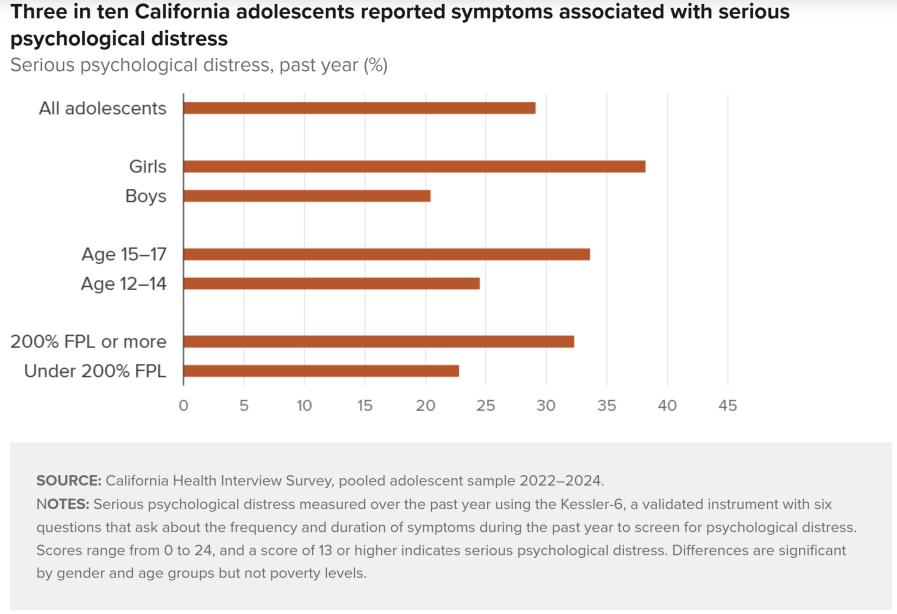
Teen Mental Health and School-Based Services in California report published by the Public Policy Institute of California (PPIC) in January was published and found the following:
• Roughly three in ten California children ages 12-17 report symptoms that meet criteria for serious psychological distress over the past year
• One-third of students in the study reported chronic sadness, and 14.5% reported suicidal thoughts
The report notes signs of improvement following $8 billion in state investments in schoolbased mental health programs.
CDPH Urges Vaccination as Measles Cases Rise Across Multiple Counties - February 9, 2026
• “The California Department of Public Health is urging Californians to check their immunization status and get vaccinated against measles after local health departments have notified the state of five separate recent cases of measles.”
OC Health Care Agency Press Releases and Health Alerts
Confirmed Measles Case Visited Orange County While Infectious – February 7, 2026
• “The OC Health Care Agency (HCA) received notification of a confirmed case of measles who visited Orange County (OC). While infectious, this individual visited the following OC locations: Disneyland Park, 8 a.m. to 4 p.m., and Disneyland California Adventure Park, 3 p.m. to closing.”
Infectious Measles Case Visits Orange County – January 31, 2026
• “The OC Health Care Agency (HCA) received notification from the California Department of Public Health (CDPH) and the Los Angeles Department of Public Health (LADPH) of a confirmed measles case in an international traveler who arrived at Los Angeles International Airport (LAX) and visited Orange County (OC).”
OC Communicable Disease Communicable Disease (CD) Health Alert - January 30, 2026 –Measles in a Toddler with No Travel or Known Exposures
• “A case of measles has been confirmed in an Orange County resident, an unvaccinated toddler who by report has not traveled outside of the area or had known exposures. This case is not linked to the other measles case reported in a traveler due to the timing of illness.“
Second Measles Case Confirmed in Orange County – January 30, 2026
• “The OC Health Care Agency (HCA) received confirmation today of a measles case in a toddler. At this time, there is no evidence of public exposure linked to this case. Health officials report that there was no travel prior to infection.”
Measles Case in Orange County – January 28, 2026
• “The OC Health Care Agency (HCA) has confirmed a case of measles in a young adult who recently travelled internationally. Potential community exposure locations during their infectious period included a gym and urgent care."
OC Health Care Agency Press Releases/CD Health Alerts
Bat Found in Rancho Santa Margarita Tests Positive for Rabies – January 23, 2026
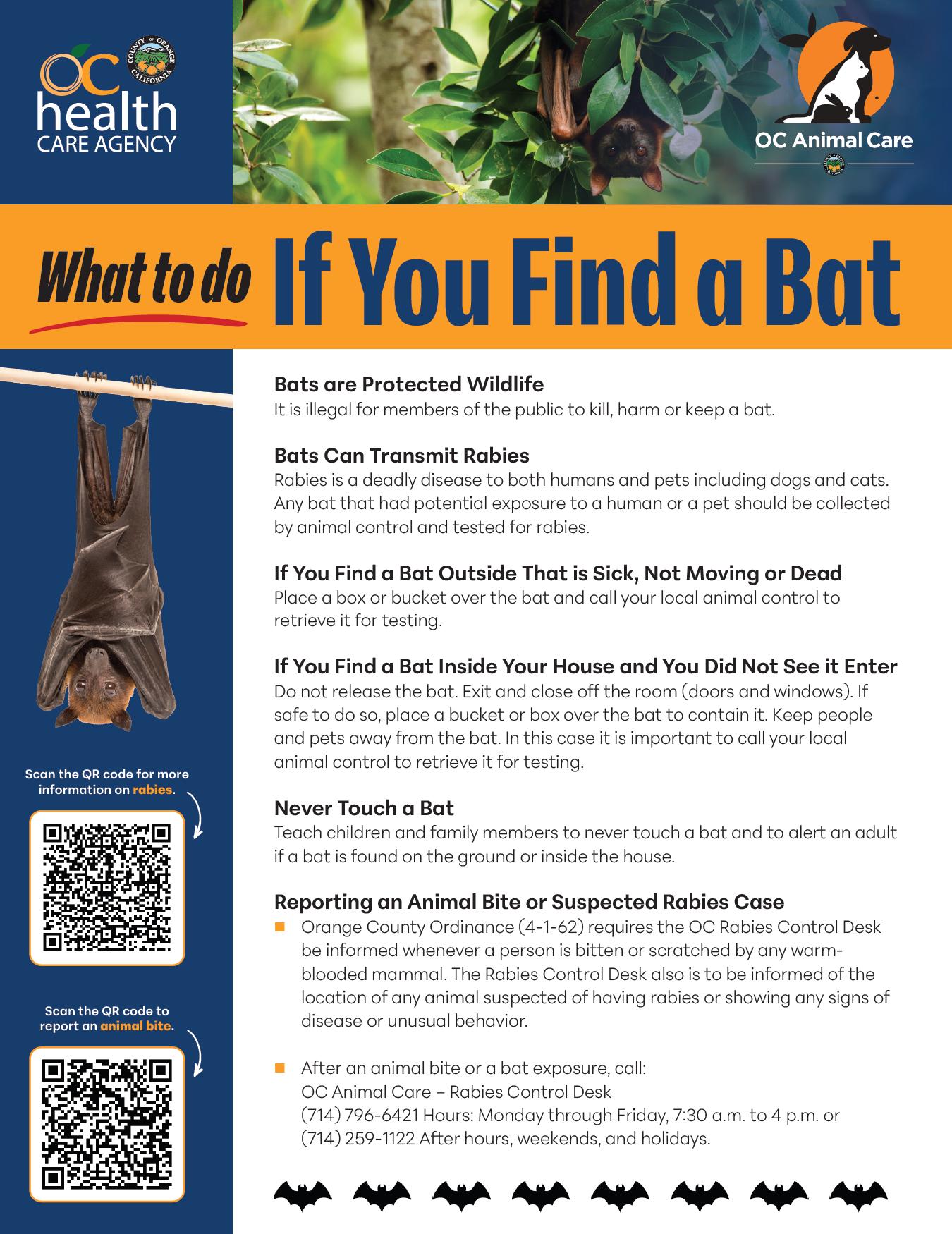
• “A bat in the City of Rancho Santa Margarita has tested positive for rabies. Anyone who may have had physical contact with this bat or saw someone else having contact with the bat is asked to call the OC Health Care Agency (HCA) Communicable Disease Control Division at (714) 834-8180 from 8 a.m. to 5 p.m. or (714) 834-7792 after hours to determine the risk for rabies.”
PUBLIC HEALTH COMMUNICABLE DISEASE UPDATES
Measles
The OC Health Care Agency will be hosting a provider webinar Measles Update: Clinical Management and Facility Preparedness Friday, February 20, 2026, from 12 noon - 1:30 p.m. CME is available.
Register at https://tinyurl.com/OCMeaslesUpdateFeb2026
National Update
As of February 12, 2026, the CDC reports a total of 910 confirmed measles cases, across 24 jurisdictions. There have been 5 new outbreaks reported in 2026, and 90% of confirmed cases are outbreak-associated.
Currently, the largest outbreaks of measles involve communities in southwestern Utah and northern Arizona and an ongoing outbreak in South Carolina. Over 80% of cases are among individuals 19 years of age or less, with 94% of cases among those who are unvaccinated or have unknown vaccination status, and 3% have been hospitalized. There have been no measles-related deaths in the US to date in 2026.
The CDC continues to emphasize that providers should include measles in their differential in the appropriate clinical and epidemiological settings: Healthcare Providers: Stay Alert for Measles Cases. Providers should continue to encourage measles vaccination in those who are not up to date.
In addition, providers should review measles vaccination recommendations for those traveling outside of the US (Plan for Travel – Measles), including giving an early dose of measles vaccine to infants 6 through 11 months of age.
State and Local Measles Update
As of February 9, California has reported 17 confirmed measles cases. Two have been confirmed in Orange County residents. In addition, people with confirmed measles from outside of Orange County visited various Orange County locations including the Disneyland Resort while they were infectious.
California Department of Public Health (CDPH) recently released an alert Increase of Measles in California describing the increase in confirmed measles cases in California, urging providers to consider measles in persons presenting with a fever, rash and other symptoms consistent with measles, and ensuring all patients, especially those planning international travel, are up to date on MMR vaccine per CDPH recommendations.
CDPH also recently updated their Measles Healthcare Exposure Investigation Quicksheet providing guidance regarding how to triage, evaluate and institute infection control measures for suspected measles patients.
Information and resources are available at CDPH Measles and HCA Measles
As a reminder, suspected measles cases should be reported immediately to the OC Health Care Agency Communicable Disease Control Division at (714) 834-8180 (staffed 24 hours per day), even before laboratory confirmation.
A Review of Measles
Measles is one of the most contagious diseases in the world if one person has it, up to 90% of unvaccinated people nearby will become infected. The virus can remain in the air making exposure easy in shared air spaces. Recent studies note that while measles can remain in the air for up to 2 hours, viability is dependent on factors such as humidity. Newer studies indicate 1 hour may be sufficient in well-ventilated, or higher humidity settings.1, 2
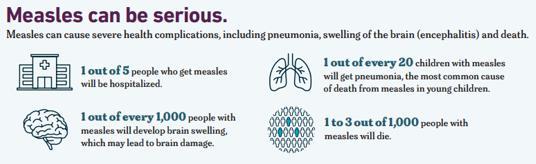
Before the introduction of the measles vaccine in the 1960s, millions of Americans contracted measles each year. According to the CDC, this resulted annually in approximately 48,000 hospitalizations, 1,000 cases of encephalitis, and 400–500 deaths.
Image from HTTPS://WWW.CDC.GOV/MEASLES/DOWNLOADS/MEASLES-ISNT-JUST-A-LITTLE-RASH-INFOGRAPHIC-508.PDF
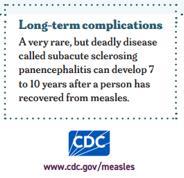
A rare but fatal condition, Subacute Sclerosing Panencephalitis (SSPE), can occur 7–10 years after measles infection, with the highest risk among those infected before age two. Just last year, a child who was originally infected with measles as an infant passed away from SSPE in Los Angeles County. (Link to Press Release)
Studies confirm that serious complications including pneumonia, encephalitis, SSPE, and death are preventable through vaccination, which provides strong immunity.
Thanks to widespread vaccination, the United States achieved measles elimination status in 2000, meaning there was no continuous transmission lasting more than 12 months. Between 2001 and 2023, the US reported a median of 72 cases per year, ranging from 13 cases in 2020 to 1,274 cases in 2019. The largest spikes occurred in 2014, 2018 and 2019, driven by global outbreaks and imported cases infecting unvaccinated individuals.3
Age-stratified hospitalization percentages for US measles cases in 2024-2025 compiled from CDC data by Statista4 revealed the following:
2024 Of the 285 cases of measles in the United States, around half of the measles cases among children under five years were hospitalized for isolation or for management of measles complications. 2025 (January 1- September 30, 2025)
Of the 1,544 cases of measles, 22% of cases among children under five were hospitalized.
1. Wellham HF, Gillani S, Ameaka FN, Campbell EA, Toner ES, Ravi S, Soneja S, Rivers CM. A systematic review to guide measles exposure periods for contact tracing. EBioMedicine. 2026 Feb;124:106138. doi: 10.1016/j.ebiom.2026.106138. Epub 2026 Jan 30. PMID: 41619351; PMCID: PMC12876303.
2. California Department of Public Health Measles Quicksheet. CDPH website. Published 2026. Accessed February 18, 2026.
3. Filardo D. Clinical Overview of Measles: Diagnosis, Laboratory Testing and Outbreak Response. Presented March 5, 2025. Accessed February 17, 2026. https://www.youtube.com/watch?v=o6kEvlad-8E
4. Statista. Percentage of measles cases in the United States that resulted in hospitalization in 2024 and 2025, by age Statista website. Published January 2025. Accessed February 17, 2026.
OC HEALTH CARE AGENCY | 8
Fortunately, the measles vaccine is one of the most effective tools in medicine. One dose of MMR vaccine provides 93% protection while two doses provides up to 97% protection. Widespread vaccination has reduced measles cases in the US by 99% since the 1960's - with the World Health Organization (WHO) estimating approximately 60 million lives saved between 2000-2023.
Despite recent changes in the federal administration and ACIP committee position/make up, numerous studies have shown that MMR and MMRV vaccines are well tolerated. As noted earlier in this newsletter, the Evidence Collective posted a summary briefing to help clinician understand the science behind vaccine adjuvant safety which is available here
Current Vaccine Recommendations
• Children are advised to get one dose of the MMR vaccine at age 12-15 months and the second dose at 4-6 years of age
• Older children, adolescents and adults without known immunity to measles or prior history of the MMR vaccine are advised to get two doses of MMR vaccine separated by at least 28 days
Special Consideration- before international travel or travel to areas with ongoing measles outbreaks,
• Infants age 6 months to 11 months can get an EARLY dose of the MMR vaccine before travel. This is an additional dose- infants who received this additional dose are still recommended to get a dose at 12-15 months and a final dose at 4-6 years.
Those who have been vaccinated with 2 doses of vaccine have a > 95% chance of being protected for life
• People born before 1957 are considered to have presumptive immunity - however, health care workers born before 1957 who don't have proof of immunity should consider getting the vaccine
• Those born after 1957 should get at least one MMR shot unless they have had laboratory-confirmed measles infection or have laboratory evidence (Serum measles IgG) of immunity
With the rise of identified cases across the nation and in California, everyone is encouraged to remain up to date with recommended vaccinations, including receiving the recommended measles vaccination BEFORE visiting places (transportation hubs such as airports) or events/venues (sporting events, amusement parks, concerts) attended by others from different parts of the world or even parts of the US with known measles cases/outbreaks
Contraindications to the MMR vaccine
• Hypersensitivity to measles, mumps, and/or rubella vaccine or any component of the formulation
• Active febrile illness
• Untreated active Tb disease
• Immunosuppressed or immunodeficient individuals
• Pregnant patients and patients planning to become pregnant within the next month (MMR), or in the next 3 months (MMRV - Proquad)
**Because measles vaccine is NOT recommended during pregnancy, clinicians should encourage vaccination before pregnancy or after delivery.
Unvaccinated Communities
Some communities have historically had lower vaccination rates and have been affected by recent outbreaks across the U.S. Factors contributing to these trends may include religious beliefs that prioritize spiritual approaches to health, concerns about vaccine safety, historical experiences, mistrust of government, or a strong emphasis on personal and religious freedoms.
Outbreaks occurring across the US in 2024 and 2025 affected certain groups.
- Southwest Utah - multiple churches/congregations with lower vaccination rates related to vaccine skepticism
- Hildale, Utah and Colorado City, Arizona - Fundamentalist LDS (FLDS) - lower vaccination rates related to vaccine skepticism. Vaccine rates among Kindergarten children 7-17%
- El Paso, Texas - Adult population (2/3), School age (5%) - clustered cases in schools/clinics
- Gaines County, Texas – Old Colony Mennonite, Plautdietsch (German speaking community) religious/vaccine skepticism with limited engagement with mainstream health care
- Spartanburg County, South Carolina - Eastern European/Slavic Immigrant community of churches/households with lower vaccination rates potentially related to government skepticism (one school in area had only 17% vaccination rate during 2024-25 school year)
- Florida - Ave Maria University in southwest Florida
Note – recent reports of identified Measles cases in a Florida college with "good" vaccination coverage brings to light the idea that breakthrough infections can occur even with a vaccine known to be highly effective. Possible reasons for breakthrough are numerous and can include very high exposure level situations (shared living, classroom, events).
Local Vaccination Rates
Vaccination rates across the general population in Orange County is unknown, however immunity is presumed to be high because of school vaccination rates, state legislation requiring vaccination in schools, and strong recommendations for vaccination over the past 30 years. MMR vaccination amongst kindergarteners attending public and private schools across Orange County has remained ~96%.
Vaccination and Schools
• Per the California Health and Safety Code, Sections 120325–120375, beginning January 1, 2021, all new medical exemptions for school and childcare entry must be submitted through the California Immunization Registry – Medical Exemption (CAIR-ME) website managed by CDPH.
• Medical exemptions may only be issued by MDs or DOs licensed in California and must align with the Child and Adolescent Immunization Schedule: United States, 2026 as recommended by the American Academy of Pediatrics.
• Any physician requesting to delay immunization schedules outside of the requirements for Pre-Kindergarten and TK–12th grade school entry must still submit a medical exemption through CAIR-ME. By law, schools and childcare facilities cannot accept doctor’s notes, letters, or blood titers as justification for delayed immunization schedules.
• For more information on medical exemptions, please refer to the Exemption FAQs.
Online resources about vaccination rates
National:
• CDC - VaxView Vaccination Coverage
• American Academy of Pediatrics Immunizations Across America
California Department of Public Health
• CDPH Disease Information and Reports
Several public dashboards have also been created:
• EdSource
• Kidsdata: 2002-2022
• Recent Washington Post article: US Vaccination rates are plunging. Look up where your school stands. The Washington Post, December 31, 2025.
When to Suspect Measles in Patients:
• Individuals at high risk presenting with classic symptoms which include: Fever (up to 105°F) AND generalized maculopapular rash AND one of the "3C's."
• Prodrome of fever and at least 1 to 3 C's often starting 2-4 days before the rash:
• Fever (can be high!) continues through onset of rash, and often peaks at the time when the rash starts
• Rash (maculopapular - small raised or flat bumps that can over time coalesce as the rash spreads) typically starts on the head or face and spreads downwards
*Redness of rash may not be as evidence in those with darker skin tone and instead may be raised bumps or may be hyperpigmented raised spots
• 3 C's: Cough, Coryza, or conjunctivitis
• Koplik spots - white spots that can appear on the buccal mucosa
Clinical presentation can look different in immunocompromised individuals or people who have previously been vaccinated. In general, symptoms appear more mild in previously vaccinated individuals.
What To Do for Suspected Cases or Patients Presenting with Fever and Rash:
❑ Mask the patient immediately, if possible.
❑ Bypass the waiting room: Keep the patient out of common areas.
❑ Isolate patient immediately, in an airborne infection isolation room (AIIR) if possible. See CDC and CDPH (PDF) infection control guidance. People with measles are contagious from 4 days before rash onset through 4 days after rash onset.
❑ Respiratory PPE - All health care personnel entering the patient room, regardless of immune status, should use respiratory protection at least as effective as a FIT-tested N95 respirator, per Cal/OSHA requirements.
❑ Assess for risk factors and measles immunization status
❑ Promptly telephone the local health department (LHD) (LHD - OC Health Care Agency Communicable Disease Control Division (CDCD) (714)834-8180 - available 24/7) to report suspected measles cases, even before laboratory confirmation, to discuss measles testing and control measures.
❑ Collect throat or NP swab and urine for polymerase chain reaction (PCR) testing. See Measles testing guidance
PCR is the preferred method for diagnosis and public health laboratories are the preferred setting for testing. Sending samples to commercial labs and not notifying public health of suspect cases can result in significant delays in diagnosis and infection prevention measures.
❑ Keep the exam room vacant for a minimum of one hour, prior to cleaning, after a patient with suspected measles has left. The room can be cleaned using standard cleaning procedures.
❑ Notify any location where the patient is being referred or transferred to for additional clinical evaluation (Radiology, lab testing, etc) about the patient's suspect measles status.
❑ If the patient is sent home, advise the patient to remain home until four days after the rash onset, or until measles is ruled out.
❑ Instruct suspect measles patients and exposed persons to inform all health care providers of the possibility of measles prior to entering a health care facility so that appropriate infection control precautions can be implemented.
What
Happens
if There is a Case?
The local health jurisdiction will conduct a case investigation and will need to work closely with the infected individual or their family/friends, or provider, as well as clinicians or staff at any facility the case visited, who can provide additional information about the person's whereabouts during the infectious period to immediately identify at risk exposures to provide timely notification for individuals who may qualify for post exposure prophylaxis within 72 hours of exposure!
What we Need:
•Cooperation from facilities/clinicians to get timely information
•When and where patient was in facility
•Line list of exposed staff and their immunity documentation
•Those without documented immunity by day 5 after exposure will be excluded from work for up to 21 days
•Line list of exposed patients and visitors
•Particularly concerned for infants, pregnant people, severely immunocompromised
•We may need assistance reaching patients
Who is at Highest Risk of Developing Measles?
• Nonimmune, unvaccinated exposed individuals or groups
• High-level immunosuppression – per CDC and IDSA those:
·With combined primary immunodeficiency disorder (e.g., severe combined immunodeficiency)
·Who are receiving cancer chemotherapy
·On treatment for ALL within and until at least 6 months after completion of immunosuppressive chemotherapy
·Within 2 months after solid organ transplantation
·Who have received a bone marrow transplant, until at least 12 months after finishing all immunosuppressive treatment, or longer in patients who have developed graft-versus-host disease
·With HIV infection with a CD4 T-lymphocyte count <200 cells/mm3 (age >5 years) and percentage <15 (all ages) (some experts include HIV-infected persons who lack recent confirmation of immunologic status or measles immunity)
·Receiving daily corticosteroid therapy with a dose ≥20 mg (or >2 mg/kg/day for patients who weigh <10 kg) of prednisone or equivalent for ≥14 days, and
·Receiving certain biologic immune modulators, such as a tumor necrosis factor-alpha (TNF-α) blocker or rituximab
Additional Clinical Resources from CDC:
• CDC Clinical Questions about Measles - Find FAQ's about protecting patients against measles
• Shared measles cases and complications at Shotbyshot.org (Stories of Vaccine Preventable Diseases)
• CDC Preparing and Responding to Measles - Checklist for Health Care Workers
• CDC Test Types Typically Available for Clinicians for MMRV
• CDC Recorded presentation - Filardo D. Clinical Overview of Measles: Diagnosis, Laboratory Testing and Outbreak Response. Presented March 5, 2025. Accessed February 17, 2026. https://www.youtube.com/watch?v=o6kEvlad-8E
• Continuing education (CE) is available for this course. Follow the instructions to obtainhere: LINK OC HEALTH CARE AGENCY | 12
Winter Respiratory Virus Season Continues
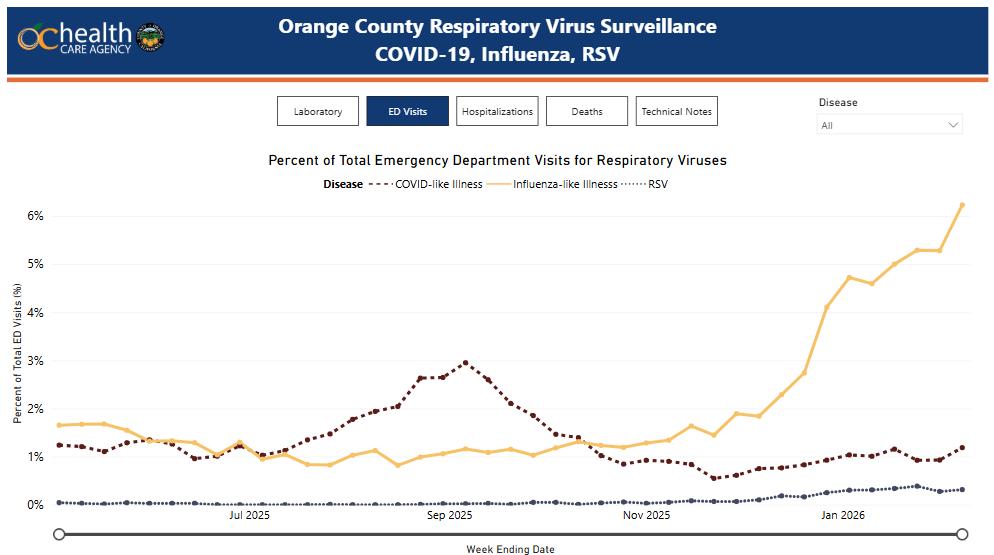
Seasonal influenza remains elevated nationally. Influenza A activity is decreasing while influenza B activity is increasing nationally and in most areas of the country; however, trends vary by region. RSV is elevated in many areas of the country and COVID-19 activity is elevated in some areas of the country. In the Southern California region, test positivity and hospital admission rates for influenza remain high. There have been 3 influenza-associated pediatric deaths this season in California.
In Orange County, test positivity and hospital admission continue to increase for influenza. Test positivity and hospitalizations continue to increase for RSV in Orange County as well. COVID-19 test positivity and hospital admission rates remain very low in Southern California.
Image from https://www.ochealthinfo.com/respiratoryvirus last updated 2-11-2026
It’s not too late to get a flu shot. Please continue to administer 2025-26 influenza vaccine to anyone 6 months of age and older who has not yet received it. Conduct molecular respiratory virus testing for patients with respiratory illness and start antiviral immediately for suspected influenza in high-risk patients. Influenza Update
Other Communicable Disease Control Division Topics:
Outbreak of sexually transmitted fungal infection (Trichophyton Mentagrophytes type VII) announced in Minnesota (Link to CIDRAP news coverage)
• 30 confirmed or suspected cases of T. mentagrophytes genotype VII (also known as TMVII), clustered around Twin Cities metro area
More information about TMVII: CDC MMWR Notes from the Field: Trichophyton mentagrophytes Genotype VII New York City, April–July 2024
CDPH Health Advisory on TMVII - June 2024 - Reports of Rare, Severe Dermatophyte Infections Associated with Sexual Contact in the US
- Clinicians should have high suspicion for TMVII in patients presenting with inflammatory, painful, or persistent skin lesions affecting genitals, buttocks, or face and should attempt to confirm diagnosis with both in-clinic microscopy and fungal culture.
OC HEALTH CARE AGENCY | 13
COMMUNITY COLLABORATIVE UPDATES
Orange County Community Health Improvement Plan
The Orange County Community Health Improvement Plan (OC CHIP) is making strong progress, thanks to the efforts of six dedicated workgroups focused on key health priorities: Mental Health, Substance Use, Diabetes/Obesity, Housing & Homelessness, Care Navigation, and Economic Disparities.
Examples of recent activities:
• Expanding the number of certified mental health professionals from underrepresented communities
• Launching a multi-pronged campaign to combat the opioid crisis
• Evaluating programs that support financial empowerment, job training, and skill development
• Get Involved: To join a workgroup or learn more, email occhip@ochca.com. View the full plan here: OC Health Improvement Plan | Orange County California - Health Care Agency.
Maternal, Child, and Adolescent Health (MCAH)
• The Department of Health Care Services (DHCS) recently released the updated Population Health Management (PHM) Policy Guide for managed care plans (MCP), which includes the updated Transitional Care Services policy for Pregnant and Postpartum Members.
• Of note, "Effective July 1, 2026, in addition to existing high-risk and lower-risk TCS categories, MCPs are accountable for providing two revised categories for pregnant and postpartum members ('pregnancy and postpartum TCS'), which largely integrate existing PHM and [Comprehensive Perinatal Services Program] CPSP requirements as well as nationally recognized clinical guidelines and recommendations."
• MCPs and their contracted entities must complete the newly designed TCS Birthing Supports Checklist for all pregnant and postpartum members.
• The pregnancy and postpartum TCS categories are part of the broader Birthing Care Pathway efforts to address the physical, behavioral, and health-related social needs of pregnant and postpartum women with the ultimate goal of reducing maternal morbidity and mortality.
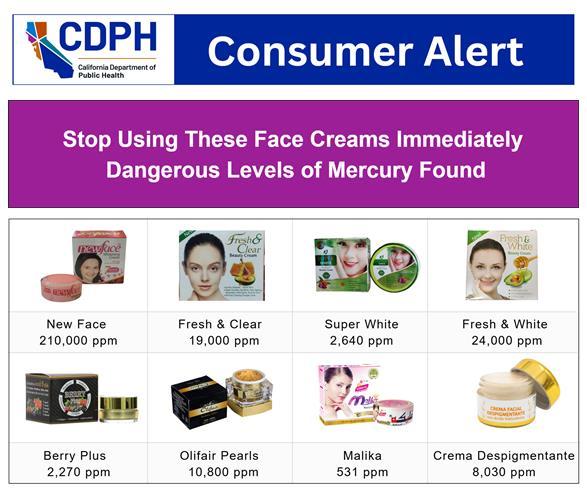
CDPH Consumer Alert - Dangerous Levels of Mercury found in face creams
Any face creams with a mercury concentration over 1 part per million (ppm) is are illegal. These creams are often sold as products to clear blemishes, smooth wrinkles, or lighten skin.
Consumers using these creams are advised to:
• Stop using the product immediately
• Seal the product in a plastic bag and dispose at local hazardous waste facility
• See a clinician and get a urine test for mercury.
• Call or text the CDPH Mercury Line at (510) 334-8567 or email
AskEHIB@cdph.ca.gov for more information.
Learn more about creams found to contain mercury at List of Face Creams Containing Mercury.
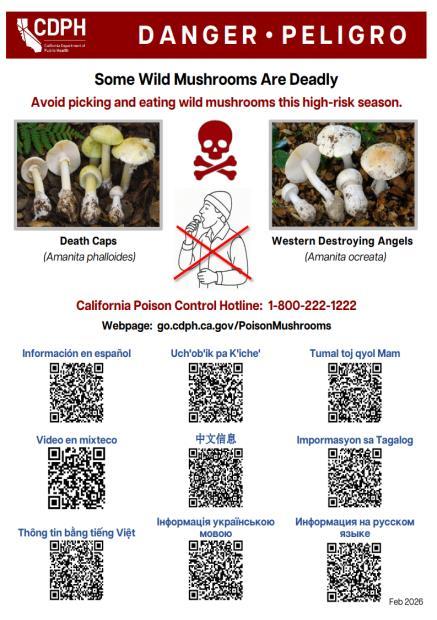
Toxic Mushroom Alert
CDPH continues to alert clinicians of the dangers of wild mushroom ingestion. Between November 18, 2025, and February 9, 2026, 40 cases have been reported in California. To date, this has resulted in four deaths and at least three liver transplants.
CDPH has created an interactive data dashboard of cases identified.
Oyster Recall
On February 12, 2026, the FDA issued an alert advising not to serve or sell, and for consumers to avoid eating certain oysters from British Columbia, Canada due to concerns of potential norovirus contamination.
Stellar Bay Shellfish Ltd has issued a recall for oysters with:
• Harvest Area BC 17-20 (Nanoose bay) CLF #1401656
• Harvest dates: 12/30/25, 1/20/26, 1/26/26, and 1/29/26
Find out more HERE
ILLNESS
Product Alerts/Recalls Related to Excess Lead Levels
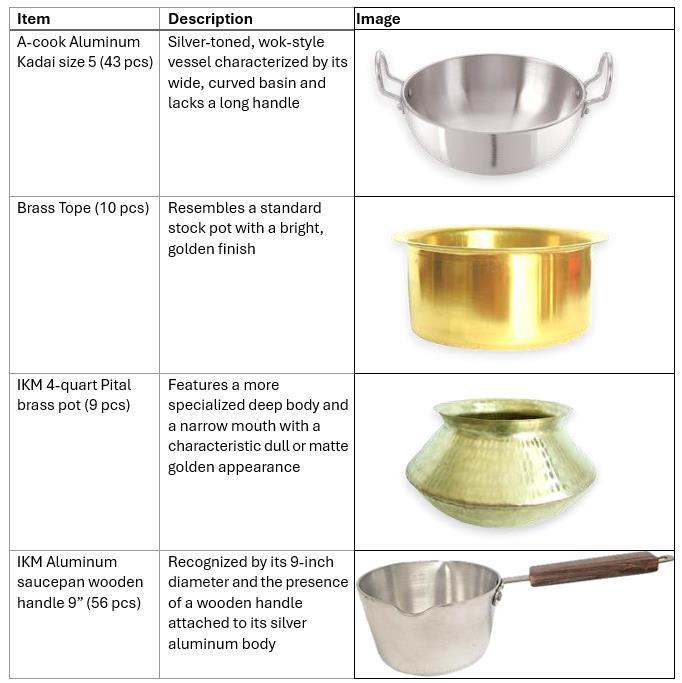
IKM Metal Cookware Items
IKM of San Jose, California, is recalling the following cookware items because they may be contaminated with significant levels of lead which may leach into food.
• Recall info: IKM Recalls Products Because of Possible Health Risk .
Clinicians should:
• Advise families to immediately stop using the recalled product and return it to the place of purchase for a full refund.
• Test children for lead if they came into contact with these products or food or liquid cooked or stored in it.
• Test family for lead if they may have been similarly exposed to this product or other recalled products, even if they do not exhibit symptoms.
Consumers with questions may contact the company at 1 (650) 695-9009.
CDC, FDA, and public health officials in several states are investigating a new multistate outbreak of extensively drug-resistant Salmonella infections linked to certain lots of Rosabella brand moringa powder capsules.
As of February 13, 2026, 7 people have been contaminated with the strain of extensively drug-resistant Salmonella reported from 7 states. There have been 3 hospitalizations and no deaths. On the same day, Ambrosia Brands, LLC. recalled certain lot of its Rosabella brand moringa powder capsules with 52 lot codes and with expiration dates in 2027.
Customers who have purchased the lots listed here should do not eat, sell, or serve the product and are to dispose of them. Additionally, customers are asked to wash and sanitize items and surface that have been in contact with the affected product.
Why Not Natural Pure Organic Moringa Green Superfood capsules
CDC and public health officials in several states are investigating a multistate outbreak of Salmonella infections linked to Why Not Natural Moringa capsules.
As of January 29, 2026, 65 people infected with the strain of Salmonella have been reported across 28 states. Thus far there have been 14 hospitalizations and 0 deaths.
On January 28, 2026, Why Not Natural recalled lot #A25G051 with an expiration date of 07, 2028 from their Pure Organic Moringa Green Superfood capsules product.
International Travel Health Notices (Additional Information):
• February 2026-
• Level 2 - Chikungunya in Bolivia
• Level 2 - Chikungunya in Seychelles
• Level 2 - Chikungunya in Suriname
• Level 1 - Global Dengue
• January 2026-
• Level 2 - Clade II Monkeypox in Ghana and Liberia
TRAINING & WEBINAR OPPORTUNITIES
General Webinars
• February 20 at 12 noon: HCA – Measles Update: Clinical Management and Facility Preparedness
• February 24 at 10 am: ASTHO – Public Health on the Pitch: Radiation Readiness for the FIFA World Cup
• February 24 at 11 am: PPIC - Teen Mental Health and School-Based Services in California
• February 25 at 11 am: National Council for Mental Wellbeing - 5 Ways Schools Can Better Support Mental Health
• February 25 at 12 noon: CDPH - Developing a Shared Vision for Climate and Health Equity
• February 26 at 12 noon: March of Dimes and the California Maternal Quality Care Collaborative (CMQCC) From Evidence to Action Low-Dose Aspirin for Preeclampsia Prevention
• March 21 at 1:30 pm: CMA - California Long COVID & IACCI Clinical Implementation Forum
• March 31 at 11:00 am: NACCHO - Cold Plunge Pools and Safety
Vaccine Webinars and Resources
• CDPH EZIZ Immunization Update for Providers - https://eziz.org/provider-ed/webinars/
• CIDRAP - Osterholm Update Episode 202: The Bells Still Ring – Recorded February 12, 2026
• CIDRAP - Vaccine Integrity Project - Response to HHS claims about vaccines (October 2025) https://www.cidrap.umn.edu/vaccine-integrity-project
• Public Health Communications Collaboration - Communicating About Immunization in 2026
National Webinar Webpages
• American Public Health Association (APHA) APHA Webinars
• CMA Recorded Webinars Virtual Grand Rounds (cmadocs.org)
• National Foundation for Infectious Disease Webinars
• Infectious Disease Society of America Public Health Page Public Health (idsociety.org)
Webinar Links
• National Emerging Special Pathogens Training and Education (NETEC) Podcast: EMS on the Frontlines: Drills, Exercises, and Unique Scenarios - Episode 46 - December 3, 2025 https://netec.org/podcast/
• Center for Infectious Disease Research and Policy Offers daily news headlines, and newsletters for specific communicable disease topics
• Osterholm Update Podcast
• Dr. Michael Osterholm discusses the latest infectious disease developments. Link: https://www.cidrap.umn.edu/osterholm-update
Provider Advisory List
Clinicians, receive immediate notification of communicable disease related alerts. Sign up at this link: Provider Advisory Email Advisory. Monthly Health Officer Clinician Newsletter
Subscribe to receive the County Health Officer newsletter by entering your email here: Health Officer Newsletter - Subscribe