Oceana Magazine is published by Oceana Inc. For questions or comments about this publication, please call our membership department at +1.202.833.3900 or write to Oceana’s Member Services at 1025 Connecticut Ave. NW, Suite 200, Washington, DC 20036 USA.
Oceana’s Privacy Policy: Your right to privacy is important to Oceana, and we are committed to maintaining your trust. Personal information (such as name, address, phone number, email) includes data that you may have provided to us when making a donation or taking action as a Wavemaker on behalf of the oceans. This personal information is stored in a secure location. For our full privacy policy, please visit Oceana.org/privacy-policy.
Michael Hirshfield, Ph.D. Senior Advisor
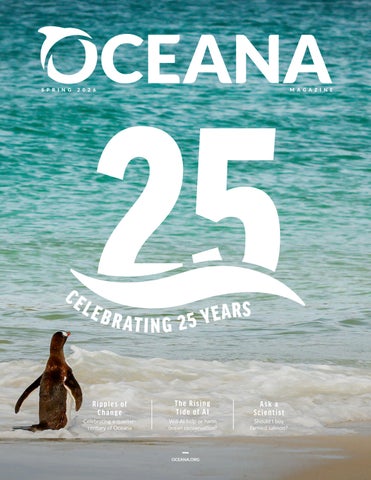
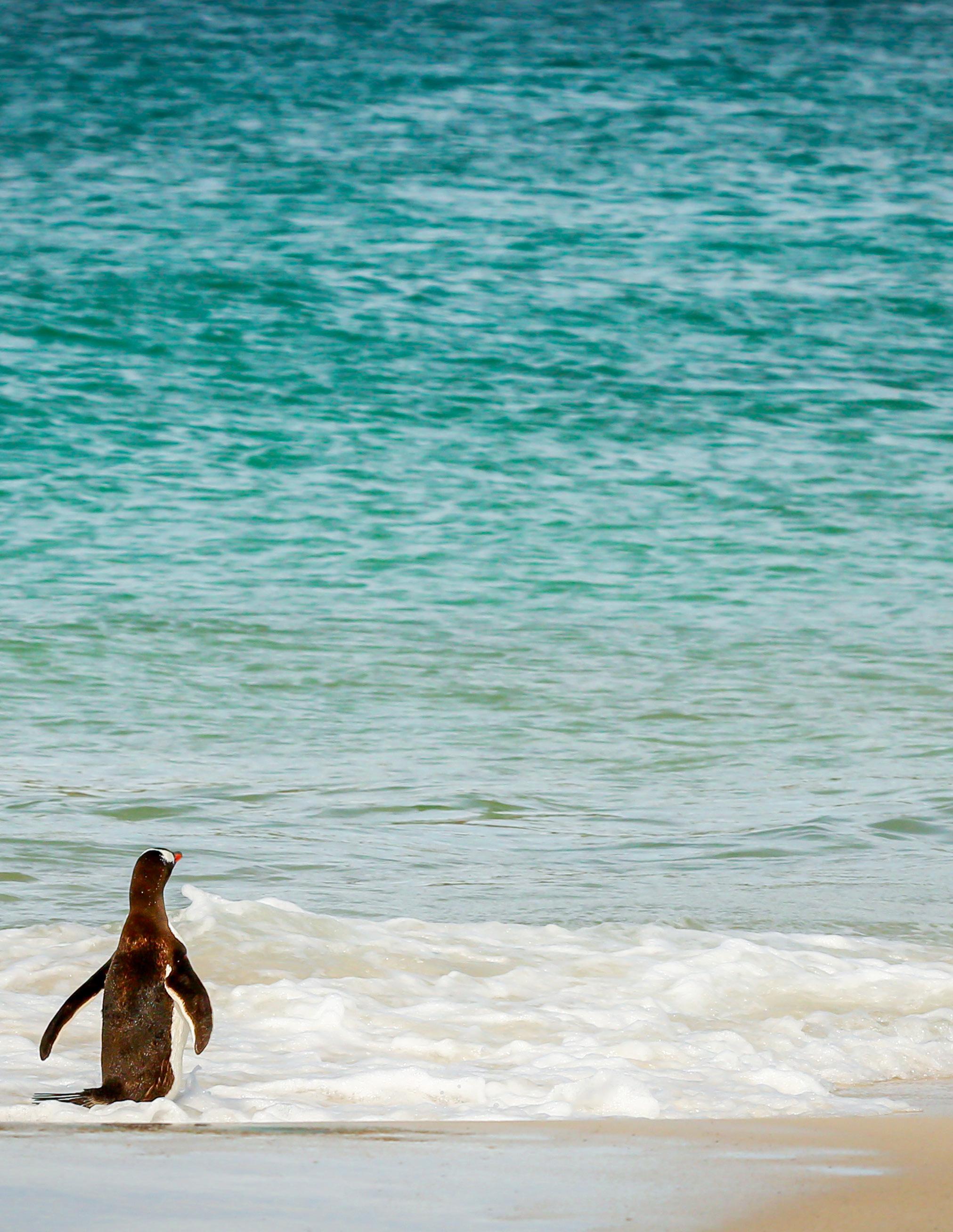
Cover Photo:
A Gentoo penguin at New Island in the remote Falkland Islands.
Welcome to this edition of Oceana Magazine, which celebrates Oceana’s 25th anniversary.
The stories in this issue reflect the scale of Oceana’s impact around the world. Our feature, “Ripples of Change” (page 10) highlights several key victories made possible by your support. In Brazil, we have restored depleted fisheries in Rio Grande do Sul by working with local fishers to end bottom trawling, the most destructive type of industrial fishing. In Belize, we have worked with an incredible coalition of Belizeans, thousands strong, who stood up to protect their waters from offshore oil exploration.
These stories illustrate how restoring ocean ecosystems can also support jobs, livelihoods, and access to food. I saw this again first-hand just a few weeks ago, when I traveled to visit community allies in the Philippines. There, alongside our talented Philippines team, I spoke with local fishers, other partners, and government leaders. I left even more energized about our work with coastal communities to achieve lasting, transformative change.
Oceana is achieving such change in 10 countries and the European Union. So far, we’ve won more than 350 victories. We’ve helped pass landmark legislation to expose illegal activity at sea. We’ve protected
whales from entanglement in fishing gear and shielded sharks from the exploitative fin trade. We’ve prevented overfishing and supported small-scale fishers in defending their access to coastal waters. And we’ve held corporate polluters accountable for their damages to the oceans.
You may remember that, halfway through our first quarter-century, Oceana launched a new strategy to highlight the connection between healthy oceans and global food security, which we call “Save the Oceans, Feed the World.” This vision has already produced results in countries in South America and Asia, and now we’re expanding that work to Africa with the arrival of our new leader in Ghana, Sonia Kwami. Sonia will bring her two-plus decades of campaign experience to advocate alongside Ghana’s coastal communities to rebuild fisheries and strengthen livelihoods. Stay tuned for updates.
In our “Ask a Scientist” column, Dr. Christina Chemtai Hicks, an accomplished scientist and Oceana Board Member, describes one of the challenges facing small-scale fishers in West Africa. In it, she offers a fascinating look at how farmed salmon — which has grown extraordinarily popular in the Global North — is affecting the availability of local fish in coastal communities. Read Dr. Hicks’ column on page 26 to learn more.
As the world has shifted over the past 25 years, we’ve employed new technologies to benefit the oceans. This led to Oceana’s role in creating Global Fishing Watch, a platform that uses artificial intelligence to expose the operations of the largest fishing vessels in the world. This platform
offers an example of how AI can be used in constructive ways, as we collectively learn how to approach this rapidly-evolving technology. Our article “The Rising Tide of AI” (page 20) explores both the promise of and the questions about AI, including risk to the environment, data accuracy, and ethics when not used responsibly.
Artificial intelligence can assist our work, but Oceana’s success ultimately depends on people. One of those people is Vera Coelho, the new leader of Oceana’s team in Europe, following her five years of championing our European campaigns. Vera’s steady leadership, clear vision, and robust experience will strengthen our campaigns across the board, from transparency to marine habitat protection. Read her Q&A on page 8.
I also want to reflect on all of you, who as our supporters, make it possible for Oceana to succeed. In the Supporter Spotlight (page 29), we honor Keith Behner and Cathy Stiefel, whose generosity exemplifies the power of committed allies. Your backing fuels our campaigns, and we are privileged to have such a strong ecosystem of support.
Thank you for joining us on our journey to protect and restore the world’s oceans for generations to come.
With gratitude,
Oceana CEO
For the Win
Oceana and its allies achieved six new victories to help protect and restore the world’s oceans
Spain designates six new marine protected areas
Spain approved five new marine protected areas and one area of special importance for birds. With this expansion, 22.45% of Spain’s waters are now designated for protection, bringing the country closer to delivering on its commitment to protect 30% of its seas by 2030. The new protected areas span 17,000 square kilometers (more than 6,500 square miles). Oceana’s extensive scientific expeditions and advocacy were key to securing these designations, which will help safeguard biodiversity, support coastal communities, and promote sustainable fishing. Oceana will continue to campaign for the proper management of these areas to prevent destructive activities, such as bottom trawling.
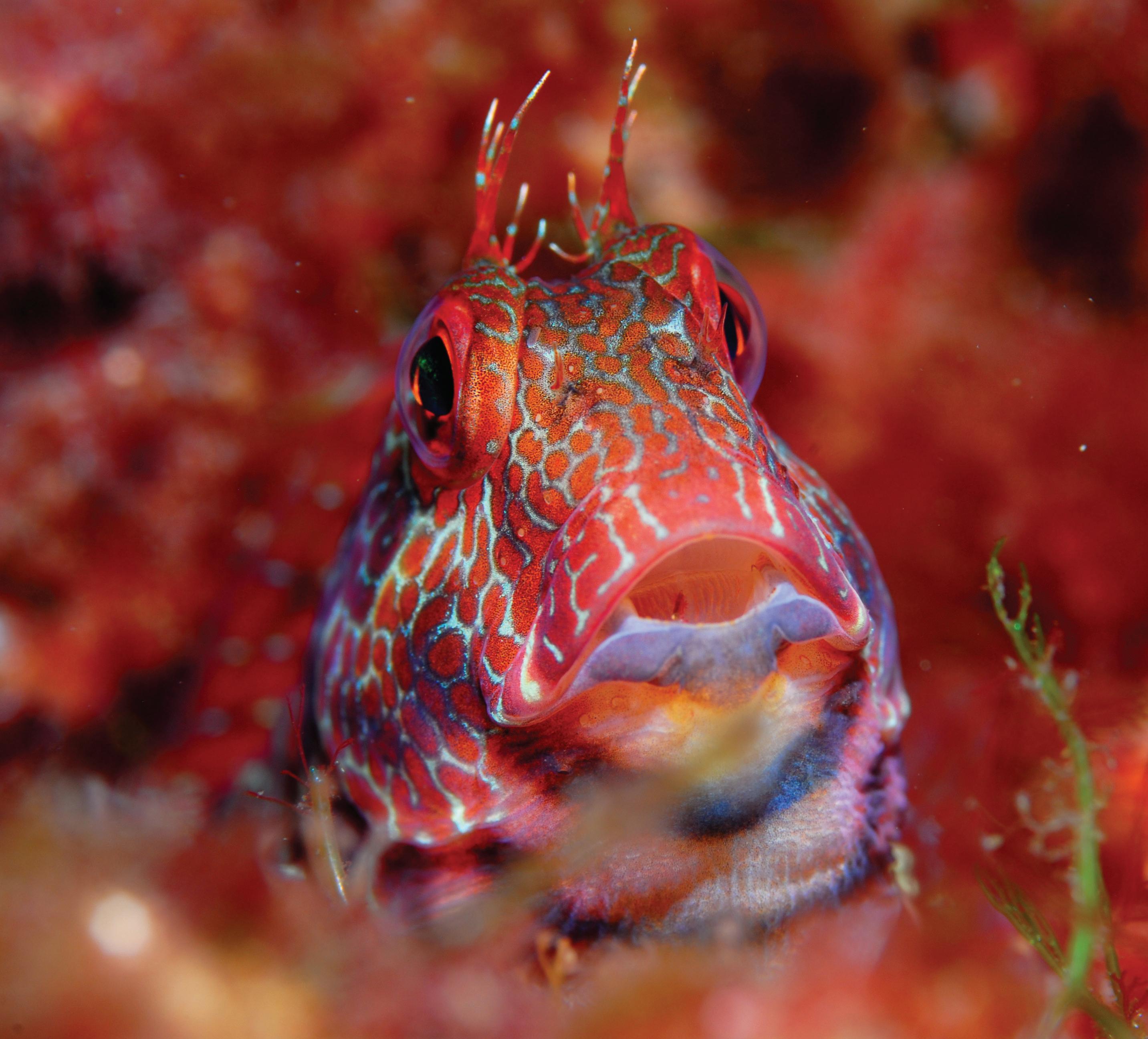
A Tompot blenny swims in the newly-protected Jaizkibel-Capbreton Marine Area off the Basque coast in Spain.
Spain strengthens rules on fishing vessel engines to protect fisheries
A new law in Spain strengthens oversight of fishing vessel engines by requiring stricter verification when engines are installed and creating a pathway for vessel owners to declare their real engine power. These reforms will help prevent engine power fraud and ensure fishing activity is accurately reported.
Mediterranean fishing vessels required to obtain permanent identification numbers to increase transparency
The General Fisheries Commission for the Mediterranean will require permanent International Maritime Organization (IMO) numbers for all fishing vessels measuring 20 meters (~65 feet) or more in length, greatly increasing transparency in this overexploited sea.
US state of California approves pop-up gear to reduce whale entanglements
California approved ropeless pop-up gear as a whale-safe alternative to conventional crab fishing gear. Fishers will be able to use the pop-up gear during any closures of the California Dungeness crab fishery in Spring 2026 and future Spring seasons when the fishery is closed to protect whales.
US state of California protects ocean biodiversity and decreases animal entanglements
A new law in the U.S. state of California protects ocean biodiversity by phasing out the use of set gillnets, a move that will protect more than 100 different kinds of ocean animals from being unintentionally entangled in these nearly invisible nets.
Deep-sea coral gardens protected in US state of California
The U.S. National Marine Fisheries Service implemented new regulations to protect deepsea coral gardens on Sur Ridge, offshore of Monterey, California. The protections will prevent all bottom contact fishing gears and advance coral research and restoration efforts.
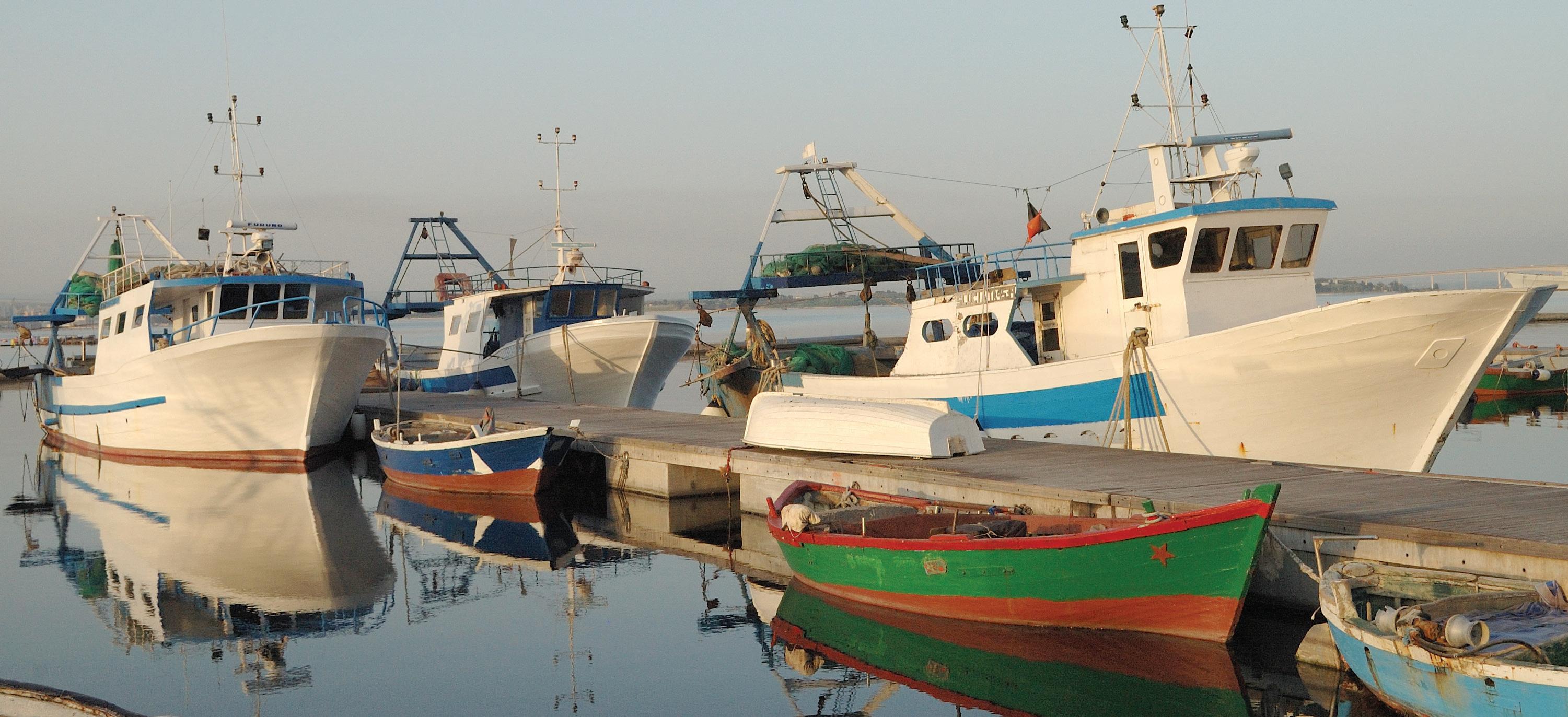
Vessels in the Mediterranean Sea measuring 20+ meters (~65 feet) must now have permanent identification numbers.
New plan threatens to open California to offshore drilling
In November 2025, the Trump administration released a new draft offshore drilling plan for the next five years, which proposes opening the coast of California to new offshore oil leases. The plan would also open a portion of the eastern Gulf of Mexico off Florida, and vast areas off Alaska, to offshore leasing. “The last thing America needs now is a massive expansion of offshore drilling that could shut down our shores with catastrophic oil spills,” said Joseph Gordon, Oceana’s climate & energy campaign director, in response. “Our coastal communities, and their multi-billion dollar economies, rely on healthy oceans to survive.” A poll released by Oceana in July 2024 revealed that two-thirds of American voters (64%) support protecting U.S. coastlines from new offshore drilling.
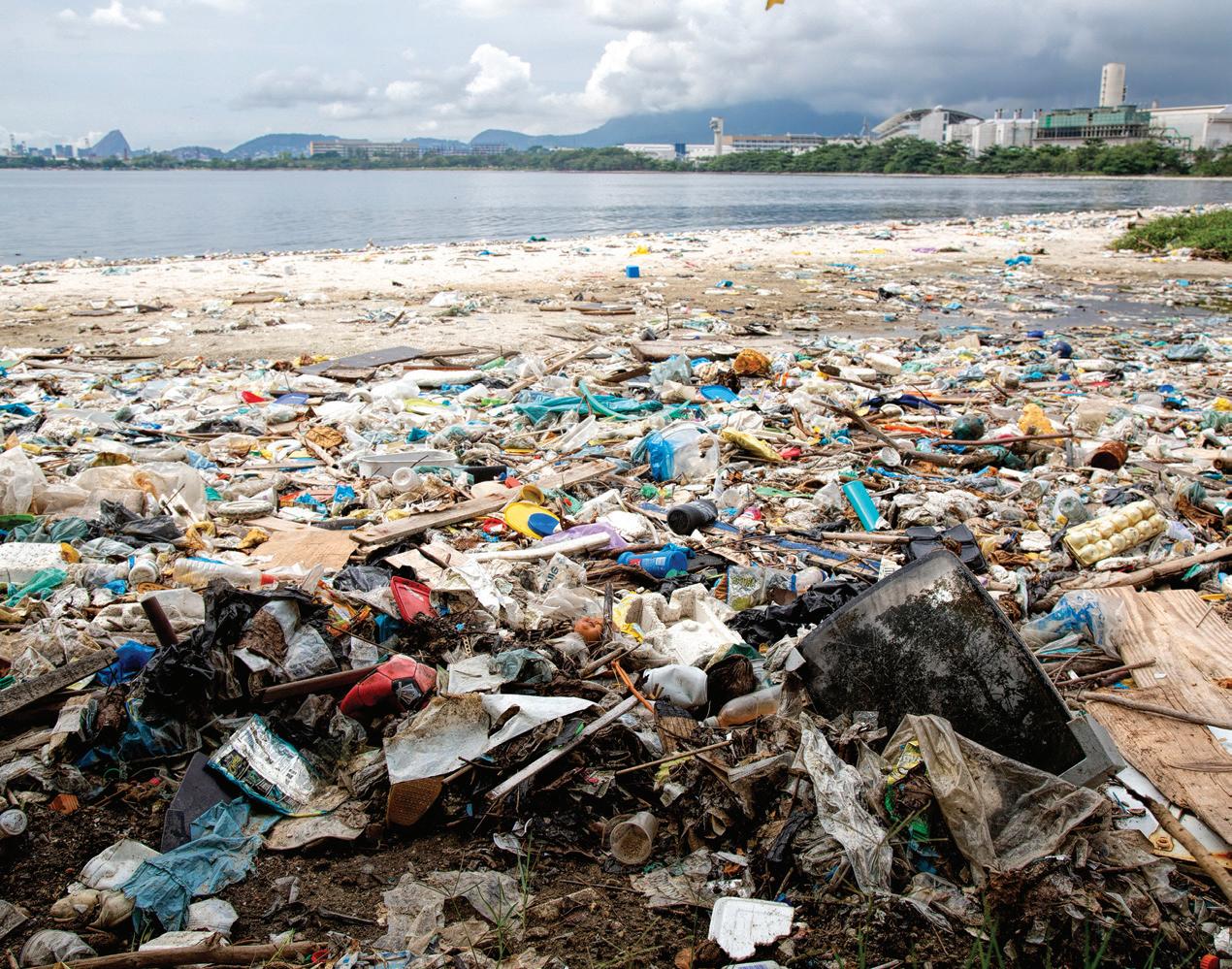
The largest plastic polluting country in Latin America, Brazil dumps an estimated 1.3 million tons of plastic waste each year into the ocean, according to data from Oceana. In 2025, Brazil’s government passed a new measure that requires plastic recycling targets for companies. Oceana provided technical expertise and advocated for the decree’s development. Under the new rules, companies will be legally required to recover and recycle 50% of all plastic packaging by 2040. In addition, manufacturers must ensure that at least 22% of the material used in new packaging comes from post-consumer recycled plastic by 2026, rising to 40% by 2040.
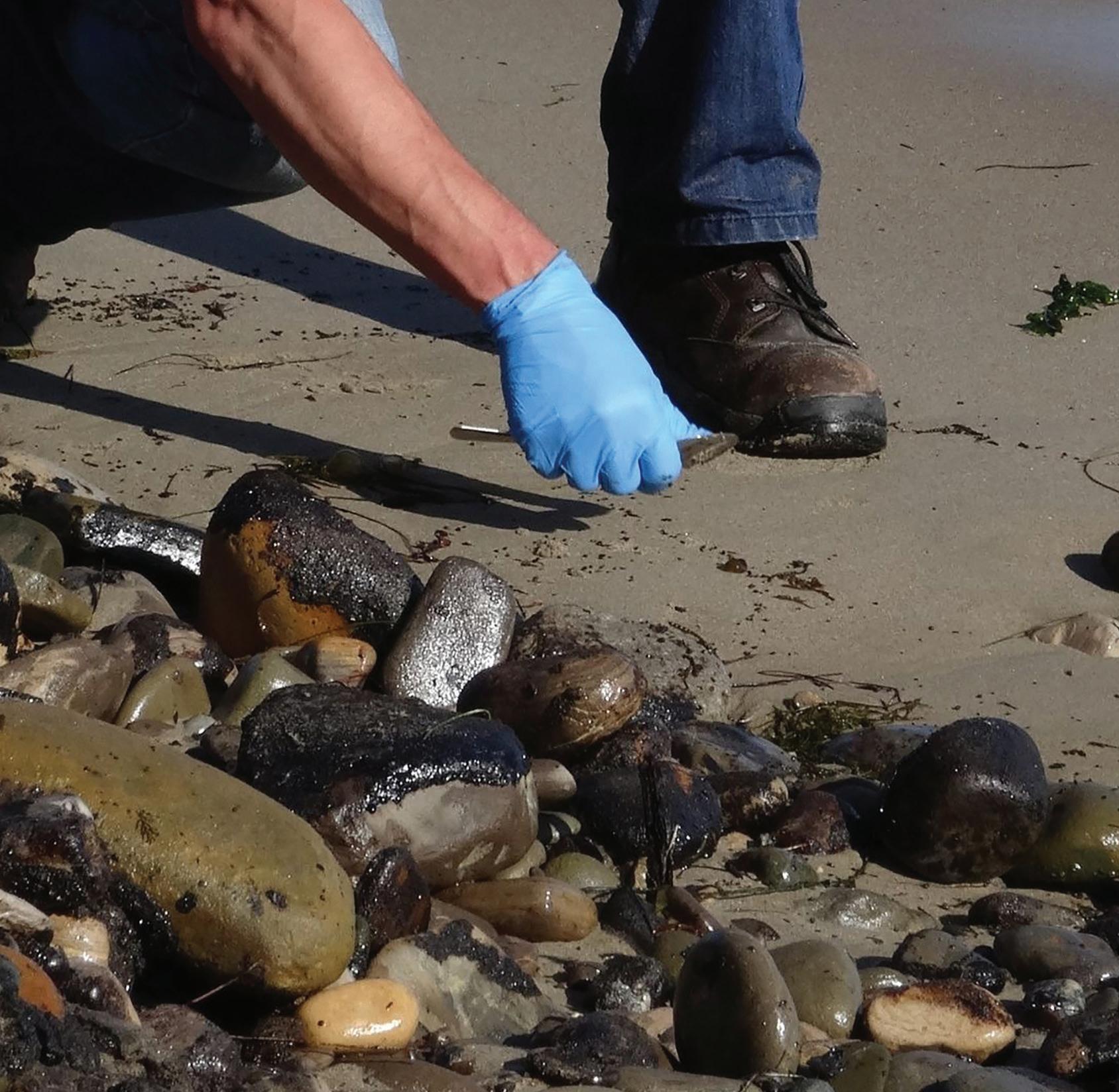
A volunteer surveys the aftermath of an oil spill on California’s Refugio Beach.
Brazil takes major step to tackle plastic pollution
Cobie Smulders joins Oceana for third Channel Islands expedition
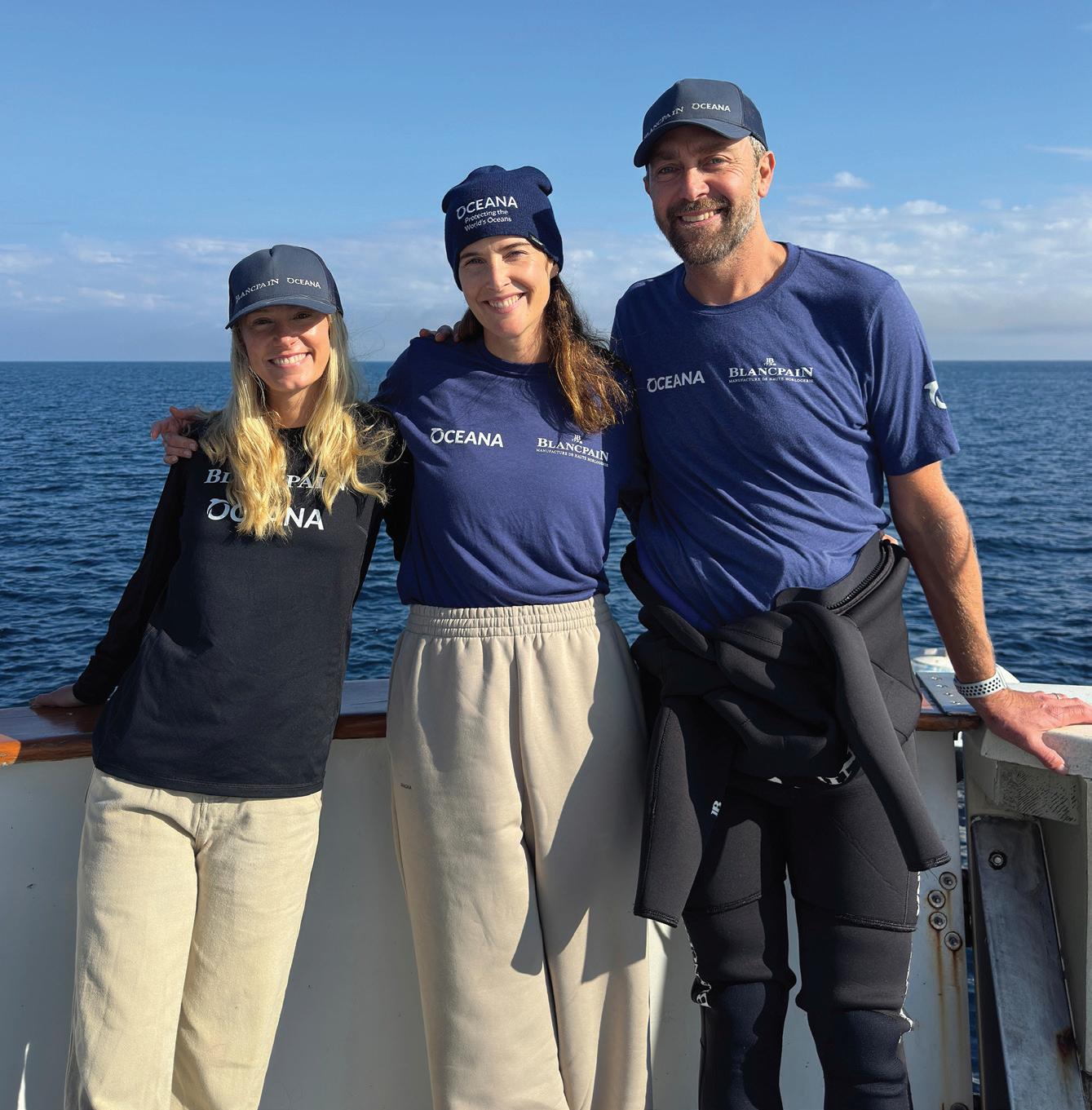
Actor Cobie Smulders joined Oceana and its partner Blancpain for their third expedition to Southern California’s Channel Islands in November 2025.
The journey included dives, scuba surveys, and environmental DNA collections to shed more light on this unique ecosystem. Oceana’s team collected hours of video footage and hundreds of images. In total, Oceana scientists have found 13,000 species around California’s coast, including thousands of unknown species.
“I’ve worked with Oceana for over 10 years, and it’s been really cool to witness the amount of work and the amount of good they’re doing for our oceans,” Smulders reflected. In January 2026, Smulders also traveled to California’s state capital to advocate alongside Oceana for protecting the state’s waters from offshore drilling.
Menorca Channel recovers following bottom trawling ban
Nestled between the Balearic Islands of Menorca and Mallorca in the Mediterranean Sea, the Menorca Channel is full of coral beds and kelp forests, home to animals from bottlenose dolphins to sponges. Bottom trawling vessels present a serious threat, however — ripping up coral and unintentionally catching a range of species while on the hunt for shrimp and hake on the sea bottom. In 2016, Oceana won a ban on bottom trawling in most of the channel, and a new study shows that these protections are paying off. The Spanish Institute of Oceanography found that, thanks to the ban, coralligenous habitats and algae forests are recovering and expanding. This news highlights the success of bottom trawling bans and the importance of defending these protections against threats.
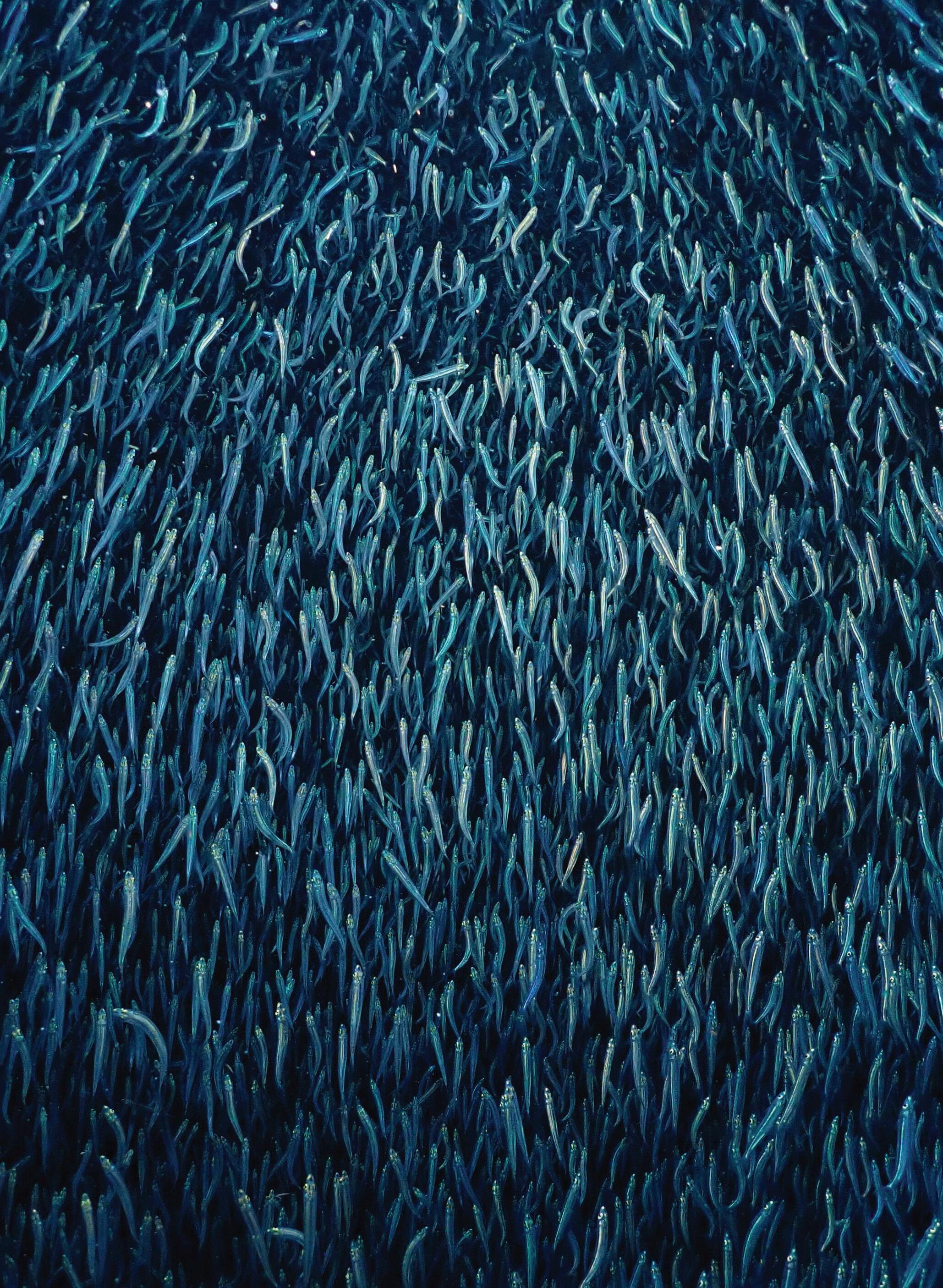
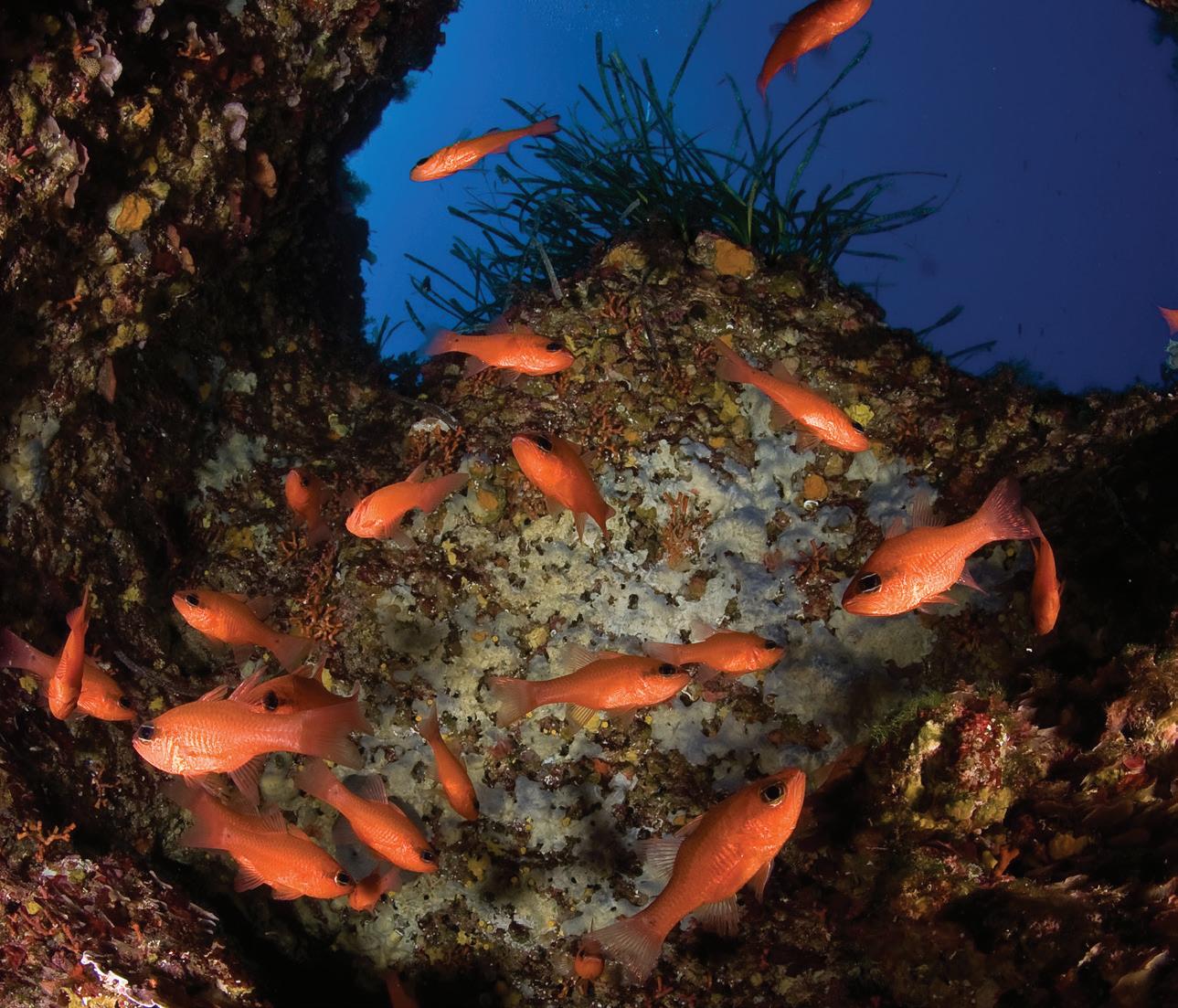
A group of cardinal fish caught on camera during an Oceana expedition to the Menorca Channel.
Actor Cobie Smulders (center) poses with Oceana expedition team members Caitlynn Birch and Geoff Shester during an expedition to California’s Channel Islands.
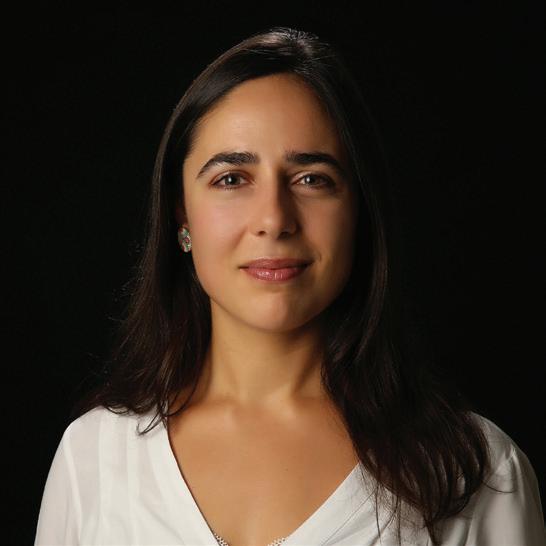
Vera Coelho is Executive Director and Vice President at Oceana in Europe, leading a team of 30+ advocates, scientists, and communicators to protect and restore the oceans. A political scientist with nearly 20 years of experience working to protect freshwater and saltwater ecosystems, Coelho joined Oceana in April 2020. Coelho has successfully campaigned for the adoption of EU environmental legislation, fisheries policy and regulation, and international treaties and agreements on climate and biodiversity.
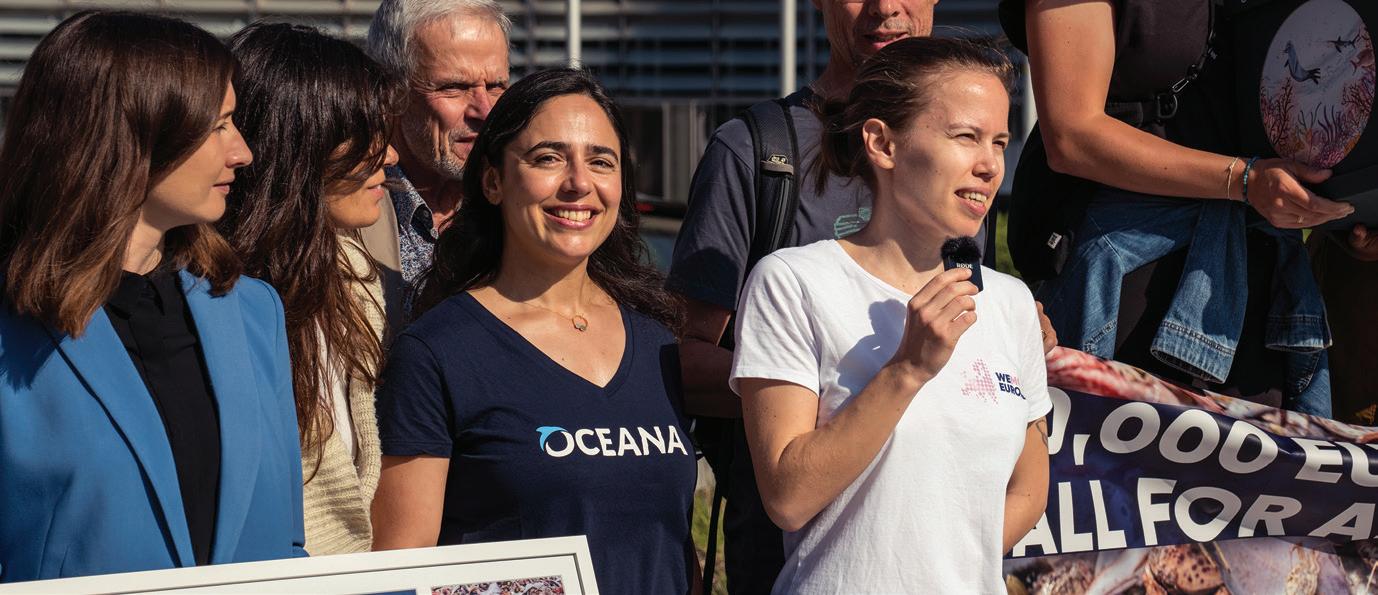
Vera Coelho (middle) stands alongside allies as they deliver over 250,000 signatures calling on the European Commission to
How did your upbringing in Portugal shape your interest in the oceans?
VC: I grew up in northern Portugal, along the rugged Atlantic coast, where the ocean is fierce. The currents are strong, the water is cold, and those who venture into the sea — whether to fish or to swim — are considered brave. From a young age, I learned both to enjoy and to respect the ocean, spending countless hours swimming and playing at the beach with family and friends.
I also grew up eating a lot of fish. Portugal is among the largest consumers of seafood in the world, with the average person eating about 55 kilograms (121 pounds) of seafood each year. In my case, that meant at least one fish meal every day — something I didn’t always appreciate as a child.
Only later in life did I truly understand how special Portugal’s
seafood culture is, and how it’s connected to the health of the ocean. My childhood offered an early glimpse into why Oceana’s vision matters: A healthy ocean can provide a billion people with a healthy seafood meal every day, forever.
How do your diverse experiences across Europe influence your perspective on ocean conservation?
VC: People sometimes forget just how diverse the European Union is. It’s made up of 27 member states, each with their languages, history, and culture. Working at the EU level means navigating complexity every day. In my career, I’ve been fortunate to live and work in six different EU countries and to speak six different languages.
This diversity can make policymaking challenging. Fishing fleets, target species, and seafood
Oceana’s
ban bottom trawling in marine protected areas.
markets vary widely across the EU. In Portugal, for example, the fleet is largely made up of smallscale vessels, while countries like Belgium and the Netherlands tend to have fewer, but larger and more industrial vessels.
One of the EU’s greatest strengths is its principle of “no borders” — a concept especially relevant to the ocean. Ocean pollution doesn’t stop at national boundaries. Fish are among the most globally traded commodities in the world. We all share one ocean, even if we experience it differently and use different languages to describe it.
Ultimately, shared objectives are the best way to protect the ocean in a way that works for Europe’s diversity, while ensuring a healthy ocean for all Europeans.
For the past five years, you’ve served as Oceana’s deputy vice president in Europe. What accomplishment are you most proud of?
VC: I’m incredibly proud of what our small but mighty European team has accomplished over the past five years. Together, we’ve secured over 25 victories across Europe — from the adoption of major EU laws to the creation of new marine protected areas (MPAs) and securing action against vessels fishing illegally.
If I had to choose one accomplishment to highlight, it would be Oceana’s role in passing the EU Nature Restoration Law in 2024, which is the first new biodiversity law in the EU in more than 30 years. This law represents a turning point. It requires EU Member States to restore at least 20% of EU seas by 2030, and all ecosystems in need of restoration
by 2050. It also recognizes that countries must work together when restoration goals come into conflict with destructive practices like bottom trawling.
I’m proud of not just the policy itself, but the persistence behind it — years of advocacy, coalitionbuilding, and belief that Europe could do better for its ocean.
Many of Europe’s MPAs are still impacted by destructive fishing. How can we change that?
VC: Europe often presents itself as a global leader in ocean conservation, but when it comes to MPAs, implementation has frequently been our Achilles’ heel. Many MPAs exist only on paper — mere lines on a map while destructive fishing continues.
That disconnect became very real to me when talking to fishers in the Mediterranean, who described how lack of enforcement of MPAs rendered them meaningless.
Oceana is bringing this reality to light. We’ve analyzed human activity in thousands of MPAs across Europe and exposed socalled protected areas that are still heavily fished with the most destructive gears, such as bottom trawls. Together with our allies, we’ve taken legal action against Spain and other EU countries to challenge the continued use of destructive practices in MPAs.
That pressure is delivering results. We’ve secured bans on bottom trawling in specific areas and continue to push for an EU-wide ban in all MPAs. Last summer, during the UN Ocean Conference in France, our on-theground advocacy helped secure commitments from Spain, France,
and Denmark to ban bottom trawling in biologically rich areas, and from Portugal to designate vast strictly protected areas. And we will keep pushing until Europe’s MPAs are truly protected.
What is your vision for the future of Oceana’s campaigns in Europe?
VC: The next few years will be decisive for our team. We are at a crossroads: The European Union can either defend and strengthen its world-leading fisheries and environmental standards, or it can roll them back and undo decades of hard-won progress. That urgency drives our campaigns and excites me as I step into this role.
Our vision is clear. We will continue to fight to effectively protect at least 30% of EU waters by 2030 and ensure those protections are enforced. We will defend and strengthen Europe’s fisheries management rules to meet challenges like climate change. And we will leverage the EU’s enormous seafood market power and distantwater fleet to push for greater global fisheries transparency, so that illegal and destructive practices have nowhere to hide.
Looking ahead in 2026, as the EU prepares new legislation and a long-term budget, we see a critical moment to drive ambitious, lasting change. The ocean remains central to Europe’s identity, economy, and food system. Our role is to make sure it is never sidelined. Time and again, we have shown that moments of disruption can be turned into opportunities for progress, through smart campaigning, strong alliances, and science-based solutions.
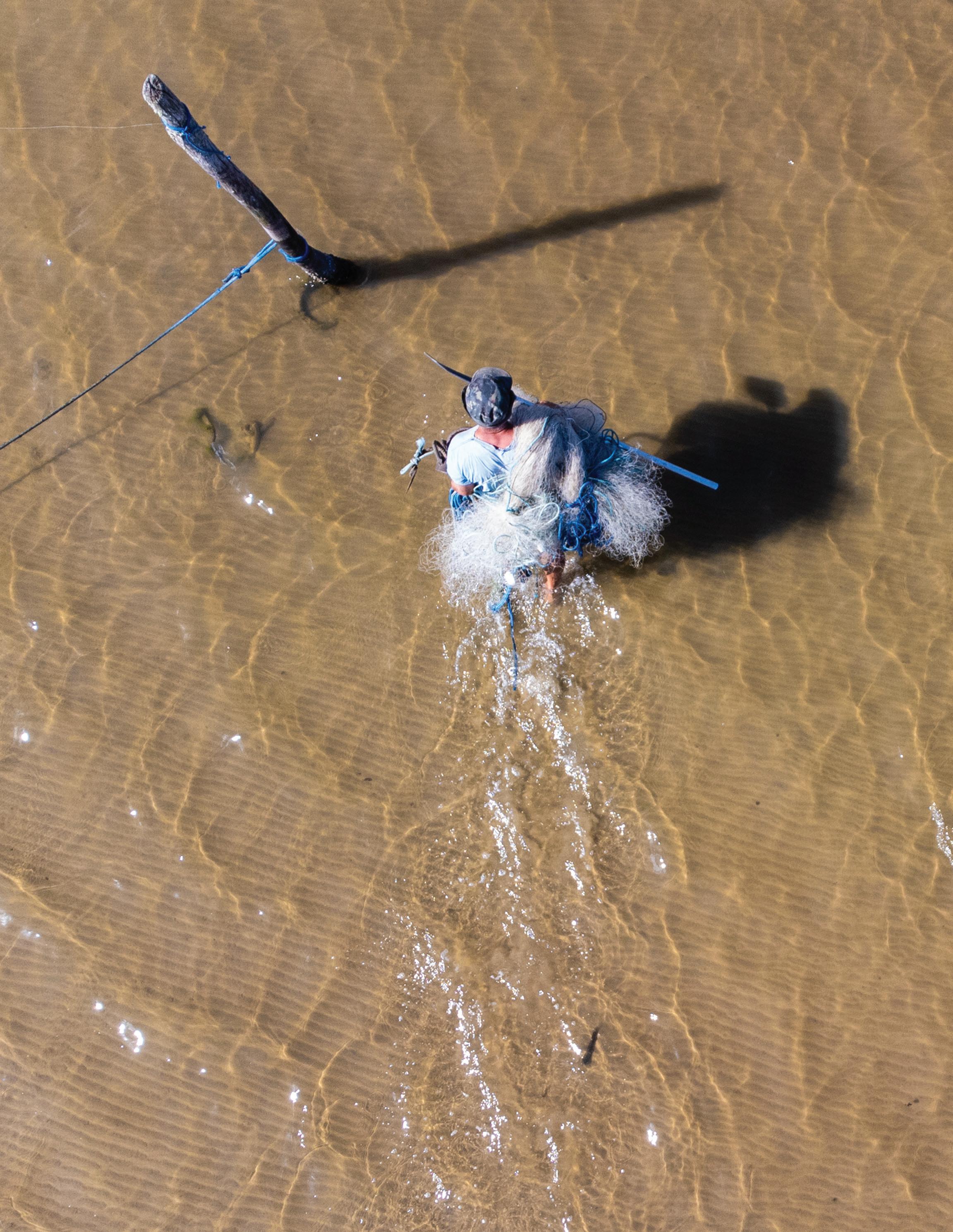
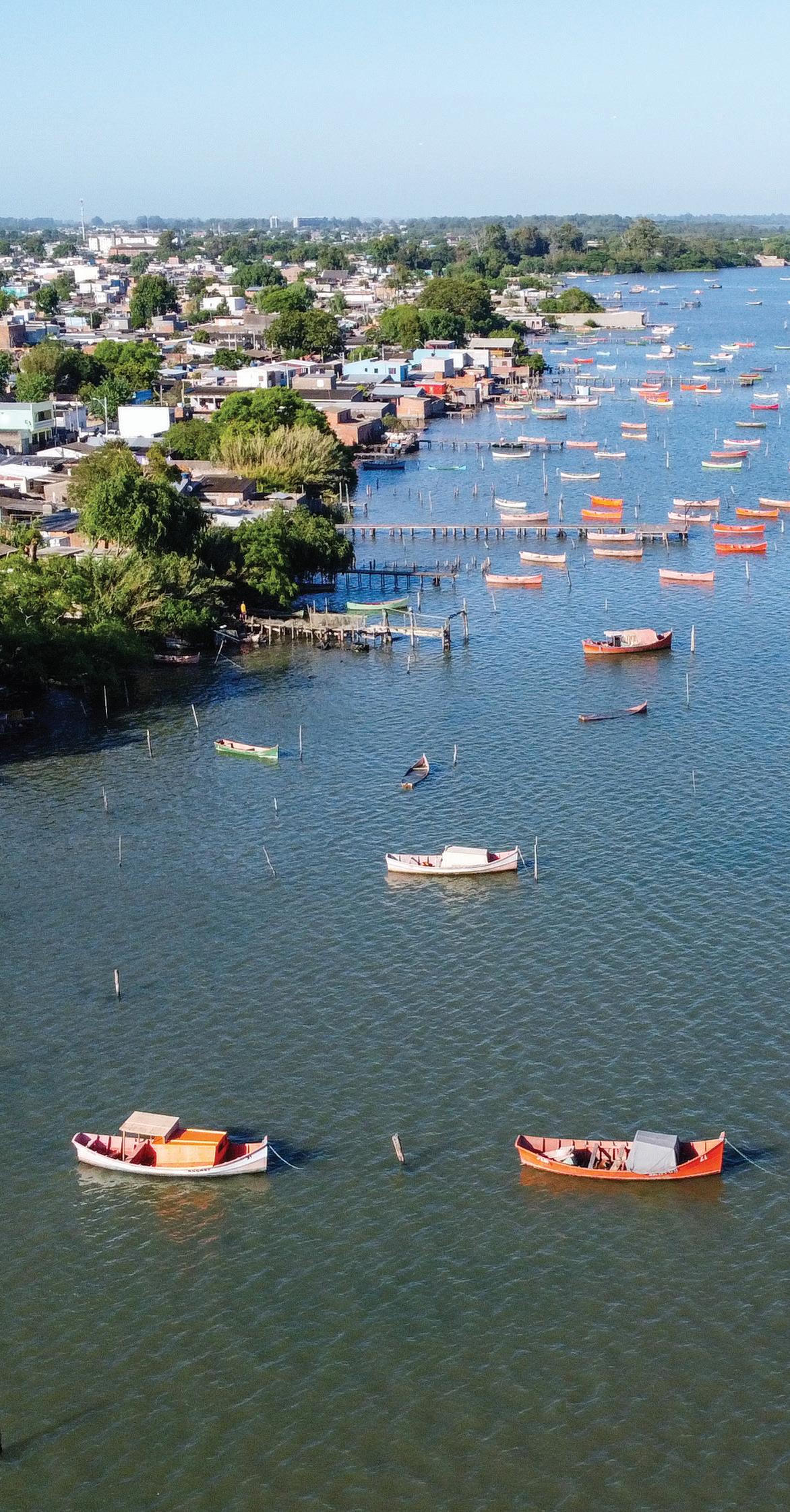
Oceana partnered with artisanal fishers to protect the abundant coast of Rio Grande do Sul, Brazil.
Ripples of Change: 25 Years of Oceana Campaigns
by Sarah Holcomb
This year marks a quarter-century since Oceana set sail. Back in 2001, the oceans received less than 1% of global conservation funding, despite covering more than 70% of our planet. Overfishing and habitat loss were accelerating, and without bold action, the oceans were headed toward crisis.
A small but determined group of funders saw both the urgency and the opportunity to protect the oceans. Five foundations — The Pew Charitable Trusts, Oak Foundation, Marisla Foundation, Sandler Foundation, and Rockefeller Brothers Fund — came together to launch what would become Oceana. Their vision was
clear: empower campaigners to take on the biggest threats to the oceans and deliver lasting change.
Since then, Oceana has grown to campaign in 10 countries and the European Union, and has helped secure more than 350 policy victories to protect marine life and support coastal communities worldwide.
“These wins aren’t isolated — they build on one another, creating movements within countries and even across continents,” says Oceana CEO James Simon. Today, those efforts are sending ripples around the world: From Brazil, to Spain, to Belize, and beyond.
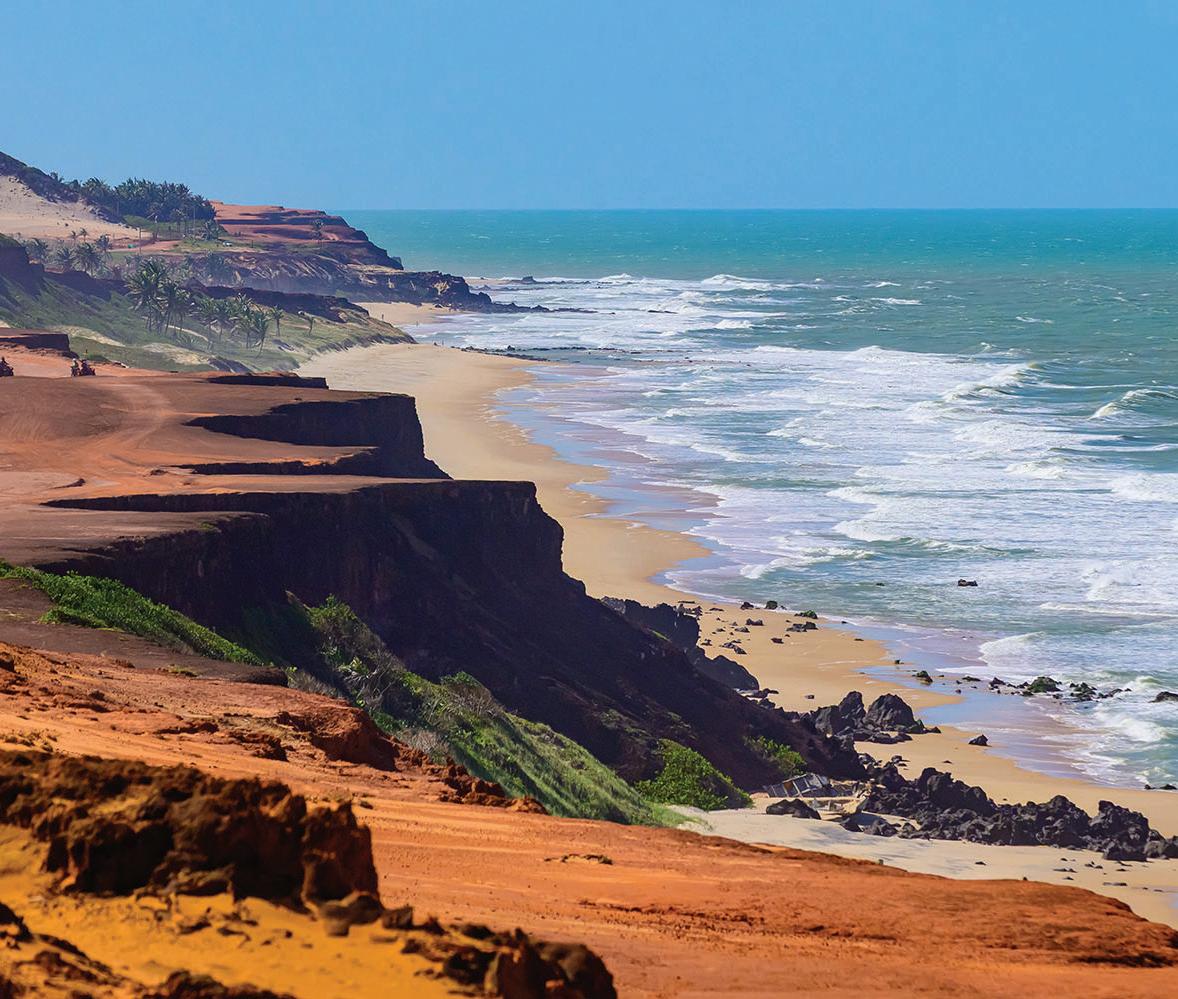
Imagine a windy, rainy coastline, where sand meets the muddybrown cold sea. While Brazil’s southernmost coastal state, Rio Grande do Sul, is not known for postcard turquoise waters, there’s another reason Oceana campaigned to protect these waters. Thanks to its ultraproductive, fish-filled sea, Rio Grande do Sul is one of the most important areas for artisanal fishing in the country.
On an early morning in 2021, a fisher arrived at Rio Grande do Sul’s Quintão beach. It was 5:10 a.m. Seventeen degrees Celsius. Wind nine kilometers per hour, coming from the south. The fisher, Daniel da Veiga de Oliveira recorded the conditions to upload to his YouTube channel, a trusted reference for hundreds of fellow local fishers.
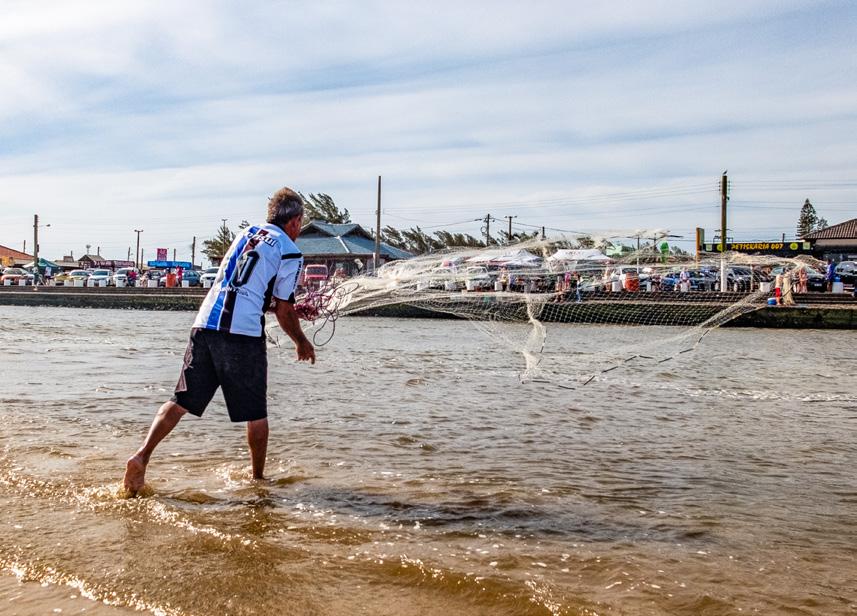
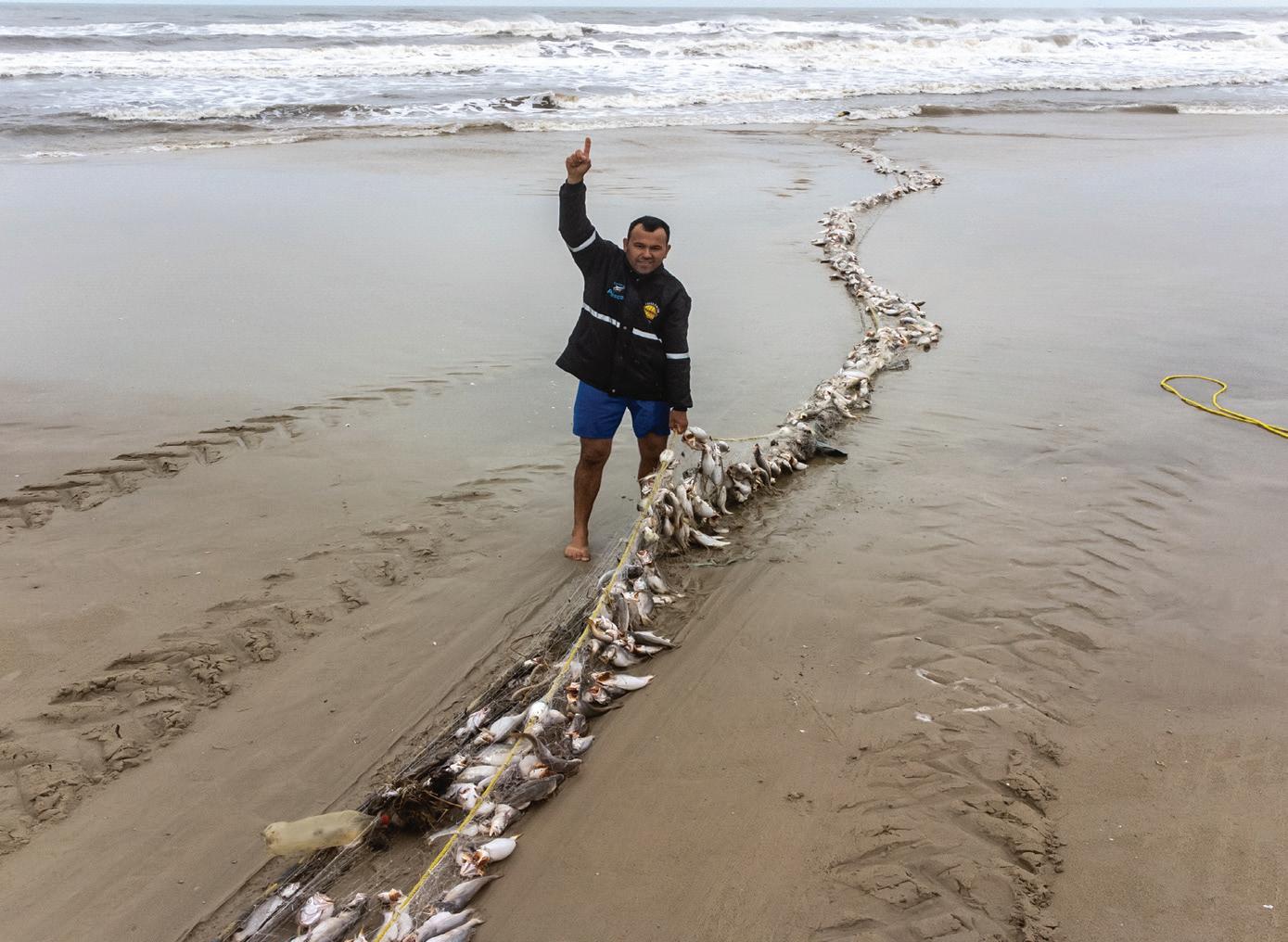
Behind Oliveira, a net 50 meters (164 feet) long ran across the dusty brown shore, filled with hundreds of flopping green weakfish. He used a tractor to pull in the heavy net. “Thanks to the ban on trawling, look at the catch we made right on the beach,” he says. “300 or 400 kilos, easily.”
This catch would have been impossible only a few years before. Three decades’ worth of destructive trawling had emptied the coastlines that Brazilian artisanal fishers relied on for centuries. Hundreds of trawlers fished close to shore — so close that they often ended up grounded on the beach. Local fishing companies went bankrupt due to trawlers’ overfishing.
“We would set our nets to catch just half a crate of fish,” one fisher remembers. A sharp contrast
to the piled-high nets of their grandparents’ generation.
Meanwhile, industrial trawlers “were loaded to the maximum capacity,” says Gilmar Silva de Freitas, a fisher in São Lourenço do Sul. The trawlers left little behind. “If you put a coin at the bottom of the ocean, that coin would be dragged up by either one trawler or another.” Small-scale fishers paid the price for big commercial hauls.
The fishers realized they needed a law to ban bottom trawling and protect their livelihoods. In 2017, Oceana partnered with the community to campaign for this law to be a reality. Oceana’s scientists also ran a study to project how the law could help fish populations recover. Within just a few years, the study showed, the sea could be full of fish again.
Oceana and artisanal fishing communities in Rio Grande do Sul proposed a law to ban bottom trawling in the 12 nautical miles
from shore. Campaigners worked alongside fishers to pressure local leaders. On Aug. 21, 2018, Rio Grande do Sul’s State Assembly voted.
Oliveira and dozens of other fishers traveled hundreds of miles from across the state to witness the vote in the state’s capital. When the law passed unanimously, the gallery full of artisanal fishers erupted in cheers.
The commercial fishing industry soon struck back, challenging the new law as unconstitutional. A legal battle ensued, but Oceana secured an initial ruling to keep trawlers out of the protected zone.
By the time Brazil’s Supreme Court ultimately sided with artisanal fishers in 2023, the waters of Rio Grande do Sul had already rebounded dramatically. Oceana conducted another study that confirmed what fishers were experiencing and its research had predicted: the fish were back.
Daniel da Veiga de Oliveira brings in his catch on the coast of Rio Grande do Sul, among Brazil’s most abundant waters.
The impact rippled throughout fishing communities. More fish and less destructive fishing meant healthier local communities. “Since the law passed, we are seeing families wanting to invest in fishing,” says Oceana’s Science Director in Brazil, Martin Dias. “More than 20,000 families depend on fishing for a living in Rio Grande do Sul. Now a fisher can fish from shore with a small net and catch one ton of fish in a single morning.”
Fish markets sold more fish. Fishing families filled their plates. The shipyard received orders to build dozens of new small-scale fishing boats.
The victory also echoed beyond Rio Grande do Sul. In December 2025, the Brazilian state of Espirito Santo approved its own law to ban destructive industrial fishing in the 12 nautical miles off its coast. A similar law is in the works in Rio de Janeiro.
Oceana’s success in Rio Grande do Sul is catalyzing a broader, state-level movement to defend artisanal fishing and safeguard the oceans — a strong indicator that Oceana’s state-by-state and country-by-country strategy is working, its leaders say.
Beyond Brazil, Oceana has partnered with communities from lobster fishers in Chile, to small-scale fishers in the Philippines, to coastal villages in Mexico, to traditional fishers in Canada to protect their waters, livelihoods, and cultural traditions.
“When we partner with coastal communities to protect the ocean, fish rebound and entire ecosystems and the whole world will benefit,” says Simon. Over the past quartercentury, Oceana has now protected over 10 million square kilometers (over four million square miles) of ocean habitat.
Rio Grande do Sul is home to a long-standing artisanal fishing tradition, with generations of fishers operating small-scale boats along its coasts and lagoons.
The fight for transparency in Europe
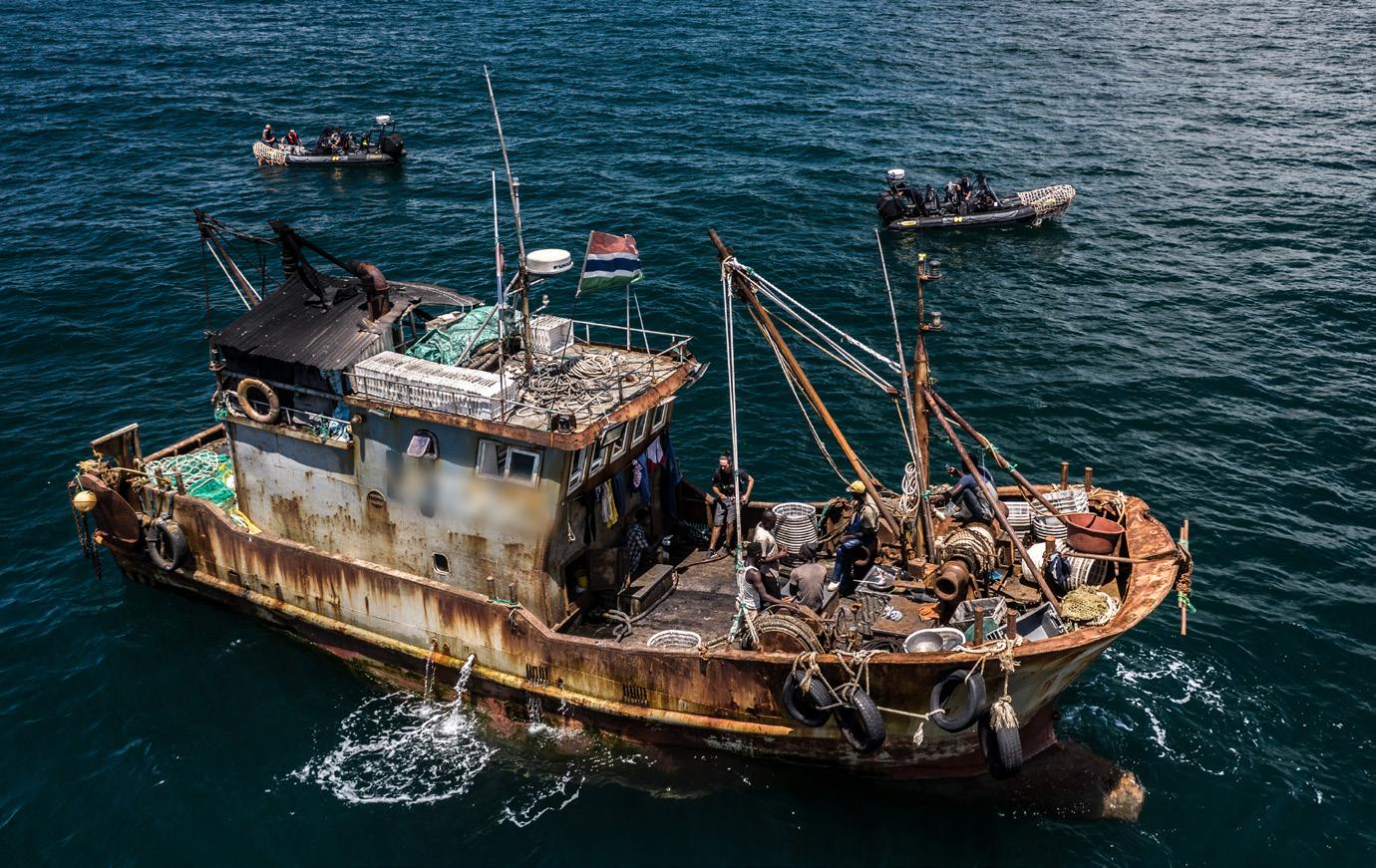
When Oceana began in 2001, researchers knew surprisingly little about the whereabouts of fishing vessels. Vessels could fish in waters around the world without accountability, use the flags of other countries with lax regulations to fly under the radar, then pass their fish off through loopholes in the supply chain.
One of the most notorious cases involved a Spanish-owned vessel, the F/V Thunder, wanted internationally for illegal fishing in the South Atlantic. Pursuit by an international fishing watchdog led to a wild, 110-day chase across 10,000 nautical miles before the
F/V Thunder’s captain deliberately sank the boat off the coast of West Africa. The resulting publicity from this incident and similar ones damaged Spain’s reputation — and made it the first major target of Oceana’s transparency campaigns.
Following Oceana’s campaigning, Spain adopted a law in 2014 to stop Spanish-owned vessels from illegally fishing, even if the fishing is happening outside the country’s waters with a vessel flagged to another country.
Today, Spain has more vessel inspectors than any other European country. Almost every foreign fishing vessel landing in Spanish ports is checked, and fines for illegal fishing are among the
highest in Europe. One victory led to another, and the entire fishing sector in Spain began to transform.
Oceana successfully campaigned for Spain to require mandatory location trackers for small-scale vessels, a measure that was championed by small-scale fishers in Andalucía, a region of Southern Spain. “The fishers were the best advocates because they were saying this worked for them,” says Vanya Vulperhorst, Oceana’s illegal fishing and transparency campaign director in Europe.
By verifying legal fishing, the trackers help fishers to protect their reputations and secure fair value for their catch. The tracking technology also helps small-scale
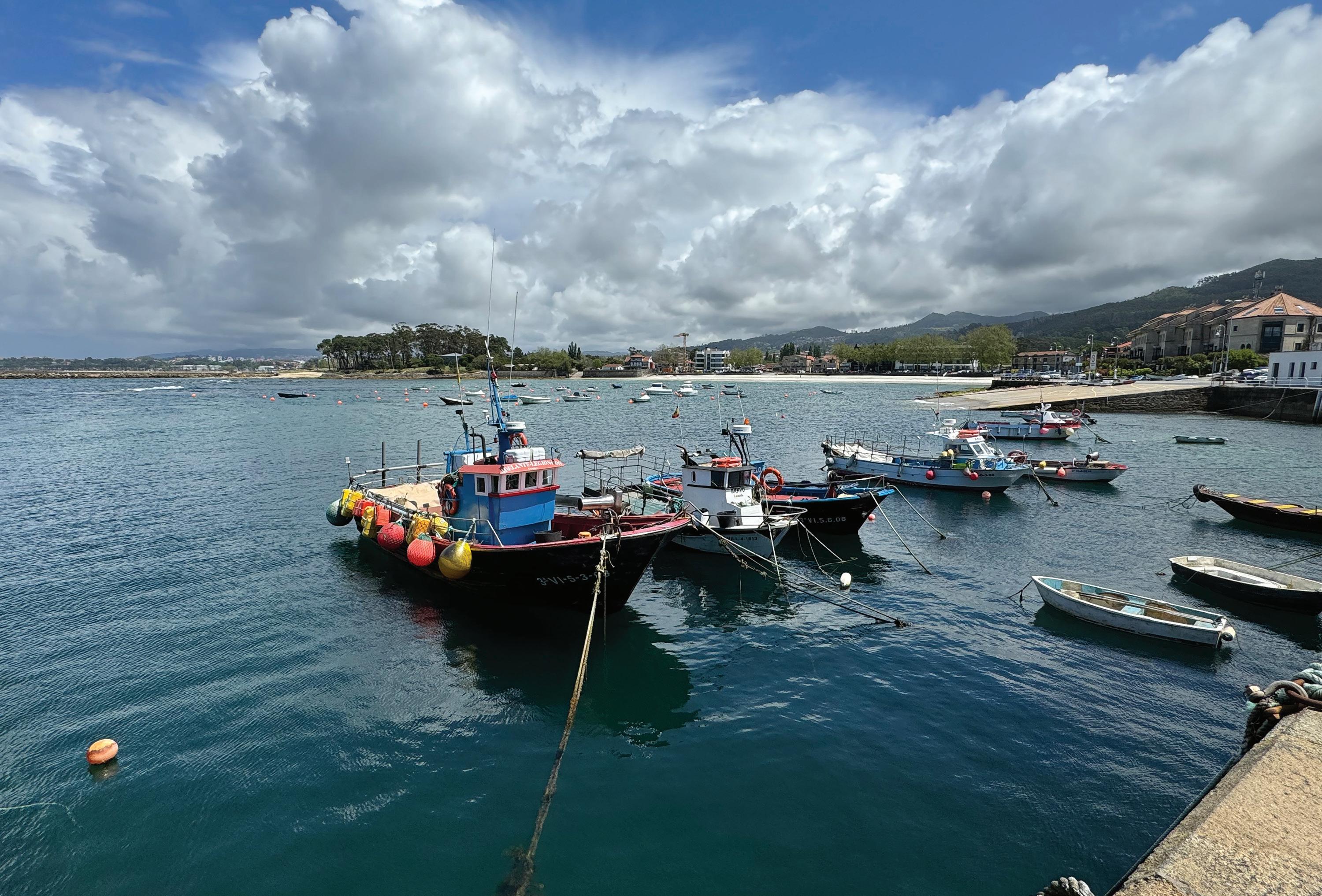
Small-scale vessels in the port of Canido, Vigo, Spain. By 2029, all vessels in the EU will have location tracking thanks to campaigning by Oceana and its allies.
fishers to be safe at sea, providing authorities with the location data they need to respond to accidents.
When Oceana set its sights on a law that would require vessel trackers on all boats throughout the EU, its Spanish allies led the way.
“The person leading the negotiations in the European Parliament on the vessel tracking rule for small-scale vessels was from Andalucía,” Vulperhorst says. “She knew the story. When other political leaders tried to argue that installing the trackers would be impossible, she knew that was not true.”
In July 2023, the EU adopted a landmark rule requiring all EUflagged fishing vessels to extend tracking systems to all vessels, including 70,000 small-scale vessels by 2030, along with stronger traceability and public reporting on enforcement. The rule will help authorities crack down on illegal fishing while improving livelihoods for small-scale fishers across the EU — just as it did in Spain.
“Our theory of change was that transforming fishing in Spain, one of the main fishing nations in the world, would influence the rest of Europe,” says Vulperhorst. “Our impact does not lie in one moment.
We’ve been campaigning for transparency for over two decades, and the effects continue to grow. Strong relationships and alliance building are key to creating lasting change.”
When vessels are visible and accountable, local fishers benefit, human rights abuses at sea come to light, and seafood consumers can trust what’s on their dinner plates. Today, thanks to continued campaigning by Oceana and its partners, about one-third of the world’s industrial fishing fleet can now be tracked in near-real time, revolutionizing the fight against illegal fishing.
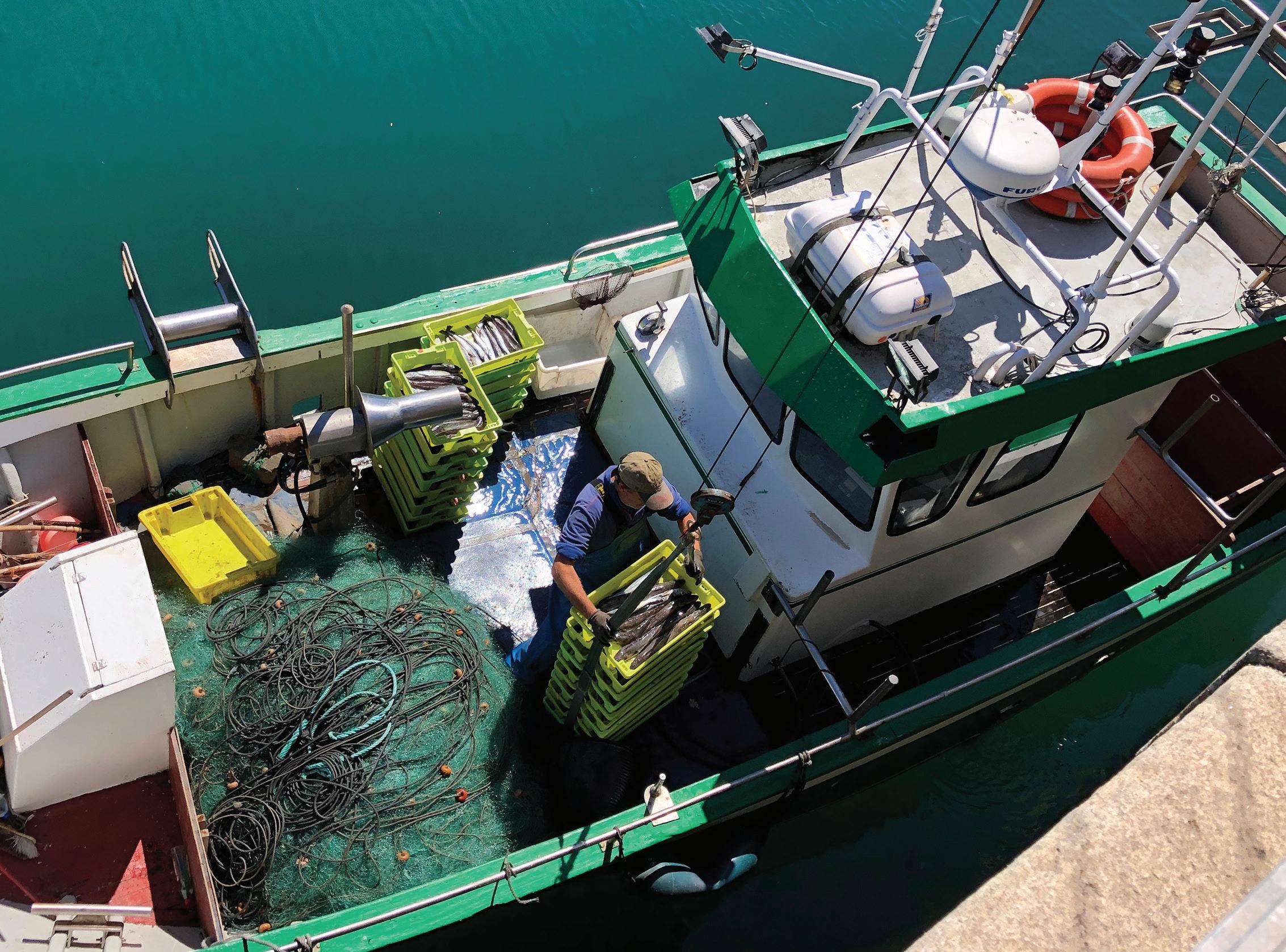
A fisher unloads hake from a fishing vessel at the Port of Lastres, Colunga, Asturias, Spain.
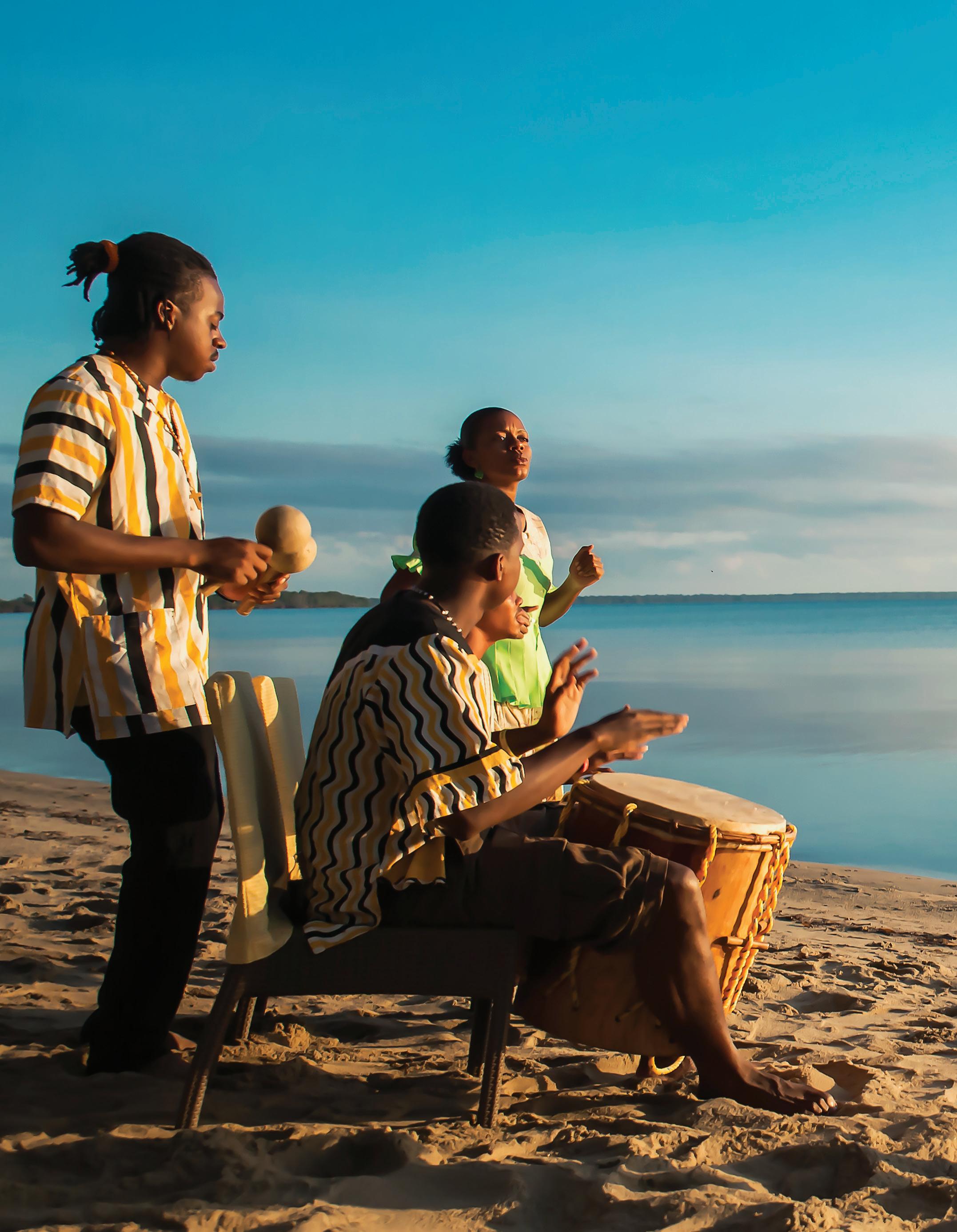
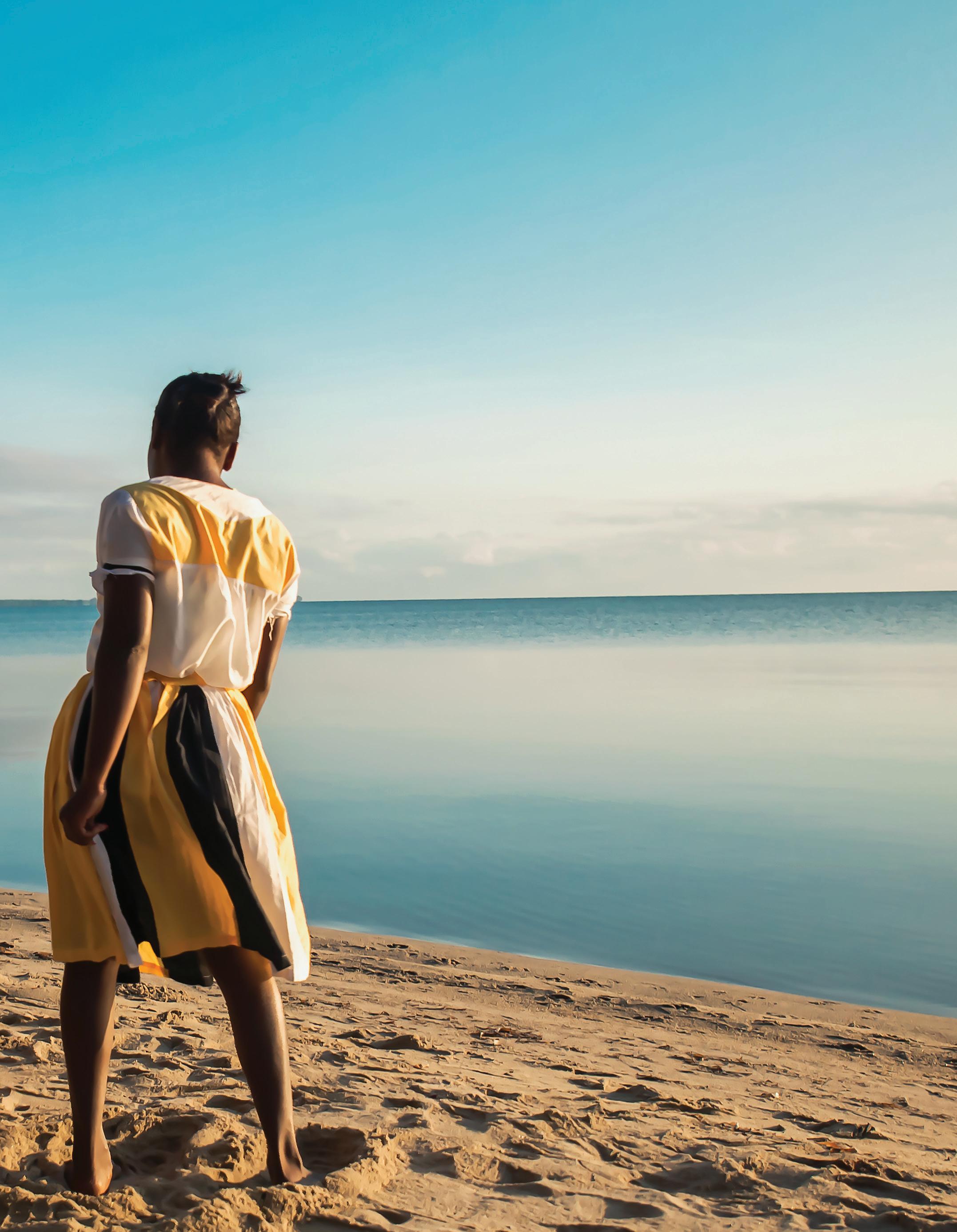
Garifuna performers in Hopkins Village, a traditional coastal fishing community in Belize, celebrate their cultural connection to the sea. Oceana partners closely with local communities to protect Belize’s waters.
People power in Belize
When the BP Deepwater Horizon oil spill devastated the Gulf of Mexico in 2010, images of burning rigs and oil-soaked coastlines reverberated far beyond U.S. waters. In Belize, the disaster triggered a sobering question. “What if it happens here?” recalls Janelle Chanona, who leads Oceana in Belize.
At the time, Belizeans were learning that almost all their offshore waters had already been leased for oil exploration — without public knowledge. The revelation unsettled Belizeans, whose livelihoods depend on fishing, tourism, and a healthy reef.
Oceana filed a lawsuit and successfully defeated the secret leases. But it still needed to ensure that new offshore oil leasing would not happen in the future.
As public concern grew, Oceana and its allies called for a national referendum on offshore oil. “Officials were annoyed,” Chanona recalled. When the Prime Minister declined to hold one, Oceana and its partners launched a nationwide signature drive to trigger the process for an official referendum.
Volunteers gathered names in cities, villages, and coastal towns. The campaign saturated public space — from billboards to radio and TV ads. More than 18,000 voters asked for a referendum — well above the 10% threshold required by law to compel one. Nonetheless, the government rejected hundreds of signatures for thin, purported technical reasons.
In response, Oceana and allies took an unprecedented step: they organized their own referendum to give Belizeans a voice.
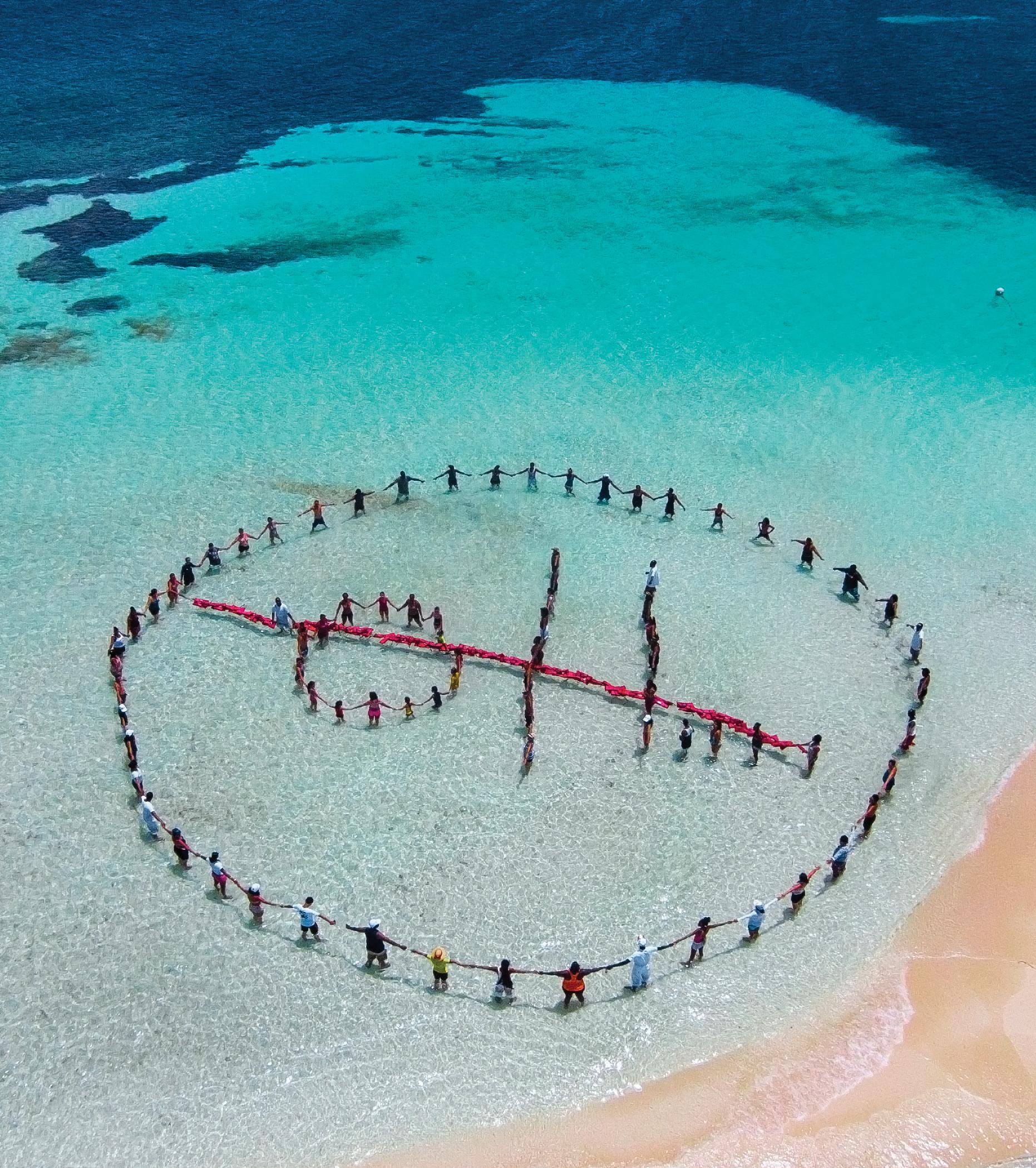
Belizeans come together to make a “human banner” at Goffs Caye for World Oceans Day.
At polling stations set up across the country, Belizeans showed up to answer the question “should there be oil exploration and drilling in our waters?” Tens of thousands cast ballots at 51 polling stations, before and after work and during lunch breaks. Ninety-six percent cast their votes against offshore oil exploration and drilling.
With this evidence of popular will — plus many more months of campaigning — the government conceded, and in 2017, the people’s voice was codified through the enactment of the People’s Law, which placed an indefinite moratorium on offshore oil activities in Belizean waters.
A few years later, when it came to light that Belize’s leadership was considering lifting the moratorium to allow oil exploration, Oceana mobilized once again, organizing another call for a referendum.
Belize Prime Minister John Briceno continued to backpedal, but the pressure held steady. The Briceno administration subsequently passed legislation forcing any future oil and gas leases to require consent from the Belizean people.
Through community organizing and persistence, Oceana built an engine of support that could go the distance, Chanona says. Today they are campaigning to enshrine the people’s right to decide on offshore oil drilling in the Constitution.
Now Oceana is not just a household name, but a family member. People are meeting with us at their kitchen table.
— Janelle Chanona, Oceana’s leader in Belize
Throughout the ups and downs, Oceana’s team of local organizers in coastal communities played a pivotal role. Early on, Oceana became a household name, Chanona says. “Now Oceana is not just a household name, but a family member. People are meeting with us at their kitchen table. Spending time out on their boats to talk with us, taking time off from their jobs to attend something we’re organizing. When the people lead, leaders follow.”
“That’s been the biggest point of growth that gives me a lot of pride,” she says. “It’s why we have credibility and why we work so hard to deliver on what we’re promising.”
When policy wins come under attack, strong community support is what makes the difference, notes Oceana Senior Vice President Liesbeth van der Meer. “Once you build the power and the people to advocate for change, that’s what makes change permanent.”
Throughout 25 years, this continues to ring true in Oceana’s campaigns around the world. In the United States, the organization’s advocacy alongside coastal communities helped protect than 625 million acres of federal waters from the threat of offshore oil. Fishers associations in Chile, Peru, and Mexico mobilized to persuade policymakers to protect their waters. Artisanal fishers in the Philippines and Europe successfully lobbied to illuminate illegal activity through greater transparency. “Over and over, we see that people are at the heart of every Oceana campaign,” says Simon.
Will artificial intelligence help or harm ocean conservation?
by Sarah Holcomb
From orbit, satellites silently monitor the ocean depths, gathering more information than could ever be collected from ships or shore. They capture the ocean’s color, surface temperature, and movement, revealing where marine ecosystems are flourishing — and where they are under pressure.
But this global view comes with a challenge. Satellites generate an overwhelming volume of data, far more than scientists can analyze on their own. To the human eye, many satellite images look nearly identical. Important signals can disappear into the noise.
Nearly three decades ago, researchers turned to machine learning, a form of artificial
intelligence (AI), to bridge that gap. Early AI systems could sort, classify, and quickly compare vast datasets, uncovering patterns that transformed how scientists understand the oceans.
Today, AI offers unprecedented insight into the oceans. It can forecast fish migrations, track plastic pollution, and predict coral bleaching, helping scientists act faster. But the same tools can enable overfishing, expand offshore drilling, and concentrate power in the hands of a few.
Will better data lead to stronger protections? Or could this energyintensive tool accelerate exploitation rather than conservation?
Artificial intelligence is often framed as a solution, but in practice, it is a tool. An AI algorithm is “like a recipe,” says Oceana’s Dr. Max Valentine, who leads the organization’s U.S. illegal fishing and transparency campaign, and often consults satellite data to track suspicious activities at sea.
“It’s a series of steps that tells computers how to interpret the data.”
For over a decade, Oceana has partnered with Skytruth and Google to unmask illegal fishing using satellite imagery, radar, and machine learning. The result is Global Fishing Watch, a publicly available, near-real-time map of
global fishing activity. Governments in at least 20 countries have used this data to bring charges against companies fishing illegally and to pass policies that hold fishers accountable.
The system relies on neural networks — loosely modeled on the human brain — to process massive streams of satellite data. Using “if–then” logic, the models identify patterns in vessel movements, Valentine explains. “If a vessel moves a certain way, then we know it’s fishing. Is it moving in tight circles or wider arcs? That tells us the type of fishing.”
Data quality is key. “When I started working on this six years ago, the data required a lot of filtering,” says Valentine. “Sometimes the algorithm mistakenly flagged idle vessels as fishing.”
The models have grown sharper over time: early versions of the Global Fishing Watch map distinguished just three fishing types; now the technology can separate 16 kinds of fishing and adapt as new behaviors emerge. A recent Oceana analysis used the upgraded methods to highlight destructive bottom trawling in France’s most iconic marine protected areas ahead of the 2025 United Nations Ocean Conference, which took place in Nice in June.
AI has also helped identify vessels that turn off trackers to hide illegal fishing, including vessels involved in human rights abuses and forced labor.
“Our oceans are dark and nebulous territory,” says Valentine. “Each year, as the models improve, more of the ocean becomes visible. Vessels find it harder to hide, monitoring becomes easier, and transparency grows — but we always need human oversight.”
By analyzing vessel data and movement, AI can help researchers find potential illegal activity at sea.
A tool for conservation to be used for good things,” points out Vatcher.
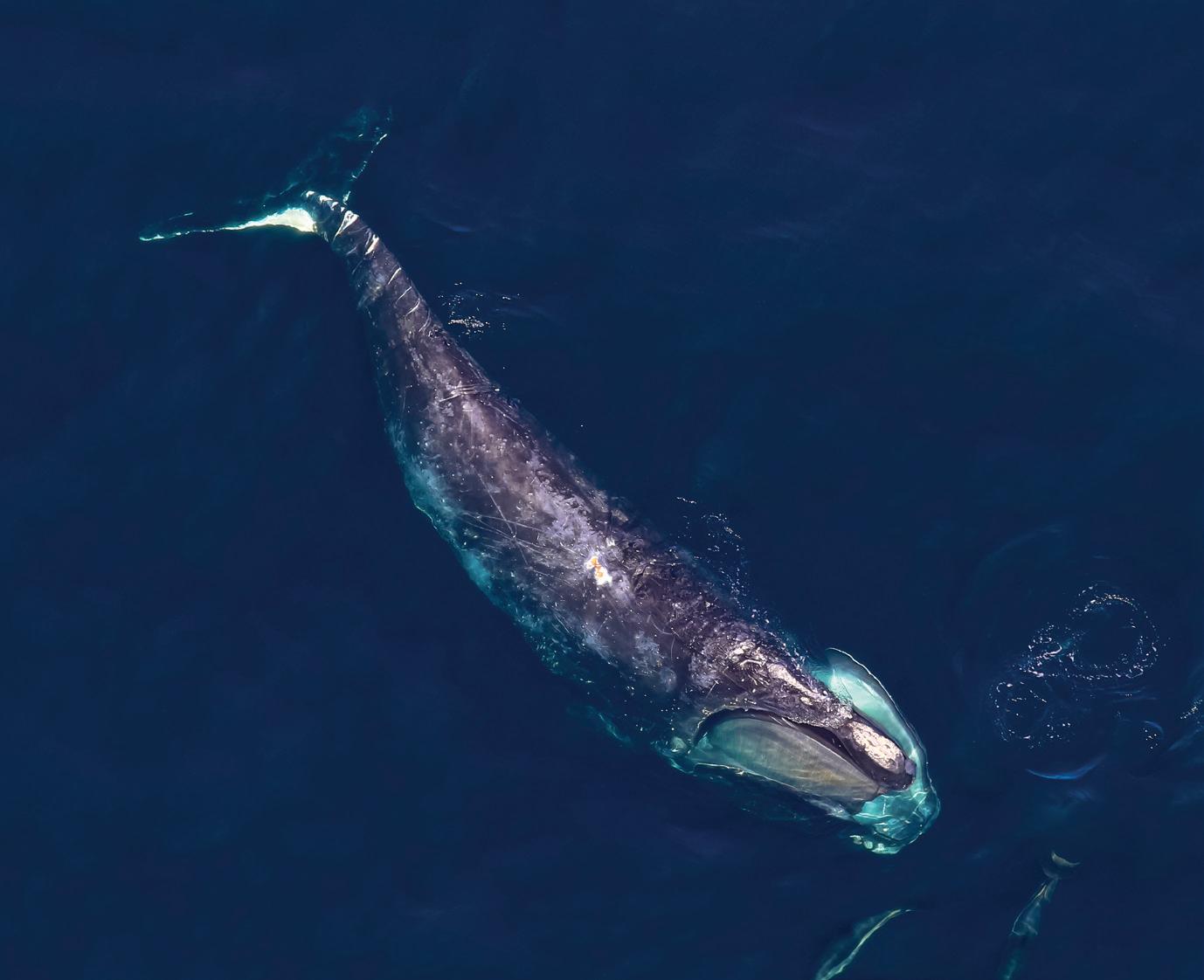
For researchers, whale identification is time-intensive. Critically endangered North Atlantic right whales have unique patterns and scars on their bodies, and scientists spend countless hours looking at photographs to match individual whales in the water with the whales in their database.
But human attention has its limits. “We’re naturally drawn to what’s new,” says Oceana’s Senior Campaign Director in Canada, Kim Elmslie. Scientists are more likely to notice fresh scars or markings, she explains, and may overlook older features or subtle changes over time.
According to the U.S. National Oceanic and Atmospheric Administration, AI programs trained on thousands of whale photos can quickly narrow down possible identifications. Research that took months of manual work can now be done much faster, though scientists still review every match to ensure accuracy.
AI is also being used alongside underwater listening devices. Robotic gliders equipped with microphones move through the ocean, recording whale calls. AI tools help sort through vast audio datasets to identify different species and patterns of movement.
Scientists imagine future applications of AI that could help protect whales. AI systems might send real-time alerts to mariners when right whales are spotted, helping prevent deadly vessel strikes, suggests Hanna Vatcher, Oceana’s campaigner for North Atlantic right whales in Canada.
As AI increasingly comes under scrutiny, “there’s an appetite for AI
Still, they have concerns. “Who owns the data put into the AI system?” wonders Elmslie. “Who would own the analysis?” Scientists could risk data being gatekept by tech companies, or hacked by outside agents. Many AI companies guard both data and algorithms, posing a dilemma for researchers.
Scientists also fear that AI could encourage dangerous research shortcuts. For example, a scientific paper published in the Springer Nature journal China Population and Development Studies in October 2025 was retracted following the discovery that it contained numerous AI-generated, non-existent references.
“Rigorous oversight is essential to ensure the technology supports, rather than undermines, credible research,” Elmslie says.
Weighing the risks
Dr. Daniel Skerritt, Senior Manager on Oceana’s global science team, spends most of his time poring over research papers and preparing recommendations for policymakers to help protect the oceans.
He’s grateful for AI’s ability to crunch the numbers — helping analysts like him to work faster. But he worries about cases that require value judgements to be made.
“We’re often interpreting fuzzy information and data and trying to turn that into policy recommendations,” Skerritt says. “In most cases, there isn’t a simple yes-or-no answer.”
Skerritt and his team care about equitable access to fisheries and improving food security. But, he says, there’s no way to ensure
that the AI algorithm shares these values.
“AI is like having a million workers we haven’t vetted. We haven’t interviewed them, we don’t know who’s funding them, where their information is from, or their worldview. We don’t know what data is training these models or what values they carry. There is a huge degree of trust needed to use any outcomes they generate,” he explains.
“Racist and misogynistic biases embedded in historical data can be amplified by AI and end up influencing policy recommendations,” Skerritt elaborates. If analysts and policymakers accept AI outputs without question, they may overlook local knowledge or make decisions that harm the very environments they aim to protect.
The elephant in the environment
In environmental circles, AI has become something of a “dirty word,” Valentine says.
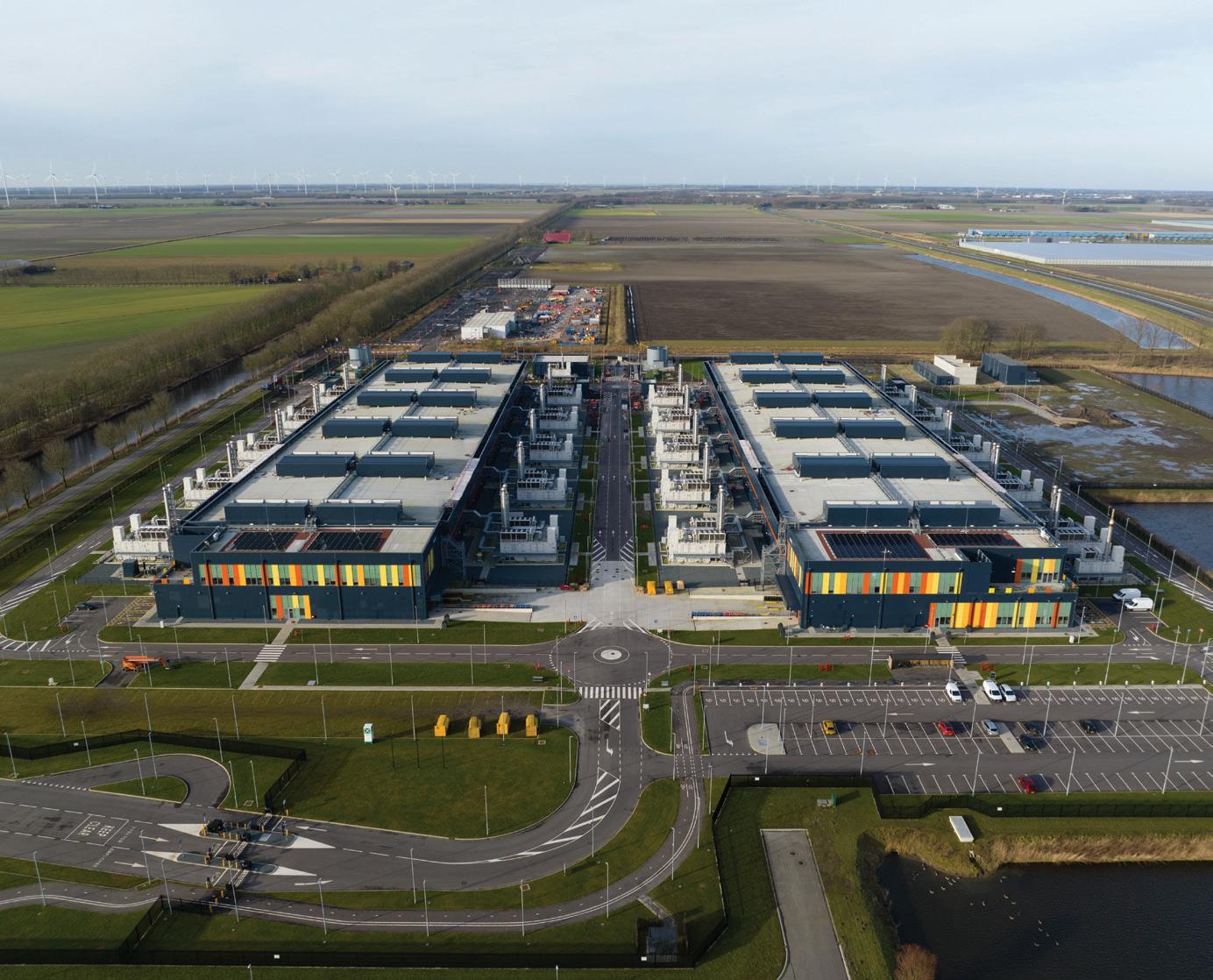
Training and running large AI models requires significant energy. Cornell researchers have found that the current rate of AI growth could annually put 24 to 44 million metric tons of carbon dioxide into the atmosphere by 2030, equal to the annual carbon footprint of 3–6 million American households.
Far more energy-intensive than traditional systems, AI data centers feed the climate change that is warming and acidifying the oceans. They also demand unprecedented water use to keep the systems
cool. While data centers can run on renewable energy, most still operate on fossil fuels.
Some countries, including China and Scotland, are now placing some data centers underwater — sinking the hot, energy-hungry systems into the sea itself. This approach will surely impact these ocean ecosystems, says Dr. Kathryn Matthews, Oceana’s chief scientist and senior vice president.
Put into perspective, the amount of energy used to run a machinelearning platform like the Global Fishing Watch map is negligible compared to other applications of the technology, says Valentine. Since Global Fishing Watch is designed for a specific application and uses more limited datasets, its energy consumption is likely far lower than the energy needed to train large-scale models
like ChatGPT, though exact comparisons are difficult.
Matthews says the ends matter when deciding whether or not to use artificial intelligence. “I’m far less interested in frivolous uses of AI than in applications that actually contribute to human wellbeing and environmental protection,” she says. “Right now, so much AI is unnecessary or even damaging.”
Like any tool, artificial intelligence can be applied to helpful or harmful ends, says Matthews. “Whether AI benefits the oceans depends on us. Will we resist pipe dreams of easy solutions, and commit to the hard work these complex challenges ask of us? Ultimately, we must stay focused on directing these technologies in ways that genuinely help our communities and ecosystems.”
Supercomputer data centers, like this one in the Netherlands, require vast amounts of power and water to support AI’s rapid rise.
Include the ocean in your plans
Ask a Scientist
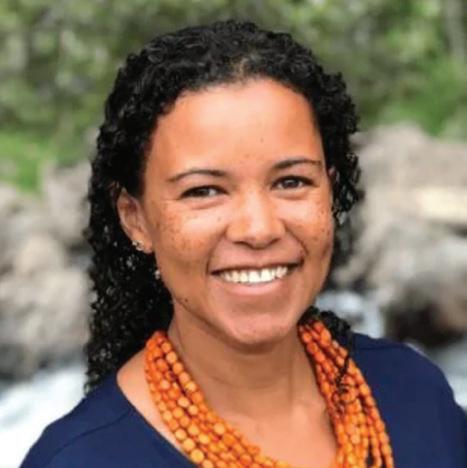
Dr. Christina Chemtai Hicks
Marine Scientist and Oceana Board Member
Dr. Christina Chemtai Hicks is a Professor at Lancaster University, UK, and an interdisciplinary social scientist and marine conservationist.
Dr. Hicks’ work focuses on fisheries governance and conservation; food justice and nutrition; and the politics of finance and investment in fisheries and food systems. She is a Pew Fellow in Marine Conservation, an ISI Highly Cited Researcher, and has won several awards for her work, including the Phillip Leverhulme Prize in Geography and the Royal Geographical Society’s Gill Memorial Award.
Should I buy farmed salmon?
To many, fish is synonymous with salmon. But this wasn’t always the case. When I was growing up, salmon was an expensive treat we’d only get once or twice a year — if we were lucky. Today, however, salmon is rapidly becoming one of the most consumed fish species across Europe, the Americas, and Asia. From New York to Nairobi, salmon is guaranteed in nearly any sushi restaurant.
So, what’s changed — and is it for the better?
Up until the 1990s, most of the fish we consumed came from the wild. Fish was, and half of it still is, one of the last remaining wild food systems in the world — where people are intimately connected to the rhythms of nature, and must read and respond to the signs of stress and change to keep the system sustainable.
Since the 1990s, farmed salmon production has grown rapidly, providing more than 2.4 million tons in 2024. The majority of
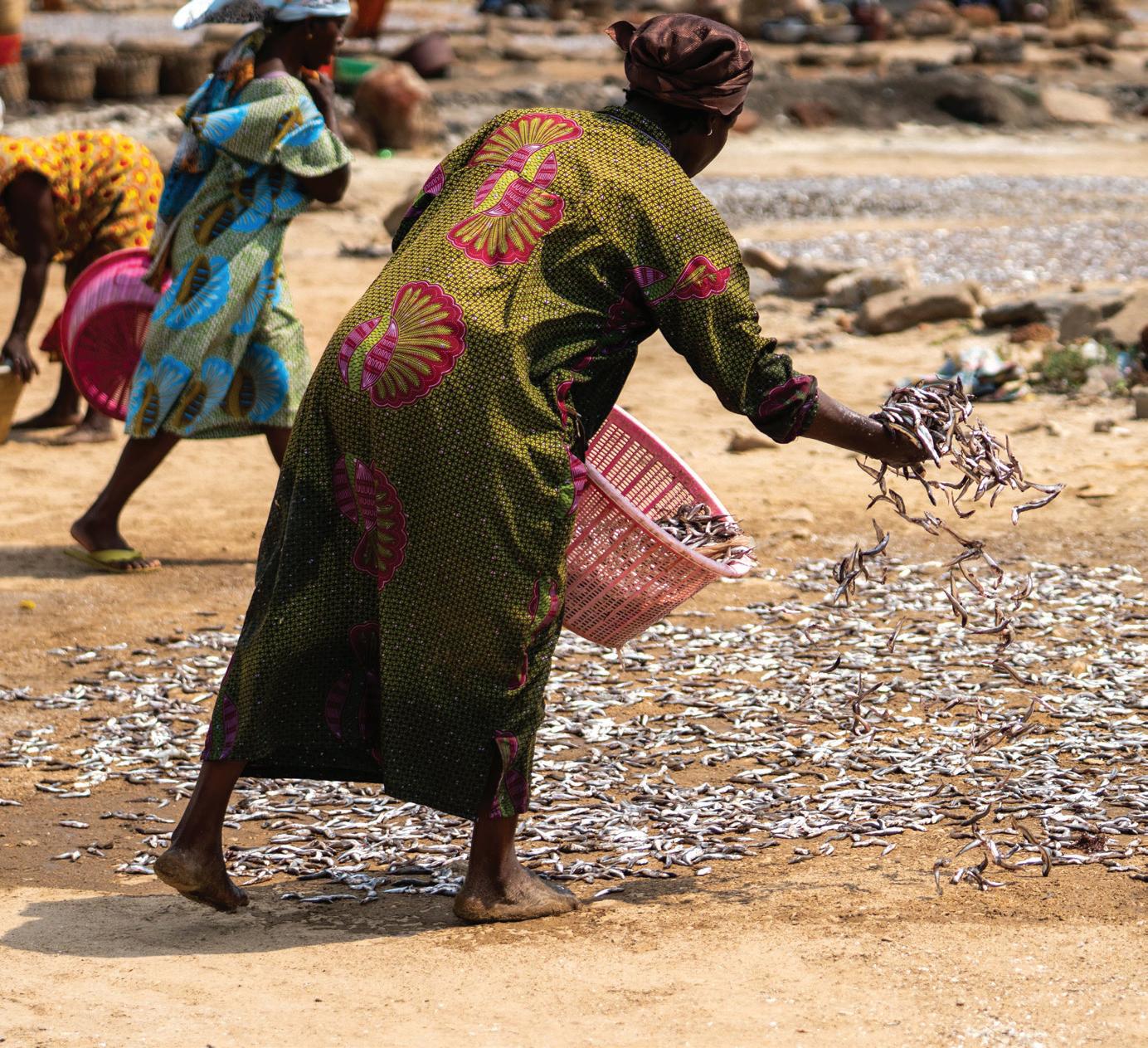
Women harvest and process small pelagic fish in Ghana. Traditionally a local food source, these fish are increasingly used for fish feed by the industrialized salmon farming industry.
salmon consumed in the Global North is now farm raised. And most (more than 80%) of the salmon sold on the market today comes from industrial fish farms, dominated by Norway, Chile, Scotland, and Canada.
Despite the celebrated dietary benefits of fish — like omega 3s and micronutrients — farmed salmon brings with it ethical problems that should give us pause. This highly industrialized system tends to advantage consumers in the Global North while shifting the social and economic costs onto fishing communities in the Global South.
Salmon is a carnivorous fish, requiring a steady diet of small pelagic fish like sardines, herrings, and mackerels. In order to farm salmon, this rapidly-growing industrial sector must have constant access to a large supply of wild fish, which is dried and ground into a powder called fishmeal or processed into fish oil that helps farmed salmon grow faster and larger.
Most of this wild fish supply comes from the cold, highly productive waters off South America. But because these small schooling species are also sensitive to fluctuations in the environment, the supply changes depending on the conditions they’re experiencing. This has led the industry to source from elsewhere.
In recent years, the salmon farming industry has turned to West Africa, where similar cold upwellings support highly productive fisheries. In West African communities, these highly nutritious species are — and have for centuries been — a central part of people’s cultures, diets, and economies. Small pelagic fish
support thriving coastal fishing communities, and can be dried and delivered to households across the entire region.
Now fishmeal and fish oil factories have begun springing up along the West African coastline, dramatically changing both the landscape and how people source their food. A decade ago, there were around 10 factories; by 2020 there were over 40. During this timeframe, small pelagic fish consumption in the region has decreased by half and the price of fish has increased by 500%. Instead of going into the nets of local fishers and onto the dinner plates of local communities, West Africa’s abundance of small pelagic fish are heading to factories to be processed and used by the industrial salmon farming industry.
These changes are having an enormous impact on nutrition in West Africa’s coastal communities. Micronutrient-rich fish are essential to healthy development, particularly for young children and mothers who are pregnant or breastfeeding. Across Africa, just six grams of small, dried fish — a cheap and commonly available source of food — is enough to meet a third of a child’s daily requirements across several of the most commonly lacking micronutrients.
Historically, these local fish are highly affordable, providing a critical source of nutrition, particularly to low-income households and children. In 2021, diets low in omega 3s from seafood were found to contribute to nearly 750,000 deaths, and 18 million years of healthy life lost to cardiovascular disease worldwide. Unfortunately, the salmon industry has yet to show much interest in
the diets of low-income households and children across Africa.
Globally, the great gains that have been made in how we produce our food has given us immense flexibility to choose how we meet our dietary needs, a luxury that is not afforded to everyone. This has brought with it a growing awareness of the huge environmental and social impacts of many of these processes.
Today our food system accounts for 30% of global greenhouse gas emissions and is pushing Earth beyond safe limits for climate stability, biodiversity, land, and water. Compared to other protein options, wild-caught fish has a far lower environmental footprint, contributing a fraction of greenhouse gas emissions, requiring less water and arable land, and resulting in less phosphorous or nitrogen pollution than landbased food sources. When caught wild, fish supports 492 million small-scale fishing livelihoods around the world.
Farmed salmon, on the other hand, is rife with problems. In my view, farmed salmon is not truly a “healthy choice” if its current supply chain is causing harm to coastal communities who depend on local fish, as well as marine ecosystems. And right now, healthy diets are unaffordable to more than half of the world’s population, food system workers are often exposed to poor labor conditions, and rates of malnutrition are on the rise.
Until the industry starts listening, I won’t be buying farmed salmon and I suggest others think twice too.
Oceana’s victories over the last year
With the help of its allies, Oceana has won 18 victories in the last 12 months
Deep-sea coral gardens protected in California
California approves pop-up gear to reduce whale entanglements
Spain strengthens rules on fishing vessel engines to protect fisheries
Mediterranean fishing vessels required to obtain permanent identification numbers to increase transparency
California protects ocean biodiversity and reduces animal entanglements
Spain designates six new marine protected areas
Philippines protects coral-rich waters of Panaon Island
Scotland protects over 100,000 square kilometers of ocean from destructive fishing
Oregon adopts new plan to recover critically endangered orcas
New rules in California’s recreational crab fishery will help prevent animal entanglements
Spain bans destructive bottom trawling in Cabliers Bank
Canada begins rebuilding depleted fish populations with science-based plans
Chile approves management plan for NazcaDesventuradas Marine Park
New rebuilding plan finalized for overfished Pacific sardines
New law in Oregon eliminates plastic film bags at checkout
Washington state cuts plastic packaging and pollution
EU court upholds U.K. ban on sandeel fishing
Mexico establishes protected zone for Caribbean lobster and local fishers
Supporter Spotlight
Keith Behner and Cathy Stiefel Giving back to the oceans
Keith Behner and Cathy Stiefel grew up on opposite edges of the American continent: Behner on the California coast, Stiefel in rural New York. Behner spent long childhood days body surfing and snorkeling, while Stiefel passed hers on extended hikes. Today, the couple has merged their lifelong connections to nature into a shared commitment to philanthropy, supporting the causes they care about most.
Behner and Stiefel’s philanthropy focuses on three interconnected areas: environmental sustainability, education, and social justice. As public awareness of the challenges facing the world’s oceans has grown — including coral reef decline and plastic pollution — the pair has become increasingly concerned about ocean conservation.
“Oceans moderate the Earth’s heat, provide abundant protein-rich food, and are a critical part of the network of all life on Earth, among so many other things,” Stiefel says. “We ignore the degradation of our natural resources, including our oceans, at our own peril.”
The pair first learned of Oceana through the organization’s campaigns in Brazil. “As a teenager, I lived in Brazil for four years and became enamored with its people, culture, and natural environment,” says Behner. “That experience, along with Cathy having lived in Puerto Rico, gave us both a southward-looking international perspective.”
In 2016, Behner and Stiefel established the Center for Brazilian Studies at San Diego State University. Through the couple’s connections, Oceana has partnered with the Center to address challenges facing fisherwomen in coastal northern Brazil.
Behner and Stiefel were drawn to Oceana because of the organization’s focus on campaigning for vibrant oceans to create “a viable, healthy planet for all,” says Behner.
When deciding which organizations to support, Behner and Stiefel look for partners that align with their passions and demonstrate efficiency, meaningful results, and responsible stewardship of resources. “We want to support organizations that provide real bang for the buck by allocating their funds wisely,” Behner says.
In the last five years, Oceana has won more than 100 victories worldwide, including many in Brazil: from a win for Brazil’s artisanal lobster fishers that established science-based catch limits, to successfully defending ocean protections in the Brazilian state of Rio Grande do Sul, to securing new measures to cut the country’s plastic pollution.
“For those looking to address the critical existential problems of our time — many of which are oceanrelated, from climate change and ocean warming to fish depletion, reef destruction, and sea-level rise — Oceana is on the forefront of these battles,” Behner says. “They bring the resources and dedicated staff needed to make a real and lasting difference.”
Oceana brings the resources and dedicated staff needed to make a real and lasting difference.
— Keith Behner
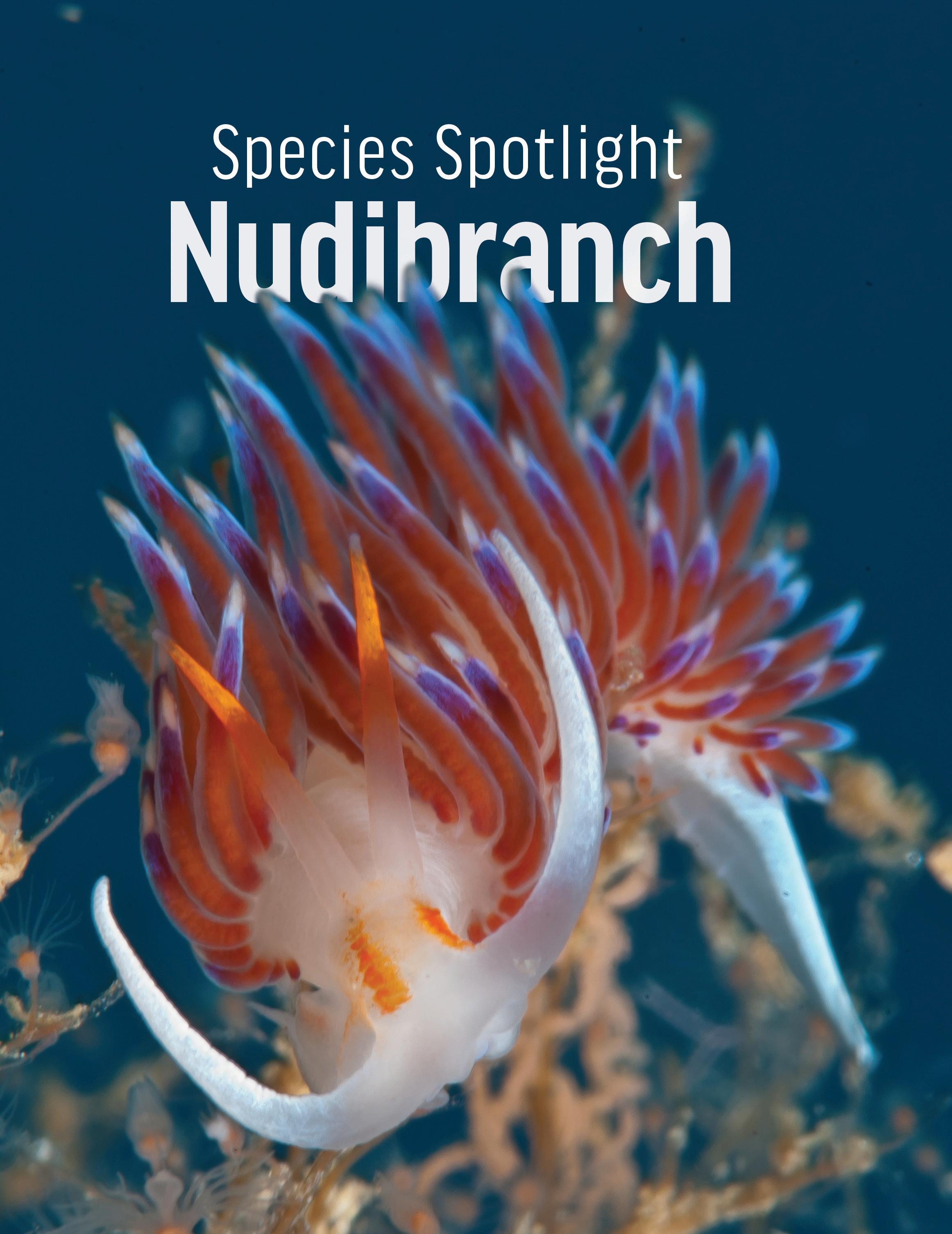
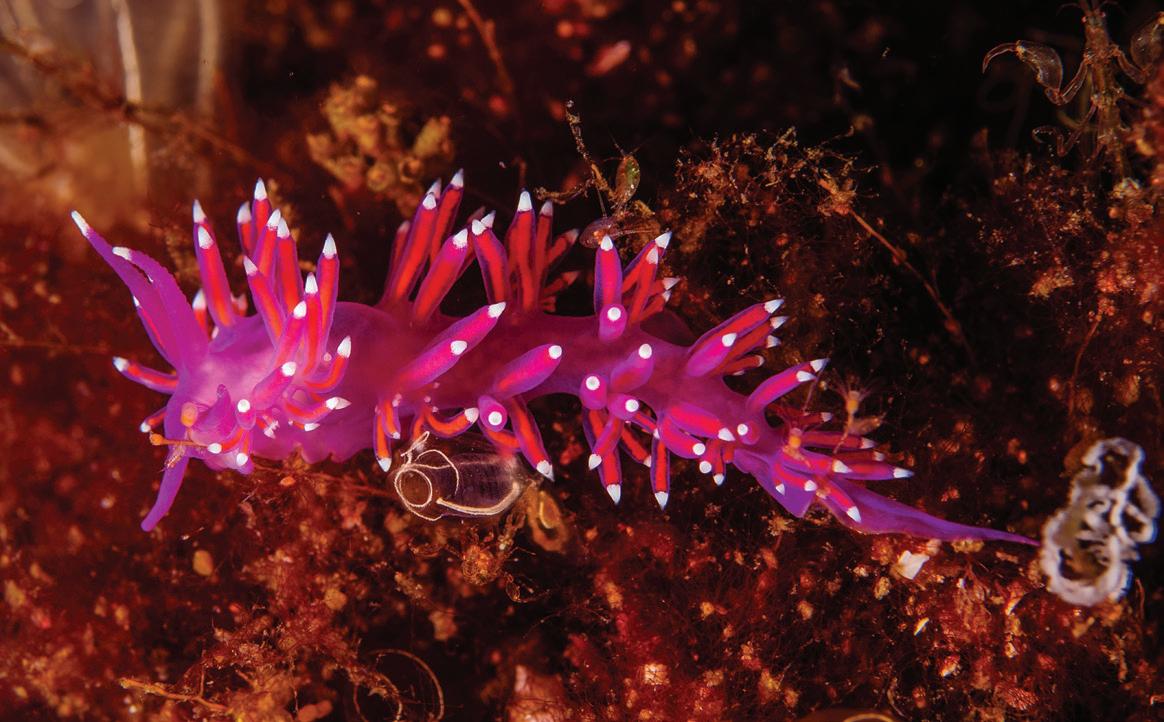
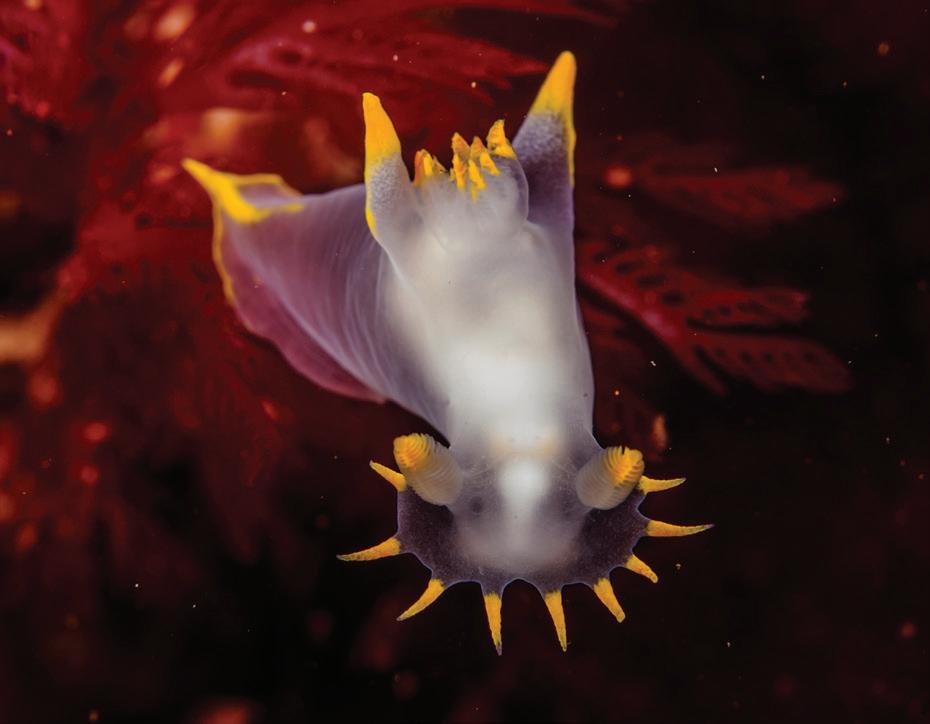
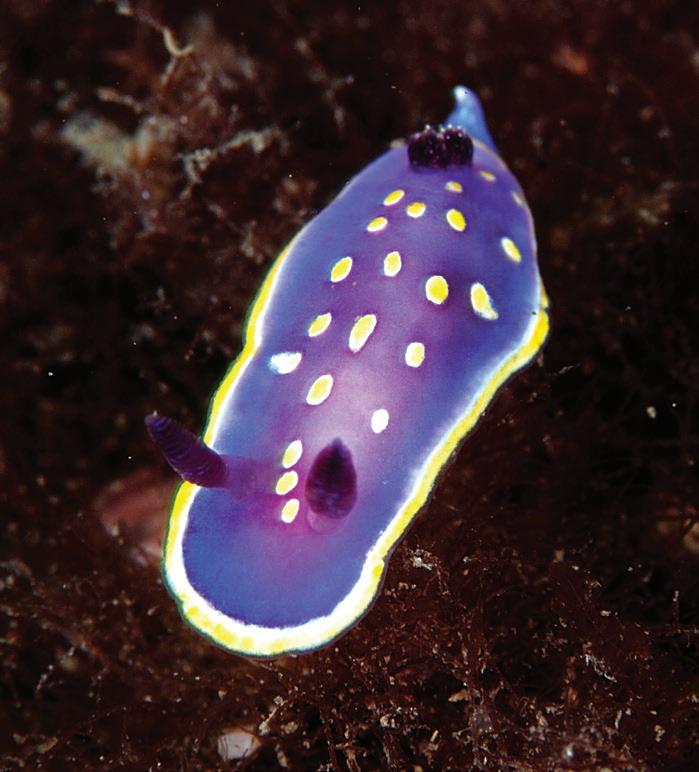
If you’ve seen one nudibranch, you definitely have not seen them all. These tiny sea slugs are among the most diverse animals in the ocean, each with unique colors and shapes so striking they look hand-painted. Looking like butterflies of the sea with their their bright colors and fluttery movements, more than 3,000 species of nudibranchs can be found gliding throughout the world’s oceans.
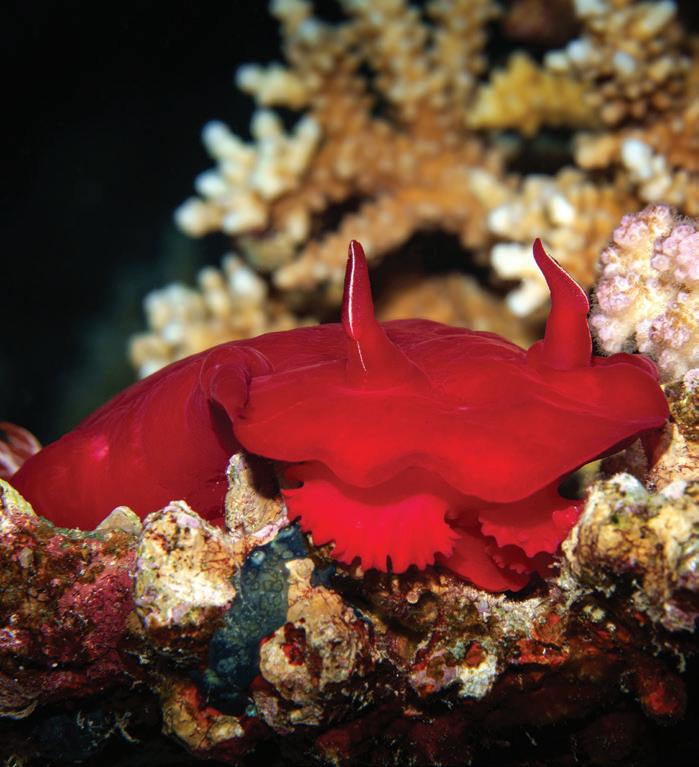
Some nudibranchs are neon, splashed with electric blues and sunny yellows — colors that telegraph toxicity to ward off predators. Others sport polka dots, stripes, or bold outlines that make them look like swimming abstract art. The Spanish dancer nudibranch, for example, unfurls a wide, red ruffled body that ripples like a flamenco skirt as it moves through the water.
Many species are covered in cerata: finger-like appendages that extend from their backs. Cerata
help with breathing and, in some species, even selfprotection. Aeolid nudibranchs are able to steal stinging cells from the prey they eat and store them to defend themselves.
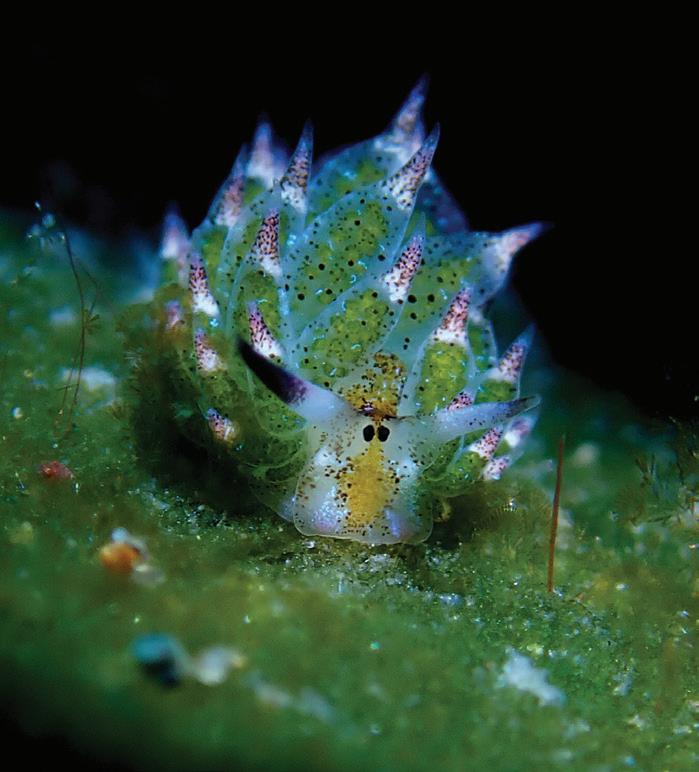
Some nudibranchs aim for camouflage, rather than splash. Blending seamlessly into their surroundings, they can mimic coral, sponges, or algae so well they practically disappear. Often grazing on sea lettuce, leaf sheep sea slugs blend right into their bright green leafy backdrop. They absorb energy from the algae they eat and even photosynthesize sunlight to supplement their diet. Other nudibranchs specialize in eating sponges or anemones or corals. Their diets often influence their colors, making each species a reflection of its environment.
Nudibranchs may be small, but they bring big personality to the ocean.
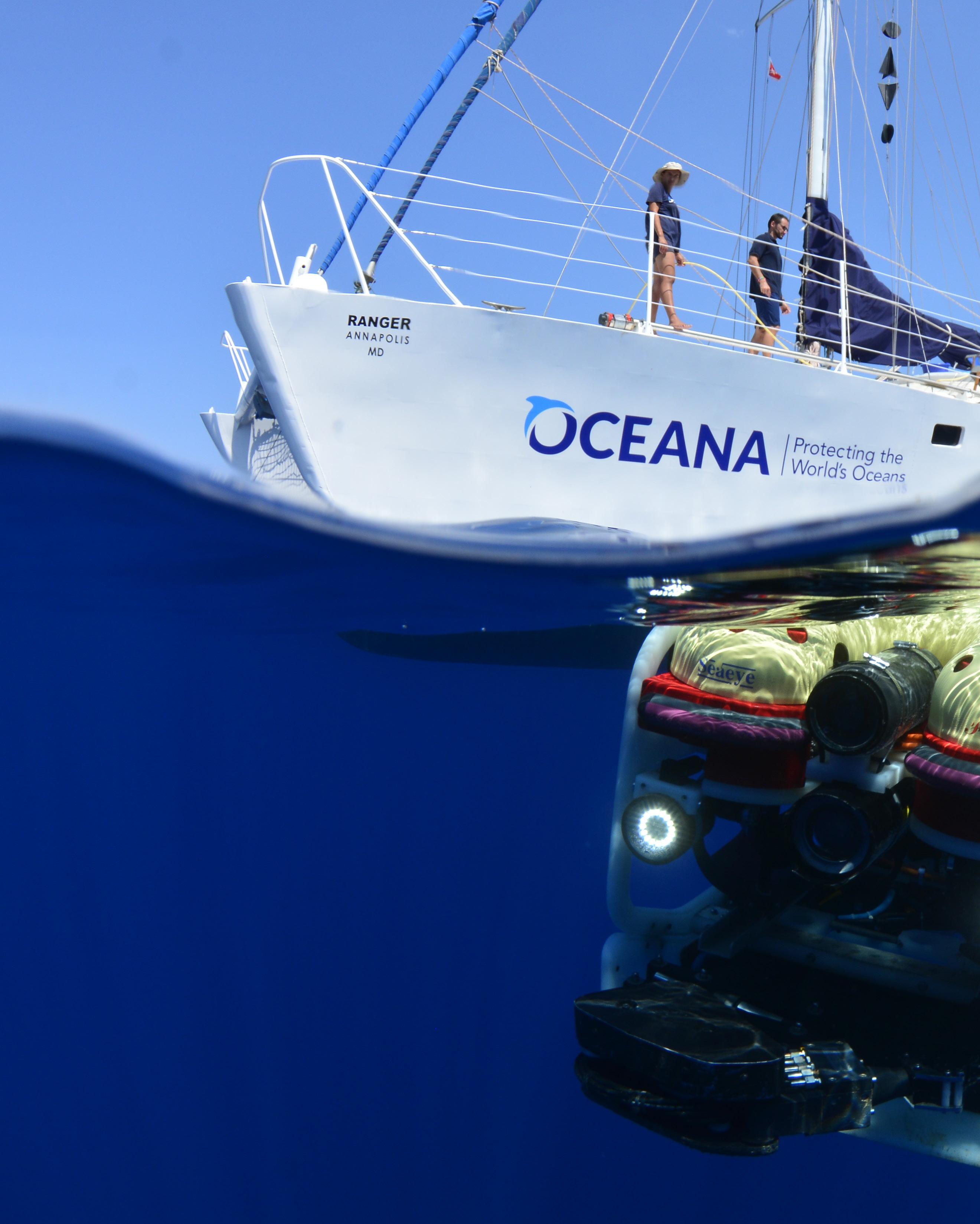
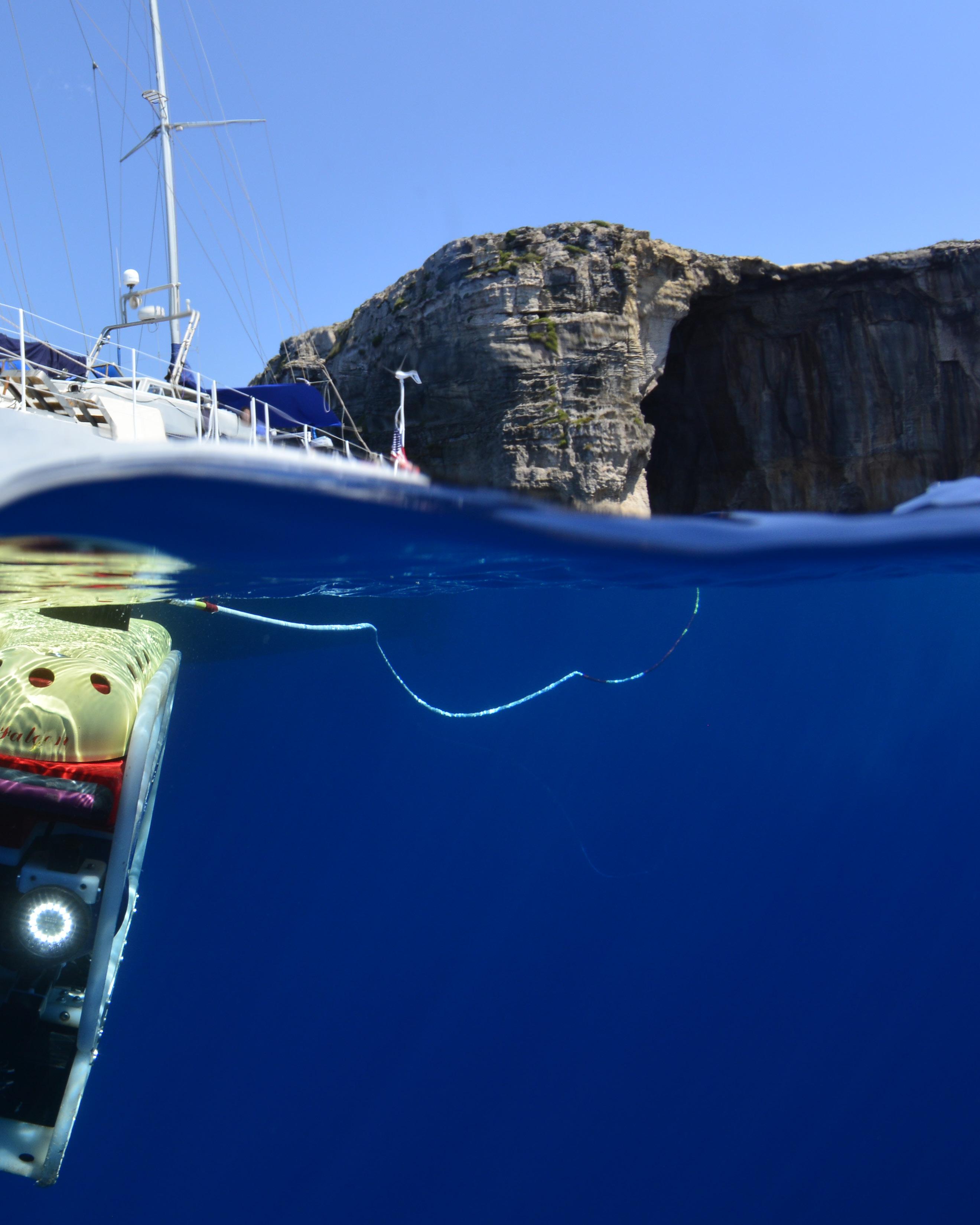
In the 25 years since its founding, Oceana has led over 65 scientific expeditions, including many aboard the Oceana Ranger, using a remotelyoperated vehicle to explore ocean depths and advocate for their protection.