The Case Against Bottom Trawling in Marine Protected
Areas for Seabirds and Cetaceans
This report represents the views and recommendations of Oceana UK. We are grateful to colleagues in Oceana’s global Science and Strategy and Illegal Fishing and Transparency teams for their review.
Written by Natalie Pramuk, Marine Scientist, Oceana
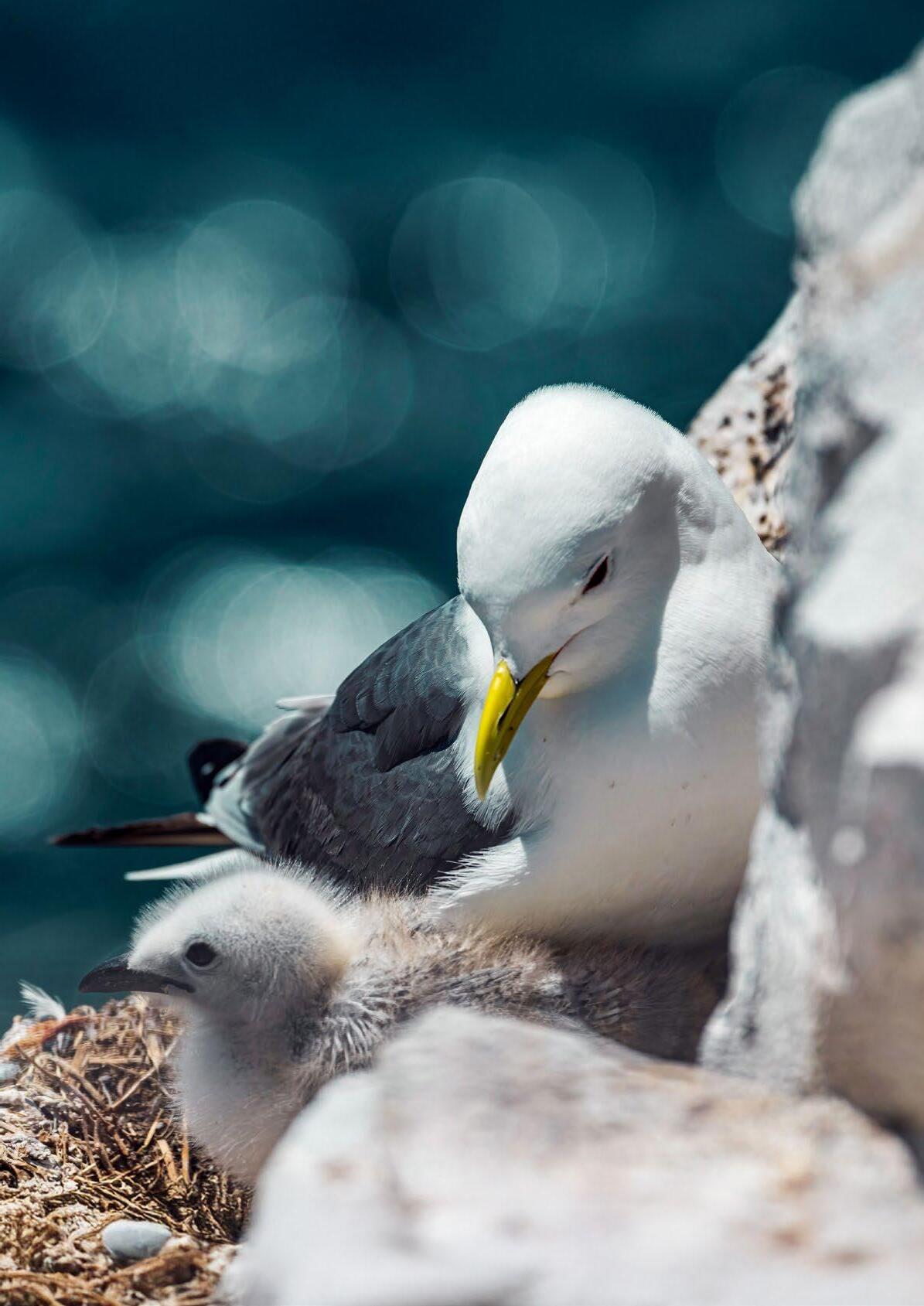
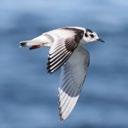
Kittiwake ( Rissa tridactyla )
The majority of a kittiwake’s diet is made up of sandeels,3 making them especially sensitive to prey depletion as a result of bottom trawling. Since the 1980s, the number of kittiwakes in the UK has dropped by 60%.3
Shutterstock
Glossary
Benthic
Relating to or occurring at the bottom of a body of water.
Bottom-towed gear
A range of fishing gear types designed to take or disturb species living on or near the bottom of the seabed. Bottom-towed gear can include bottom and semi-pelagic trawls, dredges and seines.
Bottom trawling
Any form of fishing, including trawls, towed on or very close to the seabed by one or more vessels, in which any part of the fishing gear is designed and rigged to operate on, and be in contact with, the seabed.
Bycatch
The untargeted and/or unwanted fish and other marine creatures caught incidentally by fishing gear.
Cetaceans
A group of marine mammals including dolphins, whales, and porpoises.
Demersal
Refers to organisms that live and feed on or near the bottom of a body of water, in contrast to those that inhabit open water or live near the surface. This is also used to describe fishing gear that operates in contact with the bottom of a body of water.
Discards
A proportion of unwanted fishing catch that is thrown back into the sea. Discards can occur for many reasons and discarded animals may be thrown back dead or alive.
Dredging
The act of dragging a rigid structure along, and into, the seabed, primarily for the purposes of catching shellfish.
Ecosystem-based management
An approach to managing human activities that affect ecosystems, in which collective pressures are managed in a holistic and sustainable way, considering all aspects of the ecosystem and its dependent stakeholders.
Forage fish
Fish species fed on by seabirds and marine mammals, forming a central part of the diets of many cetacean and seabird species. These include sandeels, herring, sardines and horse mackerel.
Gillnetting
A static wall of netting, weighed down at the bottom and with floats at the top, designed to hang vertically in the water column in order to catch fish.
Marine protected area (MPA)
An area of sea or seabed where activities are managed, restricted or prohibited in order to protect marine life or other aspects of the marine environment. In the UK, sites designated for cetaceans and seabirds include:
Special area of conservation with marine components (SACs): Areas at sea that protect one or more special habitats and/or species listed in the Habitats Directive.
Special protection areas with marine components (SPAs): Areas at sea which protect vulnerable bird species.
Nature conservation marine protected areas (NCMPAs): A type of marine protected area that can be designated in Scottish territorial and offshore waters.
The Case Against Bottom Trawling in Marine Protected Areas for Seabirds and Cetaceans
Executive summary
Three quarters of site assessments for UK marine protected areas (MPAs) designated to safeguard whales, dolphins, porpoises and seabirds identify bottom trawling as a threat that needs to be managed.
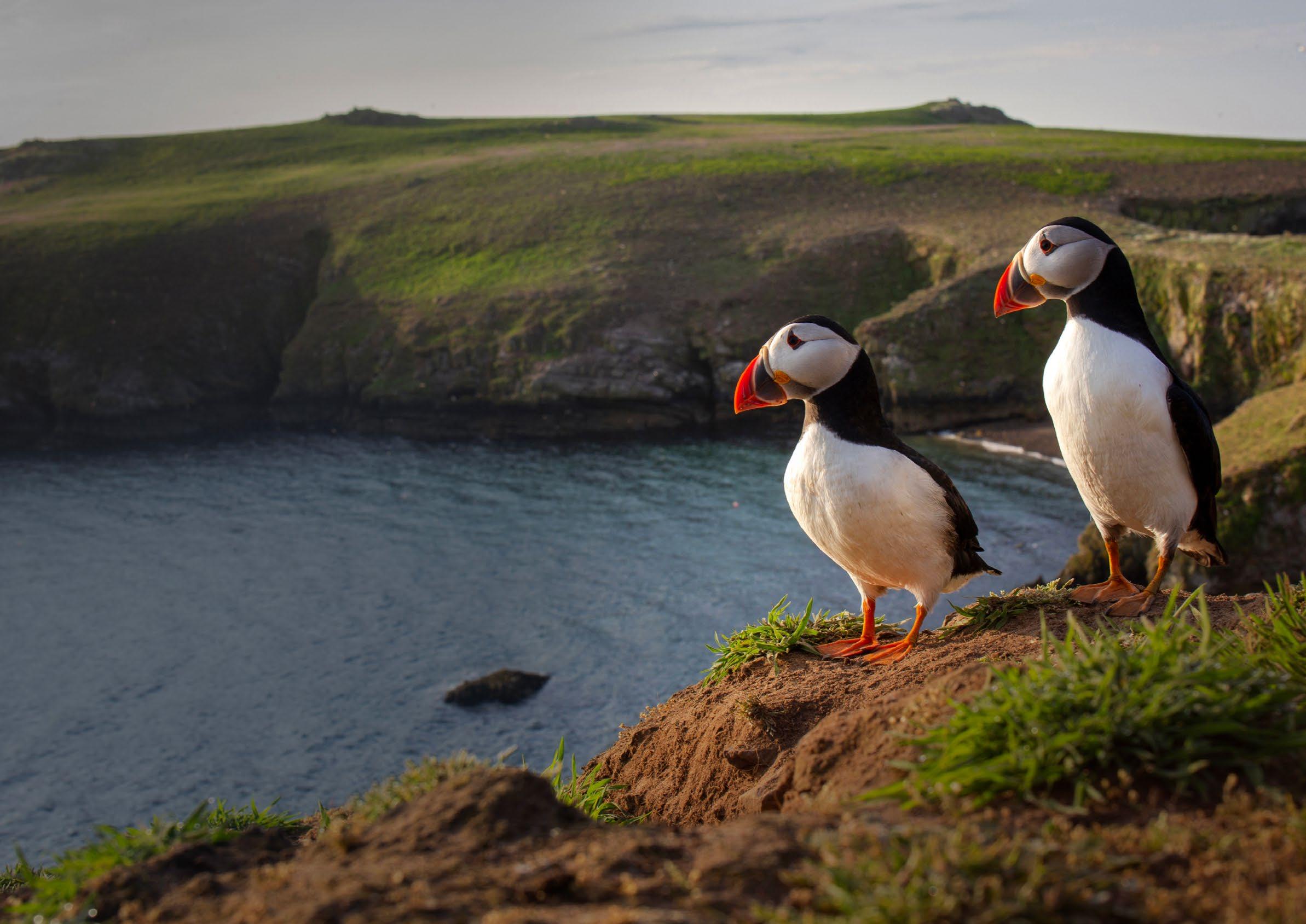
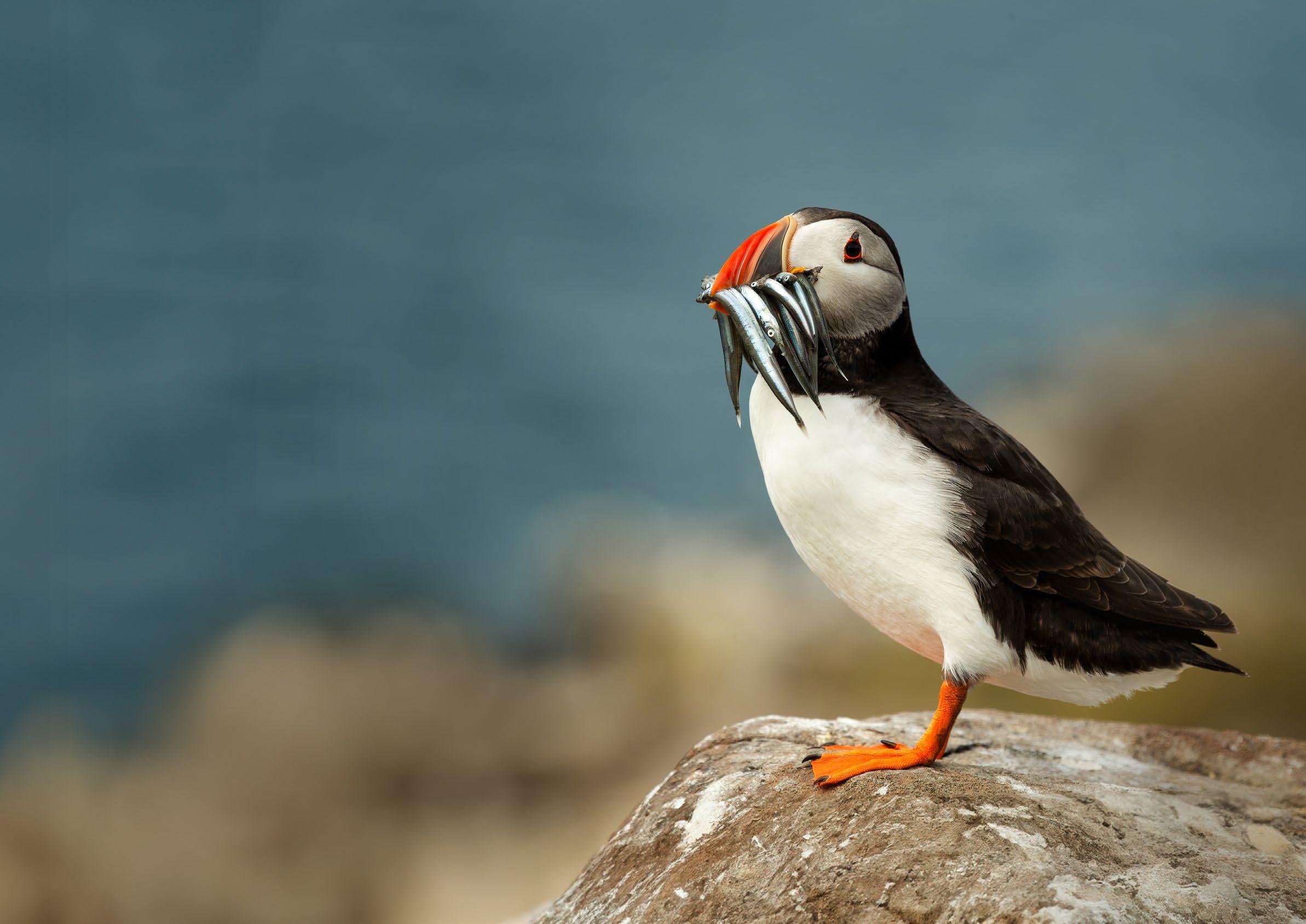
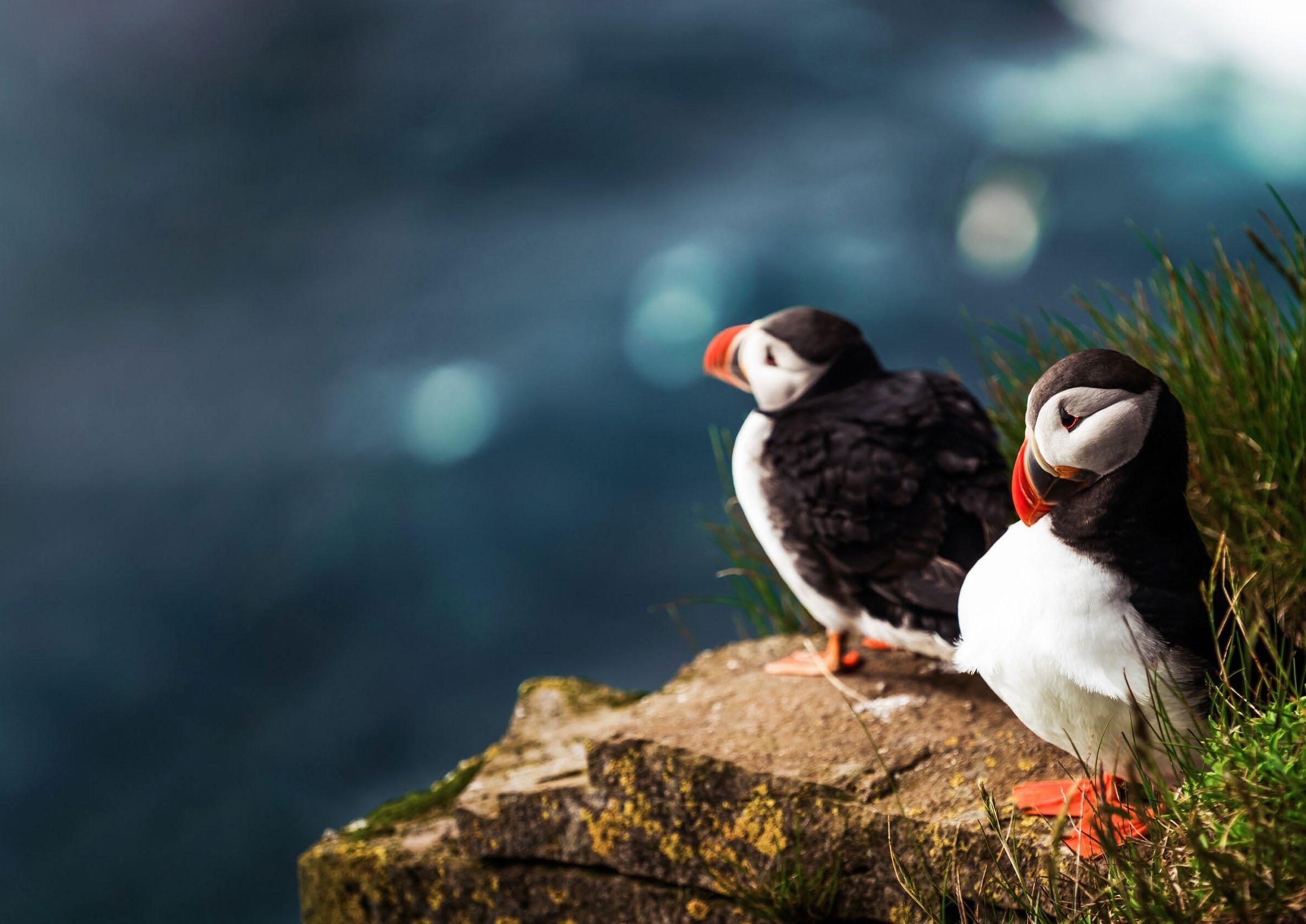
Atlantic puffin ( Fratercula arctica )
Puffins depend on the availability of sandeels, a small oil-rich fish, to feed their chicks. Low availability of sandeels, a fish targeted by bottom trawls, can impact the breeding success of puffins.5
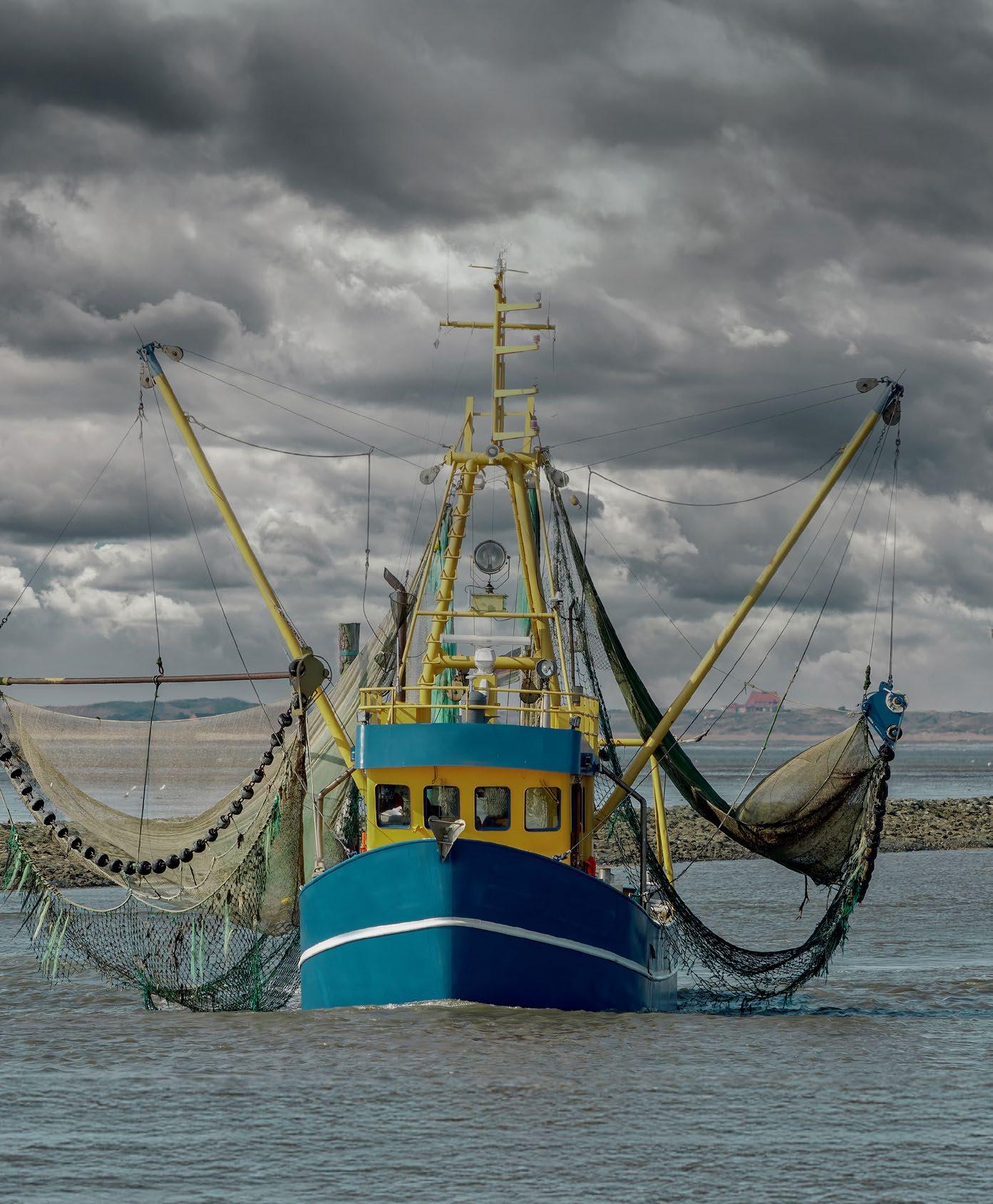
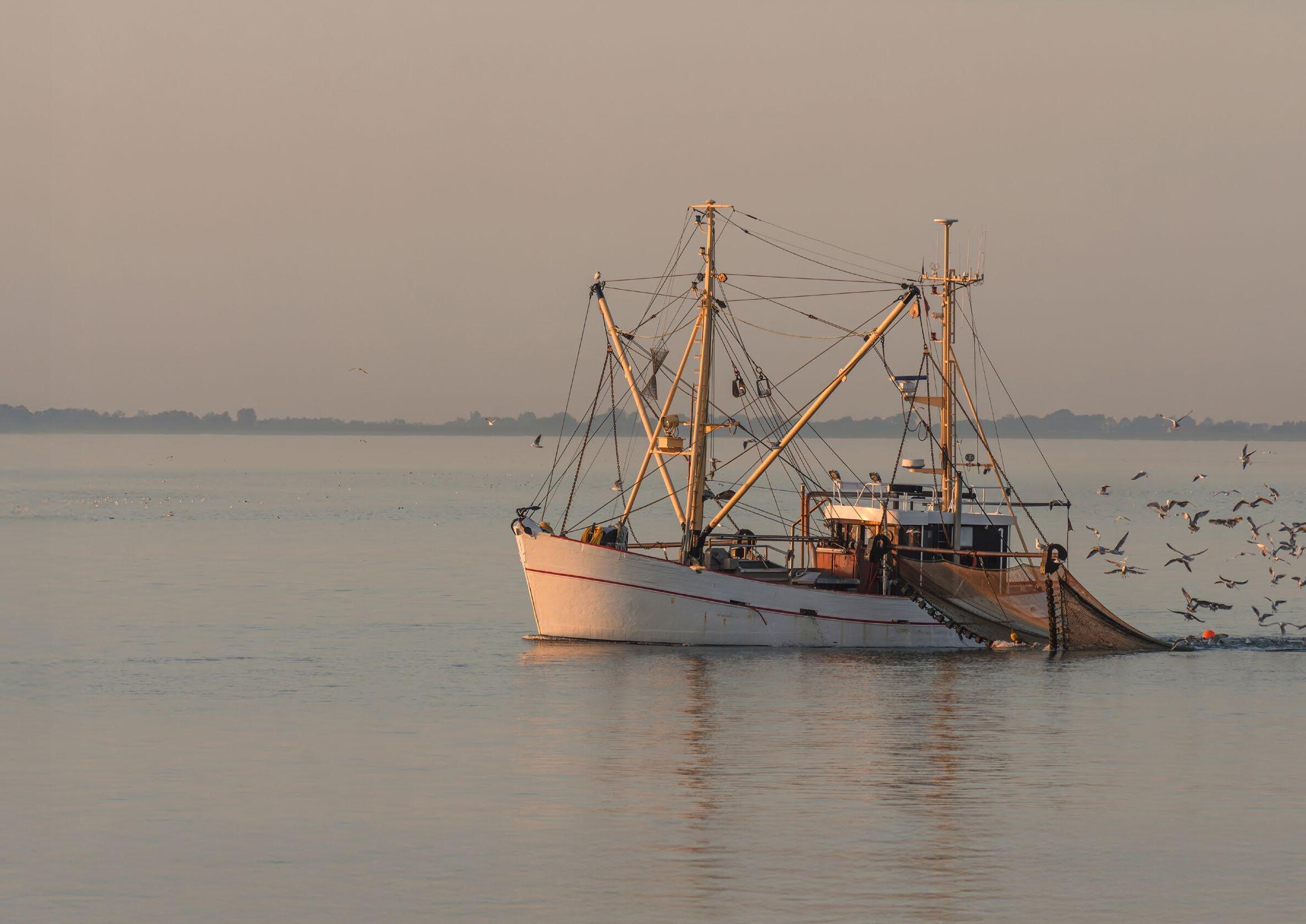
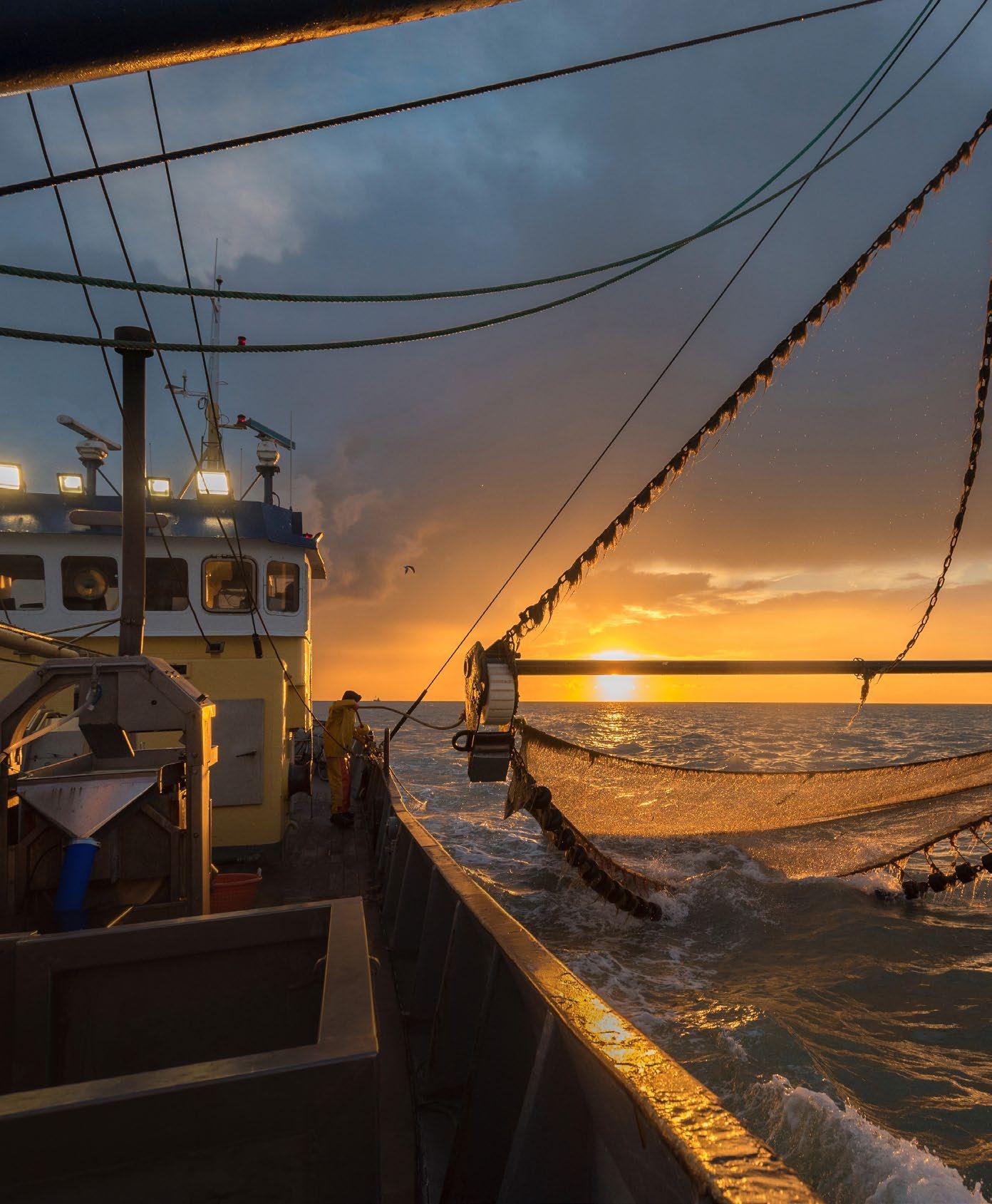
Bottom trawling is a highly destructive fishing practice that involves dragging heavy metal gear and nets, which can weigh several tonnes, across the seafloor. This sweeps up sea life and can devastate marine habitats, with impacts potentially cascading up through the water column and food chain. This is not just an issue for life on the seabed but one that also affects a range of beloved British wildlife, from puffins to porpoises.
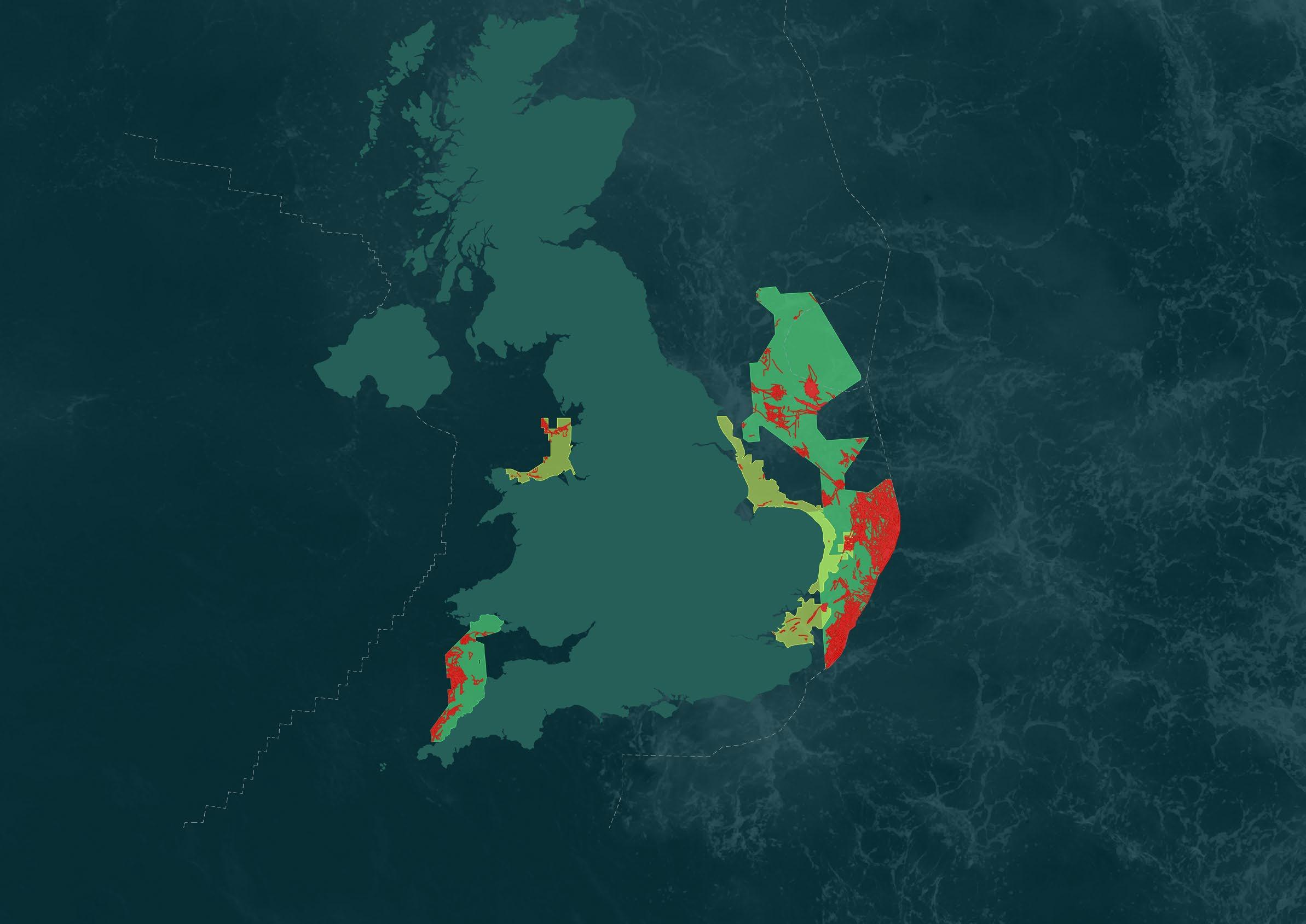
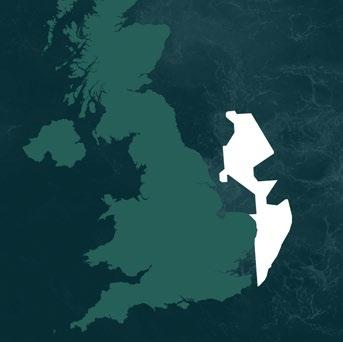
Within a single MPA designated to protect 17.5% of North Sea harbour porpoises4 (the Southern North Sea Special Area of Conservation), Oceana analysis estimates that more than 30,000 hours of apparent bottom trawling took place in 2025 alone.
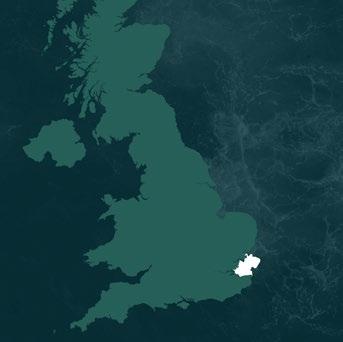
Over 2,200 hours of apparent bottom trawling was observed in the Outer Thames Estuary Special Protection Area, a site designated to protect threatened little and common terns.
Yet, out of 113 MPAs designated to protect these species in UK waters, only 2 have trawling bans in place across the whole site, covering a combined area smaller than the Isle of Wight, or 0.04% of UK seas. This a far cry from the UK Government’s commitment to protect 30% of UK seas by 2030. In fact, these protections are only in seabird sites, and there are no marine sanctuaries designated for whales, dolphins or porpoises that are protected entirely from bottom trawling.
The Southern North Sea MPA, designated to protect porpoises, suffered over 30,000 hours of apparent bottom trawling in a single year.
The harms caused by bottom trawling are not limited to the seabed, but reverberate through marine ecosystems, threatening a vast array of marine life, including seabirds and cetaceans, which are simultaneously exposed to multiple direct and indirect threats.
THESE INCLUDE:
Removal of prey
Fish targeted by bottom trawls, including cod, are an important prey source for marine mammals and seabirds, yet have been overfished to critically low levels.9, 10, 11
Entanglement and bycatch
It is estimated that 118 harbour porpoises are killed each year by bottom-trawl gear in the Celtic and Irish Seas, exceeding safe thresholds to maintain a sustainable population size, in addition to the threats from other types of fishing.6, 7, 8
Key prey species like sandeels rely on a healthy seabed, burrowing into it for protection.12 Bottom trawls can tear up the seabed, taking the habitats of sheltering sandeels with them and reducing the abundance of an important food source for seabirds and cetaceans.13
Underwater noise
Levels of underwater noise from bottom trawling potentially exceed thresholds that cause disturbance and hearing damage to marine mammals.14
Sediment resuspension
Bottom trawling can disturb large amounts of sediment that then becomes suspended in the water column.15 This has the potential to reduce visibility in the water and therefore impact the foraging ability of diving birds.16, 17
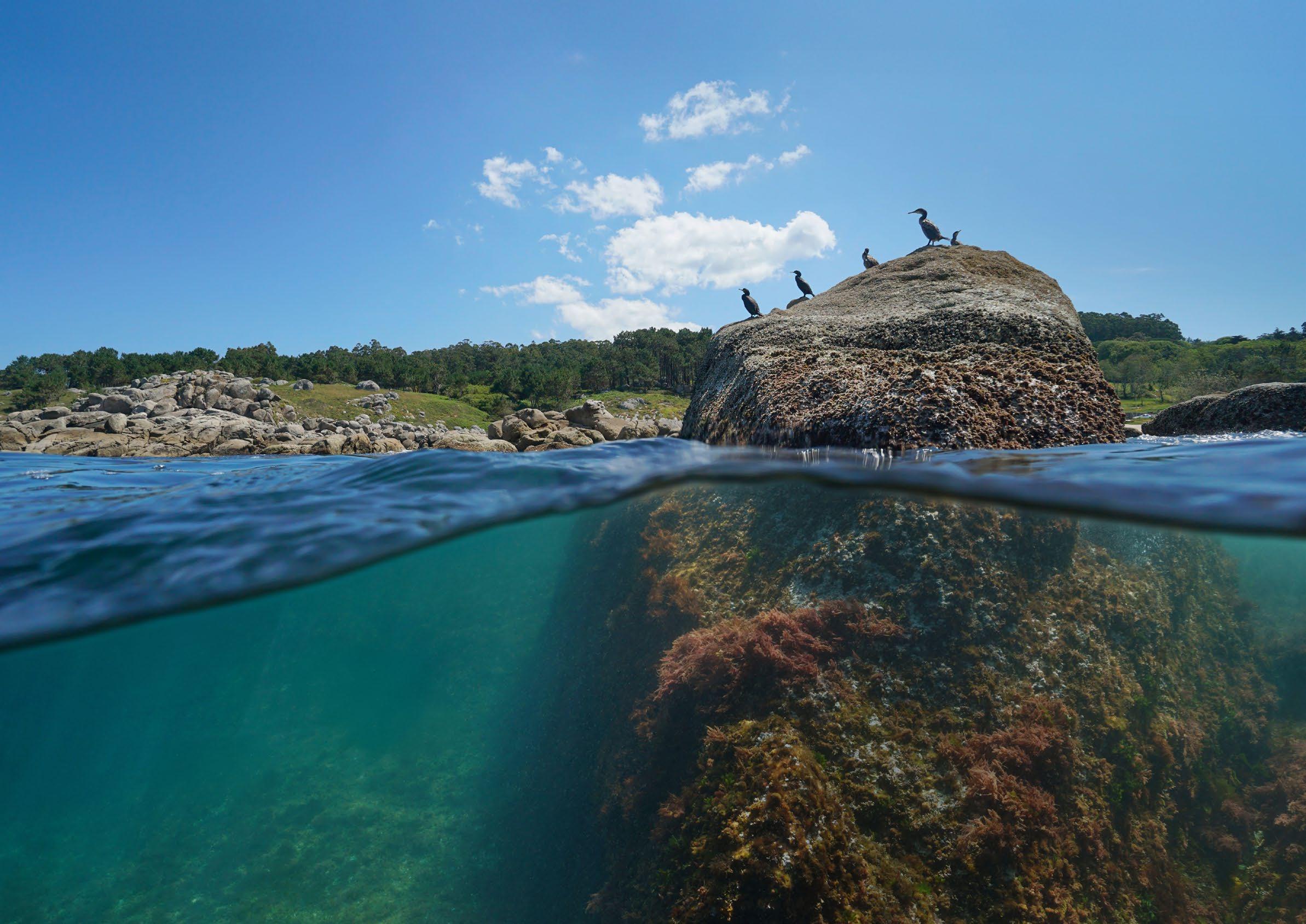
Cormorant
A
cetacean or seabird may face reduced prey availability, degraded habitats, noise pollution, and the risk of being entangled within the same stretch of sea – including in MPAs designated as their sanctuaries.
Together, these impacts erode the ability of marine ecosystems to support top predators – risking undermining both MPA conservation objectives and the UK Government’s legal obligation to achieve Good Environmental Status (GES) for these animals.20
While the UK has moved to restrict bottom trawling in MPAs designated to protect seabed features like the ocean quahog clam and sediment habitats, it is lagging behind in MPAs designated to protect cetaceans and seabirds.
Countries like Germany and New Zealand are currently paving the way here –restricting bottom trawling in cetacean and seabird MPAs to protect them from bycatch, prey depletion, and habitat degradation. However, if the UK were to take action, it would set a world-leading position that seabirds and cetaceans deserve protection from bottom trawling in the areas they most depend on.
The case for banning bottom trawling in and around cetacean and seabird MPAs is not just ecological but has the potential to support commercial fisheries.
In England, 80% of fishers agree that the conservation and restoration of the marine environment is important for their job security.21 Equally, we know that when bottom trawling is banned in MPAs, nature can bounce back. Following a trawl ban in Lyme Bay, the total abundance of commercially caught fish increased by 370% inside the MPA over 11 years,22 with abundance also rising in areas surrounding the MPA. Rebuilding biodiversity and abundance like this has the potential to support both fisheries and charismatic wildlife like cetaceans and seabirds.
A ban on bottom trawling in seabird and cetacean MPAs is crucial to safeguard these species from the threats of this type of destructive fishing, which range from entanglement and disturbance to depleting the fish populations they depend on. We have enough evidence to act. With the UK Government consulting on fishing management in English seabird and cetacean MPAs in 2026, now is the time for action to end bottom trawling in these areas, creating true wildlife havens.
A ban on bottom trawling in seabird and cetacean MPAs is crucial to safeguard these species from the threats of this type of destructive fishing.
The extent of bottom trawling in UK seabird & cetacean MPAs
At the time of publication, we estimate that only 43 of the UK’s 377 MPAs have whole-site protection from all forms of bottom-trawl gear.
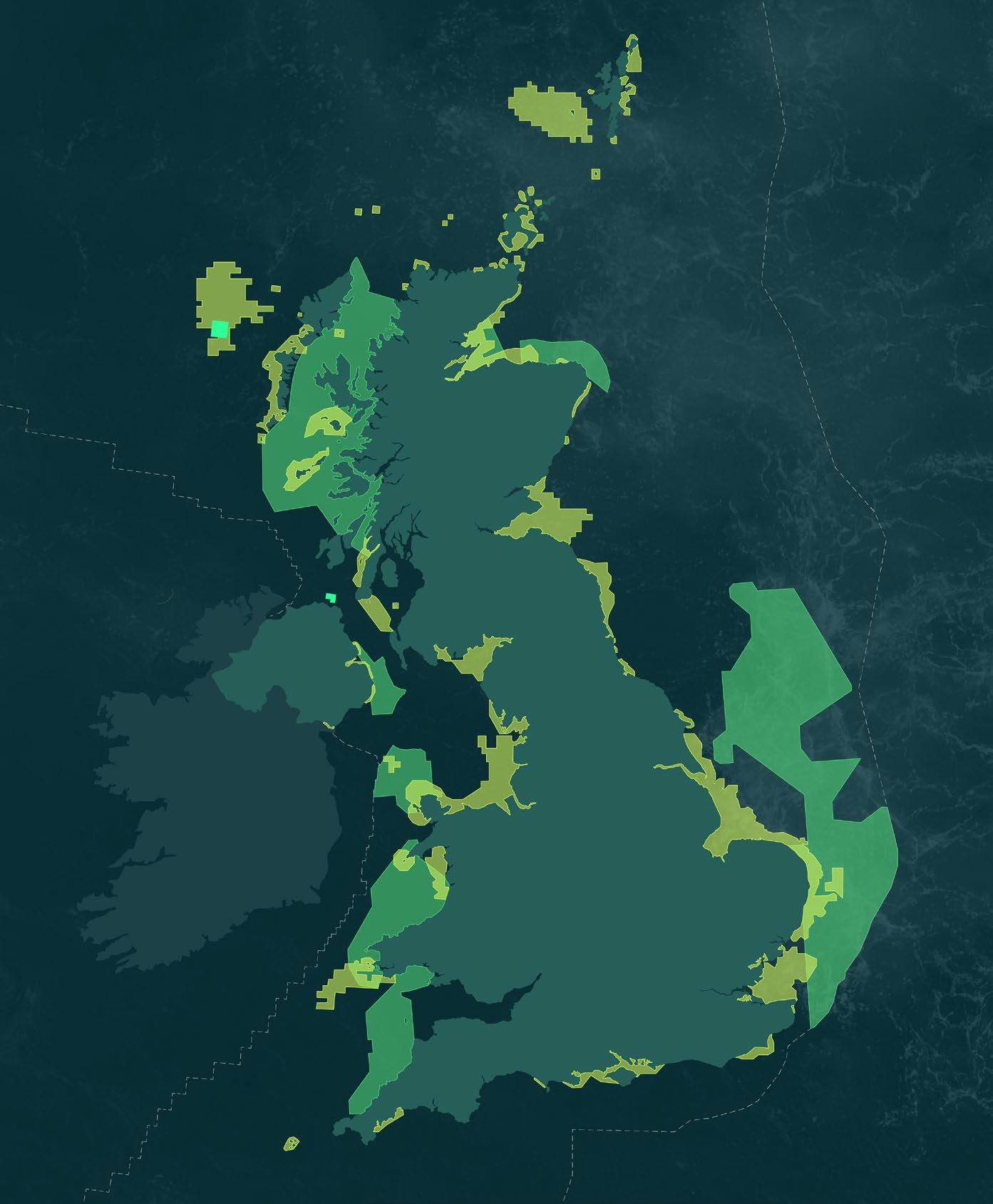
These sites are protected by specific MPA or fishing gear byelaws, deep-sea regulations, no-take zones, or other bans, and primarily protect seabed habitats and species. Out of 377 MPAs, 113 are specifically designated to protect seabirds, cetaceans, and their supporting ecosystems (see Figure 1).
This consists of 11 MPAs designated for cetaceans, including dolphins, whales, and porpoises, and 102 MPAs for seabirds. These sites were designated to safeguard feeding grounds, breeding areas, and critical habitats essential for survival.
Of these 113 MPAs, however, only 2 have whole-site bottom trawling bans in place, despite site assessments for 75% of MPAs for seabirds and cetaceans citing bottom trawling as a pressure on these species, their prey and their supporting habitat (see Figure 2). These sites (Rathlin Island in Northern Ireland and St Kilda off the west coast of Scotland) are both designated for seabirds (see Figure 1) and together cover an area roughly the size of the Isle of Wight (see Annex 1).
FIGURE 1
The UK’s network of MPAs designated to protect cetaceans and seabirds. Only 2 of 113 sites, both designated for seabirds, are protected from bottom trawling across the whole site (marked in green).
Fully protected MPAs
Cetacean MPAs
Seabird MPAs
Less than 0.04% of UK seas is covered by MPAs for seabirds and cetaceans that have whole-site protections from bottom trawling.
This means that less than 0.04% of UK seas is covered by MPAs for seabirds and cetaceans that have whole-site protections from bottom trawling, although some partial protection is provided in places by other MPAs or fishing byelaws that overlap with these MPAs. None of the 11 MPAs designated for cetaceans currently protect whales, dolphins or porpoises from bottom trawling in UK waters.
To better understand the extent of bottom trawling taking place in these areas, Oceana analysed 2025 vessel activity in a selection of cetacean and seabird MPAs using Automatic Identification System (AIS) data available through Global Fishing Watch,
an independent non-profit founded by Oceana in partnership with Google and SkyTruth (see Annex 2). Global Fishing Watch aata was matched with external vessel registries to identify vessels engaged in apparent bottom trawling.
Five MPAs were selected for analysis as the UK Government was planning, at the time of publication of this report, to introduce management measures for fishing in these MPAs in English waters, with a public consultation expected in 2026.23 These sites include the Southern North Sea and Bristol Channel Approaches special areas of conservation (SAC) for harbour porpoise, and the Outer Thames Estuary, Greater Wash, and Liverpool Bay special protection areas (SPAs) for seabirds (see Figure 3 overleaf).
FIGURE 2
The percentage of cetacean and seabird MPAs whose site assessments identified bottom trawling and other forms of demersal mobile fishing as a threat (top), cetacean and seabird MPAs with a management plan in place
(middle), and those that are protected from bottom trawling across the whole of the MPA (bottom). Eight MPAs, five designated for seabirds and three for cetaceans, lacked site assessments for pressures, including bottom trawling.
CETACEANS SEABIRDS
Bottom trawling activity in MPAs
Our analysis shows that the UK’s MPAs for cetaceans and seabirds have, in practice, been left wide open to bottom trawling, without management measures to mitigate for potential impacts on these well-loved species and their supporting ecosystem.
We estimate that in 2025, over 30,000 hours of apparent bottom trawling took place in the Southern North Sea SAC alone, a site designated to protect harbour porpoises (see Figure 3). This is despite the MPA partially overlapping with the Dogger Bank SAC, where bottom trawling was banned in 2022.
FIGURE 3
Map of seabird and cetacean MPAs analysed for hours of apparent bottom trawling with AIS vessel tracks tracing where apparent bottom trawling has occurred. The Dogger Bank SAC is highlighted as an MPA where bottom trawling is already banned. For caveats around the use of Global Fishing Watch data, see Annex 2.
Seabird MPAs
Bottom trawling tracks
Area (km2)
Hours of apparent bottom trawling
Intensity (hours per 100km2)
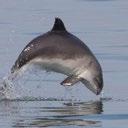
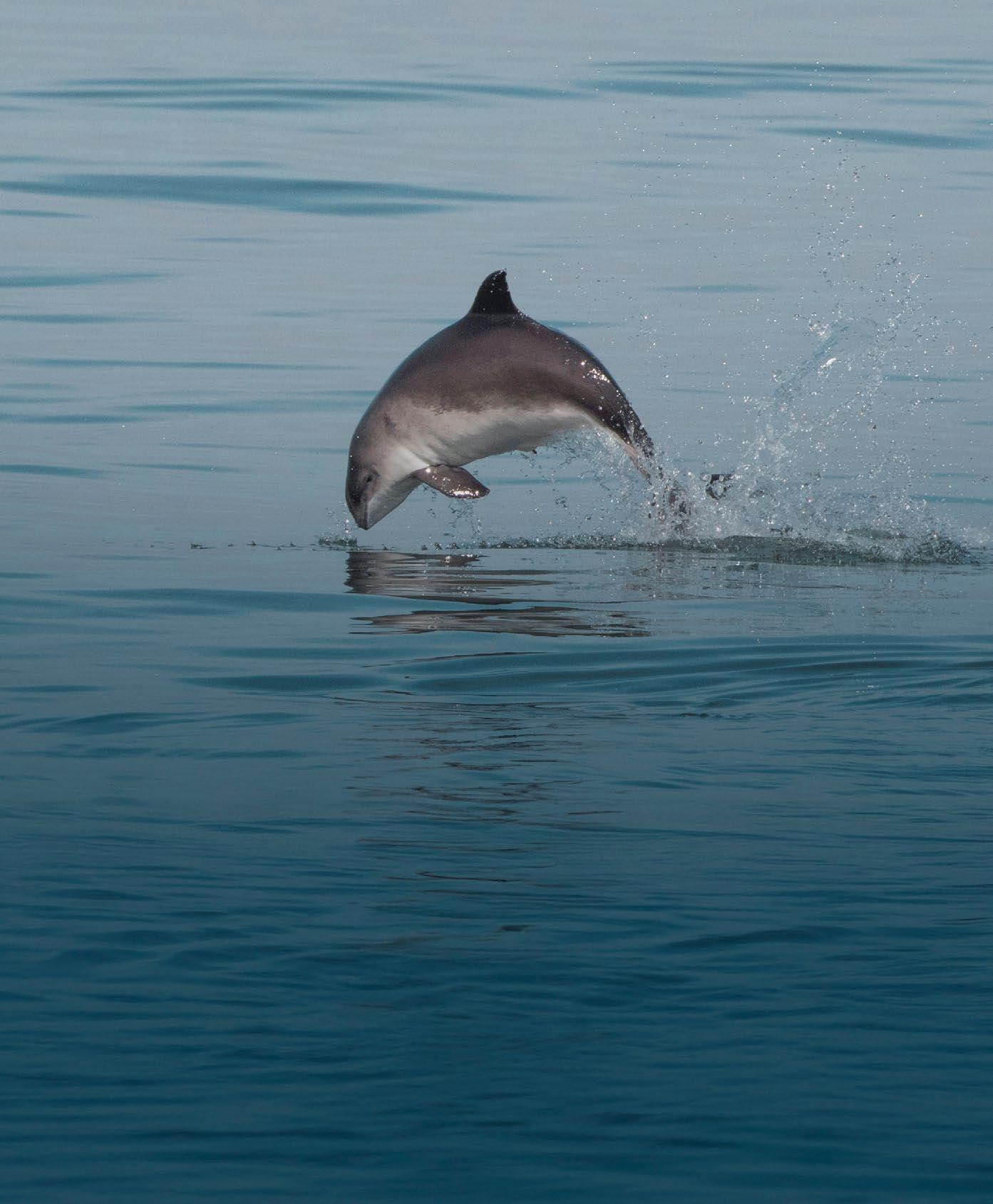
(Phocoena phocoena)
The Southern North Sea: Direct overlaps with harbour porpoise hotspots and sensitive seasons
The Southern North Sea SAC is an especially important area for harbour porpoise, supporting an estimated 17.5% of the UK North Sea Management Unit population, or roughly 28,000 individuals. 4, 26
SOUTHERNNORTH
The southern part of the site supports particularly high densities of harbour porpoise during the winter months,4 when harbour porpoise must maintain frequent foraging to support the growth of thicker blubber to keep them warm in colder waters.27 The highest levels of apparent bottom trawling in the Southern North Sea SAC overlapped with the winter season, amassing over 5,000 apparent hours per month in December, January, and February, with apparent trawling generally being more prevalent in the south of the MPA. Moreover, across the Southern North Sea SAC, apparent bottom trawling totalled between 1,000 – 2,000 apparent hours per month between April and September, coinciding with the harbour porpoise breeding season.28
During this time, foraging by porpoises increases to ensure they have enough energy to breed, birth calves, and nurse.29
Bottom trawling is known to damage seabed habitats2, 30 and is the dominant fishing method used to target many species that are now overfished in the North and Celtic Seas, including those that porpoises depend on, such as cod,9 sandeels,31 and whiting.32 This is despite the UK banning sandeel fishing in the North Sea.
The conservation objectives of the Southern North Sea SAC specifically require the condition of supporting habitats, ecosystem processes, and availability of prey to be preserved, yet so far no specific action to mitigate the impacts of bottom trawling in this site have been taken.4
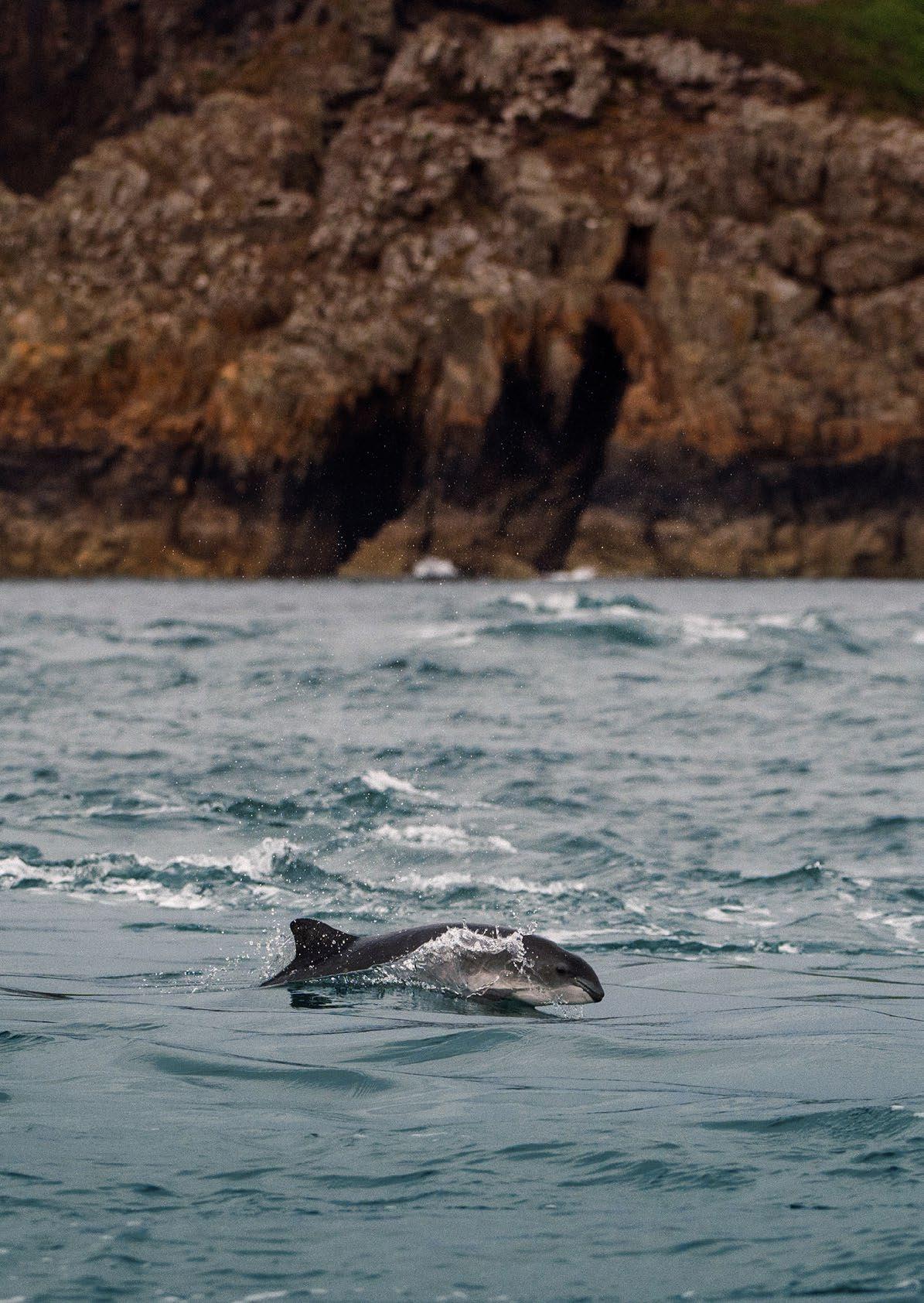
Harbour porpoise (
Despite harbour porpoise being at risk of entanglement, prey depletion, and noise disturbance from bottom trawls, none of the six UK MPAs designated for harbour porpoise specifically protect them from bottom trawling.
Overlap in space and time between bottom trawling and when porpoises are most sensitive to prey reduction or habitat disturbance has the potential to put the most vulnerable individuals at risk.
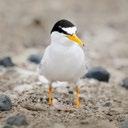
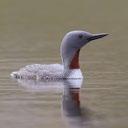
Over 2,200 hours of apparent bottom trawling was observed in the Outer Thames Estuary SPA, a site designated to protect amber-listed little and common terns, as well as the red-throated diver.33
This is worrying given that assessments of this site highlight bottom trawling as a threat due to the sensitivity of tern species and red-throated diver to changes in water clarity, relying on clear waters to see their prey before diving for it.16, 34 Bottom trawling can resuspend sediment when gear is dragged along the seabed, reducing water clarity.15
OUTERTHAMES
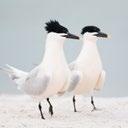
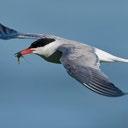
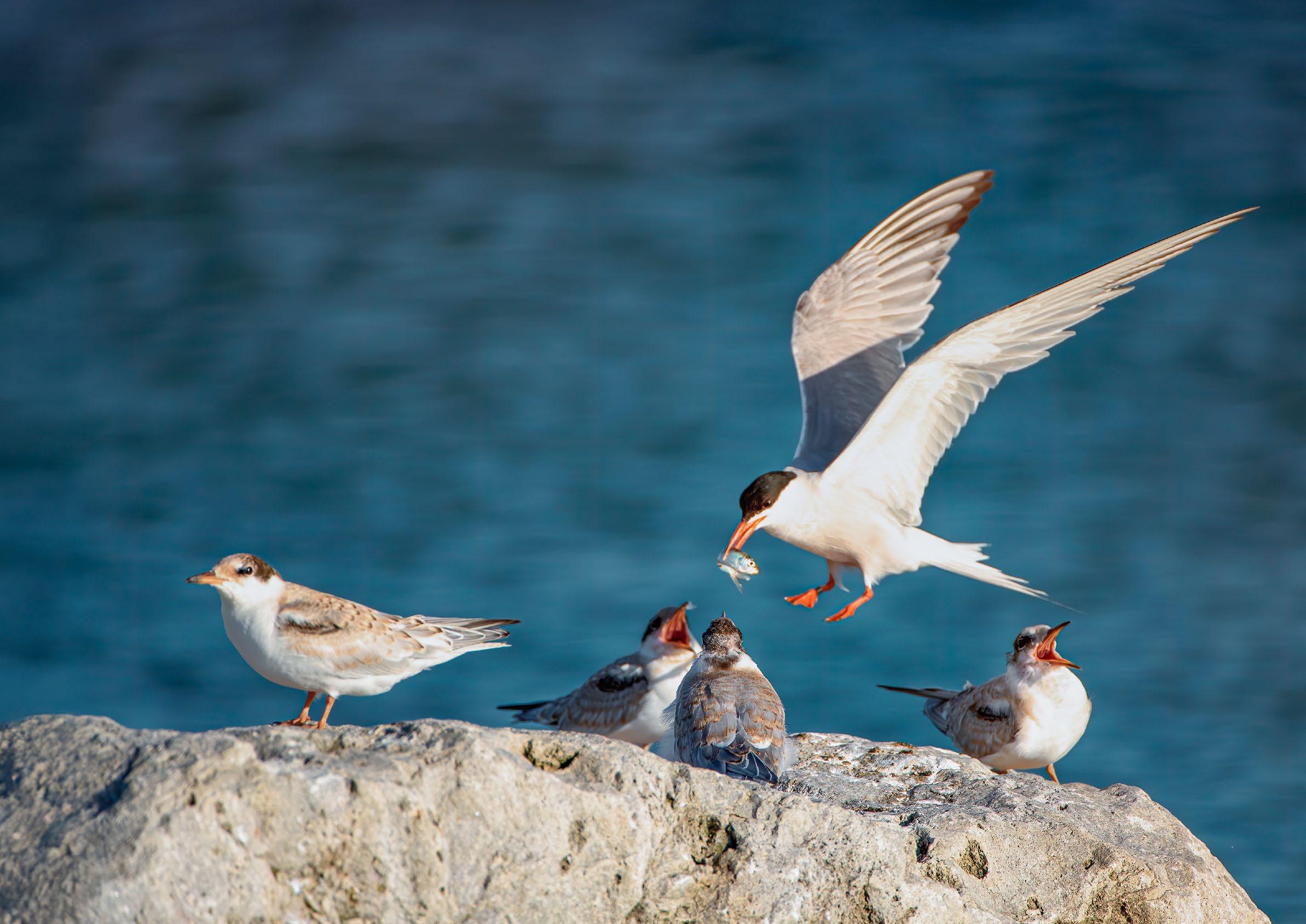
Common tern ( Sterna hirundo )
A piscivorous seabird, common terns are excellent divers, plunging into the water to capture prey. Terns are sensitive to changes in water clarity.16, 34
The impacts of bottom trawling on seabirds & cetaceans
Bottom trawling can impact cetaceans and seabirds through a range of direct and indirect impacts, from being caught in fishing nets to competing for and removing prey.
These pressures are particularly relevant in MPAs designated to protect cetaceans and seabirds, where known hotspots occur and where conservation objectives typically require the habitats and ecological processes that support these animals, such as foraging opportunities, to be maintained. For example, bottom trawling is currently permitted across all 11 MPAs designated for cetaceans in UK waters, despite
site assessments of 4 of these MPAs specifically highlighting bottom trawling as a threat to harbour porpoises and minke whales, either directly or to the habitats and prey they depend on. Even where impacts of bottom trawling are indirect, these have the potential to erode the ability of MPAs to achieve favourable conservation status for these species.
Bottom trawling is currently permitted across all 11 MPAs designated for cetaceans in UK waters.
DIRECT IMPACT:
Entanglement & bycatch
Bycatch and entanglement – the incidental capture of non-target species in fishing gear –remains one of the most significant threats to cetaceans35 and seabirds36 in UK waters today, with bottom trawls posing a particular risk to some cetacean species.
While different fishing gear affects species in different ways, bottom trawling presents a specific and under-recognised risk to cetaceans, particularly harbour porpoises.
Across the Celtic, Irish and North Seas, the number of harbour porpoises being caught in fishing gear exceeds sustainable levels,6, 7, 8 threatening the future of these populations and earmarking their decline. Gillnets are widely recognised as the primary cause of cetacean bycatch in the UK,6 but bycatch in bottom trawls also presents a potentially serious and widely overlooked threat to cetaceans in UK seas.
Each year, otter trawls, a type of bottom-trawl net held open by doors called otter boards, kill an estimated 118 harbour porpoises in the Celtic and Irish Seas, substantially exceeding the sustainable threshold to prevent population decline (this threshold is 82 individuals across all fishing gear) 6, 7, 8
Together with gillnetting and other threats, this has the potential to undermine the conservation objectives of the Bristol Channel Approaches MPA in the Celtic Sea6 – a site specifically designated to protect the charismatic and vulnerable harbour porpoise.
Dying by asphyxiation while trapped in fishing gear is an agonising process. Because whales, dolphins and porpoises are specialised for diving, their suffering is prolonged, as it takes a long time for them to drown.38
As cetaceans are long-lived, slowreproducing animals, annual bycatch mortalities of this magnitude have the potential to impact the future of the whole population.39
Although cetacean interactions with bottom- trawl gear are officially classified as ‘low risk’ relative to other fishing gear such as gillnets,40 falling back on this classification to guide management of bottom trawling in cetacean MPAs risks overlooking a potentially serious conservation problem. Given that the best available estimates of harbour porpoise bycatch show that bycatch by bottom trawls alone exceeds sustainable thresholds in the Celtic and Irish Seas, this also suggests that current monitoring frameworks may underestimate the true impact of this gear type. In addition, cetaceans have been shown to forage within and around bottom-trawl nets, increasing their overall risk of negative interactions with this gear type as they search for food.37 This creates a conflict: MPAs are established in hotspots for vulnerable marine species, specifically to safeguard their populations, but activities we know jeopardise their safety are also permitted.
The
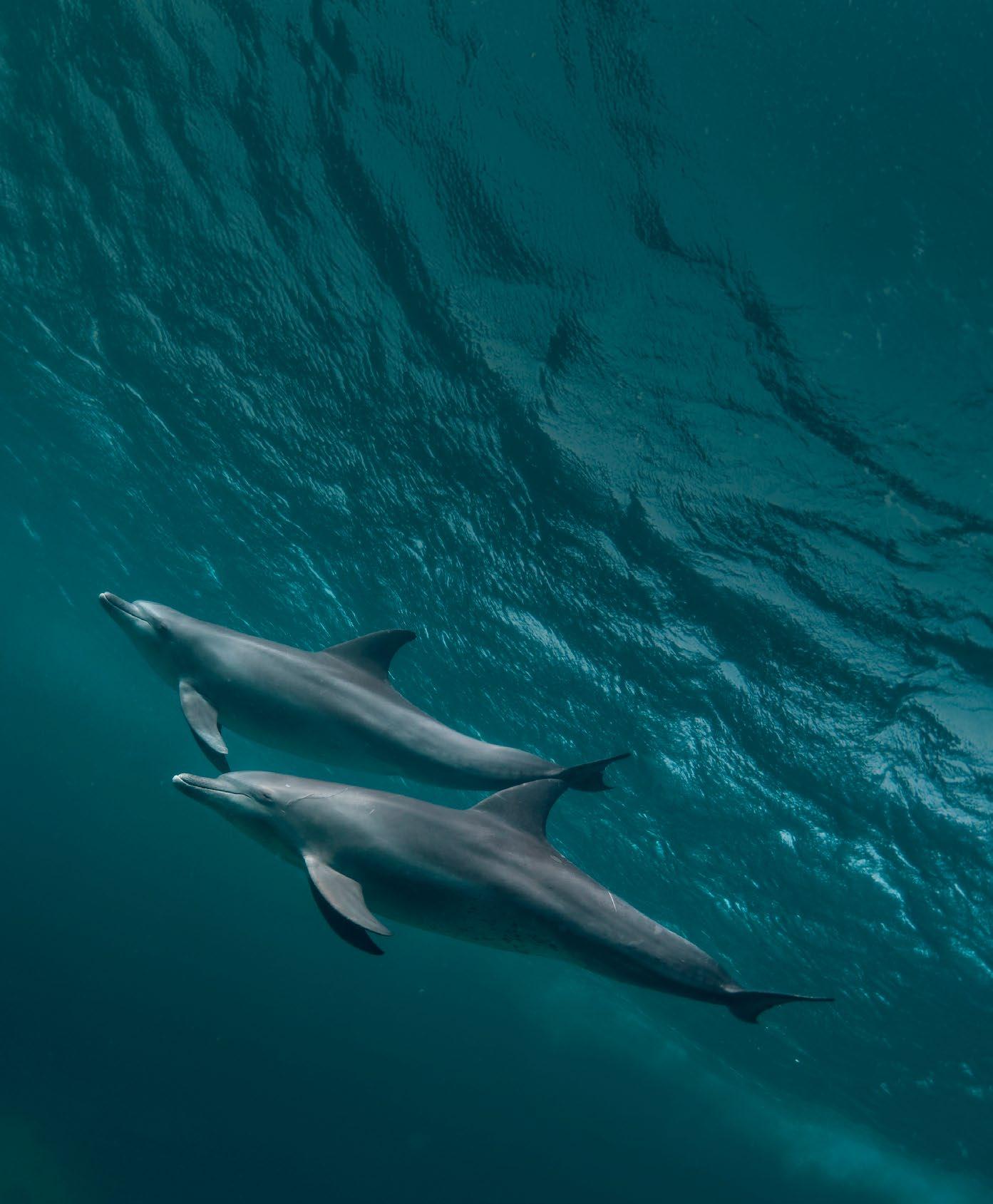
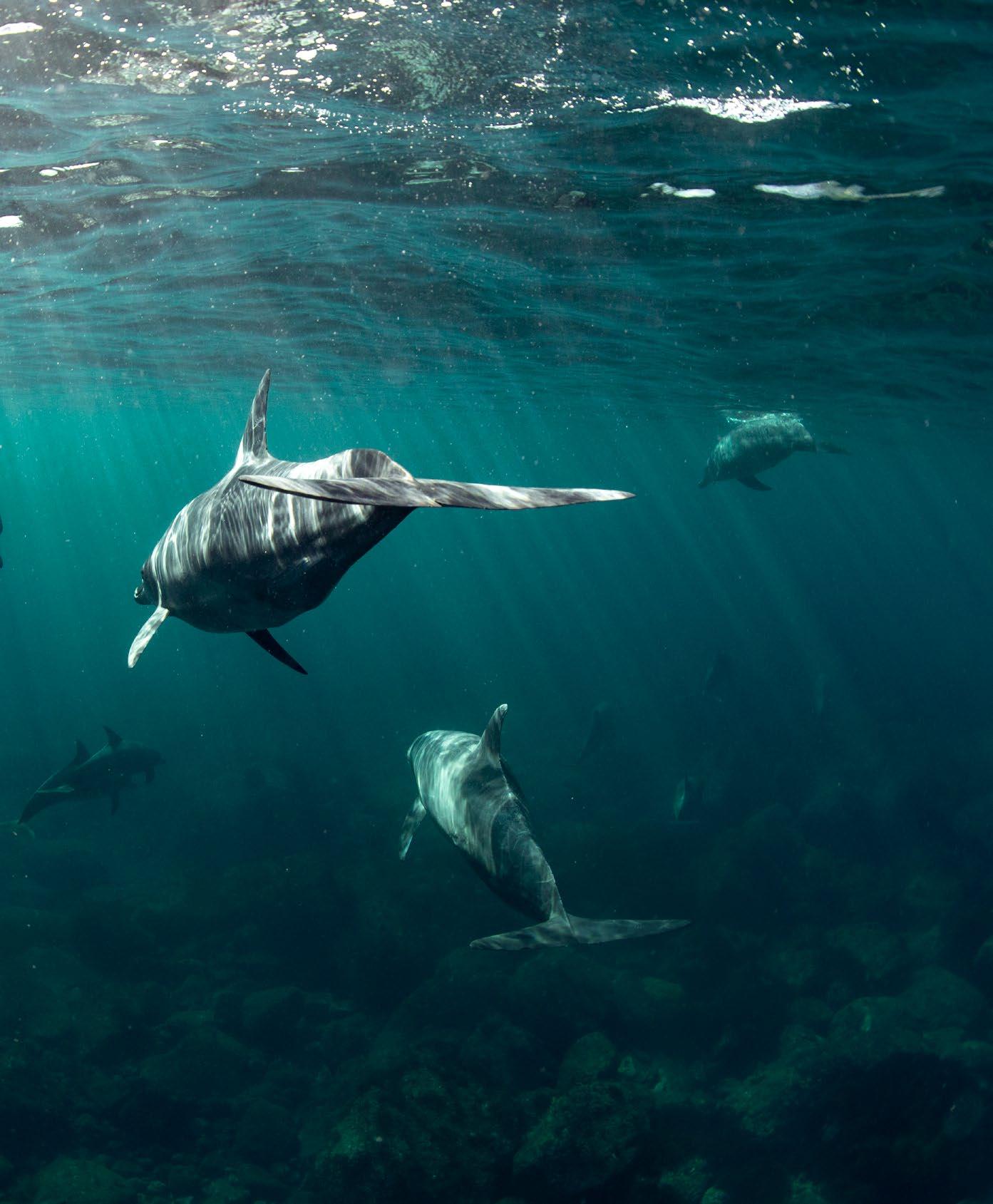
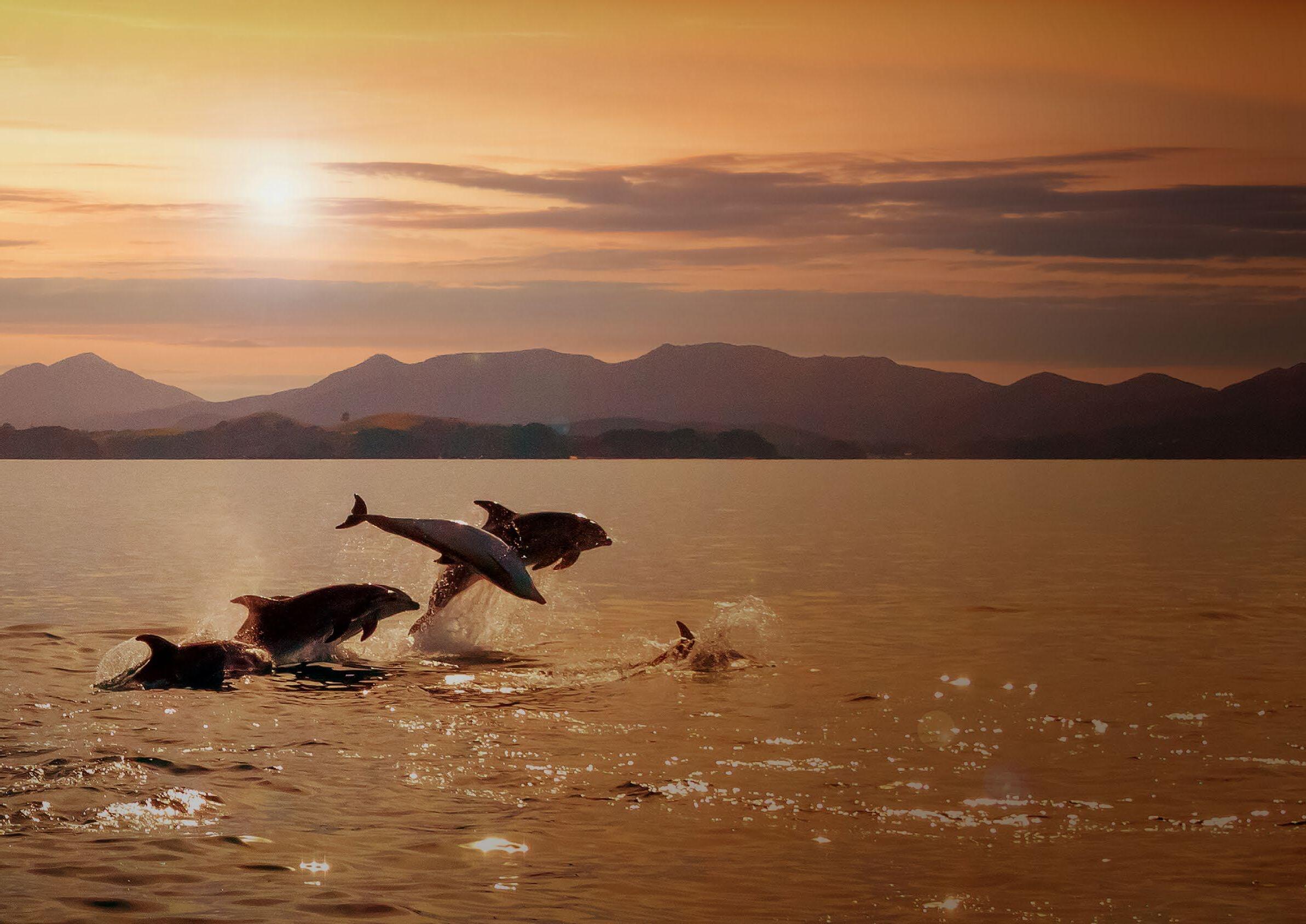
Bottlenose dolphins ( Tursiops truncatus )
Don’t look, don’t find
Despite the best scientific estimates suggesting that bottom trawling poses a potential major threat to cetaceans like harbour porpoises, current bycatch monitoring frameworks are not set up to reliably capture data for cetacean or seabird bycatch from bottom-towed fishing gear – creating an incomplete picture of their overall risk.
The UK’s Cetacean Bycatch Monitoring Scheme does not explicitly include bottom-towed gear in monitoring,6, 41 meaning reports state that no bycatch has been recorded as a result of bottom trawling while acknowledging that current sampling methods are not designed to detect cetacean bycatch from bottom-trawl gear.41 This discrepancy is critical, given that estimates suggest otter trawls alone exceed sustainable harbour porpoise bycatch thresholds in parts of the UK,6 indicating the risk of this gear to wildlife is highly disregarded rather than low impact.
A similar issue exists for seabirds: while recorded bottom-trawl bycatch is low, over 43% of UK seabird populations, including many red-listed species, fall within known bycatch monitoring blind spots year-round,42 and many trawl-related injuries and deaths go unseen and unrecorded.43 High discard rates from bottom trawling further increases risk by attracting foraging seabirds to vessels and gear.44, 45
Low bycatch records in conjunction with acknowledged monitoring gaps cannot be treated as evidence of safety. Instead, it is essential we take a proactive, precautionary approach to management, especially in MPAs designated to protect cetaceans and seabirds – safeguarding their populations rather than waiting for their decline.
Current sampling methods are not designed to detect cetacean bycatch from bottom-trawl gear. 41
DIRECT IMPACT:
Underwater noise & bycatch
Many cetaceans, including dolphins and porpoises, use high-frequency echolocation to navigate, communicate, and hunt in waters where visibility is often poor. 46
Bottom-trawl fishing generates continuous underwater noise through engines, propellers, and heavy metal gear scraping along the seabed.14 Studies show porpoise foraging is disrupted by vessel noise, with porpoises exhibiting a stress response and capturing fewer prey when exposed to noise.47
While the impacts of noise from bottom trawling are under studied, available evidence shows that noise pollution from this type of fishing exceeds harbour porpoise hearing thresholds at the source14 and is loud enough to mask communication between porpoises and disrupt foraging activities.48
Under the UK’s Marine Strategy, UK governments have a responsibility to reduce underwater noise to safe levels to achieve Good Environmental Status,20 yet noise generated by bottom trawling is completely omitted from Good Environmental Status targets or actions.49 Noise pollution is the only pollutant without residual effects and does not require longterm clean-up efforts, offering an important opportunity: when trawling noise is stopped, its impact on wildlife immediately ceases.
Under the UK’s Marine Strategy, UK governments have a responsibility to reduce underwater noise to safe levels to achieve Good Environmental Status. 20
INDIRECT IMPACT: Prey depletion & foraging shifts
The impacts of bottom trawling on seabirds and cetaceans extend far beyond bycatch. By dragging heavy gear along the seabed, bottom trawling physically alters and degrades seabed ecosystems,50 sweeping up target and non-target species51 and reducing complex habitats to rubble.52
All this reduces species abundance on the seabed,30 creating impacts that ripple through marine food webs and can indirectly affect the availability of prey for marine mammals and birds. Key prey species like sandeels rely on healthy, sandy seabed habitats, burrowing into it for protection against predators,12 while juvenile cod, whiting and haddock also require safe seabed habitats to grow.
Some types of bottom trawls and dredges can penetrate the seabed, tearing up vital habitats for sheltering sandeels and reducing the presence of an important food source for many seabirds and cetaceans.13
Globally, catches of fish used as prey by seabirds and cetaceans overlap not only with what seabirds eat, but also with where and when they feed,53 with a reduction in available prey leading to declines in seabird foraging and breeding success.42, 54 Some seabird species are more sensitive to fishing pressure than others, having more severe impacts on their breeding success and the longevity of their colonies.
For example, sandeel fishing, which is conducted exclusively using bottom trawls, strongly impacts the breeding success of nearby kittiwake colonies,10 leading to a ban on sandeel fishing in UK waters.
The UK Government has a responsibility to maintain healthy marine food webs as part of the Marine Strategy20 as well as to conserve cetaceans and seabirds. However, targets to achieve Good Environmental Status for marine food webs have not been met in any part of UK seas,49 with overfishing and seabed damage driving this decline 55 As marine food webs struggle under the pressures of the climate crisis, overfishing and habitat destruction only increases their vulnerability and amplifies negative outcomes, posing the greatest risks to top predators like seabirds and cetaceans through lack of prey.56
The
The significance of sandeels
Few prey are more important for many British seabirds than sandeels. Packed with nutritious oils, they are essential to feed chicks, sustain breeding adults, and support the longevity of these animals.
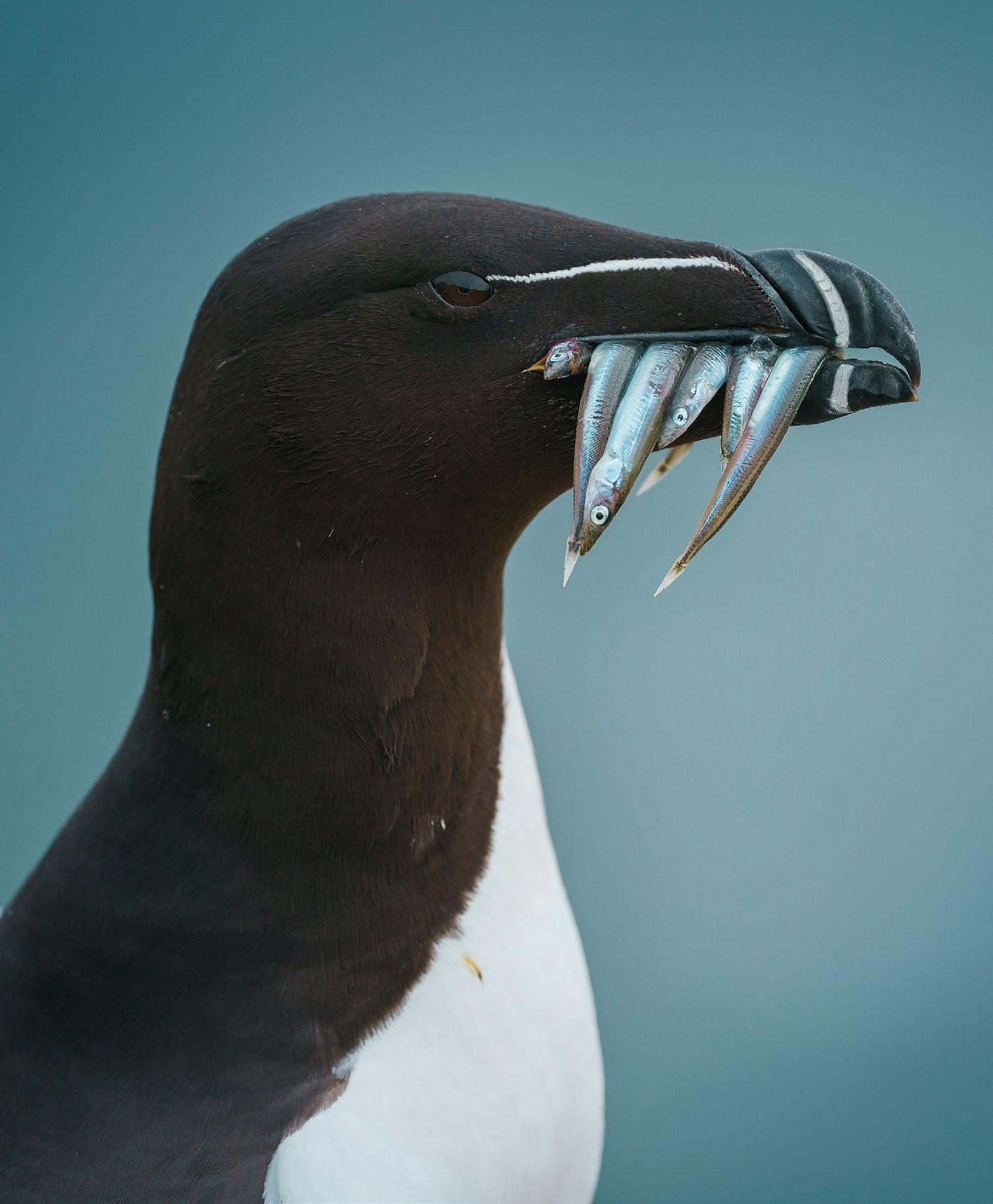
Throughout the North Atlantic, sandeels are targeted exclusively using bottom trawls, removing hundreds of thousands of tonnes of per year.31 When sandeel abundance declines, this takes a toll on seabird colonies. Evidence shows a low availability of sandeels during breeding seasons reduces reproductive success across seabird species, including red and amber-listed kittiwakes, puffins, shags, guillemots, and razorbills.5
Over time, seabird parents respond to declines by expending more energy to source food for their chicks or finding less nutritious alternatives, generating knock-on population-level effects like decreased fledging success of chicks and fewer adults surviving the winter.57 Kittiwakes are especially sensitive to this as most of their diet is comprised of sandeels, contributing to a 60% decline in UK kittiwake abundance since the 1980s.3 On the Isle of May, kittiwake breeding success dropped by 28% during years of sandeel fishing, with less than a quarter of breeding pairs successfully producing chicks.10
In 2024, the UK banned sandeel fishing in the North Sea to help protect British seabirds and achieve Good Environmental Status, recognising the critical link between the availability of sandeels and seabird breeding success.58 However, the road to recovery is long, particularly while bottom trawling more generally is still permitted throughout North Sea MPAs, including areas for seabirds. The climate crisis is also making sandeels harder to find59 and this ban will be reviewed every year, presenting further uncertainty. For now, however, this measure is a crucial step in the right direction to alleviate pressures depleting keystone prey for well-loved seabirds.
Throughout the North Atlantic, sandeels are targeted exclusively using bottom trawlers, removing hundreds of thousands of tonnes of per year.31
Sandeel ( Ammodytes spp .)
Small but mighty, sandeels are an important food source for seabirds like puffins and kittiwakes as they are packed with nutritious oils. Sandeels are aptly named after the habitat where they are found, burying themselves in the seabed to hide from predators.12
Indirect Impact: Prey Depletion & Foraging Shifts in Harbour Porpoises
Harbour porpoises face similar challenges to seabirds. Porpoises have exceptionally high metabolic demands, owing to their relatively small size, and must feed frequently to survive.47, 60 While they feed on a broad range of fish,11, 61 many of their preferred prey, including cod9 and whiting,32 are under threat from commercial bottom-trawl fisheries. The management of these fisheries focuses on the amount of fish that can be caught without depleting the stock, yet does not consider the food needs of these animals or the amount that should be left in the water as prey.
Reductions in prey availability have the potential to force porpoises to expend more energy searching for food or switch to less nutritious species.11 For an animal that lives so close to its energetic limits, even small reductions in prey availability can have serious consequences for survival.
Studies simulating fasting conditions for harbour porpoises show that even within 24 hours, blubber thickness rapidly begins to decrease, posing potential risks to porpoises in the autumn and winter months when both food uptake and blubber thickness must be maintained to survive.27
The overfishing of key harbour porpoise prey also overlaps with regions where two MPAs designated to protect harbour porpoise are located: the Southern North Sea SAC in the North Sea and the Bristol Channel Approaches SAC in the Celtic Sea. Bottom trawling is currently permitted year-round in these MPAs, except where they overlap with other MPAs that have restrictions. This persistently removes prey from important porpoise protected areas. In fact, the Southern North Sea remains one of the most frequently and intensely trawled regions in the UK.62
INDIRECT IMPACT:
Sediment resuspension
Bottom trawling stirs up seabed sediment, reducing water clarity.15 While the level of impact depends on the gear type used, sediment type, and frequency of fishing,63 these changes have the potential to affect the foraging activities of seabirds.
64
Reduced water clarity from bottom trawling has the potential to reduce the ability of birds to see fish both while soaring above the sea surface and diving below it, with seabirds that feed at the water’s surface and within the water column being affected.64, 65, 66
Assessments of threats in MPAs cite reductions in water clarity from bottom trawling having a medium risk65, 66 to sensitive diving seabird species like puffins, terns, guillemots, razorbills, and red-throated diver, which all rely on their sight to hunt prey underwater.16, 17
These assessments highlight that seabirds may be displaced by this activity,65, 66 forcing them to move elsewhere. While these effects are localised to where trawling occurs, bottom trawling in UK MPAs is so widespread – affecting an estimated 90% of MPAs67 – that this has the potential to cause widespread disturbance to the foraging of diving seabirds and their feeding success.
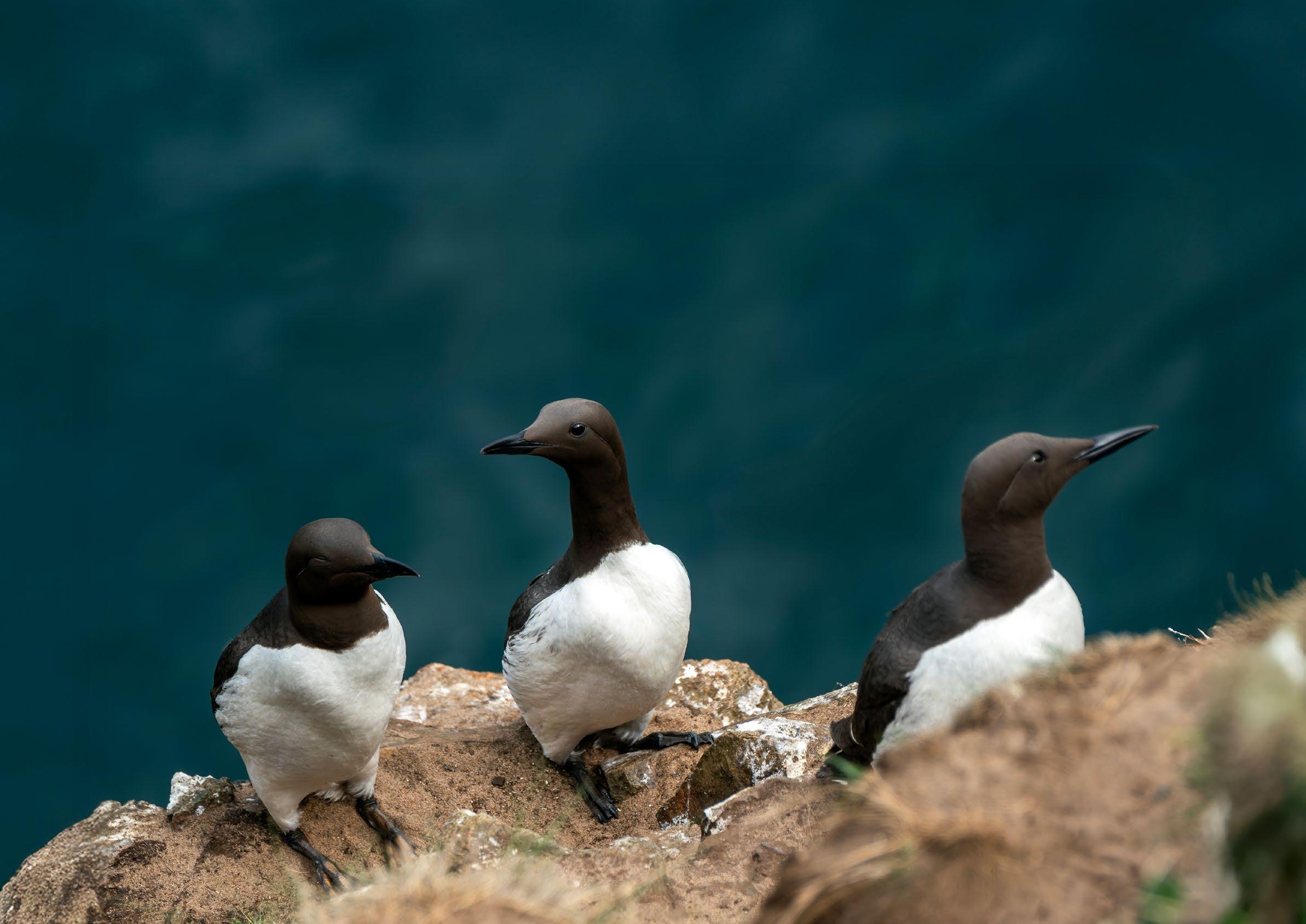
Guillemots live most of their lives at sea, diving deep below the surface to catch fish like sandeels. Only two MPAs in the UK protect seabirds from
St. Kilda Special Protection Area
Home to the largest seabird colony in Europe, including puffins, gannets, fulmars, and guillemots,68 the St. Kilda SPA is one of only two MPAs in the UK for seabirds that has banned bottom trawling in the entire MPA. 69
In 2016, St. Kilda marked its 30th year as a World Heritage Site by protecting 255km2 of its Special Area of Conservation and overlapping Special Protection Area from bottom trawling and set gillnetting, citing protections for both the rich seabed habitats and the seabirds they support.70
St. Kilda hosts the world’s largest colonies of breeding puffins and gannets, boasting 98,000 breeding pairs of puffins and 32% of the UK’s breeding gannet population.68 Like many British seabirds, puffins and gannets depend on forage fish like sandeels, which are susceptible to overfishing from bottom trawling and rely on healthy seabed habitats to survive.12, 31
While seabird populations on St. Kilda have declined in recent years,68 in part due to shifts in prey availability linked to the climate crisis and a lack of offshore protected areas protecting foraging grounds, this only strengthens the case for decisive action to reduce pressures of all kinds. Strong protections against bottom trawling can help to safeguard seabird forage fish by maintaining healthy seabeds, giving many seabirds a fighting chance.
St. Kilda sends a simple message: if we are serious about protecting seabirds, we must also be serious about protecting the seas they depend on.
If we are serious about protecting seabirds, we must also be serious about protecting the seas they depend on.
Where forage fish like sandeels, herring, and sprat are abundant, top predators like harbour porpoise and seabirds thrive.
Sylt Outer Reef & Eastern German Bight Nature Conservation Areas
The largest MPA in the German exclusive economic zone, covering over 5,600km 2 , was open for bottom trawling until 202371 – leaving benthic communities and the megafauna they support decimated by repeated intensive trawling.
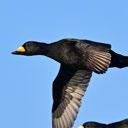
The site is a hotspot for harbour porpoises, hosting over 6,000 individuals including mothers and calves, and is an essential wintering site for seabirds.71 Up to 45,000 common scoter winter here, along with protected and sensitive seabirds, like the Arctic skua, northern gannet, and black-legged kittiwake, who use the area for foraging.
71
Where forage fish like sandeels, herring, and sprat are abundant, top predators like harbour porpoise and seabirds thrive. Yet, harbour porpoise in the Sylt Outer Reef declined for nearly 20 years, with evidence suggesting that this was due to a depletion in prey species due to extensive bottom trawling.72 This led to a ban on trawling across large swathes of the site in 2023.
The ban seeks to protect the site’s diverse reef and sandbank habitats, as well as protecting harbour porpoise from trawling within the site.
Despite a legal challenge against the bans by the German fishing industry and the Dutch government, the European Union’s General Court upheld the ban owing to the conservation measures’ intent to achieve or conserve the Good Environmental Status of protected features in the MPA.73, 74
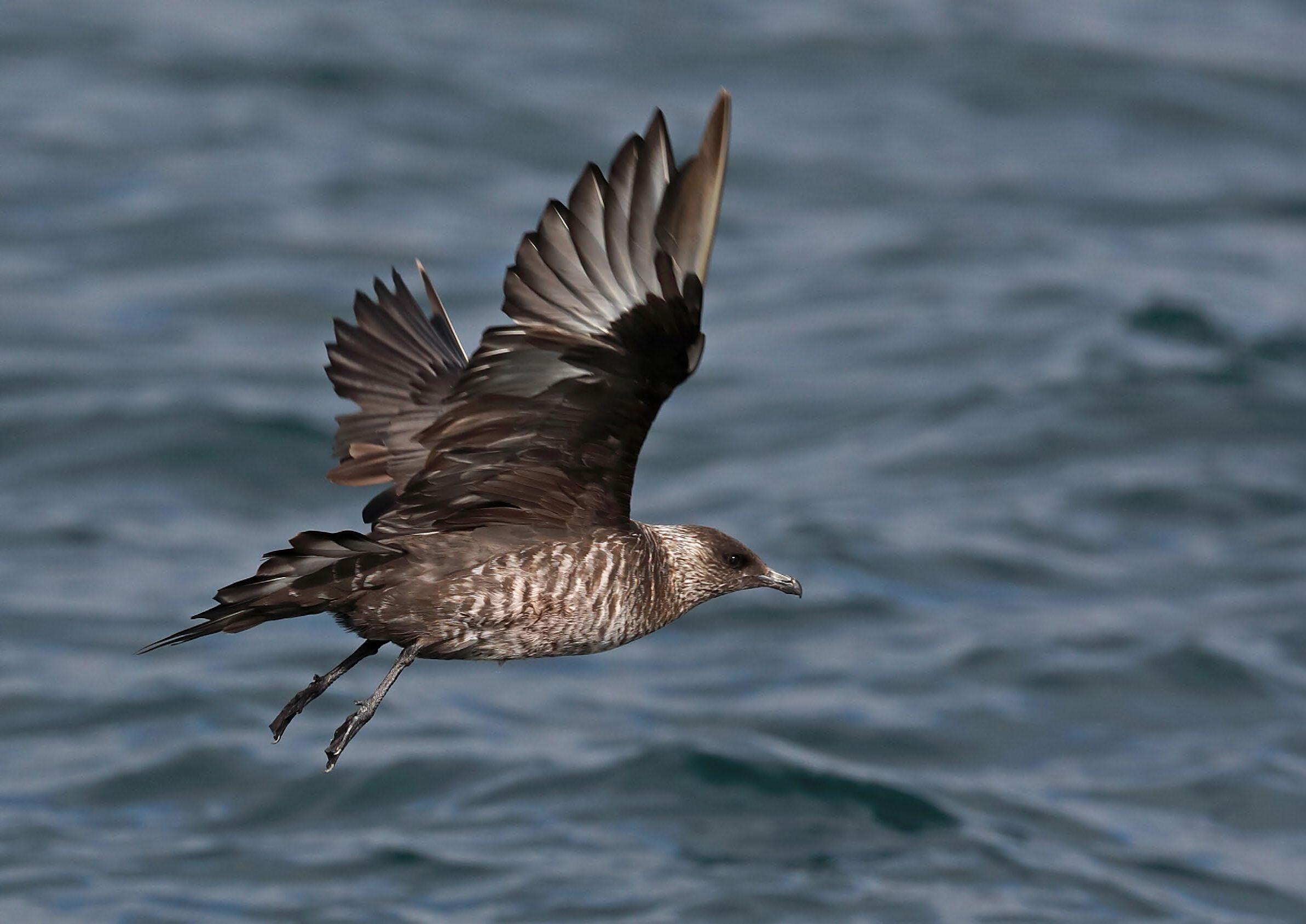
Arctic skua ( Stercorarius parasiticus )
A piscivorous (fish-eating) bird, Arctic skuas are frequent foragers in the Sylt Outer Reef and Eastern German Bight nature conservation area.71
Protecting rare dolphins in New Zealand
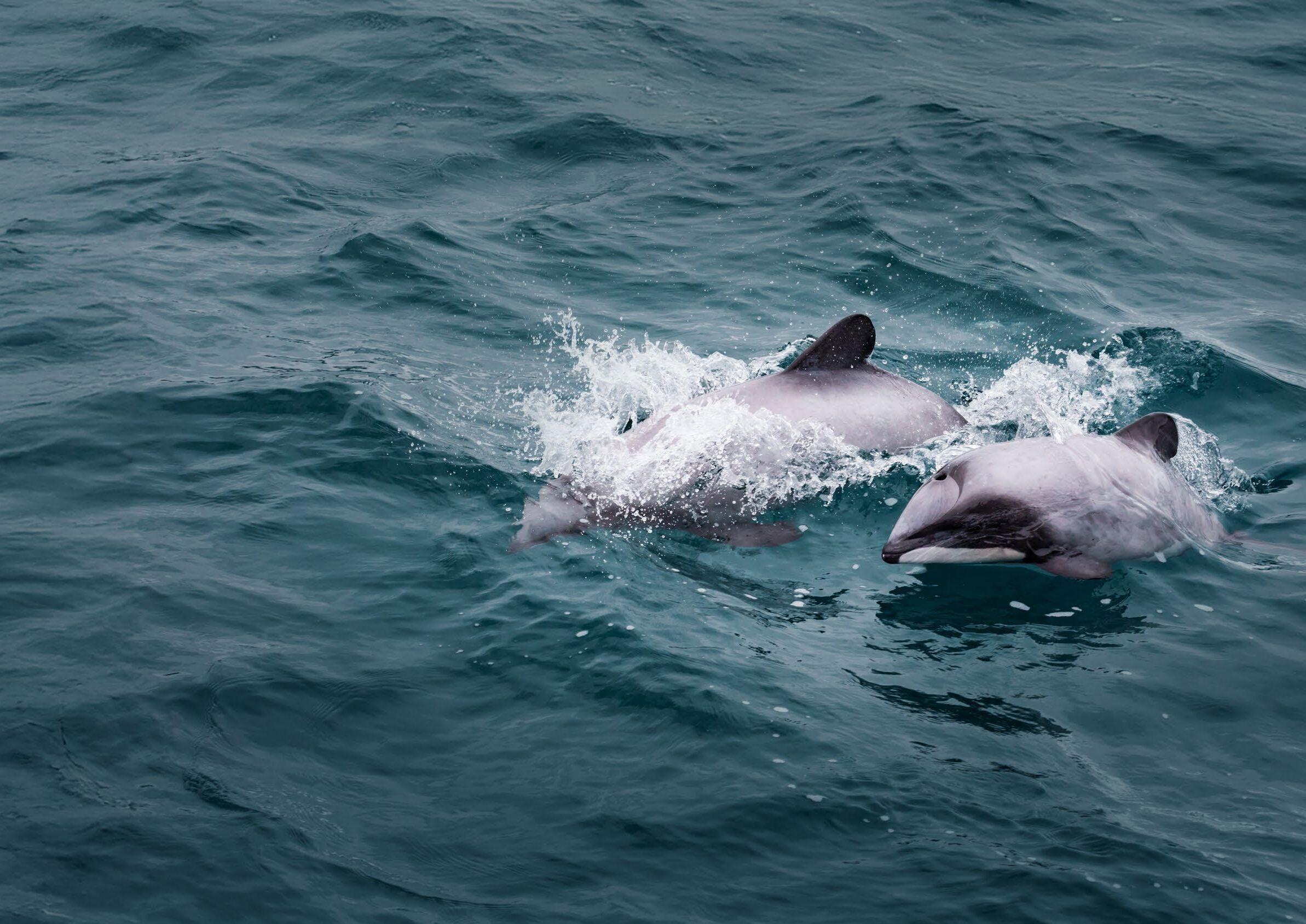
Māui and Hector’s dolphins are the rarest dolphin species in the world, found only in New Zealand’s waters.
Less than 50 adult Māui dolphins remain, making them critically endangered.75 In 2020, the New Zealand government rolled out measures to protect both species from bycatch in an effort to reduce the number of deaths from interactions with static and mobile fishing gear, including gillnets and bottom trawls. In 2020, 12,825km2 were closed to bottom trawling and 32,675km2 were closed to set netting across Marine Mammal Sanctuaries – a type of MPA – along with the roll-out of cameras on fishing vessels to aid with monitoring of bycatch.76
Like many dolphin and porpoise species in the UK, Māui and Hector’s dolphins are long-lived and slow breeding, meaning even small numbers of deaths from human activity can threaten their populations.75 This also means that measuring the recovery of these populations will take time.
However, New Zealand’s Hector’s and Māui Dolphin Threat Management Plan shows the importance of bycatch monitoring in reinforcing the need for bottom-trawl bans. Data from 2023/24 showed 12 Hector’s Dolphins were captured in bottom-trawl nets77 – the highest number of captures in a decade and four times the number of captures from static nets. This was revealed by improved monitoring and the introduction of onboard cameras on commercial fishing vessels. Data limitations are a reoccurring issue in consultations to manage bottom trawling for cetaceans and seabirds, with bycatch records being highly location-dependent based on resources allocated to monitoring. Better monitoring can provide evidence to inform more effective management of bottom trawling for vulnerable species, but delaying protection of ocean wildlife on the basis of insufficient data can have catastrophic outcomes, as evidenced by species such as Māui and Hector’s dolphins, which are teetering on the brink.
Delaying protection of ocean wildlife on the basis of insufficient data can have catastrophic outcomes.
and
The smallest and rarest marine dolphins in the world, only found in New Zealand’s shallow coastal waters. Recent monitoring data showed that Hector’s dolphins were entangled in bottom-trawl nets more than any other fishing gear.
77
Māui
Hector’s dolphins ( Cephalorhynchus hectori )
The case for protecting cetacean & seabird MPAs
from bottom trawling
Our analysis, paired with available evidence, shows that bottom trawling is a potentially significant and underestimated threat to cetaceans and seabirds, posing both direct and indirect risks including entanglement, reductions in prey availability, noise pollution, and habitat degradation.
Despite national and international commitments to protect 30% of UK seas by 2030, we have revealed that cetacean and seabird MPAs are being left behind in these protections, with only two MPAs designated for seabirds protected from bottom trawling across the whole site.
This does not account for known gaps in the UK MPA network, particularly for key offshore foraging areas for seabirds, which remain completely unprotected.
No UK MPAs designated for cetaceans are protected from bottom trawling across the whole site. Additionally, MPA site assessments reference the direct and indirect negative impacts that bottom trawling has on the UK’s vulnerable and globally important populations of cetaceans and seabirds, including impacts on their supporting habitats and prey species.
These pressures are simply incompatible with the conservation objectives of MPAs designated to protect these animals especially those that specifically require protection of the habitats and ecological processes cetaceans and seabirds depend on.
Despite this, the majority of the UK’s cetacean and seabird MPAs remain wide open to bottom trawling, allowing over 30,000 apparent hours of bottom trawling in a key harbour porpoise MPA in 2025 alone. This flies in the face of the 75% of site assessments for UK seabird and cetacean MPAs that highlight bottom trawling as a threat in these sites.
The conservation objectives of all five of the MPAs analysed in this report require habitats supporting the seabirds or cetaceans to be maintained, with the Southern North Sea SAC, Bristol Channel Approaches SAC, and Liverpool Bay SPA also stating that prey availability should be maintained and disturbance minimised.4, 78, 79 This requires management measures that extend beyond the scope of direct impacts like bycatch, prioritising an ecosystembased approach to protecting the UK’s seabirds and cetaceans. Yet, there is very little conversation taking place in the UK about managing bottom trawling to protect seabirds and cetaceans.
If we are truly serious about tackling the threats to MPAs holistically, this needs to change. Yet, even for the most obvious threats such as bycatch, bottom trawling is being ignored in discussions about cetacean and seabird MPA management. While management conversations centre on restricting static net fisheries, bottom trawling persists, with potentially serious detrimental effects. Removing bottom trawling from seabird and cetacean MPAs would alleviate pressures on these charismatic and globally important species, protect their supporting habitats, and safeguarding their most important areas into the future.
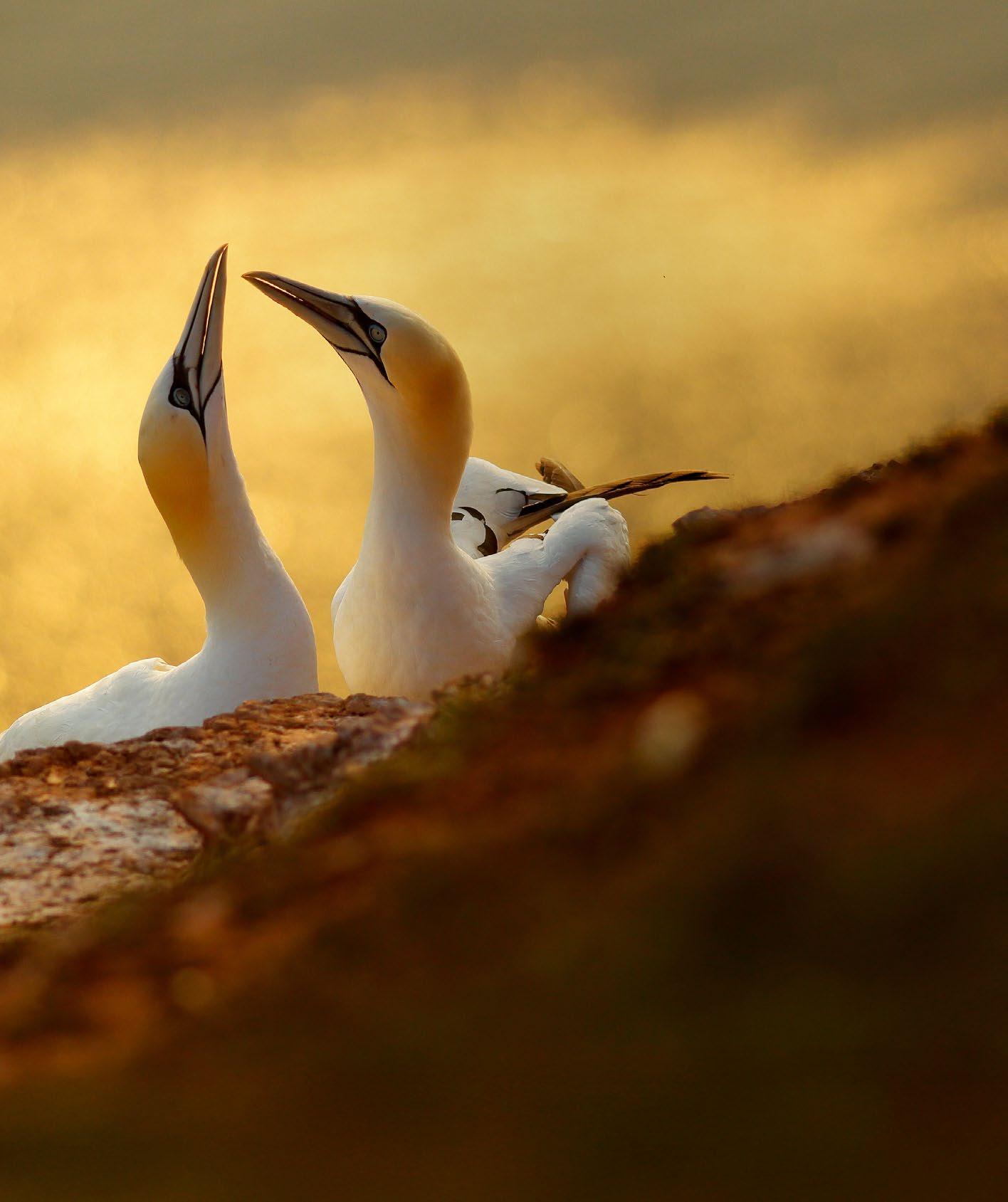
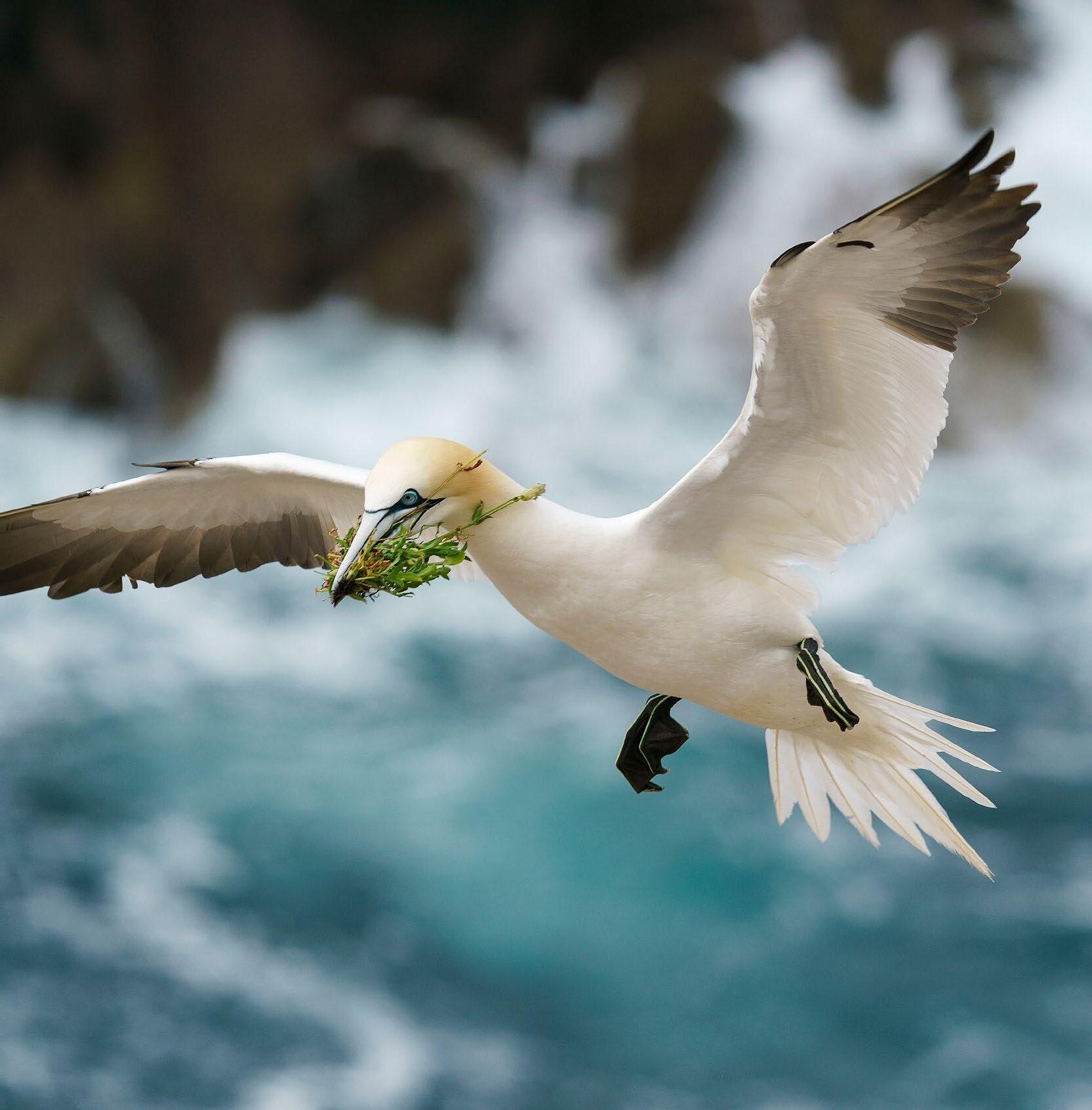
Gannet ( Morus bassanus )
The UK’s largest seabird, gannets can be found around the UK’s coastline. St. Kilda, one of only two seabird MPAs in the UK where bottom trawling is banned, is home to the largest gannet colony in the world.68
Considering impacts outside MPAs on MPA objectives
MPAs for seabirds and cetaceans cannot exist in isolation from the rest of UK seas, given the mobile nature of these species.
Connectivity between MPAs is crucial, particularly for mobile species that travel between MPA boundaries, where safe passage for seabirds and cetaceans during migration, feeding or reproduction periods is critical. Given that the conservation objectives of harbour porpoise MPAs in particular are to ensure healthy porpoise populations within UK waters, not just within the sites themselves, threats to cetaceans outside sites can also impact the status of these MPAs.
Given this, therefore, it may be the case that well-managed MPAs also require protections from the threats of bottom trawling outside individual site boundaries, in addition to removing trawling from the UK’s MPA network.
Without also providing meaningful protections from bottom trawling and supporting a transition to sustainable fisheries in wider areas that are important for seabirds and cetaceans, these MPAs will not fulfil their true potential.
Displacement does not have to be an inevitable outcome of successful MPA management.
Considering the risks of displacement & gear switching
A frequent counterargument to introducing bottom trawling bans across all MPAs is that fishing activity will simply be displaced elsewhere, shifting negative impacts on to nearby habitats or species.80
Given the size of some MPAs for harbour porpoise in particular, this is a legitimate question. However, displacement does not have to be an inevitable outcome of successful MPA management. While it may be difficult to fully predict and measure fishing displacement and its impacts as a result of bottom trawling bans, owing to the location and species-specific nature of these impacts, there remains an urgent need to better manage the UK’s seabird and cetacean MPAs to safeguard their wild populations.
Additionally, a strong majority of 80% of fishers in England agree that the conservation and restoration of the marine environment is important for their job security.21 Removing bottom trawling from MPAs has also been shown to make fisheries more productive, as habitats and fish stocks slowly recover. This would be good both for these awe-inspiring animals and for fishers themselves. There is no better example of this than Lyme Bay, where in 2008, 60-square kilometres of the bay was closed to bottom trawling to protect reef habitats. Over the following decade, the richness of fish taxa targeted by fisheries exploded by 430%
and their overall abundance increased by 370% - both inside the MPA and in the surrounding area, demonstrating potential spillover of fish from the MPA.21 We don’t have to compromise – rebounding marine ecosystems can benefit both wildlife and the commercial and cultural value of fisheries.
The UK Government must take a proactive approach to addressing and mitigating displacement effects, not simply refuse to take action on the fear of displacement. If fishing displacement occurs as a result of management for seabirds and cetaceans, measures should be introduced to alleviate the environmental and socioeconomic impacts. This may involve financial support for fishers to switch to less harmful gear or the reallocation of subsidies to more sustainable fishing methods.
The potential for an increase in static gear fishing as a result of restricting bottom trawling should also be an essential consideration in management efforts, given the known risks to seabirds and cetaceans from large-scale industrial gillnetting. This again should not be used as an excuse not to introduce measures to restrict bottom-towed gear in the first place, and options are at governments’ disposal for reducing and mitigating this risk, given that static-gear fisheries will also need to be managed within these areas and beyond.
We have enough evidence to act. Now is the time to end bottom trawling in UK seabird and cetacean MPAs.
Call to action
Cetaceans and seabirds, from porpoises to puffins, are some of the most loved wildlife in our seas. They are keystone indicators of the health of our oceans, sensitive to changes in the supporting habitats and species on which they depend.
Yet up to now, no action has been taken to defend these animals from the devastating threats of bottom trawling, potentially undermining the safe havens legally designated to protect them.
Allowing bottom trawling in seabird and cetacean MPAs creates a lethal contradiction: sites intended to safeguard vulnerable marine wildlife continue to green-light an activity that three quarters of their own site assessments deem harmful. This weakens the protective value of these sites and risks undermining wider conservation commitments.
The UK Government has a legal responsibility to achieve Good Environmental Status for cetaceans, seabirds, and the marine food webs they depend on,49 and has already demonstrated its desire to deliver ecosystem-based protections by removing sandeel trawling from UK waters.
However, without effective and targeted management of this threat within MPAs themselves, sites designated as some of the most important sanctuaries for cetaceans and seabirds risk becoming nothing more than lines on a map.
A comprehensive ban on bottom trawling in these MPAs would align management with both site-specific and national conservation objectives, ensuring that protections on paper translate into real-world benefits for wildlife.
Removing this pressure would help to restore seabed habitats, rebuild prey populations and reduce disturbance and entanglement in areas already identified as critical for seabirds and cetaceans. We have enough evidence to act. Now is the time to end bottom trawling in UK seabird and cetacean MPAs, alongside the rest of the MPA network.
ANNEX 1
List of MPAs with whole-site protections to bottom trawling
Sites are considered to be effectively protected when all forms of bottomcontact mobile fishing gear, including trawling, dredging and seining, are legally prohibited throughout the entirety of the site.
Additional sites have partial protections, either prohibiting use of bottom-trawl gear in parts of the site or protecting the entire site from one form of bottom-contact fishing, but these have not been included on the basis that they are still exposed to potential interactions with these gear types. Of the 102 seabird MPAs identified, we estimate only 2 are effectively protected.
Within the UK’s 888,245km2 continental shelf area, this amounts to 0.04% of UK seas protected from bottom trawling for seabirds. No UK MPAs for whales, dolphins, or porpoises are protected from bottom trawling across the whole of the site.
The conservation status of each species was collated from ‘The Status of the UK’s breeding seabirds (2024)’,25 with red-listed species being of greatest conservation concern due to widespread population decline across the UK.
ANNEX 2
Methodology – Using global fishing watch data to observe potential bottom-contact fishing in seabird and cetacean MPAs
This analysis, conducted by Oceana’s Illegal Fisheries and Transparency team, used data from Automatic Identification System (AIS) vessel tracking data from Global Fishing Watch (GFW), an independent non-profit founded by Oceana in partnership with SkyTruth and Google, to calculate the number of hours of apparent bottom trawling in five UK cetacean and seabird MPAs between January 1st 2025 and December 31st 2025. For this analysis, Oceana identified and isolated the apparent fishing activity of vessels that were registered to carry bottom-towed mobile fishing gear, including various forms of demersal trawls, dredges, and seines, within UK waters. Fishing vessels were identified using their Maritime Mobile Service Identity (MMSI) number, as well as Community Fleet Register (CFR) and International Maritime Organization (IMO) numbers where available. CFR and IMO numbers were then used to match vessels with both the UK and EU fleet registries, along with information on gear types from these registries. Any GFW data that was not matched to registry information was not included in further analysis of possible bottom gear. Please note, Norwegian vessels were excluded from this analysis as the Norwegian Registry does not provide adequately specific gear codes to identify bottom-trawl gear.
GFW uses data about a vessel’s identity, type, location, speed, direction and more, that is broadcast using AIS and collected via satellites and terrestrial receivers. GFW analyses AIS data collected from vessels that research has identified as known or possible commercial fishing vessels and applies a fishing presence algorithm to determine “apparent [or ‘suspected’] fishing activity” based on changes in vessel speed and direction. The algorithm classifies each AIS broadcast data point for these vessels as either apparently fishing or not fishing and shows the former on the GFW fishing activity heat map.
AIS data, as broadcast, may vary in completeness, accuracy and quality. Also, data collection by satellite or terrestrial receivers may introduce errors through missing or inaccurate data.
GFW’s fishing presence algorithm is a best effort to mathematically to identify “apparent [or ‘suspected’] fishing activity.” As a result, it is possible that some fishing activity is not identified as such by GFW; conversely, GFW may show apparent fishing activity where fishing is not actually taking place. For these reasons, GFW qualifies designations of vessel fishing activity, including synonyms of the term “fishing activity” such as “fishing” or “fishing effort” as “apparent” or “suspected” rather than certain.
Any/all GFW information about “apparent” or “suspected” fishing activity should be considered an estimate and must be relied upon solely at your own risk. GFW is taking steps to make sure fishing activity designations are as accurate as possible. GFW fishing presence algorithms are developed and tested using actual fishing event data collected by observers, combined with expert analysis of vessel movement data resulting in the manual classification of thousands of known fishing events. GFW also collaborates extensively with academic researchers through our research program to share fishing activity classification data and automated classification of thousands of known fishing events.
The views and opinions expressed in this article are those of Oceana UK, which are not connected with or sponsored, endorsed or granted official status by Global Fishing Watch.
1 Stanbury, A.J., Burns, F., Aebischer, N.J., Baker, H., Balmer, D., Brown, A.F., et al., 2024. The status of the UK’s breeding seabirds. British Birds, 117, pp. 471–487. Available at: https://www.bto.org/our-work/science/ publications/papers/status-uk-breeding-seabirdsaddendum-fifth-birds
2 Hiddink, J.G., Kaiser, M.J., Sciberras, M., McConnaughey, R.A., Mazor, T., Hilborn, R., et al, 2020. Selection of indicators for assessing and managing the impacts of bottom trawling on seabed habitats. Journal of Applied Ecology, 57(7), pp., 1199 – 1209. https://doi. org/10.1111/1365-2664.13617
3 Ruffino, L., Arjona, Y., Clear, N., Martin, E., 2023. Towards better understanding of black-legged kittiwake and fish prey interactions. An assessement of scientific evidence to inform future research needs in the North Sea. Report to Ørsted. JNCC Report 733, JNCC, Peterborough, ISSN 0963-8091. Available at: https:// data.jncc.gov.uk/data/ef7b01db-ca48-4469-b5ce642efe0f7ed2/jncc-report-733-revised.pdf
4 JNCC, 2023. Southern North Sea MPA: Conservation Advice. Available at: https://jncc.gov.uk/our-work/ southern-north-sea-mpa/
5 Régnier, T., Wright, P.J., Harris, M.P., Gibb, F.M., Newell, M., Eerkes-Medrano, et al, 2024. Effect of timing and abundance of lesser sandeel on the breeding success of a North Sea seabird community. Marine Ecology Progress Series, 727, pp., 1 – 17. https://doi. org/10.3354/meps14520
7 ICES, 2021. Workshop on estimation of MOrtality of Marine MAmmals due to Bycatch (WKMOMA). ICES Scientific Reports, 3(106), p. 97. Available at: https:// archimer.ifremer.fr/doc/00743/85495/90606.pdf
8 Taylor, N., Authier, M., Banga, R., Genu, M., Macleod, K., Gilles, A. 2022. Marine Mammal By-catch. In: OSPAR, 2023: The 2023 Quality Status Report for the Northeast Atlantic. OSPAR Commission, London. Available at: https://oap.ospar.org/en/ ospar-assessments/quality-status-reports/qsr-2023/ indicator-assessments/marine-mammal-bycatch
9 ICES, 2025. ICES Cod Advice 2025. Available at: https://doi.org/10.17895/ices.advice.27202566
10 Searle, K.R., Regen, C.E., Perrow, M.R., Butler, A., Rindorf, A., Harris, M.P., et al., 2023. Effects of a fishery closure and prey abundance on seabird diet and breeding success: Implications for strategic fisheries management and seabird conservation. Biological Conservation, 281, p., 109990. https://doi. org/10.1016/j.biocon.2023.109990
11 Ransijn, J.M., Booth, C., & Smout, S.C., 2019. A calorific map of harbour porpoise prey in the North Sea. JNCC Report No. 663. JNCC, Peterborough, ISSN 0963 8091. Available at: https://data.jncc.gov.uk/data/c12c1b4573ba-4402-a8f5-ec0275a72cf1/JNCC-Report-633FINAL-WEB.pdf
12 Hendriksen, O., Moran, N.P., Veilex, L.A., Behrens, J.W., Nielsen, A., Mildenberger, T.K., et al, 2024. Effects of sediment type and light availability on the burying behaviour of small sandeel (Ammodytes tobianus). Journal of Experimental Marine Biology and Ecology, 577, p., 152020. https://doi.org/10.1016/j. jembe.2024.152020
13 Tien, N.S.H., Craeymeersch, J., van Damme, C., Couperus, A.S., Adema, J., Tulp, I., 2017. Burrow distribution of three sandeel species relates to beam trawl fishing, sediment composition and water velocity, in Dutch coastal waters. Journal of Sea Research, 127, pp., 194 – 202. https://doi.org/10.1016/j. seares.2017.05.001
14 Daly, E. & White, M., 2021. Bottom trawling noise: Are fishing vessels polluting to deeper acoustic habitats? Marine Pollution Bulletin, 162, p., 111877. https://doi. org/10.1016/j.marpolbul.2020.111877
15 Oberle, F.K.J., Storlazzi, C.D., and Hanebuth, T.J.J., 2016. What a drag: Quantifying the global impact on continental shelf sediment. Journal of Marine Systems., 159, pp., 109 – 119. https://doi.org/10.1016/j. jmarsys.2015.12.007
16 Van Kruchten, Y. & van der Hammen, T., 2011. Case Study Sandwich Terns – a probabilistic analysis of the ecological effects of dredging. Available at: https:// research.wur.nl/en/publications/case-study-sanwichterns-a-probabilistic-analysis-of-the-ecologic/
17 Atterbury, A., Canning, S., Dinwoodle, K., Hall, R., Piesinger, N., Stewart, D., Thorpe, E., West, L., 2021. Natural England and JNCC guidance on key sensitivities of habitats and Marine Protected Areas in England waters to aggregate resource extraction. JNCC Report No. 694. JNCC, Peterborough, ISSN 0963-8091. Available at: https://data.jncc.gov.uk/data/6e02f22c846f-400b-80a4-38f549e52c00/JNCC-Report-694FINAL-WEB.pdf
18 Swedish University of Agricultural Sciences, 2025. Research project: The impact of industrial trawlers on the coastal ecosystem. Available at: https://www.slu. se/en/research/research-catalogue/projekt/t/trawlfishing-herring-seals-and-cormorants--new-slu-projectdives-deep-into-the-coastal-ecosystem-of-the-balticsea/
19 Baltic Waters, 2025. The Impacts of Trawling on Seals, Cormorants, and the Baltic Sea Coastal Ecosystem –One Year Later. Available at: https://balticwaters.org/ en/the-impact-of-trawling-on-seals-cormorants-andthe-baltic-sea-coastal-ecosystem-one-year-later/
20 Department for Environment, Food, and Rural Affairs, 2012. Marine Strategy Part One: UK Initial Assessment and Good Environmental Status. Available at: https://assets.publishing.service.gov. uk/media/5a758cf8e5274a545822c637/pb13860marine-strategy-part1-20121220.pdf
21 Department for Environment, Food & Rural Affairs, 2025. Fishing Industry Social Survey: Key Findings. Available at: https://www.fishingporthole.co.uk/ wp-content/uploads/2026/02/FISS-Booklet-Design_ UPDATE-30-JAN_DIGITAL.pdf
22 Renn, C., Rees, S., Rees, A., Davies, B.F.R., Cartwright, A.Y., Fanshawe, S., et al, 2024. Lessons from Lyme Bay (UK) to inform policy, management, and monitoring of Marine Protected Areas. ICES Journal of Marine Science, 81(2), pp., 276 – 292. https://doi.org/10.1093/ icesjms/fsad204
23 Marine Management Organisation (MMO), 2023. Managing fishing in marine protected areas. Available at: https://www.gov.uk/government/collections/ managing-fisheries-in-marine-protected-areas
24 JNCC, Department of Agriculture, Environment and Rural Affairs, Natural England, Natural Resources Wales & NatureScot, 2026. Conservation status assessment for the species: S1351 Harbour porpoise (Phocoena phocoena). Available at: https://data.jncc.gov.uk/ data/15a481c0-ac7a-4762-af58-d81566781677/ habs-regs-reporting-2019-2024-s1351-harbourporpoise-assessment.pdf
25 Department for Environment, Food & Rural Affairs, 2026. Annex Three: Bird Summaries by Guild. Regulation 9a Reporting, The Conservation of Habitats and Species Regulations 2017 (as amended). Available at: https://assets.publishing.service.gov. uk/media/6971fe0351bd707cb10ed89e/Annex-3Habitats-Regulations-9A-bird-summaries-by-guild.pdf
26 IAMMWG, 2022. Updated abundance estimates for cetacean Management Units in UK Waters. JNCC Report No. 680 (Revised March 2022), JNCC Peterborough, ISSN 0963-8091. Available at: https:// jncc.gov.uk/resources/3a401204-aa46-43c8-85b85ae42cdd7ff3
27 Kastelein, R.A., Helder-Hoek, L., Jennings, N., van Kester, R., Huisman, R., 2019. Reduction in Body Mass and Blubber Thickness of Harbour Porpoises (Phocoena phocoena) due to Near-Fasting for 24 hours in Four Seasons. Aquatic Mammals, 45(1), pp., 37-47. https:// www.aquaticmammalsjournal.org/wp-content/ uploads/2019/01/45.1-Kastelein.pdf
28 Mammal Society, 2024. Harbour Porpoise. Available at: https://mammal.org.uk/british-mammal/harbourporpoise
29 Stavenow Jarremalm, J., Beesau, J., Carlstrom, J., Eriksson, P., Jessopp, M., Kavanagh, A., et al, 2025. Large-Scale Passive Acoustic Monitoring Data Shows Seasonal and Diel Diversity in Foraging Behaviour of Harbour Porpoises Within Their Distributional Range in the Northeast Atlantic. Ecology and Evolution, 15(12), p., e72566. https://doi.org/10.1002/ece3.72566
30 Hiddink, J.G., Jennings, S., Sciberras, M., Kaiser, M.J., 2017. Global analysis of depletion and recovery of seabed biota after bottom trawling disturbance. PNAS, 114(31), pp., 8301 – 8306. https://doi.org/10.1073/ pnas.1618858114
31 ICES, 2025. ICES Sandeel Advice 2025. Available at: https://doi.org/10.17895/ices.advice.27202854
32 ICES, 2025. ICES Whiting Advice 2025. Available at: https://doi.org/10.17895/ices.advice.27202950
38 Wessels, M.E. (Ed.) 2024. Use of pathology to better inform the welfare impact assessment of bycatch and entanglements. Report from the European Cetacean Society Conference Workshop, Catania, Sicily, Italy. 8th April 2024. European Cetacean Society Special Publication Series 63. Available at: https:// www.europeancetaceansociety.eu/system/files/ ECS%20Special%20Publication%20Series/ECS%20 proceedings%20Use%20of%20pathology%20 to%20better%20inform%20the%20welfare%20 impact%20assessment%20of%20bycatch%20and%20 entanglements.pdf
39 Manlik, O. (2019). The Importance of Reproduction for the Conservation of Slow-Growing Animal Populations. In: Comizzoli, P., Brown, J., Holt, W. (eds) Reproductive Sciences in Animal Conservation. Advances in Experimental Medicine and Biology, vol 1200. Springer, Cham. https://doi.org/10.1007/978-3-030-23633-5_2
40 ICES, 2019. Working Group on Bycatch of Protected Species (WGBYC). ICES Scientific Reports, 1(51), p. 163. Available at: https://backend.orbit.dtu.dk/ws/ files/201166227/ICES_WGBYC_Report_2019.pdf
41 Kingston, A., Thomas, L., Northridge, S., 2023. UK Bycatch Monitoring Programme Report for 2020. Available at: https://randd.defra.gov.uk/ ProjectDetails?ProjectId=19943
42 Kober, K., Clarke, L., Kingston, A., Ribeiro Santos, A., Balestri, E., Coull, K., et al, 2024. Gap analysis on the monitoring of marine bird bycatch by British vessels: Report to the Department for Environment, Food & Rural Affairs. JNCC Report 761. JNCC, Peterborough, ISSN 0963-8091. Available at: https://data.jncc.gov. uk/data/419e4128-c099-4be3-ae3e-35b313a59561/ jncc-report-761.pdf
43 Votier, S.C., Sherley, R.B., Scales, K.L., Camphuysen, K., Phillips, R.A., 2023. An overview of the impacts of fishing on seabirds, including identifying future research directions. ICES Journal of Marine Science, 80(9), pp., 2380 – 2392. https://doi.org/10.1093/icesjms/fsad173
44 Gilman, E., Perez Roda, A., Huntington, T., Kennelly, S.J., Suuronen, P., Medley, P. A. H., 2020. Benchmarking global fisheries discards. Scientific Reports, 10, p., 14017. https://doi.org/10.1038/s41598-020-71021-x
45 Real E., Tavecchia G., Genovart M., Sanz-Aguilar A., Payo-Payo A., Oro D, 2018. Discard-ban policies can help improve our understanding of the ecological role of food availability to seabirds. Scientia Marina, 82, pp., 115 – 120. https://doi.org/10.3989/scimar.04746.10a
46 Tyack, P. L., & Miller, E. H., 2002. Vocal anatomy, acoustic communication and echolocation. Marine mammal biology: an evolutionary approach, 59, pp., 142-184. Available at: https://books.google.co.uk/ books?hl=en&lr=&id=OwF05MfTagsC&oi=fnd&pg= PA142&dq=cetaceans+communicate+hunt+ echolocation
47 Wisniewska, D.M., Johnson, M., Teilmann, J., Siebert, U., Galatius, A., Dietz, R., 2018. High rates of vessel noise disrupt foraging in wild harbour porpoises (Phocoena phocoena). Proceedings of the Royal Social B, 285(1872), p., 20172314. Available at: https://doi. org/10.1098/rspb.2017.2314
48 Erbe, C., Marley, S.A., Schoeman, R.P., Smith, J.N., Trigg, L.E., Embling, C.B., 2019. The effects of ship noise on marine mammals – A review. Frontiers in Marine Science, 6, p., 606. https://doi.org/10.3389/ fmars.2019.00606
49 Department for Environment, Food & Rural Affairs, 2026. UK Marine Strategy Part One: Updated assessment and Good Environmental Status. Available at: https://assets.publishing.service.gov.uk/ media/69c6a72f4a06660f0854438b/UK_marine_ strategy_part_one_update_2026.pdf
50 Hiddink, J.G., Valanko, S., Batts, L., Beukhof, E.D., Blomqvist, M., Bolam, S., et al, 2026. Assessment of Bottom Trawl Impacts on the Status of Seabed Communities in European Seas. Fish and Fisheries, 27(2), pp., 285 – 299. https://doi.org/10.1111/ faf.70054
51 Steadman, D., Thomas, J.B., Villanueva, V.R., Lewis, F., Pauly, D, Deng Palomares, M.L., et al, 2021. New perspectives on an old fishing practise: Scale, context and impacts of bottom trawling. Fauna and Flora International. Available at: https://www.fauna-flora. org/wp-content/uploads/2023/05/FFI_2021_Newperspectives-on-an-old-fishing-practice.pdf
52 Rijnsdorp, A.D., Hiddink, J.G., van Denderen, Hintzen, N.T., Eigaard, O.R., Valanko, S., et al, 2020. Different bottom trawl fisheries have a differential impact on the status of the North Sea seafloor habitats. ICES Journal of Marine Science, 77(5), pp., 1772 – 1786. https://doi. org/10.1093/icesjms/fsaa050
53 Rountos, K.J., Frisk, M.G., Pikitch, E.K., 2015. Are We Catching What They Eat? Moving Beyond Trends in the Mean Trophic Level of Catch. Fisheries, 40(8), pp., 376 – 385. https://doi.org/10.1080/03632415.2015.1 061509
54 Cook, A.S.C.P., Dadam, D., Mitchell, I., Ross-Smith, V.H., Robinson, R.A., 2014. Indicators of seabird reproductive performance demonstrate the impact of commercial fisheries on seabird populations in the North Sea. Ecological Indicators, 38, pp., 1-11. https:// doi.org/10.1016/j.ecolind.2013.10.027
55 Cefas, 2024. Integrative Assessment: Food webs. Available from: https://moat.cefas.co.uk/biodiversityfood-webs-and-marine-protected-areas/food-webs/
56 Shurety, A.L., Thompson, M.S.A., Couce, E., Cameron, T.C., O’Gorman, E.J., 2026. Commercial fishing amplifies impacts of increasing temperature on predatorprey interactions in marine ecosystems. Nature Communications, 17, p., 628. https://doi.org/10.1038/ s41467-025-67362-8
57 Wanless, S., Albon, S.D., Daunt, F., Sarzo, B., Newell, M.A., Gunn, C., et al, 2023. Increased parental effort fails to buffer the cascading effects of warmer seas on common guillemot demographic rates. British Ecological Society, 92(8), pp., 1622 – 1638. https://doi. org/10.1111/1365-2656.13944
58 Department for Environment, Food & Rural Affairs, 2024. Nature recovery to be accelerated as the government delivers on measures to protect land and sea. Available at: https://www.gov.uk/government/ news/nature-recovery-to-be-accelerated-as-thegovernment-delivers-on-measures-to-protect-landand-sea
59 Lindegren, M., Van Deurs, M., MacKenzie, B.R., Worsoe Clausen, L., Christensen, A., Rindorf, A., 2017. Productivity and recovery of forage fish under climate change and fishing: North Sea sandeel as a case study. Fisheries Oceanography, 27(3), pp., 212 – 221. https:// doi.org/10.1111/fog.12246
61 Ransijn, J.M., Hammond, P.S., Leopold, M.F., Sveegaard, S., Smout, S.C., 2021. Integrating disparate datasets to model the functional response of a marine predator: A case study of harbour porpoises in the southern North Sea. Ecology and Evolution, 11(23), pp., 17458 –17470. https://doi.org/10.1002/ece3.8380
62 Eigaard, O.R., Bastardie, F., Hintzen, N.T., BuhlMortensen, L., Buhl-Mortensen, Catarino, R., et al., 2017. The footprint of bottom trawling in European waters: distribution, intensity, and seabed integrity. ICES Journal of Marine Science, 74(3), pp., 847 – 865. https://doi.org/10.1093/icesjms/fsw194
63 Martín, J., Puig, P., Palanques, A., Giamportone, A., 2014. Commercial bottom trawling as a driver of sediment dynamics and deep seascape evolution in the Anthropocene. Anthropocene, 7, 1-15. https://doi. org/10.1016/j.ancene.2015.01.002
64 Darby, J., Clairbaux, M., Bennison, A., Quinn, J.L., Jessopp, J., 2022. Underwater visibility constrains the foraging behaviour of a diving pelagic bird. Proceedings of the Royal Society B, 289(1978), p., 20220862. https://doi.org/10.1098/rspb.2022.0862
67 Oceana UK, 2025. The Trawled Truth: The Case for Banning Bottom Trawling in UK Marine Protected Areas. Available at: https://uk.oceana.org/reports/thecase-for-banning-bottom-trawling-in-uk-mpas/
68 NatureScot & JNCC, 2024. Conservation and Management Advice: St. Kilda SPA and Seas Off St. Kilda SPA. Available at: https://www.nature.scot/ sites/default/files/special-protection-area/10488/ conservation-and-management-advice.pdf
69 The Inshore Fishing (Prohibition of Fishing and Fishing Methods) (Scotland) Order 2015, SSI 2015/435. Available at: https://www.nature.scot/sites/default/files/ nature-conservation-mpa/10416/fishing-order.pdf
70 Stornaway Gazette, 2016. New Protections come into force for the seas around St Kilda. Available at: https:// www.stornowaygazette.co.uk/news/new-protectionscome-into-force-for-the-seas-around-st-kilda-2162575
71 German Federal Agency for Nature Conservation (BfN), 2026. Sylt Outer Reef/Eastern German Bight NCA. Available at: https://www.bfn.de/en/sylt-outerreefeastern-german-bight-nca#anchor-13685
72 Nachtsheim, D.A., Viquerat, S., Ramirez-Martinez, N.C., Unger, B., Siebert, U., Gilles, A., 2021. Small Cetacean in a Human High-Use Area: Trends in Harbor Porpoise Abundance in the North Sea Over Two Decades. Frontiers in Marine Science, 7, p., 606609. https://doi. org/10.3389/fmars.2020.606609
References (continued)
73 General Court of the European Union, Verband der Deutschen Kutter- und Küstenfischer eV (VDK) v European Commission, Case T-265/23, judgment of 21 May 2025. Available at: infocuria.curia.europa.eu/tabs/ document?source=document&text=&docid= 300408 &pageIndex=0&doclang=FR&mode=req&dir=&occ =first&part=1&cid=3318539
74 ORCA, 2025. EU General Court Upholds Ban on Bottom Trawling in German North Sea Protected Areas. Available at: https://orca.org.uk/news-blog/eu-generalcourt-upholds-ban-on-bottom-trawling-in-germannorth-sea-protected-areas
75 Fisheries in New Zealand, 2025. Protecting Hector’s and Maui dolphins. Available at: https://www.mpi. govt.nz/fishing-aquaculture/sustainable-fisheries/ managing-the-impact-of-fishing-on-protected-species/ protecting-hectors-and-maui-dolphins
76 Fisheries in New Zealand, 2020. Hector’s and Maui dolphins Threat Management Plan. Available at: https:// www.mpi.govt.nz/dmsdocument/40883-MPI-DolphinTMP-Factsheet-North-Island-June-2020
77 Fisheries in New Zealand, 2025. South Island Hector’s Dolphin Bycatch Reduction Plan. Annual Report 2023/24. Available at: https://www.mpi.govt.nz/ dmsdocument/68775-South-Island-Hectors-DolphinBycatch-Reduction-Plan-Annual-Report-202324
78 JNCC, 2023. Bristol Channel Approaches / Dynesfeydd Môr Hafren MPA. Available at: https://jncc.gov.uk/ourwork/bristol-channel-approaches-mpa/
79 Natural England, Natural Resources Wales, and JNCC, 2022. Liverpool Bay / Bae Lerpwl Special Protection Area Conservation Advice Package. Available at: https://publications.naturalengland.org.uk/ publication/5089733892898816
80 Natural England, 2017. Displacement of Fishing from Marine Protected Areas (NECR241). Available at: https://publications.naturalengland.org.uk/ publication/5674265573064704
The Case Against Bottom Trawling in Marine Protected Areas for Seabirds and
TRAWLED & MAULED
DOI NUMBER:10.5281/zenodo.20326718
Oceana UK (2026) Trawled and Mauled: The Case Against Bottom Trawling in Marine Protected Areas for Seabirds and Cetaceans