
EDITION | JULY 5, 2026
EDITION | JULY 5, 2026
honoring the historic triumphs, defining milestones, and enduring spirit that continue to shape our great nation.


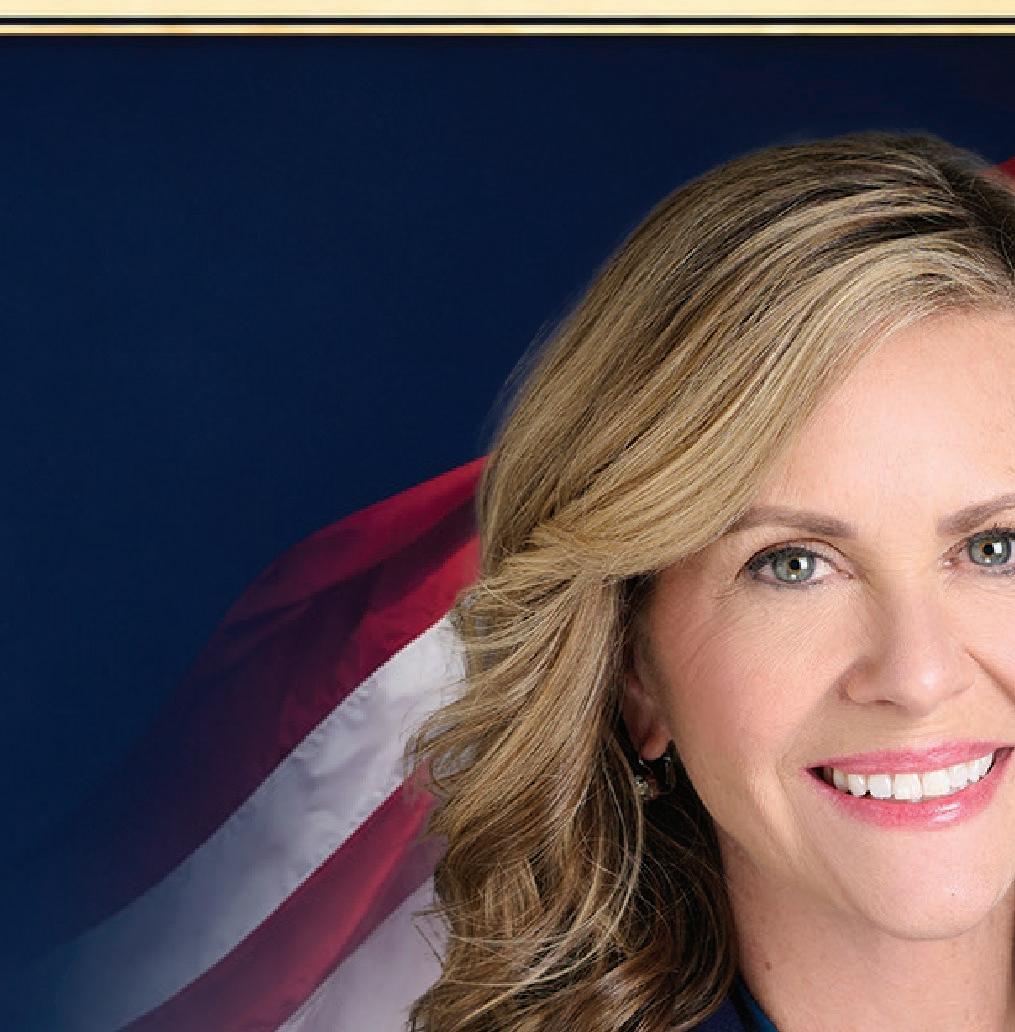
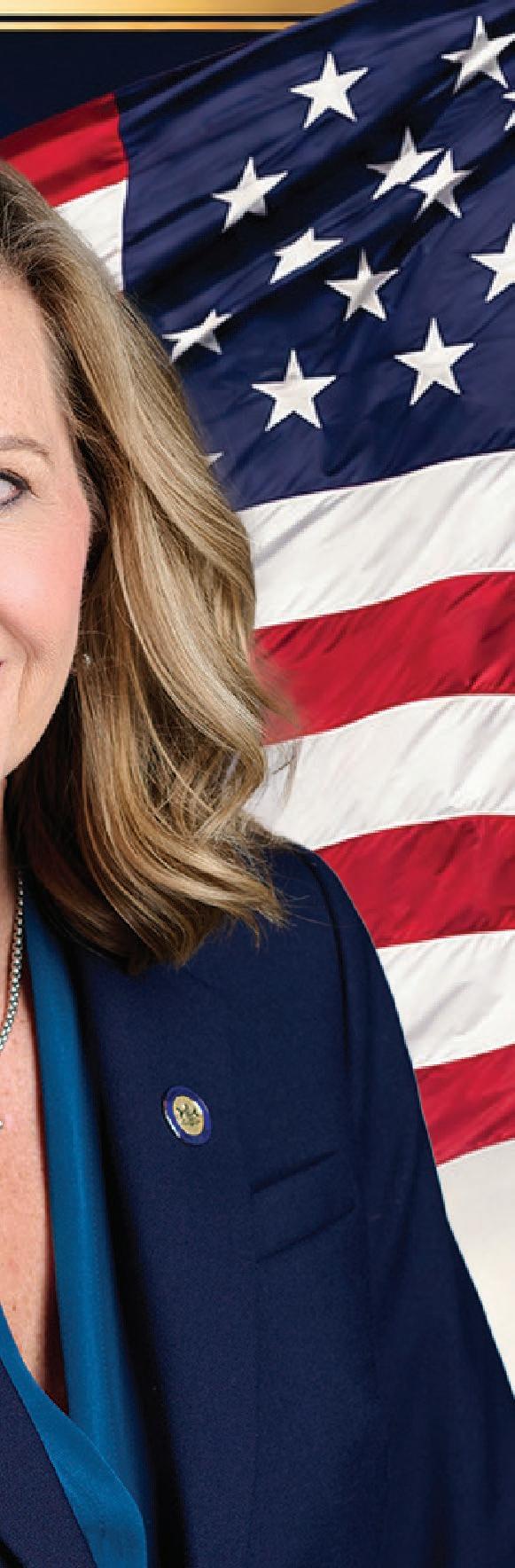
H Senator Camera Bartolotta comes from a proud American family with a long tradition of service—beginning with at least three ancestors who fought in the American Revolution and continuing through every generation since, including her husband and son, both Marines.
H In that same spirit of devotion to our country, Senator Bartolotta will always stand with our military, veterans, law enforcement, and first responders to keep our communities safe and our freedoms strong.




This July 4, America observes an important milestone: 250 years as a nation. In celebration of the semiquincentennial, we reflect on some of the defining moments in our country’s history, many of which occurred right here in Southwestern Pennsylvania. From Fort Necessity and Friendship Hill in Fayette County to the LeMoyne and Bradford Houses in downtown Washington, our region traces its roots to the colonial era and played a pivotal role in the development of a nation. Join us as we






























By Mike Jones | mjones@observer-reporter.com
Brian Reedy likes to joke that the National Park Services’s Fort Necessity and National Road museum he supervises in Fayette County has the nicest bathroom between Uniontown and
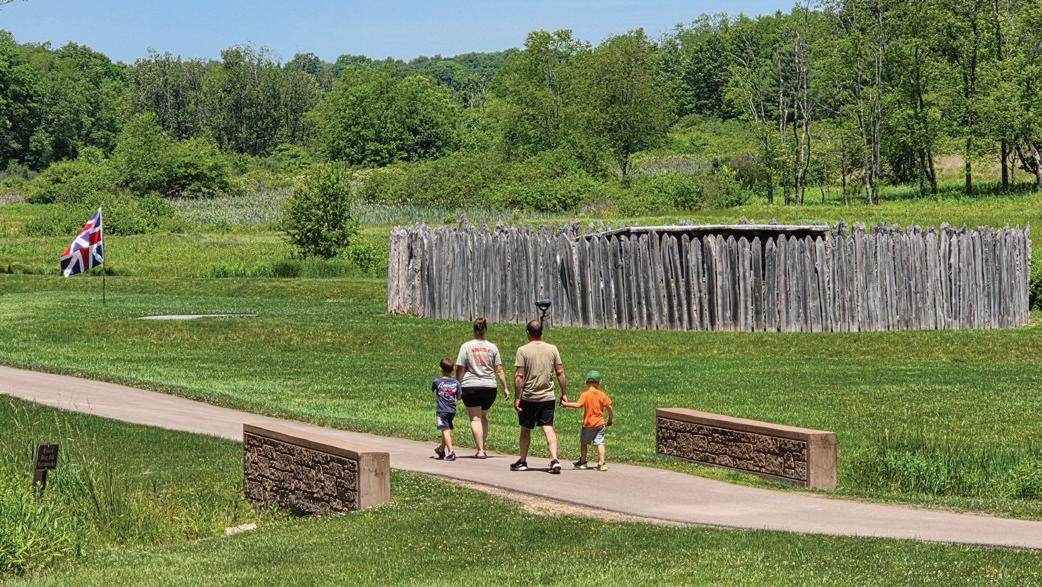
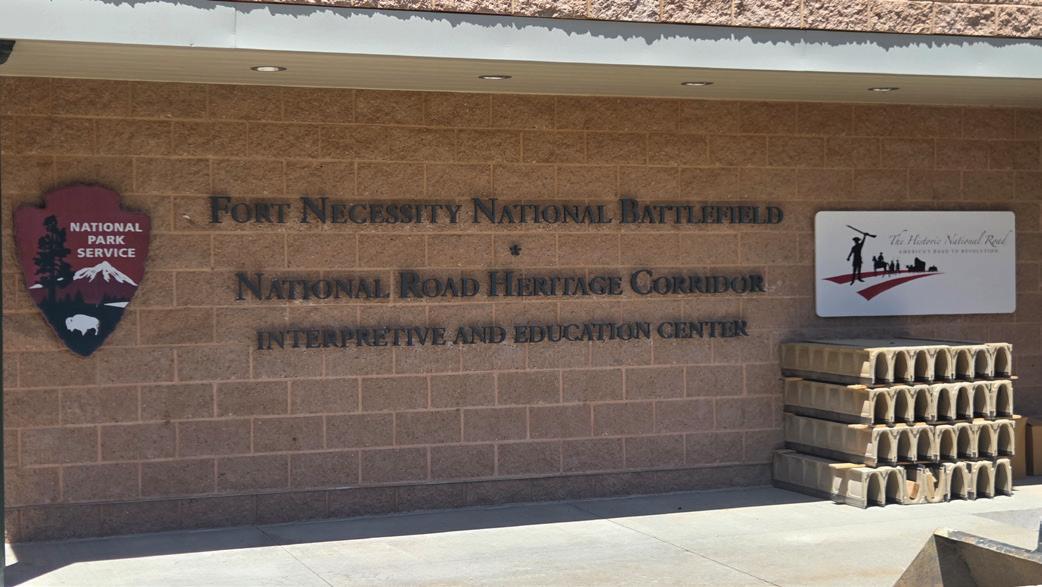
While travelers passing the Fort Necessity National Battlefield and National Road Heritage Corridor Interpretive and Education Center along Route 40 near Farmington might come for the bathrooms, they stay for the history.
“People say, ‘I didn’t realize how much history was here. This place is special.’
That’s how you know you did your job,” said Reedy, who has worked at the site for 32 years and is chief of interpretation and site manager. “Sometimes the best things are in your backyard.”
The current visitor’s center was constructed in 2005 after the previous one built in the 1960s had become outdated. Slideshows were no longer visually appealing and other exhib-
its didn’t have quite the impact on a society with a shortening attention span.
“Some of the exhibits were getting a little long in the tooth,” Reedy said. “It was due.”
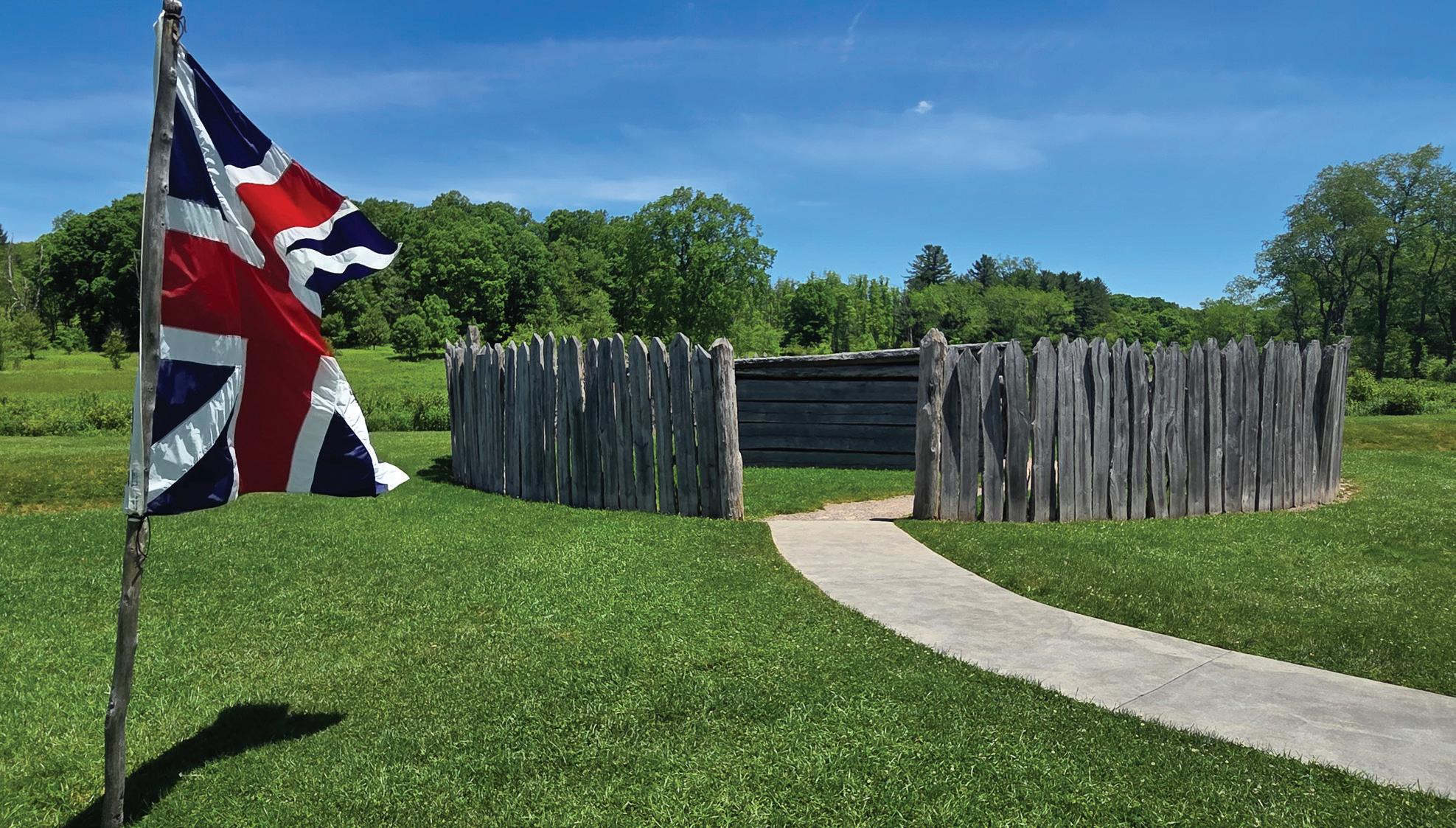
With the opportunity to create a new visitors’ center, the National Park Service decided to combine the stories of the battle at Fort Necessity and the history of the National Road that travels past the location. The museum weaves visitors through the important battles in the mid-18th century western frontier and sends them out with the first major infrastructure project undertaken by a young country.
“Why build two (museums) when one can tell both stories?” Reedy said. “This area was always a corridor of exploration.”
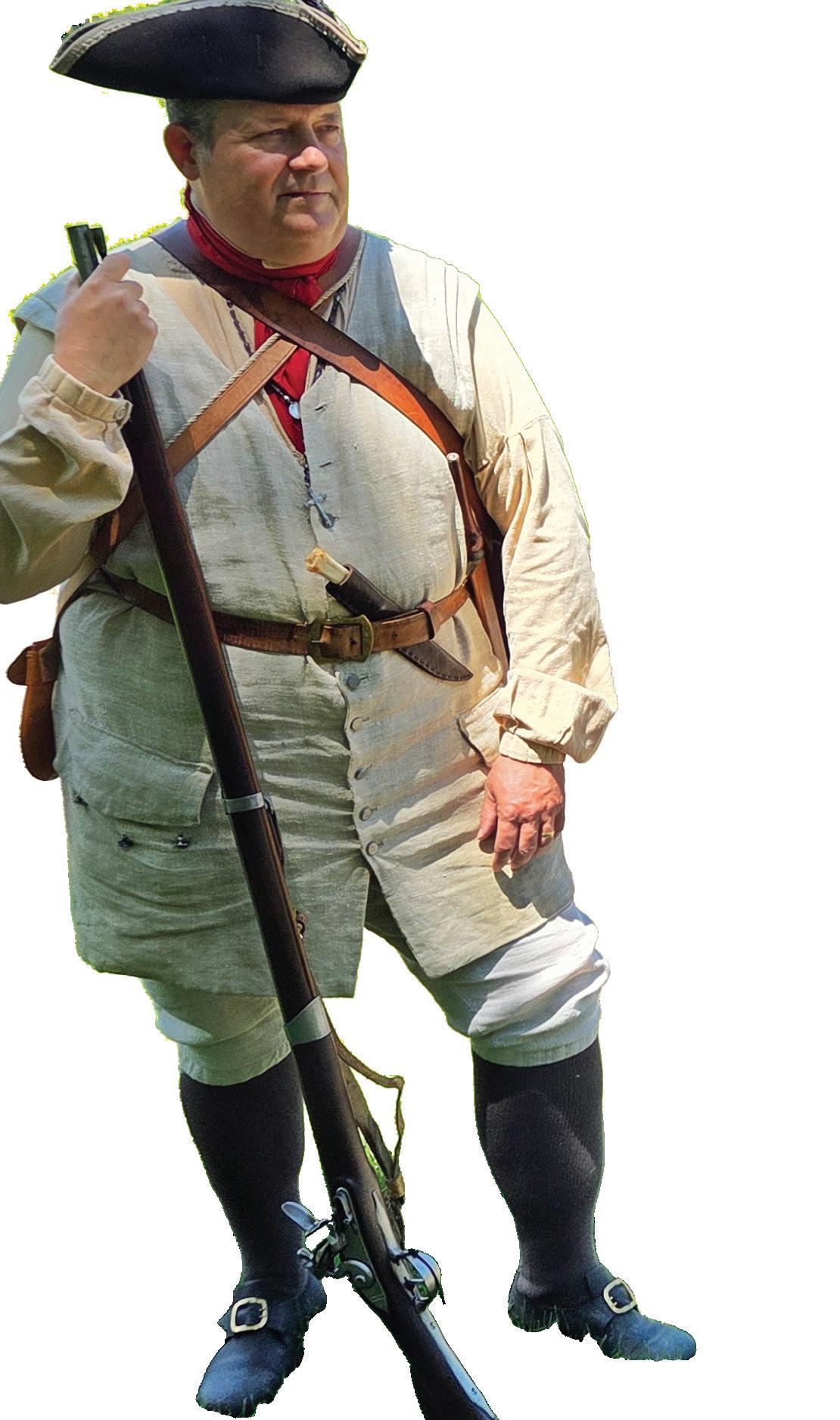
On a recent weekday afternoon, Reedy was in full dress as a Virginia militiaman while giving homeschool students an interactive tour of the fort. In addition to the museum and a replica of Fort Necessity, there are walking trails and picnic areas for people to enjoy a nice afternoon.
“We want people to connect with history,” Reedy said. “That’s why we have parks.”
The museum itself begins by walking visitors through a young George Washington’s exploration of what is now Western Pennsylvania as he and
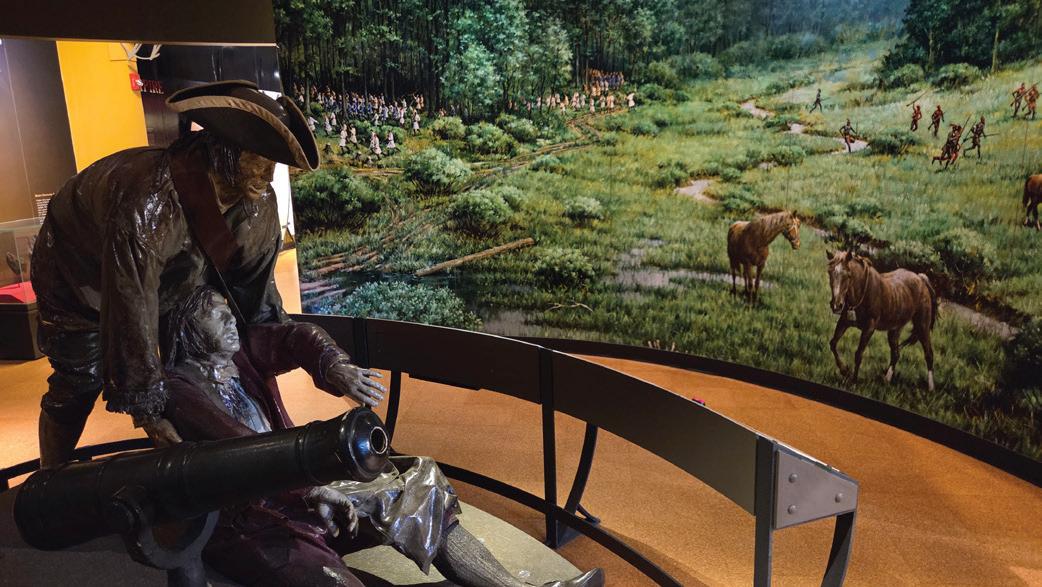
his Virginia Regiment tried to evict the French from the disputed territory that the British claimed as its own. Washington and his men came upon a contingent of French soldiers claiming to be on a diplomatic mission, but the “skirmish” at nearby Jumonville Glen on May 28, 1754, had ripple effects that led to a world war.
After one of the natives working with Washington murdered the diplomatic party’s commander Ensign Jumonville, the French sent a force from Fort Duquesne in modern day Pittsburgh to respond. Washington built a small fort out of necessity in the Great Meadows and eventually received reinforcements.
But he and his forces were routed by the French and natives on July 3, 1754, and he formally surrendered in the early hours of July 4 before taking his men home back to Virginia.
“I refer to this as a small fort with a big story,” Reedy said.
The museum then tells the story of Gen. John Braddock’s ill-fated march attempting to take Fort Duquesne and the subsequent French and Indian War that became a global conflict and set the stage for the American Revolution.
“To understand the Revolution, you need to know what came before it,” Reedy said. “For the young (military) officers, this was their school. This is where they learned.”
From there, the story takes
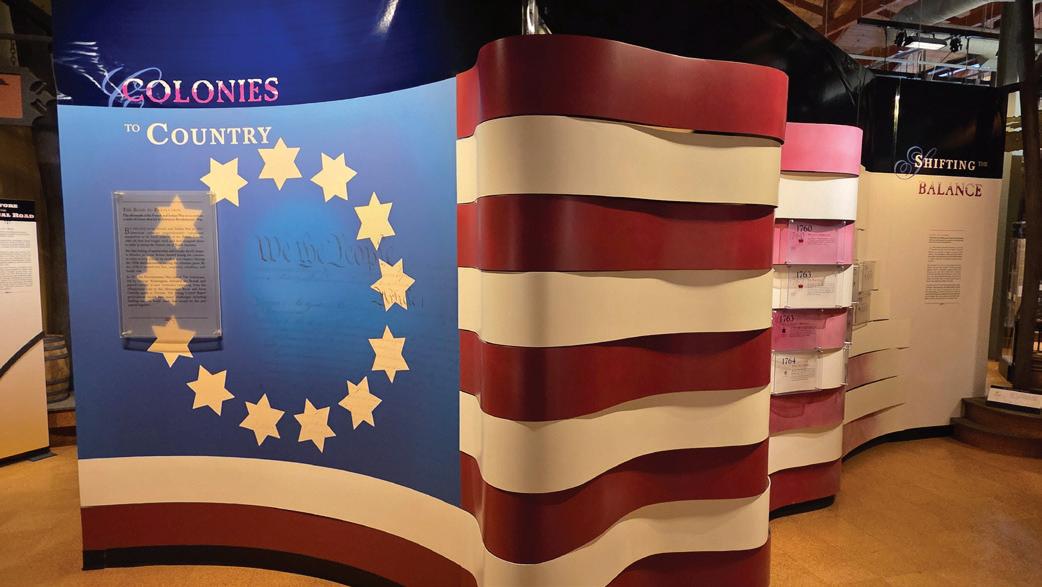
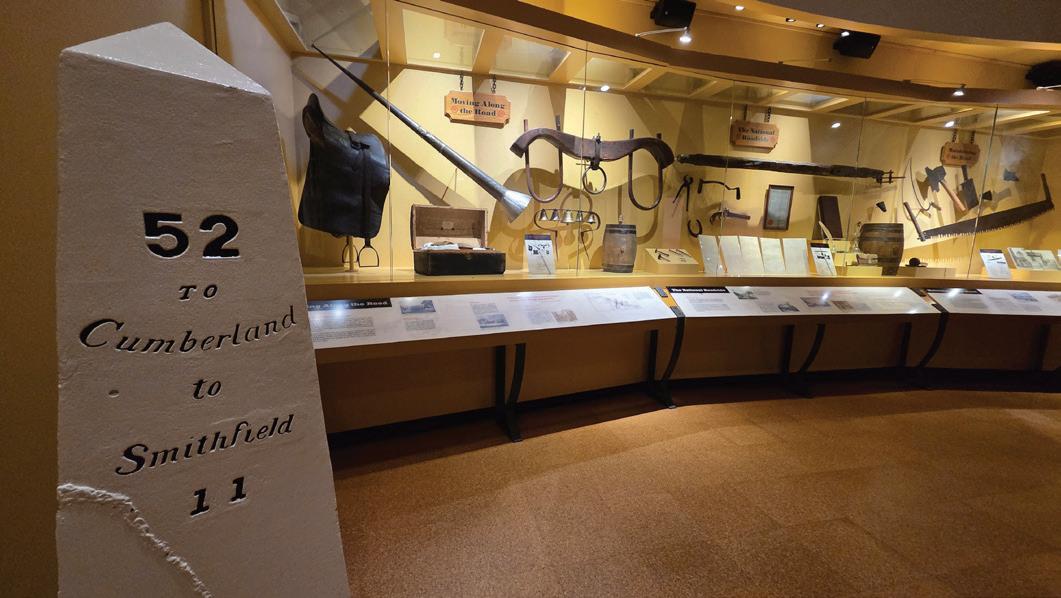
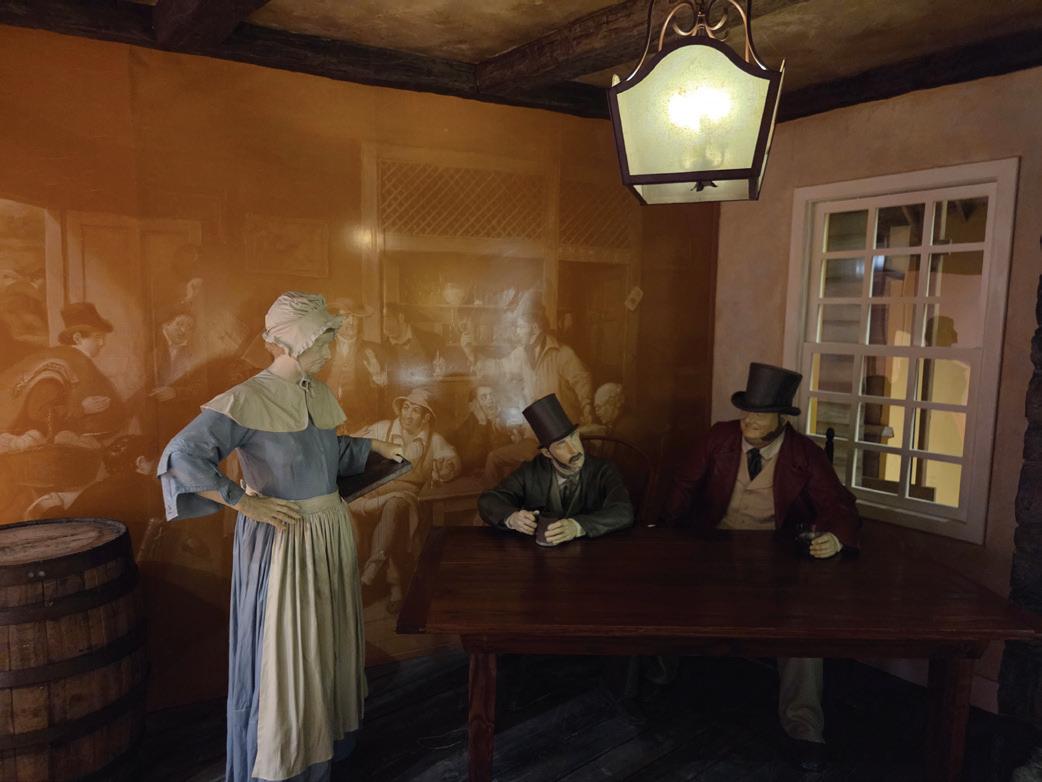
visitors on a trek through early America and how building the National Road in the early 19th century – the country’s first major infrastructure project –spurred economic development.
[Text Wrapping Break]“You see this torch being passed from George Washington to Albert Gallatin, who was the father of the National Road,” Reedy said of the secretary of the treasury under President Thomas Jefferson. “I think our exhibits have stood the test of time.”
With the Freedom 250 celebration now upon us, the National Park Service is having a three-day weekend of Fourth of July events. The site will be hosting an encampment all weekend and there will be battle reenactments July 3 on the 272nd anniversary of Fort Necessity, along with small arms flintlock musket and artillery demonstrations throughout the day Friday, Saturday and Sunday. Park rangers will be also talking about the French and Indian War, as well as its role in the American Revolution.
“You don’t know where you’re going until you know where you’ve been,” Reedy said.
The visitor center will be open from 9 a.m. to 5 p.m. all three days, with the trails, battlefield grounds and reconstructed fort open from sunrise to sunset. For more information, go online to www.nps.gov/fone.
The life of legendary blues musician Robert Johnson is shrouded in myth and mystery, and one of the tales that swirls around him is that he sold his soul to the devil at some Mississippi crossroads in the mid-1930s to acquire his otherworldly talent on the guitar.
Almost a century-and-a-half before that, another Robert Johnson was traveling on a back road, this time hundreds of miles to the north in Washington County. He didn’t meet the devil, but given what he did confront, he might well have found Beelzebub to be more agreeable company.
On Sept. 6, 1791, Johnson was going about his duties as a tax collector when he was confronted by what initially appeared to be a group of 16 women. It turned out, however, that it was a group of men in disguise, all of whom were ready to let Johnson have it.
By Brad Hundt | bhundt@observer-reporter.com
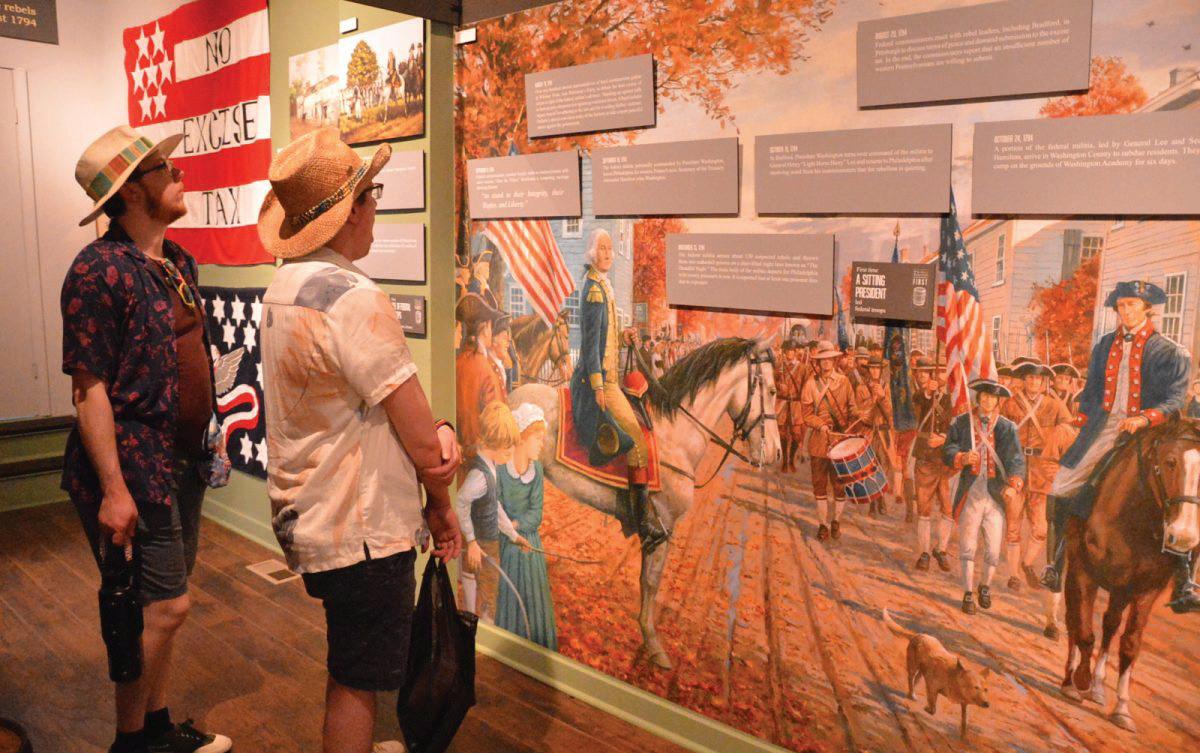
one of the opening salvos in the Whiskey Rebellion, when farmers scratching out a living far from the power center of Philadelphia rose up against what they saw as

unfair taxation and a betrayal of the revolution many of them had fought for just a few years before.
Washington, Fayette, Allegheny and Westmoreland coun-


ties were at the heart of the Whiskey Rebellion. For roughly a threeyear period, ending in 1794 when troops led by President George Washington – taking on a decidedly handson role as commander-in-chief – forcefully put the rebellion down. It turned out to be a pivotal point in the history of the United States for the arguments it foregrounded about the size of government, the capacity of the federal government to force its will on its people, about who should
book about the Whiskey Rebellion, writer and historian William Hogeland described it as “a primal national dra ma that pitted President Washington and other eastern founders, along with their well-heeled frontier proteges and allies – all recent revolutionaries themselves – against western laborers with a radical vision of America’s fu
It all started when Alexander Hamilton – the country’s first trea sury secretary and, much, much later, the focus of a blockbuster musical – decided that the United States needed to find some way to pay off its lingering debts from the Revolutionary War. To Hamilton, the solution seemed to lie in an excise tax on distilled spirits. It was the first time a product made on American shores was taxed. It was a “sin tax,” targeting alcohol, and Hamilton believed it could be classified as a luxury tax. However, distilled spirits were hardly a take-it-or-leave it luxury to alcohol-besotted early Americans who chugged spirits
at staggering levels. They did so, at least in part, because water could be unsanitary and dangerous to drink.
If Hamilton was expecting the new tax to be greeted with a shrug, he badly miscalculated. Farmers west of the Allegheny Mountains were enraged by the tax as it would slice into their income. When they had excess grain, they would use it for whiskey and take it over the mountains to sell. Settlers would also use whiskey as a means of exchange since the money coined by the federal government was in short supply in what is now the Pittsburgh region and
At McKean Plumbing and Heating we are celebrating by honoring those that have fought to build this country . Thank you to all who have served our country in its first 250 years.
eral government was not doing enough to protect them from Indians who were less than pleased with their presence, set off a tinderbox of resentment and rage.
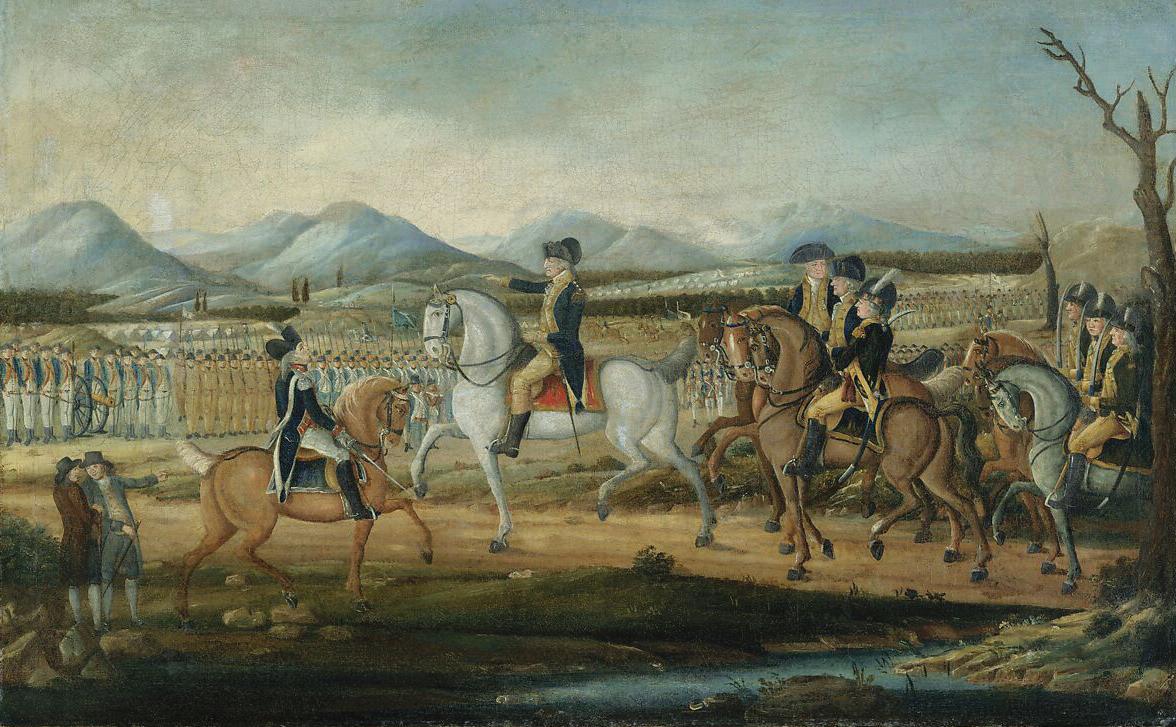
The rebellious settlers and the federal government were dug in, with violence periodically erupting over the next three years. Finally, in the fall of 1794, Washington led a militia of almost 13,000 men into Virginia, Maryland and western Pennsylvania to bring the rebellion to an end. It showed that the federal government was willing to enforce its laws. At the same time, the rebels were treated leniently. Of 150 men arrested, only two were ever convicted of treason, and they received pardons. By 1802, the tax was gone, repealed by President Thomas Jefferson and his allies in Congress.
David Bradford, a Washington lawyer, was a leader of the Whiskey Rebellion and fled from his home on South Main Street as the militia advanced. He ended up living in what is now Louisiana and was pardoned by Washington’s successor, John Adams, in 1799. Bradford died there in 1808, with some historians pointing to yellow fever as the cause.
In issuing some of the pardons in 1795, Washington said that “the part of the country, which was lately the scene of disorder and insurrection, now enjoys the blessings of quiet and order. The misled have abandoned their errors, and by respect to our Constitution and laws, which is due from good citizens to the public authorities of society.”


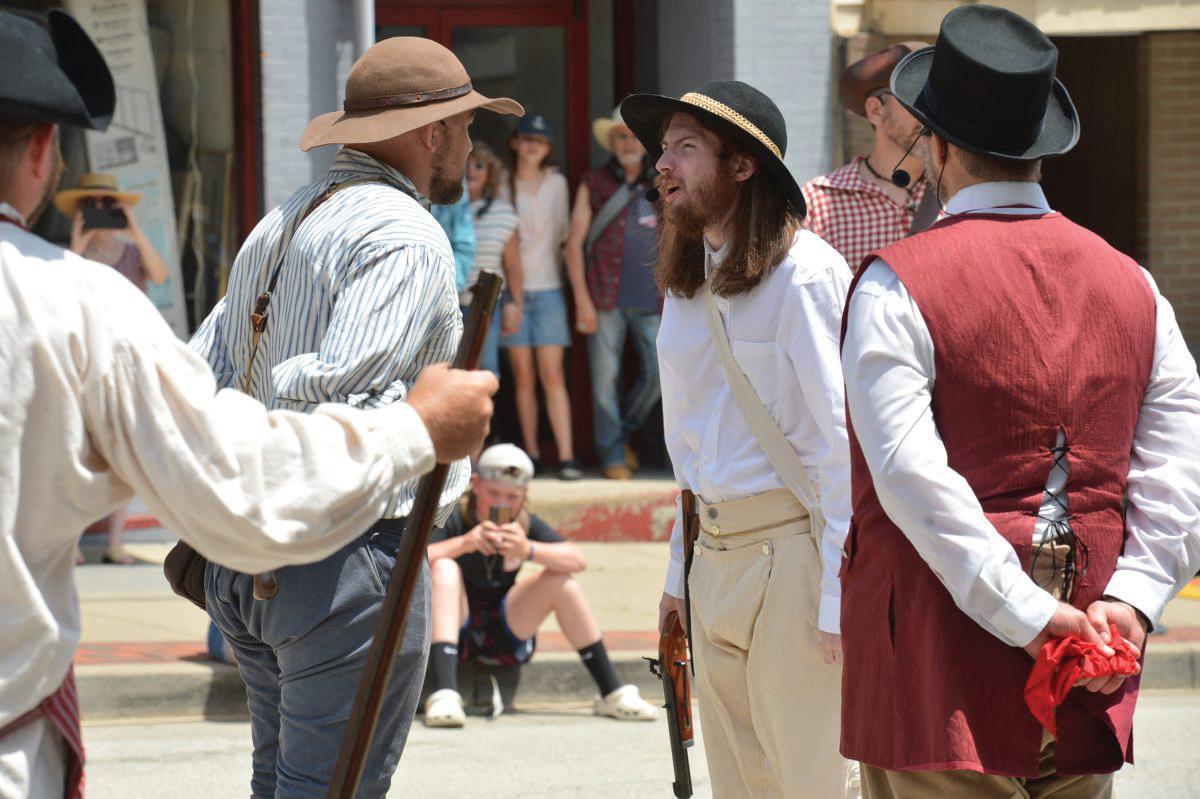
The Whiskey Rebellion is commemorated every year in downtown Washington through the Whiskey Rebellion Festival, which offers historical reenactors, music, food, children’s activities and more.
It begins at 3 p.m. Friday, July 10, at Washington’s Main Street Pavilion. Food trucks will be there, and the Washington Symphony Orchestra will perform at 8 p.m. A Whiskey and Spirits Walk will get underway at 6 p.m., and participants will be able to sample the offerings of spirits and wine vendors.
The festival resumes Saturday, July 11, at 9 a.m. A history parade is set for noon, and tours of the Washington County Courthouse, the LeMoyne House and the Bradford House Museum, and sometimes raucous street theater are all planned. The festival will wrap up at 8:30 p.m. with an appearance by the Pittsburgh-area band the Clarks. Vendors will be in Strawberry Alley during the festival, selling handmade goods.
For information, go online to bradfordhouse.org.







JULY 4TH, 2026

















By Jill Thurston | jthurston@observer-reporter.com
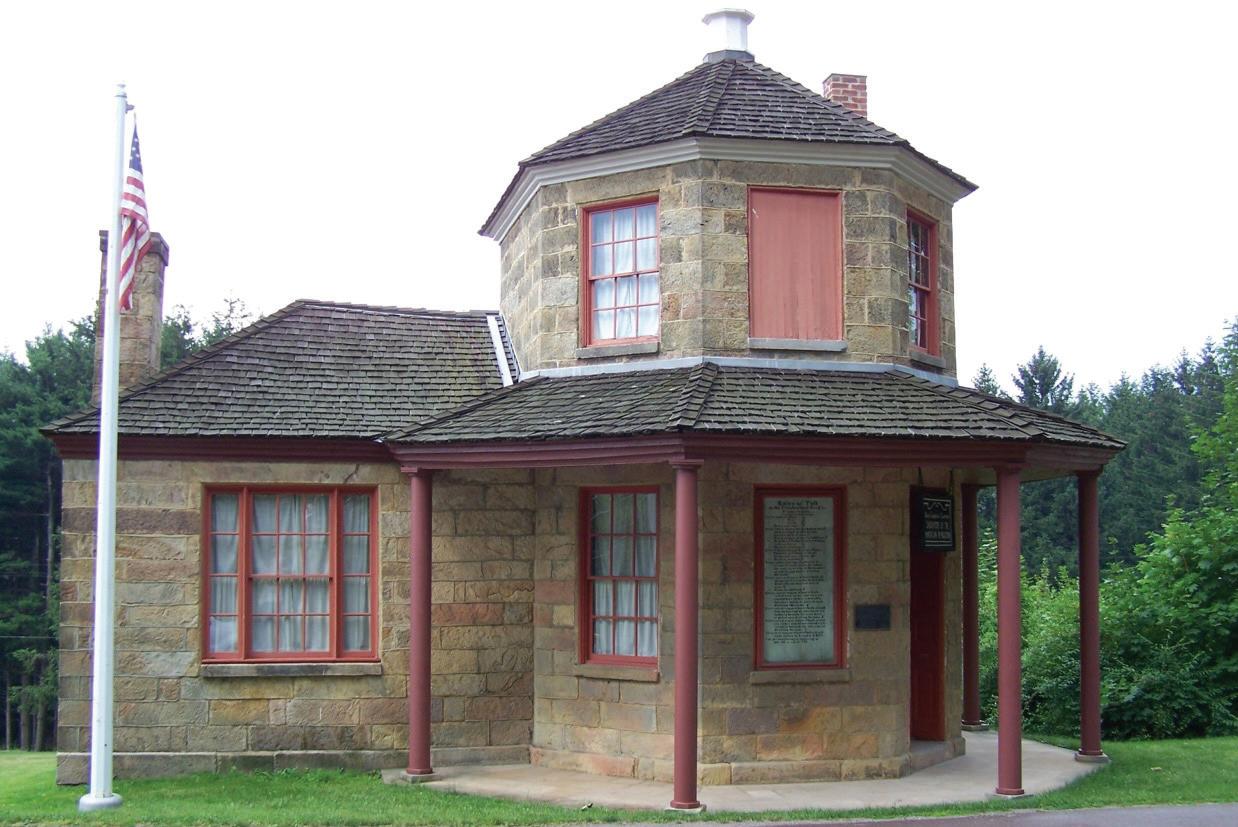
As America prepares to celebrate its 250th anniversary, the two remaining Pennsylvania tollhouses located along the National Road (today’s Route 40) stand as sentinels of an era gone by, silent witnesses to the humanity that passed through their gates, many on their way westward to create a better life.
Of the six original Pennsylvania tollhouses, or “gates,” as they were known, two have
December of 1820, 130 miles were open for travel.
The road was the main route to the west from Baltimore and Washington, D.C., until the railroads were built in the 1850s.
The high cost of maintaining and operating the road led the federal
average distance a horse could travel in a day, and located in Addison, Farmington, Uniontown, Beallsville, Pancake, and West Alexander, according to Christine Buckelew, president of the Fayette County Historical Society.
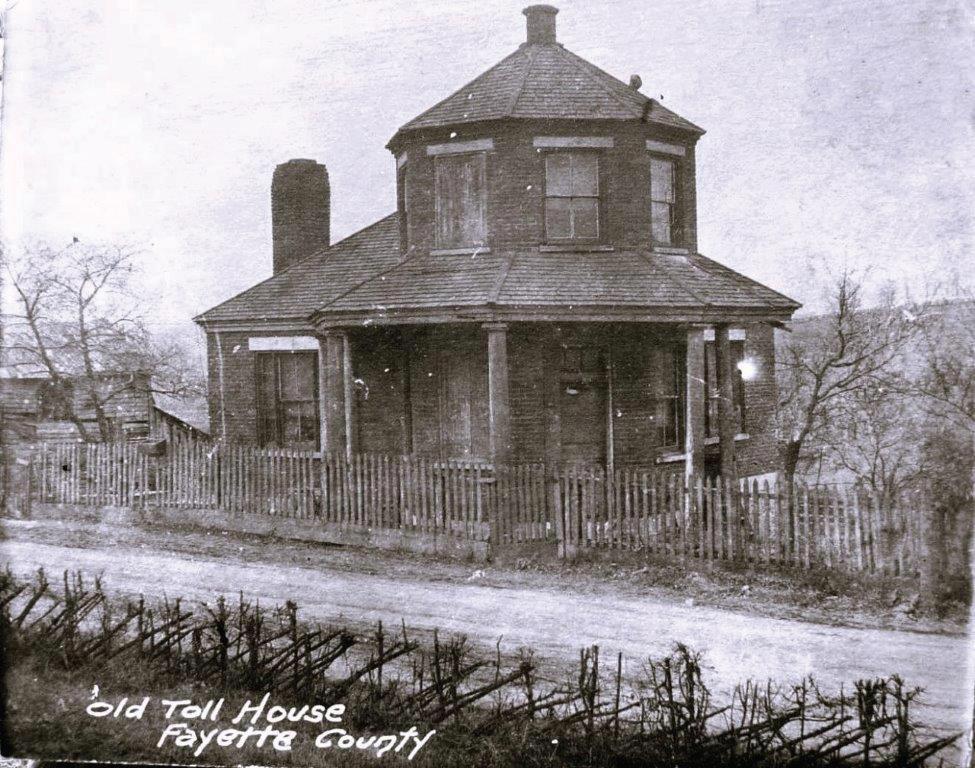
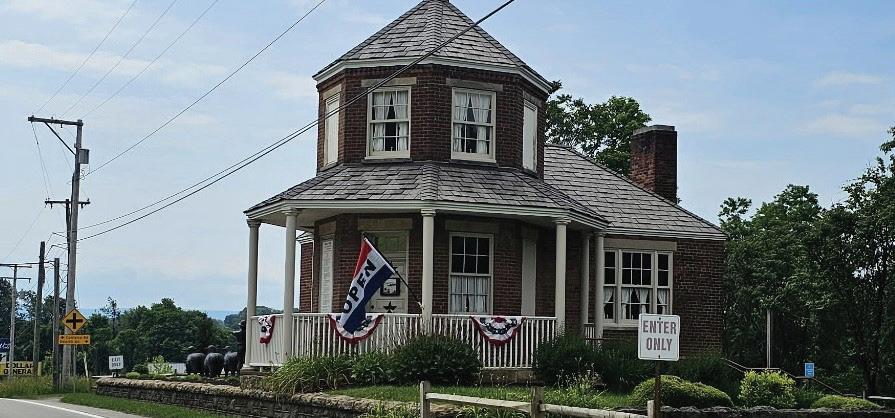
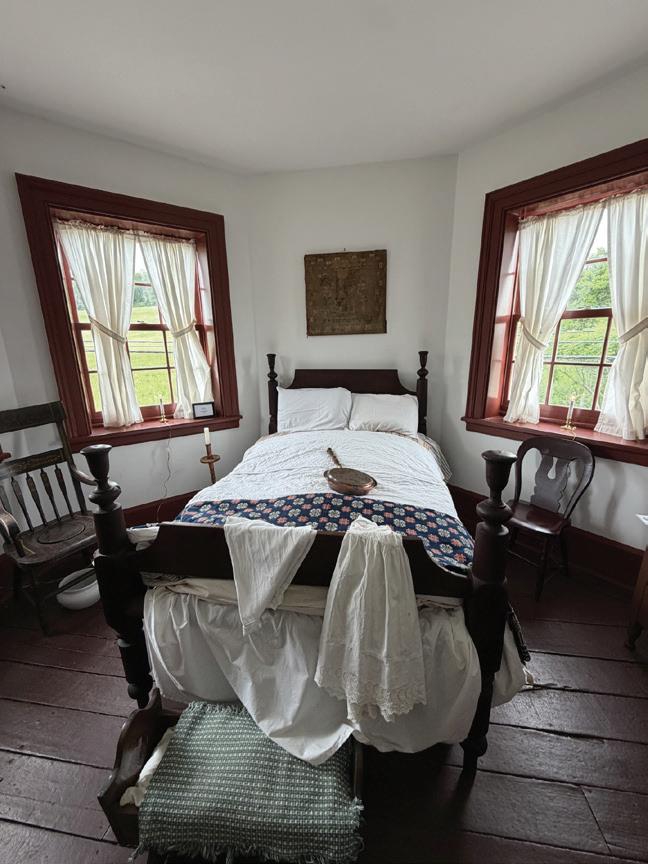
Searights Tollhouse, named for the village of Searights and tavern owner William Searight, is situated on the crest of a slight hill and resembles a lighthouse on land. The exterior of the tower, in the shape of an octagon, gave the toll collector a view from all directions.
Built in 1835, the two-story structure is made of brick with an entrance serving as the gatekeeper’s office, kitchen with a fireplace and dining table, a living room and one bedroom at the top of a winding staircase as well as a loft. Each tollhouse had a barn and an orchard. The toll collector was paid a sum of $200 per year.
Buckelew shares her extensive knowledge of the era as a docent at the Searights tollhouse with the many visitors who come through each year.
“People were heading west into Kansas, Iowa and beyond,” explains Buckelew. “A lot of people from here settled in Iowa and they came back to see what steps were walked. Anywhere along the eastern seaboard used the National Road.”
Indeed, in Brownsville, travelers had a choice to cross to the Washington County side or board a ferry across the Monongahela, presumably toward Pittsburgh. “We were the last gate before this decision had to be made,” Buckelew said.
“I think people would be surprised just how much people
did move back in the day,” Buckelew said. “I think we think of them as being very static. But we have ledgers that prove just how far people would travel to get whatever they might need.”


The road hummed with activity in its heyday. Taverns popped up along the road for travelers, nearly 300 of them. On a single day, it’s documented that 275 wagons and stagecoaches passed through the tollhouses, said Buckelew. There is also a record of 4,000 hogs that came through the Searights gate.
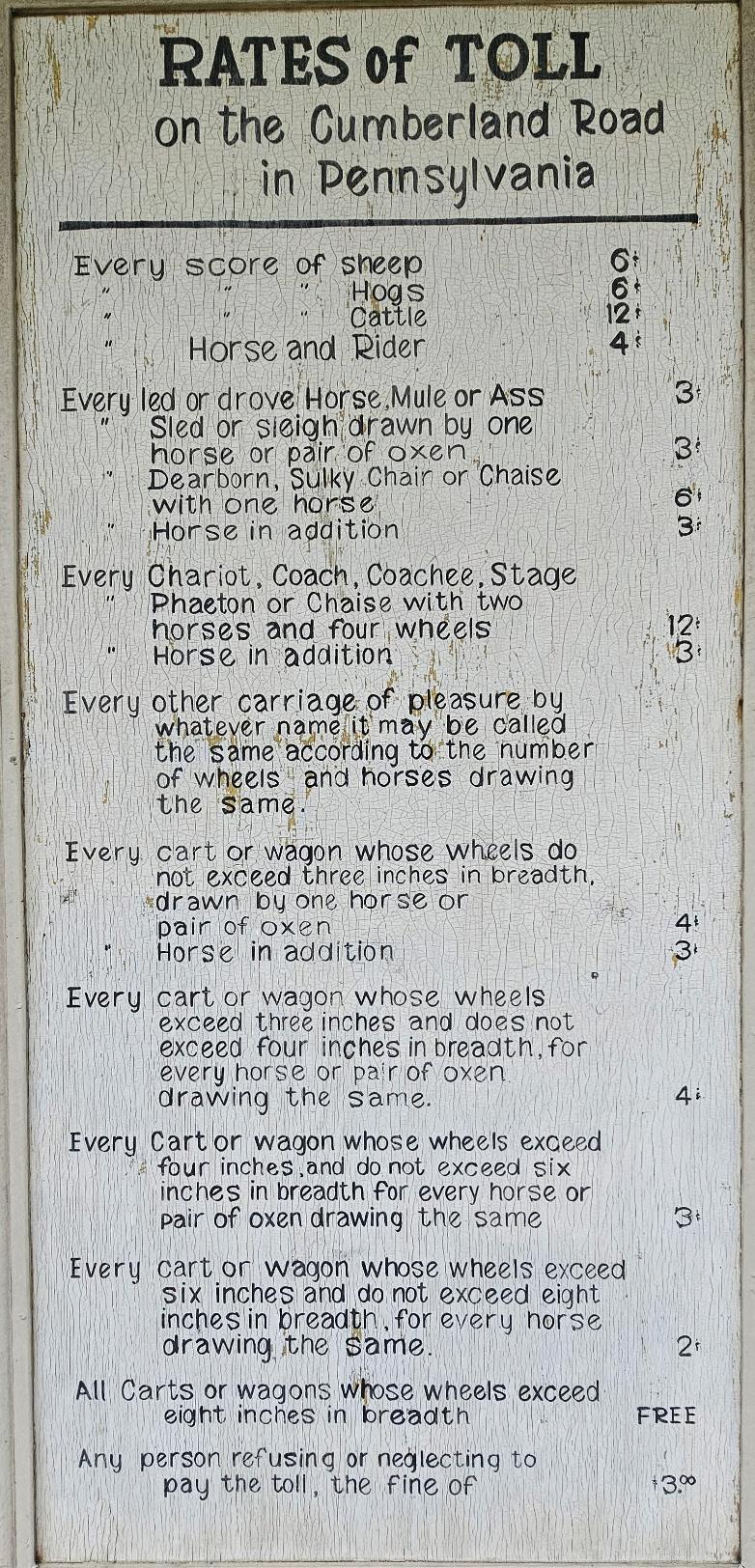
Tolls were often paid using a fippeny bit or “fib,” a Spanish coin worth 6¼ cents or a levy, also a Spanish coin worth 12½ cents. Tolls were charged by the breadth of the wheel. Wheels over 8 inches passed without toll.
This year, the Fayette County Historical Society is celebrating Hugh Graham, builder of the Searights Tollhouse, who came to America from Ireland in 1818 at the age of 22 to work for Philadelphia financier and architect Stephen Girard as a carpenter. Girard sent him to Pittsburgh, and the story goes that he walked from Philadelphia to Pittsburgh.
Buckelew enjoys sharing Graham’s love story with visitors.
Two miles from where the tollhouse would be built, Graham ruined his boot. When he stopped to repair it, he saw a young woman hanging the laundry in the yard of her home in Menallan and fell in love.
After completing his work in Pittsburgh, he returned to marry Margaret Black, daughter of Jacob Black, and the two lived happily together for 52 years. In addition to Searights Tollhouse, Graham also built Mt. Washington Tavern at Fort Necessity and the stone structure at Friendship Hill, Albert Gallatin’s home. Graham’s Windsor chair and a photo of his son sitting in the chair are on display at Searights.







The blueprints for the tollhouse are also displayed, probably the only blueprints and contract left today for the tollhouses, said Buckelew.
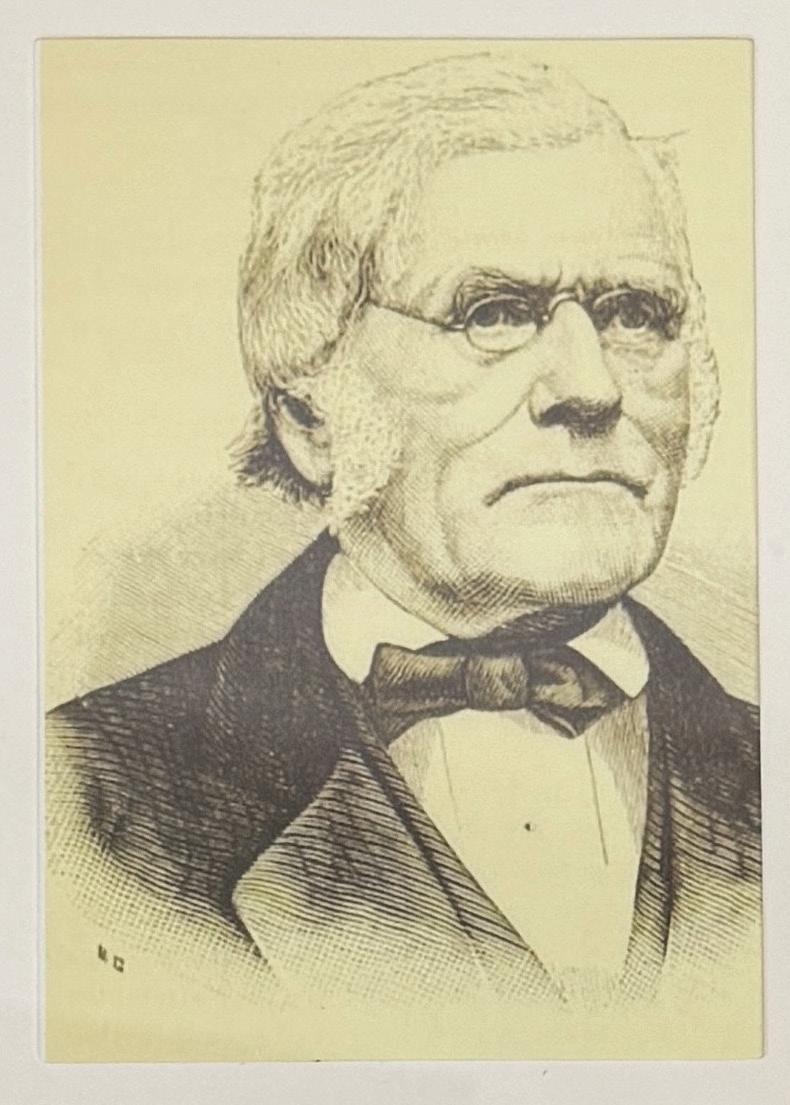
Many historic names in our nation are associated with The National Road, including Captain Richard Delafield of the Army Corps of Engineers who designed all of the tollhouses (eight in total with the two located in Maryland), the first cast iron bridge in America and supervised the repair of the road before Pennsylvania assumed responsibility for its portion. His portrait hangs in the tollhouse gallery of photos along with Albert Gallitan, Secretary of the Treasury under Thomas Jefferson, who found the way to finance the road.
The iron posts outside of tollhouse were designed and built by William Hatfield, once an indentured servant for a blacksmith and later a district justice.
The mileposts from Brownsville to Wheeling were made by John Snowden, also known for casting the first iron bridge in America, erected in Brownsville.
Records show that Andrew Jackson, P.T. Barnum, Jenny Lind, Davy Crockett, Henry Clay, Abraham Lincoln and many other prominent figures in history all stayed in inns or taverns along the National Road.
From 1835 to 1858, there were four toll keepers at Searights Tollhouse, with their families: John McClure Hazlip, a tavern owner; William D. Beggs, a schoolteacher; James Reynolds, a tavern owner, and William Morrison. The Petersburg Tollhouse had 14 toll keepers.
As transportation progressed, trains became the preferred method of travel and the tollhouses were no longer needed. New, more modest toll booths were constructed to collect tolls along the road in Jockey Hollow,
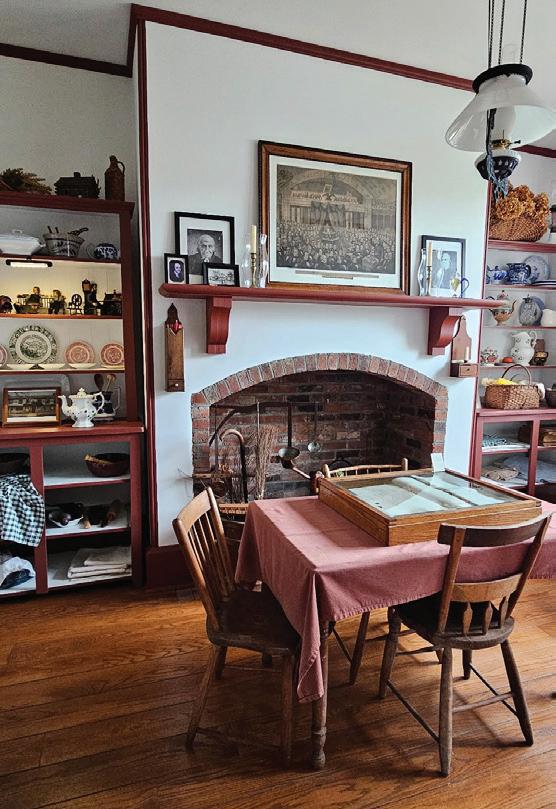
The kitchen at Searights Tollhouse. On the table is a display with a newspaper from 1838 with the amount of revenue taken in by the tollhouse.
Hopwood, Uniontown and Brownsville.
Searights Tollhouse closed for tolls in 1858 and the tollhouse was auctioned off by the county, becoming a private residence. One of the owners, Mr. Gosnell and his wife, had eight children but unfortunately he died during the Civil War. His widow then brought in nine coal miners for room and board, who slept and ate in shifts, Buckelew said.
Today, the Fayette County Historical Society leases the Searights Tollhouse from the Pennsylvania Historic and Museum Commission.
Great Crossings Chapter DAR acquired a lease for the Addison Tollhouse in 1919 from the commonwealth and took ownership in 1949. The structure is the only handcut, native stone tollhouse that is essentially in the same condition as when the adventurous pioneers headed west with hopes for a better life, Moon said.
The tollhouse in West Alexander became a speakeasy for a time, Buckelew said, and then was used by a farmer to store hay until it was taken down in the 1950s.
Both the Searights and Petersburg tollhouses are on the registry as National Historic Landmarks.
Searights is open for tours on Saturdays and Sundays from 11 a.m. to 4 p.m. or by other arrangement by calling 724-439-4422. The Petersburg Tollhouse can be toured by appointment by emailing Petersburgtollhouse@gmail.com.


















Retired college biology professor Tom Buckelew of Uniontown enjoys making furniture. A self-taught cabinetmaker, he’s made more than 120 pieces, filling their house of 25 rooms.
He admits his mom did say he could never sit still. Along with his wife, Christine Buckelew, who serves as president of the Fayette County Historical Society, both have been involved in preserving area history.
After retiring in 2007, Buckelew and another historical society member spent 4,000 hours over 10 months restoring the Abel Colley Tavern.
He also enjoys crafting miniature scale models and has made a miniature version of the Washington Tavern.
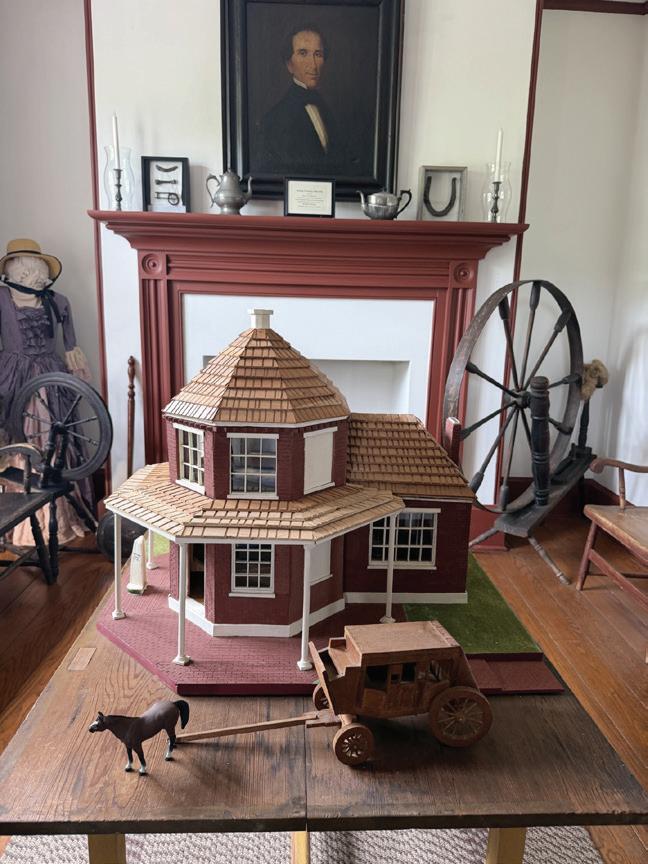
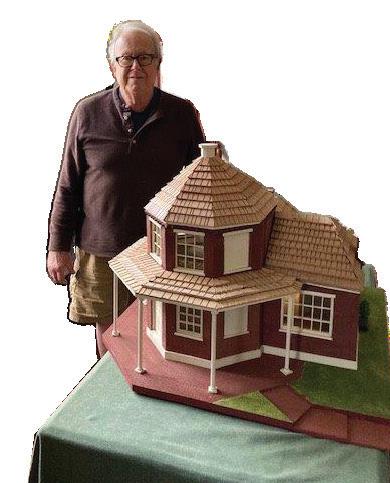
One special miniature took him nearly 600 hours. He crafted a miniature replica of the Searights Tollhouse, the toll keeper’s home located on the National Road, built in 1835 by Hugh Graham.
This replica was for his wife’s birthday. She serves as one of the docents at the tollhouse and shares her immense knowledge of the National Road with visitors.
“I had it two-thirds done before she saw it,” said Buckelew. Christine discovered it in the basement workroom. He finished the replica in 2024 and it is displayed at the Searights Tollhouse. Buckelew worked from a small diagram, which was from the original architect.
By Jill Thurston | jthurston@observer-reporter.com
“I’m pretty good at math so I was able to proportionate it out to one size.” It’s approximately a 12-1 ratio. “I’d go out to the tollhouse and measure each room so it would look proportionate.” he said. Buckelew made furniture as well for the rooms inside of the miniature.
He used scraps of wood from other projects to make the tollhouse. “I try to be conservative with the wood I have,” he said and uses smaller scraps to make picture frames. When making furniture, his choice material is cherry wood or tiger maple. Buckelew maintained the authentic look by using red milkpaint, the old-fashioned 19th century paint he made by mixing clay, pig ment and milk to create an insoluble paint. “It creates a dull finish, but is pretty much inde structible. That’s what cabinet makers used in the 19th century.”
The replica is displayed in what was used as the living room at Searights Tollhouse, and Christine is appreciative of her gift.
“I will always treasure the tollhouse because of how much thought and work went into it and then how he was willing to share it by putting it on display for our visitors to see,” Christine said.
The two have been in their home for 53 years. Buckelew said when they moved in, his first project was a bird house. “It had nails sticking out and birds refused to use








































































































Albert Gallatin’s ties to Fayette County are commemorated in many places – buildings, roads, even a school district.
But the strongest tie might be the country estate he built after becoming an American citizen in the 1780s, and would return to periodically over the next 40-plus years.
By Garrett Neese | gneese@heraldstandard.com
chase and the Lewis and Clark expedition.
The child of Swiss aristocrats, Gallatin emigrated to the United States in the 1780s, inspired by the American Revolution. He first settled in New England, securing a teaching post at Harvard. But he struck out for Western Pennsylvania, in 1786 buying the first 370 acres of what
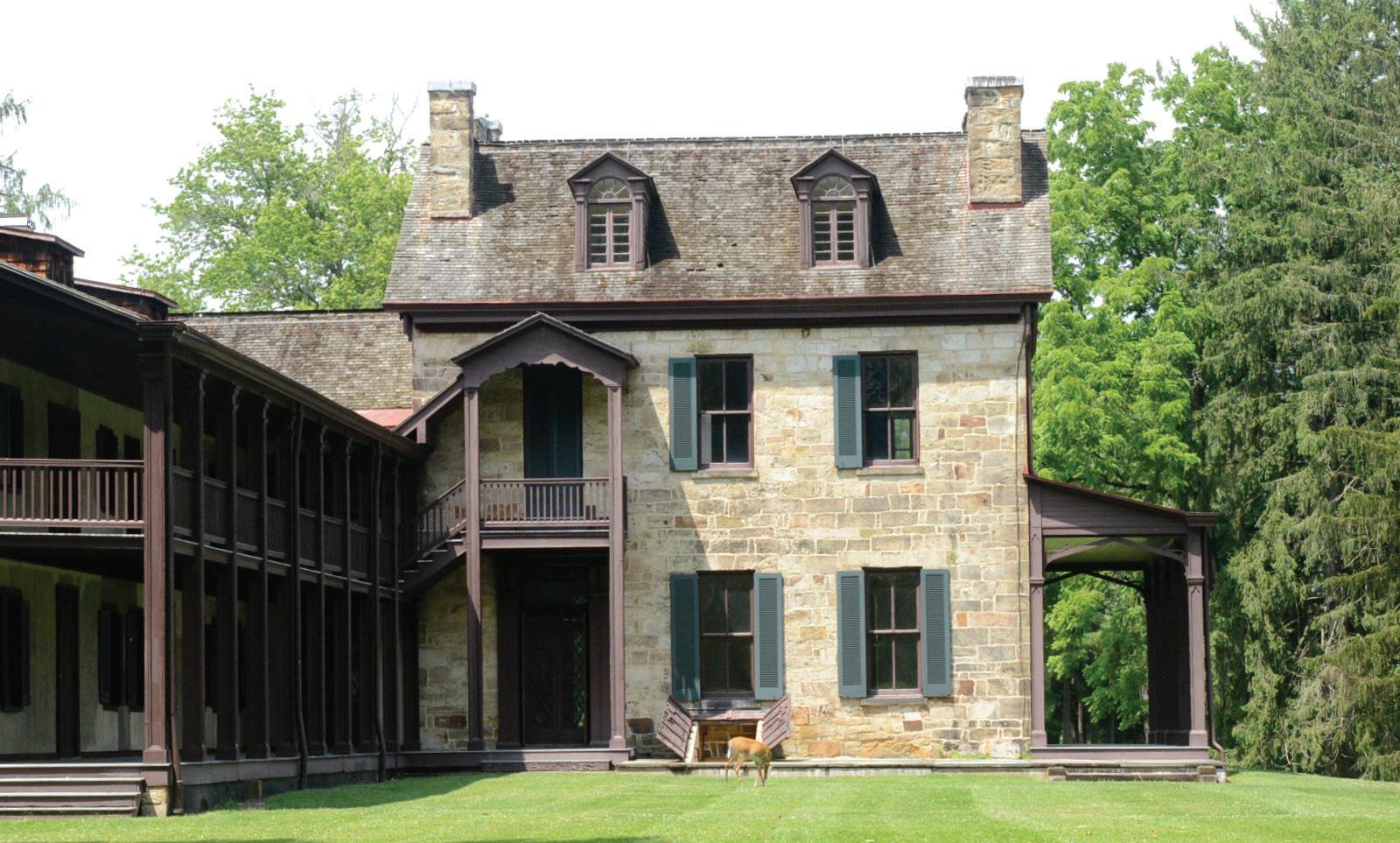
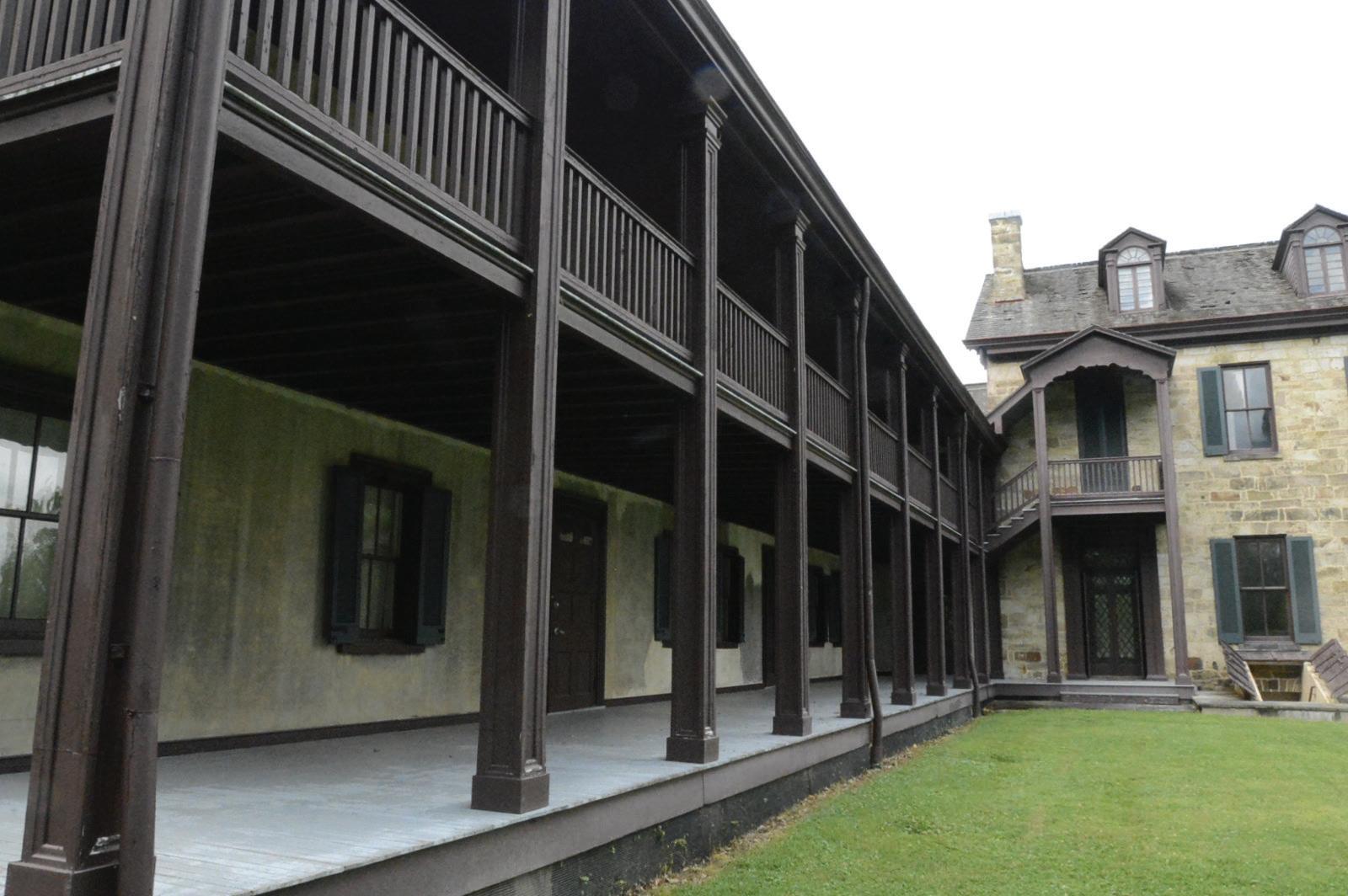
Photos by Garrett Neese Visitors can tour the Gallatin House, which Albert Gallatin built over more than 40 years of ownership.
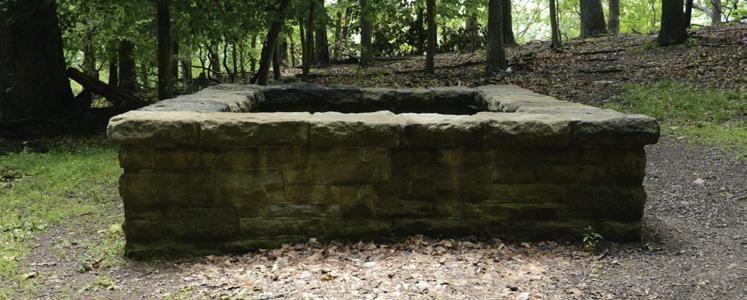
for his first wife, Sophia, who he married in May 1789. Unfortunately, she fell ill at the home and died five months later. A short stone wall surrounds the site where Sophia is believed to be buried, on a plot overlooking the Monongahela River.
Visitors can hike to the gravesite, located near the Galla-
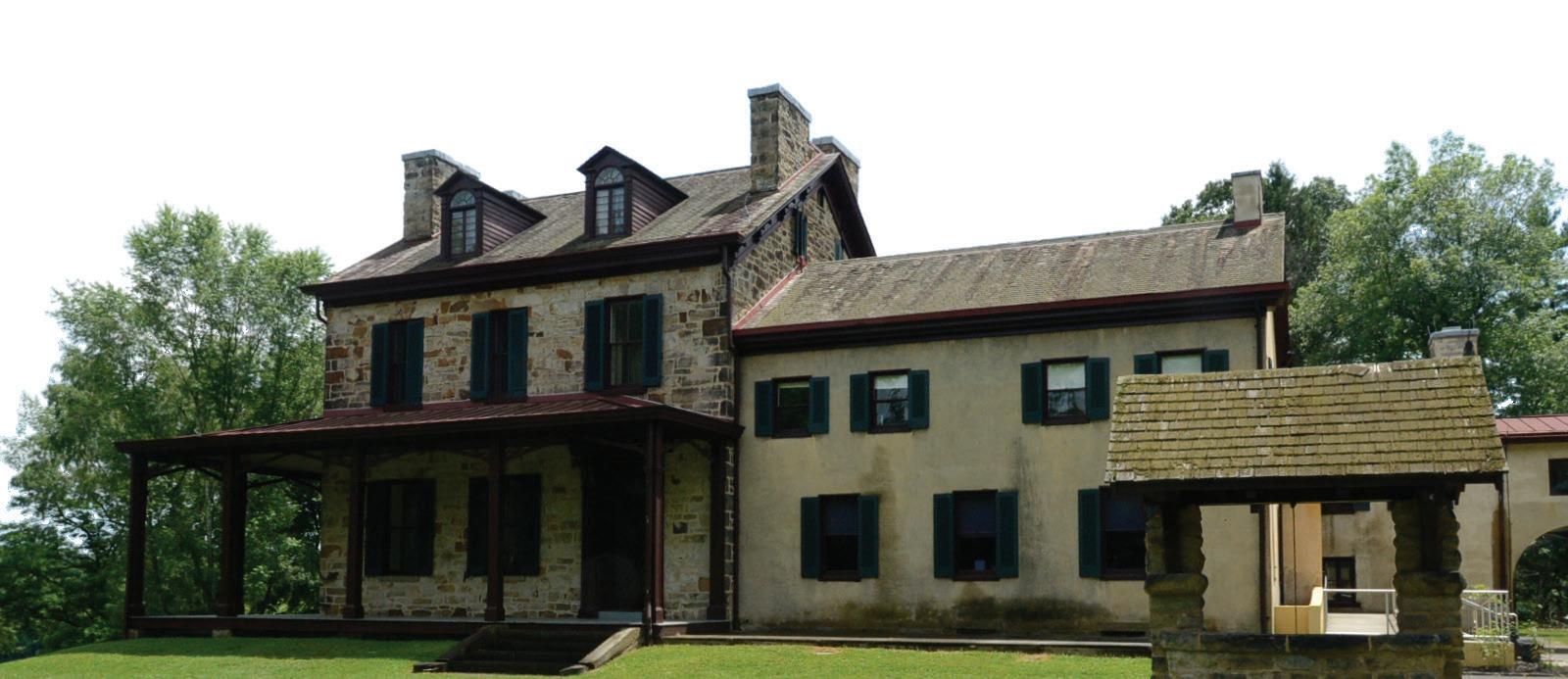

addition with one room on both stories.
The first floor of that addition now contains exhibits exploring Gallatin’s side ventures during his time in Pennsylvania, which included a gunsmithing business and the first glassworks west of the Alleghenies.
Subsequent additions came
in the 1820s, when the Gallatins returned from seven years abroad in Paris. His middle child, Albert Rolaz, spearheaded the construction of a two-story stone addition, though he failed to comply with his father’s instructions. Gallatin would add connecting spaces to align the stone house with the other parts of the home.
Returning Revolutionary War hero the Marquis de Lafayette would stay in a bedroom in the stone house in 1825, when he made a farewell tour of America in advance of the 50th anniversary of the Declaration of Independence. Lafayette’s portrait hangs in a parlor in the house dedicated to his visit.
The last addition during Gallatin’s time was a stone
kitchen, built in 1824 to replace the previous log structure. A modern building now encloses the remnants of the





























kitchen, which was gutted in a series of fires on the complex in 1979 later determined to be arson.
With other responsibilities pulling him away – an ambassadorship to Britain, president of the first New York branch of the National Bank – Gallatin sold off Friendship Hill in 1832, along with his other Western properties.
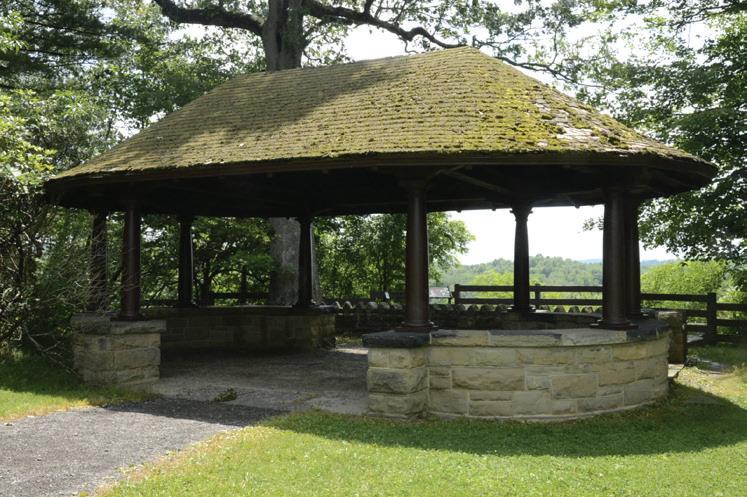
In 1978, Congress designated the property as a National Historic Site. The contributions of other owners have also been preserved and restored, such as a gazebo
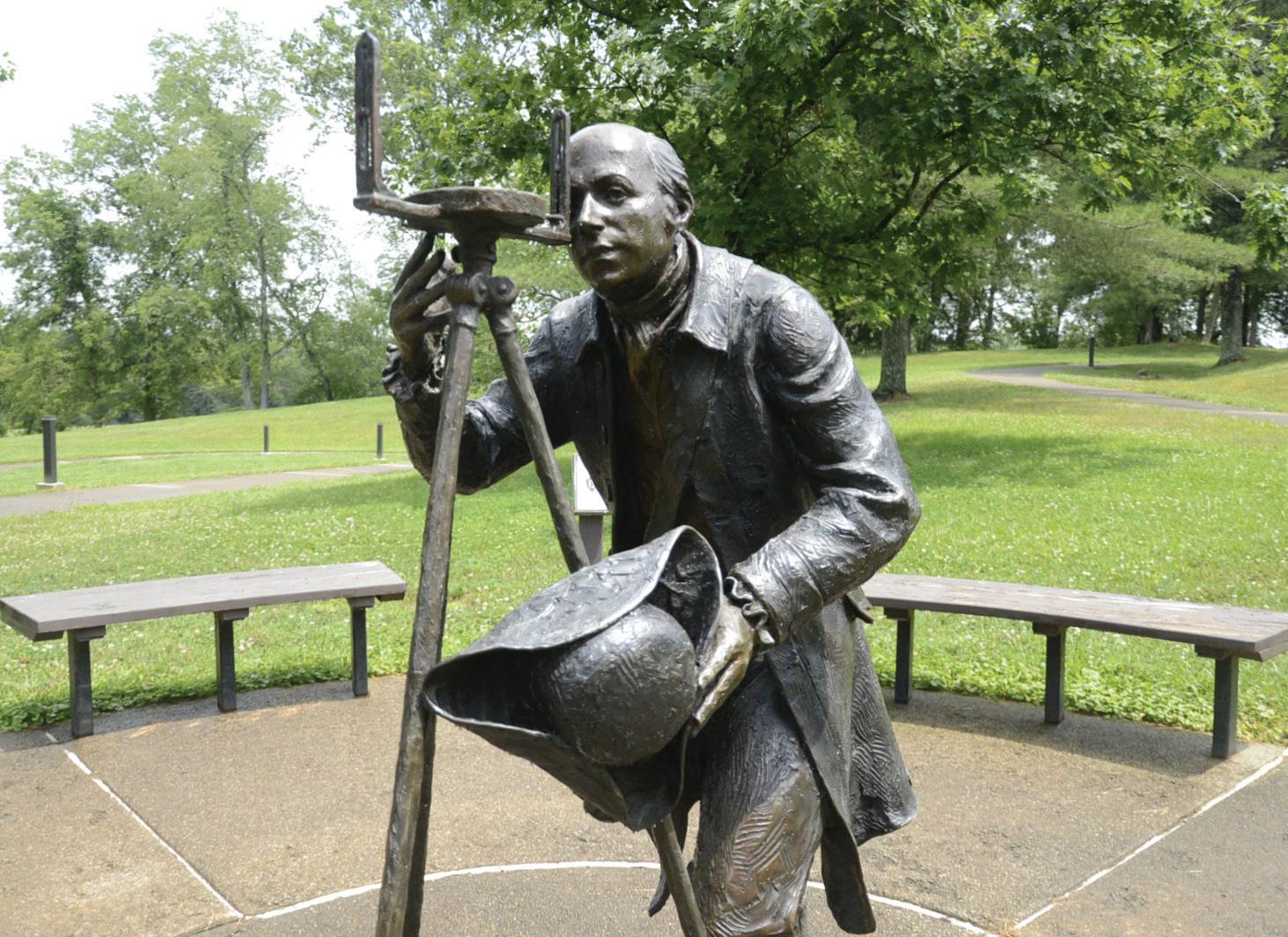
built in the late 1890s.
Inside the Gallatin House, guides give a handy demarcation: the rooms built in Gallatin’s time have hardwood floors, and those added later have carpet.
Friendship Hill is located at 223 New Geneva Road, Point Marion.
The Gallatin House is open to visitors from 9 a.m. to 5 p.m. seven days a week. The 10 miles of trails on the grounds are open from sunrise to sunset.
People can take a self-guided cellphone tour through the NPS app or by calling (585) 627-4152.
This fall, the site will pay homage to another defining moment in early American history where Gallatin played a key role.
On Sept. 5 and 6, Friendship Hill will host the Whiskey Rebellion Festival, exploring the three-year conflict in which Pennsylvania farmers launched an uprising over a
controversial excise tax on whiskey. Gallatin helped broker an end to the conflict.
The day will include vendors, music, food trucks, and artisans, Friendship Hill announced on its Facebook page. At noon and 2 p.m. both days, there will be demonstrations of 18th-century artillery and flint lock muskets.
A variety of talks will go on throughout the day, including a conversation with someone portraying Gallatin.


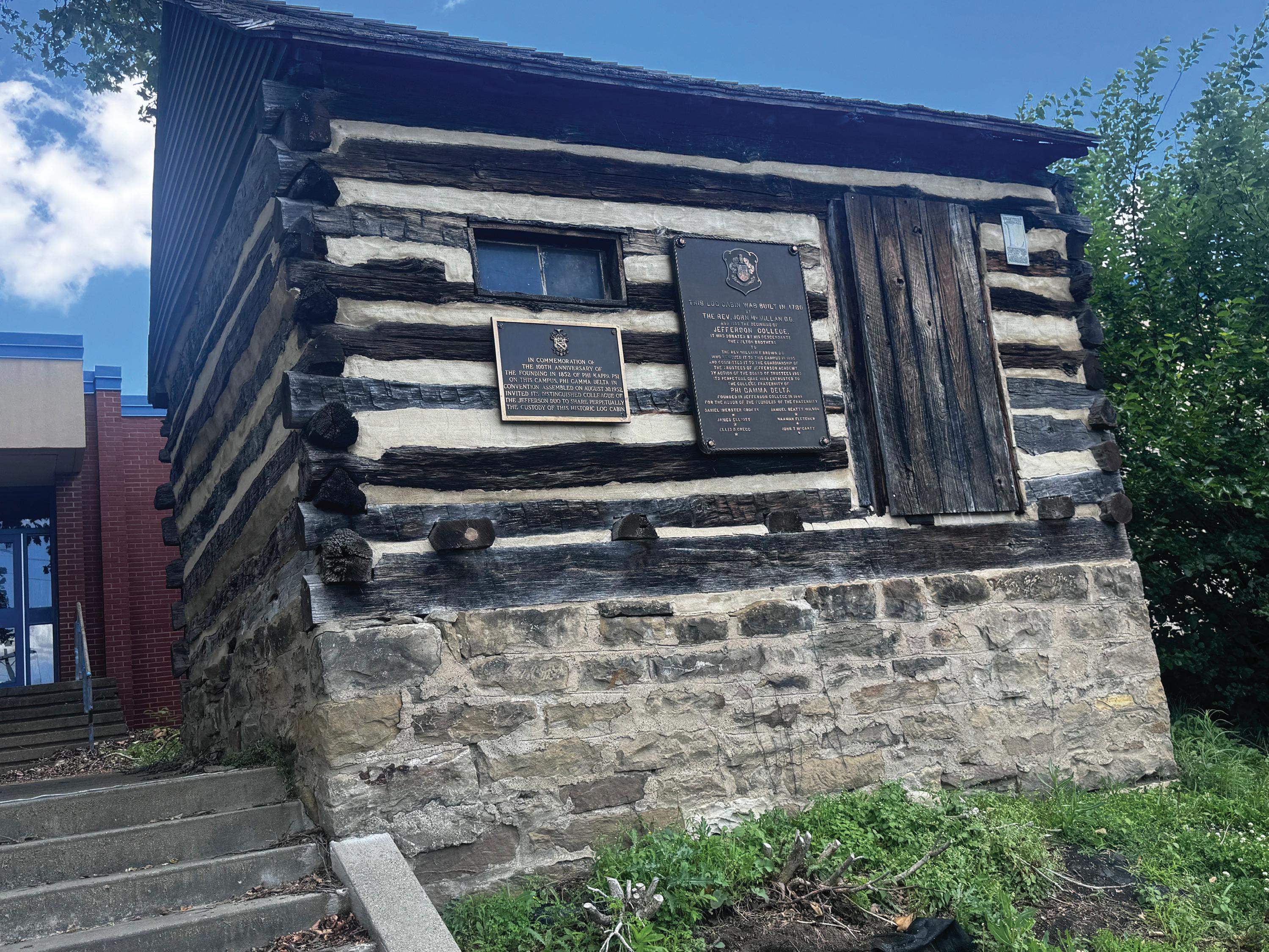
Outside the former Canonsburg Middle School on College Street in Canonsburg sits a true local treasure: Rev. John McMillan’s Log School.
Recognized as the oldest educational building west of the Allegheny Moun tains, the rustic log cabin was built in 1780 on the McMillan farm near Chartiers Hill Church and served as the foundational root of Washington & Jefferson College in Washington.
“It’s really a treasure to have in our community, something that has lasted this long and is historically significant because it was a forerunner of the first college west of the Alleghenies, which ended up being Jefferson College,” said Mike Roman, a history buff and member of the Jefferson College Historical Society.
McMillan used the building, only 14 feet long with one window, as a stable when classes weren’t in session. Enroll ment was spotty, and according to records, by 1802, McMillan had sent his students to the newly chartered Jefferson College in Canonsburg. Jefferson College later merged with nearby Washington College to create the
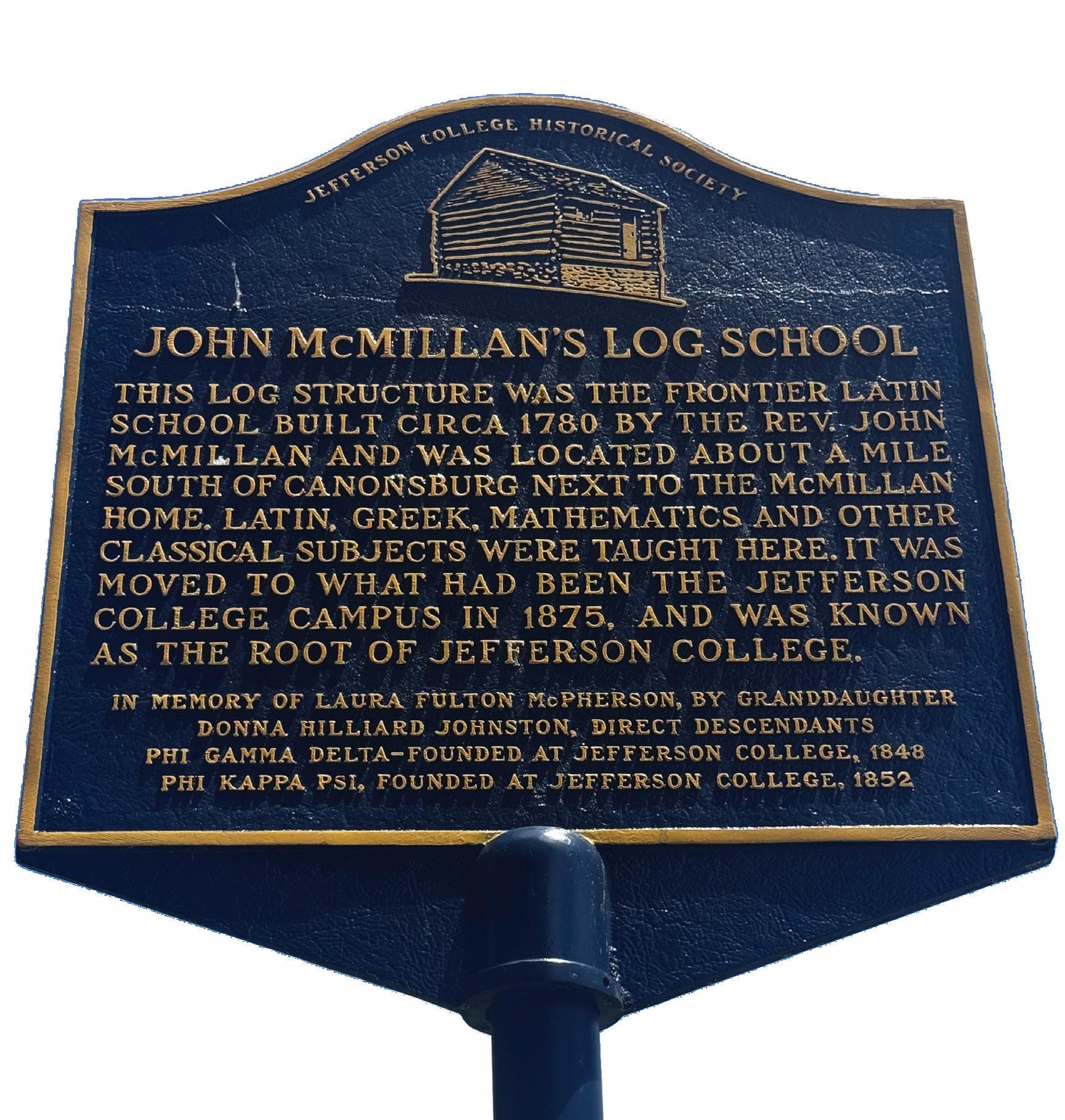
A historical marker, erected in 2021, contains information on Jefferson College.

Interestingly, McMillan’s original log home was destroyed in a fire a year after it was constructed and was rebuilt, and remained on the farm until 1985, more than 50 years after McMillan’s death.
At that time, the rebuilt structure was relocated to the Canonsburg campus, where it has sat behind the Jefferson College chapel.
The cabin was moved a third and final time in 1931 to the front of the school and placed on a permanent foundation, where it remains.
Care of the log school was entrusted to two now-national fraternities, Phi Gamma Delta, founded at Jefferson College in 1848, and Phi Kappa Psi, founded there four years later.
“We, the Jefferson College Historical Society, are tasked with the care of it, and whenever there’s any maintenance needed, they donate funds or we use some of the historical society funds,” said Roman.
The historical society recently replaced the roof, where shingles had sat atop the log structure for about 50 years.





























































































































































































































1. Lightning Rod (1752)
Benjamin Franklin devised the lightning rod, protecting buildings and advancing the study of electricity.
2. Bifocal Glasses (1784)
Franklin’s invention allowed wearers to see both near and far through a single pair of lenses.
3. Cotton Gin (1793)
Eli Whitney transformed cotton production and agriculture.
4. Interchangeable Parts Manufacturing (1798)
Whitney helped pioneer standardized manufacturing, laying the groundwork for mass production.
5. Steamboat (1807)
Robert Fulton demonstrated practical steam-powered transportation on rivers.
6. Mechanical Reaper (1831)
Cyrus McCormick revolutionized farming by mechanizing harvests.
7. Vulcanized Rubber (1844)
Charles Goodyear made rubber durable and useful for countless products.
8. Telegraph (1844)
Samuel Morse introduced long-distance instant communication.
9. Practical Sewing Machine (1846)
Elias Howe patented a practical lockstitch sewing machine.
10. Safety Elevator (1852)
Elisha Otis made modern skyscrapers possible.
11. Air Brake (1869)
George Westinghouse dramatically improved railroad safety.
12. Barbed Wire (1874)
Helped transform agriculture, ranching and settlement across the American West.
13. Telephone (1876)
Alexander Graham Bell patented the first commercially successful telephone.
14. Phonograph (1877)
Thomas Edison created the first practical
sound-recording device.
15. Incandescent Light Bulb (1879)
Edison’s improvements made electric lighting practical for homes and businesses.
16. Electric Power Distribution System (1882)
Brought electricity to cities and launched the modern electrical age.
17. Cash Register (1879)
Revolutionized retail accounting and business operations.
18. Dishwasher (1886)
Josephine Cochrane automated a major household chore.
19. Escalator (1890s)
Changed transportation inside stores, offices and transit systems.
20. Motion Picture Viewing Technology (Kinetoscope) (1891)
Helped launch the modern movie industry.
21. Air Conditioning (1902)
Willis Carrier transformed industry, architecture and everyday life.
22. Airplane (1903)
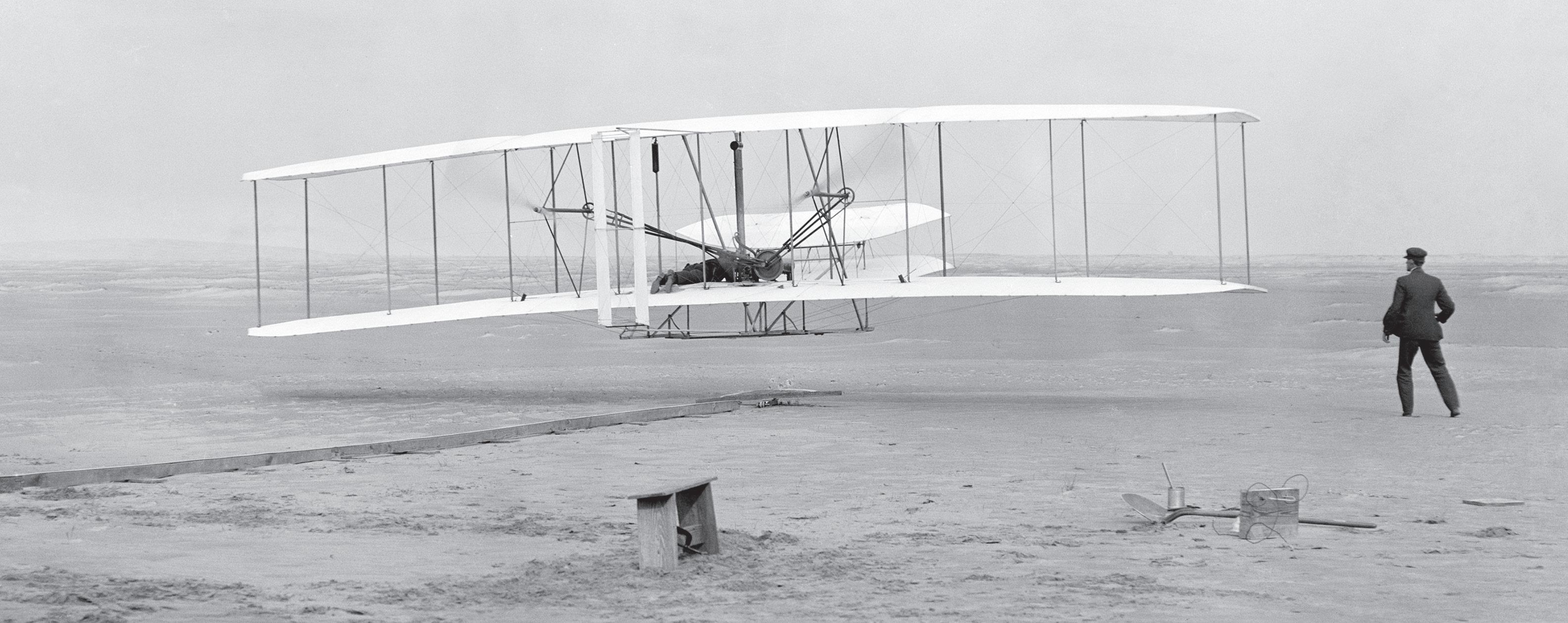
Orville Wright and Wilbur Wright achieved the first successful powered flight.
23. Assembly Line Manufacturing (1913)
Henry Ford revolutionized production and lowered costs.
24. Traffic Signal (1914)
Helped organize the rapidly growing number of automobiles.
25. Frozen Food Technology (1924)
Clarence Birdseye transformed food preservation and distribution.
26. Liquid-Fueled Rocket (1926)
Changed the way consumers and businesses conduct transactions.
34. Integrated Circuit (1958)
Jack Kilby helped create the microchip revolution.
35. Laser (1960)
Enabled breakthroughs in medicine, communications and manufacturing.
36. Communications Satellite (1962)
Robert H. Goddard launched the Space Age.
27. Electronic Television (1927)
Philo Farnsworth demonstrated the first fully electronic television system.
28. Nylon (1935)
Developed by DuPont, the world’s first commercially successful synthetic fiber.
29. Practical Helicopter (1939)
Igor Sikorsky developed the first practical helicopter.
30. Nuclear Reactor (1942)
Led by Enrico Fermi during the Manhattan Project.
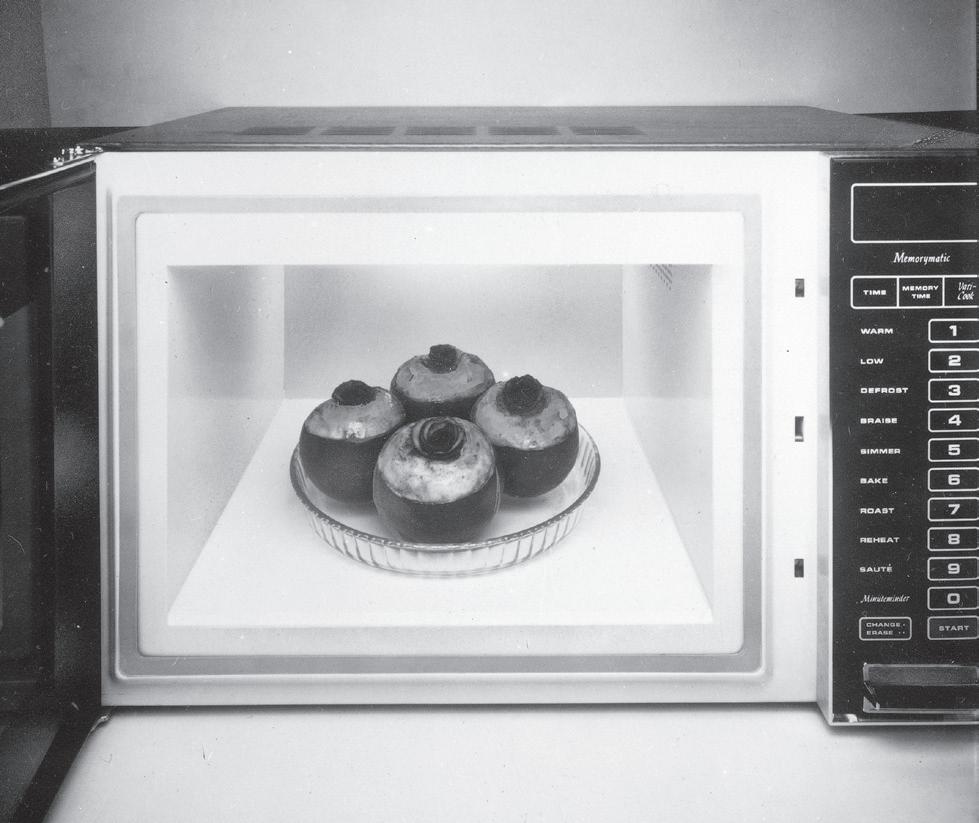
31. Microwave Oven (1945)
Percy Spencer discovered microwave cooking.
32. Transistor (1947)
Developed at Bell Labs, forming the basis of modern electronics.
33. Credit Card (1950)





Connected the world through

global telecommunications.
37. Computer Mouse (1964)
Douglas Engelbart transformed computer interaction.
38. Kevlar (1965)
Stephanie Kwolek created a material stronger than steel by weight.
39. Barcode (UPC) (1973)
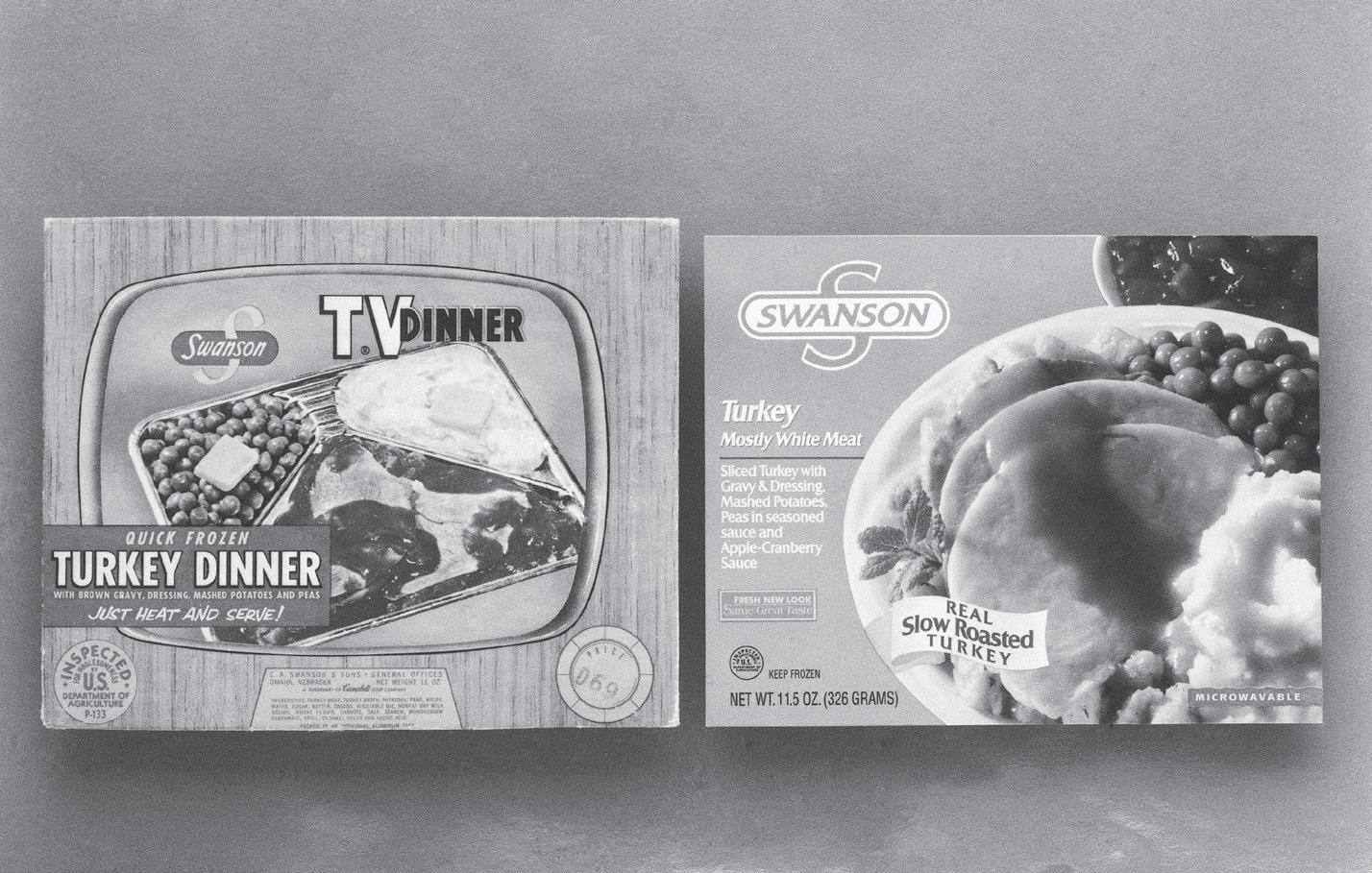
In 1994, C.A. Swanson and Sons of Omaha celebrates the 40th anniversary of the TV dinner. In 1954, it originally sold for 98 cents in a package with a picture of a TV set with knobs. It became the first TV dinner which changed American culture so much so that the original package is now in the Smithsonian. (AP Photo).
Invented by Norman Joseph Woodland and Bernard Silver, revolutionizing retail and logistics.
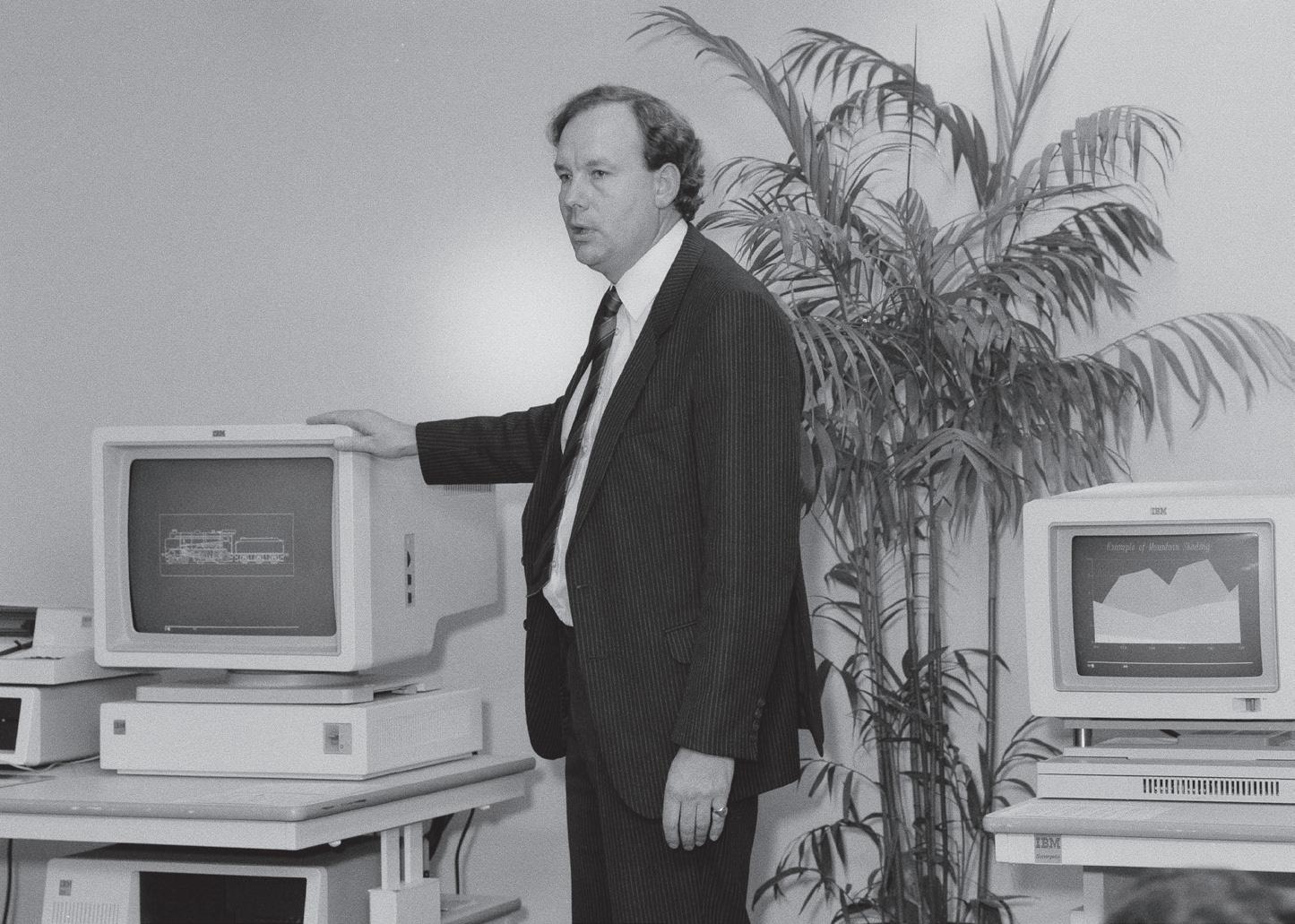
40. Personal Computer (1970s)
Brought computing power into homes, schools and businesses.
41. Email (1971)
Ray Tomlinson sent the first networked email and
introduced the @ symbol.
42. MRI Commercial Development (1970s–1980s)
American researchers played a major role in bringing MRI technology into widespread medical use.
43. GPS (Global Positioning System) (1978–1995)
Developed by the United States Department of Defense, now used worldwide.
44. Laser Printer (1970s)
Changed publishing, office work and personal printing.
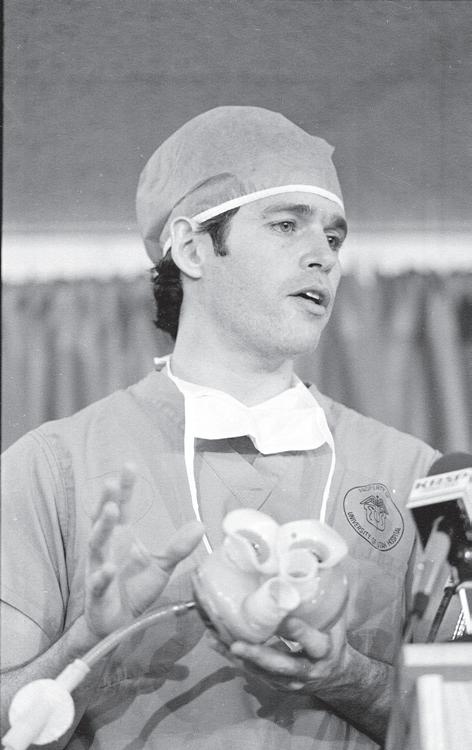
45. Artificial Heart (1982)
Represented a major advance in biomedical engineering.
46. Internet (ARPANET Origins) (1969–1980s)
Created through American government, university and private-sector innovation.
47. Defibrillator Advances
American innovators helped make lifesaving cardiac treatment widely available.
48. Gore-Tex (1969)
Robert W. Gore developed a waterproof, breathable fabric used worldwide.
49. mRNA Vaccine Technology
American scientists and companies helped pioneer a breakthrough that transformed vaccine development.
50. Smartphone Ecosystem (2007)
The modern smartphone era was accelerated by innovations from Apple and other American technology firms.





















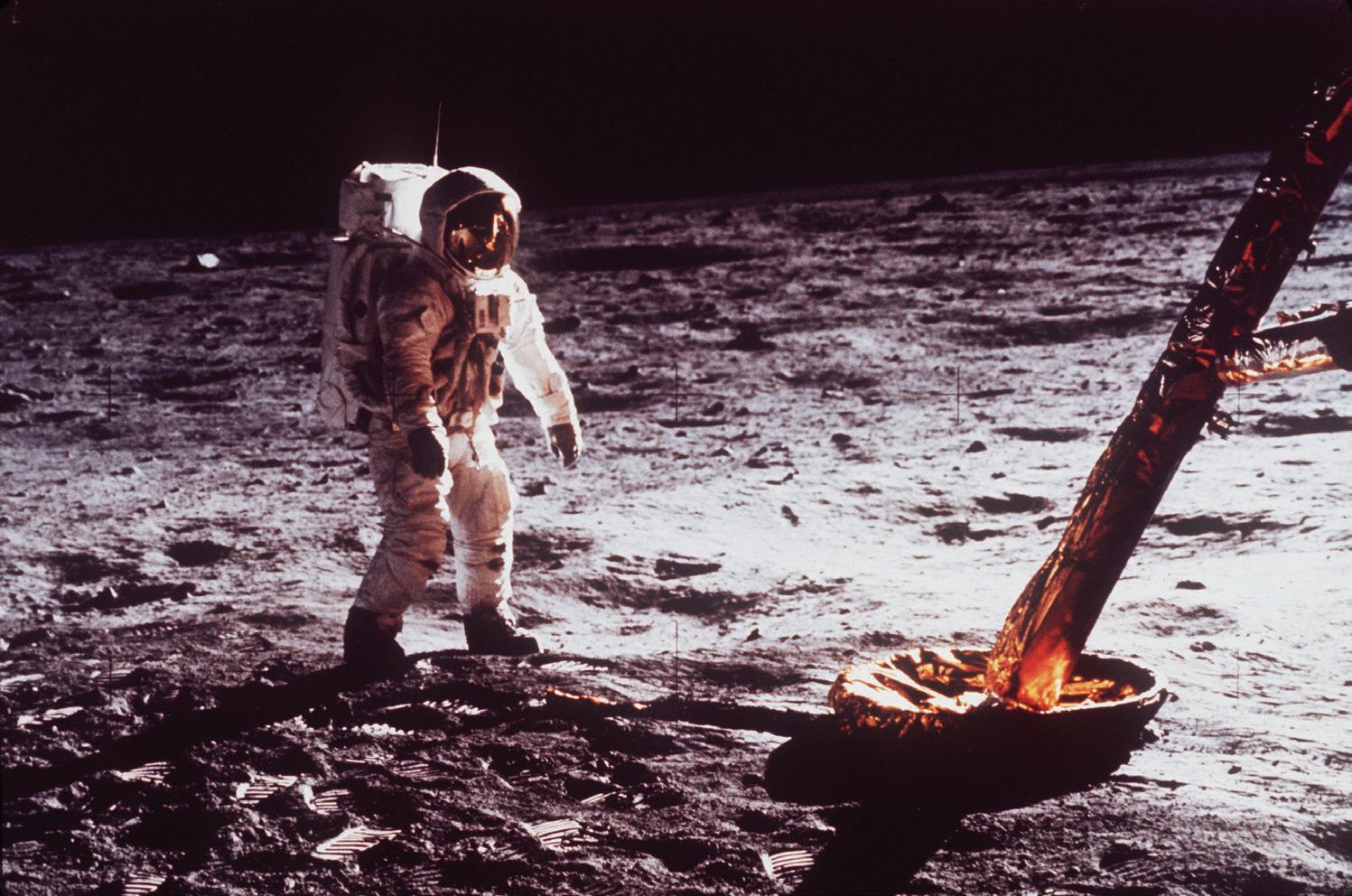
In 1969, Apollo 11 carried Americans to the Moon, fulfilling President John F. Kennedy’s challenge and marking one of humanity’s greatest achievements.
Adopted as the national emblem in 1782, the bald eagle symbolizes strength, freedom and the independence of the United States.
The United States Constitu-
tion established the framework of American government and remains the oldest written national constitution still in use.
Adopted on July 4, 1776, the Declaration announced America’s separation from Britain and proclaimed that all men are created equal.
More than 12 million immigrants entered the United States through Ellis Island between 1892 and 1954.
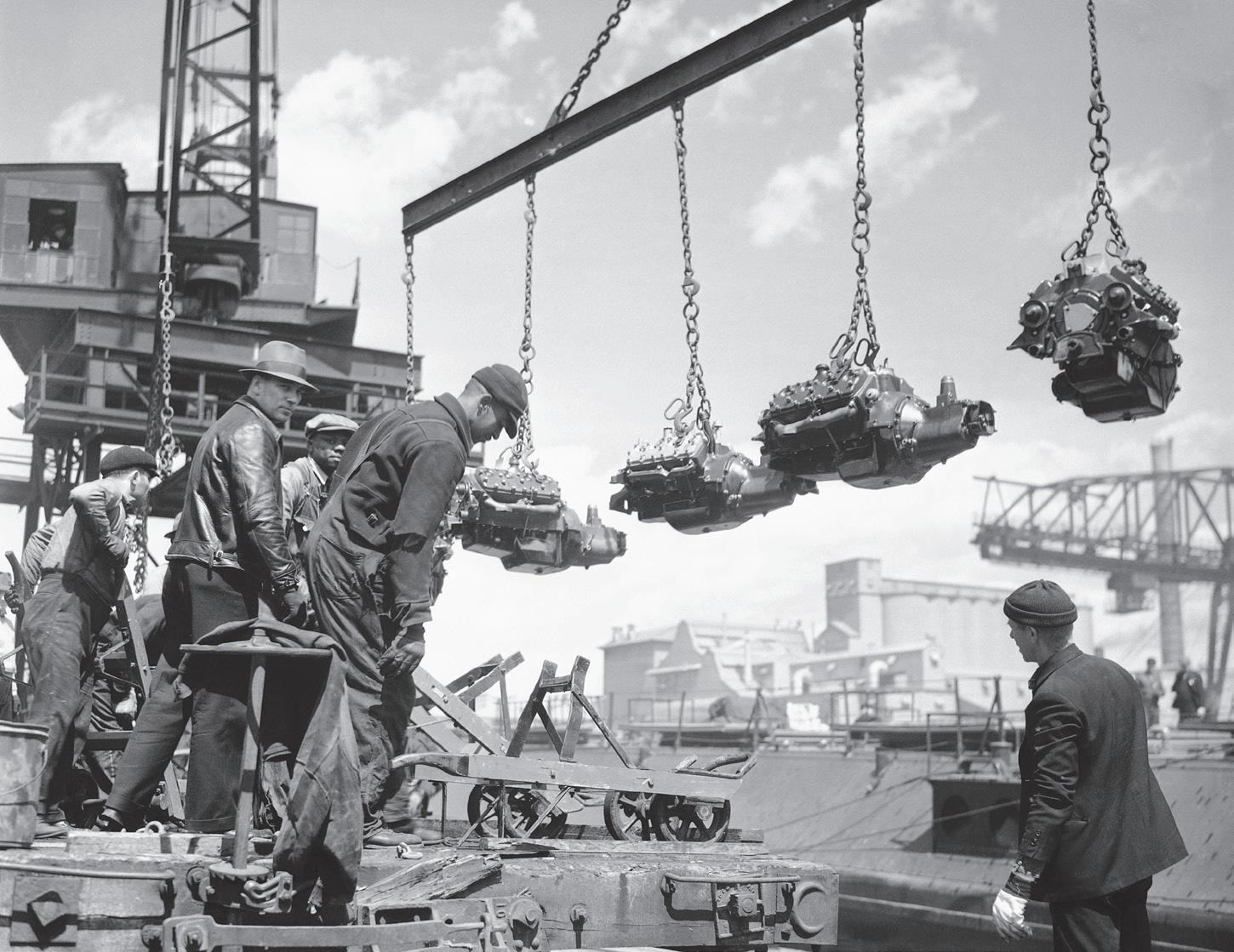
In 1913, Henry Ford revolutionized manufacturing with the moving assembly line, making automobiles affordable for millions.
The Battle of Gettysburg in 1863 marked a turning point in the Civil War and inspired the Gettysburg Address.
Signed in 1862, the Homestead Act encouraged westward expansion by granting settlers land in the American frontier.
I — Interstate Highway System
Authorized in 1956, the Interstate Highway System became the largest public works project in American history.
Born in New Orleans, jazz became America’s original art form and influenced music around the world.
At Kitty Hawk in 1903, Orville Wright and Wilbur Wright achieved the first powered flight.
The Liberty Bell became an
enduring symbol of American independence and freedom.
M — Mount Rushmore
This iconic monument honors Presidents George Washington, Thomas Jefferson, Theodore Roosevelt and Abraham Lincoln.
N — National Parks
America created the world’s first national park, Yellowstone National Park, in 1872.
O — Oregon Trail
Hundreds of thousands of pioneers traveled the Oregon Trail during the 19th century in search of opportunity in the West.
P — Plymouth Colony
Established in 1620, Plymouth Colony became one of the earliest permanent English settlements in New England.
Q — Quakers
Members of the Religious Society of Friends helped shape the American character
through their commitment to religious freedom, equality, abolition of slavery and social justice. Their influence can be seen from colonial Pennsylvania to the reform movements that helped define the nation.
R — Revolutionary War
The American Revolution secured independence from
Great Britain and created the United States.
S — Statue of Liberty
Gifted by France in 1886, the Statue of Liberty welcomed generations of immigrants to America.
T — Transcontinental Railroad
Completed in 1869, the railroad connected the East and West coasts and transformed commerce and travel.
U — Uncle Sam
Uncle Sam emerged during the War of 1812 and became the personification of the United States.
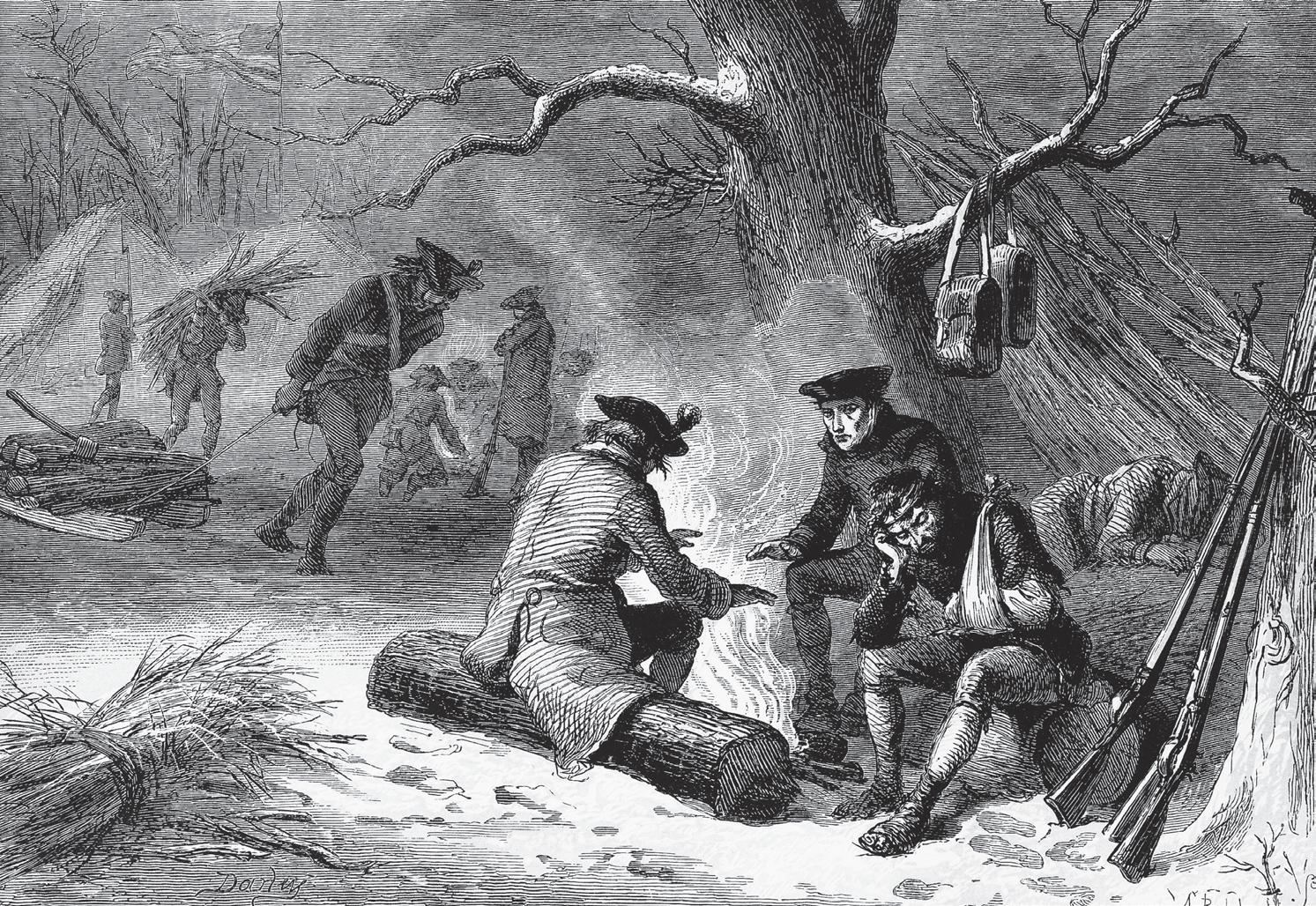
V — Valley Forge
At Valley Forge, George Washington and the Continental Army endured a difficult winter that strengthened the Revolutionary cause.
W — Washington, D.C.
The nation’s capital serves as the seat of the federal govern-
ment and a symbol of American democracy.
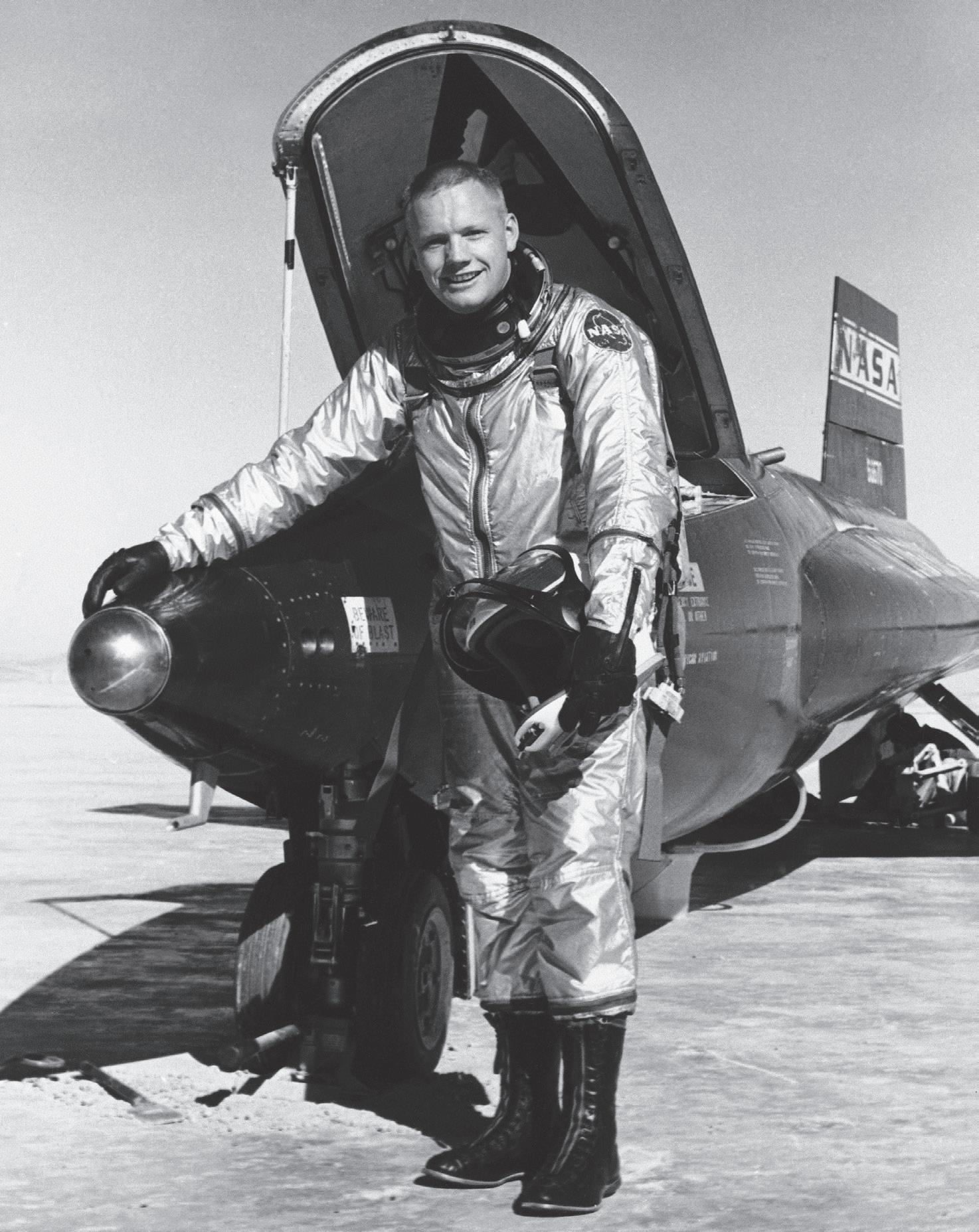
The North American X-15 helped pave the way for the American space program by setting speed and altitude records.
Yosemite National Park show-
Orville Wright, lying at the controls on the lower wing, pilots the Wright Flyer on the first powered flight by a heavier-than-air aircraft, Dec. 17, 1903, at Kitty Hawk, N.C. In the moments before going airborne, his brother, Wilbur Wright, watching right, guided and steadied the plane as it accelerated along the starting rail at left. (AP Photo/Library of Congress, John T. Daniels)
In this April 27, 1937,
cases some of the most spectacular landscapes in the United States and helped inspire the conservation movement.
The Zimmermann Telegram helped draw the United States into World War I after Germany sought an alliance with Mexico against America.




1. The United States declared independence from Great Britain on July 4, 1776.
2. George Washington was the nation’s first president.
3. The Louisiana Purchase doubled the size of the country.
4. The American Civil War remains the deadliest war in U.S. history.
5. Abraham Lincoln issued the Emancipation Proclamation in 1863.
6. The Transcontinental Railroad linked the East and West coasts.
7. The Wright brothers’ first flight launched the aviation age.
8. Henry Ford popularized the assembly line.
9. The Great Depression was the worst economic downturn in U.S. history.
10. Franklin D. Roosevelt was elected to four terms.
11. The Attack on Pearl Harbor brought the U.S. into World War II.
12. The United States helped lead the Allied victory in World War II.
13. The Apollo 11 Moon Landing put Americans on the Moon.
14. Neil Armstrong took the first lunar step.

15. Martin Luther King Jr. delivered the “I Have a Dream” speech in 1963.
16. The Civil Rights Act of 1964 outlawed segregation in public accommodations.
17. The Voting Rights Act of 1965 strengthened ballot access.
18. Jonas Salk created the first effective polio vaccine.
19. Thomas Edison held more than 1,000 patents.
20. Alexander Graham Bell invented the telephone.
21. Walt Disney built one of the world’s most influential entertainment companies.
22. Jackie Robinson broke Major League Baseball’s color barrier.
23. Babe Ruth became America’s first great sports superstar.
24. Muhammad Ali became a global symbol of courage and conviction.
25. Michael Jordan helped globalize basketball.
26. The Gold Rush accelerated westward migration.
27. Sacagawea aided the Lewis and Clark Expedition.






28. Susan B. Anthony fought for women’s voting rights.
29. The Nineteenth Amendment to the United States Constitution granted women the right to vote.
30. Thurgood Marshall helped end school segregation.
31. Justice Ruth Bader Ginsburg advanced gender equality.
32. Benjamin Franklin was an inventor, diplomat and writer.
33. Alexander Hamilton built the nation’s financial system.
34. John Marshall established judicial review.
35. The Monroe Doctrine warned Europe against colonizing the Americas.
36. Theodore Roosevelt created a lasting conservation legacy.
37. Yellowstone National Park was the world’s first national park.
38. The Interstate Highway System transformed travel and commerce.
39. Grace Hopper helped pioneer computer programming.
40. Bill Gates helped bring personal computers to millions.
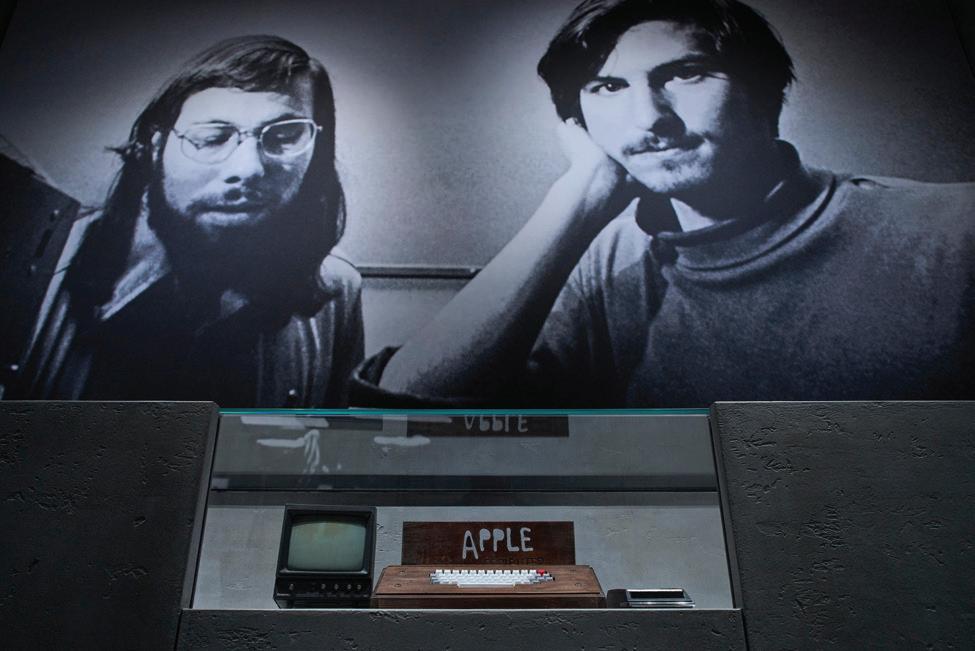
41. Steve Jobs reshaped consumer electronics.
42. Oprah Winfrey became one of the





most influential figures in modern media.
43. The Marshall Plan helped rebuild Europe and strengthened America’s global leadership.
44. Clara Barton established one of the nation’s most important humanitarian organizations.
45. Mark Twain helped define American literature.
46. Elvis Presley popularized rock and roll worldwide.
47. Jonas Salk created a vaccine that virtually eliminated one of the most feared diseases of the 20th century.
48. The Manhattan Project brought together American scientists and engineers to create the first atomic weapons.
49. Katherine Johnson performed calculations that helped send American astronauts into orbit and to the Moon.
50. In 2026, the United States celebrates its 250th birthday—its semiquincentennial.






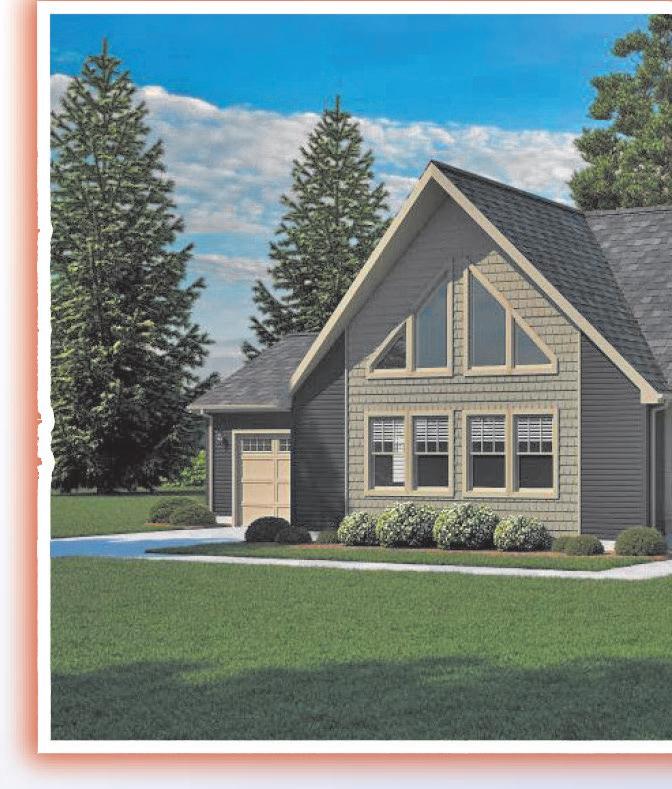
Dreaming of a backyard refresh this summer? Leverage your existing home equity, or ask about a home improvement or construction loan from First Federal of Greene County. We’ll help you dive in to any new project. Visit a loan officer today, or apply anytime online! Find your place in the sun for fun!

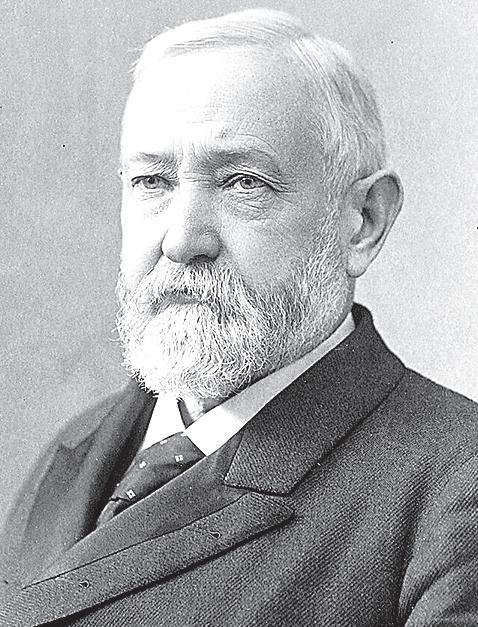
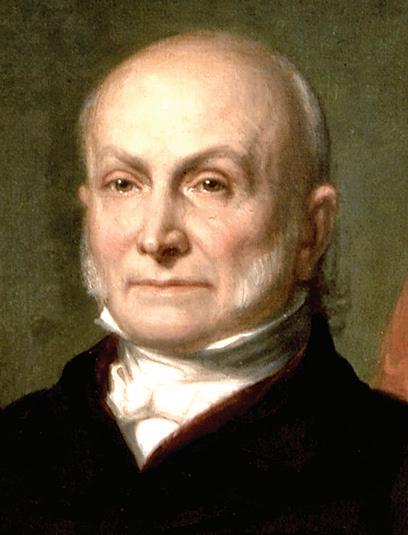
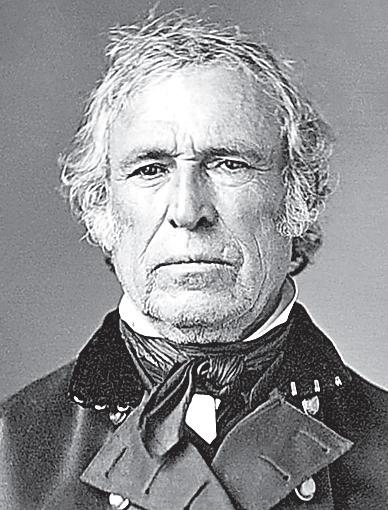
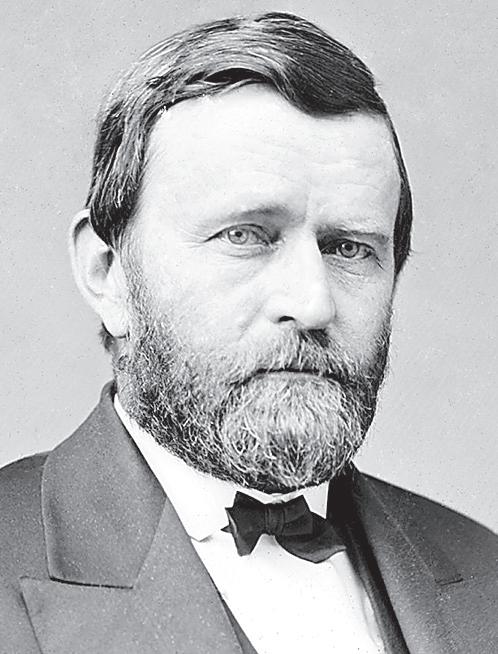
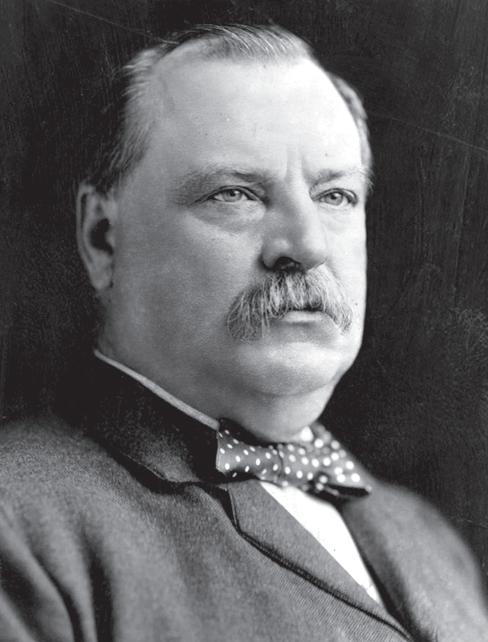
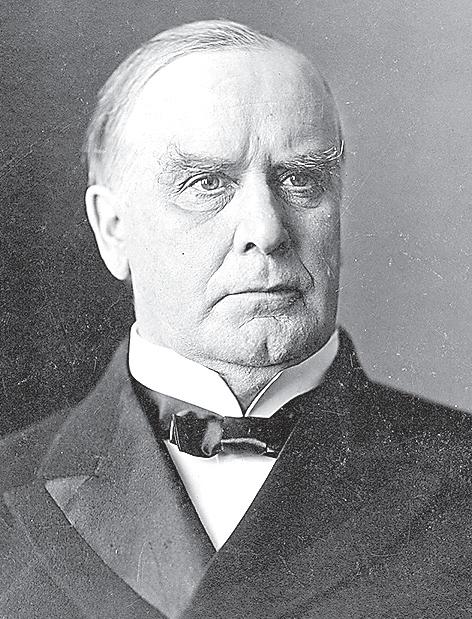
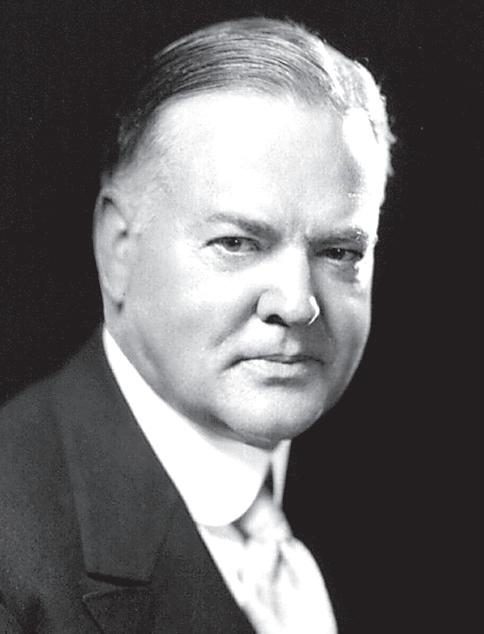
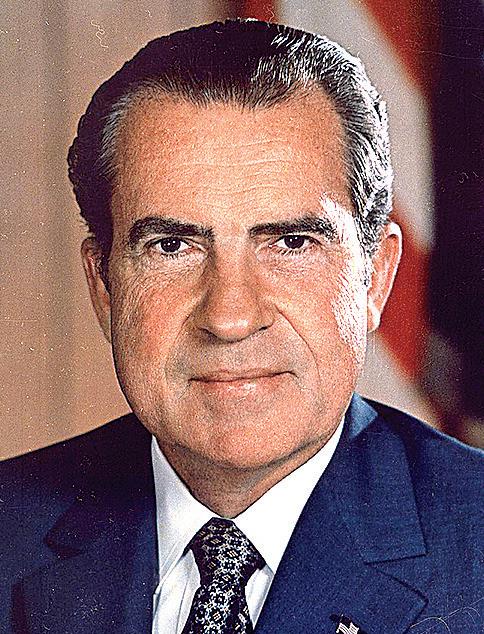












































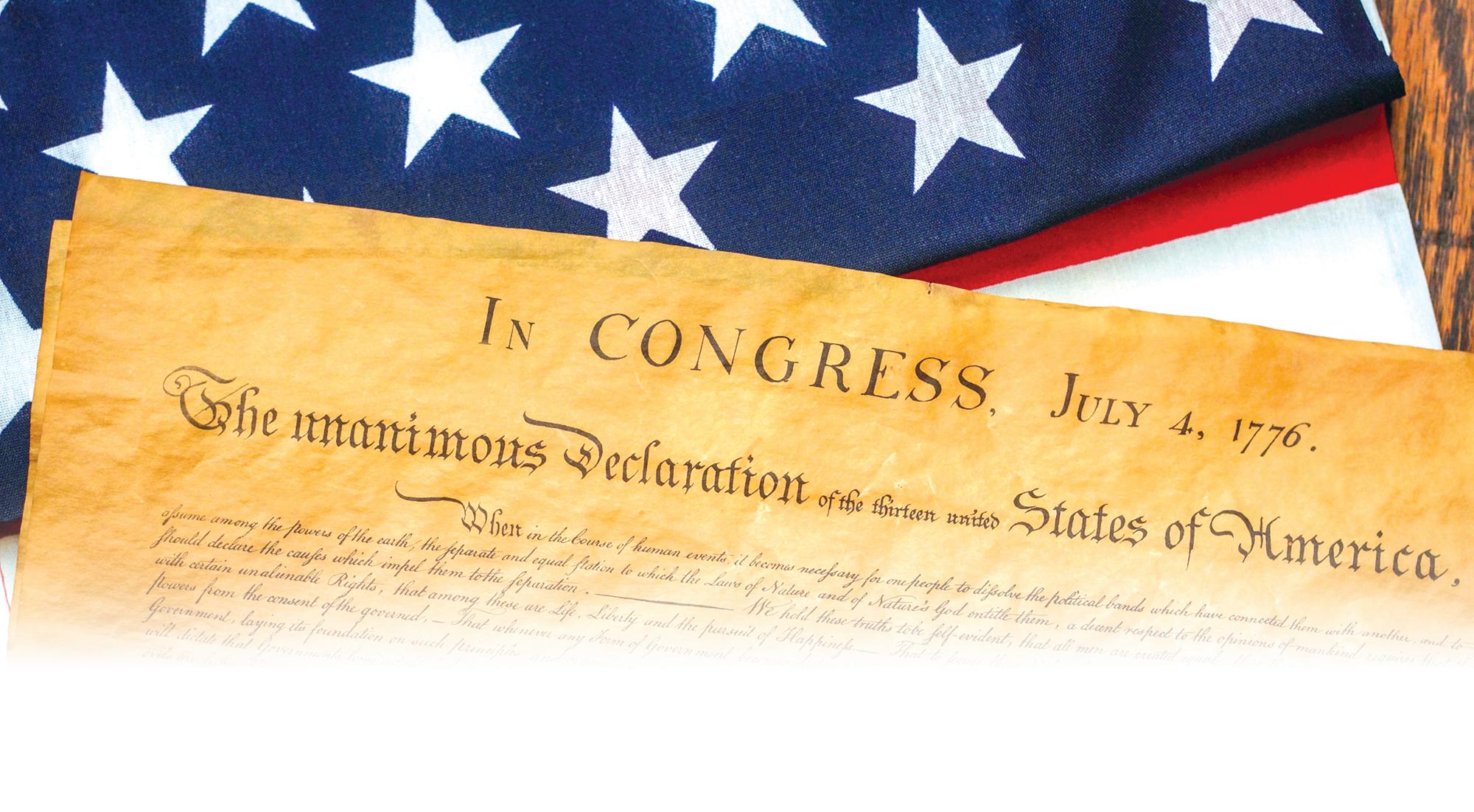
IN CONGRESS, JULY 4, 1776.
The unanimous Declaration of the thirteen united States of America, When in the Course of human events, it becomes necessary for one people to dissolve the political bands which have connected them with another, and to assume among the powers of the earth, the separate and equal station to which the Laws of Nature and of Nature’s God entitle them, a decent respect to the opinions of mankind requires that they should declare the causes which impel them to the separation.
We hold these truths to be self-evident, that all men are created equal, that they are endowed by their Creator with certain unalienable Rights, that among these are Life, Liberty and the pursuit of Happiness.–That to secure these rights, Governments are instituted among Men, deriving their just powers from the consent of the governed, –That whenever any Form of Government becomes destructive of these ends, it is the Right of the People to alter or to abolish it, and to institute new Government, laying its foundation on such principles and organizing its powers in such form, as to them shall seem most likely to effect their Safety and Happiness. Prudence, indeed, will dictate that Governments long established should not be changed for light and transient causes; and accordingly all experience hath shewn, that mankind are more disposed to suffer, while evils are sufferable, than to right themselves by abolishing the forms to which they are accustomed. But when a long train of abuses and usurpations, pursuing invariably the same Object evinces a design to reduce them under absolute Despotism, it is their right, it is their duty, to throw off such Government, and to provide new
Guards for their future security.–Such has been the patient sufferance of these Colonies; and such is now the necessity which constrains them to alter their former Systems of Government. The history of the present King of Great Britain is a history of repeated injuries and usurpations, all having in direct object the establishment of an absolute Tyranny over these States. To prove this, let Facts be submitted to a candid world.
He has refused his Assent to Laws, the most wholesome and necessary for the public good.
He has forbidden his Governors to pass Laws of immediate and pressing importance, unless suspended in their operation till his Assent should be obtained; and when so suspended, he has utterly neglected to attend to them.
He has refused to pass other Laws for the accommodation of large districts of people, unless those people would relinquish the right of Representation in the Legislature, a right inestimable to them and formidable to tyrants only.
He has called together legislative bodies at places unusual, uncomfortable, and distant from the depository of their public Records, for the sole purpose of fatiguing them into compliance with his measures.
He has dissolved Representative Houses repeatedly, for opposing with manly firmness his invasions on the rights of the people.
He has refused for a long time, after such dissolutions, to cause others to be elected; whereby the Legislative powers, incapable of Annihilation, have returned to the People at large for their exercise; the State remaining in the mean time exposed to all the dangers of invasion from without, and convulsions within.
He has endeavored to prevent the population of these States; for that purpose obstructing the Laws for Naturalization of Foreigners; refusing to pass others to encourage their migrations hither, and raising the conditions of new Appropriations of Lands.
He has obstructed the Administration of Justice, by refusing his Assent to Laws for establishing Judiciary powers.
He has made Judges dependent on his Will alone, for the tenure of their offices, and the amount and payment of their salaries. He has erected a multitude of New Offices, and sent hither swarms of Officers to harass our people, and eat out their substance.
He has kept among us, in times of peace, Standing Armies without the Consent of our legislatures.
He has affected to render the Military independent of and superior to the Civil power.
He has combined with others to subject us to a jurisdiction foreign to our constitution, and unacknowledged by our laws; giving his Assent to their Acts of pretended Legislation:
For Quartering large bodies of armed troops among us:
For protecting them, by a mock Trial, from punishment for any Murders which they should commit on the Inhabitants of these States:
For cutting off our Trade with all parts of the world: For imposing Taxes on us without our Consent:
For depriving us in many cases, of the benefits of Trial by Jury:
For transporting us beyond Seas to be tried for pretended offenses
For abolishing the free System of English Laws in a neighboring Province, establishing therein an Arbitrary government, and enlarging its Boundaries so as to render it at once an example and fit instrument for introducing the same absolute rule into these Colonies:
For taking away our Charters, abolishing our most valuable Laws, and altering fundamentally the Forms of our Governments:
For suspending our own Legislatures, and declaring themselves invested with power to legislate for us in all cases whatsoever.
He has abdicated Government here, by declaring us out of his Protection and waging War against us.
He has plundered our seas, ravaged our Coasts, burnt our towns, and destroyed the lives of our people.
He is at this time transporting large Armies of foreign Mercenaries to complete the works of death, desolation and tyranny, already begun with circumstances of Cruelty & perfidy scarcely paralleled in the most barbarous ages, and totally unworthy the Head of a civilized nation.
He has constrained our fellow Citizens taken Captive on the high Seas to bear Arms against their Country, to become the executioners of their friends and Brethren, or to fall themselves by their Hands.
He has excited domestic insurrections amongst us, and has endeavored to bring on the inhabitants of our frontiers, the merciless Indian Savages, whose known rule of warfare, is an undistinguished destruction of all ages, sexes and conditions.
In every stage of these Oppressions We have Petitioned for Redress in the most humble terms: Our repeated Petitions have been answered only by repeated injury. A Prince whose character is thus marked by every act which may define a Tyrant, is
unfit to be the ruler of a free people.
Nor have We been wanting in attentions to our British brethren. We have warned them from time to time of attempts by their legislature to extend an unwarrantable jurisdiction over us. We have reminded them of the circumstances of our emigration and settlement here. We have appealed to their native justice and magnanimity, and we have conjured them by the ties of our common kindred to disavow these usurpations, which, would inevitably interrupt our connections and correspondence. They too have been deaf to the voice of justice and of consanguinity. We must, therefore, acquiesce in the necessity, which denounces our Separation, and hold them, as we hold the rest of mankind, Enemies in War, in Peace Friends.
We, therefore, the Representatives of the united States of America, in General Congress, Assembled, appealing to the Supreme Judge of the world for the rectitude of our intentions, do, in the Name, and by Authority of the good People of these Colonies, solemnly publish and declare, That these United Colonies are, and of Right ought to be Free and Independent States; that they are Absolved from all Allegiance to the British Crown, and that all political connection between them and the State of Great Britain, is and ought to be totally dissolved; and that as Free and Independent States, they have full Power to levy War, conclude Peace, contract Alliances, establish Commerce, and to do all other Acts and Things which Independent States may of right do. And for the support of this Declaration, with a firm reliance on the protection of divine Providence, we mutually pledge to each other our Lives, our Fortunes and our sacred Honor.
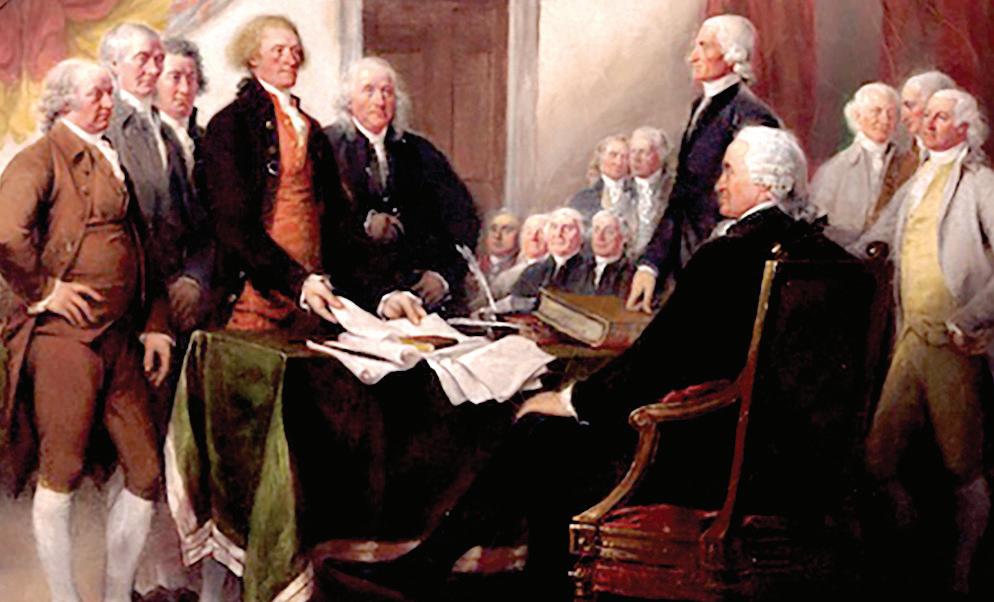

John Adams
Samuel Adams
Josiah Bartlett
Carter Braxton
Charles Carroll
Samuel Chase
Abraham Clark
George Clymer
William Ellery
William Floyd
Benjamin Franklin
Elbridge Gerry
Button Gwinnett
Lyman Hall
John Hancock
Benjamin Harrison
John Hart
Joseph Hewes
Thomas Heyward Jr.
William Hooper
Stephen Hopkins
Francis Hopkinson
Samuel Huntington
Thomas Jefferson
Francis Lightfoot Lee
Richard Henry Lee
Francis Lewis
Philip Livingston
Thomas Lynch Jr.
Thomas McKean
Arthur Middleton
Lewis Morris
Robert Morris
John Morton
Thomas Nelson Jr.
William Paca
Robert Treat Paine
John Penn
George Read
Caesar Rodney
George Ross
Benjamin Rush
Edward Rutledge
Roger Sherman
James Smith
Richard Stockton
Thomas Stone
George Taylor
Matthew Thornton
George Walton
William Whipple
William Williams
James Wilson
John Witherspoon
Oliver Wolcott
George Wythe