AT HOME WITH
"To assist a child, we must provide him with an environment which will enable him to develop freely."
Maria Montessori
Montessori isn’t just for the classroom. You can easily bring its principles into your home—and doing so can be an invaluable bridge to reinforcing what your child learns at school.
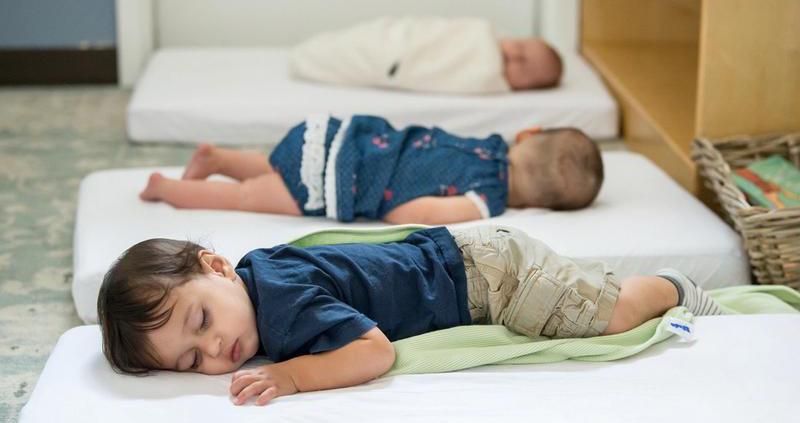
"We must give the child an environment that he can utilize by himself: a little washstand of Their own, a bureau with drawers he can open, objects of common use that he can operate, a small bed in which he can sleep at night under an attractive blanket he can fold and spread by himself. We must give him an environment in which he can live and play; then we will see him work all day with Their hands and wait impatiently to undress himself and lay himself down on Their own bed."
–Maria Montessori
A prepared environment includes both the people within it and the physical space that surrounds them. It is thoughtfully designed to support optimal development through independence, meaningful work, and connection with others. Within this environment are supportive relationships, order, and purposeful materials that encourage growth, curiosity, and collaboration.
Environment influences everyone at every stage of life—especially the developing child. From birth through maturity, individuals shape themselves through their surroundings. When children and adults experience environments that are organized, calm, and intentional, they are more likely to develop habits that support mental well-being, efficiency, creativity, and inner peace.
Our world is largely designed for adults. If adults spent even one day navigating the spaces typically provided for children, it would quickly feel uncomfortable and exhausting. Much of their energy would be spent simply adapting and protecting themselves. For this reason, environments for children must be intentionally prepared with their needs, abilities, and independence in mind.
One of the most essential elements of a prepared environment is respect for concentration. When a child is engaged in safe, purposeful activity that requires both mind and body, it is the responsibility of the adult to honor and protect that focus. These moments of deep engagement are critical to development.
Over time, children in a prepared environment often reveal qualities that may otherwise go unnoticed. They demonstrate deep concentration, longer attention spans, precise movement, and a natural sense of order. They show peacefulness, dedication to meaningful effort, selfdiscipline, a love of work, and respect for others.
Adults remain a vital part of this environment. As caretakers of the space and community, they set the tone through their actions and attitudes. Children learn by observing and interacting with the world around them— including the behaviors modeled by the adults in their lives. Through thoughtful guidance and example, adults help sustain an environment where every individual can grow and thrive.
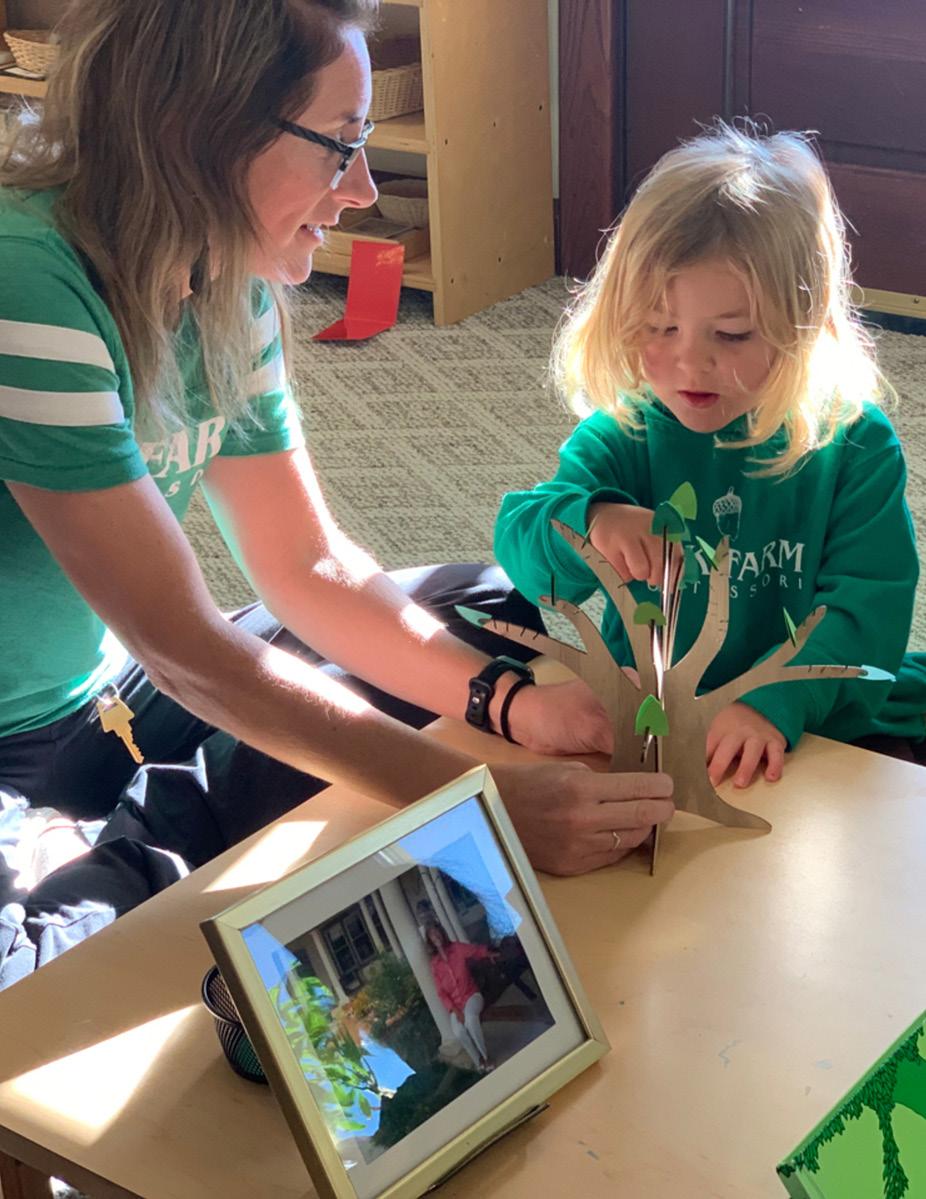
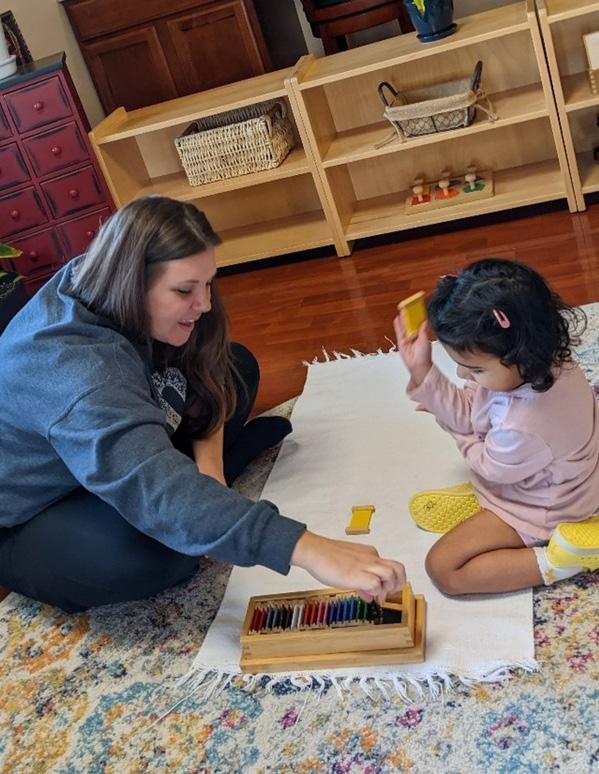
“The essence of independence is to be able to do something for one’s self.” Maria Montessori
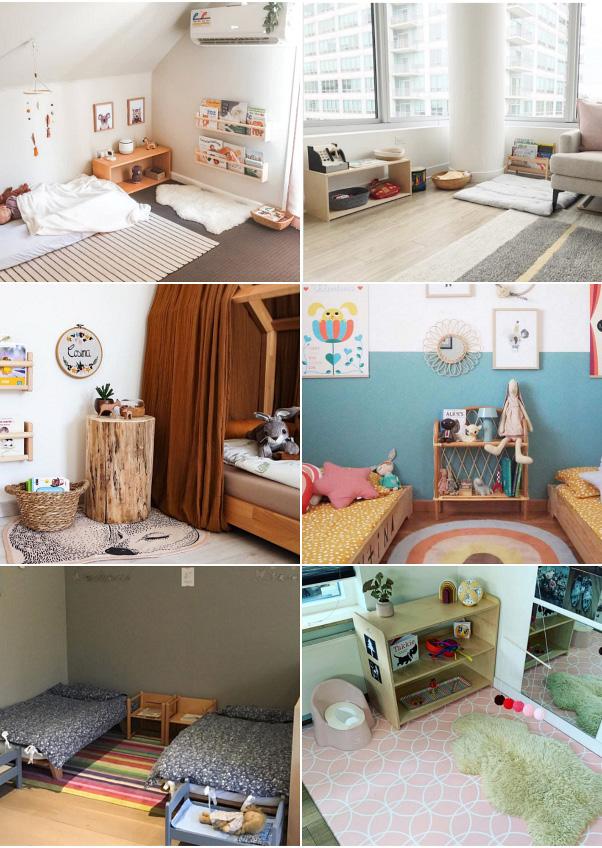
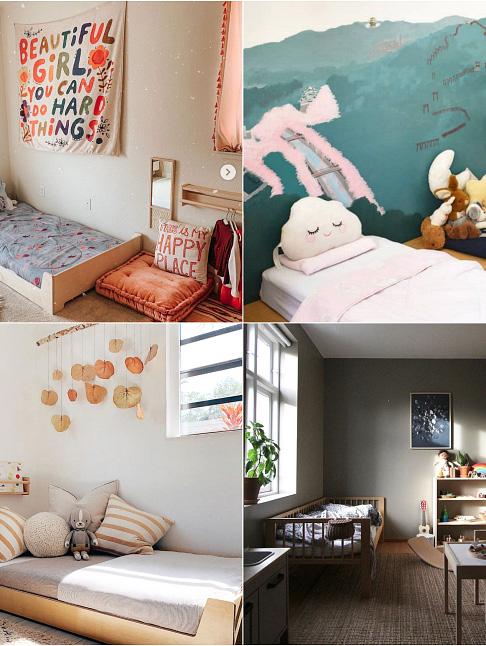
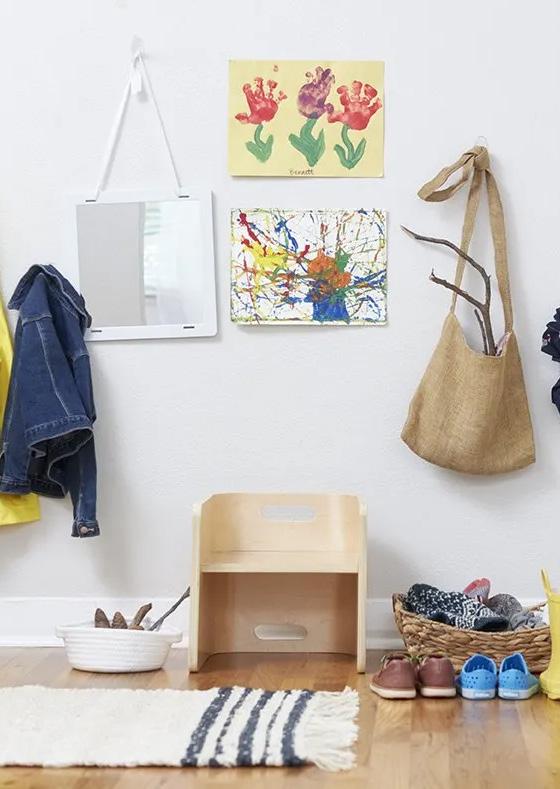
One of the most important and personal environments for a child is their bedroom. It is a space that belongs to them—a place where they can feel secure, comfortable, and independent.
Everything within a child’s bedroom should be purposeful, usable, and accessible. The space should feel structured, safe, warm, and inviting. A thoughtfully prepared bedroom is simple, clean, beautiful, and orderly, with minimal clutter so that the child can move freely and focus on their activities.
The bedroom should be designed to support independence. Independence reflects a child’s natural desire to do things on their own while still feeling connected to the people around them. When the environment is arranged with the child in mind, they are better able to care for themselves and their belongings.
Child-sized furnishings are an important part of this design. A low bed, low hooks, accessible clothing rods, drawers or baskets for clothing, and low shelves for books, materials, and toys allow children to reach and use what they
Reading books
Dressing and Undressing
Hanging up clothes
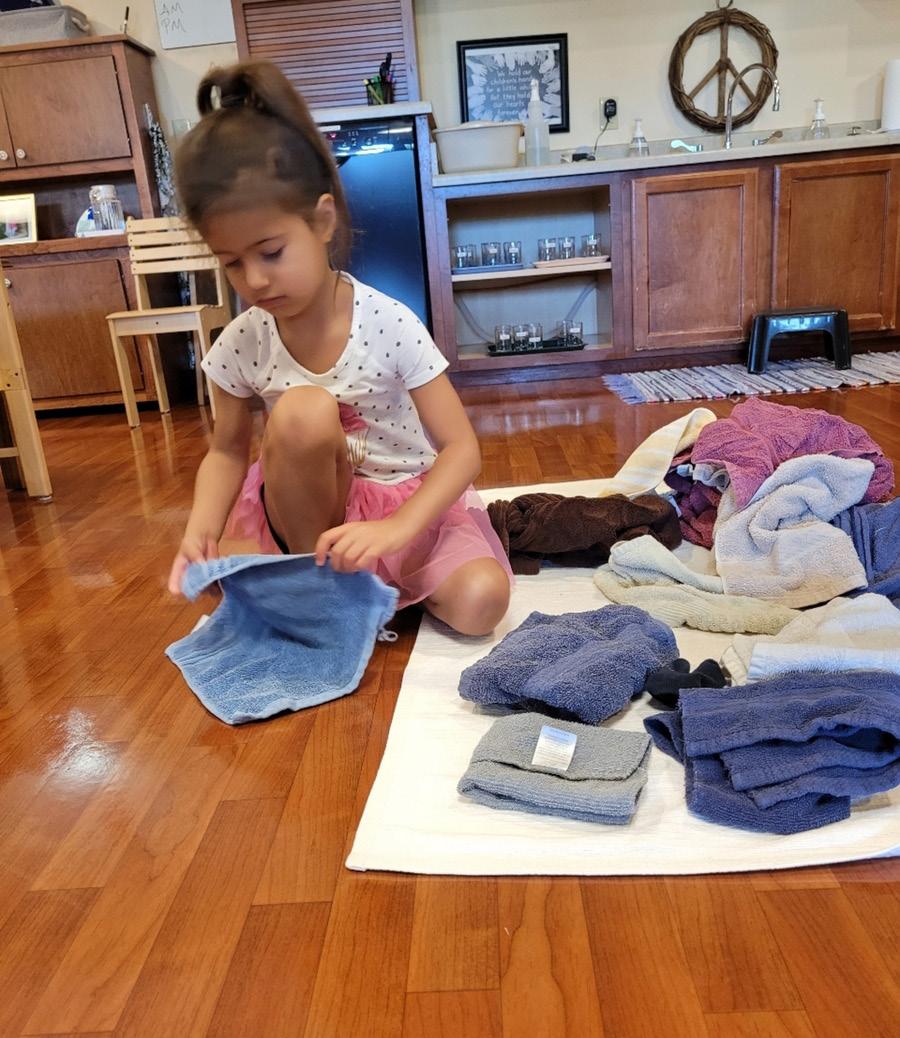
Folding clothes
Making the bed
Activities placed on low shelves
Putting soiled clothes in laundry basket
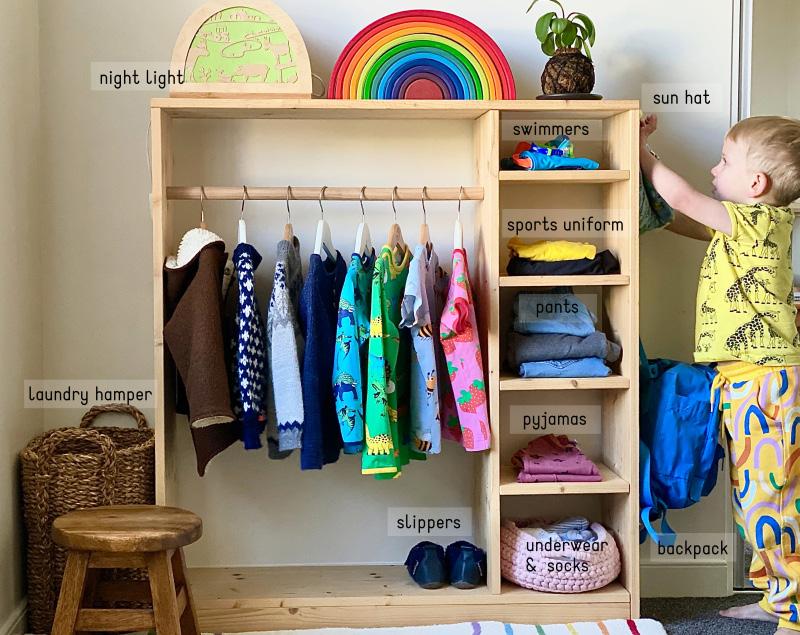
need independently. When everything is within reach, children are empowered to participate in their daily routines.
A child’s bedroom should also reflect their unique personality and current interests rather than adult preferences or passing trends. This helps create a space that feels meaningful and personal.
Respect for the child’s space is equally important. Simple practices—such as knocking before entering—help foster a sense of ownership and respect for the environment.
Above all, a child’s room should remain a peaceful and safe place where they can rest, grow, and explore their independence with confidence.
Low shelves for works and toys
Family pictures hung low
Low child size table and chairs
Space for the child to hang artwork
Wastebasket
Low hooks for personal items
Face Clock
Low clothes rods
Low bed
Tissues
Laundry basket
Vase of flowers
Low chest of drawers/baskets for personal items or clothes
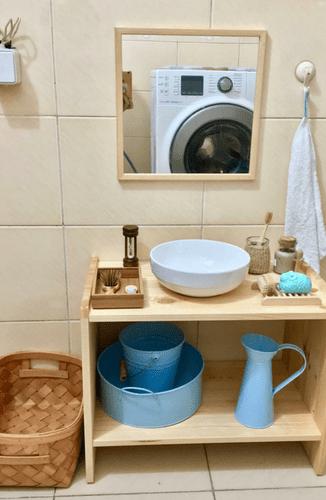
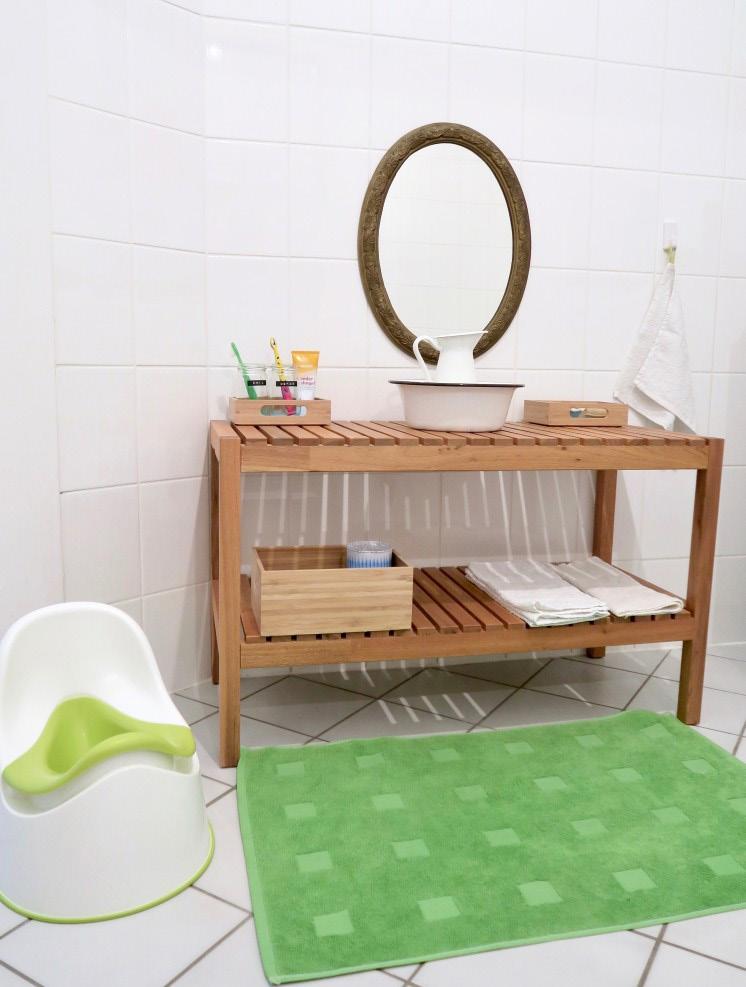
A thoughtfully arranged bathroom can support a child’s growing independence and confidence in daily self-care routines. With a few simple adjustments, this space can become both accessible and empowering.
A small, inexpensive bookshelf can be used to hold plastic bins for personal care items such as a toothbrush, toothpaste, comb, and brush. Extra towels and washcloths may be folded neatly or placed in attractive baskets on the shelf, making them easy for the child to reach and return independently.
A sturdy step stool is an essential addition. It allows the child to safely reach the sink, turn faucet handles, access the toilet, and wash their hands with ease.
Keeping a small basket of face cloths in the bathroom encourages children to wash their face and hands after meals. Positioning a mirror at the child’s height also allows them to see themselves clearly and participate more fully in their care routines.
A laundry basket placed within reach provides
Activities
Care of Self
Brushing Teeth
Brushing/Combing Hair
Washing Hands
Washing Face
Suggested Items:
Small Shelf
a designated place for soiled clothing, towels, and washcloths. This helps children learn responsibility for their belongings and contributes to maintaining an orderly space.
Installing a towel holder at the child’s height is another simple and inexpensive solution. It enables the child to dry their hands independently and provides a place to hang wet towels or personal items.
If the toilet paper holder is difficult to reach, a freestanding floor version can be placed closer to the toilet so the child can access it comfortably.
Finally, a handheld shower attachment can make bathing easier and more manageable. It allows the child to rinse themselves more effectively while reducing the chance of water spraying into their eyes.
Small, thoughtful adjustments like these create a bathroom environment that supports independence, confidence, and daily self-care.
Care of Environment
Throwing Away Trash
Cleaning Spills and Sink
Laundering Soiled Items
Toileting
Plastic Bins Baskets
Toothbrush Toothpaste Comb
Brush Towels
Wastebasket
Step Stool
Tissues Hand Soap
Washcloths
Towel Holder
Laundry Basket
A pantry can be arranged in ways that support a child’s independence and ability to make simple choices. Reserving a few lower shelves specifically for the child allows them to access appropriate snacks and materials on their own.
These shelves can hold pre-portioned snacks such as raisins, crackers, or dry cereal. Snacks may be purchased in small packages or prepared at home in containers sized appropriately for a child’s serving. Storing these items neatly in baskets or small containers helps keep the shelf organized and easy to navigate. When the child feels hungry, they will know exactly where to find a quick, appropriate snack.
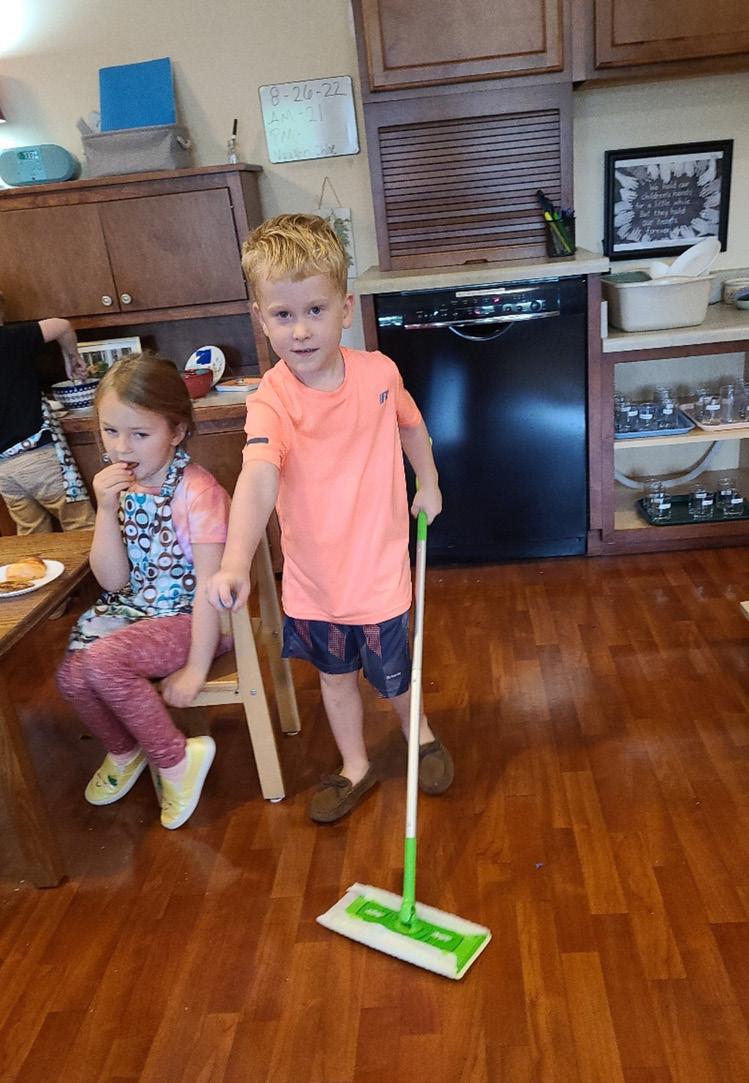
The pantry can also include simple items that help the child participate in caring for the environment. Keeping napkins, paper towels, a small dustpan, and a child-sized broom within reach encourages children to clean up after themselves and take responsibility for their surroundings.
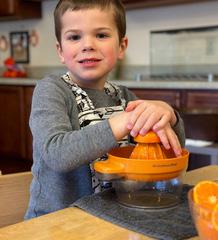
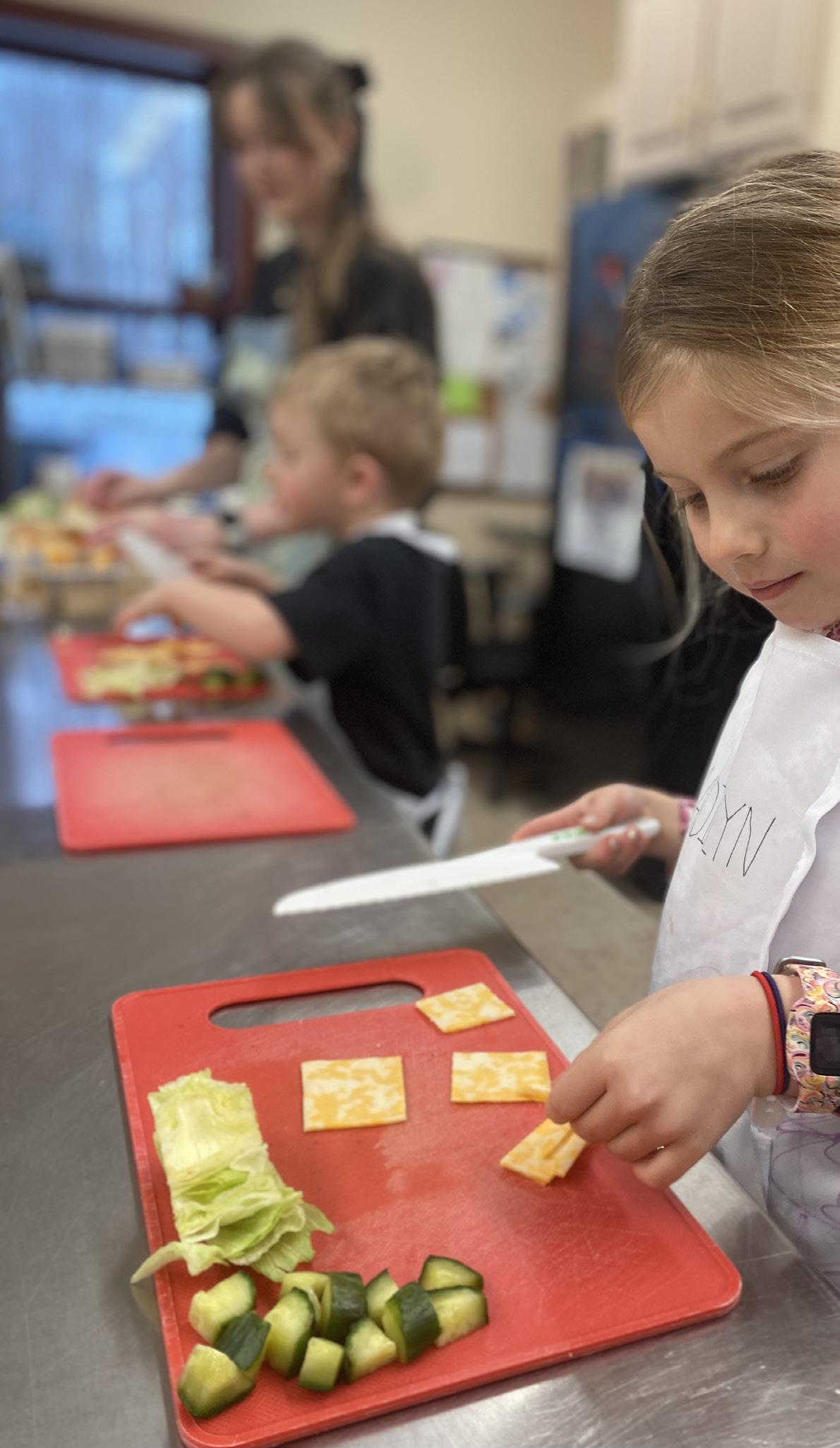
Children naturally enjoy helping in the kitchen and participating in food preparation. With a few carefully selected tools, they can safely and confidently take part in these everyday activities.
A child-sized apron is a simple but meaningful addition. Wearing an apron during kitchen work helps children feel included and signals that they are participating in an important task.
Other helpful tools include a small cutting board, a child-safe serrated knife, an apple slicer, mixing bowls, and small spatulas.
Packaged Snacks
Baskets
Paper Towels
Mixing Bowls
Spatulas
Stepstool

Serrated Knife
Cutting Board
Apple Slicer
Utensils
Small Glasses
Small Table & Chair
Small Pitcher
Placemat
Napkins
Dustpan & Broom
Apron
These items can be placed on a low kitchen shelf so the child can access them independently when it is time to help prepare food.
Fruits and vegetables may also be stored in an easily reachable bin in the refrigerator, allowing the child to select ingredients and participate in simple food preparation.
With guidance and a thoughtfully prepared space, children can begin learning kitchen skills early. These experiences build confidence, independence, and a sense of contribution within the home.
Helping Your Child in the Kitchen
Children can safely participate in food preparation with the right tools, guidance, and supervision. Teaching them how to handle a knife carefully is essential. Start with child-safe, small serrated knives and show them how to cut fruits and vegetables with controlled, deliberate movements. Children can also assist with baking when provided with tools that are small enough for their hands but sturdy enough to perform the task effectively.
Counter height is another important consideration. Most counters are designed for adults, so a sturdy step stool or a small table and chair gives children a safe, accessible place to work. A step stool can also help when working at the stove (with adult supervision) or using the sink independently.
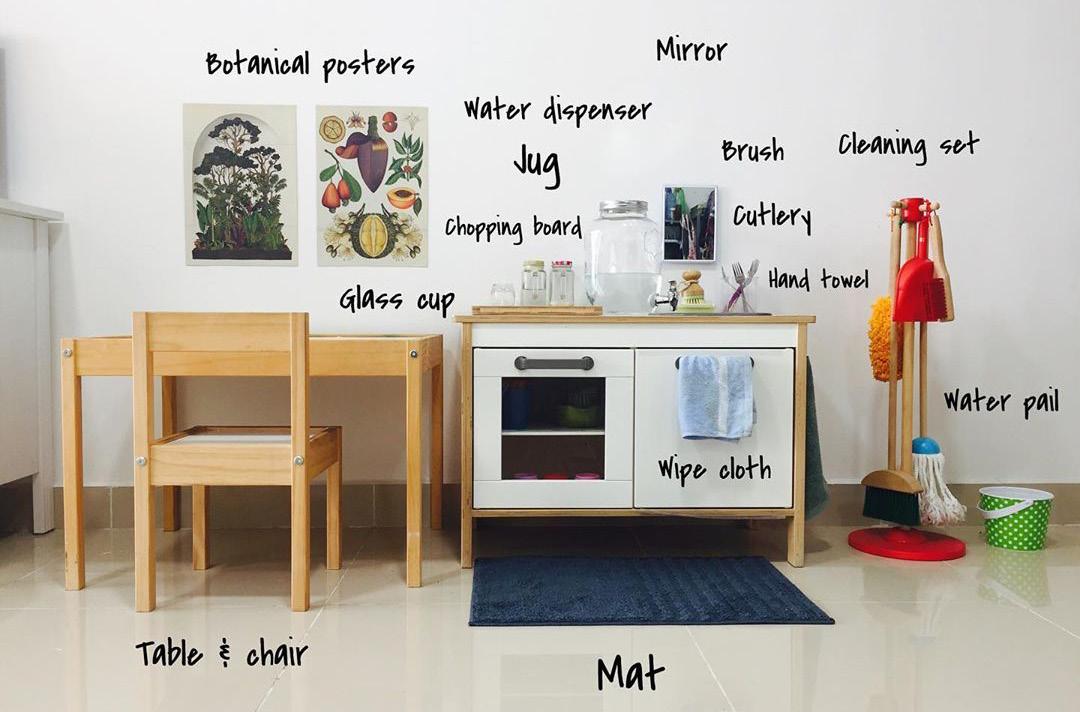
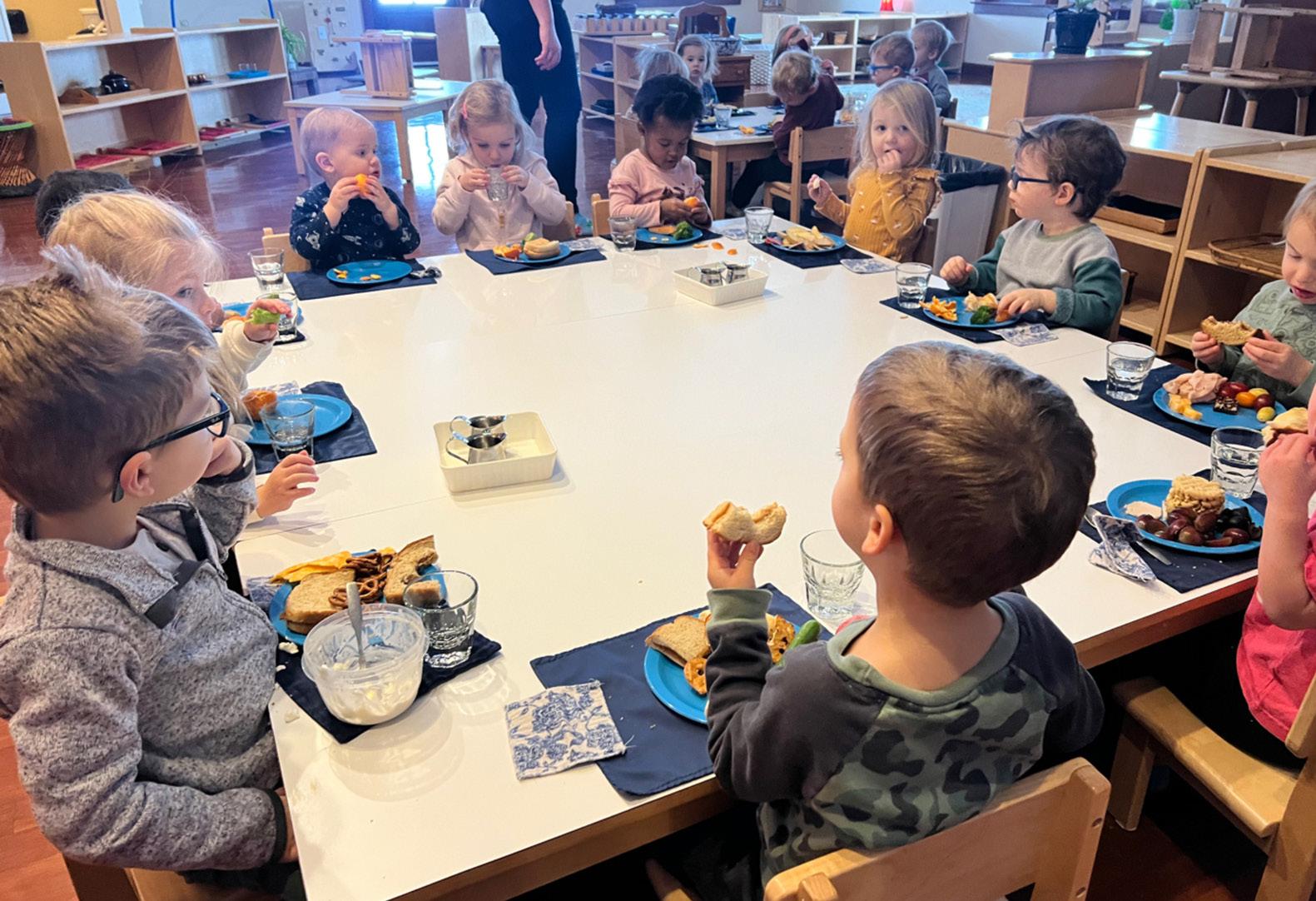
Children can take responsibility for their own mealtime routines. Keep a small pitcher of juice, milk, or water within reach, along with child-sized glasses stored on a low shelf. Provide a placemat and utensils—spoons, forks, and butter knives sized for their hands. When children are able to set their own table, they gain confidence and take pride in their independence.
With thoughtfully prepared tools, clear guidance, and patience, children can become capable, confident, and independent contributors in the kitchen.
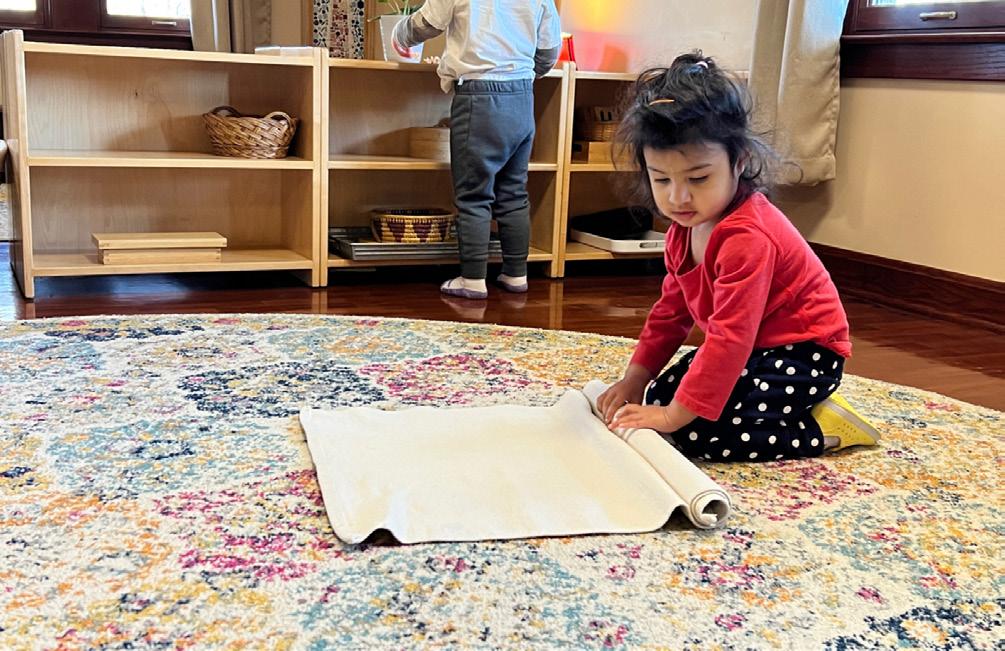
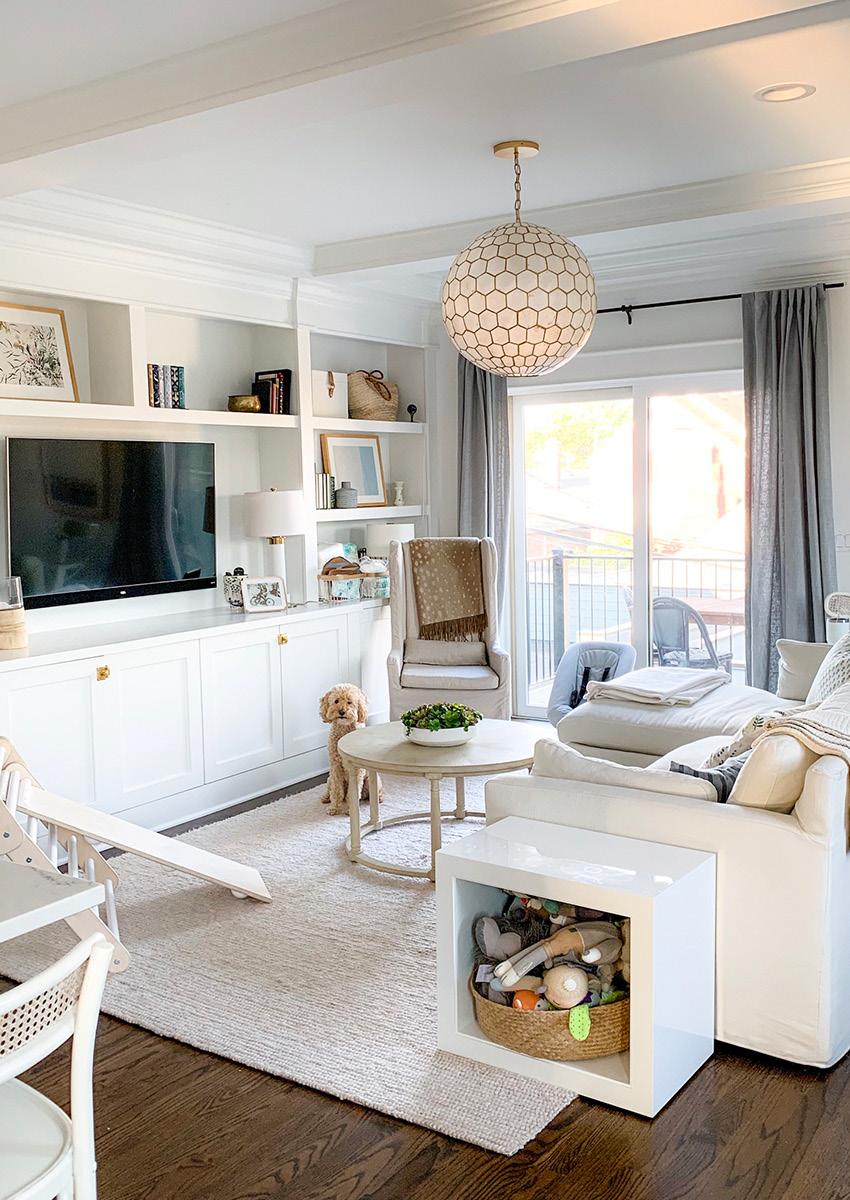
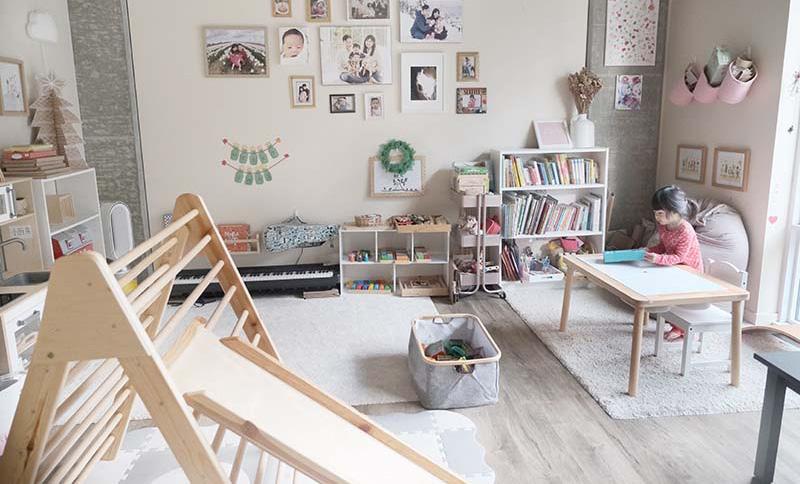
The living room is a shared space meant for the whole family, but creating a small, dedicated corner for a child allows them to engage independently while still being part of family life. A low shelf can hold baskets with books or work materials. These items can be rotated as the child’s interests change. A childsized chair or beanbag provides a comfortable place to read, rest, or engage in activities. Many children prefer to work on the floor, so providing a small basket of area rugs can help define their personal workspace.
Adding music to the living room supports energy release, tone and pitch development, and cognitive stimulation. The space can also offer opportunities for
Large Area for Gross Motor
Place Screens
learning practical life skills, such as plant care, dusting, window washing, sweeping, and vacuuming.
Participation in everyday family activities is essential for a child’s development. Through these experiences, children develop important skills, independence, selfcontrol, and a sense of purpose. Contributing to family life allows them to see themselves as capable and valuable, fostering self-respect and a love of purposeful work.
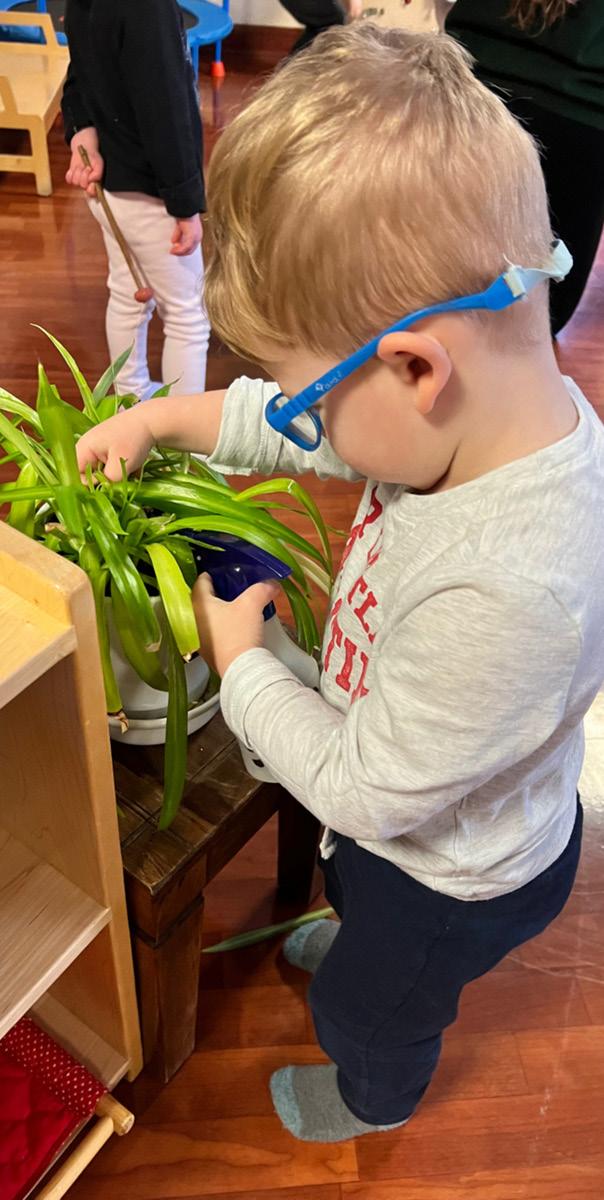
Place plants at the child’s level throughout the home, ensuring they are safe and non-toxic. Plant care can be organized on a small tray or basket containing a paintbrush for dusting, a sponge for cleaning leaves, and a mister for watering.
Demonstrate how to carefully hold leaves while brushing from stem to tip, wipe each leaf with a damp sponge, and lightly mist the plant three times. The child can also check soil moisture with a finger and water plants using a small watering can.
Set up window washing with a small tray or basket containing a mister, squeegee, and washcloth. Show the child how to spray the window once, wipe it with the squeegee, and clean any drips with the washcloth. This activity develops coordination, independence, and care for the environment.
These simple setups allow children to actively participate in family life, building skills, confidence, and a sense of responsibility.
Quiet Area to Play or Dance Stool to Get Up On the Couch Baskets
Quiet Place to Talk or Read Together Child-Sized Chair
Setting Up the Environment
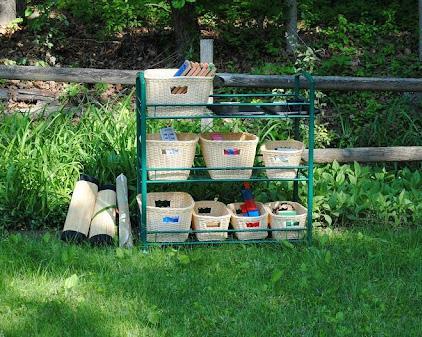
Continue the sense of order that has been created inside your home. A small inexpensive wire-shelving unit can be used with plastic bins to hold different items (chalk, jump ropes, bubbles, gardening tools, mud boots, etc.).
Activities
Care of Environment
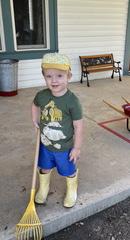
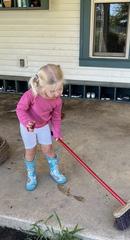
Sweeping Porch or Sidewalk
Filling the Bird Feeder
Raking Leaves
Shoveling Snow
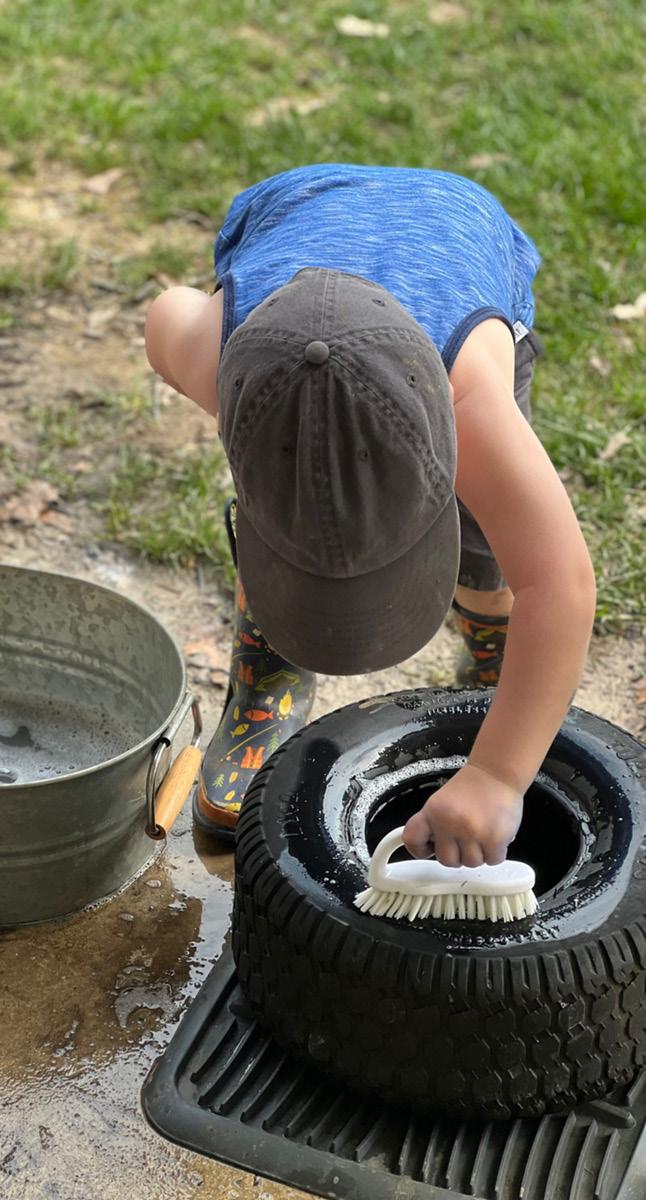
Washing the Car/Scrubbing Tires or Hubcaps
Gardening
Planting Seeds/Plants
Watering/Misting Plants
Weeding
Cutting Blooms for Flower Arranging
Cutting Back Plants for winter
Planting Bulbs in fall
Animal Care
Caring for animals can encourage responsibility in your child and also foster nurturing and a sense of compassion for other living things.
Feeding and watering
Cleaning Cages, Tanks, Other Environments
Suggested Items:
Small Shelf Plastic Bins
Gardening Gloves Rake
Push Broom Trowel
Dustpan and Brush Regular Broom
Hand Rake Snow Shovel
Scissors
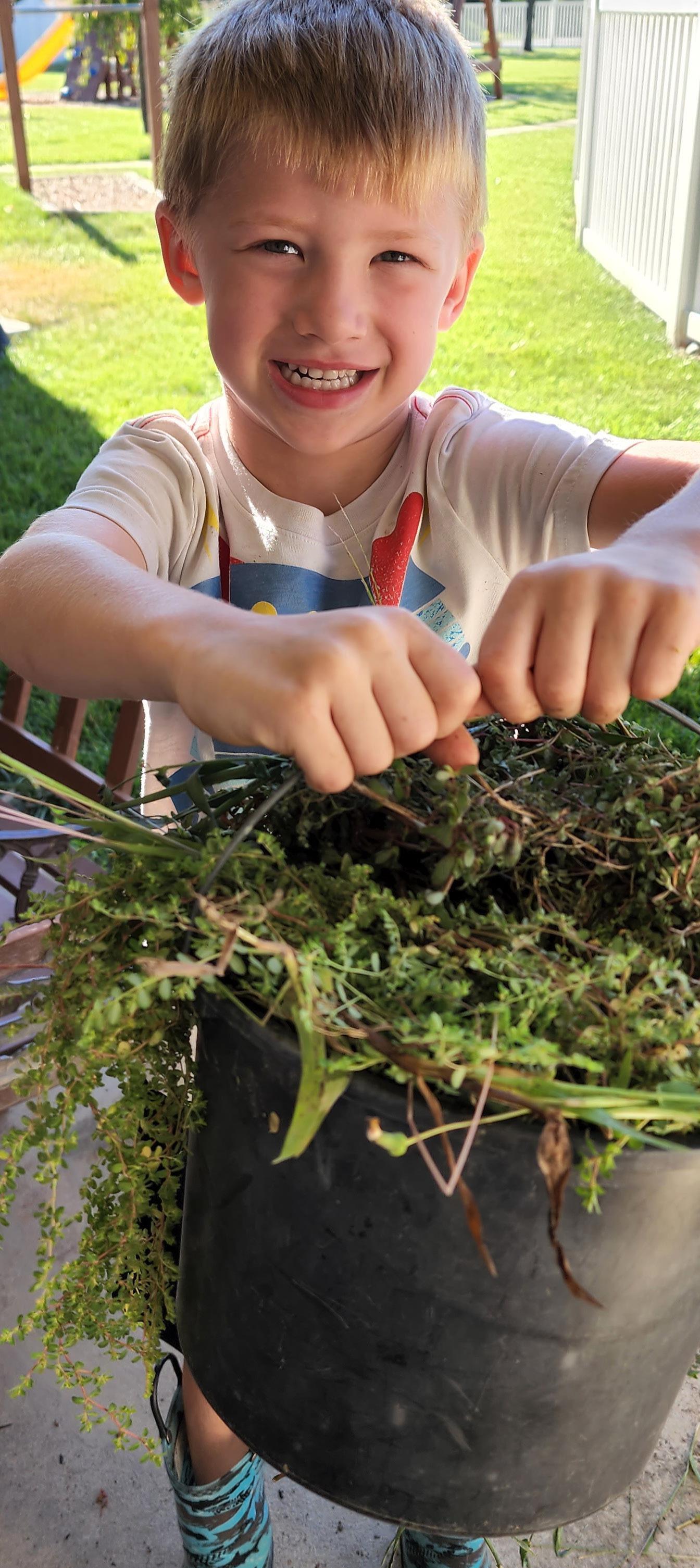
A Montessori floor bed allows an infant to enter and leave their bed independently, encouraging exploration and development in a safe environment. When planning the room, sit at the infant’s level to see the space from their perspective. Incorporate natural beauty from the outdoors to stimulate curiosity. As the infant begins making choices, provide options for clothing, toys, and food in low baskets, allowing them to select independently.
Introduce the bathroom as part of the diapering routine as early as possible. If space allows, use a diaper-
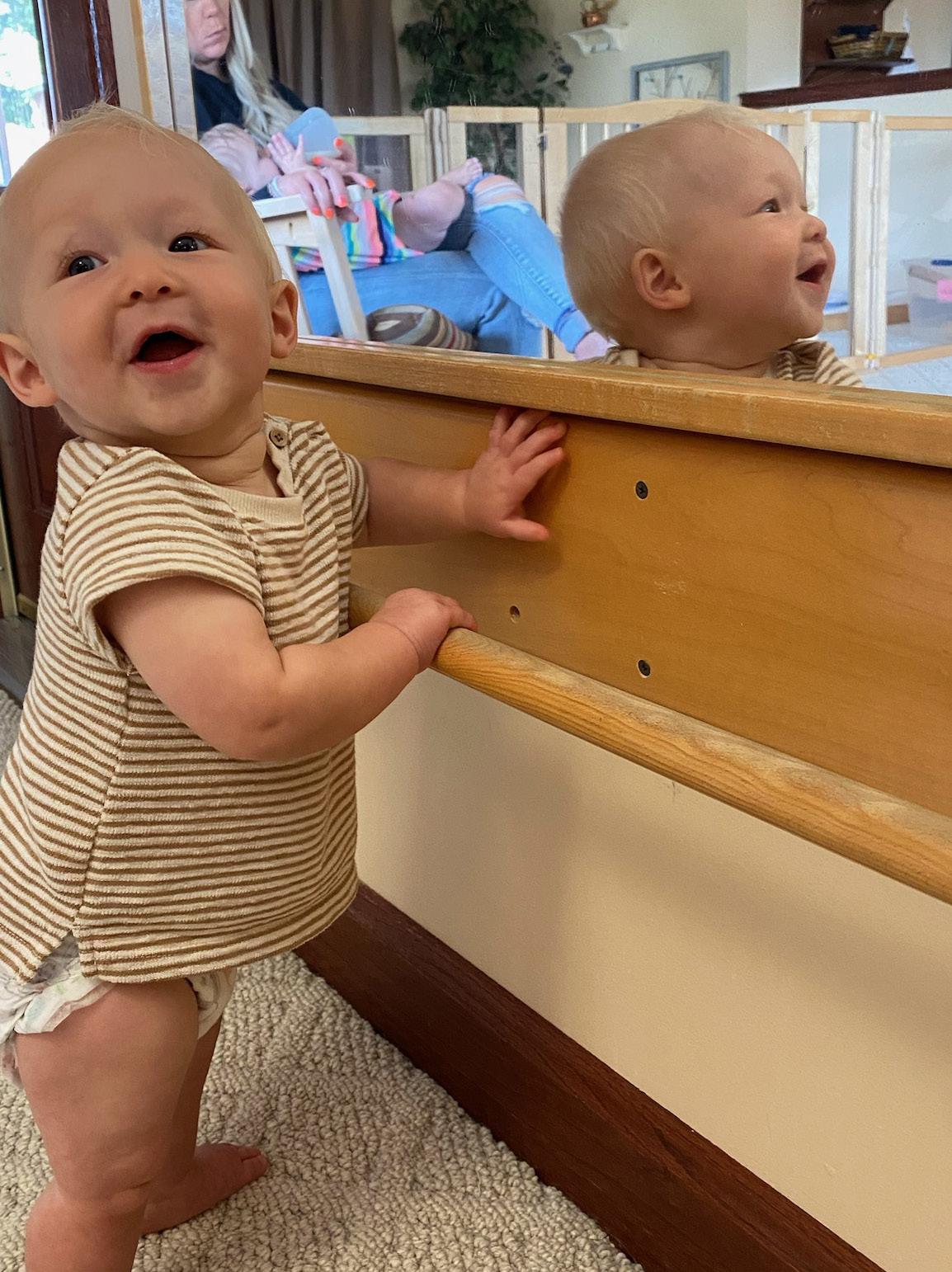
changing mat on the floor instead of a changing table. When the infant can stand securely, encourage standing during changes and allow them to undress independently. This supports the transition to toilet use. Always help your infant wash their hands after diaper changes or toilet use, modeling hygiene habits.
Healthy nutrition begins early, and infants benefit from being included in family routines. Once they begin eating solids around six months, tools like a food processor, food mill, or blender can help them enjoy the same foods as the family. A small table and chair in the kitchen or dining area gives the infant a place
to sit and eat. Childsized utensils, bowls, glasses, and placemats allow them to practice self-feeding and develop independence.
Turn off the television whenever the infant is present, as screen time can negatively affect brain development. A small shelf with only a few toys allows exploration without overwhelm. Avoid restricting movement with walkers, playpens, or swings; free movement helps infants develop crawling, pulling up, pushing, and walking skills. Encourage exploration using both furniture and push toys to support motor development.
Even before infants are mobile, the outdoors can offer rich learning experiences. Bring a soft blanket to lay on the grass, use natural elements like trees as engaging visual stimuli, and ensure safety with locked fences around
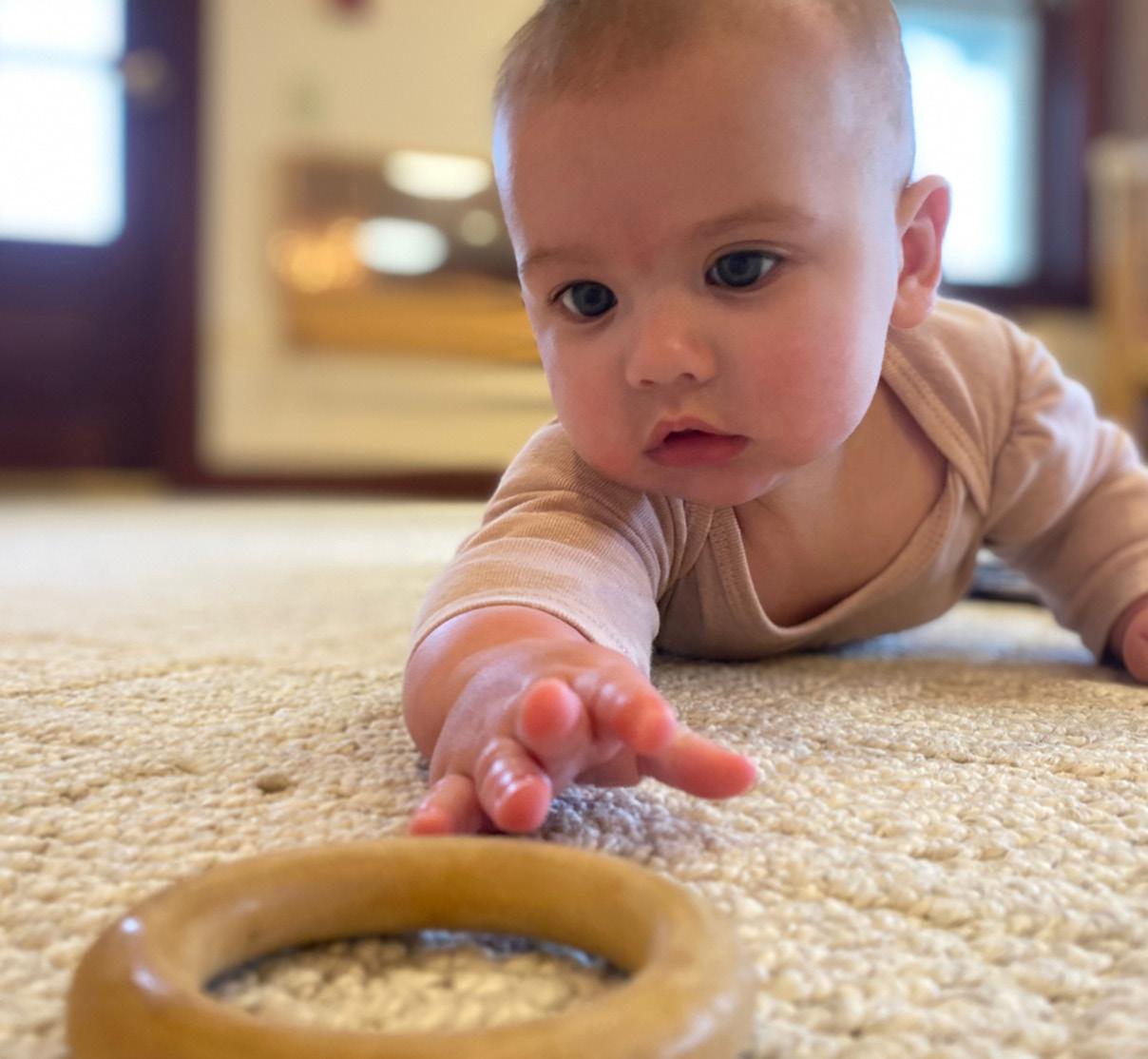
water or by avoiding poisonous plants. Outdoor activities can include water play in shallow dishpans, barefoot exploration of different textures such as grass, mulch, or pavement, and seasonal experiences like exploring snow in a bucket.
Practical life activities include everyday tasks such as transferring, pouring, squeezing, spooning, rolling, folding, stringing, twisting, pounding, sweeping, scrubbing, polishing, washing dishes, setting the table, and caring for plants and animals. Food
preparation, as well as lessons in courtesy and grace, are also part of practical life.
Through mastering these activities, children develop order, concentration, coordination, and independence, skills that carry over into other areas of learning. Practical life is essential in supporting a child’s self-sufficiency and confidence, forming a foundation for academic and social growth.
1. Physical Skills
• Spooning, hand transfer, squeezing, rolling, folding, twisting, stringing, pounding, and pouring with and without handles and spouts
2. Care of environment
• Sweeping, dusting, scrubbing, polishing, table setting, daily chores, care of plants and animals, outside environment
3. Care of self
• Hand washing, dressing frames, scrubbing, combing a wig, bathroom, dress-up
4. Grace and Courtesy
• TTheir is where we reinforce a positive attitude and help children learn respect. TTheir is vital in order to build a classroom community.
5. Nutrition and food
• Slice wooden fruit and vegetables, slice real fruit and vegetables, spreading
Activities
• Folding clothes and putting them away
• Setting the table-let the child help with the silverware, dishes, folding napkins
• Clearing the table- let the child help with the items that are lighter and not dangerous
• Drying dishes and silverware after washing
• Child size cleaning tools- broom, mop, duster, dustpan, brush, sponge
• Plants at Their level- to water and take care of
• Making their own bed
• Cleaning windows with a sponge and towel
• Shelves or cabinets organized for certain toys, books, puzzles, dolls or trucks
• Cloths on a shelf that the child can reach- let them choose their own clothes and put them away
• Clothes he or she can get on and off by themselves- large buttons, elastic waist bands
• Wash hand, face, brush teeth on their own- place a stool to give them a lift to reach the faucet
• Wash clothes, towels, toothbrush, hairbrush all within reach so they can take care of themselves
• A mirror low enough for the child to check for cleanliness in appearance
• Answering the phone- teaching them proper phone manners
• Simple food preparation- let the child assist with mixing, stirring, slicing
• Low shelf in the refrigerator for the child to get their own snack