







We’vemovedour deals online so youcan see our latest offers andwhat’sinstock right now. Scan to explore. Plus youcan still getall your rural essentials at shop.farmlands.co.nz or FarmlandsPRO
We’vemovedour deals online so youcan see our latest offers andwhat’sinstock right now. Scan to explore. Plus youcan still getall your rural essentials at shop.farmlands.co.nz or FarmlandsPRO
Economy
Rachael Kelly
High fuel prices and a spike in the cost of fertiliser are having an impact on farming operations, but Federated Farmers says there is no need to panic and start stockpiling diesel.
Federated Farmers president Wayne Langford said he had been hearing from farmers who were running out of fuel, but that was because of delivery issues and not because the country was running short of it
Last month, he had been in repeated meetings with the Ministry for Primary Industries and was being assured at that time there were no significant issues, he said
There had been issues in allowances of fuel going to fuel companies, which was causing delivery issues.
“If you’re a farmer who is having trouble, you’re not alone. I’ve had a number of calls from farmers this week saying, ‘hey, our supply hasn’t arrived, or our local petrol station has limited pick-up as well’,” Langford said.
His advice to those farmers had been “not to stress” and he didn’t want farmers to stockpile fuel because it put pressure on the delivery system.
Arable group chairperson David Birkett said the group was in talks with the Government to ensure farmers were prioritised if New Zealand moved into the more restrictive stages of the National Fuel Plan.
Since 95% of farm operations rely on diesel, Birkett said that without guaranteed access to fuel, farmers may be forced to scale back planting or harvesting, directly impacting national food security and prices. It was not just at the fuel pump that farmers were feeling the pain, with fertiliser costs also spiking.
The organisation’s Southland president, Jason Herrick, said the region’s arable farmers were in a catch-22 situation because while they had harvested their crops, they now had to prepare ground and sow new crops for next season.
“Transport companies and contractors are able to pass the increased costs on, but
farmers can’t so they just have to absorb them, so they’re wearing it in terms of fuel and fertiliser,” he said.
Westpac industry economist Paul Clark said higher diesel and fertiliser prices translated directly into higher on-farm and on-orchard costs, which could either be absorbed or passed down the value chain Processors and exporters faced similar pressures through higher freight costs.
He said global prices for crude oil had risen by more than 50% since the start of the conflict in the Middle East.
This impact had been compounded by
a significant rise in the difference between the price of crude oil and the market price of the refined products made from it, such as gasoline and diesel.
“Those higher fuel prices and other disruptions related to the conflict are also pushing transport and other costs higher,” Clark said.
“We estimate that about 15% of farm costs have some exposure through higher on-farm production costs and freight transportation costs. Notably, prices for urea [a key ingredient in fertiliser production] have risen by around 50%.”
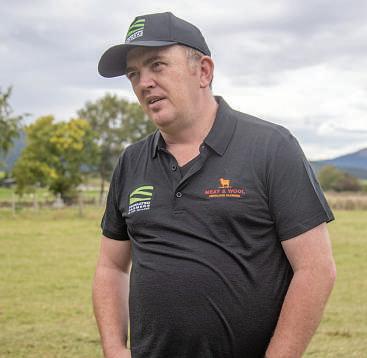
“
If you’re a farmer who is having trouble, you’re not alone. I’ve had a number of calls from farmers this week ...
Wayne Langford
Infometrics principal economist Brad Olsen said diesel had emerged as the critical pressure point in New Zealand’s current fuel shock, posing a far greater risk to economic activity than other refined products due to its dominant role across transport, agriculture and heavy industry.
“The primary sector is facing a potential double-hit, with fertiliser prices globally surging after the conflict began in the Middle East, given the region supplies various inputs into the fertiliser sector.
“Some parts of the primary sector enter this period of uncertainty with more of a buffer, with higher commodity prices across dairy and meats,” he said.
“But horticulture and arable farming operators don’t have as much of a buffer, and they are facing higher costs immediately.”










Chandar Editor
Fonterra farmers woke on April 14 to find their bank balances boosted by thousands of dollars – the proceeds from the sale of Fonterra brands, including the iconic Anchor and Mainland, to French dairy giant Lactalis.
Fonterra will now be a much smaller operation, with a 27% reduction in employee headcount. It will also be less diversified and more dependent on China. Fonterra will also lose its ability to demand premium prices for its commodities.
Under the deal, Fonterra will still supply milk and ingredients to go into those brands, and outgoing Fonterra boss Miles Hurrell said he thinks it is unlikely Anchor-branded butter will one day be made without New Zealand milk.
I think he is fooling himself. If Lactalis can buy cheaper milk elsewhere, it will –just as any company would.
The $3.2 billion carrot Fonterra dangled in front of farmer shareholders last November, when they voted overwhelmingly (88%) to approve the sale and return that carrot in capital to their bank accounts, is now signed, sealed and delivered.
It’s a bit like winning the lottery – a windfall, but it really isn’t
Farmers work hard day in, day out, pulling on their gumboots and going out
rain or shine to continue putting food on our tables. They have earned it.
Farmers received about $2 a share, equating to a total payout of $3.2b, which lifts total cash returns by roughly 20%, without any increase in farm production or output. It is estimated that some farmers will receive at least $200,000.
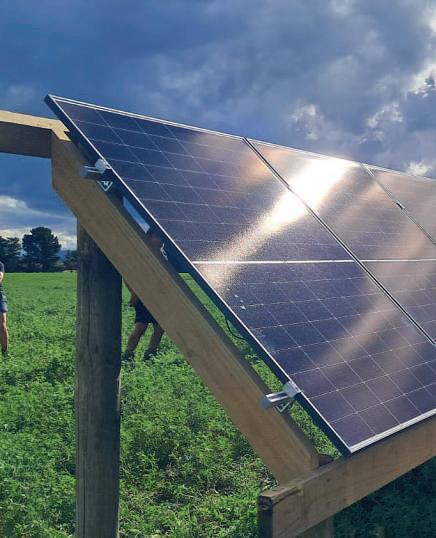
Now they have a decision to make: what to do with that money. In March last year, dairy debt in New Zealand was about $35b, so many may choose to lessen the burden of interest rates by paying down debt, investing in solar to reduce energy costs, upgrading farm equipment and machinery, or swapping out the farm ute or vehicle to electric.
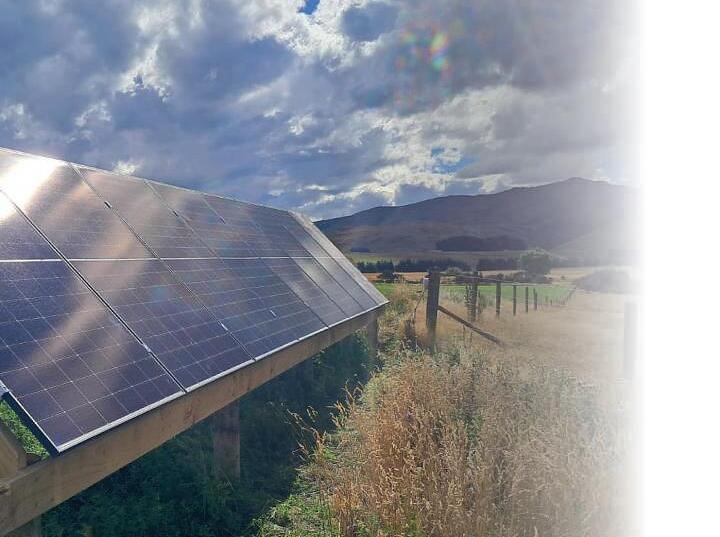
With energy costs increasing, bombs dropping on the other side of the world sending markets downward, and fuel prices skyrocketing, it’s certainly worth a thought Especially solar panels; shop around and do the sums and you might find they pay themselves off within a few years, eventually boosting the bank balance. Some of these will also attract tax benefits.
Others who are not heavily indebted, or have decided on a combination of paying down debt and boosting their lifestyles, have plenty of choices.
As I sit here watching the lightning and listening to the thunder rumbling above me, some sunshine would be most welcome. With the cold winter months yet to arrive, perhaps a tropical



island escape could be on the cards without spending too much. Or a cruise around the Pacific. Or perhaps a jet boat or an investment in a holiday property. Gold prices have risen in recent times, making for a solid investment. Unless you are a shrewd trader, the sharemarket could be a bit iffy until the US-Israel war with Iran is settled. But the problem is the sum is not huge by farming standards and won’t go far: once it’s gone, it’s gone. It is widely accepted and known that farming is cyclical, with ups and downs and payout prices varying from season to season. Whatever farmers do decide, those prudent enough to put some aside for the tough times – and there will be tough times ahead – will have a nest egg to help them out.




Iam not what you would call an early adopter. My natural disposition is to wait until all the talking is done and the dust has settled before embracing something new.
You could say I have a minor dose of technophobia. My inability to fully utilise the power inherent in my cellphone is an example. Is this because I am lazy or simply cynical?
I am, of course, not alone. Fear of technology has a long pedigree. Socrates, one of the great early philosophers, was worried that writing would have the long-term effect of weakening the ability of humans to remember, think and reason
The development of the printing press was seen as a threat to authority – the fear was that laypeople might learn to think and analyse things for themselves, rather than rely on the authority of the church
Early steam trains were a worry Would the human body withstand travelling at such high speeds?
This fear also exhibits itself in more recent examples. Telephones, radio, televisions and personal computers were all initially seen as potential threats to the fabric of society.
But I take considerable comfort from the realisation that, over time, these so-called threats dissipate; the technologies become absorbed into the fabric of society and, in the long run, are mostly seen as beneficial rather than detrimental.
I had these thoughts in mind as I’ve been wondering about artificial intelligence. Will it change our lives at
some fundamental level? Will it, as the name suggests, make us more intelligent? I decided to test it out.
I asked ChatGPT what it knew about one DC Edmeades. I must say I was surprised. It came up with a reasonably honest summary of my professional career, with one exception. It incorrectly recorded that I worked for the fertiliser company Ravensdown. This error has now been corrected. In fact, I have never been employed by any fertiliser company.
Digging deeper, I was interested to explore what ChatGPT knew about those more important components of my life, the more intangible characteristics that define my character and personality – my core values, my motivation, independence, biases and weaknesses. Once again, I was pleasantly surprised with what I found. Is that me?
ChatGPT noted my strong emphasis on science and science-based evidence, analysis and solutions; my practical, farmer-based approach, that I am a clear communicator, and my willingness to challenge and debate issues.
On the negative side, it noted my bias towards the traditionally science-based agricultural industry, meaning, I think, that I am dismissive of alternative approaches like organic and regenerative agriculture because they are ideologically driven and not based on sound science
There is much more from ChatGPT on this subject, and indeed all the information it holds on me can already be gleaned from a good library service

ChatGPT is very good at the acquiring part of knowledge, but lacks the ability to summarise, analyse and think through issues ... it lacks, I fear, the very thing it claims to have:
But, of course, this now-old approach takes time.
For now, it’s back to the drawing board and to the questions raised earlier. What impact will it have on us? Will it change our lives at some fundamental level? Will it, as the name suggests, make us more intelligent?
Google informs us that “intelligence” means the “ability to acquire and apply knowledge and skills”.
ChatGPT, it seems to me, is very good at the acquiring part of knowledge, but lacks the ability to summarise, analyse and think through issues and, from that process, generate new insights – it lacks, I fear, the very thing it claims to have: intelligence.
My view – and remember that I am a layman on this matter – is that artificial intelligence is like having a very accessible and large library service at your fingertips: a place to go to “find out things”, to check facts and figures, and learn about people and their lives.
But I think it needs to be emphasised that, like all libraries, it does not teach you how to think, to logically analyse and to reason from the collected knowledge. It is simply a repository of knowledge, albeit super-fast and efficient. The intelligence, and one hopes the wisdom, that should flow from any gathered set of information does not seem to exist in ChatGPT.
Sure, artificial intelligence will speed up your thinking, but I do not think it will deepen it.












from the
expected to sit tight on $3.2b
Bank predicts debt repayment and off-farm investments as priorities, reports Rob Stock.
As economic sugar pills go, the $3.2 billion of Fonterra capital payments that have landed in dairy farmers’ accounts will be slow-release.
Some 10,000 New Zealand farmers have received the proceeds from Fonterra’s sale of its Mainland consumer business, which includes the Mainland and Anchor brands, to multinational dairy giant Lactalis, with an average payout estimated at $392,000 to $400,000 per farm.
But they’re not likely to immediately go out and splurge on that windfall.
“The spending impact is not likely to be coming through in the months after the cheques,” said ASB chief economist Nick Tuffley. “It could be a year, it could be a year or two, to see that fully flow through ”
The impact of the Fonterra cheques would be roughly equivalent to 1% of GDP, but it wouldn’t deliver a sugar-rush boost conveniently timed to lift the economy before the November general election.
“What we’d anticipate is that the farmers will be sitting tight on that money, and then working through what is the right thing for them to be doing with it,” Tuffley said.
Frontline ASB staff have been speaking with farmers to gauge how they planned to use the money.
Tuffley said the bank expected roughly half of it would go towards debt repayment to strengthen farm balance sheets, with some also likely to be invested off-farm as an ageing farmer population looked ahead to retirement.
When windfalls arrive in people’s lives, the pattern is for about half of the money to be spent.
It’s that second half that will have a multiplier effect on the economy as farmers spend the money on lifestyle and holidays, or invest it in things like on-farm solar to improve their energy efficiency and resilience
A multiplier effect involves money being spent, and the recipients spending it, and so on, boosting economic activity.
Some of the money will be spent on fees for tax and accounting advice, and advisory firms including BDO and Baker Tilly Staples Rodway are busy guiding farmers on how to use the funds and the tax implications of each option.
There are also opportunities for some ageing farmers to use the funds to support succession planning – a major challenge that many farm owners have yet to address.
Paul O’Donnell, one BDO’s MarlboroughTasman accountants, said: “I recommend seeing this capital return as a prompt to revisit your succession plan.
“There’s no one-size-fits-all approach, but for many families, this injection of funds can make a transition more achievable, so it’s worth considering whether is the right time to st conversation.”

Tuffley said he was not overly concerned about the Fonterra money being absorbed by higher fertiliser and fuel costs that had flowed from the conflict involving the United States and Iran.
“We’re looking at a milk price payout for this season of about $9.75
“That is still pretty good, and able to help absorb some of those costs,” Tuffley said.
He did not expect fuel prices to drop any time soon, amid attempts by the United States and Iran to control tanker traffic

in the Strait of Hormuz.
“We’re assuming that we see oil prices remaining higher through to end of September, before gradually coming Tuffley said.
However, with damaged oil infrastructure in the Middle East, prices at the pumps would not fall back to pre-war levels, he said.
Little sign of a spending spree in Waikato
Okoroire farmer Lizzy Wilding said her $100,000 payout would go straight to debt repayment, and the most she’ll see of it is treating her staff to a dinner out.
“I’m pretty much owned by the bank still.
I bought the property in June and I’m pretty highly leveraged.”
Other Waikato farmers say they won’t be
rushing out to upgrade their ute or take a holiday, with most looking to clear debt or reinvest.
For Wilding, the payment is a drop in the bucket, but she’s glad to put it toward repayments and said it would be a nice windfall for retiring farmers like her parents.
Wilding has 50,000 shares of her own and acts as a 100% sharemilker for her parents after initially leasing their dairy farm and then buying the 106-hectare property last year.
Walton farmer Grant Wills has long been part of Fonterra and said the payment has been instrumental in helping create a succession plan. Wills has just turned 65 and is set to sell his farm to his 36-year-old son, the fourth generation, next month.
“The payment is brilliant. We’ve had more shares than we’ve needed to.
“We still have a reasonable amount of debt and this payment will remove about 20% of that.
“That will make it a much easier transition for our son who has been on the farm, but for my other two children as well because it’ll free up debt, so we’ll have more capital available to assist them financially.”
Their reduction in debt will put the farm in a better position and allow Wills to financially assist his son in the purchase as well as help his daughter and son-in-law buy another property.
They milk 580 cows and their payment is well above the average of $400,000. He had always supported the sale, despite others being on the fence
“It was a no-brainer really. Farmers like to own these brands and look in the supermarket and see their milk products, but the return we were getting versus the cost of producing the wasn’t as valuable as rest of our bulk milk products.”
Paterangi farmer
Andrew Macky thought the payment was the cherry on top after a stellar season of strong payouts and grass-growing weather
“We had a bit of a hard spring, but summer has been fairly good to us. To get a high payout and a good season, those two things don’t usually go together for us in the Waikato.
looking at reinvestment or debt repayment.
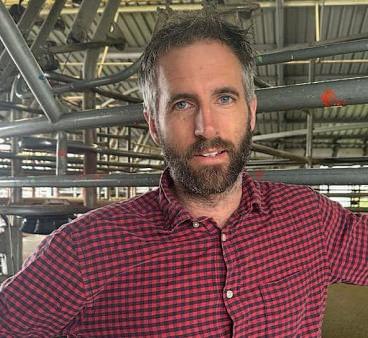
The payout would cover “a large chunk” of the cost of staff housing – he has three fulltime employees and one requires a house on-farm – and the rest would be borrowed.
“We will be using a local builder and subbies, so we certainly hope all the money flows through to the wider economy.”
After buying a portion of the family farm two years ago, Hall carried reasonable debt and his roughly $160,000 payment helped to ease pressure, especially with rising fuel and fertiliser prices.
Cautious optimism in Taranaki
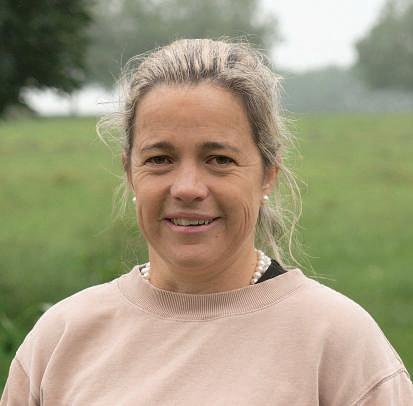
“We plan to extend our cowshed, which we were going to do anyway, but this just makes it easier and we don’t have to borrow as much.”
Macky is a fourth-generation farmer and has recently taken over his parents’ 100-hectare farm.
He is now milking 300 cows and has about 95,000 shares, which gives him a payment of about $190,000.
He said the money would all go to the shed extension.
He reckoned the higher payouts this season and the capital payment were needed, with rising farm costs over the last couple of years having worsened with the Iran war.
Following the trend, Alastair Hall is investing in staff accommodation on his
On the ground in Taranaki, the payout was being met with cautious optimism, rather than a rush to spend.
Jones, manager of machinery business
Norwood, said there was some good positivity in the market, but farmers were unlikely to rush into major purchases.
“I still think that with any surplus that the farmers get, their first intentions will be managing debt, not overcapitalising,” said.
don’t think it’s going to be this big Christmas Day shopping scenario.”
Jones said while tractor sales remained steady year-round, the current focus was on smaller equipment like feed wagons and bale feeders as farmers moved into the quieter part of the season.
He said the sector was still recovering from a poor 2024 and the payout would help build momentum in the rural sector even if spending remained measured.
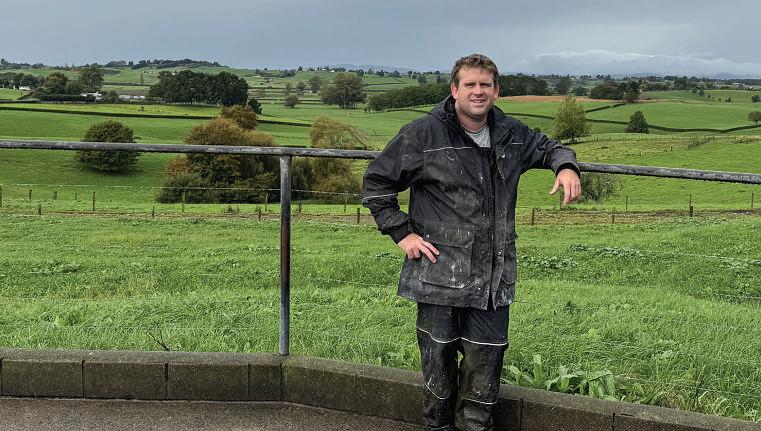
At Honda Hub in Hāwera, managing director Shane Rooney said before the payout it was too early to tell how it would translate into spending.
“Some people think they might buy a new side-by-side or quad, others might splash out on something, but we really won’t know until the money’s in the bank.”
Rooney said the recent Central Districts
and he thought farmers were holding off spending amid uncertainty and rising costs driven by the war in the Middle East affecting the supply chain.
“People just weren’t there, but servicing seems to be coming right again now.”
Those at the farm gate said the priority was clear.
Dairy farmer Deborah Clough, who farms at Maata south of Eltham, said her payout would go straight towards reducing debt, which she believed was a common approach.
“With all the expenses that have been creeping up, it’s lovely to get this but it’s just
“Anything that’s going to help that we’ll try and get the debt down as much as we can, but again, [we’ll] be wary that we will be paying tax on that debt that we put down, it’s a double-edged sword really.”
She said figures cited about average payouts did not reflect the reality for many farmers, with returns varying widely, depending on shareholdings.
“I was a bit annoyed when I saw that $390,000 average because that’s not correct for a lot of us.”
She said rising costs were already eroding any gains, with fuel surcharges being added retrospectively to recent work.
As the economic fallout from Epic Fury spreads around the world, my mind turns back to Should I Stay or Should I Go, a song by the English punk rock band The Clash, from their fifth studio album, appropriately named Combat Rock, written in 1981
The chorus goes:
Should I stay, or should I go now?
Should I stay, or should I go now?
If I go, there will be trouble
And if I stay, it will be double
So come on and let me know.
Verse two then starts, “This indecision’s bugging me ”
How well the lyrics sum up where Trump is, and where we are right now in May 2026
Trying to make sensible investment, KiwiSaver or any business decision is currently difficult and rash decisions can be reckless. Our economy is struggling: as of April 14, ANZ was forecasting:
■ “We have changed our OCR call and now see three consecutive 25bp hikes in July, September and October taking the OCR to 3%.
■ The Reserve Bank faces a very challenging situation, with the outlook for oil prices and fuel supply highly uncertain and the impact on medium-term inflation ambiguous.
■ CPI inflation will spike, but this is also a negative shock to confidence and real incomes
■ Policy is therefore about balancing the risks of acting too soon or too late, too much or too little, in an environment where the range of possible outcomes is significantly wider than the range of forecasts.
■ We now expect the OCR to peak at 3%, rather than 3.5% previously, as persistent demand-side impacts from the negative income and confidence shock mean precautionary hikes are likely to be potent, reducing how far policy ultimately needs to tighten to contain medium-term inflation risks.”
By the way, Donald Trump could do or announce something tomorrow or this week, and it could change again Yes, so






With the war’s duration unknown and Hormuz still a chokepoint for fuel and fertiliser, higher inflation is inevitable as businesses seek to pass on higher food commodity prices, tariffs, freight, packaging and plastics costs. By
business adviser Gordon Stuart






long as you weren’t in the path of any of the recent wild weather, life is probably looking somewhat safer, better and simpler on the farm right now, despite higher input costs squeezing margins.
With the duration of the war unknown and Hormuz still a chokepoint for oil, diesel and fertiliser, higher inflation is inevitable as









businesses seek to pass through higher food commodity prices, tariffs, freight, packaging and plastics costs etc. Every customer I speak to is receiving multiple notices of price increases from suppliers each day. Prices at the supermarket are already up. Military risks remain high in Ukraine, Lebanon and the Gulf. If Iran tries to attack
Gulf state infrastructure such as desalination plants, then all hell could break loose. At the same time, China is yet to play a card – what happens if Taiwan is in play?
Populism is high across the world, with swings to the extreme left and right.
In this environment, investors are going to want a premium for longer-term debt, given the inflation outlook and uncertainty in most every country. Expect the riskfree rate to be higher – higher long-term government bond yields than we have experienced over the last 20 years – this raises the cost of capital for all.
Export logistics and costs are also likely to remain difficult for some time – and while greater market diversification is needed over time in some cases, simply diverting product sitting in containers to a different market in the short term, at a lower or discounted price, may be the only short-term sale solution.
With port delays and maritime shipping re-routing, NZ Inc currently faces a sudden, significant disruption to the supply chain and an oil crisis. Yes, stagflation, last seen during the 1970s, may return –slow economic growth (stagnation), high unemployment and high inflation.
In the corporate world, as in government, politics often beats economics, with positioning and lobbying (and worse still, ideology) beating the logical, profitable and sensible economic strategies.
So what does all this mean? I have no crystal ball either, other than history shows markets recover over the medium and longer term. However, the current negativity is dragging us all down.
Conclusion
Right now in rural New Zealand, a “steady hand on the tiller” will go a long way. Get on with what you do well. Leave economists and politicians to bluster on about the above; don’t listen to them too much, turn the news off, enjoy sport and your family/ community, and manage what you can control.
Finally, humour and comedy are great for the mind, the body and the soul. Yes, laughter is the best medicine.
Since the announcement of the sale of Fonterra’s consumer brands businesses, speculation has been widespread about what shareholders might do with their returns. By Craig Macalister
Fonterra Co-operative Group Ltd’s confirmed capital return of $2 a share, which is now courtapproved and was paid on April 14 in accordance with the terms of the scheme, is being positioned as a straightforward win for shareholders
On paper, it is simple: a pro rata share buyback, backed by a binding ruling from Inland Revenue that the payment will be treated as a return of capital rather than a dividend, meaning the proceeds will not be taxable in shareholders’ hands.
Yet beneath this apparent simplicity lies a much more complicated reality about how the money will actually be used and whether shareholders are fully prepared for the consequences of their decisions. Since the announcement of the sale of Fonterra’s consumer brands businesses, speculation has been widespread about what shareholders might do with their returns.
Ideas range from the prudently conservative, such as retiring debt, addressing deferred farm maintenance, upgrading plant and equipment, or expanding farm and herd size, to more discretionary uses like investing in financial products or even a celebratory “knees-up” at the local bar and grill.
In truth, it is likely to be a combination of all of the above. But that range of possibilities masks an important structural issue that is too often overlooked What is concerning is that discussions around the capital return overlook the
implications of how shareholders hold their interests, particularly when funds are diverted away from reinvestment in the farm business. This is not a minor technicality; it goes to the heart of how value can be accessed and used depending on ownership structure.
The caution is especially relevant for shareholders who hold their Fonterra stake through a company. In that context, extracting funds without triggering tax consequences is far from straightforward. If shareholders want to access capital gains in a tax-free manner, the company would generally need to be wound up.
While New Zealand does not impose a capital gains tax, this does not mean gains can be distributed freely from a company structure. Instead, any distribution, unless the company is liquidated, is typically treated as a taxable dividend.
Even the seemingly flexible option of drawings is not without complications. If drawings exceed the current account balance, interest at fringe benefit tax rates (currently 5.77%) must be paid to avoid a deemed dividend.
significantly alter its real value.
Consult with your accountant before making decisions.
Capital returns do not flow through companies tax-free; rather, they are structural stress tests of how ownership, taxation and personal intentions intersect.
Shareholders of dairy-farming companies who treat the payment as simply cash in hand risk overlooking the x costs and complexity embedded in this decision.
Craig Macalister is a Findex partner –tax advisory
While manageable in the short term, this effectively results in paying taxable interest to oneself, which is hardly an efficient or sustainable long-term strategy for most farming operations.
The implication is clear: for those holding Fonterra shares through a dairyfarming company, using the capital return for personal expenditures such as holidays or a new vehicle cannot be done without potentially triggering tax consequences.
What appears at first glance to be “tax-free money” may, depending on structure and use, carry obligations that
Disclaimer: Findex NZ Limited trading as Findex. The views and opinions expressed in this article are those of the author and do not necessarily reflect the thoughts or positions of Findex. This article contains general information and does not constitute legal or taxation advice. If you need legal or taxation advice, we recommend you speak to a qualified adviser. The title partner conveys that the person is a senior member within their respective division and is among the group of persons who hold an equity interest (shareholder) in its parent entity, Findex Group Ltd. The only professional service offering which is conducted by a partnership is external audit, conducted via the Crowe Australasia external audit division and Unison SMSF Audit. All other professional services offered by Findex Group Limited are conducted by a privately owned organisation and/or its subsidiaries.
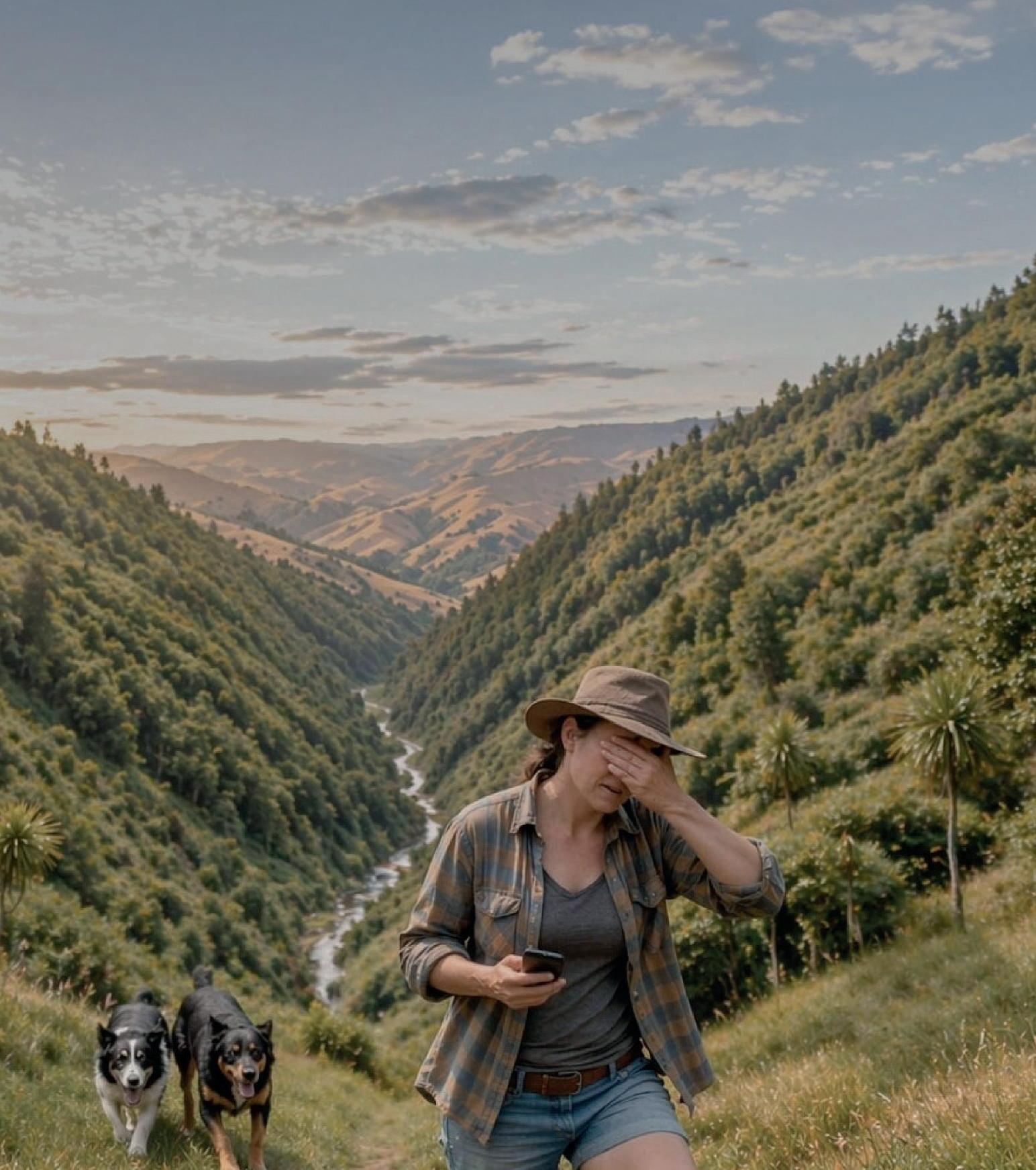





Leading up to the ratification of the agreement, industry leaders, exporters and businesses threw their support behind it.
By Sonita Chandar
Industry leaders, exporters and businesses have backed a swift conclusion of the New Zealand-India Free Trade Agreement (FTA), which was signed on April 27 in New Delhi. Typically, such deals come into force in six to eight months.
Talks between New Zealand and India concluded in December last year – which, once completed, will mean tariff abolition or reductions on about 95% of New Zealand exports to India.
The deal immediately provided dutyfree access for 57% of New Zealand exports, including wool, lamb and forestry, increasing to 82% over time, while enhancing market access for services and skilled workers.
The FTA removed all duties on imports from India, which will allow Indian businesses to import ingredients duty-free from New Zealand for the manufacture of products for export. This is the first time India has made such a commitment in any free-trade agreement.
India is a strategic priority for New Zealand because of its growing global influence, economic scale and regional importance. Deepening trade and investment links offer significant potential to diversify New Zealand’s export markets and boost growth.
India is the fastest-growing economy in the G20, projected to become the thirdlargest economy in the coming years. By 2030, India’s GDP is expected to reach about NZ$12 trillion, making it one of the world’s largest economies
India’s middle class, currently estimated at 435 million, is projected to soon reach 715 million. Those consumers alone will be a larger market for New Zealand than the European Union or ASEAN
Many businesses will benefit from the reduction or elimination of what are often prohibitive tariffs, and the FTA opens up significant new opportunities, as well as providing a more level playing field that competitors from India’s FTA partners already enjoy.
At the time of announcing the agreement, Trade and Investment Minister Todd McClay said: “This oncein-a-generation agreement creates opportunities New Zealand exporters have never had in India it will deliver thousands of jobs and billions in additional exports.
“The India-NZ Free Trade Agreement unleashes huge potential for our worldclass exporters to the world’s largest country and will significantly accelerate progress towards New Zealand’s ambitious goal of doubling the value of exports over 10 years.”
The big winners in the deal were forestry, horticulture, seafood, sheep meat, mānuka honey and wine. However, the agreement does not cover key dairy products, such as butter and cheese, because India is protective of its dairy industry – but New Zealand has a commitment from India that should it offer dairy access to comparable countries in the future, India will consult with New Zealand on the prospect of extending similar treatment to us. This is alongside a commitment to review the FTA one year after entering into force. Horticulture will get new quota access

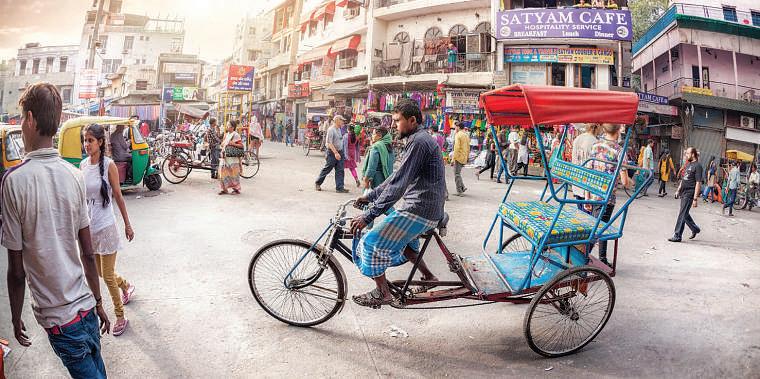
on apples (50% tariff) and kiwifruit (33% tariff). These volumes are greater than current exports to India New Zealand is the first country to secure access for apples into India in any FTA and has secured the best access of any significant kiwifruit exporter, with duty-free quota access and a 50% tariff reduction outside the quota.
Phased tariff elimination is provided for on a range of other horticultural products, including cherries and avocados.
Tariffs on mānuka honey will drop by three-quarters from 66% to 16.5% over five years for honey certified by the Ministry for Primary Industries and priced at or above US$30 per kilogram, and to the same tariff rate for a volume of 200 tonnes for mānuka honey priced between US$20 to US$30/kg.
This is the first time India has granted preferential access for honey and provides a significant opportunity for growth, with recent average exports just seven tonnes a year.
Steep tariffs of 150% on New Zealand wine will be reduced by between 66% and 83% over 10 years from entry into force to a 25% or 50% final duty, levelling the playing field with existing FTA partners, with a commitment that any better outcome offered in the future will be automatically extended to New Zealand.
India has also secured improved access for its services exporters – particularly in key sectors such as fintech, tertiary and private education, professional and environmental services – who will benefit from a level playing field with competitors, advantages that build on existing WTO commitments.
New Zealand’s position in the Indian
services market is futureproofed, ensuring Kiwi companies will automatically benefit from any future improvements to services access extended to other Indian FTA partners
they risked jobs and constrained future governments. Peters stressed NZ First’s commitment to strong India-NZ relations, but said this agreement failed to deliver a good deal.
Labour leader Chris Hipkins said the Government was yet to answer questions and he accused it of “playing politics” with trade policy. He said it did not have majority support in Parliament for the agreement.
“Signing a free-trade agreement without majority backing would be recklessly irresponsible,” he said.
Hipkins said Labour wanted to ensure the deal did not leave New Zealand worse off.
However, some industry leaders, exporters and business associations fully backed the deal, signing an open letter calling on all political parties to back the FTA.
The FTA includes provisions for 1667 temporary employment entry visas a year (capped at 5000 at any time) for Indian professionals in sectors such as IT engineering, and traditional medicine.
The agreement features a “New Zealand Investment Desk” in India to promote two-way investment, with a goal of facilitating NZ$33.8 billion in private sector investment.
When announced last year, ACT trade spokesperson Parmjeet Parmar welcomed the agreement, saying it was a “massive moment” for the country. But NZ First’s Winston Peters said the deal was “neither free nor fair”, arguing it gave too much away on immigration and won too little for exporters.
Peters claimed National had rushed a low-quality deal without majority support and opened New Zealand’s market, while India kept high dairy tariffs, excluding key products worth billions.
He also criticised new migration and student work concessions, saying
The letter described it as a “strategic necessity” for New Zealand’s economic security.
Organised by BusinessNZ, the open letter was signed by 28 exporters and industry associations, such as Federated Farmers, Zespri, Seafood New Zealand and Beef + Lamb New Zealand.
The letter said trade was critical to New Zealand’s prosperity, and the FTA was the next significant step forward: “In an increasingly uncertain global environment marked by rising protectionism, geopolitical tension, and supply chain disruption, New Zealand cannot afford to stand still. Securing better access to India will help build resilience, spread risk and strengthen our economic position,” the letter said.
“An FTA with India is not a luxury; it is a strategic necessity for our economic security.”
Speaking on RNZ, BusinessNZ chief executive Katherine Rich said bipartisan support underpinned the strength of New Zealand’s trade.
“New Zealand relies on global markets to drive growth, support jobs and lift incomes. That only works when there is consistency and confidence in our trade settings. That’s why we’re making
this call to all political parties today.”
The open letter refers to the benefits of the FTA to several sectors, including horticulture, sheep meat, seafood, wine, honey, wood products, seeds and natural fibres, machinery, digital technology and services.
New Zealand red-meat exporters say they signed the open letter. “This FTA brings New Zealand’s red-meat sector one step closer to unlocking new opportunities from a market with considerable longterm potential, and we are calling on the Government to sign the FTA now to keep building momentum,” said independent chairperson of the Meat Industry Association (MIA), Nathan Guy
“Globally, our exporters are facing rising protectionism, uncertainty and volatility Access to different markets is key to help us weather market dynamics as it provides the sector with options and creates resilience supporting farm-gate returns and the national economy That is why MIA and Beef + Lamb New Zealand have both signed the BusinessNZ-led letter.”
Beef + Lamb New Zealand chairperson Kate Acland said in these uncertain times, New Zealand needed to do everything it could to seize market access opportunities, particularly in markets with great future prospects such as India.
“It has taken nearly 20 years to conclude this negotiation, and we would like to see it passed by the respective parliaments As with some of our other FTAs, it will be possible to negotiate improvements in the future.
“In addition to unlocking a promising market that has been constrained due to

the 30% tariff currently on New Zealand sheepmeat, an FTA will also deliver important additional options for our exporters, spread risk and provide greater stability.”
Wools of New Zealand also joined the call to ratify the FTA. “A deal will open up significant opportunities for the country’s wool sector,” chief executive John McWhirter said. “India is home to some of the world’s leading premium handmade carpet and rug manufacturers so this FTA will provide a major boost to farmers and New Zealand’s wool industry.
“Wools of New Zealand is already working closely with these producers to sell finished wool products into the New Zealand market. We are also partnering with Indian manufacturers supplying finished wool products to major European retailers.”


McWhirter said the FTA would strengthen these relationships and pave the way for India to play a greater role as a key manufacturing and value-adding partner for New Zealand wool. “It will help lift grower returns, boost international demand for natural fibres and help position wool as a credible, sustainable alternative to synthetic products.”
The India-New Zealand FTA could deliver direct value to provincial horticultural communities, signatory New Zealand Apples and Pears Inc (NZAPI) chief executive Danielle Adsett said.
Access to high-value international markets was crucial to sustaining the economic footprint of New Zealand’s pipfruit industry and the employment of more than 13,000 Kiwis, she added.
“Our sector exists almost entirely in regional New Zealand. International trade is what sustains jobs, supports local businesses and helps keep those communities viable. When exports perform well, the benefits flow well beyond the orchard gate But for exports to perform well, our members need to have access to a variety of markets.”
New Zealand being the first nation to secure the inclusion of apples within an FTA with India was something Adsett described as “no small feat”
“India has its own, vibrant apple industry that they are rightly protective of. The inclusion of apples within this FTA is a huge win for our sector Our industry was deeply engaged with the negotiation team during discussions, and we are confident in the result for our sector.”
Adsett said the wide-ranging benefits
reflected the long-standing, crossparty approach taken by successive governments to building trade relationships with India.
“Trade is a strategic priority for New Zealand, and NZAPI acknowledges successive governments in contributing to this. Agreements such as this do not happen overnight and it takes governments of all stripes to recognise the downstream benefits and put in the time and effort to get these across the line. We will not get a second chance.”
The letter also warned against delays in ratifying the FTA and called for a bipartisan vote.
BusinessNZ executive director Joshua Tan told Midday Report the letter was aimed at all political parties, not just Labour or NZ First
“We want to have trade seen as a bipartisan, non-political issue here. We think that all political parties need to sign this deal and agree to it,” he said.
“India is on track to become the world’s third-largest economy by 2030. Securing fair access to a market the size of India’s backs our farmers, growers, manufacturers, innovators and service providers, as well as the communities that depend on them.”
Tan said the sooner the deal was in place, the better. “If we are too slow, sectors can be left at a disadvantage to other deals that India are completing. Namely, the EU deal, which offers better access to the wine exporters, for example.
“So if we do get this deal in force before that, then we also stand to benefit from the access that the EU has negotiated That’s why speed is the key here.”





The pandemic’s impact gave Chris Savage a hard time, but he is looking forward to the sector’s improved outlook, writes Charlotte Graham.
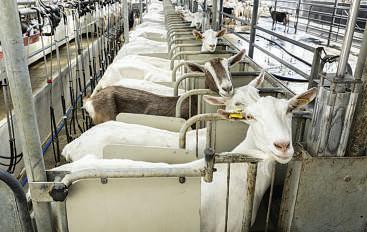
It has been a tough few years for long-time goat farmer Chris Savage, but for the first time since the downturn he is looking forward to a rise in payout next season.
In the space of three years, the Dairy Goat Co-operative (DGC) lost half of its sales when its supply to China dropped during Covid-19
The result was a devastating loss of income for farmers like Savage and his wife Keren, putting them in the position of selling or finding a way to maximise efficiency with fewer staff But things could be improving with a more optimistic outlook for next season.
Goats are what Savage has known for most of his life, since his parents decided to take a punt and get into the new industry during the early 1980s. Savage was just 10 at the time and spent his childhood out on the farm or sleeping in the back of the truck while his parents went to co-operative meetings
Savage’s parents were among the first to join the co-operative and things weren’t always easy back then. “It was easy access to a promising career of goat farming and then it pretty much went in the doldrums for the early 1980s with boom and bust. “We used to have feral goats out of the bush at Franklin Saleyards and for $100 you could buy any sort of colour and then anything white was like $1000.”
His parents started with a herd of 240 goats that lived outdoors before eventually moving the goats indoors to maximise feed utilisation and production with better conditions.
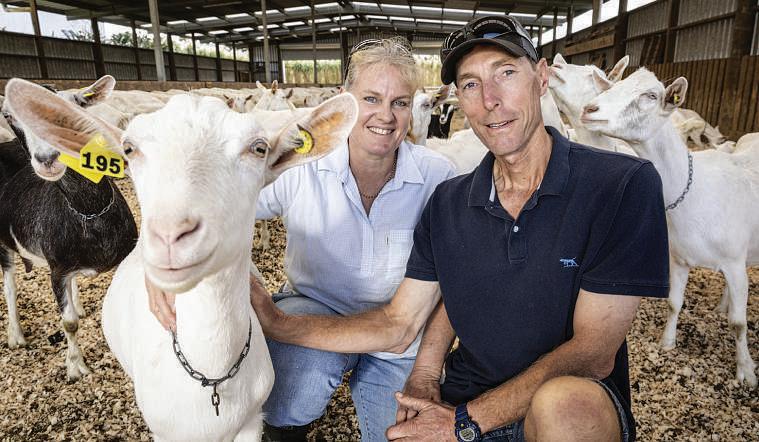
After a stint in dairy cows after university, Savage came back to the farm in 1996 at 24 years old and gradually took over the running of operations before buying his parents out 15 years ago. He and Keren now milk a herd of 700 goats on the 60-hectare property.
Goats aren’t quite as easy to satisfy as cows, and Savage said it was a demanding job. “Dairy goats are so fussy because typically people think a goat will eat anything – your roses and your washing off the line – but if you want them to make milk, they have to eat good food.”
With the goats indoors they are fed cut-and-carry grass and silage with grain concentrates. Savage mows the grass a couple of times a day, but back in the old days, when the feed was primarily grass, it would be four times a day.
“In those early days, it was an 8 o’clock at night feed, so Keren was in London at the time and I was talking to her on a Telecom $10 talk-all-you-like plan and then I’d have to nip off and feed the goats.”
Despite the demanding work, Savage loves the goats and would take them over cows any day. “All of my friends are down there in the barn. I walk in there and there’s Mavis, there’s Princess, Sparkles and Nesquik, who’s Sparkles’ daughter.
“I’m rushing around all day and then I go and get the goats and Princess comes up to me for a cuddle.”
Things have changed a lot for the couple over the past five years. Before Covid, growth in the industry was strong, with payouts reaching peaks of $21.50/kg. However, Covid was a game-changer, DGC chief executive officer Alastair Hulbert said.
“China was about 55% of our market either directly or indirectly. There were two ways the product went to China: either the Daigou channel, where Chinese students or people bought it off the shelves and shipped it, or directly.
“When Covid came all of those travellers and all of those students went back, so we lost 25% of our revenue overnight. The next thing
was the regulations to export to China got tightened in 2023 and we lost our registration to ship directly to China.”
At its worst, the payout was $10.91/kg of milk and for the current season it sits at $12.50 to $14.50. It was a “double whammy” for farmers, Savage said, because they also restricted the amount of milk farmers could supply to 65% of their shareholding. The couple dropped goat numbers from a peak of 800 down to 600 at their lowest. They reduced staff from two fulltimers to just one, plus Keren as fulltime milker. They also sold the property that housed their staff, and they are switching to feeding only a silage and grain mix.
Alongside the goats, during the past few years they have started to rear about 280 autumn calves and have 50 beef cattle to supplement their income.
Hulbert reckoned DGC had lost about 20 farmers because of the drops, but Savage said they decided to push on. “We’ve worked so blinking hard and we saw that everything we had in financial terms would just disappear if we were to sell.”
Hulbert said they are working on getting back into the Chinese market in the next couple of years, but at the moment, they have generated a new income stream through selling whole milk powder alongside infant formula.
The Savages are cautiously optimistic about the next season, but will continue improving efficiency to manage costs
Catherine Groenestein
Work is starting on a landmark renewable energy project at Kapuni, following a site blessing and naming of the $112.33 million project.
The Kapuni Green Hydrogen Project will result in four 206-metre-high wind turbines being built on a farm owned by Parininihi ki Waitōtara (PKW) near the Ballance Agri-Nutrients site at Kapuni.
The project had been named Toi o te Hau, meaning “permanence of wind”, a Ballance Agri-Nutrients spokesperson said: “This month, along with our project partners Hiringa Energy, Todd, Parininihi ki Waitōtara and the Ministry of Business, Innovation and Employment, we marked the start of construction with a site blessing.”
Work is now under way to prepare the site, creating access and building the roads and laydowns, with foundation work scheduled to begin in July.
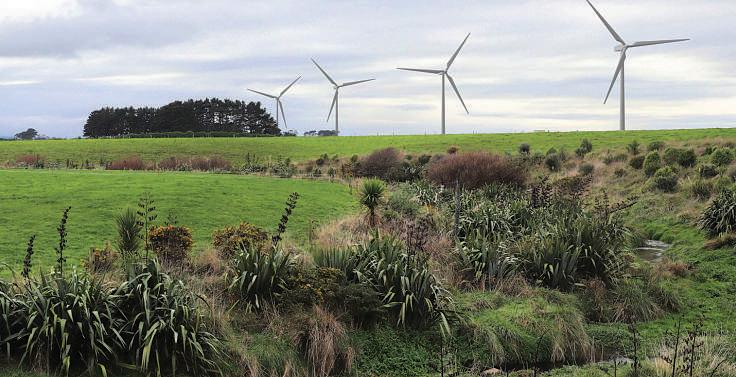
An artist’s impression of the Kapuni project’s four giant wind turbines that will generate green electricity.
The electricity generated will be used at the Ballance Kapuni ammonia-urea plant for site operations and also to produce “green” hydrogen to augment some of the natural gas feedstock that is used to manufacture lower-carbon fertiliser.
It will also be used to produce green hydrogen for emissions-free transport via Hiringa Energy’s refuelling
operations, which have stations in South Auckland, Hamilton, Palmerston North and Tauranga.
It is one of the first projects in Aotearoa to integrate wind, industrial renewable electricity supply and green hydrogen production at scale.
The project will support New Zealand’s
energy transition by creating local jobs, while also adding sovereign energy generation to improve the country’s energy security.
The combination of those benefits is a significant step forward in New Zealand’s energy transition and resilience.
The project was supported by $19.9m allocated from the former government’s Provincial Growth Fund in 2020.
The wind farm is expected to generate about 100GWh of renewable electricity a year – equivalent to powering about 24,000 homes.
The project includes installing a 5MW-capacity hydrogen electrolyser to integrate with the wind farm and the Ballance Kapuni plant.
The electrolyser will use the renewable electricity to split water into oxygen and hydrogen to produce up to two tonnes of green hydrogen a day.
First mooted in 2020 as a $70m project, it was delayed by opposition from Greenpeace and several Taranaki hapū.
However, the objections were twice thrown out by the Court of Appeal, with the last decision in 2023.






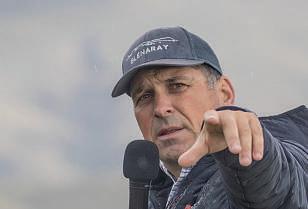



Rachael Kelly
The numbers are staggering: 68,000 hectares of land, ranging in altitude from 300 metres to 2000m on the tops.
There are 36,500 ewes, 10,000 hoggets, 2200 cows, 4400 heifers and 4500 deer, as well as 110 kilometres of graded gravel roads, 22 staff members and 110 working dogs.
Associate Minister of Agriculture
Andrew Hoggard likened Glenaray Station to TV’s Yellowstone at a Federated Farmers’ High-Country Open Day on the northern Southland station
“Unlike Yellowstone, this is run a lot more efficiently – here it doesn’t take 15 of them on horses to muster up a mob of cattle, it’s probably one shepherd and a dog,” Hoggard said
“It’s a really impressive station with the livestock classes and land types, all the juggling and moving parts that come with that – it’s really impressive management.”
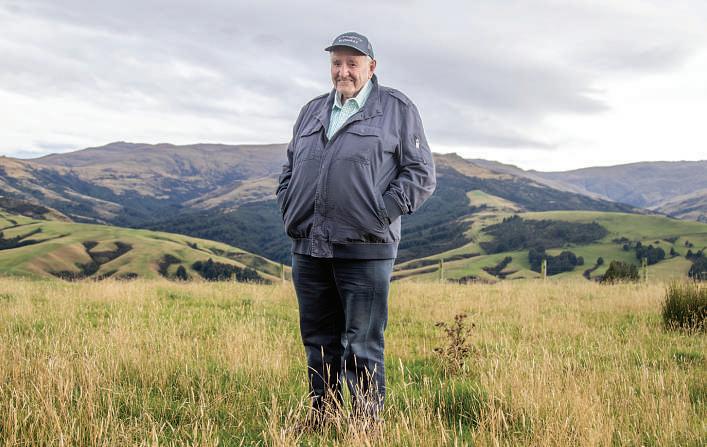
The largest privately managed high-country pastoral lease in New Zealand, Glenaray was second in size only to Molesworth Station in North Canterbury.
To put the scale of it into perspective, it equated in size to Lake Taupō, and the area of Wellington city could fit onto it twice and still have space to spare.
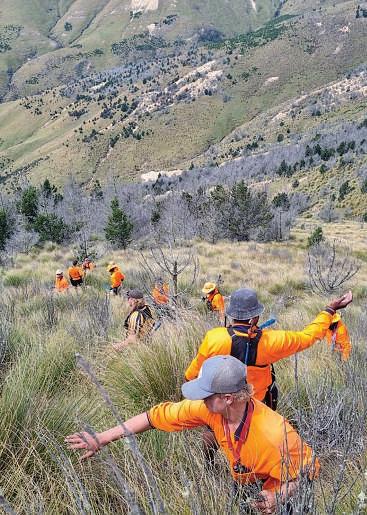
Much of the station was held under Crown pastoral leases that have been owned by the Pinckney family for 128 years. It is now managed by Simon Lee and his partner Nicky Thompson, who led about 240 people on a tour of the station’s lowland farming operation, including forestry blocks, its cattle and deer operation and finishing unit.
Overnight rain meant the station’s higher roads were greasy, so a visit to the high country and back blocks was called off
Hoggard was one of six politicians who attended the open day, alongside industry leaders, advocates and members of the public
Lee and Thompson have made changes to the station to improve efficiency, including using Halter

collars on some cattle, and grazing the high country with merinos during the summer months.
“I saw an opportunity up there because that land hasn’t been grazed since the early 2000s,” Lee said.
“Now we buy 7000 merinos in the late spring, they’ve already been shorn and we run them up there over the summer.”
After the sheep are mustered, they have their second shear and the station markets the fine wool fleece before they are freshened up and sold on the mutton market
Lee said the summer grazing had improved the open high-country land. “I would say it has opened it back up to how it was with a lot of flora and fauna. I believe some of the country they have grazed looks better for it because it was all overgrown and a bit of a mess.”
There were also new yards on the station that could hold 10,000 ewes and were concreted because of the climate, he said.
John Tavendale came to work on the station in 1972 and is now the chairperson of its board.
“The board operates strategically and we leave the managers to it, but we have visions, values and goals for
the property,” Tavendale said.
“We have six strategic pillars that the station has to work to – production and profit, which is always the driver of good farming; we want to create a resilient farm business; we have environmental stewardship high on our priority list; we have a staff culture that is absolutely essential to running a property of this size; we have a programme of continuous improvement; and looking at alternative income streams that are not traditional to this class of property.”
At lunchtime, guest speaker Mark Inglis, the first double amputee to summit Mt Everest, spoke about his work as trail manager for the St James Trails Trust and its issues with wilding pines.
He was joined by Wilding Trees Charitable Trust programme manager Brent Rohloff and its trustee, former MP Eric Roy.
Federated Farmers president Wayne Langford called the station “immaculately massive”. “What a tidy-run property for the size of the operation it is, and to see some of the results they’re getting, it’s truly impressive. These guys are humming –well done to the team,” Langford said.

Matthew Rosenberg Local Democracy Reporter
Fast-spreading conifer trees are causing headaches in Southland as inconsistent funding continues to hinder control efforts.
This month, Mid Dome Wilding Trees Charitable Trust provided an update to Environment Southland in its 20th anniversary year.
“However, it is unfortunately not something to celebrate when the project is still grossly underfunded both locally and nationally,” its report warned.
The report said almost $25 million had been spent containing contorta in Mid Dome – between Invercargill and Queenstown – but there was a risk the investment would be lost without adequate funding going forward.
Trust chairperson Ali Ballantine said national and local level funding was up and down, and called on consistent funding from council so her group could get on with the job
Douglas fir wildings were also arriving in the Mid Dome area, but the trust was addressing those with contractors on a limited basis given its mandate was for pinus contorta and mugo.
Council team leader Jolie Hazley showed contorta numbers had reduced in Southland, but described Douglas fir as “pouring” into places such as the Takitimu and Eyre Mountains, plus Mid Dome.
At West Dome, the battle against contorta had effectively been won, only for the Douglas fir trees to grow out through mānuka, Hazley said.
Councillor Paul Evans also highlighted issues with wilding trees in places such as Te Anau, Lake Onslow and Wilderness Scientific Reserve.
Wilding conifers are described by the Department of Conservation as invasive weeds that can form dense forests that negatively impact ecosystems.
They can alter landscapes, eat into farmland and use up water A report on the issue is expected to be brought back to an Environment Southland committee this month.
LDR is local body journalism co-funded by RNZ and NZ On Air.
project is investigating weed management in a world where herbicide resistance is growing.
By Heather Chalmers
Alarge-scale research project is establishing a diverse and sustainable toolkit of weed management strategies for cropping farmers in the face of rising rates of herbicide resistance.
The $2.6 million project, named “Integrated weed management in a world of herbicide resistance,” is partly funded through the Ministry for Primary Industries’ Primary Sector Growth Fund Led by the Foundation for Arable Research (FAR), it involves both arable and vegetable growers and runs for four years
Reliance on chemicals is high in cropping systems, but research shows declining herbicide effectiveness as a result of herbicide resistance, FAR researcher Matilda Gunnarsson says. There is also a growing risk of importing herbicide-resistant weeds, such as highly invasive black-grass.
“We need to shift toward a more integrated approach, rather than relying solely on herbicides as the main solution.
“It’s about understanding all the tools available and choosing the ones that best fit your farm and your system. Weeds will adapt and eventually overcome any single method of control – not just herbicides
– so the key is building as much diversity into the system as possible.”
While even five to 10 years ago growers were reluctant to acknowledge they had a problem, the stigma of having herbicide resistance has fallen away as the scale of the problem in New Zealand becomes apparent. In conjunction with researchers and the wider industry, growers are now actively and openly seeking ways to manage the problem.
A 2019-2023 herbicide screening programme showed that South Canterbury recorded the highest levels of herbicide resistance, with 71% of farms surveyed recording at least one instance of a herbicide-resistant weed.
Of Mid Canterbury farms surveyed, 60% recorded herbicide resistance, Southland 59% and Waikato 61%.
As part of the new project, this is being repeated, with farms in North Canterbury and the Selwyn District surveyed in summer. Results are expected during the next few months.
“These surveys are also testing for pre-emergence herbicides, in addition to the post-emergence herbicides covered in the earlier surveillance programme,” Gunnarsson says.
Weed samples have been taken from fence lines to monitor for glyphosate resistance, because this is where resistance to this widely used herbicide is most likely to start, she says. Growers have also responded to a call to send in weeds growing in their crops for herbicide-resistance testing.
In a 2021 FAR crop production survey, cropping farmers identified that weed management remains their primary
agronomic challenge. The most common resistant weed is ryegrass (Lolium species), with just five ryegrass plants per square metre reducing wheat yields by 5%. Regions often have their own difficultto-control weeds.
“Regions where we grow a lot of ryegrass and have shorter rotations are where we have the bigger problems,” Gunnarsson says.
FAR general manager for research, development and extension Andrew Pitman says the programme will help farm businesses maintain market access
and profitability while ensuring the sustainability of weed management practices by reducing the risk of herbicide resistance.
The funding is enabling FAR to expand on the research work it is already doing in this area. Projects include long-term IWM trials and large-scale on-farm trials.
The project is also jointly funded by the Seed Industry Research Centre (SIRC) and the Vegetable Research & Innovation Board
The programme, which involves researchers from FAR as well as weed experts from the Bioeconomy Science Institute, will:
■ Undertake a seasonal, industry-wide herbicide resistance surveillance programme, providing updated information on herbicide resistance in key weeds in our cropping systems.
■ Reassess and develop cultural weed control methods, such as enhancing crop competition and diversifying rotations.
■ Identify and evaluate new technologies and machinery for in-crop weed management, assessing their potential return on investment. These potential new technologies include drones, satellite imagery, camera systems for inter-row hoeing and spraying, and digital decision-making tools.
■ Create best management guides for non-crop areas such as fence lines, which pose a significant risk for herbicide resistance because of repeated glyphosate use.
Information and results will be shared at field events, workshops and on-farm demonstrations, as well as through a digital IWM toolbox.











Research suggests that, at a national level, farmers are striking a workable balance between productivity and environmental responsibility. By Eve Hyslop.
New Zealand farmers are largely getting the balance right when it comes to phosphorus fertiliser use, according to new research, with application rates broadly matching requirements to maintain soil fertility.
A master’s thesis by Massey University student Theané de Klerk has analysed the country’s agricultural phosphorus budget and found that nutrient levels from phosphorus and fertiliser use are relatively stable
Phosphorus is a key nutrient for pasture and crop growth, but mismanagement can contribute to environmental issues such as waterway contamination.
The research suggests that, at a national level, farmers are striking a workable balance between productivity and environmental responsibility.
“While my research only represents a single-season snapshot, the findings are encouraging for farmers, showing that the shift towards sustainable nutrient management has been worthwhile.
“It reflects the effort farmers have put into managing nutrients carefully,”


de Klerk explained.
In the 2021-22 season, about 143,000 tonnes of phosphorus fertiliser were applied across farmland nationwide.
That compares with an estimated 157,000 tonnes required to maintain soil phosphorus levels, indicating a small deficit, but overall a balanced picture
While the amount of fertiliser applied nationwide is relatively similar to that required, de Klerk did find differences between sectors
meant cropping and horticulture were less comprehensively assessed.
Key to maintaining the balance was ongoing attention to nutrient management by farmers, de Klerk said.
“There’s still room for improvement. Applying too much fertiliser in some areas can lead to phosphorus accumulation, while applying too little in others can gradually reduce soil fertility.”
Dairy farms were applying slightly more phosphorus than required, leading to a small accumulation in soil levels of about 3 kilograms per hectare a year.
Sheep and beef farms tended to be underapplying, resulting in a gradual decline of about 2kg/ha each year, which could result in production losses over time.
Industry data from organisations such as Dairy NZ and Beef + Lamb New Zealand underpinned much of the analysis, although limited information
De Klerk said she hoped her research would help inform future nutrient management decisions across the sector. “Understanding how much phosphorus our soils actually need helps farmers apply fertiliser more efficiently, supporting both farm productivity and environmental sustainability.”
The research was carried out through Massey University and funded by the Fertiliser Association of New Zealand.
Following completion of her research, De Klerk now plans to pursue a career in sustainable nutrient management


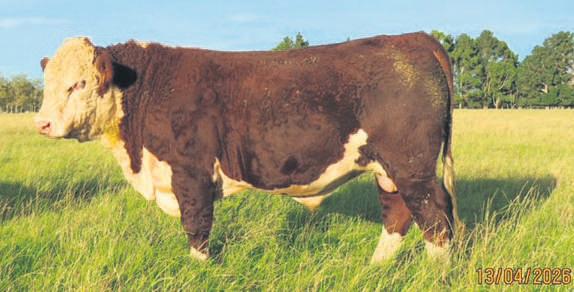
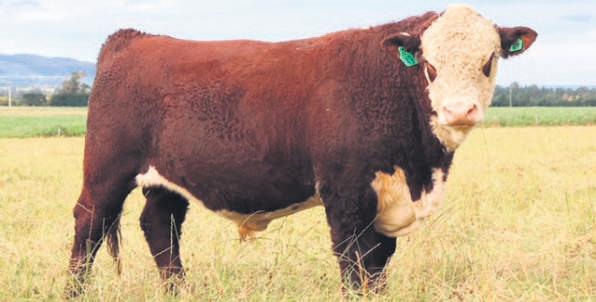
JUNE@2pm
Sires: Beechwood Kapai28Beechwood Long range6, Beechwood Last stand10, Limehills Masterplan 433, Beechwood Muhamad Ali2,Otapawa Tools1126
ROB &JULIE STOKES 77MASKELLSROAD, RD1,AMBERLEY7481 Ph:033148251 |M:0277571673 e:rstokes@xtra.co.nz
ROZLYN STOKES 877STEFFENSROAD RD1,OXFORD7495 Ph:0211362298
ROB &MARYANN BURROWS
200MARSHMANSROAD, RANGIORA,7477
Ph:033132857 |M:0272633582 e:rj.ma.burrows@xtra.co.nz
Renewed focus on nutrients like fatty acid C15:0 could help the dairy sector as consumption patterns for milk
By Eve Hyslop
Research into a little-known dairy nutrient is adding a new element to how milk fat is viewed, with potential implications for New Zealand’s dairy sector and how the industry positions its product.
The nutrient is C15:0, a naturally occurring fatty acid found in whole milk, butter and cheese – all products that rely directly on the milk fat supplied by dairy farmers.
Research from former World Health Organisation and United States Navy scientist Dr Stephanie Venn-Watson has shown that up to a third of people may have low levels of C15:0, which is being studied for its role in metabolism, inflammation and long-term health. Her findings could be particularly relevant for New Zealand as dairy consumption patterns shift
A gradual move towards reducedfat and plant-based milk alternatives has become increasingly evident in consumption data. Despite New Zealand remaining one of the world’s largest dairy consumers per capita, total milk intake fell 1% to about 89 litres per person last year.
For farmers, the renewed scientific focus on important nutrients in milk such as C15:0 could help reframe the conversation around dairy fat, which has traditionally been grouped into “good” or “bad” categories.

New Zealand exports the majority of its dairy products, making it particularly exposed to global consumer trends. STUFF
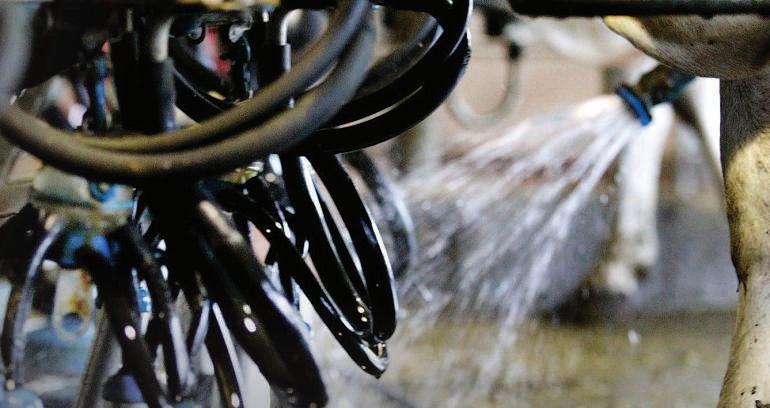
“C15:0 occurs naturally in dairy fat, but historically it received very little scientific attention because it was assumed to be nutritionally insignificant,” Venn-Watson says.
“More recent research suggests it may play a much more active role in maintaining metabolic balance than previously thought.”
The topic is attracting interest as metabolic disease continues to rise in many countries, including New Zealand. Ministry of Health data shows about one in three adults in New Zealand is classified as obese, while more than 300,000 people
are estimated to be living with diabetes or pre-diabetes.
Industry bodies such as DairyNZ have long emphasised the importance of maintaining product value in the face of global competition, and the growing interest in nutrients such as C15:0 offers a new way to stand out
New Zealand exports the vast majority of its dairy production, making it particularly exposed to global consumer trends. Any shift in how dairy products are perceived can have downstream impacts on returns, right back to the milking shed.
The research underscores how much is

still not known about the role of individual nutrients in milk fat, Venn-Watson says, rather than treating all fats as a single category.
She says the research should not be interpreted as a signal to dramatically increase dairy consumption, due to other fatty acids like C16:0, which have been linked to high blood pressure.
“The findings highlight how much remains to be understood about the biological effects of individual fatty acids and the importance of examining nutrition at a more detailed biochemical level.”

Research
Fiona Ellis
Two universities have teamed up to pitch for a major grant to transform New Zealand’s primary industries with artificial intelligence
“Sensors, software and robotics” could make a big difference for growers, according to proposal director and University of Waikato’s Professor Geoffrey Holmes.
The University of Canterbury is the other partner in the bid, which, if successful, would come with up to $70 million of government funding.
The universities’ proposal – Outdoor AI – was shortlisted late last year from among 108 submissions for a national AI research platform.
A further proposal document for the New Zealand Institute for Advanced Technology grant was submitted on March 31, it was confirmed in a recent University of Waikato council meeting.
The universities’ proposal aims to make the country a global centre of innovation
It focuses on developing physical and digital AI systems designed for complex, real-world environments, such as agriculture, horticulture, aquaculture and other primary sectors, along with the potential for cross-sector impact.
It aims to accelerate the translation of AI research into practical applications, with a focus on lifting productivity and capability across key sectors while supporting the growth of high-value industries.
Holmes said New Zealand required AI systems designed for the realities of outdoor environments.
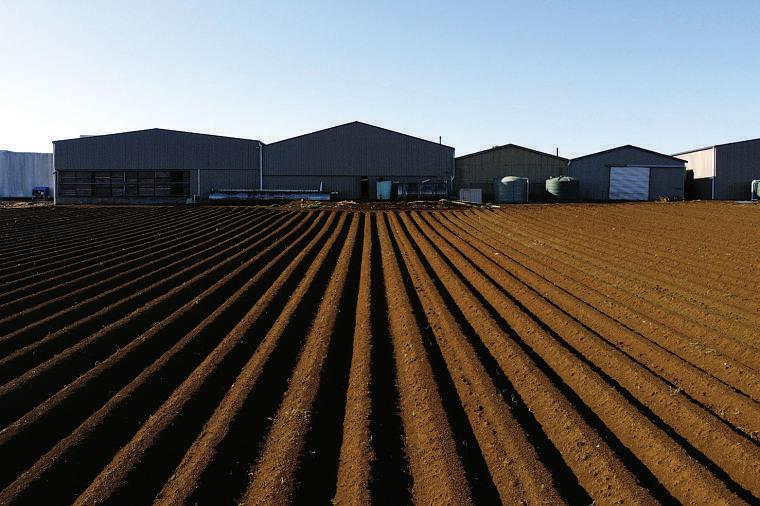
“New Zealand offers a unique environment to develop and test new technologies in real-world agricultural settings.
“Our farms and orchards operate in challenging environments, which has spurred many innovations in the sector.
“The growing digitisation of farms creates opportunities to improve productivity through data-driven decision making.
“By combining sensors, software and robotics, growers can transform their businesses.”
He said the long-term aim was to establish New Zealand as a global centre for outdoor AI innovation. The proposal includes collaboration with iwi, particularly Ngāi Tahu and WaikatoTainui, reflecting their landholdings and interests in technology development and environmental management.
“As owners of significant whenua and natural resources, we have a strong interest in how technologies like AI are developed and applied,” University of Canterbury Ngāi Tahu Research Centre pou whakarae Professor Te Maire Tau said.
“There is a clear opportunity to combine engineering, AI and advanced technologies to both protect our environment and enhance primary production – supporting better long-term decision-making and creating enduring value for future generations.”
The platform will initially focus on horticulture and agriculture, using New Zealand’s diverse climates and farming systems as testing environments.
It aims to address the challenges of deploying AI in complex outdoor settings – an area where uptake has lagged behind office and factory applications.
The proposal comes at a critical time, University of Waikato deputy vicechancellor of research Professor Gary Wilson said.
“New Zealand faces significant economic challenges, and if we want to change the trajectory of our economy we must act now.
“Often we make isolated and data-poor decisions in our core primary industries. Advances in AI offer a major opportunity to transform the decision-making process in the paddock or at the vine to lift the export value proposition significantly.”
More than 65% of New Zealand’s exports come from outdoor and landbased industries, compared with between 5% and 30% in most developed countries.
University of Canterbury deputy vice-chancellor of research and innovation Professor Lucy Johnston said: “This platform is grounded in strong industry pull, with research shaped directly by real-world challenges and opportunities identified through our engagement with partners.”
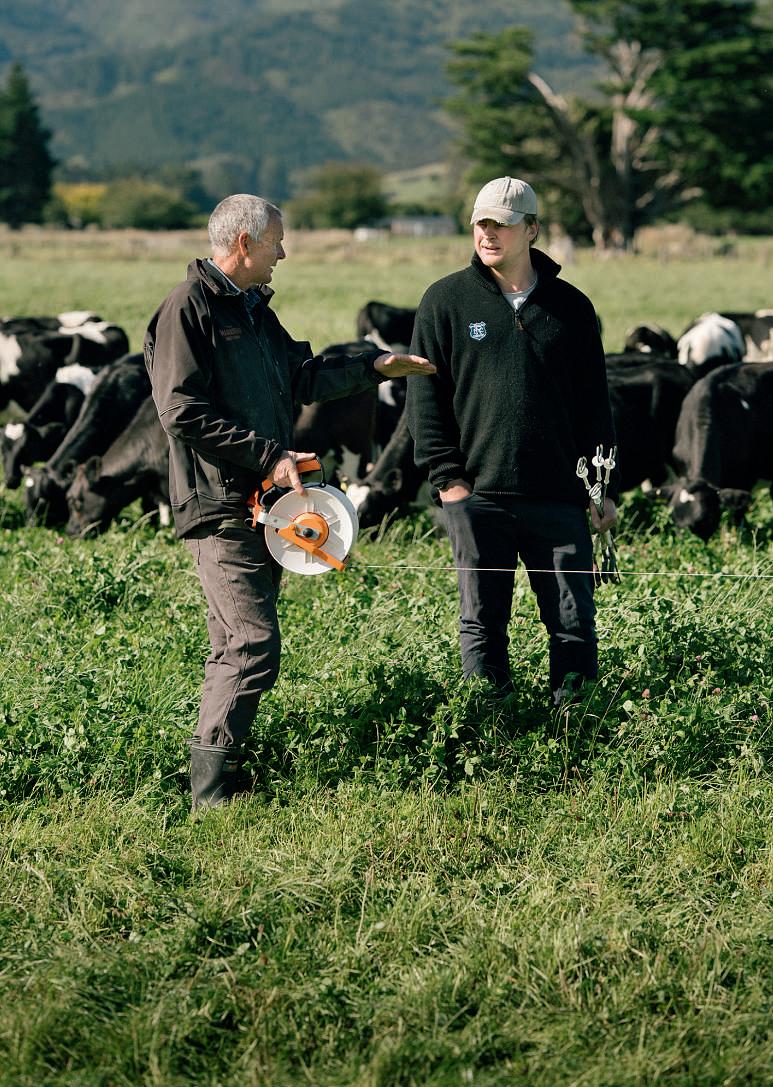


BNZ’s FirstFarmPackage is about helpingfarmers succeed in thelongterm. It connects eligible first dairy farm or herd buyers with alocal mentor who’skeento pass on theirwisdom.Wairarapa dairyfarmerRob has seenenough seasonstoknowsomeopportunities don’t come twice. Andwhentheyfeelright,you take them Withreduced depositrequirements, flexiblefunding options, andsupport from an AgribusinessPartner, BNZ’s FirstFarmPackage givesyou thesupport to move when theopportunity feelsright
























Produce
Tony Benny
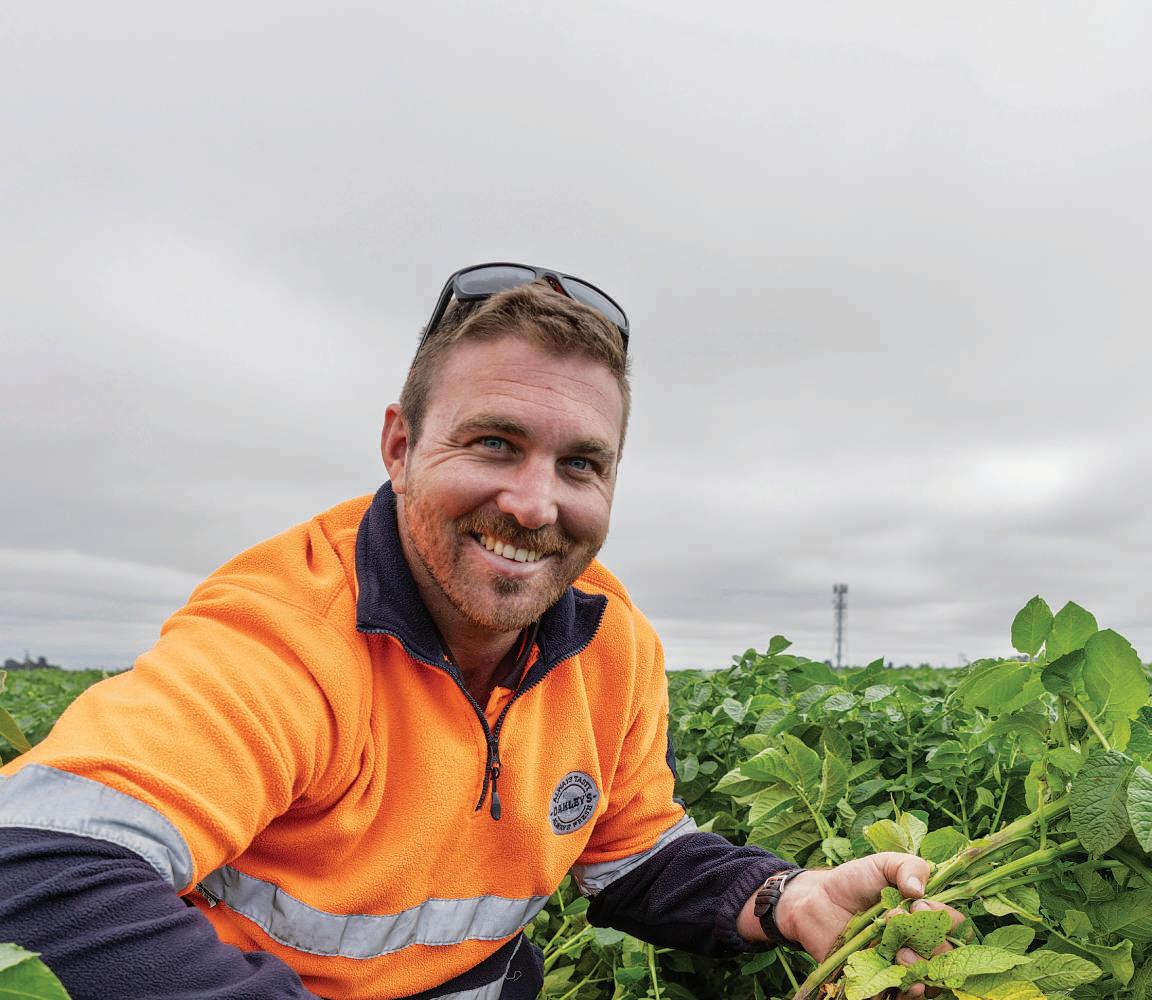
As a student in South Africa, Steven Rink was a long-haired, barefoot hippie protesting against conventional agriculture, but today he’s an award-winning grower making his mark in horticulture in Canterbury.
“I used to make presentations about how bad the type of agriculture that I’m currently doing is for the environment. I’d be there with my poster protesting; go green, go organic, spray free – that was my whole mantra,” Rink recalls.
Winner of last year’s Canterbury Young Grower of the Year award and runner-up in the national final, Rink has now embraced some conventional practices, but remains committed to exploring alternatives, as long as they’re practical and affordable.
Rink’s grandparents were large-scale tobacco and arable farmers in Zimbabwe, but his parents who were not farmers moved to Cape Town, South Africa, before their two sons were born to escape the difficult Zimbabwean which saw many white-own farms confiscated.
Though he loved his holidays on an uncle’ farm in South Africa, Rink had no interest in farming when he went to university and instead studied food technology. But 18 months into his degree, he realised that wasn’t for him.
“We were making fake food in a lab and I was like, ‘This is not my vibe, this is not for me’.” He switched to a then-new course, conservation ecology, graduating with a BSc science.
But he couldn’t get a job in agriculture at home and had to keep working in hospitality, as he had done to pay his way through university “I had a really low point in my life where basically everything was just stagnating, there was no way forward. I am a graduate serving tables, which just doesn’t make sense, right?”
So he looked for opportunities overseas, eventually getting a work exchange in New Zealand. His first job was at a nursery in Tauranga and he planned to spend three months there and then tour and work his way around the country, before further travels around the world.
But when Covid struck, Rink found himself stranded in New Zealand. “Thankfully, I was declared an essential worker to keep watering the plants so that kept me a bit sane, which was great because I was living on a farm with a retired couple. So it was a very different gap year.”
He ended up in the nursery job for nearly a year and then spent three months travelling New Zealand in the van he’d done up during Covid, followed by six months working at a lodge in the Marlborough Sounds.
“And then the whole visa extension thing got all niggly and with my brother getting married, I decided to go home, but I’d blown all my cash travelling, so I needed to do something I did the classic backpacker thing, jumped onto Trade Me and Seek and emailed every single person with an advert up there.”
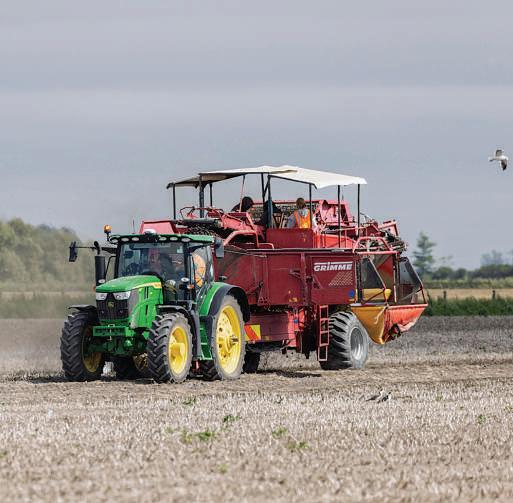
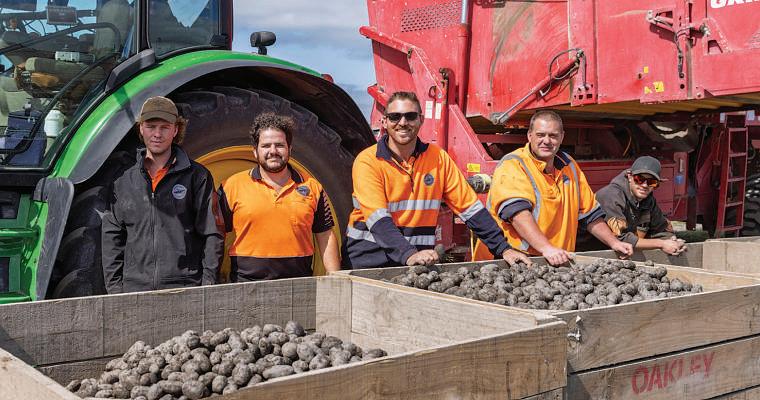
He was offered a job at Canterbury fresh produce grower Oakleys and five years later he’s still there His first three months on the job were spent on the spud planter, where Rink discovered he had an affinity for his new job.
“I just loved the finer margins of it Yes, you can plant potatoes, but it’s getting the correct spacing for the bin rate that you’re after, the fertiliser rate being bang on, the mound being perfect, the depth staying
even. All the little efficiencies make for a much better crop.”
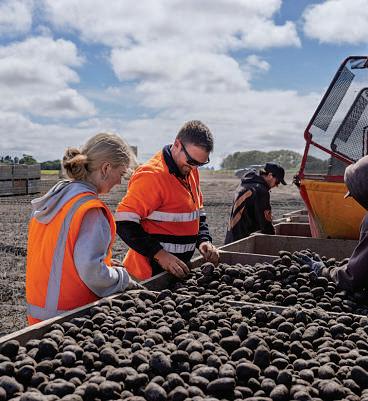
Rink enjoyed learning the practical skills to go with his university qualifications. “It was going from that book knowledge to actually in-the-field knowledge. Yes, I’ve mixed chemicals and drops of fertiliser to watch a plant in a lab, but how does that translate to tonnes per hectare on a 50ha paddock?”
Two years ago, he was made production manager at Oakleys, in charge of growing potatoes, broccoli, pumpkin and beetroot, principally for supermarket supply, as well as arable crops, and peas and turf for seed.
“My job starts from the planting of the crops all the way through to sending them to the packhouse. Once they land in the chiller, they are their responsibility.”
In his first year in the management role, Rink didn’t change anything and concentrated on making sure the operation kept ticking over as it had before, but now he’s looking for improvements.
“I’m like, ‘Okay, we did it, we can just do it again. Oh no, we’re gonna try this, we’re gonna try that.’ But we’re doing it very cautiously, I’m not reinventing the wheel.
“That’s the point that I’m loving now in
this position, I have a wee bit of a say as to what we do in the ground, so we spent a lot of money on micronutrients like boron and molybdenum.”
Those elements are vital to plant health, Rink says, but intensive cropping can reduce their levels in soil, something that had shown up in soil tests.
“Boron is fundamental, you can’t grow a brassica crop without it – that’s their No 1 defence.”
To prove his point, Rink grew a crop of broccoli in spring and didn’t use any insecticides. “Which is, like, nuts. I told my boss after the fact because I needed to prove that you could harvest it first. And the harvest team went through and there were no complaints of insects.”
Arguably, the cost of the micronutrients may have outweighed the cost of insecticide, but Rink believes the improvement in the health of the soil is worth it.
“If you have a healthy plant, the aphids aren’t going to attack it, they’ll go for the weak crop next door. The theory is, if you can keep your Brix levels up in the plant, the natural sugars, the aphid doesn’t like that so it’s not going to attack it.”
Sprays will still be needed to kill pest
insects and slugs, but they’re used more sparingly now than in the past, Rink says.
“We used to follow a spray programme – when the crop reaches that age, you spray it for three weeks and then you harvest, whether the pests are there or not, whereas now we’re doing a lot more monitoring, trying to establish thresholds.”
Rink has a new project on the go, testing the nutrient values of crops grown on healthy soils and tracking them through to the supermarket to see if the product is different and whether customers notice that.
“But even if they don’t, you’re getting better efficiencies on your land, better recovery rates, better yields, so it’s still worth it. And that’s the goal, right? To be a sustainable company we need to be performing and making money.”
But Rink says fundamentally he’s still an organic green hippie at heart. “But I just think these hippies and Greenpeace people, they can’t just stand there with their posters going, ‘Do better’. They need to say, ‘Here’s the solution’.
“And if I could, in any way, contribute to getting closer to a solution, that’ll make me happy.”
HortNZ chief executive Kate
Scott
says costs for growers have risen significantly.
Cost of living remains the biggest concern for New Zealanders – and at the heart of that is access to affordable, nutritious food.
New Zealand’s horticulture sector plays a critical role in delivering that About 80% of the vegetables grown here are consumed domestically, with growers focused on ensuring healthy produce remains accessible to Kiwi households
However, maintaining that supply is becoming harder.
Growers are navigating an increasingly complex operating environment – rising input costs, supply chain pressures, regulatory hurdles and a growing exposure to extreme weather. Each of these adds pressure to the system that ultimately puts affordable food at risk
This is not just an industry issue. It is a food security issue.
The cost base for growers has lifted significantly in recent years – from fuel and fertiliser through to labour and energy – while global volatility caused by the Middle East crisis continues to create uncertainty across supply chains. At the same time, regulatory processes have become slower and more complex.
For example, approval pathways for new crop protection tools lag well behind those in other countries, limiting access to
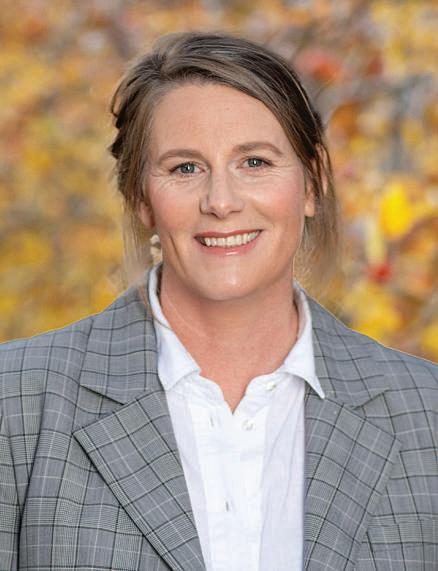
modern, more targeted solutions that can improve productivity and sustainability. Similarly, overlapping national and regional regulations, shifting policy settings and duplicated compliance requirements are creating inefficiencies that add cost without improving outcomes.
Recent decisions by Heinz Wattie’s and McCain Foods to scale back New Zealand vegetable-processing operations highlight the cumulative impact of these pressures. They are a signal that parts of our domestic food system are under strain.
“
New Zealand has the capability to produce high-quality, safe and sustainable food for its own people. But that outcome is not guaranteed.
Kate Scott
Layered on top of this are the increasing impacts of extreme weather events – from Cyclone Gabrielle to recent flooding –which have exposed the vulnerability of our food production systems.
Despite this, growers remain committed to meeting high environmental and food safety standards while continuing to supply affordable food. What they need is a system that works with them, not against them.
Strengthening New Zealand’s food security starts with backing domestic production. That means streamlining
regulatory pathways, reducing duplication and providing clear national direction – particularly for commercial vegetable growing.
That means recognising trusted industry standards to reduce compliance burdens while maintaining strong environmental outcomes.
It also means creating greater consistency and certainty in policy settings, so growers can invest with confidence beyond short-term political cycles.
Just as importantly, we need to ensure a fair and competitive grocery market. A healthy domestic food system relies on balanced relationships across the supply chain. When margin and risk are disproportionately pushed onto growers, it undermines their viability and, in turn, the affordability and availability of food for consumers.
New Zealand has the capability to produce high-quality, safe and sustainable food for its own people. But that outcome is not guaranteed.
Food security requires deliberate choices. It requires a policy environment that recognises the strategic importance of domestic food production and actively supports it.
Growers are doing their part – sowing, growing and harvesting the food that feeds our communities every day.
With the right settings in place, the Government can ensure they are supported to keep doing so –strengthening our food system, supporting regional economies and helping ensure all New Zealanders have access to affordable and nutritious food now and into the future.
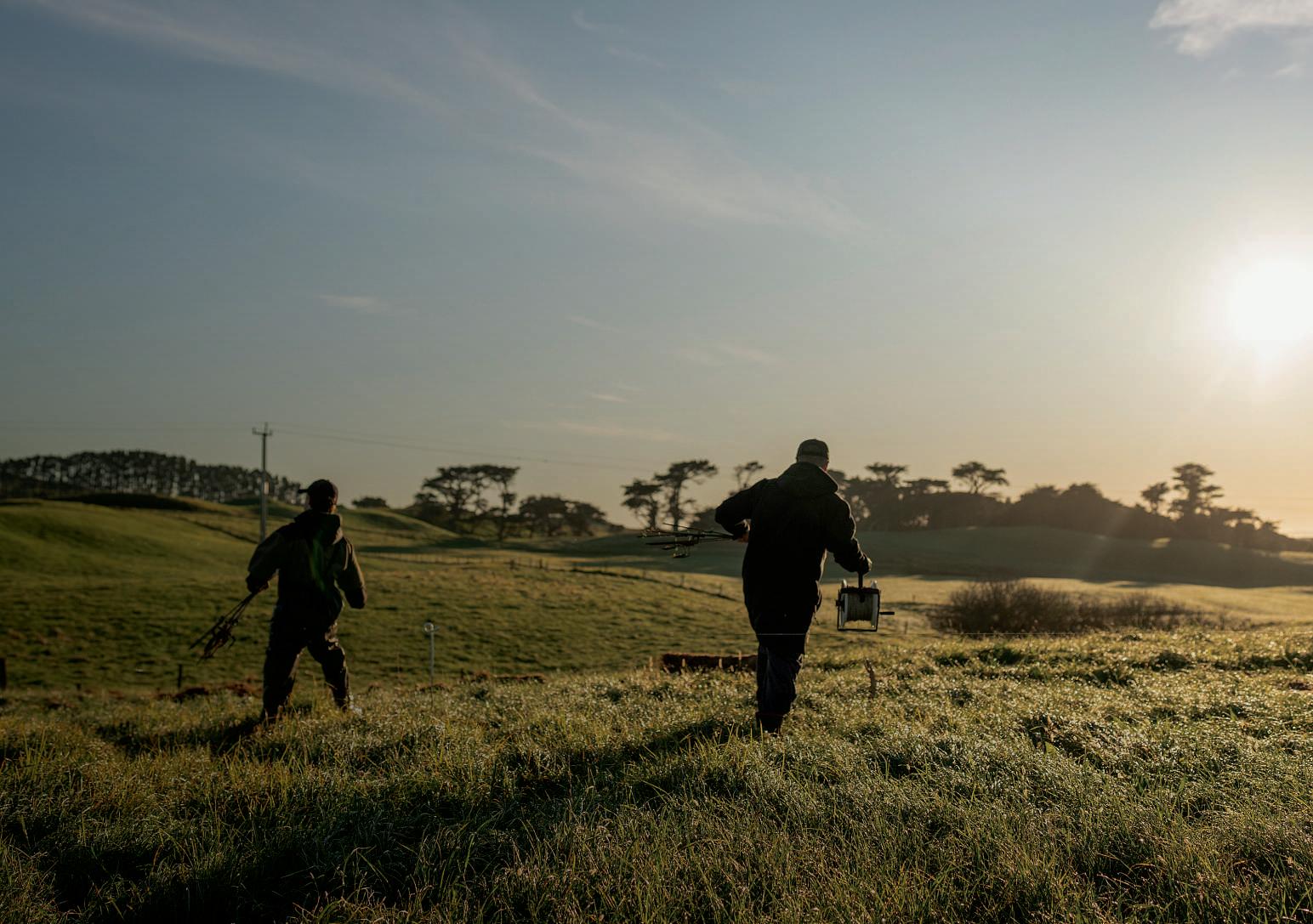
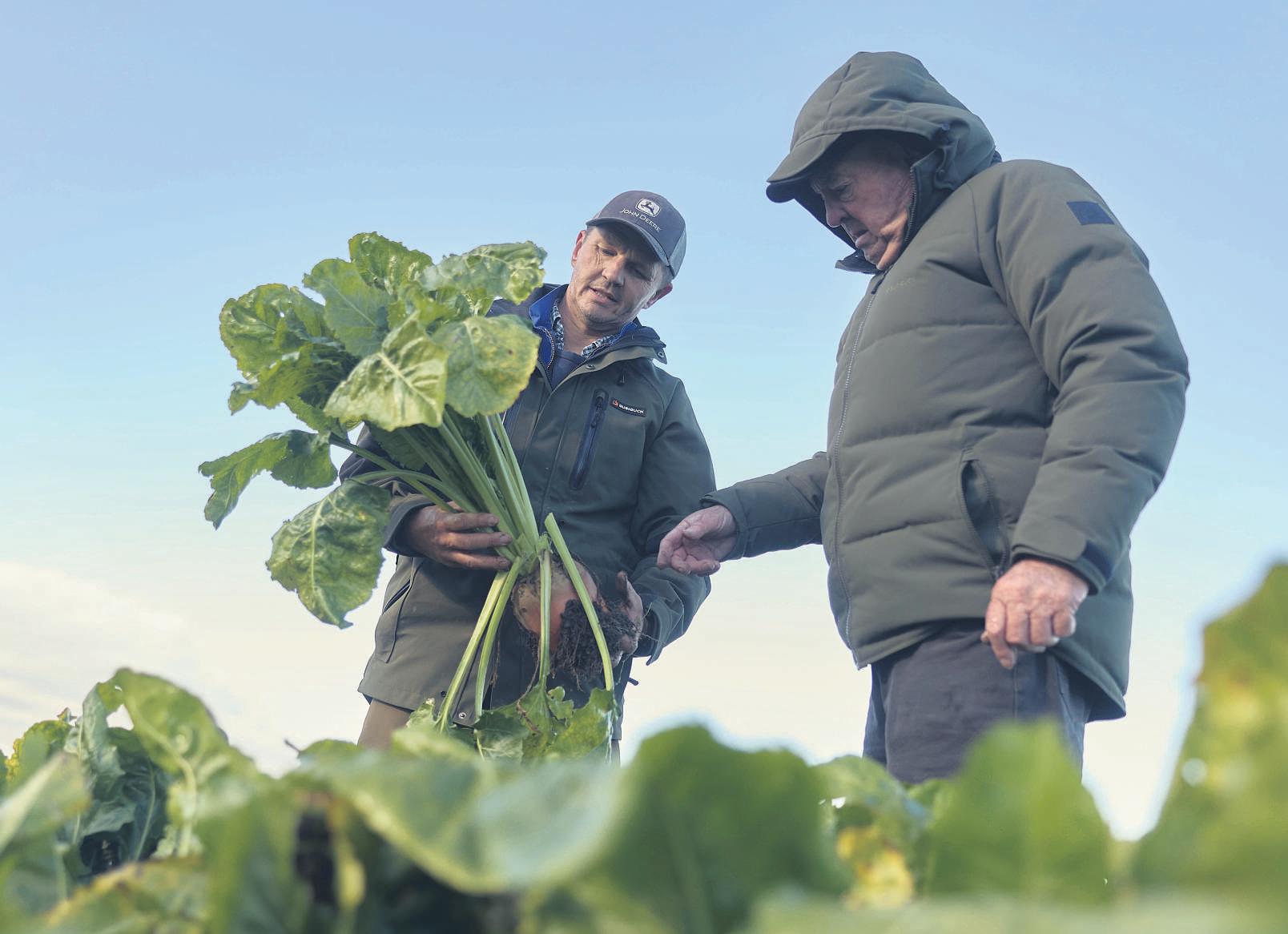
Inafarming environmentwhereinputcosts arepunishing,environmentalcompliance is tightening, and the pressuretolift per-hectareperformancehas neverbeen greater, the strategic use of autumn-sown cereals is one of the mostundervalued tools in the NewZealand farmer’s toolkit.
Cereals in rotation offer alevel of system-wide benefit -infeed supply, weed management, soil remediation, and pasturerenewal-that fewother agronomic interventions can match. And yet, manyoperatorsstill viewacereal break as areactive measurerather than aproactive,plannedrotation decision. That thinking needstochange.
The winter feed gap —and whypasture alone won’tbridgeit
Every stock farmer on both islands understands the feed pinch. Whether it’spre-calving dairycowsthat need controlledBCS management heading into lactation, storelambschasing liveweight targets beforethe sales, or weaner cattle that need to keep framesgrowing through the shoulder season, winter is when the feed budgeteither stacksuporblows out. Pasture growth ratescrater in June and JulyacrossmostofNew Zealand’s pastoral regions, and the gap betweenmaintenance requirements and availabledry matter can rapidly become aserious animal performance problem.
Research has confirmedwhat manyfarmers alreadyknowfromexperience: relying on established ryegrass-cloverpasturealone to carry stock through winter is increasinglyrisky. Pastureproductivity gains on NewZealand dairy platforms have stalled significantlysince the early 2000s, with annual improvement ratesfalling from over1.4%per year to just 0.26%, despite sustainedinputs of nitrogen fertiliser and higher stockingpressure. On dryland sheep and beef country,climate variability is further eroding the reliability of late-autumn and early-winter pasturecover. The upshot is that supplementary feed is filling agap that aplannedrotationsystem couldbefilling far morecost-effectively on-farm.
Autumn-sown cereals such as forageoats, triticale, ryecorn, wheat andbarleyare purpose-built to fill that gap.Theygerminate readilyin cooling soils, establish quicklyfromaMarch or April sowing, and produce high-quality,leafy drymatter through the coldest months of the system calendar.A well-managed foragecereal stand can realisticallyyield 5-8tonnes of dry matter perhectareacrossagrazingseason, with metabolisable energy valuesthat supportgenuine animal performance -not just maintenance.For the dairy farmer,that’sameaningful reduction in reliance on bought-in supplement. Forthe sheep and beef operator,it’sthe difference betweenholding condition on the breeding flock andwatching it drain away
Dual-usepotential: The flexibility that sets cereals apart
What distinguishescereal cropsfrommostother winter feed options is their inherent dual-useflexibility. Acropsowninlate March or early April in NorthIsland districts will typicallybereadyfor break-feeding by late June or July. Stock areshiftedacrossthe crop in acontrolledsystem, converting standing dry matter directlyinto liveweight gain or milk solids. Stocking density,allocation perbreak, and residual height are all management levers the farmer controls.
Anylateautumn-sown cerealthathas been surplus to winter demandcan be carriedthrough to earlyspring, whereitcan be either spring grazedorconverted into greenchop cerealsilage. It is important to note the disease tolerance of the chosenforageoat cultivar greatly impacts the cropsholding potentialtobe carried through for early spring use.
Very late autumn or winter sown forageoatsare an outstandingcatchcropopportunity to convert bare ground post winter crop grazing.Forageoats germinate at lowtemperatures andimmediately startusing vulnerable nitrogen thatmay be exposed to leaching through winter if no action is taken.
Catch cropsare regularlytaken through to green crop silageinlateOctober to mid-November before plantinginto the next croppingcycle.Ifdemand requires,theycan be grazedearlier
Ryecornisthe workhorse of this dual-useapproach in colder,frost-prone environments —Central Plateau, Mackenzie Basin, CentralOtago,the uplands of inland Hawke’sBay.Its frosthardiness,strong tillering capacity, andability to recoverfromhardgrazing andstill push to asilageorgrain yield make it the go-tovariety for South Islandand elevatedNorth Island country For warmer climatesinNew Zealandtriticale and forageoat mixes offer similarly flexible management in productive systems.
CrowaForageOats: Fast feed,maximum flexibility CrowaForageOats, developed by Agricom andbred in NewZealand, hasbuilt astrong reputation for fast, reliable establishment andgenuinemanagement flexibility.Its ability to establish quicklytoprovide ground coverearly makesitone of the most solid forageoat choicesavailable.Maturing7-10days later thanits predecessorMilton, Crowaholds feed quality in the paddock without deterioratingwhen harvestdecisions need to be delayed. Thisisapractical assetfor mixed livestock systems. It’s very good rust tolerance reducesmid-season diseaserisk, particularly in humid conditions
Crowacan be sown as apurestand at 100-120 kg/ha or blendedwith Manta Italian ryegrassat80kg/ha to extendthe grazing window.Italsoperforms well as acatch crop following winter crop grazing by establishing quicklyand capturingresidual soil nitrogen.Its adaptability acrosssowing datesand end uses makesitapracticalfirstchoice for tightrotations.
The weed management argument: Whycereals open the door
The weed management argumentpushesthe equation firmlyinto no-brainer territory for anyfarmer carrying weedyorrun-out paddocks. Perennial pastureweedssuchasragwort, thistles, docks, fathen, andinvasive grasseslike browntop andfog grassare among the most damaging andpersistent challenges in NewZealandpastoral systems. Theseweedsreduce available drymatter,suppressclovercontent, reduce pasturepalatability,and in some cases directlyharm stock or taint produce.The conventionalapproachof overgrazing, spot-spraying, andrelying on existing ryegrasstofill the voids rarelydeliverslastingresults, particularly once perennialweedsare well-established.
Aplannedcereal rotation fundamentallychanges what is agronomicallypossible in aweedy paddock. Spraying out with glyphosate beforedrilling eliminates both the existing swardand asignificant proportion of the weed seedbank, including perennial grass speciesthat cannot be killedinstanding pasture withoutdestroying the ryegrassalongside them. Cultivating beforesowing further disrupts weed root systems and exposes dormant seed to environmental kill. Forestablishedpaddocks with significant broadleaf weed pressure, asecond glyphosate pass after six weeks targeting late-germinating survivors, dramaticallyfurther depletesthe seedbank before drilling commences.
Once the cerealcropisestablished, the farmer gains access to asuite of herbicides, including 2,4-Dand MCPA,that arehighlyeffectiveagainst broadleaf weedsbut cannot be used in ryegrass-cloverswards withoutdamaging the clover. Applying one or two herbicidetreatments to the cereal, timedatcrop establishment and againasthe canopycloses, achieves broadleaf weed knockdown thatissimplynot possible in continuous pasture. The result, when the paddock is returnedtoanew ryegrassand cloversward,isa seedbedwith minimal weed competition. This gives the newpastureits best possible startand avoids the costlysituation of anew sowing battling established weed pressurefromday one
Putting it all together
Autumn-sown cereals managed well and supported by the right inputs areone of the highest-returning agronomic decisions available to anyNew Zealand dairy,beef, or sheep farmer with cultivatable land in the rotation. Theydeliverhigh-quality,high-yield winter feed at the time of maximum system need Theyunlock weed control tools unavailable under continuous pasture. Theybreak pathogen and pest cyclesthat accumulate in monocultureryegrass systems. Theyallowmechanicalremediation of compaction and soil structuraldamage. And they setthe platform for the cleanest, most productive newpastureestablishment possible
When CrowaForageOats arematchedwith an emergence programme at drilling to lock grassweeds out from the start, the cerealcropgets away clean, establisheswithout competition, and delivers its full dry matter potentialthroughthe grazing or silage window. That combination of variety selection and early weed management is the difference between agood cereal break and agreat one. Make the rotation decision early,plan the sowing date,get the herbicide on at drilling, and let the crop do the work
high wool prices could be temporary, so he isn’t planning to increase sheep numbers.
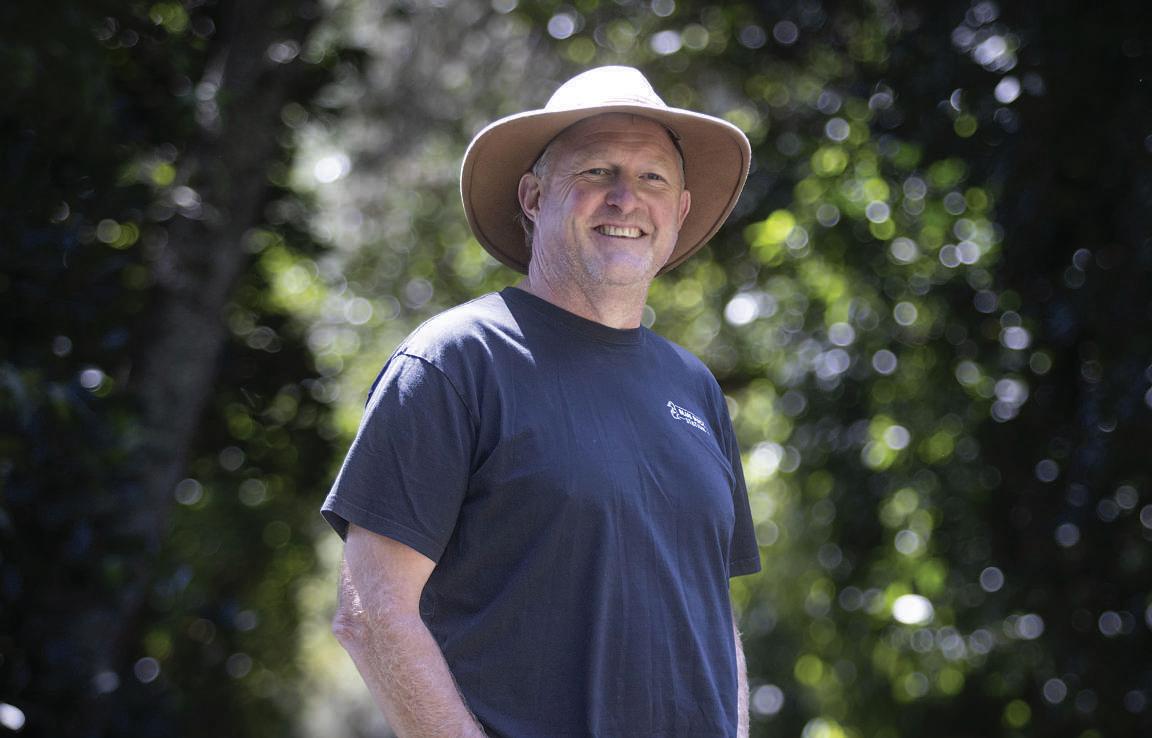
Charlotte Graham
The farmer who was dumping wool three years ago is now earning three times as much off the sheep’s back, but reckons New Zealand has a long way to go before wool becomes sustainable.
For years, wool has been growing increasingly worthless for New Zealand farmers, with low prices failing to even cover the costs of shearing. Three years ago, the market was so bad that Blue Duck Station owner Dan Steele was giving his wool away and mulching it
These days, Steele is getting three times as much for his wool, but says the recent price increases aren’t the result of New Zealand efforts. Until they are, he doesn’t believe wool will be a sustainable product
“Wool’s on a bit of an upwards curve at the moment, which is good, but it’s still not covering costs really Two or three years ago I was getting $1 a kilogram and now I’m selling it for around $3.50/kg, which is covering the shearers, but you’re probably not covering the other expenses, like dagging and dipping.”
For Steele, whose sheep produce lowerquality wool as it is, it’s simply not viable to increase his sheep numbers, especially because he is hesitant to believe the boom is going to last. Instead, his focus remains on increasing his beef numbers and growing the tourism side of the business
“It’s a good start, [but] the worry is that this increase is probably not being driven by Brand New Zealand or anything smart that we are doing at this stage. It’s mostly because there is a shortage of fibre and China’s jumped right into the market and they’re pushing quite hard.
“The hope is that natural products are going to come back in favour as we work out the problems with nanoplastics and synthetic materials. It’s all good in theory, but I don’t think those structural changes have happened yet.” Steele believed that New Zealand had failed to add value to its natural products or come up with a solid business plan to
Wools of New Zealand fibre will soon feature in carpets produced by the Turkish manufacturer behind carpets such as those used in Istanbul’s iconic Blue Mosque.
Wools of New Zealand has secured a supply partnership with international carpet manufacturer Kalida Hali, which will see New Zealand wool used in the company’s high-quality woven carpets exported to 69 countries around the world.
Wools of New Zealand chief executive John McWhirter said the partnership highlighted the growing international demand for premium New Zealand wool and created new opportunities for local growers by connecting them with global manufacturers of high-end products.
“Kalida Hali has been making woven carpets since 2005, exporting from Türkiye to markets around the world, including the United Kingdom, Europe, the Middle East and North America. They have built a strong reputation for producing durable, high-performance carpets using advanced yarn technologies.
market them. “We’re not adding enough value to New Zealand products and that’s a real shame and puts us in the position of selling the raw material in its cheapest commodity form.
“We’re under-capitalised because the country’s never actually had a business plan long-term to build value into what we do and sell. There’s a lot of special stuff here, let’s look after it and let’s value our natural capital.”
In aid of that, Steele opened the Tongariro Suite in September to showcase New Zealand wool products.
“I’ve put Bremworth carpet in there, flock panelling, I’ve got Ruanui blankets on the bed and sustainable gardens also with wool mulch. I’ve got six or eight different types of wool in there.
“Wool is a good story, but it just needs value adding to it People are getting back to wool apparel and wool blankets and carpets. It’s all good stuff, so we need to breathe life into those companies and
support the hell out of them.”
The premium cabin provides accommodation for The Chef’s Table restaurant on the station, which is a hotspot for New Zealand and international customers. The goal is to highlight the natural value of wool and encourage people to switch to using it.
Diversity is a big part of Steele’s success at Blue Duck Station and he makes good use of the station’s location on the banks of the Whanganui and Retaruke rivers.
Among other things on the 2800-hectare farm, Steele does conservation work, horse-trekking, jetboating, kayaking, tours, accommodation and owns a restaurant on top of farming sheep, beef and some red deer.
PGG Wrightson wool general manager Rachel Shearer was cautiously optimistic about the market and estimated that there has been a 30% increase in wool prices over the last year
“In the last six months of the last calendar year, the market showed significant improvement across the strong wool prices and that held. We opened in January with probably the hottest market we’ve seen for the last 10 years.
“It’s a classic supply and demand story. World sheep, or shearable sheep, numbers are at an all-time low and counter to that is the fact the world is waking up to the wondrous nature of this fully sustainable fibre. In particular, there is a lot of demand coming from China for natural products.”
Shearer thought that the global demand for natural fibres for products such as carpets, upholstery and bedding was growing. She was “cautiously optimistic” that those kinds of products could lead to a sustainable hold in prices.
The last PGG Wrightson wool report for the North Island showed a 20-cent increase in the strong wool indicator (SWI), with good-style crossbred fleece selling for an average of $5.56/kg.
However, the market does show signs of slowing, with the South Island report on February 26 showing a 7c drop in the SWI and prices for good-style crossbred fleece at $5.69/kg.
“By partnering with Wools of New Zealand, Kalida Hali will incorporate Wools of New Zealandbranded fibre, giving customers confidence not only in product performance, but also in the fibre’s origin, animal welfare standards and environmental credentials.”
Kalida Hali’s extensive range of carpets is in strong demand for hotels, resorts and places of worship.
“For New Zealand farmers, the partnership represents another meaningful step in expanding valueled markets for wool, where fibre quality, provenance and sustainability are recognised and rewarded.
“Wools of New Zealand’s certification programme ensures wool can be traced back to farms that meet independently audited standards across animal welfare, land management and social responsibility – reinforcing trust throughout the global supply chain.
“For us, this partnership is about more than supply. It’s about ensuring the story of New Zealand wool – the farmers, the land and the values behind it – is carried through to highquality finished products used around the world.
“By aligning with manufacturers like Kalida Hali, Wools of New Zealand continues to build long-term demand for natural wool, supporting growers by positioning New Zealand fibre as a premium, responsible alternative to synthetic materials.”


Beef + Lamb New Zealand chairperson Kate Acland says farmer confidence is high, but challenges remain in the sector.
The good news is that market fundamentals are strong. Beef + Lamb New Zealand’s mid-season outlook shows red meat export receipts for the 2025-26 year are forecast to remain at record levels, despite lower volumes. By Kate Acland.
Farmer confidence is improving, but few of us would say we are relaxed. With unrest in the Middle East and the situation in Iran dominating headlines, uncertainty is once again front and centre in rural New Zealand.
Several weeks ago, the conversation at our local A&P show wasn’t about the weather or lamb prices – it was about fuel. How high would it go? Would there be enough?
Neighbours swapped stories about empty tanks, fuel stations running dry, and whether stockpiling was sensible or risky. That anxiety has eased somewhat, but it has been replaced by a harder realisation – diesel approaching $4 a litre or higher could be here to stay for the foreseeable future.
“Farmers are resilient ... but resilience does not mean absorbing endless shocks without consequence.
Kate Acland
export receipts for the 2025-26 year are forecast to remain at record levels, despite lower volumes.
That matters because farmers are only just emerging from several punishing years of cost inflation.
Beef + Lamb New Zealand (B+LNZ) analysis shows on-farm input costs have risen by about 33% in the past four years, driven by fuel, fertiliser, freight, interest rates and compliance costs.
While 2024 finally delivered some stability, the current disruption we’re seeing to global energy and shipping markets looks set to reverse that progress.
Higher fuel prices don’t stop at the pump. They feed through into fertiliser, transport and contract machinery rates and, ultimately, into interest rates and inflation more broadly
The good news is that market fundamentals are strong. B+LNZ’s mid-season outlook shows red meat
Farm-gate prices have responded accordingly, with lamb and beef returns well above last season and close to, or above, five-year averages.
For many farmers, fertiliser is now the next concern. The timing of the current crisis is, at least for now, favourable. Demand dropped earlier in the season, and there is ample fertiliser already in the country or on the water to get through autumn and into early spring.
Looking further ahead, availability for spring cropping – particularly dryland summer crops and winter feed – becomes critical. Fertiliser shortages at that stage would not just be an economic issue; they would rapidly become an animal welfare issue, with serious consequences for stock management and farm viability.
This is where co-ordination matters. B+LNZ has been in regular contact with government agencies, with weekly briefings on fuel, fertiliser and other critical on-farm inputs to ensure supply chains remain open and responsive.




That strength matters beyond individual farm businesses. B+LNZ estimates sheep and beef farmers will generate about $8.5 billion in income this season, spending roughly $16 million every day on goods and services – with 80% to 90% of that money staying in local communities.
When agriculture does well, provincial New Zealand does well – and so does the national economy.
However, global uncertainty has a habit of exposing weak points, so chasing certainty within our own farm systems makes more sense than ever. That means planning conservatively for feed, keeping balance sheets resilient and reducing exposure to supply chain shocks where possible.
The last few years have taught the sector hard lessons Farmers are resilient, adaptable, and pragmatic –but resilience does not mean absorbing endless shocks without consequence. Policy stability, transparent communication and early warning systems are not luxuries; they are essential infrastructure.
Confidence is returning to sheep and beef farming, supported by strong market demand and improving farm-gate returns
Preserving that confidence in a volatile world will depend on preparation, realism, and ensuring that the signals coming from Wellington and global markets are grounded in evidence, not uncertainty.

Scott Downs Director of sales and marketing, PF Olsen
For much of the past decade, India has been the market that got away for New Zealand’s forestry sector. Now, with the New Zealand-India Free Trade Agreement (FTA), the industry has a genuine opportunity to reset that relationship – and this time, on far stronger footing.
The significance of this deal cannot be overstated. Negotiations were concluded on December 22, 2025, and the agreement will eliminate tariffs on about 95% of New Zealand exports, including most forestry products.
For timber and wood products, that means duties of roughly 5.5% to 11% – a long-standing barrier to competitiveness –will largely disappear overnight.
But to understand why this matters, it’s worth revisiting how we lost India in the first place.
At its peak, New Zealand’s log trade with India was worth hundreds of millions of dollars annually (about $250 million to $326m by the late 2010s). Then came the methyl bromide issue. India requires logs to be fumigated with methyl bromide, but New Zealand progressively restricted its use due to environmental concerns By 2021, exports had collapsed to just $28m.
The result was a near-total withdrawal from a key growth market, at exactly the time diversification away from China was becoming strategically important.
While New Zealand stepped back, others stepped in Australia, benefiting from its own trade agreement with India signed in
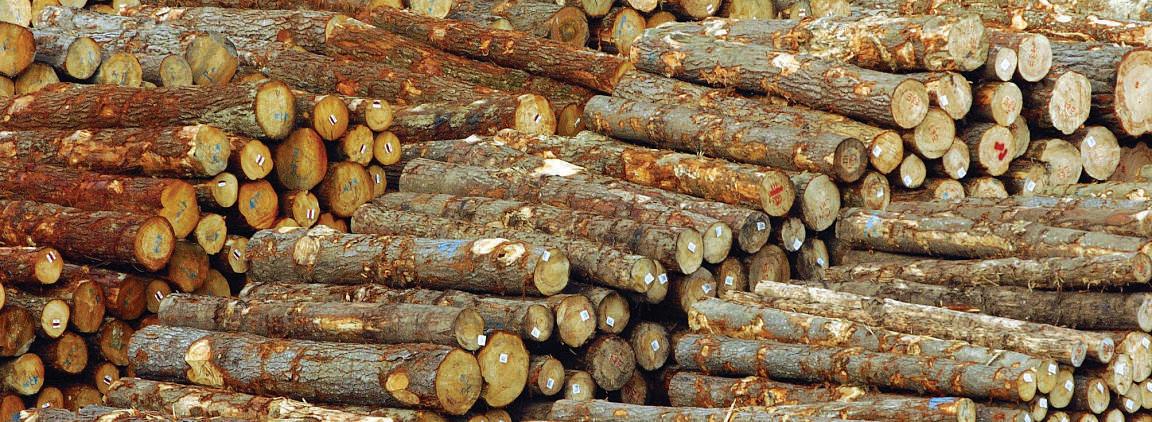
2022, gained tariff-free access and rapidly expanded its market share. At the same time, geopolitical tensions saw China restrict Australian log imports, pushing Australian exporters to aggressively pursue alternative markets like India South American suppliers also moved to fill the gap.
New Zealand, meanwhile, remained constrained, not only by fumigation rules but also by tariffs that competitors did not face.
There have been signs of recovery. A temporary arrangement allowing methyl bromide fumigation on arrival in India has enabled some trade to resume, lifting exports off their lows. But without tariff parity, New Zealand exporters have continued to operate at a disadvantage

That is precisely what the FTA changes. By removing tariffs and providing more predictable access, the agreement finally levels the playing field with competitors such as Australia. It also creates the certainty needed for exporters and processors to reinvest in market development, supply chains and longterm partnerships in India.
Unsurprisingly, the forestry sector has been vocal in its support. The New Zealand Forest Owners Association joined a wider industry push in April 2026 calling on all political parties to back the deal, highlighting India as a “significant growth market” with strong demand for wood products.
Industry groups have framed the agreement as a once-in-a-generation
opportunity to rebuild a market that was lost not through lack of demand, but through regulatory and trade misalignment.
Of course, the FTA is not a silver bullet. Fumigation protocols still need a long-term solution, and India remains a complex, highly competitive market. But the direction is clear.
India is projected to become one of the world’s largest economies, with rapidly growing demand for construction materials and wood products. For a New Zealand forestry sector heavily exposed to China, re-establishing a strong position in India is not just an opportunity – it is a strategic necessity.
This time, we have a second chance. The challenge now is to make the most of it.
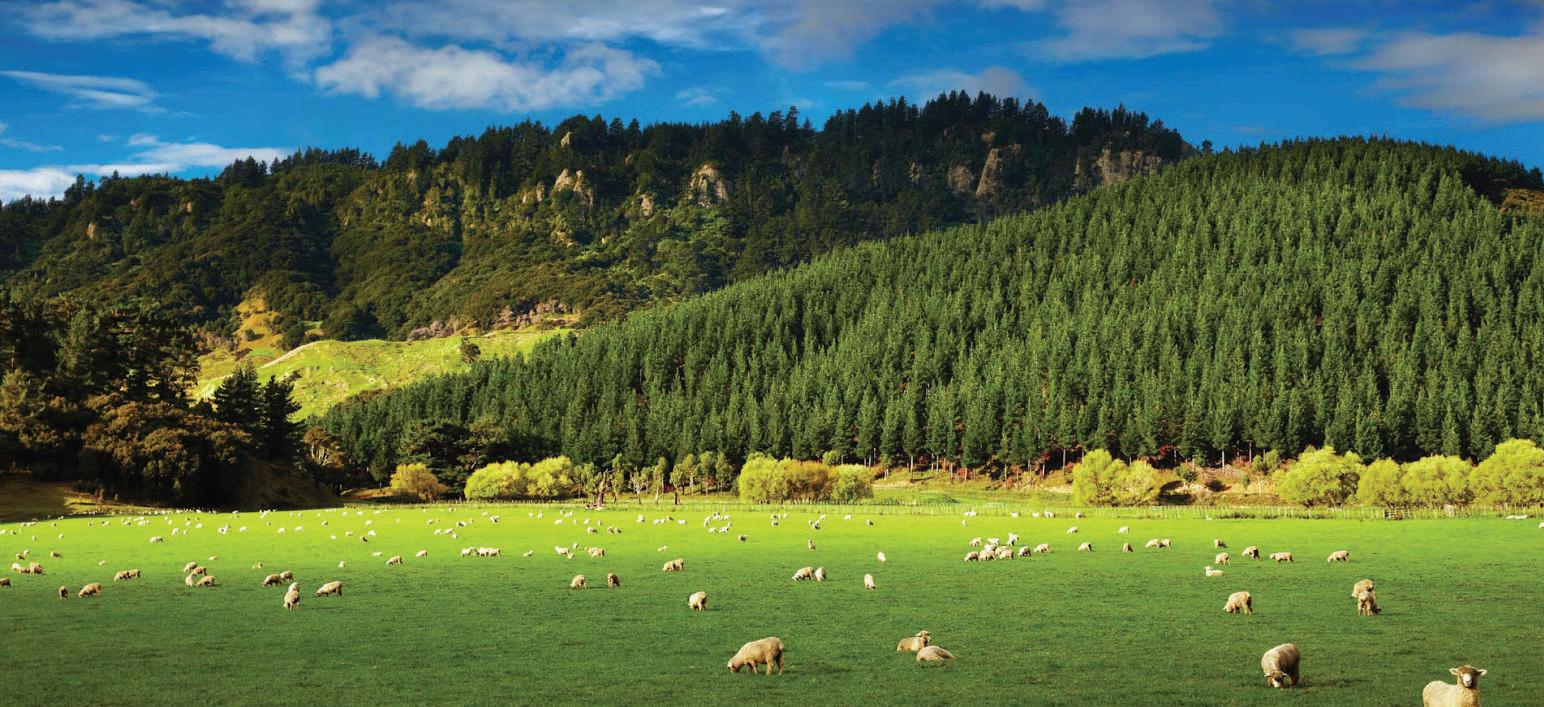
Anisha Satya of RNZ
This year’s carrot seed crop should have been David and Jayne Clark’s money-maker.
“Establishment was very good,” David says.
“Our weed control through the winter was exceptional our plant height is very even, and then our umbel (flower cluster) numbers going into the pollination season [were] also very good.
“The bit that we were missing out on was typical hot, dry Canterbury weather.”
A wet summer costs a lot for an arable farmer on the plains. It prevents bees from pollinating crops, which means fewer seeds and less product to sell.
And if the rain turns to hail, a year’s work could turn to compost overnight – a reality many Canterbury farmers have experienced over the past three years
“There are some farmers here in mid-Canterbury who had no crops to put through their combine harvesters after the hail. That’s years to recover from.”
The weather is one of several reasons why the Clarks will leave the arable industry, and farm something else
“We’re all on a no-exit road in arable at the moment,” David says. “The return on capital is less than the cost of capital.”
The couple haven’t decided yet what they will farm next, but dairy cows are a major contender.
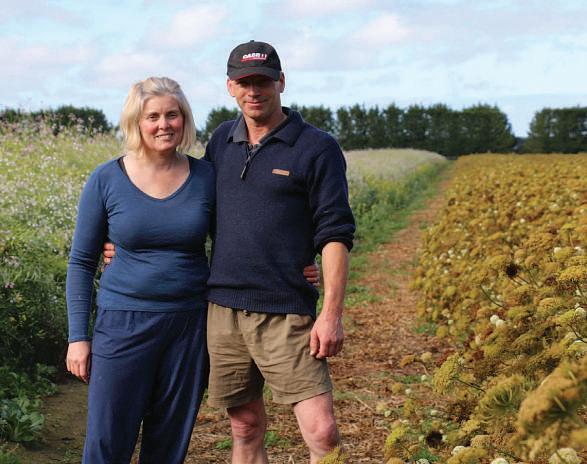
“The faster all of us can exit the arable industry and move to cows, the better.”
Greendale farmer Rod May has already made that move – and he’s excited about it. “We’ve always looked across the fence at the dairy industry, and been a wee bit envious of their farm succession plans.”
Jayne and David Clark say it isn’t feasible for them to continue cropping with the current markets and climate.
RNZ
He began converting his farm two years ago, when Environment Canterbury (ECan) enabled a consent process to change farmland use.

In the past two years, 43 dairy effluent discharge consents have been approved. Twenty consents were for farms in central and north Canterbury; 23 were for farms south of the Rakaia River. A further 17 consents are in progress.
ECan says the approved 43 consents will allow a maximum of 37,367 cows to be introduced to the Canterbury plains.
“We were the second consent to come out and the second shed to be built in this area,” May adds.
“There’s a wave of them; there’s a belt running from Greendale to the [Waimakariri] river.”
With dairy conversions making headlines throughout last year, May says some people thought arable farmers would be jumping from one cash cow to the next.
“But it’s not like that, that’s not the reality.”
Like the Clarks, succession was on May’s mind – to keep the land for his children, it has to be profitable.
“We just want a small, reliable business for the family.”
Federated Farmers arable group chairperson David Birkett says it’s understandable why so many Canterbury croppers are leaving the game.
Machinery is expensive to fix and replace, and hikes in fuel prices following the conflict in Iran have added more strain.
“We filled up the tractor before the war, it was probably costing us $450-odd. Today, that’s probably going to cost us $1100 to fill up for the day. You don’t see that same issue in dairying.”
Birkett is one of several growers who will be impacted by the Heinz Wattie’s processing plant closure, although he says there are other plants to turn to in the south.





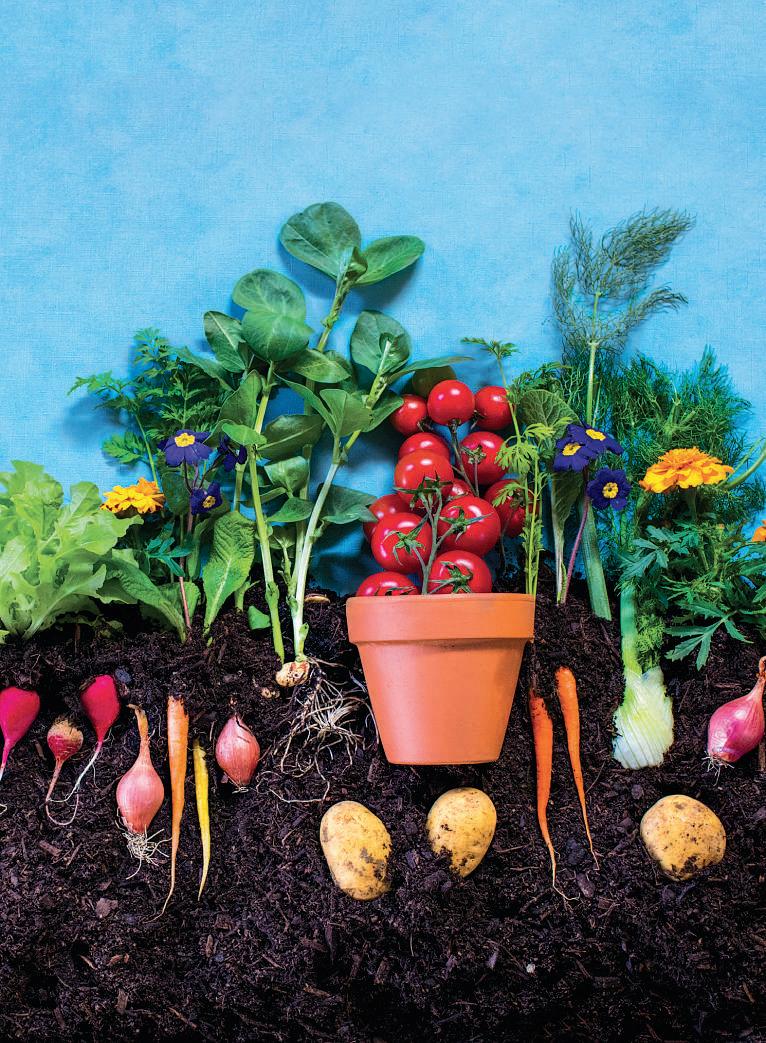

Catherine Groenestein
Being from Taranaki is a common link for three women farming leaders who are finalists for a prestigious national title.
LeAnne Blakelock, Rachel Short and Hinehou Timutimu are all in contention for the 2026 Fonterra Dairy Woman of the Year award, which recognises an outstanding woman who has contributed to the dairy sector with passion, drive, innovation and leadership Previous Taranaki winners include Taranaki regional councillor Donna Cram in 2023, environmentalist Trish Rankin in 2019 and Taranaki-King Country MP Barbara Kuriger in 2012.
LeAnne Blakelock, from Inglewood, is the founder of Calf Chronicles, a farmerto-farmer platform with more than 6000 followers What began as a space to share practical, evidence-based insights on calf welfare, nutrition and performance has grown into a wider conversation about the future of the industry.
She is also the creator of the Rose Gold Veal brand, championing ethical veal production and elevating conversations around calf utilisation, welfare and wholeof-system sustainability.
Rachel Short is a Coastal Taranaki dairy farmer who, alongside her husband and parents, owns two certified organic dairy farms near Opunake.
Short led the conversion of both farms to organic certification from 2015 and has since become one of New Zealand’s leading voices in organic and regenerative dairy farming. She is passionate about healthy ecosystems as the foundation for human nutrition, animal welfare and farm profitability
Hinehou Timutimu (Tuhoe, Whakatōhea, Te Atiawa) is originally from Taranaki. She is general manager of

Te Tawa Kaiti Lands Trust in the Bay of Plenty, where she leads a dual-enterprise model combining dairy farming and maize.
Her leadership philosophy – guided by the whakataukī ‘Ka ora ai te whenua, Ka ora ai te tangata’ (When the land thrives, the people thrive) – is woven through every initiative she leads.
She brings together mātauranga Māori and Western science to deliver climate resilience, biodiversity restoration and dairy performance improvements.
The recipient of the award, which will be announced on May 5, receives a scholarship to be part of the Kellogg Rural Leadership Programme.
“We need innovative people in our industry, and all three are amazing women,” said Cram.
More women were stepping into dairy sector leadership roles and being
welcomed by their male counterparts.
“People are quite inclusive, we support each other, women are being enabled now in the dairy sector and I think that’s really important,” she said. “I think it’s about what people achieve, not their gender.”
This year has seen a strong showing by up-and-coming rural women leaders, with female farmers dominating the 2026 Taranaki Dairy Awards.
New Plymouth’s Miriam Lauridsen was named the 2026 Taranaki Dairy Manager of the Year, with Hāwera-based Kate Logan, who won the Taranaki dairy trainee title in 2022, this year’s runnerup. Third place went to Laura Potroz, of Tariki
The 2026 Taranaki Dairy Trainee of the Year was Shicaela Kane, from Hāwera, who is South Taranaki Young Farmers Club chairperson. Eltham’s Molly Yarrall was runner-up and Karleigh
Moir from Pātea was named third. Taranaki Federated Farmers president Leedom Gibbs said contemporary rural women were succeeding in their own right. Dairy farming had always been a good place for women to be involved in business, even if they were not recognised publicly in earlier generations.
“They have always been active behind the scenes; generally if a farmer was doing well, he had a wife at home making sure things went well.”
Now women were being employed on merit, and encouraged to enter competitions and awards as of right.
The Fonterra Dairy Woman of the Year award is being announced on May 5 at the Dairy Women’s Network (DWN) Conference 2026 in Christchurch, where the theme is ‘Success through Inspiration’.
A2 Milk expects lower profitability thanks to a cluster of supply chain problems that are largely not caused by United States President Donald Trump’s war in Iran.
The NZX sharemarket-listed company continued to grow revenue, but has told shareholders to expect that revenue growth to be low to mid double-digit percent, not the mid double-digit growth it has been forecasting for its current financial year
And its pre-tax earnings would land somewhere in the 14% to 14.5% range, rather than 15.5% to 16%, and net profit after-tax was now expected to come in below the level it delivered in its 2025 financial year.
David Bortolussi, A2’s managing director and chief executive officer, said the company was struggling to meet demand for its infant formula in key markets, primarily China
Demand was high for A2 infant formula, partly as a result of recalls earlier this year by rival Nestle, after contamination by a toxin called cereulide made babies sick in countries including the United Kingdom and US
While A2 infant formula had no contamination issues, the sickness scare led to a rush for its products, which left suppliers in China without the stocks they wanted.
In addition, China has been subjecting infant formula to more testing as a result

of the scare over contamination with cereulide, which is a toxin that can cause gastrointestinal illness.
“Emerging standards relevant to ingredient suppliers and infant milk
formula manufacturers in relation to enhanced cereulide testing measures are extending quality assurance release times and impacting product availability,” Bortolussi told A2 shareholders.
“Additional clearance requirements and testing measures, including higher inspection and sampling rates for the industry, are extending clearance release times and impacting product availability.”
A2, however, was suffering from manufacturing and inventory “challenges” in New Zealand, which it blamed partially on supplier Synlait, with which it had a long-running disagreement that saw A2 diversify its roster of suppliers.
There remained a significant backlog of unfilled purchase orders from Synlait with less capacity to catch up following the sale of its North Island assets, Bortolussi told shareholders.
However, Bortolussi said Synlait was back up to “target levels”.
The war in the Middle East, which was started by the US without any consultation with its traditional allies, like Europe, the UK, Australia and New Zealand, had made the problem worse, however.
Bortolussi said the availability and cost of additional air freight required to accelerate product shipments to China was being indirectly impacted by the Middle East conflict, with variability in capacity allocations for sea freight.
A2 also warned of continued uncertainty that could see further changes to its forecasts. That included further delays in freight.
The US created a blockade of the Strait of Hormuz and Iranian ports, a move which created a further dispute in ceasefire and peace negotiations.
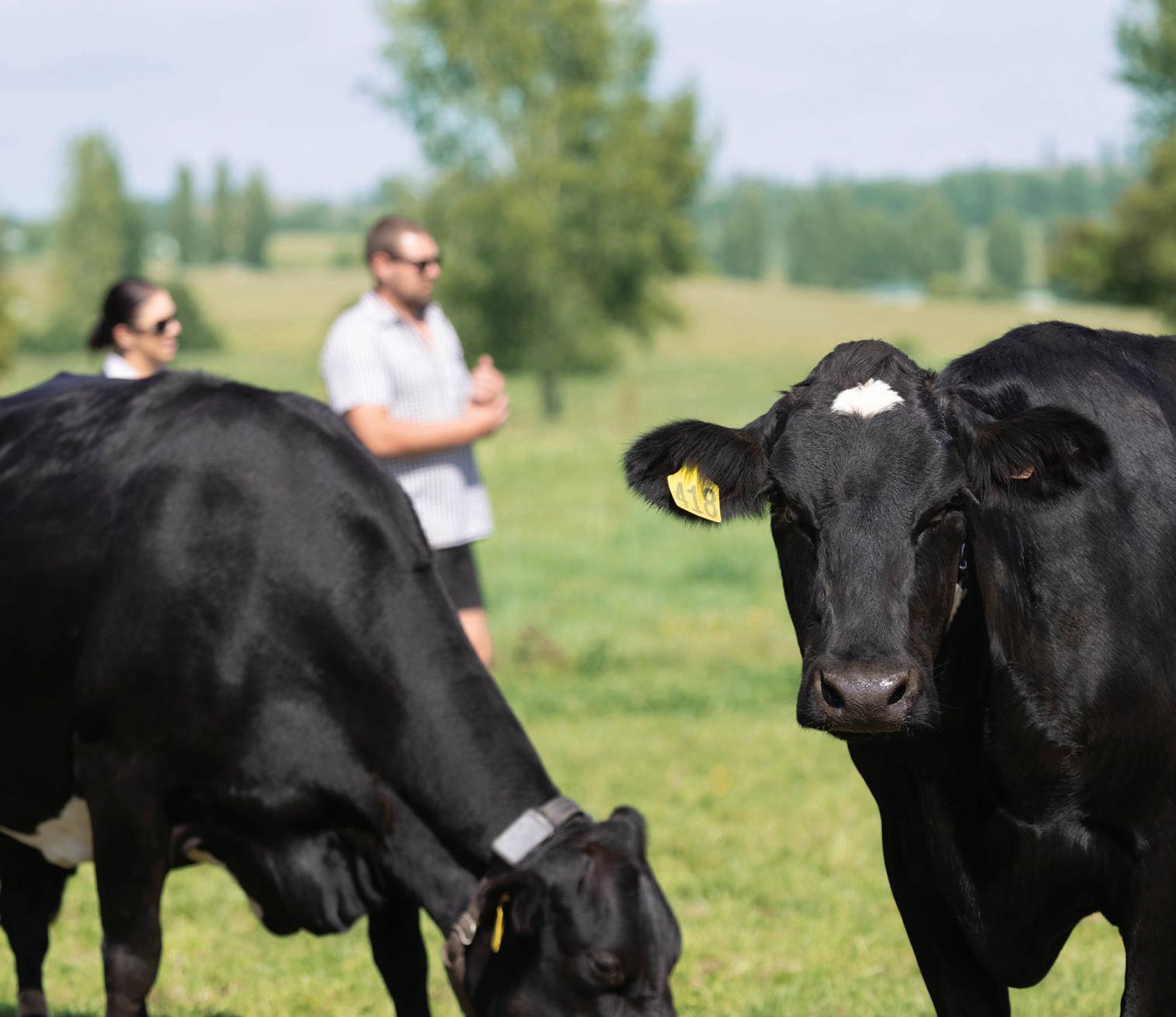
Getting cows through transition in the right condition can makeorbreak both reproductive performanceand milk production. On one Waikato farm, amore structured approach to the transition period has delivered measurable gains. Four years ago, the farm’s empty rate sat at 19%. This season, it is tracking at 10.5%
Greater attention to pre-calving nutrition, consistency of intake, and mineral balance has supported cows through one of the mostdemanding stages of the production cycle. It’s resulted in more than just improved reproductive performance, but also produced ahealtheir, more resilient herd overall.
Feeding for consistency, notrecovery Alongside reproductive gains, milk production has also trended upward. Over the course of ayear, milk production increasedbyjustover 9%, from 496kgMS to 541kgMS percow.
Thisseason is on track for approximately 338,000 kgMS, with a slightly lowerper-cow figure reflecting more milk being allocated to calveshighlighting asystem decision rather than adrop in performance. Behind thesenumbersisaconsistent focus on aligning feed supply with animal demand.
Rather than reacting to pasture shortfalls, the approach has been to anticipatechanges in grass growthand quality, adjusting feed inputsaccordingly to maintain consistent intake.That has helped minimiseproduction dips and support cows to reach and sustain higher levels of output
Asystems approach to performance
It’s showing how the cumulative effect of multiple small, well-executed decisions benefitsthe entire system.
•A more structured transition period
•Closer alignment between feed and demand
•Ongoing monitoring and adjustment
•A clear focus on consistency Together, these elements have
contributed to asystem that supports both productivity and animal wellbeing.
Building performance from the start.
As many farmers will recognise, outcomes like milk production and empty rates are often decided well before they show up in the data.
They are shaped in the lead-up to calving, influenced by how well cows are supported through transition, and reinforced by how consistently they are fed through early lactation
It’s areminder that performance isn’t something that can be recovered later in the season. More often, it’s something that is built early and carried through.
In this case, input from Nutrition Specialists at SealesWinslow has supported the development of the farm’s feeding and transition approach, working alongside thebroader system already in place.
According to SealesWinslow Nutrition Specialist ChrissyAlexander, the focus is lessonquick fixes and more on setting cowsupearly.
“Transition is the stage that sets the foundation for the entire season,” she says. “When cows move through this

period on awell-structured program that supports consistent feed intake and asmooth progression into lactation, they maintainthe right nutrientbalance from the start.
“That meansyou’re building production and conditionearly, rather than trying to recover what was lost later.”
It reflects awider shift across the industry, where informed nutritional planning and on-farm collaboration are increasingly being used to underpin performance from the outset, rather than correct it later.
Taking that next step towards an informed nutritional plan comes down to having theright advice and tools in place. Working with aSealesWinslow Nutrition Specialist is the first step to realising that plan to set the foundation for future performance.
Get in touch with your local Nutrition Specialist fora tailoredplan for your farm. SealesWinslow.co.nz.

Afarmer who suffered serious injuries when his quad bike flipped over and landed on him has shared his experience in the latest safety alert by Safer Farms.
The farmer had been mustering cattle on his hill-country farm and was taking them home along a flat track when he reversed the quad over the edge of the track to let the cattle pass.
When some of them wandered off, he got off the quad, putting the handbrake on but leaving the vehicle in gear.
In the process of getting back onto the quad, he accidentally hit the throttle with his knee, the force throwing him over the handlebars. The wheels of the bike were now almost over the edge of the track, so he got back on and slammed on the rear footbrake.
This caused a weight displacement, which tipped the 300-kilogram quad backwards. It came down on his chest, causing serious injuries including heart damage, spinal damage, broken ribs and multiple bruises.
While he was able to free himself, it took him 2½ hours to crawl home, where the alarm was raised and he was flown to hospital. He spent a week in the intensive care unit and had to take several weeks off work to recover.
As a result, he has now reviewed the safety arrangements on his farm and made changes, including installing a beeper on the quad that indicates when it is in reverse. Safety gear of this kind can be installed for less than $400.

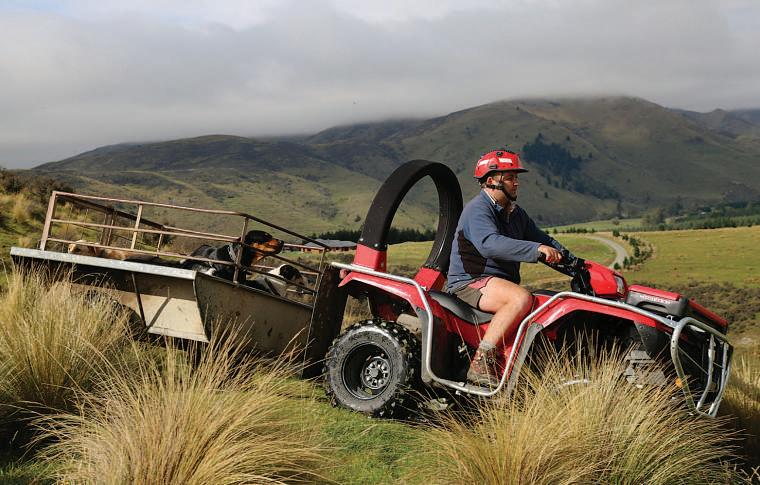
Safety alerts are learnings from real-life incidents that can be downloaded as easy-to-read handouts and shared with farm teams
This particular alert can be used to talk about key safety approaches, including: When not riding a quad, put it in park and always use the handbrake. Take your time with a task – those extra few minutes could prevent an injury. Rushing and fatigue can affect concentration. In this case, the farmer didn’t recall the quad was in reverse. Make sure you have a way of communicating for help when out on the
farm – GPS tracking, walkie-talkies and personal locator beacons (PLBs) make up for the lack of cellphone coverage on most farms.
Always tell someone where you are going on the farm, and for how long. Letting someone know where you’ll be and when you’re expected, can get help quicker if an incident does occur
Consider what tools and devices will protect you even when you’re fatigued and invest in them early – such as the beeper that would have reminded this farmer the bike was in reverse.
This article is part of Safer Farms’
Safer Farms is a membership organisation that recognises the whole sector benefits from improved health and safety. It brings together farmers and senior leaders from agribusiness, agricultural industry groups and government.
Safety alerts document real-life incidents, distilling key lessons from farmers into concise, one-page handouts for managers to use in safety discussions with their teams
These alerts are a great way to learn from incidents that have happened on other farms. Ask yourself:
■ Could this happen on my farm?
■ What do I have in place to prevent this from happening?
■ How can I implement these learnings?
To view the safety alerts, visit: farmwithoutharm.org.nz/safetyalerts These can be printed out for use in training and discussions and there is an option to be emailed when new safety alerts are added.
safety alert series, learnings from real-life incidents on farm.
It is part of the organisation’s Farm Without Harm strategy and action plan, developed by the agriculture sector for the sector.






mor ss t effo
ltimate
Getm in les less e Berni is the extra-large wheelbarrow, engineered to last from aluminium andmoulded plastic, with a5 Year Guarantee.
ie’s e u large edone, ime, with rt Barrow
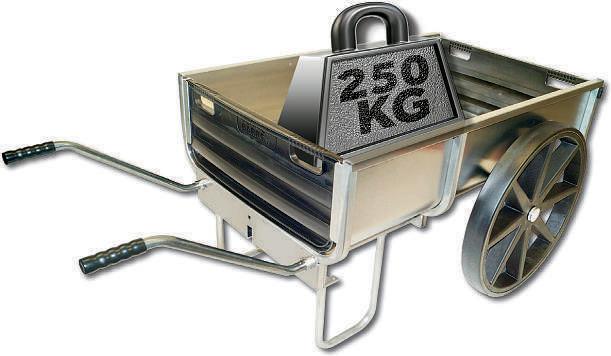
•Extra-large capacity– 4times standardwheelbarrow.

•Removableend panelstocarry long loads
•Ergonomically engineered forlightweight,easyand comfortablehandling.
•Ideal forfirewood, hay bales,buckets of calf feed, etc.
•Two largewheelsrolleasily even withheavyloads and no more flattyres!
•Tool-lessconversion to aride-on mowertrailer(optional).
•Flatdecktray(optional). Converts your Bernie’s Barrowtoa mobile workbench.
•Caddy (optional)clipstoeither side of your Bernie’s Barrow.
• Highsides kit(optional). Doubles thecapacityofyour Bernie’s Barrow
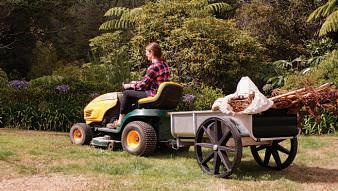
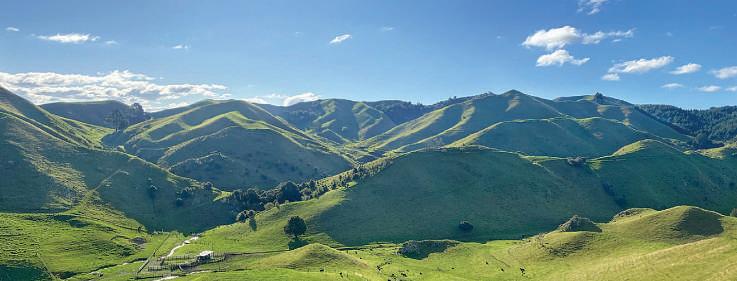
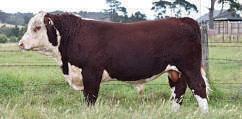
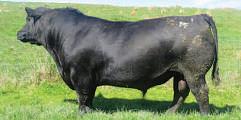
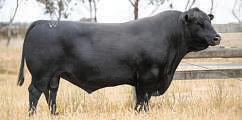
Tighter margins and growing employment costs are forcing farmers to plan ahead, balance staff expectations and protect the sustainability of their businesses.
Running a farming business has never been simple, but the margin for error has become increasingly tight. Between fluctuating commodity prices, environmental obligations, interest rates and the ever-present influence of weather, many farm owners are being asked to do more with less.
Against that backdrop, recent changes to employment settings – particularly minimum wage increases and KiwiSaver changes – are becoming a growing point of pressure.
While these changes are aimed at improving outcomes for workers, they also bring real, ongoing cost and compliance implications for farming businesses that rely on people to get the job done.
Employment costs not just a background issue
From April 1, the adult minimum wage increased to $23.95 per hour, continuing the upward shift from $23.50 the year prior. For some farmers, that headline figure may seem manageable, but the true impact is rarely limited to the base rate. In practice, minimum wage increases
tend to ripple through the entire workforce. Once entry-level or junior roles move up, expectations rise elsewhere. Experienced team members rightly question why the gap between responsibility and pay is narrowing.
Before long, farm owners find themselves adjusting multiple roles just to maintain fairness and morale.
This wage compression is one of the most common challenges we see across farming operations. It’s not about resisting fair pay: most farmers want to do right by their people, but rather about balancing payroll costs with business reality
KiwiSaver changes add to cost base
On top of wages, changes to KiwiSaver contributions mean employment costs will rise again, regardless of seasonal conditions or market performance.
From April, the default employer contribution increased to 3.5%, with a further rise to 4% set for 2028. Unlike many variable farm costs,
Minimum wage increases tend to ripple through the entire workforce, according to employment advisers Peninsula Group
KiwiSaver contributions are fixed and ongoing. Once implemented, they must be applied correctly, consistently and on time. Payroll systems need to be accurate, contribution changes applied automatically and records kept up to date.
For farms that employ casuals, school leavers, or seasonal staff, this adds another layer of administration during already busy periods. It’s not just about the money; it’s about getting it right, every pay run.
The real challenge: planning
One of the biggest risks we see is farm businesses reacting to these changes at the last minute. When wage increases or KiwiSaver changes are treated as sudden shocks, rather than part of a longer-term trend, decisions are often costly.
Farmers who plan ahead tend to fare better That might mean reviewing pay structures annually, rather than only when legislation changes, modelling labour costs across seasons or taking
a closer look at total remuneration packages. Accommodation, tools, allowances and roster flexibility all play a role in attracting and retaining staff, often without the same immediate cash impact.
Workforce retention is another critical piece of the puzzle. Replacing staff, particularly in remote or specialised roles, can cost far more than incremental wage adjustments. Stability, clear expectations and open communication are often just as valuable to employees as pay increases.
Balance between people, profitability There’s no denying that higher wages and stronger retirement savings benefit workers and, in the long run, the wider economy. Many farm owners recognise this and support the intent behind the changes.
The challenge lies in implementing them without undermining the sustainability of the business itself. Farming is uniquely exposed to risk, and while employment costs continue to rise, income certainty has not kept pace.
As minimum wage reviews continue annually and KiwiSaver changes are already locked in for coming years, employment costs should no longer be viewed as a short-term issue. They are now a core part of strategic farm planning. For farmers, the key is staying informed, budgeting early, and seeking advice before issues arise. Understanding obligations and building them into the business model puts farm owners in a far stronger position to protect both their people and the future of their operation.
For more employment news,visit: peninsulagrouplimited.co.nz
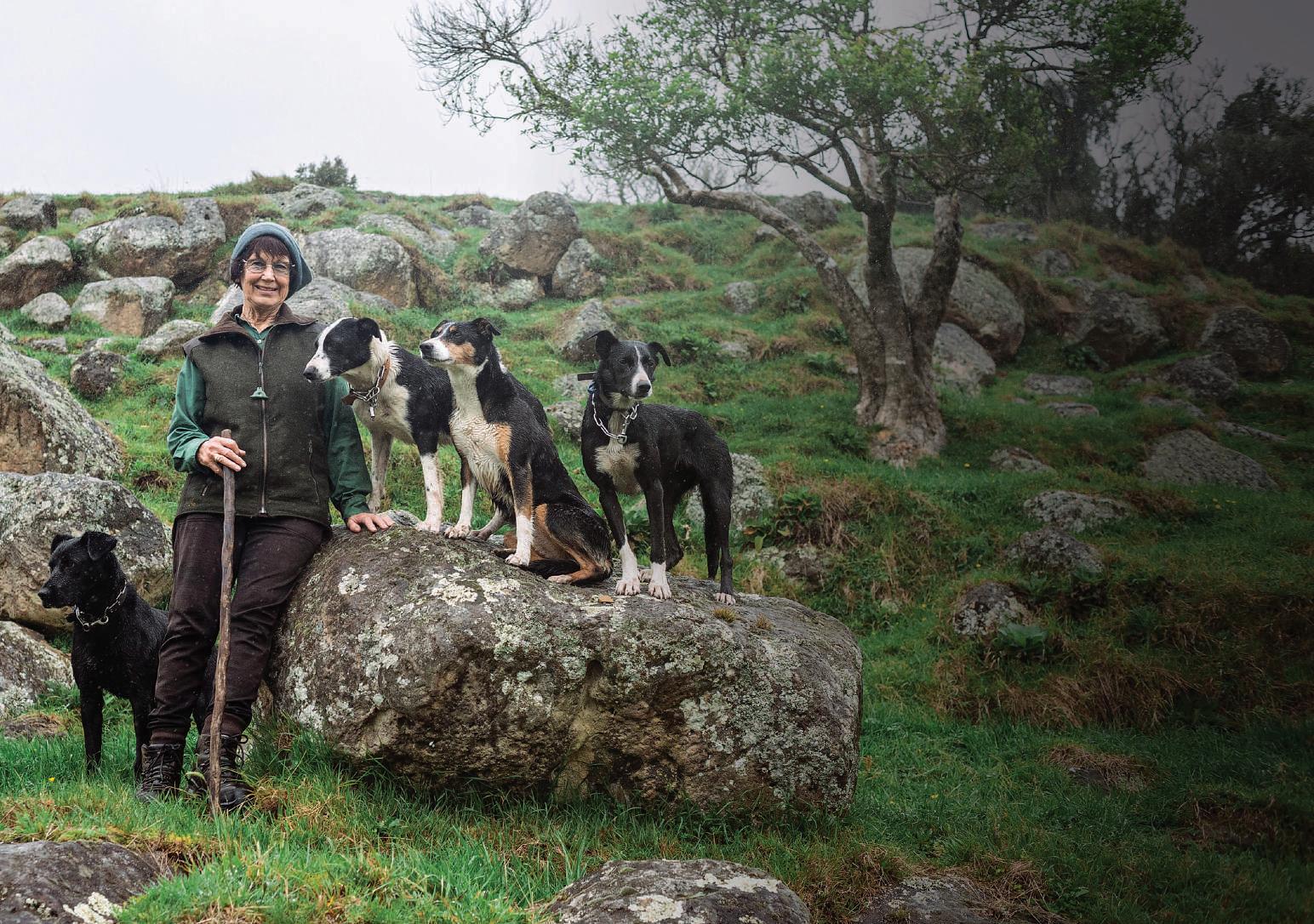
● May 4-8:
Dairy Hoofcare Institute
Advanced Hoofcare Course; Canterbury
This course is aimed at those who are serious about minimising lameness on their farm through gaining a more comprehensive understanding of the contributing factors, as well as becoming competent in the technical aspects of hoof trimming.
● May 5-6:
Dairy Women’s Network
DWN Conference 2026 – Success Through Inspiration; Christchurch
This year’s Dairy Women’s Network conference – Success Through Inspiration, supported by Bayleys Canterbury – is set to be the Dairy Women’s Network’s biggest, boldest, most empowering event yet It’s a two-day experience designed to ignite ambition, fuel confidence and inspire action that truly makes a difference. The Fonterra Gala Dinner and Fonterra & Global Women’s Breakfast will leave guests energised and motivated long after the conference ends.
Info at dwn.co.nz/events
● May 5-6: DairyNZ
Effluent Systems That Work –Design and Management for Low-Altitude Farms; Taranaki Come along to this practical day, in partnership with AgFirst and HADES, to learn about effluent infrastructure and best-practice management skills to support compliance on farm.
Info at dairyevents.co.nz

● May 7:
NZ Institute of Primary Industry Management
Navigating Global Change: Insights for the Future of New Zealand Agriculture; Mosgiel
At this event, MPI chief insight officer Jarred Mair will explore how global change is influencing our food and fibre sector and what this means for rural professionals working across agriculture and agribusiness Info at irpnz.co.nz
● May 9:
New Zealand Dairy Industry Awards
National Final; Rotorua
This evening recognises the best in the business, crowning the National Share Farmer, Dairy Manager and Dairy Trainee of the Year. It is a fantastic networking night for those looking to see where the industry’s benchmarks are being set Info at dairyindustryawards.co.nz
● May 11:
Pasture Summit
Autumn event; Putāruru
Hosted by farmers for farmers, sharing ideas and developments on achieving profitable dairy food production, with input from dairy sector specialists, and kindly supported by DairyNZ. Info at pasturesummit.co.nz
● May 12:
SMASH
Setting Up for Next Season Field Day; Matata, Bay of Plenty
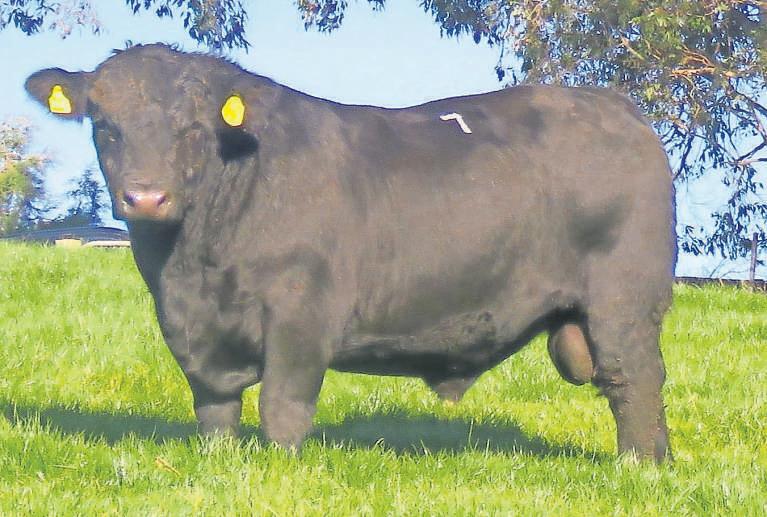
Hosts George King and Hannah Lukins are completing their first season both sharemilking and contract milking. Pay a visit to their 250-cow, 80ha share-milking farm, which they run alongside a 118ha, 400-cow contract milking job. Info at smallerherds.co.nz
● May 14: SMASH
Setting Up for Next Season; Wellsford, Northland Hosts Jacqui and Robbie Morritt have just bought their farm after sharemilking on it for five seasons. Visit the 190-cow, 90ha (eff) property to find out about their operation. Info at smallerherds.co.nz
● May 19-21: B+LNZ
Out the Gate 2026; Te Pae Christchurch Convention Centre Attend the biggest event in New Zealand’s red-meat calendar –all centred on the theme: A sector fit for the future, today. This year’s programme is bigger than ever, with the option to attend the Sheep Breeder Forum and the Beef + Lamb New Zealand Awards Dinner alongside the Out the Gate event. Info at beeflambnz.com/events
● May 21-22: E Tipu
The New Zealand Future Food and Fibre Summit; Christchurch and online This is a high-level summit that brings together global thinkers and local leaders to discuss the future of food production. This is
the place to be if you are interested in agritech, sustainability and how New Zealand products will reach the world’s dinner plates in the next decade.
Info at etipu.nz
● May 26: OWL Farm Owl Farm Focus Day; Cambridge Review the season to date with relevant seasonal topics.
Info at owlfarm.nz
● May 26-28: Horticulture NZ New Zealand Horticulture Conference; Wellington A series of co-ordinated events across three days focusing on the specific challenges of the horticultural industry, including biosecurity, labour markets and export growth.
Info at hortnz.co.nz/events
● May 27:
NZ Institute of Primary Industry Management
The Wai of the Wairarapa; lower North Island This event provides a knowledgesharing and networking opportunity for rural professionals working with land use, water and catchment management in South Wairarapa. Info at irpnz.co.nz
Registration is essential for many events. Check out the various websites for more events.



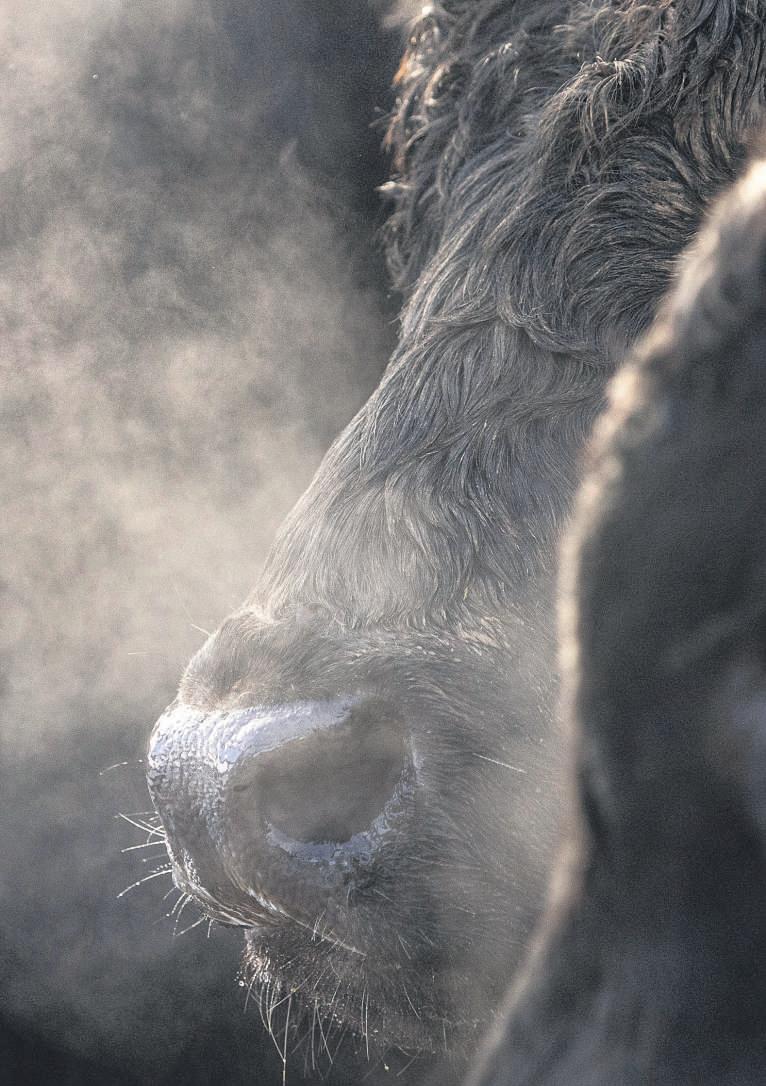

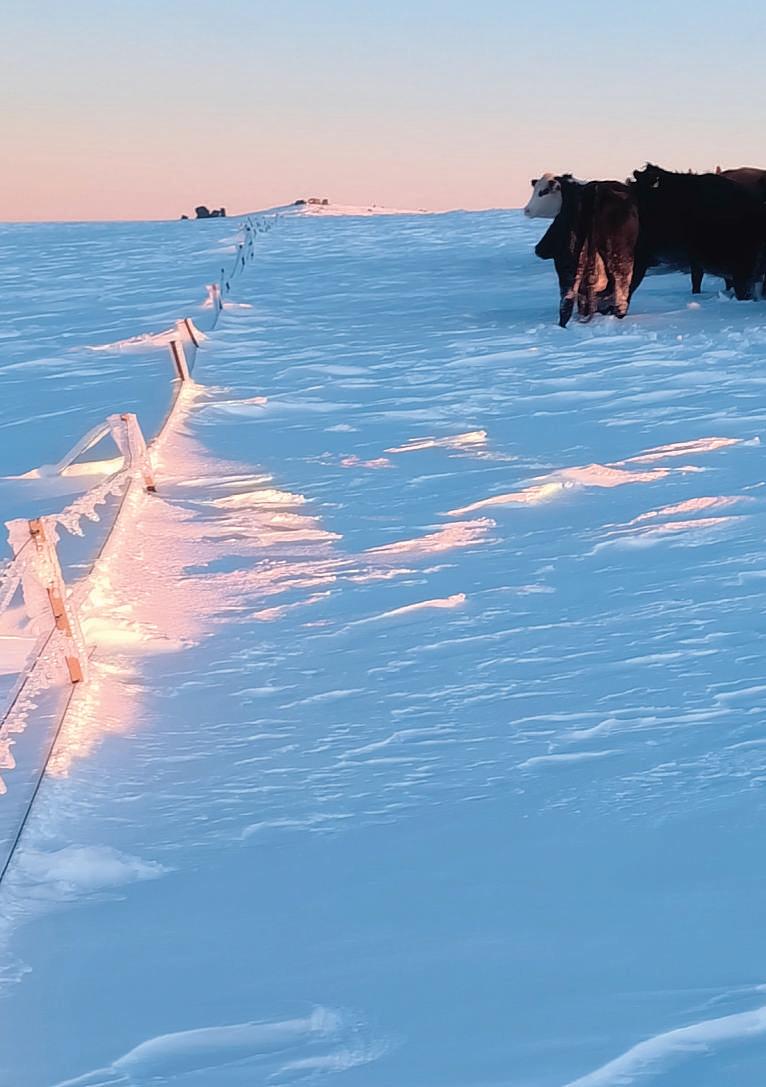



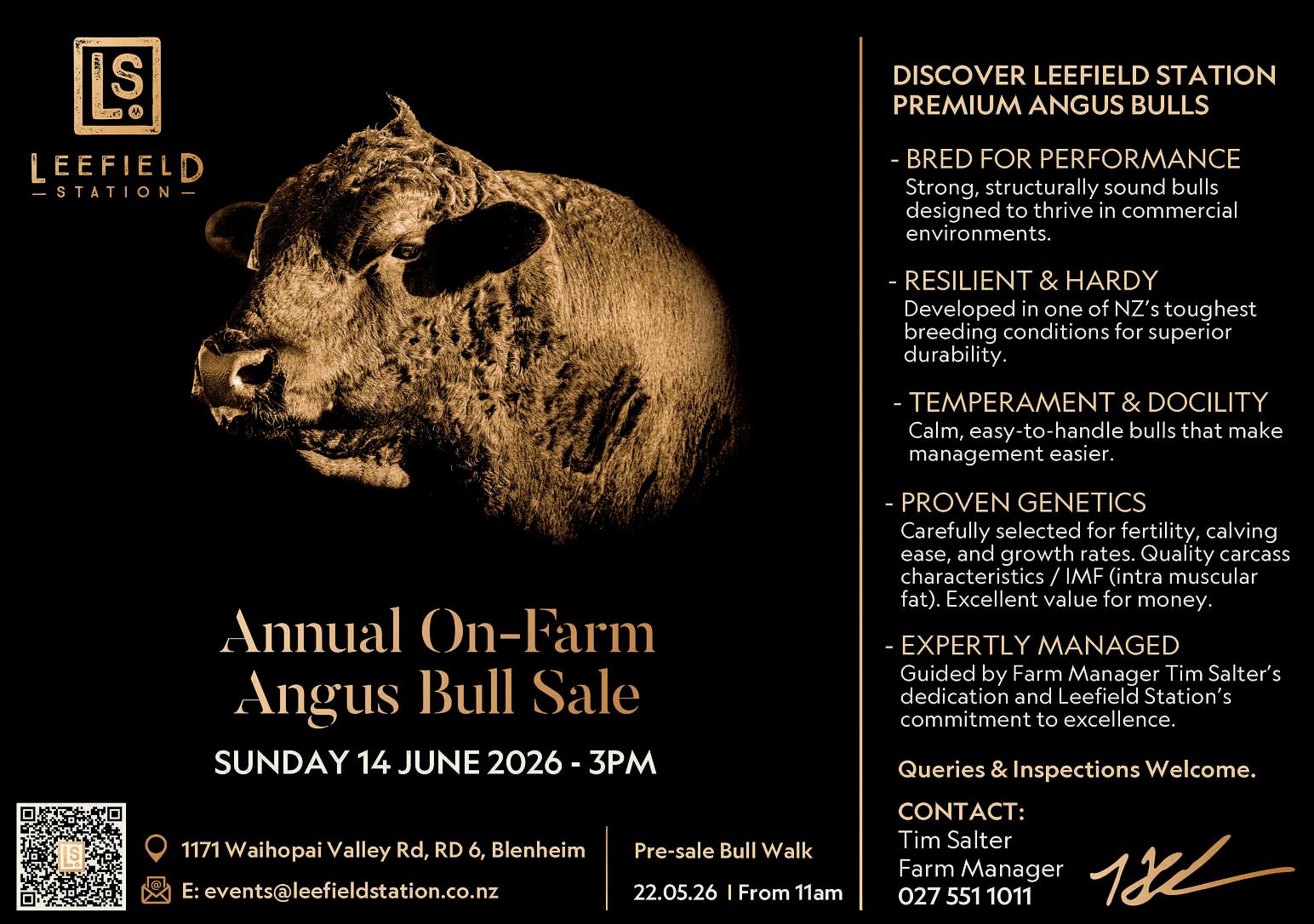
Charlotte Graham
Nearly 10 years on, Dreamview Creamery is as successful as ever, with its products scooping up gold medals.
Raglan’s boutique creamery is a dream made reality for Jess Hill and her family. Despite challenges such as Covid-19 and the fuel shock, the business is going from strength to strength.
Its latest success is scooping up three gold medals and a silver at the 2026 Outstanding Food Producer Awards.
The crowning glory for Hill was the recognition of Dreamview’s pasteurised full milk – but almost equally as good, its natural and boysenberry probiotic yoghurts also got the gold stamp of approval. Its cream received a silver medal.
“Last year, we got silver for our milk and this year, we got gold. I was just so shocked because that was always my goal They emailed us on March 8th and we’ve had to wait this long before telling anyone, which was tough,” Hill said
“We were so extremely surprised. I was down at a friend’s place in Gore and we got the email and I was just jumping around the kitchen, I was so excited.”
While the milk is special to Hill, she reckoned her mum is stoked about the yoghurt because that is her baby
“She’s like the yoghurt connoisseur. She does all the flavours and makes all the compote to put on top. The berries for them all come from local growers, so that’s pretty cool.”
The plan is to travel up with staff to the
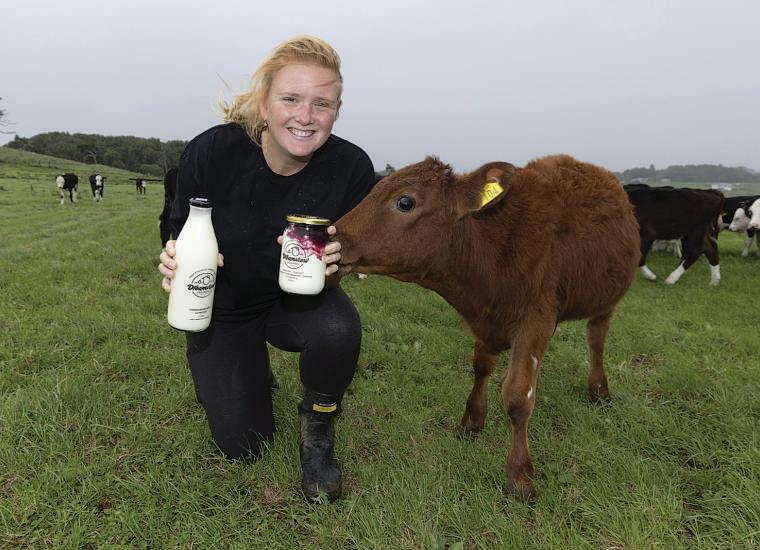
upcoming awards evening, as well as pop the cork on a special bottle of bubbles from Paris Butter, which they supply.
The next goal will be to get gold for Dreamview’s cream.
The awards are a nice uplift as times get a bit tougher for the small business, with farm and fuel costs rising.
“We do all of our own deliveries and four of our seven trucks are diesel and the rest are petrol It would be our ultimate
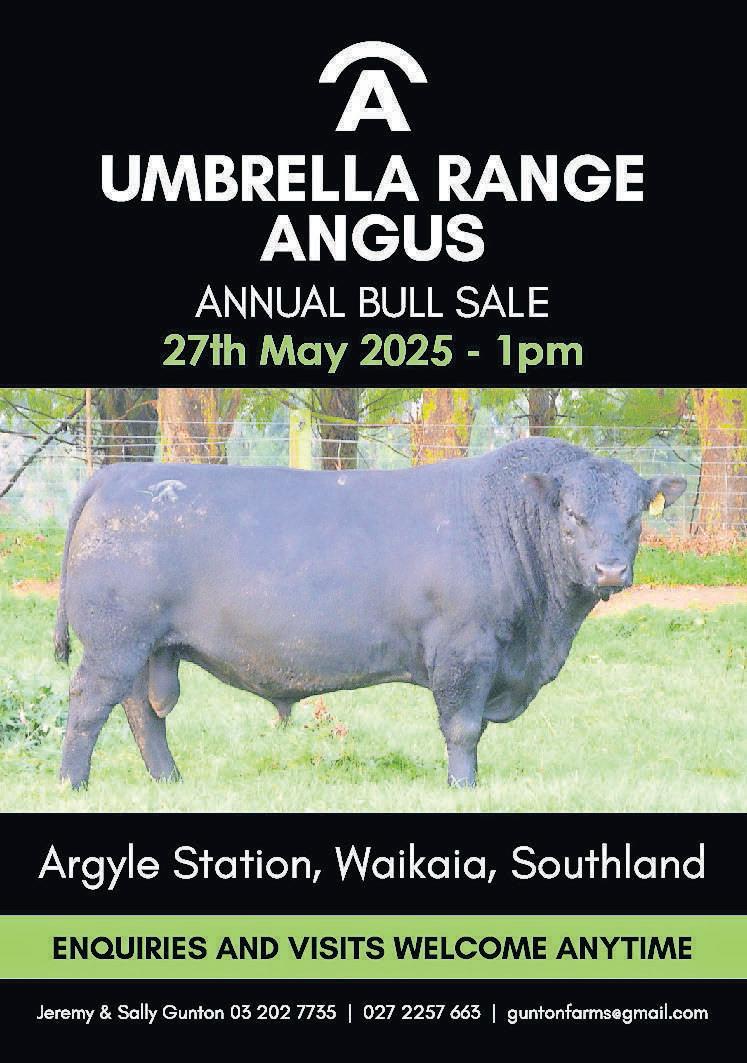
goal to go electric, but they’re just so expensive.
“The last nine years, we’ve not had a delivery fee, but it’s just too hard now. Like Dad says, ‘it’s not just the fuel’.
“It’s everything: fertiliser and minimum wage going up as well, so we’ve just put a $1 fee on Raglan and $1.80 for everywhere else.”
She said it was a “very hard decision”, and since giving notice of it over the last
couple of weeks, the business has lost a couple of customers, but overall they are feeling positive about the change.
On their biggest days, six trucks go out with 60 deliveries on board.
Before the Iran war, their fuel bill was about $5000 to $6000 a month, but it has now jumped to more than $9000.
Trucks travel to Tauranga and Auckland twice a week, and to Hamilton and Raglan six days a week. A large portion of deliveries are direct to customers’ doors, as well as to stores and hospitality spots.
Jess Hill’s family has been dairy farming in Raglan for 27 years now, but it was only in 2017 that she had the idea for them to create their own creamery.
“I went to Lincoln University and, while down there, I worked for another milk company selling at Lyttelton markets.
“They were also doing it in glass bottles I was, like, ‘This would be so cool to do in Raglan’, and then Mum and Dad came down to visit and liked it too.
“I came home from university a year early and helped set this up. We were in a little shipping container to start with and then in 2022, I think it was, we built the little factory.”
Two years ago, they stopped supplying Fonterra completely and now milk 140 cows, producing about 1200 litres a day for their business.
They offer raw and pasteurised A2 milk in glass bottles that they reuse, as well as making cream, yoghurt and whey.
Initially, they started out supplying neighbours with milk, but through word of mouth, they have expanded into Four Squares, cafes, restaurants and food stores, as well as offering online orders.
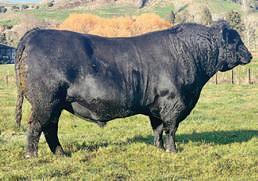

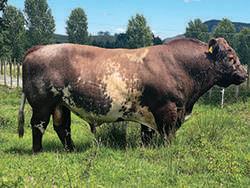



















“I think like any job, the more you do it, the more you adjust to it You should definitely counteract all the stiffness and aches with yoga and exercise, but I don’t think many farriers are good at doing that.”
PHOTOS: PIPPA BEAMISH






Forging hot steel, wielding sharp blades and working with half-tonne horses at close quarters is no easy feat, but for Hawke’s Bay farrier Blythe Cruickshank, 32, it’s just another day at the office.
By Elise Cacace.
Having grown up riding horses over the hills of her home in Tuki Tuki, Te Matau-a-Māui Hawke’s Bay, stepping into the world of farriery felt like a natural extension for Blythe Cruickshank.
“I was very lucky with my childhood. We lived on this little farm bordering the Maraetōtara River. It was such a great place,” she says. “Neither of my parents was horsey, so it was a learning curve for all of us. My sister and I started taking riding lessons when we were little, because what little girl doesn’t want to ride horses? From there, it was very much a learn-as-you-go kind of thing.”
She was 7 when she welcomed her first pony to the farm, an “ancient” mare named Coke. “She was super-old and had hardly any teeth – she was very cheap – but she was great. I fell off her a lot, but I also remember teaching her to be naughty – like how to buck on command. My second pony was a lot naughtier, though.” Cruickshank always knew she wanted to work with horses, but it wasn’t until after she left school that she considered farriery as a career “It was something that just happened. I never planned it or thought, ‘I want to be a farrier’. After finishing school, I started working for a horse-trekking operation that also trained and broke in horses.
“The owner taught me how to shoe, more out of necessity than anything else. He used to shoe all the horses himself, but then he hurt his back, so he was like, ‘Well, you’re going to have to learn’, and that was that It just grew from there.”
Her journey shifted from casual shoer to committed artisan in 2014, after a stint as a hunting wrangler, and then, many seasons later, as a guide, riding through the Canadian mountains with a team of 16 horses. To prepare for three months of riding off-grid, she needed to ensure every horse had a new set of shoes, ready to tackle the rough terrain.
She says: “I did a lot of shoeing in Canada, and I ended up thinking, ‘Oh, I can earn some money doing this back home.’ But it wasn’t until much later, when I started working in Wānaka with Trevor Sutherland, who would become my mentor, that I realised what being a farrier meant, and how many different things you can do. Before, I was just nailing shoes on horses and thought I was doing it, but when I really dove into it, I realised just how much more there was to learn.”
Becoming a qualified farrier in New Zealand requires passing the New Zealand farriery exam, which is a demanding test of both knowledge and skills, Cruickshank says. Candidates must hand-forge and fit shoes under strict timeframes, complete theory tests and present pre-made specimen shoes to demonstrate their skill.



“I grew up about 1km from where I’m living now – the next farm over. I never imagined I’d end up back in Hawke’s Bay, just down the road from where I grew up It was all just funny timing – it wasn’t planned.”



“You couldn’t just do three months of practice and pass the exam,” she says “You need to know a whole range of things and show your skillset.”
Beyond exams and the forge, life as a farrier requires patience and precision. It isn’t just tacking on shoes, but observing the shape and balance of a horse’s hoof and making adjustments to improve how the horse moves. “You actually have to shape the shoes correctly to fit a hoof, because no hoof is the same,” she says Shaping and fitting shoes requires the use of anvils, hammers, sharp blades, and a forge that can burn as hot as 1650C, meaning with every shoe fitted comes the risk of injury. “I’m lucky I have never been badly hurt, but I’ve had a ton of small injuries – burns, nails in my hands, blood blisters and all that stuff My hands were scarred for so long. When you practice forging and welding shoes, you get so many hot flakes coming off the steel and end up with little burns everywhere.”
Beyond the burns and blisters comes the pressure of getting it right, and the mental knocks can often be harder to shrug off than the physical ones, Cruickshank says “There are days when it can be a bit overwhelming. When you’re working on someone’s precious horse, you overthink all the small things, especially working on top-performance horses. It’s not that I think they’re worth any more than someone’s $500 best friend – they’re all just as valuable to their owners – but knowing a horse is worth a lot of money can be daunting sometimes.”
On top of the everyday challenges, Cruickshank has also had to navigate her place in a trade that has long been dominated by men, noting that clients often initially trust male farriers far more than female ones.
“There are tons of great female farriers, but it feels like in the upper group, especially in New Zealand, there aren’t many women,” she says.
Being a part of this group includes having extra qualifications and skillsets, such as corrective shoeing, working alongside vets on lameness cases and designing specialised shoes to support a horse’s long-term soundness.
“People are often surprised to hear I hot-shoe and make my own shoes, as
females are often categorised into being barefoot trimmers, who don’t shoe with a forge.”
These days, her work no longer solely revolves around horses and hot steel, but a very different kind of work that requires the same amount of patience, awareness, and care – raising her daughter, Ispah.
At just 18 months old, Ispah already shares her mother’s passion for horses, often tagging along to watch her work.
“She’s so confident around horses, it makes me a little nervous,” Cruickshank says. “I’ll let her sit on one and she’ll fling herself around and lie back, or want to stand up or jump off their bum. When I’m shoeing, she’ll copy me and pretend she’s hitting with the hammer.
“Every time I cool the shoe down, she’ll have these funny little expressions. I’ve always said I don’t mind if she does or doesn’t ride. I’m not getting her a pony super-early, but when I see how much she loves them, I think it’s going to be unavoidable. It’s definitely her happy place.” With Ispah by her side, Cruickshank is



“I’ve definitely faced some challenges along the way, professionally and personally It hasn’t always been a smooth road, but things always seem to work out in the end,”

Blythe Cruickshank says.

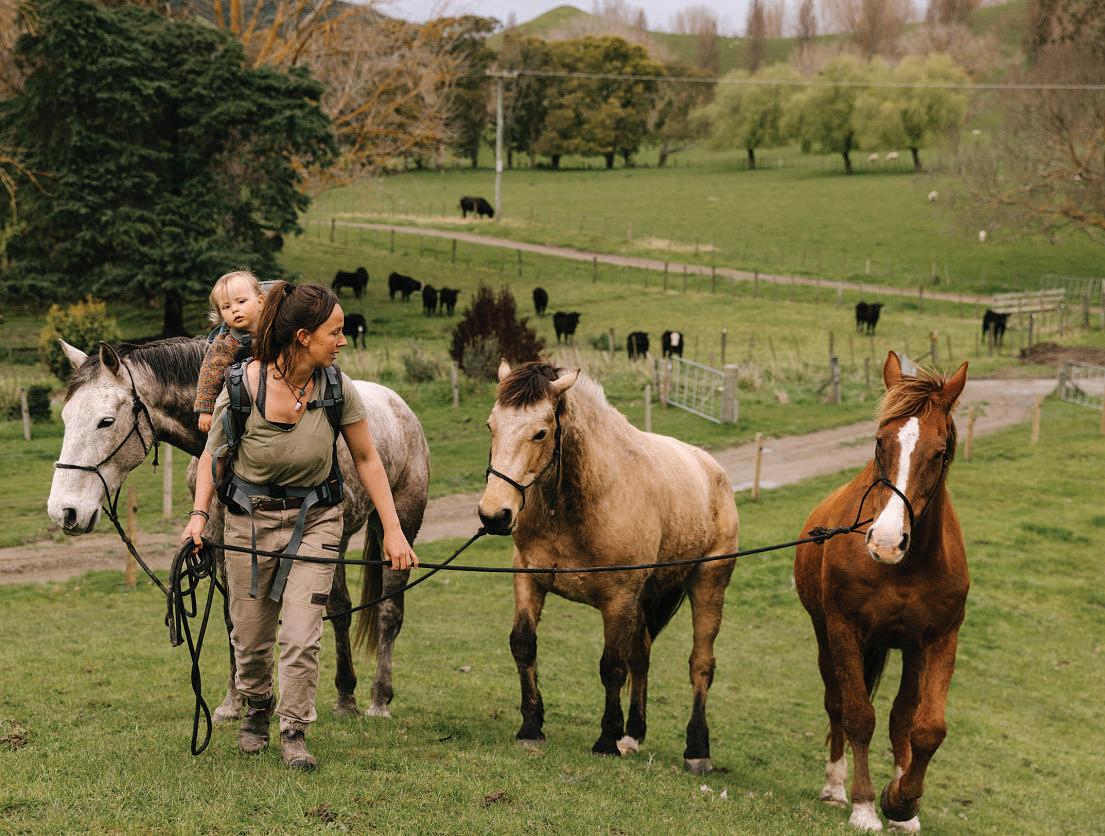
“
I love the flexibility. I think I would really struggle to have a set routine, especially now that I have a child – I can shuffle my work around her, and I really appreciate that.
Blythe Cruickshank
now enjoying a quieter pace of working life. Instead of shoeing half a dozen or more horses a day, she’s now happy working on just two or three within the local area, appreciating the freedom of creating her own schedule.
“I love the flexibility. I think I would really struggle to have a set routine, especially now that I have a child – I can shuffle my work around her, and I really appreciate that
“I also love that I get to spend my time around horses and meet some really cool people. It’s such a nice community to be
involved in, and people are often really appreciative of their farriers. They’ll bring me a cup of tea or a muffin, which is always so nice.
“It really is the coolest job.”
This story appeared in the Raumati Summer 2025/26 edition of Shepherdess magazine Find the Gahuru Autumn edition of Shepherdess in supermarkets, dairies and specialty book and design stores across the motu. Subscribe and order your copy online at shepherdess.co.nz.
“On top of all the organising, you also have to be on top of your tool maintenance,” the 32-year-old says.
Rob Stock
Why do so many farmers fail to talk about farm succession and the transferring of wealth to the next generation?
The answer, according to lawyer Mark Tavendale, of Tavendale + Partners, is simple: “Because it’s really hard.”
Not only could it be hard for families where communication between generations isn’t the best, but in farming, the tyranny of the “now” often takes precedence over how the wealth built up through hard graft and calculated risk-taking is transferred to the next generation.
“They’re struggling with all the things that we’re hearing about on a day-to-day basis with their farming,” said Tavendale, speaking at Stuff Events’ Central Districts Field Days held in Feilding in late March.
“Often succession isn’t the thing that you wake up in the morning thinking about,” he said.
Instead, topics like “What’s my fertiliser bill?” or “What’s my diesel going to be next week?” are topmost.
But more than that, Tavendale said: “It’s a difficult thing to discuss.”
There’s hard research to back up his words.
Changing of the guard
Rabobank’s Changing of the Guard white paper from last year reported what many farmers will have seen in their communities and networks
The farmer population has aged. Farming enterprises have become larger and more complex. Farm values are high. And in many families, succession planning remains an unspoken issue.
Rabobank surveyed 450 large, small and medium businesses, and it found that just a third had a fully developed, documented succession plan A further 17% had discussed succession. The other half had not even talked about it
At Central Districts Field Days, Tavendale discussed succession planning and intergenerational wealth transfer with Hayden Trotter, a chartered accountant from AllanMcNeill in Feilding, and Aidan Gent, ASB’s general manager rural, in a panel session for farmers.

Mastering the fear
Trotter often had discussions with farmer-clients about how farming wealth was to pass to the next generation
“There’s a lot of fear in and around starting those conversations; the fear of getting it wrong, the fear of having
emotion in the room. It can be quite charged,” he said.
“I’ll just pick on mum and dad here. They do get older, and they just want everyone to get on. They don’t actually want anyone to fall out, so they don’t have those conversations for fear of disruption.”
Getting a nudge from an accountant or lawyer was helpful in overcoming the excuses people give themselves for not starting “You can easily defer that tough decision for another day when you are in a slightly better frame of mind, or when those stars align.”
But, frankly, he said, the stars never do “align”, and farm-owners just need to grasp the nettle and get on with it
“It’s around leadership,” Trotter said. “I think there’s a fundamental lack of leadership in all aspects of life.
Leadership is hard. Sometimes, you’re not popular, but you’ve got to do the right thing for the greater good for the long term.”
Capacity helps. Rabobank found farm businesses with higher incomes were more likely to have developed and documented succession plans.
Breaking the silence on succession Gent wanted to see succession become a normal thing for farmers to chat about round barbecues, at networking events and down the pub.
“Around a kitchen table, there are far more conversations on who the All Blacks coach should be than how succession should play through,” he said.
“One of those has got very little bearing on your life; the other one’s got a significant bearing on your prosperity and your family’s prosperity.”
He dismissed the idea of there being a “right answer” for succession planning.
Every succession plan, every wealth transfer plan, looked different “I think the framing shift needs to go to success being having the conversation rather than getting to an outcome,” Gent said.
“I think we’re too rushed to get to an outcome. People are therefore scared to put all the cards on the table. If we could actually celebrate the conversation being had, the rest of it would flow far more naturally.”
Who’s best at talking about succession?
Gent said often the best people at talking about succession were those from families with “open” communication styles, an “appetite to plan” and the necessary pinch of emotional courage
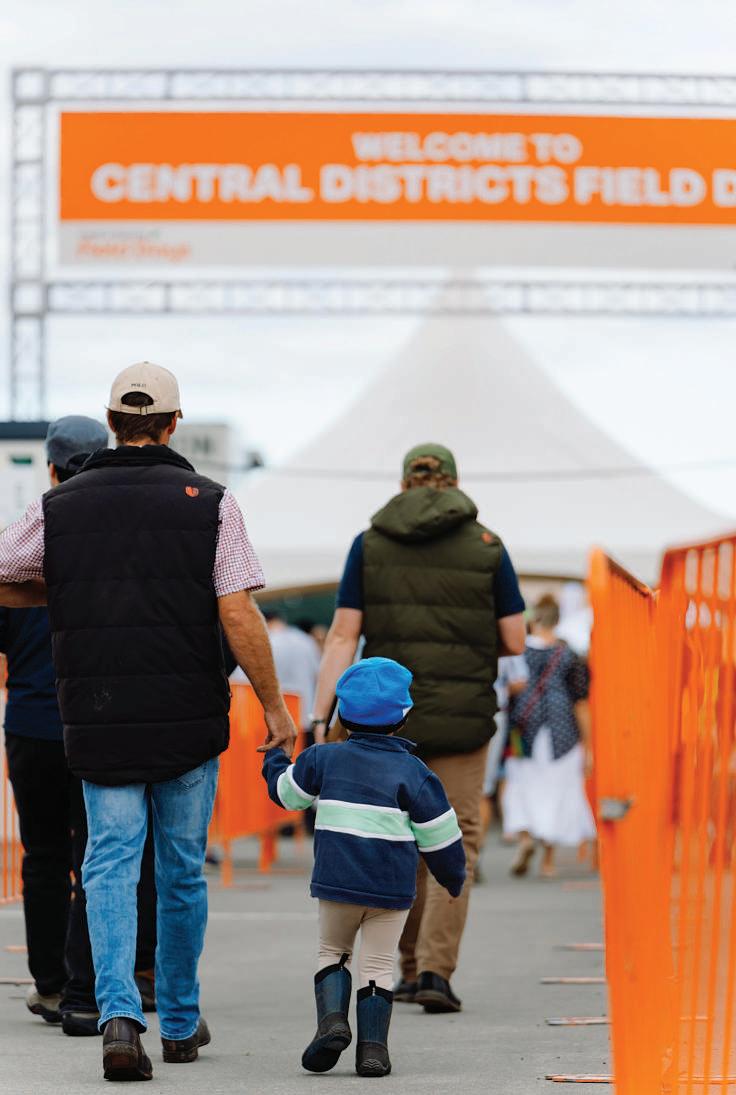
Tavendale spoke about the value of a “growth mindset”.
“It is a mindset and it’s a positive mindset And I think families that are doing it well have that mindset,” he said.
Trotter reminded farmers that while getting advice came with a price-tag, not paying for good advice also came with a price: “Emotional resentment, bitterness that lingers, separation of families.”
financials of the business model in terms of the succession; it’s actually the family dynamic.
“You talk to a lot of older farmers who have gone through it and got it wrong, and a lot of them would have said: ‘I’d sell the farm to the neighbour just so my kids could keep having Christmas together’.”
Certain mindsets made some people more likely to do the planning and pay for legal and accounting advice.

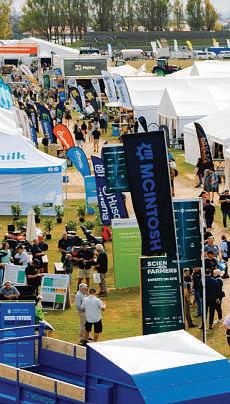
Gent added: “I think if a family can continue to have Christmas together, you’ve got the thing right. And often what we see break down is not the
Fair does not necessarily mean equal What does “fair” look like in farm succession?
A good education as an engineer and it wrong, and advice.
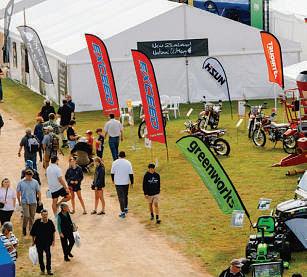

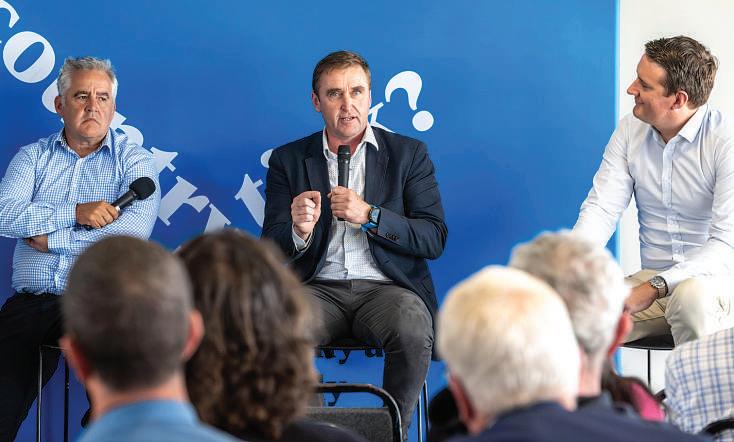
help to buy a first home could be an entirely “fair” outcome for one of the children of a two-child farming family, if the other ended up taking on the debt and work, to buy their parents out of the farm.
And, of course, the mathematics have to add up. Succession often saw mum and dad move off the land, and into town. That meant clearing enough money for them to buy a house, a new


car and leaving them enough money to live decently on.
A large farming and profitable enterprise could sustain the funding necessary for that, as well as paying some money to the siblings who are not going to carry the torch on the farm. But not all inter-generational farms are profitable enough to sustain that Trotter said: “A farm is not like a piece of cake. You can’t just cut a slice off and
everyone gets some, and that’s equal.”
For the sibling who stays on the farm, there needs to be an economic outcome for them, recognising they are only caretakers, and don’t actually get to sell the property and convert it to cash, Trotter said.
Family baggage
Farm owners’ past experiences of succession often influence their ideas, and willingness to get stuck into it.
“We had an example the other day of a young couple buying their first farm, which is great to see,” said Trotter.
They had had such a horrible succession experience they were keen to avoid their children going through the same trauma they had.
“They were reasonably burnt from an emotional perspective,” Trotter said. “They’re already talking about the ownership structure of their farming asset for how they want their two kids to be thinking about that asset in 35 years’ time.
“That’s probably the earliest I’ve ever seen that conversation start, but I guarantee come 55, 60, 65, that family unit is going to be in a very, very strong space,” he said.
When succession promises were made but not carried through with, bitterness was the result, Tavendale said. “One of the things I think is really unfair, and you do see it, is when you are given indications and promises as a 30-year-


old and you end up being 50 and it doesn’t happen. You don’t get your 20 years back.”
The three experts urged people to take their time with succession discussions and planning, and think of it as a multi-year process.
Financing the generational wealth transfer
Gent said often financing wealth transfer was the easiest part of the whole conversation.
“If every other part of the conversation goes well, it’s a bit of an easy piece from a banking perspective.
“I’d say, finger in the air, probably 10% of the conversations we have on succession are actually on the maths of succession. Most of it is actually on the process and all the different considerations around how you might think about that.”
But financing is hard, if farms or businesses aren’t profitable.
“If you’ve got two children and high debt, you’ve actually got three children. The third child is the debt,” Trotter said.
And, sometimes, at the end of the day, despite the romance of the idea of generation after generation staying on the land, the best wealth transfer came from selling up, Tavendale explained.
Some farmers have little choice.
Rabobank reported that roughly four in 10 farmers didn’t have anyone in the next generation to take over.



Australia’s vast interior is easier to explore than it looks, with long-haul trains linking key Outback destinations, writes Pauline Webber.
You’re going to Australia. You have two, maybe three weeks and you’d like to experience a little of the Outback. No time to drive the huge distances and fly in/fly out feels too hasty.
How about a train? Combine long-distance train travel with touring by car, camper or group and you have the Outback covered. Try these options: Longreach, Winton and the Gulf of Carpentaria
In Brisbane, board Queensland Rail’s Spirit of the Outback for the 25-hour overnight service to Longreach
The sleeping cars have cute, tiny sleeper compartments that open up to make a double as required, a dining car and lounge car.
The train heads north, turns inland after Rockhampton and chugs on through Black Diamond coal country, cattle country, gem fields (the world’s largest sapphire was found here), across the Drummond Range and into dinosaur country.
It’s a commuter service, so over dinner you’re likely to strike up a conversation with a local returning from a city break or, as I did on the return leg, an opal miner heading to his coastal retreat for the summer.
It takes a while to get your head around this idea, but the Outback season is winter Summer temperatures soar well into the 40s and pretty much everything closes down until spring.
Longreach is a handsome town with great pubs, good shops and a few excellent accommodation options
It’s home to several impressive museums, including the Qantas Founders Museum and, at nearby Winton, the Waltzing Matilda Centre (Banjo Paterson wrote the iconic Aussie tune in Winton).
You’ll also see emus trotting along the main street.
Outback Pioneers’ Nogo Sheep Station tour and Starlight River Cruise are highly recommended, if you have kids, don’t miss the Cobb & Co Stagecoach.
Its home base accommodation is the fabulously stylish Staging Post.
Just outside town, Saltbush Retreat has gorgeous cabins with outdoor baths. The manager here goes the extra mile.
A few kilometres further out, Mitchell Grass Retreat’s glamping options include single to family-size tents, all beautifully appointed.


Getting around: Queensland Rail has seven long-haul train services. See: queenslandrail.com.au
In Longreach, Outback Pioneers offers local and regional tours. See: outbackpioneers.com.au
Aussie Outback goes further afield. See: outbackaussietours.com.au
Both Saltbush and Mitchell Grass have a pool and a kitchen for self-catering
From Longreach, a drive via Mt Isa along Matilda Way to the Gulf of Carpentaria is doable even for an Outback novice.
Or connect with Aussie Outback Tours, which offers long-distance itineraries as far as Birdsville, 800 kilometres to the southwest, and east to the coast, as well as a very cool train cruise to regional towns.
Great Barrier Reef and the Daintree
1700km north to Cairns, but it’s set up like
business class on a plane.
Excellent meals are served to you in your comfy seat, which friendly cabin tendants magically ansform into a flat bed with luxury linen and a soft pillow at night
The train arrives at Cairns early in the afternoon, so you can opt to pick up a campervan on the same day and drive the short distance north to Daintree National Park.
Maybe stop for some prawns fresh off the boat at Port Douglas on the way
This is crocodile country; if you have a sharp eye, you will spot them sunning themselves along the riverbanks.
The hotel at Daintree Village has good food and a relaxed tropical atmosphere
From there, head towards the coast and north to Cape Tribulation, where pristine rainforest touches the beach.
Safari Lodge and Campground is a good place to base yourself.
You can venture on up to Cooktown,

Red Centre: Outback Spirit Tours offers a seven-day Alice Springs/Uluru tour timed with the Ghan. See: outbackspirittours.com.au
Getting there: Air New Zealand, Qantas and Jetstar offer non-stop flights from major New Zealand cities to multiple ports in Queensland.
Carbon footprint: Flying generates carbon emissions. To reduce your impact, consider other ways of travelling, amalgamate your trips and, when you need to fly, consider offsetting emissions.
The writer travelled with support from Outback Pioneers, Queensland Rail and Outback Queensland Tourism Association.

returning to Cairns by the same route or via the inland Mulligan Highway. It’s possible, if you’re adventurous, to travel by RV from Cairns across Savannah Way to the Gulf of Carpentaria and down Matilda Way to Longreach, thereby linking the two QR Spirit trains.
Far North, Red Centre, Uluru
For central Australia, the Ghan is the way to go. Twice a week, this iconic luxury train travels almost 3000km between Darwin and Adelaide, with several off-train excursions along the way. Dining is gourmet, the wine list top-notch, spirits premium, staff professional and friendly.
Fly to Darwin and allow at least five days to explore the city and Kakadu National Park before boarding the train.
The Ghan journey itself is something special, but being able to venture into the Outback adds an extra dimension.
At each stop – Katherine, Alice Springs and Coober Pedy – passengers have a choice of five tours.
At Katherine, you could opt for a cruise on spectacular Nitmiluk Gorge; at Alice, a journey out to Standley Chasm and Simpsons Gap. Even a few hours at Coober Pedy, where opal mining is in the blood, will give you a deep immersion into the uniqueness of frontier life.
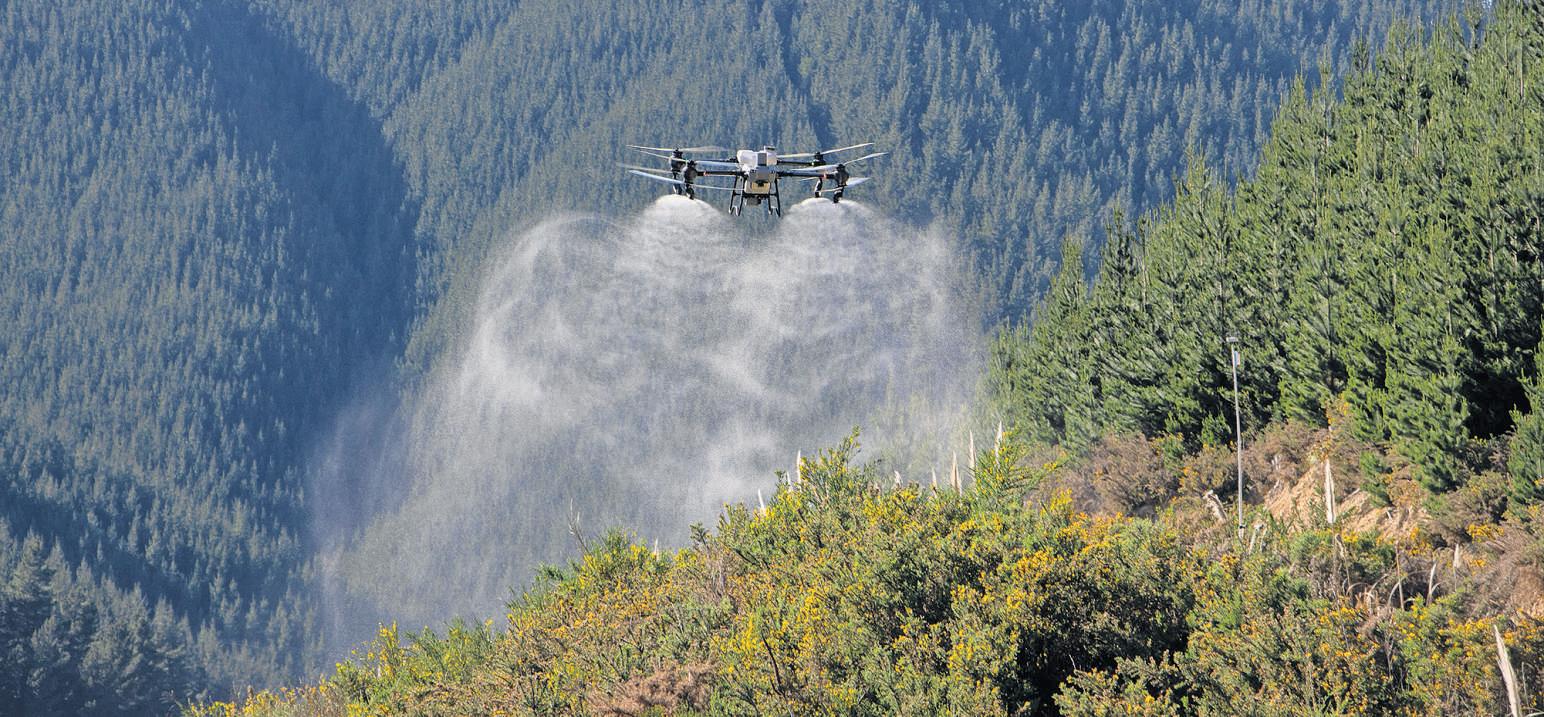

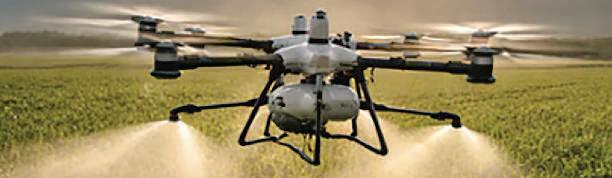





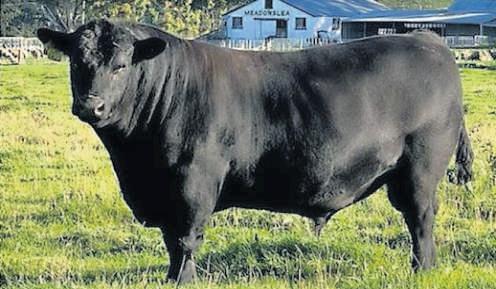







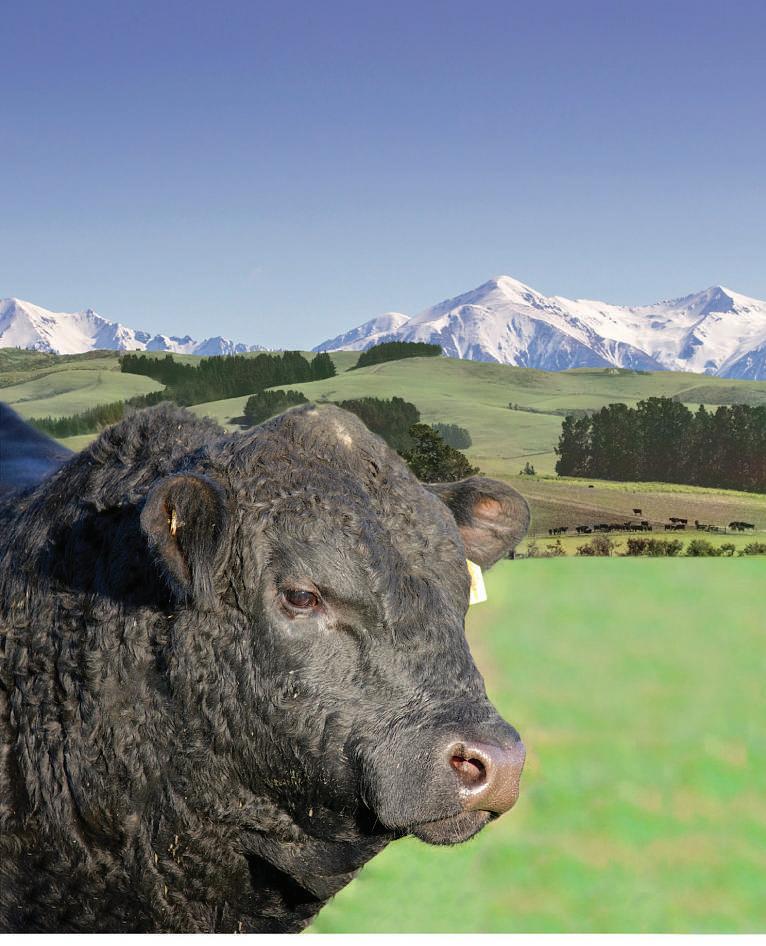















Anincredibletimesavingtool:findstock andpestsquicklyandeasily
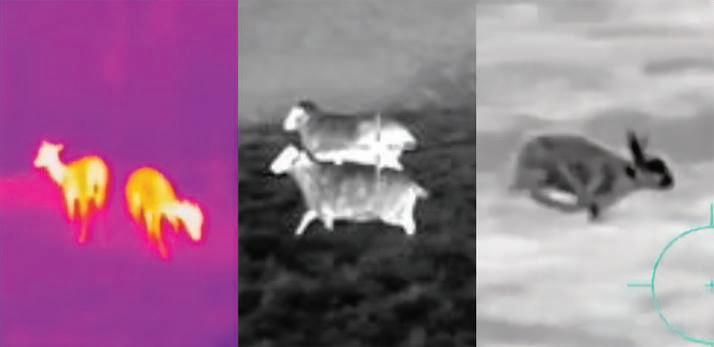
Thermalviewersdetecttheinfraredheatnaturallyemittedbyanimalsandobjects
Athermalhandhelddevicecanbeagame-changeronyour farm,providingafastandeasywaytolocatelivestockand monitorpestactivity.Thermalcanhelpyoumoreeasily spotmissinganimalsintallgrassandbush,especiallyat night.Thermalalsosavesalotoftimespottinganddealing withpests.
Ourthermalrangestartsatjust$899,withhigher-resolutionunitsallowingyoutospotanimalsfromfartheraway




Highpower,10-roundairriflesareagreatway totakecareofpests,andtheydon’trequirea firearmslicence.
Newhighpowerbreakbarrelairrifleswith10roundmagazines haveincreasedthedistanceyoucanshootpestsandreload quicklyforyournextshot.Airriflescanbeoperatedbyanyone over18,agreatwayforfarmersandfarmworkerswithouta firearmslicencetocontrolpests.
Quieterthanunsilencedrimfireriflesandcheaperpershot, airriflesareanaffordable,alternativewaytodealwithpests.
WhichcalibreshouldIbuy?
.177isgoodforlongerdistanceshooting .22and.25providesheavyknockdownatcloserranges