








Farmers, growers and processors are going to get hit in the pocket as the US and Israel war on Iran causes fuel and fertiliser prices to spike and exports en route sit in limbo as the Strait of Hormuz remains shut. P6

We’vemovedour deals online so youcan see our latest offers andwhat’sinstock right now. Scan to explore. Plus youcan still getall your rural essentials at shop.farmlands.co.nz or FarmlandsPRO
Keiller Macduff of RNZ
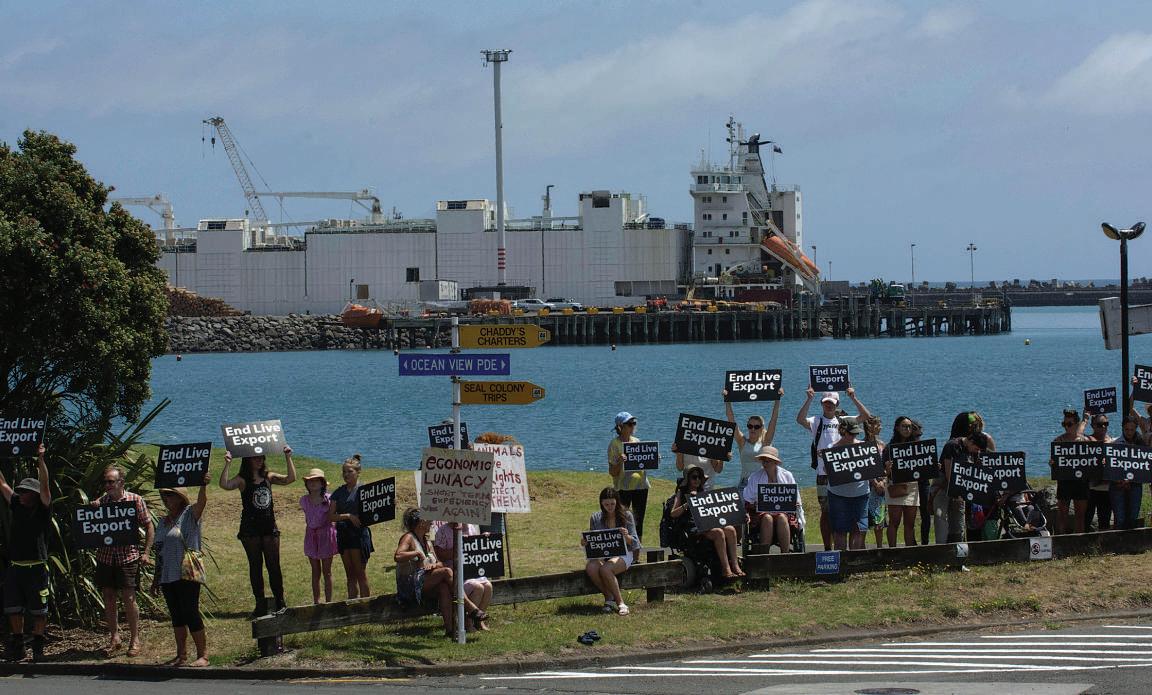
The Green Party is welcoming news that the Government has backtracked on plans to reinstate live animal exports.
Animal Welfare Minister Andrew Hoggard told 1News he could not get Cabinet agreement on overturning the ban, which formed part of coalition agreements with both ACT and NZ First Green Party spokesperson Steve Abel said the news was a win for animals, the public and the groups campaigning against the move.
He said there had been backlash to the proposal right from the start.
“From the outset, there was overwhelming outrage from veterinary experts who expressed there was no way to maintain animal welfare standards and herd cattle onto ships where they spend weeks at sea wallowing in their own waste. It’s fundamentally cruel and there’s no way to uphold the barest animal standards while exporting at sea,” Abel said
“They couldn’t get it across the line because New Zealanders didn’t want to see animals suffering in that way.”
A 57,000-strong petition calling for the ban to stay in place was presented to Parliament in 2024
At the time, Hoggard said he wanted the ban overturned by 2025.
In April last year, Hoggard told RNZ he expected the legislation to go to Cabinet within months, but that a backlog had slowed the work of the Parliamentary Counsel Office in drafting the amendment Last month, Livestock Exports NZ chief executive Glen Neal said uncertainty around the bill was unhelpful, but the industry remained hopeful the ban would be overturned.
Parliamentary questions revealed the minister had not received any advice on the plan since mid-2025, despite telling scrutiny week committees the amendment had gone before Cabinet in December last year, Abel said.
If the coalition intended to make it an election issue, it needed to tell the public immediately, but Abel believed “the handbrake had been pulled” at the Cabinet
level because of the unpopularity of the move.
The Ministry for Primary Industries initiated an independent review of live exports in 2020 after the sinking of the Gulf Livestock 1, which resulted in the deaths of 41 crew and nearly 6000 cattle.
The vessel, registered to Panama and owned by a UAE shipping company, left Napier in August 2020 bound for China, but sank off the coast of Japan in a typhoon
In 2022, the previous government passed a bill banning live exports, beginning in April 2023.
At the time, National’s animal welfare spokesperson Nicola Grigg said the ban was disproportionate and ideological and would hurt farmers and consumers.
The National Party had campaigned on
overturning the ban, with a proposal it said would require greater regulation to protect animal welfare and safety, such as purposebuilt ships and a certification regime for importers.
Hoggard, who is a former president of Federated Farmers, had previously said reintroducing the trade was one of his top priorities in the portfolio and he wanted to “progress with some haste”.
In 2024, an RNZ investigation revealed industry group Livestock Exports New Zealand planned to spend $1 million to ensure the ban was dismantled, including on political lobbying, a “social media counter-offensive”, a “trust and understanding” campaign, media training and creating the “gold standard” for animal welfare.
“
It’s fundamentally cruel and there’s no way to uphold the barest animal standards while exporting at sea.
Steve Abel







20
26
Sonita Chandar 027 446 6221
sonita.chandar@stuff.co.nz
Kwok Yi Lee, Nina Weil, Sam Davenport
Kwok Yi Lee HEAD
021 279 5361 kate.boreham@stuff.co.nz

Bombs and missiles may be dropping on the other side of the world, but the US and Israel’s war on Iran has far-reaching consequences.
Here at home it’s hitting consumers, farmers, growers and processors in the pocket. Just what we don’t need Things were tough enough for many people and now the world has been thrown into chaos.
The war has disrupted global fertiliser supplies, particularly nitrogen-based urea, as production has been severely affected and shipments from the Middle East blocked with the closure of the Strait of Hormuz. Fertiliser prices have surged by up to 40%, with experts warning of shortages during the critical spring planting season in the northern hemisphere. Should that happen, global food production will be affected and lead to a spike in food prices. More pain could be coming our way
Millions of barrels of oil are produced every day across the Middle East, UAE and GCC, and around 20 million barrels of oil pass through the Strait of Hormuz daily.
The ongoing conflict and blockage of the Strait has led to fuel prices surging across the world Even though we get 51% of our fuel from South Korea, supplies could be limited as they are being cautious, so we now pay well over $3 for a

litre of 91 unleaded petrol. Ouch. Electric vehicle sales have risen 10.5% since the conflict began – no surprise there. As the owner of a hybrid, I only have to fill up once a month and those with electric are completely insulated from fuel price rises. And if they have solar for their home, they would be sitting pretty.
During the Political Pulse panel discussion at Central Districts Field Days, Green MP Steve Abel said this war was started because “there is a lunatic in the White House”. So true.
Donald Trump wants to be known as the President of Peace. He is a selfproclaimed candidate for a Nobel Peace Prize. It’s laughable, as is his so-called Board of Peace that is made up of his close friends, family and countries he likes.
This is the man who promised the people of America, “I’m not going to start wars, I’m going to stop wars.” Trump positioned himself as an anti-war leader, aiming to avoid foreign intervention and focusing on an “America First” agenda.
Since taking office in January 2025, Trump has bombed seven countries: Yemen, Syria, Iran, Iraq, Nigeria, Somalia and Venezuela. And now, Iran again. It’s all about oil and control – they have it, he wants it. He succeeded in Venezuela but underestimated Iran and their will.
Perhaps if he hadn’t ripped up the nuclear agreement President Barack
Obama signed with Iran in 2015, we wouldn’t be in this pain.
Trump’s threats to obliterate Iran’s energy infrastructure and his deadlines have proven to be elastic. It will not happen. It’s a war crime. But then again, so is bombing hospitals, schools, cultural and religious properties, Unesco Heritage sites, and civilian structures, but it’s happening.
The President of Flip Flop is what he will be known as. He says one thing and the next day says something else. What he actually does depends on which side of the bed he gets out of. His threats and deadlines are elastic, our wallets are not. It would be understandable if you have whiplash from all Trump’s threats and fake news. His rhetoric changes by the day.
He has said, on the record, that Cuba will be next I would like to know who made him the sheriff of the world?
While public tolerance may be running on empty, our petrol tanks soon could be too.




‘From Stettin in the Baltic to Trieste in the Adriatic, an iron curtain has descended across the continent.”
With these words, Winston Churchill warned the world of the impending danger of communism. I mention this because I also have a foreboding – a particular worry about the future – though it is nowhere near the scale of Churchill’s concerns after World War II.
A cap on fertiliser N inputs is already in place and there are rumours the “powers that be” want to set limits on fertiliser P. I have no concerns about the N cap because the clover-based pastoral system is biologically self-regulating – less fertiliser N means more clover N, so the total N entering the system remains about the same and total production is largely unaffected. Many New Zealand farmers are now happily learning this truth.
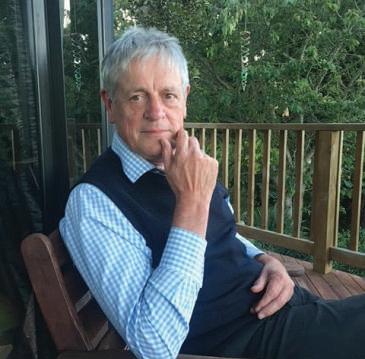
Talk of more fertiliser caps has soil scientist Doug Edmeades feeling a sense of foreboding.
minimising fertiliser P inputs and soil P levels to protect the environment, regardless of economic consequences. Farmers, meanwhile, will argue they are already implementing measures to reduce P run-off: keeping stock out of waterways, installing riparian buffers and containment bunds and minimising soil erosion.
Unfortunately, some of the writing may already be on the wall. It has been suggested that Olsen P levels should be capped at 25, within a range of 23-27. This constraint is arbitrary. This is the source of my foreboding – science may be ignored in the rush to reach consensus. So what can science bring to the table? The science tells us the P entering waterways is primarily particulate P – P attached to soil particles – and that the threshold for most soil groups, in terms of protecting water quality, is reached only when Olsen P exceeds 50.
But P is a different “beast”. Unlike N, there are no “other sources” of P in the soil P cycle to replenish the pool of plant-available P and maintain pasture production. That is why fertiliser P is essential But this system raises two problems: one economic (optimising production) and the other environmental (minimising environmental damage). The key question is: what soil P level optimises pasture production while minimising P run-off into waterways?
This question will be hotly debated. On one side, the “green” brigade will argue for
Some argue the problem lies in the use of water-soluble fertilisers such as superphosphate and suggest switching to less soluble forms like RPRs or reverted super. But the science says otherwise: long-term P run-off from these fertilisers is much the same. From an environmental perspective, managing Olsen P is therefore the main lever controlling P run-off.
What about the economics? Is capping Olsen P at 25 helpful? Again, the science provides guidance. The relationship between pasture
This is the source of my foreboding – science may be ignored in the rush to reach consensus.
production and Olsen P is curvilinear –production does not increase linearly as Olsen P rises. About 97% of maximum pasture production is achieved at Olsen P levels of roughly 40-45 for pumice and peat soils and 30-35 for sedimentary and volcanic soils. Fortuitously, these levels remain below the 50 Olsen P threshold associated with increased P run-off on most soils
We can go a step further. These figures represent agronomic optima – the Olsen P levels needed to achieve near-maximum pasture production. What farmers really need to know is the economic optimal range – the Olsen P level that maximises profitability.
The key factor is farm intensity: the more intensive the operation, the higher the economic optimum. For high-producing dairy farms, the economic optimum aligns closely with the agronomic optimum. Dry-stock farming is less intensive. The economic optimum for a high-producing beef operation is about 25-30; for an average sheep and beef farm, about 15-20; and for less intensive systems, less than 15 So there you have it – my reading of the science.
My fear is that in these post-normal times, science is treated as just one voice among many – alongside the greenies, regional councils, the fertiliser industry and Federated Farmers – and that opinions based on political correctness are given equal weight. Hence my foreboding.










As Iranians brace for further attacks from American forces, farmers in New Zealand are bracing for a potential spring shortage of fertiliser, and a spike in prices.
United States President Donald Trump’s war on Iran is bringing back unwelcome memories for farmers of the last big global spike in fuel and fertiliser prices – the invasion of Ukraine by Russia on the order of Russian President Vladimir Putin.
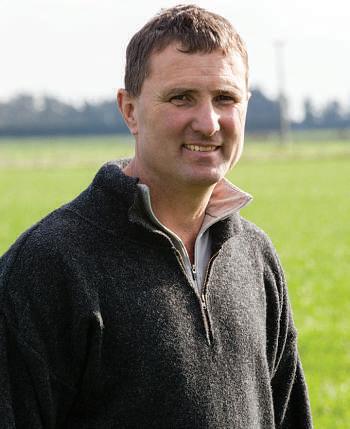
“It’s frustrating that one person’s actions influence what’s happening on my farm here in New Zealand,” said Canterbury arable and sheep farmer David Birkett.
As yet, stocks of fertiliser in the country with the likes of Ballance and Ravensdown appear to be sufficient to meet autumn demand, Birkett said, and prices had not increased But farmers’ eyes are on spring.
“We know there will be a price increase,” Birkett said.
Just how high the price will go depends on how long the war in the Middle East drags on, he said.
Middle Eastern countries, Iran included, are big manufacturers of some types of fertiliser, and the oil necessary to make and ship them.
But there has been a double impact on the fertiliser trade from the Iran conflict. The Strait of Hormuz, which is currently closed to shipping after Iran vowed to attack ships passing through
it, is a major trade route for fertilisers to get to global markets.
International media has reported that Iran was laying explosive mines in the strait, and that the US was destroying mine-laying Iranian vessels.
Up to 30% of world fertiliser exports, including urea, ammonia, phosphates and sulphur, pass through the strait, Joseph Glauber of the International Food Policy Research Institute told news agency AP
Major rural lender Rabobank expects farm input price escalation to eat into farmers’ bottom lines, especially as a result of price increases for nitrogenbased urea, a fertiliser that’s key to pasture-based farming.
“Any closure or disruption to shipping in the Strait of Hormuz would limit shipments from Iran, Iraq, Kuwait, Bahrain, Qatar, the UAE and, to a lesser extent, Oman and Saudi Arabia,” Rabobank said in a market update.
Global spot prices for urea have increased by about 40% since the US launched its attacks – although, as with oil, prices are volatile and moving rapidly.
Emma Higgins, senior agricultural analyst at Rabobank, said 45% of global urea supply could be disrupted because of the closure of the Strait of Hormuz. Iran produces about 10% of the global urea supply.
But she noted that fertiliser suppliers are signalling that there is enough fertiliser in the country to get through autumn and winter
Fertiliser company Ballance said it is confident it will have the volume of nutrients required to meet customers’
usual autumn needs. But it added:
“While we have supply volumes secured over the short term from other regions, we don’t know what impact this escalation will have on price.
“We have already seen significant price increases leading into this conflict, and given this latest escalation and the market’s reaction, we anticipate more.”
Ballance said fertiliser pricing experienced movements similar to those in the imported oil market.
Higgins said the last time such a spike occurred was during the early months of the Russian war to seize territory from
Ukraine. But that coincided with weaker demand, particularly from China, for New Zealand animal protein and dairy.
At the time of the current conflict, demand remains strong for New Zealand’s products, she said, but the Middle East is a strong market for New Zealand meat, and only time will tell whether that will be affected by the war.
Exchange rate movements have mitigated the cost increases to some extent, Higgins said.
Ravensdown’s chief operating officer Mike Whitty said Russia’s invasion of Ukraine resulted in a spike in urea pricing, but that fell back within months as markets and supply chains adapted.
A best-case scenario for the conflict in Iran is for de-escalation in the coming weeks, and fertiliser and oil markets settling down, he said.
The worst is for a long, drawn-out conflict disrupting the Strait of Hormuz and the Middle East.
But it could be a trying time for farmers.
“Farmers are resilient people,” Higgins said. “You have got to be quite optimistic, and no stranger to global crises, but it would be pretty challenging for some.”
Birkett said he felt New Zealand needs to wake up to the repeated global disruptions, and build more local resilience.
Free trade agreements have been good for exporting, he said, but they have also limited the country’s ability to invest in strategic strengthening of local resilience, such as onshore manufacturing of fertiliser.
Luisa Girao
As uncertainty continues to hang over the Middle East, New Zealand exporters are scrambling to find alternative routes, new markets or even send products back home.
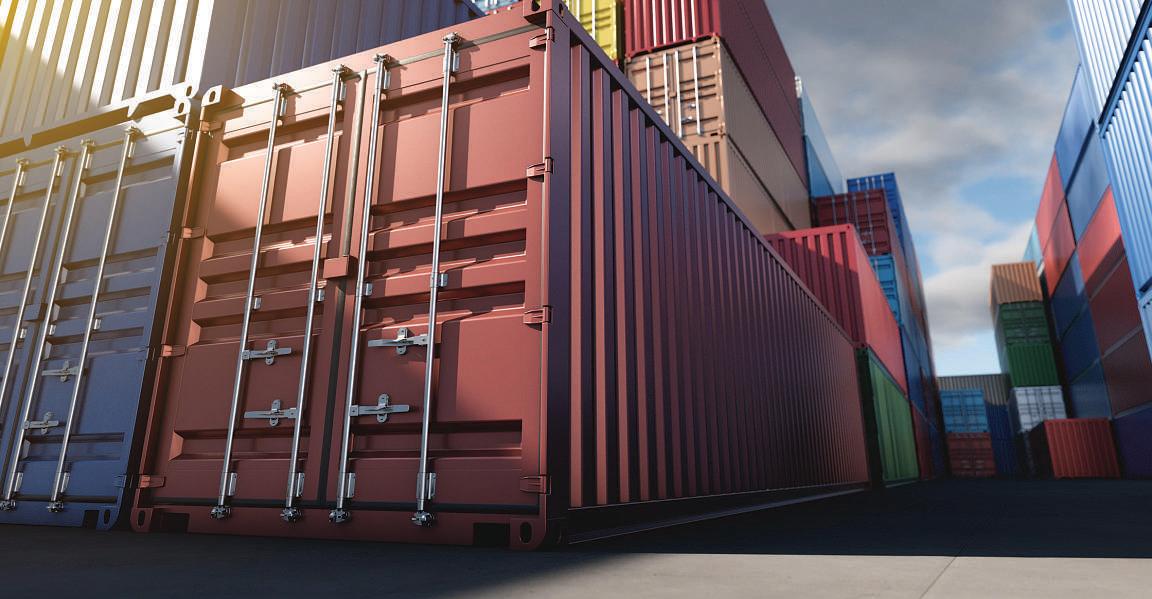
Cargo destined for the region – or scheduled to pass through it – faces an increasingly unpredictable journey. Shipping lines have suspended services through the Strait of Hormuz amid escalating tensions, forcing exporters and logistics companies to reassess their options
Kotahi chief executive Emma Parsons said the disruption had already left thousands of containers stuck. “We currently have around 4000 TEU (Twenty-foot Equivalent Unit) of cargo in transit on this trade lane.
“Kotahi is working with our carrier partners and customers to identify contingency plans and alternative routes for cargo destined for the Middle East or scheduled to transit through the region.”
ExportNZ executive director Joshua Tan said the Middle East was the sixth-largest export market for New Zealand, particularly for dairy, meat and horticulture products.
According to industry figures, total trade between New Zealand and the Gulf states
Saudi Arabia, Oman, Kuwait, Qatar, the United Arab Emirates and Bahrain – is worth about $3.25 billion annually, he said.
Dairy exports make up the largest share at around $2.2 billion, followed by about $260 million in red meat and roughly $80m in horticulture products such as apples and kiwifruit.
Despite the disruption, Tan said exporters were confident they could manage the situation Businesses had become more resilient after navigating multiple global disruptions in recent years, including pandemic lockdowns, port congestion and geopolitical conflicts, he said
“New Zealand exporters are confident they can deal with the current situation
“If necessary, many companies are





able to redirect exports to alternative markets.”
Dairy giant Fonterra said it was closely monitoring developments in the region. “We are working with our partners and customers on contingencies and identifying possible alternative routes for products destined for, or transiting through, the Middle East.”
The company said it had experienced navigating geopolitical tensions and supply chain disruptions, but warned the situation remained uncertain. “We are well-versed at trading through geopolitical and trade volatility, along with supply chain disruptions. However, the situation remains highly unpredictable, with a variety of scenarios that could play out over time.”
The horticulture sector was less exposed in the immediate term, he said.
While the apple harvest was under way, Hawke’s Bay-based Mr Apple head of sales and marketing Ben McLeod said the current disruption had minimal


impact so far. The Middle East accounts for about 5% to 10% of the company’s fruit exports, with shipments redirected to Southeast Asian markets instead, he said.
“We can sell the fruit elsewhere. It’s no big drama, but we feel for our customers in the Middle East and the consumers there –they don’t produce a lot of fruit locally. We’re more focused on them and their businesses getting back to normal. That’s the key.”
A Meat Industry Association spokesperson said nearly all New Zealand red meat exports to Gulf Co-operation Council countries passed through the Strait of Hormuz. In 2025, that trade was valued at about $298m, including $166m in chilled meat exports.
Red meat exporters were closely monitoring the situation and assessing the flow-on effects it could have to other countries, the spokesperson said.
“The disruption to the Strait of Hormuz won’t affect exports to the United Kingdom and Europe directly, but if there are significant disruptions to shipping via
the Red Sea, exports to these markets will take longer as ships will have to go around Africa.
The closure of the Strait of Hormuz and disruptions to shipping through the Red Sea will primarily impact chilled exports to the Middle East, which were worth $166m last year.”
However, according to Tan, chilled meat shipments can remain viable for months in refrigerated containers, giving exporters time to reroute shipments if needed. While that may be the case, ANZCO Foods sales and marketing manager Rick Walker said he did not want to leave containers “in limbo”.
Some containers currently in transit would be redirected to Singapore while the company decides what to do with the product.
“It’s not about the shelf life of the product. It’s more about the fact that we don’t want our containers sitting in Singapore. That adds cost, so we will make decisions literally this week depending on what happens over there,” he said.

Dear FarmingFamilies, Foryears,you’vebeen thequiet backboneconnectingrural and urban New Zealand -yourdonations putting nourishingmilkand mince on thetablesof familiesdoing it tough. But rightnow, thereare familiessurviving on the basics,going withoutthe proteinmanyofustakeforgranted Today,weface an honest reality: Demand is higher thanever, and donations haveslowedsignificantly This is acriticalmoment We need youmorethanever If youcan donate livestock, give financially, or help spread theword- now is thetime.





Love him or hate him –Donald Trump makes economists’ predictions even more unreliable. It’s a bit like Covid all over again. By
VGordon Stuart
.
UCA stands for Volatility, Uncertainty, Complexity, and Ambiguity It describes the kind of fast-changing, unpredictable environments many businesses and farmers face today.
The term originated with the United States army in the 1990s and has since been adopted in business and leadership strategy to highlight the challenges of modern decision-making.
Agile ways of working have since been developed to respond to volatility, reduce uncertainty, and manage complexity.
And then there was Trump, so we now have VUCAT. Love him or hate him – he makes economists’ predictions even more unreliable. It’s a bit like Covid all over again
One can’t help but feel sorry for Nicola Willis as she tries to put together her 2026 Budget given US tariff uncertainties and the Iran war. How long will it go on for – what is the impact on exports, oil, diesel, freight, fertiliser, supply constraints and so on?
So how should we manage these risks and potential outcomes on farm? People, culture, strategy and cash are keys to success in difficult times for any small or even large business.

A sensible starting point is Keep It Simple Stupid (KISS). Managing downside risk is what farmers do every day, from weather to feed to animal health, to name three. If it’s grapes we have frost protection, for kiwifruit we have shelter belts, and with cattle we have planting and fencing for waterway protection.
To thrive in a VUCAT world, we need to scenario-plan and remain agile like a gazelle that survives the cheetah. Understanding how our cash position is impacted is key This is easy to do via a simple spreadsheet and doing “what-if” scenarios?
■ Sales – cost of sales (variable costs) = gross margin before labour
■ Gross margin – direct labour = contribution margin
■ Contribution margin – fixed costs = profit or loss or breakeven.
Let’s use dairy as an example. Most dairy farmers will have an annual milk production plan loaded in an accounting system such as Figured. By changing the milk price we can quickly see the impact of an $8, $9 or $10 payout on our monthly budgeted milk volume or next year’s forecast. Note: livestock sales for most are a small part of revenue.
Farm working expenses can be easily divided into variable expenses – for example, animal health, feed, fertiliser, support block costs, irrigation and so on.
Employee wages are also easy to identify.
As an example, the cash impact/viability of increased volume of milk through the use of imported supplements (for example, PKE) can be quickly assessed by the impact on gross margin before labour versus what was budgeted.
Banks analyse business this way. Businesses or farms with low variable costs are more agile and flexible and therefore lower risk.
Trend analysis is the first component of financial analysis. Rolling annual or monthly comparisons help us understand whether we are improving or
Our future strategy can be determined by the impact on contribution margin. Benchmarking versus others or even across products helps drive decisionmaking. Questions can then be answered: for example, do we need to reduce our feed costs? Are different varieties of apples, cherries, or grapes more profitable than others? Do we get sufficient premium for being organic?
Fixed costs are those that don’t change or that you have to pay – rates, insurance and interest to the bank. Electricity can possibly be apportioned into fixed and variable costs.
If we know our fixed costs, we can then determine what our breakeven payout per KgMS or hectare or cow is. Our net profit or loss is the contribution margin above or below our fixed costs.
Some great words from Keith Cunningham, an American business writer, to mind. The reason most business owners are unhappy is because they have lousy boss. Great operators don’t get rich, get tired. GUT is an acronym for Gave Up Thinking. To sustainably succeed in business you need to identify and diagnose the activities that are sabotaging your financial results. Measure results, change activities and fix the problem or the cause – or else the silent but deadly will sabotage you every time. Leverage takes many forms but the most powerful for any business owner are thinking and measuring. What gets measured gets done – what gets measured gets managed.
If you can’t read the scoreboard you don’t know the score. If you don’t know the score you can’t tell the winners from the losers. Financial analysis is the process of converting the numbers on your accounting report back into activity that can be understood by all your stakeholders including your family at the farm table. VUCAT is going to be with us for a while. By using KISS scenario analysis we can help keep a clear head to plan our tactics to remain agile and flexible.
crisis: Which food prices will rise, and when?
Susan Edmunds RNZ money correspondent
Food prices are likely to rise if war in the Middle East keeps pressure on oil prices – but some types of food may be more affected than others.
Infometrics chief forecaster Gareth Kiernan looked at which sectors might be most exposed by comparing the proportion of their costs devoted to oilbased fuels.
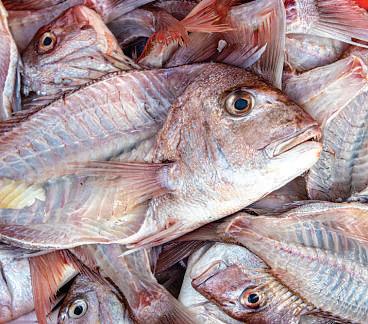
He said the fishing sector was top of the list. It spent about 25% of its input costs on oil-based fuels.
“Diesel for boats, presumably.”
That was followed by horticulture, which spent about 5% of its costs on oil-based fuel.
“Presumably that’s around heating or that kind of thing.”
Next was farming more generally,
“You get down to broader areas of farming, sheep and beef where you’re
talking about 3% to 4% of overall input costs.”
He said fertiliser could be an additional cost that was also exposed to energy price movements.
Supermarkets spent about 10% of their non-wage costs on transport, he said, and meat processing was at a similar level.
Westpac chief economist Kelly Eckhold said food coming from overseas would also be affected.
“The issue is how transportation costs start going through – I guess anything that’s having to come from overseas is going to have a higher transportation component.”
Kiernan agreed.
“Stuff that is having to travel halfway around the world – cocoa beans or coffee or whatever it might be – that is potentially going to be more heavily impacted than stuff we’re producing locally.”
Eckhold said it could be a couple of months before food price rises started to be seen on New Zealand shelves.
“That’s what we got through Covid there is a bit of a lead there between movements in global food prices and what we see here, assuming it’s not driven by a
local climatic type thing. There’s about a six-month lag. Some of that stuff could be building all through this year.”
Eckhold said it could be the case that more businesses would start to charge a separate fuel surcharge to cover their additional costs.
“I would envisage you could see the introduction of a whole lot of surcharges coming on to things, as people say, ‘Well hey, I’ve got this particular identifiable increased cost’, and you’ll find that you might end up having to pay an extra $5 or $10 or something like that for anything that’s got a clear transportation component – courier fees and things like that, for example.”
He said he now expected the Consumer Price Index to stay above 3% until the end of the year.
Infometrics’ supplier cost index showed costs to Foodstuffs supermarkets up 2.3% year-on-year in February, before the oil price rise began to be felt.
Here’show
Drench resistance has been growing and causinghuge concern, especially because the things Kiwi farmers have always reliedonare no longer workingas well as they used to.
It’s frustrating, but thankfully, it’s not the whole story.
That’s because more and more Kiwi farmersare fighting back with new approaches mixed with adose of good old Kiwiknow-how and adaptability. So, to help spread the word, we’ve reached out to those farmers who are dealing with resistance so effectively and asked them to share their stories, becausewhat’s working forthem could work for other farmers too.
Meet Rob O’Sullivan.
If there’s one thing Rob has learned as a sheep and beef station manager, it’s that nothing stays the same for long, whether it’sseasons or prices and now, drench resistance.
“Abouttwo seasons ago, Ithink it was, all of asudden, lambsjust went off and, you know, you drench them and they just kept going backwards on me, especially at tail end. Youcan just tell something’s not quite right there, we did adrench test on them, then it was 10 days afterwards and they went triple resistance. So that was basicallyhow it got brought to my attention. Which wasn’t a nice thing.”
ButRob’s willingness to adapt meant looking for new approaches to the problem and fronting up with bold decision making.
“Everyone’s dropped their sheep numbers back and gone up in cattle numbers.”
Rob did likewise.
“We’re probably only about 40% sheep now,60% cattle where we used to be 70/30.”
And he’s happy to sayit’s working. “That sort of just changes your management.I guess farming isall about pivoting as I’mlearning.”
But dealing with resistance needs more than just one tool, it needs athe whole toolbox–including ongoing testing
“Every drench we test everything and monitor everything and going forward into lambing monitoring ewes and doing alot of faecal egg counts. That’s the bigone for us,keeping an eye on things because in the past where you just treat them every 28 days or whatever, sometimes they don’t need to be drenched every 28 days and you’re just adding fuel to the fire really by pouring it down their throat.But now we’re monitoring alot more and just using that advice we get fromthe vets and all that comes back with it.”
And while Zolvix Plus is oneimportant tool, it’s become akey part of fixing the overall problem.
“The impact of ZolvixPlus has been huge. You know, you give alamb a
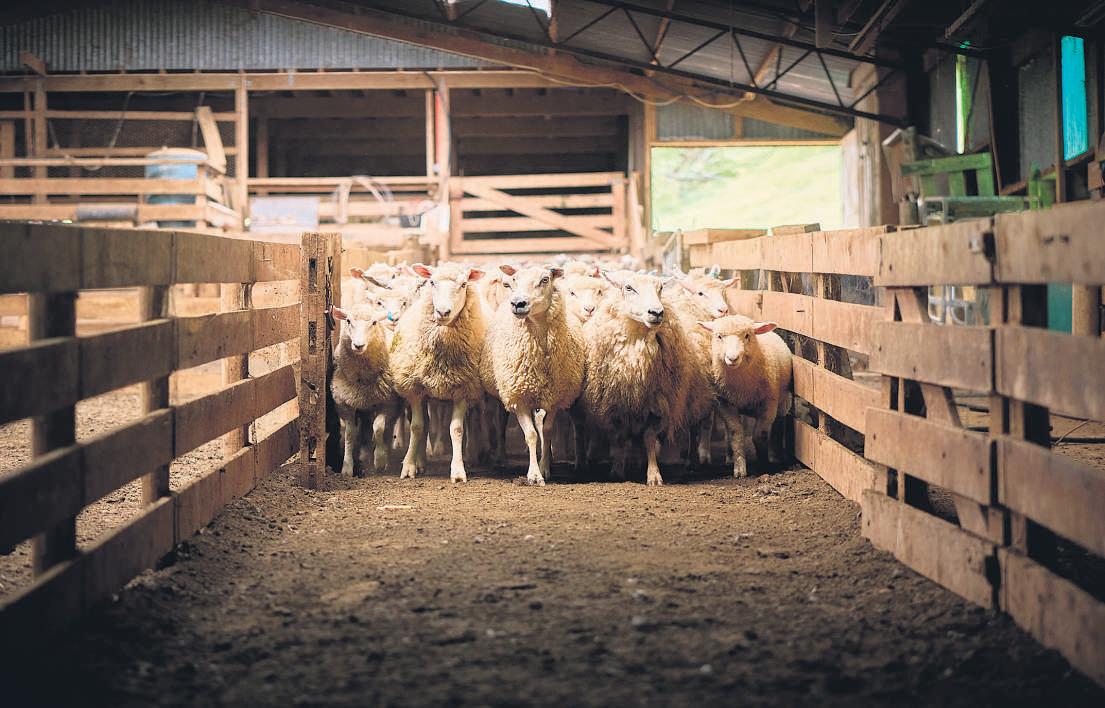
Drenchresistanceisagrowing concern forKiwifarmerswith traditional remediesnolonger provingeffective..
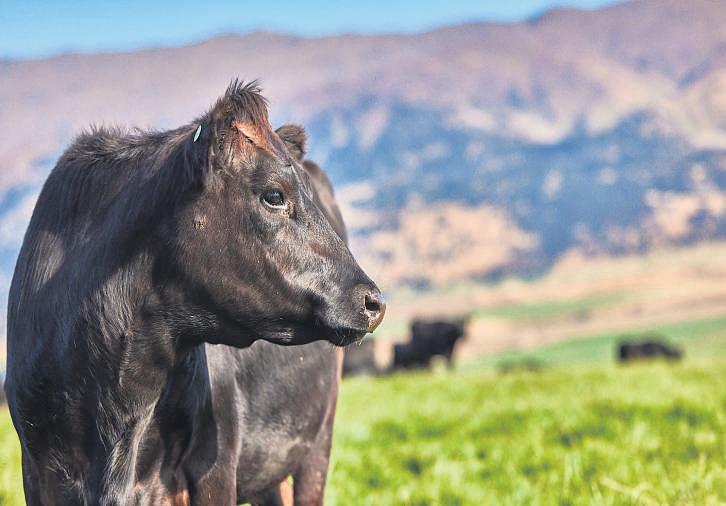
drench that, itjust turns themout straight away. Where you have atriple and it isn’t working and you give ita drench with ZolvixPlus, it just about skips out of the yard.”
Of course timing matters alot too.
“In previous years we really tried to just use Zolvix Plusassort of as an exit drench coming out of the autumn.”
But as resistance increased, Rob’s adjusted his strategy to meet the challenge.
“This year was the first year I’ve done it, but Iactually drenched Zolvix Plus atweaning just to clean everything out, and nowgone backinto atriple.”
As usual,there’s always abit of juggling.
“The vets do say, ideal is to store alot of lambs, but on the same token, it’s ahard one when the bankmanager’s breathing down the farmer’s neck.”
Naturally, price always has to be considered, but Rob knows that cheap is defi-
nitely not always best.
“It’s more expensive when you usea product that doesn’t work full stop. You know that’s endofstory. It doesn’t matter how expensive it is. If it works, it’sworth aday.Whereas, atriple that doesn’t work isvery expensive.There’s alot of unseen costs when you do that. I mean production loss.”
It comes down to how resistance can be controlled through smartermanagement thatmeansconstantly making little adjustmentshereand there.
“There’s away through it. You just gotto change your mind-set abit and the way you do things, but,you know, it is manageable and it’s definitely not doom and gloom. You’ve just got to change as you change your system abit andget advice Talk to the vets isabig one.”
For Rob, that’s the key. “Everyone’s talking about resistance.
You go to dog trials and that’s what they talk about. There’s been plentyofworkshops, plentyofadvice,and alot more openness between farmers.”
Resistance isn’t the end of farming, just the end of the old‘onesize fits all’ solution.
“You can’tjust carry on ignoring it and doing things the same because it won’t work at all. It’ll get worse and we don’t want that. We want to be able to farm for many generations to come.”
To get the full story on how more and more farmers are overcoming parasite resistance, visit ‘Stories from the front line’ at: farmanimal.elanco.com/nz/storiesfrom-the-front-line
Brought to you by Zolvix Plus and Elanco. Proud to back Kiwi farmers on the front line against parasite resistance.
Always read and follow label instructions. Zolvix Plus, Elanco and the diagonal bar logo are trademarks of Elanco or its affiliates Zolvix™Plus for Sheep andCattle contains 25 g/L monepantel and 2g/L abamectin and is registered under the ACVM Act 1997,No. A011107. Elanco New Zealand,106 Wiri Station Road, Manukau, Auckland 2104. www. farmanimal.elanco.com/nzI0800 446 121.© 2026 Elanco. EM-NZ-26-0014


Harriet Laughton
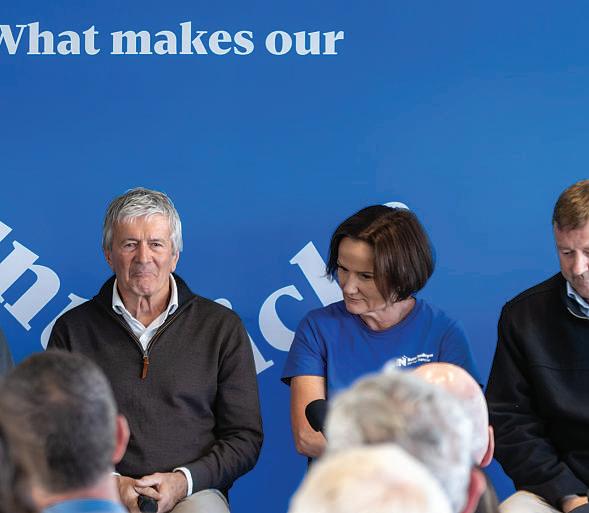
‘We are the Saudi Arabia of wind,” Green MP Steve Abel told the crowd at Central Districts Field Days – a provocation that immediately sharpened the political mood as MPs clashed over energy, costs and the future of rural New Zealand.
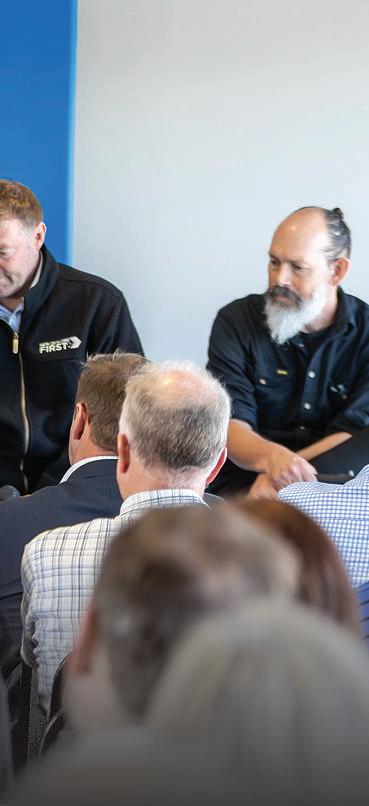
The political and financial pulse of the sector took centre stage in Feilding, where MPs from across the spectrum set out their pitches in an election-year panel hosted by The Post’s politics, business and economics editor Luke Malpass.
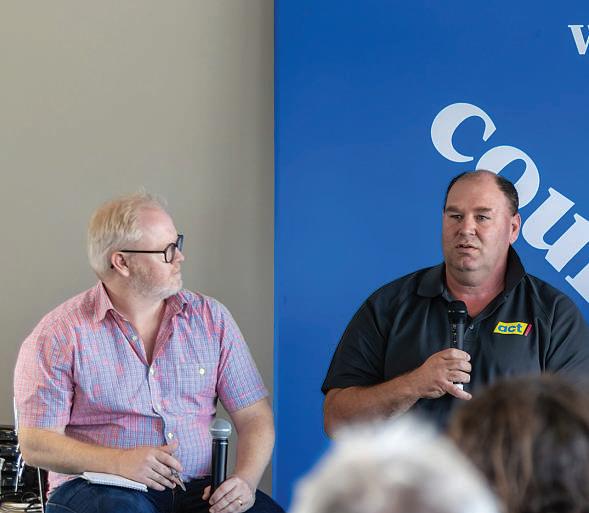
On the stage were National MP Suze Redmayne, Labour MP and opposition spokesperson for regional development Damian O’Connor, NZ First’s Rural Communities Minister Mark Patterson, ACT MP and Associate Minister of Agriculture Andrew Hoggard and Green MP and agriculture spokesperson Steve Abel.
The floor was opened to each politician, who pitched to the audience why their party best served the rural community.
Abel said the country needed increased investment in renewable solar and geothermal energy and needed to get over the idea the country would find some mother lode of gas. “We are the Saudi Arabia of wind,” he said Redmayne said National’s work to manage government finances proved
the party backed farmers. When Malpass pointed out Government spending had actually gone up, she changed the topic, talking up KiwiSaver, the change in methane targets and stopping agriculture being in the Emissions Trading Scheme.
Labour’s O’Connor spent his slot talking about what Labour had done in the past, saying the party was prepared to make the hard decisions, wanting to see the electricity sector reformed and a move on nitrates. “There’s a freight train coming at the industry, and unless we work early on those things, somewhere down the track from the marketplace, someone’s going to wallop us.”
He said throwing out the carbon tax Labour proposed was “irresponsible”.
NZ First’s Patterson said letting Marsden Point close was a “really, really bad idea” and his party was looking to take action within the coalition.
The Government had a role to play in funding flood protections through the regional infrastructure fund, he said. “That’s the sort of stuff that we’re going to be bringing – interventionist and some strategic planning that will add some resilience to rural New Zealand.”
ACT’s Hoggard was on the opposite side of the spectrum, saying the Government should let the market find their way.
It was about getting the settings right so businesses could flourish, he said.
He highlighted the uncertainty around consents that was holding farmers back from spending. “These obligations, it just muddies the whole
There’s a freight train coming at the industry, and unless we work early on those things, somewhere down the track from the marketplace, someone’s going to wallop us.
Damian O’Connor
water and creates this confusion of having two systems. If the market really wants it, it sends a signal, and farmers will respond.”
Central to the debate was the cost of fuel in light of the war on Iran.
Patterson said when the plan came out it was the conversation around the primary sector – the trucks, tractors and fertiliser – that would be the major sticking point
Redmayne echoed lines from Prime Minister Christopher Luxon earlier in the week saying “hope wasn’t the plan”.
“We are hoping for the best, but also planning for the future.”
Abel stressed the importance of maintaining an independent foreign policy.
“It’s worth remembering that the
reason for this whole chaos that the whole planet’s been thrown into is because of the one maniac in the White House.”
O’Connor did not feel there were many smart plans coming from the Government, and said it would fall on independent businesses to deal with the fallout.
He said New Zealanders would have to consider alternatives such as cycling, though he acknowledged the difficulties of that within the rural community
“We’re going to have to think laterally how to overcome some of those challenges.”
The second panel, hosted by The Post senior business reporter Rob Stock, scrutinised finances in the country’s rural community.
This panel dove into the complexities of preserving wealth, values and business continuity, featured panellists Mark Tavendale, managing partner of Tavendale and Partners, Aidan Gent, head of ASB rural and Hayden Trotter, principal of Allan McNeil.
The complexities of family farm succession were central to the debate – a pressing issue, given half of New Zealand’s farm owners have yet to begin formal succession planning.
Farming enterprises have become larger, farm values are high and there is a desire gap, with many young people not entirely keen to follow their families’ footsteps onto a life on the land. “A farm is not like a piece of cake, you can’t just cut a slither off and everyone gets some,” said Trotter
Higher farmgate returns and interest rate drops are putting a smile on the faces of farmers who have greater confidence in the sector.
By Sonita Chandar.
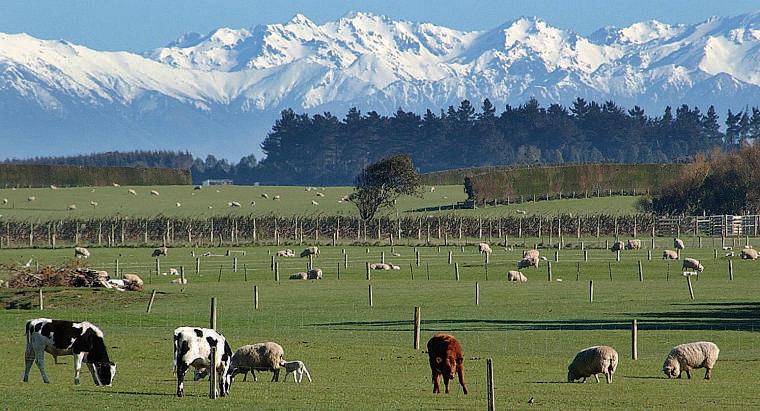
Farmer confidence has crept higher off the back of improved sentiment among dairy farmers, according to the recent Rabobank Rural Confidence Survey. A Federated Farmers survey conducted at the beginning of the year also showed farmer confidence was high.
Higher commodity prices and lower lending rates are the two main sources of optimism across both surveys, while rising input costs were the main reason given from those with a negative outlook.
However, the United States and Israel war on Iran is raising concerns.
Rabobank NZ chief executive Todd Charteris said the ongoing conflict in the Middle East loomed as the obvious threat to farmer confidence over the weeks and months ahead.
“Increasing farm input costs came through in the survey as the major concern for primary producers, with this the case even though the majority of survey responses were collected prior to the war starting on February 28,” he said.
“These concerns will only have amplified since then, with prices for
fuel and fertiliser having crept up as the conflict starts to impact on global supply chains. And the longer the disruption persists, the more cost pressure may build, even if near-term supply remains adequate.”
“Shipping costs are also likely to be impacted. For New Zealand, the exposure is indirect but material. Disruption could lead to higher insurance, freight costs and route changes, with any cost increase in these areas eventually funnelling through to farmers’ bottom lines.
“Across recent years, the sector has had to deal with a range of geopolitical shocks and natural disasters, and its resilience has always shone through.
“These types of shocks often create sharp price reactions followed by
adjustment periods, and businesses that plan early are generally better placed to steer their way through the fallout.”
Both surveys showed improved confidence among dairy farmers as the key contributor to the higher overall reading of both surveys.
Despite a small drop in confidence from last quarter, sheep and beef farmers continue to be the most optimistic about the prospects for their own businesses.
Dairy farmers and horticulturalists are now more upbeat about the prospects for their own operations than they were late last year.
Charteris said in the last Rabobank survey, dairy farmers dragged the overall reading lower following a surge in global milk supply at the back end of 2025.
“This time around we’ve seen the exact opposite, with dairy farmers now more upbeat off the back of several strong GDT results across the early part of 2026 that prompted Fonterra to revise their farm gate milk price forecast back upwards in late February.”
The survey found sheep and beef farmers and growers were now less optimistic about the prospects for New Zealand’s broader agri economy.
“Sheep and beef farmers were back a little on where they were in December (+49% from +53%) but they are still overwhelmingly upbeat about the prospects for their own operations over the coming months,” Charteris said.
“Prices for both beef and sheepmeat have held firm at elevated levels across recent months and, with demand expected to remain strong, the outlook remains rosy.”
Federated Farmers president Wayne Langford said after several tough years, it was good to see farmers doing well.
“When farmers are profitable, that’s good news for the rest of New Zealand,” Langford said.
“That money flows into rural communities and the wider economy, supporting local businesses, creating jobs and strengthening regional New Zealand.” Langford said Federated Farmers had been working hard to cut some of the red tape that was holding the sector back.
“We have had a Government that’s listened to our concerns,” he said.
“That easing of regulation has really helped breathe new life back into rural New Zealand again. The recovery from 2023/24 is now firmly established across most sectors.”

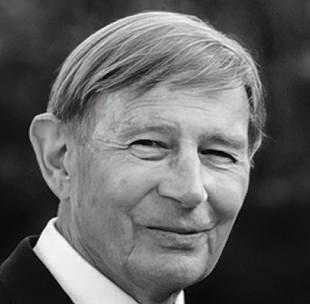
Bill Mouat is the author of Gold Under The Mānuka: Mangaorapa Station, A Farming Story Like No Other. Published last year, the book has provedso popular, a reprint is imminent. By Tony
Benny
.
When Bill Mouat was growing up on Mangaorapa Station in Hawke’s Bay, his mother Pat told him she believed one day he would write the extraordinary story of how his grandfather and father took an unwanted mānukacovered block and turned it into one of New Zealand’s most productive farms.
“My mother kept all the black and white photographs that my father took, as well as newspaper cuttings and a whole range of different things, in shoe boxes. And she said to me, when I was probably in my teenage years, ‘I’m doing this, Bill, because one day you’ll write a book,” Mouat recalls.
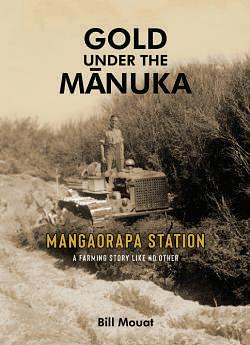
Some 50 years later, Mouat is the author of Gold Under The Mānuka: Mangaorapa Station, A Farming Story Like No Other Published last year, the book has proved so popular, a reprint is imminent
“The story really starts with my grandfather and then my parents, Don and Pat Mouat, and they were the key people to push the vision and set these new standards on how they wanted to see a property of this size developed. I felt a responsibility, I guess, to write the history on their behalf.”
Bill’s wife Carolyn is coauthor and also managed the process of book design and layout, as well as editing of the photographs.
Mouat’s grandfather Billy left school at 12 to work
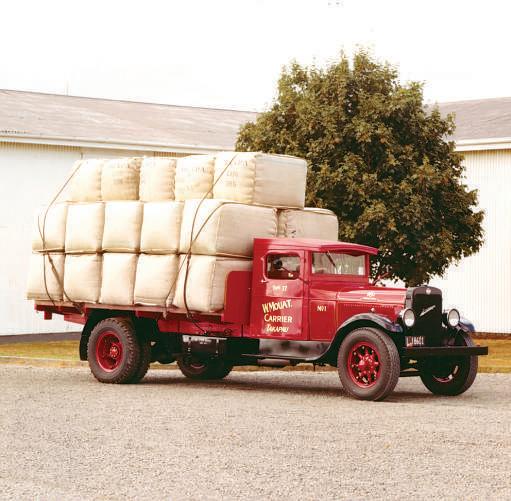
as a labourer. Through hard work and vision he established a transport company, starting with a traction engine and then trucks, in Takapau district of Hawke’s Bay.
The business did well and Billy was able to buy a productive 196ha farm for his two sons.
“But he thought, ‘These guys have got energy to burn. They need a bigger challenge than a 485 acre farm,’ so he set out to find something that they could add value to with their energy, work and experience with machinery,” says Billy’s grandson, author Bill.
In 1946 he found Mangaorapa Station, then an undeveloped block covered in mānuka, kānuka, and tauhinu (tawhini), land even the government thought unsuitable for returning World War II soldiers.
“Nevertheless, they could see the potential. It was flat to rolling country and it had three rivers running through it for water. They rode horses to any place they could get to, dug down to the full depth of a spade and found plentiful earthworms. It was overrun with rabbits, but all the rabbits were fat,” says Mouat
To break Mangaorapa in, the brothers used heavy-duty
single furrow ploughs towed mediumsized tractors. “They broke in 4400 acres (1780ha) in 11 years with two scrub ploughs, ploughing five acres a day. That gives you an idea of what they had to contend with to get it grassed and get productive.
he locals thought they were crazy when they bought it and no one gave them any chance of completing the job. They thought, ‘They’re only truck drivers, they don’t know what they’re doing with farming’. However, they had one key attribute and that was the will to work. They also had natural livestock sense.”
Brothers Don (Bill’s father) and Max farmed together until the last of the mānuka was ploughed in, and in 1958 Don bought his brother out. Bill and his brother Bryan took over in 1979.
Under their stewardship, Mangaorapa became one of New Zealand’s most productive cropping, sheep and cattle stations, later expanding into viticulture too.
The family sold the station in 2005, and now the story of how three generations created something remarkable from humble beginnings has been told.
“I stand by the cover’s subtitle, ‘A Farming Story Like No Other’,” Mouat says. “There’s no other farming story in the country that could be exactly like this, because this in its own right is unique.”


FREDDIE WILKIE/MARLBOROUGH EXPRESS
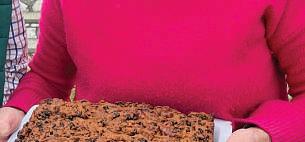

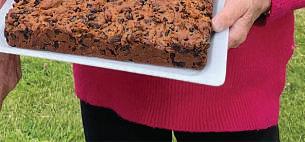

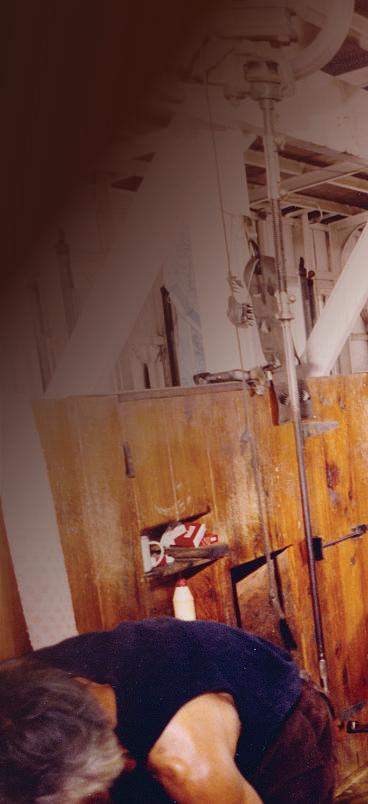
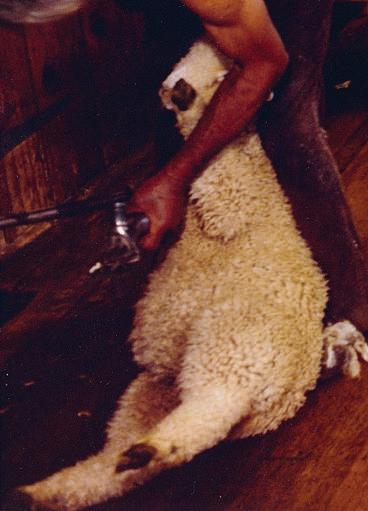
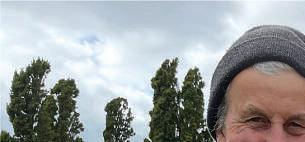
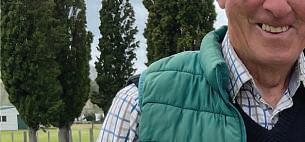
Herb Thomson has been going to the Flaxbourne A&P Show for about 80 of its 100 years, and this year he built the seating.
The octogenarian, who has been attending the show in south Marlborough nearly since birth, said he was happy to chip in for its 100th show, as strong community input is what keeps the event going.
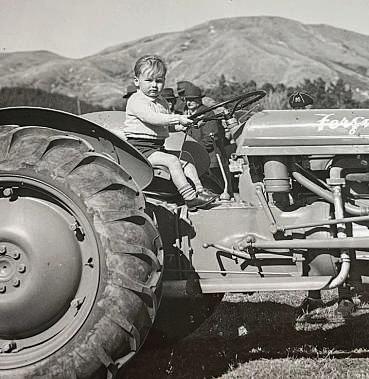
Herb said he had fond memories from the show over the years, recalling his excitement as a little boy to see farm machinery parade around the Ward Domain.
“One year we had a rainstorm,” he said. “The cars were all getting stuck everywhere around the place and these little bulldozers pulled them out to the gate, which was quite fascinating to watch, actually.”
Like many Flaxbourne families, Herb’s has been heavily involved in the Flaxbourne A&P Show over the years. His grandfather Alex Thomson was president of the show association for the second show in 1924, and more than 60 years
later Herb filled the same role, from 1989 to 1991
Nowadays Herb is still entering the fleece competitions and the best sheep contests.
This year he contributed his handiwork in the form of benches made from Flaxbourne timber. Marlborough Lines had provided milled oak slabs for the project after clearing a Ward property for a new solar farm.
Herb’s wife Pip contributed her own handiwork in the Cooking Section competitions. Her fruit cakes and sultana cakes had netted trophies eight times, and she made an effort to enter multiple categories this year in honour of the big centenary celebration.
Fruit cake entrants had to stick to the show’s recipe, while sultana cake contestants used the Edmonds Cookery Book recipe, with judges assessing feel, taste, and colour.
The secret to a good cake is ensuring the tin is lined well, Pip said. “That stops it burning.
“If it’s just a fruit cake, a good long slow cook and practise many times to where you get to know your oven, you know everything.”
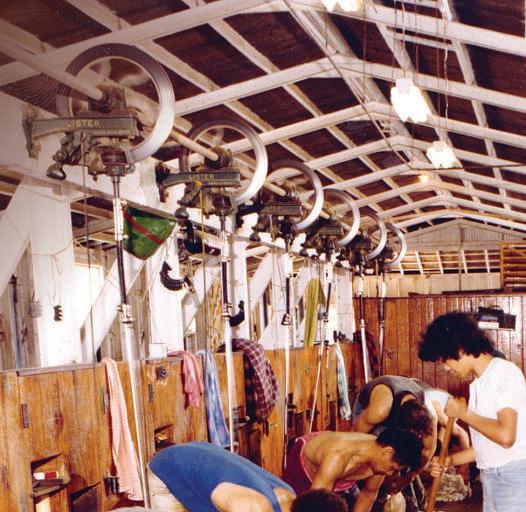
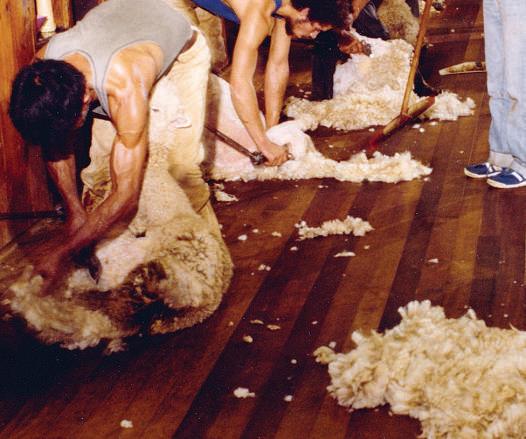



Lucy Cooper
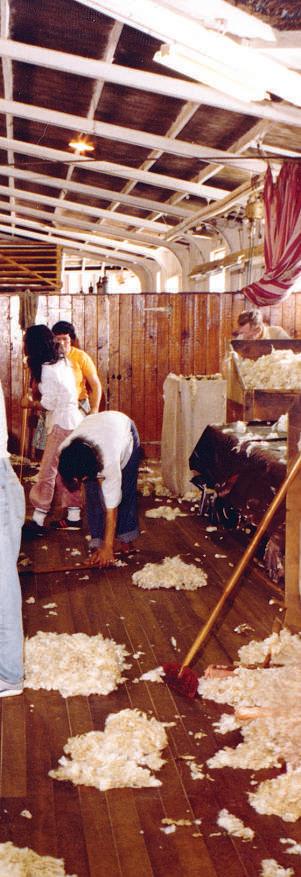
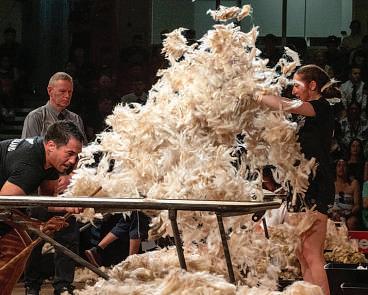
Two sisters from one of shearing sport’s most prominent families showcased the “skill and craft” of woolhandling when they went head-to-head on the tables at the Golden Shears world championships on the morning of March 7.
Siblings Marika Braddick and Ngaio Hanson – two of six children in the well-known Eketāhuna shearing family – faced off just after 7am in the North Island Woolhandling Circuit contest, an event designed to showcase, test and upskill top woolhandling talent within the agricultural industry



Pip said she has been known to remake a cake before show day if it did not meet her standards, though she chuckled that Herb would reliably tend to any rejects.
The first Flaxbourne A&P Show was in 1923, and was an annual event except for three cancellations; in 1942 and 1943 due to World War II, and in 2020 because of the Covid pandemic.
Kevin Loe, a show stalwart whose family farm neighbours the Thomsons, said according to his grandfather, the show was initially more of a sports day centred on horses, but soon grew into the agricultural and pastoral format.
The Loes, the Thomsons, and Pam and the late Bill Francis’ family are the only families still farming on the same land they got in the 1905 land ballot, when the huge Flaxbourne Station was divided up into smaller sections.
Bernadette Gilmore, who has been the show’s secretary and treasurer for 41 years, said many of the organisers have inherited their connection to the show, as she did from her parents and grandparents.
The traditional favourites of sheep shearing and spouse carrying were back this year, along with new events – such

as a scarecrow competition, best beard, best moustache, and best 1920s-style moustache or beard.
Entrants in the facial hair contests had to be clean-shaven on January 1 with a photo to prove it, she said.
The Flaxbourne A&P Show was held on March 22
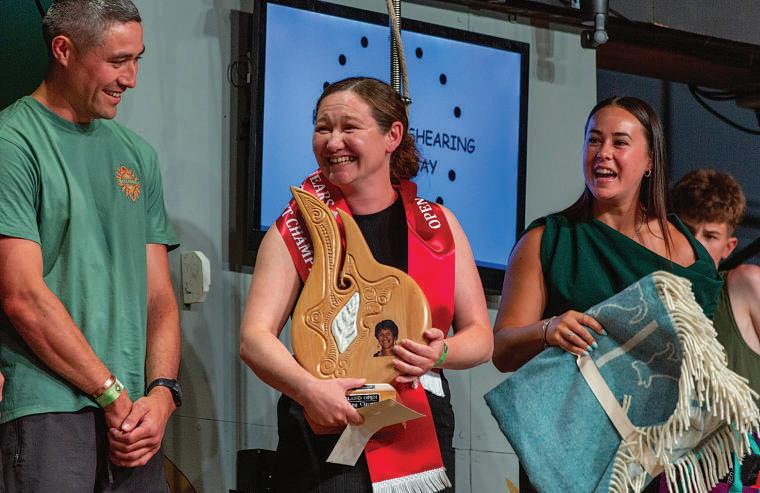
With a total points score of 97.401, it was Hanson, the elder of the pair, who claimed the top prize, with Braddick coming second, and Keryn Herbert and Vinniye Phillips taking third and fourth places respectively.
The win means Hanson retains her place in New Zealand’s trans-Tasman woolhandling team.
As well as a $700 prize, Hanson received the Ronnie Goss Memorial Trophy, named after the woolhandling legend who died aged 53 after competing at the Taumarunui Shears in 2021.
Speaking on stage to present the trophy, Raylene Kirkpatrick – Goss’ sister and one of the sponsors of the event –said her sister had worked hard to give woolhandling a voice in shearing sports and to showcase it “on the world stage”.
“I made a pact with my sister to make that happen,” she told the capacity crowd. “To give woolhandlers the recognition they deserve.”
Addressing the judges, Kirkpatrick apologised to the judges for “being pushy”.
“But I will be pushy till we reach the top.”
The Ronnie Goss Trophy held special meaning for Hanson, she said.
“Ronnie was a family friend,” she said in her presentation speech “She was an amazing person and I’m happy to be here.”
Speaking to the Wairarapa Times-Age, Hanson said while everyone in a shed works as a team, shearing has always been the most prominent of the shearing sports, with shearers tending to command bigger crowds in the arena as well as higher pay on-farm.
But woolhandling is “a skill and a craft” in its own right she said.
“We take real pride in what we do,” she said. “We want to showcase what we do to the world.”
“
We
take real pride in what we do. We want to showcase what we do to the world.
Ngaio Hanson, champion woolhandler
Woolhandlers are an essential part of the wool industry, responsible for the immediate cleaning, sorting and decontaminating of the fleece after it’s shorn and maximising the financial return to the farmer.
The discipline tends to be dominated by women, but more men are now coming through the ranks, Hanson said.
Marika Braddick’s performance in team and individual events in the world championship events had certainly contributed to raising global awareness of New Zealand’s skill at the woolhandling tables.
She paired with Joel Hanson on the evening of March 6 to win the Rabobank World Woolhandling Teams event, and the next night came fifth in the Wools of New Zealand World Woolhandling final. But it was still a New Zealand victory, with Joel Henare taking home the red ribbon.
Hosting the world championships at this year’s Golden Shears had stepped the competition “up a gear”, Braddick said. “It’s an honour to represent my country on the world stage.”
A study from Rothamsted Research has found that heatwaves at a key moment in the plant’s life cycle, flowering, may soon pose an even greater risk than drought itself. By Eve Hyslop.
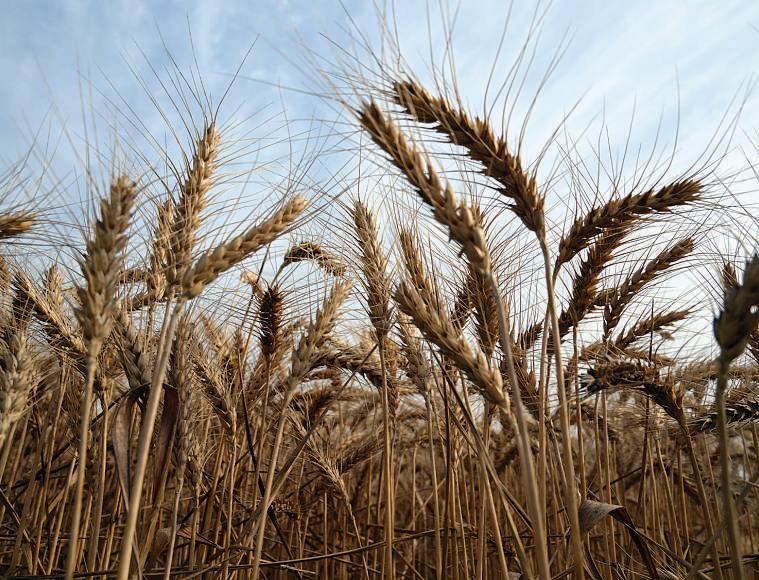
Amidst climate change, short periods of intense heat stress have become one of the biggest threats to global wheat production in the coming decades, according to recent research.
A study from Rothamsted Research has found that heatwaves at a key moment in the plant’s life cycle, flowering, may soon pose an even greater risk than drought itself.
“Flowering is one of the most sensitive stages in wheat development It’s when the plant sets grain, which ultimately determines yield. Even a few days of very high temperatures or severe water stress at this stage can reduce grain numbers and significantly cut final harvests,” Dr Mikhail Semenov, mathematical modeller and Emeritus Fellow at Rothamsted Research, says.
The study used advanced climate projections and the Sirius wheat model – a crop simulation model used to predict wheat growth and yield based on environmental factors – to estimate how
short, intense heatwaves and droughts during flowering could affect global wheat yields in the future.
Results from the study showed that heat stress during flowering is projected to become much more damaging than drought. When linked to extreme heat, global yield losses during flowering could rise by about one third by 2050 and by 2090, that could increase by more than three quarters.
While drought remains significant
for wheat growers, Professor Malcolm Hawkesford from Rothamsted Research says that the research suggests that extreme heat at flowering has become an increasing problem worldwide.
“This kind of modelling studies provide critical information on, and pointers to, the traits we should be breeding for now, ready for predicted future climate conditions.”
For wheat breeders globally, this research means they must place greater
emphasis on developing wheat varieties that can withstand short periods of heat during flowering.
For growers globally, the findings reinforce the importance of selecting wheat varieties suited to warmer conditions and carefully timing sowing dates so that flowering avoids the hottest part of the season.
As for New Zealand growers, the impact on their wheat yield from drought and heat stresses is very small compared with other locations used in the study. Therefore, the study found that there is no immediate danger to wheat crops in New Zealand from climate change In regions such as Canterbury, where spring wheat commonly flowers in late spring or early summer, even short heatwaves could have an effect on grain set and final yields.
While conditions this season have not been drought-inducing, New Zealand arable farmers are not unfamiliar with dry conditions in short periods. Monitoring across New Zealand carried out by the Ministry for the Environment shows that short-term drought events, lasting around three months, have become more frequent at many climate monitoring sites since the 1970s, highlighting the growing risk of short dry spells for crops.
Global demand for wheat is continuing to grow, so protecting yields under unpredictable weather patterns is essential for food security. Key to that security and the stability of wheat production in the years to come is preparing for heat stress, not just drought. By understanding when crops are most vulnerable, farmers and researchers can work together to build more resilient farming systems for the future

Most of New Zealand’s farmland is grazing land; our landscapes and climate aren’t suited to large-scale grain crops. That means decisions about animal nutrition, genetics, reproduction, health and welfare are fundamental for us.
By Paul Kenyon.
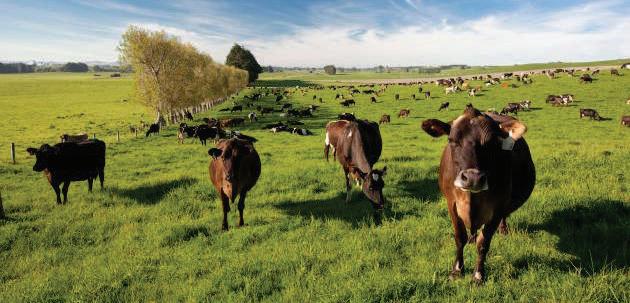
Remove dairy, sheep and beef herds from grazing pasture across New Zealand and our farms, exports and rural communities would look completely different. Production animals, from pigs and poultry to sheep and dairy cows, drive our primary output and underpin much of our national prosperity
Outside New Zealand, agriculture is often imagined as mixed farming or croppingheavy, but here it is overwhelmingly animalbased. Animal production science helps keep the system thriving.
Most of New Zealand’s farmland is grazing land; our landscapes and climate aren’t suited to large-scale grain crops. That means decisions about animal nutrition, genetics, reproduction, health and welfare are not peripheral considerations for us; they are fundamental to how most farms operate and succeed. Understanding the animal is essential to understanding the farm.
Animal production science has been one of the most powerful drivers of productivity
Eve Hyslop
Farmer-led catchment groups play a crucial role in building trust and connection within the industry and supporting farmers in responding to environmental regulations. However, new research suggests that the groups are less effective in driving major environmental initiatives.
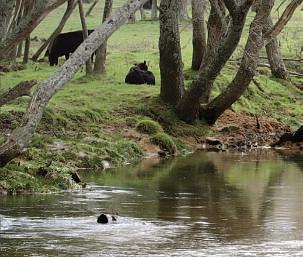
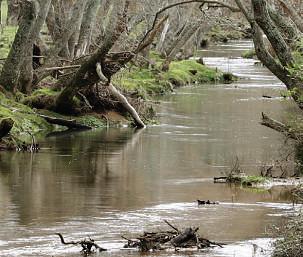
Catchment groups have grown rapidly across the country during the past decade alongside growing expectations for farmers to address issues with water quality and land management. These locally led groups bring landowners within the same catchment – such as Hurunui or Upper Rangitīkei –together to share knowledge and discuss environmental challenges.
The study, undertaken by the Bioeconomy Science Institute, examined two catchment groups in Canterbury and interviewed farmers to better understand why farmers join catchment groups and how membership influences on-farm decision making.
Researchers Nicholas Kirk, Pamela Booth and Sarah Edwards, found four key themes in the research, one being that catchment groups are trusted advisers, particularly when navigating regulatory change.
Some farmers interviewed initially viewed the groups with suspicion but later came to see them as supportive networks rather than organisations aimed at policing farming practices.
“It was actually to help everyone with land use it was to help people, not to criticise or finger point,” one interviewee said.
The research found that many farmers joined catchment groups to gain advice about environmental regulations, certification schemes and compliance requirements
One catchment group from the study was formed while an irrigation consent was
in modern agriculture. Research into genetics, nutrition, growth, reproduction, meat science and health has enabled farmers to produce more food with fewer resources. Productivity per animal and per hectare has increased in all our ruminant systems and our understanding and management of animal health has improved dramatically. These gains are the result of decades of sustained investment in applied animal production science, grounded in real farming systems. You cannot reduce emissions without understanding animal nutrition. You cannot improve welfare without evidence-based insights into behaviour and health. You cannot design resilient farming systems without integrating the animal, the pasture and the environment Animal production science needs to work alongside the disciplines of pastoral science, agronomy, soil science and farm management if we are to manage our ruminant production systems and environments effectively.
Animal production science underpins many of New Zealand agriculture’s biggest challenges, from reducing greenhouse gas emissions and nutrient losses to improving productivity, animal welfare and climate resilience
Encouragingly, the next generation is recognising this, with strong demand for agricultural and animal science programmes. We’ve seen a significant increase in students enrolling in these subjects at Te Kunenga ki Pūrehuroa Massey University this year Postgraduate demand is particularly strong, with more than 290 students pursuing diverse research projects that reflect the complexity of modern farming systems and a strong appetite for practical, on-theground solutions.
cost-effective way into higher education while continuing to work in the regions and industries they want to be part of. They don’t have to step away from agriculture to study it; they are studying while living it. We have also designed professional development courses for secondary school teachers, recognising that agricultural capability must be built not only on farms and in universities, but throughout the education system. Providing teachers with the tools to foster interest and passion for agriculture early will help develop the next generation of agricultural leaders and problem solvers.
Massey occupies a unique space, with the country’s onlyveterinary school embedded alongside agricultural and animal production science expertise, as well as food technology, creating a powerful ecosystem for teaching, research and industry engagement. Massey’s animal science group is one of the largest in the southern hemisphere focused on pastoral production systems, ensuring productivity, animal health and welfare are considered together, rather than in isolation. The school aims to teach how the animal industries can increase both productivity and profitability, but in a sustainable and responsible manner.

To ensure New Zealand’s pastoral food systems remain productive, sustainable and resilient, we must continue to invest in animal production science, train the next generation and recognise the central role animals play in shaping our agricultural future.
More students are choosing flexible, distance-based study options, providing a
Professor Paul Kenyon is the head of the School of Agriculture and Environment and a professor in sheep husbandry at Te Kunenga ki Pūrehuroa Massey University.

being negotiated between its members and local government.
“There was a thought process that said, ‘We’ve got all these consents coming up [and] we’re sitting in a red zone. We’ve got a lot of cost issues, all sorts of things’ Maybe it’s time for us to be proactive in this area rather than wait and fight a rearguard battle,” one interviewee said.
Some farmers reported making practical adjustments after receiving advice, including planting poplar poles to reduce erosion or fencing areas of remnant native bush.
While the study found evidence that catchment groups help farmers reflect on their practices, changes on-farm were often gradual. In many cases, the groups were more effective at raising awareness of environmental issues than directly prompting immediate change.
The research found limited evidence of


significant changes to farm systems or land use directly resulting from catchment group participation. Instead, the groups appeared to play a role in encouraging the ongoing evolution of farming practices over time.
Beyond environmental management, farmers said one of the major benefits of catchment groups was social connectivity and building community resilience.
The isolation of farming meant the groups served as a strong point of connection and helped strengthen community resilience, particularly during difficult periods such as drought
“You can actually bog yourself down on your own farm and feel like it’s only you that’s going through this, but you go away and talk to everyone else and realise they’ve got the same things going on you’re not the only one in a sinking ship at times,” one interviewee said.
A study on catchment groups has found four key themes, including that the groups are trusted advisers, particularly when navigating regulatory change.
Researchers said these social connections may be just as important as formal environmental initiatives in supporting long-term change.
By building trust between farmers and creating spaces for discussion, catchment groups can help farmers understand new expectations and consider different approaches to land management.
However, the study noted that it remains unclear whether the incremental changes encouraged through catchment groups will ultimately translate into measurable improvements in ecosystem health.
With governments increasingly supporting catchment groups as part of environmental policy, the researchers say further work will be needed to determine whether the activities of these groups lead to environmental gains at the
scale.
Agriculture Sonita Chandar
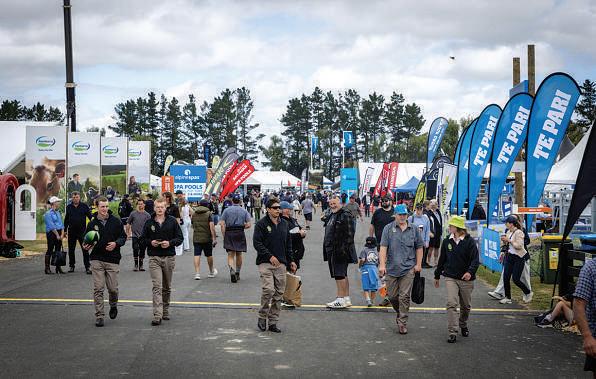
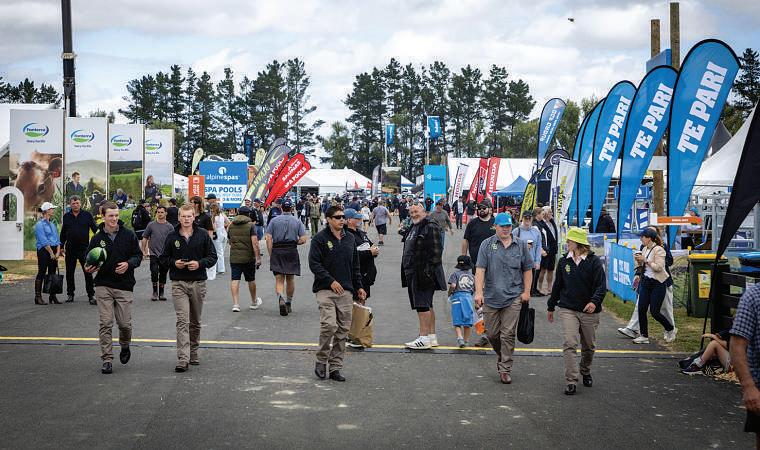
With the latest technologies, information and innovative products for the rural sector on show, the Central Districts Field Days once again attracted visitors in their thousands.
Billed as “The best day off the farm all year”, CDFD is the largest regional agricultural field days in the country.
The farmers NZFarmer spoke with were upbeat and optimistic about the agricultural industry although the war on Iran was making some rather nervous.
Fuel prices, fertiliser shortages and price hikes, power, and feed seemed to be the main concerns. However, one farming couple from Taranaki who asked for their surname not to be used, said they were looking to use some of their payout from the Fonterra Mainland sale on solar systems.
“We see the way our power bill keeps rising and it is a huge cost keeping the shed and coolers running throughout the season,” Craig said.
“We will use a good chunk of our payout to pay down debt and invest in solar for the cowshed and houses on the farms. It means we can eliminate the power bill, it will pay for itself and we can
sell back to the national grid which will add to revenue. It’s a no-brainer really.
Craig also said he would be looking to purchase an electric ute, tractor and farm bike.
“That’s in the future once they become readily available and more affordable and hopefully we can eventually cut power and fuel costs altogether.”
His wife said once they had solar, she would be pushing for a spa pool.
While speaking during the Political Pulse panel discussion, Labour opposition minister Damien O’Connor suggested Fonterra should hold back half a billion
Central Districts Field Days, which showcases agriculture, is always a popular destination.
ADELE RYCROFT/ MANAWATŪ STANDARD
dollars from the Mainland sale.
“If Fonterra had held back $500 million and gone to every farmer and said we will help you put up solar panels, because we will do a really good bulk deal, you will have high voltage into your cowshed and high voltage coming out, they could have been one of the major generators of electricity in the country collectively.”
National MP Suze Redmayne said, “If any dairy farmer wanted to use their Fonterra payout to put a solar panel on their roof, they can claim 20% back on their next year’s income.”
Farmers were also looking at investing
Agriculture
George Heagney
Adocking invention born out of an injury could help reduce repetitive strain injuries on the farm.
Feilding man Ben Nitschke’s invention is the electronic docking iron, or EDI – a new take on the traditional tool used to remove lambs’ tails to prevent fly-strike.
The traditional iron, which resembles a large pair of scissors with a hot iron on the end, sears the tail off and has to be squeezed by hand.
Farmers can dock hundreds of lambs per day.
Nitschke’s version of the docking iron needs the user to only pull a trigger instead. The hot iron is still heated by a gas bottle but the scissor mechanism is battery-powered.
EDI will be one of the businesses on display at Manfeild during Central Districts Field Days, which starts on Thursday.
Field Days is a three-day agricultural event that draws thousands of people to Feilding every year to see exhibitors from the primary sector showcase things such as machinery, rural innovation and competitions.
Nitschke’s family farms at Beaconsfield, north of Feilding, and while growing up he spent many years docking.
His father suffered an injured hand just before the 2021 season, which got Nitschke, a mechanical engineer, thinking of other ways to do it.
“Farm safety is all about things like rollover bars on four-wheelers and that.
“But it’s about the other injuries too, like repetitive strain injury from using the old manual irons, which is massive So if you can eliminate one of those, it’s good too.”
This is the 21st prototype and he has refined the gas-heated head and the way it is motorised.
“The big thing is just how much mechanical force it takes and how much grip strength it takes to actually do the job.”
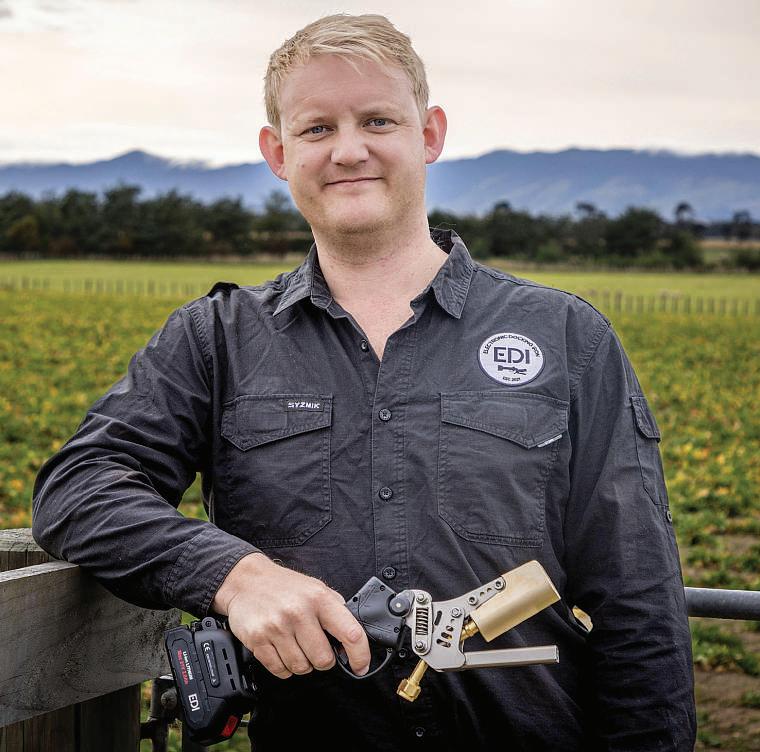
iron, which is intended to be easier on the body than the manual irons used for decades.
The battery on it can be used for about 2000 lambs.
He said the people who have bought one are happy with the product, particularly those who have arm injuries and especially if they are docking 2000 lambs a day. The trigger means anyone can do it, rather than someone relying on brute strength.
“It frees up resources. At a lot of places, if Big John doesn’t show up to work on that day, they say, ‘Oh, who’s going to work the iron?’
“Whereas with this, it’s just pass the
in technology and those looking to splash out were on a mission – they knew what they were after and hunted it down.
The Halter site enjoyed a large number of visitors looking at the benefits of cow collars.
“With growing interest in virtual fencing technology for dairy and beef cattle, farmers visited Halter’s stand to understand how the system could look on their operation,” a spokesperson for Halter said.
“As well as prospective customers, farmers already using Halter dropped in to say hello, grab some merch and share their stories of how the system is helping them run more productive and sustainable farms. We heard results such as vet bills for hoof care being reduced by two thirds, due to cows walking at their own pace to the shed, and one beef farmer has seen an additional 10 tonnes of calf live weight weaned since beginning her Halter journey two years ago.”
Along with the more than 500 exhibitors, there was plenty to entertain the crowds. After a seven year absence, the hugely popular Tractor Pull powered by Brandt saw the dust flying and the wheels spinning, thrilled the crowds. The Civil Contractors NZ CablePrice National Excavator competition, the Golden Loader competition, Woodchopping and more kept the entertainment going.
George Heagney
As power prices continue to rise, more people are investigating using solar energy, whether that’s at home or on the farm.
Palmerston North company Green Solutions, which was started in June 2024 by director Imran Hassan, is helping to meet that demand. He was one of the hundreds of exhibitors at this week’s Central Districts Field Days at Manfeild.
Hassan said the company is only a new player in the solar market but has done more than 40 installations and is growing.
He said more people are looking at installing solar panels for sustainability reasons and because of the cost of power.
“People are definitely interested and if you look 15, 20 years back, people were not aware what the impact on the environment was if you are using coal or fossil fuels.
“Now they do know and now they are more interested in giving back to the planet.”
tool to the next person.”
Some older farmers were sceptical about using something new because they had used a traditional iron for decades, he said, but “normally, once they get the hang of it and swing around, it becomes invaluable”.
It hadn’t taken much to convince his father to use one.
It is more expensive than a traditional docking iron but Nitschke said the cost is on par with other battery-powered tools. He is now looking at selling it in Australia.
He said the power cost increases in the past six years were “bonkers” and solar power is now a better option than ever before. “For example, if five years ago you got solar installed, the system would be paid back in eight, nine years.
“If you get the system installed now, because of the power pricing, you’re paying back your system in five, five and a half years.”
Much of their work has been done on houses but Hassan said they also put the panels on dairy sheds.
Having started in Manawatū, Hassan’s work is growing to other areas, such as Upper Hutt, Whanganui and Taihape. Hassan said his company is there to help people, including providing options for retirees who don’t have a huge income.
George Heagney
Making sure the mind and body is in good health can be just as important as getting a farm vehicle or tool checked
Amid the hundreds of exhibitors at the Central Districts Field Days, which started at Manfeild on March 19, a Government boost was announced for organisations focused on farmers’ wellbeing.
Agriculture Minister Todd McClay unveiled a $4 million rural wellbeing fund, giving money to 18 organisations that support people in the rural sector.
McClay told the Manawatū Standard the fund was targeted to help farmers’ mental health and resilience.
“Being in a rural area can be isolating, and when weather events or economic shocks come we know that manifests itself much more, and it can be the farmers, the man or the woman on the farm, but it does have an impact on their families as well.”
One of the organisations receiving funding was the Surfing for Farmers Charitable Trust. McClay said this was a good example of people getting off the farm and meeting others to talk about their work and personal lives, as many traditional gathering places such as rugby clubs weren’t commonly used now.
“This is a way of lifting them up, dragging them away and finding better solutions to making sure their mental health and other wellbeing is in a good place.
“Secondly, it does filter through to others in the community and their families. When there is pressure and

stress in any business, particularly on a farm, then ultimately everybody in that household and the households around them will feel it.”
One of the groups receiving funding is the NZ Federation of Young Farmers Clubs, which is getting $585,000.
The group’s chairperson and Rongotea dairy farmer Kate Denholm said the funding would be used for supporting the resilience and wellbeing of its 2000 members nationwide.
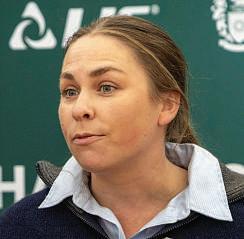
“We are the next generation, whether it’s working on farm, running the farm businesses or owning the farm business. It’s really important for us to have strong mental wellbeing and be resilient on
Denholm said a lot of young farmers went through mental health issues, but being part of the organisation meant they always had a friend they could call on for support.
Others to receive large chunks of funding were the Whatever With Wiggy Charitable Trust, the Whānau Ora Community Clinic, the Seafood Sector Support Network Trust and Farmstrong Charitable Trust.
Federated Farmers president Wayne Langford said the funding would allow the organisations to continue their work “and not worry about spending half their week fundraising and trying to keep the lights on”.
farm in our current roles, but then for ourselves to be resilient in the future when we are taking over these businesses.
“Our generation, we are more aware of our mental health, and we know the importance of having days off and the importance of getting out and about and having holidays and having something else to do as well.”
An issue for young farmers was thinking about their future, such as whether they would be able to own a farm.
One of the exhibitors helping farmers look after themselves was Rural Health and Wellness, which had a van at the event where people could get a general health check, including blood pressure, heart rate and cholesterol.
Stacey McKerchar, the chairwoman of the Carr Family Foundation that funds Rural Health and Wellness, said the van travelled to rural communities, events and sales across the country “It’s people that don’t get off farm to go see a doctor, or it might take two or three weeks to get into one. They just put it off.”
Checking people’s mental health was another part of their work, with bad weather often making life hard for farmers. “It’s just a chance to open up to someone. You can often pick when someone’s not 100% or looking after themselves.”





Blayne Slabbert
Alargely unseen Government farming company running the equivalent of about 3600 average farms is on track for one of its best years in decades, and the rewards and risks all sit with ordinary taxpayers.
Pāmu, still known to many as Landcorp, is the state-owned farmer that looks after nearly 360,000ha on behalf of the Crown, from big Canterbury dairy platforms to sheep and beef country in Otago and Southland.
On paper it is a commercial company like any other, but in practice it is a sprawling mega-farm whose profits, losses and land all sit on the public balance sheet.
After a tough run of lower returns and rising costs, that mega-farm is suddenly in much better shape
In the six months to December, Pāmu swung from a small operating loss a year earlier to a $26 million profit on its core farming business, and has upgraded its forecast for the full year, now expecting a record net operating result.
The company is now forecasting net operating profit of between $97m and $107m for the year, more than double last year’s previous record of $49m.
The turnaround comes as Pāmu marks 140 years of Crown involvement in farming, a legacy that now has to justify itself in an era of asset sales debates.
Chief executive Mark Leslie insists that this is not just a lucky year of high prices. Pāmu was three years into a five-year reset on the land, he said, with about half the improvement coming from stronger global prices, and half from productivity gains the company believed it had “locked in”.
“We’re really confident we’ve turned the corner,” he said.
In his words, the mega-farm has “given itself the chance” to make the most of better global prices by doing the basics better, such as getting more production off the same land and animals, instead of just hoping for a higher payout.
Pāmu chief executive
Mark Leslie says the company is three years into a five-year reset, and is “really confident we’ve turned the corner”.
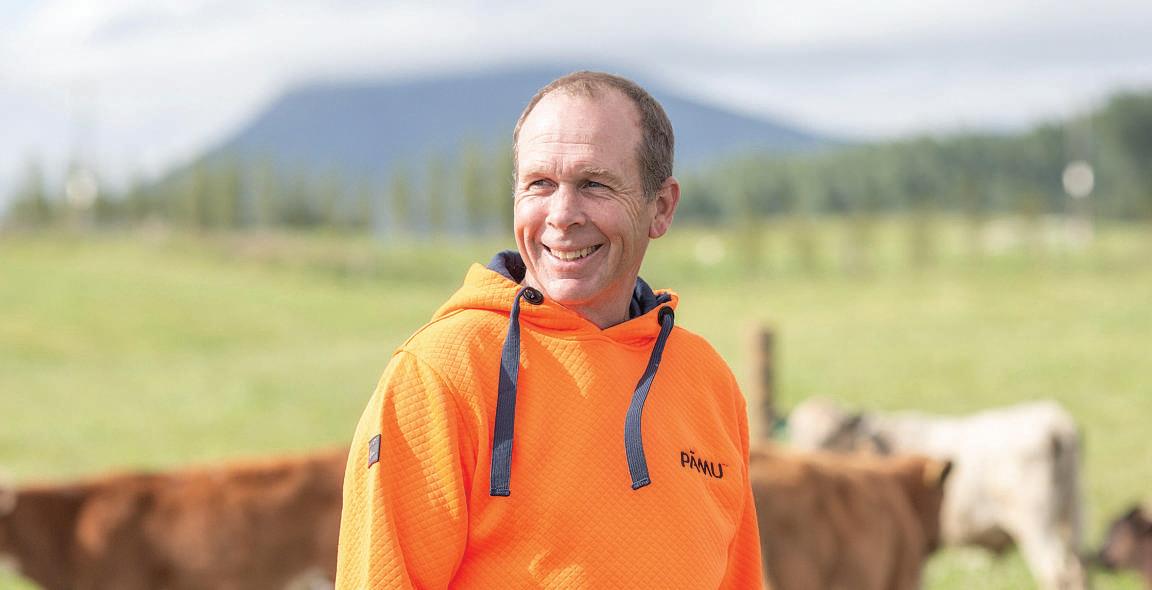
If Leslie is right, that matters for rural economies. When a big farmer is having a good year, plants are more likely to stay busy, stock trucks keep rolling, and there is more work for the contractors, mechanics and tradies who service farms.
Leslie argued that Pāmu was a useful bellwether.
“We’re always a good indicator of New Zealand agriculture. The strength you see in our financial numbers is a pretty good indication of the broader sector at the moment,” he said.
Are taxpayers getting a fair return?
Then there is the question of value for the people who own it.
Pāmu sits on about $1.8 billion of equity, and Leslie said he expected its return on equity this year to be “north of about 5%”, which he described as “in a pretty good space” for a large farming business.
Last year the company paid a $15m dividend to the Crown, after skipping a payout the year before – a modest cash return on such a large asset. This year’s stronger result gives the board the option of sending more money back to the Government, or keeping it on farm to pay down debt and to fund upgrades.
Critics in Wellington and in parts of the rural sector argue that with that much money tied up, the Government should sell farms, and recycle the cash into other priorities.
The debate has sharpened recently as Deputy Prime Minister David Seymour renewed his call for the Crown to sell its 51% stake in Air New Zealand after the airline posted a half-year loss, asking why taxpayers should keep so much capital tied up in commercial businesses at all.
They question whether a 5% return and a $15m dividend justify the risk of owning a sprawling farm business that lives and dies
by global commodity cycles.
The question of who should own and run public farms is playing out most visibly at Molesworth Station.
Pāmu’s lease on New Zealand’s largest station will run out in mid-2026, and the Department of Conservation is taking bids for a new operator.
Leslie said Molesworth had a “huge” footprint but was a “very small part” of Pāmu’s profit, so losing it would not hurt the numbers.
His answer is that Pāmu’s value is not just in its own profit line.
He pointed to the 19 young apprentices taken on over the last two years, the new sharemilking pathways the company has created, and joint genetics projects that he said had benefits for the wider industry.
“We need a mature conversation around what New Zealand Inc would look like without Pāmu in that ecosystem in the next five to 10 years.”
Fonterra has denied that there is any substance to an attack by NZ First leader Winston Peters prompted by the resignation of chief executive Miles Hurrell. In a social media post, Peters criticised Hurrell for “selling off almost every consumer brand since he started”, leaving Fonterra a “commodity price taker, not a market maker”, and that Hurrell would leave “once his bonuses are paid”. But as well as attacking Hurrell, who had refused media interviews, Peters claimed: “As for the sale of Lactalis, we hear the deal is not going well.
“Last week Fonterra announced deep jobs cuts to staff. Insiders are saying they are ripping cost out of the business to make up for a lesser sale price.”
Fonterra is in the process of completing the sale of its Mainland consumer brands business to multinational dairy company Lactalis for $4.22 billion as part of a turnaround plan launched in 2019, which Hurrell was hired to lead.
Some 98.85% of the total shareholder votes by farmer-shareholders backed the sale of the brands business to Lactalis.
Fonterra responded to Peters’ claim in a statement that read: “Fonterra announced earlier in March that the sale of Mainland Group to Lactalis for $4.22b is now
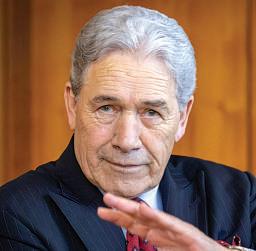
unconditional, with all conditions satisfied, and the sale is on track for completion at the end of this month.”
A lesser sale price would be material information that would need to be released to shareholders through an announcement on the NZX sharemarket, where Fonterra shares are traded, a Fonterra spokesperson said.
Fonterra said it had not announced deep job cuts, though it has made headlines with job cuts in recent years as it sought to bring down its costs as part of its turnaround plan, begun in 2019 following large financial losses.
Fonterra also dismissed Peters’ query on social media about how much Hurrell would get for leaving, recalling the “ridiculous $4.67m” previous chief executive Theo Spierings was paid out on his departure.
“Miles will not receive any exit payments in addition to his annual remuneration package,” Fonterra said. However, it acknowledged that Hurrell’s longer-term incentive payments would continue “for a period of time”.
In his post on social media, Peters said the sale to Lactalis raised serious questions about what New Zealand needed to do to protect dairy manufacturing “as a result of Fonterra’s dereliction of duty”.
NZ First went into the last election with a policy of boosting domestic manufacturing.
Peters has been highly critical of the Mainland sale, feeling it is a betrayal of the country, and of generations of farmers who built its consumer brands like Anchor.
In October, Peters published an “open letter” to farmers preparing to vote on the Lactalis deal, telling them not to think of the “short-term sugar hit from selling, but to the long-term security for their children, grandchildren and country” of keeping Mainland in Kiwi ownership.
“The sale terms provide everything you need to know – after three years, Lactalis can terminate milk supply from Fonterra for Anchor and Mainland,” he warned.
“Farmers, under this deal you will not control the very thing that has underpinned your success for generations – quality.
“Why would we believe Lactalis would want to secure New Zealand milk for more than three years? If they do, why has Lactalis not offered a longer supply agreement? If they meant it, it would be in the deal,” Peters wrote
“They want 10 years of your raw milk for their own brands, but only want your raw milk for three years for Anchor and Mainland.”
He criticised Fonterra’s executive and board, saying: “You and your forebears, starting in 1886, built Anchor with 130 years of product development, consumer trust, just as all the other brands have been built. For $4 billion, they are giving it away.”
Whether it’s acustom blendordairy pellet,smart modellingtools,oradvice tailored foryourfarm, SealesWinslowisabout nutritionthatdeliversmeasurable benefits. Throughscience,teamwork, andpractical guidance,wemakesure what youdotoday sets your herdupfor better performance tomorrow



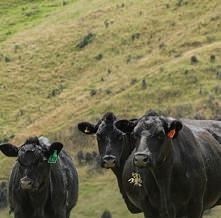






Te Mania has found a way to expand the stud business, creating a new operation called Cheddar Stud on the Cheddar Valley property. By Tony Benny.
igh-profile stud cattle breeder
Te Mania Angus has expanded from the Wilding family’s home farm at Conway Flat, North Canterbury, adding two more properties on which to breed more bulls and build a large-scale beef finishing operation.
Te Mania’s been selling bulls for more than 80 years, but in the early 2020s the business was under severe pressure from bankers after buying a neighbouring farm just before the GFC and then being hit by a surge in interest rate.
“Interest rates were at 13%, then it compounded and the debt ended up nearly doubling over time,” says general manager Will Wilding.
But that changed after German-born Thomas Grothe, at the time an Aucklandbased entrepreneur, fell in love with North Canterbury. He had been in New Zealand long enough to qualify for residency and was looking for investment opportunities.
“We were looking for a partner and he was looking for farms,” Wilding says.
Grothe’s investment allowed the bank debt to be settled as well as opening the way for farm succession for Will, brother Sam and sister Georgie, and now Grothe and Will Wilding are sole shareholders and directors of Te Mania.
The capital injection has rejuvenated the business and Grothe has bought two more large properties, One Tree Hill and Cheddar Valley Station, both inland from coastal Te Mania, and now run in conjunction with the existing operation
While Te Mania’s bulls are sought after by commercial farmers who buy 120 of them every year at two on-farm auctions, Wilding says there’s limited scope to increase the number of bulls it sells
“It’s hard to find a home for, say, another 80 bulls to get to 200 a year. It’s such a competitive business and you also need a certain amount of culling pressure to keep standards high.”
But with 700 steers to be finished

this year, there’s now a much stronger cashflow And because they buy calves at auction from clients who use their bulls, they get an extra insight into how those genetics perform on commercial farms.
“We know what bulls our clients have bought. Then we start working out what EBV profiles are working really well in the finishing department and we can hone into what are the most profitable bloodlines.”
Te Mania has also found a way to expand the stud business, creating a new operation called Cheddar stud on the Cheddar Valley property. The main maternal herd will remain at Te Mania but will supply cows to Cheddar Stud.

drop them into the Cheddar herd.”
Te Mania’s Will Wilding
“Anything that is outside of our parameters at Te Mania, like conception date, if she’s getting old and we’ve got better young stock coming through, we
Charlotte Graham
New Zealand’s dairy-beef industry is set to grow after a $20.9 million Dairy Beef Opportunities (DBO) programme was launched
The programme is designed to unlock the value of non-replacement dairy calves, providing new revenue streams for farmers and encouraging sector growth.
The four-year initiative has three key focuses: improving efficiency via genetics, smarter breeding and lactation strategies and creating new supply chain solutions. The goal is to improve outcomes at all levels of the system by enhancing breeding programmes on farms as well as increasing efficiency at the processing end of the chain.
The Government is contributing $10.49m through the Primary Sector Growth Fund (PSGF) to the programme, which addresses the 1.8 million non-replacement dairy calves produced each year. The economic benefits are estimated to be worth $1.25 billion to the economy annually by 2050.
The launch last month was held on Tīrau farmer Pauline Ball’s dairy and beef farm, where officials from across the beef and dairy industries gathered, including Minister of Agriculture Todd McClay. McClay said he views the programme as a “real win” that will build on New Zealand’s already strong meat export market
“The idea that actually we can use expertise and best practice, but genetics [also], to improve outcomes, production and productivity on-farm in itself is not only good for the New Zealand economy, but it will be good for farmers who will see
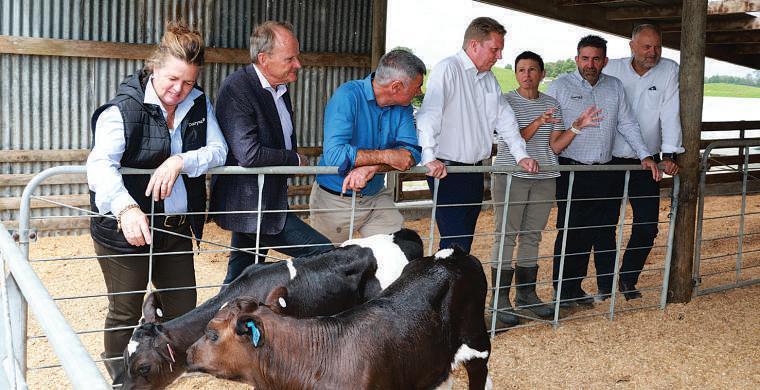
that the research is going to be done.
“The proof of concept that will be delivered over a very short period of time in the next three to four years will allow them to be more productive on their farms to increase their earnings, which in return is very good for all of New Zealand because we are an export nation.”
Additionally, he noted that the programme would aid New Zealand’s animal welfare reputation by maximising the use of non-dairy replacement calves.
McClay said zero bobby calves was not an official aim, but this programme was another way of getting better value out of surplus calves
“In the December quarter of last year compared to the year before, red meat exports were up 21% and that’s just that quarter alone. What we’re seeing is that beef
is exceptionally strong So this is a really good way of saying we can produce more through innovation and evidence, but at the same time be aware of the obligations around animal welfare.
“We know that there are a lot of farmers in New Zealand who have been working away at improving beef production on dairy farms for a very long period of time, but now we’re going to put a little bit of science behind it and speed that up others will look at what we’ve done in the pasturebased system and decide to simulate that to a degree.”
McClay believed there was opportunity for stable beef prices, but an approach of “fewer rules, smarter rules, and focusing on an outcome” was needed.
The programme brings together DairyNZ, Beef + Lamb New Zealand, the Meat



These aren’t cull animals but cows that would previously have been sold in-calf to commercial farmers and then be deregistered. Now Te Mania is keeping those cows and their stud registration.
“So they’ve still got EBVs and they can still breed bulls and we’re using more extreme EBVs and genetics on them.
“We can take more risks and not jeopardise our maternal qualities of our main herd.”
But while he might try some different genetics at the Cheddar stud and breed bulls with different traits, Wilding says he won’t lose focus on what makes farmers keep buying Te Mania bulls.
“I still want really maternal progeny.
That’s what our reputation is for, a robust breeding cow that has a lot of performance.”
Industry Association and members of the Dairy Companies Association of New Zealand.
Chairperson of DBO Governance Group Simon Limmer said the programme reflects the commitment of the dairy and beef sectors to working together to deliver practical, on-farm change that benefits farmers, processors and rural communities.
“This [programme] is in response to an opportunity I think something that we have been grappling with in New Zealand for quite some time [is] dairy calves, which have been a lost opportunity as well as a reputational challenge.
“1.8 million calves are available to us, so obviously the growth opportunity is there. Doubling export volumes could play a significant role. The meat industry is very, very strong at the moment, but the challenge here is pulling together two quite disparate industries together.”
Limmer believed that this programme created an opportunity to build the “economic value chain” and that investment in markets would be needed to ensure that meat value was realised.
DairyNZ science partnerships and impact adviser Jenny Jago explained that the programme is centred around genetics.
“One of the main pillars of the programme is focusing on what we call mating plans, so really supporting dairy farmers, because it does start with them, to think about mating plans that are really good for their herd in terms of genetic gain.”
Alongside on-farm improvements, the programme will look at increasing the capacity of the meat industry at a processing level and look at how to manage more supply flows.
Opinion
Kate Acland, chairperson of Beef + Lamb New Zealand and a mid-Canterbury sheep, beef and dairy farmer talks about biosecurity.
As sheep farmers, we don’t often think about biosecurity and the impacts of a major animal disease incursion on our farms and businesses – but we should.
Farmers, particularly in my area, saw the impact of Mycoplasma bovis on properties and people – not just on farms with infected animals, but also on those properties disrupted by movement controls imposed due to suspected cases.
An outbreak of Foot and Mouth Disease (FMD) would have even more devastating consequences for livestock farmers, rural communities and the New Zealand economy.
If FMD was confirmed on a property, a nationwide animal movement standstill would be imposed and a 10km radius surveillance zone would be imposed around the property. All properties with susceptible stock within that area would need to be clinically assessed and many sampled.
During the Waiheke FMD hoax in 2005, officials had no idea what types of farms surrounded the property where the virus was reported (falsely) to have been released
In a real response, attempting to co-ordinate tracing, surveillance and disease control activities without prior access to information about who owns what, where and how to contact them would be a logistical nightmare.
This is why New Zealand’s livestock sectors have been consistent in their support for biosecurity incursion responses having fast access to information about where susceptible species are kept. This is already the case with cattle and deer.
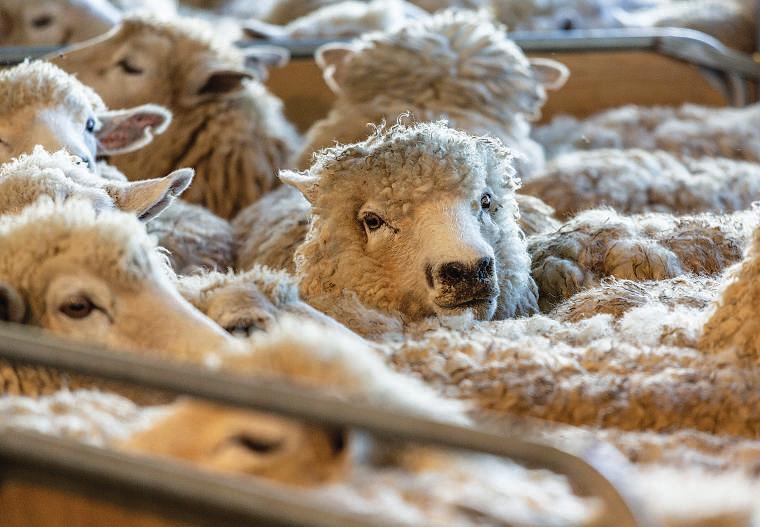
We’d also need a plan to carry out testing and possibly control wild populations, so quick identification of sites where wild populations are present would be critical
FMD also requires tracing all suspect animal movements between connected farms over a period of the preceding two to three weeks. With our current level of sheep traceability, this would be difficult to achieve quickly
That’s why improving traceability in our livestock system is so important As farmers, we understand the stakes but need practical solutions that genuinely protect our industry
The Ministry for Primary Industries (MPI) is consulting on options to improve traceability for sheep and pigs.
The consultation outlines three options.
The first is to keep the current system of paper-based Animal Status Declarations (ASDs).
The second would make electronic ASDs mandatory, allowing mob-based sheep movements to be recorded digitally
The third would include sheep in the National Animal Identification and Tracing scheme (NAIT), where the settings for
cattle and deer involve individual electronic ear tagging and movement recording.
Beef + Lamb New Zealand supports strengthening traceability for sheep, but the most practical and costeffective solution is the second option: making electronic ASDs mandatory for sheep mobs, coupled with quick access to information about where our farms are located.
The consistent lesson from international Foot and Mouth Disease responses is that speed and accuracy in the early stages of an outbreak are critical.
Paper records slow that process down; electronic records make it faster, clearer and more reliable – which in the event of an outbreak, would mean we could return to trading earlier.
We are opposed to the third option because MPI’s consultation document suggests it could include ear tagging of sheep.
We have been clear that introducing ear tagging for sheep is not something farmers or the red meat sector want.
Individual EID tagging would longer to implement than mandating eASDs, delaying improvements to sheep traceability and would impose very significant new costs and administrative burdens without delivering commensurate benefits for disease responses. The cost of tags, associated equipment and additional compliance requirements across flocks numbering in the thousands would fall squarely on farmers. By contrast, mandatory electronic ASDs deliver a real improvement at a fraction of the cost. Many farmers and processors already use them and report they are simple and efficient.




This approach builds on systems farmers already use and improves them in ways that genuinely help during a disease response.
Sheep are typically moved in mobs rather than individually and far less often than cattle.
Mob-based tracing is therefore both practical and appropriate for managing disease risk.
Moving fully to electronic records means sheep movements can be recorded online or via phone apps, allowing investigators to quickly trace farms that have been involved in the movements of suspect animals.
Processors also say electronic records are easier to correct when errors occur, reducing disruption for farmers.
Farmers need a traceability system that works – one that protects our livestock industries while remaining practical and affordable. The goal should be smarter systems, not simply more complicated ones.
Mandatory electronic ASDs would significantly strengthen our ability to respond to disease outbreaks in a way that reflects the realities of sheep farming in New Zealand.
That’s the balance we should be aiming for.
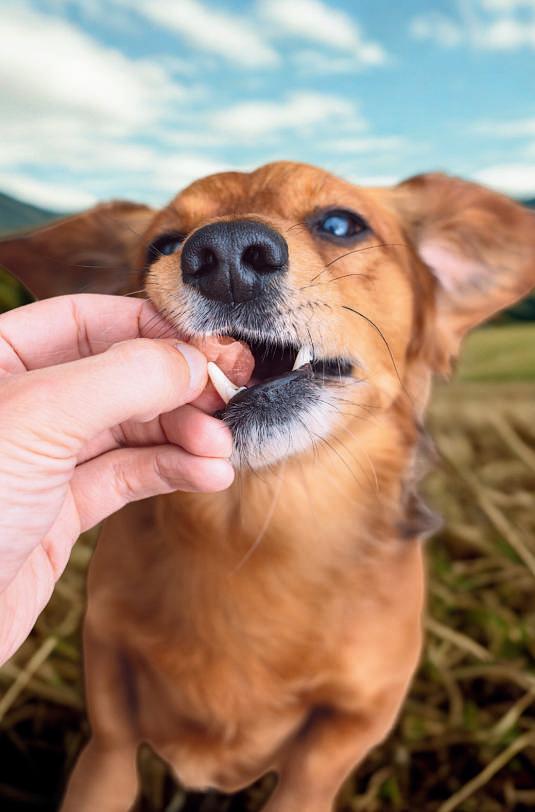
Bernadine Guilleux and Kate Scott
With the next general election in November, HortNZ has released its 2026 election manifesto, outlining the priorities we believe are critical for the future of our sector.
We are doing this at a time of heightened global uncertainty.
The conflict in the Middle East is impacting international shipping, energy prices and supply chains.
For a sector like horticulture, which relies on timely access to inputs such as fertiliser, affordable freight and efficient export pathways, these pressures are being felt in real time.
Closer to home, issues such as the challenges facing processors like Wattie’s are impacting growers and causing concern in the sector.
Taken together, these factors point to a period ahead where growers may face increased volatility.
That is why it is important HortNZ is clear about what growers need now, as well as what is required over the longer term.
Our manifesto reflects both.
In the immediate term, we are focused on ensuring resilience for growers to work through this uncertain time
That includes advocating for practical, near-term levers to pull to maintain the flow of critical inputs, supporting efficient freight and port operations, and avoiding regulatory or policy changes that could add cost or volatility at the wrong time.
At the same time, the manifesto sets out the longer-term foundations needed to enable the sector to continue its growth trajectory. These are the “slow burn” settings that require consistency and commitment across political cycles, regardless of who is in power.
The manifesto highlights the important role horticulture plays in delivering outcomes that matter to New Zealanders – healthy food, strong regional economies and good jobs.
The Ministry for Primary Industries’ latest Situation and Outlook for Primary
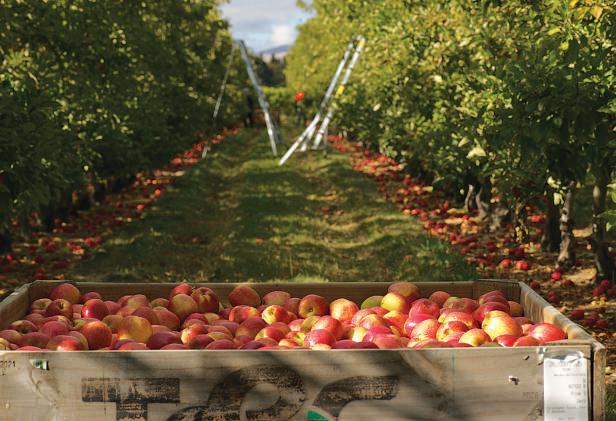
Industries report forecasts horticulture export revenue will reach $9.2 billion in the year to June 2026, reinforcing the sector’s growing contribution to the New Zealand economy.
At the same time, through the Aotearoa Horticulture Action Plan, industry, government, Māori and research providers are working towards an ambitious goal of doubling the farmgate value of horticulture production by 2035.
Achieving that ambition will require stable, predictable policy settings that support growers and remove unnecessary barriers to production.
For example, resource management reform is already underway. Growers need confidence that this work will continue in a consistent direction, rather than being reset or reversed following the election.
Stop-start policy settings create uncertainty, delay investment and ultimately hold the sector back.
A strong biosecurity system remains one of the foundations of our sector.
Growers know first-hand the risks that pests such as fruit fly and plant diseases pose to production and export markets.
Strengthening biosecurity, alongside ensuring continued access to effective crop protection tools, will be critical to maintaining productivity and protecting
New Zealand’s reputation for high-quality produce.
GREG
Growers also consistently raise the need to cut unnecessary red tape.
Our sector is committed to high environmental and food safety standards, but too often the regulatory system involves duplication, unclear processes or overlapping requirements
Streamlining regulation and reducing unnecessary compliance costs would make a real difference on the ground Water security is another major priority Reliable access to water underpins productive horticulture, particularly as we face a changing climate and more frequent severe weather events.
The Recognised Seasonal Employer scheme plays an important role, and we need long-term certainty along with pathways that support worker development.
Building a skilled and sustainable workforce – through training, career pathways and practical labour settings –will help ensure growers have access to the people they need, both now and into the future.
The manifesto also highlights the importance of fair and competitive grocery markets. Growers should be able compete on a level playing eld and receive a fair return for the food they produce, particularly in a period where cost pressures are increasing across the supply chain.

Infrastructure remains a critical enabler.
Reliable roads, efficient ports and resilient supply chains are essential for getting fresh produce to market quickly and maintaining quality.
Recent analysis through the Aotearoa Horticulture Action Plan highlights how dependent regions such as Bay of Plenty and Hawke’s Bay are on key routes and hubs, creating vulnerabilities for highly perishable products.
Our aim is to ensure decision-makers understand both the immediate pressures facing growers, and the long-term opportunity horticulture represents for New Zealand’s food security, regional prosperity and export growth.
Ensuring sustainable and enduring water security, alongside practical approaches to climate adaptation, will be essential if the sector is to remain resilient and continue growing.
People underpin the industry.
Horticulture provides meaningful employment and career opportunities in regions across New Zealand, and a secure workforce is critical
With the right policy settings in place – and a focus on both resilience and growth – horticulture can continue to be one of New Zealand’s standout sectors, delivering healthy food for New Zealanders, supporting regional communities and building a strong future for growers.
Bernadine Guilleux is HortNZ chairperson and Kate Scott is HortNZ chief executive
Sonita Chandar
ust days after lifting restrictions in Mt Roskill, Biosecurity New Zealand has had to ramp up efforts again after the discovery of a single male Oriental fruit fly in a surveillance trap in Papatoetoe in South Auckland.
Since the initial discovery on February 25, three more male Oriental fruit flies have been found. Biosecurity New Zealand has widened its trapping zone in Papatoetoe and restrictions placed on the movement of fruit and vegetables. Fruit fly lure traps are in place to determine if other flies are present in the area. A significant number of additional traps have been placed within a 1500-metre area of the finds.
“The finds in our traps, following the detection of a single male fly in the suburb, is not unexpected and shows our enhanced surveillance and inspection is working,” says Biosecurity New Zealand commissioner north Mike Inglis.
“At the moment we’ve found four single males in total, all of them in Papatoetoe,
and there's no evidence of a breeding population. The key sign of that would be the detection of a mated female or larvae. We have been collecting fallen fruit from people’s backyards, which we will cut up and examine in our dedicated laboratory.
“We continue to bolster our network of traps in the controlled area to ensure good coverage near to each fly detection. The lures we use in the traps are very strong and attract the fly,” Inglis says.
There are now three areas under Zone A restrictions, 200-metres around each fly detection. Zone B has also been extended to account for the location of the new detections.
Residents in the area where movement restrictions are in place are being asked to put fruit and vegetable waste into bins provided by Biosecurity New Zealand. This is so the waste can be disposed of securely.
Every household in Zone A has received, a biosecurity disposal bin. In Zone B, there are bins placed around the edge of the zone, primarily on major transport routes, with more within the zone.
Signs have been installed at every road entrance and exit to the newly extended
Four Oriental fruit flies have been found in Papatoetoe, Auckland leading to ramped-up biosecurity efforts MPI

controlled area, reminding people of the restrictions. A detailed map of the controlled area and a full description of the new boundaries and movement controls is at the MPI fruit fly page. Remember – if in doubt, don’t take it out.
“Since 1996, we have successfully eradicated 15 incursions of different fruit fly in Auckland and Northland,” Inglis says.
“The most recent eradication was a single male Queensland fruit fly in Mt Roskill, which wrapped up on February 20 after six weeks of intensive fruit fly trapping and the
of more 230 of fruit.“ says among the strictest controls in for the at The most flies can on
inspection of more than 230 kilograms of it.“
Inglis says Biosecurity New Zealand has among the strictest controls in the world the importation of fruit and checks at the border. The most likely way that fruit ies can arrive in New Zealand is on fresh fruit and vegetables.
In to field closely Government Agreement (GIA) partners in the horticultural to Zealand growers and exporters. Zealand
In addition to the field work, Biosecurity New Zealand is working closely with vernment Industry Agreement (GIA) partners in the horticultural industry to minimise the risk to New Zealand growers exporters.
Horticulture New Zealand chief executive, Kate Scott, previously said the discovery of a male Queensland fruit fly in Auckland will concern growers and exporters.
“While the fruit fly poses no risk to human health, its establishment in New Zealand could have significant consequences for growers, exporters and the wider horticulture sector
“The fruit fly damages a wide range of fruit and vegetables, including some of our most important export crops, but it also means New Zealand cannot export to some of our key markets if this pest takes hold.”
Recent events in the Middle East have provided a grim start to Autumn. Forest360 Director, Marcus Musson, gives some context on what it may all mean for the New Zealand forestry industry.
The ongoing conflict hasn’t been ideal for world fuel prices with around 20% of global supply transiting the Strait of Hormuz. Oil prices have jumped around 30% and we’re looking down the barrel of plus $3/litre diesel in NZ if the Strait stays closed.
Industry, however, relies on diesel to keep the wheels of commerce turning and any significant increase will feed back to the consumer in one form or another.
Unfortunately, the forest industry is a particularly fuel-heavy industry. Rule of thumb is that it takes around 4 litres of diesel to turn trees into logs and put them onto a log truck and, assuming a 100km cartage distance, another 2 litres to get them to the port or sawmill. If you take the current increase in fuel cost of around $1/ litre, you’re looking at $6/tonne straight off the forest owners’ bottom line ($8/ tonne if you’re 200km from markets).
Unfortunately, this current conflict also affects bunker oil prices, meaning shipping costs are heading north also. It’s well known that shipping companies will take any opportunity to increase prices where they can.
Current vessel offerings to China are up at least $US10/m3 on February numbers and some have settled as much as $US15/ m3 up. India charters are eyewatering in comparison and many are throwing the boat in reverse and heading to different markets.
While March export prices have continued the longest flat run in memory
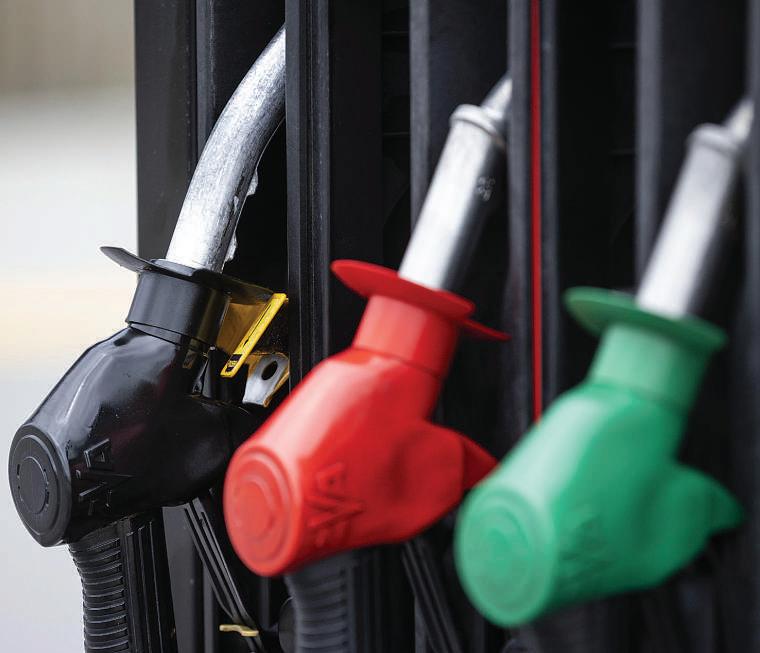
with A grade in the early to mid $120/m3 territory, April will likely be a different basket of apples. The Chinese New Year holidays are over, and everyone is back at work with sawmills fired back up and wood flowing through the system. In market log inventories grew expectedly during early March and now sit at around

3.5 million cubic metres, which with offtake heading back to the 55,000m3/ day mark gives approximately 60 days’ supply.
Although a reasonable chunk of this inventory is aging and there will be demand for fresh volume (especially from the furniture sector) this level
makes it reasonably difficult to lever any significant price increases, especially enough to cover the increases in shipping.
Having said that, uplift is expected to seasonally increase to 70,000m3/day into April which will reduce the inventory position reasonably quickly and the CFR price has moved up a few $US to around $US120/m3 in the past week.
The domestic scene is looking a bit rosier with January 2026 consents for new dwellings up 1.9% and for the year ended January, the actual number of new dwellings was up 9.3% on 2024 Meanwhile, consents data from Stats NZ, which is a good predictor of future wood demand, shows five months in a row of consents growth that was greater than the previous month. Unfortunately, though, the consent stats don’t seem to be manifesting into reality with unpruned sawmillers still feeling the pinch.
Sales remain hard won and there is a feeling that many are holding off hitting the go button with uncertainties around the middle east and the looming NZ election. Pruned sawmills are still walking uphill on struggle street as European and US demand for clearwood has stalled and the tariffs still hang heavy in the air.
NZU prices have bumbled along with poor demand and lower transactions. Current spot price sits a shade over $44/ NZU. Once again, the election may come into play here with a potential change in government and policy direction.
So, April is looking untidy and might be the month that we need to brace ourselves for an end to the longest run of export price stability in memory. NZ supply will undoubtedly reduce in response to both reduced prices and increased fuel related costs.
Freddie Wilkie
New Zealand’s largest salmon producer has come out in support of two bills proposed to replace the Resource Management Act, saying the current consenting system has been expensive and time-consuming.
However, New Zealand King Salmon wants the replacement legislation to include aquaculture growth as one of its stated goals, its lawyer told Parliament’s environment select committee, which heard submissions on March 2.
Quentin Davies said the Resource Management Act (RMA) was a “very costly, complex and uncertain system” to navigate.
The company spent $7 million over more than seven years trying to get consent for the country’s first open-ocean salmon farm Blue Endeavour just outside of the Marlborough Sounds, the company had said in its written submission The seven years were spent doing “two years of preapplication information collection, a fiveyear formal RMA process and a five-month Fisheries Act aquaculture decision”.
“The process was fraught by extensive revisions and data requirements, an illprepared policy framework that did not anticipate open-ocean aquaculture and lengthy disputes over subjective matters such as landscape and natural character impacts for structures located miles offshore. The site was granted a 35-year consent in 2024, although New Zealand King Salmon is now subject to extensive conditions, including costly annual monitoring.”
Davies told the select committee that the company generally supported the proposed RMA replacements, the Planning Bill and Natural Environment Bill, and hoped they would enable speedier decision-making
“One of the flaws under the RMA is one defers a decision through the process, and it’s only at the consenting stage, or upon appeal from the consenting stage, that one discovers whether or not the application can be granted or declined,” Davies said. “If the planning instruments had made that decision much earlier up the chain, the money wouldn’t have needed to be spent, and it could have been allocated somewhere else.”
The bills included a goal “to support and enable economic growth and change by enabling the use and development of land” and a goal “to plan and provide for infrastructure to meet current and expected demand”.
New Zealand King Salmon wanted a similar targeted goal for aquaculture, “as follows: to support and enable existing and new aquaculture, including by implementing central government aquaculture strategies or aquaculture development plans”, its written submission said.
Davies added that the addition would recognise multi-partisan support for the industry.
“It would recognise any farming operation needs to focus first and foremost on fish welfare, it would recognise aquaculture requires clean water food production, and what is good for the fish is good for us all, and it will recognise aquaculture can improve the wellbeing of New Zealand, and it would be making that decision as early as possible in the hierarchy, and that would flow through to policy and plans.”
The company also wanted aquaculture
mentioned in the bills’ goals providing for Māori interests, the same way the New Zealand Coastal Policy Statement was recently changed to provide for aquaculture within Aquaculture Settlement Areas, areas made available to iwi by the Crown as part of Treaty settlement obligations.
Tangata whenua were significant marine farmers, including in partnership with New Zealand King Salmon, he said.
“It is government policy that the aquaculture industry needs to grow to a $3 billion industry by 2035, and as I point out in my submissions, that was also the previous government’s policy goal,” Davies said.
The RMA had more than 70 sections that mentioned aquaculture or its rules and coastal policies, he noted.
Most of those provisions were now reflected in the proposed Natural Environment Bill. “It’s still the opportunity cost that one loses by putting barriers in place, but we are trusting that the process that follows on from this will produce some workable regulations.”
The environment select committee was due to hear submissions until March 18, before reporting back in June.
Catherine Hubbard
Bluff oysters might look like “rocks on rocks”, but they’re New Zealand’s only native reef-building shellfish – and they’ve been pushed to the brink, with less than 5% of their population remaining.
Now, scientists at the Cawthron Institute in Nelson are working together with iwi on a proposed restoration hatchery for the Bluff oyster, or tio, to help to repopulate and restore wild beds.
Cawthron research scientist Dr Zoë Hilton has spent 15 years working with the taoka species, once so abundant that Nelson’s Hardy St from the mid to the late 1800s was home to oyster bars where people went to quaff the then ubiquitous delicacy.
But the shellfish has suffered blow after blow after being overfished.
The fishery for flat oysters peaked in the 1960s at 127 million oysters annually, but huge disease outbreaks wiped out about 95% of the population in the 1980s and 1990s.
Now, less than 5% of original populations remain. When the quota management system was established in 1988, the total catchable allowance was 15 million oysters Last year, just 2.9 million oysters were caught.
For the second season in a row, Ngāi Tahu boats are not fishing out of concerns about the state and resilience of the Bluff oyster fishery.
Marine heatwaves coming in summer after summer, including in the far south, are leaving oysters in “really bad condition”, as they struggle to find enough food to support themselves at those temperatures and as disease levels rise, Hilton said.
Fortunately, in the face of warmer seas, scientists working in the lab and the hatchery can give the oysters the best start possible through good diets and acclimatisation to higher temperatures
Hilton describes Bluff oysters, or Ostrea chilensis, as “like little kangaroos of the shellfish world” because they brood their larvae inside their shells, rather than releasing eggs and sperm into the water like most shellfish.
Although native to both New Zealand and Chile, Hilton and others’ work has shown
that the oysters all evolved from Foveaux Strait.
It’s thought that they may have “rafted” across the Pacific on floating pumice from volcanic eruptions. Since a single female could hold 50,000 larvae, they then established populations on the coast of Chile.
“All of the Chilean Ostrea chilensis are just a sub population of the ones in New Zealand, which have all evolved from Foveaux Strait,” Hilton said.
“That’s why it’s just so important to protect the Foveaux Strait oysters that
remain, because they are the source of all of the rest of those populations.
“They’re the most diverse, and they’re the ancestral population.”
The flat oysters are reef builders, stabilise the coastal floor, provide habitat for other species, and are an “amazing” food source for both ocean creatures and humans.
While shellfish hatcheries have been established previously for the purposes of marine farming, this is the first time that a hatchery would be created solely for the restoration of native oyster beds, Hilton said.
“
If
they knew a little bit more about them, I think people would want to care about them and protect them as much as we do. ”
Dr
Zoë Hilton, research scientist
The first stage of the initiative will be a scoping study this year, looking at different aspects of building a hatchery, such as social licence, logistics and cost.
Hilton said she is over the moon about the “urgently needed” project.
“People just see oysters as something that looks like a rock, sitting on a rock, or as a food,” she said “If they knew a little bit more about them, I think people would want to care for them and protect them as much as we do.”
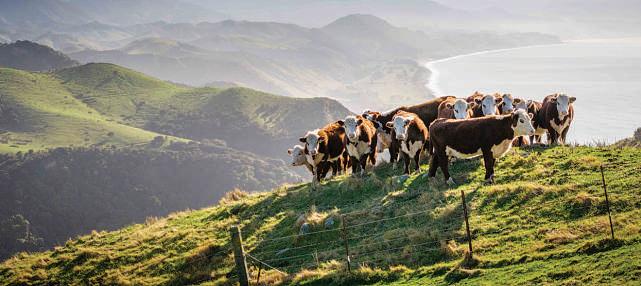










Heavy rain in the past two months has damaged thousands of hectares of crops, with one insurance scheme seeing its biggest claim year. Chris Tobin reports.
Wet weather over the past two months has left arable farmers pondering their future in the sector, Federated Farmers national arable chairperson David Birkett says.
Hailstorms and heavy rain in January –particularly in Mid and North Canterbury, part of the country’s wheat bowl – left some farmers’ crops between 60% to 100% damaged or destroyed. The damage was estimated to have cost millions of dollars.
United Wheat Growers NZ manages an insurance scheme for farmers whose crops could be impacted by bad weather, and chairman Michael Tayler said 78 farmers had made claims for wheat crops damaged in three January hailstorms.
“It’s the biggest claim year on record,” he said.
Of these, a small number of claims came from North Otago and South Canterbury, with most from Mid Canterbury Around 5000ha of crops were impacted.
“It can affect one farmer while another farmer 1km down the road might not be affected,” Tayler said.
Meanwhile, Birkett, who farms at Leeston, said the wet weather had continued, with heavy downfalls in Canterbury in recent weeks.
“It’s disappointing,” Birkett said
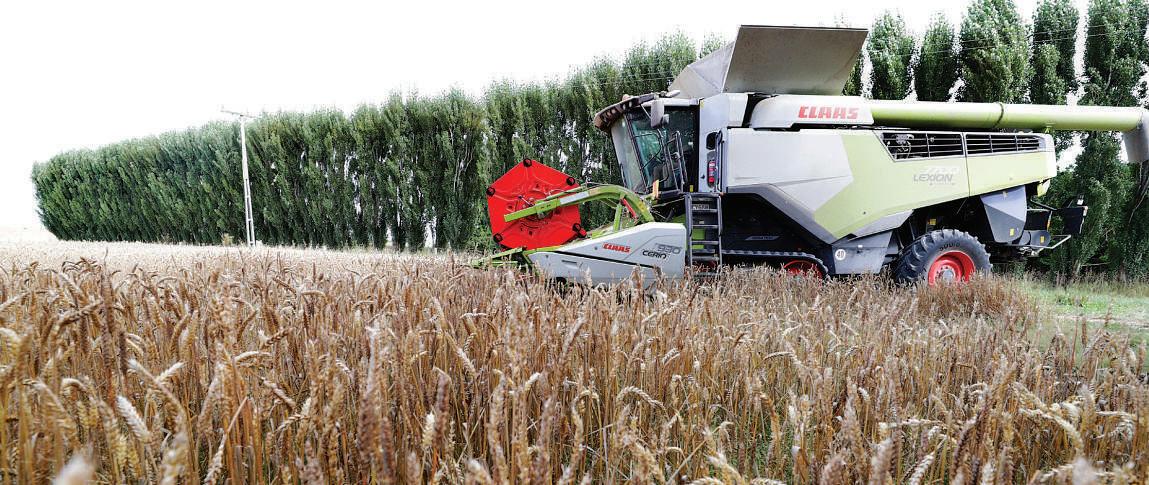
“
Morale in the sector is the lowest I’ve seen it in 40 years, back when we had deregulation and interest rates were at high levels.
David Birkett, Fed Farmers
“Morale in the sector is the lowest I’ve seen it in 40 years, back when we had deregulation and interest rates were at
high levels. Normally we see good hot days but we’ve not seen them.
“One day might be good, then for the next three to four days, it’s overcast.
“We’re about halfway through harvesting now but we should be flat out.”
He said the financial outlook was not promising, with a less than encouraging payout for next year.
“It’s static at best, but we have all our costs going up with static prices.
“A lot of arable farmers are thinking what they can do to make their farms profitable and resilient.
“Some are in their third year with this weather and it’s starting to take its toll.
“Some will look to convert. We do mixed farming and have livestock. You will see more farms with a bigger percentage of livestock.”
A Ministry of Primary Industries report in December forecast that arable exports would rebound by 2% to $345m in the year to June 2026.
“Exports will still be reasonably good,” Birkett said.
“At the end of the day, it’s profitability and some crops will be down. The challenge is around profitability. We’re still producing quality.
“A lot are at the break-even point, some less.
“The guys hit by hail have seen 60% to 100% of crops wiped out. It was a big hit for those guys.”
Birkett was optimistic the weather would improve.
“We’ve never not had a harvest but every day [with wet weather], we lose quality and quantity.”
Input efficiencies
Heather Chalmers
Concerns about fuel and fertiliser prices are increasing at the same time that arable growers are heading into their busy, input heavy planting season.
While they have little control over pricing, FAR technology manager Chris Smith says they can make the most of a range of tools to ensure that inputs are being used as efficiently as possible; noting that many options are already available in tractor cabs or farm offices.
“One of the most reliable places to start is with guidance and auto-steer. Manual driving inevitably means overlaps, often 5-10% across a typical day’s work. Auto-steer trims that down dramatically, usually to between 1% and 3% This small adjustment in accuracy brings a surprisingly large payoff. Straighter passes don’t just look tidier, they reduce throttle variation, lower operator fatigue, and keep machinery working more efficiently.
“The gains become even more pronounced when visibility drops, whether that’s spraying at night, working with wide implements, or operating in the flat, hazy light that often blankets the Canterbury Plains. Most farmers who move from manual steering to a decent guidance system can expect to burn 5-12% less diesel across a season.”
Smith says such technology doesn’t have to be expensive.
“Not all GPS systems are equal, but choosing the right level of accuracy can
prevent unnecessary spending. SouthPAN, which is free and works anywhere with a clear skyview, is already accurate enough for mapping tasks and jobs that don’t demand precision
“At the next level up, services like CentrePoint RTX offer near-RTK accuracy once they have converged, making them ideal for spreading or spraying where consistent two-to-three-centimetre repeatability is valuable.
“Farmers wanting instant, high-accuracy performance for tasks like precision planting or strip-till will still find RTK hard to beat; although it’s worth remembering that RTK will never pay for itself through fuel savings alone. Its value comes from a combination of factors including time savings, reduced overlap, lower fatigue, and the ability to manage inputs more precisely.”
by 10 to 25. Lime is often the standout, with well-mapped paddocks showing reductions of 20-50% as over-supplied zones are corrected rather than blanket-treated. Seed savings are normally smaller but can still add up.”
Smith says that to make VRA genuinely effective, several pieces need to work together. Data layers based on soil sampling, canopy imagery, crop sensors, remote sensing, and yield maps provide the guidance system with real intelligence.
Product placement is the other thing growers should be thinking about in terms of input efficiency. Chris notes that even a basic guidance system typically knocks 2-7% off chemical or fertiliser use, while adding section control tightens this further, “often delivering total savings of more than 10% once overlap is removed on headlands and around awkward field shapes”.
“The real step change comes from variable rate application (VRA). Across a set of typical New Zealand paddocks, nitrogen savings of 5-20% aren’t unusual, while phosphate and potash can drop
“These layers feed into prescription software, where maps are turned into application zones and “what-if” scenarios can be run to estimate savings before anything is applied in the field. Rate controllers, terminals, and ISOBUS systems then execute the plan, while as-applied maps and yield monitors close the loop by showing what actually happened. The cost of upgrading to VRA-capable equipment is usually around $20,000 over a standard machine, but in years when fertiliser prices spike, payback can come surprisingly quickly.
“Another thing to think about as fertiliser prices rise is the economic optimum rate. This is the point where margin is maximised. As fertiliser prices increase, the most profitable application rate tends to drop. Chasing maximum yield becomes less attractive than chasing maximum margin, and precision application helps growers achieve that more reliably.
Machinery setup is another area where savings can be made, Smith says
“Many jobs on an arable farm simply don’t require a large tractor, yet the temptation to jump on the most comfortable or most powerful machine is strong. Matching horsepower to the actual job can cut fuel use by 20-40% on lighter tasks. The difference between a 100-horsepower tractor burning eight to 10 litres an hour and a 200-horsepower machine burning up to 20 litres adds up quickly.
“Tyre pressures are also important; correcting inflation can save 5-10% in fuel during light work and up to 20% for heavy machinery. Lower pressures in the paddock reduce wheel slip and improve traction, while higher road pressures reduce rolling resistance on the way home.
“Even the combine harvester, often considered a fixed-cost monster, offers opportunities for efficiency. Many growers have found that by slowing the rotor or drum and opening the concave, they can lift throughput while reducing fuel use. We’ve seen examples of fuel savings of over 30%. When assessing losses, it pays to consider not just grain left on the ground but the cost of running the machine per hectare. In seasons of high fuel prices, crawling along to save a fraction of a percent in losses may turn out to be a false economy.”
Smith says the key message is that small refinements, applied consistently, can deliver significant savings. All growers can implement some of the ideas listed above and, over time, move towards using them to their full potential.



























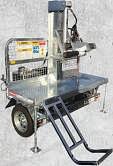
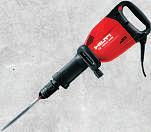








Safer Farms has issued an alert highlighting the importance of thorough checks and equipping machinery with fire extinguishers, following a tractor blaze caused by dry grass and leaves in the engine.
The tractor was being used for mowing when the debris, which was trapped between the sump guarding and the exhaust system, ignited due to heat from the exhaust.
The blaze ultimately spread right through the vehicle.
The farm worker operating the tractor had undertaken pre-start checks and safe work procedures (SWPs) but hadn’t noticed the dry grass and leaves build-up before starting the machine up.
When they then saw smoke coming from the front of the tractor, they got off and tried to remove the debris. However, attempting to put the fire out in this way, without using a fire extinguisher, introduced extra oxygen and caused the flames to accelerate.
Fortunately, the operator was unharmed and the blaze was not close to other people or structures so the only damage was to the tractor, which was completely destroyed.
Safer Farms Safety Alerts document real-life incidents, distilling key lessons from New Zealand farmers into concise, one-page handouts for managers to use in safety discussions with their teams. They can be used to encourage discussions with workers about what hazardous conditions there may be on
farm and how to approach different situations.
Key learnings from this alert include the importance of thorough pre-start checks and post-operational checks on machinery, including removing any dry grass or debris before and after use.
Anyone working on farm should be shown how to conduct these checks, and made aware of what they need to look for and remove, especially with seasonal changes.
It is important to monitor a vehicle’s temperature gauge while driving and stop immediately if any issues, smoke or fire are detected.
Farmers should stress to workers that personal safety must always come first Machinery fires escalate rapidly, so move to a safe distance if the fire cannot be safely controlled.
Fire extinguishers fitted to machinery should be fit for purpose and suitable for machinery fires. All people on site should know where extinguishers are and how to use them. Fire extinguishers also need to be tested at least once every 12 months to stay compliant with New Zealand safety standards
This article is part of the Safety Alert series, learnings from real-life incidents that have happened on farm. They are part of Safer Farms’ Farm Without Harm strategy and action plan, which has been developed by the agriculture sector, for the agriculture sector
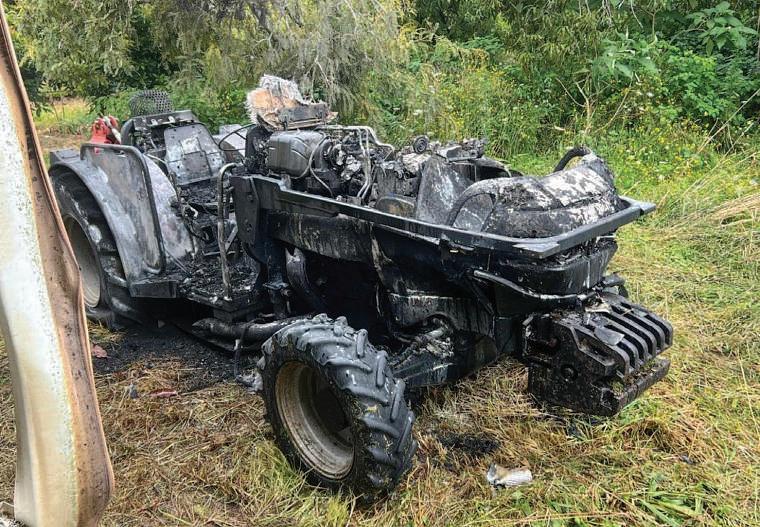
Safer Farms is a membership organisation that recognises the whole sector benefits from improved health and safety It brings together farmers and senior leaders from agribusiness, agricultural industry groups and government.
Safety Alerts document real-life incidents, distilling key lessons from farmers into concise, one-page handouts for managers to use in safety discussions with their teams.
Safety Alerts are a great way to learn
from incidents that have happened on other farms. Ask yourself:
■ Could this happen on my farm?
■ What do I have in place to prevent this from happening?
■ How can I implement these learnings?
To view the Safety Alerts, please visit farmwithoutharm.org.nz/safety-alerts. Alerts can be printed out for use in training and discussions and there is an option to be emailed when new Safety Alerts are added.
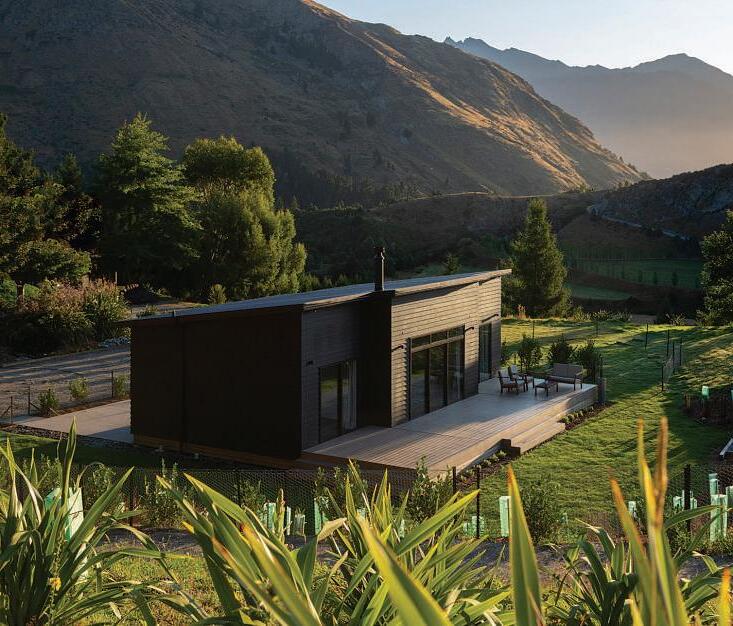
Ashlea Maley
Bullying isn’t an easy topic in rural workplaces. Farming culture often prizes resilience, direct communication and long hours
– but when behaviour crosses the line into intimidation, humiliation, or repeated unreasonable actions, it becomes a real risk to people and to the business. In addition, under New Zealand employment law, it’s something every farm employer must actively manage.
What bullying looks like on farms
Bullying isn’t always shouting or aggression On farms, it can look like deliberately undermining someone’s competence, repeatedly criticising them without cause, excluding them from key information or creating an environment where they feel unsafe speaking up. It can come from anyone such as a manager, a family member, a contractor, or a co-worker passing through for a season
The key factors are repetition and unreasonableness One-off tension seldom meets the threshold, but a pattern of targeted behaviour does.
Your obligations as an employer
Farm owners and managers have a duty to provide a workplace that protects the health and safety of its workers, which involves both the physical and mental wellbeing of workers. That duty includes identifying behavioural risks, setting expectations and having clear processes to deal with concerns early.
From Peninsula’s experience supporting thousands of employers, bullying issues on

farms often escalate simply because:
■ No-one is sure who to report concerns to
■ Family members and contractors blur formal lines
■ Seasonal staff feel disposable or reluctant to speak up
■ Managers think “it’s just farm life” rather than a genuine employment risk
■ Taking proactive steps prevents minor issues from becoming costly disputes or resulting in a high staff turnover.
Why farming environments are particularly vulnerable
Farm work can involve isolation, long hours, fatigue, physical strain and tight seasonal deadlines all of which heighten the risk of conflict. Many teams also mix family members, young workers, migrant workers and contractors, creating power imbalances and communication gaps. Without clear systems and expectations, unacceptable behaviour can quickly become “normal”.
Many teams mix family members, young workers, migrant workers and contractors, creating power imbalances and communication gaps.
Practical steps to prevent bullying on your farm
1.Set the tone early.
Create a simple behaviour policy that spells out what is acceptable and what isn’t. Make it part of every induction including contractors and casual staff.
2.Give workers safe ways to speak up.
Not everyone feels comfortable raising an issue with the boss, especially in small teams. Provide alternative options: a secondary contact person, a private email, or a designated support person.
3.Act quicklyand consistently. When concerns are raised respond promptly. Hold a calm, factual discussion, document what’s been reported and outline the next steps. Consistency builds trust and prevents escalation.
4.Use earlyintervention,not confrontation.
A facilitated conversation often resolves misunderstandings before they deepen
When issues are more serious, free employment mediation services are available to help both parties reach a workable agreement.
5.Lead byexample.
Your daily behaviour sets the standard. Calling out inappropriate jokes, discouraging aggressive communication, and acknowledging positive teamwork all help shape a safer working culture.
6.Make contractors part of the system. Many bullying complaints arise where contractors and farm staff work side-by-side. Clarify expectations at the start of any job: respectful communication, roles, reporting lines, and how concerns should be raised.
If bullying is reported – or alleged
If someone raises a bullying concern, take it seriously. Let them explain what has happened, outline their options, and reassure them that retaliation will not be tolerated. If allegations are raised against one of your team, treat the process professionally, conduct a fair and reasonable investigation into the allegations. Fair processes protect the business and the individuals involved.
Why tackling bullying pays off Farms that address behaviour early see fewer accidents, stronger performance, and better retention, particularly during busy seasons like calving and harvesting. A respectful, well-run team is simply more productive, more reliable, and more willing to return the following year.
Ashlea Maley is associate director –operations with Peninsula New Zealand






mor ss t effo
ltimate
Getm in les less e Berni is the extra-large wheelbarrow, engineered to last from aluminium andmoulded plastic, with a5 Year Guarantee.
ie’s e u large edone, ime, with rt Barrow
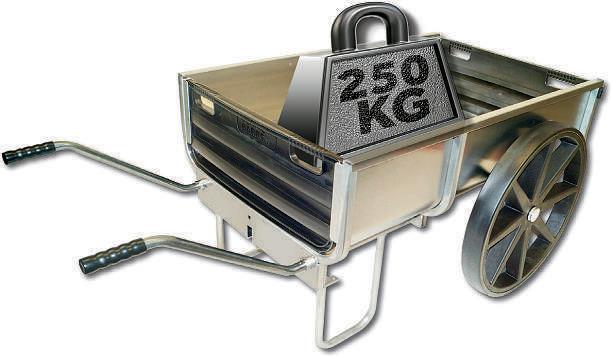
•Extra-large capacity– 4times standardwheelbarrow.

•Removableend panelstocarry long loads
•Ergonomically engineered forlightweight,easyand comfortablehandling.
•Ideal forfirewood, hay bales,buckets of calf feed, etc.
•Two largewheelsrolleasily even withheavyloads and no more flattyres!
•Tool-lessconversion to aride-on mowertrailer(optional).
•Flatdecktray(optional). Converts your Bernie’s Barrowtoa mobile workbench.
•Caddy (optional)clipstoeither side of your Bernie’s Barrow.
• Highsides kit(optional). Doubles thecapacityofyour Bernie’s Barrow
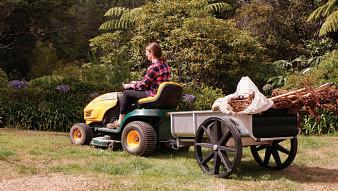




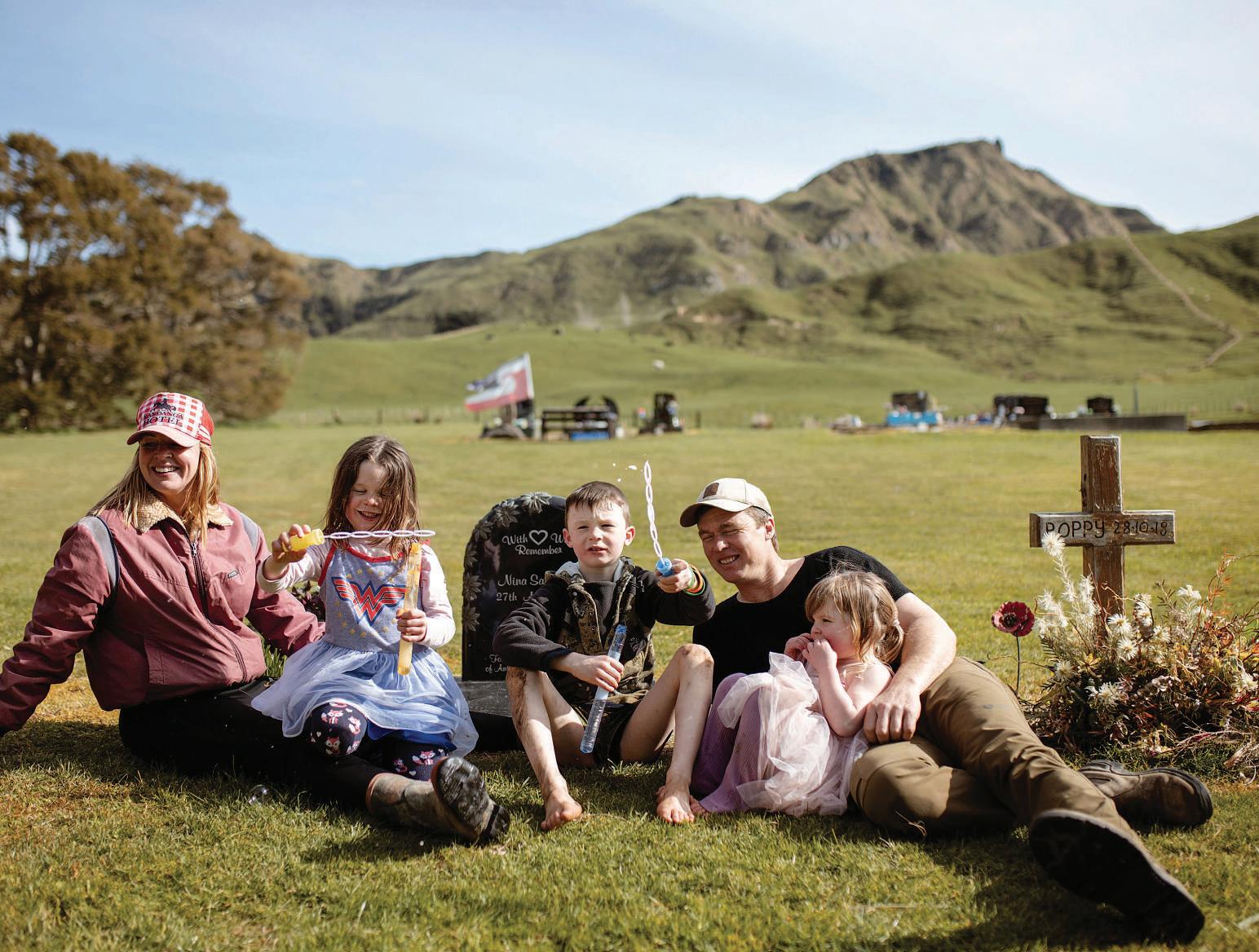
Shepherdess recently visited Mātāwai sheep and beef farmer Jenny Sandford, 40, for their new podcast, Far From Town, made in collaboration with RNZ. Here is some of her conversation with podcast host Arpége Taratoa-Rangiku
The team at Shepherdess first met Jenny when she came to The Shepherdess Muster at Mōtū, where she impressed us with her energy on the dance floor. But there was more to Jenny than being a dancing queen – she shared with us that she and her husband Anthony had lost their first daughter, Nina, 20 weeks into the pregnancy.
As she had felt quite isolated during that experience, she was willing to talk about her journey of grief and healing in the hope that this might help someone else.
So photographer Fran and I spent a day on their farm at Mātāwai, Te Tairāwhiti, with Jenny, Anthony – known as Ants – and their children, Darcy, 7, Ada, 5, and Grace, 3. Jenny shared with us what losing a baby has meant for her and how being able to
visit Nina’s grave has helped her and her family grieve: “I don’t visit Nina’s grave as much as I would like or thought that I would. I guess I’ve got to a place in my grief, or as a mother to Nina, that I know that it doesn’t matter whether I go to the cemetery or not because she’s not really there. She’s in my heart and she’s everywhere – I don’t have to be there for my love to be there for her, if you know what I mean. Ants and I were at the cemetery a
Right: Grace Sandford, 3, reminds us to find the sparkle among the mundane. Her mother, Jenny, says, “I remember a long time ago, my dad said to me, ‘When you have kids, you’ll change your perspective.’ And I said, ‘On what?’ And he said, ‘Everything,’ and he was so right.”
Below: Jenny Sandford: “You know, people will see you from the outside, and they see you thriving and think that you’re
couple of days after she was buried –we would go there all the time, like every single night.
And in my head, I was like, ‘This is unsustainable – when I have more kids, I’m not going to be able to get here as much as would like.’ That’s ought I had soon buried her. And it’s obviously come to fruition – we have more kids now and we just can’t get there like we would like to, but we drive past and we have a wave. Obviously, every birthday we do, or if it’s a special occasion,
like Mother’s Day, or sometimes if I’m just feeling low and I want to connect with her, I’ll wander over. It’s just different all the time.
The way I deal with grief and the loss of Nina has changed. When I first lost Nina I knew one other mother who had lost a child during pregnancy. I had no idea that it was actually just like the loss of a child. It’s not the loss of a pregnancy, it is the loss of a child. And you can only know that when you’ve gone through that or when you’ve had children yourself. Before that I just had no idea. Obviously it is the most horrible thing, because I think to love a child is the highest form of love. To lose a child, it’s the worst thing that I think could happen to someone. I would rather die than her die. So I was very vocal about losing her, and I would post things online



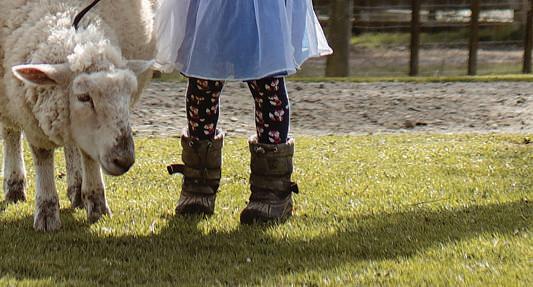



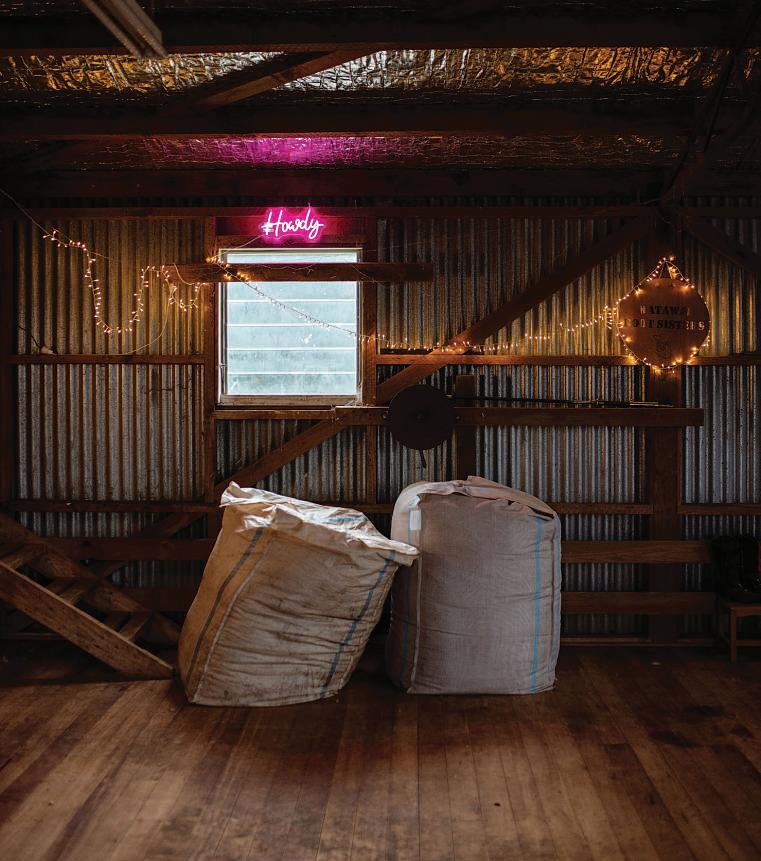



“Dancing’s got so many benefits – like community connection, like laughter, the good music, moving your body, exercise, all of those things that tick for good endorphins – which makes you feel good.”
“



I’m just at a place where I know that she will always be a part of me. And science proves that – when you’re pregnant with someone their DNA mixes with your DNA. So I always knew, as soon as I had her, I was like – I am changed forever.”
Jenny Sandford
and I would share about Nina. And that to me was – is the word cathartic? So hearing other people’s loss, or hearing about how they understood, or mothers reaching out, was healing to me. And then that got to a point where it wasn’t – I felt like I then kind of owned my grief. It wasn’t about how other people viewed Nina – it was my connection with her I got to a point, well, I’m almost at a point – I honestly thought that I would never be able to feel joy again. And it is a bit of a catch because the times when you feel the most happy are when you look around and you want your family or your friends with you. Then immediately sometimes you’ll feel sad, because when you feel the most joy is when you want to share that And that’s when you think of your babies or the people that you love who aren’t there. But again, it comes down to selfpreservation, and I’m just learning that What is a life where you can’t experience
joy? So you just have to try your best to do that and know that that’s okay. It doesn’t mean you don’t love them, it doesn’t mean you forget them. But, also, it doesn’t matter if other people think you have forgotten and you your life, because about others. You you have that strong connection with your child – that it will never be gone and you can still live this life and find happiness. I would like other mothers or people who have gone through grief to know that it truly is possible. And it also ever-changing some days you’re ‘Sweet as,’ and then sudden it hits you hard, like the first day.
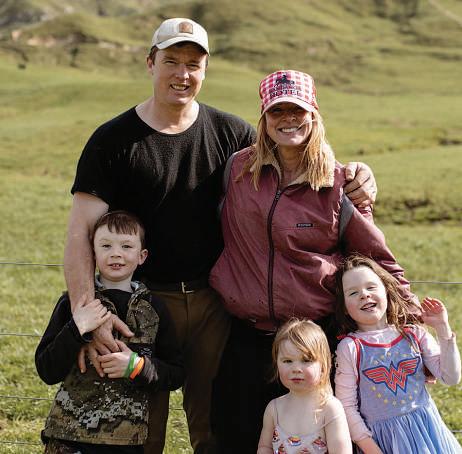
I used to hate it when people say time heals, because it used to be so raw. But it really does feel like time just does help. Also, you have to have a strong mind – you have to stop letting your body and your mind relive it. And I guess each of us has our own journey to find what helps us. Everyone is different and you just have to find what works for you.
I’m just at a place where I know that she will always be a part of me. And science proves that – when you’re pregnant with someone their DNA mixes with your DNA. So I always knew, as soon as I had her, I was like – I am changed forever. I could never explain why that was. But I love how science proves that you are actually physically changed forever. I knew I was spiritually changed forever and mentally changed forever, but physically changed forever – that kind of secures that connection that I’ll always have with her and that will never be taken away.
I know that Ants lost someone too, but I wonder as a mother if you feel it more because you’ve already had this child with you – I had her with me for 20 weeks in my body, feeling her grow. So, she was
our loss – he lost a child, but I wonder if it was different for me. And when he was ready to go back to work earlier than I wanted him to go, I kind of resented him for a little while there. I think what down to is we just learnt to respect each of us grieves erently And that didn’t mean that he didn’t love Nina, because he did. I saw the way he held her when she was born – that image is in my brain forever. And, shortly after we had her, we had her at home and he said to me, “If you wake up in the night and you can’t back to sleep, wake because I don’t want you alone in this.” And that was one of the sweetest things that he could have said to me – I will never forget that. And now that I’m saying it to you, I probably need to tell it to him.
You can listen to Jenny’s story – from a beauty school dropout to wild times in Canada, from being a cop to now a sheep and beef farmer who finds joy in line dancing in the woolshed – at rnz.co.nz/ podcasts or by searching Far From Town on your favourite podcast app. Jenny’s story is one of six – listen along on RNZ National at 7am on Sundays until April 19
This story appears in the Ngahuru Autumn 2026 issue of Shepherdess magazine, out now. Find the edition in supermarkets, dairies, and specialty book and design stores across the motu. Subscribe and order your copy online at shepherdess.co.nz.













It’s the rainy season in Fiji, but someone forgot to tell the Coral Coast. Four days there are imprinted in my mind in the azure of sea and sky, the pale gold of sand and the lush green of foliage, spiked with bright pops from tropical flowers
Kicking back by the pool, doing not much at all, suits some, but if you’re a family that likes to actively relax, here is some inspiration on where to stay and what activities to book in this delightful destination, reached within an easy hour’s drive along the Queen’s Highway from Nadi International Airport
Shangri-La
This sprawling property on Yanuca Island, connected to the main island by a causeway, is also one of the oldest, opening in the 1960s. If you appreciate yesteryear charm, the Shangri-La resort and spa has it in spades – perfect for Gen X or Millennial parents looking to relive childhood memories with their own offspring, as well as for multigenerational holidays. Built to face the ocean on a beach that’s safe for swimming, the resort is also blessed with a natural lagoon to the rear on the edge of which you’ll find the Marine Centre It’s teeming with resources relating to the local ecosystem and hosts activities such as Loloma Hour. A play on “happy hour”, Loloma Hour gives you a chance to give back to the environment while having fun – by planting mangroves or fashioning fish houses to enrich the c reef. For kids, and kids trapped in adult bodies, the expansive pool and play area and large water park anchored within wading distance offer boundless fun.
Outrigger
The handy location is within walking distance of several outside eateries such as Crab Shack and activities such as Hot Glass Fiji. Next door, Kula WILD Adventure Park offers ziplining, a jungle mountain slide and wildlife encounters. The resort’s plantation bures are great for families who want space and can accommodate up to three children with two adults. A traditional thatched roof and tapa ceiling and vivid flower gardens give the feeling of staying in a Fijian village. Recently added pool bures come with a tropical














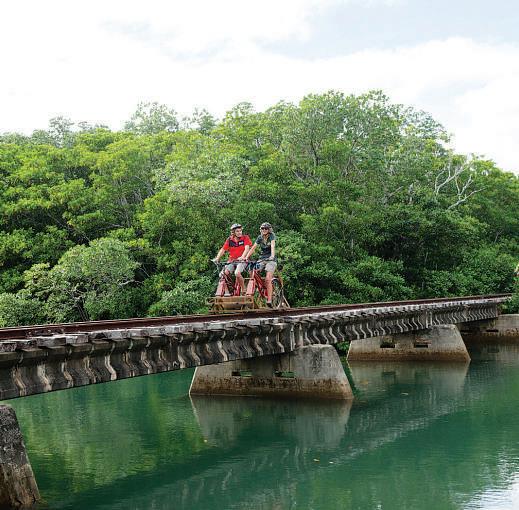


garden, decent-sized pool and lounge area. If your kids little older, feed them an early dinner, then grab a table at the far end of Sundowner restaurant –there, you look down at the kids playing on the beach below.
Crab Shack You could tackle the signature dish at Crab Shack with cutlery but where’s the fun in that? The lovely staff at this familyowned eatery, with a beachfront setting on Korotogo’s “Sunset Strip”, deliver a
finger bowl with the mud crab, and you’ll need it once you get cracking. There are several sauce options – the chilli and garlic I went for was literally fingerlicking good. However, rewind a little: you must start with the kokoda (fish marinated in citrus and coconut), which is exemplary. Portions are generous –great for sharing.
Ecotrax Who knew how much fun riding on abandoned sugar cane rail tracks hugging the coastline could be? The

“velocipedes” – bicycles reverseengineered to clip onto the tracks, with storage for bags and water bottles – are battery-assisted so you can pedal as little or as hard as you like. The ride takes you across bridges, past roaming farm animals and through forest, fields and local villages. There are chances to stop at the villages if you’d like to bring school or craft supplies to gift. Do bring snorkelling gear; you get an hour or so at Vunabua Beach, where your platter of fresh fruit and a young coconut to sip from are accompanied by the sound of your guides serenading you in sweet harmony. Ecotrax tour leader Britney, with whom I was lucky enough to ride up front, is the consummate host and a great comedian (and great singer), so be prepared to have tender abs from all the laughs.
You don’t have to head out on a boat on the Coral Coast to find a good snorkelling spot – at beaches along the coastline the reef is a short wade or swim away. You can hire gear at resorts, but it’s worth bringing your own if you’re keen to explore, such as on the Ecotrax adventure – I spent most of the hour at Vunabua snorkelling; there was so much life to see and the water was warmer than some baths I’ve had.
You’re already hot, so why not get hotter? In my half-hour experience at the family-run artisan experience offered by Hot Glass Fiji, I watched Sam and Peter demonstrate the hand-blowing process, then had a go at making my own piece to take home. First, I had to pick a style, colours and pattern (thankfully I was the day’s last session and my slow decision-making was patiently tolerated). The blazing furnace has been designed to shut down overnight, a contrast to typical glassblowing set-ups where a furnace is permanently on, which wouldn’t work on the electricity network here. My vase with vibrant orange splotches on a milky white background now has pride of place in my kitchen, the recipient of many compliments.
The writer was hosted by Tourism Fiji.


● April 7: DairyNZ and B+LNZ
Raising Quality Dairy Beef Taranaki
Tools and nutrition for profitable calf-rearing
The second event in the Dairy Beef Opportunities series talks about all things calf-rearing – from understanding calf requirements to meeting their nutritional needs – so you can ensure your animals are efficiently reared, healthy and thriving when they reach 100kg Info at dairyevents.co.nz and beeflambnz.com/events.
● April 9: DairyNZ
Driving Productivity through Genetic Improvement, Waikato
Delivered in partnership with Fonterra, LIC and CRV, this event explores how to improve herd genetics and productivity, plus an update on the DairyNZ strategy and levy investment. Info at dairyevents.co.nz.
● April 11: Owl Farm
Owl Farm public open day, Cambridge
Every year, in the autumn, Owl Farm opens its farm gates for the public to experience a working dairy farm Info at owlfarm.nz.
● April 13-15: SIDE
South Island Dairy Event, Lincoln University
SIDE is a two-day conference for farmers, led by farmers, a forum for those involved in the South Island dairy industry to evaluate and apply knowledge, skills and technology to their business. SIDE has grown to become New Zealand’s premier dairy
conference and the largest event of its type in the country. Info at side.org.nz.
● April 14: DairyNZ and B+LNZ Market Insights & Silver Fern Farms Tour, Hāwera
Join us for the final event in the Dairy Beef Opportunities Series, where we’ll look at current market settings, the emerging trends shaping the sector, and what farmers can expect next.
Info at dairyevents.co.nz and beeflambnz.com/events.
● April 21 and 22: Dairy Women’s Network
First Aid for Farmers 2026, Tararua, North Otago and Bay of Plenty/ Central Plateau
Out in the paddock or the orchard, help isn’t always close by Having the right first aid skills can make all the difference in a time of medical emergency Join Hato Hone St John for an interactive, practical and hands-on course tailored and designed with the agricultural sector in mind. Info at dwn.co.nz/events.
● April 22: B+LNZ
B+LNZ AgInnovation Conference
The biennial B+LNZ AgInnovation Conference is back. Held only once every two years, this event brings together innovators, researchers and industry leaders to explore the future of farming.
Info at beeflambnz.com/events.
● April 22: Primary ITO Level 3 Operating Dairy Effluent
Management Systems Workshop, Whangārei
This bite-sized learning course is suited for Farm Assistants who want to develop their skills and knowledge in dairy farming. Info at primaryito.ac.nz.
● April 22: Pasture Summit
Pasture Summit autumn event, Mossburn, Southland
An on-farm event in Southland hosted by farmers for farmers, sharing ideas and developments on achieving profitable dairy food production, with input from dairy sector specialists, and kindly supported by DairyNZ. Info at pasturesummit.co.nz.
● April 22: Jersey NZ
Dam Good Decisions, Temuka
Join us for an informative field day and learn more about TOP, dam quality and better heifers. Info at dairyevents.co.nz
● April 23: NZIPIM
Building Personal Wealth through Investments, Massey University
Understand the secrets to successful investing at our local branch event. Info at irpnz.co.nz.
● April 29: Owl Farm Owl Farm April Focus Day, Cambridge Review the season and seasonal topics. Info at owlfarm.nz.
● May 4-8: Dairy Hoofcare Institute Advanced Hoof Care Course This course is aimed at those who are
serious about minimising lameness on their farm through gaining a more comprehensive understanding of the contributing factors, as well as becoming competent in the technical aspects of hoof trimming.
Info at dairyhoofcareinstitute.ac.nz.
● May 5-6: Dairy Women’s Network DWN Conference 2026 –Success Through Inspiration
The DWN Conference 2026 –Success Through Inspiration, supported by Bayleys Canterbury, is set to be our biggest, boldest, most empowering event yet – a two-day experience designed to ignite your ambition, fuel your confidence and inspire action that truly makes a difference.
Info at dwn.co.nz/events.
● B+LNZ
Money Matters Workshops: Rural Women Taking Charge, various dates and locations
This practical down-to-earth workshop is relevant for women involved in farming, orchards (including kiwifruit), rural businesses, and family finances –whether you’re hands-on in the business, supporting from the sidelines, or helping make financial decisions at home.
Info at beeflambnz.com/events.
Registration is essential for many events. Check out the various websites for more events.

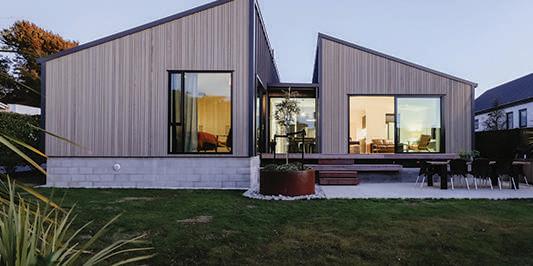




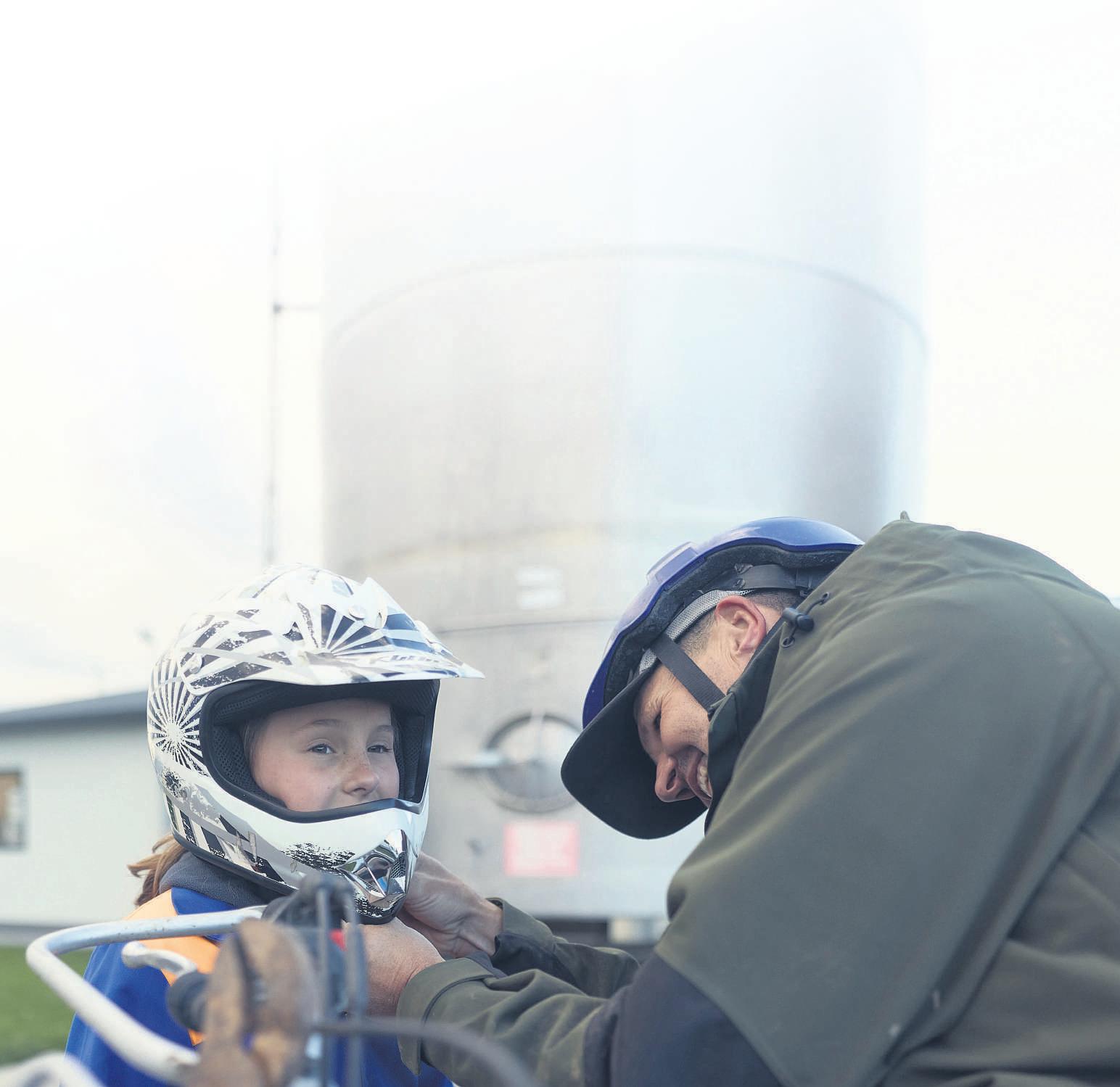
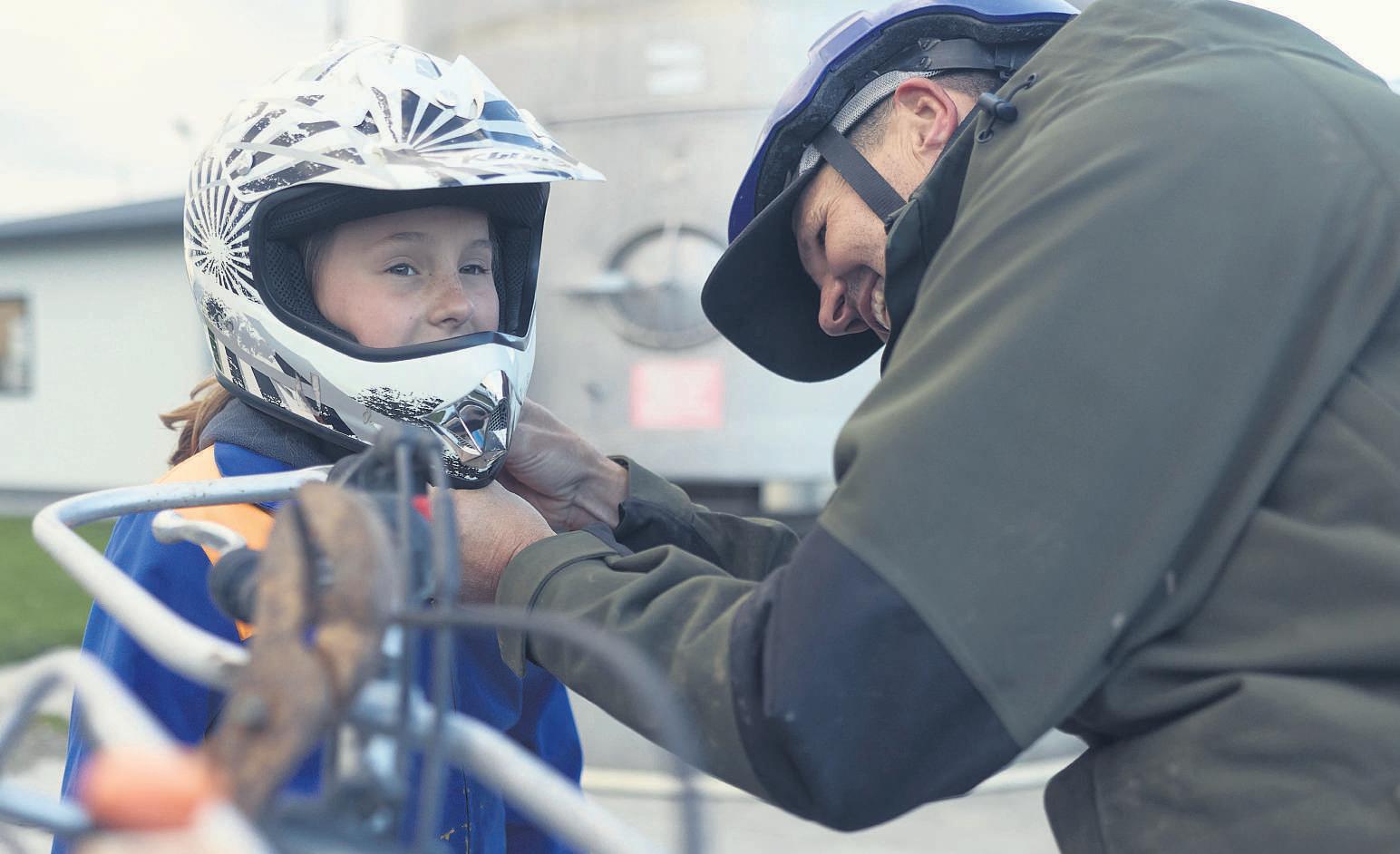
Part of having aproductive and profitableseason is ensuring youand your workershaverobust gear so everyone goes homeinone piece every day. We gotyou –witharangeyou canrelyon.
New Zealand’s bull sale season remains a vital time for farmers seeking to improve the genetic quality of their herds. This annual event takes on even greater importance in 2026, as changing market pressures and environmental expectations reshape livestock farming.
For both buyers and sellers, the current landscape offers distinct opportunities and fresh challenges.
Opportunities for sellers in 2026
For sellers, 2026 presents a strong market. Farmers are highly aware that elite genetics serve as a shield against rising farm costs and shifting climate conditions. Breeding bulls are firmly viewed as strategic investments that drive herd productivity and farm resilience.
Key trends driving seller optimism this year include:
■ Input Efficiency: Producers need bulls that deliver robust growth rates while eating less. With farm working expenses remaining high, sellers who offer bulls with proven feed conversion data will see strong demand.
■ Climate-Adapted Genetics: Recent extreme weather patterns highlight the need for bulls that thrive in unpredictable conditions. Buyers will heavily favour bulls bred for foragebased systems and resilient enough to handle both drought and heavy rainfall.
■ Environmental Compliance: As the agricultural sector focuses on emissions, farmers want genetics that improve
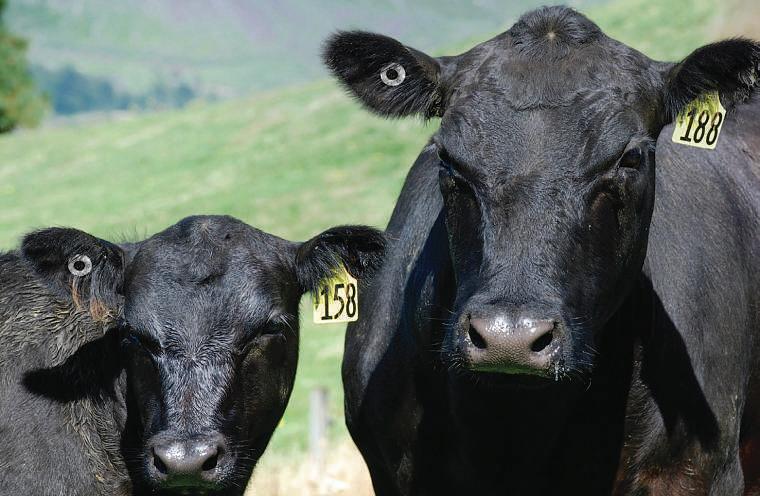
carbon and methane efficiency. Breeders who can demonstrate low-methane traits or high overall efficiency will capture a growing segment of the market
Buyer Guidance: Confident Bull Selection
The 2026 bull sale season provides excellent opportunities, but buyers must be precise with their investments. The bulls you purchase now will dictate your
herd's productivity and profitability for years to come. Here are six tips to guide your selection process:
■ Define Your Goals: Clearly map out what you need to improve in your herd. Whether you want better calving ease, faster growth rates, or higher carcass quality, let your specific farm targets guide your choices.
■ Rely on Data: Look closely at the Estimated Breeding Values (EBVs) and
genomic data. These figures give you a clear picture of a bull's genetic impact on fertility, growth, and overall performance.
■ Prioritise Soundness: Good genetics mean little without a solid physical structure. Carefully assess leg soundness, foot quality, and jaw alignment to ensure the bull can travel and graze effectively.
■ Mind Temperament: Safety is vital on modern farms. Choose bulls with calm, manageable temperaments to protect your staff and keep herd dynamics peaceful.
■ Focus on Longevity: Pick bulls backed by strong health records and structural integrity. A bull that works for an extra season or two significantly lowers your breeding costs.
■ Seek Expert Advice: Talk to genetic advisors, sale agents, or your local vet. Many sellers also provide excellent post-sale support to help you settle new bulls into your system safely.
The Path Forward
The 2026 bull sale season relies on transparency and cooperation across the sector. Sellers must give buyers accurate, comprehensive data to make informed choices. Meanwhile, buyers need to focus strictly on long-term herd goals rather than chasing short-term trends. By combining modern genetics with proven farming principles, New Zealand’s livestock sector can continue to build resilience and secure future profitability.

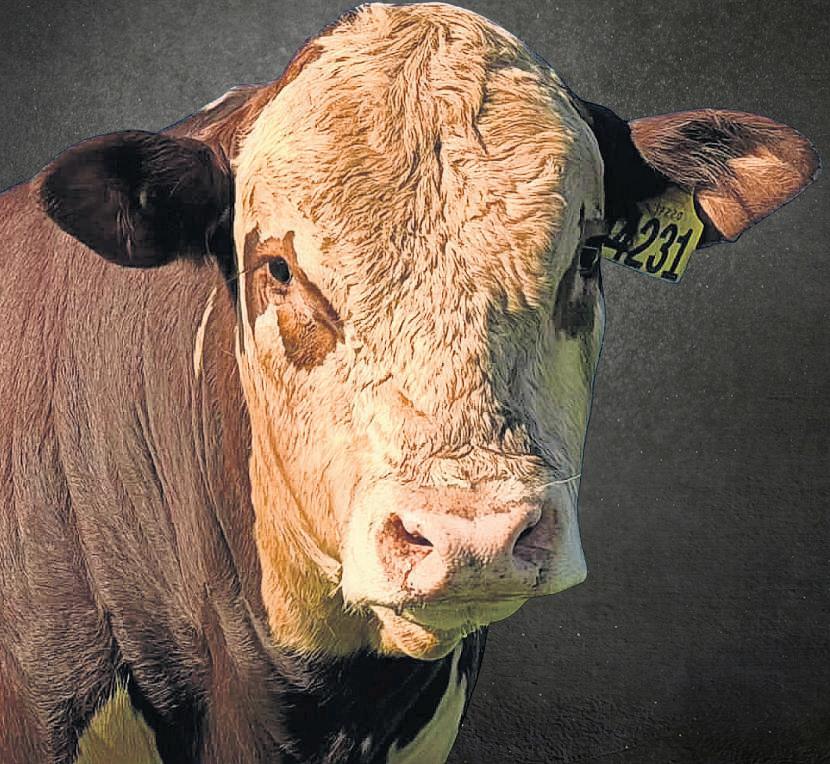
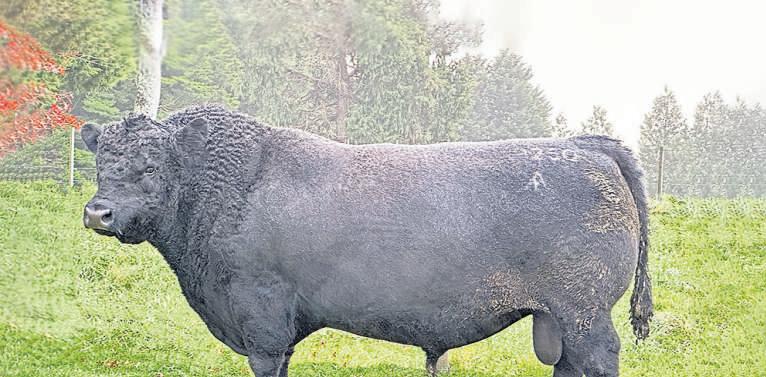







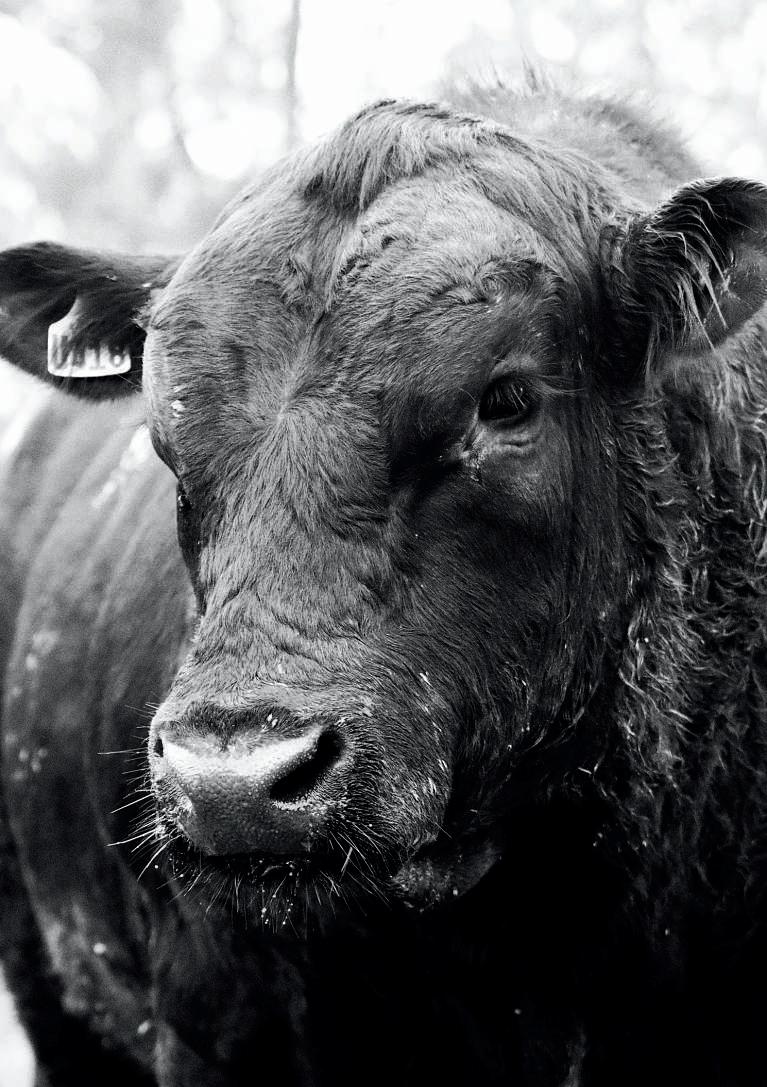

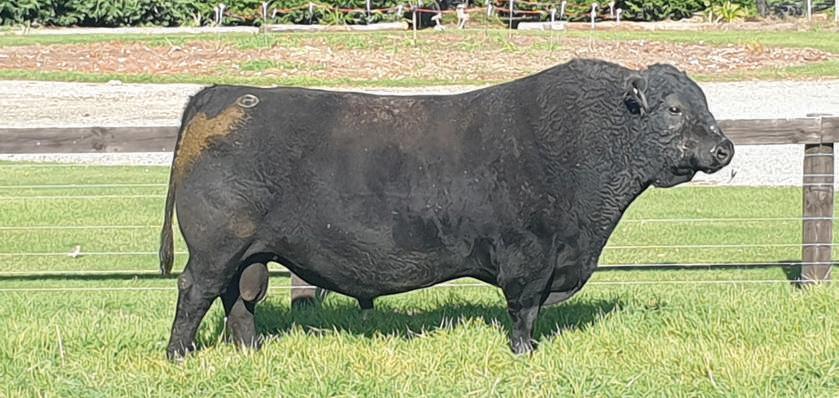

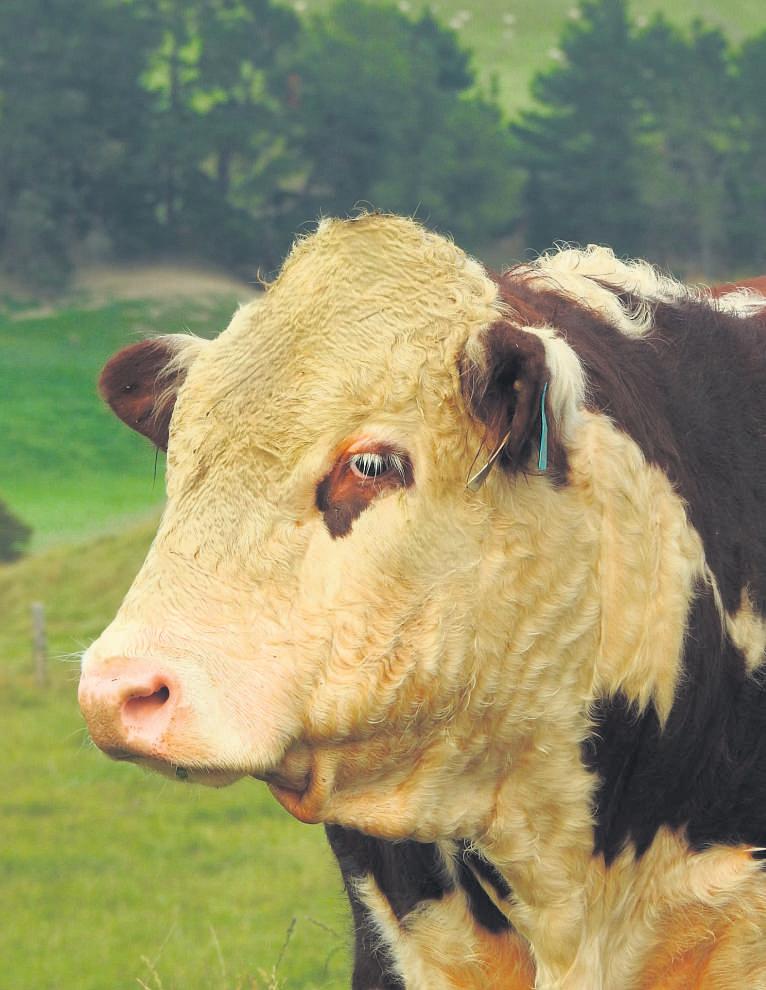

40Bulls forsale Thursday 4June 2026 th 11:30am on farm
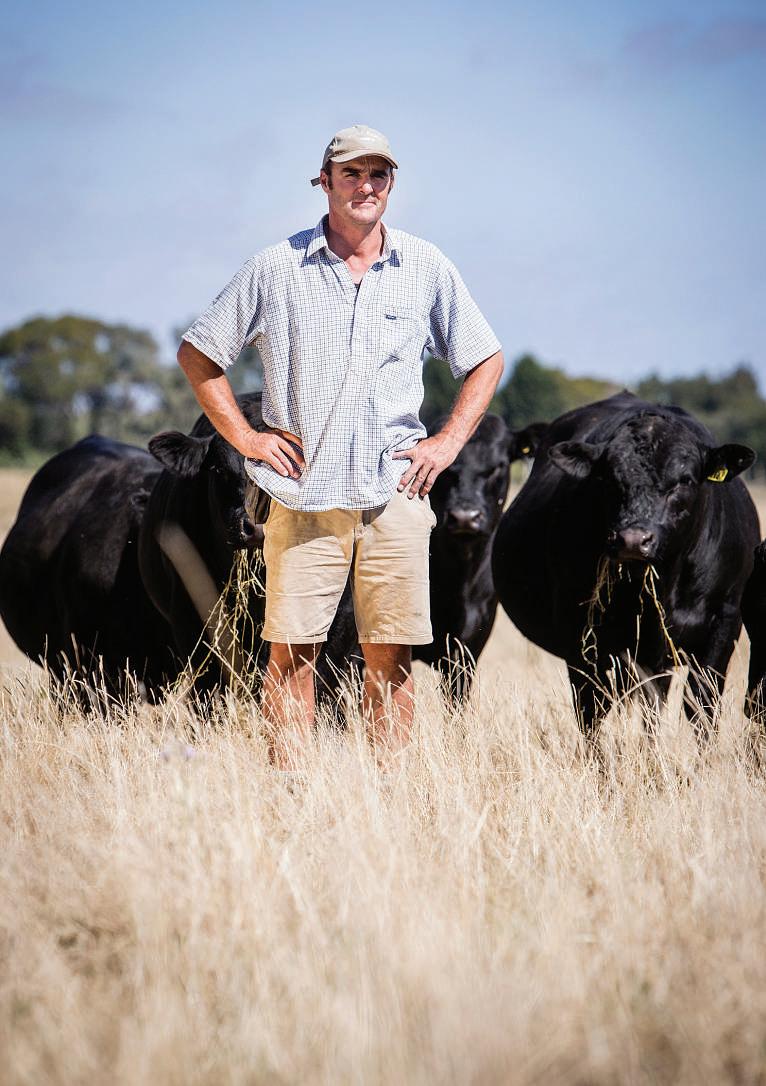
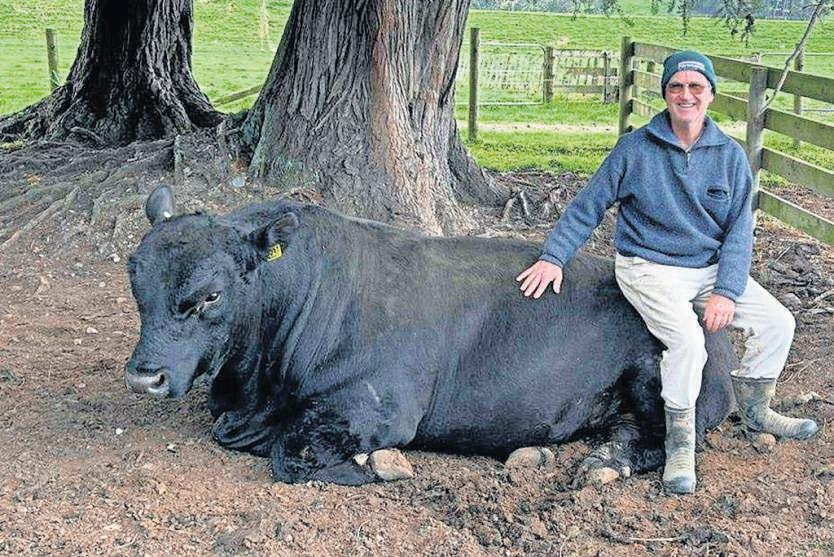
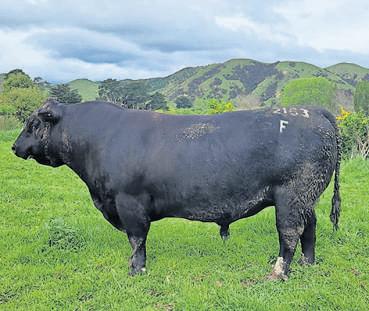
•36Quality rising twoyear oldpedigreeand performancerecorded Angus bulls.
•All BVDtested free andvaccinated. 10 in 1 andLepto vaccinated.
•Fully guaranteed forthree breedingseasons.
•DNA profiledand 72k genomically assessed/enhanced EBV’s.
•MtMable Angus a5 star recorder sincethe star rating began.
•MtMable herd completely free of allknown geneticdefects.
•FreedeliveryinNorth Island. SouthIsland at ourdiscretion. Sale is Monday June 8th2026. 2.30pm.
•Our focus on breeding seedstockwith greatfats, fertility, feed converters, faultless structure andare free and friendly movers
•Bulls Lepto and BVDvaccinated •The best cross over all breedsofcow
Thecountry’soldestAngusstudisproving thata120-yearlegacyisnobarrierto modernexpansion.TurihauaAngushas signaledamajorstepforwardinitsgrowthwith thepurchaseofa300-hectareneighboringfarm ‘PuangaStation’intheuppercatchmentofthe property Theacquisitionofthe240haeffective propertyisastrategicplaybyPaulandSarah Williamstomeetarisingtideofdemandfrom theircommercialbullclients.Withoutthe complicationofexistinghousing,theblock offeredaseamlesspracticalextensiontothe currentoperation ForPaulWilliams,themoveisaboutmorethan justaddingacreage;it’saboutincreasingthe “selectionpressure”andvarietyavailableto buyers “Itgivesourherdsignificantdepthaswelook towardthefuture,”Williamssays.“Wecannow expandtooffermorechoicewithoutdilutingthe qualityourbrandhasbuiltoverthelastcentury. Ultimately,higherin-calfratesallowustomove fasterongeneticgains,andthatperformance flowsdirectlytothefarmerssourcingourbulls.”
Thestationcurrentlycalvesdownaround400 studcows,including120yearlingheifersand roughly50embryotransfer(ET)cows.Thenew landprovidesthebufferneededtoscaletheET programtowardatargetof150-200implants annually,amovethatacceleratesgrowthwhile maintainingtightbiosecurity. ExpansionatTurihauaisbeingmatchedby anappetitefornewtechnology.Theteamis currentlyutilizingCowManagerwearabletags foraheiferfertilitytrialandinvestigatingHalter systemstosharpengrazingmanagement. Thesetoolsareaimedsquarelyatliftingfertility andefficiency,ensuringthegeneticsonofferare backedbyharddata
Despitetheincreaseinscale,Williamsisclear thatthefocusremainsonthe“breadandbutter” oftheindustry:thecommercialfarmer. “Asdemandgrows,thisexpansionallowsusto stayaheadofthecurve,”hesays.“Bygetting morecalvesontheground,wecanmeetthat interestwhileensuringourpricesremain sustainableandaffordableforthecommercial farmerswhoarethebackboneofthisindustry.”






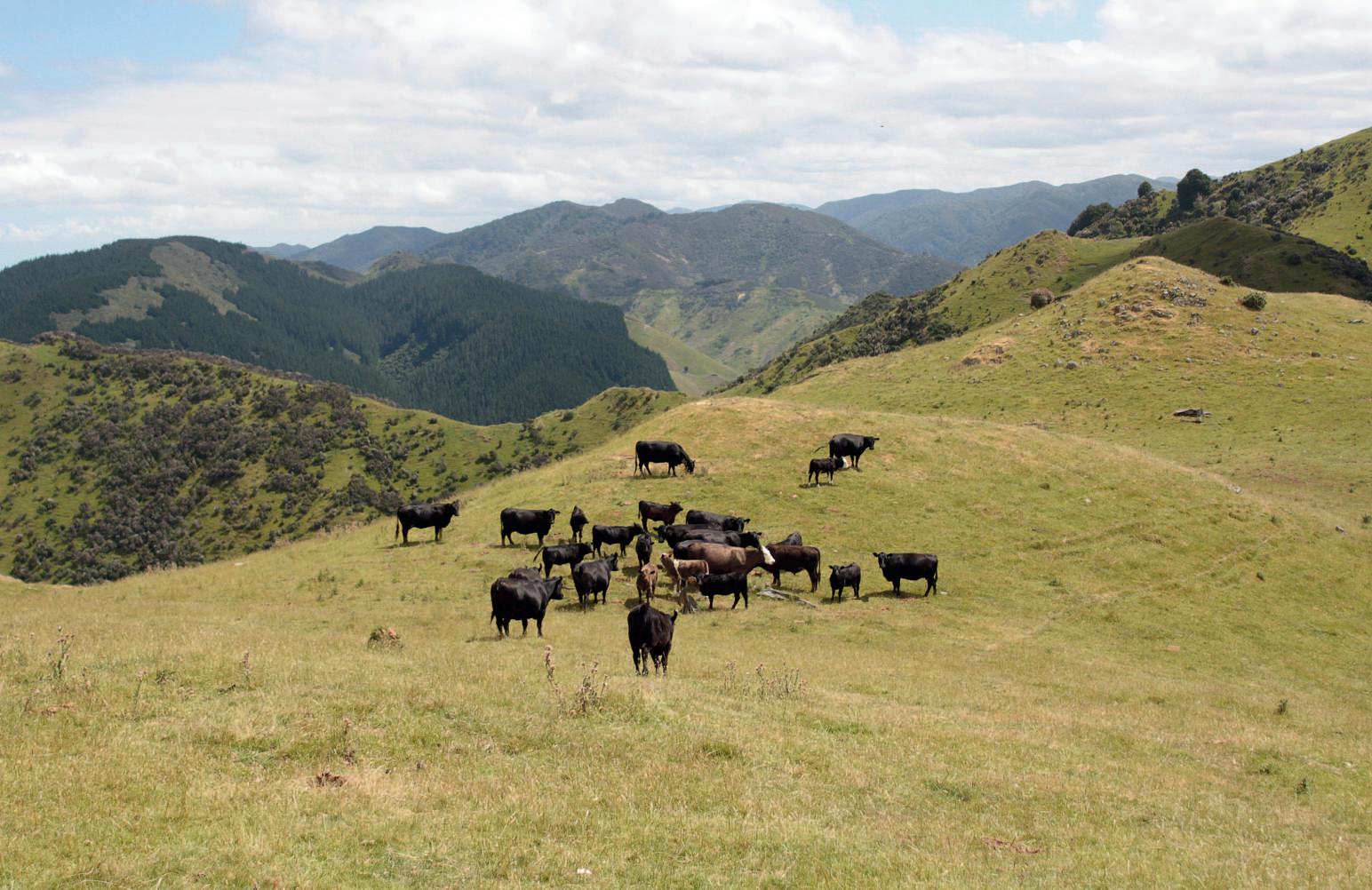


Let farmers know when, where and what’s on offer by securing your spot today!






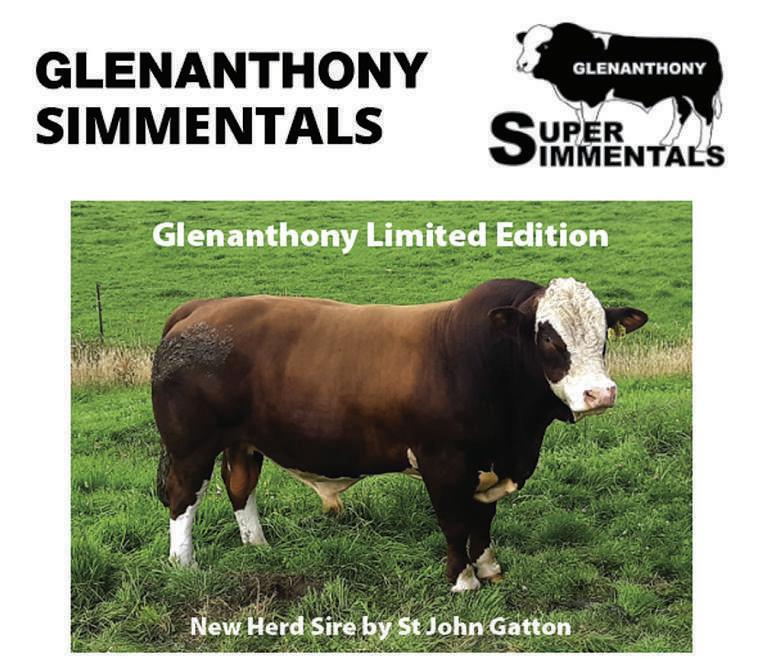
• 20 Polled& Simmental Bulls
• Performance Recorded
• EarlyMaturingHeavily Muscled
• Fertilityand Serving CapacityTested
PLEASE NOTE EARLIER SALE DATE



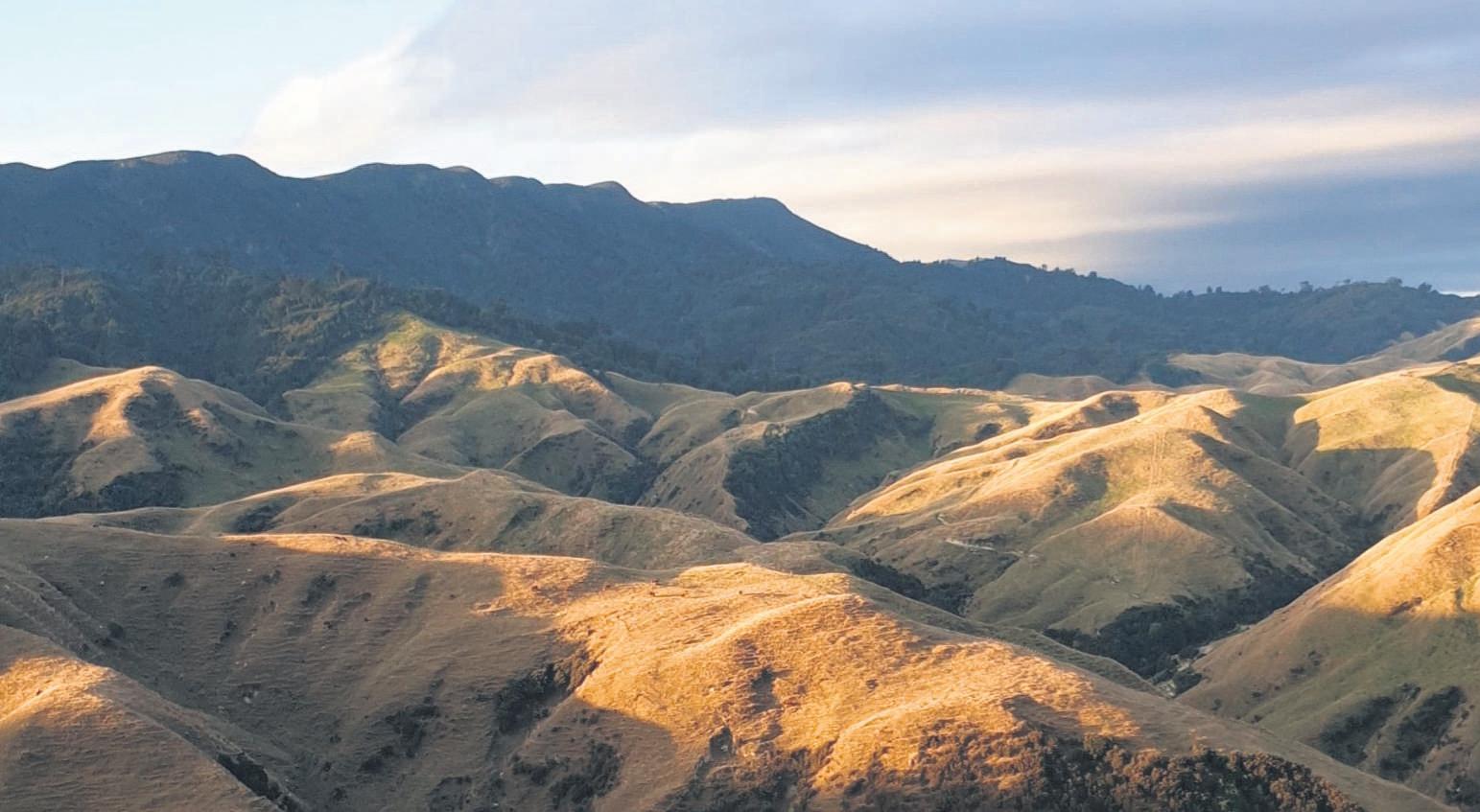





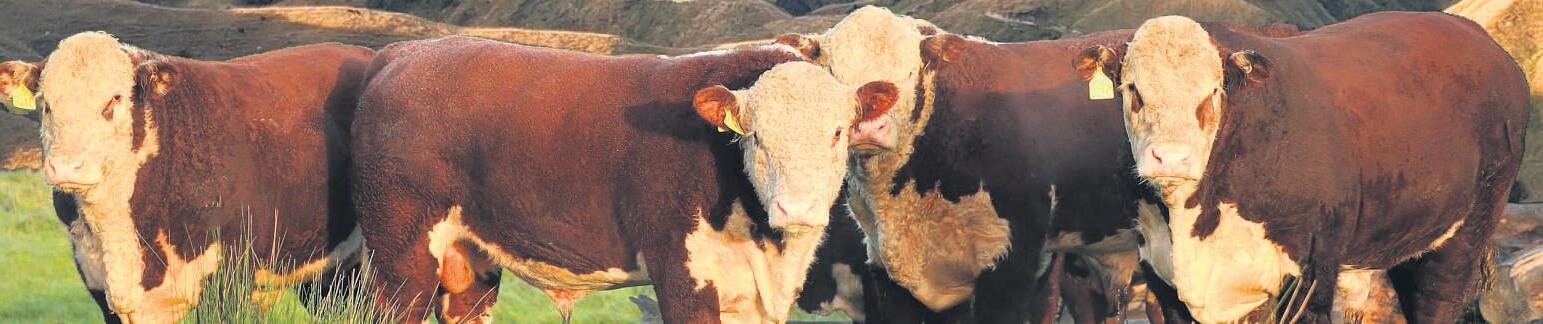




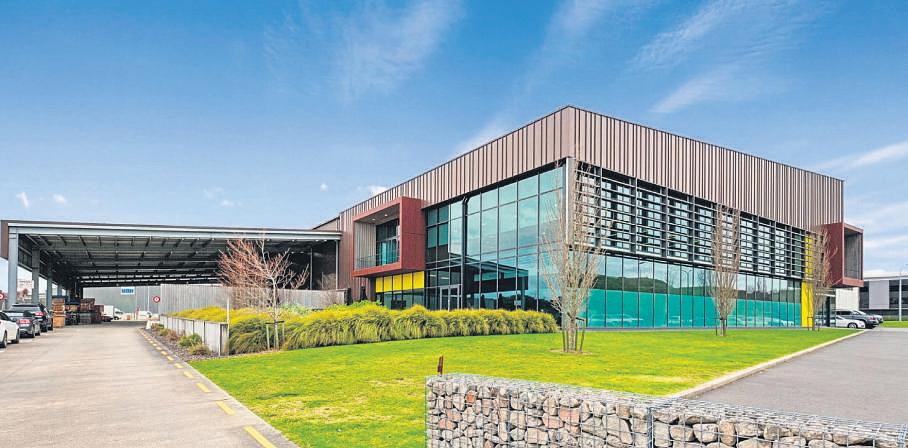
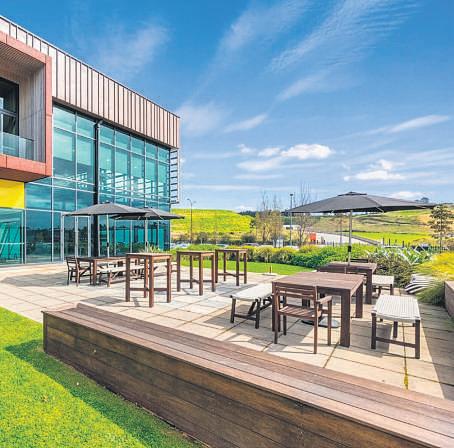
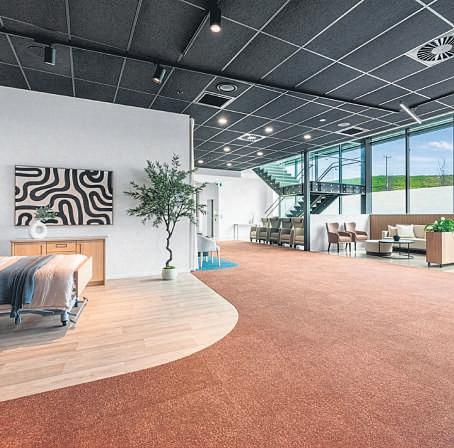
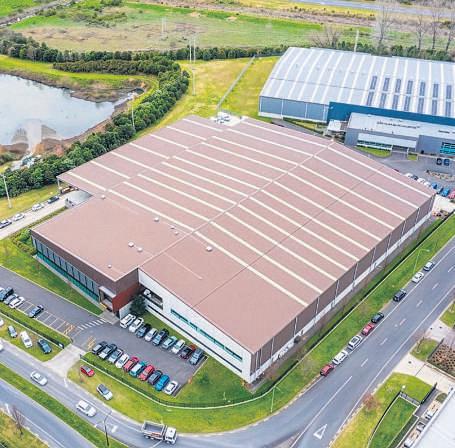
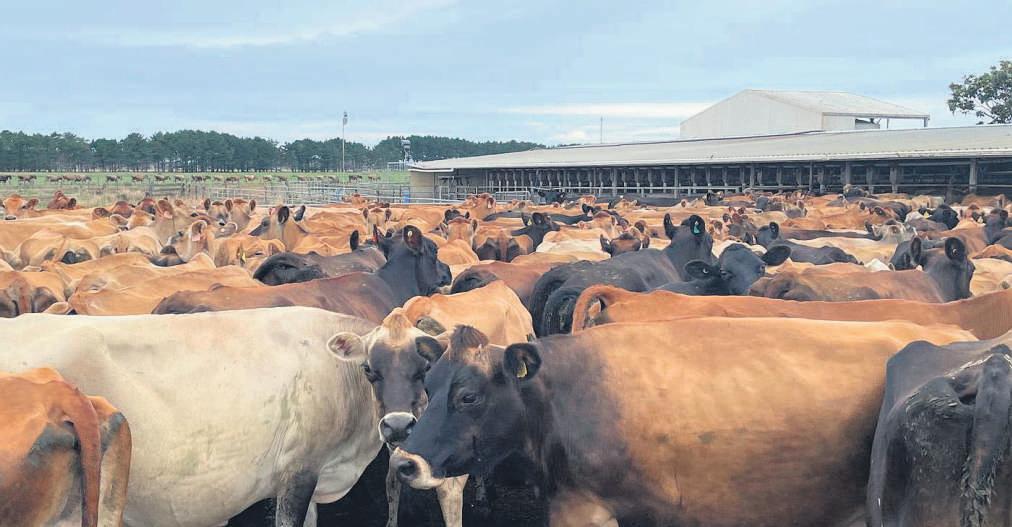
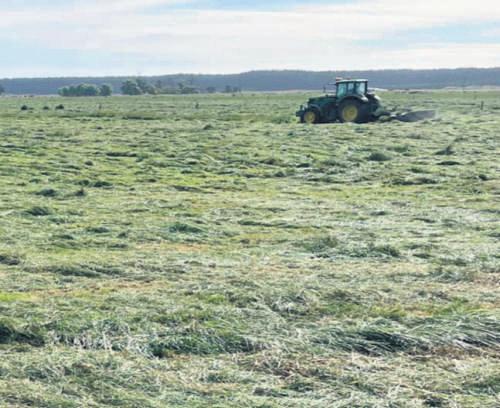
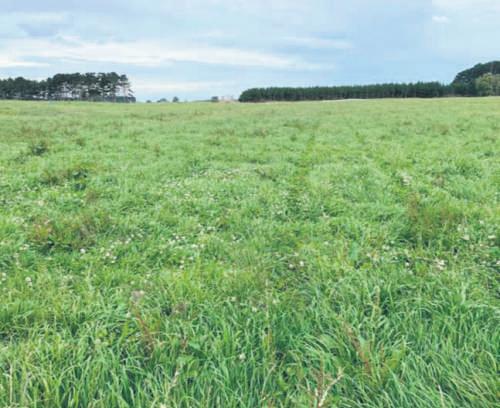
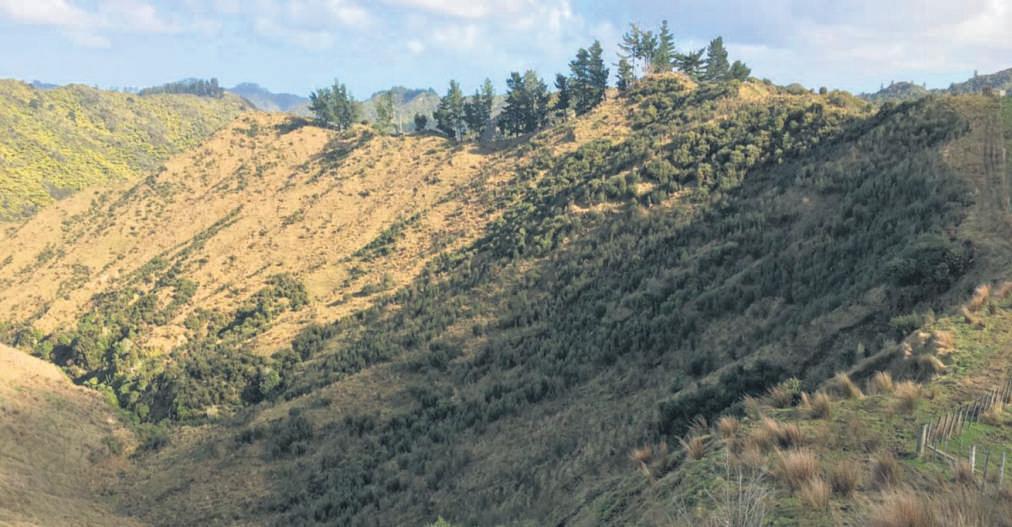
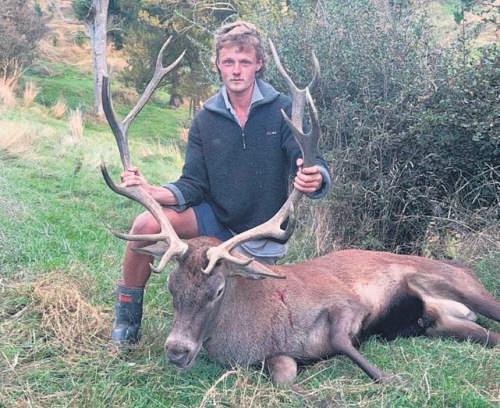
•Haveyou ever wanted to feed lots of grassand make supplement over summer? If yes, then this farm could be foryou.
•Situated in theBulls district of the Rangitikeiisthisflattogently undulating 214 ha Dairy Farm.
•Currently runasa level2 operation with no feed padormixer wagon.
•Thispropertygrows lots of grassand milks600 cows that enjoy eatingit.
•Witharound200 ha under irrigation, good dairy andhouse, alongwith excellent layout this,isaneasyto manageoperation.
•Wouldbea greatinvestment or first farm with some scale
•Pricedtosellat$8.5million (+GSTifany), with settlement to suit
Call Lestoinspect anddiscuss your options on 0274 420 582 Photos takenJanuary 2026
•Situated in Waverley in theSouth Taranaki District,isthis1229 acre hill country property
•Ina previous life,thisfarmhas been a sheep and cattle property
•Inrecentyearsithas been allowedto regenerate andisnow growinga significantamountofmanuka, along with itsestablished native forest
•Currently thepropertygenerates allits income from thehoney industry,and the200 beef cows.
•Carbonfarming and forestry couldbe future income streamsifyou are consideringa greeninvestment
•Withgreat access and afantastic growingenvironmentalong with privatelocation, this investment has potentialtogrowintothe future
•Offersover$1.45 Million. (+ GSTifany) Call Lestoinspect anddiscuss your options on 0274 420 582




Anincredibletimesavingtool:findstock andpestsquicklyandeasily
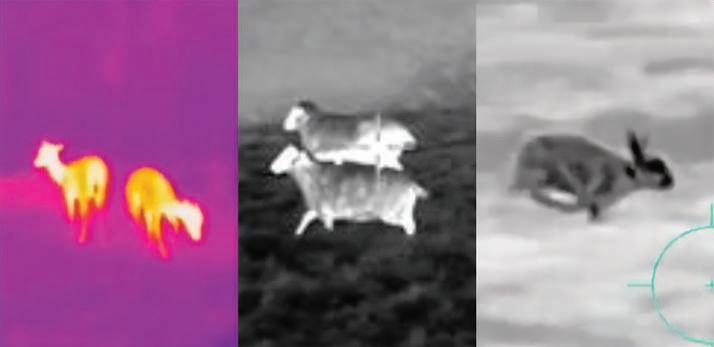
Thermalviewersdetecttheinfraredheatnaturallyemittedbyanimalsandobjects
Athermalhandhelddevicecanbeagame-changeronyour farm,providingafastandeasywaytolocatelivestockand monitorpestactivity.Thermalcanhelpyoumoreeasily spotmissinganimalsintallgrassandbush,especiallyat night.Thermalalsosavesalotoftimespottinganddealing withpests.
Ourthermalrangestartsatjust$899,withhigher-resolutionunitsallowingyoutospotanimalsfromfartheraway




Highpower,10-roundairriflesareagreatway totakecareofpests,andtheydon’trequirea firearmslicence.
Newhighpowerbreakbarrelairrifleswith10roundmagazines haveincreasedthedistanceyoucanshootpestsandreload quicklyforyournextshot.Airriflescanbeoperatedbyanyone over18,agreatwayforfarmersandfarmworkerswithoutafirearmslicencetocontrolpests.
Quieterthanunsilencedrimfireriflesandcheaperpershot, airriflesareanaffordable,alternativewaytodealwithpests.
WhichcalibreshouldIbuy?
.177isgoodforlongerdistanceshooting .22and.25providesheavyknockdownatcloserranges