The Online Publication of Undergraduate Studies was initiated in 2010 by the undergraduate students in the Department ofApplied Psychology, NYU Steinhardt. The ideas and opinions contained in this publication solely reflect those of the authors and not New York University. All work is licensed under the Creative CommonsAttribution Noncommercial No Derivative Works License. To view a copy of this license, visit http://creativecommons.org 2
OPUS
Online Publication of Undergraduate Studies
Volume XVII | Spring 2026
Editors-in-Chief
Catalina Bonanata Vignoli
Paulina Chin-Wong
Contributing Writers
Emma Desert Flower Bracamontes
Catalina Bonanata Vignoli
Paulina Chin-Wong
Amanda Gaupp
Éliane Huet
Mackenzie Jones
Ziqi (Wallington) Lin
Grace McDonald
Saylee Nemade
Kha-Nhi Nguyen
Arden Pellegrino
Isabella Reyes
Samsara Shrivastava
Layout & Design Team
Priya Balkaran
Quentin Bronstein
Amanda Gaupp
Club Advisor
Mia Cheung
Faculty Advisor
Adina Schick
Special Thanks
Ashley Buk
Risa Vargas
NYU Steinhardt Department ofApplied Psychology
among SouthAsianAmerican Women: The Role of Social and Cultural Pressures in Shaping
Differences in Everyday Science Practices in Latine Families of
at First Glance: Chinese International Students’ Perceptions of Therapists’Characteristics
Effects of Neighborhood Conditions, Social Capital, & Socioeconomic Demographics on Stress inAccra, Ghana
Editor’s Letter
New York University’s Online Publication of Undergraduate Studies (OPUS) was established in 2010 as a platform forApplied Psychology students to showcase exceptional undergraduate scholarship. Entirely run, written, and designed by students within NYU Steinhardt’s Department ofApplied Psychology, OPUS remains one of the few undergraduate psychology journals in the United States. Through literature reviews, empirical studies, and honors project abstracts, OPUS continues to foster academic excellence while providing students with valuable experience in scholarly publishing.
With that said, we are proud to present our 2026 issue! This year’s publication reflects a defining aspect ofApplied Psychology at NYU: connecting personal experiences, academic interests, and applied research to better understand individuals, communities, and broader social systems. The works featured in this issue explore an array of topics, including trauma, identity, mental health, systemic inequities, and more, with both compassion and methodological rigor. Together, these pieces reflect the values at the core ofApplied Psychology: critical inquiry, social responsibility, and a commitment to meaningful change.
Our “Literature Reviews” section examines pressing psychological and social issues through culturally informed and evidencebased perspectives. Mackenzie Jones and Isabella Reyes explore the therapeutic potential of psychedelics in treating PTSD-related hyperarousal, while Samsara Shrivastava investigates the social and cultural pressures shaping help-seeking behaviors among South AsianAmerican survivors of intimate partner violence. Emma Bracamontes and Éliane Huet examine hopelessness within adolescent suicidology and its implications for youth mental health and prevention efforts.
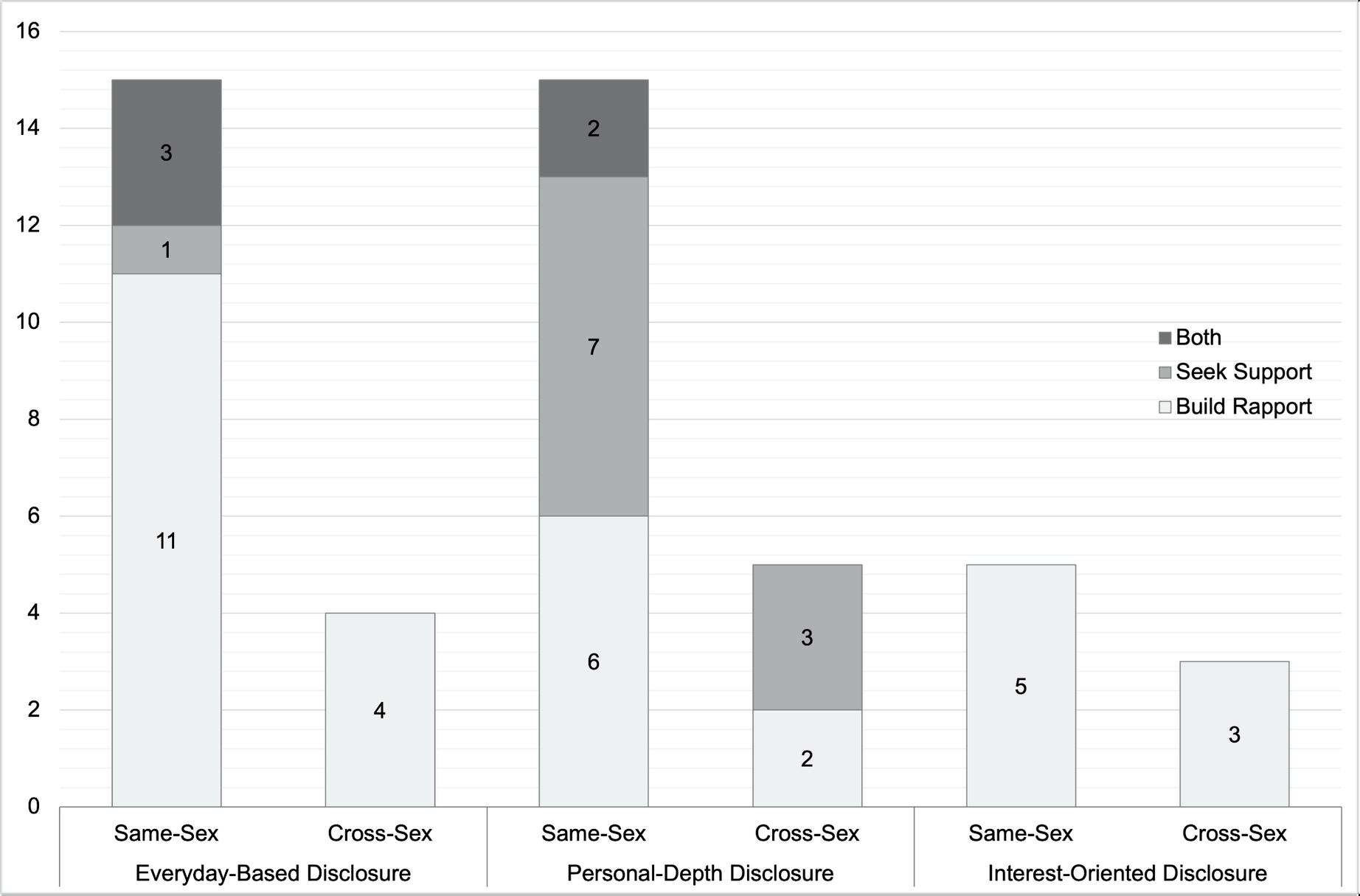
In “EmpiricalArticles,” students apply research methods to contemporary psychological and social questions.Amanda Gaupp examines self-disclosure in same-sex and cross-sex friendships among emerging adults, while Paulina Chin-Wong explores selfconcept among functionally bilingual young adults. Saylee Nemade investigates the relationship between food-pantry benefit insecurity and graduate student mental health. Grace McDonald studies passive exposure to extremist content among undergraduates, andArden Pellegrino explores cognitive load among novice undergraduate users of R-Studio. Collectively, these studies demonstrate the breadth and relevance of undergraduate psychological research.
This year, we are also honored to feature abstracts from students in theApplied Psychology Honors Program. These projects reflect students’continued dedication to independent, culturally grounded, and community-oriented research. Featured projects include work by Catalina Bonanata, Wallington Lin, Saylee Nemade, and Kha-Nhi Nguyen.
We extend our deepest gratitude to the undergraduate authors whose passion and dedication made this issue possible. We are also incredibly thankful to the Layout and Design team (Priya Balkaran, Quentin Bronstein, andAmanda Gaupp) for their creativity and vision throughout the design process, and toAshley Buk and Risa Vargas for their additional support and contributions.
Finally, we would like to thank Dr.Adina Schick for her continued guidance, encouragement, and support throughout the editing process of this issue. We are equally grateful to Mia Cheung, the OPUS ClubAdvisor, for her mentorship and dedication to undergraduate scholarship. Their support, alongside that of the Department ofApplied Psychology and the broaderApplied Psychology community, continues to make OPUS a meaningful space for undergraduate voices and research. We hope this issue inspires continued reflection, dialogue, and engagement with the topics explored throughout these pages.
Happy reading!
OPUS Editors
Catalina Bonanata
Paulina Chin-Wong
Literature Reviews
The Therapeutic Potential of Psychedelics: Treating PTSD-Related Hyperarousal
Mackenzie Jones and Isabella Reyes
Posttraumatic Stress Disorder (PTSD) typically develops after experiencing or witnessing lifethreatening events that elicit feelings of intense fear or helplessness (American Psychological Association [APA], 2023). One of the core symptom clusters within PTSD is hyperarousal, conceptualized as dysregulation in stress-response systems such as the autonomic nervous system, which is marked by insomnia, increased heart rate, hypervigilance (i.e., a chronic state of heightened alertness), and irritability (American Psychiatric Association, n.d.; APA, 2018b). Although there are a number of first-line treatment protocols designed to target PTSD symptomology (e.g., Cognitive Processing Therapy, Prolonged Exposure Therapy, and Eye Movement Desensitization and Reprocessing), treatment outcomes are often suboptimal (Morgan, 2020; Schrader & Ross, 2021). Studies have found both high attrition rates (30%) and persistence of PTSD symptoms (50%) for those participating in trauma-focused psychotherapies, suggesting that current psychotherapies may have limited effectiveness for a subject of individuals (Morgan, 2020). Hyperarousal symptoms, in particular, have been identified as resistant to standard PTSD treatment and, consequently, as a significant contributor to non-recovery (Krupnik, 2021; Solomon et al., 2009). Thus, there remains a continued need for improved, potentially more effective therapeutic approaches.
Emerging evidence suggests that psychedelic compounds may offer one such novel treatment method (Barrett et al., 2020). Specifically, research suggests that these compounds may influence physiological and psychological processes associated with hyperarousal symptomatology in individuals diagnosed with PTSD (Barrett et al., 2020; Brudey et al., 2015; Katrinli et al., 2022). These changes have been observed through psychedelic-assisted psychotherapy sessions (PAP), which involve professionally supervised administration of psychedelic compounds (e.g., psilocybin and MDMA) in conjunction with traditional psychotherapy (Schenberg, 2018). PAP protocols typically involve the supervised administration of psychedelic compounds within a structured therapeutic framework that includes preparatory sessions, medication-assisted (i.e., psychedelic-assisted) sessions with trained therapists present, and subsequent integration sessions to process insights gained during the medication-assisted experience (Morland & Woolley, 2025). Although, as of 2026, the Federal Food and Drug Administration (FDA) has not officially approved any psychedelic compounds for the treatment of PTSD (U.S. Food and Drug Administration, 2023), the promise they hold necessitates a better understanding of how PAP affects hyperarousal in individuals diagnosed with PTSD. As 8 Literature Reviews |
such, this review article aims to synthesize evidence on psychedelic-assisted psychotherapy, with particular attention to the physiological and psychological mechanisms implicated in PTSD-related hyperarousal, in order to evaluate its therapeutic potential.
Physiology of PTSD-Related Hyperarousal
Chronic hyperarousal in individuals diagnosed with PTSD is associated with dysregulation in two interconnected physiological stress response systems: the autonomic nervous system (ANS) and neuroimmune system (Brudey et al., 2015; Katrinli et al., 2022). The ANS regulates involuntary bodily processes such as heart rate, respiration, and hormonal stress responses (APA, 2018a). For those with PTSD, this system is often chronically overactivated, resulting in heightened physiological arousal. Alongside ANS dysfunction, there is evidence of altered neuroimmune functioning, particularly increased systemic inflammation, which has also been observed in individuals with PTSD (Brudey et al., 2015). Together, sustained ANS activation and neuroimmune-related inflammatory processes are believed to reinforce elevated threat sensitivity and maintain the hyperarousal symptom cluster (Brudey et al., 2015; Katrinli et al., 2022; Woodward et al., 2009).
More specifically, chronic ANS dysfunction associated with hyperarousal has been theorized to disrupt healthy neuroimmune function, resulting in an increase in inflammation throughout the body (Brudey et al., 2015; Nance & Sanders, 2007). Observations of elevated C-reactive protein (CRP) in individuals with PTSD support this theorized model, as CRP acts as a biomarker (i.e., biologically-based indicator) for inflammation that has also been linked to increased stress reactivity and threat sensitivity (i.e., exacerbated hyperarousal) in individuals diagnosed with PTSD
(Michopoulos et al., 2015). Together, autonomic and neuroimmune dysregulation sustain symptoms of hyperarousal, suggesting that treatments able to modulate these physiological pathways and their interplay may directly reduce the severity of PTSD symptomatology (Brudey et al., 2015; Katrinli et al., 2022).
Psychedelic Modulation of Autonomic and Neuroimmune Pathways
Psychedelic compounds have shown promise in being associated with reductions in PTSD-related hyperarousal, potentially through effects on the autonomic nervous system (ANS) and neuroimmune systems involved in chronic stress responses (Chung et al., 2021; Flanagan & Nichols, 2018; Szabo et al., 2014). Notably, although standardized psychedelic treatments have not received federal approval, the National Center for PTSD identifies MDMA and psilocybin as favorable compounds for PTSD treatment (Morland & Woolley, 2025). MDMA has been evaluated in multiple randomized controlled clinical trials targeting PTSD and has been shown to be effective at reducing symptomology (Mitchel et al., 2023; Wolfgang et al., 2025). In fact, the treatment has shown sufficiently promising outcomes that it has been granted Breakthrough Therapy Designation (BTD) by the FDA for the treatment of PTSD to expedite its development (Feduccia et al., 2019). Mechanistically, MDMA is associated with increases in the release of serotonin, dopamine, and norepinephrine, neurotransmitters involved in mood regulation and reward processing (Jiang, 2022; Morland & Wolley, 2025). These neurochemical effects have been associated with increased social engagement, emotional openness, empathy, and emotional disclosure (Morland & Wolley, 2025).
Psilocybin research has primarily focused on Major Depressive Disorder (Bird et al., 2021; McGowan et al., 2025), with large-scale, randomized controlled trials specifically targeting PTSD are still limited (Bird et al., 2021; McGowan et al., 2025; Mitchell et al., 2021). Nevertheless, early-phase trials examining psilocybin-assisted therapy for traumarelated symptoms are underway. Psilocybin is classified as a serotonergic psychedelic and has been found to influence the release of dopamine, serotonin, and noradrenaline (Bysiek et al., 2025). Like MDMA, through its effect on these neurotransmitter systems, psilocybin has been linked to feelings of bliss and connectedness, the dissolution of the concept of self and ego, and mystical experiences (e.g., spiritual or religious; Morland & Woolley, 2025).
Both animal and human studies have observed the potential efficacy of psilocybin and MDMA in modulating dysfunctional neuroimmune system signaling and ANS activity (Flanagan & Nichols, 2018; Szabo et al., 2014). In particular, a recent study by Chung et al. (2021) found that both psilocybin and MDMA reduced neuroimmune-related systemic inflammation and attenuated subsequent fear-related behaviors in rodents, suggesting that psychedelic compounds may directly target the inflammatory processes implicated in the maintenance of PTSDrelated hyperarousal. Although rodent models provide valuable mechanistic insight, their direct applicability to complex trauma presentations in human populations remains limited. However, complementary human studies have also reported alterations in systemic inflammation following psychedelic administration, supporting the plausibility of neuroimmune modulation as a mechanism underlying hyperarousal reduction (Flanagan & Nichols, 2018; Szabo et al., 2014).
In addition to neuroimmune modulation, research suggests that psychedelics may provide a novel method of regulating hyperarousal through their effects on both the sympathetic and parasympathetic components of the ANS. Li et al. (2025), for example, found that psychedelics such as psilocybin reduced hyperarousal through enhanced vagal tone, a core parasympathetic component of the ANS and a marker of vagus nerve activity. Because vagal tone reflects the strength of parasympathetic inhibitory control (e.g., greater emotional regulation and heightened resilience to stress) over sympathetic activation (i.e., the branch of the ANS responsible for triggering the body’s fight-orflight response), enhanced vagal activity is inversely associated with physiological hyperarousal. This is particularly important in the context of reducing PTSDrelated hyperarousal, as greater parasympathetic regulation may dampen the chronic fight-or-flight response central to the hyperarousal symptom cluster (Li et al, 2025). By potentially increasing vagal tone and influencing neuro-inflammatory signaling, psychedelic compounds may affect two interconnected psychological pathways associated with hyperarousal symptoms in individuals diagnosed with PTSD.
Psychological Mechanisms of Psychedelic-Assisted Therapy
An increasing number of studies have linked the administration of psychedelics to significant reductions in hyperarousal symptoms by minimizing fear responses and promoting acceptance and empathy (AlFardan et al., 2022; Modlin et al., 2024; Rothbaum et al., 2025). Psychedelic-assisted psychotherapy may reduce hyperarousal symptoms by facilitating a “window of tolerance,” in which participants can revisit traumatic memories without becoming overwhelmed (Mitchell et al., 2021). In other words, the
pharmacological properties of MDMA alongside other psychedelics may allow the participant to access a state of emotional openness in which they can reprocess traumatic memories with increased selfcompassion rather than hypervigilance (Mitchell et al., 2021). This window of tolerance provided by psychedelics is significant because it promotes prosocial and interpersonal effects that further support participants' commitment to the treatment and improve therapeutic outcomes (Mitchell et al., 2021). Psychedelics in a therapeutic setting allow participants to reprocess information in a structured and supported context (Soylemez et al., 2025).
Furthermore, psychedelics like MDMA have the ability to foster feelings of psychological safety and promote prosocial behaviors, which accelerate the therapeutic process by allowing patients to remain emotionally engaged without triggering irritability and heightened aggression driven by hyperarousal (Mitchell et al., 2021). Participants may become better able to engage with triggering memories, with a reduced likelihood of provoking a strong hyperarousal response (Krediet et al., 2020). For PTSD patients, hyperarousal is a pattern of behavior that is learned and maintained by fear response patterns (Mitchell et al., 2023; Moujaes et al., 2025). Psychedelics can provide individuals with increased perceived control over their responses when confronting traumatic experiences (Moujaes et al., 2025), which in turn suppresses fear and reduces physiological arousal while enhancing emotional empathy (Hysek et al., 2014; Moujaes et al., 2025).
Repeated exposure to specific stimuli (e.g., battlefield deaths in the case of veterans suffering from PTSD) leads to the increased activation of the left inferior frontal gyrus and bilateral middle temporal gyrus, causing traumatic flashbacks (Bourne et al.,
2013). Reprocessing flashbacks with the support of psychedelics may facilitate self-reflection and acceptance (e.g., insights related to death, life, and meaning), which may facilitate a reduction of hyperarousal symptoms by providing participants with enhanced emotional resilience when confronting past trauma (Soylemez et al., 2025).
Additionally, psilocybin has been associated with increased cognitive reappraisal, which may support shifts in how patients conceptualize traumatic situations and experiences (Moujaes et al., 2025). For example, veterans revisiting distressing memories can potentially utilize the effects of psychedelics to readjust their perception of the negative stimuli, altering their response to it by reducing hyperarousal symptoms (Moujaes et al., 2025). Increased cognitive reappraisal may be associated with reductions in maladaptive coping mechanisms like rumination (i.e., dwelling on negative thoughts without solutions), giving veterans with severe PTSD the opportunity to alter emotional regulation techniques with a reduced hyperarousal response (Moujaes et al., 2025). By diminishing hyperarousal symptoms like exaggerated startle response and anger, cognitive reappraisal enables veterans to revisit and reinterpret their trauma narratives, thereby reducing their negative emotional impact (Moujaes et al., 2025). Repeated cognitive reappraisal during psychedelic-assisted therapy sessions may contribute to long-term reintegration of past traumatic experiences (Mitchell et al., 2021; Moujaes et al., 2025), leading to the reduction in negative physiological inclinations normally associated with the reprocessing of traumatic memories. Ultimately, then, psychedelic-assisted therapy might provide a novel and more effective means of reducing hyperarousal through underlying psychological mechanisms.
Future Directions
This growing body of evidence suggests that Psychedelic-Assisted Psychotherapy (PAP) may be an effective approach for reducing hyperarousal symptoms due to its array of emotional and physiological regulatory effects (Brudey et al., 2015; Mitchell et al., 2021; Ohayon et al., 2000). However, further research is needed before PAP can be successfully integrated into the broader treatment landscape for PTSD symptomatology and treatment. Specifically, existing studies do not provide a comprehensive analysis of hyperarousal (Schell et al., 2004). Furthermore, most studies rely on small sample sizes, limiting generalizability, and lack longitudinal data to assess the long-term efficacy of treatment (Li et al., 2025; Mitchell et al., 2023; Morland & Woolley, 2025). Lastly, most studies, to date, are correlational; randomized controlled trials are needed to gain further insight into the effectiveness of psychedelics in treating hyperarousal (Kraehenmann et al., 2015). Beyond methodological improvements, future research should prioritize investigating the specific mechanisms of change within PAP to determine whether reductions in hyperarousal are primarily driven by autonomic regulation, neuroimmune modulation, psychological processing, or by interactions among these systems. Research should also prioritize examination of PAP within populations characterized by persistent treatment resistance, including war veterans (Krupnik, 2021; Miles et al., 2023; Morland & Woolley, 2025). As psychedelicassisted therapies continue toward regulatory approval, the use of empirical approaches will be crucial in determining how these treatments can be integrated into existing psychiatric systems while maintaining safety and efficacy. While further rigorous investigation is necessary, PAP is an emerging and
evolving approach that may contribute to further advancements in the treatment of hyperarousal in PTSD.
References
AlFardan, S., Rose, J., Siddig, M., & Yousif, A. (2023). Psychedelics for post-traumatic stress disorder: A systematic review and meta-analysis. International Journal of Emergency Mental Health and Human Resilience, 25(3), 56–66.
American Psychiatric Association. (n.d.). What is posttraumatic stress disorder (PTSD)? https://www.psychiatry.org/patientsfamilies/ptsd/what-is-ptsd
American Psychological Association. (2018a, April 19). Autonomic nervous system (ANS). APA Dictionary of Psychology: Autonomic Nervous System. American Psychological Association. https://dictionary.apa.org/autonomic-nervous-system
American Psychological Association. (2018b, April 19). APA Dictionary of Psychology: Hypervigilance. American Psychological Association. https://dictionary.apa.org/hypervigilance
American Psychological Association. (2023, November 15). Posttraumatic stress disorder https://dictionary.apa.org/posttraumatic-stress-disorder
Barrett, F. S., Krimmel, S. R., Griffiths, R. R., Seminowicz, D. A., & Mathur, B. N. (2020). Psilocybin acutely alters the functional connectivity of the claustrum with brain networks that support perception, memory, and attention. NeuroImage, 218, Article 116980.
https://doi.org/10.1016/j.neuroimage.2020.116980
Bird, C. I. V., Modlin, N. L., & Rucker, J. J. H. (2021). Psilocybin and MDMA for the treatment of traumarelated psychopathology. International Review of Psychiatry, 33(3), 229–249.
https://doi.org/10.1080/09540261.2021.1919062
Bourne, C., Mackay, C. E., & Holmes, E. A. (2013). The neural basis of flashback formation: The impact of viewing trauma. Psychological Medicine, 43(7), 1521–1532.
https://doi.org/10.1017/S0033291712002358
Brudey, C., Park, J., Wiaderkiewicz, J., Kobayashi, I., Mellman, T. A., & Marvar, P. J. (2015). Autonomic and inflammatory consequences of posttraumatic stress disorder and the link to cardiovascular disease. American Journal of Physiology-Regulatory, Integrative and Comparative Physiology, 309(4), R315–R321.
https://doi.org/10.1152/ajpregu.00343.2014
Bysiek, A., Wojtas, A., Szpręgiel, I., WawrzczakBargieła, A., Maćkowiak, M., & Gołembiowska, K. (2025). The effect of low-dose psilocybin on brain neurotransmission and rat behavior. Progress in Neuropsychopharmacology and Biological Psychiatry, 138, Article 111347. https://doi.org/10.1016/j.pnpbp.2025.111347
Chung, E. N., Lee, J., Polonio, C. M., Choi, J., Akl, C. F., Kilian, M., Weiß, W. M., Gunner, G., Ye, M., Heo, T. H., Drake, S. S., Yang, L., d’Eca, C. R. G. L., Lee, J.-H., Deng, L., Farrenkopf, D., Schüle, A. M., Lee, H.G., Afolabi, O., … Wheeler, M. A. (2025). Psychedelic control of neuroimmune interactions governing fear. Nature, 641, 1276–1286.
https://doi.org/10.1038/s41586-025-08880-9
Literature Reviews |
Feduccia, A. A., Jerome, L., Yazar-Klosinski, B., Emerson, A., Mithoefer, M. C., & Doblin, R. (2019). Breakthrough for trauma treatment: Safety and efficacy of MDMA-assisted psychotherapy compared to Paroxetine and Sertraline. Frontiers in Psychiatry, 10, Article 650.
https://doi.org/10.3389/fpsyt.2019.00650
Flanagan, T. W., & Nichols, C. D. (2018). Psychedelics as anti-inflammatory agents. International review of psychiatry, 30(4), 363–375. https://doi.org/10.1080/09540261.2018.1481827
Hysek, C. M., Schmid, Y., Simmler, L. D., Domes, G., Heinrichs, M., Eisenegger, C., Preller, K. H., Quednow, B. B., & Liechti, M. E. (2014). MDMA enhances emotional empathy and prosocial behavior. Social Cognitive and Affective Neuroscience, 9(11), 1645–1652. https://doi.org/10.1093/scan/nst161
Jiang, Y., Zou, D., Li, Y., Gu, S., Dong, J., Ma, X., Xu, S., Wang, F., & Huang, J. H. (2022). Monoamine Neurotransmitters Control Basic Emotions and Affect Major Depressive Disorders. Pharmaceuticals (Basel, Switzerland), 15(10), 1203. https://doi.org/10.3390/ph15101203
Katrinli, S., Oliveira, N. C. S., Felger, J. C., Michopoulos, V., & Smith, A. K. (2022). The role of the immune system in posttraumatic stress disorder. Translational Psychiatry, 12(1), Article 313. https://doi.org/10.1038/s41398-022-02094-7
Kraehenmann, R., Preller, K. H., Scheidegger, M., Pokorny, T., Bosch, O. G., Seifritz, E., & Vollenweider, F. X. (2015). Psilocybin-induced decrease in amygdala reactivity correlates with enhanced positive mood in healthy volunteers. Biological Psychiatry, 78(8), 572–581. https://doi.org/10.1016/j.biopsych.2014.04.010
Krediet, E., Bostoen, T., Breeksema, J., van Schagen, A., Passie, T., & Vermetten, E. (2020). Reviewing the potential of psychedelics for the treatment of PTSD. International Journal of Neuropsychopharmacology, 23(6), 385–400. https://doi.org/10.1093/ijnp/pyaa018
Krupnik, V. (2021). Tackling hyperarousal: an integrative multimodal approach. Cognitive Neuropsychiatry, 26(3), 199–212. https://doi.org/10.1080/13546805.2021.1907177
Li, H., Wang, H., & Wang, X. (2025). Psychedelics and the autonomic nervous system: A perspective on their interplay and therapeutic potential. ACS Pharmacology & Translational Science, 8(3), 899–902. https://doi.org/10.1021/acsptsci.5c00005
McGowan, N. M., Rucker, J. J., Yehuda, R., Agrawal, M., Modlin, N. L., Simmons, H., Tofil-Kaluza, A., Das, S., & Goodwin, G. M. (2025). Investigating the safety and tolerability of single-dose psilocybin for posttraumatic stress disorder: A nonrandomized open-label clinical trial. Journal of Psychopharmacology, Article 2698811251362390. https://doi.org/10.1177/02698811251362390
Michopoulos, V., Rothbaum, A. O., Corwin, E., Bradley, B., Ressler, K. J., & Jovanovic, T. (2015). Psychophysiology and posttraumatic stress disorder symptom profile in pregnant AfricanAmerican women with trauma exposure. Archives of Women's Mental Health, 18, 639–648. https://doi.org/10.1007/s00737-014-0467-y
Miles, S. R., Hale, W. J., Mintz, J., Wachen, J. S., Litz, B. T., Dondanville, K. A., Yarvis, J. S., Hembree, E. A., Young-McCaughan, S., Peterson, A. L., & Resick, P. A. (2023). Hyperarousal symptoms linger after successful PTSD treatment in active duty military. Psychological Trauma: Theory, Research, Practice, and Policy, 15(8), 1398–1405. https://doi.org/10.1037/tra0001292
Mitchell, J. M., Bogenschutz, M., Lilienstein, A., Harrison, C., Kleiman, S., Parker-Guilbert, K., Ot’alora G., M., Garas, W., Paleos, C., Gorman, I., Nicholas, C., Mithoefer, M., Carlin, S., Poulter, B., Mithoefer, A., Quevedo, S., Wells, G., Klaire, S. S., Van Der Kolk, B., … Doblin, R. (2021). MDMAassisted therapy for severe PTSD: A randomized, double-blind, placebo-controlled phase 3 study. Nature Medicine, 27(6), 1025–1033. https://doi.org/10.1038/s41591-021-01336-3
Mitchell, J. M., Ot’alora G., M., van der Kolk, B., Shannon, S., Bogenschutz, M., Gelfand, Y., Paleos, C., Nicholas, C. R., Quevedo, S., Balliett, B., Hamilton, S., Mithoefer, M., Kleiman, S., Parker‐Guilbert, K., Tzarfaty, K., Harrison, C., de Boer, A., Doblin, R., Yazar-Klosinski, B., & MAPP2 Study Collaborator Group. (2023). MDMA-assisted therapy for moderate to severe PTSD: A randomized, placebo-controlled phase 3 trial. Nature Medicine, 29(10), 2473–2480. https://doi.org/10.1038/s41591-023-02565-4
Modlin, N. L., Creed, M., Sarang, M., Maggio, C., Rucker, J. J., & Williamson, V. (2024). Traumainformed care in psychedelic therapy research: A qualitative literature review of evidence-based psychotherapy interventions in PTSD and psychedelic therapy across conditions. Neuropsychiatric Disease and Treatment, 20, 109–135. https://doi.org/10.2147/NDT.S432537
Morgan, L. (2020). MDMA-assisted psychotherapy for people diagnosed with treatment-resistant PTSD: What it is and what it isn’t. Annals of General Psychiatry, 19(1), Article 33. https://doi.org/10.1186/s12991-02000283-6
Morland, L., & Woolley, J. (2025, June 25). Psychedelic-Assisted Therapy for PTSD. U.S. Department of Veterans Affairs. https://www.ptsd.va.gov/professional/treat/txessentials/ psychedelics_assisted_therapy.asp
Moujaes, F., Rieser, N. M., Belinger, L., Herdener, M., Zahid, Z., & Preller, K. H. (2025). The emotional architecture of the psychedelic brain. Trends in Cognitive Sciences, 29(11), 1007–1022. https://doi.org/10.1016/j.tics.2025.07.006
Nance, D. M., & Sanders, V. M. (2007). Autonomic innervation and regulation of the immune system (1987-2007). Brain, Behavior, and Immunity, 21(6), 736–745. https://doi.org/10.1016/j.bbi.2007.03.008
Ohayon, M. M., & Shapiro, C. M. (2000). Sleep disturbances and psychiatric disorders associated with posttraumatic stress disorder in the general population. Comprehensive Psychiatry, 41(6), 469–478. https://doi.org/10.1053/comp.2000.16568
Schrader, C., & Ross, A. (2021). A review of PTSD and current treatment strategies. Missouri Medicine, 118(6), 546–551.
Solomon, Z., Horesh, D., & Ein-Dor, T. (2009). The longitudinal course of posttraumatic stress disorder symptom clusters among war veterans. The Journal of Clinical Psychiatry, 70(6), 837–843. https://doi.org/10.4088/JCP.08m04347
Soylemez, K. K., de Boo, E. M., Susuzlu, A., & Lusher, J. (2025). The role of psychedelics in contemporary psychological and interdisciplinary inquiry. Journal of Personalized Medicine, 15(10), Article 450. https://doi.org/10.3390/jpm15100450
Szabo, A., Kovacs, A., Frecska, E., & Rajnavolgyi, E. (2014). Psychedelic N,N-Dimethyltryptamine and 5methoxy-N,N-Dimethyltryptamine modulate innate and adaptive inflammatory responses through the sigma-1 receptor of human monocyte-derived dendritic cells. PLoS ONE, 9(8), Article e106533. https://doi.org/10.1371/journal.pone.0106533
Wolfgang, A. S., Fonzo, G. A., Gray, J. C., Krystal, J. H., Grzenda, A., Widge, A. S., Kraguljac, N. V., McDonald, W. M., Rodriguez, C. I., & Nemeroff, C. B. (2025). MDMA and MDMA-Assisted therapy. American Journal of Psychiatry, 182(1), 79–103. https://doi.org/10.1176/appi.ajp.20230681
Woodward, S. H., Arsenault, N. J., Voelker, K., Nguyen, T., Lynch, J., Skultety, K., Mozer, E., Leskin, G. A., & Sheikh, J. I. (2009). Autonomic activation during sleep in posttraumatic stress disorder and panic: A mattress actigraphic study. Biological Psychiatry, 66(1), 41–46.
https://doi.org/10.1016/j.biopsych.2009.01.005
Help-Seeking and South Asian American Women: The Role of Cultural Norms and Social Expectations in Shaping Intimate Partner Violence Survivor Responses
Samsara Shrivastava andAahana Katneni
Intimate Partner Violence (IPV) refers to behaviors between current or past spouses and partners that cause psychological, physical, or sexual harm, and is experienced by approximately 33% of women globally (World Health Organization, 2021). Rates of IPV are notably higher across South Asian countries, including India, Pakistan, and Nepal, with national surveys estimating that 35-51% of women are affected by IPV (Mughal & Saint Arnault, 2024). Although IPV is present universally, research suggests that South Asian women experience distinct vulnerabilities due to cultural norms and community dynamics surrounding family privacy, ingrained gender roles, and marital expectations that shape both exposure to violence and help-seeking behaviors (Patra et al., 2018; Sripada, 2021; Tripathi & Azhar, 2022; Yoshihama et al., 2020). South Asian women who immigrate to countries such as the United States face additional structural barriers and racial disparities that further limit their ability and willingness to access support, including uncertain immigration statuses, social isolation, and language challenges (Tasbiha & Zaidi, 2025). As institutionalized help-seeking is often avoided due to fears of community judgment rooted in cultural expectations surrounding family honor (Lim et al., 2022), women who experience IPV are more likely to rely on informal help-seeking strategies, such as confiding in family and friends, rather than engaging with formal services (Mukherjee, 2022; Sripada, 2021).
Understanding these dynamics requires an
intersectional framework that considers how race, gender, immigration status, and cultural expectations simultaneously shape the help-seeking of South Asian immigrant women (Satyen et al., 2024; Sripada, 2021; Tasbiha & Zaida, 2023). Rather than functioning independently, these factors interact to create layered barriers that influence whether and how survivors seek help in response to violence (Tasbiha & Zaida, 2023). Given the high prevalence of IPV alongside persistently low rates of formal help-seeking, this review article thus explored how intersecting social and cultural pressures shape help-seeking behaviors among South Asian women survivors of IPV.
Gender Norms
South Asian women face unique obstacles when navigating IPV due to deeply-rooted gender roles that discourage seeking help (Satyen et al., 2024). In many traditional South Asian households, men are afforded higher social value than women, which results in gendered family hierarchies where fathers are leaders, followed by other male family members, and women at the bottom (Sripada, 2021). This hierarchy leaves women with lower social status and weaker support systems than their husbands, making them less likely to seek help (Sabri et al., 2018). In some instances, where women turn to their female peers, those peers are also experiencing IPV and have normalized this happening, or they advise women to stay with their husbands, both of which can reinforce acceptance of
Literature Reviews |
mistreatment and perpetuate cycles of abuse (Jesmin, 2015; Raj & Silverman, 2002). This reflects larger patriarchal ideologies that validate male dominance and create conditions where abusive behaviors are justified (Chandarana et al., 2025; Sultana et al., 2023). In these contexts, where rigid gender hierarchies are enforced, women’s perceived disobedience may be framed as a justification for male control, and violence can be normalized within the relationship (Raj & Silverman, 2002; Satyen et al., 2024). For example, men claim that violence can be rationalized if their wife goes outside without informing them, argues with them, refuses sex, or is perceived as disrespectful (Satyen et al., 2024). This leaves men with the power to dictate the nature of the relationship and instill fear in their wives.
This power imbalance is often reinforced through economic control, as many South Asian women are financially dependent on their husbands due to traditional expectations that men should be the primary breadwinners while women are responsible for domestic labor (Bussolo et al., 2023). Husbands may restrict access to household income, prohibit employment, or restrict financial resources as a way to limit independence and prevent women from seeking assistance or potentially leaving the relationship (Bhandari & Sabri, 2020; Raj & Silverman, 2002; Sabri et al., 2018). In this way, economic dependence operates as both a product of patriarchal gender norms and a mechanism through which IPV is sustained.
Family Image
Social expectations to uphold a positive family image, particularly through norms surrounding idealized motherhood and wifehood, can function as another powerful deterrent for South Asian women to seek help (Mukherjee, 2022). In fact, unmarried
womanhood is viewed as a source of embarrassment in South Asian culture, leading some women to prefer to accept abuse rather than risk being labeled undesirable (Bhandari & Sabri, 2020).
In traditional South Asian families, the “perfect wife” is expected to care for her husband, children, and in-laws, and women who fail to fulfill this role are not respected within their community (Mukherjee, 2022). These expectations are often intensified in arranged marriages, which are commonly understood as collective family investments rather than individual choices, thereby increasing pressure on women to prioritize family harmony over personal safety (Deepak, 2005; Sabri et al., 2018). In fact, this pressure can be so strong that even when women recognize warning signs during their engagement period, they may feel unable to call off the wedding due to fears of negatively impacting their family’s honor (Bhandari & Sabri, 2020). This is further reinforced by the fact that many women get married at a very young age, sometimes without prior experiences of independence, which can contribute to the normalization or acceptance of controlling relationships (Sabri et al., 2018).
This prioritization of the family unity frequently discourages South Asian women from disclosing abuse, as relatives and in-laws urge silence to protect familial honor and uphold an idealized image of the family, even at the cost of women silently tolerating violence (Mukherjee, 2022; Sultana et al., 2023).
These same norms surrounding familial honor and respectability also shape how marital dissolution is perceived, making separation or divorce particularly stigmatizing (Mukherjee, 2022). In many South Asian communities, low divorce rates are viewed as indicators of strong family values and social stability (Abraham, 2005). Consequently, divorce is typically Literature Reviews |
perceived as a failure to uphold familial responsibilities, with repercussions that can tarnish a family’s reputation (Sultana et al., 2023). As such, concerns about social stigma persist among women who ultimately decide to leave their marriages, as divorced South Asian women often fear being deemed unmarriageable due to entrenched cultural values surrounding womanhood (Raj & Silverman, 2002).
While most efforts to preserve family honor manifest through social pressure and stigma, in rare and extreme cases, the enforcement of honor can escalate to lethal violence. In these cases, a husband may perform an honor killing, an act in which husbands kill their wives for bringing shame to their family name (Satyen et al., 2024). While this extreme example of IPV is not commonplace, it is another deterrent to divorce. This extreme example continues to highlight the overall acceptance of IPV as a form of discipline that discourages women from seeking help, particularly as they’ve normalized such experiences (Satyen et al., 2024).
Furthermore, a mother’s worry for her children is another barrier to divorce (Tripathi & Azhar, 2022). Many mothers are concerned that their children will be socially ostracized by their peers if they are perceived as coming from a “broken family,” which places a negative stigma on them and their entire family (Bhandari & Sabri, 2020; Tripathi & Azhar, 2022). This can even have further implications, as oftentimes children who come from a divorced household are more likely to have negative views on their future own marriage (Sultana et al., 2023). Once again, this incentivizes women to stay with their husbands and not seek divorce, despite the abuse they experience (Lim et al., 2022; Mukherjee, 2022; Sultana et al., 2023). These patriarchal ideals have been passed down for generations, creating a system where men can exert
control over their wives and women feel powerless to seek help (Abraham, 2005; Sripada, 2021; Sultana et al., 2023).
Immigration
In addition to the cultural and social pressures South Asian women face, South Asian women who immigrate to other countries face further structural barriers related to the immigration process. When South Asian women immigrate to the U.S., for example, they encounter a new environment that lacks the communities they might have traditionally relied on, which can intensify feelings of loneliness and isolation and discourage help-seeking (Abraham, 2005; Sripada, 2021; Tasbiha & Zaidi, 2025). This lack of community reduces their access to people to contact for help or to share their IPV experiences with (Abraham, 2005; Tasbiha & Zaidi, 2025), leaving them in a socially and emotionally vulnerable state, often with just their husbands to rely on (Abraham, 2005; Tasbiha & Zaidi, 2025).
When immigrant women experience IPV, helpseeking is not only shaped by geographic separation from support systems but also by structural factors such as acculturation, resource availability, and community integration (Tasbiha & Zaidi, 2025).
Some South Asian women in the United States face undocumented status, and fears related to this can be weaponized to deter help-seeking behaviors (Tasbiha & Zaidi, 2025). Moreover, many women's immigration status may rely on their husband’s sponsorship or continued cooperation with immigration processes, regardless of whether he is a U.S. citizen, permanent resident, or visa holder. This dependency creates a significant power imbalance, which abusive partners can exploit by threatening deportation, withholding immigration documents, Literature Reviews |
refusing to sponsor or renew a wife’s legal status, or otherwise manipulating the immigration process as a form of coercive control (Abraham, 2005; Tasbiha & Zaidi, 2025). Because immigration status is often structurally tied to marriage or spousal sponsorship, these threats can reinforce gendered power hierarchies and intensify pressure on women to endure abuse to maintain family stability (Tasbiha & Zaidi, 2025).
The complexity of immigration law and dense legal jargon can also be particularly inaccessible for non-native English speakers, further heightening feelings of isolation and vulnerability (Sripada, 2021). When immigration status becomes a tool of abuse, women may feel compelled to remain in harmful relationships to preserve their ability to live and build a life in the United States (Abraham, 2005; Tasbiha & Zaidi, 2025). Beyond the fear of deportation and legal retaliation, South Asian immigrant women also face significant structural barriers when attempting to access support in the United States (Raj & Silverman, 2002; Sabri et al., 2018; Satyen et al., 2024). Even in cases where women wish to seek assistance, unfamiliarity with the U.S. service systems and difficulty navigating available resources further discourage help-seeking behaviors (Tefera & Yu, 2022). Many South Asian women immigrating to the U.S. lack knowledge about available resources, including shelters, legal services, and counseling, particularly in the early stages of immigration (Sabri et al., 2018). Even when services are known, women expressed hesitation due to language barriers and difficulty navigating complex systems that felt intimidating and inaccessible (Raj & Silverman, 2002; Sabri et al., 2018). Compounding these challenges, many service providers in the U.S. lack cultural competence, with South Asian women fearing their experiences will be misunderstood or that the advice.
received would contradict their cultural realities (Sabri et al., 2018). As a result, formal institutions (e.g., courts, shelters, social services) are perceived as unsafe or ineffective, leading women to delay or avoid seeking help altogether despite ongoing abuse.
References
Abraham, M. (2005). Domestic violence and the Indian diaspora in the United States. Indian Journal of Gender Studies, 12(2-3), 427–451.
https://doi.org/10.1177/097152150501200212
Bhandari, S., & Sabri, B. (2020). Patterns of abuse among South Asian women experiencing domestic violence in the United States. International Social Work, 63(1), 55–68. https://doi.org/10.1177/0020872818767250
Bussolo, M., Ezebuihe, J. A., Muñoz Boudet, A.M., Poupakis, S., Rahman, T., & Sarma, N. (2023). Social norms and gender disparities with a focus on female labour force participation in South Asia. World Bank Research Observer, 39(1).
https://doi.org/10.1596/41270
Chandarana, S., Rai, A., & Ravi, K. (2025). Gender differences in intimate partner violence cause attribution in South Asian immigrants in the United States: Implications for practice. Families in Society: The Journal of Contemporary Social Services, 106(4).
Deepak, A. C. (2005). Parenting and the process of migration: Possibilities within South Asian families. Child Welfare, 84(5), 585–606. http://www.jstor.org/stable/45398734\
Gami, S. (2018). Seeking justice: Mobilizing the South Asian community in the face of sexual assault (Publication No. 187) [Senior thesis, Pomona College]. Scholarship @ Claremont. https://scholarship.claremont.edu/pomona_theses/187
Jesmin, S. S. (2015). Married women’s justification of intimate partner violence in Bangladesh: Examining community norm and individual-level risk factors. Violence and Victims, 30, 984 –1003. http://dx.doi.org/10.1891/0886-6708.VV-D- 14-00066
Lim, S.,Ali, S. H., Mohaimin, S., Dhar, R., Dhar, M., Rahman, F., Roychowdhury, L., Islam, T., & Islam, N. (2022). Help seeking and mental health outcomes among SouthAsian young adult survivors of sexual violence in the New York State region. BMC Public Health, 22(1), 1147. https://doi.org/10.1186/s12889022-13489-y
Mughal, F. B., & SaintArnault, D. (2024). Protective factors affecting trauma recovery among female South Asian immigrant intimate partner violence survivors:A Scoping review. Trauma, Violence & Abuse, 25(4), 2927–2941. https://doi.org/10.1177/15248380241231602
Mukherjee, C. (2022). Barriers to help-seeking for south asian immigrant survivors of intimate partner violence (IPV): An interpretative phenomenological study (Publication No. 28966861) [Doctoral dissertation, University of Nebraska]. ProQuest Dissertations & Theses Global, (2-4). https://www.proquest.com/docview/2638pq-943415? origsite=primo&sourcetype=Dissertations%20&%20T heses
Patra, P., Prakash, J., Patra, B., & Khanna, P. (2018). Intimate partner violence: Wounds are deeper. Indian Journal of Psychiatry, 60(4), 494–498. https://doi.org/10.4103/psychiatry.IndianJ Psychiatry_74_17 Literature Reviews |
Raj, A., & Silverman, J. (2002). Violence against immigrant women: The roles of culture, context, and legal immigrant status on intimate partner violence. Violence Against Women, 8(3), 367–398. https://doi.org/10.1177/10778010222183107
Sabri, B., Simonet, M., & Campbell, J. C. (2018). Risk and protective factors of intimate partner violence among South Asian immigrant women and perceived need for services. Cultural Diversity & Ethnic Minority Psychology, 24(3), 442–452. https://doi.org/10.1037/cdp0000189
Satyen, L., Bourke-Ibbs, M., & Rowland, B. (2024). A global study into Indian women’s experiences of domestic violence and control: The role of patriarchal beliefs. Frontiers in Psychology, 15, Article 1273401. https://doi.org/10.3389/fpsyg.2024.1273401
Sripada, P. (2021). Help-seeking behavior of South Asian women in domestic violence: A scoping review. Journal of Human Behavior in the Social Environment, 31(6), 729–750.
https://doi.org/10.1080/10911359.2020.1811823
Sultana, R., Ozen-Dursun, B., Femi-Ajao, O., Husain, N., Varese, F., & Taylor, P. (2023). A systematic review and meta-synthesis of barriers and facilitators of help-seeking behaviors in South Asian women living in high-income countries who have experienced domestic violence: Perception of domestic violence survivors and service providers. Trauma, Violence, & Abuse, 24(5), 3187—3204.
https://doi.org/10.1177/15248380221126189
Tasbiha, N. S., & Zaidi, A. U. (2025). The psychosocial factors that escalate intimate partner violence (IPV) among South Asian women in North America: An intersectional approach and analysis. Journal of Human Behavior in the Social Environment, 35(2), 196–244.
https://doi.org/10.1080/10911359.2023.2291436
Tefera, G. M., & Yu, M. (2022). Immigrant Women’s Access to Healthcare Services in the United States: A Qualitative Meta-Synthesis. Journal of Social Service Research, 48(2), 285–299.
https://doi.org/10.1080/01488376.2022.2035300
Tripathi, S., & Azhar, S. (2022). A systematic review of intimate partner violence interventions impacting South Asian women in the United States. Trauma, Violence, & Abuse, 23(2), 523–540.
https://doi.org/10.1177/1524838020957987
World Health Organization. (2021, March 9). Devastatingly pervasive: 1 in 3 women globally experience violence. https://www.who.int/news/item/09-03-2021devastatingly-pervasive-1-in-3-women-globallyexperience-violence
Yoshihama, M., Dabby, C., & Luo, S. (2020). Facts & stats report, updated & expanded 2020: Domestic violence in Asian & Pacific Islander homes. Asian Pacific Institute on Gender-Based Violence. https://apigbv.org/wp-content/uploads/2020/10/Facts-stats-rptupdated-expanded-Oct20201.pdf
Literature Reviews |
Integrating Hopelessness in Adolescent Suicidology
Emma Desert Flower Bracamontes and Éliane Huet
As the second-leading cause of death for adolescents, suicide persists as one of the United States’ most urgent public health crises (Centers for Disease Control and Prevention, 2025). In an attempt to address this crisis, researchers have formed theoretical models to contextualize the development of suicidal ideation and its consequent suicidal action (Huen et al., 2015; Kirshenbaum et al., 2024). These models identify hopelessness as both a necessary condition for suicidal ideation and an aggregating factor in the transition from suicidal ideation to suicidal action (Huen et al., 2015; Kirshenbaum et al., 2024). Though the models were constructed for and tested on adult populations, researchers and clinicians apply them to adolescents (Kirshenbaum et al., 2024; Klonsky & May, 2014; O’Connor & Kirtley, 2018; Van Orden et al., 2010). Developmental hallmarks of adolescence, such as evolving future orientation, coping against negative inferential thinking, and seeking social connection, exacerbate vulnerabilities to hopelessness and suicidality (Benzekri & Morris-Perez, 2025; Horwitz et al., 2017; Mac Giollabhui et al., 2018; Sun & Shek, 2012). However, hopelessness in adolescent suicide processes continues to lack theoretical consistency, as its structural elements differ among definitions and models of suicide (DeLisle & Holden, 2009; Kirshenbaum et al., 2024). Across suicide prevention research, clinical practice, and policy frameworks, scholarship on hopelessness in adolescent suicidality has largely centered on three seminal theoretical models, Beck’s Cognitive Model,
the Hopelessness Theory of Depression, and Shneidman’s psychache framework, as well as three more contemporary frameworks, the Interpersonal Theory of Suicide (IPTS), Integrated MotivationalVolitional (IMV) model, and the Three-Step Theory (3ST). This review article examined the development of adolescent hopelessness through the framework of these six models, as well as how the existing models might be applied to promote more efficacious adolescent suicide prevention interventions.
Seminal Models of Hopelessness in Adolescents
Beck's (1974) Cognitive Model is a theoretical framework that depicts hope/hopelessness as resulting from the three-part process of future orientation (Hewitt et al., 2014; Horwitz et al., 2015; Van Orden et al., 2008), the extent to which an individual thinks and feels about the future (i.e., affective), anticipates future consequences or expectations (i.e., cognitive), and plans before acting (i.e., motivational; Beck et al., 1974; Huen et al., 2015). Within this framework, hopelessness is conceptualized as a distortion in one’s ability to consider the future affectively, cognitively, and motivationally (Beck et al., 1974; Huen et al., 2015; Mac Giollabhui et al., 2018). Adolescents who struggle to manage life stressors tend to rely on distorted cognitions, such as black-and-white thinking, overgeneralization, and feelings of inadequacy, all of which align with a negative inferential style of hopelessness (Abramson et al., 1989; Carballo et al., 2020; Kang et al., 2012).
Literature Reviews |
Alternatively, the Hopelessness Theory of Depression established hopelessness as a causal factor for “hopelessness depression” (Abramson et al., 1989; Maier & Seligman, 1976), such that hopelessness results from negative life events that are viewed and interpreted through a negative inferential style of cognition (Abramson et al., 1989; Liu et al., 2015). The theory explains depression through negative selfreferential inferences characterized along dimensions of stability (stable/unstable), globality (global/specific), and internality (internal/external), with depression more likely to develop when negative events are interpreted as stable, global, and internal in cause (Abramson et al., 1989; Kelley & Michela, 1980; Liu et al., 2015). In this framework, hopelessness is conceptualized as a proximal cognitive mechanism linking negative life events to depressive symptomatology through persistent maladaptive inferential processing (Abramson et al., 1989; Liu et al., 2015).
In comparison, Shneidman's (1993) psychache, originally defined as unbearable psychological pain arising from unmet psychological needs, has been adapted to refer to broader mental pain, including extreme self-disappointment caused by discrepancies between one’s perceived self and ideal self (Baumeister, 1990; DeLisle & Holden, 2009; Maier & Seligman, 1976). This model supports the conceptual separation of hopelessness from depressive symptomatology, reinforcing its independent role in suicide risk models (DeLisle & Holden, 2009; Dyer & Kreitman, 1984). Further, hopelessness might be a better indicator of suicide than depression (Dyer & Kreitman, 1984; Kovacs et al., 1975; Minkoff et al., 1973; Zhang & Li, 2013). Within this framework, psychache remains a critical underlying affective condition that may lead to the onset of both depressive symptomatology and hopelessness, suggesting that
unberable psychological pain can function as a broader emotional state through which cognitive vulnerability, such as hopelessness, emerges and contributes to suicidal risk (DeLisle & Holden, 2009; Schneidman, 1993).
Although these models are empirically distinct, the constructs of depression, hopelessness, and psychache are highly correlated (DeLisle & Holden, 2009).
Hopelessness is, therefore, theorized to encompass the experience of negative life events alongside negative inferences about future outcomes (Abramson et al., 1989; Beck et al., 1974). At the same time, it differs from depression in that depression is conceptualized as a diagnostic outcome (“hopelessness depression”), whereas hopelessness functions as a causal mechanism rooted in negative inferential styles and future orientation (Abramson et al., 1989; DeLisle & Holden, 2009). Notably, not all individuals who attempt suicide meet the criteria for clinical depression (Goodwill, 2024). Hopelessness also differs from psychache in that psychache is experienced in relation to selfevaluation, whereas hopelessness is experienced more globally (Baumeister, 1990; DeLisle & Holden, 2009; Schneidman, 1993).
Newer Models: Hopeless in Suicide Ideation-toAction Frameworks
In addition to the seminal models, newer frameworks conceptualize suicide as a multi-stage process by which individuals progress from suicidal ideation to suicidal action, including planning, attempts, and death by suicide (Kirshenbaum et al., 2024; Klonsky & May, 2014; O’Connor & Kirtley, 2018; Van Orden et al., 2010). Across these ideationto-action models, hopelessness consistently emerges as a key factor, although its definition and role vary across theoretical accounts (Kirshenbaum et al., 2024; Klonsky & May, 2015; O’Connor & Kirtley, 2018; Literature Reviews |
Van Orden et al., 2010). Importantly, these models converge on the idea that hopelessness is not merely a static risk factor, but a dynamic cognitive-affective process that interacts with interpersonal and motivational states over time (Klonsky & May, 2015; O’Connor & Kirtley, 2018; Van Orden et al., 2010).
The Interpersonal Theory of Suicide (IPTS) conceptualizes suicidal behavior as resulting from compounded emotional distress that produces suicidal desire, including lack of optimism (especially around interpersonal states), “thwarted belongingness” (e.g., loneliness and disconnectedness), and “perceived burdensomeness” (e.g., feeling like a liability to others; Van Orden et al., 2010). Hopelessness strengthens the association between thwarted belongingness and perceived burdensomeness, two constructs to which adolescents are already developmentally vulnerable (Chu et al., 2017; Kirshenbaum et al., 2024; Van Orden et al., 2010), making it particularly relevant for prevention and interventions focusing on this population. Moreover, because the IPTS centers on interpersonal processes, it aligns with adolescent developmental priorities such as identity formation and peer-relationship building (Crone & Dahl, 2012; Galván, 2021; Garland & Zigler, 1993; Kirshenbaum et al., 2024). Thus, within IPTS, hopelessness functions less as an isolated cognitive state and more as an interpersonal amplifier of perceived social disconnection and low self-worth (Chu et al., 2017; Van Orden et al., 2010).
The Integrated Motivational-Volitional (IMV) model and the Three-Step Theory (3ST) conceptualize suicidal behavior as unfolding across sequential phases, rather than as a set of static risk factors (Klonsky & May, 2015; O’Connor & Kirtley, 2018). In the IMV model, hopelessness (defined as pessimism) emerges in the motivational phase following the premotivational phase and is characterized by feelings of
defeat and entrapment (O’Connor & Kirtley, 2018). The model further links hopelessness to negative inferential and self-referential thinking, while emphasizing that progression to suicidal behavior can be interrupted by coping strategies such as positive future thinking (O’Connor & Kirtley, 2018). This positioning underscores hopelessness as a transitional mechanism that marks the shift from background vulnerability to active suicidal ideation (Klonsky & May, 2015; O’Connor & Kirtley, 2018).
Similarly, the 3ST positions hopelessness in the earliest stage of suicidality, where it contributes to the emergence of suicidal ideation when coupled with psychological pain (Klonsky & May, 2015). Step 2 involves diminished connectedness, reducing the desire to live, and Step 3 involves the transition from ideation to action via acquired capability for suicide (Klonsky & May, 2015; O’Connor & Kirtley, 2018; Van Orden et al., 2010). Extending beyond IPTS, the 3ST emphasizes psychological pain and hopelessness as central contributors to the emergence of suicidal ideation, while distinguishing this stage from interpersonal constructs explicitly separates the emergence of suicidal ideation from interpersonal variables, instead emphasizing the interaction between psychological pain and hopelessness as the foundational trigger of ideation (Klonsky & May, 2015; O’Connor & Kirtley, 2018).
Across IPTS, IMV, and 3ST, hopelessness consistently appears in the early stages of the suicide ideation-to-action process, reinforcing its role as a risk factor (Kirshenbaum et al., 2024; Klonsky & May, 2015; O’Connor & Kirtley, 2018; Van Orden et al., 2010). Additionally, hopelessness acts as a critical supplementary aggregator to preexisting negative affective and cognitive states, increasing the likelihood of progression along the ideation-to-action pathway (Kirshenbaum et al., 2024; Klonsky & May, 2015; Literature Reviews |
O’Connor & Kirtley, 2018; Van Orden et al., 2010). Through these models, hopelessness is positioned as both a temporal precursor to suicidal ideation and a compounding mechanism that intensifies existing cognitive, emotional, and interpersonal risk processes (Kirshenbaum et al., 2024; O’Connor & Kirtley, 2018; Van Orden et al., 2010).
Integrating Hopelessness into Adolescent Suicide Prevention Intervention Science
The most widespread suicide interventions are suicide crisis hotlines (Crosby Budinger et al., 2015; Mathieu et al., 2021). In 2025, the United States Substance Abuse and Mental Health Services Administration (2025) supported approximately 5.2 million crisis contacts via calls, texts, or chats (SAMHSA, 2025). Education-based programs are also widely used, typically delivered as brief trainings by mental health professionals focused on identifying warning signs such as depressive symptoms (Garland & Zigler, 1993). Overall, though, psychotherapy remains a central intervention pathway for addressing hopelessness and supporting a more positive future orientation (Baldini et al., 2025; Joiner, 2000; Pössel & Smith, 2020). Interventions primarily operate at the point of either acute distress (crisis services), early identification (education), or cognitive restructuring (psychotherapy), aligning broadly with model-based points of intervention across Beck’s Cognitive Model, the Hopelessness Theory of Depression, Shneidman’s Psychache Framework, IPTS, IMV, and 3ST frameworks.
Beck’s model has been applied in prevention contexts to understand how adolescents experiencing peer or familial emotional victimization, or general negative household events in early childhood, may develop depressive symptoms and maladaptive future expectations (Hamilton et al., 2015; Mac Guillabhui et
al, 2018). From a prevention standpoint, Beck’s model directly informs interventions that strengthen future orientation, goal-setting, and cognitive flexibility. Cognitive Behavioral Therapy and related approaches, therefore, function as structured mechanisms for modifying black-and-white thinking, overgeneralization, and feelings of inadequacy, all of which contribute to hopelessness (Baldini et al., 2025; Joiner, 2000). In adolescent populations, this model also supports school-based and family-centered prevention strategies that reinforce positive expectancy development early, particularly in contexts where environmental stressors undermine perceived future viability (Hamilton et al., 2015; Mac Giollabhui et al., 2018; Kirshenbaum et al., 2024). Within this framework, prevention is most effective when future orientation is strengthened before cognitive distortions consolidate into stable hopelessness patterns (Beck, 1974; Huen et al., 2015; Mac Giollabhui et al., 2018).
The Hopelessness Theory of Depression provides a clear mechanism for attributional retraining interventions, where adolescents are supported in generating alternative explanations for negative events that are less global, less stable, and less self-blaming (Abramson et al., 1989; Seligman, 1975). These approaches are often embedded within cognitive restructuring interventions and have been applied even in non-clinical populations to prevent the consolidation of maladaptive inferential styles (Baldini et al., 2025; Joiner, 2000). Notably, this model offers a particularly strong contribution to early intervention design by identifying a modifiable cognitive pathway (e.g., interpretation style) that can be targeted before hopelessness becomes entrenched as a chronic vulnerability (Abramson et al., 1989; Liu et al., 2015). Similarly, psychache provides an upstream target for reducing suicide risk prior to the emergence of cognitive constructs such as hopelessness (DeLisle & Literature Reviews |
Holden, 2009; Shneidman, 1993). Psychache-focused interventions emphasize emotional regulation, distress tolerance, and reduction of unbearable psychological states, positioning pain reduction as a precursor to cognitive stabilization (DeLisle & Holden, 2009). This is particularly relevant in adolescent populations, where emotional intensity and identity-related selfevaluation are developmentally heightened (Crone & Dahl, 2012; Galván, 2021). Thus, reducing psychache may indirectly reduce both hopelessness and depressive symptomatology by decreasing the intensity of the underlying psychological pain states that are contributing to cognitive collapse (Baumeister, 1990; DeLisle & Holden, 2009; Shneidman, 1993).
IPTS directly informs interventions that address hopelessness by strengthening relational safety, peer belonging, and family cohesion. School-based programs that foster inclusion, social integration, and peer support function as mechanisms for reducing thwarted belongingness, while family-based interventions aim to reduce perceived burdensomeness by reinforcing adolescent value within caregiving systems (Chu et al., 2017; Kirshenbaum et al., 2024). Within adolescent development, this is particularly salient given the centrality of peer identity formation and relational validation (Crone & Dahl, 2012; Galván, 2021) in counteracting the perceived disconnection and self-worth erosion (Chu et al., 2017; Van Ordern et al., 2010).
The IMV model identifies coping processes (e.g., positive future thinking and problem-solving engagement) as mechanisms that can interrupt progression toward suicidal ideation (O’Connor & Kirtley, 2018). This positions intervention at the motivational transition point, where strengthening adaptive coping may prevent consolidation of suicidal cognition (O’Connor & Kirtley, 2018). Similarly, the 3ST identifies hopelessness and psychological pain as
the foundational drivers of suicidal ideation, while distinguishing ideation from later behavioral capability (Klonsky & May, 2015). A key implication of this model is that early reduction of psychological pain combined with enhancement of hope may prevent the emergence of ideation altogether, particularly when social connectedness remains intact or is restored (Klonsky & May, 2015; O’Connor & Kirtley, 2018; Van Orden et al., 2010). Prevention is, thus, most effective for adolescents when it is applied during the transition from vulnerability to ideation, rather than after ideation has stabilized into behavioral risk (Klonsky & May, 2015; O’Connor & Kirtley, 2018).
Across models, prevention efforts converge on a shared set of intervention targets: cognitive restructuring of future expectations, modification of inferential styles, reduction of psychological pain, strengthening of interpersonal belonging, and early interruption of ideation pathways through coping and hope enhancement. Overall, prevention science benefits from integrating these models as complementary rather than competing frameworks, as each identifies distinct but overlapping intervention points across cognitive, emotional, interpersonal, and structural domains of adolescent suicide risk (Beck, 1974; DeLisle & Holden, 2009; Klonsky & May, 2015; O’Connor & Kirtley, 2018; Van Orden et al., 2010).
Conclusion
While suicide prevention programs continue to be developed, their efficacy remains limited by present gaps in theory, research, and practice, especially for adolescents. Foundational frameworks, including Beck’s Cognitive Model and the Hopelessness Theory, position hopelessness as a core cognitive-affective construct characterized by pessimism about the future and negative inferential thinking (Abramson et al., 1989; Beck et al., 1974; DeLisle & Holden, 2009). Literature Reviews |
However, this conceptualization alone is insufficient. A broader body of research demonstrates that hopelessness is not only cognitive but also shaped by intersecting risk factors, include the absence of positive expectation, maladaptive inferential styles, peer and familial victimization, social disconnectedness, and limited coping strategies (Abramson et al., 1989; DeLisle & Holden, 2009; Garland & Zigler, 1993). Compounding this issue, related constructs (e.g., hopelessness and depression, or cognitive distortions and inferential styles) are often used interchangeably, undermining conceptual clarity and weakening the reliability of risk assessment tools for adolescent suicide.
These inconsistencies extend into the suicide ideation-to-action models, where hopelessness is widely recognized as a critical factor in suicidal behavior but varies in how it is defined, timed, and operationalized, particularly in adolescent populations (DeLisle & Holden, 2009; Horwitz et al., 2017; Kirshenbaum et al., 2024). Despite these discrepancies, a clearer pattern emerges across models: hopelessness appears early in the trajectory of suicidality and functions as an aggregator of preexisting negative emotions and cognitions, in turn amplifying suicide risk (Klonsky & May, 2014; Krishenbaum et al., 2024; O’Connor & Kirtley, 2018; Van Orden et al., 2010). In this way, hopelessness serves more as a bridge between distal vulnerabilities and more acute suicidal processes. What this makes clear is that hopelessness may offer a more consistent and culturally inclusive indicator of suicidality than depression, which is often constrained by diagnostic variability and stigma (Liang et al., 2016; Sheftall et al., 2022).
Therefore, understanding how hopelessness develops is essential in adolescents. Empirical findings link its emergence to negative childhood experiences, interpersonal victimization, and weak future orientation,
and a lack of goals or motivation, all of which constrain adolescents’ capacity to envision and pursue positive futures (Benzekri & Morris-Perez, 2025; Horwitz et al., 2017; Mac Giollabhui et al., 2018; Sun & Shek, 2012). These individual-level processes are also embedded within broader socio-political and economic contexts. Thus, while systems-level explanations for hopelessness and suicidality are important to keep in mind, analyzing the origins of suicidality at an individual level may allow us to better understand how to foster protective factors and as mechanisms for enacting social change of systemslevel inequities (Amazigh, 2024; Ungar, 2011).
This positions hopelessness as a construct that operates early in the suicidal process and integrates multiple sources of risk, making it a critical target for intervention. Given that suicide remains the second leading cause of death among adolescents in the United States, prevention efforts may benefit from prioritizing strategies that directly address hopelessness (e.g., fostering adaptive coping, strengthening future orientation, and promoting community connection). In parallel, theories around suicide and suicide prediction models should more consistently emphasize hopelessness as a central risk factor. Continued research is therefore necessary to refine hopelessness as a construct and to clarify its role in adolescent suicidality, supporting the development of more effective, developmentally responsive prevention interventions
Literature Reviews |
References
Abramson, L. Y., Metalsky, G. I., & Alloy, L. B. (1989). Hopelessness depression: A theory-based subtype of depression. Psychological Review, 96(2), 358–372. https://doi.org/10.1037/0033-295X.96.2.358
Amazigh, M. (2024). Learned helplessness in a capitalist context: impact on mental health and resilience strategies. Journal Acil of Psychological, Education, and Social Studies, 3(2), 1–31. https://asjp.cerist.dz/index.php/en/article/25887
Baldini, V., Gnazzo, M., Varallo, G., Di Vincenzo, M., Scorza, M., Franceschini, C., De Ronchi, D., Fiorillo, A., & Plazzi, G. (2025). A comprehensive approach to adolescent suicide prevention: Insights from a narrative review perspective. Frontiers in Psychology, 16, Article 1612067. https://doi.org/10.3389/fpsyg.2025.1612067
Baumeister, R. F. (1990). Suicide as escape from self. Psychological Review, 97(1), 90–113. https://doi.org/10.1037/0033-295X.97.1.90
Beck, A. T., Weissman, A., Lester, D., & Trexler, L. (1974). The measurement of pessimism: The hopelessness scale. Journal of Consulting and Clinical Psychology, 42(6), 861–865. https://doi.org/10.1037/h0037562
Benzekri, A., & Morris-Perez, P. (2025). How do adolescents consider life and death? cognition-toaction framework for suicide prevention. Development and Psychopathology, 37(3), 1387–1404. https://doi.org/10.1017/S0954579424001160
Carballo, J. J., Llorente, C., Kehrmann, L., Flamarique, I., Zuddas, A., Purper-Ouakil, D., Hoekstra, P. J., Coghill, D., Schulze, U. M. E., Dittmann, R. W., Buitelaar, J. K., Castro-Fornieles, J., Lievesley, K., Santosh, P., & Arango C. (2020). Psychosocial risk factors for suicidality in children and adolescents. European Child Adolescent Psychiatry, 29, 759–776. https://doi.org/10.1007/s00787-018-01270-9
Centers for Disease Control and Prevention. (2025, March 26). Facts about suicide. Centers for Disease Control and Prevention, National Center for Health Statistics. https://www.cdc.gov/suicide/facts/
Chu, C., Buchman-Schmitt, J. M., Stanley, I. H., Hom, M. A., Tucker, R. P., Hagan, C. R., Rogers, M. L., Podlogar, M. C., Chiurliza, B., Ringer, F. B., Michaels, M. S., Patros, C. H. G., & Joiner, T. E. (2017). The interpersonal theory of suicide: A systematic review and meta-analysis of a decade of cross-national research. Psychological Bulletin, 143(12), 1313–1345. https://doi.org/10.1037/bul0000123
Crone, E. A. & Dahl, R. E. (2012). Understanding adolescence as a period of social–affective engagement and goal flexibility. Nature Reviews Neuroscience, 13, 636–650. https://doi.org/10.1038/nrn3313
Crosby Budinger, M., Cwik, M. F., & Riddle, M. A. (2015). Awareness, attitudes, and use of crisis hotlines among youth at-risk for suicide. Suicide and LifeThreatening Behavior, 45(2), 192–198. https://doi.org/10.1111/sltb.12112
Literature Reviews |
DeLisle, M. M., & Holden, R. R. (2009). Differentiating between depression, hopelessness, and psychache in university undergraduates. Measurement and Evaluation in Counseling and Development, 42(1), 46–63. https://doi.org/10.1177/0748175609333562
Dyer, J. A. T., & Kreitman, N. (1984). Hopelessness, depression and suicidal intent in parasuicide. The British Journal of Psychiatry, 144(2), 127–133. https://doi.org/10.1192/bjp.144.2.127
Galván, A. (2021). Adolescent brain development and contextual influences: A decade in review. Journal of Research on Adolescence, 31(4), 843–869. https://doi.org/10.1111/jora.12687
Garland, A. F., & Zigler, E. (1993). Adolescent suicide prevention: Current research and social policy implications. American Psychologist, 48(2), 169–182. https://doi.org/10.1037/0003-066X.48.2.169
Goodwill, J. R. (2024). Reasons for suicide in Black young adults: A latent class analysis. Journal of Racial and Ethnic Health Disparities, 11, 425–440. https://doi.org/10.1007/s40615-023-01530-8
Hamilton, J. L., Connolly, S. L., Liu, R. T., Stange, J. P., Abramson, L. Y., & Alloy, L. B. (2015). It gets better: Future orientation buffers the development of hopelessness and depressive symptoms following emotional victimization during early adolescence. Journal of Abnormal Child Psychology, 43, 465–474. https://doi.org/10.1007/s10802-014-9913-6
Hewitt, P. L., Caelian, C. F., Chen, C., Flett, G. L. (2014). Perfectionism, stress, daily hassles, hopelessness, and suicide potential in depressed psychiatric adolescents. Journal of Psychopathology and Behavioral Assessment, 36, 663–674. https://doi.org/10.1007/s10862-014-9427-0
Horwitz, A. G., Berona, J., Czyz, E. K., Yeguez, C. E., & King, C. A. (2017). Positive and negative expectations of hopelessness as longitudinal predictors of depression, suicidal ideation, and suicidal behavior in high‐risk adolescents. Suicide and Life-Threatening Behavior, 47(2), 168–176. https://doi.org/10.1111/sltb.12273
Horwitz, A. G., Czyz, E. K., & King, C. A. (2015). Predicting future suicide attempts among adolescent and emerging adult psychiatric emergency patients. Journal of Clinical Child & Adolescent Psychology, 44(5), 751–761. https://doi.org/10.1080/15374416.2014.910789
Huen, J. M. Y., Ip, B. Y. T., Ho, S. M. Y., & Yip, P. S. F. (2015). Hope and hopelessness: The role of hope in buffering the impact of hopelessness on suicidal ideation. PLOS One, 10(6), Article e0130073.https://doi.org/10.1371/journal.pone.0130073
Joiner, T. E. (2000). A test of the hopelessness theory of depression in youth psychiatric inpatients. Journal of Clinical Child Psychology, 29(2), 167–176. https://doi.org/10.1207/S15374424jccp2902_3
Literature Reviews |
Kang, N.-I., Park, T.-W., Yang, J.-C., Oh, K.-Y., Shim, S.-H., & Chung, Y.-C. (2012). Prevalence and clinical features of thought–perception–sensitivity symptoms: Results from a community survey of Korean high school students. Psychiatry Research, 198(3), 501–508. https://doi.org/10.1016/j.psychres.2012.03.005
Kelley, H. H., & Michela, J. L. (1980). Attribution theory and research. Annual Review of Psychology, 31, 457–501.
Kirshenbaum, J. S., Pagliaccio, D., Bitran, A., Xu, E., & Auerbach, R. P. (2024). Why do adolescents attempt suicide? Insights from leading ideation-to-action suicide theories: A systematic review. Translational Psychiatry, 14, Article 266. https://doi.org/10.1038/s41398-024-02914-y
Klonsky, E. D., & May, A. M. (2014). Differentiating suicide attempters from suicide ideators: A critical frontier for suicidology research. Suicide and LifeThreatening Behavior, 44(1), 1–5. https://doi.org/10.1111/sltb.12068
Klonsky, E. D., & May, A. M. (2015). The three-step theory (3ST): A new theory of suicide rooted in the “ideation-to-action” framework. International Journal of Cognitive Therapy, 8(2), 114–129. https://doi.org/10.1521/ijct.2015.8.2.114
Kovacs, M., Beck, A. T., & Weissman, A. (1975). Hopelessness: An indicator of suicidal risk. Suicide and Life-Threatening Behavior, 5(2), 98–103. https://doi.org/10.1111/j.1943-278X.1975.tb00317.x
Liang, J., Matheson, B. E., & Douglas, J. M. (2016). Mental health diagnostic considerations in racial/ethnic minority youth. Journal of Child and Family Studies, 25, 1926–1940. https://doi.org/10.1007/s10826-0150351-z
Liu, R. T., Kleiman, E. M., Nestor, B. A., & Cheek, S. M. (2015). The hopelessness theory of depression: A quarter century in review. Clinical Psychology: Science and Practice, 22(4), 345–365. https://doi.org/10.1111/cpsp.12125
Mac Giollabhui, N., Nielsen, J., Seidman, S., Olino, T. M., Abramson, L. Y., Alloy, L. B. (2018). The development of future orientation is associated with faster decline in hopelessness during adolescence. Journal of Youth Adolescence, 47, 2129–2142. https://doi.org/10.1007/s10964-017-0803-4
Maier, S. F., & Seligman, M. E. (1976). Learned helplessness: Theory and evidence. Journal of Experimental Psychology: General, 105(1), 3–46. https://doi.org/10.1037/0096-3445.105.1.3
Mathieu, S. L., Uddin, R., Brady, M., Batchelor, S., Ross, V., Spence, S. H., Watling, D., & Kõlves, K. (2021). Systematic review: The state of research into youth helplines. Journal of the American Academy of Child & Adolescent Psychiatry, 60(10), 1190–1233. https://doi.org/10.1016/j.jaac.2020.12.028
Minkoff, K., Bergman, E., Beck, A. T., & Beck, R. (1973). Hopelessness, depression, and attempted suicide. American Journal of Psychiatry, 130(4), 455–459. https://doi.org/10.1176/ajp.130.4.455
Literature Reviews |
O’Connor, R. C., & Kirtley, O. J. (2018). The integrated motivational–volitional model of suicidal behaviour. Philosophical Transactions of the Royal B: Biological Sciences, 373(1754), Article 20170268. https://doi.org/10.1098/rstb.2017.0268
Pössel, P., & Smith, E. (2020). Integrating Beck’s cognitive theory of depression and the hopelessness model in an adolescent sample. Journal of Abnormal Child Psychology, 48, 435–451. https://doi.org/10.1007/s10802-019-00604-8
Seligman, M. (1975). Helplessness: On depression, development, and death. W H Freeman.
Shneidman, E. S. (1993). Commentary: Suicide as psychache. Journal of Nervous and Mental Disease, 181(3), 145–147. http://doi.org/10.1097/00005053199303000-00001
Sheftall, A. H., Vakil, F., Ruch, D. A., Boyd, R. C., Lindsey, M. A., & Bridge, J. A. (2022). Black youth suicide: Investigation of current trends and precipitating circumstances. Journal of the American Academy of Child & Adolescent Psychiatry, 61, 662675. https://doi.org/10.1016/j.jaac.2021.08.021
Substance Abuse and Mental Health Services Administration. (2025). 988 Lifeline Performance Metrics. U.S. Department of Health and Human Services, Substance Abuse and Mental Health Services Administration. https://www.samhsa.gov/mentalhealth/988/performance-metrics
Sun, R. C. F., & Shek, D. T. L. (2012). Beliefs in the future as a positive youth development construct: A conceptual review. The Scientific World Journal, 2012, Article 527038. https://doi.org/10.1100/2012/527038
Ungar, M. (2011). The social ecology of resilience: A handbook of theory and practice. Springer.
Van Orden, K. A., Witte, T. K., Cukrowicz, K. C., Braithwaite, S. R., Selby, E. A., & Joiner, T. E. (2010). The interpersonal theory of suicide. Psychological Review, 117(2), 575–600. https://doi.org/10.1037/a0018697
Van Orden, K. A., Witte, T. K., Gordon, K. H., Bender, T. W., & Joiner, T. E. (2008). Suicidal desire and the capability for suicide: Tests of the interpersonal-psychological theory of suicidal behavior among adults. Journal of Consulting and Clinical Psychology, 76(1), 72–83. https://doi.org/10.1037/0022-006X.76.1.72
Zhang, J., & Li, Z. (2013). The association between depression and suicide when hopelessness is controlled for. Comprehensive Psychiatry, 54(7), 790–796. https://doi.org/10.1016/j.comppsych.2013.03.004 Literature Reviews |
Empirical Studies
Self-Disclosure Content Differences in Sameand Cross-Sex Best Friendships among Emerging Adults
Amanda C. Gaupp
Friendships play a significant role in mental, physical, and social health (Apostolou et al., 2021; Dunbar, 2018). These relationships differ from kinship or professional bonds because they are voluntary and entail more flexible expectations for social roles (Ackerman et al., 2007; Wiseman, 1986). Depending on social, cultural, or developmental context, individuals may label various figures (e.g., romantic partners and classmates) as friends because they maintain contact and share some level of intimacy (Adams et al., 2000; Dunbar, 2018; Wiseman, 1986; Wrzus et al., 2016). Specifically, best friendships involve the highest level of intimacy (Hall, 2019; Hall et al., 2011; Oswald et al., 2004) and are typically characterized by self-disclosure of personal information (Baiocco et al., 2012; Elsharnouby & Dost-Gözkan, 2020; Strassberg & Anchor, 1975). Selfdisclosure is linked to improved relationship quality and overall well-being, alleviating potential negative outcomes (e.g., loneliness and depressive symptoms) associated with non-disclosure (Baiocco et al., 2012; Elsharnouby & Dost-Gözkan, 2020; Frijns et al., 2013). Prior research suggests that this may be particularly important during emerging adulthood (Arnett, 2000), a stage when psychosocial adjustment is shaped by the quality of best friendships (Barry et al., 2013). Despite this association, less is known about how selfdisclosure content varies between the two best-friend types characteristic of this developmental period: same-sex and cross-sex
emerging adult best friends (Baumgarte & Nelson, 2009).
Best Friendships in Emerging Adulthood
Emerging adulthood (i.e., approximately ages 1825) is a period of high experiential variability across work, education, love, and worldview (Arnett, 2000). Individuals transitioning into this stage begin forming a consolidated adult identity, marked by long-term relationships (Arnett, 2000, 2007). These relationships extend beyond the familial base of adolescence, as emerging adults decrease their proximity to and reliance on parental figures, thereby establishing greater independence (Lindell & Campione-Barr, 2017; Martin et al., 2018; Takasaki, 2017). Research (Green & Goldstein, 2025; Takasaki, 2017) suggests that friendships are among the most influential long-term relationships in emerging adulthood, offering support and guidance as individuals navigate pathways to independence (e.g., attending college, getting married, having children, or entering the workforce). For instance, emerging adults may seek acceptance, stability, insight, or solidarity from friends when developing personal values or selecting a romantic partner (Langheit & Poulin, 2022; Takasaki, 2017; Tokuno, 1983). One way best friends provide stability is through open and honest communication (Rodrigues et al., 2017). For instance, existing research indicates that disclosing intimate information (e.g., perceptions of sex and
Empirical Studies |
and sexual behaviors) to best friends can facilitate healthy decision-making and adaptive psychosocial adjustment among emerging adults (Lefkowitz et al., 2004). Yet, self-disclosure in emerging adults’ best friendships has been studied less extensively in contexts unrelated to romantic or sexual involvement. Recognizing this gap, scholars (e.g., Ambarwati et al., 2025; O’Donnell et al., 2023) have urged broadening the examination of the nature and function of selfdisclosure among this population, especially to reflect changes in communication patterns associated with technological advancements (e.g., social media).
Sex Differences in Emerging Adult Best Friendships
Variation in self-disclosure practices across emerging adult best friendship types may reflect the observed role of sex differences in shaping relationship dynamics in this population (Barry et al., 2013; Demir & Orthel, 2011; Machin & Dunbar, 2013; Pearce et al., 2021). Emerging adult same-sex female best friends have reported higher-quality friendships and greater emotional intimacy, with lower levels of conflict, than their male counterparts (Demir & Orthel, 2011; Markiewicz et al., 2006; Williams, 1985). One explanation for this difference is that men, particularly emerging adult men (i.e., aged 18-25), are shaped by masculinity norms which preclude interpersonal vulnerability as a distinctly feminine quality (Patrick & Beckenbach, 2009; Williams, 1985).
Yet, same-sex male best friends and same-sex female best friends share similar definitions of intimacy in friendship (Demir & Orthel, 2011; Fehr, 2004; Monsour, 1992). In particular, emerging adults regard self-disclosure as a key dimension of intimacy that increases closeness in best friendships (Monsour, 1992; Veniegas & Peplau, 1997). The universal importance placed on self-disclosure in cultivating
same-sex best friendships even surpasses other relational behaviors (i.e., activity-based exchanges in men versus verbal-based exchanges in women) that were previously believed to distinguish closeness in male versus female same-sex friendships (Fehr, 2004). While research also implies that males and females do not differentially rate the importance of self-disclosure to their heterosexual cross-sex friendships, findings are less specific about the role of self-disclosure if a cross-sex pair is considered best friends (Hart et al., 2016; Monsour, 1992). Thus, scholarship on cross-sex friendships has largely ignored its potential for best friendship and instead prioritized challenging the assumption that such relationships routinely serve as a launching point for romantic or sexual involvement (Baumgarte & Nelson, 2009; Fuhrman et al., 2009; Machin & Dunbar, 2013; Reeder, 2000).
Those studies that do investigate cross-sex friendship beyond romantic/sexual components explain variations in cross-sex friendship quality through disparities in friendship expectations (e.g., quality or depth) between males and females (Felmlee et al., 2012). This difference is argued to reflect broader societal norms regarding gender, such as the conjecture that women are more social and emotionally expressive, qualities that can influence how females and males approach self-disclosure in cross-sex friendships (Baumgarte & Nelson, 2009; Felmlee et al., 2012). Yet these assertions hold less significance today, reflecting a broader issue: prior scholarship in this area is antiquated (e.g., Derlega & Chaikin, 1976; Dolgin et al., 1991) and primarily focuses on explaining cross-sex friendship selfdisclosure differences in terms of gender norms that have since evolved. To this point, some researchers (e.g., Gillig & Bighash, 2019; Zitz et al., 2014) have
Empirical Studies |
have advocated for greater representation of genderfluid and transgender individuals in friendship research, as this group could provide valuable insights into how best friendship practices, like self-disclosure, function to provide social support and opportunity for free self-expression regardless of sex or gender identity.
Current Study
The literature asserts that best friendships, characterized by prominent self-disclosure, are key to emerging adult development and well-being (Camirand & Poulin, 2022; Langheit & Poulin, 2024; Lefkowitz et al., 2004; Rodrigues et al., 2017). Though sex has been identified as an influential factor in emerging adults’ best friendships, current research tends to focus on differences in intimacy shared by same-sex male or same-sex female best friends (Barry et al., 2013; Demir & Orthel, 2011; Machin & Dunbar, 2013; Markiewicz et al., 2006; Pearce et al., 2021; Williams, 1985). Analysis of emerging adult cross-sex best friendships disregarded self-disclosure even more, instead emphasizing the roles of romanticism and outdated gender norms (e.g., Machin & Dunbar, 2013). In addition, arguments that self-disclosure is important to same-sex and heterosexual cross-sex emerging adults’ best friendships (Hart et al., 2016; Monsour, 1992; Veniegas & Peplau, 1997) have not been supplemented by an investigation into how the content of selfdisclosure differs between these two groups (Kito, 2005). Thus, the present study examined what information individuals choose to disclose to a samesex or cross-sex best friend. In doing so, this study used the content of self-disclosure conversations as a measure to compare the two types of best friendships among emerging adults and as a mechanism to explore the purpose of self-disclosure in these friendships. That
is, the current study posed the following research questions:
1) How does the content of instances of self disclosure shared by emerging adults with a same-sex best friend differ from that shared by emerging adults with a cross-sex best friend?
2) How does examining self-disclosure content provide insight into the potential functions of self-disclosure in emerging adults' best friendships?
Method
Participants
Thirteen (N = 13) emerging adults (i.e., 18-25 years old) participated in this study. Participants varied in self-identified sex identity: female (n = 7) and male (n = 6). Of these participants, most were undergraduate students (n = 9), some were in the workforce (n = 3), and one was enrolled in graduate school. All female participants (n = 7) reported a female best friend. In contrast, male participants’ best friends varied in sex, with half (n =3) reporting a same-sex male best friend, and the other half (n = 3) reporting a cross-sex best friend. This resulted in a majority of participants reporting a same-sex best friend (n = 10), compared to those reporting a crosssex best friend (n = 3). Few participants (n = 2) reported romantic involvement with their best friend: one a male participant with a same-sex male best friend, and the other a male participant with a heterosexual cross-sex female best friend. See Appendix A for visual representations of the sample.
Procedure
Participants were recruited through social media
Empirical Studies |
platforms (e.g., Instagram, Snapchat, and Reddit) via a Google Form link and a brief description of the study’s purpose: to explore best friendship types. Access to the Google Form was granted upon successful completion of a screening question requiring prospective respondents to disclose their age range; participants who answered within the emerging adult range (i.e., 18-25 years old) were directed to the two remaining survey sections. First, there were minimal demographic queries (i.e., participants’ self-identified age range, sex, and educational or employment status) to protect participant anonymity, particularly given the personal nature of survey questions. Then, participants were asked open-ended contextual questions to elicit their insights into what defines a best friendship and the role of sex in best-friend dynamics. Subsequently, participants were instructed to choose one best friend, disclose that best friend’s sex, and refer to that best friendship in their responses to all remaining openended items.
Open-ended questions addressed which topics participants and their chosen best friend discuss, including those they discuss most often, never, and only with each other. To support responses, participants were provided with a non-comprehensive list of topic examples to pick from (e.g., day-to-day catch-up, school/work, finances, relational dynamics, health, values, memories, goals, past mistakes, politics, and popular culture). Participants were asked to explain their reasoning for each response, in addition to a final question about whether their best friend’s sex influenced the topics they identified in previous responses. The survey took approximately 15 minutes to complete, and all participant responses were collected voluntarily. All survey items were developed for this study in the absence of, to the researcher’s knowledge, an appropriate scale that measures both the
content and functions of self-disclosure (See Appendix B).
Coding
Open-ended survey questions addressing participants’ self-disclosures to their chosen best friend were thematically analyzed using a hybrid deductive-inductive approach to identify, organize, and analyze recurring patterns of disclosure content and function type across participant responses. Example self-disclosure topics (e.g., day-to-day catch-up and values) included in the survey prompts were adapted from items used to measure six domains of self-disclosure (i.e., attitudes, tastes, work, money, personality, body) in the Jourard Self Disclosure Questionnaire (Jourard & Lasakow, 1958). These domains informed the survey design stage by supporting coverage of a diverse range of selfdisclosure topics. Subsequently, these domains were refined, restructured, and renamed based on themes observed in participant responses, resulting in three overarching self-disclosure content categories: (1) everyday-based, (2) personal-depth, and (3) interestoriented self-disclosure. Each unit of analysis (i.e., disclosure instance) was also associated with one of three function categories: (a) to build rapport, (b) to seek support, or (c) to build rapport and seek support, producing a three-by-three coding structure. Vague, blank, or irrelevant responses were coded under a separate content category, with no function code, labeled as unclear and/or general disclosure. Participants responded to five open-ended questions describing various instances of selfdisclosure. Thus, codes were not mutually exclusive at the participant level. Instead, each response to open-ended questions was treated as a single instance of self-disclosure and served as the unit of analysis
Empirical Studies |
for coding, yielding 5 units per participant and a total of 65 units across the 13 participants. Each unit was assigned a code reflecting its content and function category. See Appendix C for a sample coding matrix. Units coded as unclear and/or general disclosure (n = 18) were excluded from analysis. Excluded units met at least one of the following criteria: the response was too vague to be meaningfully coded (e.g., “we talk about everything”), the response was left blank, or the response was irrelevant to the question asked (e.g., “it’s good to people”). After this omission, the remaining units (n = 47) were analyzed by categorizing them by disclosure content and best friend sex type. Within each disclosure content and best friend sex-type group (e.g., participants with a same-sex best friend in the everyday-based disclosure content category), units were divided by function.
Results
Thematic analysis produced patterns across three disclosure content categories: (1) everyday-based disclosure, (2) personal-depth disclosure, and (3) interest-oriented disclosure, and three function categories: (a) to build rapport, (b) to seek support, and (c) to build rapport and seek support. The function of participants’ disclosure instances was analyzed within each disclosure content category to assess how they varied across disclosure content types between the two best-friendship sex types, same-sex and cross-sex. The three function categories were defined as follows: (a) rapport-building disclosures showcase participants’ attempts to share information that strengthens or maintains their connection with their best friend, (b) support-seeking disclosures aim to acquire advice and/or reassurance, and (c) rapport-building and support-seeking disclosures reflect a combination of the two functions. See Appendix D for a visual
representation of the study results.
Everyday-Based Disclosure
Everyday-based disclosure concerns routine interactions and experiences, as well as minor inconveniences in daily life (e.g., school, work, managing finances, and navigating relational dynamics with friends and family). Across the full sample of codable response units (N = 47), everydaybased disclosure content accounted for 19 units (n = 19, 40.4%). Everyday-based disclosures were more frequent among participants with a same-sex best friend (n = 15, 42.9% of all same-sex units) than among those with a cross-sex best friend (n = 4, 33.3% of all cross-sex units). Moreover, among the total units representing everyday-based disclosure content (n = 19), building rapport was the most common function for both best-friendship sex types. More specifically, everyday-based disclosures among participants with a same-sex best friend varied slightly in function: most participants reported using them to build rapport (n = 11); only a few reported using them to both build rapport and seek support (n = 3), and only one reported doing so only to seek support (n = 1). In addition, all participants with a cross-sex best friend who reported disclosures in the everyday-based content category fell under the function category of building rapport. Participants with a same-sex and those with a cross-sex best friend shared similar anecdotes such as “I tell them about minor inconveniences like when I lose my keys because it’s nice to rant and make it like a joke” (Participant 6, female with a same-sex best friendship) and “We like to make fun of the day-today stuff, it feels good to be lighthearted and is what makes us get along so well,” (Participant 2, male with heterosexual cross-sex best friendship).
Unlike participants with a cross-sex best friend in the everyday-based disclosure content group, there were some, though minimal, participants with a samesex best friend who reported everyday-based disclosures for a function other than building rapport. For the support-seeking function, one participant noted, “Since we’re girls, I guess we talk about our periods a lot, we just help each other through the process, like what tampons to buy and stuff” (Participant 5, female with a same-sex best friendship). For the group with everyday-based disclosures that exemplified a combined function of building rapport and seeking support (n = 3), participant responses highlighted casual conversations as simultaneously strengthening their connection to their best friend and improving their ability to be responsive to one another’s needs: “We talk about day-to-day catch-ups because we are interested in each other’s lives and we like to have each other's backs or talk through a problem when something comes up” (Participant 9, female with a same-sex best friendship). Units in the everyday-based disclosure content category (n = 19) suggest that everyday-based disclosure aimed at building rapport is frequent among both individuals with a same-sex best friend and those with a cross-sex best friend. However, these findings also indicate that everyday-based disclosure may be more common among individuals with a same-sex best friend, especially when everydaybased disclosures serve to seek support or build rapport in tandem with support-seeking.
Personal-Depth Disclosure
Personal-depth disclosure captures more sensitive and emotionally intense topics, as well as thoughts and feelings that hold temporal significance (e.g., mental or physical health, values, memories and past mistakes, and future goals). Across all analytic units (N = 47),
personal-depth disclosure content accounted for 20 units (n = 20, 42.6%). Personal-depth disclosure was almost equally common among participants with a same-sex best friend (n = 15, 42.9% of all same-sex units) and participants with a cross-sex best friend (n = 5, 41.7% of all cross-sex units).
There was some variation among the functions of personal-depth disclosures between participants with same-sex and participants with cross-sex best friends. Participants with same-sex best friends reported personal-depth disclosures aimed to seek support most frequently (n = 7). This group offered responses such as, “I talk about the future with only my best friend because he is really the only one who I know can help me achieve it” (Participant 11, male with a same-sex best friendship). The personal-depth disclosure for the rapport-building group was only slightly less common (n = 6) among participants with same-sex best friends, with responses like “I’m more likely to call her over a major conflict, like when my dog died, I knew she’d answer and be there to listen” (Participant 10, female with a same-sex best friendship). Lastly, only a few units (n = 2) constituted personal-depth disclosures with a combined purpose of rapport-building and supportseeking reported by participants with a same-sex best friend. A participant's response from this group is “I tell her about when I get really embarrassed or make a mistake because I know she’ll keep it a secret and because I know I can count on her to help me feel better” (Participant 8, female with a same-sex best friendship).
Alternatively, no participants with a cross-sex best friend reported personal-depth disclosures for a combined purpose of rapport-building and supportseeking. Instead, they reported personal-depth disclosures solely to build rapport (n = 2) or solely to
Empirical Studies |
seek support (n = 3). A participant with a cross-sex best friend in the rapport-building group said, “They are the only person I really talk to about our beliefs and personal stuff like queerness and being gay, we both relate to it, so it just makes sense” (Participant 3, male in a gender-non-conforming cross-sex best friendship). In contrast, a participant reported personal-depth disclosure with the purpose of support-seeking in a cross-sex best friendship, saying, “I talk about my mental health with only her because I feel like she gives me good advice when I’m really struggling” (Participant 1, male in a cross-sex best friendship). Findings from the personal-depth disclosure content category (n = 20) suggest that this self-disclosure content category is similarly frequent among both individuals with a same-sex best friend and those with a cross-sex best friend. Additionally, results highlight that both groups might engage in personal-depth disclosure to seek support or build rapport, though only individuals with same-sex best friends may pursue these functions simultaneously.
Interest-Oriented Disclosure
The interest-oriented disclosure category encapsulates topics centered on hobbies or objects of curiosity (e.g., popular culture and politics). Of the three content categories, interest-oriented disclosure was observed the least (n = 8, 17.0%). These units were almost evenly split between participants with a same-sex best friend (n = 5, 14.3% of all same-sex units) and participants with a cross-sex best friend (n = 3, 25.0% of all cross-sex units). All interest-oriented disclosure content units for same-sex participants (n = 5) were geared towards building rapport. For example, a male participant with a same-sex best friend said, “We often talk about really niche internet stuff or music we like. I like to hear his opinions and trust his
music recommendations” (Participant 12). The same is true for participants with a cross-sex best friend, where all interest-oriented self-disclosure content units for this group (n = 3) fell into the rapportbuilding category. This includes a male participant with a gender-non-conforming cross-sex best friend who said, “I know they’re the only person who would get the references I make, like, say, to a random historical moment, so in that case we usually bond over that type of thing” (Participant 3). In another example, a female participant with a same-sex best friend said, “We talk about pop culture a lot, probably because we are both online enough to find the same pop culture news exciting” (Participant 4). Mirroring this response, a male participant with a heterosexual cross-sex best friend explained, “Most of the time it's pop culture or politics that we talk about, I know that we share those interests, so we usually stick to that” (Participant 2). Given the lower frequency of interestoriented self-disclosure units for both groups, the results suggest that this content category is equally less common for both individuals with a same-sex best friend and those with a cross-sex best friend. Further, the concentration of these units in the rapport-building function category may suggest that this content category rarely incites a support-seeking or a combined rapport-building and support-seeking function.
Discussion
The present study explored how the content of self-disclosure instances differed between emerging adults with a same-sex best friend and emerging adults with a cross-sex best friend. Overarching findings suggest that emerging adults in cross-sex best friendships and those in same-sex best friendships share a propensity to discuss a similar
Empirical Studies |
variety of self-disclosure topics with each other. The three self-disclosure content categories (i.e., everydaybased, interest-oriented, and personal-depth) were similarly distributed across the cross-sex and same-sex best friend groups. This result aligns with prior research on the universal importance of self-disclosure across emerging adults’ best-friendship sex types (e.g., Fehr, 2004; Monsour, 1992; Veniegas & Peplau, 1997), exemplifying that cross-sex and same-sex bestfriend pairs share similar patterns of self-disclosure content. The finding that participants with same-sex best friends and participants with cross-sex best friends reported nearly an identical frequency of personaldepth self-disclosure instances is especially significant. This result counters previous work, suggesting that self-disclosure is less prevalent in cross-sex friendships (Hart et al., 2016) and that cross-sex best friends hold different expectations of intimacy than same-sex best friends (Baumgarte & Nelson, 2009; Felmlee et al., 2012). Taken together, these results indicate that there is no significant difference in self-disclosure content shared between emerging adults with a same-sex best friend versus emerging adults with a cross-sex best friend.
Finally, this study’s findings underscore the importance of examining self-disclosure content as multifaceted rather than as a unitary construct. Specifically, the results indicate that different types of self-disclosure serve various functions, with rapportbuilding as the dominant purpose across all selfdisclosure content types for both participants with a same-sex best friend and those with a cross-sex best friend. Given previous work identifying best friends as sources of stability for emerging adults (Rodrigues et al., 2017), this finding suggests participants may have reported rapport-building reasons for their selfdisclosure to their best friend because they identified
this person as a stable source of social connection. The limitations of this study primarily derive from its methodological design. The use of a survey limited both the quantity and the quality of participants' responses to open-ended questions, as evidenced by the omission of unclear or overly general responses. This may have biased the final sample of analytical units toward participants with stronger selfexpression, writing, and typing skills, or greater comfort with self-disclosure; participants who communicate with greater nuance or more concisely may have been underrepresented. Similarly, romantic involvement was excluded from the analysis due to its low frequency (n = 4), limiting the study’s ability to account for its potential influence on patterns of selfdisclosure content and function. Contextual openended questions that did not directly assess selfdisclosure content also reflect researcher error and may have distracted participants or caused fatigue, thereby inhibiting response quality. Furthermore, participants' complete anonymity precludes generalizability of the findings, as unobserved demographic features (e.g., race and socio-economic status) could have confounded the results. Participant recruitment through the researcher’s social media may also have reduced diversity among participants. Finally, the sample was imbalanced between participants with cross-sex best friends (n = 3) and those with same-sex best friends (n = 10), which may have introduced biased findings toward the more heavily represented group.
Future research should build on this exploratory study by more closely examining the self-disclosure content of emerging adults across diverse contexts (e.g., race, socioeconomic status, sexuality, and romantic relationship status). Participant recruitment should also focus on recruiting a more balanced
Empirical Studies |
sample, including participants with same-sex best friends and those with cross-sex best friends, to support a more even comparison of these groups. Methodologically, studies would benefit from supplementing surveys with semi-structured interviews to capture additional variables (e.g., body language and vocal tone) that may provide more detail about participants' responses to topics they self-disclose to their best friends. Longitudinal designs could also track changes in the content and function of self-disclosure throughout the emerging adulthood developmental period. Finally, scholars should begin investigating how the medium through which emerging adults selfdisclose (e.g., in person versus online) influences the content they share and its function. These efforts could address gaps in the current literature on differences in self-disclosure content and function across emerging adults’ best friendship contexts. More closely evaluating self-disclosure in these ways may contribute to more targeted therapeutic interventions that support the well-being of emerging adults and may facilitate more engaging institutional policies that promote selfdisclosure, especially in settings where emerging adults are highly concentrated (e.g., colleges and social media).
References
Barry, C. M., Chiravalloti, L., & May, E., & Madsen, S. D. (2013). Emerging adults’ psychosocial adjustment: Does a best friend’s gender matter? Psi Chi Journal of Psychological Research, 18(3), 94–102. https://doi.org/10.24839/2164-8204.JN18.3.94
Barry, C. M., Madsen, S. D., Nelson, L. J., Carroll, J. S., & Badger, S. (2009). Friendship and romantic relationship qualities in emerging adulthood: Differential associations with identity development and achieved adulthood criteria. Journal of Adult Development, 16(4), 209–222. https://doi.org/10.1007/s10804-009-9067-x
Baumgarte, R., & Nelson, D. W. (2009). Preference for same- versus cross-sex friendships. Journal of Applied Social Psychology, 39(4), 901–917. https://doi.org/10.1111/j.1559-1816.2009.00465.x
Camirand, E., & Poulin, F. (2019). Changes in best friendship quality between adolescence and emerging adulthood: Considering the role of romantic involvement. International Journal of Behavioral Development, 43(3), 231–237. https://doi.org/10.1177/0165025418824995
Camirand, E., & Poulin, F. (2022). Links between best friendship, romantic relationship, and psychological well-being in emerging adulthood. The Journal of Genetic Psychology, 183(4), 328–344. https://doi.org/10.1080/00221325.2022.2078684
Demir, M., & Orthel, H. (2011). Friendship, real–ideal discrepancies, and well-being: Gender differences in college students. The Journal of Psychology, 145(3), 173–193.
https://doi.org/10.1080/00223980.2010.548413
Derlega, V. J., & Chaikin, A. L. (1976). Norms affecting self-disclosure in men and women. Journal of Consulting and Clinical Psychology, 44(3), 376–380. https://doi.org/10.1037/0022-006X.44.3.376
Dolgin, K. G., Meyer, L., & Schwartz, J. (1991). Effects of gender, target’s gender, topic, and selfesteem on disclosure to best and midling friends. Sex Roles, 25(5-6), 311–329.
https://doi.org/10.1007/BF00289759
Dunbar, R. I. M. (2018). The anatomy of friendship. Trends in Cognitive Sciences, 22(1), 32–51. https://doi.org/10.1016/j.tics.2017.10.004
Elsharnouby, E., & Dost-Gözkan, A. (2020). Adolescents’ well-being with respect to the patterns of disclosure to and secrecy from parents and the best friend: A person-centered examination. Journal of Youth and Adolescence, 49(8), 1687–1701. https://doi.org/10.1007/s10964-020-01246-6
Fehr, B. (2004). Intimacy expectations in same-sex friendships: A prototype interaction-pattern model. Journal of Personality and Social Psychology, 86(2), 265–284. https://doi.org/10.1037/0022-3514.86.2.265
Felmlee, D., Sweet, E., & Sinclair, H. C. (2012). Gender rules: Same- and cross-gender friendships norms. Sex Roles, 66(7-8), 518–529. https://doi.org/10.1007/s11199-011-0109-z
Empirical Studies |
Frijns, T., Finkenauer, C., & Keijsers, L. (2013). Shared secrets versus secrets kept private are linked to better adolescent adjustment. Journal of Adolescence, 36(1), 55–64.
https://doi.org/10.1016/j.adolescence.2012.09.005
Fuhrman, R. W., Flannagan, D., & Matamoros, M. (2009). Behavior expectations in cross-sex friendships, same-sex friendships, and romantic relationships. Personal Relationships, 16(4), 575–596. https://doi.org/10.1111/j.1475-6811.2009.01240.x
Gillig, T., & Bighash, L. (2019). Gendered spaces, gendered friendship networks? Exploring the organizing patterns of LGBTQ Youth. International Journal of Communication, 13, 4895–4916. https://ijoc.org/index.php/ijoc/article/view/11443
Green, D. S., & Goldstein, A. L. (2025). “It is not a choice; it is just a journey”: Romantic relationships in emerging adulthood. Sexuality & Culture, 29(6), 2655–2687. https://doi.org/10.1007/s12119-025-10386-5
Hall, J. A. (2019). How many hours does it take to make a friend? Journal of Social and Personal Relationships, 36(4), 1278–1296. https://doi.org/10.1177/0265407518761225
Hall, J. A., Larson, K. A., & Watts, A. (2011). Satisfying friendship maintenance expectations: The role of friendship standards and biological sex. Human Communication Research, 37(4), 529–552. https://doi.org/10.1111/j.1468-2958.2011.01411.x
Hart, W., Adams, J., & Tullett, A. (2016). “It’s complicated”— Sex differences in perceptions of cross-sex friendships. The Journal of Social Psychology, 156(2), 190–201. https://doi.org/10.1080/00224545.2015.1076762
Jourard, S. M., & Lasakow, P. (1958). Self-Disclosure Questionnaire (SDQ) [Database record]. APA PsycTests. https://doi.org/10.1037/t10593-000
Kito, M. (2005). Self-disclosure in romantic relationships and friendships among American and Japanese college students. The Journal of Social Psychology, 145(2), 127–140. https://doi.org/10.3200/SOCP.145.2.127-140
Langheit, S., & Poulin, F. (2022). Developmental changes in best friendship quality during emerging adulthood. Journal of Social and Personal Relationships, 39(11), 3373–3393. https://doi.org/10.1177/02654075221097993
Langheit, S., & Poulin, F. (2024). Links between bestfriendship quality and well-being from early emerging adulthood to early established adulthood. Emerging Adulthood, 12(4), 539–552. https://doi.org/10.1177/21676968241248877
Lefkowitz, E. S., Boone, T. L., & Shearer, C. L. (2004). Communication with best friends about sexrelated topics during emerging adulthood. Journal of Youth and Adolescence, 33(4), 339–351.
Lindell, A. K., & Campione-Barr, N. (2017). Continuity and change in the family system across the transition from adolescence to emerging adulthood. Marriage & Family Review, 53(4), 388–416. https://doi.org/10.1080/01494929.2016.1184212
Machin, A., & Dunbar, R. (2013). Sex and gender as factors in in romantic partnerships and best friendships. Journal of Relationships Research, 4, Article e8. https://doi.org/10.1017/jrr.2013.8
Markiewicz, D., Lawford, H., Doyle, A. B., & Haggart, N. (2006). Developmental differences in adolescents’ and young adults’ use of mothers, fathers, best friends, and romantic partners to fulfill attachment needs. Journal of Youth and Adolescence, 35(1), 121–134. https://doi.org/10.1007/s10964-005-9014-5
Martin, S., Forde, C., Horgan, D., & Mages, L. (2018). Decision-making by children and young people in the home: The nurture of trust, participation and independence. Journal of Child and Family Studies, 27(1), 198–210. https://doi.org/10.1007/s10826-0170879-1
Meeus, W. H. J., Branje, S. J. T., van der Valk, I., & de Wied, M. (2007). Relationships with intimate partner, best friend, and parents in adolescence and early adulthood: A study of the saliency of the intimate partnership. International Journal of Behavioral Development, 31(6), 569–580. https://doi.org/10.1177/0165025407080584
Monsour, M. (1992). Meanings of intimacy in crossand same-sex friendships. Journal of Social and Personal Relationships, 9(2), 277–295. https://doi.org/10.1177/0265407592092007
O’Donnell, K. J., Stuart, J., & Barber, B. L. (2023). The impact of social network site use on young adult development: Extending the research beyond time use and considering the role of self-disclosure motivations. Psychological Reports, 126(1), 66–93. https://doi.org/10.1177/00332941211054766
Oswald, D. L., Clark, E. M., & Kelly, C. M. (2004). Friendship maintenance: An analysis of individual and dyad behaviors. Journal of Social and Clinical Psychology, 23(3), 413–441. https://doi.org/10.1521/jscp.23.3.413.35460
Patrick, S., & Beckenbach, J. (2009). Male perceptions of intimacy: A qualitative study. The Journal of Men’s Studies, 17(1), 47–56. https://doi.org/10.3149/jms.1701.47
Pearce, E., Machin, A., & Dunbar, R. I. M. (2021). Sex differences in intimacy levels in best friendships and romantic partnerships. Adaptive Human Behavior and Physiology, 7(1), 1–16. https://doi.org/10.1007/s40750-020-00155-z
Reeder, H. M. (2000). “I like you... as a friend”: The role of attraction in cross-sex friendship. Journal of Social and Personal Relationships, 17(3), 329–348. https://doi.org/10.1177/0265407500173002
Rodrigues, D., Lopes, D., Monteiro, L., & Prada, M. (2017). Perceived parent and friend support for romantic relationships in emerging adults. Personal Relationships, 24(1), 4–16. https://doi.org/10.1111/pere.12163
Strassberg, D. S., & Anchor, K. N. (1975). Rating intimacy of self-disclosure. Psychological Reports, 37(2), 562. https://doi.org/10.2466/pr0.1975.37.2.562 Empirical Studies |
Takasaki, K. (2017). Friends and family in relationship communities: The importance of friendship during the transition to adulthood. Michigan Family Review, 21(1), 76–96.
http://dx.doi.org/10.3998/mfr.4919087.0021.105
Tokuno, K. A. (1983). Friendship and transition in early adulthood. The Journal of Genetic Psychology, 143(2), 207–216.
https://doi.org/10.1080/00221325.1983.10533554
Veniegas, R. C., & Peplau, L. A. (1997). Power and the quality of same-sex friendships. Psychology of Women Quarterly, 21(2), 279–297. https://doi.org/10.1111/j.1471-6402.1997.tb00113.x
Williams, D. G. (1985). Gender, masculinityfemininity, and emotional intimacy in same-sex friendship. Sex Roles, 12(5-6), 587–600. https://doi.org/10.1007/BF00288179
Wiseman, J. P. (1986). Friendship: Bonds and binds in a voluntary relationship. Journal of Social and Personal Relationships, 3(2), 191–211. https://doi.org/10.1177/0265407586032005
Wrzus, C., Zimmermann, J., Mund, M., & Neyer, F. J. (2016). Friendships in young and middle adulthood: Normative patterns and personality differences. In M. Hojjat & A. Moyer (Eds.), The psychology of friendship (pp. 21-38). Oxford University Press. https://doi.org/10.1093/acprof:oso/9780190222024.003 .0002
Zitz, C., Burns, J., & Tacconelli, E. (2014). Trans men and friendships: A Foucauldian discourse analysis. Feminism & Psychology, 24(2), 216–237.
https://doi.org/10.1177/0959353514526224
Empirical Studies |
Figure A1
Visual Representation of Participant Demographics and Relationship Types
Best Friendship Type Count by Participant Sex
Figure A2 Participant Count by Education/Employment Status
Appendix B Survey Items
This survey was distributed on social media platforms (e.g., Instagram, Snapchat, and Reddit) to anonymous individuals to assess the content of their self-disclosures to their best friend by sex. The survey was conducted throughout October 2025.
Please respond to all of the following questions fully and honestly. All responses will be kept anonymous.
Section 1: Screening Question
1.How old are you (years)?
a.17 years and under
b.18 to 25 years
c.26 years and up
Section 2: Demographic Questions
1.What sex do you identify with?
a.Male
b.Female
c.Other: __
2.Choose the option that best describes you:
a.I am a high school student
b.I am an undergraduate college student
c.I am a graduate college student
d.I am in the workforce
Section 3: Contextual Questions
1.How would you define a best friend? Answer in at least 1-2 sentences.
2.What role do you think sex (e.g., male or female) plays in best-friend relationships? Answer in at least 12 sentences. []
3.Do you care about the sex (e.g., male or female) of your best friend? Why or why not? Answer in at least 1-2 sentences. [] Empirical Studies |
Section 4: Best Friend Identification
Instructions: Think of your best friend (if you have more than one best friend, choose one for the sake of this survey).
1.What sex is your best friend?
a.Male
b.Female
c.Other: ___
2.Are you romantically involved with your best friend?
a.Yes
b.No
Section 5: Open-Ended Responses
Instructions: Please refer to the following non-comprehensive list of conversational topic categories when answering open-ended questions.
1.What do you talk about most often with the best friend you identified? Why? Answer in at least 1-2 sentences.
2.Are there any topics you discuss with only this best friend? Why or why not? Answer in at least 1-2 sentences.
3.Are there any topics you would not discuss with this best friend? Why or why not? Answer in at least 1-2 sentences.
4.Are you more likely to discuss minor (e.g., losing keys or getting stuck in traffic) or major conflicts (e.g., mental health concerns or a family member's death) with this best friend? Why? Answer in at least 1-2 sentences.
5.Are any of the topics you discuss with this best friend related to their sex? Why or why not? Answer in at least 1-2 sentences.
Future goals and/or hopes Empirical Studies |
Appendix C Coding Matrix Sample
Participant
1 Same-sex: M-M [response] Everyday-based Build rapport
2 Same-sex: F-F [response] Personal-depth Build rapport
3 Cross-sex: M-F [response] Everyday-based
Build rapport & seek support
4 Cross-sex: M-F [response] Interest-oriented Seek support
Note. This matrix illustrates the coding approach used to analyze participant responses to open-ended question 1. The same procedure was applied consistently across all five open-ended survey items for all study participants (n = 13). This yielded 65 total units, which were subsequently cleaned by removing units that met the omission criteria (n = 18), resulting in a final analytic sample of 47 units (N = 47).
Appendix D
Visual Representation of Study Results
Figure D1
Self-Disclosure Units Count by Content Category, Function, and Best Friendship Sex Type
Note. Each unit (N = 47) represents a response to an open-ended survey question from a single participant. Frequencies of content category (i.e., everyday-based, personal-depth, and interest-oriented disclosure) and function category (i.e., to build rapport, seek support, or build rapport and seek support) are presented separately by best friendship sex type (same-sex or cross-sex).
Distribution of Self-Disclosure Content Categories Across all Units
Figure D2
D3
Comparison of Distributions of Self-Disclosure Content Categories by Best Friendship Sex Type
Comparison of Self-Disclosure Content Categories by Best Friendship Sex Type
Figure
Figure D4
Exploring Self-Concept Amongst Functionally Bilingual Young Adults
Paulina Chin-Wong
With global migration and cultural exchange on the rise, the number of bicultural and multiethnic populations has grown significantly (Rahim et al., 2021; Worthy et al., 2016). Language plays a crucial role in this shift, functioning as a communicative system and the central medium through which individuals interpret meaning, express emotion, and navigate relationships across cultural contexts (Cohen et al., 2024; Mercer, 2011; Purpuri et al., 2024; Rafi, 2017). For bilingual individuals, language is not just a means of communication; it also serves as a mechanism for ongoing identity negotiation as they move across linguistic, cultural, and social contexts (Purpuri et al., 2024; Rahim et al., 2021; Rojas, 2025). Within this process of identity negotiation, functionally bilingual individuals often rely on their ability to deploy different languages flexibly and appropriately across real-world settings, positioning them as a particularly informative group for examining how selfconcept develops and adapts across multilingual environments (Cho & Wang, 2020; Rojas, 2025). Bilingualism is associated with variation in cultural identity, language dominance, and social experience, which, in turn, shape one’s self-perception, confidence, and psychological well-being (Chao et al., 2019; Gianola et al., 2025; Lee, 2008; Li & Shen, 2020). Notably, bilingual experiences are not experienced uniformly across individuals or contexts but are shaped through how the language is used, valued, and negotiated by the individual in everyday life (Cho &
Wang, 2020; Worthy et al., 2016). Ergo, this variability may support greater contextual flexibility in self-concept, allowing individuals to integrate multiple cultural and linguistic identities in response to their situational demands (Cho & Wang, 2020; Festman & Schwieter, 2019; Svitiuk, 2025; Worthy et al., 2016). Thus, as bilingual and bicultural experiences become increasingly common, it is crucial that research can conceptualize how functional bilingualism, rather than bilingualism defined solely through dimensions such as fluency or acquisitional timing, interacts with self-concept to shape identity development.
Conceptual Variability in Bilingualism and Identity Development
Despite being widely recognized as a meaningful developmental and social phenomenon, bilingualism remains a construct characterized by substantial conceptual and empirical variability (Mercer, 2011; Worthy et al., 2016). Within psychological and linguistic spaces, bilingualism has been operationalized using an array of criteria (e.g., age of acquisition, proficiency, dominance, frequency of use, and functional context), resulting in findings that are often difficult to synthesize across studies (Cohen et al., 2024; Purpuri et al., 2024). This lack of definitional uniformity is consequential to research centered on identity and self-concept, as variation in how bilingualism if defined directly shapes how Empirical Studies |
identity development is measured; thus, positioning language not only as a cognitive and communicative system but also as a social and emotional resource through which individuals construct, express, and negotiate their sense of self (Cho & Wang, 2020; Rafi, 2017).
A key source of variability within the literature on bilingualism surrounds differences in language exposure, particularly the distinction between early and late acquisition (Jasinska & Petitto, 2013; Worthy et al., 2016). Research on early bilingual exposure highlights its potential influence on an individual’s broader linguistic processing, neural organization, and cognitive flexibility, attributing these outcomes to a mix of balance, consistency, and quality of input across languages (Cohen et al., 2024; Li et al., 2015). Keenly, these developmental differences also extend into identity formation, as early exposure can shape how individuals internalize and integrate multiple linguistic and cultural frameworks into their emerging selfconcept (Cho & Wang, 2020; Guglani, 2016). Even amongst individuals exposed to multiple languages from infancy, bilingual development continues to unfold across heterogeneous trajectories, with home language practice, societal language dominance, and cultural affirmation varying substantially across contexts (Cho & Wang, 2020; Guglani, 2016). As such, early exposure does not necessarily yield a singular bilingual profile, nor does it uniformly predict later identity-related outcomes (Purpuri et al., 2024; Worthy et al., 2016).
Later or sequential bilingual experiences, which often emerge during adolescence or young adulthood, introduce additional dimensions of complexity, particularly as language learning becomes intertwined with institutional demands, social evaluation, and identity positioning (Kang, 2013; Mendoza et al.,
2022). Although later bilinguals may not exhibit the same neural adaptations commonly associated with early exposure, research indicates that language learning in later contexts can still meaningfully shape an individual’s self-efficacy, self-concept, and identity negotiation by introducing new social roles and evaluative frameworks through which the self is understood (Chao et al., 2019; Jasminska & Petitto, 2013; Tong et al., 2017). Crucially, the preexisting literature does not converge on a single developmental pathway by which bilingualism influences identity, as early and later language acquisition appear to carry distinct psychological implications rather than a hierarchically ordered advantage (Mercer, 2011; Worthy et al., 2016). This divergence contributes to the ongoing debate within the field, complicating attempts to generalize bilingual identity development across populations. Beyond timing, the social and emotional meanings attached to each language further contribute to the complexity and nuance of the bilingual experience (Gianola et al., 2025; Purpuri et al., 2024). Specifically, languages are often associated with distinct relational, cultural, or affective domains that shape how individuals navigate intimacy, belonging, and social legitimacy across contexts (Guglani, 2016; Kang, 2013). When linguistic environments are affirming, bilingual individuals may integrate multiple cultural frameworks into a cohesive sense of self, whereas stigmatization or the devaluation of one language can introduce notions of identity conflict or ambivalence (Cho & Wang, 2020; Rahim et al., 2021). These patterns underscore how bilingualism has not been shown to exert uniform effects on an individual’s identity development, instead operating through broader sociocultural dynamics that interact with the individual’s unique language histories
Empirical Studies |
(Purpuri et al., 2024; Rafi, 2017).
In summation, existing research suggests that bilingualism is best conceptualized as a heterogeneous and developmentally situated phenomenon shaped by a mix of exposure, usage, and meaning over time (Mercer, 2011; Svitiuk, 2025). This variability in how bilingualism is defined and experienced has directly contributed to inconsistencies across the literature, particularly with respect to identity-related outcomes (Cohen et al., 2024; Worthy et al., 2016). This conceptual ambiguity is especially relevant for qualitative research, as individuals’ subjective understanding of their bilingual experiences may diverge from the formal categorization frameworks applied in prior studies (Purpuri et al., 2024; Rafi, 2017).
Functional Bilingualism in Young Adulthood
Building on the conceptual ambiguity surrounding bilingualism and its varied developmental trajectories, young adulthood presents itself as a particularly salient period for examining how bilingual linguistic experiences intersect with self-concept (Mercer, 2011). Spanning the late teens through the twenties, this developmental stage is marked by increased autonomy and the ongoing construction of a stable sense of self across one’s various social roles and contexts (Arnett, 2007; Becht et al., 2021; de Moor et al., 2023; Mendoza et al., 2022; Svitiuk, 2025; Syed & SeiffgeKrenke, 2013). For bilingual young adults, this developmental stage often involves additional layers of complexity, as they must evaluate how, when, and with whom they use their different languages, with these linguistic choices becoming increasingly tied to their self-definition and social positioning (Mendoza et al., 2022; Svitiuk, 2025). Rather than reflecting fixed proficiency profiles, language use amongst bilingual
young adult populations is frequently characterized by functional competence across specific domains (e.g., work, school, family), with individuals strategically drawing on different languages to meet their unique contextual demands (Mercer, 2011; Rojas, 2025). Furthermore, language during this developmental period functions as a relational and performative resource, allowing young adults to signal belonging, intimacy, authority, or professionalism, while adapting their linguistic behavior in response to surrounding societal expectations and audience norms (Rafi, 2017; Rahim et al., 2021).
A prominent way young adults navigate these linguistic and social demands is through codeswitching, the deliberate alternation between languages to better suit the context, audience, or emotional tone (Guglani, 2016; Kang, 2013; Rojas, 2025). Beyond its communicative utility, codeswitching also functions as a form of identity negotiation, reflecting both cognitive and social adaptability and attunement, allowing bilingual individuals to navigate changing cultural expectations without abandoning aspects of their identity (Li & Shen, 2020; Rojas, 2025). When employed adaptively, this flexibility supports identity coherence, allowing individuals to express different facets of themselves across contexts (Gianola et al., 2025; Rafi, 2017). This functional and linguistic flexibility aligns with prior research linking bilingualism to heightened metacognitive awareness (ability to monitor and reflect on one’s own thinking and language use) and context-sensitive selfregulation (ability to adjust behavior and expression in response to shifting social and linguistic environments; Li & Shen, 2020; Svitiuk, 2025). For example, bilingual university students who integrate Empirical Studies |
both languages into their self-concept tend to exhibit stronger motivation, confidence, and persistence in academic settings (Chao et al., 2019; Mendoza et al., 2022; Mercer, 2011). Similarly, bilingual individuals who perceive their languages as complementary rather than competing generally experience greater psychological well-being and identity harmony (Rahim et al., 2021; Tong et al., 2017). In contrast, unresolved conflicts between cultural expectations can contribute to feelings of distress or identity diffusion, particularly when one language or cultural identity is being devalued in social or academic contexts (Kang, 2013; Rahim et al., 2021). When such conflicts are successfully resolved, bilingual individuals report a more consistent expression of personality across languages and improved identity coherence (Gianola et al., 2025; Svitiuk, 2025). Hence, given that young adulthood is full of academic, social, and professional transitions, the ability to navigate multiple linguistic and cultural frameworks appears to foster a more nuanced self-perception and adaptive identity organization amongst bilingual young adults (Becht et al., 2021; de Moor et al., 2023).
Bilingualism and Self-Concept Amongst Young Adults
As young adults navigate increasing autonomy and the demands of multiple social roles, they also strive to establish a coherent self-concept, a stable and consistent understanding of who they are across time and context (American Psychological Association [APA], 2018; Becht et al., 2021; de Moor et al., 2023). Bilingual individuals face an additional challenge as they work to negotiate multiple languages, cultural norms, and self-representations, often requiring them to reconcile potentially conflicting expectations (Gianola et al., 2025; Rahim et al., 2021; Svitiuk, 2025).
When bilingualism is internalized as a source of empowerment and continuity, it fosters greater selfknowledge, psychological well-being, and adaptive social functioning, reflecting a broader capacity for perspective-taking and empathy (Gianola et al., 2025; Lee, 2008). Additionally, bilingual individuals who successfully integrate multiple cultural frameworks demonstrate greater perspective-taking, prosocial behavior, and emotional flexibility, reflecting the intertwined cognitive, social, and relational dimensions of identity (Crocetti et al., 2016; Gianola et al., 2025). Achieving self-concept clarity in this context relies heavily on an individual's reflective engagement with prior linguistic experience, as those who consciously consider how language communicates identity tend to exhibit greater selfconcept stability (Li & Shen, 2020; Mercer, 2011; Rojas, 2025). Furthermore, the ability to maintain continuity between past and present selves further supports identity coherence, allowing young adults to situate their bilingual experience within an ongoing developmental trajectory (Becht et al., 2021; Zaw & Baldwin, 2023).
Crucially, self-concept formation is contextually and relationally mediated, as social, academic, and professional environments shape the opportunity for identity expression and validation (Chao et al., 2019; Rahim et al., 2021). Notably, environments that affirm bilingual competence across multiple domains reinforce identity integration, supportive adaptive functioning, and positive self-perception (Rafi, 2017; Tong et al., 2017). Conversely, linguistic devaluation or cultural marginalization can exacerbate conflict, diminish self-esteem, and hinder the development of a coherent self (Kang, 2013; Rahim et al., 2021). Hence, through this ongoing negotiation, bilingual identity development positions itself as the synthesis Empirical Studies |
of functional language use, reflective self-awareness, and socially mediated experiences, culminating in a coherent, adaptive, and socially attained sense of self capable of navigating the complexities of young adulthood (de Moor et al., 2023; Svitiuk, 2025).
Current Study
Given the conceptual variability surrounding bilingualism, researchers have emphasized the importance of distinguishing how languages are used from when they are acquired or how fluently they are spoken (Mercer, 2011; Worthy et al., 2016). In this sense, functional bilingualism positions itself as a useful framework, as it centers on an individual's ability to deploy multiple languages effectively across real-world scenarios rather than meeting standardized or balanced proficiency benchmarks (Cohen et al., 2024; Purpuri et al., 2024; Rafi, 2017). In the current study, functional bilingualism is operationally defined as the result of a purposeful use of two or more languages to navigate distinct communicative contexts (e.g., interpersonal relationships, academic environments, social institutions; Rajas, 2025). In using this definition, the current study is able to prioritize linguistic facets like communicative adaptability, contextual appropriateness, and meaning making over linguistic symmetry or native-like fluency (Cohen et al., 2024; Purpuri et al., 2024; Rafi, 2017).
Furthermore, young adulthood is a particularly salient developmental period for examining functional bilingualism in individuals, as individuals are often required to shift between linguistic contexts with increasing autonomy and social consequence (Mercer, 2011; Svitiuk, 2025). This stance helps frame functional bilingualism as not just a reflection of linguistic competence but also as an individual's capacity to align language use with situational
expectations and one’s own self-presentation desires (Grosjean, 2010; Worthy et al., 2016). It is essential to bear in mind that functional bilingualism does not imply uniformity across languages (Grosjean, 2010; Worthy et al., 2016). Many functionally bilingual individuals report asymmetries in fluency, comfort, or emotional resonance across their languages, yet still demonstrate high levels of communicative effectiveness and contextual awareness, thereby positioning functional bilingualism as a legitimate and meaningful form of linguistic and identity organization (Grosjean, 2010; Mendoza et al., 2022; Rahim et al., 2021; Worthy et al., 2016).
Building on this sentiment and prior research examining language exposure, functional bilingualism, and self-concept development in young adulthood, the current study aims to extend these findings by examining functional bilingual experiences in relation to self-concept (de Moor et al., 2023; Li & Shen, 2020; Rojas, 2025; Svitiuk, 2025). While extensive research has documented the cognitive, social, and academic benefits of bilingualism (e.g., enhanced executive functioning, realistic self-evaluation, and adaptive identity processing), relatively few studies have examined how bilingual young adults perceive the role of language experiences in shaping their self-concept (Cohen et al., 2024; Festman & Schwieter, 2019; Jasinska & Petitto, 2013; Mendoza et al., 2022; Purpuri et al., 2024; Svitiuk, 2025). Therefore, capturing these lived experiences encourages a developmentally sensitive understanding of bilingual identity, one that acknowledges the dynamic relationship between language use, social context, and self-evaluation during a period of heightened identity exploration (Li & Shen, 2020; Mendoza et al., 2022; Svitiuk, 2025). Thus, the current study aims to Empirical Studies |
address this gap in bilingual identity development within functional language use, while simultaneously integrating the social, cognitive, and cultural dimensions that comprise self-concept (Li & Shen, 2020; Mendoza et al., 2022; Svitiuk, 2025). As such, this study aims to examine how functionally bilingual young adults describe the role of language exposure in shaping their self-concept.
Method
Participants
Using purposive, non-probability conveniencebased snowball sampling, 16 English-speaking participants were recruited from across the continental United States. Of these, one participant was excluded due to failing the study’s screener. Participants ranged in age from 20 to 24 years old. The sample was predominantly female (n = 12), with three male participants (n = 3), and reflected some racial and ethnic diversity, with a majority of participants identifying as East Asian (n = 13). Across all participants, eight languages ––– in addition to English, which was spoken by all (See Table 1). Participants are referred to as “Participants 1-15” to avoid coding confusion, potential breaches of privacy, and identifying factors.
Table 1
Participant Language Characteristics (N = 15)
Note: Counts are non-mutually exclusive, as participants could report multiple languages and proficiency categories, and English was spoken by all participants
Procedure
Participants were sent a Google Form consisting of four sections: (1) Screener, (2) Demographic questions, (3) Free response questions, and (4) Optional Free response questions. The screener was one question confirming that the participant was at least functionally bilingual in two non-mutually intelligible languages. A definition of function bilingualism accompanied the screener question to alleviate potential confusion (See Appendix A). The demographic section consisted of five questions asking participants for information such as their gender, age, and ethnicity. In the free response section, participants were presented with 11 questions aimed at exploring how they experience, narrate, and negotiate their identities through their different languages and were instructed to answer as many questions as they would like (See Appendix A). The free-response questions were presented in random order to reduce participant survey fatigue. Participant names and other identifying information were not recorded; however, identifying information was collected if the participant opted into receiving a follow-up at the end of the 2025 fiscal year with the study’s findings. The anonymous nature of the survey aimed to provide participants with a forum to disclose their experiences truthfully without fear of social desirability biases.
Coding
Grounded theory (i.e., open coding and axial coding) and inductive thematic analysis were used to
analyze the survey data, given that functional bilingualism presently struggles to be operationalized in a widely accepted manner (Glaser & Strauss, 1967; Strauss & Corbin, 1990). Following a high-level review of the collected data, responses were examined in depth to identify recurring patterns (e.g., words, phrases, and experiences) across the individual participants. Then, axial coding was applied to group similar codes into broader themes based on the categories with the greatest presence and saliency across the usable responses.
Results
Participants described a multifaceted relationship among language, emotion, and identity, organized into 15 individual codes, grouped into 4 themes. The themes are as follows, with more information (e.g., codes, code definitions, additional exemplary quotes) available in Appendix B: (1) Contextual Identity Organization, (2) Emotional Meaning and Relational Functions, (3) Identity Tension & Perceived Incompleteness, and (4) Metacognitive Awareness and Self-Understanding.
Theme #1: Contextual Identity Organization
Across participants, language exposure was consistently described as enabling flexible identity expression rather than a singular, stable linguistic self. Many participants emphasized that language choice depended heavily on situational context and social environment. For instance, Participant 14 stated, “If people around me speak Chinese, then I try to speak Chinese, if people around [me] speak English, then so forth,” illustrating how language use functioned responsively rather than reflectively. Similarly, Participant 11 explained, “I use whatever language I think will best match the people I am around,”
Building on this situational flexibility, participants also described how language exposure structured identity across distinct social domains. In fact, several participants mentioned a functional partitioning of their sense of self, where different languages were associated with specific roles. Participant 5 succinctly summarized this distinction by stating, “English for work, Mandarin for life,” while Participant 6 echoed this sentiment, noting that “Korean [is] to talk to family; English [is for] everything else.” These responses suggest that language exposure not only shaped communicative behavior but also the participants’ understanding of where and how different aspects of the self are expressed.
Beyond functional distinctions, participants frequently described distinct emotional or personal shifts associated with switching languages. For example, Participant 4 reflected, “When I'm speaking English, I feel like the version of me that developed in the US... But when I switch to Chinese, I feel more connected to my roots.” Similarly, Participant 9 shared, “Sometimes when I speak in Korean I feel closer to that person than simply speaking English,” highlighting how language choice can facilitate emotional connection. Crucially, these identity expressions did not appear to be dependent on balanced proficiency. Participant 14 stated, “I'm not very good at Mandarin... but Cantonese is definitely like a backup or advantage for me,” indicating that functional relevance outweighed fluency. Participant 9 expressed a similar claim, stating, “I'm capable of calling myself a native speaker for both, but I'm not the best at writing papers.”
In line with this emphasis on relational responsiveness, several participants reported engaging in code switching. Participant 4 explained, “I codeEmpirical Studies |
switch based on [the person I am speaking with’s] fluency in each language,” while Participant 7 noted, “I always know the language that the person I am speaking with feels most comfortable [speaking].” In some cases, these choices were framed as moral or cultural acts rather than purely pragmatic ones, as Participant 6 described speaking Korean to “elderly Koreans (out of respect),” emphasizing that language is often guided by cultural norms and values.
Theme #2: Emotional Meaning and Relational Functions
While the first theme highlighted how language organizes identity across contexts, the second theme focuses on the emotional meaning participants attached to their languages. Across participants, heritage language exposure was consistently associated with emotional grounding, intimacy, and relational closeness. Participants frequently linked heritage languages to early family memories and feelings of safety and nostalgia. Participant 11 reflected, “Mandarin reminds me of going grocery shopping with my mom,” situating language within fond, intimate, and routine childhood experiences. Similarly, Participant 12 described Sichuanese as “extremely comforting,” framing the language as an emotional anchor in addition to a communicative system.
Extending this emotional grounding into interpersonal contexts, participants often described an immediate sense of closeness and connection when interacting with others who shared their heritage language. Participant 4 stated that meeting another Chinese speaker created “an instant bond,” while Participant 9 explained, “Speaking [in] Korean makes me feel closer to that person than simply speaking English.” For some participants, emotional authenticity was strongest in linguistically flexible spaces.
Participant 13 reported, “When I talk to my friends in Chinglish I feel really connected on a deeper level,” suggesting that mixed language may allow for greater emotional nuance and expressive precision, and may feel more authentic than using either language in isolation as it is more closely reflects participants’ lived cultural and relational experiences.
In contrast to the emotional resonance of heritage languages, English was frequently positioned as emotionally neutral and primarily functional. Participants often described English as the language they used for institutional, academic, and public interactions. For example, Participant 7 described English as “everything else,” while Participant 4 described using English “for everything ––– school, work, daily life.” Notably, participants did not describe the emotional differentiation between English and other languages as a conscious decision or deliberate choice. As Participant 11 explained, “I didn’t decide Mandarin was emotional, it just is,” highlighting how emotional language identity appears to be acquired implicitly.
Although language exposure facilitated connection and adaptability, several participants also described moments of identity tension, particularly when their linguistic abilities did not align with social expectations. Several participants linked their limited proficiency to feelings of inadequacy or diminished self-worth. As Participant 6 stated, “I feel less intelligent when I speak Korean,” directly connecting their language prowess to their perception of self. Participant 13 similarly shared, “I feel like an outsider,” explaining that others often assume they have a level of fluency they do not feel they possess.
Empirical Studies |
Repeatedly, participants described feeling suspended between their cultural identities. Participant 15 noted that they felt “close to multiple cultures but not fully belonging to either,” while Participant 13 expressed feeling “confused from time to time.” These experiences were often intensified in contexts where fluency was treated as a marker of cultural legitimacy. As Participant 13 explained further, “ I'm at the point where I understand enough to be a Chinese person but not enough to be considered a native Chinese person,” highlighting how partial exposure could simultaneously enable connection and exacerbate exclusion.
Language use also shaped participants’ internal states and self-presentations in manners that contributed to identity tension. Several participants described becoming more reserved or constrained when using their heritage languages. Participant 12 explained, “When speaking Chinese I feel more proper? [I’m not] sure how to explain it but I feel like my personality is more mild,” while Participant 6 noted, “I feel like I have different personalities associated with my language use.” By contrast, English was often associated with autonomy and confidence. Participant 4 described English as representing “the version of me that developed in the US.” Despite the challenges these tensions presented, participants did not describe identity conflicts as static. Participant 12 explained that they “rejected [their] heritage language for a while” before later embracing it, suggesting that identity tension was a transient experience.
Theme #4: Metacognitive Awareness and SelfUnderstanding
In addition to describing emotional and identitybased experiences, participants demonstrated explicit awareness of how exposure to language shaped their thinking and self-perception. Rather than depicting
bilingualism as a form of automatic cognitive flexibility, participants described the effortful and reflective experience of knowing multiple languages. Participant 1 noted, “You can’t just translate word for word,” highlighting an awareness of conceptual differences between linguistic systems. Similarly, Participant 11 stated, “Different languages categorize things differently,” directly linking language exposure to cognitive processing and organization.
Several participants connected this awareness to broader perspectives in their worldview and social reasoning. Participant 5 described becoming “more of a relativist in ethics,” attributing this perspective to navigating multiple linguistic frameworks. While others emphasize heightened audience awareness. As Participant 12 explained, “I think more about how to cater to others when I speak,” suggesting that language exposure encourages introspective thinking centered on one’s social positioning and interpersonal impact. Thus, rather than describing bilingualism as a passive trait, participants illustrated how language mediates and shapes how they interpret situations, relate to others, and position themselves.
Discussion
This study sought to explore how functionally bilingual young adults describe the role of language in shaping their self-concept. The findings reveal that participants conceptualized language as a dynamic and context-dependent identity resource that organized self-presentation, carried distinct emotional and relational meanings, produced moments of identity tension and perceived incompleteness, and supported ongoing metacognitive reflection about oneself.
Overall, the findings strongly support prior research framing bilingualism as a dynamic and Empirical Studies |
context-dependent phenomenon rather than a fixed identity category (Mercer, 2011; Svitiuk, 2025; Worthy et al., 2016). Participants’ reports of domain-specific language use, asymmetric fluency, and situationally adaptive language choices align with the literature’s emphasis on heterogeneity in bilingual development and identity outcomes (Cohen et al., 2024; Purpuri et al., 2024). The results of this study extend this work by demonstrating that, regardless of native-level fluency, functional bilingualism meaningfully shapes selfconcept through the use of adaptive strategies (e.g., code switching, audience adaptation, and identity modulation) across social and emotional contexts.
Additionally, participants consistently described their heritage languages as emotionally resonant, linking them to familial memories, nostalgia, and relational closeness. These experiences reinforce prior evidence that language carries affective and cultural meaning, influencing identity negotiation and belonging (Gianola et al., 2025; Rahim et al., 2021). And critically, participants’ emotional comfort and distress were closely associated with their perceived linguistic proficiency and external expectations, echoing findings that bilingual confidence and perceived competence are critical predictors of selfesteem and well-being (Chao et al., 2018; Lee, 2008).
Evidence was also found linking bilingualism to self-concept flexibility and increased metacognitive awareness. Specifically, participants described shifts in personality and self-presentation across languages (e.g., feeling more reserved, formal, or emotionally expressive) depending on their linguistic context. These findings align with previous work suggesting that bilingual individuals experience context-dependent variations in their self-perceptions and personality (Gianola et al., 2025; Tong et al., 2017). Notably, participants framed these shifts as adaptive rather than
fragmenting, highlighting that identity coherence in bilingual individuals is not contingent on uniformity across contexts, but instead on the individual’s ability to integrate multiple self-aspects into a meaningful whole (Mercer, 2011; Svitiuk, 2025).
Additionally, themes of belonging, inbetweenness, and authenticity were present in the results. Participants’ reports of not feeling like they were enough or judged based on social expectations of their fluency mirror prior research on bicultural identity conflict and the destabilizing impacts of societal expectations on self-concept clarity (Kang, 2013; Lee, 2008; Rahim et al., 2021). Yet, these findings extend existing work by illustrating how functional bilinguals actively manage these tensions, taking advantage of the agency they have in the development of their identity (Rojas, 2025).
Future Directions and Implications for Theory, Research, and Practice
While this study contributes valuable insight into the interplay of language, emotion, and identity among bilingual and multilingual individuals, it relied on a relatively small, purposively sampled group of participants recruited through snowballing and convenience methods. The sample was also predominantly female and largely of East Asian descent, which may limit the generalizability of the findings. Future research should, thus, aim to recruit larger and more diverse samples, including participants from a wider range of linguistic, cultural, and gender backgrounds, to better examine how functional bilingualism manifests across different populations. Expanding the demographic scope could also help clarify whether the observed patterns of identity modulation, emotional attachment, and metacognitive awareness are consistent across Empirical Studies |
linguistic and social contexts.
Moreover, data was collected exclusively through an online free-response survey, which, while affording participants anonymity and flexibility, resulted in variability in response depth and completeness. Some participants provided very lengthy, detailed reflections, while others gave relatively brief answers, and a few chose not to respond to all of the questions. This variability in response quality introduced gaps in the dataset and limited the uniformity of information across participants. As such, future studies could incorporate a mixed methods approach combining semi-structured interviews with quantitative proficiency, self-concept, and emotional engagement measures. This approach would allow researchers to gather richer data, allowing for triangulation that positions participants’ subjective experiences alongside more traditional, standardized indicators of functional bilingualism and identity outcomes.
Together, the findings of this study have meaningful implications for theory, research, and practice, particularly with respect to understanding how functional bilingualism shapes self-concept in young adults. From a theoretical perspective, the results support a dynamic and context-sensitive model of selfconcept, emphasizing that identity is integrative and flexible as opposed to uniform across settings. Moreover, the findings also call for self-concept theory to explicitly incorporate linguistic and cultural variables to better represent the development of selfconcept. From a research perspective, this study highlighted the need for continued academic investigation into functional bilinguals, a population that remains underrepresented in the literature. Future research should aim to examine how partial proficiency, domain-specific language use, and codeswitching interact with identity across the lifespan.
Employing mixed-methods or an alternative pedagogical approach may prove to be particularly useful in capturing the complexity and variability inherent in functional bilingual experiences. As for practice, the findings underscore the importance of supporting functional bilingual individuals across contexts such as work, education, counseling, and behavioral and mental health services. An informed understanding can guide curriculum design, workplace practices, inform interventions, and therapeutic approaches that promote self-concept clarity, cultural integration, and emotional well-being among bilingual and multilingual individuals. All in all, the findings of this study suggest that functional bilingualism does shape self-concept through the lens of context-dependent identity modulation, differentiated emotional meanings, ongoing metacognitive awareness, and experiences of tension and incompleteness. By focusing on individuals with partial and domain-specific proficiency, this study extended a body of literature that largely emphasizes balanced or complete bilingualism. Through demonstrating that meaningful identity development occurs even in the absence of complete fluency, this study underscores the need for more context-sensitive and inclusive approaches across the domains of theory, research, and practice to better account for the variability in bilingual experiences and bilingual identity development.
American Psychological Association. (2018, April 19). APA Dictionary of Psychology
https://dictionary.apa.org/self-concept
Arnett, J. J. (2007). Emerging adulthood: What is it, and what is it good for? Child Development Perspectives, 1(2), 68-73. https://doi.org/10.1111/j.1750-8606.2007.00016.x
Becht, A. I., Nelemans, S. A., Branje, S. J., Vollebergh, W. A. M., & Meeus, W. H. J. (2021).
Daily identity dynamics in adolescence shaping identity in emerging adulthood: An 11-year longitudinal study on continuity in development. Journal of Youth and Adolescence, 50(8), 1616-1633. https://doi.org/10.1007/s10964-020-01370-3
Chao, C. N. G., McInerney, D. M., & Bai, B. (2019). Self-efficacy and self-concept as predictors of language learning achievements in an Asian bilingual context. The Asia-Pacific Education Researcher, 28(2), 139-147. https://doi.org/10.1007/s40299-018-0420-3
Cho, H., & Wang, X. C. (2020). Fluid identity play: A case study of a bilingual child’s ethnic identity construction across multiple contexts. Journal of Early Childhood Research, 18(2), 200-213. https://doi.org/10.1177/1476718x19898746
Cohen, C., Demazel, R., & Witko, A. (2024). Exploring the interplay of language exposure, language skills and language and cultural identity construction in French-English bilingual adolescents: A longitudinal case study. Languages, 9(7), Article 253. https://doi.org/10.3390/languages9070253
Crocetti, E., Moscatelli, S., Van der Graaff, J., Rubini, M., Meeus, W., & Branje, S. (2016). The interplay of self–certainty and prosocial development in the transition from late adolescence to emerging adulthood. European Journal of Personality, 30(6), 594-607. https://doi.org/10.1002/per.2084
de Moor, E. L., Nelemans, S. A., Becht, A. I., Meeus, W., & Branje, S. (2023). Personality development across adolescence and young adulthood: The role of life transitions and self-concept clarity. European Journal of Personality, 37(5), 587-604. https://doi.org/10.1177/08902070221119782
Festman, J., & Schwieter, J. W. (2019). Self-concepts in reading and spelling among mono- and multilingual children: Extending the bilingual advantage. Behavioral Sciences, 9(4), Article 39. https://doi.org/10.3390/bs9040039
Glaser, B. G., & Strauss, A. L. (1967). The discovery of grounded theory: Strategies for qualitative research. Aldine Publishing Company.
Gianola, M., Llabre, M. M., & Losin, E. A. R. (2025). Language dominance and cultural identity predict variation in self-reported personality in English and Spanish among Hispanic/Latino bilingual adults. Journal of Personality Assessment, 107(3), 361-373. https://doi.org/10.1080/00223891.2024.2416412
Grosjean, F. (2010). Bilingual: Life and reality. Harvard University Press.
Empirical Studies |
Guglani, L. (2016). American, Hispanic, Spanishspeaking? Hispanic immigrants and the question of identity. Journal of Language, Identity & Education, 15(6), 344-360.
https://doi.org/10.1080/15348458.2016.1217161
Jasinska, K. K., & Petitto, L. A. (2013). How age of bilingual exposure can change the neural systems for language in the developing brain: A functional near infrared spectroscopy investigation of syntactic processing in monolingual and bilingual children. Developmental Cognitive Neuroscience, 6, 87-101. https://doi.org/10.1016/j.dcn.2013.06.005
Kang, H. S. (2013). Korean American college students’ language practices and identity positioning: “Not Korean, but not American.” Journal of Language, Identity & Education, 12(4), 248-261. https://doi.org/10.1080/15348458.2013.818473
Lee, J. W. (2008). The effect of ethnic identity and bilingual confidence on Chinese youth’s self-esteem. Alberta Journal of Educational Research, 54(1), 83-96. https://doi.org/10.55016/ojs/ajer.v54i1.55212
Li, H., & Shen, S. (2020). A clearer sense of self: Relationship between bilingualism and overconfidence bias. Journal of Multilingual and Multicultural Development, 43(7), 600-613. https://doi.org/10.1080/01434632.2020.1749644
Li, L., Abutalebi, J., Zou, L., Yan, X., Liu, L., Feng, X., Wang, R., Guo, T., & Ding, G. (2015). Bilingualism alters brain functional connectivity between “control” regions and “language” regions: Evidence from bimodal bilinguals. Neuropsychologia, 71, 236-247.
Mendoza, L., Lehtonen, T., Lindblom-Ylänne, S., & Hyytinen, H. (2022). Exploring first-year university students’ learning journals: Conceptions of second language self-concept and self-efficacy for academic writing. System, 106, Article 102759. https://doi.org/10.1016/j.system.2022.102759
Mercer, S. (2011). Language learner self-concept: Complexity, continuity and change. System, 39(3), 335-346. https://doi.org/10.1016/j.system.2011.07.006
Purpuri, S., Mulatti, C., Filippi, R., & Treccani, B. (2024). Inside the kaleidoscope: Unravelling the “feeling different” experience of bicultural bilinguals. Frontiers in Psychology, 15, Article 1376076. https://doi.org/10.3389/fpsyg.2024.1376076
Rafi, M. S. (2017). Bilingualism and identity construction in the digital discourse. Journal of Multicultural Discourses, 12(3), 254-271. https://doi.org/10.1080/17447143.2017.1342649
Rahim, H. F., Mooren, T. T. M., van den Brink, F., Knipscheer, J. W., & Boelen, P. A. (2021). Cultural identity conflict and psychological well-being in bicultural young adults: Do self-concept clarity and self-esteem matter? Journal of Nervous & Mental Disease, 209(7), 525-532. https://doi.org/10.1097/nmd.0000000000001332
Rojas, B. G. (2025). Code-switching as identity negotiation in multilingual communities. Bulletin of Language and Literature Studies, 2(1), 13-23. https://doi.org/10.59652/blls.v2i1.517
Empirical Studies |
Strauss, A., & Corbin, J. (1990). Basics of qualitative research: Grounded theory procedures and techniques. SAGE Publications.
Svitiuk, S. Y. (2025). Self-concept of a bilingual personality: Metasystem approach. Russian Journal of Education and Psychology, 16(2), 520-535. https://doi.org/10.12731/2658-4034-2025-16-2-820
Syed, M., & Seiffge-Krenke, I. (2013). Personality development from adolescence to emerging adulthood: Linking trajectories of ego development to the family context and identity formation. Journal of Personality and Social Psychology, 104(2), 371-384. https://doi.org/10.1037/a0030070
Tong, F., Min, Y., Liu, Y., & Guo, H. (2017). Measuring self-identity change related to English language learning and bilingual education among Chinese-speaking college students: An exploratory study. Asian Journal of Education and Training, 3(2), 135-146.
Worthy, J., Nuñez, I., & Espinoza, K. (2016). “Wow, I get to choose now!” Bilingualism and biliteracy development from childhood to young adulthood. Bilingual Research Journal, 39(1), 20-34. https://doi.org/10.1080/15235882.2016.1139518
Zaw, S., & Baldwin, M. (2023). Knowing who I am depends on who I’ve become: Linking self-concept clarity and temporal self-comparison. Self and Identity, 22(6), 973-999.
https://doi.org/10.1080/15298868.2023.2244722
Appendix A Survey Protocol
Examining Functional Bilingualism and Self Concept in Young Adults
Hi! Thank you for your willingness to complete this survey. As a note, all identifying factors will be kept confidential and responses will be used to support my seminar class research paper!! If you have any questions or concerns, please reach out via email. Thank you so much for your time!!
Screener Question
1.Are you functionally bilingual in at least 2 languages?
a.Question Description: Definition: Functional bilingualism is the ability to use two languages effectively for specific needs or tasks without necessarily having native-level fluency in both.
Demographic Information
1.Please list all languages you are at least functionally bilingual in
a.Question Description:
Definition: Functional bilingualism is the ability to use two languages effectively for specific needs or tasks without necessarily having native-level fluency in both.
Please model your responses in the following fashion:
EXAMPLE: If you are functionally bilingual in Cantonese and a native Spanish speaker [Cantonese] - Functionally Bilingual [Spanish] - Native
2.Age
3.What race/ethnicity do you think best describes you? (Select all that apply)
American Indian or Native Alaska
East Asian (e.g., Chinese, Japanese, Korean, Mongolian)
South Asian (e.g., Indian, Nepalese, Sri Lankan, Pakistanian)
Black or African American
Hispanic or Latino
White or Caucasian
Middle Eastern, North African, or Arab
Native Hawaiian and Other Pacific Islander
Prefer not to share
Other: _________
4.Sex
Male
Female
Empirical Studies |
5.Gender Identity
Free Response
1.How, if at all, has knowing multiple languages influenced how you understand yourself?
2.Describe how you were first introduced to each of the languages you speak.
3.How would you describe your relationship with each language you use?
4.How do you feel your language exposure growing up has shaped the person you are today?
5.In what ways, if any, does using different languages influence how you perceive/see yourself?
6.Can you describe a time when your language use made you feel more aware of who you are?
7.How do you think your experiences with different languages have influenced how you understand your cultural or personal identity?
8.What meanings or associations, if any, do you connect with each language you use?
9.How do you decide which language to use in different situations? What, if anything, does that choice mean to you?
10.When you think about how your language experiences have changed over time, what stands out to you?
11.How would you describe the role of language in your everyday life?
Optional: Participant Follow-Up
1.OPTIONAL: Name
2.OPTIONAL: Preferred form of contact
3.OPTIONAL: Is there anything else you would like to share with me about this topic?
Appendix B
Codebook
Themes andAssociates Codes
Themes Codes Definitions
Contextual Identity Organization
Emotional Meaning and Relational Functions
Functional Language Compartimentalizati on
Descriptions of languages being allocated to specific domains (e.g., home, school, work, family) based on context rather than preference.
Identity ShiftsAcross Linguistic Contexts
Explicit recognition of feeling like a different version of oneself depending on the language being used.
Audience-Oriented Code Switching
Strategic adjustment of language use to accommodate others’ fluency, comfort, or cultural expectations.
Language as Emotional Closeness
Language use is associated with intimacy, warmth, comfort, or emotional bonding.
Example Quotes
“I talk to my family, friends in Mandarin. And I use English mostly in academic settings, like courses, working, emails etc.”
“English-professional, school related. Mandarin-intimate, personal.”
“I speak Mandarin only to family and friends that I knew speak Mandarin.Any other time I speak, write in, and read in English.”
“I see myself as having somewhat separate identities in each language due to the culture surrounding the language.”
“When I’m speaking English, I feel like the version of me that developed in the US… But when I switch to Chinese, I feel more connected to my roots.”
“I feel like I have different personalities associated with my language use.”
“I code switch based on their fluency in each language.”
“I often choose to use the language that the person I am speaking with feels most comfortable.”
“Especially elderly Koreans (out of respect). It’s a cultural choice.”
“Sometimes when I speak in Korean I feel closer to that person than simply speaking English.”
“Sichuanese I feel very comforted.”
"Mandarin, on the other hand, feels like my comfort zone as I speak it to people share similar cultural background with." 69
Empirical Studies |
Themes Codes Definitions Example Quotes
Emotional Meaning and Relational Functions
Language as Family Connection
Language described as a primary means of maintaining relationships with parents, relatives, or extended family.
“Learning Korean helped me connect better with my parents.”
“Knowing Chinese has definitely helped me understand my heritage a lot more and made it easier to communicate with family.”
“My parents speaking only Mandarin with me helped me practice the language at home.”
Language as Cultural Comfort and Nostalgia
Languages associated with memories, upbringing, or feelings of cultural familiarity.
Language as Social Bonding and Belonging
Identity Tension & Perceived Incompleteness
Linguistic Inadequacy or SelfDoubt
Language facilitating instant connection, trust, or shared community.
“Italian nostalgic, but don’t speak as much anymore.”
“When I speak Mandarin I associate it to my family members and my ‘original’home, China.”
“It reminds me of my mom and going grocery shopping with her when I was little.”
“There’s this instant bond like we suddenly share a little pocket of community.”
“Speaking the same language creates this immediate sense of trust.”
"I just see [language] as a way to communicate, but also a sense of belonging to a certain community."
Feelings of awkwardness, insecurity, or perceived lack of intelligence when using a less fluent language.
“Korean – Less intelligent/awkward because I’m not fluent.”
“With Mandarin, I oftentimes have trouble speaking and understanding.”
“I feel like an outsider since I am not as fluent.”
Themes Codes Definitions Example Quotes
Cultural InBetweenness
Language Loss and Grief
Descriptions of feeling caught between cultures or not fully belonging to either.
“I am in an awkward position where I am close to either one of these culture.”
“I understand enough to be a Chinese person, but not enough to be considered a native Chinese person.”
“Basically consideredAmerican born Chinese.”
External Perception and Othering
Expressions of sadness, loss, or anxiety related to declining proficiency in a heritage language.
“I feel grief towards Mandarin as I feel like I am losing the culture that I was born in.”
“I am slowly losing my ability to speak and write Mandarin.”
“It also made me feel that I am… not the best at writing papers or speaking super eloquently.”
Awareness of how others’ reactions to language use affect selfperception.
“People are confused when I speak Russian.”
“I’ll get stares or heads will turn.”
“Sometimes people are impressed by the languages I know whereas others find it weird that I keep up languages I rarely use.”
Metacognitive Awareness and SelfUnderstanding
Conscious Reflection on Identity Formation
Explicit reflection on how language shapes values, ethics, or selfconcept.
Language Influencing Thought and Expression
Awareness that different languages enable different cognitive or emotional expression.
“Being bilingual makes me more aware of the socially or culturally constructed nature of many concepts.”
“It definitely affected the way I think about what my future should be.”
“I judge myself based on the standards of how a person should act in 2 different cultures.”
“When I speak in English I am more comfortable articulating my thoughts and emotions.”
“Sometimes I feel like I think differently when I speak in different languages.”
Themes Codes Definitions
Metacognitive Awareness and SelfUnderstanding
Language Influencing Thought and Expression
Language as Perspective-Taking
Awareness that different languages enable different cognitive or emotional expression.
Language knowledge is framed as expanding worldview or interpretive flexibility.
Example Quotes
“Every language is different and categorizes things differently.”
Language as SelfIntegration Tool
Language described as helping integrate personal history, heritage, and present identity.
“Being able to speak another language helps me look at one thing from a different perspective.”
“I get more perspectives on how both sides view life choices.”
“It makes me more culturally sensitive.”
“Knowing multiple languages has brought me closer to my heritage and cultural identity.”
“It’s just helped me feel more connected to my heritage.”
“Language is how I communicate with people outside of what I wear and how I look.”
Benefits of a Food Pantry on Mental Health among Graduate Students
Saylee S. Nemade
Food insecurity is a prominent public health issue impacting roughly 4.3 million university students across the United States (The Hope Center for Student Basic Needs [Hope Center], 2023). This crisis has prompted many universities to invest in initiatives such as food pantries to address food access; however, pantry utilization is often hindered by social stigma (Bruckner, Westbrook et al., 2021; Coffino et al., 2021; Savoie-Roskos et al., 2023). Beyond stigma behaving as a barrier to access, food insecurity disrupts many aspects of a student’s daily life, academic performance, and social life, which, in turn, can negatively affect their mental health (Bruckner, Westbrook et al., 2021; Coffino et al., 2021; Ejiohuo et al., 2024). These challenges extend across higher education institutions, including among graduate students, who are both affected and severely underrepresented in the existing literature (The Hope Center, 2025). Within the subset of graduate students, international graduate students may face greater difficulties as they navigate unfamiliar food cultures, social norms, and education systems, whilst working to further their professional careers (Coffino et al., 2021; Hammad & Leung, 2024).
Food Insecurity and Graduate Students
Across the United States, about 12.5% of graduate students report being food insecure (The Hope Center, 2023). Graduate students face a unique set of structural and contextual conditions shaped by a balance between
independence and demanding academic responsibilities. Typically, graduate students live offcampus because university accommodations are scarce, limited, or costly. This, in turn, affords them greater food autonomy, as they are not mandated to have a university meal plan like undergraduate students might (Headrick et al., 2026). Moreover, graduate students are likely to be older adults with greater financial independence and responsibilities beyond their academics (Evans et al., 2018). In some cases, this can cause these students to have concerns about where their next meal is coming from or about the nearest yet cheapest grocery store (Hagedorn et al., 2021; Hiller et al., 2021; Loofbourrow & Scherr, 2023). Together, these factors can increase stress and consequently negatively impact mental and physical health (Evans et al., 2018; Hagedorn et al., 2021; Hiller et al., 2021; Loofbourrow & Scherr, 2023).
These contextual stressors can increase the likelihood and severity of food insecurity among graduate student populations. Food insecurity is understood as uncertain access to adequate and nutritious food necessary for a healthy life (Economic Research Service, 2026). Whenever students face food insecurity, a domino effect is often observed. Feelings of uncertainty about food can lead to overall overwhelm and cause students to neglect other basic needs, such as sleep (Betancourt-Núñez et al., 2024; Hagedorn et al., 2021; Hammad et al., 2024). Moreover, chronic sleep deprivation can lead to a Empirical Studies |
decline in mental and physical health (Hagedorn et al., 2021; Nagata et al., 2019). The expectation that graduate students must balance their academic and social lives with sleep and other basic needs, while potentially dealing with food insecurity, makes them particularly vulnerable not only to malnutrition but also poor mental health outcomes, such as stress, depression, anxiety symptoms, and suicidal ideation (Coffino et al., 2021; Ejiohuo et al., 2024; Hammad et al., 2024; Oh et al., 2022).
The repercussions of food insecurity can affect mental health. In situations where food access is limited, students might reduce their food intake or prioritize less expensive options (e.g., frozen or processed foods) over more nutritious ones. Continuous reduced food intake or diets limited to processed foods with low nutritional value can increase the likelihood of mental health symptoms and physical and psychological fatigue by reducing neurotransmitter production, thereby affecting mood and cognition (Becerra, 2020; Coffino et al., 2021; Ejiohuo et al., 2024). This creates a direct pipeline between food insecurity and food consumption habits that negatively affect mental and physical health (Bruckner, CastroCampos et al., 2021; Kopels & Roulette, 2023; Leung et al., 2022).
The domino effect that begins with food insecurity and leads to mental and physical health issues is largely driven by nutrition's effect on sleep. As these dominoes fall, sleep is greatly affected. Graduate students’ academic-life balance can lead to very busy schedules and neglect of basic needs, such as sleep. A decline in sleep negatively impacts both students’ academic performance and social engagement (Hagedorn et al., 2021; Savoie-Roskos et al., 2023). Lack of sleep also poses overall health risks for food-insecure students, including higher levels of stress and hypertension than those without food
insecurity (Hagedorn et al., 2021). However, research shows these effects can be alleviated with social support from peers and communities that target the root cause: food insecurity (Ejiohuo et al., 2024; Nagata et al., 2019). Social environments and communities that, instead of stigmatizing students facing food insecurity, foster understanding and increase academic and social support can alleviate these negative impacts (Ejiohuo et al., 2024; Nagata et al., 2019). Therefore, it is crucial to acknowledge the importance of initiatives such as food pantries in addressing mental health issues among food-insecure graduate students in colleges and universities.
Food Insecurity & Stigma
Food insecurity and social stigma are closely intertwined, as stigma can make students hesitant to access food resources such as campus food pantries. Although many students experience food insecurity, their use of available support is limited by both lack of awareness and fear of being judged (Ejiohuo et al., 2024; Savoie-Roskos et al., 2023). A food pantry is a free resource that provides nonperishable items, fresh produce, hygiene products, and other basic necessities for students experiencing food insecurity (Bruckner, Castro-Campos et al., 2021; Pradhananga et al., 2025). Although the intent of food pantries was to combat both food insecurity and the associated stigma, as food pantries have become the main intervention for foodinsecure students, stigma around their use has grown (Bruckner, Castro-Campos et al., 2021; Savoie-Roskos et al., 2023).
There are also “red tape” barriers, which are restrictions that come with free food resources, such as limits on the number of items students may take, repetitive questionnaires to prove eligibility, limited hours, and the available goods a pantry has (Bruckner, Westbrook, et al., 2021; Bruckner, Castro-Campos et 74
Empirical Studies |
al., 2021). “Red tape” barriers hinder food pantry access and can even cultivate negative feelings, including shame and humiliation, by making the process of seeking support seem burdensome, confusing, or stigmatizing (Bruckner, Castro-Campo, 2021; Ejiohuo et al., 2024). Research shows that in the absence of pantries and amid increased food insecurity, students' emotional and mental well-being decline (Coffino et al., 2021; Ejiohuo et al., 2024). Spreading awareness and holding informative workshops can help reduce stigma by enabling students to learn about food insecurity and food resources through trusted sources (Earnshaw & Karpyn, 2020; Savoie-Roskos et al., 2023). As a result of the stigma, research and policy action can be difficult to carry out. For instance, obtaining data that establishes the need for initiatives to address food insecurity through action and policy can be challenging, as students do not want to be associated with negative stereotypes related to being food insecure (Savoie-Roskos et al., 2023; Soldavini et al., 2019).
Current Study
As shown in this review, food insecurity significantly affects students’ mental and physical health by creating an environment characterized by uncertainty, stress, and overwhelming concerns surrounding food access and daily decision-making. Beyond impacting access to adequate and nutritious food, food insecurity also contributes to the neglect of other basic needs, which exacerbate mental and physical health fatigue. Yet, these negative consequences can be mitigated through university-sponsored resources, such as access to food pantries, which provide food relief, and also work to reduce stigma by increasing awareness of the issue, and provide students with social support. Nevertheless, most research, to date, has focused on undergraduate students, and there is a limited understanding of food
insecurity among graduate students. Therefore, it is important to address the question: How do graduate students perceive the role and use of university food pantries in alleviating food insecurity?
Method
Participants
The sample for this study (N=9) consists of graduate students who did not have a university meal plan and had not used other university-based food resources (e.g., courtesy meals). Participants were recruited from a large, private university located in a major metropolitan area in the northeastern United States. Participants had attended the university for at least one semester and had visited a specific universitybased food pantry in the summer of 2025. Notably, all participants were international students.
Procedure
Data were collected at a university-based food pantry, specifically created to alleviate food insecurity among students, housed within the university's liberal arts division. Although the pantry was affiliated with a specific college, it served the broader university student population and did not restrict access based on college affiliation. This pantry has experienced a substantial increase in student engagement through social media and other outreach initiatives, resulting in a high volume of visitors. Data collection occurred on two occasions with the assistance of school pantry staff, who invited graduate students visiting the pantry to complete a short survey that was administered digitally, with participants scanning a QR code to access 10-questions (see Appendix A).
Survey prompts targeted basic demographics as well as key domains related to well-being and day-today routines. Such items included participants' sleep routines, mental health, academic, and social
commitments, self-care practices, and food-insecurityrelated resources. Surveys were completed anonymously to protect participant privacy and encourage honest responding. Once participants completed the demographic questionnaire, they were prompted with the following question: “What does/is food insecurity mean to you?” This question served as a baseline to understand participants' perceptions of food insecurity, before exposing them to a formal definition. Following this, participants were provided with the formal definitions of food insecurity, food intake, and nutritional value before completing the remaining survey items (See Appendix A). The definitions provided were as follows:
(1) Food insecurity: Food insecurity is when a student does not have adequate means to provide food for themselves or does not know where their next meal is coming from.
(2) Food intake: The foods you regularly eat
(3) Nutritional value: Is the nutritious and/or dietary food you need to eat.
Grounded theory (Braun & Clarke, 2006) was used to identify patterns in the data. Ultimately, three main codes, each with two subcodes, were created, along with participant quotes to support them (See Appendix B).
Results & Discussion
Participants described three main themes regarding their use and the role of the university’s food pantry in the context of food insecurity: ‘Burden of Food Insecurity,’ ‘Stress,’ and ‘Student Life.’ Each theme was then subdivided into two subcodes, yielding a total of 6 subcodes descriptive of students' lived experiences (See Appendix B). Taken together, these findings reinforce existing literature by illustrating how food insecurity operates as a cascading, or “domino,” process that affects financial stability, physical health,
mental well-being, and academic functioning (Betancourt-Núñez et al., 2024; Hagedorn et al., 2021). Notably, participants positioned the university food pantry not just as an emergency resource but as a consistent intervention that disrupts this cascade, reducing stress, improving sleep, and enabling greater academic and social engagement. Building on this overarching pattern, each theme reflects a different stage of this cascade, from structural burden to psychological impact to broader student outcomes.
Burden of Food Insecurity
Six of the participants reported that they wish they had the financial capacity for food insurance, in the form of, for example, a meal plan that would allow them to eat healthfully and adhere to nutritional guidelines. Consistent with prior research highlighting the financial precarity of graduate students (Hagedorn et al., 2021; Loofbourrow & Scherr, 2023), graduate students experience structural barriers that limit consistent access to adequate food. In addition, one participant discussed how other university-based food resources often prove insufficient in alleviating food insecurity. In particular, the participant highlighted a program that allows students to donate meal swipes to other students who meet specified income requirements, saying: “[The program] isn’t enough because it only allows one meal per week, even when there's a lot of free meals left.” This is because, although the program currently allows students to donate three swipes per week, a student in need can use only one meal swipe, creating an imbalance between donation capacity and actual access. This reflects patterns identified in the literature, where institutional “red tape” and eligibility restrictions create gaps between resource availability and actual accessibility (Bruckner et al., 2021; Soldavini et al., 2019). The program’s limited number of swipes prompts students 76
Empirical Studies |
to seek alternative ways to meet their dietary and foodinsurance financial needs, highlighting the need for more consistent, university-based resources, such as a food pantry.
Apart from the additional in-university support that students wished they had better access to, the participants reflected on how the food pantry has helped alleviate two factors (coded as subcodes) related to food insecurity: food costs and health burden. Regarding food costs, one female participant shared, “It [university pantry] does influence it. Some days when I haven’t gotten enough money from home, I don’t buy many groceries, so having the pantry helps,” highlighting the food-insecure financial strain of inconsistent access to funds and how the pantry helps mitigate this effect. Another participant noted an effect on her physical health, saying that she experiences “fewer chronic illness flare-ups,” underscoring the physical toll that food insecurity can exacerbate. These findings align with prior research demonstrating that food insecurity contributes to both economic strain and adverse physical health outcomes (Coffino et al., 2021; Ejiohuo et al., 2024). Collectively, these participants highlight how a pantry mitigates both economic and health-related stress, relieving the burden of worrying about access to food.
At the same time, however, participants noted limitations related to the pantry itself, particularly that fresh produce and non-perishable items often run out quickly. This reflects broader structural challenges identified in prior studies, which emphasize that food pantries depend heavily on fluctuating funding, donations, and institutional support (Pradhananga et al., 2025; Savoie-Rokos et al., 2023; Soldavini et al., 2019). Thus, while the pantry mitigates the burden of food insecurity, it does not fully eliminate it, underscoring the need for sustained investment and policy-level interventions.
Stress as an Effect of Food Insecurity
Building on the structural and financial burdens described above, the second theme, “Stress,” highlights how students acknowledge that stress results from food insecurity, specifically its effects on their mood (subcode 1) and sleep (subcode 2). The higher level of stress is due to the domino effect of food insecurity on cognitive behavior (Betancourt-Núñez et al., 2024; Ejiohuo et al., 2024). This finding directly reflects the “domino effect” described in the literature, in which inadequate food access leads to cognitive strain, emotional dysregulation, and physiological disruption (Hammad et al., 2024). For example, this is evident through a participant's description of his mood when he did not have access to a food pantry on a regular basis, he has “...skipped meals or ate whatever snacks I had, which left me feeling tired, unfocused, and irritable. It was hard to concentrate, and I realized how much my food intake affects both my energy and mood.” This aligns with research demonstrating that poor nutrition disrupts neurotransmitter production, negatively affecting mood and cognition (Becerra, 2020; Coffino et al., 2021). In contrast, by using a pantry, he explained how he is “less cranky if I have healthy food.”
In addition to mood, other participants (n = 5) who use the pantry reflected on its positive effect on their sleep, saying, for example, that, “It [university pantry] improves my sleep quality by helping me feel more balanced and energized during the day, and more relaxed at night. I fall asleep faster, sleep more deeply, and wake up feeling more rested,” indicating that the university’s pantry can positively impact poor sleep instigated by food insecurity. These findings further support prior work linking food insecurity to sleep disruption and overall health risks (Hagedorn et al., 2021; Savoie-Roskos et al., 2023). By improving both food quantity and quality, the pantry appears to 77
Empirical Studies |
interrupt the pathway between food insecurity and sleep deprivation, ergo reducing stress and its downstream effects. This is also supported by research on public pantries in Colorado, as evidenced by narratives from food-insecure people in the Food Access Report 2021 (Bruckner, Westbrook et al., 2021).
More broadly, considering the domino effect, the impact both food insecurity and stress have on academic and social life is mainly negative, especially if the student(s) do not have a large support system or ways to address their basic need of food (BetancourtNúñez et al., 2024; Bruckner, Castro-Campos et al., 2021; Hagedorn et al., 2021). Accordingly, these findings highlight the importance of consistent access to food resources. As the literature suggests, students without reliable support systems experience compounded stress and poorer outcomes (Ejiohuo et al., 2024), positioning the pantry as both a nutritional and social support mechanism.
Positive Impacts on Student Life
Extending from these reductions in stress and improved well-being, the theme ‘Student Life’ captures students’ perspectives on how the university pantry has helped them allocate more time to developing a sense of social/college life (subcode 1) and to studying for their classes/academics (subcode 2). Beyond immediate relief, these findings suggest that addressing basic needs enables broader engagement in academic and social domains, reinforcing literature that positions food security as foundational to student success (Hagedorn et al., 2021; Savoie-Roskos et al., 2023). This is illustrated by one student who reported that the pantry’s impact on social engagement was, “Now I have more time to socialize and participate in college life activities,” and by a student who mentioned that “after using the University Food Pantry, I felt less
stressed about meeting basic needs, allowing me to focus more on academics. It lifted a burden, giving me more mental space and energy for studying and attending classes.” Both perspectives illustrate how alleviating immediate stressors, such as food insecurity, enables students to focus more effectively on their personal and academic experiences. Additionally, these results indirectly speak to the role of stigma discussed in the literature. While stigma often discourages students from utilizing food resources (Ejiohuo et al., 2024; Savoie-Roskos et al., 2023), participants’ positive experiences suggest that increased awareness and normalization of pantry use may enhance both access and outcomes.
Implications and Future Directions
This study highlights the important role the university food pantry plays in alleviating food insecurity for graduate students. In doing so, it also reduced stress and negative mood and helped regulate sleep. Students highlight how this has a positive impact on the overall quality of their lives, both socially and academically. These findings further support existing research demonstrating that food pantries can interrupt the interconnected “domino effect” linking food insecurity to negative mental and physical health outcomes (Coffino et al., 2021; Ejiohuo et al., 2024). These findings have implications for policy and practice, including the need for continued funding, support, and dissemination of such resources from the university.
At the same time, the effectiveness of these programs depends on the stability and sustainability of the pantries themselves. Participants’ accounts underscore the structural fragility of pantry systems, including limited funding, high demand, and inconsistent supply. This is especially concerning given that some university pantries face potential
funding losses, which may reduce access for students who rely on these services, particularly during periods such as the summer when alternative resources are limited. Increased awareness and institutional support are therefore critical to sustaining these initiatives (Pradhananga et al., 2025; Soldavini et al., 2019). While these findings emphasize the importance of strengthening and sustaining pantry systems, they should also be considered within the context of the study’s limitations. This study is limited by its small sample size, which makes it difficult to generalize findings across broader populations. However, given the limited research on international graduate students, these findings provide important preliminary insights. Moving forward, future research should further examine how food insecurity and pantry use vary across diverse student populations and institutional contexts, as well as how policy and funding structures can better support sustainable interventions. Ultimately, these findings suggest that university pantries play a critical role in addressing food insecurity while simultaneously supporting mental health, sleep regulation, and academic functioning among graduate students.
Becerra, R., Preece, D. A., & Gross, J. J. (2020). Assessing beliefs about emotions: Development and validation of the Emotion Beliefs Questionnaire. PloS one, 15(4), e0231395. https://doi.org/10.1371/journal.pone.0231395
Betancourt-Núñez, A., Díaz, R., Nava-Amante, P. A., Bernal-Orozco, M. F., Díaz-López, A., González Palacios, A. , Márquez-Sandoval, F., VelardeCamaqui, D., & Vizmanos, B. (2024). Beyond the classroom: The influence of food insecurity, mental health, and sleep quality on university students’ academic performance. Foods, 13(16), Article 2508. https://doi.org/10.3390/foods13162508
Braun, V., & Clarke, V. (2006). Using thematic analysis in psychology. Qualitative research in psychology, 3(2), 77–101. http://dx.doi.org/10.1191/1478088706qp063oa
Bruckner, H., Castro-Campos, I., Dansky, H., Loberg, L., Marquez, J., Schaefbauer, C., Teig, E., Westbrook, M. (2021). Food access in Boulder, CO. Boulder Food Rescue https://www.boulderfoodrescue.org/wpcontent/uploads/2021/01/Food-Access-Report2021.pdf
Bruckner, H. K., Westbrook, M., Loberg, L., Teig, E., & Schaefbauer, C. (2021). “Free” food with a side of shame? Combating stigma in emergency food assistance programs in the quest for food justice. Geoforum, 123, 99–106. https://doi.org/10.1016/j.geoforum.2021.04.021
Coffino, J. A., Spoor, S. P., Drach, R. D., & Hormes, J. M. (2021). Food insecurity among graduate students: Prevalence and association with depression, anxiety and stress. Public Health Nutrition, 24(7), 1889–1894.
https://doi.org/10.1017/S1368980020002001
Earnshaw, V. A., & Karpyn, A. (2020). Understanding stigma and food inequity: A conceptual framework to inform research, intervention, and policy.
Economic Research Service (2026, March 30). Food security in the U.S. – Definitions of food security. U.S. Department of Agriculture, Economic Research Service. https://www.ers.usda.gov/topics/foodnutrition-assistance/food-security-in-the-us/definitionsof-food-security
Ejiohuo, O., Onyeaka, H., Unegbu, K. C., Chikezie, O. G., Odeyemi, O. A., Lawal, A., & Odeyemi, O. A. (2024). Nourishing the mind: How food security influences mental wellbeing. Nutrients, 16(4), Article 501. https://doi.org/10.3390/nu16040501
Evans, T. M., Bira, L., Gastelum, J. B., Weiss, L. T., & Vanderford, N. L. (2018). Evidence for a mental health crisis in graduate education. Nature Biotechnology, 36, 282–284. https://doi.org/10.1038/nbt.4089
Hagedorn, R. L., Olfert, M. D., MacNell, L., Houghtaling, B., Hood, L. B., Savoie Roskos, M. R., Goetz, J. R., Kern-Lyons, V., Knol, L. L., Mann, G. R., Esquivel, M. K., Hege, A., Walsh, J., Pearson, K., Berner, M., Soldavini, J., Anderson-Steeves, E. T., Spence, M., Paul, C., … Fontenot, M. C. (2021). College students' sleep quality and mental and physical health are associated with food insecurity in a multicampus study. Public Health Nutrition, 24(13), 4305–4312. https://doi.org/10.1017/S1368980021001191
Hammad, N. M., & Leung, C. W. (2024). Food insecurity among graduate students and postdoctoral trainees. JAMA Network Open, 7(2), Article e2356894. https://doi.org/10.1001/jamanetworkopen.2023.56894
Headrick, G., Blouin, J., Konyar, M., Amorosino, L., Mandic, M., Razvi, A., Steigman, K., Watley, S., Frazier, D., & Sacheck, J. (2026). "I was thinking about food all the time, I didn't have enough":
Understanding the multidimensional nature of food insecurity among undergraduates at an urban U.S. campus. Nutrients, 18(3), Article 375. https://doi.org/10.3390/nu18030375
Hiller, M. B., Winham, D. M., Knoblauch, S. T., & Shelley, M. C. (2021). Food security characteristics vary for undergraduate and graduate Students at a Midwest university. International Journal of Environmental Research and Public Health, 18(11), Article 5730. https://doi.org/10.3390/ijerph18115730
Kopels, M. C., & Roulette, C. J. (2023). Food insecurity, diet and mental distress among resource insecure students during COVID-19. Evolution, Medicine, and Public Health, 11(1), 18–29. https://doi.org/10.1093/emph/eoad001
Leung, C. W., Fulay, A. P., Parnarouskis, L., MartinezSteele, E., Gearhardt, A. N., & Wolfson, J. A. (2022). Food insecurity and ultra-processed food consumption: The modifying role of participation in the Supplemental Nutrition Assistance Program (SNAP). The American Journal of Clinical Nutrition, 116(1), 197–205. https://doi.org/10.1093/ajcn/nqac049
Loofbourrow, B. M., & Scherr, R. E. (2023). Food insecurity in higher education: A contemporary review of impacts and explorations of solutions. International Journal of Environmental Research and Public Health, 20(10), Article 5884. https://doi.org/10.3390/ijerph20105884
Nagata, J. M., Palar, K., Gooding, H. C., Garber, A. K., Whittle, H. J., Bibbins-Domingo, K., & Weiser, S. D. (2019). Food insecurity is associated with poorer mental health and sleep outcomes in young adults. Journal of Adolescent Health, 65(6), 805–811. https://doi.org/10.1016/j.jadohealth.2019.08.010
Oh, H., Smith, L., Jacob, L., Du, J., Shin, J. I., Zhou, S., & Koyanagi, A. (2022). Food insecurity and mental health among young adult college students in the United States. Journal of Affective Disorders, 303, 359-363. https://doi.org/10.1016/j.jad.2022.02.009
Pradhananga, N., Niroula, K., Enriquez, J. P., McKinley, E., & Houghtaling, B. (2025). Barriers and facilitators to campus food pantry utilization among international students attending a public university in the Southeastern US. Journal of Nutrition Education and Behavior, 57(6), 548–558.
https://doi.org/10.1016/j.jneb.2025.02.005
Empirical Studies |
Savoie-Roskos, M. R., Hood, L. B., HagedornHatfield, R. L., Landry, M. J., Patton-López, M. M., Richards, R., Vogelzang, J. L., Qamar, Z., OoNorasak, K., & Mann, G. (2023). Creating a culture that supports food security and health equity at higher education institutions. Public Health Nutrition, 26(3), 503–509. https://doi.org/10.1017/S1368980022002294
Soldavini, J., Berner, M., & Da Silva, J. (2019). Rates of and characteristics associated with food insecurity differ among undergraduate and graduate students at a large public university in the Southeast United States. Preventive Medicine Reports, 14, Article 100836. https://doi.org/10.1016/j.pmedr.2019.100836
The Hope Center for Student Basic Needs. (2023, August 3). New federal data confirm that college students face significant—and widespread—basic needs insecurity. Temple University. https://hope.temple.edu/npsas
The Hope Center for Students’ Basic Needs. (2025). Student Basic Needs Survey Report. https://hope.temple.edu/sites/hope/files/media/docume nt/Hope%20Student%20Basic%20Needs%20Survey% 20Report%20202324.pdf
Effects of Passive Exposure to Extremist Content on Social Media
Grace McDonald
Social media is a reflection of society and its individuals, such that phenomena that unfold in reality are captured, replicated, and distributed on social media, allowing people to witness and be affected by events happening across the world (Bayer et al., 2020; Brown & Bobkowski, 2011; Carr & Hayes, 2015; Ellison & Boyd, 2013). As social media usage becomes more widespread, its potential to dictate value formation increases. This influence is particularly problematic due to the lack of strict regulation regarding the veracity or harm of social media content (Bayer et al., 2020; Malin, 2020; Pauwels & Schils, 2016). Of particular relevance to this concern is politically violent extremist (PVE) content, which, though not yet defined concretely in the literature, will be operationalized as any form of content that can be uploaded to social media that expresses politically violent rhetoric or depicts instances of political violence. This content often reinforces a concept of a superior social order in which there is a hierarchy based on class, race, sexuality, gender, or religion that ought to be established through physical or psychological violence (Bastug et al., 2020; Costello et al., 2016; Gaudette et al., 2022; Kleinfeld, 2021; Nienierza et al., 2021; Pauwels & Schils, 2016; Weeraratne et al., 2025; Winter et al., 2020). PVE content, by taking on nontraditional, less-direct formats that mingle amongst memes, chat rooms, and other popular media, has disseminated from the isolated circulation within online violent extremist groups to
the popular mainstream social media feed (Costello et al., 2016; Gaudette et al., 2022; Kleinfeld, 2021; Nienierza et al., 2021; Pauwels & Schils, 2016). Young adults are particularly susceptible to the effects of PVE content due to their high social media usage and their impressionable stage of value development (Nienierza et al., 2021; Pauwels & Schils, 2016). Although passive exposure to PVE content has become increasingly common for ordinary users, the perceived effects of this exposure, especially in young adults, remain largely unexplored (Kleinfeld, 2021; Nienierza et al., 2021; Pauwels & Schils, 2016).
Social Media Use Among Undergraduate Students
In the Global North, social media is inseparably interwoven in society as a means of personal communication, news broadcasting, community updates, political participation, information-sharing, and learning, to the point where the human experience cannot be holistically analyzed without considering its role (Bayer et al., 2020; Brown & Bobkowski, 2011; Carr & Hayes, 2015; Ellison & Boyd, 2013; Malin, 2020; van der Wal et al., 2024). While social media is used by individuals of all generations, young adults and adolescents report higher levels of usage than other populations, with social media used almost ubiquitously among, for example, undergraduate students (Beyens et al., 2020; Boczkowski et al., 2018; Henry, 2012; Luo, 2025; Mastrodicasa & Metellus, 2013; Zhao, 2021) to meet new friends, maintain social
connections, engage with their broader university community, escape external pressures, and acquire information about the world (Henry, 2012; Luo, 2025; Mastrodicasa & Metellus, 2013; Zhao, 2021).
Emerging from a period of identity formation in adolescence, undergraduate students are often moving away from home for the first time and forming their own morals, values, principles, and beliefs based on new lived experiences, which includes the content to which they are exposed on social media (Henry, 2012; Luo, 2025; Malin, 2020; Mastrodicasa & Metellus, 2013; Zhao, 2021). Although social media captures global events, it does not reflect them objectively, as content is shaped by the perspectives of its creators (Bayer et al., 2020; Malin, 2020; Pauwels & Schils, 2016). Online literacy and the ability to critically evaluate content and its creators would be needed for consumers to critically analyze potential biases and prevent distortions in their value-forming process, yet many young adults lack these skills (Costello et al., 2016; Gaudette et al., 2022; Matias et al., 2024; Nienierza et al., 2021; Pauwels & Schils, 2016). Instead, algorithms work to identify a user’s values and beliefs and promote content that aligns with those beliefs, reinforcing existing perspectives and creating echo chambers of like-minded individuals and information (Bastug et al., 2020; Costello et al., 2016; Nienierza et al., 2021; Pauwels & Schils, 2016).
Politically Violent Extremist Content
Prior to social media, violent extremist groups spread their beliefs through traditional forms of advocacy, such as flyers or in-person lectures, where the intentions and purposes of the extremist group are overt and clear, and one would have to go out of one’s way to expose oneself to such content (Costello et al., 2016; Gaudette et al., 2022). Now, since the standards for content publication on social media permit a broad
spectrum of material to be uploaded, politically violent content can be shared across social media platforms (Costello et al., 2016; Nienierza et al., 2021; Pauwels & Schils, 2016; Winter et al., 2020).
Traditionally, PVE content is conceptualized as media, including text or audio, that clearly and explicitly express belief doctrines that are contextually situated within political systems and are violent or have violent effects on others (Gaudette et al., 2022; Kleinfeld, 2021; Winter et al., 2020). However, when content is created by individuals who subscribe to politically violent value systems, even if the content contains no relation to their belief systems (e.g., jokes, memes, short humor videos, literature commentary), the creator’s values can permeate the content and subtly influence unsuspecting viewers (Kleinfeld, 2021; Pauwels & Schils, 2016). For example, oftentimes extremist groups curate a contextual subculture with corresponding literature, music, art, and references that are easily accessible and integrated into mainstream culture, allowing ordinary users to encounter and interact with aspects of these subcultures (Bastug et al., 2020; Costello et al., 2016; Gaudette et al., 2022; Nienierza et al., 2021; Pauwels & Schils, 2016). This may inform the platform’s algorithm that the user is interested in one element of that specific sub-culture (e.g., rock music) and send the user other content related to the sub-culture that is closely related to that which they expressed interest in (e.g., heavy metal music), slowly exposing the user to more content of the sub-culture (e.g., white power music), and, therefore, the philosophy of the extremist group which is infused within its content (e.g., white supremacist philosophy; Gaudette, 2022; Nienierza, 2021). While listening to rock or heavy metal music is certainly not predictive of developing a white-supremacist philosophy, white-power music shares similarities in composition. Thus, the social media algorithm may 84
Empirical Studies |
recognize a pattern and suggest white-power music in an effort to cultivate more content that mimics aspects of the content that is cataloged as engaging for the user (Bastug et al., 2020; Costello et al., 2016; Gaudette, 2020; Nienierza, 2021; Pauwel & Schils, 2016). In this case, extremist beliefs (white supremacy) are embedded in the suggested content (white-power music), and because the form is unconventional (music), users may struggle to recognize it as PVE content (Nienierza, 2021; Pauwels & Schils, 2016).
Now, frequent exposure to PVE content for the average user is commonplace, given the high circulation of PVE content in mainstream social media feeds (Bastug et al., 2020; Costello et al., 2016; Gaudette et al., 2022; Kleinfeld, 2021; Pauwels & Schils, 2016). Also, the optional anonymity afforded by social media enables individuals to engage with PVE content more casually while hiding their identities from the groups and concealing their affiliations from family and friends (Bastug et al., 2020; Costello et al., 2016; Pauwels & Schils, 2016). Many studies have focused on the relationship between viewing PVE content and the radicalization of the viewer to the corresponding doctrine, but simply viewing extremist content does not radicalize a person; other factors (e.g., life difficulties) must also be present for radicalization (Bastug et al., 2020; Gaudette et al., 2022; Weerarante et al., 2025; Winter et al., 2020). Whether radicalization to extremist groups occurs or not, exposure to PVE content on social media is meaningful, and its more subtle effects on ordinary viewers are yet to be researched or represented in the literature, particularly in impressionable groups with high social media presence such as young adults (Bastug et al., 2020; Costello et al., 2016; Gaudette et al., 2022; Kleinfeld, 2021; Nienierza et al., 2021; Pauwels & Schils, 2016; Weerarante et al., 2025).
Current Study
The low standards for content publication on social media create an accessible platform for PVE content to circulate, making exposure passive and widespread among all users, not just those connected to extremist groups (Bastug et al., 2020; Costello et al., 2016; Gaudette et al., 2022; Kleinfeld, 2021; Nienierza et al., 2021; Pauwels & Schils, 2016). PVE content also no longer exclusively exists in forms that can easily be recognized; most often it occurs casually in video game chat-rooms, in visuals or videos that are convoluted with slang, references, and jokes on memepages, and integrated within other forms of pop-culture (Kleinfeld, 2021; Nienierza et al., 2021). Existing literature on this topic highlights and affirms that the ease with which PVE content can circulate on social media is dangerous, because it makes the recruitment and radicalization of individuals to violent extremist groups more accessible; but, the purpose of such research is to examine the media that has influenced and radicalized those who have committed acts of mass violence, ignoring how the content affects typical, nonviolent viewers (Bastug et al., 2020; Gaudette et al., 2022; Pauwels & Schils, 2016; Weerarante et al., 2025). It is especially important to examine groups in impressionable stages of value development, such as undergraduate students, who are most susceptible to desensitization and violent value formation (Nienierza et al., 2021; Pauwels & Schils, 2016). Thus, this study aimed to answer the question: What are the perceived effects of passive exposure to PVE content on social media amongst undergraduate students?
Method
Participants
The current study included a sample of eight
undergraduate students studying at various universities on the East Coast of the United States. To recruit participants, a convenience sample was used to reflect the diversity of their lifestyles, political views, and social media use. Participants ranged in age from 20 to 24 years of age. 50% identified as men and 50% identified as women. The participants were pursuing various university degrees, including art design, film, philosophy, media and communications, and literature. Some lived in a metropolitan urban environment, others on a suburban college campus; some held full and part-time jobs, and others were full-time students. They were all active on social media platforms to varying degrees, with all participants reporting using Instagram and TikTok the most, as well as YouTube. The participants used social media platforms for various purposes, some exclusively for content consumption, while others used them for content creation. The participants also held beliefs across various sides of the American political and moral spectrum; they were representative of both sides of America’s binary political structure, as well as of communities of organized religion and those of nonreligious belief systems.
Procedure
Semi-structured interviews were conducted to explore the effects of passive exposure to violent extremism on social networking sites. Most interviews were conducted in person (n = 6), but some, due to distance, were conducted via Zoom (n = 2). In order to capture undergraduates’ perspectives on how passive exposure to PVE content on social media affected them, the question was subdivided into three parts: how the content came across their page, what influenced their decision to continue watching the PVE content that was algorithmically fed to them, and their response to the PVE content. The interview questions
were semi-structured to funnel from broadly what they viewed on social media, to instances of exposure to PVE content, then their subsequent reflections on how the exposure impacted them. The structure was flexible and informal to encourage participants to share anything they thought was important, including detailed insights, examples, profanity, jokes, or personal opinions. The interviewer adhered to the interview protocol, but follow-up questions were asked to seek clarification, more information, or to encourage expansion of ideas or examples when needed. Interviews ranged from 16 to 58 minutes, the difference reflecting the different dialogue styles and amounts of information that participants wished to share on the topic. All interviews were audio-recorded and transcribed through the iPhone application Voice Memos, and transcripts were reviewed and edited for veracity.
Coding
The coding system for the data collected from the interviews was developed using an inductive thematic analysis approach, as it was not driven by any overarching theoretical framework, as no coding systems, to the author’s knowledge, captured the perceived effects of passive exposure to PVE content (Braun & Clarke, 2006). An initial codebook was developed based on memorable themes that emerged from the interviews. Then, inductive thematic analysis was used to identify codes that corroborated with the initial skeleton of the codebook and added additional themes. Throughout the process, subcodes within codes were developed if a natural grouping process emerged from within the codes. Ultimately, there were six root codes. The six root codes are titled: (1) Emotional/affective response, (2) Dissonance of realities, (3) Alignment with knowledge, (4) Desensitization, (5) Emotionally costly but ethically
important, and (6) Understanding of desensitization. Within the root code titled understandings of desensitization, two sub-codes emerged: acceptance of desensitization and rejection of desensitization.
Results
Some participants reported that they perceived passive exposure to PVE content to have an effect on them, while others did not. However, the perception of no effect is itself an outcome, as it reflects processes such as desensitization to PVE’s impact and cathartic engagement. Participants who reported no impact often described engaging with the content in alternative ways, including finding humor in it. All participants encountered ethical situations in which they had to negotiate how to proceed in ways that best aligned with their existing value systems and identities.
Perceived Affective Responses
Participants who reported affective responses to PVE content attributed their responses to both the PVE content itself and the harsh contrast between their immediate realities and what they experienced through the PVE content. Within this theme, perceived affective responses were coded as emotional/affective responses or dissonance of realities. Those who had affective responses to the PVE content often described themselves as sensitive to depictions of violence, some to the degree of causing extreme distress. For example, one participant said:
“And that completely made me, like, go into a spiral. And I remember that was when I was like, this is crazy that that content is like allowed to be online, and I mean it was later taken down, I think, but I just remember that was really like detrimental. I had like a whole panic attack”
(Participant 3).
Other participants who were less sensitive to depictions
of violence described their dislike and disinterest in viewing that kind of content, saying things like: “Oh, I didn't need to see that’ and I’ll, like, keep going. Like, I don't wanna, like, see that all the time, and get bombarded by, like, bad things happening” (Participant 2). Irrespective of the sensitivity level, participants who experienced affective responses to PVE content often made efforts to manage their responses through strategies such as creating boundaries with social media, distracting themselves from the content, and some used their response as motivation to inform themselves on the political topic.
Affective responses were also caused by a feeling of dissonance between the reality of the participants and that of those experiencing and documenting politically violent extremism and uploading it to social media. Participant 4, for example, recalled scrolling on TikTok in the comfort of her bedroom when, sprinkled in with videos of women putting on their makeup, she came across PVE content, saying:
“It's so drastically different, and it almost is kind of, like, real-world translation of, like, this is what your world looks like – people doing their makeup and getting ready – versus what's happening elsewhere… in the state of mind of, like, me in my bed, and listening to music. I'm like, ‘Oh, but this is not my reality, but this is the reality of what's happening.’ And that can be jarring” (Participant 4).
The stark contrast between the PVE content she is viewing and the safety of her bedroom creates tension, positioning the viewer as a spectator who can step into that reality and just as quickly step out. Even if the matter of the content itself did not elicit an emotionally jarring response in the participants, shifting between their immediate reality and the reality of the PVE content through spectatorship elicited an emotionally jarring response. To this end, one participant stated: 87
“It doesn't conflict with your, like, rational worldview, but it does conflict with your, like, implicit sort of emotive worldview, right? Because you're surrounded by this, like, you know, sort of sanitized, buffered environment – or I am, and many of my peers are – Um... Yes, it's emotionally can be, like, very jarring” (Participant 7).
Participants who reported affective responses to PVE content most evidently demonstrated its impact through their distress and the incongruence they experienced between their immediate and witnessed realities.
No Perceived Affective Response
By contrast, a couple of participants explained that viewing PVE content had little to no effect on them; however, their explanations revealed that feeling unaffected was itself a meaningful effect of the exposure. Within this theme, responses were coded as alignment with knowledge or desensitization. Some participants expressed that when the PVE content aligned with what the user understood to be happening in the world, there was less of an emotional response to the content because it confirmed what they already knew to be happening, and was therefore less surprising and impactful. This held true for both interpersonal and educational knowledge. Participant 3 illustrated how an alignment in knowledge led to a decrease in her affective response to PVE content:
“There is so much content out there that I do think that, you know, just from, like, being in school or something, like, you do tend to see violent content a lot, that it is definitely less, like, I am more used to it, I guess. You know what I mean? I've seen, I've seen dead people now, like, in real life. I don't think that seeing it online would really do that much to me” (Participant 3). Furthermore, many participants described feeling
desensitized due to the amount of exposure they had experienced. Participant 7 explained that he felt that the passive exposure fosters desensitization to PVE content because: “It just comes upon you suddenly, like, when you're scrolling, it's just suggested to you on social media. Like, it's just repeated exposure. Like, that shit just happens to you often enough that it becomes less and less emotionally affective” (Participant 7). Even when the exposure to PVE content came about on their pages unexpectedly, they did not perceive themselves as having experienced an affective response. Their lack of affective response did not indicate that passive exposure to PVE content was not meaningful; rather, it reflected how responses can change with repeated exposure over time and with the acquisition of knowledge.
Ethical Considerations
Moreover, participants described how they contextualized their immediate reaction within larger contextual frameworks in order to ethically evaluate their response and make decisions about their future behavior. Within this theme, responses were coded as emotionally costly but ethically important or understandings of desensitization. If responses were coded as understandings of desensitization, then they were further coded as either rejection of desensitization or acceptance of desensitization. Participants who reported they perceived themselves to have an affective response to PVE content considered their distressing responses as appropriate to the violence depicted. But, despite their emotional distress, participants explained their sense of duty to watch the content nonetheless because they considered the content to be important. Participant 4 described watching a social media video of an ICE officer violently detaining someone, which jarred her because she did not expect to see it, but, upon reflection, she shared: “In this case, seeing videos 88
Empirical Studies |
is like, ‘this is happening. This is what we're being told in narrative, and this is what you can see, regardless of how you feel; this is what's happening. You can't be blind to that” (Participant 4). Once the PVE content was placed within the socio-political context from which it was derived, the participant evaluated whether she thought viewing the content was ethically important. After this orientation and evaluation, she decided to compartmentalize her emotional distress in order to expose herself to the politically violent realities that are depicted in the PVE content. Participants who reported a lack of affective response varied in the ways they ethically situated their lack of reaction. Many participants framed their lack of response to PVE content in a negative light, and some sought to develop strategies to re-sensitize themselves. Participant 8 described desensitization as an active choice rather than a passive process, and how, using reframing strategies he's learned from his church community, he makes conscious decisions about how to respond to PVE content:
“When I encounter something violent, I have to decide to be like ‘this is bad and should be upsetting to me’...is, like, of an attempt at fulfilling that…ethical expectation to dislike things like this…it’s an interplay between natural reactions… and decisions to encourage those reactions…It’s thinking about the things in the right way and encouraging the right emotions in response to that…And that decision, is, in my mind, an ethical decision” (Participant 8).
Participant 8 examined the PVE content through the value structure he’s adopted from his religious community. If, through that lens, the PVE content was something he believed he should have an affective response to, he would attempt to re-sensitize himself so he naturally would have an affective response.
On the other hand, Participant 7 embraced his
desensitization to PVE content and framed it as a product of a specific generational and cultural phenomenon, stemming from early, constant exposure to PVE content. In this way, engagement with unconventional PVE content that humorizes instances of politically violent extremism, as well as the lack of response to it, becomes a means of finding solace in a chaotic sociopolitical reality. Participant 2 described her encounter with unconventional PVE content of this form: "I literally saw the Charlie Kirk, like, video of him getting killed on TikTok. Like, I actually, I saw the dialogue, like Charlie Kirk was saying before he got murdered, being reenacted by Littlest Pet Shop characters” (Participant 2).
In one sense, editing audio and visuals of an assassination to be reenacted by children’s toys is considered disturbing and nihilistic, but it is also a unique way of expressing “obscurism around tragedies, certain kinds of people, and political ideas” (Participant 7) in ways that other forms of media cannot. For some, the consumption and creation of obscure PVE content served as a means to express a “cynical disenchantment with institutions, and societal aspirations that most Gen Z males, but also women… view as unachievable” (Participant 7). Feeling distressed from exposure to disturbing content is normatively expected, but when people feel that what is societally expected of them is distressing, engaging with disturbing content humorously and sympathetically can act as a form of catharsis.
Discussion
The current study sought to capture undergraduates’ perspectives on how passive exposure to PVE content on social media affected them, and is novel in its attempt to capture the more subtle effects of such exposure on the average undergraduate viewer. Due to the extreme variations in how participants
consumed content and the kinds of content they were exposed to, few trends emerged that captured the perspectives and understandings of all participants. Instead, many participants expressed the complexities and nuances of a dynamic negotiation between their own understanding of themselves and their world, and the experiences of others whose lives they are spectating on social media. Existing value systems, including established value systems (e..g, catholicism) and value systems based on lived experiences (e..g, based on one’s understanding of oneself, family practices, and other cultural influences), shaped the way that the participants framed and understood their response to passive exposure to PVE content. While findings of this study align with previous research in affirming that exposure to PVE content is impactful, the research differs in the target population, the focus on passive exposure, and the emphasis on participants’ perceived interpretations of its effects (Bastug et al., 2020; Kleinfeld, 2021; Nienierza et al., 2021; Pauwels & Schils, 2016). Although some prior literature has noted PVE content’s transformation into more unconventional, covert forms, like memes, the information that the media form and exposure pathway elicit have not been treated as essential to examining the effects of exposure (Kleinfeld, 2021; Nienierza et al., 2021; Pauwels & Schils, 2016). Additionally, whilst there is an abundance of literature that explores the relationship between people and social media, there is a notable gap in studies that investigate particularly undergraduates’ relationship with social media using approaches that allow them to convey its complexities and subtleties without reducing it to categorizations that reinforce culturally held beliefs around what youths’ relationship with technology ought to be (Brown & Bobkowski, 2011; Luo, 2025; Mastrodicasa & Metellus, 2013; Zhao, 2021). Furthermore, the relationship between social media and young people
and the effects of PVE content exposure on individuals have traditionally been examined separately (Bastug et al., 2020; Brown & Bobkowski, 2011; Luo, 2025; Mastrodicasa & Metellus, 2013; Nienierza et al., 2021; Pauwels & Schils, 2016; Zhao, 2021); this study highlights the importance of holistically examining undergraduates’ exposure to PVE content on social media in tandem. Moreover, although previous research has examined how PVE content radicalizes young people into extremist groups that commit mass violence, it has paid less attention to the more subtle effects of passive exposure on the average undergraduate, which may be important for understanding generational feelings of disillusionment or cynicism that contribute to broader societal trends (Bastug et al., 2020; Gaudette et al., 2022; Kleinfeld, 2021).
Although considerable effort was made to include a diverse range of voices, the sample was not representative of all undergraduates’ perspectives regarding PVE exposure on social media. All participants were students in higher education and, therefore, reflect a privileged group that is not representative of all young adults affected by passive exposure to PVE content. As a result, the findings of this study cannot be completely generalized to a broader population. Future research on PVE exposure effects must consider exposure pathways as well as unconventional forms of PVE content, because these are the avenues through which ordinary undergraduates are exposed to PVE content and, therefore, the most dangerous to exclude from critical examination. In addition, researchers should approach undergraduates with an open mind and expectations that perceptions of the effects will not be concrete but will evolve dynamically in response to constantly evolving platforms and content. Furthermore, observations of how individuals construct and perceive reality through 90
Empirical Studies |
social media should continue to be examined, as the construction of reality through a camera and its dissemination globally via social media is a radically new phenomenon whose repercussions have yet to be examined, particularly within impressionable populations (Sontag, 1977).
References
Bastug, M. F., Douai, A., & Akca, D. (2020). Exploring the “demand side” of online radicalization: Evidence from the Canadian context. Studies in Conflict and Terrorism, 43(7), 616–637. https://doi.org/10.1080/1057610X.2018.1494409
Bayer, J. B., Triệu, P., & Ellison, N. B. (2020). Social media elements, ecologies, and effects. Annual Review of Psychology, 71(1), 471–497. https://doi.org/10.1146/annurev-psych-010419-050944
Beyens, I., Pouwels, J. L., van Driel, I. I., Keijsers, L., & Valkenburg, P. M. (2020). The effect of social media on well-being differs from adolescent to adolescent. Scientific Reports, 10(1), Article 10763. https://doi.org/10.1038/s41598-020-67727-7
Boczkowski, P. J., Matassi, M., & Mitchelstein, E. (2018). How young users deal with multiple platforms: The role of meaning-making in social media repertoires. Journal of Computer-Mediated Communication, 23(5), 245-259. https://doi.org/10.1093/jcmc/zmy012
Braun, V., & Clarke, V. (2006). Using thematic analysis in psychology. Qualitative Research in Psychology, 3(2), 77–101. https://doi.org/10.1191/1478088706qp063oa
Brown, J. D., & Bobkowski, P. S. (2011). Older and newer media: Patterns of use and effects on adolescents' health and well-being. Journal of Research on Adolescence, 21(1), 95–113. https://doi.org/10.1111/j.1532-7795.2010.00717.x
Carr, C. T., & Hayes, R. A. (2015). Social media: defining, developing, and divining. Atlantic Journal of Communication, 23(1), 46–65.
https://doi.org/10.1080/15456870.2015.972282
Costello, M., Hawdon, J., Ratliff, T., & Grantham, T. (2016). Who views online extremism? Individual attributes leading to exposure. Computers in Human Behavior, 63, 311–320. https://doi.org/10.1016/j.chb.2016.05.033
Ellison, N., & Boyd, D. M. (2013). Sociality through social network sites. In W. H. Dutton (Ed.), The Oxford Handbook of Internet Studies (pp. 151–172). Oxford Academic.
Gaudette, T., Scrivens, R., & Venkatesh, V. (2022). The role of the internet in facilitating violent extremism: Insights from former right-wing extremists. Terrorism and Political Violence, 34(7), 1339–1356. https://doi.org/10.1080/09546553.2020.1784147
Henry, S. K. (2012). On social connection in university life. About Campus: Enriching the Student Learning Experience, 16(6), 18–24. https://doi.org/10.1002/abc.20083
Kleinfeld, R. (2021). The rise of political violence in the United States. Journal of Democracy, 32(4), 160–176. https://doi.org/10.1353/jod.2021.0059
Luo, X. (2025). Effects of social anxiety and subjective well-being on problematic mobile social media use in first-year university students: The mediating role of self-esteem. Psychological Reports, 128(4), 24632483. https://doi.org/10.1177/00332941231190326
Empirical Studies |
Malin, B. J. (2020). Connecting centuries: The legacies of media physicalism. In Feeling mediated (Vol. 31, pp. 197–238). New York University Press. https://doi.org/10.18574/nyu/9780814762790.003.0006
Mastrodicasa, J., & Metellus, P. (2013). The impact of social media on college students. Journal of College and Character, 14(1), 21-30. https://doi.org/10.1515/jcc-2013-0004
Matias, N. A. G., Bartolome, P. H. D., Carreon, S. L. R., Tallara, F. M. L., & Villarama, J. A. (2024). Memeingful actions: Uncovering the influence of political memes on leadership performance and values formation. Language, Technology, and Social Media, 2(2), 204–219. https://doi.org/10.70211/ltsm.v2i2.141
Nienierza, A., Reinemann, C., Fawzi, N., Riesmeyer, C., & Neumann, K. (2021). Too dark to see? Explaining adolescents’ contact with online extremism and their ability to recognize it. Information, Communication & Society, 24(9), 1229–1246. https://doi.org/10.1080/1369118X.2019.1697339
Pauwels, L., & Schils, N. (2016). Differential online exposure to extremist content and political violence: Testing the relative strength of social learning and competing perspectives. Terrorism and Political Violence, 28(1), 1–29. https://doi.org/10.1080/09546553.2013.876414
Sontag, S. (1977). On photography. Farrar, Straus and Giroux.
van der Wal, A., Valkenburg, P. M., & van Driel, I. I. (2024). In their own words: How adolescents use social media and how it affects them. Social Media + Society, 10(2). https://doi.org/10.1177/20563051241248591
Weeraratne, S., Rice, L. L., & Moffett, K. W. (2025). Life difficulties, violent online extremism and support for political violence in the United States. Terrorism and Political Violence, 1–22.
https://doi.org/10.1080/09546553.2024.2441801
Winter, C., Neumann, P., Meleagrou-Hitchens, A., Ranstorp, M., Vidino, L., & Fürst, J. (2020). Online extremism: Research trends in internet activism, radicalization, and counter-strategies. International Journal of Conflict and Violence, 14(2), 1–20.
https://doi.org/10.4119/ijcv-3809
Zhao, L. (2021). The impact of social media use types and social media addiction on subjective well-being of college students: A comparative analysis of addicted and non-addicted students. Computers in Human Behavior Reports, 4, Article 100122.
https://doi.org/10.1016/j.chbr.2021.100122
How Undergraduate Novice Users of R-Studio Experience Cognitive Load
Arden Pellegrino
Statistical software is commonly incorporated into social science curricula as part of instruction in statistics and research methods, with RStudio emerging as a prominent platform (Harwell, 2014; Shepherd & Richardson, 2024). Built around R, a free, open-source programming language designed for statistical computation (e.g., data organization, analysis, and visual representation), RStudio is an integrated development environment (IDE) that consolidates multiple coding tools into a single four-panel workspace, offering a more user-friendly interface for working with R (Giorgi et al., 2022). Despite RStudio’s focus on improving usability, research continues to highlight students’ struggles to learn and effectively utilize the software (Medeiros Mirra et al., 2023; Qian & Lehman, 2018). These challenges are particularly prevalent among undergraduates who are completely new to coding (i.e., novices) (Darejeh et al., 2021). A critical lens for examining these challenges is cognitive load, which can facilitate or hinder the learning process (Sweller, 1988; Sweller et al., 2019). However, how cognitive load manifests when using statistical software such as RStudio, particularly for unfamiliar learners, remains an untapped area (Sweller et al., 2019).
Understanding Cognitive Load
Cognitive load theory concerns the limitations of the mind’s cognitive architecture (Ayres & Paas, 2012; Mavilidi & Zhong, 2019; Sweller, 1988; Sweller et al.,
2019). Within this framework, cognitive load refers to the amount of working memory being used when processing information (Sweller et al., 2019). Working memory is a cognitive system that enables the active processing of information, though it can hold the information for only a very limited amount at a time (Ayres & Paas, 2012; Oberauer et al., 2016; Mavilidi & Zhong, 2019; Sweller, 1988; Sweller et al., 2019). If working memory is overloaded, also described as cognitive overload, learning cannot occur (Ayres & Paas, 2012; Mavilidi & Zhong, 2019; Sweller, 1988; Sweller et al., 2019).
To understand how cognitive load affects knowledge acquisition, it is necessary to recognize the three types of cognitive load: intrinsic, extraneous, and germane (Sweller, 1988). Intrinsic load is grounded in an individual’s prior knowledge and the inherent difficulty of the subject at hand. For example, a novice coder learning RStudio would have a higher intrinsic load than an intermediate or expert coder (Mavilidi & Zhong, 2019; Sweller et al., 2019). In contrast to intrinsic load, extraneous load is rooted in how information is presented (Mavilidi & Zhong, 2019; Sweller et al., 2019). It is considered more malleable for an individual, as it can be increased or decreased depending on the design of the instructional environment (Mavilidi & Zhong, 2019; Sweller et al., 2019). When a coding novice learns RStudio, extraneous load may increase if the learner is stuck navigating the learning environment's design, such as
the interface, rather than learning the statistical concept the code is implementing. Lastly, germane load supports schema construction (i.e., organized knowledge structures), facilitating the transfer of knowledge into long-term memory, illustrating learning (Kalyuga, 2011; Sweller, 2010). Whereas extraneous and intrinsic load independently contribute to one's overall cognitive load, germane load occurs only when there is sufficient space in working memory for knowledge construction (Kalyuga, 2011; Sweller, 2010). Since intrinsic load is largely fixed, the goal is to minimize extraneous load to free up working memory, thereby enabling germane load (Mavilidi & Zhong, 2019; Sweller, 2010; Sweller et al., 2019). In learning RStudio, when sufficient working memory capacity is available, learners can allocate cognitive resources to constructing coding schemas, such as organized knowledge of coding concepts, syntax, or problem-solving (Kalyuga, 2011; Sweller, 2010).
Given that knowledge acquisition is the primary goal of cognitive load theory, a central research focus is to apply the theory to better inform educational instruction (Ayres & Paas, 2012; Mavilidi & Zhong, 2019; Sweller, 1988; Sweller et al., 2019). One concept important to consider when learning information is element interactivity (Sweller, 2010; Sweller et al., 2019). Element interactivity refers to the number of pieces of information someone needs to understand, learn, and process a concept or idea (Sweller, 2010; Sweller et al., 2019). In other words, concepts that require understanding many elements have high element interactivity, while concepts that require understanding few elements have low element interactivity. (Mavilidi & Zhong, 2019; Sweller, 2010; Sweller et al., 2019; Sweller, 2020). High element interactivity is associated with higher cognitive load; therefore, reducing interactivity to an optimal level is crucial to avoid overloading working memory
(Sweller, 2010; Sweller et al., 2019). It is important to note that the extent of element interactivity and cognitive load one experiences depends on the individual (Chen et al., 2018; Sweller, 2010). One key factor is an individual's level of expertise in the subject, ranging from novice to intermediate, or expert (Chen et al., 2018; Darejeh et al., 2021; Kalyuga & Singh, 2016; Sweller, 2010; Sweller, 2020).
RStudio and Cognitive Load
A learner’s skill level is particularly relevant when operating statistical software, as complete novices are expected to interact with a seemingly complex program for the first time (Altadermi & Brown, 2015; Becker et al., 2016). Use of statistical software has become widespread in undergraduate courses, as the skill is valuable in the workplace and is increasingly required for careers that demand efficient data analysis (Davidson et al., 2019; Shepherd & Richardson, 2023). The types of statistical software commonly used in undergraduate classrooms range from ‘point and click’ software such as SPSS and JASP to written code such as RStudio and SAS (Davidson et al., 2019; Shepherd & Richardson, 2023). RStudio has become increasingly popular in undergraduate courses compared with other statistical software programs because it is free, supports highlevel statistical analysis, and produces high-quality graphics (Harwell, 2014; Shepherd & Richardson, 2024). Learning RStudio presents both technical and conceptual challenges for novice learners. Previous literature suggests that learners struggle with syntax errors, such as missing quotation marks and parentheses, or incorrect use of operators (Becker et al., 2016; Qian & Lehman, 2018). Aside from technical issues, they may have difficulty understanding the concepts behind the code or locating errors when encountering an error message (Qian & Lehman, 95
Empirical Studies |
2018). In fact, research indicates that students require substantial support when learning R (Paci et al., 2025). When coding errors cannot be resolved or an early step in coding is missed, a student may be unable to follow along, leading to mental disengagement from the learning process (Paci et al., 2025). These struggles are further exacerbated by R's command-line interface, which requires users to write commands rather than navigate menus and buttons, as in SPSS, making it more challenging for learners (Abbasnasab Sardareh et al., 2021; Medeiros Mirra et al., 2023).
These challenges are exemplified by a recent study that sought to teach undergraduate students R (Medeiros Mirra et al., 2023). Students described R as “very hard to use,” with the most frequent descriptors of R being “difficult” and “confusing” (Medeiros Mirra et al., 2023, p. 179). Aligned with these characterizations, findings of another study found that RStudio received the lowest score for ease of statistical use among six other statistical software programs, with a score of 1.5, with a score of (1 representing very difficult and 5 representing very easy (Shepherd & Richardson, 2024). One explanation may be that RStudio users encounter “incomprehensible error messages,” highlighting the lack of clarity in R’s error messages (Medeiros Mirra et al., 2023, p. 181).
Not only do novices to RStudio need to learn another language, its syntax, and statistical concepts, but they also encounter the interface (see Appendix A), which includes four panes simultaneously (Darejeh et al., 2021; Phillips, 2026; Sweller et al., 2019; Skulmowski & Xu, 2022). These panes include a source pane for writing code, a console for evaluating code, an environment for displaying created objects, and an output pane that organizes files and graphical visualizations (Phillips, 2026). The design of an interface, such as RStudio, can contribute to cognitive overload, and recent research has sought to better
understand this intersection (Darejeh et al., 2021). One example of design contributing to cognitive load is the redundancy effect, which occurs when information is repeatedly presented to the user, increasing extraneous load (Sweller et al., 2019; Skulmowski & Xu, 2022). Another cognitive load effect is the split-attention effect, whereby it is more challenging for users to learn when information is visually split rather than presented together (Sweller et al., 2019; Skulmowski & Xu, 2022). Additionally, the modality effect suggests that presenting information in a dual-modality format (auditory and visual) is conducive to learning (Sweller et al., 2019; Sweller, 2020). Furthermore, the level of digital interactivity, such as how much the user needs to interact with the computer, affects the load a user experiences, with medium interactivity being the optimal option for learning (Skulmowski & Xu, 2022).
Current Study
The current literature establishes that cognitive load theory is a dynamic approach to understanding mental processing while learning (Mavilidi & Zhong, 2019; Sweller et al., 2019). Moreover, emerging research links cognitive load to learning in a digital space (Sweller et al., 2019; Skulmowski & Xu, 2022). Although RStudio is a valuable platform that can be taught in undergraduate courses, students face significant challenges in learning and using it (Medeiros Mirra et al., 2023; Shepherd & Richardson, 2024). However, there are significant gaps in the literature on cognitive load among RStudio users, particularly regarding the novice population, including undergraduate students (Darejeh et al., 2021). These deficiencies in the literature make it compelling to ask: How do undergraduate novices experience cognitive load when learning RStudio? The study focuses primarily on extraneous load, as it is more malleable and arises from the way information and learning
environments are structured, rather than from the material's complexity. Examining extraneous load will, therefore, help identify which aspects of RStudio design or instruction are hindering novice learning.
Method
Participants
The sample consisted of three female-identifying undergraduate students between the ages of 21 and 22, with majors in Global Liberal Studies, Studio Art, and a double major in Applied Psychology and Political Science. Participants were selected through convenience sampling based on their connection to the researcher and ability to participate, provided they met the eligibility requirements of current undergraduate status and no prior coding experience. For the purpose of this study, no previous coding experience was defined as no prior formal coursework, training, or independent practice in any coding language (e.g., R, JavaScript, Python).
Procedure
A think-aloud usability study of five tasks with a semi-structured Zoom interview was conducted. Because the study aimed to capture a novice perspective on RStudio, participants had no prior coding or RStudio experience. Therefore, participants needed to learn the basics of RStudio before completing the assigned RStudio tasks. This teaching was delivered through an RStudio learning guide created by the researcher (See Appendix B), which described and illustrated coding and the RStudio interface. After each participant had independently gone through the learning guide, they had the opportunity to ask the researcher questions about RStudio. The learning guide and the opportunity to ask questions were attempts to replicate an undergraduate class experience of being introduced to RStudio: the
learning guide modeled a professor teaching the program and gave students a chance to ask questions.
The participants were then debriefed on the premise of a think-aloud study and encouraged to verbalize all thoughts they had while completing the tasks. Participants were given remote control of the researcher’s computer via Zoom, with RStudio open. This was done so participants did not need to download RStudio or the study's CSV data file. This also ensured that participants were not familiar with RStudio before the interview. Once RStudio was open, participants were asked to complete five beginner RStudio tasks. These tasks include opening a Quarto document, creating a chunk, loading libraries, creating an object that contains data, and using the glimpse() function to get a glance at the data. After each task, the researcher asked the same series of questions. These questions were based on the NASA-TLX (Hart, 2006), a reliable and widely used method for measuring workload. The NASA- TLX (Hart, 2006) is a quantitative measure that assesses mental demand, physical demand, temporal demand (time), effort, performance (task success), and frustration. These questions were adapted to be qualitative and aligned with the RStudio tasks, which meant removing physical demand as a construct. Temporal demand and performance were further examined through observation.
A qualitative approach was selected to gain a deep understanding of a user's initial interaction with RStudio, offering nuanced, rich insights beyond what a quantitative measure can reveal. This meant that after each task, participants were asked about frustration, mental demand, and effort, as well as a question assessing conceptual understanding. The researcher also asked any other questions or follow-ups that they deemed fit. To see the full procedure, including researcher instructions to participants and wording of questions, refer to Appendix C.
Coding
The coding was conducted using grounded theory, with codes generated directly from the data. The research generated their own codes as there were no preexisting codes to analyze the cognitive load of a novice coding experience (Strauss & Glaser, 1967). The researcher assigned a code to each phrase and compiled a list of 27 preliminary codes. These codes were then refined for better wording or, at times, combined into a single code, such as “visually lost looking at screen” and “issues with RStudio interface”, turning into “layout confusion.” This process resulted in 16 final codes, which were then grouped into clusters based on conceptual similarity (See Appendix D).
Results
Participants reported several recurring challenges when using RStudio for the first time. Through ongoing reorganization and refinement of the identified clusters, four overarching themes and two subthemes emerged. The themes are as follows: (a) difficulty understanding RStudio’s interface and feedback, (b) strictness of coding syntax, (c) struggles in problem solving, and (d) affective responses (See Appendix D). Under the theme of difficulty understanding the system and its feedback, codes were grouped into two subthemes: (a1) obscure visual design and (a2) challenges comprehending RStudio’s output (See Appendix D). Each theme addresses a different aspect of human interaction with RStudio, ranging from how novices understand the system to the barriers they encounter, behavioral responses, and emotional reactions.
Difficulty with RStudio’s Interface and Feedback
Obscure visual design. Participants discussed issues with RStudio's design and visual cues, including “layout uncertainty/confusion,” indicating that participants were unsure how to navigate RStudio and the functions of its four panes. This code appeared in all three interviews when participants were asked what they felt and understood when looking at the screen. One participant exclaimed, “I don't know the difference between those two screens,” referring to the source and output panes. Another visual concern among participants was “difficulty understanding the meaning of varying punctuation and colors within code,” meaning they were unaware of the meanings of specific symbols, punctuation, or colors in their own code. RStudio utilizes various symbols such as quotation marks, brackets, and arrows, along with syntax ‘highlighting’ which changes the color of certain words. This lack of understanding was demonstrated four times across the interviews and was demonstrated through the verbalization: “Well, now it's turning red. I don't know what it means when it turns red." Lastly, two of the participants reported that the website's design was not intuitive for new users, which was coded as “lack of intuitiveness within the system.” When told to press a green arrow to run a chunk of code, for example, an interviewee expressed: “I might not have known to hit the green arrow. Thankfully, I had your guidance, but without it, I don't know that it would have been the most intuitive process.”
Challenges comprehending RStudio’s output.
Another major challenge for novice participants was understanding RStudio’s output, with participants citing “unclear error messages” 10 times, particularly because the error messages did not indicate the problem with their code. Additionally, participants 98
found the error message's language confusing. A participant claimed, “It's giving me these error messages, but I have no idea what is wrong with what I'm typing in. I don't understand, necessarily, like, coding language.” This difficulty with interpreting RStudio output was reported across all interviews. Similarly, participants struggled with RStudio's general output in response to code, even when the code was successful, demonstrating a “lack of output comprehension.” In RStudio, successful code execution produces an output that may include text, a graph, or numbers, depending on the code’s commands. Participants had particular difficulty interpreting output related to library downloads, as they were often unsure whether one or multiple libraries had been successfully installed, since the output only referenced one library, even though both had been successfully downloaded. As one participant noted, “This makes no sense, like… these, like, shortened words and, like, sequences of numbers. I don't really understand.”
In addition to difficulties interpreting successful output, participants also struggled to determine whether code had been executed correctly. This uncertainty about whether the code ran successfully was mentioned by every participant and occurred four times across nine coding tasks. Participants attributed this to not seeing the quick green blink on the code line or to unclear output indicating whether the code worked. In one case, a participant attempted to create an object but inadvertently omitted parts of the code, resulting in a value being created instead. However, as a novice, the participant could not recognize this distinction due to a lack of visual cues and therefore believed the code had been executed correctly. Overall, these findings illustrate that ambiguous visual cues, unfamiliar layout, and unclear output were associated with difficulty successfully navigating and interpreting
RStudio.
Strictness of Coding Syntax
Participants seemed to struggle with “RStudio’s sensitivity to small errors,” the detailed nature of RStudio’s code. Every participant, at least once and sometimes more, used incorrect syntax, operators, or symbols, resulting in an error message. One participant's mistake that caused the entire code to be wrong was putting two lines in an arrow instead of one. Although other popular writing platforms, such as Google Docs, use two lines, they claimed. One participant expressed that “if one thing is off, if one parenthesis or, like, slash, like, if it's not in the right place, like, everything's wrong.” Also noted were instances of “missing needed part of code,” meaning the participant left out aspects of the code that are required for it to run successfully. This idea appeared in two of the three interviews. Although the instructions were given to the participants less than a minute before the attempted execution, aspects of the code were sometimes forgotten. Two participants made the same mistake after receiving the code instructions, both forgetting to write “read_sav” at the beginning of the code. It is important to note that these were the longest instructions across all tasks. Together, these findings exemplify novices' perception of a rigid R syntax, with one mistake or missing aspect leading to entirely wrong code.
Struggles in Problem Solving
Throughout each interview, there were notable challenges when fixing code that had received an error message. Attempting to fix incorrect code was a frequent occurrence when working with the system, yet problem-solving was challenging, and the theme “need to consult outside guidance” appeared in each transcript, indicating that every participant needed help 99
Empirical Studies |
while attempting to fix their code. This external guidance varied from the RStudio learning guide to the researcher's use. Two of the three participants also reported that problem-solving was a “time-consuming process.”Participants described the process as timeconsuming because of the lack of clarity in the error message, with one participant claiming, “I didn't really understand what the error message meant, and I think if I had understood the error message initially, it would have been, like, an easier, like, quicker process.” Although both ideas provide insight into the issues that accompany problem-solving, the most salient in this theme is the uncertainty that every participant illustrated and expressed while problem-solving. This is exemplified by one participant who verbalized hesitant problem-solving: “So, I'm like, maybe it's supposed to be, like…, and there's also…quotation marks outside of the parentheses in the object example, so I'm like, is it supposed to be, like…data, and then… But that also seems wrong.” Participants seemed to use trial and error to fix their code rather than understand the error message and take appropriate action. Rather, they tried minimal changes they thought could be wrong, such as adding or moving quotation marks, adding a space between symbols, or respelling words. When they were doing this, they were still uncertain whether these changes would even work. One participant questioned, “I wonder if I need quotation marks? I have no idea. And it's probably not gonna tell me. But I'll put in quotation marks for fun anyway.” These illustrate the challenges novices face when problem-solving in RStudio, as they often rely on trial and error or external guidance, making the process time-consuming.
Affective Responses
Every participant had an emotional reaction to RStudio, resulting in themes of nervousness,
confusion, frustration, and intimidation. The emotion most consistent across each interview and task execution was confusion. In fact, confusion came up 27 times throughout all of the interviews. When the researcher stopped giving instructions for the participant to attempt to complete the code on their own, the participant said, “Could you please keep talking? I’m very confused.” Frustration was another prominent emotion throughout the interviews, being mentioned 8 times. One participant described that “it is frustrating to not understand, um…What about…your work is wrong, or, like, why the software is not running as you expect it to. [She] thinks it's a bit exasperating.” One participant expressed feeling nervous throughout the whole interview, mentioning the emotion 6 times. The participant claimed that RStudio caused such nervousness that it led to minor errors, such as misspelling the word 'glimpse' for the 'glimpse' function. Lastly, there was the feeling of intimidation about coding. One participant shared feeling “a little bit intimidated” because of “never having done anything with code before.” A different participant described her preconceived notion that “the ability to write and read code is a very coveted skill that [she’s] always been like, I don't really know if I'd be able to learn how to do that.” Collectively, these codes indicate that negative emotions were consistently a part of a novice's first experience with RStudio.
Discussion
The purpose of this study was to examine how undergraduate students new to RStudio experience cognitive load. Through brief RStudio training and a think-aloud usability study, thought-provoking results were identified through thematic analysis. The major themes identified to illustrate how new users experience cognitive load are difficulty understanding RStudio and its feedback, the strictness of coding 100
Empirical Studies |
syntax, challenges in problem-solving, and affective responses. These themes illustrate that the aspects of RStudio that cause cognitive load affect the user on multiple fronts, including struggles with the software, a lack of understanding, and emotional responses. The combination of these aspects can be summarized in a single participant's response to the question of how mentally demanding a coding task is. The participant responded that the experience was “very much mentally demanding” because “[they] think it was a combination of remembering the steps of running the code itself, … the sequence of steps of running the code, opening the object… how to just do the steps themselves.” Not only do novices need to remember new steps in code, but the code they write may not be completely understandable; the syntax must be exactly correct, and if an error message is received, it is likely the new user will not understand it. These simultaneous struggles identified in the interviews seem to illustrate high interactivity and, therefore, a high cognitive load for a new RStudio undergraduate user (Sweller, 2010; Sweller et al., 2019).
These obstacles faced by the participants in the current study align with past research on students' difficulties learning to code, particularly with RStudio. Previous studies mentioned specific challenges students face learning how to code, such as “incomprehensible error messages,” syntax errors, and a need for significant support (Medeiros Mirra et al., 2023, p.181; Paci et al., 2025; Qian & Lehman, 2018). However, this study extends the scope of this research in several ways, including a deeper understanding of learning obstacles for RStudio users, such as how participants interpret code colors, the specific emotions that arise, and the reasons for those emotions. Furthermore, this study focuses solely on examining the vulnerable population of completely new users, a gap in past research. Being completely new to writing
and interpreting code, as well as software interfaces, imposes a distinct cognitive load that would likely be meaningfully different compared to more advanced coders. The most notable contribution of this research study is the cognitive load framework, specifically the examination of extraneous load, for understanding novice interaction with RStudio. The cognitive load context, elicited by questions based on cognitive load constructs, provided rich insights into what led to high mental demand, effort, frustration, and failure in tasks.
Although the results provide a nuanced perspective into the cognitive load experienced by new RStudio users, the study's limitations include the sample's demographics and size. All three participants were females, and the two races represented were Indian and White. A sample that is more inclusive of diverse races, genders, and ethnicities would be preferred, specifically to ensure results are widely generalizable to all undergraduate students. Additionally, because there was one researcher and the study was qualitative, only three participants were interviewed, resulting in a limited number of perspectives. More researchers on a team, or transforming the study idea into quantitative research, would allow for a larger sample size.
The study sparks fascinating ideas for future research, particularly within the intersection of user experience and innovative design. Designers could either alter the current RStudio or create an onboarding process informed by this study to reduce novices’ extraneous load. The newly designed program could then be examined and analyzed again within the framework of cognitive load to determine whether its extraneous load effects were reduced. An additional intriguing avenue for research is to examine how cognitive load unfolds at varying levels of RStudio proficiency. Since this study focused only on a novice population, it would be compelling to examine how 101
Empirical Studies |
and why intermediate and expert samples experience cognitive load.
This study illustrates how cognitive overload shapes a novice's initial experience with RStudio. By identifying and addressing the causes of cognitive overload, a more equitable learning experience can be created. Reducing these barriers helps ensure that students, particularly those with no prior coding experience, can access, learn, and succeed in acquiring technical skills that are increasingly important in today’s workforce.
References
Abbasnasab Sardareh, S., Brown, G. T. L., & Denny, P. (2021). Comparing four contemporary statistical software tools for introductory data science and statistics in the social sciences. Teaching Statistics, 43(S1), S157–S172. https://doi.org/10.1111/test.12274
Altadmri, A., & Brown, N. C. C. (2015). 37 million compilations: Investigating novice programming mistakes in large-scale student data. Proceedings of the 46th ACM Technical Symposium on Computer Science Education, 522–527. https://doi.org/10.1145/2676723.2677258
Ayres, P., & Paas, F. (2012). Cognitive load theory: New directions and challenges. Applied Cognitive Psychology, 26(6), 827–832. https://doi.org/10.1002/acp.2882
Becker, B. A., Glanville, G., Iwashima, R., McDonnell, C., Goslin, K., & Mooney, C. (2016). Effective compiler error message enhancement for novice programming students. Computer Science Education, 26(2–3), 148–175. https://doi.org/10.1080/08993408.2016.1225464
Chen, O., Castro-Alonso, J. C., Paas, F., & Sweller, J. (2018). Undesirable difficulty effects in the learning of high-element interactivity materials. Frontiers in Psychology, 9, Article 1483. https://doi.org/10.3389/fpsyg.2018.01483
Darejeh, A., Marcus, N., & Sweller, J. (2021). The effect of narrative-based E-learning systems on novice users’ cognitive load while learning software applications. Educational Technology Research and Development, 69(5), 2451–2473. https://doi.org/10.1007/s11423-021-10024-5
Darejeh, A., Marcusa, N., Mohammadi, G., & Sweller, J. (2024). A critical analysis of cognitive load measurement methods for evaluating the usability of different types of interfaces: guidelines and framework for human-computer interaction. arXiv Preprint arXiv:2402.11820.
https://doi.org/10.48550/arxiv.2402.11820
Davidson, H., Jabbari, Y., Patton, H., O’Hagan, F., Peters, K., & Cribbie, R. (2019). Statistical software use in Canadian university courses: Current trends and future directions. Teaching of Psychology, 46(3), 246–250. https://doi.org/10.1177/0098628319853940
Giorgi, F. M., Ceraolo, C., & Mercatelli, D. (2022). The R language: An engine for bioinformatics and data science. Life, 12(5), Article 648. https://doi.org/10.3390/life12050648
Hart, S. G. (2006). NASA-Task load index (NASATLX); 20 years later. Proceedings of the Human Factors and Ergonomics Society Annual Meeting, 50(9), 904–908. https://doi.org/10.1177/154193120605000909
Harwell, M. (2014). Not so fast my friend: The rush to R and the need for rigorous evaluation of data analysis and software in education. Educational Research Quarterly, 38(1), 43–57. Empirical Studies |
Kalyuga, S. (2011). Cognitive load theory: How many types of load does it really need? Educational Psychology Review, 23(1), 1–19. https://doi.org/10.1007/s10648-010-9150-7
Kalyuga, S., & Singh, A.-M. (2016). Rethinking the boundaries of cognitive load theory in complex learning. Educational Psychology Review, 28(4), 831–852. https://doi.org/10.1007/s10648-015-9352-0
Mavilidi, M. F., & Zhong, L. (2019). Exploring the development and research focus of cognitive load theory, as described by its founders: Interviewing John Sweller, Fred Paas, and Jeroen van Merriënboer. Educational Psychology Review, 31(2), 499–508. https://doi.org/10.1007/s10648-019-09463-7
Medeiros Mirra, R., Vafidis, J. O., Smith, J. A., & Thomas, R. J. (2023). Teaching data analysis to life scientists using “R” statistical software: Challenges, opportunities, and effective methods. In D. J. J. Farnell & R. Medeiros Mirra (Eds.), Teaching Biostatistics in Medicine and Allied Health Sciences (pp. 167–187). Springer International Publishing AG. https://doi.org/10.1007/978-3-031-26010-0_12
Oberauer, K., Farrell, S., Jarrold, C., & Lewandowsky, S. (2016). What limits working memory capacity? Psychological Bulletin, 142(7), 758–799. https://doi.org/10.1037/bul0000046
Paci, E., Swainson, A., & Cerminara, N. L. (2025). Facing the fear: A scaffolding approach to teaching life sciences undergraduates R coding. Frontiers in Education, 9, Article 1504877. https://doi.org/10.3389/feduc.2024.1504877
Phillips, N. D. (2026, January 6). YaRrr! The Pirate’s Guide to R. Retrieved April 29, 2026, from https://nathanieldphillipsyarrr.share.connect.posit.cloud/
Qian, Y., & Lehman, J. (2018). Students’ misconceptions and other difficulties in introductory programming: A literature review. ACM Transactions on Computing Education (TOCE), 18(1), 1–24. https://doi.org/10.1145/3077618
Shepherd, M. A., & Richardson, E. J. (2024). Opting for open‐source? A review of free statistical software programs. Teaching Statistics, 46(1), 53–63. https://doi.org/10.1111/test.12360
Skulmowski, A., & Xu, K. M. (2022). Understanding cognitive load in digital and online learning: A new perspective on extraneous cognitive load. Educational Psychology Review, 34(1), 171–196. https://doi.org/10.1007/s10648-021-09624-7
Strauss, A. L., & Glaser, B. G. (1967). Discovery of grounded theory: Strategies for qualitative research. Aldine Transaction.
Suryani, M., Santoso, H. B., Schrepp, M., Aji, R. F., Hadi, S., Sensuse, D. I., Suryono, R. R., & Kautsarina. (2024). Role, methodology, and measurement of cognitive load in computer science and information systems research. IEEE Access, 12, 190007–190024. https://doi.org/10.1109/ACCESS.2024.3514355
Sweller, J. (1988). Cognitive load during problem solving: Effects on learning. Cognitive Science, 12(2), 257–285. https://doi.org/10.1207/s15516709cog1202_4
Empirical Studies |
Sweller, J. (2010). Element interactivity and intrinsic, extraneous, and germane cognitive load. Educational Psychology Review, 22(2), 123–138. https://doi.org/10.1007/s10648-010-9128-5
Sweller, J. (2020). Cognitive load theory and educational technology. Educational Technology Research and Development, 68(1), 1–16. https://doi.org/10.1007/s11423-019-09701-3
Sweller, J., van Merriënboer, J. J. G., & Paas, F. (2019). Cognitive architecture and instructional design: 20 years later. Educational Psychology Review, 31(2), 261–292. https://doi.org/10.1007/s10648-019-09465-5
Appendix A
RStudio Interface
Appendix B
RStudio Learning Guide Used in Procedure
What is RStudio?
Simple Terms: RStudio is a software program that lets people write and run code. The ‘language’ used in R and the program that R is used in is RStudio.
Complex Terms: RStudio is an integrated development environment (IDE) for the R programming language. The environment (RStudio) always allows statistical tasks to be carried out through written commands (using the language “R”).
How to Code
Where do you code?
You write code in the Source Pane (the top left pane)
The document we will be using is a Quarto Document. This document allows us to write code and text in the same document.
Parts of a Quarto Document
YAML is a section at the top part of a Quarto document that contains and controls information about the Quarto Document, such as the title, author, date, and format of the document, such as “html.”
Chunk
Text
Code can only be written in a chunk. A chunk is illustrated by a grey background and “```{r}” in the beginning with “```” at the end of the chunk.
To run the code you wrote in the chunk, you must press the green arrow all the way to the left.
Looking at RStudio
Source Pane: The source pane is where you write code. This panel is where you will be doing most of your work. (More important information below in the section, “The Source Panel”.
Console Pane: The console pane is where your code is filtered through and evaluated.
Environment Pane: The environment pane displays the objects you have created through coding.
Output Panel: The output panel contains files, plots, packages, help, a viewer, and a presentation tab.
Aspects of a Code
Operator
Operators are symbols for tasks
Examples
“+” to do addition
“*” for multiplication
“→” to create an object (*object meaning discussed below)
Functions
Functions are word/[s] that complete tasks
Examples Include
“Mean( )” to find the mean
“Sqrt( )” to find the square root
“T.test(x, y)” to complete a T.Test
Object
An object is a holder that stores information
You create an object by writing the object name, writing ←, and then
Example: mean_age ← mean (45, 28, 17, 73, 46)
Now “mean_age” is an object that contains the information about the mean of the five numbers above. You can now use this saved object in your document by writing “mean_age” instead of needing to write “mean (45, 28, 17, 73, 46).”
Important Note:
To do certain tasks in R or make them easier/cleaner, you need to download and use something called libraries Libraries are basically an add-on loaded onto RStudio for extra functions that are not in RStudio already Examples Include:
Tidyverse- helps with data importing, manipulation, and visualization (very common package used in RStudio for statistics)
Ggplot2- allows complex plot creation Etc, etc, etc.
Procedure
Introduction & Learning RStudio Consent to Study & Screen Record
“Hi, thank you so much for participating in this study, attempting to understand how completely new users to RStudio experience cognitive load. Before we start, do you consent to me screen recording this interview to look back at later and for transcription?”
Demographic Questions
Are you an undergraduate student?
Where do you go to school?
What do you study?
Have you ever coded before?
Have you ever used RStudio?
Introducing the Learning Guide!
“Since we are trying to get a snapshot of a complete novice to RStudio, I want to make some time for you to learn the basics of RStudio. I am going to put a Learning Guide in the chat. We will go through it together, and I will then give you some time to look it over and ask me any questions you have!”
Introduce What a Think-Aloud Study Is/Tasks
“For this next section, I will give you instructions, and you will complete various beginner RStudio tasks. This study is called a think-aloud study, so I want you to think aloud as you complete tasks. Tell me what you find confusing and easy, and share any general thoughts. This is a completely judgment-free zone, and your honest opinion is super helpful in making RStudio better! I am not at all judging your accuracy or intelligence, but rather a first interaction with RStudio.”
“Do you have any questions before we get started?”
Tasks & Interview
Visual Load
How do you feel looking at this screen?
What do you understand/not understand?
Task 1: Create Quarto Document
Instructions: The first task I will have you do is to open up a Quarto document. To do this, press the icon, a white box with a green plus sign at the top left. Once you see the drop-down menu, you will press “Quarto document”. You will title the document “Learning R” and then put your name in the Author section. You will then press create.
Empirical Studies |
Do you feel like you conceptually understand what you just did?
Frustration Question: What emotions, if any, came up for you when completing this task?
Effort Question: How hard did you feel you had to work to complete this task?
Mental Demand Question: How mentally demanding was this task for you?
Any follow-up questions necessary
Task 2: Create a Chunk
Instructions: Now you will create a chunk. The command to create a chunk depends on your computer. Do you use a Mac or Windows?
Mac: Command + Option + I
Windows: Ctrl + Alt + I
Do you feel like you conceptually understand what you just did?
Frustration Question: What emotions, if any, came up for you when completing this task?
Effort Question: How hard did you feel you had to work to complete this task?
Mental Demand Question: How mentally demanding was this task for you?
Any follow-up questions necessary
Task
3: Load Libraries
Instructions
Library(haven)
library(tidyverse)
Do you feel like you conceptually understand what you just did?
Frustration Question: What emotions, if any, came up for you when completing this task?
Effort Question: How hard did you feel you had to work to complete this task?
Mental Demand Question: How mentally demanding was this task for you?
Any follow-up questions necessary
Task 4: Create an Object & Read Data
Instructions: “You will now create an object that holds the data. The data file, titled “data.sav”, is already loaded onto my computer in a file called “data”. This data file contains information on students and their answers to psychology scales such as DASS, the depression anxiety scale,and other scales. We will create an object from this data. You can name objects whatever you want! The object can be called data_learningrstudio or yourname_data (there can be no spaces or capitalized letters because we will get an error). You will then do an arrow facing left, which is our operator. You will then write read_sav for the function to read the file, and in parentheses write “data/data.sav”. You have to put data/ first so R knows what folder to look in for the data file. If you do not put data/, r will not know where to look, and you will receive an error saying the data can not be found. You will then run the function.
Do you feel like you conceptually understand what you just did?
Empirical Studies |
Frustration Question: What emotions, if any, came up for you when completing this task?
Effort Question: How hard did you feel you had to work to complete this task?
Mental Demand Question: How mentally demanding was this task for you?
Any follow-up questions necessary
Task 5: Glimpse at Data
Instructions: We will now use a function called glimpse to look at our data, allowing us to better understand what questions were asked and participants' responses. What do you think you need to do first to run code?
Create a chunk of code and write glimpse( ). If we want to put the data set in parentheses, what should we write? Then run the code.
Ask conceptual questions, such as how many participants/what demographics were asked about Do you feel like you conceptually understand what you just did?
Frustration Question: What emotions, if any, came up for you when completing this task?
Effort Question: How hard did you feel you had to work to complete this task?
Mental Demand Question: How mentally demanding was this task for you?
Any follow-up questions necessary
Wrap Up/Overall Questions
If you could describe that experience of learning and doing the tasks in one word, what would it be?
What was the easiest part of learning and using RStudio?
What was the hardest part of learning and using RStudio?
Themes Subthemes
Difficulty Understandi ng the System & Its Feedback
User Challenges with Visual Design
Codes
Difficulty understanding the meaning of varying punctuation and colors within code
Codebook
Definitions
Difficulty interpreting the meaning of symbols, punctuation, and color coding syntax
Layout Confusion Confusion surrounding the location and function of tools and panels
Challenges Understandi ng
RStudio’s Feedback
Lack of Intuitiveness Within the System
Incomprehensible Error Messages
Feelings that RStudio’s design does not clearly indicate how to navigate or perform actions
Example Quotes
“I wonder if I need quotation marks? I have no idea.And it's probably not gonna tell me. But I'll put in quotation marks for fun anyways, because I… Well, now it's turning red. I don't know what it means when it turns red.”
“And the difference between this top section versus… the bottom section down here, I don't know the difference between those two screens. So that's a little confusing to me.”
“I might not have known to hit the green arrow. Um, thankfully, I had your guidance, but without it, I don't know that it would have been the most intuitive process”
Users are unable to understand the meaning of error messages or what aspect of their code was incorrect
“I think just because, like, I didn't really understand what the error message meant, and I think if I had understood the error message, initially, it would have been, like, an easier, like, quicker process.”
Studies |
Themes Subthemes
Difficulty Understandi ng the System & Its Feedback Challenges Understandi ng RStudio’s Feedback
Uncertainty Regarding Code Success
Lack of confidence if the code ran or was successful
Lack of Output Comprehension
Strictness of Coding Syntax
Forgetting Needed Parts of Code
Users have difficulty interpreting outputs produced by code execution, limiting their ability to understand results
Leaving needed words or symbols out of code leads to code failure
“I think I saw a green light? I'm really not sure. I'm not sure if it worked.”
Incorrect Syntax/Symbol/O perator
Wrong use of coding syntax, symbols, and operators leading to code failure
“Use the conflicted package to force all conflicts to become errors.’I'm not sure. Oh, is this, like, telling me, like, maybe it's telling me how to, like, identify, like, parts of the dataset that are conflicts? I don't really understand. Um, yeah, I don't really understand what it's trying to communicate.”
Interviewer to Interviewee: “You got… you almost got it completely correctly right. You just forgot to put read, um, underscore SAV before the parentheses.”
[participant got code wrong because they used two dashes in arrow instead of one] “Two dashes. Oh, I guess that's because in Google Docs, like, when you're creating an arrow, it becomes a solid line when you use two dashes. wait, okay, damn.”
Sensitivity to Small Errors
Recognition that small mistakes in code will prevent successful code execution
“Like, if one thing is off, like, if one… if one, um, parenthesis or, like, slash, like, if it's not in the right place, like, everything's wrong.”
Empirical Studies |
Challenges in Problem Solving
Problem Solving Feeling Time
Consuming
Need to Consult Outside Guidance
Expression that creating successful code and fixing incorrect code is a lengthy process
“I think it was just a very confusing process, and way too time-consuming… If the error messages would have told me what I was doing wrong it would have saved me so much time.”
Uncertainty When Problem Solving
User depends on outside help to understand how to proceed or complete tasks
User expresses doubt while troubleshooting, often guessing between options without clear direction
“Can I ask my professor what to do?”
Affective Responses
Nervousness
User expresses anxiety while coding, particularly around making errors or getting things wrong
Confusion Feelings of uncertainty regarding how to write and fix incorrect code
[After getting error message] “So, I'm like, maybe it's supposed to be, like… and there's also… quotation marks outside of the parentheses. in the object example, so I'm like, is it supposed to be, like…data, and then… But that also seems wrong.”
“See, like, I get so nervous when I'm doing this, I'm like, oh my god, I spelt glimpse wrong, and I know how to spell glimpse, you know what I mean?”
“Could you please keep talking, I'm very confused.”
Empirical Studies |
Themes Subthemes Codes
Frustration
Users express irritation due to confusion, unclear feedback, or inability to complete a task
Intimidation
Feelings of apprehension or overwhelm among novice users driven by perceptions of coding as difficult
“Again, the error message is not clarifying any of this and perhaps had it clarified that this is the aspects of the code that it needs to run the code. We could have saved a lot of time, so now I'm getting frustrated at RStudio.”
“Um, I think a little bit intimidated, just because I like, I've never done anything with code before, so I'm not sure what that really means yet.”
Project Abstracts
Gender Differences in Everyday Science Practices in Latine Families of Young Children
Catalina Bonanata Vignoli
STEM education has grown in prominence as a critical foundation for children’s academic and life success; however, this growth has not been equitable across gender and ethnocultural groups, with women and Latine individuals remaining underrepresented in STEM fields and careers. To address these disparities, scholars have begun exploring factors that influence STEM-related interests, identifying family interactions during early childhood as an important context in building children’s science curiosity, positive science attitudes, and scientific thinking. The purpose of the study was to explore naturally occurring science interactions in Latine families, with a focus on gender differences. Two research questions were explored: (1) What science practices, activities, and topics do Latine families engage in with their preschoolers? (2) Are there gender differences in family science engagement?
Method
Participants were 77 Latine female primary caregivers from the NYC sample of a multi-site study. Children (53% female) were, on average,4 years old. About half of the families were of Mexican heritage; the rest were from various other Latin American countries. Semi-structured, open-ended interviews were conducted and coded with themes derived directly from the interviews, and later aligned with preschool learning standards. The final list of codes included science practices (i.e., ways of doing that support science learning), activities (i.e., contexts in which practices emerge, such as attending science events or nature walks), and topics (e.g., physical science, life science, and earth science).
Results
All but two caregivers reported engaging in science practices with their preschoolers in their day-to-day routines. Caregivers reported about eight unique science practices during the interviews. The most prevalent practices were asking questions about science and talking about science, followed by making observations and explaining. The most frequently reported activity type was respecting the natural world and animals, which included recycling and caring for pets. This was followed by nature walks and outdoor activities, watching science programs, or attending science events, including visits to museums, aquariums, and zoos. Families reported engaging in science practices related to life science most often, followed by earth and space science, and physical science the least. Topic diversity, assessed using a Shannon Diversity Index, ranged from 0.00 to 1.10, indicating moderate variability in the distribution of science topics across practices. Gender differences were observed for overall science engagement; analyses indicate that families of girls reported engaging in significantly more science practices than families of boys (Mdiff = 3.39, SE = 1.20, p = .006). Follow-up analyses examined the areas in which gender differences emerged, indicating that inquiry-based practices (i.e., asking questions and comparing and contrasting) largely explained this difference.
ProjectAbstracts |
Discussion
The present study examined the everyday, naturally occurring science practices reported by Latine caregivers of preschool children and the emergence and patterns of gender differences across these experiences. Results reflect families engaging in science practices identified as important for scaffolding science learning, including early versions of scientific methodology. Gender differences driven by inquiry-based practices are consistent with developmental evidence, suggesting that girls engage more frequently in conversational, language-based activities. Work on Latine family science lays an essential groundwork to inform educational practice that equitably supports the growing number of Latine children in the United States.
Trust at First Glance: Chinese International Students’ Perceptions of Therapists' Characteristics
Ziqi (Wallington) Lin
China is the second-largest country of origin for international students studying in U.S. universities, with Chinese students comprising 24.6% of the total U.S. international college student population (Open Doors, 2024). For many, the opportunity to pursue higher education in the U.S. means navigating a completely unfamiliar society while managing the stress of rigorous academic programs, often with limited social support networks (Chen et al., 2020). These stressors are compounded by cultural differences between China and the U.S. across multiple dimensions, with China scoring higher on collectivism, power distance, and long-term orientation than the U.S. (Shi & Wang, 2011). Acculturative stressors are positively associated with depressive and anxiety symptoms, yet mental health service utilization rate for Chinese international students is significantly lower than their White counterparts (SAMHSA, 2015). While common barriers faced while seeking therapy are well-documented, the role of culture in the appointment-making process remains unexplored. The present study thus investigated how culturally salient cues in therapists’ online profiles, specifically the therapist’s name and profile language, affect Chinese international students’ first impression of them during the help-seeking stage.
Method
A total of 79 Chinese international students at U.S. universities participated in the study (Male = 27%, Female = 73%, Mean Age = 22.4). The study employed a 2 × 2 between-subjects factorial design manipulating therapist name (Chinese-sounding vs. American-sounding) and therapist profile language (Simplified Chinese vs. English). Participants were randomly assigned in equal proportions to one of the four experimental conditions and gendermatched to the therapist’s profile. Both independent variables were fully crossed and orthogonal due to 1:1:1:1 random assignment. Perceived therapist characteristics were measured by a set of face-valid scales on perceived trustworthiness (Cronbach’s α = .85), perceived professional competency (Cronbach’s α = .811), perceived approachability (Cronbach’s α = .828), as well as perceived cultural fit (Cronbach’s α = .810). During the experiment, participants first viewed a mock therapist's profile before completing an online survey about their first impression of it.
Results
A two-way ANCOVA was conducted for each experimental condition to analyze whether therapist name and profile language influenced participants’ perceptions of the therapist’s trustworthiness, professional competency, approachability, and cultural fit. Analysis showed that neither the main effect nor the interaction effect of the therapist name and profile language on participants’ perceptions of the therapist's characteristics was significant.
ProjectAbstracts |
Discussion
Results of the study suggest that a therapist's name and profile language alone may be too subtle to meaningfully shape a client’s perceptions of the therapist’s characteristics and cultural fit before the first meeting. Future research should examine additional cultural match cues within therapists’ online profiles, such as the cultural context of training, credentials, and visually salient cues like therapist attire on perceived therapist characteristics. ProjectAbstracts
The Effects of Neighborhood Conditions, Social Capital, & Socioeconomic Demographics on Stress in Accra, Ghana
Saylee S. Nemade
Rapid urbanization is on the rise in the Global South, and although it creates employment opportunities, residents remain at risk of stress amid conditions such as poverty, unemployment, crime, poor housing, and pollution. Current literature shows that neighborhood population growth has led to severe overcrowding, environmental burdens, feelings of loneliness, and economic inequalities; however, insights from these studies also suggest that social capital can help alleviate stress. Currently, there is limited research on how neighborhood conditions and social connectedness jointly influence stress in West African populations, such as Ghanaian residents in the Greater Accra Metropolitan Area . Applying the Barton and Grant (2006) Socioecological Model to examine interactions within the community, among social networks, and with neighborhood conditions, this study sought to investigate whether social capital is associated with lower stress and whether perceived neighborhood problems predict higher stress among adults in the Greater Accra Metropolitan Area.
Method
Data for this study came from the 2024 CityPulse Project, a cross-sectional survey of 3,510 adults aged 18 years and older (64% female), selected through a two-stage stratified sampling design. In line with the objectives of this study, information was collected on perceived stress, willingness to trust and cooperate with neighbors, perceived neighborhood socioeconomic concerns (e.g., robbery), and personal sociodemographic information. A logistic regression was employed to examine the associations among trust and cooperation with neighbors, stress, and perceived neighborhood concerns. Interaction models and marginal effect analyses were used to explore the moderating effects of key sociodemographic factors, such as sex and education, on the relationship between social capital factors, perceived neighborhood conditions, and stress.
Results
87% of respondents reported elevated stress levels, with neighborhood concerns about poverty, unemployment, robbery, prostitution, and homelessness significantly associated with elevated stress. Measures of social capital, such as trusting their neighborhood and cooperating with others if there is an issue in the neighborhood, had a protective effect in the unadjusted models; however, the associations attenuated after the individual sociodemographic covariates were added in the adjusted models. Moreover, findings from the interactions model indicate that education and household wealth modified the association between some perceived neighborhood concerns (such as homelessness, unemployment, and prostitution) and stress.
Discussion
Results show that education levels and wealth quintiles are important covariates of stress for residents in the Greater Accra Metropolitan Area. Furthermore, interactions among these variables can influence stress levels, while social capital is a limited protective factor that shapes these relationships among residents.
Book Format and Culturally Relevant Content During Preschool Book Sharing
Kha-Nhi Nguyen
High-quality preschool programs foster language, literacy, and readiness through rich teacher-child interactions during everyday routines such as shared book reading. Shared book reading is a central routine in preschool classrooms. Yet past work focuses almost exclusively on its importance for school readiness skill development, with few studies exploring how book sharing might support culturally responsive pedagogy (CRP) and practices. This study thus explored the presence of CRP practices (e.g., translanguaging, connections to home/community) during teacher-child book sharing interactions, highlighting differences based on book type (i.e., text-based vs. wordless picturebooks) and teacher/classroom characteristics.
Method
Lead teachers from 11 classrooms at a bilingual Head Start center serving Latine dual-language learners between the ages of 3-5 participated. Each participant completed a demographic questionnaire and was visited twice, on days and times convenient to them, as they engaged in shared book reading with their class. On one visit, teachers shared a bilingual text-based book, A Boy, a Dog, and a Frog; on the other, a wordless picture book, Moon Rope/Un Lazo a la Luna (with the order counterbalanced across classrooms). Teachers were encouraged to narrate in the language(s) of their choice and to share the books as they normally would, with no further directions given. To capture the type, frequency, and quality of CRP practices during book sharing, trained and certified bilingual (Spanish-English) coders later rated the first 15-minute segment of each video using the Assessing Classroom Sociocultural Equity Scale (Curenton et al., 2020). Coding focused on the frequency and quality of culturally responsive practices across 5 dimensions: Equitable Learning Opportunities, (In)equitable Discipline, Connections to Home Life, Personalized Learning Opportunities, and Participation & Engagement.
Results
Teachers demonstrated moderate use of CRP during book sharing (M = 2.98; SD = 0.30, out of a maximum possible score of 5). Scores were highest for Participation & Engagement and Equitable Learning Opportunities, while Connections to Home Life was the least prevalent dimension. Equity scores did not differ significantly between book formats, t(10) = 0.23, p = .83, suggesting that alone does not predict the overall presence of CRP. However, dimension-level patterns showed that Connections to Home Life was strongly consistent across formats, r = .72, p = .012. Exploratory analyses also suggested teacher-level variability, with some teachers demonstrating stronger CRP in the wordless condition and teacher characteristics showing format-specific associations with CRP practices.
ProjectAbstracts |
Discussion
Findings suggest that shared book reading provides an important context for integrating culturally responsive pedagogy, particularly in supporting minoritized children’s participation and equitable learning opportunities. However, the limited use of home-life connections suggests a need for more targeted professional development around integrating children's experiences and cultural knowledge into book sharing interactions. Although book format alone did not determine the overall presence of CRP, wordless books appeared to create space for more child-centered, cultural talk for some teachers. Future research should examine larger and more diverse samples, as well as identify which teacher practices most effectively connect book sharing to children's experiences and support children's learning outcomes.
ProjectAbstracts |
Biographies
Editors-in-Chief
Paulina Chin-Wong
OPUS Editor-in-Chief | Contributing Writer
Paulina is a junior at NYU Steinhardt pursuing a B.S. in Applied Psychology, specializing in Clinical Psychology and Child and Adolescent Mental Health, with a minor in Public Policy and Management. She has extensive research experience, serving on multiple teams throughout her undergraduate career spanning the Home-School Connections Research Team, the Infant Studies of Learning and Neurocognitive Development (ISLAND) Lab, and Psychopathology and Boredom Lab of Dr. McWelling Todman. Paulina was also selected for the CAMS Summer Research Program as a part of their Summer 2024 cohort, where she conducted research at NYU Langone’s Child Study Center in their Programs for Selective Mutism and Organizational and Executive Functioning under the supervision Dr. Richard Gallagher. Her research interests lie at the intersection of pediatric neurocognitive development, clinical interventions, and systems-level improvements in healthcare access and treatment delivery. Looking ahead, Paulina plans to explore neurotechology before getting her PhD in Clinical Psychology.
Catalina Bonanata Vignoli
OPUS Editor-in-Chief | Contributing Writer
Catalina is a fourth-year student at NYU Steinhardt pursuing a B.S. in Applied Psychology, graduating this Spring! Her work and studies focus on developmental psychology, specifically the bioecological factors that shape young children’s learning and development. For the past two years, she has served as a research assistant at the Culture, Families, and Early Development (CFD) Lab, focusing on how young children of Latine heritage learn math and science through interactions with their caregivers and communities. Catalina is also an Honors student in the Applied Psychology program, writing her undergraduate thesis titled “Gender Differences in the Family Science Practices of Latine Preschool Children.” In addition to research, Cataina has worked as a Peer Mentor at NYU’s Office of Global Services and as a summer intern at the Child Mind Institute’s Selective Mutism Program.
Layout and Design
Amanda Gaupp
Layout & Design Director | Contributing Writer
Amanda is a senior at New York University: Steinhardt, pursuing a B.S. in Applied Psychology with a minor in German. Her academic work centers on adolescent and emerging adult development, with research interests in identity formation, friendship, meaning-making, and pro- and antisocial behavior in digital communities. Currently, Amanda is a research assistant in Dr. Niobe Way’s Science of Human Connection lab and in the Applied Psychology honors program, conducting an exploratory analysis of day-to-day interactions in the Manosphere. Her work adopts a critical lens to examine how members of the Manosphere interact with one another online, engaging in both potentially adaptive and maladaptive ways. Grounded in psychological theory, Amanda’s research considers humans' fundamental need to belong amid rising rates of loneliness and suicide, aiming to improve human connection and our understanding of each other, even on the farthest fringes of society. Upon graduation, Amanda will move to Germany to pursue her Fulbright English Teaching Assistantship award and plans to pursue a graduate degree in Human Development thereafter.
Quentin Bronstein
Layout & Design Associate
Quentin Bronstein is a Freshman at NYU Steinhardt, pursuing a B.S in Applied Psychology. She hopes to pursue a minor in Studio Art. She has volunteered as an art teacher at the non-profit Employability, where she taught art classes to adults with cognitive disabilities. Additionally, she has spent time volunteering at an equine therapy summer program for children with cognitive disabilities. Quentin hopes to combine her interest in psychology with art to explore the field of art therapy.
Priya Balkaran
Layout & Design Associate
Priya is a Freshman at NYU Steinhardt, pursuing a B.S. in Applied Psychology. She hopes to pursue a career as a Forensic Psychologist, intersecting psychological principles to the legal system. Priya volunteers and works with a non-profit organization called Yorkers Against Gun Violence, aiming to educate the youth on gun violence prevention and leadership.
Contributing Writers
Emma Desert Flower Bracamotes
Contributing Writer
Emma is a senior studying Global Public Health and Applied Psychology with a minor in Bioethics. She is passionate about adolescent suicide prevention, harm reduction, emergency medicine, and promoting community engagement and restorative practice in science and medicine. She is currently an EMT, and in the pursuit of becoming a physician. In her free time she loves to listen to and make music, read, and rock climb. An easy way to get her rambling is by bringing up Marshall McLuhan, belle hooks, Siri Hustvedt, or Thi Nguyen.
Éliane Huet
Contributing Writer
Éliane is a senior at NYU studying Applied Psychology, Global Public Health, and French. She is currently a research assistant at the Researching Inequity in Society Ecologically (RISE) Lab. She additionally works as a certified Rape and Domestic Violence Counselor across New York boroughs, and supports the mental health and wellness of youth in Maine. Éliane’s field and research experiences supporting vulnerable youth and young adults have motivated her to pursue a Master's of Social Work at Columbia after graduation. She is dedicated to continuing to advocate for the improvement of crisis response through a social justice and trauma-informed lens
Mackenzie Jones
Contributing Writer
Mackenzie Jones is a graduating senior at New York University completing a B.S. in Applied Psychology, with a minor in Child and Adolescent Mental Health Studies. She works as a research assistant at NYU’s Center for Conflict and Cooperation, where she contributes to social psychological research on sociopolitical conflict, polarization, and moral judgment. She is also a research assistant at NYU’s RISE Lab, which examines inequity in society through an ecological lens and develops interventions for justiceimpacted youth and marginalized communities. Her research interests center on the intersection of trauma, mood disorders, externalizing behaviors, and the development and implementation of evidence-based interventions. She is particularly interested in designing approaches that operate across both individual and systemic levels. Following graduation, she plans to gain additional clinical research experience while working toward her long-term goal of combining clinical practice with research-informed policy reform to improve mental health care for underserved populations.
Contributors |
Ziqi (Wallington) Lin
Contributing Writer
Ziqi (Wallington) Lin is a senior pursuing B.S. in Applied Psychology with a minor in Public Health at New York University. His research and clinical focus lie at the intersection of culture and mental health. He aims to increase access to high-quality and culturally-responsive mental health care for underserved populations with diverse ethnic and cultural backgrounds. Ultimately, his goal is to create a virtuous cycle in which his research, clinical work, and university teaching continually inform and enrich one another.
Grace McDonald Contributing Writer
Grace McDonald is a graduating senior majoring in Applied Psychology and minoring in Anthropology. Grace’s academic curiosity lies at the intersection of psychology, law, and linguistics, examining how all three influence interactions within the legal system. Outside of university, Grace spends time practicing yoga and exploring somatic practices, linking body-mind connections to intrapersonal health and interpersonal wellbeing. After graduation, Grace looks forward to applying her academic training to practical environments, shaping more accountable and sensitive systems and facilitators, reducing systemic violence against historically marginalized populations.
Saylee Nemade Contributing Writer
Saylee Nemade (sigh-lee neh-ma-day) is a graduating senior at NYU Steinhardt studying Applied Psychology and Global Public Health, with minors in Bioethics and Anthropology as part of the APUG Honors Program. She is an LS Core alum and currently serves as a Liberal Studies Service Ambassador, where she launched the All NYU Food Pantry Committee (ANFPC) as a UN Millennium Fellow. Her research focuses on the interaction of mental health, food insecurity, and health policies. She is also a recipient of the NYU Liberal Studies Torch Award and is the undergraduate recipient of the NYU MLK Dr. Patricia M. Carey Changemaker Award. She will begin her Master of Public Health at Columbia University this fall. Beyond academics, Saylee fosters community as Vice President of the Hindu Students Union, is a trained Indian classical Kathak dancer, and enjoys writing poetry.
130 Contributors |
Kha-Nhi Nguyen
Contributing Writer
Kha-Nhi Nguyen is a senior at New York University studying Applied Psychology with a minor in Child and Adolescent Mental Health Studies. Her academic interests center on child development and equitable access to care for children and families. She is a research assistant in NYU's Home School Connections Lab, where she studies teacherchild interactions and culturally responsive practices in early childhood classrooms. She has also been involved in research with Dr. Green’s lab on culturally relevant pedagogy in higher education and the ROSES Program. In addition, she also volunteers at the Promise Clinic at Columbia University Irving Medical Center, supporting pediatric clinical work with children and families. Through these experiences, Kha-Nhi has developed a strong interest in how research and clinical care can better support children with developmental disorders and their families.
Arden Pellegrino
Contributing Writer
Arden is a senior studying Applied Psychology with a minor in Philosophy. She plans to pursue a master’s degree in Human-Computer Interaction and is passionate about a career in User Experience (UX) Research. She is driven to use human-centered research to bring the user’s voice into design and shape technology that is both innovative and genuinely meaningful.
Isabella Reyes
Contributing Writer
Isabella Reyes is a senior at NYU Steinhardt pursuing a Bachelor of Science in Applied Psychology. Her academic journey focuses on child development and adolescent mental health, with a particular interest in high-risk behaviors. She is currently working as a research assistant with the SEEDS Program at NYU Steinhardt, where she collaborates with the team to design culturally responsive classroom activities and materials that promote educational equity. In addition to her research, Isabella is gaining hands-on clinical experience as a Behavior Technician, delivering one-on-one ABA therapy to children with autism spectrum disorder. Isabella is passionate about supporting marginalized youth and aims to combine her academic, clinical, and research experience to influence positive change in mental health services. In addition to her role at NYU, she is a mentor, working closely with adolescents to foster academic confidence and emotional resilience. After graduation, Isabella plans to continue her work in clinical psychology, focusing on the prevention and treatment of mental health issues in adolescents, especially within underrepresented communities. Her future goals include contributing to the development of interventions that promote psychological well-being among marginalized youth.
131 Contributors |
Samsara Shrivastava
Contributing Writer
Samsara Shrivastava graduated a semester early with a Bachelor of Science in Applied Psychology and a minor in Law and Society on the pre-law track. She is passionate about the intersection of the legal system and human rights. She has spent the last four years developing a deep academic and personal commitment to human rights, advocacy, and access to justice. She has a track record of working in complex public service organizations, including the U.S. Senator's office, NGOs, and at NYU.
Advisors
Mia Cheung Club Advisor
Mia Cheung is an Academic Advisor in the Applied Psychology Undergraduate Program at NYU Steinhardt and serves as the OPUS Club Advisor. Mia holds an MSEd in Higher Education and a BA in Psychology (summa cum laude) from the University of Pennsylvania. At Penn, she conducted research in education, psychology, and linguistics, including work on the implementation of California cross-enrollment policy under Dr. Rachel Baker and on children’s word-learning strategies under Dr. Sandy LaTourrette and Dr. John Trueswell.
Before joining NYU Steinhardt, Mia taught English in France for two years, first as a Fulbright English Teaching Assistant, then as an Instructor at the University of Strasbourg.
Adina Schick
Faculty Advisor
Adina Schick is a Developmental Psychologist whose work to date has focused on cultural variations in children’s language, literacy, and narrative development, with a particular emphasis on the individual and combined contributions of the home and preschool contexts to these school readiness skills. Her research has probed the role of continuity in home-school book sharing practices in supporting low-income Latino Head Start children’s emergent literacy development and highlights the importance of promoting parents’ use of culturally-relevant practices. As a Post-Doctoral Fellow at NYU’s Child and Family Policy Center, she worked on creating a Common Metric to link the three most commonly used preschool assessment tools, and helped develop and supervise the implementation of a large intervention aimed at the professional development of early childhood educators throughout New York City, as well as across New York State. Dr. Schick’s work has been funded by The U.S. Department of Health and Human Services, Administration for Children and Families, the Brady Educational Foundation, and the Brooke Astor Foundation. She received her doctorate from the Department of Applied Psychology at New York University in 2012.