Invest in New York City
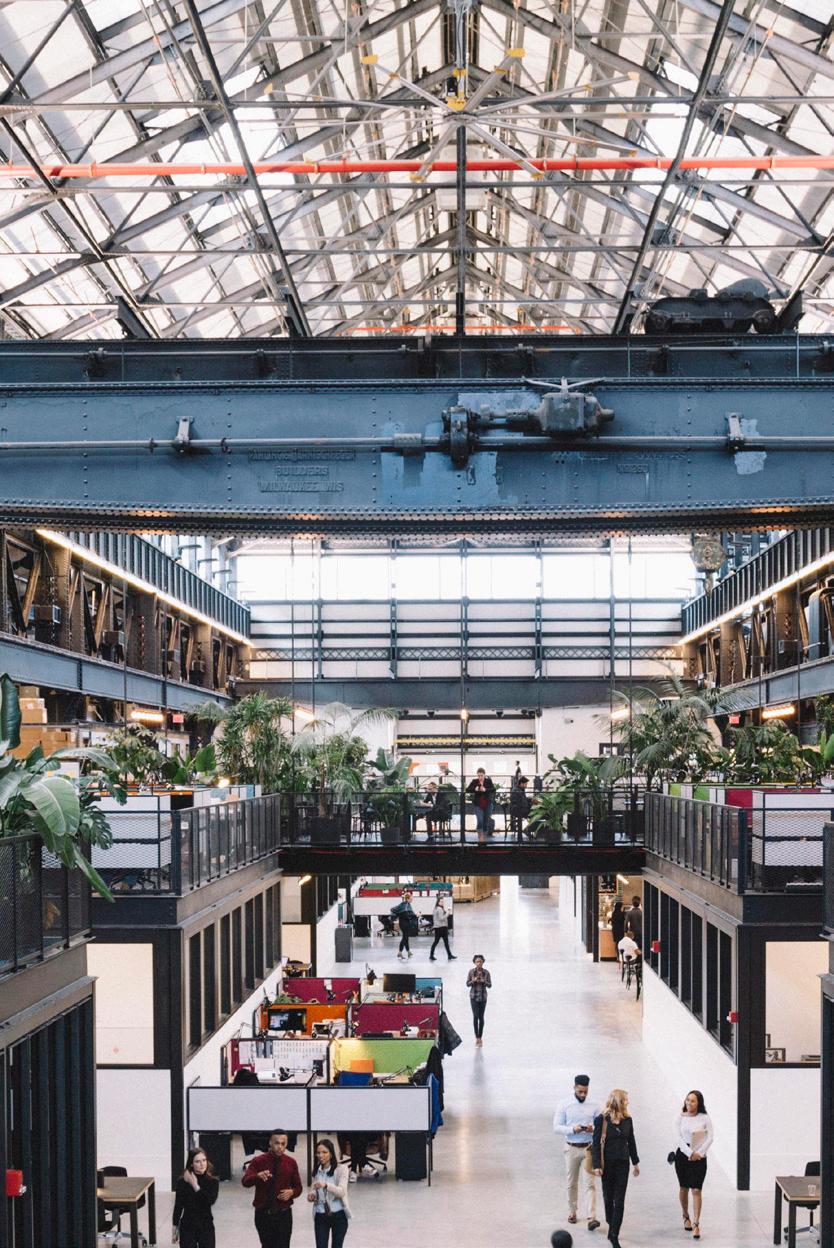
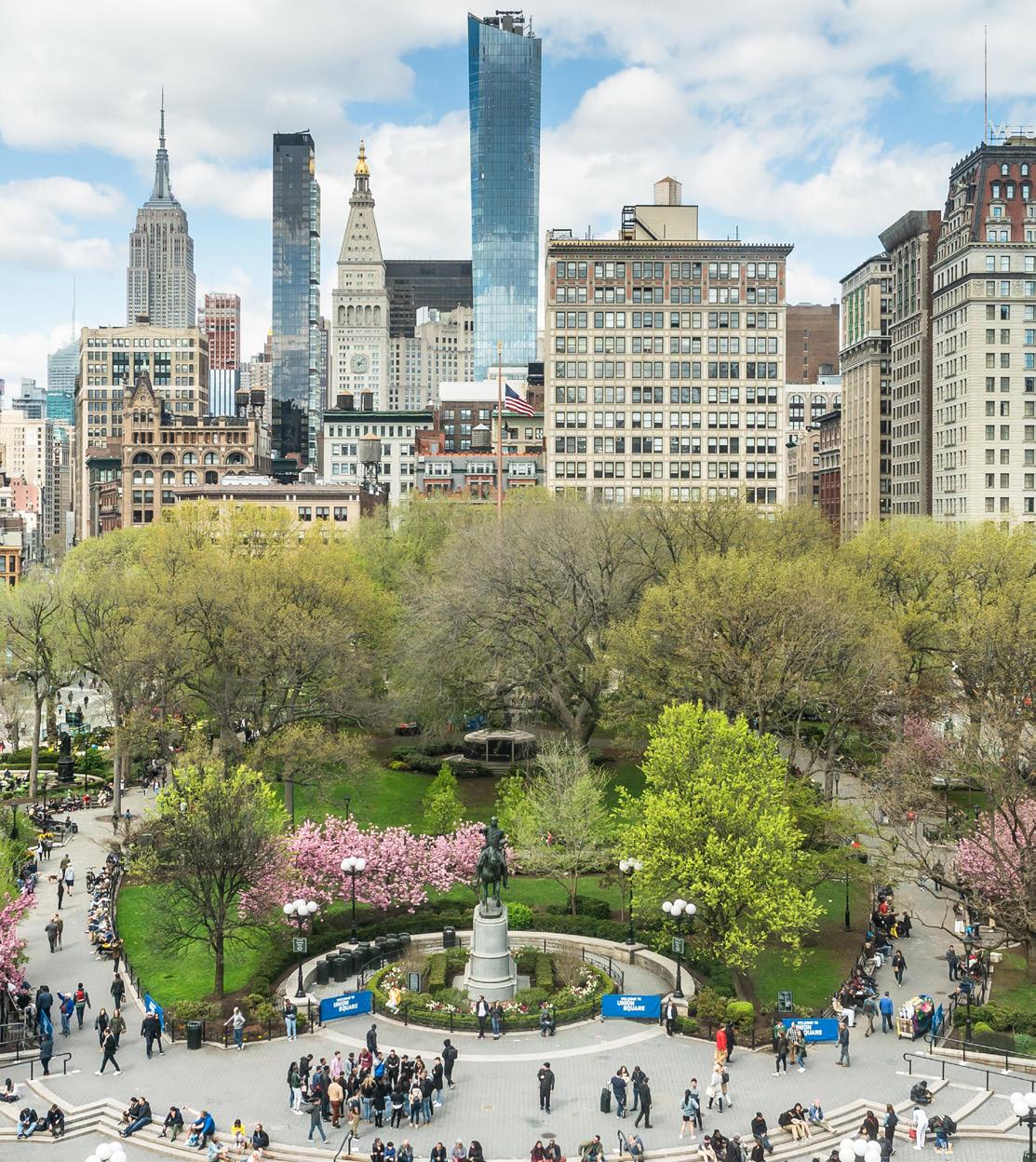
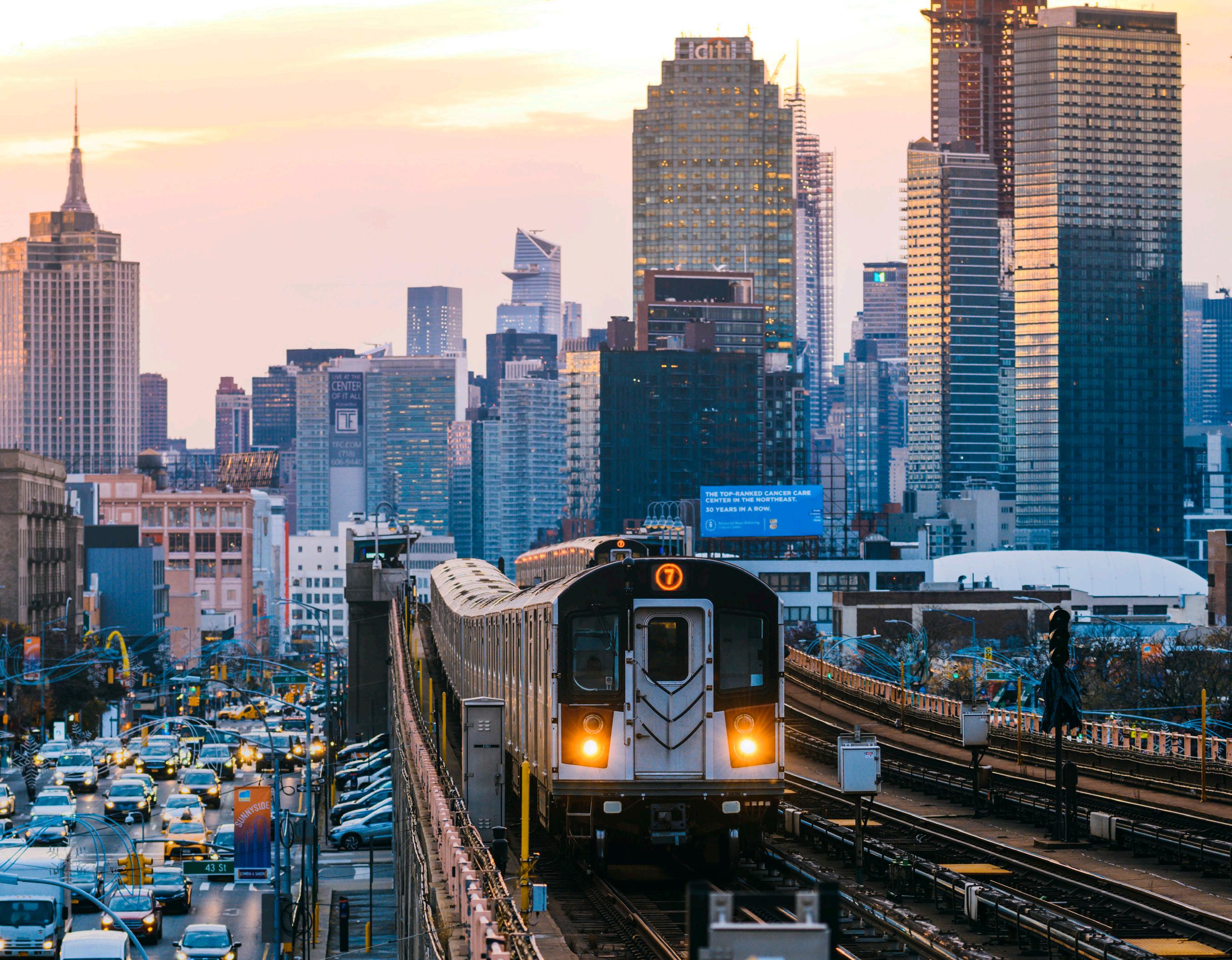
New York City is one of the world’s most attractive destinations for investment. As global capital continues to flow into our city, we are also navigating a period of rapid and profound transformation—economically, socially, and physically. By partnering with investors like you, we have an opportunity to share insights into that evolution, connect with key decisionmakers, and showcase how we are unlocking investment opportunities that will shape a strong, innovative, and prosperous future for New York City.
The diversity of our economy fuels our resilience. We are known as the center of global finance, real estate, media, and entertainment—home to Wall Street, Broadway, and more. And today, our economy is increasingly driven by innovation. We are the second-largest tech hub in the world after Silicon Valley, home to 25,000 startups and global giants like Microsoft, Amazon, Apple, and Meta. Our life sciences sector now ranks third in the nation for venture funding, a significant leap from ninth a decade ago. And within the green economy, we are seeing major investments from renewables developers, as well as significant growth in battery storage and building energy retrofits.
All of this contributes to a $1.28T economy. We have 4M+ private sector jobs, an all-time high for New York City. Pedestrian foot traffic in our business districts is higher today than before the pandemic. We are the nation’s top destination for young talent, where 500,000 university
students are mixing with an equal number of recent graduates who have settled in NYC.
This didn’t happen overnight. New York City’s economic strength today is the result of smart, disciplined management over decades. Since its creation 30 years ago, New York City Economic Development Corporation (NYCEDC) has planned and executed long-term strategies that have kept the city at the front of the global competition for people, businesses, and capital. To make New York City an even stronger investment, the Mamdani Administration is doubling down on affordability, housing, and childcare—all critical to attracting and retaining a premier workforce that sets us apart.
We are not a city that rests on its laurels. We are investing in our airports, building coastal resiliency, and modernizing port infrastructure. We are updating our regulations around housing, autonomous vehicles, and building codes to improve processes and conform with modern economic realities; and we are creating incentives that spark private investment.
This combination of sound management, economic diversity, talent density, and infrastructure makes New York City the premier investment destination in the world. That’s why global institutions like JPMorgan Chase and Bridgewater Associates, yogurt company Chobani, American Express, and so many others are expanding or landing here.
We look forward to deepening our partnership with you as we shape the next chapter of New York City.
New York is the most populous city in the United States. Consisting of five boroughs and located on one of the world’s largest natural harbors, it’s a global center of finance and commerce; culture; technology; entertainment and media; academics and research; life sciences and healthcare; the arts and fashion; and, as home to the headquarters of the United Nations, international diplomacy.
Staten Island 498K residents, similar population as Miami, FL
The “greenest borough,” Staten Island boasts 12,000+ acres of parkland and direct shoreline access. With $400M invested via NYCEDC’s North Shore Action Plan, its waterfront is steadily revitalizing. Strategically located near the Port of Newark and connected to New Jersey by three bridges, it offers some of NYC’s largest developable sites (50–300 acres), positioning it as a rising logistics hub and residential enclave.
Brooklyn 2.62M residents, similar population as Chicago, IL
Over the past decade, total employment has grown by 22 percent—adding 254,000 jobs. With companies like Etsy and Revel, the borough has cultivated a burgeoning tech sector. Brooklyn also leads NYC in housing units in the pipeline, with over 42,000 units—43 percent of the citywide total.
Queens 2.32M residents, similar population as Houston, TX
As the most diverse county in the U.S., Queens is a global gateway. Home to JetBlue and NYC’s two major airports—JFK and LaGuardia— currently undergoing a $23.7B transformation. Through public-private investment, Willets Point is receiving $3B for infrastructure, public space, and housing, including Etihad Park—NYC’s first professional soccer stadium—located within a sports complex that also features Citi Field and the Billie Jean King National Tennis Center.
Bronx 1.38M residents, similar population as Dallas, TX Home to Yankee Stadium and the birthplace of hip-hop, the Bronx also hosts the largest cold chain logistics center in the US, currently undergoing a $2B redevelopment led by NYCEDC. Four new Metro-North rails stops and associated zoning changes are unlocking major new residential and commercial investments.
Manhattan 1.66M residents, similar population as Philadelphia, PA Manhattan is more than Wall Street and Broadway: it is now a hub for cutting-edge industries, like tech and life sciences, with a workday population of 3.8M people. Businesses across sectors are taking notice: 2025 was the busiest year for office leasing since 2019. To meet increased housing demand, the Midtown South rezoning will enable 10,000 new units, part of a broader plan to add 100,000 across the borough.
New York City’s economic strength is no accident—it is the result of deliberate, ongoing stewardship by the City and New York City Economic Development Corporation. We regularly engage with leaders across industries, academia, finance, nonprofits, and government to shape the regulations and investments that guide the city’s economic growth—for today and for the future. The following sections highlight some of the policies, infrastructure, programs, and incentives that are driving investment and unlocking opportunity across all five boroughs:
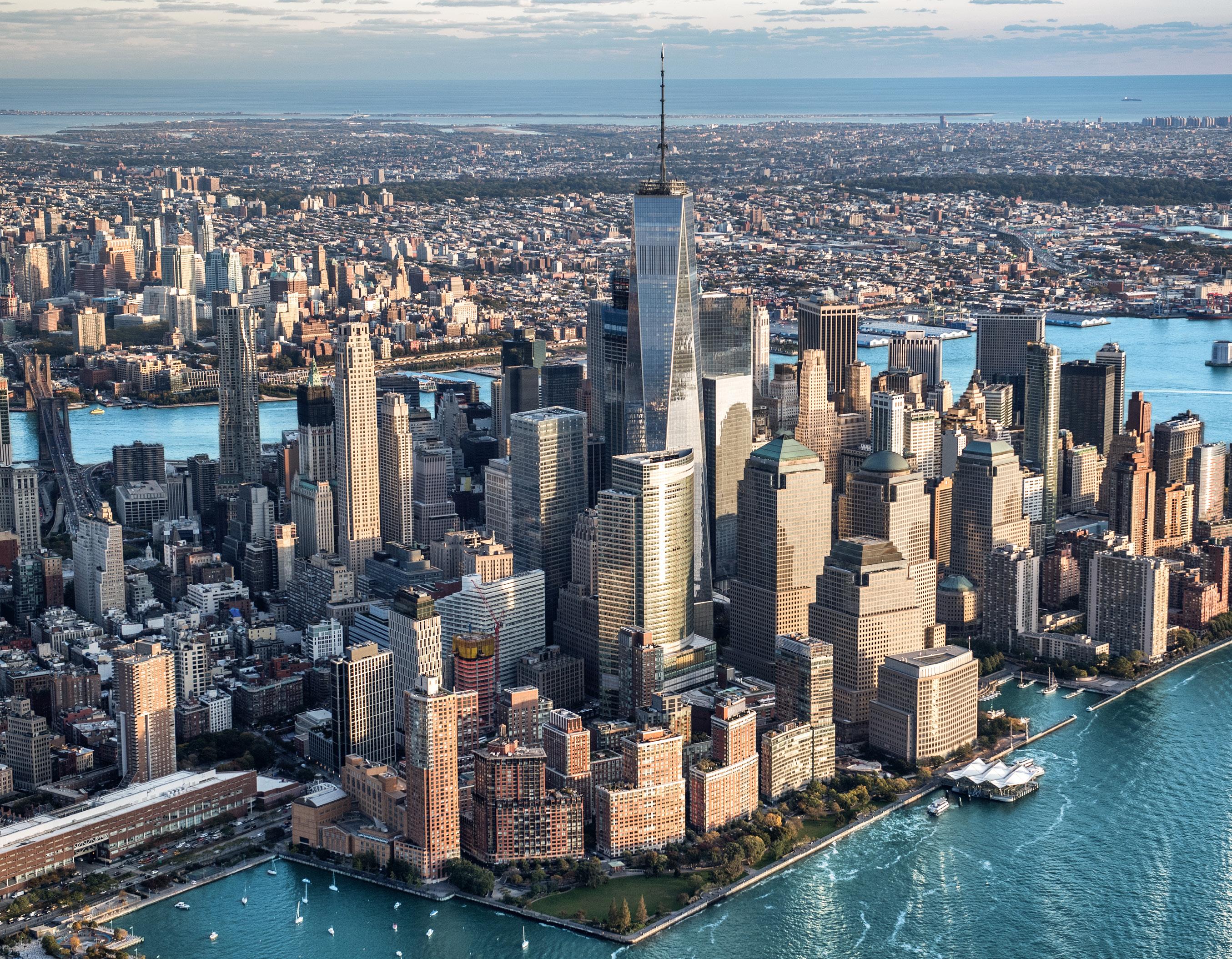
New York City is advancing transformative projects to reshape key corridors and waterfronts; enhance climate resilience; and expand public space for residents, workers, and visitors. These investments will improve quality of life while representing billions in public and private commitment to a more accessible, resilient, and people-centered city.
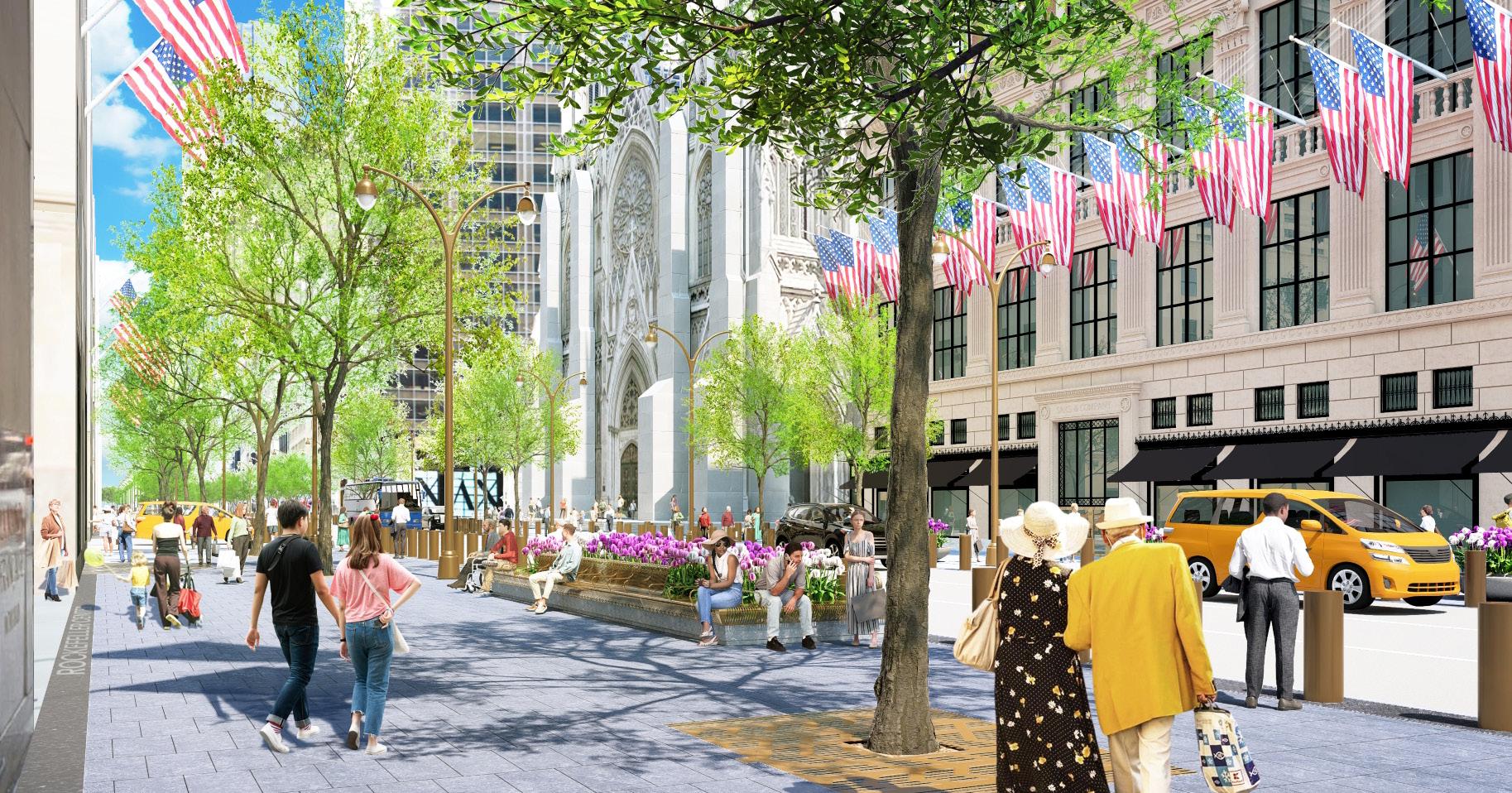
Approved—NYC is investing $400M to transform Fifth Avenue between Bryant Park and Central Park into a world-class, pedestrian-centered boulevard. The plan will expand public space and produce wider, greener sidewalks.
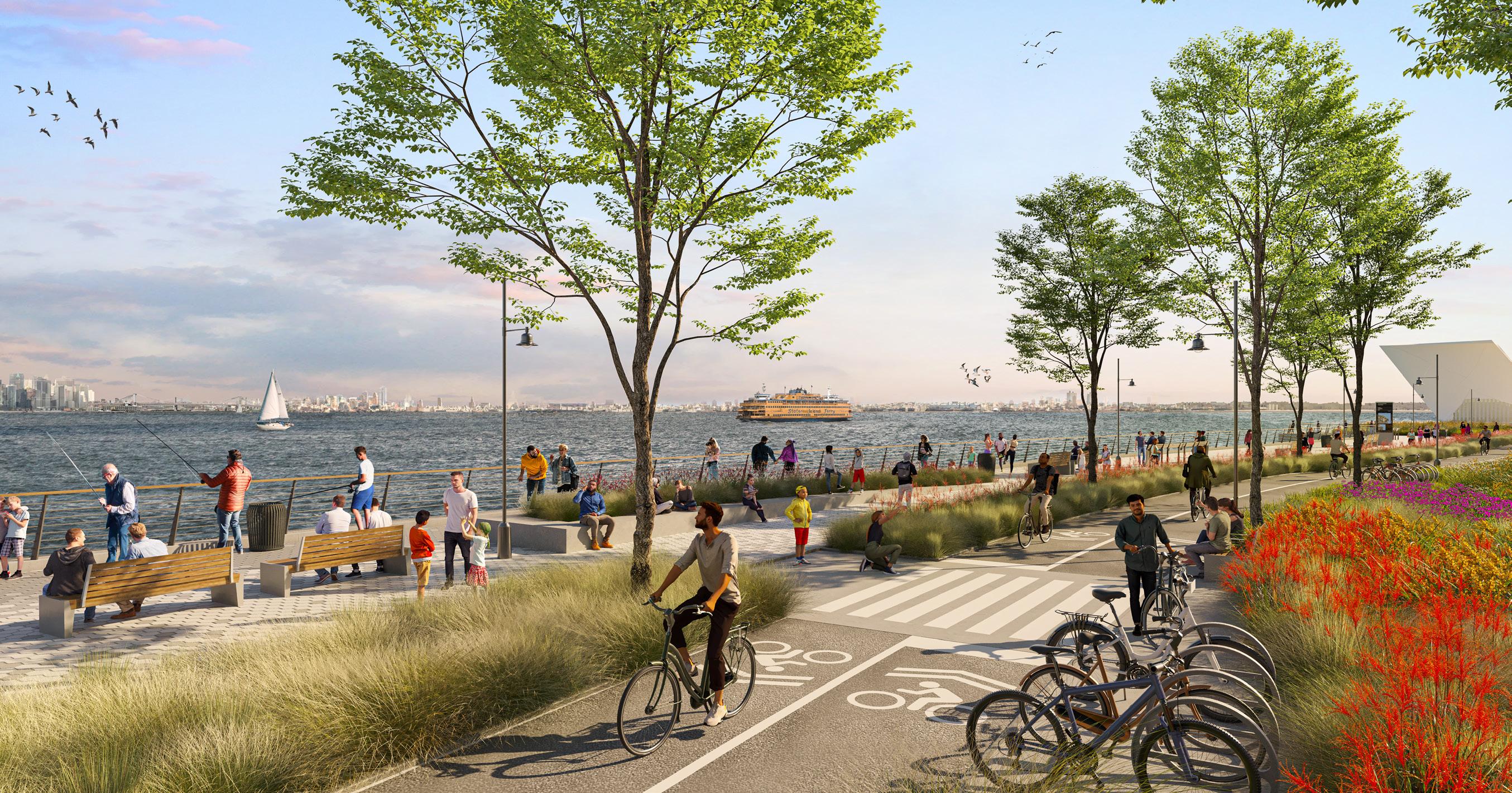
Approved—The $400M plan will deliver a 20-acre waterfront esplanade and public amenities; 1.3M square feet of commercial space; over 2,100 mixed-income homes; and a 600-seat school, anchored by the 35-acre New Stapleton Waterfront development.
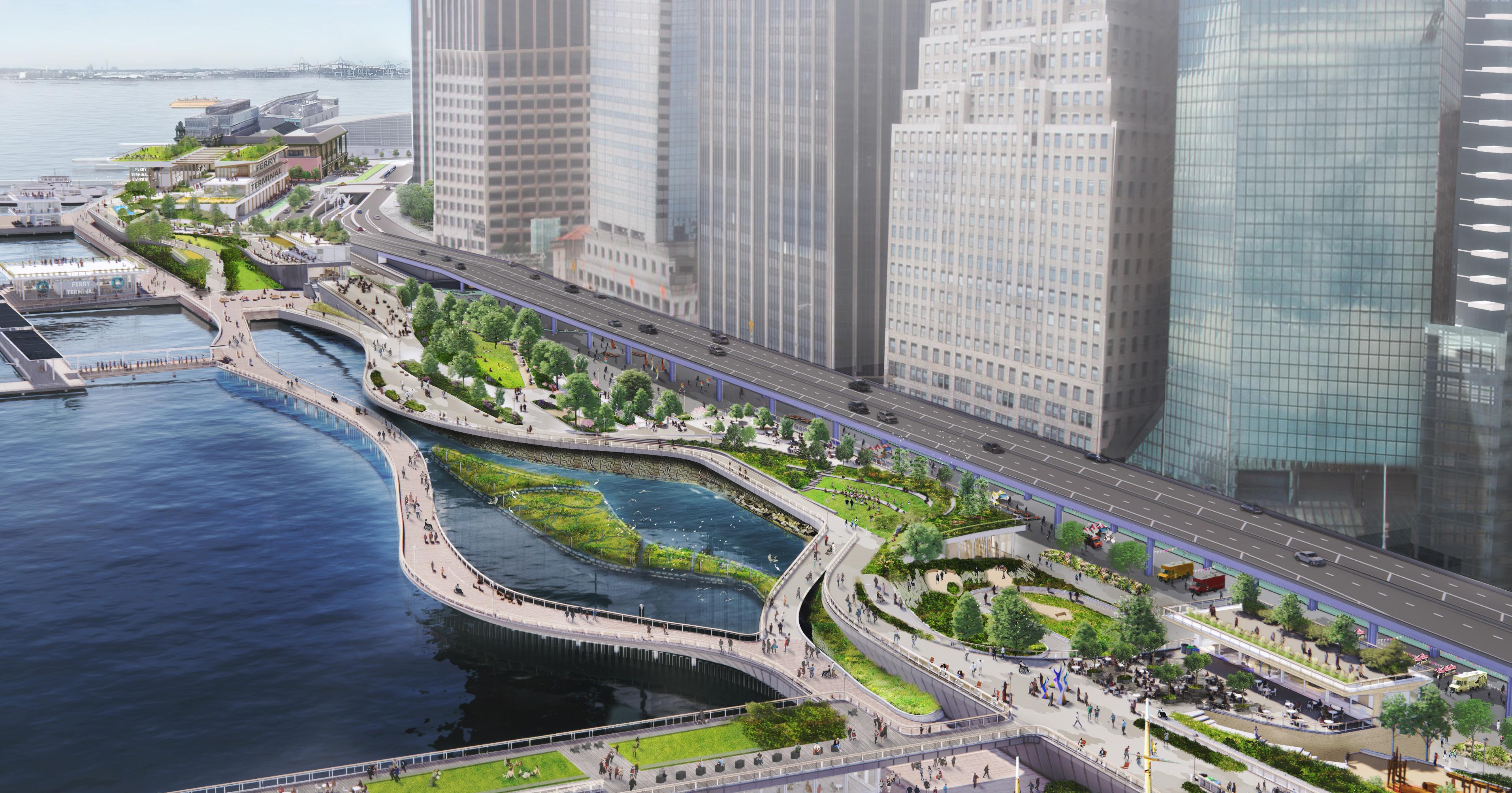
Ensuring Climate Change Resiliency, for this Generation and the Next
Planned—The ~$7B Financial District & Seaport Climate Resilience Master Plan will extend the East River shoreline with a multilevel resilient waterfront to protect against storms and sea-level rise. Backed by $1.7B in City investment and $110M for Seaport Coastal Resilience, it will complete Lower Manhattan’s flood-defense network.
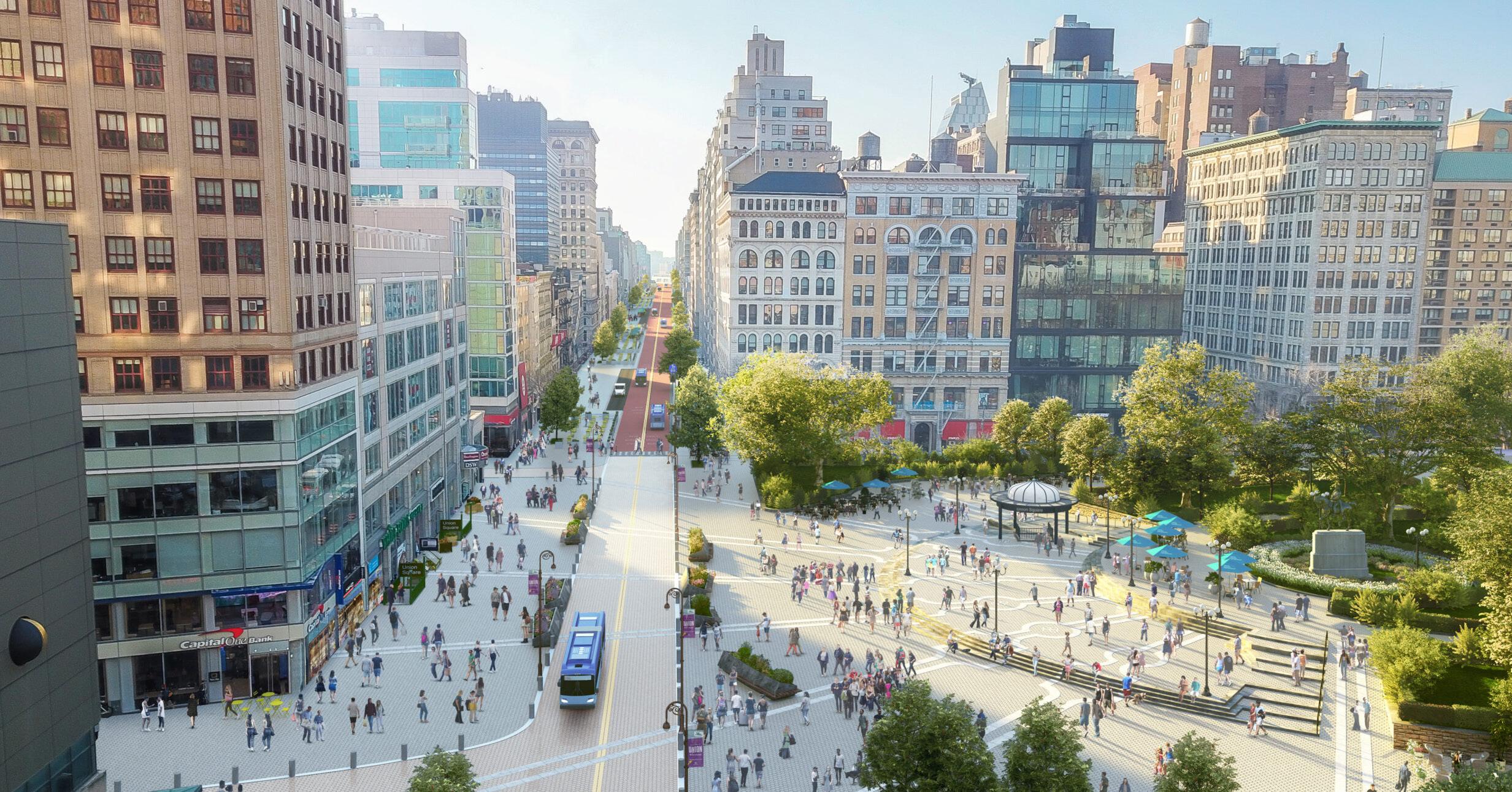
14th Street, Manhattan
Planned—The 14th Street vision will create a world-class, people-first boulevard with wider sidewalks, greenery, safer streets, and vibrant public spaces, linking Union Square to the Meatpacking District while prioritizing pedestrians, cyclists, and transit to boost local business and community life.
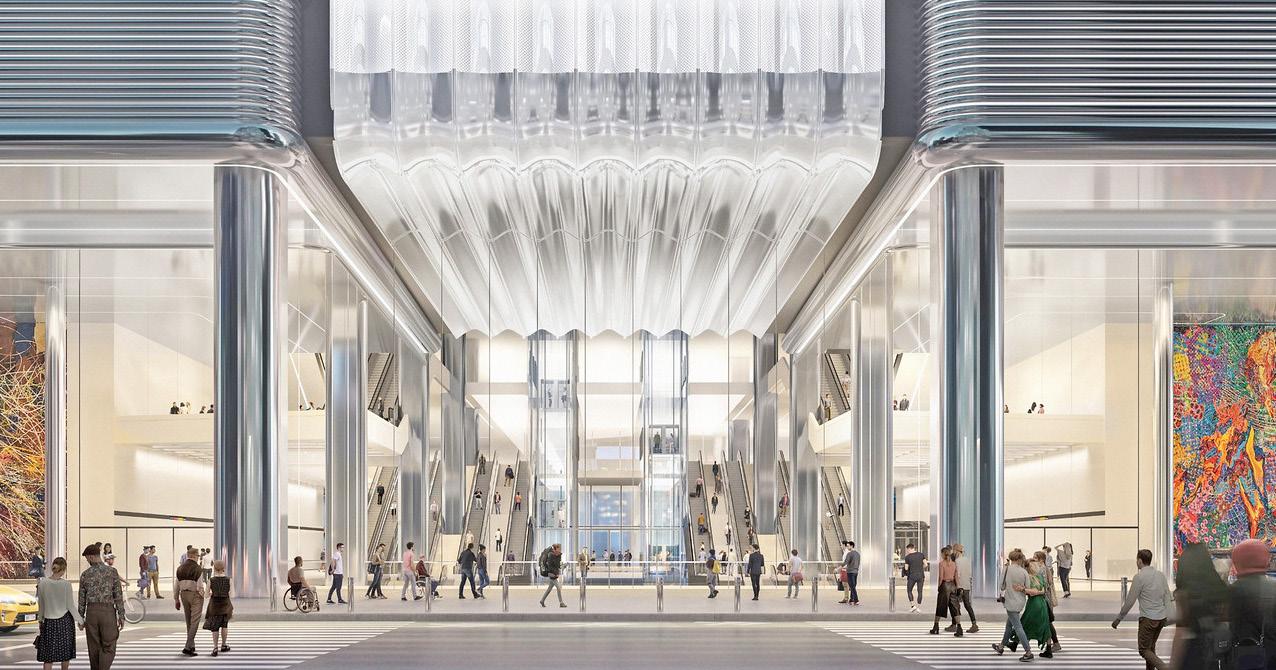
Port Authority
Midtown Bus Terminal, Manhattan
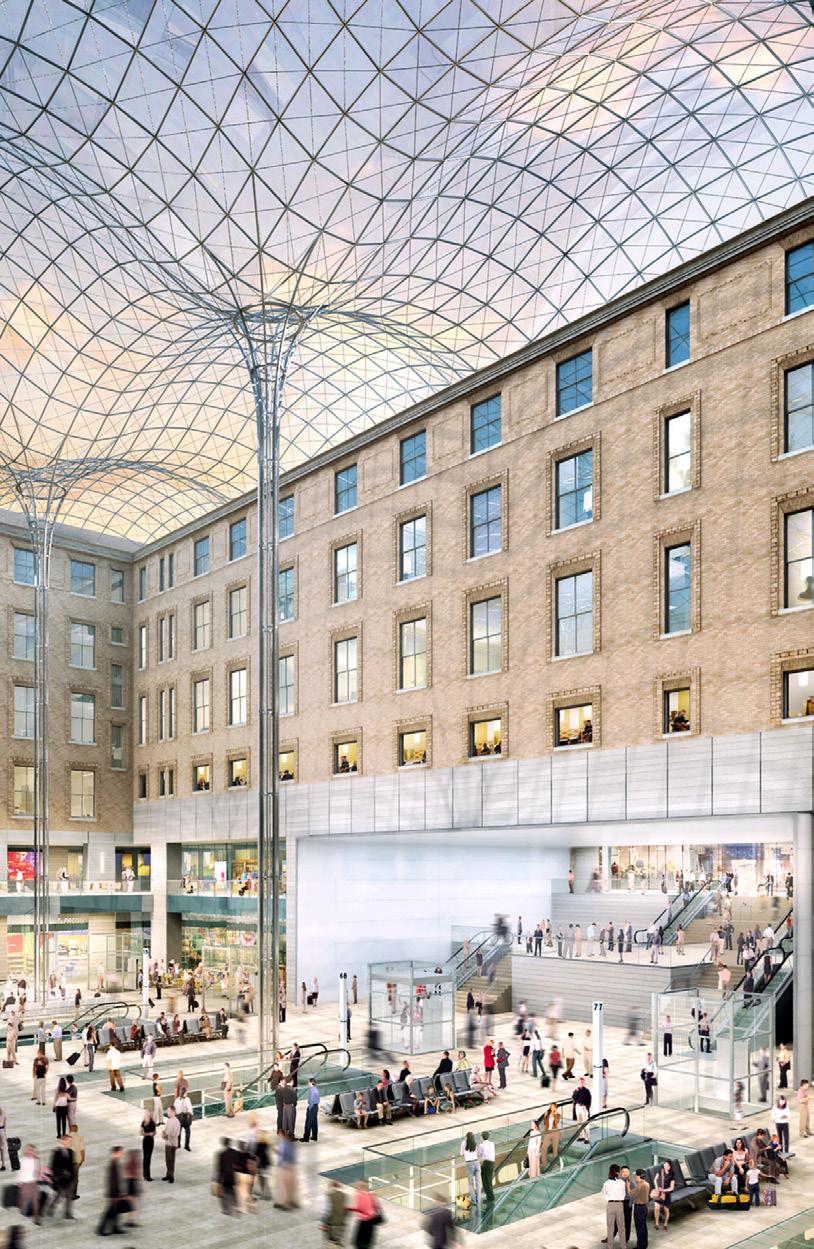
Approved—A $10B redevelopment will replace the 75-year-old Midtown Bus Terminal—the world’s busiest—with a modern 2.1M-square-foot facility. The new terminal will feature a central entrance, 160 passenger gates, street-level retail, a soaring multi-story atrium, and three acres of new public open space.
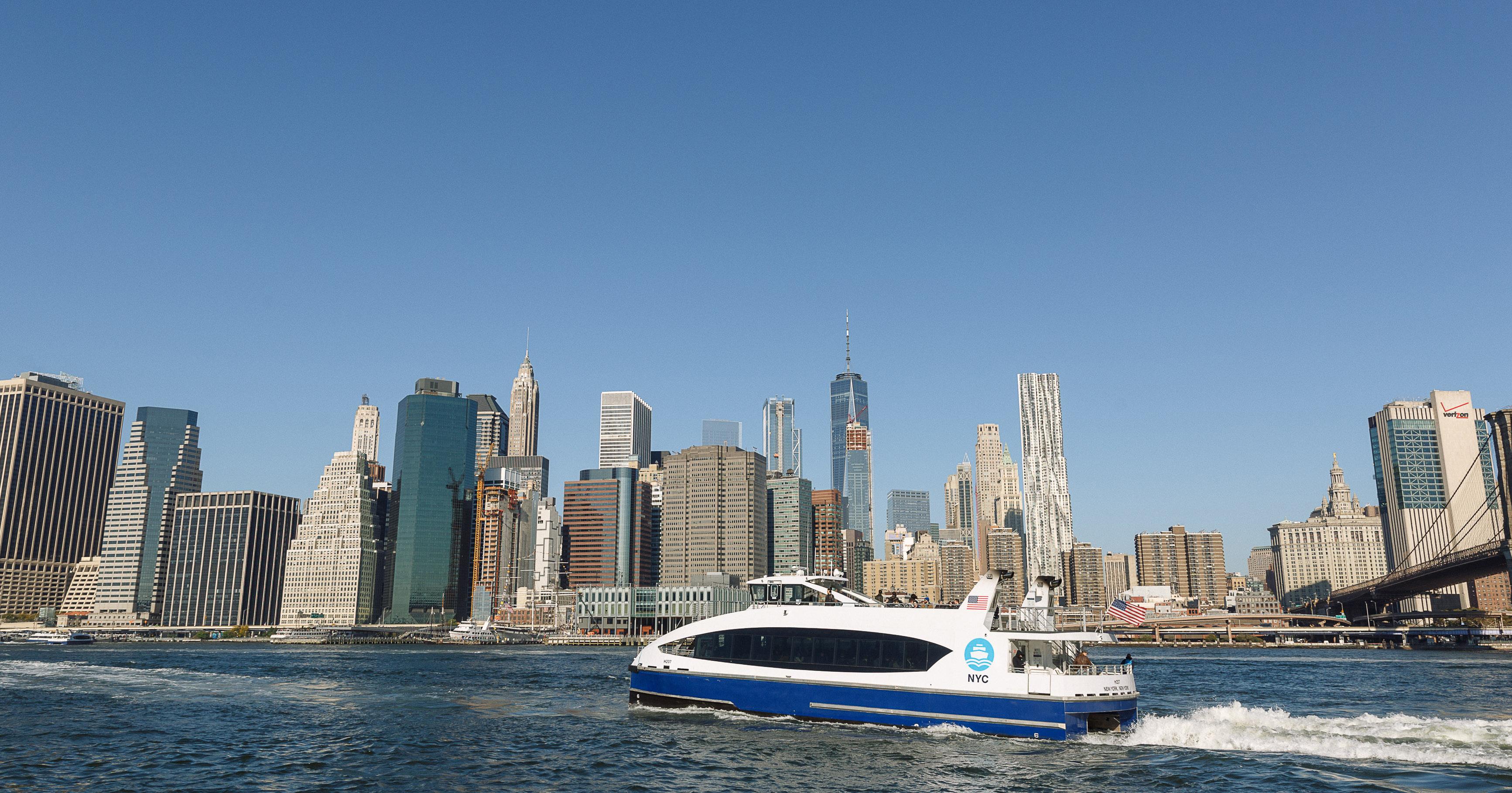
Operated by NYCEDC, the NYC Ferry offers affordable, convenient transit across all five boroughs, connecting 25 landings over 70 nautical miles to jobs, recreation, and growing neighborhoods. The landings have catalyzed additional development in their surrounding area and has strengthened the city’s transportation network.
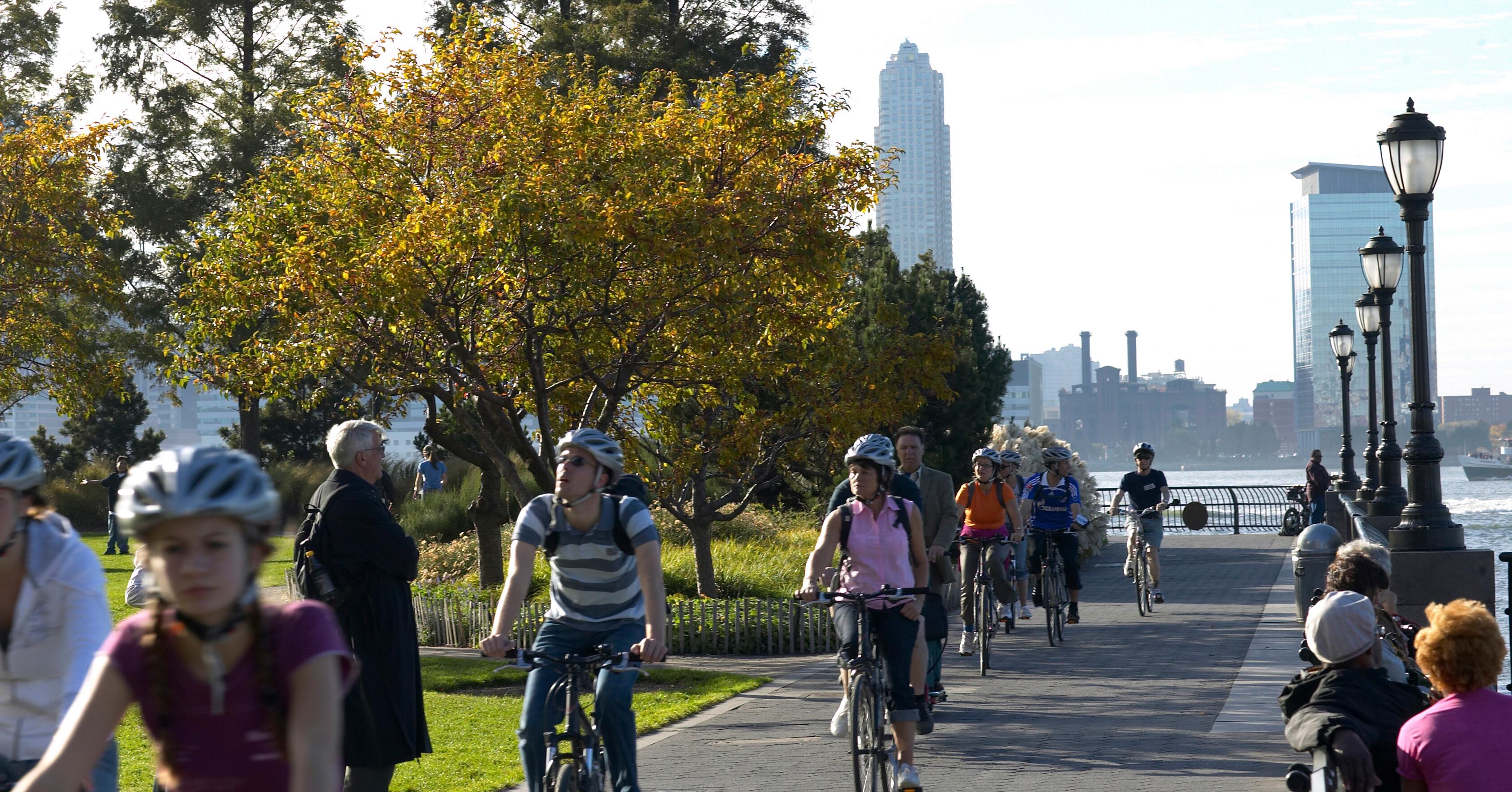
Greenways are continuous, multi-use corridors designed for humanpowered and electric-assisted transportation and recreation. They connect NYC’s many parks, open spaces, job centers, commercial centers, and key destinations. There are currently 500+ miles of greenway in NYC, and the City is planning for the addition of 40 new miles to better connect all five boroughs.
New York City has undertaken a sweeping modernization of outdated zoning laws to foster more inclusive, sustainable, and economically dynamic neighborhoods across all five boroughs. As part of the City’s goal to create 500,000 new homes over the next decade, these reforms will unlock private land opportunities that deliver vibrant, mixed-use communities—bringing together housing, jobs, and amenities in areas positioned for long-term growth.
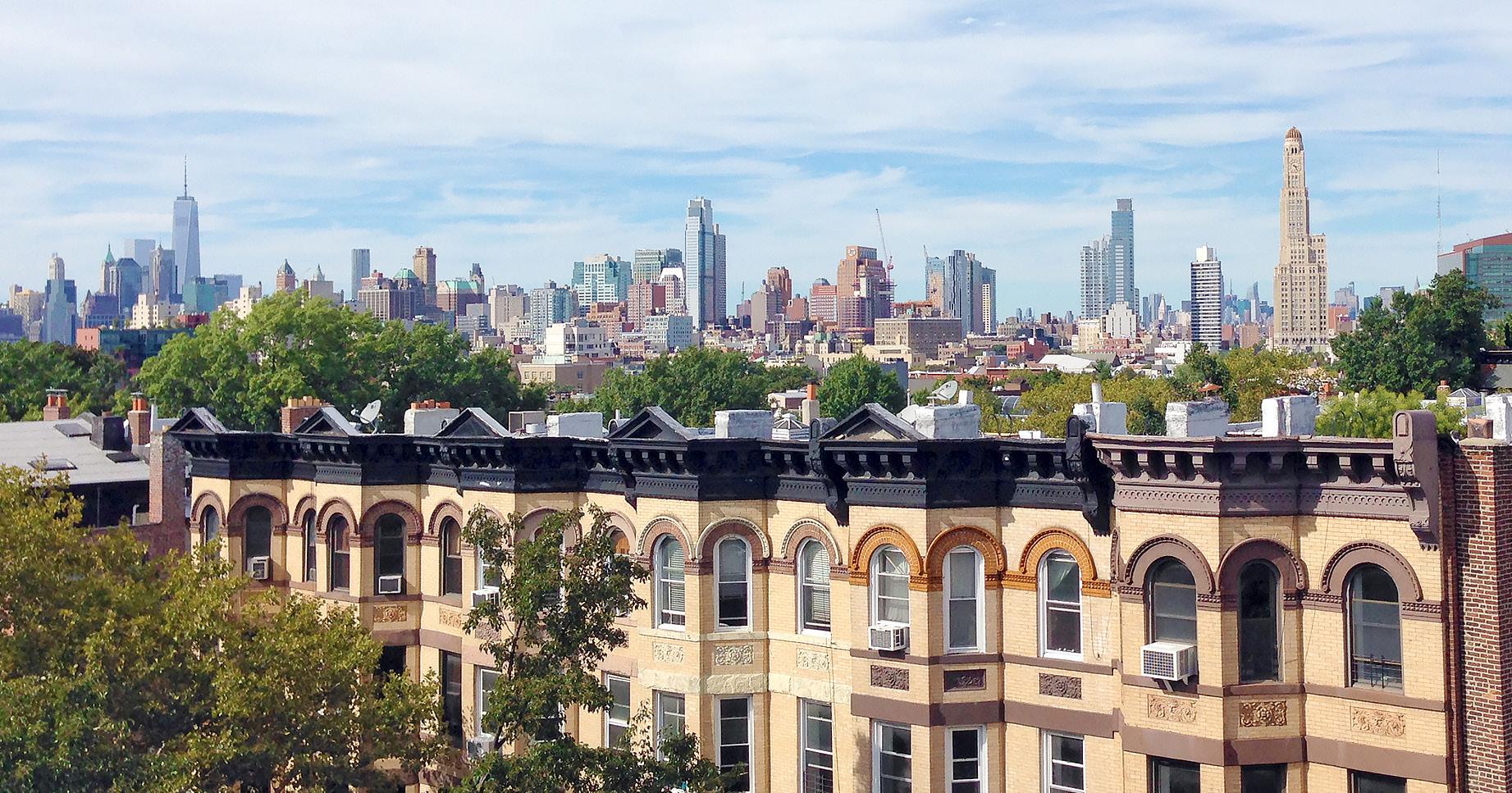
Approved December 2024—Citywide zoning reform that unlocks approximately 82,000 new homes across all five boroughs. Enables office to housing conversions, supports small homeowner additions, and increases housing capacity in high-demand areas to reduce cost. Part of a broader zoning modernization effort to advance affordability, carbon neutrality, and economic growth.
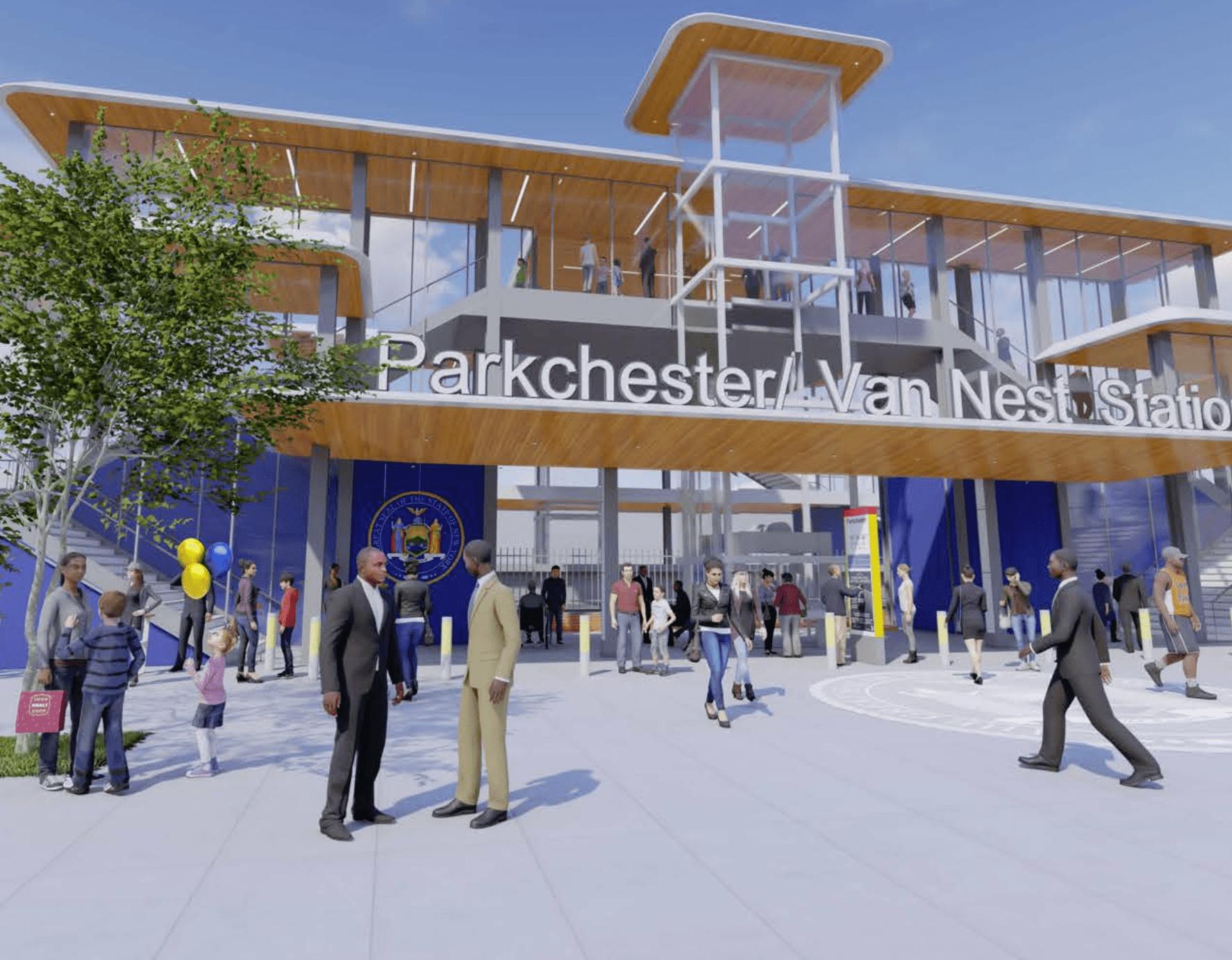
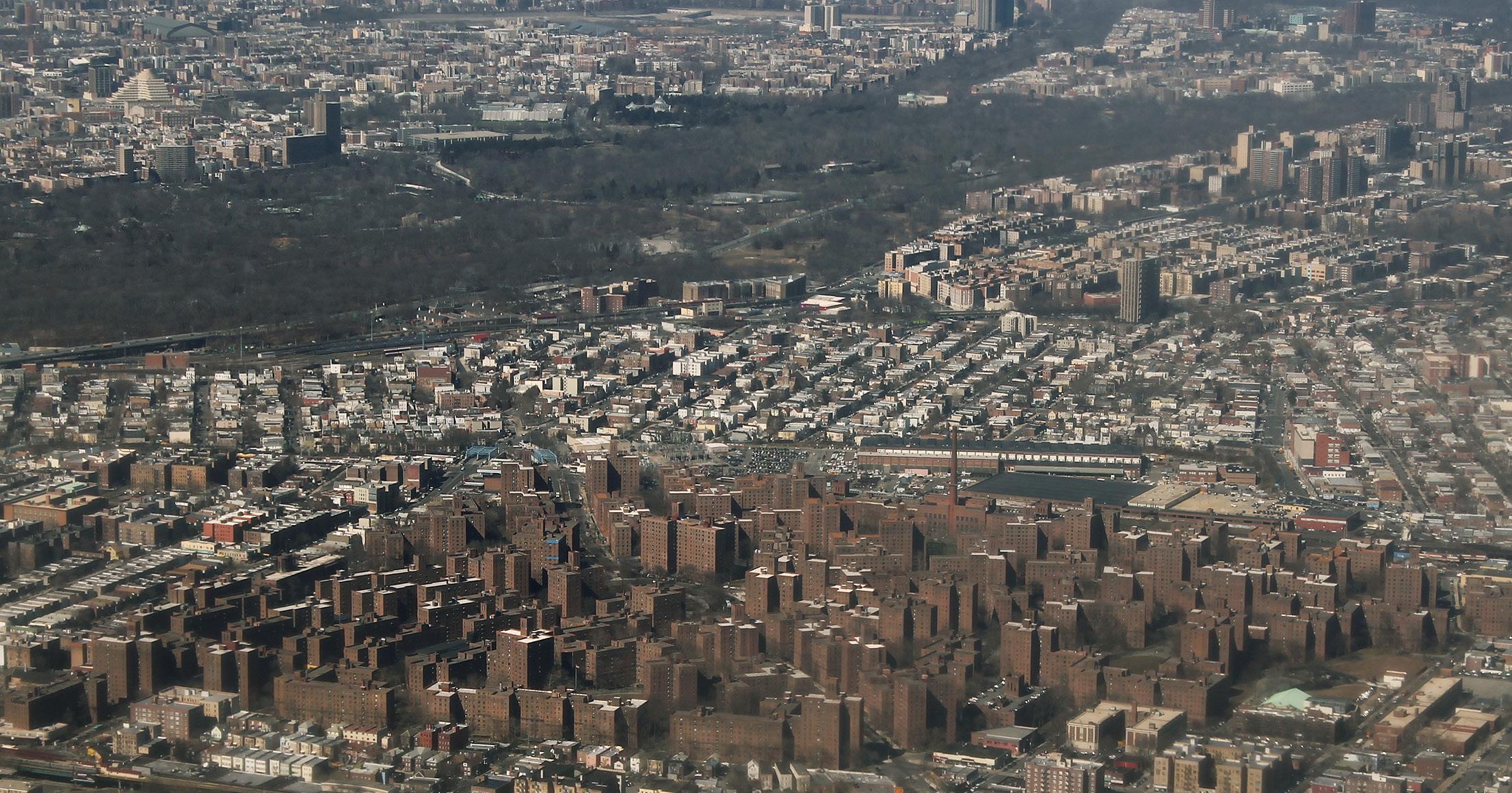
Approved August 2024—Enables transit-oriented development around four new Metro-North train stations, unlocking 7,000 housing units through neighborhood rezoning, paired with nearly $500M in local infrastructure investments.
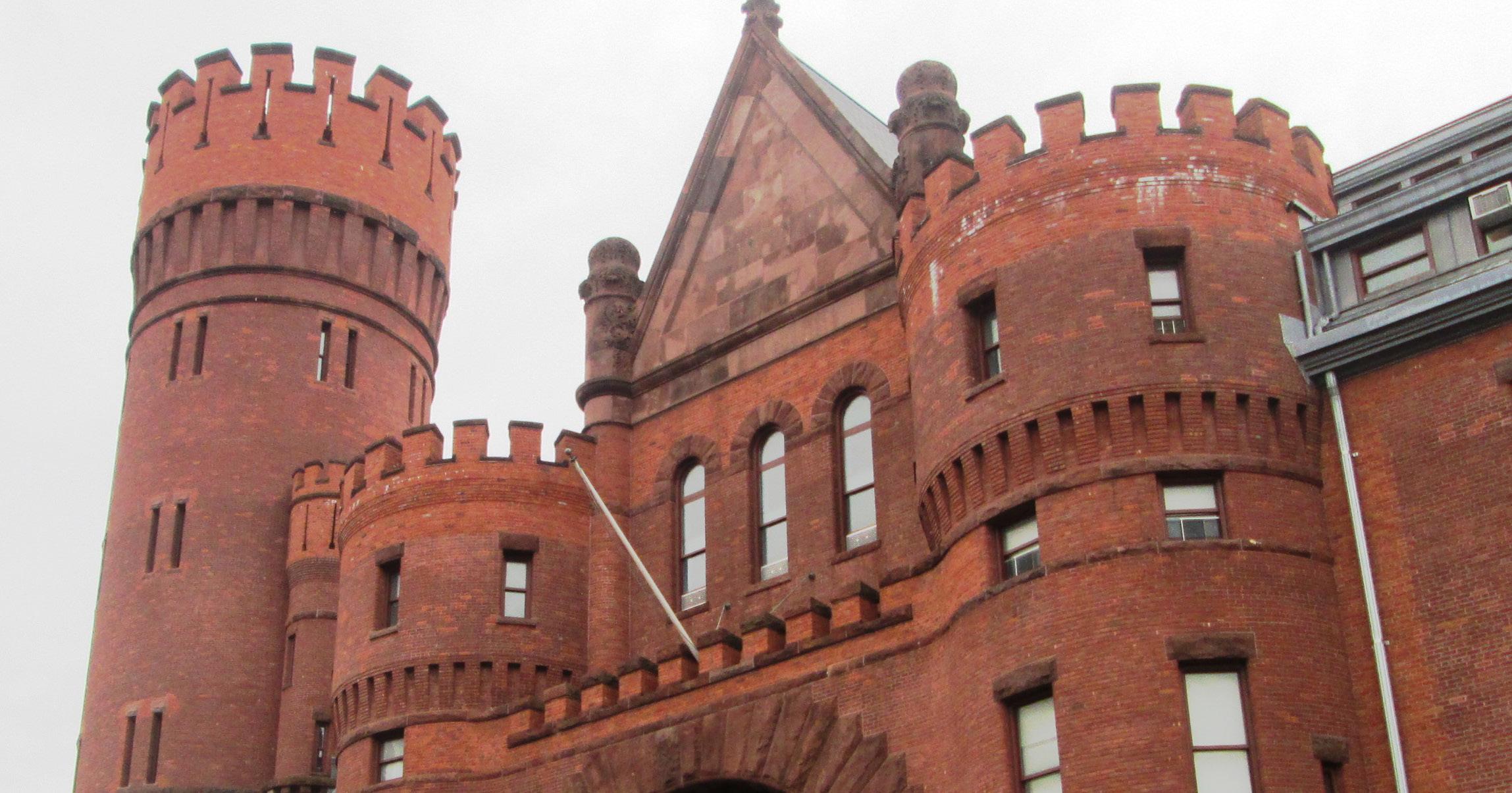
Avenue, Brooklyn
Affordable Homes for a Growing Central Brooklyn
Approved May 2025—The Atlantic Avenue Mixed-Use Plan rezones a key Central Brooklyn corridor to deliver up to 4,600 apartments, including 1,900 permanently affordable units, alongside $235M in community and infrastructure investments.
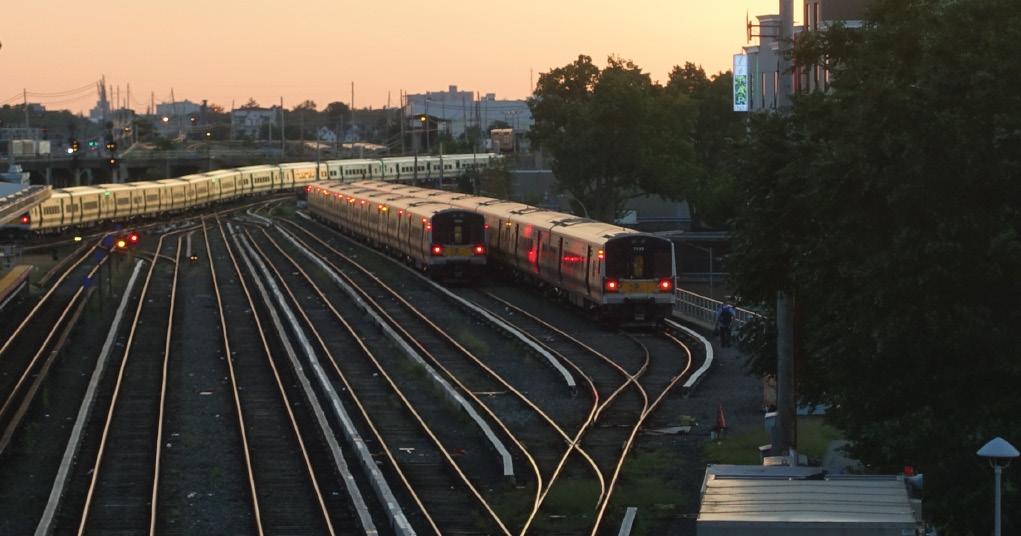
Approved August 2025—Neighborhood rezoning across 230 blocks to create over 12,000 new homes and facilitate public investments of $300M in infrastructure, alongside expanded community spaces and transit connections.
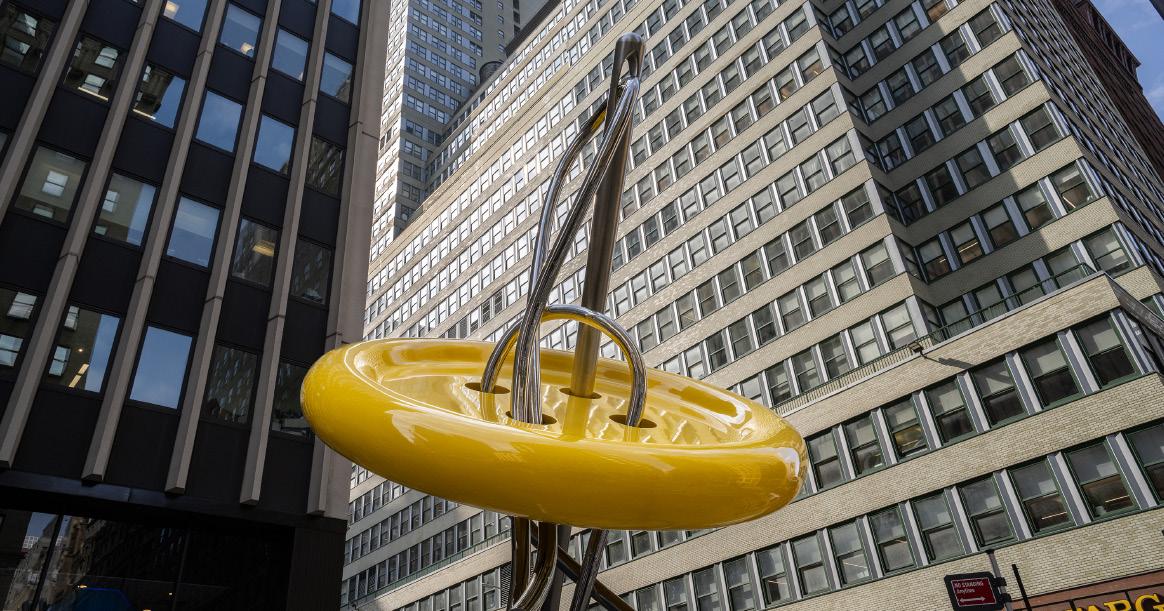
Midtown South, Manhattan
Approved August 2025—Mixed-use plan, delivering nearly 10,000 new homes alongside over $488M in investments for Garment District industries and neighborhood benefits.
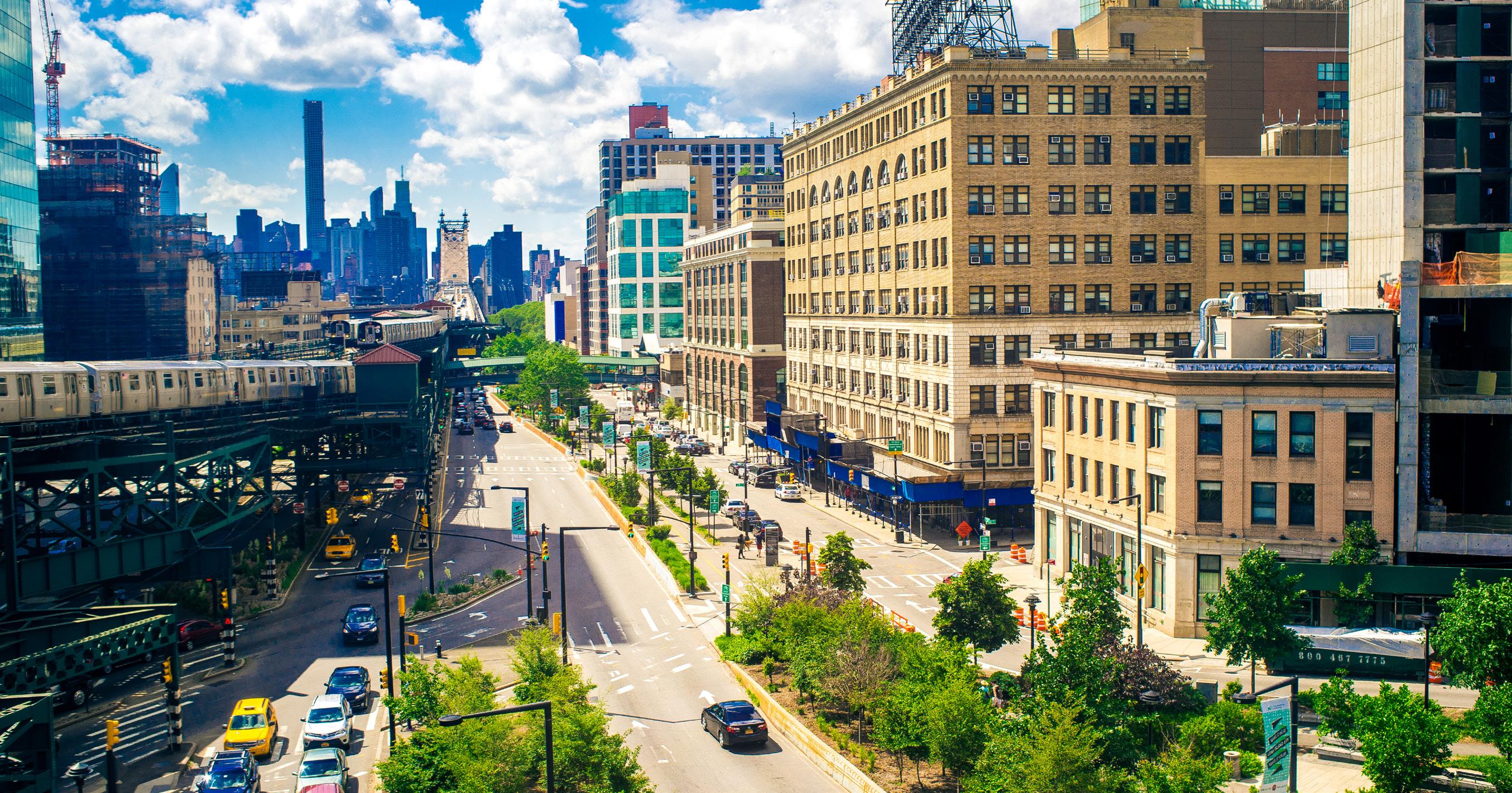
Delivering New Homes for a Fast-Growing Community and Commercial Center
Approved November 2025—Unlocks 14,700 housing units across 54 blocks, more than 3M square feet of new commercial space, and deliver improvements to waterfront access and the public realm.
As a real estate developer, asset manager, and policymaker with 230 properties totaling 66M square feet, NYCEDC is advancing public-private real estate development projects on our assets to transform them into vibrant, mixed-use neighborhoods—delivering new homes, jobs, and community amenities at scale.
Here are some examples of how New York City is leveraging public real estate opportunities to drive housing, economic, and neighborhood growth:
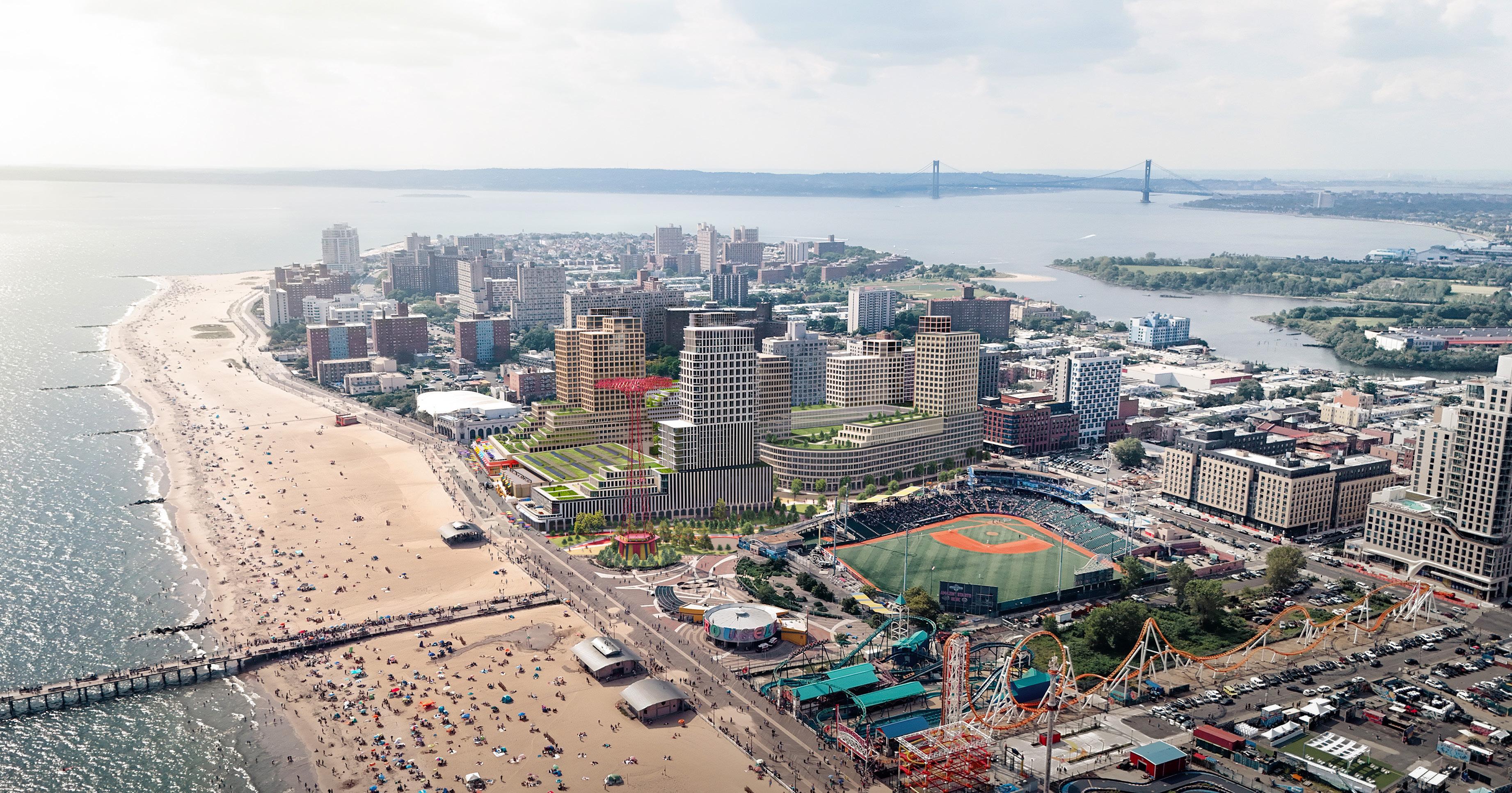
Since the 2009 rezoning, over $750M in public investment has transformed Coney Island, delivering 3,400+ new homes, upgraded infrastructure, and a revitalized amusement district. The next phase of the project will see the development of 1,500 new homes and reconstruction of the historic Riegelmann Boardwalk.
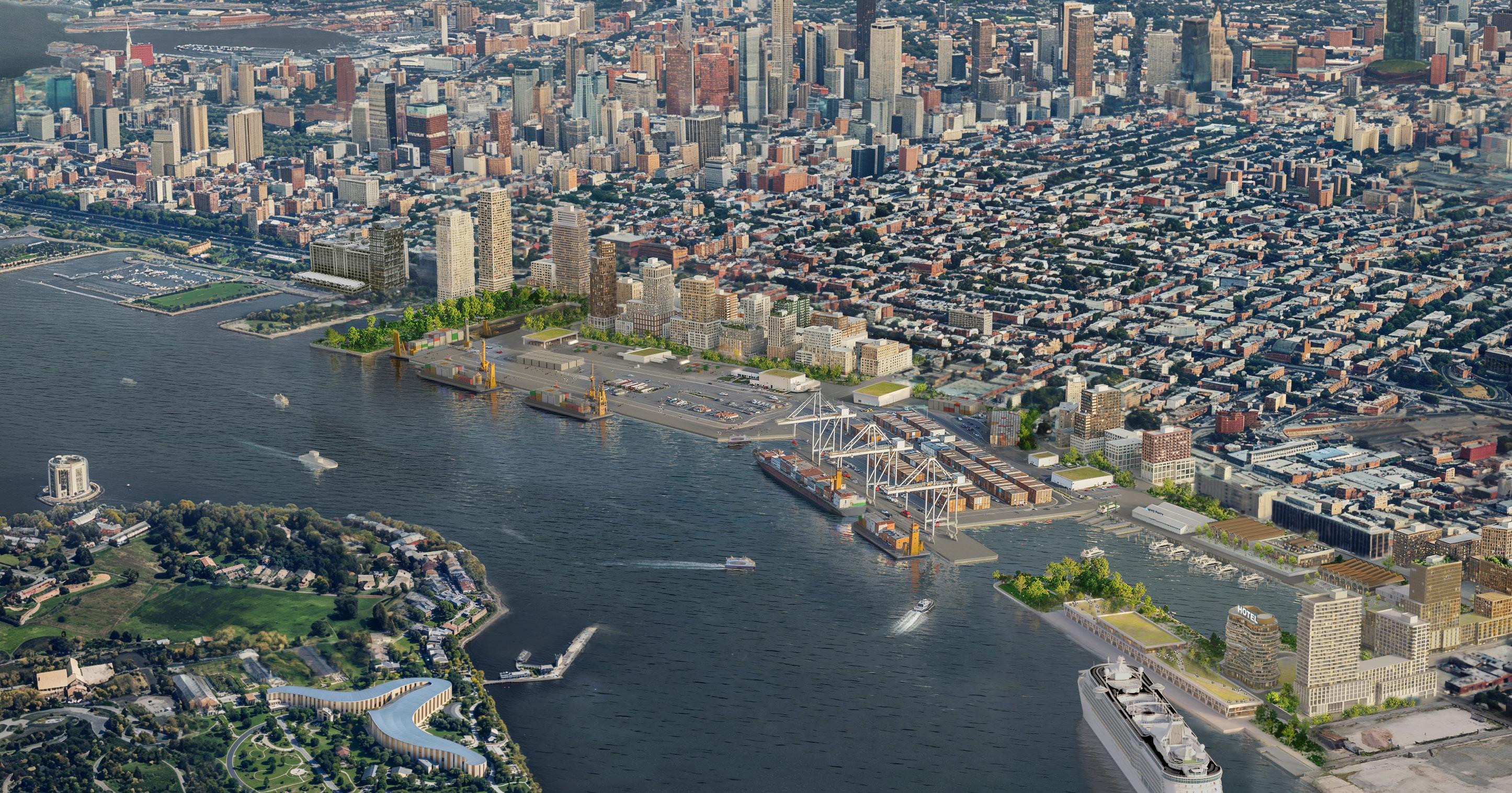
This project will transform the 122-acre Brooklyn Marine Terminal in Red Hook into a modern maritime port and mixed-use waterfront district. The vision plan for the site includes modern maritime infrastructure; the delivery of jobs, light-industrial and commercial space, and 6,000 new units of residential housing; infrastructure improvements; new public open space; and waterfront access and resiliency measures that protect against climate change and sea-level rise.
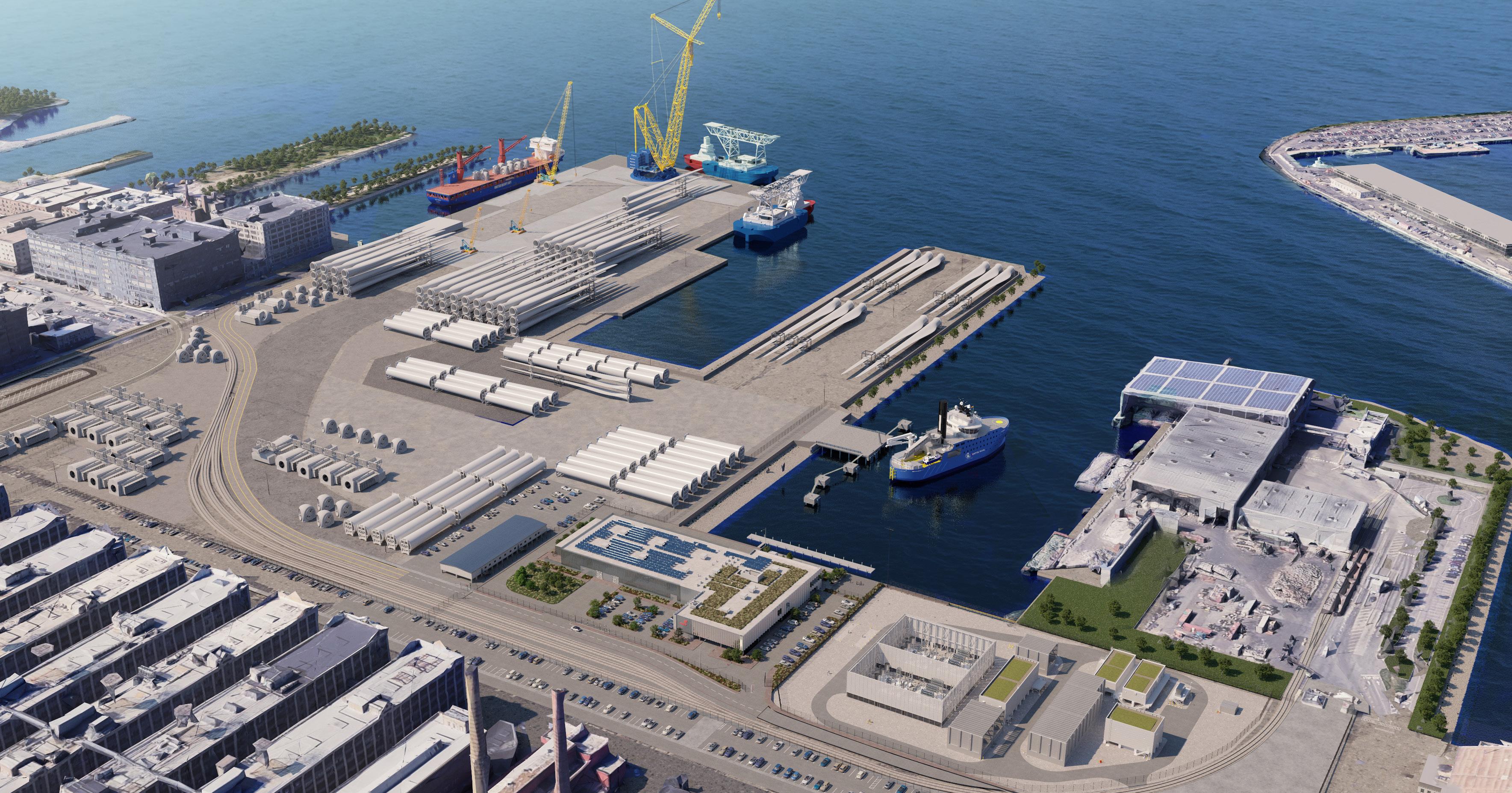
With a $1B+ investment from Equnior, the 73-acre South Brooklyn Marine Terminal is being transformed into the nation’s largest dedicated offshore wind port, supporting the 810 MW Empire Wind 1 project to power 500,000 homes.
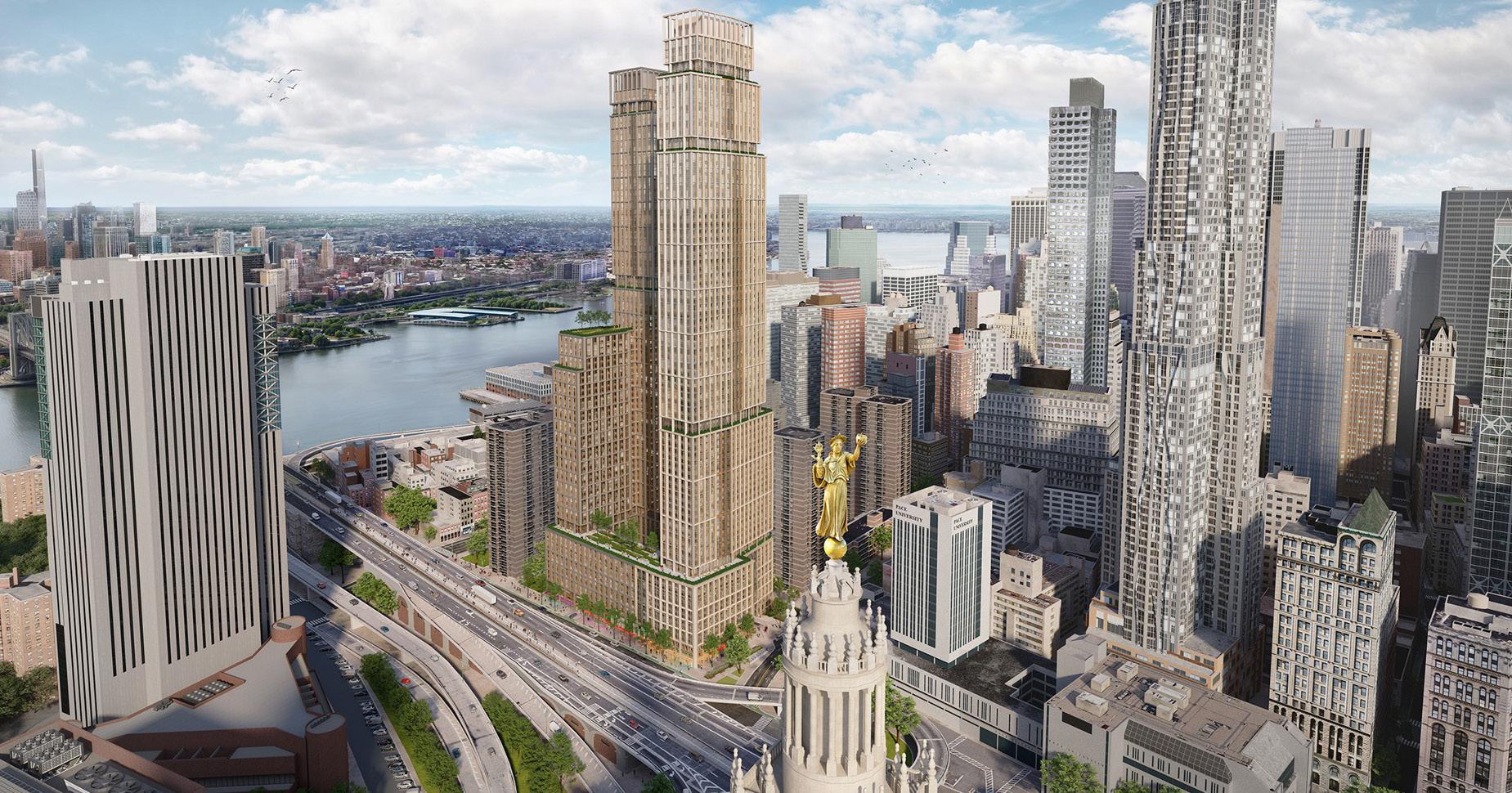
An underutilized City-owned building will be transformed into a dynamic mixed-use development delivering 1,000+ mixed-income homes; modern City agency offices; and a new, state-of-the-art older adult center. Located steps from the Brooklyn Bridge, the project will also enhance the public realm with improved streetscapes, active ground floors, and vibrant community spaces.
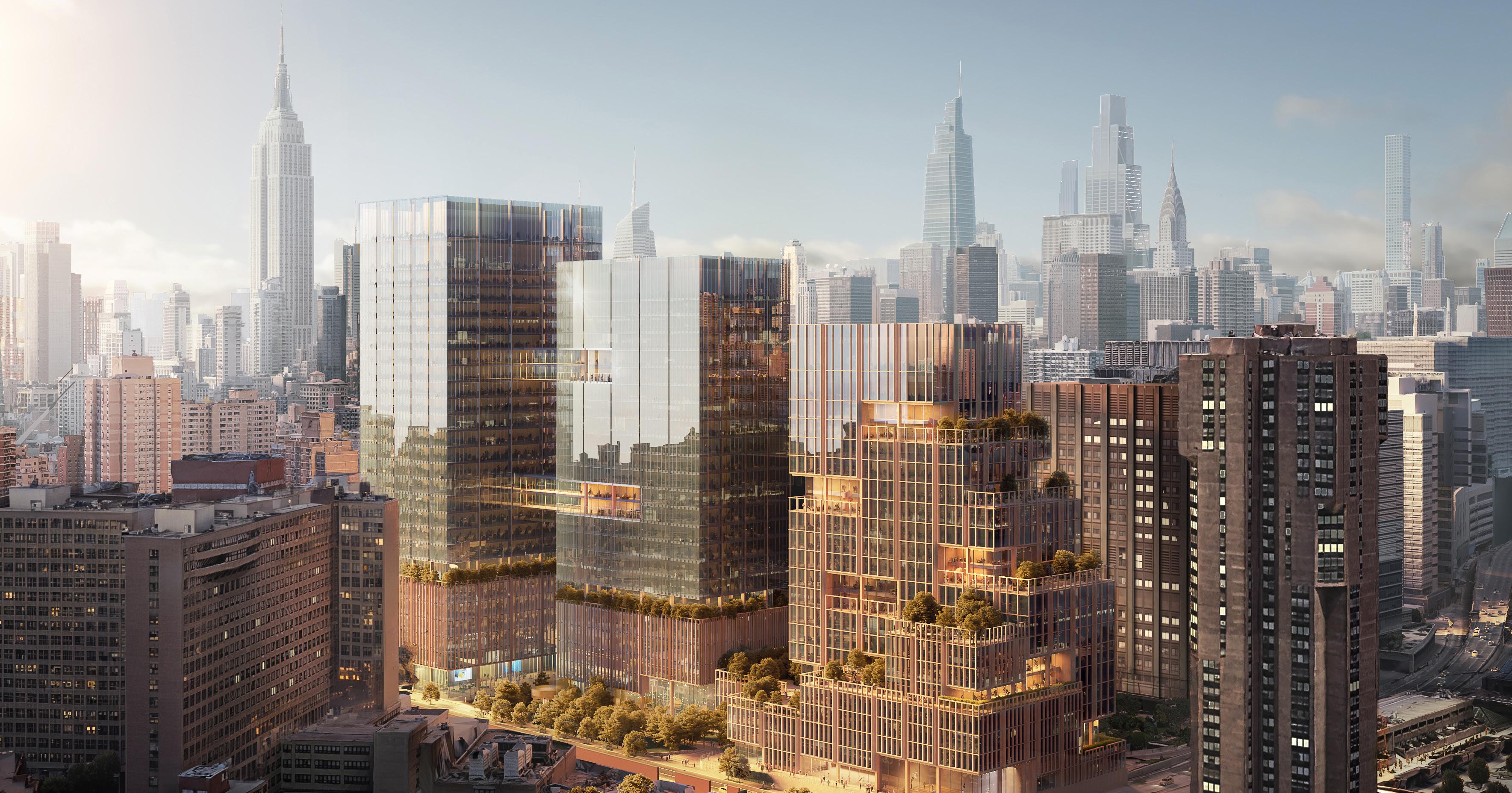
Backed by $1.6B in public funding, SPARC Kips Bay will transform nearly 2M square feet on Hunter College’s Brookdale Campus into the hub for life sciences, healthcare, and public health innovation in New York City, anchored by the City University of New York (CUNY), New York City Public Schools, and City agencies.
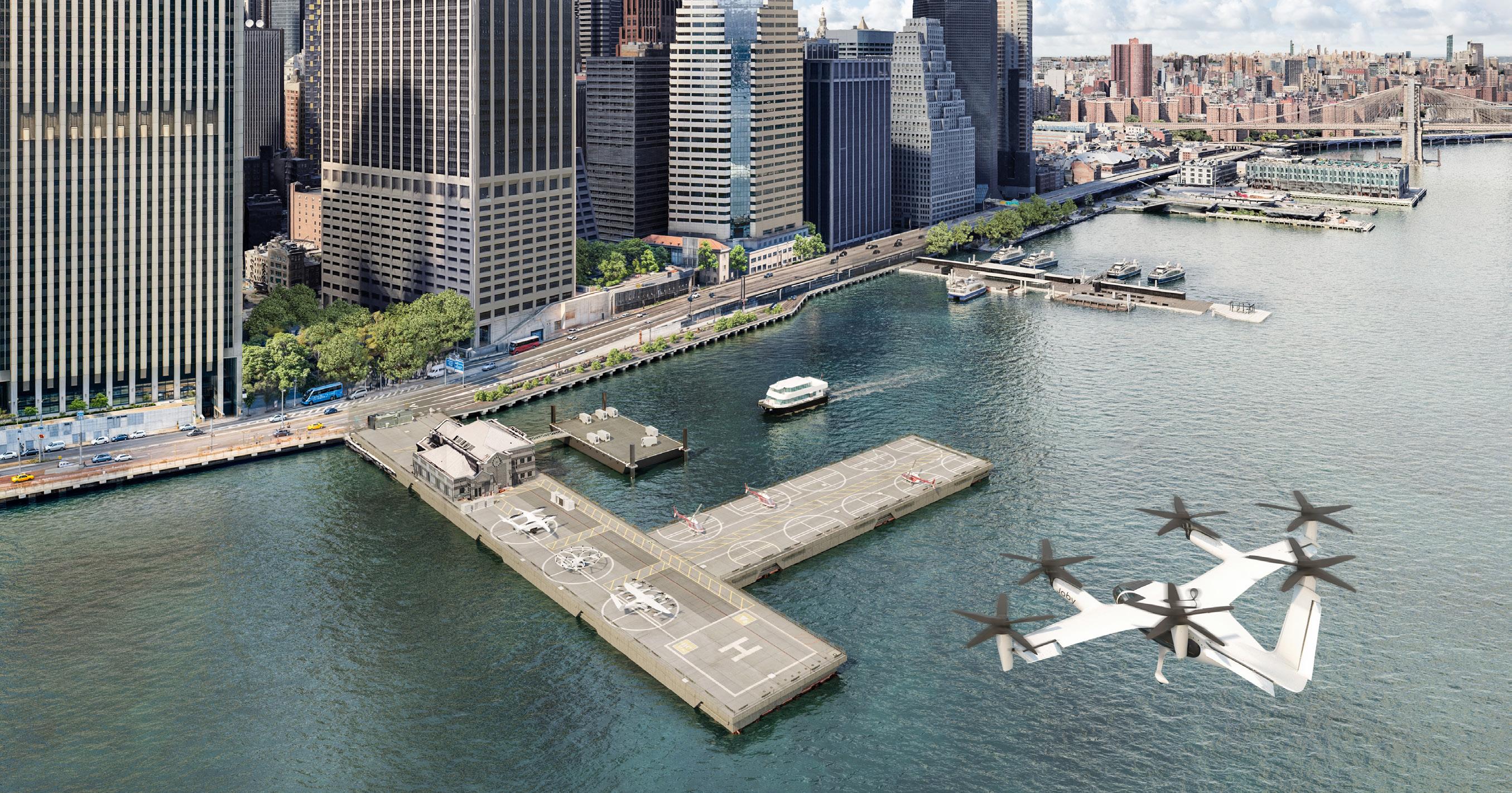
NYCEDC manages City-owned aviation assets, including heliports, a seaplane base, and airport leases. The Downtown Manhattan Heliport is being redeveloped into a next-generation hub for electric vertical take-off and landing (eVTOL) aircraft, making New York City the first in the world to adapt its heliport infrastructure for sustainable air mobility. The project will also bolster last-mile logistics and maritime freight distribution, strengthening the city’s transportation future.
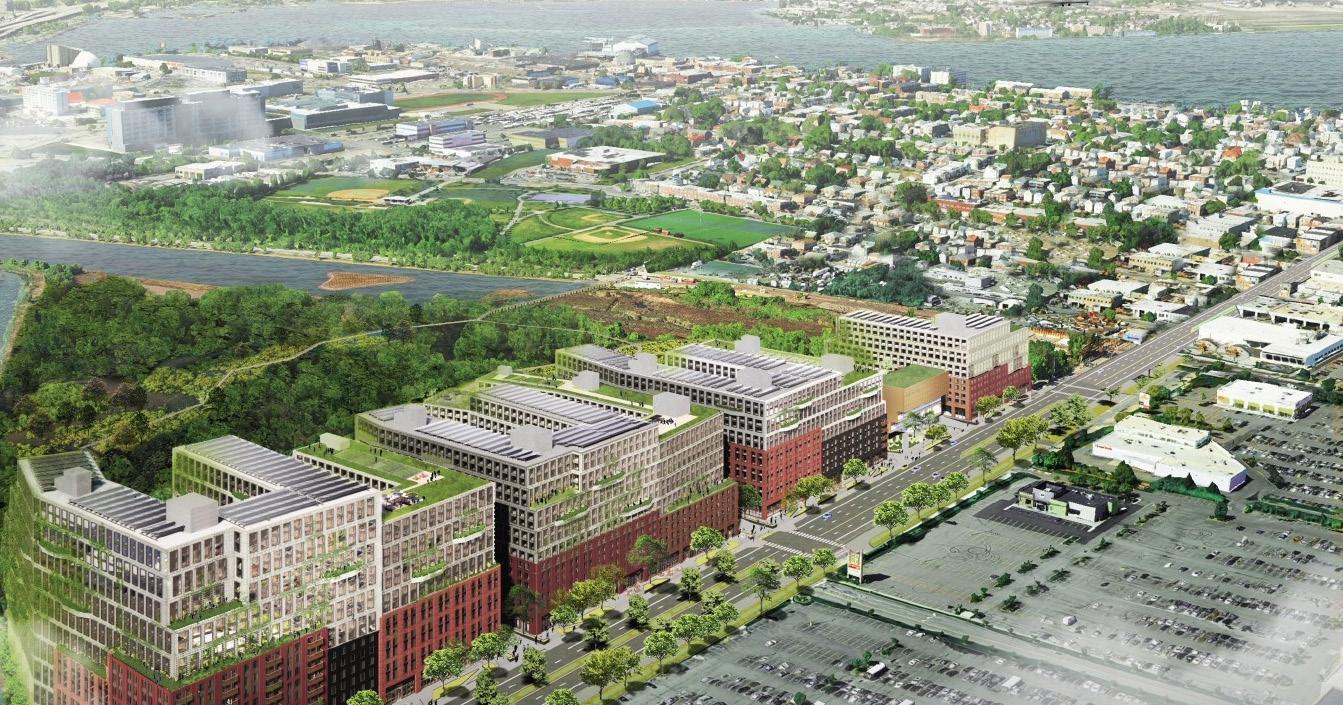
Former Flushing Airport, Queens
The 80-acre former Flushing Airport site in Queens will be transformed into a 3,000-home residential community with 60 acres of public open space.
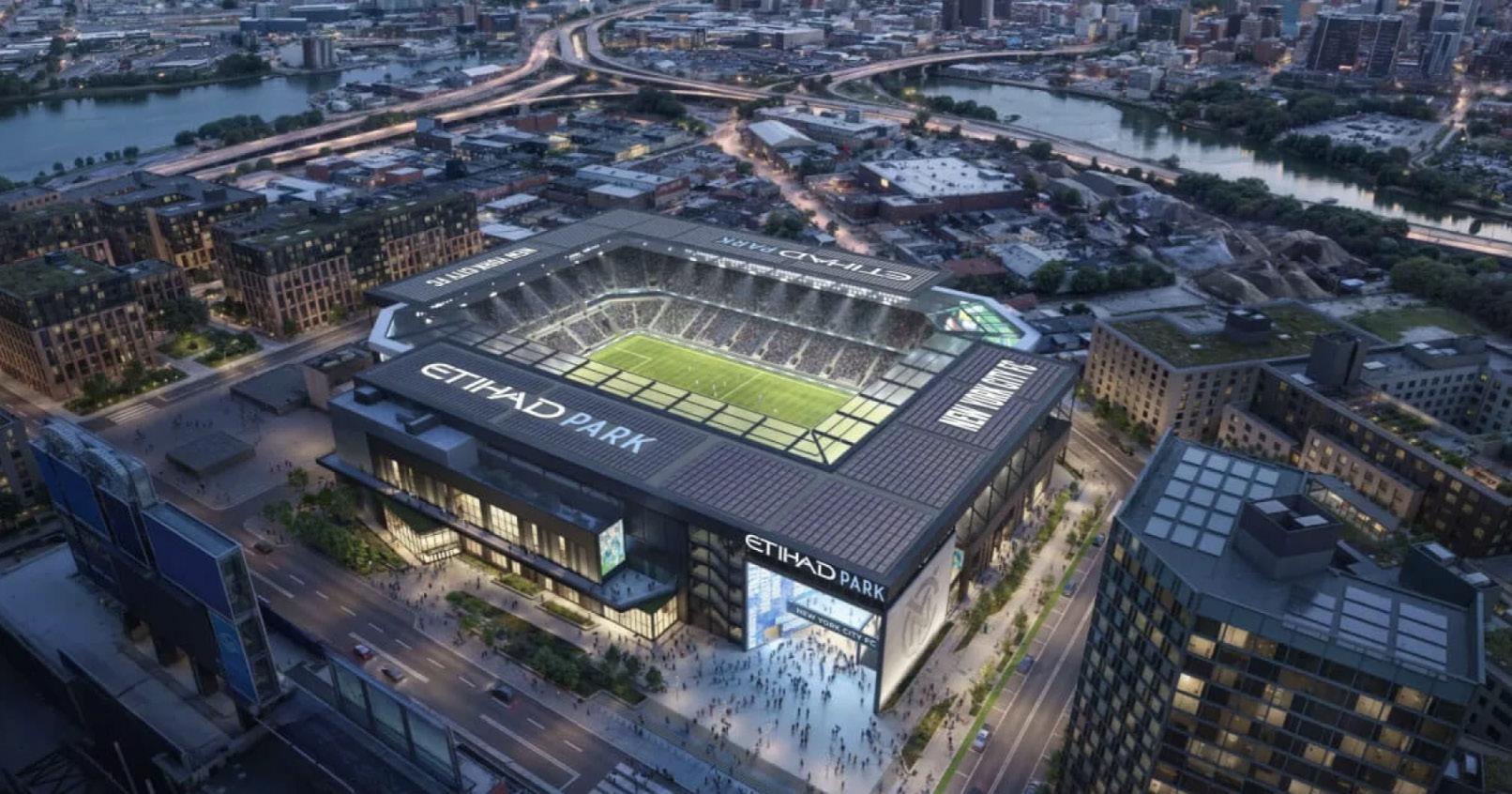
The $3B Willets Point transformation will deliver 2,500 affordable homes; a 650-seat public school; a 250-key hotel; over 40,000 square feet of public space; and New York City’s first fully electric, privately financed professional soccer stadium, Etihad Park, located within a sports complex that also features Citi Field and the Billie Jean King National Tennis Center.
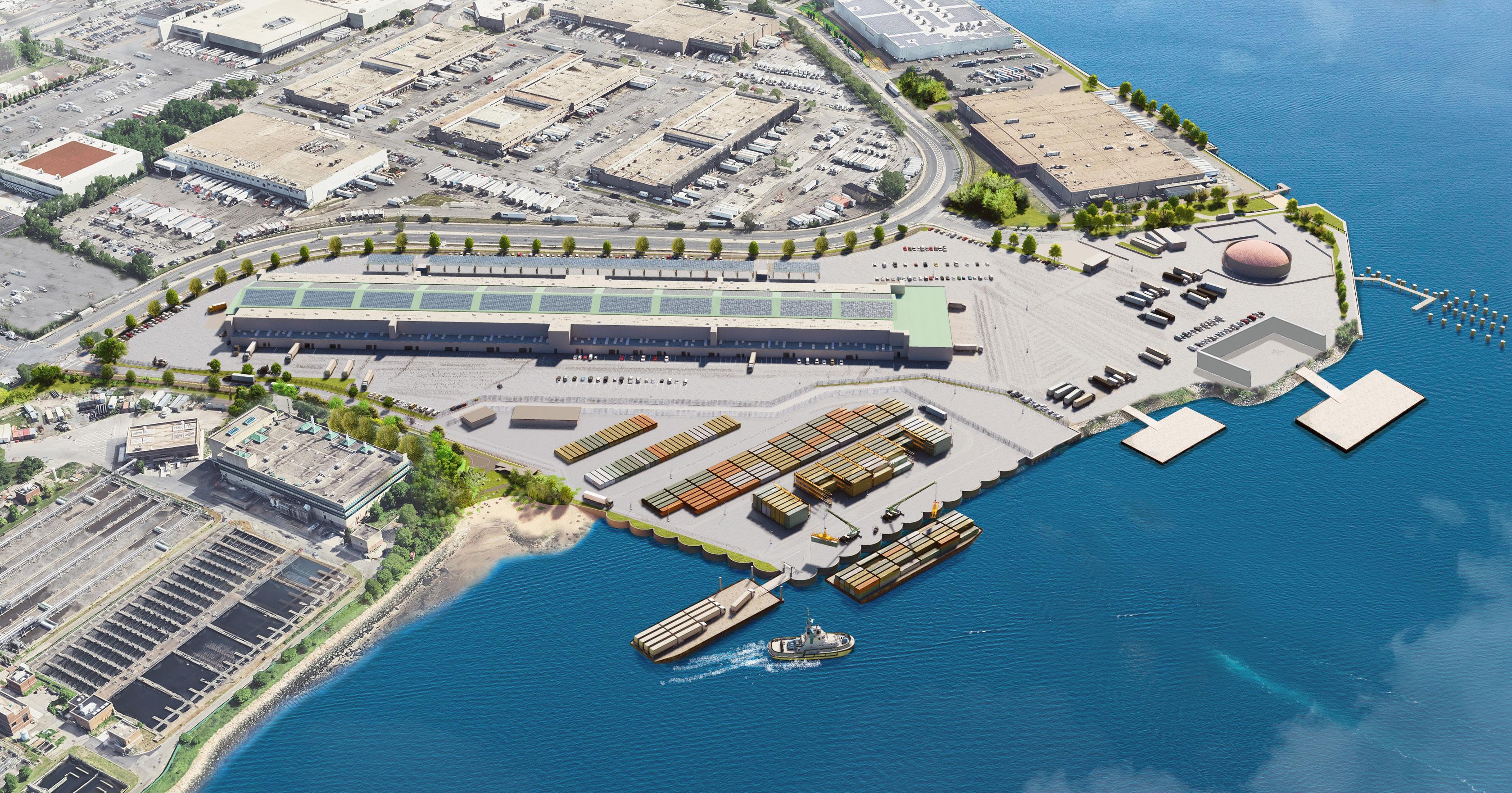
As part of the Blue Highways vision to transform NYC’s waterways into a “Harbor of the Future,” the Hunts Point Marine Terminal will expand maritime freight capacity, reduce truck traffic by moving cargo via waterways, enhance waterfront access, and strengthen the greenway—unlocking new opportunities for industrial, warehousing, and mixed-use waterfront development.
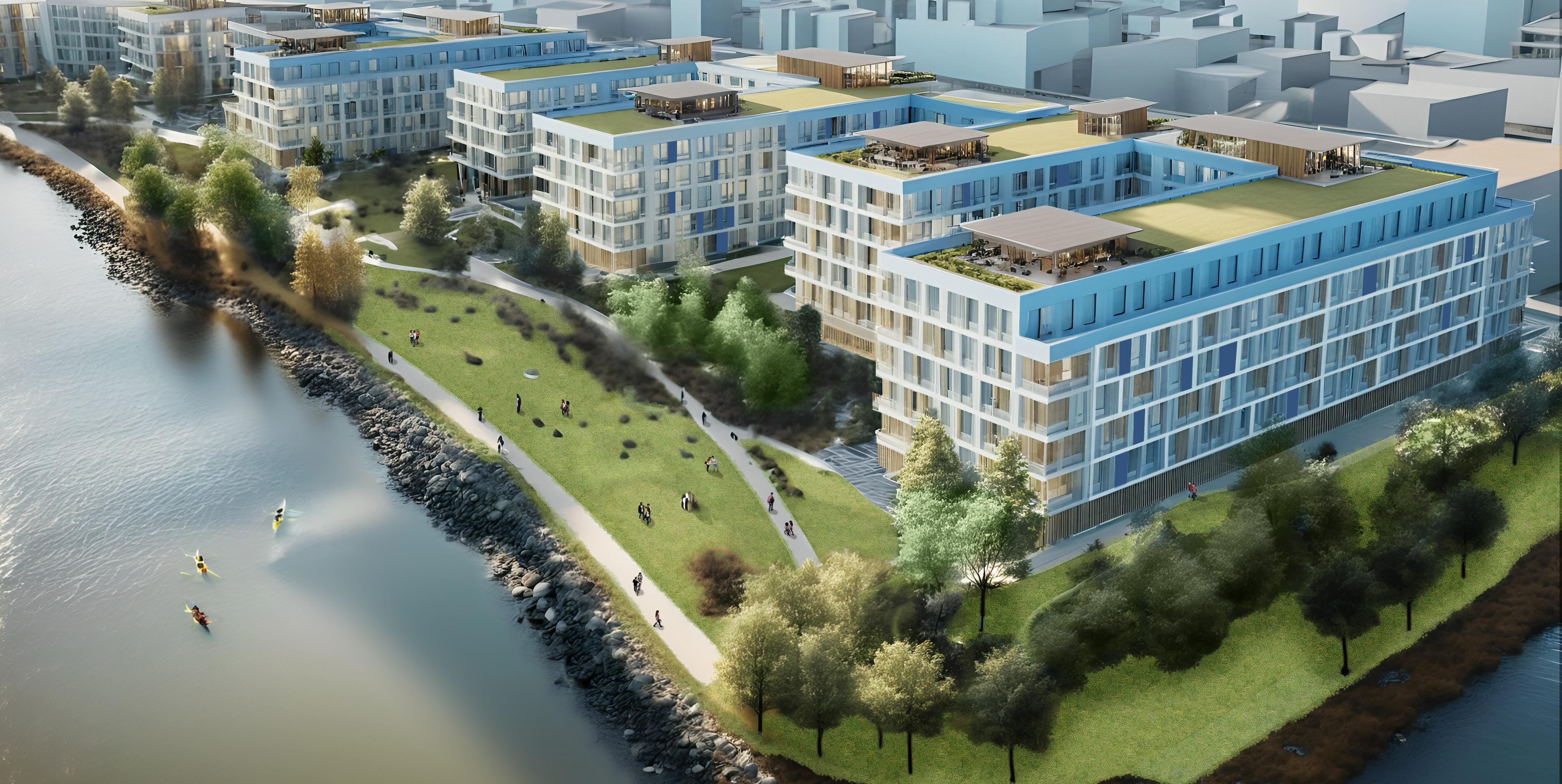
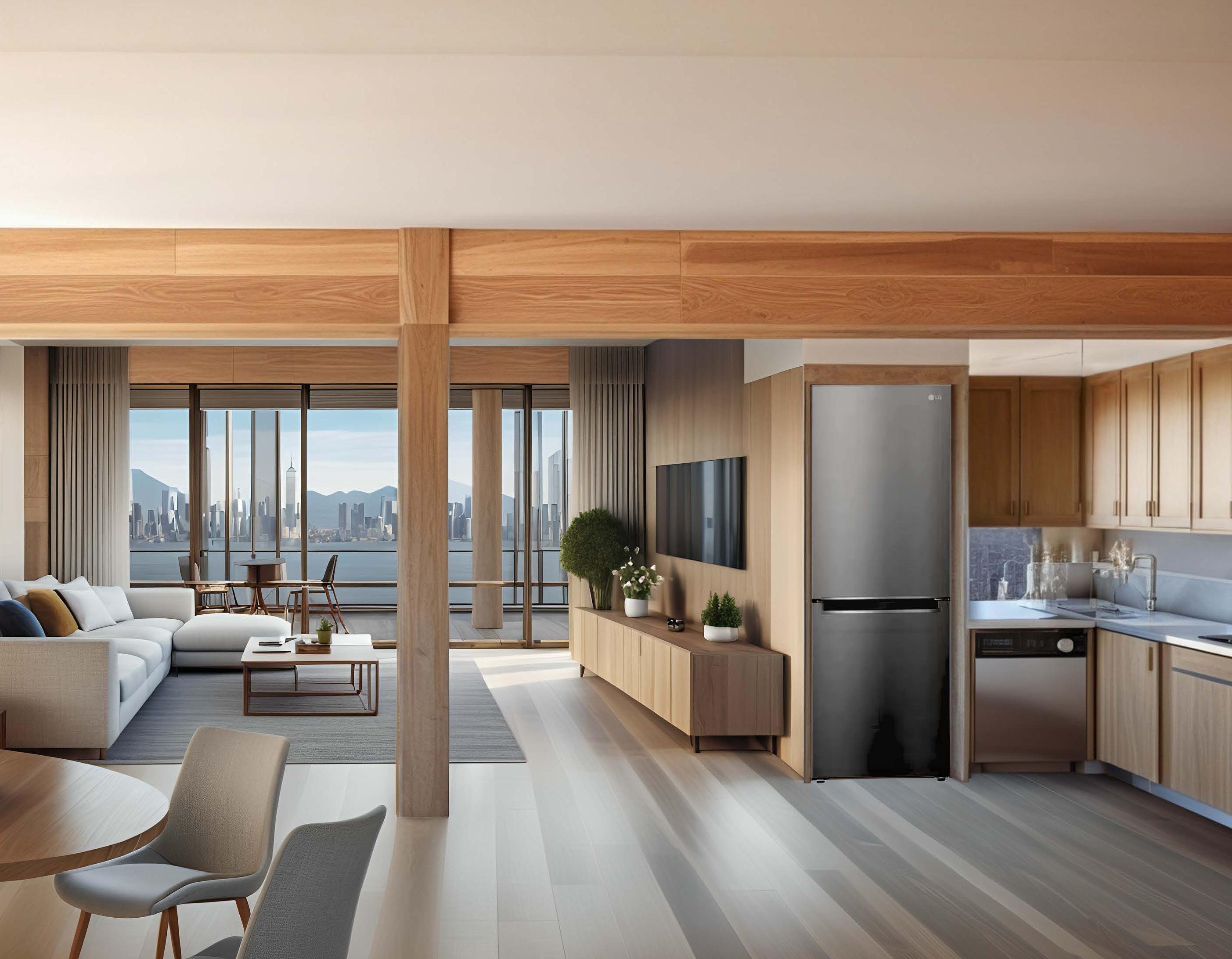
This development will feature 500 mixed-income housing units on the North Shore of Staten Island, 25 percent of which will be designated as affordable. The project will be the largest mass timber residential development in New York City, utilizing new, sustainable construction material to reduce the project’s carbon footprint and speed up its timeline. This project represents the next phase in development of the New Stapleton Waterfront, helping transform a former naval base into a 32-acre mixed-use, mixed-income waterfront neighborhood.
NYC offers over 70 City, State, and federal programs designed to lower the cost of doing business, from expansion and relocation to capital improvements and workforce growth. Here’s a sample of these incentive programs:
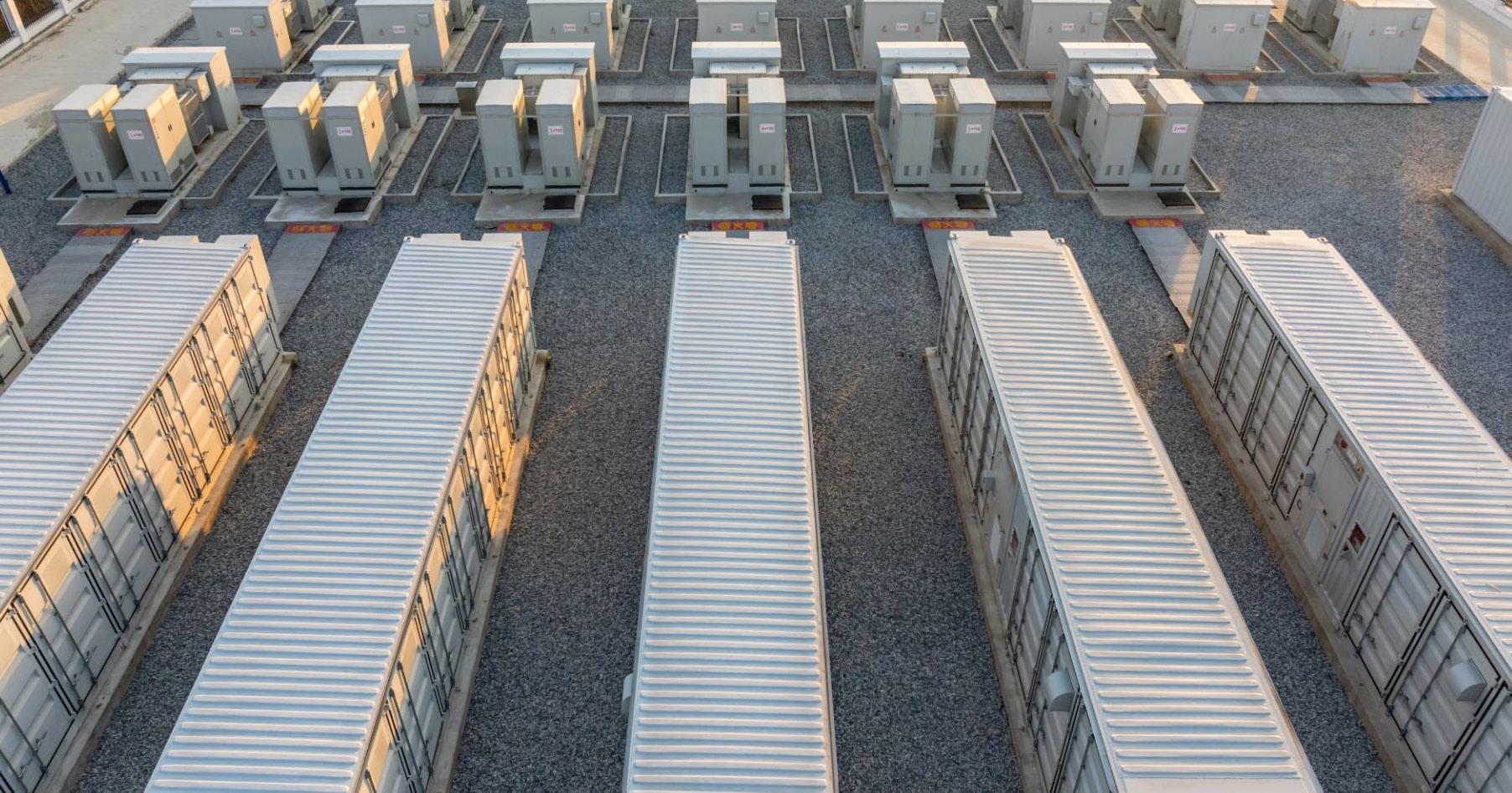
Offers property tax abatements, sales tax waivers, and reduced mortgage recording taxes for large-scale commercial and industrial projects. Eligible sectors include industrial/manufacturing, film studios, battery storage and green infrastructure, and life sciences wet lab space.
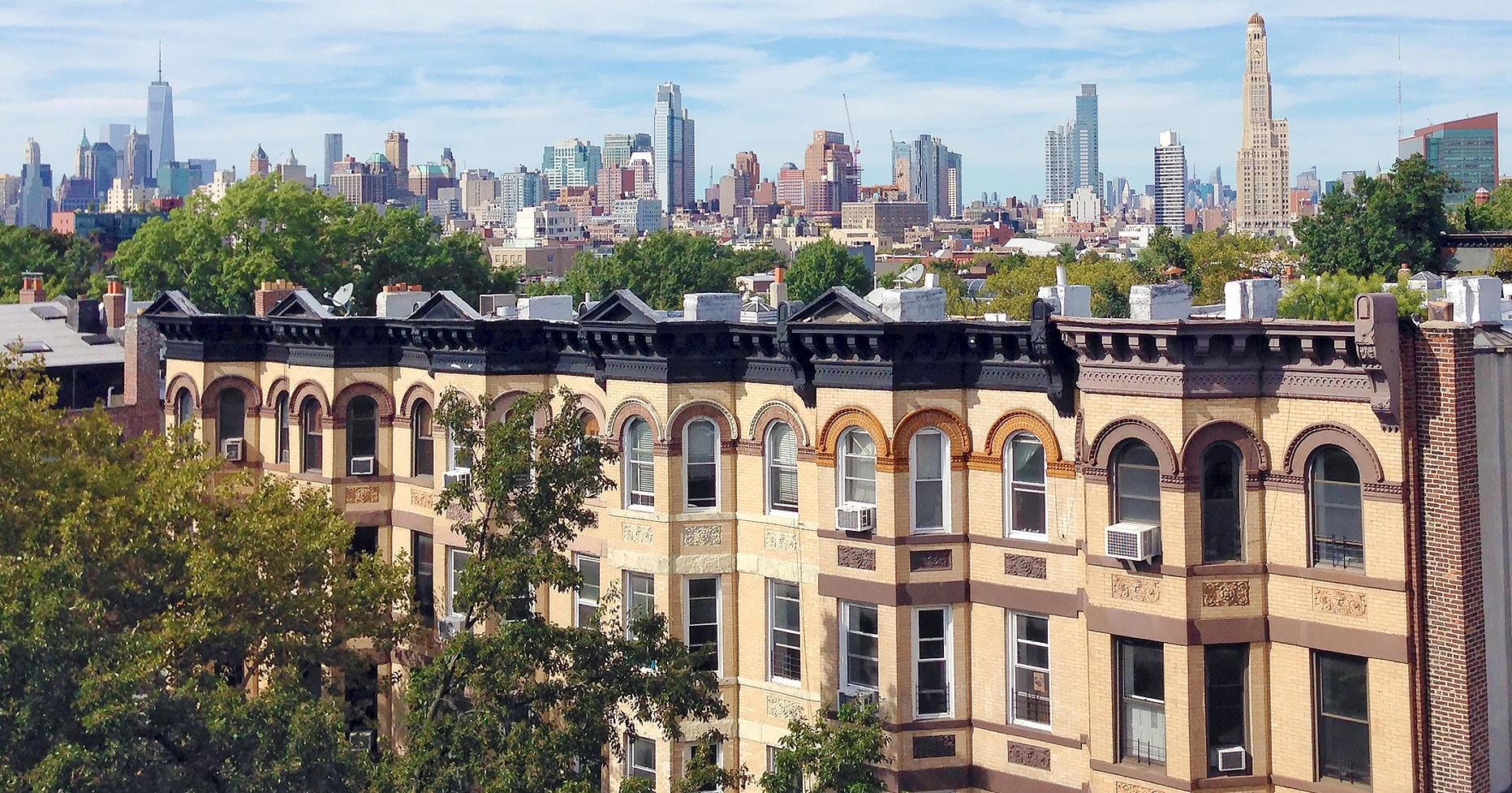
NYC is facing a severe housing shortage and we're focused on creating more affordable apartments for New Yorkers. The 485-x program is a property tax incentive designed to boost housing supply while ensuring affordability. It supports residential developments that include at least 25 percent permanently affordable units.
467-m, Citywide
This citywide program offers property tax exemptions for converting underutilized commercial buildings into rental housing with at least 25 percent affordable units.
The program streamlines permitting and zoning reviews for officeto-residential projects, providing a single interagency contact to expedite approvals.

Delivering Amenity-Rich Office Space in NYC’s Central Business District
The demand for trophy office space drives the commercial real estate market. The Manhattan Commercial Revitalization program (M-CORE) provides tax incentives to modernize aging office buildings south of 59th Street, unlocking value through transformative renovations.
Provides annual business tax credits for up to 12 years to companies relocating jobs to eligible areas in NYC. The program offers up to $3,000 per eligible employee per year.
A first-come, first-served program that incentivizes out-of-state companies that sign leases for at least 10,000 square feet of space at qualifying office buildings. Eligible companies can receive income tax credits equal to $5,000 per employee per year for ten years.
Legacy industries like finance, insurance, media, and healthcare remain central to the city’s economic strength. At the same time, the City is actively investing in high-growth sectors such as tech, the green economy, and life sciences to build a more diversified and resilient economy. These emerging sectors are projected to expand significantly over the next decade, offering a wide range of job opportunities for New Yorkers across all skill levels. To guide this growth, the City produces strategic action plans that identify key opportunities for NYC and outline long-term City investments and public-private partnerships to support sector development. These strategies provide a clear vision of the city’s economic future and invite investors and stakeholders to help shape its next chapter.
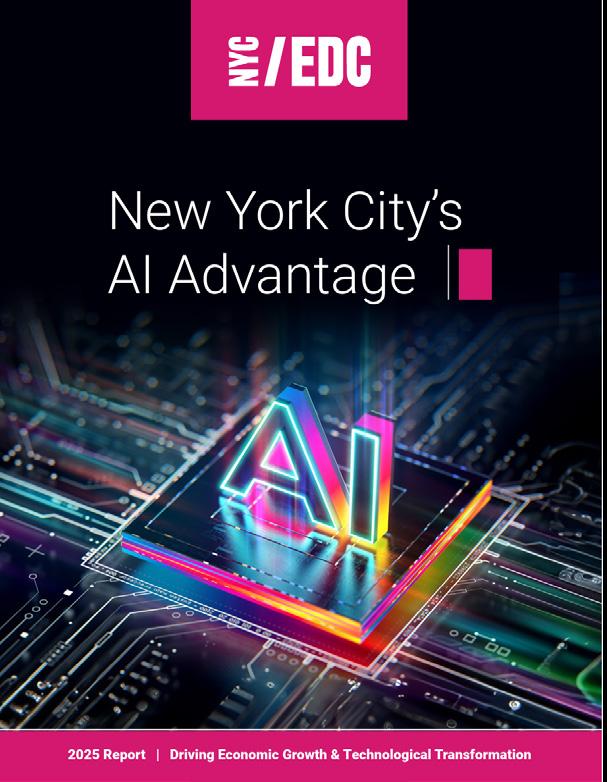
As of 2023, NYC’s tech ecosystem supports over 360,000 jobs and contributes 13 percent of the city’s gross metropolitan product—up from six percent in 2013. Over the past decade, the city added 5,000 tech companies and 93,000 workers, becoming the world’s #2 startup hub with 25,000 startups and a $694B ecosystem value. Since 2011, NYC has attracted over $200B in VC funding, with AI investments rising from 21 percent of total VC in 2021 to 35 percent in 2023. NYC is rapidly emerging as the global leader in Applied AI—the creation and adoption of AI solutions for real-world problems specific to each of NYC’s many industries. The NYC AI Advantage action plan outlines NYCEDC’s new initiatives to cement NYC’s strategic position by leveraging its deep talent pool, robust infrastructure, and thriving VC ecosystem.
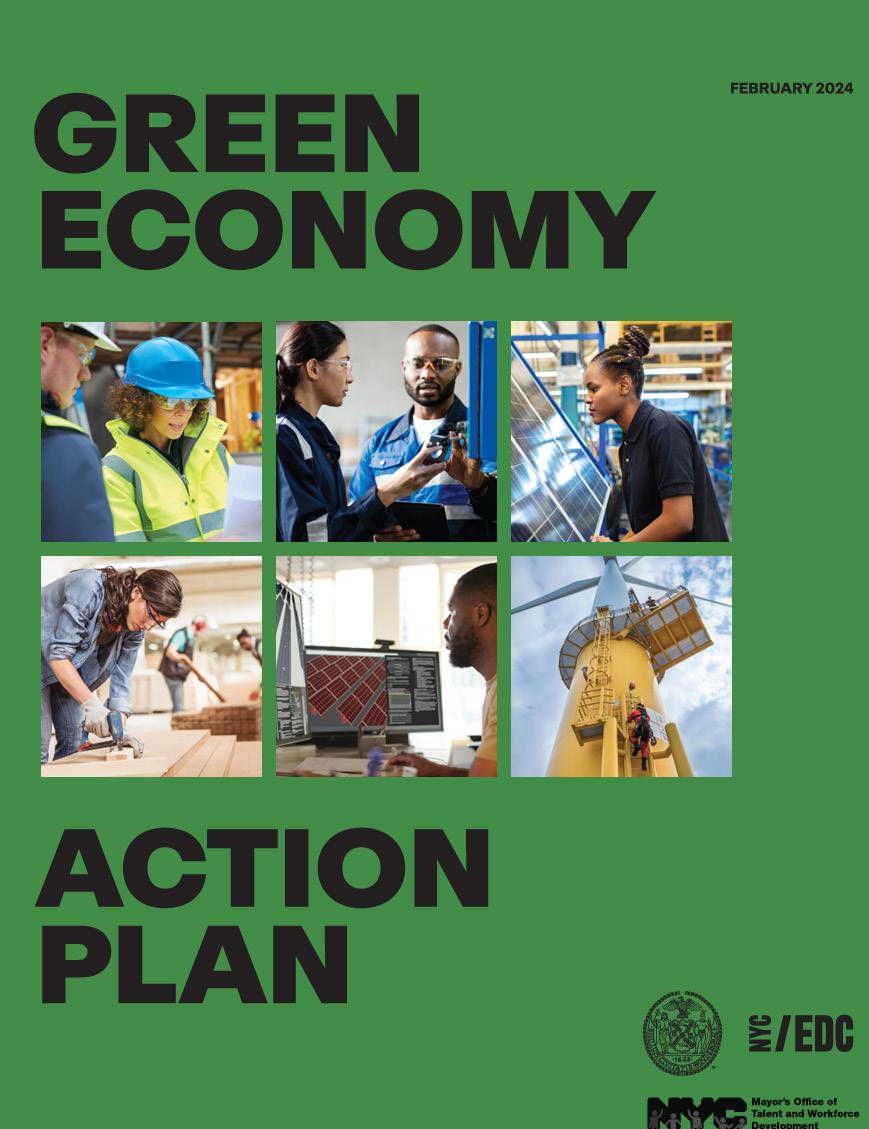
As of 2023, the green economy employed 133,000 New Yorkers, contributing $24B to the local economy. By 2040, it is projected to grow to 400,000 jobs and $87B. The Green Economy Action Plan is NYCEDC’s roadmap to meet this ambition. It outlines 63 actions to invest in eight sectors, including energy, building management, transportation, and construction, to drive citywide growth of green collar jobs and companies, expand workforce pipelines, and drive innovation. Developed with public and private partners, many investments are already underway.
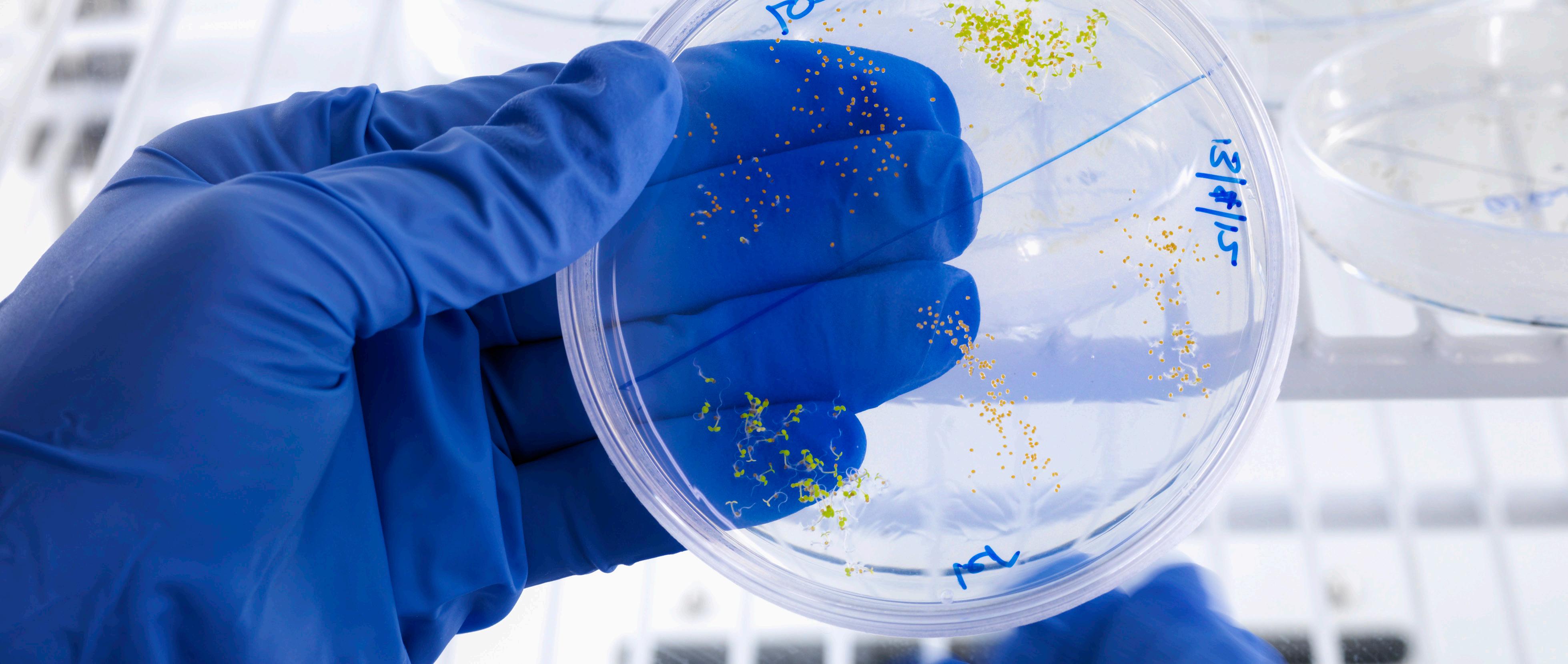
New York City is a global leader in health and life sciences, with a rich talent pool, over 100 disease-specialty foundations, 370 health centers, 50 hospitals, and nine top-tier academic medical centers. The sector is projected to grow 24 percent by 2033, creating significant job opportunities. LifeSci NYC, the City’s $1B+ initiative, aims to generate 40,000 jobs by investing in startups and research; connecting academia to industry; and fostering innovation in therapeutics, medical devices, and scientific research. Recent expansions, including a biotech hub and med-tech incubator, position NYC at the forefront of public health, climate resilience, and economic recovery.
To learn more and stay up-to-date, visit InvestIn.NYC
For details on the state of NYC's economy, visit edc.nyc/research-insights
To contact our team, email us at Concierge@InvestIn.NYC