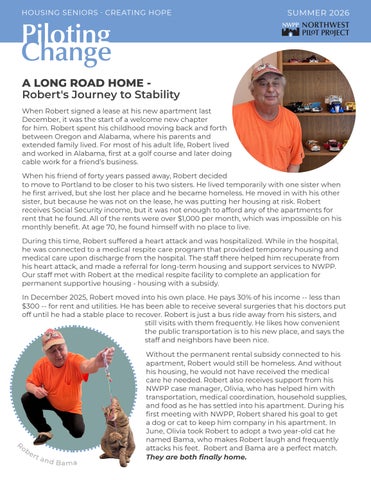
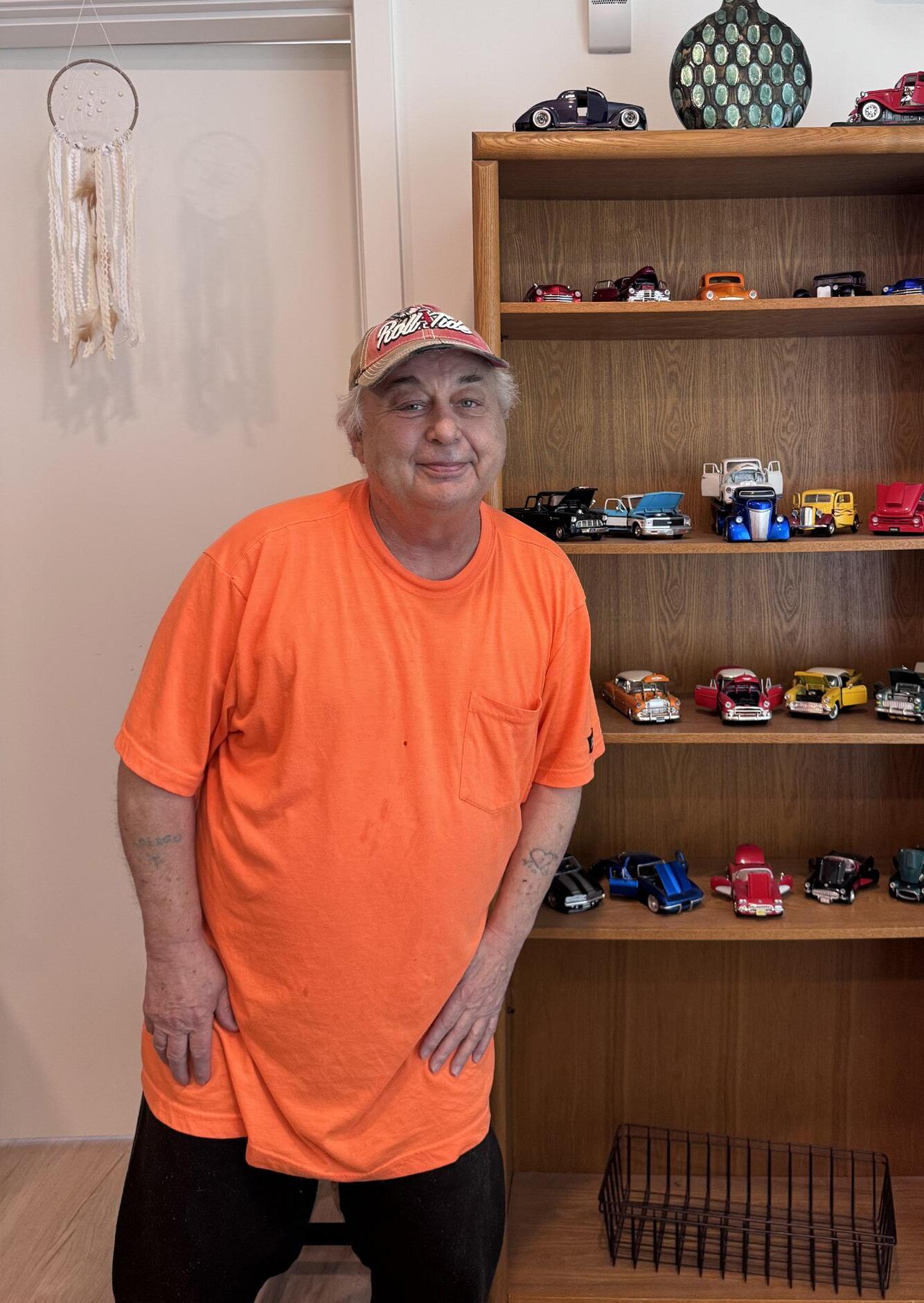
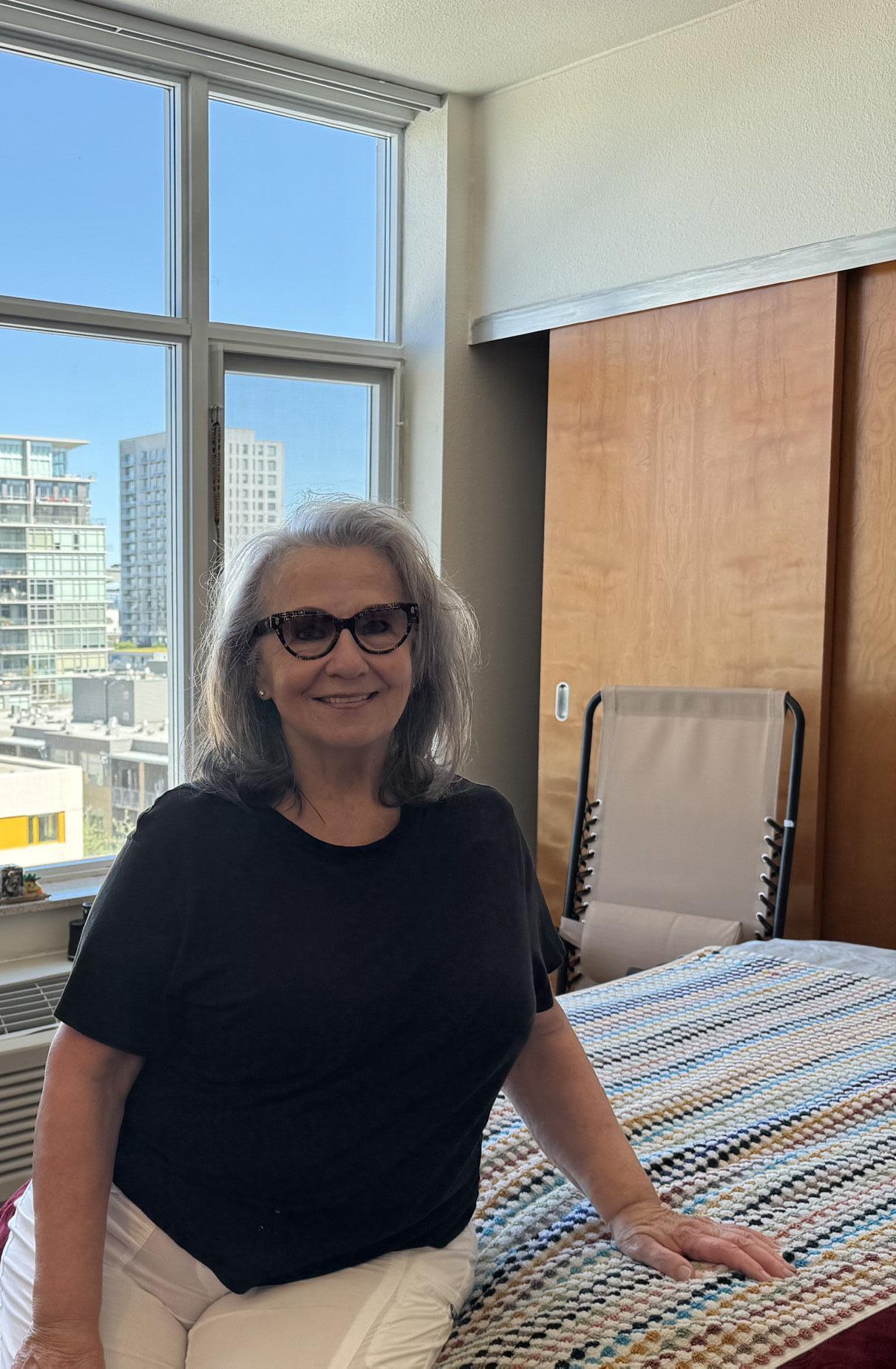
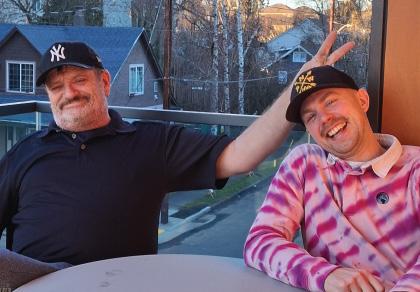
When Robert signed a lease at his new apartment last December, it was the start of a welcome new chapter for him. Robert spent his childhood moving back and forth between Oregon and Alabama, where his parents and extended family lived. For most of his adult life, Robert lived and worked in Alabama, first at a golf course and later doing cable work for a friend’s business.
When his friend of forty years passed away, Robert decided to move to Portland to be closer to his two sisters. He lived temporarily with one sister when he first arrived, but she lost her place and he became homeless. He moved in with his other sister, but because he was not on the lease, he was putting her housing at risk. Robert receives Social Security income, but it was not enough to afford any of the apartments for rent that he found. All of the rents were over $1,000 per month, which was impossible on his monthly benefit. At age 70, he found himself with no place to live.
During this time, Robert suffered a heart attack and was hospitalized. While in the hospital, he was connected to a medical respite care program that provided temporary housing and medical care upon discharge from the hospital. The staff there helped him recuperate from his heart attack, and made a referral for long-term housing and support services to NWPP. Our staff met with Robert at the medical respite facility to complete an application for permanent supportive housing - housing with a subsidy.
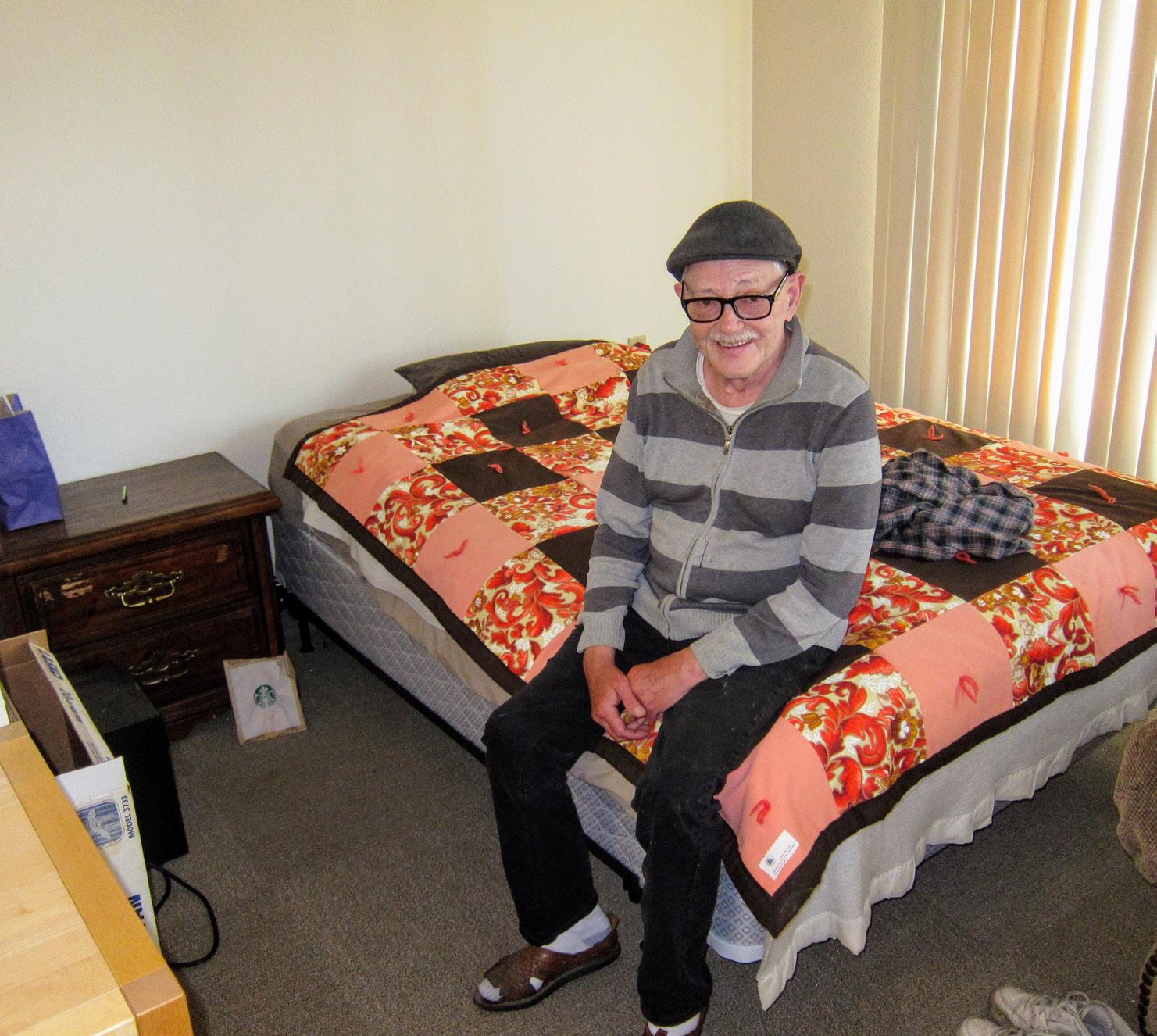
In December 2025, Robert moved into his own place. He pays 30% of his income -- less than $300 -- for rent and utilities. He has been able to receive several surgeries that his doctors put off until he had a stable place to recover. Robert is just a bus ride away from his sisters, and still visits with them frequently. He likes how convenient the public transportation is to his new place, and says the staff and neighbors have been nice.
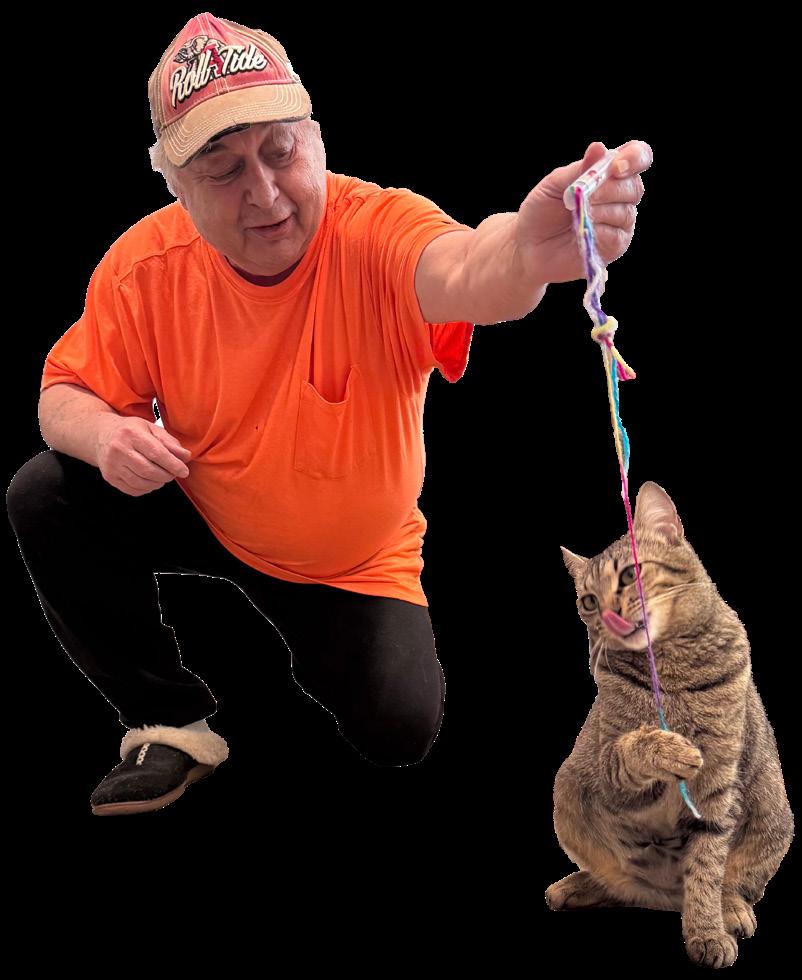
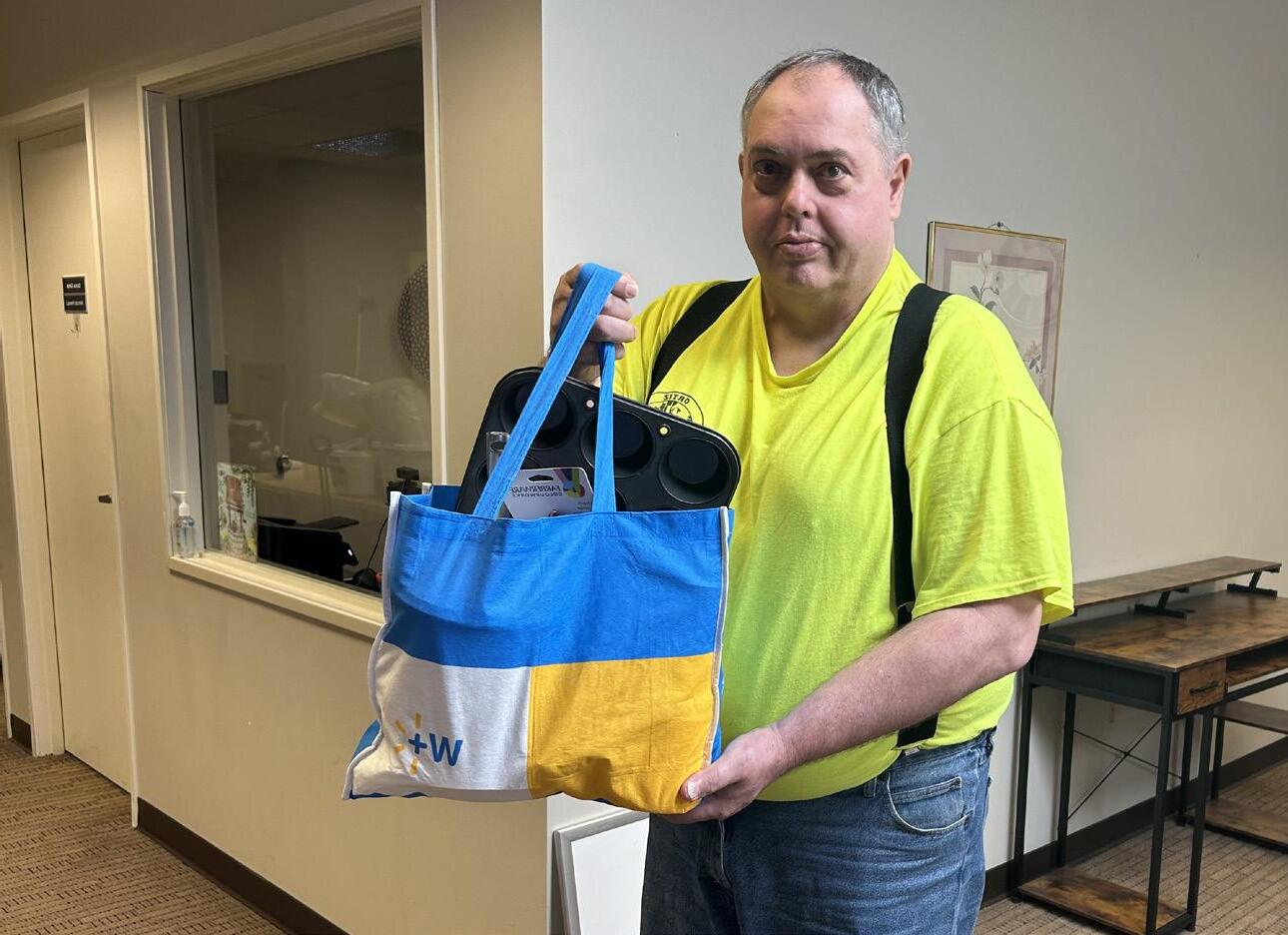
Without the permanent rental subsidy connected to his apartment, Robert would still be homeless. And without his housing, he would not have received the medical care he needed. Robert also receives support from his NWPP case manager, Olivia, who has helped him with transportation, medical coordination, household supplies, and food as he has settled into his apartment. During his first meeting with NWPP, Robert shared his goal to get a dog or cat to keep him company in his apartment. In June, Olivia took Robert to adopt a two year-old cat he named Bama, who makes Robert laugh and frequently attacks his feet. Robert and Bama are a perfect match. They are both finally home.
Robert and Ba ma
FROM THE EXECUTIVE DIRECTOR
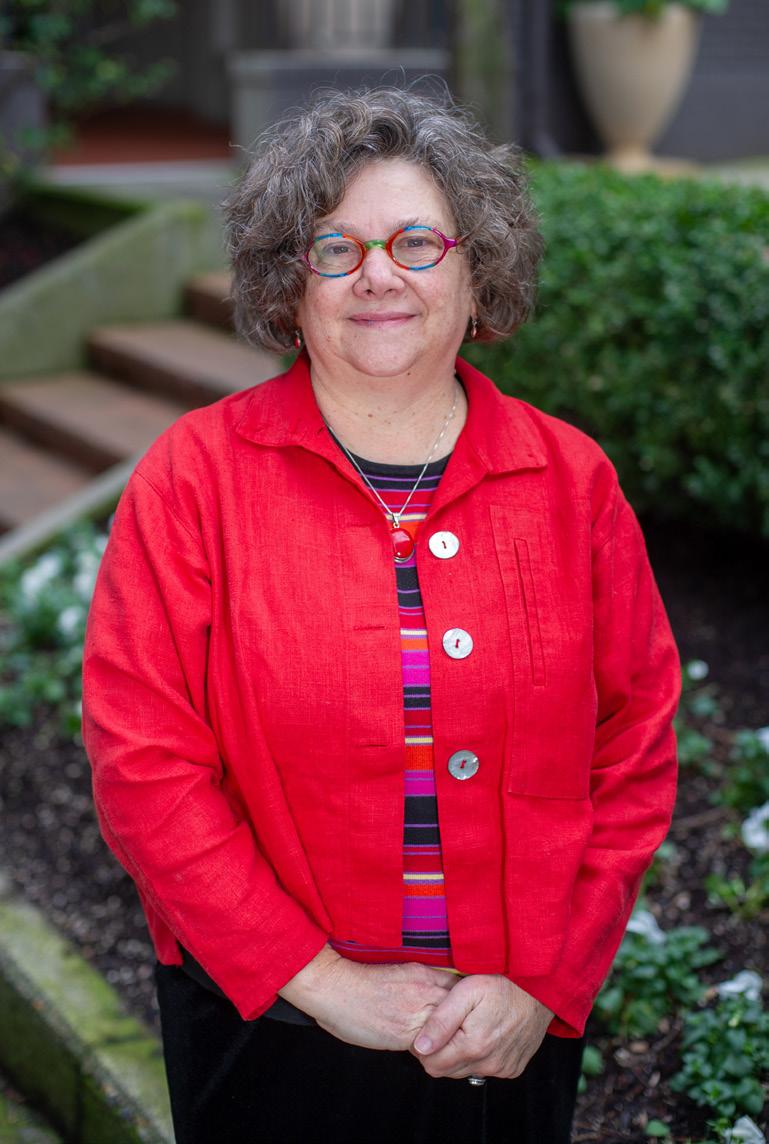
Laura Golino de Lovato
Dear Friends -
I love nothing more than being able to share with you the positive impacts you’ve had on the older adults we serve, and to thank you for your support. Because of your consistent support throughout the year, NWPP was able to support about 400 more seniors than in the previous year. That's a full 30% increase.
I also want to thank you for once again making the Housing Seniors Hootenanny on May 3rd a rousing success! (see pages 6-7). In a year when we are getting a soaring increase in requests for support, you came through with nearly $150K for our housing program. Your contributions help seniors like Robert, whose story on the cover really shows the challenges our clients face in securing housing they can afford. THANK YOU! And please plan to join us next year on Sunday, May 2nd for another fun event.
None of our work would be possible without a community of dedicated supporters like you standing by our side. I hope you can take a few minutes to read through this made happen, from client art displays in our lobby, to our new Friendly Visitor program to address senior loneliness.
P.S. Have a question about our programs or want to get more involved? Email me at laurag@nwpilotproject.org. I always love hearing from our supporters.
Your contributions can make a life-changing difference for low-income older adults facing housing insecurity and homelessness.
Your contributions support rent assistance, eviction prevention, and supportive services that will help ensure the older adults we serve have a safe, stable place to call home and can age in place with dignity.
Together, we can create a community where every senior has access to safe and stable affordable housing.
ART IN THE LOBBY
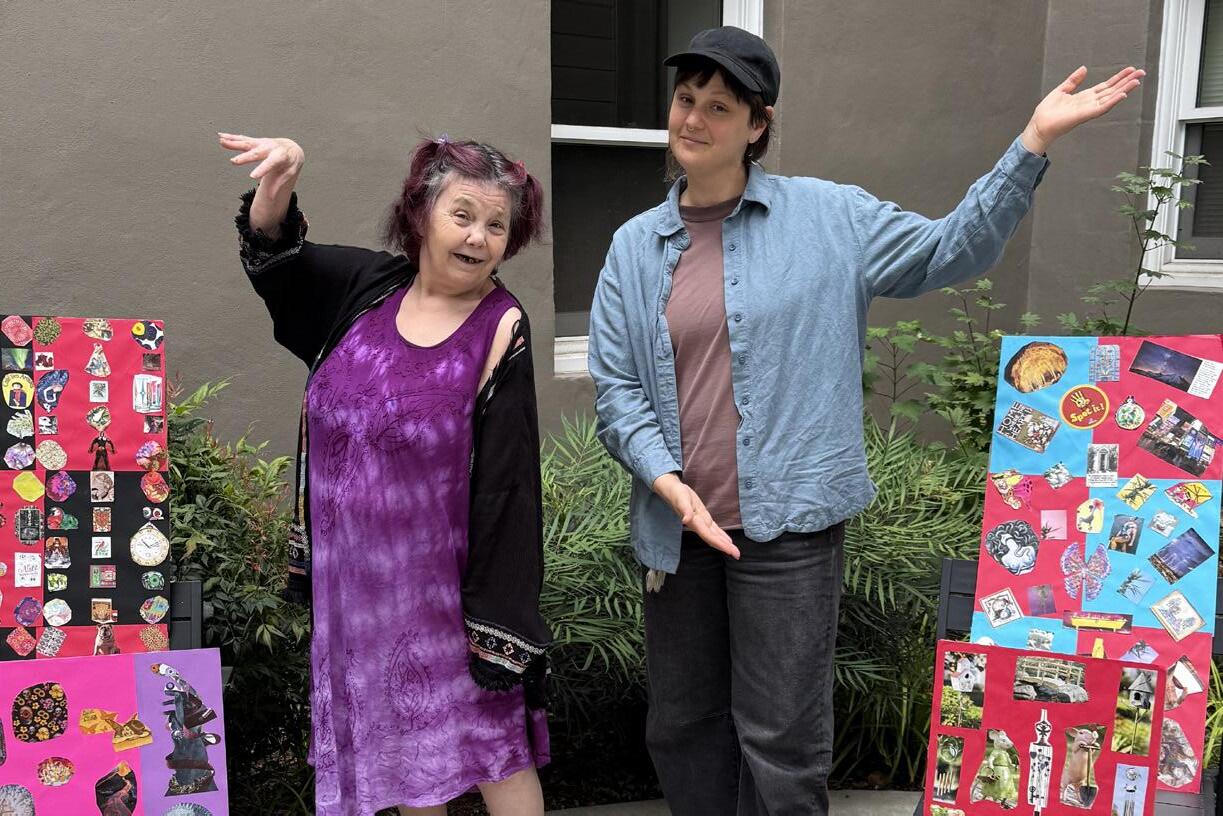
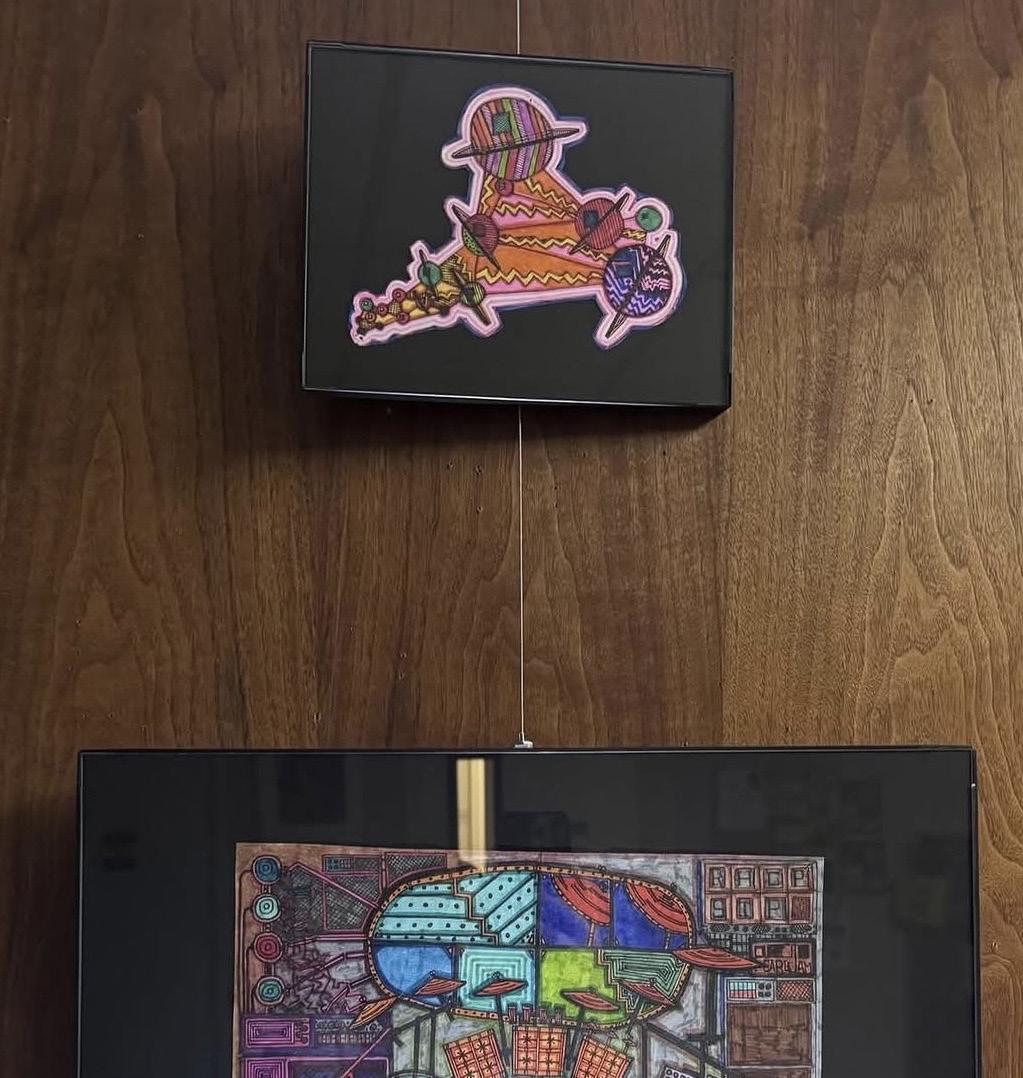
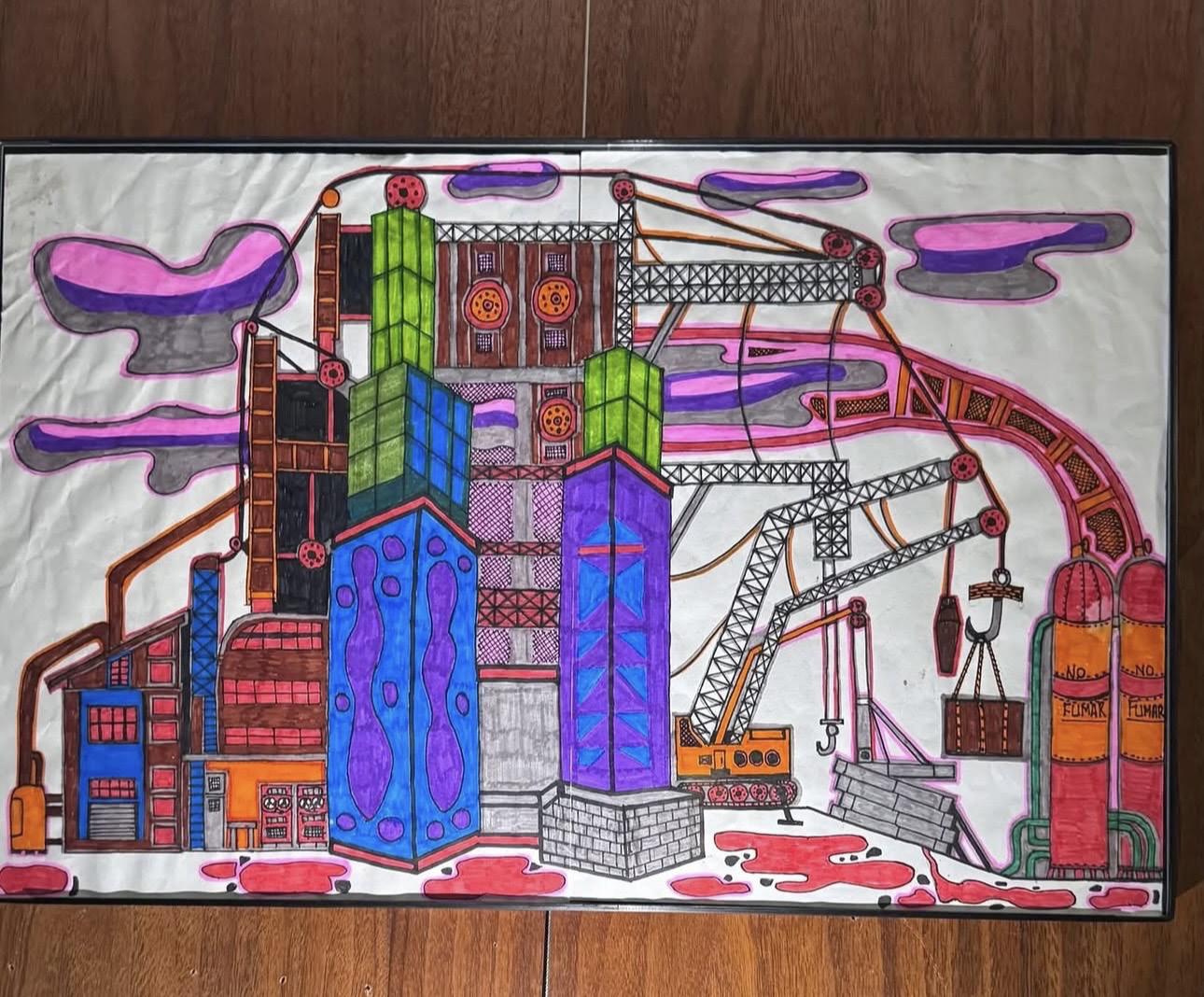
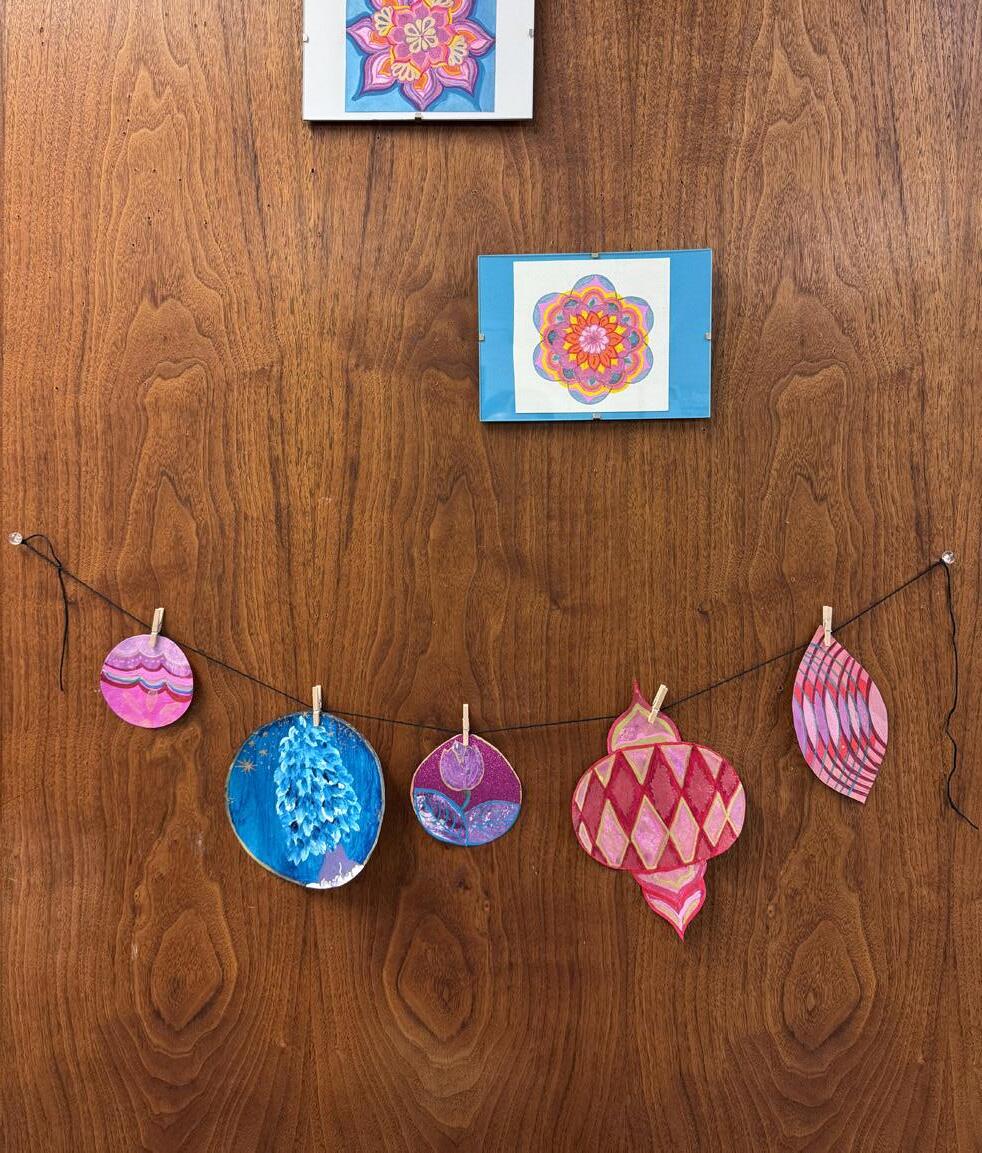
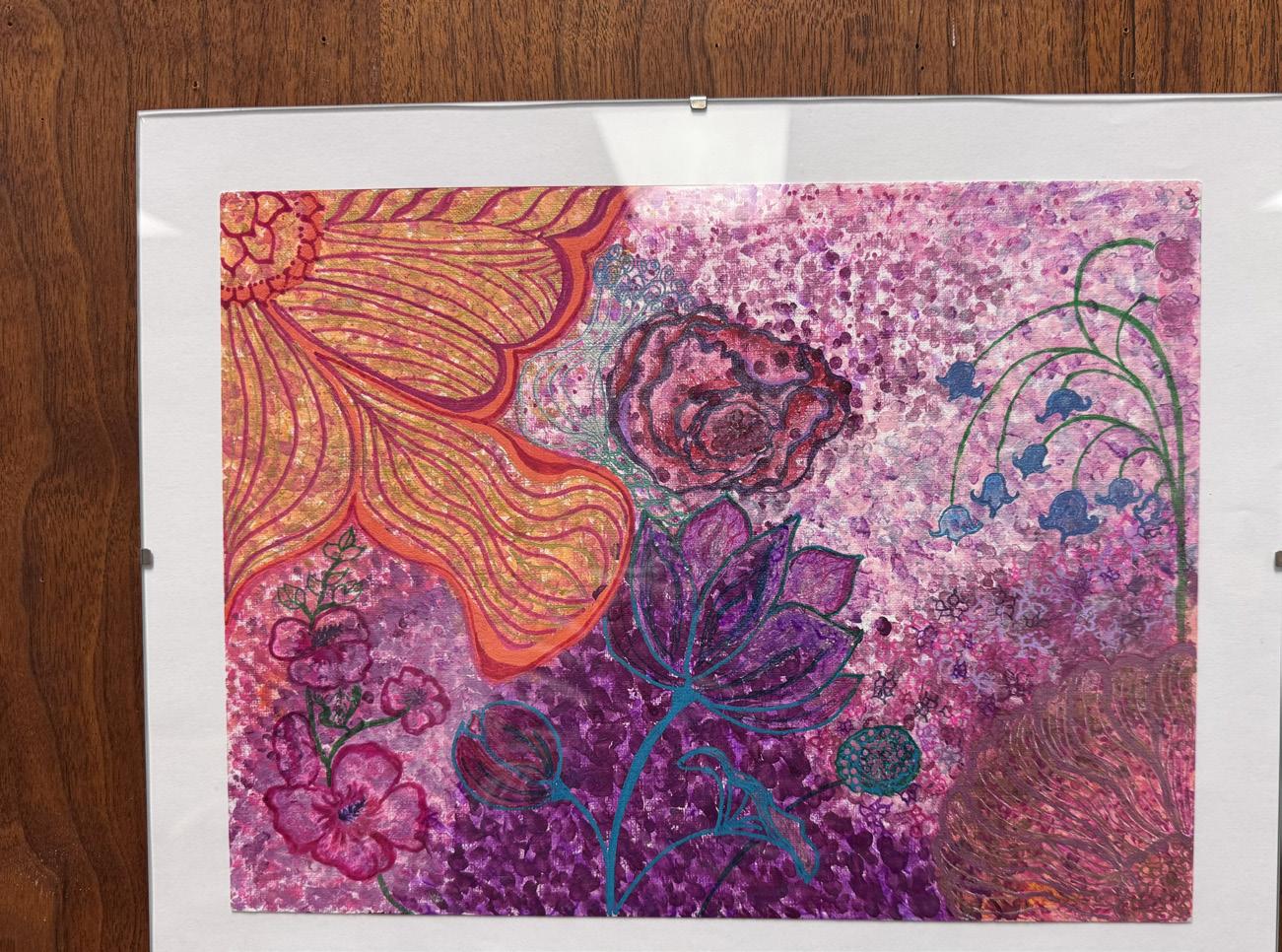
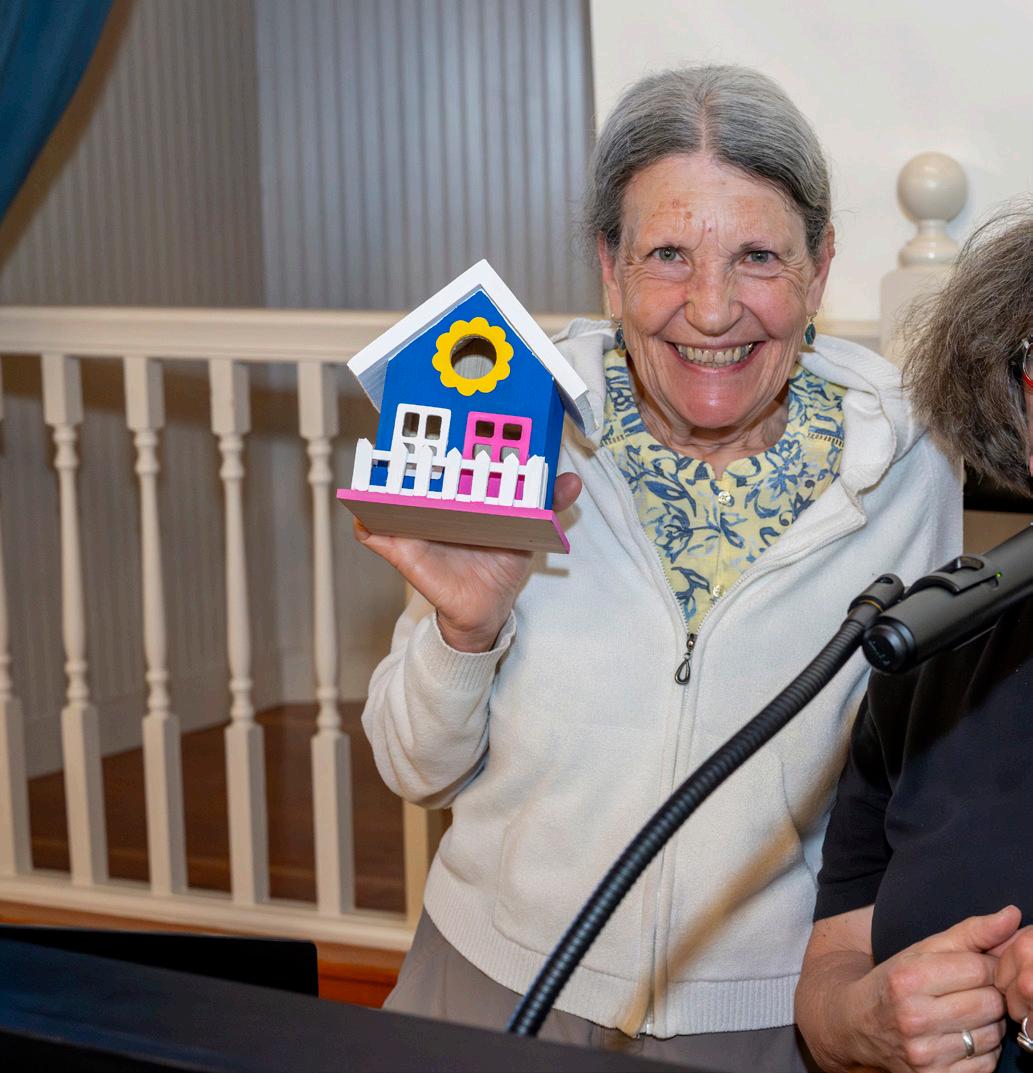
Each month, Northwest Pilot Project’s lobby is transformed into a small gallery showcasing the creativity and talent of the older adults we serve. Our Art in the Lobby Project, curated by Permanent Supportive Housing Case Manager Kelli Schaefer, features artwork created by NWPP clients, providing a space for artists to share their work with staff, volunteers, visitors, and fellow community members.
Art in the Lobby celebrates the unique stories, experiences, and perspectives of older adults while helping create a warm and welcoming environment in our office. We invite everyone to visit our office to take a few moments to enjoy the current exhibit. You may discover a new favorite artist, be inspired by a creative perspective, or simply appreciate the incredible talent within our senior community.
If you are an NWPP client (past or present) interested in displaying your artwork at our mini gallery, please speak with your case worker or contact Kelli at kellis@ nwpilotproject.org for more information. We look forward to continuing to celebrate the creativity and resilience of the seniors we serve through
FEATURED ARTISTS
APRIL: WENDY B.
(Pictured at top of page)
MAY: JOHN C. (Left)
JUNE: TRANSIENT ARTIST OA (Right)
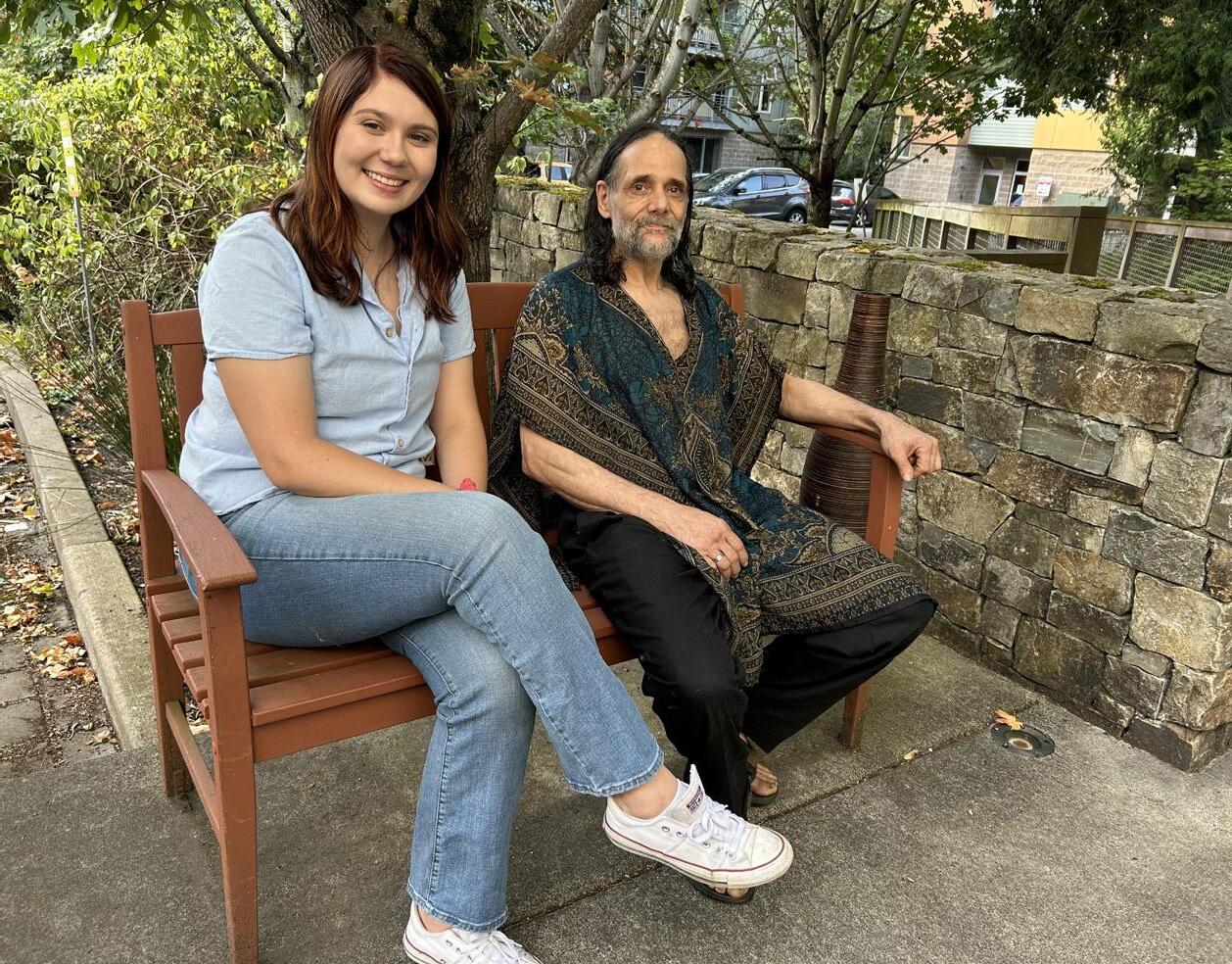
Client artist Wendy with NWPP case manager Kelli
FRIENDLY VISITORS & THE POWER OF CONNECTION: Addressing the Epidemic of Senior Loneliness
In 2023, U.S. Surgeon General Dr. Vivek Murthy issued an advisory declaring loneliness and social isolation a public health epidemic. While loneliness can affect people of all ages, older adults are among those at greatest risk. Factors such as retirement, the loss of loved ones, declining health, limited mobility, and fixed incomes can make it increasingly difficult for seniors to maintain meaningful social connections. The consequences are significant. Research shows that prolonged social isolation can increase the risk of depression, anxiety, heart disease, dementia, and premature death. In fact, the health impact of chronic loneliness has been compared to smoking up to 15 cigarettes a day.
At Northwest Pilot Project, we see the effects of adults we serve have worked hard throughout their lives, yet now find themselves living alone with few opportunities for regular social interaction. While stable housing is essential, a safe home is only part of what people need to thrive. Meaningful relationships and a sense of belonging are equally important. That is why we are relaunching our Friendly Visitor Program, designed to connect compassionate volunteers with low-income seniors who may be experiencing loneliness or isolation. Volunteers provide weekly or bi-weekly visits, companionship, conversation, and opportunities for social engagement. Whether sharing a cup of coffee, taking a walk, playing a game, or simply spending time talking, these connections can have a profound impact on a senior's well-being.
What can begin as a volunteer commitment often grows into a meaningful relationship. If you are looking for a meaningful way to give back to your community - and in particular older adults - we invite you to join our Friendly Visitor program. Just a few hours each month can help an older adult feel seen, valued, and connected.
To learn more or apply to be a volunteer, scan the QR code, www.nwpilotproject.org/ or call (503) 478-6864.
HOST A SUPPLY DRIVE and Help a Senior Feel at Home
When an older adult moves from homelessness into stable housing, they often arrive with very few personal belongings. Something as simple as a bed made up with fresh sheets or a kitchen stocked with basic cookware can make a new apartment feel like home.
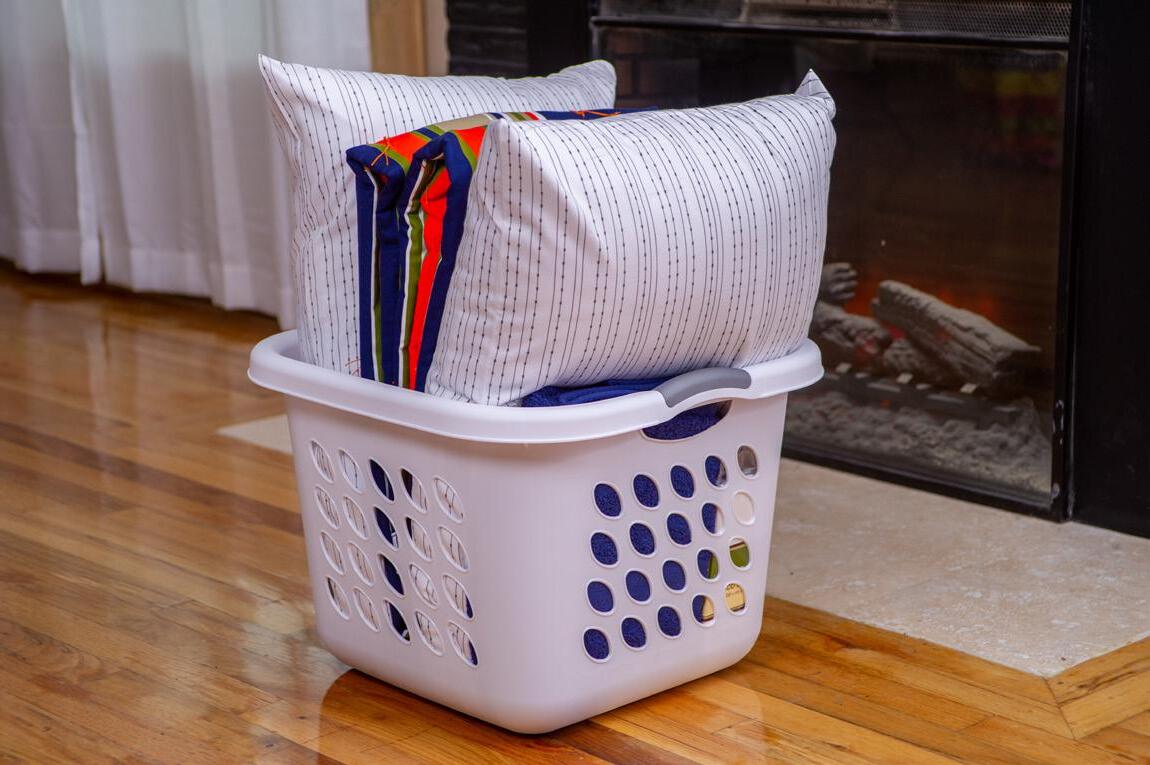
Can you organize a supply drive at your workplace, school, club, faith community, or with friends and family to help seniors transitioning out of homelessness? Your group can collect complete bedding or kitchen kits, or simply donate individual items from the lists below.
Bedding Kit (new items preferred)
• Pillows
• Towels
• Full-size comforter or blanket
• Full-size sheet set
• Shower curtain
• Shower curtain rings
• Laundry basket
Kitchen Kit (new or gently used items)
• Plates
• Soup/cereal bowls
• Drinking glasses (16 oz)
• Coffee mugs
• Paring knife
• Frying pan
• Sauce pot
• Can opener
Every item donated helps create a welcoming home and supports a senior's successful transition from homelessness to stable housing.
To learn more about organizing a donation drive, request customized flyers for your group, obtain donation collection bins, or arrange a donation drop-off, please contact Teresa Badel Chang at teresabc@nwpilotproject.org or 503-478-6877.
Thank you for helping older adults in our community move from homelessness to housing with dignity and support. Together, we can help our neighbors not just find housing—but truly feel at
HOUSING
2026
SENIORS
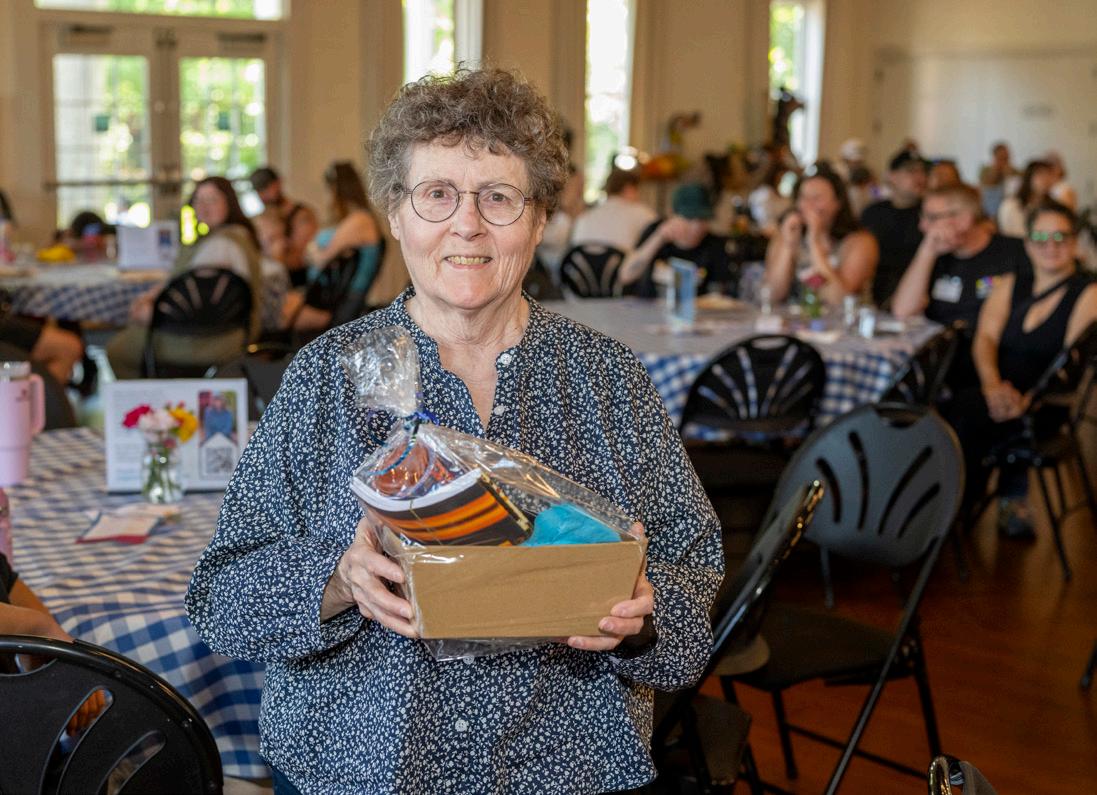
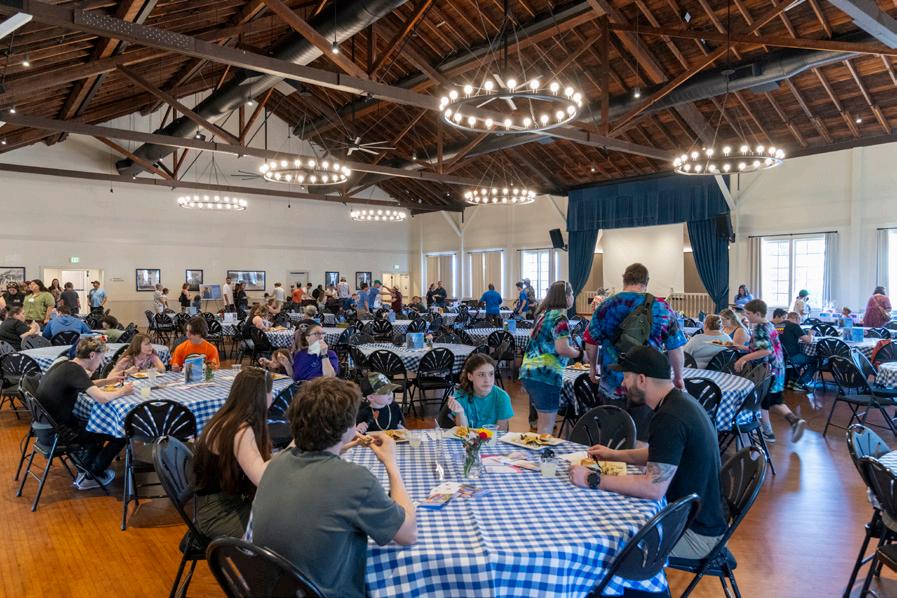
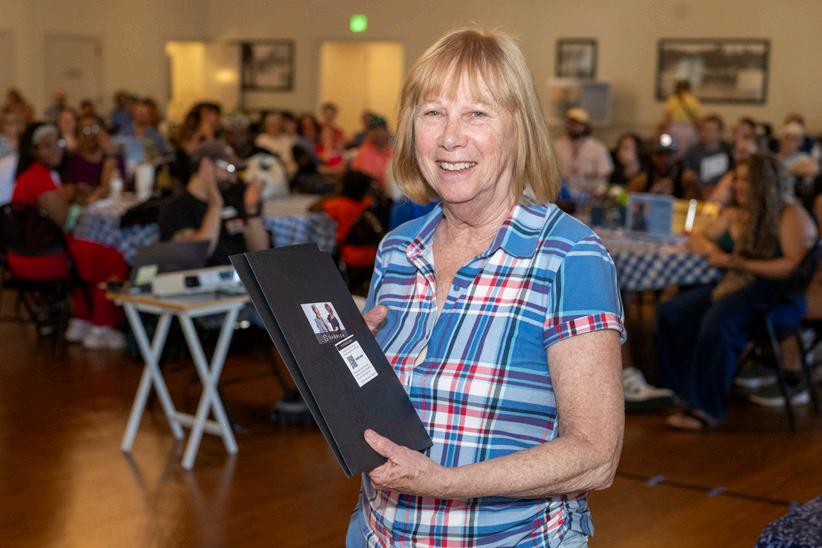
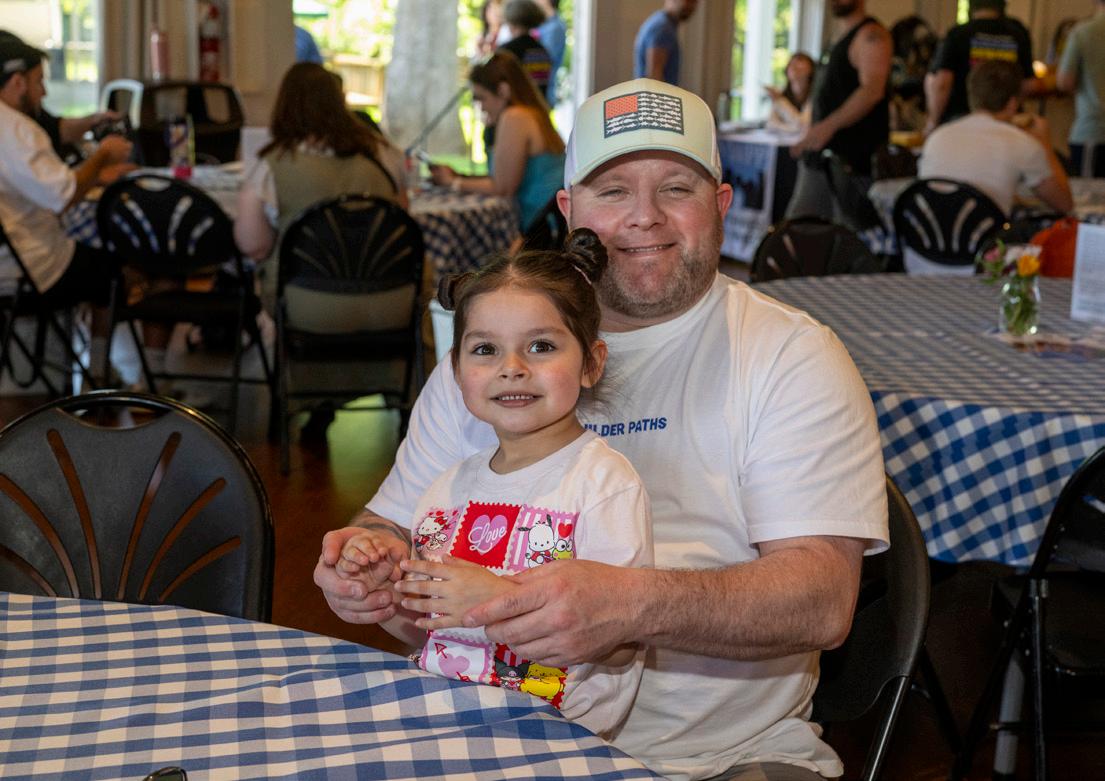
NWPP’s 3rd Annual Housing Seniors Hootenanny on May 3, 2026, was a tremendous success! More than 200 supporters gathered at Oaks Park to celebrate community, compassion, and our shared commitment to helping older adults remain safely housed. Thanks to the generosity of our sponsors, donors, fundraisers, volunteers, and attendees, we raised an incredible $146,270 to support housing stability and essential services for low-income seniors in our community.
The day was filled with laughter, connection, and celebration. Guests enjoyed a delicious meal, recognized outstanding community partners, celebrated our top fundraisers, and learned more about the growing need for senior housing and support services.
Most importantly, the Hootenanny brought together a community of people who believe that every older adult deserves the opportunity to age with dignity, stability, and hope. Thank you to everyone who helped make this event such a memorable and meaningful success!
We are proud to recognize Susan Emmons as our top individual fundraiser for raising an astounding $37,008!
We are proud to recognize Susan Emmons as our top individual fundraiser, raising an astounding $37,008!
Susan's dedication to Northwest Pilot Project spans many years. As NWPP's former Executive Director, she helped shape the organization through her leadership, and unwavering commitment to older adults experiencing housing instability. Her continued support as a volunteer, advocate, donor, and fundraiser demonstrates the lasting impact of her connection to our mission. Susan's passion inspires all of us, and we are deeply grateful for her extraordinary efforts on behalf of the seniors we serve.
TOP INDIVIDUAL FUNDRAISER: SUSAN EMMONS
When one client told Susan, ' Pilot Project I always felt valued as an individual, and was treated with respect she was reminded why she's spent more than four decades raising funds - so older adults can find not only housing, but dignity.
Thank You, Hootenanny Fundraisers!
Your efforts helped raise critical funds for our services that allow us to provide housing assistance, eviction prevention, and supportive services to low-income older adults in our community. Every conversation you started, every donation you inspired, and every dollar you raised helps seniors remain safely housed and maintain their independence.
On behalf of our Board of Directors, staff, volunteers, and the thousands of seniors we serve each year, thank you! YOU made the Hootenanny a tremendous success!
TOP FUNDRAISERS:
Susan Emmons
$37,008
Dale Latham
$17,156
Ann Middleton
$13,300
Terwilliger Plaza
$10,866
Benefactor Sponsors:
Supporter Sponsors:
Melissa Arnold
Teresa Badel Chang
Marisa Bartholomew
A.C. Caldwell
Elizabeth Carnes
Mary Crocker
Brenna Crocker
Karen Day
FUNDRAISERS:
Julia Doty
Marisa Espinoza
Joe Gillock
Linda Goodman
Macy Guppy
JoAnn Herrigel
Janet Hitti
Thank You to our Sponsors!
AARP · A to Z Moving · Beneficial State Bank · Classic Pianos · Escape from New York Pizza · Heritage Bank · Holst Architecture · Housecall Providers · Mattress Lot/Stumptown Mattress · Pacific Office Automation · Portland Computer Guys, LLC · Walsh Construction · Willamette Dental Group
Mark your calendars and join us next year on Sunday, May 2nd!
When affordable housing isn't affordable...in a city we all share
AFFORDABLE FOR WHOM?
Portland's housing shortage isn't just about the number of affordable unitsIt's whether the lowest-income can actually afford them
On December 2, 2025, The Oregonian reported on an analysis by CoStar, a real estate data company, that found nearly 1,900 publicly subsidized rental units, or 7.4% of Portland’s affordable unit inventory, were vacant. How do we reconcile so many vacant units with the thousands of low-income people desperately seeking affordable housing in our community? The key to understanding this discrepancy is in grasping the nuance of the term “affordable” as it applies to housing, and the wide range of affordable housing that is priced beyond the reach of very low income people.
Most of the housing included in the 25,409 affordable units counted in CoStar’s report are subsidized through tax credits. These tax credits provide incentives for developers to buy, build, or rehab housing. In return, developers are required to lower the monthly rent to create housing affordable to people at 30%, 50%, 60%, and 80% of the Area Median Income (AMI) levels. The most common tax credit units we see are designed to be affordable for people who are at or below 60% AMI which is $53,940 per year in Portland for one person, or $4,495 per month.
But the tenant’s income doesn’t determine the rent, just their eligibility for this kind
of “affordable” unit. So - how is the rent amount determined?
For several decades the standard has been that a household should pay no more than ⅓ of their total income for rent. But in buildings with tax credit subsidies , rent is not based on the tenant’s income. Instead, the rent is preset, typically at an amount equal to ⅓ of the highest income within a specific income range. For people at 60% of the area median income (AMI) in the Portland Metro area today, that amount is $1,348/month.
The fixed rents make these units too expensive for those whose income falls under 60% AMI. Because these rents are based on local averages rather than a tenant’s actual income, a massive gap has formed in our community. The vast majority of older adults seeking affordable housing have incomes significantly lower than the 60% AMI benchmark. Tax credit rules require these buildings to charge the full minimum set rent, meaning they cannot lower the price for a very lowincome tenant. Consequently, these units sit empty because applicants cannot meet the income requirements to afford them, while lower-cost options or housing vouchers remain scarce.
There is an added wrinkle: many of the managers of these buildings require two times the rent in income to qualify as a renter. This effectively limits 60% tax credit housing to people who have income between $2,696 and $4,495 per month.
Renters with income within these limits can find comparable rents in open market housing, often with less paperwork and fewer delays. But that’s not the case for NWPP’s clients whose incomes are at 030% of AMI. According to the National Low Income Housing Coalition, in the Portland Metro area in 2024, the percentage of renter households with severe cost burden varied greatly depending on whether their monthly income was under or over 50% AMI:
Percentage of Renter Households with Severe Cost Burden
0-30% AMI: 84%
31%-50% AMI: 41%
51%-80% AMI: 8%
81%-100% AMI: 1%
As our former Executive Director, Susan Emmons, used to say, “All housing is affordable to someone.” In other words, “affordable housing” is an unhelpful concept if it does not address the needs of people who experience the highest cost burden, the most housing instability, and the fewest housing choices. Every study, every count, and every day in our office tells us that the housing that will end
homelessness in our community must be affordable to people in the 0-30% AMI range. Housing units targeted at people over 30% of median income do not address the needs or income limitations of NWPP’s clients.
Our community has a handful of units with 30% tax credits, which rent for half of the 60% tax credit rents. But a studio apartment at $674 is still too expensive for most of the older adults we work with, whose sole source of income is Social Security or SSI. Housing in which rent is calculated at 30% of the tenant’s income is the single most effective tool we have for preventing, and ending, homelessness.
To provide this level of rent, we need to shift our efforts from building housing with rents beyond the reach of very low income people, to providing rent subsidies that will create affordability for the people who need it most. Whether these subsidies are tied to a building or provided to a tenant, they must be more widely available to very low-income people in our community.
Older adults call our office hoping we have an immediate, permanent solution to their housing crisis, whether they are in rental housing that has become unaffordable over time, temporarily doubled up with family, or sleeping outside because they have run out of other options. We can help them apply for subsidized housing, but it might take years for a unit they can actually afford to become available. In the meantime, units they cannot afford sit empty. It is time for us all to create affordability in housing with the sense of urgency that our clients feel when they walk through our door.
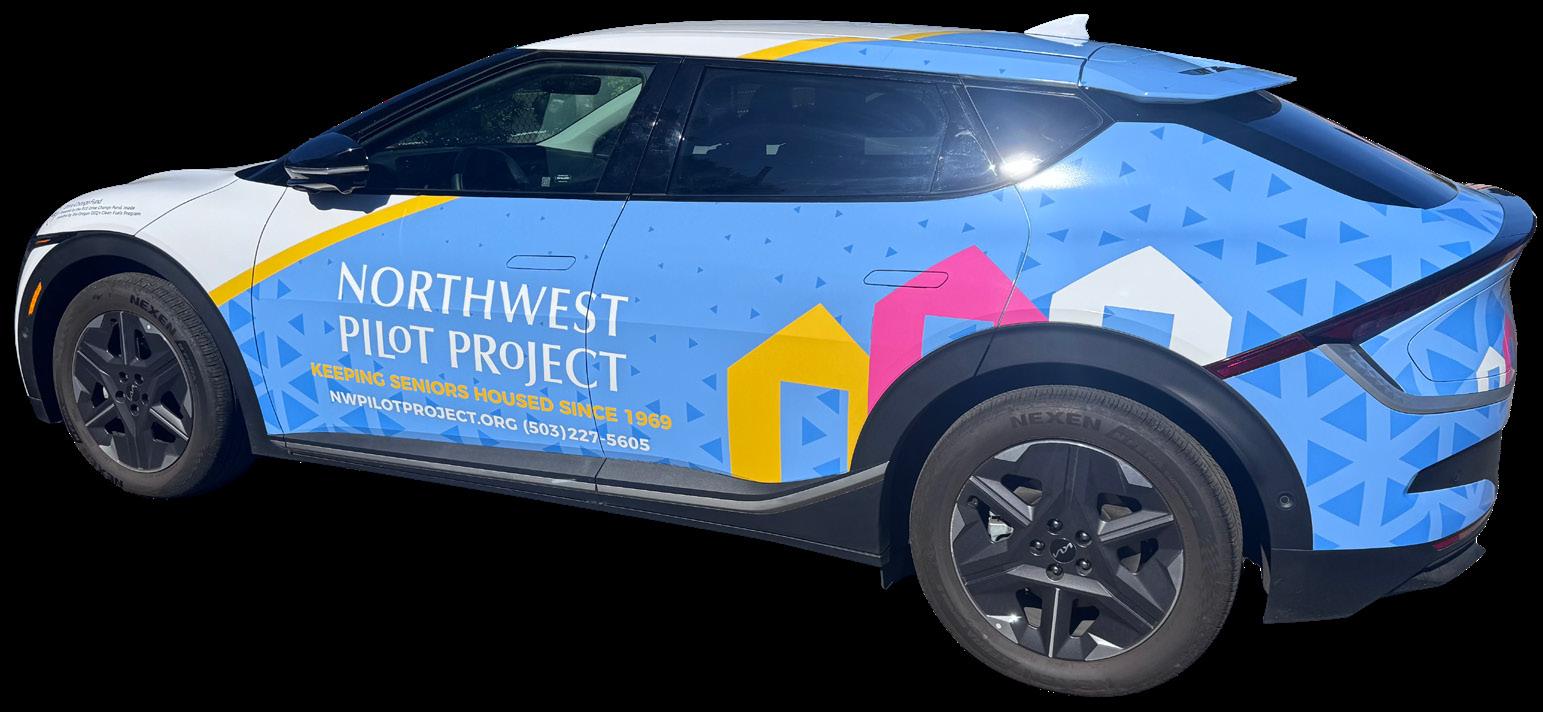
GROWING OUR ELECTRIC FLEET Thanks to PGE Drive Change Fund
We are excited to add a new all-electric Kia EV6 to our vehicle fleet, thanks to Portland General Electric’s Drive Change Fund, made possible by Oregon DEQ’s Clean Fuels Program.
This new vehicle will help our staff travel throughout Multnomah County to meet with the growing number of older adults who are experiencing homelessness or are at risk of losing their housing. Many of the seniors we serve have difficulty getting to appointments and services, so reliable transportation is an important part of our work.
By adding electric vehicles to our fleet, we can reach clients more efficiently while avoiding fuel costs and having a positive impact on the environment. Money saved on gas and vehicle maintenance can be used to support our mission of helping low-income seniors find and keep stable housing. Thank you PGE Drive Change Fund for supporting Northwest Pilot Project!
Powered by the PGE Drive Change Fund, our new Kia EV6 is helping us drive change - one client visit at a time.
Northwest Pilot Project's mission is to offer opportunities for a life of dignity and hope to very low-income seniors in Multnomah County by solving housing needs.