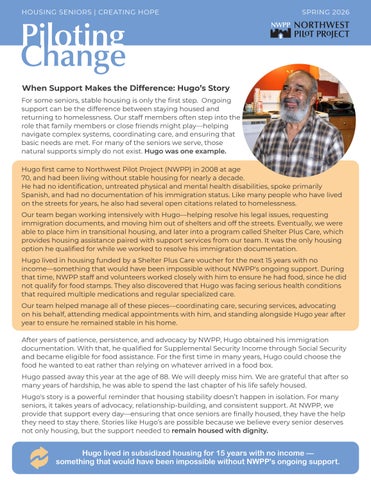
When Support Makes the Difference: Hugo’s Story
For some seniors, stable housing is only the first step. Ongoing support can be the difference between staying housed and returning to homelessness. Our staff members often step into the role that family members or close friends might play—helping navigate complex systems, coordinating care, and ensuring that basic needs are met. For many of the seniors we serve, those natural supports simply do not exist. Hugo was one example.
Hugo first came to Northwest Pilot Project (NWPP) in 2008 at age 70, and had been living without stable housing for nearly a decade. He had no identification, untreated physical and mental health disabilities, spoke primarily Spanish, and had no documentation of his immigration status. Like many people who have lived on the streets for years, he also had several open citations related to homelessness.
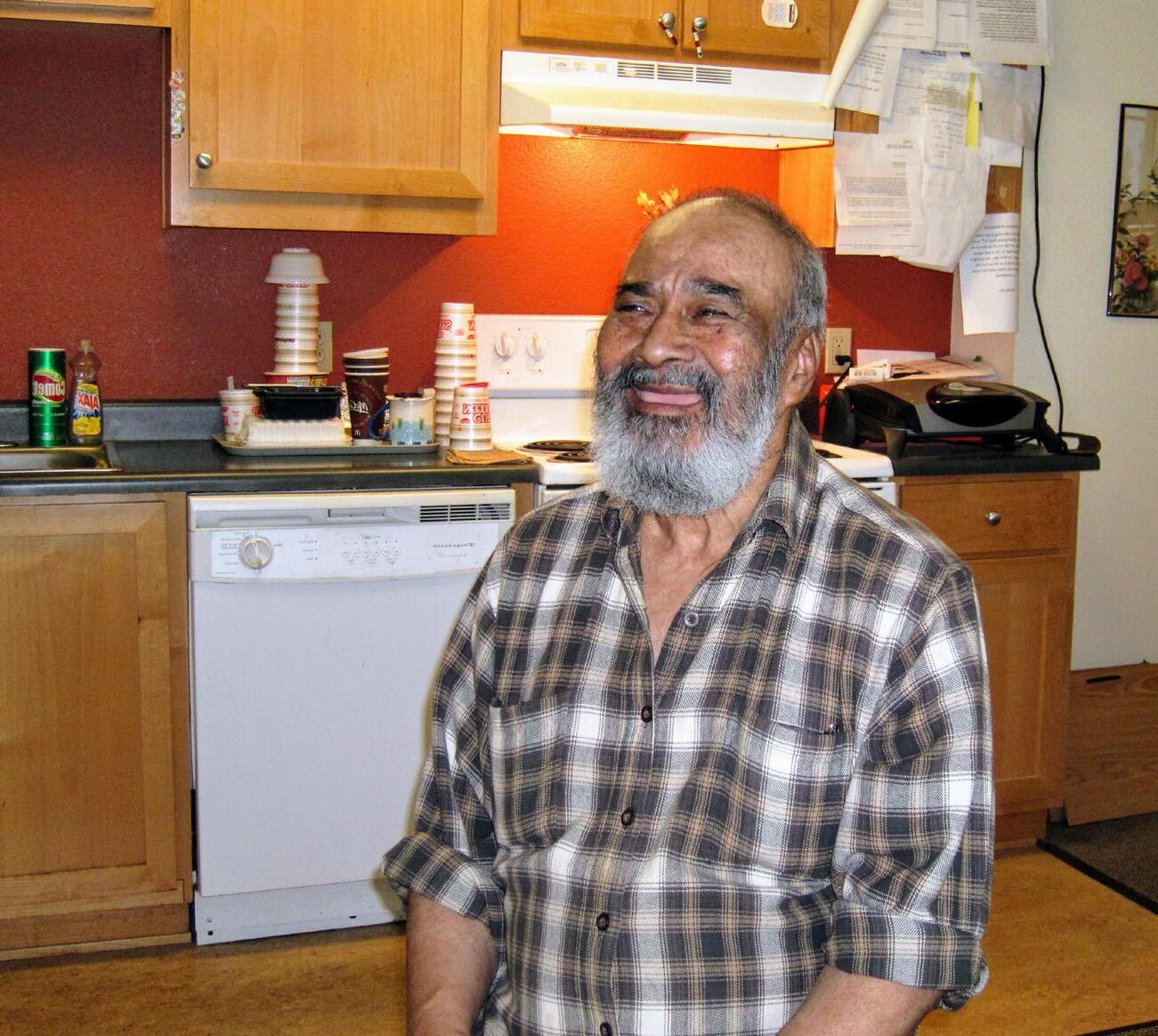
Our team began working intensively with Hugo—helping resolve his legal issues, requesting immigration documents, and moving him out of shelters and off the streets. Eventually, we were able to place him in transitional housing, and later into a program called Shelter Plus Care, which provides housing assistance paired with support services from our team. It was the only housing option he qualified for while we worked to resolve his immigration documentation.
Hugo lived in housing funded by a Shelter Plus Care voucher for the next 15 years with no income—something that would have been impossible without NWPP's ongoing support. During that time, NWPP staff and volunteers worked closely with him to ensure he had food, since he did not qualify for food stamps. They also discovered that Hugo was facing serious health conditions that required multiple medications and regular specialized care.
Our team helped manage all of these pieces—coordinating care, securing services, advocating on his behalf, attending medical appointments with him, and standing alongside Hugo year after year to ensure he remained stable in his home.
After years of patience, persistence, and advocacy by NWPP, Hugo obtained his immigration documentation. With that, he qualified for Supplemental Security Income through Social Security and became eligible for food assistance. For the first time in many years, Hugo could choose the food he wanted to eat rather than relying on whatever arrived in a food box.
Hugo passed away this year at the age of 88. We will deeply miss him. We are grateful that after so many years of hardship, he was able to spend the last chapter of his life safely housed.
Hugo's story is a powerful reminder that housing stability doesn’t happen in isolation. For many seniors, it takes years of advocacy, relationship-building, and consistent support. At NWPP, we provide that support every day—ensuring that once seniors are finally housed, they have the help they need to stay there. Stories like Hugo’s are possible because we believe every senior deserves not only housing, but the support needed to remain housed with dignity.
Hugo lived in subsidized housing for 15 years with no income — something that would have been impossible without NWPP's ongoing support.
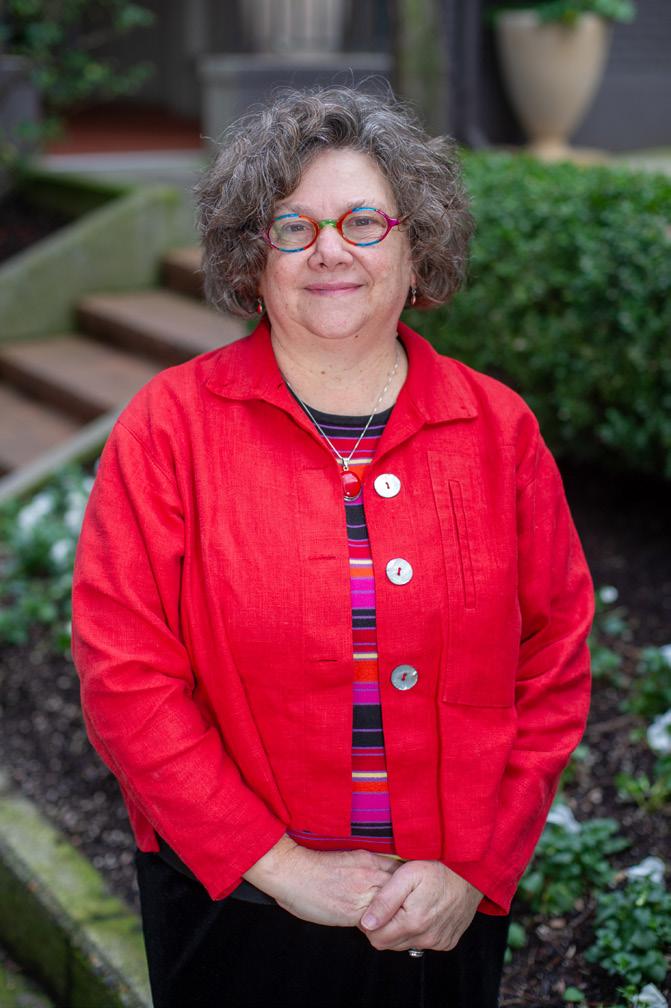
From The Executive Director, Laura Golino de Lovato
Dear Friends -
Spring has finally arrived! I’m sure you, like me, are enjoying every hour of sunshine after so many rainy days. And with spring comes the launch of our spring fund drive on April 1st, leading up to the Housing Seniors Hootenanny on May 3rd! We hope that you will join the many community members who raise needed funds to support our programs and services for vulnerable older adults, like Hugo (cover), and Jeffrey (page 3). Please see pages 4-5 for more details about our fun event and how you can support us. We look forward to hosting you for lunch at Oaks Park, on Sunday, May 3. It’s going to be a Hoot!
As many of you know, advocacy is a part of NWPP’s DNA. During this year’s Oregon Legislature short session, NWPP supported a new law that helps our clients and many others who aren’t tech savvy to get the access to housing they deserve (see below). Our focus is to remove as many barriers our clients have to housing so that they can get what we all deserve: a safe and affordable home.
The Hootenanny and our advocacy work are all about the older adults we serve. The crisis of older adult homelessness is still all too real, and many older adults with limited incomes are facing the loss of housing - and potentially homelessness - as rents continue to outpace limited incomes. The weekly number of requests for assistance we are getting is hovering around 200; that is the most we’ve seen in our nearly 57 years of serving our community.
But thanks to you and your support, NWPP is able to continue its critical work to help older adults like Hugo and Jeffrey. And we will continue to focus on the individual needs of each client while also working for systemic change at the local and state level. Onward!
Breaking the Digital Divide
Today, much of our access to essential services and daily activities is digital. We order groceries through apps, listen to music on streaming platforms, and pay bills via online banking—often managing everything from our rent to utility bills with a few clicks. Digital access has become the norm in apartment buildings too, with utilities, building entry, and laundry services increasingly reliant on technology. However, for many clients served by NWPP, digital access is not the great equalizer—it can be a barrier.
Older adults and individuals who don't see themselves as tech-savvy often face significant challenges when transitioning to fully digital housing systems. Recognizing this issue, NWPP’s advocacy team partnered with Oregon Law Center to address these barriers. Together, we supported legislation ensuring that every tenant can access rental applications in paper form, enter their buildings with a traditional key, and utilize laundry and other amenities without relying solely on digital tools.
Thanks to the dedicated support of many community partners, this bill was passed with strong legislative support and signed into law by Governor Kotek. Set to take effect in June 2026, the law—Breaking the Digital Divide—aims to provide vulnerable community members, especially those less familiar with technology, with equitable access to housing and essential services.
Bridging Gaps with Medium Term Rent Assistance
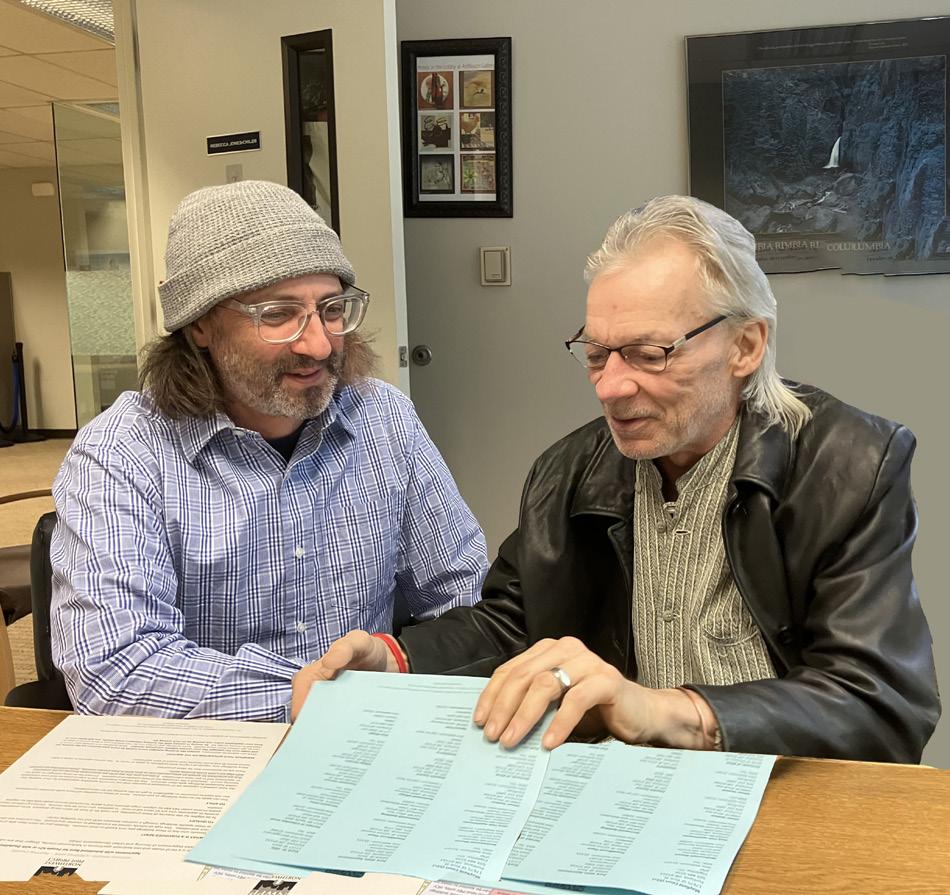
Jeffrey spent decades outside and occasionally stayed with friends who were willing to put him up for short periods of time to keep him indoors. Struggling with sobriety and aging, Jeffrey knew things needed to change when, in 2023, at 60 he learned he needed a hip replacement. By this time, the pain was unbearable, and his mobility was limited. His doctor said he needed stable housing to recover, but Jeffrey had no income or any means to pay rent. Surgery had to be delayed until Jeffery was housed.
Jeffrey faced a dilemma familiar to many of the older adults we serve: unable to work, not yet eligible for disability, and no income to pay rent. For seniors like Jeffrey, who have little or no income, the best housing options are permanently subsidized, where rent is about 30% of their income. Government funding—whether on the federal, state, or local level—provides the balance of the rent. However, criteria for rent assistance programs have restrictions, and the demand for subsidized housing far outweighs the supply. The wait for an available unit can take years and multiple waitlists, leaving many older adults with no housing options.
For Jeffrey, NWPP's Medium Term Rent Assistance (MTRA) program and support from a case manager who helped him navigate the process meant he was able to move into an apartment quickly after enrolling in our program. Not only did Jeffrey finally have stable housing, but it meant he could finally get the surgery he so badly needed.
NWPP developed the Medium Term Rent Assistance (MTRA) program to support our clients who don’t have other housing support options. While not perfect— many clients have to move twice; once into immediately available housing, and then again into permanent housing—MTRA provides vital housing stability. It braids together funding sources to cover rent for up to 24 months, giving clients time to find permanent housing. MTRA can also help extend short term housing until a subsidized unit is available. After settling into temporary housing, clients are placed on multiple waiting lists for apartments with permanent subsidies. Although the financial commitment for MTRA is significant, the cost is a bargain compared to the cost of a shelter bed for the same period of time, even without taking into consideration the health and human costs of extended housing instability and homelessness. On average, NWPP pays just over $12,000 per year in rent for each MTRA participant. Sheltering one person for a year costs on average about $37,000.
Ultimately, MTRA often makes the difference between homelessness and a stable, healthy life.
In Jeffrey's words, "You guys saved my life."
Jeffrey faced a dilemma familiar to many of the older adults we serve: unable to work, not yet eligble for disability, and no income to pay rent.
Hootenanny: Join the fun, fundraise
Join us for the HOUSING SENIORS
Sunday, May 3, 2026 at 1:00 PM Oaks Amusement Park - Dance Pavilion
Raise money, win prizes, and help keep seniors housed!
Register by April 19 to receive a FREE Oaks Park ride bracelet!
Make an Impact – It’s Easy!
Register online (to fundraise and/or to attend event)
Start fundraising on April 1
Join us May 3 for a fun celebration luncheon
Register: CLICK TO REGISTER
Raffle Tickets: CLICK TO BUY RAFFLE TICKETS
REGISTER BY APRIL 19TH! Click
KEY DATES:
• April 1 – Fundraising begins
• April 19 – Deadline to receive a FREE ride bracelet
• May 3 at 1:00 PM – Hootenanny celebration luncheon


and make a difference!

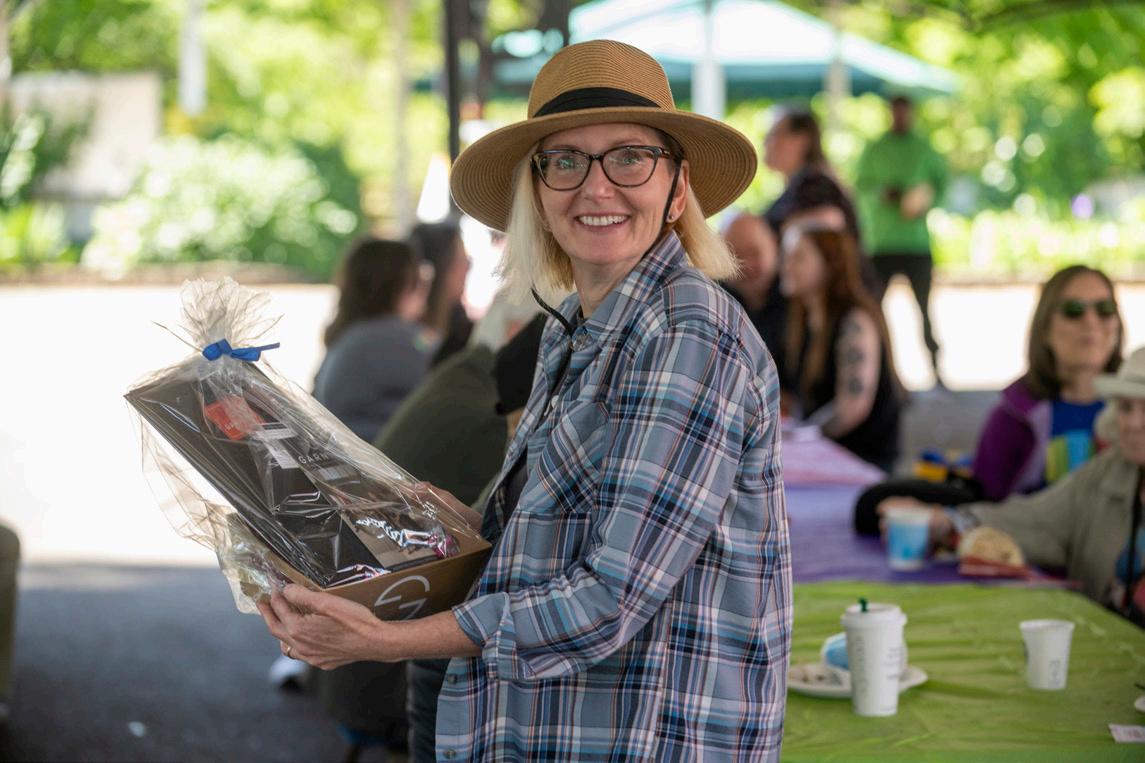
Raise $250 or more and receive FREE raffle tickets for a chance to win exciting prizes!
• Cruise for Two on Holland America Line
• Lanphere Cellars Winery Tour & Bottle
• Wonderwood Springs Mini Golf for Four
• Powell’s Books Book Lovers Basket
• Regal Cinema Movie Lovers Basket
• Suite seating for Timbers/Blazers '26/'27
• PDX Jazz Membership Package
• Multnomah Whisk{e}y Library Hall Pass
AND MORE! Not fundraising but still want to support seniors? Purchase raffle tickets: 1 ticket for $10 or 3 tickets for $25!
Amount Raised = Raffle Tickets
$10,000 + = 13 tickets
$5,000 - $9,999 = 11 tickets
$3,000 - $4,999 = 9 tickets
$1,500 - $2,999 = 7 tickets
$750 - $1,499 = 5 tickets
$500 - $749 = 3 tickets
$250 - $499 = 1 ticket
Interested in becoming a sponsor? Contact: Laura Golino de Lovato, 503-478-6868, laurag@nwpilotproject.org
PERMANENT SUPPORTIVE HOUSING (PSH) OUTCOMES AT THE TWO-YEAR MARK
What is PSH?
Permanent Supportive Housing (PSH) is an approach to supporting people exiting chronic homelessness consisting of deeply affordable housing paired with services tailored to the person’s needs. PSH helps those with the highest barriers to housing both secure housing and address the other challenges they face that contribute to those barriers. To qualify for PSH, a person must have history of chronic homelessness, a disability, and income at or below 30% of the Area Median Income.
PSH at NWPP
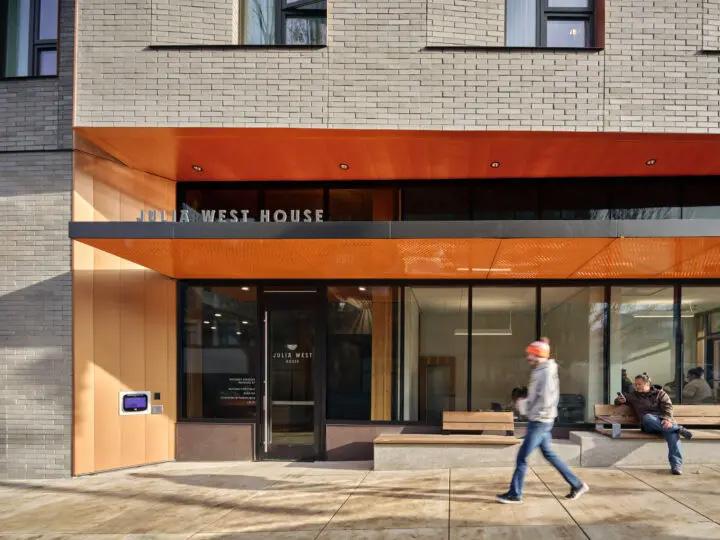
Since 2021, NWPP has been providing PSH services to chronically homeless older adults in Multnomah County, thanks to support from the Supportive Housing Services measure. Currently, we provide PSH services to 219 seniors across four projects: three site-based programs—Emmons Place, Julia West House, and Kafoury Court—and one scattered-site program, Multnomah County’s Older Adult Regional Long-term Housing Assistance (RLRA) Project.
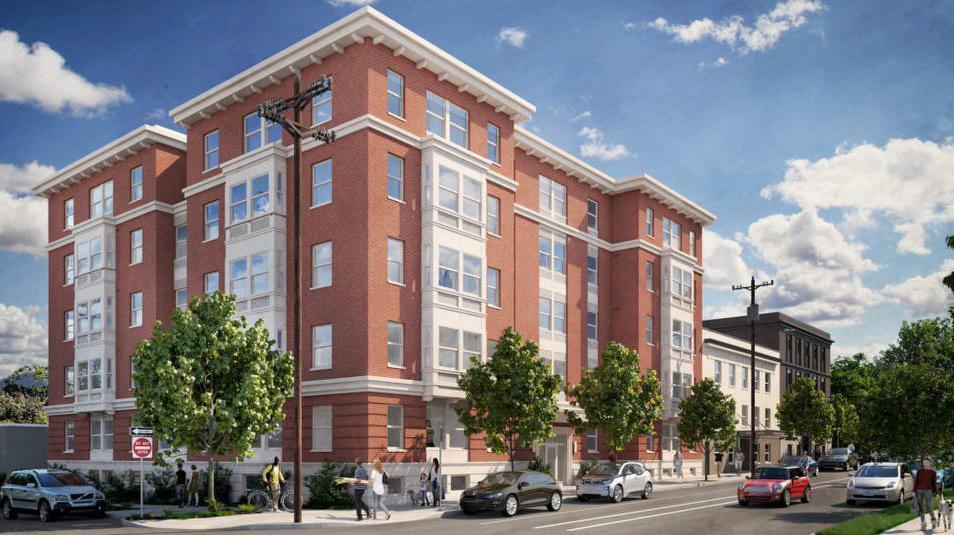
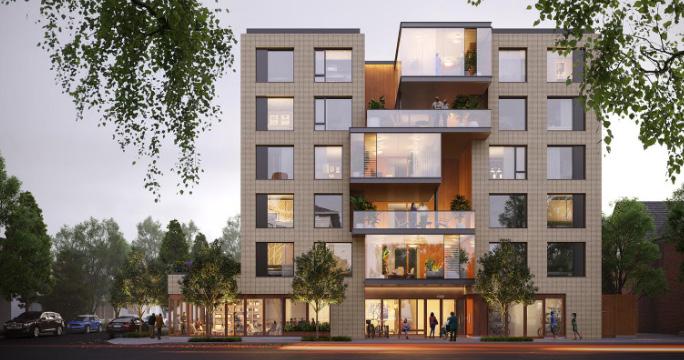
Scattered site PSH:
• Provides a tenant-based voucher that can be used in any apartment buildings across Multnomah County.
• NWPP PSH case managers travel from apartment to apartment to work with and support their clients.
Project or site-based PSH:
• Building units are subsidized with project-based vouchers that are tied to the building.
• NWPP case managers are on-site providing supportive services in a designated building.
While two of the projects opened in late 2025, Emmons Place has been in operation for three years, and the RLRA project started four and a half years ago. With solid data, we wanted to evaluate these two projects and compare housing stability outcomes for the participants for the first 24 months to learn how two different versions of PSH impact our clients’ housing stability.
Analysis and Evaluation
We looked at four key indicators of housing stability for program participants in these two projects: remains in the same housing or project, moved voluntarily, deceased, and evicted
Remains in Housing
Key takeaways:
• The RLRA project, which uses tenant-based vouchers—rent subsidies that “travel” with clients—showed a higher rate of housing stability, likely due to the clients' ability to choose the unit that is the best fit for them.
• Evictions represent a small share in both projects. These are clients who were unable to stabilize their housing despite rental subsidies and supportive services. In both models, no more than 6% of participants experienced a negative housing outcome within 24 months.
• Both projects show relatively high rates of exits due to death, reflecting participants’ significant health challenges; we consider it a success when individuals remain housed through the end of their lives.
Other findings:
Voluntary move-outs reflect a range of positive outcomes, including transitions to higher levels of care, moves to alternative or better-suited housing, and relocations to be closer to family—all resulting in this category exited to stable housing.
Conclusion:
Together, these findings demonstrate the effectiveness of Northwest Pilot Project’s PSH programs in supporting long-term housing stability for older adults exiting chronic homelessness. Across both site-based and scattered-site models, participants remain housed, transitioned appropriately as their needs evolved, and rarely experienced negative outcomes. While each model offers distinct advantages, both confirm that deeply affordable housing paired with responsive, personcentered services creates a reliable pathway to stability, and early outcomes suggest this approach will continue to deliver lasting impact for the seniors we serve.
NWPP's Friendly Visitor Program is open for volunteers!
The Friendly Visitor Program connects well trained volunteers with low-income seniors (age 55+) in Multnomah County who may be isolated or in need of social connection.
What Friendly Visitor volunteers do:
• Provide weekly or bi-weekly social visits
• Offer companionship and conversation
• Help combat loneliness and isolation
• Support seniors in staying connected to the community
• Participate in light social activities (no personal care or medical tasks)
Volunteers are screened and trained, and matched with seniors based on interests, personality, location, and availability. Consistent, reliable visits are expected.
The Friendly Visitor Program is a fulfilling way to give back to your community and make the life of an isolated older adult a bit brighter!
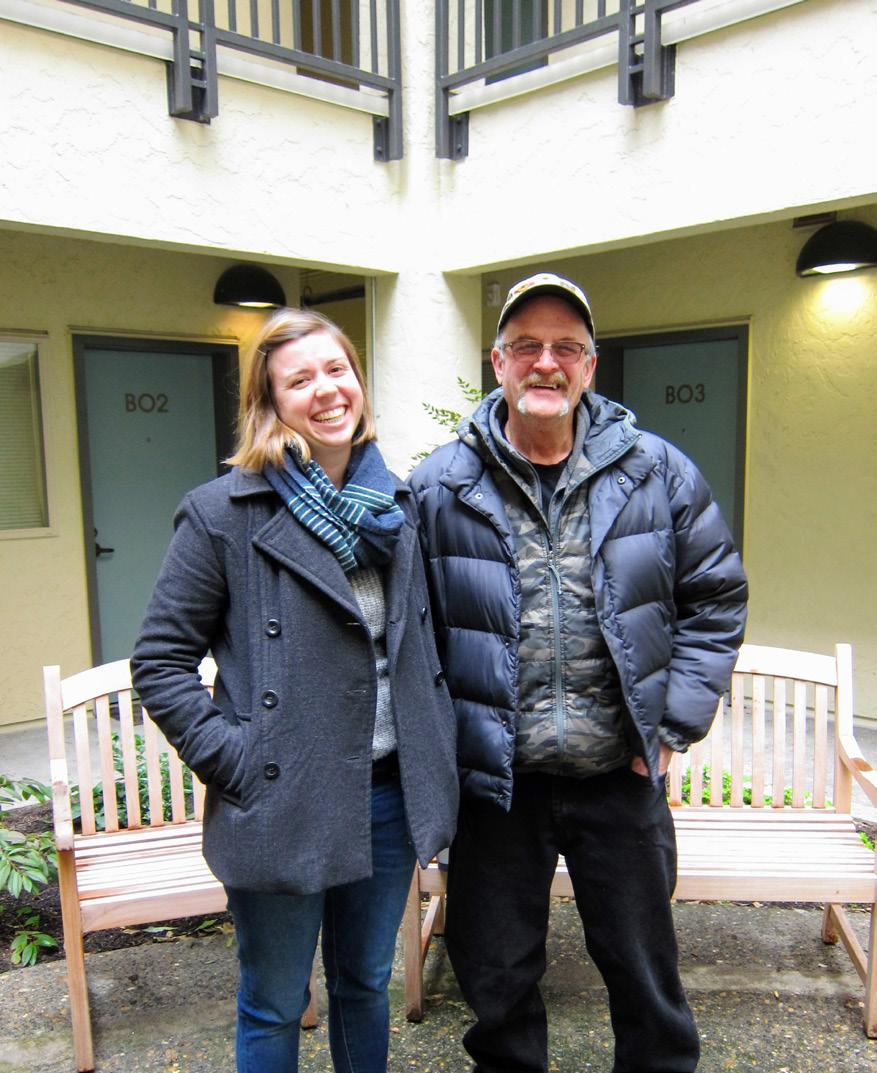
CLICK HERE for more information and apply today!
REGISTER BY APRIL 19TH!
Don't forget to register for your FREE ride bracelets at the Housing Seniors
Can't make it to the Hoot? Your support drives our mission - make a donation to support older adults today. Click HERE to donate!
Northwest Pilot Project's mission is to offer opportunities for a life of dignity and hope to very low-income seniors in Multnomah County by solving housing needs.