
















































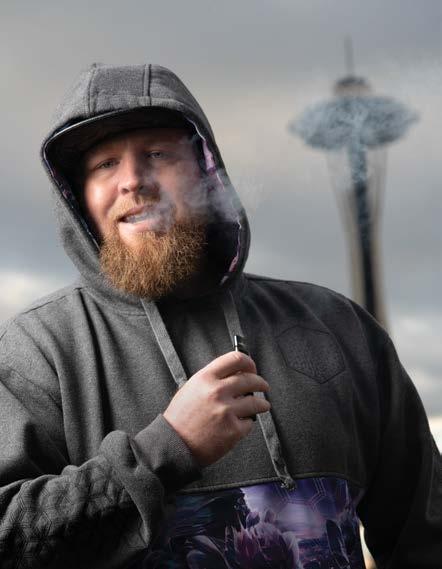

WES ABNEY CEO & FOUNDER
wes@leafmagazines.com
MIKE RICKER OPERATING PARTNER ricker@leafmagazines.com | advertising opportunities
TOM BOWERS CHIEF OPERATING OFFICER tom@leafmagazines.com
DANIEL BERMAN CHIEF CREATIVE OFFICER daniel@leafmagazines.com
BOBBY BLACK LEAF BOWL DIRECTOR & HISTORIAN bobbyblack@leafmagazines.com
MATT JACKSON CA CONTENT DIRECTOR + SOCIAL mattjackson@leafmagazines.com
JACKIE BRYANT & MICHELLE NARANJO COPYDESK jackie@leafmagazines.com | michelle@leafmagazines.com
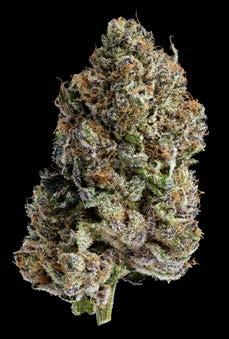
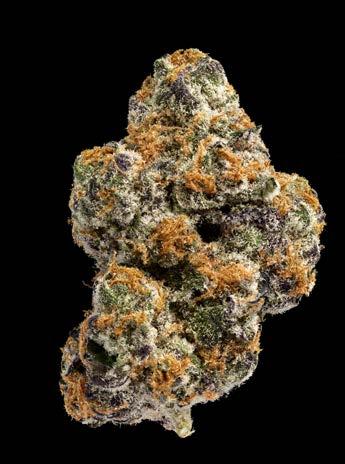
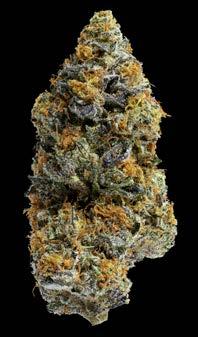
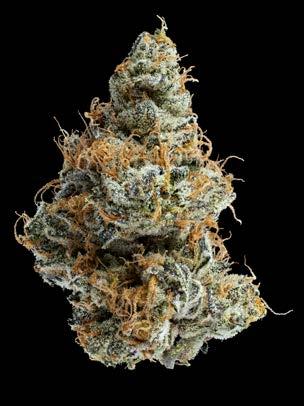
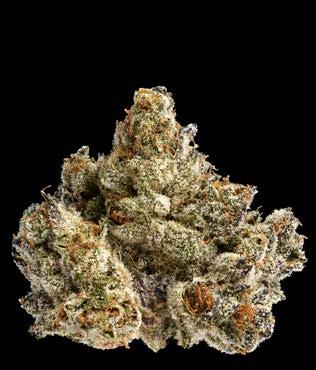
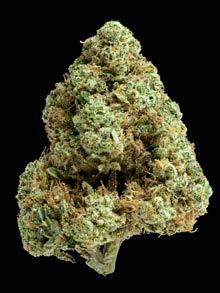
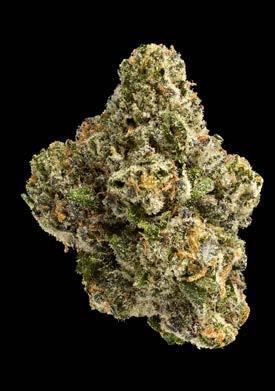
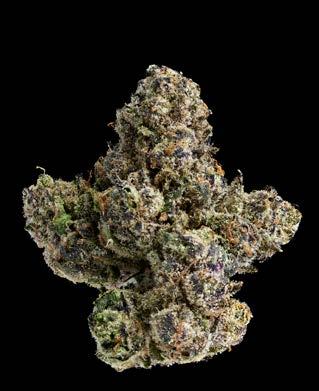
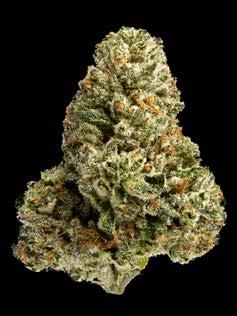
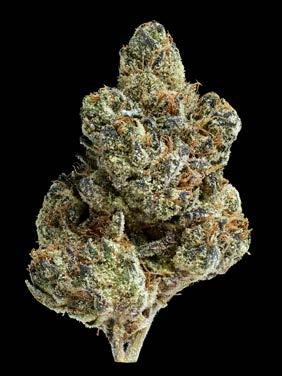
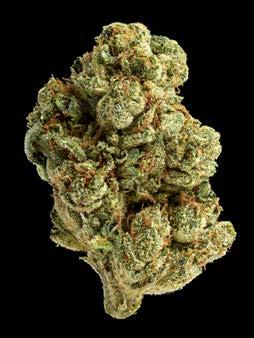
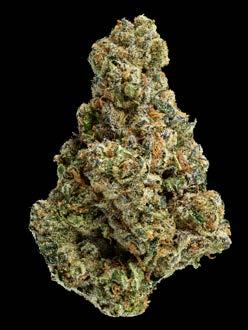
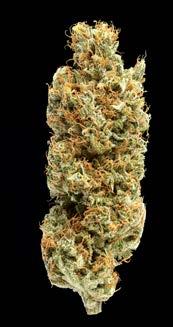
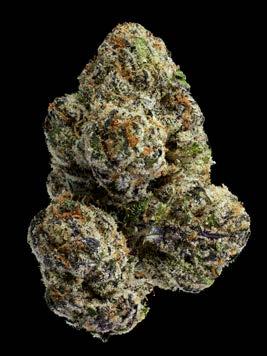
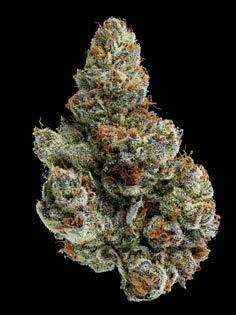
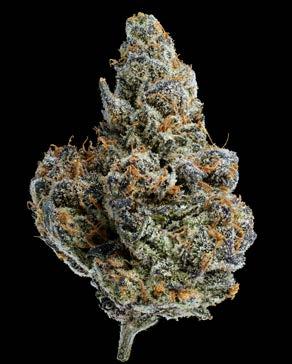
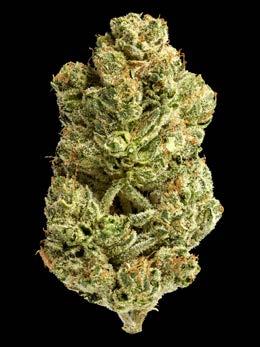
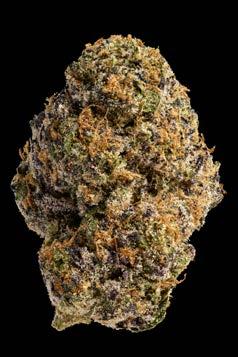
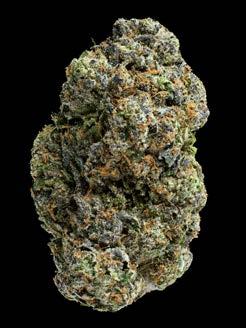
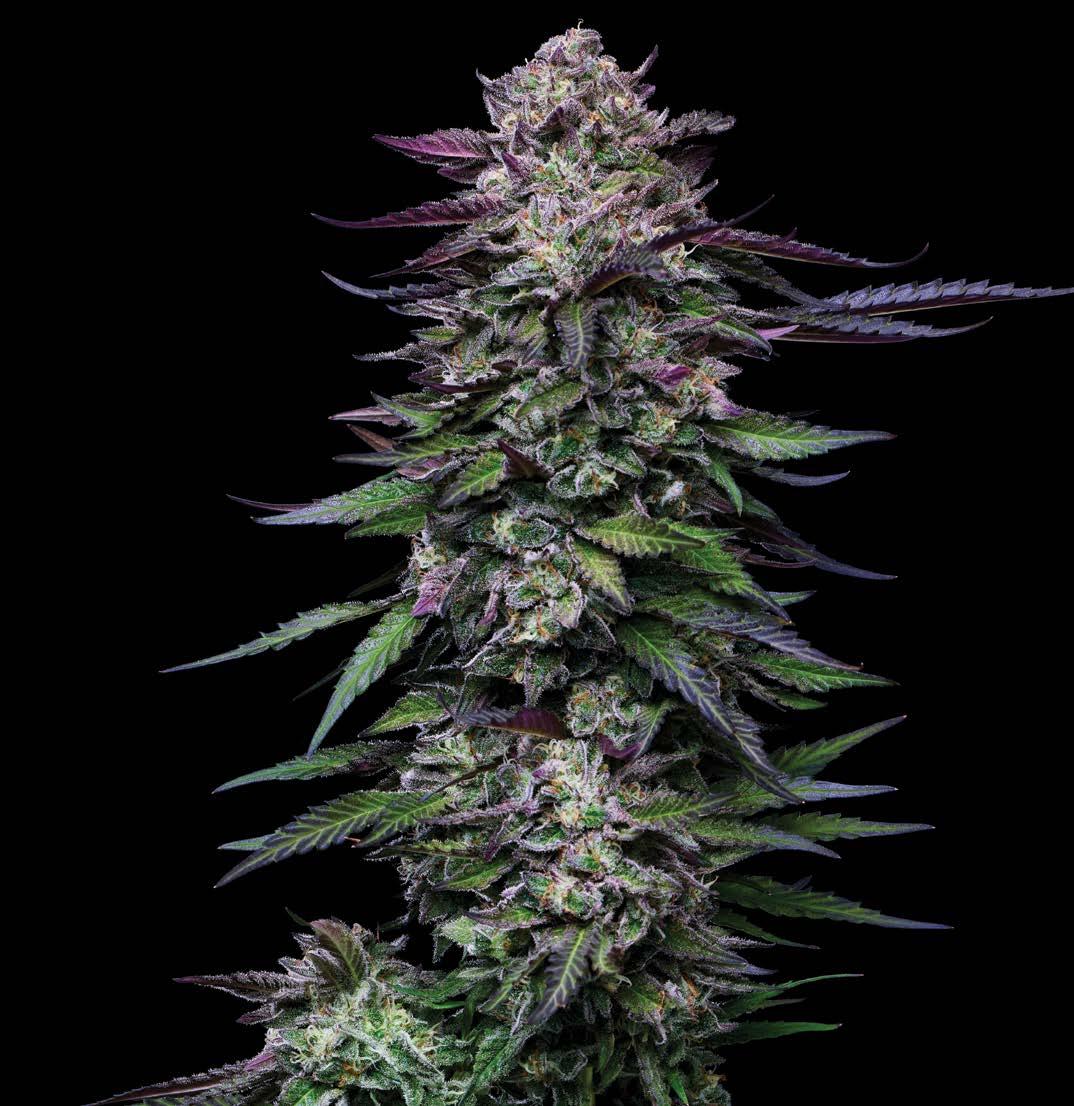
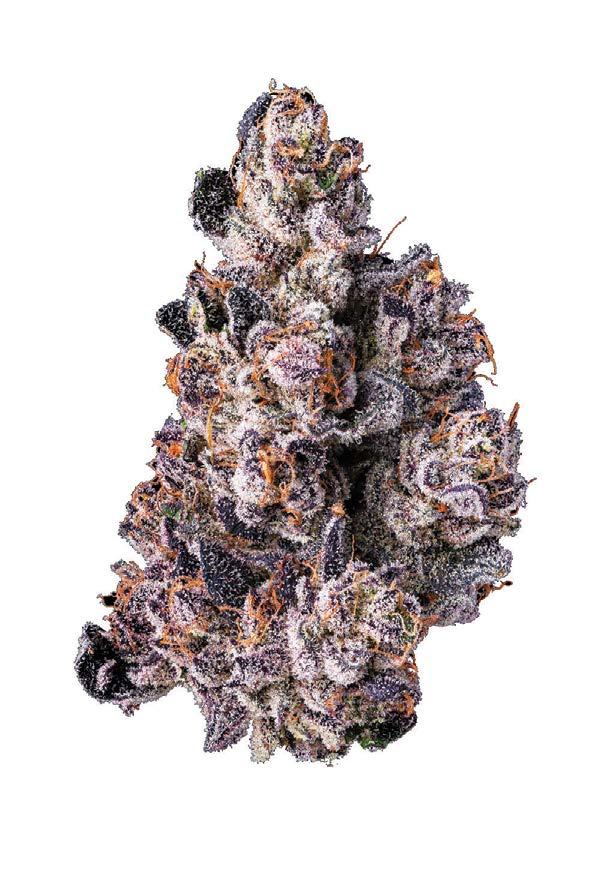
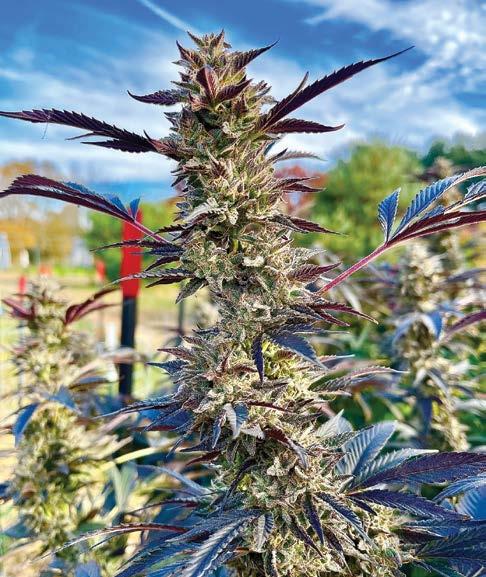
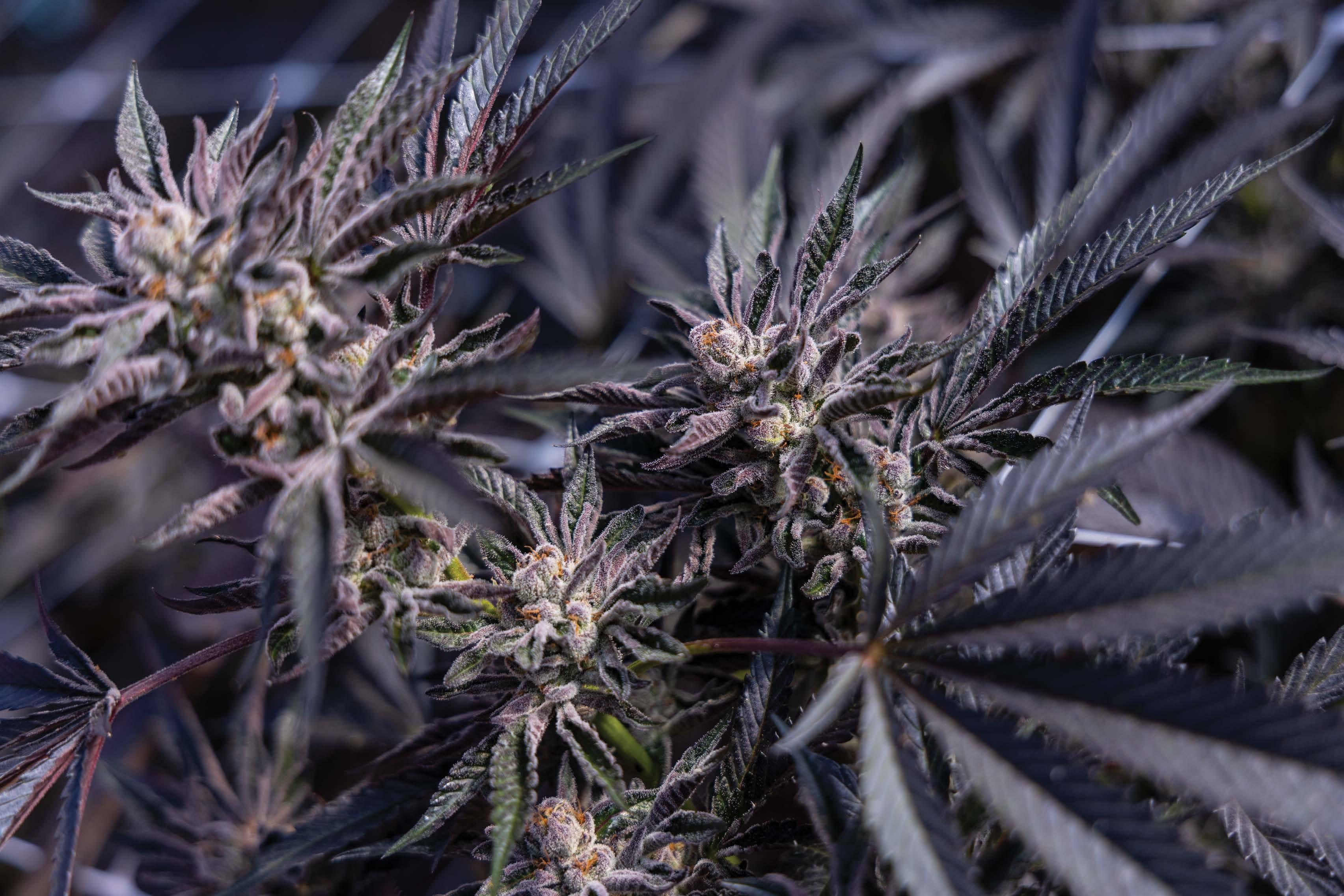
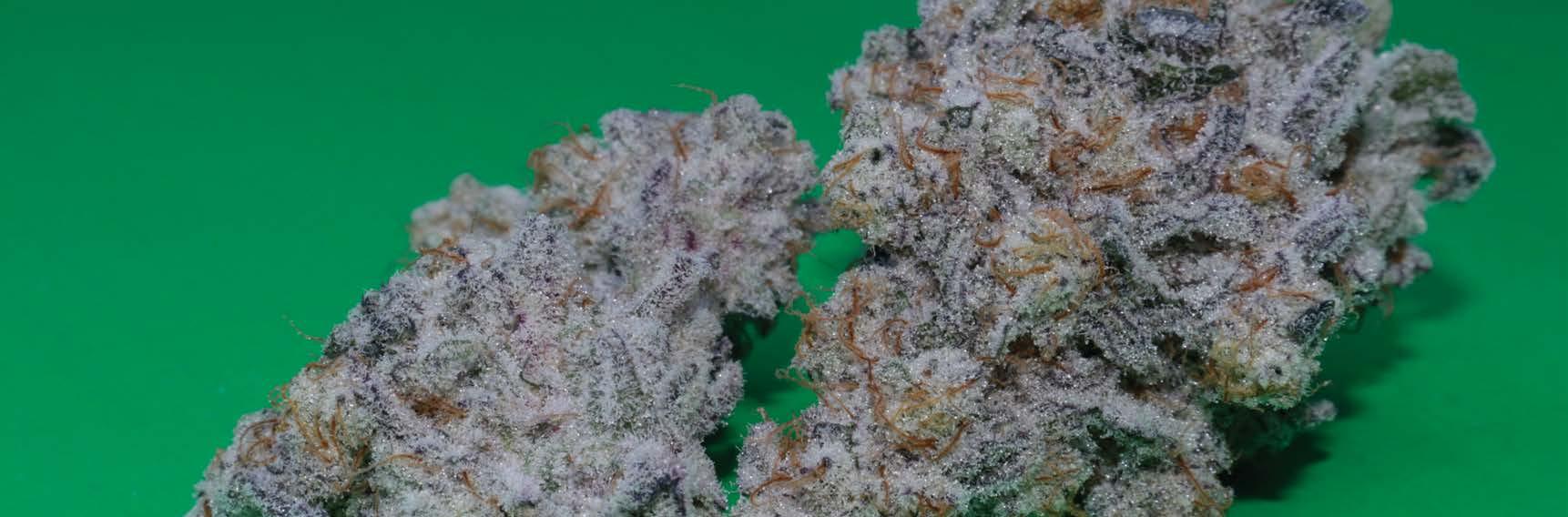
This month’s trichome-coated cover showcases a collage of beautiful bud shots captured by longtime California Leaf contributor Chris Romaine, aka Kandid Kush. Our Flower Issue highlights the best of California’s Cannabis growers, taking a close-up look at some of their finest strains and cultivations. If you’re looking to try a new brand or revisit an old favorite, check out these mouthwatering reviews (pgs. 24-33), and be sure to tag @californialeafmag and the featured brands for some love!
COVER PHOTOS BY CHRIS ROMAINE KANDIDKUSH.COM | @KANDIDKUSH
AJ AGUILAR, FEATURES
DANIEL BERMAN, PHOTOS + DESIGN
BOBBY BLACK, DESIGN + FEATURES
TOM BOWERS, FEATURES
JACKIE BRYANT, FEATURES
JIMI DEVINE, FEATURES + PHOTOS
DAVID DOWNS, FEATURES + PHOTOS
BRAM GOODWIN, PHOTOS
HILSINGER, FEATURES + PHOTOS
REX
ELLEN HOLLAND, FEATURES
WIND HOME, PHOTOS
MATT JACKSON, FEATURES + PHOTOS
DAN KARKOSKA, PHOTOS
TERPODACTYL MEDIA, PHOTOS
QUINCY PEREZ, PHOTOS
MIKE RICKER, PRODUCTION
CHRIS ROMAINE, PHOTOS
MIKE ROSATI, PHOTOS
BRUCE WOLF, RECIPES
KATHERINE WOLF, FEATURES
LAURIE WOLF, RECIPES
We are creators of targeted, independent Cannabis journalism. Please email us to discuss advertising in the next issue of California Leaf Magazine. We do not sell stories or coverage. Email ricker@leafmagazines.com to start advertising!



Farmers are the key to life, whether it’s food or our favorite terpenes, and this issue honors the best buds that we’ve found in the market.
It’s hard work dedicating your life to growing a plant, which is why corn, soybean and weed farmers all have dirty fingernails and the hardscrabble endurance that it takes to coax a living thing out of the Earth. The biggest difference between the weed industry and the farming industrial system is that Cannabis has a huge diversity of farm and product ownership, whereas the food system is almost entirely controlled by 10 major corporations.
That lack of ownership diversity is why our food system is enti rely corrupt, which — combined with our financially crooked political system — has led to food additives, coloring and the spraying of glyphosate (as a drying agent) on wheat during harvest, poisoning our food system. Ever heard of gluten intolerance? It’s glyphosate intolerance, a fact that charts with data. It's likely why cannabinoid hyperemesis syndrome pops up in newly legal states, where pesticides and chemicals are used in greater freq uency than in established Cannabis markets. Our bodies have an endocannabinoi d system, so it’s much more likely that a chemical is to blame than the plant we were created with and given by God.
In today’s America, there are only four major meat processors, and they are all owned by BlackRock, the $12.5 trillion asset management gro up. There’s a disturbing lack of choice when it comes to food at a U.S. groce ry store, including the stores themselves, which continue to merge and consolidate, all packed full of shiny brands with additives and chemicals that are illegal in Canada and the European Union.
"WE NEED FARMERS — AND OWNERSHIP DIVERSITY — SO THAT THERE IS AN ABUNDANCE OF CLEAN, BEAUTIFUL BUDS …”
In the U.S., we even let food companies self-certify new ingred ients under the Generally Recognized as Safe system without Food and Drug Administration approval or notification. Letting food companies certify the safety of new additives is l ike letting pharmaceutical companies run their own trials and then redact the data, as has happened with many vaccines and controversial drugs. Remember Zantac, the antacid causing c ancer?
When you realize that the food companies are owned by the drug companies, which make money off our poor health and chronic diseases and illnesses, t he entire rotten food system suddenly makes sense.
Why am I on this soapbox? The reason you don’t have Frosted Flakes-flavored vapes complete with fresh glyphosate and Roundup sprayed until the day of harvest is that the Cannabis industry is made up of thousands of small farms all competing to deliver the best terps and products for their loving stoner fans.
We need farmers — and ownership diversity — so that there is an abundance of clean, beautiful buds along with vapes, edibles, tinctures, topicals, RSO and everything else to buy, consume, heal and feature in the Leaf. Otherwise, weed will end up like the cereal aisle: lots of brand options, all owned by four companies. That’s why we honor farmers in this Flower Issue!


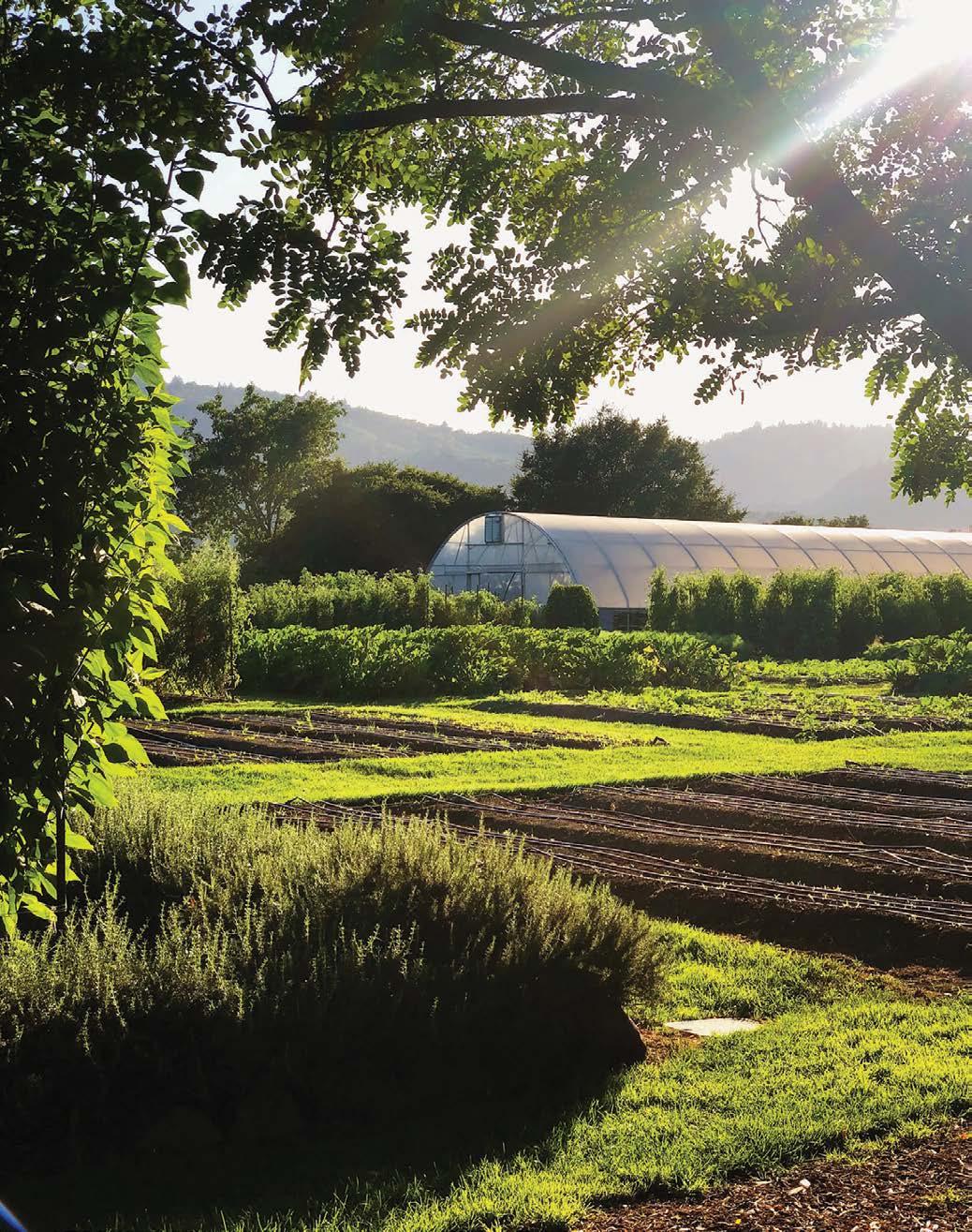

Appreciating the flowers on a road trip through the Napa Valley

“Yellow is the first sign of spring,” I think to myself as I’m driving to the Napa Valley on a midwinter morning. It’s the beginning of February, and the famously golden hills of California are still mostly green. The old vine grapes in the valley are dormant, woody brown, knotted skeletons, and the sun is shining brightly. In the fields ahead are pops of yellow.
AT A CERTAIN TIME OF YEAR IN WINE COUNTRY — and across many areas of California — the mustard plants bloom, transforming whole hillsides into sunny seas of yellow. Introduced by Spanish colonialists, legend has it that mustard seeds were scattered along the El Camino Real mission trail to mark the route, creating a “ribbon of gold.” Found in adobe bricks dating from the mission era, these non-native plants were most likely transported by cattle across the wide grazing lands during the time of Spanish and Mexican ranchos. Pervasive and invasive, black mustard plants grow wild almost everywhere in California and are celebrated in Napa in February and March as a way to draw tourists during the slow season. Armed with a map put out by the local tourism board and inspired by the warmth of the sun, I’m in the heart of the valley dropping in at wineries, but I’m not tasting wine. Instead, I’m smoking weed and taking in the splendor of another flower you’ll find across California and most of the world: the black mustard flower.
It’s easy to get priced out of Napa if you’re not ultra-wealthy; most wine tastings are nearly $100, and many wineries are appointment only. I grew up in Fairfield, on the other side of the Vaca Mountains from the valley, so Napa holds nostalgic childhood memories for me. When I was growing up, the mineral pool in Calistoga had a day rate and a snack bar. Now, the only way to experience that pool is by booking a high-end massage or pricey overnight accommodations. I want to spend time in the Napa Valley, but I can’t afford to spend my day sipping expensive wine. The mustard bloom offers me an in — a way to linger in the iconic valley, best known for its wine production, without spending money at every place I stop. Bringing Cannabis along enhances the experience of enjoying time in the natural settings of the valley on an unseasonably warm winter’s day.
I spent my afternoon crawling along Napa’s two main thoroughfares, Highway 29 on the west side and the Silverado Trail on the east side. After noticing the lemons, daffodils and sour grass with delicate yellow flowers that I used to eat as a kid, I find myself deeply connected to the color yellow as the first signal that winter is ending and brighter days are ahead. The valley presents naked oak trees covered in green moss, leafless rows of grape vines and fields of yellow mustard flowers. Deepening my sensory perception with Cannabis flowers helps me connect with the natural beauty of the area.
The morning hit of Zangria when I arrive in Yountville tastes fruity and bright. I smoke on the walkable flat streets, which are empty of people, but full of cars parked in front of California bungalows and vacation rentals.
Bouchon Bakery — run by celebrity chef Thomas Keller, who also heads the world-renowned, three-Michelin-star restaurant The French Laundry just down the road — is a popular hotspot in Yountville in the morning. When I arrive at the bakery, it’s unusually empty. I’m a savory breakfast person, but can’t stomach the idea of a $15 ham and cheese croissant, so I opt for a cream cheese danish and an Americano. When I push my crumbs off the table, and small brown birds begin to gather, I feel like Cinderella.
In The French Laundry Culinary Garden, I spot winter vegetables like cabbage and lettuce as a woodpecker with a red cap flies just above my head.
A flowering pear drops snow-white blooms to the ground that mimic snowfall, and I feel incredibly grateful to be in California while the rest of the country is still in a time of deep winter cold.
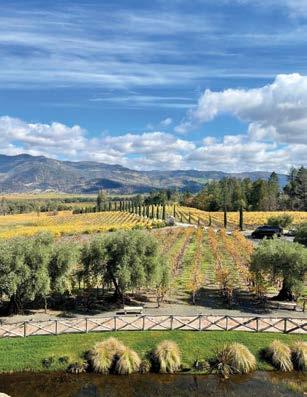

Following the map of mustard blossoms, I stop at a winery along the Silverado Trail and walk toward a field of mustard. It’s nearly 70 degrees, and the sunshine on my skin feels amazing.
I visit a few more spots on the map before arriving in St. Helena, further north along the valley. Once there, I follow a directional sign leading toward the Robert Louis Stevenson Museum, which is flanked in front by a field of grape vines and mustard blossoms.
Best known for the novels “Treasure Island” and “The Strange Case of Dr. Jekyll and Mr. Hyde,” Stevenson arrived in the Napa Valley seeking sunny, dry air to improve his health. On her blog, Very Important Potheads, Ellen Komp writes that Stevenson and his cousin Bob Stevenson were inseparable in their youth, noting that Stevenson’s biographer James Pope Hennessy wrote that the two Stevensons “pursued girls together and smoked hashish (when they could get it).”
Stevenson's poem “Spring Song” reminds me of the renewal I feel on my stoney trip to the Napa Valley, knowing that spring is on its way.
The air was full of sun and birds, The fresh air sparkled clearly. Remembrance wakened in my heart
And I knew I loved her dearly.
The fallows and the leafless trees
And all my spirit tingled.
My earliest thought of love, and Spring’s First puff of perfume mingled.
In my still heart the thoughts awoke, Came lone by lone togetherSay, birds and Sun and Spring, is Love
A mere affair of weather?
The valley presents naked oak trees covered in green moss, leafless rows of grape vines and fields of yellow mustard flowers. Deepening my sensory perception with Cannabis flowers helps me connect with the natural beauty of the area.
In another poem, Stevenson wrote a line that reminds me of my ambition for my day’s adventure in the Napa Valley: “Bring flowers while flowers are sweet to see.”
OF SEASONS
I brought Cannabis to a place that’s best known for wine to look at another type of flower, and in doing so, felt hope for the things that are yet to come. As the days continue to warm up, the dormant Cannabis seeds that we plant in the soil will begin to grow. And come next winter, a celebration of these flowers will occur as we smoke the first tastes of the 2026 Cannabis harvest.
Napa Valley is beautiful in all seasons, and enjoying it with an herbal companion as opposed to a glass of wine was an incredible way to stay in tune with the seasons. Flowers of all kinds bring joy to our lives, but I think the Cannabis flower is the most special because of the way it can help us to appreciate the world around us.
As we look ahead toward spring and the Cannabis planting season, I hope we all can find the time to appreciate flowers and feel the heat of the sun. The yellow color of mustard blossoms that filled my day in Napa evokes happiness, energy, optimism and warmth. I take solace in knowing there are brighter and stonier days ahead as Cannabis flowers begin to bud and bloom, both in our hearts and minds.



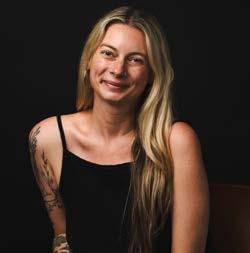


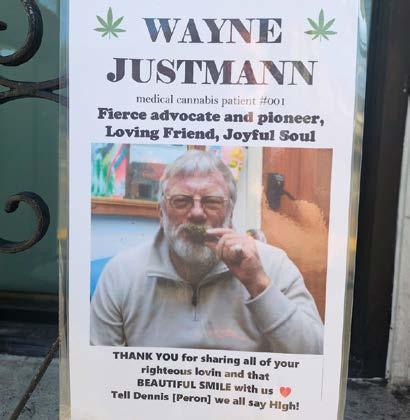
AYNE JUSTMANN understood that medical Cannabis was survival.
In July 2000, standing on the steps of San Francisco’s Department of Public Health, Justmann held the city’s first anonymous medical marijuana identification card and told the San Francisco Chronicle that the program was “another brick in the path paving the way to legal use of medicinal marijuana.” At the time, Proposition 215 was only 4 years old and still politically volatile.
Patients were being questioned, raided and, in some cases, arrested. The card — deliberately stripped of name and address — was designed to protect them.
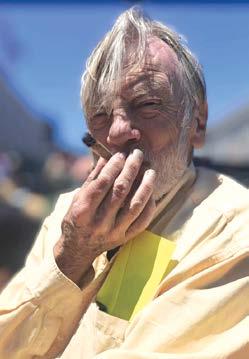
Justmann needed that protection himself. He was living with HIV and used Cannabis to manage the side effects of the medications required to control it. In 2000, he told the Chronicle he had already used his card to purchase an eighth of an ounce to relieve those side effects; symptom management during an era when antiretroviral therapies were harsh and often debilitating.
As director of the San Francisco Patients Resource Center on Divisadero Street, Justmann helped formalize access for patients who were otherwise navigating a legal gray zone. The center distributed Cannabis to qualified patients under California law, providing a structured, accountable alternative to the street market.
In the early 2000s, that structure signaled that medical Cannabis was civilized, organized and institutionalized care, the same as any other type of medical care.
The anonymous ID card program he championed was equally intentional. According to city officials at the time, doctor letters were verified, photocopies were destroyed and no identifying records were retained by the Health Department.
Activists insisted on confidentiality because federal enforcement remained a threat. Justmann understood that visibility and privacy had to coexist. Someone had to speak publicly so others could remain protected.
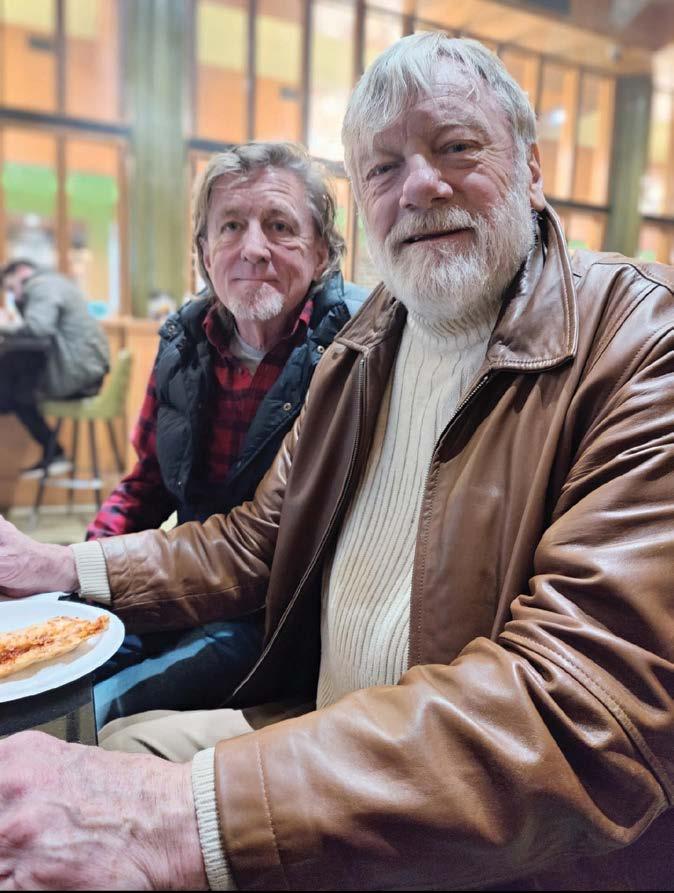
He was not operating in isolation, of course, especially as a close friend of Dennis Peron and the rest of their world-altering activist crew. San Francisco in the late 1990s and early 2000s was a crucible for medical Cannabis policy. Local supervisors, the district attorney and public health officials were actively shaping how Proposition 215 would function on the ground. Justmann was part of that ecosystem — a patient advocate who bridged lived experience and policy implementation.
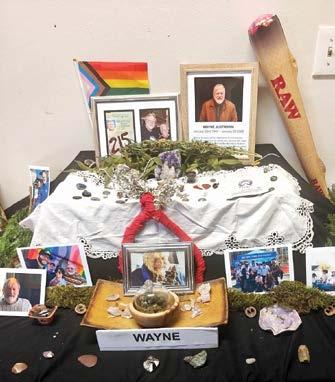
The infrastructure surrounding medical Cannabis today — state ID systems, regulated dispensaries, lab testing and formal patient protections — can make those early fights feel distant. They were messy, political, personal and built by people who needed the medicine and were willing to stand on record saying so. They’re still happening today at the federal, state and local levels. Wayne Justmann died Jan. 28; his memorial was held in Berkeley, California, on Feb. 22. I met him briefly in San Francisco a few years ago during 4/20 celebrations. He stopped me to introduce himself, and we shared an earnest conversation filled with mutual admiration and a lot of hugs.
Similarly, in his advocacy, he did not frame his work in grand language. He spoke plainly about suffering and relief. In doing so, he helped normalize the idea that Cannabis could be a medical agent without apology. For patients who can now access their medicine without fear of arrest or exposure, that legacy is tangible. Wayne Justmann helped lay that brick; the path is still being paved.


IT'S A glorious time to be a Cannabis gardener. More folks in more states can grow more dope than at any time in history. Legalization has spread from a hippie pipe dream in San Francisco to the backyards of frickin’ legal Virginia (four plants allowed) and Ohio (six plants). Generally, dozens of states allow some form of home growing, and this March is the time to lock in your seeds for an epic 2026 full-sun run.
We do our best to review hundreds of breeder websites, seed banks, Instagrams and Discord channels to bring you this essential list of the Best Seeds and Clones to Grow in 2026. Get out there and flex your freedom to garden.
Let's start with the most popular flavor profile: “purple candy-gas.” Look toward industry leaders Compound Genetics and its 2026 line of “candy” Pavé crosses. We sampled six this month, and our where-bling-meets-flavor favorite is the Zhampagne (Blue Nerdz x Pavé). It keeps the glimmering bag appeal of the Pavé with the tongue-smacking taste of Zkittlez cross Blue Nerdz.

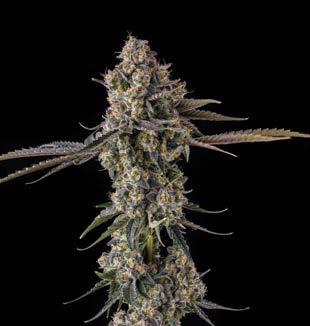
A related pick goes to former Compound Genetics breeder Chris Lynch and his Cipher Genetics label. Cipher has two big lines of work off the Leafly Strain of the Year 2025 nominee, Blue Lobster. Blue Lobster (Apples & Bananas x Eye Candy) has had an enormous impact over the last two years, and “it’s really worthy of it," Lynch said. Blue Lobster V2 feminized seeds are up on the Cipher Genetics website. Standouts include Paint Stripper, a cross of (Chemdog D x Monaco Octane) x Blue Lobster, but there are keepers in every pack.
Another honorable mention for herb that’s guaranteed to move is Humboldt Seed Company’s new Candy Hustle (Don Carlos x Jose x Grape Menthol).
Describing the reaction to it on the farm, Benjamin Lind at Humboldt Seed Co. said, “This is that hustle weed,” which means that it's good for folks selling to brokers and bulk buyers.
Second to purple candy-gas, another big wave remains: strains that hash well. One great place to start is “slips” — that is, unrooted cuttings of preselected winning varieties. New breeder super-group Arcana of Marin, California, has a top-selling slip called Bickett OG — a cross of Cherry Pie x GMO — that’s a hash dumper. Of course, Bloom Seed Co. reigns for hash-producing varieties. We’d run Super Limez, a cross of Leafly Strain of the Year 2024 Super Boof x Too Much Limez.
We just finished judging the American Autoflower Cup in Hollywood, and our biggest takeaway came from the hash entries. The future belongs to automatically flowering Cannabis that hashes well. Picks there include Fast Buds’ Apricot Auto, which won first place in Best Hash at the Autoflower Cup. Also, Humboldt Seed Co.’s new Hella Jelly Autoflower and Garlic Budder Autoflower, out soon.
Award-winning journalist/author and
David Downs’ monthly genetics intelligence
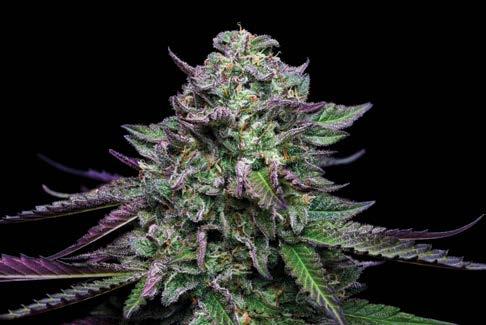
Let's speedrun through some more essential hype: Seed Junky Genetics keeps pumping out winners like Guava Jellie (Guava Gelato x Permanent Marker BX2).
Fellow Los Angeles grower Capulator has released the 10th anniversary of MAC in seed form as MAC 10.
Archive Seeds has amplified the Toad Venom strain wave with the new Ichiban (Toad Venom x Oishii).
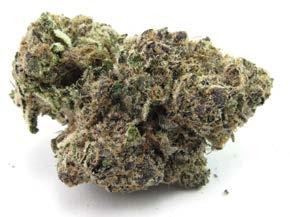
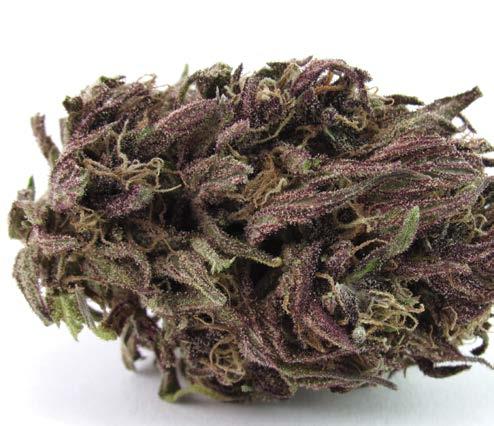
And my favorite local, indie breeder Xeno Seed Company of Richmond, California, has a hit with Gumosa, a cross of its Black Bubblegum x Symbiotic Genetics’ Mimosa. Gumosa flower, grown by Bosky, just took second place in the 2025 MJBowl, and seeds are out now.
“THIS
Now, let's abandon hype for unique, feel-good strains that crush outdoors. First on my list is Canna Country’s latest crosses. All Canna Country’s strains are numbered, not named. We love the Canna Country #26 (a Forbidden Fruit x Cherimoya). Anything by Canna Country with the #26 in it is going to be a pleasant treat. For example, CC29 x CC26 unites Blueberry Muffin x Dosidos and Forbidden Fruit x Cherimoya. Hot damn! Similarly, multi-Emerald Cup and California State Fair champ Greenshock Farms is on the Tangled Roots seedbank website with a few must-haves like Tropical Sleigh Ride x Tangie (just three packs left at press time).
If all this stuff feels too newfangled and fancy, grab some Rebel Grown Seeds Blue Dream F5s. The Humboldt and Vermont-based brand offers a trusted, consistent domestic source for the easy-togrow, easy-to-love, high-yield classic.
It’s impossible to fully arm you with personal garden picks — everyone’s tastes and needs are unique. Find more Fire Follower picks over at daviddownspresents.substack.com.

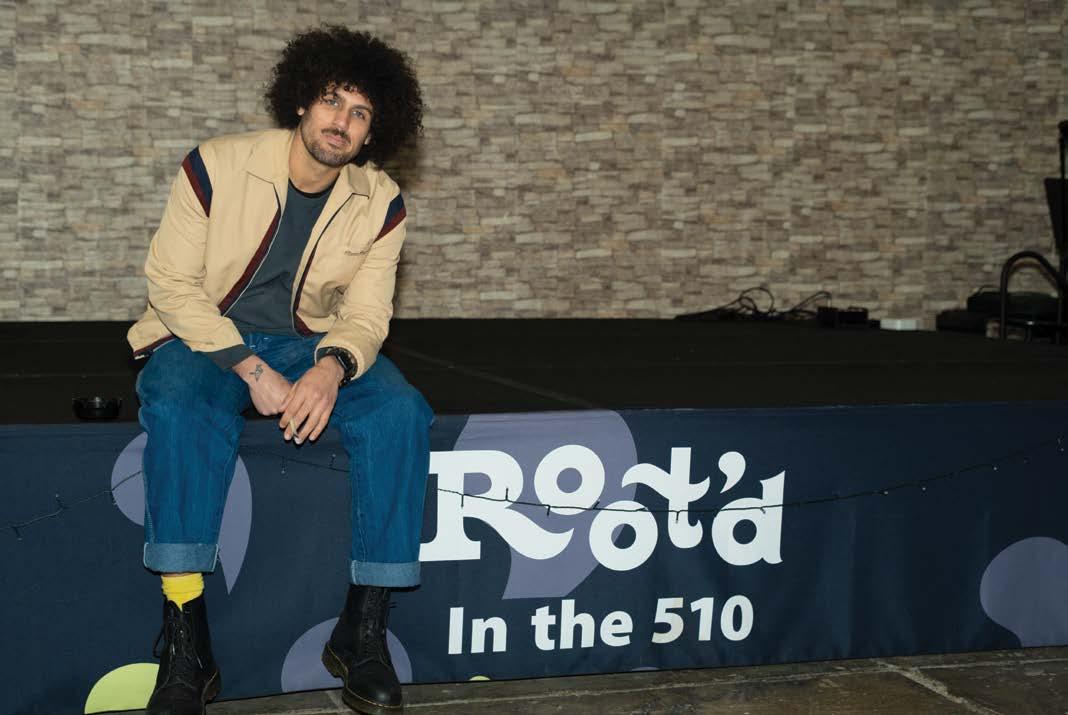

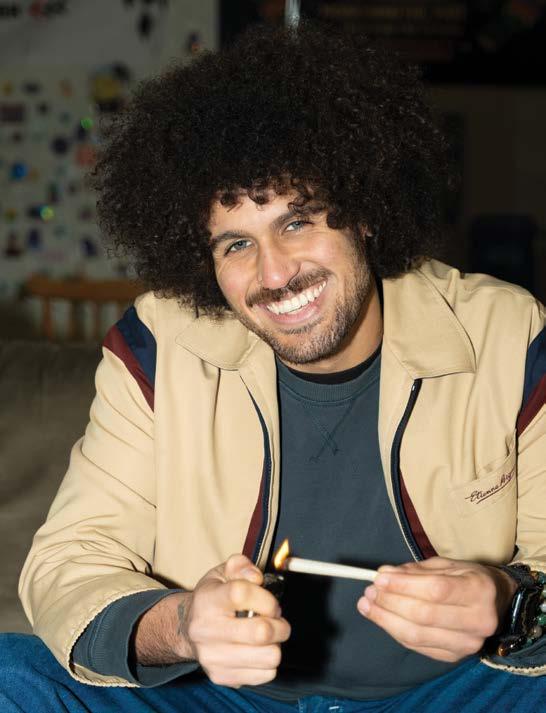
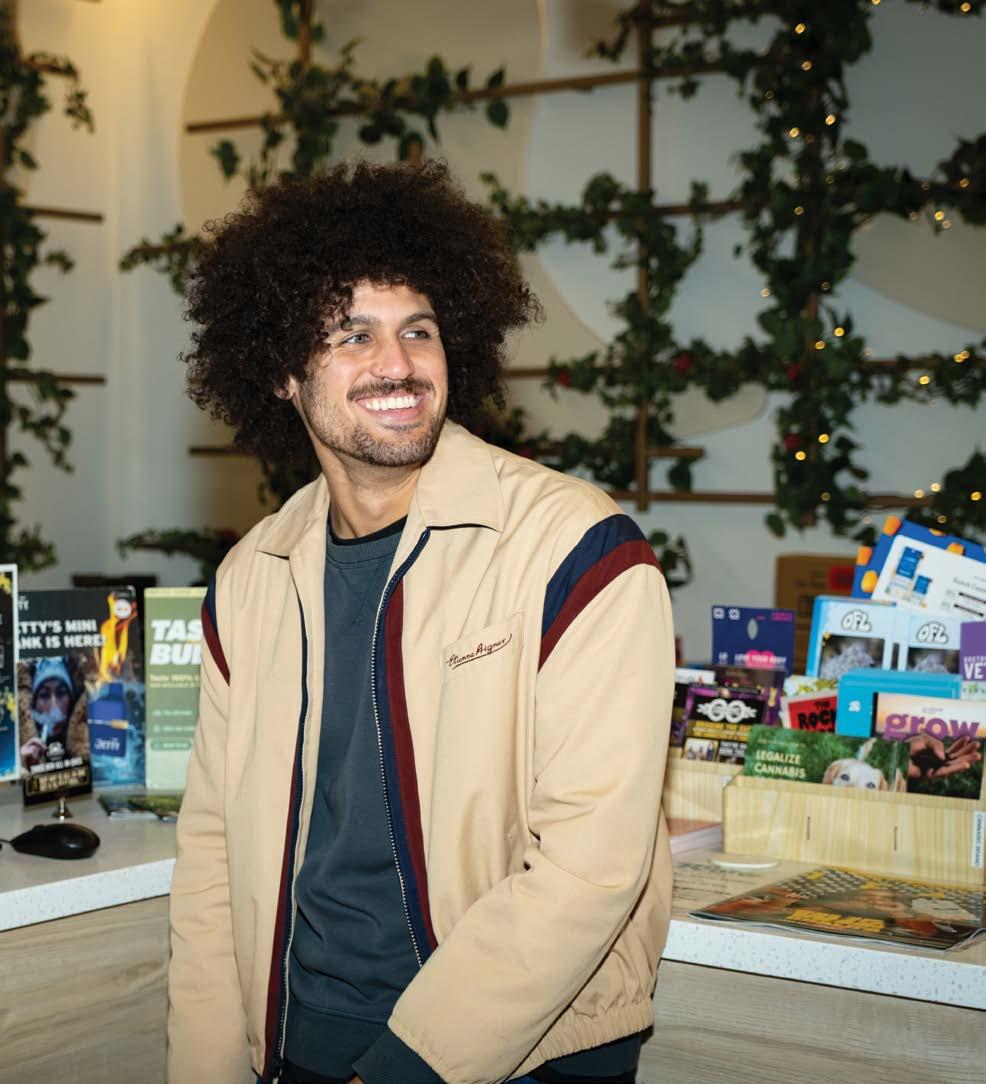
This month, California Leaf is traveling to Oakland to recognize a budtender who believes the best way to serve their customers is by getting to know them better and sharing experiences.

FROM AN EARLY AGE, Tyler Baker said he was interested in Cannabis as medicine, but being in the South, talking about treating something with weed was heavily frowned upon.
“Growing up, I struggled with a multitude of mental health issues,” he said. “My brain felt cluttered, and I was easily overwhelmed. Mary Jane helped create fresh perspectives, mold new outlooks and brought past difficulties to light with new intention.”
Upon moving to California, he was exposed to a new world and witnessed firsthand how weed went from underground counterculture to medical product and now adult-use. Still, Baker said it hasn’t changed the way he fundamentally thinks about Cannabis.
“I’ve always seen it as a true medicine. I felt dispensaries were essential businesses long before COVID brought the title,” he told the Leaf.
After working at a few different shops in the Bay, he found his home at Root’d in the 510, where he’s worked for the last four years. Baker loves Root’d because “it’s a neighborhood shop,” giving him the chance to cultivate relationships with customers and create opportunities to learn what they did or didn’t like. It’s the kind of give-and-take you have with your local butcher or bottle shop, trading suggestions and learning more from each other.
Baker said when he goes out, he often sees people who have come by Root’d to ask him for the perfect item for their occasion. Manager Infini Ford said she’s even seen people say that they’ll come back later when they stop by while he’s out on lunch.
Making informed suggestions is something Baker said comes down to listening to your local shoppers and finding answers for them if you don’t have one. “I’ll often ask simple questions like, ‘What are you going to do when you enjoy this product?’” he said.
He shared that his advice for new budtenders is to find the answer, not be the answer. “You have to let go of your ego,” Baker said.
“If you haven’t tried something they’re asking about, find someone who has.”
He pointed out that by joining in that learning moment, you strengthen yourself as a budtender and discover things you might want to delve into more.
“I’VE
“I learned that I want to have personal experiences with every brand, every strain. I feel like personal experience is what helps me guide the customer to what I know they’ll really like,” he said.
With such a “Pokemon”-like approach to the weed game, the Leaf asked Baker what strain he smokes the most. He shouted out a couple of go-tos — including Emerald Bay Extracts, Snowtil, Rosin Tech and Smoken’ Promises — but said, “I feel like I’m never smoking the same thing. It’s rare I grab the same thing twice. … It keeps my tolerance on its toes.” @SLATE.26

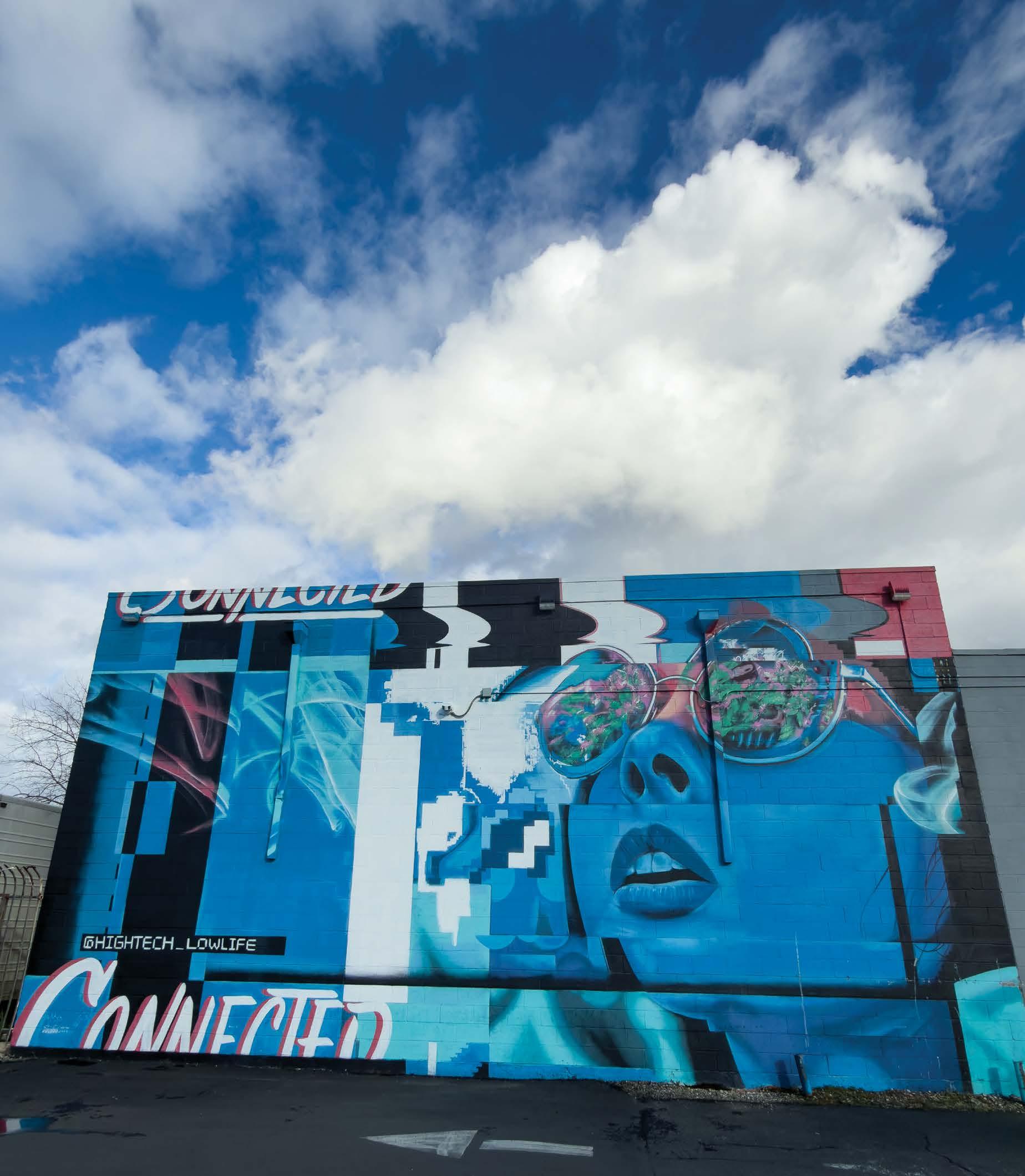

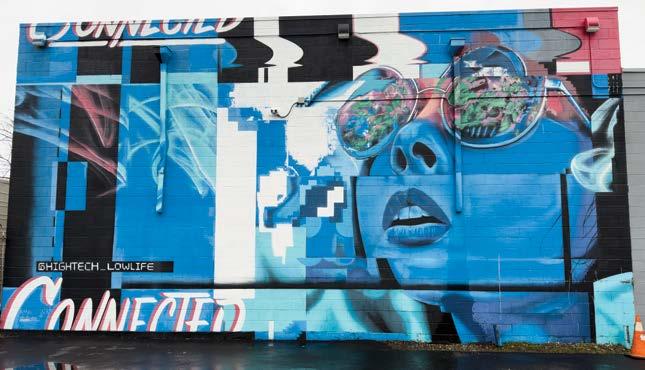
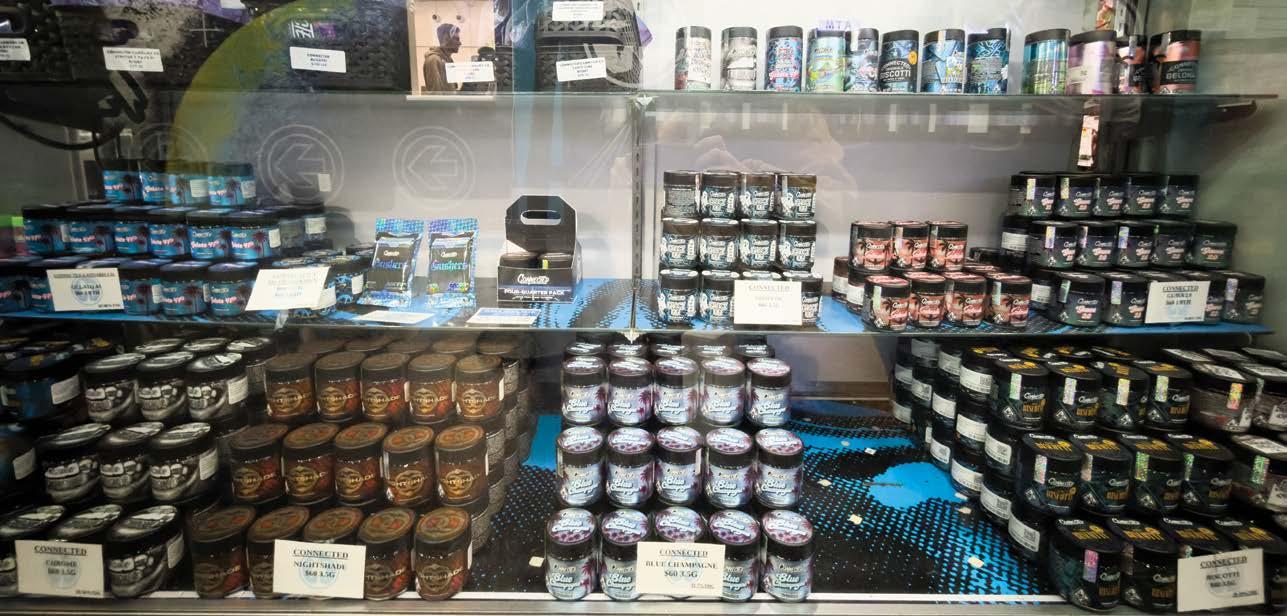
Recently, we stopped in Sacramento to check out the scene and were amazed by the experience at Connected Cannabis Co.’s flagship store. While maybe not the largest shop in the city, you’ll be blown away by the selection packed on every shelf. Connected is known for some amazing strains, which they refer to as “designer weed.” Flavors like Gelonade, Biscotti, Silver Spoon and Chrome have made them a household name in multiple states, but Sacramento is where they got their start. At their official store, you can find all the hits from Connected and Alien Labs, as well as unreleased jams that the rest of the state hasn’t seen yet.

AS WE ENTERED the blue door emblazoned with Connected’s palm tree logo, a budtender, Rico, told us that this was the best place to pick up the freshest releases from Connected and showed us how the store stays up to date with other leadingedge cultivators in the area.
Known affectionately as “B-Sides,” these batches of flower are the possible next wave of fan favorites. Looking around, we saw bags of Zangria x Xerbacio, Spritzer x Pave and Connected’s rendition of Tahiti Lime. Malique Parish, Connected’s brand manager, told California Leaf that, for most of these, the first few precious batches are stocked at this store before anywhere else. Some of these strains, Parish said, won’t be released in other stores for another two to six months. Meanwhile, other strains might remain flagship exclusives, never even making it to retailers across the state, let alone across town.
And that’s another reason we’re highlighting Connected: to remind Cannabis tourists and locals that visiting a brand’s headquarters store is often how you come across some of the new strains and exclusive pheno hunt batches.
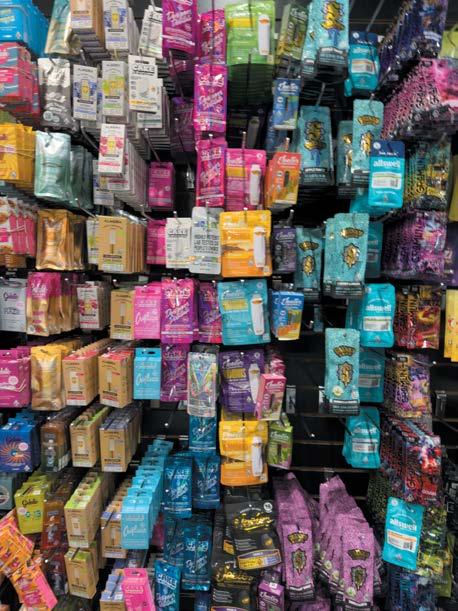

Whenever the Leaf travels to a major Cannabis hub, we always look to see if a brand we like started there and if they might have some special hits at their home base store.
Plus, looking at the selection, especially regarding flower, Connected Sacramento is keeping up with their friends and neighbors too.
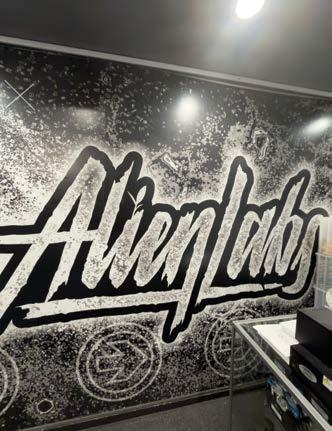
In a recent post on X, Alien Labs founder Ted Lidie revealed that when someone tells him a brand has fire weed, he heads down to the Connected store to check it out since he knows they have all the new heat sources on deck.
For anyone who’s a fan of Connected and Alien Labs, this small store is packed with the flavors many of your friends can’t get. This shop’s friendly and knowledgeable crew mentioned that they’re always reminded of how a simple “Hello!” or “How are you doing?” can make a person’s day almost as happy as their weed does.
AT THEIR OFFICIAL STORE, YOU CAN FIND ALL THE HITS FROM CONNECTED AND ALIEN LABS, AS WELL AS UNRELEASED JAMS THAT THE REST OF THE STATE HASN’T SEEN YET.
9 A.M.-9 P.M. MON.-WED. 8 A.M.-9 P.M. THURS.-SUN. (916) 475-1857



Gregory Paul Scheyer, the artist behind GPS Glass, started life like a lot of us did: with a skateboard. He told the Leaf that defining his own style came from learning and enjoying board sports, from something as simple as how you do a kickflip to finding zen in the mountains on a snowboard. There are no set laws and no national judges, just you and your vision of a clean landing.

“BOLTS” (flawlessly landing a skateboard trick) — that’s what Scheyer desires in his artwork as well. Landing a trick perfectly requires practice and the ability to do it until you are happy with the results. It’s not about who, what, why, when or where; it’s about finding solace in your own mind. When the Leaf asked Scheyer about influences, it started with skating. His friends Michael Nicholson and Mark McCourt were mentors. They skated together, experienced life together and partied together. Fortunately, all of this happened in a “mecca” of contemporary glass art.
Eugene, Oregon, has been a cultural center for the arts and creatives for over half a century. It was here that Bob Snodgrass, the “Godfather of Glass,” put down roots in the 1970s.
The art form has progressed at an amazing pace. Today, you can find dozens of studios, raw material providers and a great education base.
One of these institutions, the Eugene Glass School, is a creative space where Scheyer learned to mold something from his mind that didn’t involve carving a fresh slope or finding the perfect transition. Charles Lowrie was among the first of many teachers that would help encourage Scheyer’s playful disposition and youthful exuberance.
Scheyer said that working on large scale soft glass projects with Charles gave him a broader perspective on the bigger picture. Many can relate to this moment in our lives, when the walls come crashing down to reveal a whole world that was in front of us the whole time. Scheyer hit that slope and is still riding the wave. His style is defined by his execution. You will notice a perfect symmetry in his work. The juxtaposition of his sculptural proportions mixed with the perception of his internal vision always creates something unique and magical for the mind's eye.
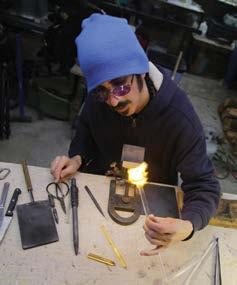
“We are all a catalyst in each other's lives ...”
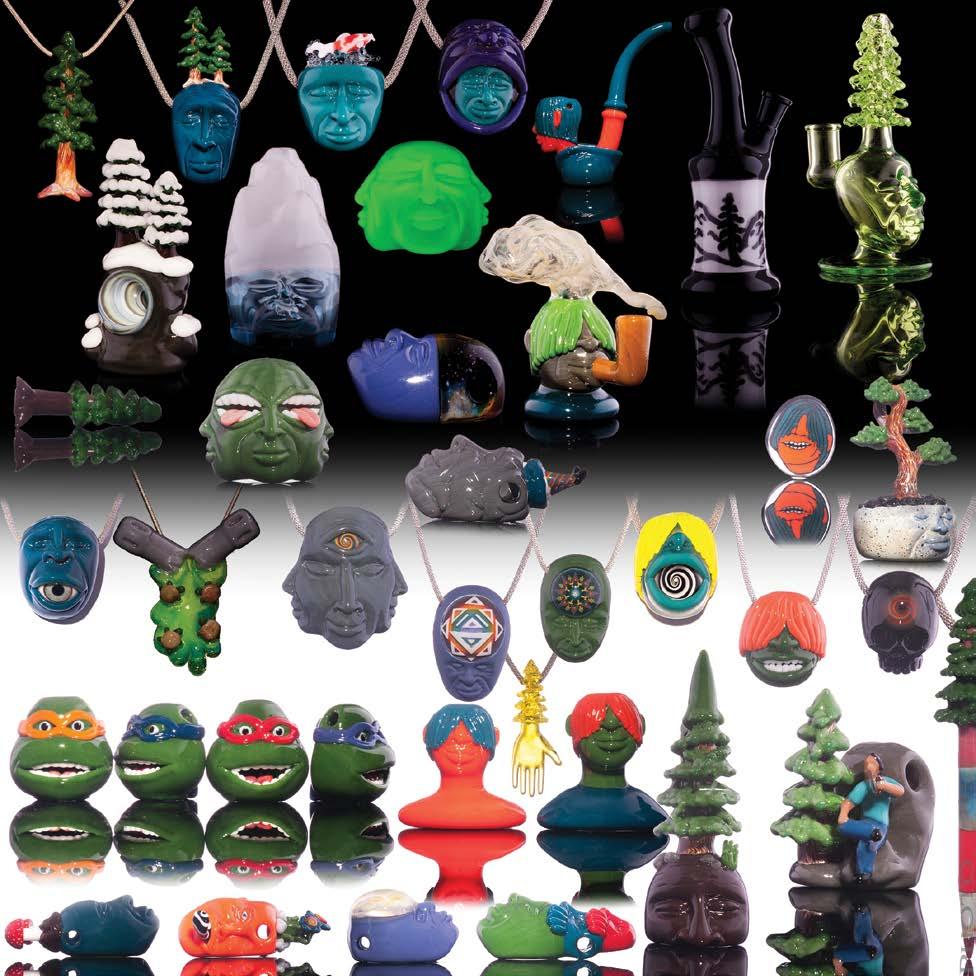
He said he realized part of what drives him is “never being satisfied while at the same time accepting that true perfection isn’t a real thing. But I'd rather do my best and give it all I've got.”
Scheyer has learned from some of the glass masters, including Robert Mickelsen, Carmen Lozar and Roger Parramore. After years of experience, personal growth and Flame Off events, he did some exploring. His travels landed him in Medford, Oregon, about 15 years ago, where he has made a home with his wife, Jenny Calaba.

In his 30s, Scheyer had another enlightenment. “We are all a catalyst in each other's lives, a catalyst of change,” he said. This was brought on by his realization that what we put out into the world affects others.
Continuing to explore his mind and the world around him for inspiration, he never loses sight of the goal to always do better and be the best version of himself.
If you are craving a piece of this master's artwork, check out his website or with your local glass gallery. Keep an eye on his Instagram for updates on openings and drops.

GPSGLASS.BIGCARTEL.COM | @GPSGLASS























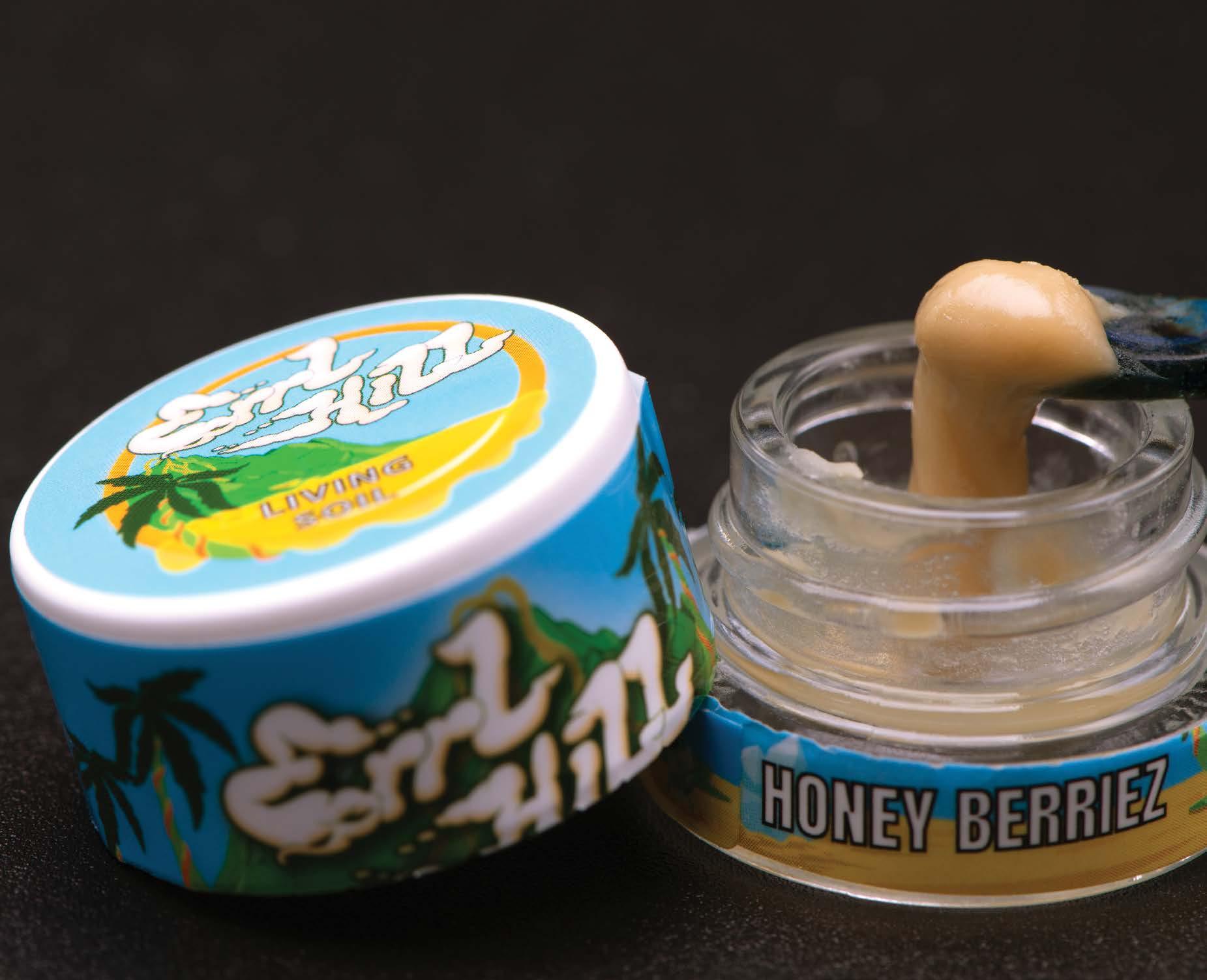


They say legends never die, and when it comes to the legacy operators up on the Hill, they continue to find ways to thrive against the odds. As for experienced hash makers like Errl Hill, the secret is to consistently make the right moves for the right reasons, and never compromise on quality.
WITH ROUGHLY HALF A CENTURY of hash-making experience between them, co-owners Scott Harris and Harry Ballance built a reputation for quality over the decades. Until 2021, they were focused entirely on being one of the best butane hash oil producers in the field, known for pitching major heaters, such as their unforgettable Blueberry Muffin Live Resin.
They’ve since grown their live rosin lineup, washing DNA Genetics strains they cultivate in-house to bring new terpenes to the solventless market. Now, roughly 30% of their overall production is live rosin, and their earned expertise in the category shows.
Honey Berriez is one of the newest to come out of their lab, and it’s a delectable confection in a jar. It’s a DNA cross between Honey Banana and Ztrawberry Banana that’s washed using 73u-159u bags, and it is
a creamy delight. Candied fruit and honey tones linger after a bright, airy dab, making us thirsty for another sip on a sunny day. Keep your eye out for other flavors dropping soon. Word has it, they’re even looking to work with some other farms on new expressions as demand outpaces their in-house cultivation capacity.
Candied fruit and honey tones linger after a bright, airy dab, making us thirsty for another sip on a sunny day.
In the meantime, we’ll daydream about what other legends from the Hill they might link up with. Makes you salivate just thinking about it.



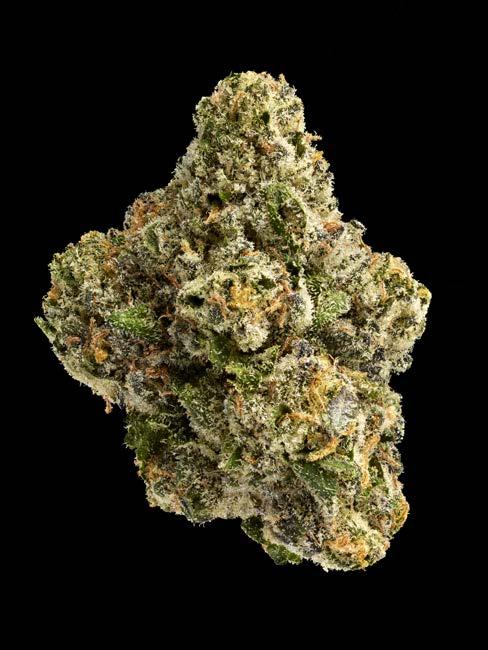

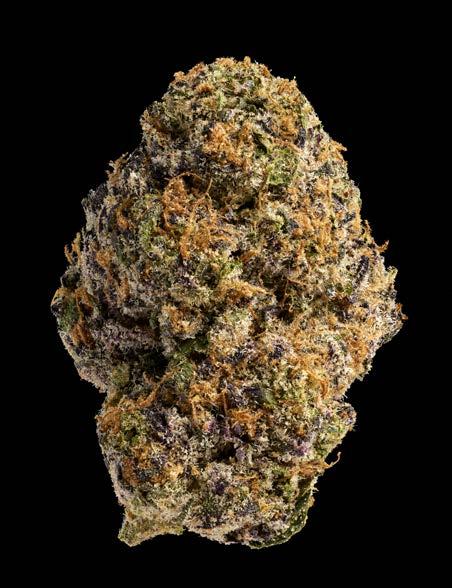
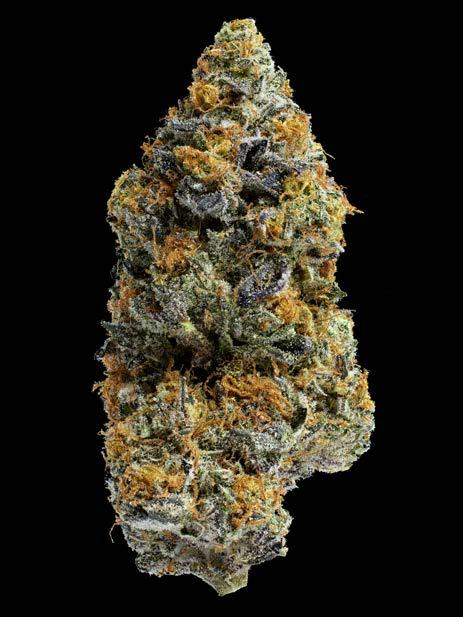
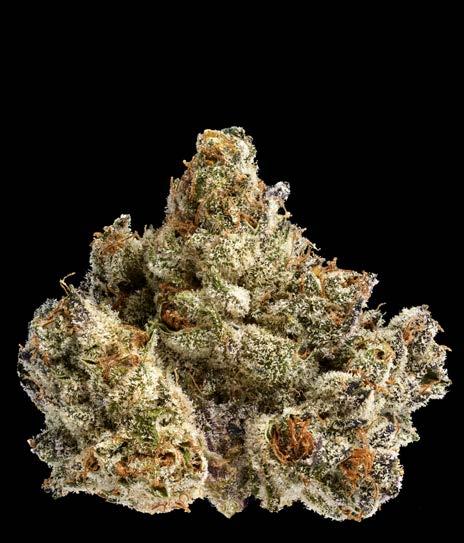
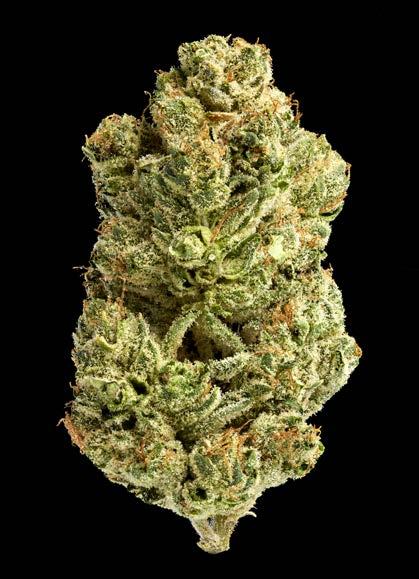

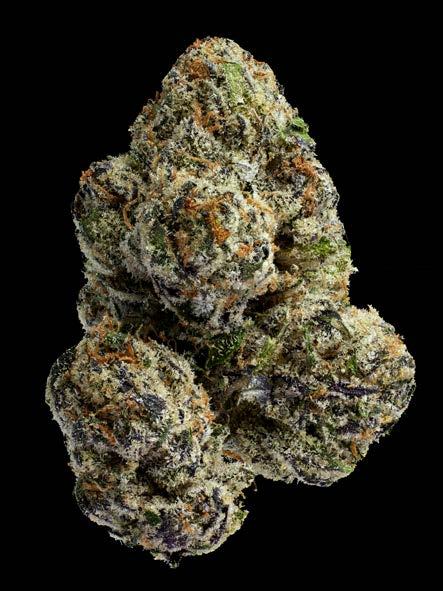
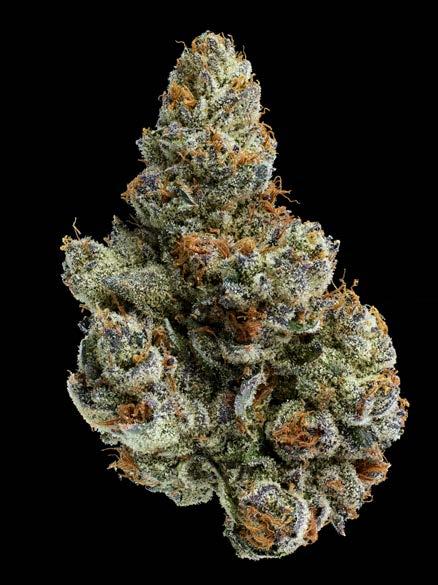
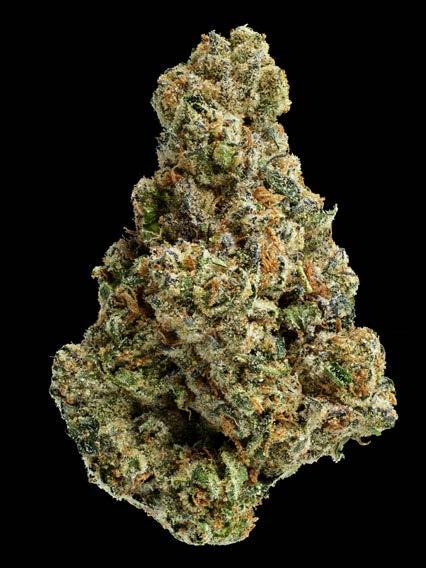
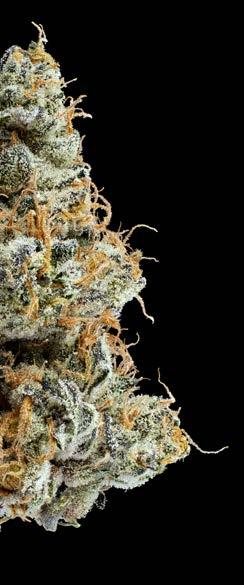
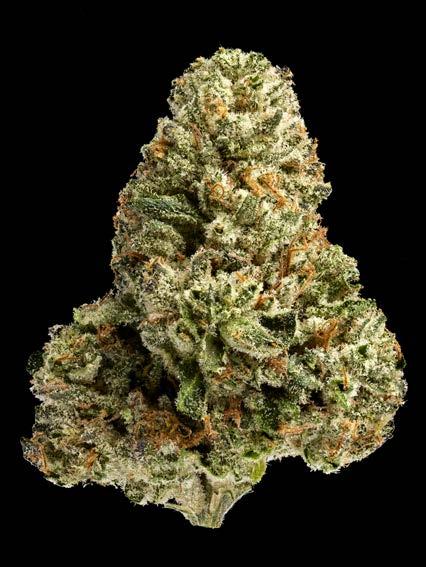
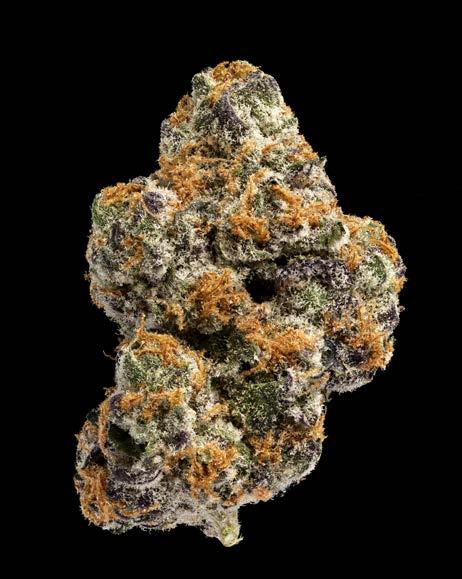
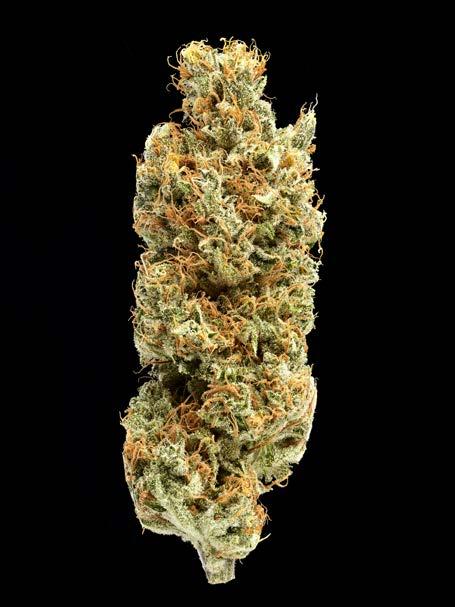
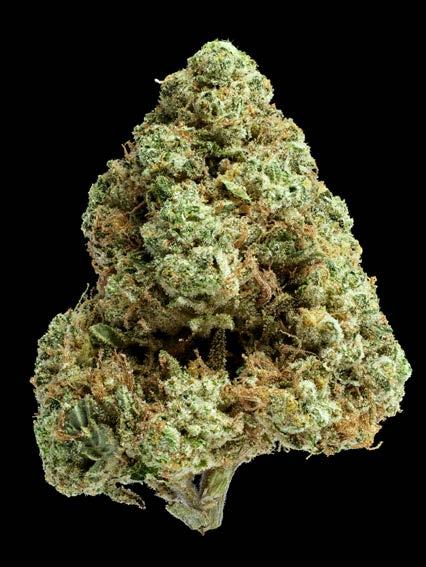
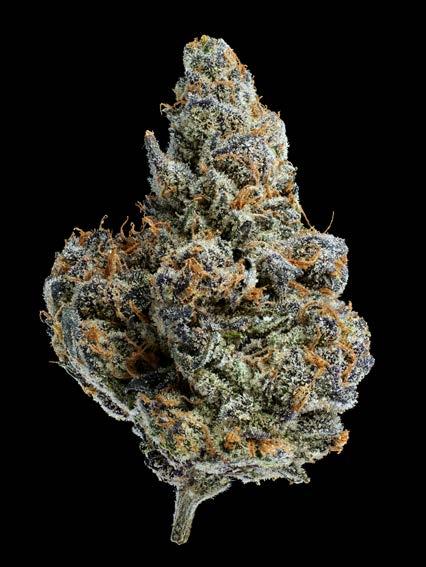

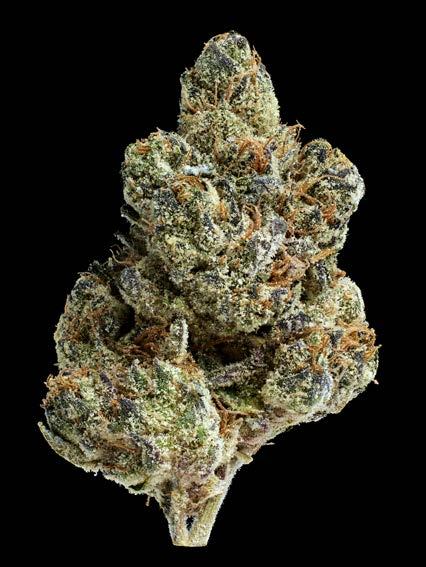
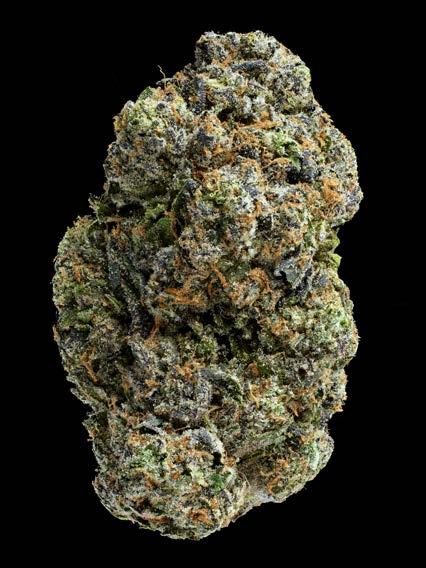

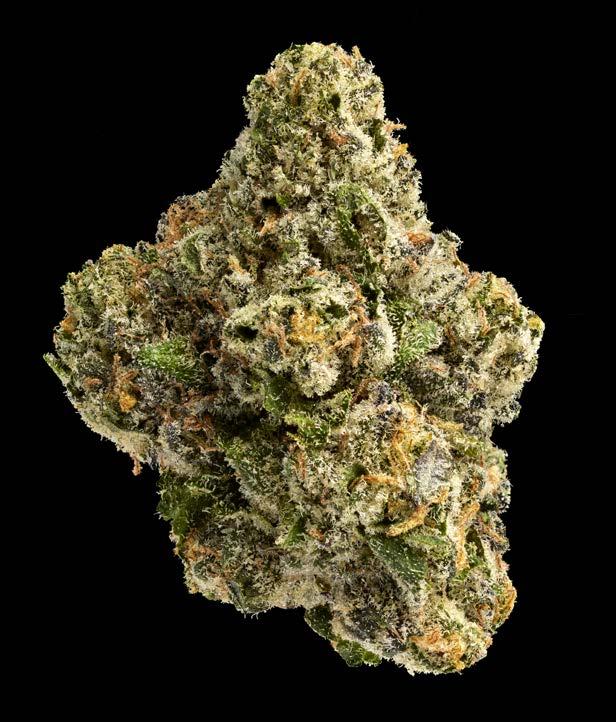
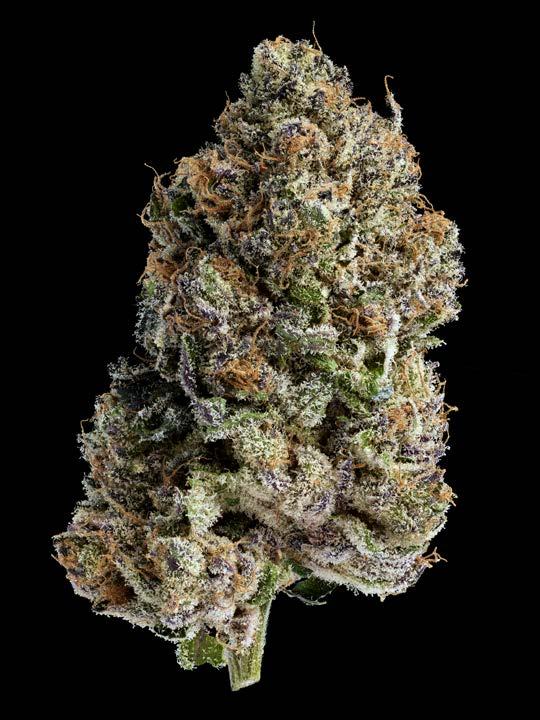
BLACK BUBBLEGUM #33 X MIMOSA
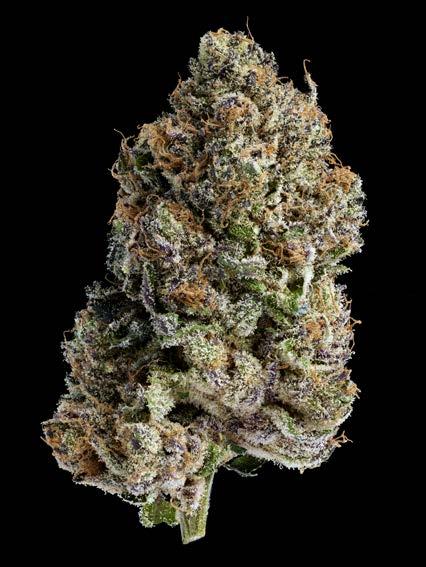
PERMANENT MARKER X NIGHTSHADE #40
Alien Labs may be available in other states like Arizona and Florida, but it still calls California home and continues to unveil the newest flavors to the public, including this year’s entry into the Flower Issue, Permanent Shade. In a novel twist, this strain actually combines Connected’s secret recipe winner Nightshade with Permanent Marker. Surprisingly fruity on the initial nose, there’s also an almost earthy bite at the edge of your nose as well. After the grind, that bite evolves into a gassy edge while the fruit goes straight to fruit snacks. Even though the dry pull still had that fruit, the smoke gave us a creamy candy and cleanser flavor on the exhale. We asked the lead alien, Ted Lidie, what he thought of Permanent Shade, and this E.T. OG told Leaf that the high is best described as “wooop wooo.” @alienlabs @alienlabs2069 @returnofthealien alienlabs.org | Review by Matt Jackson @actionmattjackson

OREOZ
Bosky is a relatively newer name on the California Cannabis scene, but one that’s proven it can go toe-to-toe with the state’s leading cultivators. Founder Ryan Clark started Bosky with 20 years of Cannabis growing experience under his belt, as well as a proprietary fertilizer blend to keep his plants healthy and happy. Leaf’s own David Downs suggested their Gumosa for the 2026 list. It’s a combination of Black Bubblegum #33 and Mimosa. Right from the jump, you get so much citrus that you might not notice the Black Bubblegum until you smell how the finish isn’t sharp, but instead rounded out by a light, candy finish. This is a mixture that flips when you crush up a bud, giving sweet waves, followed by lime and orange with a bit of mango. @bosky.genetics boskygenetics.com | Review by Matt Jackson @actionmattjackson
Leaf readers might recognize CAM from our Culture Issue, where we interviewed founder Anna Willey. With multiple dialed-in facilities pushing out a wide selection of flavors, this team not only consistently rocks new crosses but keeps bringing fans longtime hitters from their collection as well. Coming out of Sacramento, one of CAM’s newest flavors is Coconut Milk, a mix of Lemon Mints and Icee Sherbet (Lemon Mints x Icee Sherbet). This one has Oreoz’s boulder-like bud structure and gives off a creamy, gassy aroma that carries a lemon cleaner note at the top. The flavor here is creamy and sweet, with only a hint of lemon and a clean, even smoke. With a look that’s impossible to pass up, we expect this to rank as one of CAM’s 2026 greatest hits. @camincali, @camstr007 camdispensary.com Review by Matt Jackson @actionmattjackson
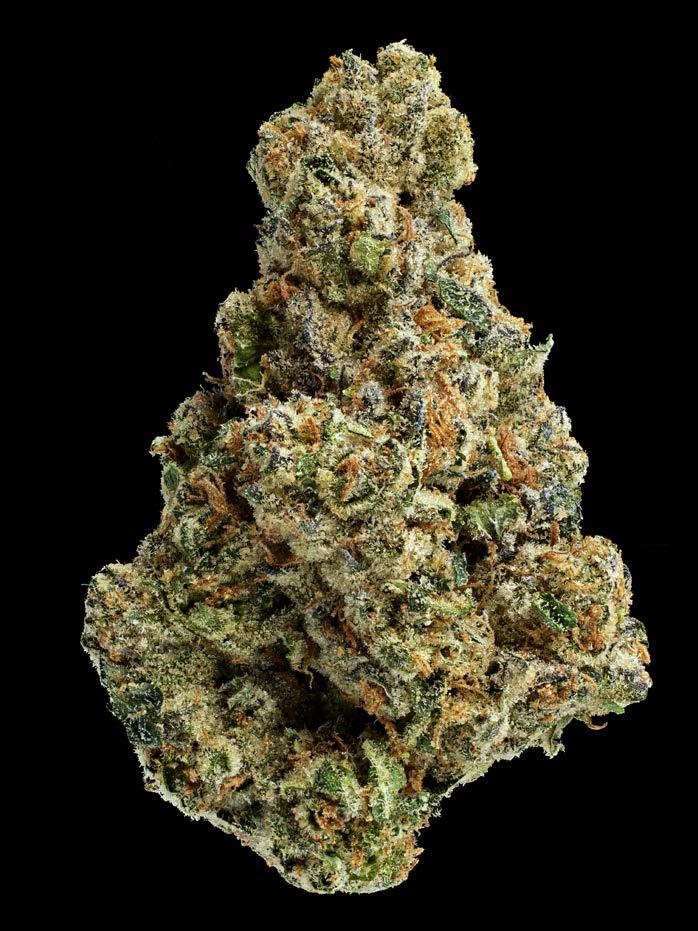

This year, they put together a breeding project, with help from Umma Sonoma, to cross a variety of cultivars with Pavé, their famed cross of Paris OG and The Menthol. We got to check out a handful of the winners and loved the Mora Azul, which crossed Blueberry Cruffin with Pavé. The dark green and frosted purple nugs showcase dessert-strain sweetness with strong herbal hints and some gas from the Pave parentage. According to our sources at Compound, you can find some genetics from this most recent pheno hunt being grown by Umma as well as Maven Genetics. compound-genetics.com Review by Tom Bowers @megabombtom2.0
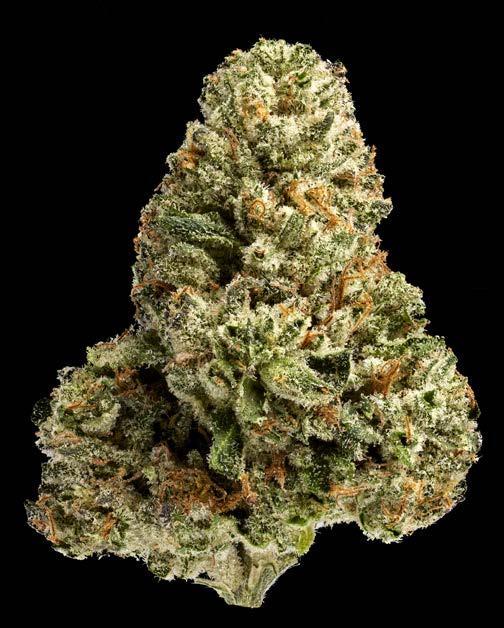
Meet California’s purveyors of designer weed. With a whole collection of hits, Connected is keeping that reputation on lock with Gascotti. Malique Parish, Connected’s brand manager, told us that the RC14 in Gascotti’s genetics refers to Red Cup, a pheno that was part of that original hunt that produced Biscotti; something that was a take on some of the original batches of Biscotti, with way more gas in the mix. As a result, Gascotti is all those doughy notes you love, blanketed by layers of household cleanser and gas that just keep rolling in like the tide. Somehow, on the grid and the dry pull, you’ll find a sweetness that’s both surprising and enjoyable. We picked up the exclusive first batch from Connected’s flagship store, but if this Gascotti is any indicator, 2026 is looking good for Connected. @connected.california connectedcannabisco.com | Review by @actionmattjackson
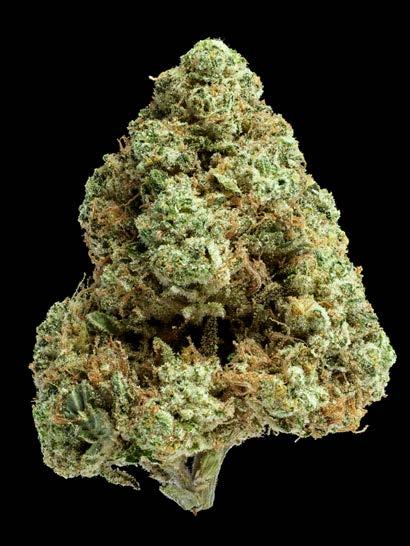
When the driver behind the launch of neoclassic strains like RS-11, Zoap and Permanent Marker drops new genetics, take note. Doja originally released Neon Wormz as a seed drop for MJ Berlin 2025. It’s a cross between a male Z BX2 and a Sour SFV female, No. 10 in a pheno hunt completed at Preferred Gardens using seeds from Doja’s breeding project with Duke of Erb. Sour Wormz is a beautiful, frosted green flower with a rich, gassy front end and a hint of sour candy. “It’s one of my favorite smokes right now,” Doja founder Ryan Bartholomew told the Leaf. @doja.pak dojadirect.com
Review by Tom Bowers @megabombtom2.0
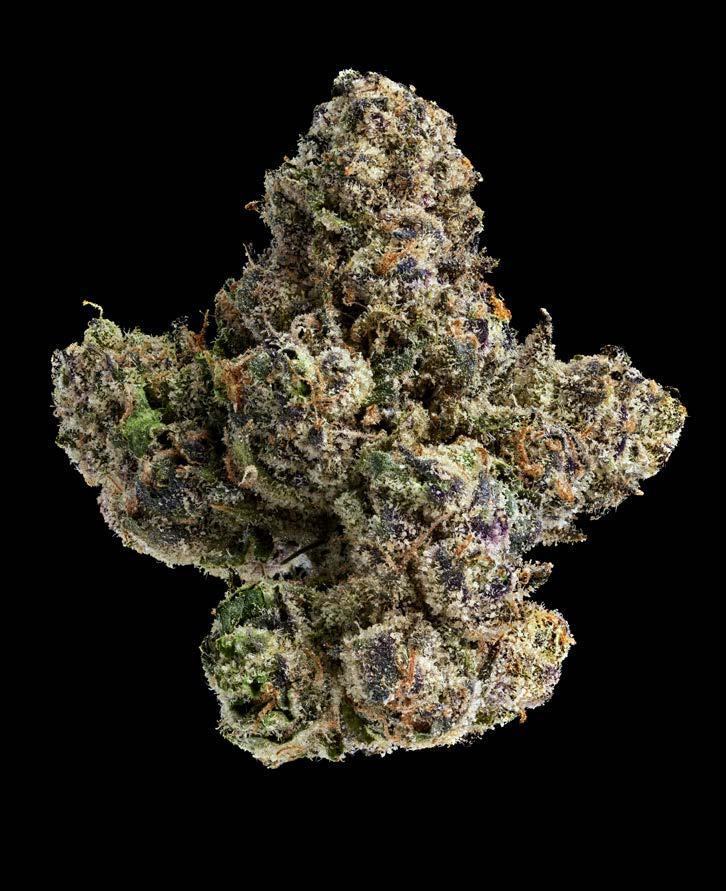
RUNTZ X ZKITTLEZ
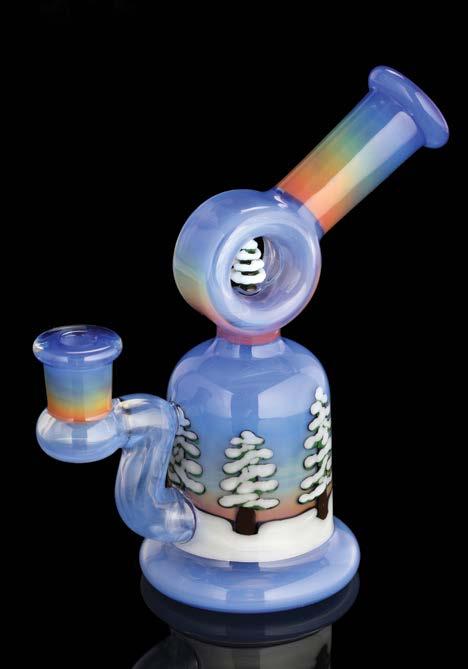
We know packaging isn’t everything when it comes to good weed, but Clone Goddess goes the extra mile to make its already killer-looking Cannabis shine. With a cultivation facility in the San Fernando Valley, Clone Goddess is a woman-owned cultivation venture started by Gina Kang. Started about six years ago, their website states how they are constantly seeking excellence for Goddess, as well as their other brand, XOTX. Blue Nerds is a great example of the compact, spire-like candy strains that have become incredibly popular with today’s Cannabis consumers. Covered in crystals and mottled with dark green and purple hues, the buds have a lot of that Runtz aroma right from the jar, plus sugary candy mixed with intense fruit when you grind it up. We tried this a few different ways and really enjoyed

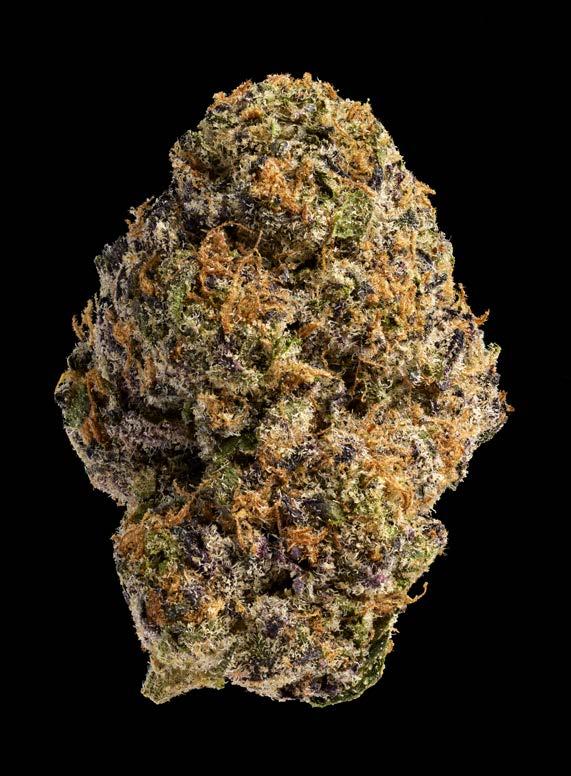

ZOAP X FRANK BANK OG
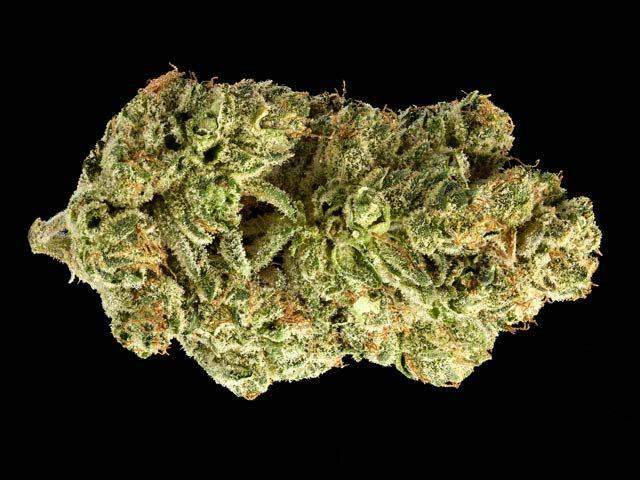
This industry is built on collabs, so when we got our hands on this hand-trimmed, small-batch indoor from Green Boyz — a new label out of Southern California that’s collaborating with LA heavyweights Nameless Genetics as well as Lumpy’s Flowers out of Sacramento — we had to check it out. A dense, chunky cross of the modern staple Zoap with Frank Bank OG, this dark purple flower is cultivated by the team at Lumpy’s, and it flaunts an earthy, spicy flavor with abundance. This is a heady smoke, and it’s definitely worth rolling up for your evening relaxation session. @greenboyzcalifornia green-boyz.us Review by Tom Bowers @megabombtom2.0
Suggested by our group of talented contributors, Greenline is known for breeding strains like Bananimals and Orange Tree. Its hydroponic facility sits in Monterey on the central coast. We wanted to showcase their award-winning citrus strain, Orange Tree. Bred in 2014 as a cross of 24k Gold and Orange Valley OG, this is fragrant flower with a lot of the visual characteristics of an OG, but with immense citrus notes that lay heavy over a slightly spicy earthiness. Don’t leave the lid off the jar if your visitors don’t know you smoke weed, and if they do, treat them to some of that quintessential orange flavor that coats your whole mouth and delivers a very upbeat and energizing high. @gogreenline gogreenline.com
Review by Matt Jackson @actionmattjackson

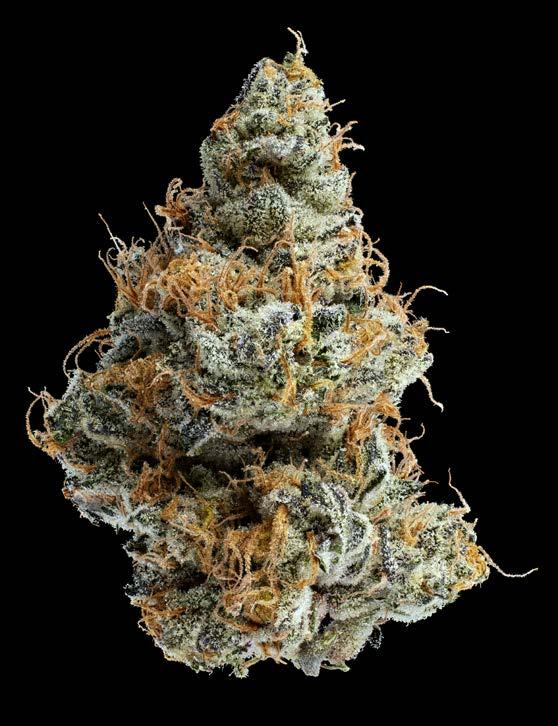
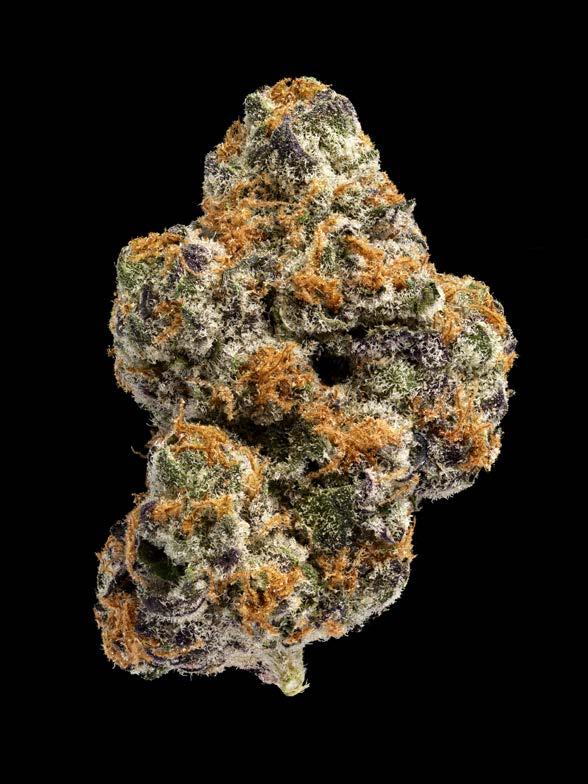
Another of Sacramento’s bedrock Cannabis producers, this is the brand that brought you Apple Fritter. Strawberry Peelz represents a blended smoothie of Lumpy’s flavors. Wusah is Lumpy’s Sour Apple Haze x Cherry Meringue, while Jane Dough brings together their Frank Bank and Cherry Jane strains. What comes out is something fruity that’s a little bit like inhaling from a fresh bag of gummy worms. The flavor is a soft, even fruitiness that finishes with a hint of dough. With striking orange hairs and a bit of funk buried under the peel, this is an uplifting and energizing strain, which Lumpy himself said has been a hit with fans since dropping almost a year ago. @lumpstatus @lumpysflowers lumpysflowers.com Review by Matt Jackson @actionmattjackson
A newer addition to the central California Cannabis scene, Greens Crew has actually been cultivating weed for many years. Readers and contributors suggested Greens Crew, and after smoking some, we can see why. With a golf-inspired theme, their weed has names like 19th Hole. Our selection was the Caddie Cookies, a strain that crosses the Forum Cut of GSC with the flavorful Georgia Pie strain. Caddie Cookies has a great bud structure; it’s dense, but with a touch of something wild. This strain is loud. The smell has an entry layer of fruit and dough, but after you crack in, a rush of rubber cement and menthol fills not only the room, but your whole brain. After lighting up a joint, there’s a similar journey of give-and-take between that Georgia Pie and that Forum Cut Cookies, one that produces a robust smoke and a relaxing high. @greenscrew greenscrewandco.com | Review by Matt Jackson @actionmattjackson
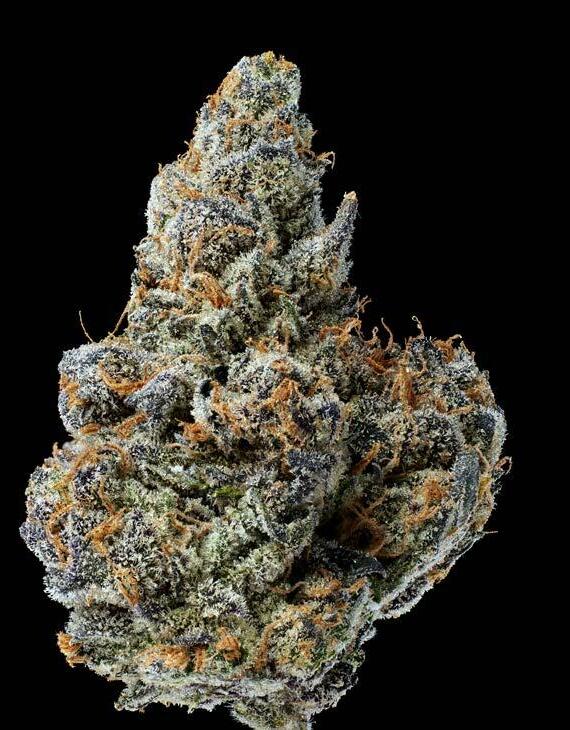

Whether it’s growing Cannabis, podcasting or engineering lighting, Miami Mango doesn’t do it half-assed. Known for their work with the Mango strain as well as some amazing looking Gelato 41, we were hypnotized by the sweet, slightly astringent smoke on this GTopia they submitted. Grown in their stateof-the-art facility in Sacramento, Josh Barker, Mango’s director of cultivation, said GTopia was bred by a Bay Area nursery and brings together the Ztopia (Gelato 33 x Zkittlez) they grow with Gary Payton. When you crush a bud, there’s this burst of gas, then cream and then Z, which lets you know you’re in for a wild ride. Being a GP fan, I really enjoyed the sweeter, grapefruit-esque back end to the beloved flavor. @miami_mango_ca @mangoafterhours miamimangoca.com | Review by Matt Jackson @actionmattjackson


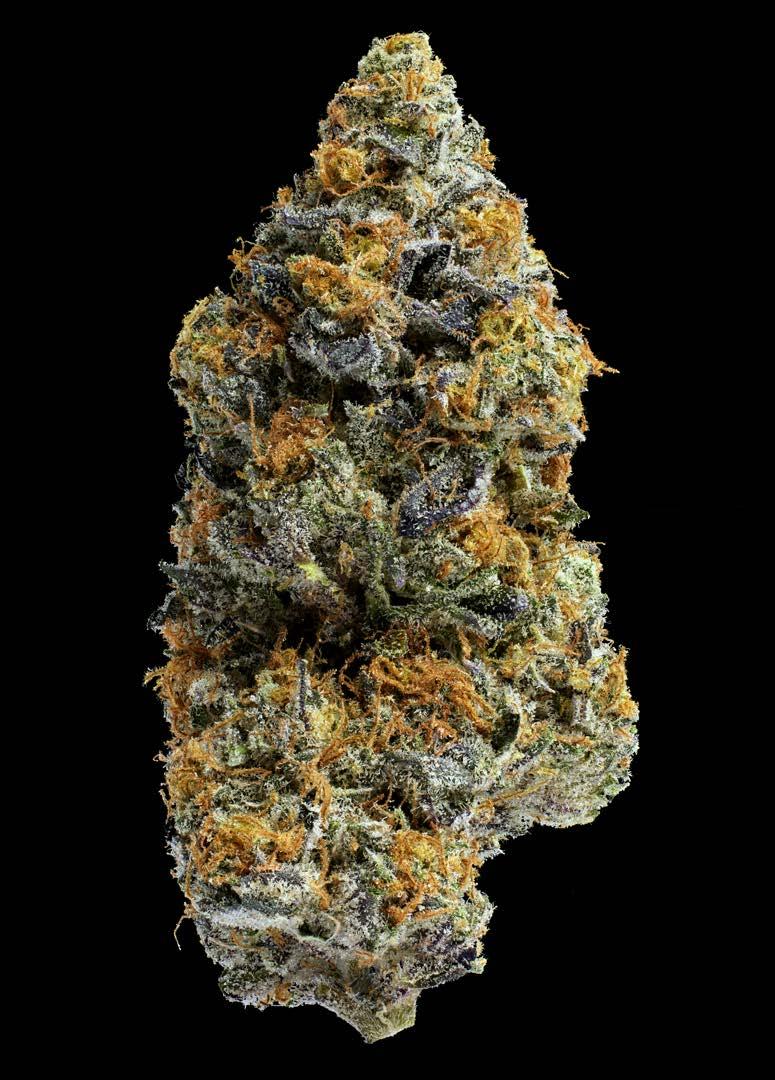
A true family brand, Los Angeles’ Originals has put in the time to cultivate their company and bring out the best in hard-to-wrangle strains, like King Louis, Jack Herer and SFV OG. At a time when everyone is focusing on producing candy packs or finding that new-new, Originals remains true to its name, submitting something to remind us how enduring the classic strains are. The bud structure in this Skywalker OG has a lot of that old-school look, taking you back to a time of green weed and JNCO jeans. The buds smell like a sweet lime icing with an OG edge. The flavor is very forward, with that sweet, uplifting quality at the end of the exhale. This is the kind of stuff every smoker should have a jar of in the stash. @originalsfamilyfarms originalsca.com | Review by Matt Jackson @actionmattjackson
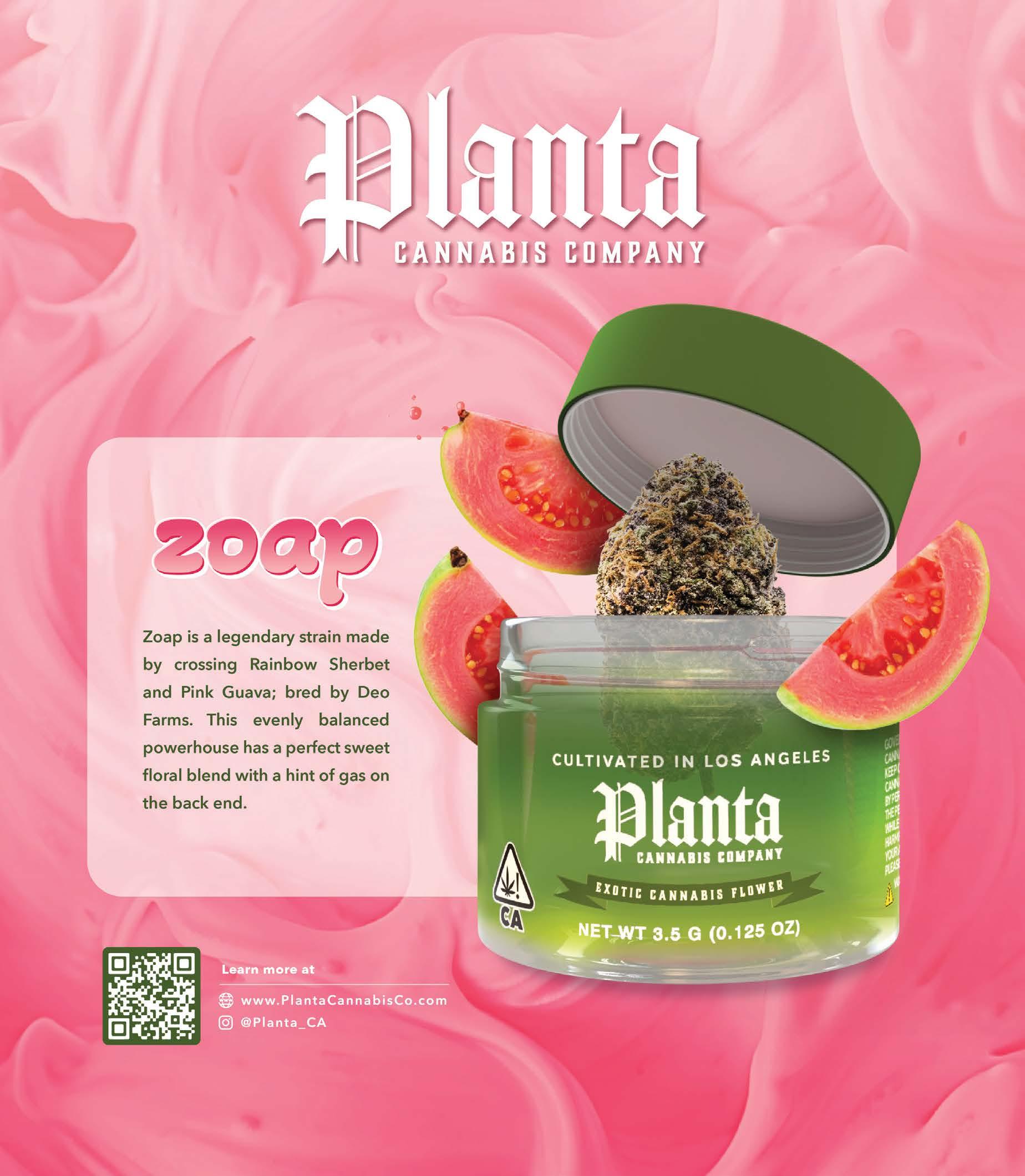
This brand was born out of a friendship between two MMA fighters. Based out of Los Angeles, Planta came out swinging with 11 Coffins as one of its very first offerings. Since then, it’s gone on to become one of the highest lauded of their six regular-rotation strains. The nugs are compact with shades of purple and orange that give off bag appeal for days. Bred by Duke of Erb, this was from a 400-seed pheno hunt of Coffin Candy x RS11. On the James Loud podcast, Planta’s co-owner Derek said that partner Freddie Bigg smoked every single pheno to pick 11 Coffins. Originally known as #178, it has a discernible blend of sweet and funky gas that starts strong, but then quickly shows you a sweeter side with that RS11. @planta_ca plantacannabisco.com | Review by Matt Jackson @actionmattjackson
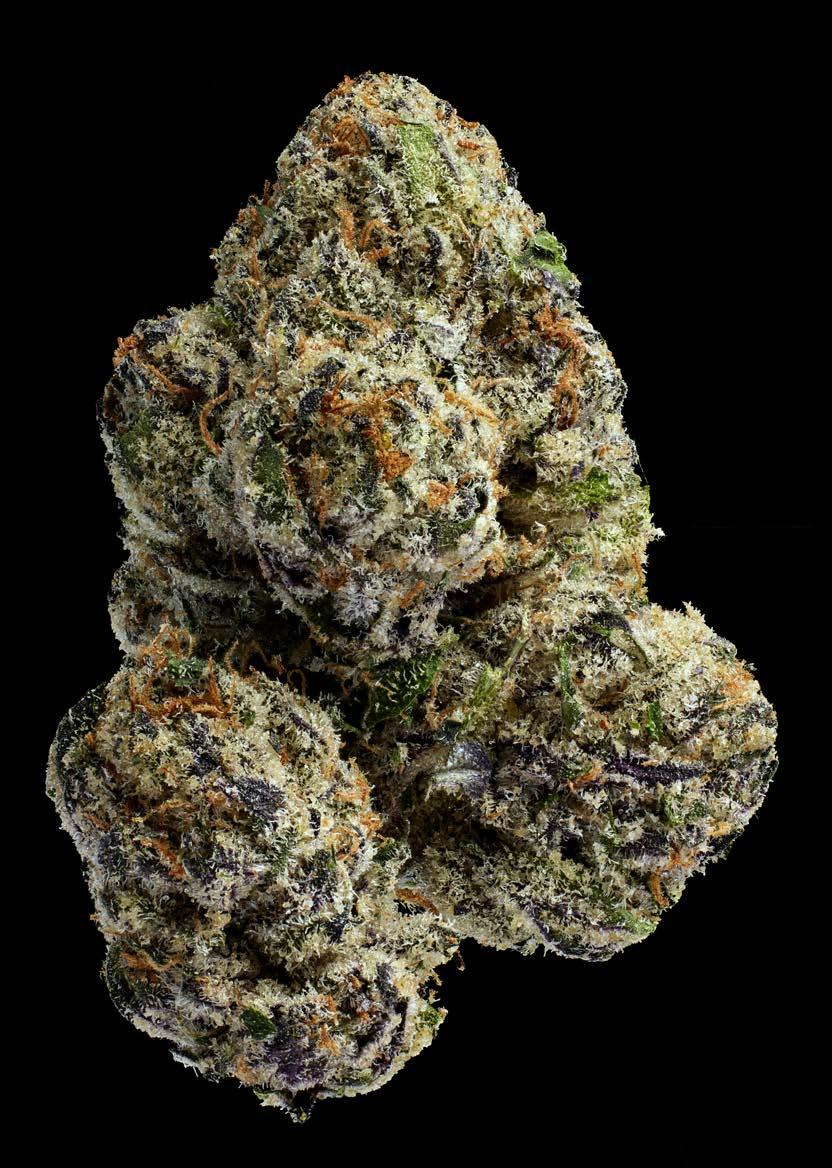
ZNACKZ X LAZER GUN
It’s hard to find a team crushing harder right now than Preferred. Whether it’s their prize for best Z hybrid at last year’s Zalympics, the gold championship ring they won at the 2025 Billy’s for Rookie of the Year strain D’lish or the massive cash prize they took home from Proper Smoke League this year with their MLZ, Dave Polley and his team are setting high water marks. Apricotz is a strain Polley said Preferred bred by using their Znackz and Lazergun cultivars. Written out, the genetics are (Chauffeur x Runtz) x (Georgia Pie x Zkittlez). Apricotz has those bold orange pistils and purple hues at the base of the buds. The apricot and nectarine flavors you get from dry pull are sensational. When you finally ignite the joint, we agree with Polley that the flavor that blossoms is ripe stone fruit and gassy cream. @preferred_gardens preferredgardens.com | Review by Matt Jackson @actionmattjackson

(ORANGE SHERBET X OZ KUSH F2) X GASTRO POP
It’s no secret that we think Sense is one of the Bay’s absolute best Cannabis producers. Ever since bursting onto the scene at Transbay Challenge, Sense continues to amaze us with everything it grows. Runner-up for Best Citrus at the 2025 California Leaf Bowl, this Yuzu Sour creates a triple threat by bringing together Orange Sherbet, OZ Kush and Gastro Pop. This heater bred by Compound Genetics is tailored to ignite your senses. Expect waves of a sugary, unconventional citrus odor to come rushing right out of the jar and stick around all through the exhale. That, combined with the floral moments on the dry pull, immediately told us why this is called Yuzu. Besides having a constantly strong bag appeal, this strain has buds that are grip tape for your fingertips. @sensecc sensegrown.com | Review by Matt Jackson @actionmattjackson
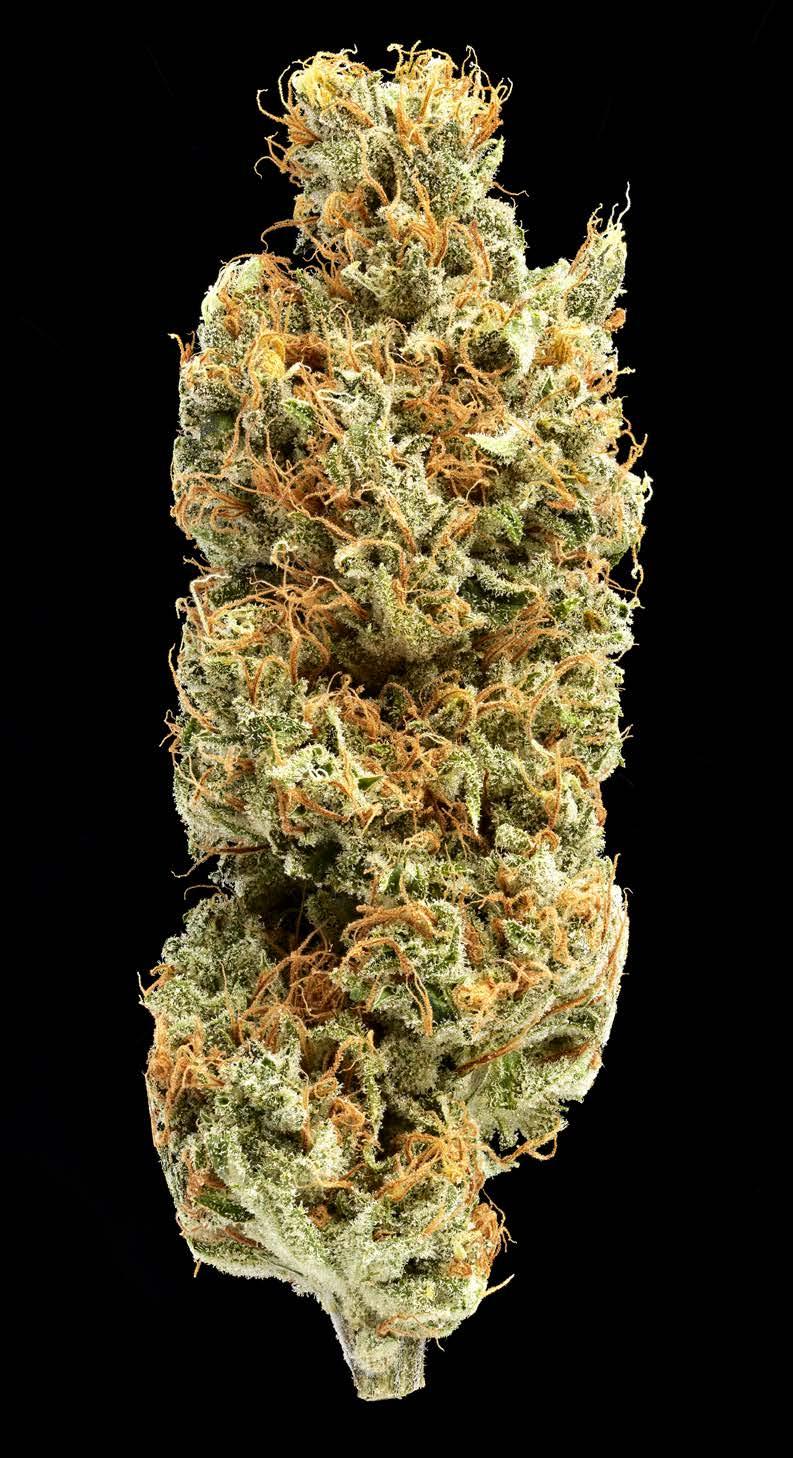
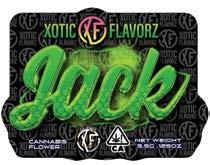
As one of the finest living soil, no-till indoor cultivation operations around, Snowtill pushes out heat on a constant basis. We’ve been huge fans of their Pie Scream, Animal X-ing and super-funky Gouda, but for this year’s Flower Issue, we decided to shine a spotlight on something both new and classic from the San Francisco-based grow. A cross between Orange Valley Skunk and Lime Haze, this is an exclusive pheno to Snowtill, and it cranks up the top notes on the fader, with bright, zesty Jack terps that make you think of the sunny days that are just around the corner. The flower itself is beautiful, with stretchy buds covered in sparkly trichomes and orange pistils reaching for the sky. @snowtillorganics snowtill.com | Review by Tom Bowers @megabombtom2.0
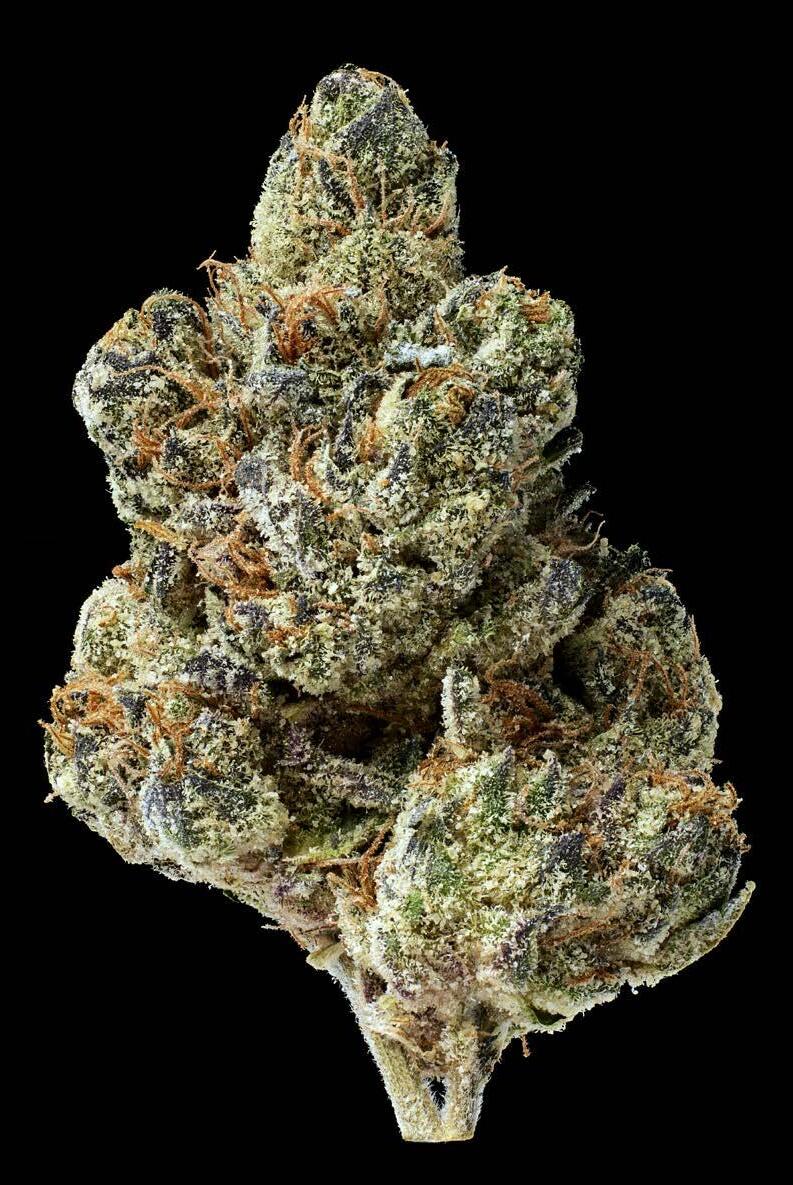
We’re proud to bring you a flavor that is just being released. Doo-Ye was created and bred completely in-house in Los Angeles by the True Classic OG team. Danny from True Classic OG said Doo-Ye is something nobody else has on the market: “We took the best qualities of different plants that we liked and different flavors and combined them into this one genetic.” The description True Classic OG gives its online audience is a flavor that brings together master kush with a candy gas — something which feels pretty spot on after smoking a joint. The smell and flavor have a Kush quality that, by the time you’ve wrapped your palate around it, turns into a ‘roided-up LCR sweetness, just like Bruce Banner transforming into the Hulk. @trueclassic.og trueclassicog.com | Review by Matt Jackson @actionmattjackson

For nearly a decade, Turtle Pie has been a plant-focused passion project led by co-founder Matt “Turtle” Morgan, who’s currently partnered with Drew Coggio from Green Dawg to push out top-tier indoor out of their Sacramento facility. We got our hands on a yet-unreleased specimen called Saturday Cartoonz, which is a cross between Turtle Pie’s Sunday Paper and Z Topia. Set to drop in 2026, this dense, dark green flower brings the gas, with some creamy notes overlaid with hints of candy. If this is any indicator, we’re excited to see what else Turtle plans to bring to market this year. @turtlepieco | Review by Tom Bowers @megabombtom2.0



“To be growing as long as I have, I entered the wave at just the right time. Making seeds back in like 2017, everyone was having so much fun.”


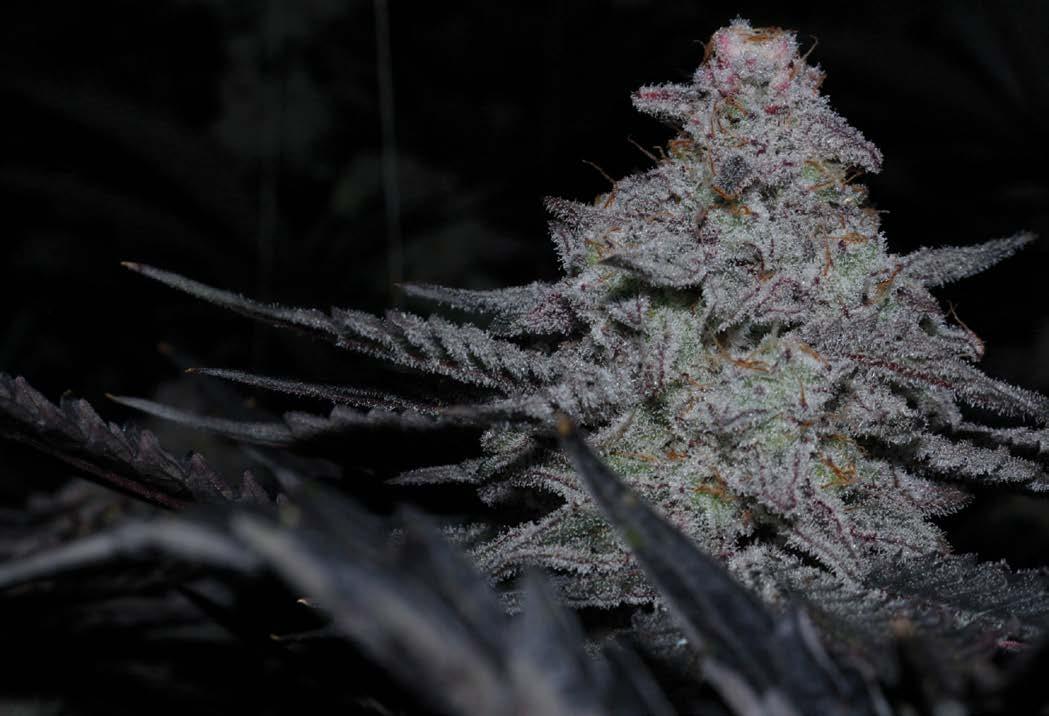

UNLESS YOU smoke weed under a rock, you’ve probably heard of MAC1. Also called Miracle Alien Cookies or just MAC, it’s a strain that has won awards and populated gardens all over the world. This year marks a decade of success for the strain, which helped make a name for longtime breeder and master of disguise Capulator.
ALIEN COOKIES F2 X MIRACLE 15 — the origins of this one make for a great story. Capulator bred the Starfighter x Colombian around 2018, but accidentally ran the seeds through the washing machine. Afterward, his lady found them and placed them in a wet paper towel to see if, just maybe, they would germinate. Of the plants that somehow survived, within two weeks, all but No. 15 would be dead. This is the magic plant he crossed to Alien Cookies F2 — something he calls some of the best weed he’s ever smoked — to create the legend of the MAC.
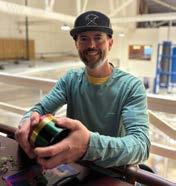
He recently spoke with California Leaf about how he got into cultivating, plus the story behind MAC and this first feminized seed drop from a very personal project.
Nowadays, you can catch Capulator out at events, with his telltale glasses, fake beard and oversized baseball hat providing a bit of mystique as well as insulation from the crowd. Like MF DOOM, Capulator (or “Cap” for short) said the disguise was born out of a desire to keep the focus on the work instead of himself.
“I wanted a way to be able to do my thing but still walk through the crowd and hang out without anyone knowing who I was,” he said. “Plus, I come from the old days of no face, no case.”
Like many people who grew up in the ’90s, Cap first got into weed in high school. But, while some people were smoking dime bags in the back of their mom’s Honda Civic, he was busy growing his own.
“I was 16, growing Northern Lights, Hog’s Breath, Skunk #1. I had this little pulley system rigged up so I could raise the plants up into the pine trees,” he said.
Around 18, Cap went on a trip with his mother to Jamaica. He said his mom was always relaxed about Cannabis, and when he got back, he started growing the seeds and seeing if he could cross them with what he already had.
His passion for collecting genetics continued as he got older, taking trips to Canada to secure cuts of Blueberry and amassing a constantly growing seed vault to this day. Now, there are so many heaters that carry his signature title “Cap’s Cut.”
Looking back, he said, “I was so fortunate to come up when I did. To be growing as long as I have, I entered the wave at just the right time. Making seeds back in like 2017, everyone was having so much fun.”
California Leaf inquired about his next passion project, and like MAC, it’s one with a real personal connection. Known as Lion’s Strength, it’s a cross that’s also a dedication to his late father. Cap said he first released Super Lemon Haze x MAC a while back as a small, unnamed selection, but it wasn’t anything super serious before the passing of his dad.
“My Super Lemon Haze, which was one of mine and my dad’s favorite plants, it finished early, and it didn’t even smell like weed. It smelled like butter lemon candy. I would give him clones, and every year, he would grow them by the little river in his backyard,” he said. “He wasn’t even a weed gardener; he was an engineer, but he loved cultivating those plants. When he passed, I wanted to do a special memorial. So I planted some Super Lemon Haze x MAC seeds with his ashes, got a bunch of nice females, then I picked one especially for him. It’s super greasy, smells like lemon soap and finishes in like 56 days.”

The line also marks the first foray into feminized seeds.
“I wanted to do a feminized line because they’re more accessible,” he told the Leaf.
“I’ve realized that there are some people who just want to grow fems, and they don’t really mess with anything else.”
In this way, Cap said he’ll be putting his father’s spirit into gardens all over the world.

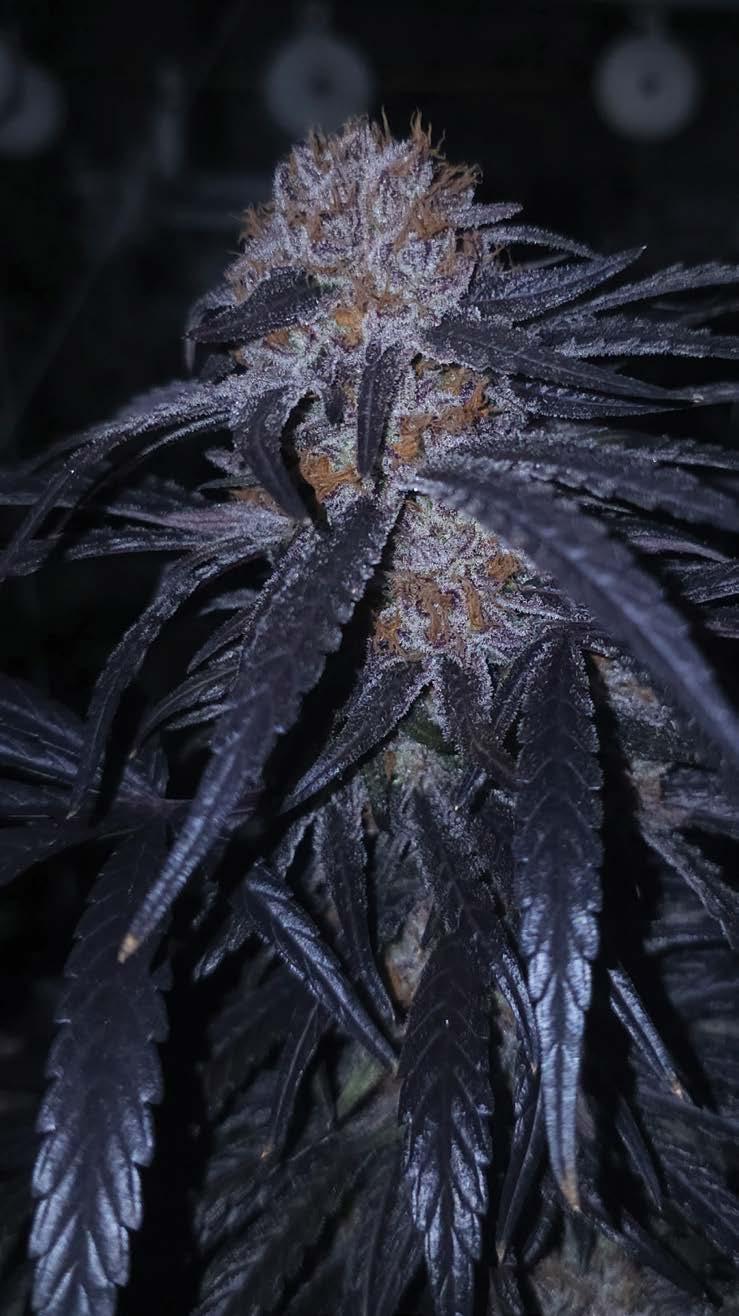


“Primarily, I only smoke sun-grown … grown in the dirt, outside Cannabis.”
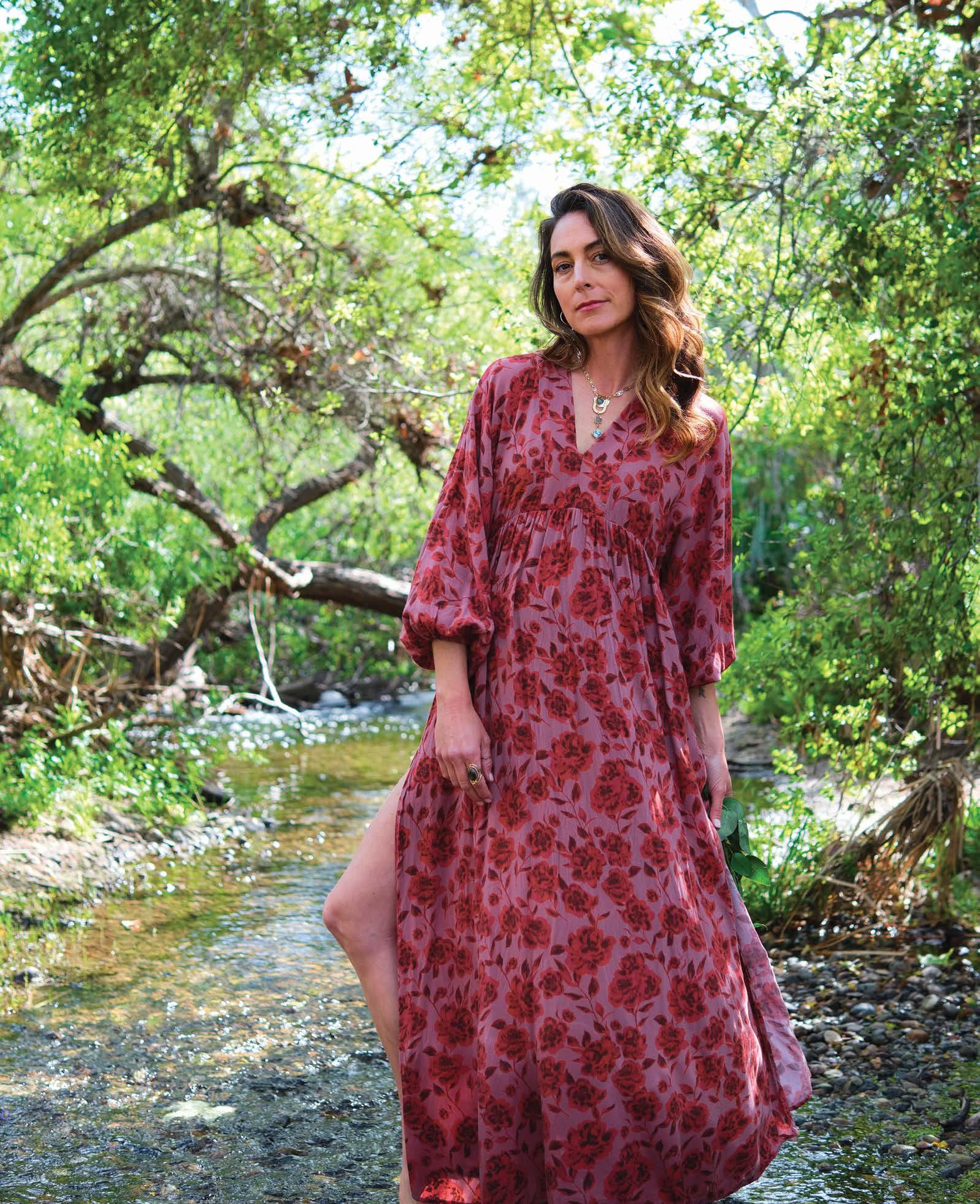
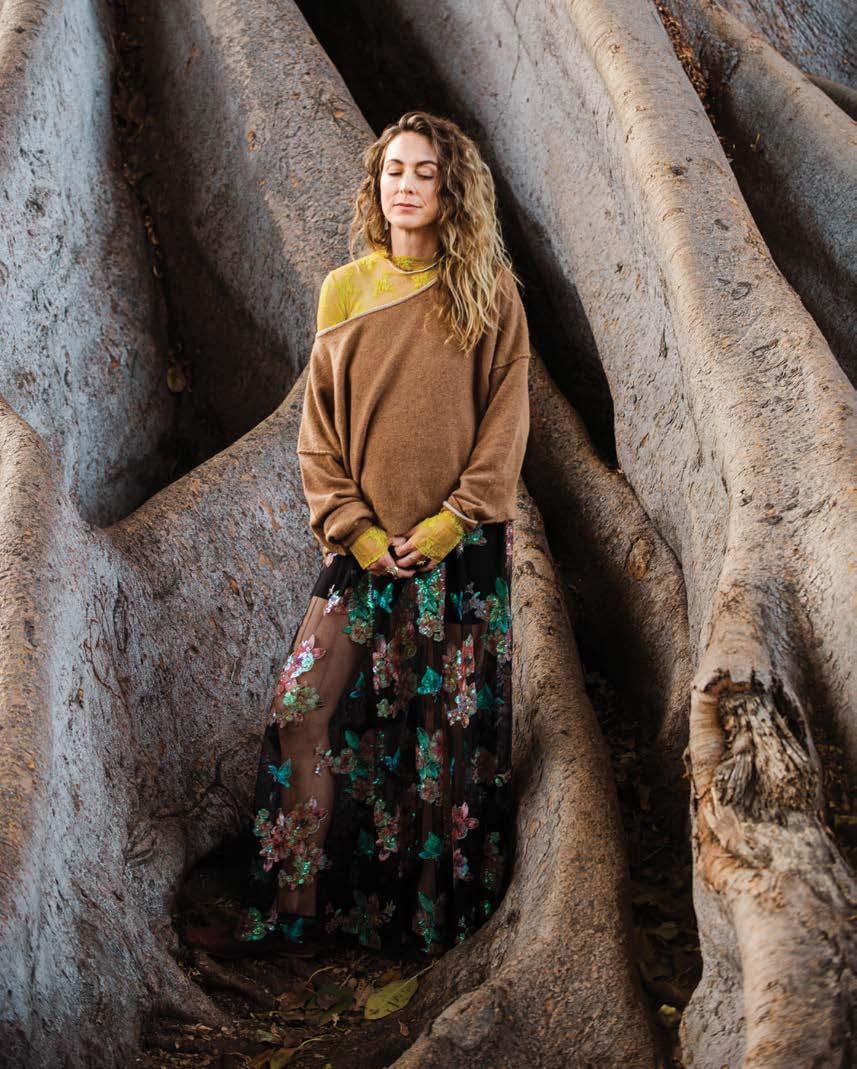

JULIA SPARKMAN’S relationship with Cannabis didn’t start as medicine. It started young — “12 was the first time I ever took a puff” — and by high school, she said, “To be honest, I was just wanting to get fucked up … not really medical to me.”
OVER TIME, the plant took on a different role. Sparkman, a San Diego mother, writer and healing arts practitioner, is 19 years into alcohol sobriety. In the years when she was still caught in alcohol and other substances, Cannabis became part of how she got through the day after.
“It was like what I woke up to,” Sparkman said. “It … help(ed) to soften the edges of the destruction from the night before.”
When she stopped drinking and using “harder drugs,” she kept Cannabis less as a party substance, more as a stabilizer — a harm-reduction bridge while she built a different life.
Throughout that vibrant life, Sparkman’s use hasn’t been linear. In those 19 alcohol-sober years, she estimates she’s had “like 10 collective years where I did not use Cannabis,” including a long stretch of about seven years. She stopped completely. Then, almost exactly a year later, she learned she was pregnant. She stayed off Cannabis through pregnancy and breastfeeding, and returned within weeks of stopping, several years and two kids later.
These days, Sparkman is intentional and selective about what she consumes.
“Primarily, I only smoke sun-grown … grown in the dirt, outside Cannabis,” she said.
She shops at Torrey Holistics in San Diego and names Farm Cut and Coastal Sun as preferred brands, gravitating toward lowerpotency flower and multicannabinoid profiles rather than “something that was bred to be so intoxicating.”
“My goal is never to feel super high,” Sparkman said, mentioning that she prefers cultivars with different cannabinoid ratios, like Farm Cut’s Four Directions from Mendocino’s Emerald Spirit Farms with THC, CBD, THCv and CBDv.
Now, Sparkman finds medical value in Cannabis for its ability to help with her nervous system.
“I have … complex trauma, so I hold a lot of that in my body,” she said. “For me, it helps bring me back to my body.”
The rest is what she calls expansion — the sense that Cannabis can open perception and soften tension without shutting her down.
“She helps me feel ease in my body,” Sparkman said about the plant.
“And she opens me up to how incredible this Earth is.” @JULIASPARKMAN

ON THE HEELS of America’s largest Cannabis business conference, I witness Halle Pennington place a joint for storage within a manila envelope, a reminder of how organized and business-minded she is. As the products executive for Humboldt Seed Company, Pennington is embedded in data management. This becomes most clear on the company’s annual traveling pheno hunt adventure quests, which have taken place since 2018. Through the pheno hunts and the extensive process Humboldt Seed Company undergoes to release new strains, the Northern California-based company makes calculated moves that go on to define the taste profiles in Cannabis worldwide.


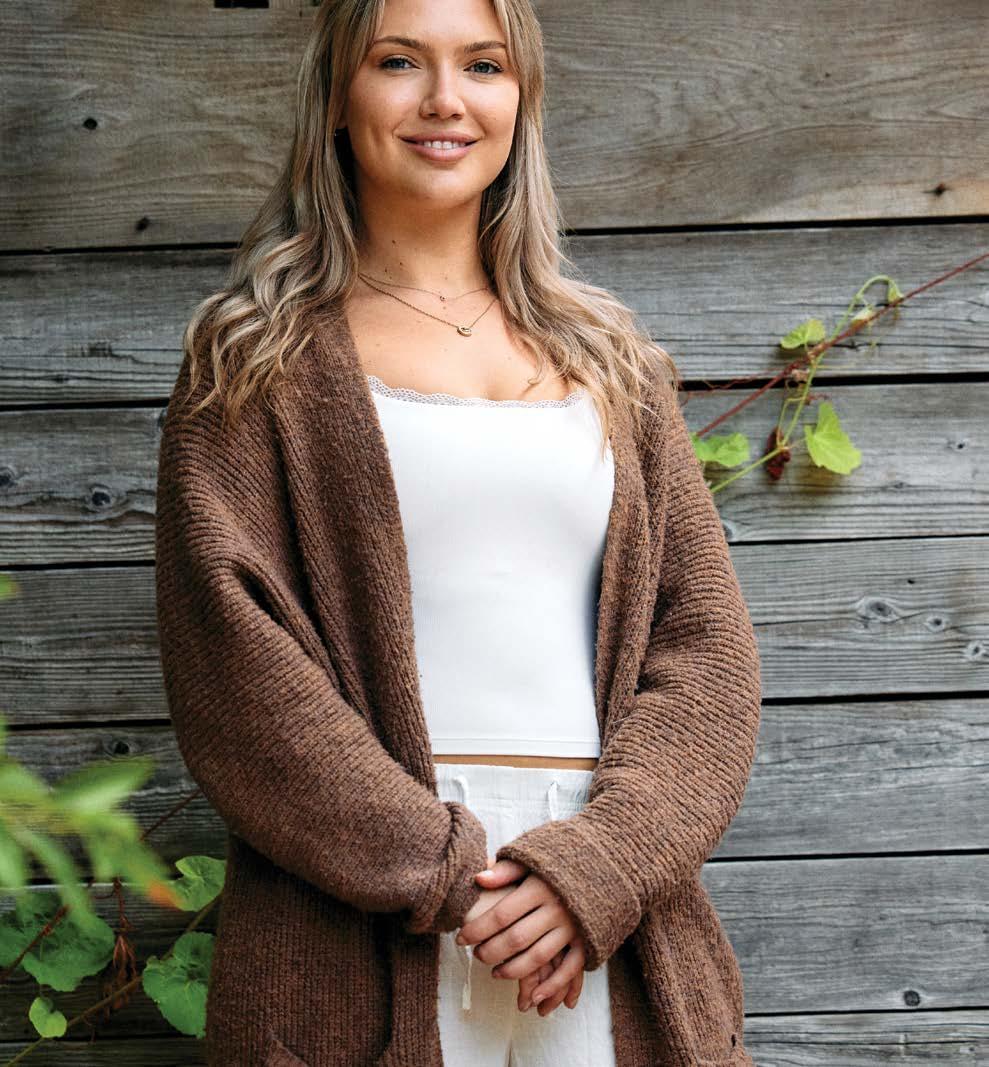
During Humboldt Seed Company’s annual pheno hunts, Pennington holds the secrets to the spreadsheets

“AS MUCH as the whole operation kind of feels like my baby, the pheno hunt has always kind of been my special project,” Halle said. “The first year that we really got to enjoy the benefits of legal Cannabis was 2018, and we were able to go out and take 10,000 plant cuttings — which I actually took two of each, so I individually that year took 20,000 — and we’ve progressed to do large-scale pheno hunts since then.”
When grown from seed, Cannabis plants with the same genetic lineage can express different physical characteristics or phenotypes. During the pheno hunts, members of the Humboldt Seed Company team are joined by invited guests to gather data point information on individual plants in the field. The process involves traveling to a number of farms across different growing locations and assessing which plants best represent the characteristics Humboldt Seed Company is looking for as a Cannabis breeder.
“There are so many new consumers and so many people who are feeling the freedom of being able to just actually be open about Cannabis consumption and using it medicinally for the first time in so long,”

The 2025 pheno hunt took on a new challenge in searching for strains that will produce well for Cannabis concentrates, aka “washers.”
This addition to the pheno hunt meant adding a second spreadsheet for data collection, with inputs specifically for Cannabis concentrates, like the greasiness of the trichome texture on the flowers and whether the trichome necks were strong — which isn’t great for hash making — or weak.
“We’re evolving that process, looking for new cultivars that meet market demand and learning about things that, quite frankly, I don’t even know a ton about, which keeps the job interesting,” Halle said.
Halle’s dad, Humboldt Seed Company’s cofounder and CEO, Nat Pennington, is a fisheries biologist, and Halle said a background in fisheries genomics was a huge part of her childhood.
Most of her Cannabis breeding knowledge comes from hands-on experience with the plants, coupled with a basic education in business and a passion for the work.
“The reality is that the Cannabis plant and the industry itself are so quickly evolving, and to be a part of the industry as it’s at this peak point of evolution, we’re able to now apply serious numbers, lab work and massive amounts of data we weren’t looking at before,” she said. “It’s showing us new things about the plant, which is what’s always kept me super interested.”
Looking toward the future of Cannabis culture, Halle predicts that consumers will continue to show more involvement in which types of strains they want to consume.
“There are so many new consumers and so many people who are feeling the freedom of being able to just actually be open about Cannabis consumption and using it medicinally for the first time in so long,” she said. “There was a gap in that and consumer education for a while, and so you were seeing a lot of people driven to go by what just had the highest THC numbers on the shelf.”
Halle said she’s now seeing more consumers asking educated questions and getting to know how their Cannabis is sourced.
“Consumption is obviously what drives any production industry,” she said. “At the end of the day, we can all say we only produce what we want to produce and what we know is good. But if consumers aren’t consuming it, that’s only going to last so long. So, for me, making sure people are getting educated and seeing people come in and ask bigger questions, it really gives me hope.”

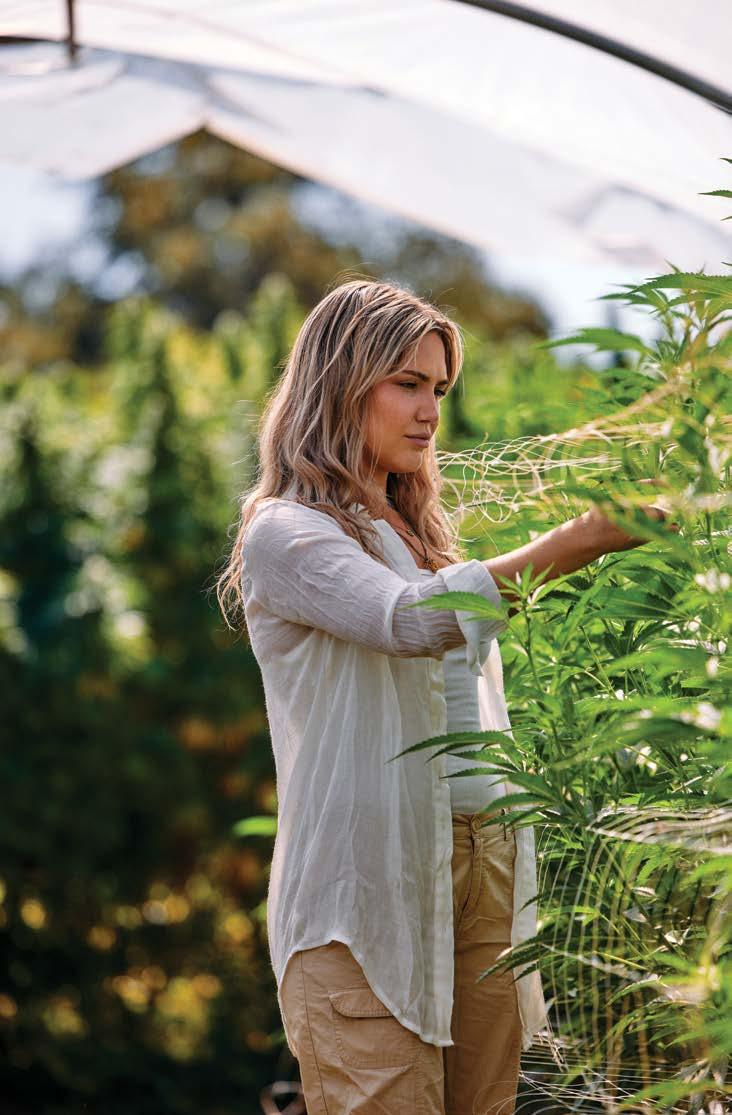
@HALLE_PENN @THEHUMBOLDTSEEDCOMPANY
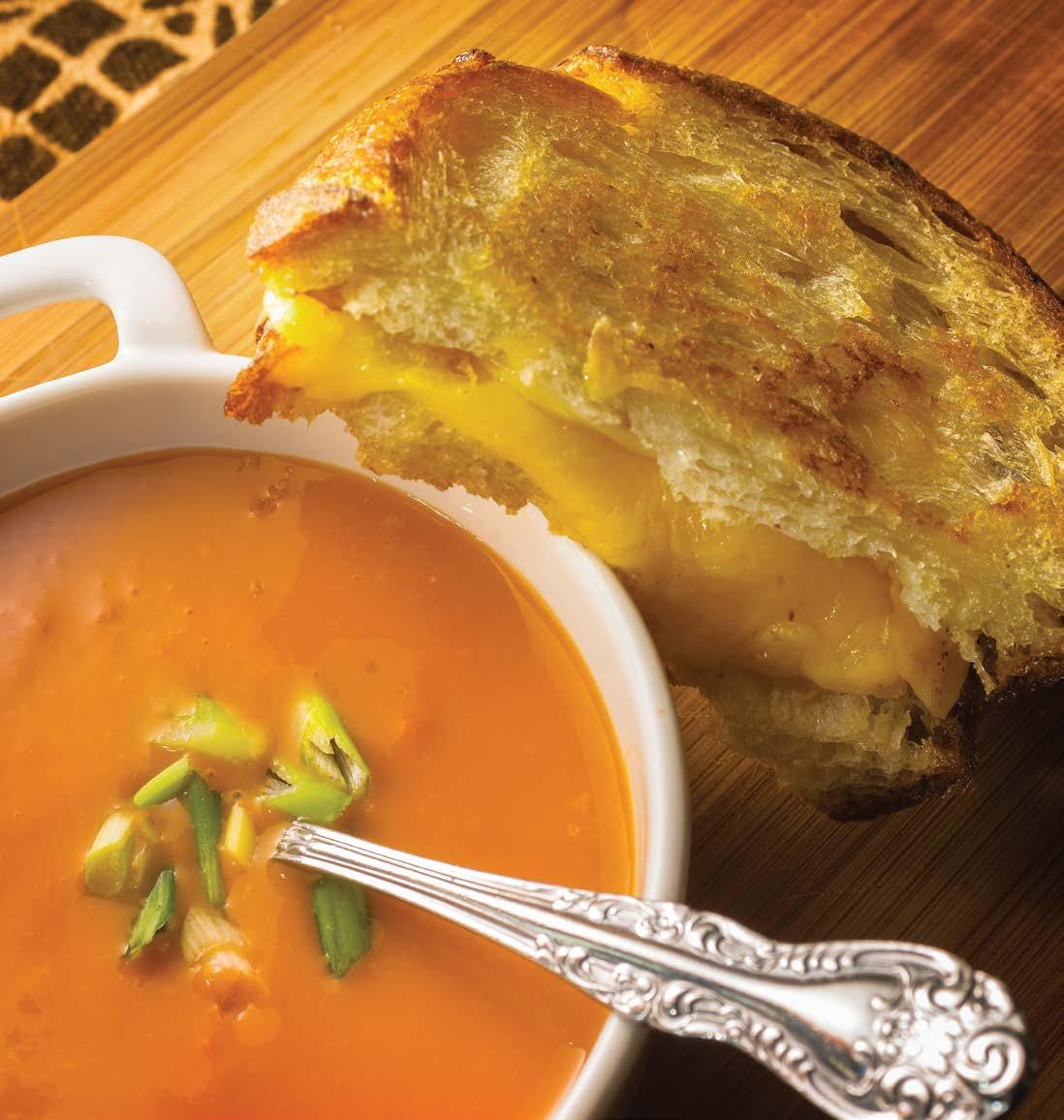
Servings: 4
4 teaspoons canna-olive oil
1 medium onion, chopped

1 quart vegetable or chicken stock
1 (28-ounce) can crushed tomatoes
1 cup half-and-half
Salt (kosher or sea) and freshly ground black pepper, to taste
8 leaves chopped fresh basil or 2 chopped scallions for garnish
1. In a medium pot, heat canna-oil over medium heat. Add onions, and saute until translucent, 6-7 minutes.
2. Add stock and tomatoes, and cook until they’re warmed through. Add half-and-half, and season the soup with salt and pepper. Simmer the soup, stirring occasionally, until heated through, 15-20 minutes. Turn off the heat, and let the soup cool slightly.
3. Working in 2 batches, puree the soup in a blender or food processor. Or, if you have an immersion blender, puree the soup directly in the pot.
4. Return blended soup to the pot, and rewarm over medium-low heat.
5. Garnish with basil or scallions.


GOLDEN HAZE KIND OF DAYS. I’ve been cooking with this uplifting, citrusy, floral strain lately. It’s moderately potent, never overwhelming and perfect for a creative afternoon. I picked up an ounce at Serra, grown by Pruf Cultivar, and it inspired the coziest infused menu. Cooking with Golden Haze is all about balance — comforting, flavorful and just enough to spark creativity and that golden kind of joy. As always, if you want more information, please email me at Laurie@ Laurieandmaryjane.com


Servings: 6
2 tablespoons canna-oil
Servings: 4
1 tablespoon unsalted butter, softened
2 teaspoons canna-butter, softened
8 slices bread, sliced
4 slices cheddar
4 slices Gruyere
1-2 tablespoons olive oil
1-2 tablespoons Dijon mustard
1. In a small bowl, combine butter, canna-butter and Dijon mustard. Spread the mixture on all 8 bread slices.
2. Layer a slice of cheddar and a slice of Gruyere on the unbuttered sides of 4 of the bread slices.
3. In a large nonstick skillet, heat olive oil over medium heat.
4. Cook each bread slice until golden brown and the cheese melts.
5. Pair the top and bottom halves to make sandwiches, cut in half and serve warm.
1 package of your favorite frozen Asian-style dumplings
1/2 cup creamy peanut butter
2 tablespoons low-sodium soy sauce
1 tablespoon (packed light) brown sugar
1 tablespoon freshly squeezed lemon juice
1/2 teaspoon minced garlic
Pinch of red pepper flakes
1. Heat canna-oil in a large nonstick lidded skillet over medium heat. Place the dumplings flat side down, and cook on one side until light golden brown. Turn and cook on the other side until light golden brown, about 8-10 minutes total. Add enough water to cover the bottom quarter of the dumplings, and cover the pan. Cook for 7 minutes. Remove the cover, allowing the water to evaporate, and cook the dumplings, turning them a few times, until they’re entirely golden brown and crisped, about 6-9 minutes.
2. While the dumplings cook, prepare the sauce: In a medium bowl, combine the remaining ingredients.
3. Serve the dumplings warm alongside the sauce.

ebrating 13 years of leadership at the Green Cross of Torrance
ebrating 13 years of leadership at the Green Cross of Torrance
rly Ekenstam and Jessica Bray have been the soul and ckbone of the Green Cross of Torrance, navigating the op through every era of California cannabis with a level heart and intuition you simply can’t teach. Long before legalization or the industry found its footing, they were here building the culture and systems that established us as a South Bay staple; more than just long-term directors, they are the rock of this company, guiding us through every challenge with incredible grace, grit, and an unwavering commitment to our growth.
Director of Operations & HR Director Director of Inventory & Purchasing
Since 2013, Carly Ekenstam has been the backbone of Original Green Cross. As Head of Operations, she’s navigated complex licensing shifts and mentored over 200 employees with genuine heart. Beyond her regulatory expertise, Carly is a devoted vegan and cat mom. Her consistency has transformed this legacy boutique into a South Bay institution, proving that true leadership is about showing up for your team every single day.

Since 2013, Jessica Bray has been the strategic pulse of Original Green Cross. As Director of Inventory, she scaled the boutique into a multi-million-dollar enterprise through expert curation and elite vendor partnerships. From designing billboards to conceptualizing in-house rosin gummies, Jess blends innovation with a "classic joint" sensibility. Her discipline and vision keep our shelves and our legacy thriving.
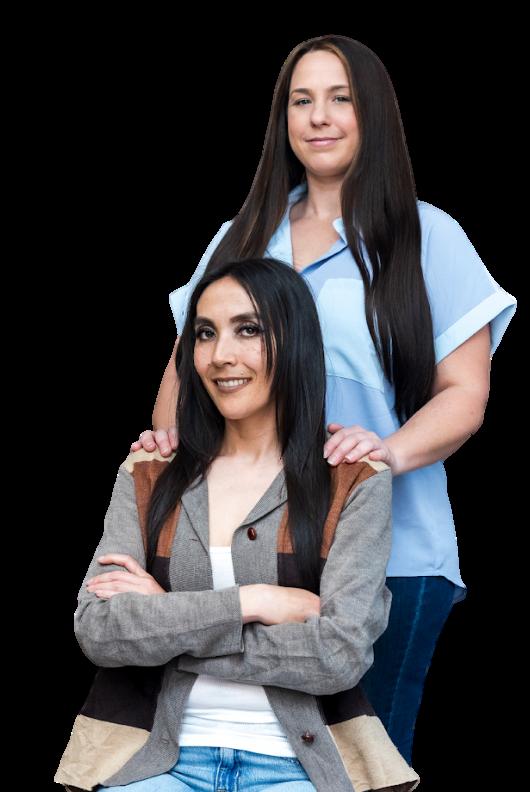
Q: Looking back at Day One versus today, what’s the one thing that has never changed?
Carly: The welcoming friendly vibe here is something I’ve been proud of since the start I first came to Green Cross as a patient looking for a spot where I actually felt comfortable Most shops back then were pretty intimidating, but here, I’ve always been treated like family

Jess: My love for the plant and its medicinal benefits Since I first began learning about cannabinoids and their healing potential, I have always stayed committed to educating those around me on how to use them effectively
Q: What is the 'secret sauce ' that has kept you both inspired and energized for 13 years?
Carly: Collaboration With the trust and support of The Green Cross owners, our Directors Team has been able to build a strong foundation. Whether we’re a team of 10 or 50, working strategically together is what allows us to accomplish so much The incredible growth we’ve achieved simply wouldn’t be possible without true teamwork
Jess: My "secret sauce " is a combination of consistency and professionalism I thrive on adapting to new environments and overcoming the obstacles of this fast-paced, evolving industry This industry keeps you on your toes
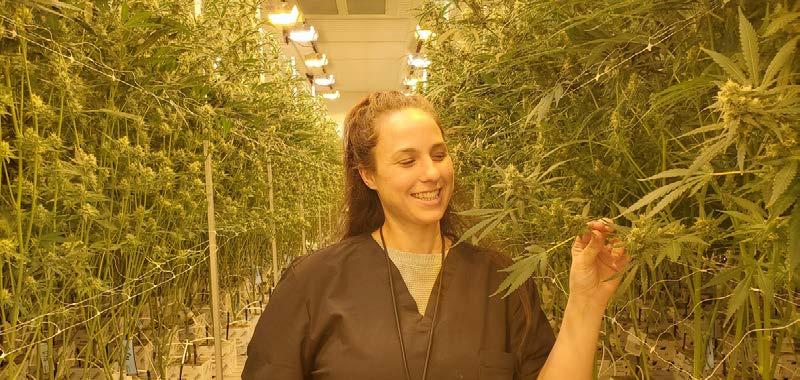
Q: If you could go back and give your Year One selves one piece of advice, what would it be?
Expect the unexpected There is never a dull moment in the cannabis industry Things are always shifting and changing. Change calls for innovation and adaptation.
Jess: I would remind myself to enjoy the journey and the people met along the way The employees, customers, and industry colleagues I have encountered have all been instrumental in shaping who I am today I am forever grateful for them!
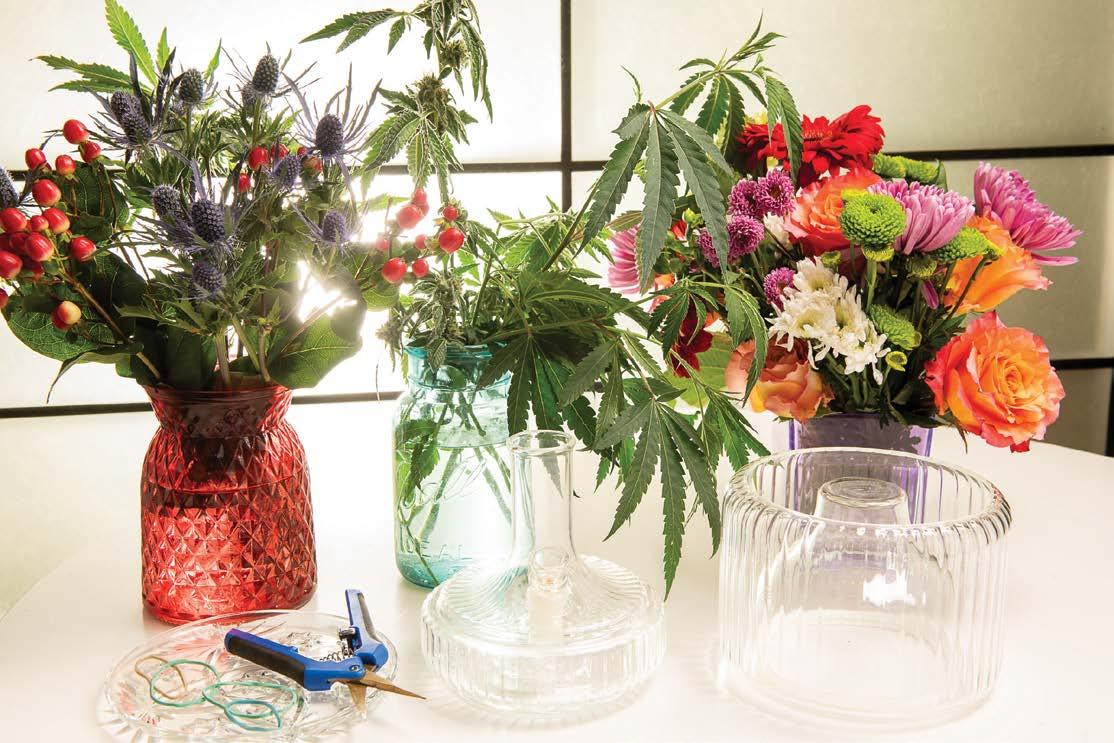

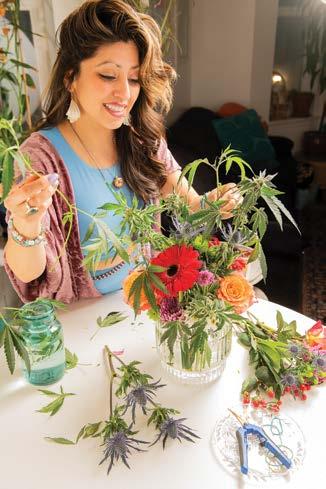


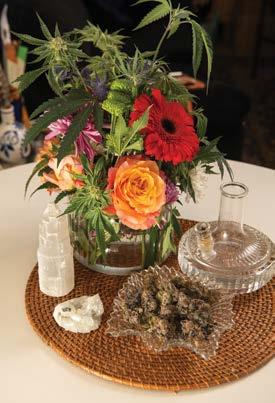
There’s a primal joy that comes from harvesting something with your own hands. Whether it’s a wildflower clipped from a backyard garden or a perfectly cured Cannabis kola trimmed with care, the act itself slows time. It brings us back into a relationship with the season and our senses.
STEP OUTSIDE THE RECREATIONAL MARKET and into your home with this DIY Cannabis floral bouquet guide.
At the center of this creation sits The Mantelpiece Vase, a female-owned entrepreneurial vision brought to life by creator Elisabeth Chembry with the intention to help destigmatize and normalize Cannabis use.
This tabletop decorative glass looks like art, holds flowers like a vase and transforms into a bong when the moment calls for it. It’s clever, elegant and slightly mischievous, the kind of object that invites curiosity while honoring ritual.
“My relationship with Cannabis began later than most. I was 22 when I took my first toke around a campfire with my parents in the Finger Lakes region of upstate New York. It was such a safe, beautiful experience. My God, I wish everyone had an introduction like that,” Chembry said.
Her parents, longtime but quiet home growers, had waited intentionally.
“They didn’t want to influence me as a youth,” she said. Today, her relationship with the plant is rooted in reverence: “I don’t get high, I get grounded.”
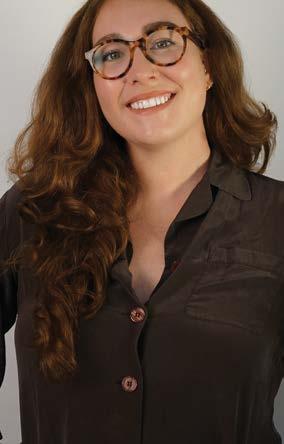

For Chembry, design is activism.
“People are sitting in prison for this harmless and beneficial plant,” she said. “Meanwhile, alcohol is proudly displayed in homes and boardrooms. The discrimination makes no sense.”
The Mantelpiece — with its slogan “Stop Hiding” — speaks directly to that contradiction. “It’s meant to be hidden and yet not hidden all at once,” Chembry said.
She plans to donate a percentage of proceeds to Last Prisoner Project once profits allow.
“It’s important to keep our prisoners in mind as we boldly display our use while some are still sitting behind bars."
“What makes something worth creating is the perfect combination of aesthetics and utility,” she explained. The duality is intentional.
“It’s a bong, and bongs can be loud visually and sometimes stanky loud,” Chembry said with a laugh. “I wanted to soften that. I wanted a piece I’d genuinely use every day yet discreet enough to leave out on the mantel.
“At the heart of it, adults deserve options. The Mantelpiece Vase is the Cannabis alternative to crystal champagne glasses.”
Sustainability is woven into the company ethos: recyclable packaging, soy inks and heirloom-quality glass. “I refuse to create something that becomes waste. The box and the piece are meant for a lifetime.” Future plans include new colorways and an ashtray design launching this year.
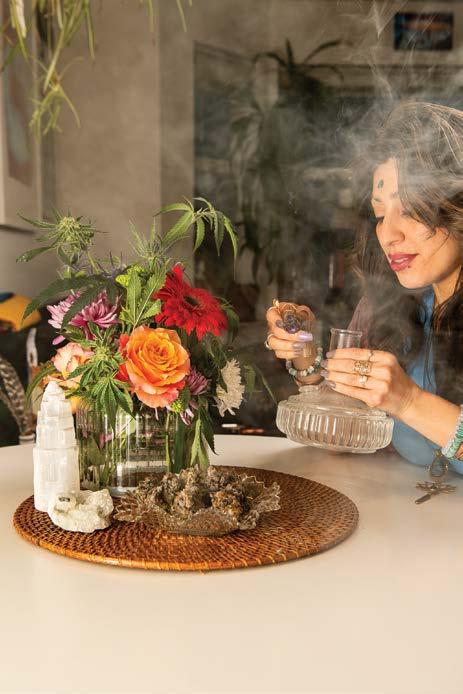
Set the mood. Open a window. Light palo santo. Put on music that feels like sunlight—KMHD jazz radio is my pick. Think heart-centered crafting, not nervous rushing.
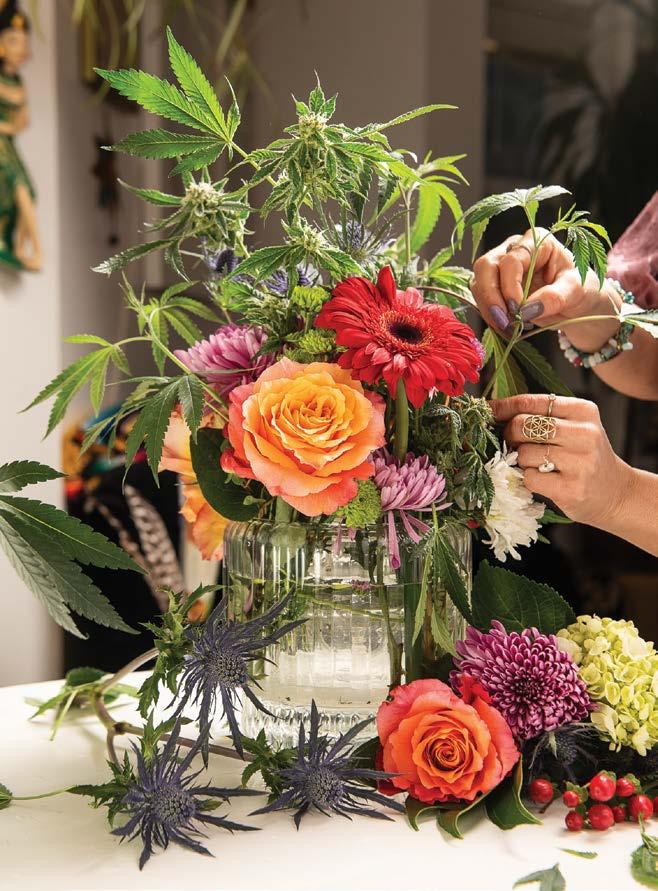
Lay out your offerings. Choose vibrant florals — daisies, roses, dahlias, hydrangeas, wildflowers — paired with fresh-cut Cannabis fan leaves. Arrange them in sections from small to large. Let the plants guide the mood.
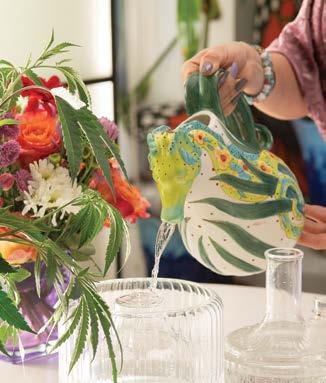
Prepare the vessel. Rinse the Mantelpiece Vase. Pour water into the floral chamber while keeping the smoking pathway dry and separate. Don’t have a Mantelpiece Vase? No problem, Leaf Readers enjoy an exclusive savings: Use code LEAF10 upon checkout.
Grounded in green. Trim stems at an angle, and remove leaves below the waterline. Start with greens as your foundation; vary heights to create movement and flow.
Time to bloom. Place flowers in a loose, open shape. Nature doesn’t do symmetry; she does balance. Let some stems rise tall and others fall soft.
Weave in the kush. Fan leaves slide in like sacred feathers, framing the arrangement. Add Cannabis flower last as gemstone accents. Keep buds dry and lifted so their trichomes stay luminous. Our custom Cannabliss Bouquet features Thunder Chief Farms fan leaves and nugs in Gassius Clay.
Bask in your Cannabliss. Rotate the Mantelpiece clockwise, and adjust gently. There should be one slightly wild side that looks like it grew that way on its own.
Keep the blessings blissful. Refresh water daily. Remove fading blooms. Dry fan leaves as keepsakes, like pressed petals from your love.
This DIY guide is an invitation to let Cannabis exist in the open. All you need is a clean Mantelpiece Vase, fresh flowers, a few Cannabis fan leaves, scissors and water.

Happy spring, OGs! Remember, each of us is in the process of elevating and blossoming.



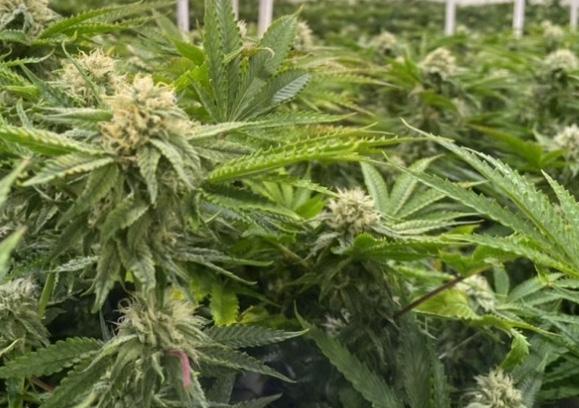
If there were a Cannabis genetics hall of fame, Chemdog would stand proudly alongside classics like Skunk #1, Original Haze and Northern Lights as one of history’s cornerstone cultivars. Remarkably, this gassy hybrid with an intense aroma and cerebral high would likely have faded into obscurity had it not been for a lucky teenager who stumbled upon it in a Grateful Dead parking lot by the name of Greg “Chemdog” Krzanowski.
Greg Krzanowski was born on March 19, 1973, in North Hampton, Massachusetts. He grew up in a good family and spent his junior high years racing ATVs ... that is, until he discovered Cannabis.
and Chong movies came out, and for some reason I re ally loved them,” he said. “I swear that’s what influenced me to get to where I am today.”
seventh grade, but didn’t get high because “it was basi cally brick weed — probably like 5% THC back then.” It wasn’t until high school that he developed a true appre ciation for the herb, as well as for the Grateful Dead. At 16, he attended his first Dead show — July 2, 1989, at Sullivan Stadium in Foxborough, Massachusetts — and he was blown away.
parking lot, the music, the experiences … how it all made you feel,” he said. “And I realized, holy crap — this is the mecca of freaking good weed! At the Dead show you can find this stuff called ‘kind bud.”

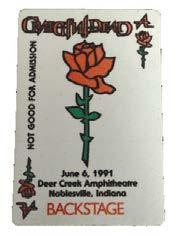

In June 1991, Krzanowski spent some of his graduation gift cash on Dead tickets and followed the tour for the summer. It was at one of these shows — on June 6 at the Deer Creek Music Center in Noblesville, Indiana — that he’d have an encounter that would change the course of his life. For it was at that fateful concert, while cruising Shakedown Street in search of smoke, that he met a couple of hippie dealers from Colorado named Joe “B” Brand and Mike “P-Bud” Nee. They were selling some killer kind called Dogbud — allegedly because it made you “roll over like a dog” after you smoked it — which they also referred to as “Chem Weed” because it tasted so strong that Nee assumed the grower “must have pumped so much chemicals” into it.

“It was the best pot I’d ever seen in my life,” Krzanowski reminisced. “It was so green, it smelled so nice and skunky. Then they packed a bowl, and I tasted it, and it hit me like kryptonite!”

He paid $125 for a quarter-ounce — the most they would sell anyone due to high demand. He was so impressed by the buds that he asked for their phone numbers so he could stay in touch.
Upon returning home in August, Krzanowski called them and arranged to purchase another ounce of Dogbud for $500. When it arrived in the mail, he was elated to discover 13 seeds in the bag.
“I was so thrilled … I was like, ‘Wow, I think I just hit the lottery,’” he told Cannabis & Tech Today in 2011.
Within weeks, he’d rented an apartment and set up his closet grow
— purchasing a small hydroponic setup called Emily’s Garden System and a 250 HPS light from the nearby garden supply store Worm’s Way. He then planted four of the 13 seeds, along with two brick weed seeds. For his new East Coast batch of killer bud, Krzanowski combined its two previous names into one, rechristening it “Chemdog.” One of the Dogbud seeds turned out to be a male, which he discarded (a rookie mistake he regrets in retrospect), along with another dud he tagged “Chemdog B”. By late December, his remaining plants — “Chemdog” (Chem 91) and “Chemdog A” (Chem’s Sister) — were ready to harvest.

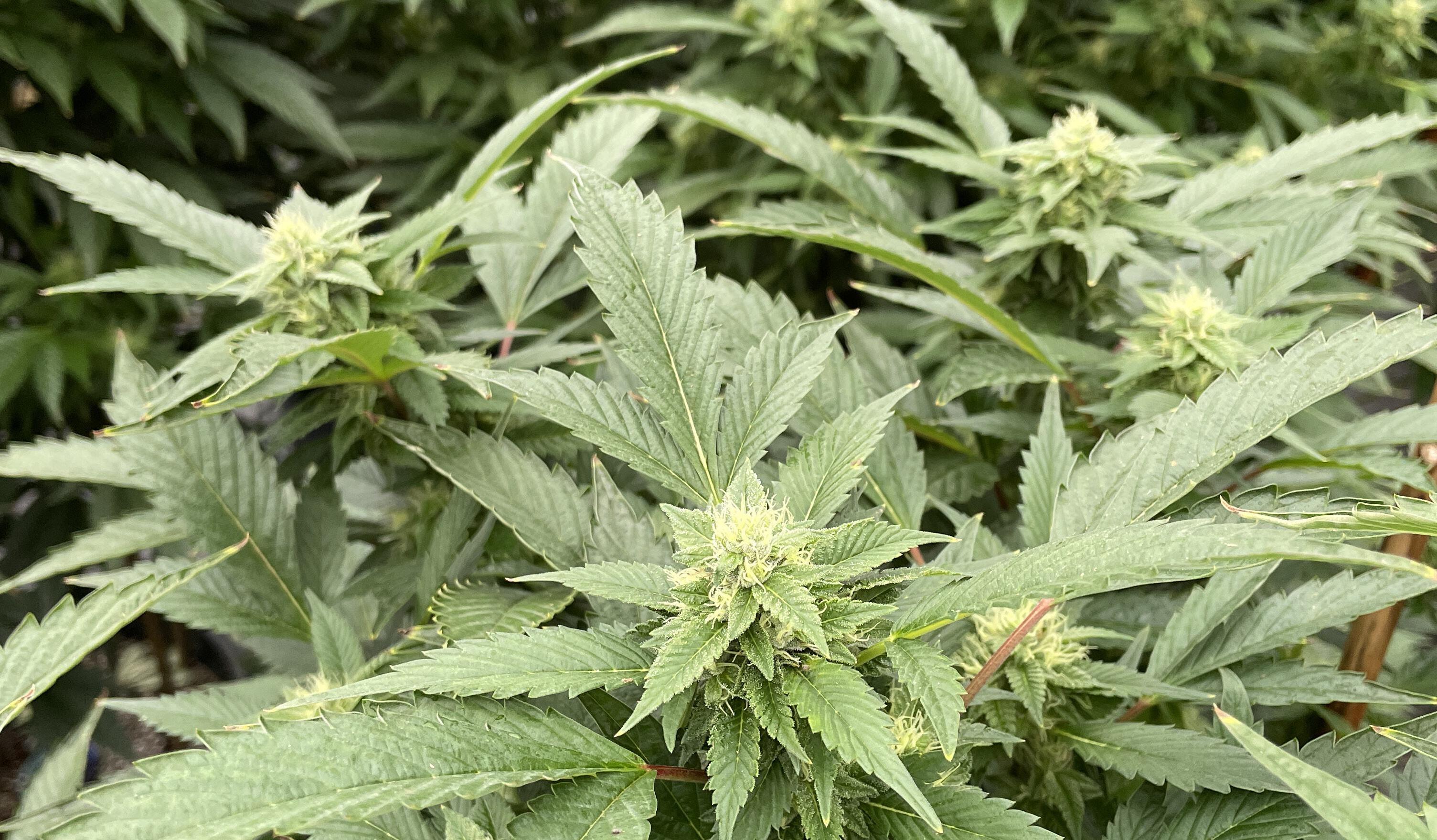
At just 18 years old, Krzanowski was now the sole caretaker of one of the most potent and flavorful Cannabis cultivars in the country. Using clones from his Chem 91 mother plant, he began “pounding out” crops of kind bud, some of which he’d take on Dead tours with him to sell.
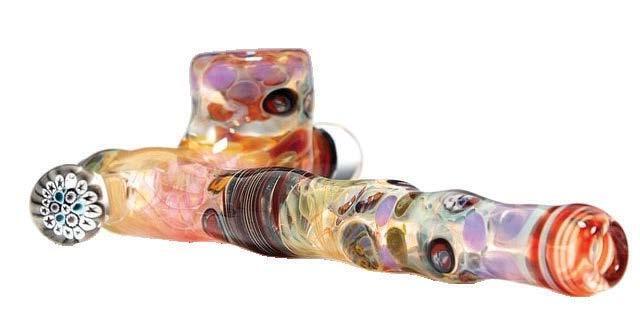
During these tours, Krzanowski also began buying pipes from glassblowing icon Bob Snodgrass, some of which he’d resell back in Massachusetts. In 1993, he spent two weeks in Oregon studying under Snodgrass, becoming the first glass pipe maker in Massachusetts. Then in 1994, he made his first trip to Amsterdam to attend the High Times Cannabis Cup, where he purchased around $2,000 worth of seeds to smuggle home.
In the late ’90s, Krzanowski moved into a larger space and scaled up his operation. He also honed his breeding skills — stabilizing the Chemdog genetics and developing his own strain, the ill-fated Dog Daze. In 2001, he popped three more of those original Dogbud seeds, producing Chem C (discarded), Chem D and Chem E (also discarded).
As word about Chemdog spread, demand skyrocketed — not just in Massachusetts but throughout the Northeast. Adopting the name of his strain as his own, “Chem” began making periodic runs down to New York City, where he could move his flower fast. Naturally, his first stop was typically the High Times offices, where the staff would often clean him out within minutes.
Sadly, Chemdog’s cultivation career came to a dramatic end at around 10 a.m. on August 2, 2011, when 30-35 law enforcement officers simultaneously raided both his home in Southampton and his parents’ house in Easthampton (whose top floor housed his grow, unbeknownst to them). Apparently, the IRS, DEA and state narcotics unit had been watching him for months — likely because one of his associates had turned informant.
“I got ratted on by a guy named Rezdog,” he revealed at last year’s Flower Expo. “He’d gotten Gypsy Nirvana and a bunch of other people in trouble. He’d been to the house and gotten clones, so … that was the conclusion we came to.”
According to reports, police seized 9 pounds of herb and 97 plants with an estimated street value of $150,000. They also confiscated his Winchester .22 caliber rifle and a Tupperware container in his freezer that held his entire seed collection — including the last original Dogbud seeds.
He was originally charged with cultivation, possession with intent to distribute, possession of a firearm without a federal identification card and tax evasion, which, taken together, could have landed him up to 20 years in prison. Luckily, his lawyer negotiated a plea deal that avoided prison time. In October 2012, Krzanowski pled guilty to possession of marijuana with intent to distribute and three counts of money laundering (he’d made three $800 cash deposits into one of his bank accounts).
“Between the Chemdog and the OG, those two strains pretty much paved the way to contemporary Cannabis.”

“They wanted me to do five years’ probation and forfeit $500,000,” Chem told me. “I said, ‘I don’t have that kind of money.’ But I’d just sold the new house that I’d built, so I had like $310,000 in equity from the house that was held in escrow, and they said, ‘We’ll just take that.’”
On January 14, 2013, he was sentenced to three years’ probation, a $2,500 fine and forfeiture of $300,000. And since 4 pounds of weed were found in the trunk of his car, they confiscated that too.
“They took me for everything,” he lamented. “I had no money, and I had to piss in a cup every month for over a year. It sucked.”
Now 39 and sober, Krzanowski had to start over from scratch — moving into an apartment with his fiancee and son and figuring out new ways to earn a living. Though he couldn’t grow or sell weed, he wanted to keep the Chemdog name alive. So in 2011, he traded me a few ounces of Chem D to design him an official logo, which he then copyrighted and used to produce an array of cool swag. He also rekindled his old passion for glassblowing — relighting his torch for the first time in a decade and cranking out a cavalcade of fantastic functional glassware. Fortunately, thanks to good behavior, Chem was able to get off probation after just a year and a half, but continued his herbal hiatus for at least another year after. It wasn’t until Massachusetts legalized Cannabis for adult use in December 2016 that he really felt comfortable smoking and handling the plant again.
Thankfully, Chemdog’s genetics lived on through the friends he’d entrusted with clones, such as Montana’s Luck Dog Cannabis Co., Illinois-based IC Collective and NYC’s Top Dawg Seeds (who changed the spelling from “Dog” to “Dawg” to distinguish their genetics from Chem’s original cultivars). Thanks to their work with those clones, we now have incredible strains like Motorbreath, Headband, GMO and, most famously, Sour Diesel — supposedly a cross between Chem 91 and Diesel, which itself was allegedly an accidental cross between Chem 91 and either Super Skunk or Northern Lights. Legend has it that OG Kush is also an offspring of Chemdog — a rumor that Krzanowski denies, though he believes they are definitely related. What can’t be denied is the massive impact these cultivars have had.
“I want to say strongly that between the Chemdog and the OG, those two strains pretty much paved the way to contemporary Cannabis,” Chem avers.
As for Chemdog itself, its origins remain a mystery. Joe B said that he procured the original Dogbud from a biker in Crested Butte, and that it was allegedly grown in Oregon’s Camas Valley. But as for its lineage, theories abound: Some speculate that it came from an Afghan landrace; others that it originated from a rare Skunk phenotype; still others — including Chem himself — believe it may be descended from Northern Lights.
We may never know Chemdog’s true origin; what we do know, however, is that it’s become one of the most iconic strains in history. In fact, when bioengineering company Medicinal Genomics decided to map the genomes of Cannabis plants, the first one they analyzed was Chemdog.
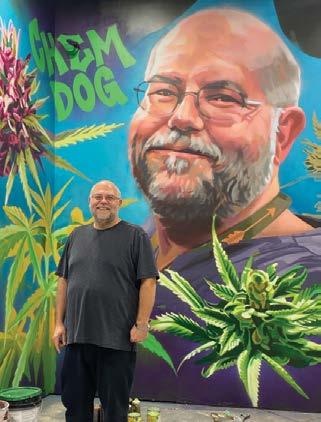
Today, Chemdog serves as director of cultivation at Canna Provisions — growing around 20 of his namesake strains and their descendants for retail sale under the Smash Hits Cannabis brand in his home state of Massachusetts.
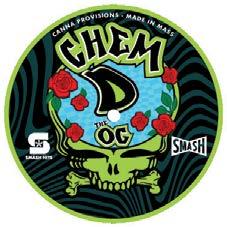

What’s more, his Cannabis career’s connection with the Grateful Dead has come full circle: Nate Duval, the local artist who designs Smash Hits’ packaging, also designed concert posters and album covers for the Dead. Jay Lane, the drummer for Dead & Co., has been spotted wearing Chemdog tees during performances. And most exciting, when Jerry Garcia’s family and Dead drummer Mickey Hart decided to launch their own Cannabis brands, both tapped into Dead lot lore to select Chemdog as their first offerings.
Most recently, he partnered with five other legacy breeders to launch Arcana Collective — an organization dedicated to preserving heritage Cannabis genetics and providing them to the public from their authentic sources.
After three decades of hustling, and having his life nearly destroyed, Chemdog is finally enjoying the spotlight with no fear or regrets.
“I think that getting in trouble put me in the position where I am now … to do what I want to do, and do it legally,” he told Cannabis & Tech Today. “I can’t ask for much more.”




Next month is Leaf’s annual Glass Issue, so we thought we’d get a jump on it by visiting an artist whose work runs hand in hand with heady glass pieces.
USING UPCYCLED, modern, vintage and custom fabrics, Michelle Gallagher tailors custom pouches and bags for the fashionable stoner. Her brand Wook Wear creates cozy homes for those expensive marbles, dab tools and glass pendants. She also sews custom bags and has collaborated with names like Trevy Metal, trulyredpanda, Mike Gong and Bubba’s Face.
Although Gallagher said she made art for most of her life, it wasn’t until the pandemic — when she lost her job, and her boyfriend bought her a sewing machine — that she started Wook Wear and took it full time.
Since then, she’s created 1/1 couture out of everything from vintage Pendleton to fabrics imported from Africa. Gallagher’s main inspiration comes from both the textile feel of something and its rarity. She said that lately she’s been loving the challenge of working with rare and hard-to-find fabrics, finding that having less to work with means more focus on what she can make.
Gallagher isn’t just one of Portland’s many incredible artists; she’s also a part of Main Circle Studios, a collection of creative heavy hitters in the glass scene. Over in her personal studio, you’ll find organized piles of colorful trim and stacks of fabrics.
“I try to keep everything organized, but I get stoned and start pulling out everything I want to use, and it piles up pretty quickly,” she said.
When asked how Cannabis interacts with her work, Gallagher said, “I, for sure, take a few
goodbye dabs before I hit the studio to get creative, then I use it as a reward for getting parts of a project done. I don’t smoke inside my studio, but I can hear all my studio mates through the wall, so I know when a sesh is starting. I’ll make that my reason to finish what I was working on so I can go take a dab break.”
When the break is over, and she gets


“I TRY TO KEEP EVERYTHING ORGANIZED, BUT I GET STONED AND START PULLING OUT EVERYTHING I WANT TO USE, AND IT PILES UP PRETTY QUICKLY.”
back behind her sewing machine, Gallagher said she listens to a ton of Notion — calling it “the best music ever” — as well as the “Are You Garbage?” podcast. “It’s two comedians asking other comedians questions about how they grew up to see if you’re trashy or classy,” she said.