
CALL


Welcome
To the latest edition of Your Call
Welcome to a bumper edition as we celebrate a special milestone: two decades of NWAS!
This gives us a chance to reflect on how far we’ve come, and to say thank you to the people who continue to shape our service today.
Inside, you’ll read about Area Consultant Paramedic Matt House, who talks about balancing his role in the ambulance service with being a warrant officer in the Army Reserve. And after an incredible 45 years in the service, Head of Regional Planning Graham Lovatt, reflects on his careers and how things have changed.
Community First Responder Volunteer Sara Crosland shares her inspiring story of recovery and determination after being diagnosed with a brain tumour. We also interview MERIT Doctor Anisa who supports us during complex and serious incidents.
Our NWAS Veterans Staff Football Team recently returned from Europe as champions. We chat to Emergency Medical Technician Joao Vieira, who explains how the team has become an important source of wellbeing and support for staff members. We also hear how Senior Paramedic/Lioness Danielle Evans balances her work on the frontline with representing England’s Deaf Women’s Futsal Team, where she recently won gold.
Read more about our 2026 Star Awards, which recognise the hard work, compassion and professionalism shown by our colleagues across the North West. The event was a great opportunity to come together and celebrate the dedication of our staff and volunteers, and to thank those who continue to go above and beyond every day for our patients, colleagues and communities.
Enjoy the read!
“I was at rock bottom, now I can finally sleep at night.”
Call Handling Team Manager Suzanne Gray shares her honest story of recovery from a gambling addiction and how support from colleagues helped her to rebuild her life.
Meet our new volunteer chaplains
We introduce Carol and Lee, who offer listening support and wellbeing care to colleagues across the service.
Driving the future of the NWAS Charity
Head of the North West Ambulance Charity Jemma Kinch talks about her role and plans to grow the charity’s impact.
What


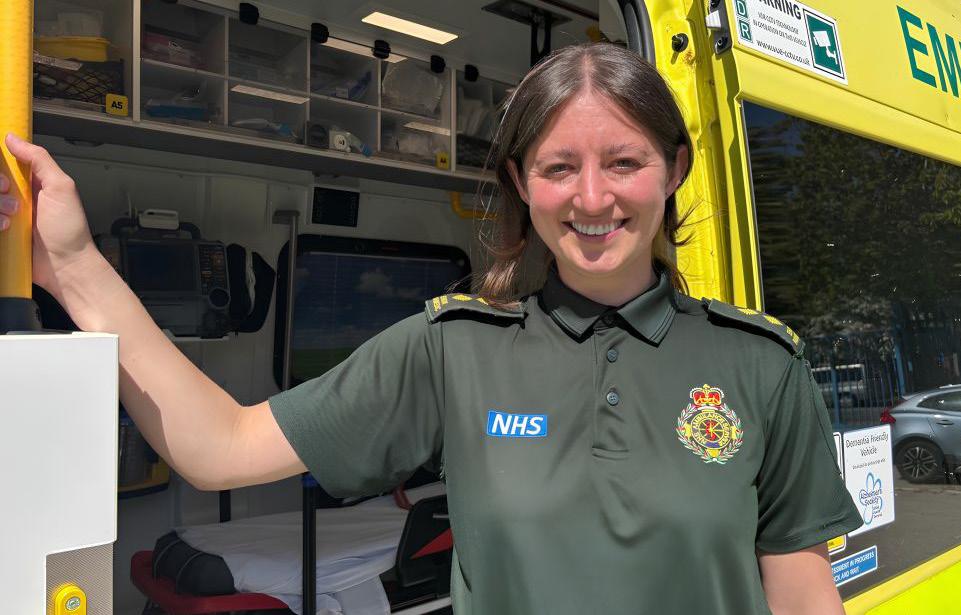
We’ve got a Lioness in our camp
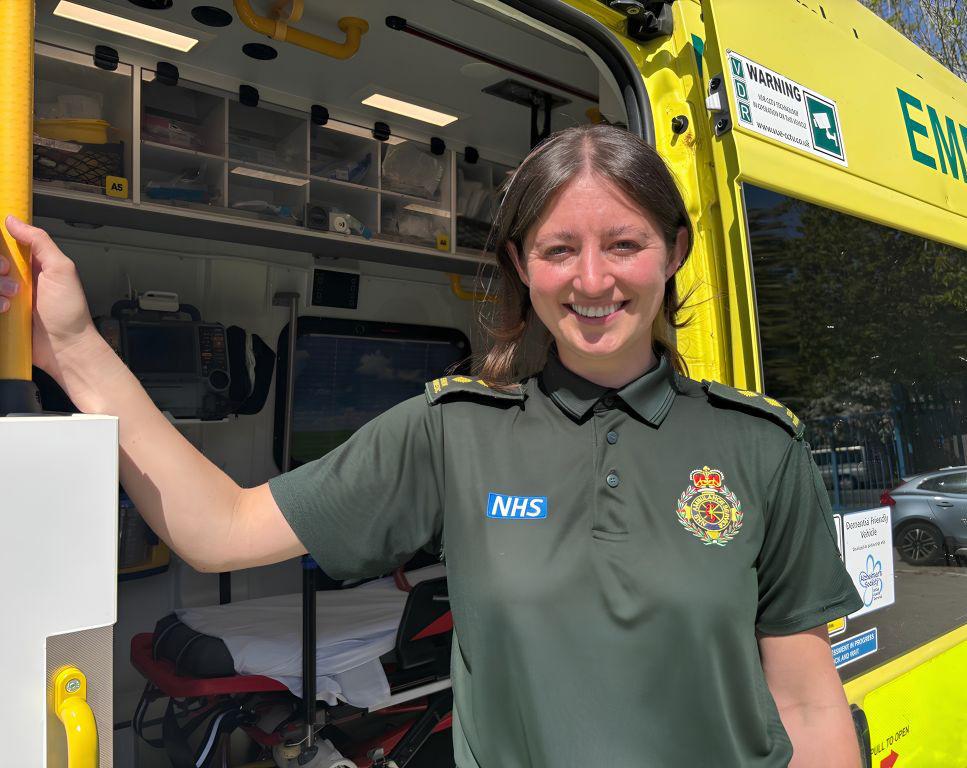
Senior Paramedic Danielle Evans from Liverpool is used to highpressure moments, whether that’s on the frontline responding to emergencies or on the pitch as a Lioness representing England’s Deaf Women’s Futsal Team.
Her football journey began when she was about eight years old, inspired by a friend at primary school who was already playing.
Danielle says, “My best friend played football, so I ended up playing football. I played for my school and in a boy’s club because there weren’t any girls’ clubs at the time, as not enough of us were playing.”
That early passion eventually led Danielle down the path to Everton Football Club, where things really began to progress. She was invited to England trials at Lilleshall and went on to make history aged just 15, becoming the youngest player to represent England at any level.
She competed at the European Championships in Greece and won a bronze medal.
More recently, Danielle was part of the England squad at the Women’s European Deaf Futsal Championship in Croatia, where the team went unbeaten and won gold. Danielle says, “It was a brilliant experience. The facilities were great and we had a really good group of staff around us who empowered us to play. We just had one focus and that was to win the gold medal. Nothing else mattered.”
When asked about training for such a competition whilst working full-time as a paramedic, Danielle says, “It wasn’t easy, particularly trying to balance shifts, training and recovery time. I am lucky to have a really supportive manager who helped a lot with planning shifts. My training schedule included regular futsal sessions, strength and conditioning twice a week when shifts allowed, and weekend camps with the squad.”
A standout moment for Danielle, aside from winning the Euros unbeaten, was reaching her 50th international cap during the tournament, making her the first deaf female footballer to hit that milestone. Her name will now be added
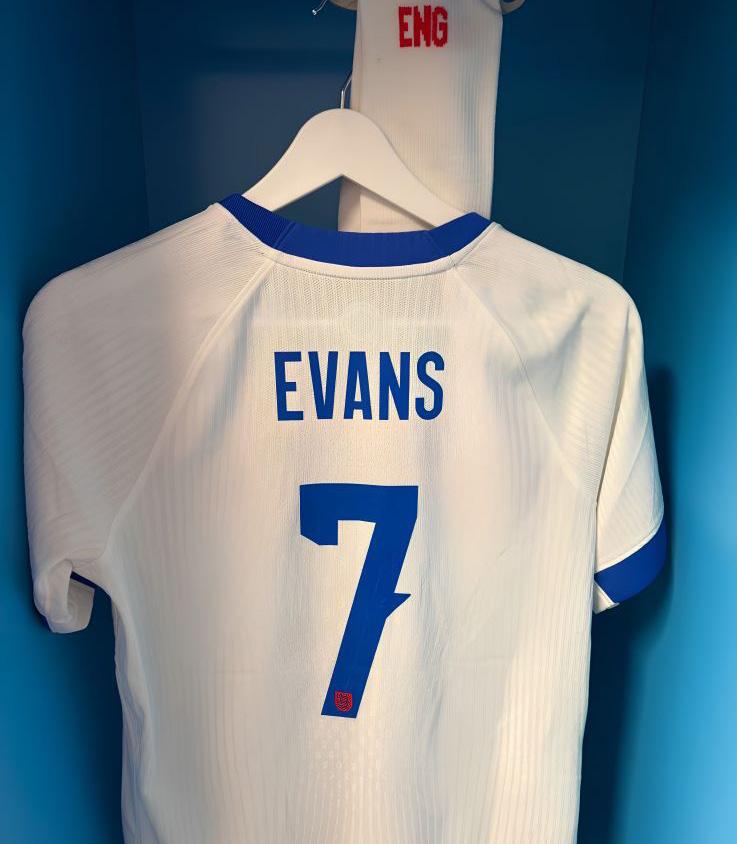
to the cap wall at St George’s Park National Football Centre alongside other England internationals. “It’s honestly overwhelming,” she says. “Just playing for England is special, but achieving 50 caps is something else. Not many people achieve that, especially as a deaf female player.”
Danielle says being a Lioness has shaped her in ways she didn’t expect, with similarities between playing futsal and her day job as a senior paramedic. She says, “Whether it’s putting on an England shirt or a paramedic uniform, it feels the same in a way. There’s pressure, responsibility, and you’re representing something bigger than yourself.
“That pressure and responsibility have helped me develop my resilience, composure, and the ability to perform under scrutiny. The skills needed to play competitive sport at this level are just as important in my role as a paramedic, where teamwork, communication, and staying calm under pressure are key.”
“My experience captaining England at major tournaments has also helped me grow as a leader at work, with my progression from paramedic to senior paramedic.”
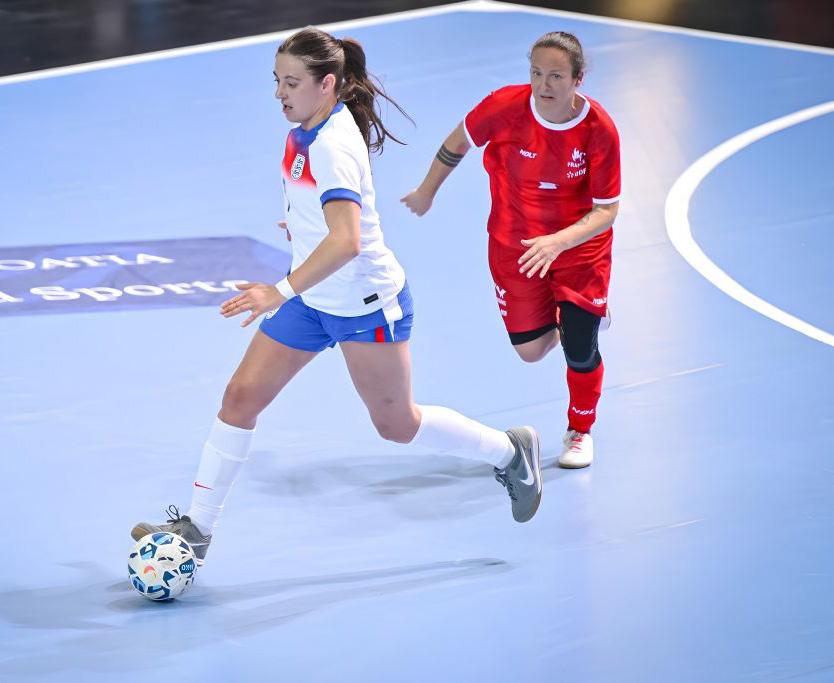
For pre-match rituals, hype songs and celebrations, Danielle likes to keep things simple, “I stick to having scrambled eggs on toast. Depending on how that game goes, if we lose, I’ll change it and swap to an omelette, then stick with that if we win. I will also have a banana an hour or two before the game.
“My hype song changes, but recently it’s been a remix of That’s The Way It Is by Celine Dion. For my celebrations, it’s just a ‘yes!’ with clenched fists and then probably picking up a teammate and swinging them around.”
The next focus for Danielle and her England team is on the 2029 World Championships. Good luck team!
From diagnosis to endurance: Sara’s journey
When Community First Responder Volunteer Sara Crosland first heard the words “brain tumour”, she thought her life might be over.
Sara says, “I honestly thought that was it for me. A death sentence.“The only other person I had known with a brain tumour had died.” But what followed for Sara was not an ending; it was the start of something very different.
Sara, from Cheshire, had known for a while that something wasn’t right with her health. Fatigue and neurological symptoms led her to have investigations, and an MRI scan confirmed her diagnosis. “I knew something was wrong from the reaction of the staff. I was called back the same day and told I had a brain tumour. My shock quickly turned to fear, and I remember asking what they were going to do about it, because I still had things I wanted to do.”
After further specialist input, Sara was diagnosed with a low-grade brain tumour. But before treatment could fully progress, she suffered a brain haemorrhage.
“From that point, exhaustion became overwhelming and there were times I just didn’t want to wake up the next day.”
During this time, Sara’s husband Neil became her anchor. “He was an absolute rock. I didn’t want to read about it or talk about it, so he did the research. He told me what I needed to know, when I needed to know it. He never once complained, even though it was impacting him too.”
In May 2018, Sara underwent surgery to remove the tumour. While successful, recovery was far from straightforward. Just days later, she began physiotherapy while still experiencing severe sickness, dizziness and visual disturbance. She recalls trying to walk a few steps to a chair. “I thought, how hard can this be? But my body didn’t respond as I expected. I took a step in my head, but my feet weren’t moving. It felt like the connection had been lost. It took around 15 minutes to reach the chair, and that was when I realised surgery wasn’t the end. It was just the beginning.”
Sara was left with permanent hearing loss, facial nerve damage, balance issues and ongoing fatigue. She also experienced facial palsy in the early stages of recovery, which affected her ability to smile, close her eye and control movement on one side of her face. She still has effects now, especially when she’s tired. But it’s something she’s learned to adapt to.
“Perhaps harder than the physical changes was the loss of confidence. I stopped going out socially because hearing loss made everything exhausting. I lost my full-time job, my confidence, friends, and parts of who I thought I was.”
About a year into her recovery, when others assumed she was ‘better,’ the emotional impact began to hit Sara.
“People would say, ‘You look well,’ and it was so frustrating because inside I was still trying to process everything. I eventually accessed neuropsychology support, which helped me understand the psychological side of recovery.”
Alongside Neil’s support, Sara also leaned heavily on her close friends from the military community.
“They had a completely different perspective on life. They helped me reframe things when I was struggling, and taught me to look for the positives, even in really difficult moments. They were pivotal in how I learned to deal with everything I was going through.”
Determined not to let these define her, Sara turned to the outdoors as a way of rebuilding confidence and reclaiming her life. “Nature has played a massive part in my recovery. I honestly think it’s one of the most underprescribed things there is.”
What began as short walks eventually grew into endurance challenges, including ultramarathons and mountain expeditions. “I’ve always had a stubborn streak. But I also realised I don’t need to wonder if I can get through hard things, I already know I can.”
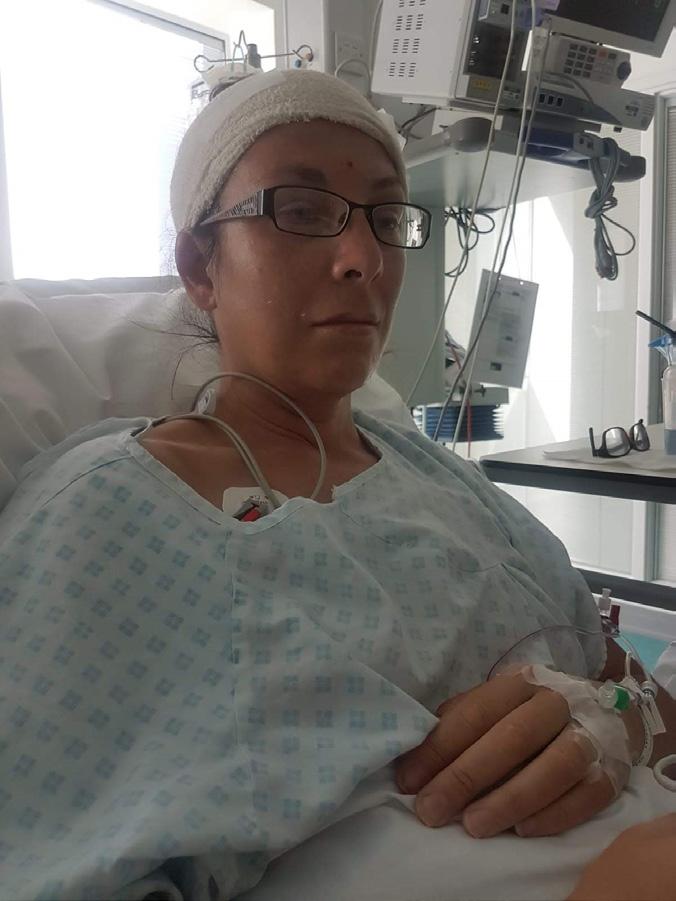
That mindset led Sara to establish The Beyond Recovery Project, supporting people living with and beyond brain tumour diagnoses through outdoor activity, community walks and international challenges. “I wanted to create something that helps people move forward, not stay stuck at diagnosis.”
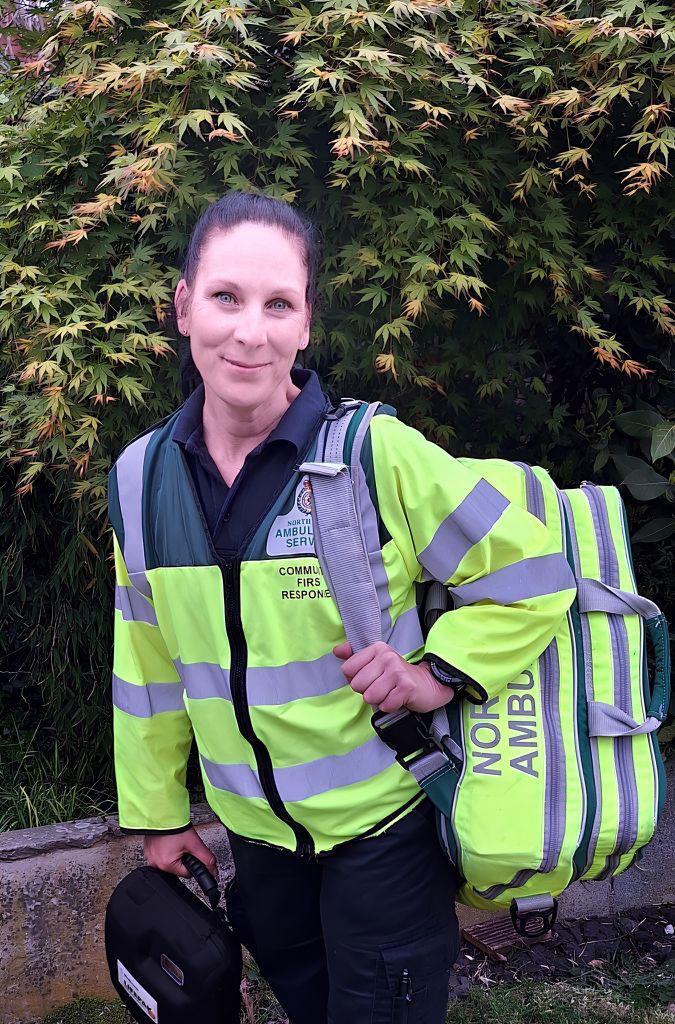
Alongside this and her role as a community first responder volunteer for us, Sara works as an outdoor instructor, resuscitation trainer and expedition medic. “It’s a privilege to be there for people on their worst day. I know what that feels like.”
Looking back, Sara says her outlook on life has completely changed. “I spent years angry about what I couldn’t do. Now I focus on what I can. If I could speak to myself at diagnosis, I’d say, “It’s going to be tough. There are going to be some really difficult days ahead, but you will come out of this stronger and more capable than you ever could have imagined.”
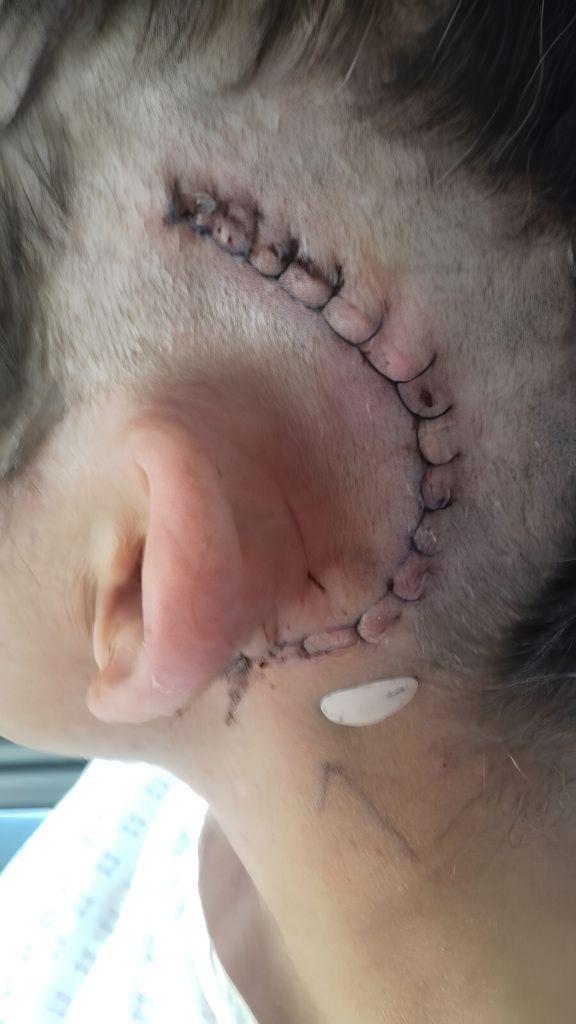
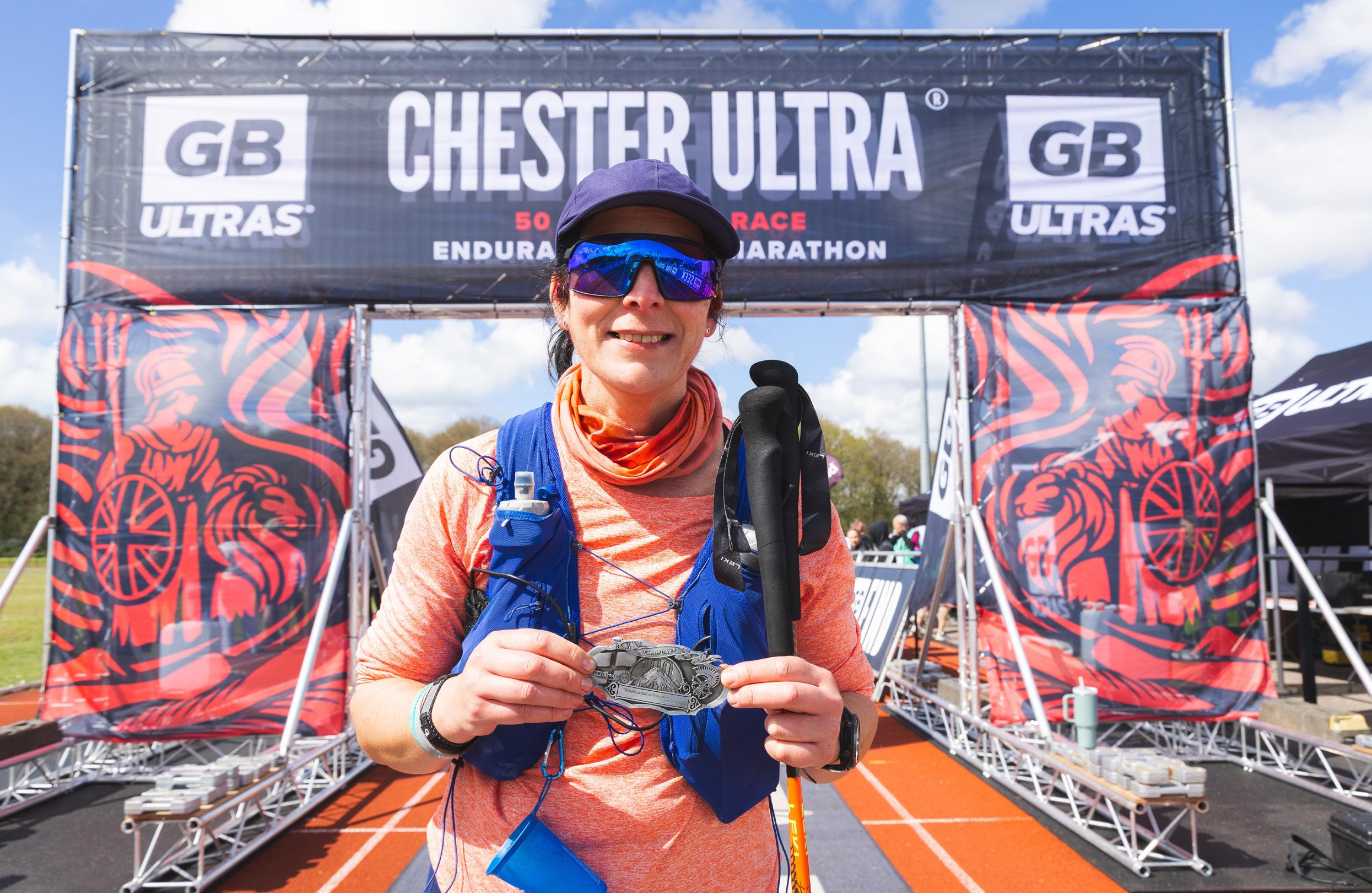
Whilst Sara still lives with the effects of her condition every day, she describes her life as full, active and purpose-driven. This year alone, she has completed the Chester Ultra Marathon of 100 miles and the National Three Peaks Challenge, which involves climbing Ben Nevis, Scafell Pike and Snowdon within 24 hours.
If that isn’t inspirational, we don’t know what is. Well done Sara!
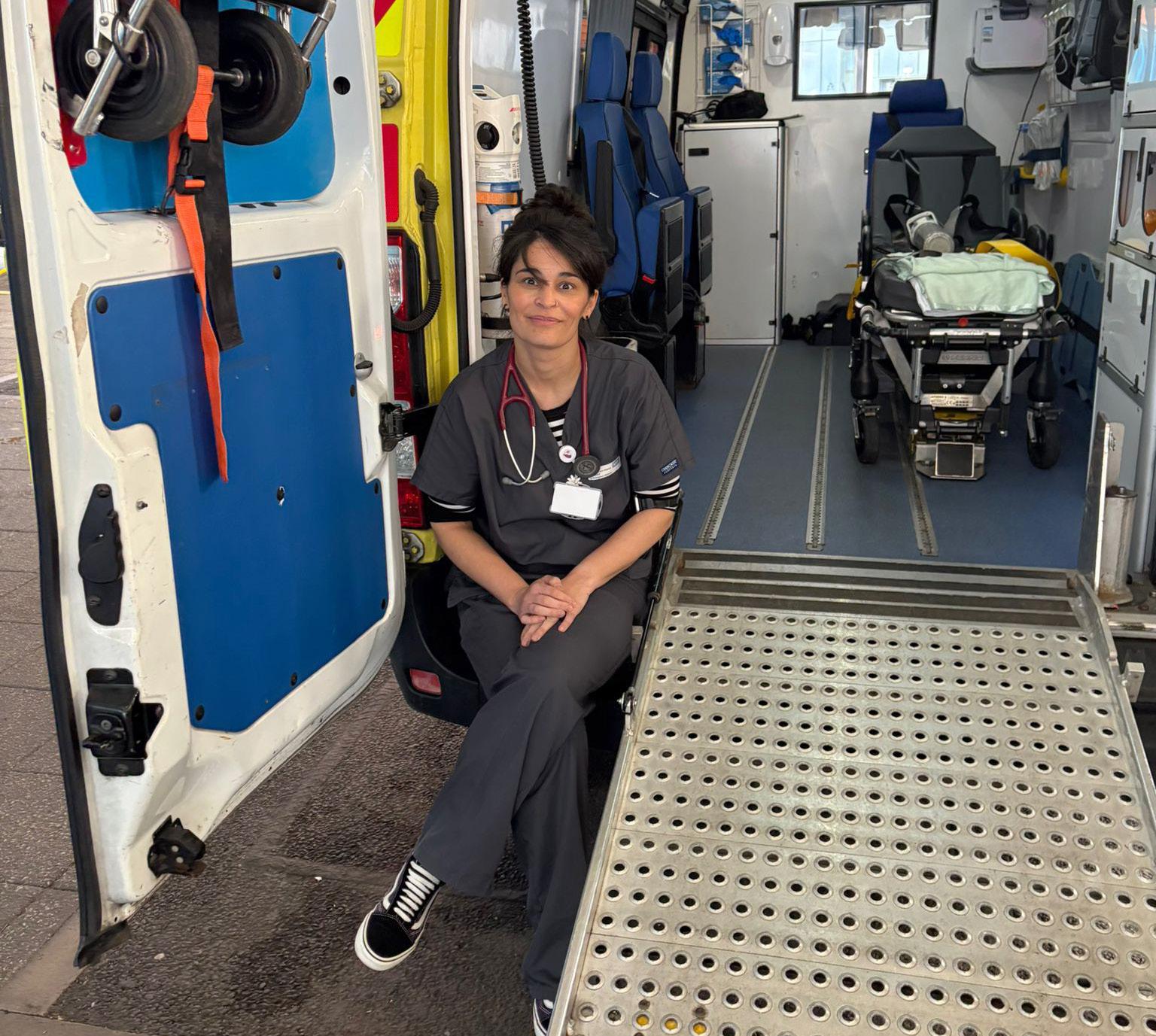
On call for critical moments doctors in the ambulance service
When emergency incidents we attend become complex, fast-moving or involve multiple casualties, they can be supported by the Medical Emergency Response Incident Team (MERIT) doctors.
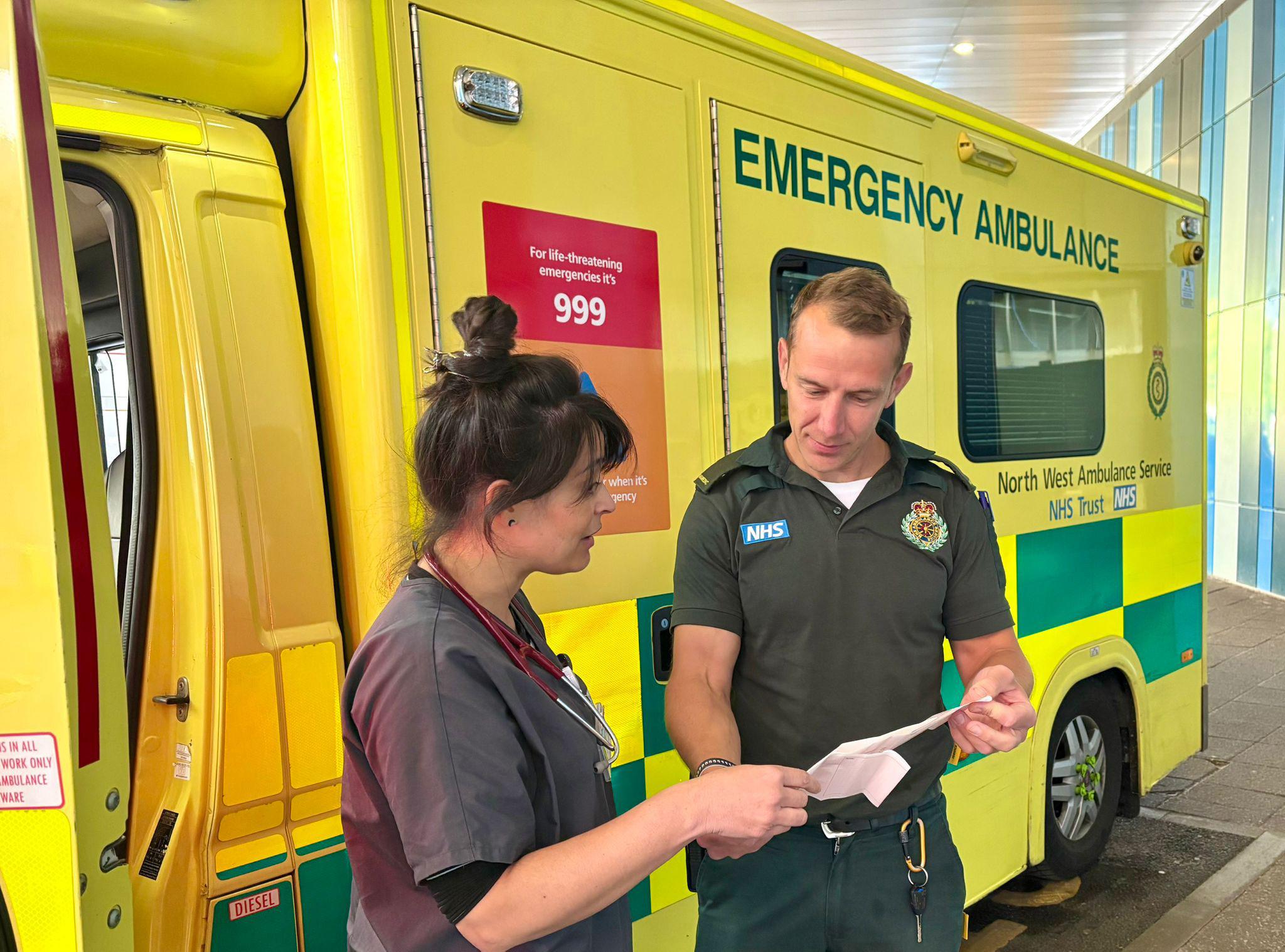
They provide senior clinical advice to commanders during incidents that go beyond normal day-to-day ambulance operations. These can include major incidents, hazardous environments, or situations where decision-making is particularly complex or time-critical.
Rather than delivering hands-on patient care, MERIT doctors provide remote support by offering specialist medical input. This helps ensure that clinical, ethical and legal considerations are built into decision-making, particularly when information is limited or evolving.
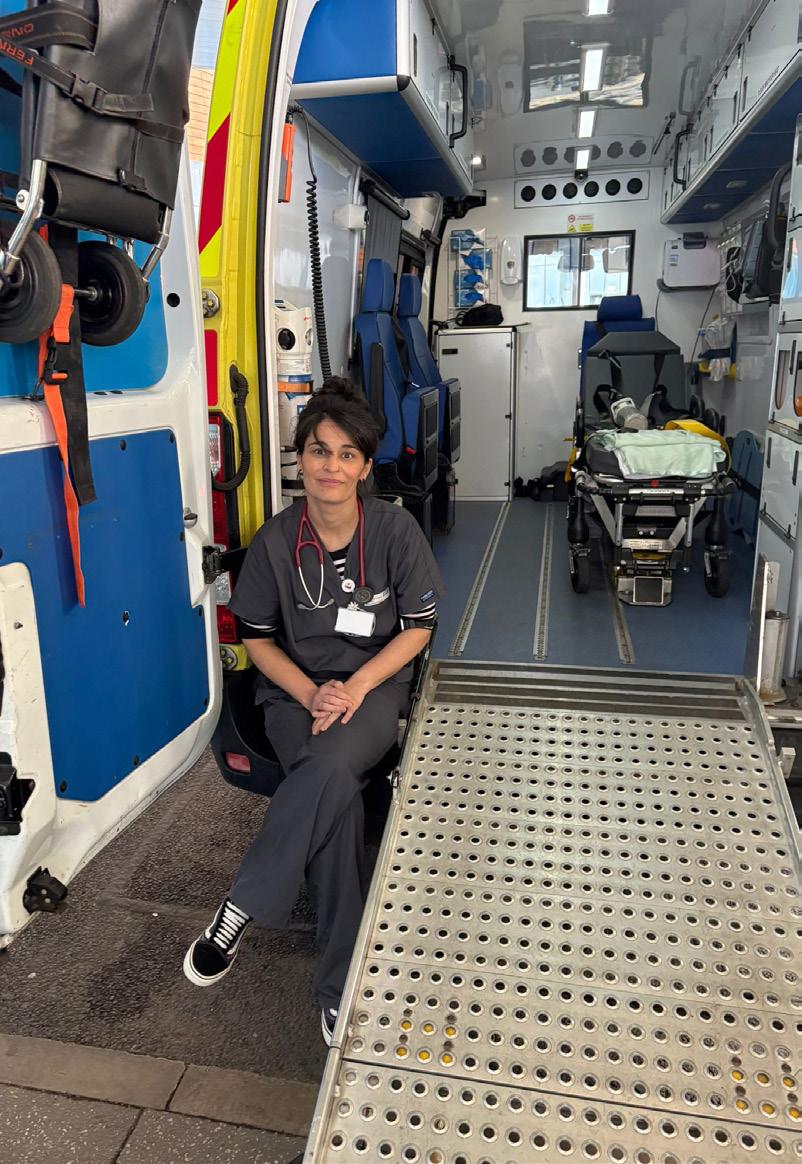
Established in 2014, MERIT strengthens the link between frontline clinical care and command decision-making across operational, tactical and strategic levels. The team comprises around 40 experienced doctors from different specialities, including emergency medicine, paediatrics, anaesthetics, intensive care, general practice, and prehospital emergency medicine. They operate 24/7 across the North West, and many also bring experience from military, humanitarian or major incident environments.
Introducing Dr Anisa
Dr Anisa Jafar is a consultant in emergency medicine and paediatric emergency medicine at Salford Royal Hospital, and a recent addition to MERIT. We spoke to Anisa about her work, her career journey, and what it’s like supporting some of the most complex incidents the ambulance service responds to.
What first drew you into emergency medicine?
Emergency medicine was a bit of a revelation for me early on in my career. I realised quite quickly that I wanted a speciality that gave me variety, pace and a real team environment, somewhere I could do a bit of everything.
But emergency care doesn’t start at the hospital doors. A big part of it happens in the community, and the ambulance service plays a critical role in that. I was really interested in how emergency systems work in different settings and countries, particularly where pre-hospital and hospital care are more closely integrated. MERIT felt like a natural extension of that, a way to use my skills alongside ambulance colleagues in a different environment.
How would you describe a typical day in your job?
A typical day doesn’t exist, which is why I chose the career path I did. One day, I might be working clinically in the emergency department, looking after patients who are seriously unwell or have major trauma, right through to those with minor injuries and illnesses. Next, I could be involved in global emergency medicine work, research or training, or focus on skills development such as airway management and leadership. I also sometimes get the chance to present at international conferences.
MERIT adds another layer on top of that, involving everything from simulation exercises for chemical incidents to observing advanced paramedic practice or learning more about responses to major incidents.
MERIT doctors don’t usually provide hands-on care. What does your role involve in practice?
It’s mainly about gathering information, turning that into useful intelligence, and helping commanders make informed decisions about patient care.
Most of the time, that support is remote, over the phone, radio or Teams, although occasionally it can be on scene. The aim is always the same though, to help ensure the safest and most appropriate decisions are being made during complex incidents.
At what point in an incident would you typically be called?
We can be called very early on, sometimes while an incident is still developing and information is limited. On other occasions, we may be stood down quite quickly once more details come through, which is useful, as it helps us keep practising those early decision-making processes.
We tend to be involved in a wide range of incidents, from fires involving large numbers of building occupants to road traffic collisions with high numbers of injuries.
What helps you manage the responsibility of supporting highstakes descisions?
You’re never making decisions in isolation, which really helps. There’s always a wider team involved, and that shared responsibility is important.
A lot of it also comes back to experience, both mine and that of others around me. It’s similar to the emergency department, where rapid decisions are made as part of a team caring for critically unwell patients.
Finally, what does it mean to you to work in this way with the ambulance service?
It’s a real privilege to work so closely with colleagues in the ambulance service and to be welcomed into this part of emergency care. It also gives me the chance to work alongside people I wouldn’t usually meet in my day-to-day role.
The breadth of experience, skill and professionalism across NWAS is genuinely impressive, and I’m constantly astounded by the level of expertise within the service. For me, it’s really energising to be using the emergency medicine skills I have developed clinically in a different way, as there is a huge amount of transferability.
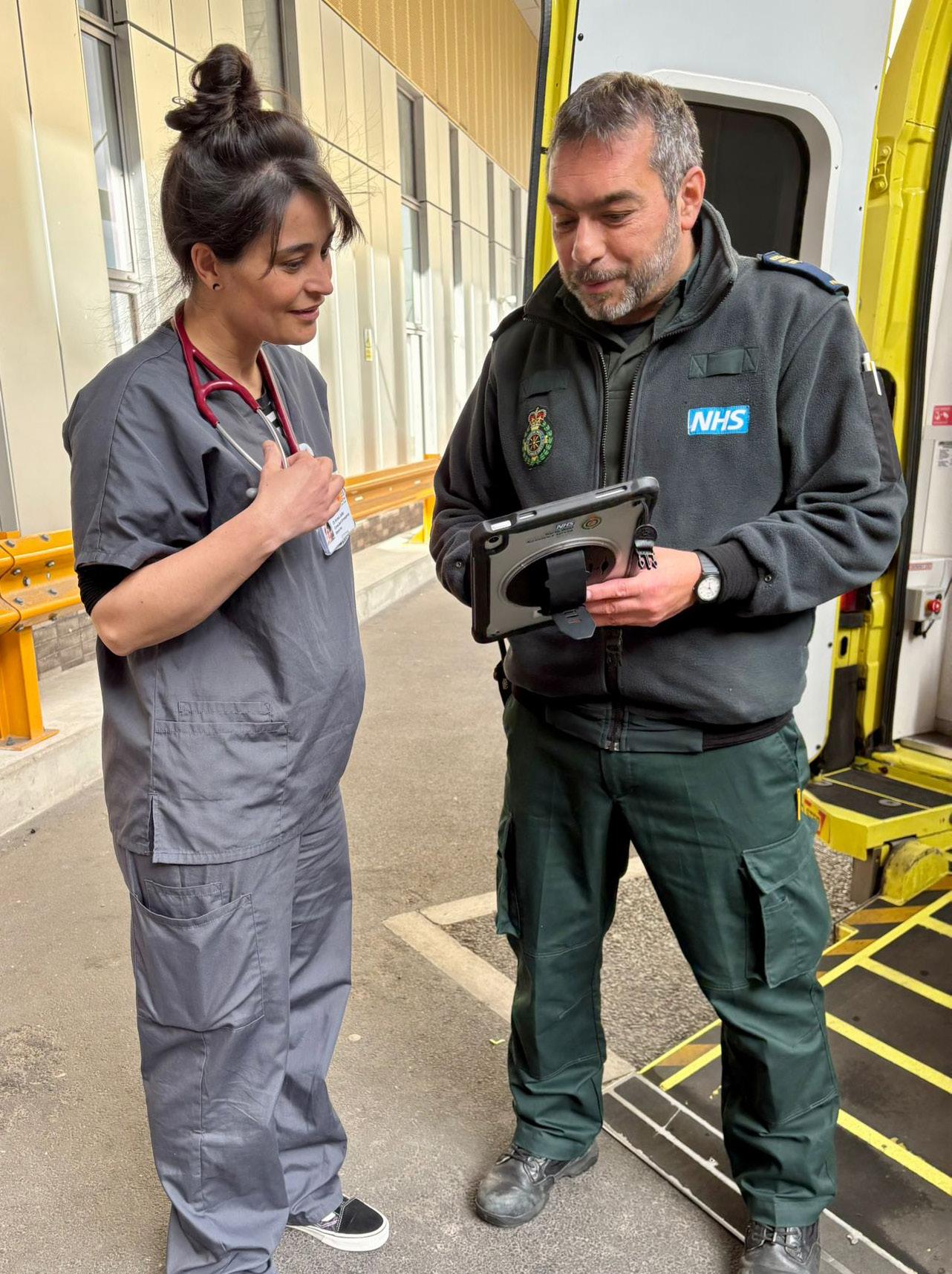
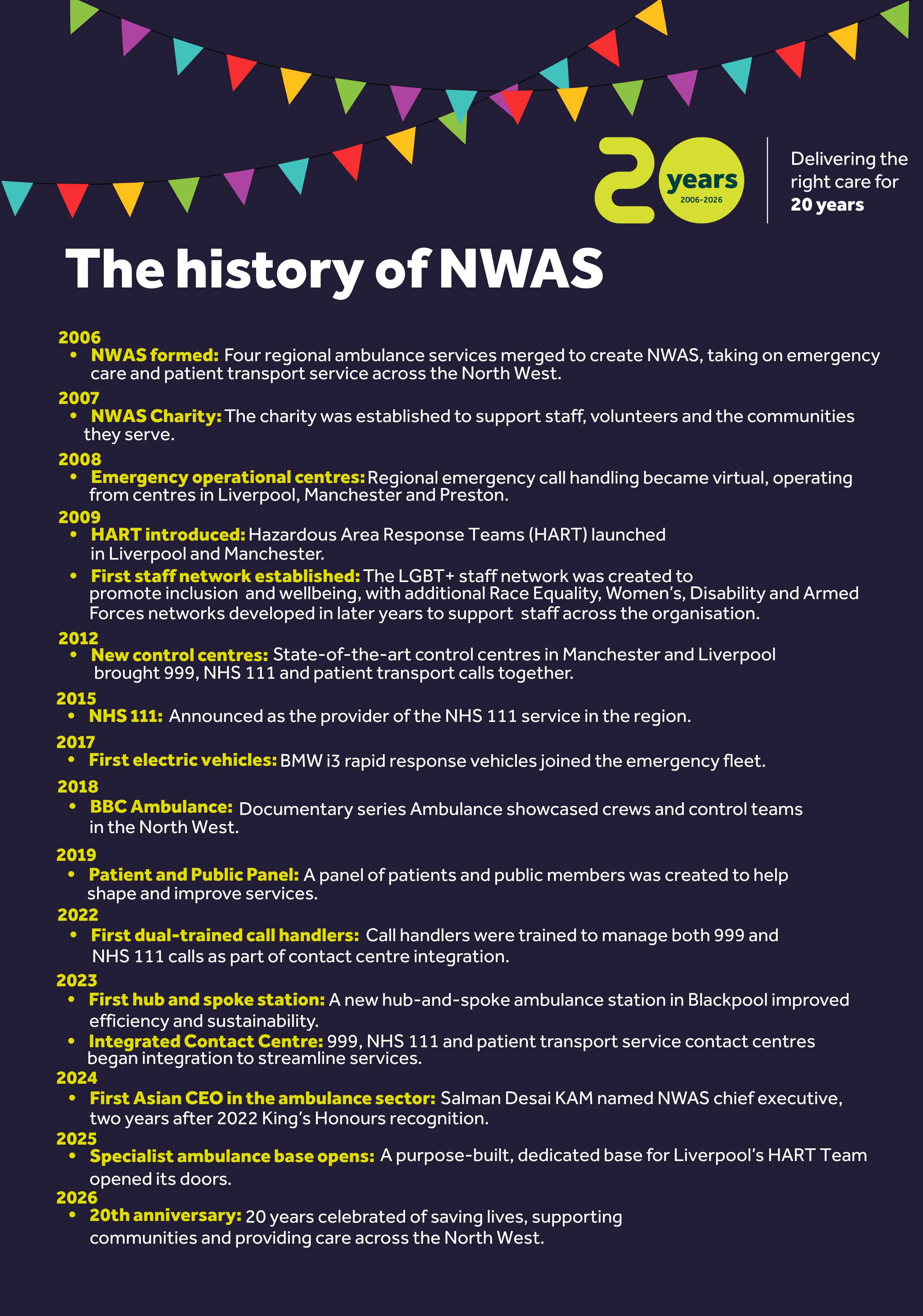
Then vs Now: 20 Years of us
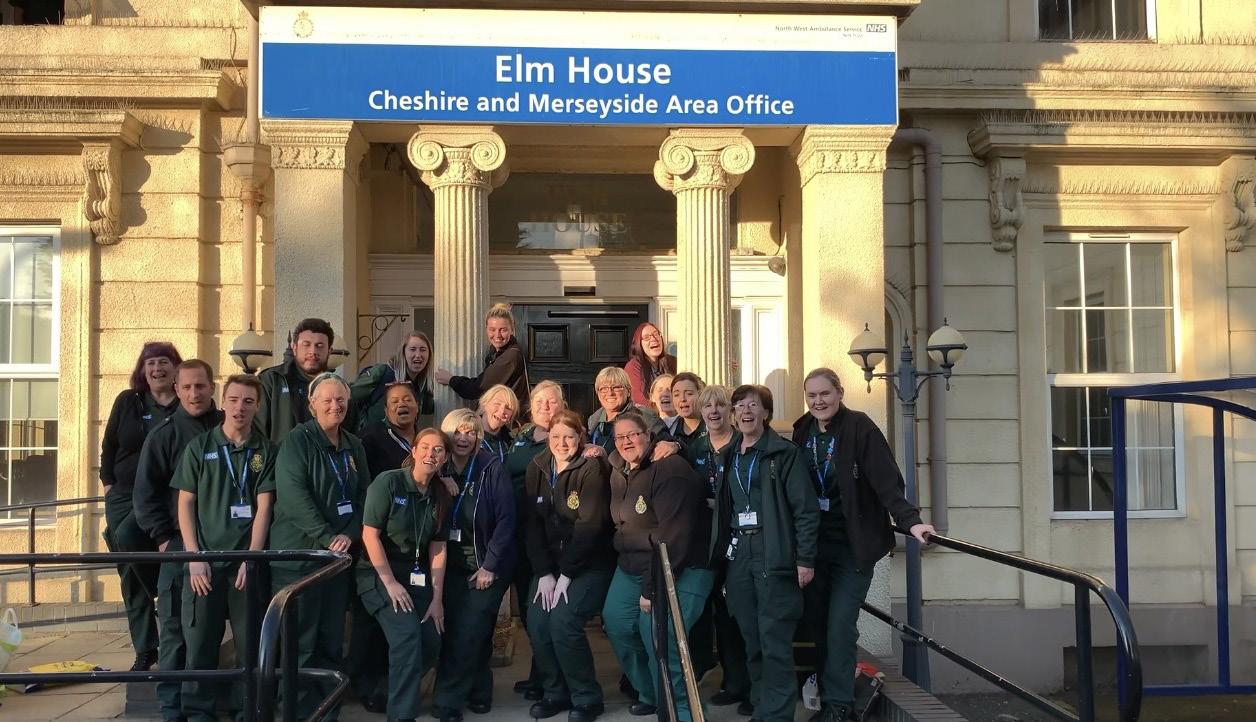
On 1 July, we celebrate 20 years since four ambulance services came together to form the organisation we are today, proudly serving more than seven and a half million people.
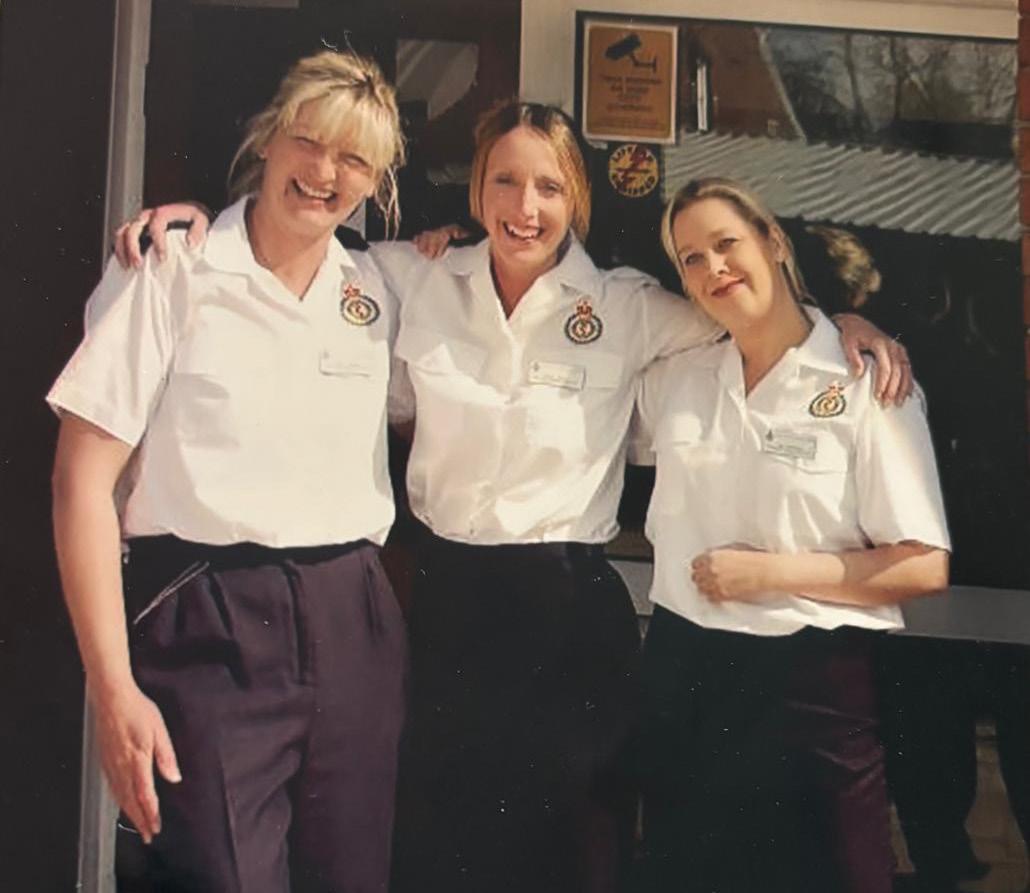
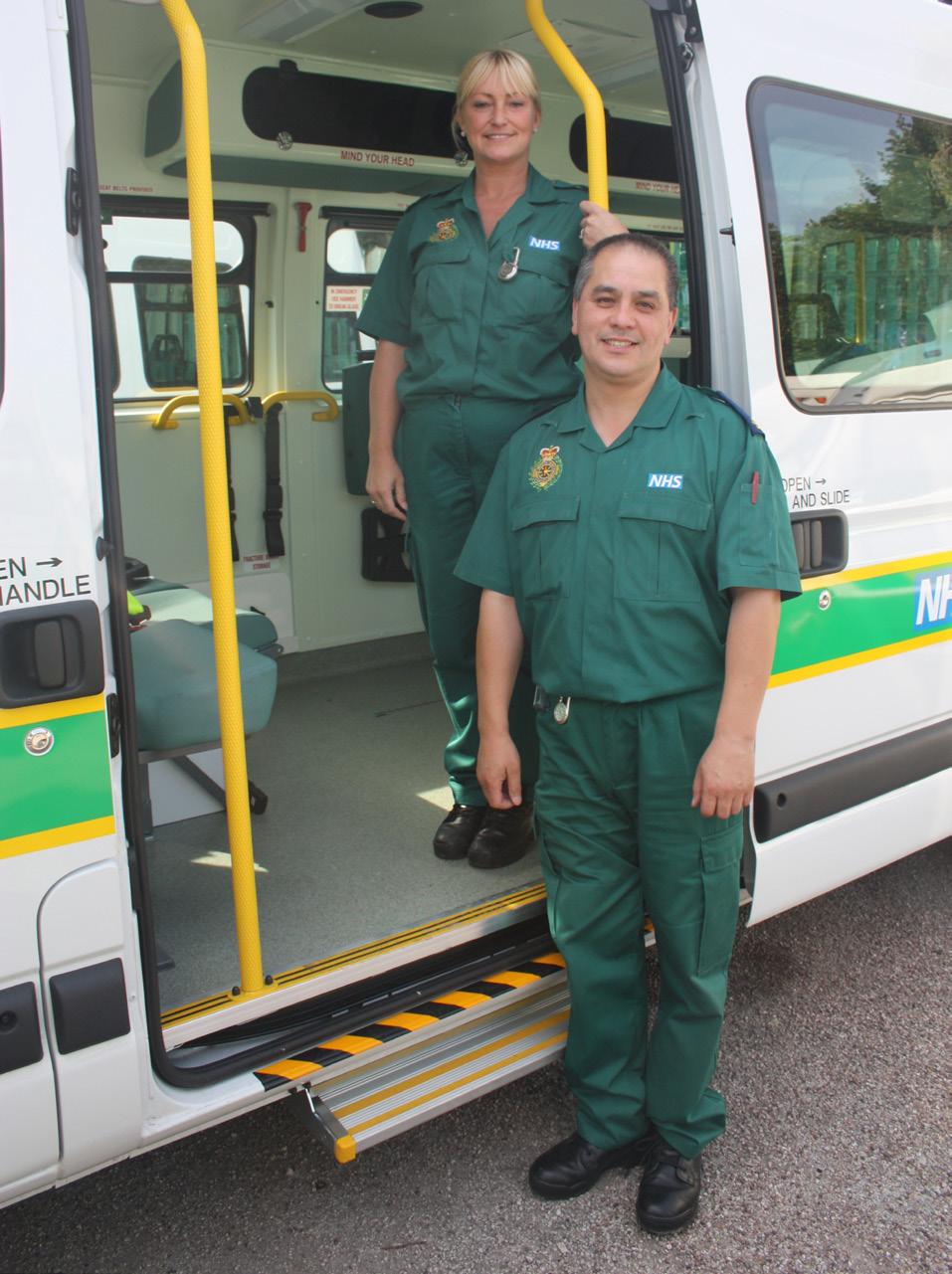
It’s a milestone that makes us stop and reflect. Not just on how the organisation has changed, but on how much the role of ambulance staff has evolved over the past two decades. Because in 2006, we looked and worked very differently.
Back then, services were still moving away from older ways of working, with most care focused on getting patients to hospital as quickly as possible. Training was largely hands-on, with many clinicians learning on the job rather than through university-based routes.
Uniforms were simpler, equipment was lighter and digital technology was limited. Paper records were common and decision-making often relied on experience, protocols and radio contact with control rooms.
Fast forward 20 years, and the way we work has transformed.
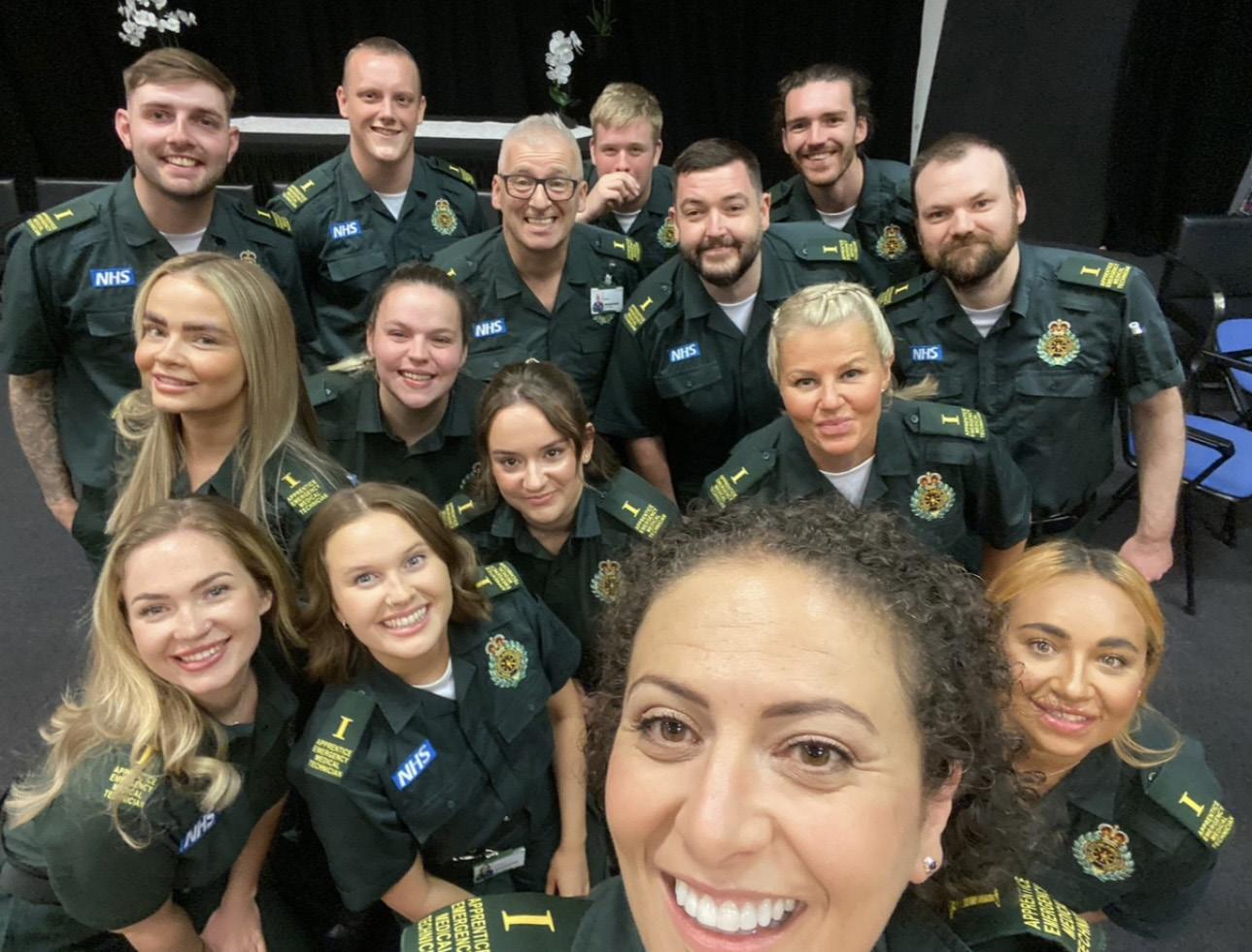
Today, paramedic training is degree-based, supported by university education and apprenticeship pathways. Many patients are now assessed and treated at the scene and can be safely discharged or referred where appropriate, helping reduce pressure on emergency departments.
Where crews once carried a basic satchel, they now use fully equipped kit bags, supported by digital devices and electronic patient records with real-time clinical information.
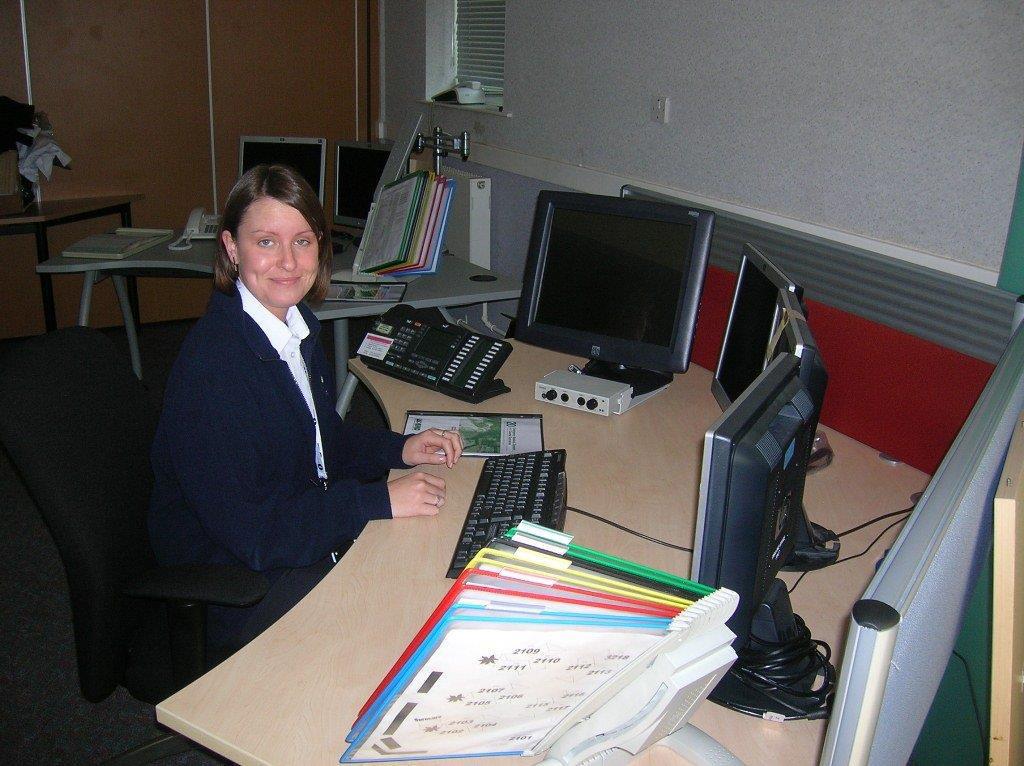
Control rooms have also transformed, with clinical hubs bringing together paramedics, nurses, pharmacists and mental health practitioners to support patient care.
Over the years, we have also developed a wide range of specialist roles and services, including community first responders, advanced and consultant paramedics, Hazardous Area Response Teams (HART), integrated control centres and regional major trauma networks.
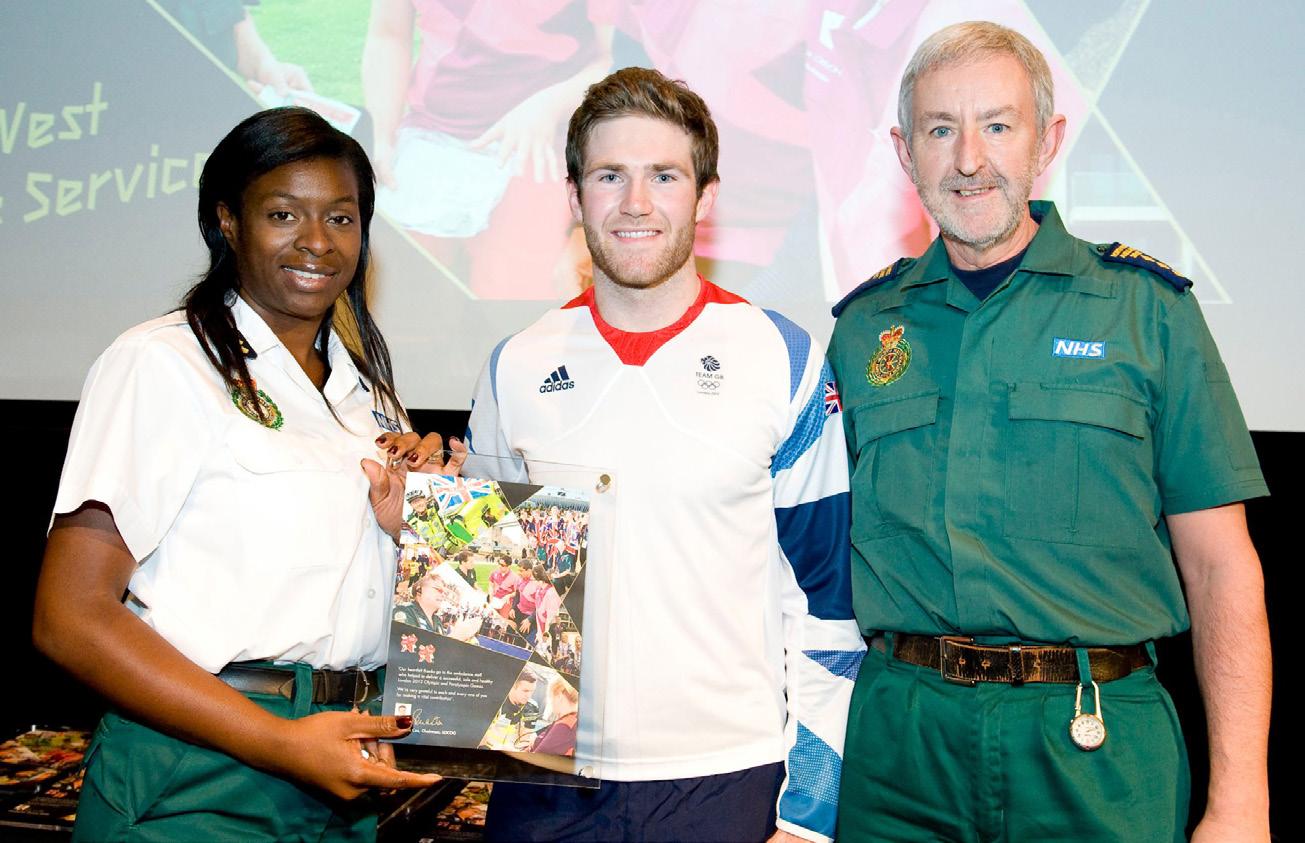
Twenty years ago, services were still bringing together systems, processes and ways of working following the merger. Today, we operate as a fully integrated regional service, responding to over a million emergency incidents each year alongside NHS 111 and patient transport services.
Despite all the change, some things remain the same: the commitment of staff, the compassion shown to patients and the determination to deliver the right care, in the right place, at the right time.
We’ve achieved so much over the last 20 years, and we can’t wait to see what the next two decades bring for our service and staff. Happy birthday NWAS!
45 years on the frontline
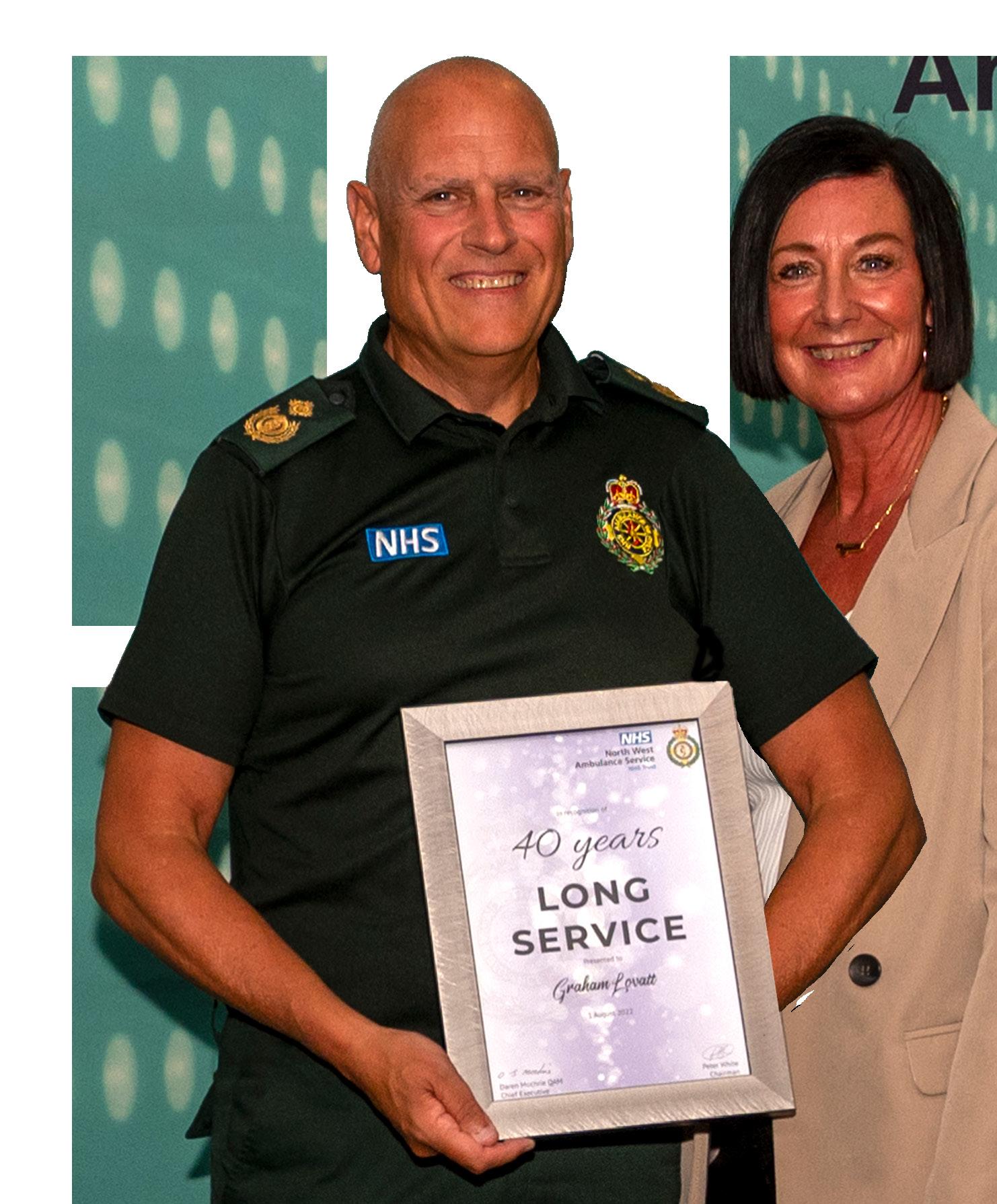
Few people can say they’ve dedicated as much of their life to the ambulance service as Graham Lovatt. This September marks an incredible 45 years of service for Graham, a career that has spanned generations, roles and the evolution of ambulance care itself.
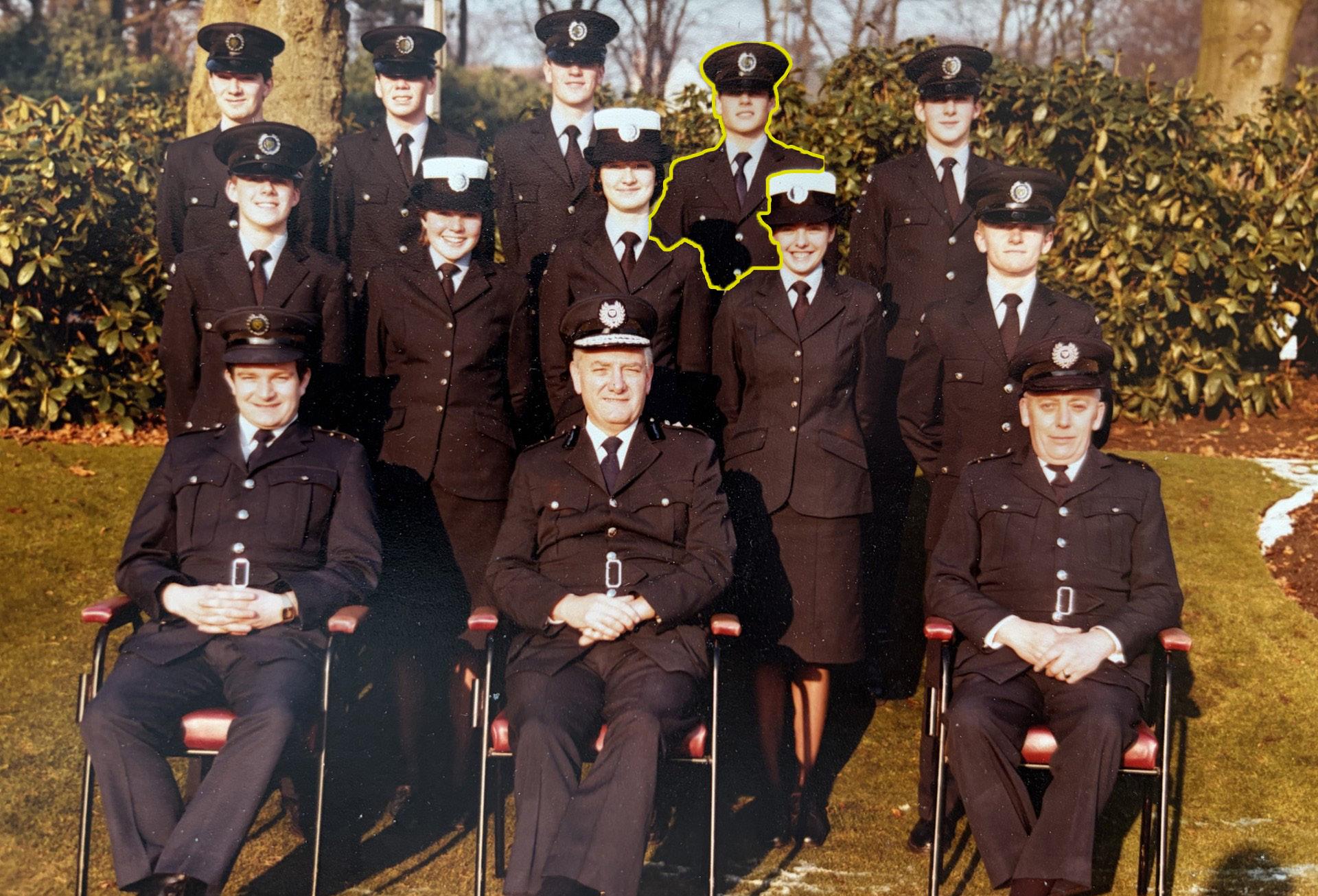
Graham joined the service straight from school as a cadet at just 16 years old. “It was a completely different world,” he recalls. “We lived on site at Ladybridge Hall in Bolton during training, dormitories upstairs, classrooms downstairs. You’d be there Monday to Friday and go home at weekends.”
The cadet scheme saw Graham rotate through different parts of the service over two years, from stations to fleet and headquarters, before qualifying as an ambulance technician. “It was hands-on from the start. You learned everything by doing.”
Over the years, Graham has worked in around 10 different roles, including paramedic, supervisor, trainer, control manager and various operational leader positions across the area. He now works as Head of Regional Planning, using data and insight to help decide how ambulance crews and resources are used across the North West to meet demand and support performance. He also maintains roster systems. “I’ve been lucky,” he says. “I’ve had a varied career and taken opportunities as they came.”
His journey has taken him across the region, from Ashton and Middleton to Manchester city centre, Oldham, Cumbria and Lancashire, even stepping in at short notice to lead
services where needed. “It wouldn’t happen like that now,” he laughs. “One day I was asked if I could cover the sector management position in Blackpool, the next day I was there being handed the keys.”
Graham has seen first-hand how ambulance care has transformed over the last four and a half decades. “When I started, we didn’t have defibrillators on vehicles, no paramedics, no lifting aids, no sat nav, just a street index book. Everything was manual,” he explains. “You had a small black satchel with basic equipment on the vehicle, that was it.”
Today’s crews benefit from advanced clinical education/ training, digital technology and specialist pathways for patient care. “You can now access patient records, get clinical advice and make more informed decisions.”
As sector manager, Graham successfully introduced the Paramedic Team based at Manchester Airport, which has been running for many years.
Across such a long career, some moments inevitably stand out. “You always remember your firsts. Your first baby delivery, your first cardiac arrest, your first job as a paramedic.”
Graham estimates he helped bring around 11 babies into the world during his time on the road. There have also been challenging incidents. Major trauma, serious violence and large-scale public disorder (Moss Side, Strangeways and Oldham riots) plus the Manchester Arena attack and COVID-19, which, as everyone knows, were very challenging periods. “You see a lot over the years, but you can still learn something new every day,” he says. “Some jobs stay with you more than others. I also covered sporting and music events as a paramedic and commander, like the Commonwealth games, Parklife and Premier League football games – it’s very rewarding.”
But it’s the successes that stand out most. “You remember the ones you bring back, the patients who survive.
“I’m also very proud to have received many medals over the years, including the Queen’s Long Service and Good Conduct medal, and to have completed my Master of Business Administration (MBA).”
The ambulance service didn’t just shape Graham’s working life; it also shaped his personal life. “I met my wife Karen through the job,” he says. “For over 38 years, she has worked for the service as an ICC dispatcher. I am very proud of her, as she has had a more stressful job than me for many years.”
Together, they’ve raised two daughters, Natalie and Amy, of whom they are very proud. “Without the love and support
from my family, I would not have been able to do the things I have done (especially completing my MBA) and I will always be grateful to them.”
Ask Graham what has mattered most over 45 years, and the answer is simple: “The people. It’s always been about the people you work with.”
From training new starters as a work-based assessor to leading teams across the region, supporting colleagues has been a constant throughout his career.
“You help people develop, guide them and watch them grow in the service. That’s a big part of it. You also make lifelong friends, many have already retired, but we meet up regularly and recall the good old days.”
Graham believes the future of ambulance care will be shaped by technology and new ways of treating patients. “There’ll be more digital support, more use of data and more options for where patients can go, not just A&E. Community care will play a bigger role, I hope.”
Looking back on 45 years of service, Graham is clear about what it all means. “I’ve enjoyed every role I’ve done. There have been ups and downs, but overall, it’s been a great career.”
And his advice for anyone starting out today? “Embrace it. Take every opportunity you can and enjoy it.”
“I was at rock bottom, now I can finally sleep at night.”
My name is Suzanne Gray and I have worked for NWAS for more than 17 years. I am a call handling team manager in our integrated contact centre.
Since I was 16 years old, I have struggled with a compulsive gambling addiction. It has affected my finances, my wellbeing and my relationships. It’s something I am not proud of, but I am now in recovery and sharing my story in the hope it may help others.
At my lowest point, I felt anxious, depressed and unable to sleep. I was constantly worried about how I would explain things to my daughter and friends. I knew things had to change when I once again had no money left after payday and couldn’t properly feed myself. That was rock bottom for me.
It had been building for years. After my mum passed away, I felt very alone and started going to bingo for the social side of it, but I always ended up back in the same cycle.
My turning point came after another night at bingo when I had spent all my wages and was left with £67 until payday. I broke down to a friend and colleague, Lynn Blezard, who is also a call-handling team manager, and told her everything. She didn’t judge me. She supported me and helped me contact Gamblers Anonymous. I will always be grateful she didn’t turn away from me.
Lynn continued to support me for about 15 months, whilst my daughter tracked my phone so she knew I was safe.
The first few weeks without gambling were not as hard as I feared, but the difficult moments came when I was alone after work and saw gambling adverts or online reminders. What has surprised me most is learning to save money. I had never had savings before, and now I am proud of it.
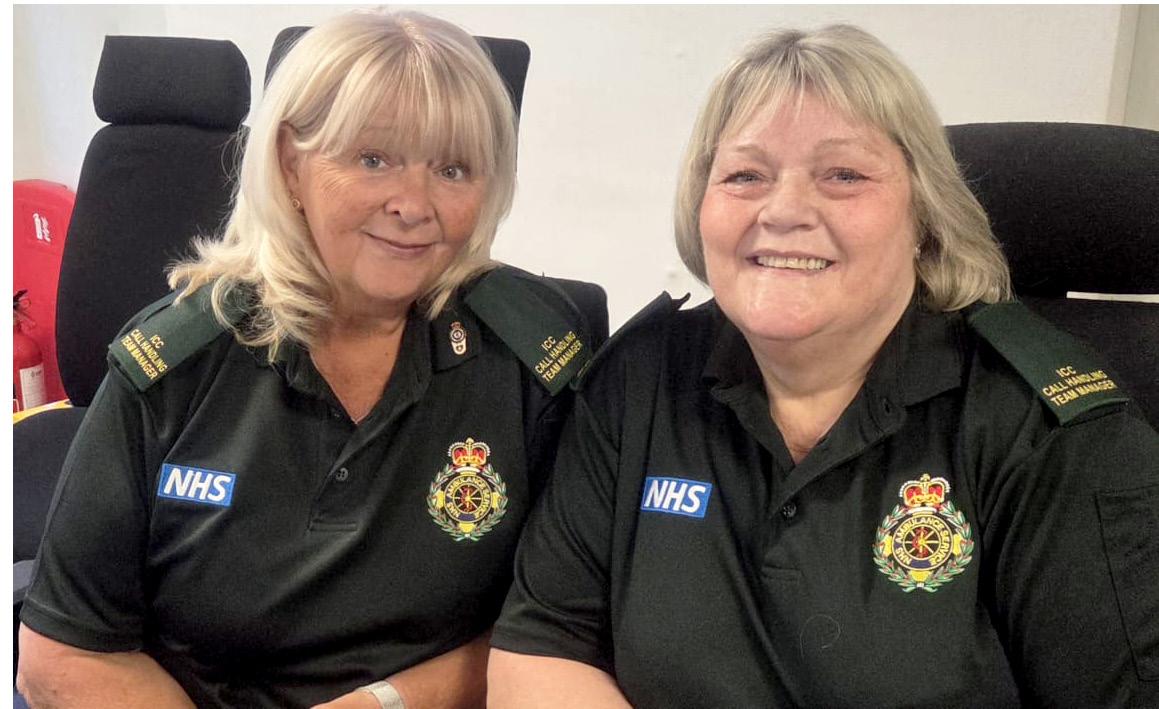
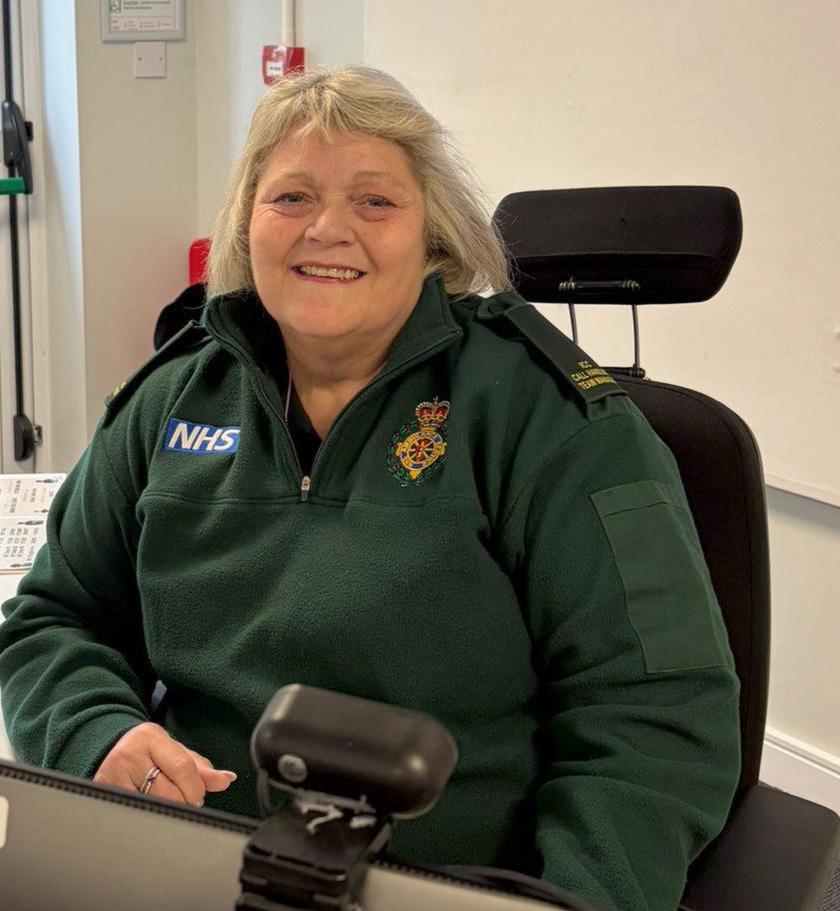
Support at work has been vital. People know my situation and regularly check in with me, which has made a real difference.
My first Gamblers Anonymous meeting was nerve-wracking. I sat in the car park for 20 minutes before going in, but I was made to feel welcome straight away. I’ve now been going nearly two years and even help chair meetings. I call it my “medicine” because it keeps me on track.
I am now 751 days gamble-free. I have savings for my retirement, I’ve been on holidays, and I’ve been able to put money towards a newer car.
Most importantly, my relationship with my daughter is stronger than ever. We have always been close, but now there is a deeper trust. My daughter, Louise Woolcombe, also works for NWAS, and I am very proud of her.
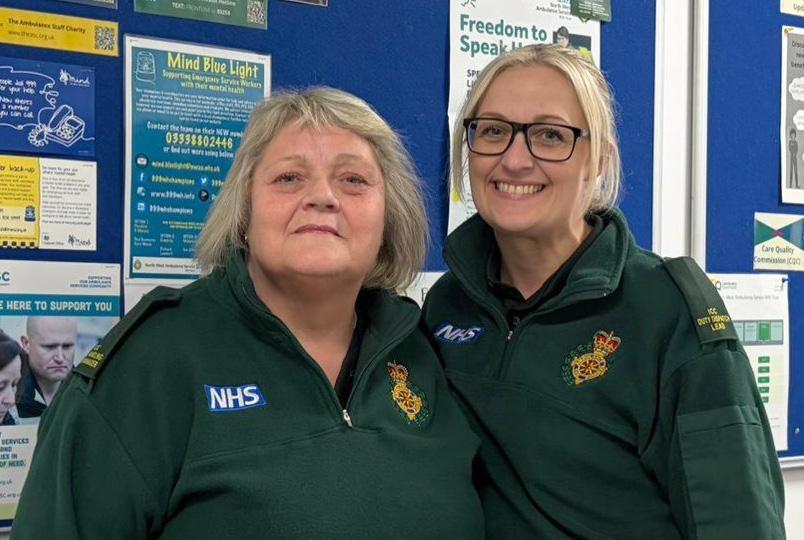
My grandson is my world. When he was first born, I would visit but leave early to go to bingo. Now I stay until I’m asked to leave. I bathe him, put him to bed, and he sometimes stays at mine. I have missed so much time in the past and I regret that, but I am fully present now.
Receiving my 90-day pen and my one-year medallion from Gamblers Anonymous were incredibly proud moments for me. I don’t like being the centre of attention, but they meant a great deal. I have since reached my two-year medallion in May 2026, and I feel very proud of how far I have come.
Life now is completely different. I’m genuinely happy, financially stable and have a strong family life. My grandson starts school in September, and I hope to be able to take him and pick him up while his parents are at work. I am 65 next February, and I am really looking forward to my retirement.
A listening ear when it matters most
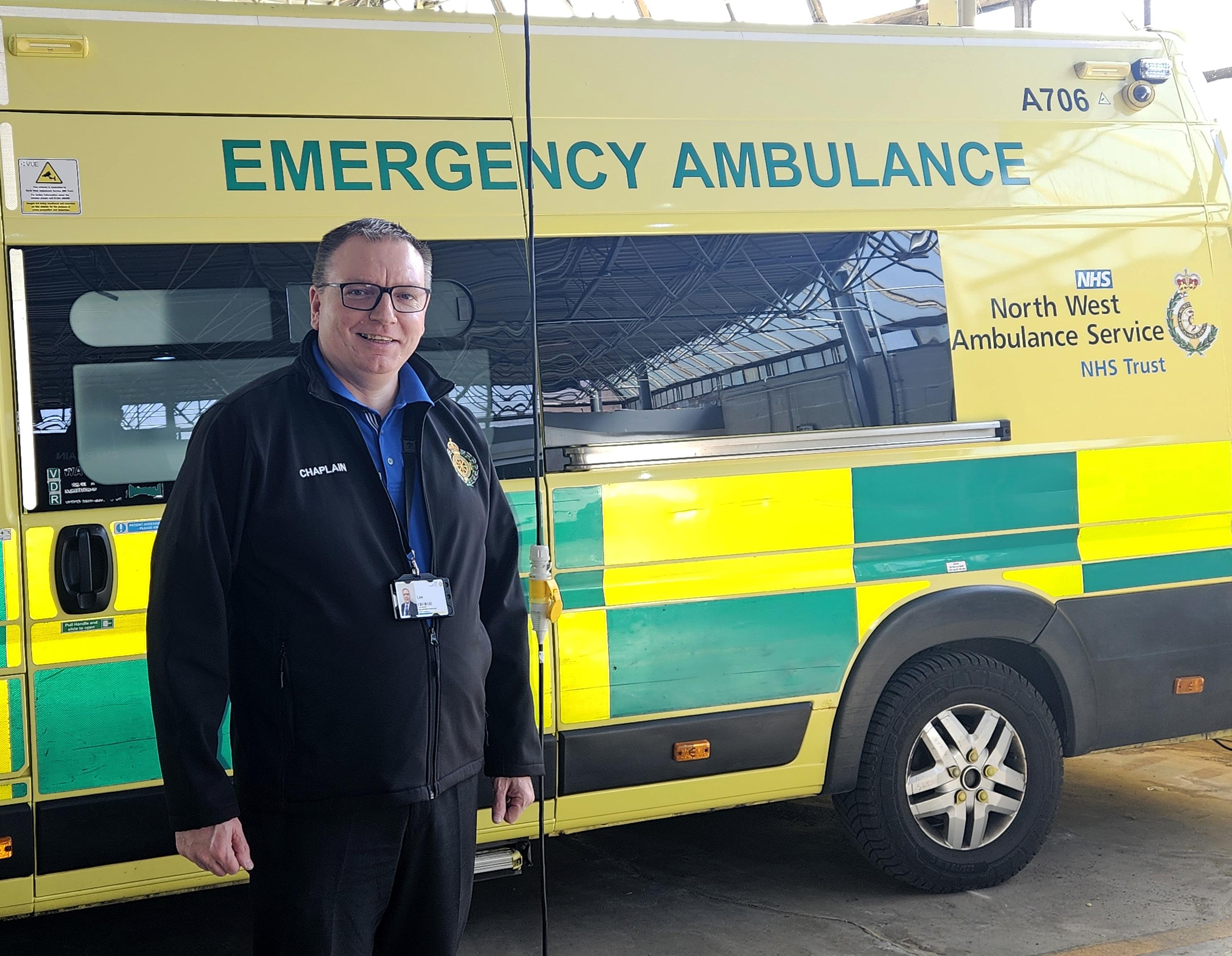
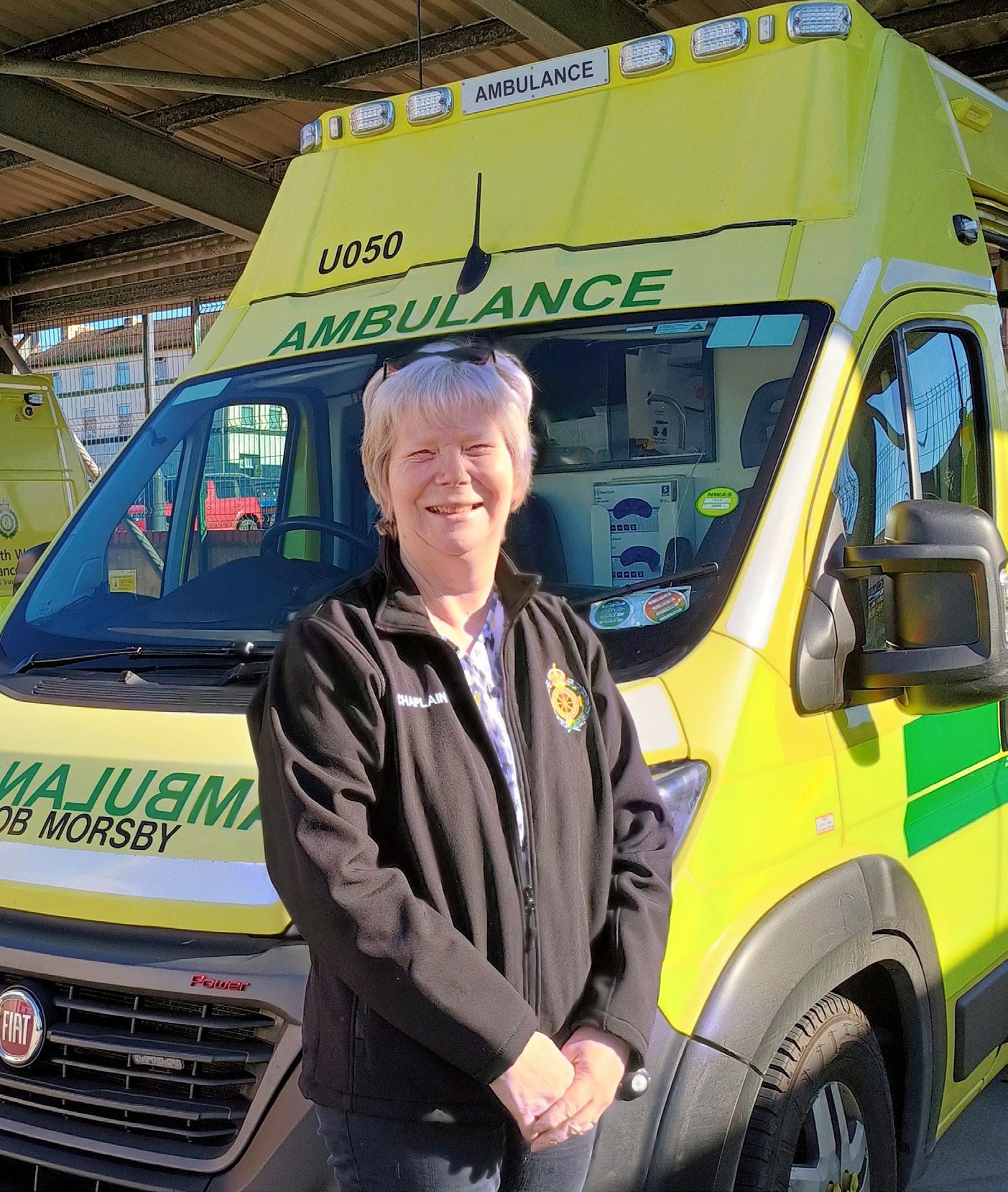
Carol and Lee are two of our volunteer chaplains – it’s a brand-new volunteer role we have introduced. They help our staff by providing emotional, social and mental health support.
Carol, who covers the Morecambe Bay area, and Lee, who supports colleagues in Cheshire East, will work alongside our Chaplain for staff wellbeing to offer an approachable and visible presence within stations and workplaces.
Volunteer chaplains support staff from all backgrounds and beliefs by providing informal support, a listening ear and oneto-one conversations, particularly during times of increased pressure or following challenging experiences.
Carol brings more than 40 years of healthcare experience to the role and currently works part-time as a hospice nurse. She said: “Having been in healthcare for over forty years, I bring experience in how amazingly challenging and rewarding our work can be.
“Although I have worked alongside the ambulance service, I have not worked in it, but in a chaplaincy role I bring a listening ear to anyone who wants or needs it.”
Lee’s background includes 24 years of experience in voluntary services, including St John Ambulance, alongside his full-time role as a health and safety and training professional. He says, “What attracted me to the role was the opportunity to simply be present for people. In busy, demanding environments, having someone who can listen without judgment can make a real difference. I hope to bring a friendly and approachable presence to colleagues across the service, particularly during challenging times.”
We’re planning to recruit additional volunteer chaplains later this year and are encouraging people from different faith and spiritual backgrounds with accredited pastoral experience to apply.
Anyone with questions about the volunteer chaplaincy programme can email: chaplaincy@nwas.nhs.uk.
Driving the future of the NWAS Charity Meet Jemma
The North West Ambulance Charity is the official charity of NWAS. It helps support the ambulance service with funding for projects and initiatives that go beyond what NHS funding can provide.
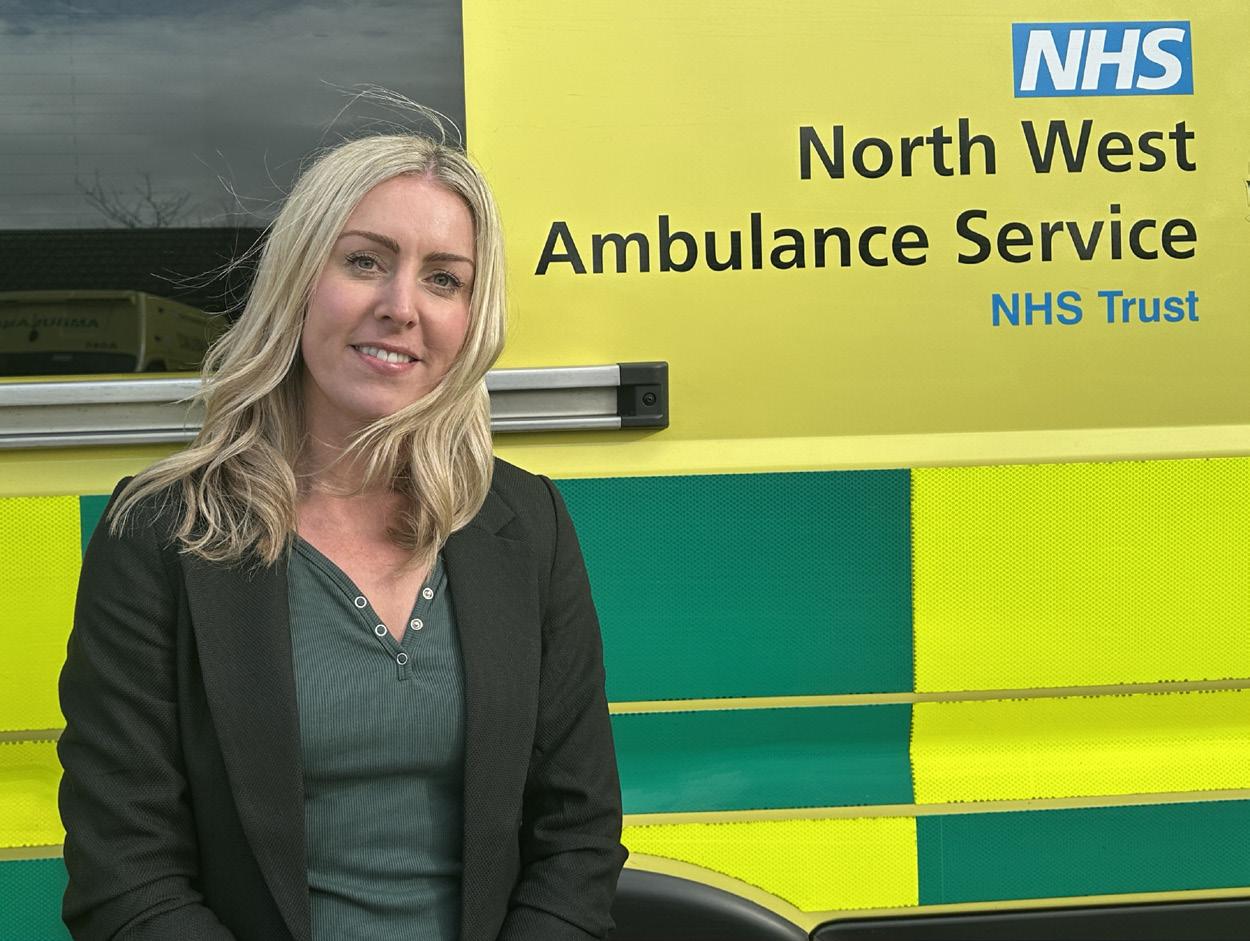
In May 2025, Jemma Kinch became the new head of the charity. She brings more than 20 years of experience working in third sector and charitable organisations across the UK, in both national and regional roles. She has a strong background in income generation, leadership and helping organisations to transform.
Since joining, Jemma has focused on raising the charity’s profile across the North West, nurturing the team, and increasing its impact in our local communities.
Jemma said: “Coming to work for the NWAS Charity as the head of charity has been a bit of an ambition of mine for several years. I made it through to the final two candidates when the role was advertised back in 2022, but I was sadly pipped to the post. We’ve all been there!
“They say all good things come to those who wait and after a bit of soul searching, I put everything into focusing on the job I was in as deputy chief executive officer of a national pancreatic cancer charity and doubling their fundraising income in the two years that followed. Then three years later, in January 2025, the head of charity job was readvertised for the NWAS Charity, and I knew I had to give it one last try, so I did… and here I am!”
What does a typical day look like for you?
“Working for an NHS charity brings together the two things that I have always found incredibly rewarding: making a tangible difference and supporting people. No two days are ever the same in my role. A typical day could include meeting with partners and supporters, working on initiatives to generate income such as new grant applications, raising awareness at events, developing strategic goals to grow our impact and writing reports and reviewing finances and governance.”
What’s your proudest achievement so far?
“It’s an exciting time for us as we approach a milestone year. Our charity was established a year after NWAS was formed in 2006, and as NWAS celebrates its 20th birthday this year, the NWAS Charity will mark 20 years of charitable activity in 2027.
“We’re looking forward to launching a new three-year strategy that will lay out a framework to ensure that every pound raised for our charity delivers real and measurable benefits for patients, staff, volunteers and our supporters.”
What motivates you?
“Our charity was proud to support the trust’s annual sponsored staff Star Awards in May to recognise and celebrate the extraordinary dedication and compassion shown by colleagues across the service. It was fantastic to hear the remarkable stories of staff and volunteers. It’s stories like these that help to keep me motivated in my job.
“On the night, we were lucky enough to be joined on our table by some incredible supporters of the charity, who have overcome some of the most difficult times in their life, but channelled their grief into supporting the NWAS Charity.”
What’s
your favourite part of the job?
“My favourite part of my job, hands down, is the relationship with the people we work with every day. The fundraisers, community groups, volunteers, corporate partners and colleagues across the trust. I am constantly in awe of the time and effort supporters dedicate to our small and mighty charity, but immensely proud that they’ve chosen us out of the thousands of other charitable causes across the country they could support.”
If you would like to find out more about the NWAS Charity, visit our website: nwas.nhs.uk/charity
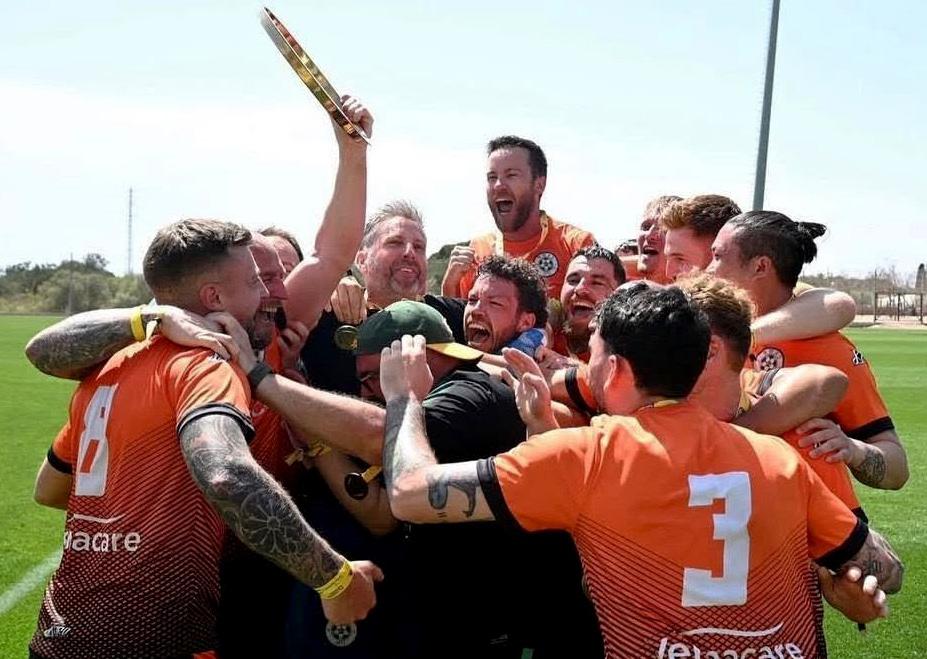
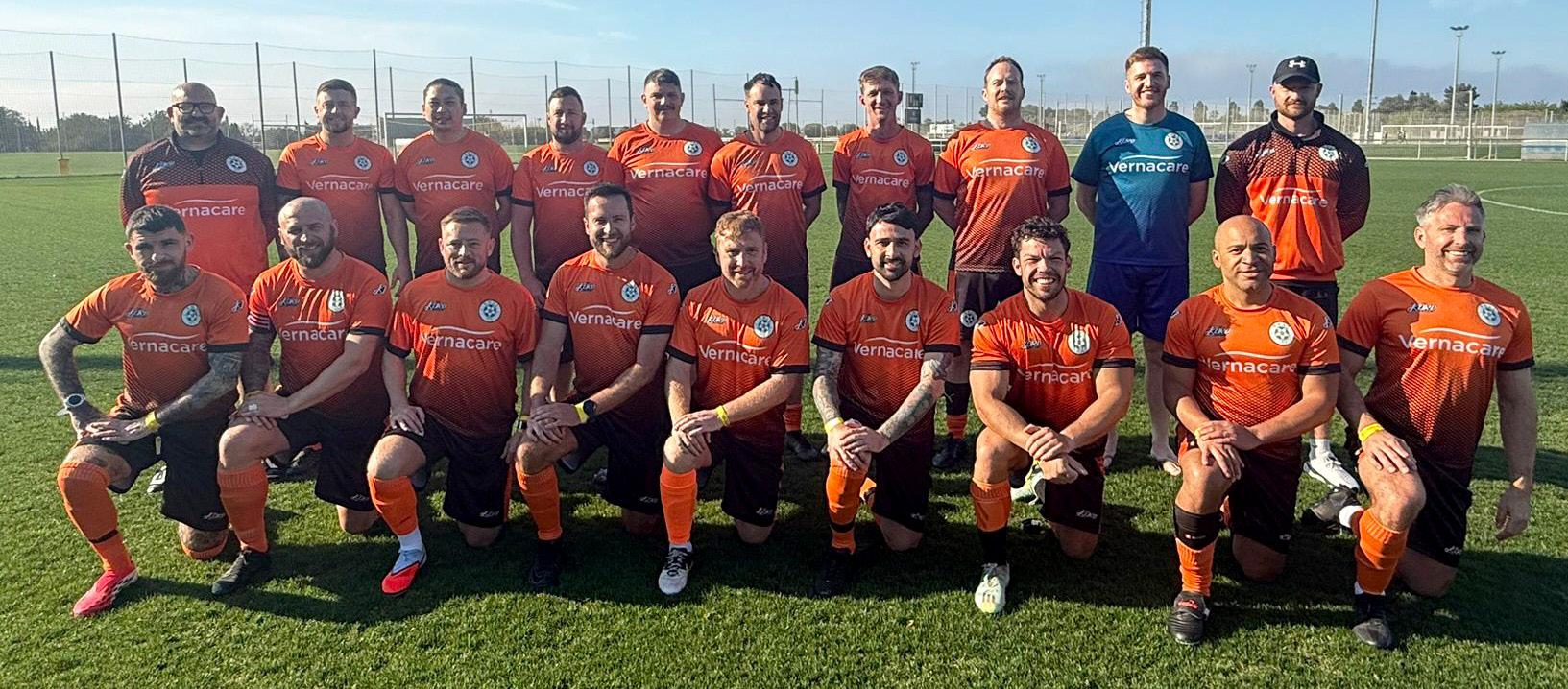
A group of NWAS colleagues have celebrated after bringing home the Emergency Services Football League (ESFL) European Championship title from Salou, Spain, but players say the team means far more than trophies.
The NWAS Veterans Football Team, made up of staff aged over 35 from across Greater Manchester, has spent nearly a decade bringing colleagues together through football, friendship and mutual support.
The squad includes frontline paramedics, technicians, dispatchers, managers and corporate staff, all united by a shared love of the game and the opportunity to switch off from the pressures of working life.
Emergency Medical Technician Joao Vieira, who has worked for NWAS for 10 years, said the team has become an important source of wellbeing and support for many staff. “We all deal with pressure in our jobs,” he said. “It doesn’t matter whether you work on the road, in our control rooms, in management or in corporate roles; everyone carries stress in different ways.
“For us, football became a way to de-stress, unwind and spend time together away from work. Over the years, we’ve become more than teammates; we’ve become very close friends.”
In the team’s infancy, staff began organising informal football matches and entering emergency services competitions. Since then, the group has grown into a wellestablished team competing in the ESFL against organisations including police, fire and prison services.
NWAS football team lifts European Championship title and morale
The ESFL is the UK’s only football league dedicated to emergency services teams.
Alongside matches and tournaments, the group meets every Thursday evening for informal training sessions open to all staff. Joao said the weekly sessions have become an important part of the team’s wellbeing and support network, giving colleagues a chance to socialise, exercise and switch off.
Joao said one of the team’s biggest strengths is the mix of people involved. “It brings people together and breaks down barriers,” he explained. “Football gives us a chance to connect outside of work and get to know each other in a different way. When we’re together, it’s not about job titles — we’re just people supporting each other through difficult periods. It could be support for bereavement, relationship breakdowns, work pressures and mental health challenges.”
“For men especially, sometimes it’s not about sitting down and talking deeply,” Joao said. “Sometimes it’s just being around people, having a laugh, kicking a ball around and knowing someone’s there if you need them.”
That togetherness was on full display during this year’s ESFL tournament in Salou, where the team were crowned champions. “Winning was the cherry on top,” Joao said. “The proudest part was how together we were. Everyone supported each other and lifted each other up. That connection is why we won.”
The victory has already inspired more colleagues to get involved, with hopes of creating a women’s team in future. “We want people to feel welcome,” Joao said. “This isn’t just about football. It’s about wellbeing, friendship and helping each other through the pressures of work and life.”

Celebrating our people
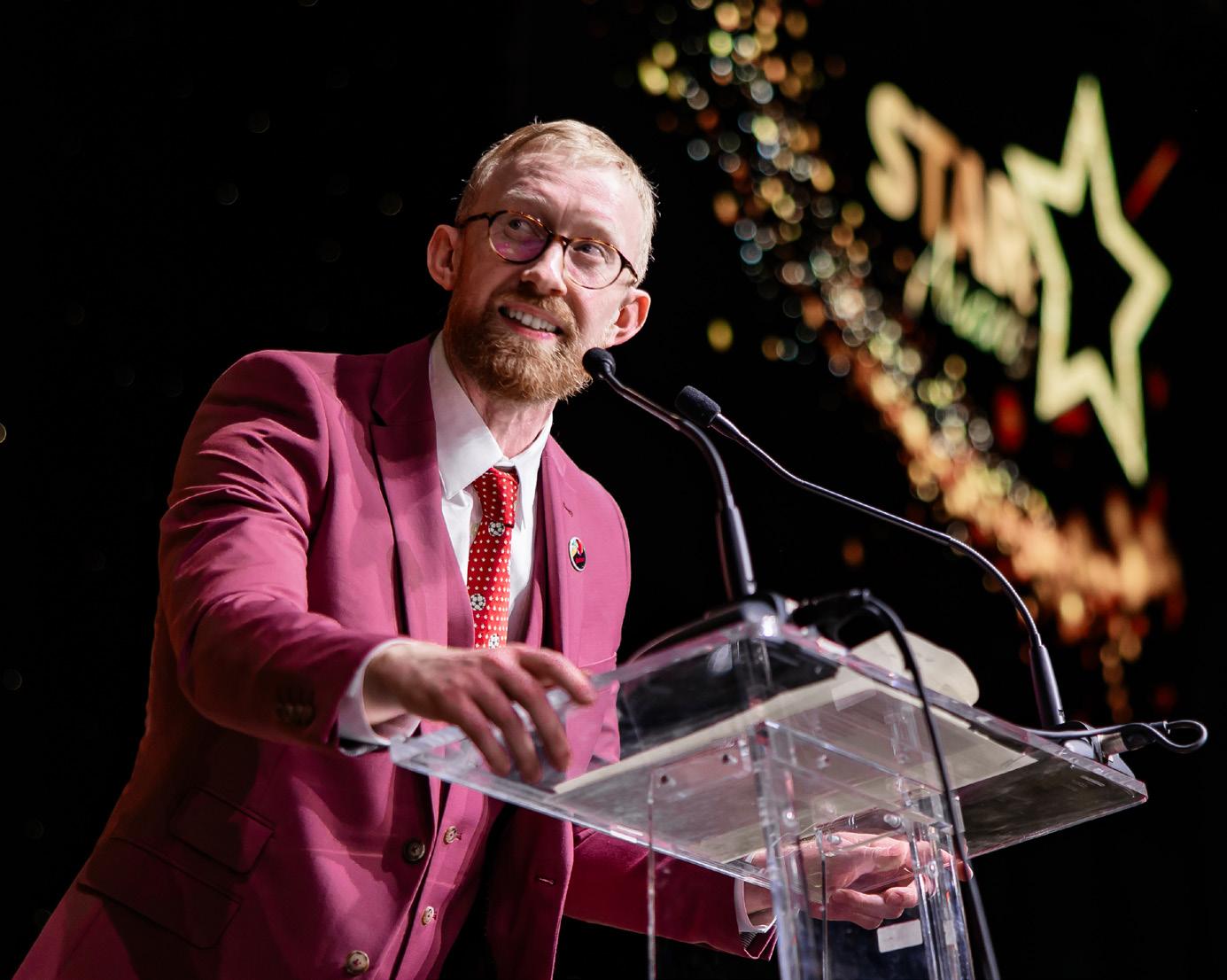
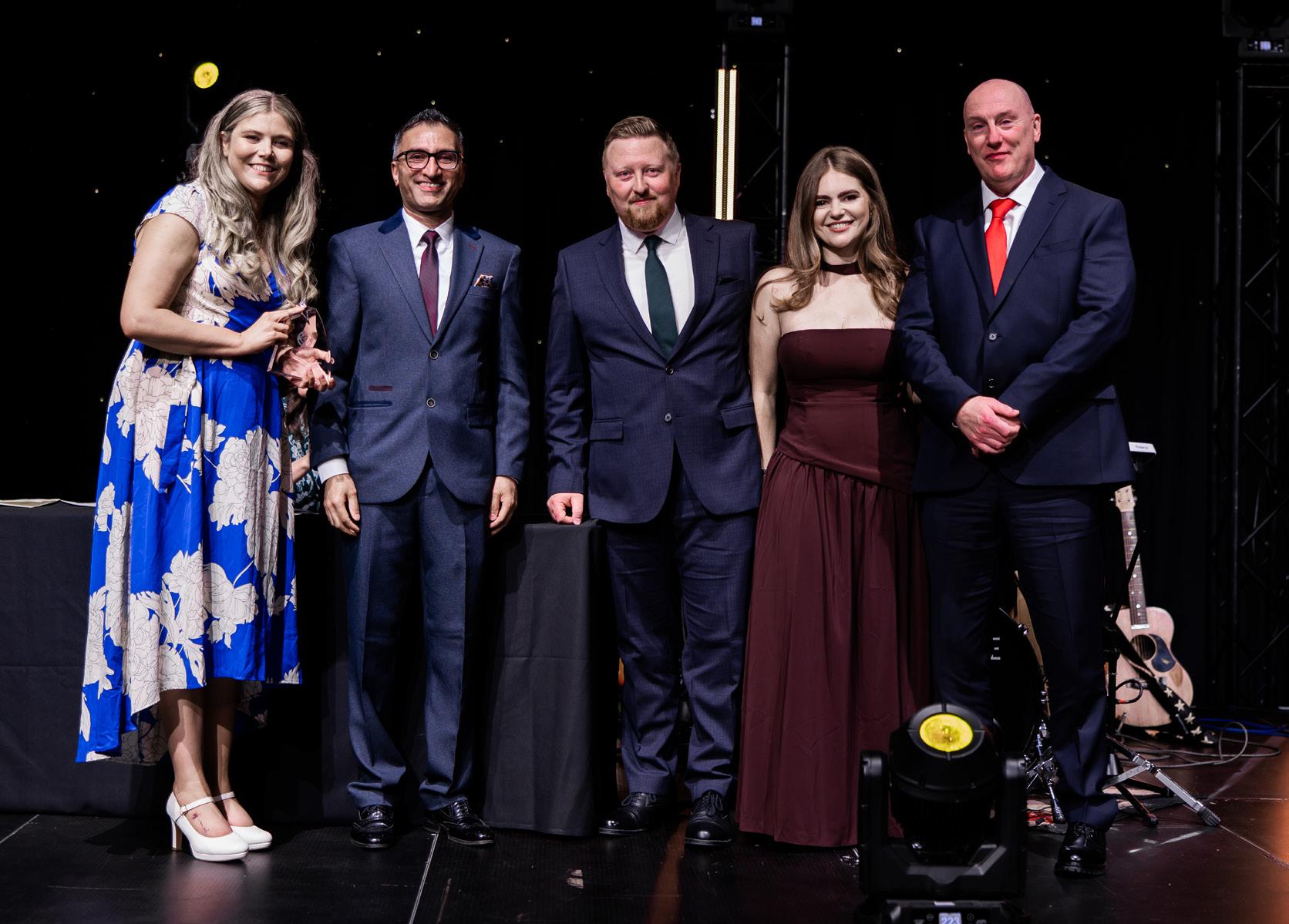
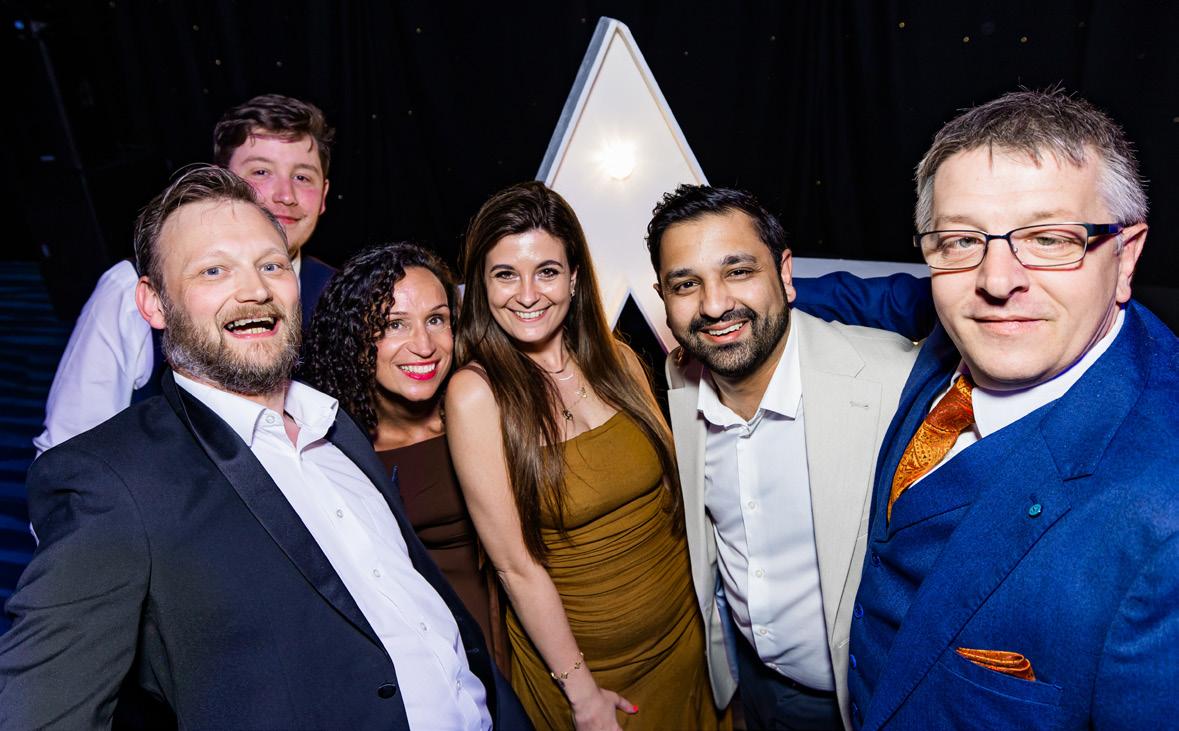
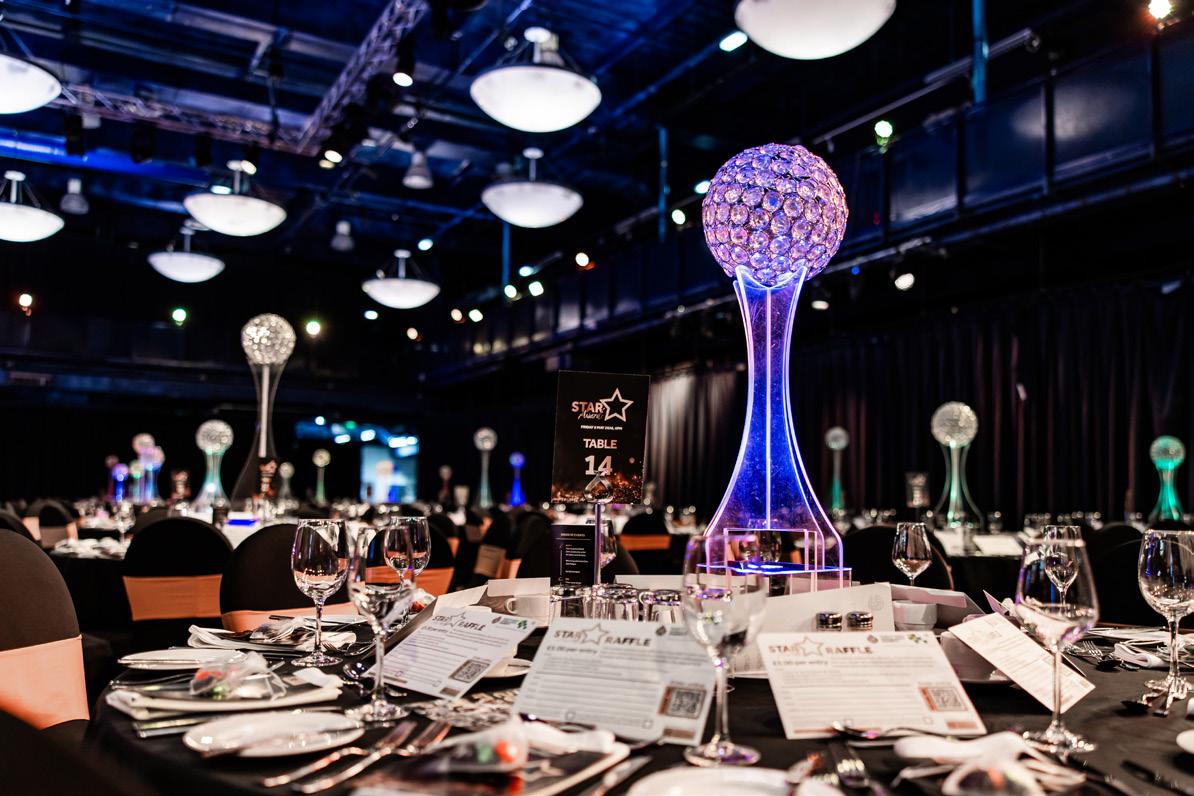
Hosted by broadcaster Derek Clark, the event featured a three-course dinner, entertainment, and an awards ceremony recognising individuals and teams who go above and beyond for patients, colleagues, and communities every day. The evening also featured a special Hong Kong Lion Dance performance, with Chief Executive Salman Desai taking part in the traditional eye-dotting ceremony to officially open it.
This year’s peer-nominated awards received an incredible 472 nominations, highlighting the exceptional contributions colleagues make across all areas of NWAS. From frontline responders and control room staff to volunteers, support staff and leaders, the evening recognised the achievements of colleagues across the organisation.
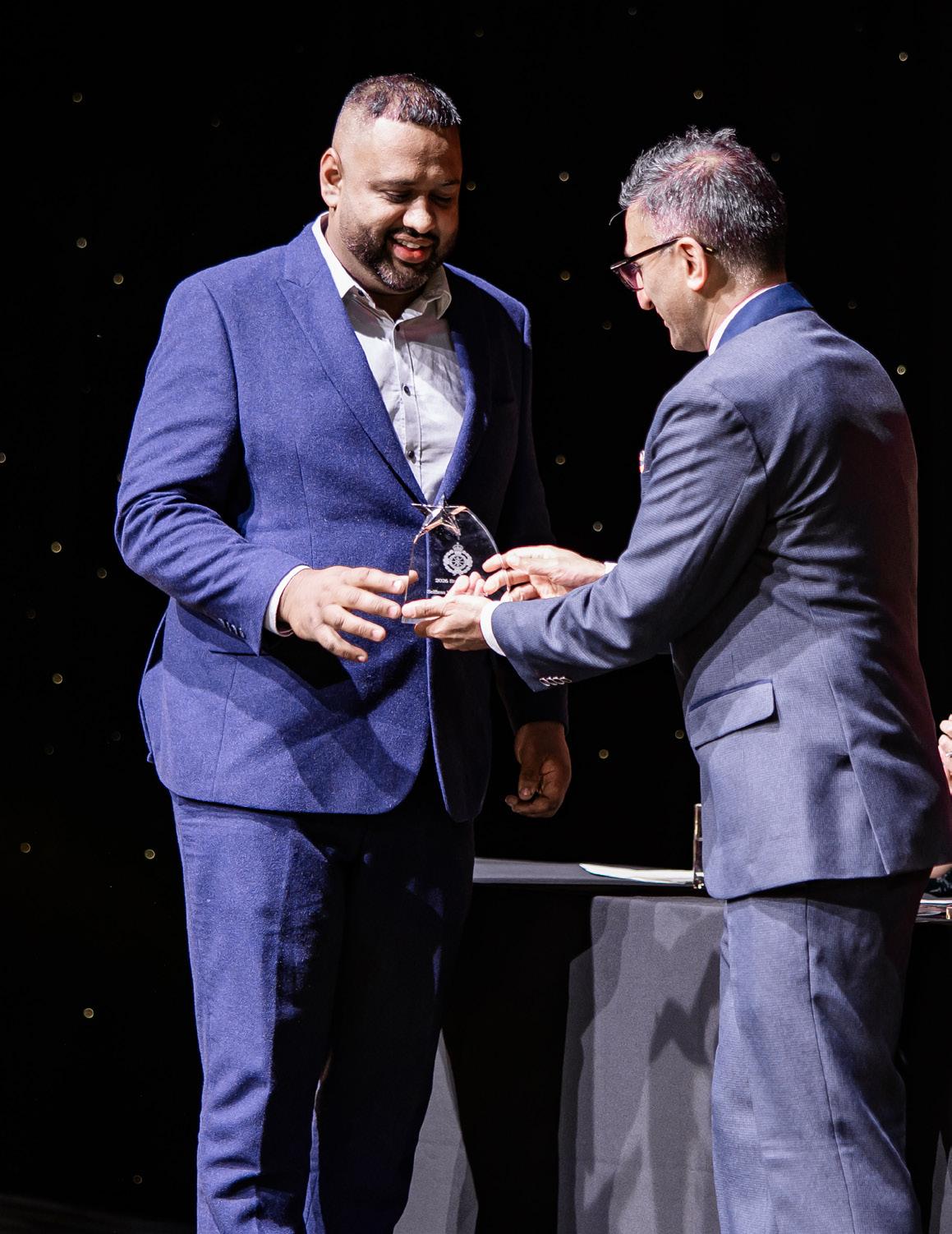
Among the winners on the night were Community First Responder Kam Nazir, praised for his calm and compassionate approach in high-pressure situations, and Emergency Medical Technician Jamie Stott, who was recognised for creating and leading the North Cumbria walking group, helping improve staff wellbeing and connection across NWAS.
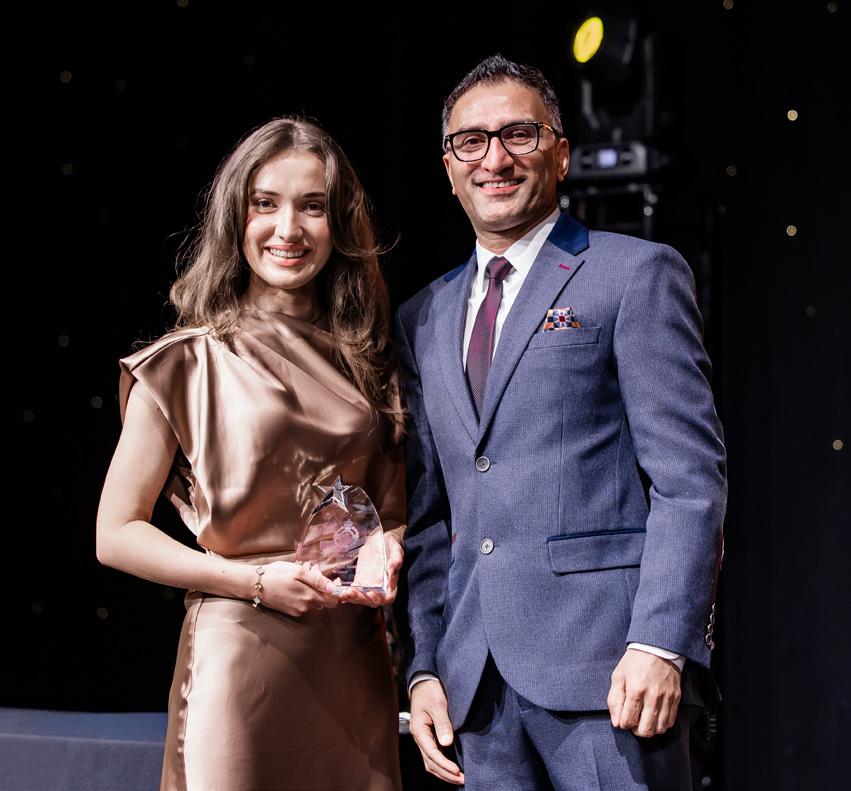
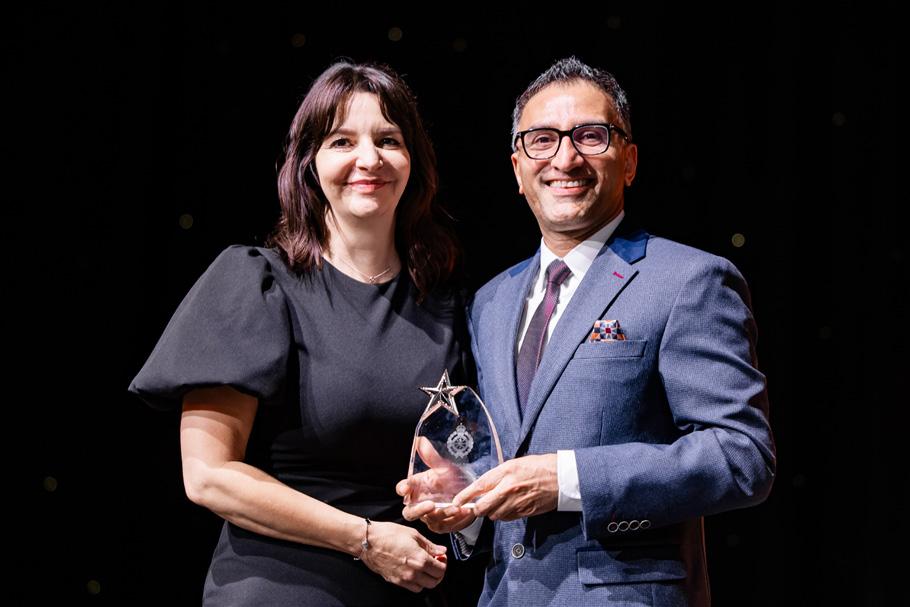
Every year we host a very special event which is fully funded through sponsorship to celebrate the dedication, compassion and professionalism shown by our staff and volunteers across the North West. This year was no different, as colleagues came together at the Bolton Stadium Hotel on Friday 8 May for our 2026 Star Awards.
Sarah-Jane Jones-Roberts was commended for her inspirational leadership and commitment to supporting colleagues, while Abigail Jones received recognition for her compassionate and professional leadership within the Greater Manchester control room.
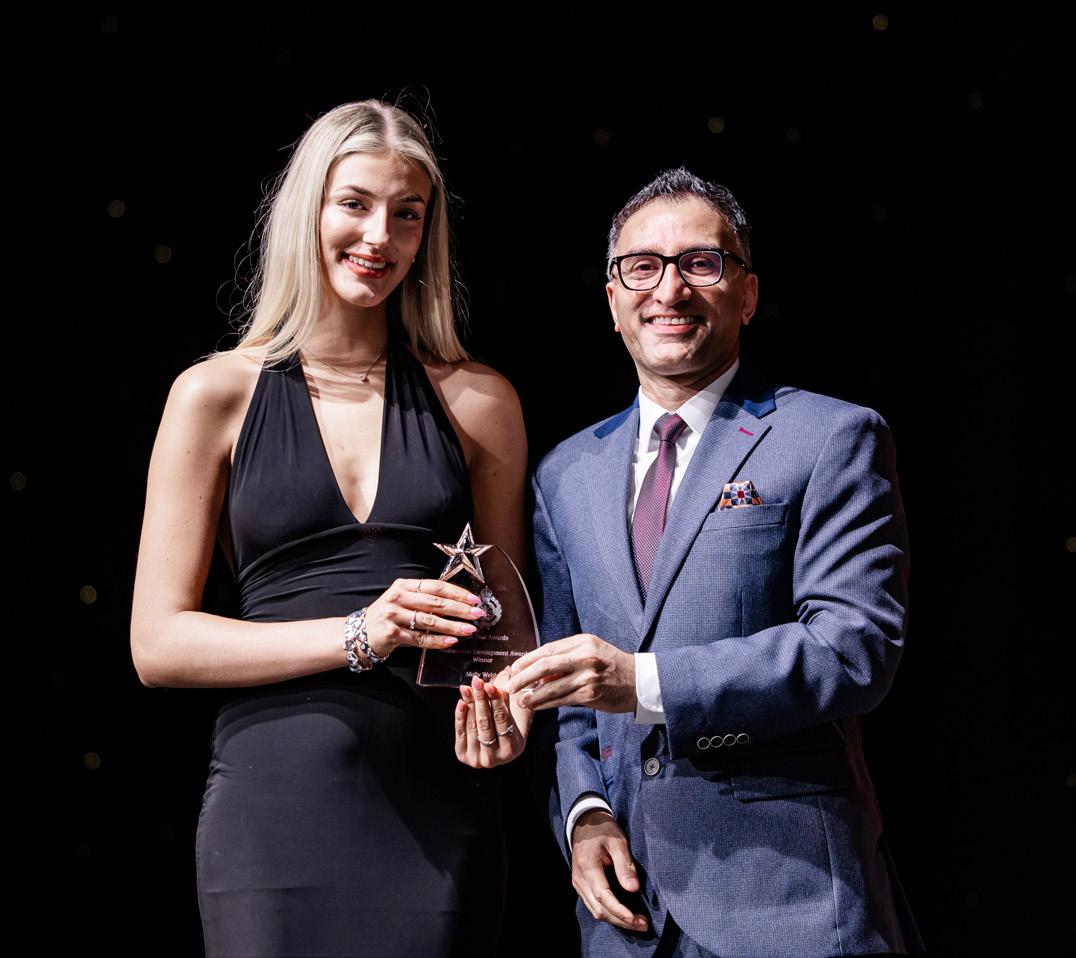
Molly Webb was celebrated for her outstanding professional development, progressing from apprentice to environmental data analyst in just three and a half years, while Fleet Workshop Driver Gary Cooke received recognition for the positivity, kindness and support he brings to colleagues every day.
The Violence Prevention and Reduction Team was highlighted for its work improving staff safety across the trust, and the Integrated Contact Centre Clinical Delivery Team was recognised for demonstrating resilience, professionalism and teamwork during a significant period of change.
Congratulations to all this year’s finalists and winners.





Two uniforms, one mindset
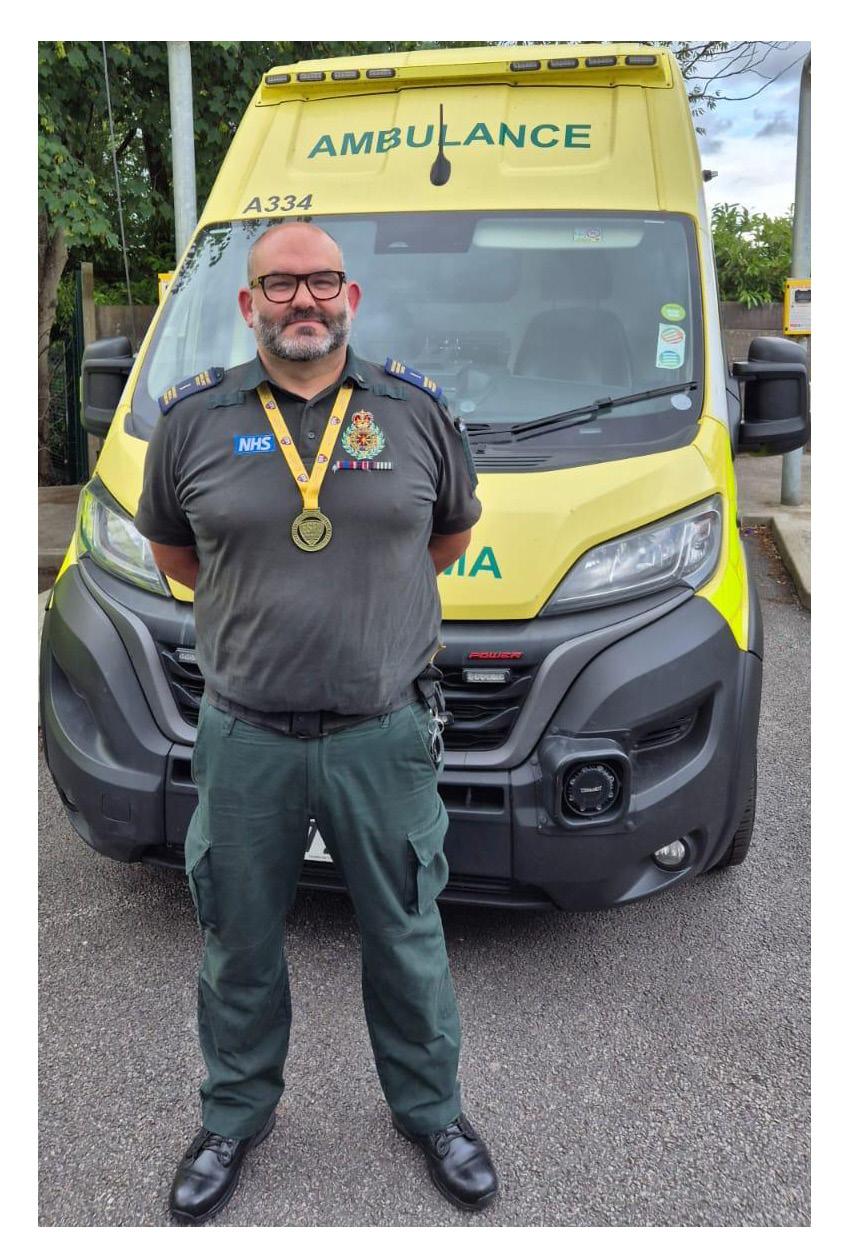
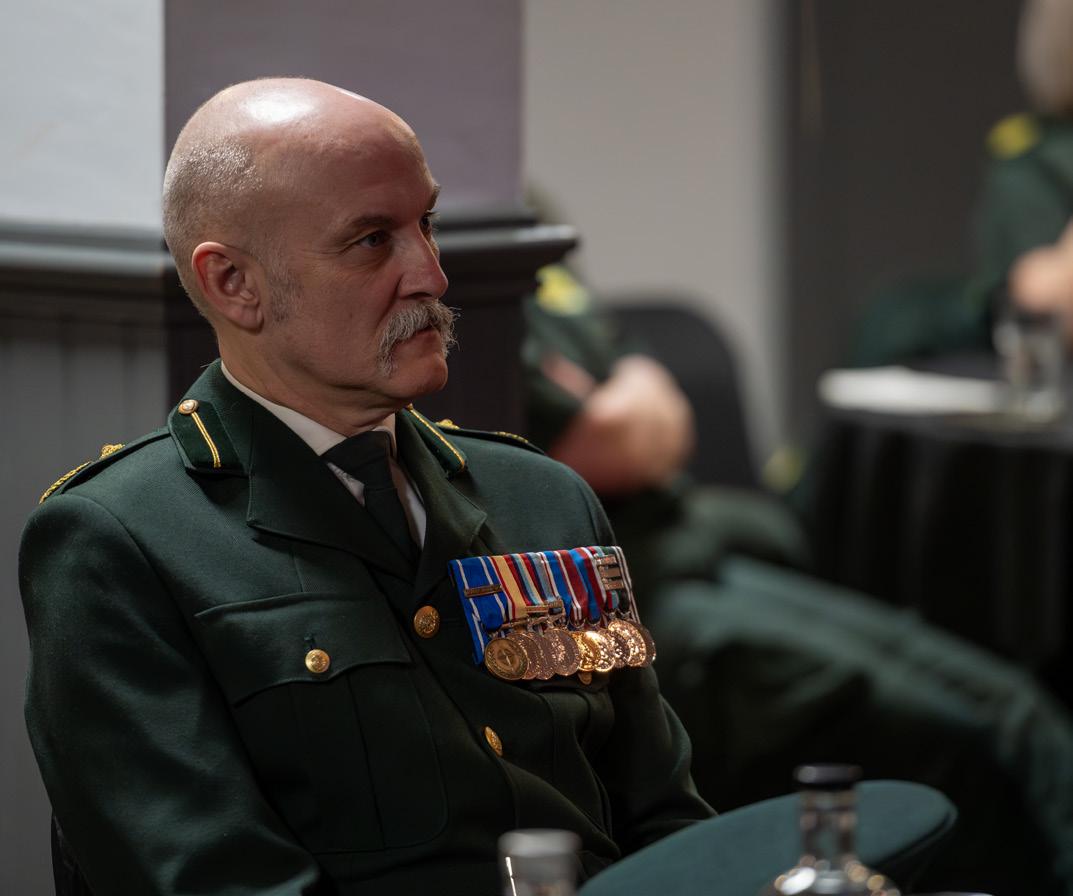
Matt House has been part of our team for over 25 years. Starting as an emergency medical technician in 1998 and working his way up to his current area consultant paramedic role in Greater Manchester.
Outside of his day job, Matt is a warrant officer class 2 (WO2) in the Army Reserve. He serves with 144 Parachute Medical Squadron, the Army Reserve’s only airborne medical unit, which is part of the 16 Air Assault Brigade. During his service, he has completed tours in Bosnia, Iraq and Afghanistan.
Matt’s career in the Territorial Army started in 1994, as an opportunity to experience the challenges of military life. After passing the pre-parachute selection, he qualified as a military parachutist and more than 30 years later, he’s still jumping. Although the jumps have got less stressful, he admits that the landings are getting harder with age. Despite this, he has no intention of giving up his title of the ‘oldest indate paratrooper’ in the brigade any time soon.
A strong emphasis on medical training in the army played a key role in Matt’s decision to join the ambulance service. The two roles, he says, complement each other well, “The education, training and experience from one is directly applicable to the other,” he explains. “I think that’s why many military people are drawn to the ambulance service.”
Matt sees striking similarities in how the work is carried out.
“In both roles, you’re part of a small team, usually without direct management, working towards a common goal. Although there is guidance on how incidents are managed, the details are ultimately determined by the person on the ground.”
He reflects on his time in Afghanistan as being both the highest and lowest points of his time in the reserves. Using both his military and clinical skills to their fullest, he says he experienced things that have stayed with him. However, it’s a career he would still highly recommend to others because throughout his three decades in the reserves, he has gained invaluable experience.
Matt says his experience comes from the variety of work available in the military.
“Just last year, I was part of the test team that trialled the A400M aircraft for parachuting. I took part in an exercise in Michigan as a flight paramedic in a Blackhawk helicopter for two weeks. I also had the opportunity to parachute into Sweden and secure a stretch of motorway ahead of an American military plane landing on it.”
Matt now holds a strategic clinical role within NWAS, and he uses his position to contribute to national guidance. “I really value the influence I can have,” he explains, “especially working on things like the JRCALC clinical guidelines for resuscitation, which I’ve helped to write and review.”
Although his role may have changed, the reasons for joining the ambulance service haven’t. He still enjoys going out and helping patients.
While the army and the ambulance service are very different, Matt works as part of our Armed Forces Network to support all staff members within our armed forces community.
Emphasising the importance of the network, he says:
“It is a point of focus for reservists, like me. It ensures NWAS understands the benefits that reservists bring to the ambulance service and how they can support us in our second career. The network also supports ex-regular service people, ensuring the skills and experience they have developed in their military careers are recognised and understood.”
A second chance at life
What began as a relaxed summer barbecue in rural Cumbria became, in a matter of moments, a race against time.
Last August, David Roberts was enjoying an afternoon with family and friends when he choked on a piece of food and suddenly collapsed. “That’s really the last thing I remember,” he says. “Other than waking up later in the coronary care unit, having been treated by amazing paramedics and hospital staff.”
For his wife Nicola, the moment is etched into memory. “One minute we were chatting and eating, and the next David just completely fell,” she recalls. “We thought he was choking. We tried to help, but he was unresponsive. It was terrifying.”
As panic spread, a 999 call was made. On the line, calm call handler Jessica, quickly took control instructing Nicola to begin CPR. Having completed basic life support training in the past, Nicola found herself relying on skills she never imagined she would need. “It just came back automatically,” she says. “She kept me focused and talked me through it until help arrived.”
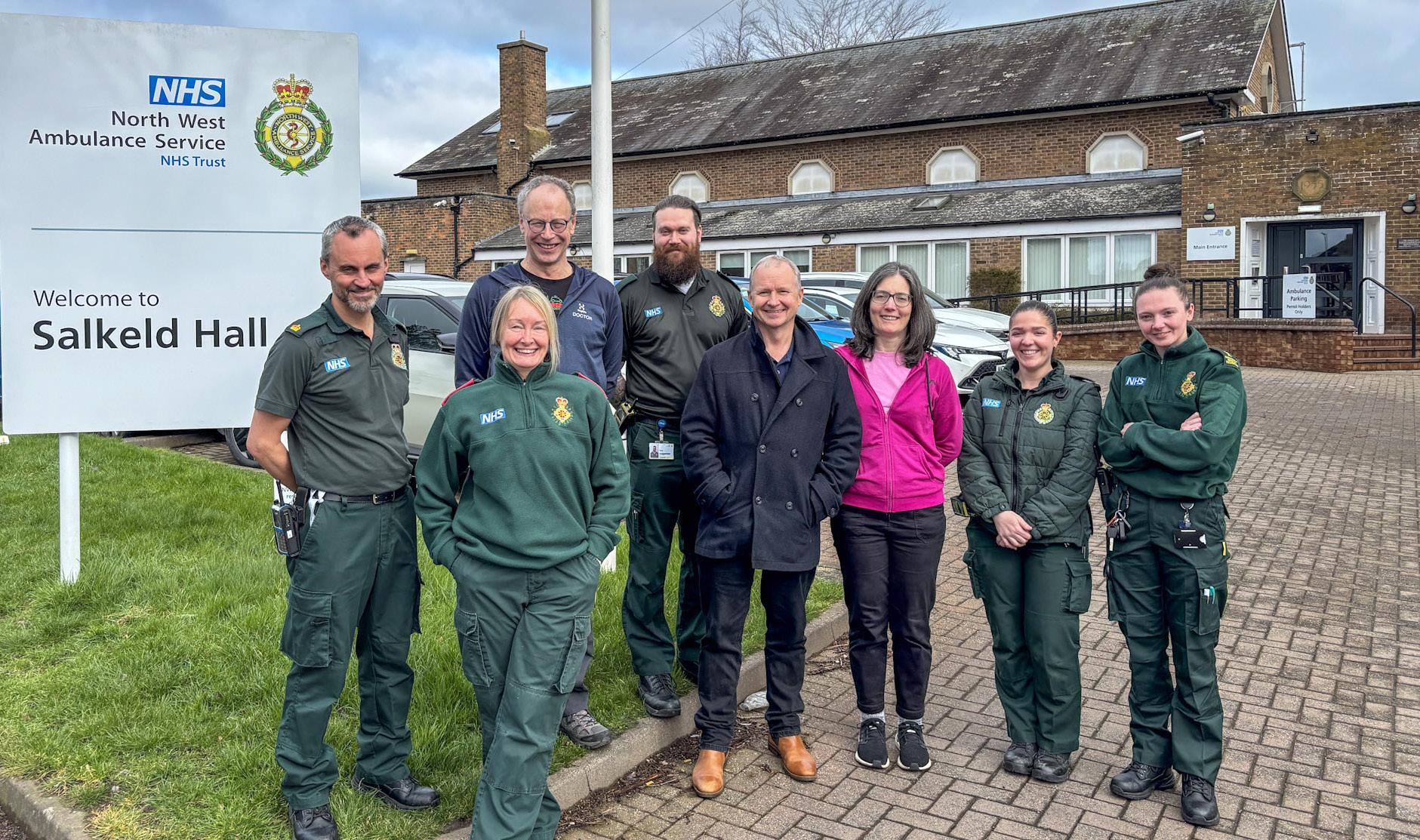
That help came from our ambulance crews: paramedics Francesca and Tony, and Emergency Medical Technician Chloe.
Francesca was among the first clinicians to arrive. “Nicola was doing an incredible job of CPR when we arrived,” she says. “It’s an incredibly intense situation, but those early actions really mattered.”
As the emergency teams worked to secure David’s airway and restart his heart, they were supported by a crew from the Great North Air Ambulance Service and volunteer doctor responder Theo, who works for the organisation BEEP Doctors, which can be sent to bring hospital-level treatment directly to patients.
“Within a short space of time, we managed to get David’s heart working again in a normal rhythm,” Theo explains. “Our role at that stage was to provide advanced critical care — including sedation, ventilation and medication, to stabilise him safely before transfer to hospital.”
“To see David here today, alive, well and back to normal life, is exactly why we do this,” Theo says.
For David, the months that followed were about more than physical recovery. “I was sedated, I was in a coma, so there were lots of missing pieces,” he explains. “It’s been a journey of discovery, finding out what actually happened.”
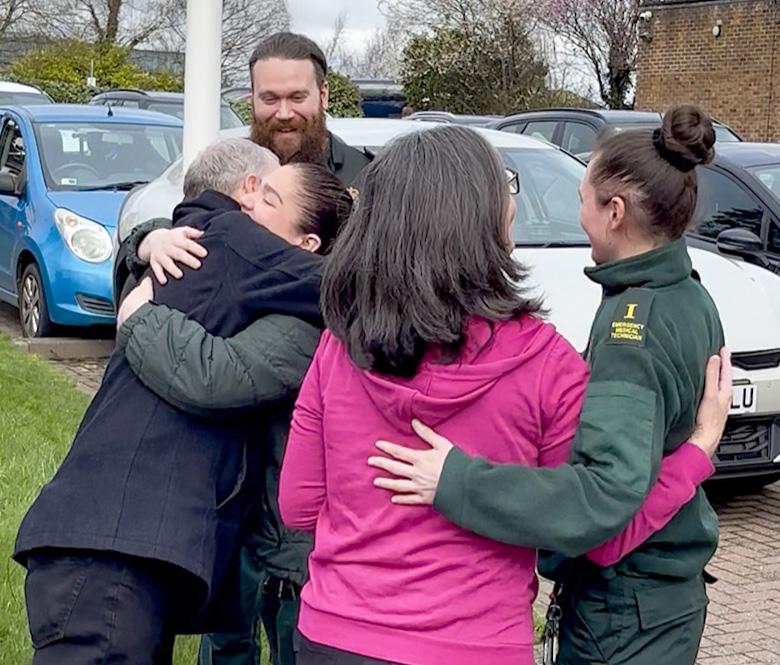
That journey came full circle at a reunion in Carlisle, where David and Nicola were reunited with some of the people involved in his care. “Being able to say thank you in person was incredibly important,” David says. “To meet the people who saved my life and to know some of them volunteer their time, it really means everything.”
Now, the couple are encouraging others to learn CPR, sharing a message shaped by experience: knowing what to do in those first few minutes can save a life.
For David, it gave him a second chance.