HOME & GARDEN


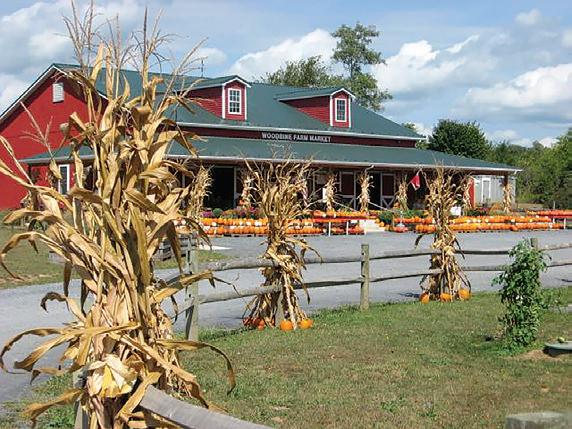


FALL PUMPKINS • GOURDS • APPLES • MUMS AND SO MUCH MORE!

FRESH BAKED


FALL PUMPKINS • GOURDS • APPLES • MUMS AND SO MUCH MORE!
FRESH BAKED
By Lisa Peterson Special to The Winchester Star CROSS JUNCTION
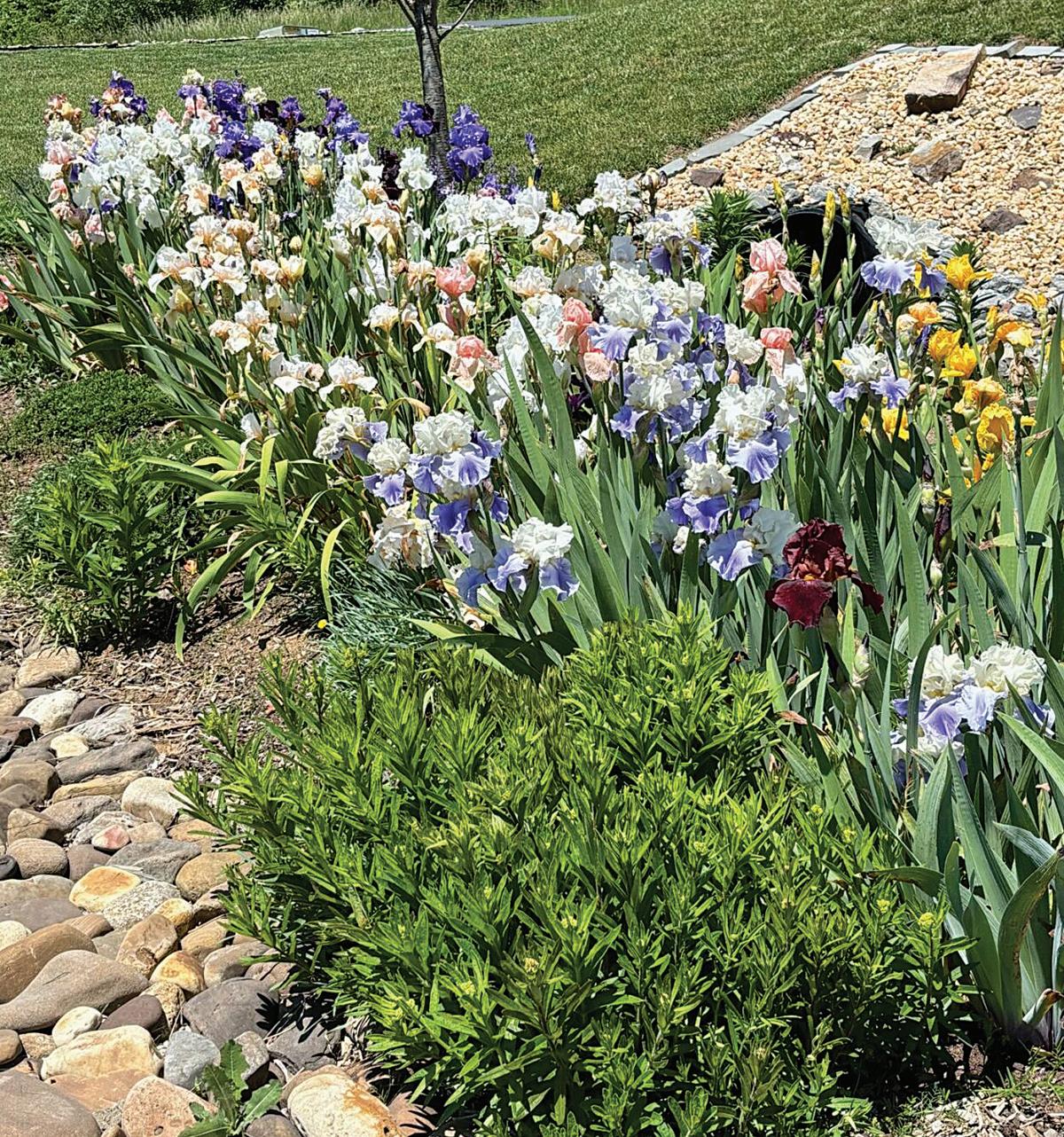
— When neighbors and friends drive past Sharon and Jim Pitzvada’s Frederick County home, they often pause to admire the burst of color spilling across the yard. The Pitzvadas’ garden has become more than a patch of flowers — it’s a neighborhood landmark and a labor of love.
“I would describe my garden as an ever-changing place of color,” Sharon said.
The flower garden began modestly. “When we first moved here, we started with three raised beds,” Sharon explained. At one point, they planted 500 tulip bulbs. “They were absolutely gorgeous,” she said.
“Then we realized tulips need to be dug up and replanted every year, and that just wasn’t practical. That’s when we went from tulips to the irises.”
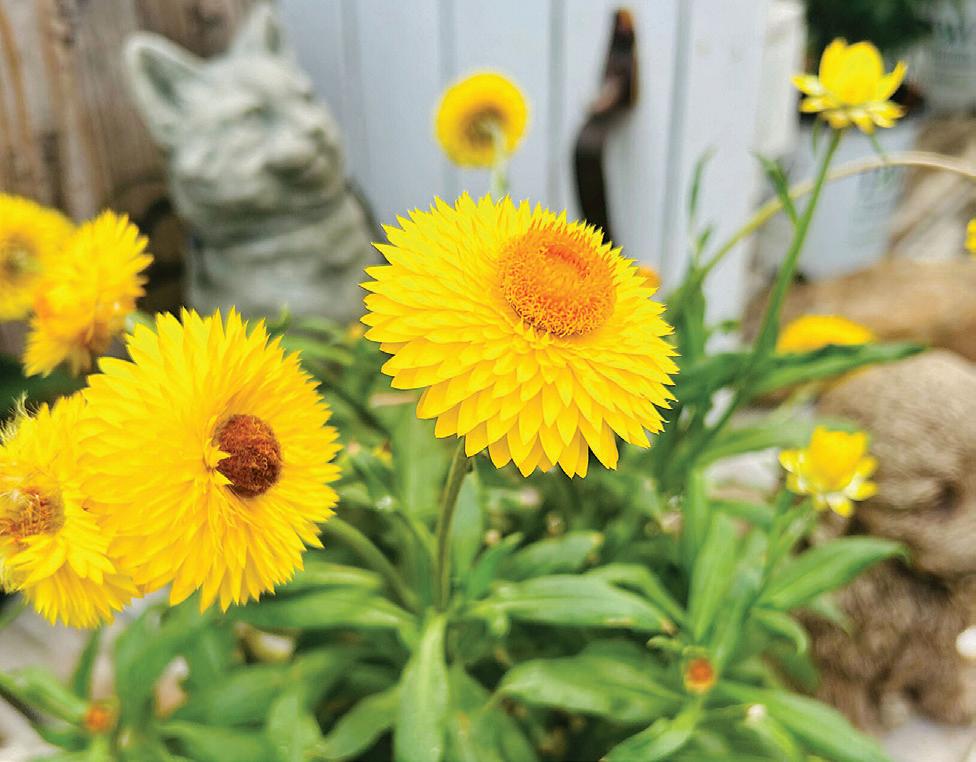
Today, their yard is filled with irises, coneflowers, butterfly weed, blanket flowers, bee balm, dahlias, fire plants, and many others. But zinnias are what Sharon enjoys most.
“It’s hard to say what my favorite flower is,” she said. “I do love zinnias because they are so colorful and they’re the type of flower that if you keep them trimmed, they keep blooming all summer long.”
Those zinnias have also become a gift to others. A woman who tends flowers for a local church comes








Hardwood floors are coveted features in many homes. The National Wood Flooring Association says wood floors are the most environmentally friendly flooring options available. In the United States, the hardwood forests that provide flooring products are growing twice as fast as they are being harvested. Furthermore, wood floors can last for many generations and require fewer raw materials to produce than other flooring options. That means less waste may end up in landfills.
Hardwood floors can endure for decades in a home, but over time those same floors may need some tender loving care to keep them looking good and working as they should. Squeaky floors are a common nuisance that homeowners may experience. Squeaking is often caused by movement and friction between floorboards. Treating the problem involves identifying the underlying issue.
Loose hardware
Squeaky floors may be due to the loosening of the hardware holding the floor in place, says The Home Depot. When nails or screws no longer are secured tightly, the boards can rub together. The noise heard is the sound produced by rubbing. Tightening or replacing the hardware can help reduce the squeaking.
Counter-snap kit method
This Old House says this kit method is a great way to fix squeaks without damaging the floor. Once the source of the squeak is located, drill a 3/32-inch pilot hole through the hardwood flooring. Then insert a screw through the kit’s depth-control fixture and into the pilot hole, and drive it until it automatically snaps off below the wood surface. Follow this up by filling the hole with wood

putty that matches the floor color. Once the putty is dry, lightly sand the area to blend.
Use a shim or shims
Sometimes the floor may squeak because of a gap between the joists and the subfloor. Filling the gap with a small piece of wood called a shim can help alleviate the gap or gaps.
Drive up screws
If a squeak is just in one spot, The Home Depot says that you may be able to drive short screws from below into the subfloor.
For small gaps between boards, sprinkle talcum powder or powdered graphite between squeaky boards to reduce friction. Wood filler applied with a putty knife also may work. For larger gaps, use a liquid filler designed for wood floors.
Homeowners also can visit their local home improvement center for other hardware solutions designed for underfloor repairs to remedy squeaks. Many work from underneath the floor and involve mounting plates or brackets to sure up the floor.



Turning on the heat may be the furthest thing from homeowners’ minds come the end of summer or early fall. After all, there are plenty more days of comfortable temperatures to expect over the weeks to come. However, failing to inspect a furnace prior to when it is needed could lay a foundation for cold evenings.
Many HVAC experts recommend that homeowners get their furnaces tuned up before the first cold spell arrives. When the heat is needed for the first time, it will be guaranteed to work if it’s been examined and any underlying issues have been addressed.
HVAC technicians are busy at the start of summer and winter. If a furnace is not working correctly, it could take some time before a professional can make a service call. Having the furnace and related equipment checked prior to when it’s time to turn on the furnace means homeowners will not be left in the lurch or potentially spending
premium prices for repairs.
It is important to get a furnace checkup for a variety of reasons. Doing so can make the HVAC system run more efficiently, which could result in savings over the winter. Regular maintenance also can help the furnace last longer, delaying the need for a costly replacement. No one wants the furnace to break down in the middle of a frigid night. Annual checkups can help reduce the risk of that happening. In addition, many furnace manufacturers offer warranties on their systems that require annual maintenance from a professional. Failure to have the system inspected could void the warranty.
Even if homeowners are floating in the pool and cranking up the air conditioning, they should give consideration to having their furnaces inspected and serviced soon to prepare for the colder months ahead.




By Rebecca Layne Special to The Northern Virginia Daily
Fall will be here before you know it, but that doesn’t mean it’s time to pack up your gardening tools. Fall is actually an optimal time to get to work on your garden, with cooler temperatures making for a prime growing season.
“Everything is good to plant in the fall,” says Chris Horton, manager and co-owner of Horton’s Nursery in Winchester. “Conditions are very favorable for success.”
These conditions include cooler air temperatures, which makes plants less prone to extreme heat and cold. The ground is also still warm, allowing roots to grow and get established before the cold sets in.
“There’s less stress on plants in the fall,” says Eric Beaune, owner and operator of Woodstock Gardens. “There’s less watering requirements, and plants are not using their energy to grow foliage, so they can use this time to establish their roots.”
Perennials, trees and shrubs are at the top of the list for the best plants to grow in the fall. These include crepe myrtles, coneflowers, Russian sage and black-eyed

Ashley Miller/Daily
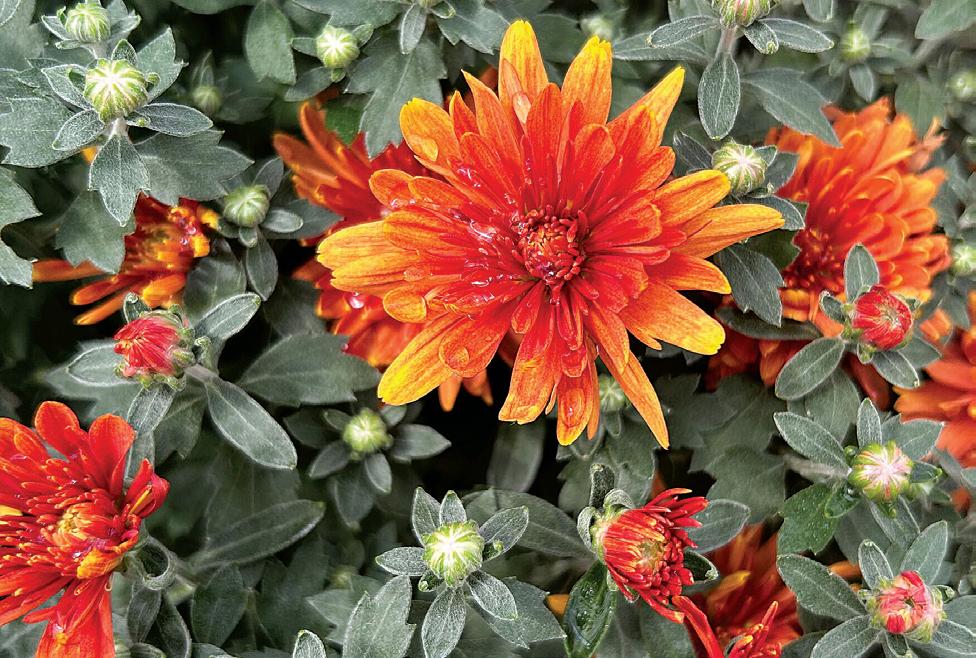
A chrysanthemum or “mum” is a Chinese native plant that has been cultivated for more than 2,000 years. This plant was on display at Woodstock Gardens.
Susans. Maples, oaks and other deciduous trees are great to plant as well as they show off pretty fall colors and are hardy against the cold.
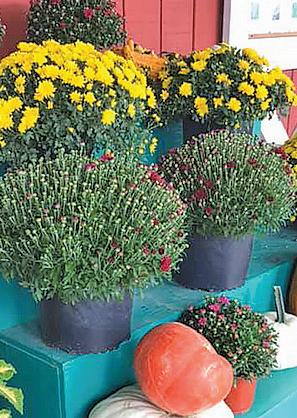
In addition, mums are a perfect fall plant because they can thrive in colder temperatures and provide rich colors for your garden. Pansies and snapdragons can also be good fall plants because they are considered biennials or short-lived perennials that can often survive mild winter temperatures. And don’t forget your bulbs, including your tulips, daffodils and hyacinths, which will make any garden beautiful. Vegetables like broccoli, lettuce and cabbage also thrive in the fall.
And then there’s grass. “It’s a great time to plant grass because of the nice weather conditions,” Horton says. “They get their roots strong for the winter, so they’re ready to rock and roll in the spring.”
Tips for fall planting
Get your plants in the ground before the first frost, which can arrive between late October to midNovember. This means September and October are perfect planting months.
But not everything dies with the first frost. Many trees and shrubs will survive.
“A fall frost only makes them drop their leaves,” says
Beaune. “It’s the early spring frost … that’s when you see damage.”
When planting, make sure the hole you dig drains well. “Winchester has the kind of soil that holds a lot of water,” says Allie Charrier, assistant manager at Weber’s Nursery. “That can rot roots.”
Make sure not to overwater plants. With fall conditions, the ground has more moisture than it does in the summer. As a rule of thumb, if you press your foot down in the soil and water seeps up through the ground, then skip a watering or two until the soil can dry.
Charrier also advises boosting soil nutrients. “Don’t be afraid to use fertilizer and compost,” she says. “It makes a world of difference in getting beautiful blooms.” There is also soil conditioner to consider using, which is often made up of a heavy compost blend, such as decomposed leaves or mushrooms. Mulch is another good resource.
“Mulch locks down the moisture in roots,” Horton says. “It helps roots get established and insulates them.”


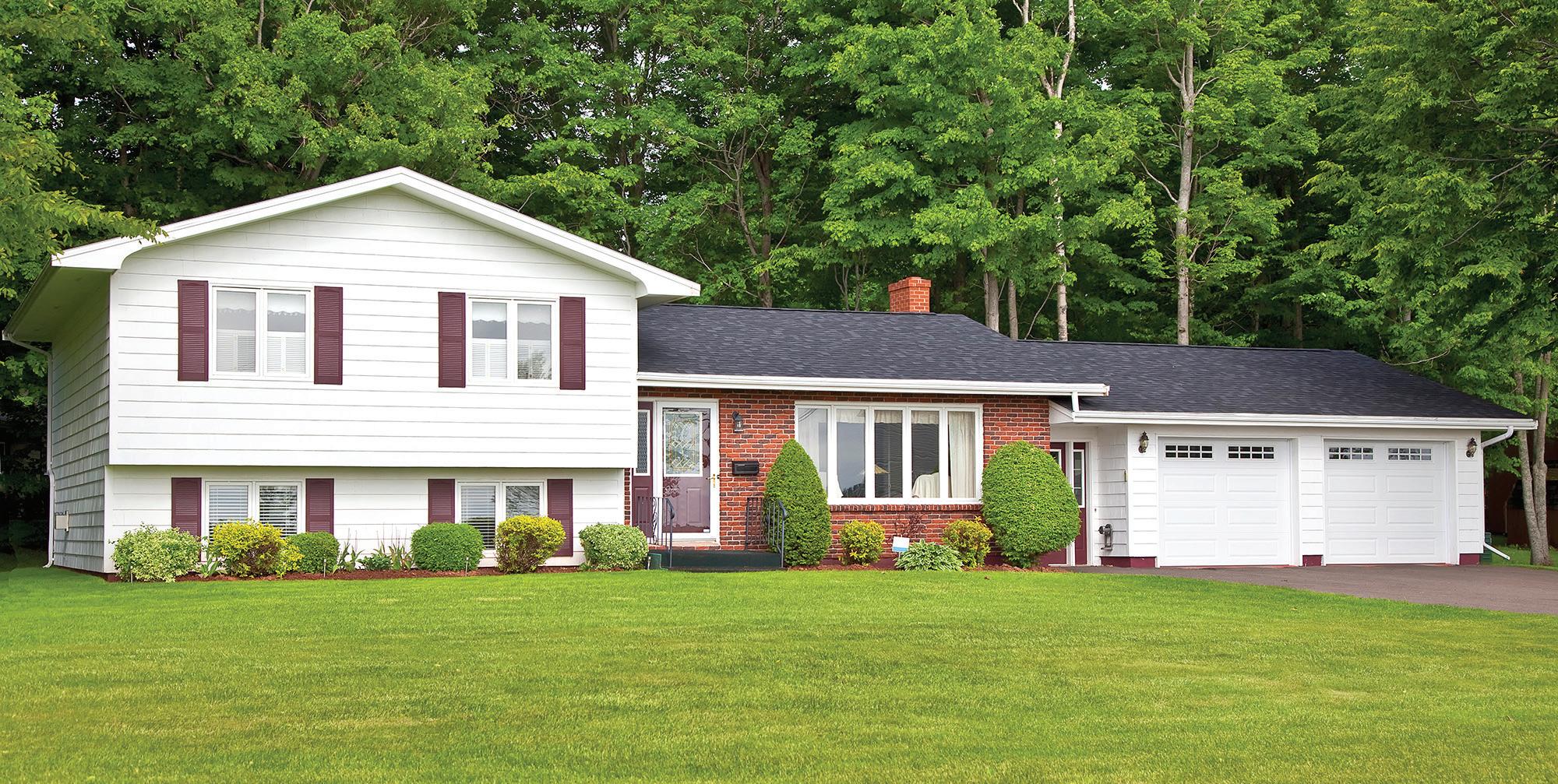


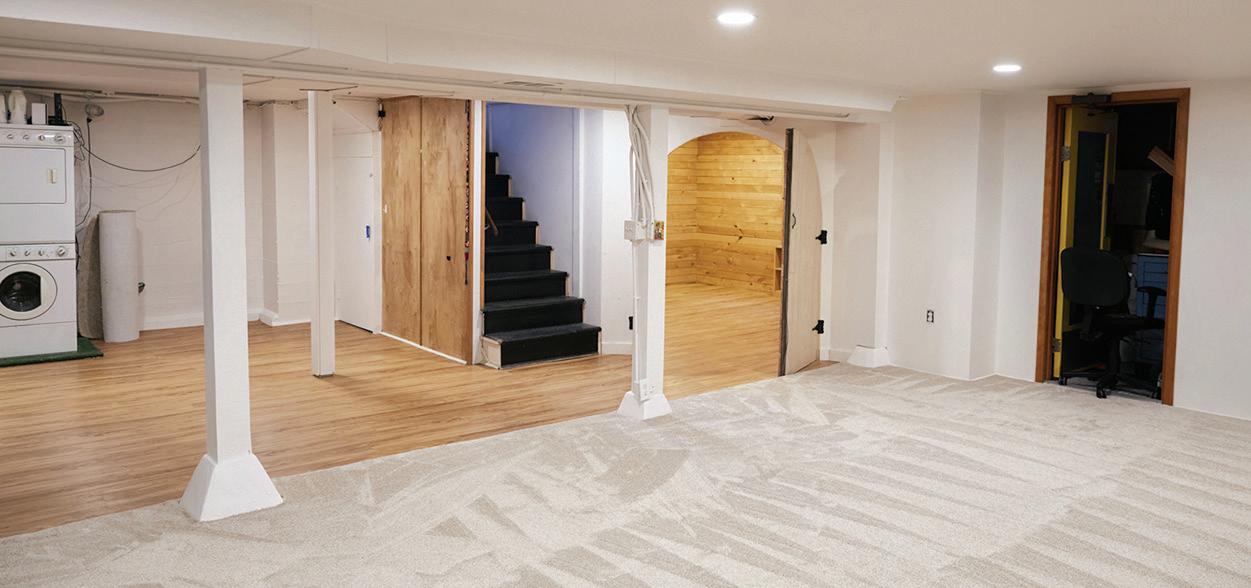
Space is a sought-after commodity in real estate. Buyers prioritize numerous variables when searching for a new home, and square footage is often near the top of their lists.
The real estate market has been highly competitive in recent years, and home prices have remained high as a result. That reality has prompted some current homeowners who feel they have outgrown their homes to look for ways to increase the usable space in their existing properties. Basement conversions are one way to add more space. Homeowners mulling a basement conversion project can learn the basics of the project as they try to determine if such renovations are right for them.
• Basement conversion projects can be costly. Though the final cost of a conversion project can vary widely depending on the condition and accessibility of the existing space,
continued from page B1
estimates range from around $45,000 to as much as $150,000. The home renovation experts at Angi.com note that the average price for excavation is $37,000. Of course, homeowners who are simply hoping to repurpose an existing basement likely won’t need to pay for excavation. Accessibility is another notable variable that can affect the final cost. If the current space is a crawl space, potentially costly structural changes may be necessary to ensure contractors and eventually residents can access the area. Basements that are already easily accessible won’t require such expenditures.
• Ventilation is a must. Finished basements must be adequately ventilated so moisture can be controlled. Without sufficient ventilation, the damp conditions common in many basements can foster the growth of mold. The Asthma and Allergy Foundation of America notes that inhaled mold spores
by weekly to cut stems for the sanctuary on Sunday mornings.
“Yesterday, while I was working in the garden, a lady stopped by and said, ‘Can I buy some of your flowers?’ and I said, ‘Absolutely not. You can have some of my flowers,’” Sharon recalled. “She came back later and cut some of the flowers.”
Neighbors often stop to share how much joy her garden brings them. “People will stop when I’m working in the yard and say how much pleasure they get driving by and looking at our flower garden,” Sharon said. “That brings me joy because I think about flowers like love and kindness, and we’re not supposed to keep those things to ourselves, right?”
Neighbor JoAnn Root shared her admiration for the Pitzvadas’ garden: “Their garden is a breath of fresh air, and it’s been fun watching all they’ve done with it,” she said. “I especially love the vibrant colors.”
Behind the beauty is plenty of hard work. Sharon spends several hours each week in her garden, and more in the spring.
Her biggest challenge is managing the perennials. “Our zinnias are about our only annual plant, other than some petunias,” she said. “Since most perennials multiply quickly, the challenge is keeping them from overrunning one another.”
Deer are another obstacle. “My husband and I researched what plants the deer don’t usually eat. So they don’t bother irises and zinnias,” Sharon explained. “I’ve planted a lot of daylilies, and those are a dessert to deer.”
Future projects are already underway. “Our next major project is to dig up the irises, bring in fresh soil, and create a mound so water runs off instead of pooling on top,” she said. “Then we’ll replant the irises.” With nearly 200 to move, it’s no small job.
Sharon also collects zinnia seeds each fall and replants them in the spring, creating hundreds of blooms. “The zinnias that we grow, I harvest the seeds every year, and I reuse the seeds from last year for this year’s garden,” she said. “We also give away zinnia seeds. I’ve got tons of them.”
Despite the scope of the garden, Sharon remains humble. “I consider myself a beginning gardener because there is so much that I don’t know,” she said. “I’m just fortunate in that I’ve been able to pick the right plants for our location.”
can trigger allergic reactions in some people, potentially leading to runny nose, postnasal drip, red and watery eyes, and itchy eyes, nose, ears, and mouth, among other symptoms. Waterproofing systems and adequate ventilation can prevent mold growth in a basement, and these should be integral components of the design.
• Permits are part of the process. Basement conversions are considered major projects, and thus typically require homeowners and contractors to secure permits before any work is done. Permits may be necessary at various stages of the project. Homeowners who ignore laws regarding permits will have trouble selling their homes down the road, as it can be difficult if not impossible to secure a certificate of occupancy if renovations were made without securing the proper permits. In addition, securing necessary permits for each phase of the project can
ensure final approval of the project. If permits are not secured along the way, local officials may insist work be redone to adhere to local laws, which can make the project even more costly.
• Basement conversions take time. The time a project takes will depend on the condition of the space at the start of the project and various details unique to each conversion. However, various contractors indicate projects take about two to three months once they begin. That timeline does not include the pre-project process of finding a contractor, soliciting design plans or preparing the rest of the home for such a significant and lengthy undertaking. Basement conversion projects can add significant square footage to a home. Recognition of what such projects entail can help homeowners decide if this is the best way for them to increase livable space in their homes.
Her husband, Jim, plays a role too. “My husband is pretty artsy and creative, so a lot of it has been his brainchild, and I get to maintain it,” she said with a laugh.
Sharon encourages new gardeners to start small and be patient. “Be patient with your flowers and with yourself because it does take some experimenting and figuring out what works in your particular soil, what works with the amount of light that you have,” she said, adding, “Don’t be afraid to try some plants and then understand they might not be suited for your location, and try
another one next season.”
For Sharon and Jim, gardening is more than a hobby. It’s a source of peace, joy, and connection. “Gardening makes you feel like you’ve accomplished something,” she said. “Going out and pulling a weed, or planting a seed, means I’ve accomplished something that day.
“The beauty of the flowers, and knowing that they bring joy to other people, makes it all worth it — all the hours of sweat and the blisters on your hands. It’s so worth it when you see that you can help make part of God’s creation a little more beautiful.”