PLACE PURPOSE &
Never underestimate the power of plugging in to those around you...

Never underestimate the power of plugging in to those around you...
Great work doesn’t happen by accident. It happens by design.
As we look toward the future of the workplace, we’re reminded that the office is no longer just a place where work occurs—it’s a destination where culture is built and human potential is realized. We believe the office must evolve from a necessity into a high-performance human ecosystem. It’s about creating a Return on Commute (R.O.C.) that earns a worker’s time by offering something they cannot find at home: meaningful, physical connection. The more we embed ourselves in digital tools and AI, the more we crave the raw, unfiltered collaboration that only happens when we gather in person.
Our focus this year at NeoCon is Connection —connecting humans, not just hardware. By shifting the narrative from simple amenities to strategic spaces for connection, we’re able to position products for environments that foster mentorship, spark innovation, and build the social capital essential for organizational success. We invite you to explore how intentional design can transform the office from an obligation into a vibrant community where people truly choose to be.
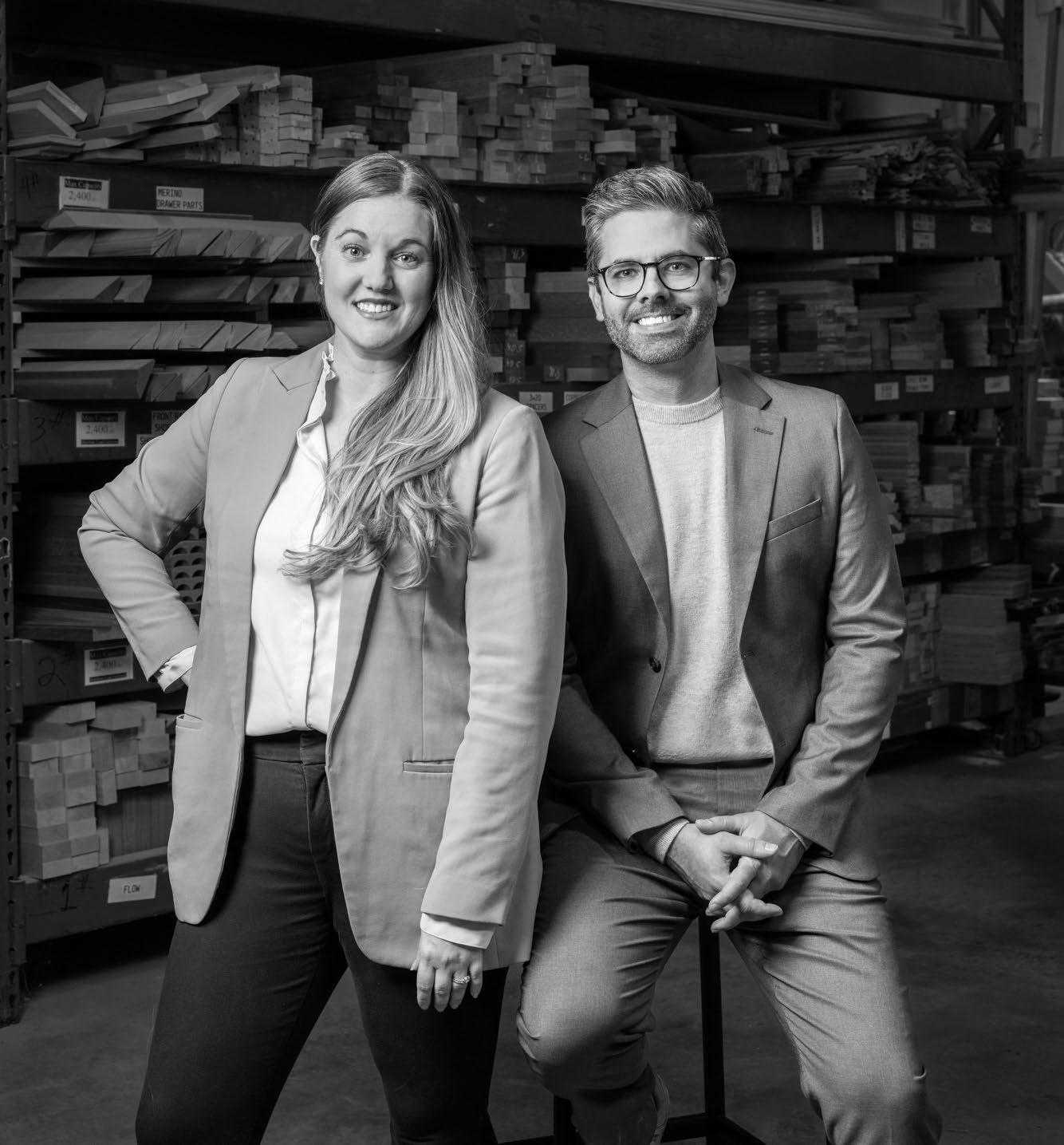
— Stephanie & Andrew
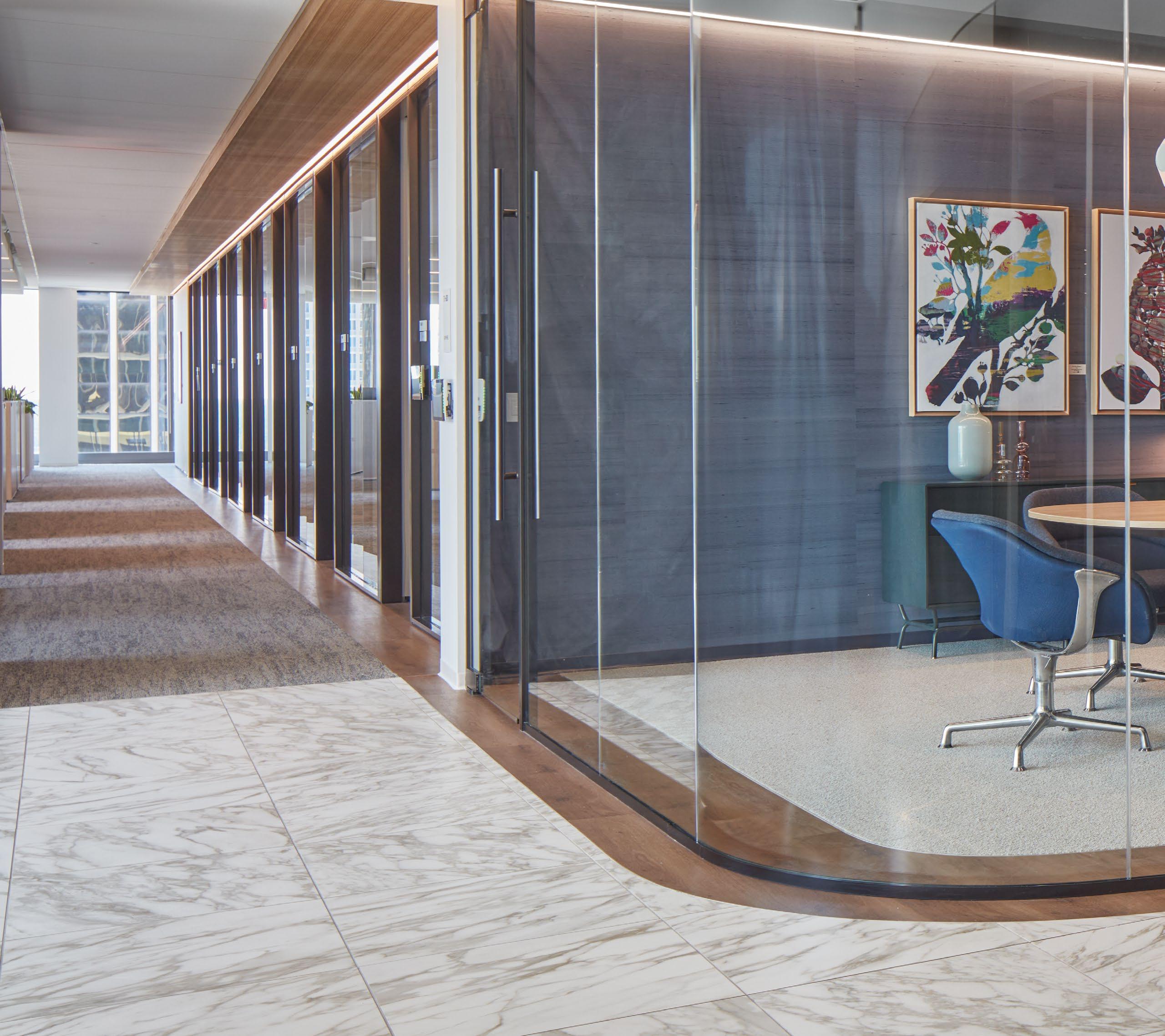
To stay competitive, organizations must treat their real estate as a strategic asset that attracts talent and drives performance. Within these pages, and informed by the research and insights of many other brilliant works, we’ve attempted to define the value of the modern workplace through four core lenses that ensure every commute is rewarded with an exceptional experience.
1. Connected: The office is the heartbeat of organizational culture. By 2030, Gen Z will comprise 30% of the workforce, and this generation chooses employers that prioritize mentorship, community, and work-life balance. We design products that facilitate these human-centric connections, turning the workplace into a brand-powered cultural hub.
2. Healthy: Today’s workforce views a healthy environment as a baseline expectation, not a perk. This includes a commitment to the physical—carbon-conscious and sustainability-minded—as well as the human: wellness, diversity, and inclusion. Our solutions integrate biophilic elements and sensory-aware design to support long-term vitality and focus.
3. Smart: With 60% of meetings now including virtual participants, the office must be an intuitive tech partner. Efficiency depends on seamless integration and reliable access to power in every setting.
4. Versatile: Rigid layouts put a tax on the flow of great ideas. Employees need a collection of adaptable spaces that match the right setting to the right type of work, whether it’s deep focus or rapid innovation. Our portfolio focuses on a variety of applications, as well products specifically designed for modularity and agility, ensuring the workspace can evolve as quickly as the teams within it.
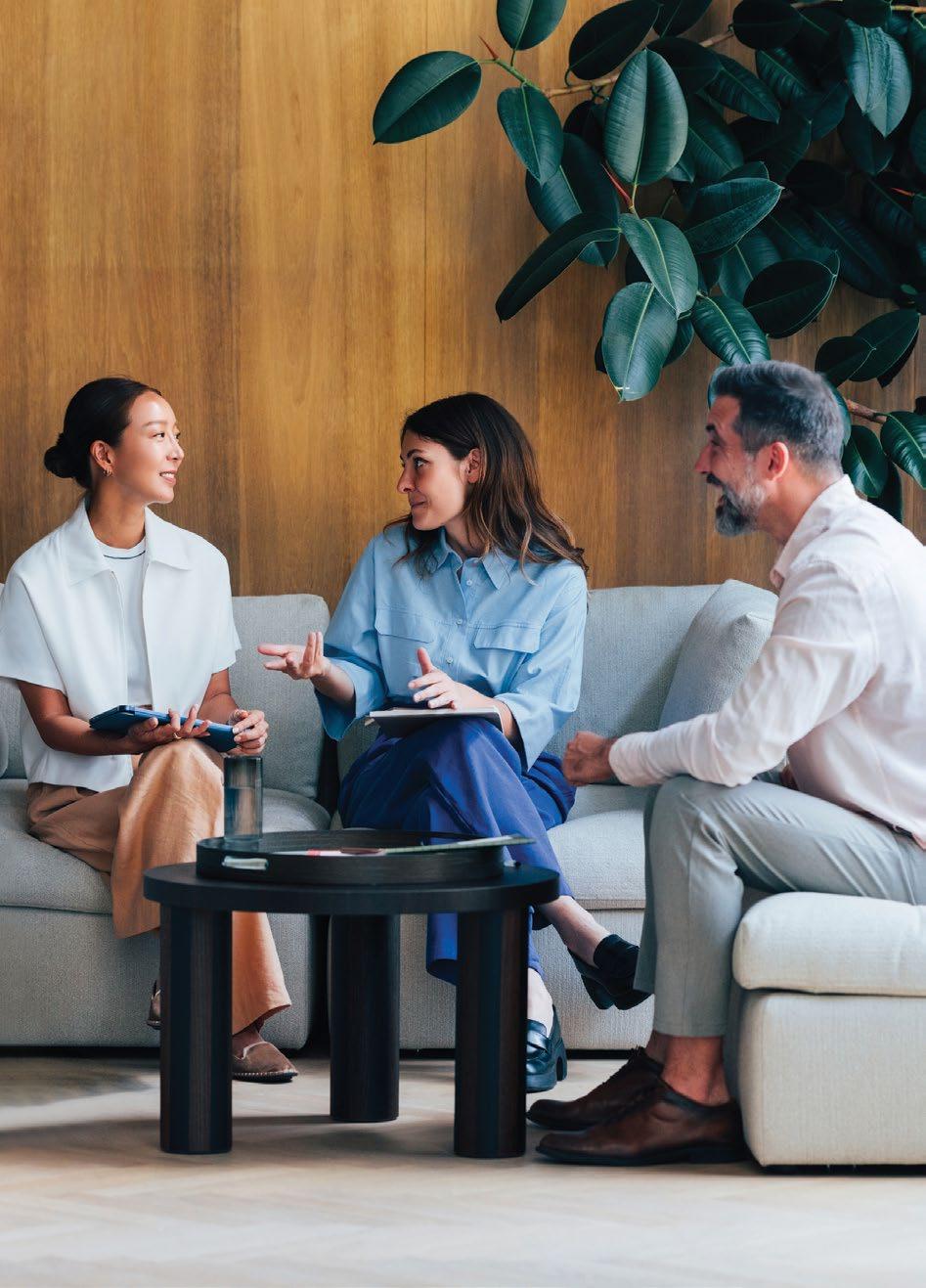
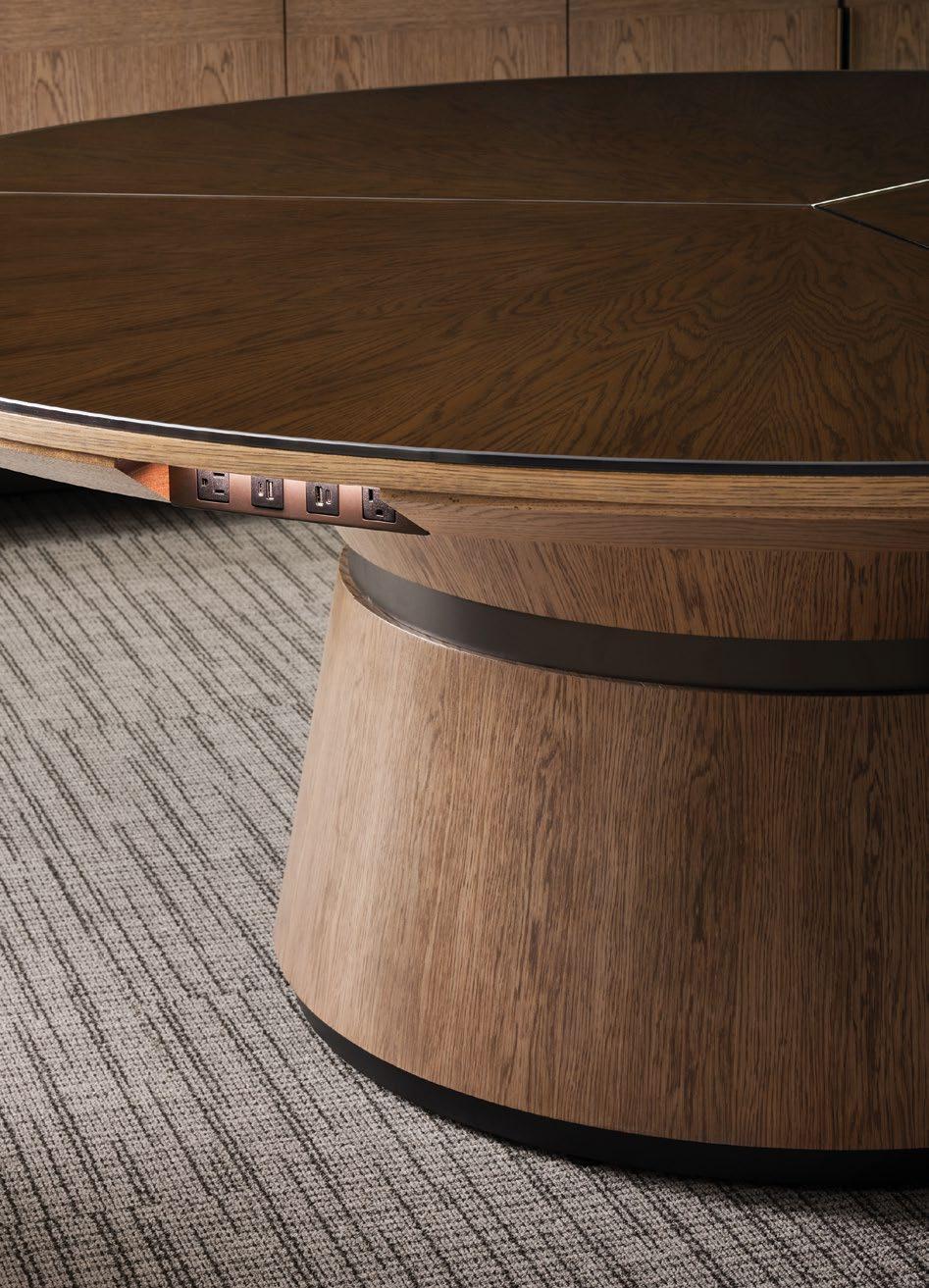

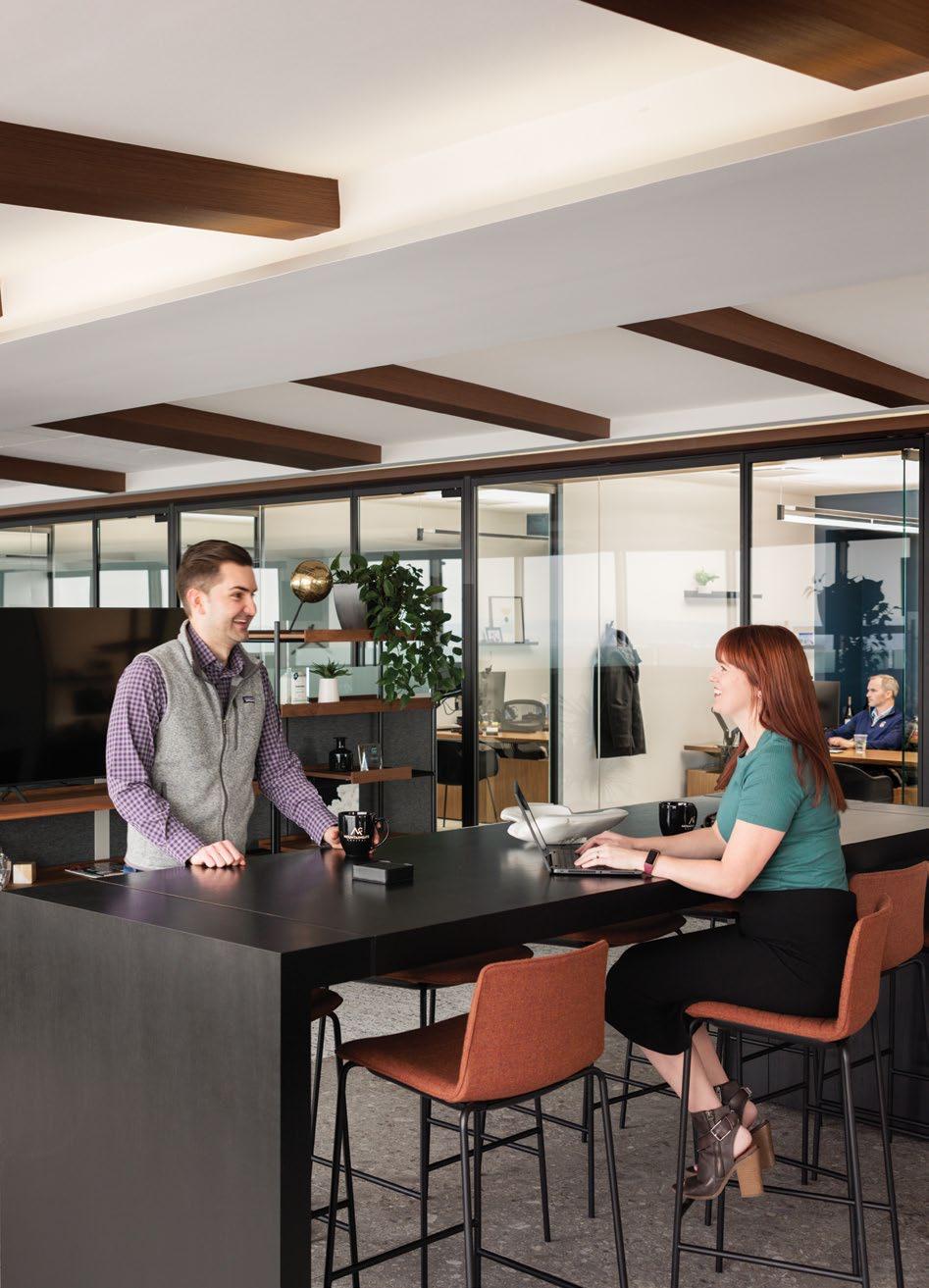
Furniture and spaces that are designed for the work of today.
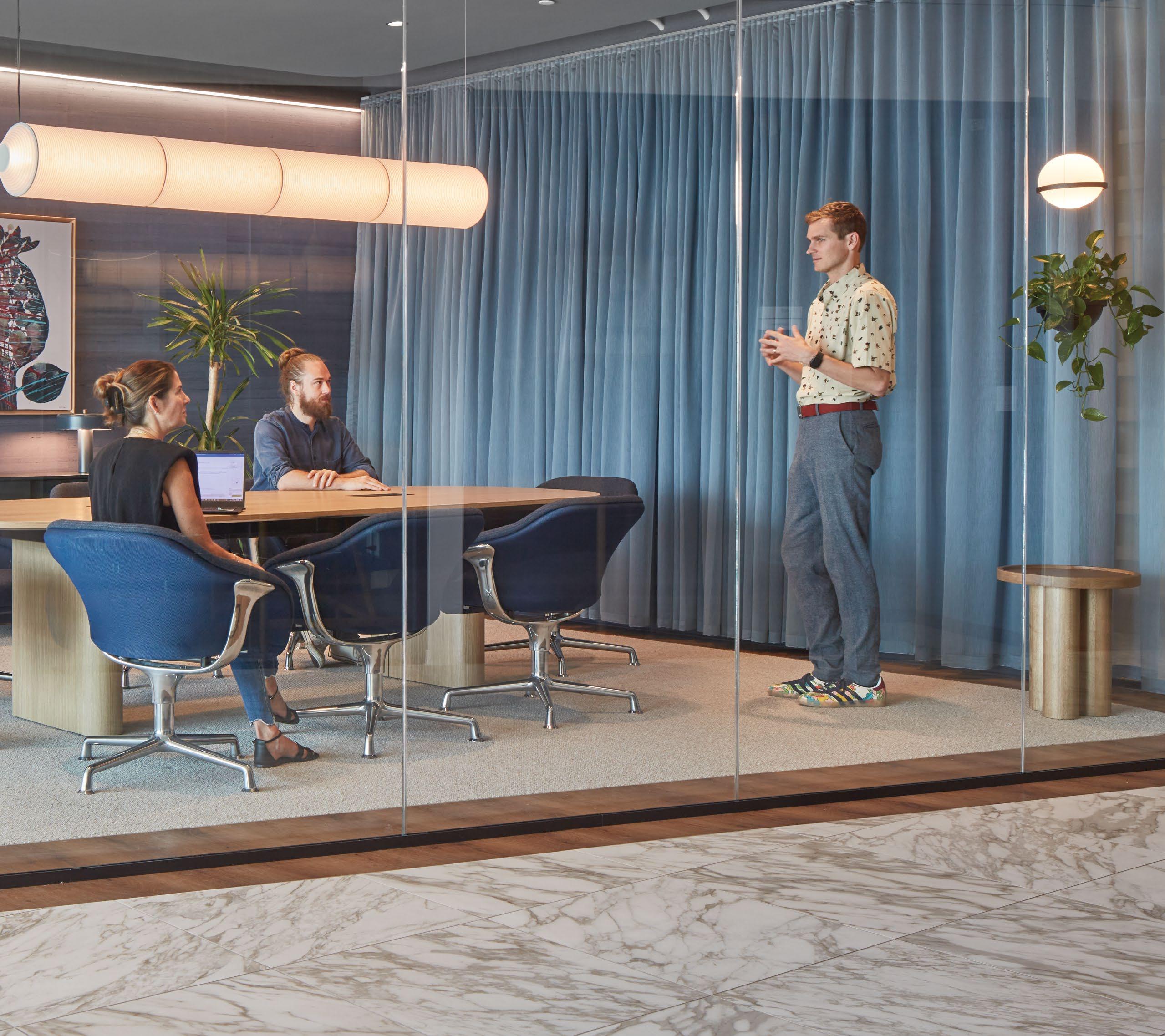
For the 40% of the workweek spent on focused tasks or private interactions, huddle spaces provide a necessary sanctuary within an open-plan office. These small-scale work zones, designed for 1 to 4 people, are optimized for confidential calls or quick collaborative sessions that require immediate proximity to technology. By offering varying degrees of visual and acoustic privacy, these spaces ensure that hybrid workers have a dedicated, high-performance home base while on-site.
Why it matters: Productivity requires a seamless transition between me and we work. Providing immediate private zones removes the friction of the open office, ensuring that critical conversations happen with the precision and privacy they deserve.
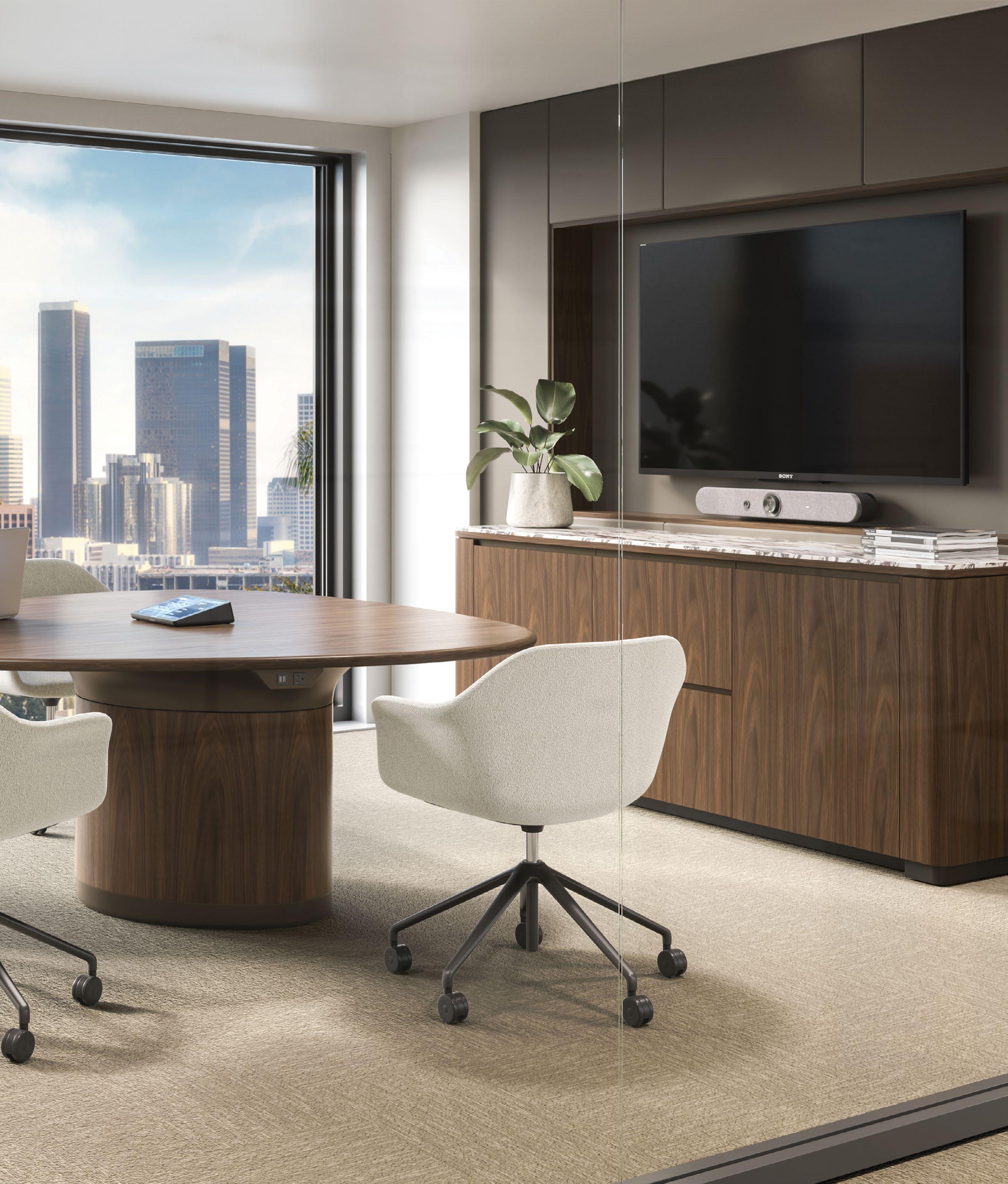
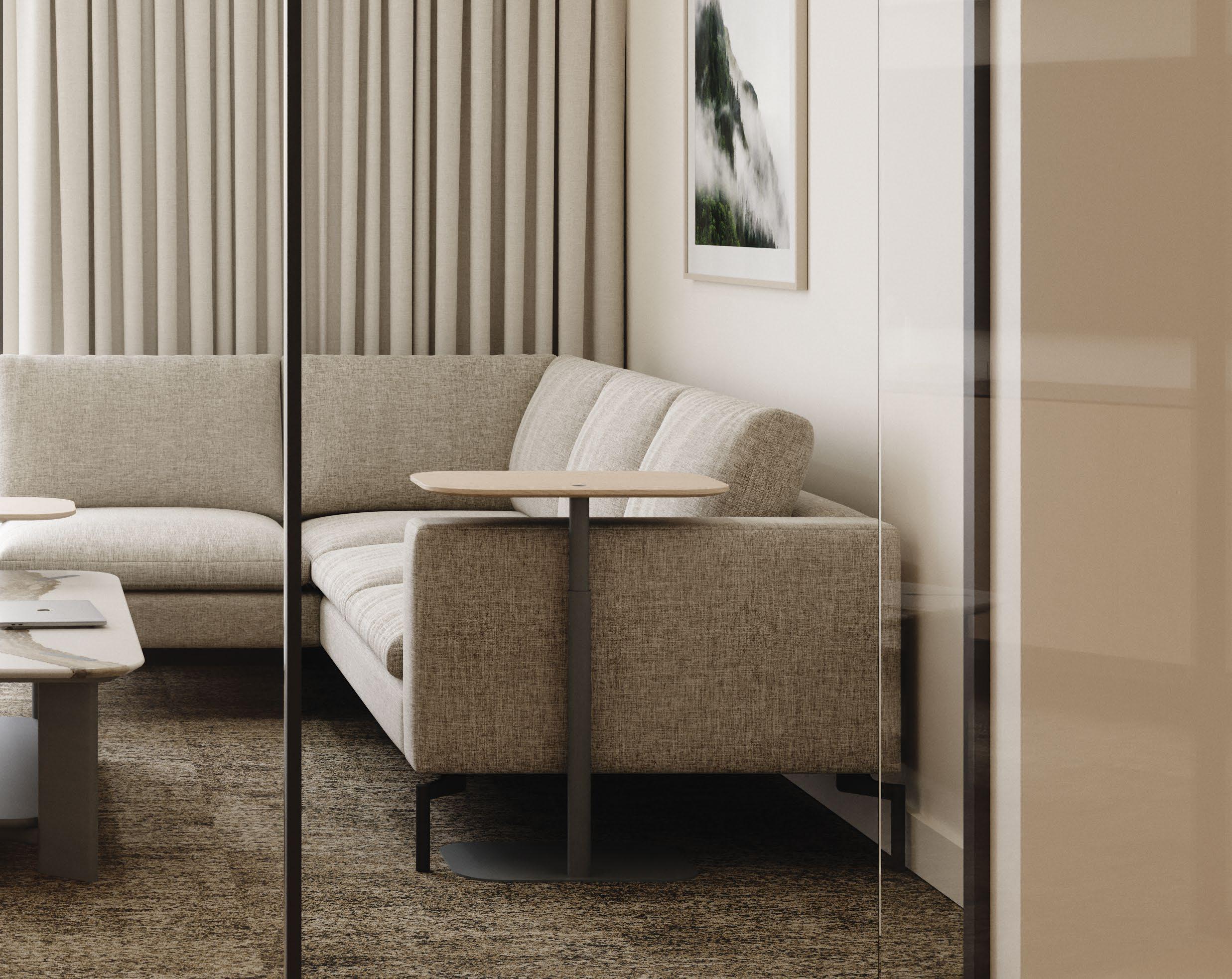
Modern professional environments are increasingly hospitality-led, transforming the office into a destination that prioritizes comfort and personal touch. These spaces are designed to humanize the workplace, offering intimacy at scale through curated wellness and tech-free zones that invite pause and presence. When the workplace feels like a sanctuary, it delivers a level of psychological safety and luxury that feels like home.
Why it matters: The Return on Commute is won or lost on the quality of the experience. By shifting from utility to hospitality, the office becomes a destination of choice that supports mental well-being and signals a high-value investment in the person, not just the employee.
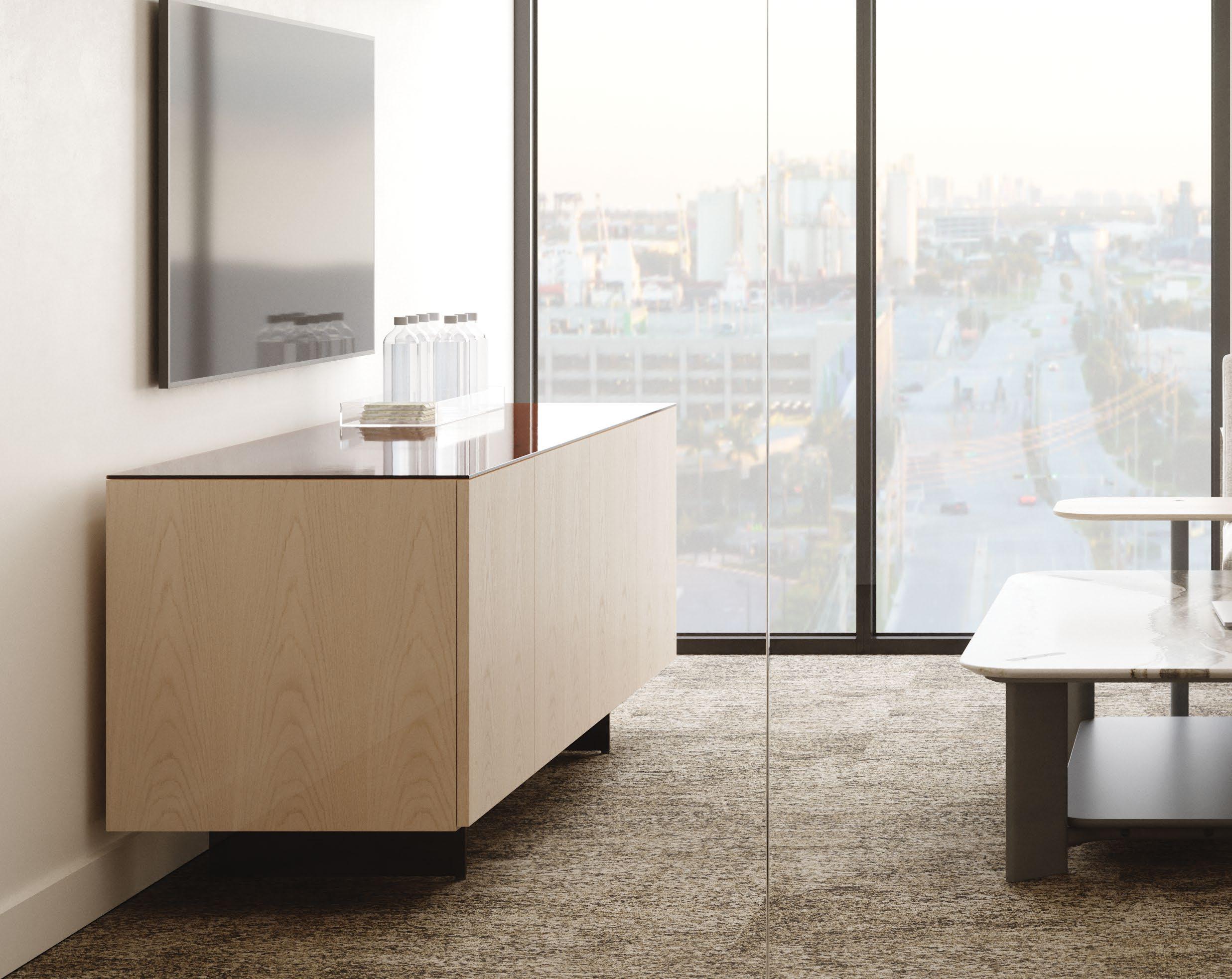
The team space is a workshop for the modern office, where connecting humans, not just hardware, becomes a reality. These are the zones where social capital is built— the informal trust and knowledge-sharing that drive long-term productivity. In an era of AI-driven efficiency, these spaces are crucial because they support the complex, nuanced human interactions that technology cannot automate.
Why it matters: High-performing teams rely on tacit knowledge and informal mentorship. Dedicated hubs allow for the organic exchange of ideas that fuels professional growth and ensures that the human ecosystem remains the organization’s strongest engine for success.
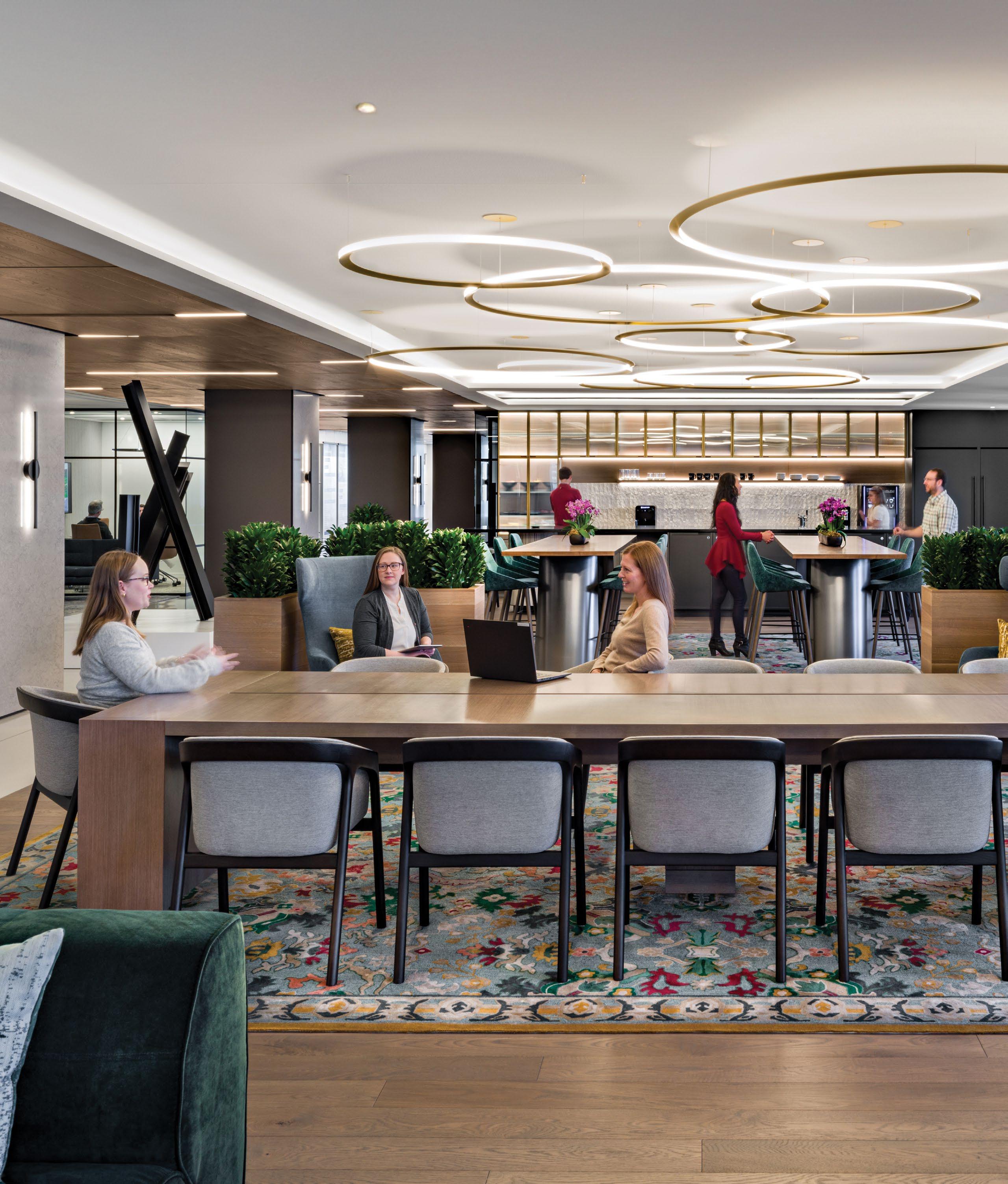
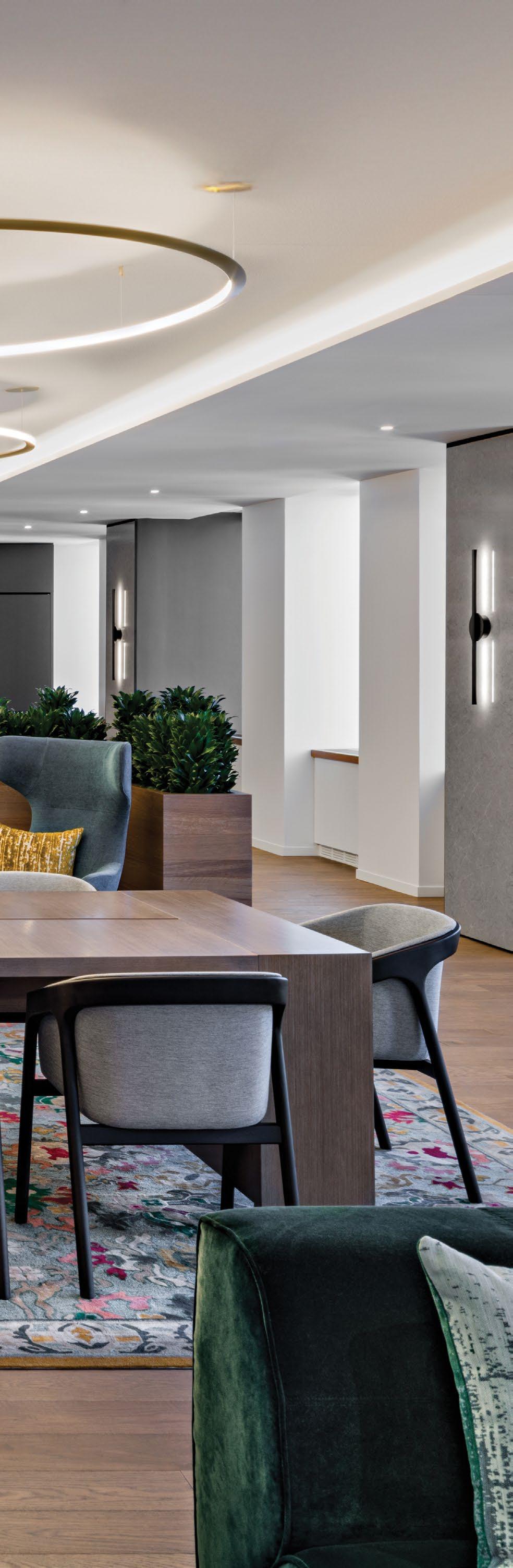
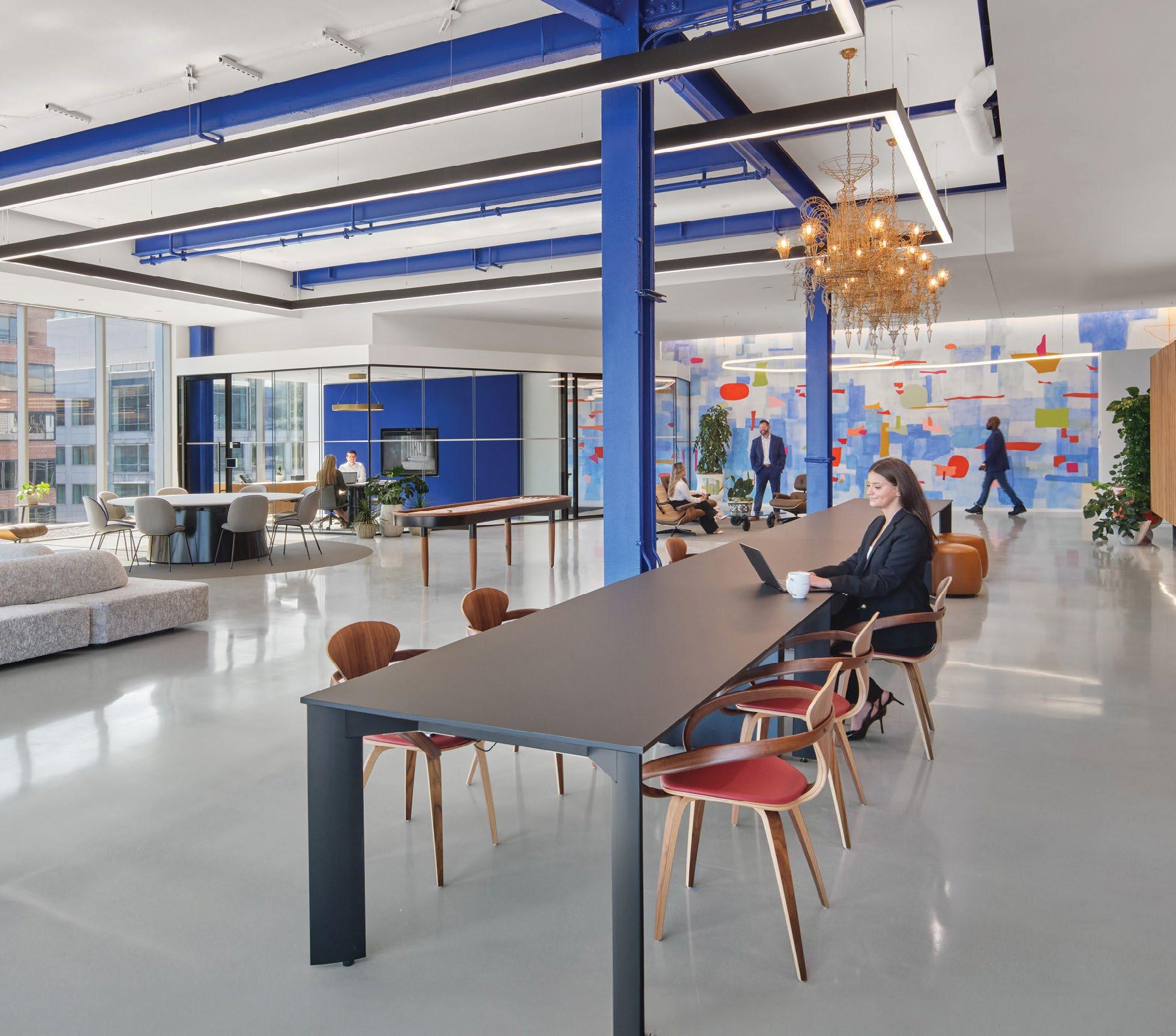
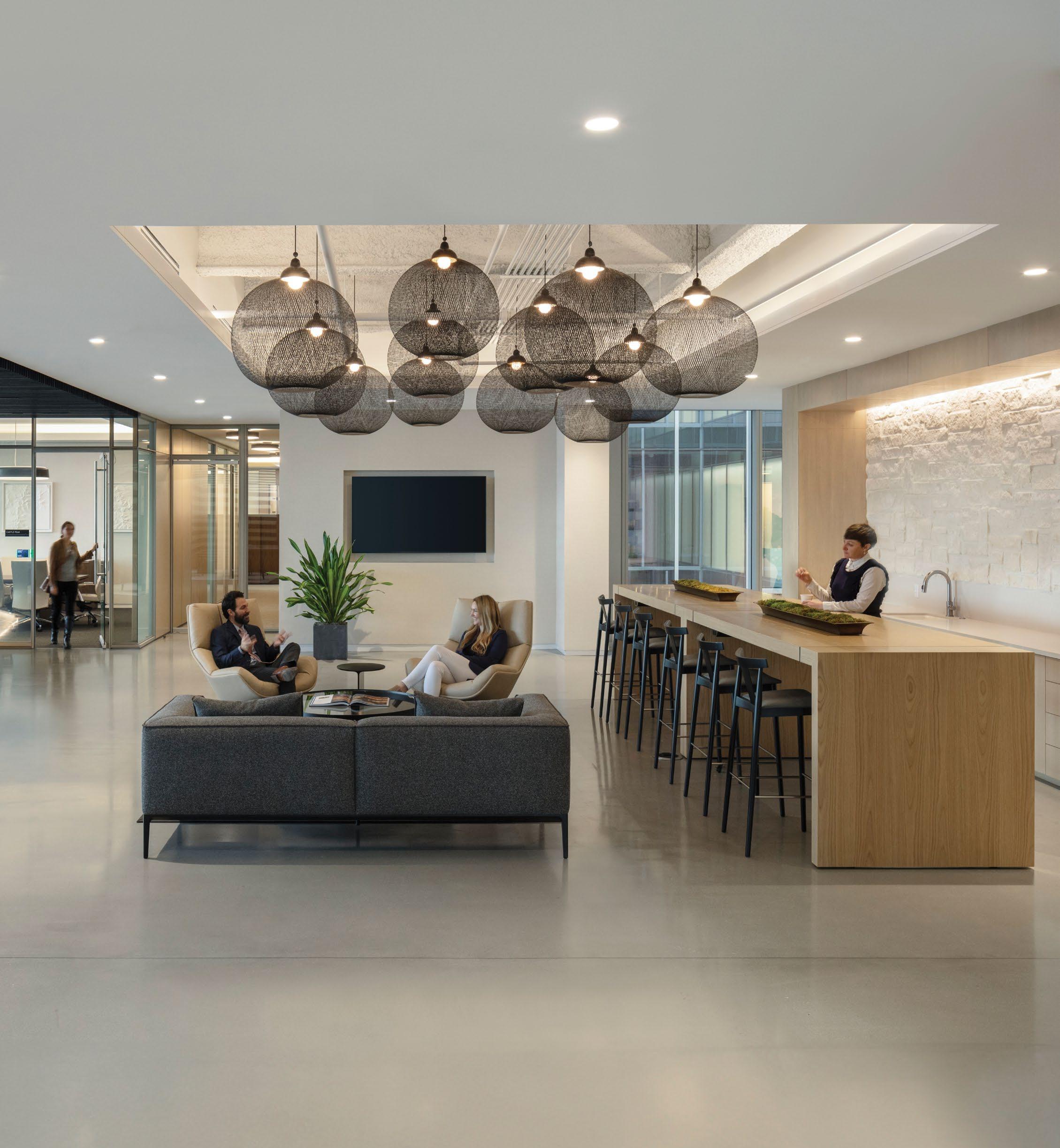
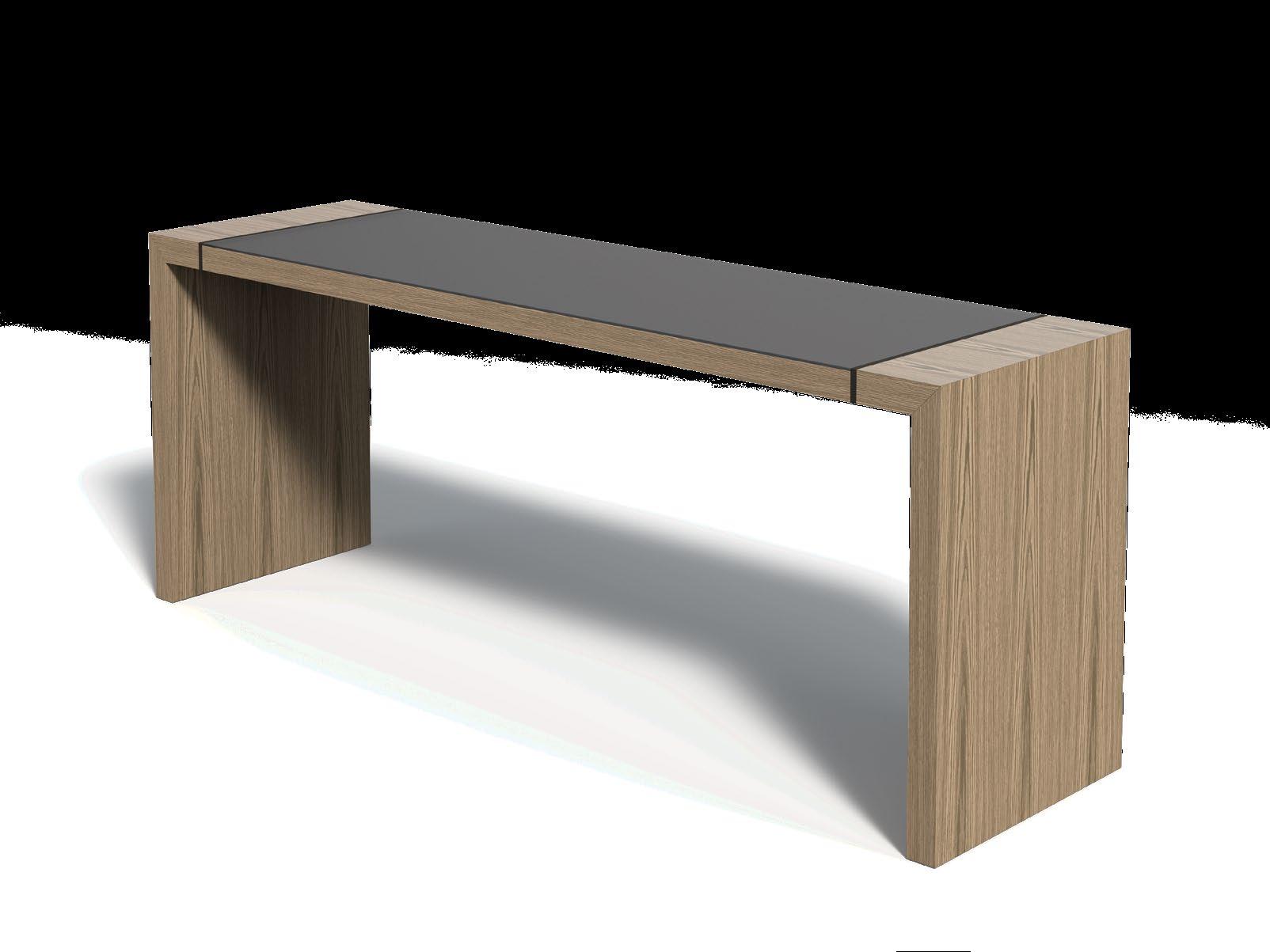
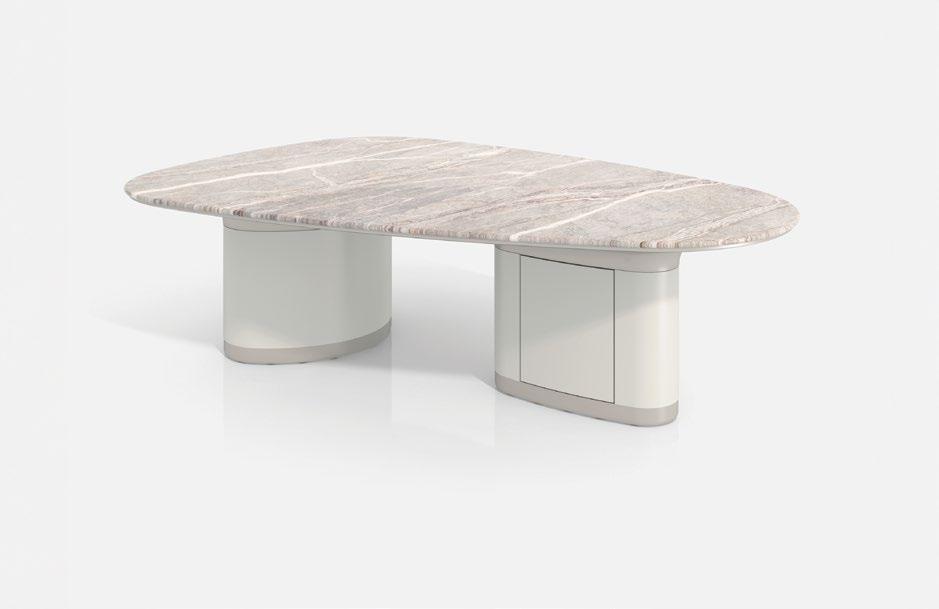
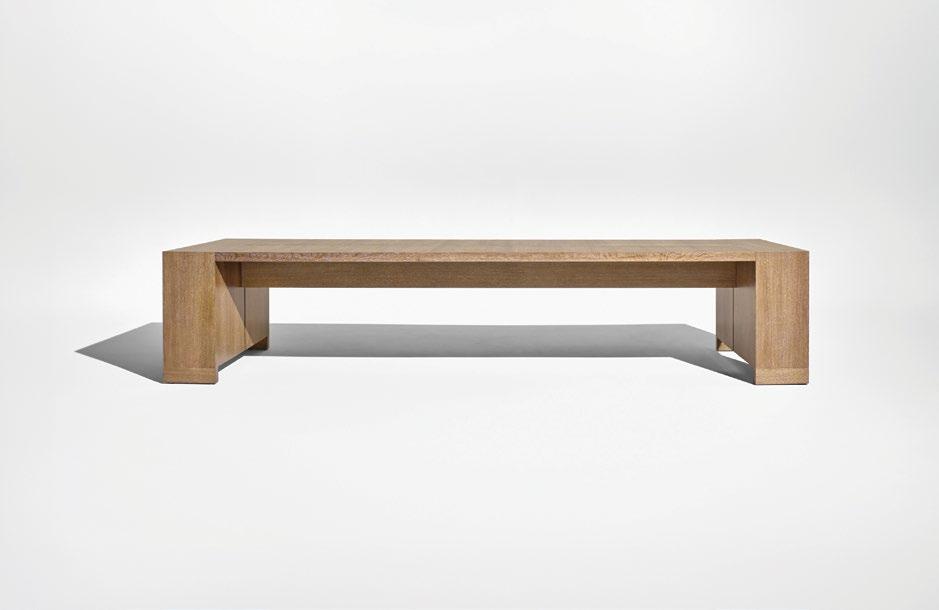
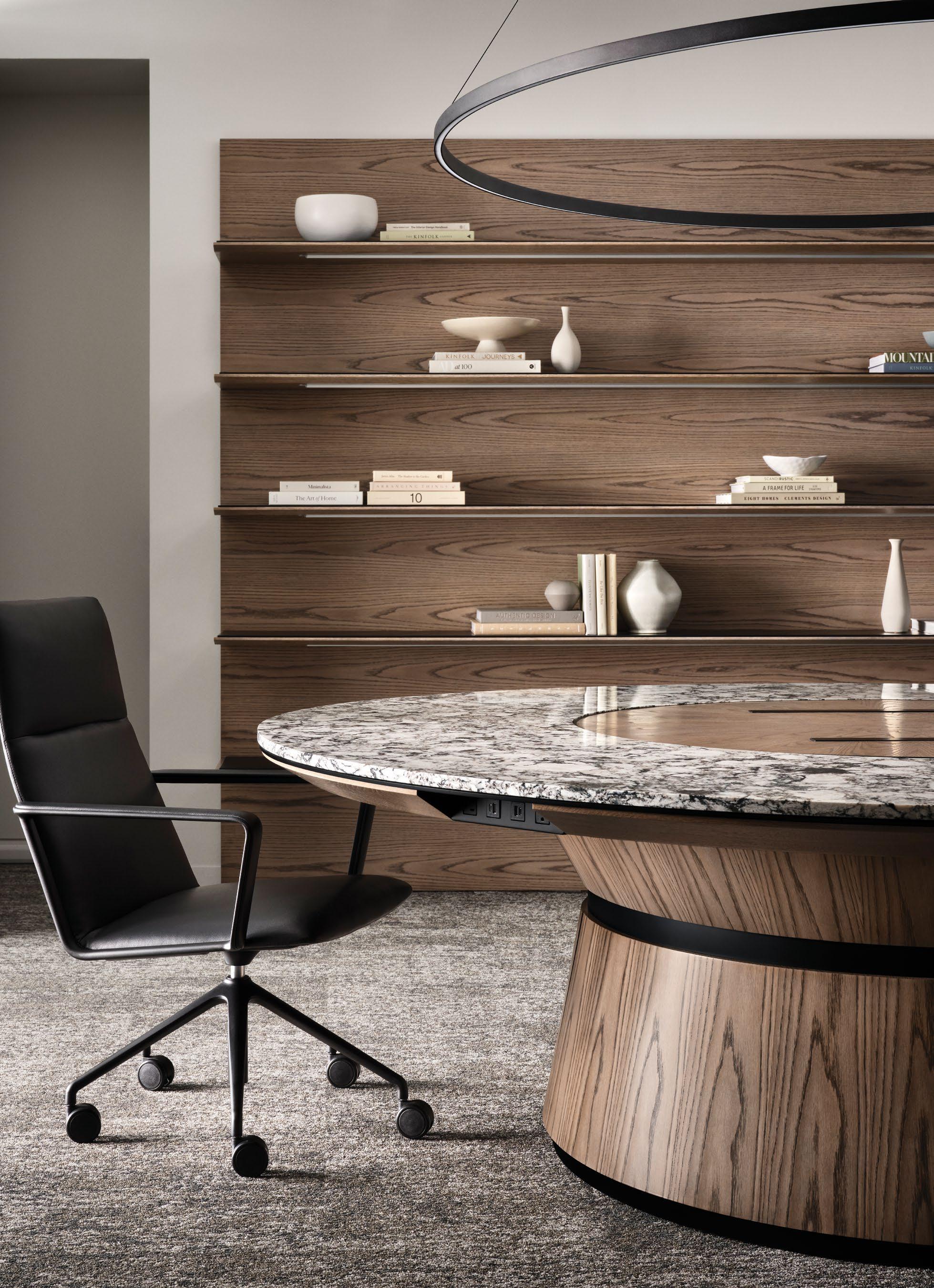
Preston table in a community space setting.
The community space serves as the front porch of an organization, designed to foster a sense of belonging and shared purpose. These are high-visibility zones that move beyond traditional lobbies to become vibrant, multifunctional districts where employees from different departments can cross paths. By prioritizing emotional impact over square footage, these spaces act as experience multipliers that boost employee satisfaction and reinforce the brand’s narrative.
Why it matters: In a distributed work model, culture is the one thing that cannot be downloaded. These spaces act as the physical pulse of the organization, transforming incidental interactions into the social capital that sustains long-term resilience.
Innovation requires a specific type of environment—one that is fluid, interactive, and prototypical in nature. Creative spaces are designed for co-creation and rapid experimentation, functioning as labs and studios where teams can visualize complex problems. Equipped with adaptable furniture and expansive analog or digital surfaces, these spaces encourage the messy work of brainstorming that is essential for future-proofing any business.
Why it matters: As automation reshapes the workforce, the ability to solve complex, non-linear problems is the ultimate differentiator. These spaces provide the physical permission for teams to iterate, fail, and innovate at the speed of the market.
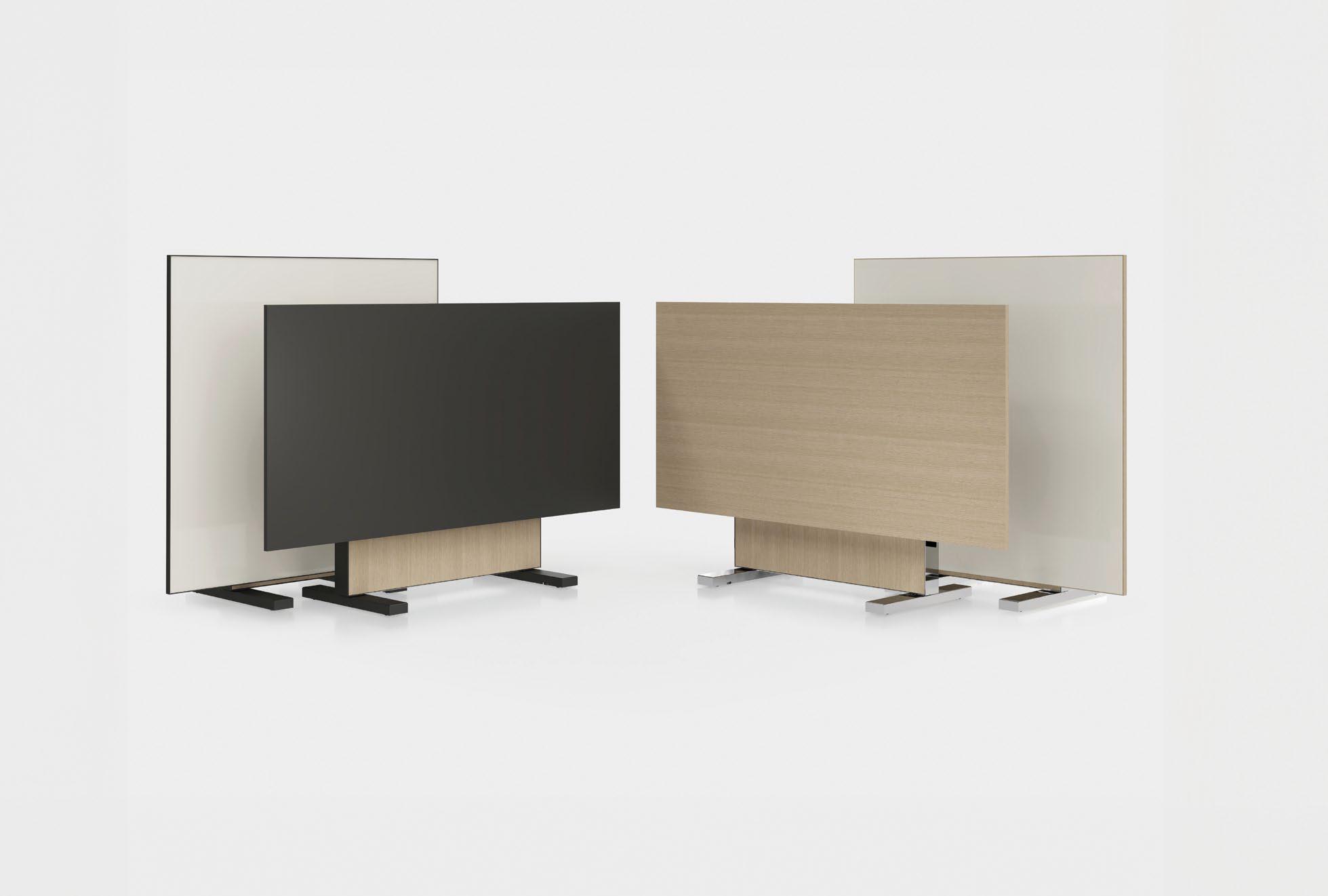
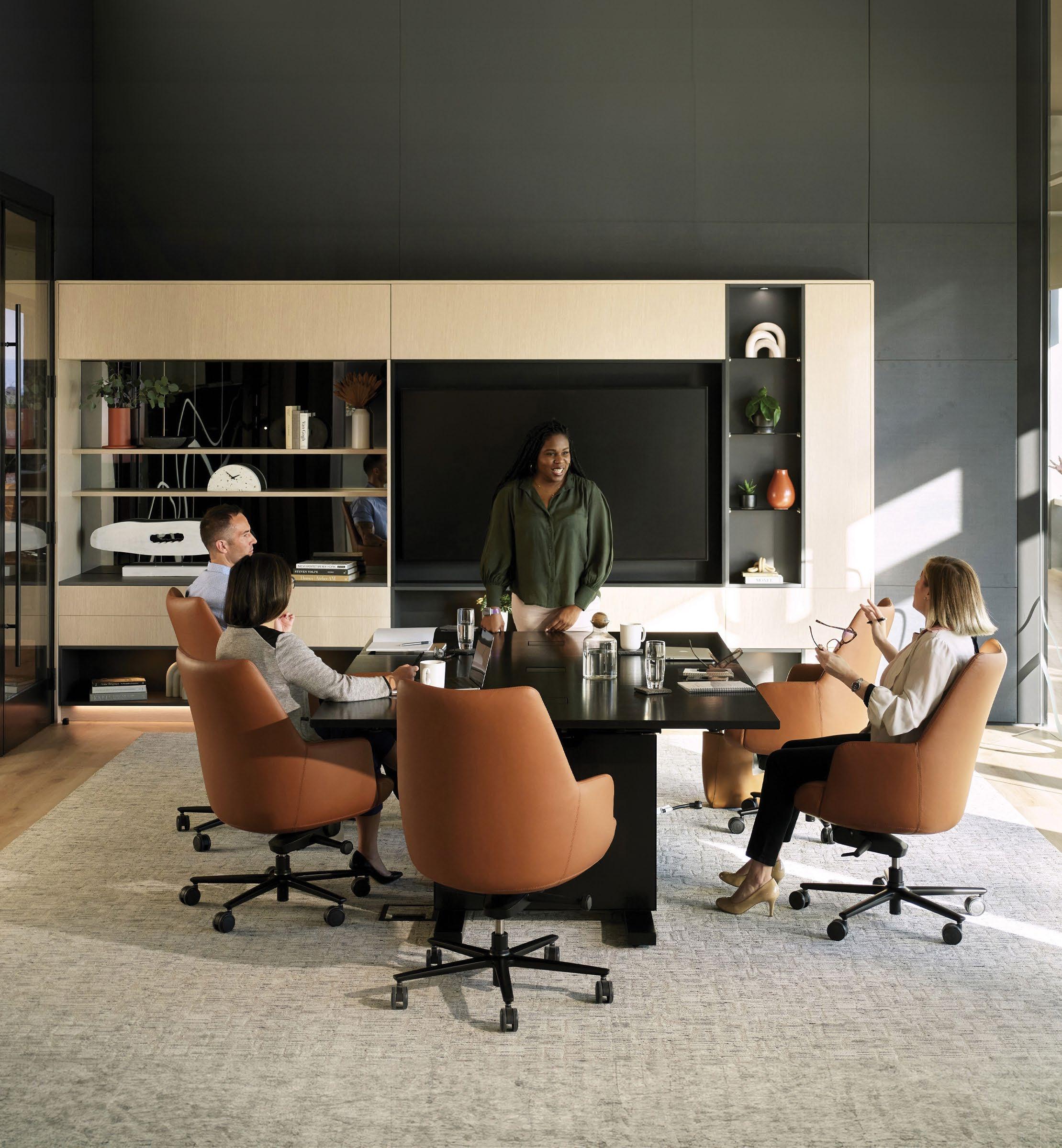
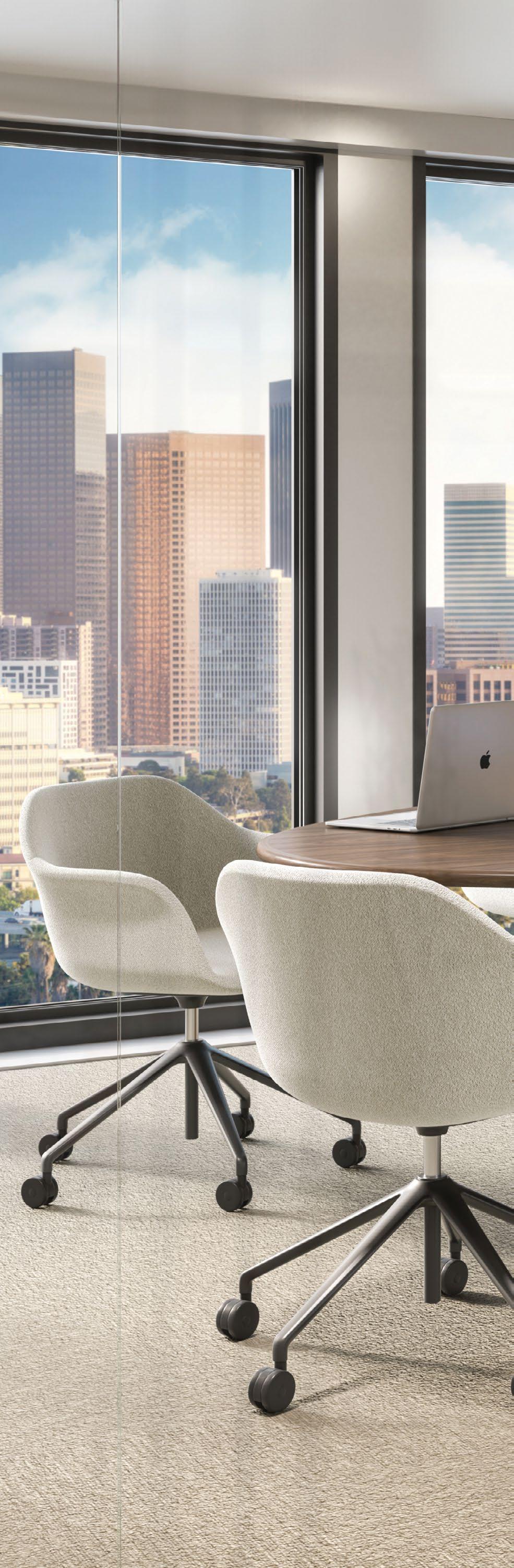
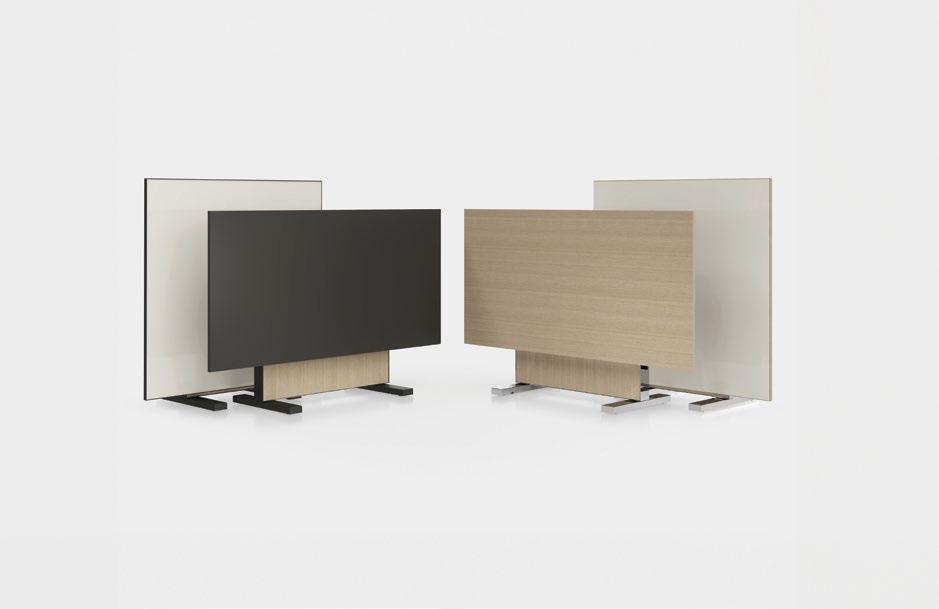
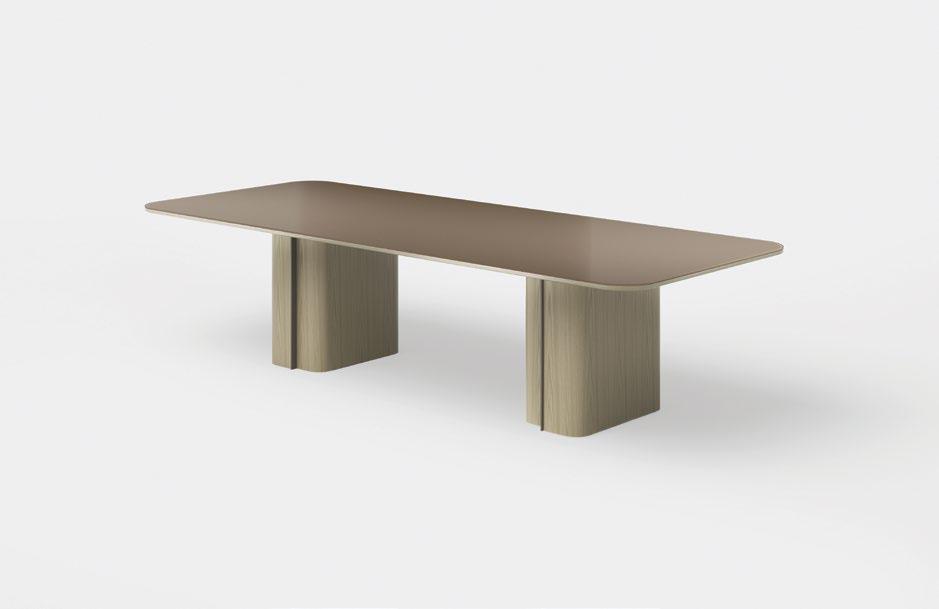
Approach tables in a flexible and reconfigurable space.
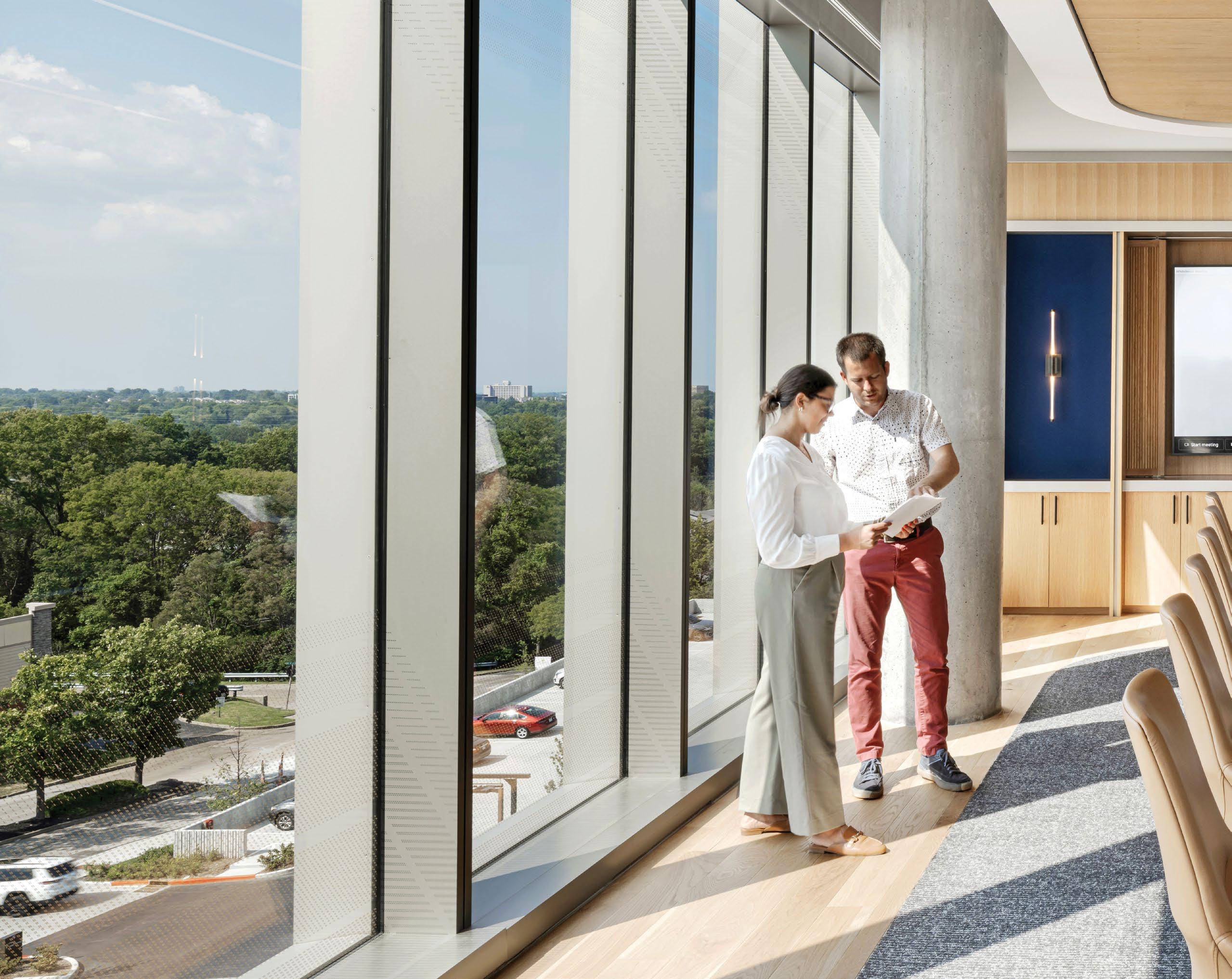
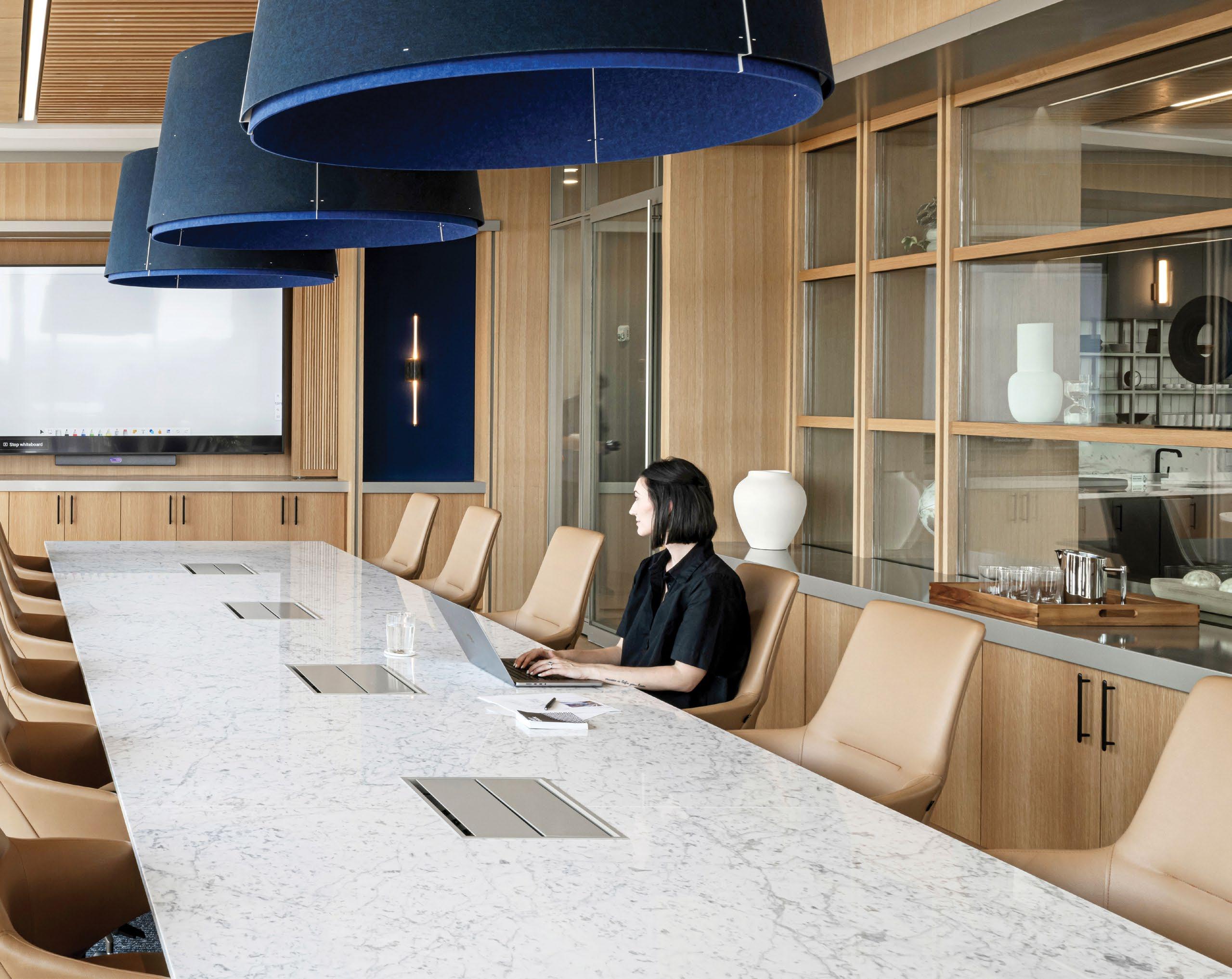
The traditional meeting room is evolving into a multifunctional platform that must support a virtual-capable reality. With the majority of meetings now taking place in hybrid formats, these spaces are designed to eliminate proximity bias through intuitive technology and optimized sightlines. Whether hosting a formal board review or a client innovation sprint, the organizations that succeed will be those that transform expensive real estate into a strategic asset for global connection.
Why it matters: Meeting equity is the cornerstone of a value-driven meeting experience. Eliminating the digital divide through intentional design ensures that all talent—regardless of location—has equal agency, fostering a truly inclusive culture of contribution.
Gallup. State of the Global Workplace 2026: Employee Engagement Data & Trends. April 2026.
Gensler Research Institute. Design Forecast 2026: Design Agility and the Human Experience. 2026.
Gensler Research Institute. The AI Paradox: Global Survey Findings on Tech-Driven Workers. Architect Magazine, March 2026.
Gensler. Global Workplace Study: Bridging the Gap Between Employee Needs and Workplace Utilization. 2023–2024.
JLL. Design as a Strategic Lever for Future-Proofing Real Estate. February 2026.
Microsoft. Work Trend Index—Great Expectations: Making Hybrid Work, Work. 2022–2023.
Steelcase. 5 Ways Your Office Will Change by 2026. December 2025.
Work Design Magazine. The Four Pillars of Reimagining the Workplace: Focus, Collaboration, Community, and Wellness. 2024.
Work Design Magazine. Gen Z’s Impact on the Workplace and the Future of Mentorship. 2024.
Forbes. Remote Work Statistics and Trends. 2023.
SHRM (Society for Human Resource Management). The State of Workplace Culture and Employee Retention. Fall 2023.
Interaction UK. Office Design Trends for 2026: What’s Shaping Workspaces. 2026.